
Archive
- Abandoned
- Alabama
- Arizona
- Bahamas
- Books
- California
- Cemetery
- Climate
- Colombia
- Connecticut
- Diner
- Egypt
- Feature
- Florida
- Friday Fun
- Georgia
- Holidays
- Illinois
- Iowa
- Italy
- Kentucky
- Louisiana
- Maryland
- Massachusetts
- Mississippi
- New Jersey
- New Mexico
- New York
- North Carolina
- Novelty Architecture
- Ohio
- Pennsylvania
- Personal
- Peru
- Project 365
- Protest
- Rhode Island
- Roadside Attraction
- South Carolina
- Tennessee
- Texas
- Travel Guide
- Virginia
- Walks
- Washington DC
- West Virginia
- Wisconsin





















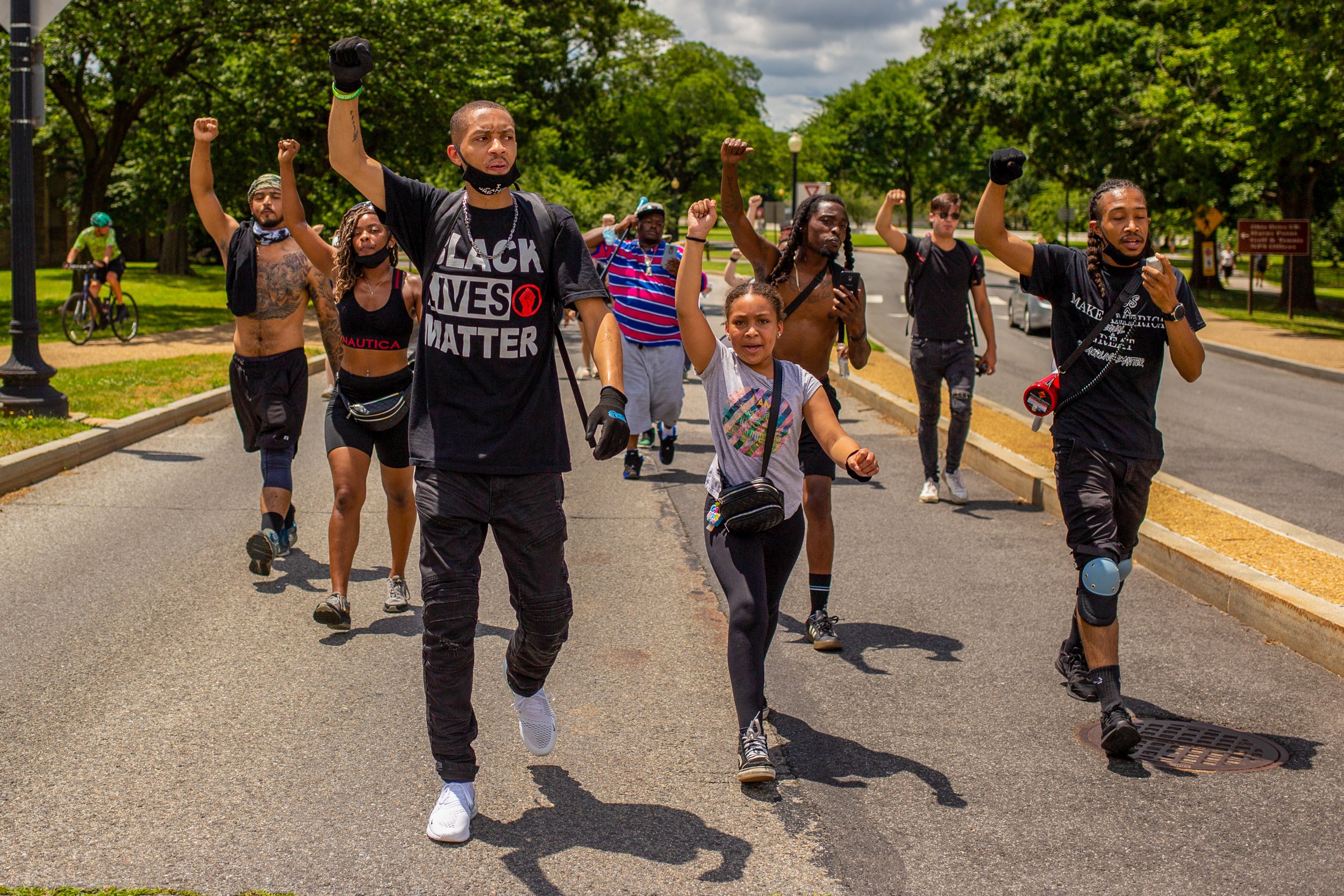
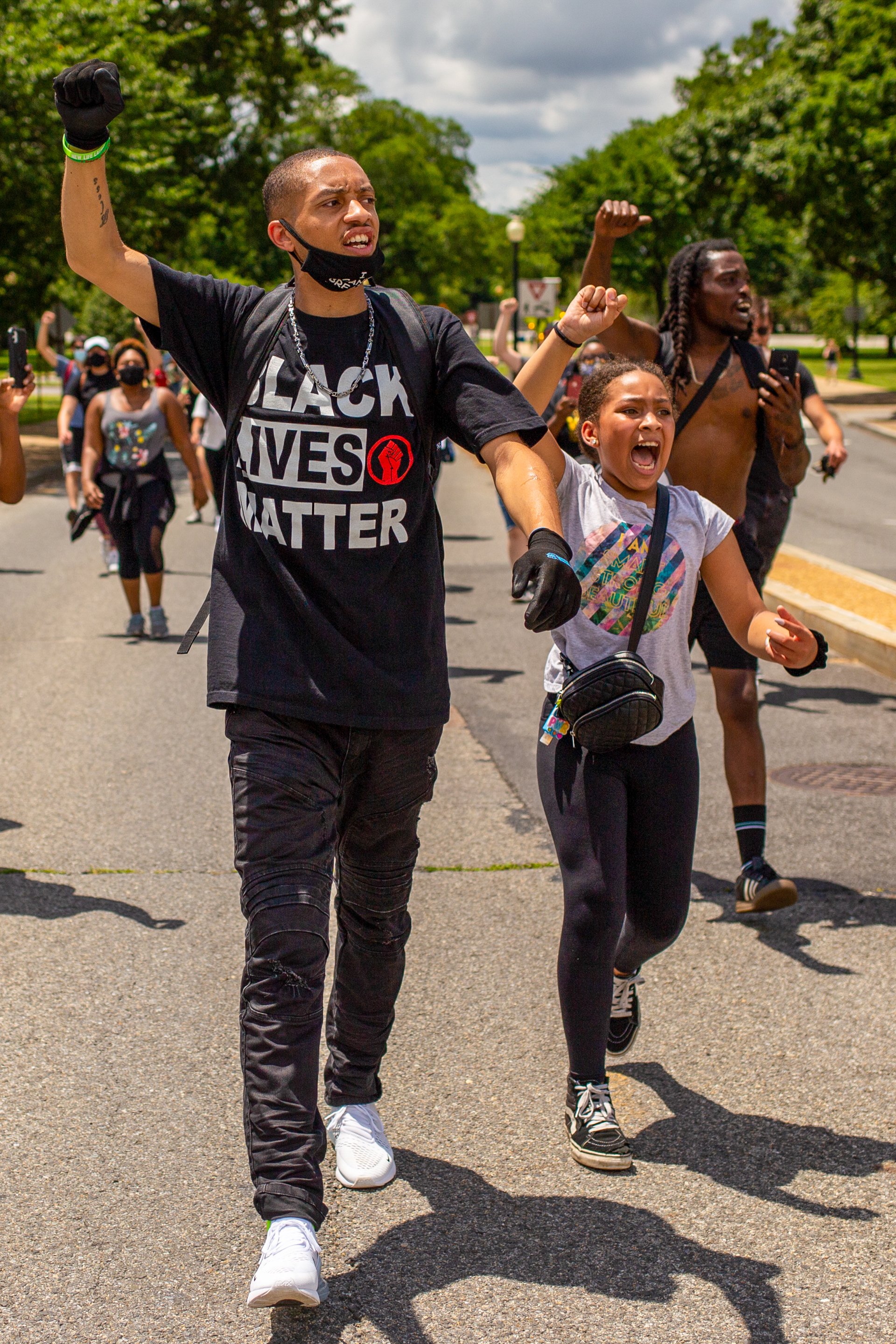

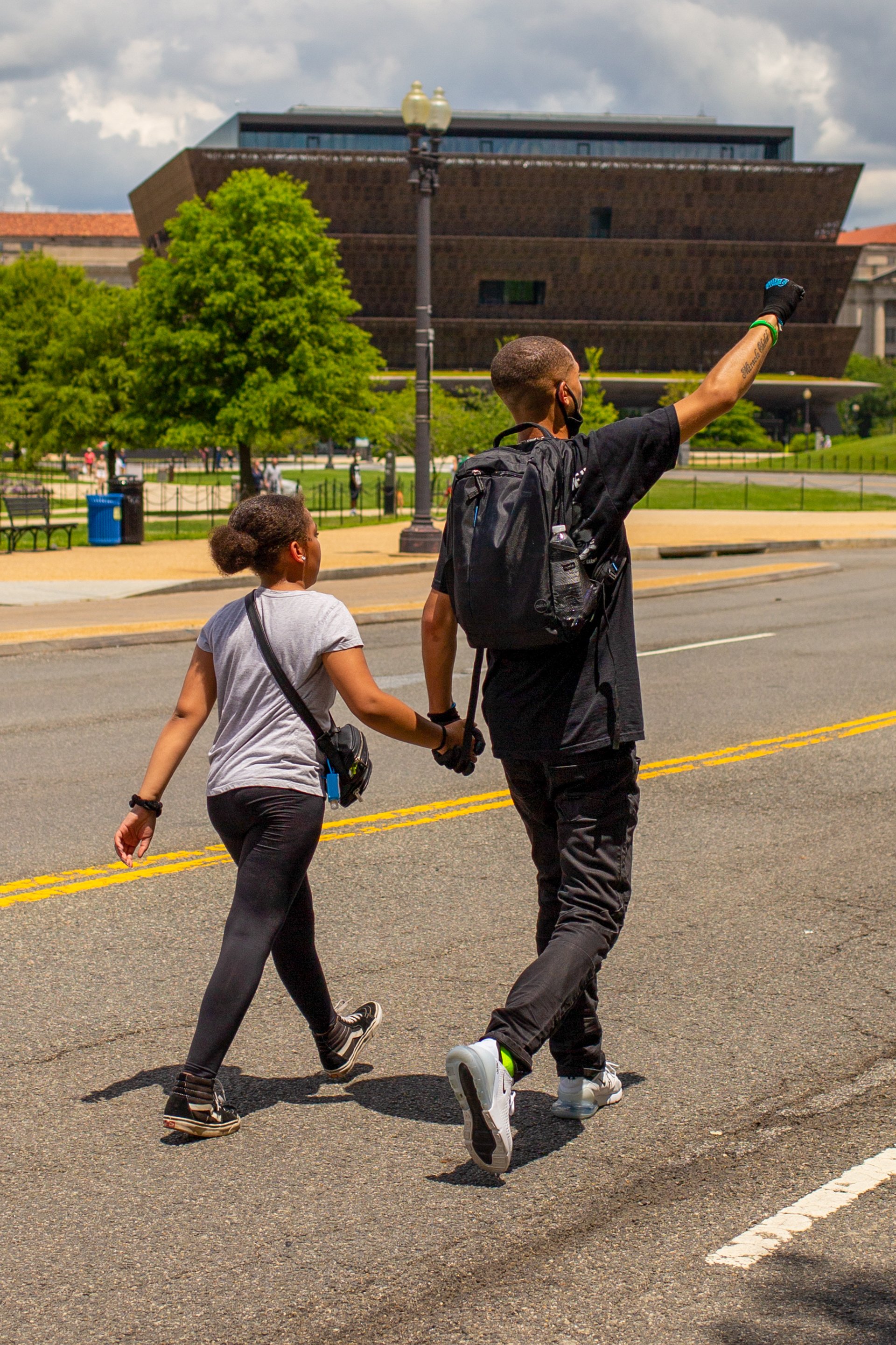
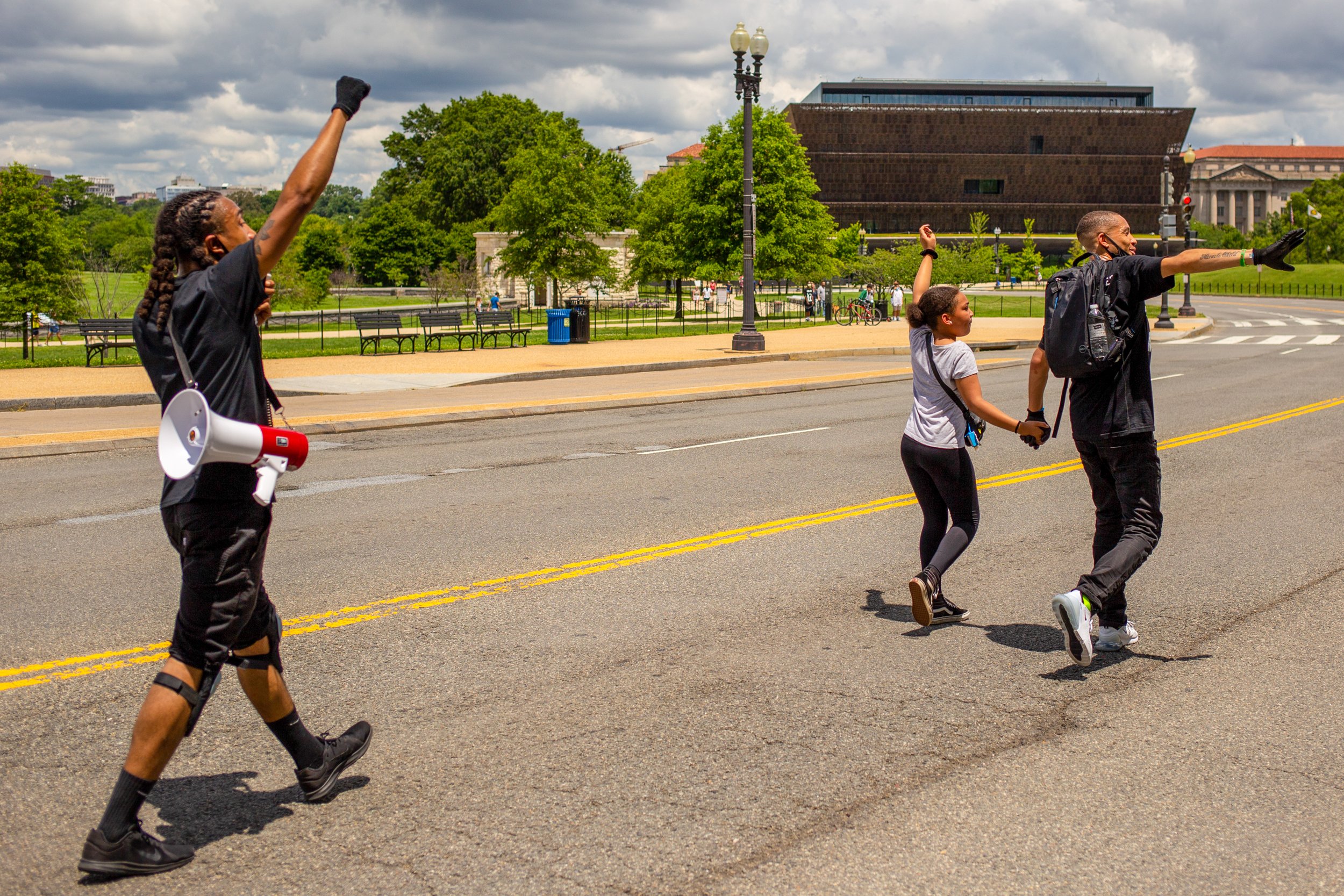



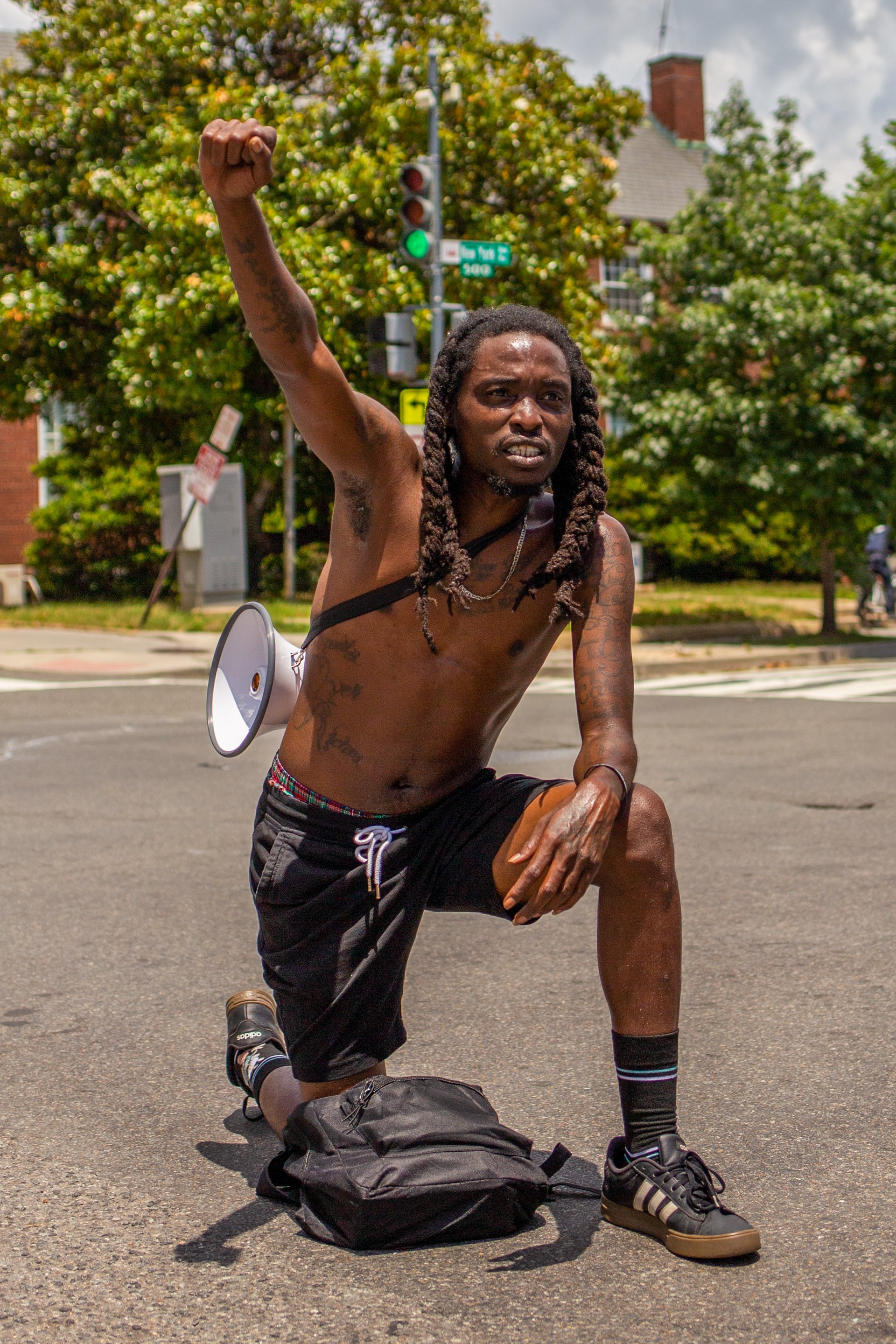

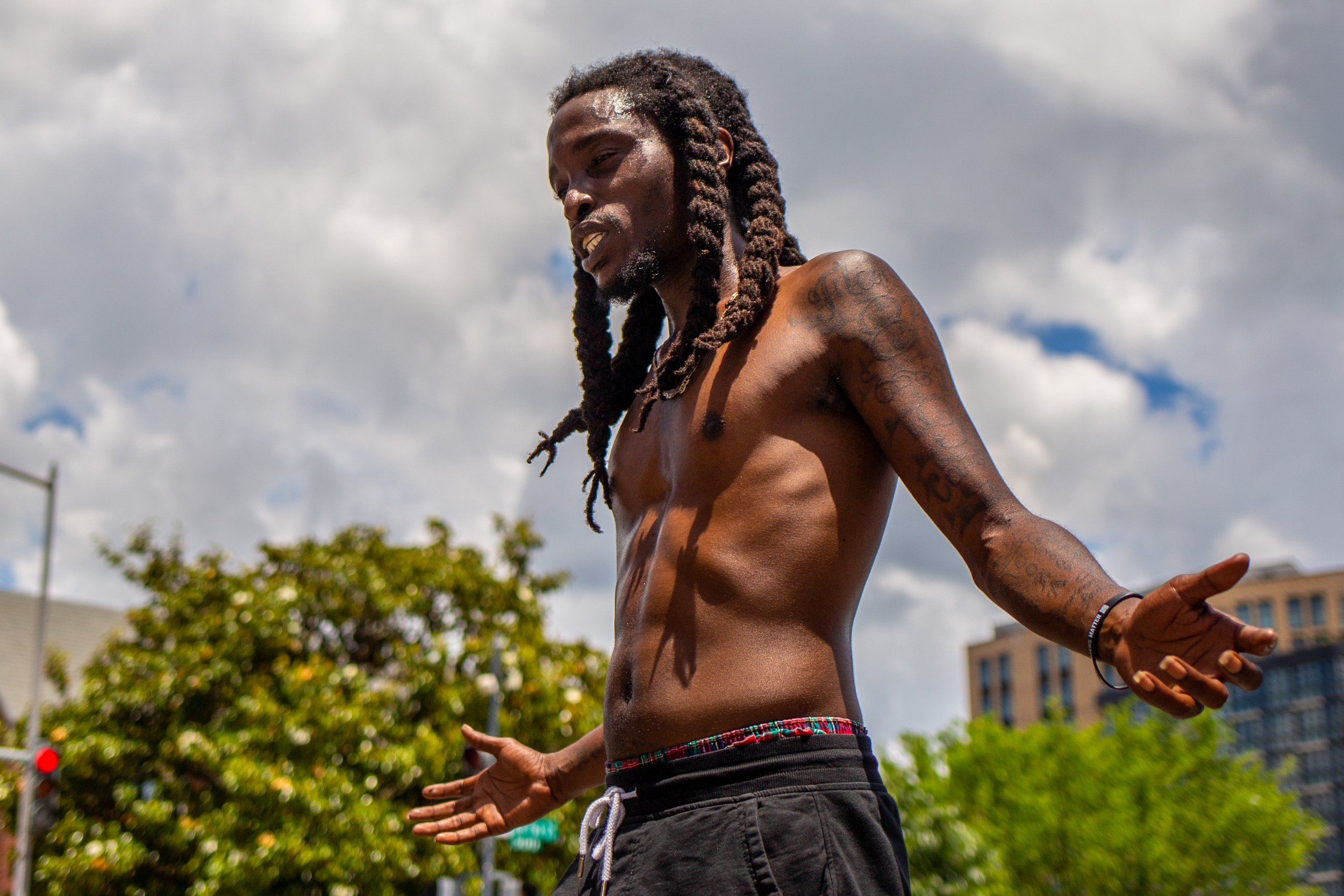
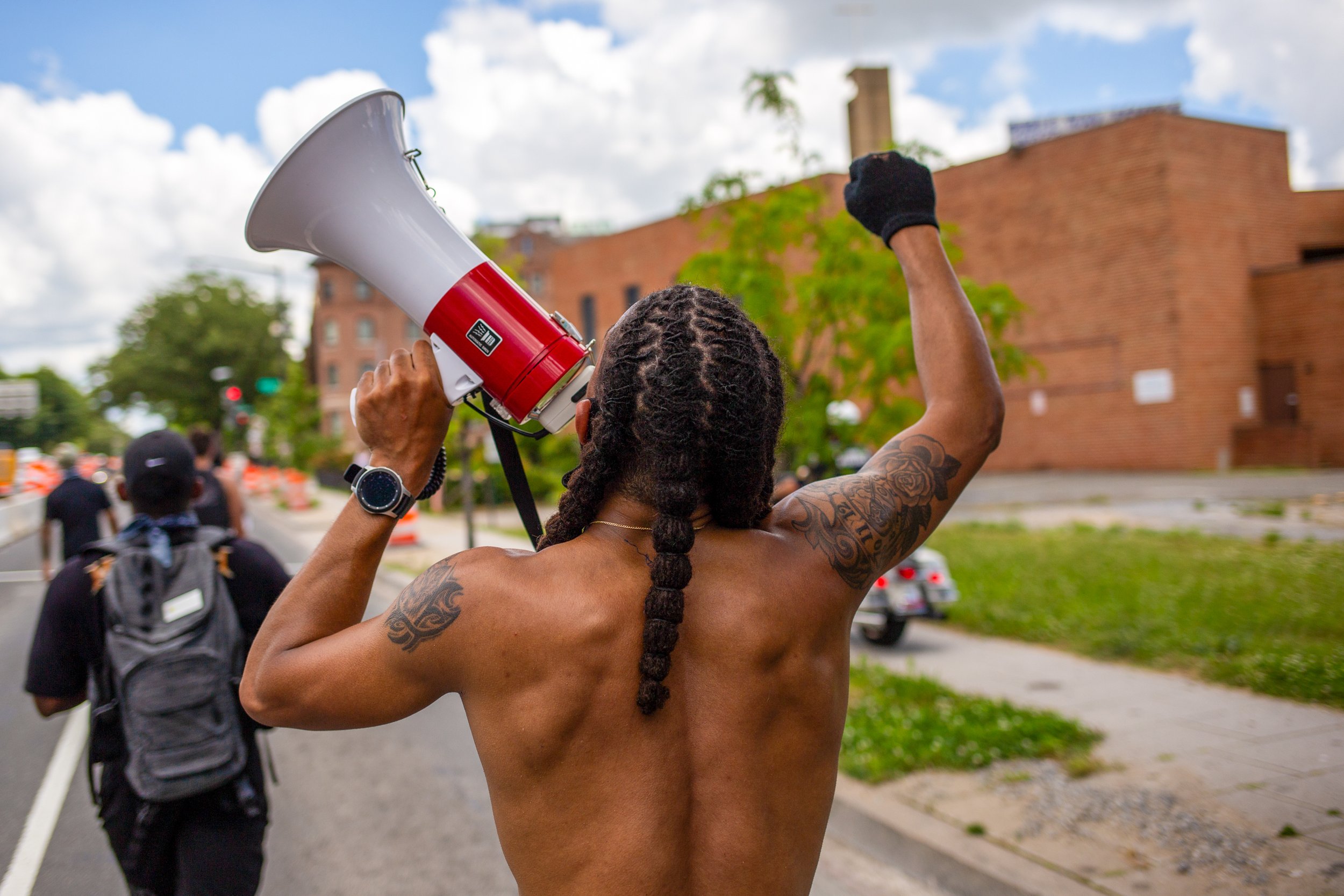


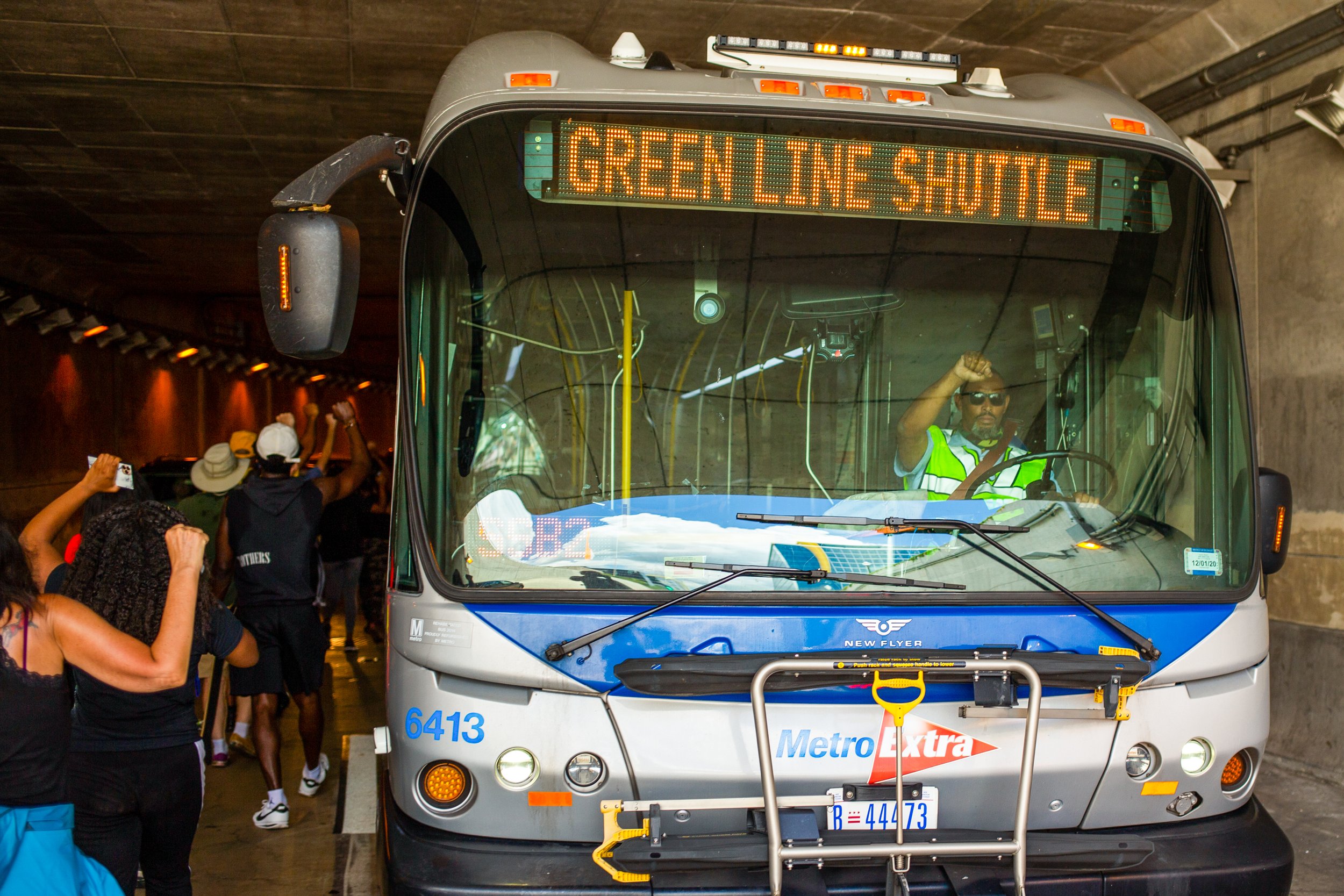




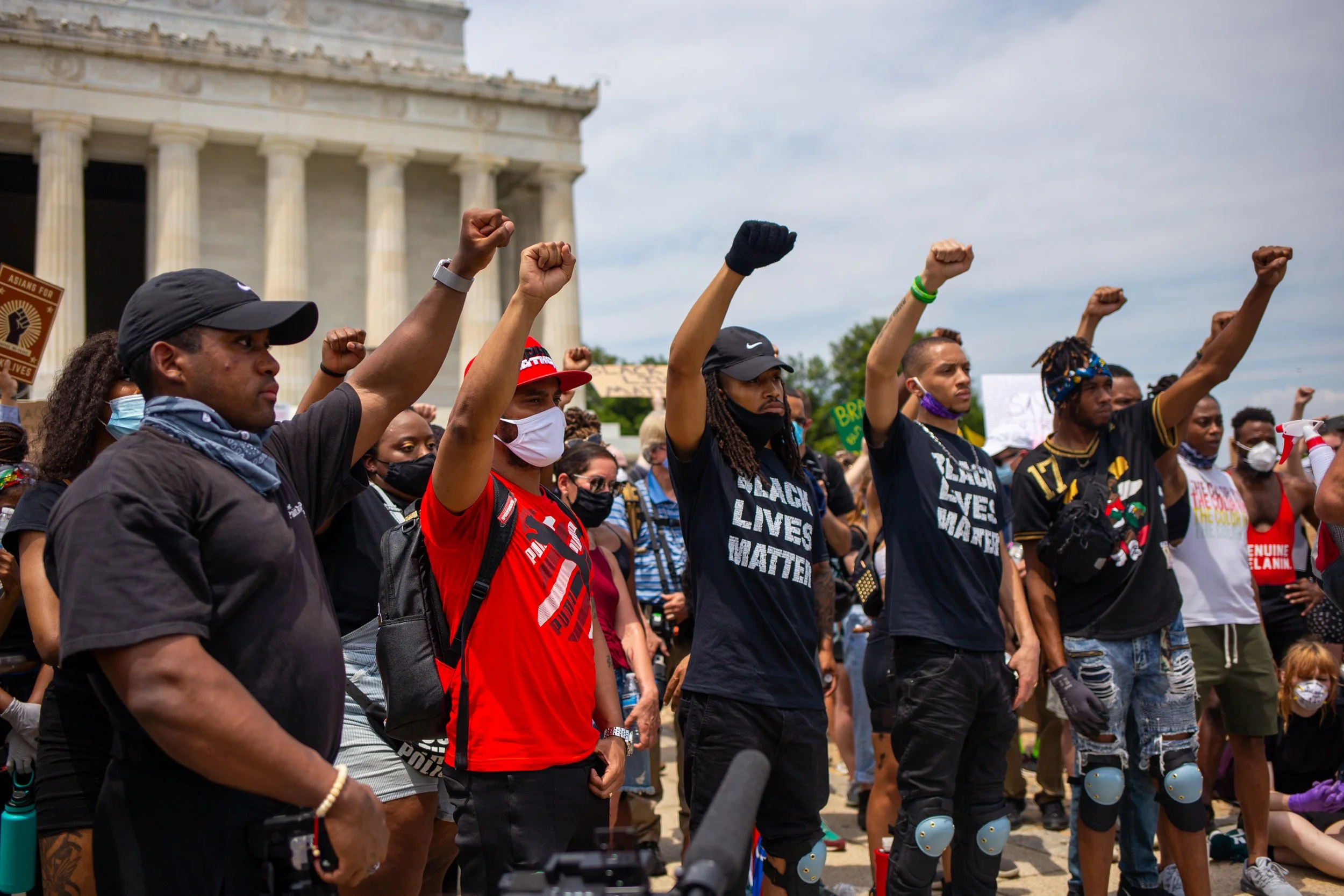


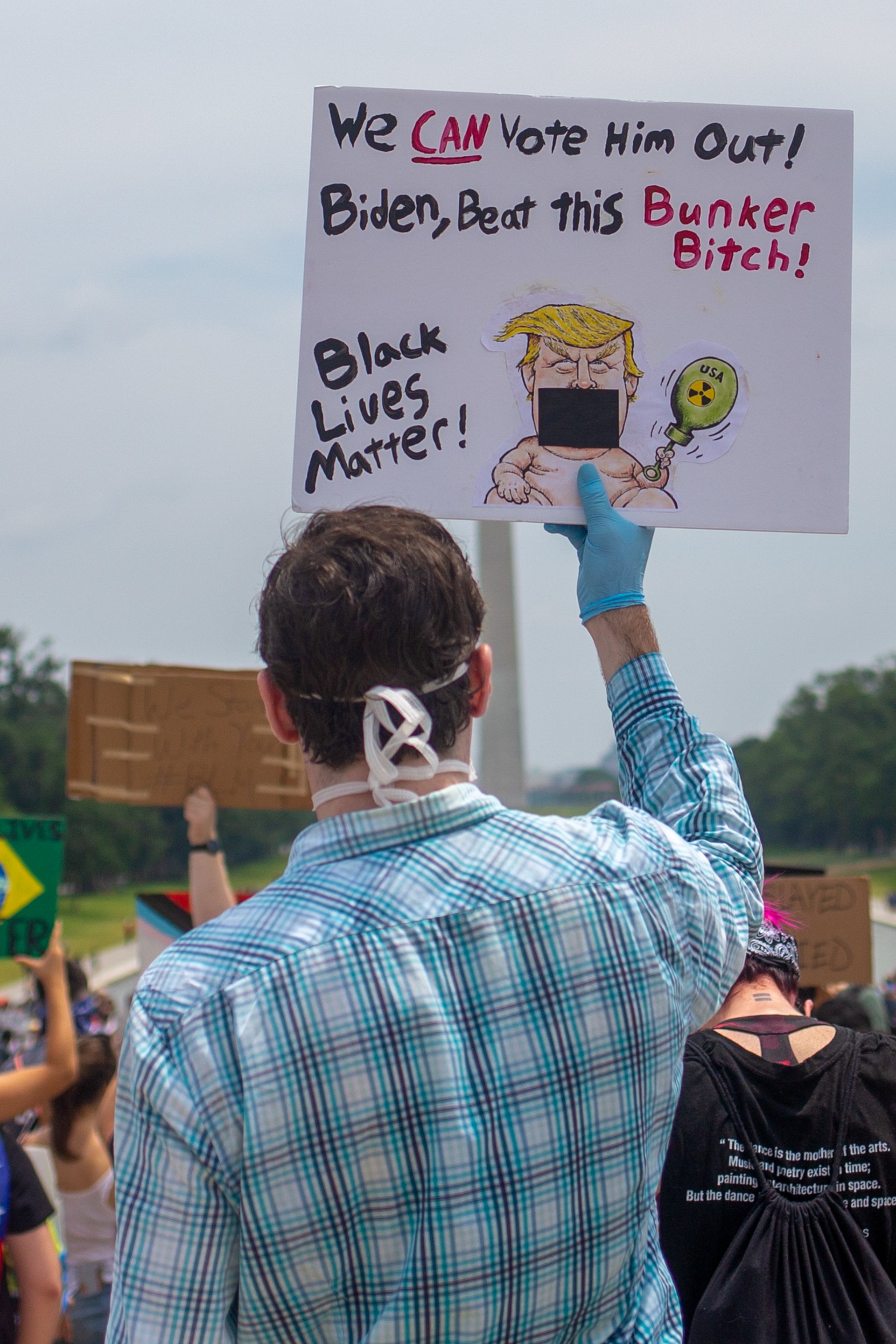


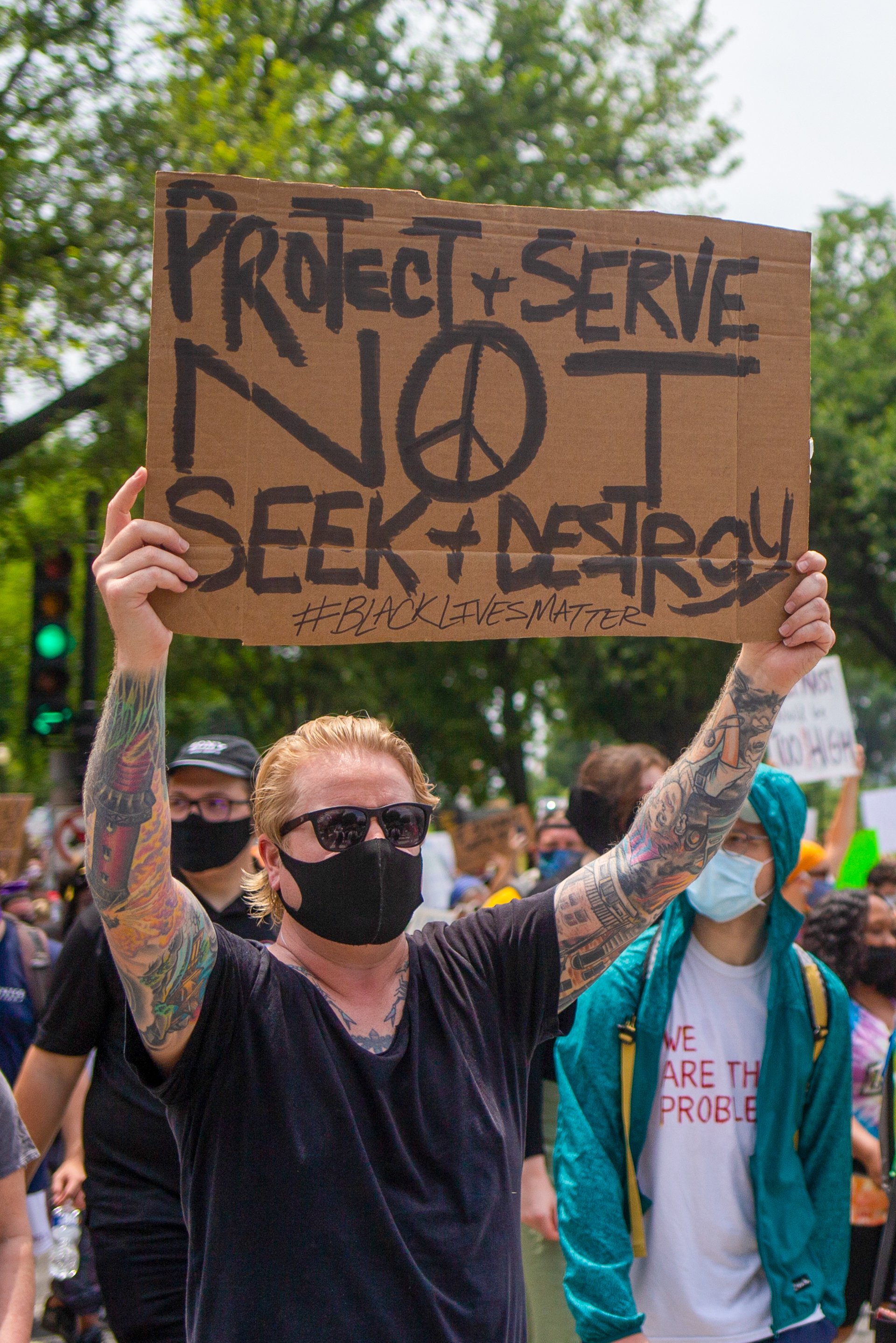

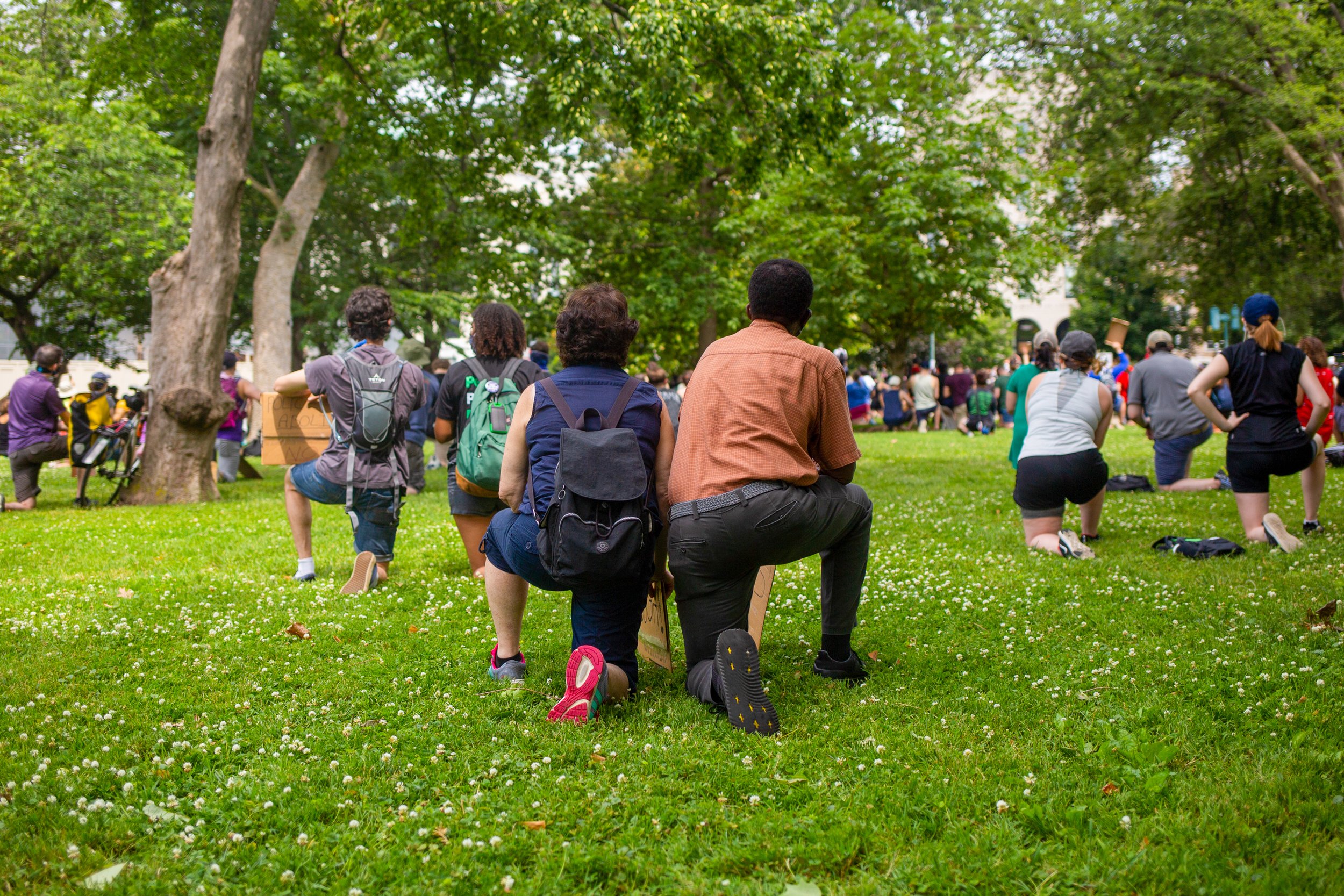

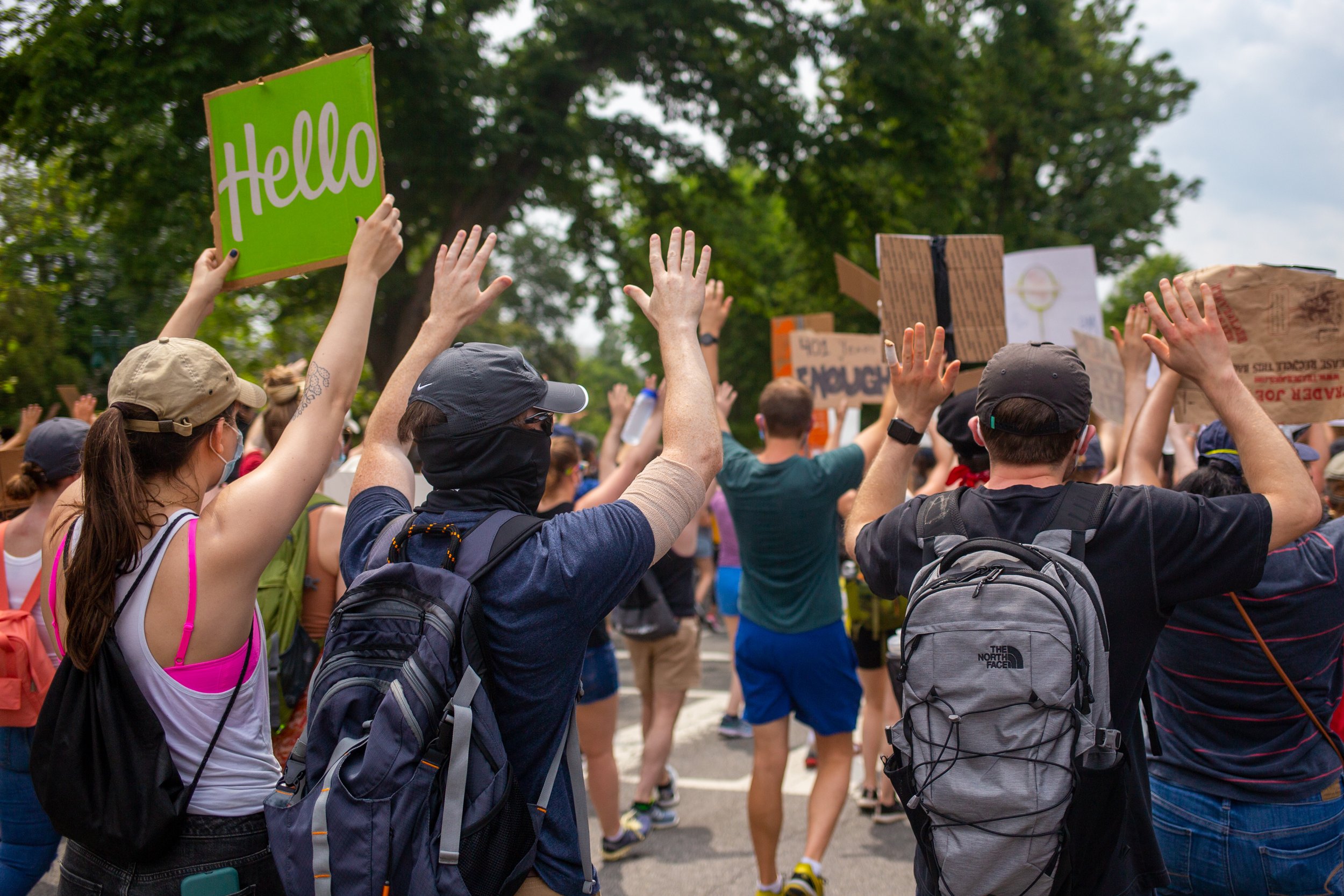


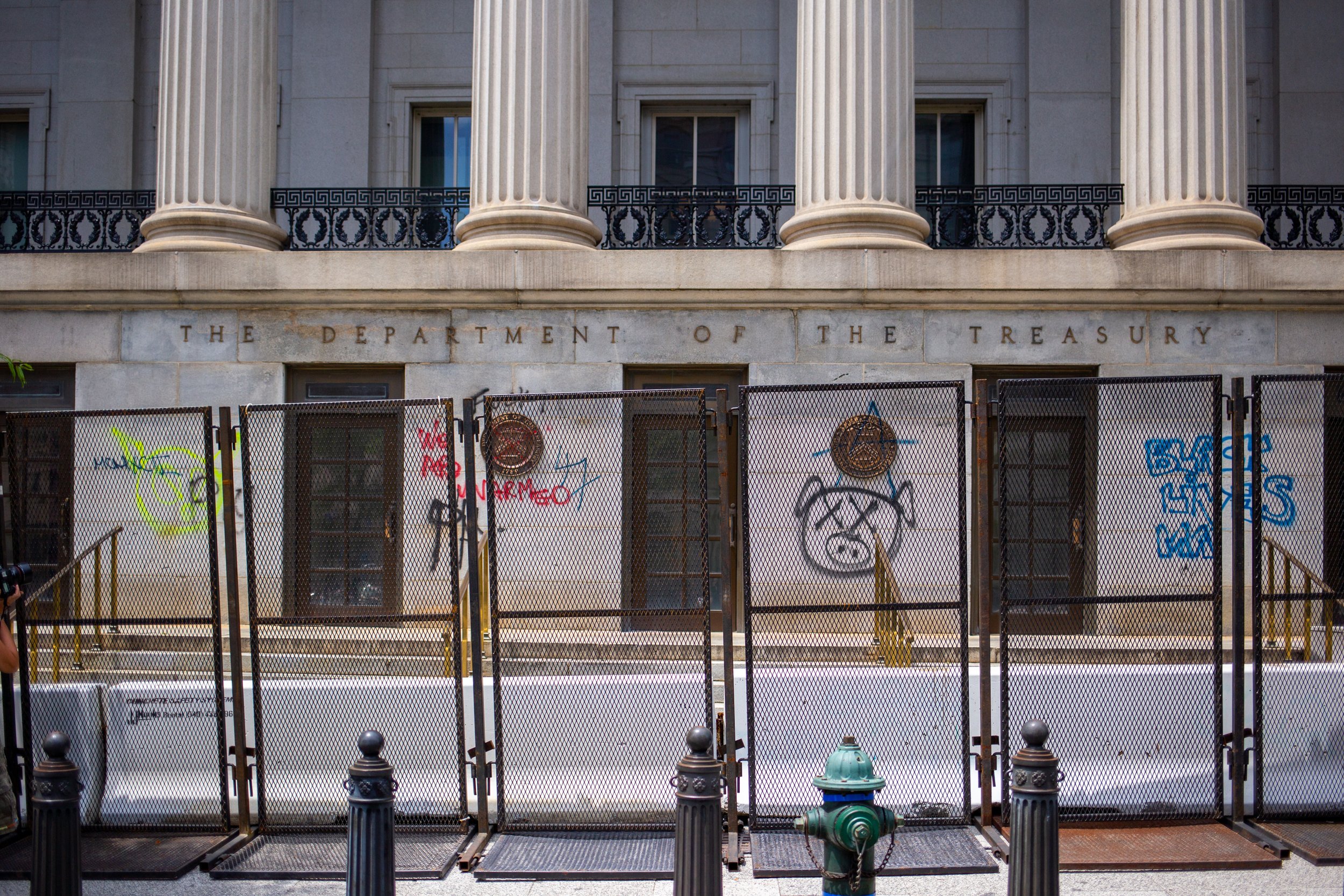
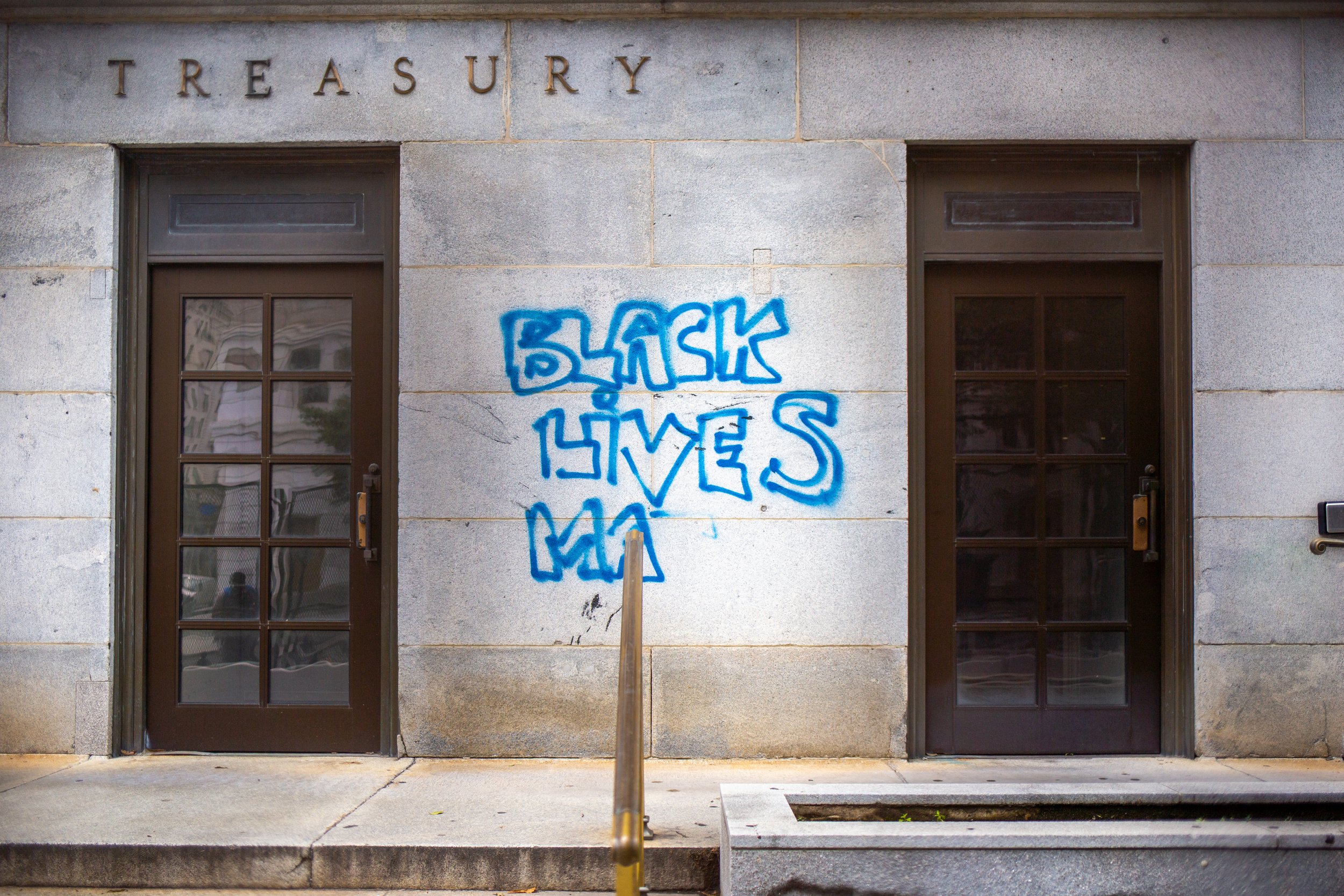







Kristine Jones Fights Protest Fatigue

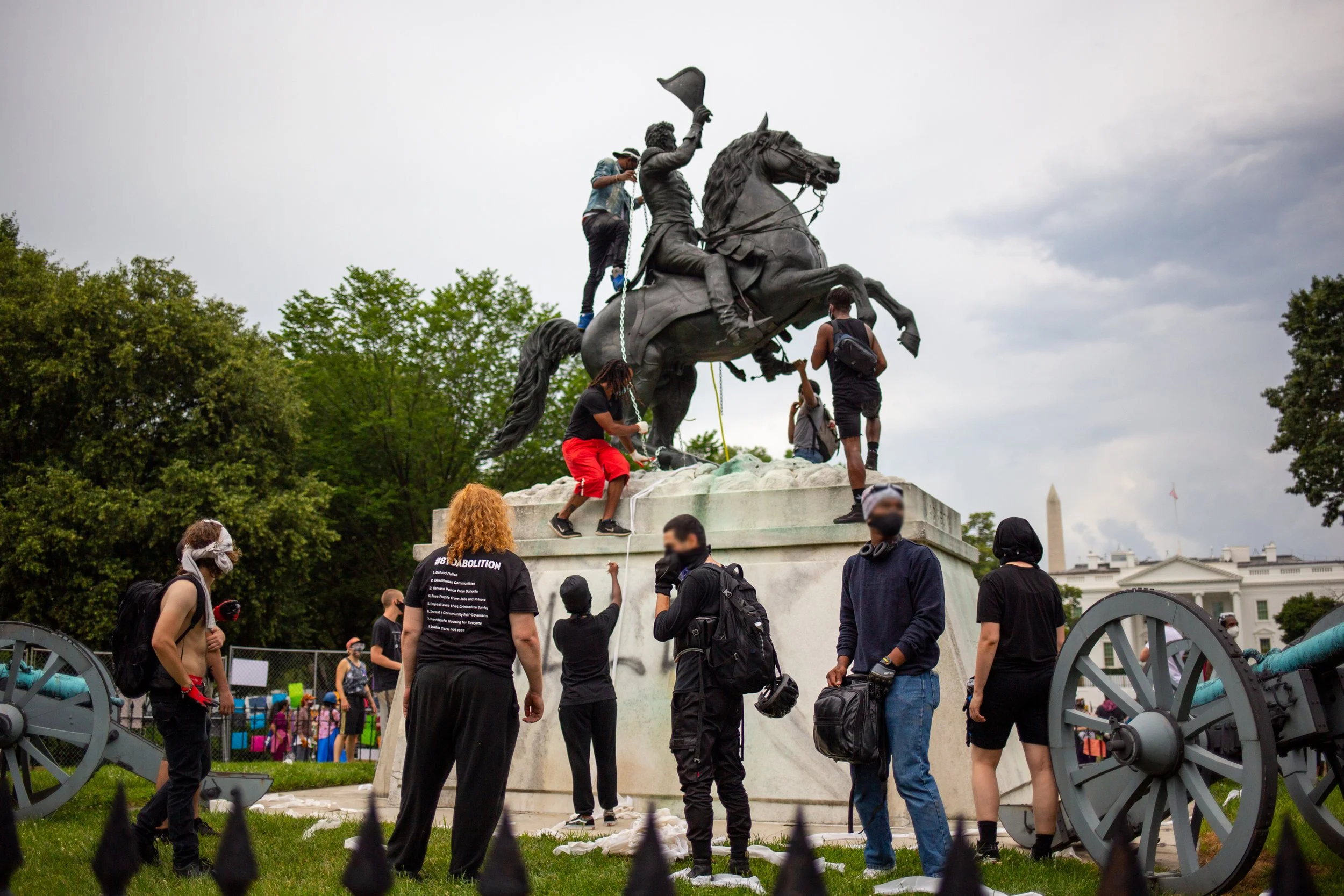
Kristine Jones is more comfortable behind the camera than in front of it.
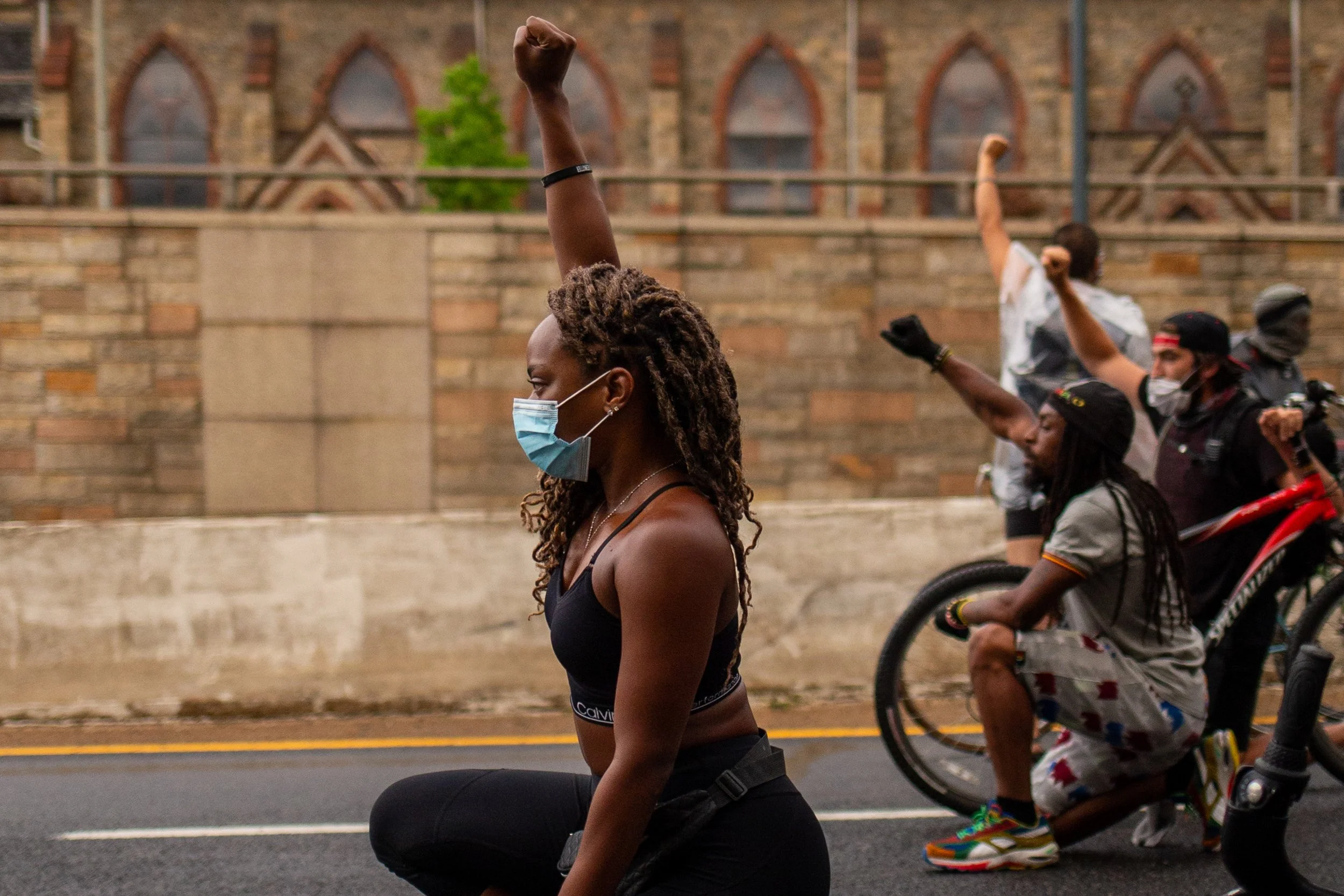
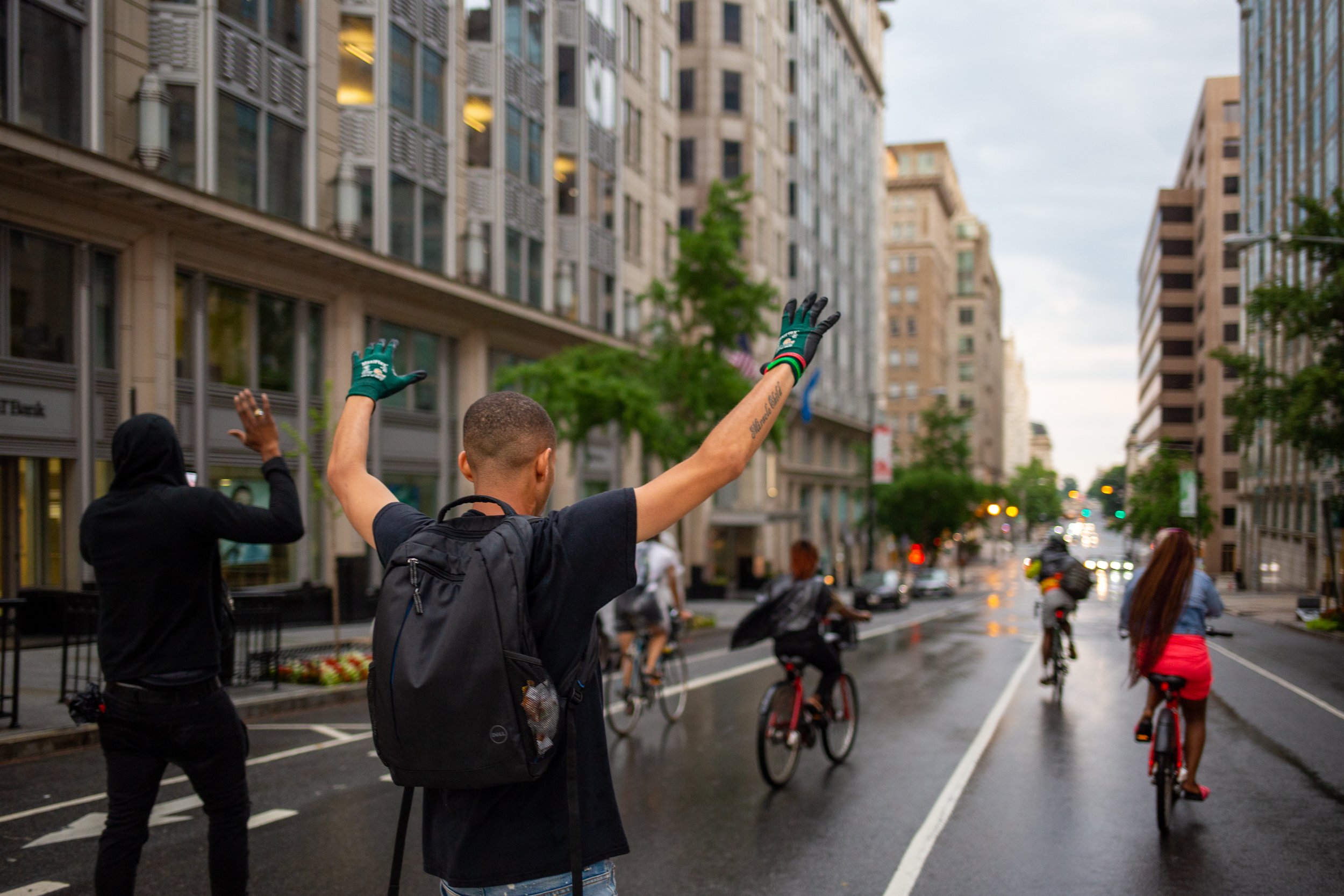
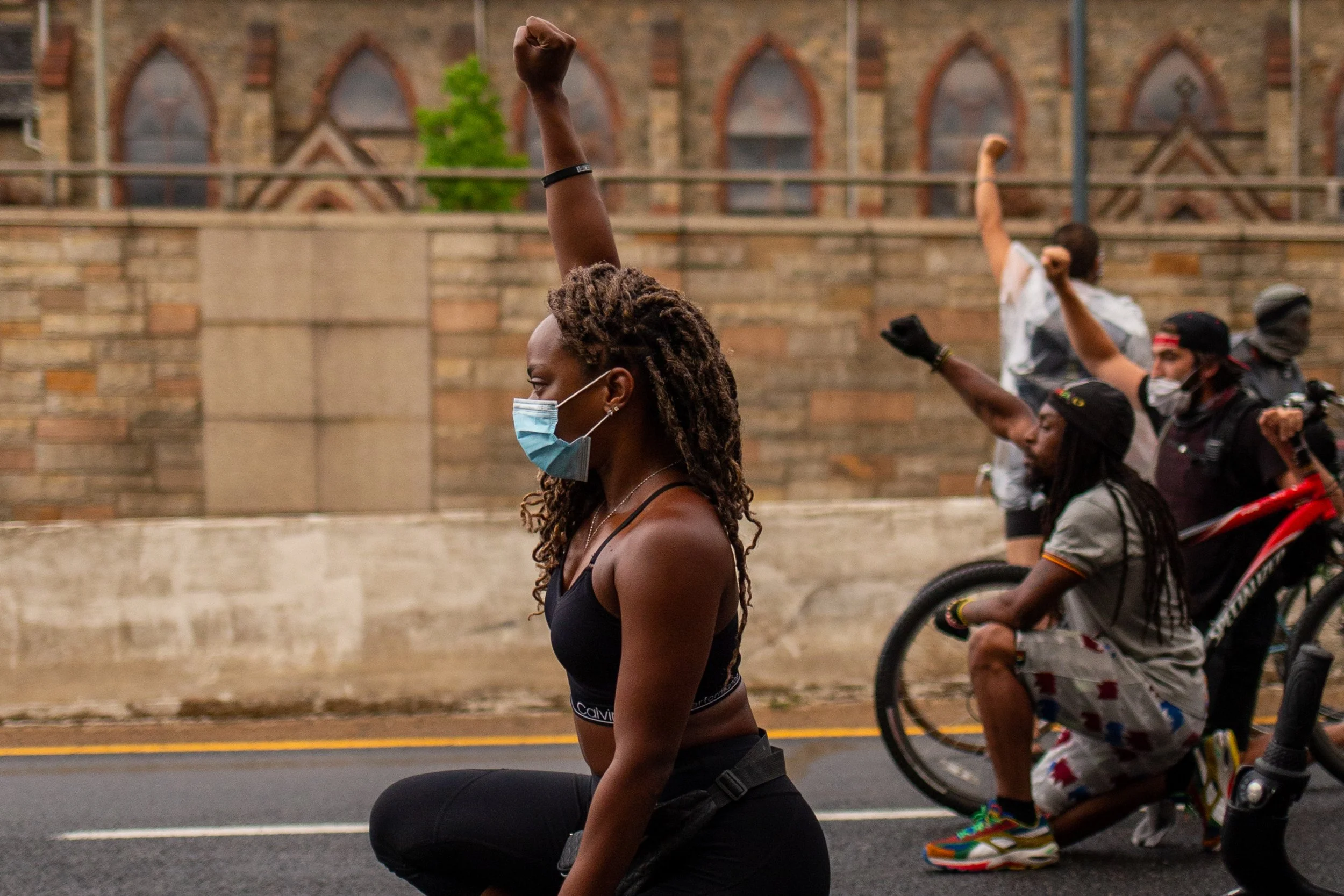
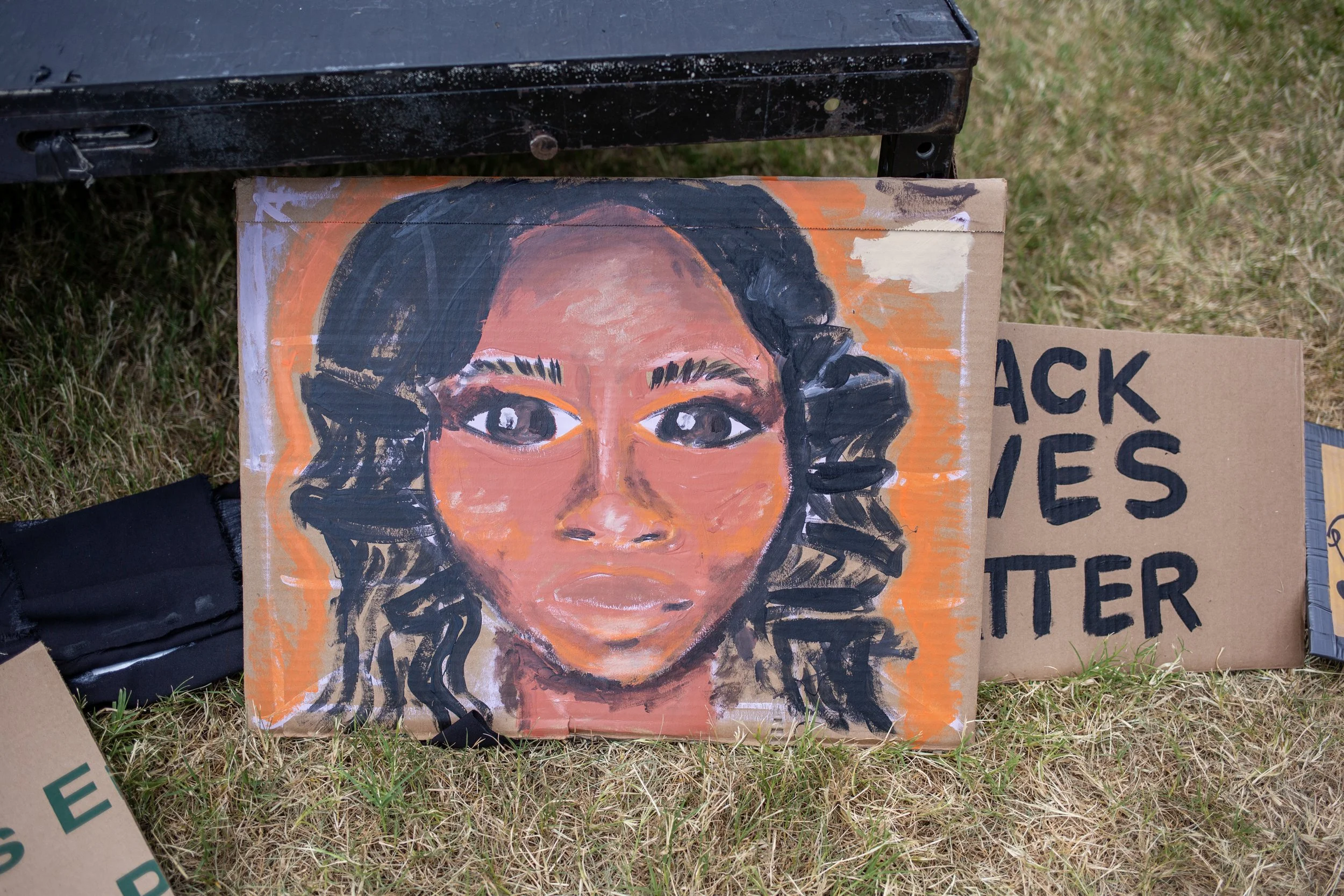
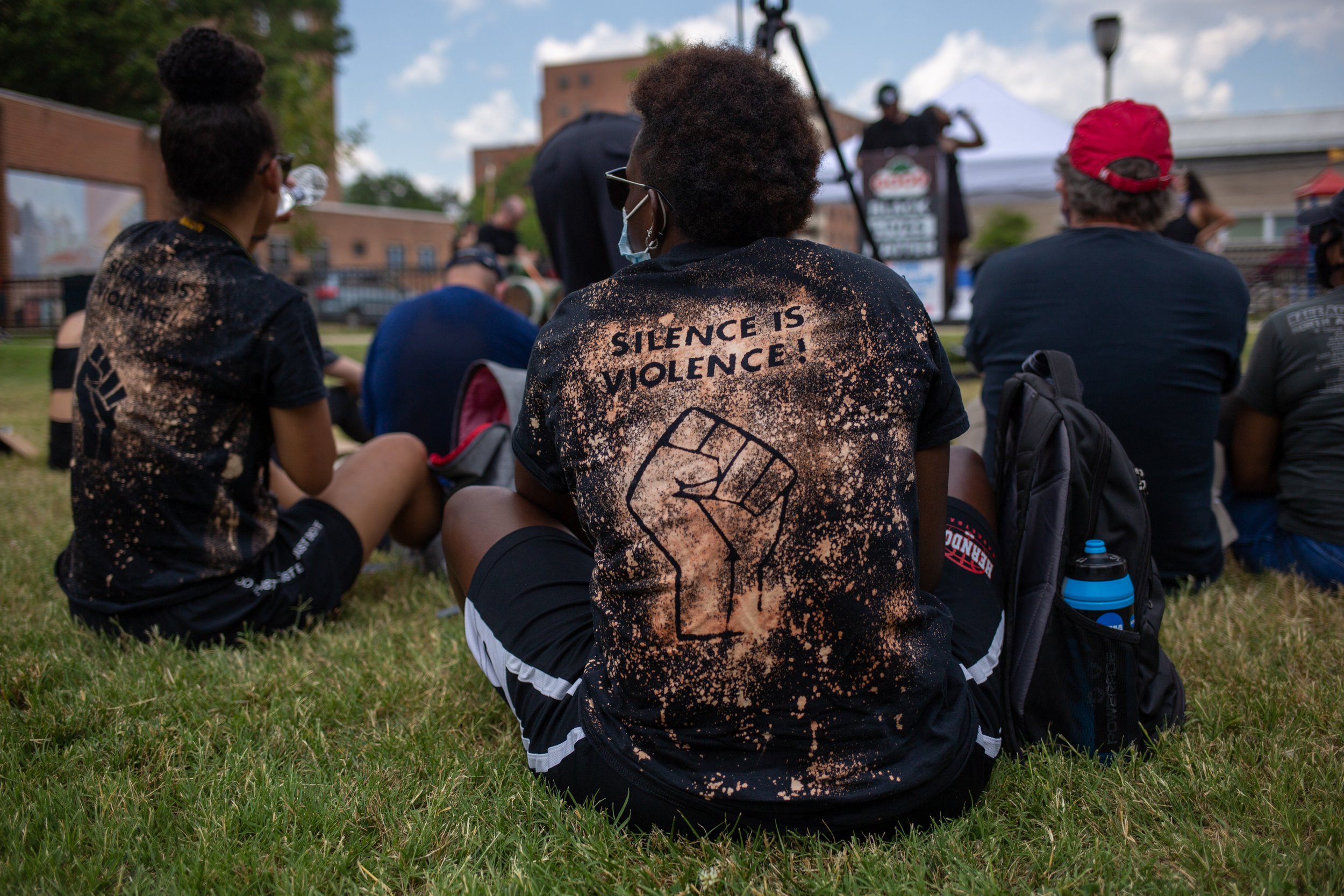
If you’ve been to a protest march or rally in Washington, D.C. in the last few years, chances are good that you’ve seen Kristine Jones. Even more likely is that Jones has seen you, probably through the viewfinder of her camera. It’s human nature to put people into tidy categories, and it’s not wrong to call Jones a photographer. But she’s also an activist, a mother, an artisan product development and marketing consultant, a wife, a real estate agent, and a generous friend. I’m exhausted just typing that list, so I’m not surprised when Jones tells me recently that she’s tired.
“I feel like I’ve been protesting something for a very long time,” Jones says. “The burnout is crazy. I’m feeling a little burnt out. I swear to god if it goes badly in November, it’ll be very bad. How can people sustain that anger and frustration?”
Jones has more than earned the right to be burnt out. She was just a senior in high school when she attended her first protest rally on June 12, 1982. Jones and her sister took a bus from West Hartford, Connecticut to New York City, joining one million people in Central Park in what would turn out to be the largest anti-nuclear protest and one of the largest political demonstrations in U.S. history.
“Listening to the speakers I thought, ‘These are my people,’” Jones says. “I felt as if I was a part of a club. I felt the rage and the injustice.”
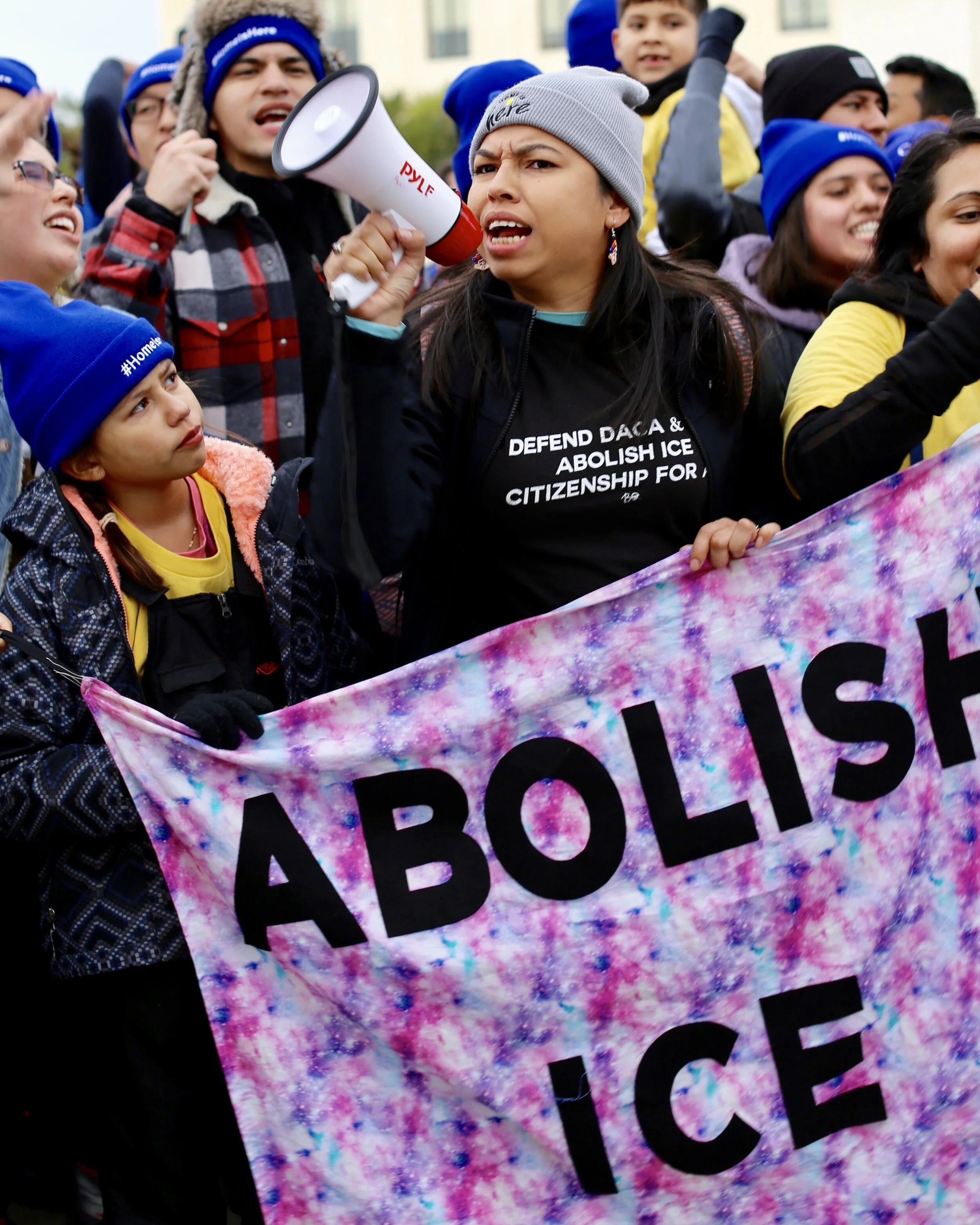
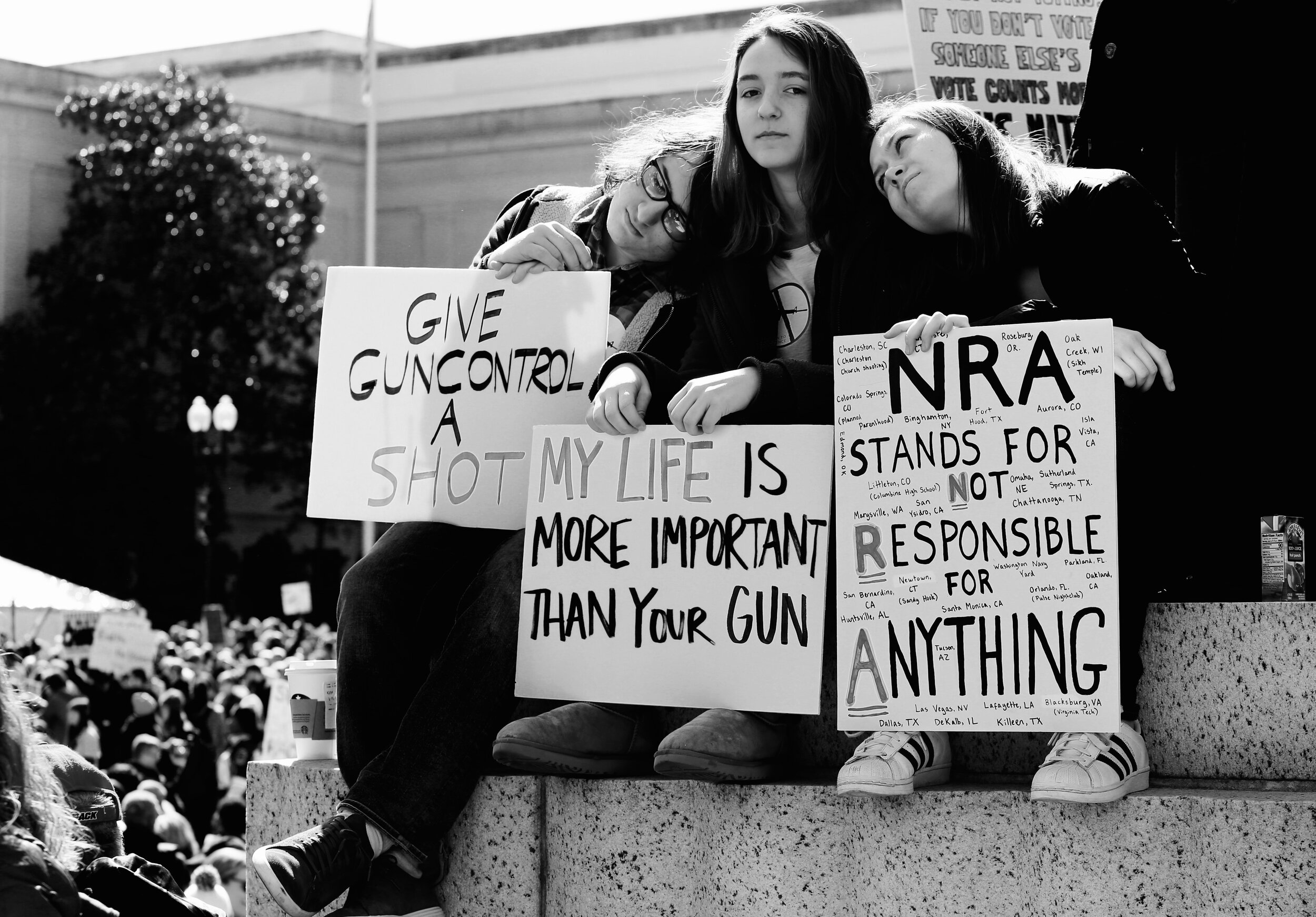


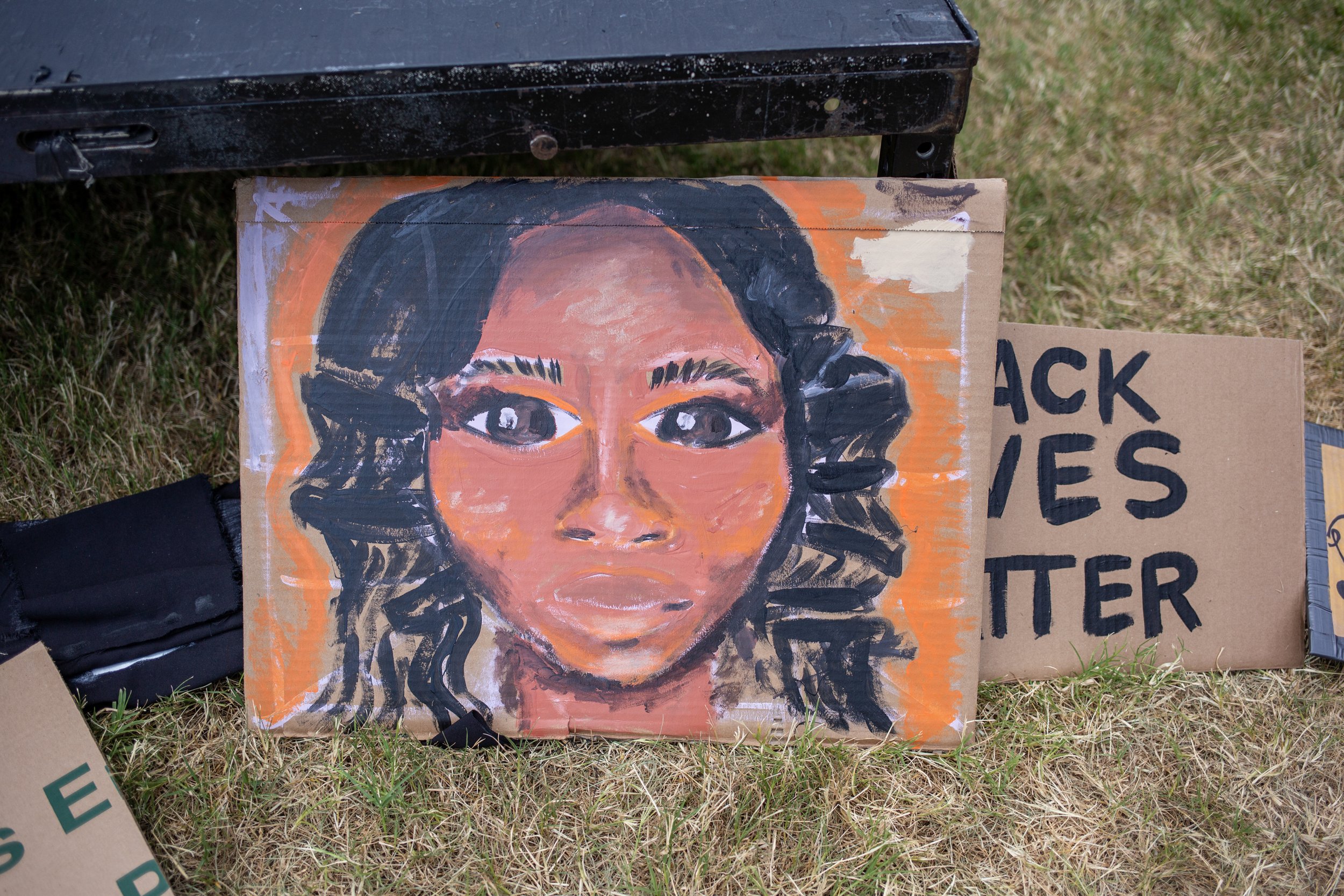
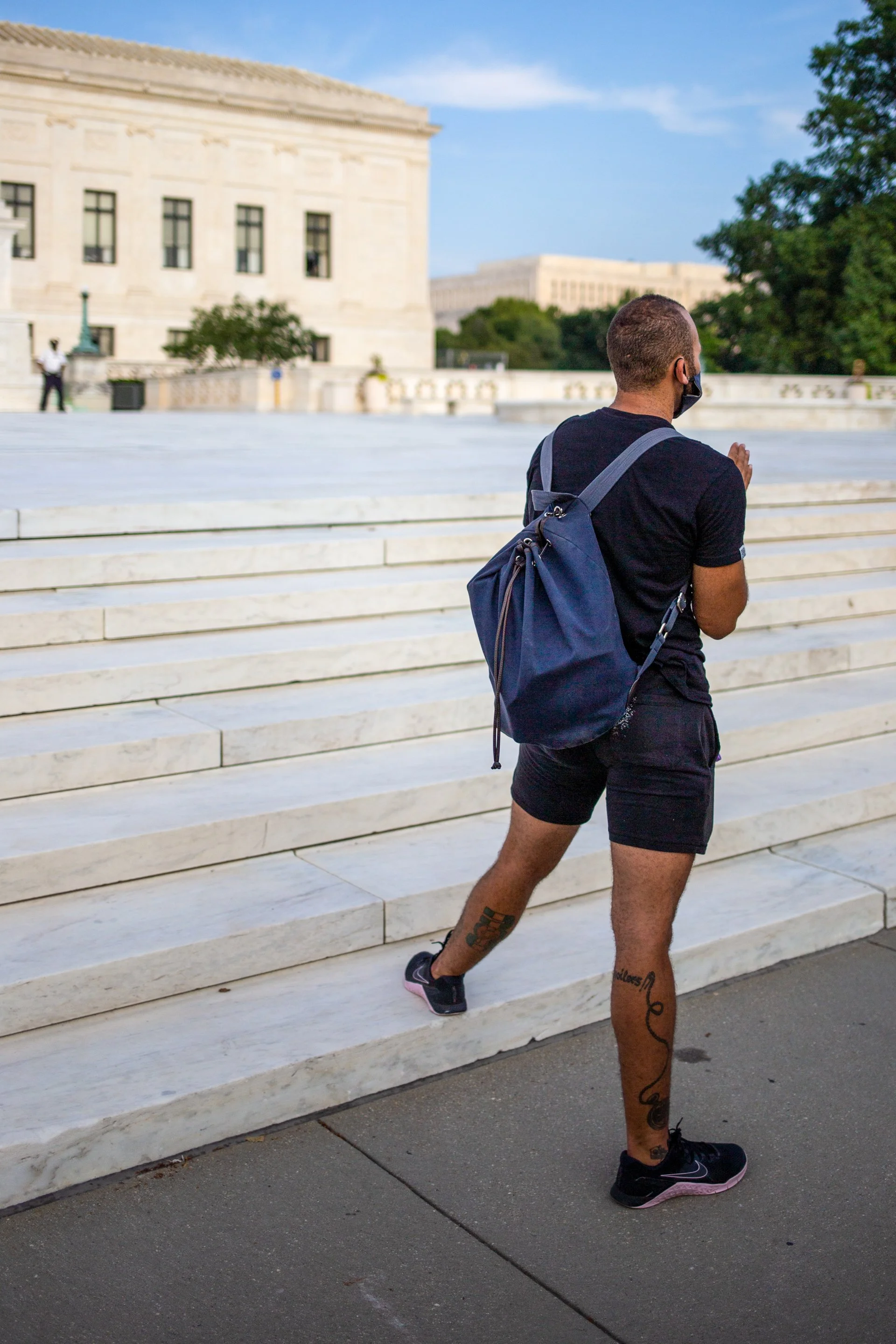
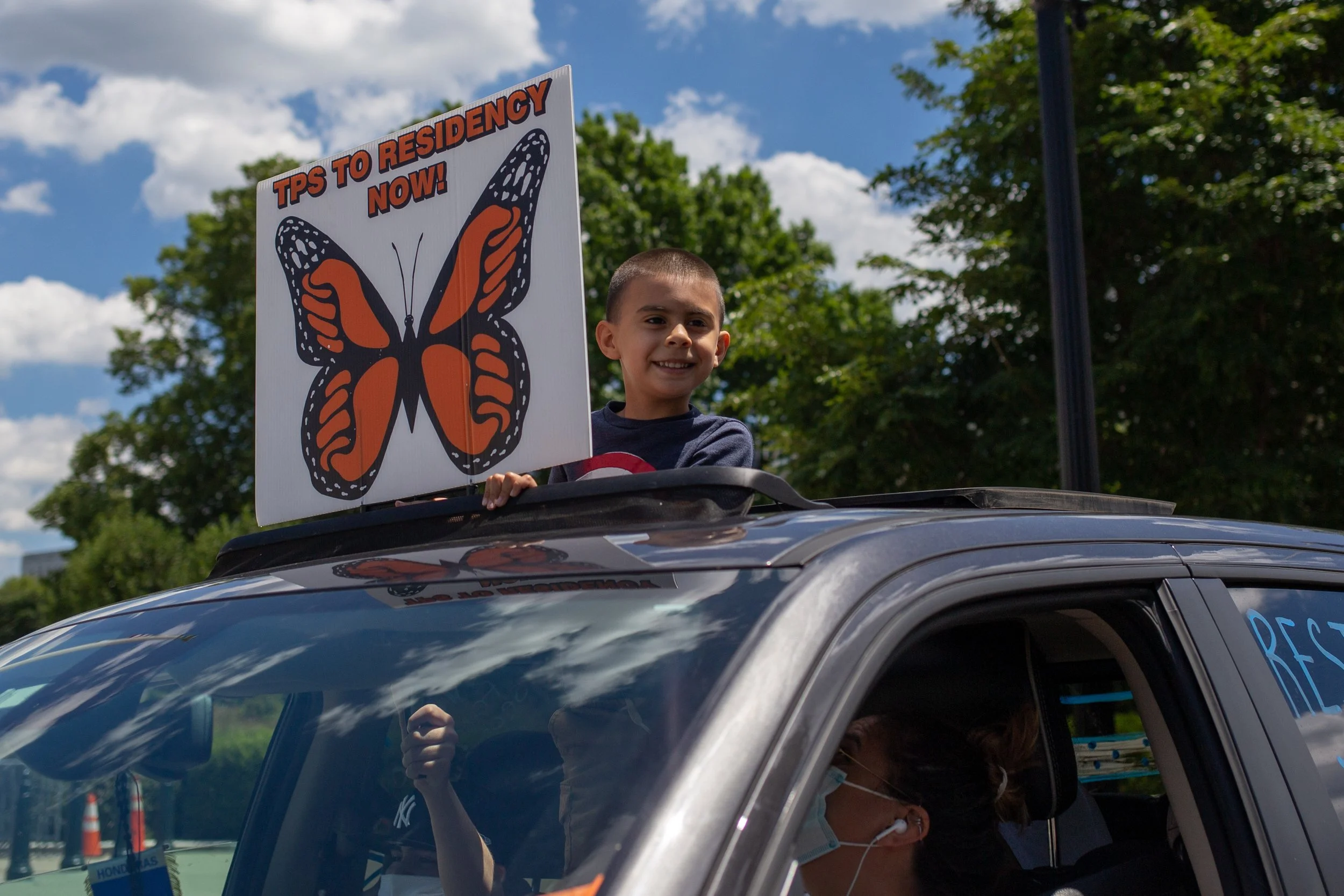
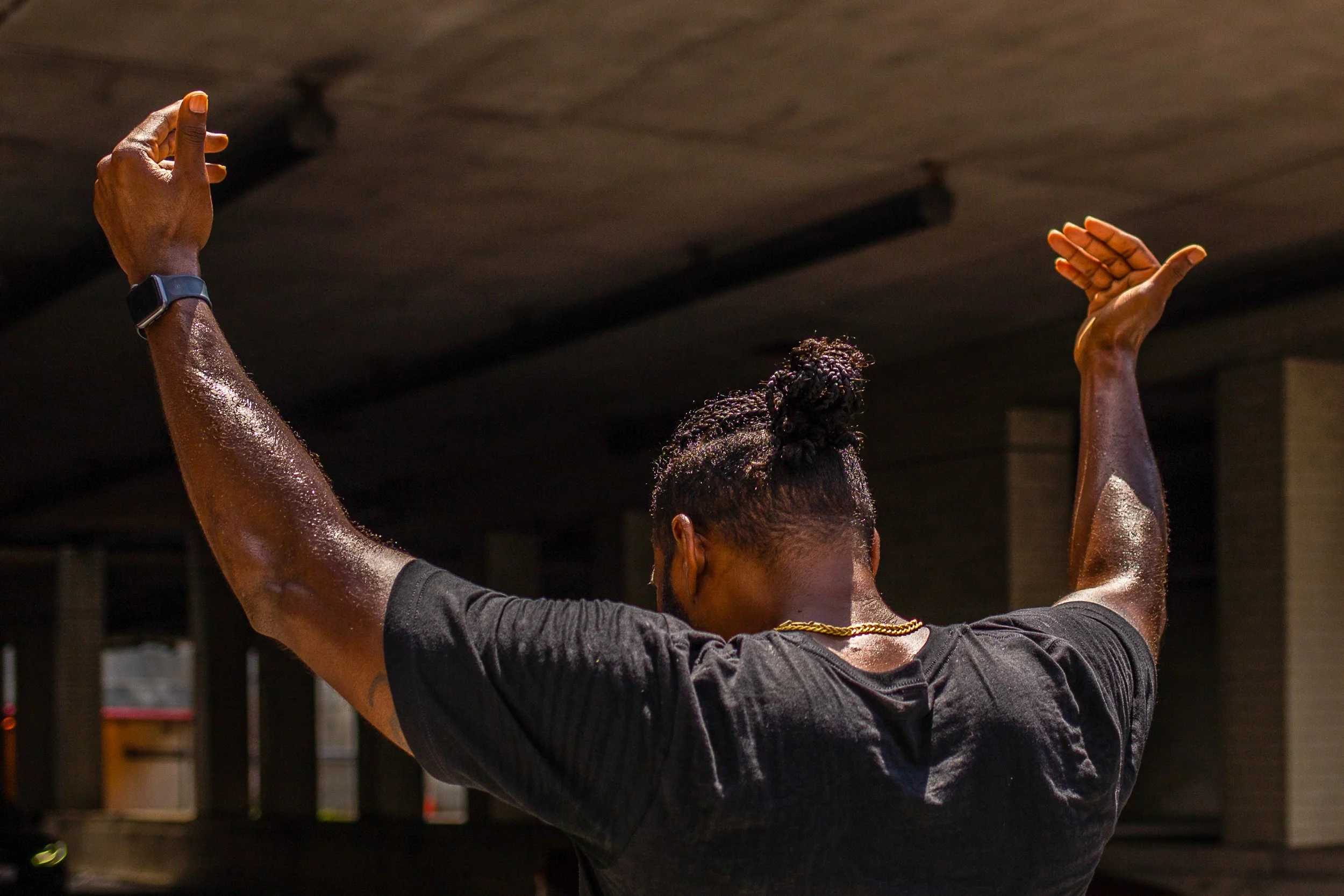
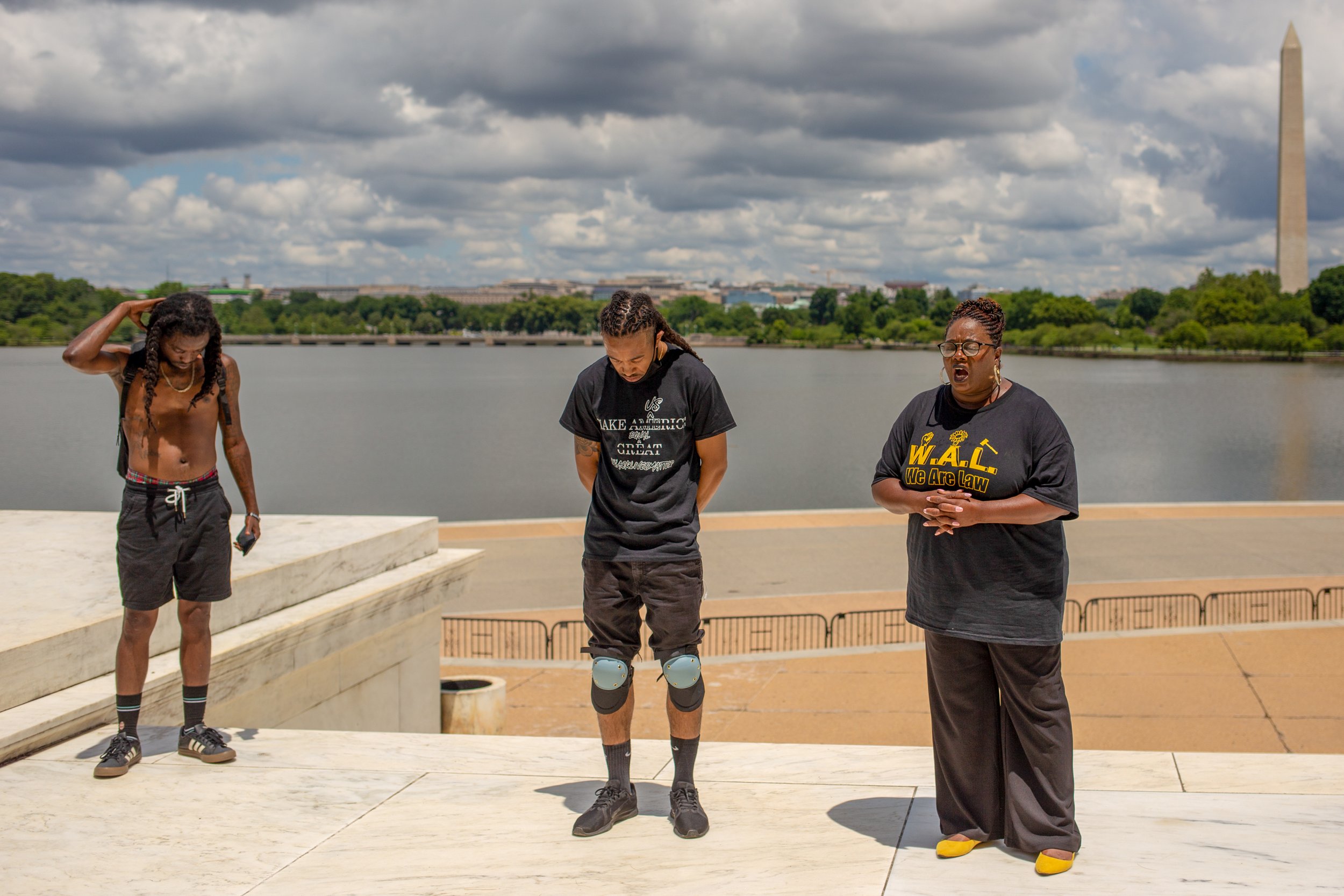
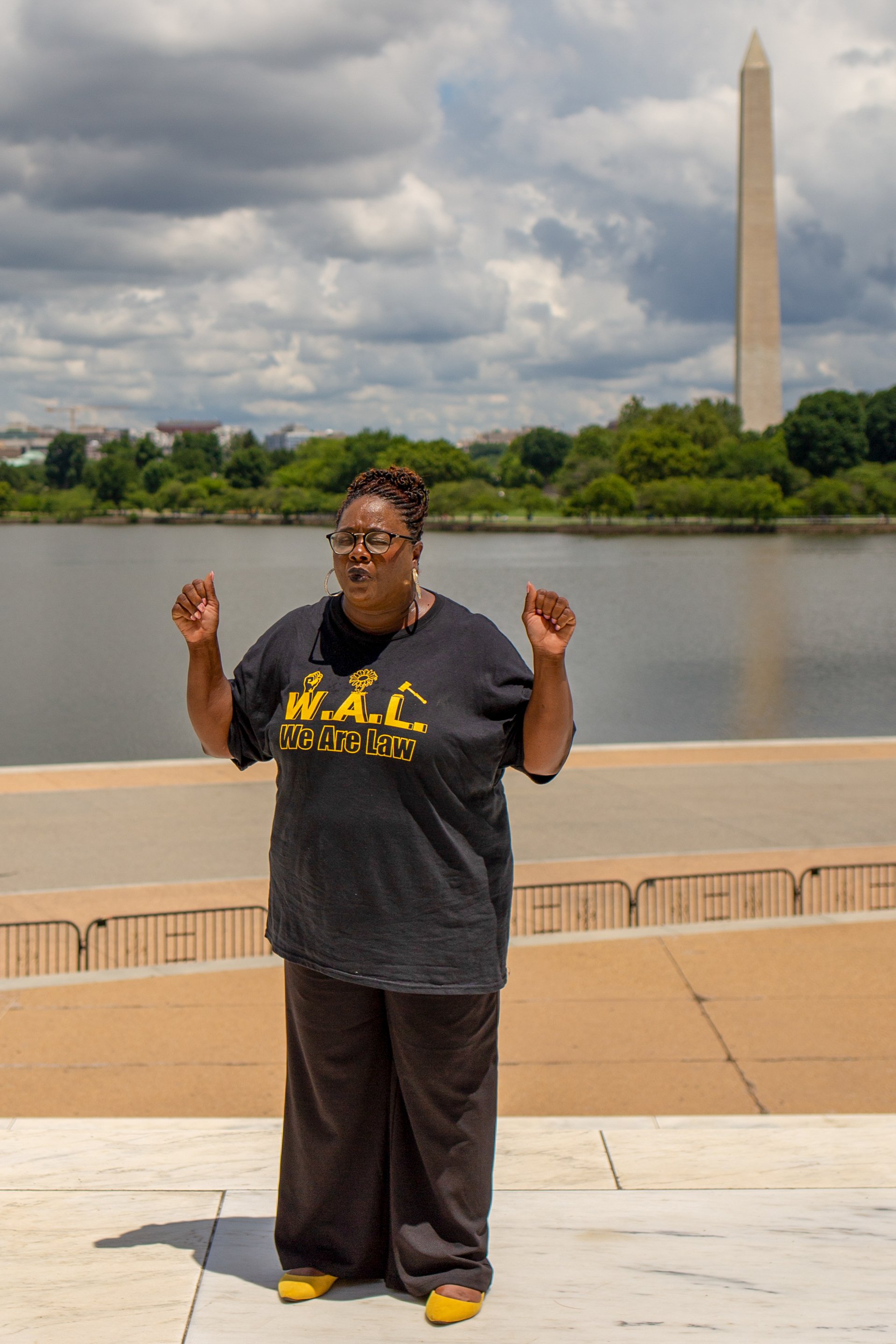
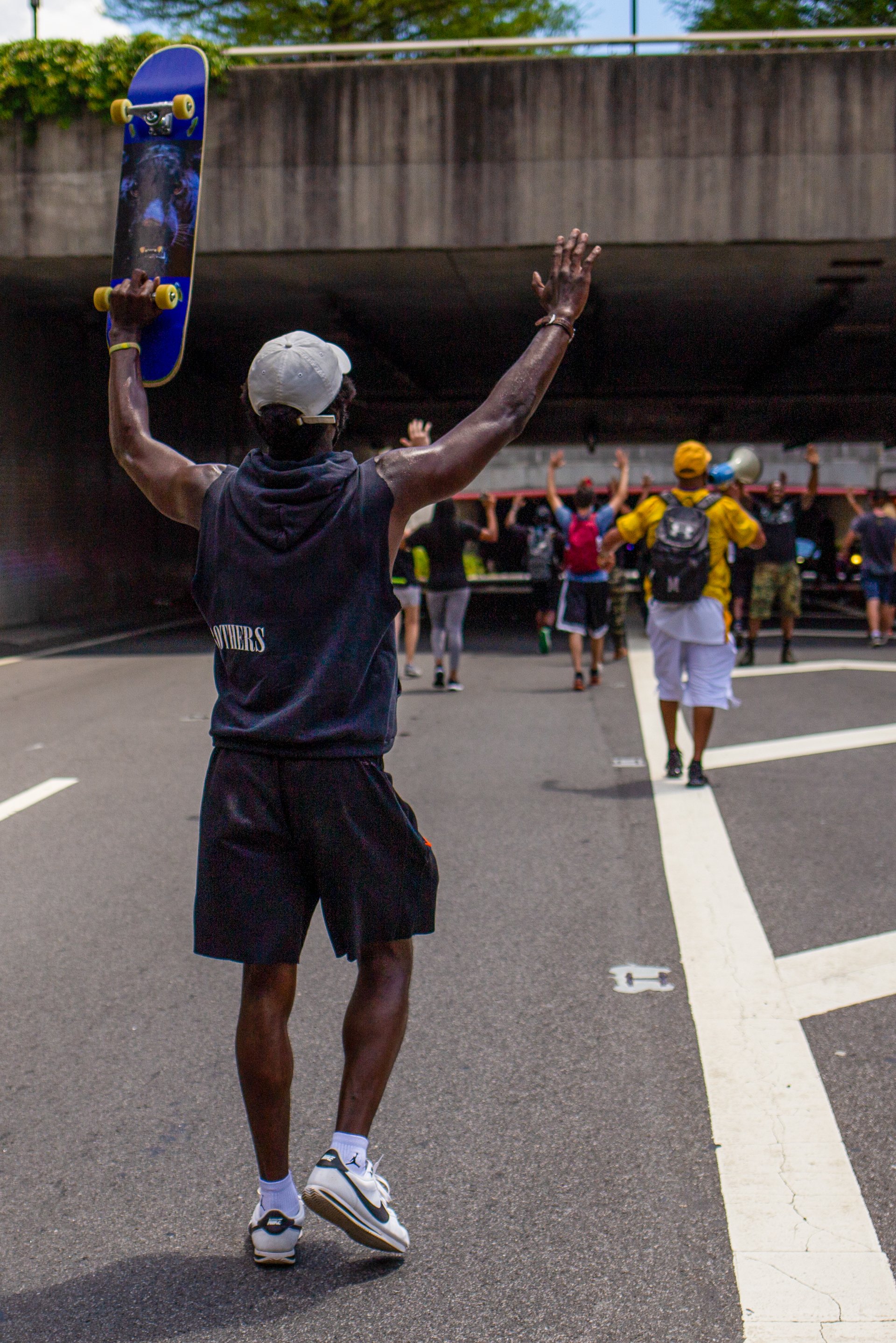
All photos courtesy of Kristine Jones
From 1991 until 2002, Jones and her husband lived abroad while working for non-profits in Azerbaijan, Vietnam, Bosnia, and Jerusalem. They worked with internally displaced peoples (IDPs) and immigrants; on long drives through Azerbaijan in the mid-’90s, Jones and her husband noticed that once-plentiful trees seemed to be disappearing. They weren’t wrong: the IDPs were living in abandoned buildings and burning the trees for heat and to cook their food.
Growing up, Jones had spent a lot of time hiking through national parks, but she didn’t immediately see the connection between her anti-war work and the climate crisis. “I thought if we couldn't stop wars and conflict, there was no way we would be able to stop deforestation,” Jones says. “But it also seemed like [deforestation] was a superficial problem considering what else the refugees and IDPs were facing.”
Even when they returned to the states in 2002, Jones continued to focus her activism within the anti-war, women’s rights, and immigration movements. “Basically I thought the climate crisis didn’t need me,” Jones says.
The climate crisis doesn’t just affect coral reefs and obscure tropical frogs; this devastating loss of biodiversity is important, for sure, but focusing entirely on stereotypical crunchy-granola environmental issues may allow the naysayers—especially those that feel disconnected from, or somehow above, nature—to have a false sense of security. But for at least three decades, the Brookings Institution has known that “the greatest single impact of climate change may be on human migration,” and it has estimated that “by 2050, 150 million people could be displaced by desertification, water scarcity, floods, storms, and other climate change-related disasters.”
It wasn’t until recently that Jones began to connect the dots between the issues she had been championing for decades and the climate crisis. “The concept of melting glaciers was a concern, but these ideas forming in my head were not based in science or logic, I was just acknowledging that it was bad,” Jones says.
When she had a child of her own, Jones says her connection to—and the urgency she felt to help protect—Mother Earth increased. But it took another young person, the teenage Swedish climate activist Greta Thunberg, to really light a metaphorical fire under Jones. “Having a young girl look at you—without trying to make you feel better—and say ‘What the hell are you people doing?’ is pretty shocking,” Jones says. “It was a wake up call. I thought, ‘What the fuck are we doing?’ She made me feel like we should all be doing more.”
No one can accuse Jones of not doing enough over the years, but instead of slowing down, she sees a direct correlation between her increasing age and fervent activism. And she’s not alone: she says it’s not uncommon for her to find herself surrounded by “mostly old ladies,” at protests. “I think it's mostly women because we care, but also because for the last 100 years we have been fighting for so much that it must be in our DNA,” Jones says. “At 55, you’re invisible anyway so it doesn’t matter so much what people think. We just can’t take this shit any more. We’re tired.”

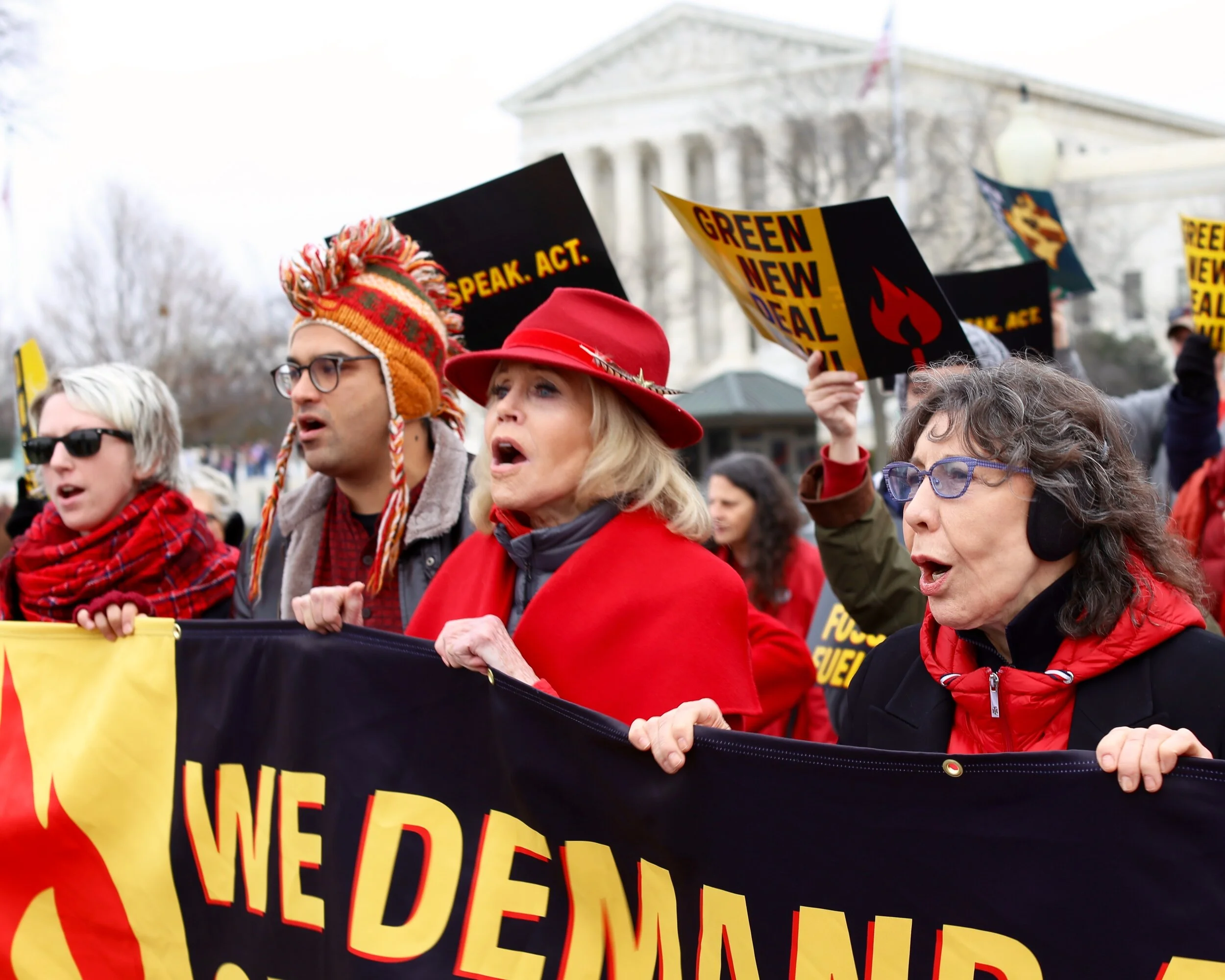


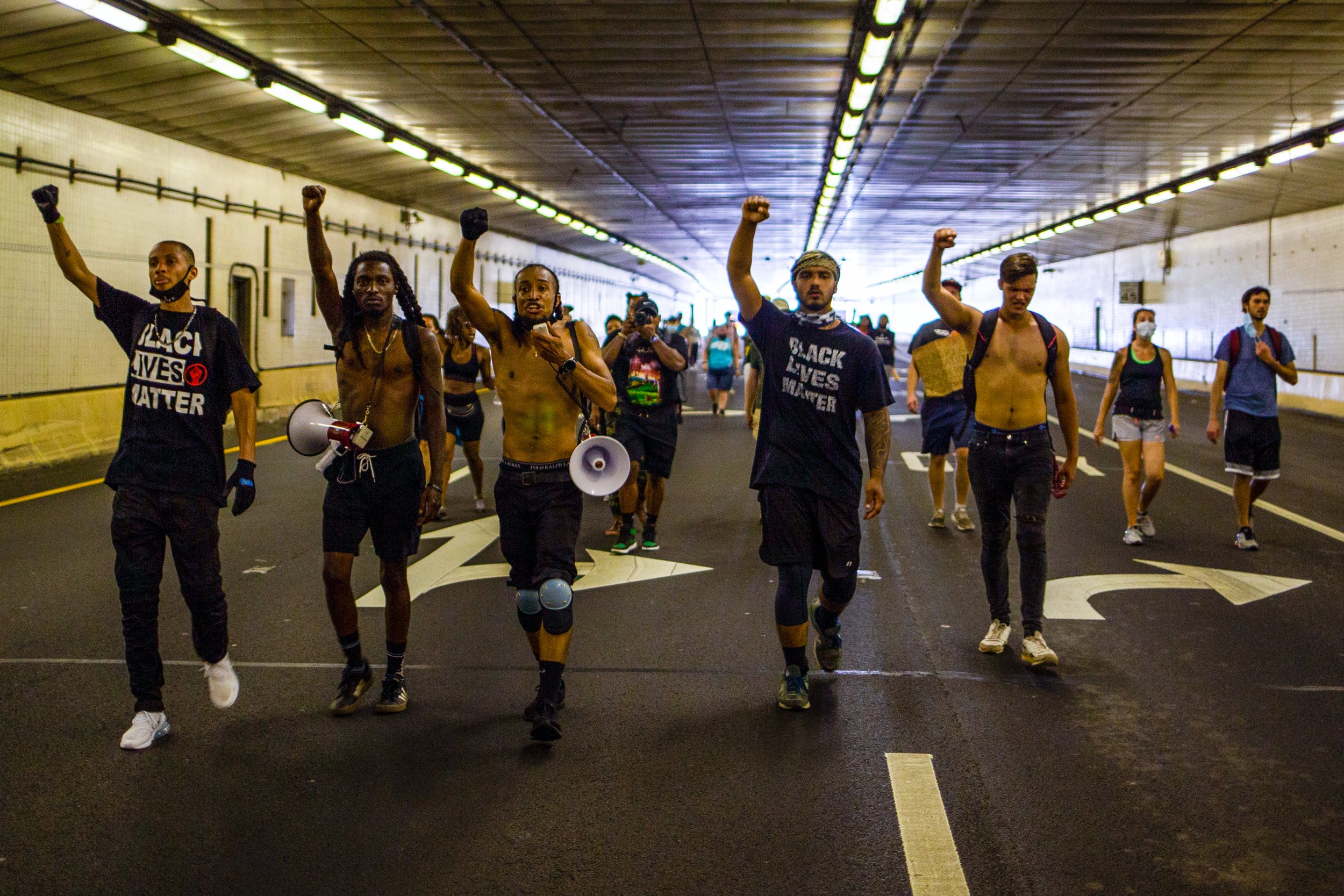
All photos courtesy of Kristine Jones
Despite frequently insisting that she’s exhausted, Jones’ seemingly bottomless energy suggests otherwise. During our nearly four-hour phone conversation, Jones recounts how she broke her ankle on the fourth day of a six-day backpacking trip through Alaska’s Wrangell St Elias National Park and Preserve. Her foot was in a boot for months and she relied on crutches—but that didn’t stop her from going to the Capitol on the morning of October 11, 2019, to photograph a “die-in.” Jones’ friend was battling cancer and participating in the action to persuade Congress to allocate more money for late-stage cancer research. Afterwards, Jones walked (slowly) up the hill and joined the first of Jane Fonda’s Fire Drill Fridays rallies.
Jones, who says she owned several of Fonda’s workout outfits in the ‘80s (“I think I liked the outfits more than the actual workouts”), was moved by Fonda’s passion and her ability to articulate the complexities of the climate crisis. But in the end, Jones says it’s kindness that keeps people engaged, no matter the issue(s) at hand.
“I don’t judge anyone because I’m never really in it—I’m usually on the periphery,” Jones says. “Unfortunately, there are people in the movement who are a deterrent. When you’re not kind, and when you’re not encouraging, and when you look at people like you’ve never seen them before, it makes it hard for people to stay. All it takes is for someone to be kind like Jane Fonda.”
Jones subsequently attended about half of the fourteen D.C. Fire Drills, missing several only because she eventually had to have surgery on her ankle. In November and December, she was arrested for civil disobedience twice—partly because she had one prior arrest on her record (in conjunction with the Poor People’s Campaign), and partly because she says she was “torn between photographing the event versus being a participant. Which was more important?”
Sometimes, Jones says she thinks that taking photographs is more useful in the grand scheme of things. Despite a recent hard drive crash and Jones’ claims that she “does nothing” with her photographs, that’s not exactly true. She posts them to her personal Instagram account, sends them to the people who appear in the photographs, and allows organizations to use them for fundraising purposes. She’s the perfect friend with which to attend a march—documenting everything so you don’t have to; like an Instagram husband, but much more attentive and festively attired.
I understand the photographers’ dilemma—always hidden behind the camera and never in front of it—so I’m forever indebted to Jones. Just a few hours after we first met, she beautifully captured several Fire Drill Friday moments that were particularly meaningful for me. Yes, I’ll always have the memories, but it’s extra nice to have the photos as well. Despite all evidence to the contrary, Jones still calls herself an “amateur photographer.” Having witnessed her in action, I’d say she’s being much too modest; she manages to capture the complex emotions and fiery passions of her subjects—no small feat in the crushing crowds and chaotic atmosphere of a large march or protest rally.
It’s not surprising that Jones says she honed her quick-reaction skills in conflict zones abroad. “The injustices—that’s what I gravitate towards,” she says. “At first, I would just take pictures of things that interested me. The subject matter was always some sort of conflict.” When Jones and her husband returned to the states, she began photographing anti-war rallies. Balancing her dual roles as both participant and observer can be tricky, but sometimes—like during her second arrest with Fire Drill Fridays—she manages to do both.
“I’m always seeing [an event] as I would be as a photographer,” Jones says. “I want to be a part of it, but I also feel like the value of having the photograph is useful—it’s something you can share, it’s a record.”
Mostly, Jones is looking to capture—and then convey to others—the same passion that continually drives her to the frontlines. “I'm looking for the thing that says ‘I’m here because this is so fucking important to me,’” Jones says. “When people look at the picture they must think, ‘This person is so worried about this situation,’ and I’m trying to say ‘Are you not as upset as they are?’ I want to share other peoples’ sense of urgency and have people feel the same way.”
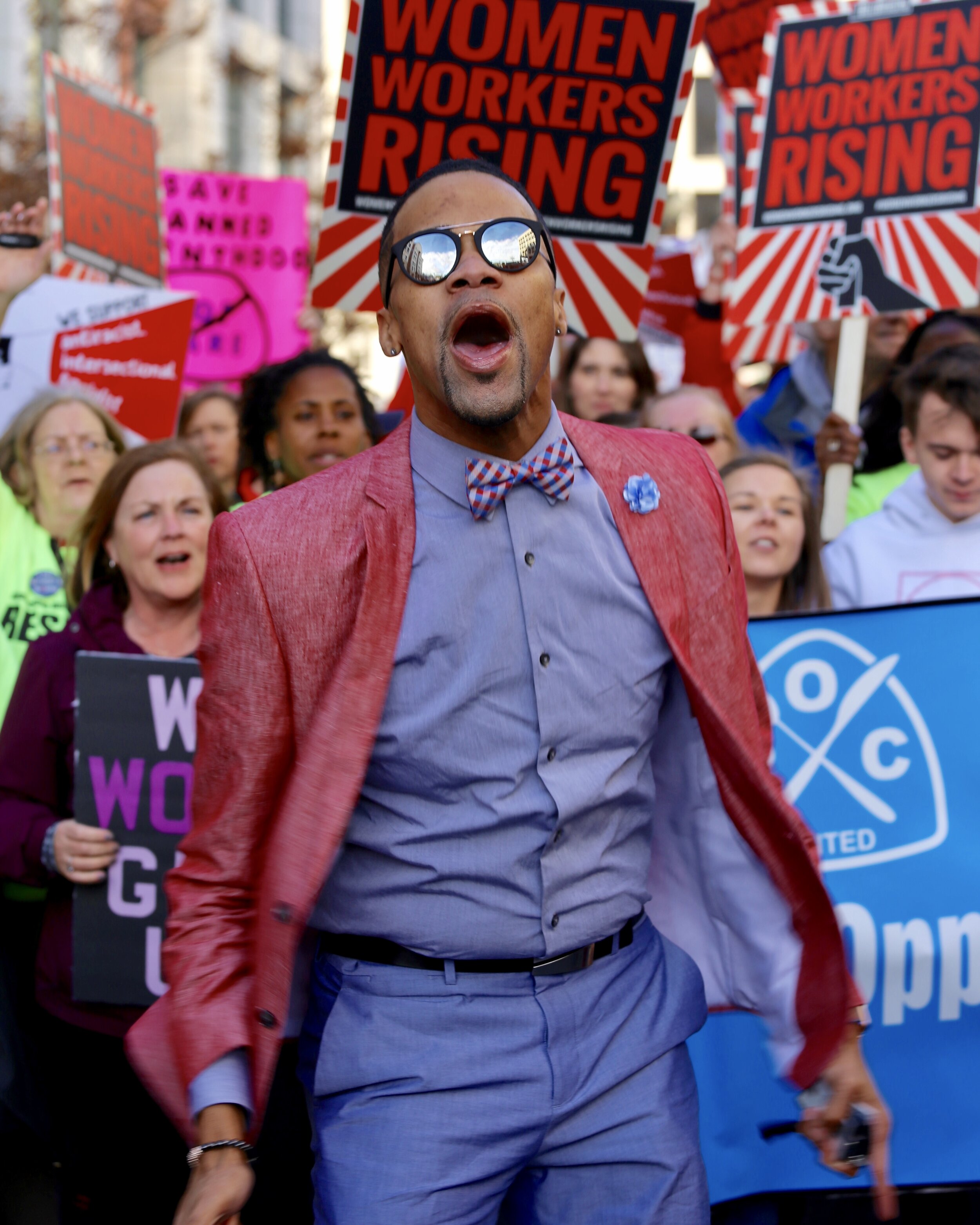

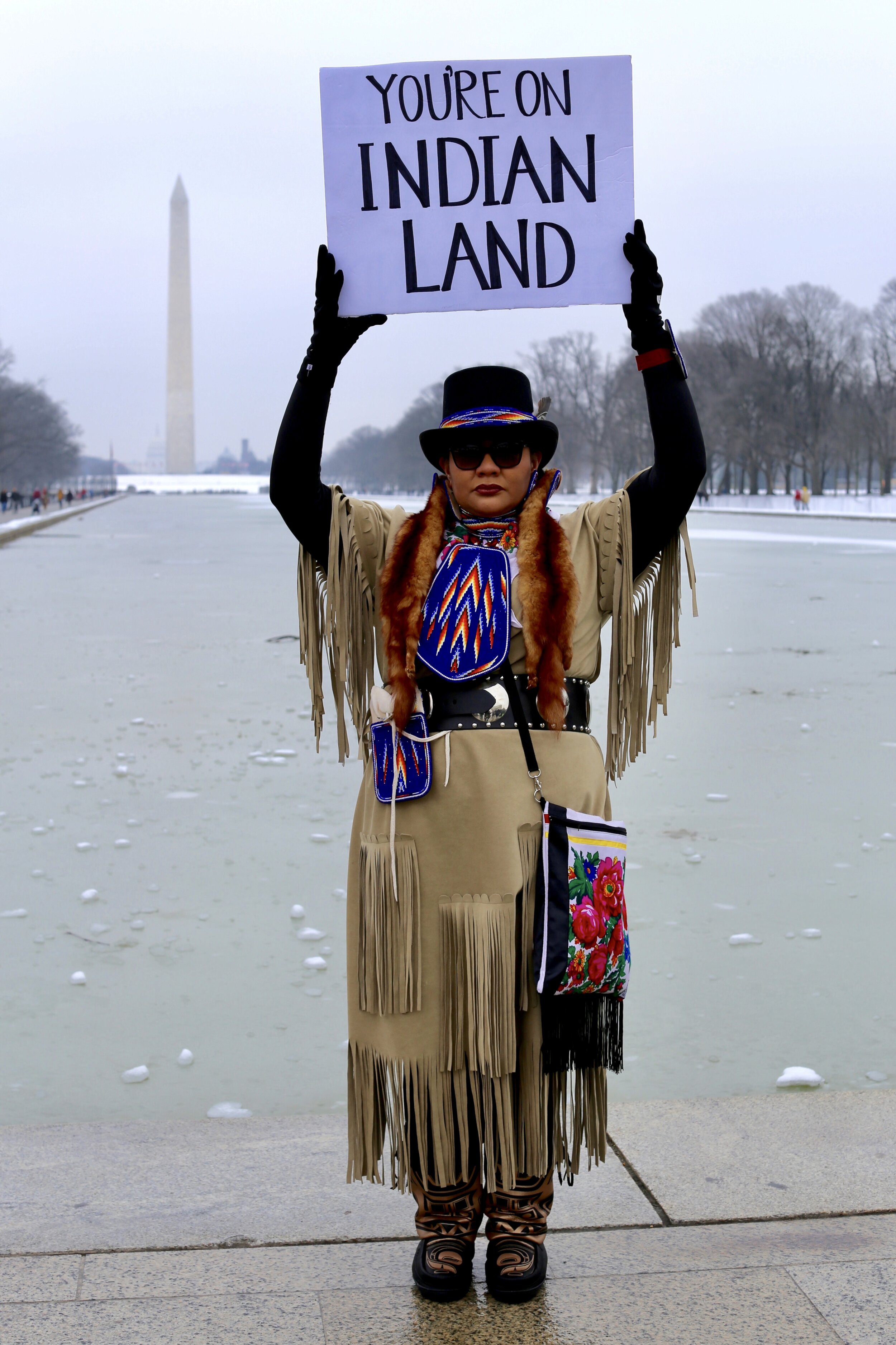

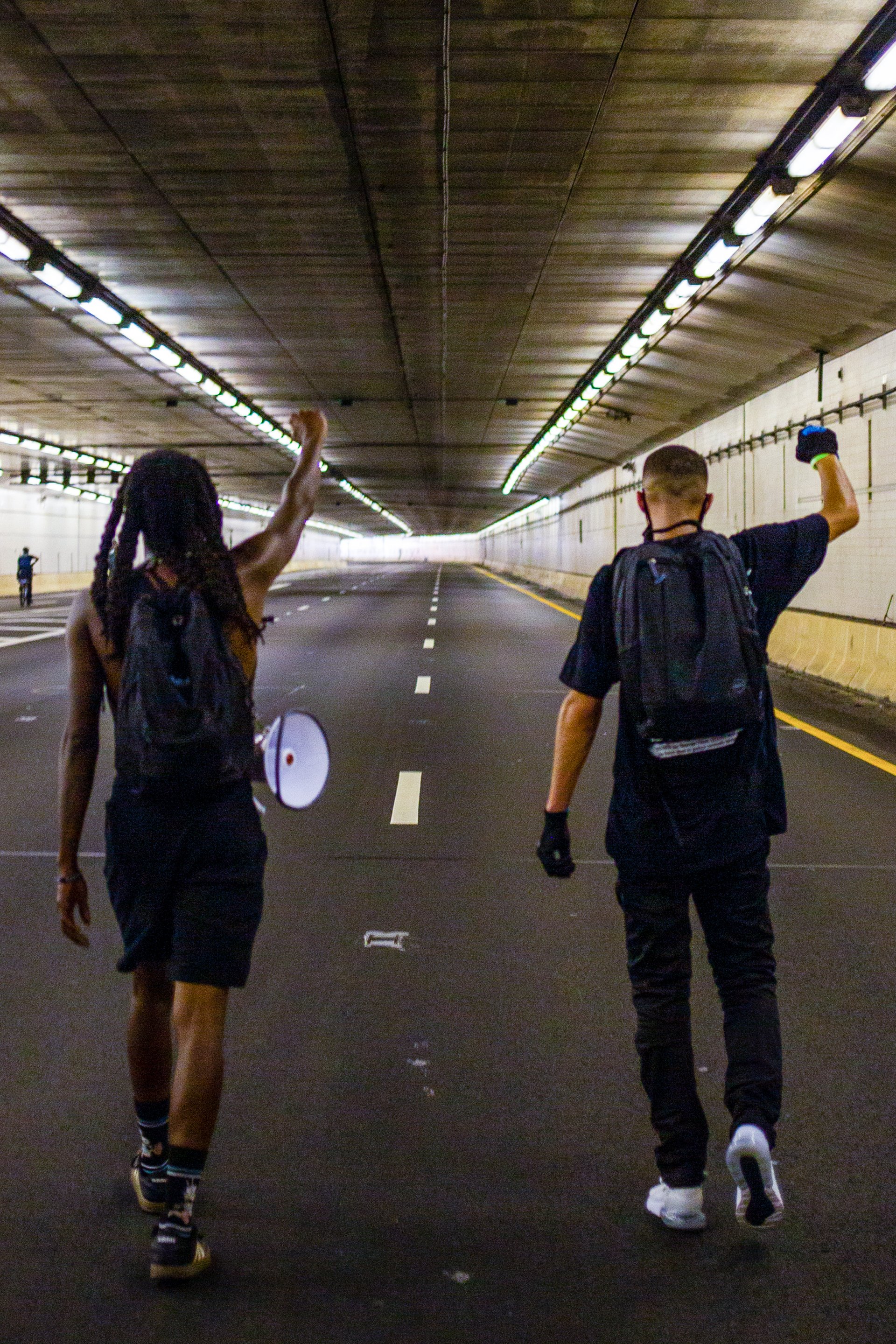
All photos courtesy of Kristine Jones
In between the marches, rallies, and protests, Jones also somehow finds time to devote to myriad political causes. Jones lives just a few blocks from the Capitol, but for her birthday in 2018 she took a trip to Texas to work on Beto O’Rourke’s senate campaign; in 2017, she traveled to Alabama to help Doug Jones defeat former Alabama Supreme Court judge (and alleged sexual assaulter) Roy Moore. She canvasses and helps with voter protection outreach for the DNC, advocates for immigrants, and runs another Instagram account called I Vote Democratic, after she discovered that “a lot of people really felt like they didn’t see themselves in our party anymore,” she says.
Even though Jones admits that she can see the appeal of the concept that “ignorance is bliss,” she still sees the value in trying to work within the current system to affect change. “You look at these things, and how much work it takes, and the setbacks, and the dealing with the government, and the B.S. and the deals. It’s depressing,” Jones says. “Sometimes my head wants to pop off. But then I can’t let it go. I see it and think ‘Ok that’s just not right, I need to do something about that.’”
Jones and her son worked hard on Hillary Clinton’s 2016 presidential campaign, and they were understandably morose on the morning of November 9, 2016. Her son tried to console his mother by scribbling a message of hope on her bathroom mirror. “We just need to work a lot harder to make change,” he wrote. “Always forward.”
Four years later, Jones is still angry. But she’s trying to channel that rage into something productive. Not doing something has never felt like a viable option for her, but despite the inevitable burnout, Jones says now is not the time to be complacent. “People didn’t think this was such a big deal in 2016,” she says. “I felt like I was the boy who cried wolf, but I was right actually. I’m afraid that if I don’t get out there, it’ll be worse.”
Although she cherishes the time she spent traveling, Jones says that she “would never want to live anywhere else in the world.” One of the best things about living in the U.S. is that “no one is American—because everybody can be American,” Jones says. “You don’t look at someone and say ‘That person is American’ because we could be anybody. I have friends with German passports that say ‘I’m from Africa, I’ll never be German. But in America, people could think I’m American.’”
The years she lived abroad provided Jones with a fresh perspective; while she is the first to acknowledge that the U.S. has its flaws, her love for her home country runs deep. She says she cried when George W. Bush got reelected, but she has the opposite of a “love it or leave it,” mentality when it comes to how she views her role as a citizen. “We’ve got to fix [the U.S.] because this isn’t really who we are,” Jones says. “Plus, I feel like it’s everybody’s responsibility to do a little bit. We all live here. It’s like maintaining our home in a way.”


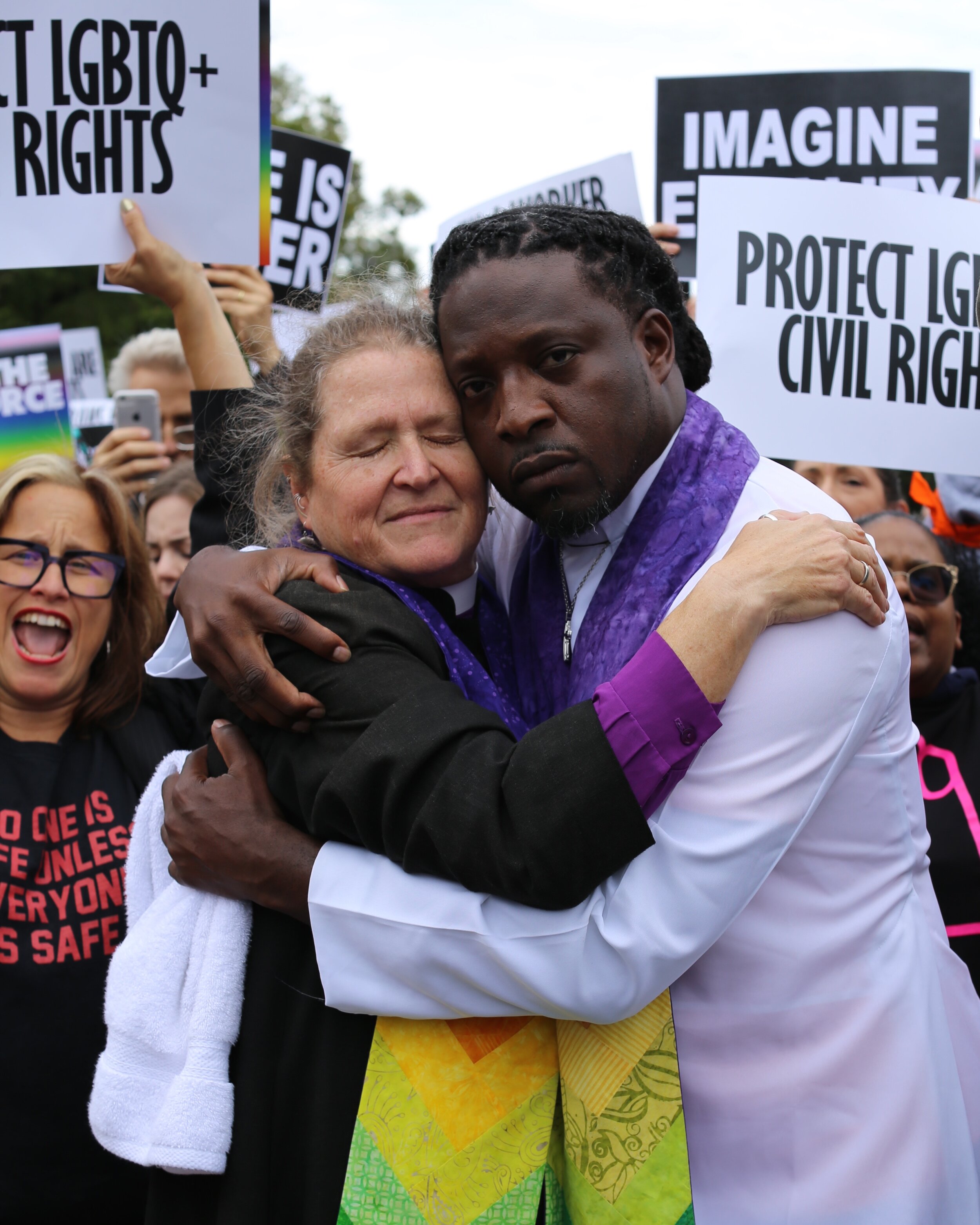

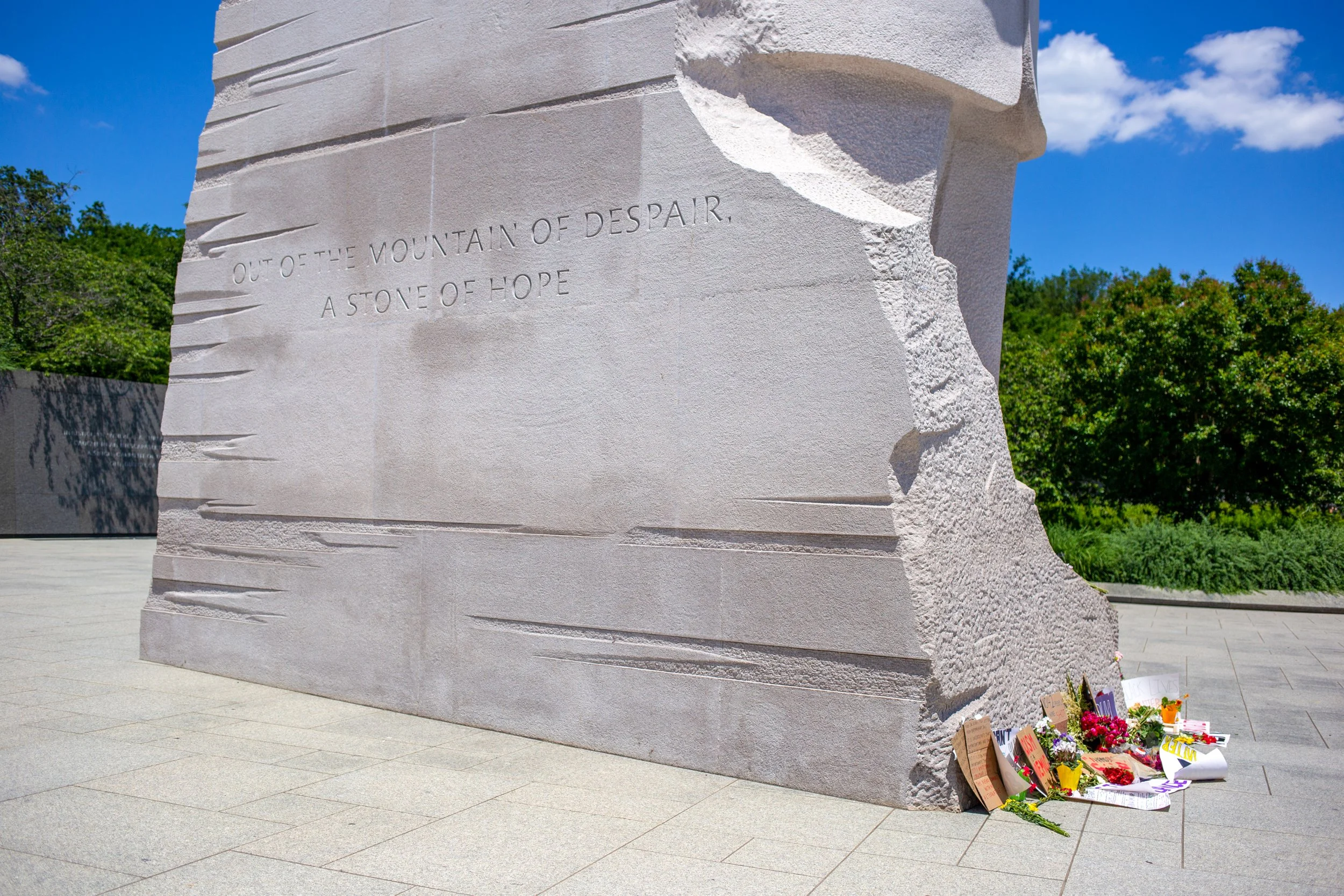
All photos courtesy of Kristine Jones
It may not always be easy, but Jones is trying to pass this sense of obligation on to her son, who graduated high school this year with significantly less fanfare than previous generations thanks to COVID-19. He has attended every Women’s March and is forging his own path as a somewhat-reluctant activist-in-training. Jones is cautiously optimistic about her influence. “I don’t ask,” Jones says. “We just have things that we do and that’s one of the things. But he would be good at it. Who knows, I might have created a Republican—but I hope not.”
The climate crisis is not a partisan issue or a singular, cataclysmic event—and Jones thinks that may be part of the problem. Americans, and humans in general, seem to be better at reacting to catastrophes than they are at preventing them. But even in these times of seemingly never-ending and overlapping crises, Jones sees an opportunity to motivate those who might, for various reasons, not think they can make a difference.
“It’s crazy how many people have found their creative outlet just because this moron is president,” Jones says. She says that her work trying to secure protections for immigrants (which are often motivated by looming legal deadlines) has shown what might work—or not work—as we try to address the climate crisis.
“With climate change, nobody sees the end, it’s not a big action, it’s not something that happened all at once,” Jones says. “It’s amazing what people can do when they’re forced to, at the last minute. But there almost needs to be a deadline associated at the end of it. I feel like, with the climate, there’s not that end date that’s scaring people.”


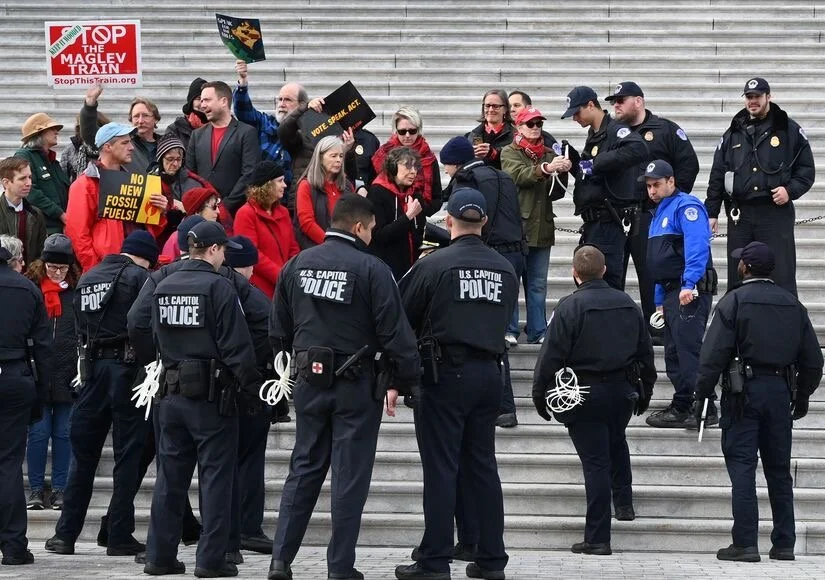
All photos courtesy of Kristine Jones
One of the main missions of Fire Drill Fridays is to try to counteract this very real problem of inertia—and light those metaphoric fires underneath people who may have never considered themselves activists in the traditional sense. It worked for me; I was arrested three times for civil disobedience and was lucky to have Jones as a fellow detainee for two of them.
It may be easy to dismiss a group of mostly white, middle class women (and especially celebrities) in zip-tie handcuffs as a meaningless publicity stunt, but Fonda says the arrests shine a light on her inherent privileges—and that’s part of the point. Jones has a similar view on the effectiveness—and often complicated optics—of civil disobedience. “It’s easy for us to get arrested,” Jones says. “I think it’s a big thing and I get nervous, but I know it’s not like other people’s experiences. I feel bad about our privilege but I understand the need of the theatrical aspect of what we do. It's important for us to stand up.”
Jones, a visual person by nature, also recognizes the lasting impact that a photograph can have on the historical record—for better or worse. “The visual of people getting arrested for the climate is a similar visual to that of Kent State [on May 4, 1970], or the visual that haunts Jane Fonda—of her sitting on that tank [in Hanoi]—these are all visuals that we keep in our head, so it’s useful.”
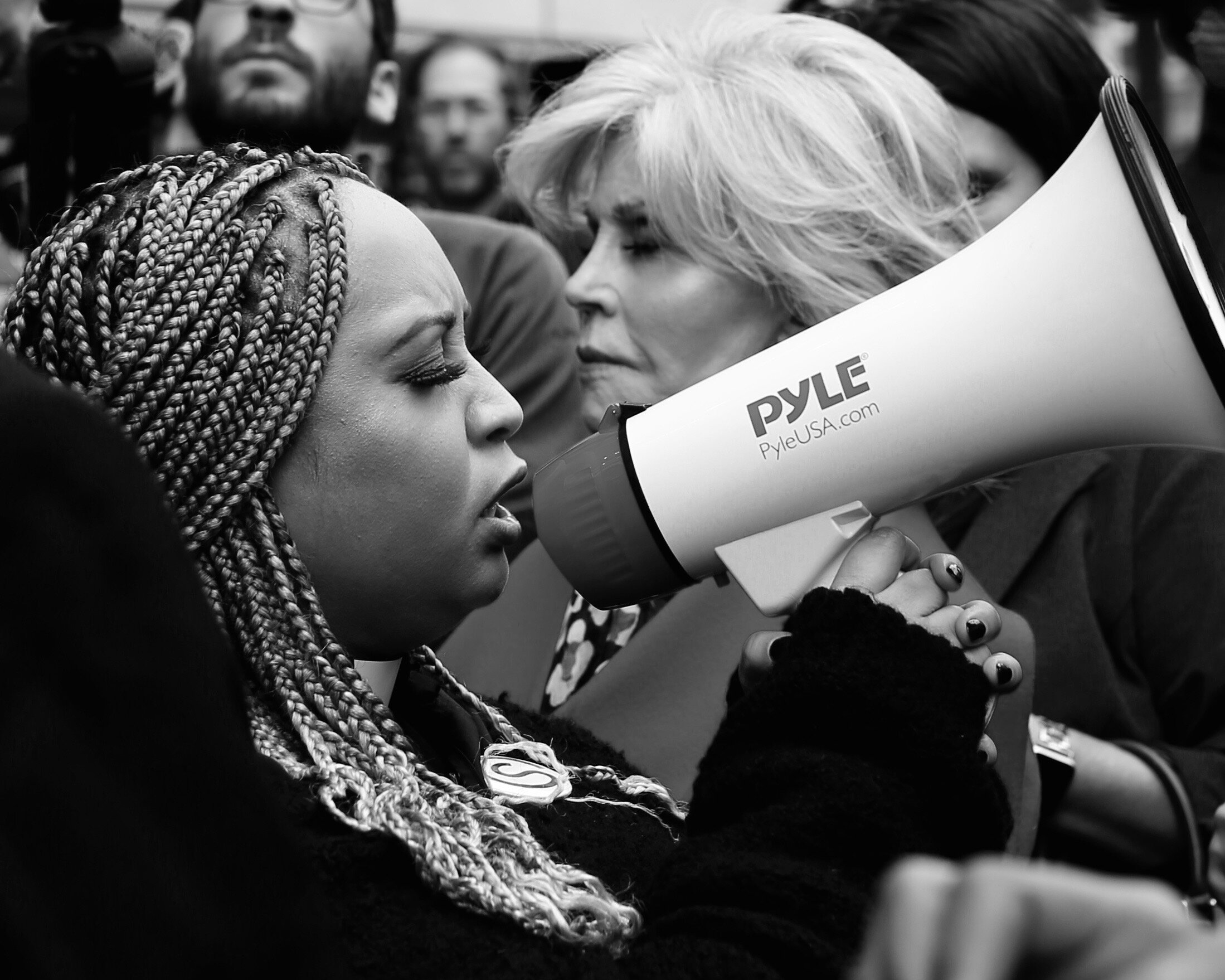


All photos courtesy of Kristine Jones
COVID-19 has changed life dramatically for almost everyone, and all of Jones’ pursuits have been affected in different ways. She says it’s weird being a real estate agent without in-person showings or an artisan product consultant with the future of trade shows uncertain. But the biggest change she has noticed is in her own neighborhood: after three solid years of not going a full week without some sort of protest, Capitol Hill is eerily quiet. There have been a few nurses advocating for better protections and car caravans along Pennsylvania Avenue, but for the most part, “everything has changed,” Jones says.
She’s still able to shoot portraits—wearing a face mask and using a zoom lens from a safe distance—and she acknowledges that it could always be worse. “I like to see how people make it through conflict—how they survive,” Jones says. “People lived in quarantine-like situations like this during the Bosnian war, and they still did art. They didn’t even have Netflix; we have Netflix. Most of us are not really suffering.”
In the current pandemic (and post-pandemic) world, the usual methods employed by activists may have to change, but not everything is obsolete. “The most important part [of activism] is—and what Jane Fonda did so amazing—is to make everybody think that they are important and crucial,” Jones says. “Jane was the best hostess ever, thanking everyone for coming and making sure everybody knew they were important.”
We may not be able to gather in the streets for the foreseeable future, but humans are remarkably resilient; the tools available today are just as varied as the activists themselves. Jones says she sometimes feels intimidated by new technologies, but she’s particularly excited about new opportunities to reach large groups of people without ever leaving home (Open Progress likens its texting tool to “knocking on digital front doors”).
“There really is something for everybody,” Jones says. “There is something that matches your skillset. Everybody has different levels of caring, different levels of putting themselves out there.” The level of participation may vary, but Jones thinks the very human need to feel as if we’re making a difference, no matter how small, is universal. “If people feel like they’re needed, it makes a big difference,” Jones says.
Whether she feels it or not, every movement needs people as dedicated and tireless as Jones. But even she admits that she sometimes needs a break. “Sometimes I just need to watch Real Housewives,” Jones says, laughing. “I want to watch stupid YouTube videos. I want to laugh. I want to not feel overwhelmed by all the crazy crap that’s going on. Who wants that dour shit all the time? Nobody does.”
We may not want it, but we all have our fair share of “dour shit” to deal with in life—ankles break, hard drives crash, graduations are cancelled, and candidates lose elections. But no matter how bad things get, Jones refuses to lose hope or even think seriously about slowing down. “When things seem bad, if I can go out and do something, that makes me feel better,” Jones says. “If you’re feeling helpless, help someone else.”
A RECIPE FOR CREATING AN ACTIVIST FOR TRUTH AND JUSTICE, BY KRISTINE JONES
Start with the following fiction books:
To Kill a Mockingbird, by Harper Lee
The Color Purple, by Alice Walker
Then add these three blockbuster movies:
Norma Rea (1979)
Silkwood (1983)
Dark Waters (2019)
Add non-fiction books that feel like fiction:
Just Mercy: A Story of Justice and Redemption, by Bryan Stevenson
Bury Me Standing: The Gypsies and Their Journey, by Isabel Fonseca
The Warmth of Other Suns: The Epic Story of America’s Great Migration, by Isabel Wilkerson
The Spirit Catches You and You Fall Down: A Hmong Child, Her American Doctors, and the Collision of Two Cultures, by Anne Fadiman
Then throw some documentaries into the mix:
Roger & Me (1989)
Dolores (2017)
An Inconvenient Truth (2006)
Crip Camp (2020)
Bonus! For activists with kids or kids who want to be activists:
March: Book One, by John Lewis, Andrew Aydin, and Nate Powell
We may not be able to take to the streets right now, but that doesn’t mean the climate crisis is any less important. This is a crucial moment in history; we have a real opportunity to rebuild and restructure our society to be more equal, more just, and more habitable for all. In an attempt to better understand what motivates and inspires fellow activists, I’m profiling people and how they’re trying (in ways both big and small) to make the world a better place. If you know someone I should profile, let me know (maybe it’s you!?). You can see all of the profiles here.

Recent Reads: Climate Crisis
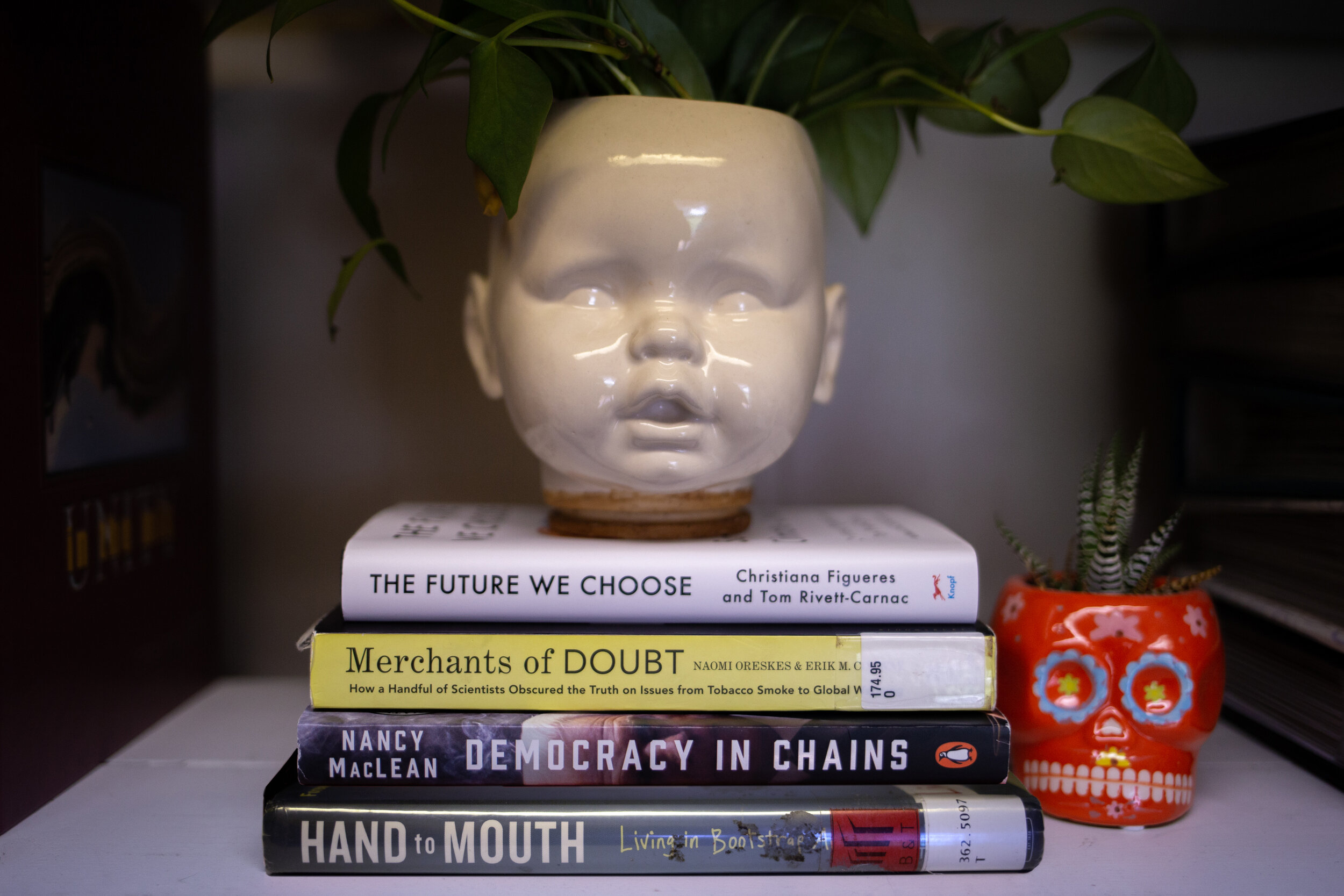
The Future We Choose: Surviving the Climate Crisis, by Christiana Figueres and Tom Rivett-Carnac
I understand that the climate crisis is a huge, dire issue but my biggest critique of some of the books I’ve read are that they are strictly doom and gloom—I like to feel as if there is at least something I (or others) can do to help stave off the worst of it. The Future We Choose was a welcome mix of terrifying facts, yes, but also realistic solutions. Figueres and Rivett-Carnac led negotiations for the United Nations during the Paris Agreement of 2015, so they definitely know what they’re talking about. Even so, this was an easy read, but I highlighted so much of it to read again and again, especially when I get caught in a doom spiral (which happens more and more these days).
Merchants of Doubt: How a Handful of Scientists Obscured the Truth on Issues from Tobacco Smoke to Climate Change, by Naomi Oreskes and Erik M.M. Conway
This book should be required reading for literally everyone. Oreskes and Conway manage to make a pretty dense and complicated story detailing decades of deceit extremely readable. Merchants, which shows how a handful of key players sowed the seeds of doubt in a very strategic (and unfortunately, successful) way—on everything from second-hand smoke to acid rain to climate change—reads like a thriller and I couldn’t put it down.
Democracy in Chains: The Deep History of the Radical Right's Stealth Plan for America, Nancy MacLean
Speaking of terrifying and dense books, Democracy in Chains was a bit too academic at times (I would read entire pages without having a clue what I read), but the overarching message will stick with me forever. If you have asked yourself “How did we get here?” anytime over the last 30—or even 50—years, this is a must-read. There’s nothing optimistic about MacLean’s assessment of the current state of our democracy, but an understanding of just how we got to where we are now (and who was/is behind it) is crucial if we’re to have any hope of turning things around for the better.
Hand to Mouth: Living in Bootstrap America, by Linda Tirado
Tirado’s memoir is an easy and eye-opening read about what it’s actually like to be poor in America. Tirado exposes the pull-yourself-up-by-the-bootstraps myth as just that, a myth, and shows how easy it is to plunge into poverty—and how nearly impossible it can be to get back out. It’s easy to blame people for what may seem like poor choices, but Tirado explains some of her own in a way that is both simple and revelatory. Hard work is a tent pole of the American Dream, but as Tirado shows, some of the hardest workers in America are the most perpetually undervalued.
This Changes Everything: Capitalism vs. The Climate, by Naomi Klein
There is some overlap between This Changes Everything and Klein’s latest climate book, On Fire, but her message is so important—and her writing infinitely readable—that I would gladly reread both. It’s impossible to address the climate crisis without taking a sledge hammer to the system that created the problem, and there’s no better time to examine that system (i.e. capitalism) than now. As we’re in the midst of another round of historic bailouts and a huge global reset, Klein’s analysis of the 2008 bailouts—and Obama’s failure to hold the companies accountable for their environmental impact—feels eerily prescient.

There's No Place Like Home

A beautiful spring day in Northeast Ohio.
When I was little, I watched The Wizard of Oz so much that I wore out our family’s VHS copy. I have no idea why our tape had a muted mauve plastic outer shell instead of black; what’s less of a mystery is why the movie’s central protagonist—a young girl who feels misunderstood and out of place growing up in Kansas and longs to “wake up where the clouds are far behind” her—resonated so deeply with me, a young girl who felt misunderstood and out of place growing up in perpetually cloudy Northeast Ohio.
When I got a bit older and was able to identify some of the concrete issues contributing to my unease, I began to obsess over the idea of finding my own version of a place where the “dreams I dare to dream really do come true.” Even before I first visited New York City when I was 14, it seemed to me that—while I had no illusions that any change of scenery would cause my troubles to “melt like lemon drops”—going over the George Washington Bridge and into Manhattan was about as close to going over the rainbow as I could get.
I did try to be at least somewhat realistic about New York City’s ability to heal my spiritual and physical wounds, but I’d be lying if I said I didn’t idealize or inflate its powers. For more than a decade after that first visit, I still physically lived in Ohio, but my head and my heart were both trapped in limbo—somewhere between my increasingly bleak real life, and the objectively better one I imagined was waiting for me, should I ever actually make it to New York.

The four worst things about Ohio.
I’m not proud of how quickly and willingly I cast my Ohio roots aside when that day finally came in 2013. Before my plane had even reached the gate at LaGuardia, I had already scrubbed my vocabulary of any telltale signs that I was an outsider: I trained my Midwestern mouth to say “soda” instead of “pop,” I would order food “to stay” instead of “for here,” and wait “on line” instead of “in line.” I gladly surrendered my Ohio driver’s license, even if it meant a five-and-a-half-hour wait at the “express” DMV and an even more excruciating weeks-long wait for my photo reveal (mercifully, New York’s ID photos are printed in universally flattering shades of black and white).
I didn’t hide the fact that I was from Ohio, but I didn’t exactly volunteer to share my origin story either. When the Cleveland Cavaliers won the NBA championship in 2016, it seemed like everyone in Brooklyn was celebrating but me. I was the first to admit that so-called “flyover” states were easy to ridicule (and frequently misunderstood), but more often than not, my home state supplied seemingly endless sources of embarrassment.
I had helped the county I grew up in turn blue in favor of Obama twice; in 2016, Trump won the bellwether state by nearly half a million votes. In 2019, less than a year before he would deftly handle the COVID-19 pandemic, Ohio Governor Mike DeWine signed the notorious “heartbeat” law, essentially banning abortions. And that desire to wake up where the clouds are far behind me was very real: The Buckeye State is consistently included in the top ten rankings of cloudiest places in America. According to the Farmers’ Almanac, cities just south of Lake Erie see only 63 to 68 days of sunshine a year. Two months before I headed east in search of (metaphorically and literally) sunnier skies, I was diagnosed with Multiple Sclerosis; while there are several contributing risk factors, a pronounced lack of vitamin D is one of the major ones.
Try as I did to remain objective, I was not immune to blaming my miseries, at least partially, on my surroundings; with some perspective, it’s clear that I was not completely wrong in that assessment. My life did improve measurably in ways both big and small after I moved to New York. I no longer had a car, so I walked significantly more. I spent more time outdoors, enjoying those objectively sunnier skies. I traveled more, developed meaningful relationships, and advanced in my career.
Over the past seven years, I’ve gone entire days without remembering that I carry a potentially debilitating neurological condition along with me wherever I go; is it nearly invisible because of the daily medication I take or because of the lifestyle changes I made? I’m sure, like anything, it’s a complicated mix of factors, but I have no doubt that moving to New York helped me thrive in many, quantifiable ways.
So when it became clear to me over the last year that my life in New York was coming to a natural end, I wondered where I would go next. I had planned to spend a large portion of 2020 on the road, traveling across rural America—including the true Midwest, to which I argue Northeast Ohio does not really belong. I wasn’t being coy when I declared that I had no idea where I would end up once my trip ended; I truly had no idea if I would want to restart my life in New York or plant new roots elsewhere. For the first time in my highly-structured, true-to-my-Virgo-nature life, I planned not to plan too far in advance. I hoped that a few months on the road would change me; somewhere along the way I imagined that a clearer path would emerge.

A family of squirrels outside of my childhood bedroom window.
Well it turns out that sometimes life is also what happens to you while you're busy not making other plans. I did leave New York, but the COVID-19 pandemic put my road trip plans on an indefinite hold, left me unemployed (at least for the time being), and has me sheltering in place with my dad in my childhood home in Ohio. When I moved out in 2009—to live with a boyfriend 45 minutes south—I never imagined I’d be back 11 years later.
During the seven years that I lived in New York, I’d visited Ohio several times—for holidays, short family visits, and most recently, for work-related functions—but never for more than a few days at a time. I enjoyed exploring my home state as a tourist, catching up with old friends, and eating at regional food chains (Swensons’ cheeseburgers truly are life-changing). But I was always eager to get back to my adopted home of New York which, for at least six-and-a-half years, felt more like home to me than Ohio ever did. I had built a life from scratch there, and I relished the control and autonomy. It wasn’t perfect, but it was mine—and I tried not to take it for granted.
The harder I worked to scrub the “Ohio” from my life, the more I started to warm to its charms. All but invisible when I was living a life that had, for various reasons, never felt like my own—and with enough distance and perspective—they started to slowly reveal themselves. A day spent in Amish country used to be anything but relaxing; the inconvenience of getting stuck behind a painfully slow buggy, the fecund smell of farmland, and the lines of Midwestern moms waiting for free cheese samples all tested my tissue-paper-thin patience in different ways. But gradually, I not only stopped dreading my return visits, but actually started to look forward to driving those same rural roads in search of a weird roadside attraction, an abandoned cemetery, or a sprawling suburban grocery store.
Since I arrived at the end of March, I’ve had nothing but time to consider the pros and cons of Ohio. During the two weeks I spent in quarantine, I took daily walks, never straying too far from the same streets and sidewalks on which I used to wander as an angsty teen (and later, as an angsty college student). After it was clear that I wasn’t a vector of viral plague, I began to go farther, driving my grandpa’s ‘98 Buick to points both north and south. I explored an abandoned bridge, drove two hours just to photograph a storefront, and visited the former Longaberger Basket headquarters twice. I still take walks as often as I can and I’ve come to appreciate these daily sojourns as a sort of “this is your life” review of my past.
Within walking distance of my house is the church parking lot where I learned to parallel park, the orthodontist who tortured my tiny mouth with a Medieval palatal expander, and the playground where a friend and I used to sneak cigarettes. Today, I couldn’t parallel park a clown car if my life depended on it. I long ago lost my retainer and regained my snaggle tooth. I could never tolerate the taste of cigarettes, and I’ve since lost touch with that friend. She was the first person I told when I realized I was attracted to women; it would be 20 more years before I could finally come to terms with what that meant personally—and feel secure enough to declare it to the world.
With the Buick, I can go even further into my own history: to the drive-in movie theater where I first got my period, to the neighborhood street where I had my first kiss (with a boy), and to the college campus where I met my first girlfriend. I recently drove past the house I shared for more than four years with that notorious boyfriend—the one I grew to resent because I blamed him for keeping me in Ohio, and then later, for other much worse (and more objectively bad) reasons. He doesn’t live there anymore, and now, thankfully, I barely recognize the version of myself that did. My journal entries from that time in my life are laughably morose; now, I write things such as, “I’m proud of myself” and “I can’t lose anything that never rightly belonged to me,” without any shred of irony.

Breaking news.
The things that I couldn’t wait to leave behind—suburban sprawl, a car-dependent society, desolate streets—are the very things that now make Ohio feel like a literal breath of fresh air. Yes, it’s still perpetually cloudy, and the weather is hilariously unpredictable; in the weeks that I’ve been here we’ve had several inches of snow, rain, hail, a tornado warning, and a few picture-perfect 70-degree days (there is a frost advisory today and next week is supposed to be in the mid-80s). Regardless of the weather, I still take those walks, during which I rarely encounter another person. I used to lament the lack of sidewalks and foot traffic, but now I’m grateful for the ability to clear my head without playing a game of human Frogger—a mild New York annoyance that became increasingly stressful as COVID-19 ravaged the city and everyone, whether they intended to or not, suddenly posed a real threat to my compromised immune system.
I haven’t shed my New York persona completely, and I likely never will. I still recoil from strangers’ friendliness, walk to the grocery store even though I have access to the Buick, and relish wearing a face mask because it means I never have to force a smile (minus the face mask, I did those things even when I lived in Ohio, to be fair). I don’t regret a minute of the time I spent living in New York. I realize that no life choice is one-size-fits-all, but I do think most people would benefit from the perspective gained when you leave behind the comfort of familiar surroundings and leap into the unknown. There are as many ways to do that as there are people in this world; I urge you to figure out what that means for you, and then actually do it.
Against a backdrop of ‘90s playlists and Jane Fonda’s audiobook, I had more than seven hours to think and re-imagine my future when I left New York, driving west over the George Washington Bridge. Suddenly, what had before seemed so unclear—where to put down roots when my road trip came to an end—seemed maddeningly obvious. What if I just stayed in Ohio for the foreseeable future?
Even before the pandemic suddenly shuttered (hopefully temporarily) everything that I loved about New York, I had become increasingly disillusioned with the high costs—again, both literally and metaphorically—of carving out a life in one of the most expensive and dense cities in the world. The cost of living is much lower in Ohio; yes, I will need a car, but I now relish the control and freedom it will bring me, especially in a post-pandemic world. Everything that was a nightmare even in pre-COVID-19 New York is a comparative breeze here—laundry, grocery shopping, road trips, etc. There are just as many things that I will (and already do) miss about New York as there are things that I won’t.
But what I’m learning is that nothing in life is objectively good or bad; for a brief moment, most things may be weighted heavily in one direction or the other, but more often than not, they fall somewhere in between. I moved to New York because, for many reasons unique to me at the time, it seemed like a better choice than Ohio. Now I, and the reasons, have changed, with predictably different results.
Will I stay in Ohio forever? I have absolutely no clue. Is it the right place for me right now? I think so. It may look different than it once did, but I’m extremely grateful to have a place to come back to—even if it doesn’t feel like I’m going back, but rather, forward. I lost the puzzle box long ago; I have no idea what the final picture will look like, but I’m picking up the pieces and connecting them as I find them.
As smart and clever as I’d like to think I am, sometimes the most obvious solutions are the most elusive. During the years I was busy building a life in New York, I would have insisted that I would never end up back in Ohio. Even now, I’m dragging my feet surrendering that driver’s license—and not just because I like my photo, it’s valid for six more years, and the wait in the stuffy and chaotic Midtown DMV felt as if it was at least that long.
I’m reluctant to admit that something so cliché—something that must have embedded itself into the tightly-woven fabric of my brain long before that fragile VHS tape turned to dust—could turn out to be so true: “If I ever go looking for my heart's desire again, I won't look any further than my own backyard. Because if it isn't there, I never really lost it to begin with … There’s no place like home.”

Recent Reads

Secrets: A Memoir of Vietnam and the Pentagon Papers, by Daniel Ellsberg
I didn’t know much about the specifics of the Vietnam war before reading Ellsberg’s memoir, but even if you think you do, I can’t recommend this one highly enough. Ellsberg is best know for leaking the Pentagon Papers, but this memoir covers much more than that, including his time spent actually in Vietnam, observing the conflict firsthand. His thoughts and his transformation from scholar to staunch anti-war activist are inspiring, and the painful lessons learned from examining how and why the war continued for so long are just as—if not more—relevant today.
Rising: Dispatches from the New American Shore, by Elizabeth Rush
Rising was not quite what I expected from a book examining climate change, but Rush is a powerful storyteller and her subjects—climate refugees and people living in especially vulnerable coastal communities—offer a compelling look at the human toll of climate change. Sometimes she strayed a bit from the universal message and got a bit too personal for my tastes, but her reflections on the very real impacts of the climate crisis—and the complicated life of a solo, female journalist—will stick with me.
The Vagina Bible: The Vulva and the Vagina—Separating the Myth from the Medicine, by Jen Gunter, MD
I expected to be wowed by the wonderful—and woefully under-studied—world of female genitalia, but unfortunately most of this information seemed pretty obvious to me. Maybe that’s a good thing—that I know more than I thought I did—but I do wish I had read this book as a teen, when it would have demystified and countered a lot of the misinformation and general confusion that comes with being a woman in a world built for, and by, men (also an A+ for cover design).

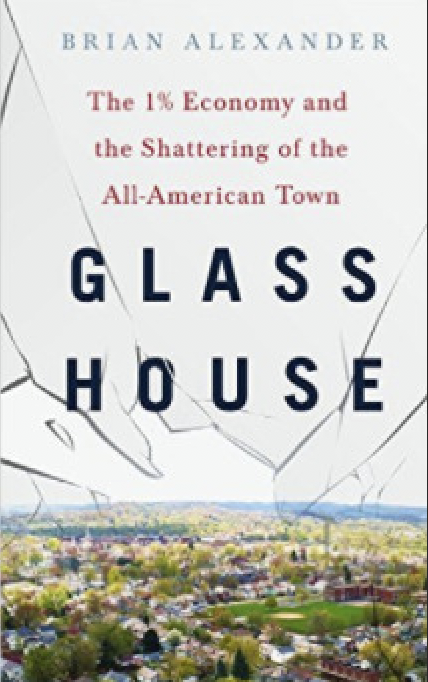
Glass House: The 1% Economy and the Shattering of the All-American Town, by Brian Alexander
My eyes glossed over a lot of the nitty gritty details in Glass House—particularly those dealing with complicated corporate politics and policies—but I’m fascinated by “rural” America and the detritus of the rise and fall of mid-century capitalism. I will never pretend to understand the ins and outs of hostile takeovers, stocks, or other mundane (and often nefarious) business practices, but I grew up in Ohio and have witnessed the decline of the “ideal American town” firsthand. What happened with Anchor Hocking is not unique to Lancaster, Ohio, unfortunately, but the lessons gleaned from examining its history and present state are crucial to building a more sustainable future.
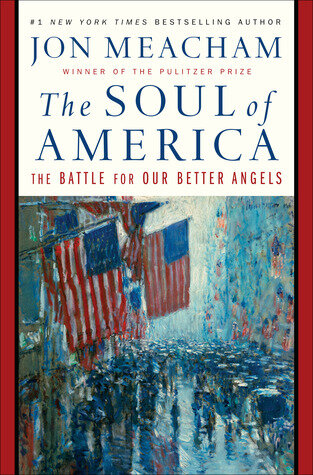
The Soul of America: The Battle for Our Better Angels, by Jon Meacham
Jon Meacham examines our current political situation through the lens of history, drawing comparisons to other times of progress which were followed by a seemingly inevitable backlash. Somehow just knowing that we’ve been here before—and likely will be again, in the future—made me feel oddly hopeful. Meacham argues that we’ve survived periods of tumult only to emerge stronger and better, and that it’s not only possible but probable that we will do so again (and again)—proving MLK’s observation that “the arc of the moral universe is long, but it bends toward justice.”

May 4, Fifty Years Later

1970 was a historic year for the environmental and anti-war movements; inspired by protests of the 1960s, the first Earth Day was held fifty years ago in April. Opposition to the United States’ involvement in Vietnam had been spreading across the country for years, but also in the spring of 1970, student protestors and military units clashed—with violent, and often deadly, results.
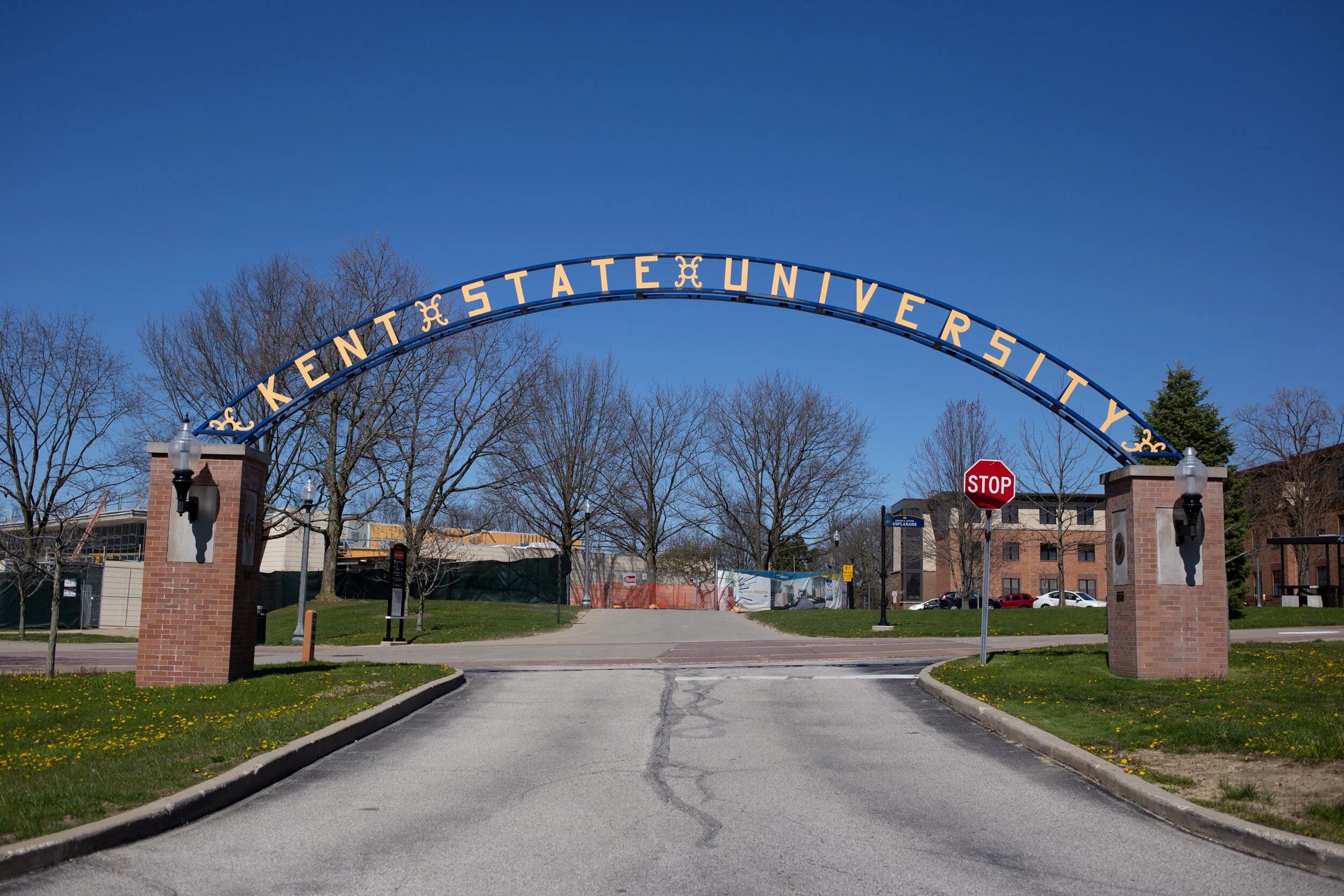
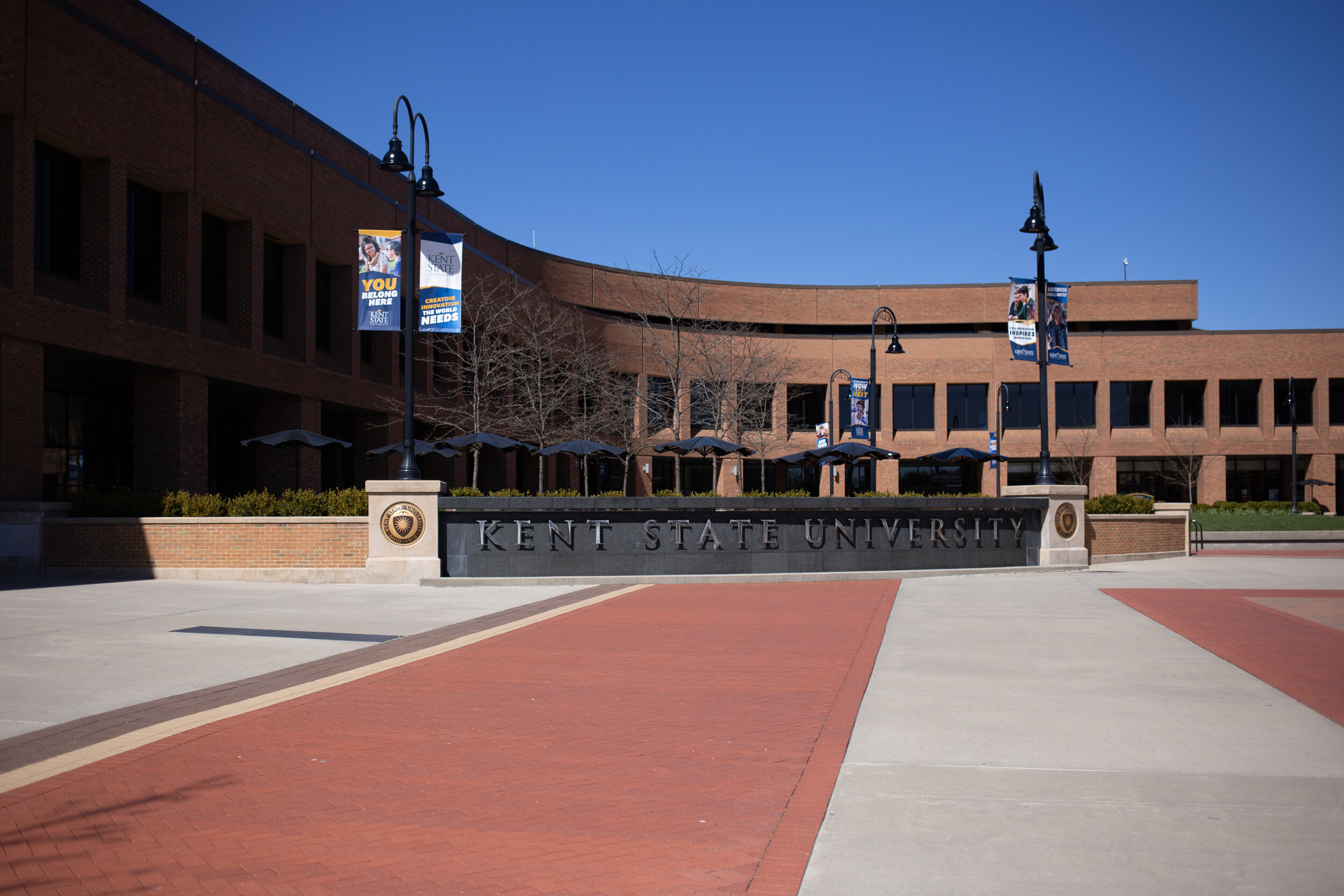
I didn’t know much about the events of May 4, 1970 when I enrolled at Kent State University in August of 2003. During the five years it took to complete my undergraduate degree, I learned many things, but I was mostly focused on myself. Students have been increasingly robbed of the same luxury of self-absorption—thanks to active shooter drills, mounting loan debt, dire climate projections, and most recently the COVID-19 pandemic.
I know that marches and movements—even historically significant ones—don’t immediately change the world in any real way, but I also know that isn’t really the point. Over the past three years, I’ve attended countless protests for various issues; most recently I was arrested three times for civil disobedience with the climate justice organization Fire Drill Fridays.


When it was announced that Fonda was scheduled to speak about activism at KSU to commemorate the 50th anniversary of the events of May 4th, I felt something about my home state that I wasn’t used to feeling: pride. Almost immediately, event organizers faced the inevitable backlash from a small, but vocal minority of the “Hanoi Jane” contingent—fueled by long-simmering resentment surrounding Fonda’s largely misunderstood 1972 visit to North Vietnam.
Detractors called on KSU to cancel Fonda’s speech, ignoring—or not realizing—that she has always been consistent with both her support of soldiers and her opposition to war. When the National Guard opened fire on unarmed students protesting the bombing of Cambodia, Fonda was in the middle of a cross-country road trip, speaking at college campuses and meeting with servicemen who objected to fighting in a war that had become increasingly difficult to justify.
This year, I had plans to embark upon a cross-country trip of my own. Ohio was meant to be a temporary pit stop on my way from my adopted home of New York City—but in the wake of the pandemic, I am sheltering-in-place in my childhood home for the foreseeable future. I recently returned to Kent State’s sprawling campus for the first time since I graduated. Classes and commencement have been cancelled in the wake of COVID-19. Buildings are shuttered and the streets are devoid of students; manicured lawns and lecture halls sit empty.
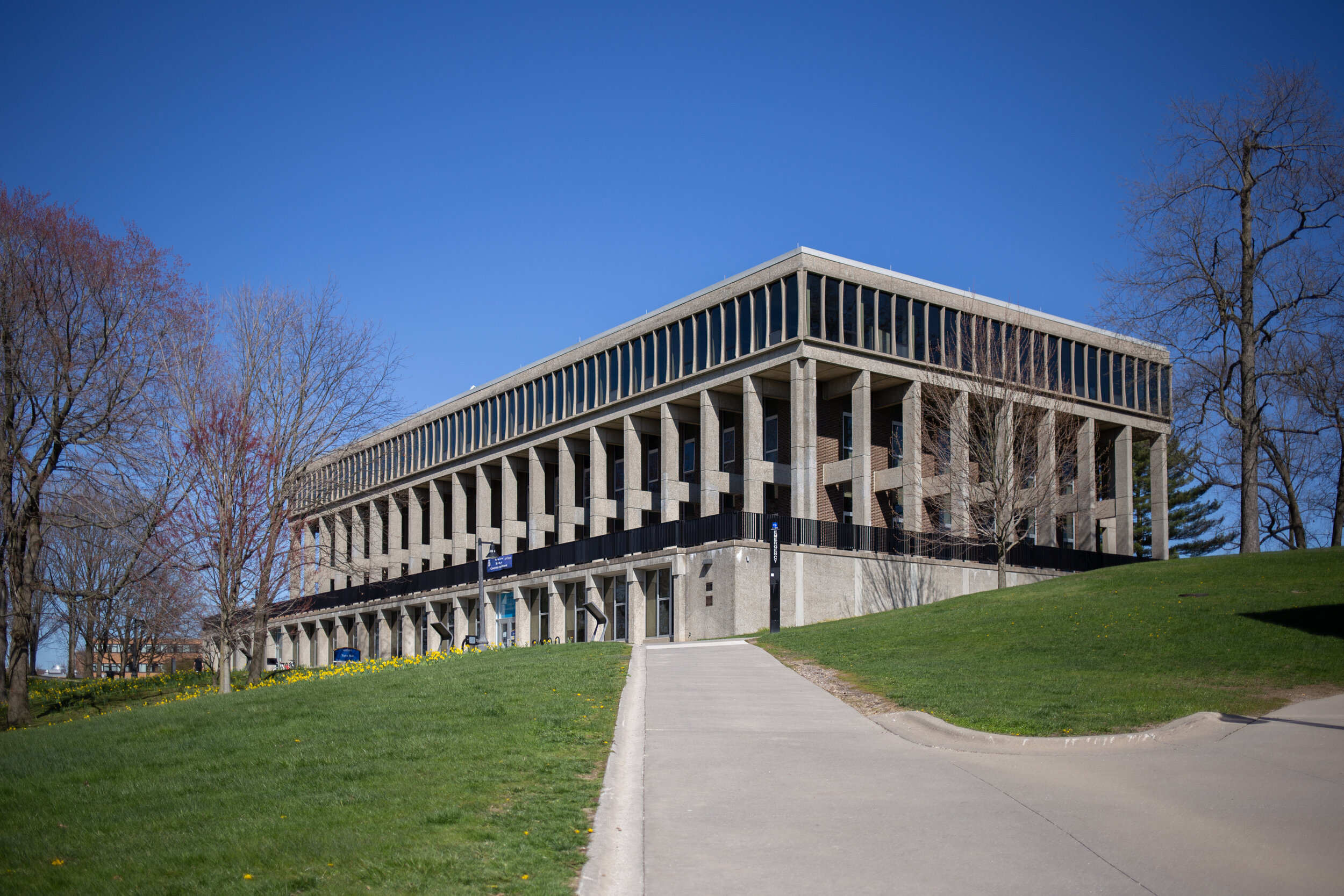


Taylor Hall, now home to the May 4th Visitor Center, still presides solemnly over Blanket Hill, carpeted with daffodils blooming defiantly in isolation. Each of the 58,175 bright yellow flowers represents a life lost too soon in Vietnam. The war may be long over, but in just a few months, COVID-19 fatalities have already surpassed that grim number; casualties from the climate crisis are far harder to calculate, but they too will only increase exponentially over time.
The ways people gather and spread ideas may have evolved over the past 50 years, but the core issues and enemies we face have not. Technology now both connects and isolates us; mass demonstrations are (rightly) prohibited at the very time when they’re needed the most. In the wake of stay-home orders and bans on public gatherings, organizers and activists have scrambled to find alternate ways to come together. KSU’s virtual commemoration program unfortunately no longer includes a speech by Fonda, but her activism—now focused entirely on the climate crisis—is more needed than ever.


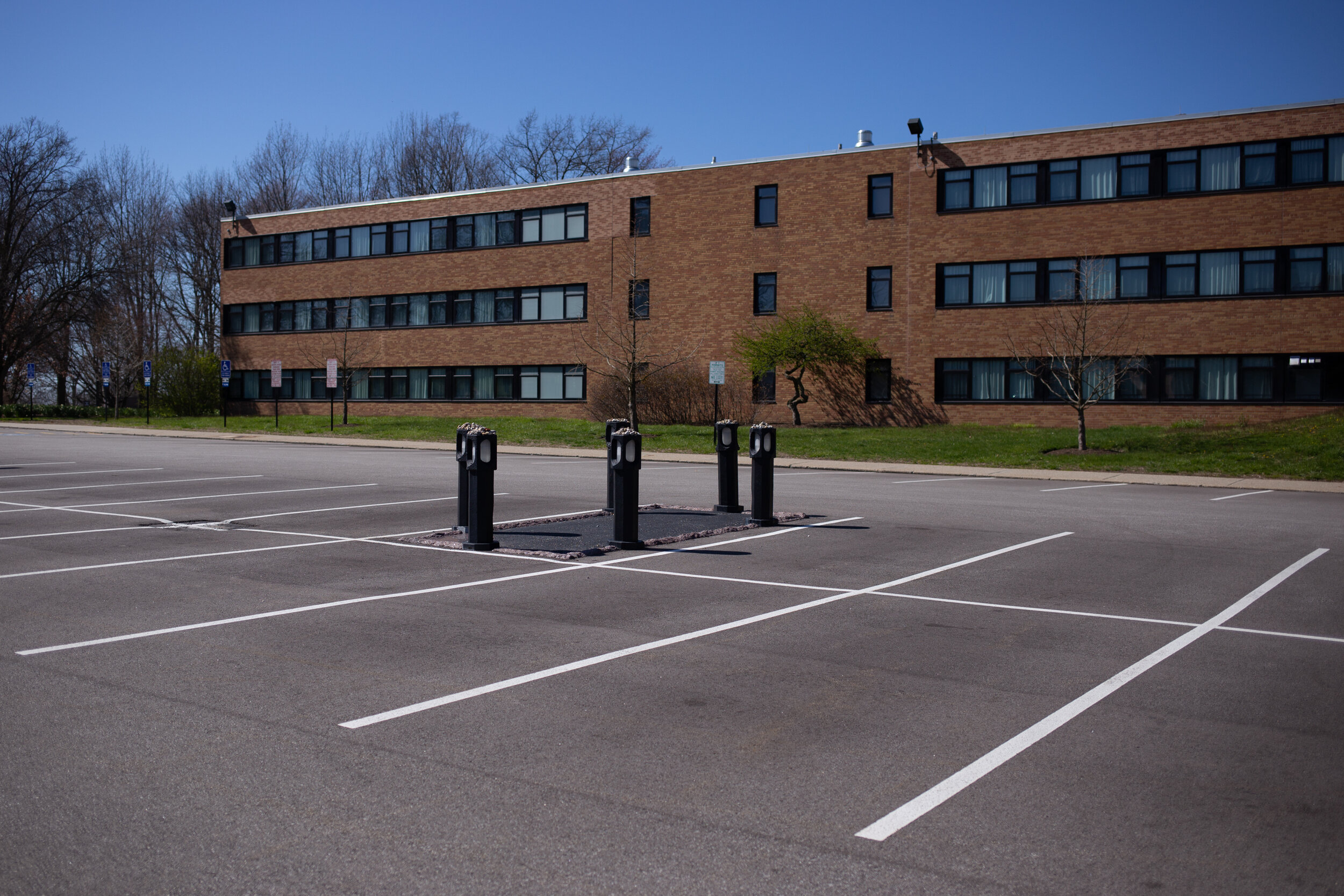

It may be too soon to tell if the beginning of 2020 has taught us anything, but if so, it’s that “business as usual” is not the solution, but rather the problem. We may be impatient to reopen the country, but if we don’t use this time to reflect on our past, remake our present, and reimagine our future, then we have failed at a time when we have very little margin for error.
A granite memorial to those killed and wounded on May 4th, 1970 sits at the top of Blanket Hill, encouraging visitors to “inquire, learn, and reflect.” There is no limit to the lessons waiting to be mined from our personal and collective histories, but we must be willing to ask the right questions and not be afraid to face the uncomfortable answers.

Lee Ann Hopkins Does Good
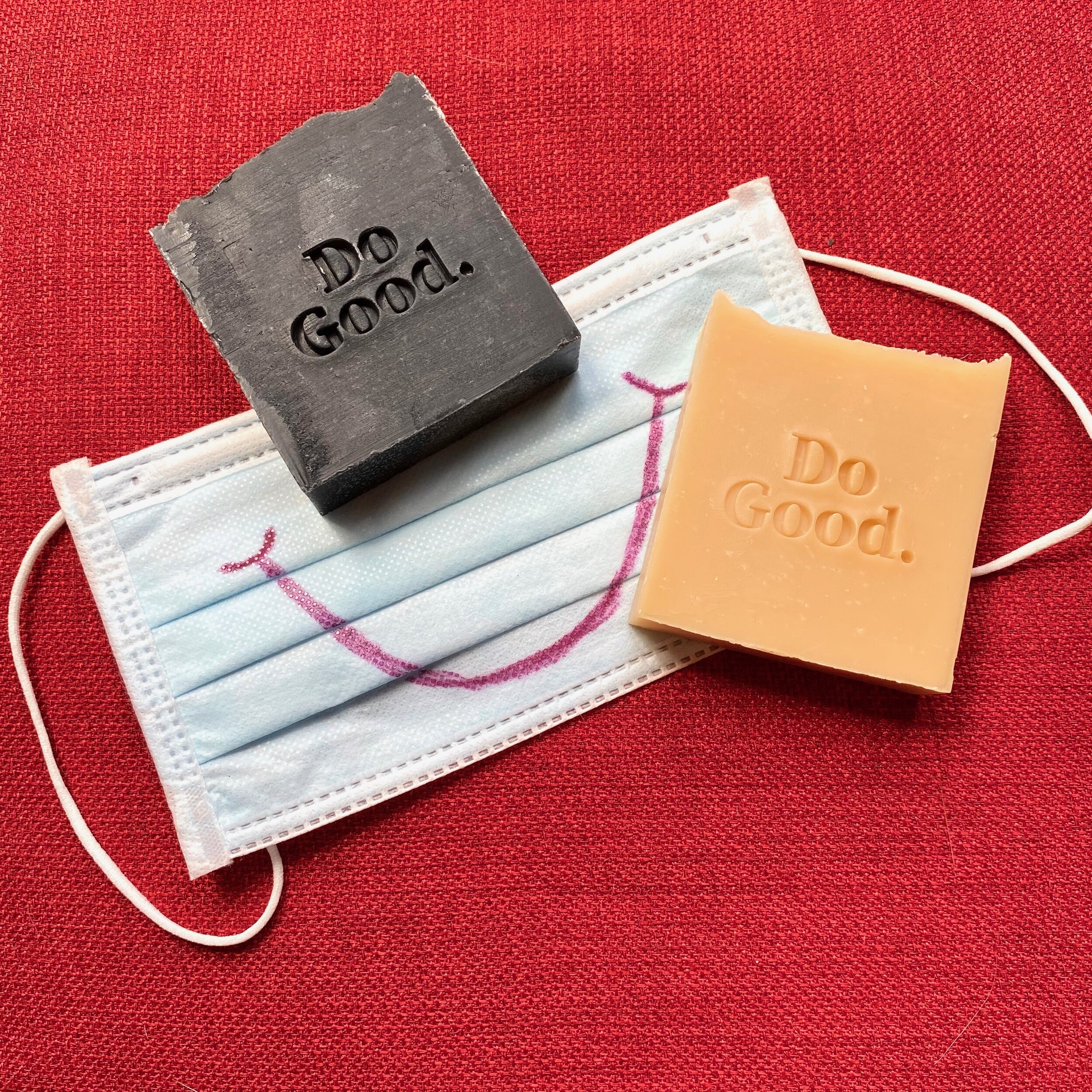
Do Good Soaps and Suds is a gateway to a reduced-waste, sustainable life.
Every morning, as I step into the shower and lather up with my Bonaparte soap bar, I silently thank Washington, D.C.’s Capitol Police. I don’t remember the specific officer who directed me to sit next to Lee Ann Hopkins for the five hours we spent in police custody, but that seemingly random seat assignment continues to pay off in myriad lovely and unexpected ways.
Last November, I went to D.C. on a whim to attend a rally with Fire Drill Fridays, the Jane Fonda-led climate justice movement (now affiliated with Greenpeace). I hadn’t intended to get arrested, but I was so moved by the speakers and energy of the crowd that I found myself in handcuffs for the first time in my life. Capitol Police confiscated my sign urging people to “Destroy the Patriarchy Not the Planet,” but they unintentionally gave me something much more valuable in return: an introduction to the community of activists I had been seeking.
We—30+ women, including Fonda, and a handful of men—sat in police custody without phones or other distractions, and while I don’t recall the specifics, I can be sure that Hopkins introduced herself to me first. Hopkins, who was seated to my left, was born in Kansas and is Midwestern hospitality personified. By the time we were released, I walked out with a freshly-minted police record, a thumb covered in black ink, and a new life-long friend.
After I returned to New York, Hopkins and I reconnected via Instagram, where I discovered that she was the founder of Do Good Soap and Suds, a company committed to providing plastic-free shampoo bars, lotions, soaps, lip balms, and other personal care products. Inspired by her mission to “Use less sh*t. Do more good,” I gifted her soap to everyone I knew for the holidays. When the (repurposed) box arrived, it smelled so good that I was tempted to keep it all for myself.
Recently, Hopkins sent me my very own Bonaparte bar and I was hooked. In addition to looking super cool, the black soap—made with a blend of clove, eucalyptus, lemon, and activated charcoal—smells incredible. According to Hopkins, the Bonaparte “includes the essential oils used by both Napoleon's merchants in the 1800's and those impacted by the plague of the 1400's. The unique combination of essential oils was a lifesaver for those who interacted with the many, many people that died during these times, especially the gravediggers and the grave robbers.” At a time when hand washing is not only a courteous choice but one crucial to our very survival, Hopkins’ eco-conscious soap company feels more relevant than ever.

Hopkins and her cat, Neige.
Hopkins says her path to climate activism was neither immediate nor linear, but rather “a slow and steady process.” She was born in suburban Kansas; when her family moved to a farm, her father taught her the importance of water and soil in cultivating crops and sustaining animals. “Dad instilled in me this sense of land and being proud of the land and working the land, and taking good care of the land,” Hopkins says. “The land was really, really important to me.”
Growing up in the Midwest in the early 1960s, Hopkins says that plastic was nowhere near as prevalent—or, in some circles, as reviled—as it is today. When The Graduate was released in 1967, the popular film featured this eerily prescient exchange between Walter Brooke and Dustin Hoffman:
Mr. McGuire: I want to say one word to you. Just one word.
Benjamin: Yes, sir.
Mr. McGuire: Are you listening?
Benjamin: Yes, I am.
Mr. McGuire: Plastics.
Benjamin: Exactly how do you mean?
Mr. McGuire: There's a great future in plastics. Think about it. Will you think about it?
Unfortunately, people did more than think about it: since 1950, plastic production has grown by 8.6% per year, with more than 9 billion metric tons of plastics spread around the world. It’s estimated that only about “9% of that has been recycled, 12% has been incinerated (polluting the air with toxic gases), and the remaining 79%, remains in the environment.”
Mr. McGuire was right; our future was, and is, in plastics—but not always for the better. According to Greenpeace, “If current production and waste management trends continue, by 2050, there will be 12 billion tons of plastic in natural environments.” Hopkins, who uses a medical device made out of plastic, concedes that “plastic has been an incredible gift to some of us. I would really like it if there was something else beside plastic that could keep me alive—it’s been both a gift and a curse.”
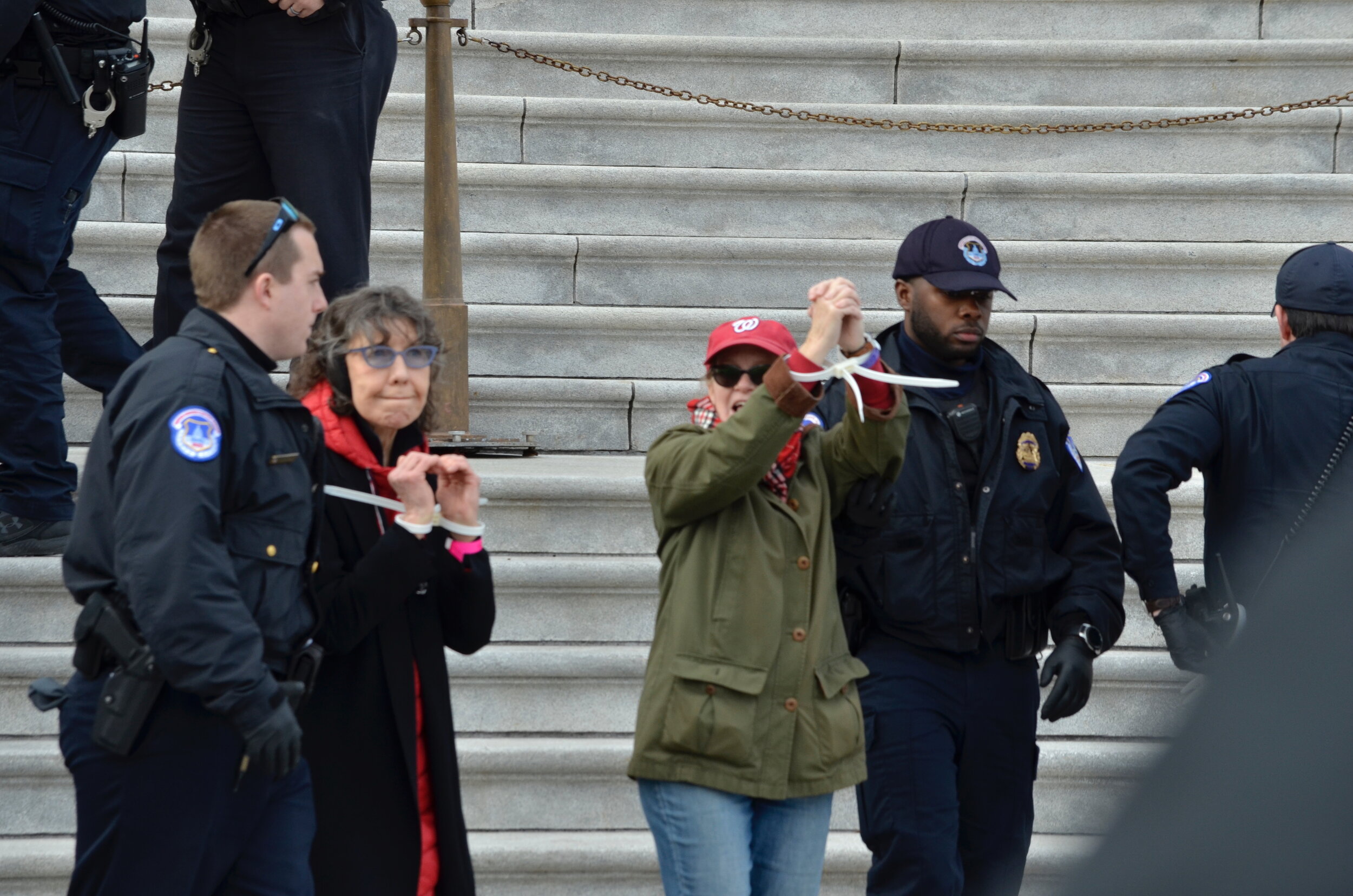
Hopkins at the Capitol on December 27, 2019 with Lily Tomlin.
Since 1940, Kansas has given its electoral votes to a Democrat only once (to Lyndon B. Johnson in 1964), and growing up, Hopkins was the membership chair for the young Republicans. Now, she says, “I’m so far left I’m almost not a Democrat.” She credits storytellers for helping her make the transition to embracing progressive politics. “Just because you grew up with a certain story doesn’t mean you can’t change the story,” Hopkins says. “Change can happen. There is hope.”
In October of 2018, however, Hopkins was anything but hopeful. She was working in D.C. as an attorney near the Trump International Hotel. She would sit outside on her lunch break and look across Pennsylvania Avenue, dreaming of a creative outlet to buck her depression. “I started baking,” Hopkins says. “I started making art, then I made some soap. I’m a DIY person, but I also like to be practical and use whatever I make.”
As she enjoyed the fruits of her labor, she suspected others might too—and sensed an opportunity to also reduce her reliance on single-use plastics. “One day I was in the bathroom looking at my shampoo bottles and thought ‘Do I really need all this shit?’”
The first Do Good products were solid soap and shampoo bars, “because that’s really all we need,” Hopkins says. Her mission to “rid the world of plastic” started in the bathroom but has since taken over every level of the Alexandria, Virginia townhouse she shares with her wife, Andrea, their greyhound Enzo, and their cat, Neige. Hopkins experiments with new recipes in the couple’s kitchen; the products are moved to another level while they cure, and the basement is reserved for storage. Hopkins would love to banish plastic from her home altogether, but acknowledges that it’s not always possible, especially in the midst of a global pandemic.
“My vision for Do Good six months ago was very different than it is now,” Hopkins says. “So many doors have been slammed shut. It’s hard to think about the future when the basics of today are hard to get through, but I still dream of changing the ways people view plastic. I want to help people live a life that isn’t harming the planet, but the pandemic means more plastic in our lives—gloves and face masks—and no farmers markets, pop-ups, or retail spaces. It’s not just about selling my products, it’s about teaching people how they can be zero waste or reduced waste in their own lives.”
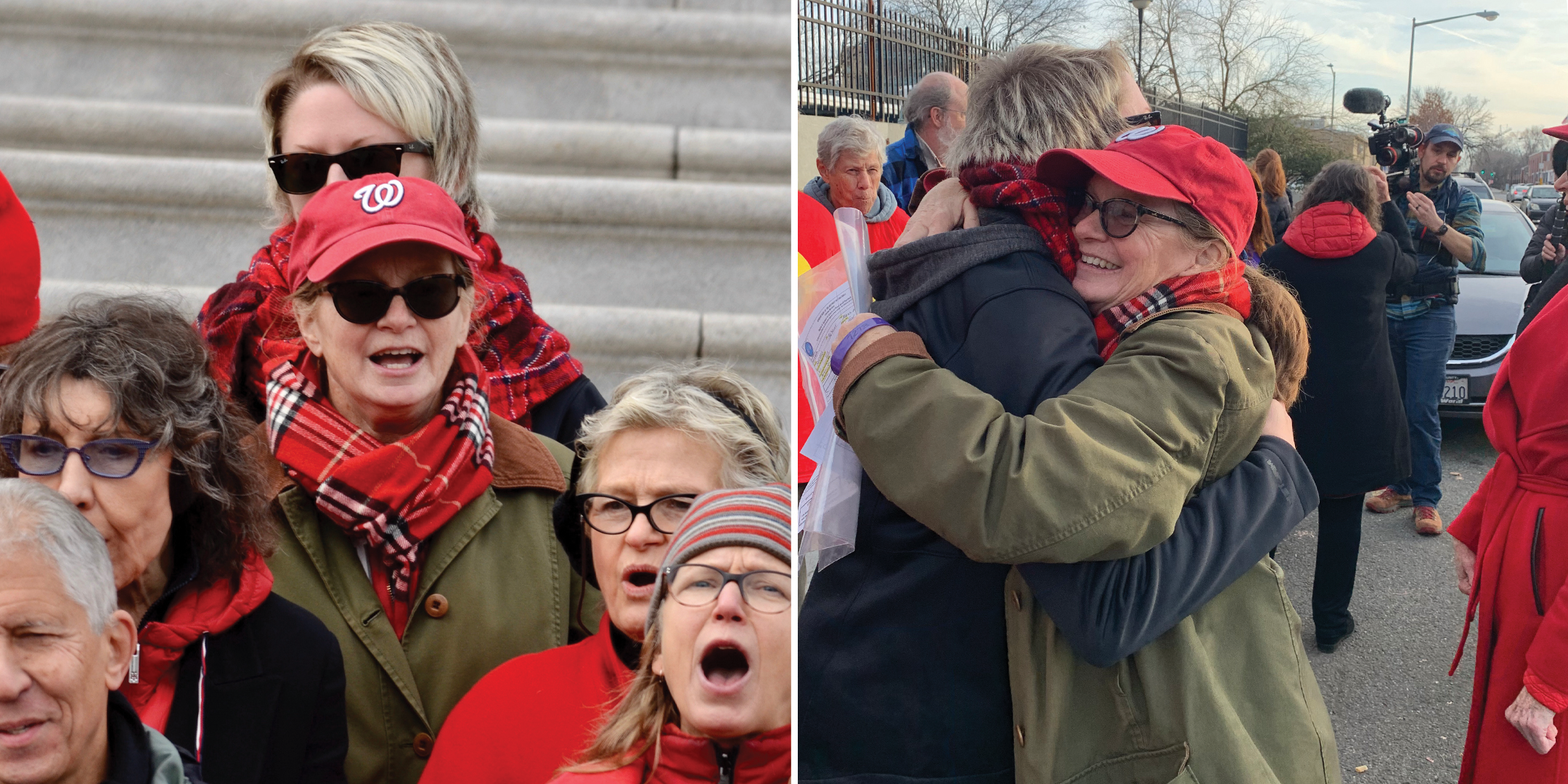
Me lurking behind Hopkins and hugging her as she was released from detention (while Fonda looks on).
Before she was an attorney “working for the Man,” Hopkins was enrolled in seminary. Her feminist approach to theology may have seemed radical, but she never strayed far from her roots. “I brought that Kansas girl who loved the Earth, the soil and the water to my theological training,” she says. She was paying attention to the changing climate, but it wasn’t until she saw Al Gore’s 2006 documentary, An Inconvenient Truth, that her beliefs began to gel.
“An Inconvenient Truth turned me upside down.” Hopkins says. “It was at that point that I really started thinking about how I live in the world.” She began to ride her bike more, but it would be several more years before she began to take action. Even then, she started small. “I did small things, I picked up litter, I do Earth Day every year—I’d recommit every year thinking, ‘Oh I’m going to do something big,’ but I didn't, not really.”
She had consistently donated money to environmental organizations, but eventually, the bad news—especially about plastic—became impossible to ignore. “If I had to see one more turtle wrapped around some sort of plastic that was left in the ocean or any other gross thing that was happening to ocean animals, I was going to lose my fucking mind,” Hopkins says.
It was around this time that Hopkins was also becoming disillusioned with her career as an attorney. “I was unhappy,” she says. “I didn’t want to be working for a large law firm but I wondered ‘What can I do?’”
Fonda’s four-month stint in Washington, D.C.—beginning in October of 2019—with Fire Drill Fridays came at the perfect time for Hopkins. She had just left her job at the law firm, a decision that opened the door for her to participate in civil disobedience. “Once I stopped working as an attorney, I knew I could get arrested and so that was the thing for me,” Hopkins says. “I have always done civil disobedience—before I was an attorney—so I was like yeah, let’s go! I wanted to do civil disobedience and who was doing it? Jane Fonda.”
Hopkins felt as transformed by her first arrest with Fire Drill Fridays as I did. She attended every subsequent rally—missing only two because of a birthday trip to Costa Rica—and was arrested a total of three times. “Fire Drill Fridays has a very special place in my heart,” Hopkins says. “It was the community I'd been looking for. Women and the youth are leading this next wave of activism—it was 90% women each time I was arrested—and it’s time for women to take the lead. They’re all my eco-warrior sisters.”
Hopkins acknowledges that the fight for climate justice is far from new, and cites the indigenous and frontline communities that have been advocating these same issues for decades or even longer. But she says that the uptick in activism, especially since 2016, is palpable. “It would be so white of me to think that this started in October of 2019,” Hopkins says. “It didn’t start then—it’s been ongoing for a long, long, long time. But I think in 2019—with Greta Thunberg and the young people and then Jane Fonda—things have ratcheted up quite a bit.”
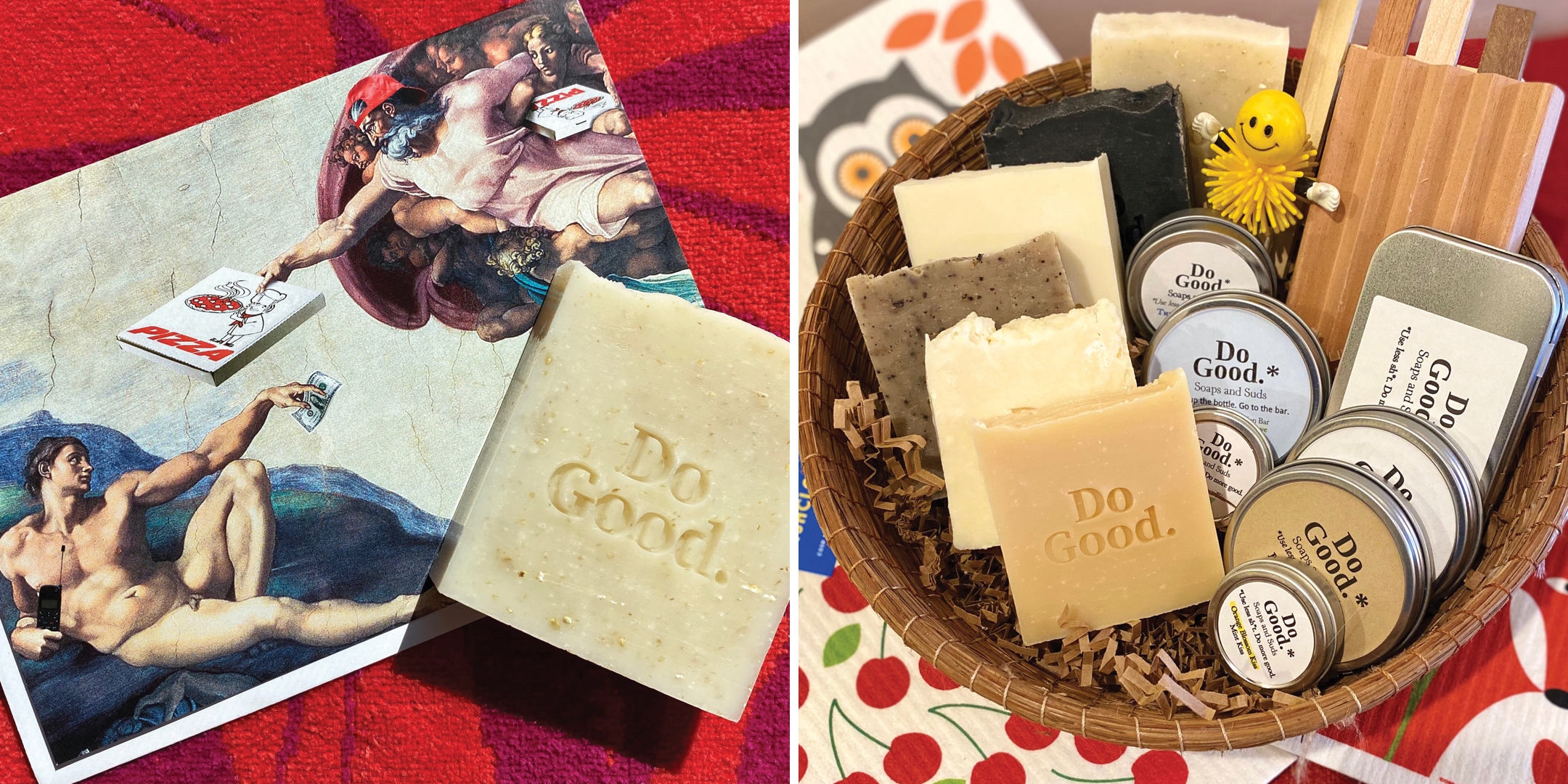
Help clean up the planet one soap, one lotion, one balm, one bar at a time.
When asked about their motivations, activists often cite their concern for future generations. I made the decision to not have my own children long before I began learning about the dire climate projections, and every new grim report only serves to solidify my decision. But even if I don’t intend to procreate, I still worry about the world I will leave behind—and selfishly, the one I hope to enjoy for as long as possible while I’m still here. During my last arrest with Fire Drill Fridays in January, someone asked Martin Sheen about what motivated his impressive record of civil disobedience arrests. “You have to keep ego out of it,” Sheen said. “You do it for yourself, to know that you’ve done all you can.”
Hopkins, who doesn’t have children of her own, says that of course she’s concerned about the world she will leave for her nieces and nephews, but admits that her activism mostly comes from a “selfish” place.
“The experiences I had as a child in Kansas—the flora, the fauna, the bees—I have a memory of all that richness and what scares me is how much other generations haven’t seen,” she says. “We’re losing so much biodiversity and I am terrified by all this extreme weather. Honestly I'm doing it for me because ten years—that’s all we’ve got. It’s like trying to turn around the Titanic. I’m terrified for myself. I don’t know what life will be like. But that’s why we plant trees, not so much so we can enjoy them—we’re planting them for the future.”
The issues threatening our collective future may be far from new, but the roadblocks to progress are ever-evolving. In the wake of COVID-19, activists are scrambling to maintain momentum while the usual tricks—protests, mass gatherings, civil disobedience, etc.—are increasingly unsafe or prohibited altogether. While we’re (rightly) focused on keeping each other safe and healthy, we do ourselves a disservice if we don’t at least try to seize the opportunities of these overlapping crises—and acknowledge that this pandemic is, in no way, an isolated event. The people involved with the climate change movement have already turned a critical eye toward the future—and what they see is terrifying.
“Climate activists are not necessarily surprised by this,” Hopkins says. “They’re the canary in the coal mine, saying ‘Hey there’s trouble ahead and we gotta do x, y, and z.’”
Hopkins is cautiously optimistic that radical, system-wide change is possible, not in spite of, but perhaps because of this unique moment in history. “These kinds of moments don’t happen that often,” she says. “During WWII we came together to fight a common enemy, but we’re so divided now. There’s so much mistrust, democracy is crumbling all around us, and without that sort of cradle—that foundation—I’m terribly worried. This is the time for great change to happen, but I’m struggling as an activist—is what I’m doing enough?”
For the foreseeable future, Fire Drill Fridays has pivoted from in-person rallies to virtual ones, and Fonda has offered myriad ways for members to stay motivated and productive even while we stay in our homes. Hopkins continues to seek solace and transformation through storytellers and cites novels, nonfiction books, and movies as sources of constant inspiration.
“The first step for anything is always education,” she says. “Education is the springboard. I had to get it in my head first. Then I got in my heart. It’s the longest 12 inches in the world from your head to your heart, but I had to do it in my head first. Once I got it there, it was an easy sell to my heart.”
BOOKS:
Silent Spring, by Rachel Carson
The Uninhabitable Earth: Life After Warming , by David Wallace-Well
The End of Nature, by Bill McKibben
Falter: Has the Human Game Begun to Play Itself Out?, by Bill McKibben
This Changes Everything: Capitalism vs. the Climate, by Naomi Klein
On Fire: The Burning Case for a Green New Deal, by Naomi Klein
The Unsettling of America: Culture and Agriculture, by Wendell Berry
MOVIES:
An Inconvenient Truth
An Inconvenient Sequel: Truth to Power
The Lorax
The Story of Stuff
LINKS:
Do Good Soaps and Suds | Fire Drill Fridays | Greenpeace
We may not be able to take to the streets right now, but that doesn’t mean the climate crisis is any less important. This is a crucial moment in history; we have a real opportunity to rebuild and restructure our society to be more equal, more just, and more habitable for all. In an attempt to better understand what motivates and inspires fellow activists, I’m profiling people and how they’re trying (in ways both big and small) to make the world a better place. If you know someone I should profile, let me know (maybe it’s you!?). You can see all of the profiles here.

Beginnings and endings

I love celebrating beginnings, endings, and everything in between. I relentlessly documented my move to New York, posting exhaustive monthly wrap-ups for the first year, and yearly recaps after that. For the first five years, I hosted a gathering to commemorate my July 1st “New Yorkiversary;” the attendees and venue were never the same but the sentiment was consistent: nothing is too big or small to celebrate.
I didn’t intend to make much of my exit from New York, but I couldn’t leave the city—even temporarily—without acknowledging and celebrating the people that made my nearly seven years as a New Yorker so special. Most of my friends had already left themselves, each in search of different things in different places, but I still planned a night of “goodbye for now” drinks. I kept the event on my calendar for much longer than was realistic, reluctant to delete it even when bars (and most of New York City) officially shut their doors in March.
We’re all experiencing a unique brand of collective and personal grief. For me, it comes in waves: there are moments when I’m able to conjure up hope for our future and clearly see the opportunities we have to improve society and right many of the wrongs that got us to where we are now; but there are also plenty of low points. I knew leaving New York would be hard, but I didn’t expect so much of what I loved about it to essentially vanish overnight.
It’s human nature to hold onto people, places, and things past their natural endings. We invent fantasies and false hopes, latching onto seemingly impossible situations to cope—even death, the most permanent and universal ending, has been rendered more palatable with the notion of a blissful afterlife, or in the fruitless quest to preserve our physical form.
Sometimes, we’re given the luxury of planning our beginnings and endings. But more often than not, we only recognize the significance of such moments with the benefit of hindsight. Sudden deaths—of people, ideas, or routines—rob us of our ability to properly prepare ourselves, but they also remind us that very little is in our control. We have no choice but to go on living our lives, hoping for more, while simultaneously knowing that nothing is guaranteed.


On March 5th, I met a friend at a bar in Brooklyn, and we ordered the mac n’ cheese—one of my top five favorite meals in all of New York. The next morning, I met my uncle for breakfast—baked eggs at Cafe Luxembourg, inexplicably only available on weekdays—and in the evening another friend and I went to see Portrait of a Lady on Fire at the Angelika. We took the subway to Broadway Lafayette and then back to my apartment in Harlem.
The next morning we picked up a ZipCar and drove upstate; the threat of COVID-19 was looming, but we laughed at the notion of a lockdown. We stopped for lunch at the Historic Village Diner in Red Hook; it was packed but we scored the last vinyl booth, staying until the chrome-and-neon dining car emptied out. I drank several cups of coffee, left the friendly waitress a generous tip, and washed my hands twice.

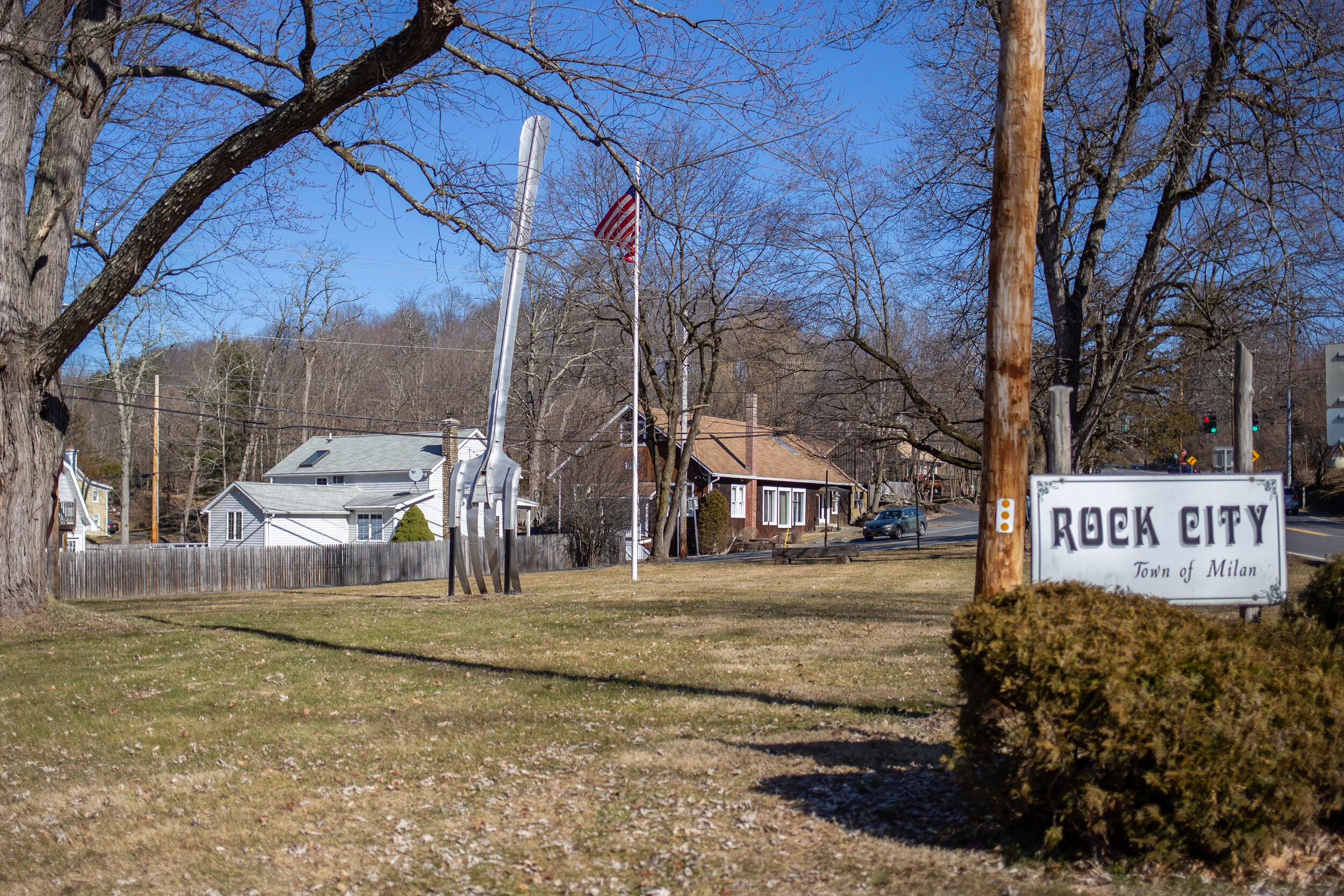


On our way to the diner, we passed a literal fork in the road; after lunch we backtracked to get a closer look. The 31-foot-tall “punny sculpture” was erected by local artist Stephen B. Schreiber in 2000, who told Hudson Valley Magazine, “I think sculpture should do something other than just sit there.”
We stayed at the Rivertown Lodge, ate dinner at a local pizzeria, and had drinks in a crowded bookshop bar. The next morning we browsed antique shops, had brunch, and I pulled over to snap a few photos of a ramshackle mansion straight out of Andrew Wyeth’s Christina’s World.


There was nothing extraordinary about these four days, at least not when viewed within the larger context of the life I’ve intentionally created for myself. But since March 9th I’ve been in some semblance of quarantine, with nothing but time to consider the rearview. I’ve wondered what it would be like to live through periods of great historical significance—the 1918 flu pandemic, WWII, New York in the late 70s—and I’ve often immersed myself in the past, trying in vain to glean lessons that I can apply to the present. The greater the distance we have from something, the easier it should be to analyze, digest, and learn from.
It may not feel as if we’re in control of much—especially now—but that’s not exactly true. We are in control of our own celebrations and only we get to say what matters most in our own lives. I don’t regret celebrating the beginnings or honoring the endings because we almost never know when a seemingly ordinary moment will be made extraordinary by factors that will always remain outside of our control. I’m optimistic that I will ride the subway, drink countless cups of diner coffee, and carve out a space for myself in a crowded bar again; nothing lasts forever and life will resume eventually, even if it will never look or feel exactly as it once did.
On our way back to the city—and due to my reluctancy to rely on a GPS—I took a wrong turn. We had intended to go to Kingston but ended up in Woodstock instead, a town that had been on my travel wish-list for years. We had lunch and bought books from a witchy bookstore. The clocks had been turned ahead early in the morning; we lost an hour, but gained something too. We sat outside, enjoying the sun until the last possible second, trying in vain to slow the relentless march of time.

Recent Reads

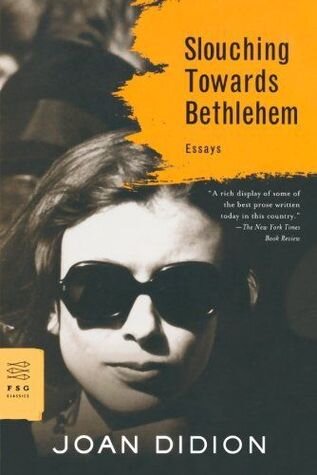
Slouching Towards Bethlehem, by Joan Didion
Joan Didion is a literary legend, and everything she writes is undeniably a classic. I LOVED half of the essays contained within Slouching Towards Bethlehem, but the other half was just OK. Of course with Didion, “just OK,” is still pretty fucking great. I would devour Didion’s thoughts on almost anything, but maybe the East Coaster in me just couldn’t fully appreciate this California-centric collection.
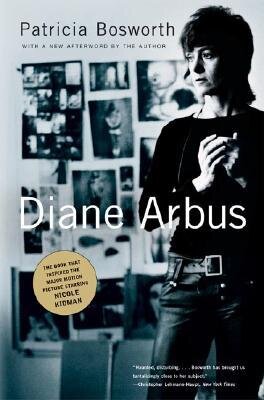
Diane Arbus: A Biography, by Patricia Bosworth
Sadly, Patricia Bosworth died recently of complications from COVID-19, but she leaves behind an impressive body of work that includes acting alongside Audrey Hepburn and biographies on Jane Fonda, Montgomery Clift, and Diane Arbus. I picked up my copy of Arbus’ biography on a whim at a thrift store but I’ve always been in love with her photography. She led a notoriously reclusive life, but Bosworth makes the most of what information she was able to gather and paints a compelling portrait of a complicated and fascinating woman.
Can You Ever Forgive Me?: Memoirs of a Literary Forger, by Lee Israel
I first heard of Lee Israel through Melissa McCarthy’s incredible turn portraying the down-and-out author in a movie based on Israel’s autobiographical account (it’s so good, seriously check it out). Israel is an intriguing woman, but the book didn’t offer much more than the movie—I don’t usually recommend watching a movie over a book, but in this case I think the former is, perhaps ironically, a better format for Israel’s unique tale (and it heavily features one of my favorite New York City bars, Julius’).

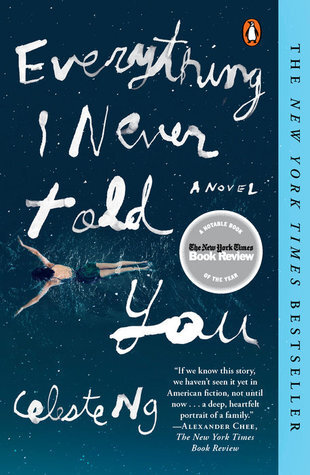
Everything I Never Told You, by Celeste Ng
Everything I Never Told You was my first book by Ng, and it was an easy, compelling read, if not a super memorable one. After a child’s body is found in the lake, her family struggles to come to terms with her death—was it accidental, or on purpose, and if so, why? Everything takes place in Ohio in the 70s, which was appealing to me, but it ultimately felt more like a melodramatic YA novel than a grand literary acheivement.
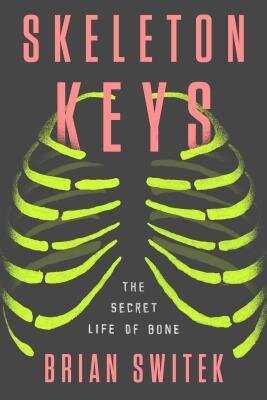
Skeleton Keys: The Secret Life of Bone, by Brian Switek
Maybe I’ve reached my saturation point with authors who do deep dives on specific medical topics, but Skeleton Keys was average, at best. Bones themselves—and most of the intricate systems contained within the human body—are fascinating and this was a short, easy introduction to the many reasons why that left me wanting more. But I absolutely love the cover design, which I still insist is a valid reason to choose one book over another.


Hello, to everything else

The thing I’ll remember most about my last few weeks in New York is the near-constant sound of ambulance sirens. When I picked March 30th as my date to leave the city, I couldn’t have imagined that I would be fleeing what had quickly become the epicenter of a global pandemic. When the numbers of COVID-19 cases started accelerating, I wasn’t sure what to do about my plans. For weeks I’ve wrestled with the question: should I stay, or should I go?
The city has been on virtual lockdown for weeks and the daily news briefings have become increasingly grim. I have stayed in my apartment more or less for 21 days now; my mom (and current roommate) is a medical assistant at an OBGYN office and considered an essential worker. I have a job I can do remotely and enough food to last me weeks. I could stay, but what happens if I get sick, or worse, if my mom gets sick? I’m immune-compromised and as I write this the city is rapidly running out of supplies and hospital beds; field hospitals are currently being constructed in the Javits Center and in the middle of Central Park.
So I decided to go; tomorrow I will walk 3.3 miles from Harlem to Columbus Circle to pick up a rental car. I will drive straight to Ohio, stopping only for gas and bathroom breaks. I have a few face masks, latex gloves, and disinfectant. When I get to my dad’s house I’ll begin another 14-day quarantine, but I suspect it will last much longer than that. The virus is in all 50 states; but life is a constant game of risk versus reward. I’m trying to be smart and safe, while resisting the paralyzing effects of fear.
I wrote the following about my decision to leave before the pandemic hit—this is not how I imagined my time in New York coming to an end, but life rarely works out exactly how we imagine. The best we can do is move forward; adjust the sails but never stop the ship.
I know that the world does not need another Goodbye to All That-style essay about loving and leaving New York. The city barely batted an eye when my plane touched down at LaGuardia nearly seven years ago on a one-way flight from Ohio—and it won’t lose any sleep when I drive away from it in a one-way rental car, back to Ohio and then beyond. The city famous for never sleeping historically has very little sleep to lose.
There’s a reason the city’s bridges charge steep tolls to cars entering the city but let you leave for free. A real New Yorker—whether you’re a lifer or you opt in until it's time to opt out—knows that a $16 bridge toll is the least of it; the expenses of New York are well-documented and oft-complained about, but it costs much more than money to carve out a life here.
As a kid growing up in Ohio, I dreamed about living in New York so long it became an obsession of mine. I visited countless times, but I tried very hard to view the city realistically—even going as far as living and working here for two, cold and grey winter months in the beginning of 2013 just to make sure I truly understood what I was getting myself into. Those two “trial period” months were hard for many reasons, but as my March departure date loomed I knew I would be back. A complicated medical diagnosis coupled with the slow dismantling of my personal life set me back a few months, but when I saw the “Welcome to New York” sign from my plane’s window seat on July 1st, I felt like I was coming home.
Within the first six months of 2013, it had felt as if my whole world was falling apart. It had been slowly unraveling for some time, but I’m only realizing now how good I was at putting on blinders and ignoring the obvious signs (and there are always signs). My four-and-a-half-year relationship, which was far from perfect even in the beginning, ended for good when I discovered that my boyfriend—with whom I shared a house, a cat, credit cards, and several car leases—had been involved with my closest confidant and best friend for an indeterminate amount of time (with enough time and perspective, the details cease to matter as much as the general outline).
Less than 48 hours after I confronted them at her house in the wee hours of the morning—sometimes life really is like a Lifetime movie—my personal medical drama reached its inevitable conclusion: at 27 years old, I was diagnosed with Multiple Sclerosis. MS is a scary and unpredictable disease and maybe I should’ve taken my diagnosis more seriously. But when it rains it pours and I could only focus on one traumatic event at a time; I boxed up my fears of losing my independence and got to work changing nearly everything about my life.
It’s incredibly difficult to change any one thing; when it became apparent that I would have to change almost everything, it’s no wonder why I shut down, dug in and held onto my Ohio life far past its natural expiration date. Or maybe I’m being too judgmental; maybe things end exactly when they should and we simply do the best we can with the information we have at the time. Sometimes that means we’re not ready to face the truth because there’s still more to learn, even if the hardest lessons usually come with painful endings.
But before I could start over in New York, I needed to dismantle my former life. I remember writing out a seemingly-insurmountable checklist that included tasks both big and small: change my bank, sell my books, find a job, find an apartment, settle up health insurance debts, etc. Taken altogether it seemed daunting—impossible, even—but one by one I put check marks next to the vestiges of a life that no longer fit me. I was a hermit crab—exposed and vulnerable—who had somewhat violently shed her old shell but hadn’t yet found a new one.
I had initially planned to move to New York as soon as I graduated college, but life really is what happens while you’re busy making other plans. I got a job intending to save money (I had $8k in savings but thought I needed a mythical $10k) and started dating my boss instead. Around the time I thought I would be moving east, I instead moved in with him, an hour south of where I grew up and a world away from where I had imagined I’d spend the bulk of my 20s.
Months turned into years. I learned a lot from both my relationship and my job, but I lost a lot of myself in the process. I stopped reading. I went years without taking a single vacation day. I made personal and professional sacrifices I’m not proud of and never imagined I would make. I kept a journal, but the entries were increasingly bleak and infrequent. In one entry, I simply wrote “I don’t matter,” over and over again until my handwriting became unintelligible. I was a frog in a pot on the stove. I may not have had full control over the knob, but I could see the flame getting higher and higher. I logically realized that the temperature of my life was slowly increasing to dangerously inhospitable levels but I was too tired—physically, emotionally and spiritually—to jump out.
I never did find the strength on my own to jump out, not really, if I’m being honest. I would love to say I woke up one day and magically had the bravery to demand more of my life and the confidence to think I deserved it. But life is not actually a movie. In my experience, people don’t fundamentally change that quickly or drastically. And when we do, we almost never do it without help—whether we know it or not, we change not in spite of others but because of them. No one does anything entirely on their own.
Yes, I had one foot out the door when I returned to our shared home in March of 2013 and told my boyfriend that I had to move to New York—whatever that meant for our already-tenuous relationship. He offered to marry me. I knew enough about him at this point to know that was an empty promise. But as sure as I was that I had to leave, it still took the discovery of his infidelity —not the first time he had cheated on me, but only I had the power to make it the last—to push me fully out the door.
Nearly seven years later, my feelings about this tumultuous time in my life are ever-evolving: I still get angry when I think of all the times he lied to me, I’m still hurt by my former friend’s betrayal, and I’m annoyed when I hear they are still together. But I mostly just feel gratitude. I’d like to think I would’ve left eventually, spurred by the ticking time bomb of my recent diagnosis, or some other nudge from the universe, but I’ll never know.
What I do know is that their betrayal—so obvious, so simple—was in many ways my golden ticket. I was no longer a woman leaving a man for the selfish dream of making it in the big city. I had been wronged. I was a victim. No one would question my motives: I now needed a change of scenery if only for my health—my MS doctor had urged me to avoid emotional stress, as if that’s ever possible. But if it was possible, it meant changing my job (never date your boss), my friends and my living situation; five years after taking the job to ‘save money’ I now had even less in savings than I had started with—but if I was going to have to start over, it might as well finally be in New York.
As hard as I tried to be realistic about New York’s ability to heal my wounds, I’d be lying if I didn’t say I relished the possibility of leaving my old life behind and moving onto something bigger, brighter and objectively better. I didn’t realize it at the time—and it’s embarrassing for me to admit now—but in some ways I crafted a new identity for myself from the outside in. I used to sit in Central Park and watch people walk to work—coffee cup in hand, impossibly stylish and aloof —and imagine myself in their place.
Then, one day it happened: I caught my reflection in a store window and it was exactly how I’d imagined it could be; I got a job in publishing, and then at a historic cultural center, and then at an even bigger publishing house. As much as I loved the subway, I loved walking the city even more.
Right before I moved, I changed my blog title and all my social media handles to “The Only Living Girl in New York” a feminist spin on the Simon and Garfunkel song “The Only Living Boy in New York.” The lyric “I’ve got nothing to do today but smile” couldn’t have been further from how I felt as I tried to begin my life in New York essentially from scratch—“I’ve got nothing to do today but build an entire apartment’s worth of IKEA furniture by myself” would have been a more accurate description—but moments of delirious happiness begun to sneak in between the sadness and homesickness for a place that had never even felt like home.
Slowly, I begin to heal, to grow and to change. The “old” me—the me that went into hiding every time I got into a relationship—started to poke her head out of hibernation. I began to read again. I planned road trips. I made new friends—ones who were shocked when details from my old life inevitably leaked out. They didn’t recognize that version of me and for that I was thankful; I had done what everyone says is almost impossible. I had run nearly 500 miles away from my pain and landed on my feet. I had made it in New York.
Two years, two jobs, and two apartments later, I found myself in another relationship. This one was different in many of the obvious ways from my first one—he was gentle, kind and quiet. But after a few years, I felt my inner light dimming again. I began to make concessions in the name of compromise—some barely noticeable and some actually life-threatening, like when I agreed to hike the Inca Trail and woke up halfway through the four-day hike sicker than I’ve ever been. I had been on immune-suppressant medication for my MS for a while, but I’m a reckless patient. I thought I had taken the necessary precautions but I also want so badly to appear as if I’m FINE that I often ignore the obvious—that I am sick, at least according to some very good physicians and yearly MRIs.
I don’t fault my then-boyfriend for wanting to hike the Inca Trail—and I survived, obviously, with more than a few priceless memories, both very good and very bad. I spent a great deal of our relationship lying to myself; I don’t fault him for not noticing. Once again I had tried to deny what I always secretly felt: that I was no longer being true to myself.
That relationship lasted nearly four years, and I don’t regret a minute of it. He was a safe harbor, a place to shelter from the storm that had been raging in some way or another in my head as long as I can remember. There were lulls of course, stretches of calm when it seemed as if I could coast on this easy life forever; I was traveling more frequently, my job was secure, my relationship was easy. I loved exploring odd, dusty corners of New York and the passion I lacked for my day job was made up for with the work I did on this blog, where I tried to document it all.
But then for completely unremarkable reasons, the storm became impossible to ignore. I ended the relationship but it would take another six months before I was ready to admit to the world what I had always known to be true (and at various times had actually been brave enough to admit, though never fully): that I was attracted to women.
Once that keystone clicked into place, I felt far from secure; to my surprise, the floodgates opened. They had been quietly unlocked at the beginning of 2019, when I got my “dream job” with Roadtrippers, but they flew open violently when I began the painful process of sifting through the deep shame that had shrouded everything I did for as long as I could remember. It seemed like such a simple thing—declaring to yourself and the world, “this is who I am”—but it broke me open in ways I’ve only just begun to discover.
And then, one day New York just didn’t make sense to me anymore. My job didn’t necessarily require me to leave New York, but the nature of the work I am doing encouraged it. I’m no longer tied to a desk, a specific office building or even a certain region of the country. One by one those friends I had made—the ones who helped me heal and grow—left New York for various reasons, each in search of something that even the greatest city in the world couldn’t provide. I had my first significant relationship with a woman, but that too reached a natural end.
Who would I be if I left New York? Where would “The Only Living Girl in New York” go after she crossed the George Washington Bridge headed west? I realized that as much as I had used New York to rebuild my life, my life no longer depended on the city. I had grown stronger here, I had healed a lot of wounds and opened up new ones; I was confident and independent and open in a way I never could have been if I had stayed in Ohio. But as much as New York has shaped me, I knew that I could now survive—and even thrive—outside of it. Leaving didn’t mean I failed, quite the contrary; it means I succeeded in doing the very thing I came here to do: fan the flame of my own inner pilot light and make it burn brighter than I ever imagined it could.
New York was a passive participant in all of this, but it used me just as much as I used it. It took my money, yes, and probably a good deal of my hearing. Two years of sleepless nights spent in a bedroom overlooking a noisy stretch of Flatbush Avenue inevitably took years off my lifespan. But the city gave me much more than it took; it gave me perspective and autonomy; garlic bagels and falafel wraps; a deep appreciation for classic diner coffee, fanciful architecture, and public transportation. I could write 10,000 words on everything I learned and loved in my seven wonderful years here, and it would barely scratch the surface. But in some ways I did just that. This blog’s name and focus may change, but I relentlessly documented my time here and I’m thankful that I have a place to go whenever I feel nostalgic or forget what it felt like to see the Unisphere fountains, the city blanketed in snow, or eat my first knish.
The best cocktail I ever had was at the Waldorf Astoria before it closed for renovations: a perfect Manhattan that cost a ridiculous $36 (perhaps even crazier: I had two). But that’s the thing about New York. You can get the best of everything, but it will cost you—in one way or another. Eventually, we’re all faced with a choice: keep upping the ante—make more money, buy more things, keep going round and round on the carousel grabbing for that elusive brass ring—or decide that the cost-to-reward ratio is just too great. Life has a way of propelling us forward with or without our permission and I realize it’s an immense privilege to be able to stop the moving car on our own terms and look around. But when I did just that, I realized that what I saw ahead of me was no longer in New York.
To stay would have been, in some ways, the easy choice; after all it’s what I’ve been doing for the last seven years. Sure, finding an apartment is a pain and dismantling and reassembling my IKEA furniture for the seventh time might actually be dangerous, but I did it all before and I know I could do it again (and maybe, one day, I will, although that furniture is definitely not coming with me).
What I’ve never done before in New York is feel out of place; I know it’s time for me to leave simply because I feel as if New York is no longer for me. I know now that I am not defined by my relationship to a man (or woman), to a job or to a city. I am me no matter where I go. My pilot light might fluctuate and even dim dangerously low again in the future, but I know I’m capable of getting it back. I am a work in progress for sure—and likely always will be—but for the first time in my life I feel as if I have grown strong roots that aren’t tied to anything external. I carry them with me no matter what the future holds.
Like the gingko trees around the city that shed all of their leaves at once, I am not defined by what I have, who I love, what I do or where I live. I am strong enough to shed my leaves and confident enough to know that I can grow new ones, even better ones. The ancient trees don’t thrive because they live in New York but in spite of it. So I’m not saying “goodbye to all that,” but rather, “hello to everything else”—whatever, and wherever that may be.
The most fantastic thing about the New York Botanical Garden’s annual Orchid Show is the orchids themselves