
Archive
- Abandoned
- Alabama
- Arizona
- Bahamas
- Books
- California
- Cemetery
- Climate
- Colombia
- Connecticut
- Diner
- Egypt
- Feature
- Florida
- Friday Fun
- Georgia
- Holidays
- Illinois
- Iowa
- Italy
- Kentucky
- Louisiana
- Maryland
- Massachusetts
- Mississippi
- New Jersey
- New Mexico
- New York
- North Carolina
- Novelty Architecture
- Ohio
- Pennsylvania
- Personal
- Peru
- Project 365
- Protest
- Rhode Island
- Roadside Attraction
- South Carolina
- Tennessee
- Texas
- Travel Guide
- Virginia
- Walks
- Washington DC
- West Virginia
- Wisconsin

Recent Reads

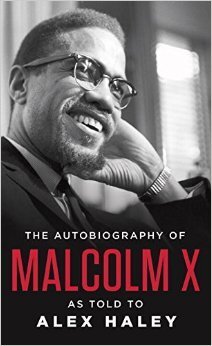
The Autobiography of Malcolm X, as told to Alex Haley
I’ve lived in Harlem for years, but I didn’t know much about Malcolm X beyond vague highlights of his infamous life (and death). His autobiography is a fascinating account of an incredibly complicated and interesting man, who never stopped learning, changing, and trying to spread his message. His premonitions about his own violent death are still chilling even more than 50 years after they came true, and his theories on race, America, and humanity in general have changed my perspective forever.
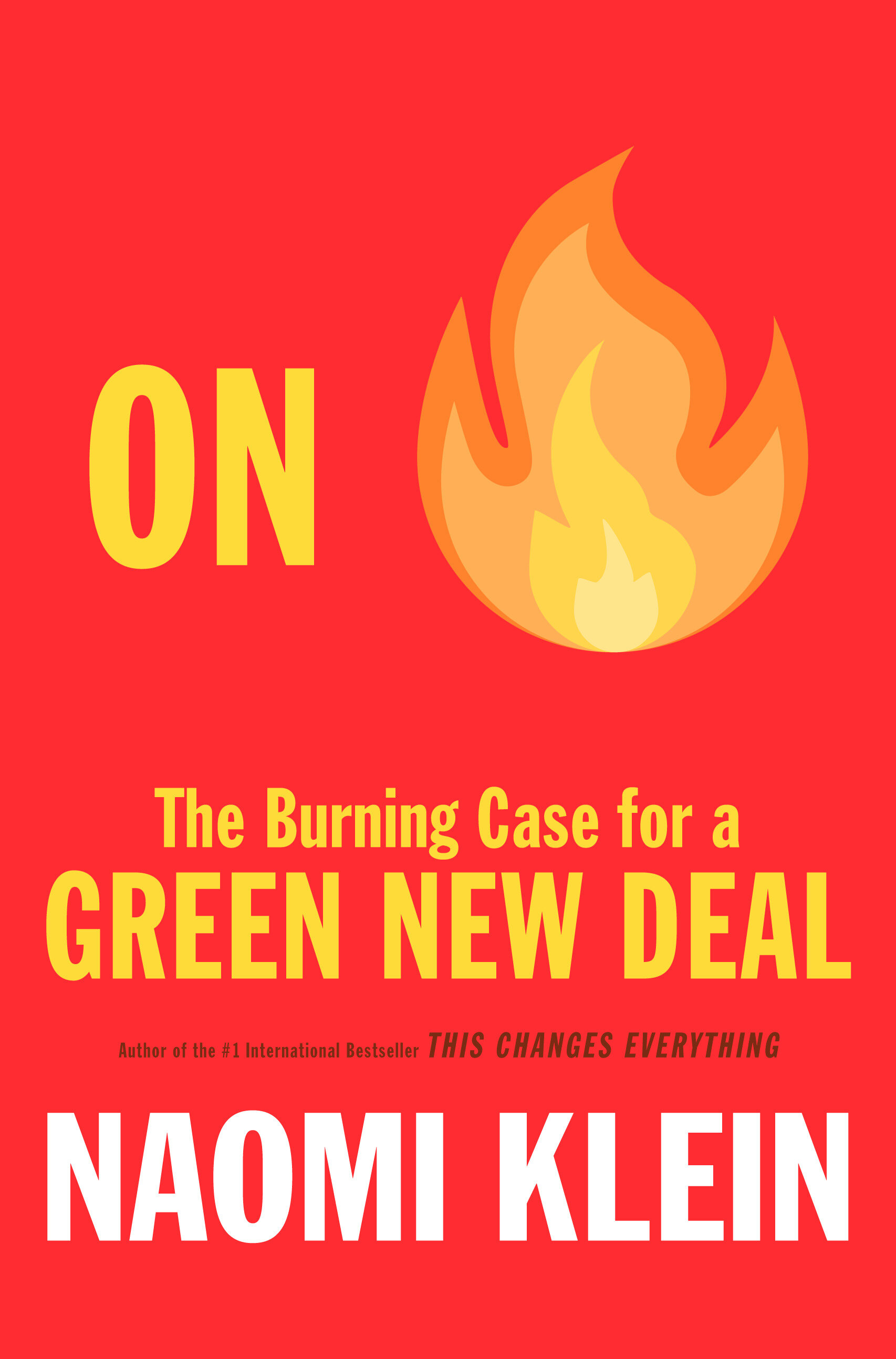
On Fire: The Burning Case for a Green New Deal, by Naomi Klein
This is the book that inspired Jane Fonda to move to Washington, D.C. and start Fire Drill Fridays to educate people about the urgency of the climate crisis. I devoured this book in a few days and it was immediately obvious to me why Fonda was moved to action by Klein’s dire warnings. The more I read and learn about the climate crisis, the more terrified I become—but Klein also has hope that we can turn things around if we organize, mobilize, and demand that our leaders follow suit.
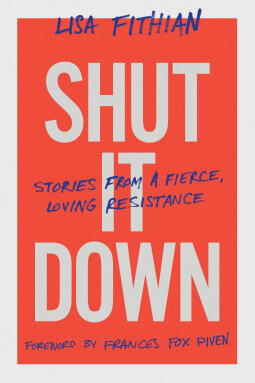
Shut it Down: Stories From a Fierce, Loving Resistance, by Lisa Fithian
Lisa Fithian was one of the 30+ other women who got arrested along with me (and Jane Fonda) for civil disobedience during a climate change rally on November 1. I had no idea at the time, but Fithian is an activist legend. She has participated in or helped organize some of the major social justice movements around the globe, including Occupy Wall Street and Standing Rock. My first-ever arrest sparked me to want to learn more about activism and if you’re a newbie like me this book is an essential read. Protests and marches may not always have immediate outcomes, but Fithian is great at providing perspective and her hopeful outlook—even after fighting the system for decades—is inspiring.
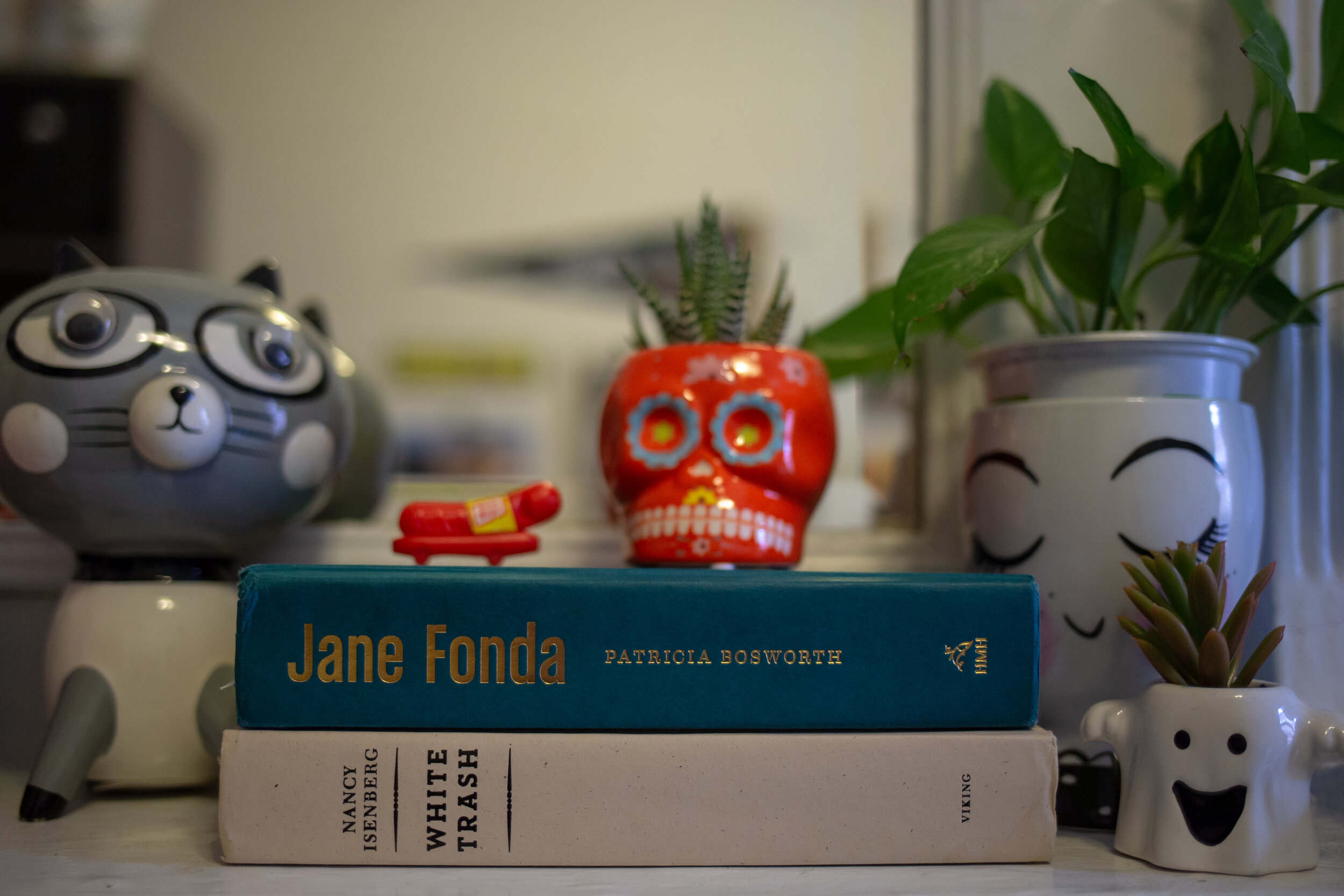
Jane Fonda: The Private Life of a Public Woman, by Patricia Bosworth
I’ve read two books written by Fonda herself, but there are a few less-than flattering details in this biography (authorized by Fonda, who has known Bosworth since the ‘60s) that made it worth wading through some of the duplicate information. I’m deep into my Fonda “damage” so I didn’t even mind revisiting the facts of Fonda’s fascinating life—my only complaint is that the biography, which was published in 2011, ends rather abruptly. Fonda divorced Ted Turner in 2001 but Bosworth barely touches on their ten-year relationship, which I think is equally as interesting—and deserved as much coverage—as Fonda’s earlier relationships.
White Trash: The 400-Year Untold History of Class in America, by Nancy Isenberg
I’ve just begun my quest to try my best to understand AMERICA (a tall order, I know), but White Trash was as good a place to start as any. There is a lot of fascinating history in this book but my main takeaway was that America was basically started as a repository for all of Britain’s “less desirable” people—not exactly surprising. Also, the idea that the U.S. is a “classless” society is not only wrong but downright dangerous and plays a large part in the manipulation of those with the least by those with the most.
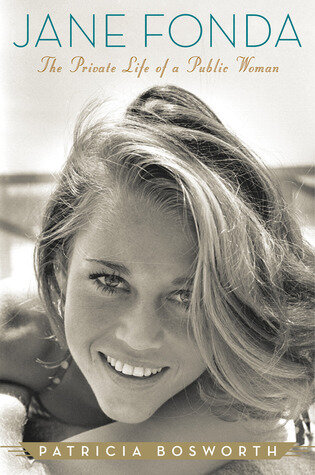
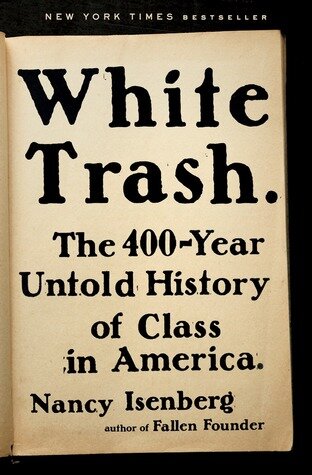

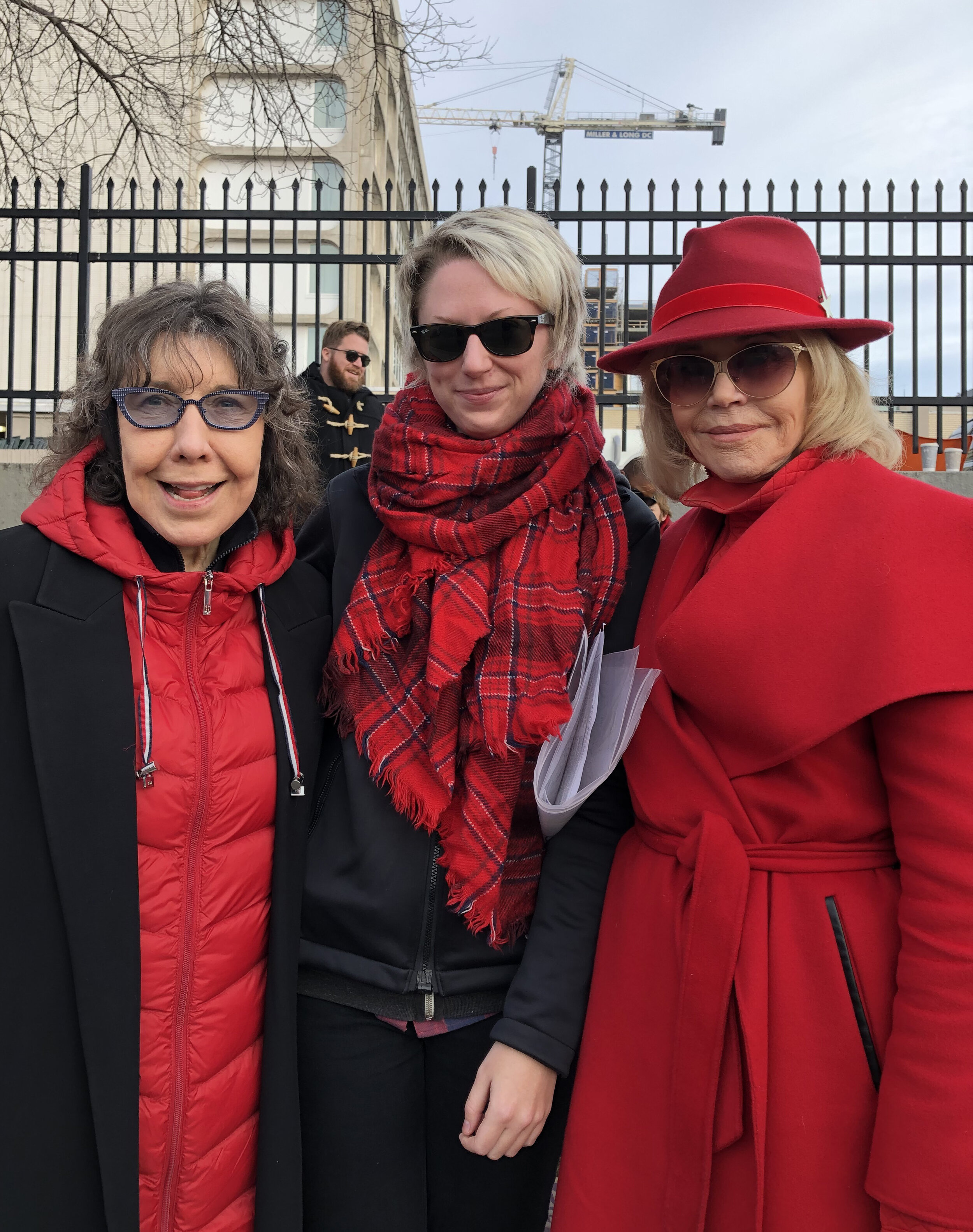
Tomlin, Wagner, and Fonda
Growing up in inner-city Detroit, Lily Tomlin found an escape from her working-class life at the movies. When she describes her impressionable teenage years, she often mentions the movie stars—exclusively female—that had the greatest effect on her. She says that she was “mad for them” or, my personal favorite, that she suffered “damage” (seeing Breakfast at Tiffany’s caused Tomlin to have “Audrey Hepburn damage,” for example).
I am now well beyond those impressionable, hormonal teenage years when I first experienced “damage” of my own, from influences on screen or close to home. But I decided this year, after a 10-year detour into the world of compulsory heterosexuality, to fully embrace my complicated sexuality which resulted in—to borrow a line from Tomlin’s partner of nearly 50 years, Jane Wagner—not so much of a breakdown, as a breakthrough.
So it’s not a mystery to me why, at the beginning of 2019, I felt as if I was flailing around in uncharted waters. I began desperately grasping at any lifesaver I could grab a hold of, and this year I was lucky enough to find three: Lily Tomlin, Jane Wagner, and Jane Fonda.
The main players and tools of the trade may have evolved over the years, but none of these three woman represents the first time I’ve been afflicted with so-called “damage.” Conventional time has no measurement for how long it takes me to go from casually clicking on someone’s Wikipedia entry—scrolling at lightning speed to the “personal life” section, as one does—to browsing for a lock of that celebrity’s hair on eBay (this “genuine celebrity artifact” is a real thing that exists, if anyone is looking for a belated Christmas gift for me). Obsessions happen to me like most things: very slowly and then suddenly, all at once.
Whenever real life becomes, for lack of a less obvious descriptor, too real, I find myself grasping for something or someone to guide me into a safe harbor. The root of an obsession may not be obvious until much later but these spiritual guideposts—TV shows, celebrities, real life teachers and friends—float in and out of my life as I need them. In some ways I’m almost a passive participant. It often seems as if I don’t have much choice in the matter; my obsessions choose me.
Tomlin—who finally made an honest woman out of Wagner in 2013—seems to reluctantly identify as a lesbian (and more enthusiastically, as a feminist). Through the years, she has simultaneously deflected questions about her personal life while at the same time emphasizing Wagner’s crucial role in her success. Their relationship was never a secret, she insists, but she never felt the need to call a press conference about it.
It’s widely reported that Tomlin “officially” came out in the early 2000’s, although I recently discovered this article published in the Chicago Tribune in 1994. Cheryl Lanvin’s very explicit and compassionate profile describes two women who very obviously love each other deeply. Lanvin first profiled Tomlin and Wagner even earlier, in 1986, and while she writes about the couple’s “professional and personal relationship,” the article’s eye-roll-inducing headline “Best Friends” is missing the world’s largest set of air quotes.
In a twist of divine programming fate, the Film Society of Lincoln Center honored Tomlin and Wagner in September with a series that included screenings and a talk with the couple, one half of which is notoriously press-shy (notably missing: Wagner’s directorial debut and notorious Tomlin/Travolta bomb, Moment By Moment, which I unironically love). If there is a heaven, I thought at the time, it must look an awful lot like the theater’s lobby, which featured an eight-hour continuous loop of highlights from the Tomlin/Wagner archive.
It’s hard for me to pinpoint when my “damage” began to shift from Tomlin to Fonda, but I do remember the first time I saw Jane Fonda in Five Acts, Susan Lacey’s deep dive into Fonda’s remarkable life (so far). It was April and I had just arrived in Cincinnati for a business trip. I was tired from traveling but started the documentary on a whim. Two hours later, I was wide awake, fascinated by Fonda’s various transformations and insistence that “anyone can change and become fierce.”
When Fonda moved to Washington, D.C. and started Fire Drill Fridays in October, I really started paying attention. Of all the roles she’s played over the last 50+ years, Jane Fonda the Activist interests me the most. She’d famously (and yes, controversially) visited Vietnam in the ‘70s, challenged the Archbishop of Canterbury on The Dick Cavett Show, and continuously fought back against a calculated effort to silence her (by Nixon nonetheless). She had spoken out against the Iraq War, canvassed in middle America for One Fair Wage, and provided Thanksgiving dinner to water protectors at Standing Rock. I finally had a chance to witness her fighting for a worthy cause in real time, and the first few Fridays I pored over Twitter and Facebook livestreams, watching Fonda (resplendent in red) and a rotating cast of characters—Ted Danson, Sam Waterston, Diane Lane, Sally Field—as they got arrested for civil disobedience in an effort to draw attention to the increasingly dire climate crisis.
I subsequently devoured everything I could about Fonda’s life. I had exhausted Tomlin’s archive in a few months, but Fonda was born famous and she has been unusually prolific: there is a seemingly endless supply of materials to mine, including books, movies, TV shows, interviews, and of course, dozens of workout tapes. I was deep into my Fonda damage when I began to consider dressing up as “Jane Fonda getting arrested” for Halloween—but never one to do anything casually, I decided to actually go to D.C. and get arrested myself (or at the very least, see Fonda doing what she does best, in person). That’s how, on November 1st, I found myself in police custody with Fonda—along with Catherine Keener, Rosanna Arquette, and Fonda’s two daughters, Vanessa Vadim and Mary Luana Williams—for five, transformative hours.
Getting arrested was a culmination of the changes that had been brewing inside of me all year (and, in some ways, my entire life). My journey is still too fresh for me to have any real perspective, but it seems to me that once I finally began to dismantle certain constraints—my need to please, self-destructive behaviors, deep-rooted shame for my sexuality, and the ever-pervasive feeling that I didn’t “fit in”—the floodgates opened. Without intending to, I broke myself apart and I’ve just begin to reassemble the pieces into something new. I flung myself off of the moving walkway of life—the one that says we must keep going forward no matter the cost, accumulating more and more wealth, titles, people, things, etc.—and began to pay attention to my surroundings in ways that I never have. It hasn’t been easy and I have no illusions that the process will ever be “complete,” but for the first time in my life, that’s ok. Maybe it’s the “seven year itch” or maybe it’s the new decade, but I feel more open, flexible and empathetic than I ever have—like a raw, exposed nerve—better in tune with myself and the whole of humanity. I am, and commit to always be, a work in (sometimes painful) progress.
A famous quote often attributed to Tomlin (but most likely written by Wagner) says that “The trouble with the rat race is that even if you win, you're still a rat.” I’ve shared this revelation with numerous people this year and I’ve realized that I’m far from alone in feeling this way. Fonda has been remarkably candid about her own struggles through the years, but she says it wasn’t until she was in her 60s that she realized the goal wasn’t to be perfect, but to be whole.

In November, I emerged from detention a changed person and on December 27, I got to tell Fonda just how much she has inspired me this year. Despite my penchant for obsessions, I have been famously shy in the past, reluctant to have a traditional shallow celebrity-fan interaction. But when I approached Fonda at the morning Fire Drill Friday briefing, it felt different. I didn’t ask her for anything—she has already given me so much—and simply wanted to tell her “thank you.” I did just that and she was unbelievably receptive. She enveloped me in a huge hug and we chatted about transformation and activism. She recommended that I read Naomi Klein’s book On Fire: The (Burning) Case for a Green New Deal, which I had devoured the week before. During our conversation two people tried to get her attention, but both times she turned back to me; she asked me how old I was and when I replied “34,” she scoffed and said, “Well you look 18!”
In another twist of fate, Fonda’s celebrity guest star that day was Lily Tomlin. I didn’t speak with her in the morning, but around noon I found myself protesting on the Capitol steps right behind her. It would be her first-ever arrest and as she was handcuffed I put my hand on her shoulder and said, “You got this.” I was arrested soon after and placed into a police transport van with Tomlin and three other women. The woman next to me said that watching Grace and Frankie had brought her mother joy in the last year of her life. “What would she think if she knew you were in police custody right now with Lily Tomlin?” I asked. “She’d be so proud of me,” she said, smiling.
While in custody, I was seated directly behind Tomlin. Just a few months before, I had been scouring the internet for Tomlin/Wagner deep cuts—and now here I was, just mere inches from half of the iconic duo. She made a few jokes (after processing, she said that instead of the $50 post-and-forfeit they asked her to do a 10-minute monologue) and I made her laugh, but I mostly just sat in awe, silently marveling at the unpredictable magic of the universe. Whether you choose to believe it or not, my horoscope did say that December 27th was considered by some to be “the luckiest day of the year,” and for me that turned out to be true. My mom has always told me I’m lucky and maybe she’s right—but I also think much of what is attributed to luck is actually the result of accidental privilege or choosing to live a life of intention. This was the year I realized I could simply stop asking (or waiting) for permission to do anything. No one is going to live your life for you. Fonda frequently recounts the deceptively simple life advice she received from Katherine Hepburn: If you don’t stand up to your fears and continue to challenge yourself, “you become soggy.”
After we were released (I had learned enough from my first arrest to have the required bail money this time), Fonda was waiting for us with open arms. “I’m so proud of you!” she said as she squeezed me tightly. “You know, I’ve been thinking all day about what you said this morning. It just meant so much to me.” We chatted some more about life, activism, and my desire to really see, and understand, more of America. She urged me to visit Native American reservations and she led me to the snack table. This time, I asked for a selfie and we both looked to the sky, positioning ourselves in the most flattering light.

Fonda told Tomlin that I was a writer, and I told Tomlin that I had read The Search for Signs of Intelligent Life in the Universe earlier in the year and it changed my life. She perked up as I explained how much Wagner’s words had touched me and she said “Oh, tell Jane!” I think it’s safe to say I basically blacked out as Tomlin dialed Wagner and handed me her iPhone. After (an understandably-confused) Wagner picked up, I rallied long enough to tell her “I just got arrested with your wife and I just wanted to say that I read The Search many times and it changed my life.” Despite my babbling, Wagner was incredibly gracious, lovely, and unsurprisingly eloquent.
Whoever said “don’t meet your heroes” obviously had the wrong heroes. In the course of one day, I got to tell the three people who have undeniably shaped my year (and life going forward) just how much they meant to me. Tomlin, Wagner, and Fonda have helped me through a difficult year, each in their own ways, and being able to tell them—and really feel as if they heard me—is the greatest gift I’ve been given this year. People come in and out of our lives as we need them, and it’s up to us to do the rest. Maybe “damage” is the wrong word because it implies destruction—or maybe it’s perfect because often we need to deconstruct our former selves in order to build something new, to become someone better. Fonda has said that people, like countries, should be “in perpetual revolution,” and no one should be expected to fight in isolation.
As Susan Minot writes in Evening, “She thought of how much people changed you. It was the opposite of what you always heard, that no one could change a person. It wasn't true. It was only through other people that one ever did change.”

Recent Reads

Born on the Fourth of July, by Ron Kovic
In an effort to make sense of the world and my place in it, I’ve been trying to read more about people’s lives and the diversity of experiences that humans can have. I see many parallels between the current world and the ‘70s, including but not limited to: mass protests and Presidential impeachment drama, and I’ve become increasingly fascinated by the anti-Vietnam war movement. Kovic’s memoir isn’t a great work of art, but it’s an incredibly real and heartbreaking account of his very specific story. His descriptions of his life after the war—the time he spent in government hospitals and traveling the country as an anti-war activist—are just as, if not more harrowing than his passages about the war itself. The Vietnam War may be over, but Kovic’s story (and the on-going issue of how we treat our veterans) is just as relevant as ever.
The Truth Will Set You Free, But First it Will Piss You Off! Thoughts on Life, Love, and Rebellion, by Gloria Steinem
There is no doubt that Gloria Steinem is an absolute legend but this book just reinforces why. A compendium of her most famous quotes, interspersed with longer essays on feminism and other topics, this book is a short read but one worth revisiting over and over again whenever you’re in need of inspiration. I’m embarrassed to admit that this is my first time reading a book by Steinem, but it certainly won’t be my last.
Prime Time: Love, health, sex, fitness, friendship, spirit; Making the most of all of your life, by Jane Fonda
I’ve been voraciously working my way through anything I can get my hands on related to Mother Fonda, and this book was even better than I expected. Part memoir, part self-help and part instruction manual, Prime Time contains a lot of essential information for anyone who intends to get older (i.e., everyone, if we’re lucky). Fonda has been remarkably candid about her struggles through the years, but there’s no denying that she’s done a lot of things very right—and if you’re looking for a role model on how to age gracefully and thoughtfully, look no further than Queen Jane.

Giovanni’s Room, by James Baldwin
This was my second time reading a Baldwin book, and it should go without saying that he’s an absolute literary treasure. Giovanni’s Room is a queer classic, but anyone who has ever struggled to fit in or grappled with the existential questions presented but just being alive should be able to identify with Baldwin’s heartbreaking and heartwrenching words.
Rubyfruit Jungle, by Rita Mae Brown
Rubyfruit Jungle appears on almost every list of essential queer literature books, and it’s not hard to see why. The story of a woman’s (mostly) unapologetic attitude toward her attraction to other women was groundbreaking when it was published in 1973 and it felt no less revelatory when I read it nearly 50 years later. I wish I had discovered this book when I was a teen, but it was also immensely helpful to me this summer when I finally decided to embark on a similarly liberating journey.


I told you I was sick

Almost seven years ago, I got diagnosed with multiple sclerosis. I was relatively lucky; I received a diagnosis fairly quickly, after three months of CT scans, MRIs, and other various tests. I had health insurance, but It took me two full years to pay off a single emergency room visit. Still, I consider myself lucky, but that shouldn’t be surprising. In America—especially when it comes to healthcare—we’re taught to be thankful for scraps.
With every diagnosis comes a “Why me?” period of grieving, and I still have days where I feel sorry for myself. I get overwhelmed by the not knowing. MS is an unpredictable disease, one that could eventually rob me of some of the basic functions that I value most. I try to stifle the fears, the endless “What ifs?” What if I wake up tomorrow and can’t walk? What if I eventually lose my already compromised vision entirely? What if I lose control?
I try very hard to focus on the positives. I have had only a few minor physical challenges and my yearly scans are consistently promising. But as a woman, I’m used to bearing pain in silence, dismissed by male doctors and told that I should just grin and bear it. As a queer woman who has made the conscious choice not to bear children, society says I matter even less. If I were to become physically disabled, my currency would dwindle even further. But I am very, very white. I have a job with flexible hours and adequate medical benefits. I live in New York City and have access to some of the world’s best doctors and hospitals. My disease is very real, and very scary, but for the time being it’s under control.
I take one pill every night that suppresses my overactive immune system enough that it no longer attacks itself. I don’t get sick as often as I expected, but when I do it can be dangerous. Extreme temperatures—within my own body and outside of it—exacerbate my MS symptoms. Stress is very, very bad for me.
Every month I get thirty pills with a total sticker price of eight thousand dollars. Every night I take a pill, and if I skip seven days in a row, I could go into cardiac arrest (for reasons that are still unclear to me). Yet nearly every month some unforeseen glitch in America’s shameful healthcare system forces me to negotiate with either my insurance company, my personal doctor, NYU Hospitals, a large pharmaceutical company, a specialty pharmacy, and FedEx (sometimes all six) just to get a 30-day supply of my medication. After these lengthy negotiations, I owe nothing, but like so many Americans, I pay in other ways: with my time, with my elevated stress levels, and—if I’m not very careful—with the very thing I’m fighting to protect: my health.
Again, despite these inconveniences, I still consider myself lucky. So many people do not have the privilege of being inconvenienced by insurance. Healthcare should not be a privilege—it’s a basic human right. Any setback in wealth, employment, health, etc., disproportionally affects the most vulnerable segments of the population: women, the LGBTQ community, any non-white person, and people with disabilities. The same people who have been taught their whole lives to grin and bear the pain inflicted on them by those with the most privilege and power; to not only put up with it, but to smile politely and be thankful for scraps.
At the beginning of November, I went to D.C. somewhat impulsively—inspired by Jane Fonda’s bravery and passion—to join a Fire Drill Friday protest. The topic was ‘women,’ and during the rally, I decided that I had no choice but to start putting my body on the line while I could still do so. I got arrested with 46 other similarly-moved people and I intend to do so at least once more (after two civil disobedience arrests within six months, the consequences are more serious than a standard $50 post-and-forfeit). Today I’m in D.C. again and the FDF topic of ‘health’ resonates deeply with me for obvious reasons. Only now, it’s our entire planet that is sick. Greedy corporations and short-sighted politicians have pushed our Earth to the brink—and it’s up to us to save ourselves, something we’re unfortunately all too familiar with here in America.
As a civilized society, we have the moral obligation to help those who are more vulnerable than ourselves, in whatever way we can. We are, and always have been, stronger together and our planet needs us—all of us—more than ever.
I’m done smiling politely and dismissing the pain. We have to stop settling for scraps.
Resources:
Text ‘Jane’ to 877-877 to get updates and information about starting a Fire Drill Friday in your own city.
This book is great if you want to more about the climate crisis.
This book is a good place to start if you’re new to activism.

Gift guide: Eat it, read it, or deplete it

I've been inspired lately by Jane Fonda’s rebuke of consumerism (is this just a Fonda fan blog now? maybe!!) and feeling increasingly overwhelmed with the amount of stuff I’ve managed to accumulate in my 34 years on Earth. I decided that this Christmas I’m going to do things a bit differently (being my friend as I try to figure out my place in this world is still fun I promise! maybe!!). I’m pledging to only give gifts that fall into one of the following categories: something you can eat, something you can read, or something you can deplete (aka an experience, soap in minimal packaging or things that are biodegradable or compostable).
In return, I’m asking my friends and family to do the same (or bet yet, to donate to a cause that’s meaningful to them and/or me). But I still love giving gifts and making gift guides, so here are a few ideas that are lightly eco-conscious, useful, and still-fun-to-give-or-receive if you should feel moved to do the same.
THINGS TO EAT

1. Levain Bakery Cookies // 2. Milk Bar Birthday Truffles // 3. Chocolate human heart // 4. Zapp’s Voodoo Kettle Chips // 5. Milk Bar cookie tin // 6. Chocolate Natterjack Toad // 7. Jeni’s Ice Cream
THINGS TO READ

1. Shut it Down: Stories From a Fierce, Loving Resistance // 2. The Truth Will Set You Free, But First it Will Piss You Off // 3. The Search for Signs of Intelligent Life in the Universe // 4. Eleanor Oliphant is Completely Fine // 5. The Dreamers // 6. The Great Alone // 7. Where the Crawdads Sing // 8. My Life So Far
THINGS TO DEPLETE

1. Do Good Soap // 2. Beeswax baby head candle // 3. Spine candle // 4. Trader Joe’s lotion set // 5. Burt’s Bees lip balm // 6. Swedish dish cloths // 7. Lemon print Swedish dish cloths
I’ve tried to include small businesses when I can, but this post does include some Amazon affiliate links. Seriously fuck Jeff Bezos, but any money I make off links goes to buying cat litter on Prime because that shit is heavy.

Recent Reads

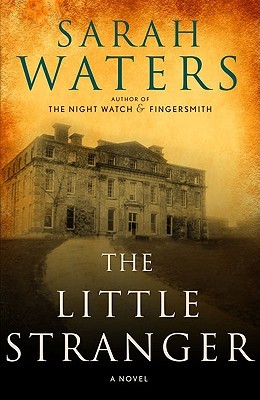
The Little Stranger, by Sarah Waters
I picked up several of Waters’s books during the time that I worked at Penguin, and I randomly chose The Little Stranger as my introduction to her work. I expected this book, described as a “gothic page-turner,” to be suspenseful or as engrossing as Rebecca, but unfortunately it was neither. The book has all the elements of a winner: a crumbling grand old mansion, family secrets, romance, an alleged ghost, and plenty of tragedy, but it was at times a painfully slow read.
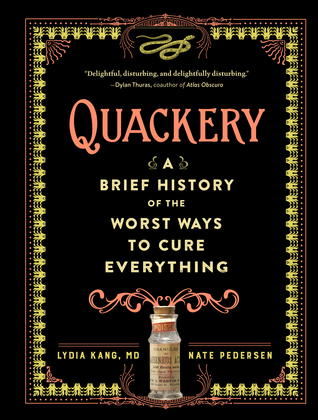
Quackery: A Brief History of the Worst Ways to Cure Everything, by Lydia Kang, MD and Nate Pedersen
On the surface, this beautifully-designed book was made for me: with chapters on lobotomies, corpse medicines and poisons, I should have loved it. But I quickly realized that I had already read entire books on most of the subjects covered here, so I found very little new-to-me information. If you’re just dipping your toe into the world of strange medicine and creepy cures, this book may be perfect for you. If you’ve already read everything there is to read about leeches and arsenic, you can skim or skip this one altogether.
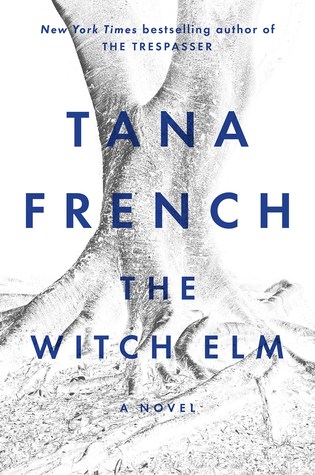
The Witch Elm: A Novel, by Tana French
Toby, recovering from a home invasion, goes to stay with his uncle in a big, old family home. When a skull is discovered in the trunk of a tree, things get complicated. I have a love/hate relationship with crime thrillers—I hate not knowing what’s going on, but they feel like brain candy to me in between some of the heavier non-fiction books I read. Unfortunately, I never really connected with any of the characters in this book and the ending felt rushed. The resolution wasn’t satisfying and ultimately I was just sort of mad I invested so much time into this story with so little payoff.

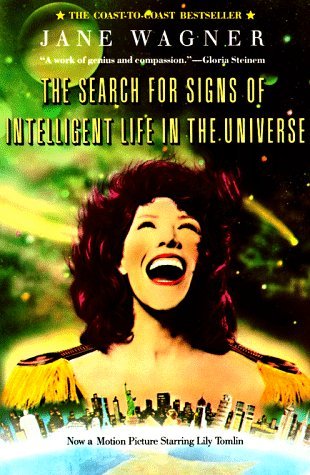
The Search for Signs of Intelligent Life in the Universe, by Jane Wagner
Plays are meant to be performed, and I would be pay anything to go back in time and see Lily Tomlin on stage in a production of Jane Wagner’s extraordinary The Search for Signs of Intelligent Life in the Universe (either during its original 1980s run or the early 2000s revival). I can’t do that, of course, but I did finally see the film version, which was wonderful. Tomlin’s ability to portray a dozen characters without the aid of costumes or props is legendary—but while she is the more visible half of the Tomlin-Wagner partnership (personally and professionally), Wagner’s words are what make The Search so memorable. This infinitely quotable work is nothing less than life-changing, and I find myself thinking about it almost daily since I first read (and immediately re-read) it a few months ago.
Voices from Chernobyl: The Oral History of a Nuclear Disaster, by Svetlana Alexievich
I reserved this book long before the spike in Chernobyl interest due to HBO’s miniseries (which is excellent), and if you’re interested in first-hand accounts of the disaster this Nobel Prize-winning book is a great place to start. The basic facts of Chernobyl are widely known, but there’s no substitute for hearing the stories of people who were actually there. More than 30 years after the disaster, the long-term effects of radiation are still being debated but there’s no doubt that thousands of people’s lives were never the same—in often brutal and heartbreaking ways.

What I learned from getting arrested with Jane Fonda

Like so many women, I grew up internalizing other people’s perceptions and opinions of what it meant to be me. Whatever the world decided it thought of me quickly became what I thought of myself — Allie is shy, Allie is a bookworm, Allie does what she’s told and doesn’t rock the boat. And for a long time, that seemed true. I’m a textbook introvert and small talk has never come easily. I’m usually much more comfortable observing than I am participating. I don’t like surprises and I’m not impulsive so I move very slowly, preparing for a long time before I act on anything. I viewed these qualities as character flaws and described them as such — I carried around words such as shy, withdrawn, and quiet as burdens; further proof that I didn’t fit in, that I wasn’t trying hard enough, that I was inherently broken.
I spent so much of my life feeling constrained by the world and the persona it had assigned to me. Recently, while watching the documentary Jane Fonda in Five Acts, I was struck by Fonda’s own realization that “anyone can change and become fierce.” I wondered, “Could that possibly be true?” And then I thought, “Why not?”
For me, change happens slowly, germinating for seconds, minutes, days, or years before finally bubbling up to the surface — often when I least expect it. It’s only in looking in the rearview mirror do I see that it’s been there all along; nothing happens all at once. But after 34 years and two months with nary a parking ticket on my record (I was pulled over once because my car’s window tint was too dark and let go with a warning), something small but fierce finally surfaced. Last Friday, I got arrested for the first time — with Jane Fonda.
Fonda, a life-long activist, moved to Washington D.C. recently and pledged to get arrested every Friday while protesting the fossil fuel industry and advocating for the Green New Deal. She founded Fire Drill Fridays to help organize and mobilize others. Every Thursday she joins experts and other celebrities to discuss a topic related to climate change, live-streaming these ‘teach-ins’ on social media. On Fridays, following a rally on the Southeast lawn of the Capitol, Fonda and friends march to a predetermined location and engage in a bit of light civil disobedience (blocking a street, for example), for which Fonda has indeed been arrested — four times so far in as many weeks.
I’ve been fascinated by Fonda’s life recently and it’s not hard for me to see why. I’m 34, just a few years older than Fonda was when she began her very public — and sometimes painful — transformation from Barbarella to boots-on-the-ground activist. I’m not the first person to feel an existential need for meaning creep into my life in my 30s, and I’m certainly not the last. But recognizing the need is just the first step — lately I have begun to ask myself: but what can I actually do?
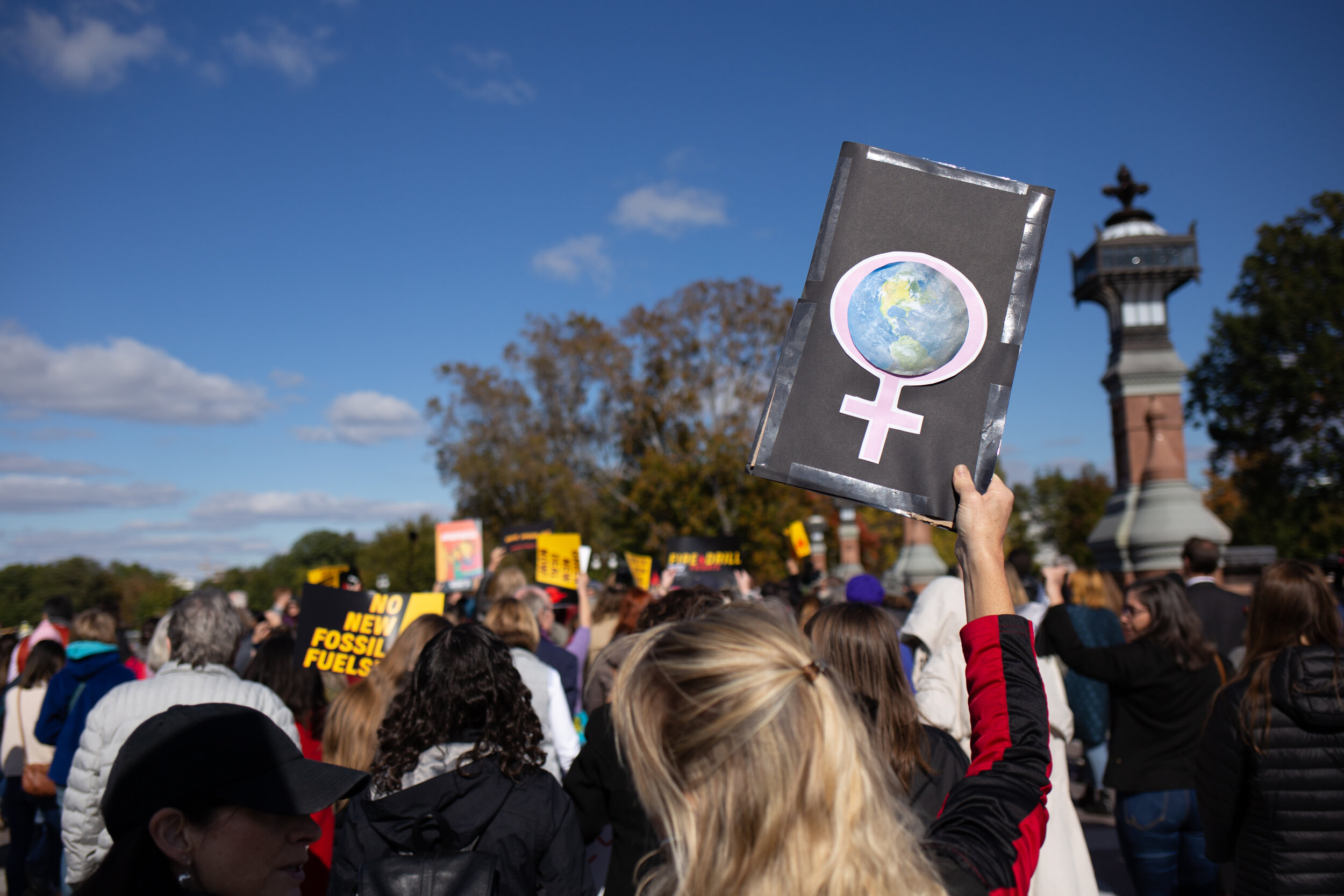
Inspired by Fonda’s refusal to live out her remaining years in the comfortable cocoon of celebrity (she will turn 82 in December, by the way), I booked a train ticket to D.C. for October 31. I had considered dressing up as “Jane Fonda getting arrested” for Halloween, but quickly realized that actually getting arrested with Jane Fonda would be a more constructive use of my time and resources. The focus of the November 1 Fire Drill Friday was “women,” a group that is poised to unfairly bear the brunt of climate-related catastrophes, so it was an easy choice. I recruited a friend to join me, and spent an afternoon painting my very first protest sign (this wasn’t my first protest, but I preferred to have my hands free in the past so I could take photos). On one side I wrote, “Destroy the patriarchy, not the planet,” and the other said “Respect your mother,” with a (poorly drawn) image of the Earth standing in for the ‘O’.
Before I left, my mom said to me, “Don’t get arrested!”

Although getting arrested is central to Fonda’s participation in Fire Drill Fridays, I arrived in D.C. with no clear idea of my own intentions. I figured I’d go to the rally and see how I felt. I’m a meticulous planner by nature, so the fact that I had left our itinerary on Friday completely open may have been the first clue that I was ready to do something out of character — for once in my highly-controlled life, I adopted an open-ended, come-what-may attitude, and it felt perfectly natural.
The rally, which began at 11 a.m., started small, but grew to a sizeable crowd. Fonda — looking resplendent and fierce in her now-iconic sweeping red coat — introduced the speakers, which included Eve Ensler, Rosanna Arquette, Catherine Keener, and Emira Woods. I was moved by Woods’s grace and Ensler’s emotional plea (a hard act to follow, Keener nailed it when it was her turn to speak and she looked back at Ensler and said, “Aw man, I was going to say the same thing”). I had come to D.C. to see Fonda, but in the end, it was the powerful words of two poets — Asali DeVan Ecclesiastes and Sunni Patterson — that shook me to my core.
I decided in the middle of Ecclesiastes’s stirring speech that I had no choice. I had to get arrested.
Around noon, a large crowd marched to the lobby of the nearby Hart Senate Building. While we waited in a long line to go through security, a man in a MAGA hat yelled “Hanoi Jane!” and I marveled at Fonda’s courage. It’s been nearly fifty years since Fonda was photographed on an anti-aircraft gun on a trip through North Vietnam — a momentary lapse of judgment that she says she will forever regret — and in spite of the backlash that followed, she’s still here. A lot of people would have retreated from the public eye, but while Mr. MAGA was yelling his outdated (and woefully) ignorant insults, Fonda was already inside giving an impromptu press conference. She was explaining once again exactly why she had moved to D.C., and revealed that her coat — which by now, belongs in the Smithsonian — was not only the last coat that she had pledged to buy (ever!), but the last piece of clothing, period.
We moved as a group to the building’s atrium and sat on the ground around two banners, one of which read, “Women demand no new fossil fuels.” The Capitol police wasted no time in issuing us warnings, and it wasn’t long before the women (and a few men) were arrested one by one. Because of my sign (seen as an instigating influence), I was arrested fairly early. A policeman leaned down and issued me a final warning: “Would you like to move?” he asked. “Otherwise, just so you know, you’ll be arrested.”
“I’m good,” I replied.
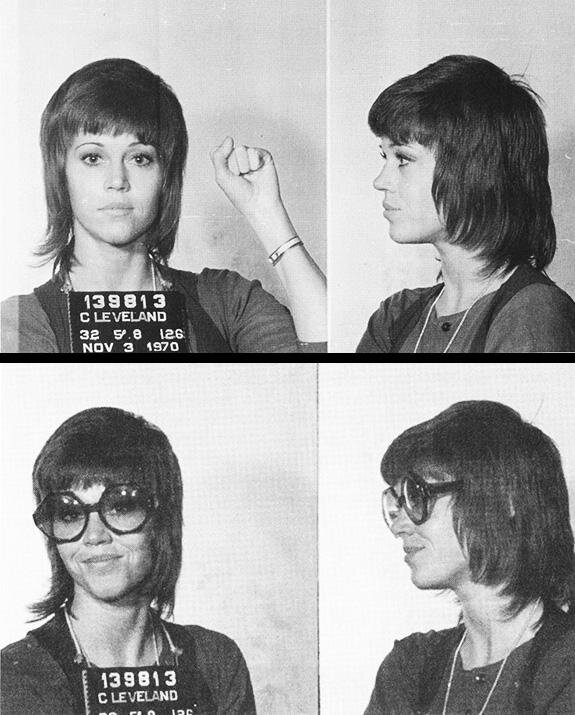
My hands were bound behind my back in plastic cuffs (I didn’t know that you can site a physical impairment and request to have them tied in front) and I was led into a plant-filled entryway. I was searched and all of my personal belongings were placed into a plastic bag labeled with my last name. I was photographed with my arresting officer — certain corners of the internet have been clamoring for an updated mugshot from Fonda (her 1970 one is so iconic that it also belongs in the Smithsonian), but I’m not sure where these photos end up. The only tangible proof of my arrest is an 8.5” x 11” arrest report, that plastic bag, and a temporarily black thumb.
We waited while the others were similarly processed; Catherine Keener and Rosanna Arquette asked my name and we chatted like old friends. Keener, a first-time arrestee who knew enough to request that her hands be tied in front, obliged when my friend asked her to scratch an eyebrow itch. We discussed the need for catchier protest chants (let’s be honest, some of them are duds), and then we were led outside into awaiting paddy wagons. Not much scares me, but I’m extremely claustrophobic and I wasn’t too thrilled to be shut into the back of a divided van. Luckily my seat mates were two incredibly kind women who chatted with me and encouraged me to breathe.
The ride was short, and when we arrived at the holding facility — more warehouse than prison — our plastic cuffs were replaced by black zip tie cuffs (everyone’s hands were tied in front and we were told the cuffs are reusable). We were again sorted by arresting officer and told to remain in our assigned seats. Fonda, one of the last to be arrested, was seated two rows and about ten feet away from me. Keener and my friend ended up right behind me.
My first experience with the criminal justice system was eye-opening in a lot of ways, and I’m embarrassed to admit how little I knew (and still don’t know) about my own rights as an American citizen. Getting arrested once by no means makes me an expert, but everyone needs to start somewhere. I was the second-youngest person in the group (the youngest was 30).

The biggest mistake I made was not having the required $50 in cash to pay my bail. Because it was my first offense, I was eligible for what is called a “post and forfeit.” After answering a few questions and paying $50, I would be free to go without any further charges. I had $20 and was assured by several women that it wouldn’t be difficult to crowdsource the remaining $30, but I was mortified. My friend told me later that Keener, who had $100 in cash, had offered to help — “Catherine Keener paid my bail” would have been a good headline — but before I could accept her offer, Codepink’s Jodie Evans generously offered to make up the difference. I vowed to pay it forward as soon as I could and felt embarrassed at both my ignorance and privilege.
Very seldom does one have the choice to be arrested in this country; I thought I knew what I was getting into and yet still didn’t have the requisite cash — what hope was there for the people less fortunate than I, less prepared, less, well, white? 45 people got arrested alongside me and I know that most of them (generous, caring, socially-conscious, middle-class women) would have gladly loaned me the remaining $30. I’m embarrassed and uncomfortable with the knowledge that I have a safety net that so many go through life without, but the first step to changing a mind — or a society — is admitting that there’s a problem. And the existence of cash bail is a huge problem. It’s not just a minor inconvenience — it’s inconceivably inhumane, and disproportionately affects the most vulnerable segments of our population.
This was Fonda’s fourth arrest in a month and she had been warned that she may have to spend the night in custody. She was processed and confirmed this was true by clasping her hands together and tilting her head, miming “sleep.” When it appeared as though she was being escorted out, we began to cheer. “Calm down, I’m just going to take a leak!” she said, laughing.
Fonda did, indeed, end up spending the night in a D.C. holding cell (among the cockroaches, eating a baloney-and-cheese sandwich for dinner and using her coat as a mattress), so she remained seated stoically as the other protestors — including her daughters Vanessa Vadim and Mary “Lulu” Williams — were all processed and released.
“I love you mom! Be good tonight!” Vadim yelled as she walked out the door.
Throughout the entire process, I was consistently surprised at how gently and respectfully we were treated — but I am also acutely aware that’s not always the case. Getting arrested on purpose might seem extreme, but it was an easy decision once it became obvious just how little risk was involved with an 81-year-old, white, celebrity at the helm. I may not be a celebrity or elderly, but I am very, very white and in America especially, that makes all the difference. I risk almost nothing putting my body on the line and with that realization came the urgent need to do just that — for our planet, for the people who cannot (for various reasons) do the same. What’s the point of privilege if you don’t at least try to use it for something constructive? The scales will never balance if those of us with weight — be it wealth, education, race, etc. — don’t actively try to redistribute our good fortune.
Fonda has been accused of “performative activism,” but she knows exactly what she’s doing. She can’t change the fact that she was born to a famous father, but she can (and does) use that fame to call attention to the injustices and inequalities from which she benefits. We may not all be rich or famous, but every single person that has any advantage also has choice. In fact, choice in itself is a privilege and going forward, I choose to at least try — and use whatever privilege I have going forward to amplify the voices of those who are not as fortunate.
The reasons that compelled me to buy that ticket to D.C. no longer matter. What matters is that I decided that only I have the authority to write my narrative. It is up to me from now on how I define myself and what I choose to do with the time and resources I have. Fonda said she realized that if she could change, anyone could and I now know that to be true. There’s nothing more powerful than choosing to be fierce, to stand up for those who can’t, to put your body on the line in whatever way you can. And if you think you might get arrested, don’t forget your bail money.
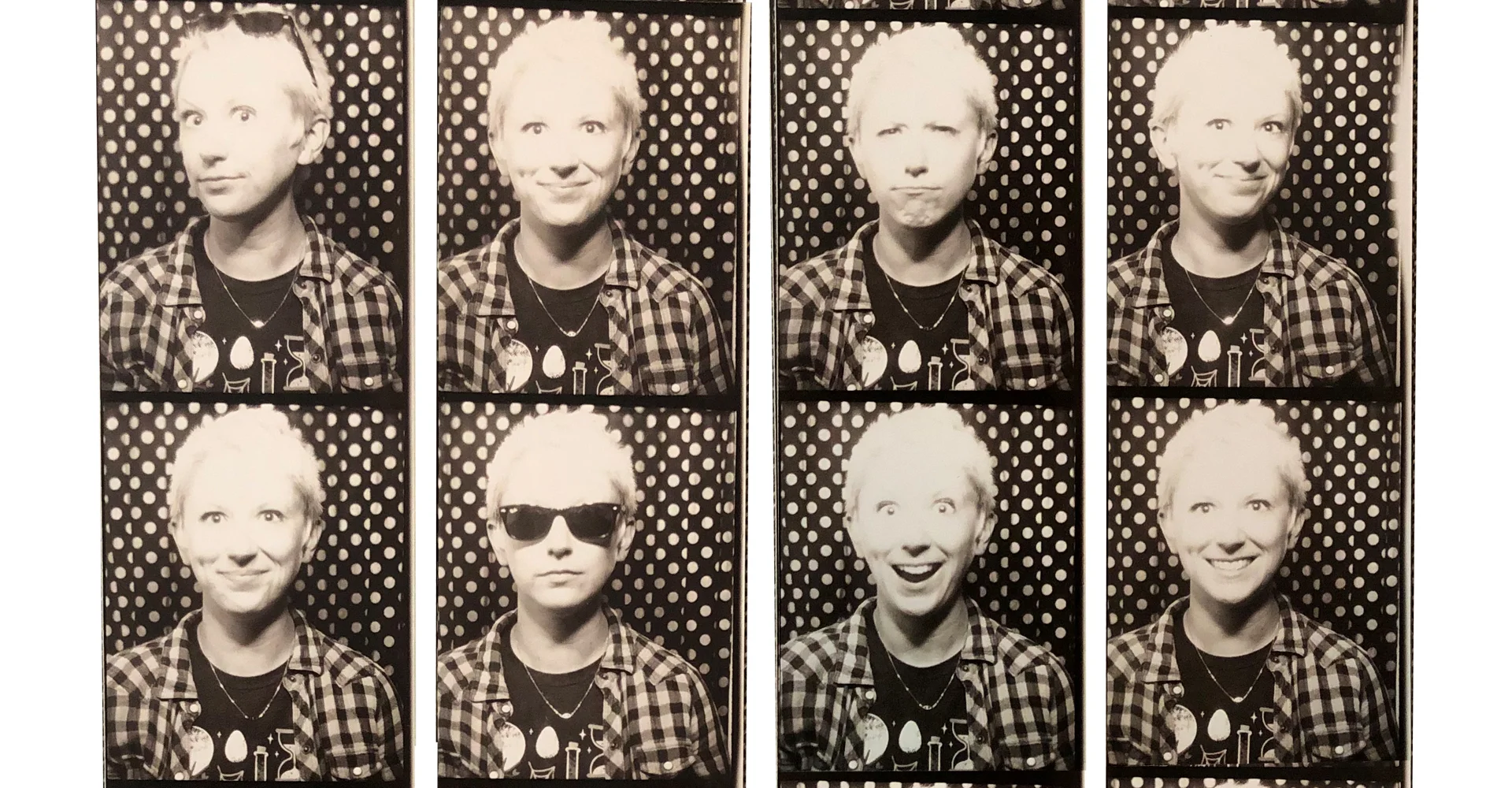
34

Mr. Wonka: "Don't forget what happened to the man who suddenly got everything he wanted."
Charlie Bucket: "What happened?"
Mr. Wonka: "He lived happily ever after.”
When I turned 33, I invited ten friends to Jekyll and Hyde Club, a west village bar that can best be described as a “creepy Chuck E. Cheese.” We nearly had the place all to ourselves, a rarity in New York; the food was subpar, the drinks overpriced, and all of the animatronics had broken long ago. The air conditioning barely made a dent in the late-August humidity, but I loved every minute of the dinner, which included awkward interactions with the wait staff-slash-resident “actors,” and a private tour of the even-dustier second floor bar, which is now used as storage.
Some of my 34 years have passed by without much notice. There was one year during which I took exactly zero days of vacation, and others blur into each other, the clear boundaries between one another growing fuzzier with each passing day. My friends informed me that I was about to embark upon my so-called Jesus year. Jesus—the man, the myth, the deranged carpenter—was believed to be 33 when he amassed a c̶u̶l̶t̶ group of disciples, and preformed m̶a̶g̶i̶c̶ ̶t̶r̶i̶c̶k̶s̶ miracles. He never made it to 34, but his 33rd year was so impressive, you can’t blame the guy for going out on a high note (although of course, like Cher, he couldn’t resist a brief comeback tour).
I shrugged off the idea of a “Jesus year” as I do most things related to the OG JC, but as mine comes to a close, I must admit that—while I didn’t amass a global following or walk on water—my 33rd year was quite an extraordinary one.
My 33rd year began much like my 32nd ended: I was working at Penguin Random House and in a 3+ year relationship. In November, that relationship ended and in late January I received an email from the CEO and founder of Roadtrippers, asking if I’d be interested in discussing potential job opportunities. I initially dismissed it, trying not to get my hopes up for a job and a company that seemed too good to be true. But at the end of February, my life changed overnight when I started my new job as their Community Editor, managing social accounts and writing stories for their online magazine.

Everything about the new job and career shift spun me off my axis; six months later I just feel as if I’m starting to catch my breath. I’ve been recently promoted to Managing Editor of Roadtrippers Magazine and working remotely has been both wonderful and disorienting. Turning my hobby into a full-time job has had its challenges, but ultimately the fact that I get to think about, write about, and plan road trips for a living is an absolute joy.
For someone who has only dated coworkers, working from home also forced me into the world of online dating, which is absolutely scary and endlessly confusing. Coming to terms with my own identity has been a lifelong struggle, one which I have only really begun to feel comfortable sharing in my personal and professional life, but the journey has also been more rewarding than I could have ever imagined.
On paper, I now have nearly everything I’ve ever dreamed of—a job that I feel passionately about, a promising relationship, close friends, and a supportive family. I live in the only city I ever wanted to call home and I’m relatively healthy. In a lot of ways my life feels as if I have peaked. “It can only go downhill from here,” is an insidious thought that usually creeps in when I least expect it. But the flip side of that is the possibility that my life may improve beyond what I even imagine is possible. Much more likely, if the past is any indication, is that the future will be some combination of the two. There will be peaks and there will be valleys, but most of my life will fall somewhere in between.
So much of any life lies within the boundaries of the ordinary: those long days, weeks, months, and years when nothing much seems to happen. But more and more, it’s those banal stretches that interest me. They are the unsung heroes of a life; the unsexy, unremarkable, completely forgettable, comfortable building blocks that slowly lay the foundation that your life needs to fully take flight. Deceptively ordinary moments make up the hidden framework of any extraordinary life.
And yet, I don’t think anyone is immune to the pursuit of happiness: thinking that just maybe the next job, the next city, the next relationship will be the One. But here’s a thought that I hesitate to admit because it may appear as if I’m ungrateful: There is no Golden ticket. Having keys to the chocolate factory doesn’t solve everything. Seeking external validation (personally and professionally) and the acquisition of things (money, fame, and physical stuff) can only do so much. Eventually, the call needs to come from inside the house.

So what happened when I got (almost) everything I ever wanted? On most days, I feel much like I did before. I’m still 13-year-old me, agonizing over my crushes on girls; I’m still 22-year-old me, nervous to start a new job and feeling like an imposter in her career; I’m still 27-year-old me, packing up her old life and moving it halfway across the country; I’m still 33-year-old me, unsure about how to end a relationship that never quite felt right but didn’t quite feel wrong either.
I’m no doubt evolving and changing in ways both big and small, but even the most drastic changes are clearly visible only in the rear view. Instead of feeling disappointed that a new job or new relationship didn’t fundamentally alter me to my core, I choose to take comfort in it. There’s a freedom in knowing that you’ve decided to remove yourself from the rat race because you’ve finally realized that, as Lily Tomlin said (most likely echoing words written by her partner Jane Wagner): “The trouble with the rat race, is that even if you win you’re still a rat.”
I won’t live happily ever after because of the circumstances of my life, but rather, in spite of them. Because I strongly believe that happiness is a choice: My life isn’t perfect and I never expect it to be.
How and with whom I celebrate may look different every year, but the reason for celebrating remains the same: I’m so grateful for every second of my extraordinarily ordinary, perfectly imperfect life—the highs, the lows, and everything in between.
If you miss my road trip updates, you can follow along over on Roadtrippers Magazine where I publish stories similar to what you used to find on this blog, but better. I plan to pop back in here from time to time when I feel as if I have something to say, but it will mostly stay quiet over here for the foreseeable future.

Happy Friday!

Painting by Lindsey Frances
Things that have happened recently:
Well now I can’t see William Barr without thinking about this.
Remember that time I went to a great little diner in New Jersey but didn’t take any photos because an old man wouldn’t leave me alone? Not only did I go back, but I photographed the inside, talked to the owner for more than an hour and wrote about it all for Roadtrippers.
The Instagram aesthetic is over (thank the Lord).
Things to do in New York this weekend:
Governors Island is open for the season and all ferries will be free this weekend—if you go, say hi to the chickens for me.
Jane’s Walk—free events inspired by Jane Jacobs—is hosting a tour of the former US Lighthouse Depot grounds in Staten Island on Saturday and Sunday.
The five boro bike tour is on Sunday. Here’s the route, if you want to join—or avoid—the bikers.
Things I’ve discovered recently:
I am a sucker for before/after photos, but this series from the New York Times is next-level cool.
I am deep into a new obsession with Lily Tomlin and I’ve been working my way through her movies. The Incredible Shrinking Woman was life-changing, Grandma was excellent, Big Business and All of Me were silly but fun, she was wonderful in Nashville and The Late Show, and if anyone can help me watch a VHS copy of The Search for Signs of Intelligent Life in the Universe that I recently (impulsively) bought on eBay, I’d really appreciate it.
Man, I’m so excited for the return of this show. Have you seen the trailer yet?
I was in Ohio for a week, and while I was away it seems that all of New York bloomed. Yesterday it was in the 80s, but now it’s rainy for the foreseeable future. I have plans to see a movie on Sunday but otherwise my weekend is free. I’m sure there will be at least one diner breakfast in there, although sadly it won’t be at Kane’s Diner in Flushing because it closed on Wednesday (RIP those insane menus). Now that my hobby became my job I find myself kind of listless on weekends—if anyone out there wants to explore abandoned places or hit up cemeteries in New York, let me know!

Recent Reads

The Dreamers: A Novel, by Karen Thompson Walker
When I heard comparisons between The Dreamers and Station Eleven, I knew I had to check it out. Station Eleven is one of my favorite books—despite my somewhat baseless assertions that I don’t like “science fiction” or post-apocalyptic stories—and I loved The Dreamers almost as much.
As a mysterious sleeping sickness spreads from a college campus into a Southern California town, the residents react to the terrifying situation in various ways. I was impatient to know how the story resolved but in the end that wasn’t really the point—like most great books, the journey is the destination and The Dreamers sent me on a journey that I was reluctant to end.
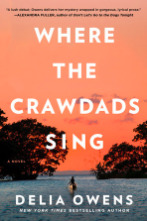
Where the Crawdads Sing, by Delia Owens
It was impossible to miss this book when I worked at Penguin. It was a New York Times number one bestseller so many weeks in a row that I lost count—and every week that it stayed at number one, the sales team was rewarded with bagels (that I was never allowed to eat, sadly). It is so popular that I had to wait months to get my copy from the library, but thankfully it more than lived up to all of the hype.
Owens’s first novel is the lovely, touching story of Kya, a girl who is left to fend for herself when she is very young. She makes her home in undesirable marsh lands and is more comfortable among the wild things—where the crawdads sing—than with people or in town. There’s also a murder mystery interspersed with Kya’s life story, but it’s the marsh girl who steals the show. I sobbed through about two-thirds of this book and as much as I wanted to know the ending, I was equally sad to leave this beautiful world behind.
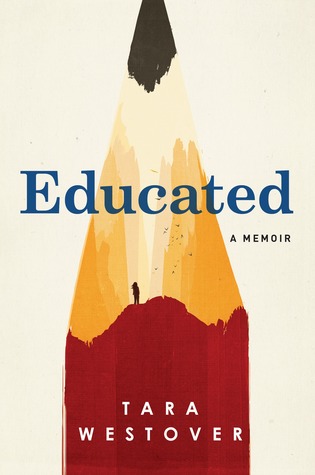
Educated: A Memoir, by Tara Westover
Like Where the Crawdads Sing, Educated was inescapable during my time working at Penguin. Unfortunately, I was a bit let down by this memoir. Westover grew up with survivalist-Mormon parents in rural Idaho. She was isolated and uneducated, violently abused by one of her older brothers and suffered more than her fair share of physical ailments including two nearly-deadly car accidents. She overcame great odds to enroll in BYU and then programs at Cambridge and Harvard, eventually earning her PhD. Those details sound like irresistible memoir fodder, but Westover’s storytelling just didn’t connect with me.

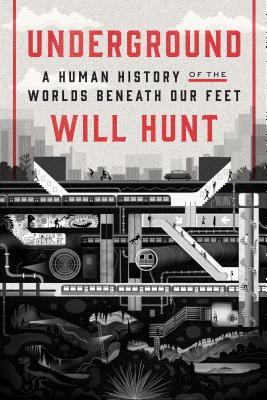
Underground: A Human History of the Worlds Beneath Our Feet, by Will Hunt
I’m alternately interested and terrified of underground spaces—I love exploring abandoned places, but I think I would have a claustrophobic freakout if I spent any real time in tunnels. Hunt has explored his share of cool places—caves, catacombs and train tunnels—and his descriptions of his adventures were gripping. He did focus on spirituality and the mental toll of darkness a bit more than I would have liked, but if it’s people you’re interested in, I would skip this and read the Mole People instead.
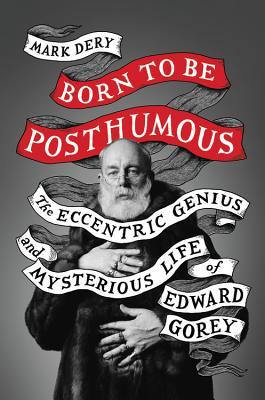
Born to Be Posthumous: The Eccentric Life and Mysterious Genius of Edward Gorey, by Mark Dery
Edward Gorey was a fascinating and extremely talented eccentric and his life’s story is definitely worthy of a proper biography. He was also secretive and fiercely private, which means that Dery struggles to fill his book, resorting to long-winded recaps of every single thing Gorey every wrote. 200 of the 400+ pages are great—Gorey was every bit as strange as his illustrations suggest, but I very much identified with all of his quirks and lifestyle choices (and especially his love of Cape Cod and cats). But the other half, full of speculation regarding Gorey’s sexuality, feels disrespectful, exploitative and mostly just unnecessary.

Happy Friday!
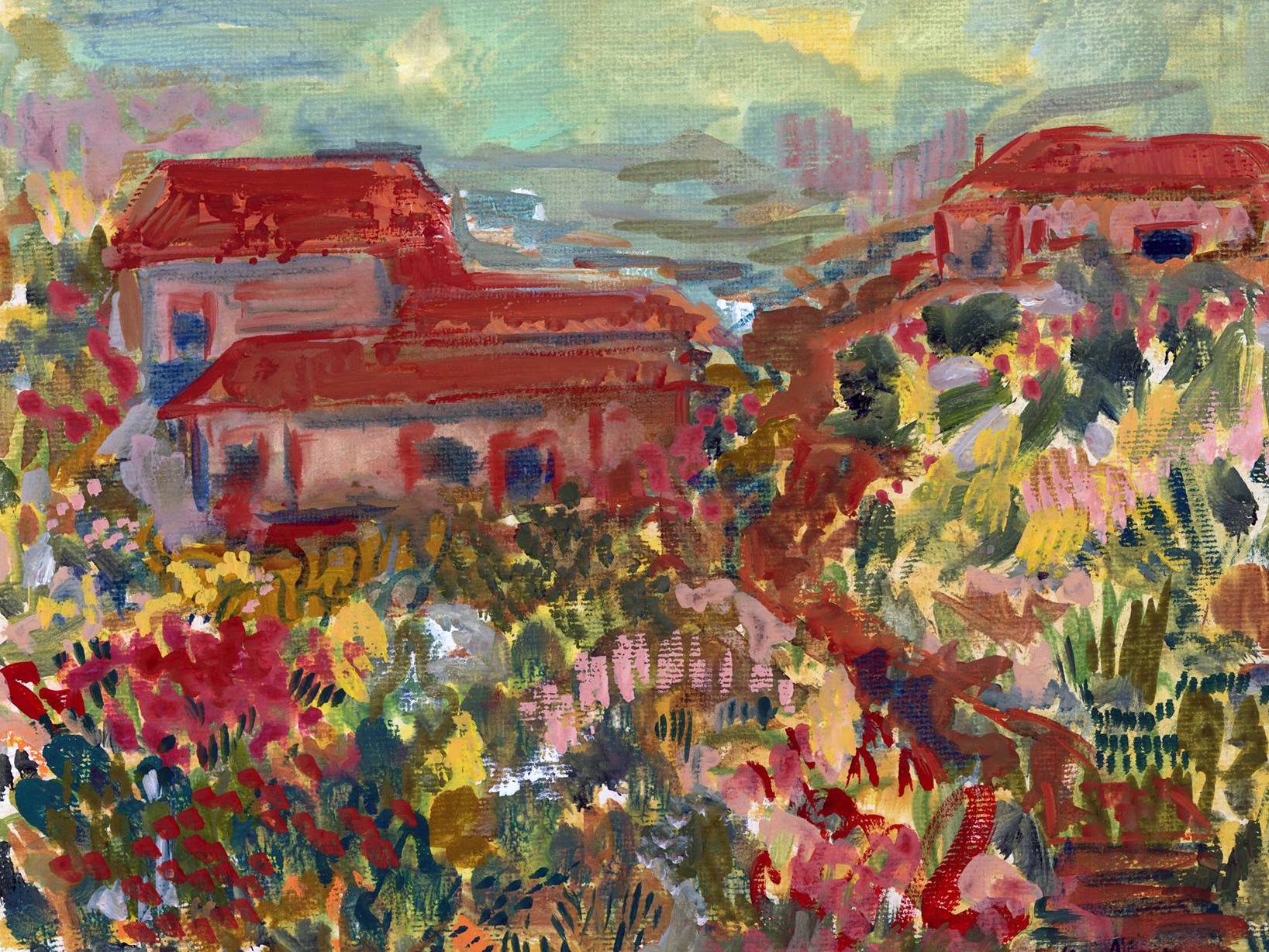
Painting by Lindsey Frances
Things that happened this week:
I’m obsessed with Schitt’s Creek (I’m still crying thinking about last week’s episode) and very upset that the sixth season will be its last, but I’m devouring everything I can about the show and its creators/actors, including this recent Esquire interview with Dan Levy.
The New York Times profiled ham (I want an oil painting of that lead photograph for my apartment).
This story about a 3-year-old who witnessed his father murder his mother sounds straight out of a movie but it’s real life.
Things to do in New York this week:
Cherry blossom season is one of my favorites (I wrote about the D.C. cherry blossoms for Roadtrippers recently) but I always forget that Roosevelt Island has a great crop of cherry trees. The Four Freedoms Park festival is this Saturday—don’t forget you can take a tram!
Saturday is Record Store Day—my favorite place to shop for records in the city is Human Head in Bushwick.
One of the Staten Island cemeteries that I tried to visit recently is opening on Sunday for a few hours—you can come help clean up or just visit the infrequently-opened historic grounds.
Things that I’ve discovered recently:
I’ve been playing Jenny Lewis’s new album On the Line on repeat recently, in addition to this ‘90s acoustic playlist because I still know every single word to every song that was on the radio in the ‘90s.
How to be happier at work.
I finally decided to get one of these, and although it makes my toilet look like its belongs in a nursing home, the science behind it is pretty, ahem, solid.
Hi! It’s been quiet over here on the old blerg for the past few months while I settle in to my new (dream) job at Roadtrippers—you can see what I’ve been up to over there on the magazine and follow along on Instagram, if you’d like. A lot of what I used to post about on here will end up over on Roadtrippers in some form, but I plan on still popping back in here when I can to write about things that don’t quite fit on RT.
I’m headed back to Cincinnati in a few weeks for work and I’ll head north for a few days to visit my family but I have a few fun stops planned in between (of course). I was obsessed with Grace & Frankie for a few weeks but I finished season 5 and 2020 and season 6 seems so far away—what else should I start watching? I just finished this book and loved it—I’m about halfway through this one and I feel as if it hasn’t really lived up to the hype, unfortunately. Have a great weekend!

Route 66: Chicago to Wilmington

Back in December, I planned a trip to Dubuque, Iowa and parts of Wisconsin. O’Hare is the closest major airport so I couldn’t resist taking a detour along the beginning of Route 66, which starts in downtown Chicago. I wasn’t able to snap a photo of the “begin Route 66” sign because there is no good place to park, I was by myself and city driving stresses me out—but I did see it with my own eyeballs, which sometimes just has to be enough.


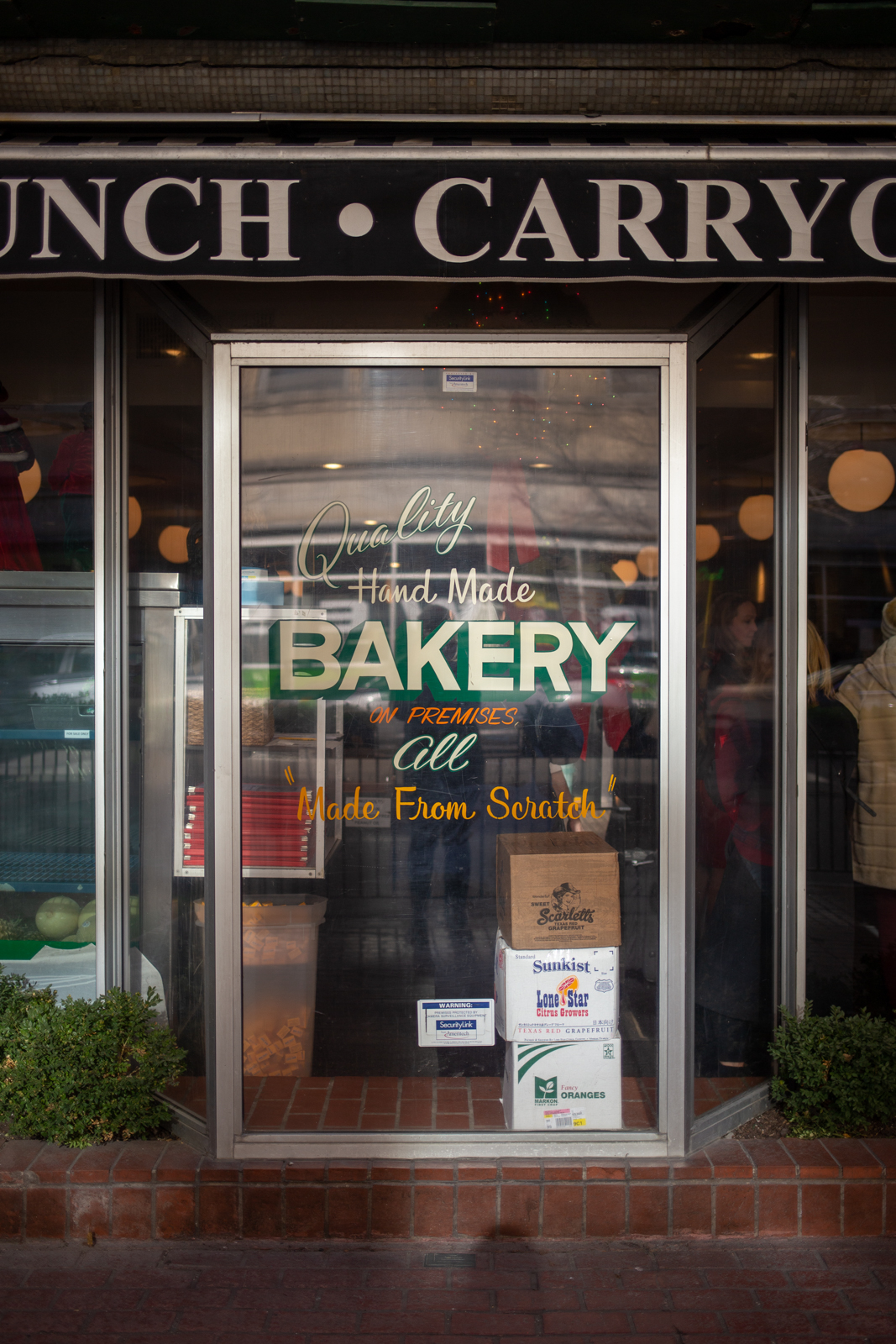
I try not to start any new adventure without first fueling up on diner breakfast—the more historic the diner, the better. You can’t get much better than Lou Mitchell’s, which has been serving travelers since 1923, predating the creation of the Mother Road by three years. I’ve never been steered wrong by choosing a diner based on age, history and signage and Lou Mitchell’s gets an A+ in all three categories.

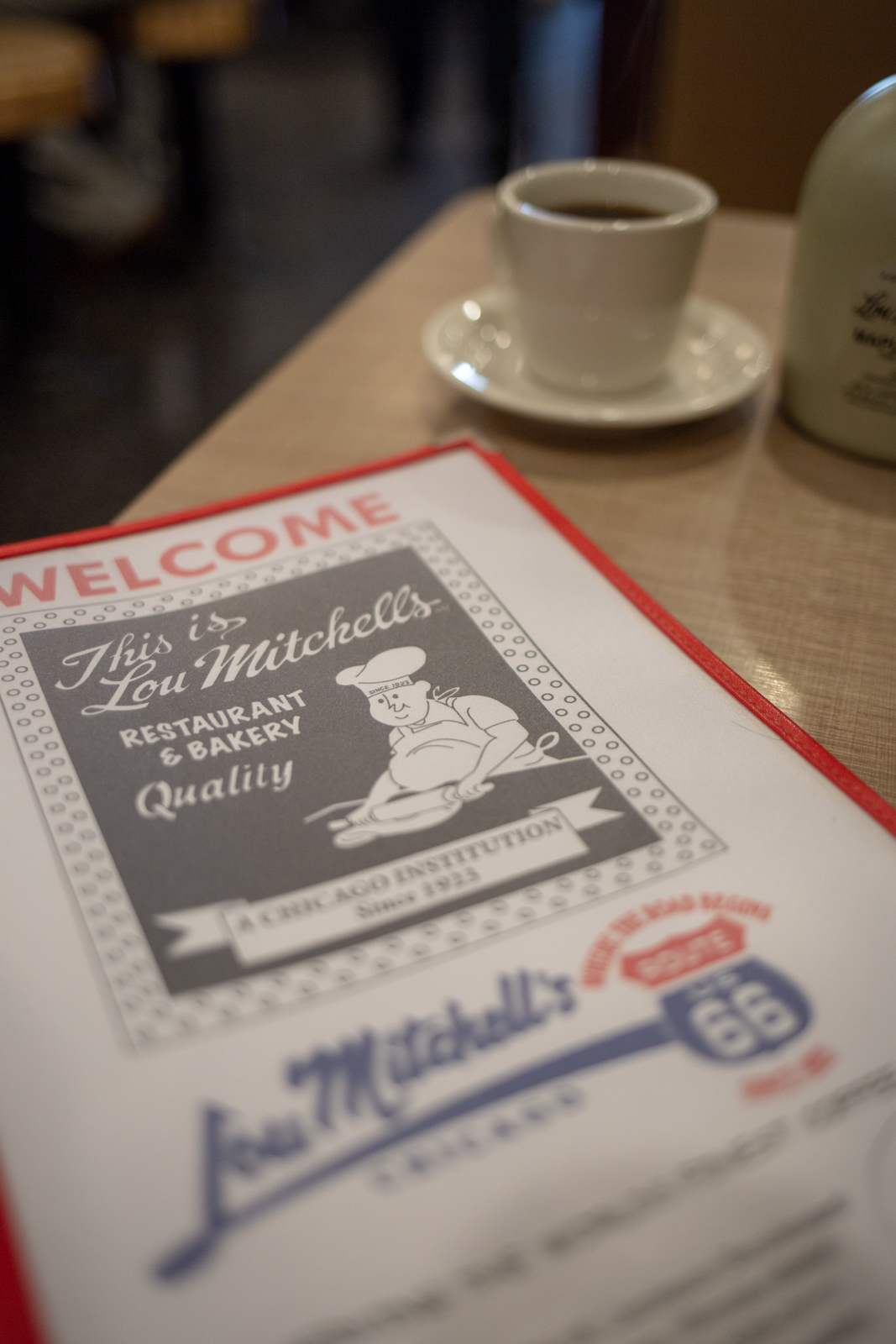


As soon as you walk into Lou Mitchell’s, you’re greeted with a donut hole and a miniature box of candy (I got Milk Duds), which is as good a welcome as I’ve ever received at a diner. My breakfast skillet came topped with a slice of ham that was literally larger than my face and even if the slogan “serving the world’s finest coffee” is a bit of a stretch, my cup was certainly adequate (and refilled frequently which is the mark of a truly fine diner).
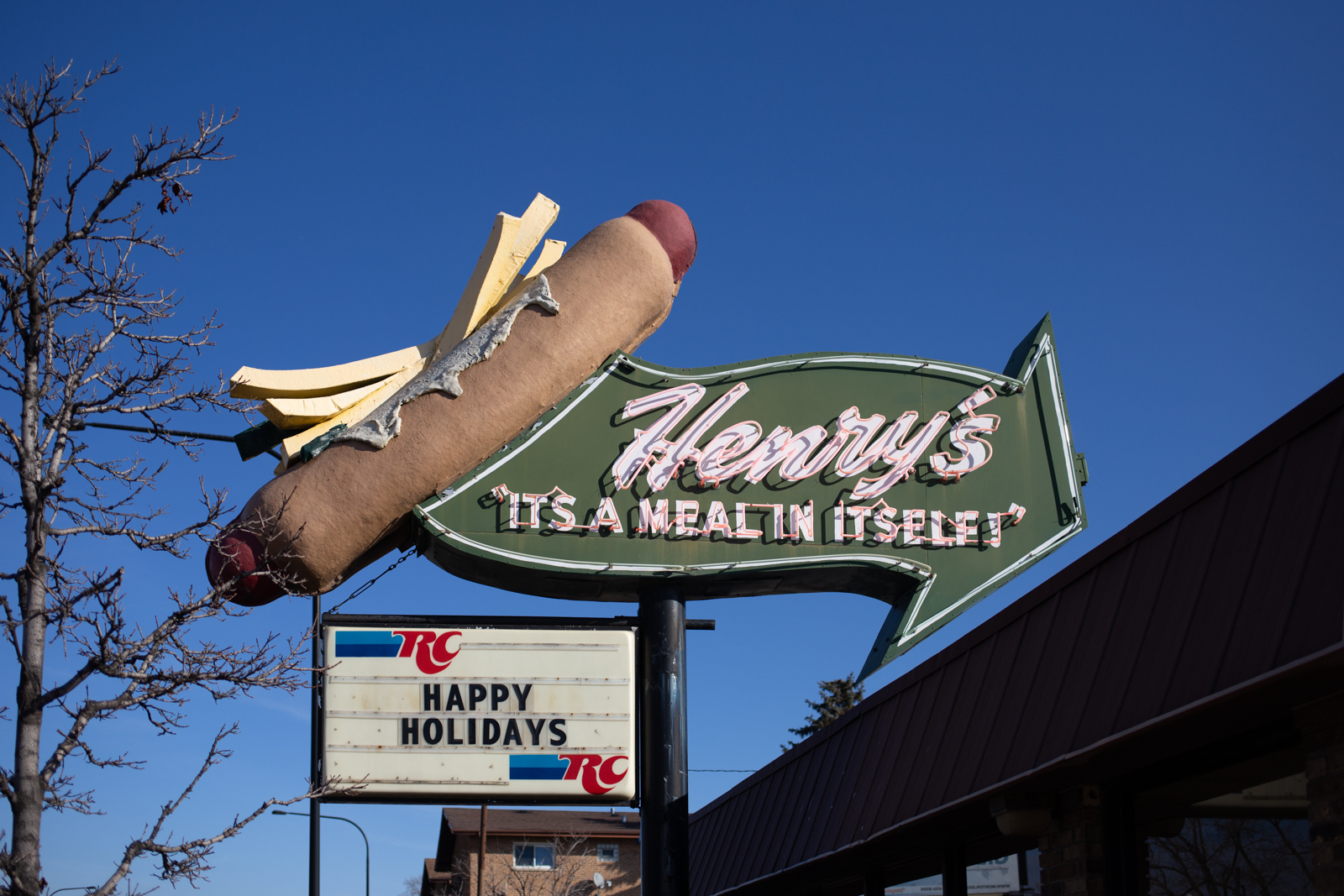
I was a bit disappointed with the lack of signs and general Route 66-ness at the beginning of the drive, but my next stop was Henry’s Drive-in, located in Cicero, IL. I’ve been known to drive far out of my way or do some fancy maneuvering just to photograph a good sign, and Henry’s is a great sign—and luckily right on Route 66. The hot dog shop has been in the same location since the ‘60s and while I can’t vouch for their dogs, I am suspicious of any sandwich that comes with the fries on top (a tradition from the beginning at Henry’s, as indicated by their sign).
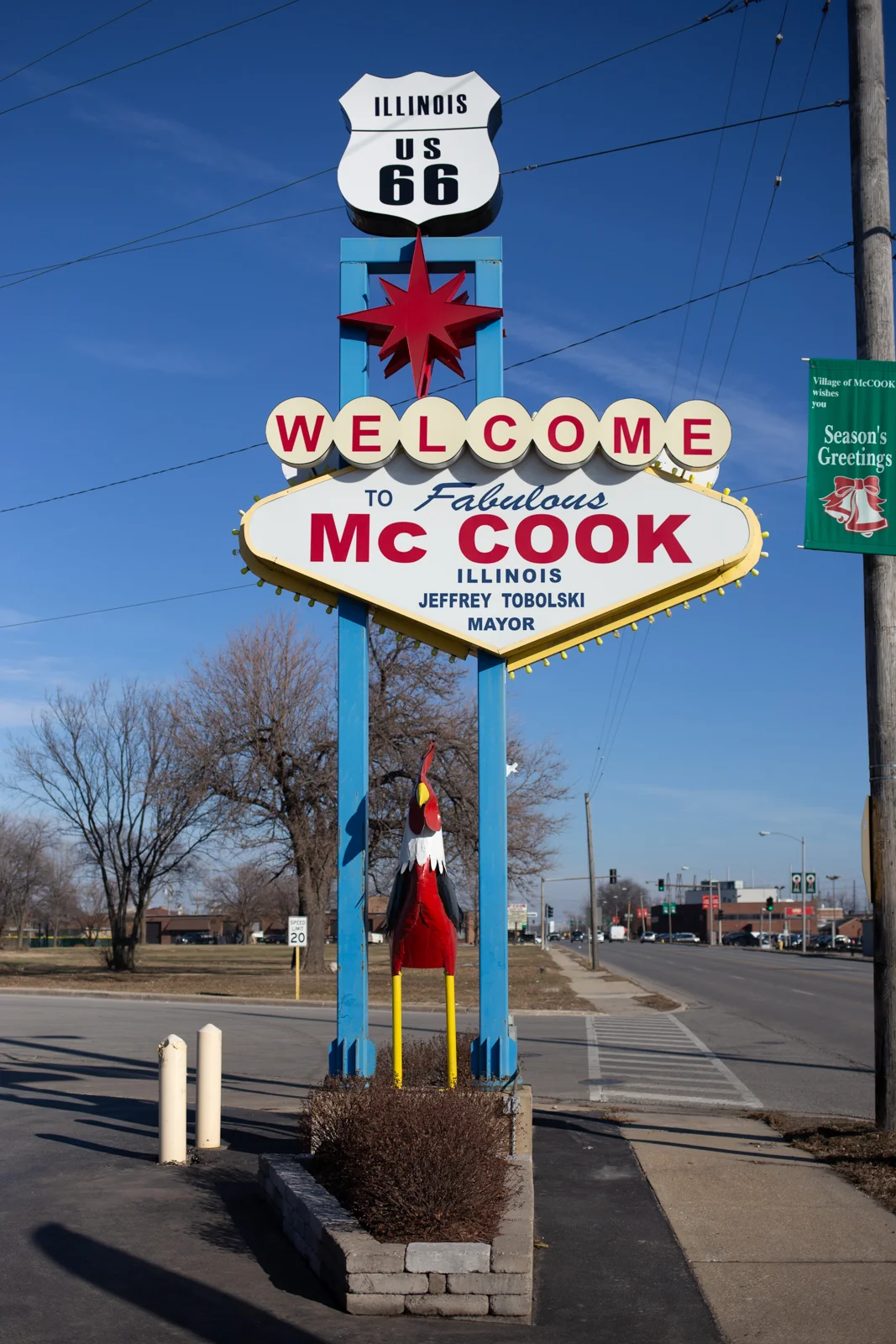
My next stop was McCook, IL, which wasn’t a planned stop but I couldn’t resist pulling over to take a photo of their Vegas-themed welcome sign. It looks new, but they tried and I appreciate the effort. I made a detour off Route 66 to see the Frankenstein Muffler Man at Haunted Trails, which was definitely worth it—if there’s one piece of travel advice that I live by, it would be: always take the detour (or in this case, a detour from the original detour).


Back on Route 66, I stopped at Dell Rhea Chicken Basket, which has been continuously operating as a bar and a restaurant since 1946. It’s a shame I couldn’t eat at every one of these historic eateries but I was still so full of ham (three months later I still feel like I’m full from that ham slice) that I just took a quick photo and got back on the road.


Route 66 takes you right through Joliet, known as the home of the Blues Brothers—even the gas station had a replica Bluesmobile perched atop a pole in the parking lot. The 1974 Dodge Monaco was built by the owners of the Route 66 Food N Fun Travel Center as a photo op and the car is just a shell—it has no fuel tank, engine or drive train.

Joliet is about 20 min north of Wilmington, IL, home of the Gemini Giant and my end point on Route 66 for the day. I headed northwest from Wilmington—stopping only to take a photo of the Sapp Bros. coffee pot sign—toward Dubuque, a three-and-a-half hour drive. I had driven all day and ended up further from my destination than when I started but I’ve never regretted taking the long way yet.
Recent Reads

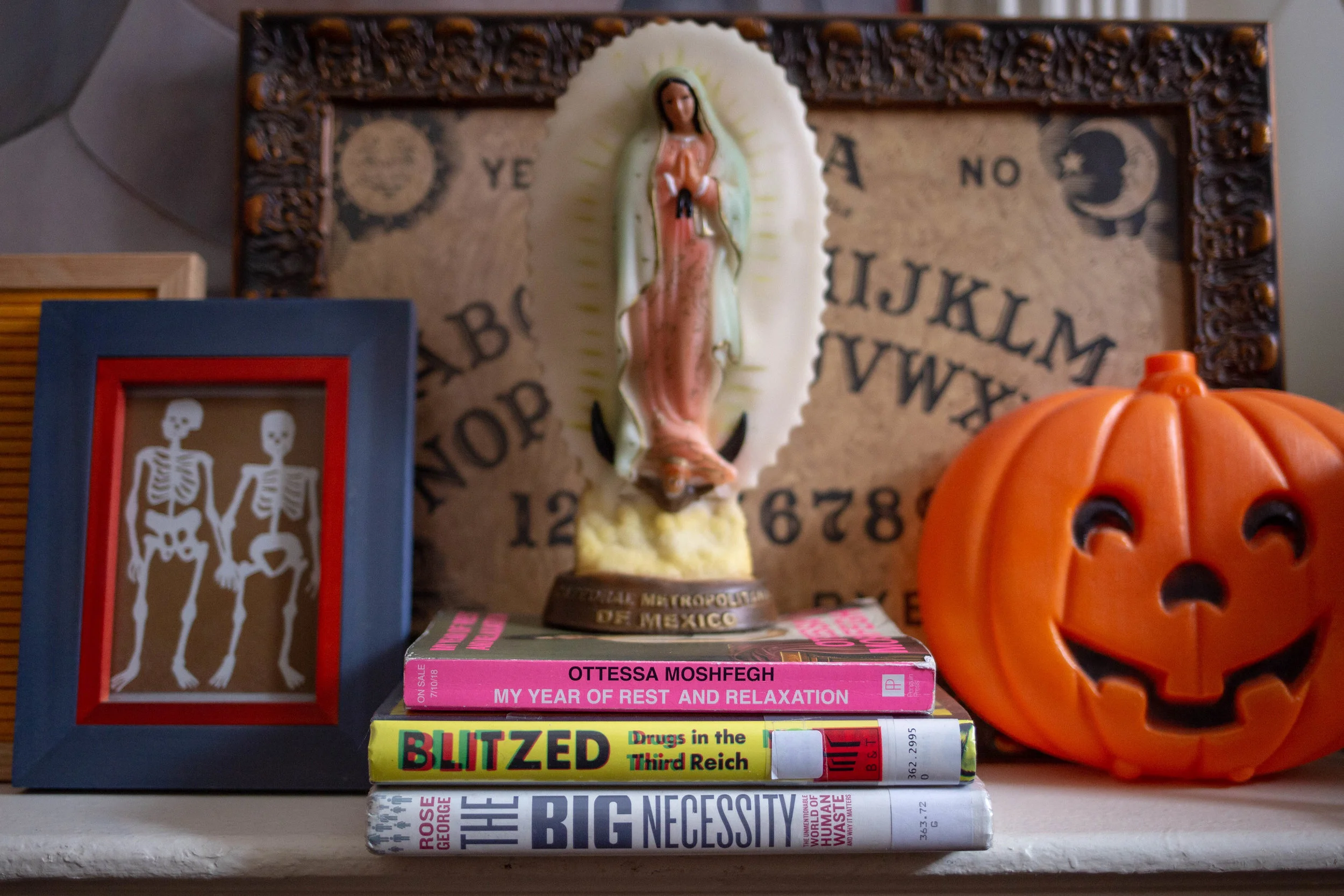
My Year of Rest and Relaxation, by Ottessa Moshfegh
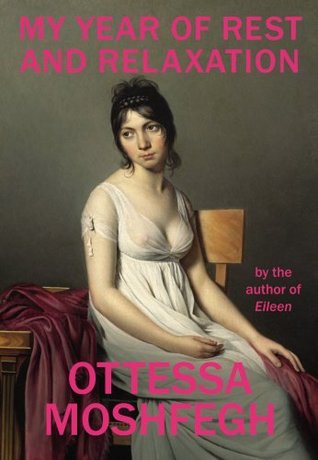
I can understand why this book would be off-putting to some people, but I loved this strange and morose tale of one woman’s fucked up life. The narrator, who seemingly has it all, decides to take a year off and self-medicates herself (with the help of one seriously awful psychiatrist) into hibernation. Of course life still happens anyway, and although she gives you absolutely no reason to root for her, I still did. Because I still very much judge books by their cover, I was glad to find that I loved this book as much as I loved its arresting cover, which I think is one of the best that I’ve seen recently (and in my brief time working at Penguin Random House, I was lucky enough to grab this off of a take shelf).
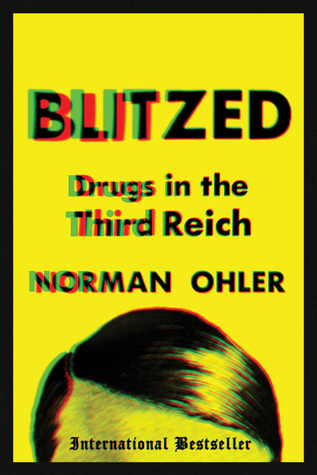
Blitzed: Drugs in the Third Reich, by Norman Ohler
There is definitely no shortage of information out there about Hitler and the Third Reich, but Blitzed narrowly focuses on the various drugs that made their way into the German’s bloodstreams during the war, including the supposedly-sober führer himself. Ohler details Hitler’s rapidly declining health—due in no small part to opioid withdrawal—mirrored by the decline of the German army as a whole. Hitler’s personal physician, Theodor Morell, is almost as fascinating as his famous patient, although Ohler constantly referring to him as the “fat doctor” feels unnecessarily cruel, even if he was a Nazi and a close confidant to one of the most evil men in history.
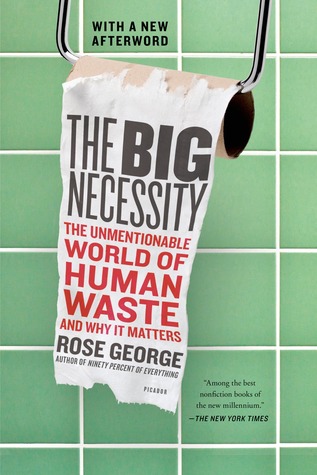
The Big Necessity: The Unmentionable World of Human Waste and Why It Matters, by Rose George
After loving George’s most recent book, Nine Pints, I knew I wanted to read everything else that she had written. George now ranks alongside Mary Roach and Jennifer Wright as one of my favorite science writers, women who manage to be both hilarious and informative about seemingly ordinary topics. The Big Necessity is, to put it bluntly, about shit—and urine—products everyone makes daily but dares not speak or think about what happens after the flush. George explores sanitation (or lack thereof) around the world and I will definitely be thinking about this eye-opening book the next time I’m searching for a clean bathroom or considering flushing a pair of underwear (but seriously, what is up with people flushing anything but toilet paper??).

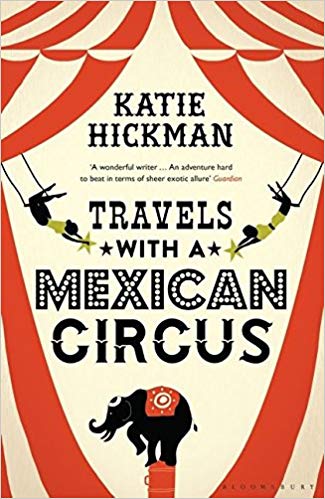
Travels with a Mexican Circus, by Katie Hickman
I’ll admit that choosing this book based on cover alone was a bit of misstep this time (it’s usually a cliche that never fails me) as the most interesting thing about this book turned out to be the cover art. This part-memoir, part-travelogue by a 30-something British writer and her husband about their time spent living with (and performing in) a Mexican Circus wasn’t terrible, it was just a bit of a slog. Maybe it’s because I read it in tiny pieces over two months (I usually have a “weekend” book that is smaller/lighter to take with me when I’m out all day) but I was never fully invested in the author or the other members of the circus she meets and describes in great detail. Maybe I’m just tired of the “circus” genre but if you’re interested, I’d skip this one and read The Electric Woman instead.
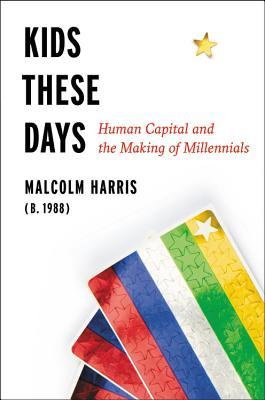
Kids These Days: Human Capital and the Making of Millennials, by Malcom Harris
I discovered this book after reading this mind-blowing article about burnout. There are countless stories floating around about the selfish millennial and how we’re systematically killing industries while expecting participation trophies and I’ll admit that even I (born in 1985, solidly a millennial myself) bought into this negative narrative. But Harris does a great job of presenting some of the major factors that got us here—productivity, technology, stagnant wages, the erasure of the middle class, education standards, student loan debt and policing policies—and I think this book should be required reading for anyone ragging on the most productive and least-compensated generation.
Abandoned Psychiatric Hospital

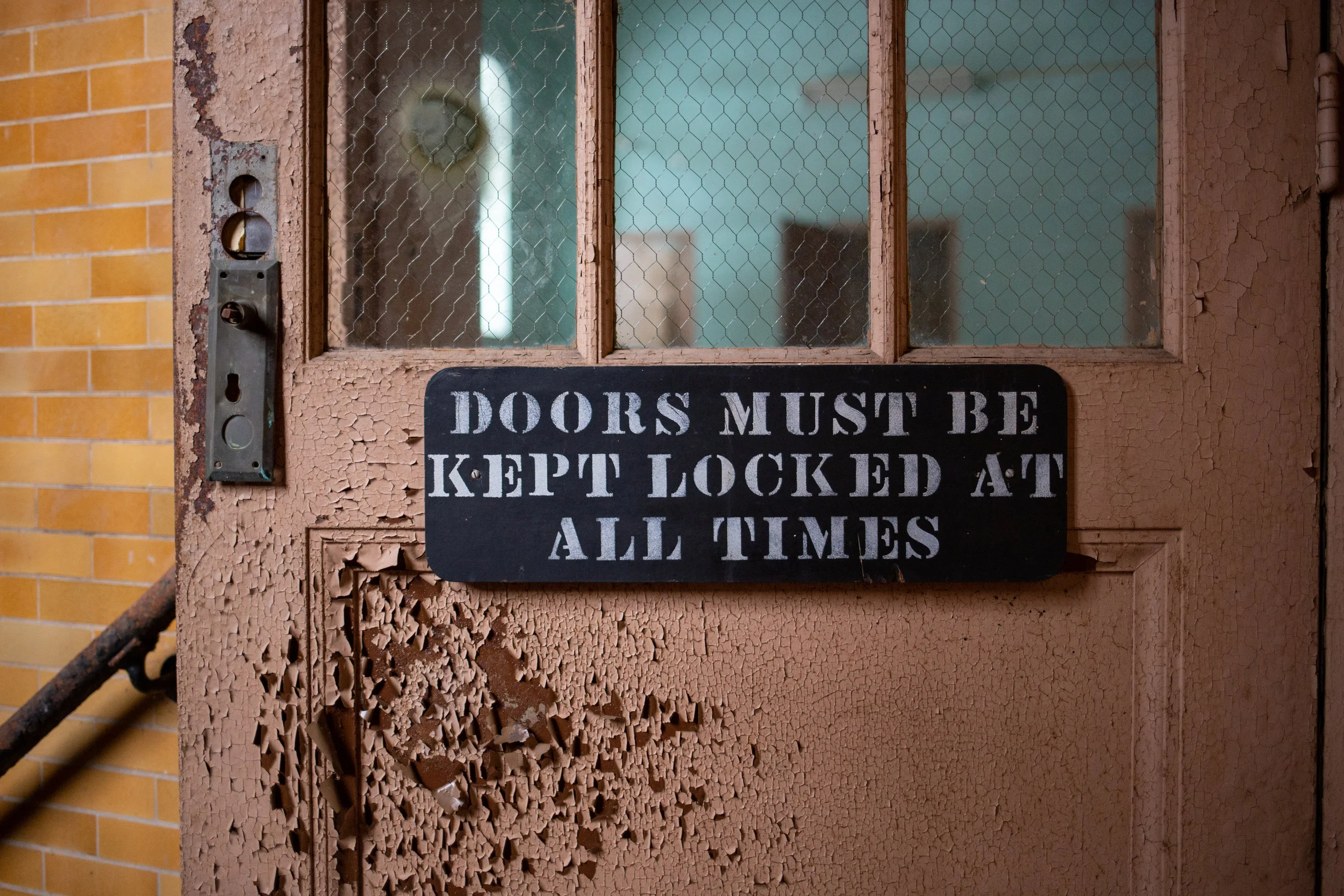
I definitely feel as if I’ve missed the glory days of exploring abandoned psychiatric hospitals. While psychiatric hospitals still exist to some extent today, the widespread use of medication to treat mental health issues was the final blow to many hospitals that had already seen a steady decline in their populations and resources over the years. This particular hospital, located in upstate New York, opened in 1924 and closed in 1994.
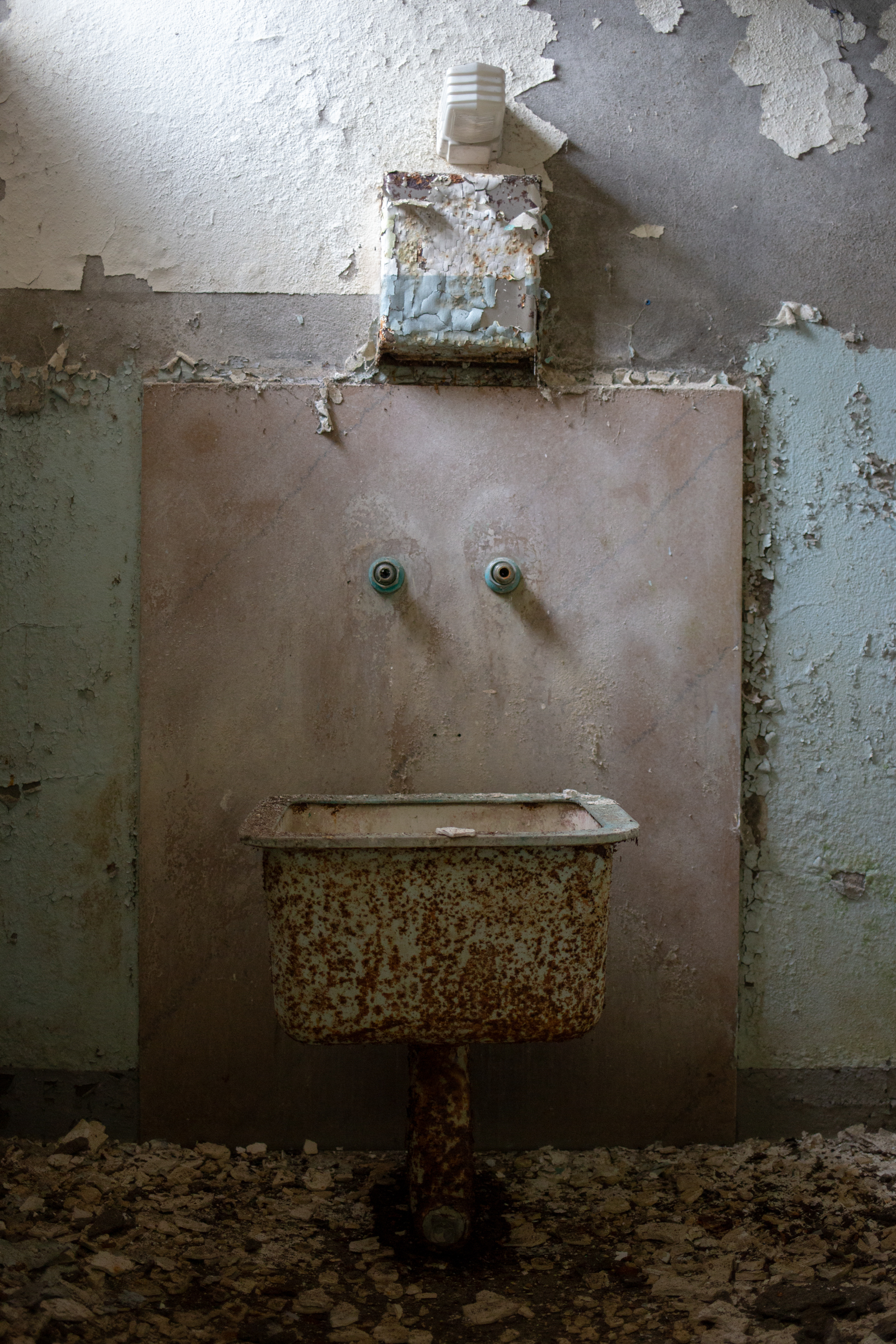


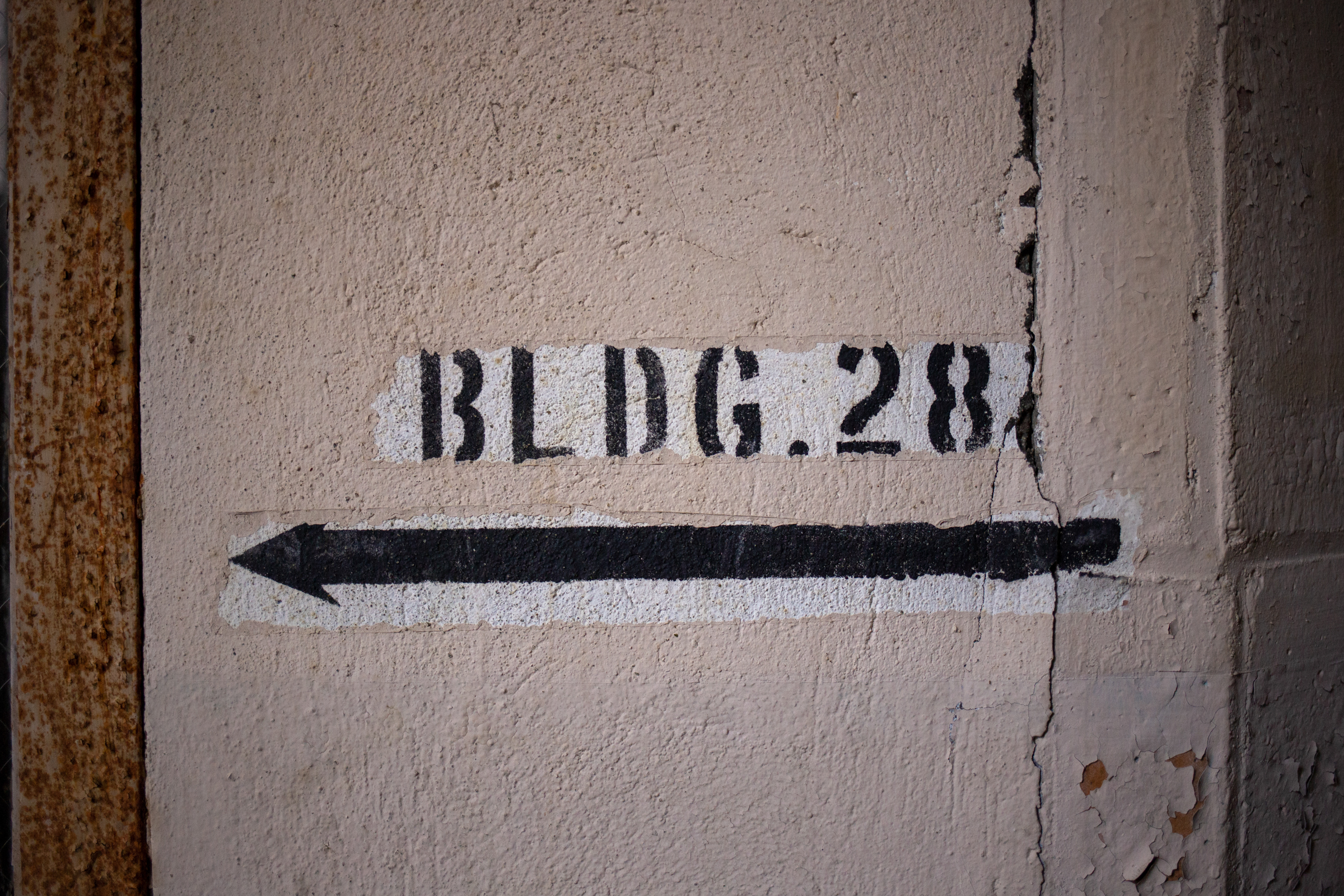
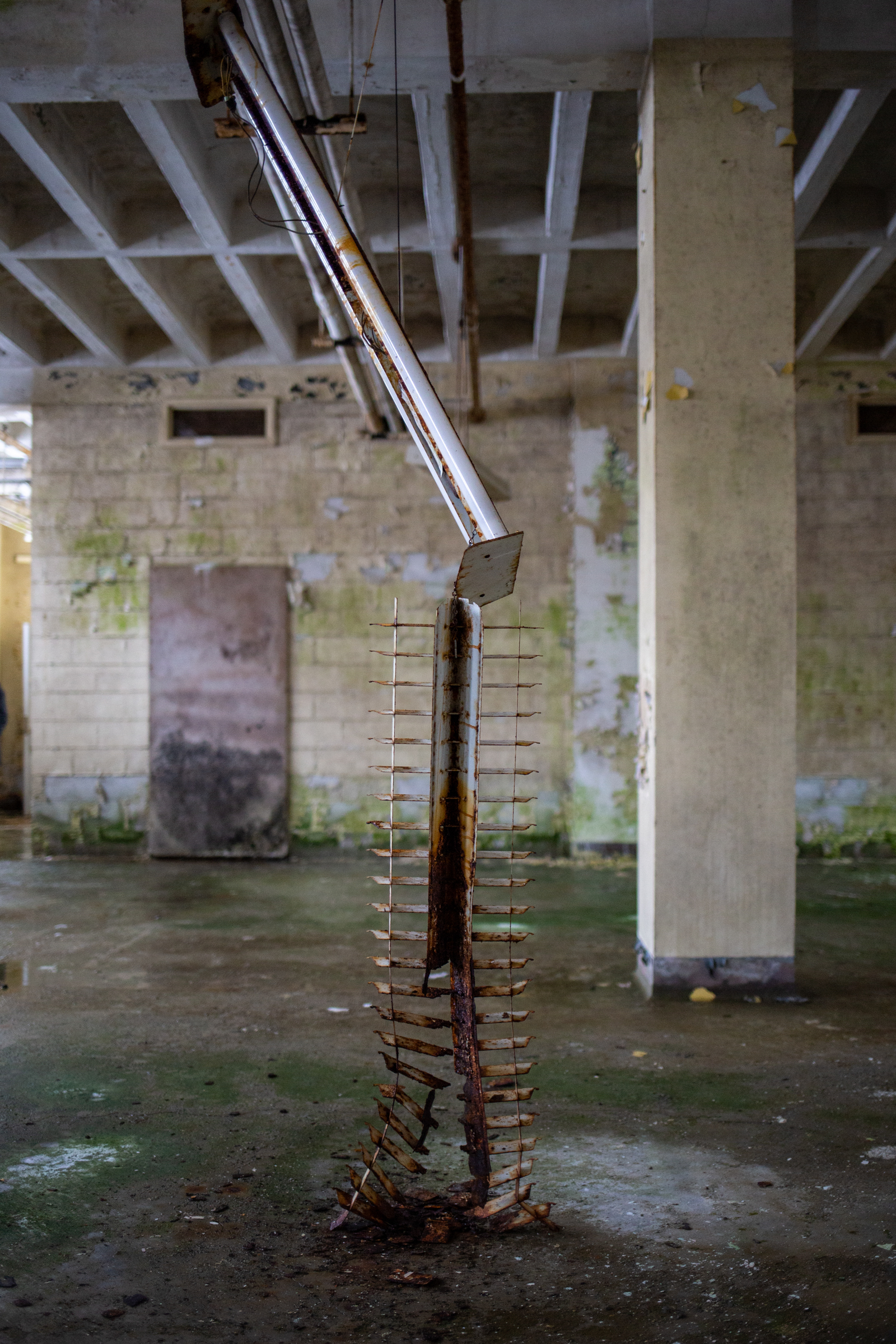

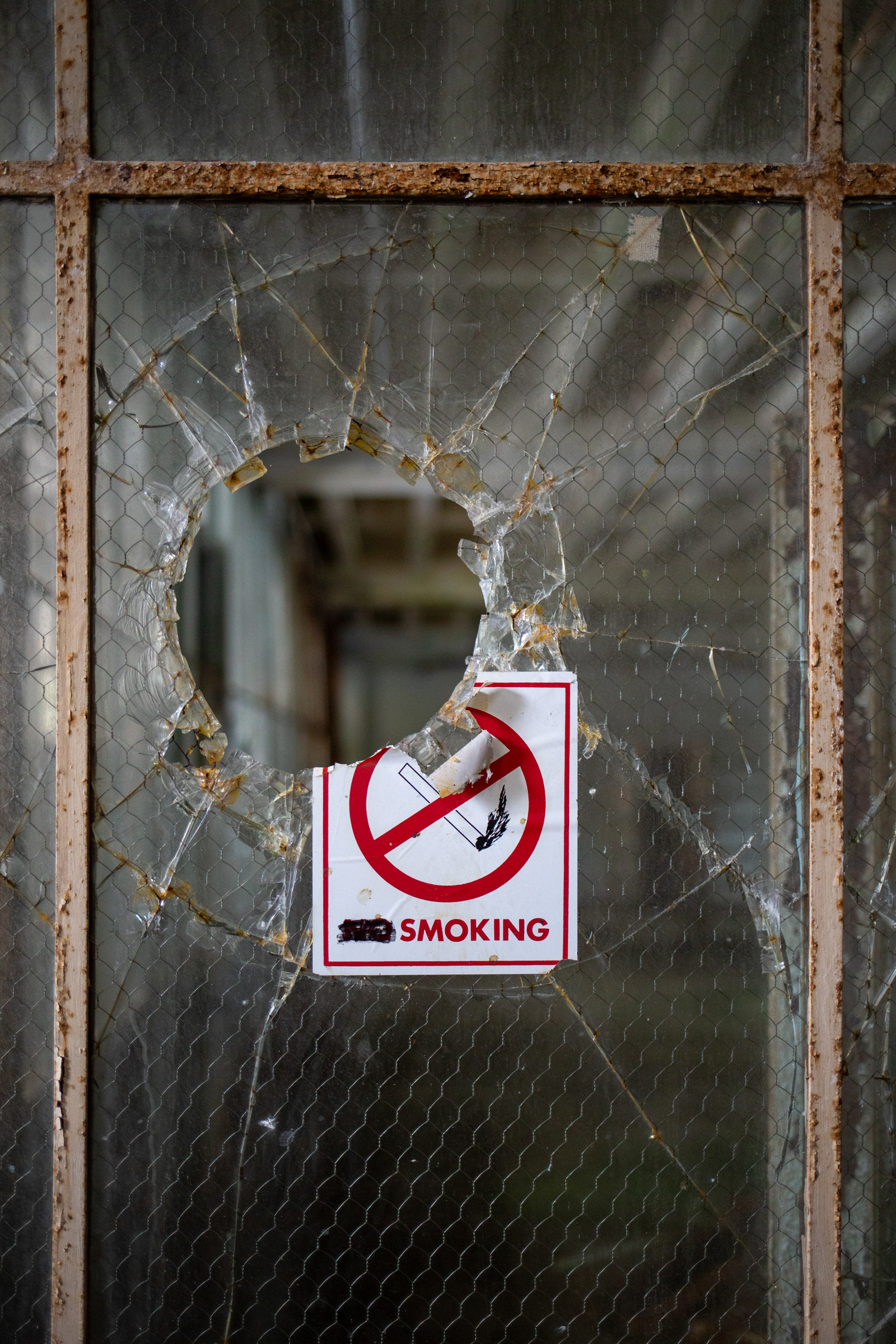
The site was originally planned as a penitentiary, but nearby residents complained, so the buildings were repurposed as a psychiatric hospital. I’m not exactly sure how that swap pacified concerned neighbors, but the hospital operated for 70 years before closing due to budget cuts. The property was sold and several plans for redevelopment have been made throughout the years, but most of the buildings still sit abandoned.


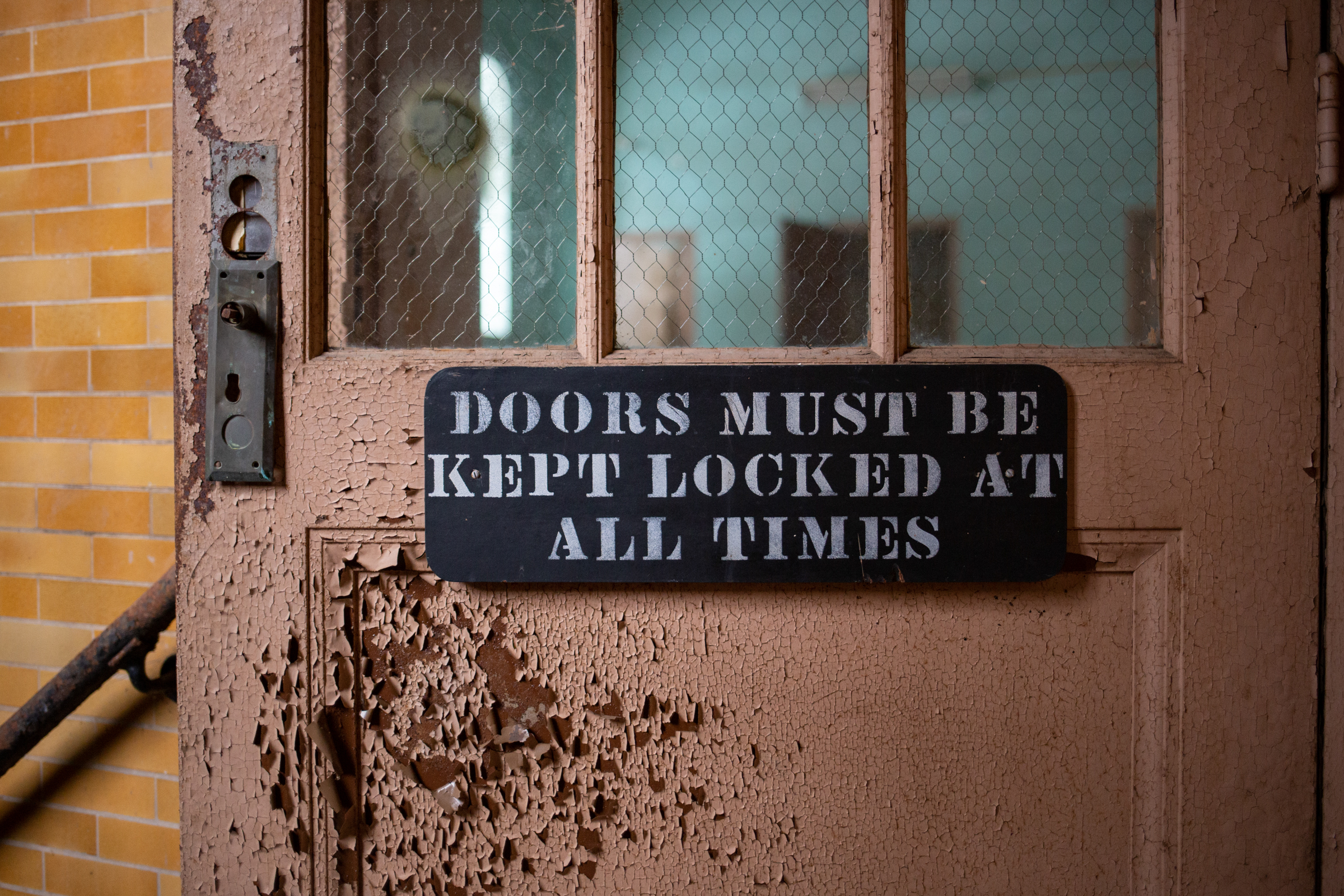


The unique thing about exploring abandoned psych hospitals is that—like prisons—they were built specifically to keep their residents inside. The windows are barred, the heavy metal doors often lack windows and if you do manage to get inside, good luck keeping track of where you are or finding your way back to where you started. I joked that we needed to leave a trail of breadcrumbs, but it really is a small miracle that we found our way out without them (or accurate GPS readings).


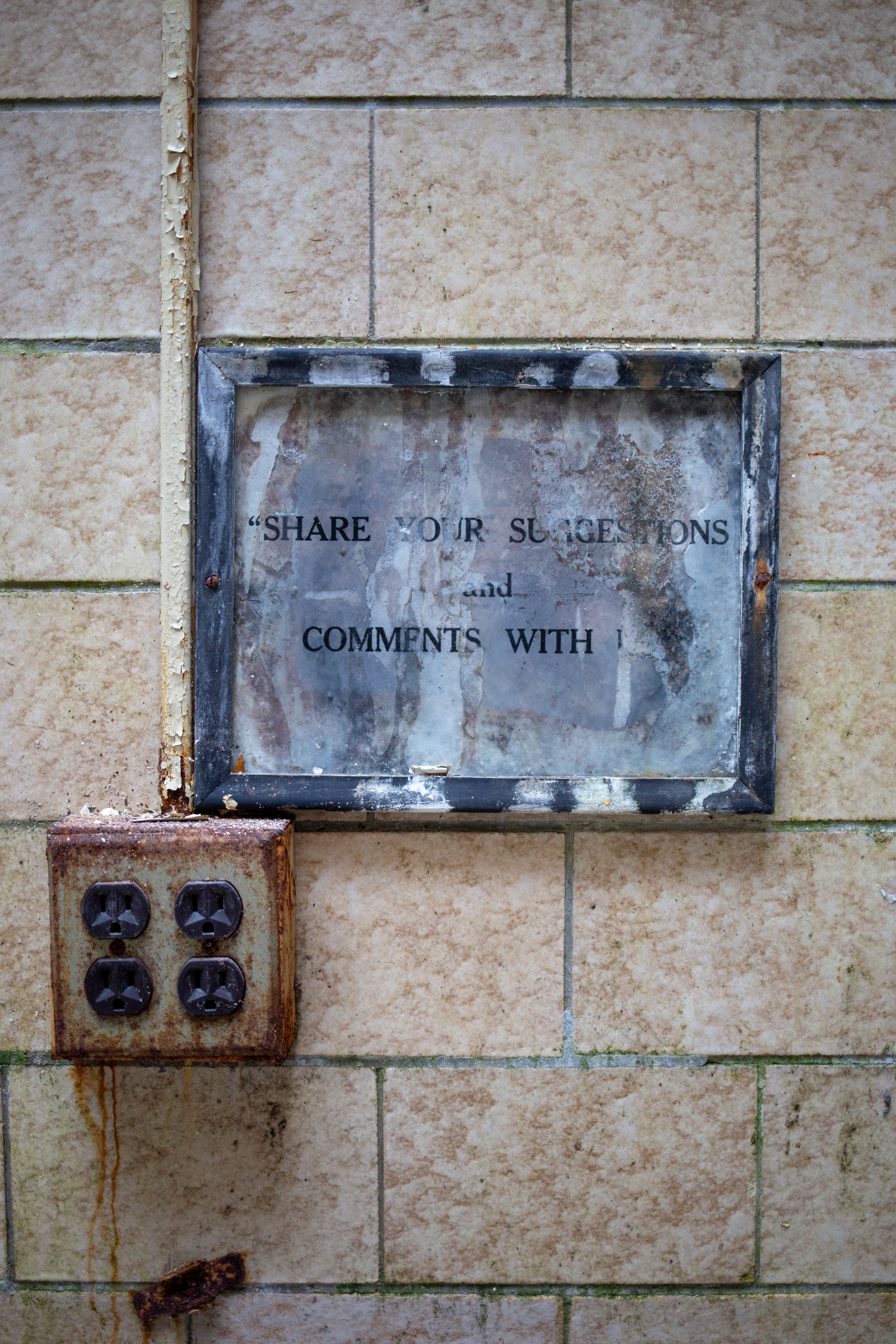


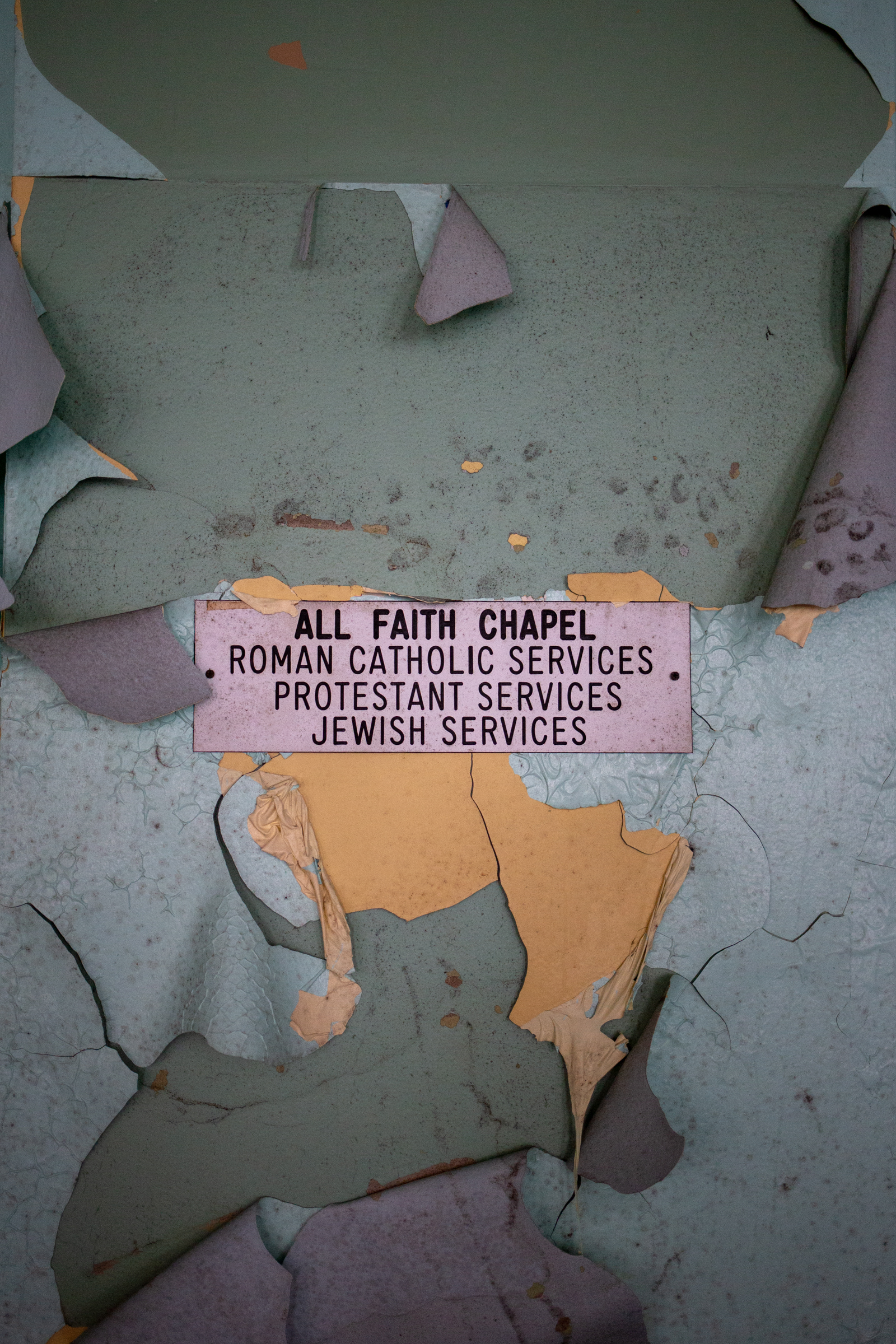
The 900-acre campus once contained nearly 80 buildings, and included a golf course, baseball field and dairy farm. In the facility’s heyday, a staff of 5,000 cared for 5,000 residents. Experimental treatments practiced in this hospital included insulin- and electro-shock therapies and this was the place to get a frontal lobotomy in New York state, most likely administered by the infamous ice pick lobotomist—and owner of the Lobotomobile—Walter Freeman.


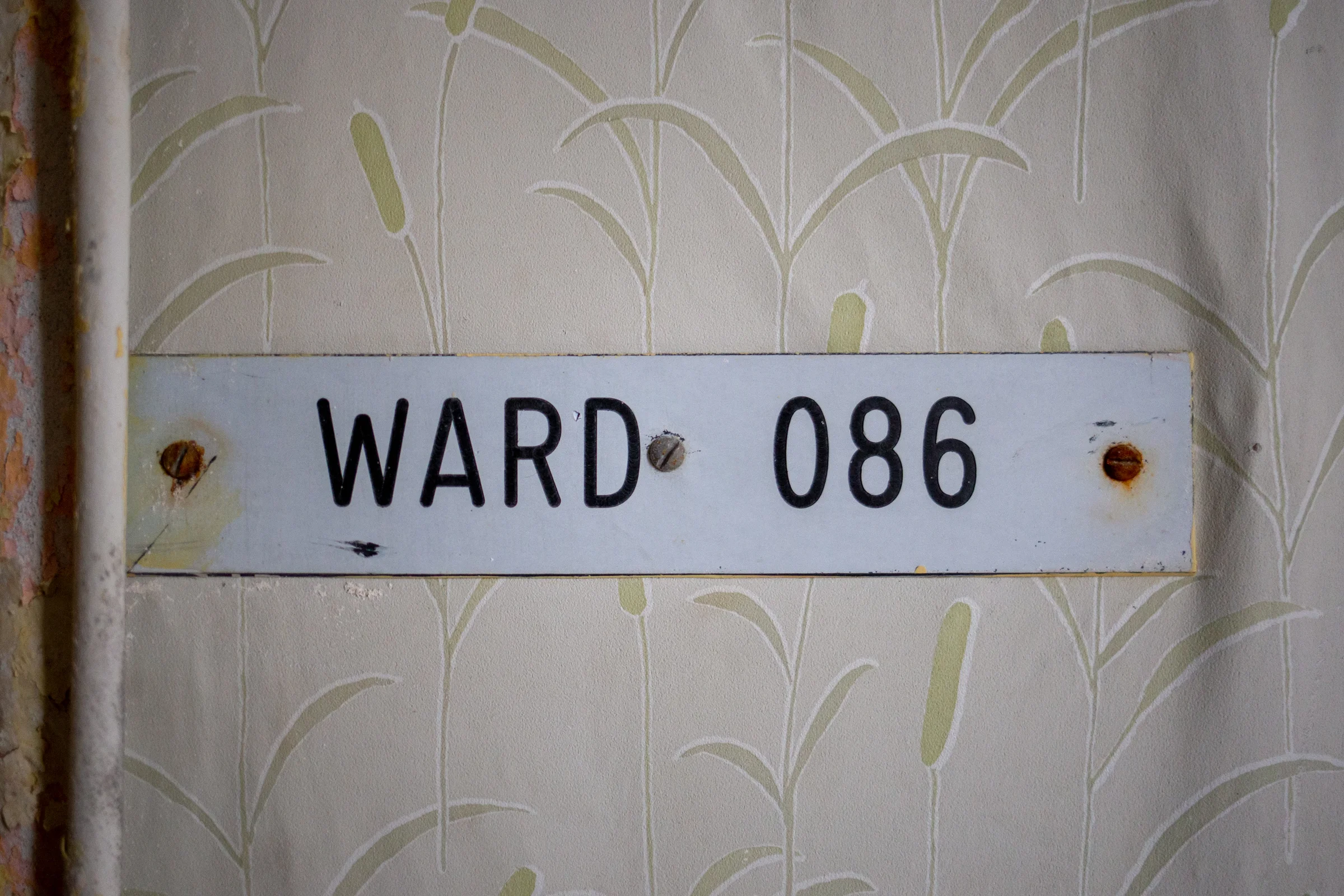

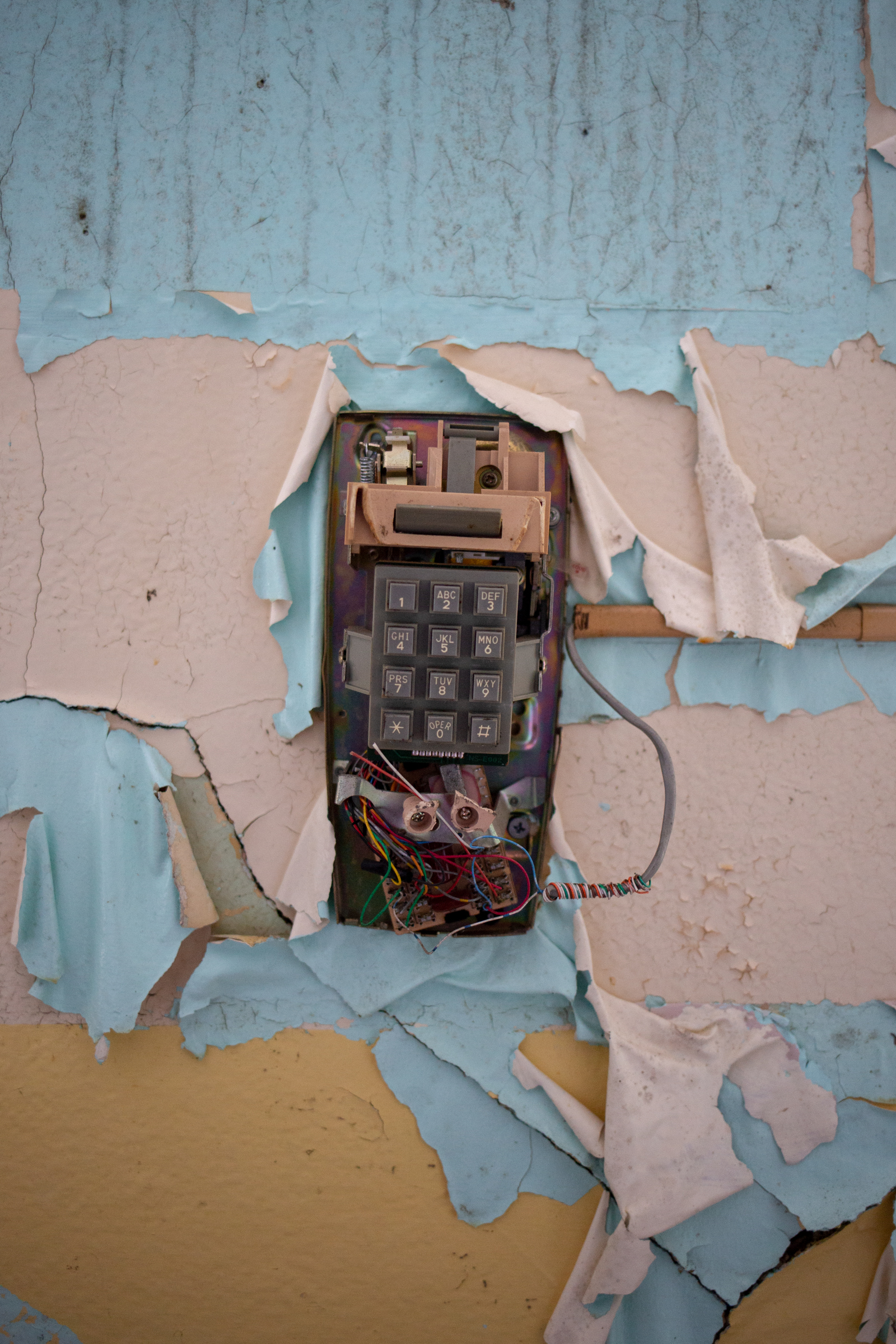
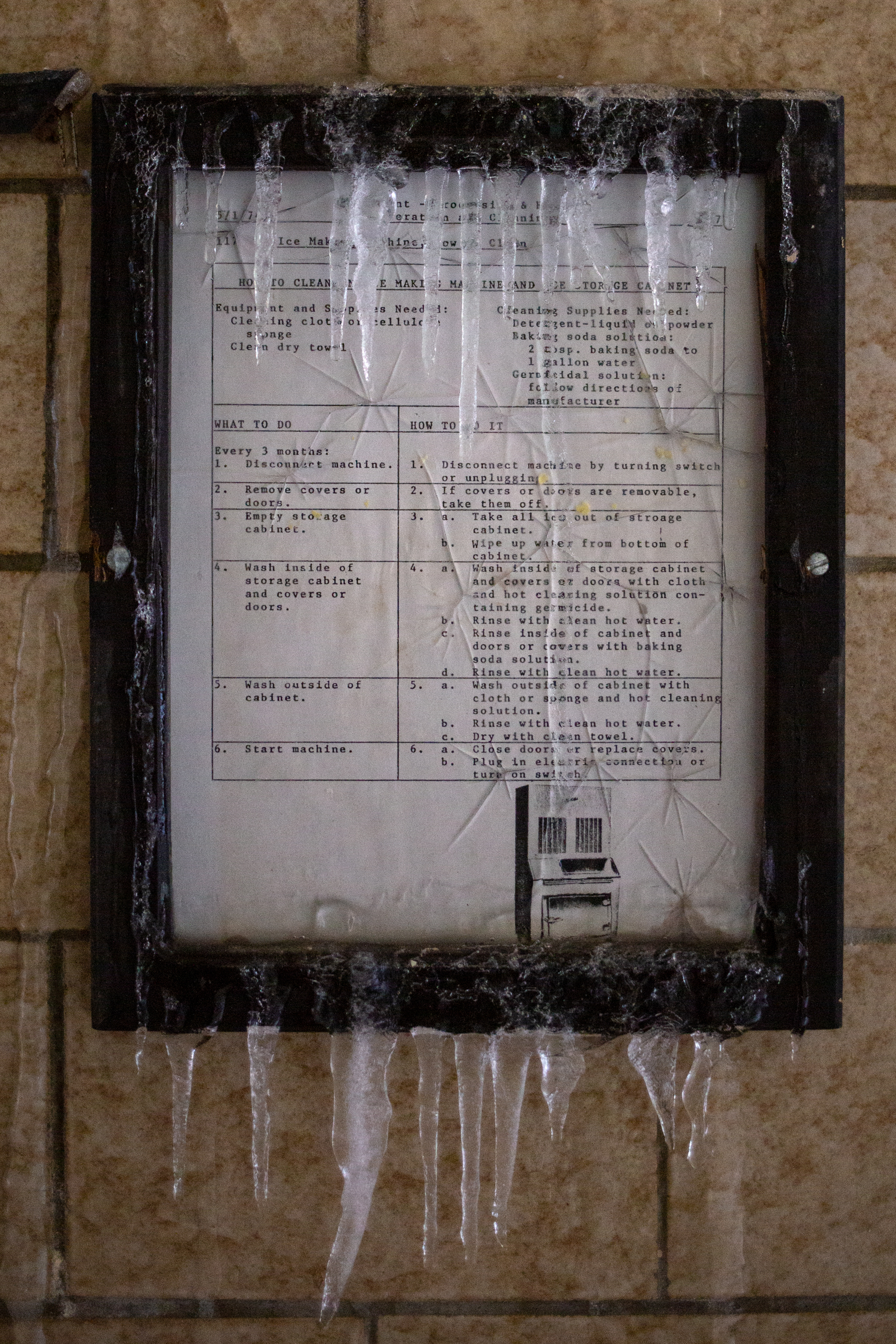
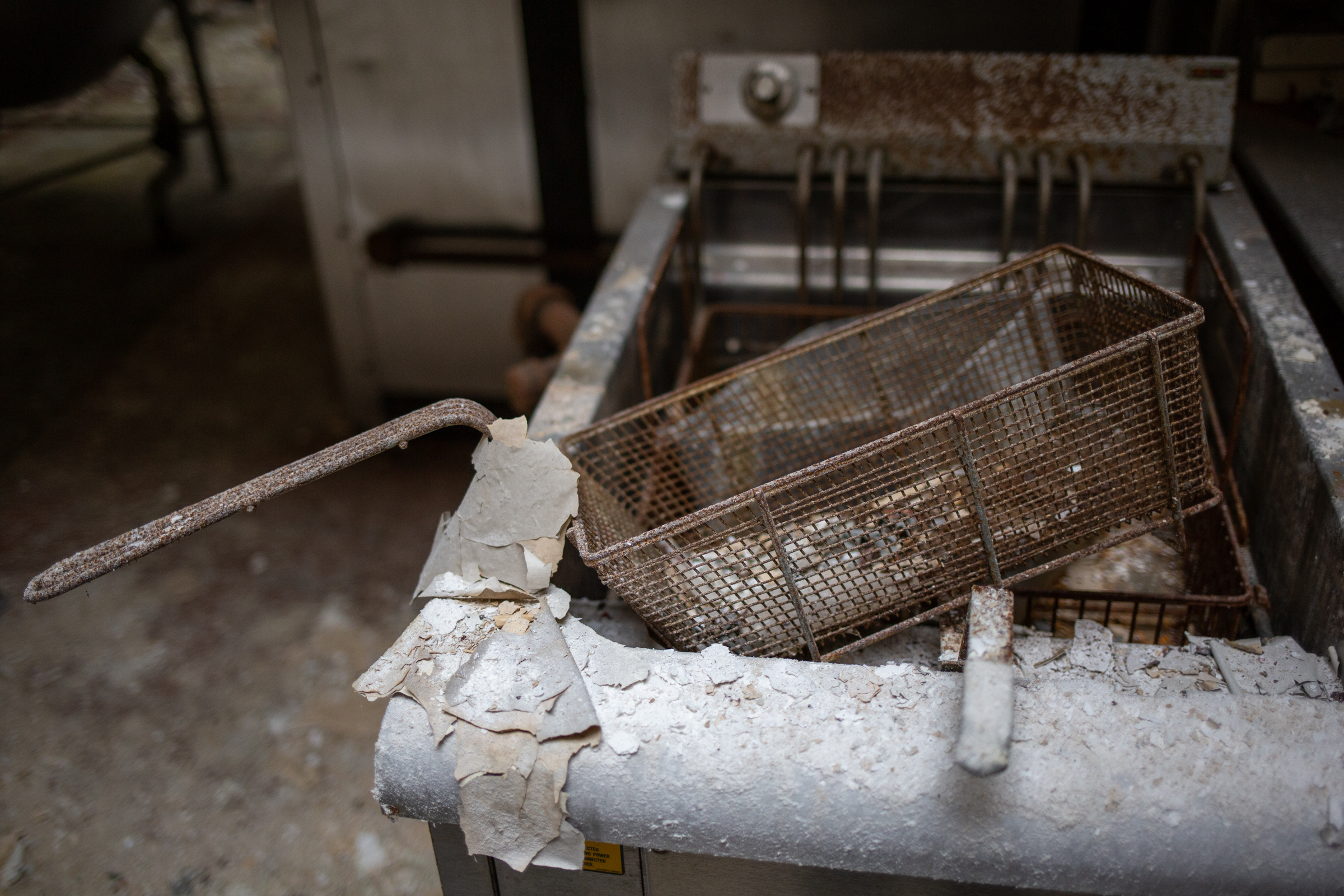
The hospital was built in the Kirkbride style, a plan devised to allow the patients fresh air and sunlight. Buildings are separated by courtyards and connected by partially underground tunnels, so once you’re in one building you can access several others from a central spoke. The central building contained a large kitchen (which was coated in a thick layer of ice, including the operating instructions for … the ice machine) and several dining areas.


Common areas are always my favorite to explore because they always seem to have more stuff—and hints of life—left in them. By far the best part of this hospital is its bowling alley, a common feature in psychiatric hospitals, but a surprise find nonetheless. In addition to being relatively graffiti-free, this two-lane alley had adequate light, which is rare—usually recreation areas are relegated to dark basements. The whimsical murals and ball left mid-roll makes the space feel as if it was just a few moments—instead of a quarter century—away from having been enjoyed by patients.

Recent Reads
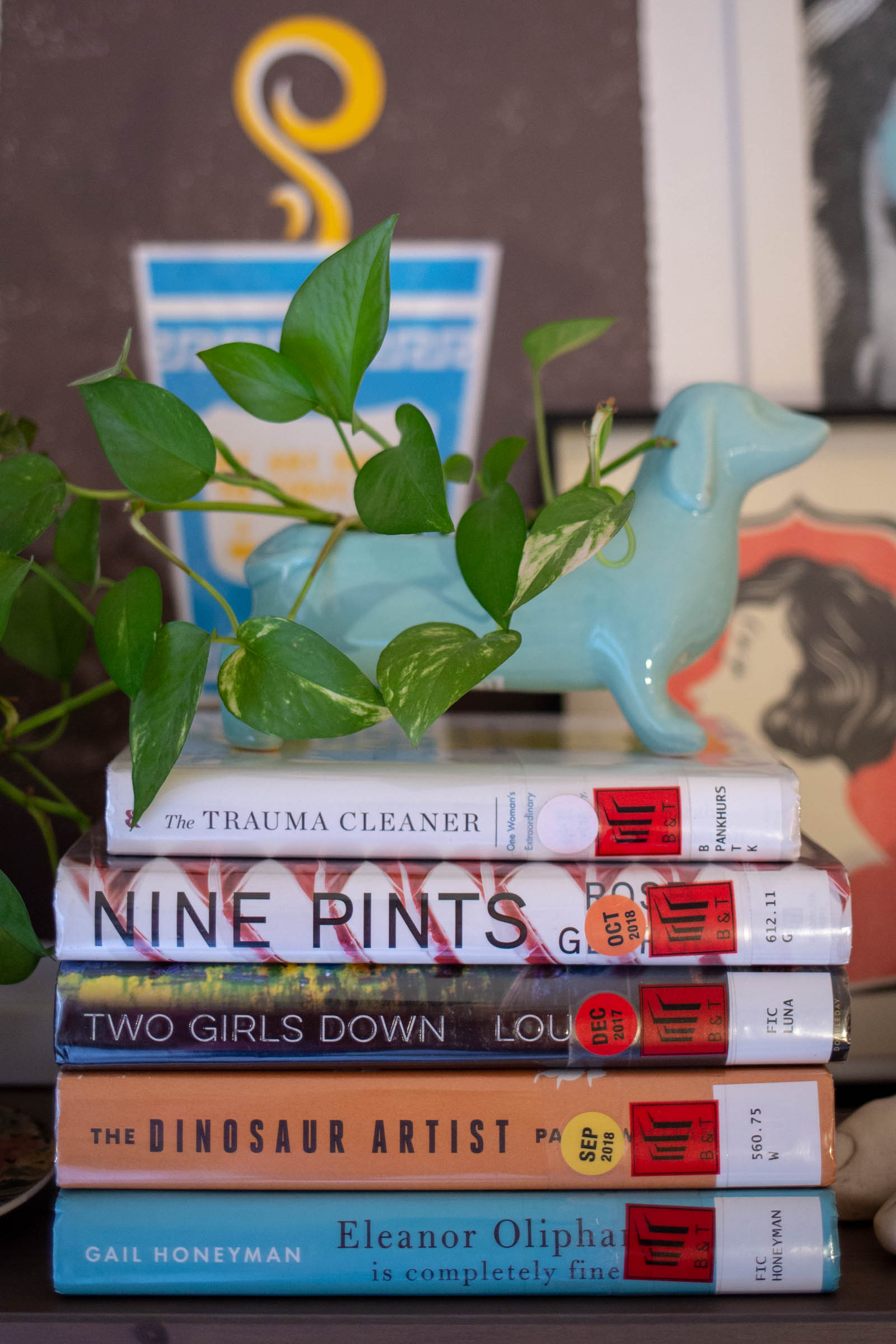
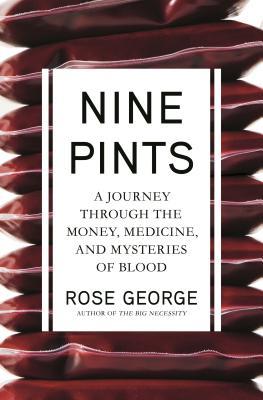
Nine Pints: A Journey Through the Money, Medicine and Mysteries of Blood, by Rose George
I love deep dives into common subjects that people know surprisingly little about, and this book about blood has been one of the most interesting of that genre that I’ve read. We all have blood (nine pints, usually) but I hadn’t ever really considered how extraordinary it is until reading about the history of transfusions, menstruation, leech therapy, HIV/AIDs and all of the other ways that blood sustains and confounds us. George has a wonderfully engaging writing style that was never boring, often funny and always easily informative.
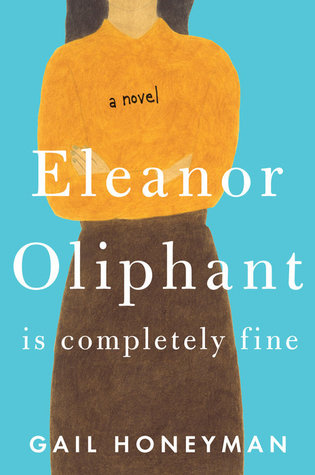
Eleanor Oliphant is Completely Fine, by Gail Honeyman
Wow, I LOVED this book and its titular character, the awkward but infinitely lovable, Eleanor Oliphant. Miss Oliphant, as she prefers to be called by strangers, is completely fine with her routine of work-grocery store-home, until a few people and circumstances force her to reexamine her current life and traumatic past. I can’t remember loving a fictional character as much as I loved Eleanor and I found myself completely relating to her comments and confusion on social interactions. Her inner thoughts made me simultaneously laugh while also breaking my heart. I didn’t mind the somewhat controversial ending as much as I was just deeply sad to leave Oliphant’s world. Good news for anyone who felt similarly attached: Eleanor Oliphant is being developed into a movie by Reese Witherspoon’s production company, Hello Sunshine.

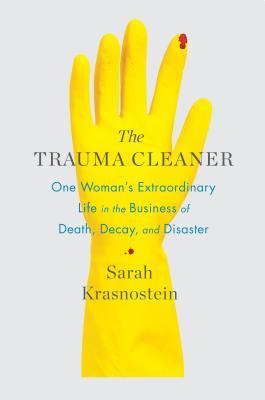
The Trauma Cleaner: One Woman’s Extraordinary Life in the Business of Death, Decay and Disaster, by Sarah Krasnostein
This book was a bit different than I expected but it was a fascinating look at an extraordinary woman. Sandra Pankhurst is the titular “trauma cleaner,” the owner of a cleaning business that cleans and organizes houses that come under her care due to a variety of grim circumstances including years of hoarding, natural deaths, murders and grisly suicides. Pankhurst, who also happens to be transgender, has led a traumatic life herself and the narrative alternates between telling her back story alongside the stories of her clients. I could have done without some of the author’s personal commentary and attempts at colorful storytelling, but only because Pankhurst is a character in her own right with no need for further embellishment.
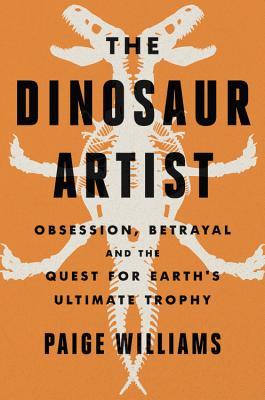
The Dinosaur Artist: Obsession, Betrayal and the Quest for Earth’s Ultimate Trophy, by Paige Williams
I was afraid I wouldn’t be able to make it through this nearly 300-page book by my library due date, but I needn’t have worried. I couldn’t put this one down, and if you’re a fan of dinosaurs, passionate collectors or The Orchid Thief, you’ll love this account of the people who hunt, and collect fossils (including a brief mention of everyone’s favorite financially irresponsible celebrity, Nicholas Cage).
In 2012, a nearly complete Mongolian T. bataar skeleton (a close relative of the American T-Rex) appeared in a New York auction catalog and Williams does a deep dive into all of the players who helped get it there, from the Florida man who imported and mounted it all the way to the Mongolian government (who, spoiler alert, eventually got their skeleton back). Comparisons to Susan Orlean’s tale of obsession and the dark world of specimen collecting are inevitable, but well-deserved and I hope Williams continues to write more behind-the-headlines sagas which continually prove that fact is often just as strange—or at times, even more so—than fiction.
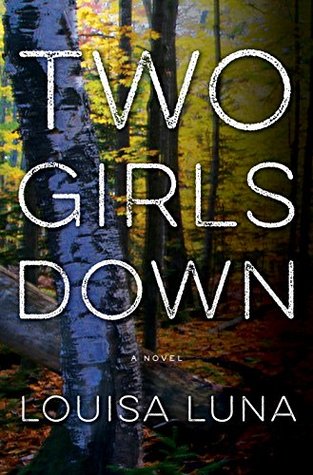
Two Girls Down, by Louisa Luna
I love a good whodunnit thriller, and this story of two missing sisters and the private investigator and ex-cop who are searching for them was an easy read. The story veers into some pretty dark places, but it felt true to life and never exploitative. Try as I might I didn’t guess any of the twists before they came, but I read it quickly enough that I didn’t need to flip ahead to calm my anxiety that comes when I feel like I’m in the dark. I wasn’t invested in the main characters—Alexa Vega, a no-nonsense bounty hunter and Max Caplan, a disgraced ex-cop—enough to hope for another installment, but I think of books like this as a brain cleanser in between all of the educational nonfiction I read, and Two Girls Down definitely served that purpose.
This post contains Amazon affiliate links. If you click on a link, I may receive a ~very small~ commission in return, which I will probably use to buy more books because I have a book hoarding problem.

Happy Friday!

Illustration by Lindsey Frances
Things that have happened recently:
The Jussie Smollett story is crazy, but it doesn’t change the fact that the number of hate crimes rose 17 percent from 2016 to 2017 (gee, I wonder why).
It’s almost Mueller time.
My recent trip to Mexico City just further proved that the border wall is ridiculous. “Whether or not the wall gets built, it is America’s new symbol. It stands for a nation that still thinks “freedom” means freedom from restraint but no longer pretends that everyone can be free, and it enforces that reality through cruelty, domination and racism.”
Things to do in New York this weekend:
For Black History Month, the Urban Park Rangers are hosting a discussion about Seneca Village, a community of predominantly African-American property owners, who once lived in what is now Central Park, on Saturday from 1-2:30 pm.
CatVideoFest, “a charitable nonprofit dedicated to bringing the joy of cat videos to the masses and raising money for cats in need” is playing Saturday, Sunday and Monday at the Alamo Drafthouse in Brooklyn.
Sunday is the last day to see the 17th annual holiday train show at the Transit Museum store in Grand Central Terminal.
Things I’ve discovered recently:
I started reading this book on the plane and I’m really loving it.
In case you missed my announcement yesterday, I’ve started a new job as a Community Editor at Roadtrippers and it still seems too good to be true (I will, however miss those free books from Penguin Random House).
On my flight back from Mexico, I watched Generation Wealth and it was an equally fascinating and depressing look at the global quest for wealth and fame (by the same woman who made the also excellent documentaries Thin and The Queen of Versailles).
I had a very lovely time in Mexico City, but I’m always happy to be home, sleeping in my own bed (in between Mozart howling at me, of course). I dove right into my new job yesterday and first days are always overwhelming but I still can’t really believe that I get to think about road trips now for a living (dreams do come true!). Working from my tiny apartment will have its challenges, but hopefully Mozart will be happy that I’m home more often (I’m also taking recommendations for nice sweatpants :). I have plans this weekend to do a bit of light trespassing and hopefully at least one diner breakfast, so I have no complaints. I hope your weekend is happy!
Roadtrippers
A few weeks ago, through the magic of hashtags, Instagram and the general mystery of the Internet (on top of nearly ten years spent working on this blog for zero monetary gain), I was offered a chance to join the team at Roadtrippers. Last year, Roadtrippers was acquired by TH2, a joint venture between the world’s largest RV manufacturer and the world’s largest RV rental and sales operator. I’m joining the team as their Community Editor—today is my first day!—and I’ll be writing stories, taking photos, managing social and the email newsletter, in addition to advising on design and creative challenges that arise within the brand. Millions of people have used Roadtrippers to help plan their road trips, and I’m excited to be a part of what we hope will become THE destination for all things road trip.
It should come as no surprise to anyone familiar with me or this blog that I LOVE road trips and it should be obvious that this is a dream-come-true career shift for me. I’ve been an in-house graphic designer for more than ten years and I’ve worked at advertising firms, non-profits and in the publishing industry. I enjoy design and I’ve learned so much from all of my professional jobs—and gained more than a few friends (and dates, oops)—but I’m thrilled to take on new challenges and diversify the type of work I get to create.
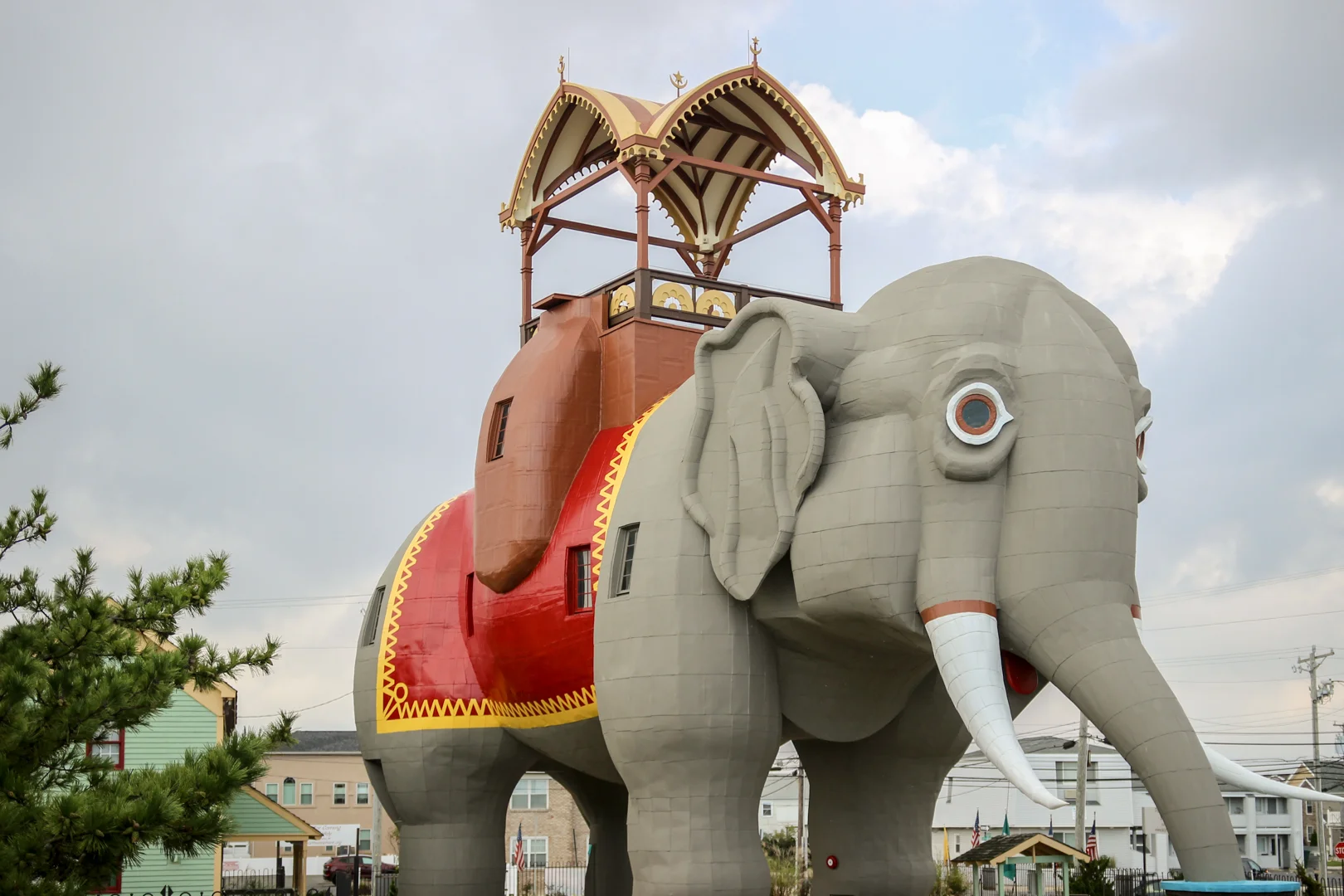
My entire vision for my “personal brand” (lol, barf) and this blog has been authenticity and accessibility. So much of what is presented online—especially in the travel industry—is aspirational and quite often seems unattainable, especially if you don’t have unlimited time and money. I’ve been almost continuously employed since I got my first job at 15 (McDonald’s, because it was the only place in town that would hire 15-year-olds). I’ve worked a traditional 9-5 (or, more commonly 9-6) job almost every single day of my professional life and although all of those jobs had their perks, an outrageously large salary was never one of them. And yet, within the constraints of generous (but limited) vacation policies and modest paychecks, I was able to squeeze in, what one person called, a “relentless” amount of travel.
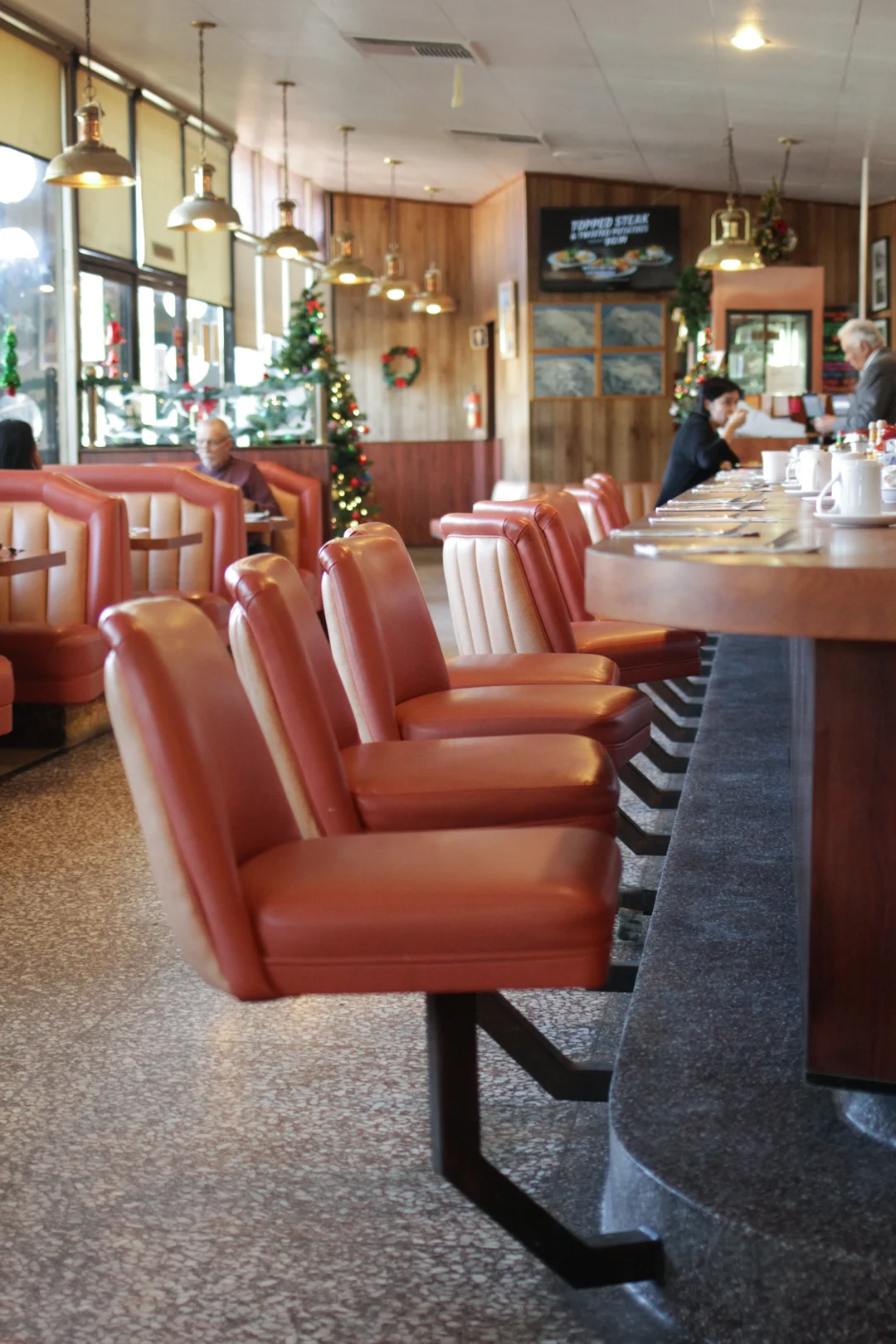
My love of road trips can probably be traced back to my childhood and the eight-hour drives (an eternity when you’re young) we took most summers from Ohio to Ocean City, Maryland. My sister and I would share the back of an old station wagon and later, after she moved out on her own, I would make a nest of blankets and stretch across the backseat. I had a cassette-playing walkman and one cassette tape that I listened to on repeat, Alanis Morrisette’s Jagged Little Pill. I got horribly car sick —I still do, if I’m not driving— if I so much as looked at a word while the car was moving, so I just closed my eyes and listened to Alanis sing about things no ten-year-old should ever need to know about (it was years before I embarrassingly came to realize what “wine, dine, 69 me” meant).
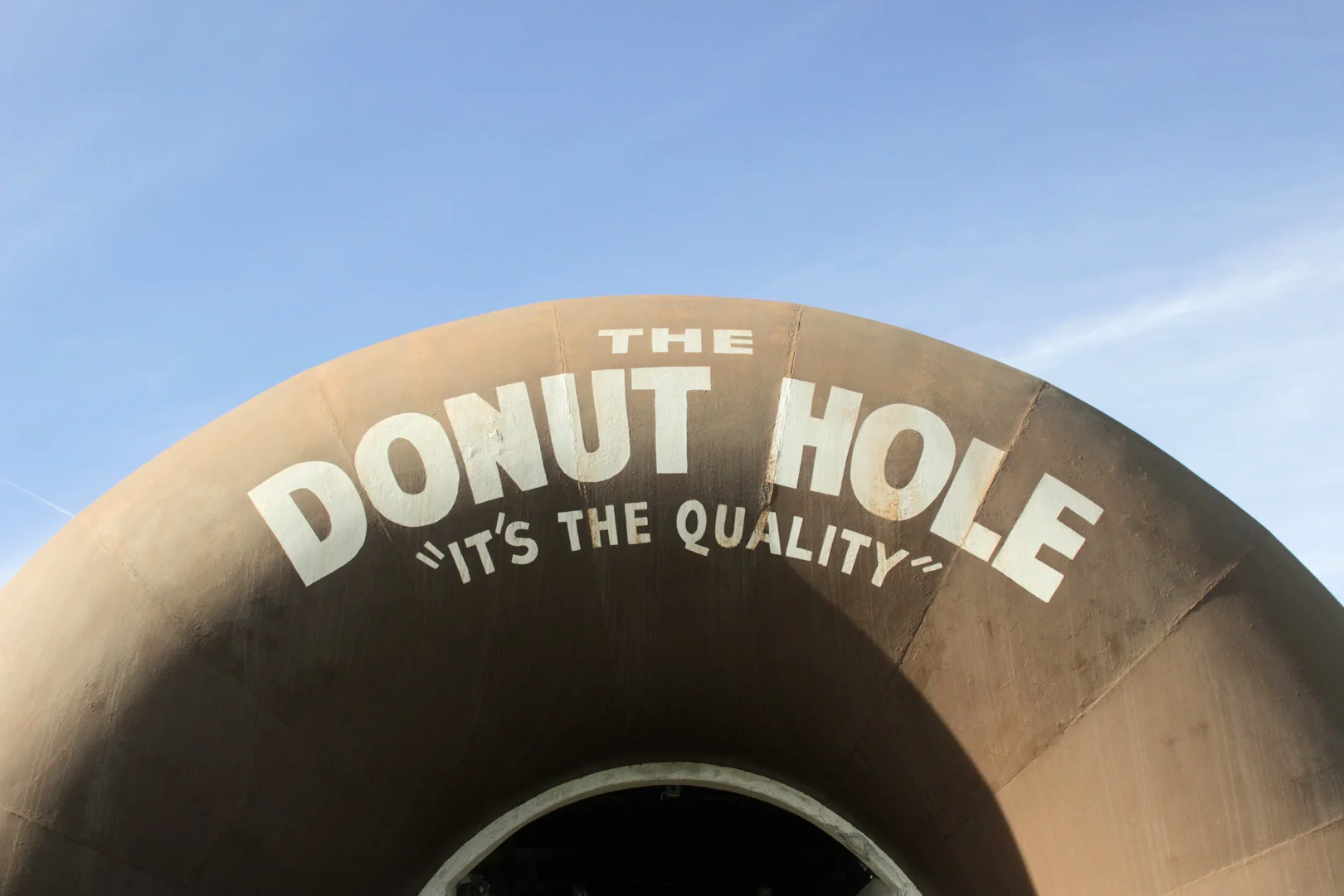
Growing up, I thought international travel was the gold standard, and I so desperately desired to experience cultures and landscapes different from the ones I knew. I was well into my teens before I took my first (domestic) flight, and even hundreds of flights later I’m still an incredibly anxious flyer. But while I’m far from living that hashtag global nomad life, I’ve since been fortunate enough to get a few passport stamps, including Italy, Peru, Colombia, Egypt and Mexico (I just got back from the latter yesterday!). It was only through traveling internationally did I realize that passport stamps alone don’t have the power to instantly transform you into an interesting person. Travel opens minds and hearts but only if they’re amenable to opening in the first place.

Here’s a secret that I wish I’d known when I was younger: it doesn’t matter where you go, as long as you’re curious, empathetic and kind. In December, I planned a trip that took me through parts of Illinois, Iowa and Wisconsin. I’m used to people who don’t see the appeal of “flyover” states, but I can guarantee that I enjoyed my time in Iowa much more so than I would have at an objectively exotic “Instagram destination.” Much of America gets a bad rap—and yes, I recognize that a lot of what can be considered “American” is deeply problematic and even physically dangerous to large swaths of people—but the country is so varied and resists categorization at every turn. I’ve traveled to the moon via White Sands in New Mexico, the swampy lands of Florida and the alien landscapes of Joshua Tree, all while still being able to drink the water and speak the language, without exchanging a single piece of currency.
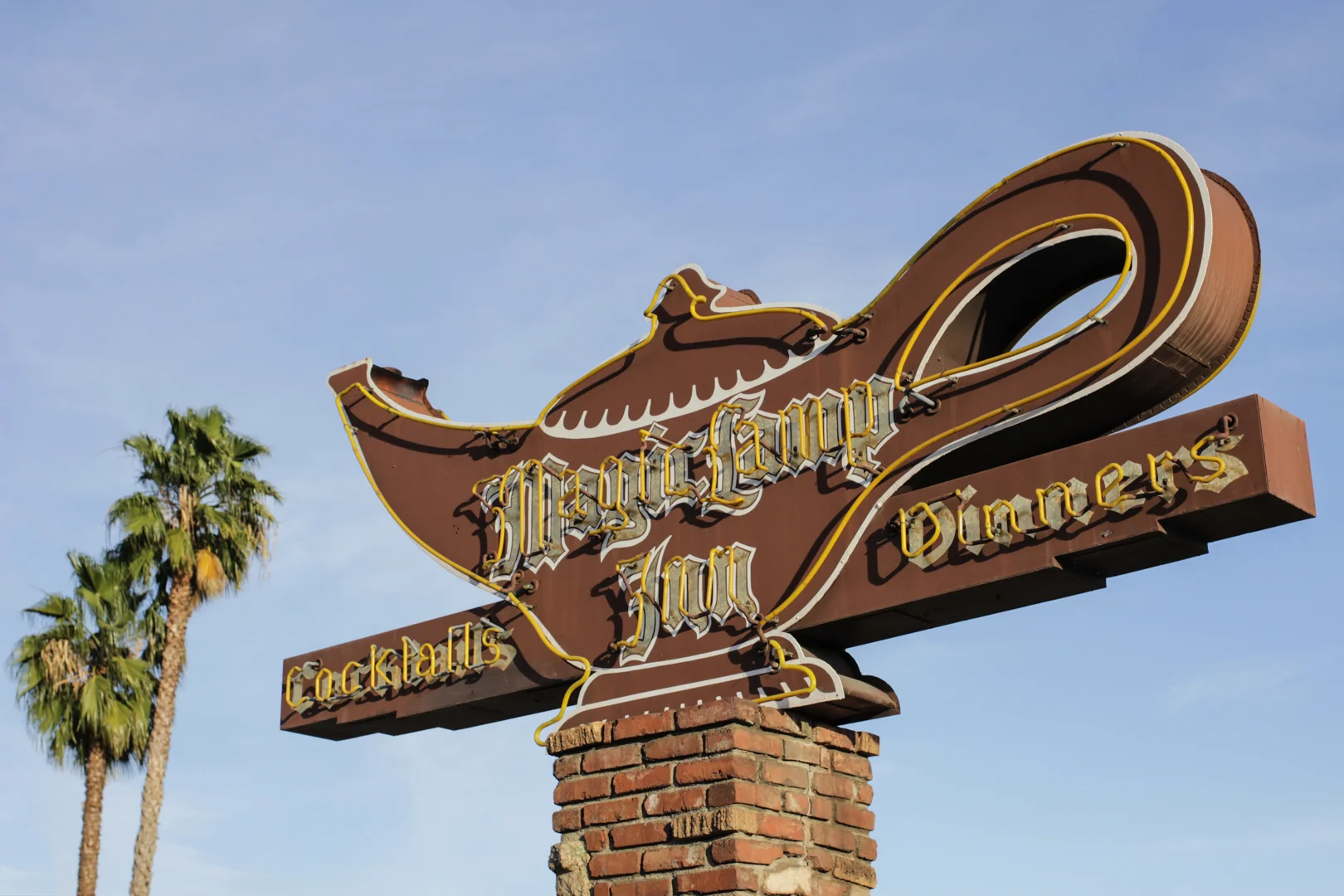
I’ve always considered myself a bit of a late bloomer and I tried out a few different lives before settling into the one I have now. But it was on a trip to Peru that I fully realized that my travel aspirations were out of sync with what actually made me happy—a theory that I proved by planning a trip to the kitschy roadside mecca, South of the Border upon my return. South of the Border, like my first stay in a Wigwam Motel or my Route 66 trip last summer, might not seem like an aspirational locale but it was to me so I made it happen, and that’s all that matters. This world is so vast and yet it can feel surprisingly small, but no matter who you are, where you are or what your circumstances, you can open your eyes, change your perspective and take that detour.
I promise it’s worth it.
I’ll still be here, yapping about cemeteries, books and New York festivities but if you’d like to follow along with me over at Roadtrippers, you can do so on Instagram, Twitter, Facebook or at www.Roadtrippers.com.
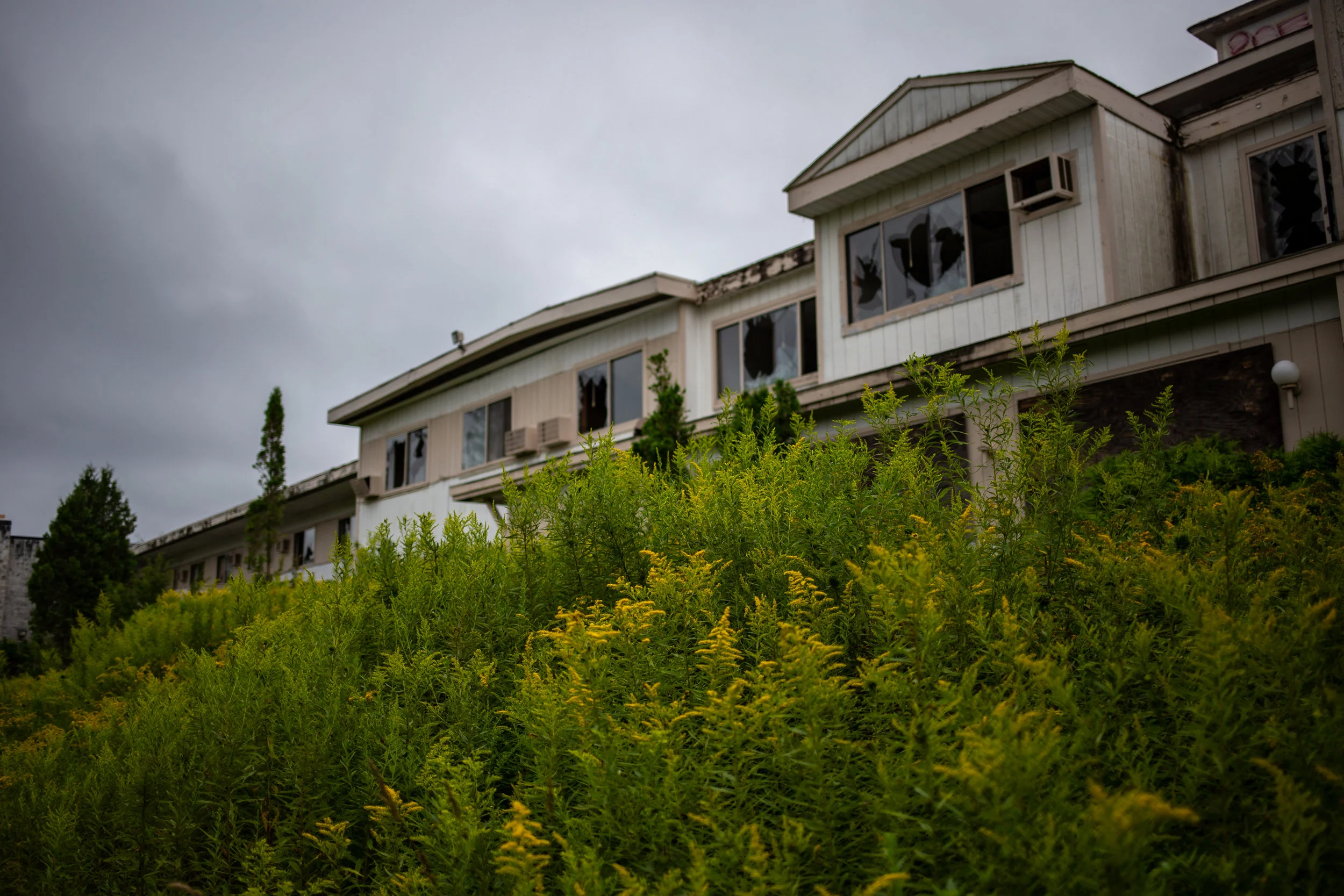
Abandoned Hotel

This hotel was one of the oldest resort hotels located in Sullivan County, New York. What began as a boarding house in the early 1900s, eventually became one of the most successful hotels in an area—known as the Borscht Belt—that was once a hugely popular summer destination for (mostly Jewish) families from all over the East Coast. In 1992, the hotel became part of the Best Western Hotel chain and it closed for good in 2000 after a fire gutted the main building.


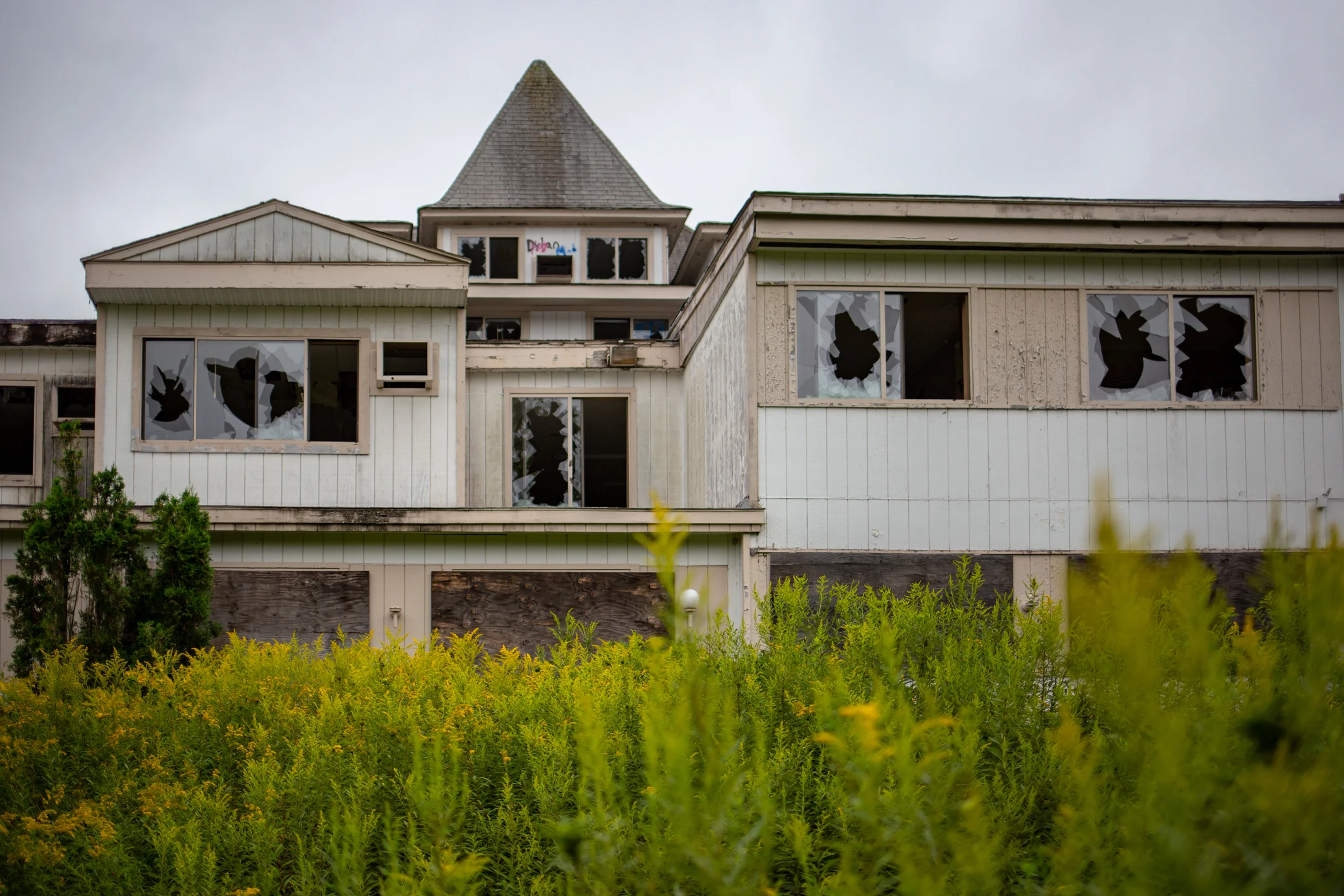
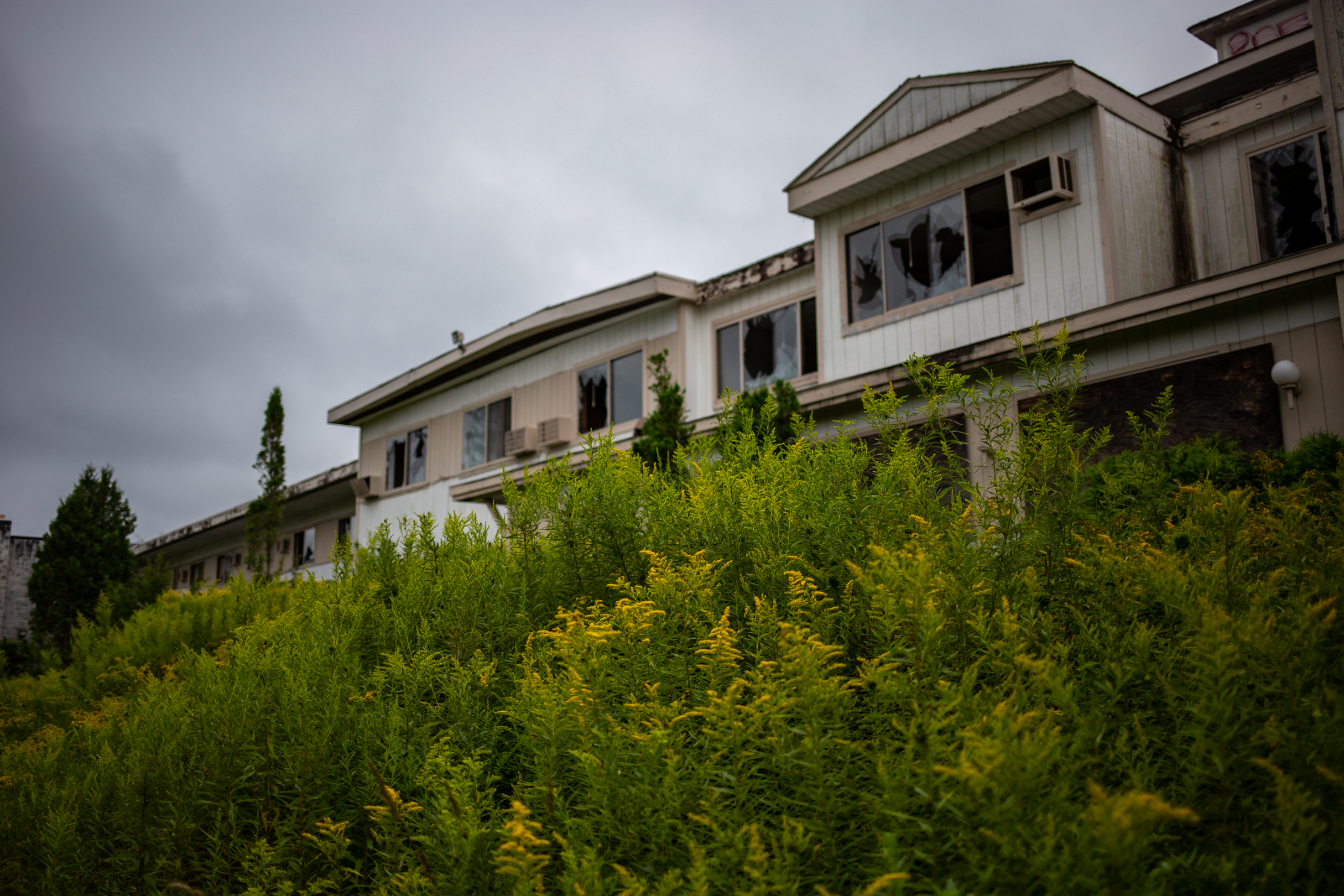
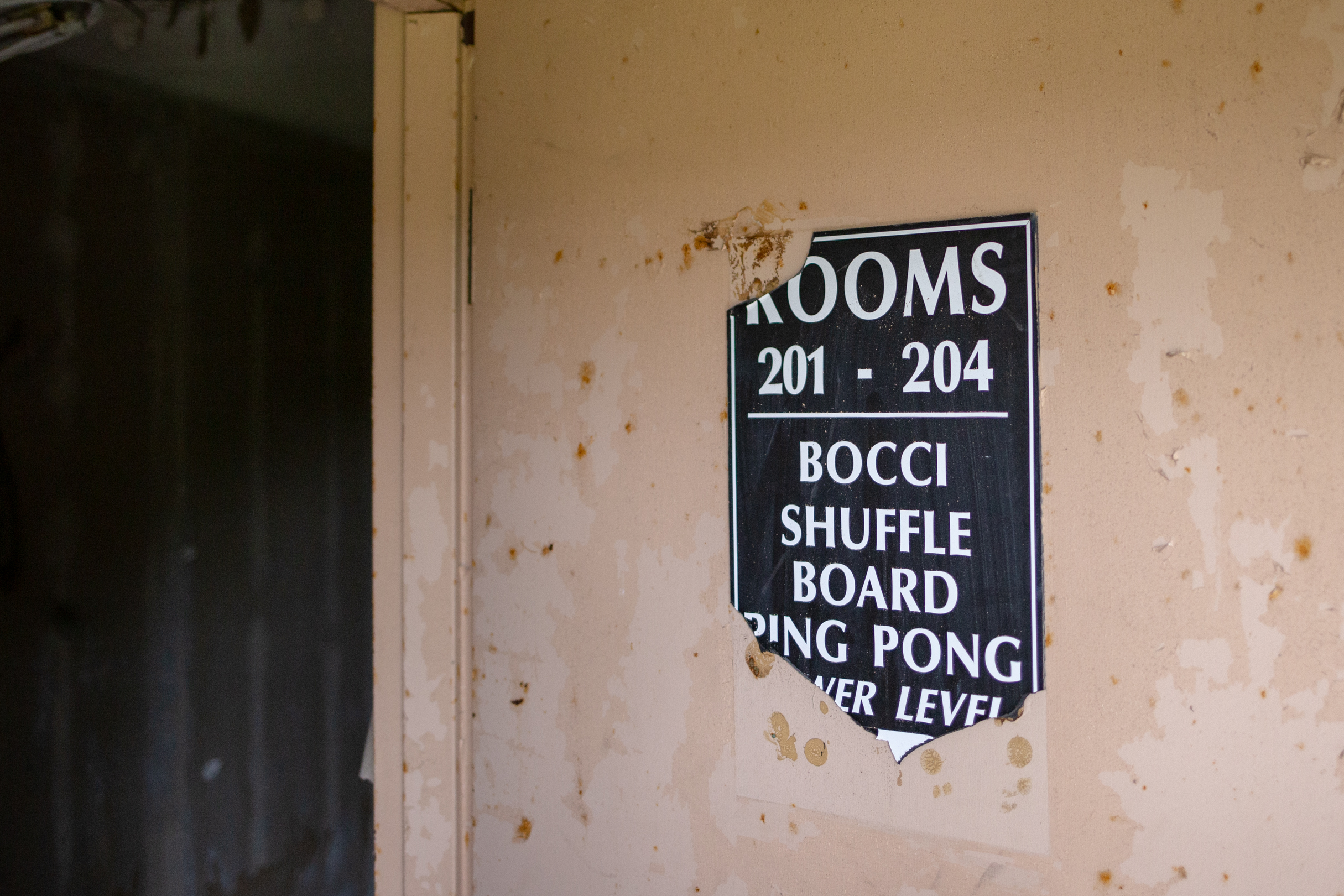
Despite the smoke and water damage to many of the guest rooms, a corporation agreed to pay $4.25 million for hotel in 2004. The new owner had plans to build a 70,000-square-foot hotel on the site, investing an additional $3 million into rebuilding a 250-room hotel employing as many as 100 people. But those plans obviously never materialized, and when we visited last year the hotel still sat nearly empty and crumbling, much of it structurally unsafe.

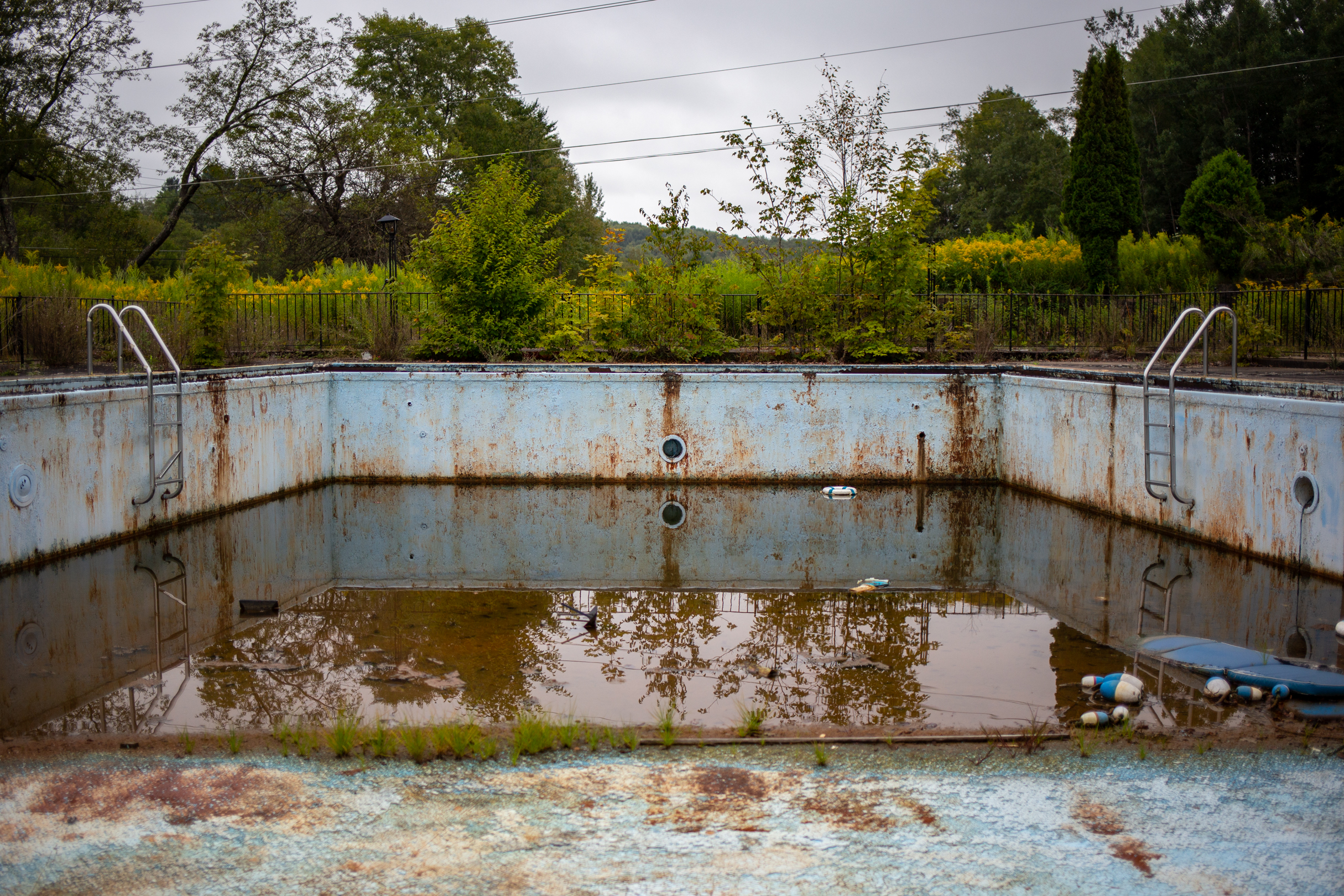


Amenities included indoor and outdoor pools, outdoor tennis courts, ice skating on a 20-acre lake and snowmobiling. The outdoor pool now sits in a wonderful state of rust and decay, chair cushions, life preservers and buoys still floating in the murky water. The hotel also offered bocci courts, shuffle board and ping pong tables affirming my belief that these all-inclusive Catskills resorts (featured heavily in the second season of The Marvelous Mrs. Maisel) were basically cruises without the ship.



Most of the famous resorts of the area have been torn down or are in the process of being redeveloped, but there are still hints of the region’s heyday if you look hard enough. It’s a life goal of mine to spend a night at the Cove Haven, a couples-only resort in the nearby Poconos. The Pocono Palace Champagne Tower suite comes with a seven-foot-tall Champagne Tower whirlpool bathtub (which is, as you may have already guessed, quite literally shaped like a champagne glass) and a heart-shaped swimming pool.
The most fantastic thing about the New York Botanical Garden’s annual Orchid Show is the orchids themselves