
Archive
- Abandoned
- Alabama
- Arizona
- Bahamas
- Books
- California
- Cemetery
- Climate
- Colombia
- Connecticut
- Diner
- Egypt
- Feature
- Florida
- Friday Fun
- Georgia
- Holidays
- Illinois
- Iowa
- Italy
- Kentucky
- Louisiana
- Maryland
- Massachusetts
- Mississippi
- New Jersey
- New Mexico
- New York
- North Carolina
- Novelty Architecture
- Ohio
- Pennsylvania
- Personal
- Peru
- Project 365
- Protest
- Rhode Island
- Roadside Attraction
- South Carolina
- Tennessee
- Texas
- Travel Guide
- Virginia
- Walks
- Washington DC
- West Virginia
- Wisconsin

Project 365: Days 76-82

76/365: We took a work field trip to MOMA, and Claes Oldenburg's big soft sculptures always make me happy.

77/365: We went cross-country skiing again and conditions weren't ideal, but we persevered and had fun anyway.

78/365: I haven't figured out how to display this mannequin head I impulsively bought recently at a thrift store, but I love it so much. And I just realized that this photo shows that I binder clip my curtains because they're too long for my weird window size ¯\_(ツ)_/¯

79/365:
Breakfast for dinner almost every night when I'm left to my own devices—these hideous plates came with the apartment so don't think I willingly bought them.

80/365: Current jacket pin spread (DOGGGSS | Shining twins | glow-in-the-dark, jointed skeleton | cat hair courtesy Mozart)

81/365: When my uncle is in town, we see shows.


82/365: I took the day off to go to the NYBG Orchid Show (for the fourth year in a row!) with my uncle, and we saw Glenn Close's tour de force performance in Sunset Boulevard.

Hoboken
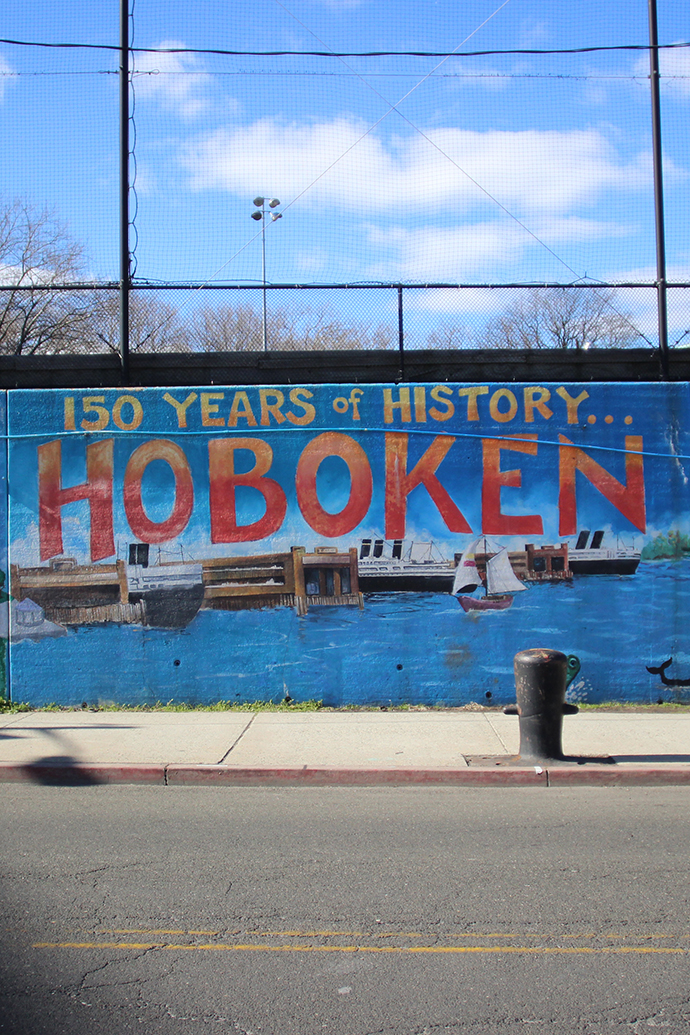
After a recent Sunday adventure to Jersey City to (awkwardly) eat at the White Mana Diner, I took the PATH train to Hoboken. I was feeling bummed that I had let my anxieties rule at the diner and I was kicking myself for not getting many photos. I felt like giving myself a second chance at exploring, and I'd been wanting to check out Hoboken for years.
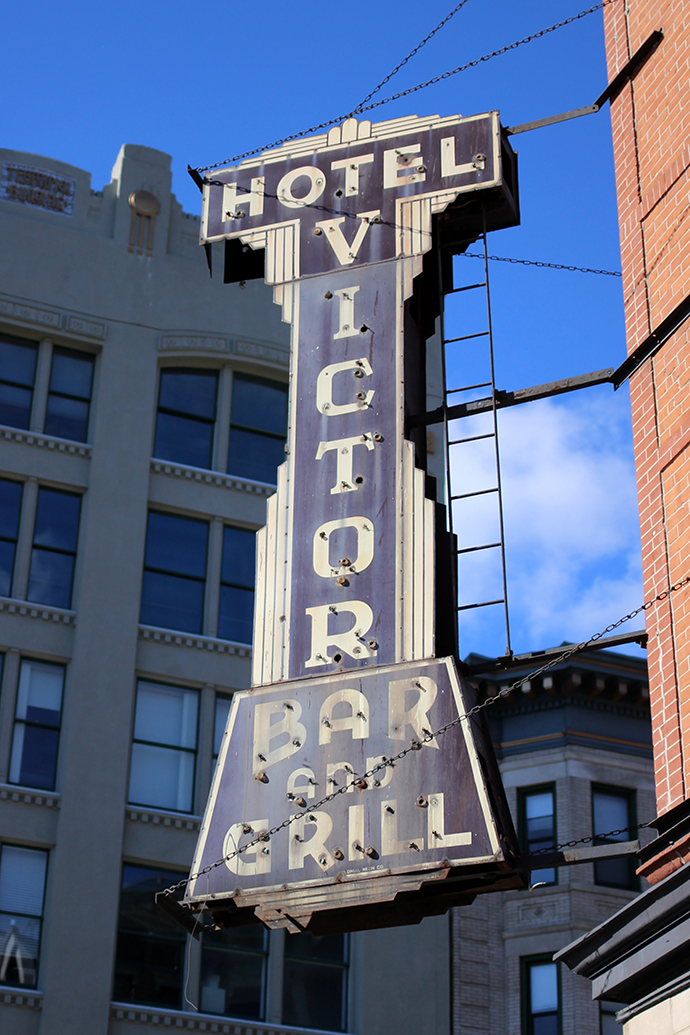
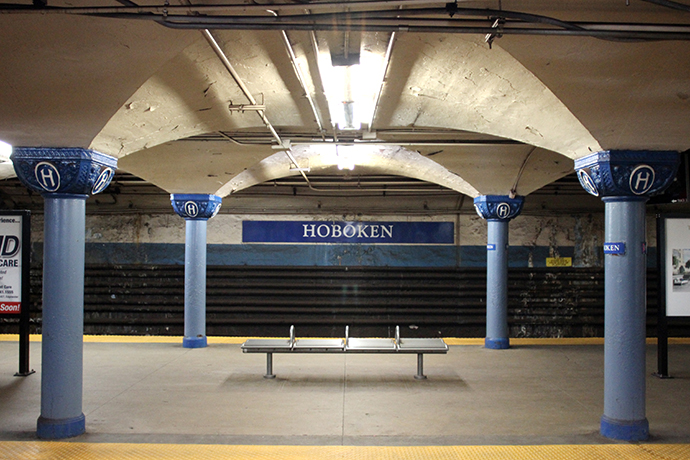
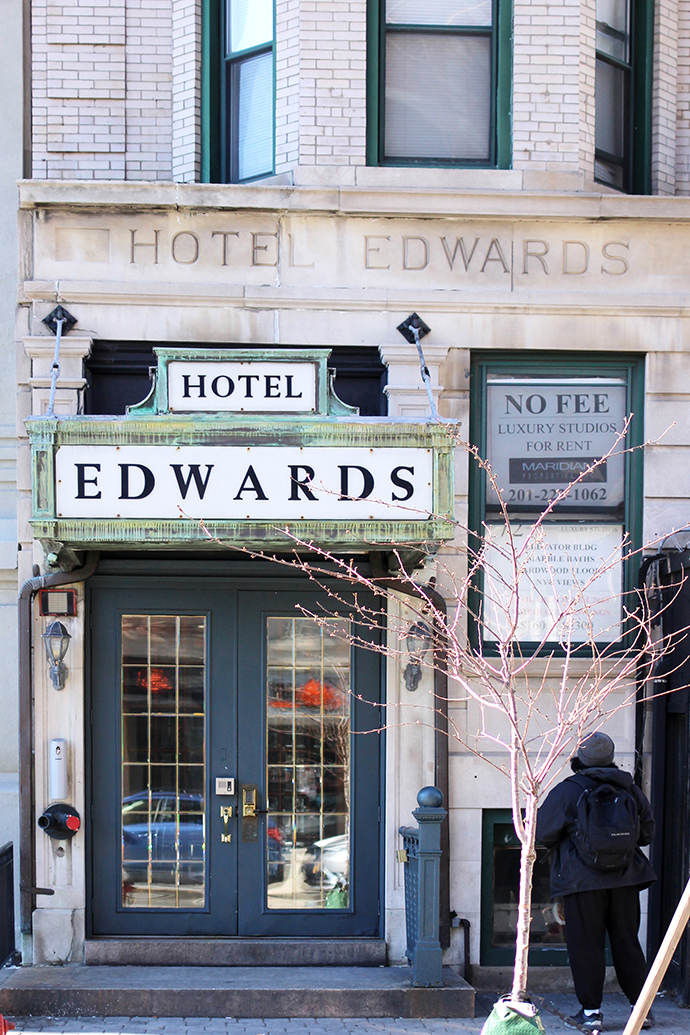
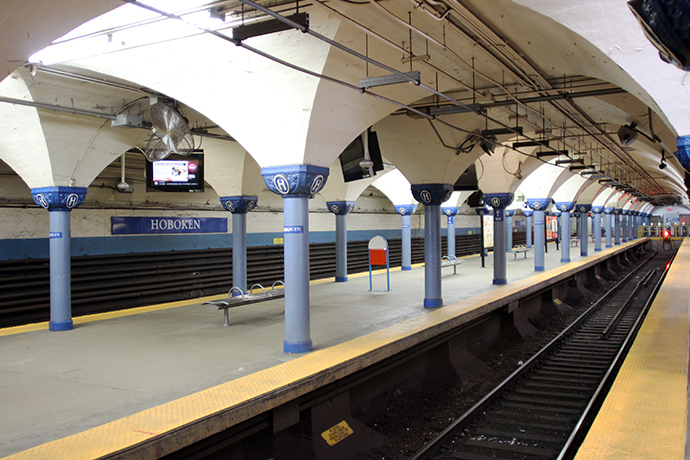
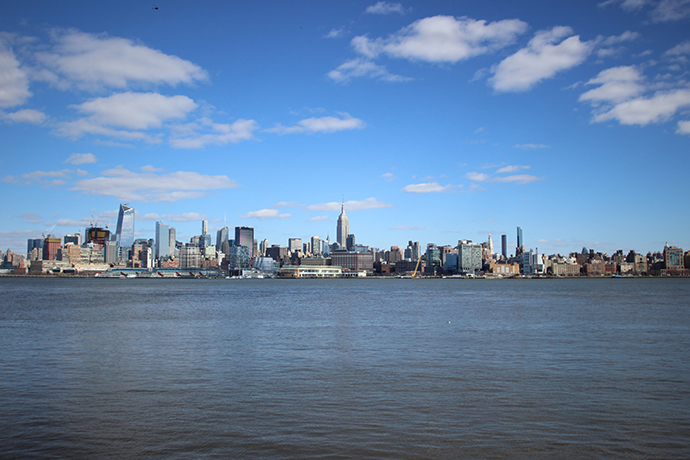

Despite being so close, I don't find myself in New Jersey very often but I've never had anything but enjoyable days west of the Hudson. Hoboken is famous as the birthplace of Frank Sinatra, and there are parks and streets named for him. It also has incredible views of the Manhattan skyline, and it always amuses me that the best way to really see New York is to leave it.
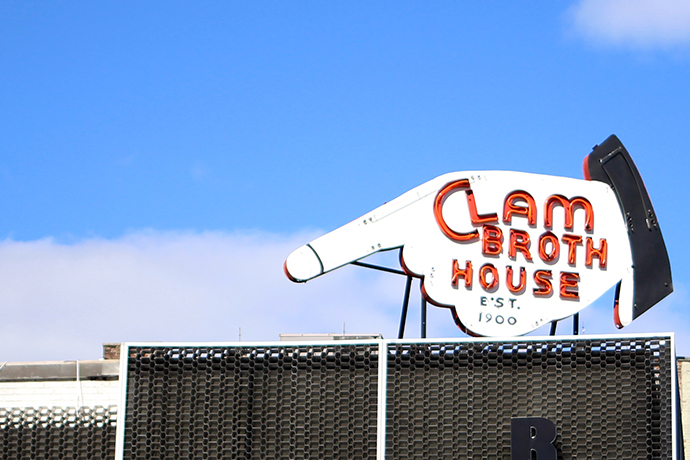
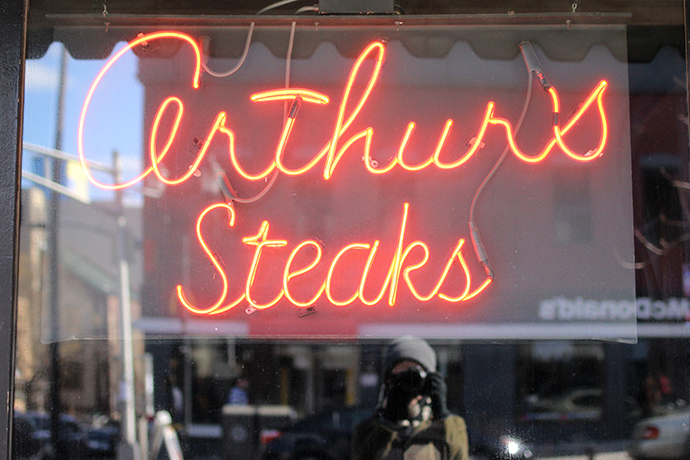
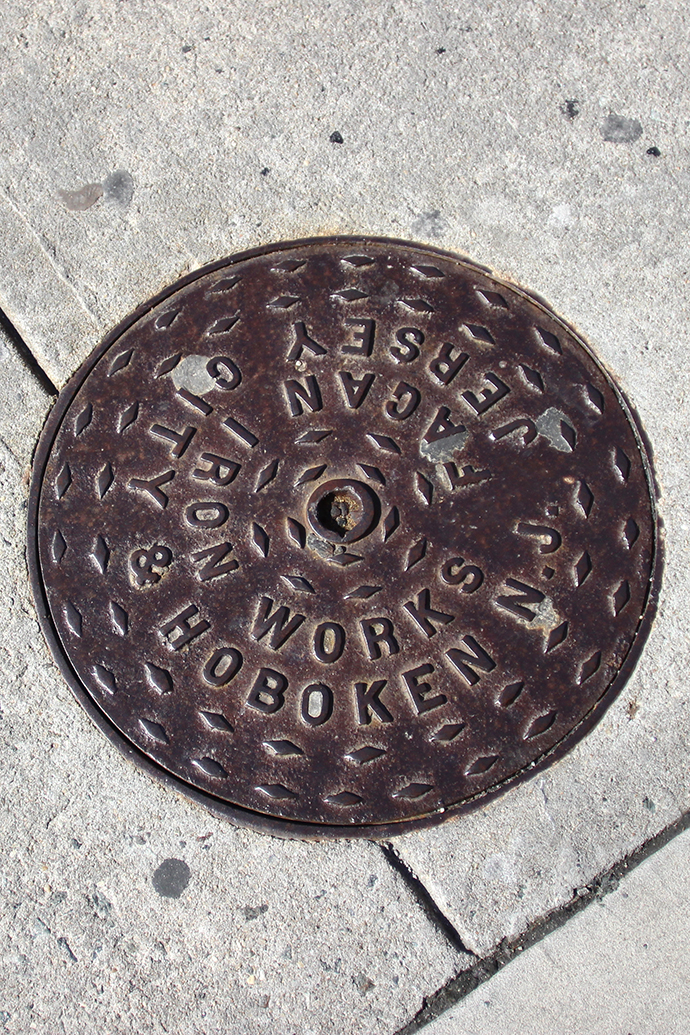
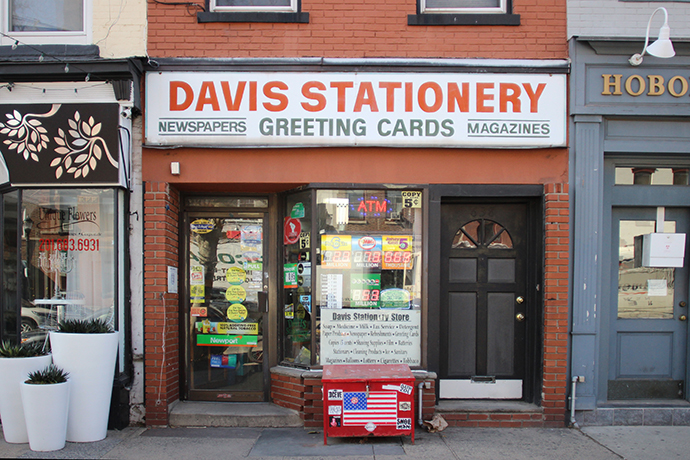

In September of last year a commuter train crashed in the Hoboken Terminal, killing one woman and injuring 100 people. The terminal was opened in 1907 and is the only remaining active terminal out of five operated by competing railroad companies that once lined the Hudson Waterfront. Before there were tunnels under the Hudson River, passengers had to transfer to a ferry if they wanted to continue onto Manhattan. When I went inside of the terminal on a Sunday afternoon it felt more like a homeless shelter than a grand travel space, but it's a really beautiful building.


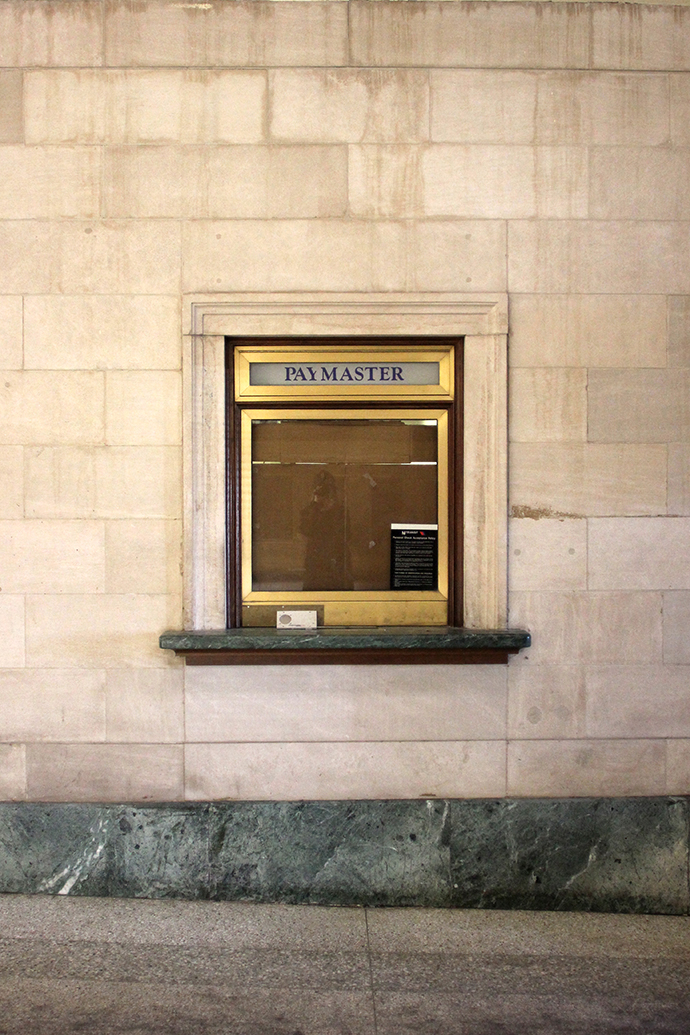
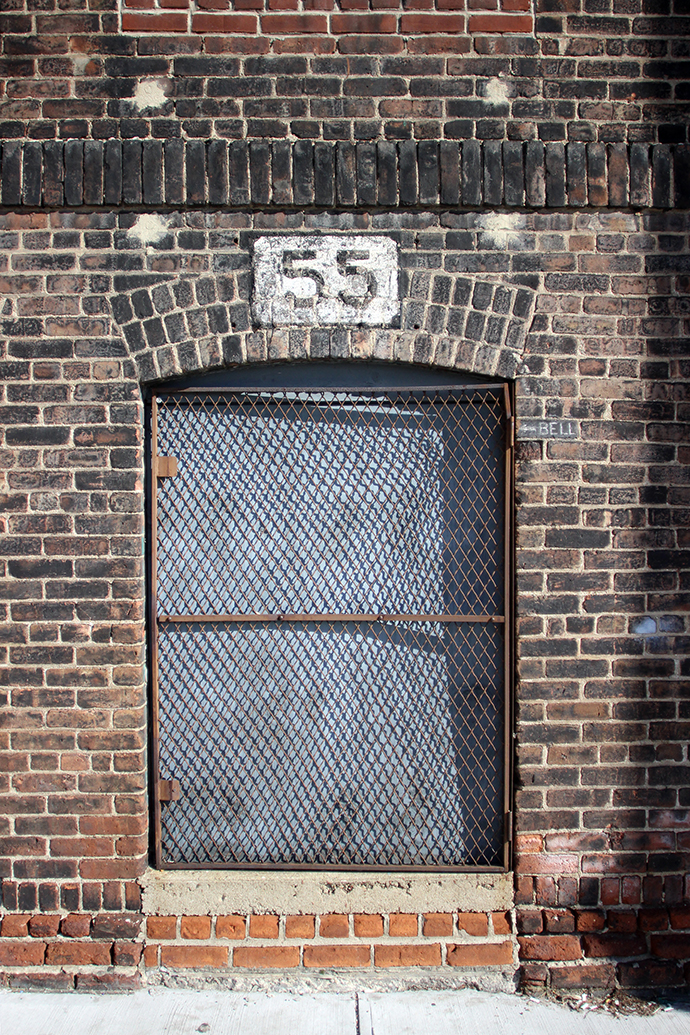
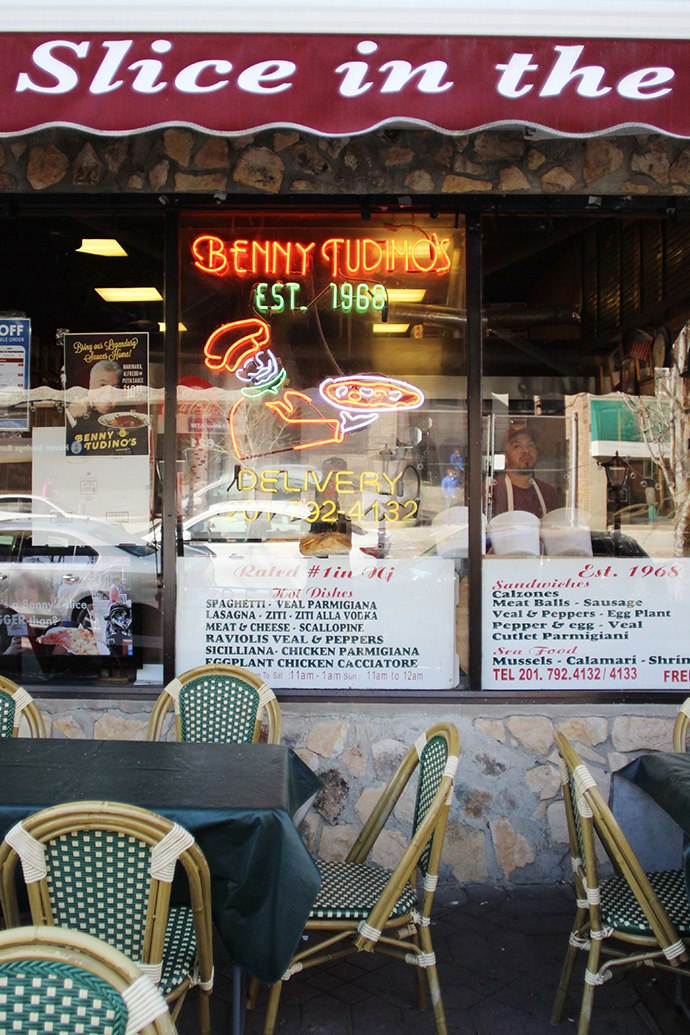
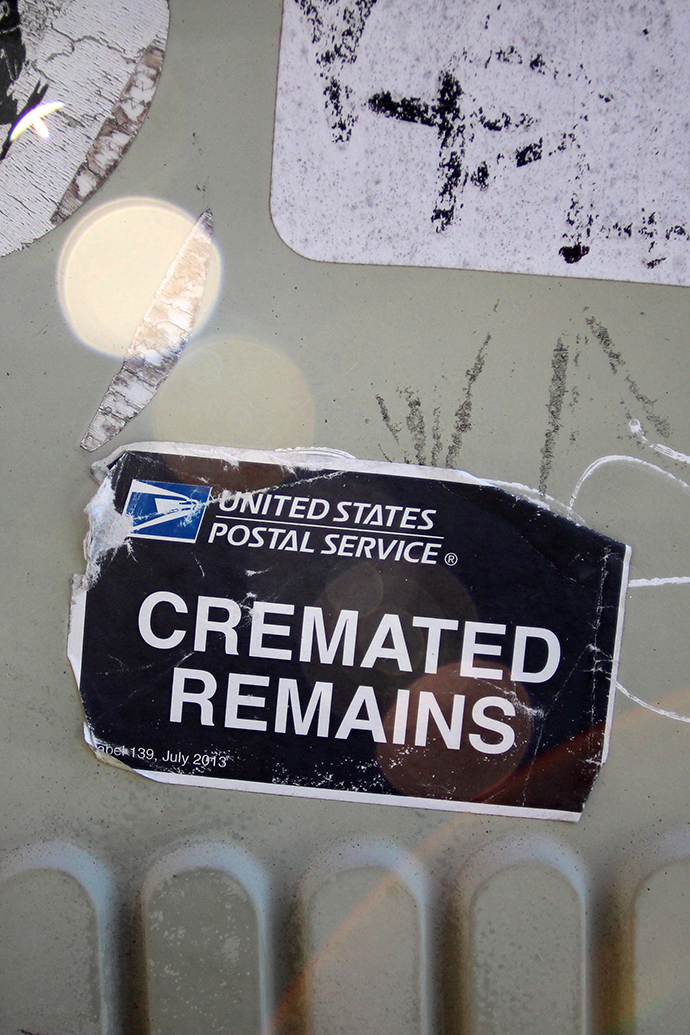
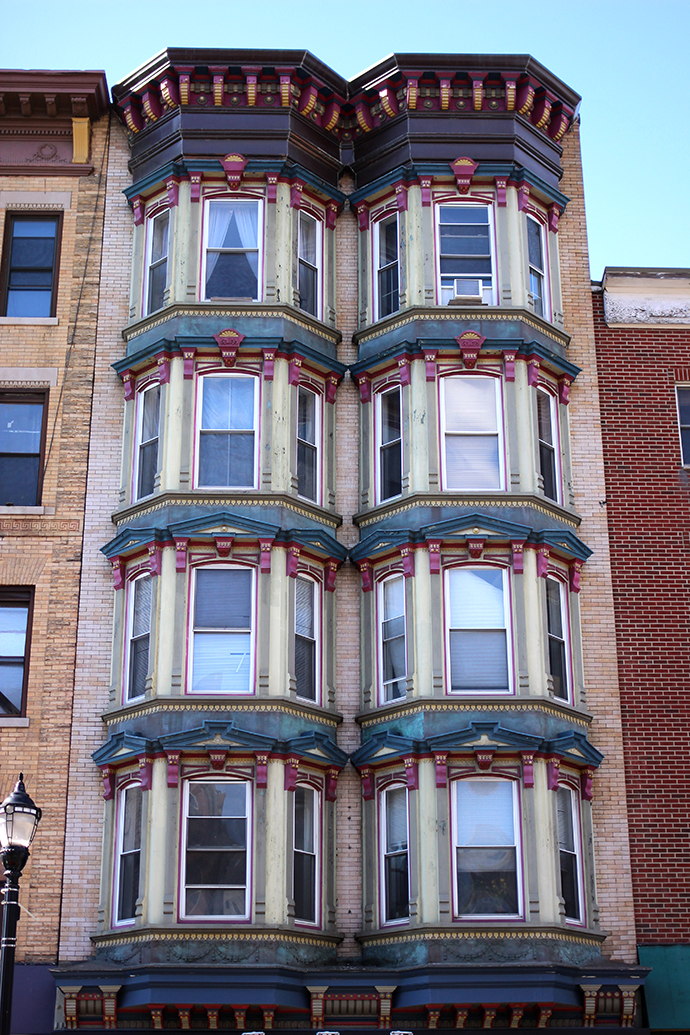
The quiet streets, brownstones and shops made me feel as if I was in New Jersey's version of Brooklyn Heights, and Hoboken has a more historic vibe than Jersey City (which I'm assuming translates to more expensive). I'd like to go back and spend more time poking around—and I'd love to see Sybil's Cave — but even in the few short hours that I spent there, Hoboken managed to charm me.

Muffler Man: Chief Running Fair
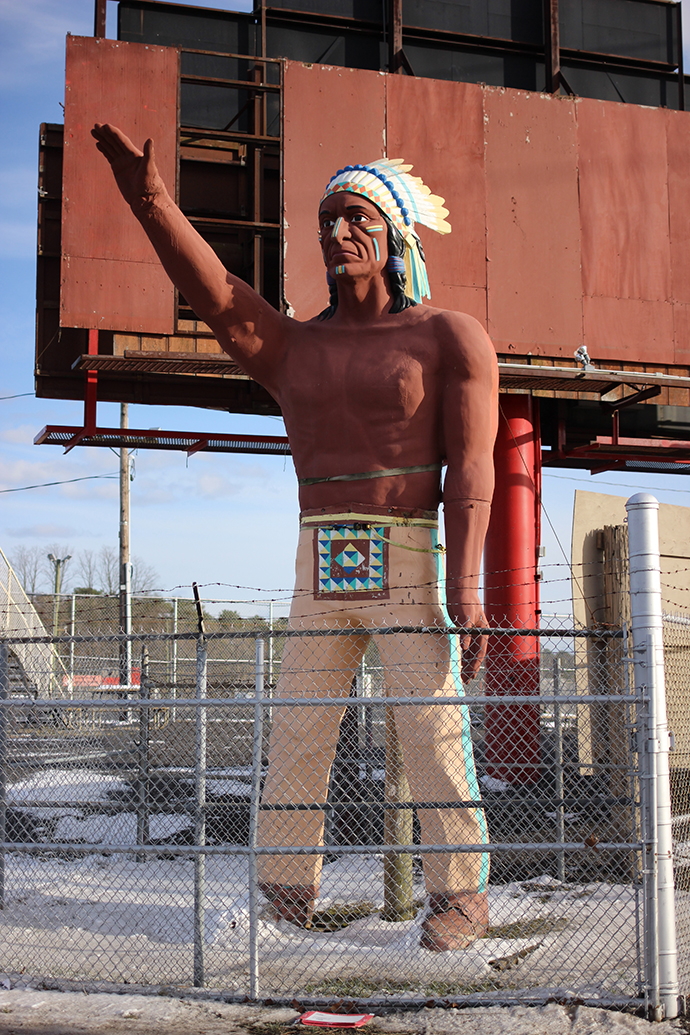
While I was planning our recent trip to see The Big Duck, I checked Roadside America's invaluable Muffler Man map and found that there was a Muffler Man nearby. I hadn't seen a Muffler Man since last October (the Happy Halfwit at Mr. Bill's in New Jersey), and I had never seen a proper example of the Native American variation—it was the cherry on top of a delightful mini-road trip through Long Island.
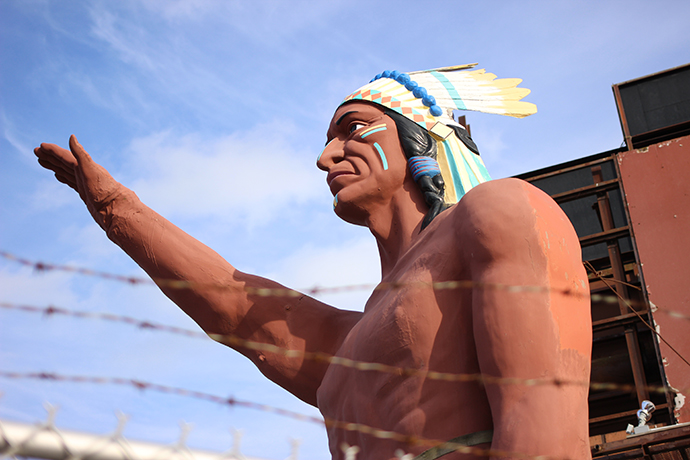
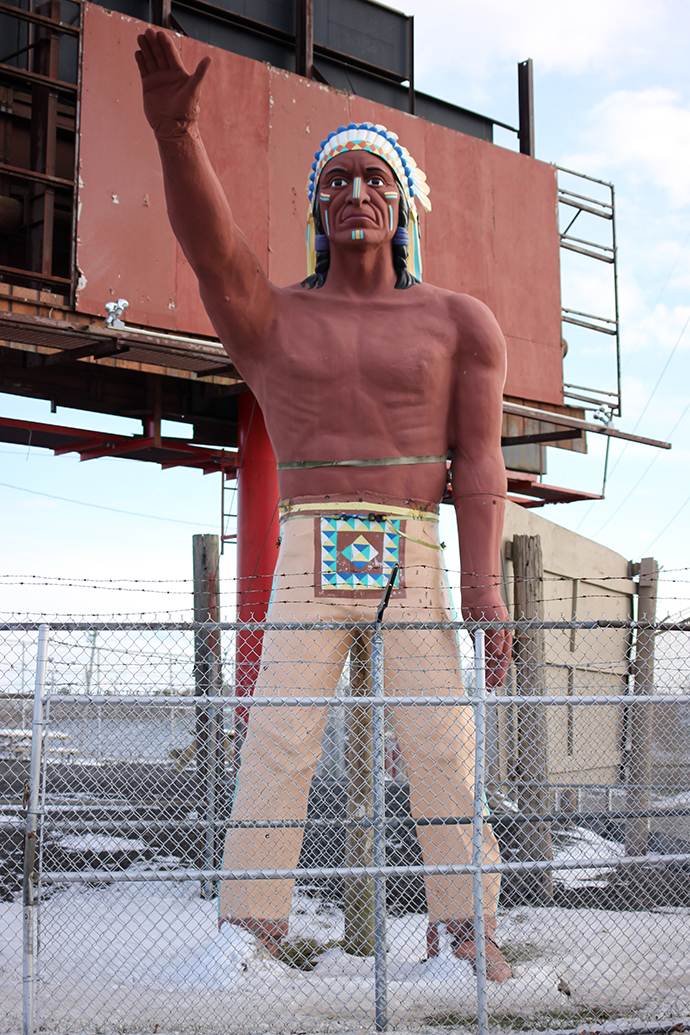

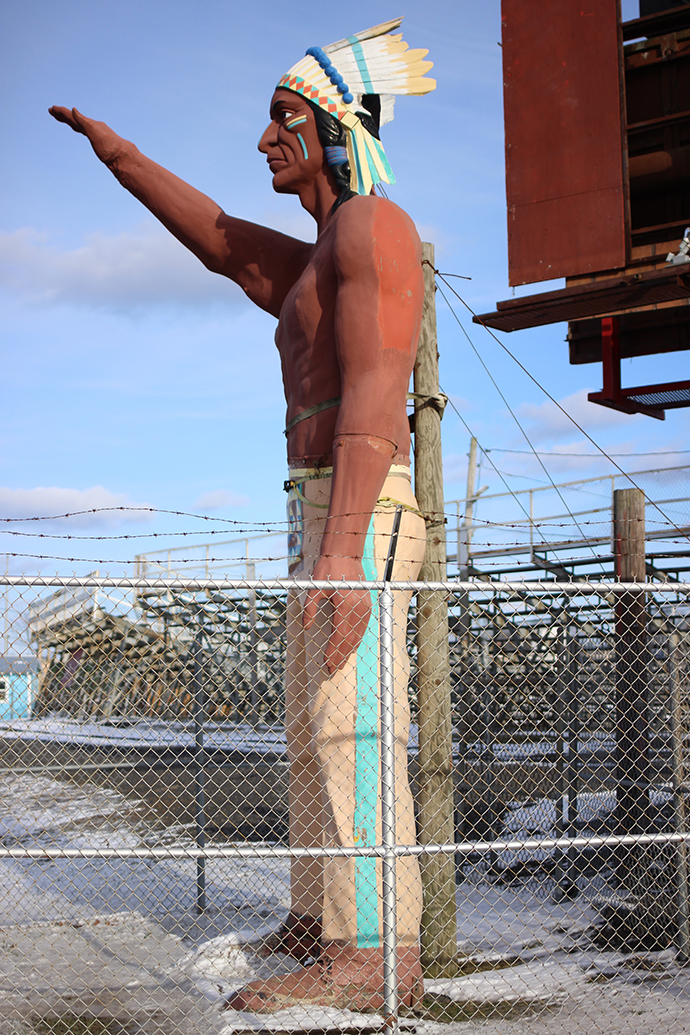
Chief Running Fair stands outside the Riverhead Raceway in Riverhead, NY in western Long Island. The race track bought him in 1982 when the Danbury Fair in Connecticut sold all of their statues. Apparently in October of 2012 Superstorm Sandy snapped him in two, but he was restored and back up by Christmas of that year. He's in sort of an odd place—behind a chain link, barbed-wire-topped fence and slightly hidden from the road, but he looks like he's well-cared for and has a vibrant paint job.
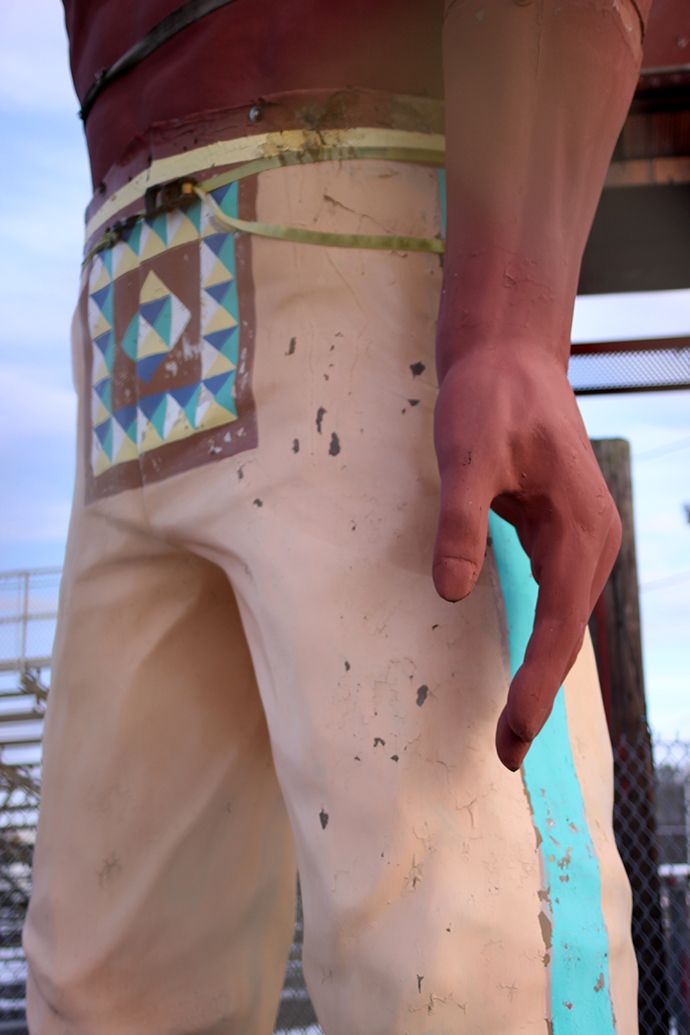
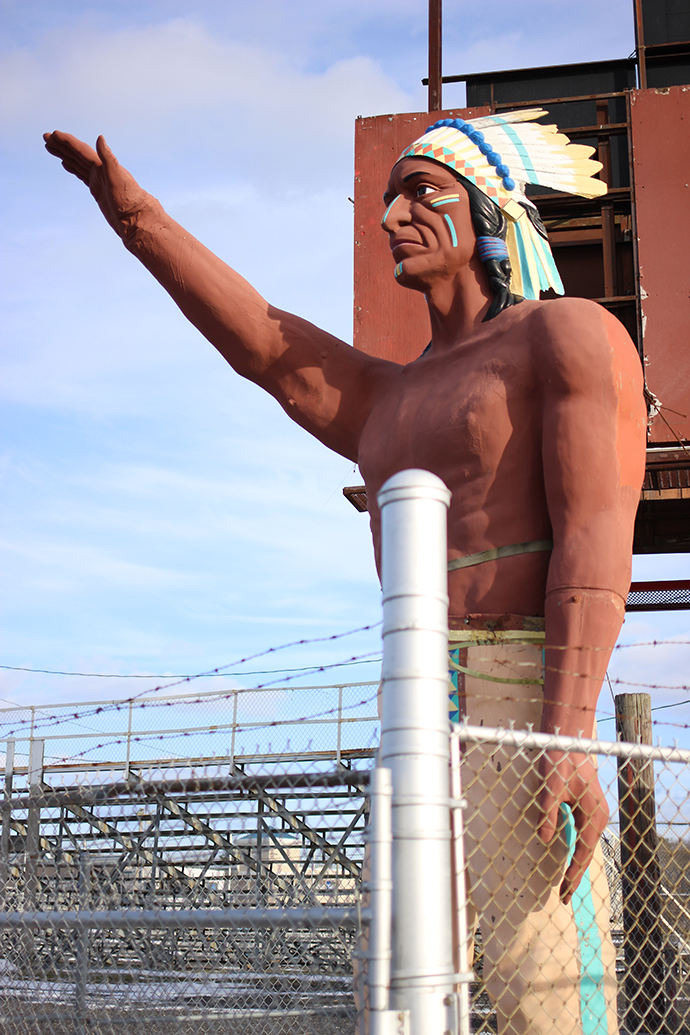
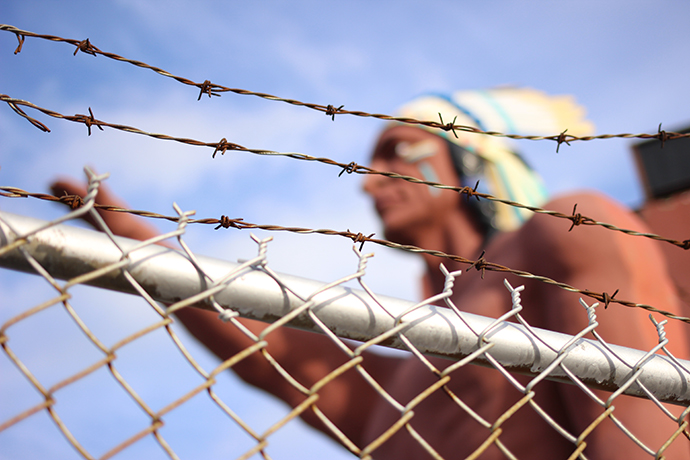
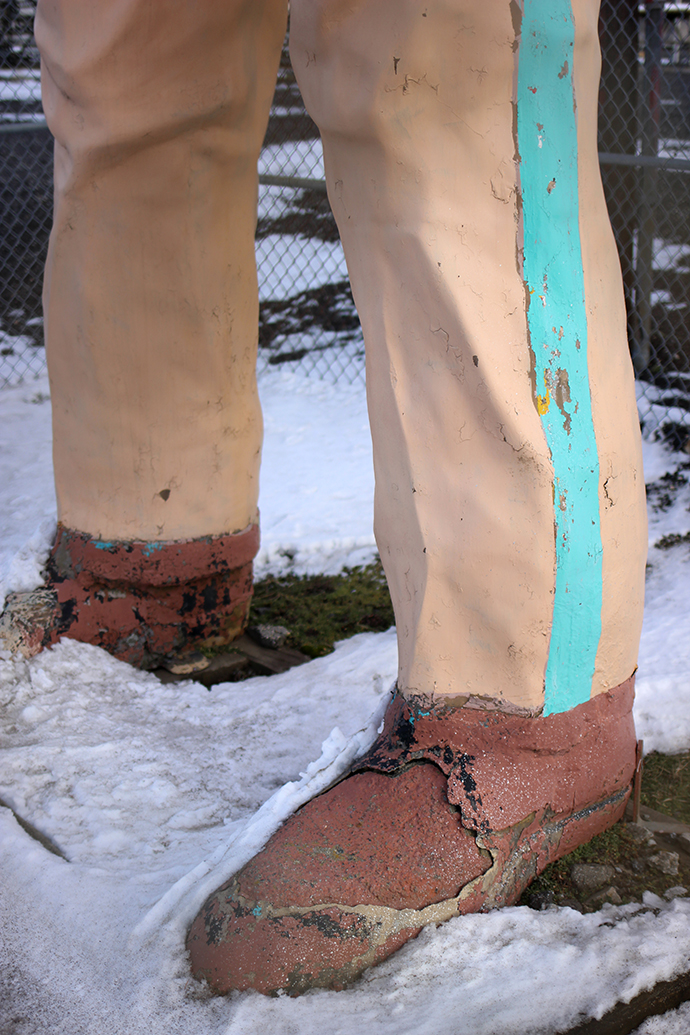
His lower half resembles most of the other Muffler Men I've seen—he counts as my eleventh!—but his head, torso and arm position appear to be unique. I love his colorful markings and the detail in his hair and headdress is really incredible. The way that musculature and fabric folds are so expertly reproduced in fiberglass will never cease to amaze me, and I'm so glad that I finally got to add another variation to my Muffler Man (photo) collection.

Kings Park Psychiatric Center: Doctor's Cottage

After we explored Building 93 at Kings Park Psychiatric Center—and after we defrosted ourselves in the car for a bit—we took a peek inside of two other abandoned buildings on the sprawling campus. There were several nearly-identical houses right across from Building 93 that were used as housing for doctors and the doors were wide open so we invited ourselves in.


This was my first time exploring an abandoned residence. It feels strangely intimate to be inside of what was once someone's home—there were hangers still in the closets, patterned wallpaper peeling off of the walls and even a toilet brush still in the toilet. While its human residents are long gone, these cottages must be very popular with animals—there was literally piles of poop everywhere.


The houses were built in the 1920s and although KPPC wasn't fully abandoned until 1996, judging by the decor the houses look as if they haven't been occupied since the 70s. I realized my tripod was broken when I tried to set it up in the cottage—it had fallen out of my bag in Building 93—so my photos are a little grainy, but seeing the inside of an abandoned home was a fascinating counterpoint to the enormity and impersonality of Building 93.

Project 365: Days 69-75

69/365: It was a snowy morning which made for a pretty lunchtime walk through Central Park.

70/365: My mom and I went on a "tour" of the Museum of Interesting Things, which is located in Denny Daniel's East Village apartment.


71/365: We toured Sagamore Hill, Teddy Roosevelt's "Summer White House," and finally made it to the Big Duck, the holy grail of novelty architecture.

72/365: I hung up my new Pee-Wee print (of the best movie scene ever) and I just love it so much.

73/365: We had a snow day off work, but the "blizzard" wasn't as apocalyptic as predicted.

74/365: Crazy eyes.

75/365: Good morning, moon.

The Big Duck
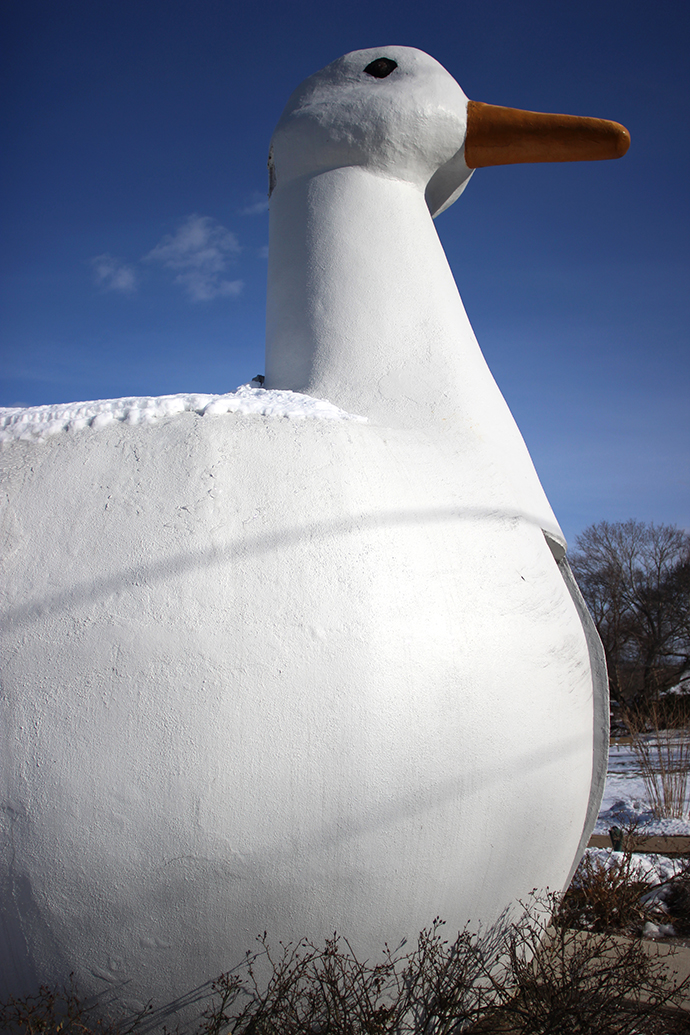
This past Sunday one of my dreams came true—we finally made it out to Flanders, Long Island to see The Big Duck. The Big Duck may not seem like an attraction worthy of being a road trip destination, but I planned an entire road trip last summer just to stay overnight in a concrete Wigwam—as my dude says, my love of novelty architecture knows no bounds.
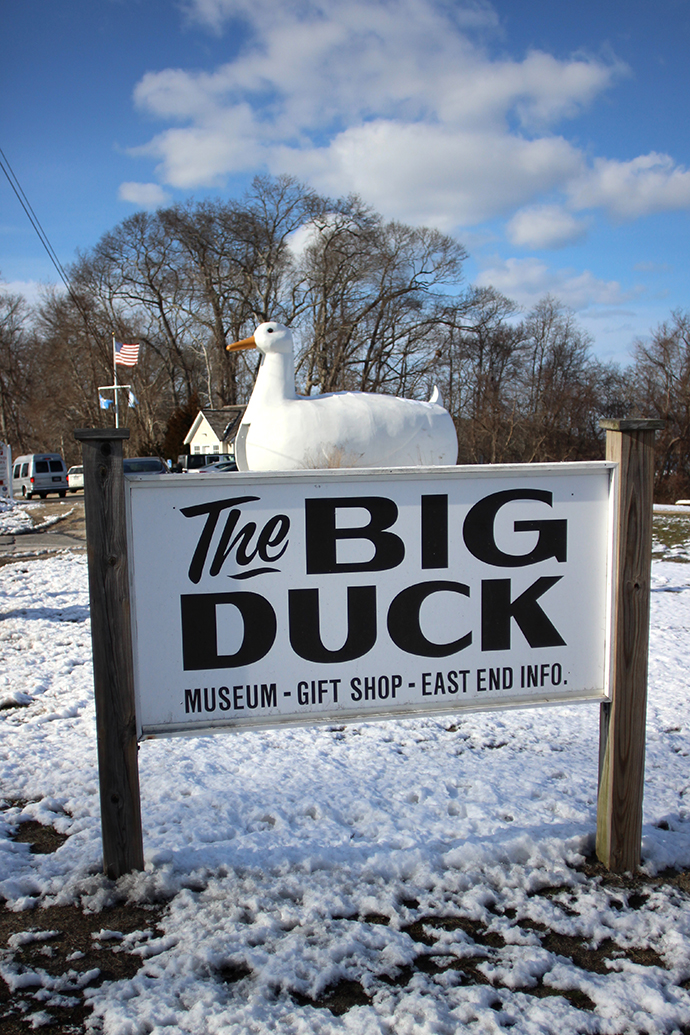
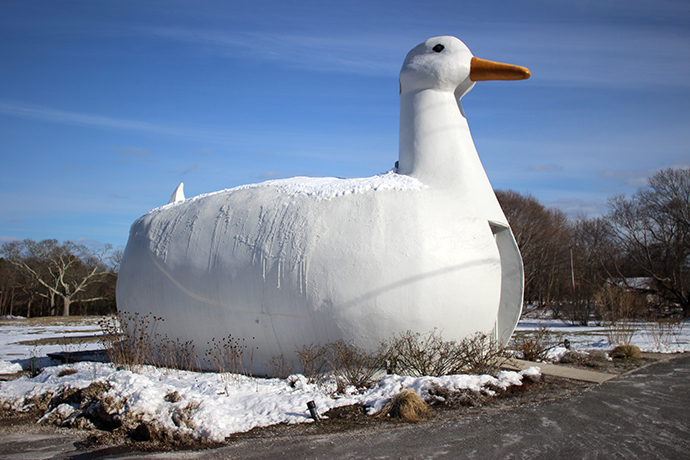
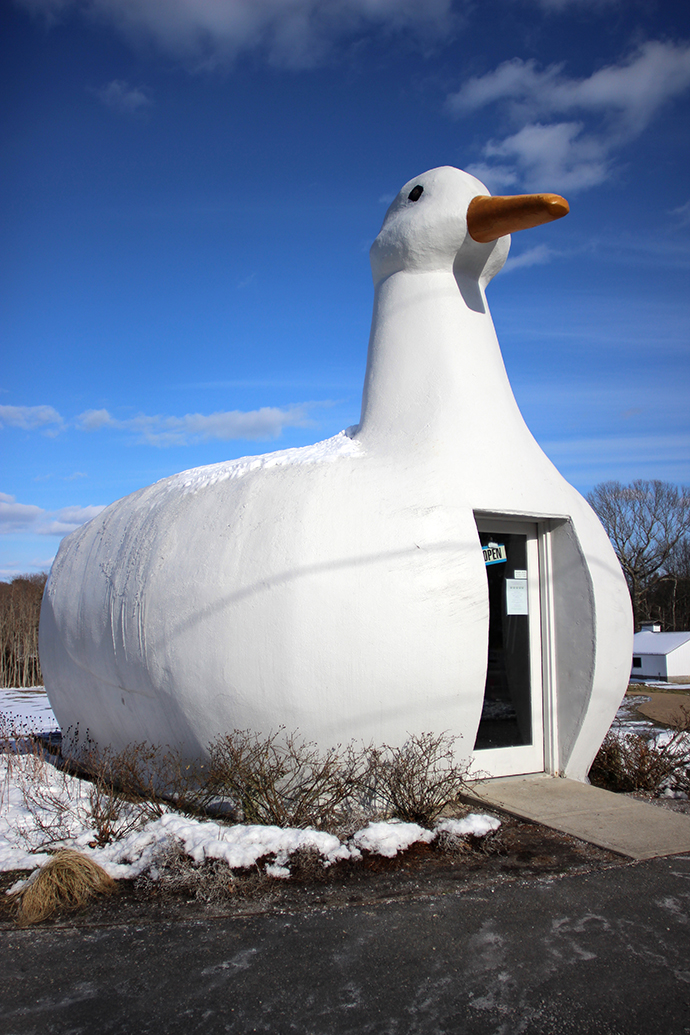
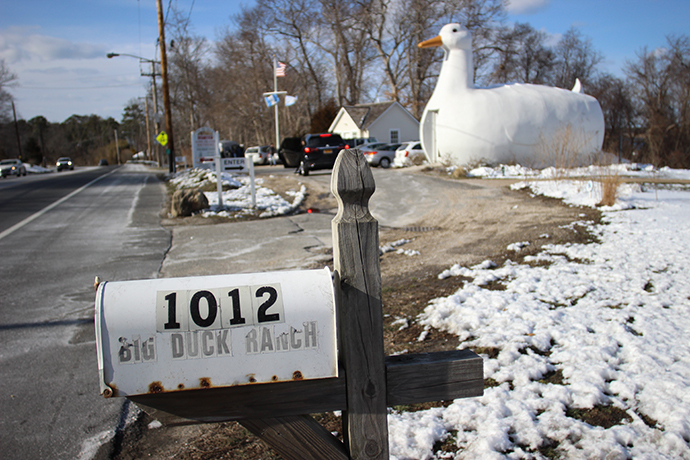

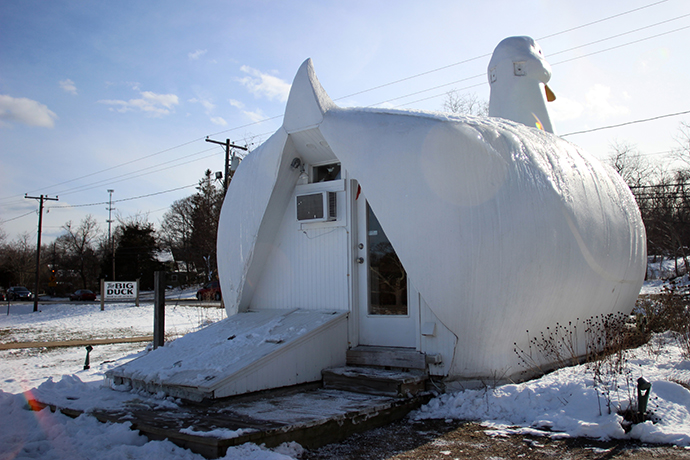
The Big Duck was completed in 1931 and is, by many accounts, the holy grail of novelty architecture. While not as large as the Longaberger Basket or as interactive as a drive-through Donut, The Big Duck inspired two architects to coin the term "duck" in 1968. "Ducks" are sculptural buildings representing the products or services they provide—they are structure and signage combined.
The Big Duck was built by a Riverhead duck farming couple to sell their Peking ducks back when 60% of the nation's ducks were raised on Long Island. They reportedly had the idea while visiting a coffee pot-shaped coffee shop in California (land of the novelty building), and hired a carpenter and two stage set designers to help execute their vision. The Big Duck has a wood and wire mesh frame which is covered in painted concrete. Its eyes are two Model-T taillights and they glow red at night (if my Instagram research is to be believed).
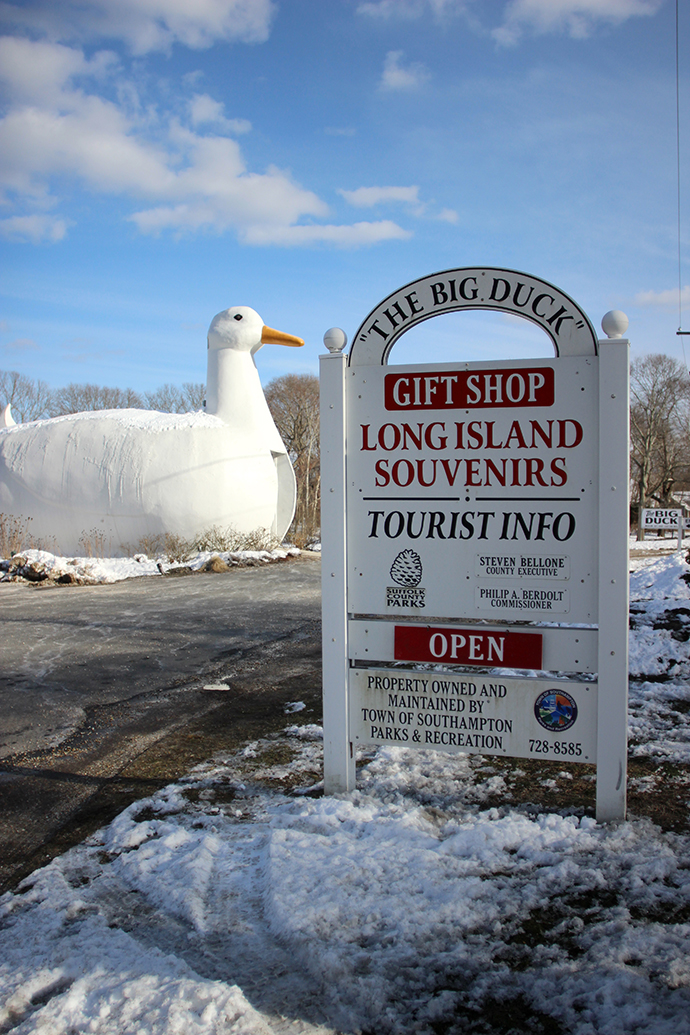
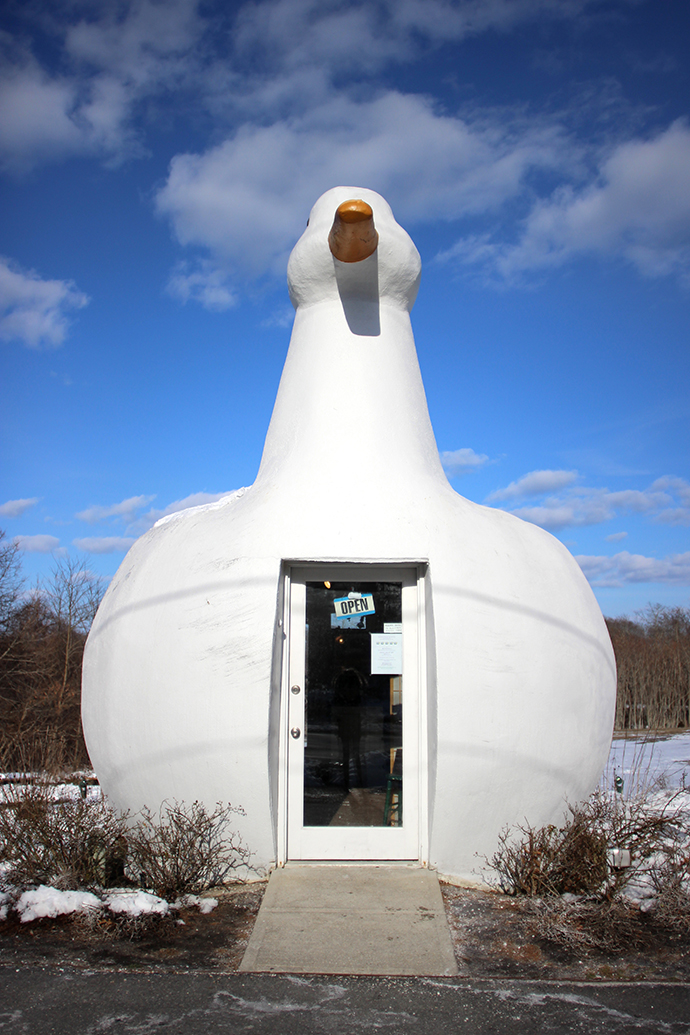
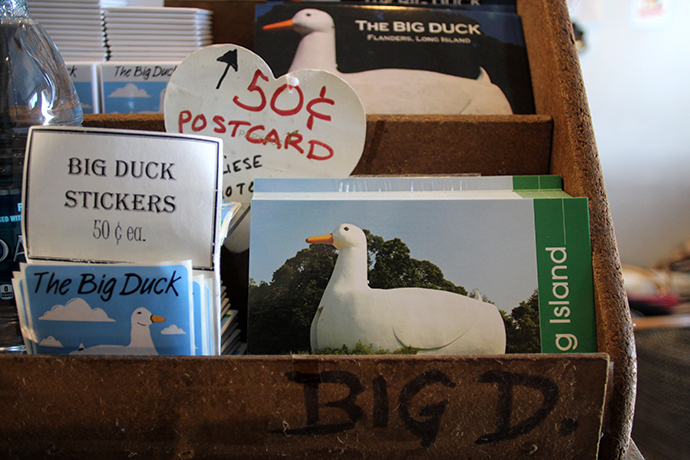
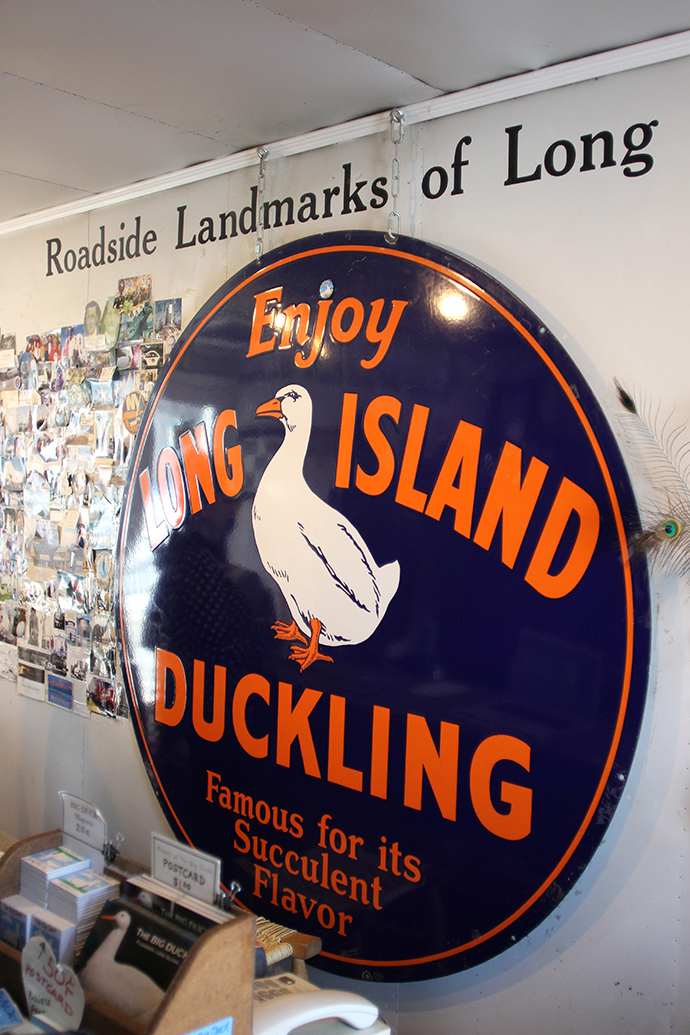
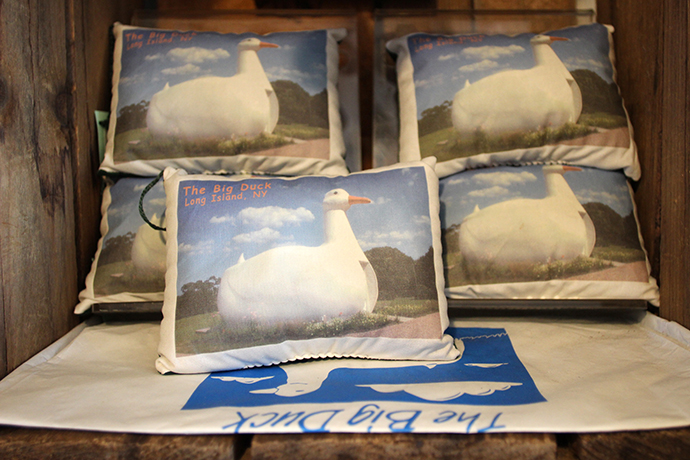
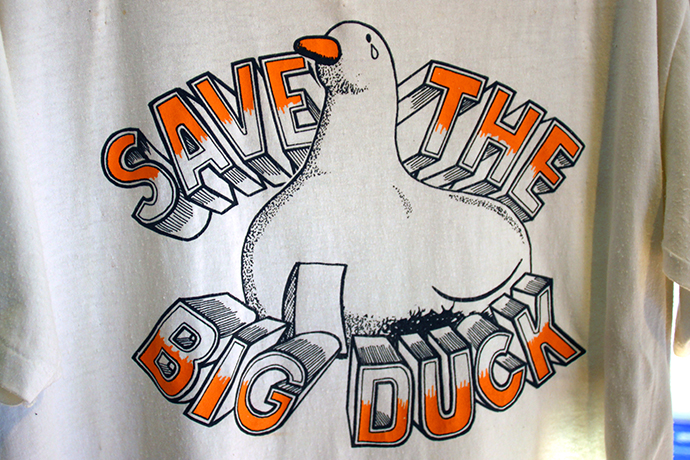
The Big Duck did seem a bit smaller than I expected—it's 30 feet from beak to tail, 15 feet from wing to wing and 20 feet from the top of its head to its base—but it's large enough to contain a gift shop with a counter and shelves of duck-themed souvenirs.
The number of duck farms on Long Island has dropped through the years due to escalating land values (i.e. The Hamptons) and environmental factors. The Big Duck has been relocated a few times and its fate hasn't always been secure. When the land that it occupied was threatened with development, it was donated to Suffolk County in 1987 and is now listed on the National Register of Historic Places. Aside from being historically significant to a novelty architecture enthusiast like myself, The Big Duck is just ridiculous and fun—it was impossible not to smile as we were driving and I saw its bright orange beak peeking out over the horizon.

Charleston: Cemeteries

In addition to several church graveyards located in the historic district of Charleston, there is a large group of cemeteries just to the northeast of downtown. Magnolia Cemetery was dedicated in 1850; St. Lawrence Cemetery was the third Catholic cemetery in Charleston, and was established in 1851; and Bethany Cemetery was established in 1856 by St. Matthew's Evangelical Lutheran Church when its first cemetery reached capacity during a yellow fever outbreak. There may be other smaller cemeteries as part of this group (sort of like the "cemetery belt" in Queens), but these are the three main ones I remember visiting.


We took Uber to the cemeteries because they were a bit far from our hotel, but they were very close to Martha Lou's Kitchen where we (over) ate our weight in fried chicken, collard greens, mac n' cheese and several other sides before our flight back to New York. It was the warmest day of our trip—in the 70s—and the perfect end to a flawless trip.


We came across a section of St. Lawrence Cemetery (I think) devoted to the those killed in the Civil War. I noticed immediately that they were Confederate soldiers and civilians, which of course makes sense in South Carolina (the first state to succeed), but it's not something I'm used to seeing in my New York / New England cemeteries explorations. Anything referencing the Confederacy is always jarring—especially the flag—but stones like the "unknown child of the Confederacy" are universally sad.


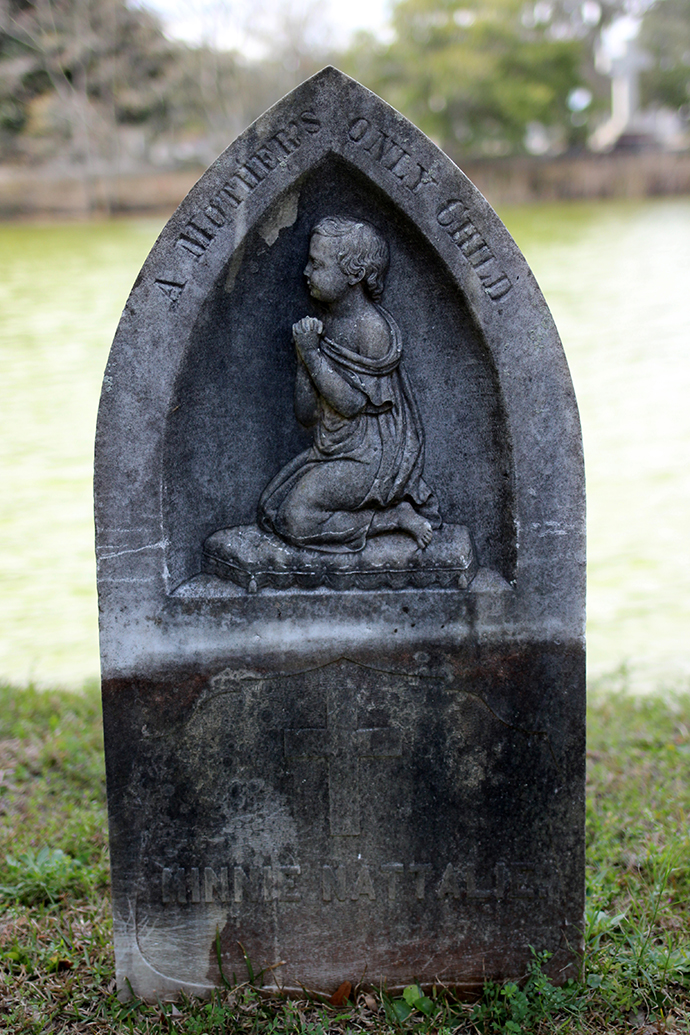
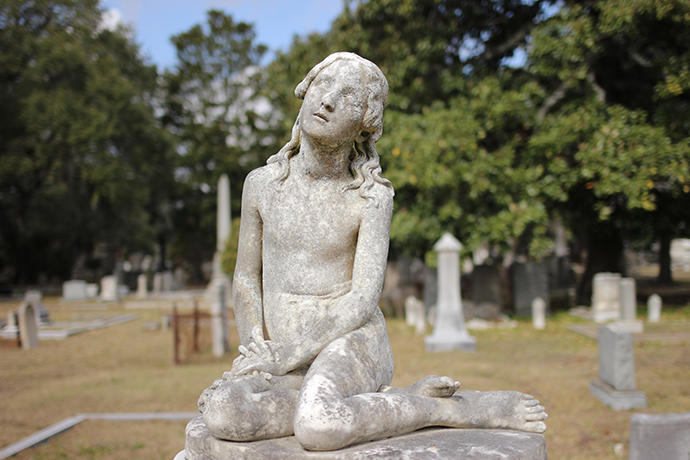


Speaking of children, it seemed like a lot of the stones that caught my eye were memorials that featured a child in some way. Two stones made note that they were the "only child," which makes the loss seem even more devastating, and several featured nearly life-sized babies peacefully asleep. The cradle-shaped stone was especially unique and had several toys—including a rubber duck—that looked as if they'd been left fairly recently, despite the grave dating to the 1880s.


While nothing could top the Unitarian Church graveyard, I'm glad we got to experience a different kind of Charleston cemetery. These large, sprawling cemeteries reminded me of Green-Wood or Bonaventure, though maybe not quite as picturesque. Francesca spotted the guy above from afar and she pointed out how much the lights and darks made him look like a skeleton, making him one of our favorite—and spookiest—finds to date.

Snowy Trees

Today we are expected to get anywhere up to 20" of snow, but last week I was excited when I woke up on Friday morning to a few flurries. It was snowing heavily by mid-morning, but by lunchtime it had stopped. I hurried out to Central Park, hoping to capture some of the snowy trees before it all melted away (it had been in the 60s the day before).
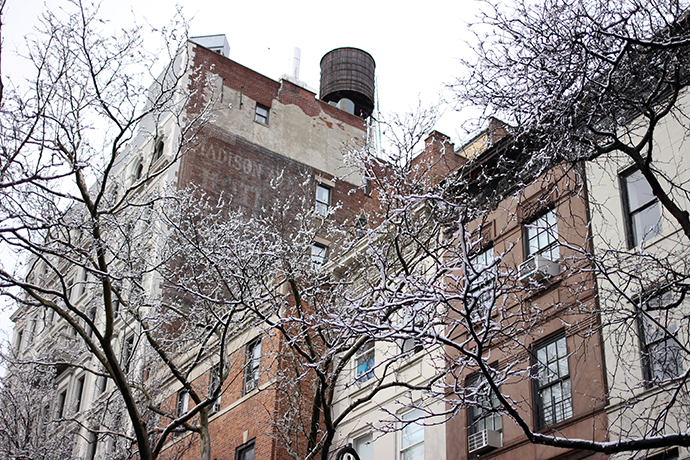

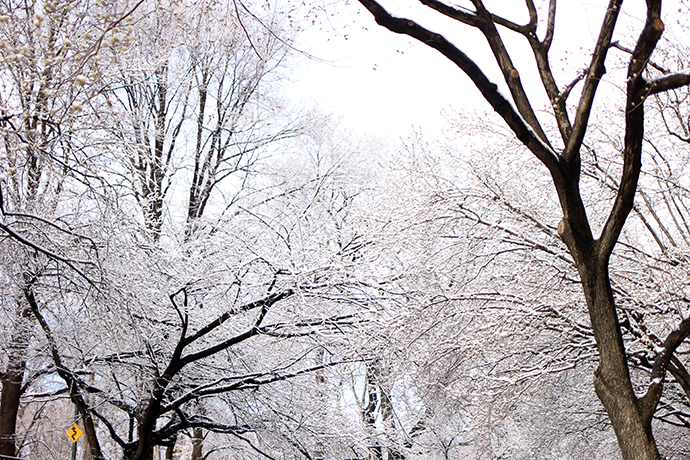
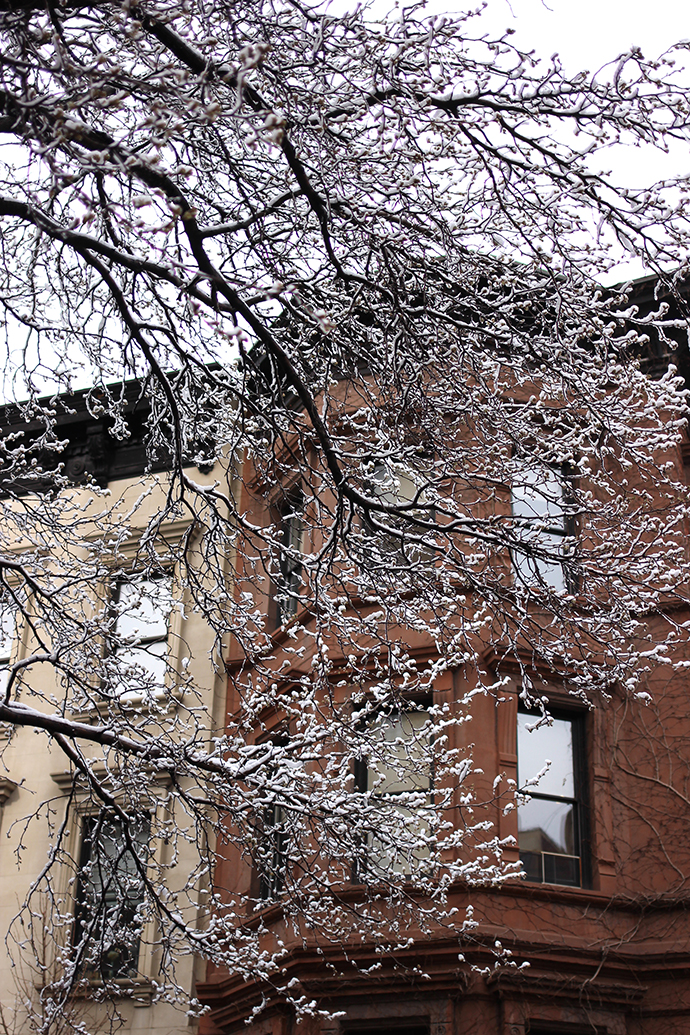

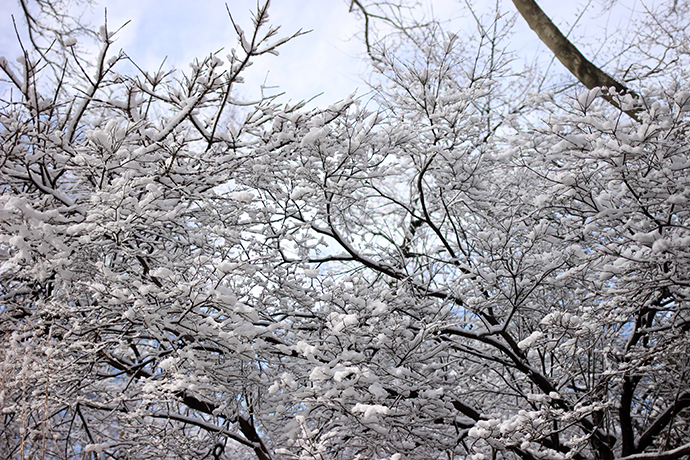
I headed straight to the North Woods, because I was having flashbacks of my beautiful snowy commutes through that part of the park during my first (very snowy) winter in New York. The North Woods is, as the name suggests, filled with trees, and it's an extra magical place in the snow.
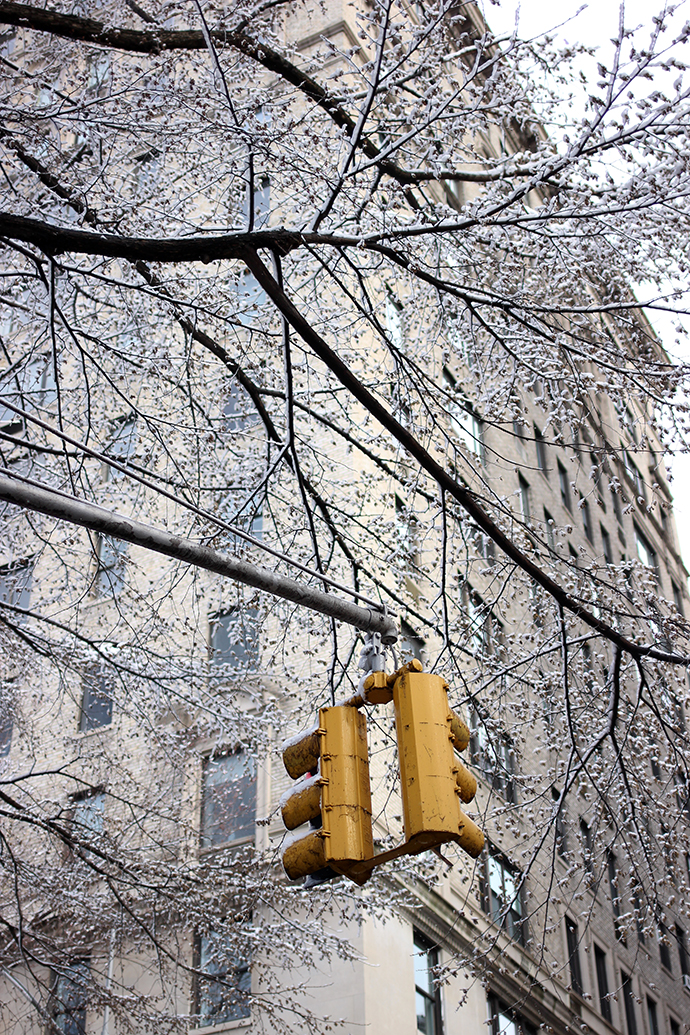




I recently posted photos of the early signs of spring that had begun to pop up in the park in February, but obviously winter has decided to hold on a bit longer. March snows are not common in the city, but they do happen—The Great Blizzard of 1888 (March 11 – March 14) was one of the most severe recorded blizzards in the history of the US, with snowfalls of 20-60 inches along the East Coast.
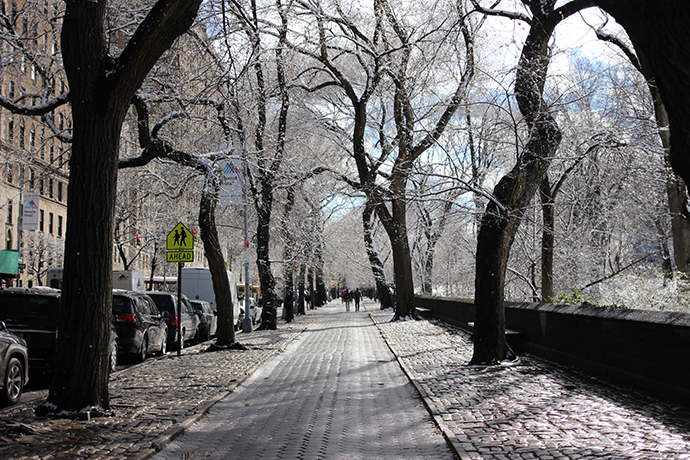
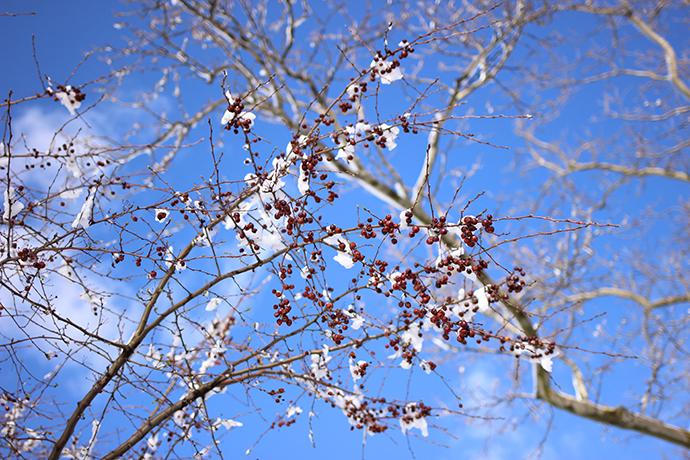


The snow was already melting by the time I got outside, and large chunks of it were falling everywhere, which was equal parts fun and treacherous. The little snow puffs left on the trees almost looked like blossoms—and as much as I love snow, I can't help but hope that spring eventually comes to stay for longer than a day or two.

Recent Reads

The Last Tsar: The Life and Death of Nicholas II
I've been fascinated by Russia long before the country was BFF with the entire Trump administration—maybe it has something to do with my Ukranian heritage or the fact that my name is Alexandra. I still haven't actually traveled to Russia yet, but seeing the too-beautiful-to-be-real St. Basil's Cathedral (preferably in the snow!) is at the very top of my life to-do list. My uncle also shares a love of all things Eastern European, and after our visit to Marjorie Merriweather Post's home (with its jaw-dropping collection of Russian treasures), he bought me two must-read books about the Romanovs: The Last Tsar, and The Rasputin File.
I finally dove into The Last Tsar, and truth be told it was a difficult, but ultimately fascinating read. The book is long and filled with Russian names (and nicknames) that I found incredibly hard to keep straight, and I was frequently confused by the timeline, relationships and politics. However, the story of the Romanovs—Nicholas and Alexandra and their children—is a fascinating one, and their letters to one another painted a vivid picture of their complicated (and tragic) lives together.
After spending weeks immersed in dreary pre-Soviet Russia, Shrill was the perfect palette cleanser. I wasn't familiar with Lindy West, but I'd seen Shrill mentioned by many people whose taste in books I trust, so I knew it was a safe bet. West is 34 years old, so she felt like a friend of mine—one that made me laugh out loud forcefully and often. I devoured this book in less than two days—not only to offset the weeks I spent on The Last Tsar or my arbitrary GoodReads challenge, but because I just couldn't, and didn't want to, stop reading.
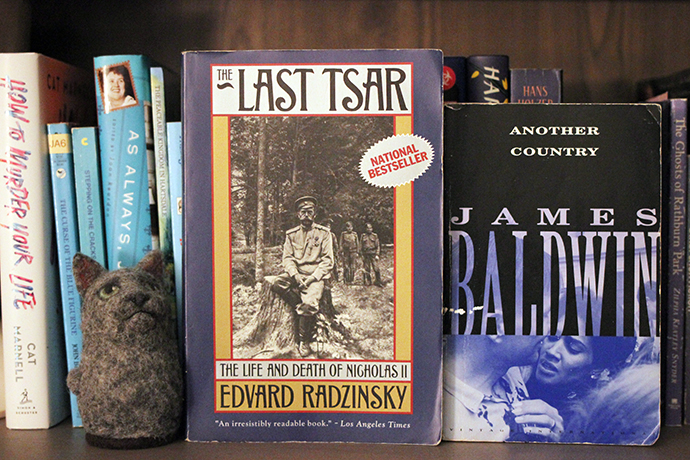
After seeing the life-altering James Baldwin documentary, I Am Not Your Negro, I wanted to remedy the fact that I had never read anything by Baldwin. My dude had a copy of Another Country, so it seemed like a good place to start. The beginning and end are superior to what comes in the middle, and I found myself pretty much hating every character—but I ultimately loved the book. It's no secret that Baldwin had a way with words and an important and unique perspective on the world. It's not an easy or feel-good book by any means, but I won't soon forget Baldwin's musings on love, race and what it means to be a living, feeling human.
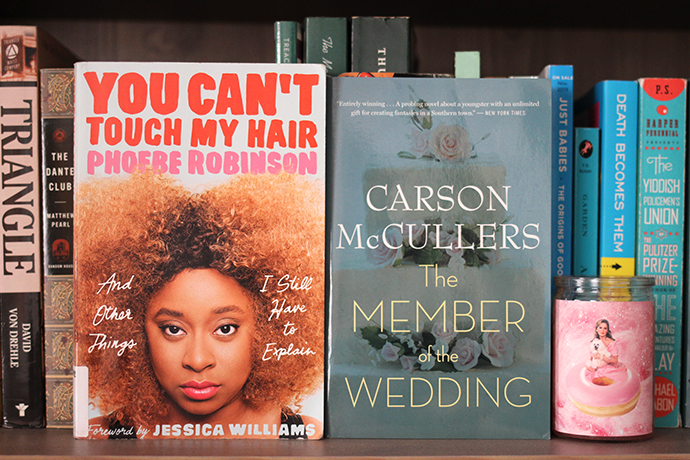
You Can't Touch My Hair: And Other Things I Still Have to Explain
I seem to be in a pattern of following up a heavy book with a more light-hearted memoir, and after Another Country, I definitely needed a laugh. I got more than a few while reading You Can't Touch My Hair, and like Shrill, I found myself laughing out loud on the train more than once. I was vaguely aware of Phoebe Robinson's podcast Two Dope Queens, but I was surprised to learn that Robinson is 32-years-old and grew up in Cleveland (31-year-old Akron native here). Where Shrill dealt mostly with West's experience as a fat woman (her words), Robinson talks mostly about what it means to grow up black in the Midwest. You wouldn't think that a book as serious as Another Country would actually complement the hilarious You Can't Touch My Hair, but in hindsight they're the perfect pair. I don't know if I would have connected with Robinson as well if she didn't sound like a contemporary of mine (or if we hadn't grown up with such similar cultural experiences), but after reading her book I wished that we were real-life friends.
I'm going to be 100% honest: I bought this book a while ago after reading somewhere that it was Lauren Graham's all-time favorite book (I am queen of the tenuous connection). This was my first book by McCullers, who lived a life fraught with illness and died when she was just 50 years old. The Member of the Wedding is about 12-year-old Frankie Addams, who is struggling to find her place in the world. Although every year I grow further and further from being an angsty teen, the memories of how uniquely hard it is to be a young girl will never go away. McCullers captures this existential crises so perfectly—one that transcends place and time (Memberis set in Georgia during the summer of 1944). McCullers stopped me in my tracks several time with Frankie's observations on what a strange experience it is to just be alive.
"But there's this. I wonder if you have ever thought about this. Here we are—right now. This very minute. Now. But while we're talking right now, this minute is passing. And it will never come again. Never in all the world. When it is gone it is gone. No power on earth could bring it back again. It is gone. Have you ever thought about that?"
- or -
“She was afraid of these things that made her suddenly wonder who she was, and what she was going to be in the world, and why she was standing at that minute, seeing a light, or listening, or staring up into the sky: alone.”

Project 365: Days 62-68

62/365: This ridiculous stock photo finally got used in a real campaign.


63/365: We explored the abandoned Kings Park Psychiatric Center and took advantage of having a car for the day by rewarding ourselves with roast beef sandwiches for dinner in Sheepshead Bay.

64/365: We had a four-course brunch (!!) cooked by my friend Trent, who runs this mouth-watering Instagram account where he posts about cooking his way through allof Ina Garten's recipes.

65/365: Sometimes she's OK.

66/365: I cleaned out my desk at work and found this photo strip from the photobooth at the Ace Hotel in New Orleans.

67/365: A souvenir from the previous night spent having fancy drinks at the 21 Club (where we tried to tip our server and she gave our money back to us, which was mortifying).

68/70: Souvenir mug from my friend Jim's recent visit to PA (that smoke curl though!).

Bideawee Pet Cemetery: Ceramics

I've posted about ceramic headstone portraits before, but the I never shared all of the ones we saw at Bideawee Pet Memorial Park. We began noticing the ceramics almost immediately, and for a strange reason—a majority of them had been damaged to the point where you could no longer make out the animal, and it looked intentional. Thankfully, some portraits managed to escape this seemingly random desecration, because they're truly wonderful.


I gave a brief history of human porcelain cemetery portraiture in this post, but it just makes sense that their popularity would spread to pet cemeteries as well. In fact, pet portraits almost seem more normal—even pre-Instagram, I would imagine that pet photography was widespread. The one thing that has been very clear in every pet cemetery that I've visited is just how much animals mean to their owners. Anyone that loves their pet enough to memorialize it with a burial and tombstone would likely have no shortage of photos of their beloved companion.


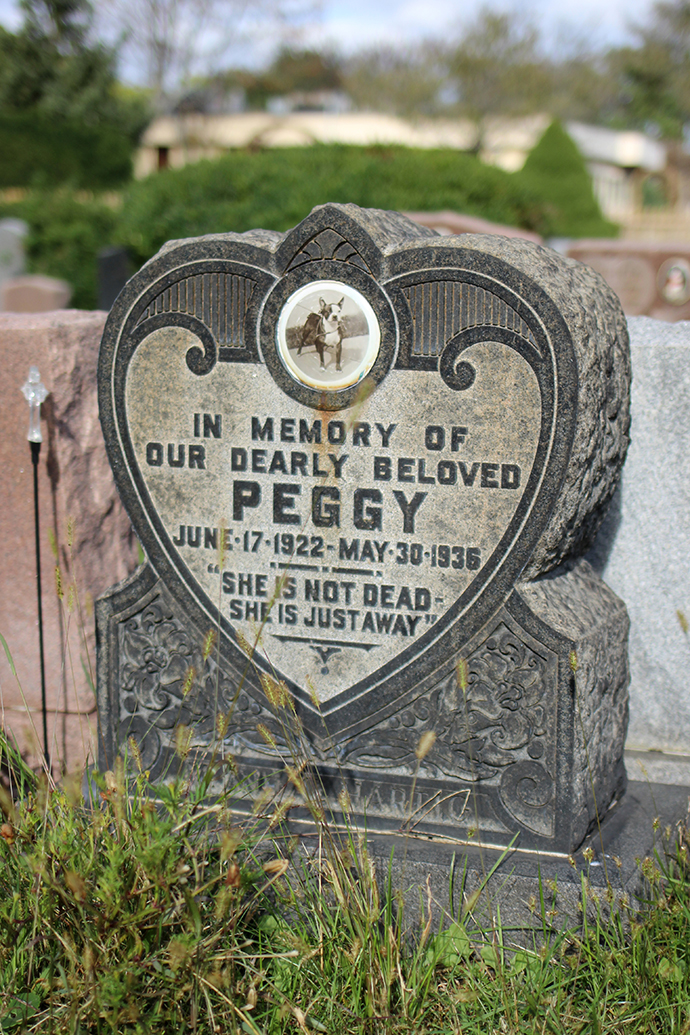
Some of the portraits feature pets in costumes—like my favorite, the dapper dachshund whose tombstone read "In Loving Memory, Mr. Nathan D. Friedman, My Son," Duchess in what appears to be a hand-knitted sweater (with a hood!) or Penny in her stylish plaid coat.


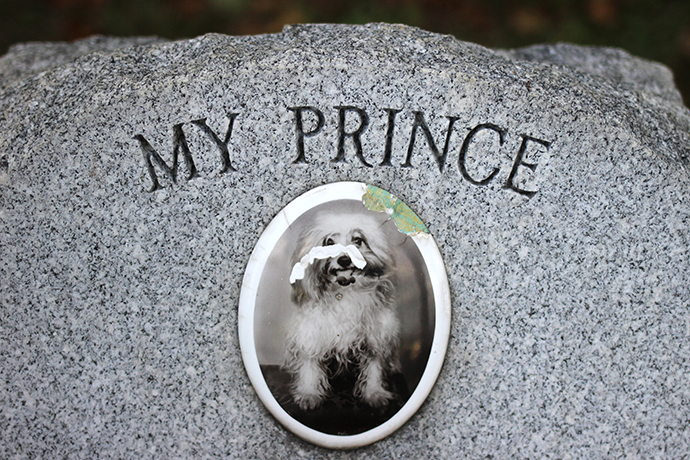
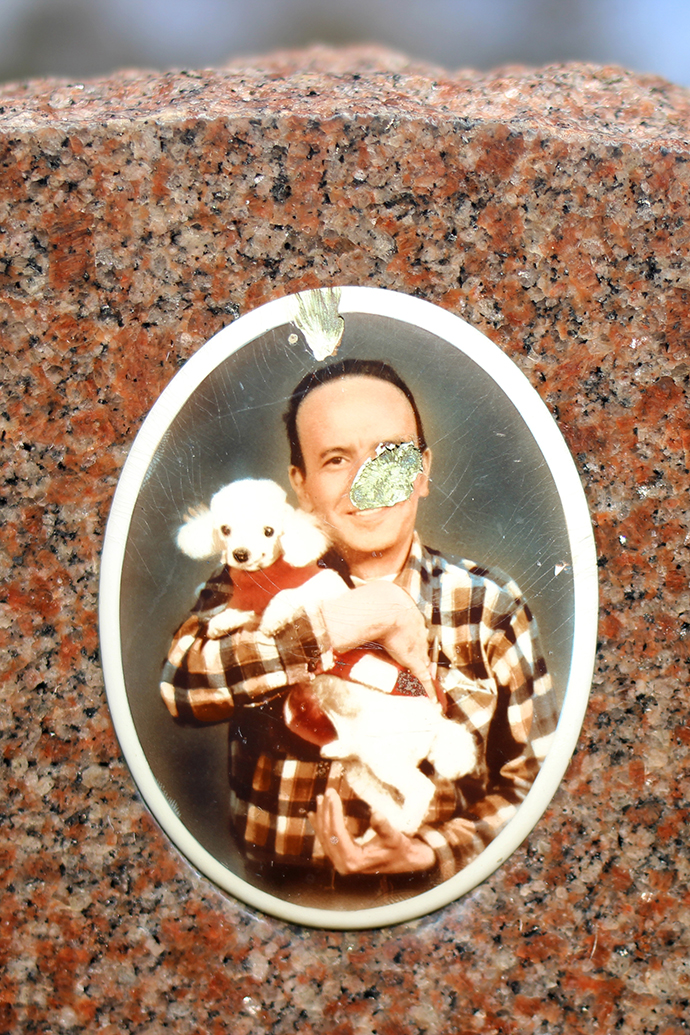
The portraits aren't reserved exclusively for dogs and cats or single pets—we saw at least a few bird photos as well as group shots. But portraits that really got to me were the ones that included their owners, most of which were from a pre-cellphone camera era. Again, if you loved your pet enough to buy them a granite tombstone, then a Sears portrait studio session probably didn't seem too extravagant either.

Charleston: Signage

I noticed as I was going through my photos from our recent trip to Charleston that I had so many photos of beautiful signage. I'm a graphic designer by day, so I'm programmed to notice nice lettering, and no matter where I go you can bet on me being drawn to good signage. Charleston was full of wonderful hand-painted signs, beautiful scripts and even a few neon goodies.


On our mini-road trip, we passed a roadside shop, which we stopped at following our exploration of the Old Sheldon Church ruins. Although we were lured in by the promise of pie, they didn't have many—but they did have a wide variety of ciders and other tasty treats. We sampled everything we could, and I left with an armload of souvenirs (which I mostly ended up eating myself).


Many stores (especially on King Street) had beautiful, tiled entryways spelling out the name of the store. Most of the time the names no longer matched the store occupying the space, but it's such a wonderful touch—and show of faith in a retailer's longevity—that's really missing from modern-day storefronts.


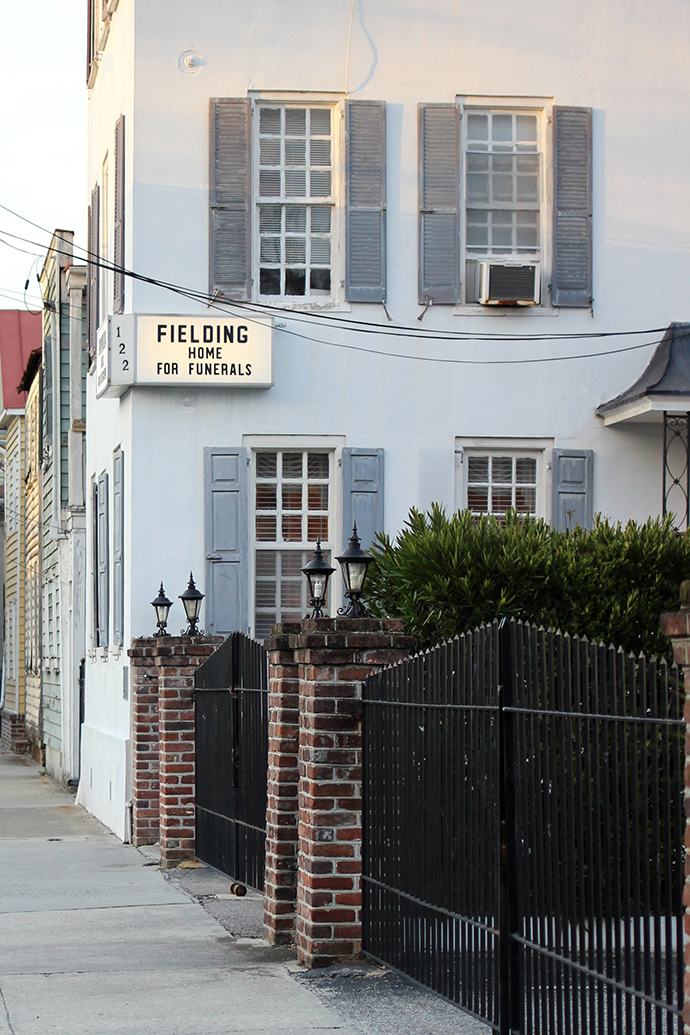
Of course I took special note of the funeral homes, of which we saw several. The wording "home for funerals" is phrasing I don't ever remember seeing before Charleston (maybe it's a Southern thing?). Don't iron curlicues instantly make a sign look important and a bit old-timey?


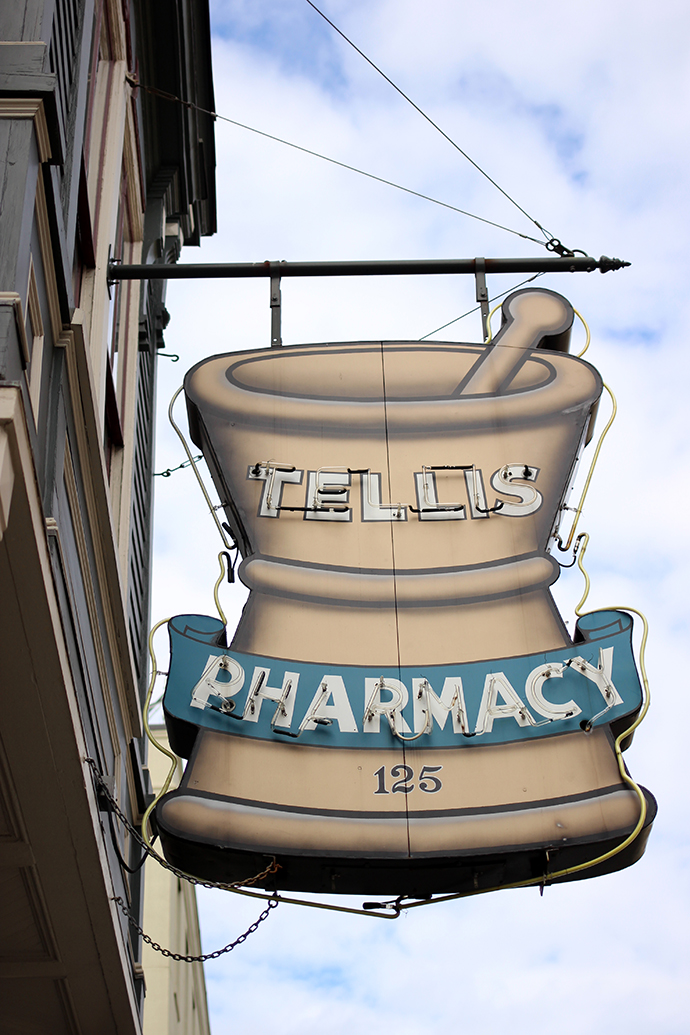
We didn't see as much neon in Charleston as you see in New York or other cities, but that script on the American theater marquee is just about as perfect as you can get. I know we're not supposed to judge books by their covers, but I'm not embarrassed to admit that a lot of my decisions in life are based on how something looks—I'll frequently purchase something based on superior packaging (all of other things equal) and I've eaten at countless diners based solely on signage. This isn't a foolproof method, of course, but I figure there are worse ways to go through life than being guided by beautiful design.

Kings Park Psychiatric Center
On Saturday we finally ventured out to Long Island in hopes that we'd be able to creep on a 57-room abandoned mansion that I learned about back in November. The mansion is literally surrounded by a golf course, and because our day was going to be spent doing things of questionable legality (aka trespassing), we thought a cold, windy day would keep prying eyes off of the golf course, and us. Well, unfortunately (for us) the mansion seems to be undergoing a renovation or is at least much more well-secured than we expected—video surveillance, a new fence, chains, locks and new plywood over broken windows—so we did a quick walk around and then moved onto Plan B.
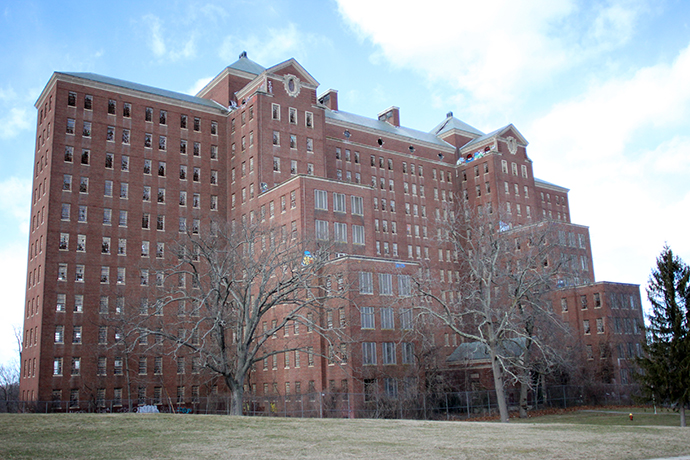
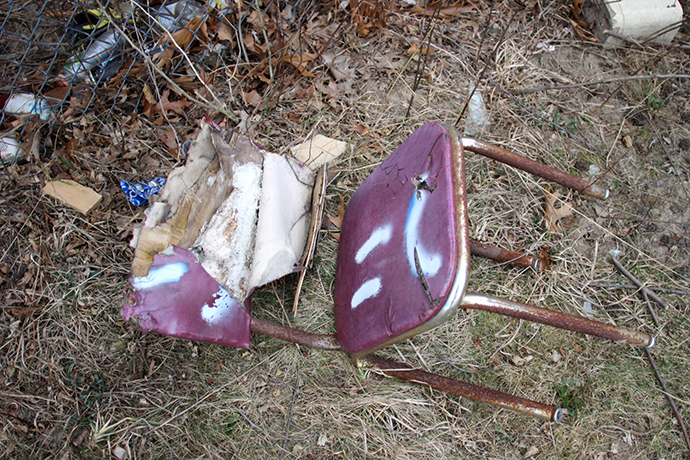
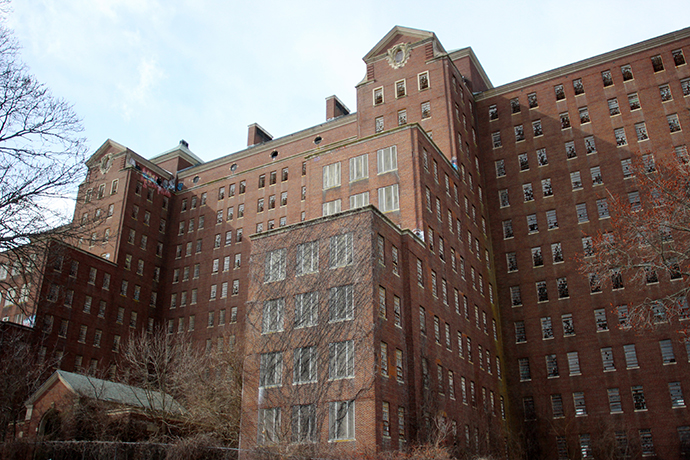
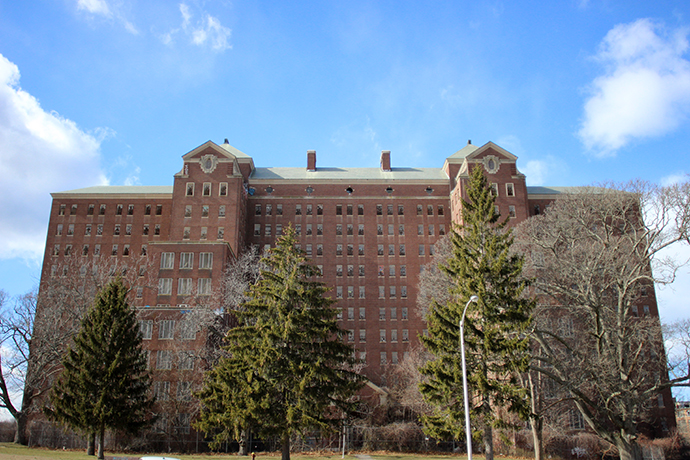
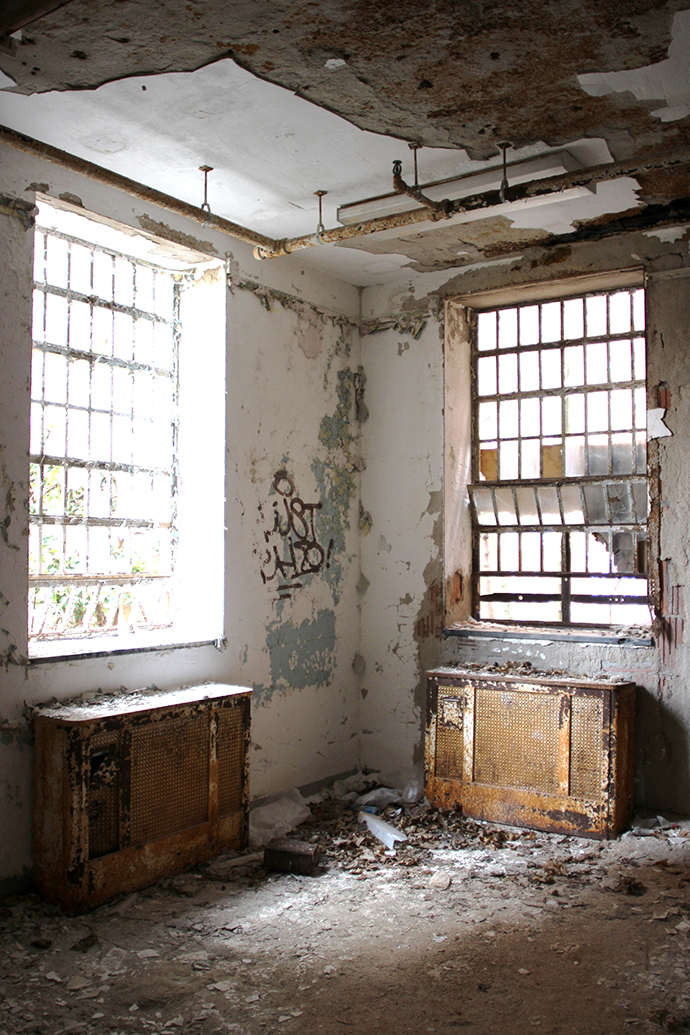
I had very little current information about the mansion, so I had drafted a Plan B before making the trip—to explore Kings Park Psychiatric Center in Kings Park, Long Island. KPPC was in operation from 1885 until 1996 when it was closed by the State of New York. The hospital campus has contained more than 100 buildings during its 111-year run, although I had only heard about one—Building 93. A 13-story, neoclassical building built in 1939, #93 was used for patient housing. Floors began to close in the '70s, and less than a third of the building was in use when it closed for good in 1996.
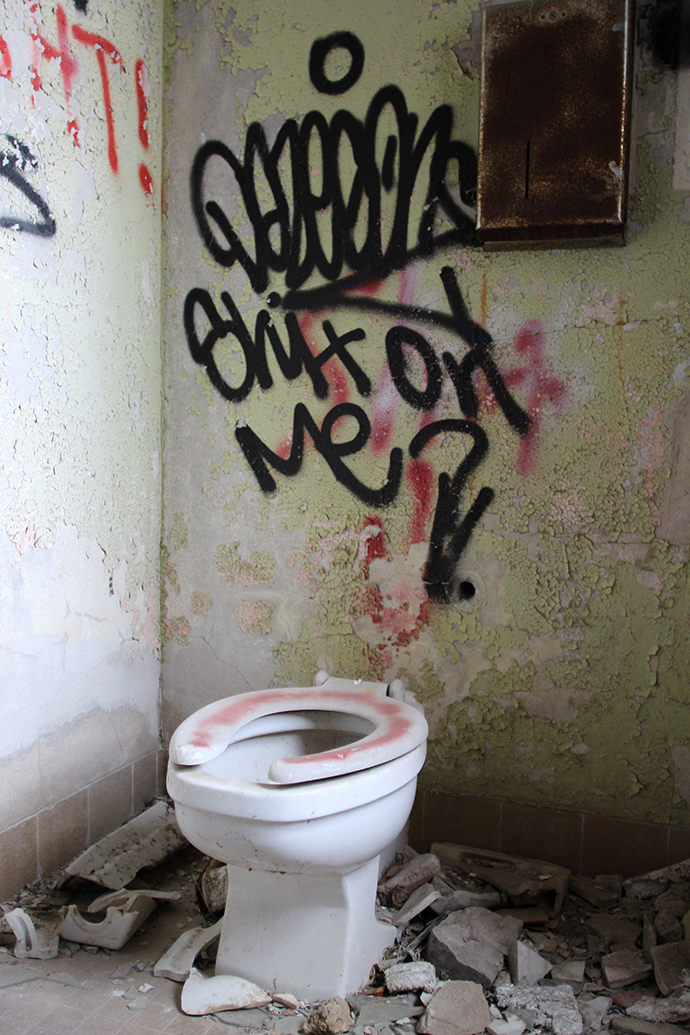
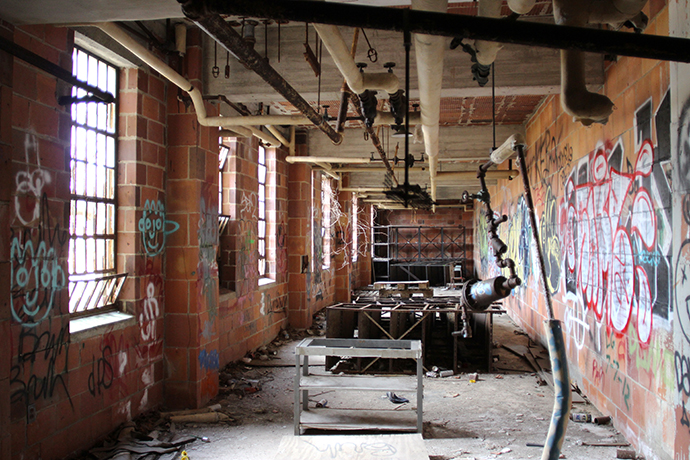
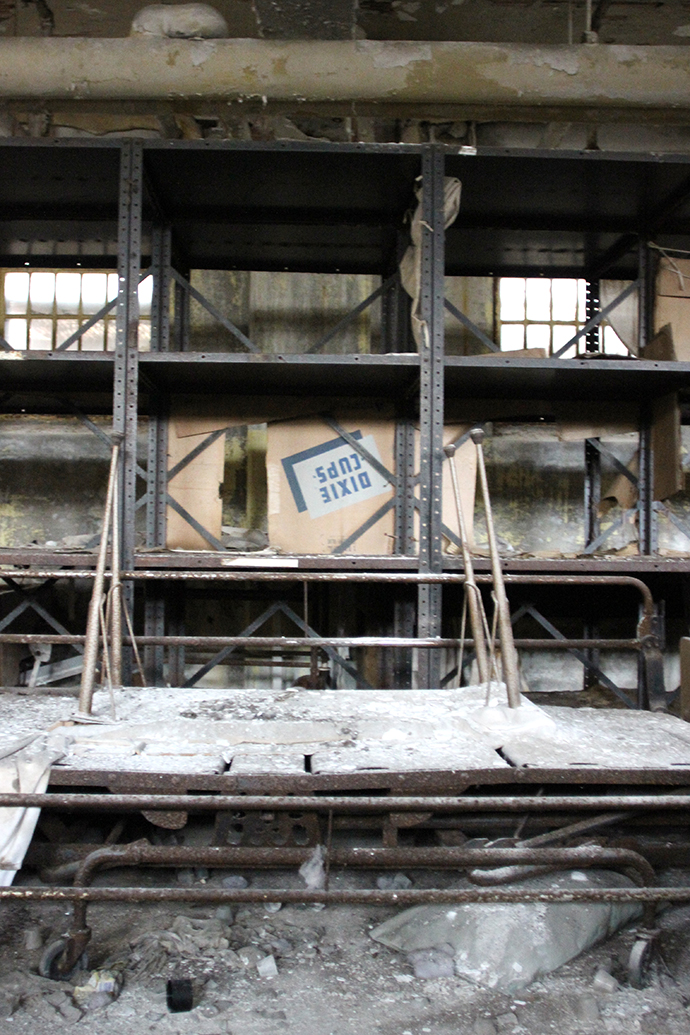
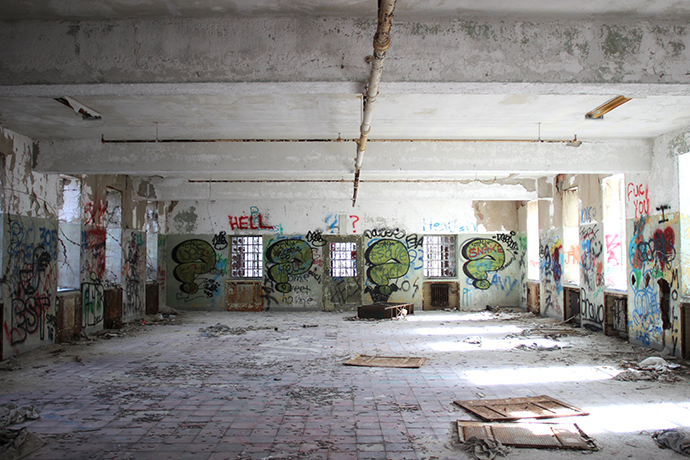
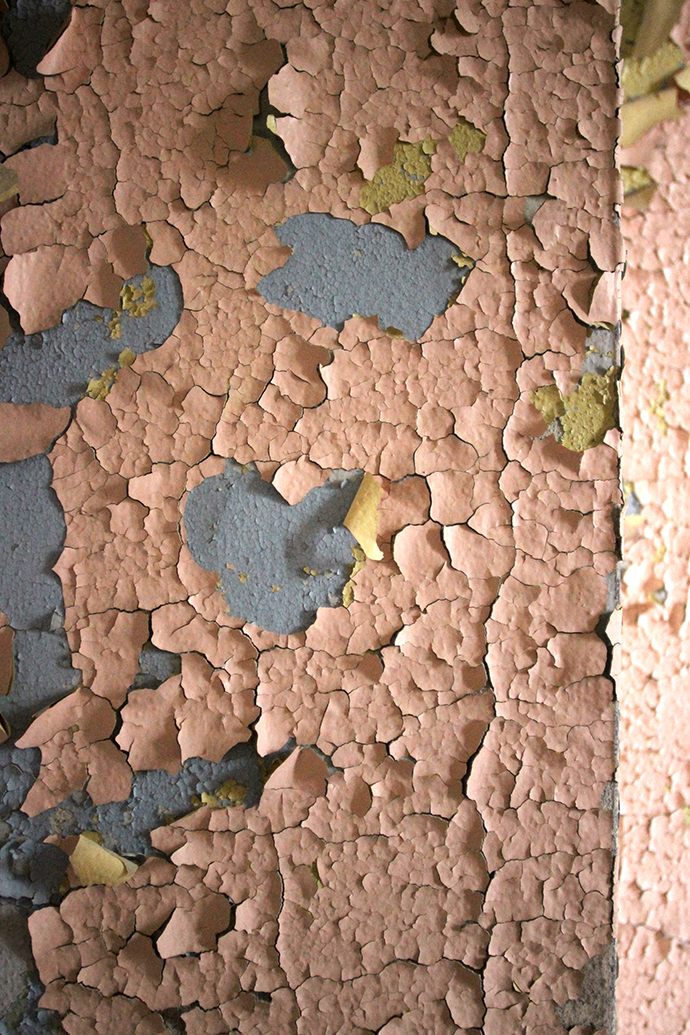
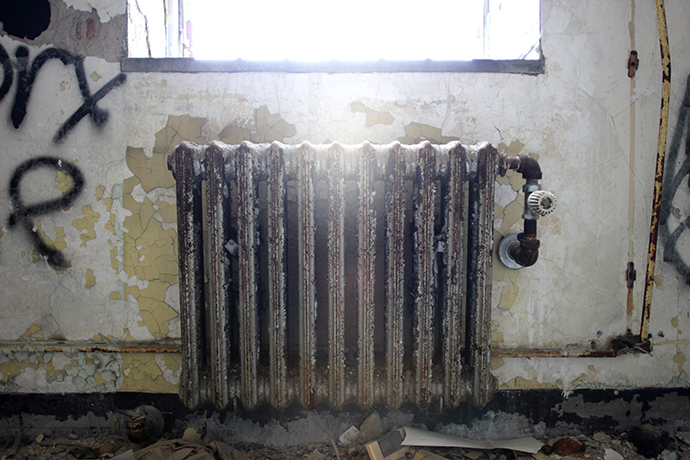
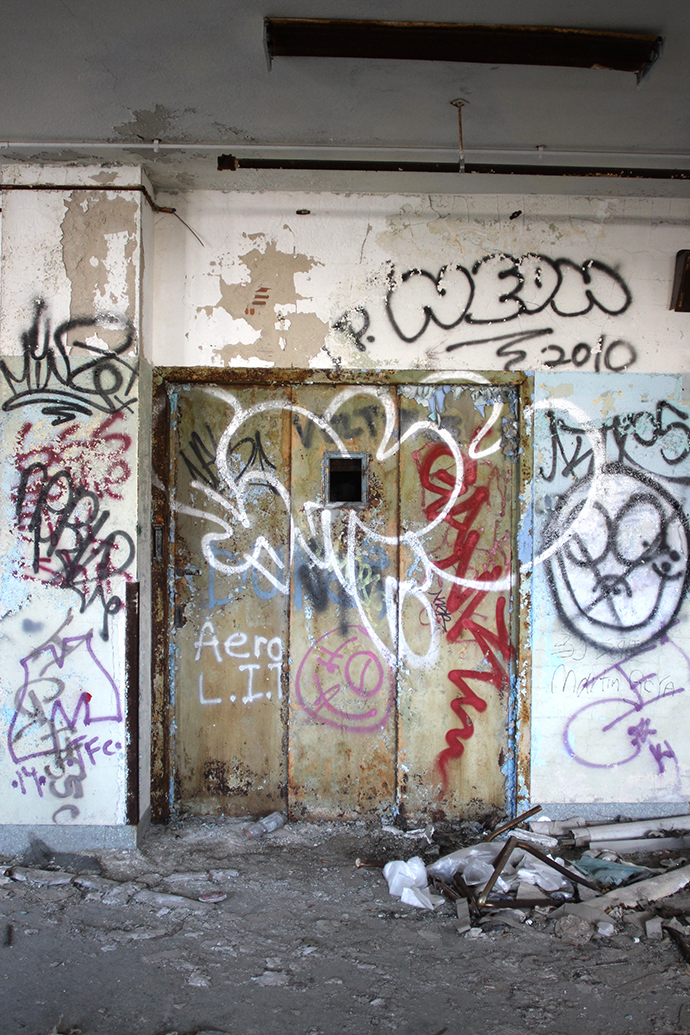
I was surprised to find several other buildings sitting abandoned, but I had my heart set on getting inside of #93. It wasn't as easy of a creep as the New York City Farm Colony (or anywhere near as nice of a day), I'm not entirely thrilled with the photos I got, and my tripod fell out of my backpack and broke (ghosts, probably ¯\_(ツ)_/¯ )—but it was easily my favorite abandoned building experience to date. Our very first creep was an abandoned hospital on Staten Island, but a psychiatric hospital has always been top of my wishlist.
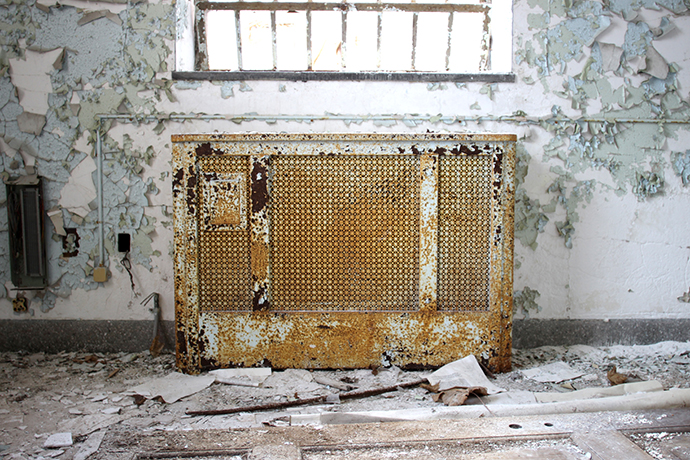
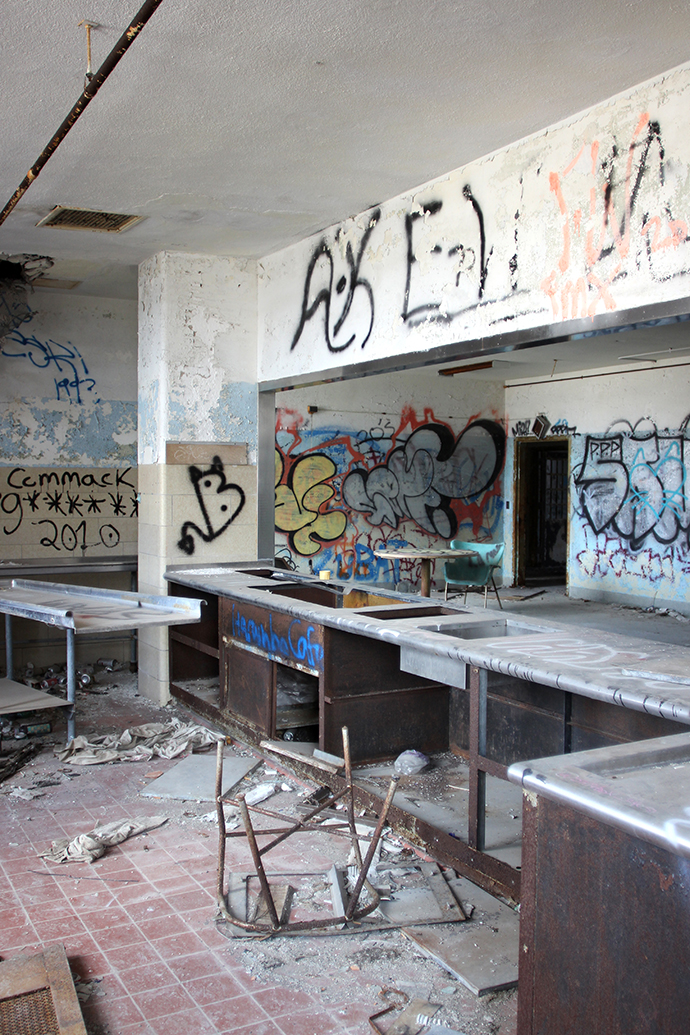
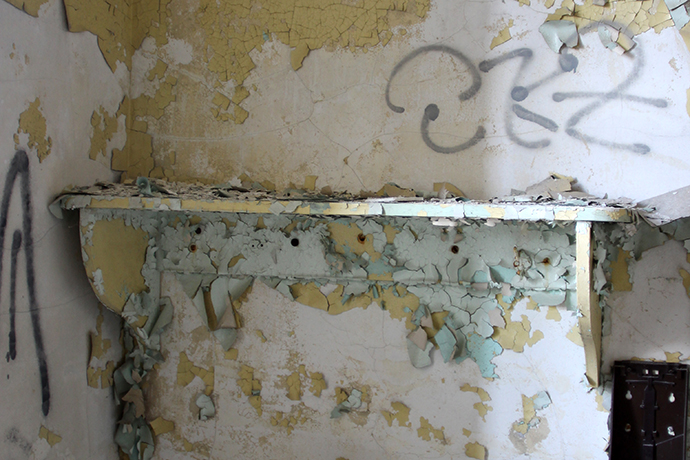
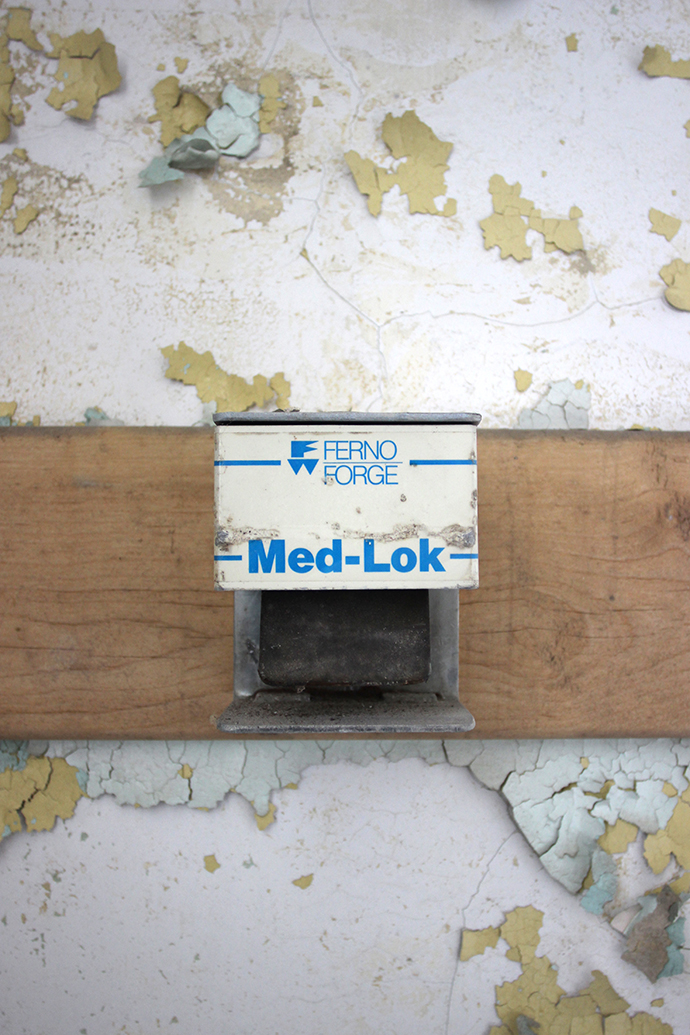
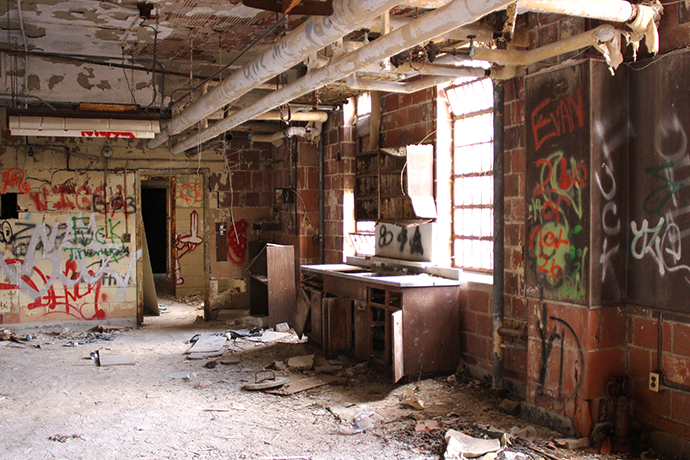
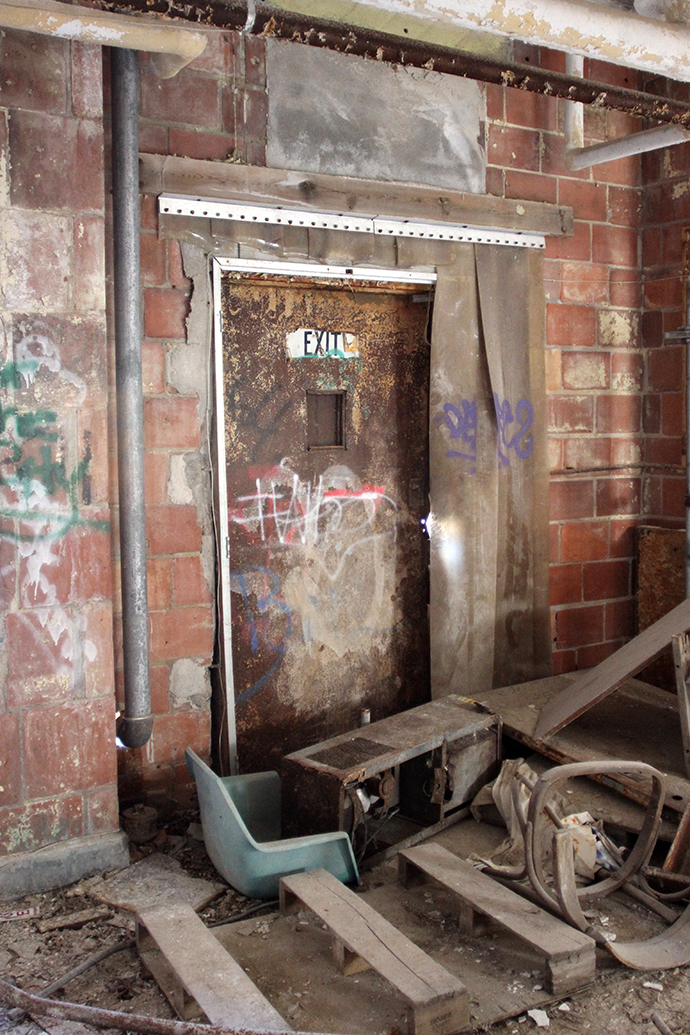
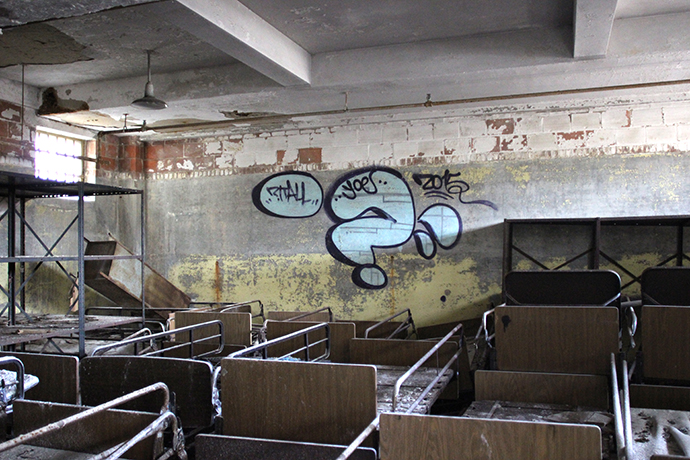
I'm not exaggerating when I say that I could have spent weeks exploring Building 93, but we only made it through two (of the 13) floors before deciding to leave because we were so cold. That cold and windy weather that I had sought for the mansion creep? Not so great for exploring a building whose windows had all long been broken out. We mistakenly assumed that being inside of a structure would at least shelter us somewhat from the gale-force winds, but it felt inexplicably windier and colder on the inside (ghosts, again ¯\_(ツ)_/¯ ). I was bummed that conditions were so miserable, but I was beginning to lose feeling in my hands (and my patient, understanding dude had just about run out of both of those qualities).
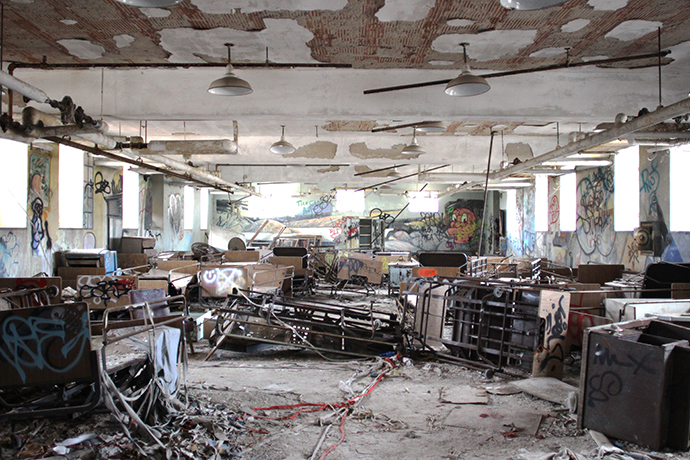
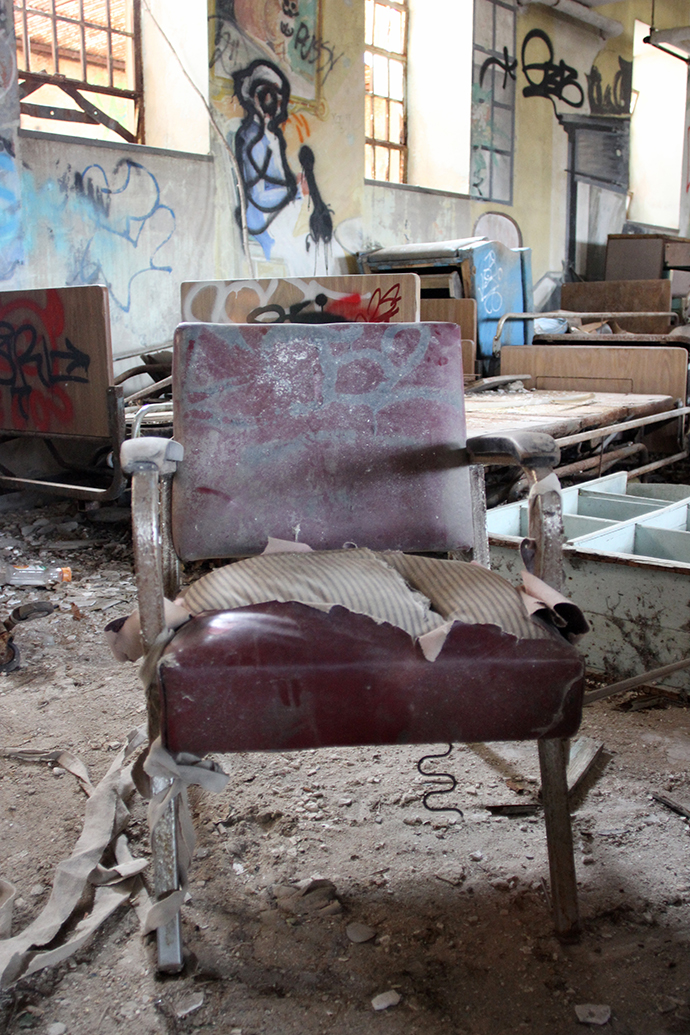
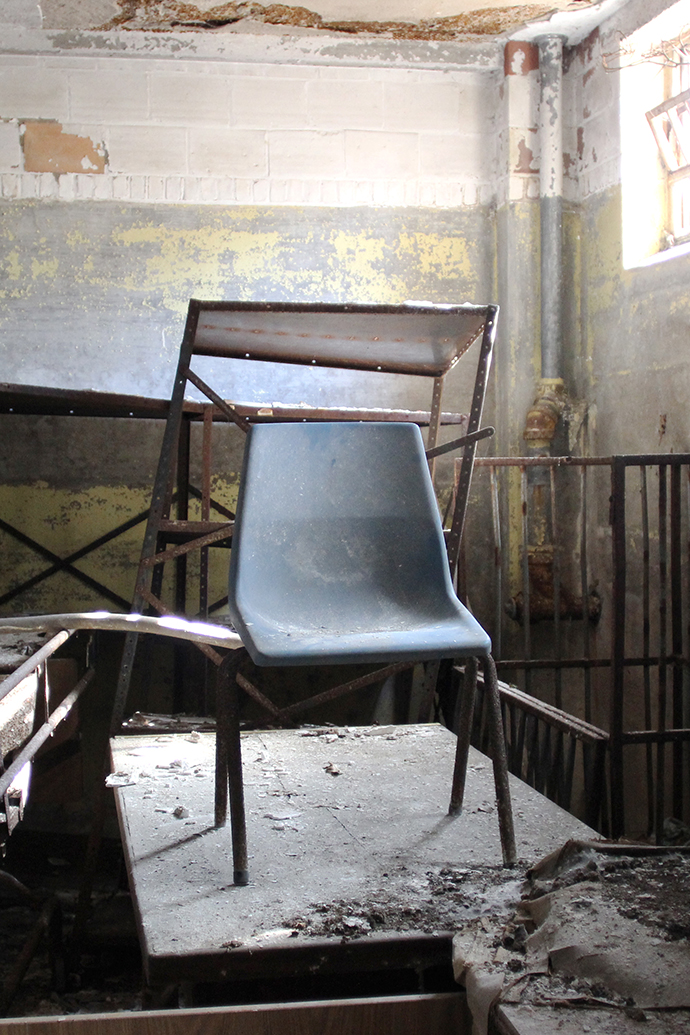

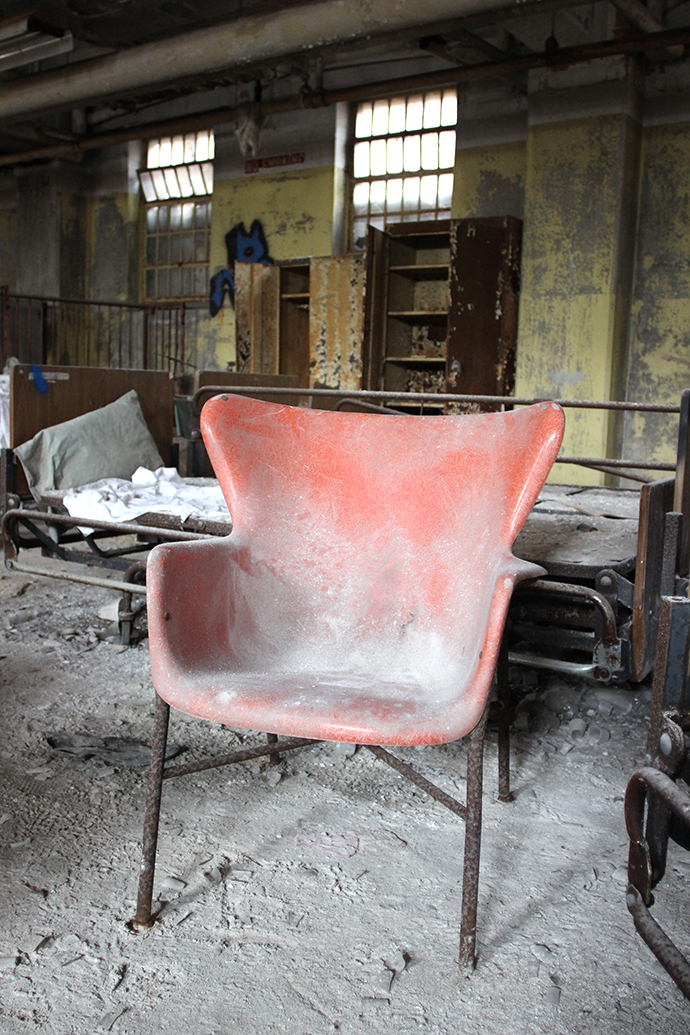
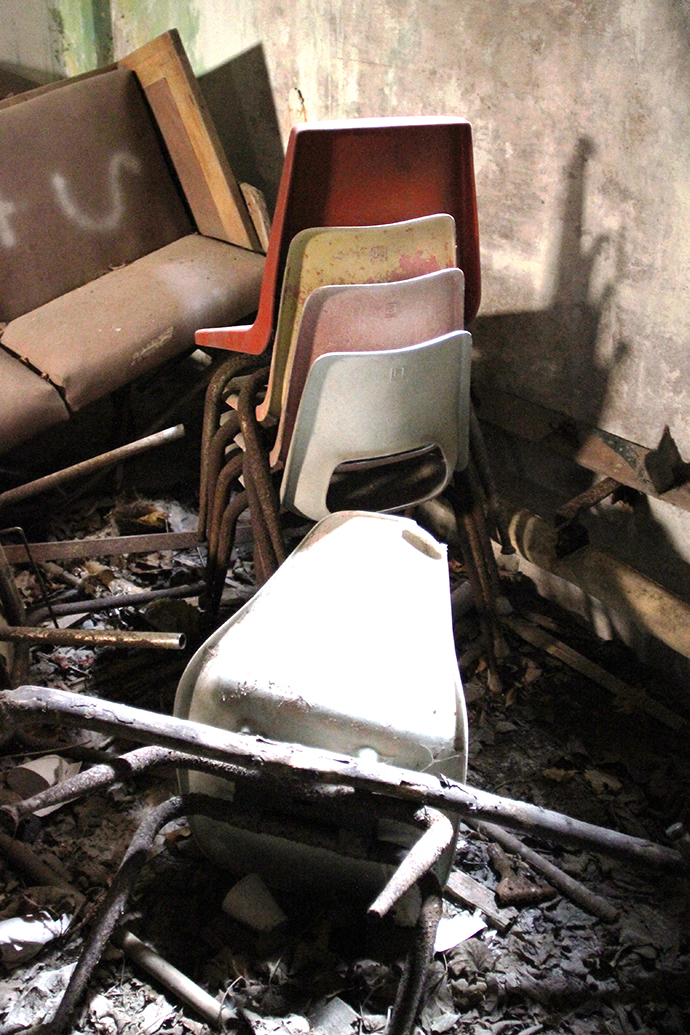
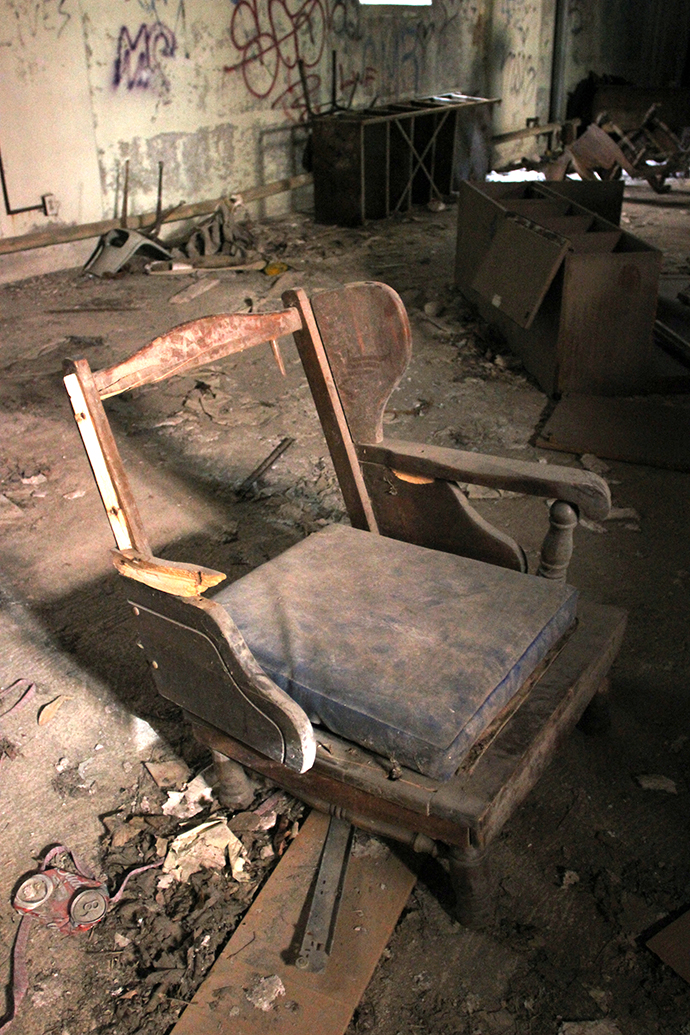
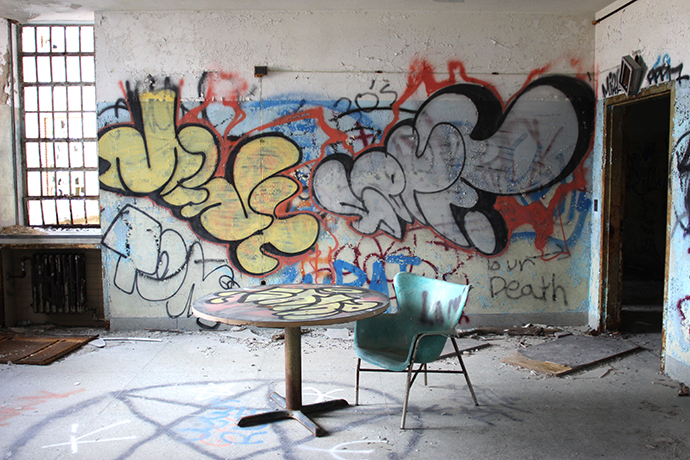
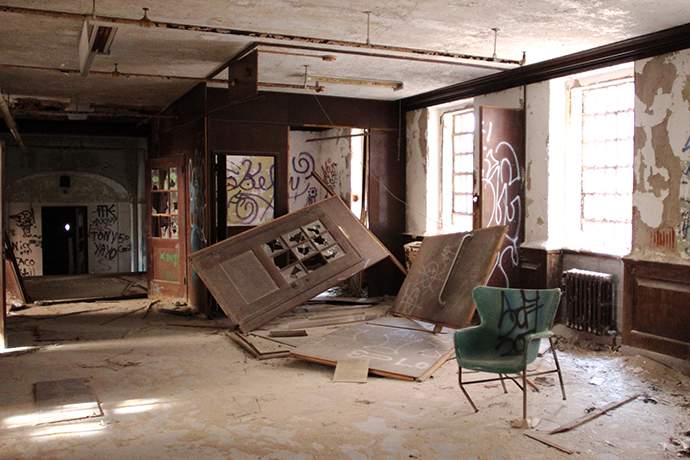
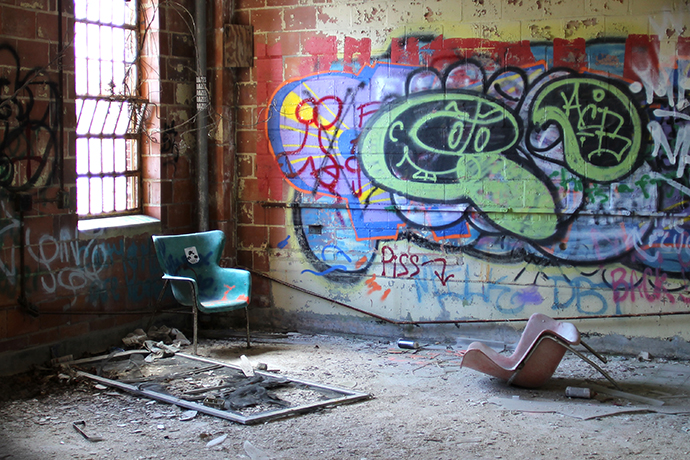
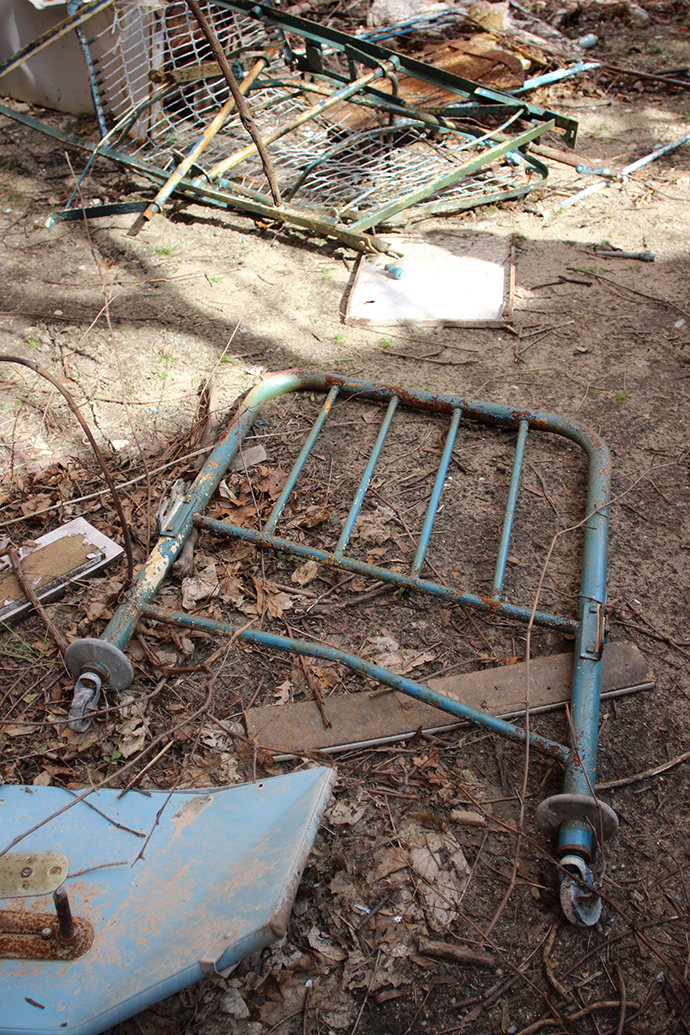
After nearly 20 years of sitting abandoned, I expected the place to be empty but it was full of stuff—chairs, hospital beds, clothing, medicine cups—and I felt like we hit the abandoned hospital jackpot. Psychiatric hospitals are by design labrythine and difficult to get out of, or in our case, into. Even if we had wanted to take something, there was physically no way to get it out of the building (getting ourselves out was harrowing enough)—but that didn't stop me from falling in love with all of the Charles Eames / Herman Miller-esque fiberglass, pastel-colored chairs scattered about.
After extracting ourselves and warming in the car for a minute, we briefly explored two more buildings on the campus—a doctor's cottage and more patient housing (deserving of their own post)—but it's a return to Building 93 that I'm already dreaming about.

Conservatory Garden: Signs of Spring

The weather in New York has been all over the place lately—in the 70s one day and snowing the next. Due to the unseasonably warm weather (hello, climate change!), plants began blooming while it was still February. While I know little to nothing about plants, I do know that it's fairly normal to see things like snow drops this time of year, but seeing cherry blossoms beginning to bloom months before their traditional appearance is just strange (or perhaps alarming).


I went to check in on one of my favorite places in Central Park—the Conservatory Garden—recently on my lunch break, and found several signs of an early spring. I first visited the Conservatory Garden in the spring, at a time when I was really solidifying my plans to finally move to New York, so it will always hold a special place in my heart. While it hasn't been a part of my daily commute for over a year, I'm lucky enough to work within walking distance and it's the perfect quiet space to spend my lunch break.


The Conservatory Garden always puts on a spectacular tulip display, some of which are already starting to make their way out of the ground. The colors usually vary from year to year, so the arrangements always feel new. There's a particular cherry blossom tree (I'm pretty sure that's what it is, although if I'm totally plant-clueless, please correct me) by the entrance to the garden that for the four years I've been here has always come to the spring party early, and it's already bursting with blooms. It's cold and windy again now and I want to go cover all of the fragile-looking buds with tiny snuggies, but I think spring will be here in full-force soon enough.

Project 365: Days 55-61
55/365: I forgot to take a photo on day 55¯\_(ツ)_/¯ I'm trying to get better at this, I swear.
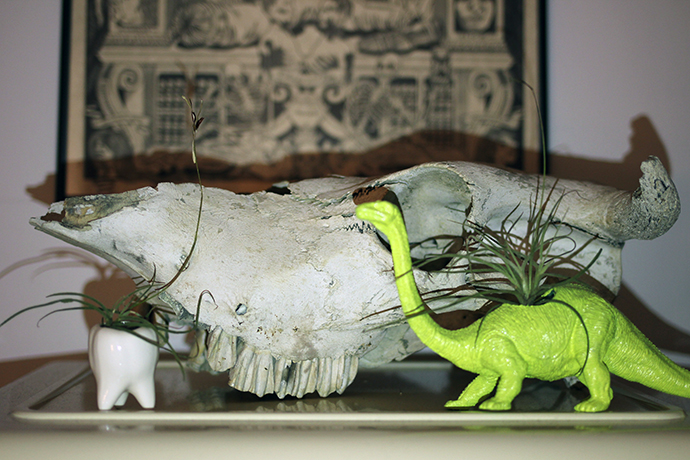
56/365: My thoughtful dude knew that I had just murdered my air plant, so he brought me back two from Florida. I'll try my best not to kill these *fingers crossed*. (Dinosaur planter from here, tooth planter from the insanely generous Kaylah of The Dainty Squid and the cow skull was a Christmas present from my super cool dad)
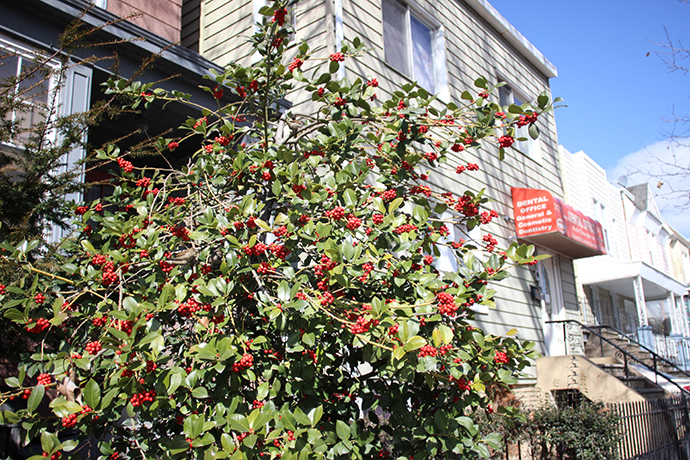
57/365: I had a Jersey City / Hoboken adventure day, including an anxiety-inducing stop at the White Mana Diner.
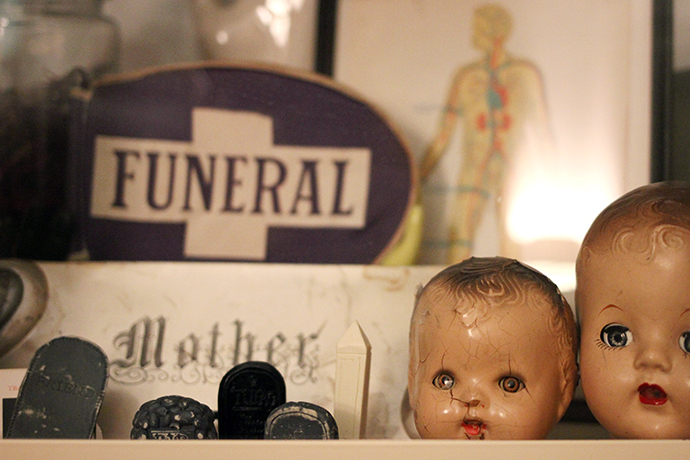
58/365: Curiosity cabinet scene. I found that "Mother" casket plaque at an Ohio antique mall for seven dollars and later saw a similar one at the now-closed Morbid Anatomy Museum for $60. Oh how I miss thrifting anywhere but New York.
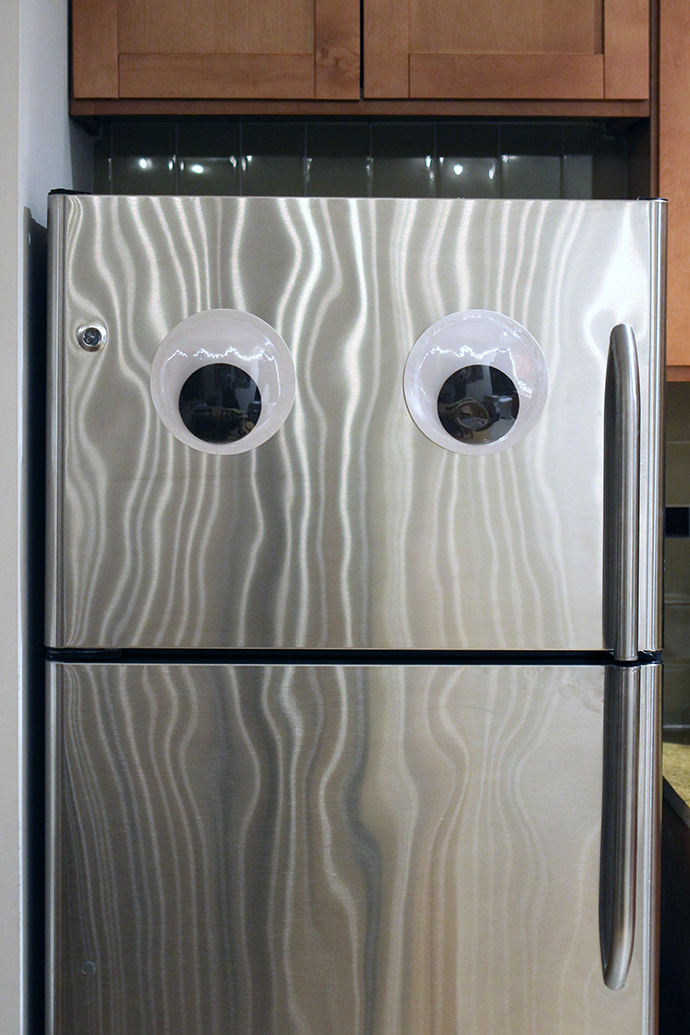
59/365: We left these giant googly eyes on our fridge after the Halloween party, and they make me laugh every day.
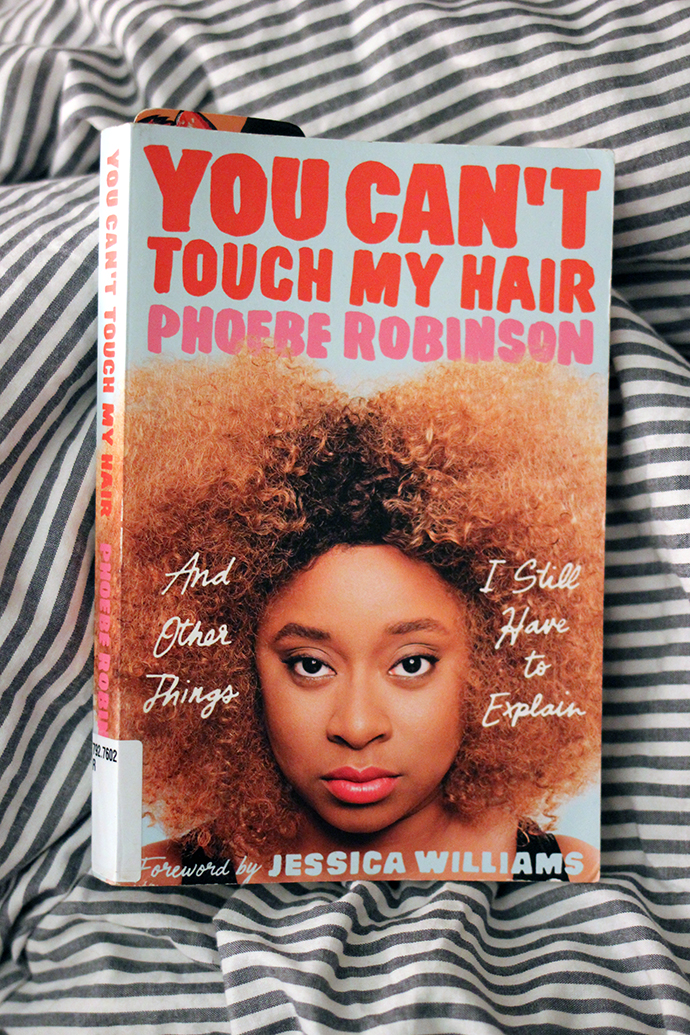
60/365: I finished Another Country and started this hilarious book. I've already laughed out loud multiple times while reading this on the subway, which isn't a good look but oh well. Also, how great is this cover?
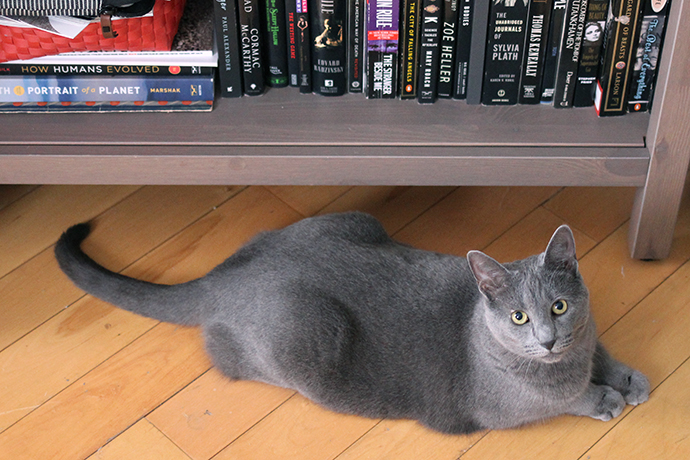
61/365: This idiot.

Charleston
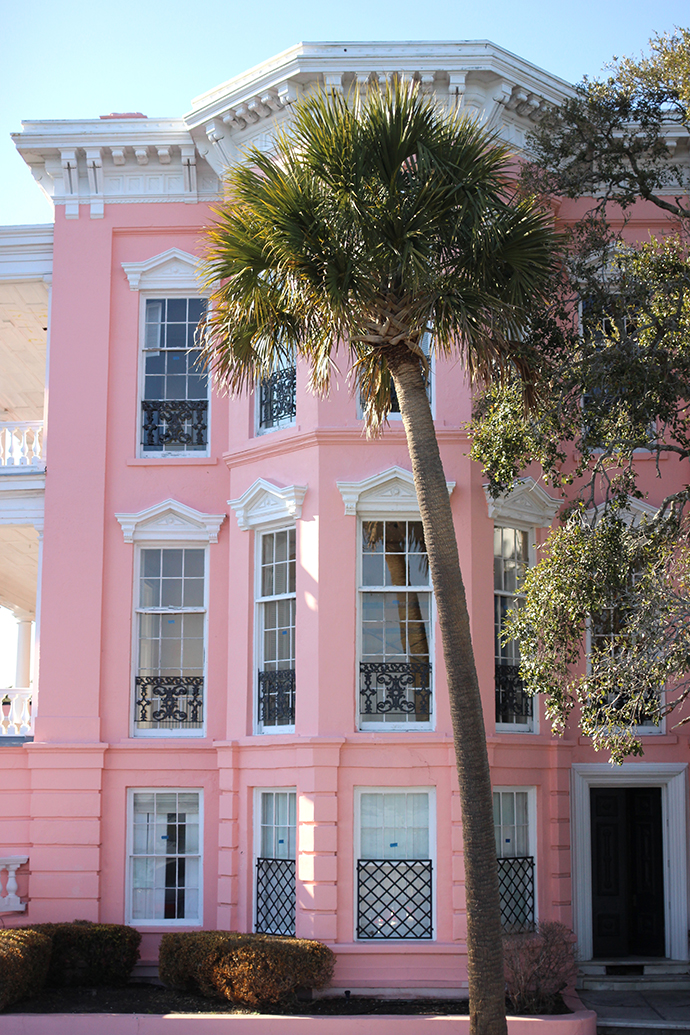
The main reason we went to Charleston in the beginning of February was because of a JetBlue deal that got us from JFK > Charleston for $96 roundtrip. My friend Francesca and I had been to Savannah in 2015, New Orleans in 2016 and we were eager to round out the Holy Trinity of Southern cities with Charleston. I had been told countless times that Charleston was "prettier than Savannah," by several different people, and I love Savannah so I had high hopes for its sister city.

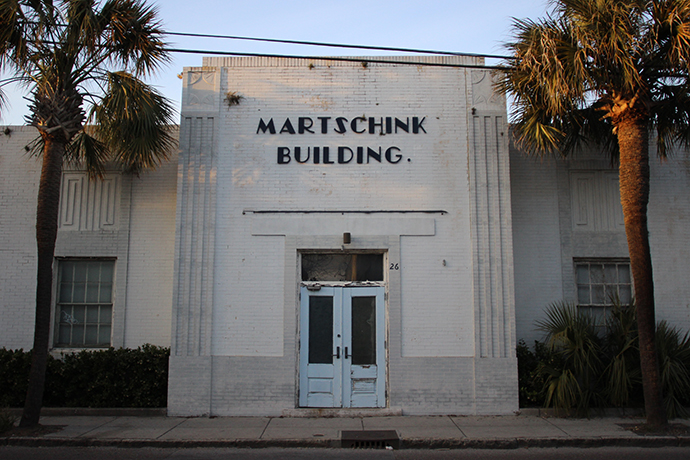
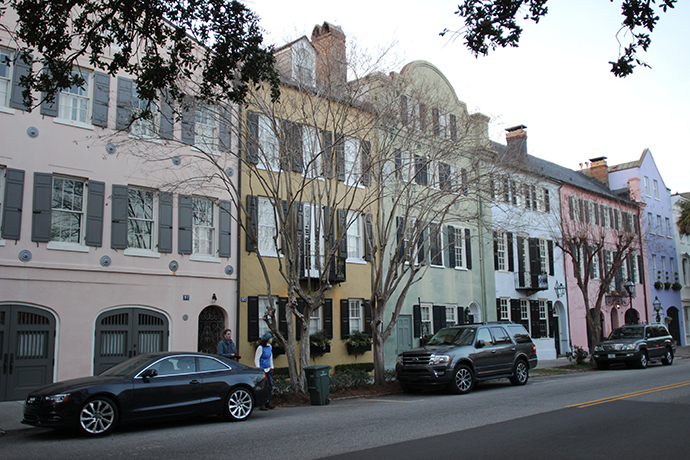

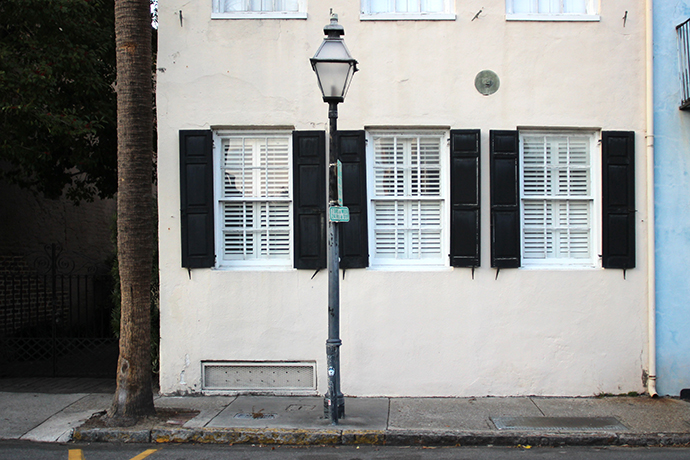
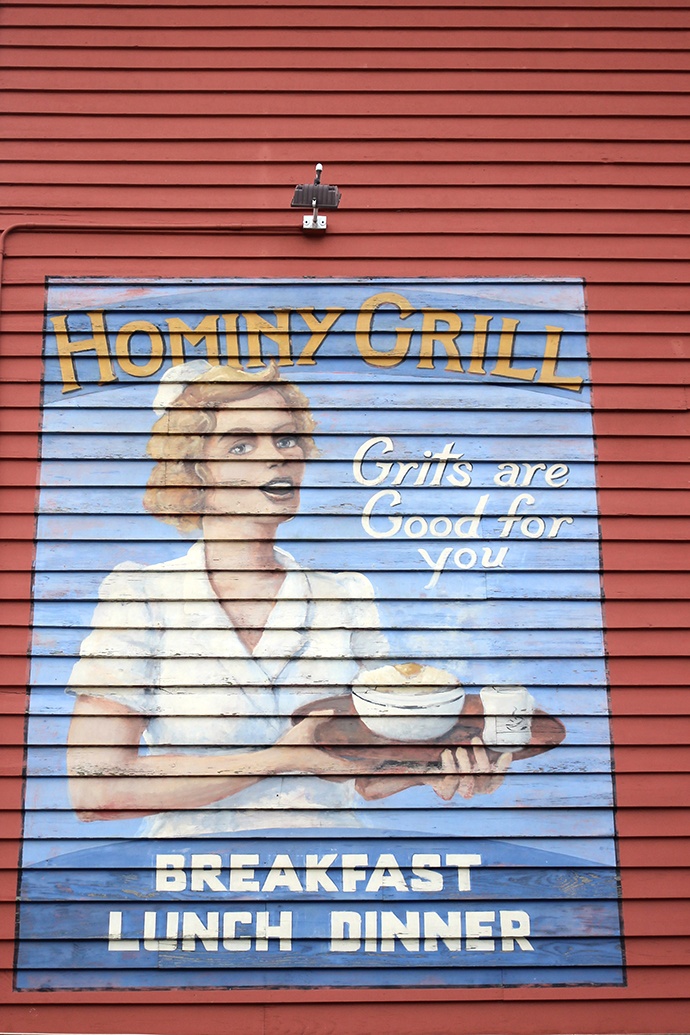
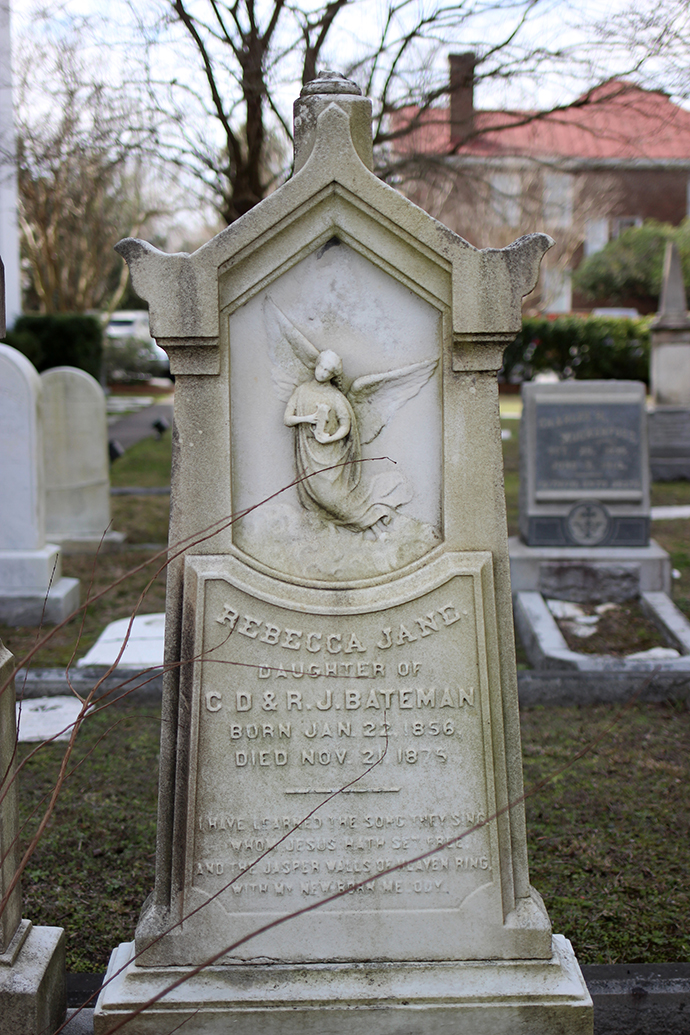

We had a nearly-flawless four-day trip, but both of us agreed that Charleston was our least favorite of the three Southern cities we've visited together. That's not to say Charleston didn't have its charms, but it just felt a bit more polished and less unique than Savannah or New Orleans. Savannah has a Spanish moss-covered, slightly crumbling and overgrown quality to it, while New Orleans has a lock on culture—music, drinks, style—that we just didn't feel in Charleston.
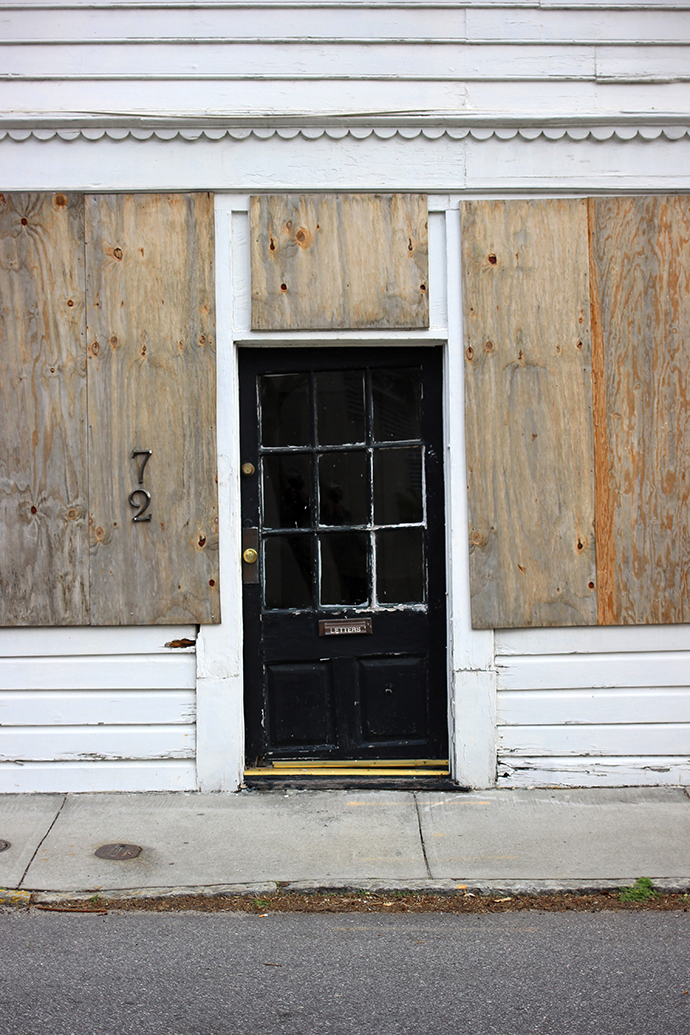
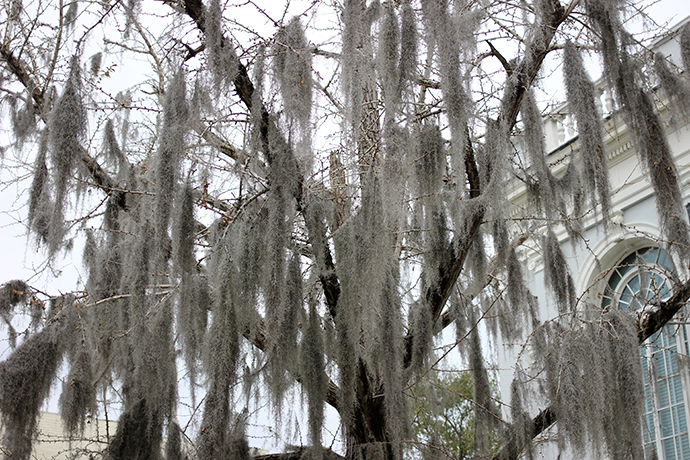
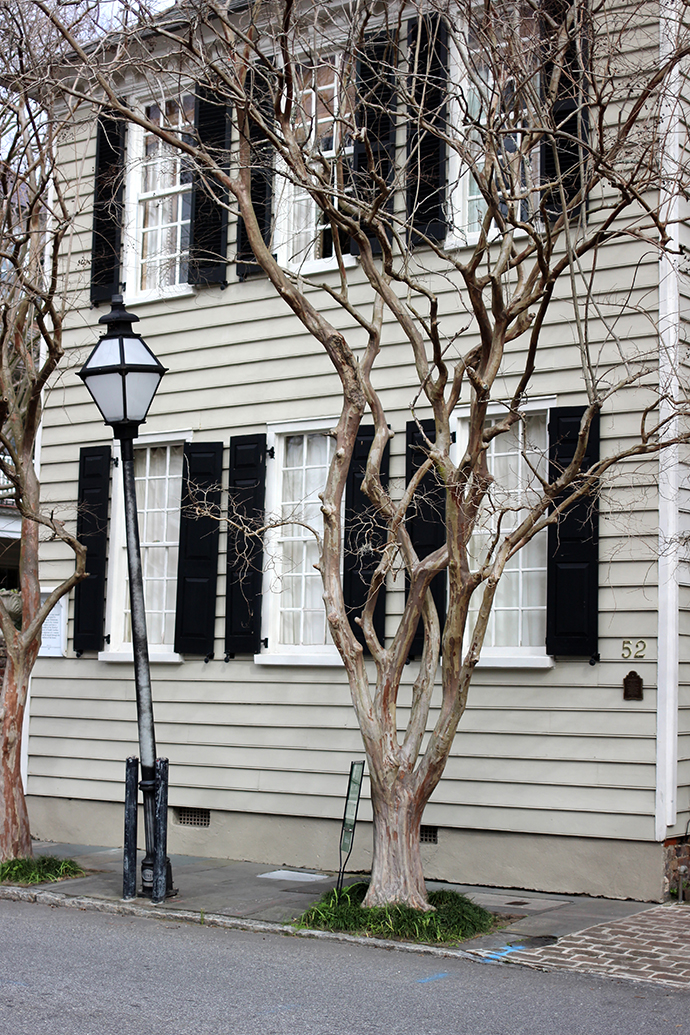


I don't mean to go full Debbie Downer on Charleston, and it's sort of silly to compare it so harshly with other cities—the only reason I mention the comparison is that Charleston had always been brought up to me in such a way (especially whenever I'd mention Savannah). The main thing Charleston seems to get very right is their food. Thanks to Francesca's excellent planning, we basically never stopped eating—from thick-cut bacon and grits at Hominy Grill, to dinner at Husk (widely regarded as one of the best restaurants in the country) with multiple plates of fried green tomatoes in between.
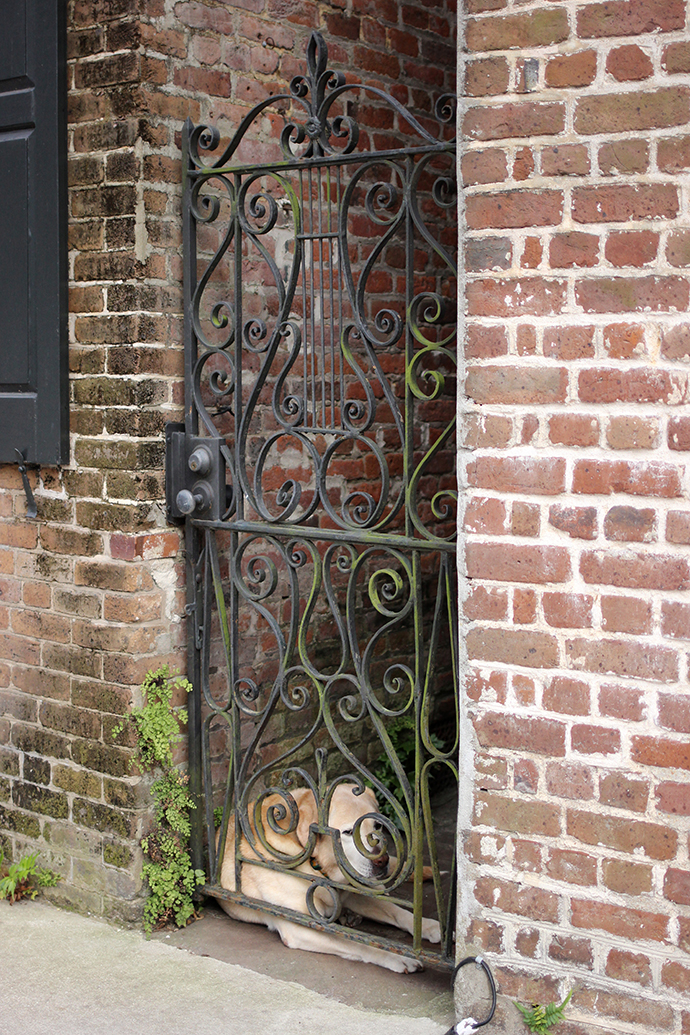
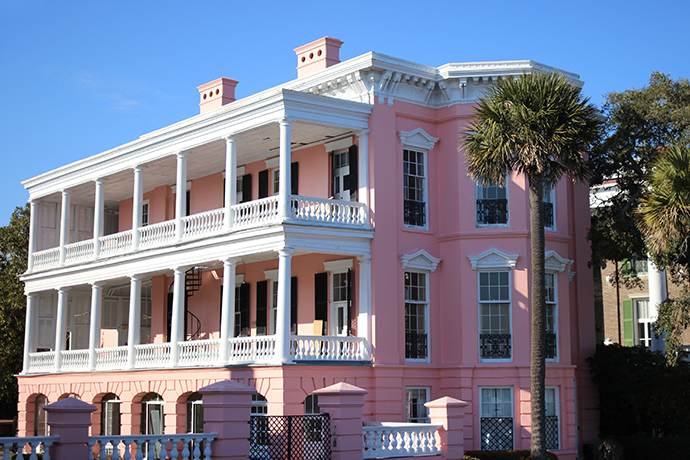



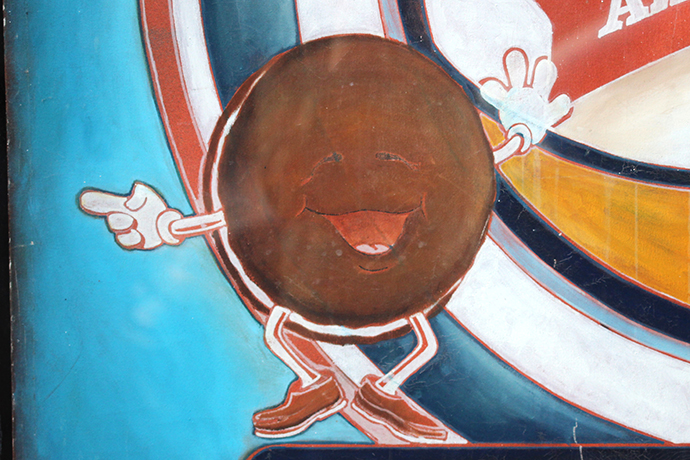
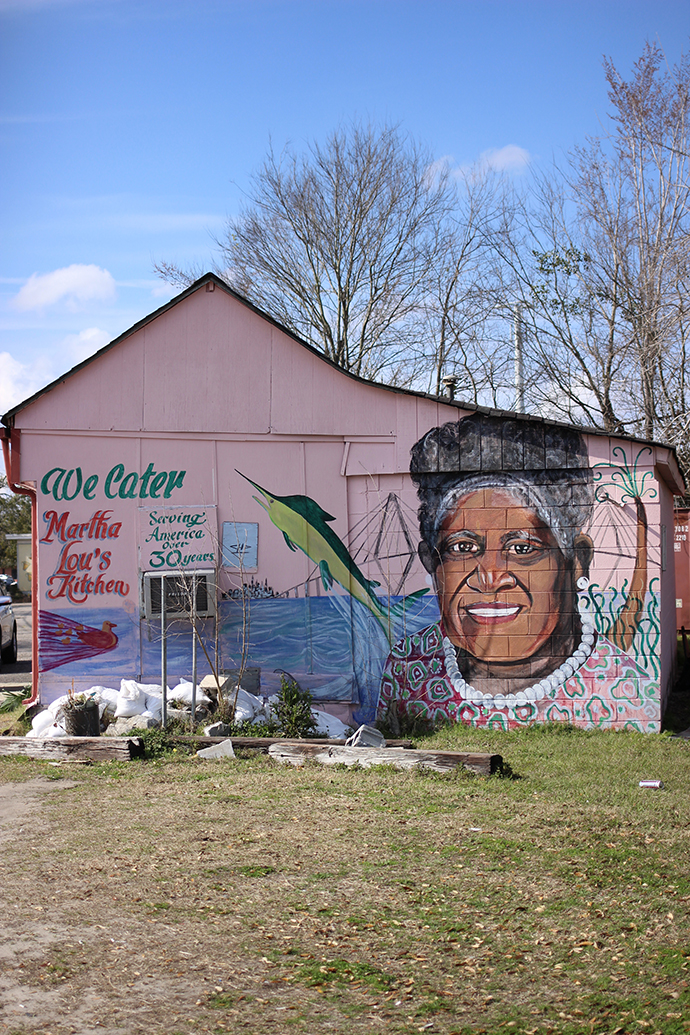
We took two ghost tours, saw Rainbow Row, strolled through church graveyards, lusted after adorable row houses, met a super chill dog, browsed markets, bought Moon Pies for our co-workers, ate donuts, explored some more cemeteries, marveled at the amazing collection housed in the Calhoun Mansion, took a mini road trip (to a plantation, the Angel Oak and church ruins) and stuffed ourselves silly with fried chicken at Martha Lou's Kitchen (made by Martha Lou herself).
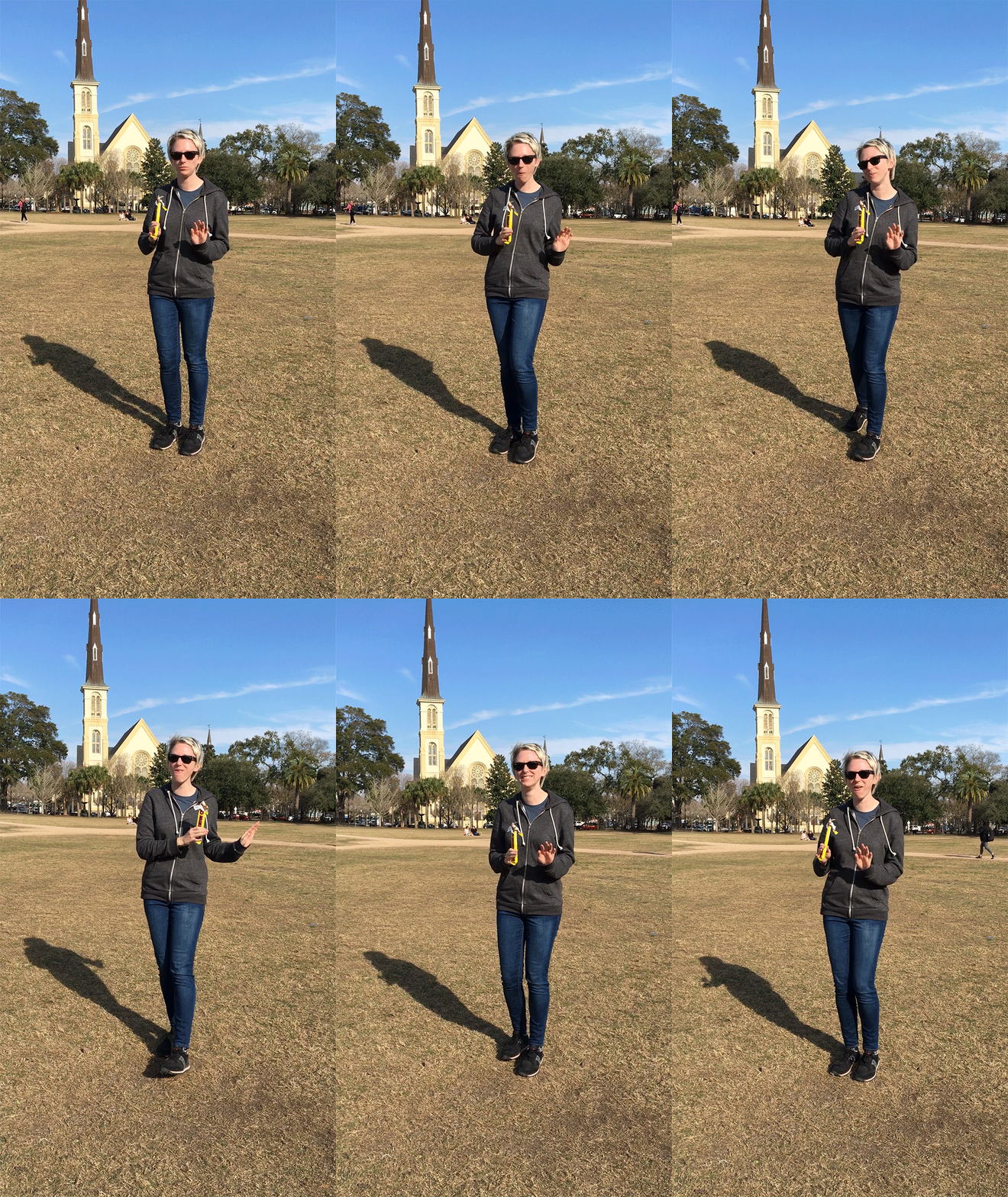
And then, right before we took a car to the airport, I finally fulfilled my life-long dream of eating a Charleston Chew in Charleston while (poorly) doing the Charleston.
Where we stayed:
Days Inn | Francis Marion Hotel - both excellent locations, but the Francis Marion was definitely worth the extra $$.
We rented a car from:
Enterprise (cheap, within walking distance of our hotel and they have after-hour returns).
Where we ate:
Hominy Grill for brunch | Early Bird Diner(I had the "FLT" with the "F" standing for fried green tomatoes) | Glazed donuts | Martha Lou's Kitchen | McCrady's Tavern | Husk
What we did:
Unitarian Church graveyard | Ghost tour | Haunted Jail tour | Calhoun Mansion tour

Jersey City + White Mana Diner
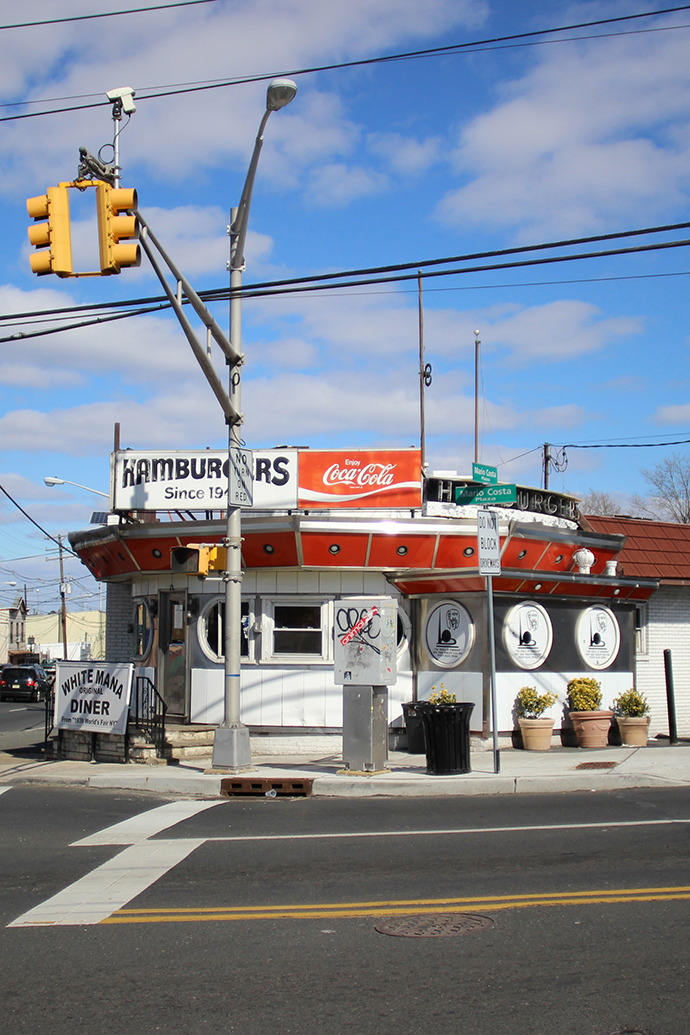
This past weekend I decided that I would finally make the trek to Jersey City to see the White Mana Diner. The diner is a relic from the 1939 World's Fair, and I've known about it ever since I moved to New York and became obsessed with all things related to the two New York fairs. Add in the fact that it's a diner, and I have no excuse why it's taken me so long to pay it a visit.
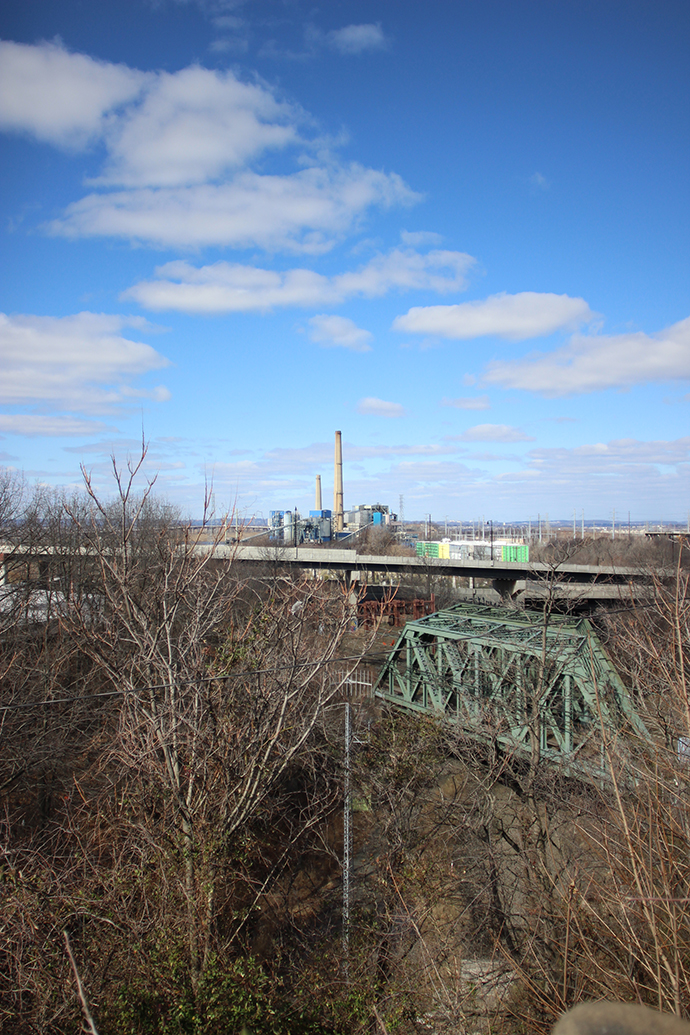
This was my second time in Jersey City—both times I took the PATH train to Journal Square, which takes almost no time at all from the World Trade Center transit hub. Away from the waterfront, Jersey City is a little rundown, a little suburban and filled with interesting things. I guess I hadn't really realized that the diner was so close to the PATH train, but it was only about a twenty minute walk (I kept passing things tagged with "Noodles" which is officially my favorite tag).

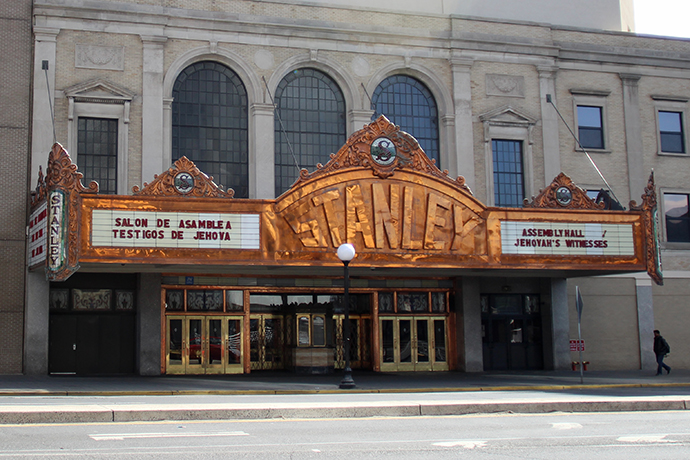
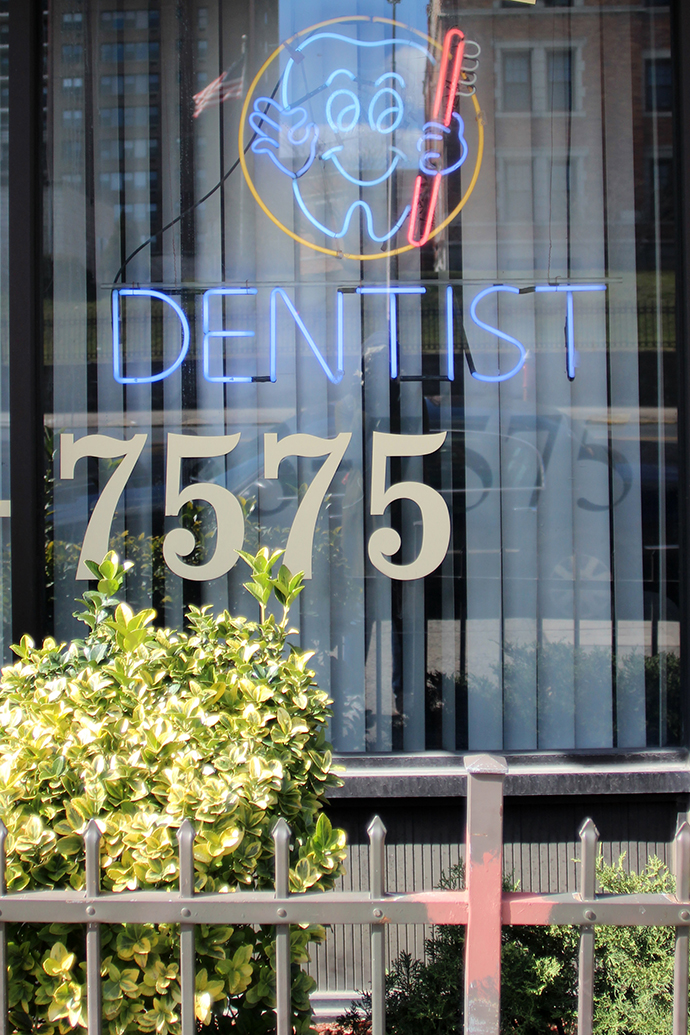


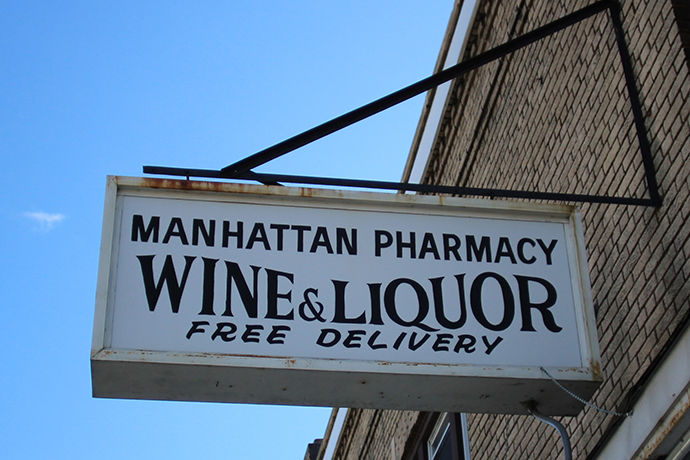
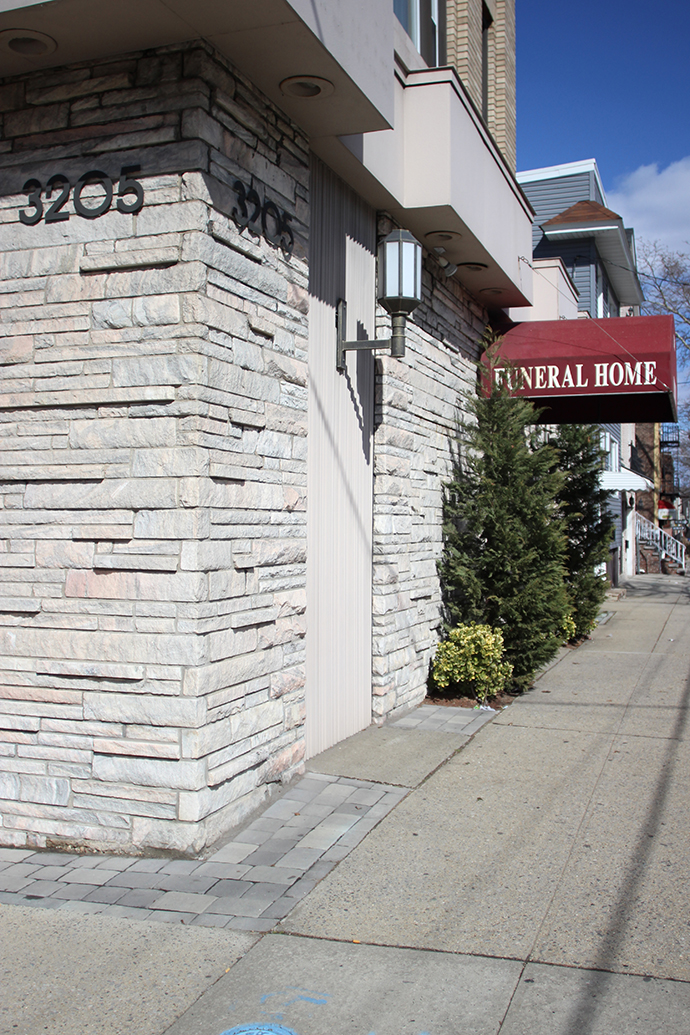
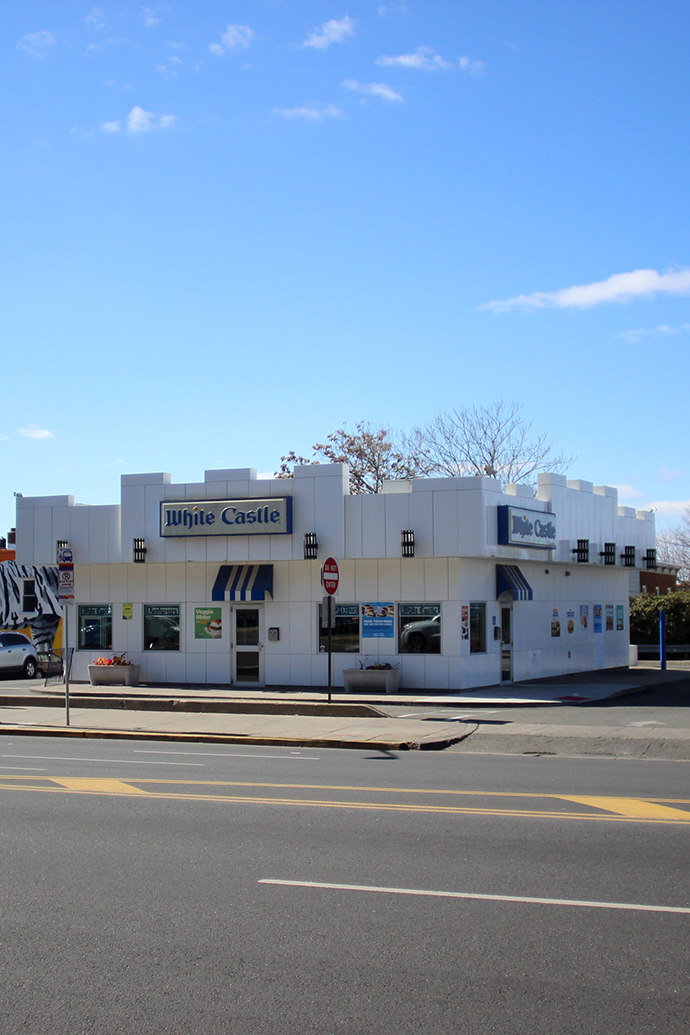
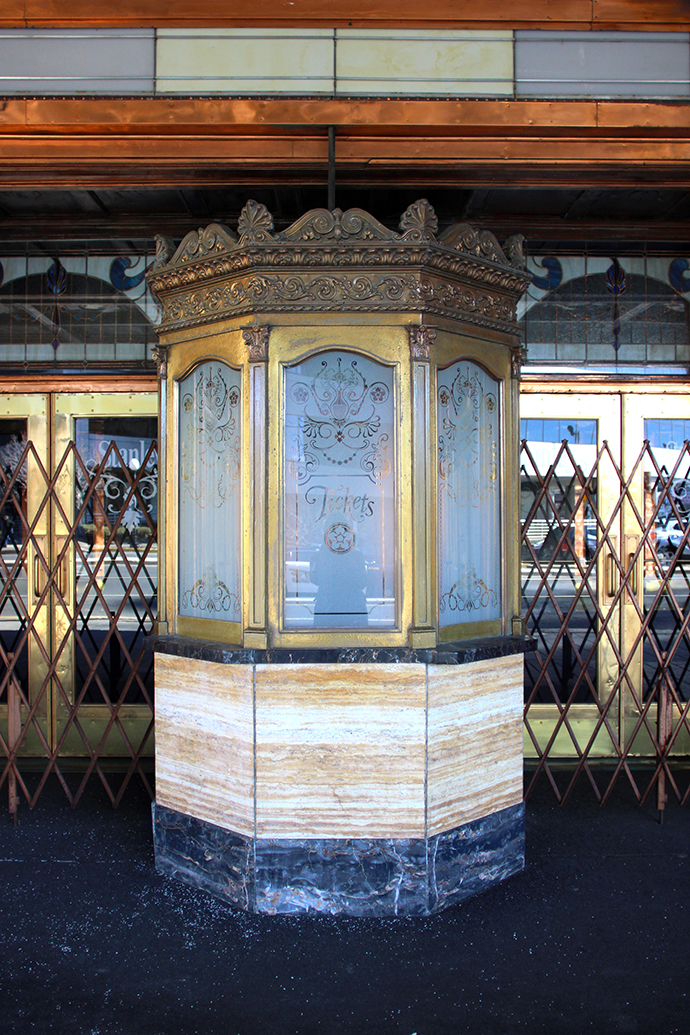
The White Mana Diner is a tiny, circular diner that was marketed as the "Diner of the Future" during the World's Fair. This is usually the part of the post where I tell you the history and post loads of photos, but although I did go inside of the diner, I don't have many photos—in fact, I took zero photos inside even though the diner was theentire pointof my day. Here's why: I actually struggle a lot with taking photos in front of people, as silly as that might sound. I was so pumped to see (and eat at) the diner, and I even tried to strengthen my resolve on my walk, telling myself that I wouldn't be shy and that I'd get my photos.
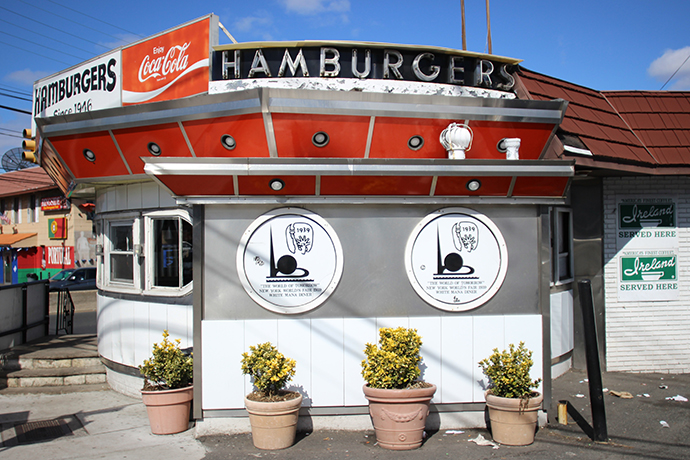
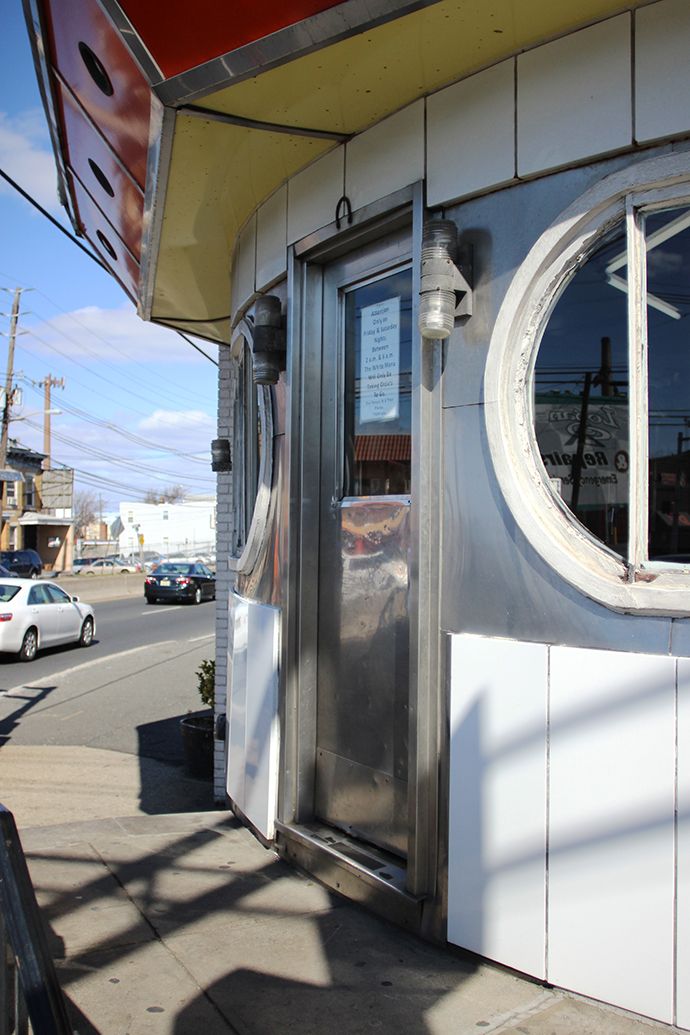
But then, I walked into the diner and it's tiny and filled with locals. A man immediately turns to me, pats the stool next to him, and invites me to sit down, which I do. He starts talking to me—about astrology, World War II, my nationality, Trump, Melania—and didn't stop the entire time I was there. I've definitely grown leaps and bounds in the past few years to the point where I can actually talk to strangers without wanting to die, but I still can't bring myself to whip out my camera and start shooting while all eyes are on me.
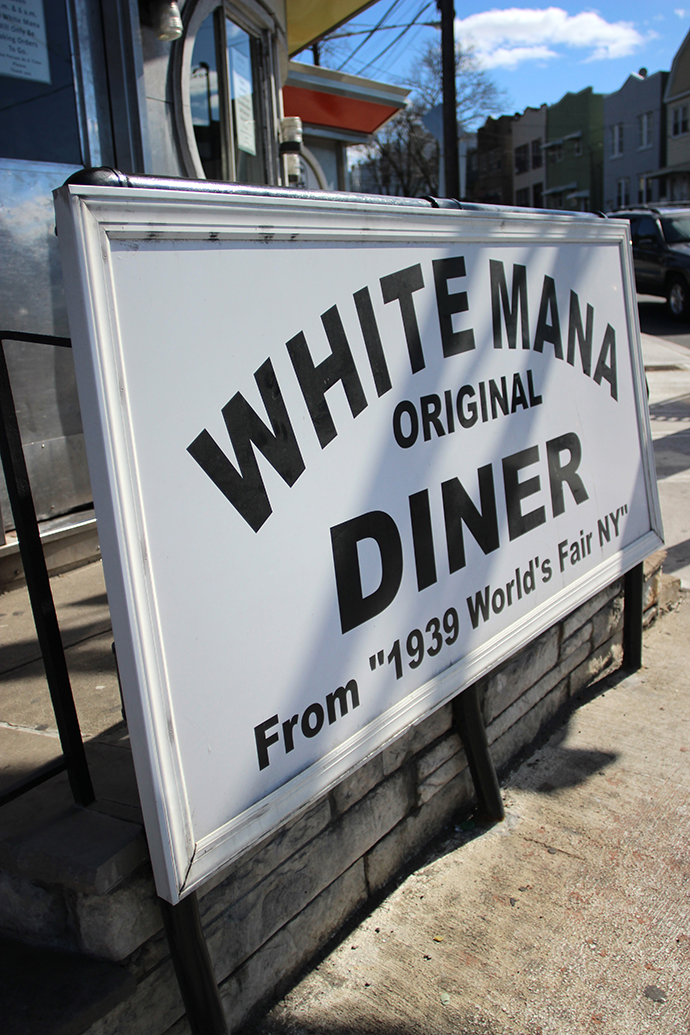
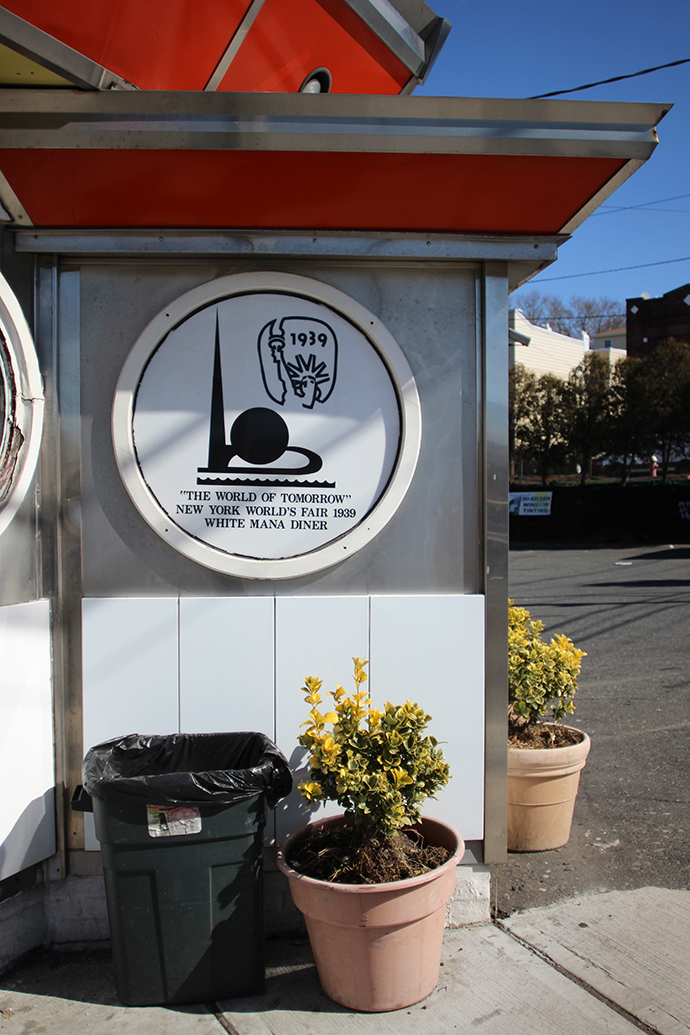
I beat myself up about it the entire walk back, feeling so dumb that I let my insecurities rule, but I have to remember that a few years ago just the idea of going to the diner alone would have been too much for me to handle. I have to constantly remind myself that the only photos I regret are the ones I don't take, that virtually no one really cares if I'm taking photos or thinks I look dumb doing so (except me), and that ordering one cheeseburger at a place famous for their sliders is a total amateur move.

Old Sheldon Church Ruins

One of the main reasons I had for renting a car for a day on our recent trip to Charleston was to visit the Old Sheldon Church ruins in Beaufort County. After we visited Magnolia Plantation and the Angel Oak, we drove about an hour west to check out the ruins. I became aware of the ruins thanks to Kaylah of The Dainty Squid, who shares my love of all things creepy, and I couldn't pass up the chance to see Spanish moss-covered ruins surrounded by a graveyard.
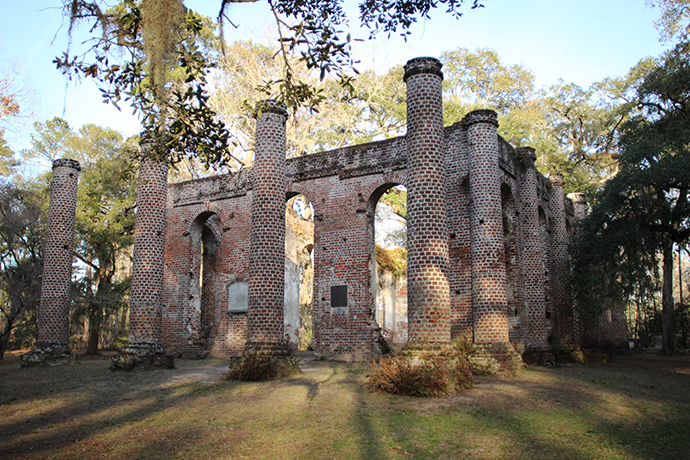
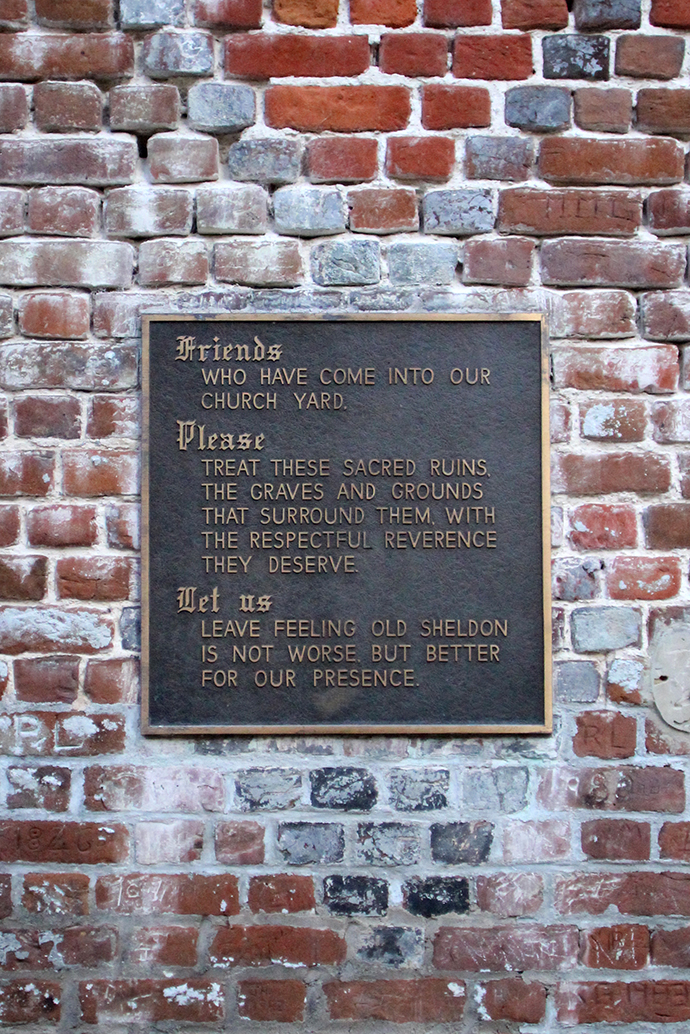
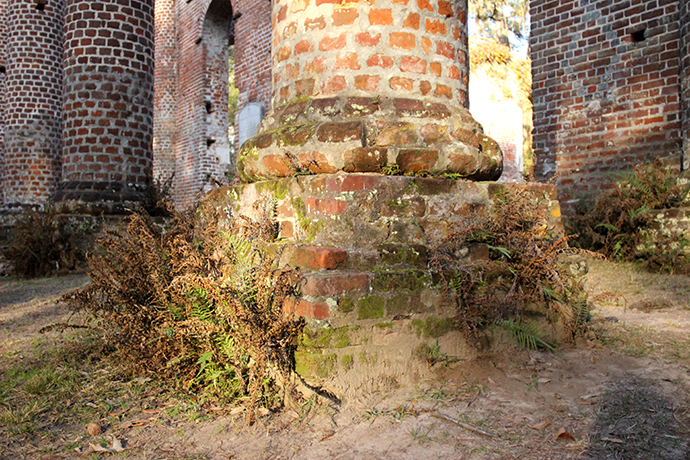


Built in the 1750s and originally known as Prince William's Parish Church, the church was burned by the British during the Revolutionary War. It was rebuilt, only to be burned again (or more likely just torn apart) during the Civil War as General Sherman cut a path of destruction from Savannah to South Carolina. There's enough left to get a general feel for the layout and size of the church—I can see why this is such a popular spot for weddings that they had to erect a sign stating that unauthorized events were prohibited on the property.


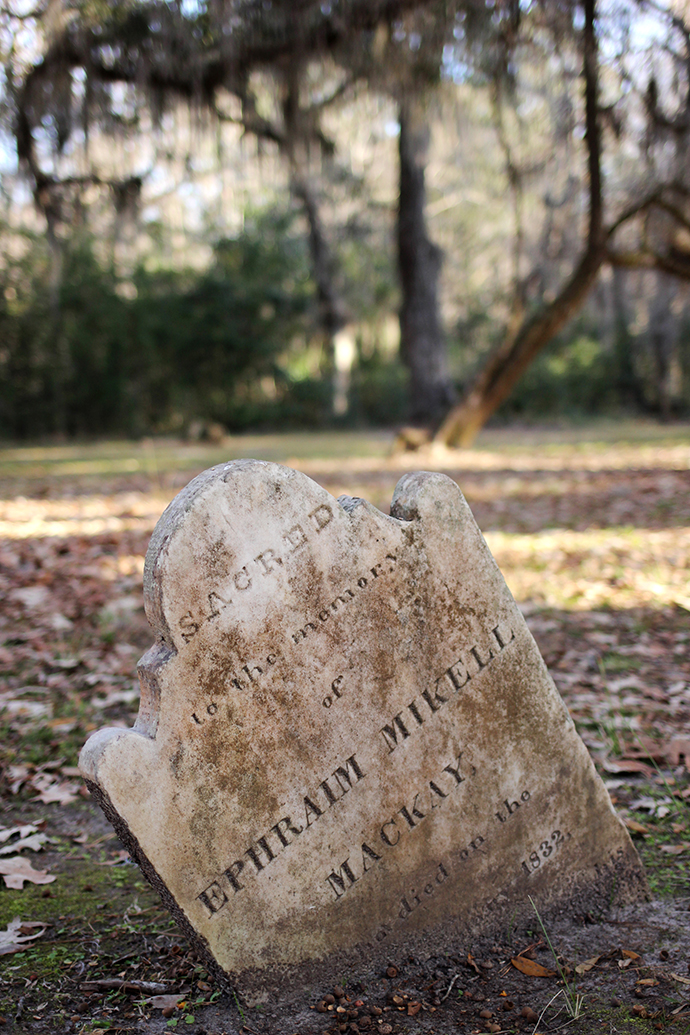


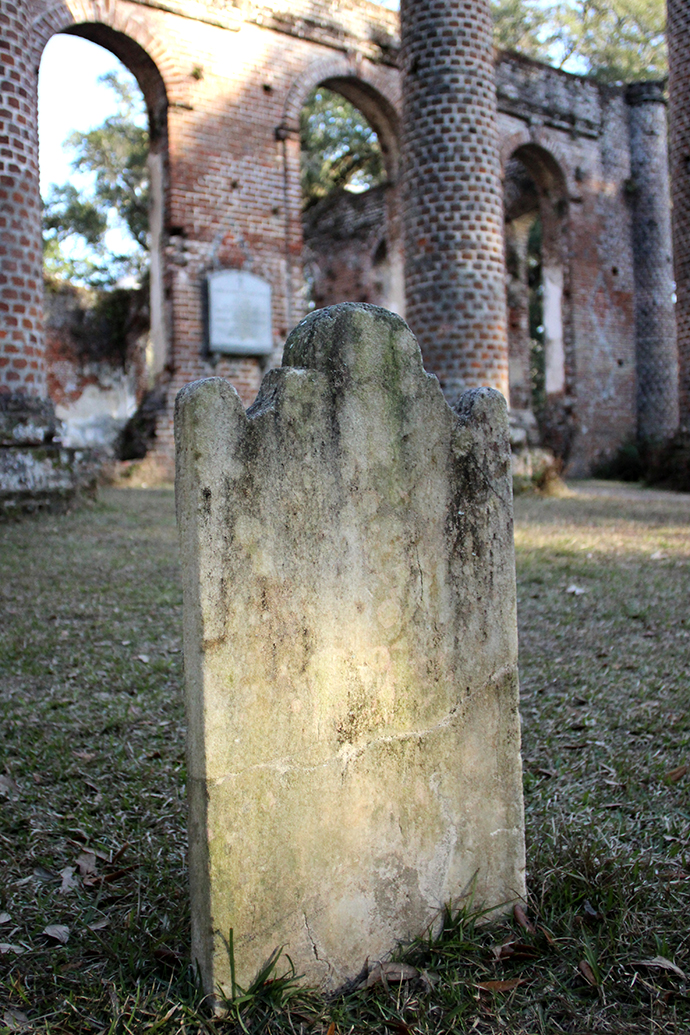
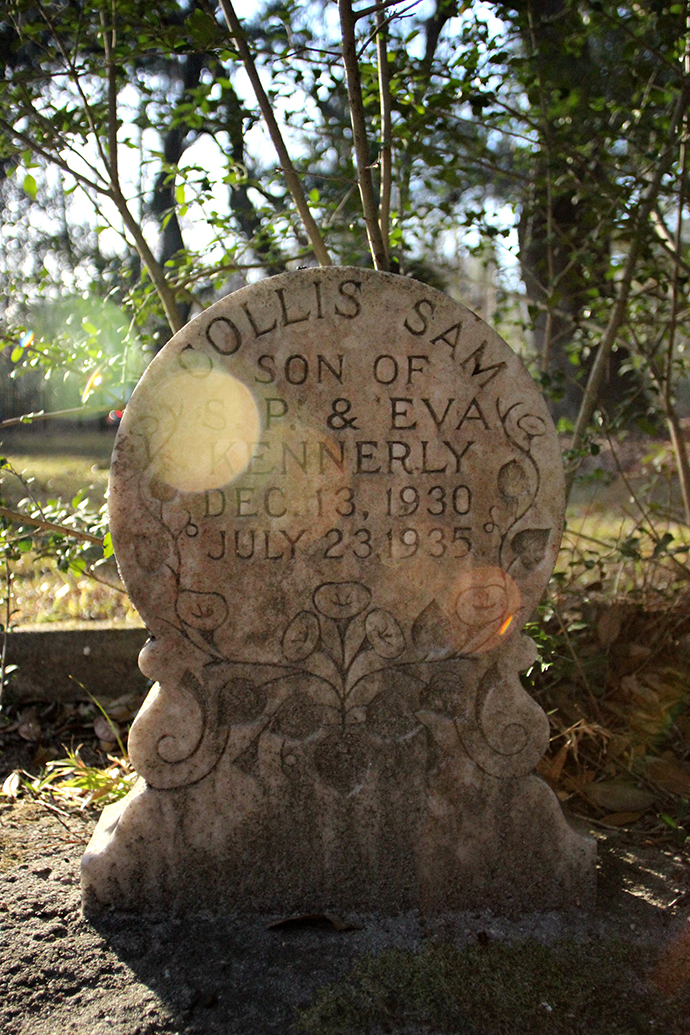
The churchyard also contains a handful of graves and tombstones, including that of Colonel William Bull, a prominent figure in the development and design of Savannah—he also funded the construction of the church and it was called "Sheldon," after his plantation. The tombstones vary widely in design and age and they're scattered kind of haphazardly around the property. There were several groups of people that visited the ruins while we were there so it doesn't exactly feel abandoned—but I'm glad that despite the many attempts at destruction, the Old Sheldon Church is still accepting visitors.
The most fantastic thing about the New York Botanical Garden’s annual Orchid Show is the orchids themselves