
Archive
- Abandoned
- Alabama
- Arizona
- Bahamas
- Books
- California
- Cemetery
- Climate
- Colombia
- Connecticut
- Diner
- Egypt
- Feature
- Florida
- Friday Fun
- Georgia
- Holidays
- Illinois
- Iowa
- Italy
- Kentucky
- Louisiana
- Maryland
- Massachusetts
- Mississippi
- New Jersey
- New Mexico
- New York
- North Carolina
- Novelty Architecture
- Ohio
- Pennsylvania
- Personal
- Peru
- Project 365
- Protest
- Rhode Island
- Roadside Attraction
- South Carolina
- Tennessee
- Texas
- Travel Guide
- Virginia
- Walks
- Washington DC
- West Virginia
- Wisconsin

Cross-Country Skiing
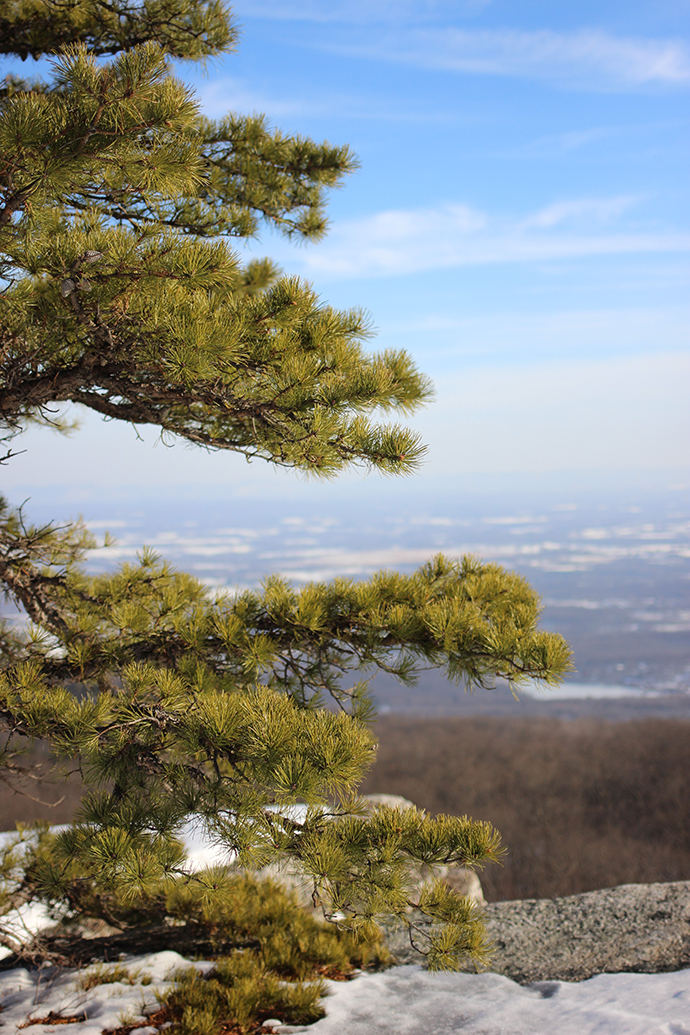
The weather this winter has been all over the place, and while I am happy that we've had two respectable snowfalls, I do wish we'd had more. Overall it's been pretty warm (but climate change is just fake news, huh?), and two weekends ago temps were in the 50s. It's been way snowier upstate than in the city, and they had a nice base of snow but we knew we had to act fast, so we rented a ZipCar for the day and headed to Lake Minnewaska.

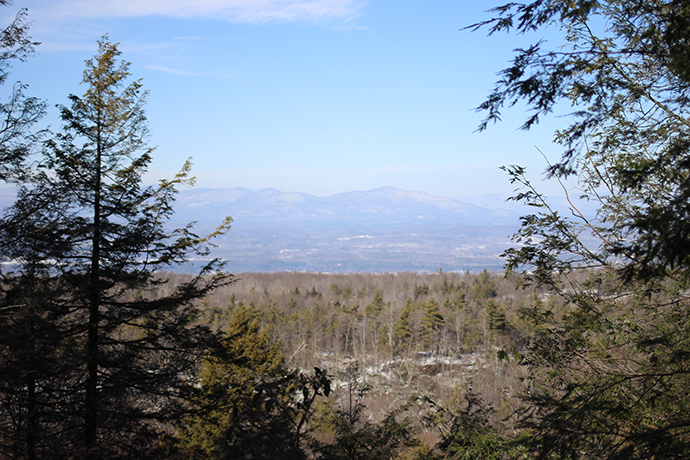
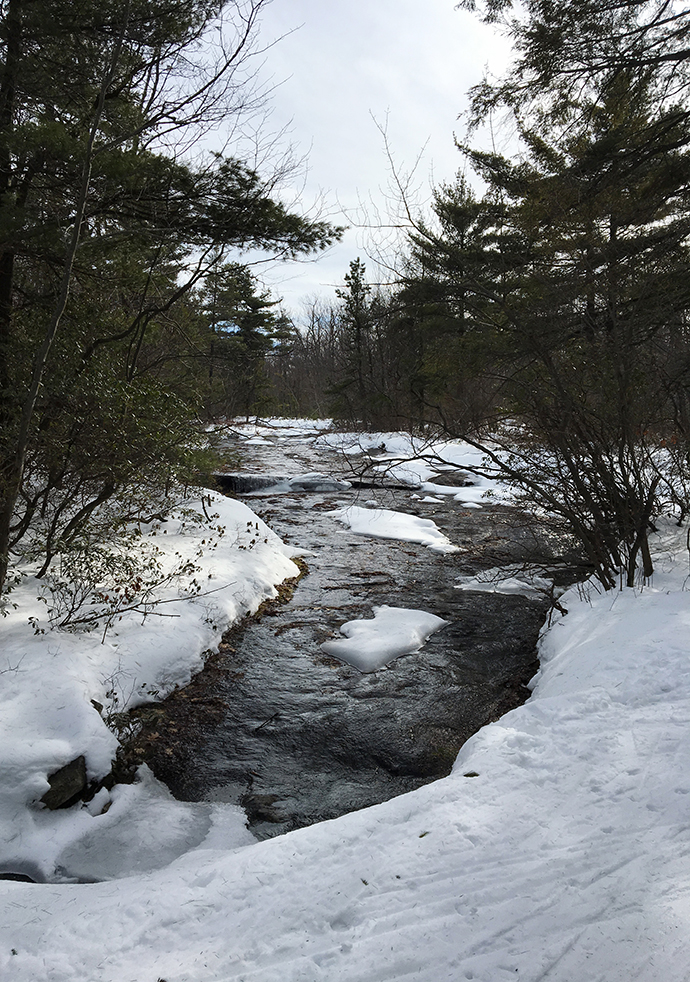
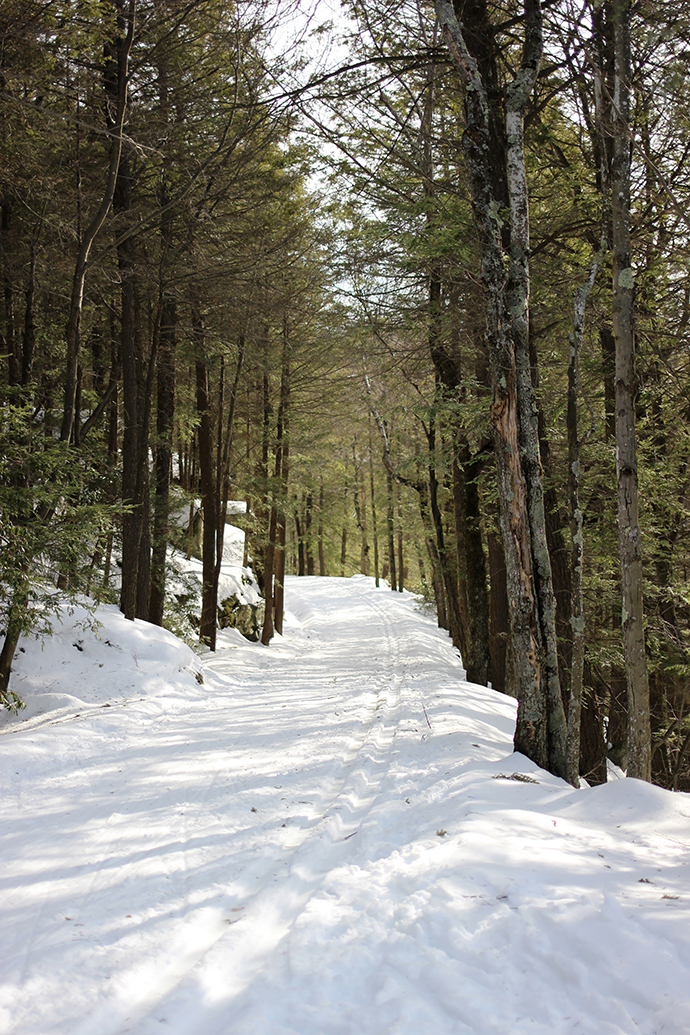
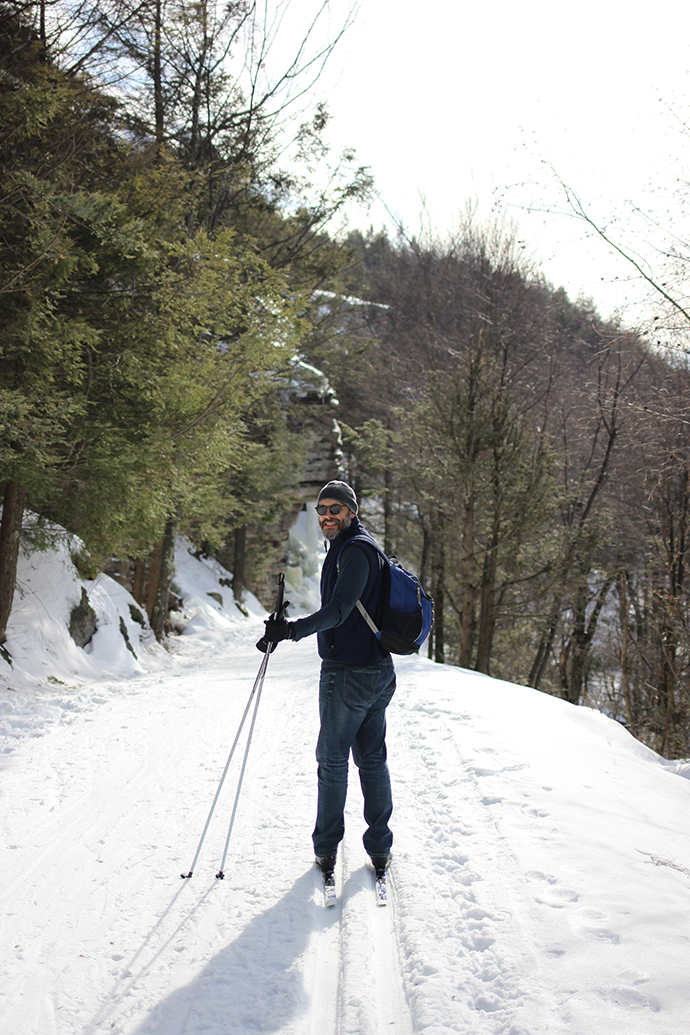
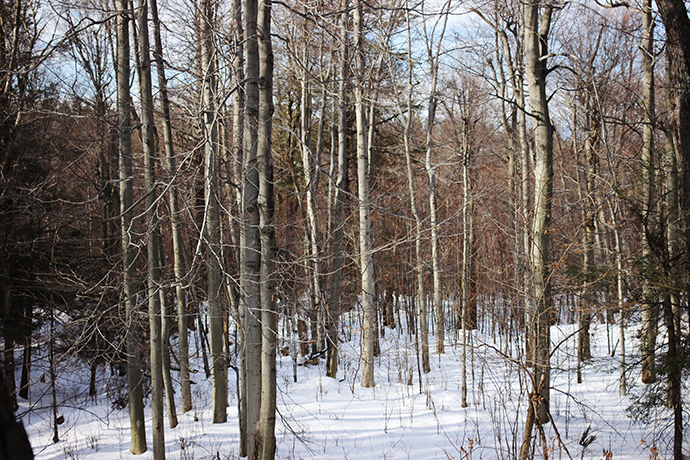
This was only my second time cross-country skiing, but it went much better than my first. I only fell once this time—in a scene akin to Bambi on ice—and I'm in much better physical shape than I was when we went two years ago. In fact, not only did I not feel basically paralyzed the next morning, but I hardly felt as we'd done anything strenuous at all, which is a definite triumph for me.
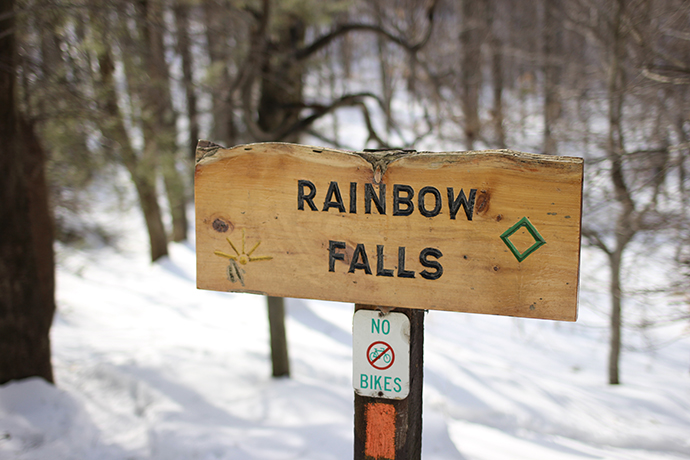





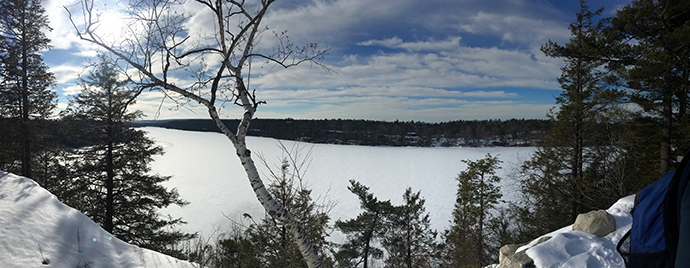


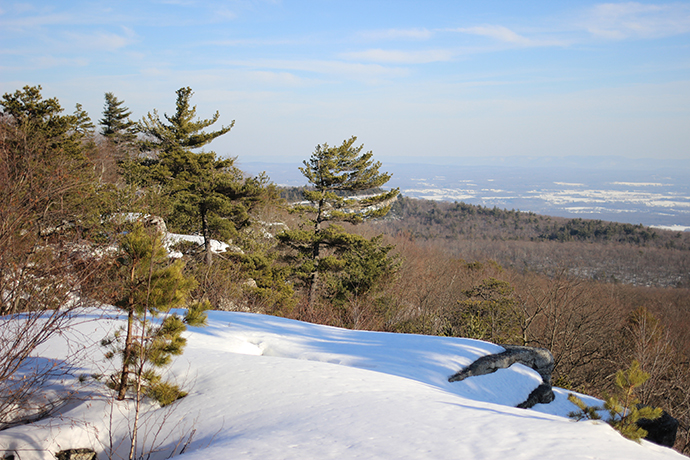
Lake Minnewaska is about two hours outside of the city, near the town of New Paltz. We rented skiis from a shop in town and I was amazed at how cheap they were—less than $20 for skiis, poles and boots. We did about a seven-mile loop, passing the frozen Rainbow Falls, snow-covered Lake Awosting and stopped for the incredible views around almost every turn. I kept remarking how irresponsible it is to allow people like me strap slippery skiis onto their uncoordinated feet on top of a mountain, but once the terror subsided it turned out to be a perfect day.

Project 365: Days 48-54
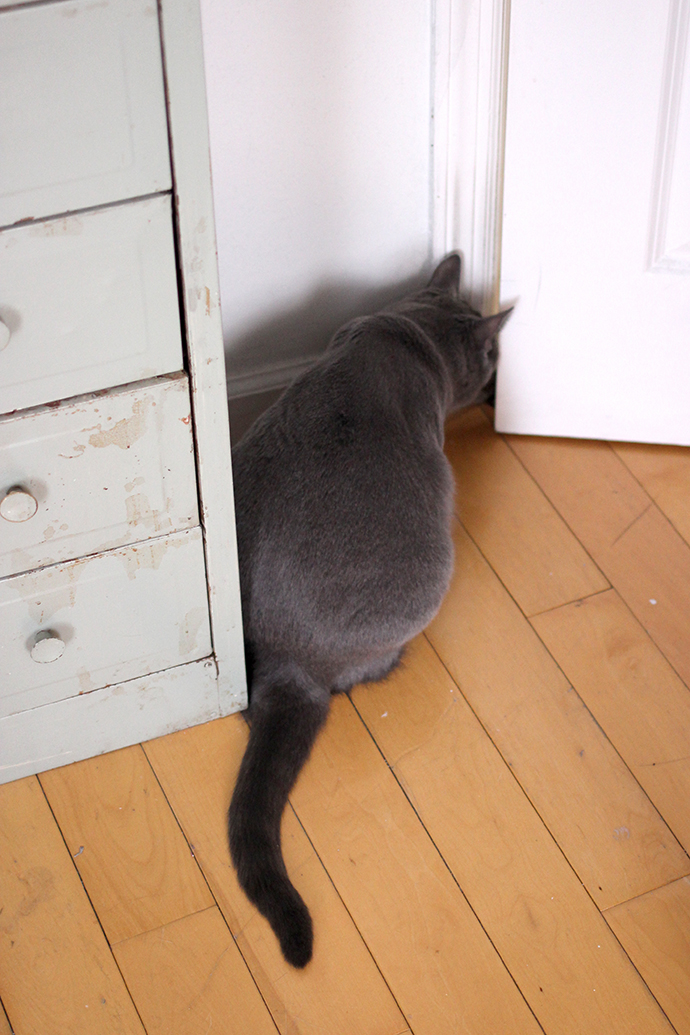
48/365: Mozart, forever trying to figure out how doors work.

49/365: Cross-country skiing upstate on a beautiful, 50-degree day with my main squeeze.

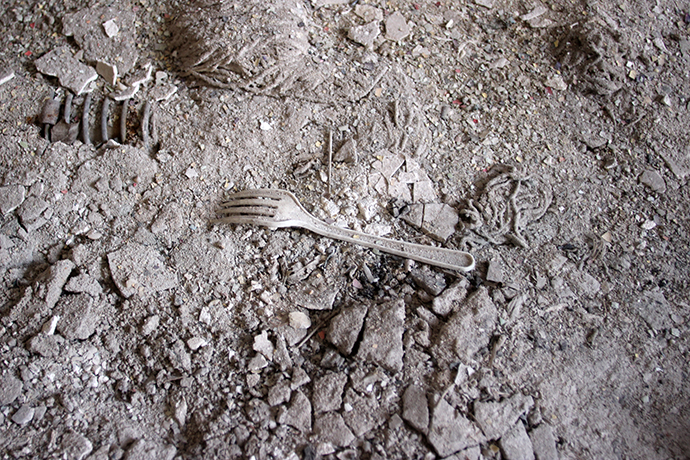
50/365: My mom and I explored the abandoned New York City Farm Colony ruins.


51/365: I wandered around Greenwich Village for a few hours before meeting Jim for our usual at Caliente Cab. I walked right by Alec Baldwin filming what looked to be a commercial, which was one of my wish-list New York celebrity sightings.

52/365: My haul from browsing the dollar section at The Strand, aka my addiction.

53/365: This dummy.
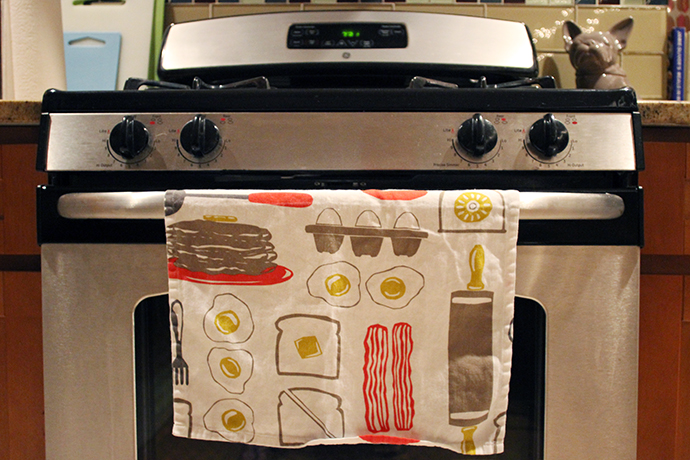
54/365: This breakfast towel makes me smile every day.

Charleston: Unitarian Church Cemetery

We went on a ghost tour on our first night in Charleston, which is one of my favorite ways to be introduced to a city. I've been on enough ghost tours now to realize that they're definitely lying to you, but the places they show you and most of the history is very real. I had the Unitarian Church Cemetery on my list already, but it was a stop on the tour as well—or rather the gate was, since the cemetery is closed and locked at night. Our guide told us that several people had inexplicably passed out while standing outside the gates—which can't possibly be true, right?—but his spooky stories made me even more eager to actually see the inside of the cemetery. We went back the next day, and were thrilled with what we found.


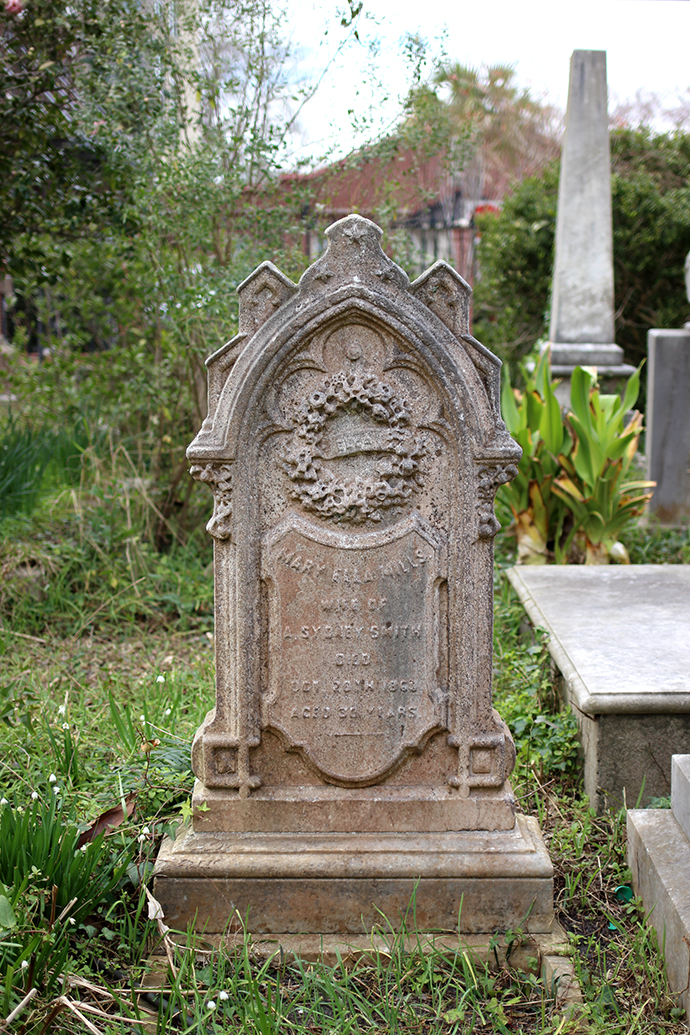
We walked by several churchyard cemeteries on our trip, but if you only go to one, Unitarian is the one to see. The Unitarian Church of Charleston was founded in 1787 and it's one of the oldest of its kind in the country. The graveyard is small, but it's packed with interesting headstones and a huge variety of plants. Upon first glance it might appear as if the cemetery is abandoned, but I overheard a woman explaining that "it actually takes a lot of maintenance to look this overgrown."


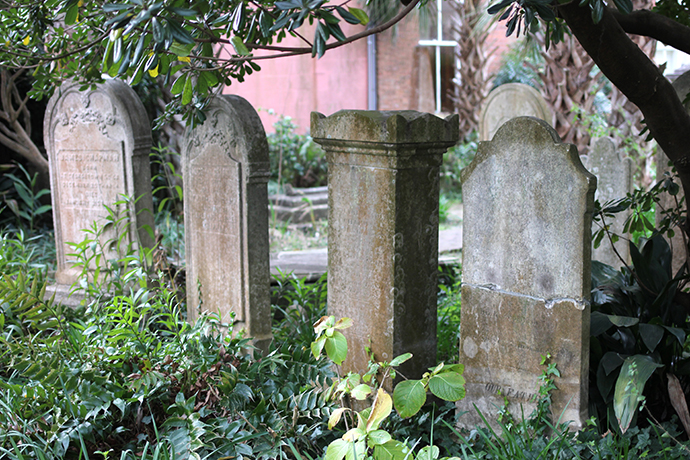


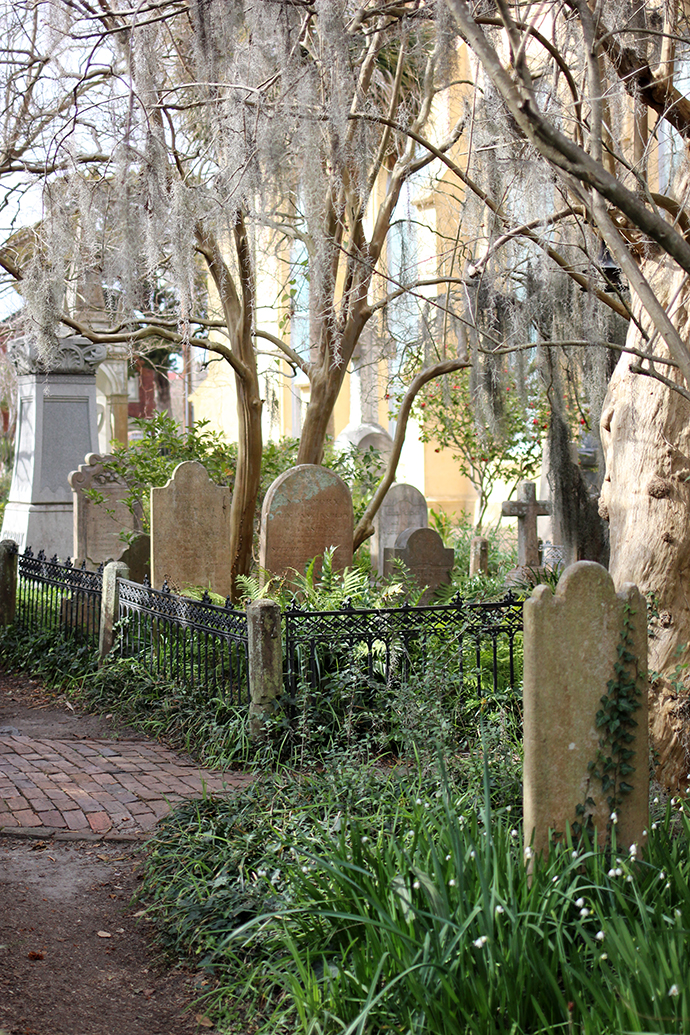
There is pretty much no better cemetery dressing than Spanish moss, and even though some of the trees had lost their leaves they were still dripping with the always-spooky moss. The graveyard has a Secret Garden-vibe that is so lovely—the entrance gate puts you in an alleyway so the cemetery is hidden from the street on three sides. I remarked immediately after entering that this was one of my favorite cemeteries, a distinction I don't make arbitrarily.
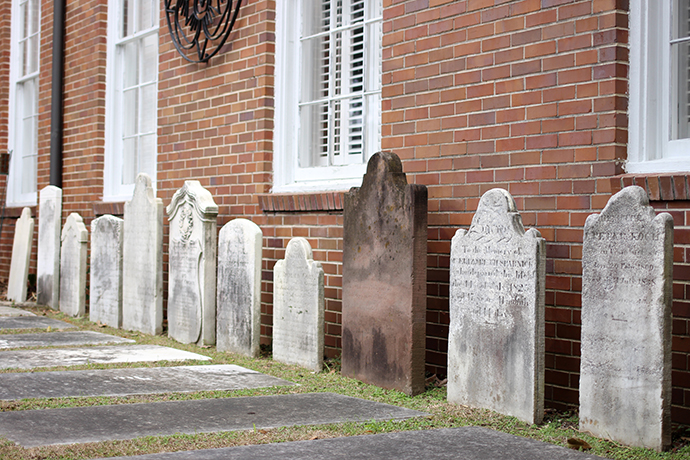




Neighboring St. John's Lutheran Church also has a graveyard, albeit not as picturesque as Unitarian's. They were once separated by a fence but now sort of bleed into one another so I'm counting them as pieces of a whole. That incredible "Memento Mori" skull stone is actually part of St. John's and is one of the best skull-and-crossbones renderings I've seen. The graveyard also had "DANGER DO NOT ENTER" tape wrapped around a few stones forming a scene straight out of my Halloween parties.
The Unitarian Church Cemetery is supposedly haunted by the ghost of Annabel Lee— subject of the famous Edgar Allan Poe poem—although we couldn't find evidence of her grave despite having a (poorly-drawn) map from our ghost tour guide. I don't need a famous ghost story to get me into a cemetery, but it doesn't hurt either.

New York City Farm Colony
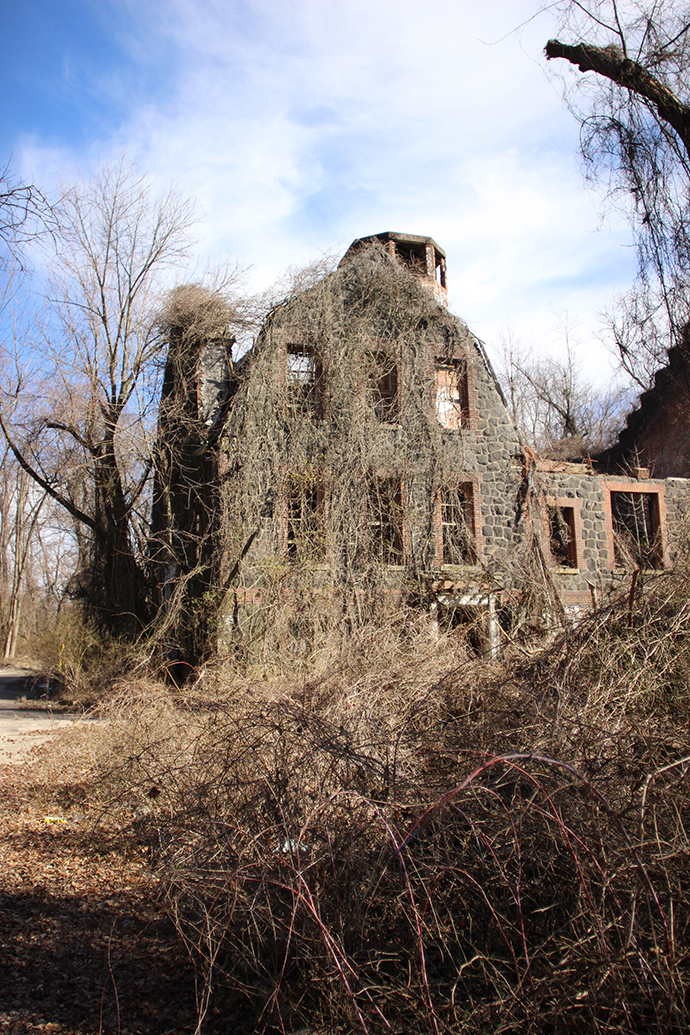
Sunday was unseasonably warm and sunny, and in the morning I met my mom for breakfast downtown at the Pearl Diner. She asked what I was up to, and I told her that I planned to go to Staten Island and creep on the ruins of the old farm colony. She asked if I'd like company, and I said "of course," which is how I found myself exploring creepy abandoned buildings with my mother on a 65-degree day in February. I already knew my mom was not like a regular mom—she's a cool mom!—but her willingness and enthusiasm for an urban exploration adventure of questionable legality just cemented that impression.
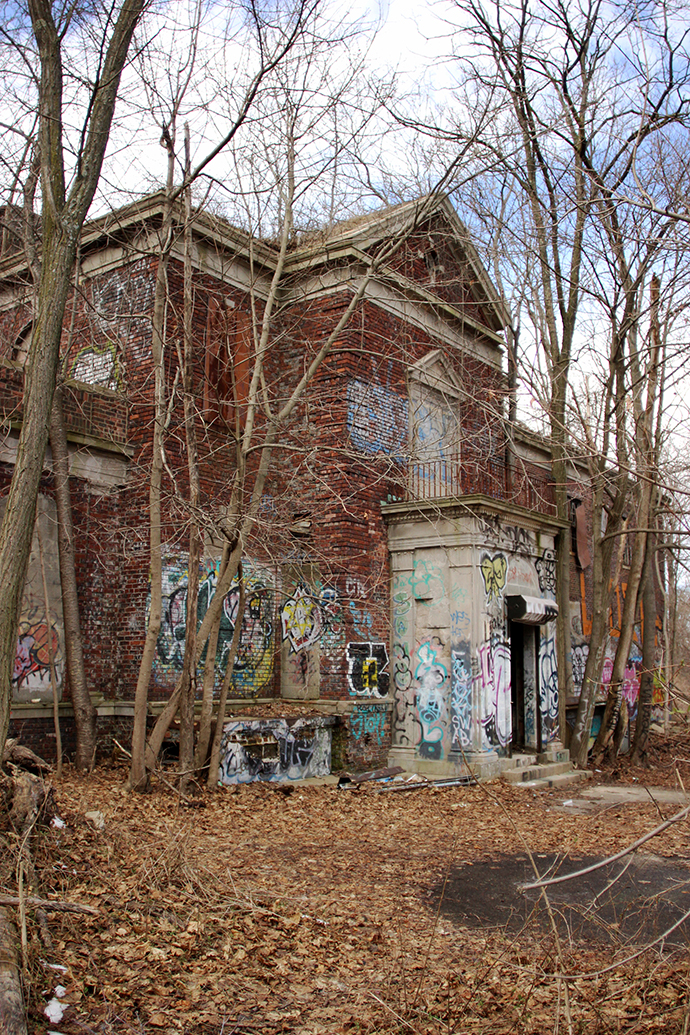
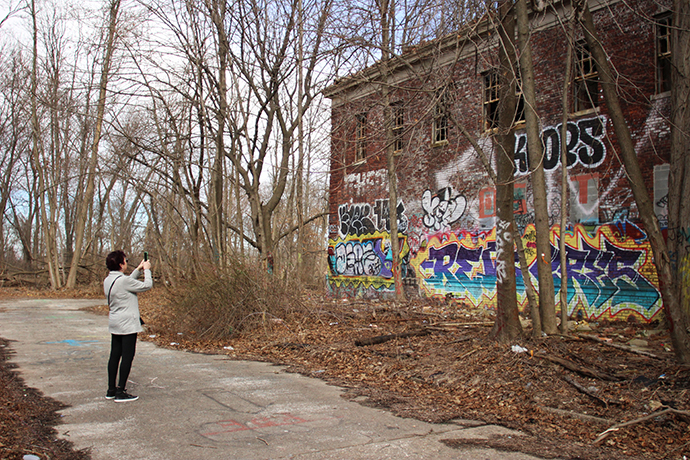
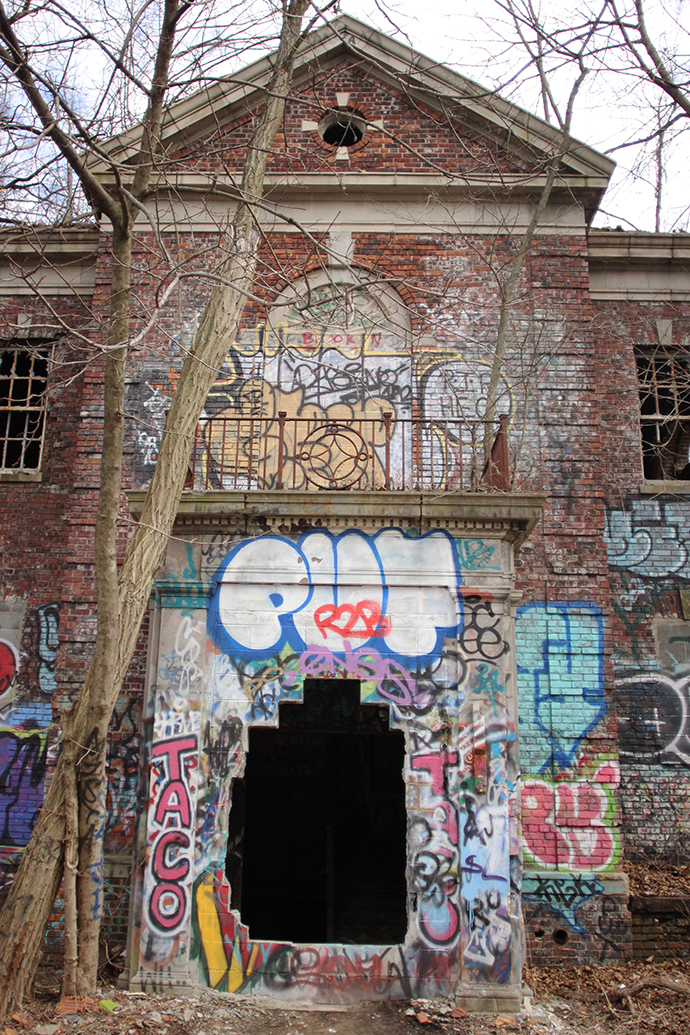
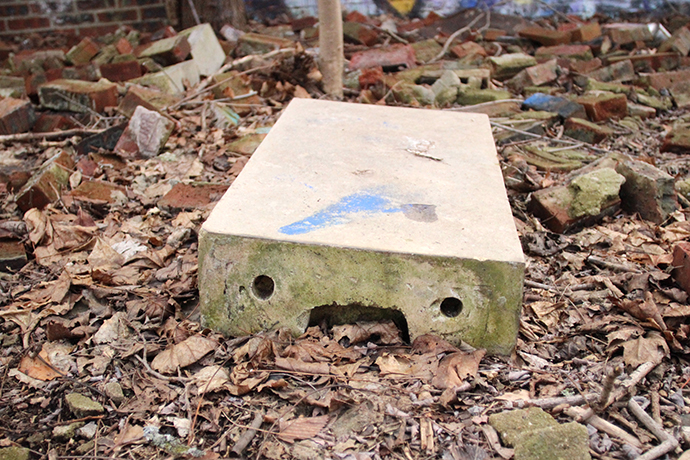
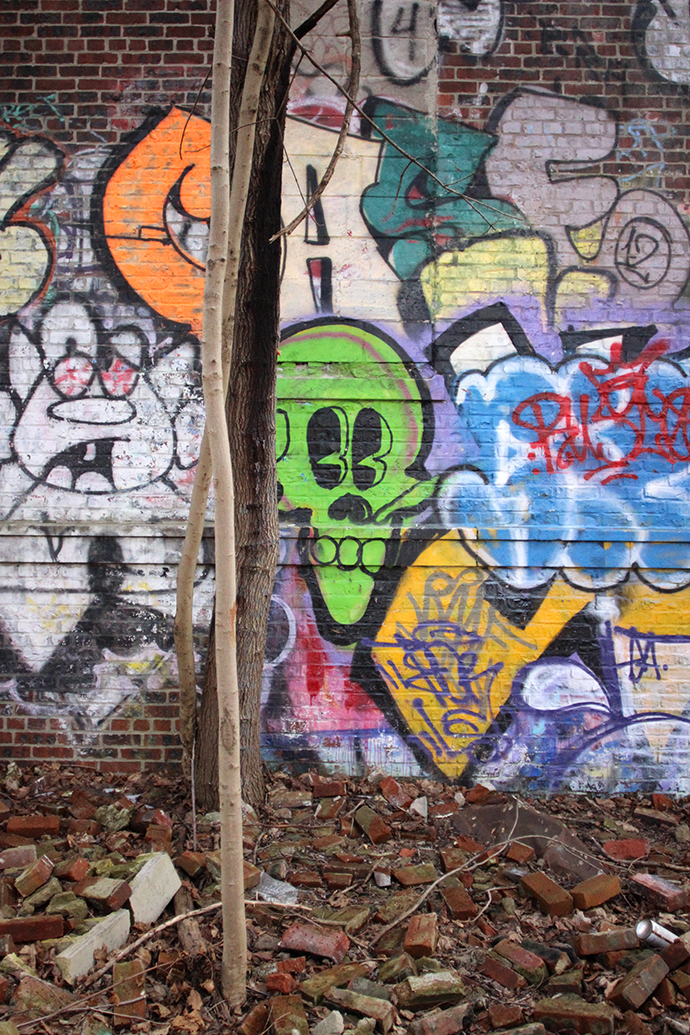
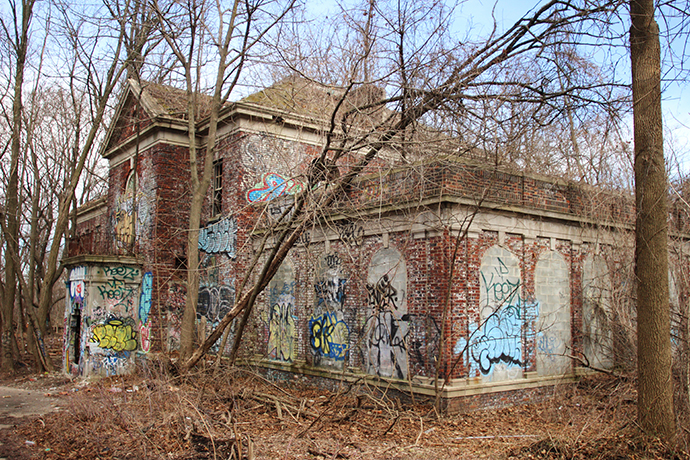
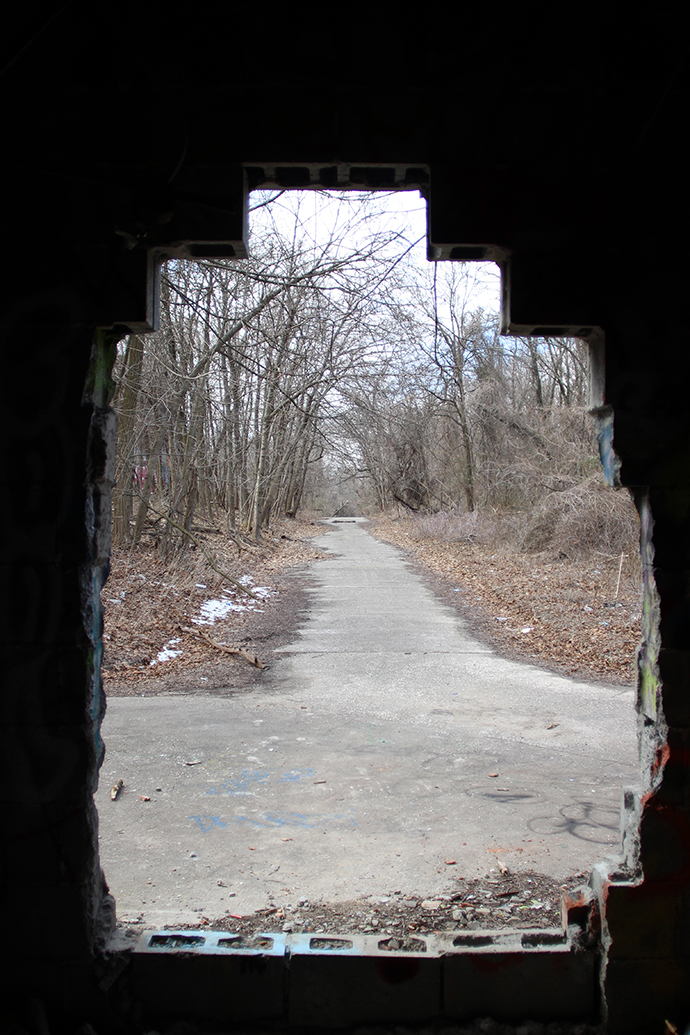
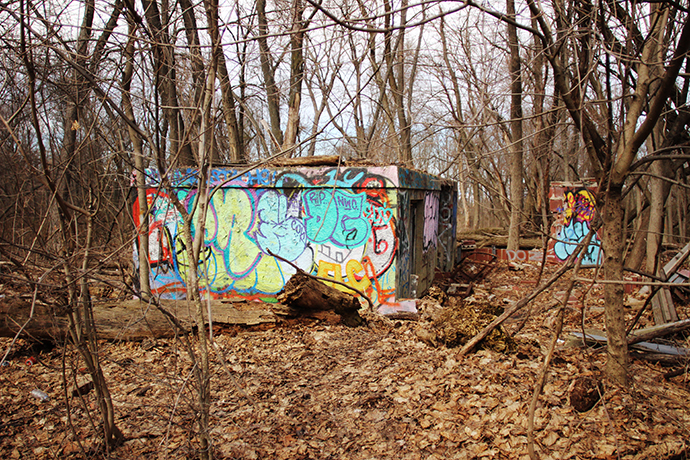
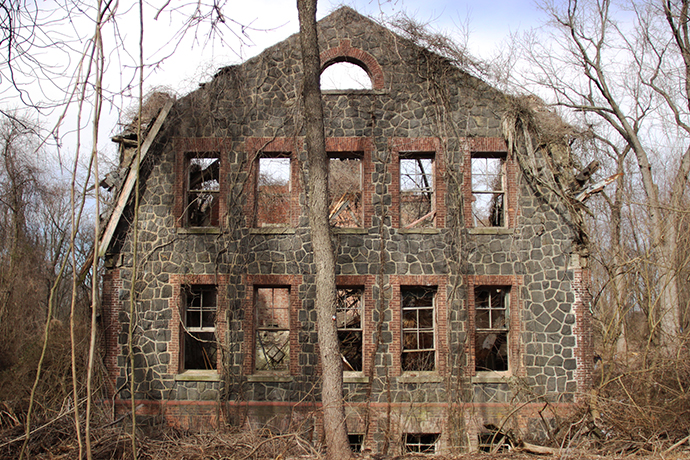
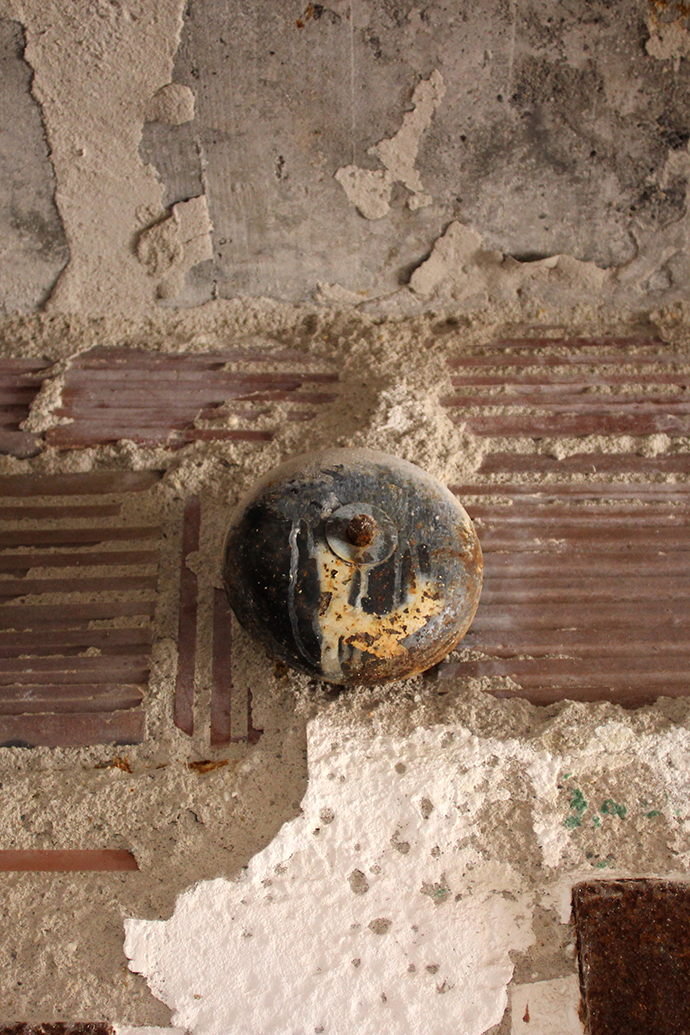
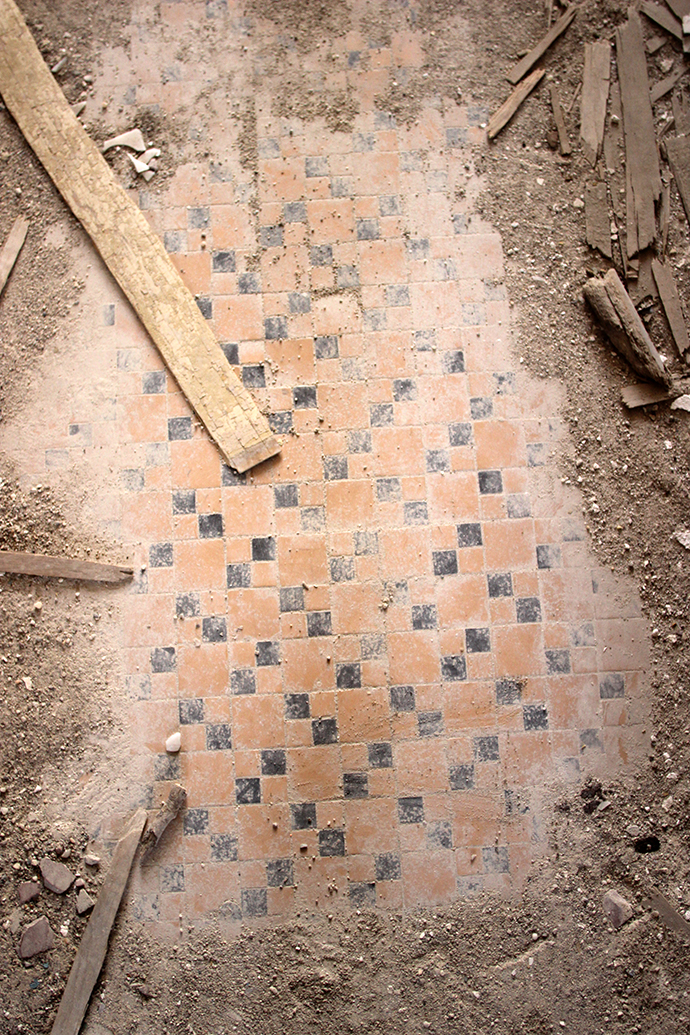
I had known about the New York City Farm Colony ever since I moved here, but for some reason it popped into my head recently that I had to go check it out immediately. I remembered reading about the city selling the property to a developer for $1, and I knew that I'd regret not seeing it while it existed as ruins.
It was actually sold over a year ago and according to a New York Times article from January, 2016:
At a cost of about $91 million, Mr. Masucci would rehabilitate five remaining buildings on the site, tear down five others and preserve a 112-year-old men’s dormitory as a stabilized ruin. He would also construct three six-story apartment buildings and 14 multiple-unit townhouses, some with built-in garages, for a total of 344 condominiums. They would start opening next year.
Obviously the timeline was a bit ambitious, because over a year later there is virtually no evidence of new development (or clean-up of any kind) on the property aside from a few new sections of fencing.
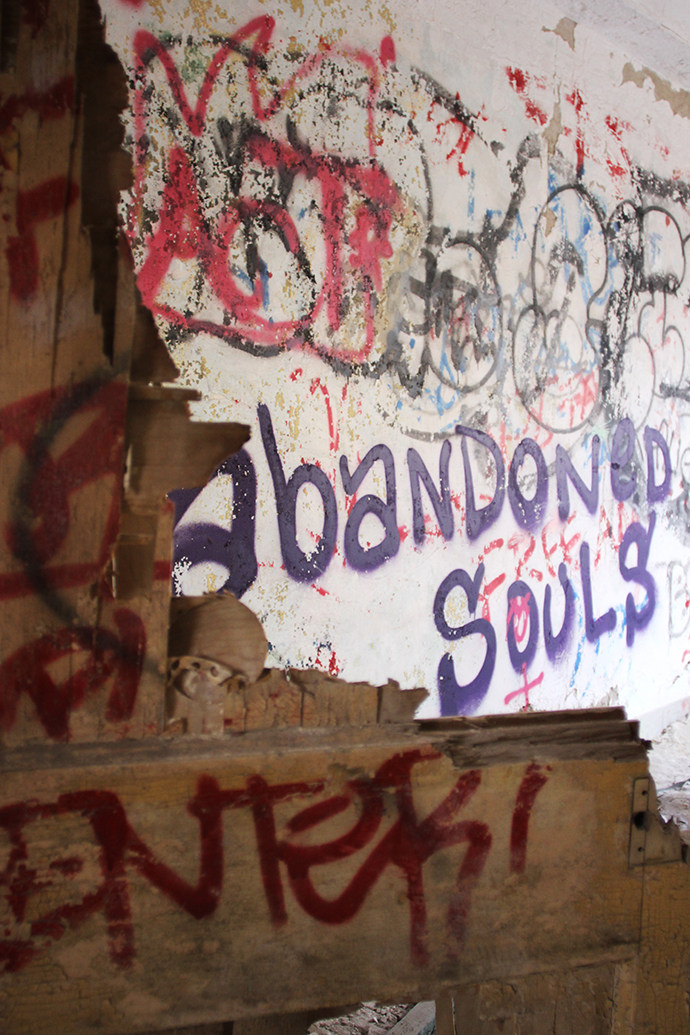
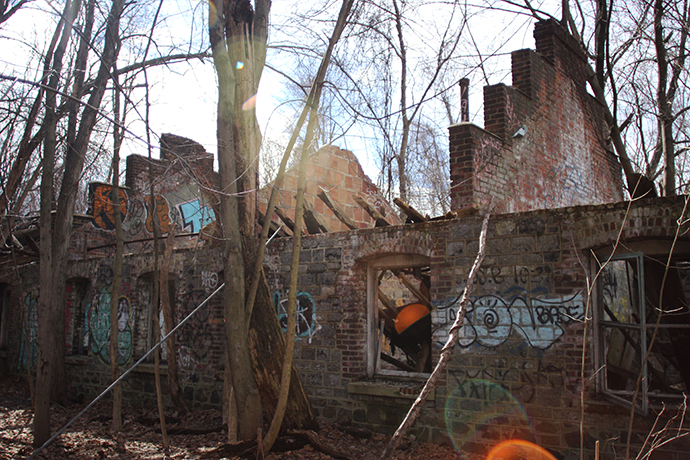
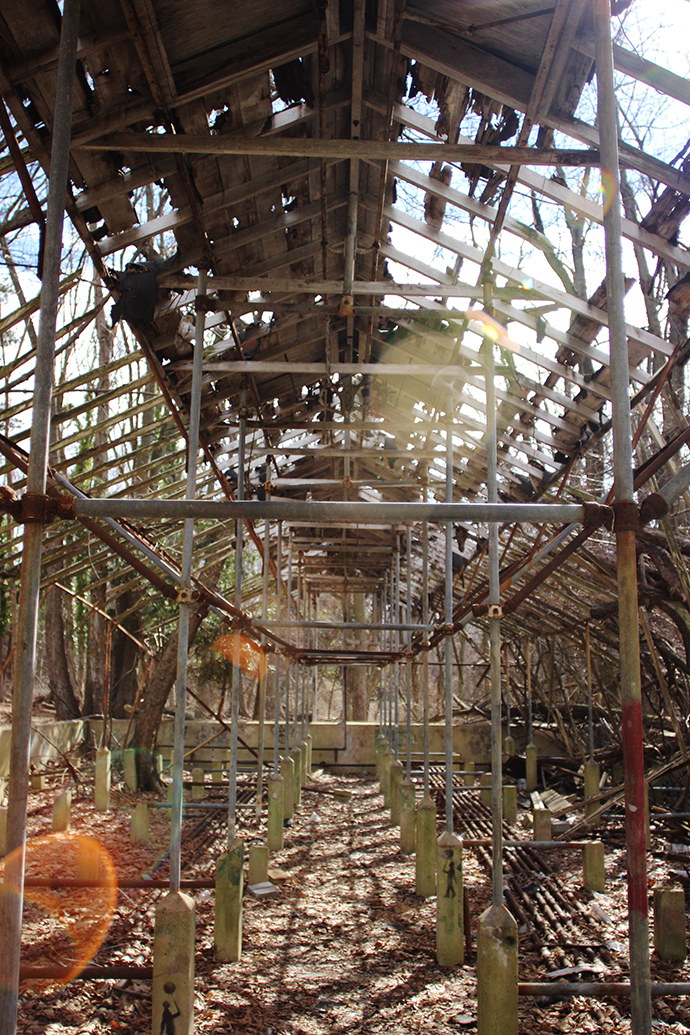
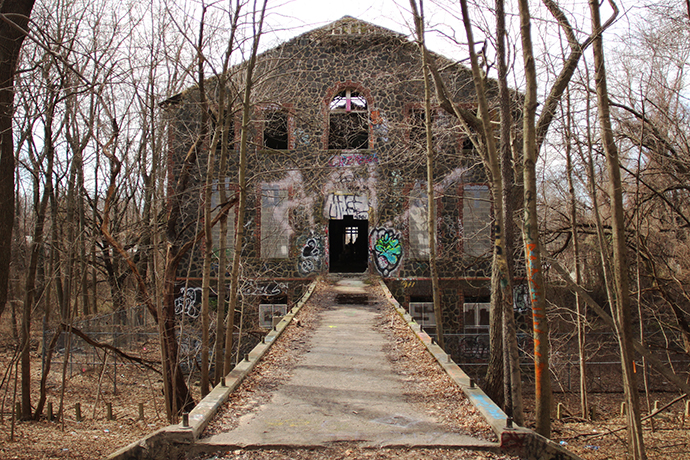
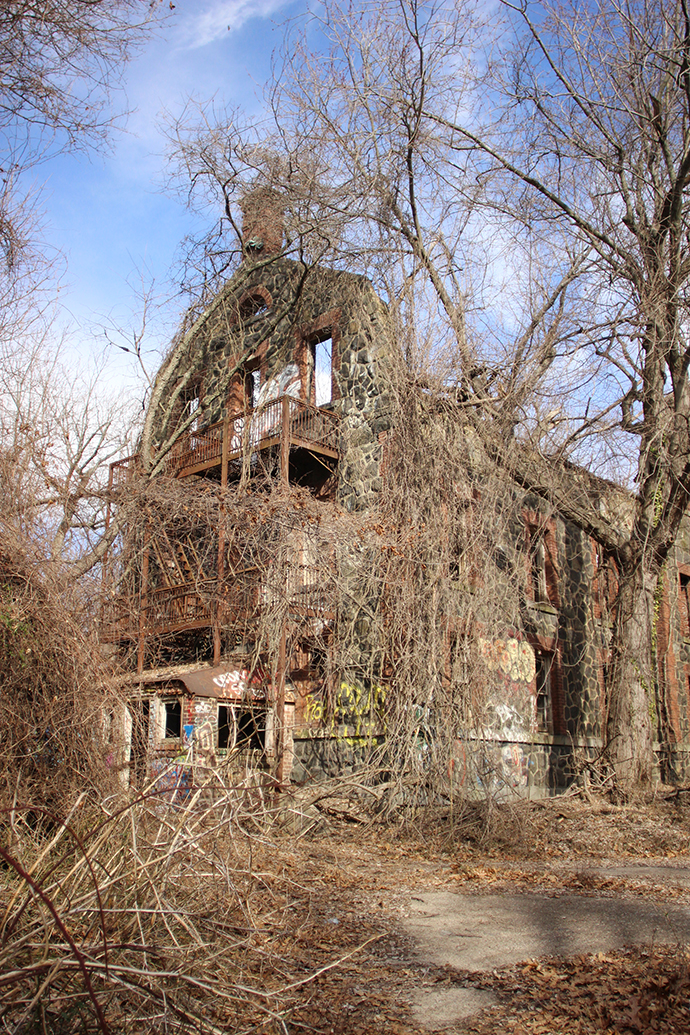
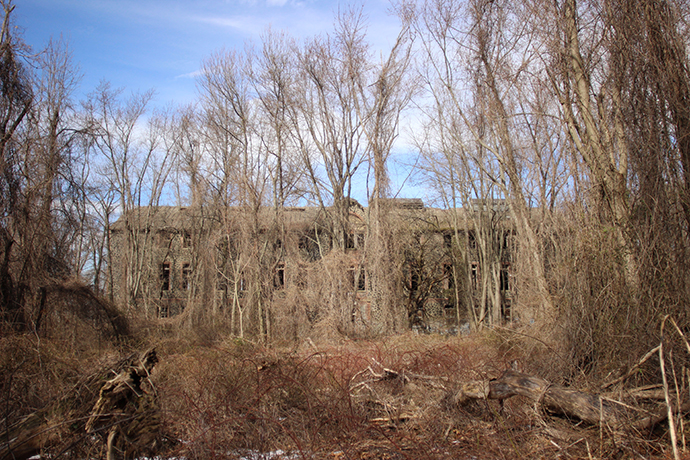
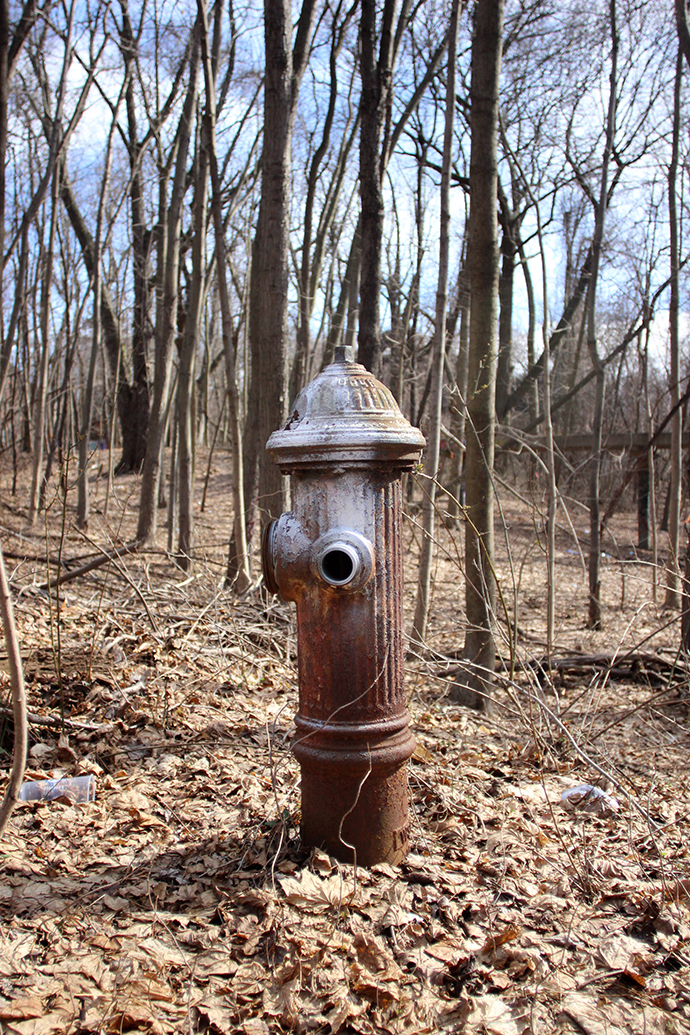
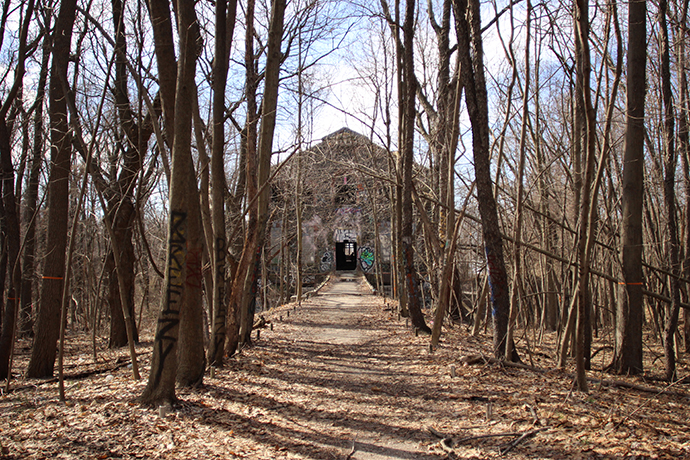
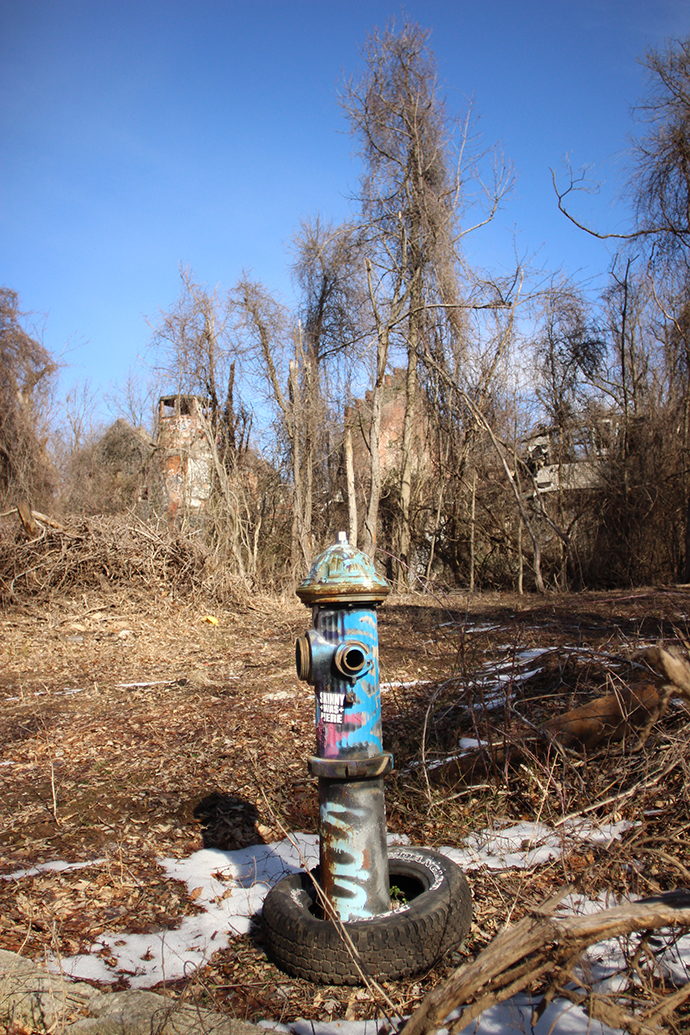
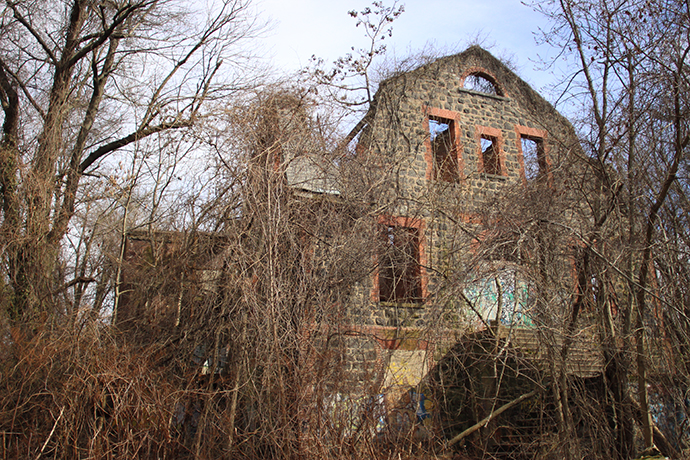
The Richmond County Poor Farm was established in 1829 and it was renamed the New York City Farm Colony when Staten Island officially became a borough in 1898. The (mostly elderly) residents were required to work, which included actual farming of fruits, vegetables, wheat and corn. Residency declined after the implementation of Social Security, and in 1975 the facility closed and has sat abandoned ever since.
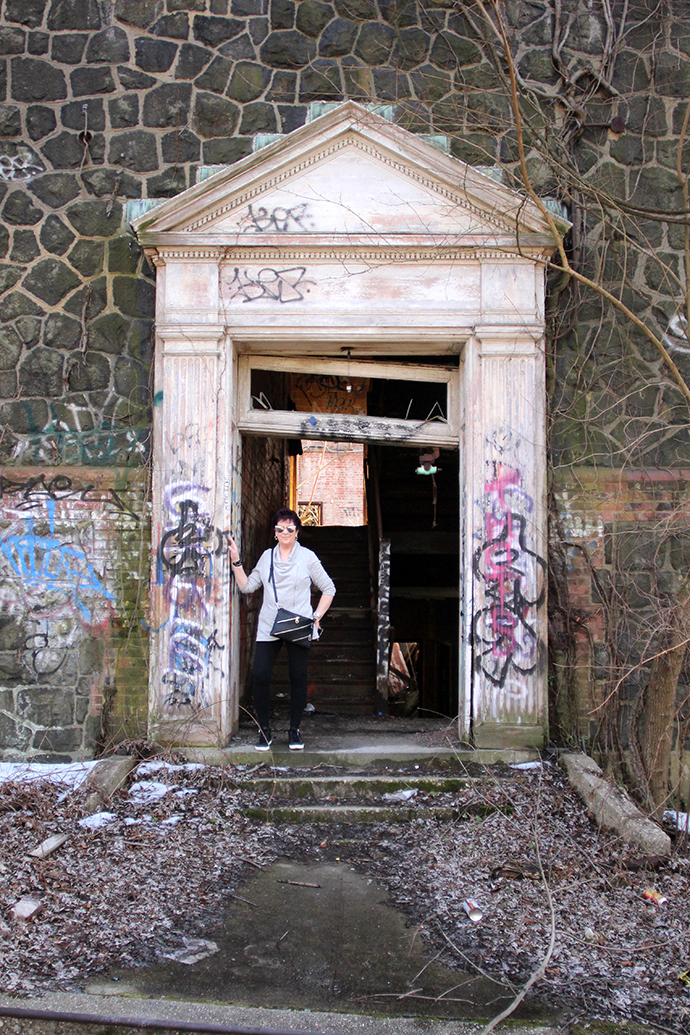
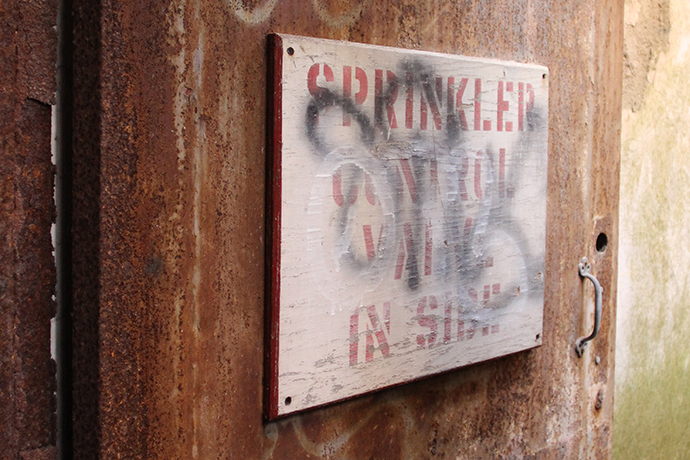
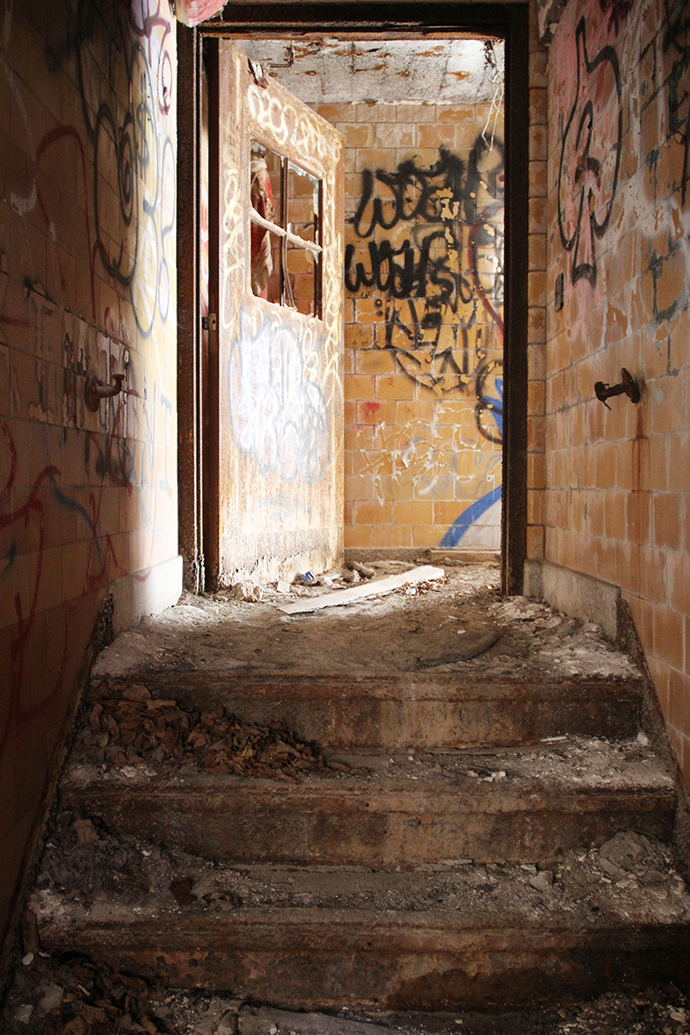
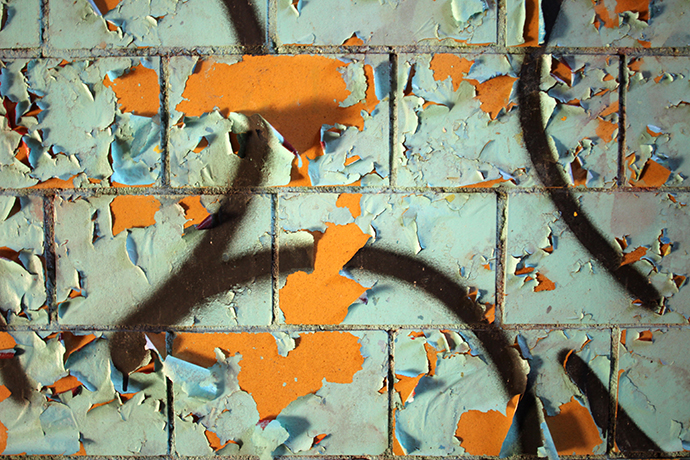
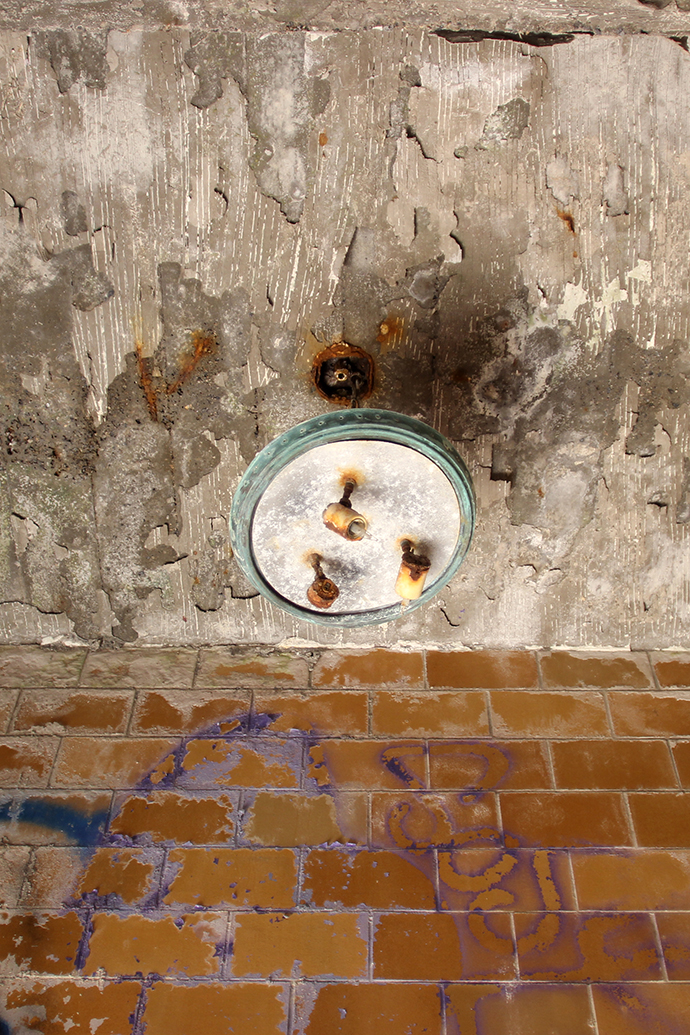
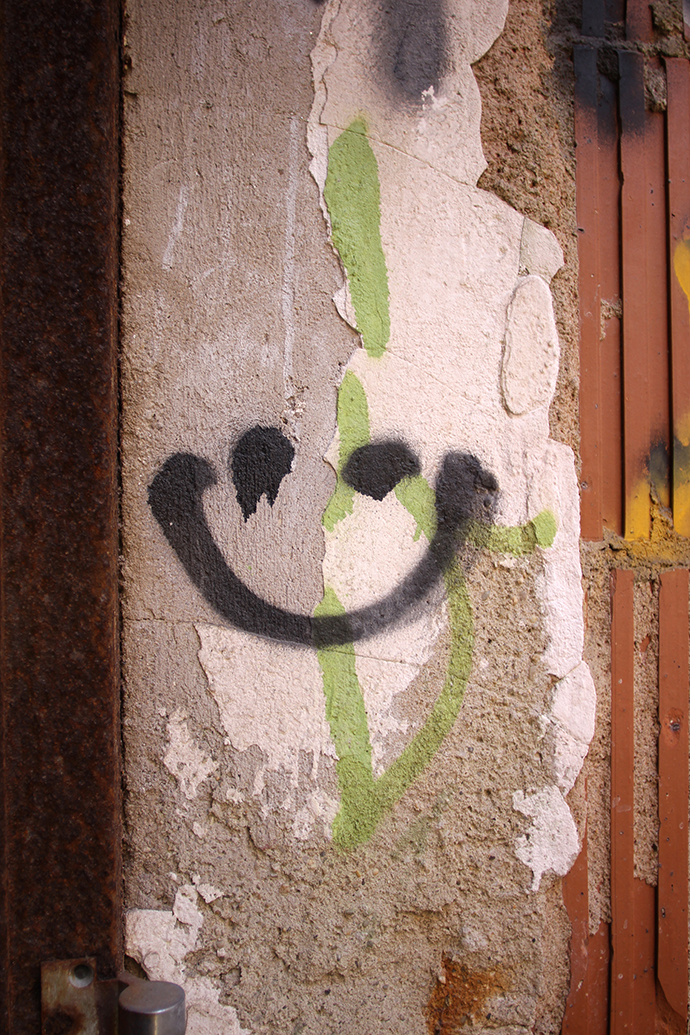
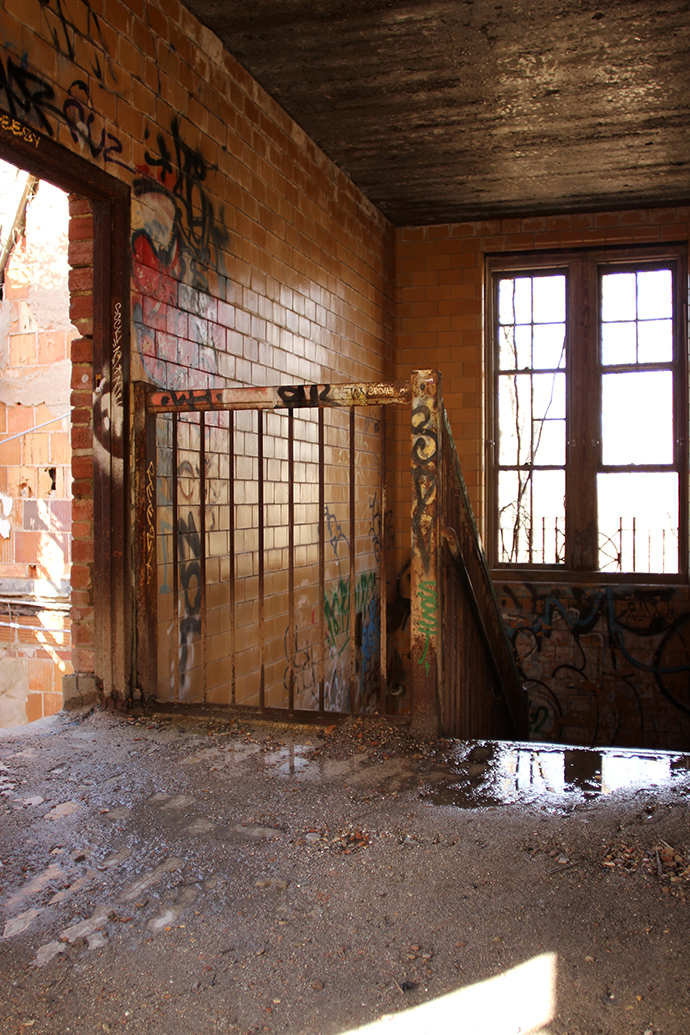
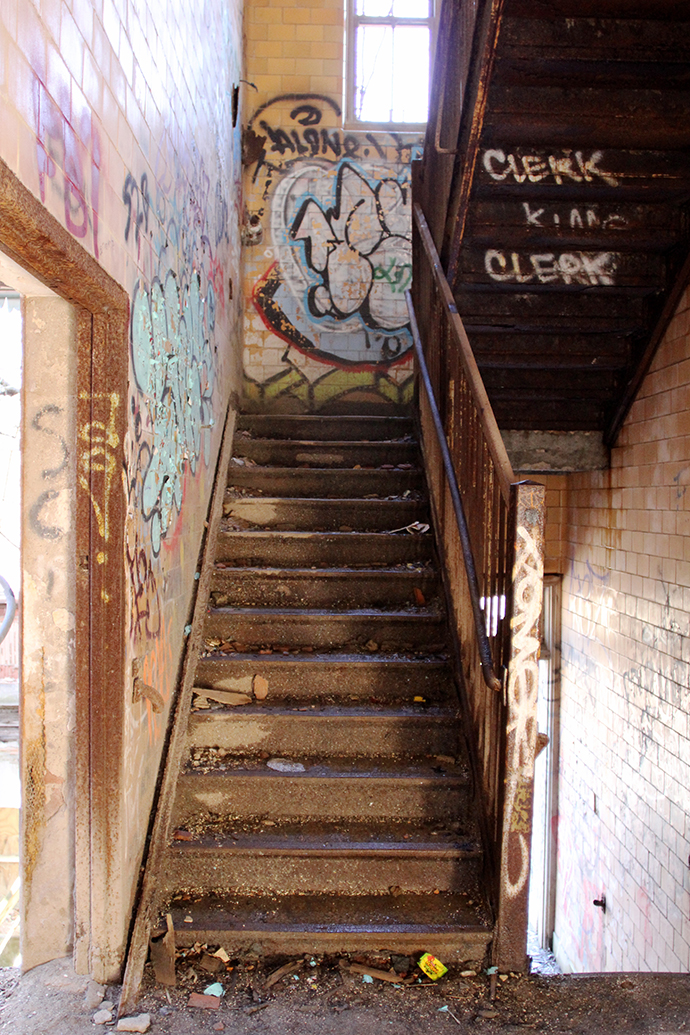
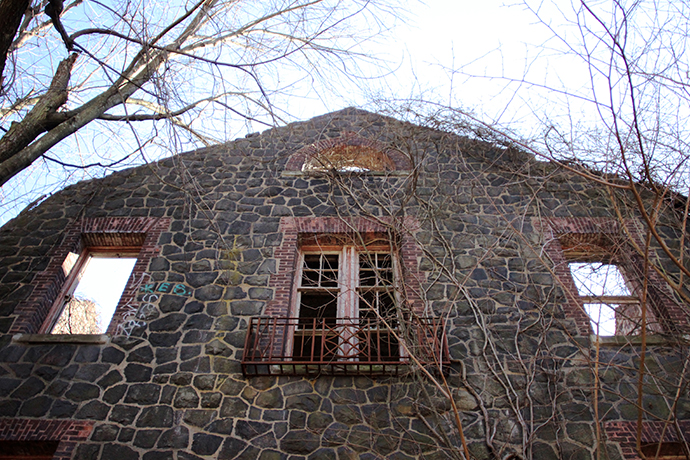
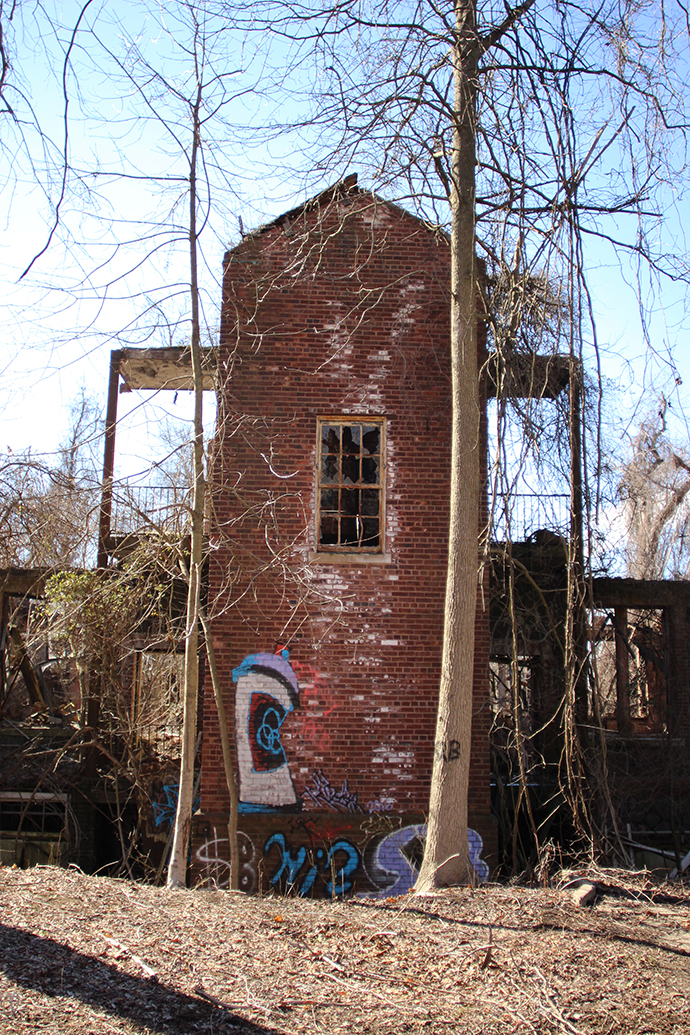
There are multiple buildings on the overgrown property, each in varying stages of decay. Some have collapsed, either partially or almost entirely, and some are more structurally sound. We went in a few of them, but they're mostly empty and covered in graffiti. Although the colony is not exactly a public park, we saw several other people walking around while we were there—groups of fellow explorers, at least one fashion photography session, and what appeared to be a movie being filmed (which featured a woman in a wheelchair that my mom and I both looked at each other and asked "do you see her too?").
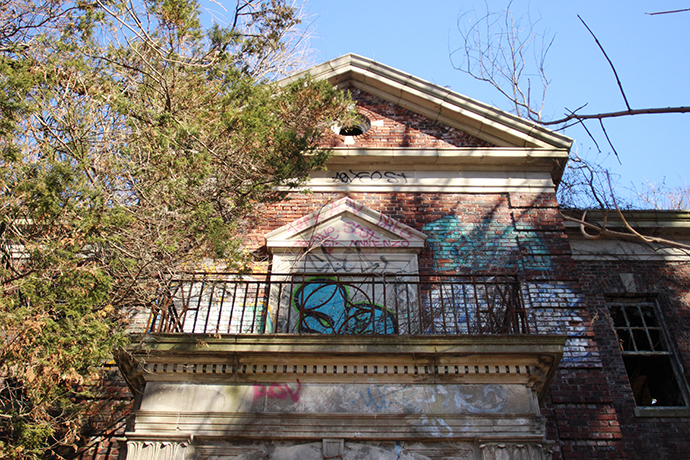
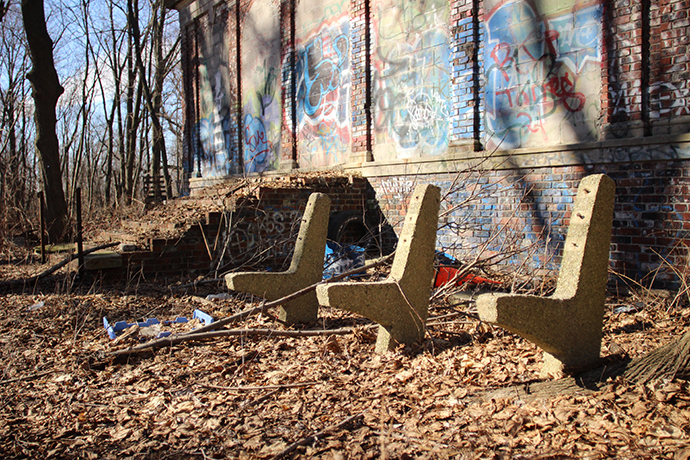
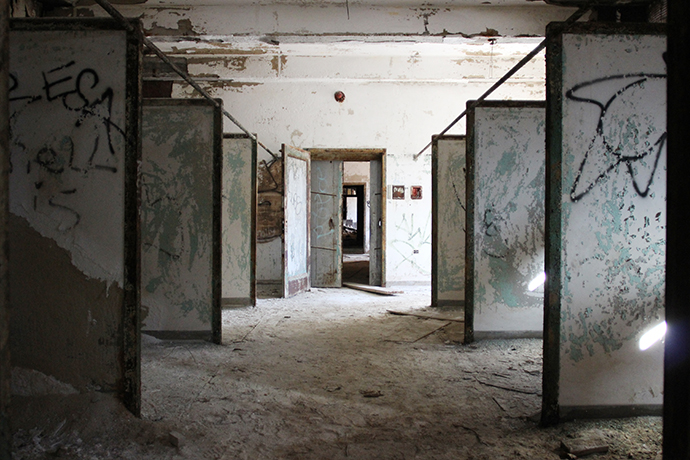
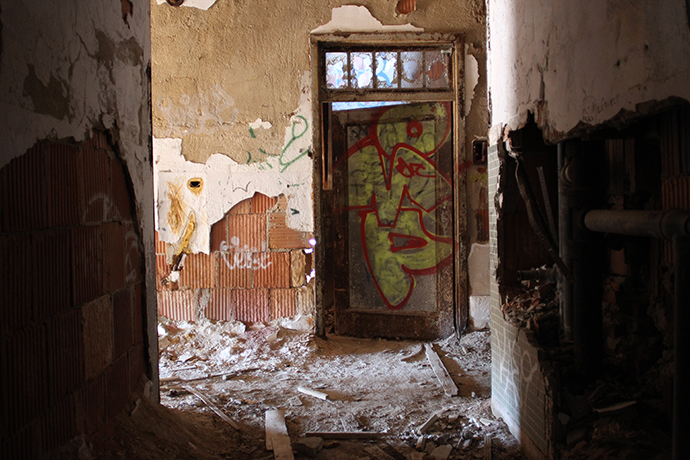
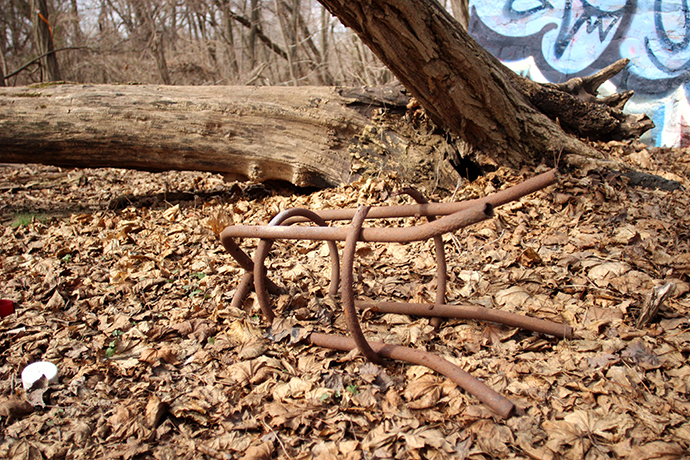
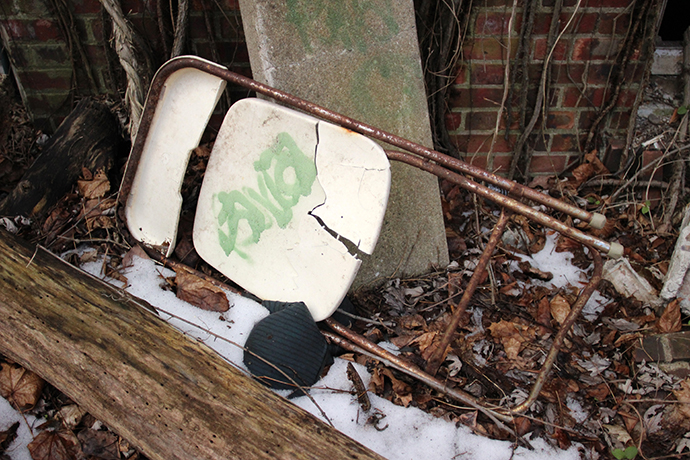
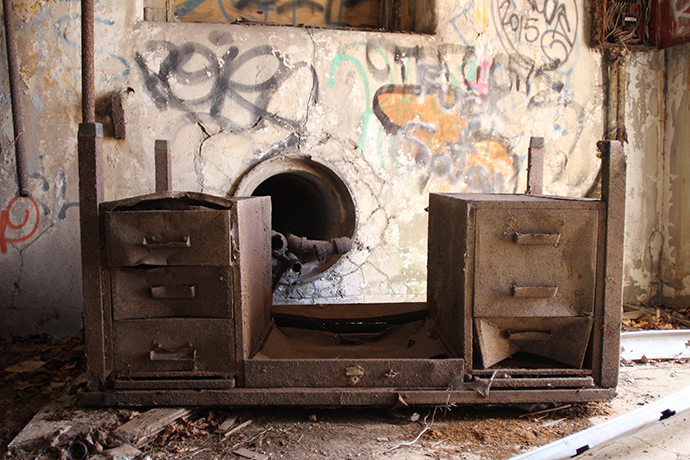
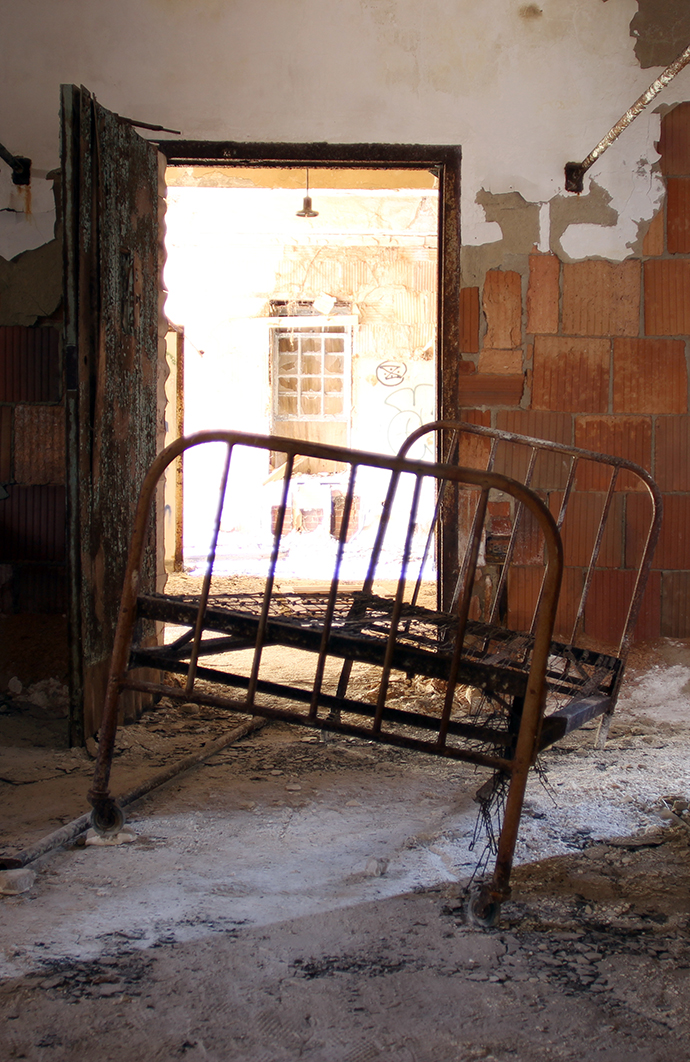
My mom lamented the barren nature of the buildings, and I agree—abandoned places feel much spookier (and make for better photo subjects) if they still have stuff in them. Objects like chairs, beds, desks, papers or other relics of human life make buildings feel abandoned as opposed to merely empty. We did see a few things—a bed frame, a few chairs, a rusted desk—but these buildings have obviously been frequented by people for decades. We still had an incredible time exploring and it couldn't have been a more perfect day—just a normal Sunday outing for a mother and daughter who share a love of all things creepy and a questionable regard for authority.

Project 365: Days 34-47
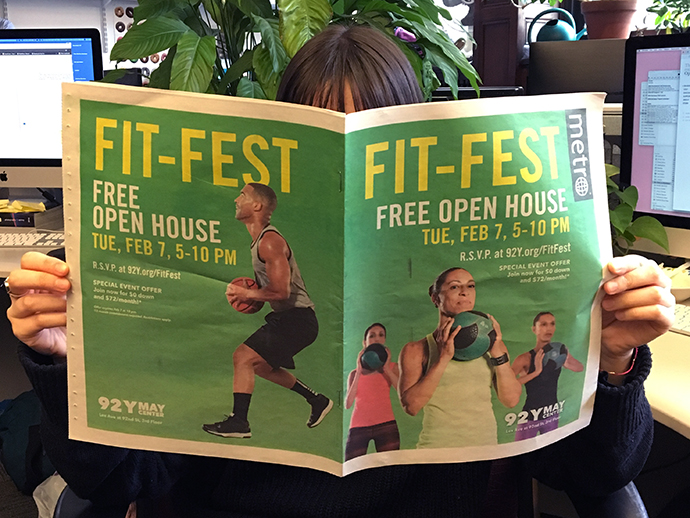
34/365: An ad I designed wrapped the cover of the New York Metro. It's not my most inspiring design, but it was still neat to see stacks of them in the subway station.
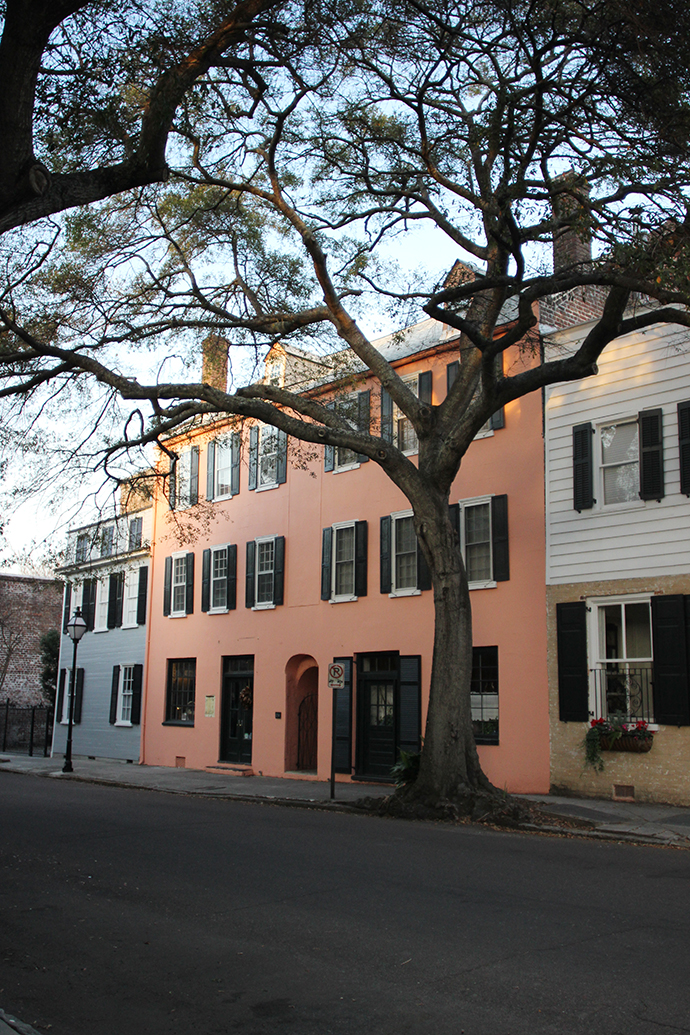
35/365: We arrived in Charleston on a somewhat spontaneous trip (we got a great flight deal with Jet Blue for $96/roundtrip).

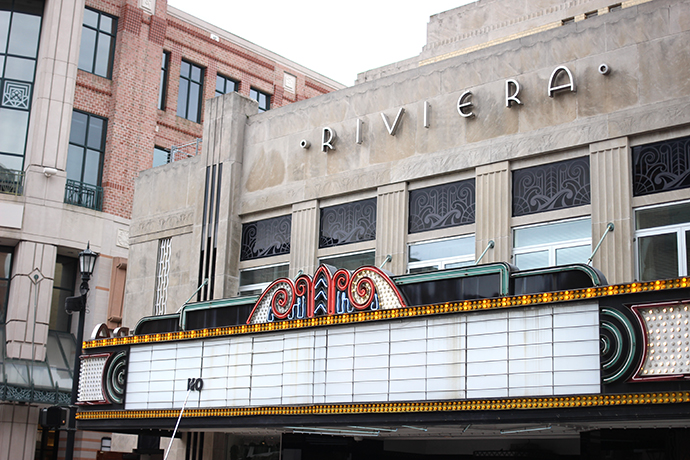
36/365: We had a delicious, proper Southern breakfast at Hominy // we explored the small but charming downtown historic district of Charleston.
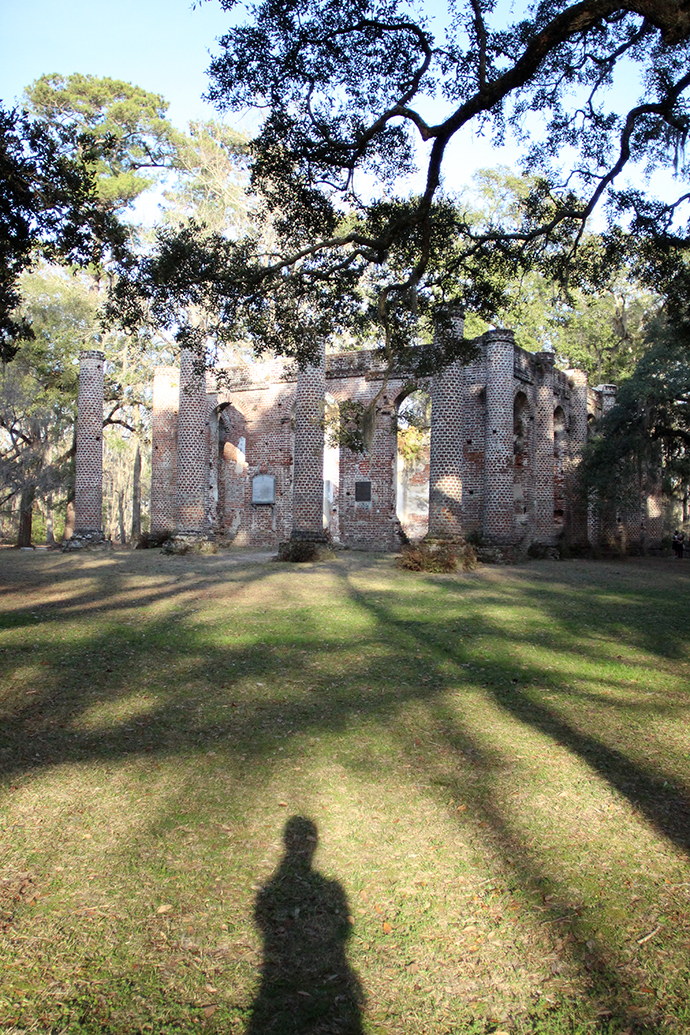
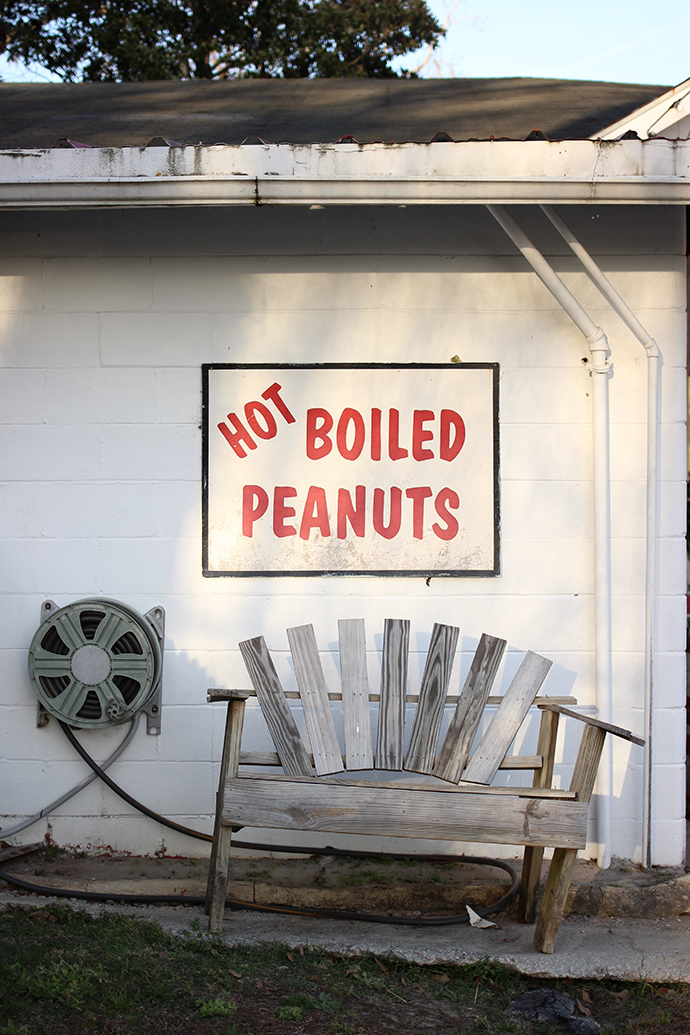
37/365: We rented a car for the day for a few delights outside of walking distance, including a plantation, the Angel Oak, church ruins and a roadside pie stand.
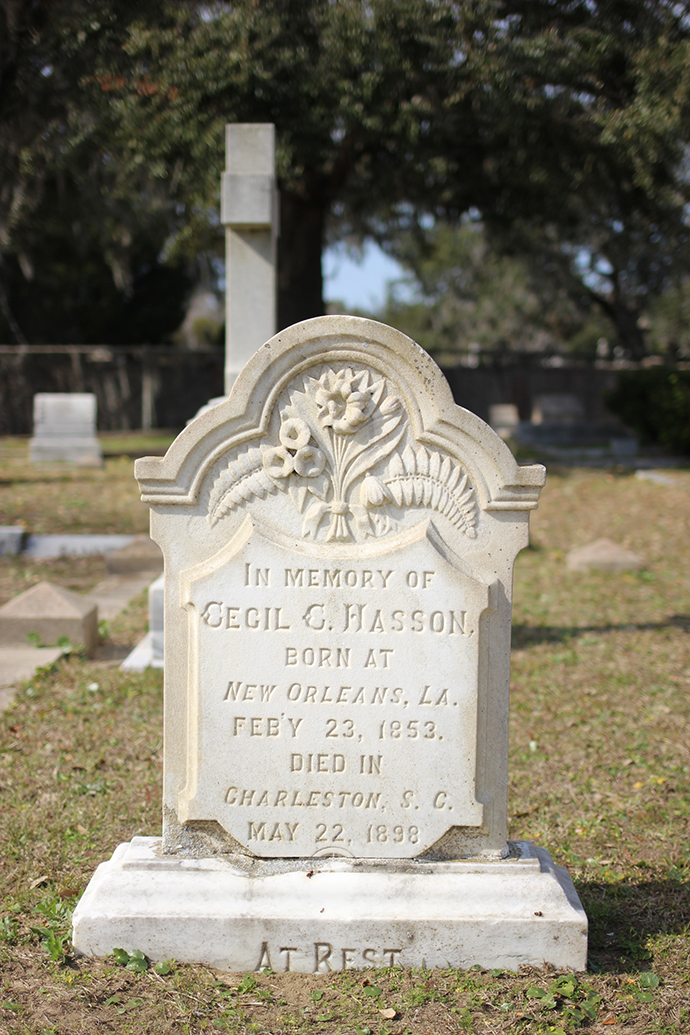
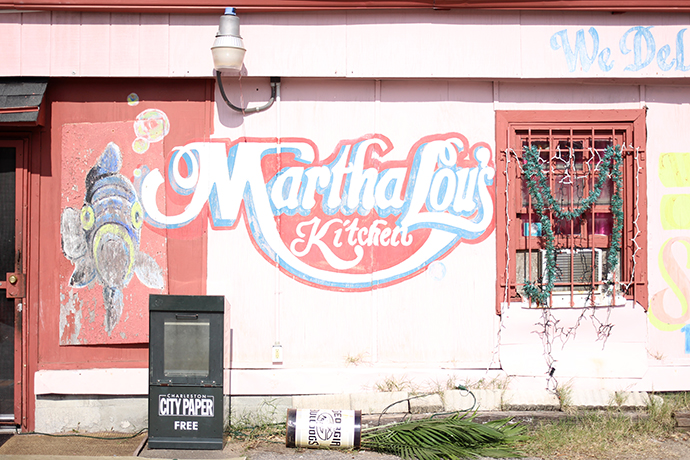
38/365: We spent our last afternoon in Charleston exploring cemeteries and stuffed ourselves sick with soul food at Martha Lou's.
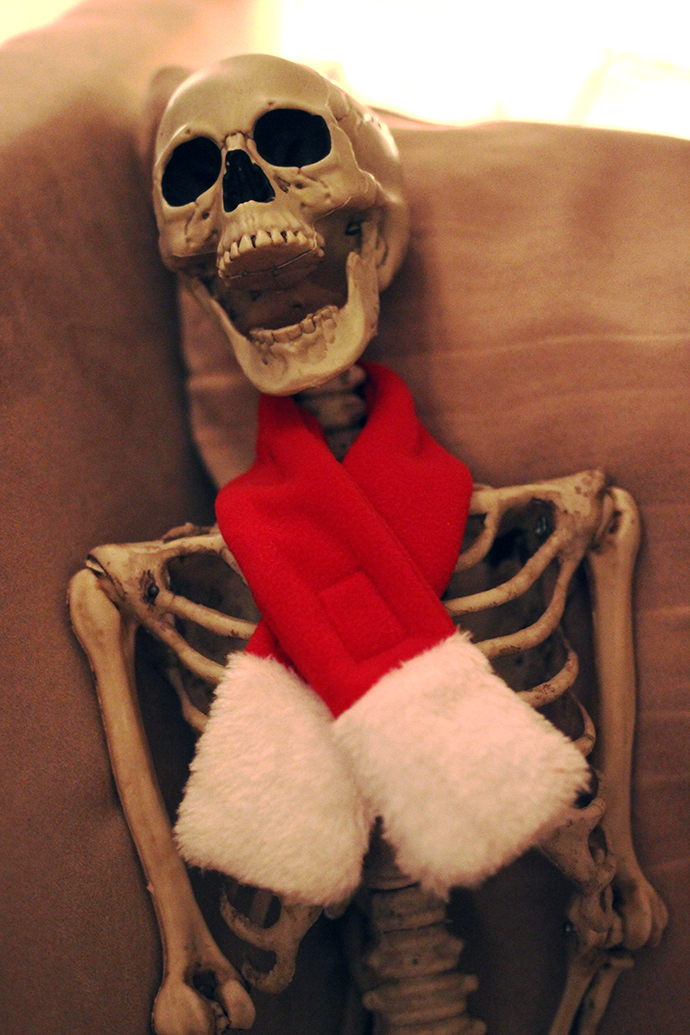
39/365: I removed my skeleton's Santa hat after Christmas, but he's still dressed for winter.
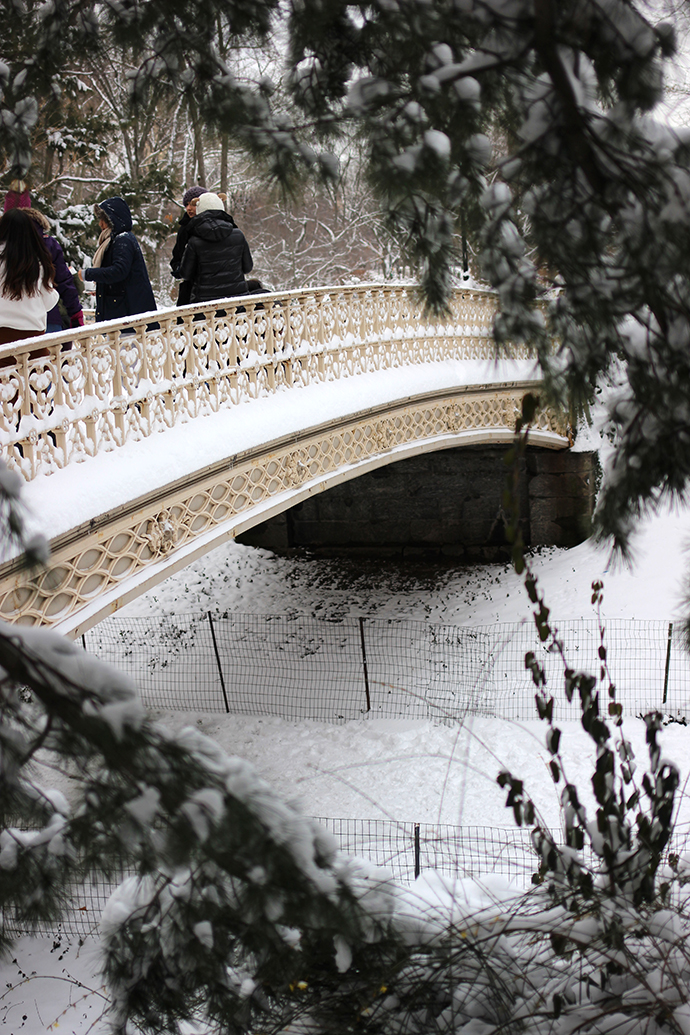
40/365: New York got a pretty substantial snowstorm and I wandered through Central Park after we got out of work early.
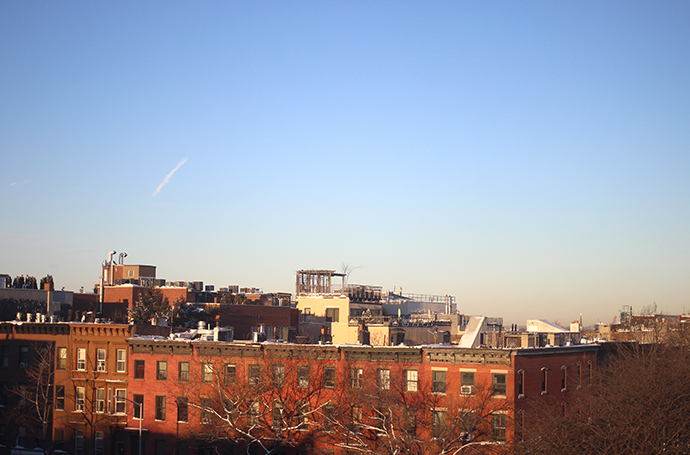
41/365: Good morning, Brooklyn.
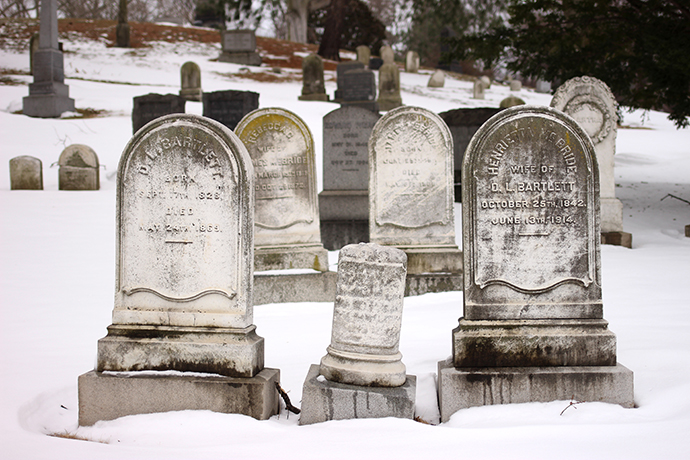
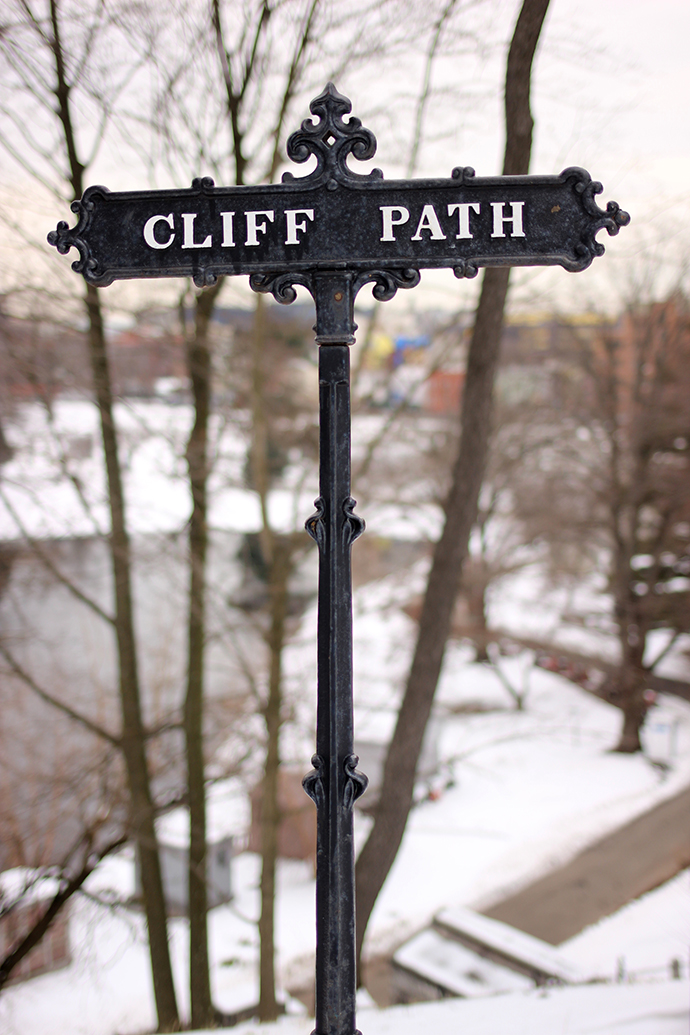
42/365: I took a glorious snowy walk through Green-Wood Cemetery.
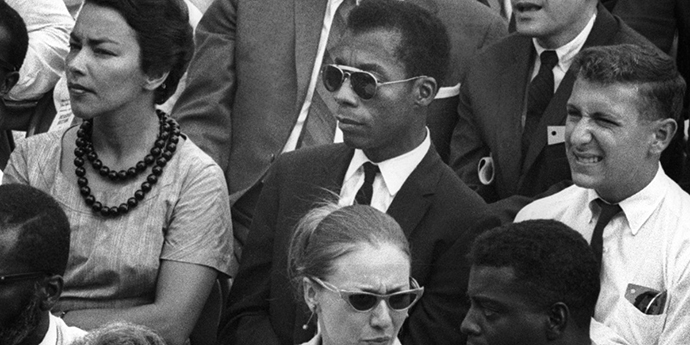
43/365: I failed to take a photo on this rainy, icy day, but we saw I Am Not Your Negro from the front row of a sold-out showing at BAM and it was an incredible movie that I won't stop thinking about for a long time (hopefully not ever). Inspired by his words, I've just started my first-ever Baldwin book, Another Country.

44/365: I made chocolate-covered strawberries for my Valentine (and ok, for me too).
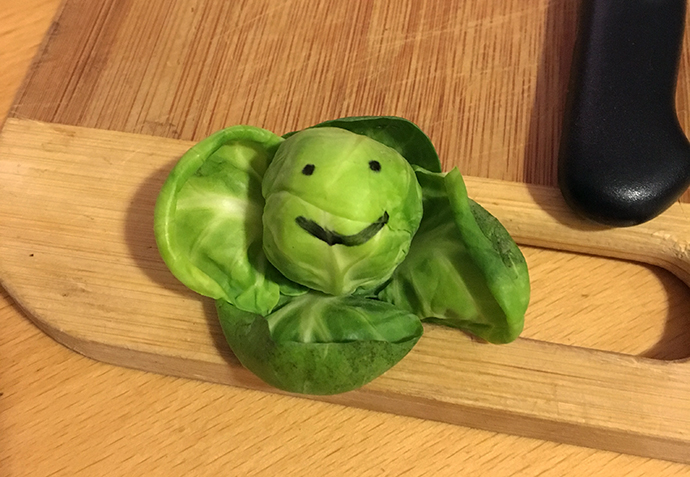
45/365: I tried to help my dude prepare a Valentine's feast, but the cuteness of the brussels sprouts derailed me. He made the most amazing steak I've ever tasted and I'll be thinking about this meal for the rest of my life, probably.
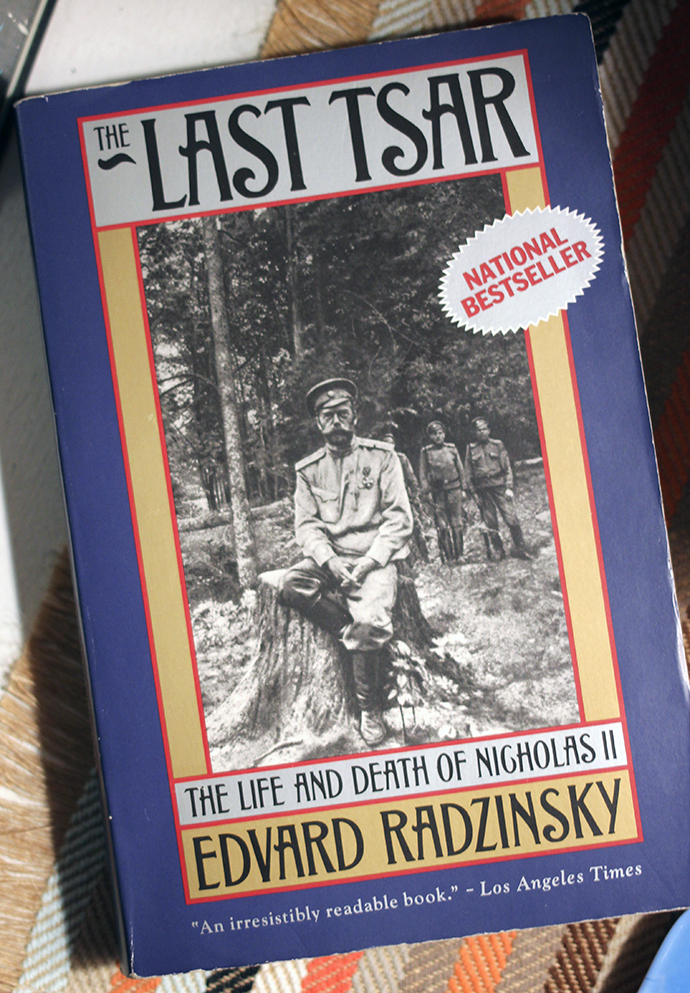
46/365: I finally finished The Last Tsar, which was a fascinating story told in way too many pages filled with way too many Russian names that all contain the same five consonants.
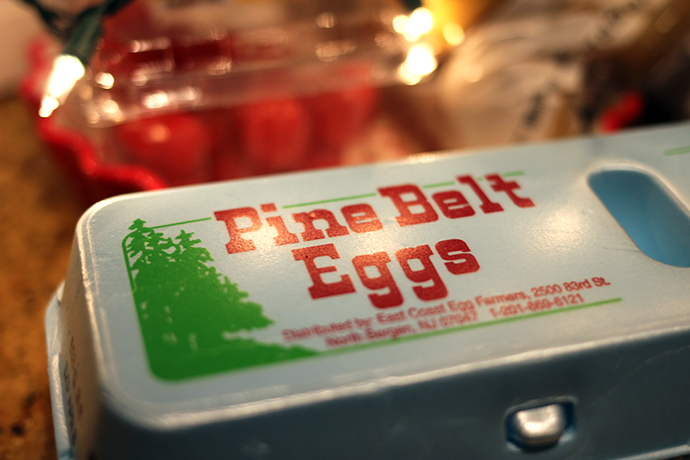
47/365: I'm forever making food choices based solely on packaging design.

Park Slope / Sunset Park

I resisted moving to Brooklyn, at least mentally. When I moved to New York, I lived in Manhattan for two years, first on the upper, upper West Side and then in Harlem. I didn't want to become a millennial hipster cliche by settling in Brooklyn, although I realize now how dumb that sounds. But then a room opened up in a Prospect Heights apartment that I had coveted from the moment I saw it, and I haven't regretted the move east ever since.
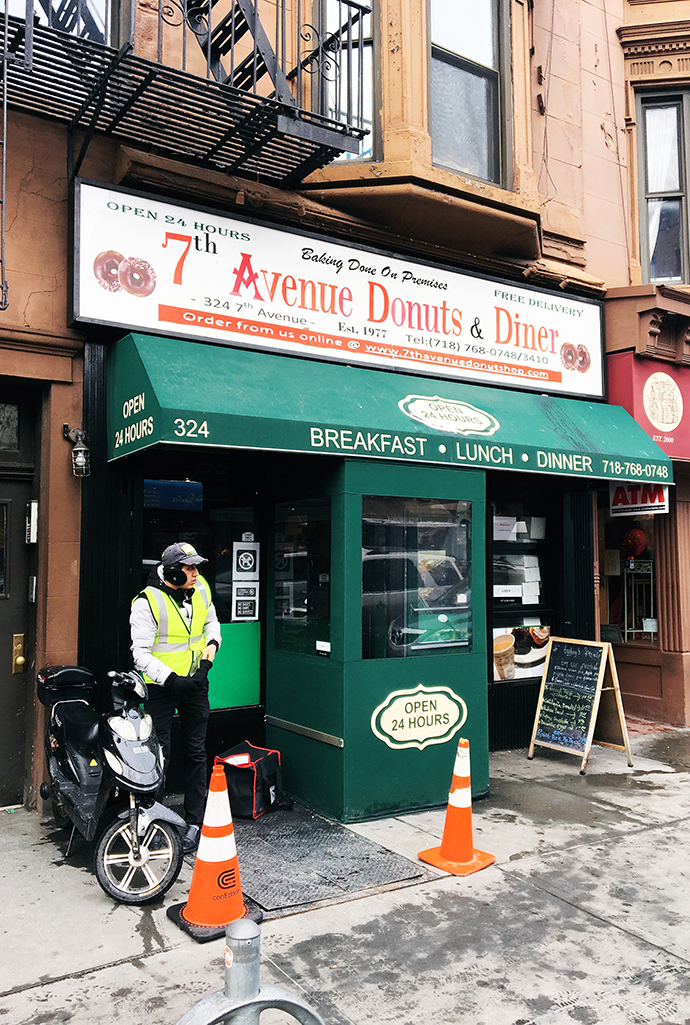



On Saturday, I walked from my apartment down 7th Avenue to a diner I had been meaning to try, 7th Avenue Donuts and Diner. I sat at the counter and had a delicious breakfast (with grits!) and thought about how much I love my New York life. To be within walking-distance of so many wonderful things is a dream-come-true, and I feel silly for not exploring my own neighborhood more.



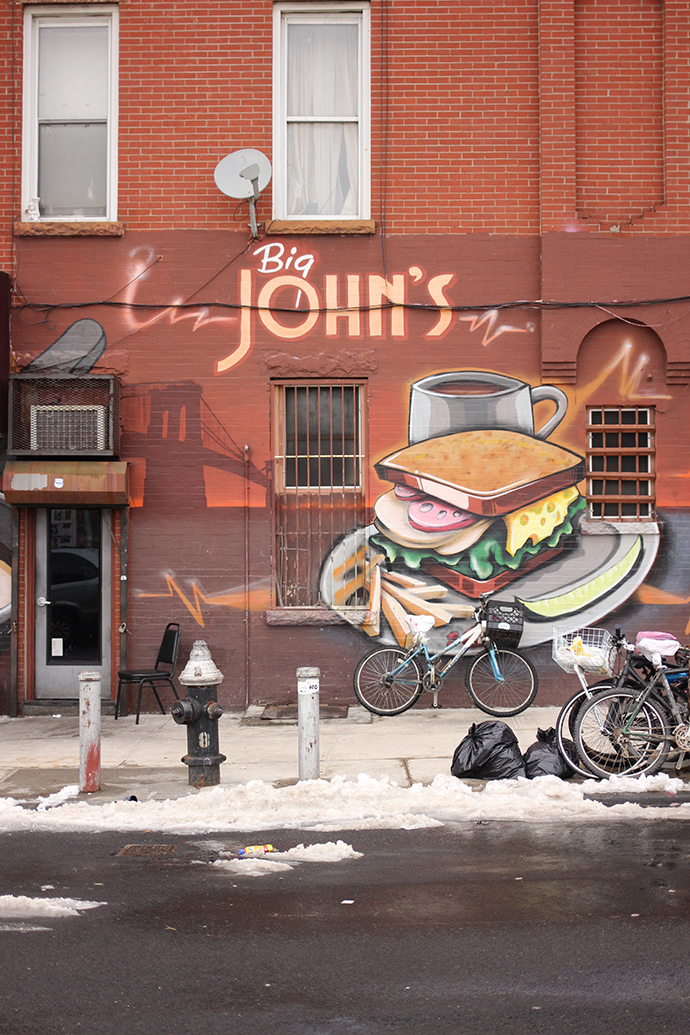
Public transportation is so convenient—and I love the particular kind of freedom that comes with not having to drive—that I sometimes forget that I should explore what's outside of my front door. After the diner I walked to Green-Wood Cemetery, which wouldn't be considered "my neighborhood," except for the fact that I probably spend more time there than almost anywhere else in the city. Despite being born and bred in Ohio I never felt comfortable there for any length of time. I'm not sure if I'll stay in New York forever, but it will always feel like my first real home.

Green-Wood: Snow

As much as I've visited Green-Wood Cemetery, I only just took my second snowy walk around the grounds on Saturday. My first snowy visit (here and here) was back in 2015, and I didn't have many chances during last year's virtually snow-less winter. When I realized that last week's snowfall would stick around for a few days, I knew that Green-Wood was my top priority.


Snowy cemeteries are a combination of two of my very favorite things in life, although in the city it has sometimes been a challenge to get into them. I was denied entry to Woodlawn on not one, but two snowy days, and Green-Wood closes its gates during most storms. I did manage to explore Trinity Cemetery in northern Manhattan after one of my failed Woodlawn treks, and the photos I took that day are still some of my favorites.


I was very excited to see Green-Wood again in the snow, but I was concerned that after countless visits I wasn't going to see much that I hadn't already seen or photographed before. I'm fond of saying that I could explore places like Green-Wood forever and still manage to see something new, but I definitely think I'll eventually test the limits of that theory. Almost immediately, though, I veered into a part of the cemetery that I hadn't explored—and even if I hadn't, everything looks a little bit different in the snow.


I made some questionable decisions veering off of cleared paths to investigate interesting things—the snow drifts were almost knee-deep in places—but it was definitely worth a little slipping and sliding. I walked to Green-Wood from my apartment (stopping for diner breakfast halfway) and to me there is no more perfect way to spend a Saturday.

Charleston: Magnolia Plantation + Gardens

Our first stop on our mini Charleston road trip (before we visited the Angel Oak) was to Magnolia Plantation and Gardens, which is located about 30 min north of the historic downtown. Nearby Drayton Hall was closed for maintenance, which they do only one week of the year (lucky us!), but Magnolia definitely satisfied my historic home requirement for the day.

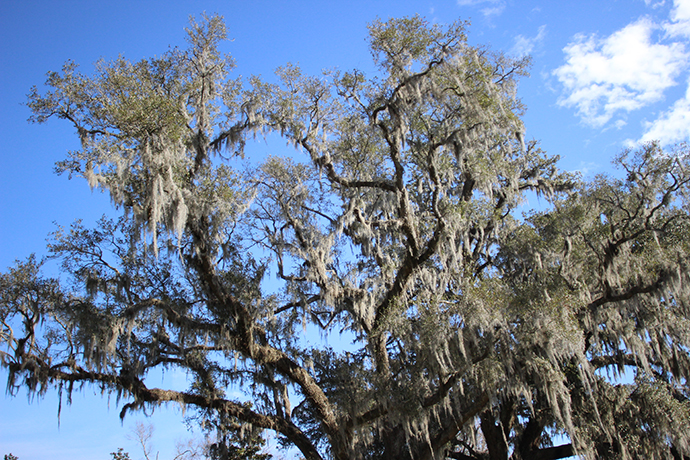


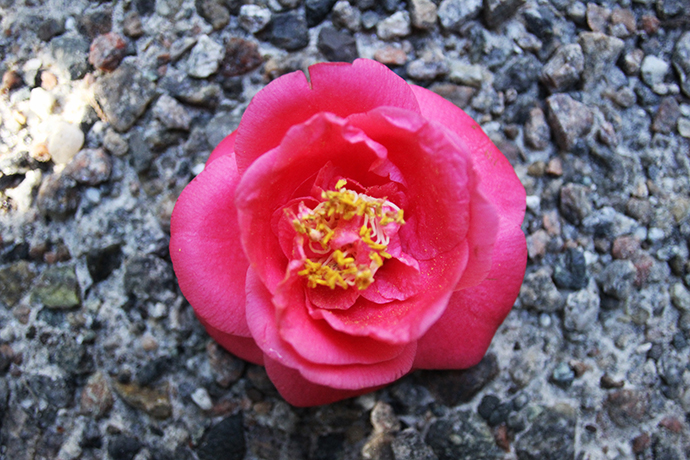
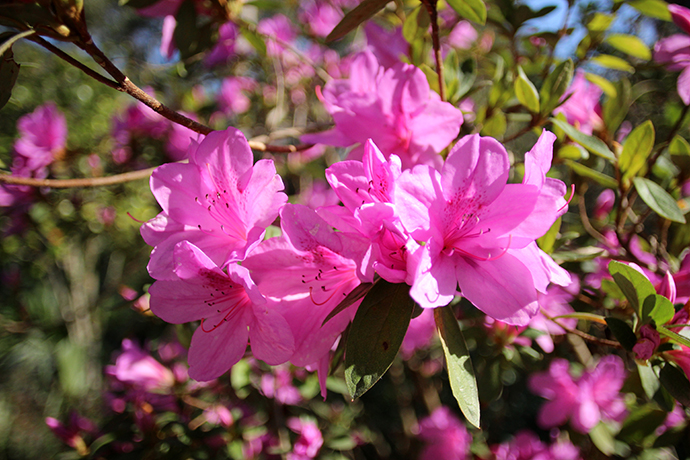
Magnolia claims to be "Charleston's most visited plantation," and it's the oldest public tourist site in the Lowcountry, as well as the oldest public gardens in America. The grounds were open to the public in 1870, but the plantation was founded in 1676 by the Drayton family and is still owned by descendants today. Magnolia has America's oldest and largest collection of camellias and azaleas, and even in February there were already beautiful blooms.
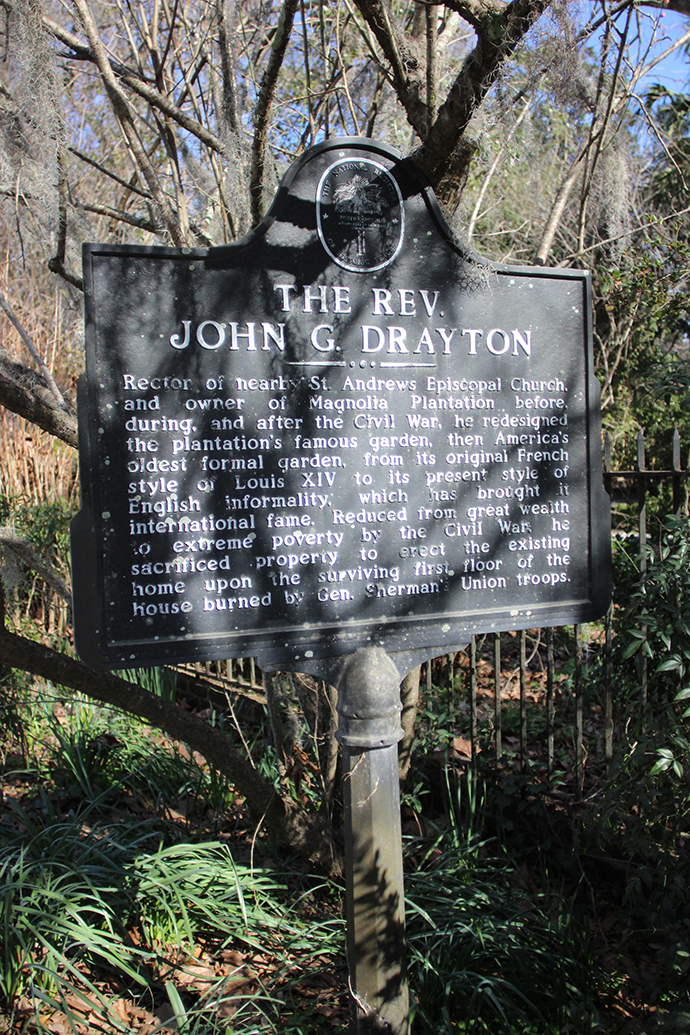
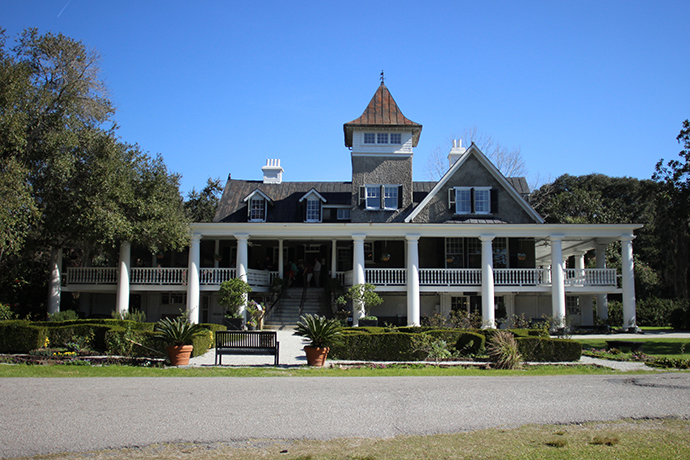
There have been three main houses on the property throughout its history, the first two of which burned down. The house that you can currently tour was built prior to the Revolutionary War near Summerville, South Carolina and floated down the Ashley River to Magnolia. It was built onto the first floor of the second house, which was all that remained after General Sherman burned his was through the South during the Civil War.
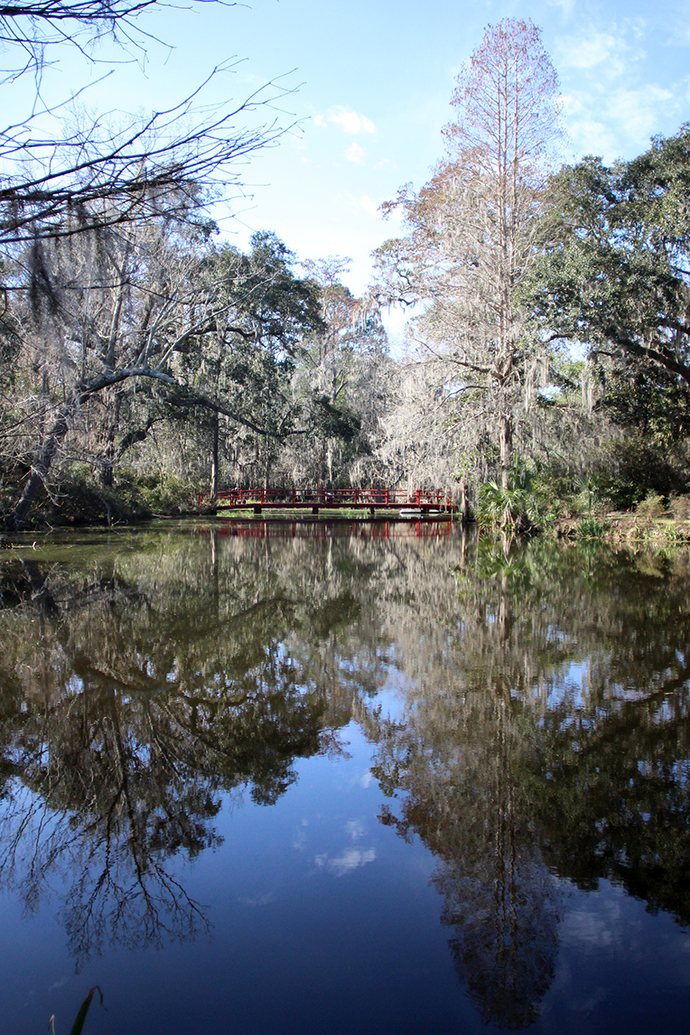

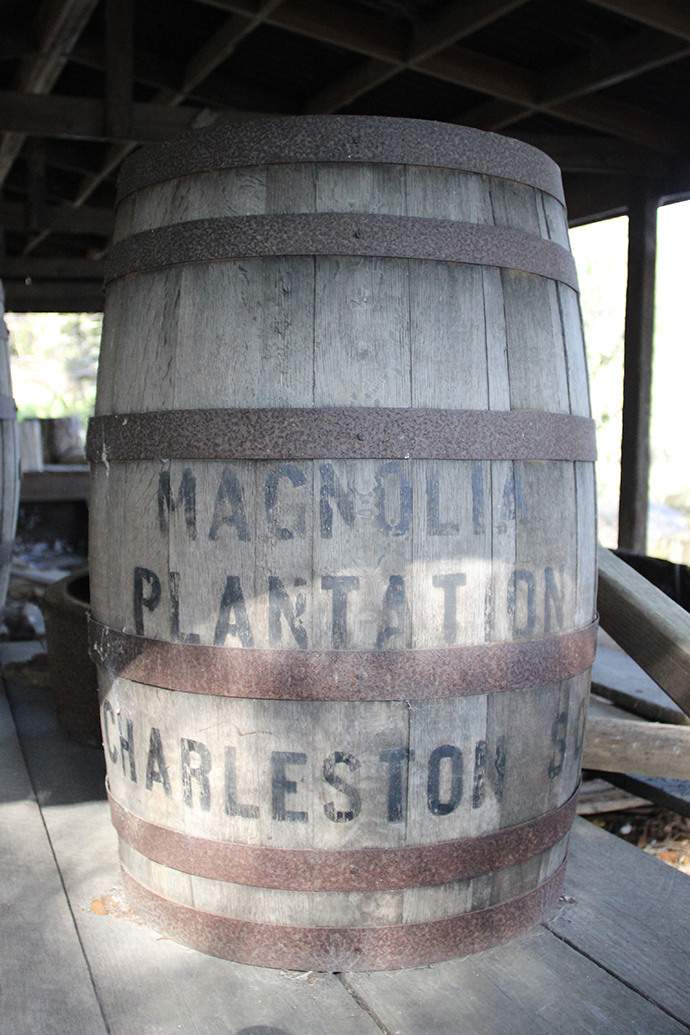

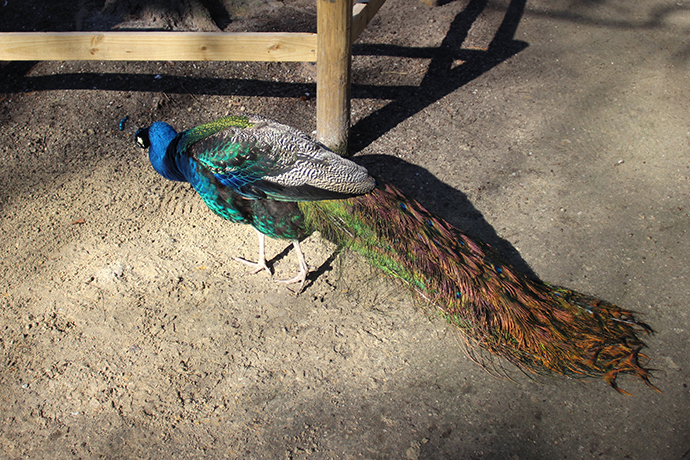
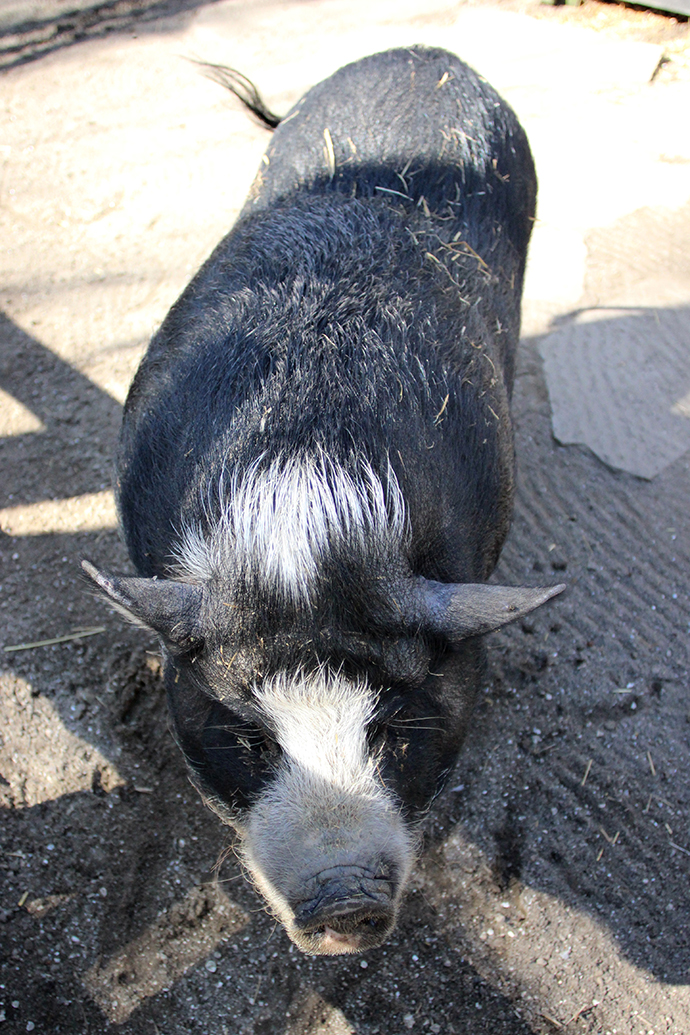
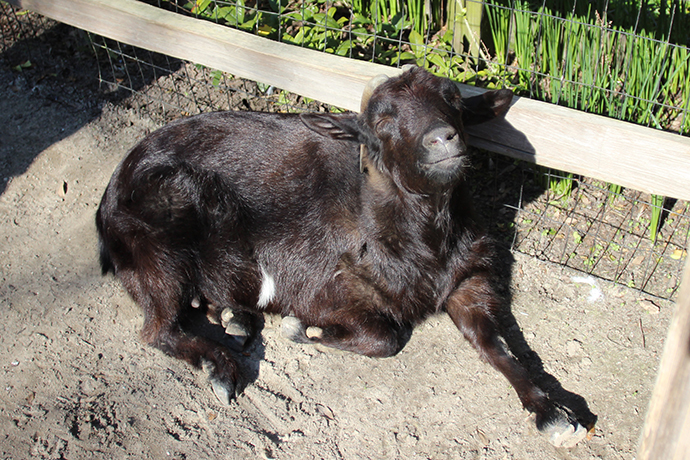
The property borders the Ashley River, and includes a swamp, ponds, several bridges and a petting zoo. The deer were super aggressive, the ducks were jerks and apparently the peacocks startle easily, but the goats were super chill and I fell in love with the very chubby PigPig, despite having eaten many of his relatives during our trip.
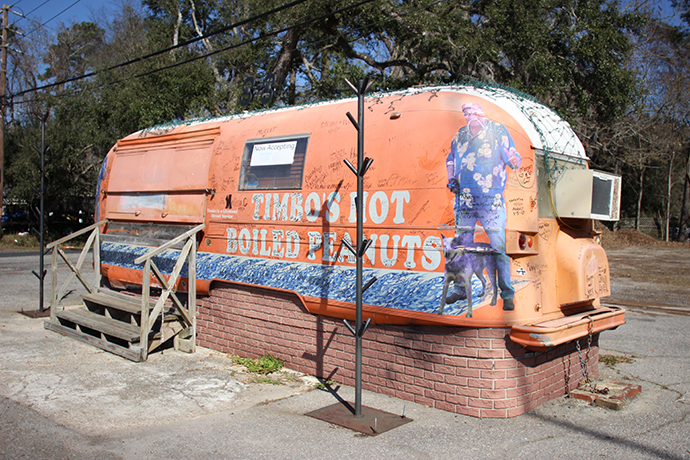


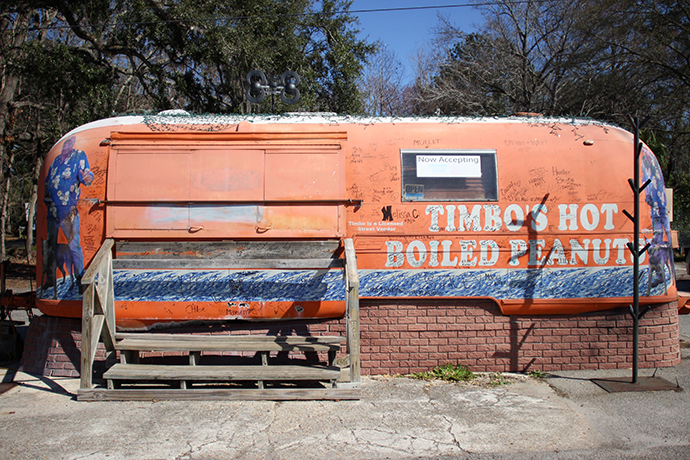
Bonus! On the road to Magnolia, we passed Timbo's Hot Boiled Peanuts trailer, which unfortunately appears to have gone out of business despite having an "OPEN" sign in the window. I'm bummed that I wasn't able to try a boiled peanut, which, when it comes out of an Airstream on bricks from a man named Timbo, is surely as authentically Southern as it can get.

Central Park: Snow

I love snow. I grew up in Northeast Ohio so I'm no stranger to the frozen white stuff, but I never experienced a New York City snowstorm until a few years ago. It was during my two-month "trial period," which took place January-March of 2013 that I finally saw the city blanketed in snow, and immediately fell in love. To see my favorite city in my favorite weather was almost too much to bear, and even four years later I'm still enamored with the winters here.

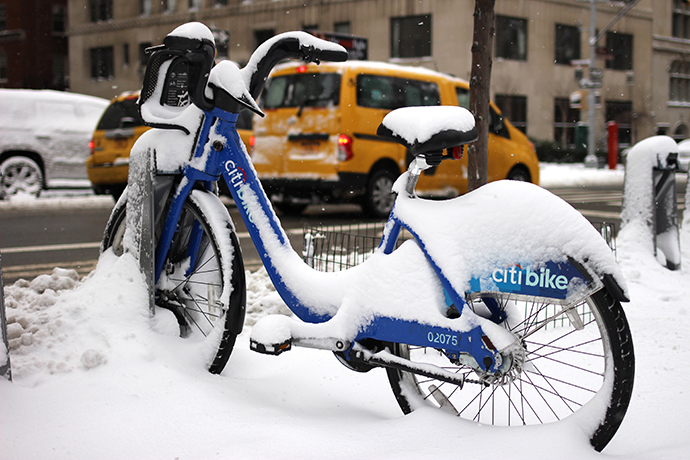
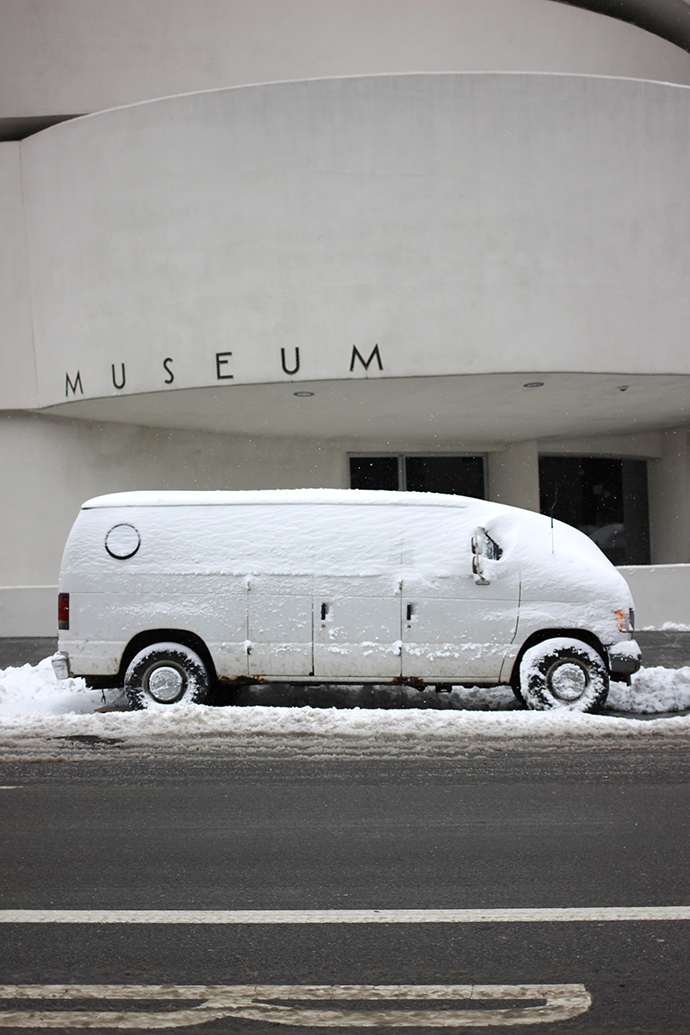
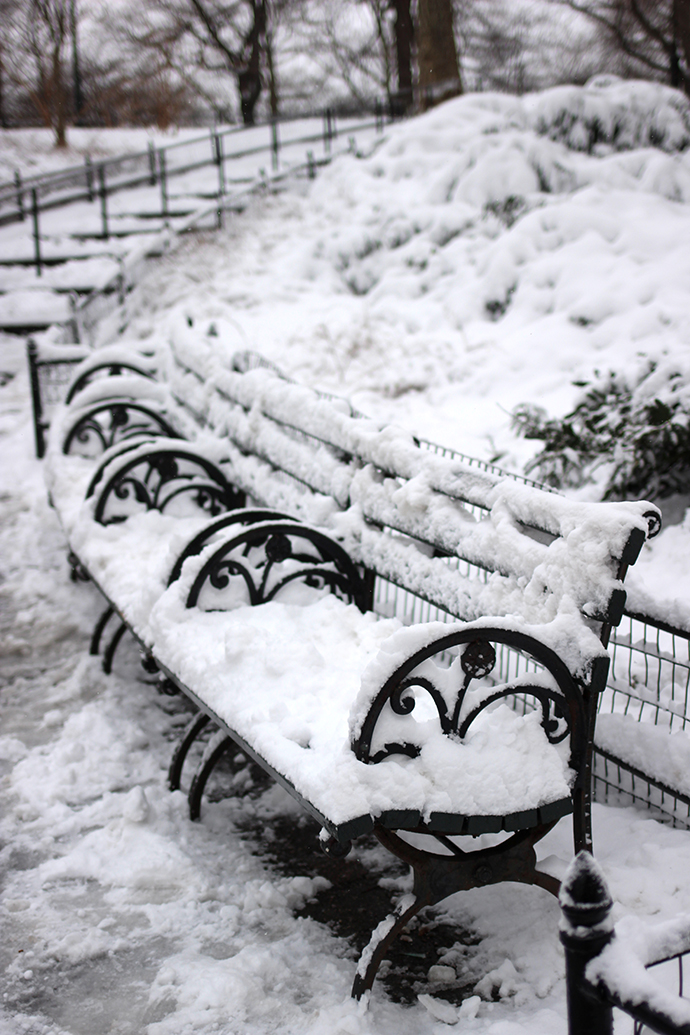

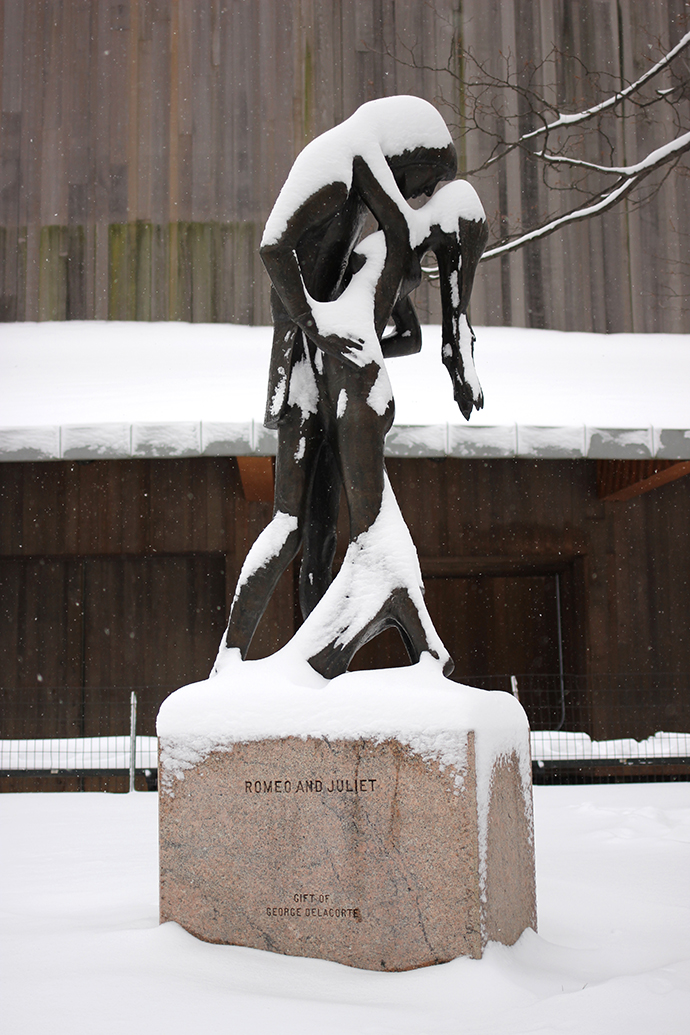


My first winter as a full-time resident just happened to include the second snowiest February on record. I was in heaven, but also—I realize now—spoiled. We've yet to have a similar winter in the three years since, and last year although we got 30-some inches of snow, 90% of it came in one day and melted by the next. This year has been slightly better, and even though I was denied entry to Green-Wood Cemetery, I still had a magical day back in January frolicking through a snowy Prospect Park.

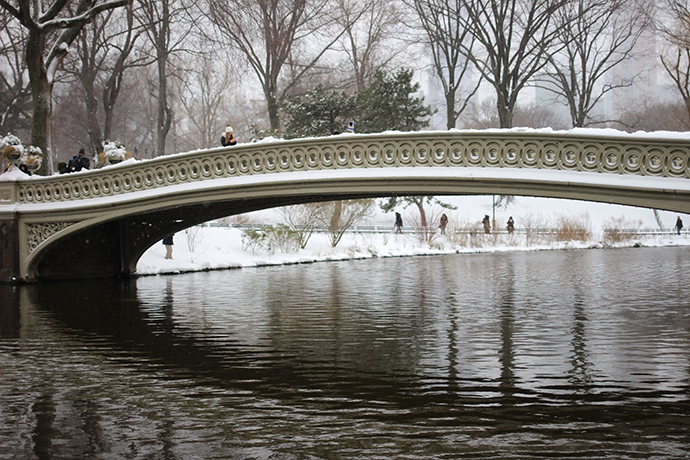

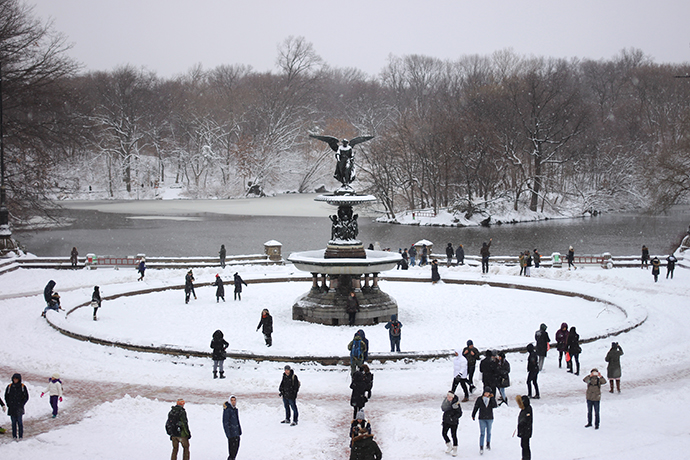



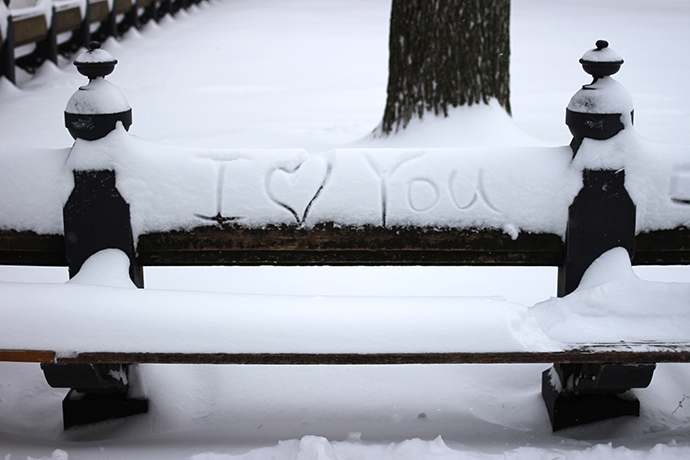
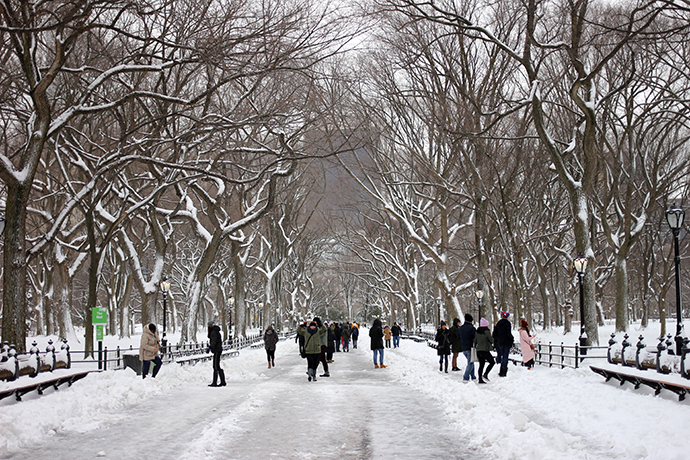
Luckily that wasn't our last storm of the season, and yesterday I was delighted to wake up to near-blizzard conditions outside my window. Although my commute was a bit harrowing (I almost got blown across Lexington Avenue), it was all worth it when we were released early and I was able to spend the rest of the afternoon in Central Park. I sadly don't get to the park as much now that I live in Brooklyn, so I was thrilled to be able to spend a few hours checking in on all of my favorite spots.
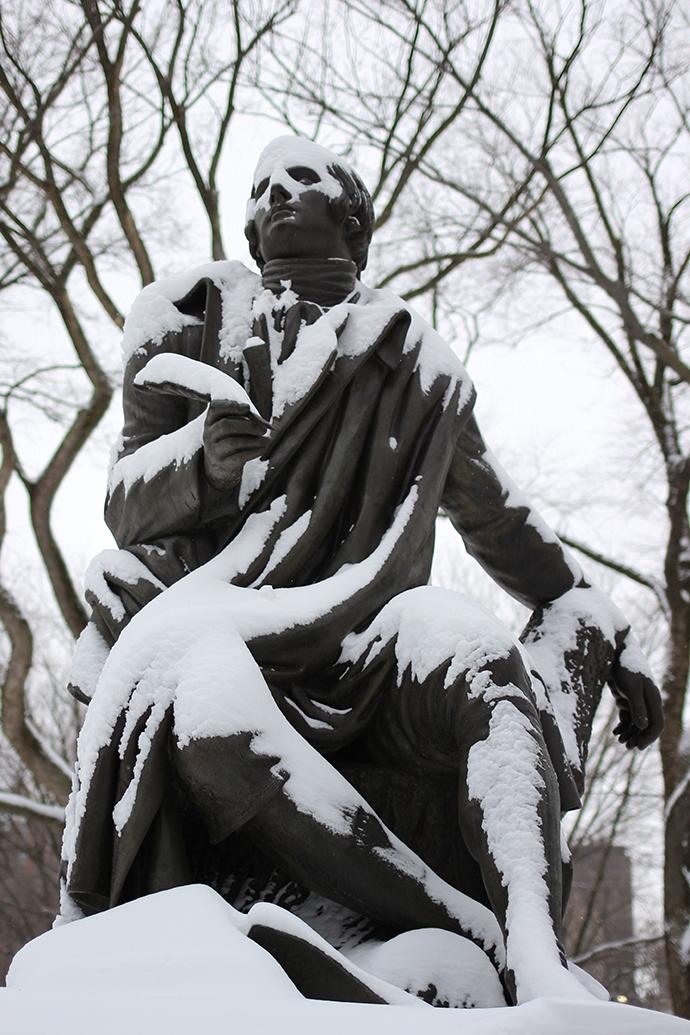


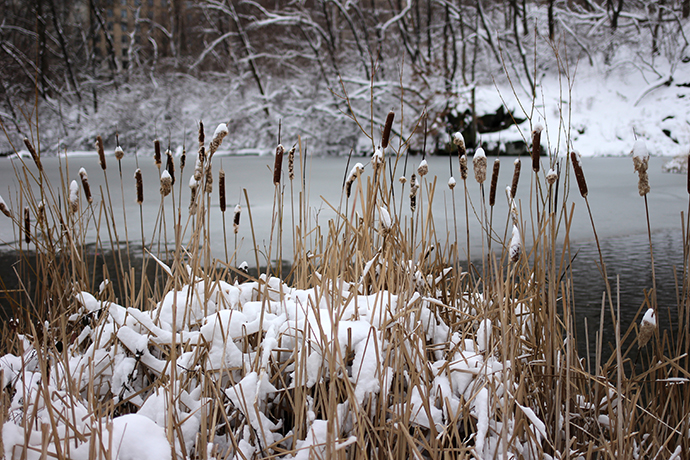

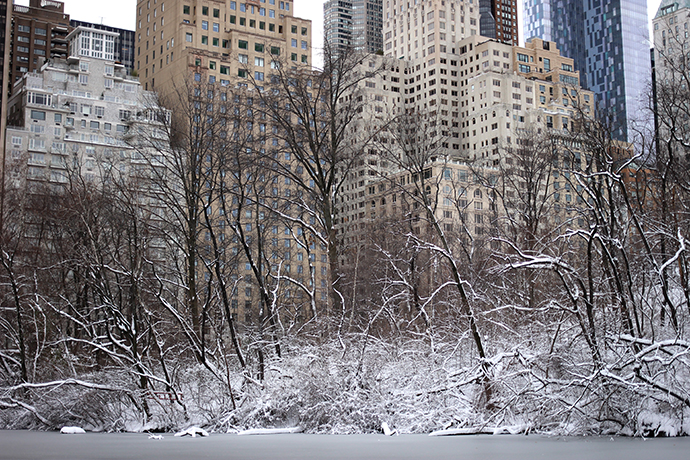
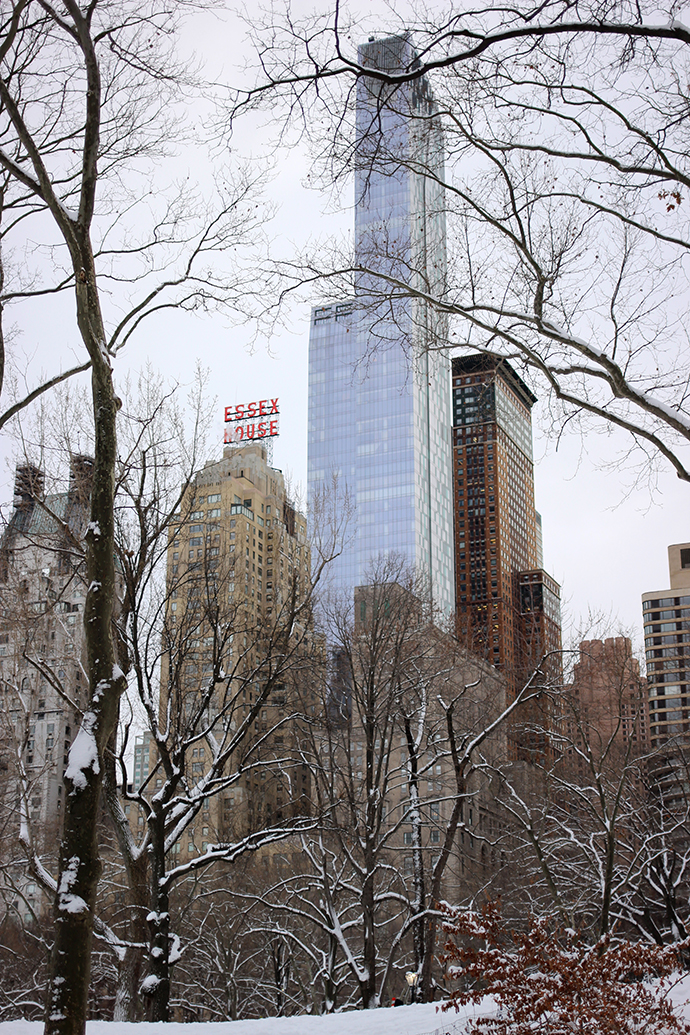


I walked from 92nd Street down Fifth Avenue and entered the park by the Met Museum. I walked past Belvedere Castle and the Delacorte Theater, through the Ramble and Bethesda Terrace. I love, love, love the Bethesda Fountain, and the angel looks even better with snowy highlights. I made my way down the Literary Walk—one of my very favorite places on Earth—around the pond and over the Gapstow Bridge.
I'm concerned that climate change may make snowy days like this increasingly rare (it was in the 60s on Wednesday) so I'm trying to appreciate them while they are still fairly common. I don't have to drive on icy roads, scrape a windshield or shovel a driveway and although city snow gets gross pretty quickly, it will always be magical to me.

Charleston: Angel Oak
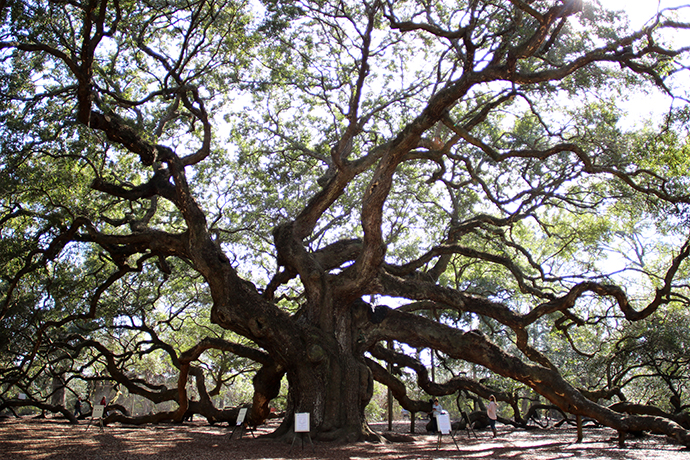
When we were planning our recent trip to Charleston (my first!) I found a few things that I wanted to see outside of the walkable historic district so we rented a car for a day. One of the must-sees on our list was the Angel Oak, a 500-year old Southern live oak located on John's Island. The tree is featured so prominently on Charleston marketing materials and brochures that we were surprised to find that it was on the outskirts of town, about a 30 min drive from downtown.
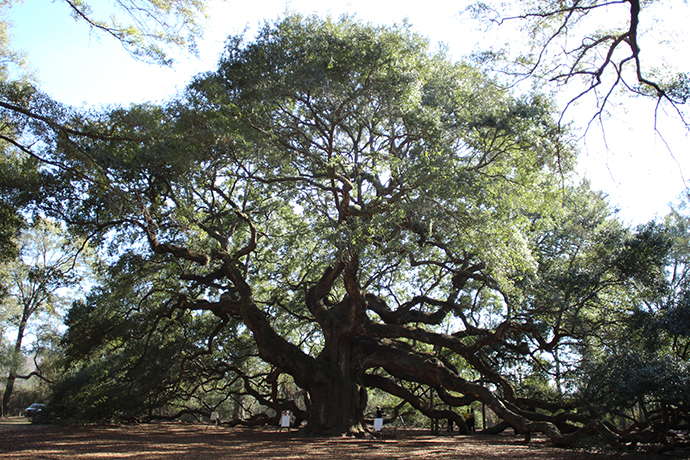
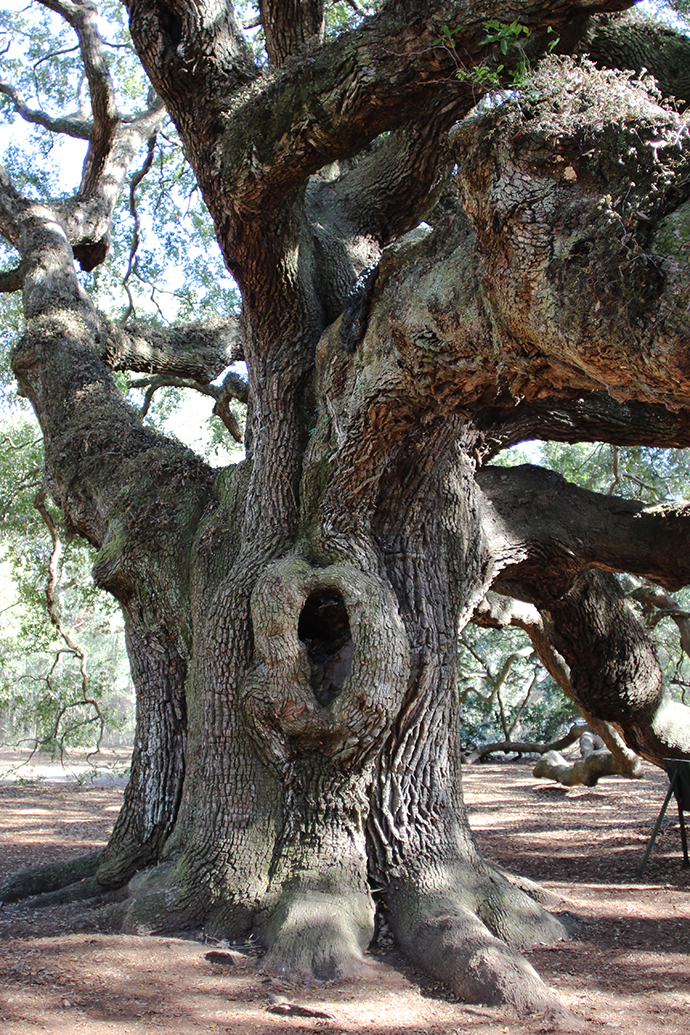
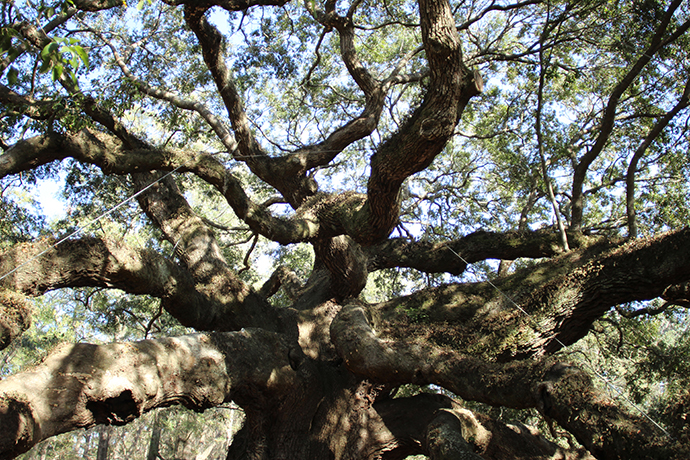
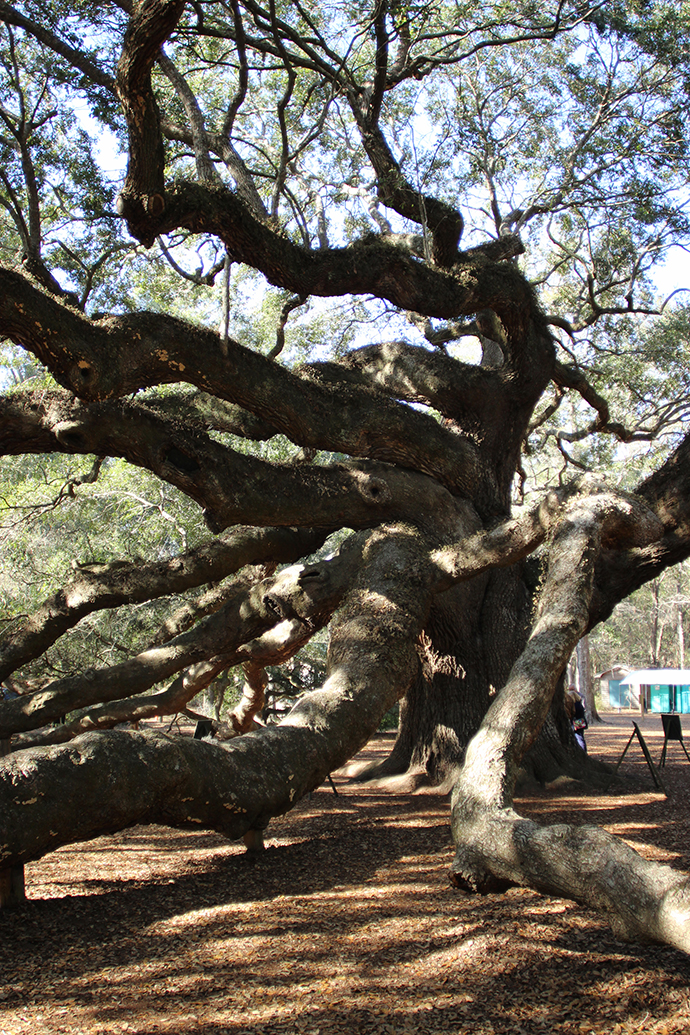
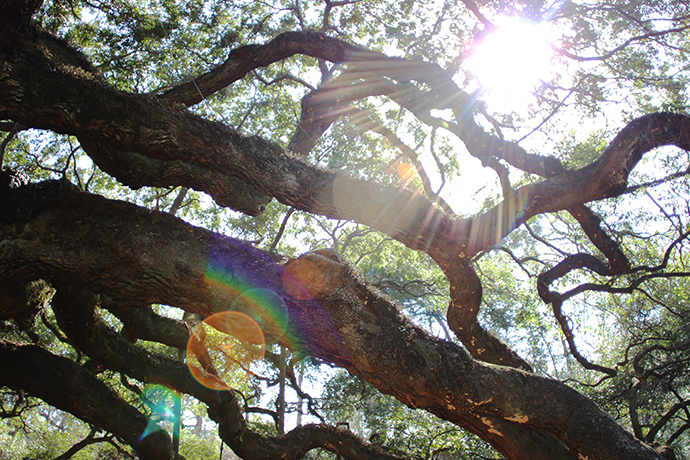

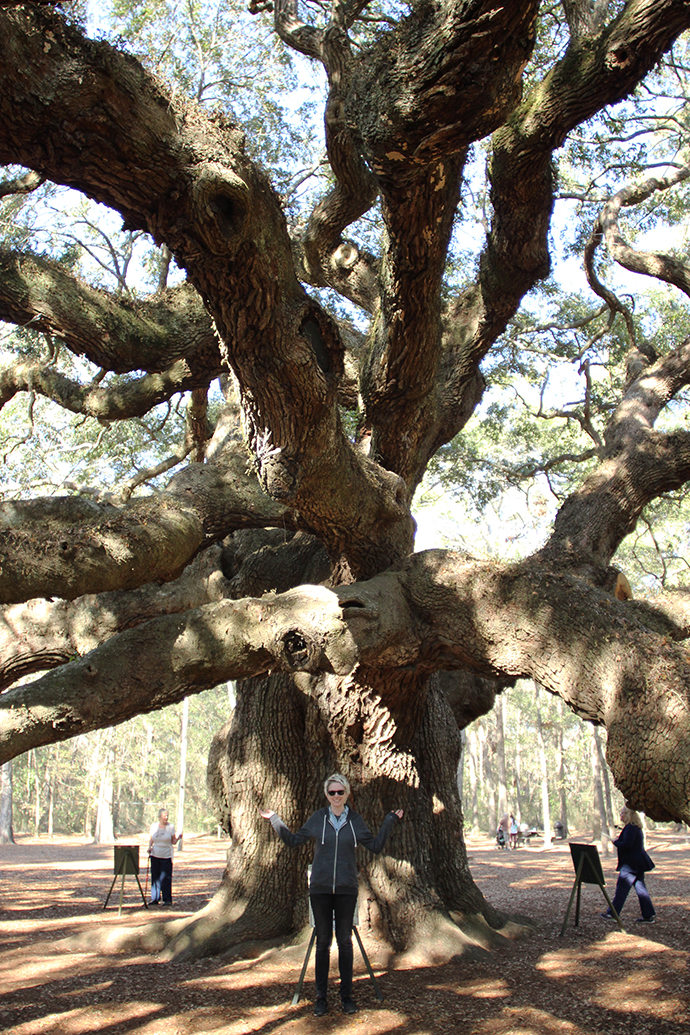
The oak, now owned by the city of Charleston, is 66.5 feet tall, 28 feet in circumference, and produces shade that covers 17,200 square feet. I knew the tree was huge, but I was still surprised by its size and spread. Some of its branches could be huge trees themselves—they twist and wind up and down, duck under the ground and come back up again.


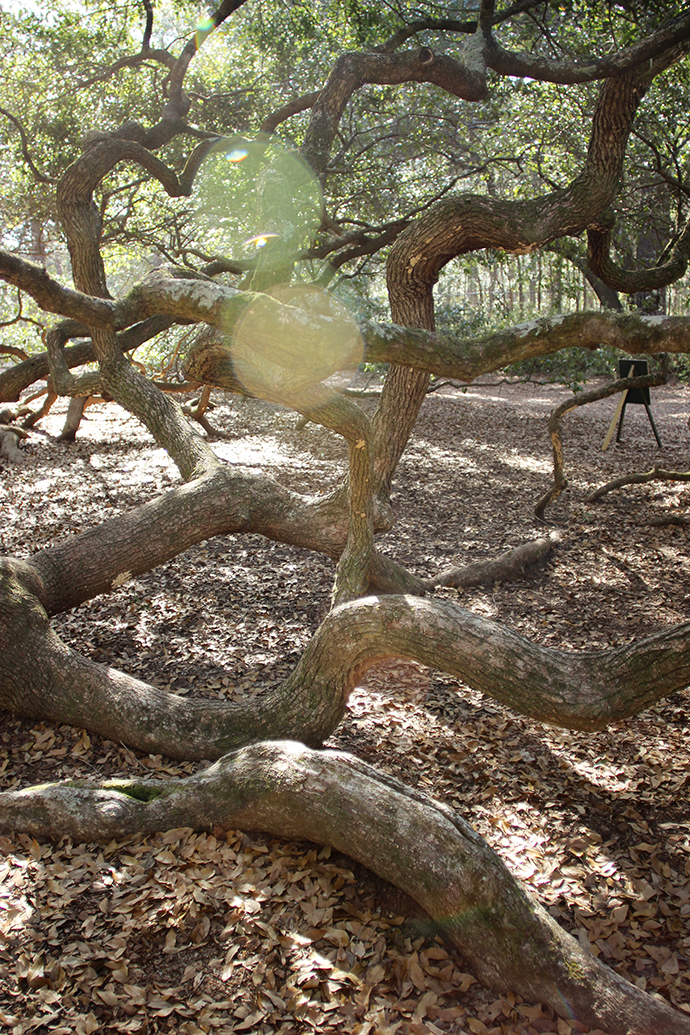
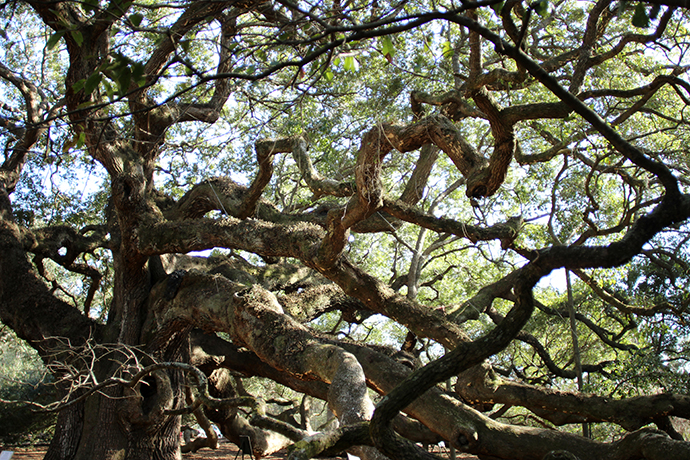

Some of the branches have been held up by posts or cables, and it's miraculous that a tree of this size has survived and continues to grow. The area around the tree was threatened with development in 2012 but it was successfully stopped due to concerns that the tree's groundwater and nutrient supply would be in danger. Although the Angel Oak isn't the oldest tree in the South, it's still spectacular and it reassures you in a way that only nature can of not only the fragility of life, but also of its enduring strength.

Project 365: Days 27-33

27/365: Obsessed with drug-store candles (apple cinnamon only, please).

28/365: My mom and I ate a very delicious breakfast at Eisenberg's Sandwich Shop, a lunch counter-style diner that has been across from the Flatiron Building since 1923.

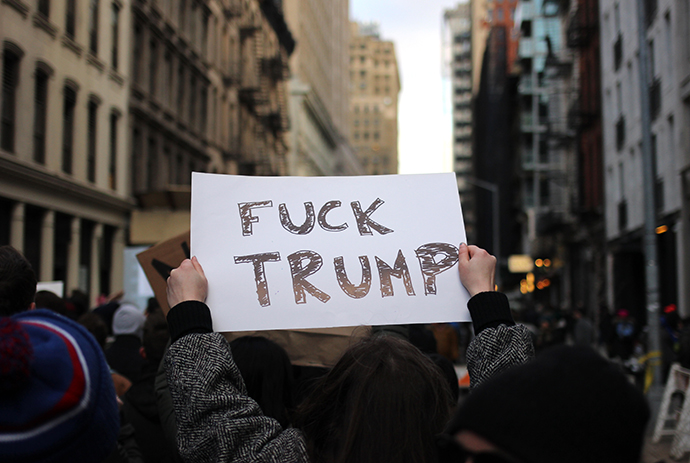
29/365: I marched once again, this time against Trump's muslim/Syrian refugee ban.

30/365: We celebrated the birthday of a very special dude.
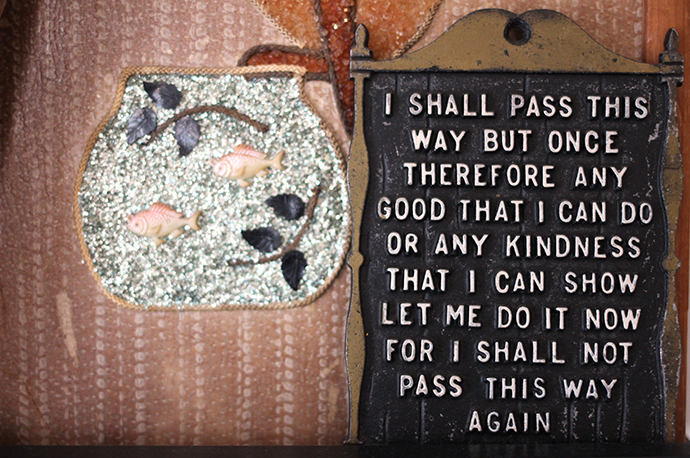

31/365: I look at this plaque (a gift from my very good friend JMP) every morning when I'm getting ready // Not only have I not killed this plant at work, but it's flowering!

32/365: Turns out calligraphy is really hard, but I'm enjoying the challenge.

33/365: We went to Delmonico's (open since 1863 and the birthplace of baked Alaska) for restaurant week.

Riverdale
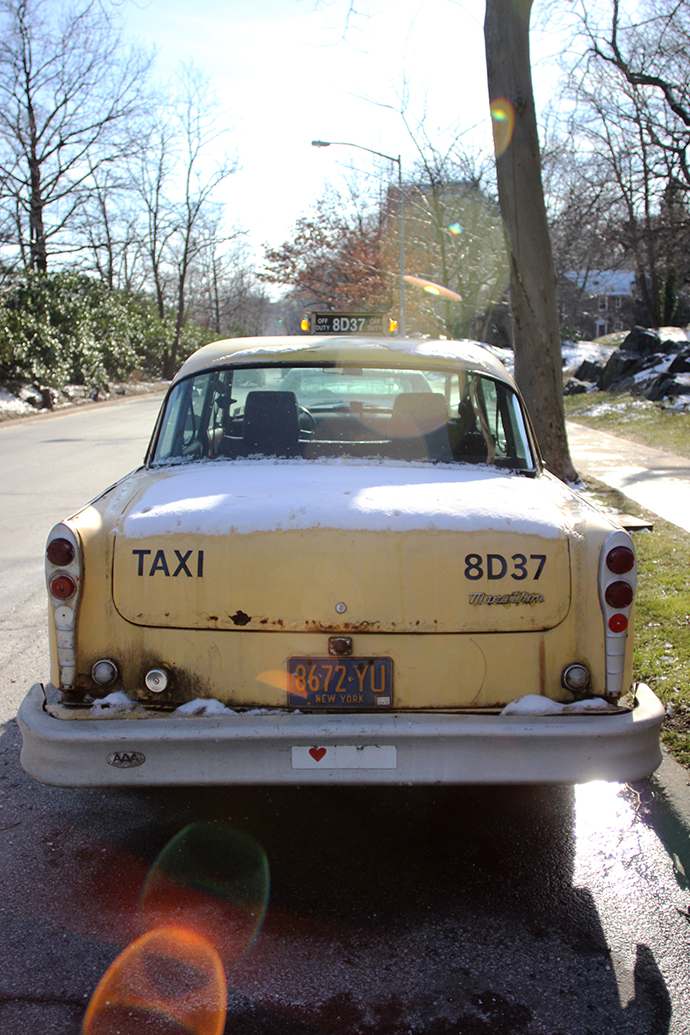
After we explored the Fieldston neighborhood of the Bronx recently, we ventured over into neighboring Riverdale. We were already having a perfect city adventure day, when we spotted an old Buick parked along the side of the street. As we were admiring it, a man walked by us and doubled back to let us know that an "old checkered cab was parked just down the block." My default when a stranger starts to talk to me unprompted is immediate suspicion and annoyance, but that quickly turned to gratitude when we realized that he'd just given us a hot tip.
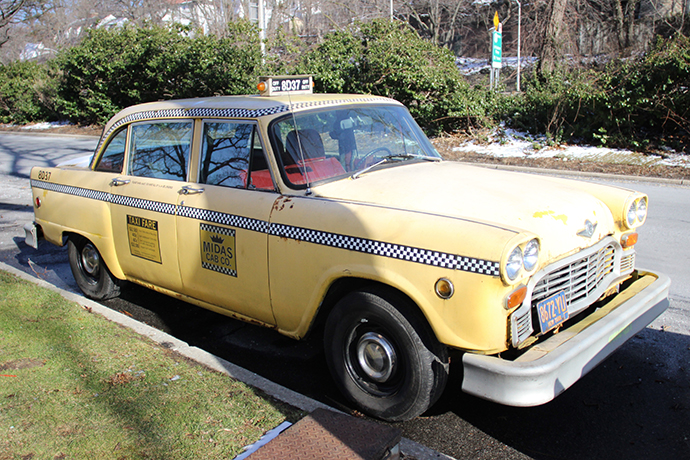
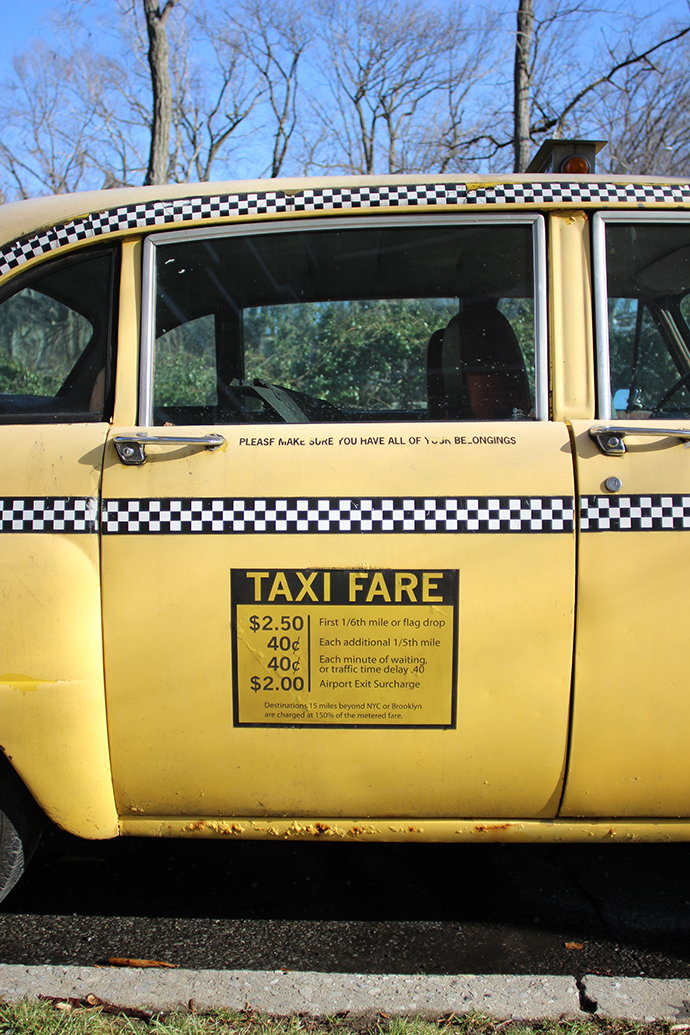
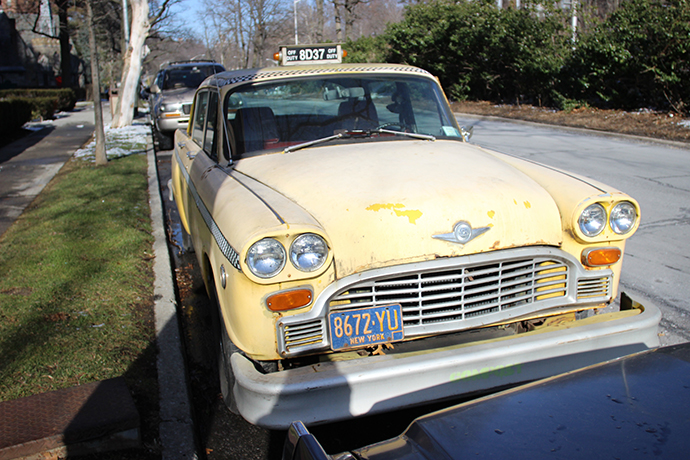
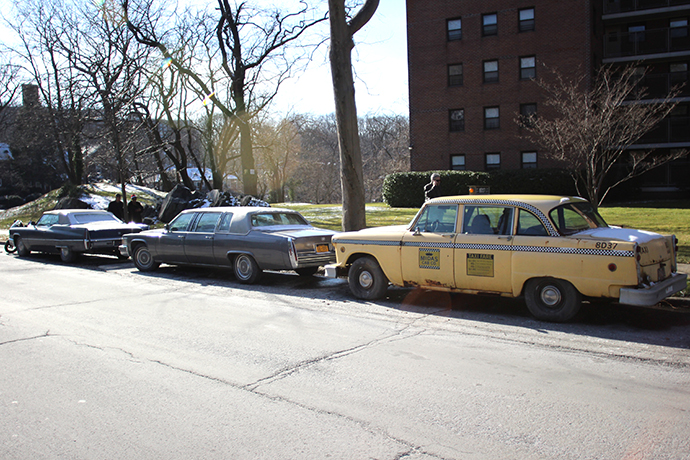


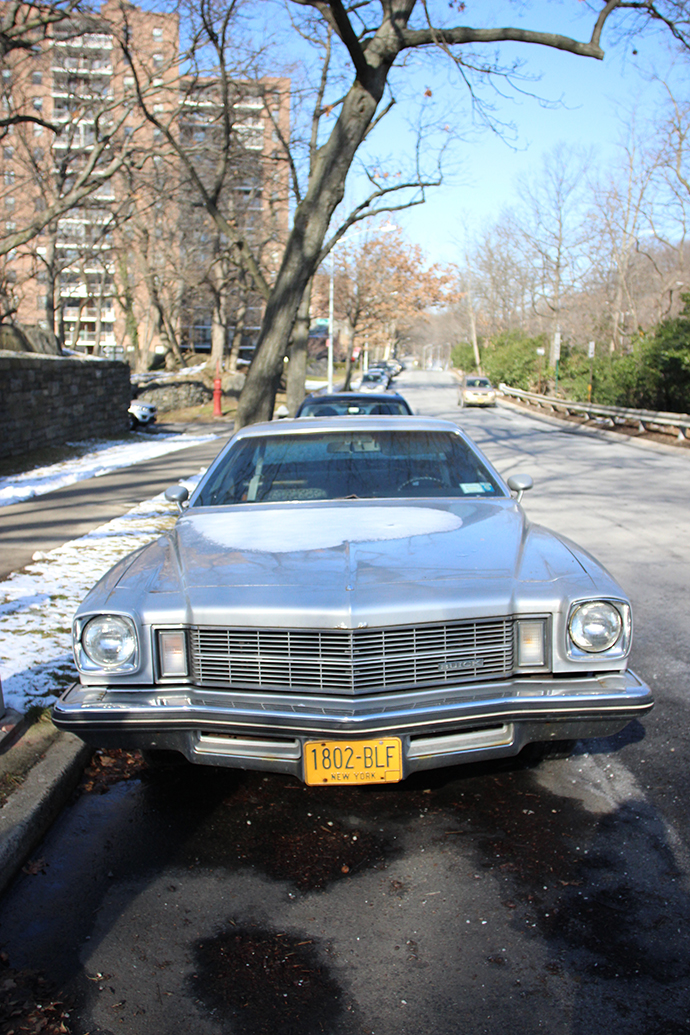
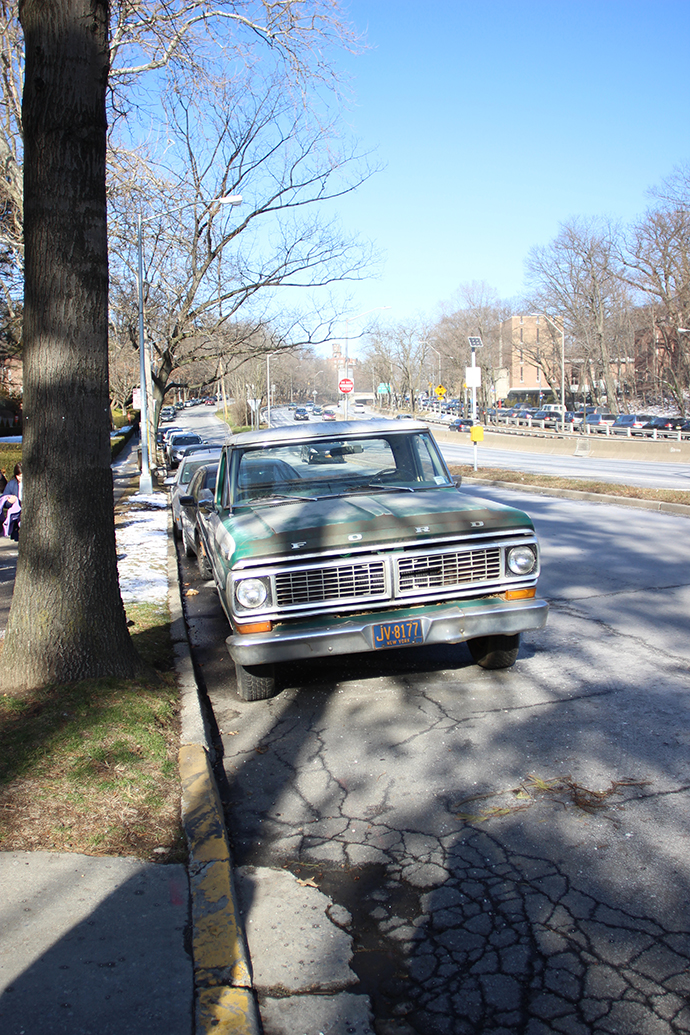
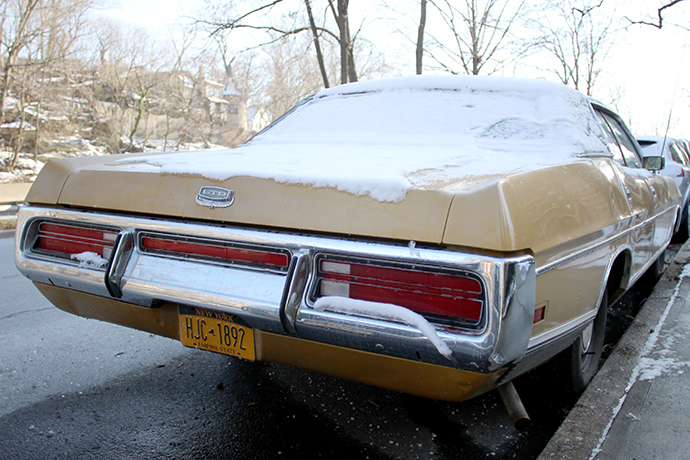
The checkered cab was just as wonderful as promised—what I wouldn't give to still have the New York streets filled with them—and the street kept offering vintage vehicles, one right after the other. We felt as if we had indeed stepped back in time, and even heard another passerby exclaim (somewhat hyperbolically) "this is the street of 87-year-old cars!"
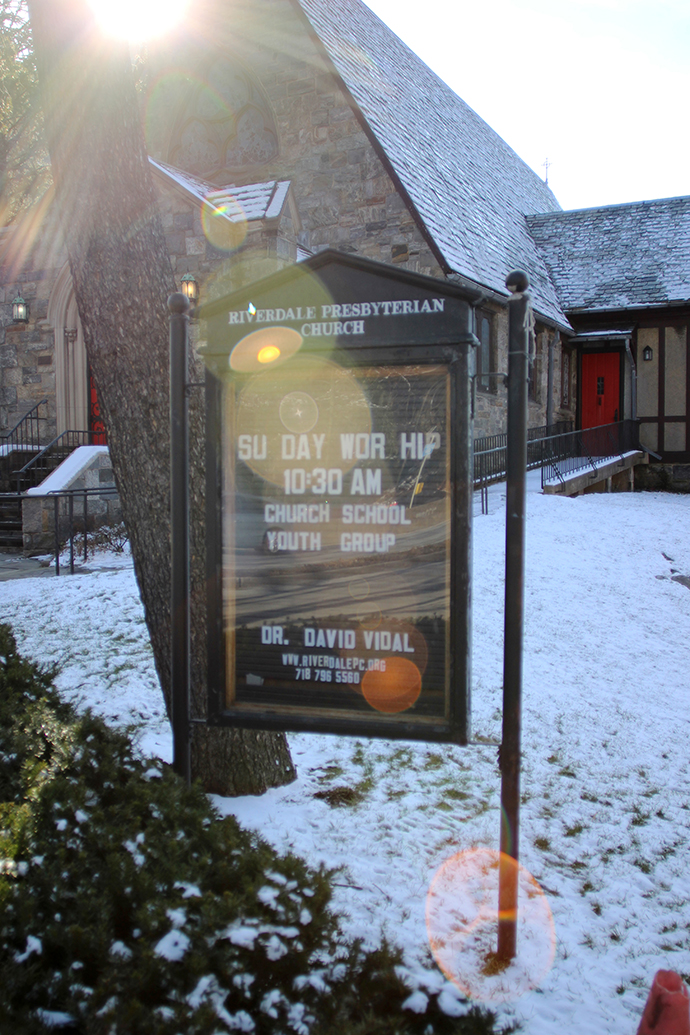
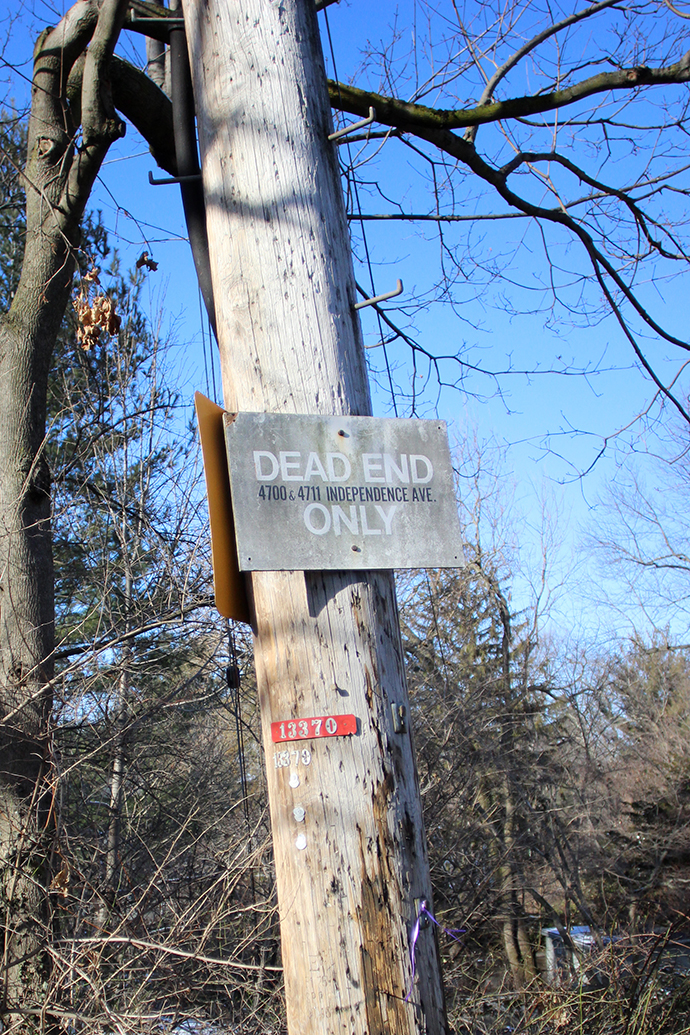
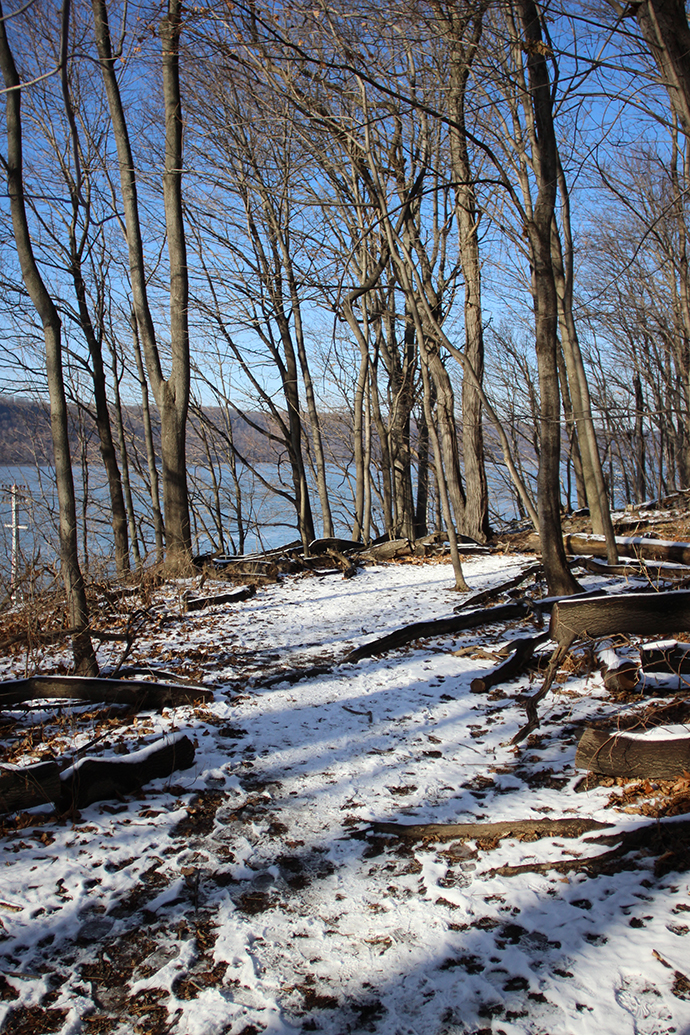
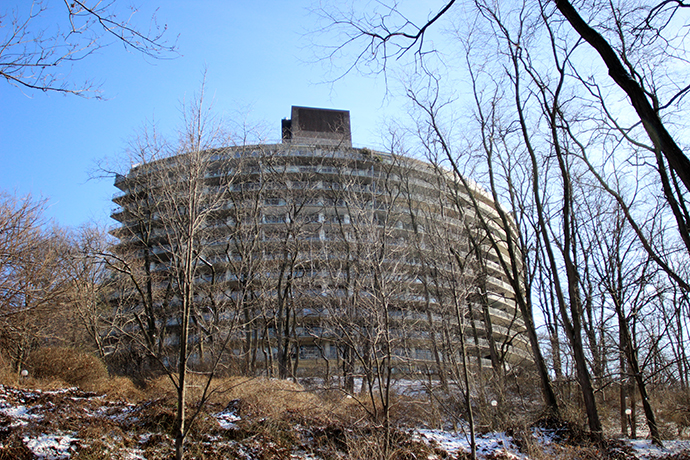
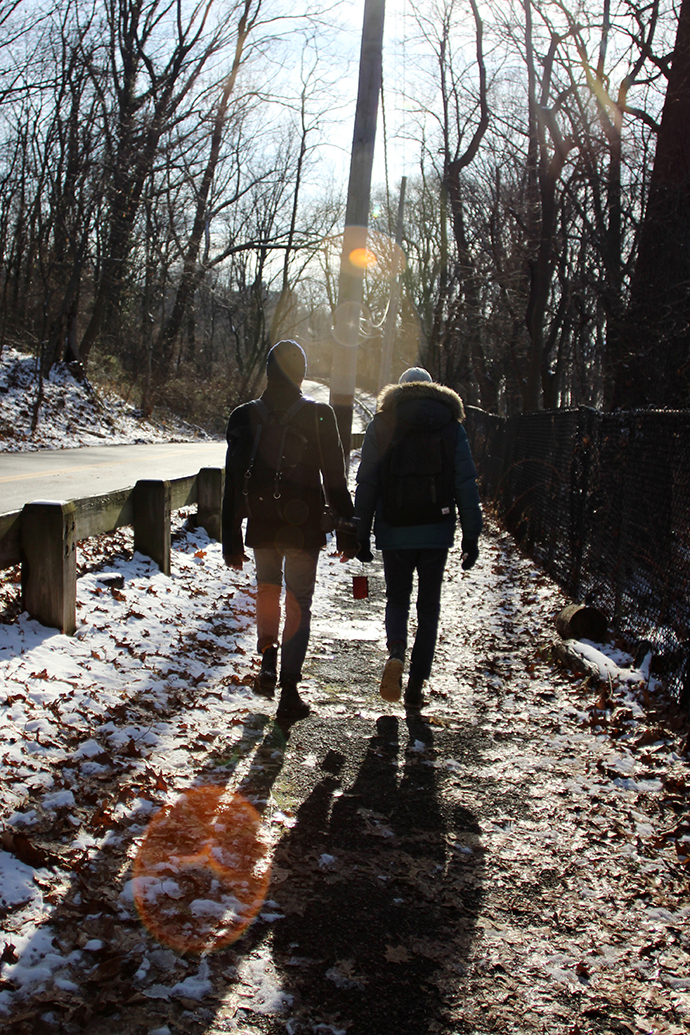
We walked along the Hudson River and barely saw another person for what seemed like miles, which is something to be cherished when you're still within city limits. The Bronx gets a bad rap, but there is so much more to the borough than most people know, myself included. Every time I've ventured north I've been rewarded with nothing but wonderful experiences—at the NYBG or the zoo, on City Island, in a cemetery, park or historical home.

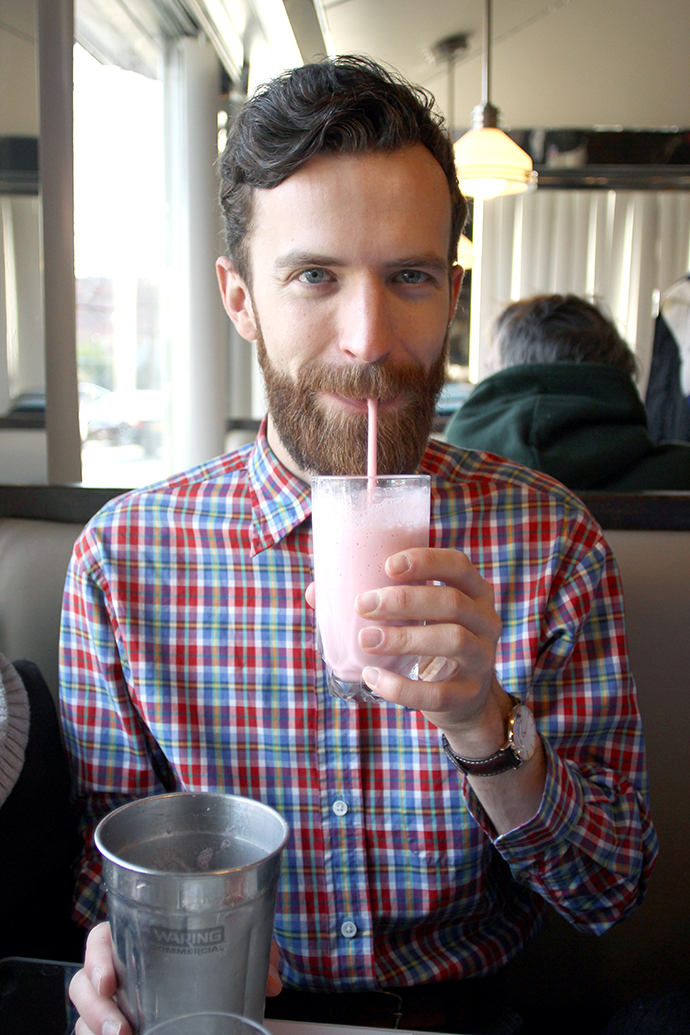
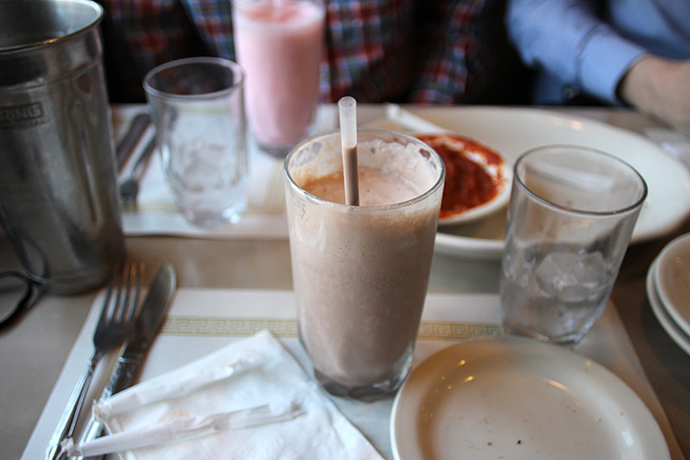

We ate at two diners—the Short Stop and Tibbett—and there is no more perfect way to start and end a day, if you ask me. We made our way back to the train through Marble Hill, which appears to be part of the Bronx but is actually still considered Manhattan, and therefore is the only Manhattan neighborhood on the mainland of North America. Sometimes I feel as if I've seen most of New York and then I have a day like this one, and realize that I could live here forever and still not see it all—a theory I'm all too happy to test.

No Hate, No Fear

Just one week after I joined the Women's March in Washington D.C., I found myself marching once again—this time in a different city, for a different cause, but with similar intentions. The first days of Donald Trump's presidency have brought a seemingly endless stream of gut-punches to core American values, and this particular protest was a reaction to Trump's executive order barring immigrants from majority-Muslim countries and Syrian refugees.


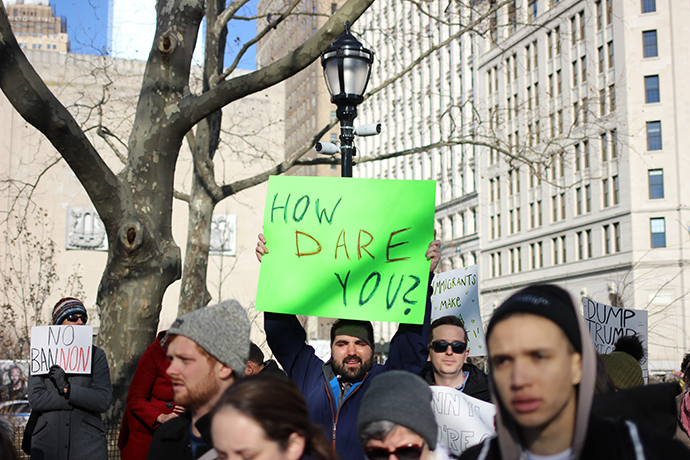


I know that I can't possibly join every protest, but I've been so outraged and dismayed since the election—and even more so since the inauguration—that I just have to do something. It's important to me that I stand up for injustices when I see them, and not just when an issue directly affects my life. I also believe that all citizens, Americans and humans should be outraged whenever basic human rights are in jeopardy, and I feel that it's my duty to use the privilege I've been afforded to help draw attention to those less fortunate.


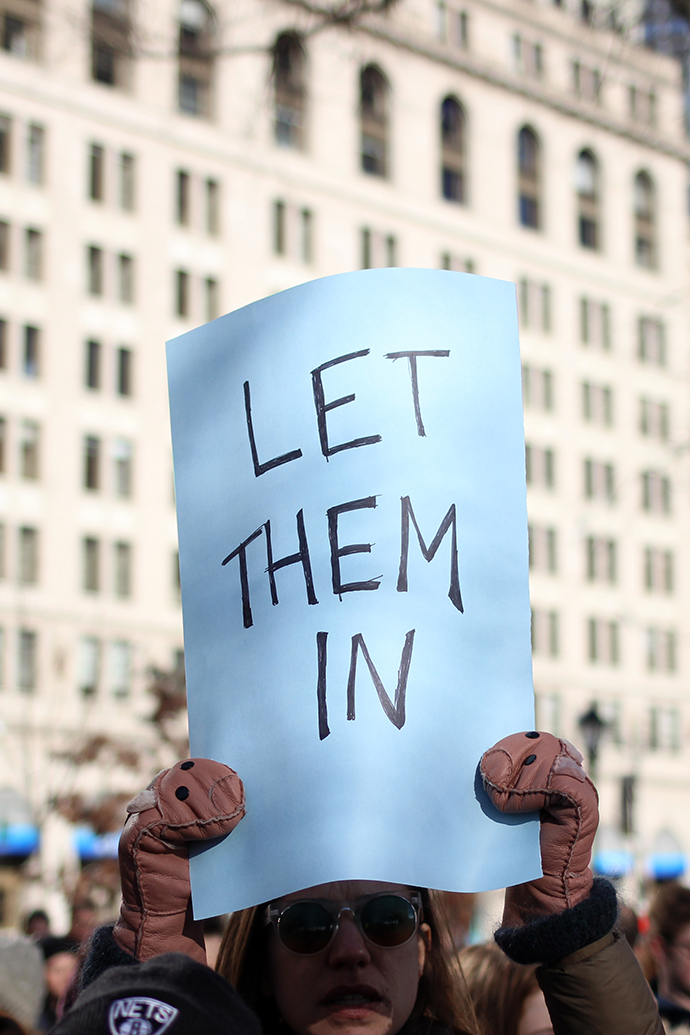


The protest took place on Sunday, two days after the executive order, and ran smoothly despite the quick turnaround. Because of the tight timeline, it did feel a bit more spontaneous than the Women's March, but I loved the last-minute nature of some of the signs and participants—time to polish is good, but scrappiness sometimes has more heart.
Thousands of people gathered in Battery Park, which has views of Ellis Island and the Statue of Liberty. The National Museum of the American Indian is nearby, as is the Museum of Jewish Heritage. After a rally featuring speeches by Chuck Schumer, Kirsten Gillibrand, Cory Booker, Linda Sarsour and others, we marched to the courthouses at Foley Square.


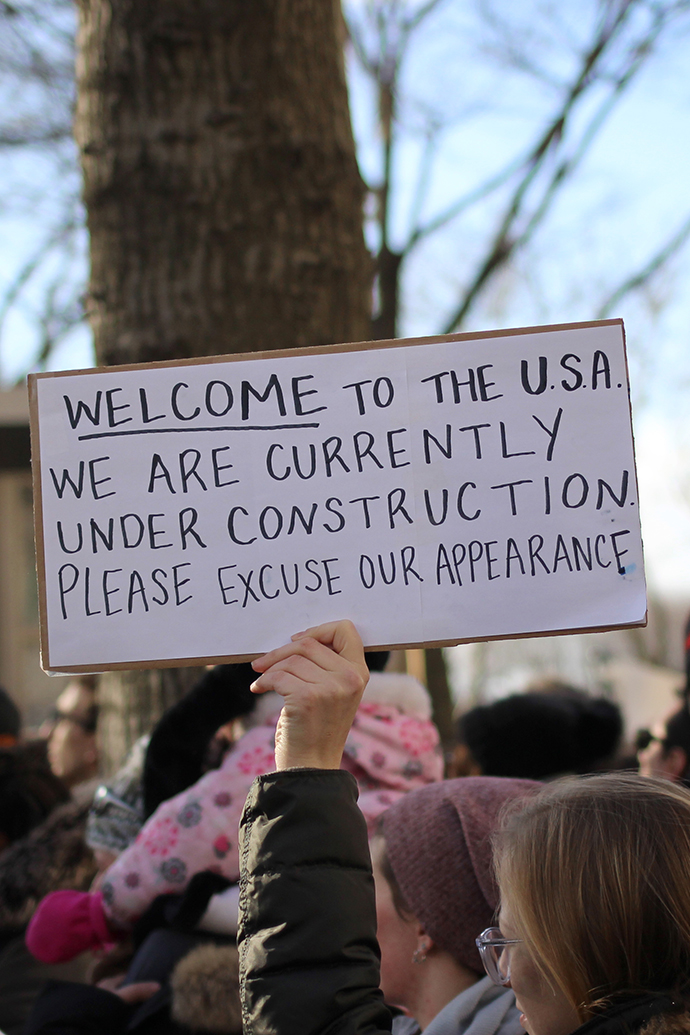
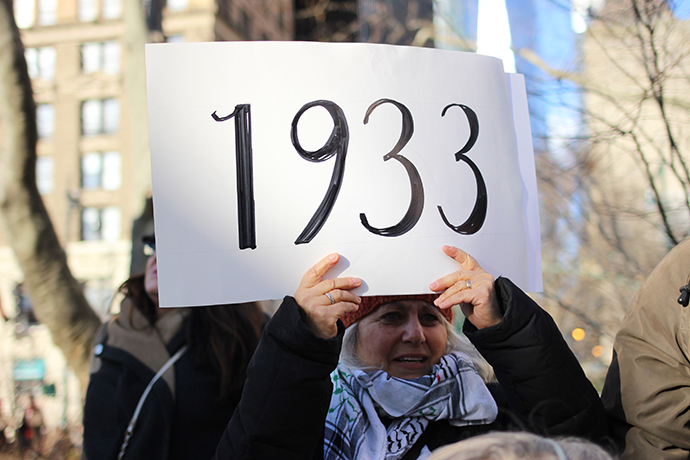

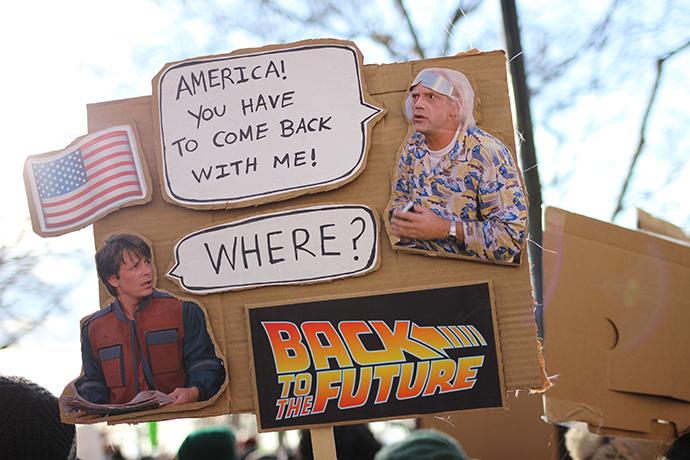
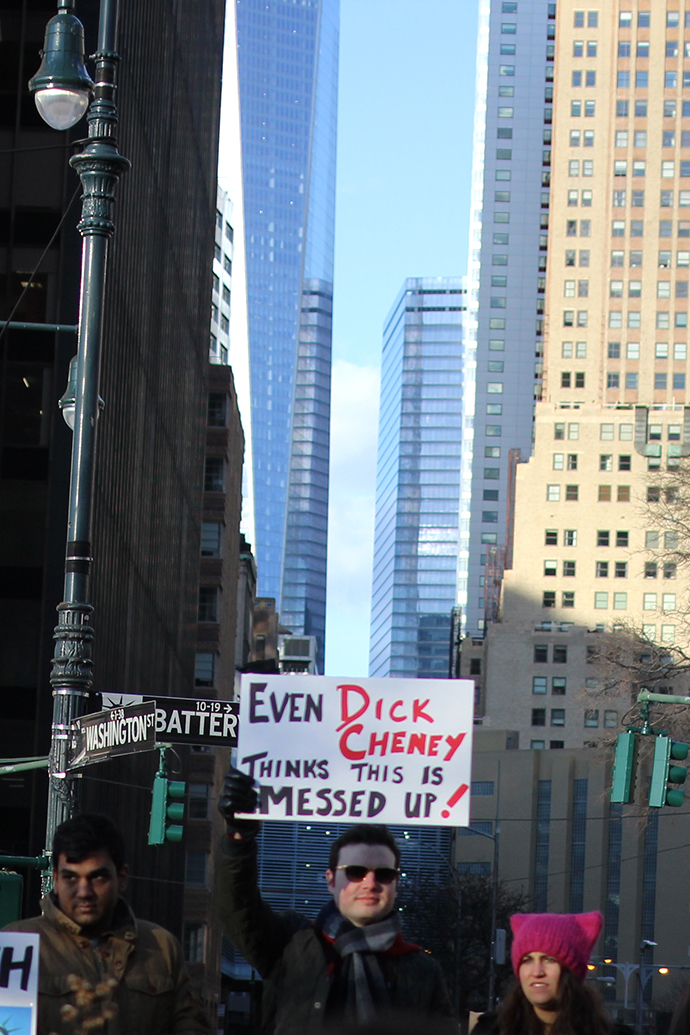


We marched past the World Trade Tower, and the site of the 9/11 attacks and it was very powerful to be protesting a muslim ban in a city that has lost the most lives to terrorist attacks on the US. New Yorkers aren't afraid of muslims or Syrians because we interact with them on a daily basis and know that they're just people—boring, mundane, annoying, wonderful, beautiful people.

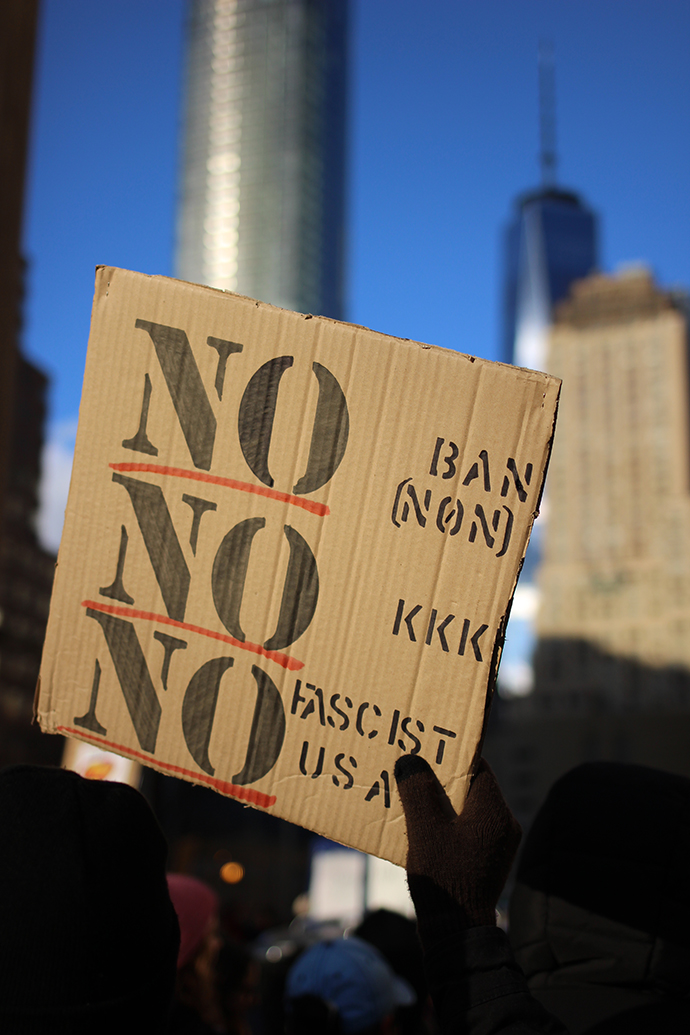


I know that marches will not change everything (or sometimes anything) but I do think it's important for people to pitch in when and where they can. Stand up, speak up and let your voice be heard. This is just the very beginning, and we must not lose momentum and we must not lose hope. Hope that America—a nation of immigrants—is better than our President thinks we are, hope that there are good people out there that are finally standing up for what is right, and hope that we don't go back because the only way out is forward.

Recent Reads

In 2016 I read 44 books, which was a lot for me, but one of my goals for 2017 is to read even more. Even though the city just brought wi-fi to all of the subway stations, I try to exclusively read on my commute instead of mindlessly scrolling through social media (like I do basically the entire rest of the day). Goodreads has a "book challenge" feature, and I set mine at 52 books in 2017, and with six already completed the little widget tells me I'm already three books ahead of schedule. I'm heavily motivated by deadlines and gratuitous praise, so I'm feeling good about this goal (and hope to exceed it).
I've also been trying to read books that I actually own instead of filling up my library queue—I'm nothing if not a book hoarder and impulsive book-buyer, and my shelves are filled mostly with books I've never read. Reading a library book is good for that deadline-oriented part of me, but I own so many good ones that deserve a chance, and the more I read and sell back to the Strand the more books I can continue to buy (totally rational). So, not only have I read six books already in 2017, but they were (almost) all great—here's a bit more about what I've been reading lately:
Five Days at Memorial: Life and Death in a Storm-Ravaged Hospital
This book was referenced in the excellent history of Bellevue I sped through at the end of 2016, and I picked it up immediately. It was long but with a book this good that hardly mattered (apart from me giving up on the huge library copy and purchasing the paperback version).
Five Days is about the harrowing time leading up to, and directly after Hurricane Katrina hit New Orleans. Memorial hospital lost power and was ravaged by floods and misinformation. Half of the book describes what it was like inside the hospital, and half of the book is devoted to the legal battle that followed after claims that patients were intentionally euthanized rather than evacuated—both are equally fascinating.
Dead Distillers: A History of the Upstarts and Outlaws Who Made American Spirits
This was the least memorable of the group, but it was a quick, easy read. The book comprises short stories of various people—names you've heard of, like Jim Beam, and names history forgot—vital to the history of distilling spirits in America. Some of the stories were great, some were a little meh but I did learn that distilling is a tricky business and I continue to marvel at the fact that Prohibition actually happened in our not-so-distant past.
Being Mortal: Medicine and What Matters in the End
I put this book on my library list because it was so highly rated on Amazon, and now I understand why. This is an essential book—I thought multiple times while reading it that I should buy this book for everyone I know. Everyone will die, and most of us will grow old, and every one that plans to do so (or help someone else do so) so go out and buy (or rent) this book immediately. Gawande's writing is infinitely readable and empathetic, and I cried several times while reading his thoughtful stories. This book wasn't enjoyable, but it was thought-provoking and no doubt life-changing.
This was a Christmas gift from a friend who knows me very well, so I knew I would love it. The novel begins in New York in the late 1930s, and follows Katey Kontent, whose life is shaped by a series of choices and unavoidable events. I've been trying to read more fiction (or ideally, alternate it with non-fiction) but it's always easier for me to pick non-fiction. Luckily, this one was chosen for me and it matched up with my interests perfectly, mainly in its vivid descriptions of old New York. While the high society scenes are fun to imagine, I found myself wanting nothing more than to go back in time and eat at the Wall Street diner she frequents.
I was skeptical going into this book (lent to me by a dear friend who actually met with the Voyeur recently and snapped his portrait). I'd followed the backlash after the New Yorker article came out and was wary of the validity of the story, but was too curious to skip the book. It was a quick read—mostly journal entries from Gerald Foos, who owned motels in Colorado from the 60s through the 80s and spied on his guests via specially-crafted ceiling vents. Foos claims he was watching guests have sex "for the sake of science," but he mostly comes across as a fractured creep with delusions of grandeur. This is also my first introduction to the writing of Gay Talese and I came away from this book feeling almost as turned off by Talese's narcissism as I was by Foos's.
This book was first recommended by Kaylah (whose book recommendations I almost always find to be spot-on) and it had been sitting on my shelf for a while before I finally plucked it off recently. It wasn't at all what I expected (the title and cover photograph had me expecting more of a carnival-vibe) but it was a fascinating story. Told mostly in flashbacks and scattered fragments, the writing style felt really unique. The book is relatively short, but the insights into Daniel Fletcher's (and Johnny Vincent's, and Steven Edward's, etc.) mind and crazy life are fascinating.
Let's become friends on Goodreads and let me know what you're reading—book recommendations are always welcome!

Project 365: Days 20-26

20/365: My new backpack finally arrived in the mail—just in time to fill it with snacks for our 12:30 am bus ride to Washington D.C.


21/365: We marched on Washington with 500,000+ other women, men and children and I've never felt more proud to be an American, a citizen, a woman and a human.

22/365: My D.C. metro card arrived in the mail after I got back from the march and it's inauguration themed (barf).

23/365: Some of my favorite things: baby head vase | chicken nugget planter | flag from election night | witchy cat print | my mom's senior picture | log vase from Anthropologie (many years ago)

24/365: A rainy day view of Flatbush Avenue from my bedroom window.


25/365: I laughed as I passed our recycle bin at work // I went to my first calligraphy class at 92Y and made a friend.
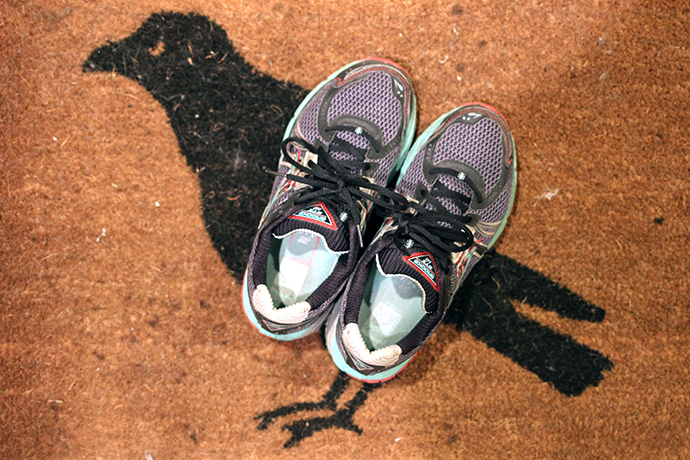
26/365: So back in November I started running a few times a week. I've hardly told anyone that I'm doing it because I don't want to become that annoying exercise person, but I've really been enjoying it (after the part of every run where I'm convinced I'm dying). I took a week off because I was sick and it really bummed me out, so I'm glad to be getting back to my weekly routine.

Greenwich Locksmiths
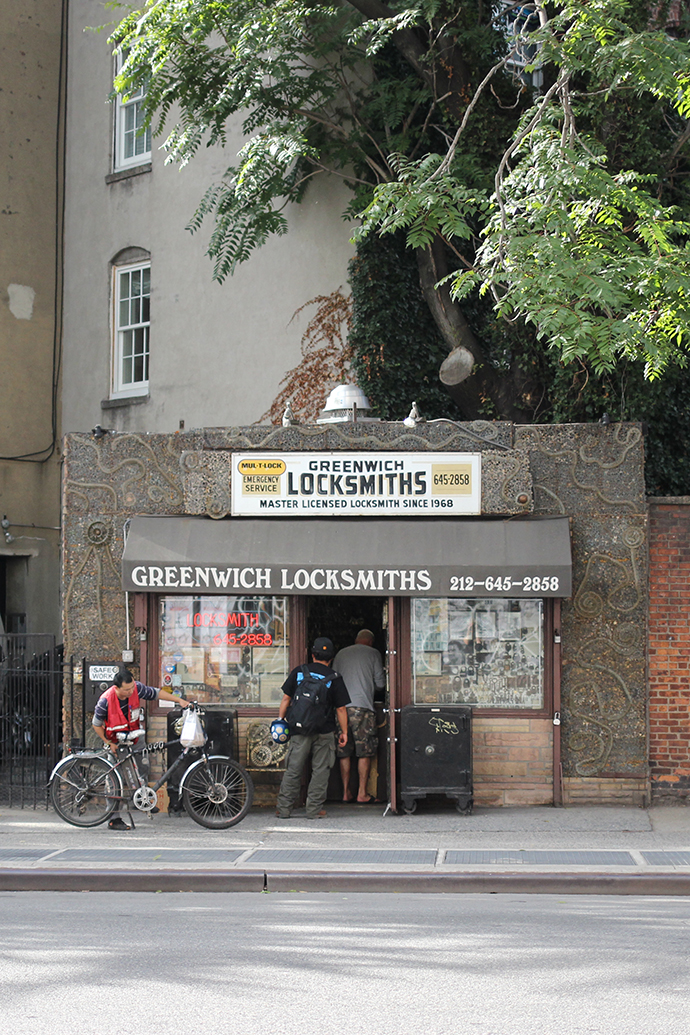
There are certain areas of New York that I know better than others, and 7th Ave South around Bleecker Street in the West Village is one of them. Before I ever moved here I found myself in this part of town often for various reasons, but mainly to eat. There seems to be an unusually high concentration of delicious restaurants on Bleecker in particular between 7th and 6th Avenues, including John's Pizzeria, my favorite New York pizza place. One day, however, I found myself walking just a bit further down 7th Avenue for some reason and was stopped dead in my tracks by Greenwich Locksmiths.
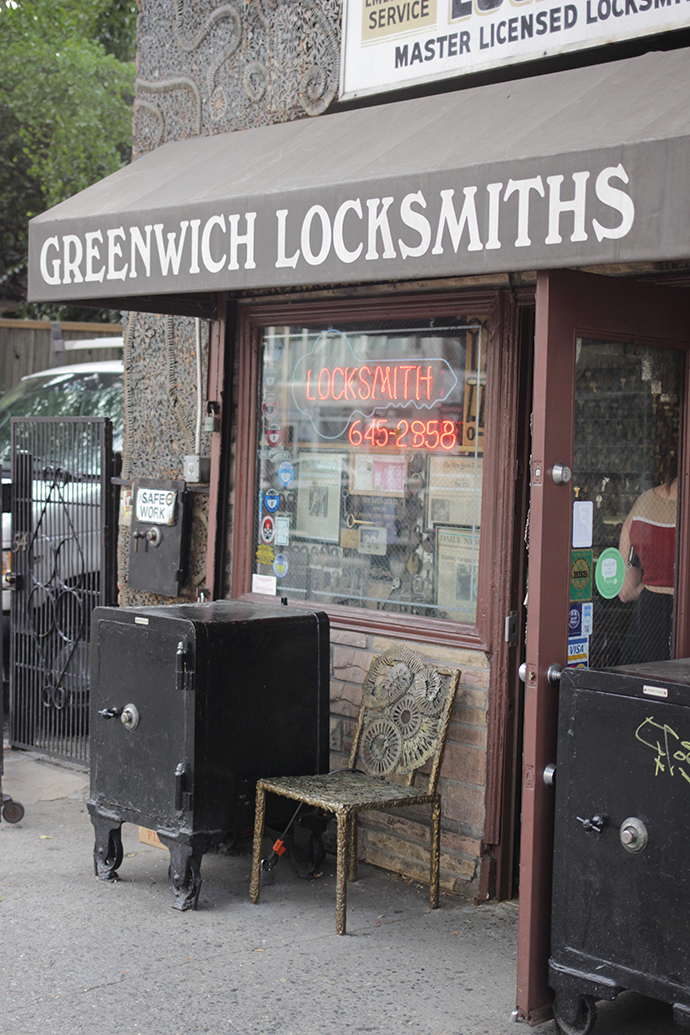
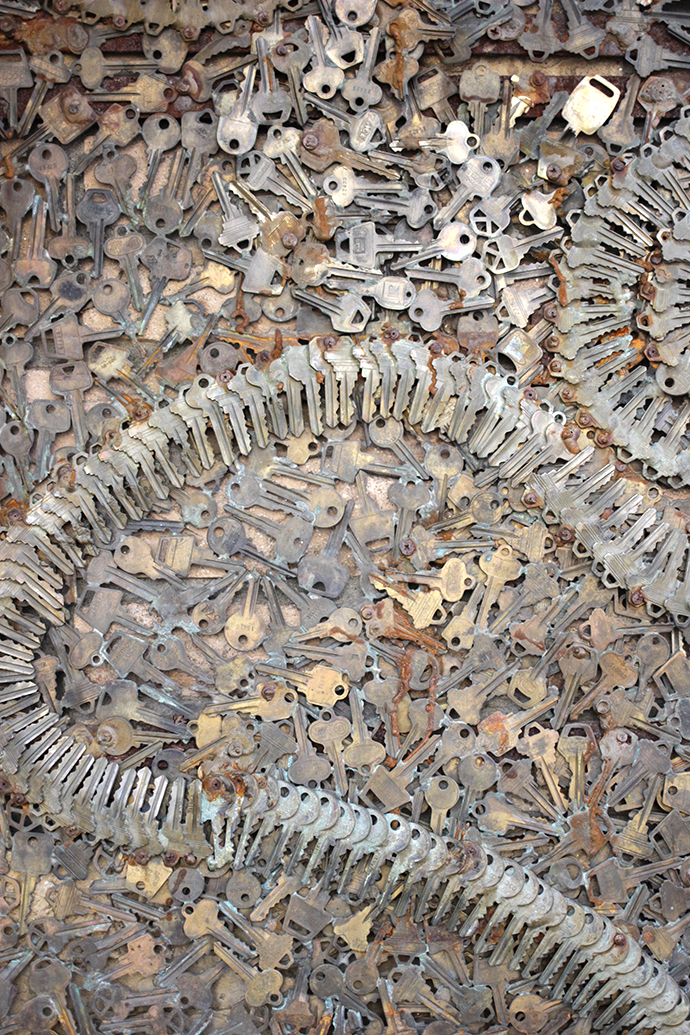
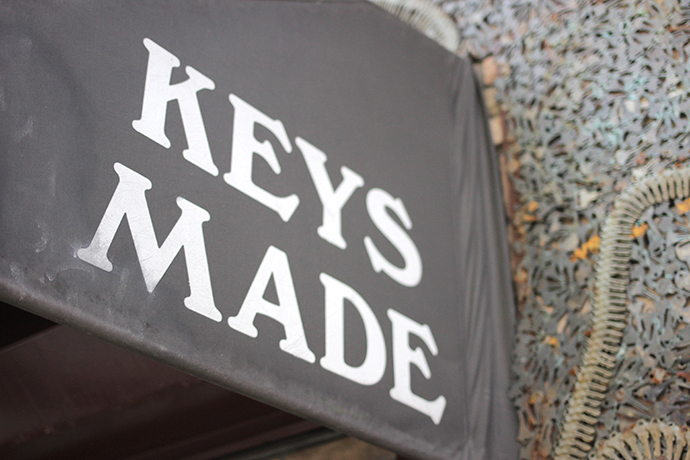
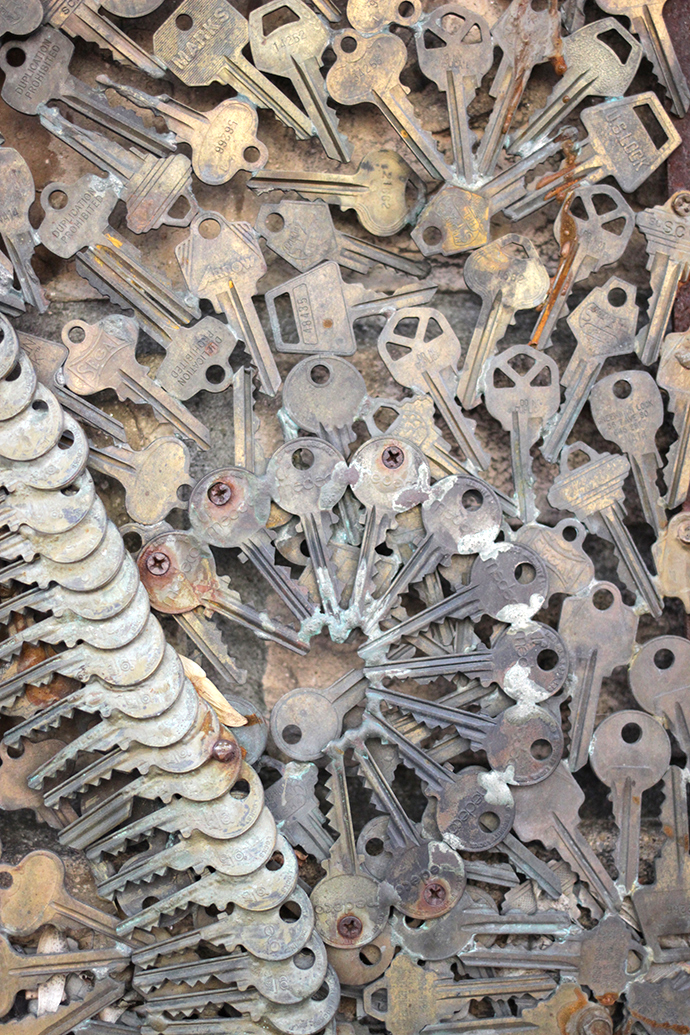
The 125-square-foot stand alone shop was opened in 1970, and has miraculously remained open and intact in an area that has experienced mind-boggling change and sky-rocketing property values in the last 47 years. But the most amazing thing about Greenwich Locksmiths isn't its staying power, but the fact that its facade is covered in the most wonderful art installation—made entirely of keys.
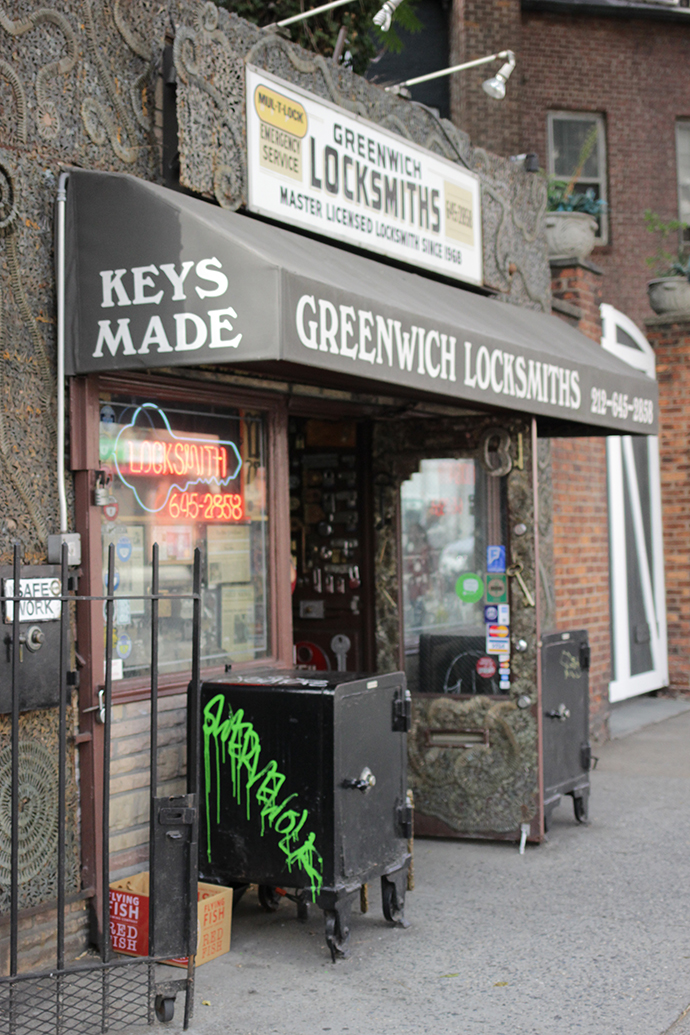
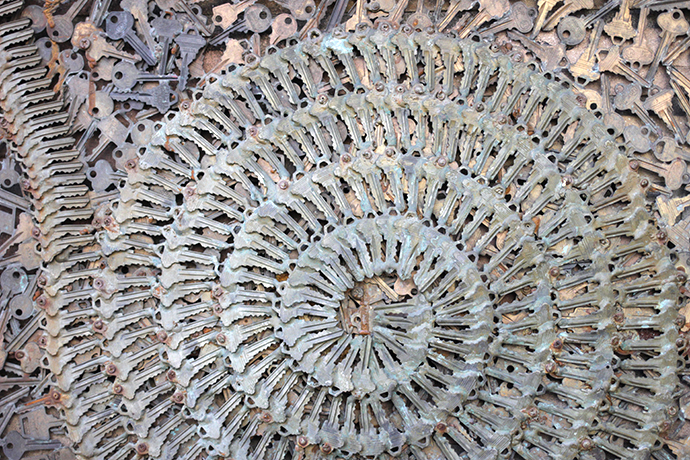

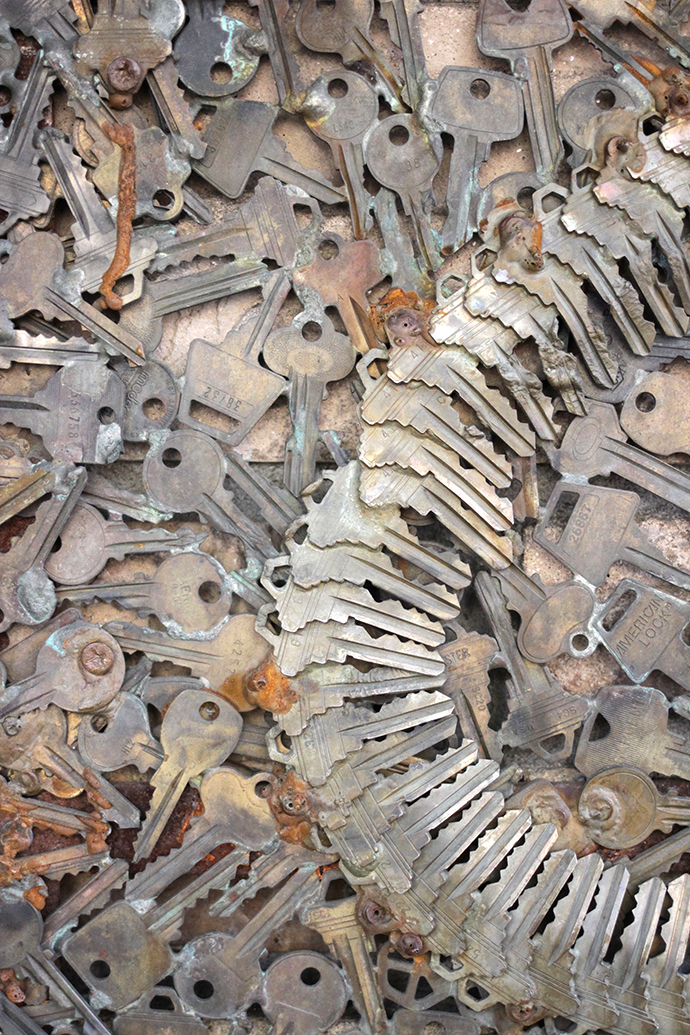
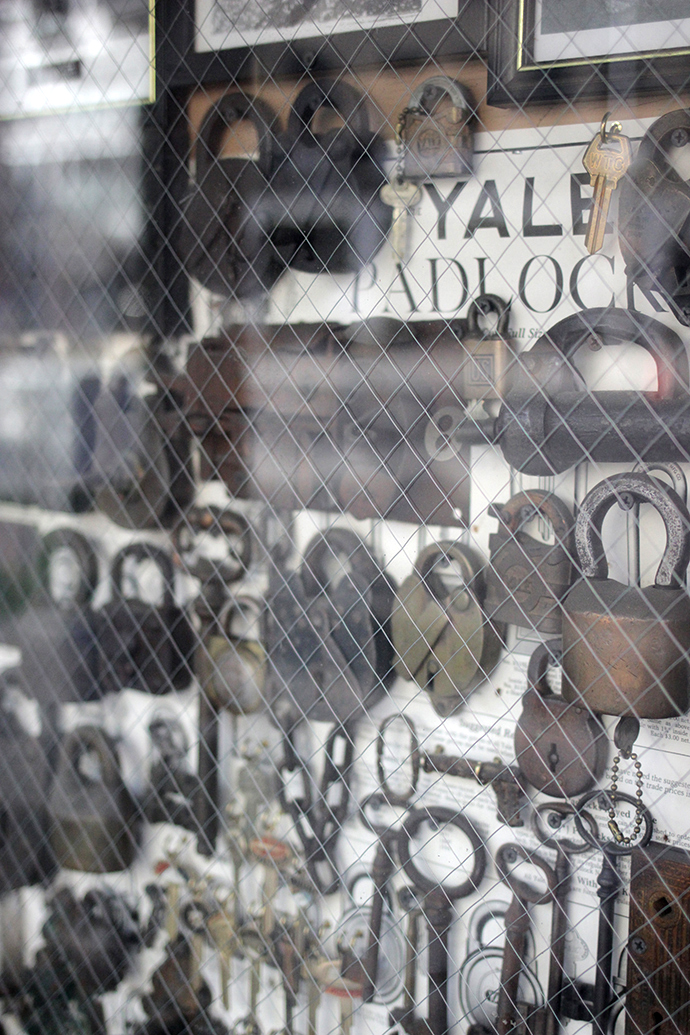
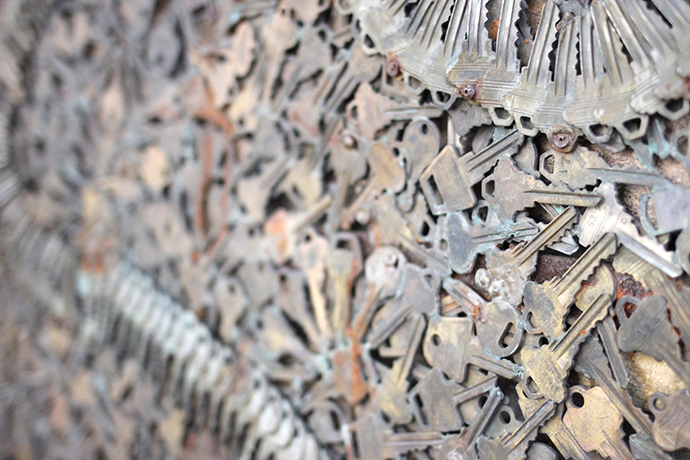

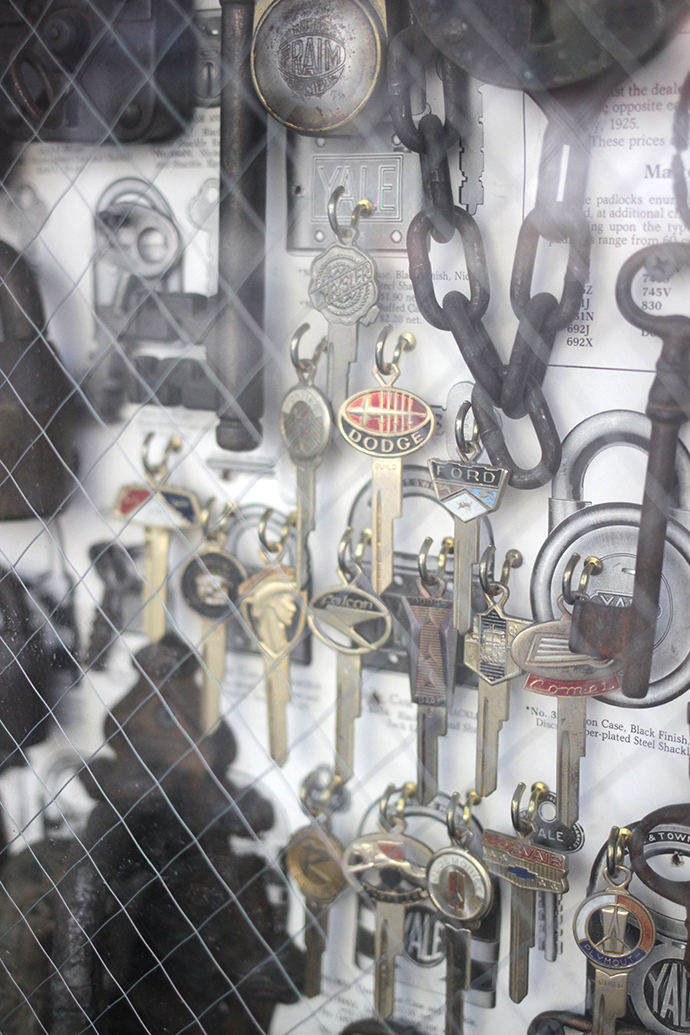
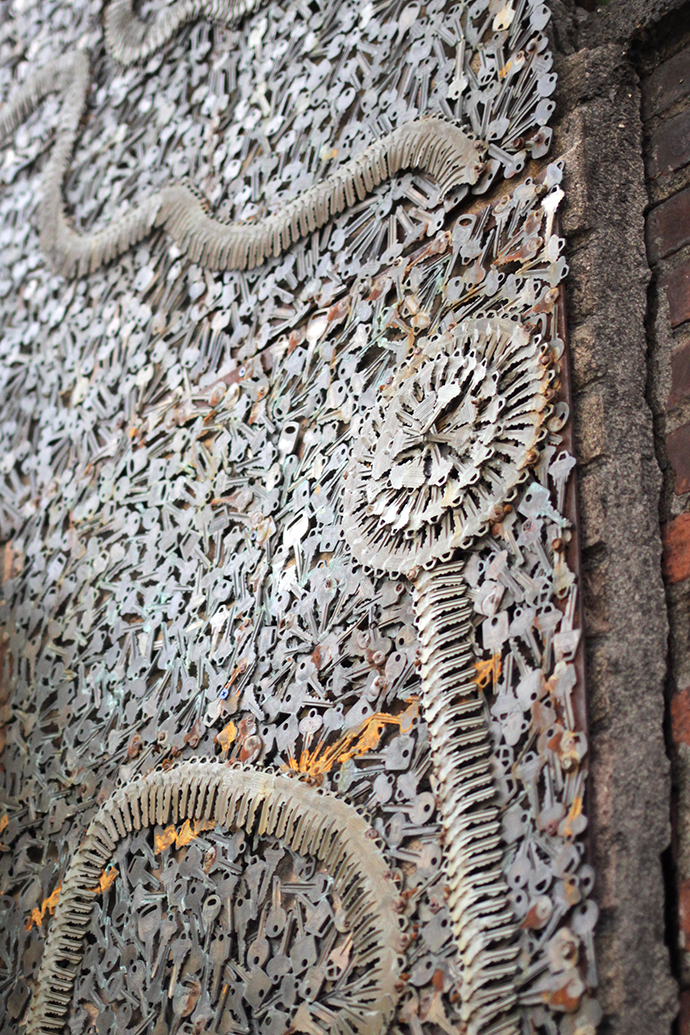
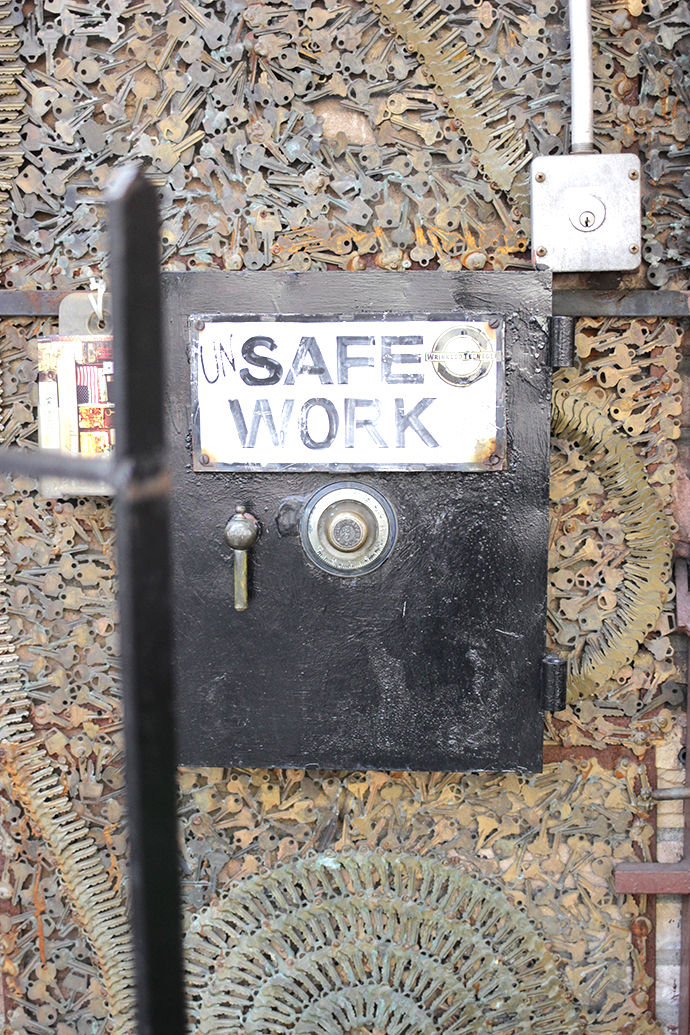
The amazing display is relatively new—created around 2010—but covers nearly every surface of the shop. There's even a chair made of keys, and a collection of old keys and padlocks in the window like a mini-key museum.
Philip Mortillaro, the owner and master locksmith, owns the building and despite lucrative offers to sell, he insists that he—and his tiny shop—will remain on 7th Avenue until he dies.

Bideawee Pet Cemetery

Bideawee Pet Memorial Park is the third pet cemetery I've been to, and I went only a week after visiting my second, the small but historic Clara Glen Pet Cemetery in New Jersey. Bideawee is a more than 100-year-old pet welfare organization serving the New York City area and Long Island. They have pet memorial parks in Wantagh and Westhampton on Long Island. I became interested in finding other pet cemeteries after visiting my (and America's) first, but the Bideawee memorial park had somehow eluded me until a co-worker who lives in Wantagh brought it to my attention.


The Wantagh location is enormous—larger than most human cemeteries I've been to—and we were there for hours without seeing everything. I've mentioned in my previous pet cemetery posts that they're the only cemeteries that make me tear up, and Bideawee was no exception. The epitaphs are so heart-wrenching, the portraits so endearing and the names reliably ridiculous.

The most famous resident of the memorial park is Checkers Nixon, "The Best-Known Presidential Dog to Never Have Lived in the White House." Checkers was Richard Nixon's cocker spaniel who became famous after Nixon (then a senator) mentioned him in a speech televised in 1952. Checkers was a campaign gift from a supporter in Texas, and he died at age 13, in 1964—four years before Nixon became President.


In addition to the large number of dogs and cats, Bideawee is the final resting place of a variety of other species including Speedbump, a tortoise who lived to 65; Buckaneer, the horse; an iguana named Godzilla; Mona the monkey; Pyewacket Quigley the duck; parakeets Sparky and Casey Hall; turtles Pretzel and Potato Chip; and pigeons Lindsey and Linde. They had an entire section for "smaller" animals like gerbils, birds and reptiles, proving that pets don't have to be cuddly or live long to make a big impact on their owner's lives.


While walking through a pet cemetery, it's impossible for me not to read most of the names aloud. They're all so wonderful—whimsical or complicated or traditional, most make me laugh through my misty eyes. We paid our respects to Admiral Alexander F. Mudge, Pinto Porkchops, Farnsworth, Jingles Smith, Lady Dodo, Tiny, Daisy Julian, Mustard, Woofie Von Hugel, Beethoven, Potato, Bagel and Pussy #1, among others.
Even if you're not a pet person, you can't deny the impact that these dumb creatures have on their owners and the people that love them. Human cemeteries feel stark and impersonal after you walk through a pet cemetery filled with epitaphs such as "our precious baby," "a piece of my heart lies here," "always remembered, always loved," "my best friend," or simply, "irreplaceable."

Women's March 2017
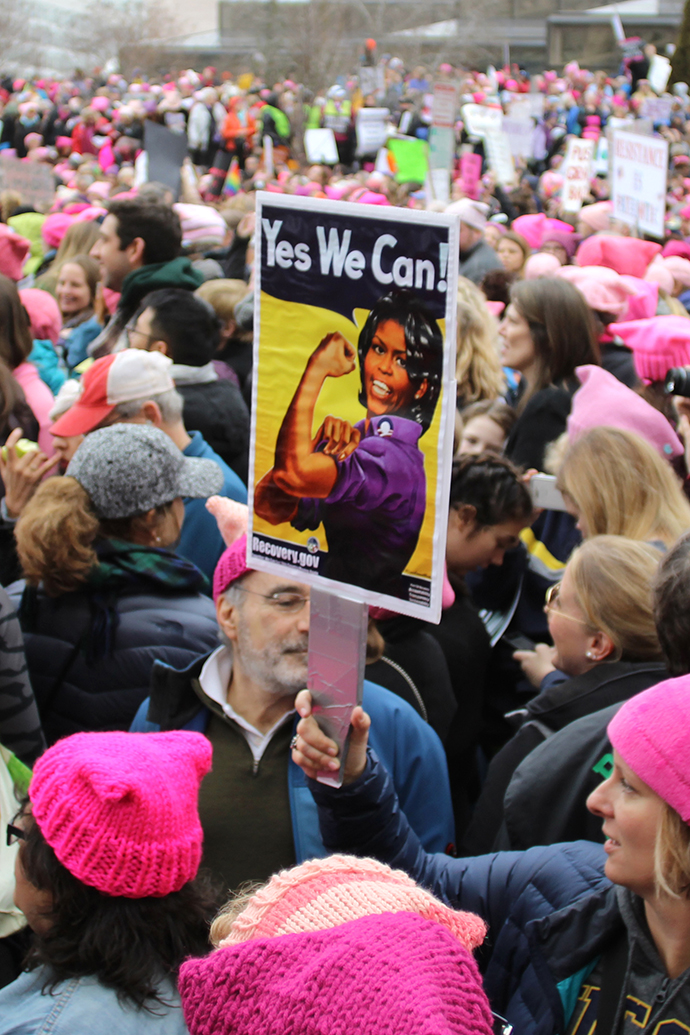
At 12:30 am on Saturday morning I boarded a bus in New York with my friend Carli, headed to Washington D.C. for the Women's March. The Women's March came about after the election, and while the main one occurred in Washington, there were sister marches all over the country and the world—in what will probably turn out to be the largest protest ever. The march's stated mission was that "We stand together in solidarity with our partners and children for the protection of our rights, our safety, our health, and our families—recognizing that our vibrant and diverse communities are the strength of our country."
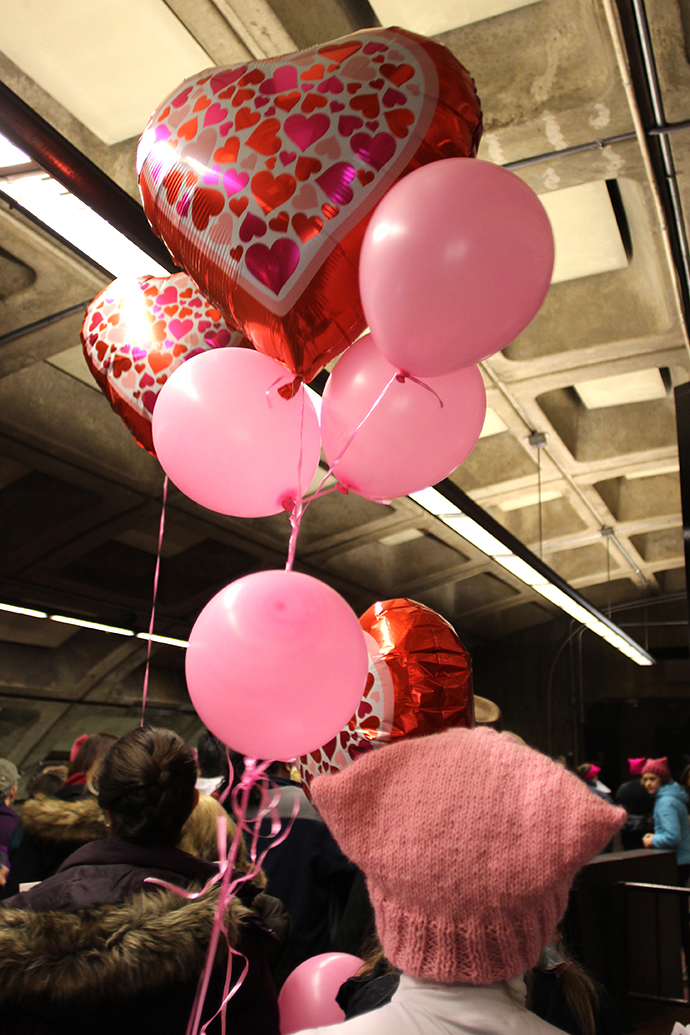
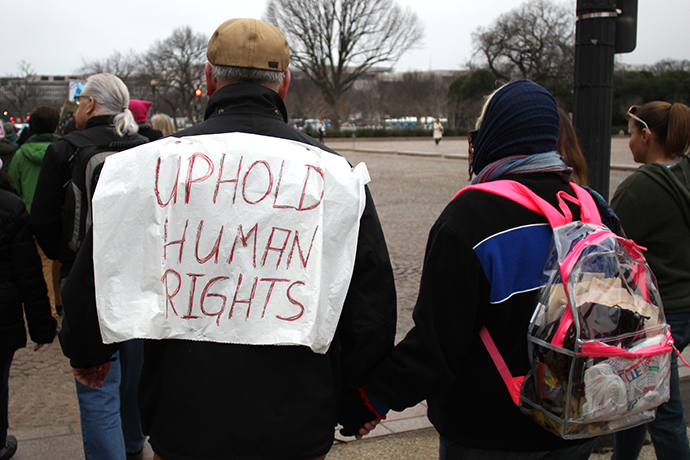

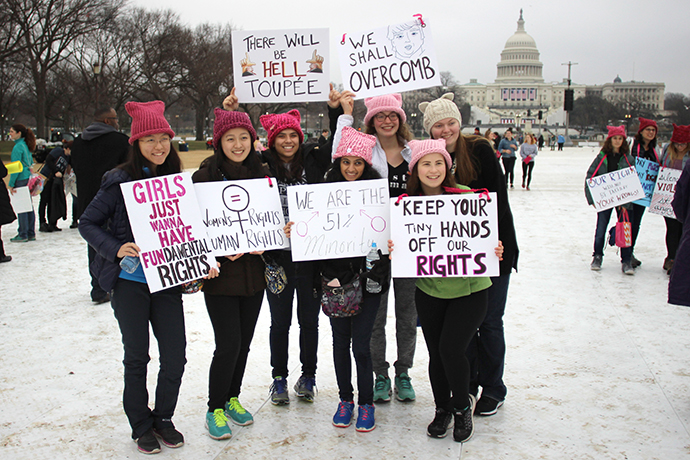

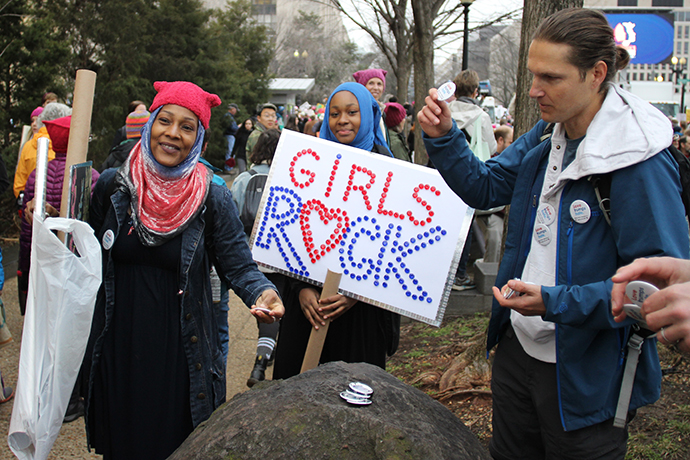


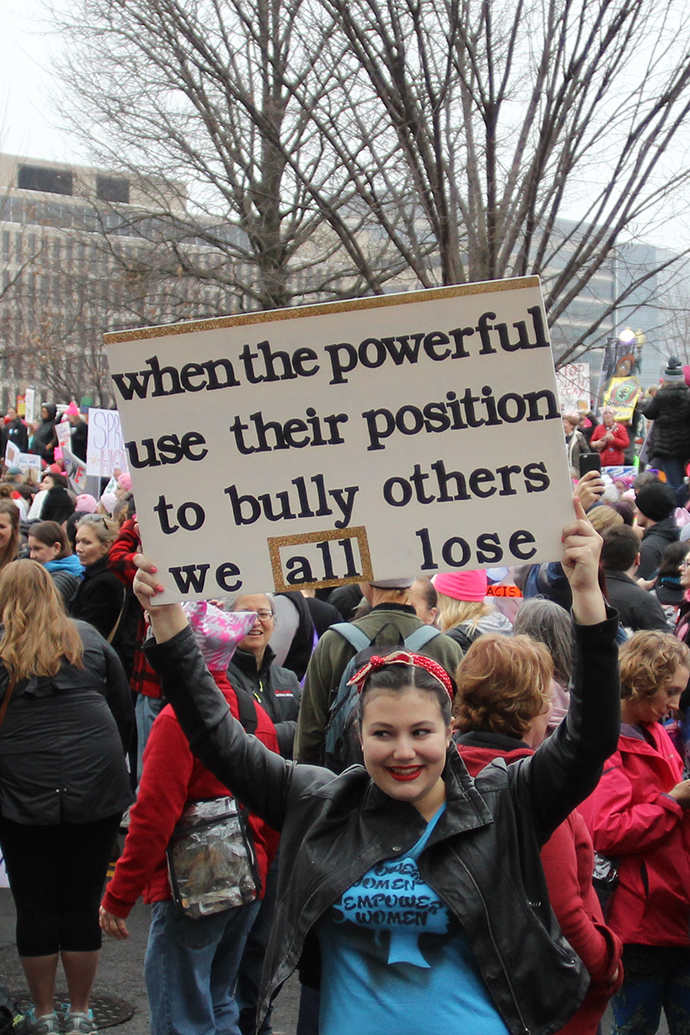

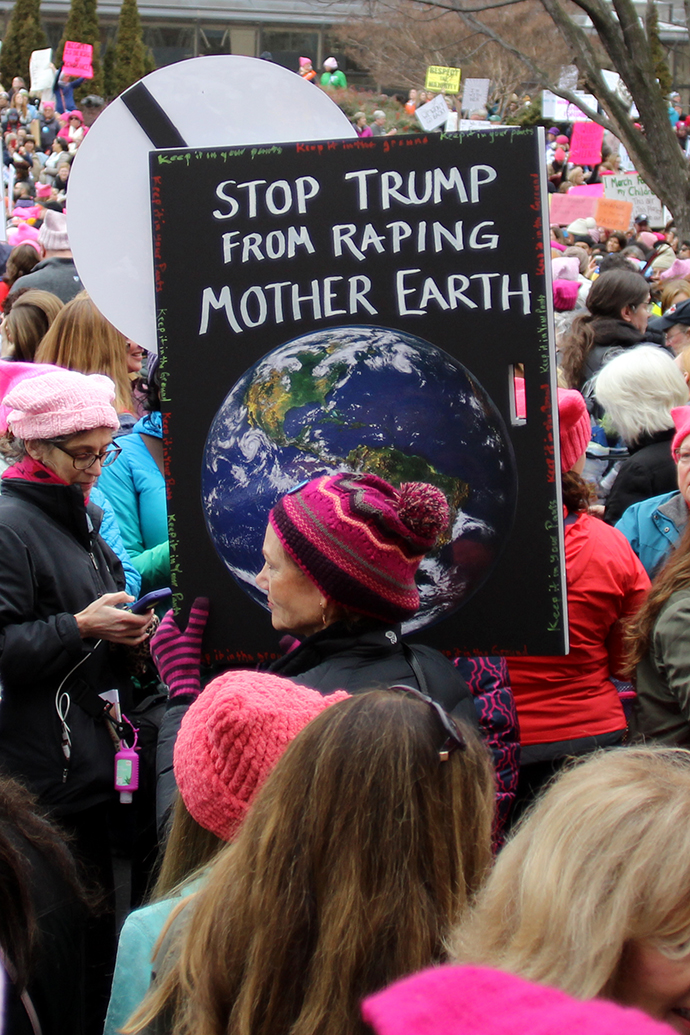
After the election I was depressed and terrified, but motivated to do something. When Carli gave me the bus information, it wasn't long before I had booked a ticket. Although I wasn't looking forward to the long hours and early departure time, I knew I wouldn't regret it and that it was the least I could do as a concerned and able-bodied citizen. I's difficult to put into words just how moving and incredible Saturday actually was—and the march far exceeded even my high expectations.
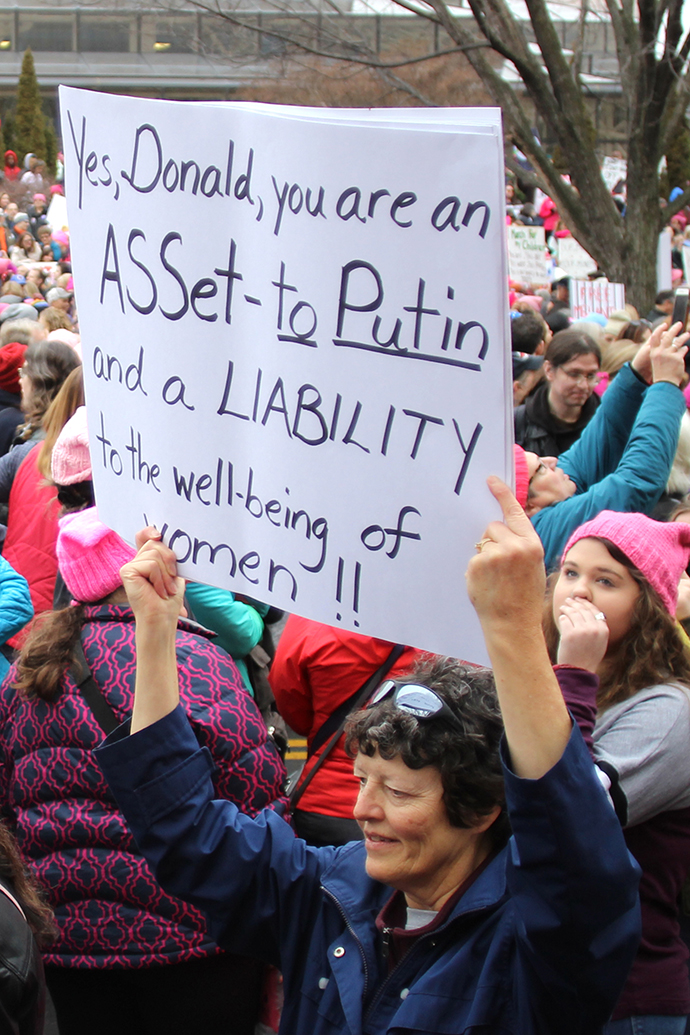
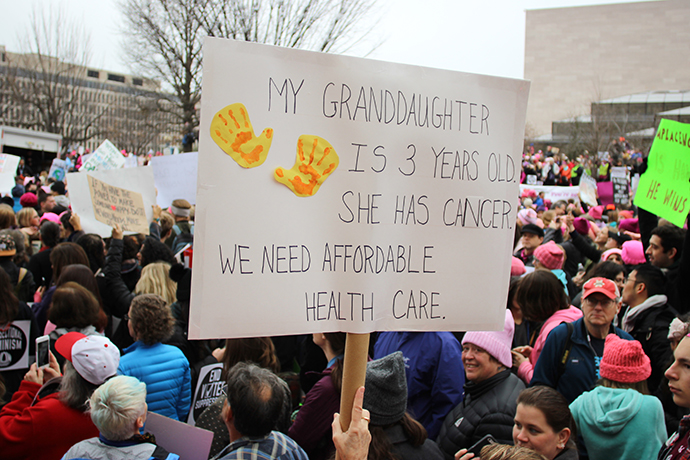
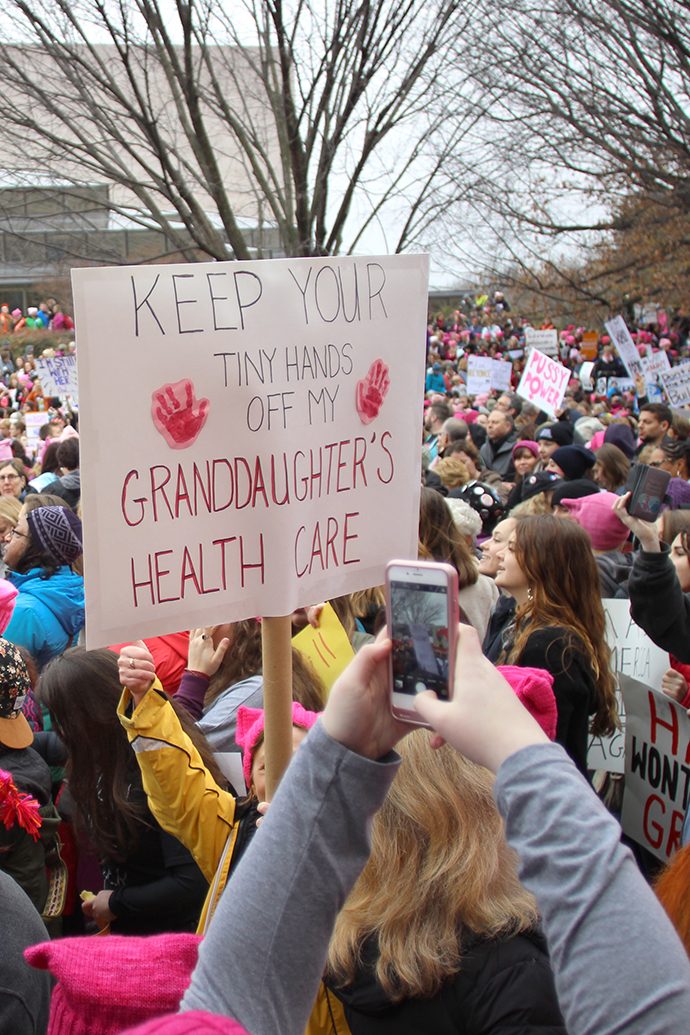
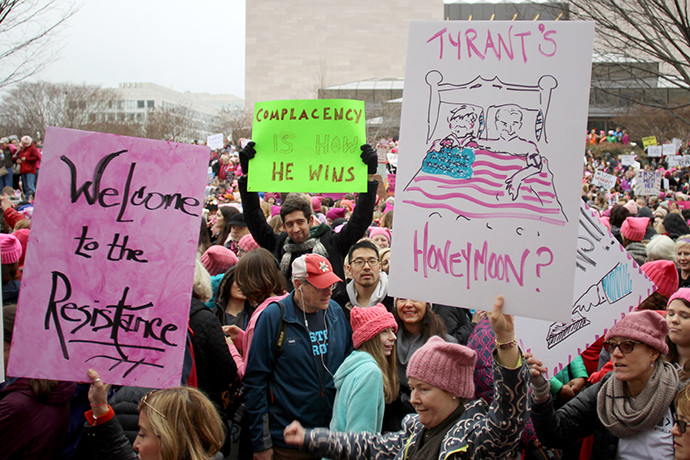
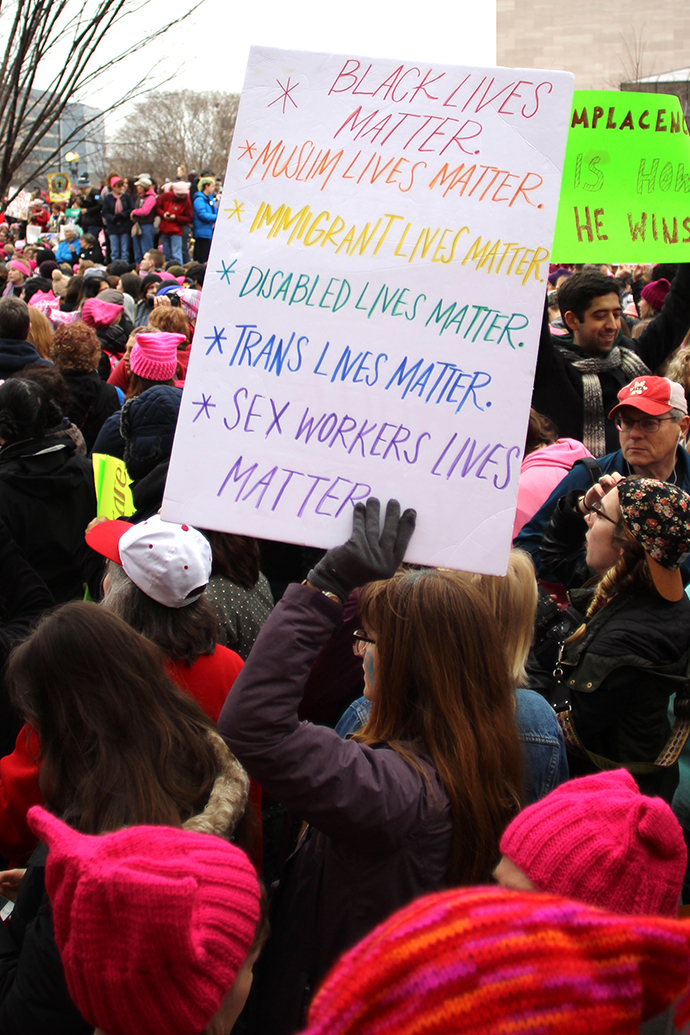
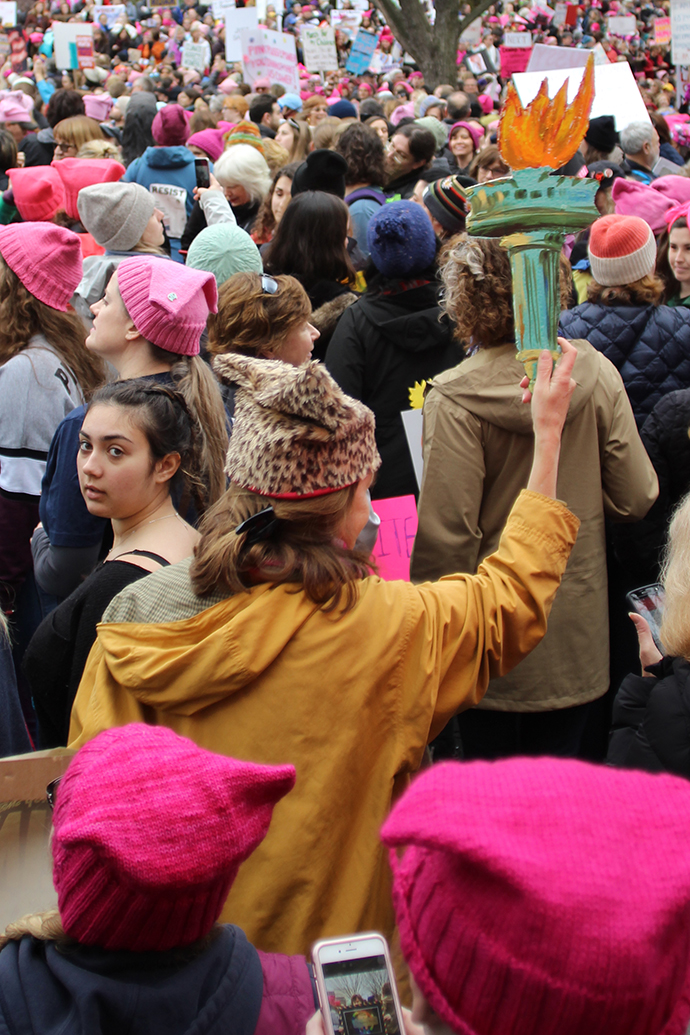
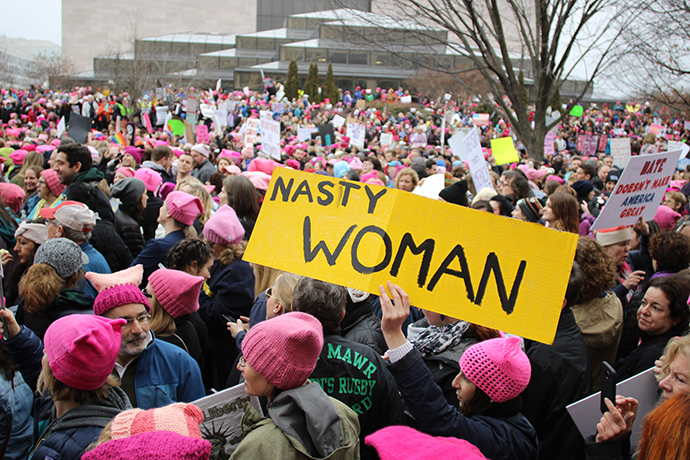
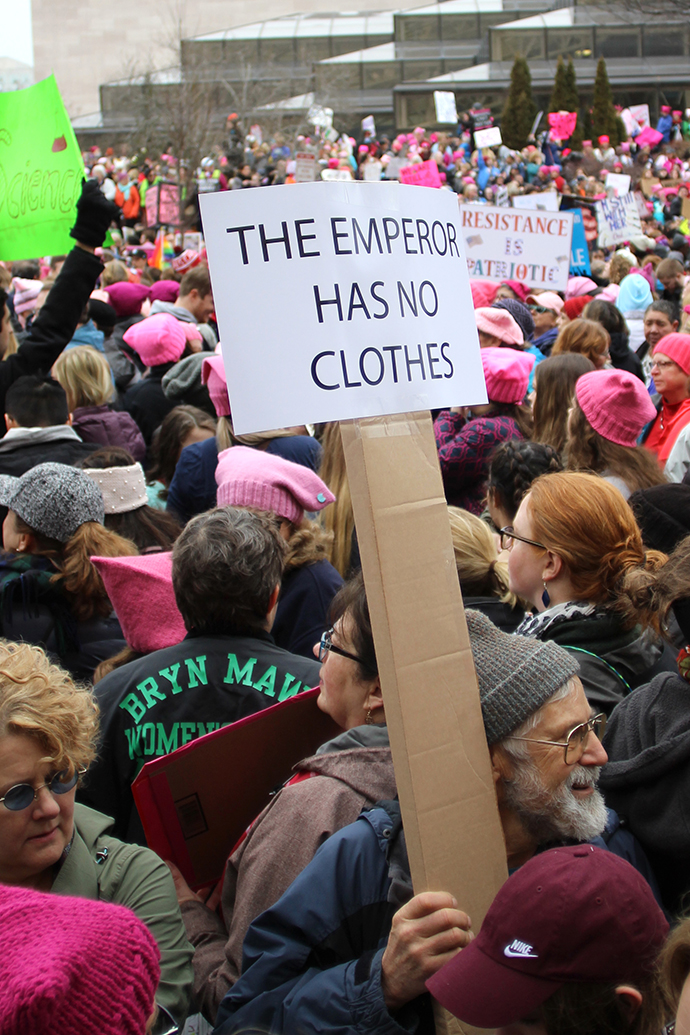
We'll probably never know exactly how many people descended upon Washington the day after Donald's Trump's inauguration (I've seen estimates from half a million to well over a million), but it was significant, historical and mind-boggling. As a participant, I never felt unsafe or wary of the large crowds, and the march was the very epitome of peaceful resistance. In D.C., there were zero women's march-related arrests—a remarkable fact that shouldn't actually be surprising, but should serve as an example of how smoothly things run when women (and responsible, caring men) are in charge.
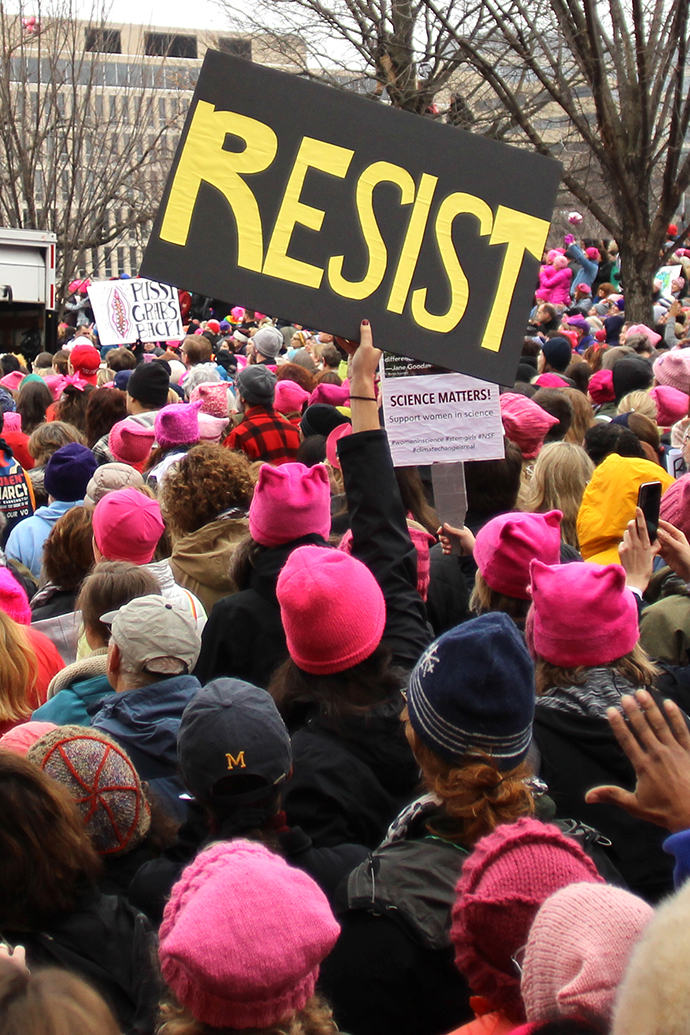
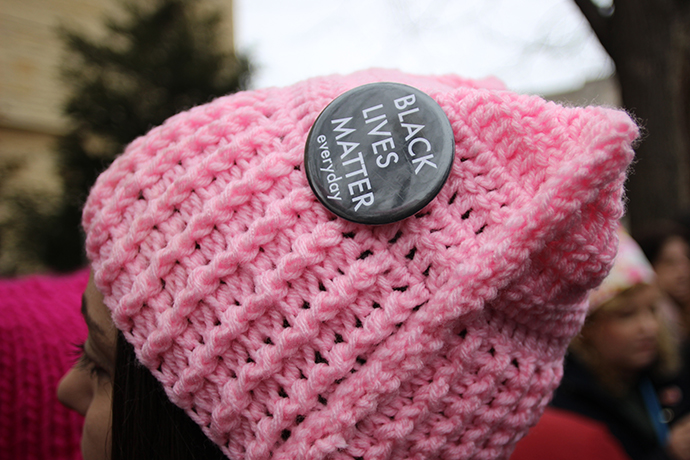
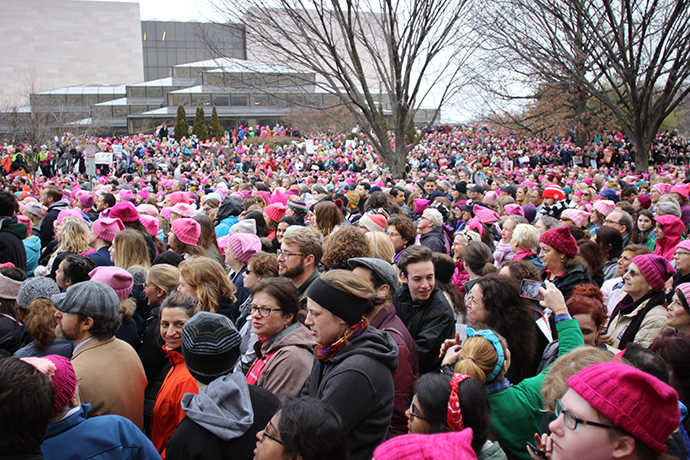
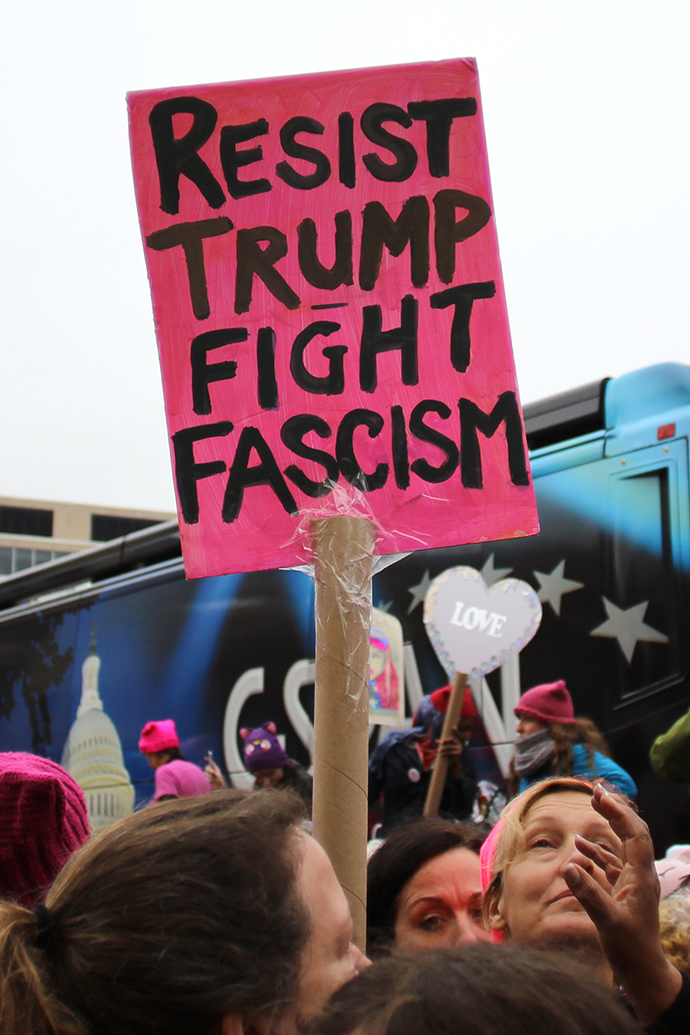
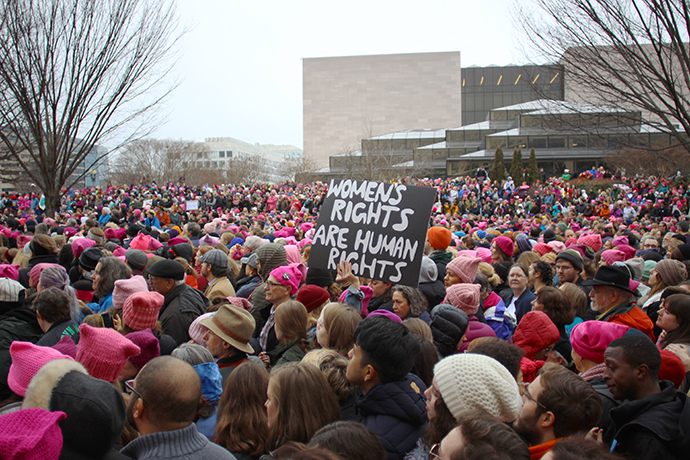


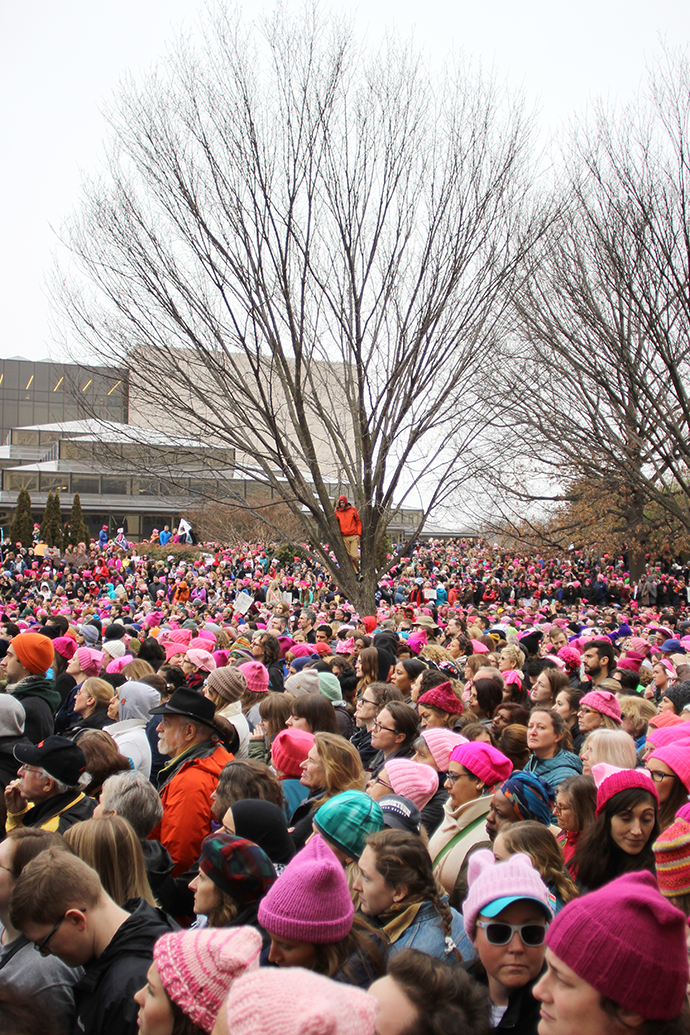
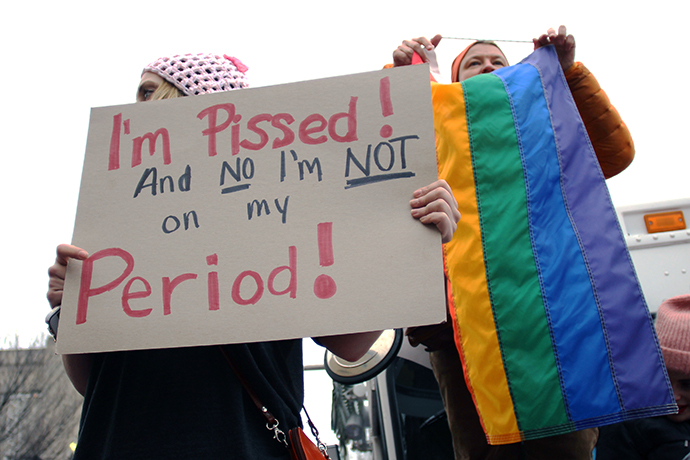

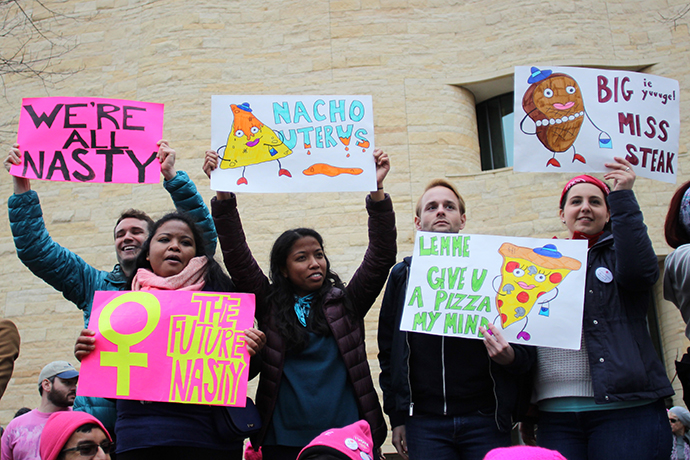
The rally was a bit long and marchers started getting antsy, but there were some incredible speakers—Gloria Steinem, Michael Moore, America Ferrara, Ashley Judd, Scarlett Johansson, government officials and so many inspiring women of all faiths, ethnicities and ages. Seeing Gloria Steinem was a particular highlight, and I can only hope to be a fraction as graceful, intelligent and inspiring as she is when I'm 82 (!).




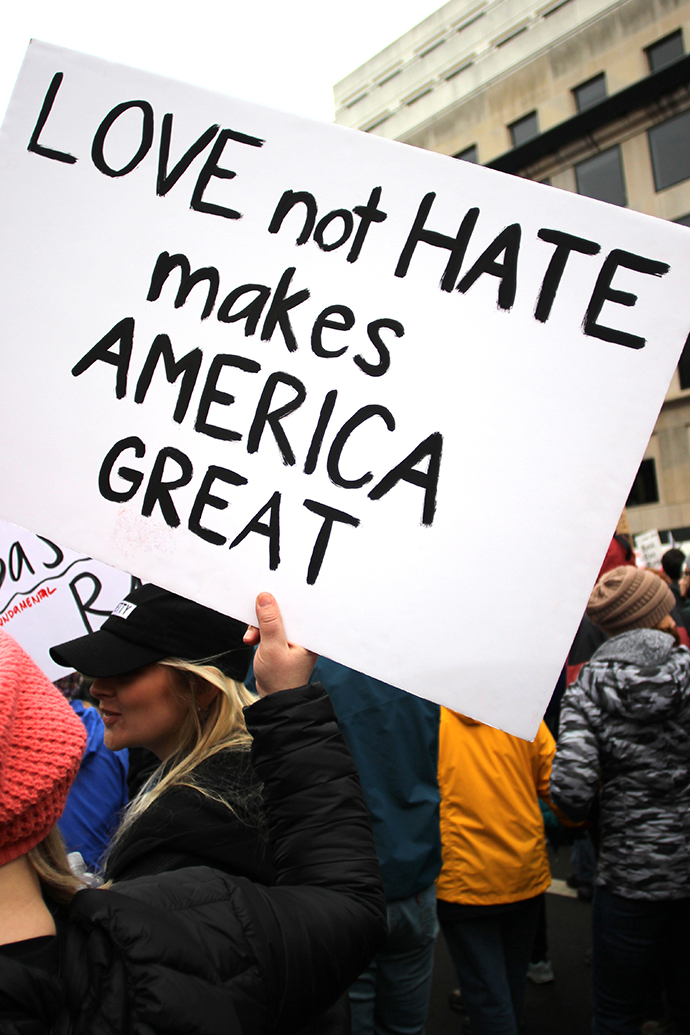

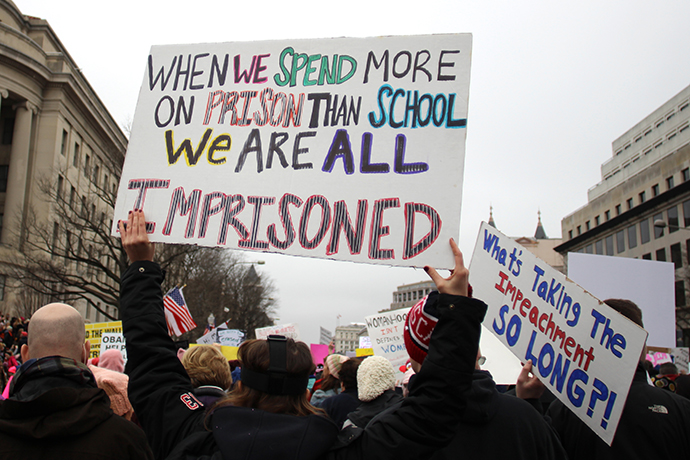
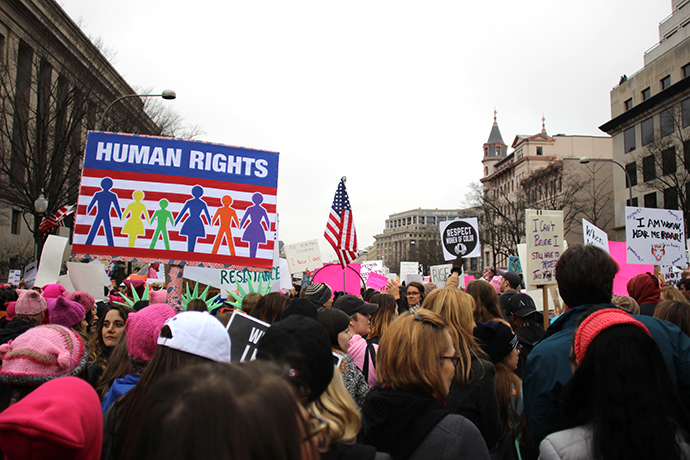
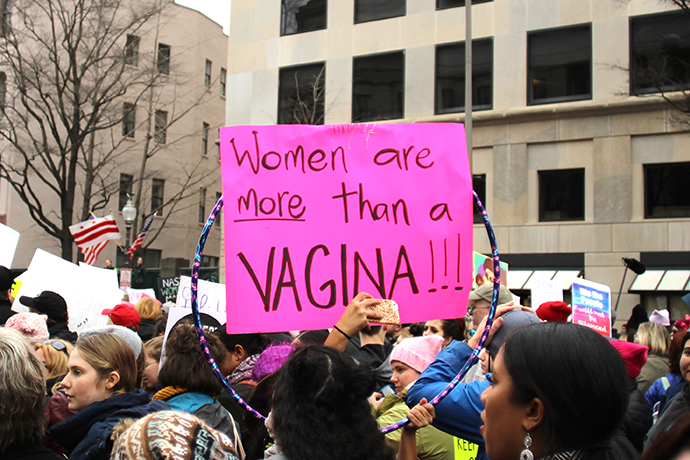
I didn't make a sign because I wanted to have my hands free to take photos, but the signs were undoubtably top-notch. There were so many inspiring (and hilarious) messages of hope, strength and solidarity—spoken, written and demonstrated. When we finally did march, past the Capitol and towards the White House, we chanted "We won't go away! Welcome to your first day," "This is what democracy looks like!" and "We need a leader. Not a creepy tweeter!" We booed as we marched past the monument to conflict-of-interests, Trump International Hotel (and one American Hero shouted "FREE MELANIA!" as she thrust her fist toward the sky).


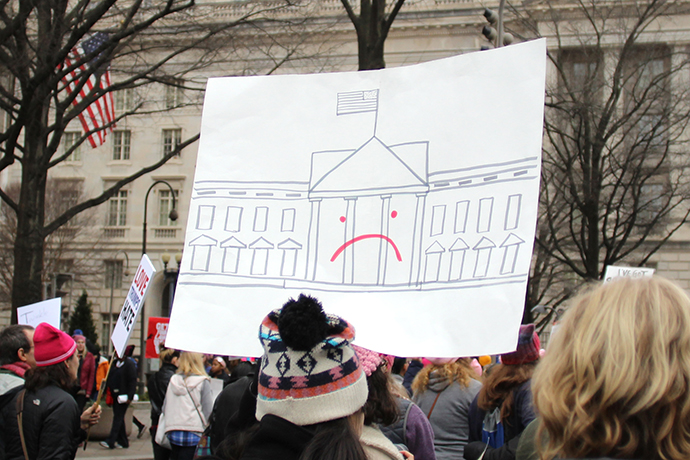
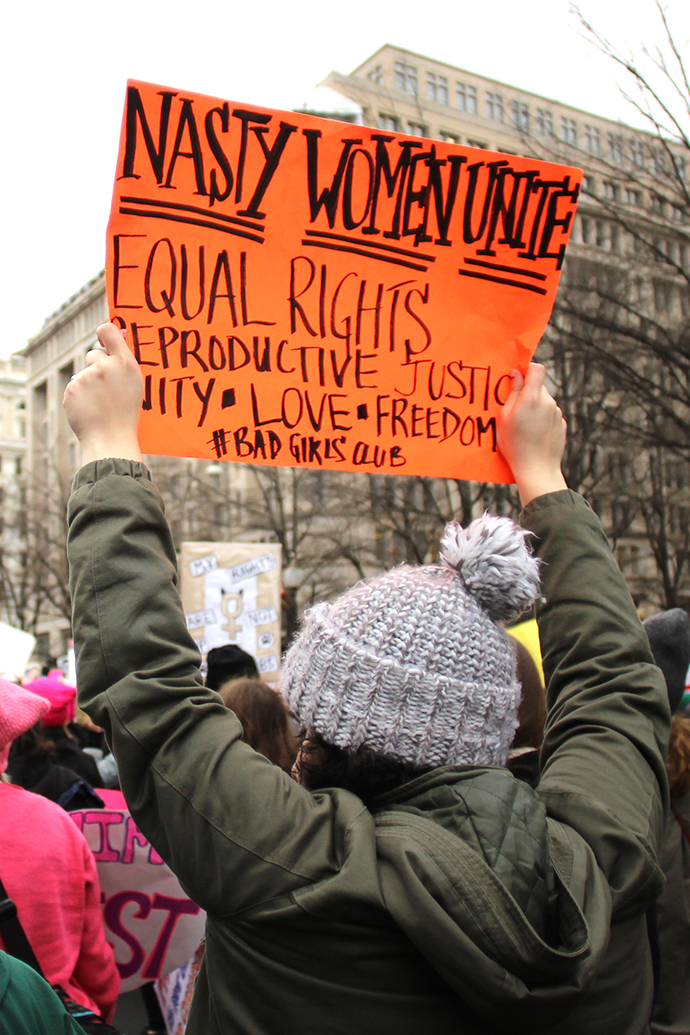


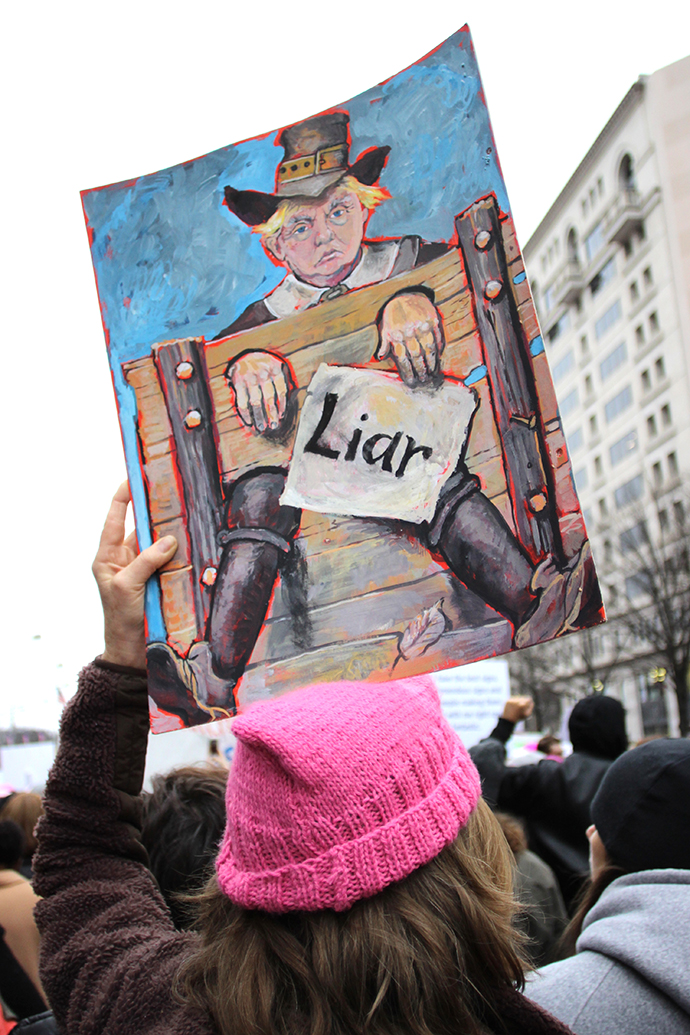

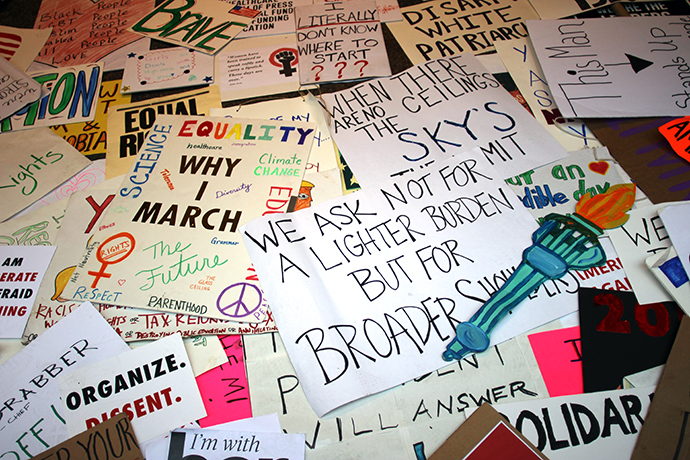
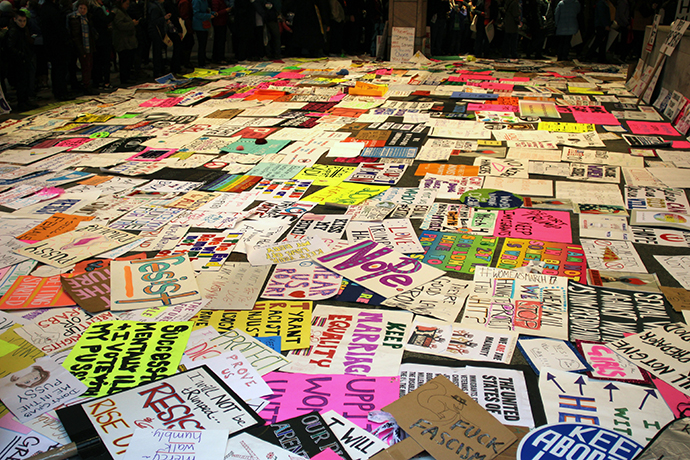

Trump may not have been in the White House as the people overwhelmed the streets outside of, and around it, but we did not go unheard. This is only the beginning of Trump's presidency and its assault on human decency, empathy and integrity, but the Women's March was only the beginning of the resistance.
The most fantastic thing about the New York Botanical Garden’s annual Orchid Show is the orchids themselves