
Archive
- Abandoned
- Alabama
- Arizona
- Bahamas
- Books
- California
- Cemetery
- Climate
- Colombia
- Connecticut
- Diner
- Egypt
- Feature
- Florida
- Friday Fun
- Georgia
- Holidays
- Illinois
- Iowa
- Italy
- Kentucky
- Louisiana
- Maryland
- Massachusetts
- Mississippi
- New Jersey
- New Mexico
- New York
- North Carolina
- Novelty Architecture
- Ohio
- Pennsylvania
- Personal
- Peru
- Project 365
- Protest
- Rhode Island
- Roadside Attraction
- South Carolina
- Tennessee
- Texas
- Travel Guide
- Virginia
- Walks
- Washington DC
- West Virginia
- Wisconsin
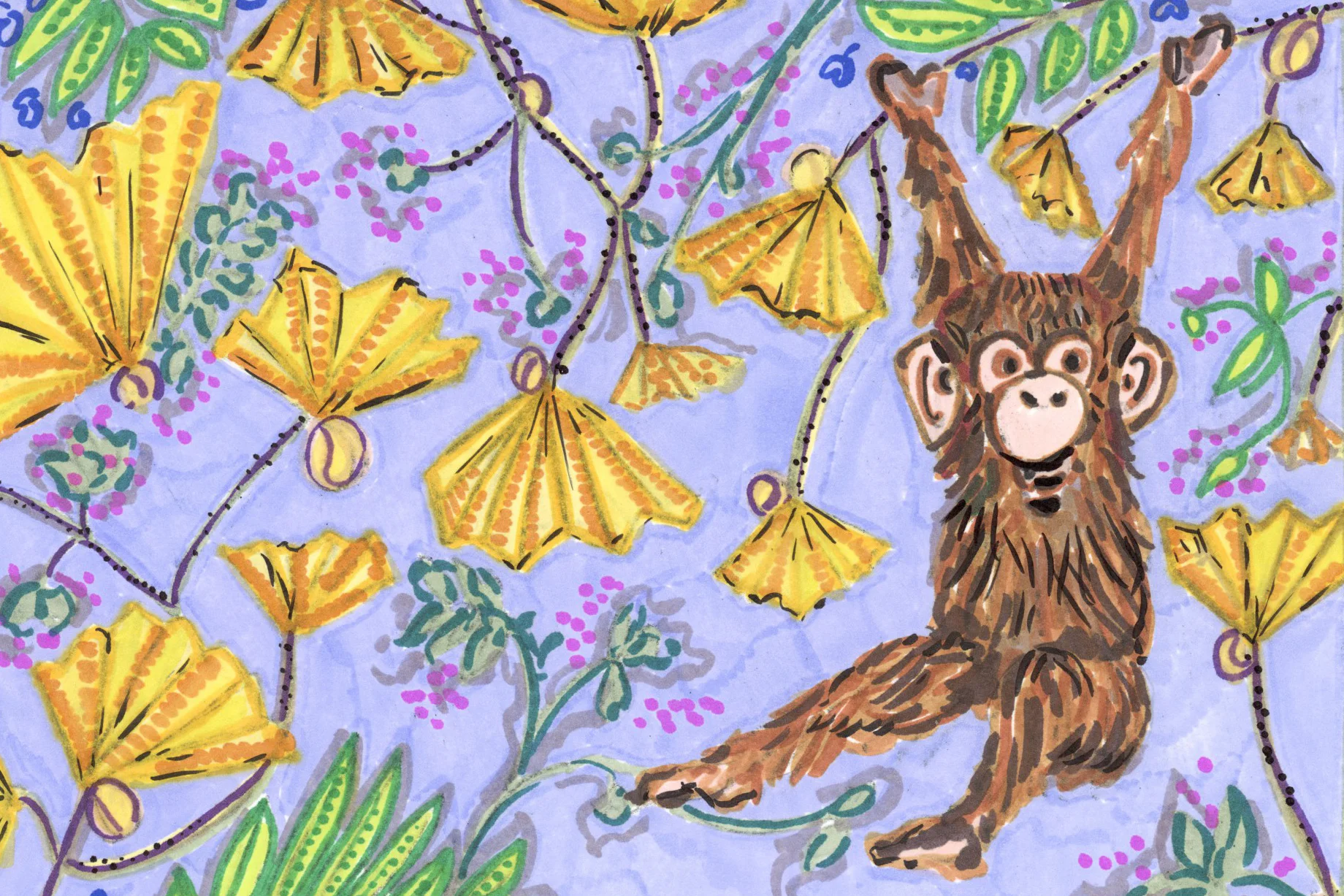
Happy Friday!

Illustration by Lindsey Frances
Things that happened recently:
As much as I love to hate "gender" reveal parties, they're not only stupid (pistols or pearls!) but the thinking behind them is bigoted and dangerous.
I'm still savoring everything I can about the Michael Cohen (shady "New York lawyer" straight out of Central Casting) raid—HANNITY—and this is a great comprehensive list of every embarrassing story he has tried to kill for Trump and his other smarmy clients.
Cynthia Nixon might actually have a real chance of winning the New York State Governor's race, and even if she doesn't she's already succeeded in having an impact on Cuomo's policies.
Things to do in New York this weekend:
This is the last weekend to see the Orchid Show at the New York Botanical Garden. If you can't make it to the Bronx, I went last weekend and took a million photos, as usual.
A new exhibit opened on the MET rooftop called We Come in Peace and it's no Psychobarn, but it still looks pretty cool.
Things that I've discovered recently:
A dachshund museum opened in Germany and I need to get there immediately.
I finished this book this week (I loved it!), started this one (so good!) and I put a hold on Barbara Ehrenreich's new book about accepting death after reading this New York Times review.
I randomly came across these Muffler Man statues on Instagram and I sent the link to David and my mom hoping someone will eventually buy me one (HINT). They're custom made, available on Etsy and the hardest part is choosing which one(s) I'd want.
After a false start to spring last weekend, winter returned this week. But, things are looking promising again this weekend, with highs in the low 60s (perfect light jacket weather, IMHO). Tomorrow my best lady friends and I are going to spend the afternoon eating our way through Arthur Avenue, the "Little Italy" of the Bronx. The four of us have been making an effort to go on adventures every few months—the North Fork in the summer, Sleepy Hollow in the fall and Dyker Heights around Christmas—and any day that starts with fresh mozzarella and ends with a freshly-filled cannoli is a good day. I have no plans yet for Sunday but the weather looks equally pleasant so I'm happy to bask in the sun—even if it's indirectly shining on me while I'm on David's couch watching Netflix. I hope you have a great weekend and that it's warming up (but not too hot, unless you're into that) wherever you are!

The Mad Ones

I watched a documentary about Mister Rogers recently, and I can't stop thinking about his message to people, particularly children: that he liked them just the way they are. I've thought a lot about authenticity, and I think most people can feel, instinctively, when someone or something is not genuine.
I often think of this quote from Jack Kerouac's On The Road: "the only people for me are the mad ones, the ones who are mad to live, mad to talk, mad to be saved, desirous of everything at the same time, the ones who never yawn or say a commonplace thing, but burn, burn, burn like fabulous yellow roman candles exploding like spiders across the stars and in the middle you see the blue centerlight pop and everybody goes “Awww!"


"The only people for me are the mad ones..." has become a sort of guiding philosophy in my life. I spent so many of my formative years feeling embarrassed for the things I enjoyed. I was made to feel less than for being soft spoken, for not liking dresses, for cutting my hair too short. I can't pinpoint the exact moment in my life when I decided to embrace my interests—even if they were considered "out there" or silly and trivial by others—but I do know that my life has been exponentially richer for it.


I enjoyed touring South of the Border more than Machu Picchu; my dream vacation is a trip to Chernobyl, not to an Instagram-worthy beach town; I don't particularly enjoy superhero movies or Beyoncé; I would rather watch Sophie's Choice than the latest Star Wars and I'll probably never watch Game of Thrones; I've read 20 books this year and I've run zero miles and that has to be OK. When I completed my reading challenge last year, the most common question that people asked me was "how did you read so much?" and the only answer I could come up with was, "I just wanted to."


I think a lot about why I write this blog and share my stories, and ultimately I want to be a positive force in people's lives—to encourage them to embrace their interests, whatever they may be. You won't be successful or happy doing something that doesn't interest you—and why would you want to be, anyway? I want people to notice the whimsy in the mundane, to appreciate the mad ones, to notice that there are things that "burn, burn, burn like fabulous yellow roman candles exploding like spiders across the stars" everywhere you look. To use another of my favorite quotes (from Death Becomes Her, natch) "these are the moments that make life worth living."


Of course, it's hard not to compare yourself to others, and everything looks better through the Gaussian blur of social media. I'm at the age where everyone I know is either engaged, married, having kids or buying a house and I am doing ... none of those things. I once thought I wanted children, but I realize now that what I wanted was an outlet to make people feel special—I wanted to write lunchbox notes and throw birthday parties and have a tangible excuse to go through corn mazes in the fall. But the farther away I get from that childhood dream of a big family, the more I realize that I can fulfill that need in other ways—I can carve pumpkins and go to storybook parks and buy lamps shaped like dinosaurs, without sacrificing my autonomy.
There is enough negativity and deceit in the world—comprising hatred and jealousy and fear—that I want to seek out the people and places that breed authentic joy. I want this blog to be a gathering place for, and an ode to "the ones who are mad to live, mad to talk, mad to be saved, desirous of everything at the same time."
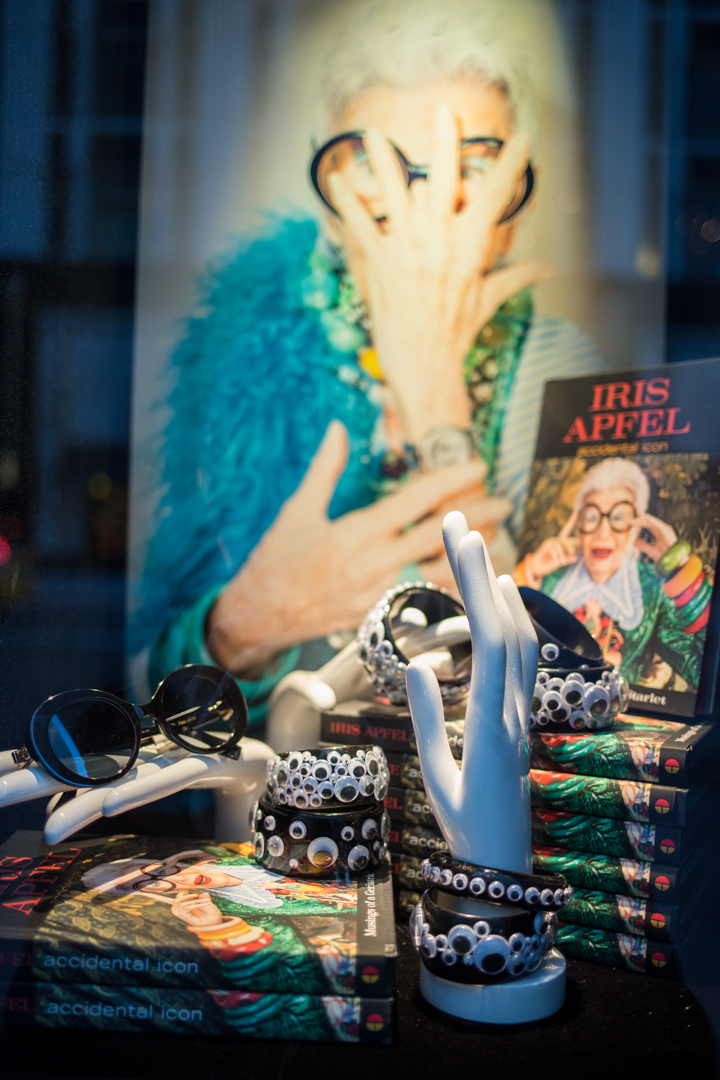
These photos were taken last month at Bergdorf Goodman. These window displays were celebrating Iris Apfel—a fabulous yellow roman candle of a person—and her new book.
Recent Reads

Nine Stories, by J. D. Salinger
I liked this collection of short stories better than Franny and Zooey, and I enjoyed learning more about members of the Glass family. Some of the stories are better than others, but it's hard to beat the bombshell opening story, A Perfect Day for Bananafish (that ending will stick with me forever). I've read very few short stories in my life, but this book really made me appreciate the short story as a deceptively simple art form. It has to be harder to be concise than verbose, but Salinger is a master at establishing and drawing you into a story immediately. I still didn't really get about half of what I read but I've come to accept this with Salinger—and the other half that I did get, I loved, which is more than worth the effort.
Another Kind of Madness: A Journey Through the Stigma and Hope of Mental Illness, by Stephen Hinshaw
I really wanted to love this book more than I did, but it was still a worthwhile read. Hinshaw's father disappeared for long periods during his childhood, and it wasn't until he was older that he found out that his father had been committed to various mental hospitals. What was initially diagnosed as schizophrenia is later re-diagnosed as bipolar disorder, thanks in part to Hinshaw's advocacy on his father's behalf. The parts concerning family stigma were the most interesting to me and it's a little-discussed facet of mental illness that is definitely worth exploring.
Show Dog: The Charmed Life and Trying Times of a Near-Perfect Purebred, by Josh Dean
This book was recommended to me after my post about the Westminster Dog Show, and my only regret is that I didn't read it before I went. I was skeptical that I would be interested in a long book about an Australian Shepard—a breed I don't have any connection to, or affinity for—but I was immediately hooked. The world of dog shows is so fascinating to me and I learned so much about the inner workings that will be very helpful if I ever get to another show. I still think dog show people are a little nutty, but now I appreciate the passion and obsession for detail that exists behind the scenes so much more.

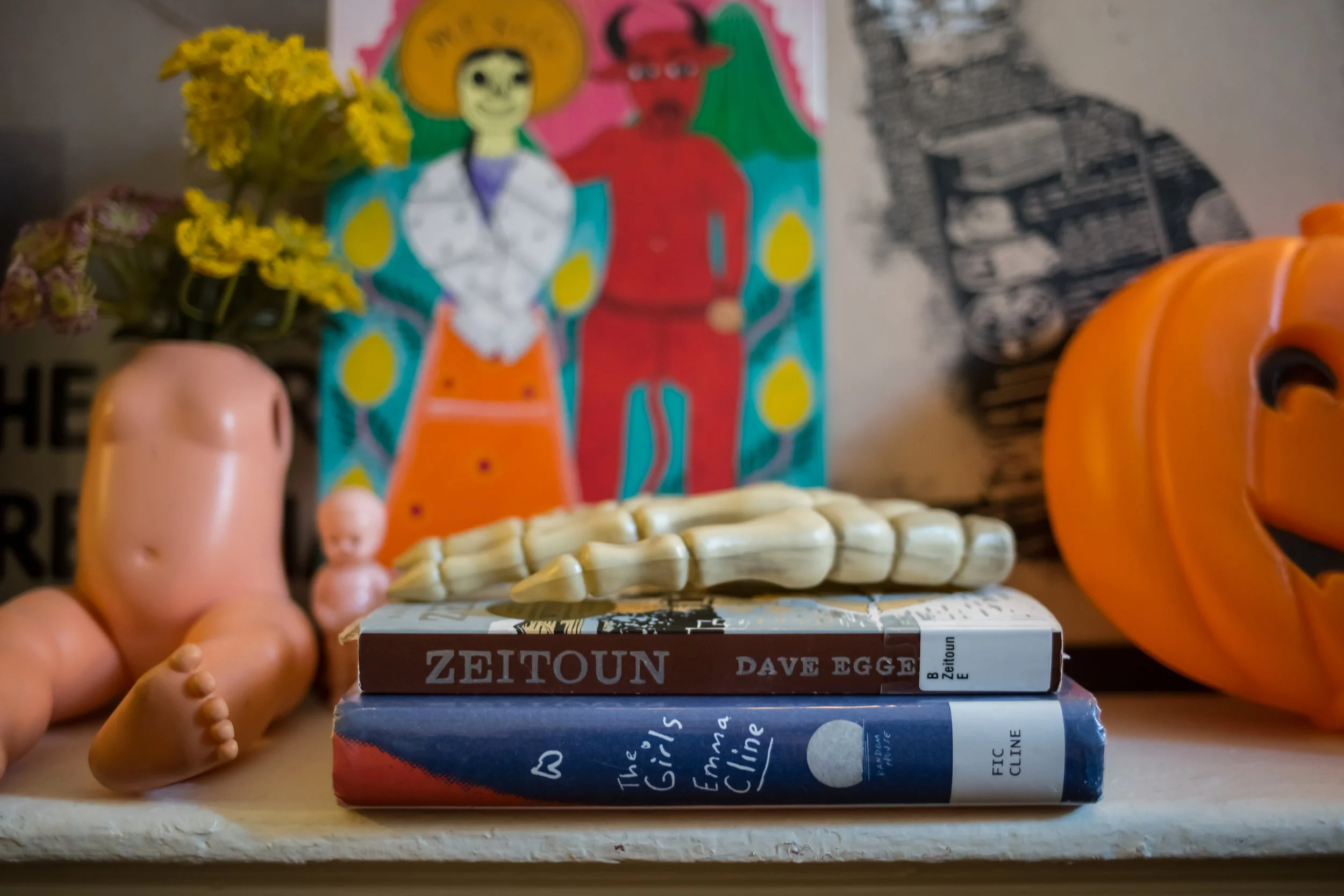
Zeitoun, by Dave Eggers
I reserved this book based on a recommendation from a co-worker, only knowing that it was about Hurricane Katrina. I've been interested in Katrina stories since I read Five Days at Memorial, and this book turned out to be just as gripping. I was hooked immediately by the Zeitoun (pronounced Zay-toon) family and I continually shook my head in disbelief at the events that unfolded in New Orleans, post-Katrina. I knew it was bad down there but I didn't realize how bad until I read about Zeitoun's wrongful imprisonment and my mind is blown at just how quickly an otherwise civilized society can fall off the rails. This book should be required reading for anyone in the US and my heart breaks for the Zeitouns and the thousands of others who went or will go through similar—or even worse—experiences at the mercy of a broken and xenophobic system.
The Girls: A Novel, by Emma Cline
This much-lauded book was on my radar for a while, but I finally pulled the trigger and reserved a copy from the library when it was recommended to me based on my interest in cults and the macabre. The Girls is the story of Evie Boyd, a fictionalized Manson girl that managed to narrowly avoid participating in the murders during the summer of 1969. Names and details have been changed (Charles Manson is "Russell," and Dennis Wilson is "Mitch"), but the perspective of 14-year-old Evie is an interesting lens through which to view the notorious ranch and other family members.
As interested as I am in all things Manson-related, I almost think that the book would have been stronger if it hadn't drawn its inspiration from the real-life cult. I grew a bit weary of Cline's wordy and sometimes pretentious prose by the end of the book, but her insights on what it's like to be a teenage girl are the real standout in this debut novel.


Orchid Show 2018

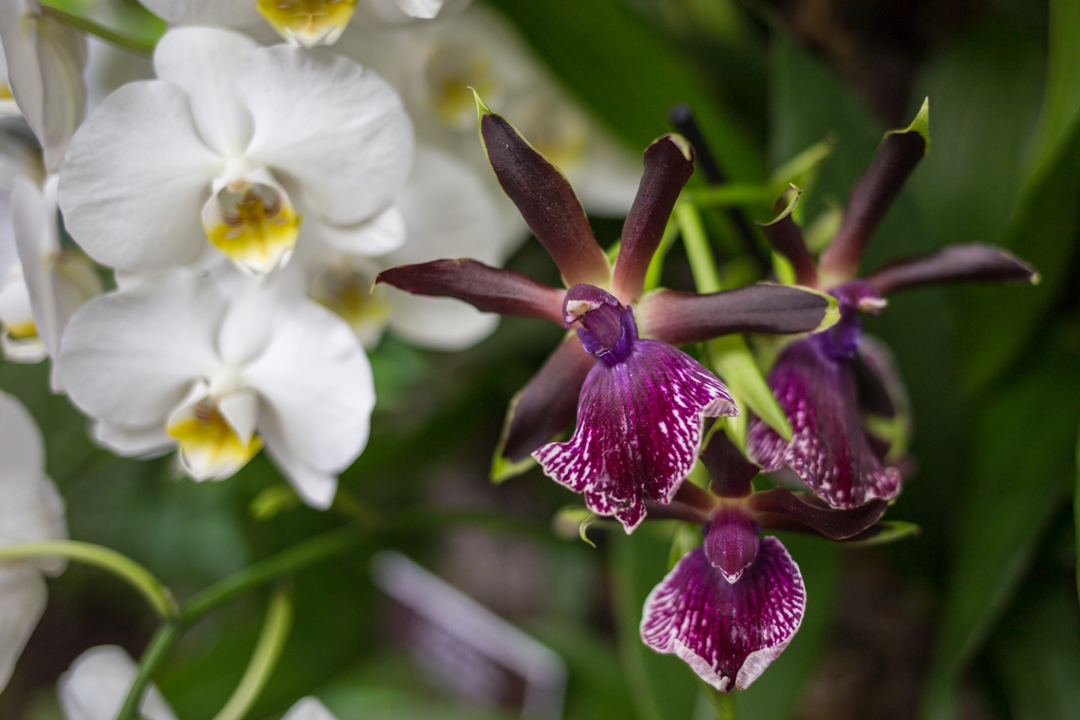
This was my sixth year in a row attending the Orchid Show at the New York Botanical Garden (see my photos from 2017 / 2016 / 2015 / 2014 / 2013). The show changes subtly each year, but I appreciate that it doesn't change too much. We went on Saturday, which was the first really nice day of the year—in the 70s and sunny—and it seemed like every single person in the city was outside. We had to wait in line just to get into the conservatory, which was a first, but the orchids are worth the wait.




It's surreal to me that I'm coming up on my five-year New York anniversary and I'm becoming very protective of the traditions that I have made over these years. My uncle is usually in town for the orchid show and it did feel a bit wrong to go without him, but I can't bear to miss it.
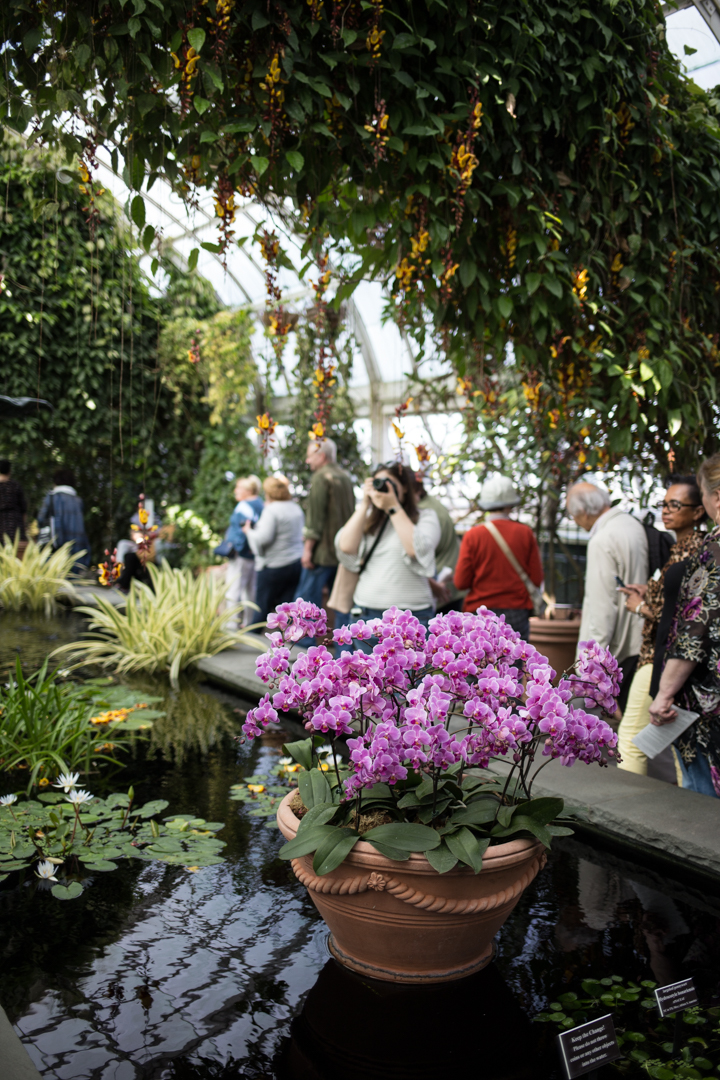


The variety of orchids will never cease to astound me and my respect for nature grows each time I visit the garden. I feel like an expert by now on the orchids at the show—here are the ones that smell like chocolate, there are the ones that look like slippers—but of course I know very little about plants. I've killed nearly everything I've tried to grow on my own, so I'm happy to just be a spectator.


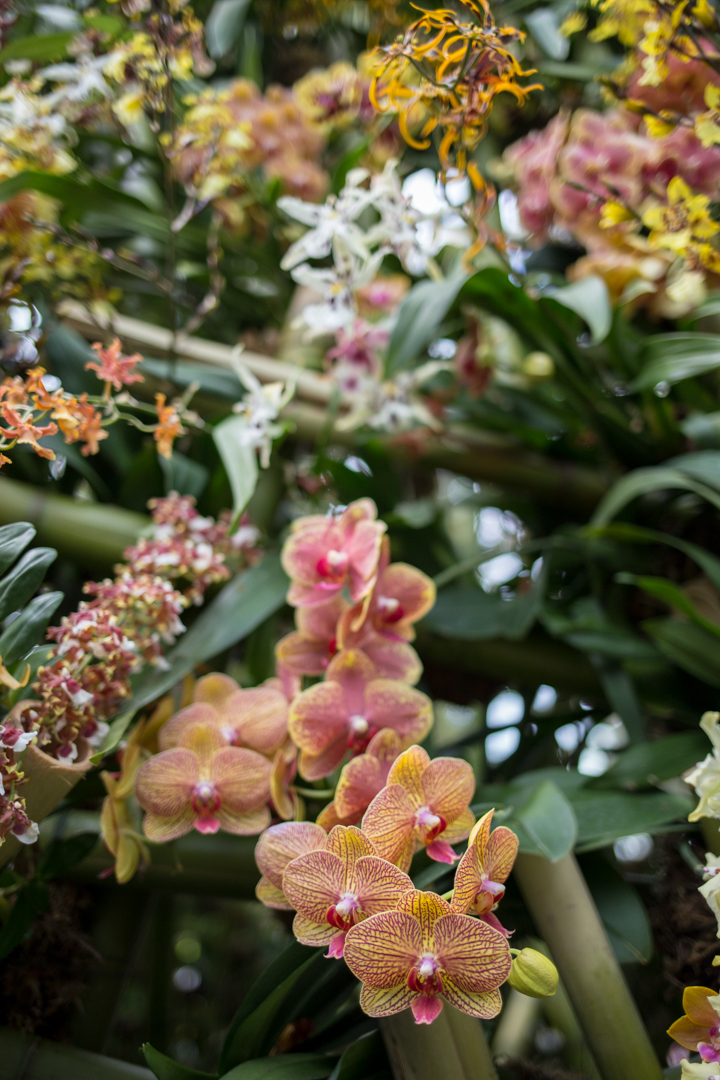
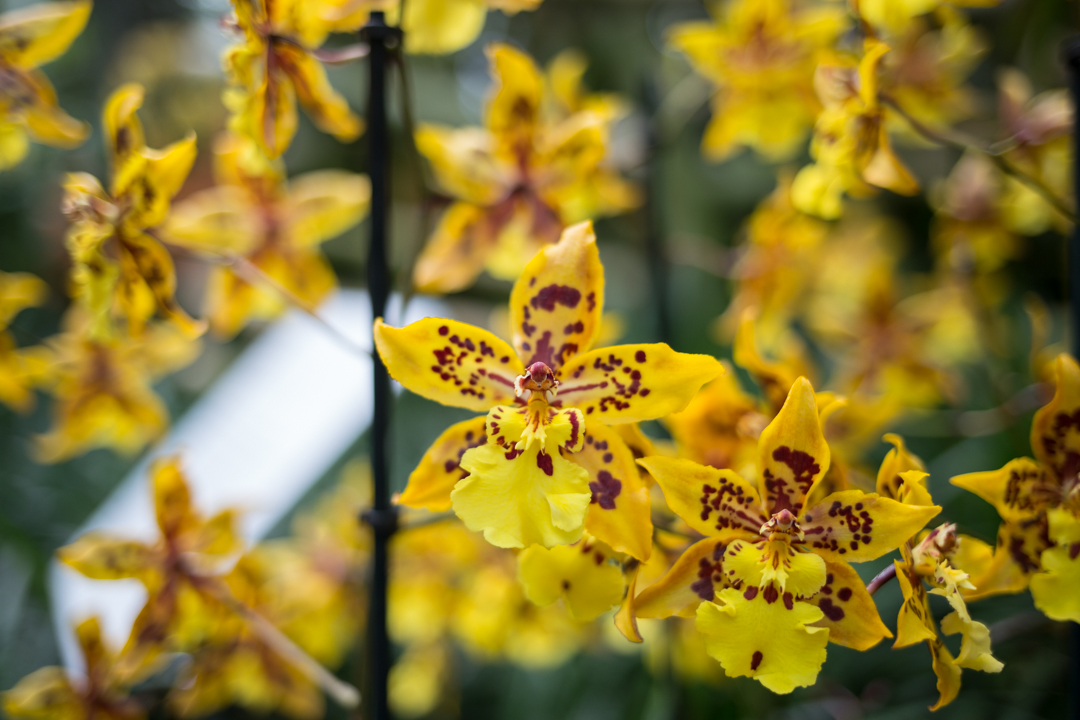


Spring has just now arrived, so most of the garden is behind in its bloom schedule. The cherries, which are usually just about reaching their peak at this time are just beginning to bloom, so it was nice to be able to spend a few hours surrounded by so many orchids at their peak. The cultivation and collection of orchids is a fascinating world, and if you have even a passing interest in the subject I highly recommend reading this book.


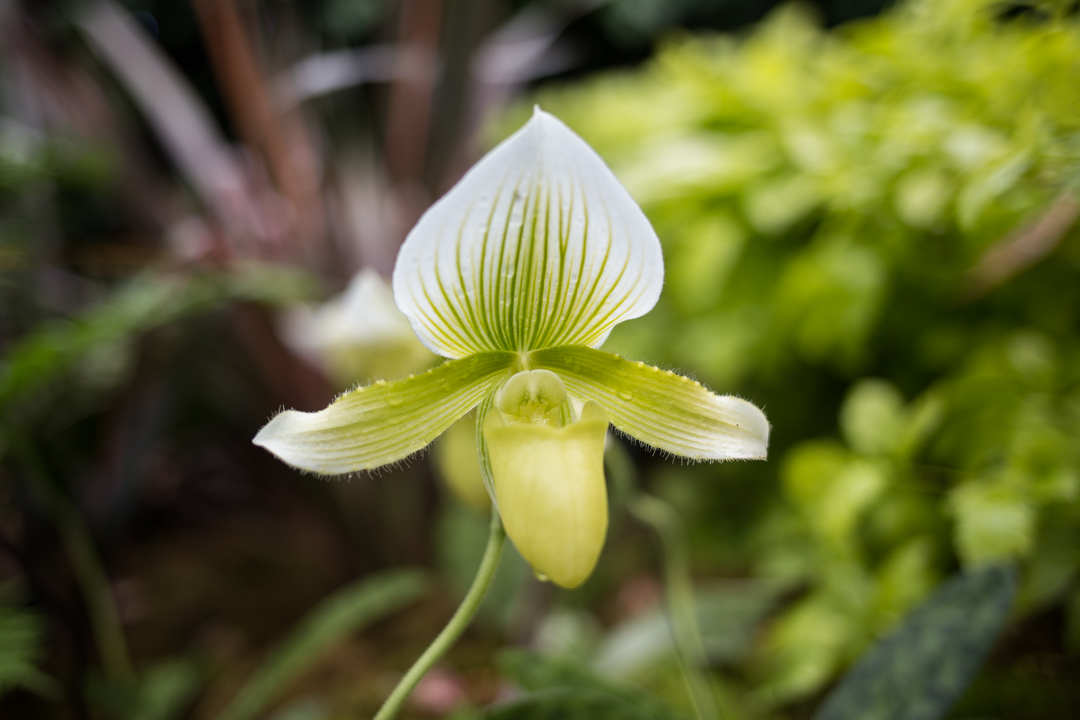



I don't know if I'll be able to make it to the orchid show every single year, but there's a comfort in knowing that no matter how bleak the winter gets, spring will always come early to the greenhouses of the New York Botanical Garden.
New York Botanical Garden
2900 Southern Boulevard
Bronx, NY 10458-5126
The Orchid Show is open Tues-Sunday, 10am-6pm until Sunday, April 22nd
Happy Friday!

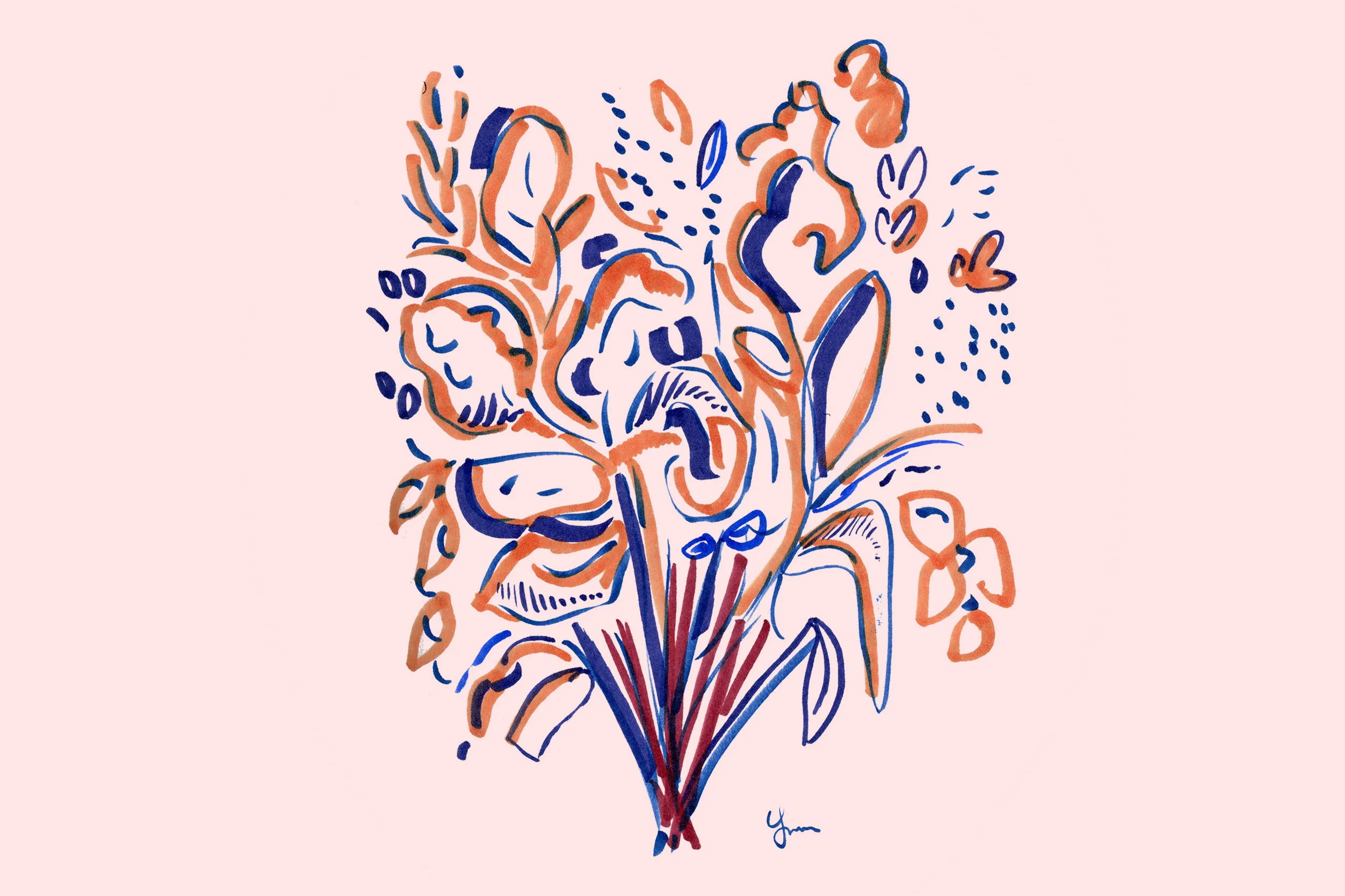
Illustration by Lindsey Frances | Prints available here
Things that happened recently:
A 28-year-old Russian woman went into the hospital to have ovarian cysts removed and ended up dying when she was accidentally embalmed.
Roxane Gay is editing a month-long series on Medium called Unruly Bodies. I'm excited to read them all, but this one by Samatha Irby is my favorite so far (and if you haven't read her hilarious book, do so immediately). Speaking of bodies, I am fascinated by the diet industry and the overwhelming evidence that diets just don't work.
I am relishing any news that puts us closer to a possible Trump impeachment, including the recent raid on his lawyer's office. Here's why the raid is "particularly perilous" for everyone involved.
Things to do in New York this weekend:
The Green-Wood Cemetery tours are always top-notch, but this one on Saturday looks particularly interesting to the design-nerd in me. The trees at Green-Wood have just started blooming and the weather on Saturday will be perfect for a cemetery stroll.
Sunday looks like it will be a little rainy, but Central Park is offering a tour of the usually off-limits Hallett Nature Sanctuary from 2-3:30pm.
On Monday night the FIlm Forum is screening The World of Tomorrow, a documentary on the 1939/1940 World's Fair in Queens. I tried to buy tickets online but they appear to be sold out. Tickets may still be available at the Box Office, which might be worth trying since I'm obsessed with the two New York World's Fairs.
Things that I've discovered recently:
This photographer spent ten years tracking down the original locations of classic vinyl album covers, and his photos are mesmerizing.
I started and finished this book this week and I couldn't put it down. I've been interested in Hurricane Katrina stories since reading this harrowing book, and the story of the Zeitoun family is a heartbreaking one.
Because I am endlessly impressionable, I bought this moisturizer after seeing it on several blogs. I'm not sure if it's actually working miracles yet but it smells so good I almost don't care. Also if you ever wonder why I buy everything on Amazon, mine was $10 more when I impulse bought it at a Duane Reade 😑.
I am thrilled that the weather is finally warming up and I love watching the city come back to life in the spring. I never made it to the Orchid Show last weekend so maybe I'll make it there on Saturday (shaping up to be a beautiful day to spend at a garden). On Sunday David will have a rental car so of course I've already dreamed up various itineraries and adventures that we could take (some or all of which might be abandoned). I've been feeling quite grumpy these past few weeks (am I'm having my Jesus Year a bit early?—a term I just learned thanks to Lindsey) but I'm hoping that this spring weather and shedding some layers will help.
If you're in the mood to shop, Society 6 is having a sale starting Sunday—you can save 25% off on these kitschy roadside attraction prints with the coupon code APRIL25 (or buy some of those featured Happy Friday illustrations that you've had your eye on). I hope you have a great weekend!
Desert Christ Park

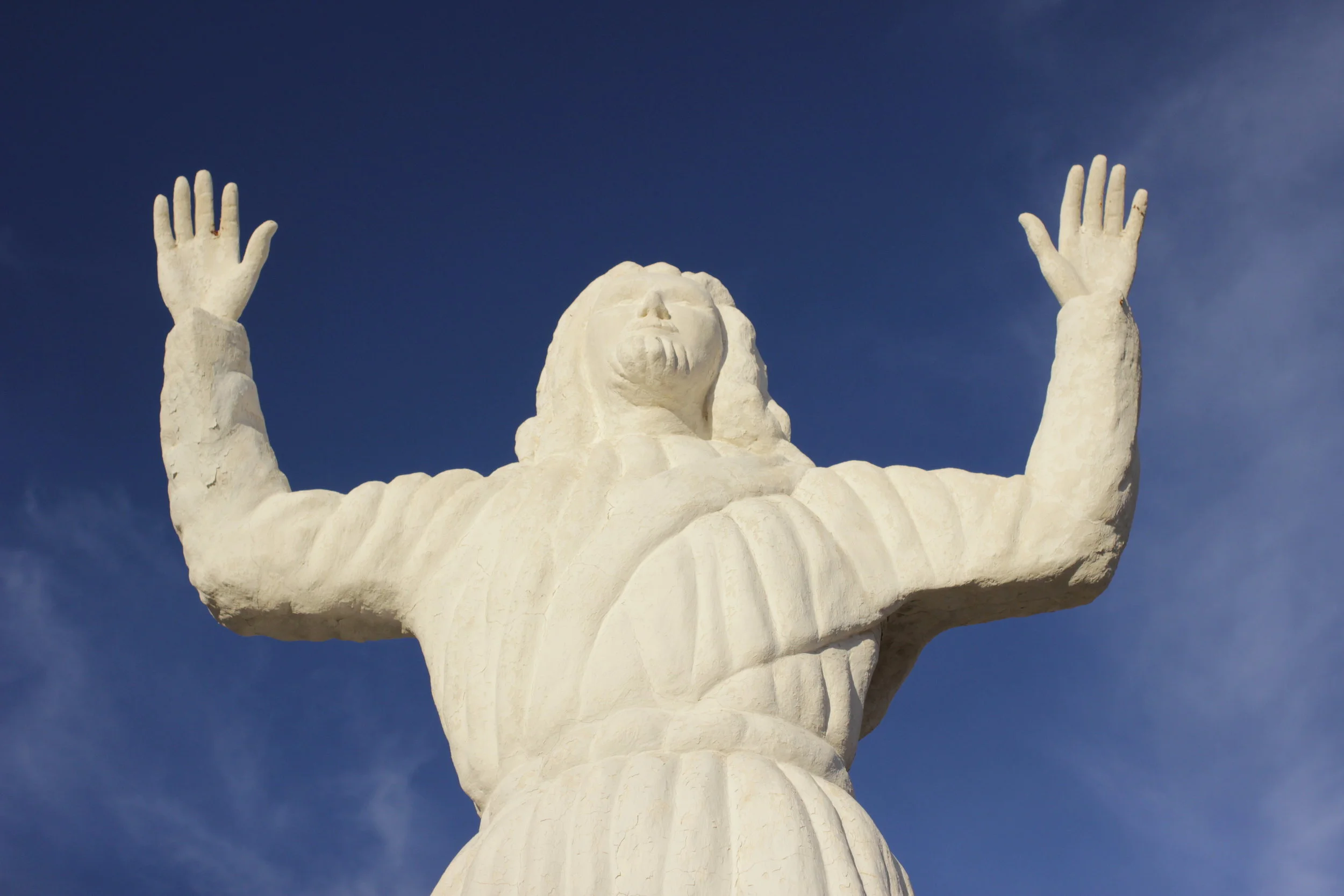
Desert Christ Park, located in Yucca Valley, a high desert town near Joshua Tree in southeastern California, was the vision of one man. Eddie Garver, also known as the Desert Parson, conceived of Desert Christ Park with the help of sculptor Frank Antone Martin and the park was dedicated on Easter Sunday, 1951.
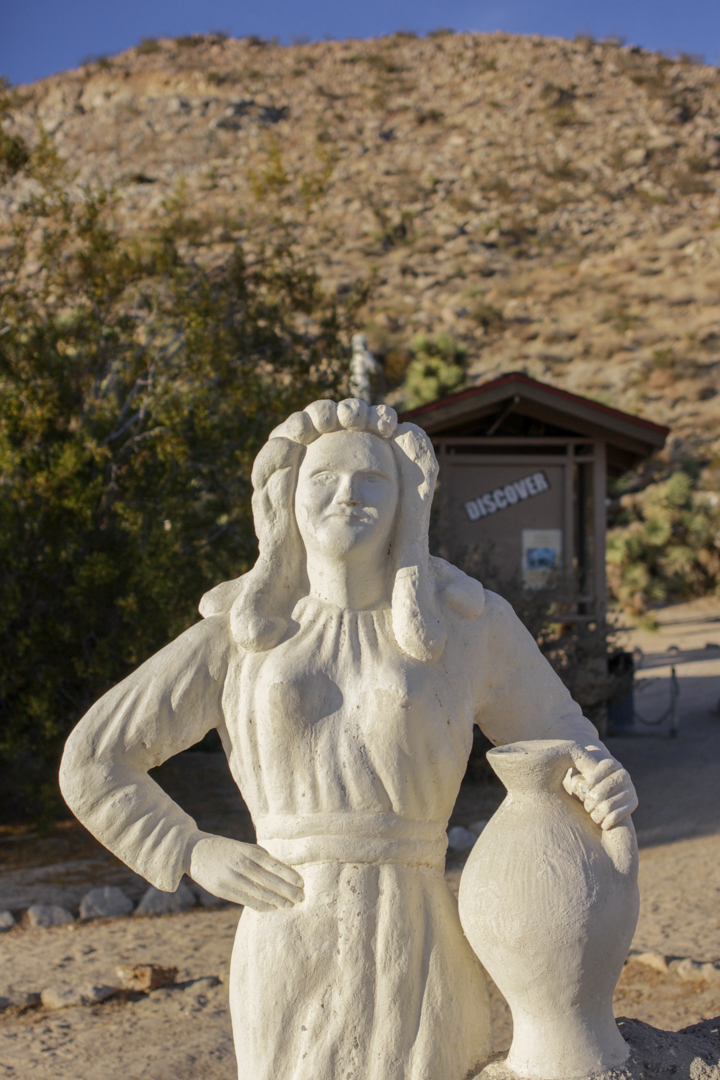


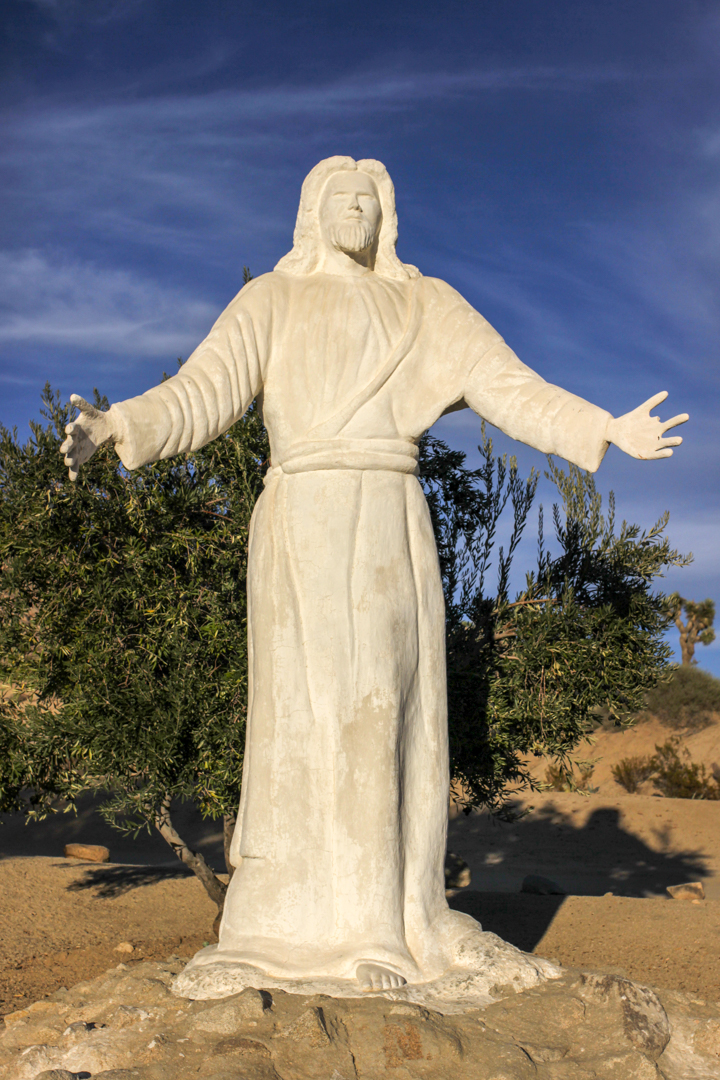

Garver was granted five acres of land by the US Government for his park, and offered up his land to Martin, who had just been denied permission to erect his Christ statue on the edge of the Grand Canyon. Martin died in 1961, but not before creating the more than forty white, steel-reinforced plaster and concrete statues that still dot the desert landscape.


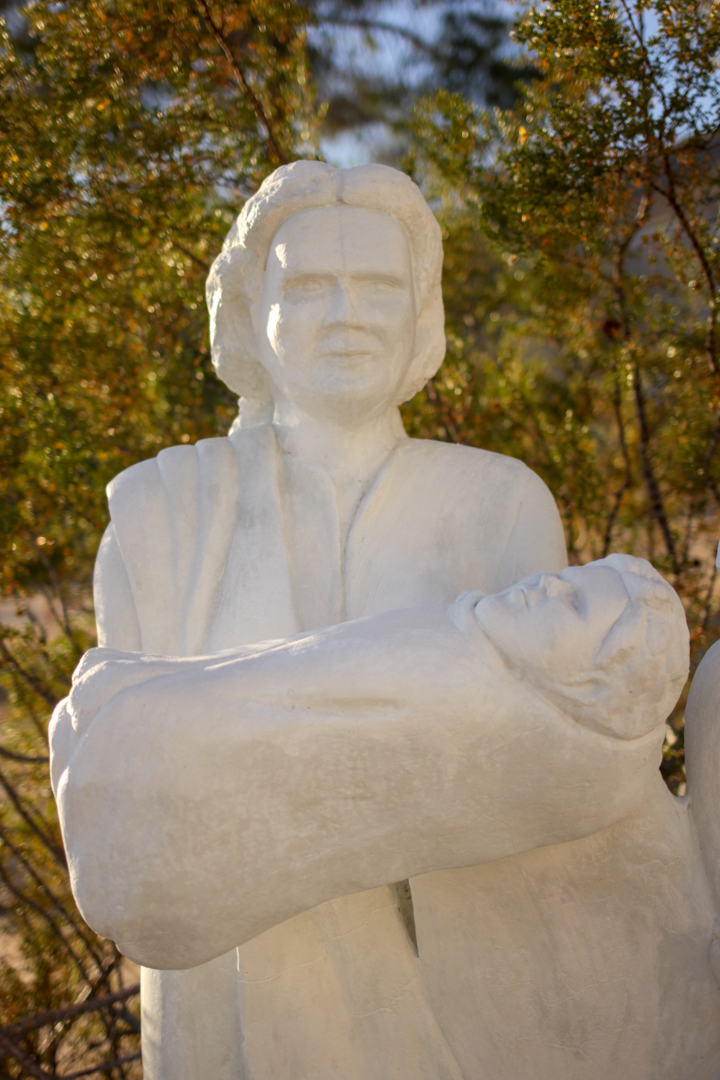


The statues portray Christ and other biblical figures, including a three-story, 125-ton bas-relief of The Last Supper. The website states that they "welcome all to remember and celebrate not only the visionary and the artist, but most importantly, the life and teachings of our Lord and Savior, Jesus Christ."


I'm not at all religious, and I'll admit that I originally planned to go to the park because I had read that a lot of the statues had fallen into disrepair. I love abandoned places and I expected to find a macabre scene of limbless, crumbling figures. While a few had indeed seen better days, a group of volunteers is currently working to restore the sculptures and their progress is obvious.


Desert Christ Park was one of three desert installations that we saw on this trip—including Salvation Mountain and Noah Purifoy's Outdoor Desert Art Museum. The desert is the perfect canvas for spiritual, artistic expressions like these and I will always appreciate the need that people have to just create.


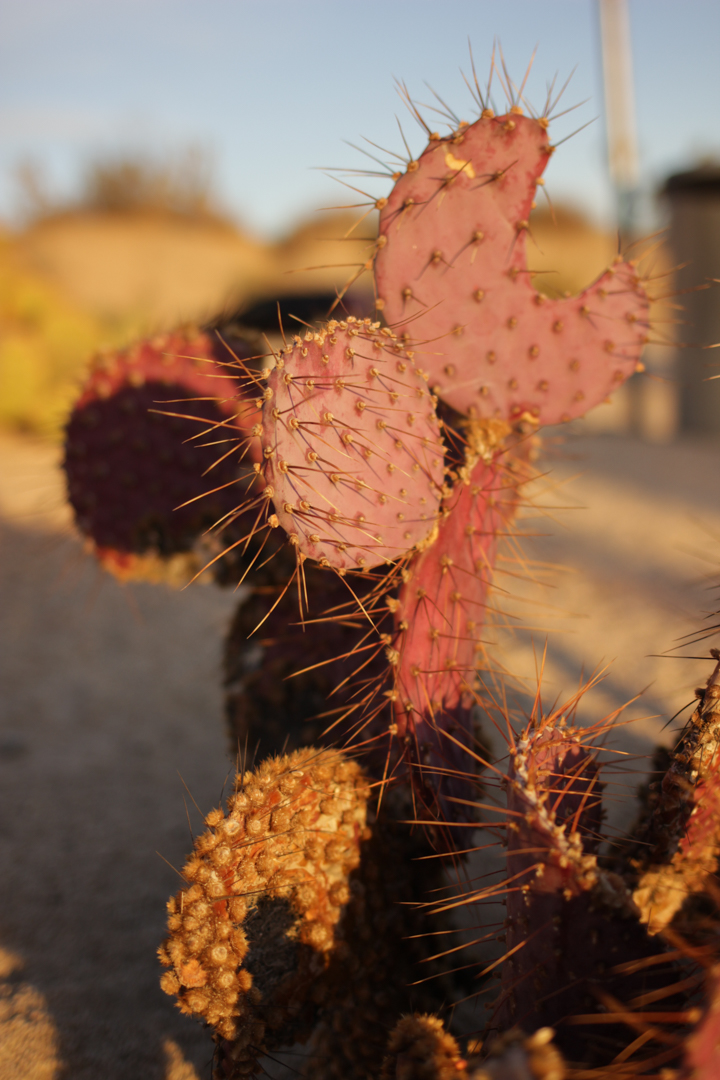
The park is open year-round, free of charge during daylight hours. It's maintained by the Desert Christ Park Foundation, and the restoration work is funded through donations and grants. We went at sunset and the light was incredible—I can't think of a better exhibition space for a man's life work.
Desert Christ Park
56200 Sunnyslope Drive
Yucca Valley, CA

Green-Wood Cemetery: Spring

Spring has been taking its sweet time arriving this year. April showers are supposed to bring May flowers, but I'm not entirely sure what April snow showers will bring. I try really hard not to get too grumpy about weather because I can't control it and I do love seasons—but at this point in the year, I'm definitely ready to shed some layers and start seeing some signs of life.


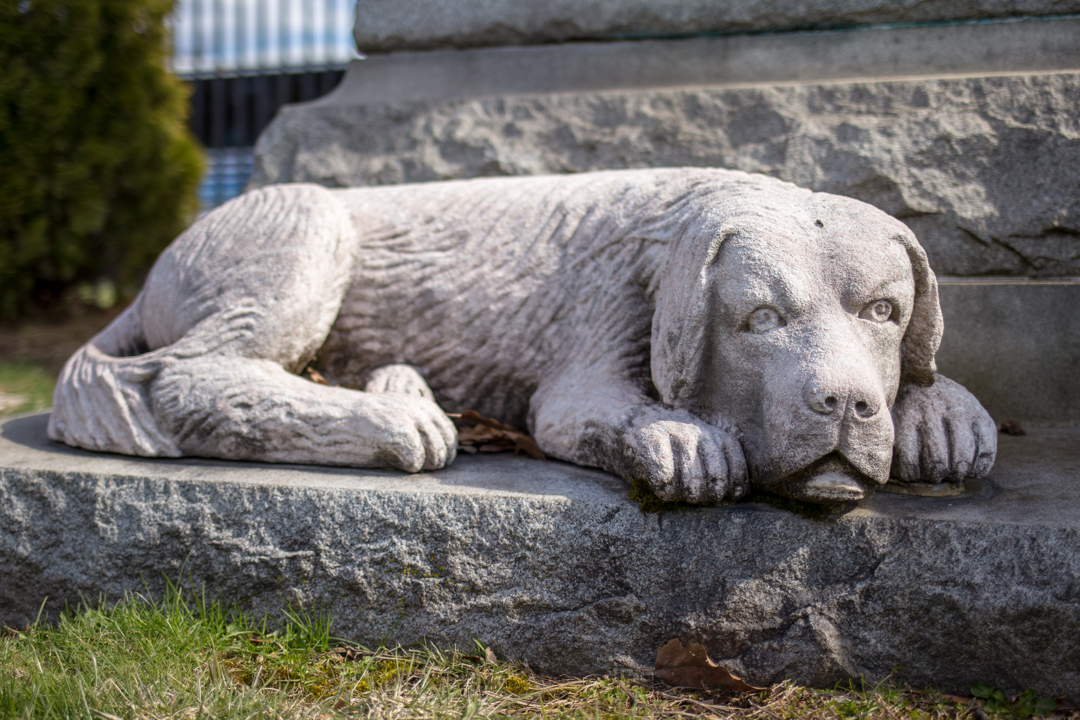


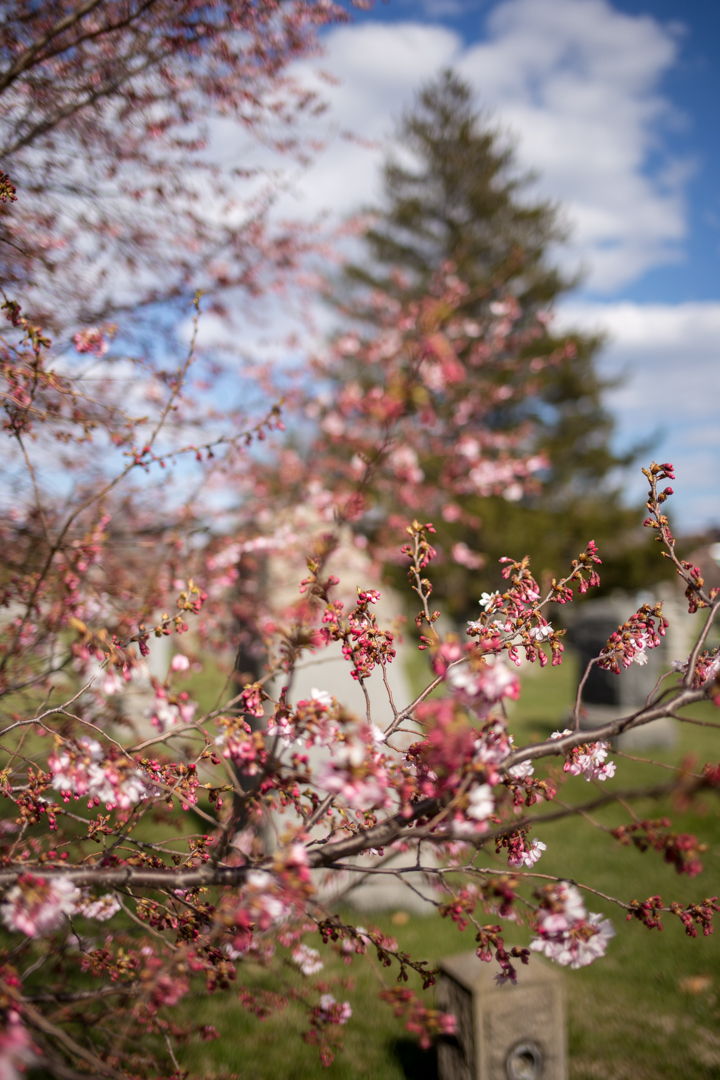


A cemetery might not seem like a great place to search for signs of life, but we took a chilly walk at Green-Wood this weekend and spotted telltale signs that spring is indeed happening, however slowly. The flowering trees are about a month behind schedule, but they're trying their best despite the frigid temperatures and March nor'easters.
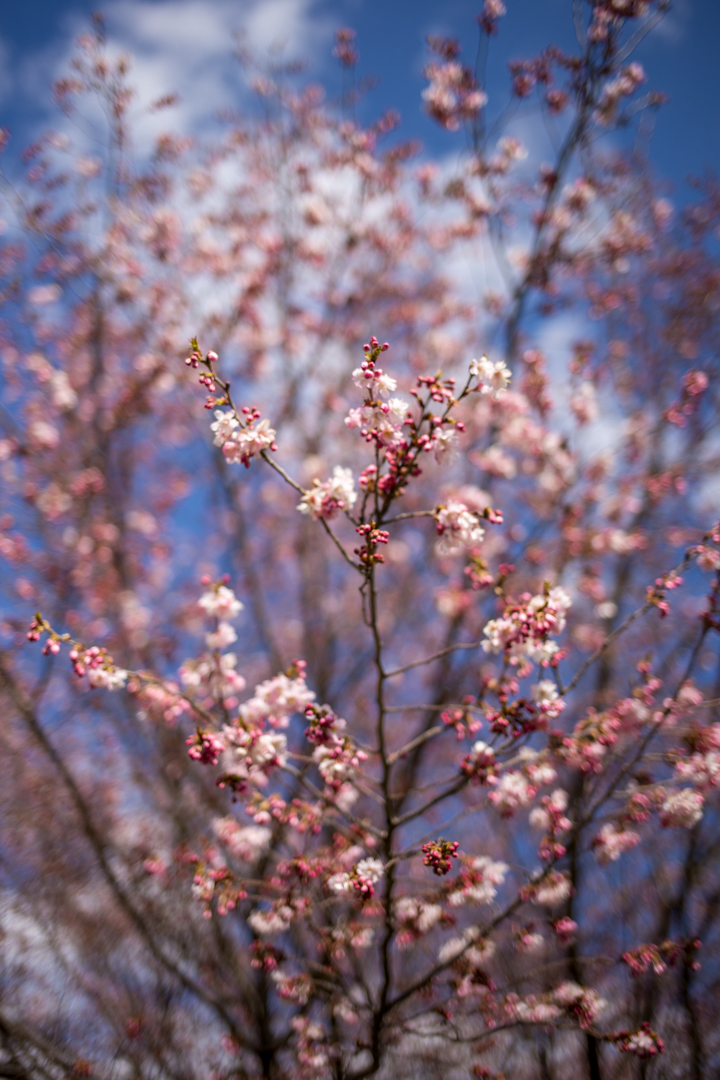
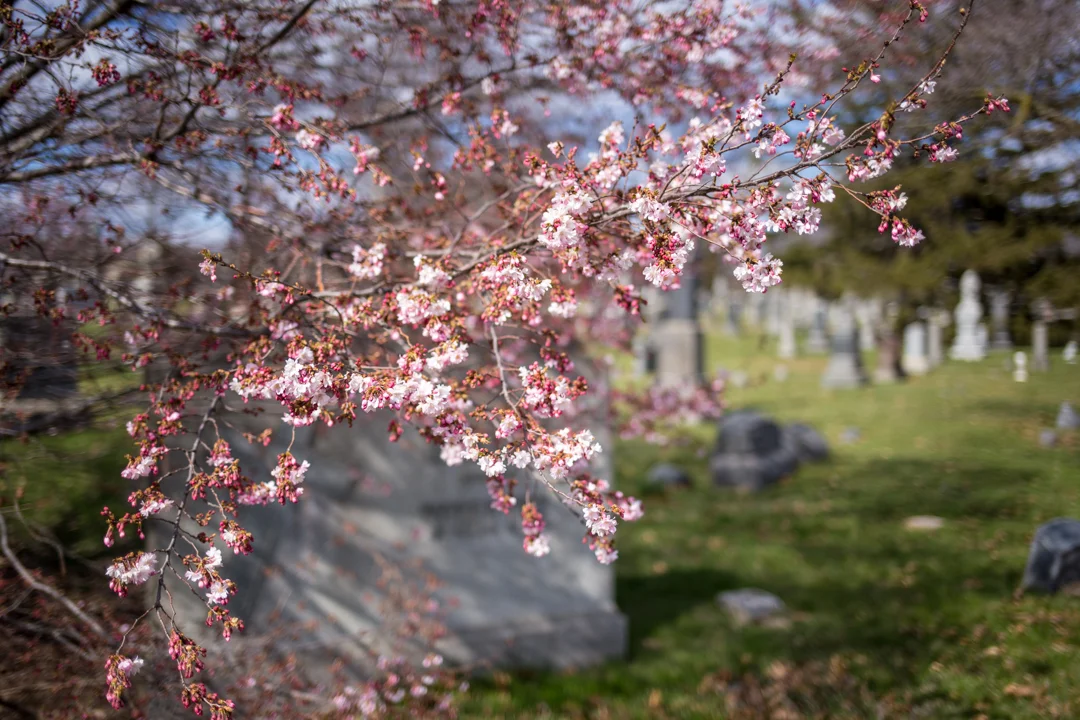
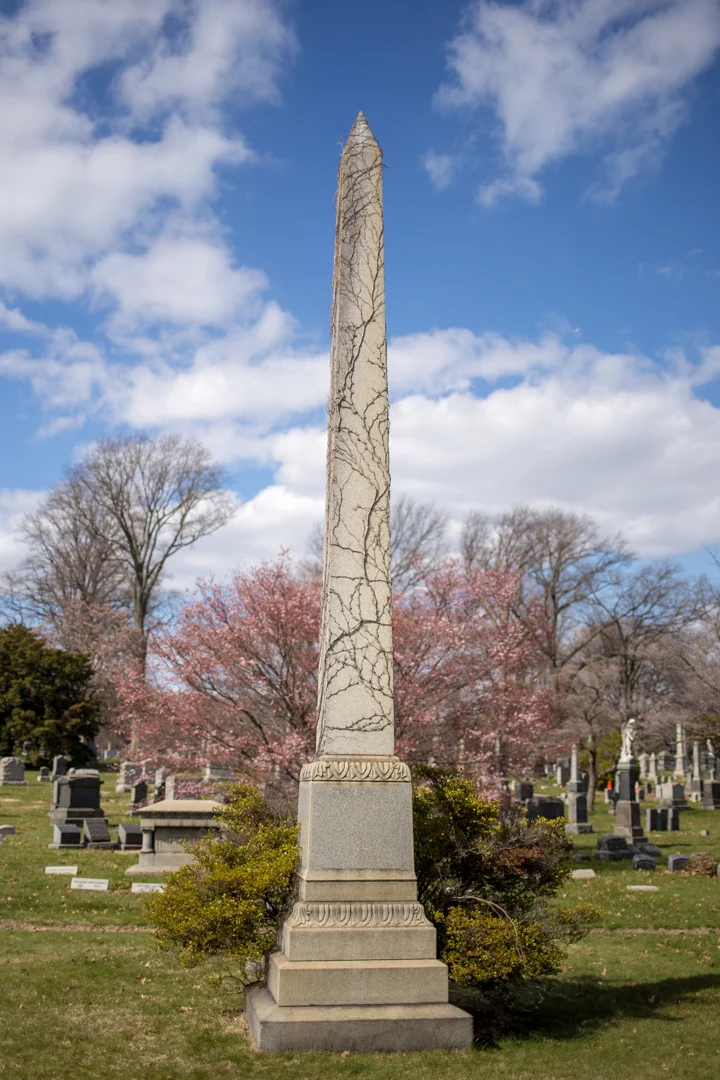


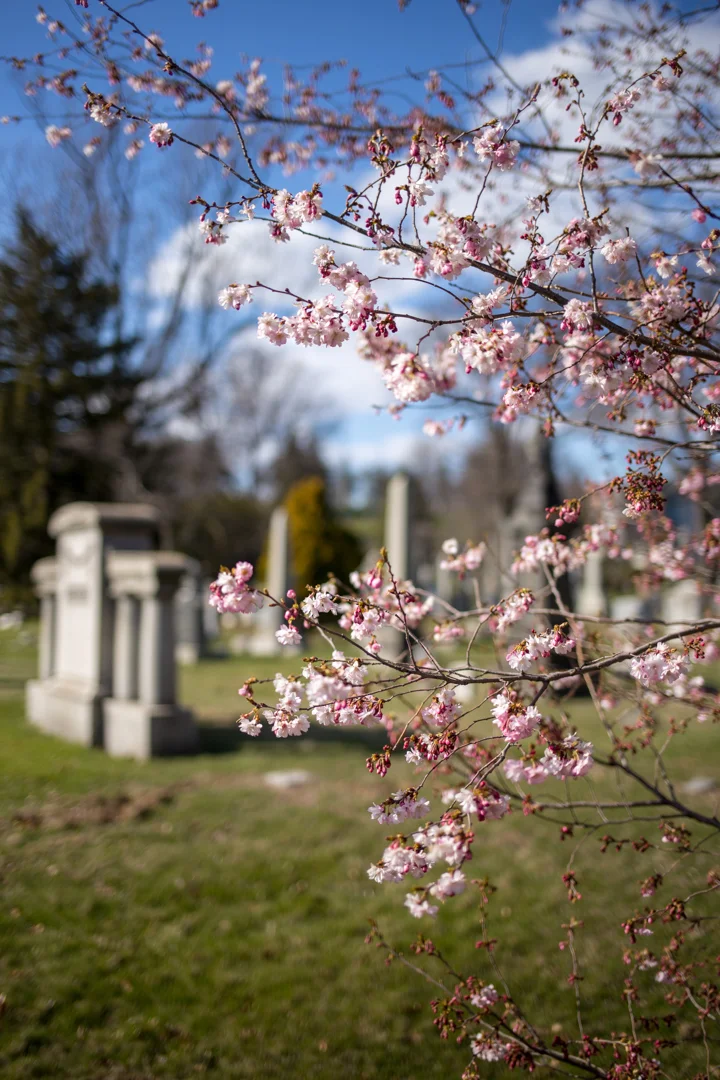
I've spent the last five years photographing spring blooms around the city and I'm still no closer to being able to identify anything I see. I can tell a cherry blossom from a magnolia tree and thanks to David I know that forsythia is yellow, but my plant knowledge pretty much ends there. Most of the trees are still completely bare, but there are a few over-achievers scattered around Green-Wood (nothing compares to azalea season though).


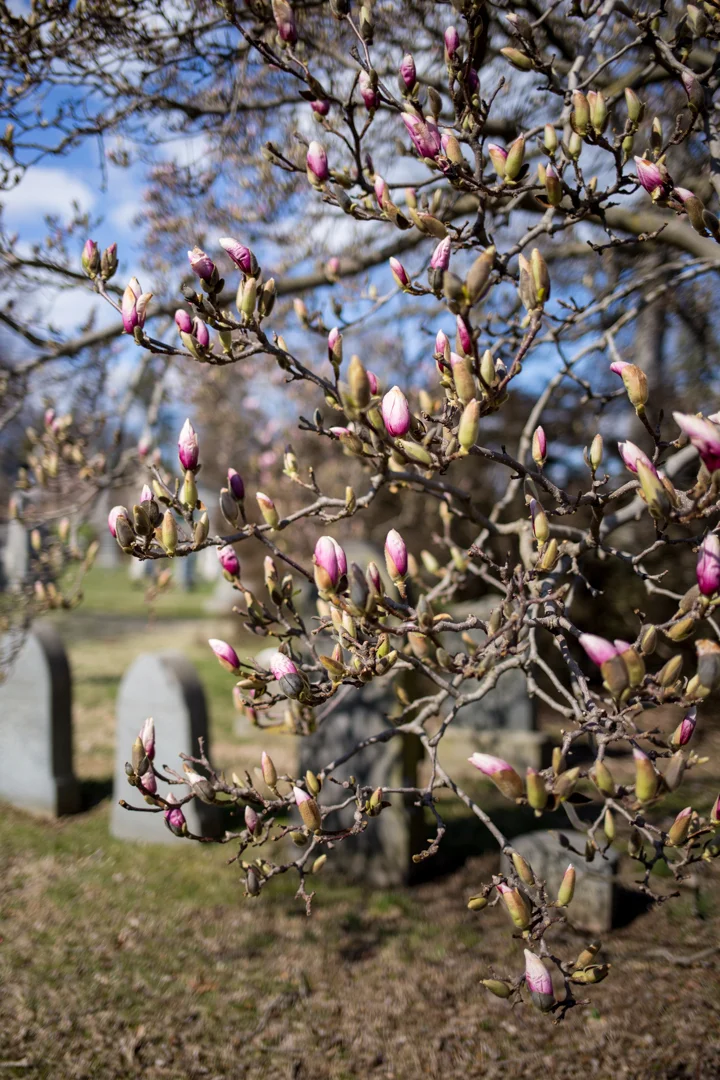

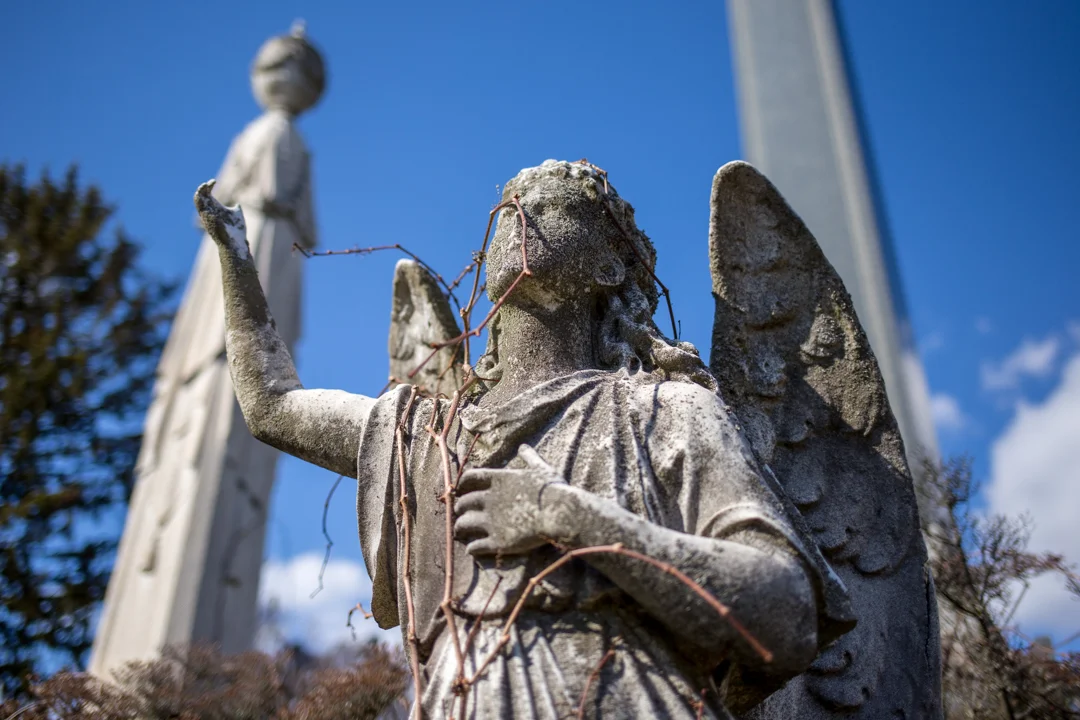


I know that spring will come, however late, followed by summer and pretty soon I'll forget what it was like to feel really cold. Some years it feels as if everything blooms overnight, blink and you might miss an entire season. Part of me is enjoying this slow rollout to spring—I just need to learn how to savor this transition time and not be impatient for the next phase.

Travel Guide: Philadelphia

My mom and I recently took a day trip to Philly, and when I started adding it up, I realized that it was my fifth time in the city of brotherly love. Two of those trips were overnights and three were day trips. One of the joys of living in New York is its proximity to other places on the East Coast, and thanks to regional transit it's easy to take a day trip when you're in the mood for a change. Philly is an hour and a half away from New York by Amtrak, but if you're on a budget and don't mind some extra train time (🙋), regional transit will get you there in three hours (it will probably take you longer than that to read this travel guide).
GETTING THERE:

If time is more of a concern than money, Amtrak is your best bet. It will get you from Penn Station to the 30th Street Station in Philadelphia in and hour and a half (an hour and 12 minutes if you take the express). The lowest price for a one-way ticket is about $39 if you book far in advance and tickets can be much more expensive than that—especially if you want reasonable times.
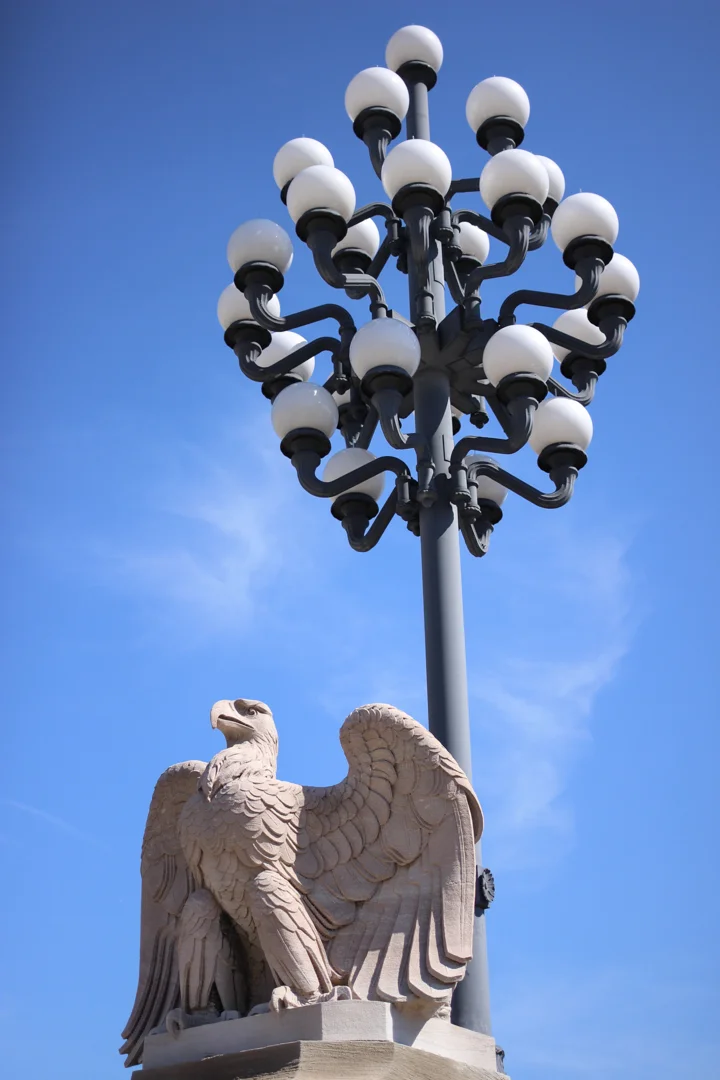
For most of the day trips, I've taken regional transit. It takes twice as long, but it's cheaper and more flexible—$56 roundtrip and trains run every hour. At Penn Station in the NJ Transit area, buy tickets for 30th Street, Philadelphia. You'll get two sets of tickets, and you have to transfer trains once. The first train goes from Penn Station -> Trenton, and then at Trenton you'll board a train that terminates at Philadelphia. In both cases you're getting off at the last stop so you don't have to pay much attention, and there's usually no more than a ten-minute wait at Trenton for your transfer to Philly. After you get out at the 30th Street Station, be sure to check out the four eagles on the Market Street Bridge—they're from the original Penn Station.
There are bus options as well—Greyhound, Megabus and others—but I get car sick and prefer the train so I've never taken one. Once you're in Philly, Uber is much cheaper than it is in New York, and they also have their own Subway and Trolley systems.

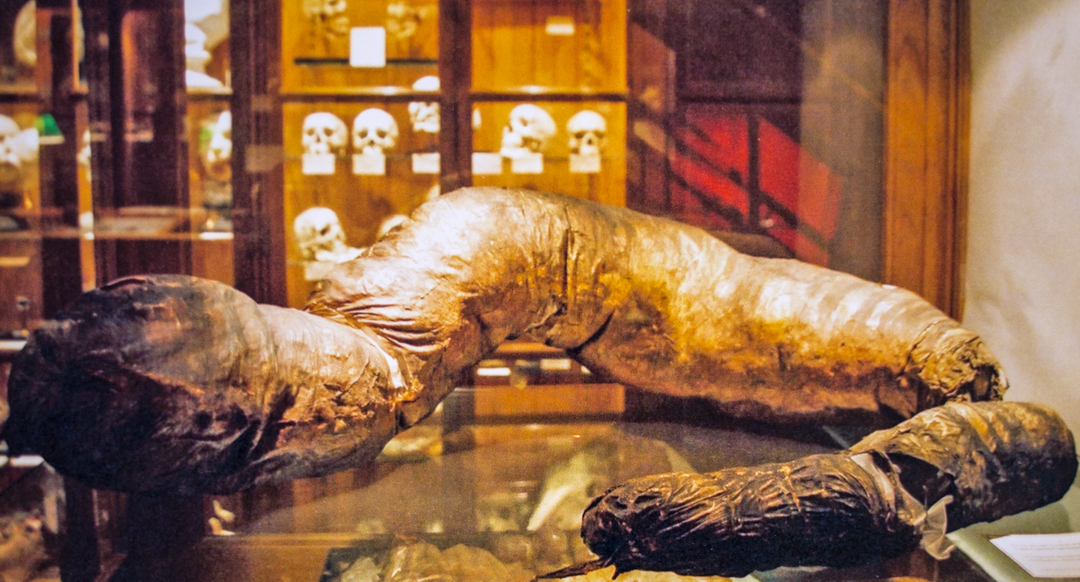

My favorite place in Philly, by far, is the Mütter Museum. The museum began as a donation of 1,700 objects and $30,000 from Thomas Dent Mütter, MD. It has grown to include more than 25,000 objects, including sections of Einstein's brain, a large human skull collection, the Soap Lady, the conjoined liver of Siamese twins Chang & Eng, President Grover Cleveland's jaw tumor, the tallest skeleton on display in North America and the world's largest colon (above). Unfortunately photographs are not allowed inside the museum, but that hasn't stopped me from going three times since 2014. They have an exhibition space that hosts rotating art and photographic installations—Woven Strands: The Art of Human Hair Work is on display now until September 16th.
Independence Hall and the Liberty Bell


Tickets to Independence Hall are free, but required if you're visiting in March through December. Tours are given every 15, 20 or 30 minutes, depending on the season and you'll see where both the Declaration of Independence and the Constitution were debated and adopted. The building was completed in 1753 and hosted the Second Continental Congress from 1775 to 1783 and the Constitutional Convention in 1787.

Is it worth it to wait in a line that often snakes around the block to see the Liberty Bell? Probably not. But we did it on my first visit, so I can say I've seen it—and was frustrated with the inability to get a good, tourist-less photo of this iconic piece of American history. No tickets are required, but if you don't have much time, you can catch a pretty good glimpse of it from a side window without the wait.


Elfreth's Alley holds the distinction of being America's oldest residential street. It was designated a National Historic Landmark in 1966, but keep in mind that it is very much still a residential street, meaning that people actually live here. You can freely walk through the narrow street, but don't be a creep and peek into windows or linger in doorways.


I've never met a historical home tour that I didn't love, and while the Betsy Ross house may be geared toward school-age children, we still had a fun time on the tour. The best part was the historical actor who insisted to us that she was actually Betsy Ross, despite the fact that the real Ross's bones are interred just outside the house.


I love, love, love Eastern State Penitentiary, and I went to Philly for the day last year exclusively to tour the newly-reopened hospital wing. In operation from 1829 until 1971, Eastern State was considered to be the world's first true penitentiary. The tour is self-guided (which I prefer) and admission includes an excellent audio guide narrated by Steve Buscemi. Both times that I've visited I've spent several hours roaming around, and I'd love to go back for their Terror Behind the Walls haunted attractions in the fall.


This new(ish) art museum is completely overwhelming in the best way, and comprises the varied and exhaustive art collection of one fascinating man, Dr. Albert C. Barnes. I recommend watching this documentary or reading this book before you go—the art is impressive enough on its own, but knowing more about the eccentric Barnes and the turmoil involved in bringing his collection to the public will only enhance your experience.


Philadelphia's gorgeous city hall is the largest municipal building in the country. Construction began in 1871 and took more than 30 years to complete. The 548-foot tower is the tallest masonry structure in the world without a steel frame and it's topped with a 27-ton statue of Pennsylvania founder, William Penn. Until 1987, it was the tallest building in Philadelphia and a gentleman's agreement had prevented any building from rising taller then the statue of Penn. I highly recommend the tower tour, but be aware that availability is extremely limited (and the elevator is very, very small). Tours are offered every 15 minutes, weather and capacity permitting, Monday-Friday, 9:30 a.m.-4:15 p.m. and select Saturdays, 11:00 a.m.–4:00 p.m.
Public Art


There are four large pieces by Swedish-born American sculptor Claes Oldenburg on display in Philly. In 1976, Oldenburg was commissioned to do a sculpture to celebrate the bicentennial, and a 45-foot-tall clothespin was born. His second piece is the 5000-pound, 16-foot aluminum Split Button, installed on the University of Pennsylvania campus in 1981. His third piece is a ten-foot, three-prong electric plug made in 1970 and moved to the Philadelphia Museum of Art's sculpture garden in 2010 (I haven't seen the button or plug yet). The newest Oldenburg is the fifty-one-foot-tall, 11,000-pound Paint Torch, installed in 2011 in between two buildings that house the Pennsylvania Academy of Fine Arts.
And of course no visit to Philly is complete without a selfie in front of Robert Indiana's surprisingly-diminutive LOVE statue, installed in 1976.


If you spend any time around South Street, you'll notice Isaiah Zagar's more than 200 mosaics scattered around the area on walls and down alleyways. You'll need tickets to get into his masterpiece, Magic Gardens, but it's worth it to see Zagar's extensive trash to treasure vision up close (I posted more from our visit here).
Cemeteries
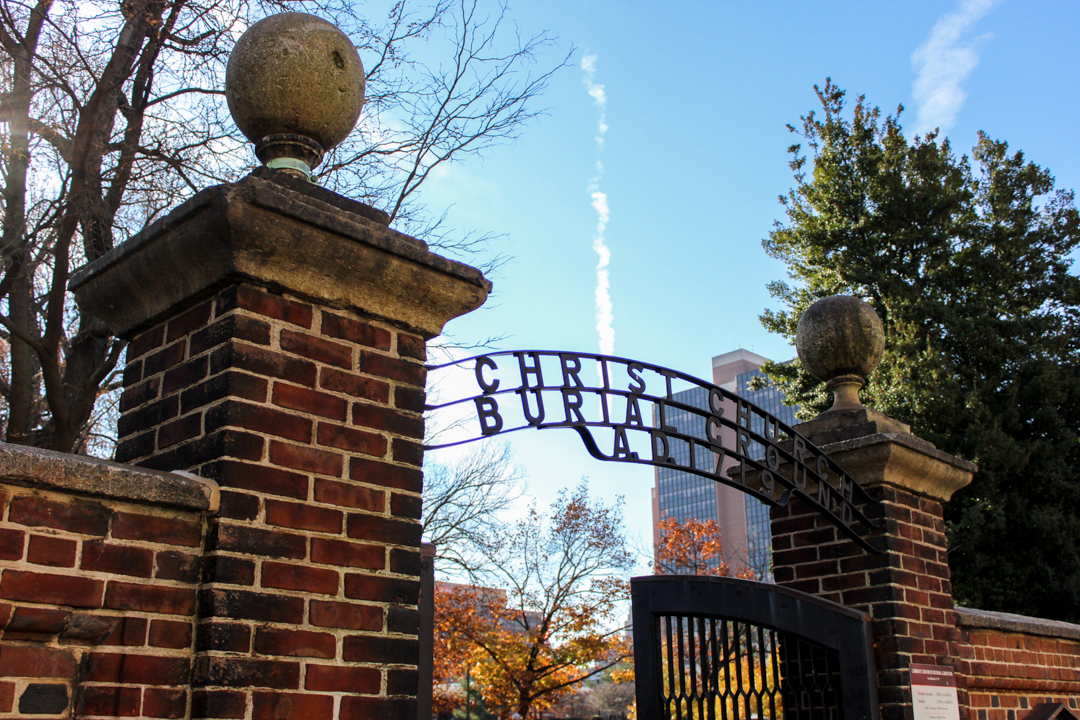

I just posted about our recent visit to the Christ Church Burial Ground, but if you like historical cemeteries this one is not to be missed. If the $3 admission fee scares you off—or if the cemetery is closed—you can see the grave of their most famous resident, Benjamin Franklin, through a break in the brick wall.

Mount Moriah Cemetery is located in southwestern Philadelphia and you can get there via public transit but I recommend taking an Uber (it's not in a great neighborhood). Long abandoned and badly neglected, this historic cemetery is slowly being brought back to life by a group of volunteers but parts of it are still quite wild and overgrown.


On my first visit to this oddities and vintage shop, I scored an eyeball medical model for $40. I haven't had such good luck in subsequent visits, but I make sure to stop here every time I'm in town to browse their medical oddities and check in on the Odditorium—their about section on their site simply states that, "Professor Ouch's Bizarre Bazaar & Odditorium is the greatest shop in Philadelphia," and I can't argue with that. If you strike out here, head next door to the Philly AIDS Thrift, a huge, multi-level thrift store with excellent prices and a blissfully organized book section.
Update: as of July 2018 Professor Ouch's has closed their 5th Street store (sad!), but they still have an online shop for now.
WHAT TO EAT:
Diners


I had admired this signage for years but I didn't know the Midtown III Restaurant and Cocktail Lounge was actually a diner until recently. My mom and I went here for breakfast before tackling the Mütter Museum and it was an exceptional diner experience—friendly waitress, strong coffee, colorful vinyl booths and delicious breakfast food.

Unfortunately, the other Little Pete's closed last year after 40 years and New York developers (of course) are demolishing the charming diner to build a luxury hotel. But if you are looking for a place to eat before or after visiting the Eastern State Penitentiary, Little Pete's at the Philadelphian offers classic diner food served in a slightly newer setting. I didn't realize it before I went, but the Philadelphian must be a retirement complex—every other person eating breakfast at 3pm was over 80 and accompanied by nursing aids—and I fit in perfectly.


You (and I) cannot go to Philly without having at least one cheesesteak (whiz, witout). I'm so partial to Pat's that I've yet to try another place—notorious competitor Geno's Steaks is right next door, but their signage is just too aggressive for me.


There are so many options at the Reading Terminal Market that it's probably wise to just try all of them eventually. I've yet to have a pie better than the one we got here on our first visit, and if you're in the market for some chocolate kidneys, noses or ears the Mueller Chocolate Co. has you covered. If you're not hungry (how?) it's worth a stop just to check out all of the beautiful neon signage.

McGillian's opened in 1860 and is the oldest continuously operating tavern in Philadelphia. We stopped here for a drink and while the atmosphere was a bit loud and raucous for me (hi, I'm also 158 years old), I will never pass up a chance to visit anything with the distinction of "oldest."
Want to know even more about Philly? You can see all of my individual Philadelphia posts here.

Happy Friday!
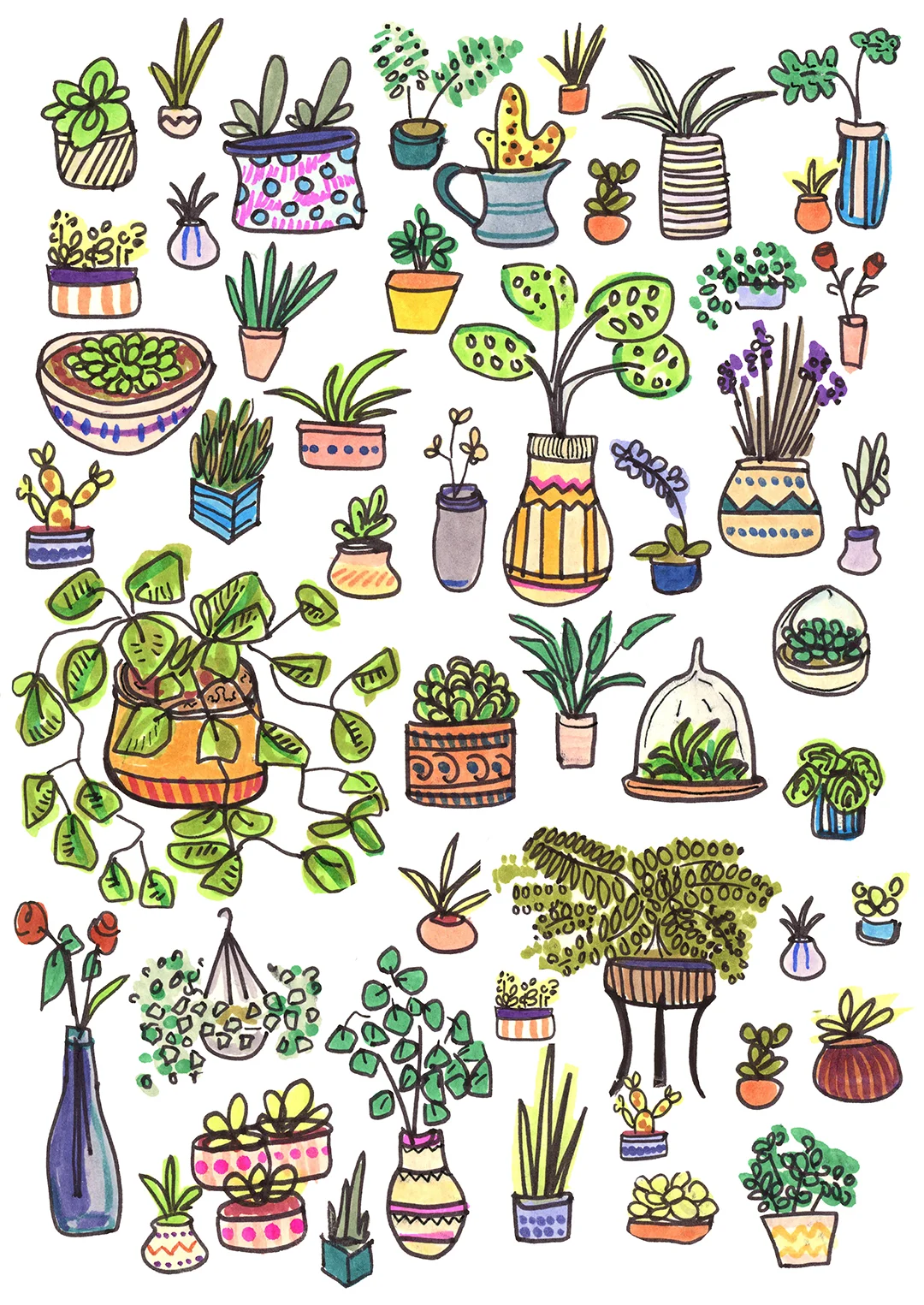
Illustration by Lindsey Frances | Prints available here!
Things that happened recently:
For nearly 20 years, Sam Barsky has been knitting sweaters of landmarks and taking photos of himself wearing them in front of his inspiration. The New York Times did a profile on him recently, but the real goldmine is his personal site, where you can see all of his photos. I looked at every single one of them—each better than the last—and I can't wait for new ones.
I'm still going through withdrawal after finishing Wild Wild Country, but luckily for me there is always another cult to read about—like this crazy one in Upstate New York. Its leader just got arrested in Mexico last week and extradited back to the U.S. on federal charges of sex trafficking.
On Tuesday, we had second-row seats to this talk with my fantasy best friends Lauren Graham and Mae Whitman at 92Y. Our tickets came with signed copies of Graham's latest book and I've loved both of her previous books so I'm excited to read this one.
Things to do in New York this weekend:
I didn't know that parks had opening weekends, but this weekend is the official opening of Prospect Park. The weather forecast isn't too spring-like, but there's yoga, a scavenger hunt, bird watching and the Smorgasburg food festival.
Saturday is the opening of The City Reliquary's sculpture garden in conjunction with their current exhibition, NYC Trash! Past, Present & Future. The garden features art made entirely of trash, something I've been fascinated by ever since reading this book.
The Urban Park Rangers are hosting a tour of the Little Red Lighthouse on Saturday. I took a tour of the Lighthouse with Open House New York, but tours aren't offered very often.
Things that I've discovered recently:
When my mom and I were at the Mütter Museum, she was telling me that someone once found an envelope of smallpox scabs inside of a library book—I didn't believe her, but I looked it up and found out that it's true! If that doesn't gross you out, you will love this book (but no guarantee it will—or won't—come with an envelope of scabs).
I recently discovered Judee Sill when she randomly came on Spotify. Sill died of a heroin overdose when she was just 39, but not before writing and recording some really incredible songs (she wrote Jesus Was a Crossmaker).
One sign shop in Brooklyn makes all of the signs for all 472 subway stations in New York. I love transit graphics and anything subway-related—there are 1,640 signs in the Times Square station alone!
I have the day off work because of Passover, a perk of working at a Jewish cultural organization. I'm getting frustrated with winter's refusal to leave the city, but I'm trying not to let it get me down. I'd like to get to the Orchid Show soon (maybe Sunday, after diner breakfast), and all I can think of is how warm and summery it is inside of their greenhouses. Saturday we might go check out the Morbid Anatomy pop-up at Green-Wood Cemetery, which is luckily only a few blocks from David's apartment. I just started watching Parenthood again for the ??th time and I'm really loving this book, so I'll probably be spending the rest of my time with both. I hope you have a great weekend!

Christ Church Burial Ground

On Saturday, my mom and I went to Philadelphia for the day. Our main destination was the Mütter Museum, but it was her first time in Philly so I wanted to show her some of the historic sites as well. The line for the Liberty Bell was around the block—pro-tip: you can see it through a side window without waiting—so we headed to the nearby Christ Church burial grounds. I'd been once, on my first trip to Philadelphia in 2014, but I never say no to a repeat spin around a historic graveyard.
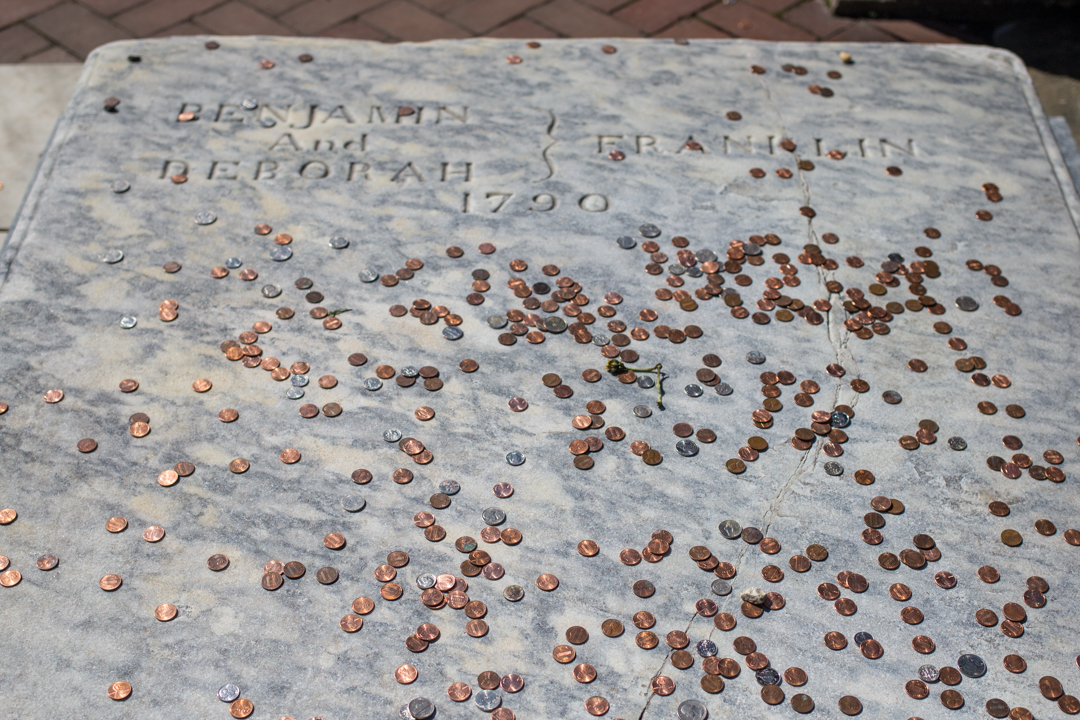


Christ Church burial ground was established in 1719 and is now the final resting place for more than 4,000 people. Notable burials including five signers of the Declaration of the Independence, medical pioneers, military heroes and victims of a Yellow Fever epidemic. The most famous of those signers is Benjamin Franklin, who is buried alongside his wife and daughter. Visitors throw coins on his grave because of the phrase "a penny saved is a penny earned," which is attributed to Franklin. $5,000 a year is earned from the daily collections (they sweep them into a dustpan) and the money is used for cemetery maintenance and restoration.


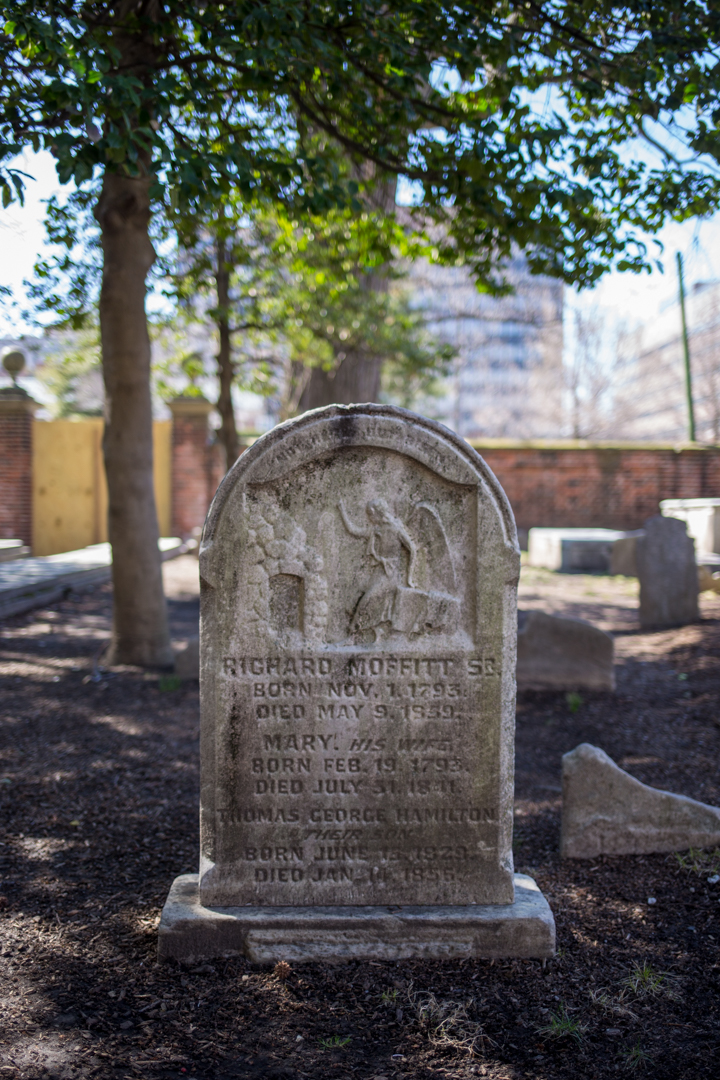

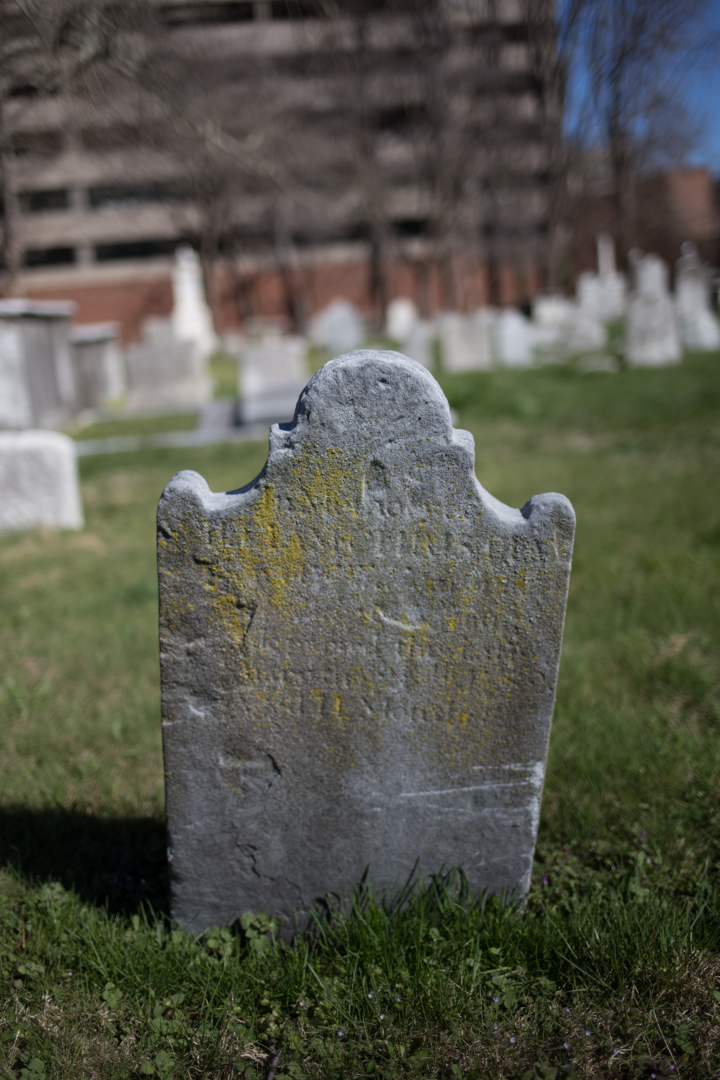
Christ Church burial ground is still the only cemetery I've had to pay admission to enter, and the cost increased from $2 to $3 since my first visit. In 1858, an opening was placed in the brick wall at the request of Franklin’s descendants so his grave could be viewed by the public at any time. I think the admission price also keeps the cemetery relatively empty, which is probably good for preservation efforts and is great for me to take photos in peace.


The burial ground currently has 1,400 markers, and another 2,500 have disappeared over time. A lot of the stones are so worn that you can no longer read the inscriptions, but you can purchase a map for a $1 that points out notable graves. Luckily, records were kept and a lot of the stones have new plaques that explain their original inscriptions. My favorite stone was the one that my mom pointed out, above, that looks just as sad as you would expect a lonely, 18th-century tombstone to be.
Christ Church Burial Ground
340 N 5th St,
Philadelphia, PA 19106
Open Monday through Saturday from 10 AM–4 PM,
Sunday from 12 PM–4 PM (weather permitting)

St. Patrick's Old Cathedral

St. Patrick's Old Cathedral, completed in 1815 was the seat of the Roman Catholic Archdiocese of New York until 1897, when the now more well-known Saint Patrick's Cathedral opened uptown. Old St. Patrick's—a gothic-revival church and designated landmark since 1966—is located on Mulberry Street between Prince and Houston Streets. The cathedral complex includes a Federal-style building across the street that was once the Roman Catholic Orphan Asylum and later the St. Patrick's Convent and Girls School; a graveyard—Manhattan's only Catholic cemetery; and catacombs beneath the church.

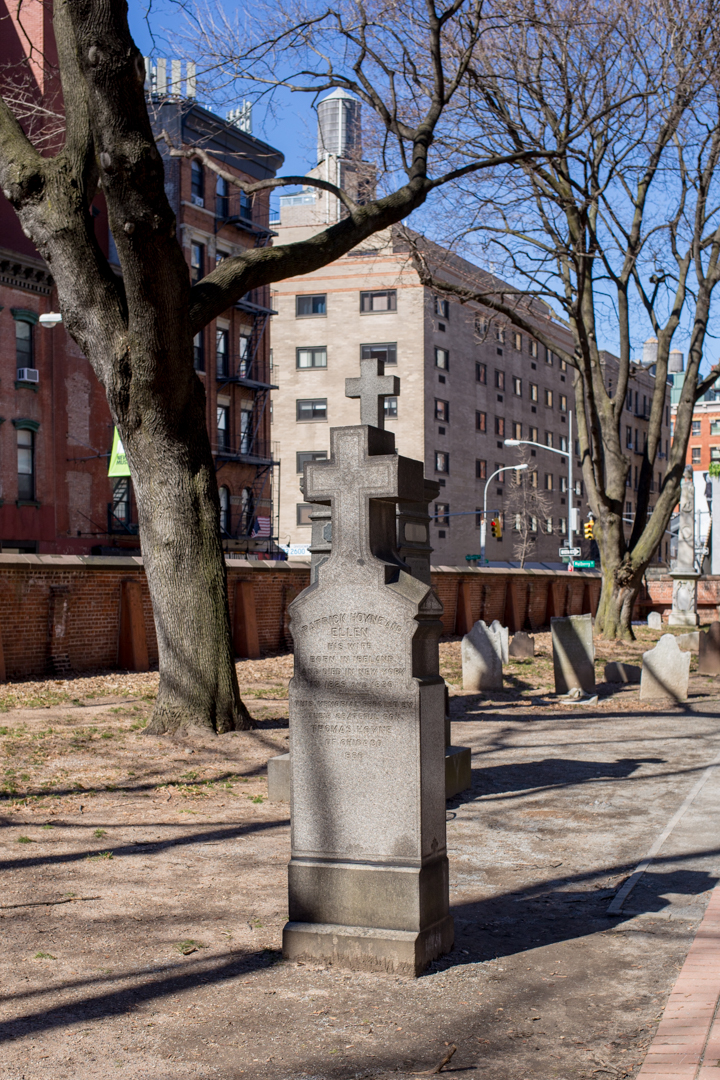

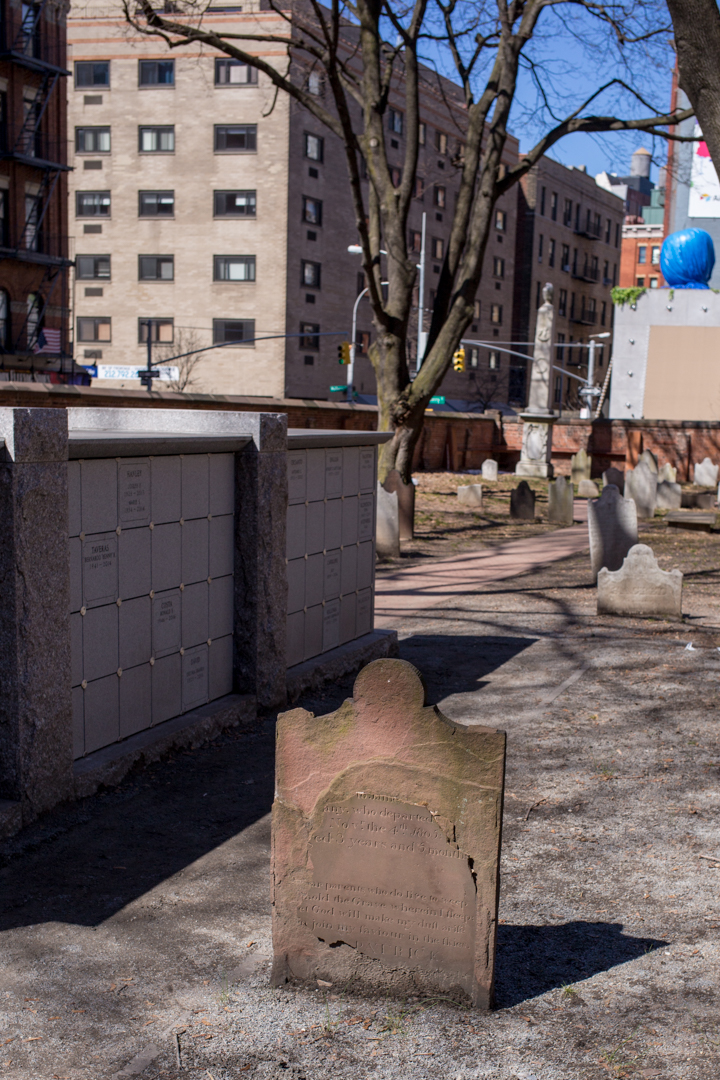
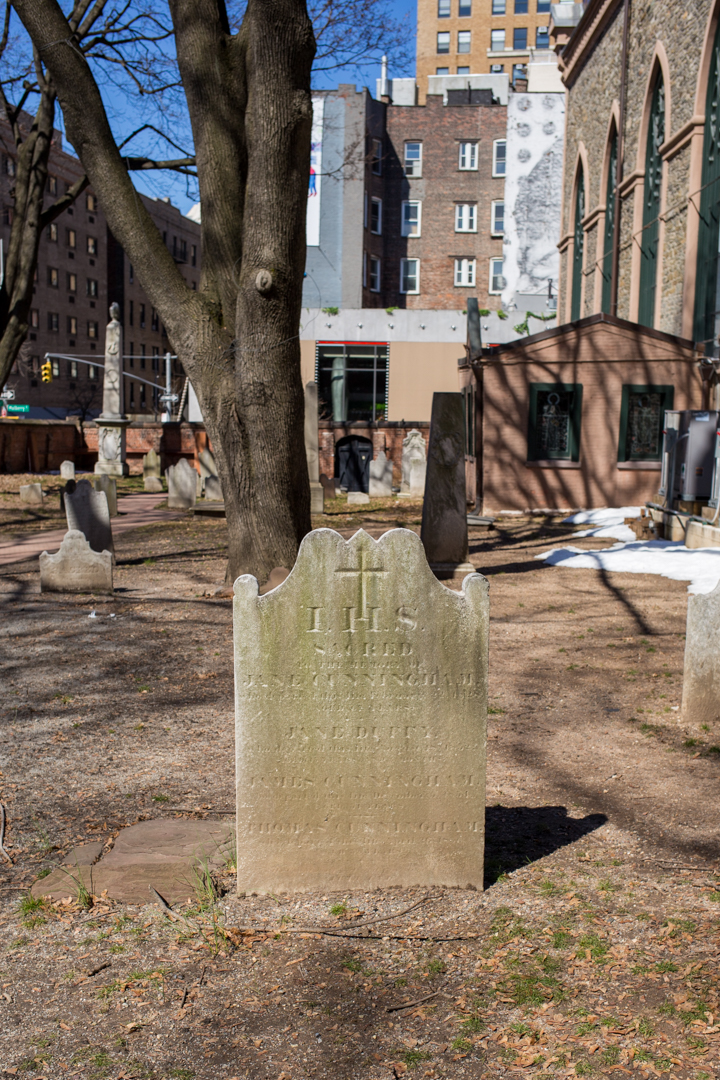


We recently took a tour of the cathedral complex—although the church is still active, the only way to see the cemetery and catacombs is to pay for a tour. I'd been aware of the cemetery and had gazed at it longingly through the always-closed gates so I was excited to finally be able to see the early 1800s headstones up close. The cemetery is surrounded by a brick wall, which was also a designated landmark, in 1968.


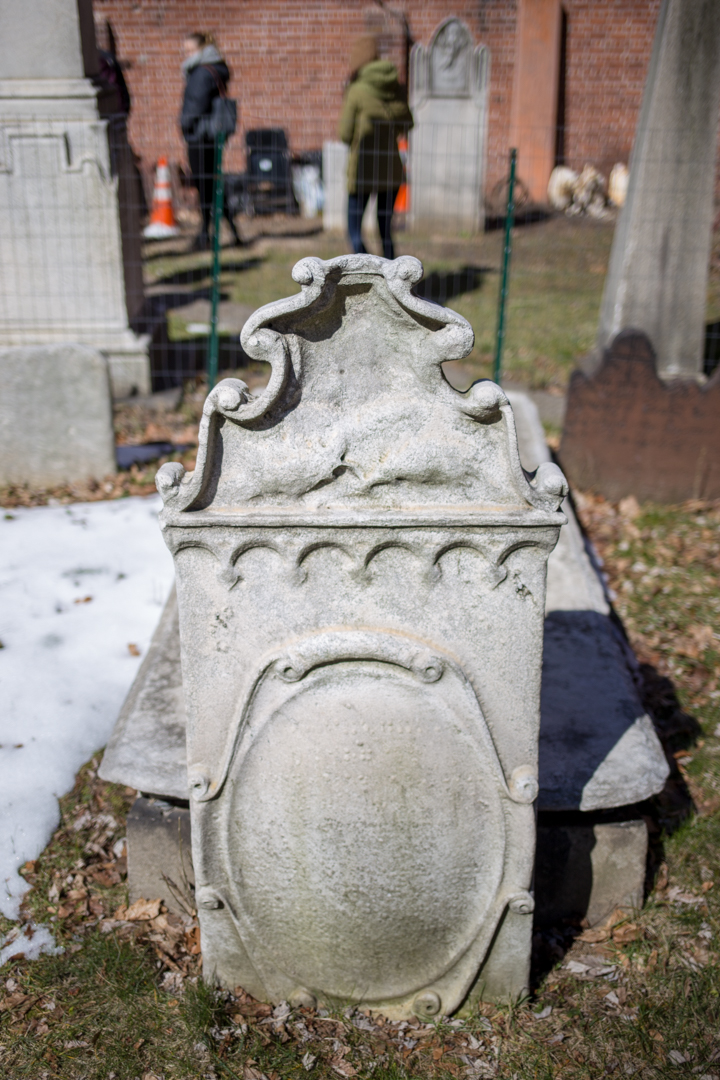

Due to space restrictions, interments in the churchyard eventually stopped, but in 2013 they constructed new columbaria "intended primarily but not exclusively for the cremated remains of Roman Catholics." My main complaint about most tours is that I always feel rushed, and unfortunately we spent very little time in both north and south cemeteries.

The remains of one of the churchyard's most famous residents—The Venerable Pierre Toussaint, a former slave on his way to becoming the first African-American saint—were moved to the crypt below the main altar of St. Patrick's Cathedral on Fifth Avenue. In addition to being one of New York Society's leading hairdressers, Toussaint sheltered orphans, fostered children and devoted his life to charity work. A headstone still marks the spot where Toussaint's remains were buried before they were moved to St. Patrick's, a place of honor normally reserved for bishops.


In 1866, a fire destroyed the interior of the church, which was rebuilt and re-opened on St. Patrick’s Day in 1868. Currently, services are given in English, Spanish, and Chinese and the church was awarded Basilica status by Pope Benedict XVI in 2010. If the side altar looks familiar, it's because it was the filming location of the famous baptism scene in The Godfather.


The crown jewel of the church is its pipe organ, the last remaining large, intact piece of its kind built by New Yorker Henry Erben. The nearly 2,500 pipes were carried by horse and carriage and installed by hand just after the Civil War. The organ is in need of a pricey restoration, and the non-profit organization Friends of the Erben Organ (honorary chair: Martin Scorsese) was formed to raise $2 million to ensure its preservation.

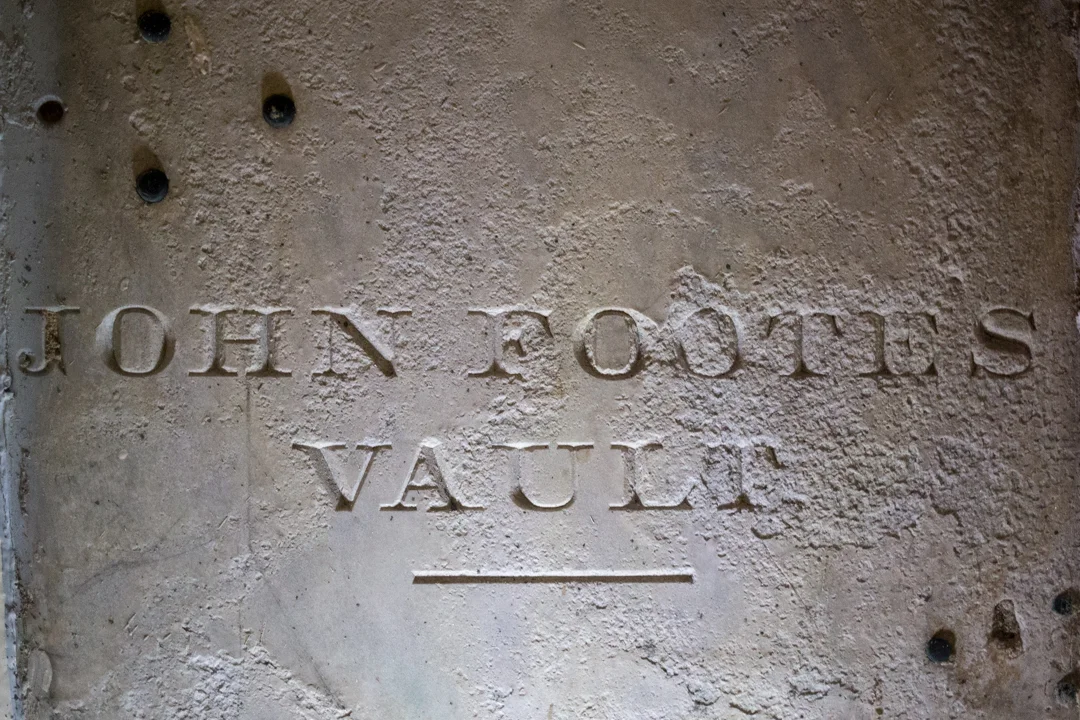


The official name of the tour is the Catacombs by Candlelight, but once again I felt as if we didn't have nearly enough time to explore beneath the church (the tour and guide were great, I just require a lot of time to poke around). These catacombs aren't like the bone-filled niches of Europe, but more like the ones at Green-Wood Cemetery—underground tunnels lined with hermetically sealed crypts and marked with carved stones. There are 35 family crypts and five clerical vaults, in addition to the newly-built columbaria.


Notable interments include: members of the Delmonico family, founders of Delmonico's, the first American restaurant to allow patrons to order from a menu; Countess Annie Leary, one of the only Catholics to be included in Mrs. Astor's "The 400," a list of fashionable socialites; and Tammany Hall boss and Congressman "Honest John" Kelly.


The tour concludes with a visit inside of the beautiful vault of General Thomas Eckert, a confidant and bodyguard of Abraham Lincoln. Lincoln drafted the Emancipation Proclamation in Eckert's office, and after the war he became president of the Western Union. The walls and ceiling of his spacious vault—I'm not exaggerating when I say it's almost as big as my studio apartment—are lined with Guastavino tiles and the light fixtures still have working, original Edison light bulbs.
St. Patrick's Old Cathedral
Corner of Mott and Prince Streets
New York, NY
Cemetery and catacombs accessible by tour only.

Easter Parade 2018
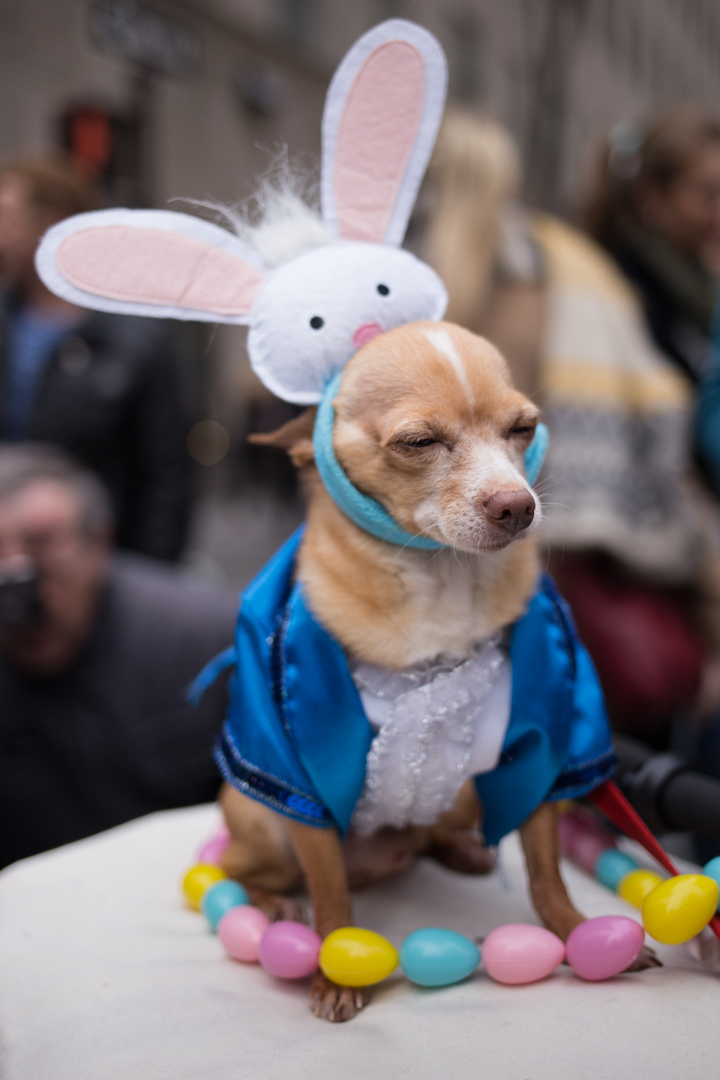
The Easter Parade began in the early 1870s as a stroll in Central Park—dressed in their Easter best, people gathered to show off their bonnets and hats. By 1879 the event moved to Fifth Avenue and inspired the Judy Garland and Fred Astaire musical, Easter Parade.


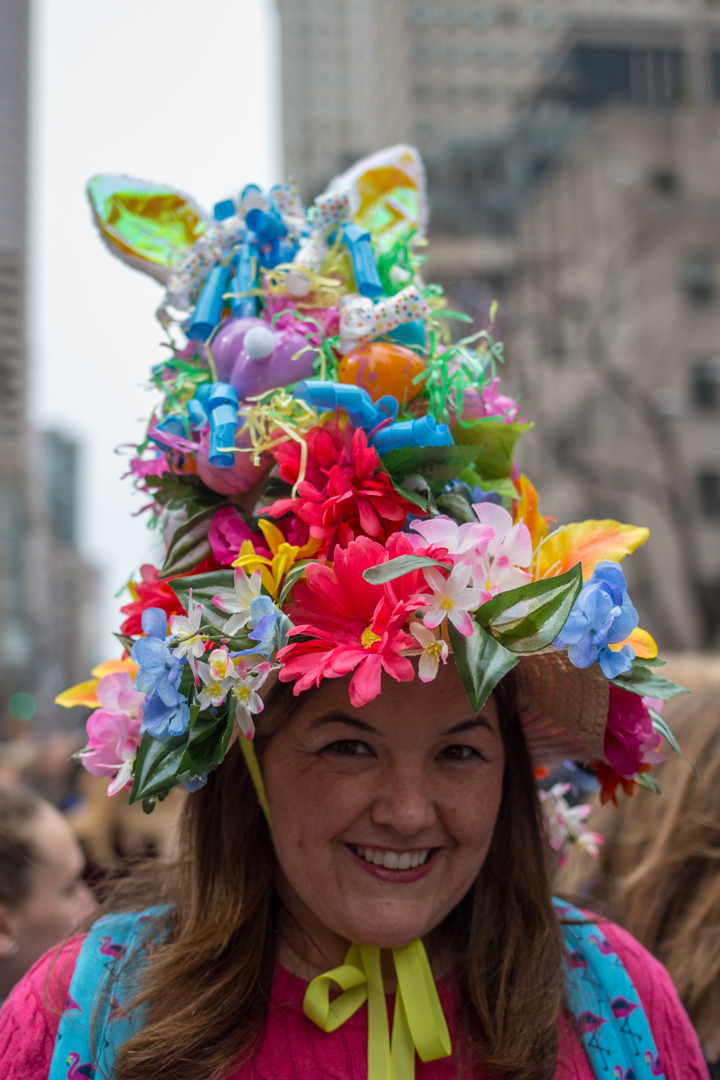


The "parade" is not a parade in the traditional sense—participants and onlookers gather along Fifth Avenue outside of St. Patrick's Cathedral and it's a bit chaotic. This lack of structure allows you to view the creations (and most importantly, dogs!) up close, but people can get a bit pushy. There are usually more people taking photos than people dressed in elaborate bonnets, but I'm wowed every year by the creativity on display.
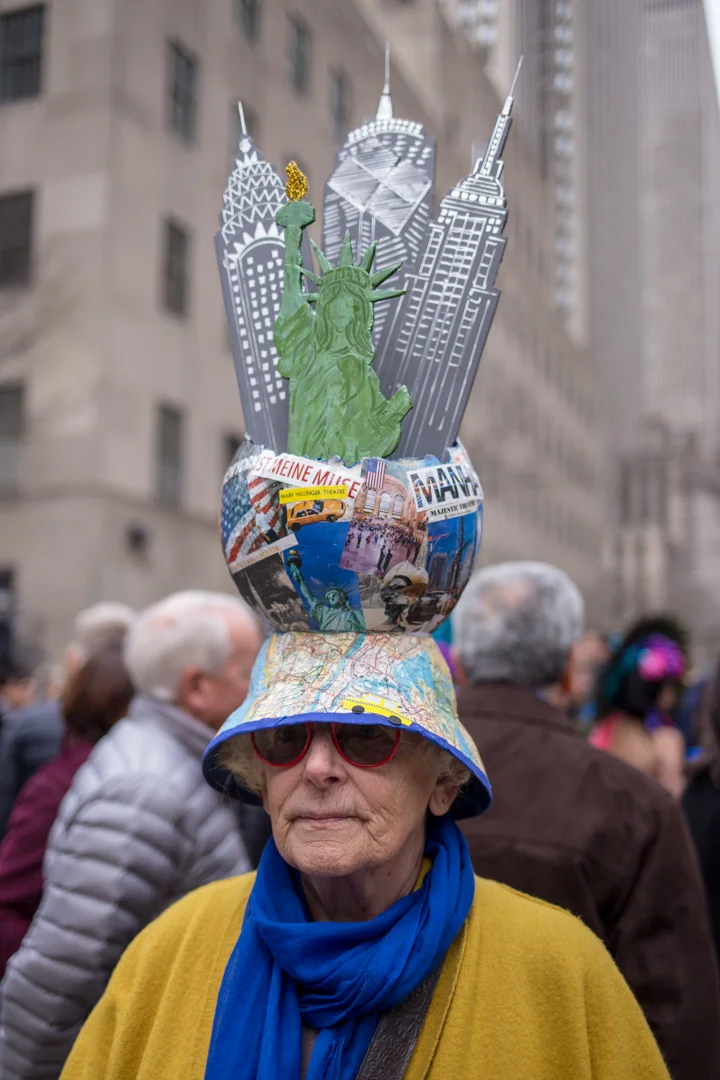


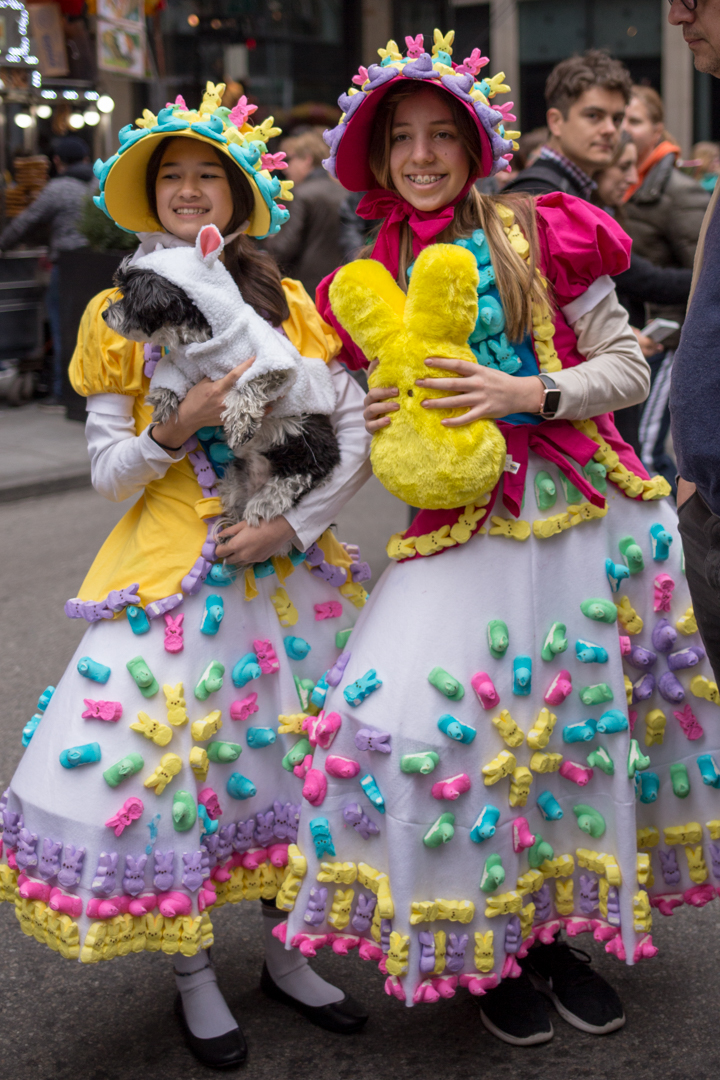


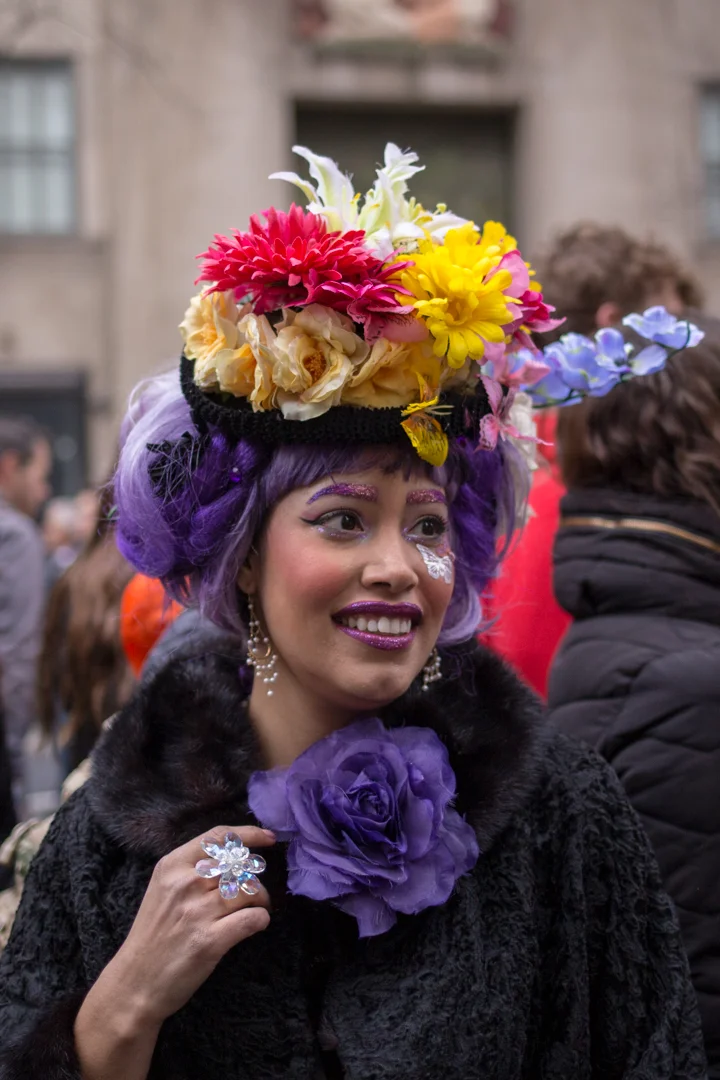


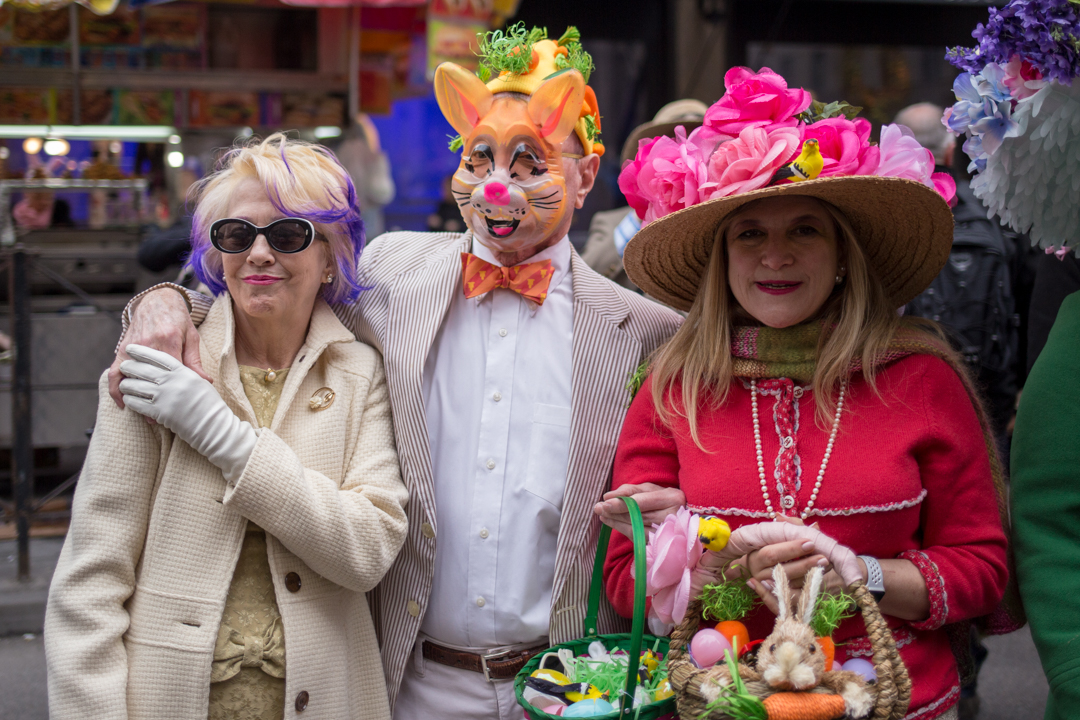


This is my third Easter Parade (see photos from past parades here, here, here and here), and it's one of my very favorite New York events (second only to the Mermaid Parade). I'm not religious and Easter was never a huge holiday in my family (last year we went to the Cathedral Buffet just for their bizarre dioramas). I do love Easter candy and creative costumes, however, so I've come to look forward to Easter Sunday much more since I discovered this parade.

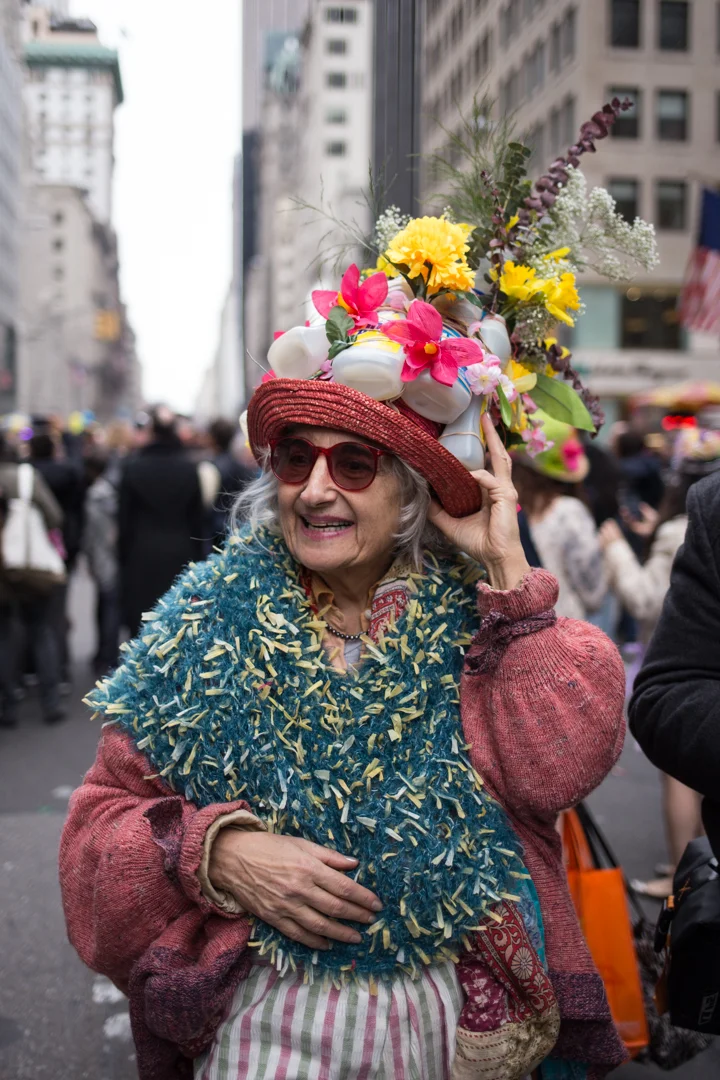

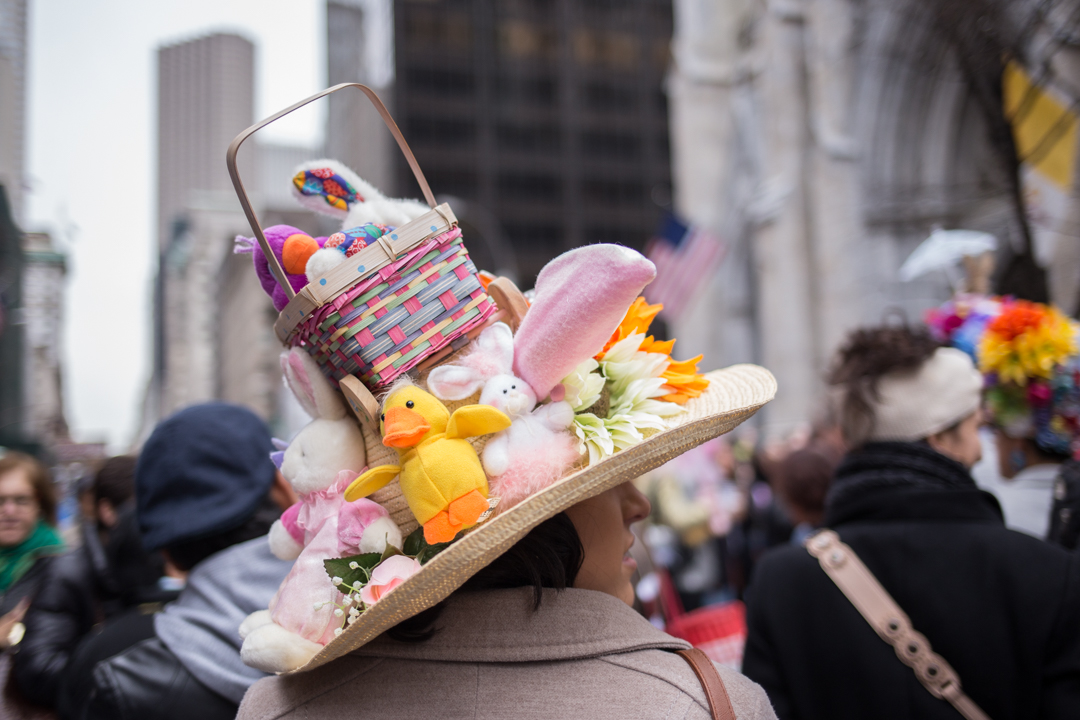


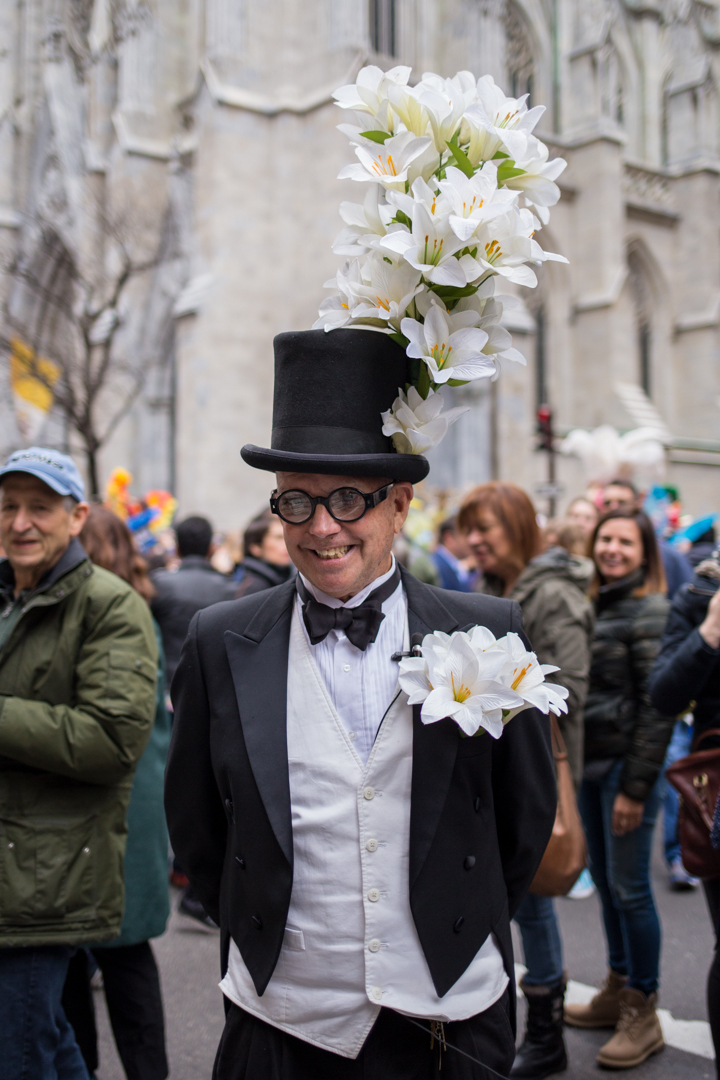


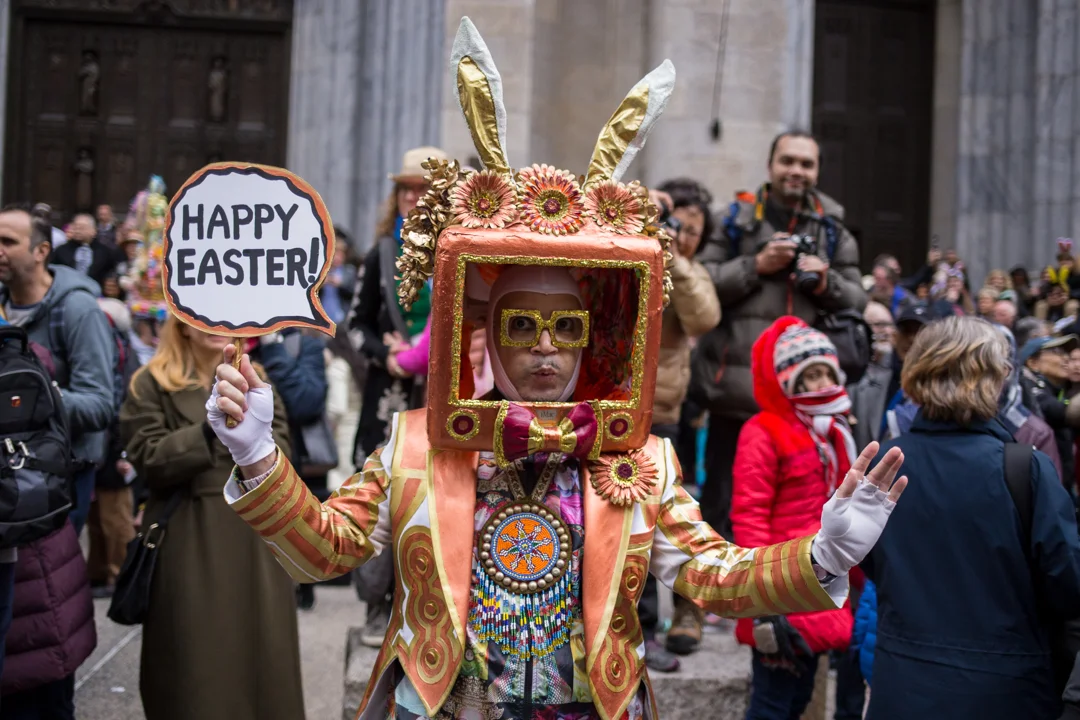
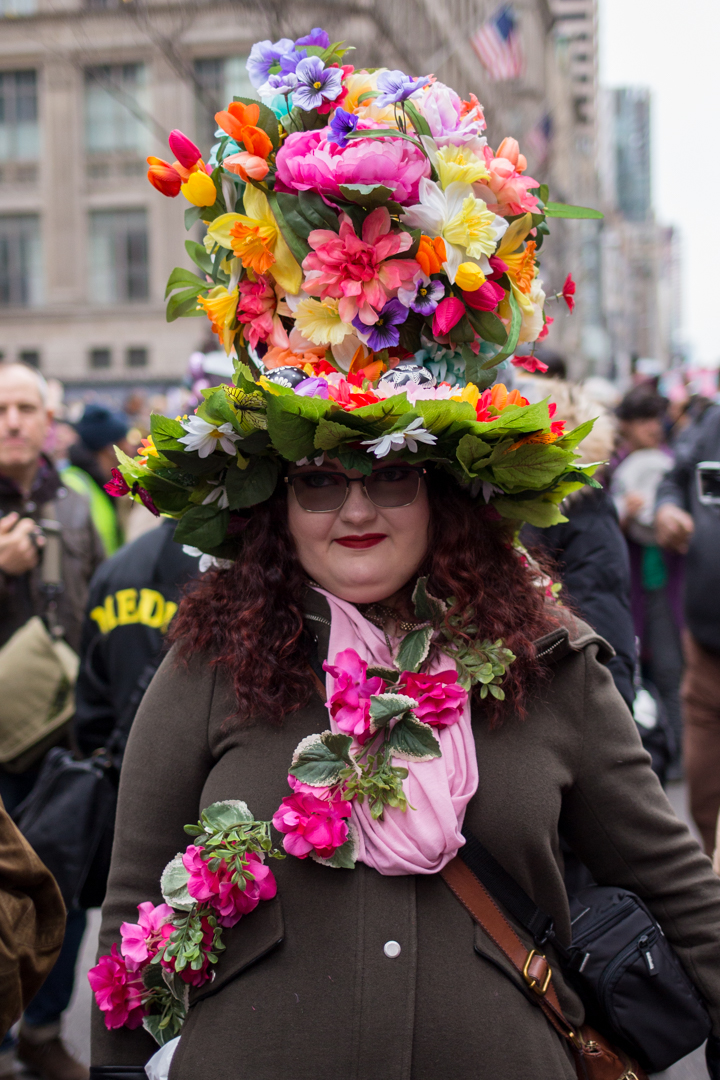

The best part of recurring events is recognizing people (and chihuahuas) year after year. Of course there are also the New York City parade regulars—people dressed in costumes that don't have anything to do with the specific event, like the wizard with a dragon puppet that I think I have seen at every single New York event I have ever attended.



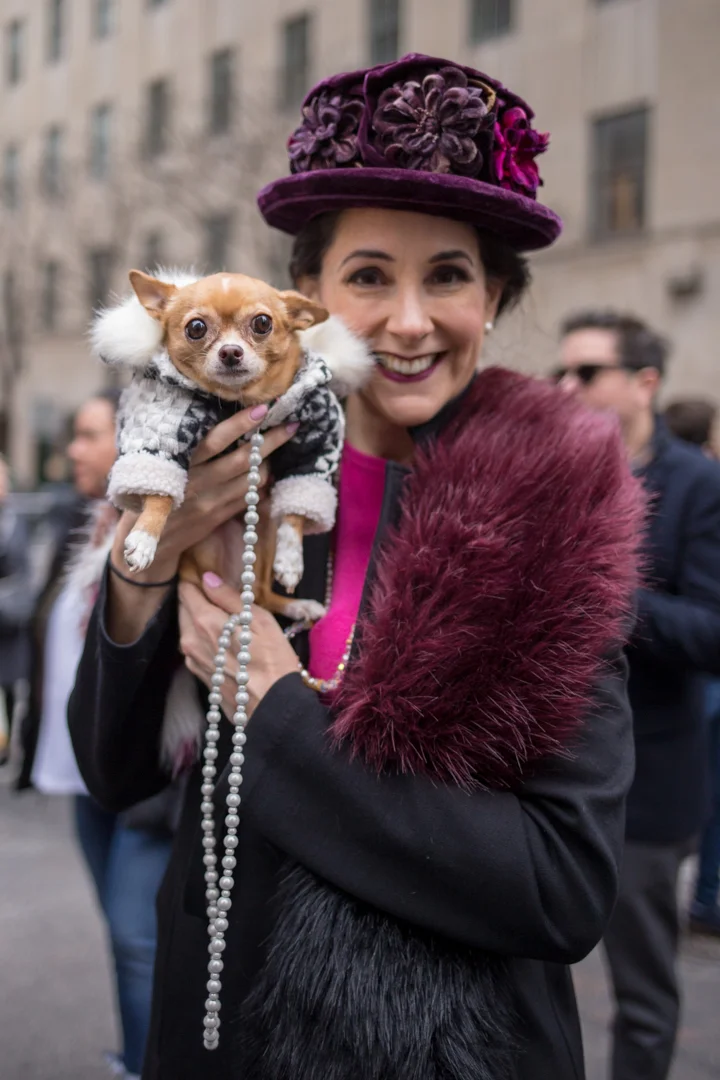


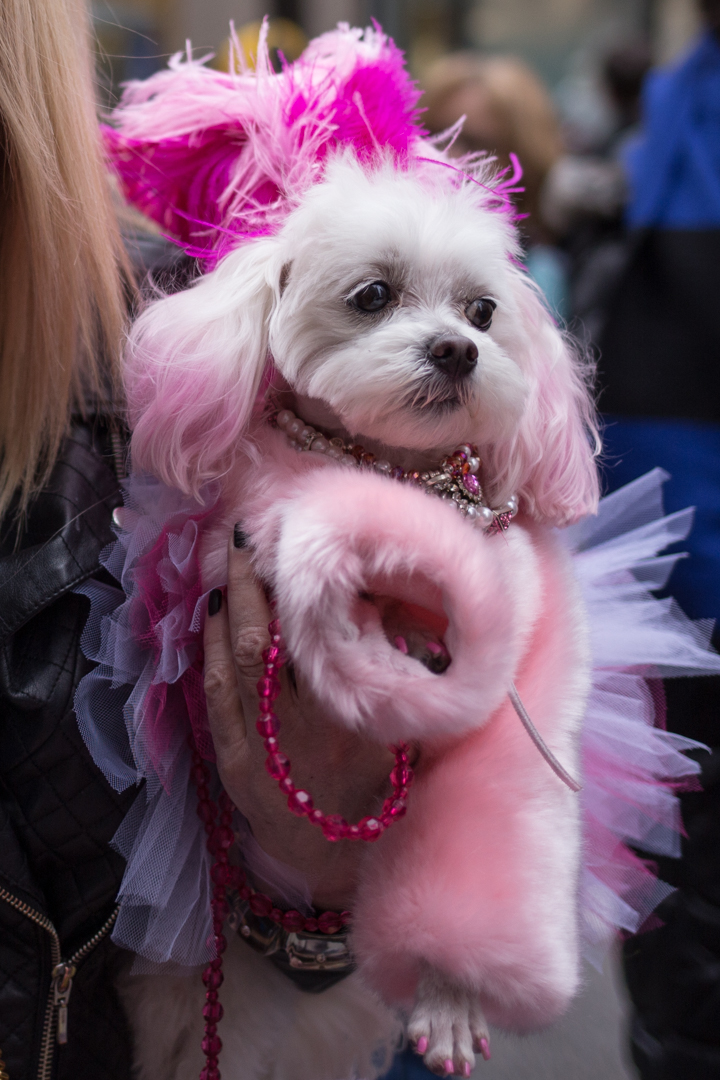

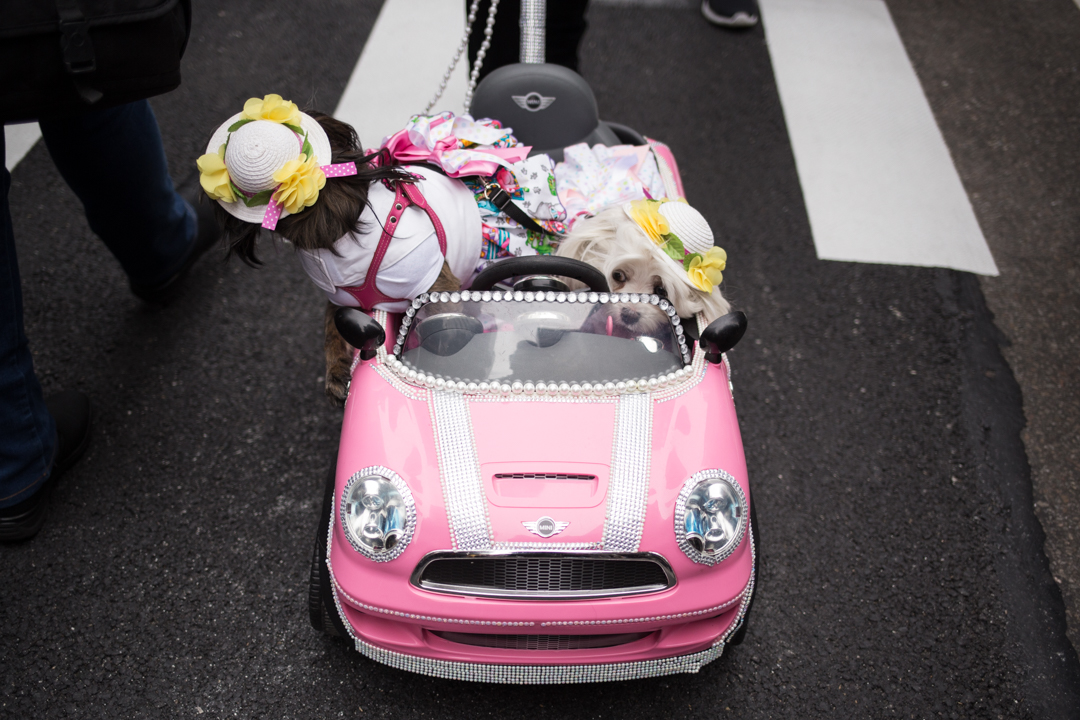
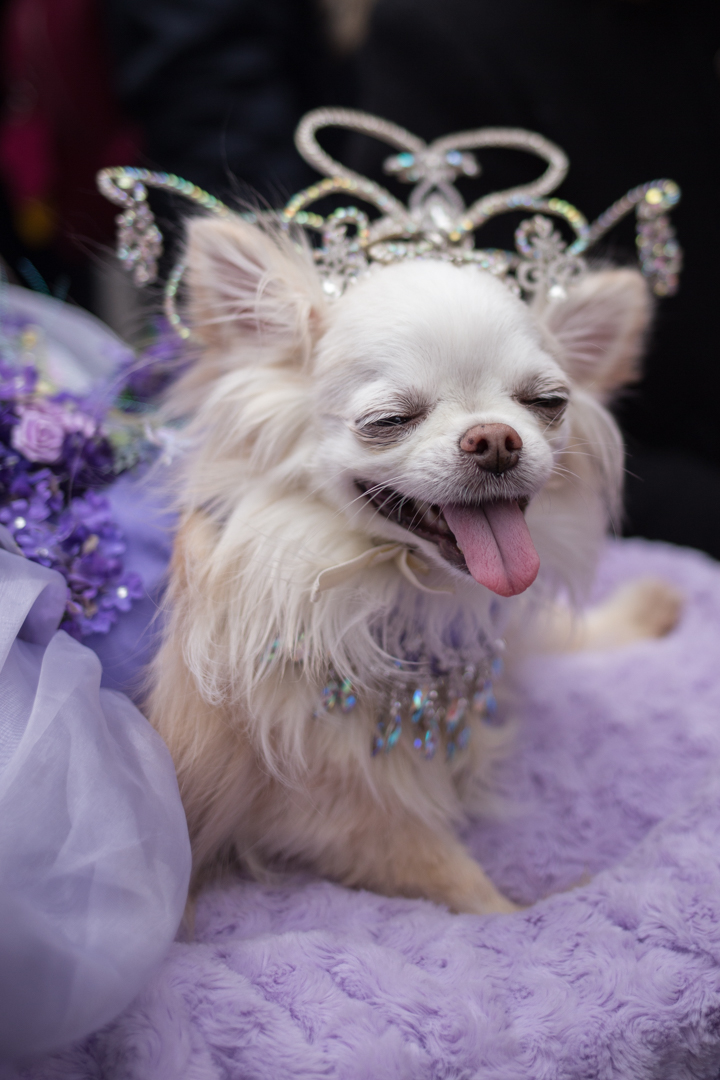

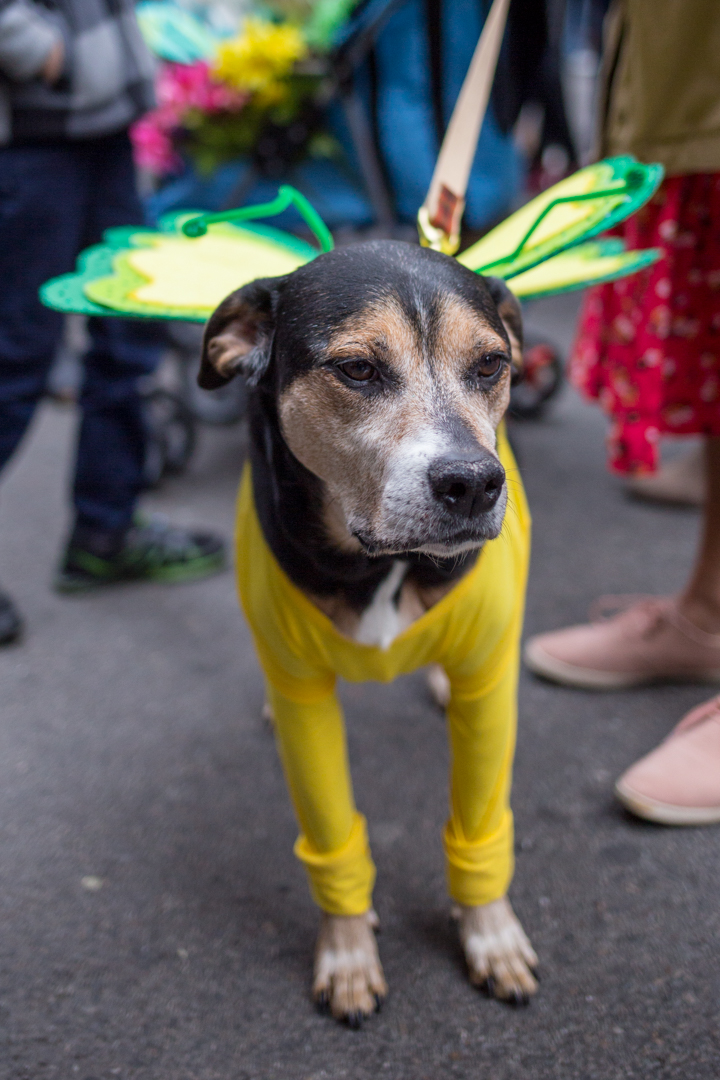
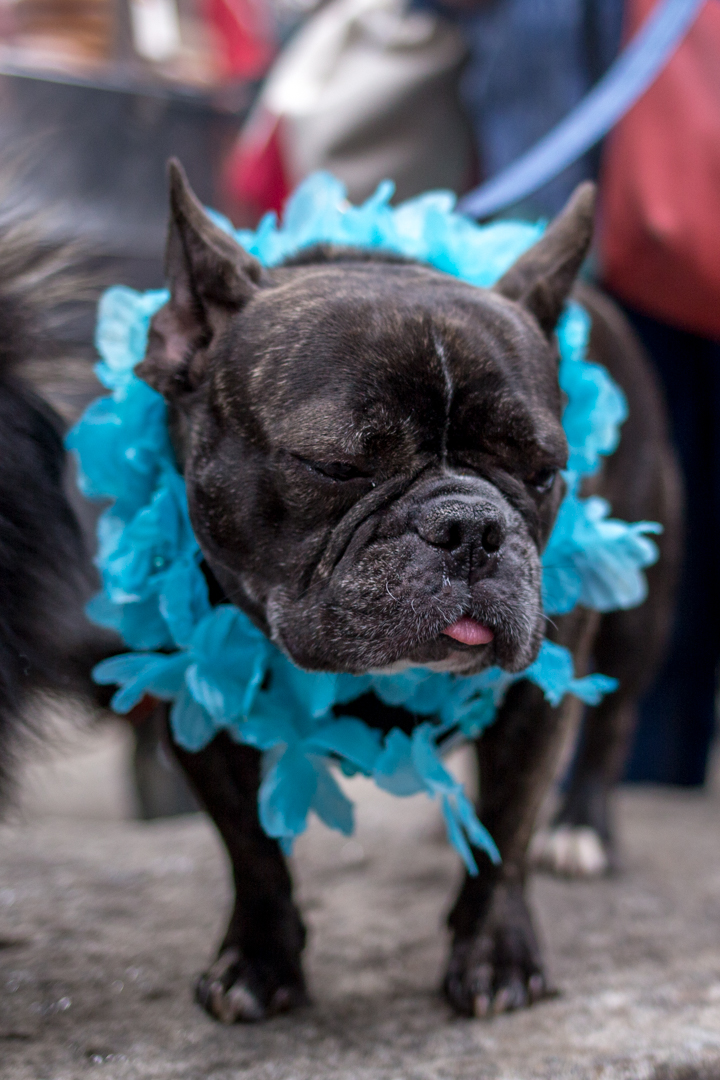


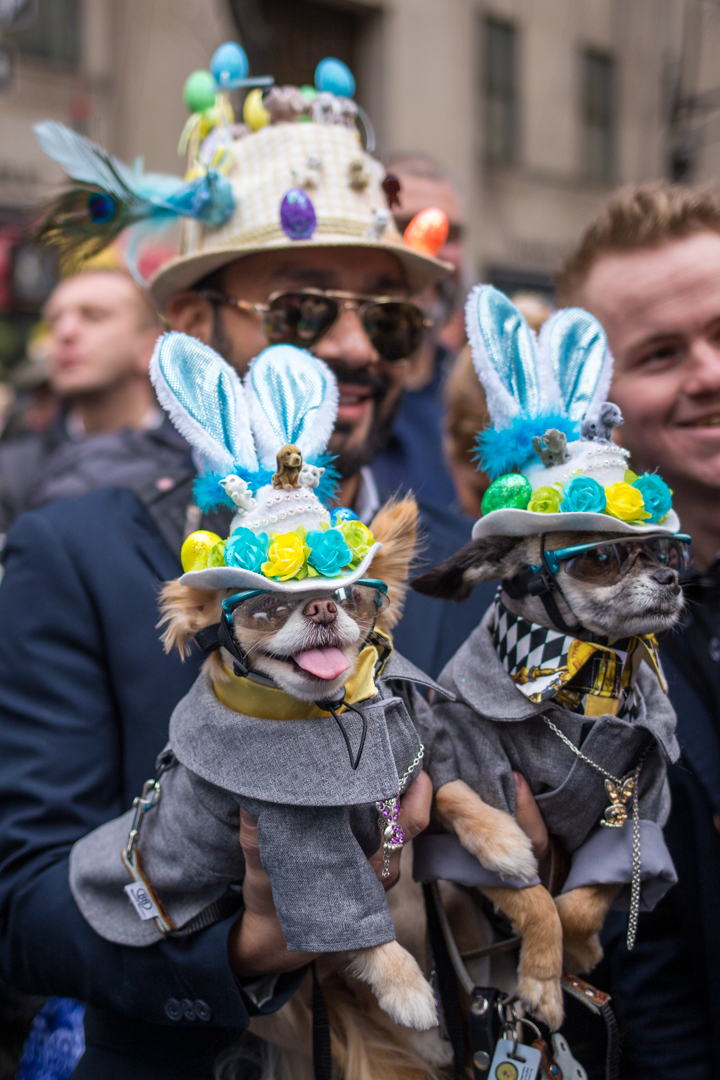


The best part of the Easter Parade is, of course, the dogs—with bonnets and sunglasses and bunny ears—and it's hard not to smile when you see a dog dressed up in its Easter best. Some of the dogs seem frightened by the crowds, but others clearly relish the attention. I don't think I saw as many dogs this year as I have in past parades (and I didn't see a single pug) but any day where I see a dog wearing sunglasses is a good day.

Happy Friday!
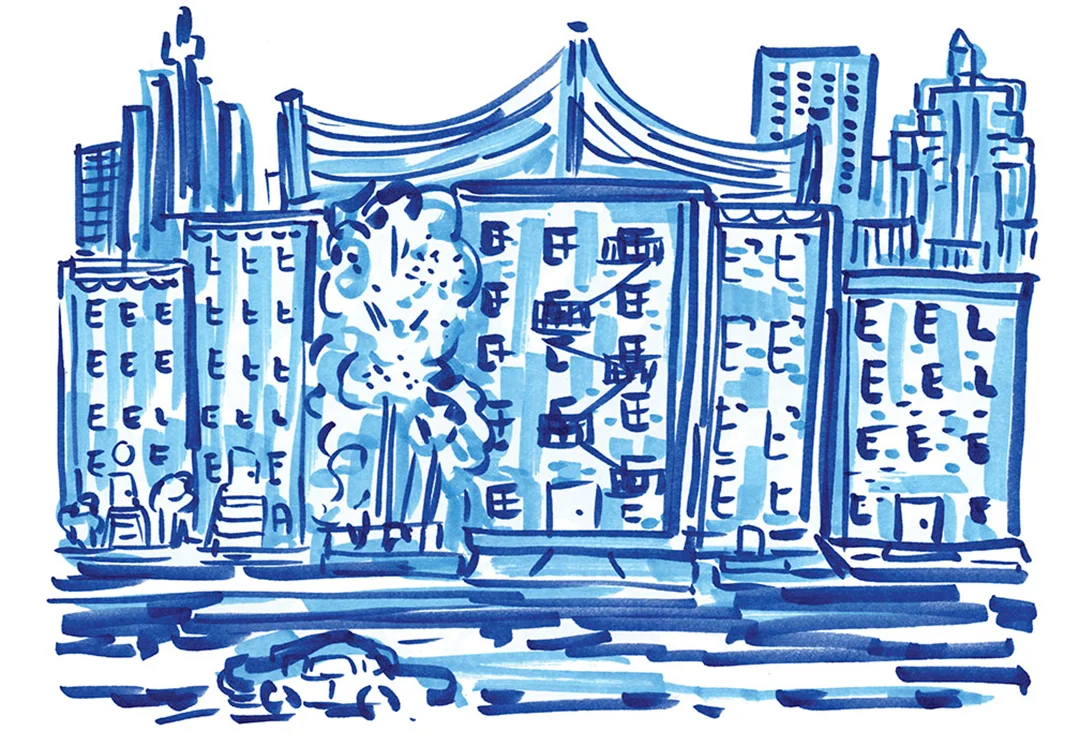
Illustration by Lindsey Frances // Buy prints here!
Things that happened recently:
Trump has appointed John Bolton as National Security Advisor, despite the fact that "when Mr. Trump first assembled his cabinet, he rejected Mr. Bolton for secretary of state because of his eccentric brush mustache"—an actual statement in the New York Times that sounds like it's from an Onion article, like most White House news these days. Appearances aside, Bolton is a scary choice and I wish Trump had just picked this Mark Twain wax figure from the Niagra Wax Museum of History instead.
I'm still jazzed about the powerful the March For Our Lives (here are my photos from the NYC march) and I'm continually inspired by the grace and power of the Parkland teens. Here is a good article about the gun debate and the underlying culture war it represents.
I don't go to concerts too frequently because I'm a thousand years old and I don't like standing or crowds, but I've been obsessed with Dodie lately (this album is SO good) and she just announced her North American tour dates—tickets go on sale for her Brooklyn concert today.
Things to do in New York this weekend:
Saturday is the opening of Morbid Anatomy's pop-up exhibition at Green-wood Cemetery, “The Power of Images: Life, Death, and Rebirth.” Green-wood's Fort Hamilton Gatehouse will house the exhibition and library until Sunday, June 24th.
Saturday is also the opening of Emilio Villalba's exhibition No One at the Booth Gallery. I love Villalba's eye paintings, and although I'm sure I can't afford an original I'd still love to see them in person.
Sunday is Easter—and April Fools' Day, my least favorite "holiday"—and I'm so glad I'll be in town for the Easter Parade, one of my favorite New York events. I missed it last year because I was in Ohio, eating at the bizarre (and now-closed) Cathedral Buffet, but you can see photos of past bonnets here and here and festive dogs here and here.
Things that I've discovered recently:
I've been absolutely obsessed with the 6-part documentary, Wild Wild Country on Netflix (two words: blended beavers). Have you seen it? I just finished it and I can't stop thinking (or reading) about it. If you're as fascinated by cults as I am, I have literally recommended this book to everyone I've ever met—if you have any recommendations for more to read or watch about cults, send them my way!
Am I the only woman on the planet that didn't realize what was going on in this sticker?
I've raved about Schitt's Creek before (and will likely do it again, and again) but every aspect of the show is so smart—here's a good write-up celebrating the fashion featured, including my favorite character(s), Moira's wigs.
I have had a Week—nothing major, but a ton of tiny annoyances that have added up to me feeling as if I've been walking around with a cartoon black cloud over my head lately. BUT, my mom and I are taking a day trip to Philadelphia tomorrow (her first time!) to check out the Mütter Museum (my third visit!), hunt for medical models at Professor Ouch's Odditorium and eat cheesesteaks smothered in whiz. I love Philly and the weather is supposed to be delightful, so things are looking up. I'm also excited for the Easter Parade on Sunday, and I'm planning on having these and these for Easter dinner. I hope the weather is warming up for you and that you have a great Easter weekend, however you celebrate.

Georgia Diner

I first went to the Georgia Diner in the summer of 2015, but I only photographed the outside for an article I wrote for Need Supply lamenting the demise of the diner. Sadly, the Georgia Diner closed on Sunday, March 25th. The building will be demolished and although the diner staff has merged with the nearby Nevada Diner—they share owners and managers—it's still a huge loss to the ever-dwindling list of classic New York diners.


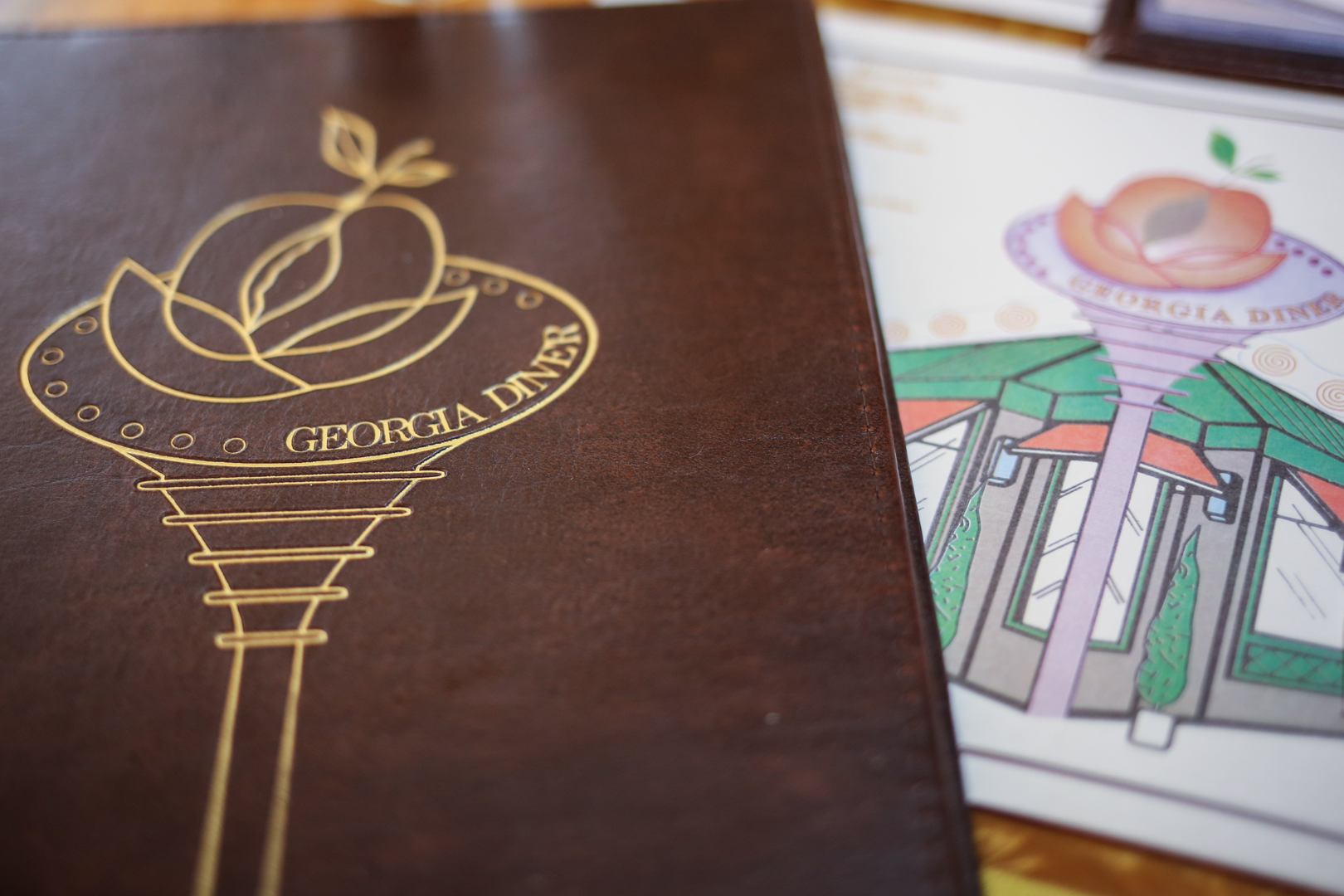
The Georgia Diner opened on Queens Boulevard in Elmhurst, Queens in 1978. Three years ago, a portion of the diner's parking lot was sold and recently the same developer bought up the rest of the property for $14.25 million, with plans to build an 18-story apartment and retail complex.
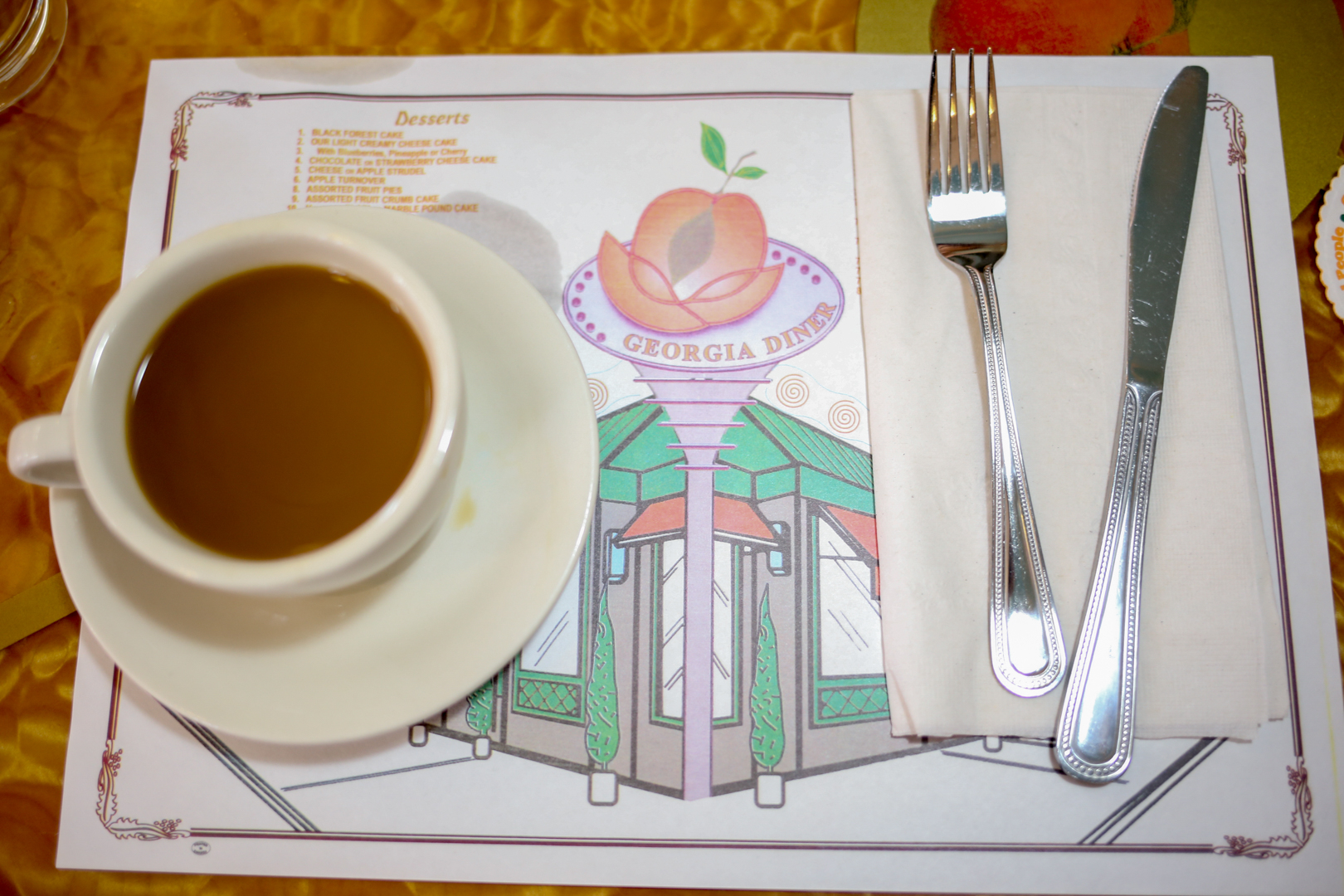


I regret that we didn't actually eat at the Georgia Diner until its closure was imminent because it had everything I look for in a diner experience—a huge menu, delicious breakfast, surly waitress, intricate neon sign and a time wrap interior. They leaned heavily into the Georgia peach theme, with peaches appearing on the menu, placemats, booth dividers, tabletops, awnings and etched into granite panels on the exterior.
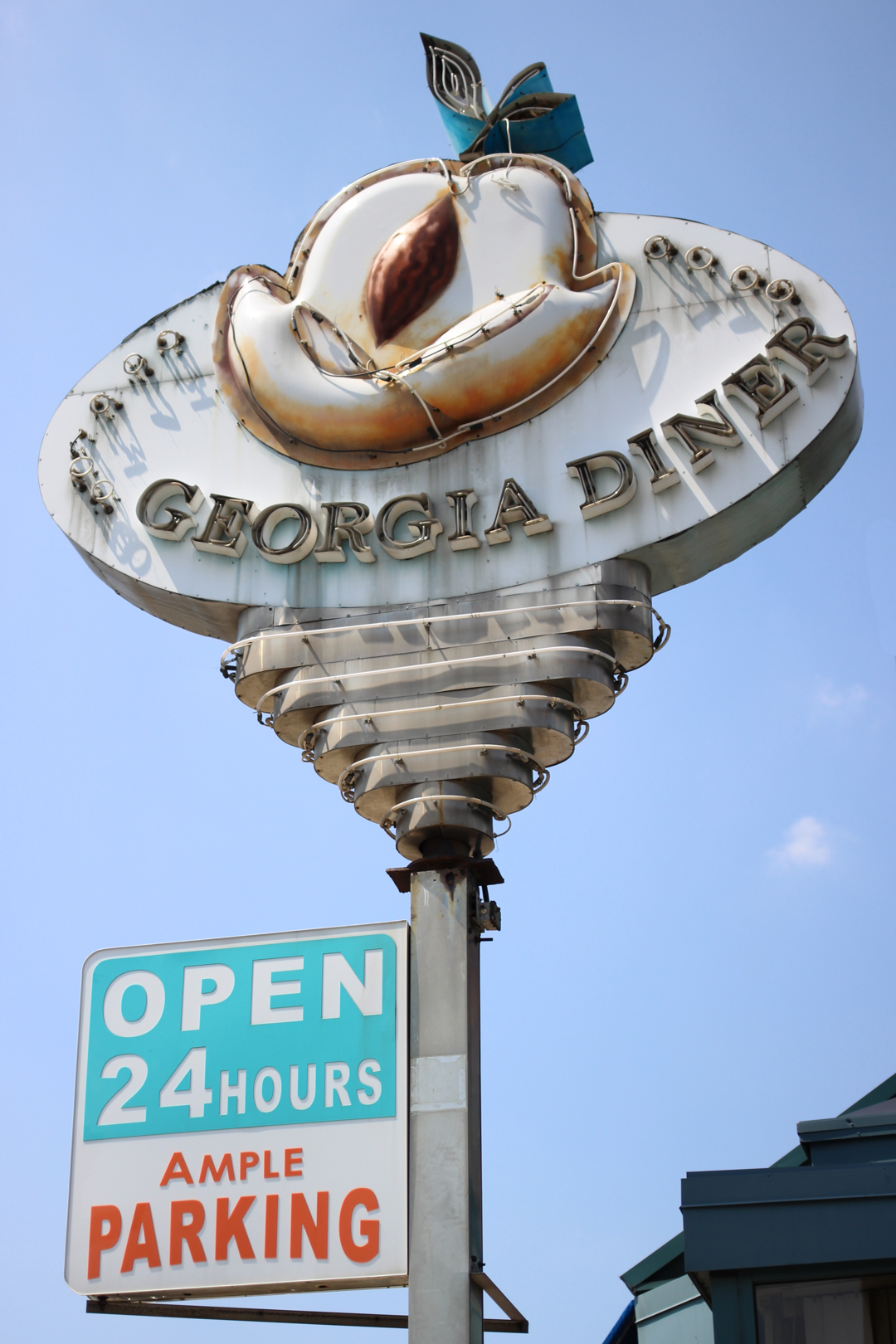
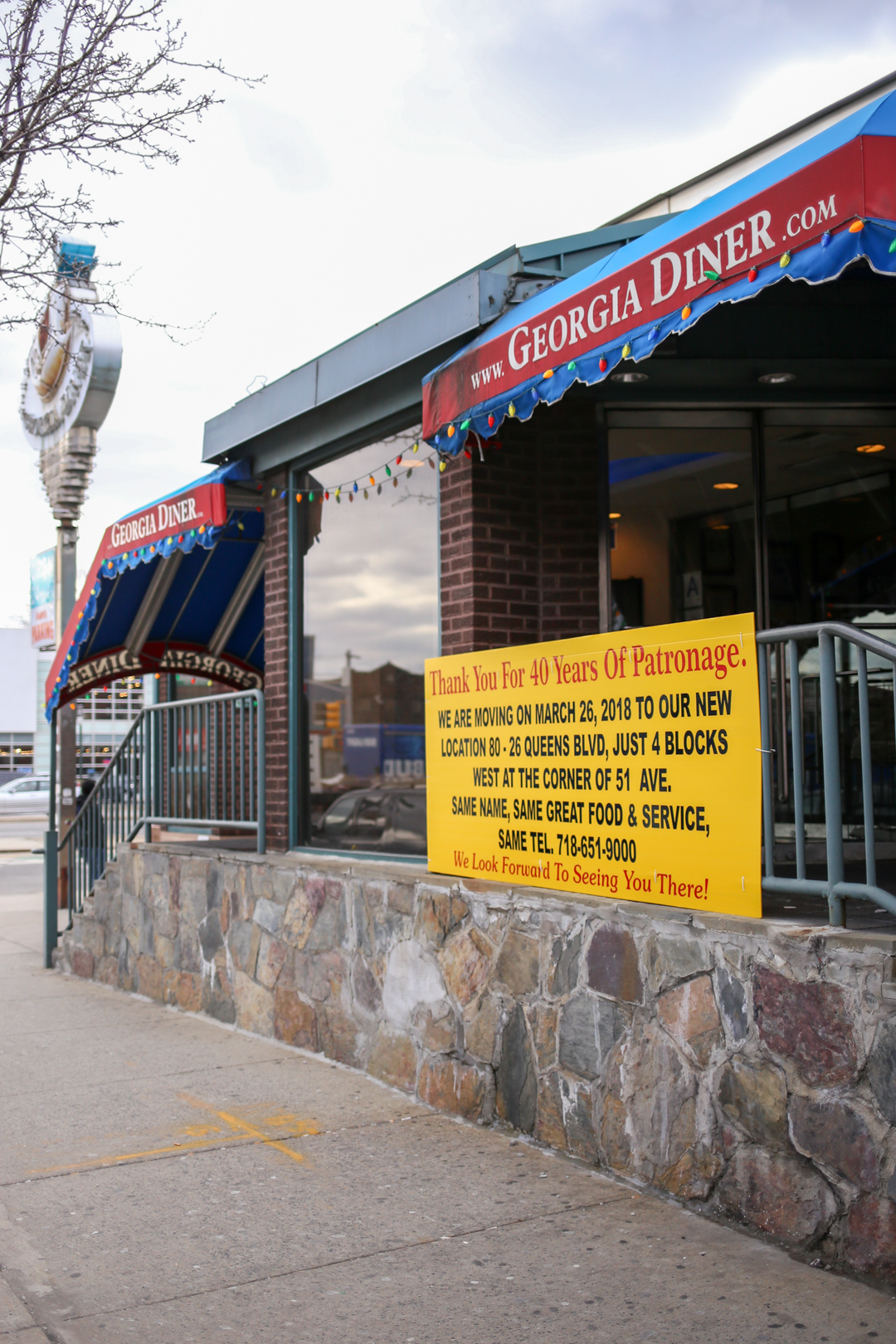
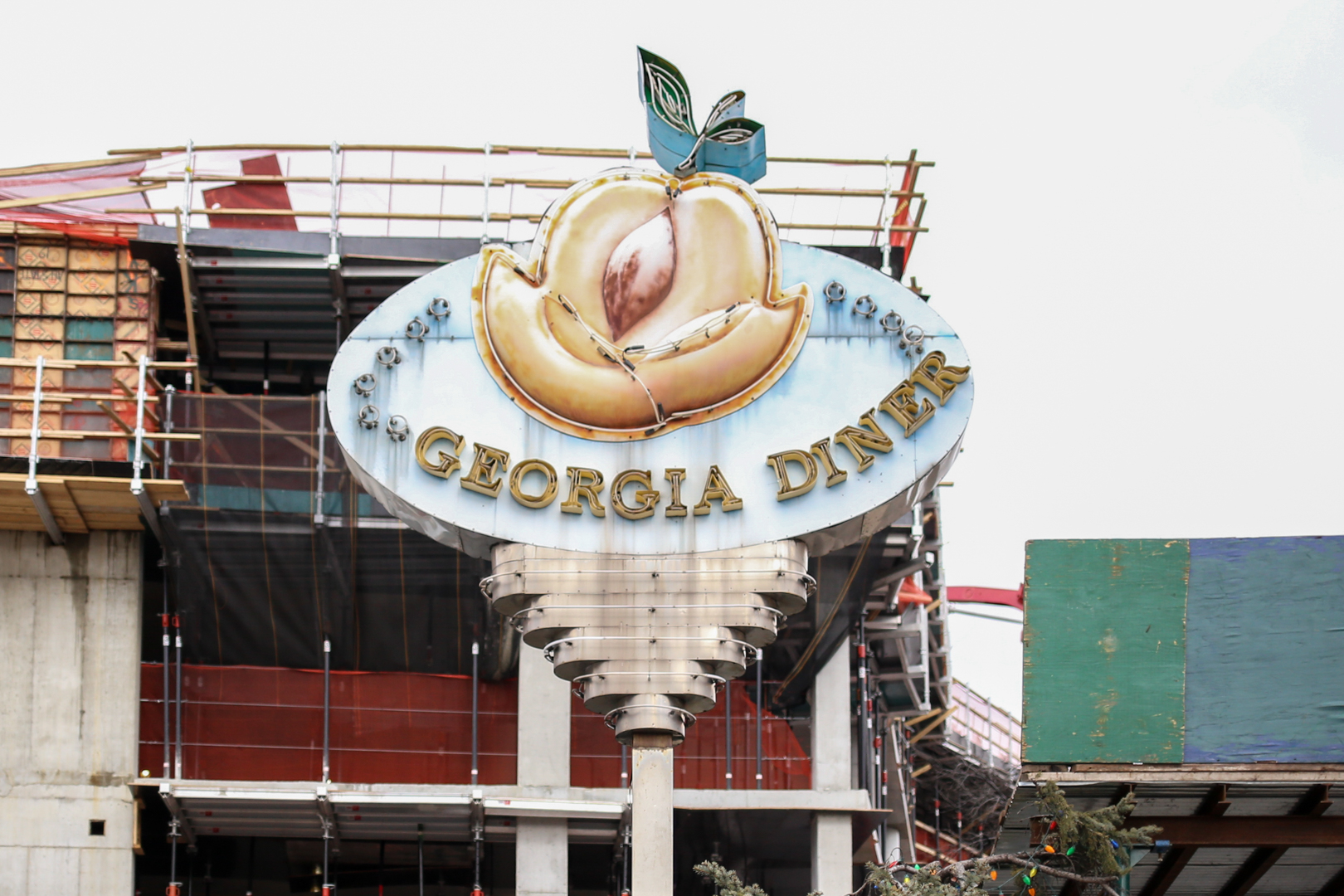


I have a knack for attracting older men who can't wait to mansplain to me whatever I happen to be photographing, and this outing was no exception. As I was photographing their two double-sided, somewhat NSFW neon signs, a man appeared to tell me that they planned to move the signs to their new location, which is located just a few blocks west on Queens Boulevard (some of these photos are from my first visit, when it was sunnier).


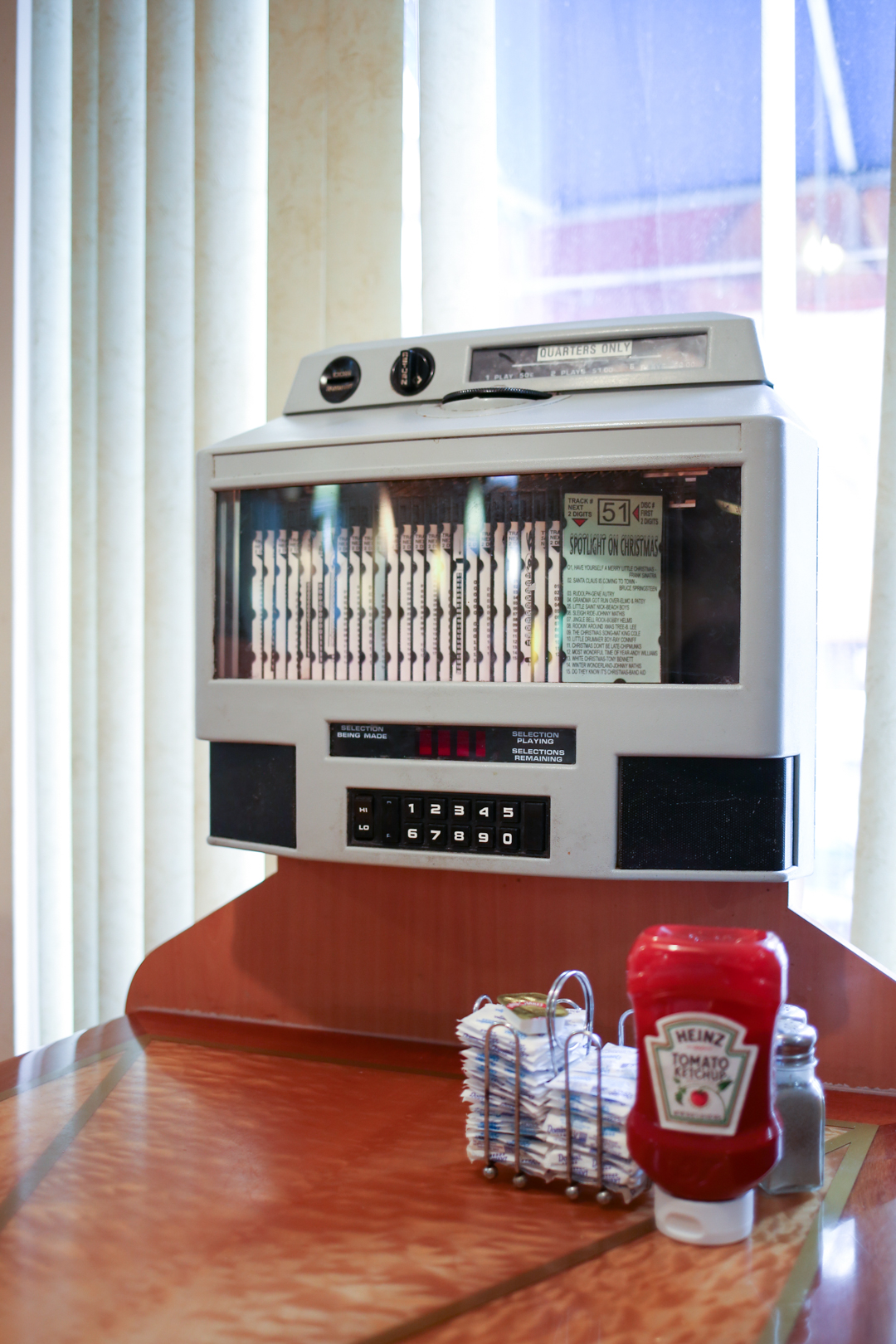
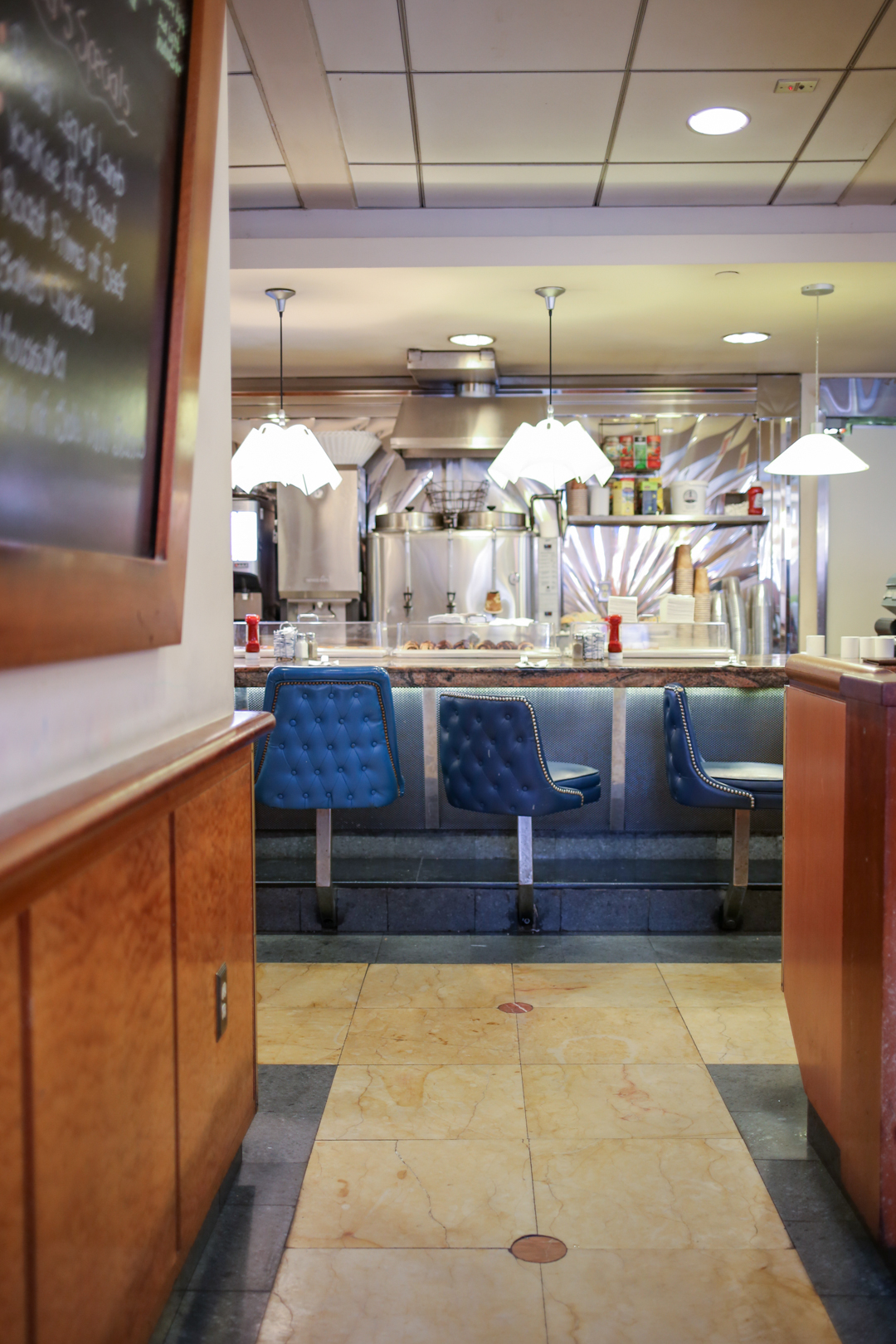

I can't fault the owners of the Georgia Diner for cashing out and I'm glad that the staff and food will live on in their new location. I haven't lived here five years yet and already I've mourned the loss of the Market Diner, The Cup & Saucer, Gene's Coffee Shop and countless other diners that closed before I ever had the chance to visit. Other beloved spots are living on borrowed time, threatened by rising rents, retiring owners, changing tastes or other factors beyond their control. I feel like I'm scrambling to keep up, but all I can do is frequently patronize the places I love the most while I still can.
The Georgia Diner (new location)
80-26 Queens Blvd
Queens, NY 11373
Winter Storm Toby

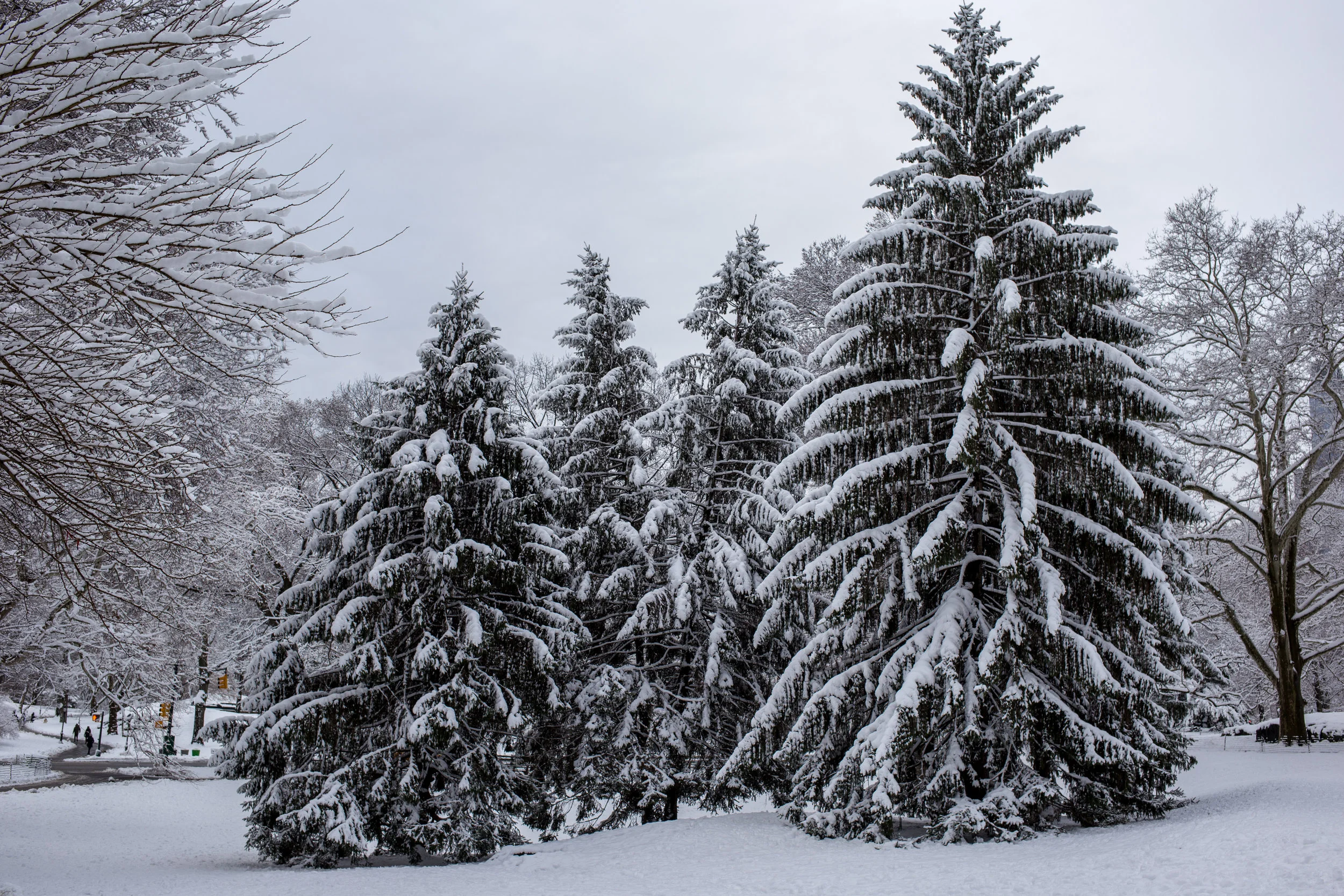
Last Wednesday we got our fourth nor'easter—in March alone. Winter Storm Toby (I don't know how I feel about naming every single storm) was predicted to bring up to 18 inches of snow to parts of the Northeast, but in Central Park the official total ended up at 8.2 inches. This was the first time since 1992 that at least 6 inches fell in late March or April, although January's "bomb cyclone" snow total was higher at 9.8 inches and I didn't hear any thundersnow like we had during the last nor'easter.
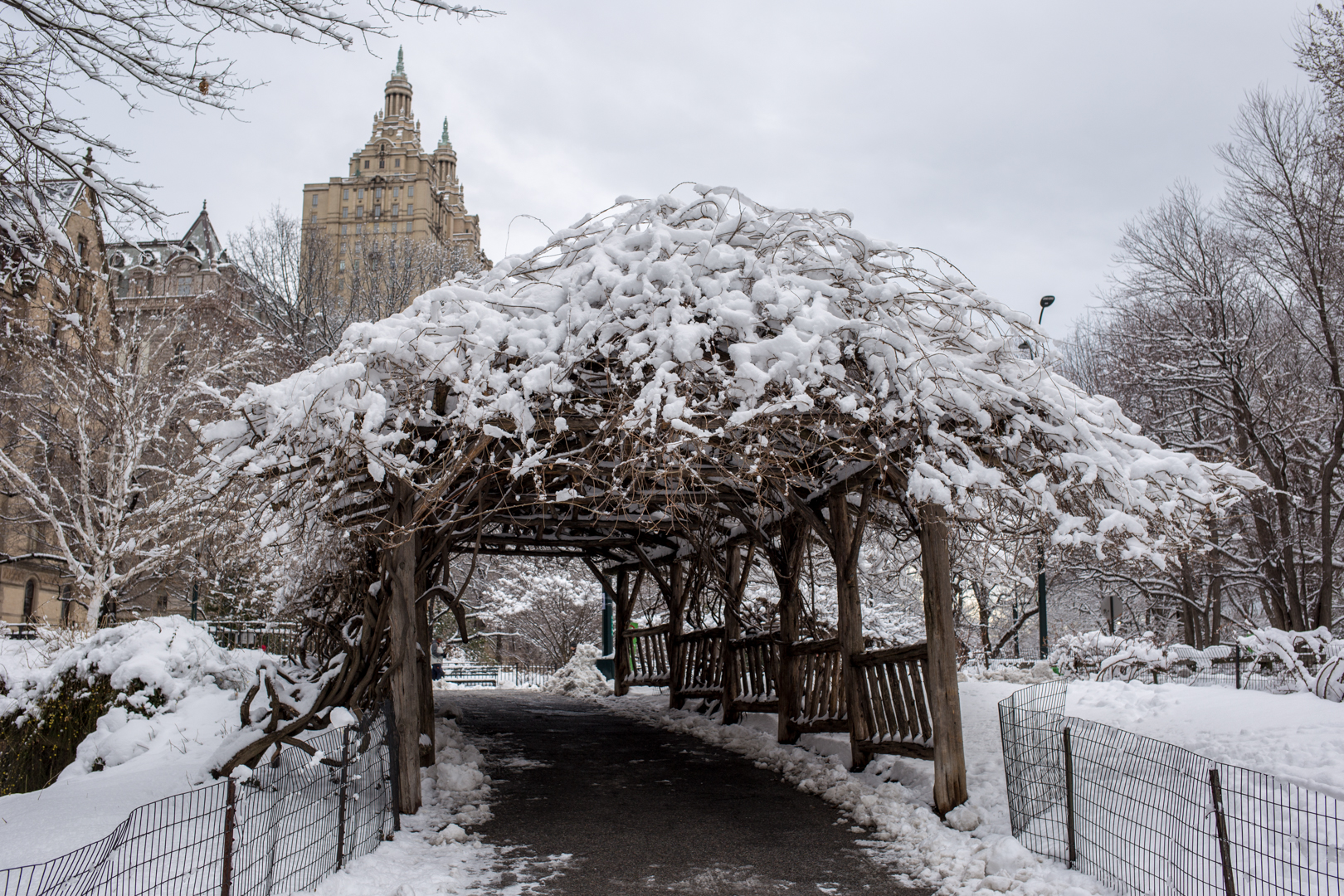

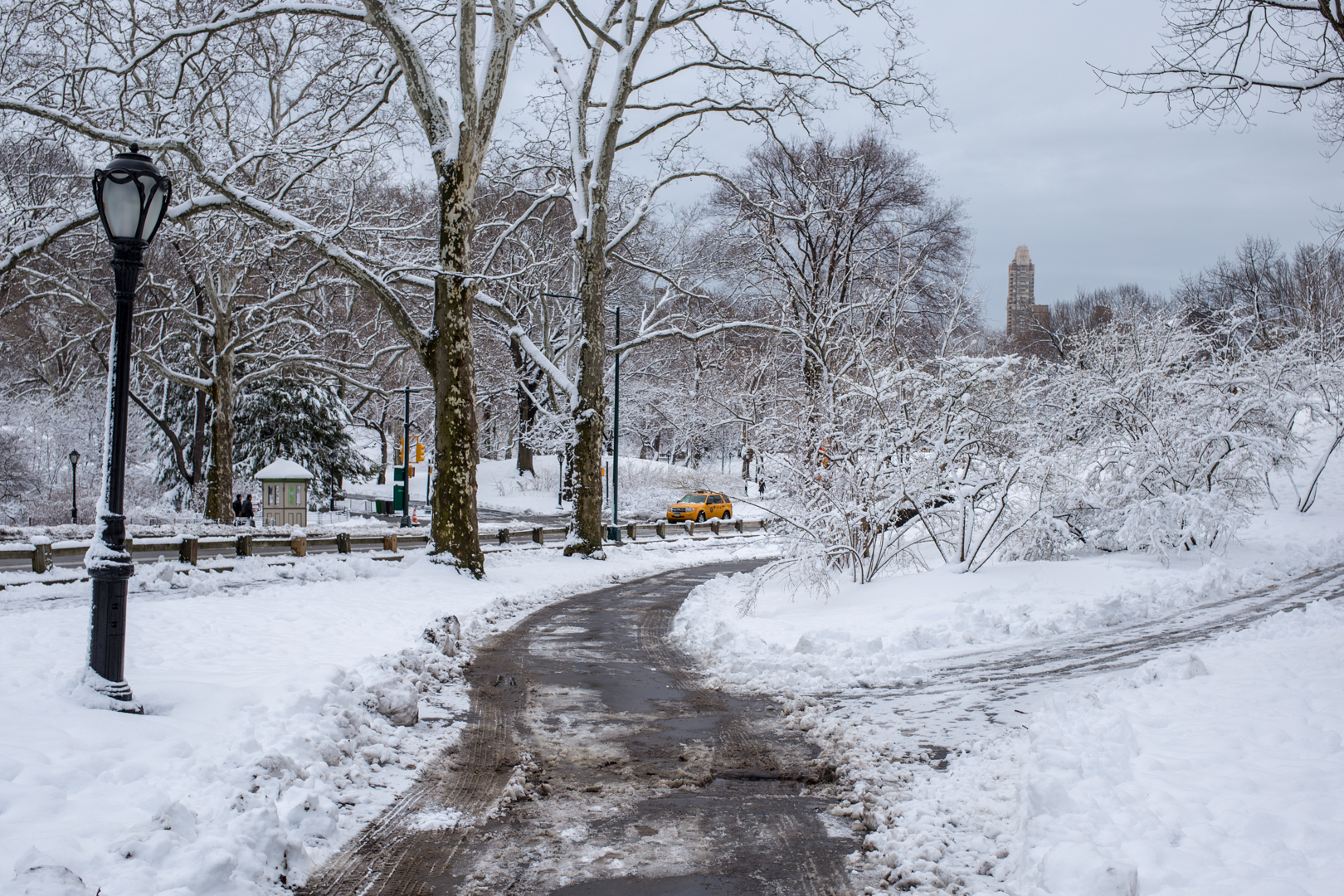

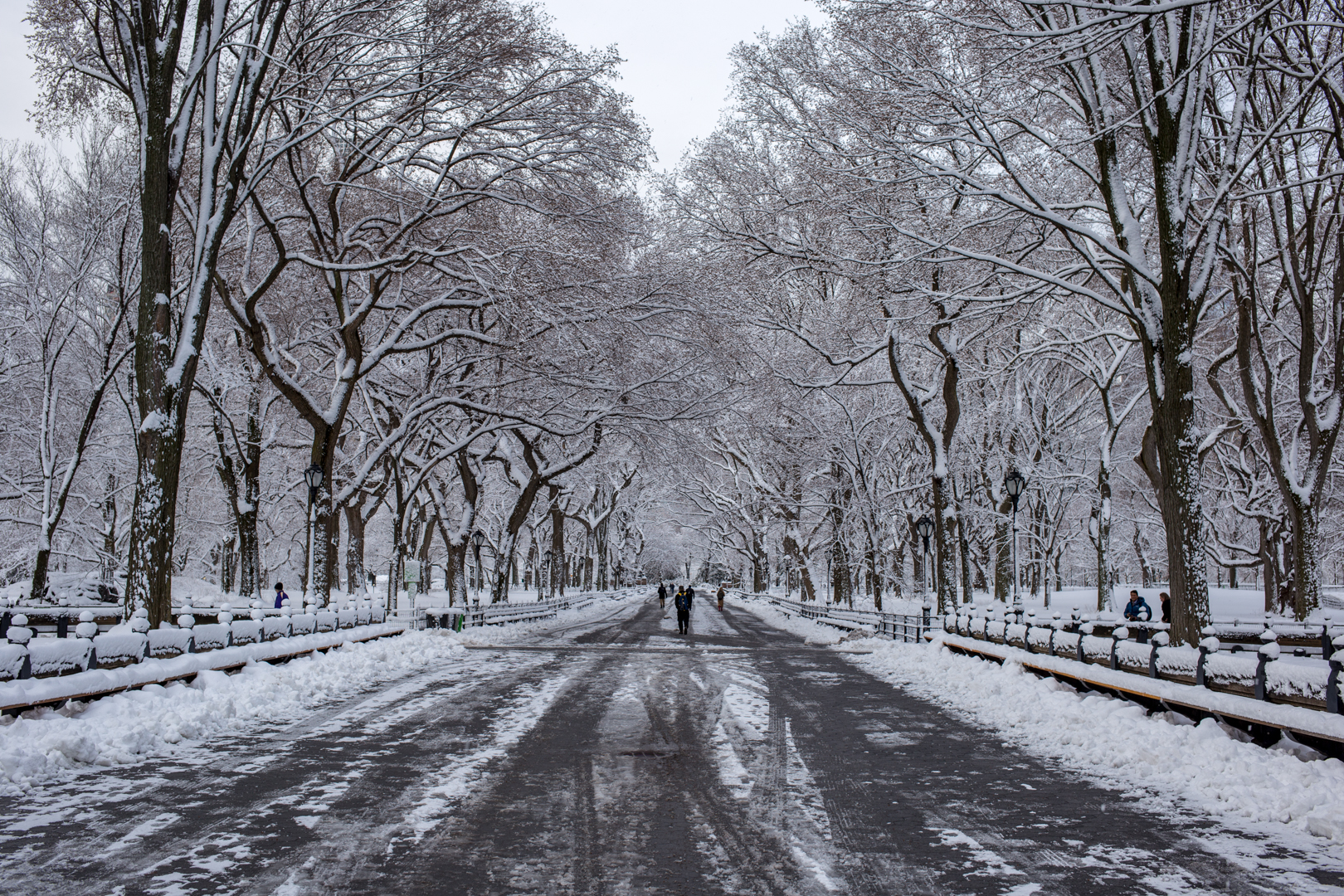


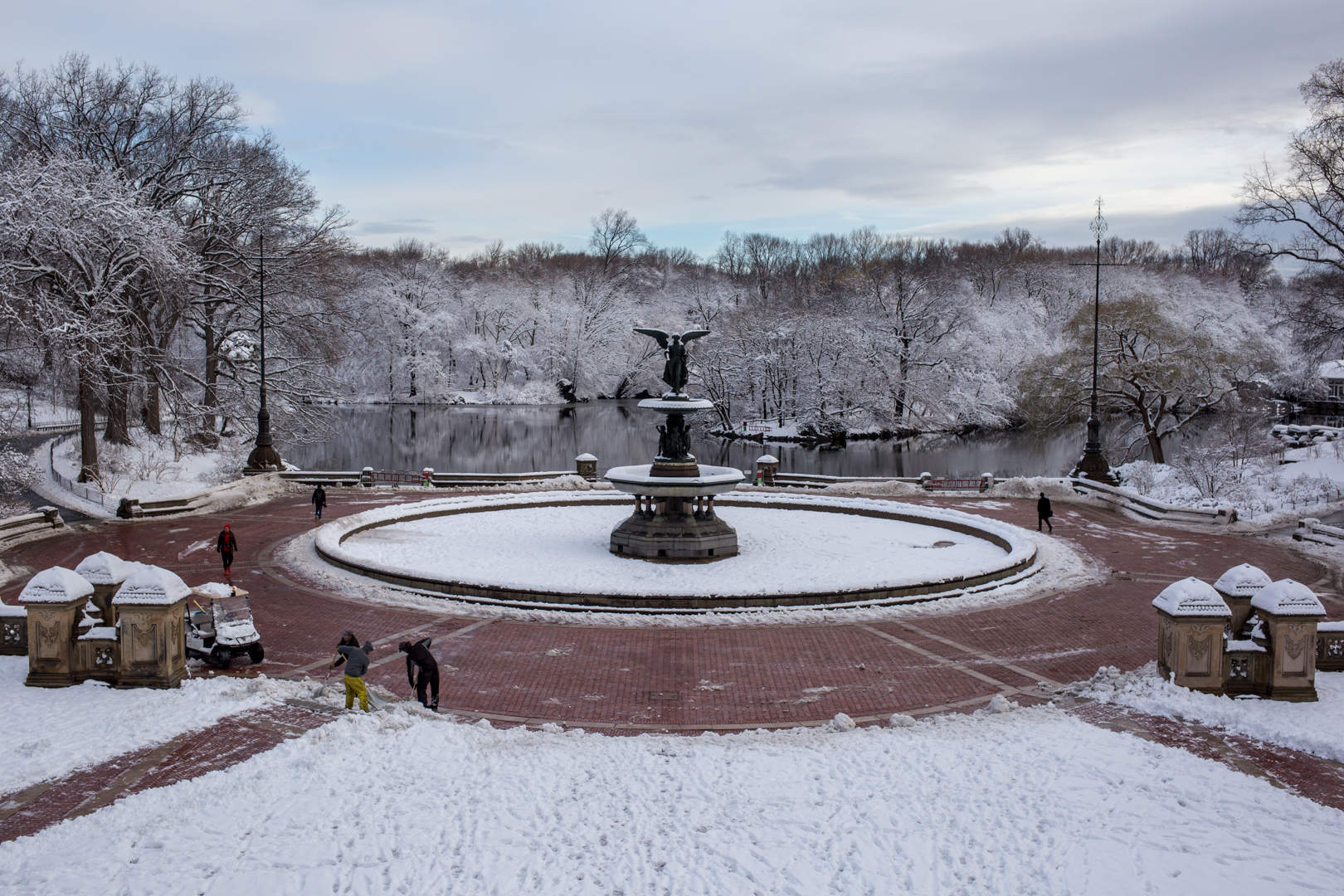

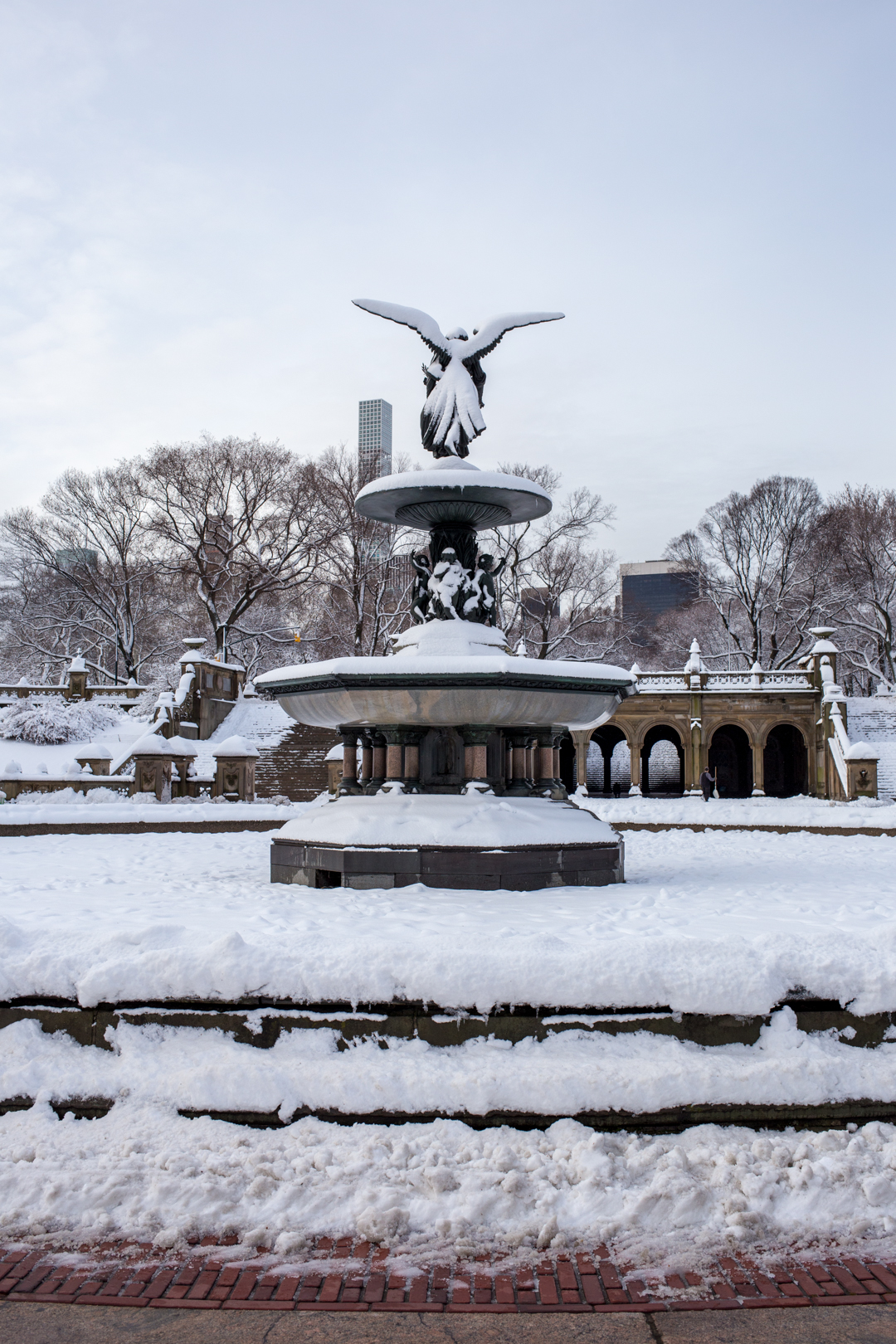
I'm definitely ready for spring, but I still love snow and will take it whenever I can get it. I stayed inside for the actual storm, but I was looking forward to a snowy commute through the park on Thursday morning. I decided to take a different, less direct route to hit some of my favorite spots, so I took the train to 72nd Street and started my walk from there.
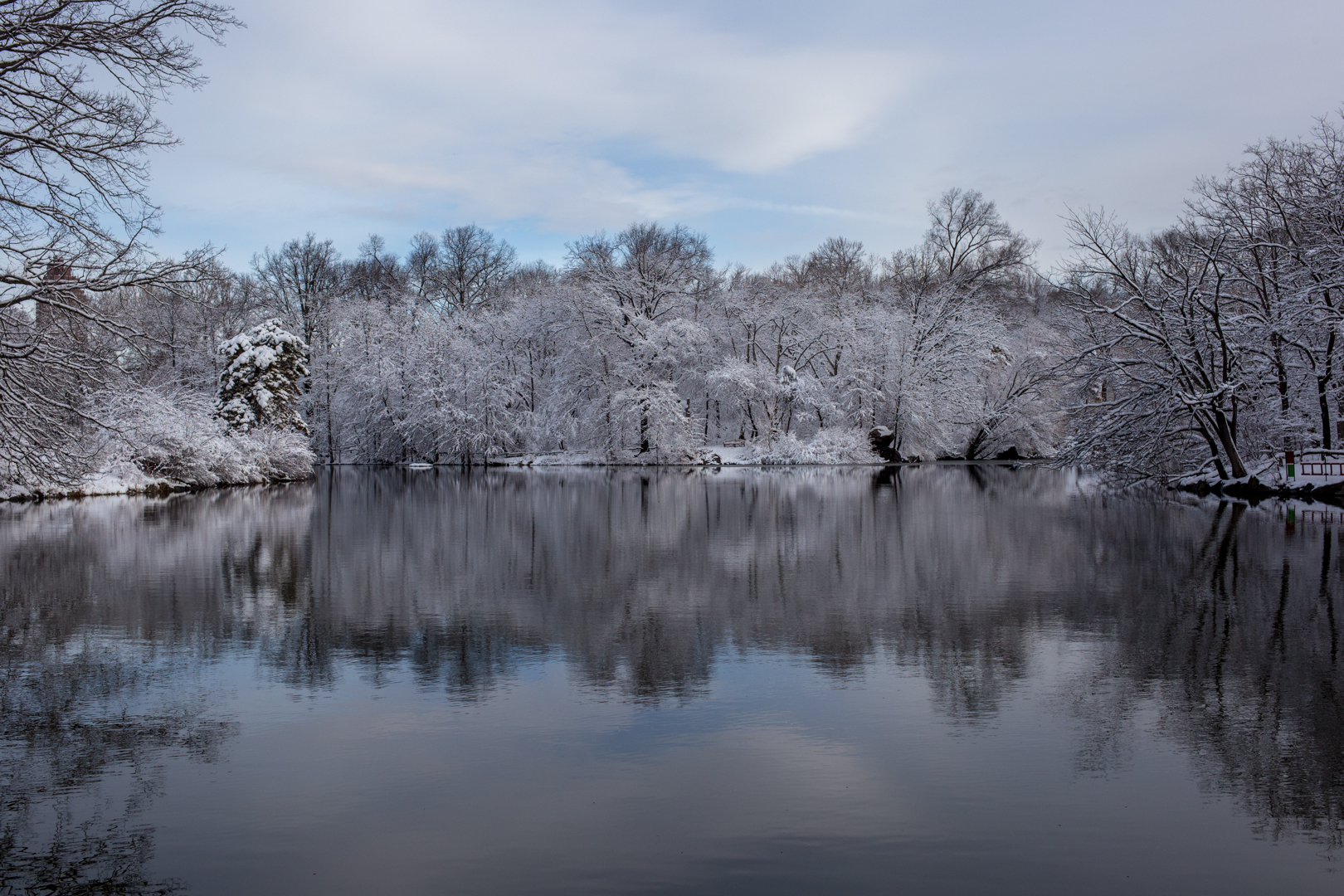
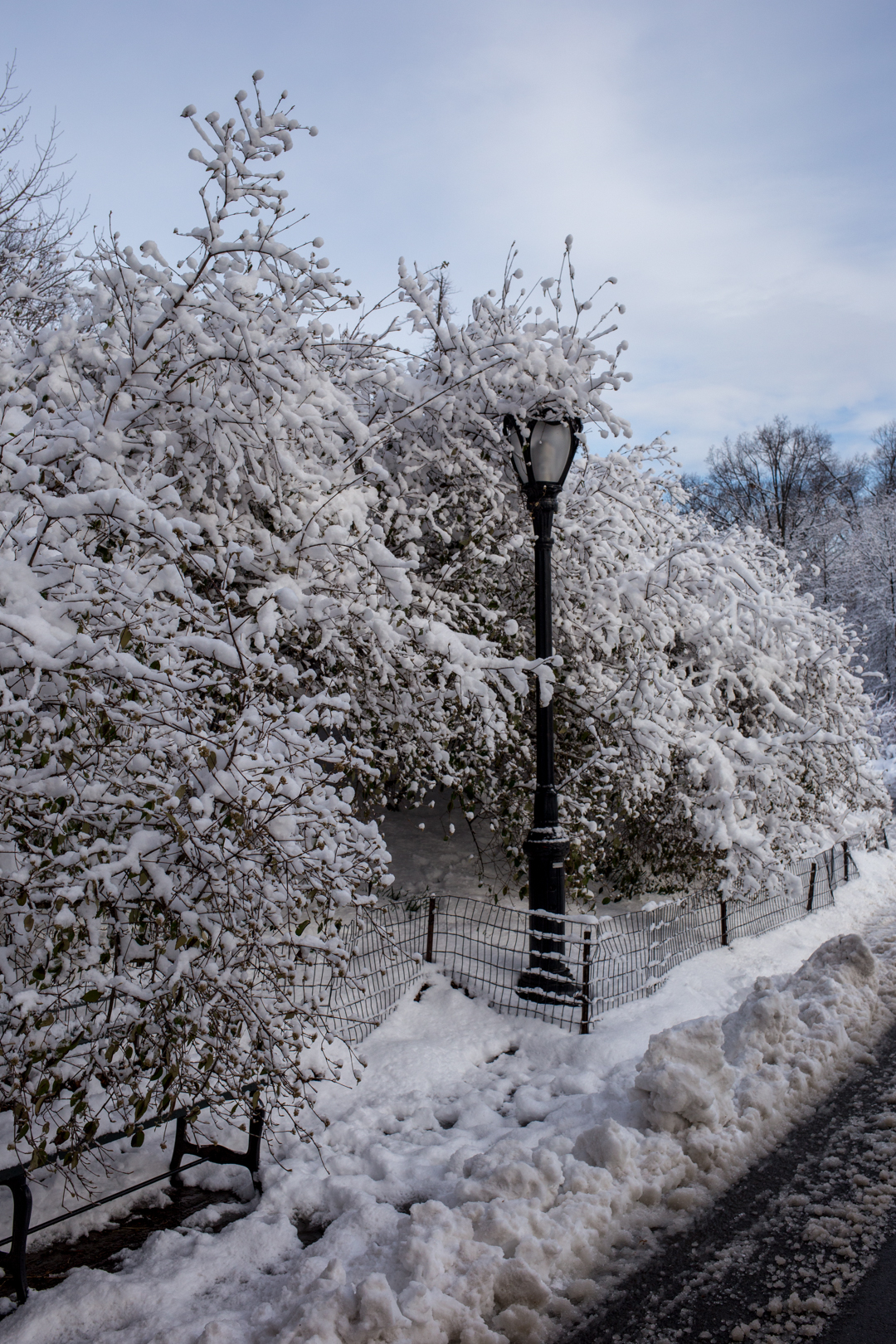
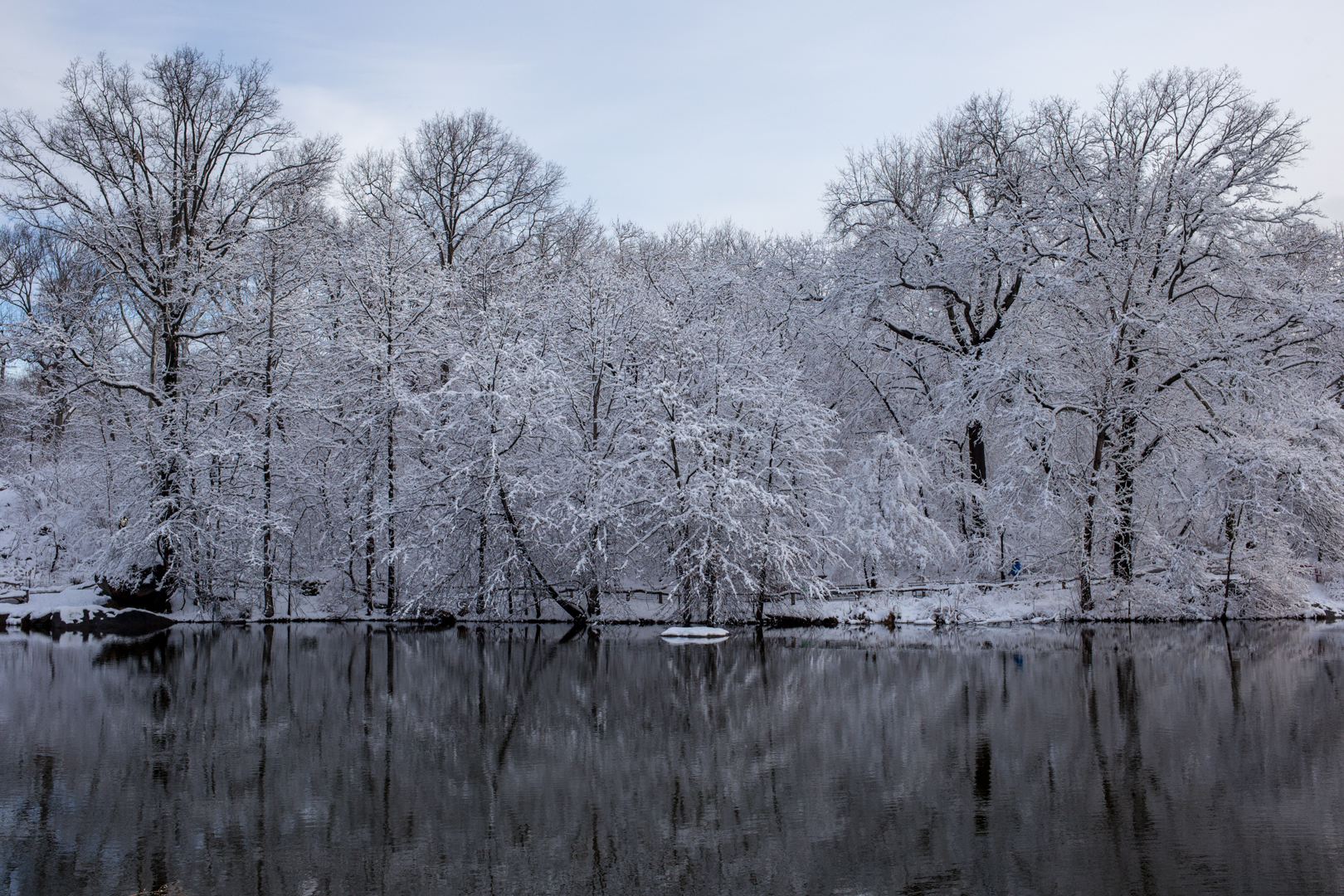


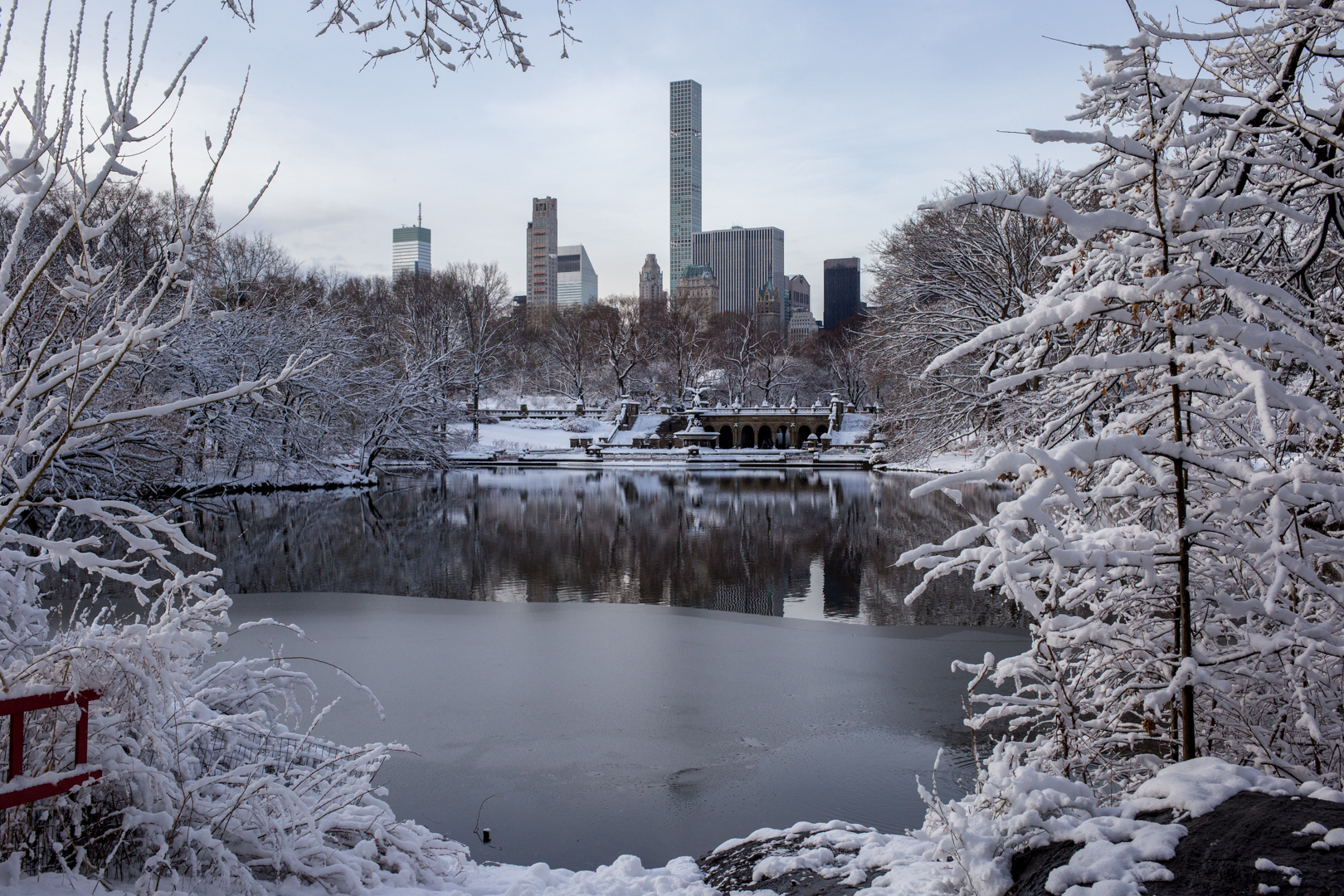

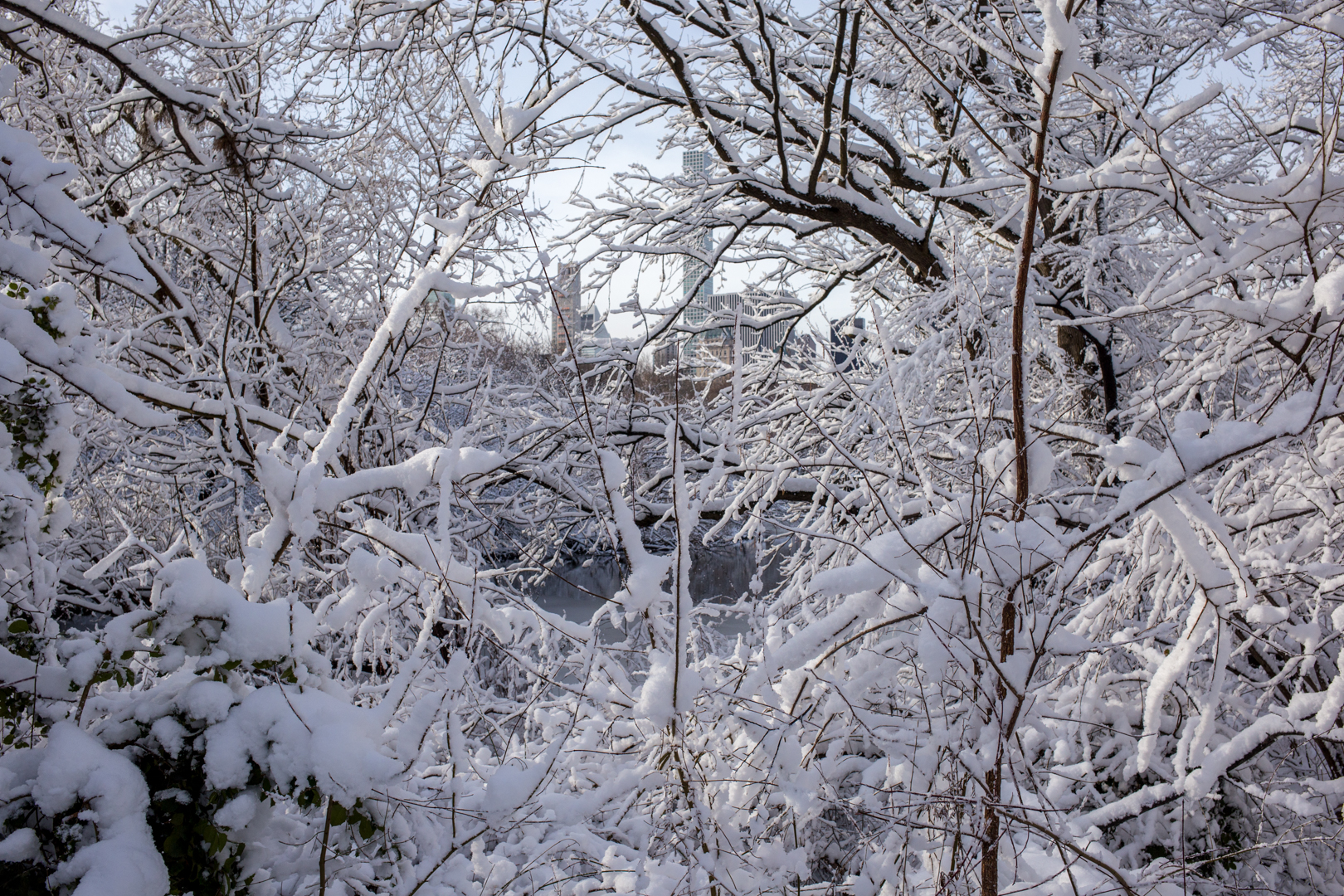


I walked to the Literary Walk and Bethesda Terrace first—two of my very favorite places in not just the park, but the world—and then walked northeast through the Ramble. The North Woods is one of the best places to be after a snowfall, but the Ramble turned out to be just as magical. Sometimes Central Park can feel frustratingly crowded, but in the mornings it's peaceful—mostly just people walking their dogs or watching birds.


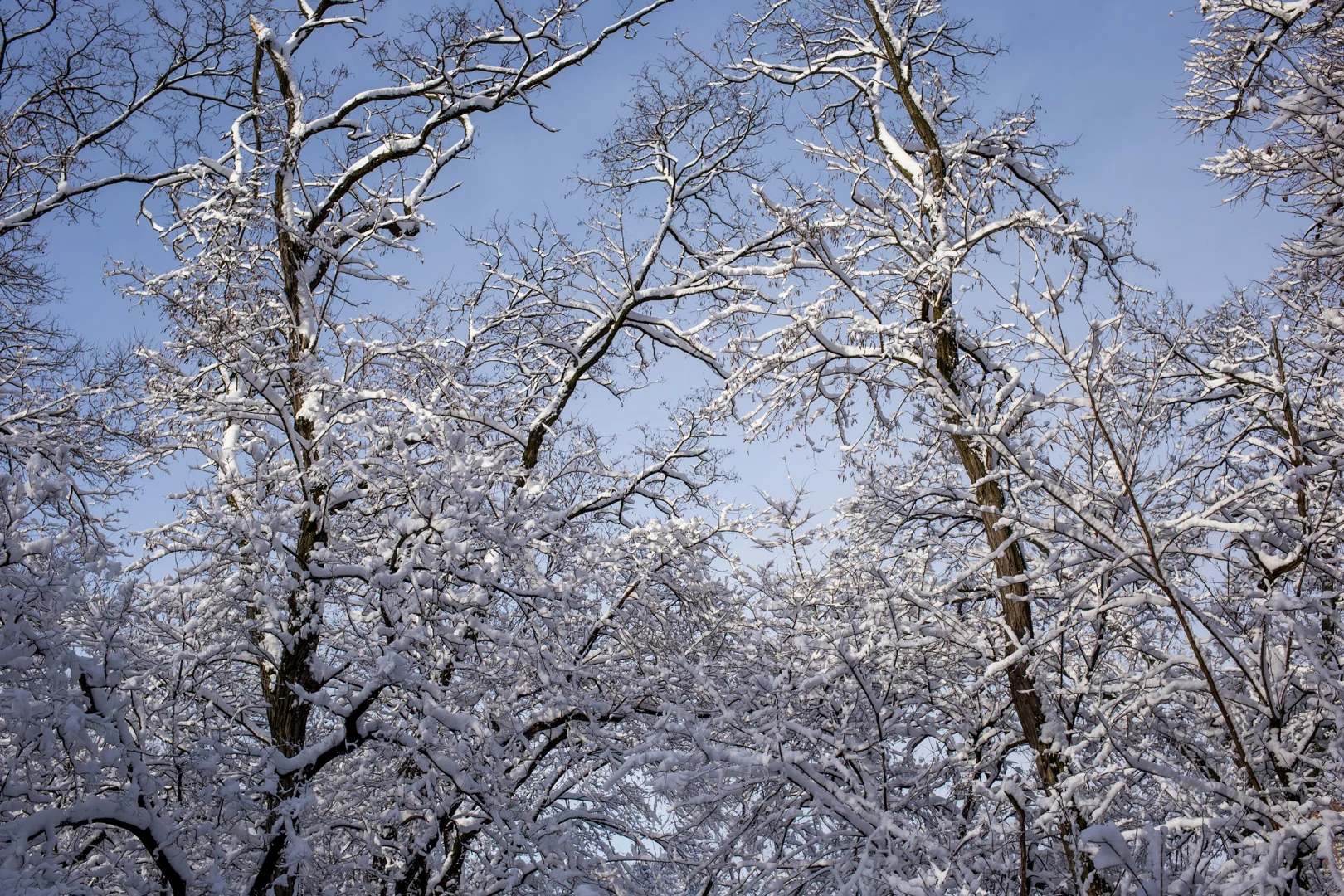


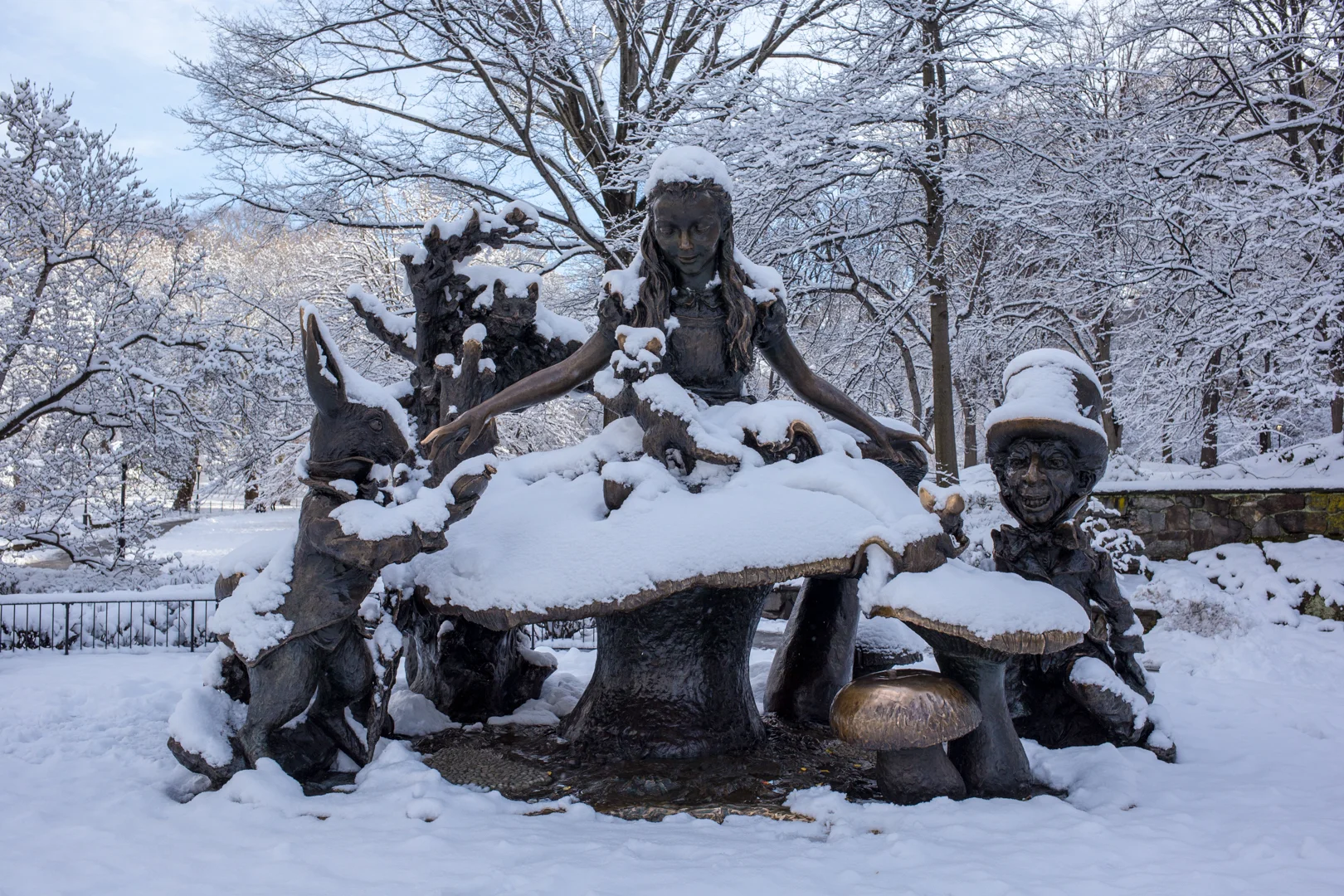


I was grumpy when my alarm went off an hour and a half earlier than normal, but it was impossible to hold on to that rage as I was walking through snowy paths that had me wondering if I had actually entered the park from the inside of a wardrobe. By the time I went outside again at lunchtime, the snow had mostly all melted and despite the chilly temps, spring is defiantly starting to make an appearance.

March For Our Lives

I was 13 years old in April of 1999, when 13 people were killed at Columbine High School. Since then, "more than 187,000 students attending at least 193 primary or secondary schools have experienced a shooting on campus during school hours," according to a year-long Washington Post analysis.


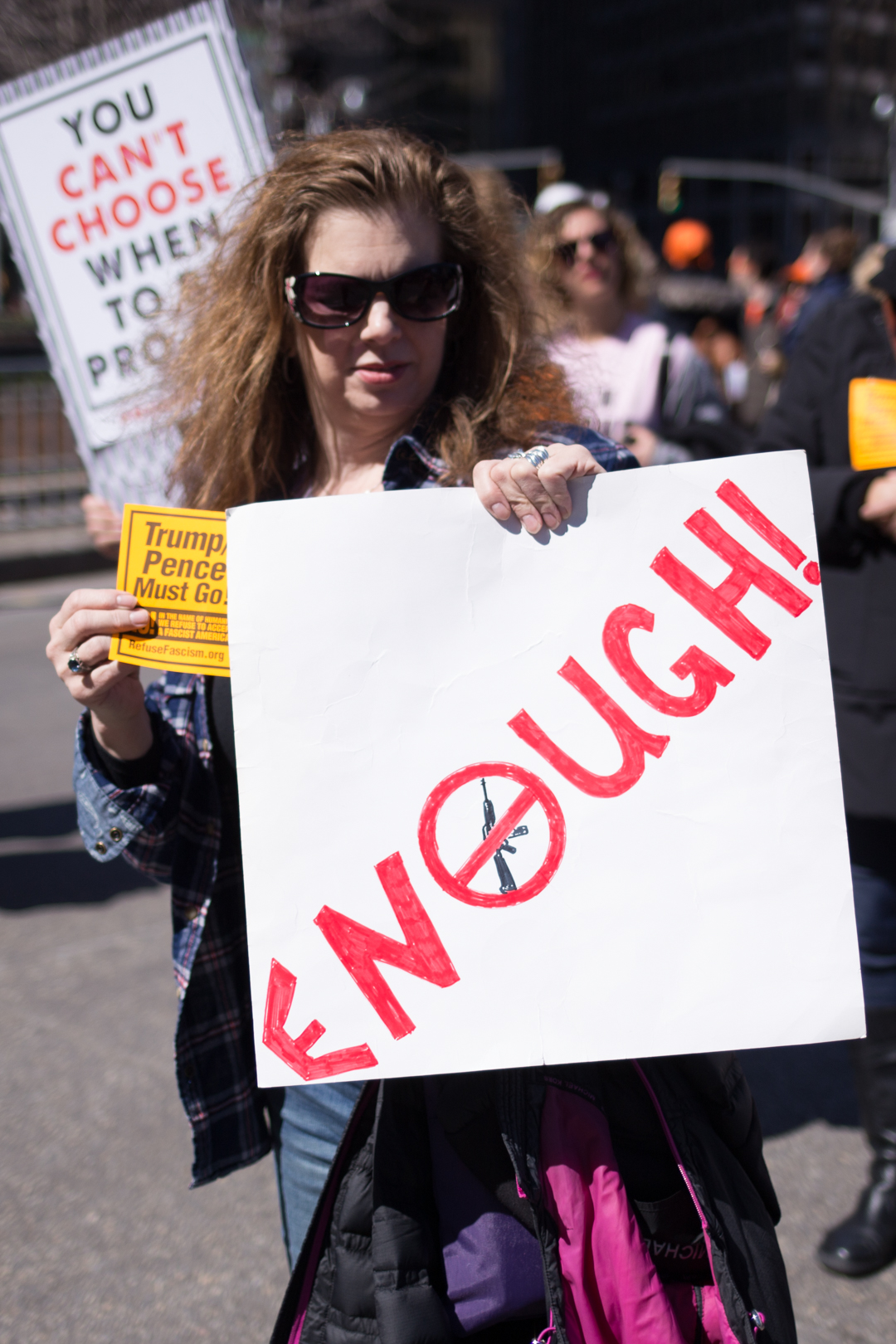


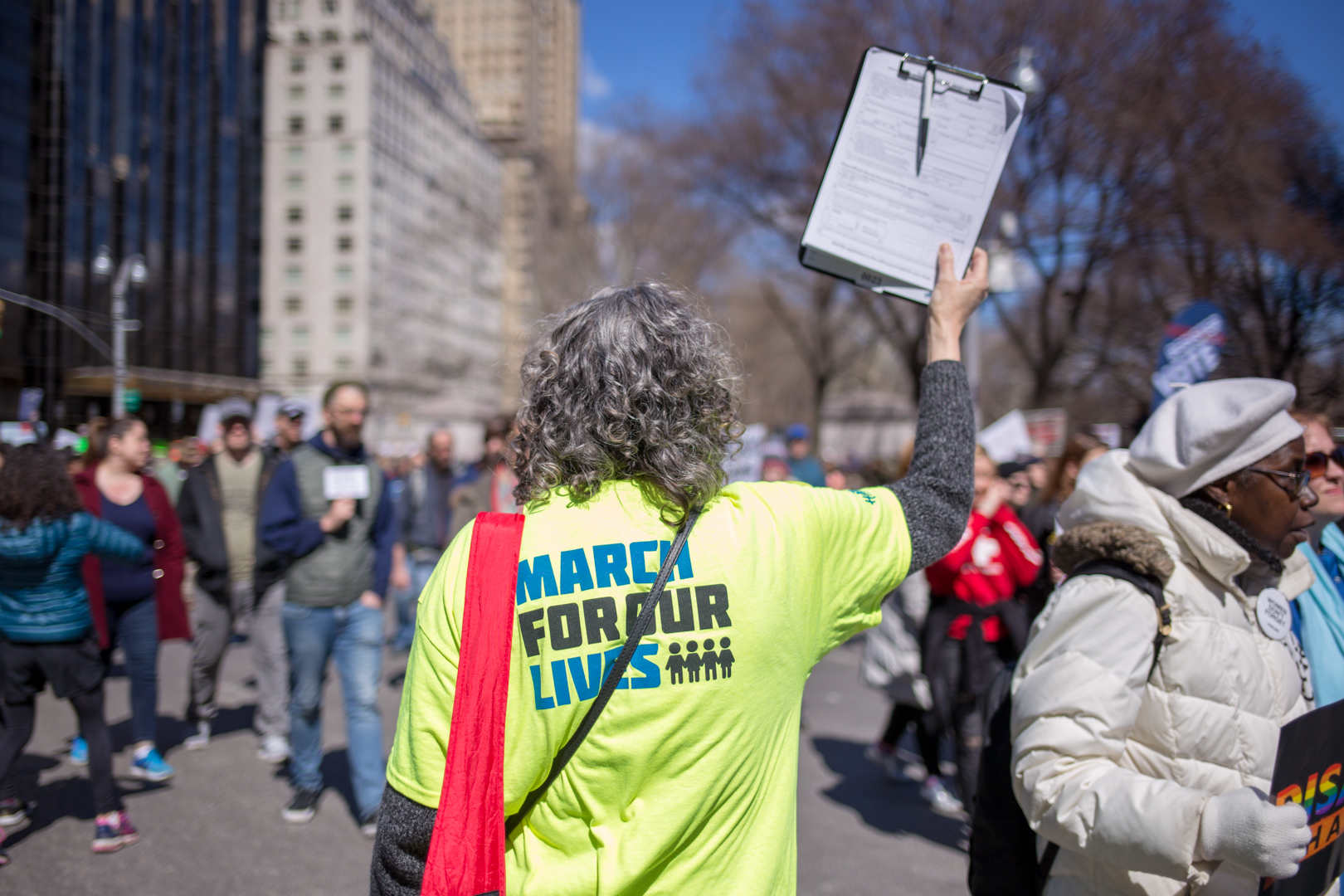


We didn't walk out or march back then, maybe because we were scared, maybe because we thought it wouldn't happen again or maybe because we thought that after the loss of 13 lives (plus the lives of the two perpetrators) that meaningful change was imminent.


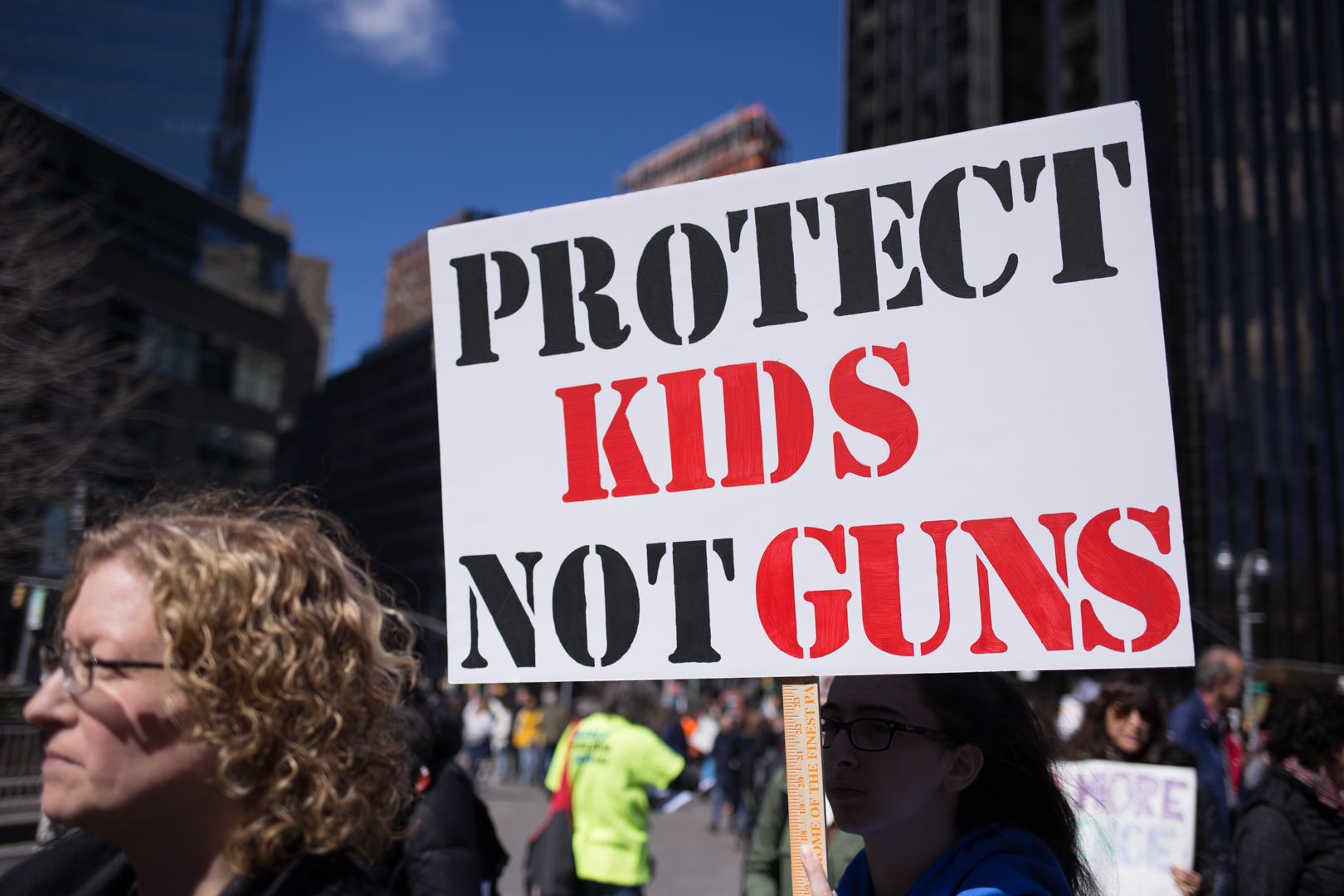


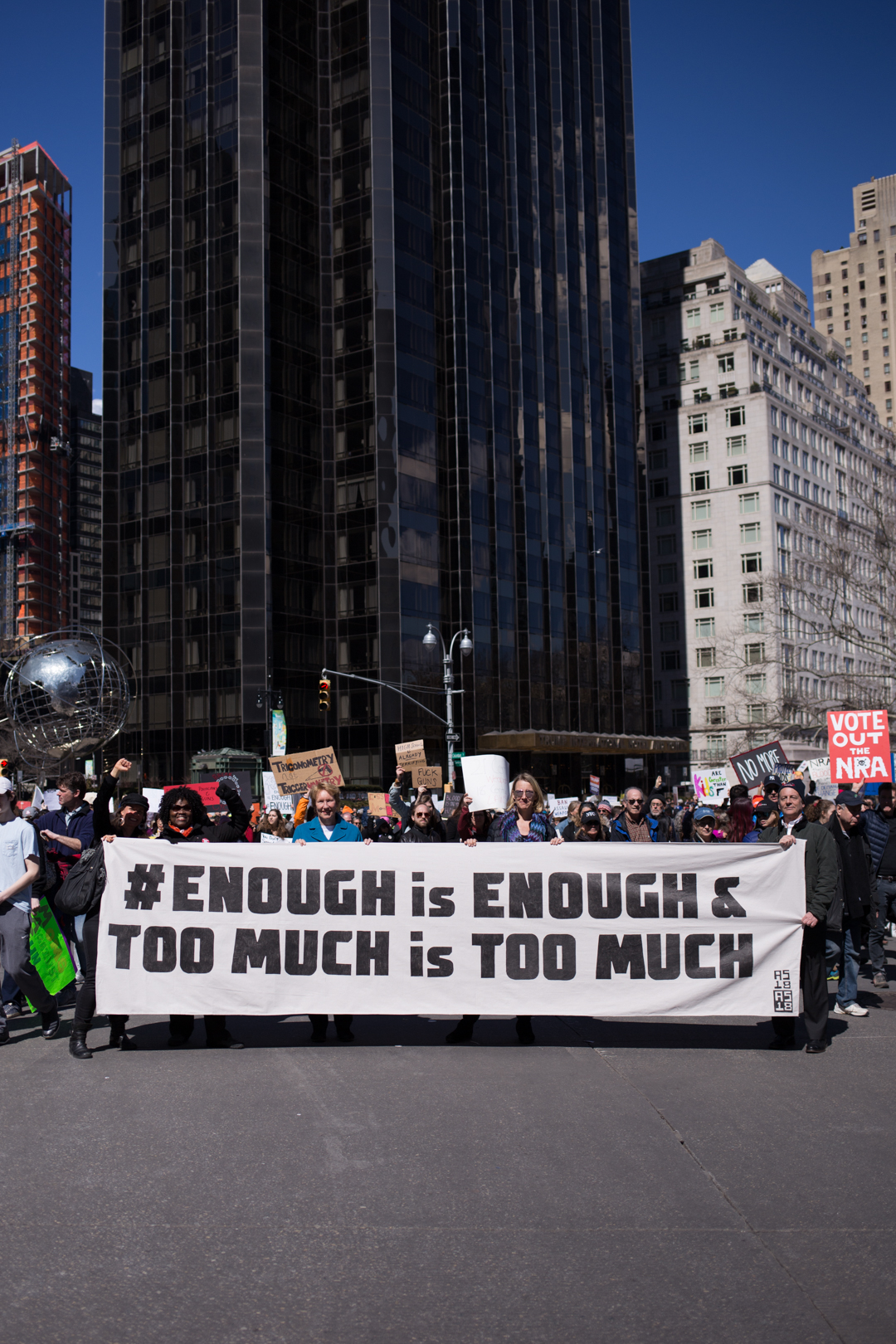


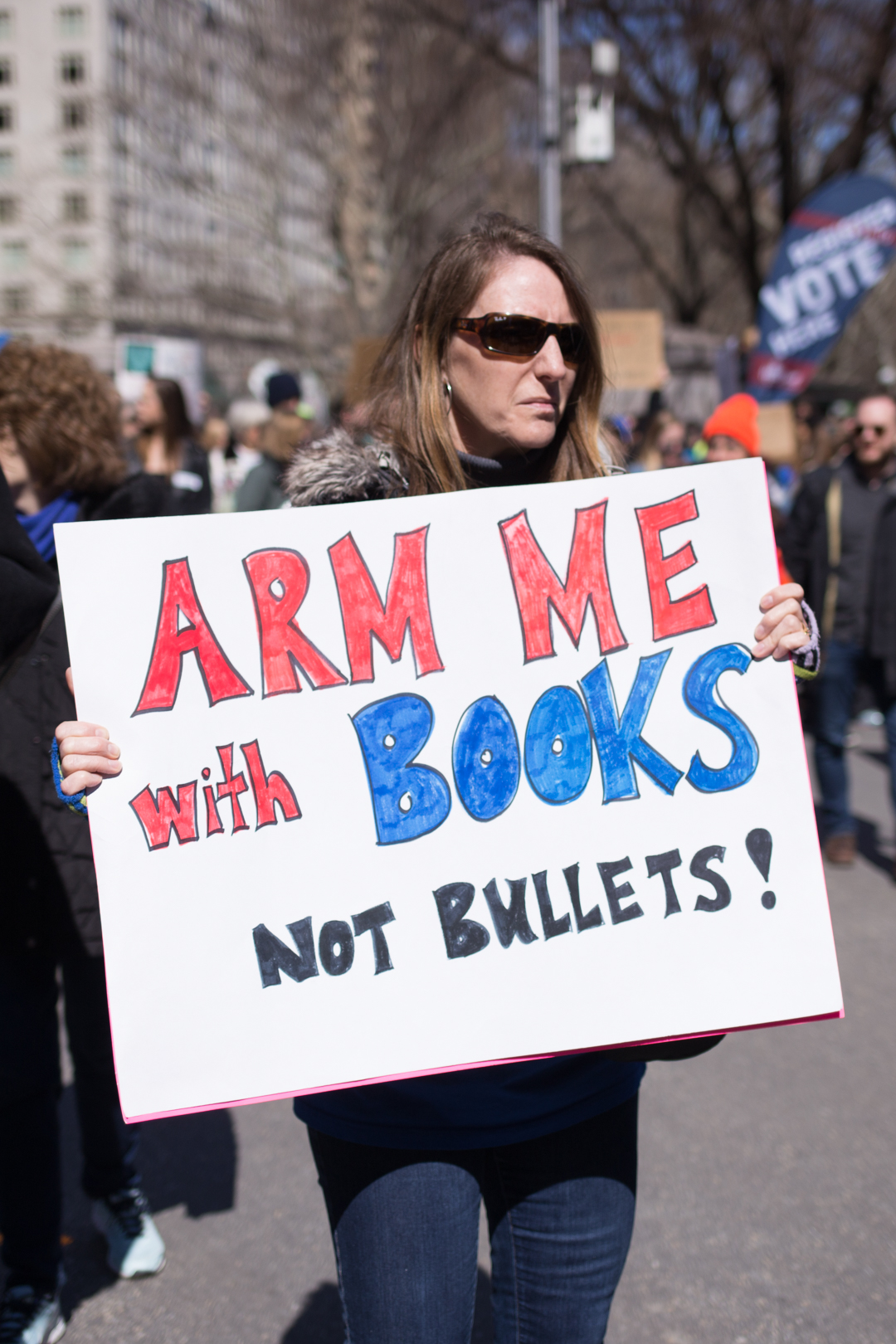


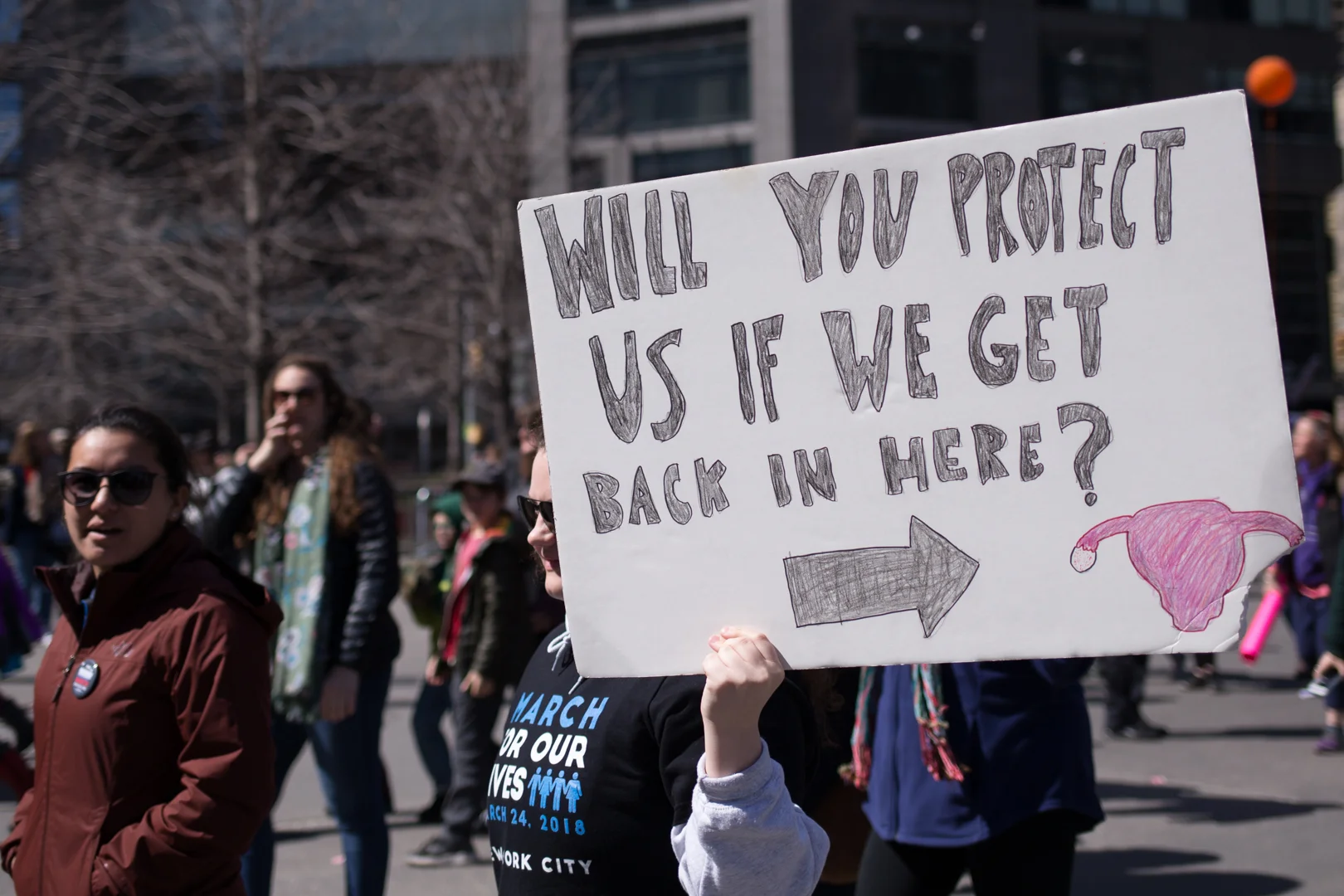
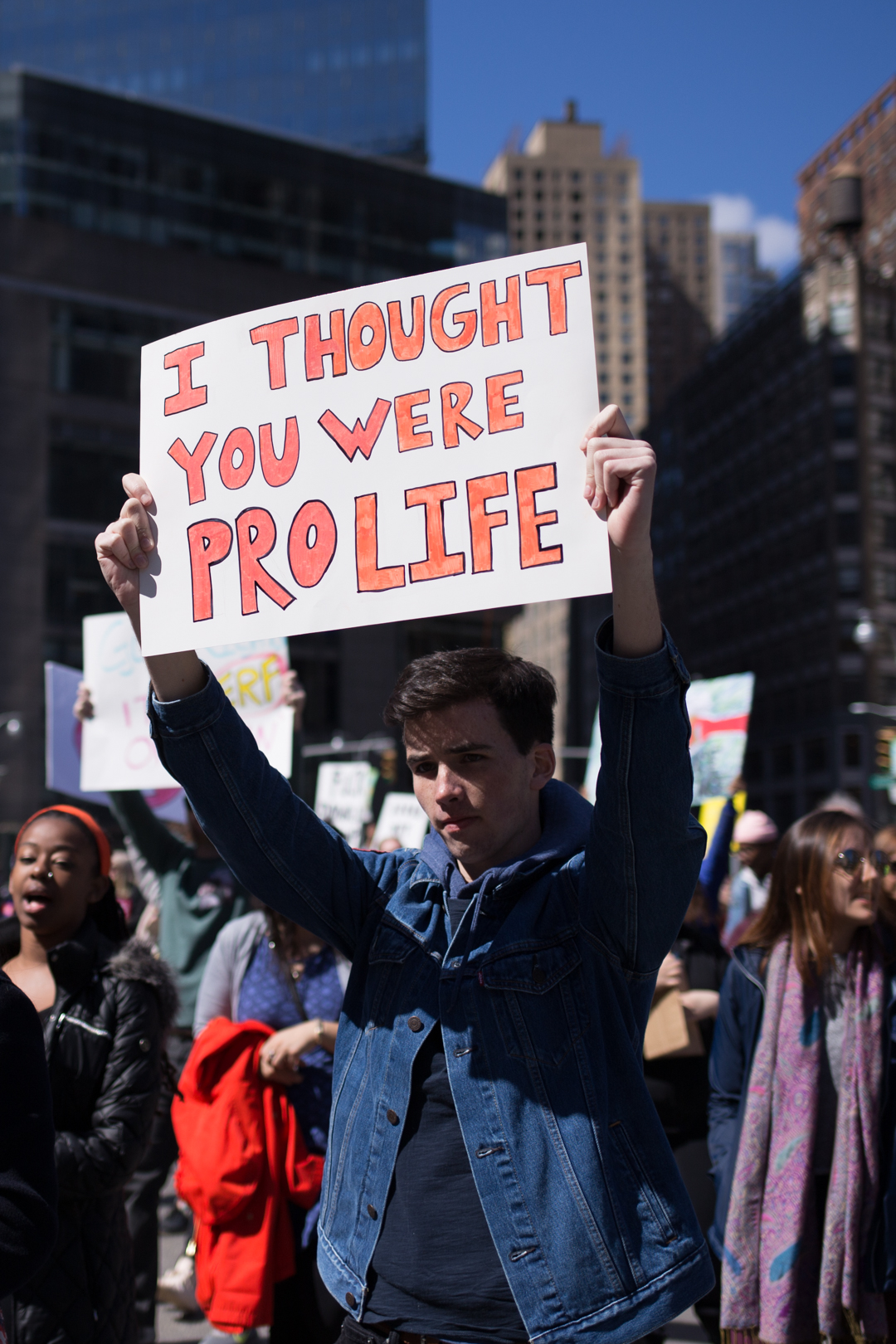


I remember a lot about being a teen—sleepovers, disposable cameras, school dances, glitter makeup, football game snacks and questionable hair choices—but I don't remember feeling afraid. In the Midwest we had tornado and fire drills, but not active shooter drills. We had school IDs that were never checked and I only had to pass tests, not through metal detectors.
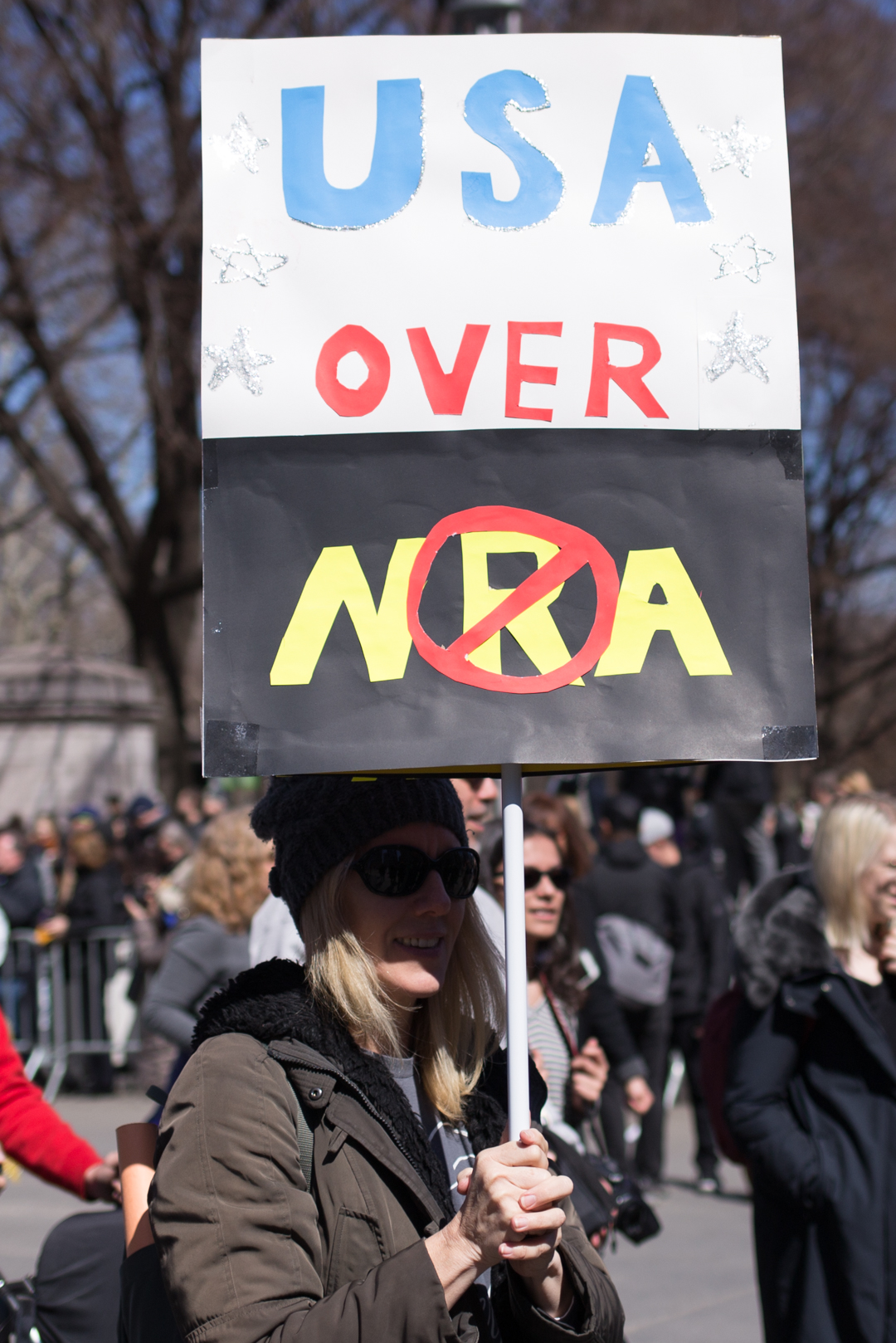


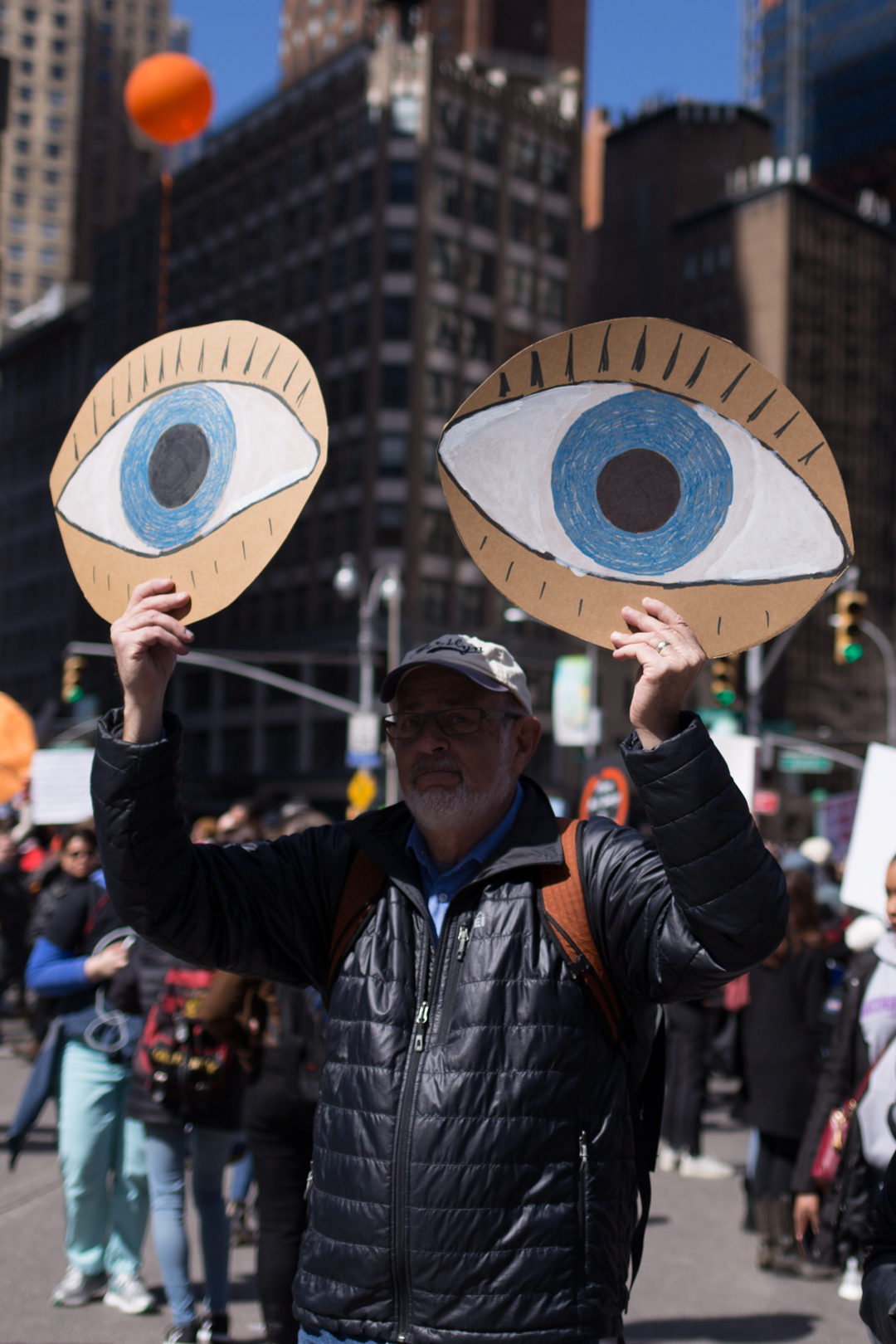
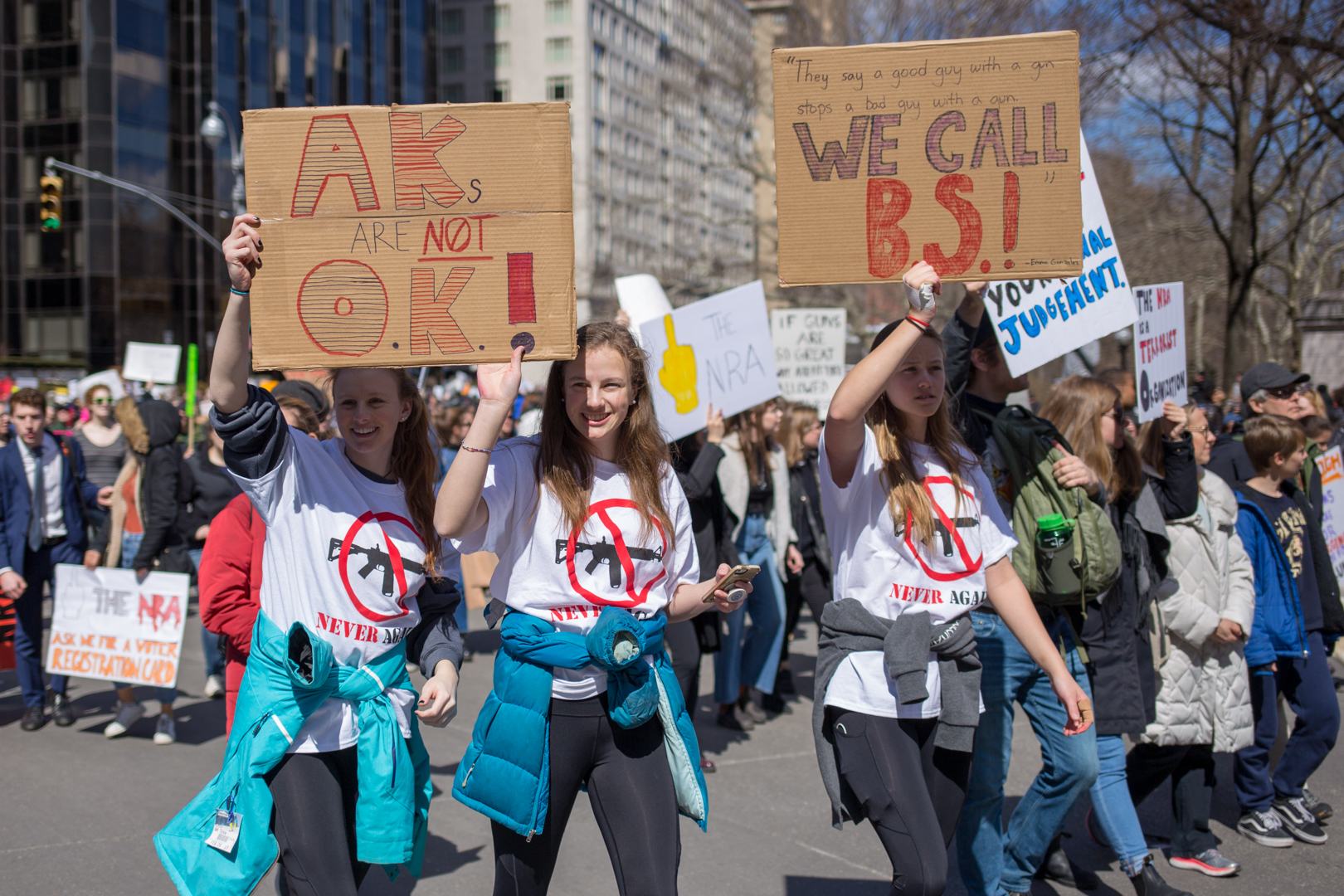


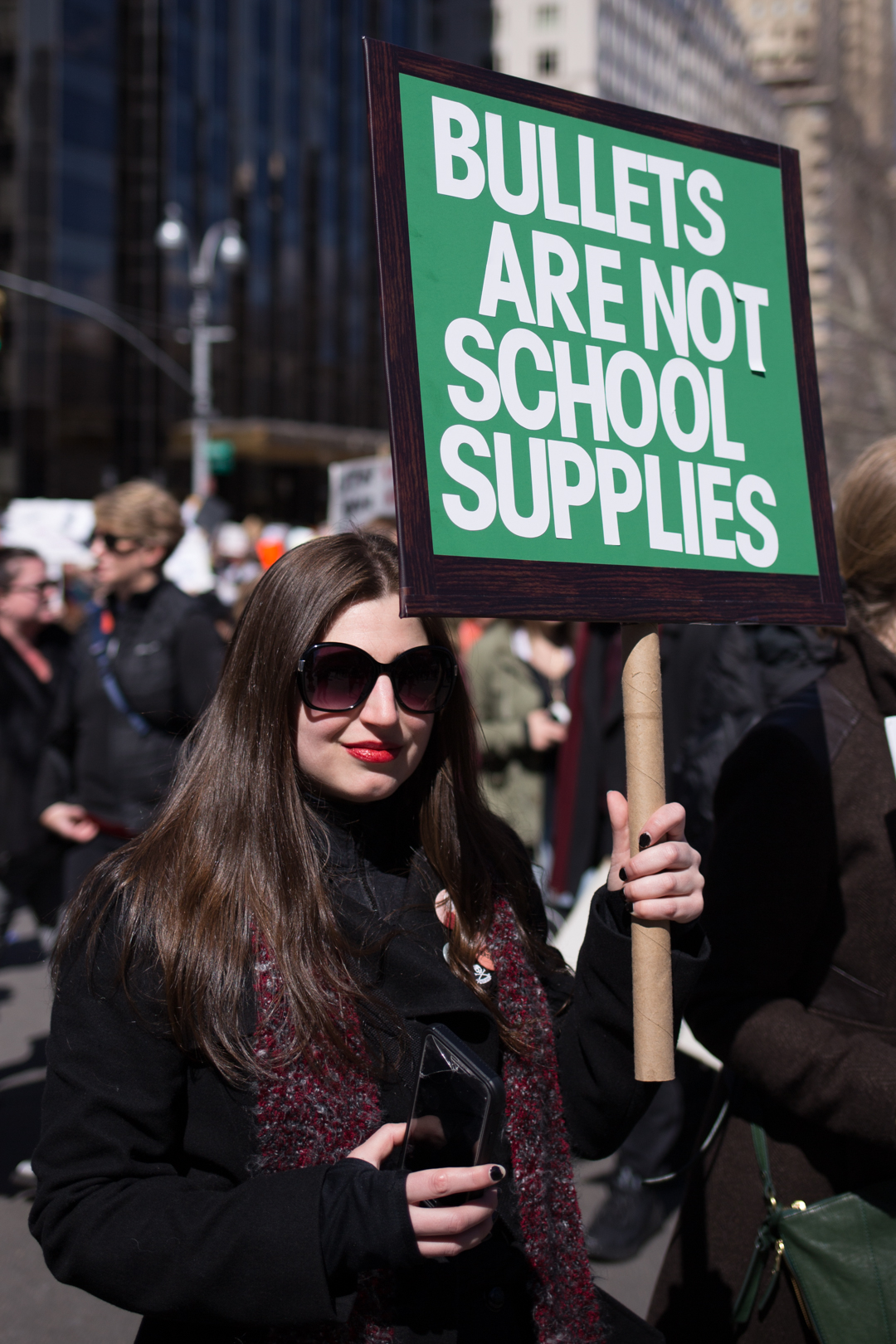
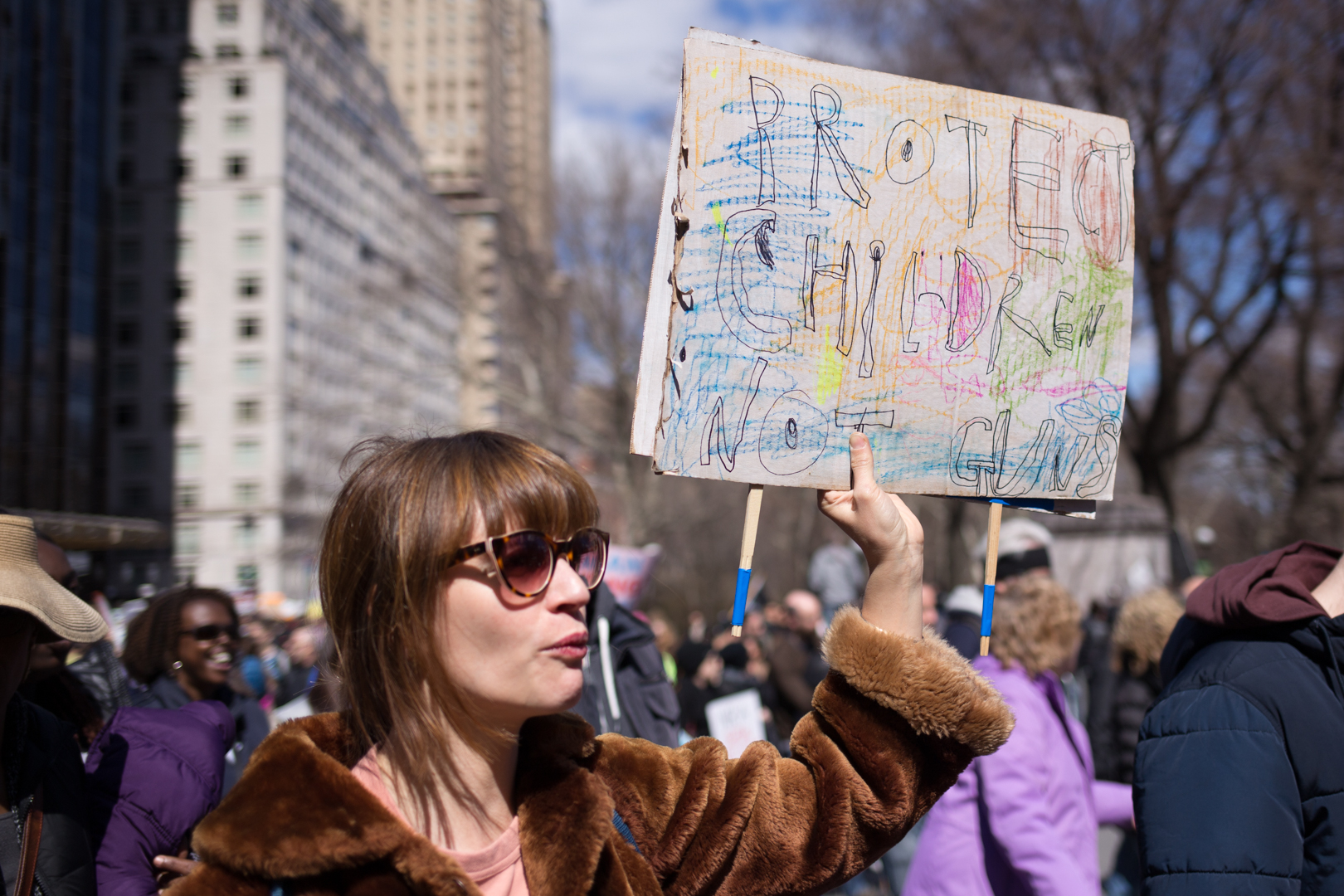


I was 27 when 20 children under the age of seven and six staff members were killed at Sandy Hook Elementary. There were no walkouts to support, or marches to join and after a while it became maddeningly apparent that this was just business as usual. If the deaths of 20 children didn't inspire change, it seemed as if nothing ever would.


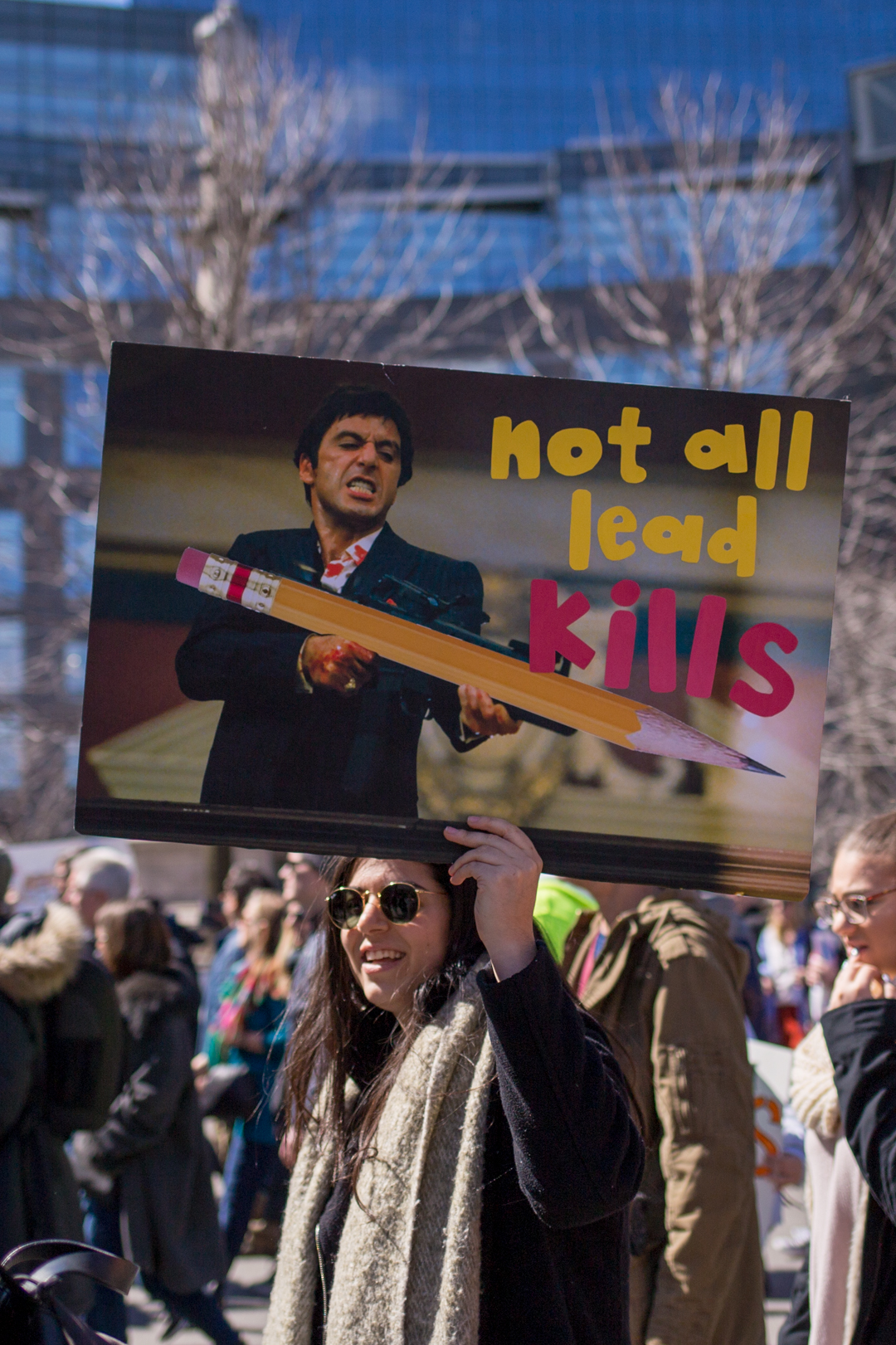

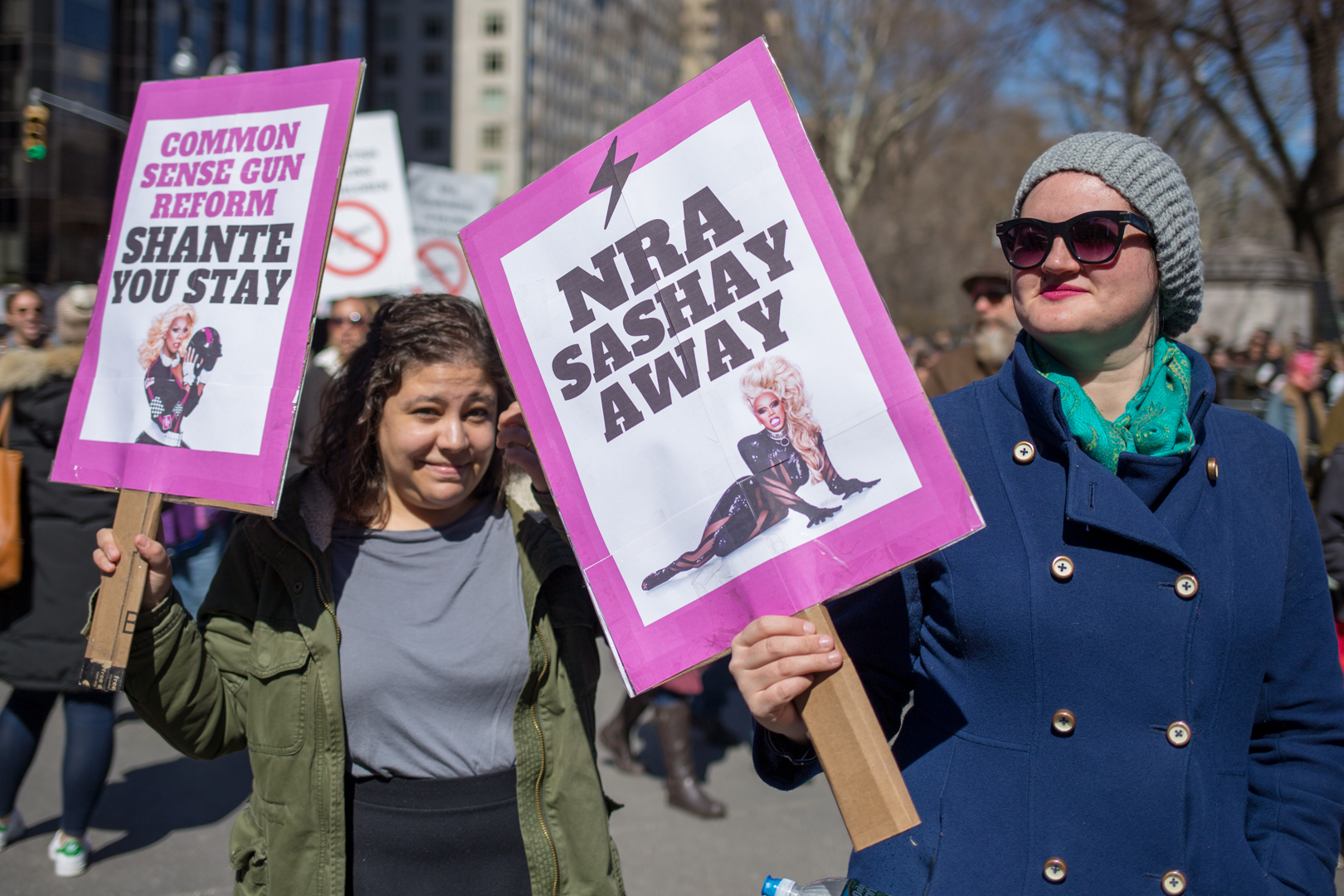


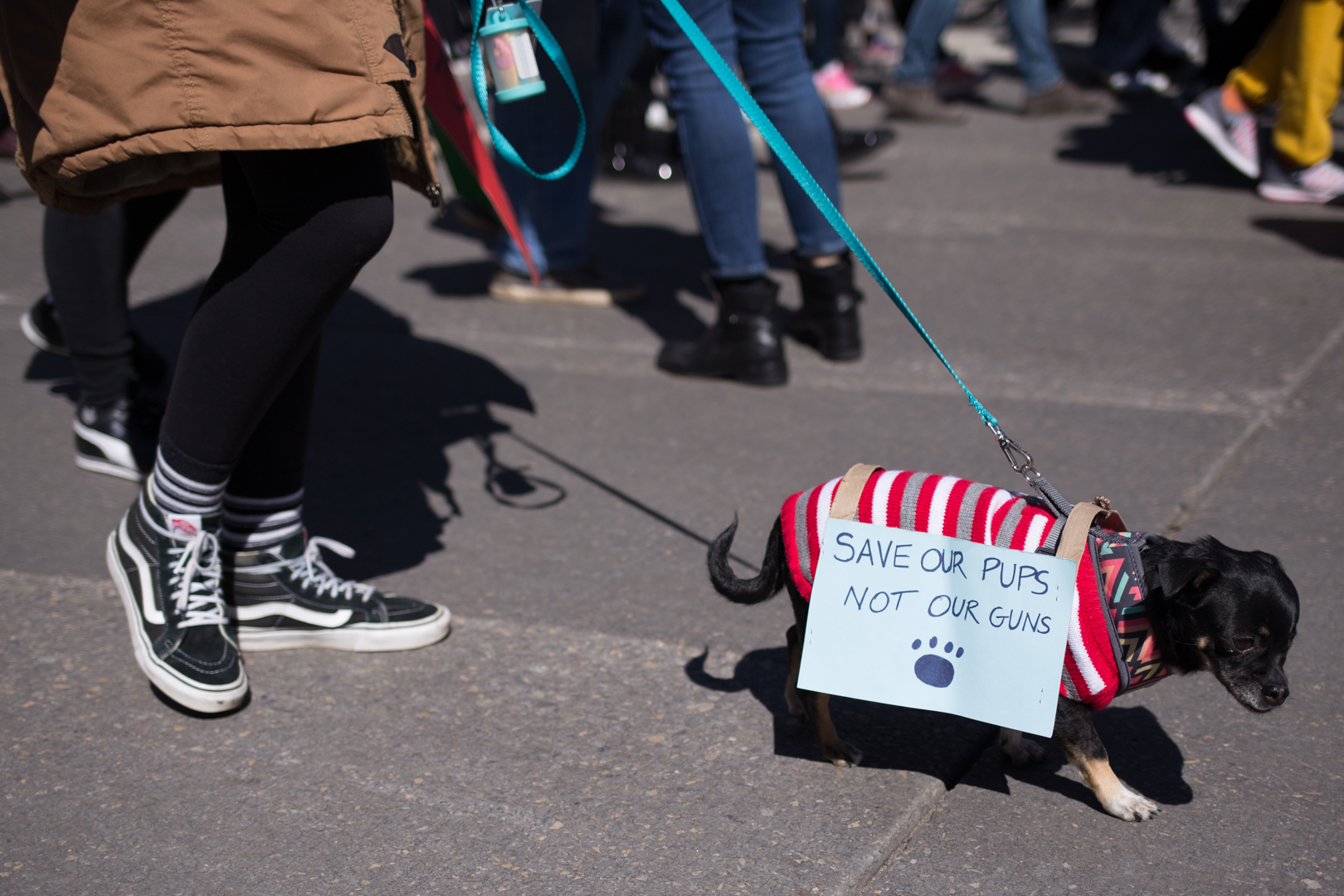


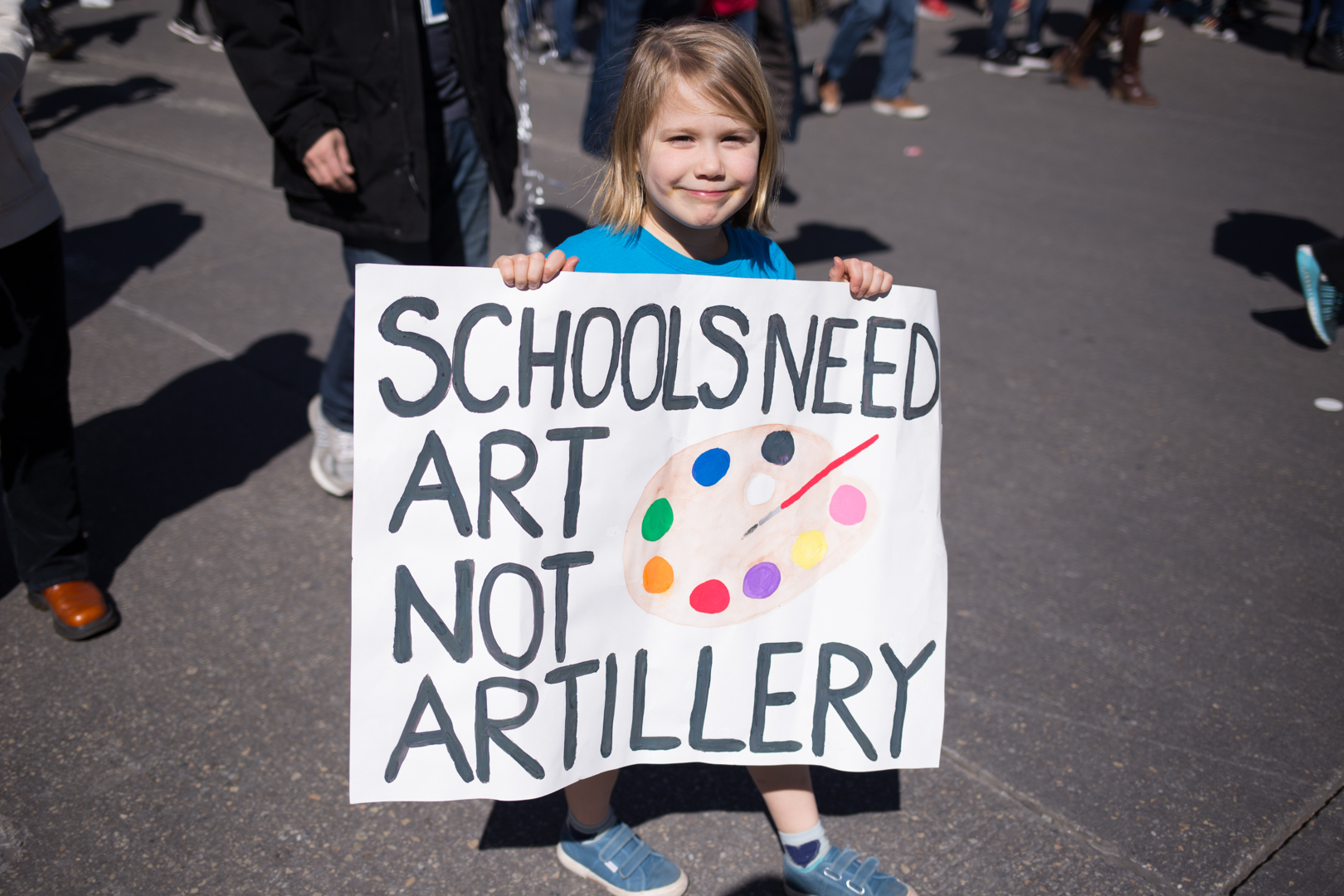
I'm 32 now, old enough to be a parent but young enough to remember being a self-absorbed teen. I'm ashamed that we didn't organize and march after Columbine—how many senseless deaths could've been prevented if we had? I wasn't even a fraction as brave when I was younger (or even now) as the students from Marjory Stoneman Douglas High School, but I feel inspired and buoyed by their refusal to become another grim statistic.


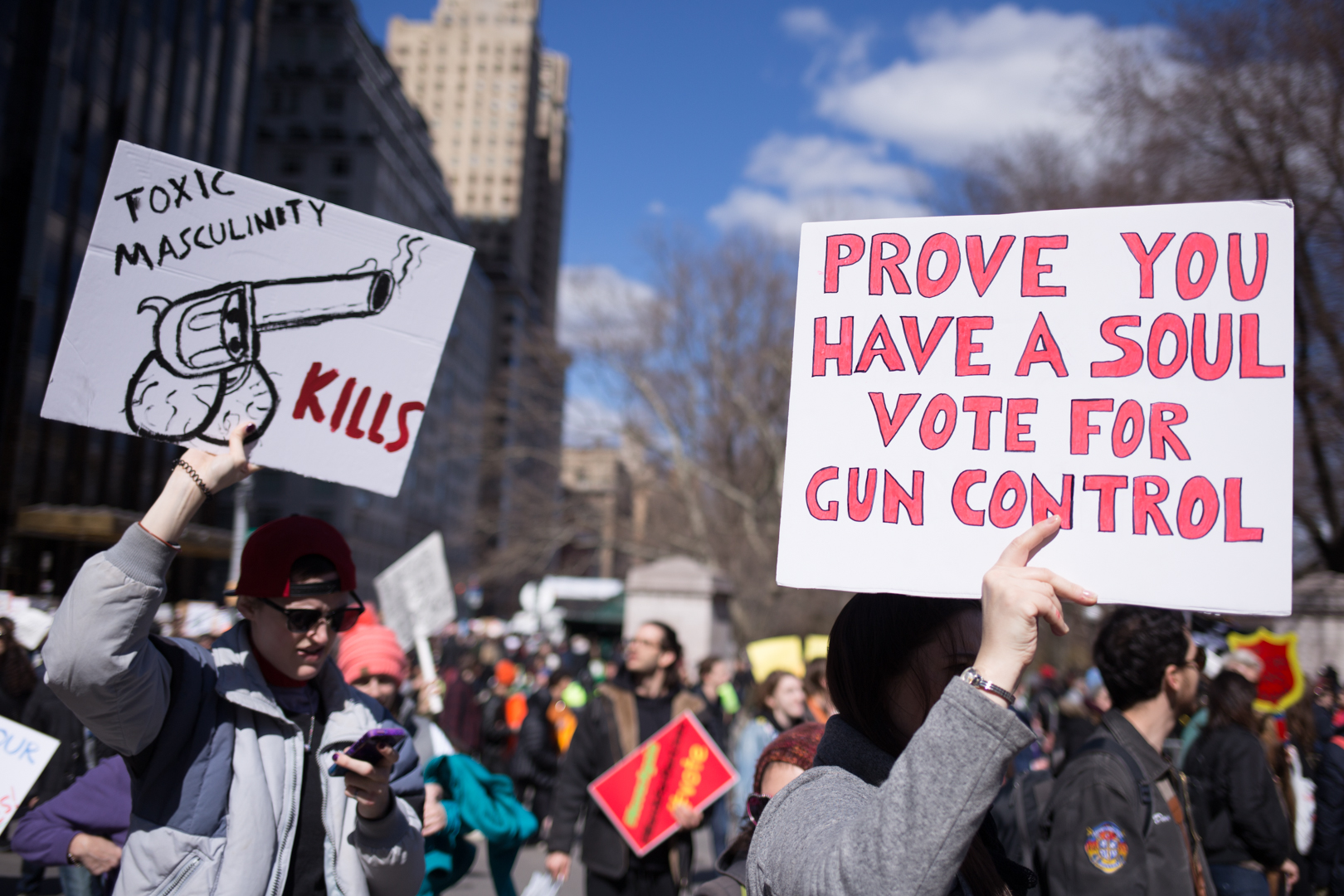


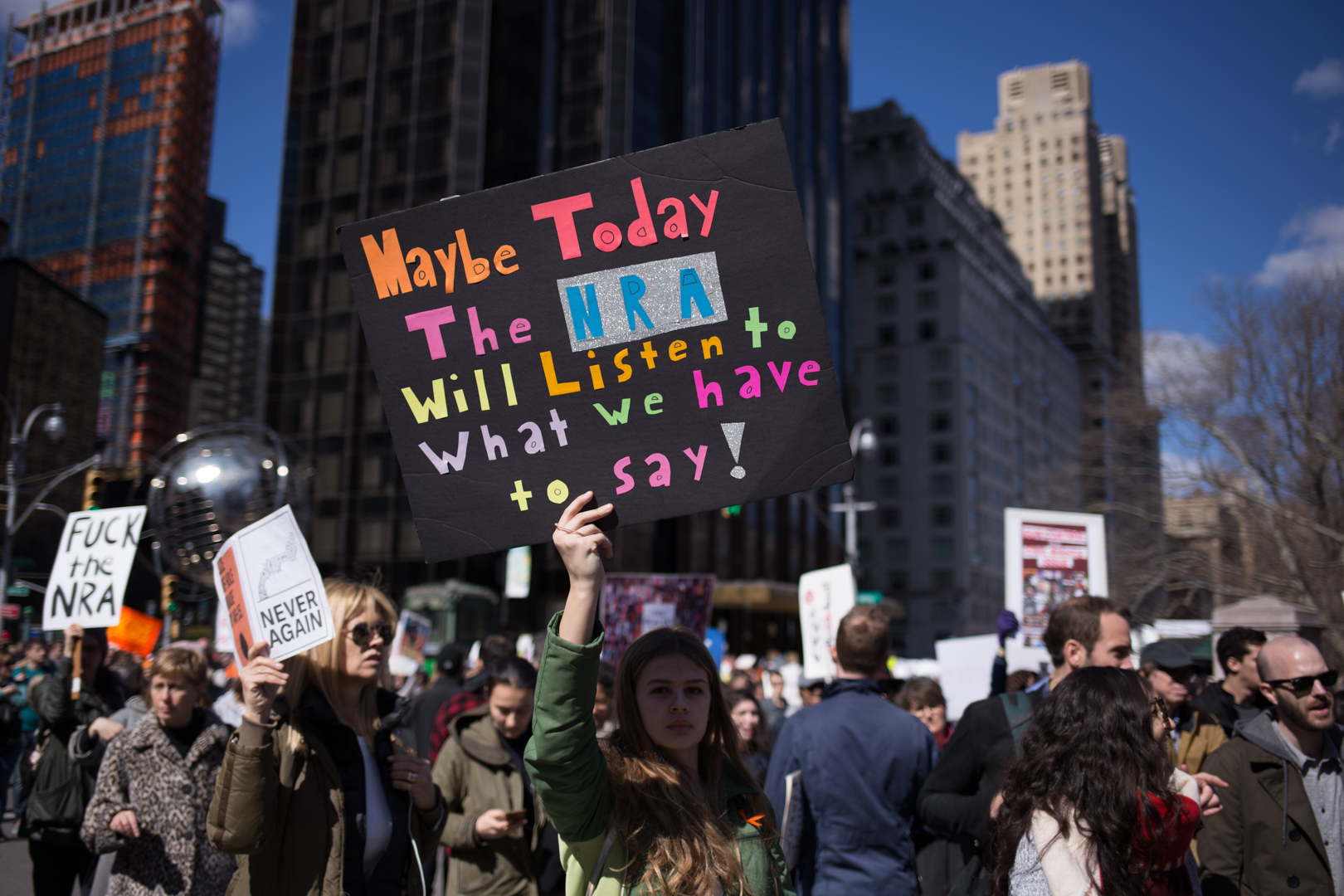
I finally marched on today—19 years too late. I teared up more at this march than I did at the original Women's March, or the immigration march, or the Trump protest or the second Women's March. To see children holding signs that said "Am I next?" is maddening and terrifying and deeply sad. I am embarrassed for our country and its elected officials that prioritize money over lives. I have never wished to relive my teenage years, but I do wish I could go back and do something meaningful—but I can only keep marching forward.
Want to help? Everytown is a good place to start and if you're not registered to vote you can be in two minutes—and if you are registered, VOTE.

Happy Friday!

Illustration by Lindsey Frances
Things that happened recently:
Cynthia Nixon announced her candidacy for Governor of New York, and although Trump has me wary of celebrity politicians, I can't help but be excited about her positions. This isn't a reason to vote for her, but I've seen her and her wife several times on the subway and it should be obvious that I'm a total Miranda—I'm also thinking it might be time to finally buy one of these notebooks.
Does anyone else watch This is Us or The Fosters? Both just ended their respective seasons, and I was a weepy mess through both of them. The Fosters is ending this summer and I'm accepting suggestions for another cheesy, weepy family show (I'm a little wary of the spinoff).
John Oliver trolled Mike Pence in the best way possible this week, by making a book about Pence's pet bunny, Marlon Bundo, and publishing it two days before the Pence family's own Bundo book came out. Oh, and in Oliver's version—which is currently number one on Amazon's best-seller list—Bundo is gay (like the real Marlon Brando, says Oliver).
Things to do in New York this weekend:
The Like Life: Sculpture, Color and The Body exhibition opened this week at the Met Breuer. It's on view until July 22nd and brings together sculptures by well-known artists alongside wax effigies, reliquaries, mannequins, and anatomical models.
The New York City March For Our Lives starts Saturday at 10am on the Upper West Side near Central Park's 72nd Street entrance and ends at 6th Avenue and 43rd Street.
Coney Island's opening day is this Sunday, and the first 98 people in line when the park opens at 10:45 am will receive free rides on the 98-year-old Wonder Wheel. I went to opening day in 2014 and 2015 and it will be chilly this year, but I'm still hoping to make it out.
Things I discovered recently:
Two weeks ago I mentioned Rosie O'Donnell's fantastic portraits of the Trump administration (you can buy prints!), but I think I might like Jim Carrey's even more. Speaking of Jim Carrey, if you haven't watched Jim and Andy: The Great Beyond on Netflix, add it to your queue even if you've never seen Man on the Moon.
I started reading this book based on a suggestion from someone who saw my Westminster post and I'm loving it—my only regret is that I didn't read it before I saw my first dog show.
I've been playing my entire Spotify library on shuffle lately and rediscovering some real gems including this incredible album of early American women blues singers. My dad and I are taking a trip to Memphis in May, and we're planning on driving to the Devil's Crossroads in Mississippi, where legend says that musician Robert Johnson sold his soul to the Devil for the ability to play the blues.
Tonight David and I are going to see The Isle of Dogs, and I'm looking forward to drooling over all of the Wes Anderson-y details and beautiful typography. On Saturday friends and I are taking a tour of the catacombs of St. Patrick's Old Cathedral, and I'm hoping that we'll still have time after the tour to join the March For Our Lives. I'd also love to go to opening day at Coney Island, although I'm not looking forward to the chilly weather and eating a hotdog with my gloves on—spring is really taking it's sweet time this year, isn't it? The snow on Wednesday was pretty, but I'm so ready to shed my heavy coat for something a bit less cumbersome. I hope you have a great weekend and hopefully you're seeing signs of spring, wherever you are!
Gravesend Cemetery

Gravesend, founded in 1643, was one of the original towns in the Dutch colony New Netherland, and one of the six original towns in Kings County. Founded by Lady Deborah Moody, the original English settlement included 39 other people. Moody was the first woman to found a township in the European colonies (what a total badass woman in 1643!). Gravesend wasn't incorporated into Brooklyn until 1894, and then became part of New York City when Brooklyn voted to join with the four other boroughs in 1898.

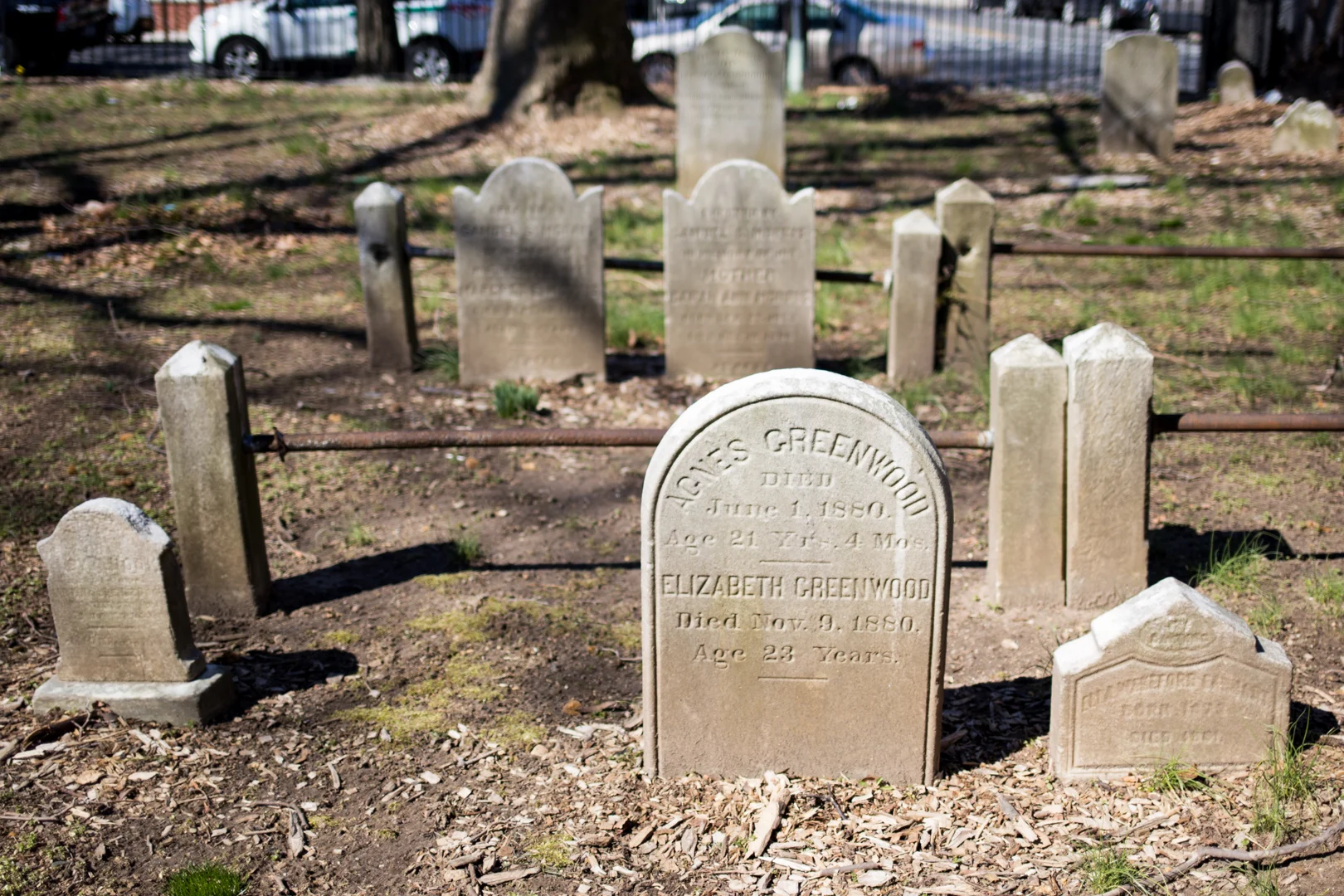


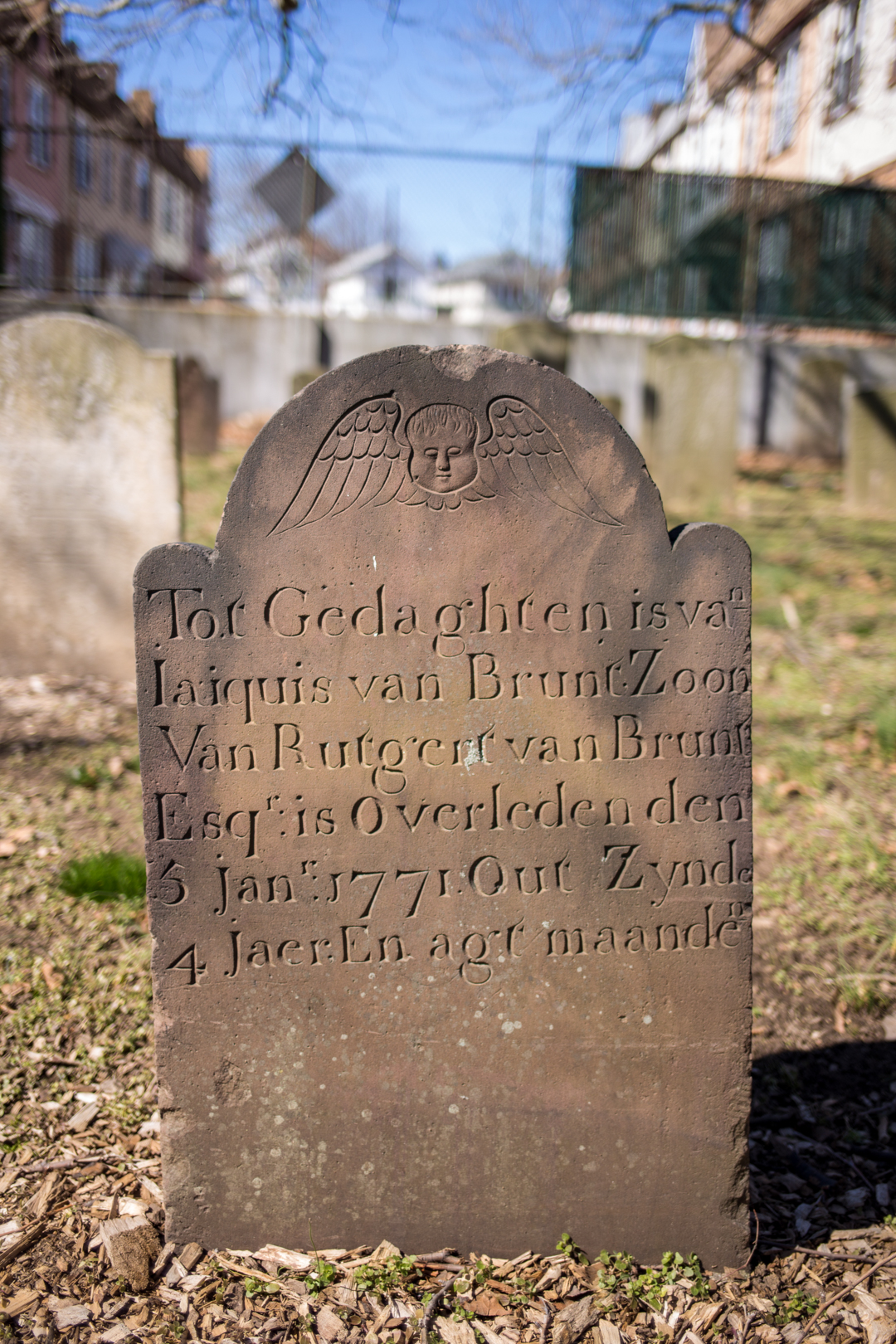

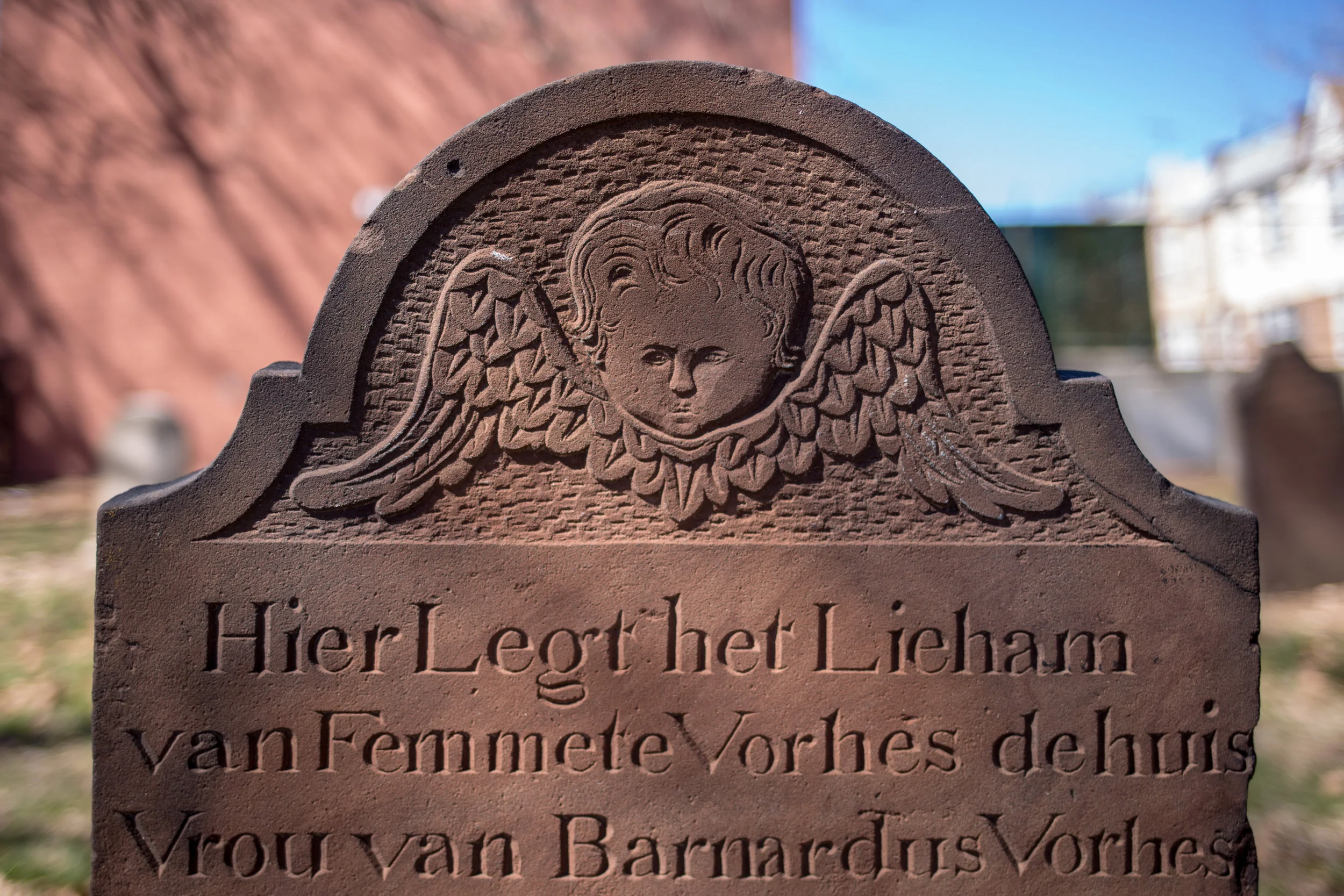
Gravesend Cemetery was founded around 1650, although the earliest surviving marker—a crudely carved fieldstone—dates from 1724. Early burials where likely Quakers or others who marked their graves with simple stones or wooden markers that haven't survived. The earliest traditional tombstones still visible are Dutch stones with intricately carved winged cherubs from the 1760s/70s.


I first went to Gravesend Cemetery back in 2014, and was disappointed to find the cemetery locked. There were no posted hours (just as sign that said open by appointment only), but I hoped that I would one day find a way to get inside of the historic grounds. That day finally came on Sunday, when my mom and I took a free tour offered by the New York City Urban Park Rangers.


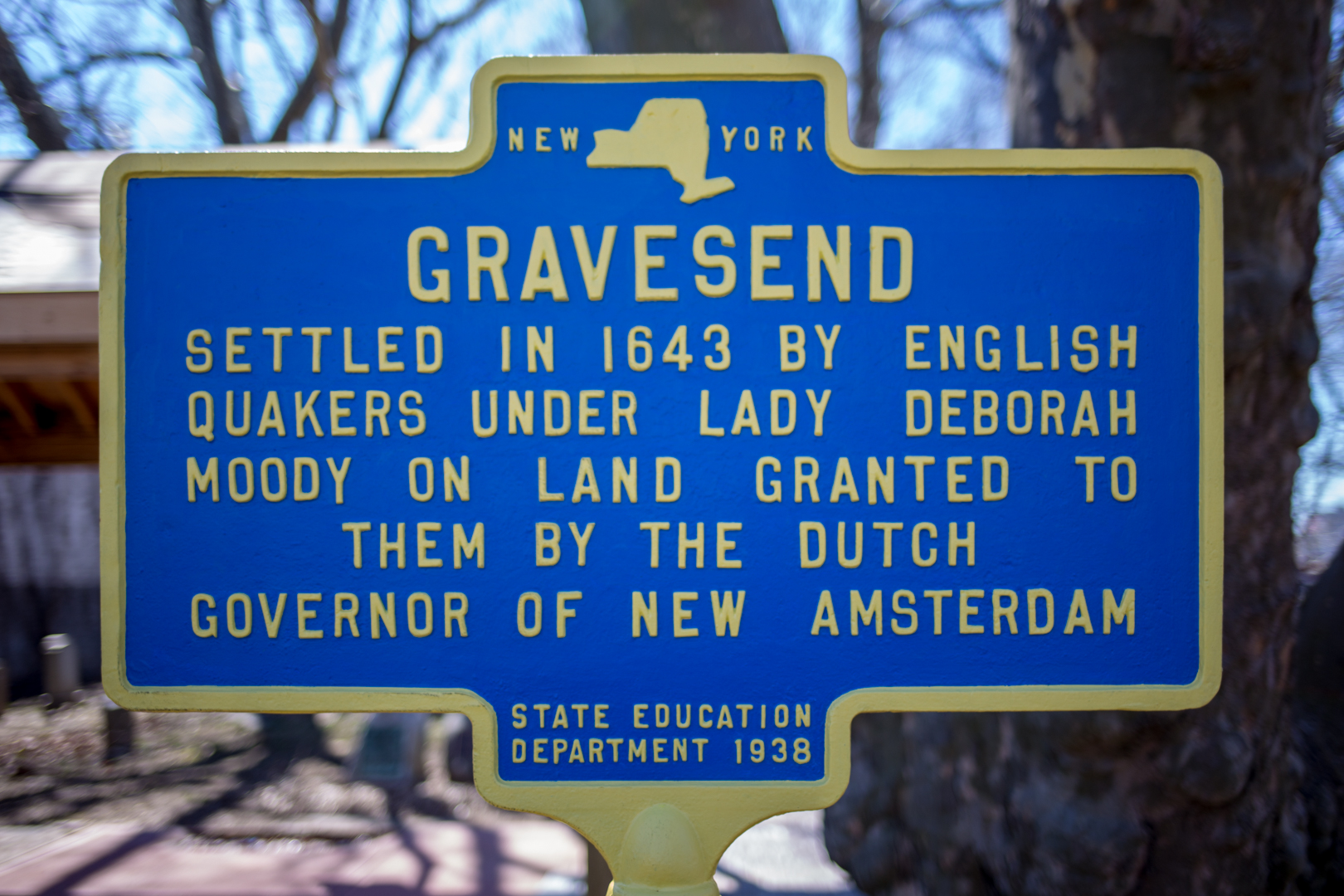
Tours of the cemetery are only given once a year and online registration had already closed by the time I found the event listing. I contacted NYCParks via Twitter to inquire about the event, and they suggested that I call the Urban Park Rangers. I temporarily overcame my phone phobia and spoke to a very nice woman who informed me that there was still space available. We were added to the list and the moral of this story is that obscure cemetery tours on chilly winter days aren't exactly a hot ticket—and that I can be persuaded to talk to an actual human on the phone if it means that I might get into a normally off-limits cemetery.


If I have the choice of a guided tour or wandering on my own, I'll always pick the latter but this tour was a good combination of both. Our park ranger was very knowledgeable and I never felt rushed. We also heard a few stories about notable burials that we would have never been able to infer just from looking at the stones themselves, which certainly makes the case for taking a tour if it's an option.


Barnadus and Sarah Ryder were brought to our attention, a husband and wife who died 34 years apart—but both on October 29th. We were also directed to find the one marker not made of stone, a blueish zinc head"stone"—I've seen these in cemeteries before, but I didn't know that all zinc markers were produced from a single company in Connecticut from about 1870 to 1912.

Viola Jackson was a black woman working as a maid when her dress caught fire—either from a candle or the oven—and she died tragically when she was just 22. She is buried in the cemetery, but along the southwest edge with other African Americans of that time—Gravesend's own interpretation of "separate but equal."

Jacob and Barnadus Ryder, whose stones are next to each other, died just ten days apart. The father and son didn't die from a shared illness, but rather from a murder-suicide that may have been Gravesend's first. Jacob Ryder, a farmer, cut the throat of his two-year-old son and then cut his own. His wife was in the field milking cows at the time, and although Jacob survived, he died ten days later from the self-inflicted wound. It was later revealed that Jacob had written a letter to his father claiming that he “imagined he heard a voice commanding him to execute the deed.”
The most fantastic thing about the New York Botanical Garden’s annual Orchid Show is the orchids themselves