
Archive
- Abandoned
- Alabama
- Arizona
- Bahamas
- Books
- California
- Cemetery
- Climate
- Colombia
- Connecticut
- Diner
- Egypt
- Feature
- Florida
- Friday Fun
- Georgia
- Holidays
- Illinois
- Iowa
- Italy
- Kentucky
- Louisiana
- Maryland
- Massachusetts
- Mississippi
- New Jersey
- New Mexico
- New York
- North Carolina
- Novelty Architecture
- Ohio
- Pennsylvania
- Personal
- Peru
- Project 365
- Protest
- Rhode Island
- Roadside Attraction
- South Carolina
- Tennessee
- Texas
- Travel Guide
- Virginia
- Walks
- Washington DC
- West Virginia
- Wisconsin

Sailors' Snug Harbor Cemetery

Sailors' Snug Harbor was established on Staten Island in 1831 as a retirement home for sailors. Noted sea captain Robert Richard Randall—in a will drafted by Alexander Hamilton—bequeathed his property for the creation of Snug Harbor, one of the first retirement homes in the country. The only requirement for the self-sustaining community was that residents have five years of maritime service for the US, or ten years for a foreign country.
Peak population of the community was more than 1,000 in the early 1900s. By the '70s the population had dwindled significantly—the home was moved to North Carolina and the property was transferred to the City of New York as a cultural center. I have been to Snug Harbor a few times in the past few years, but on my most recent visit I finally found the cemetery.



The cemetery appears on Google Maps, but on my last visits it had eluded me. The L-shaped graveyard is located beyond the south gate of Snug Harbor, off of Prospect Avenue, right next to Allison Pond Park. The cemetery itself is enclosed by a brick wall, and when you peek through the (locked) gate it just looks like a big open field. In fact, the six-acre site actually contains the graves of 7,000 mariners who died at the Snug Harbor between 1833 and 1975.
Each grave was once marked with gravestones bearing four-digit numbers, and then metal plates were used when the cemetery began to get crowded. These plates eventually deteriorated and other marble stones were removed and put in storage for their protection. You can see examples of the four-digit marker stones on display in the Noble Maritime Collection (housed on the grounds of Snug Harbor).


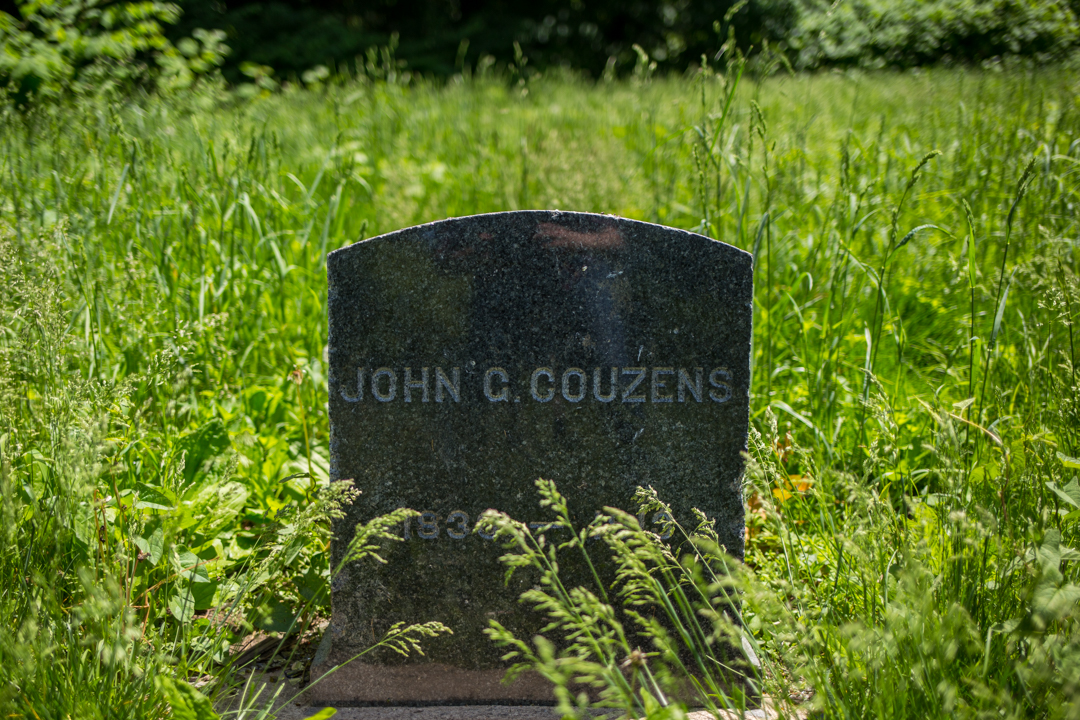
What I didn't know when I first tried to find the cemetery is that there are a handful of tombstones left on the property—they're in the back of the cemetery, in an area that the Snug Harbor residents referred to as "Monkey Hill." I'm not sure if this cemetery is ever "open" to the public, but I walked back into the woods of Allison Pond Park and easily found a way over the brick wall. The grass and weeds were nearly knee-high and I was skeptical that I would even be able to find the remaining stones, but I eventually located a few (and emerged with neither ticks, nor a poison ivy rash).
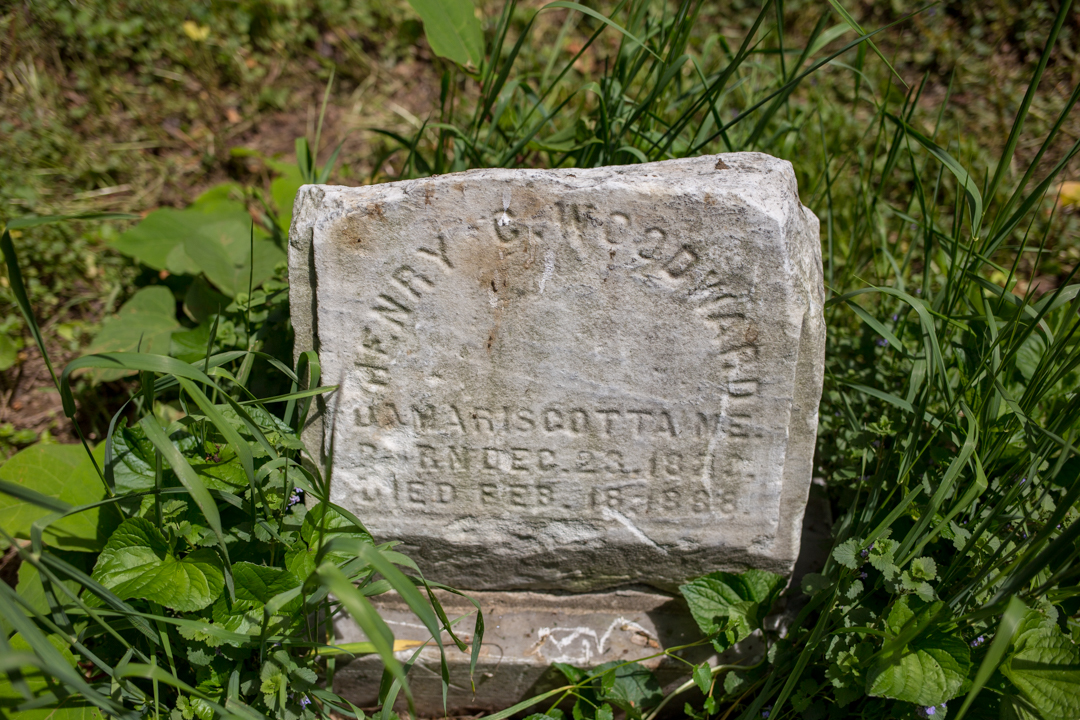


The Trustees' of Sailors' Snug Harbor retained ownership of the cemetery even after the retirement home was relocated, and as I was getting ready to hop back over the wall, I did see a man at the front gate beginning to mow the lawn. I hesitate to say that this cemetery is truly "abandoned" but it may as well have been for how hard it was to locate and how forgotten it feels.

Mermaid Parade 2018
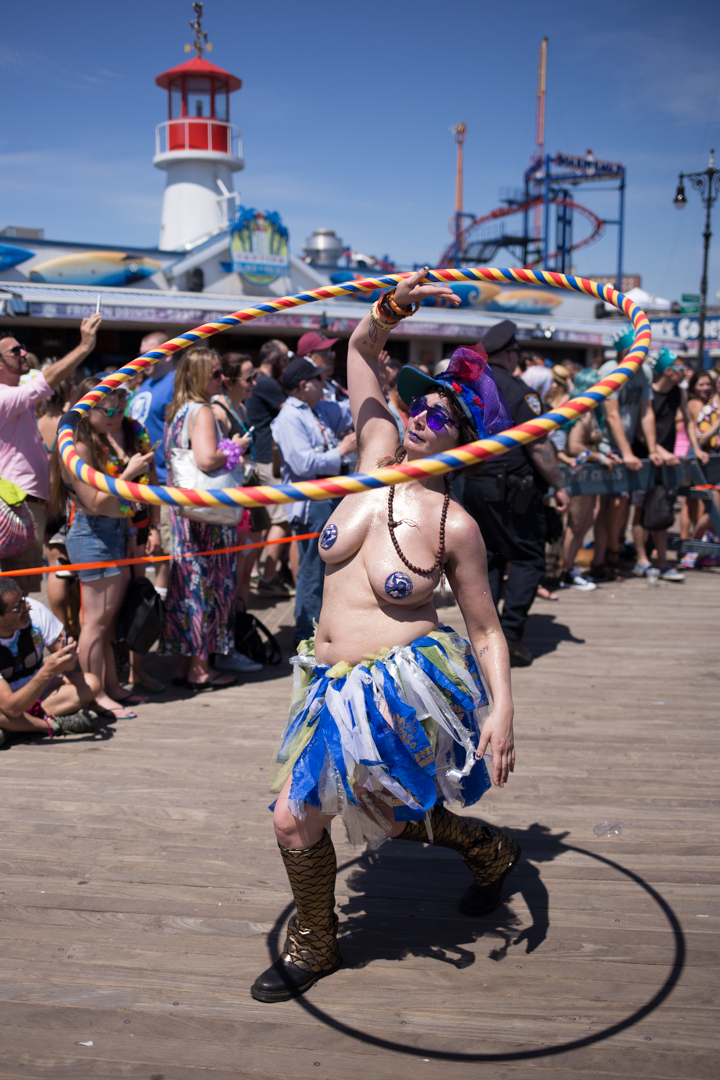
This was my fourth Coney Island Mermaid parade in five years of living in New York. It's something I look forward to every year and I put it on my calendar as soon as the date is announced. I can't remember why I missed 2015—maybe the weather wasn't great—but this year the weather way perfect and the boardwalk was packed.


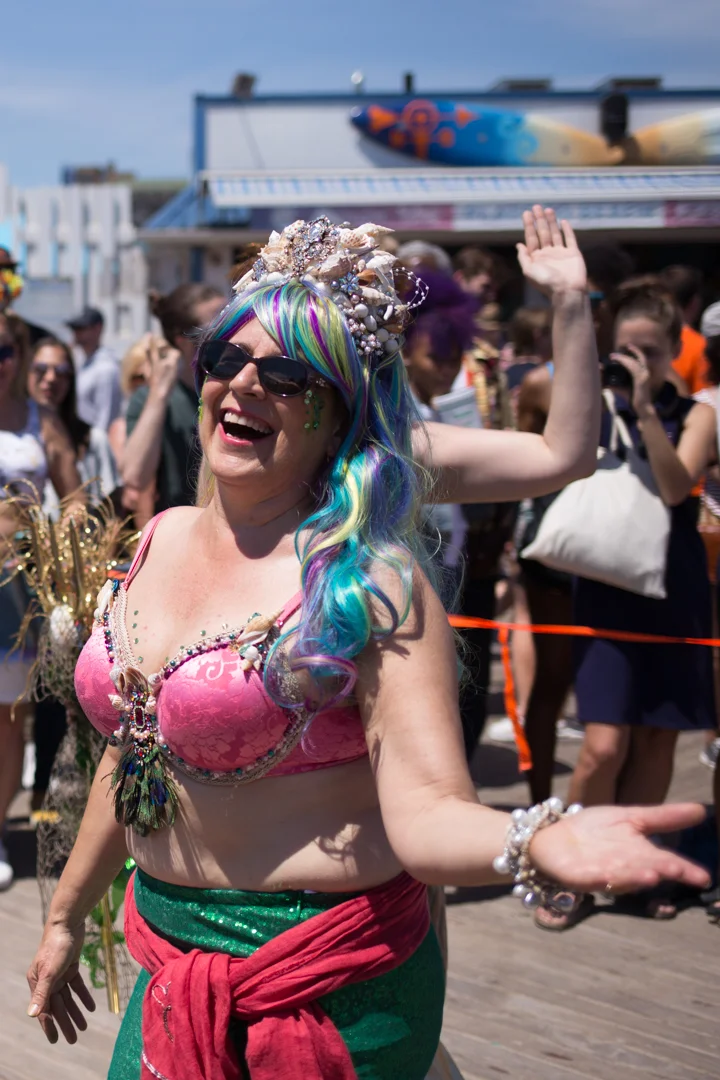
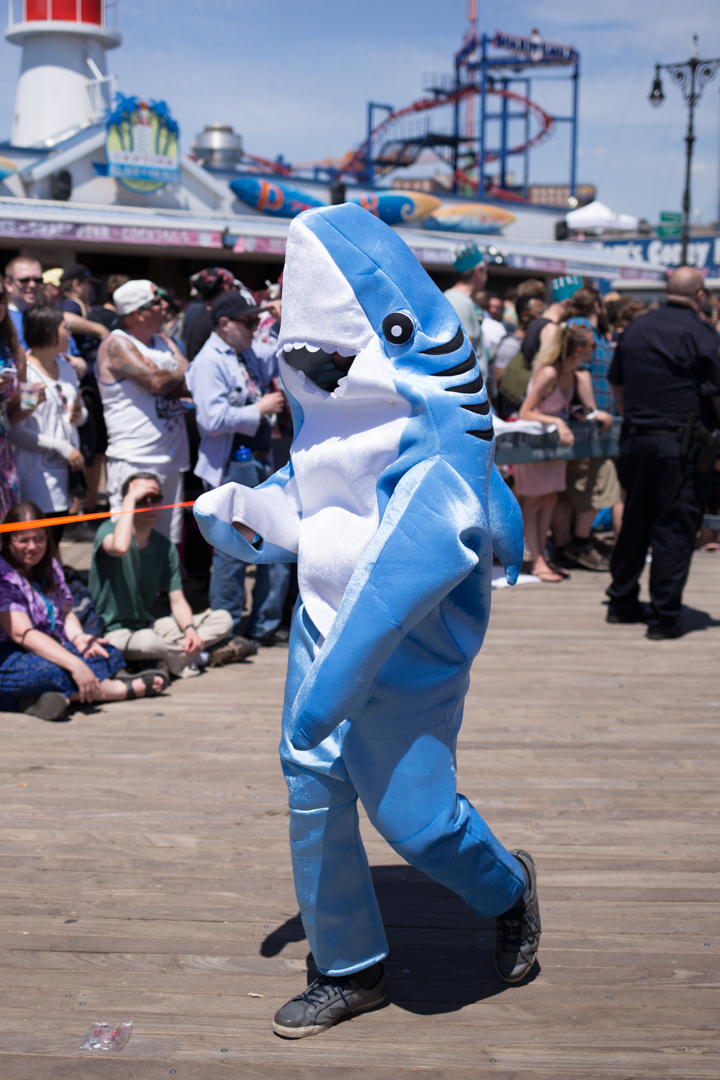
This was definitely the most crowded Mermaid Parade in recent memory, although we were able to get a front row spot on the boardwalk without getting there too early. Since this is a parade, there was inevitably a point where someone tried to squeeze their toddler (and themselves) next to us and I've been to enough parades to give this advice to anyone thinking of doing the same: don't. I understand kids are small and can't see over adults but having a toddler is not a free pass to be an inconsiderate asshole.


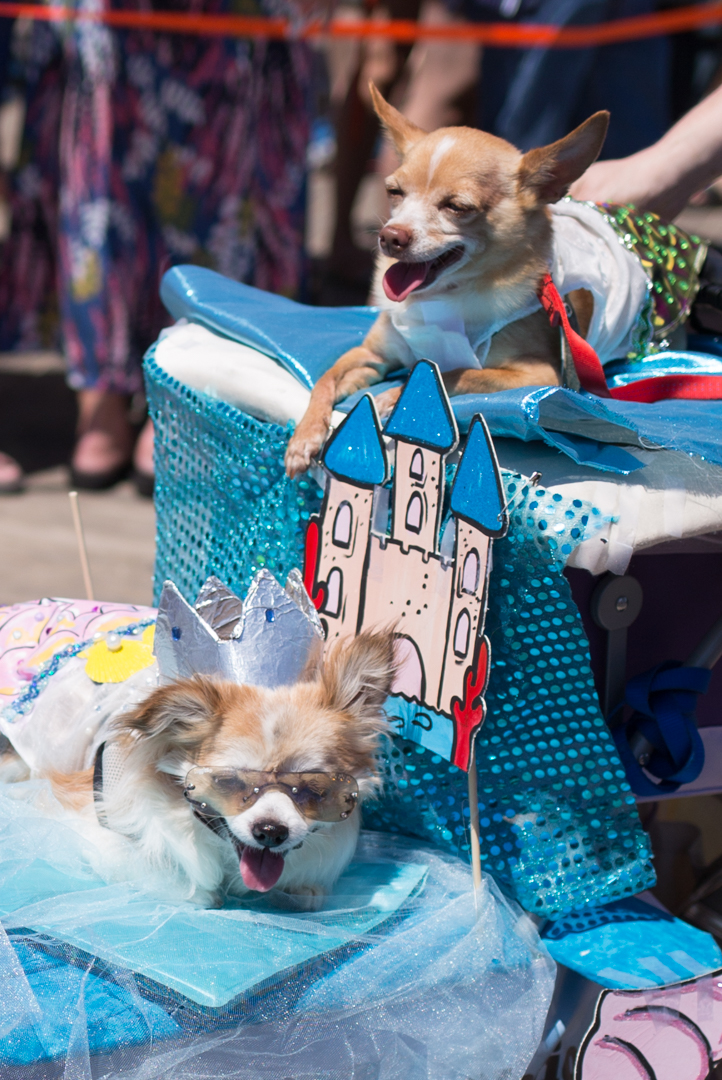


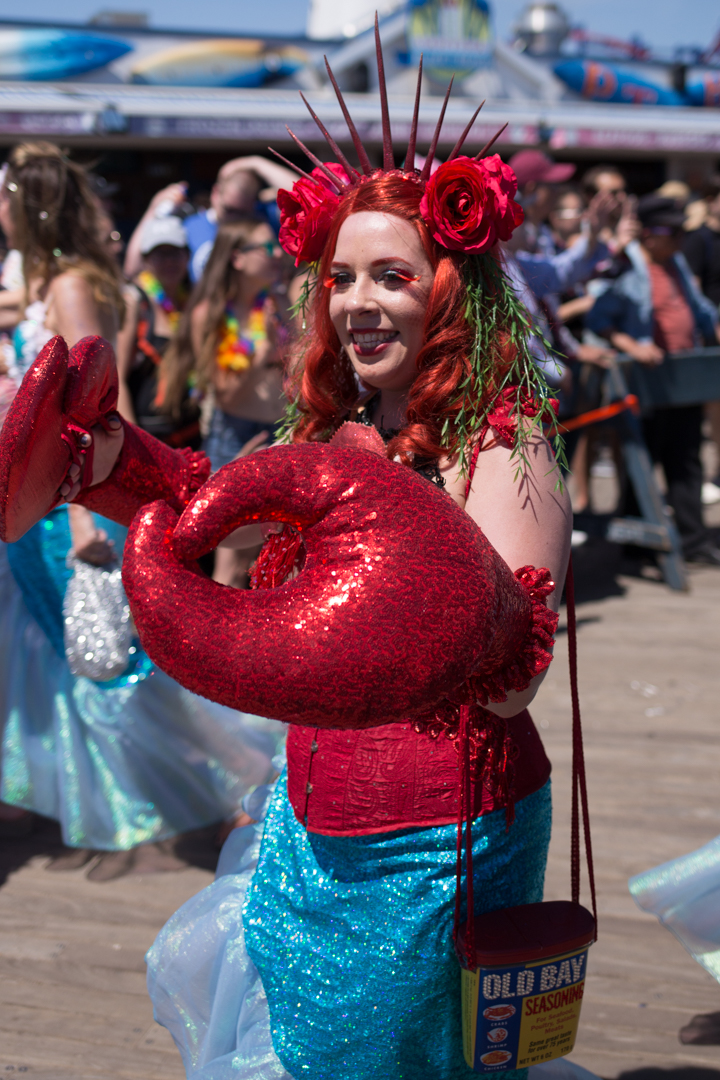

I've been attending events like this in New York long enough to start recognizing people (and animals). There are people who change it up every year, people who wear the same costumes and there are also those people that you see at every New York event in the same costume, regardless of theme—the MetroCard man, the wizard, etc.

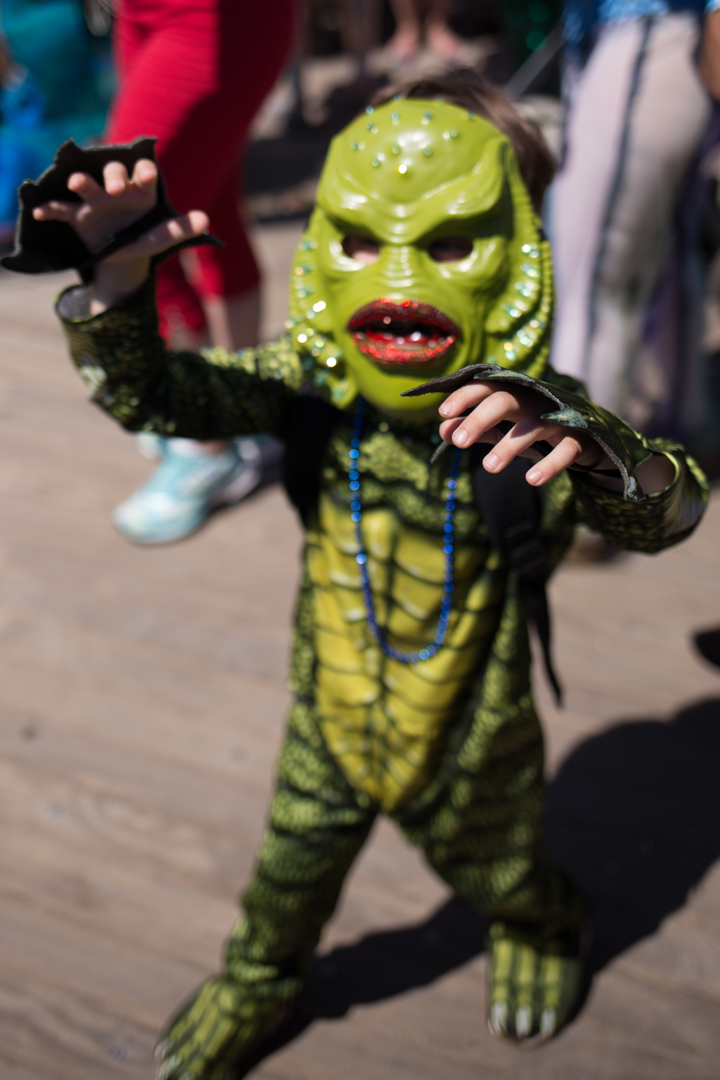
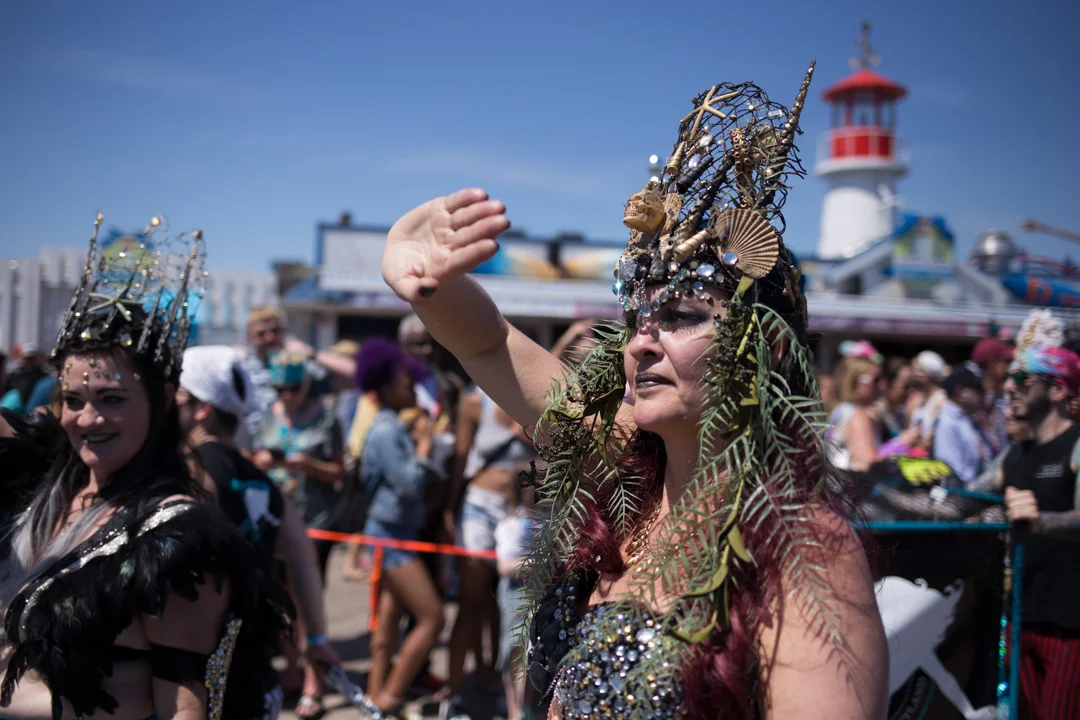

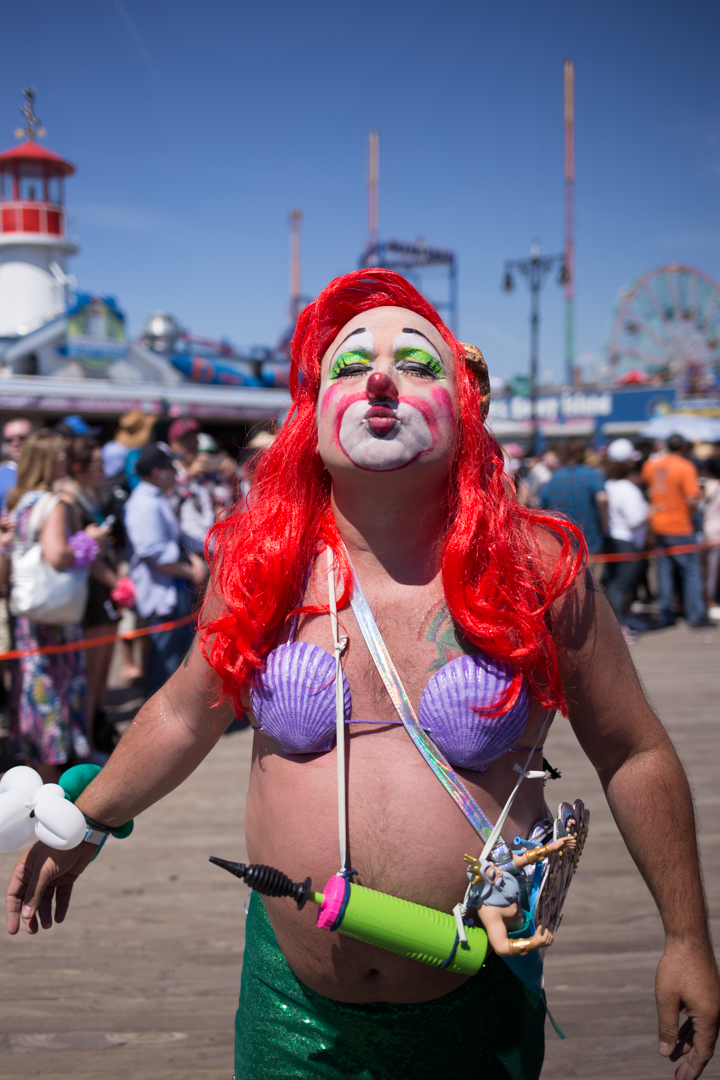


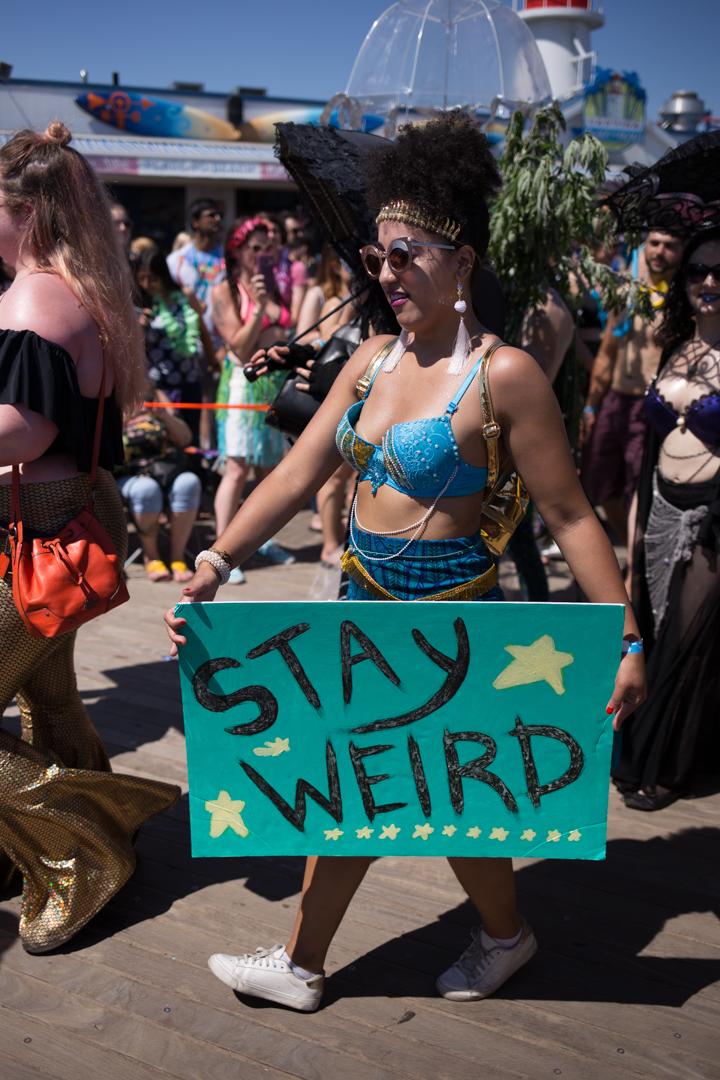

I'm blown away by the joy and creativity that the Mermaid Parade attracts every year. Most parades are overrun with corporations or politicians pushing their agenda—the only agenda on display in Coney Island is fun. Ok, maybe that's not entirely true—current events-inspired costumes like Ruth Wader Finsburg fighting for "seaquality for all" and "reel justice" have been increasing in frequency the last couple years.





The grand marshals of the parade this year were the writer Neil Gaiman and his wife, The Dresden Dolls' Amanda Palmer (along with their young son). I will say that I'm still surprised each year at how long the parade is—I don't normally stay to see the end. The pacing of the parade also seemed to be off this year with huge gaps in between marchers. It was so bad that the crowd kept thinning as people mistakenly thought the parade had ended in between breaks.

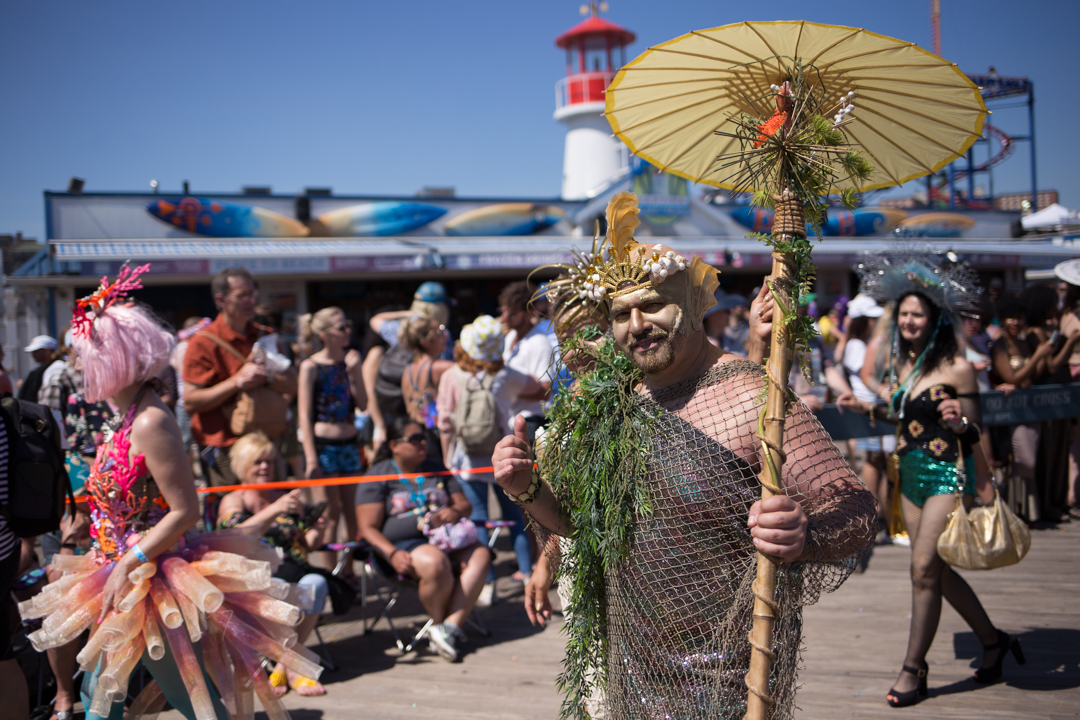


Every year I say that the next might be the year in which I am no longer just a spectator, but an active participant in the parade, but I think next year really might be my year. I'm planning on taking my Coney Island-themed Halloween costume from last year and modifying it slightly to fit with the sea theme—stay tuned!

Staten Island Boat Graveyard

The Staten Island Boat Graveyard—also called the Witte Marine Scrap Yard, the Arthur Kill Boat Yard or the Tugboat Graveyard—is located in the Arthur Kill waterway near the Rossville neighborhood in Staten Island. The scrapyard was founded in the 1930s by John J. Witte and today it is still managed by his son.


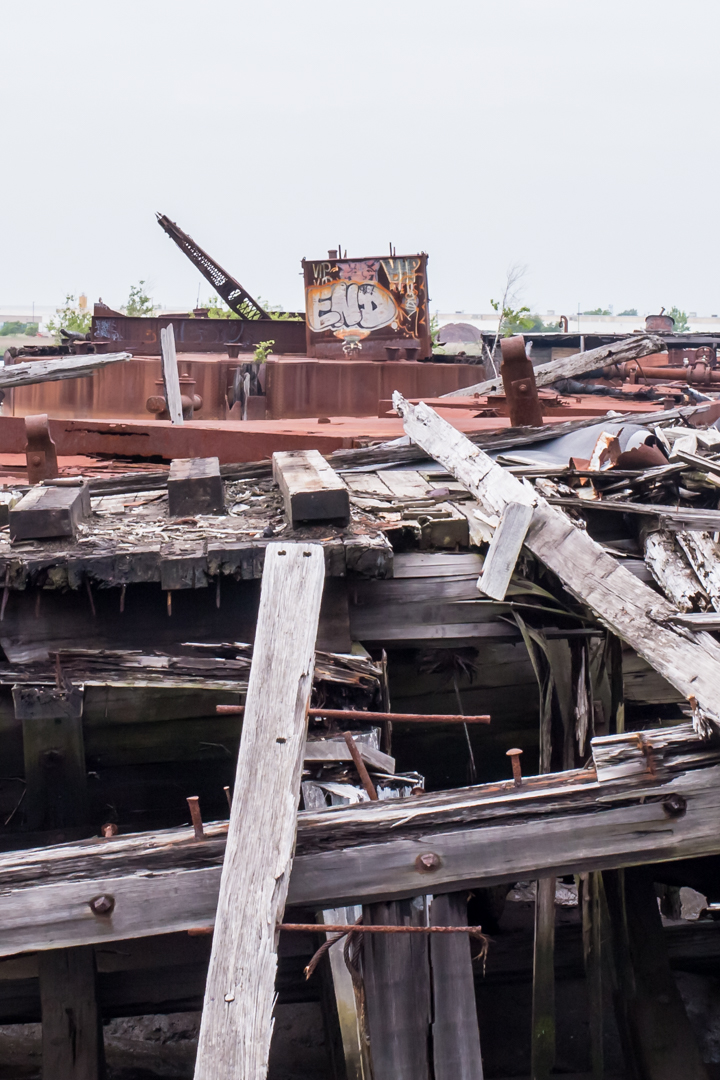
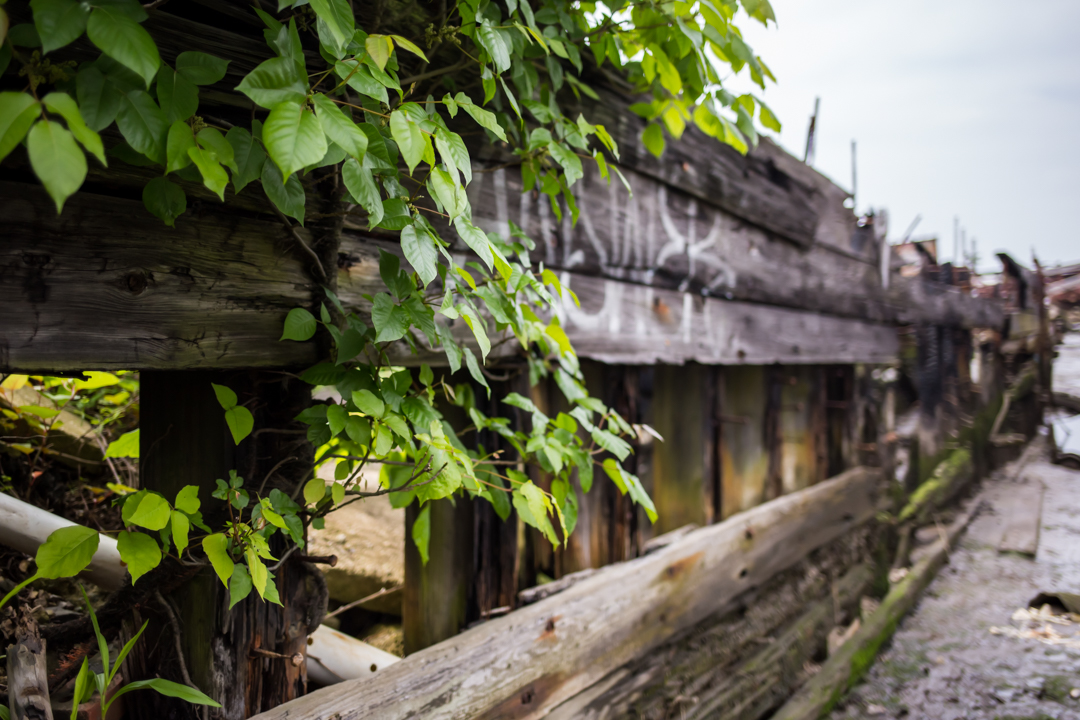




To really see the remains of nearly 100 cargo ships and tugboats, you technically have to do a little trespassing. There is no public access to the graveyard and probably for good reason—I've explored some rickety buildings, but nothing compares to the twisted, slippery piles of rusty metal and wood that you'll find here surrounded by quicksand-like muck and mud. I put my faith in the tetanus shot I had less than ten years ago (when I passed out on a pile of rusty antiques ... in my own bathroom) and luckily the only causalities were my sneakers, which will forever be caked in stinky mud.





Although it's still privately owned, the boat graveyard has accidentally evolved into an outdoor boat museum over the years. Notable ships include the first WWII US Navy ship to have a predominantly African-American crew and a New York fireboat present at the 1904 sinking of the General Slocum, the worst disaster in the city's history until 9/11.


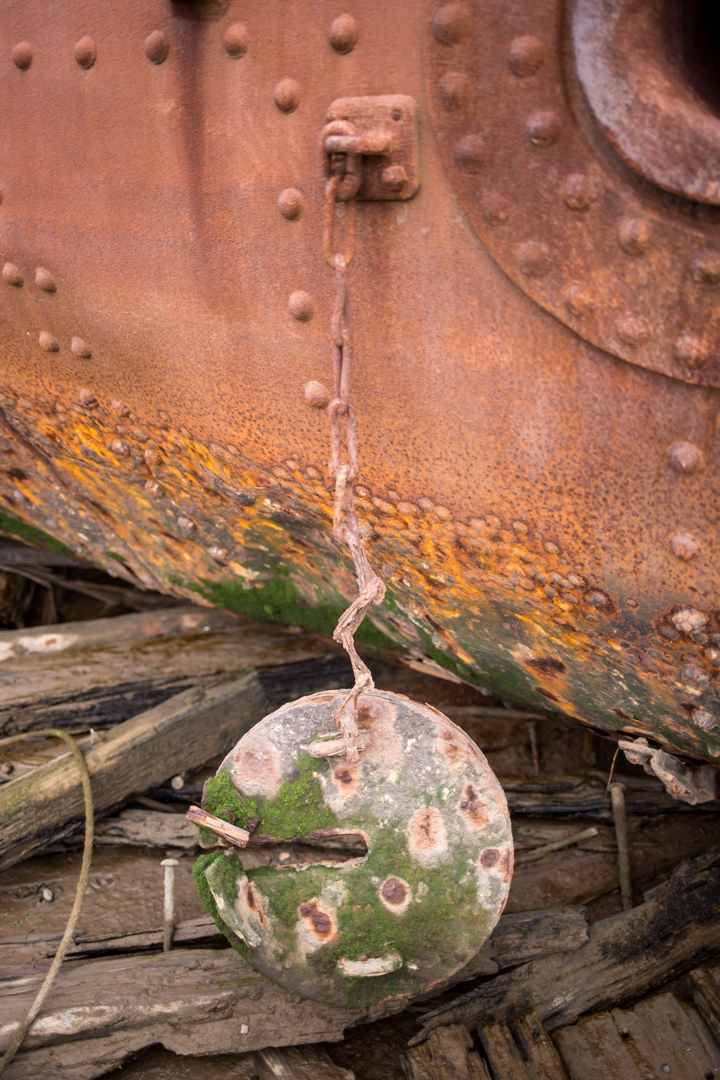



You'll see the most at low tide—or if you're really brave, a kayak (or at the very least, rubber boots) would be the ideal accessory. We mostly scrambled along the shore and carefully ventured out onto slimy planks when they were available. In addition to climbing on rusty, unstable piles of scrap, you'll have to do a bit of bushwacking through the tall weeds and brush, but the views are definitely worth the effort (and risk). There was so much more in the scrapyard than I expected, and my only regret is that we couldn't get closer to, or even inside of the ships.

My Tiny Studio Apartment

Last August I moved into my first-ever studio apartment. I had never lived alone—unless you count a single dorm at college—and I couldn't exactly afford it but I've never once regretted the move. My mom lives one floor above me and I love the neighborhood. My friend Alisha actually used to live in this studio and I always envied her—I never dreamed that I would have my chance to move in a few years later.
This was my fourth apartment in five years of living in New York, and I don't waste time when it comes to decorating my spaces (or subscribe to anything remotely resembling "minimalism"). A month after I moved in, I had a guy over from Con-Ed to check for gas leaks (it's a long story) and he asked how long I had been here—I told him a month, and he looked around and said "wow, it looks like you've been here for years" (I chose to take this as a compliment and not a comment that I'm on the on ramp to HoarderVille).


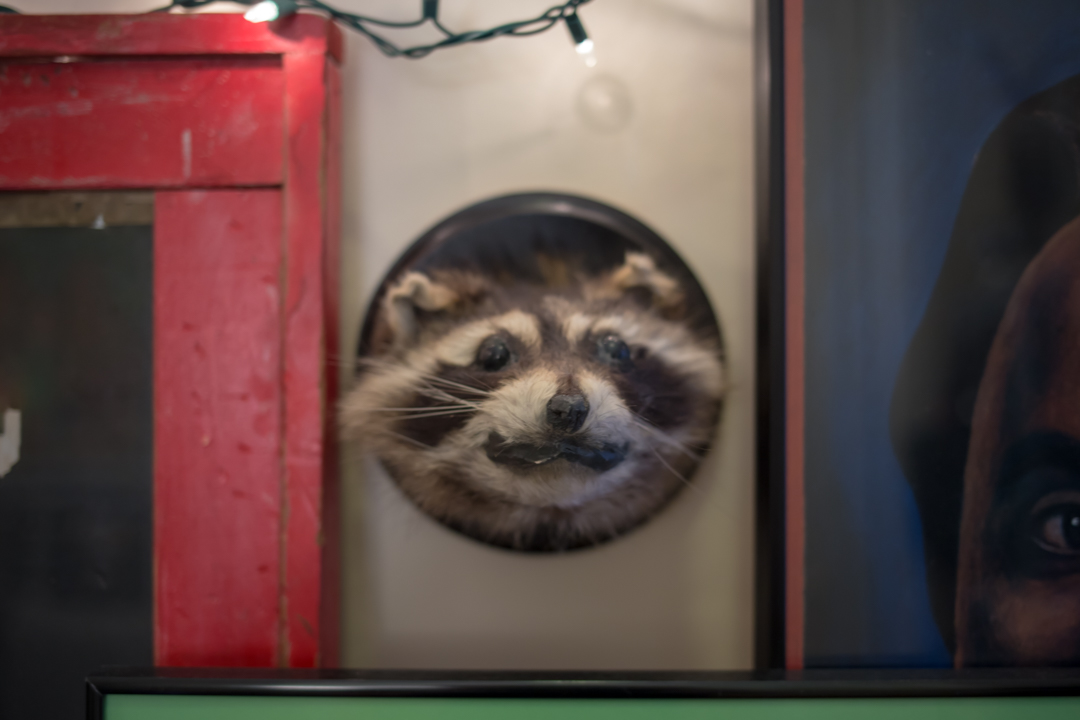
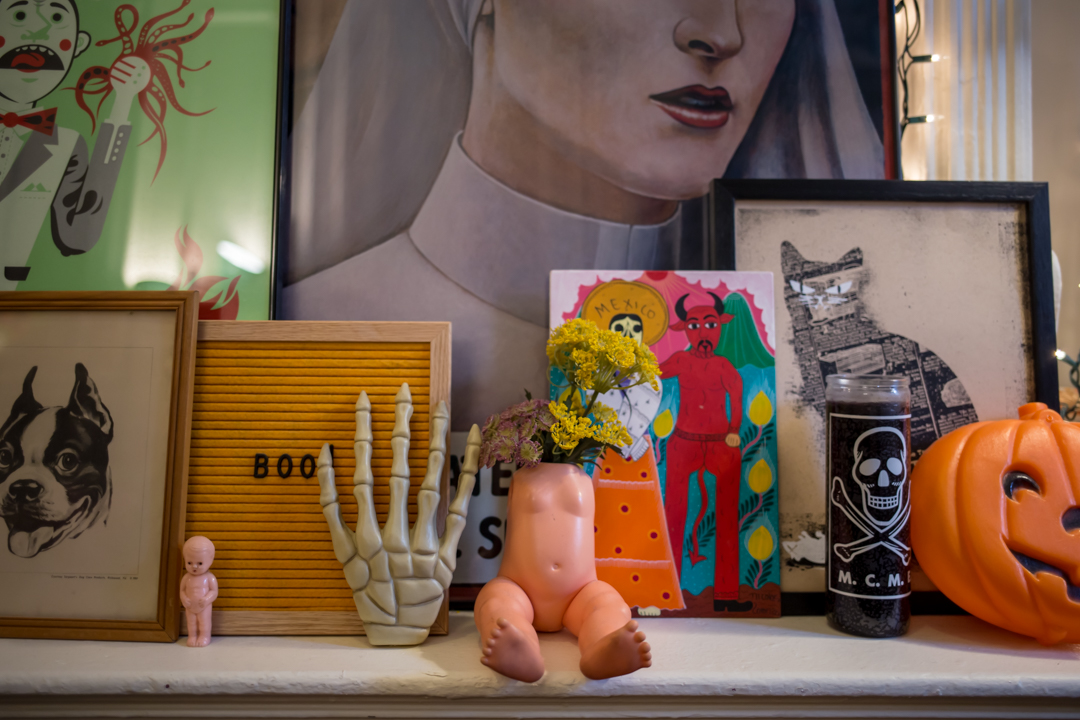
This apartment is on the first floor of a brownstone in Harlem, in what used to be the parlor. There's one huge window in the front and a rectangular living space followed by a tiny kitchen and bathroom in the back. There are huge double doors—only one of which opens—high ceilings and beautiful decorative trim. There's a ledge in the middle that used to have a mirror above it, but it's since been replaced with drywall. I was originally annoyed by the ledge since it limits my furniture placement options, but that was obviously silly since I managed to fill it up immediately.


The kitchen is comically tiny and I lost one lower cabinet to Mozart's litter box, but I don't cook elaborate meals so it works for me. I joke that I basically have an Easy Bake oven but that's not far from the truth. My fridge doesn't exactly keep things cold but it does have giant googly eyes and is the perfect place to hold my Halloween costume from last year. Speaking of faces, you might notice them everywhere—anything is more whimsical and endearing when it has eyes.
When I moved into this space, I made a mental note that I would only buy things that bring me joy, and I've slowly been replacing items to make this a reality—I recently traded a boring stick lamp for a dinosaur lamp and I have zero regrets since adopting this strategy.
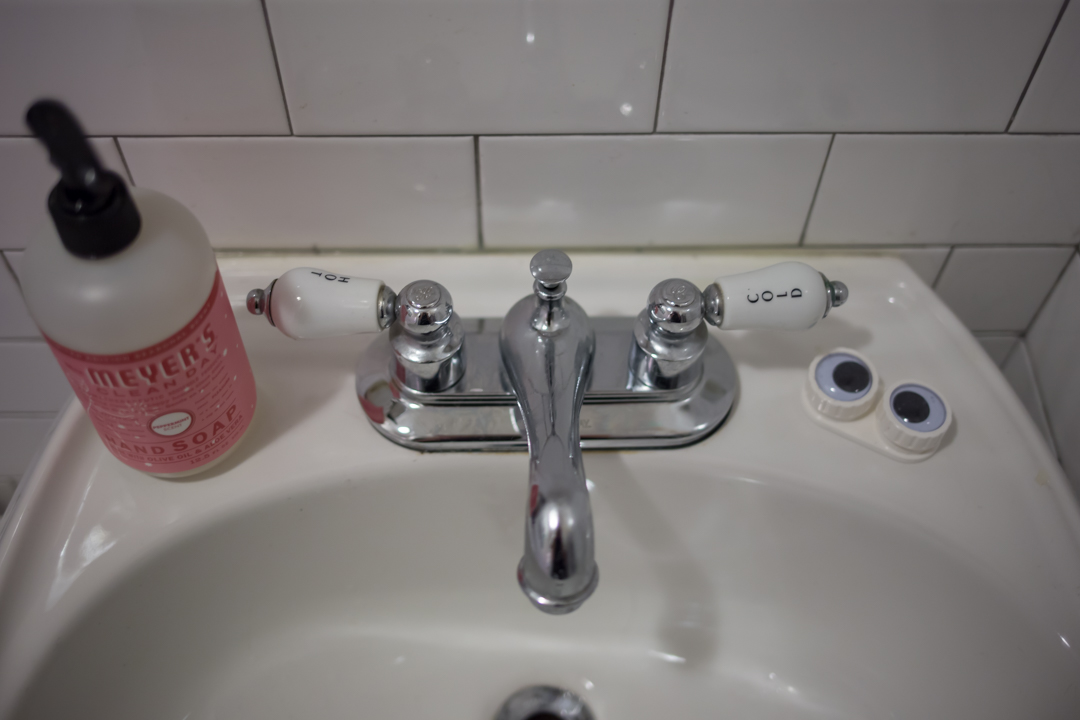


I have a tiny stall shower which is probably my least favorite part of the apartment, but I think I'm getting used to it—taking a shower in David's normal-sized bathroom now feels like the ultimate luxury. There's no overhead fan so it gets a bit steamy, but I bought a tiny desk fan that helps keep the air circulating. The bathroom is the best place to display my collection of vintage enamelware medical trays, and it's the only place where there's room for Mozart's automatic feeder.
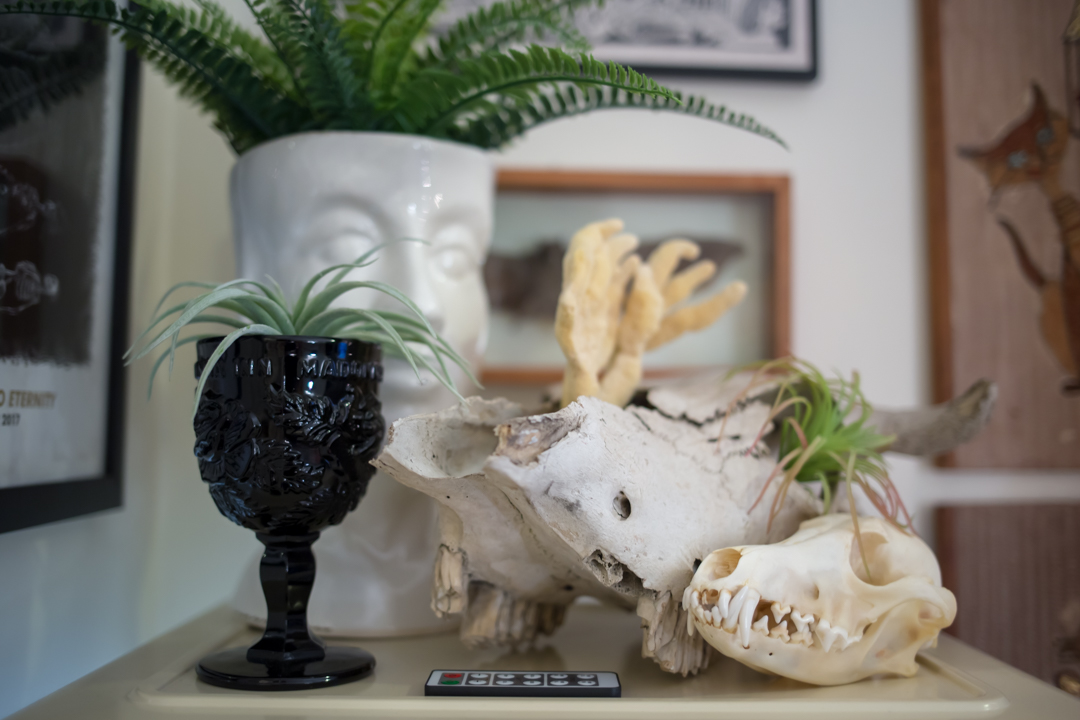
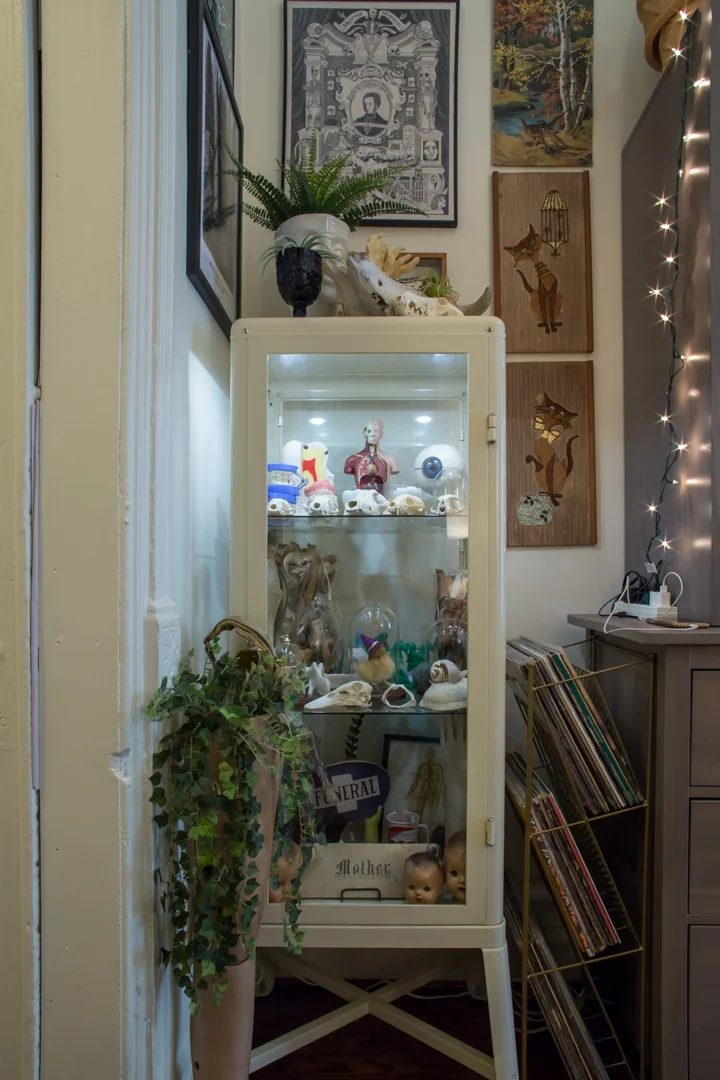


You might notice that I don't have a closet, but I do have a curiosity cabinet. I keep most of my clothes in the dresser and I have three plastic tubs under my bed for sweaters. I could fit a wardrobe near the dresser if I didn't display my curiosity collection but obviously my priorities differ slightly from most women my age.
I just bought LED lights for my cabinet and they make such a difference—every time my mom visits to see a new acquisition, she reminds me that I should be charging admission to my own personal Mütter Museum. Other utilitarian things with a high dose of whimsy include a vintage bedside glasses holder from an optometrist's office, a South of the Border ashtray that holds memory cards and lip balm, and a shark cup that doubles as a holder for my remotes.


My bookcase is organized by color—I once heard this called the "hipster decimal system"—and it's always filled to capacity because living in a tiny space hasn't helped me curb my bargain book-buying habit. The bottom shelf holds some of my shoes, and the skinny shelf next to the bookcase holds my socks (in a bin out of reach from Mozart, who loves to play with them), scarves, blankets and a bin with more shoes. I am the Queen of using Command hooks to hold bags, umbrellas, oven mitts, jackets and hand towels—the rest of my jackets are hanging behind the bathroom door, which is almost never closed.
I don't know the square footage of this apartment and I call it my closet, but really it's all the space I need. I've managed to fit everything I need in the available space like puzzle pieces—most of the furniture is IKEA or curb finds. I'm sure I won't live here forever, but I did sign a two-year lease so I'm excited to not have to move again this year. The apartment isn't perfect but having a living space all to myself has been nothing short of life-changing.
Sources:
Cat toy | Sausage links | Bunny Peep pillow | winky pillow | fan | Paranormal activity print | Baby head planter | We Are Happy to Serve you print | Four Eyez print | Skeleton print | Kit-Cat clock | Beeswax Baby Head candle | dinosaur lamp | retro alarm clock | bedside lamp | copper fan | anatomical hand pouch | winky bath mat | eye container + tooth brush holder | green clock | wig print | googly eye contact holder | green three-head lamp | skeleton oven mitt | record rack | Caffe Reggio print | Paul + Blue print | soap dispenser | coffee print | kitchen cart | giant googly eyes | ice cream bank | cat food dispenser | letterboard | Peewee print | cat print | Madame Talbot prints | curiosity cabinet | LED lights

Hall of Fame

I had no idea that there was an “original” Hall of Fame, until I visited it with three friends back in November. The Hall of Fame for Great Americans was dedicated in May of 1901 at what was then the uptown campus of New York University in the Bronx. It was the brainchild of Dr. Henry Mitchell MacCracken, the Chancellor of the University at the time, and features a 630-foot open-air colonnade populated with bronze portrait busts of the honorees.


The Hall of Fame was designed by architect Stanford White, who also designed the nearby Gould Memorial library, the Hall of Languages and the Hall of Philosophy. It has spaces for 102 busts, and currently houses 98 originals by sculptors such as Daniel Chester French (sculptor of the Lincoln Memorial) and Frederick MacMonnies (sculptor of the reliefs on the Washington Square Arch).


In order to be nominated for the Hall of Fame, someone must have been a native born or naturalized citizen, must have been dead for 25 years and must have made “a major contribution to the economic, political or cultural life of the nation.” Honorees include ten Presidents and other “authors, educators, architects, inventors, military leaders, judges, theologians, philanthropists, humanitarians, scientists, statesmen, artists, musicians, actors, and explorers.”
The last honorees were inducted in 1976, but they don’t have busts or plaques because NYU was suffering financially, along with the rest of the city in the ‘70s. The campus was sold to the City University of New York in 1973 and is currently home to the Bronx Community College.
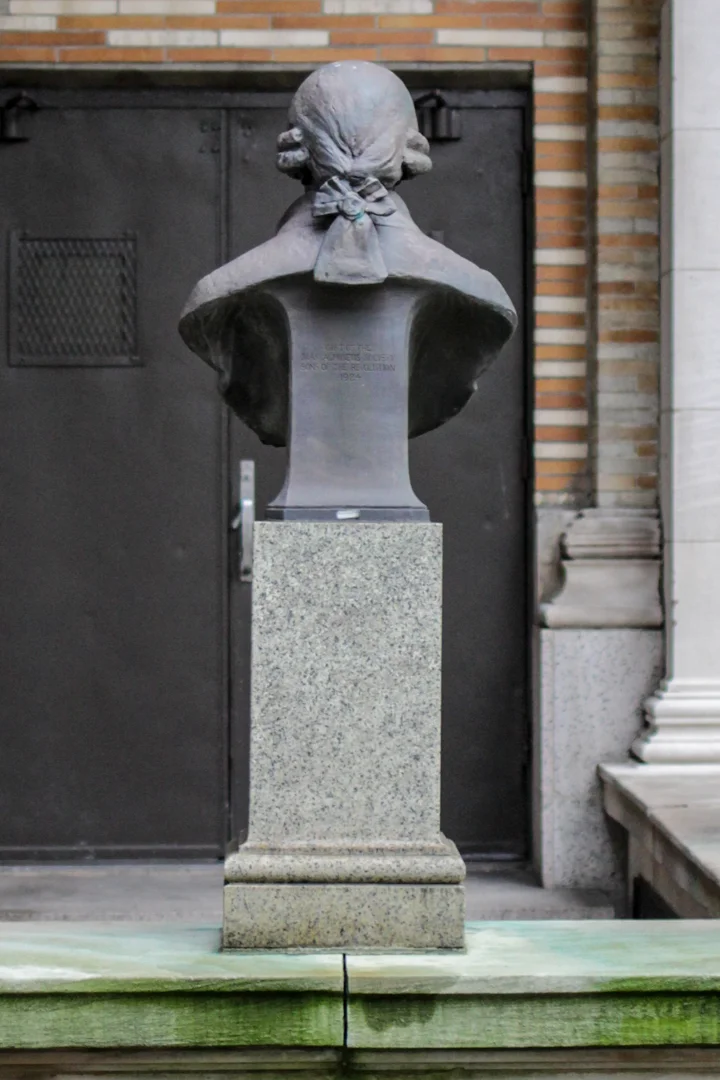


The Hall of Fame is supposed to be open to the public for self-guided tours M-F 9am-5pm and Sat-Sun 10am-5pm. We went on a Saturday and ran into some resistance at the front gate, but after pleading our case we were eventually allowed to explore the grounds unattended. The Gould Memorial Library was unfortunately closed, and I would love to go back and explore the beautiful Beaux Arts landmark.
I had no idea when I was listening to the Wizard of Oz soundtrack on repeat as a kid that the line “You’ll be a bust, be a bust, be a bust in the Hall of Fame,” was referring to this particular Hall of Fame—the first of its kind anywhere in the country.

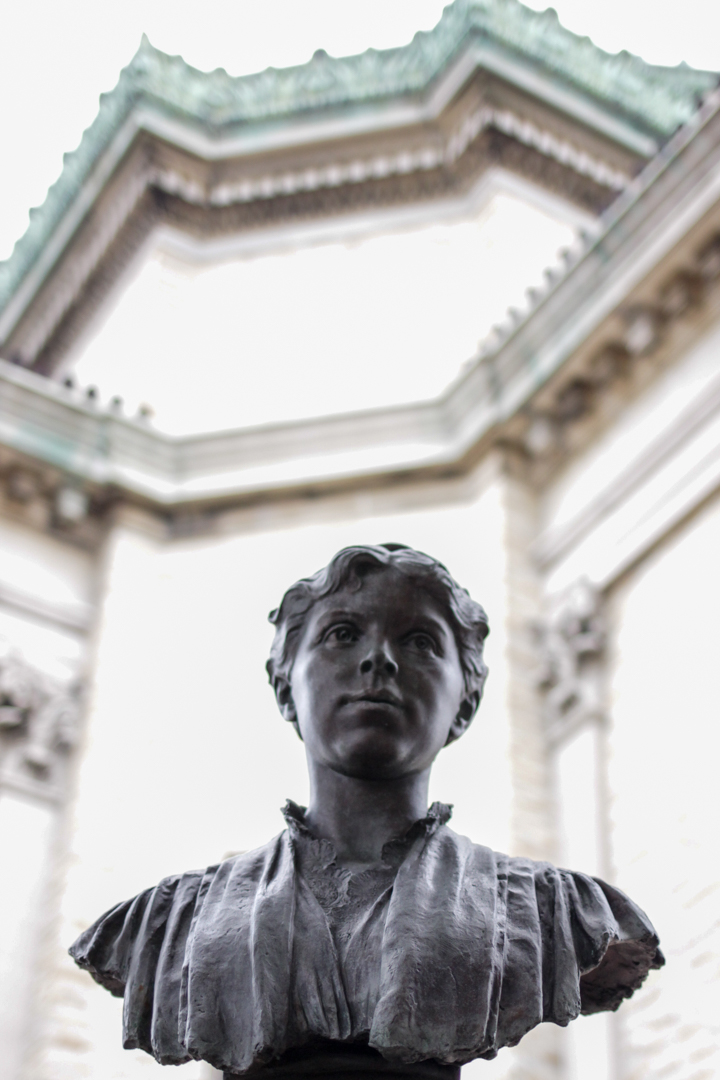


Like a lot of antiquated memorials, the Hall of Fame unfortunately comprises mostly white men—only a handful of busts belong to women or people of color. Thankfully in 2017, Governor Cuomo ordered the busts and plaques of Robert E. Lee and Stonewall Jackson to be permanently removed, although the fact that they were ever in a Hall of Fame of Great Americans is regrettable.

Springtime in New York

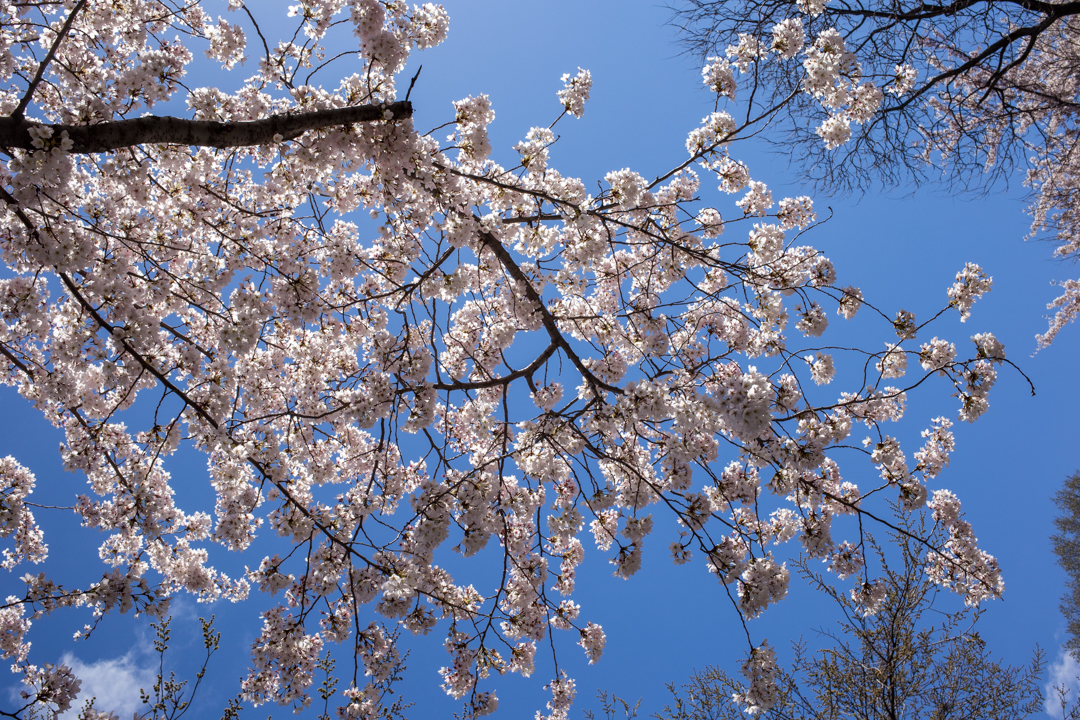
Spring took its sweet time arriving in the city this year, but the cherries are finally in full bloom and it’s supposed to be 88 here on Thursday (too soon!). Each season has its positives and negatives, but spring in the city holds a special significance for me. Six years ago, it was among the tulips in Central Park and under the cherry blossoms at the Brooklyn Botanic Garden that I mentally made the decision to move to New York.
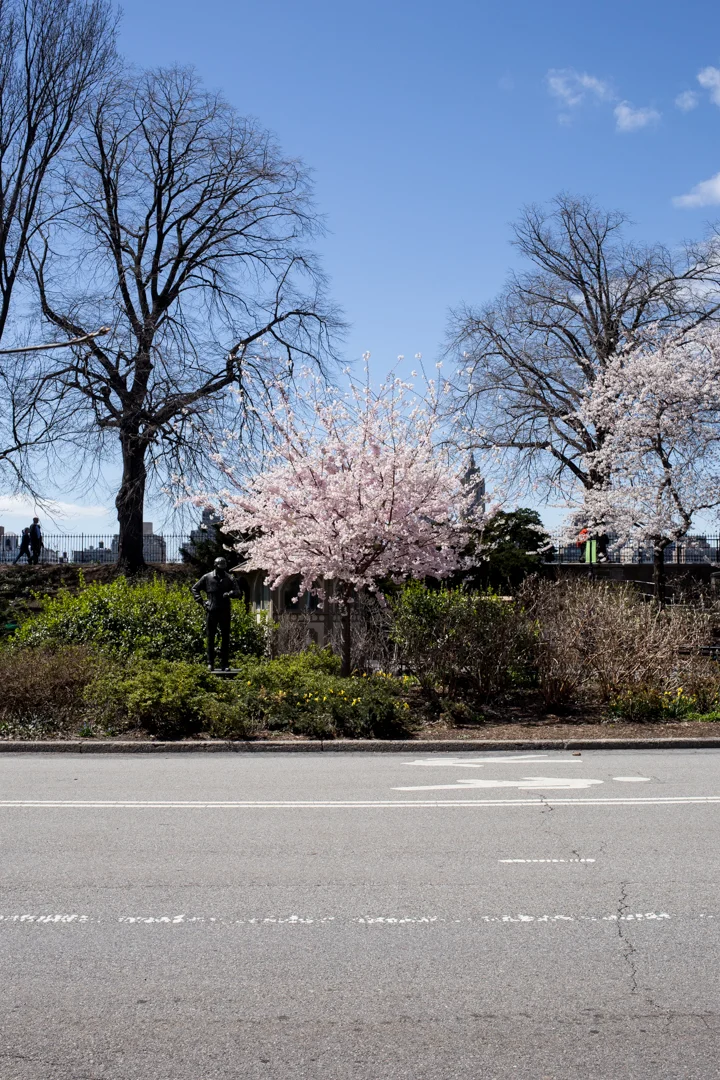
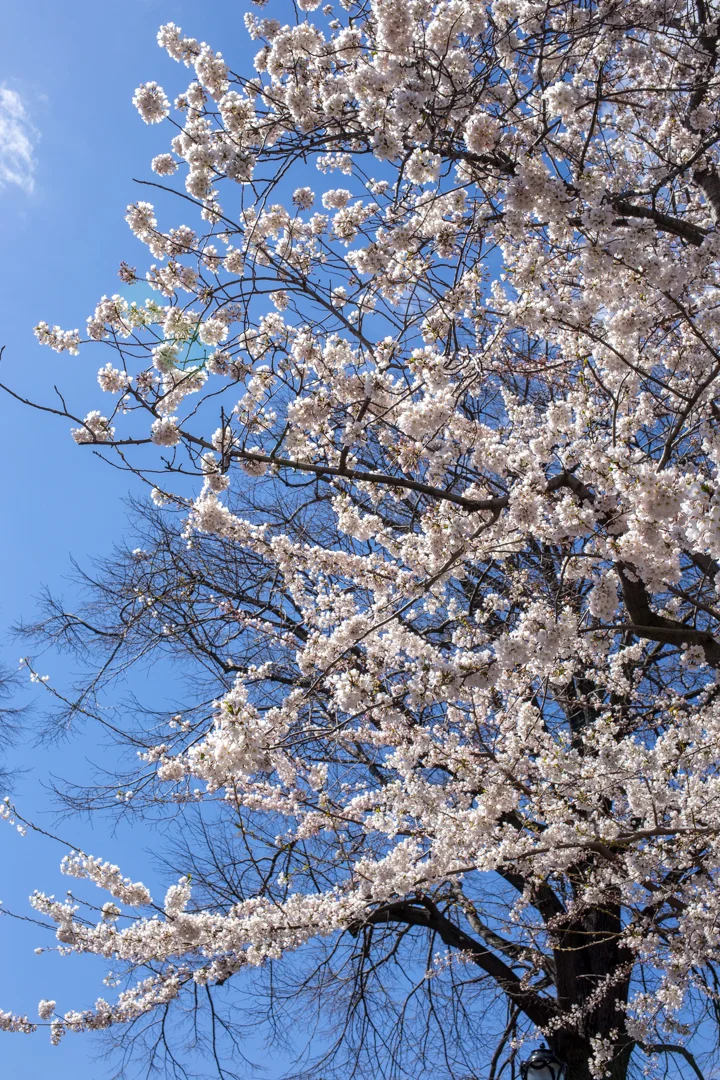

I had lived in Ohio for all of my 26 years and wanted to be anywhere but there for most of those years. I stayed of my own volition for several reasons—some made more sense than others, especially in hindsight—but New York was never far from my mind. I didn’t have any illusions that a move would fundamentally change me, however, and I tried to have a realistic view of New York’s power to “fix” my life. But I was deeply unhappy.


Uprooting my entire life seemed overwhelming, but it became clear to me on that visit to New York that I needed a drastic change. I jokingly blame Ohio for all of my problems because it’s an easy target, but I take full responsibility for all of the choices that I made to keep me there. I don’t regret anything that I’ve done in my life (even all of those college haircuts) because it’s a monumental waste of my energy and I firmly believe in valuing all of your experiences even—or maybe especially—the challenging ones.




The purpose of that spring trip to New York was an innocuous one—my friend Trent had just completed watching every Meryl Streep movie, and he invited me to attend a Devil Wear’s Prada viewing party. We made Lemon(y Snicket’s) Bars and Hope Spring(s) Rolls and I never imagined that I would have such a personal awakening on a trip that also included me drunk texting everyone I knew and passing out earlier than everyone else in attendance (never invite me to a drinking game). But that’s how these things happen—drastic changes aren’t actually so drastic when you realize that they actually happen very slowly, and then, suddenly all at once.

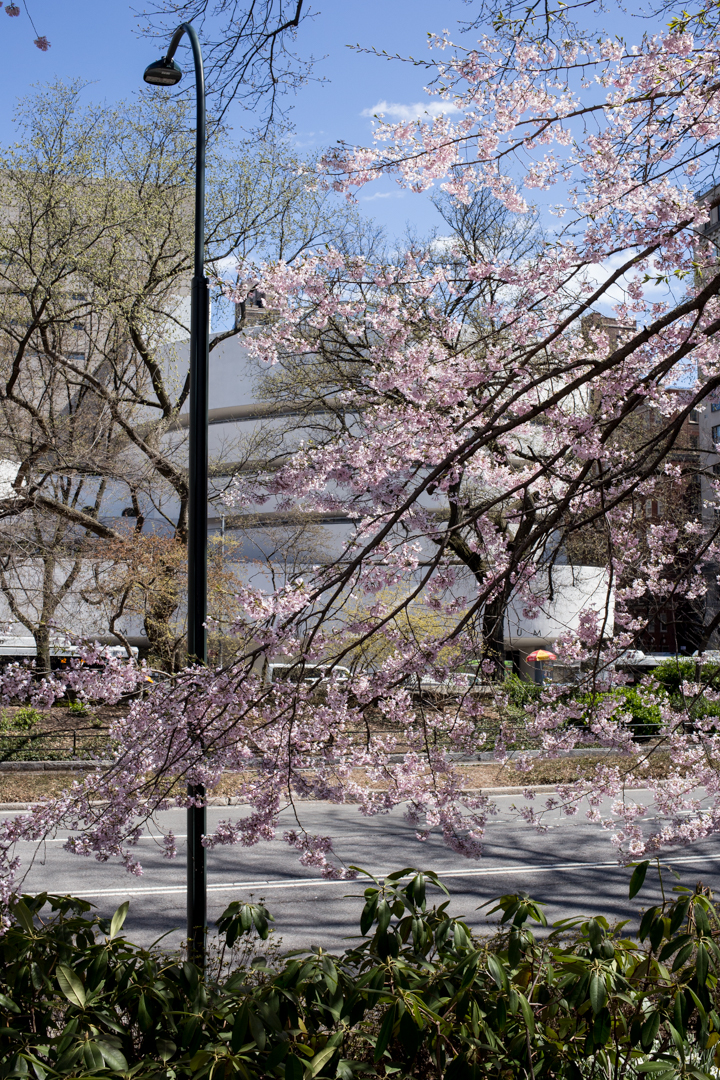

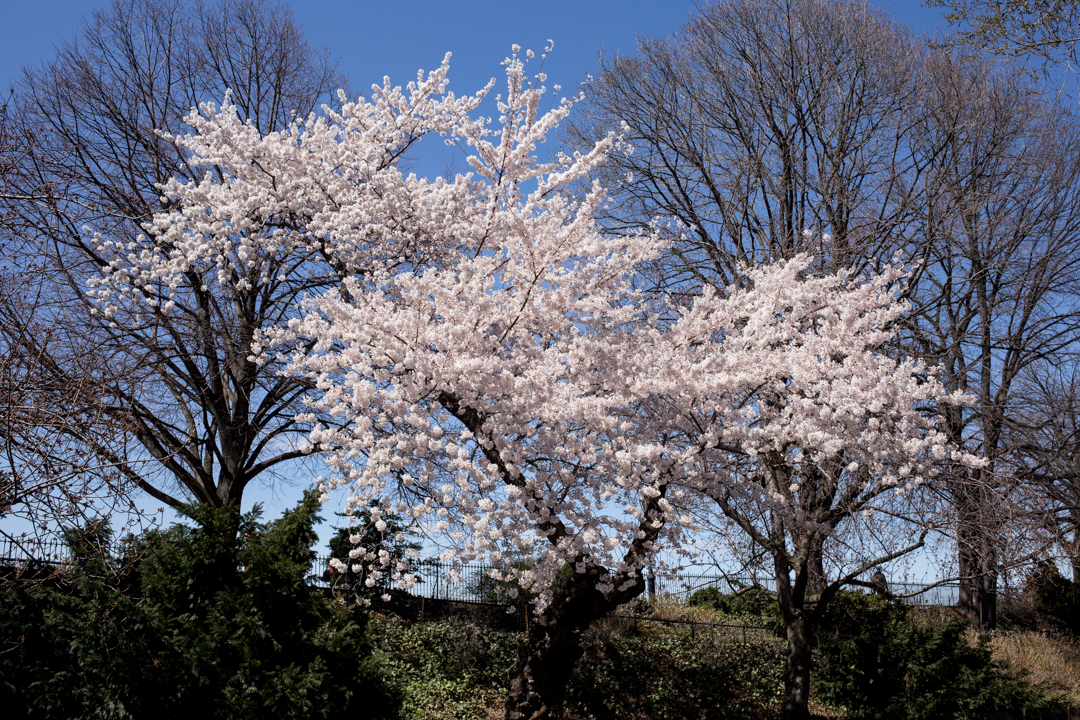
My New York move was anything but sudden—I didn’t actually move until July of the following year—but every spring I’m reminded of how I felt sitting beneath the blooming cherry trees. It’s cliché to say that I felt myself coming alive again along with the city, but sometimes life really does feel like the movies. The challenges ahead of me at that time were more difficult and exhausting than I ever could have predicted, but in the end I made it through every single one of them—stronger and more grateful than I ever thought I could be.


Six years later, I recognize now that New York didn’t save my life—I did that. I made a choice to be happy, to seek out the joyful things in life, to stop apologizing for who I was and to start cultivating the life I wanted. It’s easy for me to get caught up in daily annoyances and to feel anxious when everything is going smoothly. But every spring I can’t help but be reminded that we are in charge of a large portion of our lives and that we make our own happiness—and when I'm feeling stagnant I now understand that everything eventually blooms again, but only when it's ready.

Dachshund Fest 2018

Dachshund Fest (also called the Dachshund Spring Fiesta) is my very favorite New York event. On the last Saturday in April, dachshund owners (and dachshund lovers!) gather in Washington Square Park. At 1pm everyone sings the "Dachsong" and I'm not exaggerating when I say that I look forward to being surrounded by so many wiener dogs all year long.



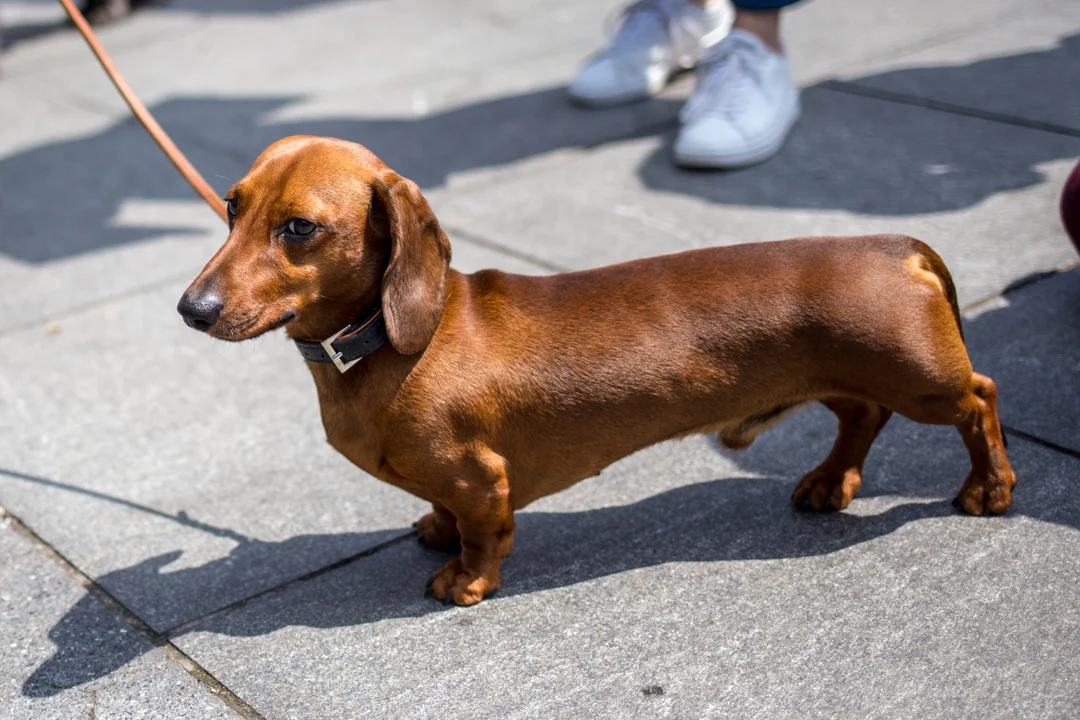


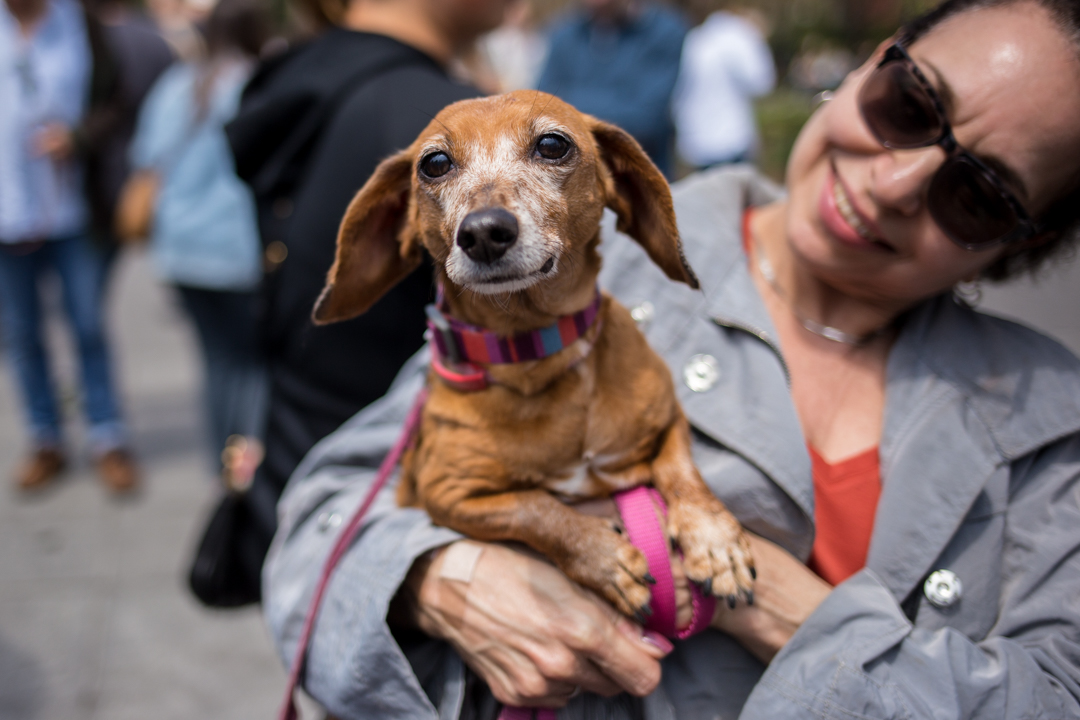
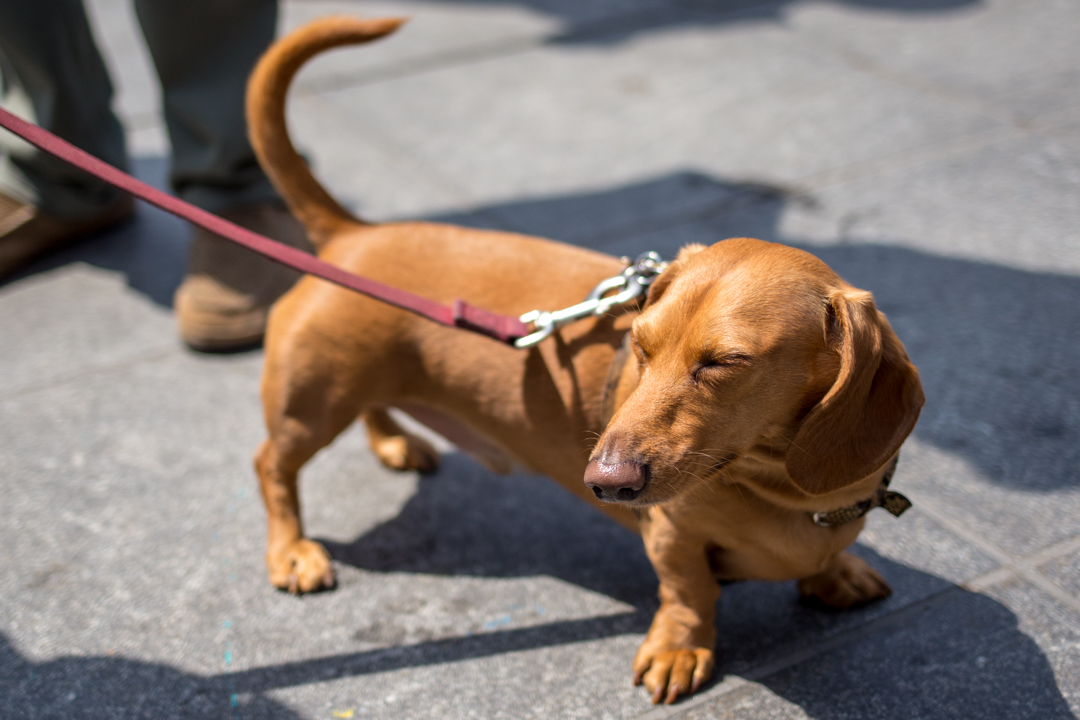

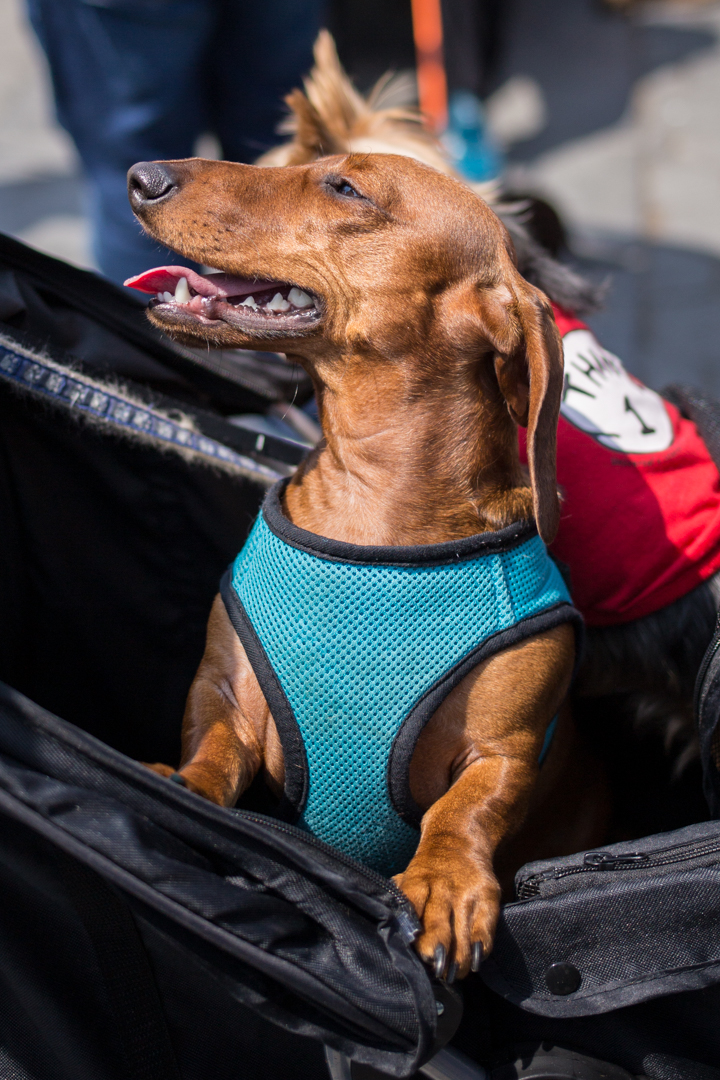

Don't tell Mozart, but I think New York has turned me into a dog person. My heart breaks into a thousand pieces every time I see a cute dog and I think this must be how most women my age feel about human babies. Most children just annoy me, but the minute I see a dog in tiny rainboots, I'm an emotional mess.




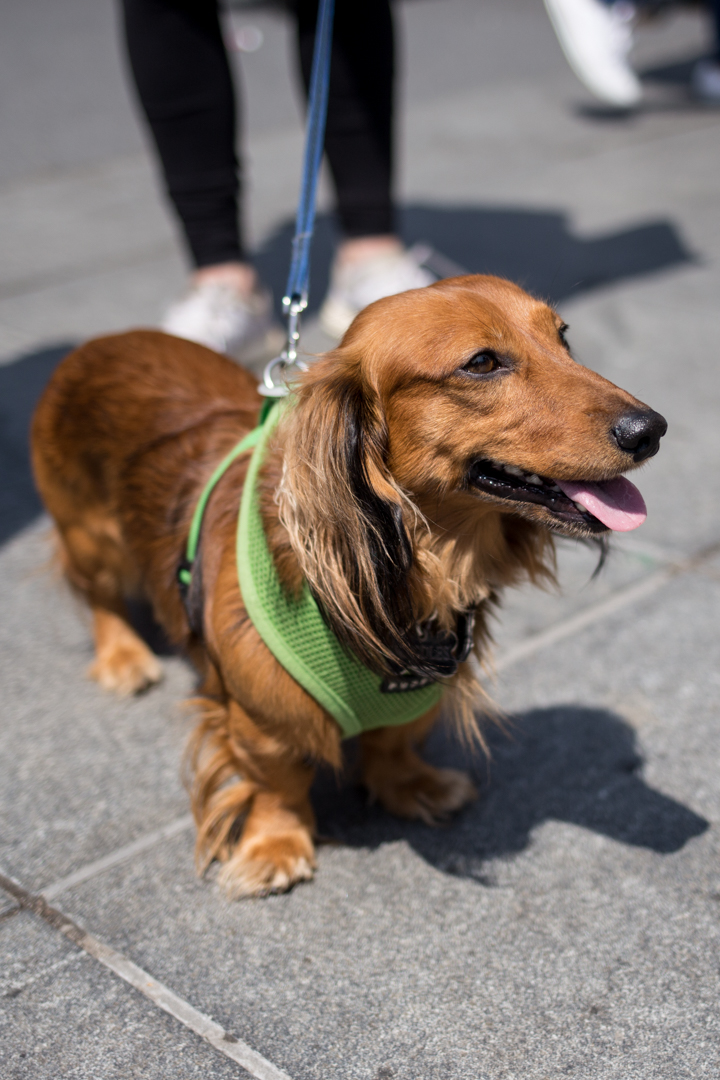

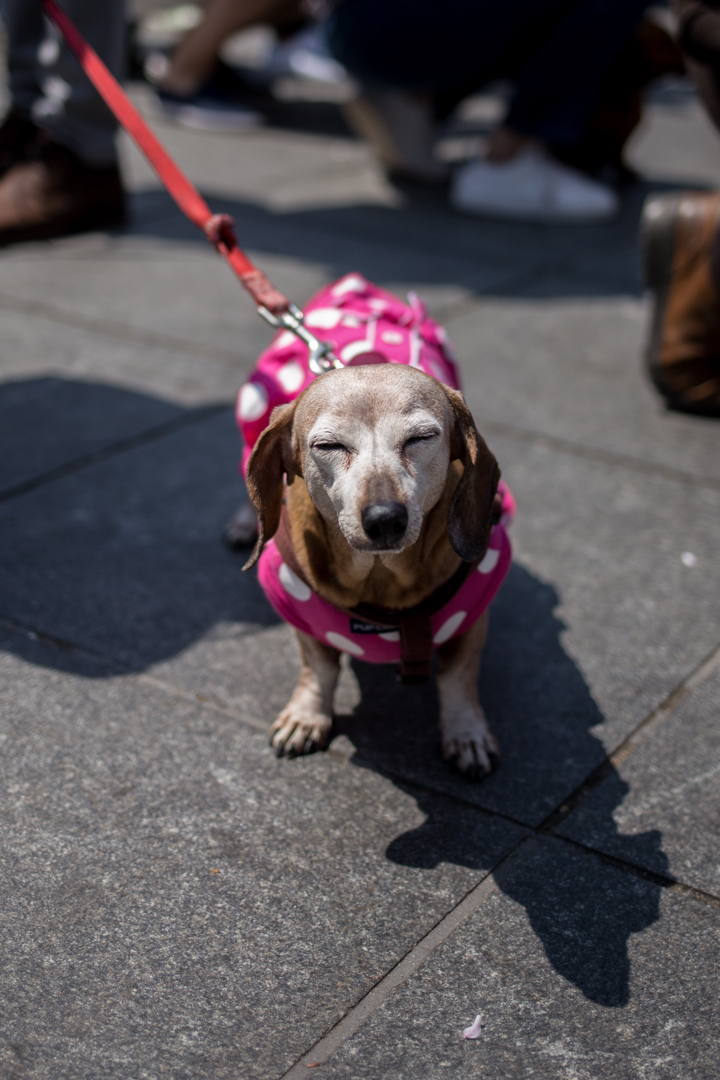

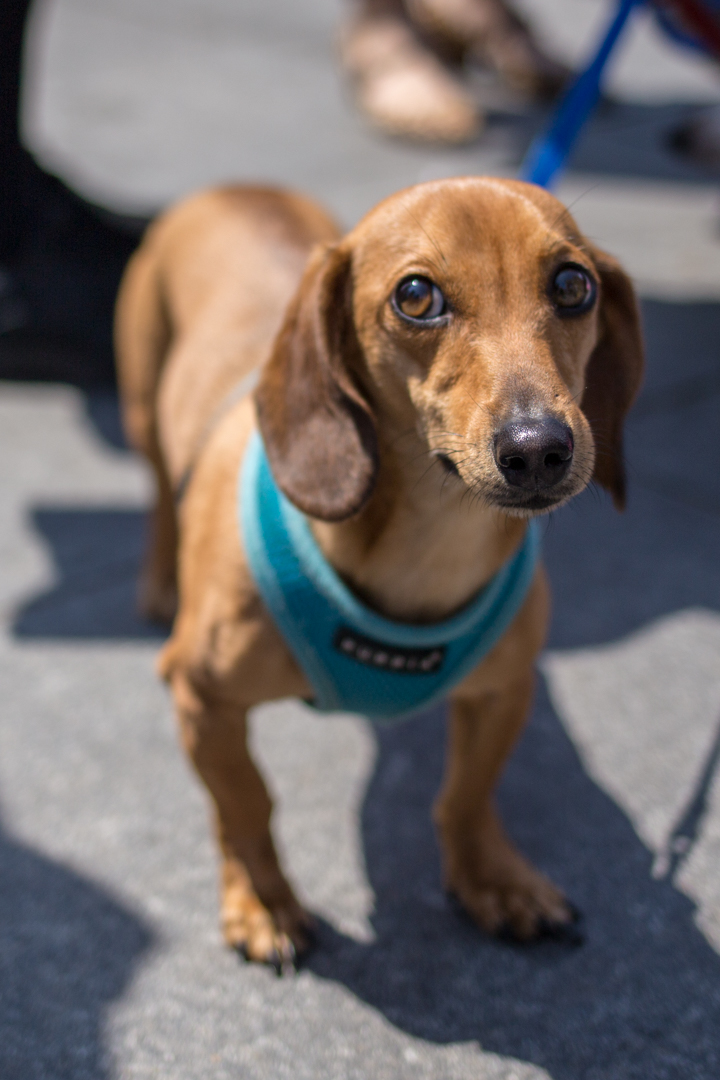
The Dachshund Fest is the perfect event for me because I get to pet a bunch of the world's cutest dachshunds without having to put in any of the effort required to own a dog. I would love to own my own wiener dog eventually, but Mozart is a bit of a bad seed and might actually murder anything that takes my attention away from her.



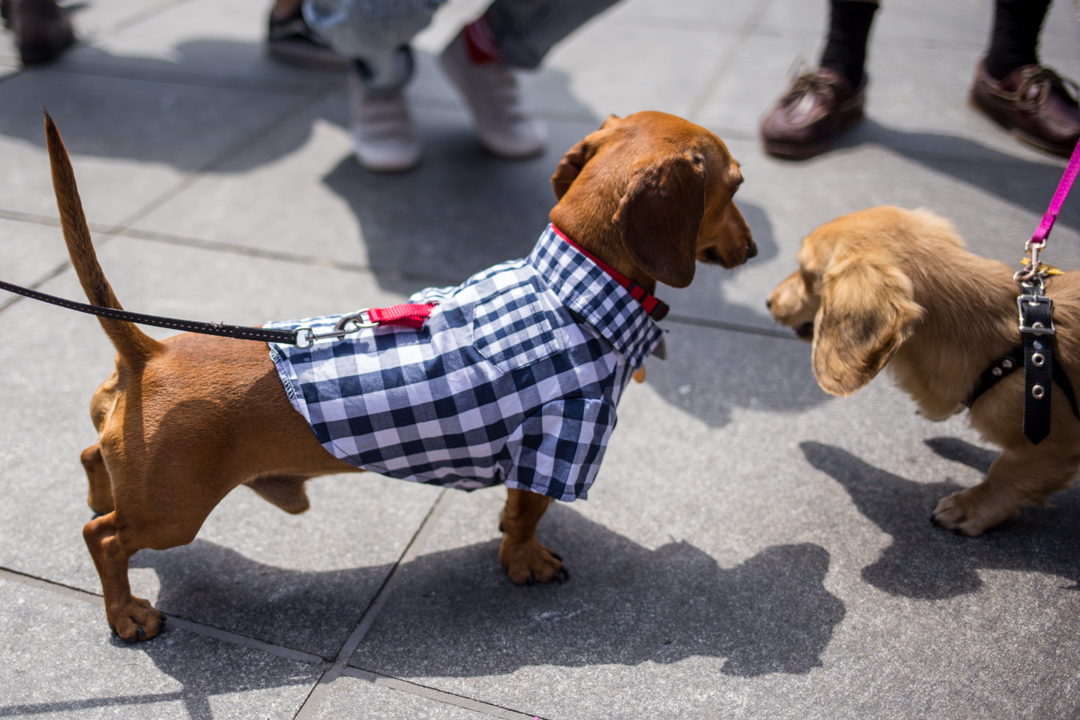


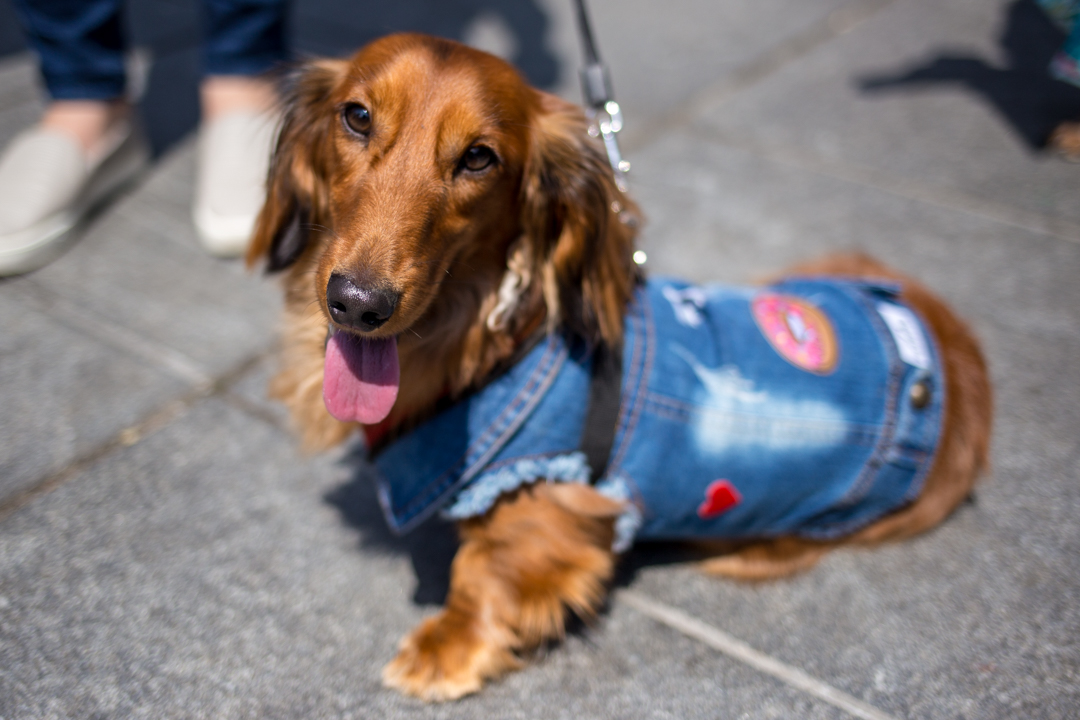


It was pretty warm but some of the dogs were still dressed up. There was only one in a bun, but it was a great one—I'm team mustard all the way. Two dogs had jean jackets, one was wearing a snacks-themed onesie, several had neckties and bandanas, two were wearing gingham shirts, two had Hawaiian shirts and the "Best Wiener in Town" hoodie was just too much. All ages, colors, sizes and coat styles were represented and I met three separate dachshunds that were 17 years old (Diesel, Pepsi and Chili).


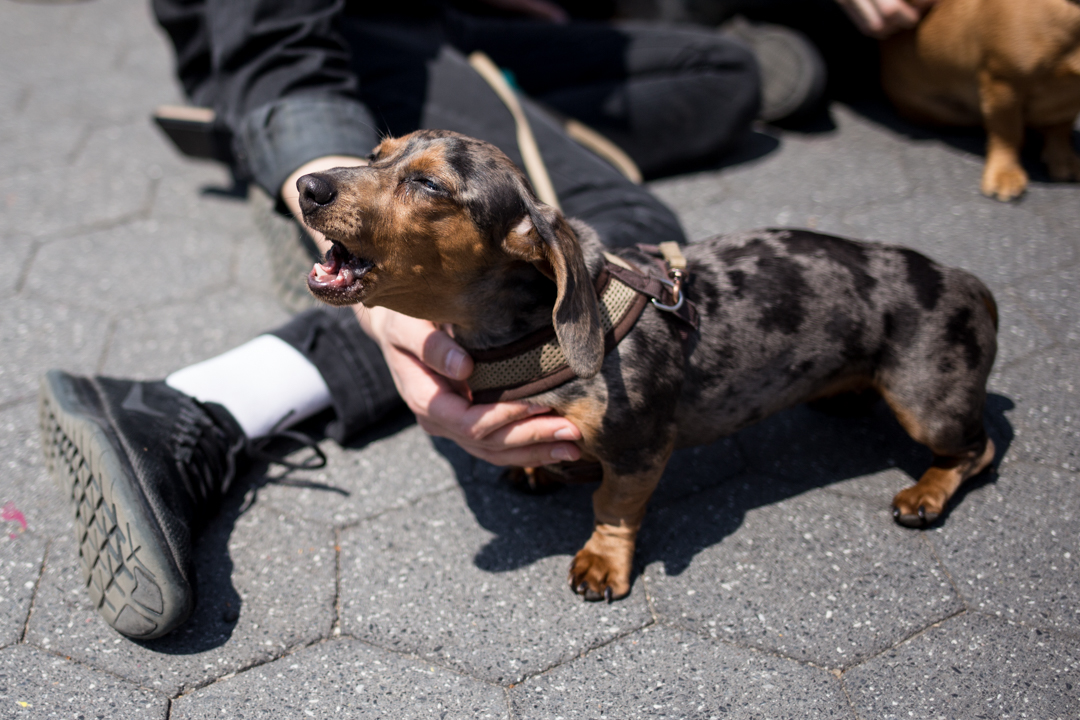





This was my third year at the Dachshund Fest (here are my photos from 2015 and 2017) and I recognized a lot of dogs (and their owners) from previous years. I also recognized an embarrassing amount of dogs from accounts I currently follow on Instagram, including Mina the Wiena, Big Al, Zoe Morini, Chili and I met Dachshunds of NYC, Waddles and a lot of other new friends—if you see a photo of your dog, say hi!

Arthur Avenue

The Belmont section of the Bronx is often referred to as the Little Italy of the Bronx or the "real" Little Italy to differentiate it from the more famous Little Italy in lower Manhattan. Generations of Italian families have lived and worked in this neighborhood, and Arthur Avenue in particular has become a destination for anyone who loves fresh mozzarella, red sauce and cannoli (*raises hand*).
Three of us (missed you, Jen!) headed to Arthur Avenue on Saturday with the purpose of eating, and we did not want for choices. The neighborhood is small, but packed with five-star options—the hardest part of visiting is trying to decide where to go when every place looks and smells as delicious as the next.


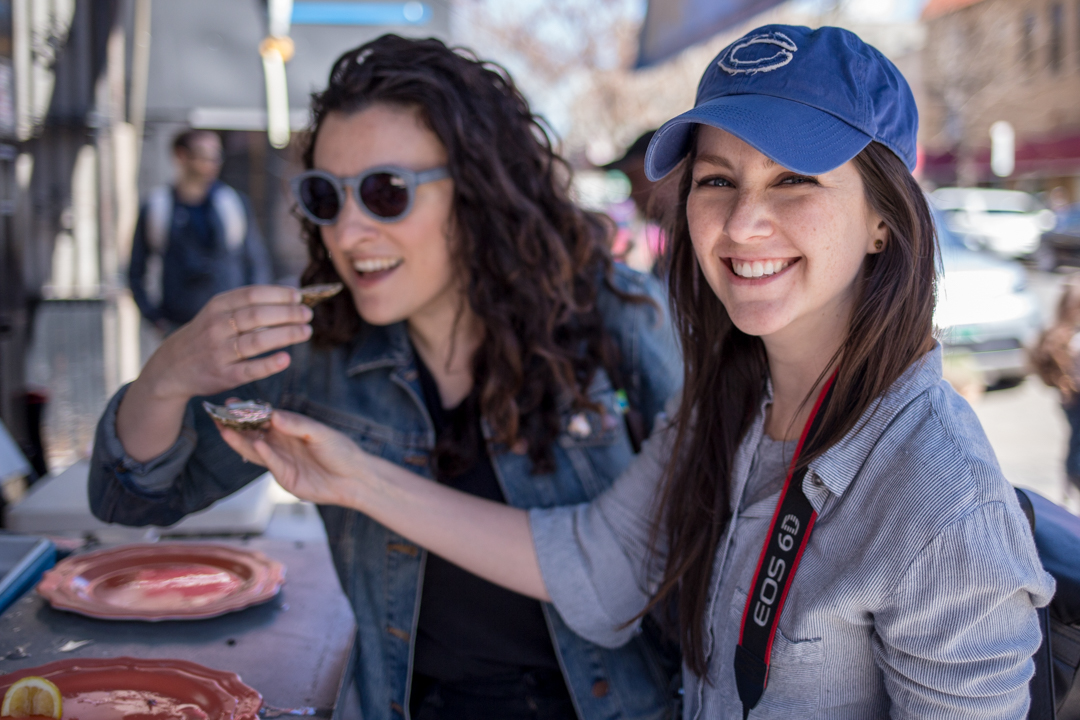


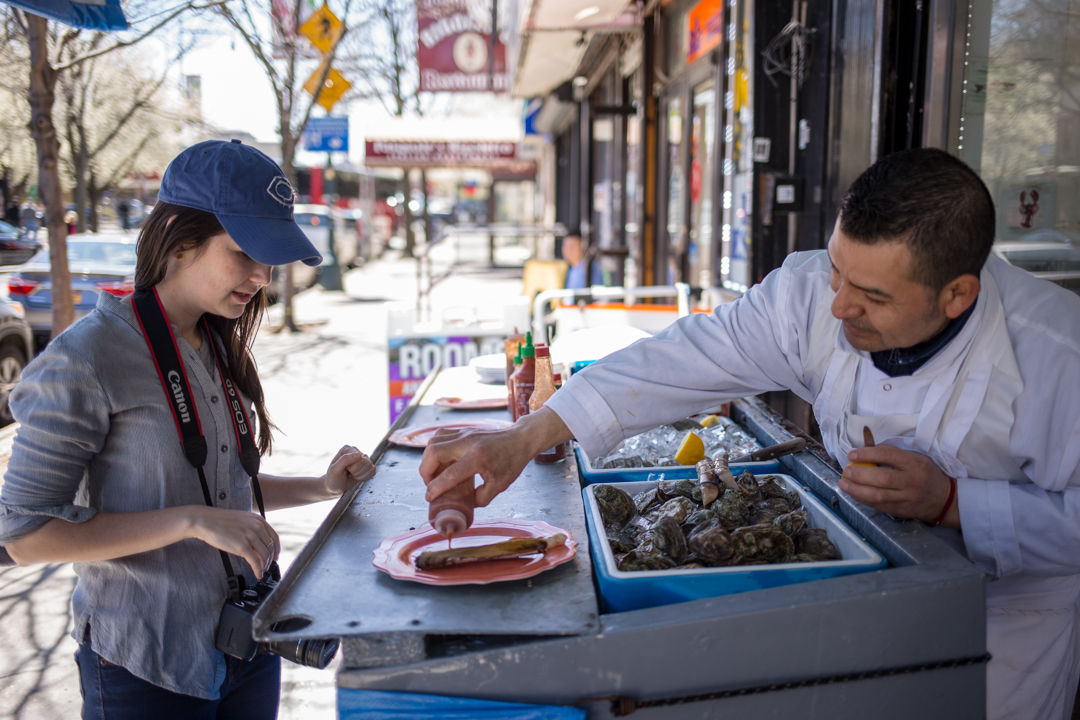
We weren't on Arthur Avenue for five minutes before Francesca and Lindsey were eating oysters from a sidewalk table set up outside of Randazzo's. I have an almost pathological fear of eating seafood, but I'm trying to be more open about it—especially when it's free—so I couldn't resist when I was offered a clam (my first!). It was slimy and cold and tasted mostly of hot sauce (thankfully), but I don't think I'll be craving that gritty sand aftertaste anytime soon. The guys at Randazzo's were so welcoming and playful—encouraging Francesca to touch the world's slimiest eel and gamely posing for photos—and it set the tone for the rest of the afternoon.


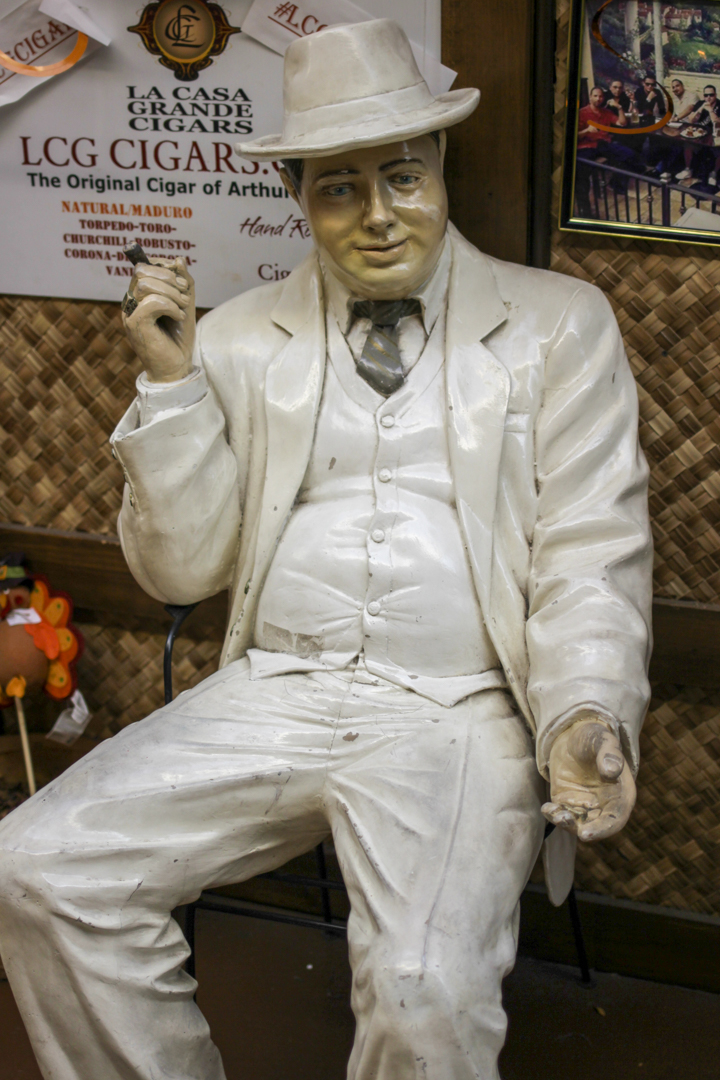

After Randazzo's we did a lap around the Retail Market. The market is small but full of vendors, sandwich shops, butchers and produce stands. I'm always a bit overwhelmed by bustling markets and all of the options and people squeezed into such tight quarters, but they're as much of a visual feast as well as a place to buy items for a literal feast. There are hanging meats, cans of tomato sauces, barrels of olives and boxes of exotic vegetables—you can even watch people hand-rolling cigars out of huge, crispy tobacco leaves.
We left the market without sampling anything, so we were hungry for a proper lunch. Dominick's was one of the restaurants on my radar and it's right across from the market. Dominick's serves classic Italian food, and while our meal wasn't life-changing, the dining experience was a unique one. Dishes are served family style, seating is communal and very cozy, and there is a single menu tacked on the wall—go take a look before you sit down, try not to forget what you want before your server arrives and then be guilted into ordering way more food than you intended.


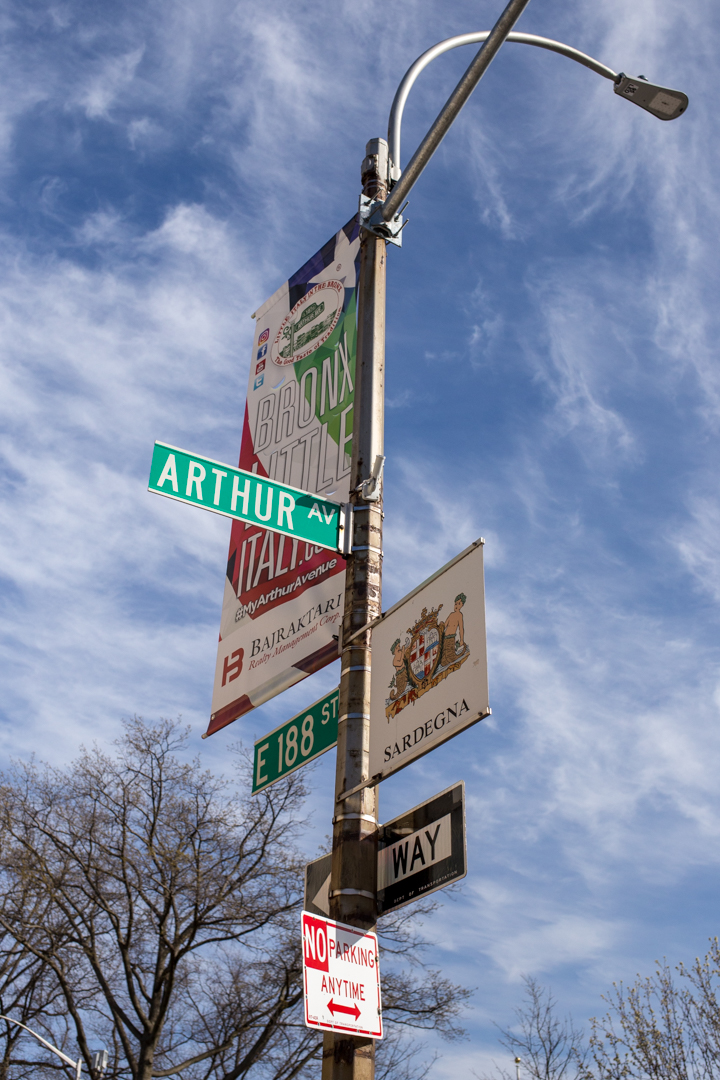



We ordered the antipasto for one (it was more than enough for the three of us), linguine with marinara, ziti with vodka sauce and three meatballs. We most definitely did not need the ziti or the third meatball, but it's hard not to be swayed by the delicious things on nearby tables and the chaotic ordering style. We left full, happy and a bit overwhelmed—and with enough leftovers for at least two more meals.


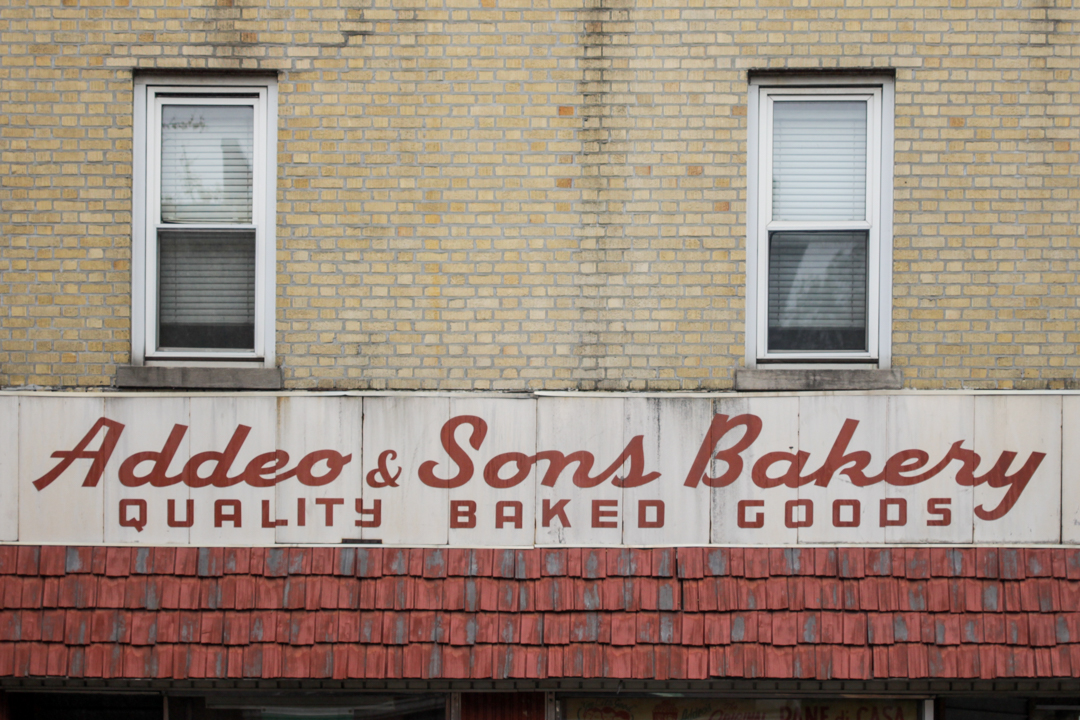


SonsAfter we rolled out of Dominick's, we headed toward dessert. I had read that Gino's Pastry Shop fills their cannoli right in front of you, so that was an obvious choice. They don't have a charming vintage sign like Addeo & Sons or Egidio's, but when we walked into the small shop a man straight out of The Sopranos was holding court. He was wearing a track suit and oversized tinted glasses and bragging about his connection to Frankie Valli—I couldn't have designed a better welcome into an Italian pastry shop if I tried.


We ordered cannoli and espresso and watched with anticipation as the chocolate-covered shells were indeed filled on-demand. Cannoli might be my all-time favorite dessert and I can say without hesitation that this was the best one I've ever had. It was so good, in fact, that I got two to go, and they were both gone within 24 hours.
Above photo of the cannoli filling by Francesca (it's super fun having someone else taking photos on our adventures now that she adopted my old camera!), all other photos by me.
Randazzo's
2327 Arthur Ave,
Bronx NY 10458
Arthur Avenue Retail Market
2344 Arthur Ave,
Bronx, NY 10458
Dominick's
2335 Arthur Ave,
Bronx, NY 10458
Gino's Pastry Shop
580 E 187th St,
Bronx, NY 10458

The Mad Ones

I watched a documentary about Mister Rogers recently, and I can't stop thinking about his message to people, particularly children: that he liked them just the way they are. I've thought a lot about authenticity, and I think most people can feel, instinctively, when someone or something is not genuine.
I often think of this quote from Jack Kerouac's On The Road: "the only people for me are the mad ones, the ones who are mad to live, mad to talk, mad to be saved, desirous of everything at the same time, the ones who never yawn or say a commonplace thing, but burn, burn, burn like fabulous yellow roman candles exploding like spiders across the stars and in the middle you see the blue centerlight pop and everybody goes “Awww!"


"The only people for me are the mad ones..." has become a sort of guiding philosophy in my life. I spent so many of my formative years feeling embarrassed for the things I enjoyed. I was made to feel less than for being soft spoken, for not liking dresses, for cutting my hair too short. I can't pinpoint the exact moment in my life when I decided to embrace my interests—even if they were considered "out there" or silly and trivial by others—but I do know that my life has been exponentially richer for it.


I enjoyed touring South of the Border more than Machu Picchu; my dream vacation is a trip to Chernobyl, not to an Instagram-worthy beach town; I don't particularly enjoy superhero movies or Beyoncé; I would rather watch Sophie's Choice than the latest Star Wars and I'll probably never watch Game of Thrones; I've read 20 books this year and I've run zero miles and that has to be OK. When I completed my reading challenge last year, the most common question that people asked me was "how did you read so much?" and the only answer I could come up with was, "I just wanted to."


I think a lot about why I write this blog and share my stories, and ultimately I want to be a positive force in people's lives—to encourage them to embrace their interests, whatever they may be. You won't be successful or happy doing something that doesn't interest you—and why would you want to be, anyway? I want people to notice the whimsy in the mundane, to appreciate the mad ones, to notice that there are things that "burn, burn, burn like fabulous yellow roman candles exploding like spiders across the stars" everywhere you look. To use another of my favorite quotes (from Death Becomes Her, natch) "these are the moments that make life worth living."


Of course, it's hard not to compare yourself to others, and everything looks better through the Gaussian blur of social media. I'm at the age where everyone I know is either engaged, married, having kids or buying a house and I am doing ... none of those things. I once thought I wanted children, but I realize now that what I wanted was an outlet to make people feel special—I wanted to write lunchbox notes and throw birthday parties and have a tangible excuse to go through corn mazes in the fall. But the farther away I get from that childhood dream of a big family, the more I realize that I can fulfill that need in other ways—I can carve pumpkins and go to storybook parks and buy lamps shaped like dinosaurs, without sacrificing my autonomy.
There is enough negativity and deceit in the world—comprising hatred and jealousy and fear—that I want to seek out the people and places that breed authentic joy. I want this blog to be a gathering place for, and an ode to "the ones who are mad to live, mad to talk, mad to be saved, desirous of everything at the same time."
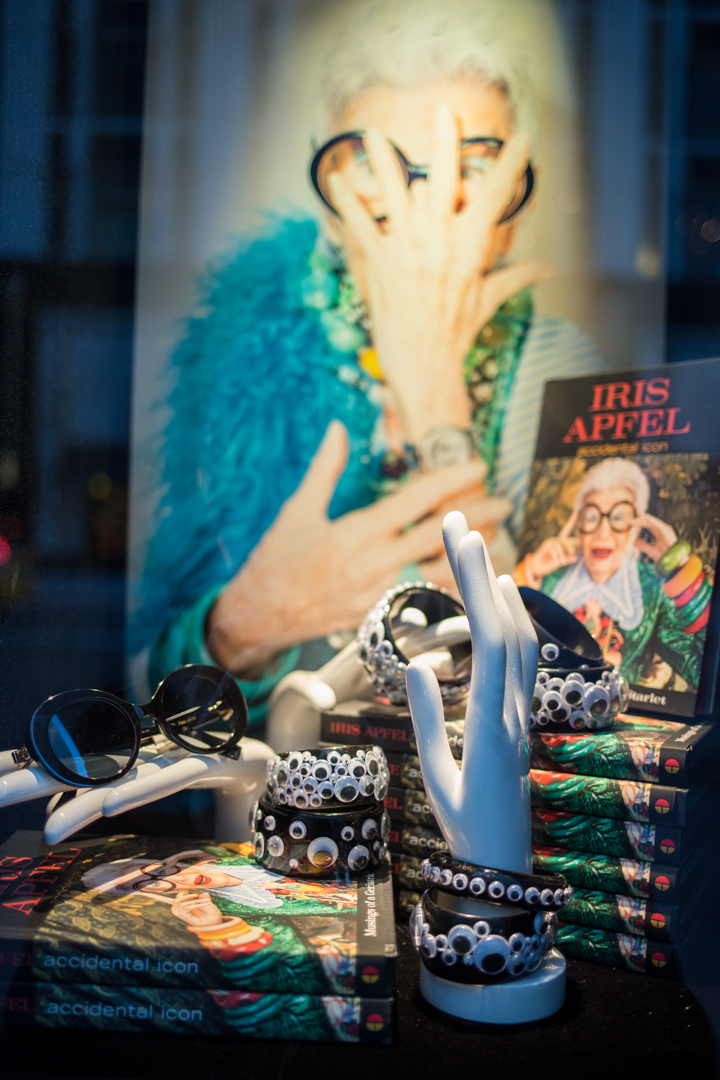
These photos were taken last month at Bergdorf Goodman. These window displays were celebrating Iris Apfel—a fabulous yellow roman candle of a person—and her new book.

Orchid Show 2018

This was my sixth year in a row attending the Orchid Show at the New York Botanical Garden (see my photos from 2017 / 2016 / 2015 / 2014 / 2013). The show changes subtly each year, but I appreciate that it doesn't change too much. We went on Saturday, which was the first really nice day of the year—in the 70s and sunny—and it seemed like every single person in the city was outside. We had to wait in line just to get into the conservatory, which was a first, but the orchids are worth the wait.





It's surreal to me that I'm coming up on my five-year New York anniversary and I'm becoming very protective of the traditions that I have made over these years. My uncle is usually in town for the orchid show and it did feel a bit wrong to go without him, but I can't bear to miss it.
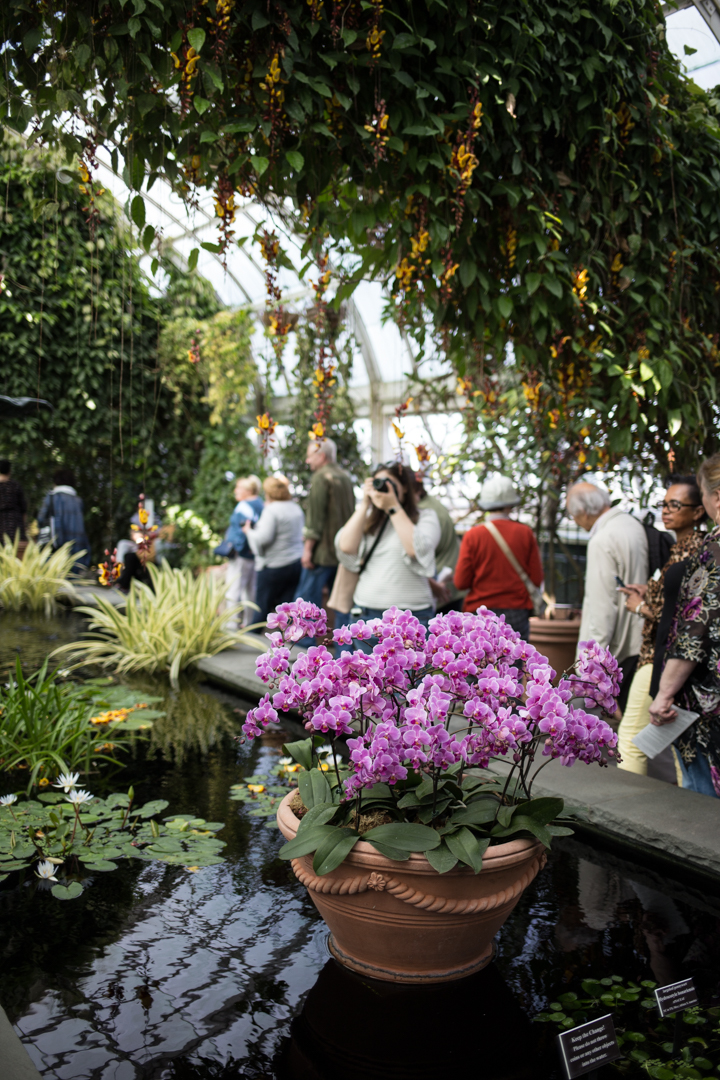


The variety of orchids will never cease to astound me and my respect for nature grows each time I visit the garden. I feel like an expert by now on the orchids at the show—here are the ones that smell like chocolate, there are the ones that look like slippers—but of course I know very little about plants. I've killed nearly everything I've tried to grow on my own, so I'm happy to just be a spectator.


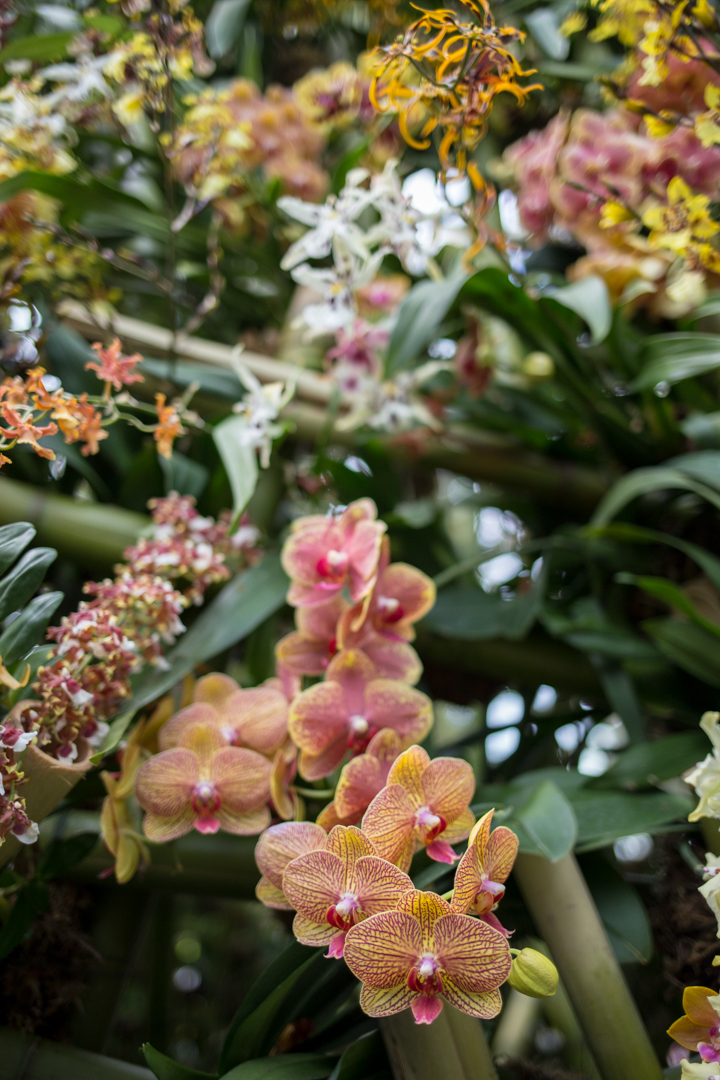
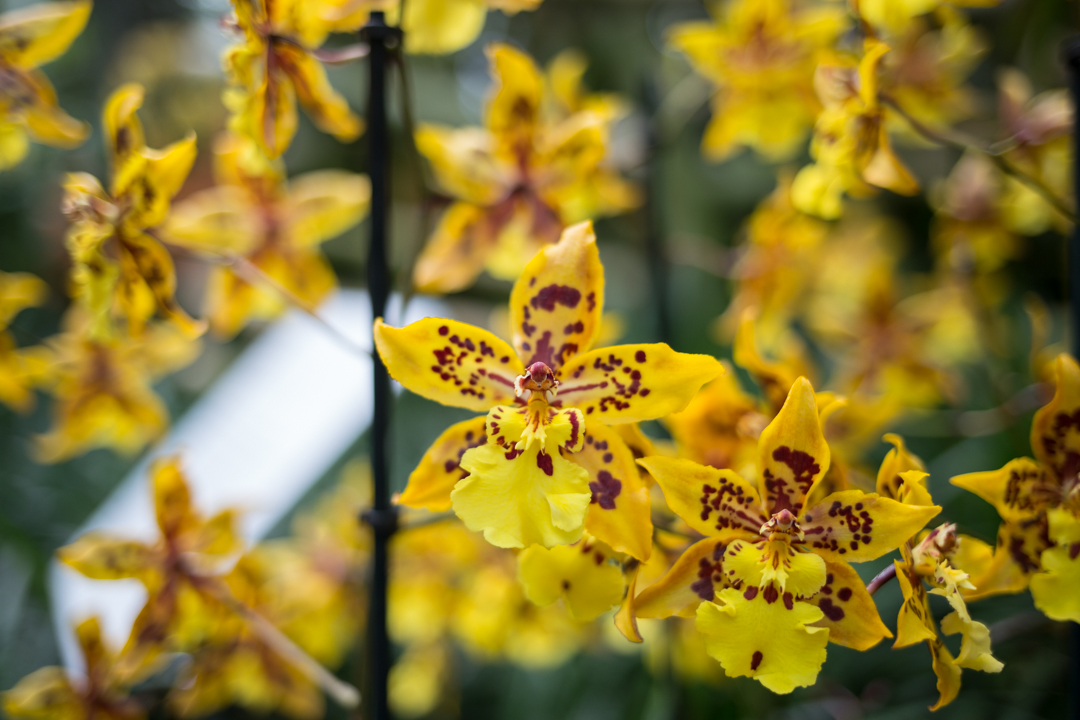


Spring has just now arrived, so most of the garden is behind in its bloom schedule. The cherries, which are usually just about reaching their peak at this time are just beginning to bloom, so it was nice to be able to spend a few hours surrounded by so many orchids at their peak. The cultivation and collection of orchids is a fascinating world, and if you have even a passing interest in the subject I highly recommend reading this book.






I don't know if I'll be able to make it to the orchid show every single year, but there's a comfort in knowing that no matter how bleak the winter gets, spring will always come early to the greenhouses of the New York Botanical Garden.
New York Botanical Garden
2900 Southern Boulevard
Bronx, NY 10458-5126
The Orchid Show is open Tues-Sunday, 10am-6pm until Sunday, April 22nd

Green-Wood Cemetery: Spring

Spring has been taking its sweet time arriving this year. April showers are supposed to bring May flowers, but I'm not entirely sure what April snow showers will bring. I try really hard not to get too grumpy about weather because I can't control it and I do love seasons—but at this point in the year, I'm definitely ready to shed some layers and start seeing some signs of life.


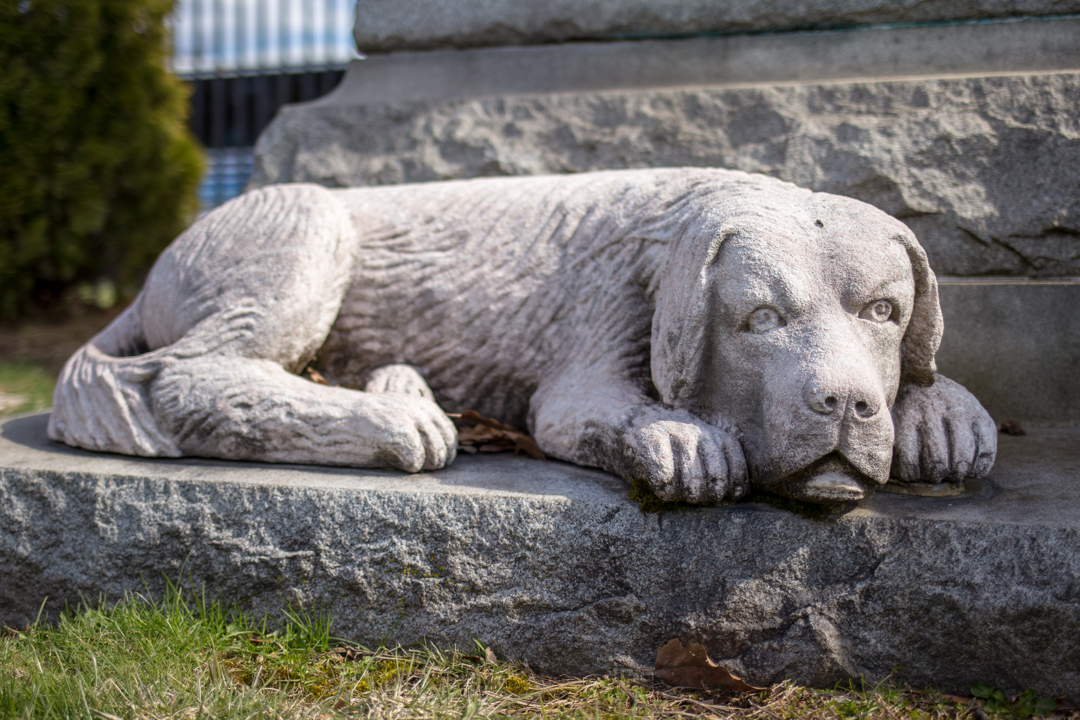


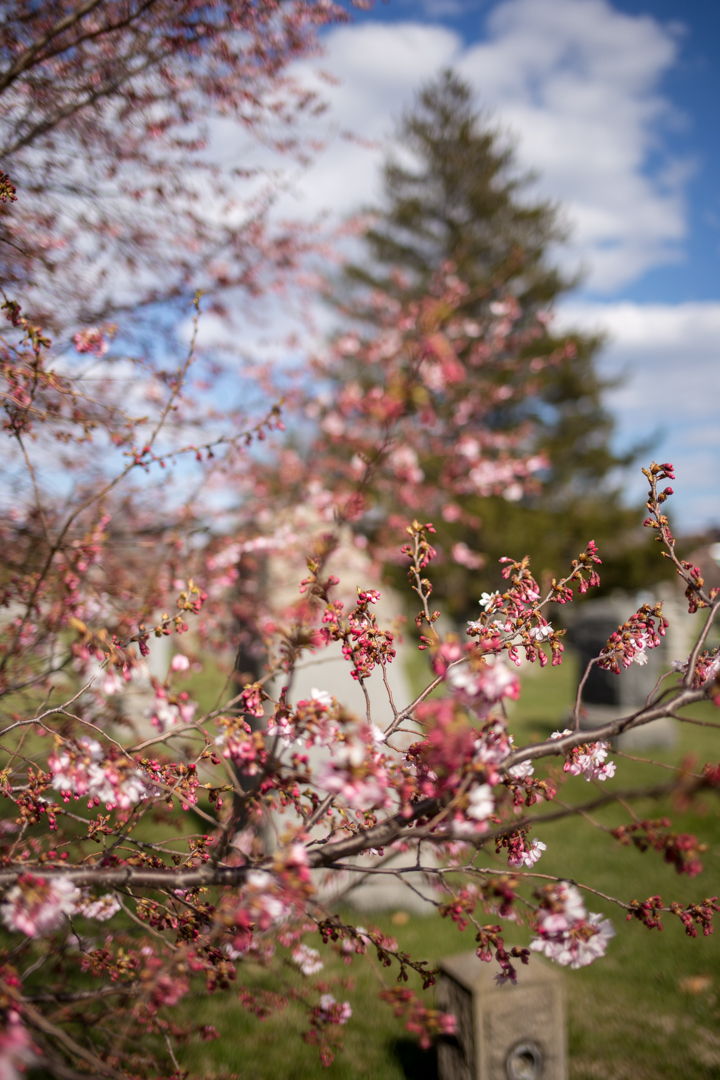


A cemetery might not seem like a great place to search for signs of life, but we took a chilly walk at Green-Wood this weekend and spotted telltale signs that spring is indeed happening, however slowly. The flowering trees are about a month behind schedule, but they're trying their best despite the frigid temperatures and March nor'easters.
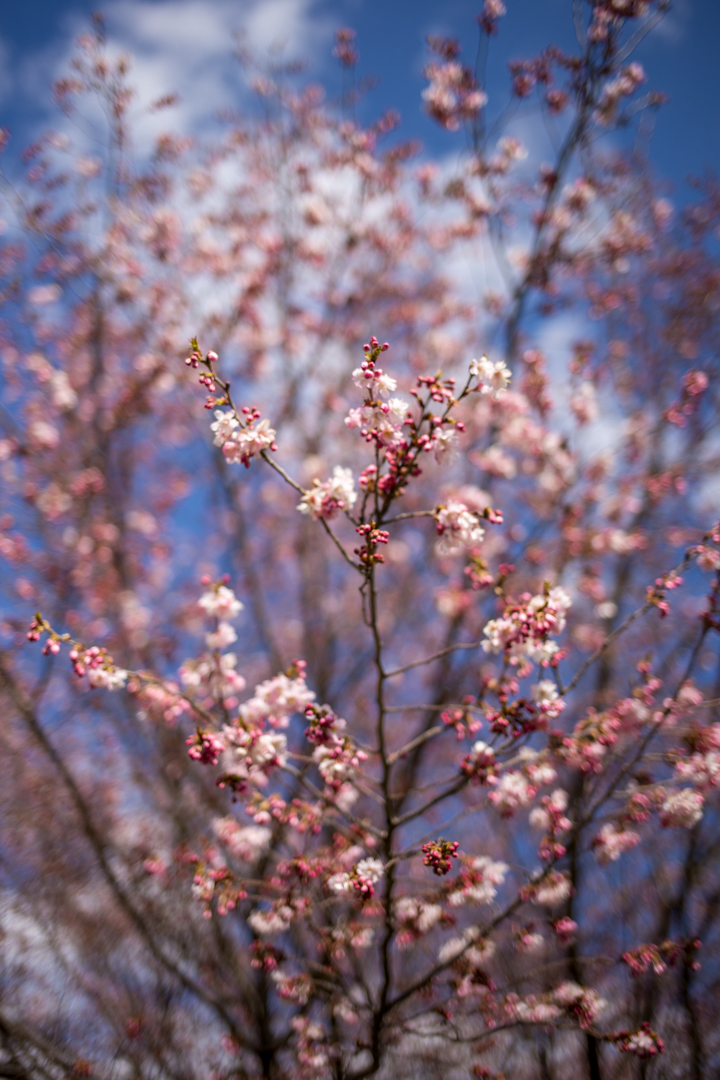
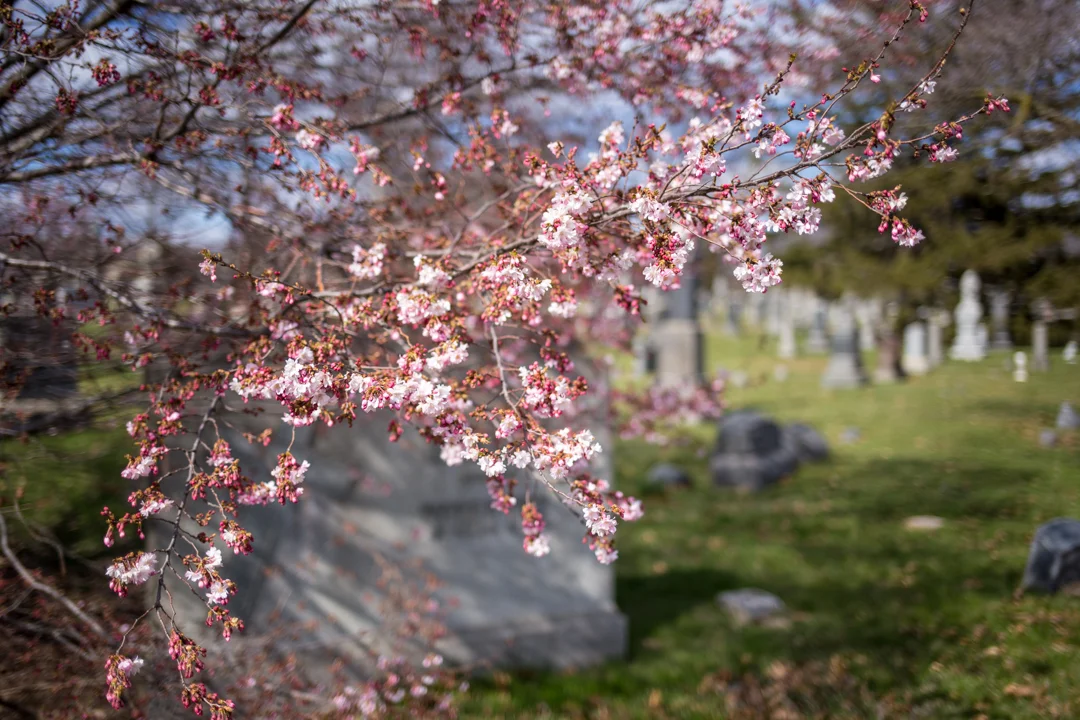
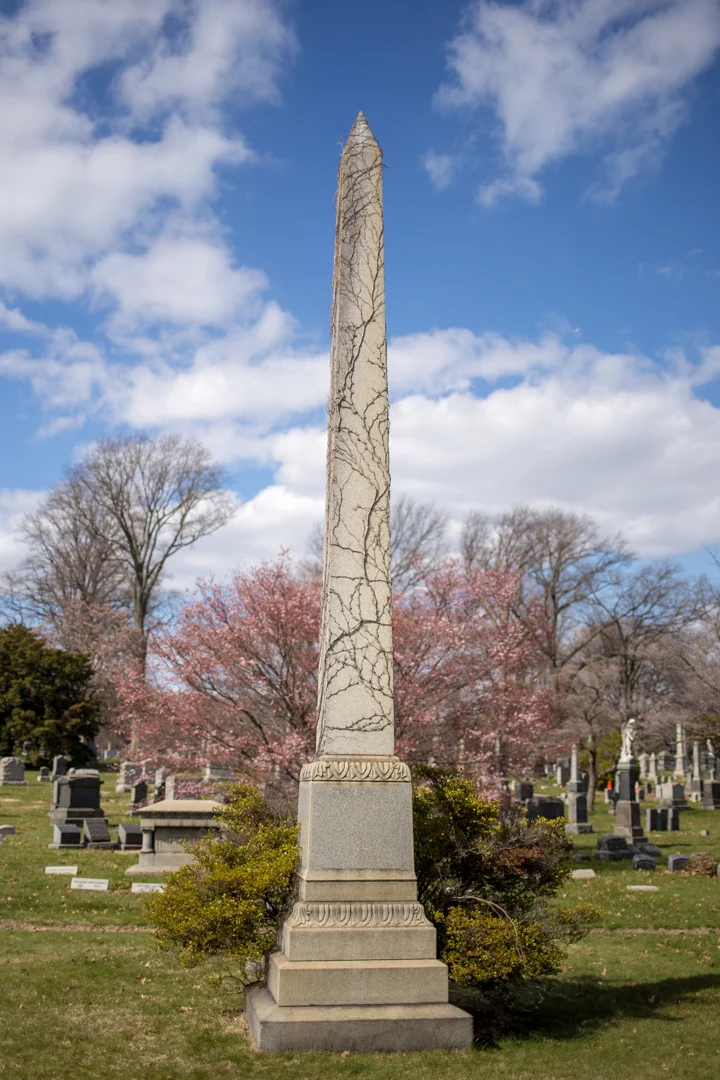


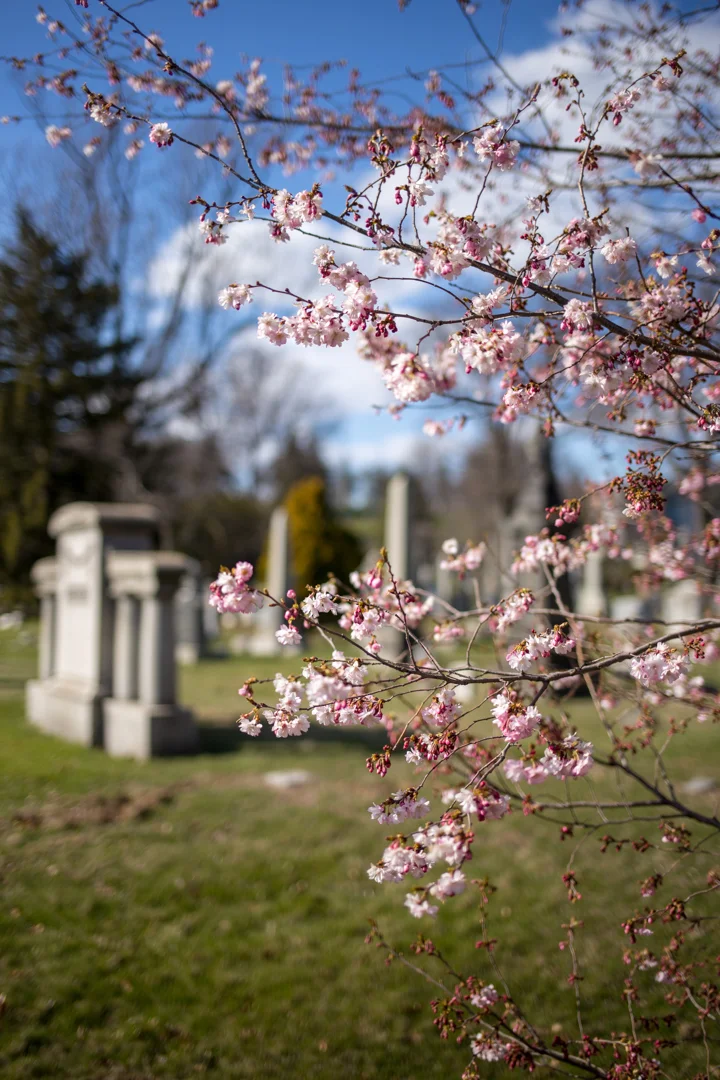
I've spent the last five years photographing spring blooms around the city and I'm still no closer to being able to identify anything I see. I can tell a cherry blossom from a magnolia tree and thanks to David I know that forsythia is yellow, but my plant knowledge pretty much ends there. Most of the trees are still completely bare, but there are a few over-achievers scattered around Green-Wood (nothing compares to azalea season though).


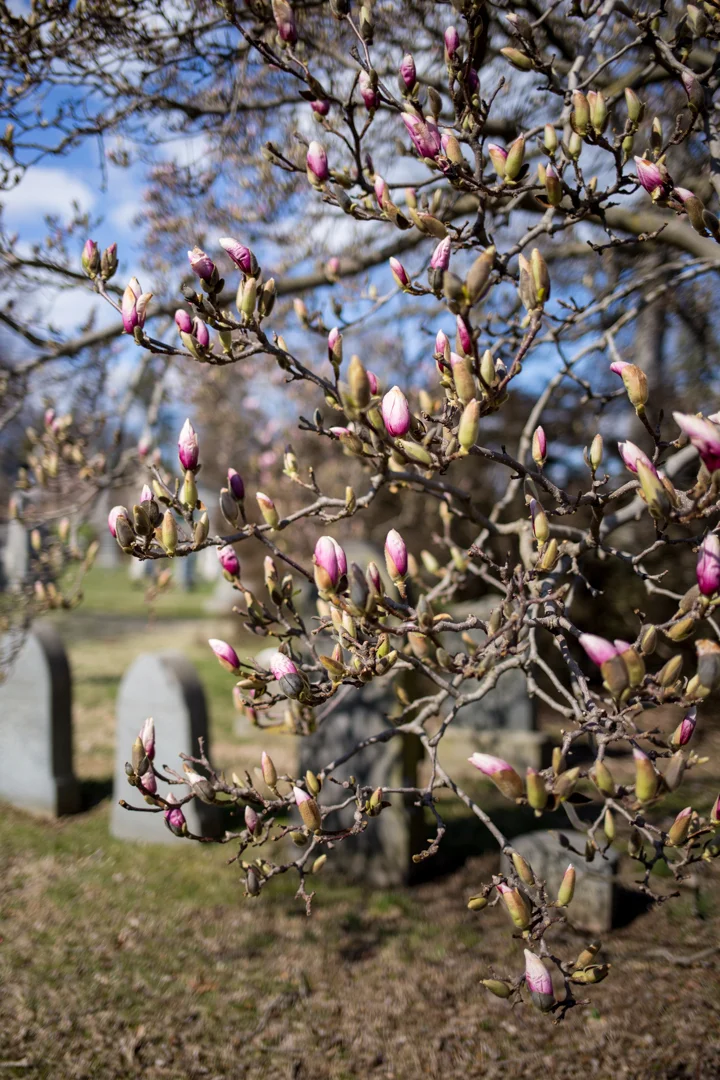

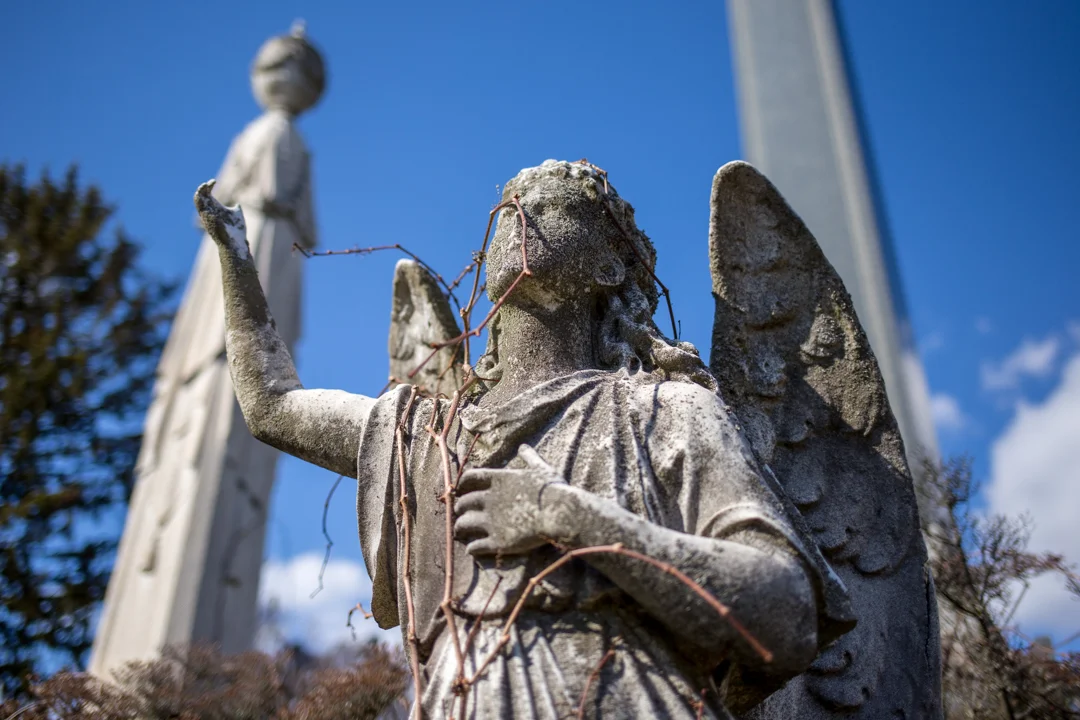


I know that spring will come, however late, followed by summer and pretty soon I'll forget what it was like to feel really cold. Some years it feels as if everything blooms overnight, blink and you might miss an entire season. Part of me is enjoying this slow rollout to spring—I just need to learn how to savor this transition time and not be impatient for the next phase.

St. Patrick's Old Cathedral

St. Patrick's Old Cathedral, completed in 1815 was the seat of the Roman Catholic Archdiocese of New York until 1897, when the now more well-known Saint Patrick's Cathedral opened uptown. Old St. Patrick's—a gothic-revival church and designated landmark since 1966—is located on Mulberry Street between Prince and Houston Streets. The cathedral complex includes a Federal-style building across the street that was once the Roman Catholic Orphan Asylum and later the St. Patrick's Convent and Girls School; a graveyard—Manhattan's only Catholic cemetery; and catacombs beneath the church.

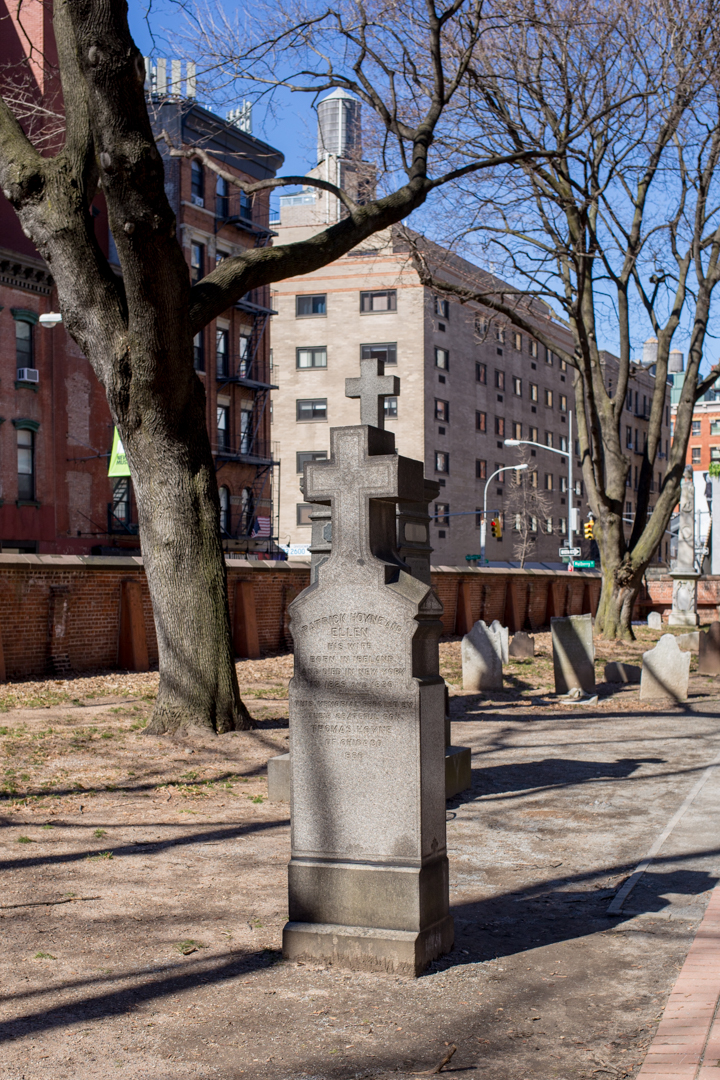

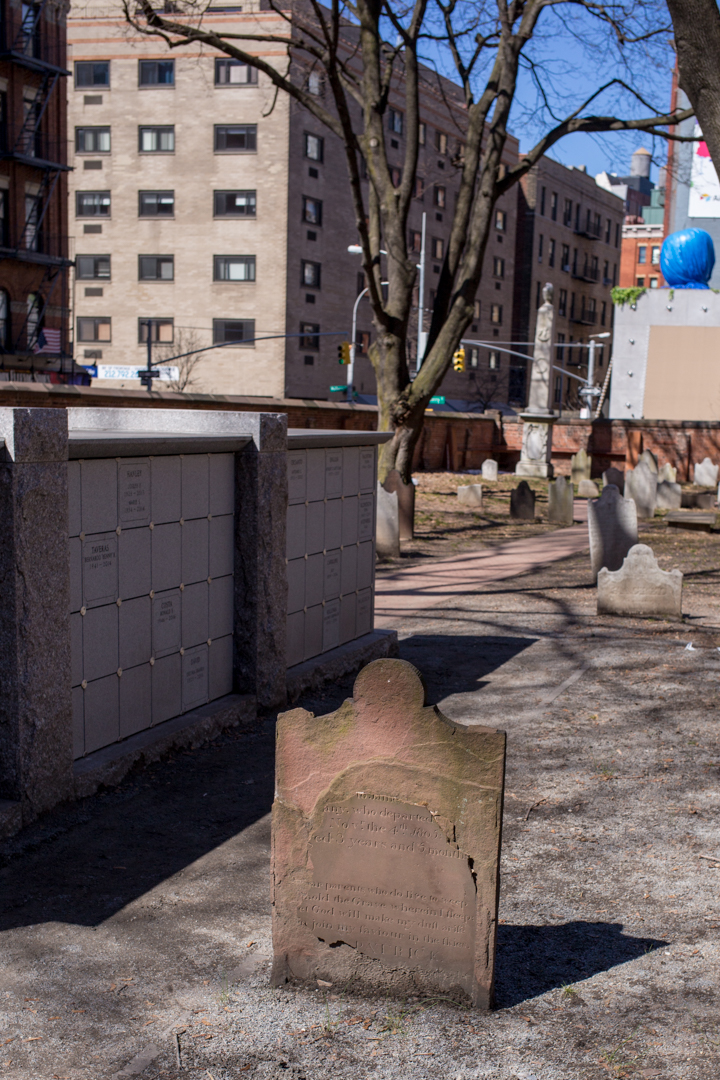
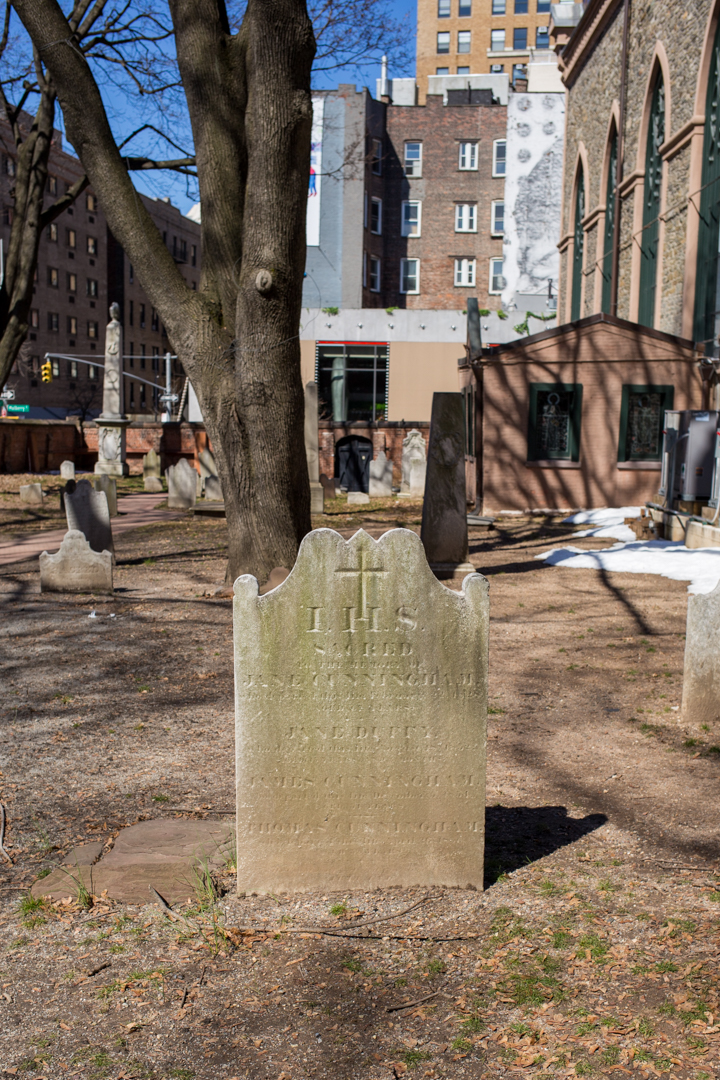


We recently took a tour of the cathedral complex—although the church is still active, the only way to see the cemetery and catacombs is to pay for a tour. I'd been aware of the cemetery and had gazed at it longingly through the always-closed gates so I was excited to finally be able to see the early 1800s headstones up close. The cemetery is surrounded by a brick wall, which was also a designated landmark, in 1968.


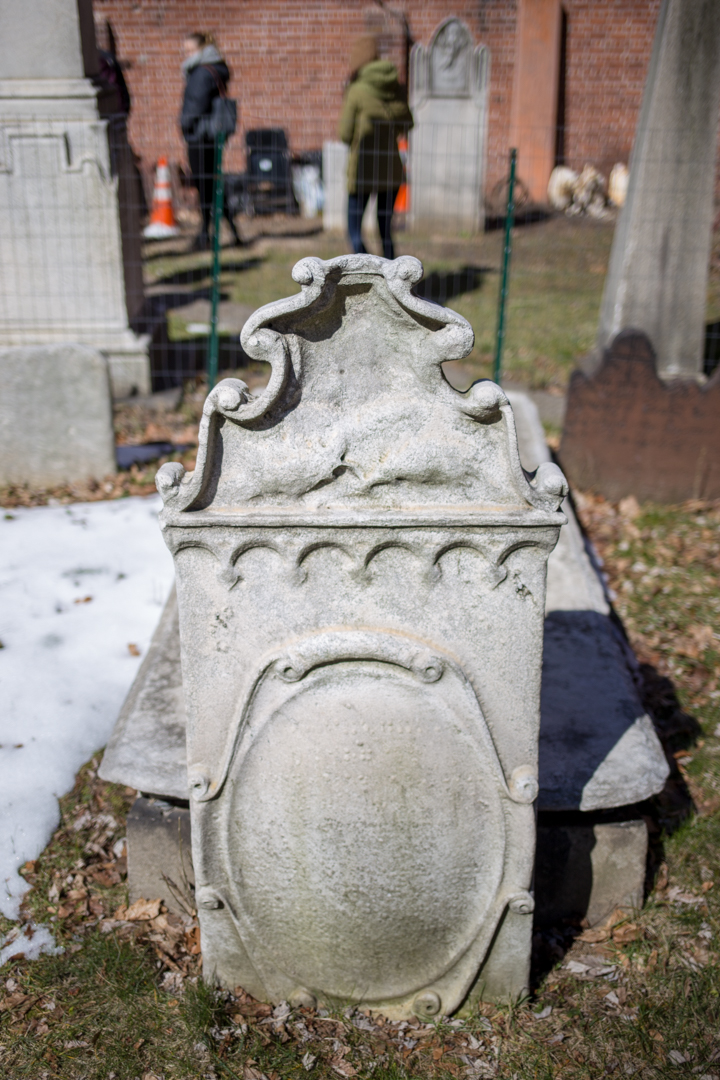

Due to space restrictions, interments in the churchyard eventually stopped, but in 2013 they constructed new columbaria "intended primarily but not exclusively for the cremated remains of Roman Catholics." My main complaint about most tours is that I always feel rushed, and unfortunately we spent very little time in both north and south cemeteries.

The remains of one of the churchyard's most famous residents—The Venerable Pierre Toussaint, a former slave on his way to becoming the first African-American saint—were moved to the crypt below the main altar of St. Patrick's Cathedral on Fifth Avenue. In addition to being one of New York Society's leading hairdressers, Toussaint sheltered orphans, fostered children and devoted his life to charity work. A headstone still marks the spot where Toussaint's remains were buried before they were moved to St. Patrick's, a place of honor normally reserved for bishops.


In 1866, a fire destroyed the interior of the church, which was rebuilt and re-opened on St. Patrick’s Day in 1868. Currently, services are given in English, Spanish, and Chinese and the church was awarded Basilica status by Pope Benedict XVI in 2010. If the side altar looks familiar, it's because it was the filming location of the famous baptism scene in The Godfather.


The crown jewel of the church is its pipe organ, the last remaining large, intact piece of its kind built by New Yorker Henry Erben. The nearly 2,500 pipes were carried by horse and carriage and installed by hand just after the Civil War. The organ is in need of a pricey restoration, and the non-profit organization Friends of the Erben Organ (honorary chair: Martin Scorsese) was formed to raise $2 million to ensure its preservation.

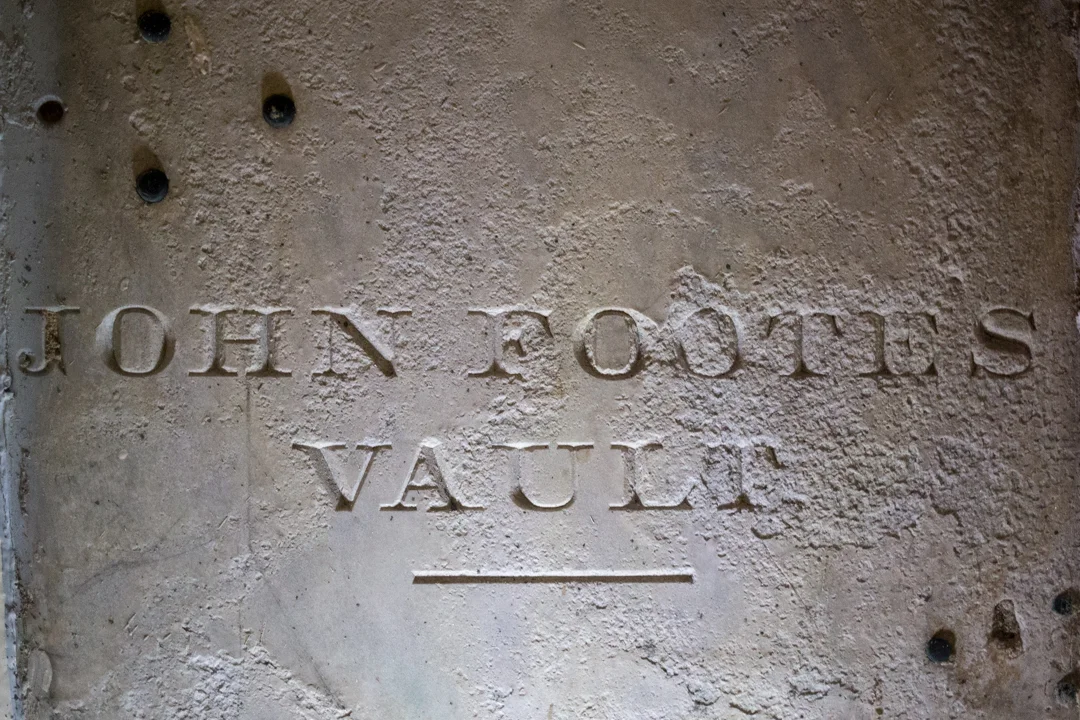


The official name of the tour is the Catacombs by Candlelight, but once again I felt as if we didn't have nearly enough time to explore beneath the church (the tour and guide were great, I just require a lot of time to poke around). These catacombs aren't like the bone-filled niches of Europe, but more like the ones at Green-Wood Cemetery—underground tunnels lined with hermetically sealed crypts and marked with carved stones. There are 35 family crypts and five clerical vaults, in addition to the newly-built columbaria.


Notable interments include: members of the Delmonico family, founders of Delmonico's, the first American restaurant to allow patrons to order from a menu; Countess Annie Leary, one of the only Catholics to be included in Mrs. Astor's "The 400," a list of fashionable socialites; and Tammany Hall boss and Congressman "Honest John" Kelly.


The tour concludes with a visit inside of the beautiful vault of General Thomas Eckert, a confidant and bodyguard of Abraham Lincoln. Lincoln drafted the Emancipation Proclamation in Eckert's office, and after the war he became president of the Western Union. The walls and ceiling of his spacious vault—I'm not exaggerating when I say it's almost as big as my studio apartment—are lined with Guastavino tiles and the light fixtures still have working, original Edison light bulbs.
St. Patrick's Old Cathedral
Corner of Mott and Prince Streets
New York, NY
Cemetery and catacombs accessible by tour only.

Easter Parade 2018
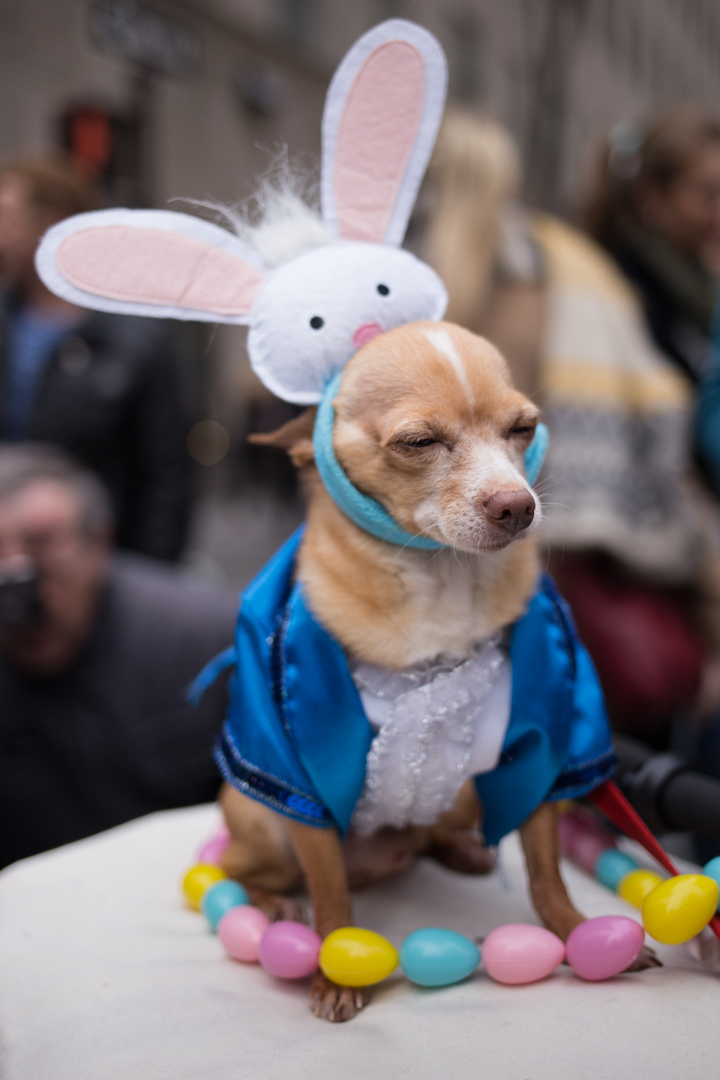
The Easter Parade began in the early 1870s as a stroll in Central Park—dressed in their Easter best, people gathered to show off their bonnets and hats. By 1879 the event moved to Fifth Avenue and inspired the Judy Garland and Fred Astaire musical, Easter Parade.


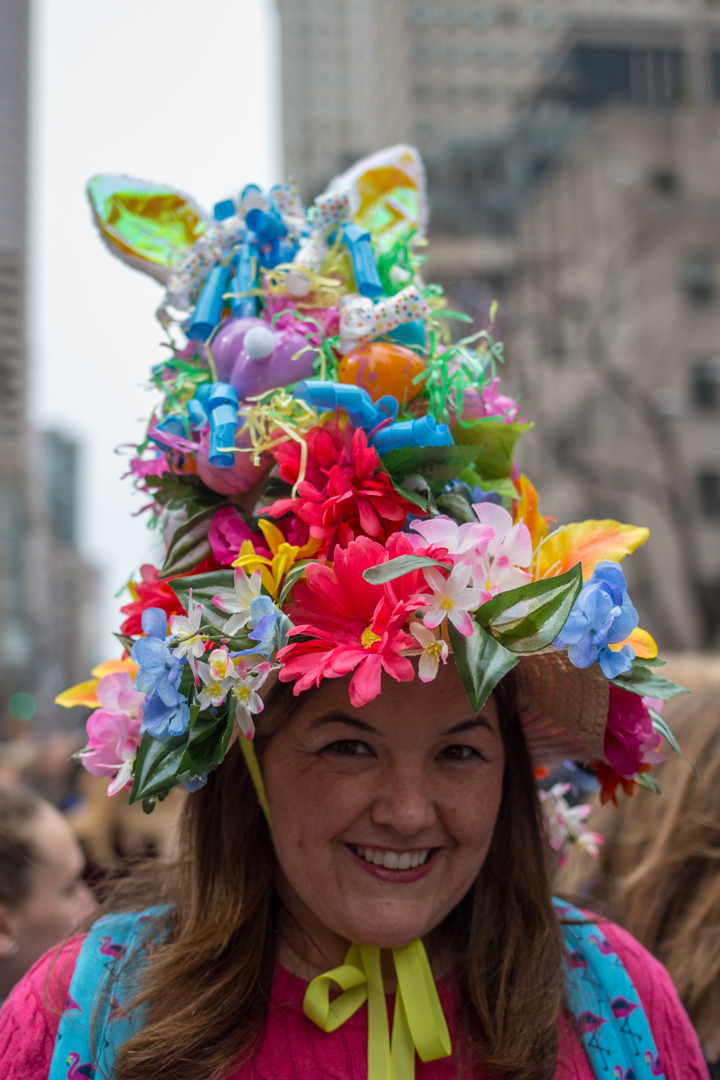


The "parade" is not a parade in the traditional sense—participants and onlookers gather along Fifth Avenue outside of St. Patrick's Cathedral and it's a bit chaotic. This lack of structure allows you to view the creations (and most importantly, dogs!) up close, but people can get a bit pushy. There are usually more people taking photos than people dressed in elaborate bonnets, but I'm wowed every year by the creativity on display.
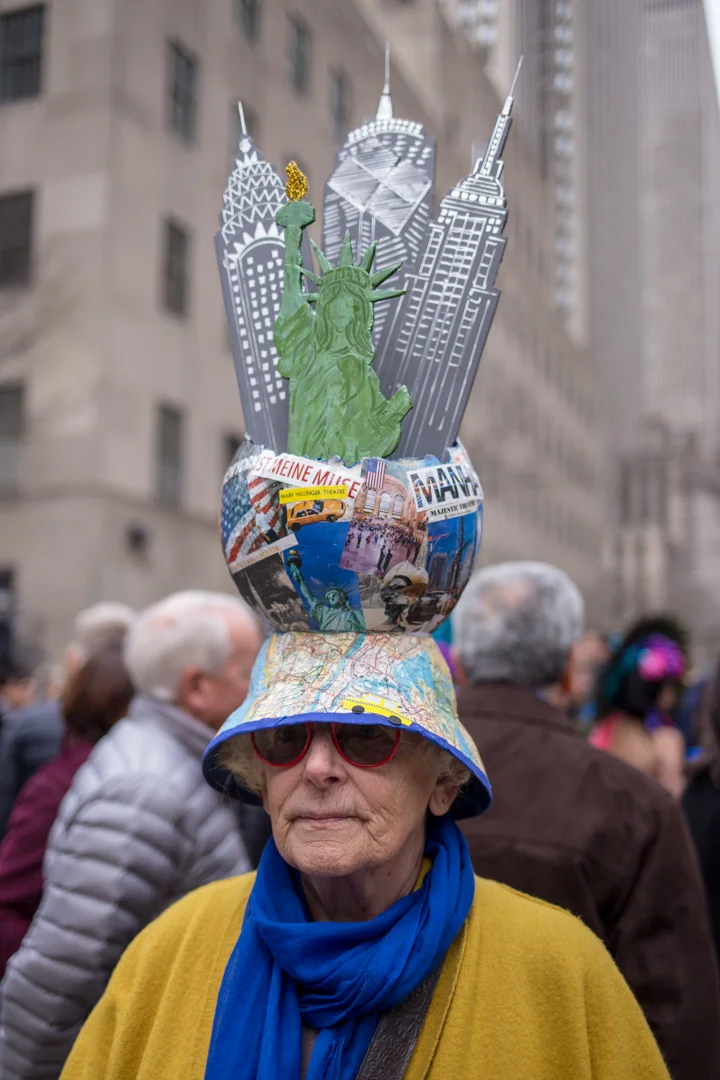


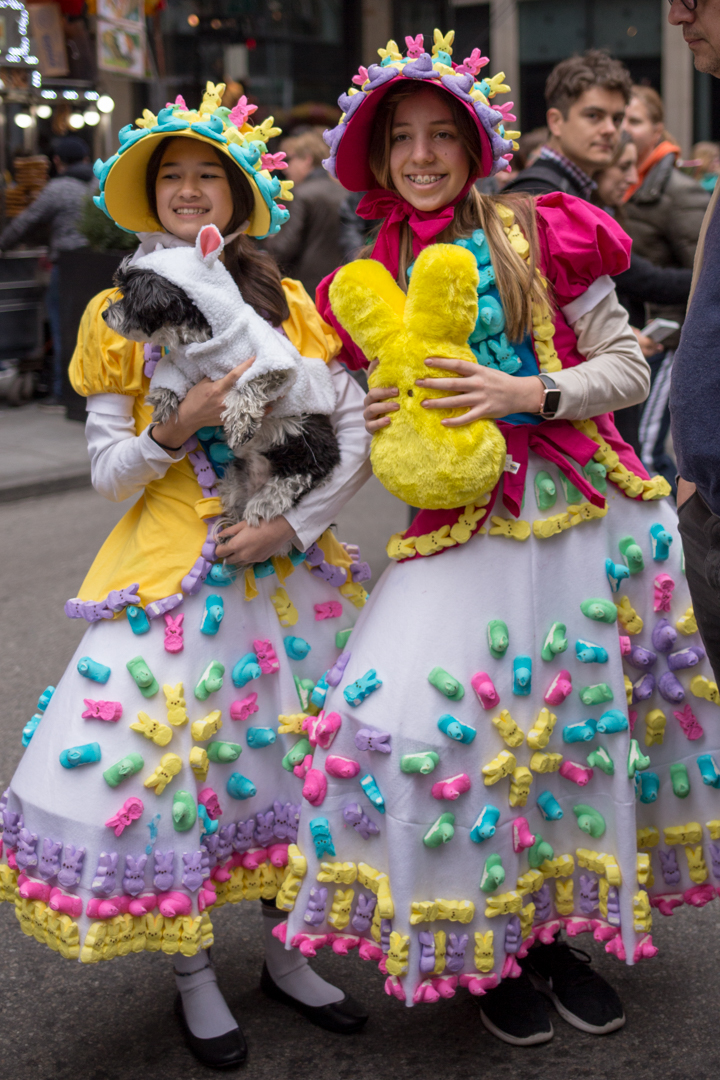


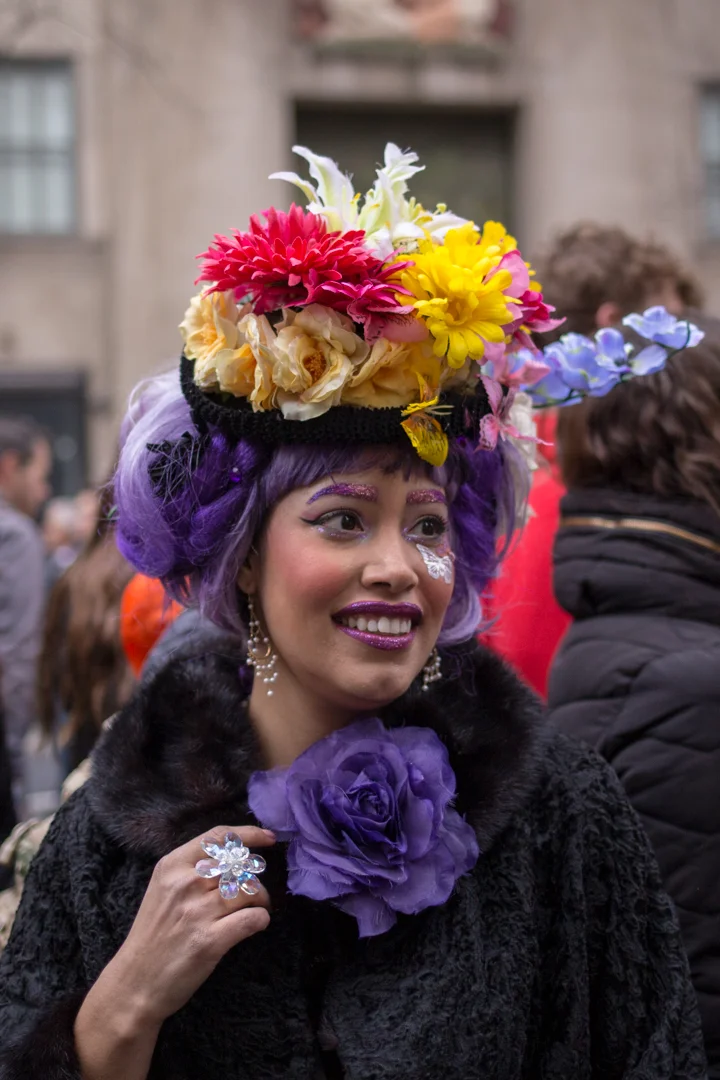


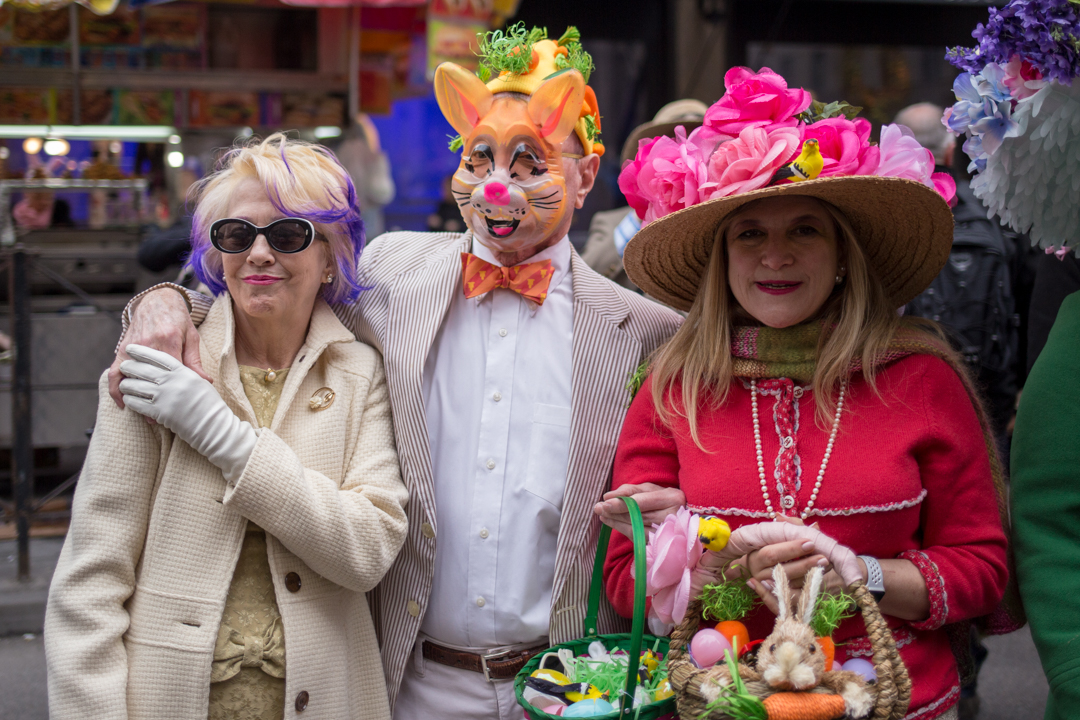


This is my third Easter Parade (see photos from past parades here, here, here and here), and it's one of my very favorite New York events (second only to the Mermaid Parade). I'm not religious and Easter was never a huge holiday in my family (last year we went to the Cathedral Buffet just for their bizarre dioramas). I do love Easter candy and creative costumes, however, so I've come to look forward to Easter Sunday much more since I discovered this parade.

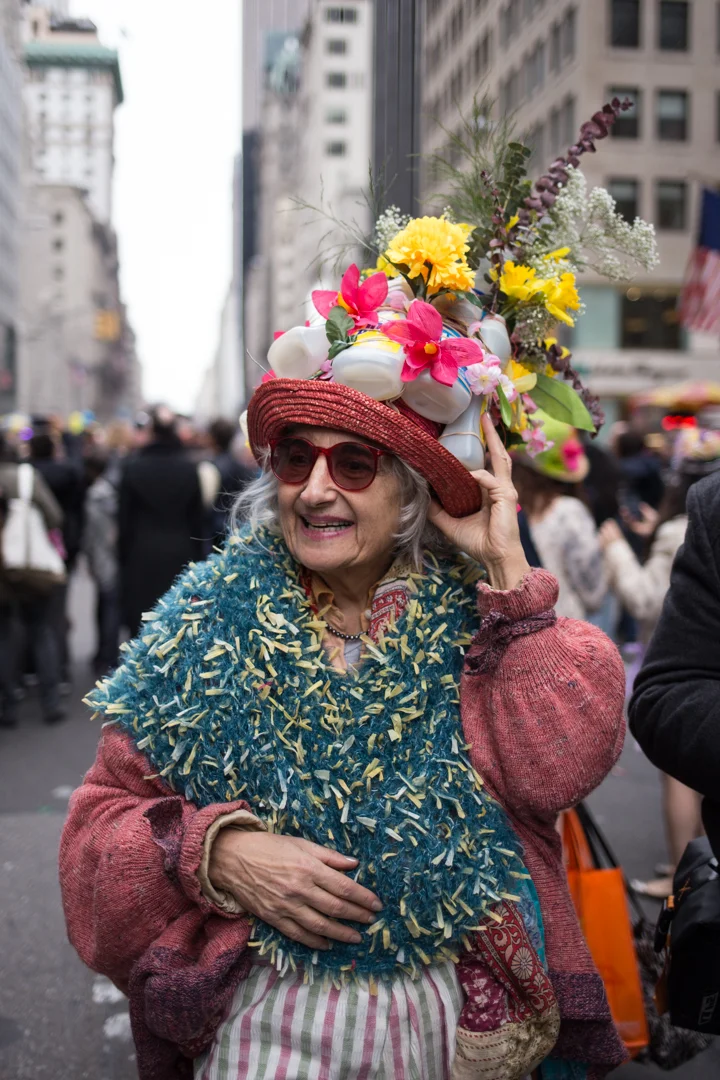

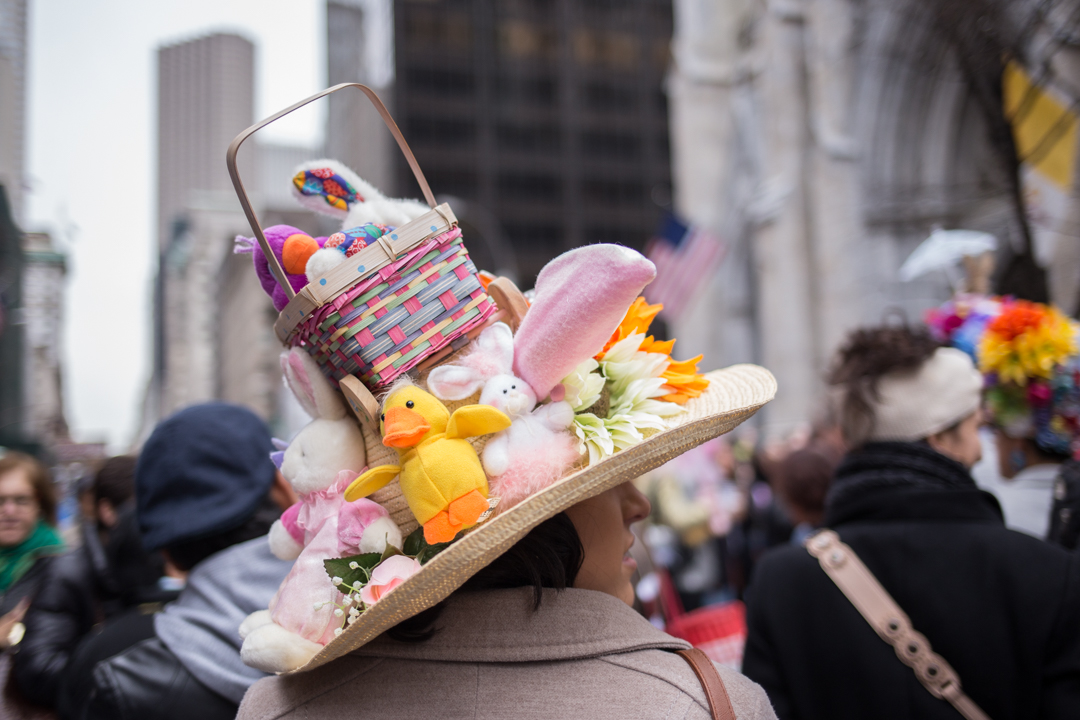


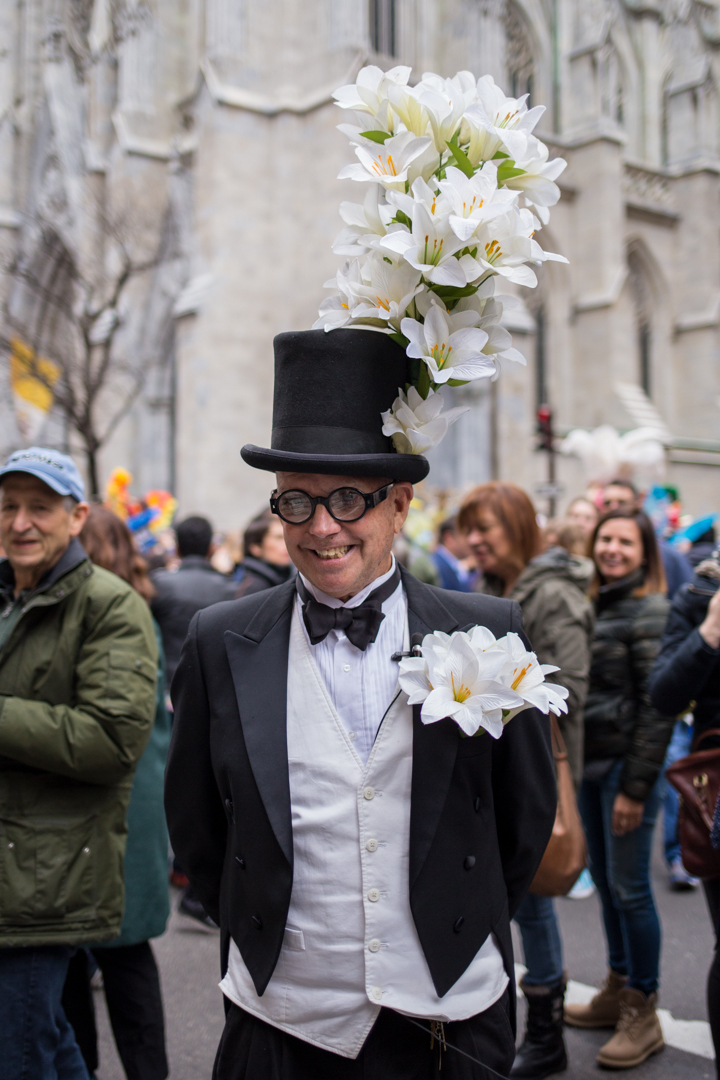


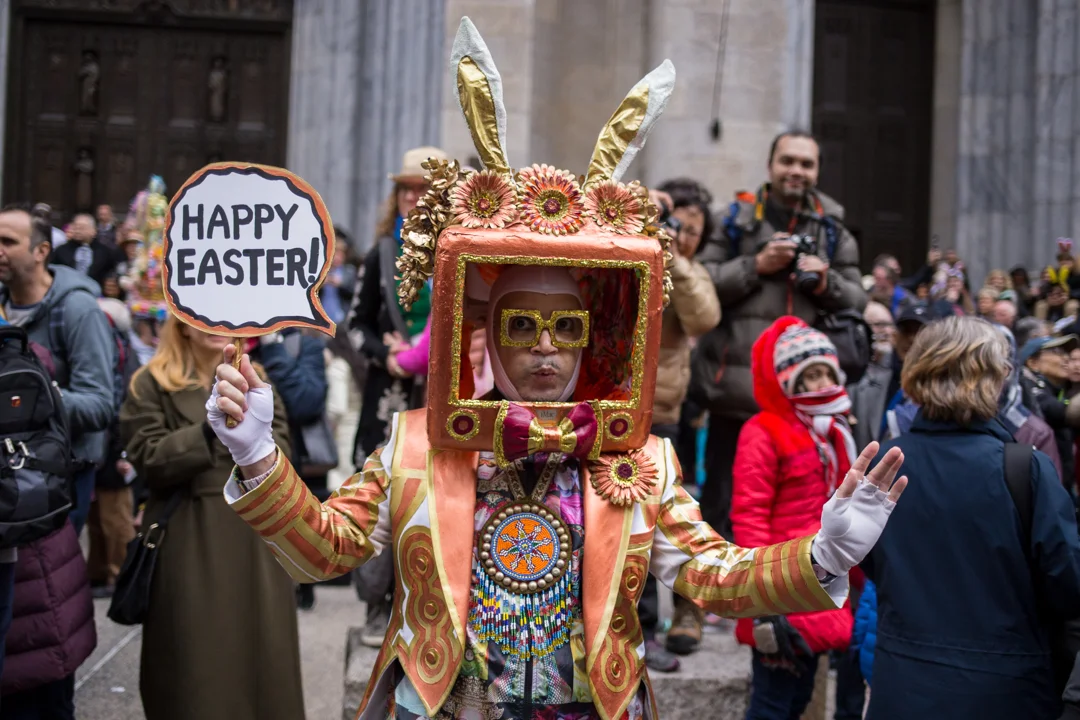
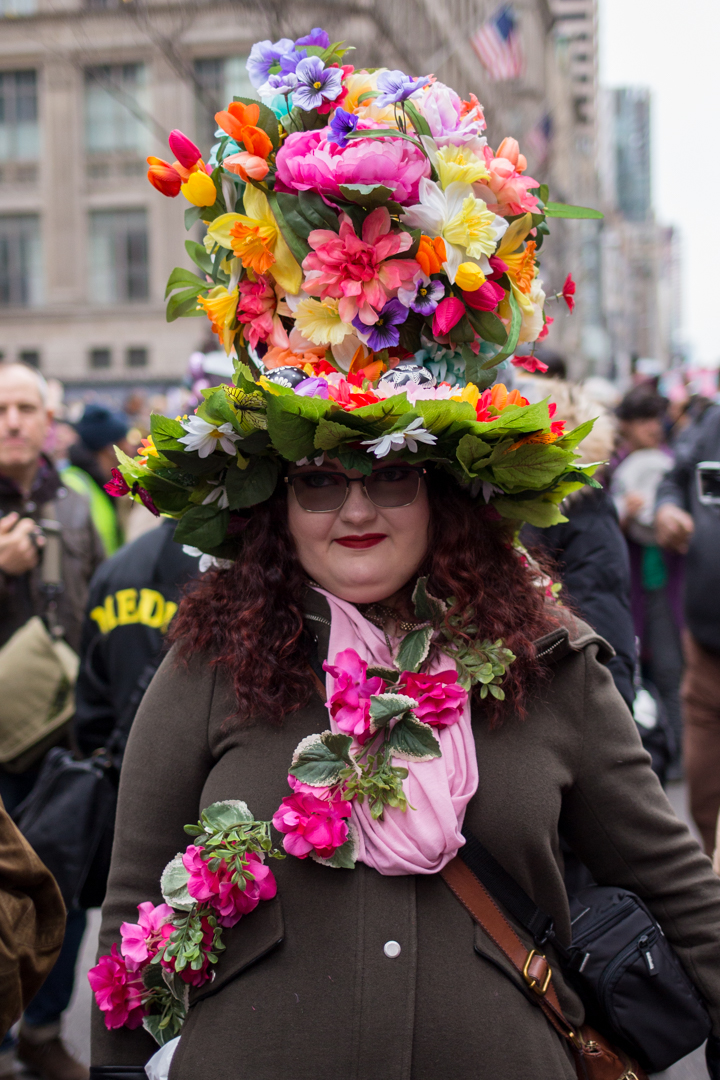

The best part of recurring events is recognizing people (and chihuahuas) year after year. Of course there are also the New York City parade regulars—people dressed in costumes that don't have anything to do with the specific event, like the wizard with a dragon puppet that I think I have seen at every single New York event I have ever attended.



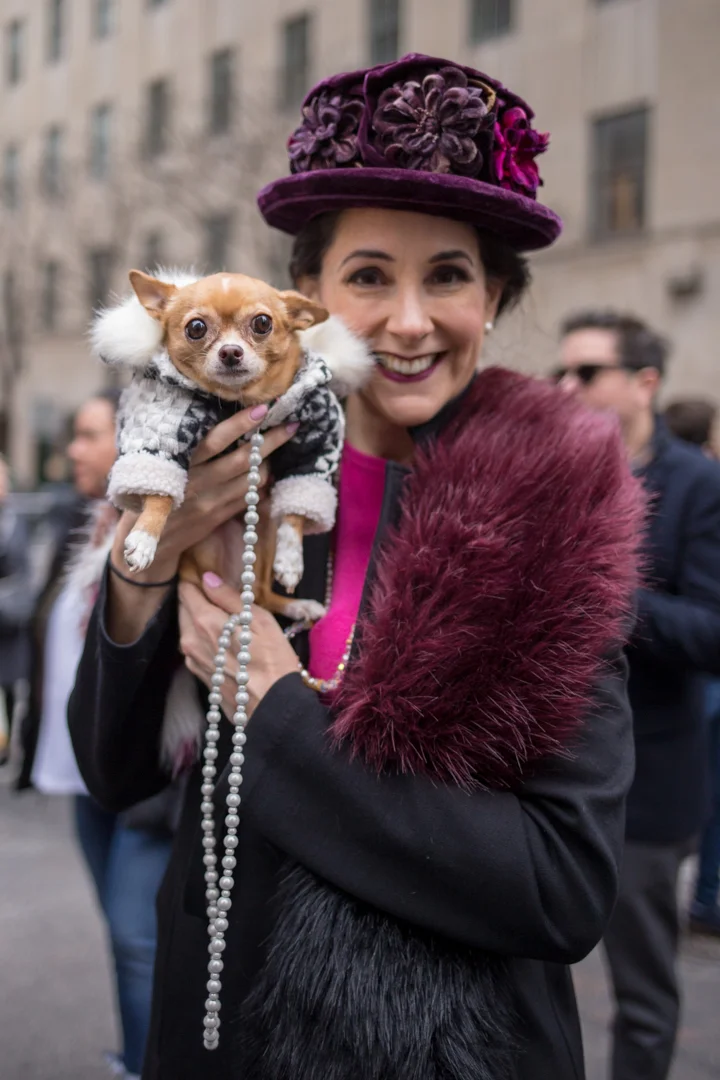


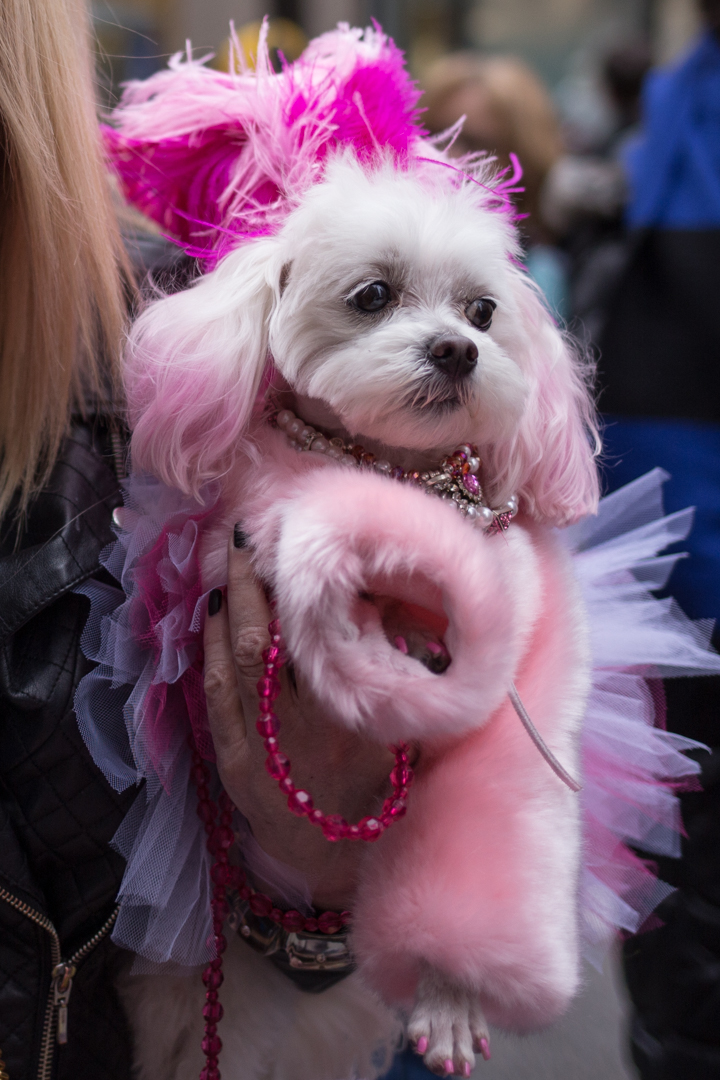

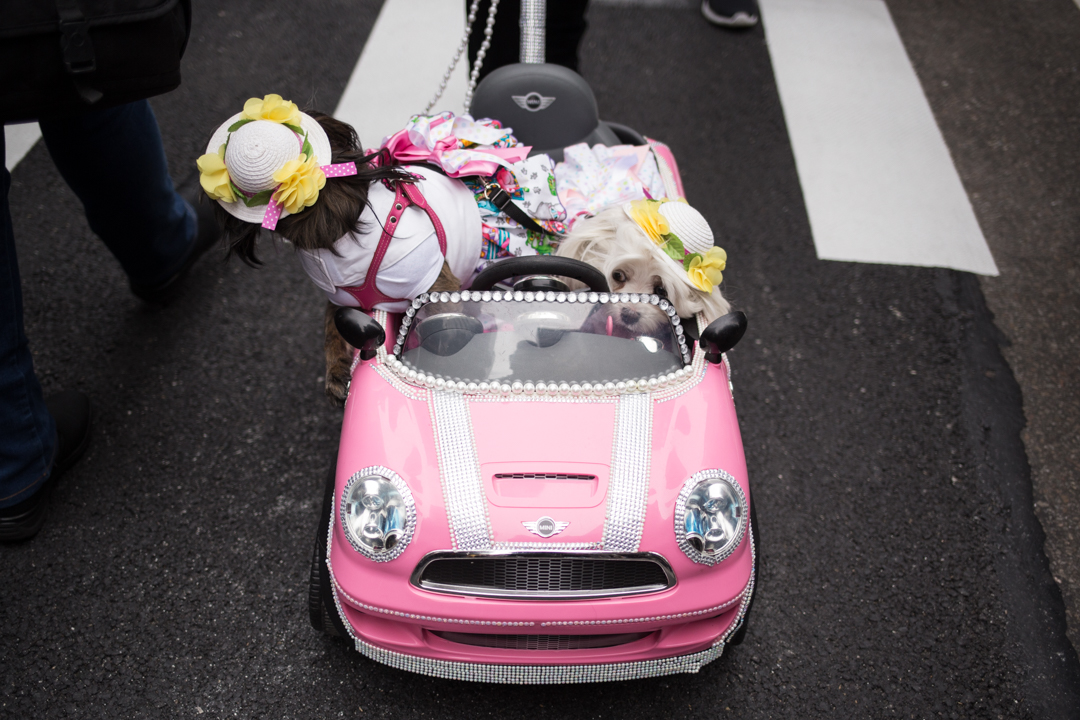
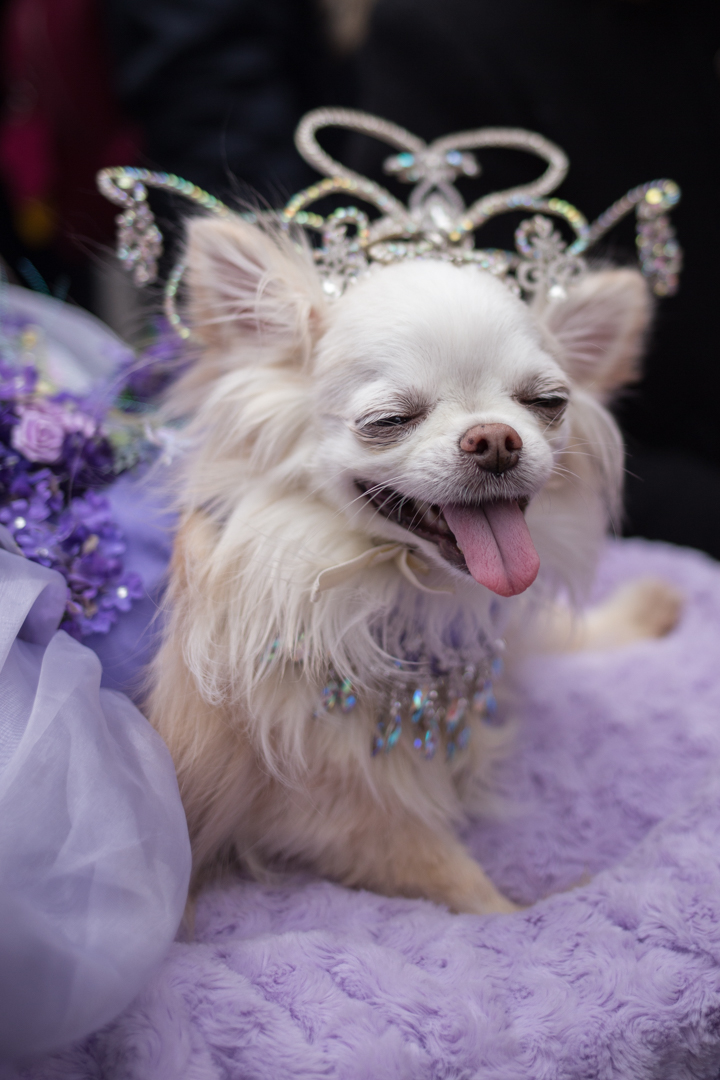

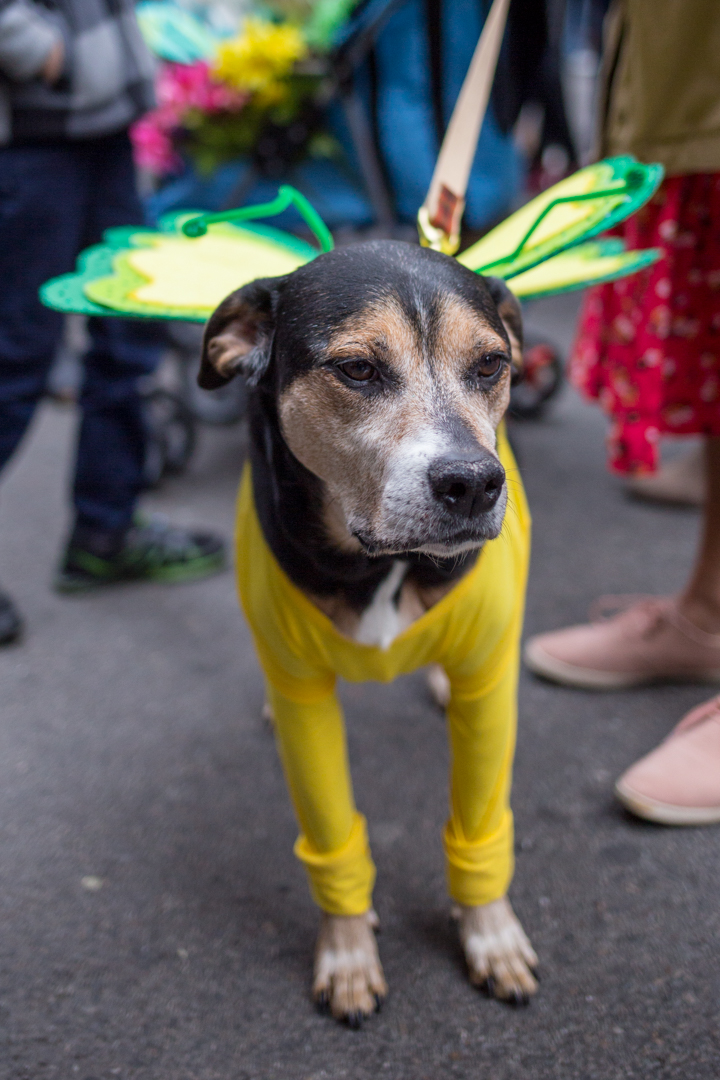
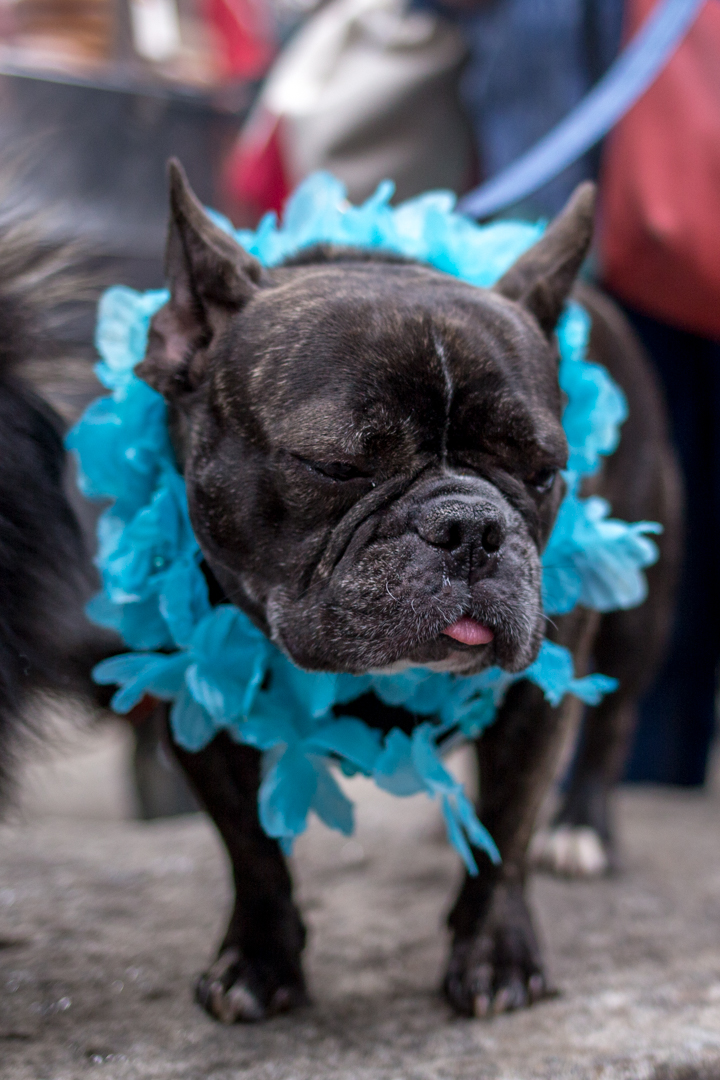


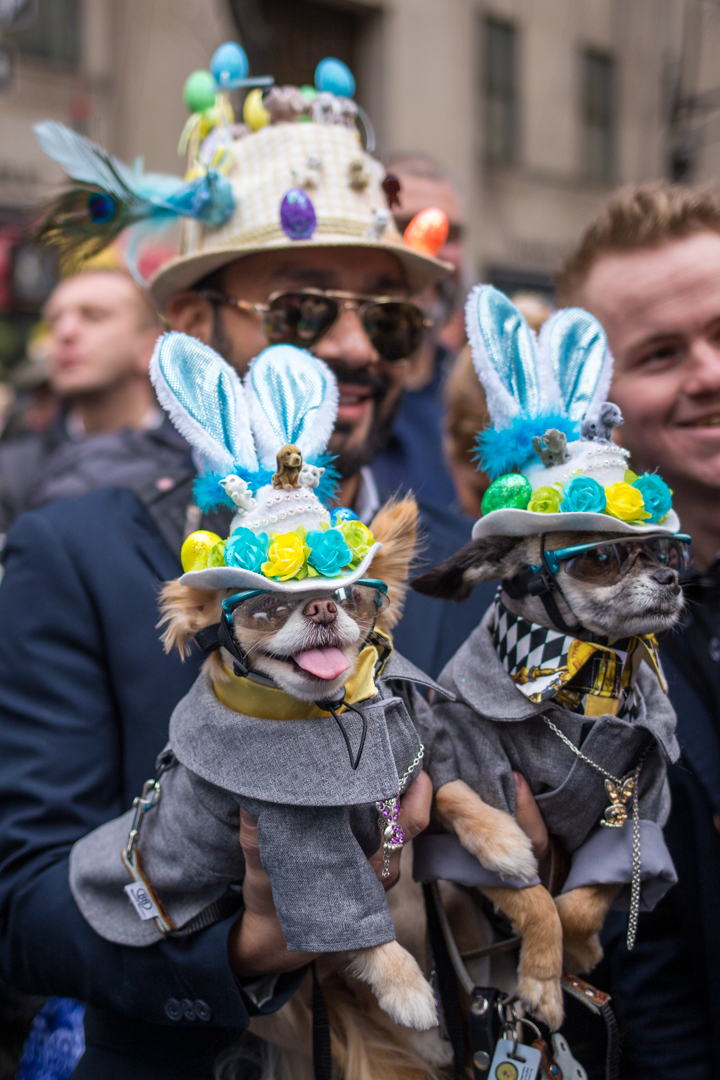


The best part of the Easter Parade is, of course, the dogs—with bonnets and sunglasses and bunny ears—and it's hard not to smile when you see a dog dressed up in its Easter best. Some of the dogs seem frightened by the crowds, but others clearly relish the attention. I don't think I saw as many dogs this year as I have in past parades (and I didn't see a single pug) but any day where I see a dog wearing sunglasses is a good day.

Georgia Diner

I first went to the Georgia Diner in the summer of 2015, but I only photographed the outside for an article I wrote for Need Supply lamenting the demise of the diner. Sadly, the Georgia Diner closed on Sunday, March 25th. The building will be demolished and although the diner staff has merged with the nearby Nevada Diner—they share owners and managers—it's still a huge loss to the ever-dwindling list of classic New York diners.


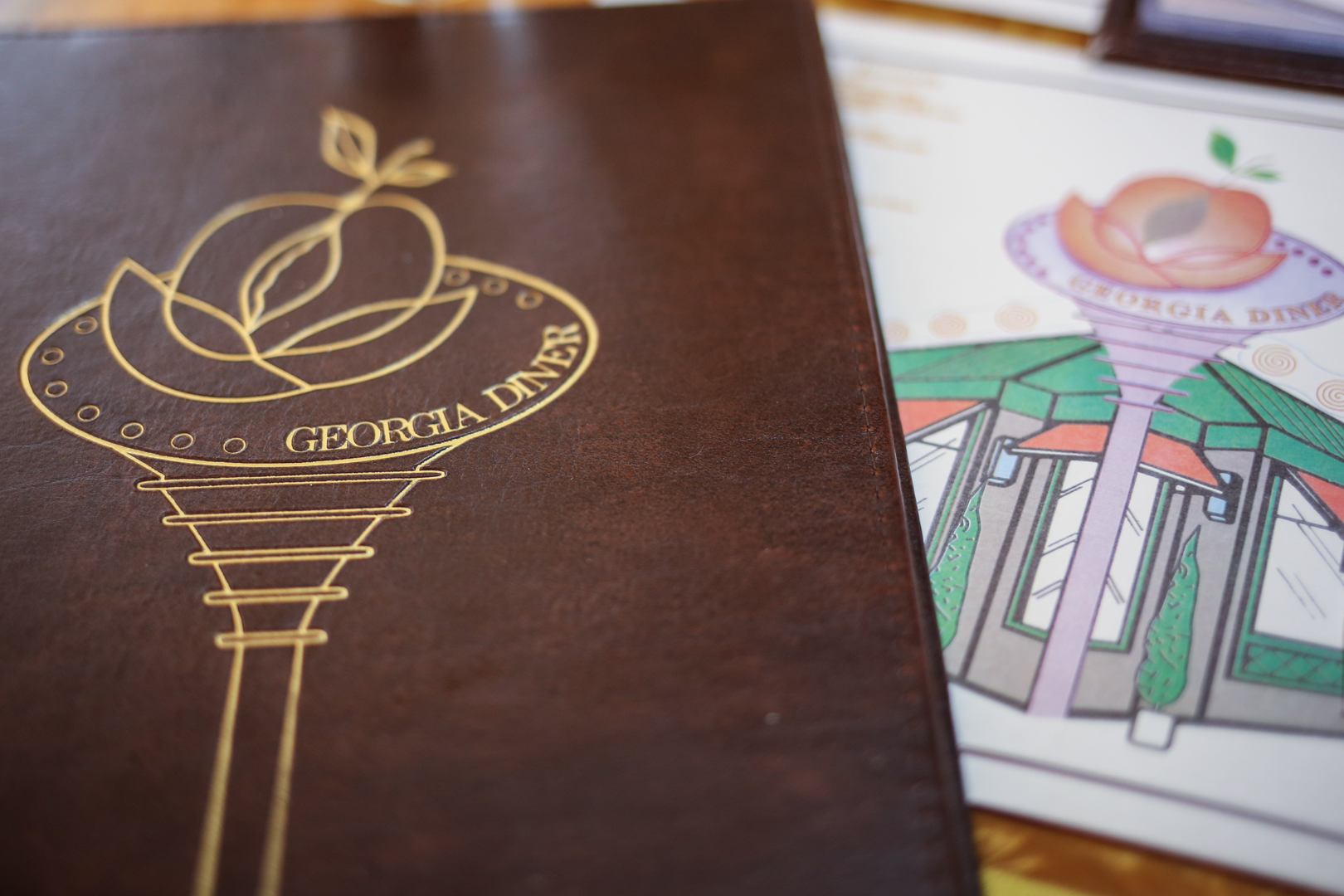
The Georgia Diner opened on Queens Boulevard in Elmhurst, Queens in 1978. Three years ago, a portion of the diner's parking lot was sold and recently the same developer bought up the rest of the property for $14.25 million, with plans to build an 18-story apartment and retail complex.
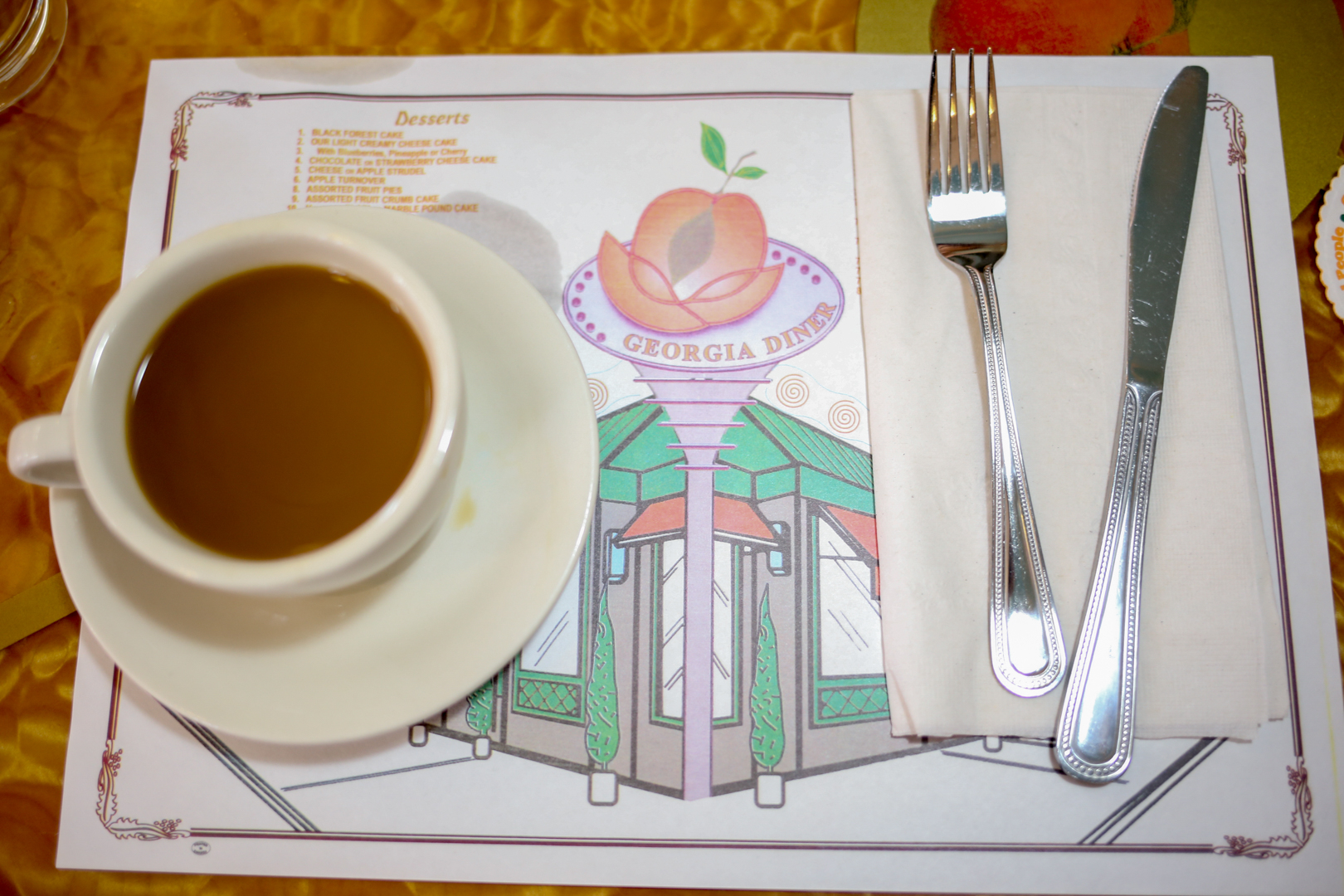


I regret that we didn't actually eat at the Georgia Diner until its closure was imminent because it had everything I look for in a diner experience—a huge menu, delicious breakfast, surly waitress, intricate neon sign and a time wrap interior. They leaned heavily into the Georgia peach theme, with peaches appearing on the menu, placemats, booth dividers, tabletops, awnings and etched into granite panels on the exterior.
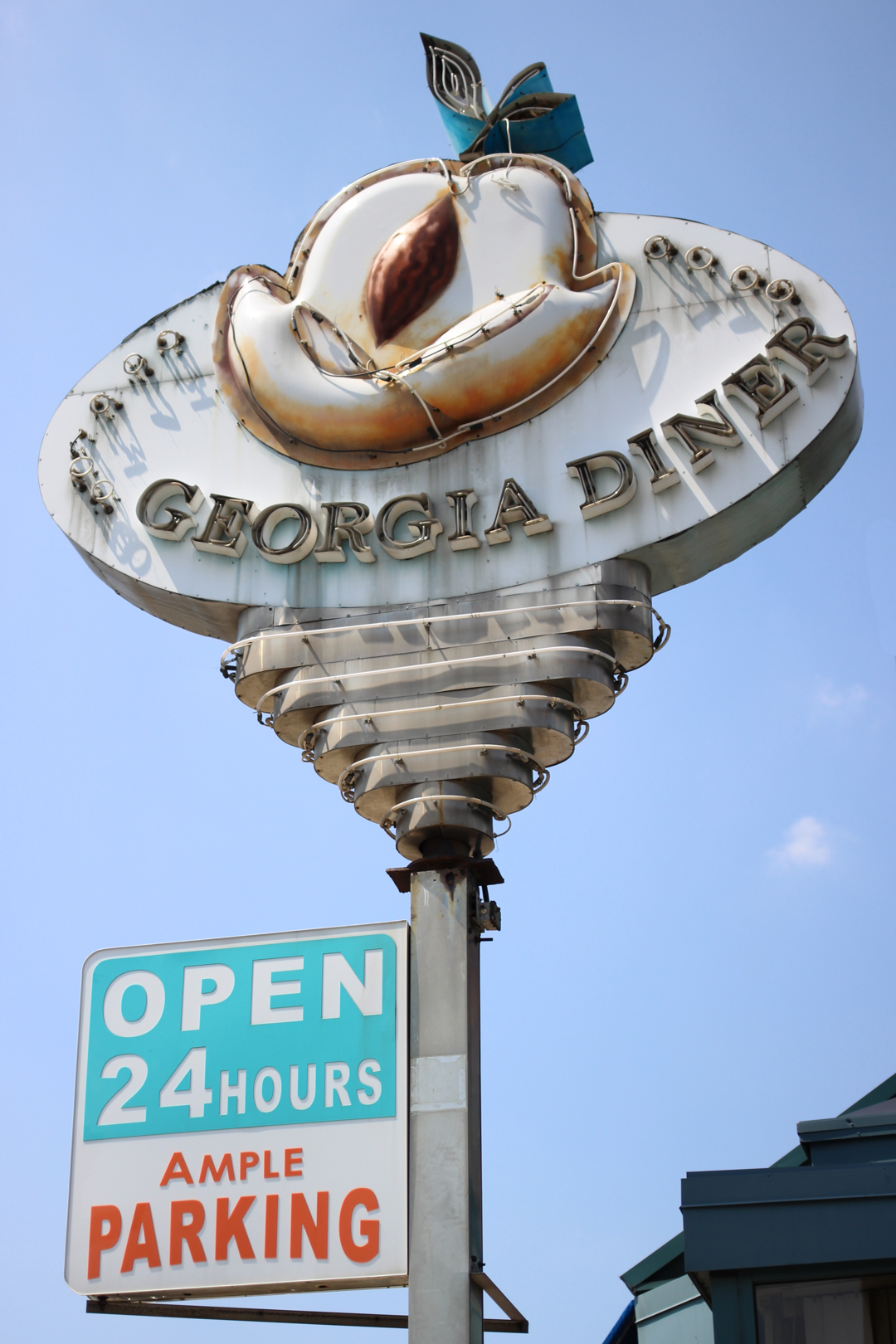
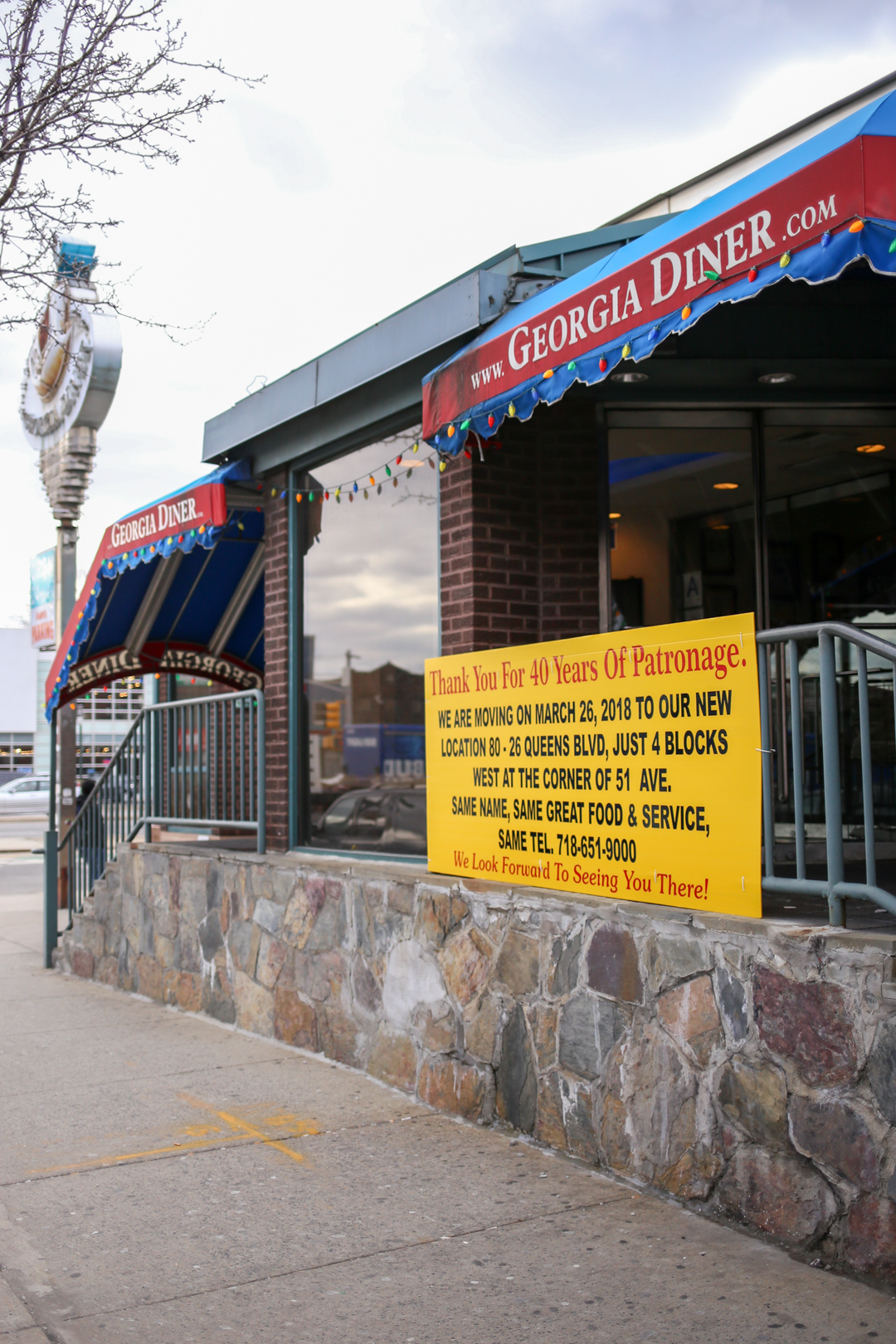
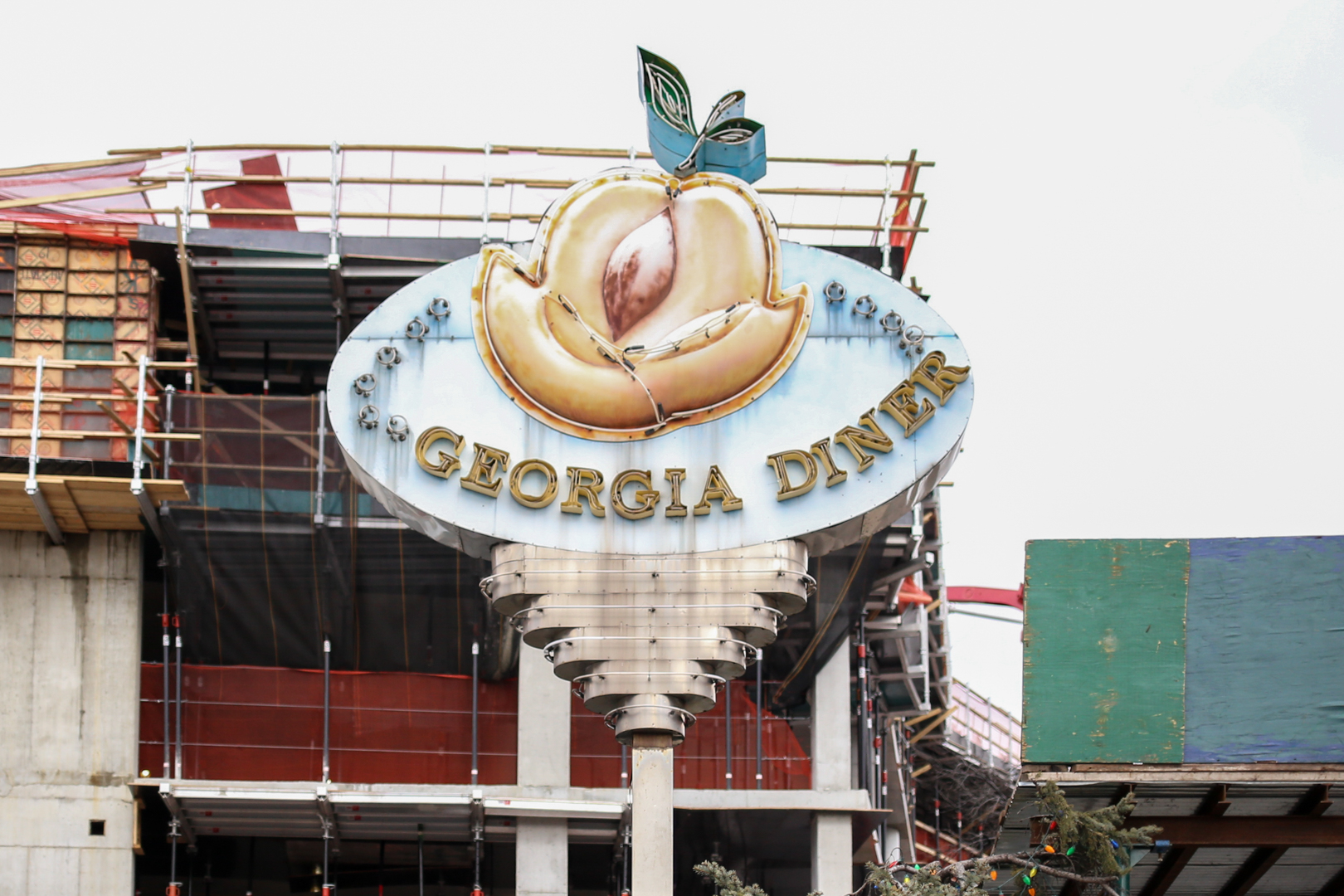


I have a knack for attracting older men who can't wait to mansplain to me whatever I happen to be photographing, and this outing was no exception. As I was photographing their two double-sided, somewhat NSFW neon signs, a man appeared to tell me that they planned to move the signs to their new location, which is located just a few blocks west on Queens Boulevard (some of these photos are from my first visit, when it was sunnier).


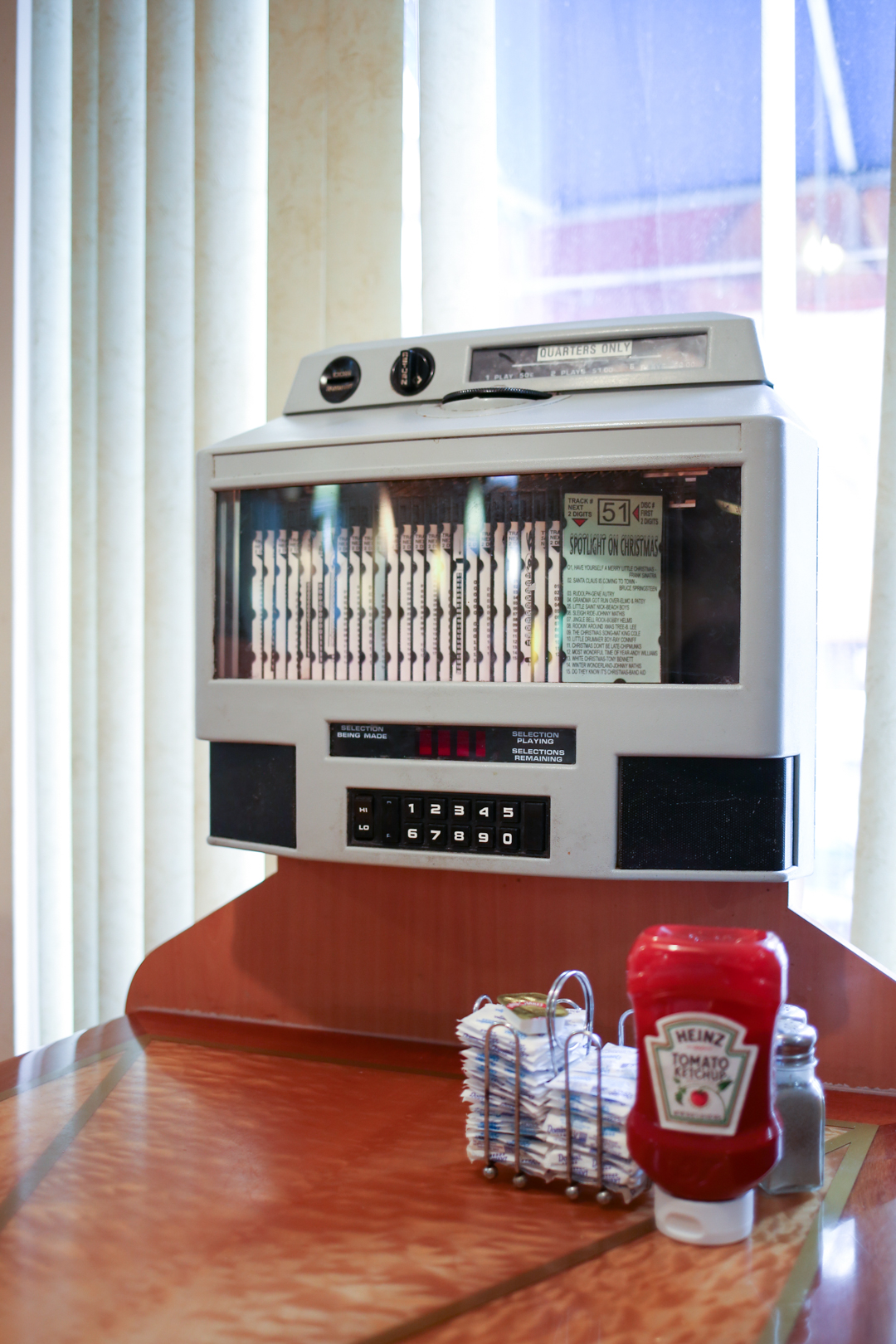
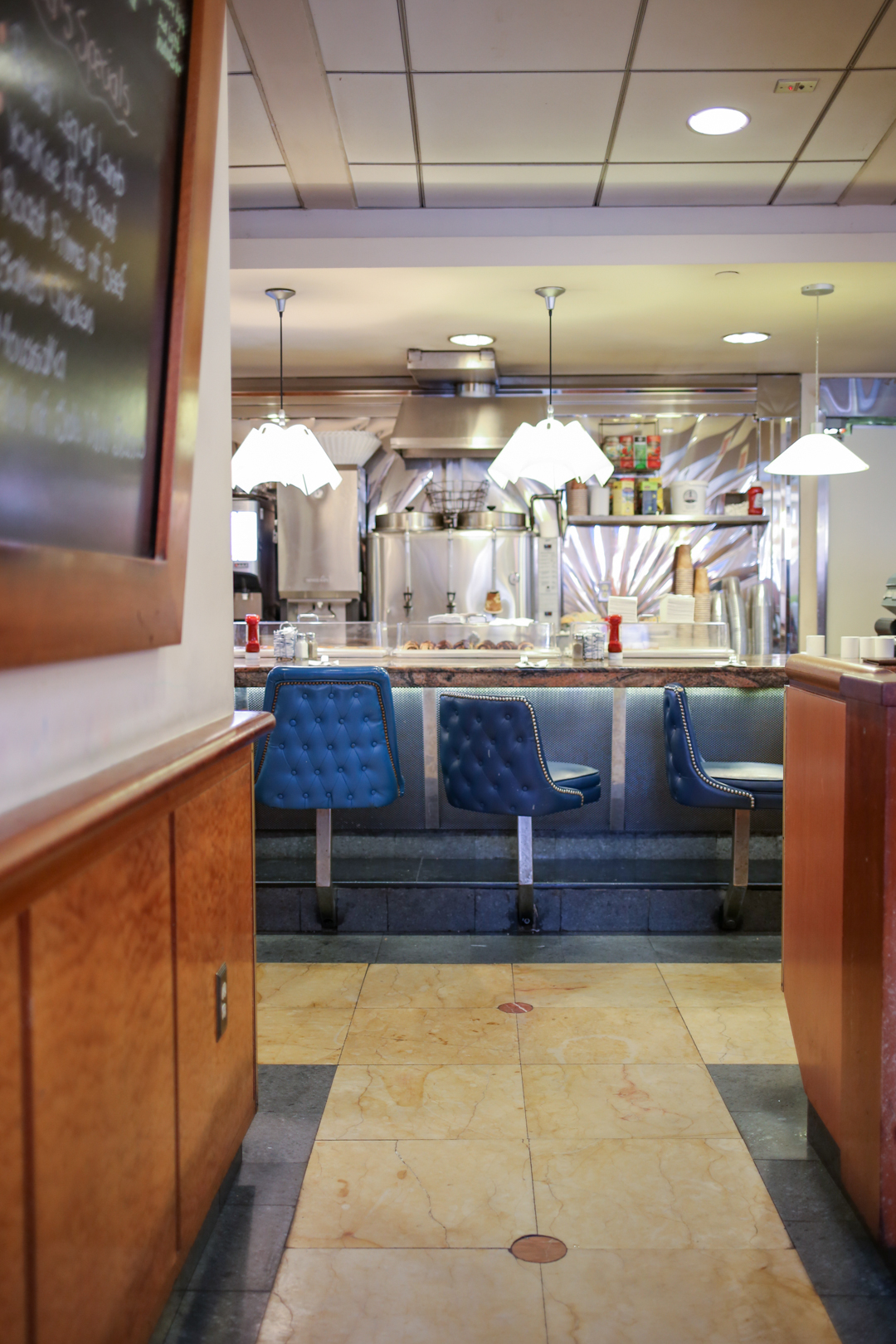

I can't fault the owners of the Georgia Diner for cashing out and I'm glad that the staff and food will live on in their new location. I haven't lived here five years yet and already I've mourned the loss of the Market Diner, The Cup & Saucer, Gene's Coffee Shop and countless other diners that closed before I ever had the chance to visit. Other beloved spots are living on borrowed time, threatened by rising rents, retiring owners, changing tastes or other factors beyond their control. I feel like I'm scrambling to keep up, but all I can do is frequently patronize the places I love the most while I still can.
The Georgia Diner (new location)
80-26 Queens Blvd
Queens, NY 11373
Winter Storm Toby

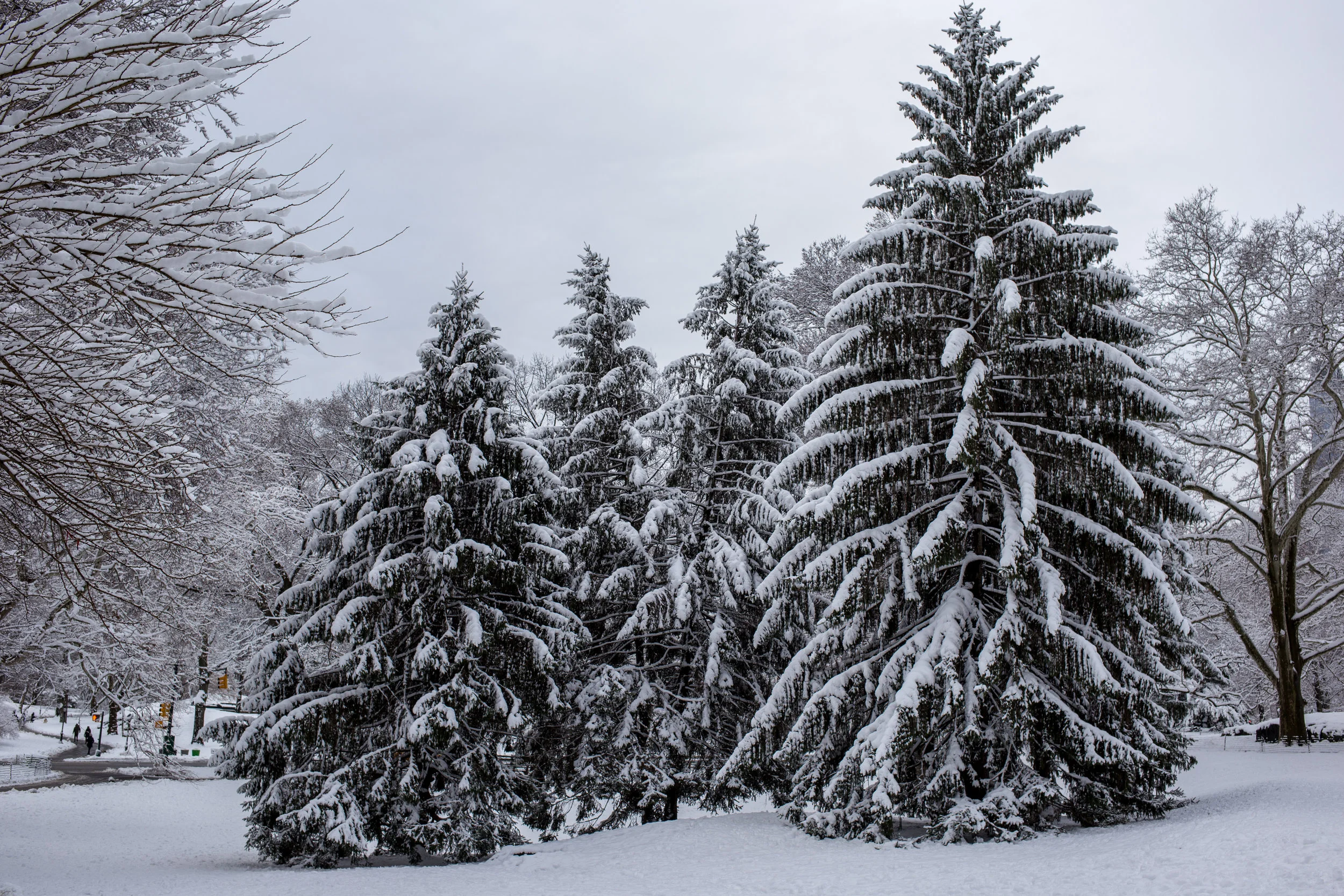
Last Wednesday we got our fourth nor'easter—in March alone. Winter Storm Toby (I don't know how I feel about naming every single storm) was predicted to bring up to 18 inches of snow to parts of the Northeast, but in Central Park the official total ended up at 8.2 inches. This was the first time since 1992 that at least 6 inches fell in late March or April, although January's "bomb cyclone" snow total was higher at 9.8 inches and I didn't hear any thundersnow like we had during the last nor'easter.
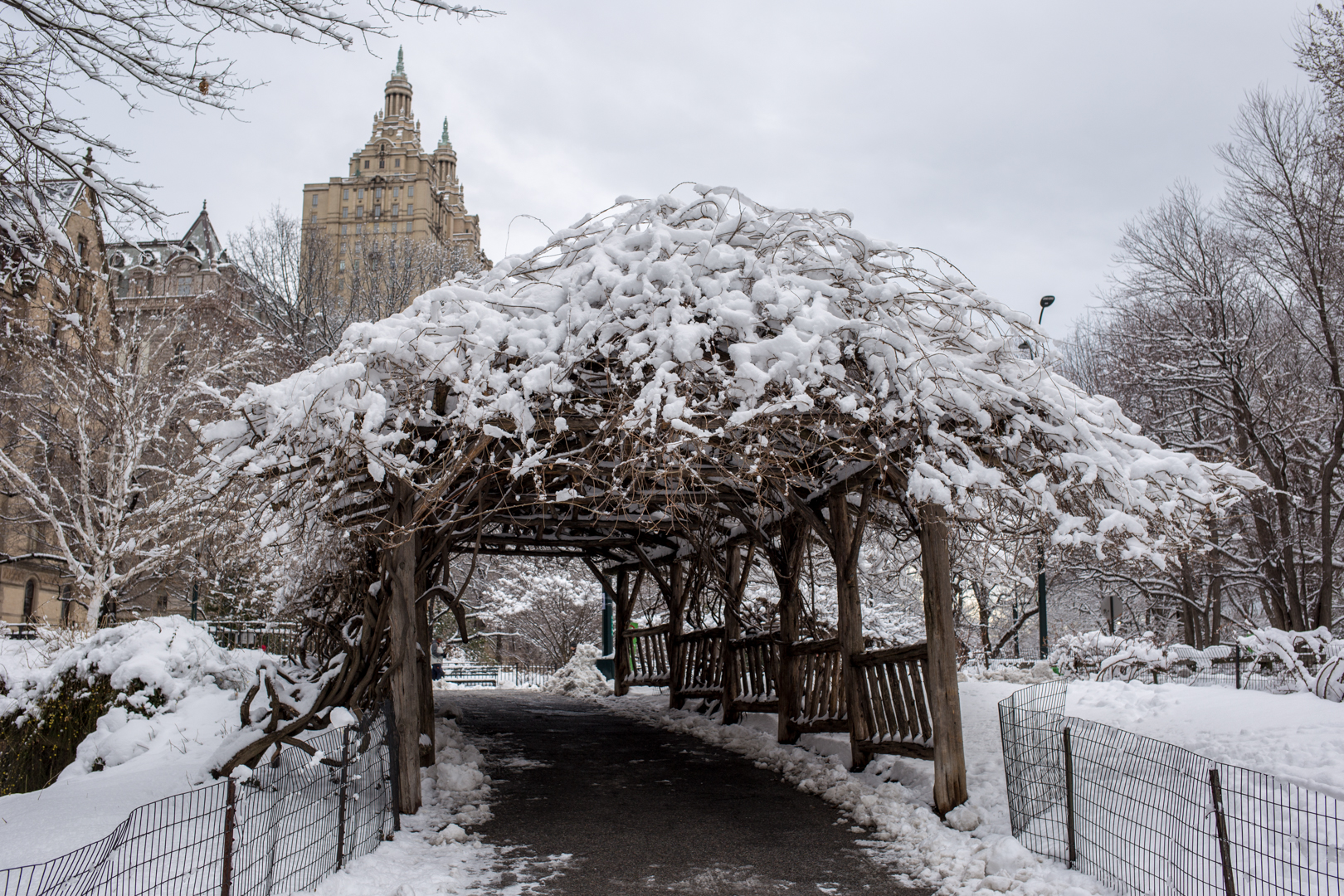

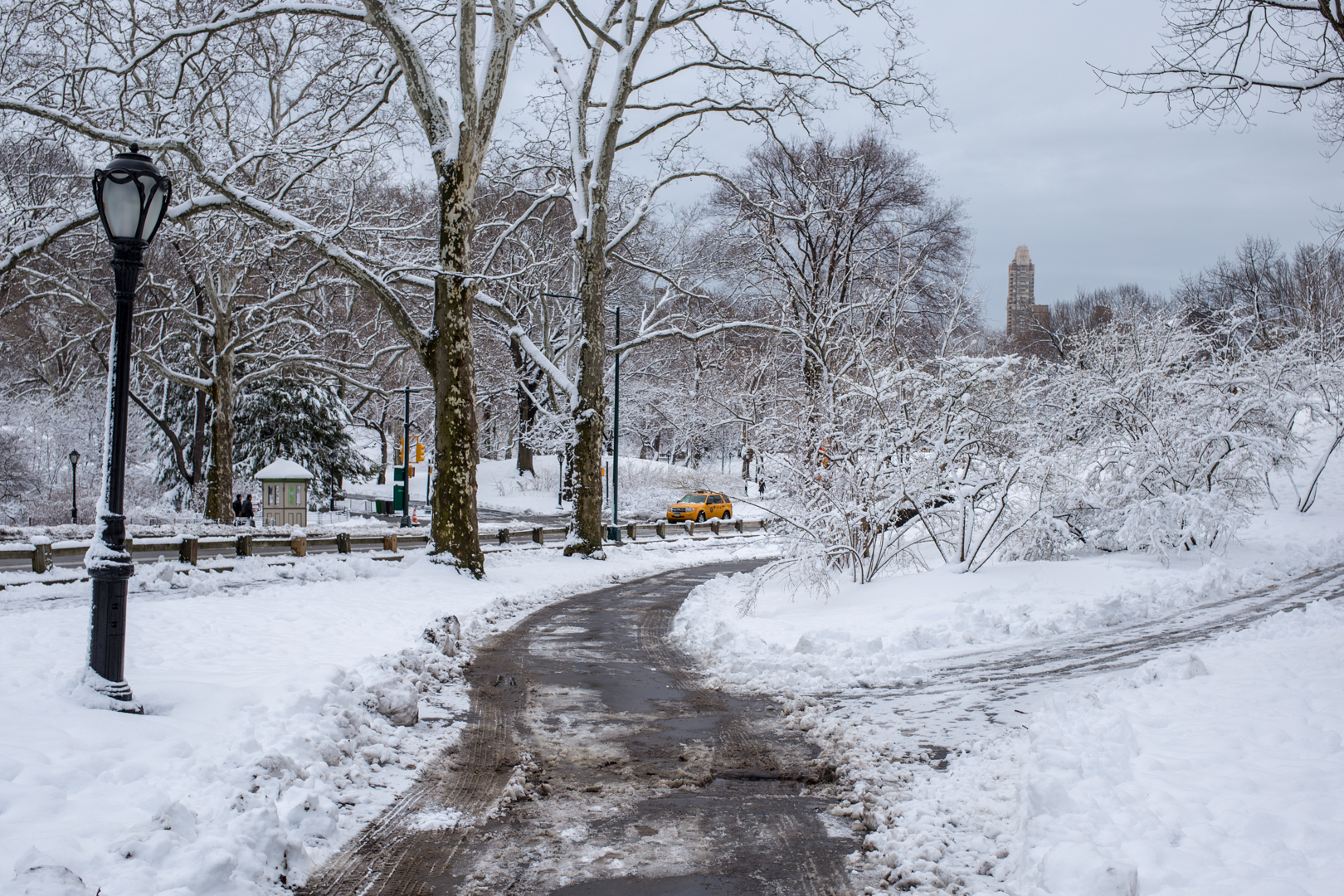

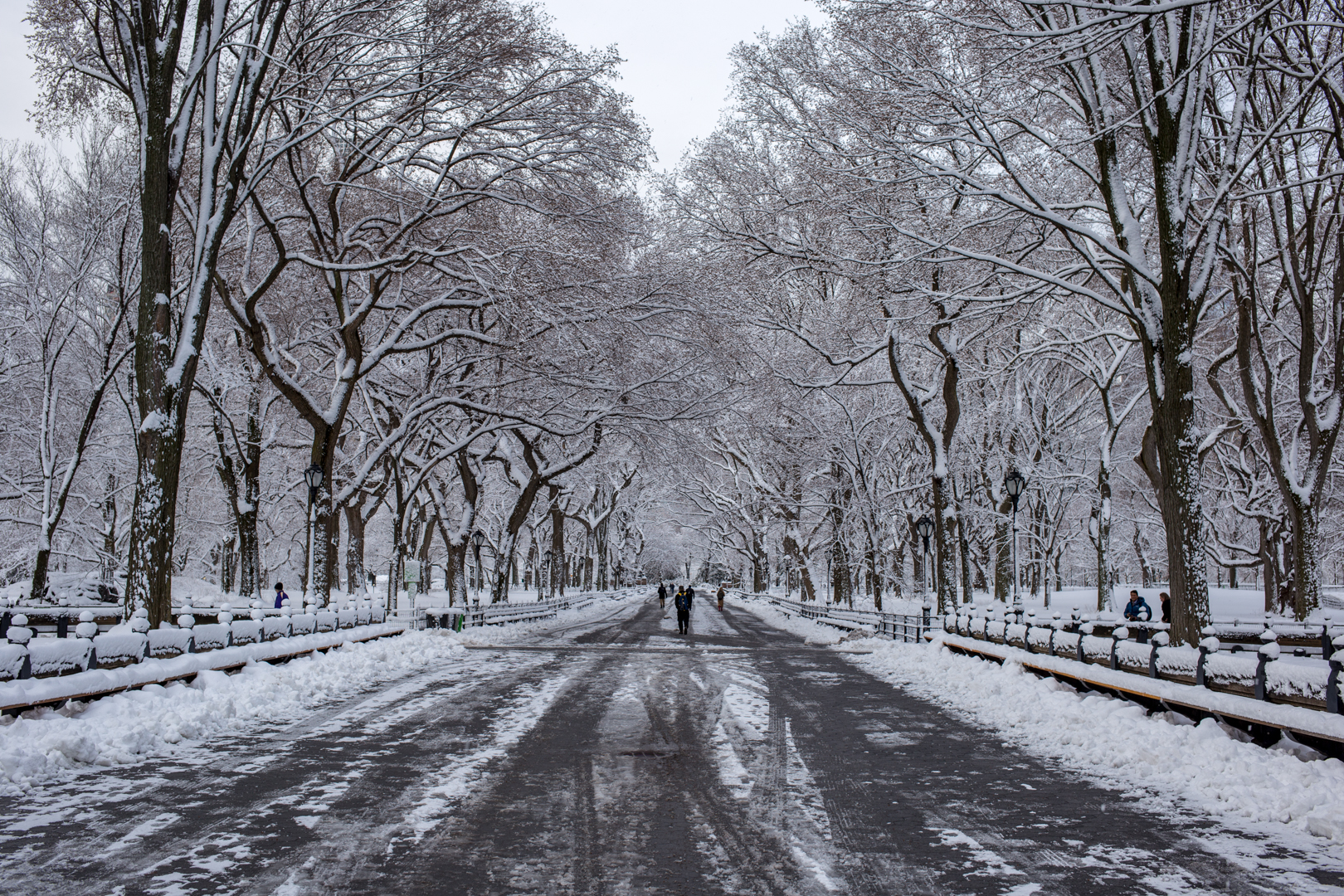


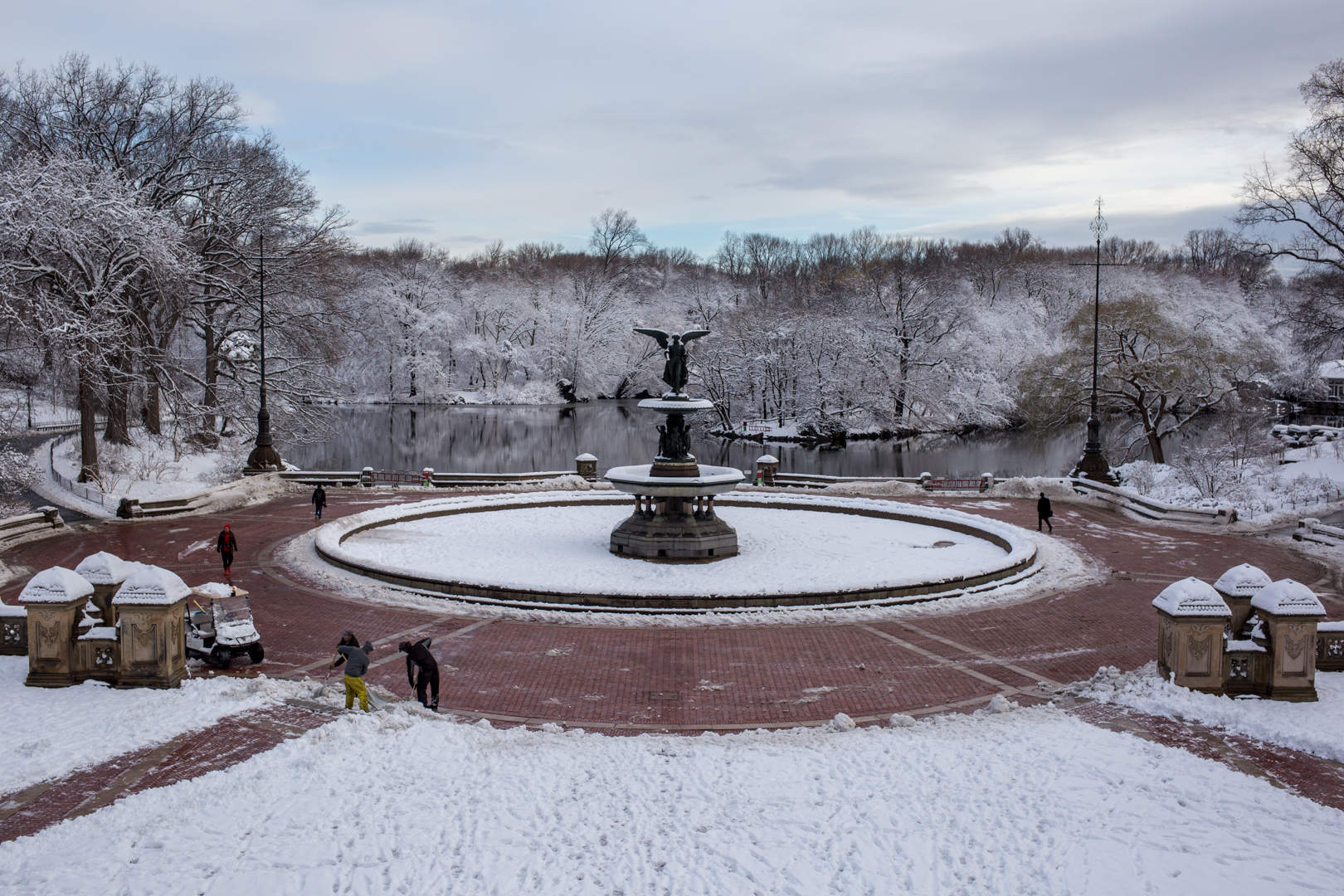

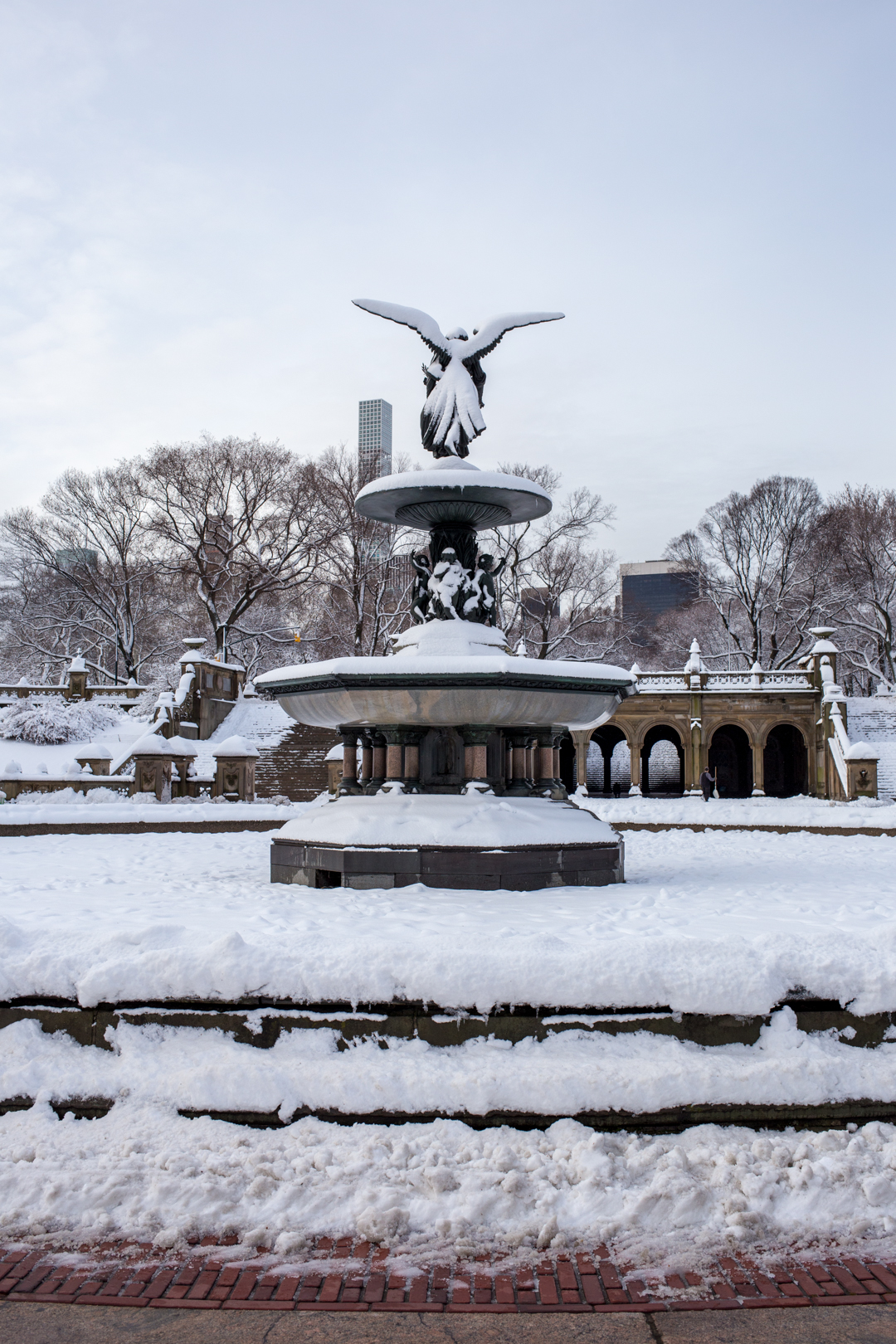
I'm definitely ready for spring, but I still love snow and will take it whenever I can get it. I stayed inside for the actual storm, but I was looking forward to a snowy commute through the park on Thursday morning. I decided to take a different, less direct route to hit some of my favorite spots, so I took the train to 72nd Street and started my walk from there.
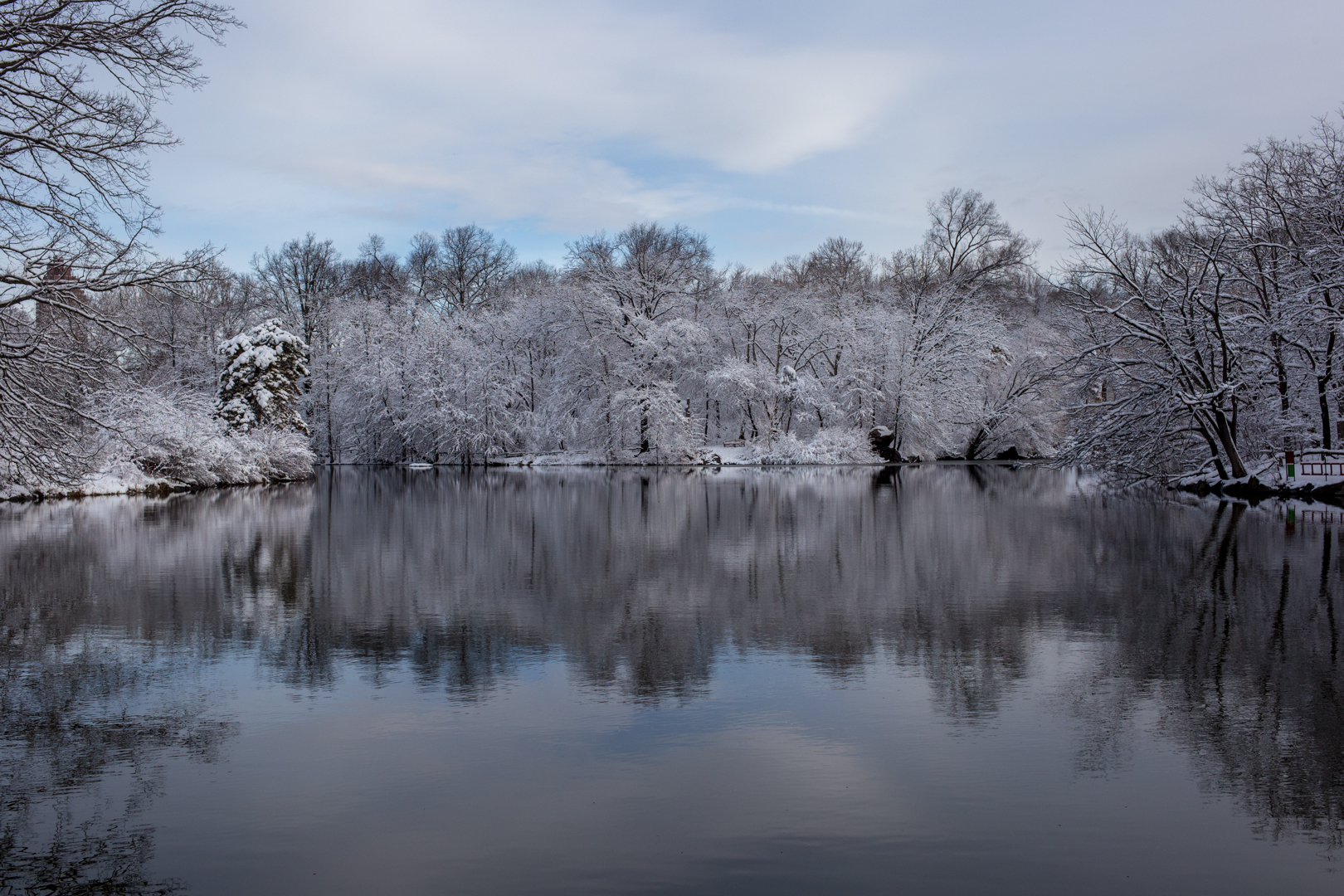
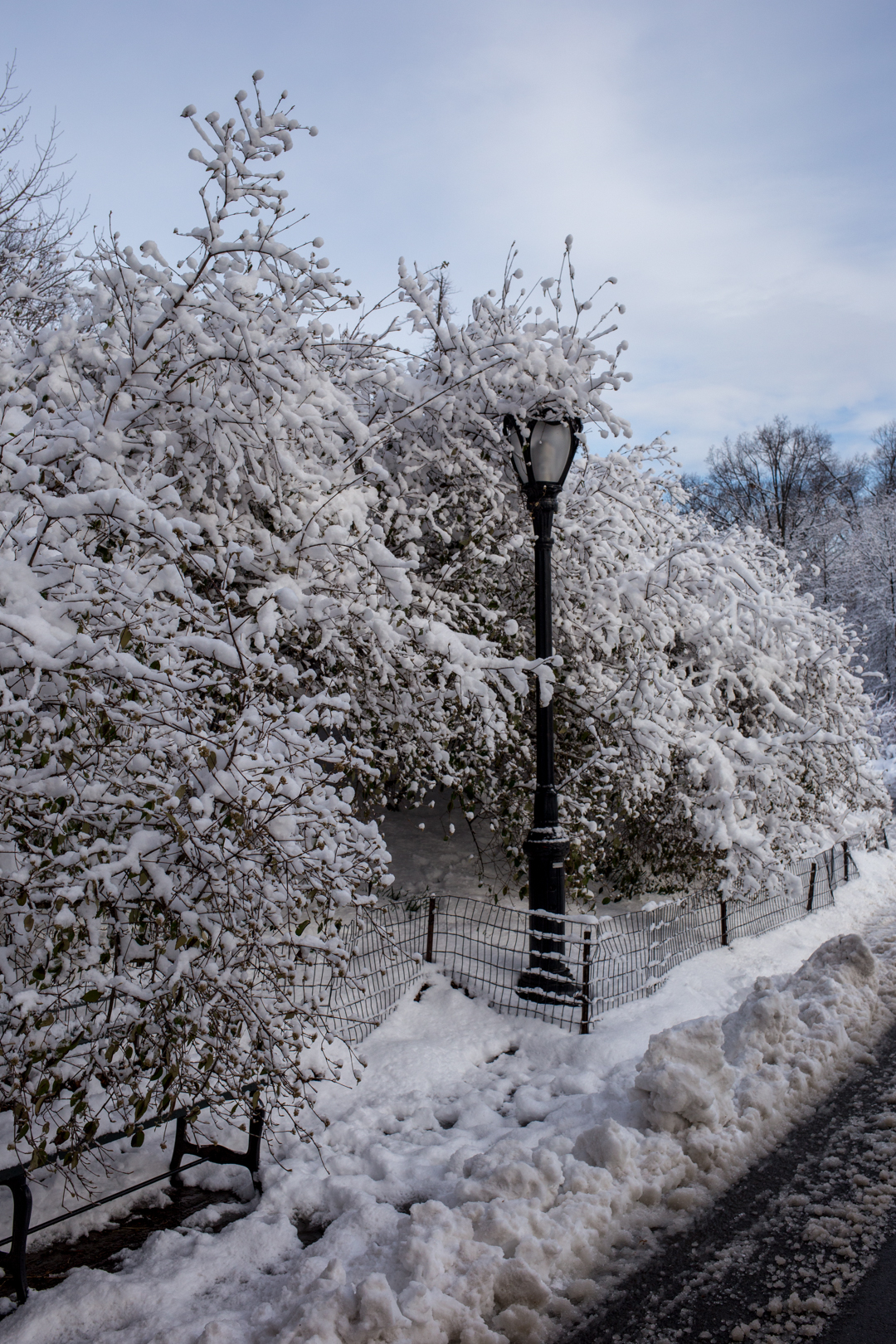
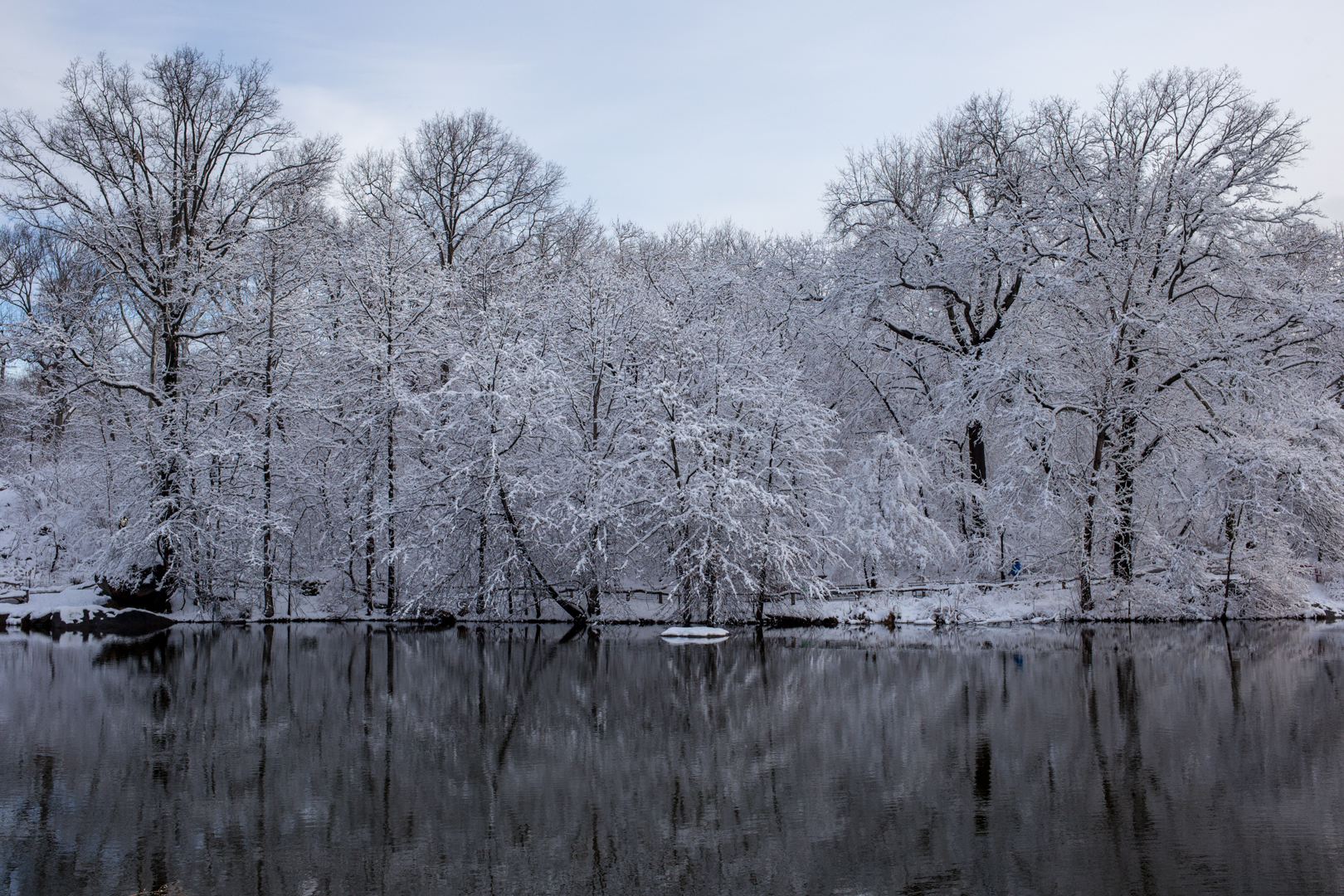


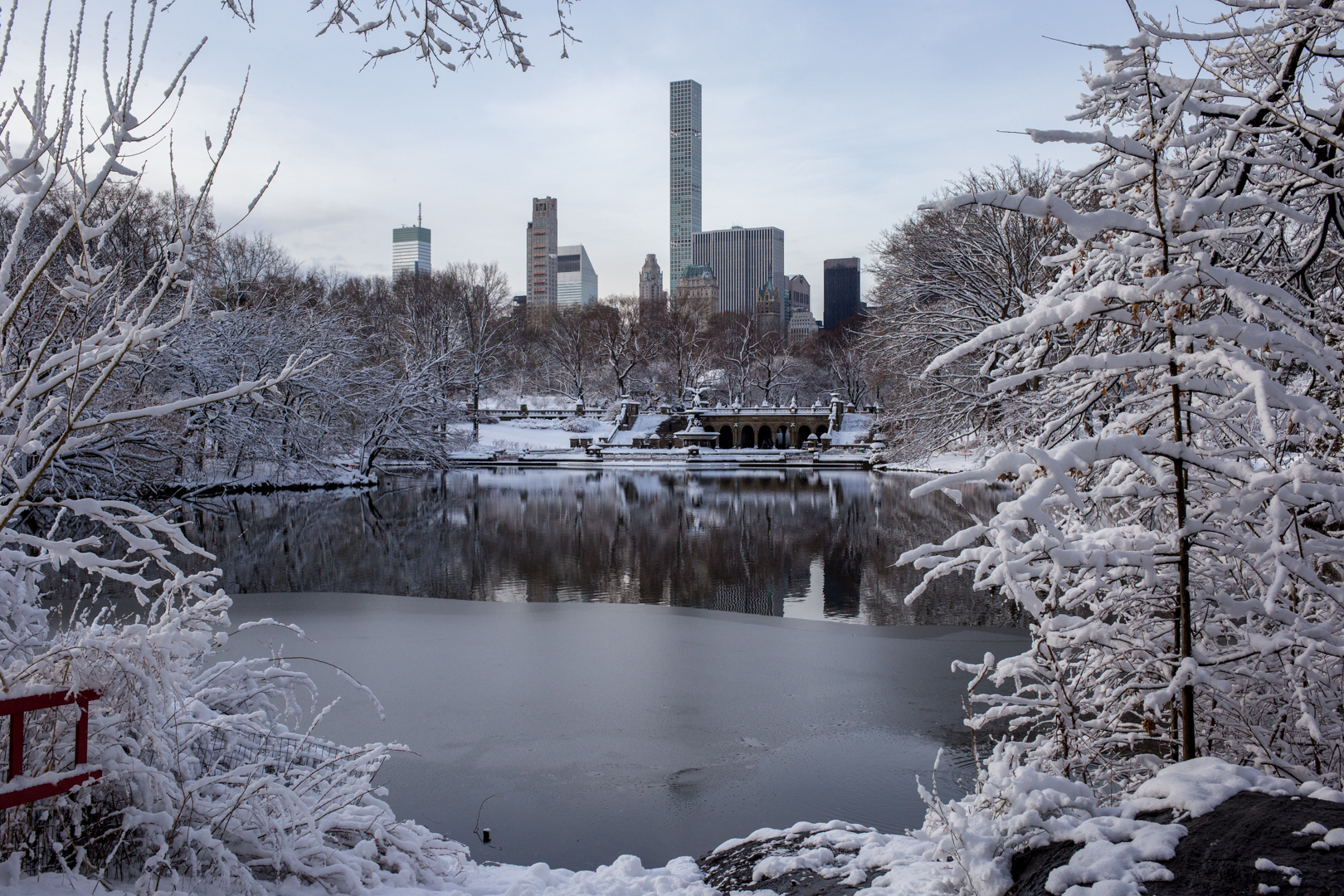




I walked to the Literary Walk and Bethesda Terrace first—two of my very favorite places in not just the park, but the world—and then walked northeast through the Ramble. The North Woods is one of the best places to be after a snowfall, but the Ramble turned out to be just as magical. Sometimes Central Park can feel frustratingly crowded, but in the mornings it's peaceful—mostly just people walking their dogs or watching birds.


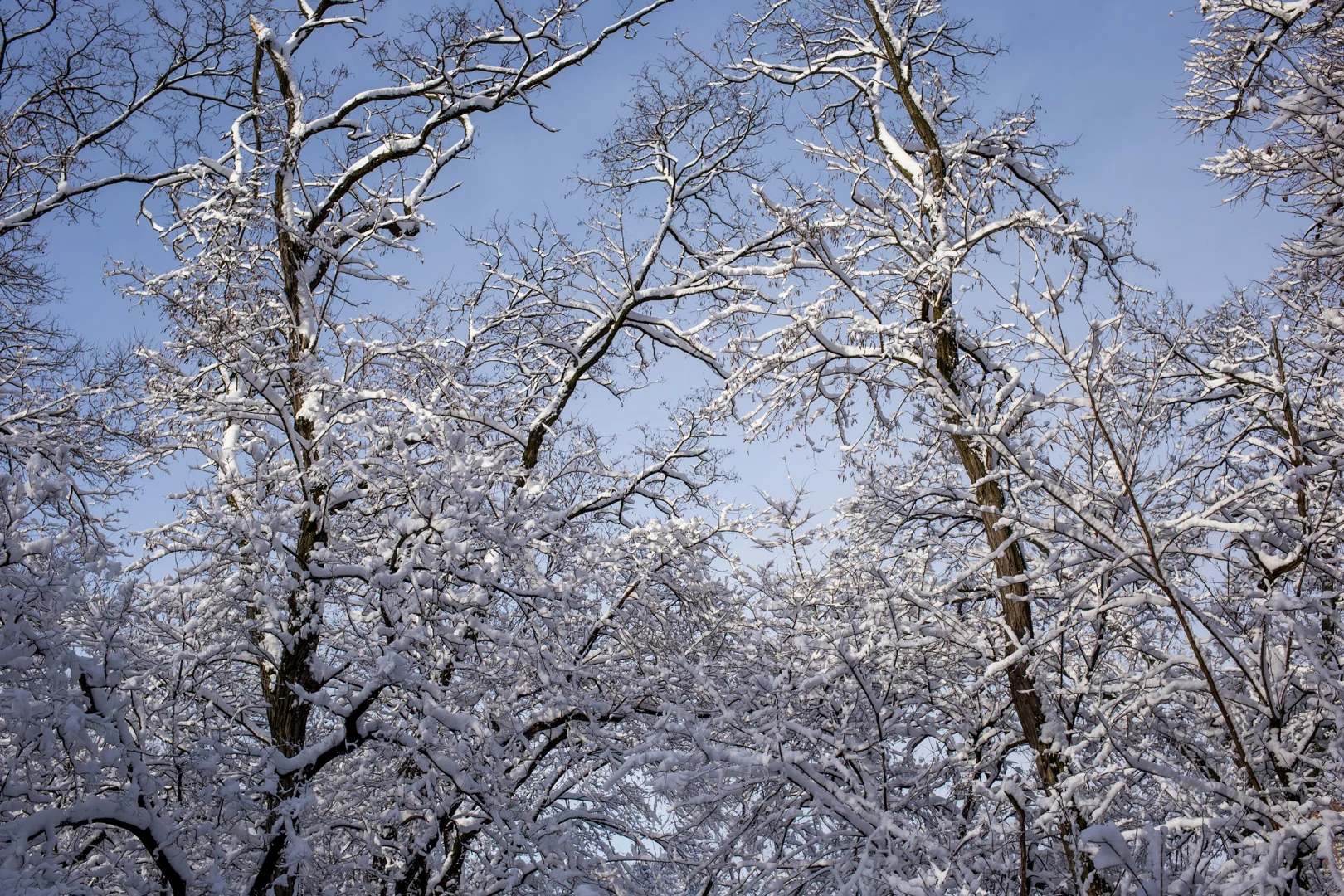


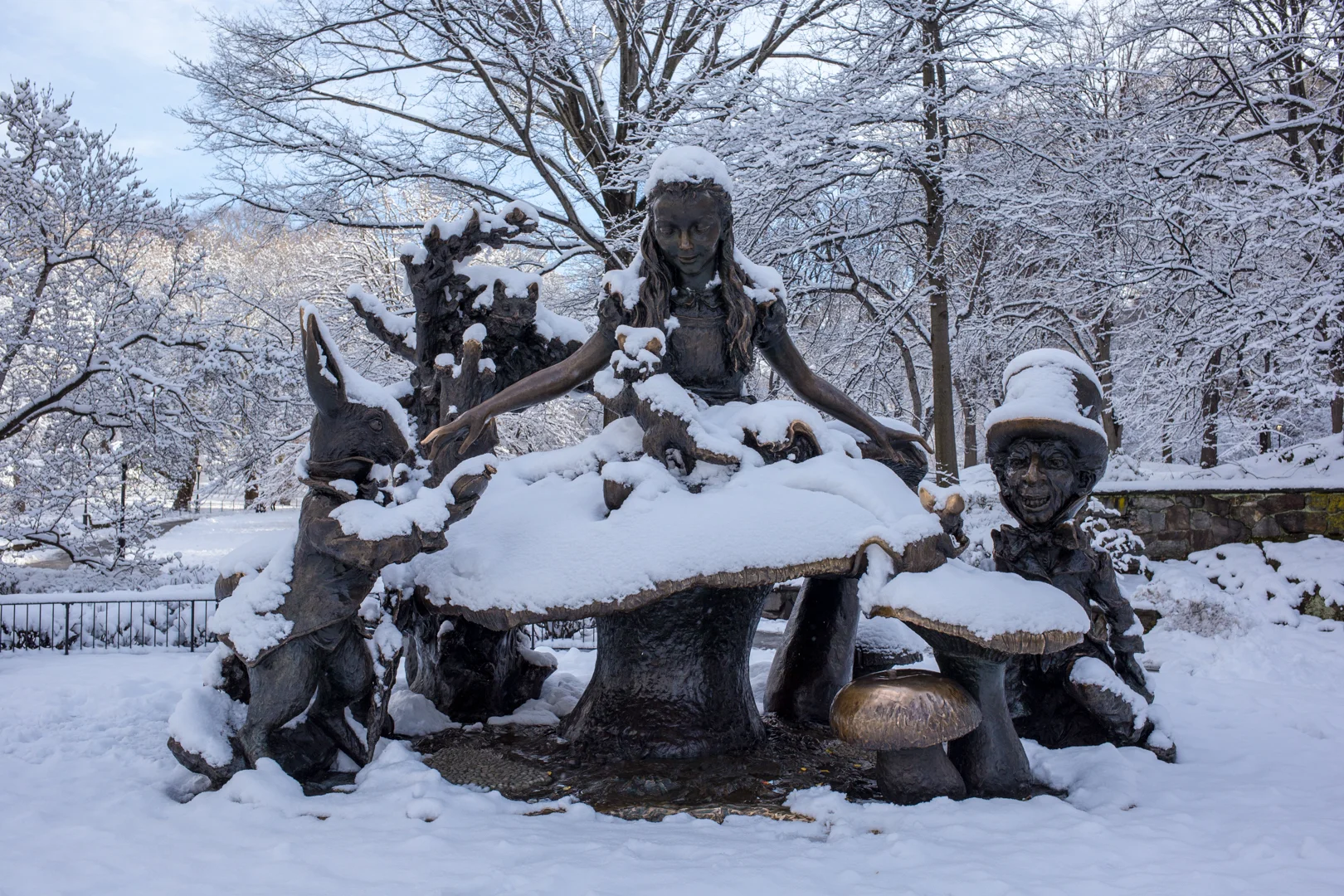


I was grumpy when my alarm went off an hour and a half earlier than normal, but it was impossible to hold on to that rage as I was walking through snowy paths that had me wondering if I had actually entered the park from the inside of a wardrobe. By the time I went outside again at lunchtime, the snow had mostly all melted and despite the chilly temps, spring is defiantly starting to make an appearance.

March For Our Lives

I was 13 years old in April of 1999, when 13 people were killed at Columbine High School. Since then, "more than 187,000 students attending at least 193 primary or secondary schools have experienced a shooting on campus during school hours," according to a year-long Washington Post analysis.







We didn't walk out or march back then, maybe because we were scared, maybe because we thought it wouldn't happen again or maybe because we thought that after the loss of 13 lives (plus the lives of the two perpetrators) that meaningful change was imminent.













I remember a lot about being a teen—sleepovers, disposable cameras, school dances, glitter makeup, football game snacks and questionable hair choices—but I don't remember feeling afraid. In the Midwest we had tornado and fire drills, but not active shooter drills. We had school IDs that were never checked and I only had to pass tests, not through metal detectors.
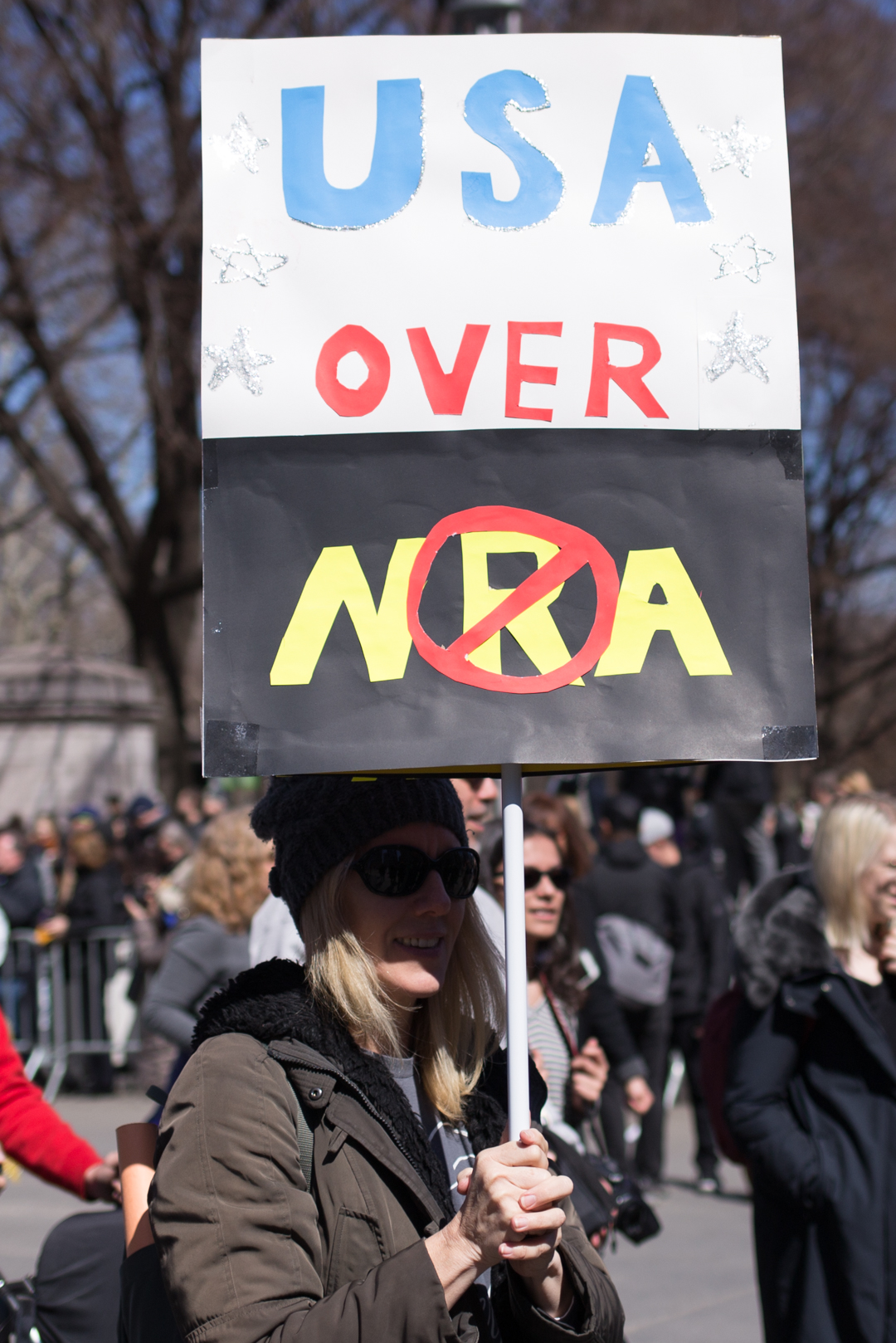


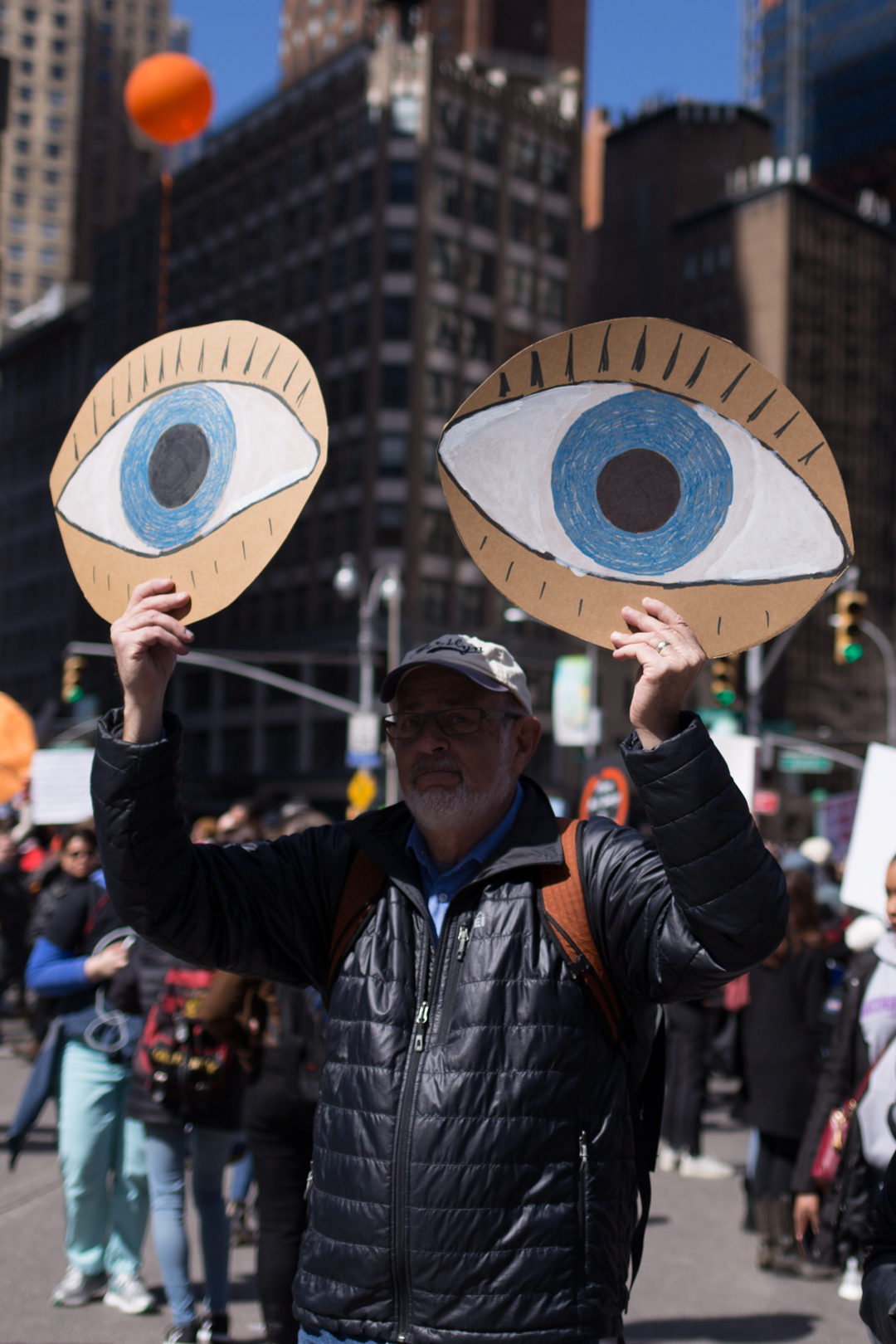
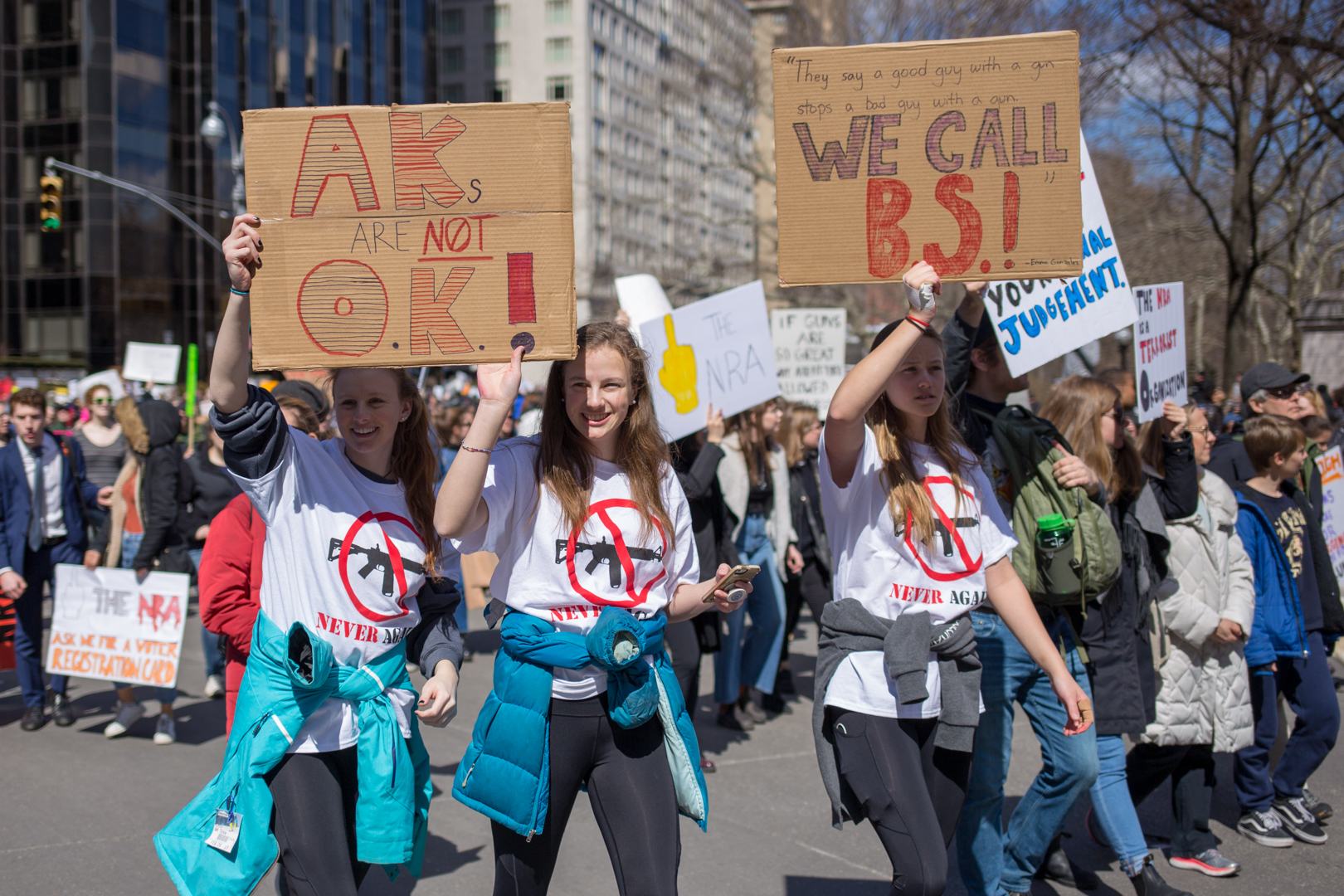


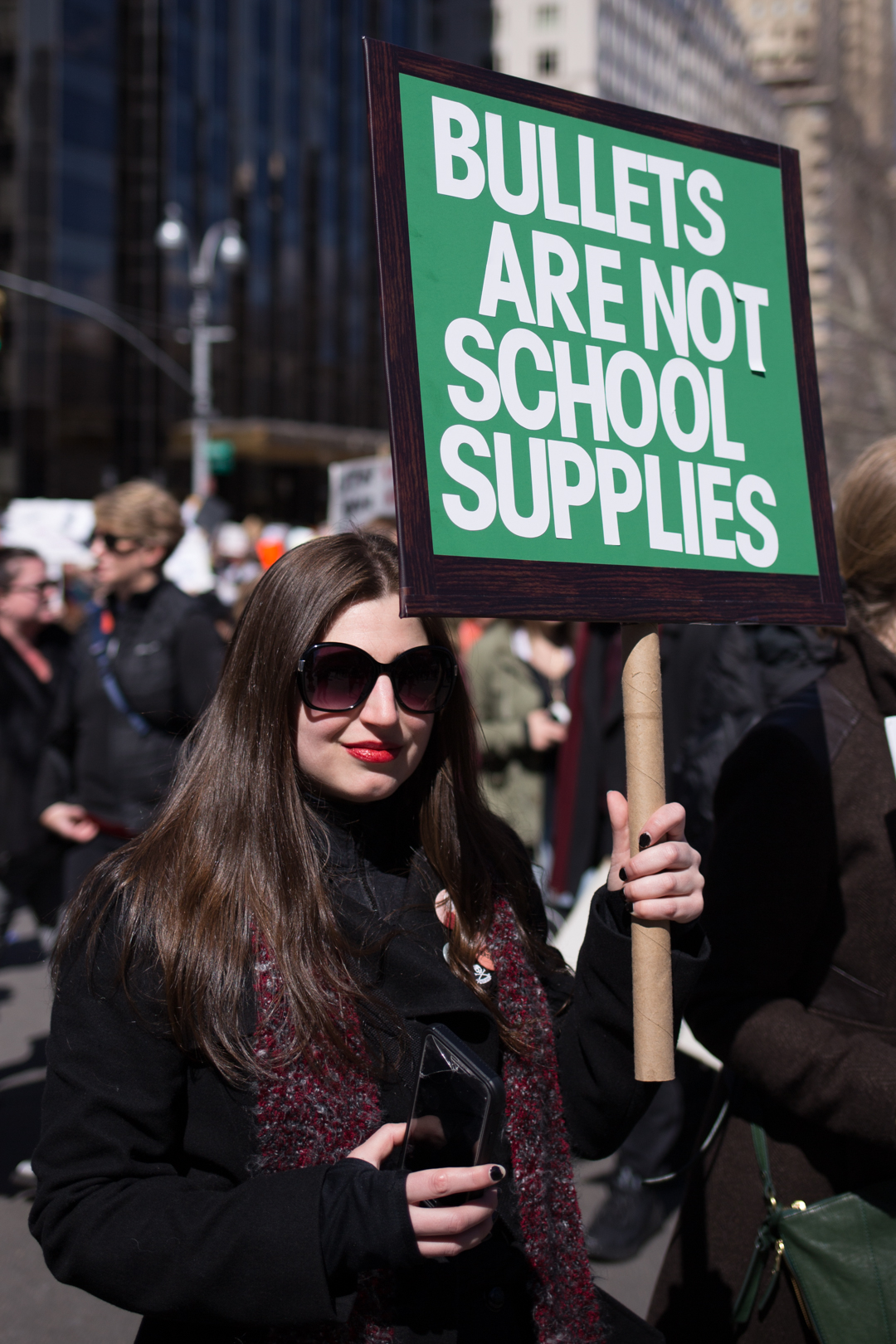
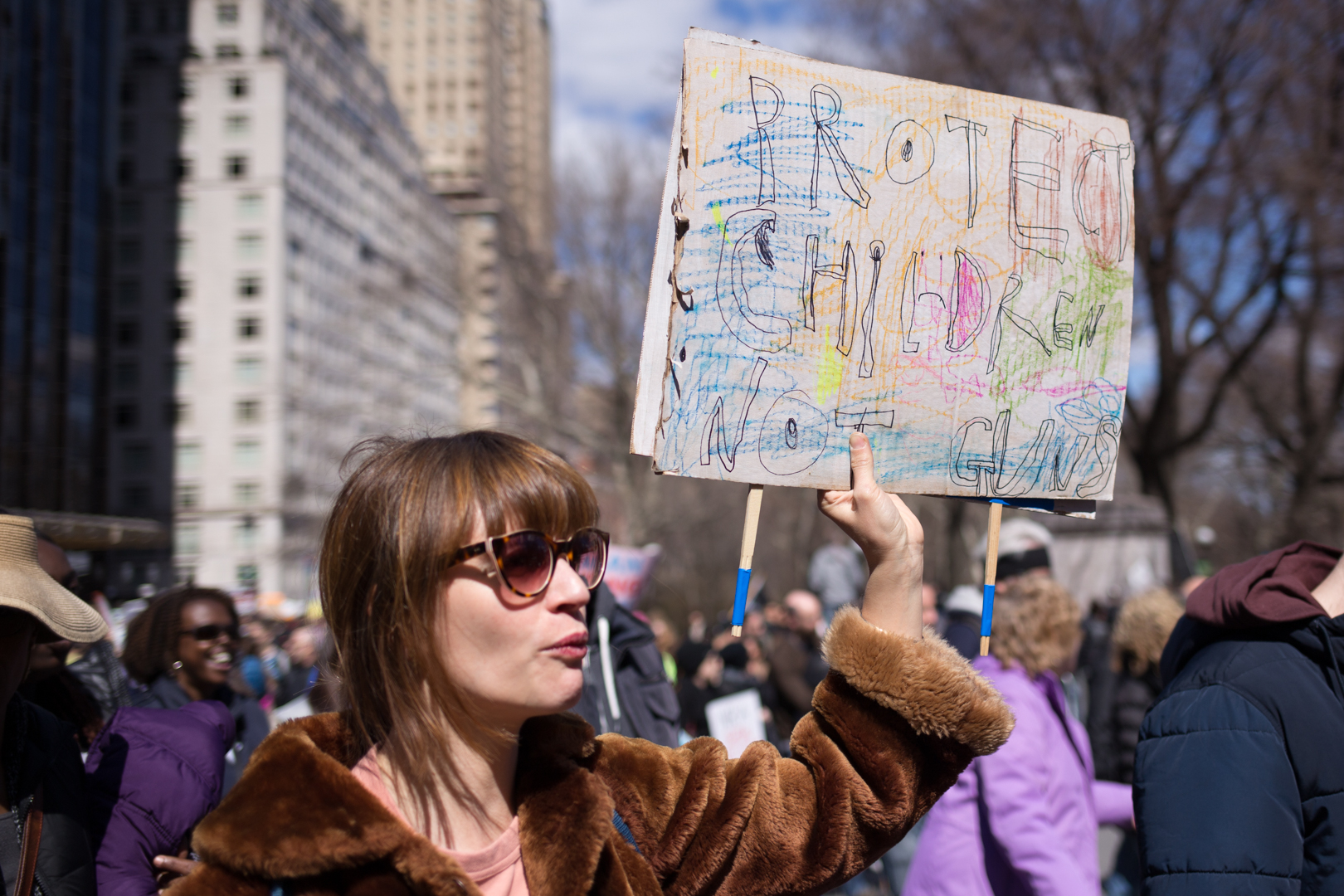


I was 27 when 20 children under the age of seven and six staff members were killed at Sandy Hook Elementary. There were no walkouts to support, or marches to join and after a while it became maddeningly apparent that this was just business as usual. If the deaths of 20 children didn't inspire change, it seemed as if nothing ever would.


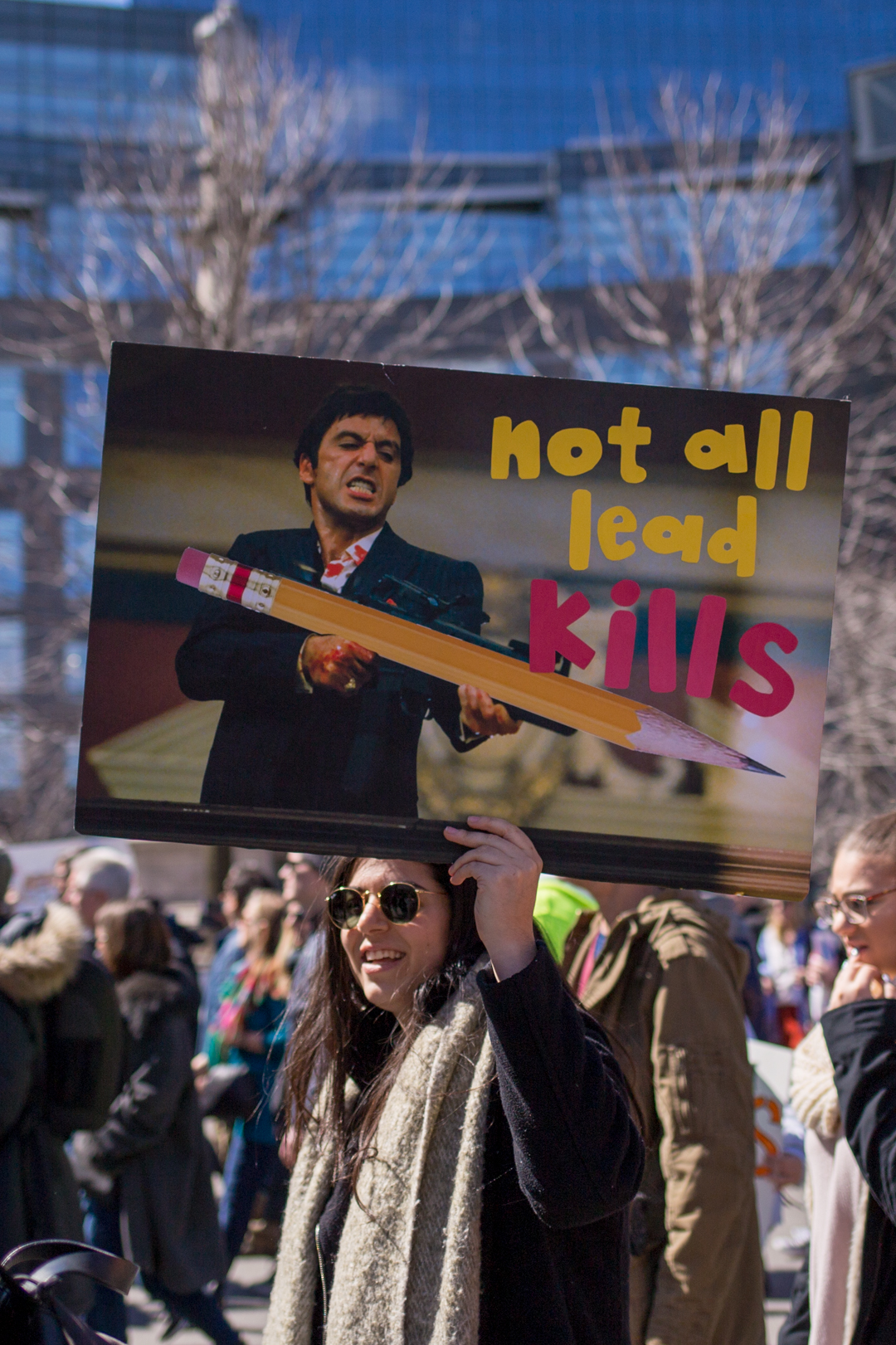

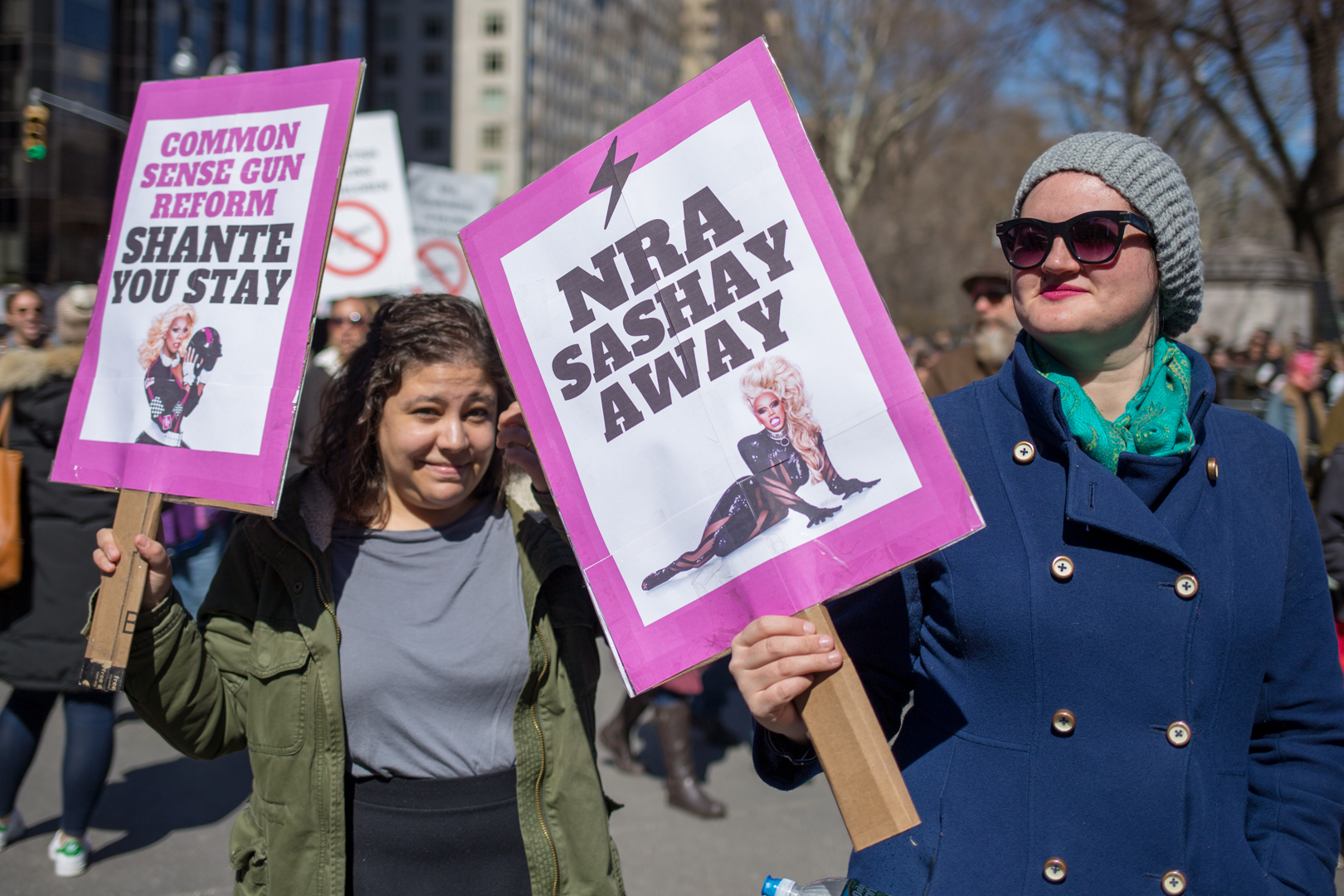


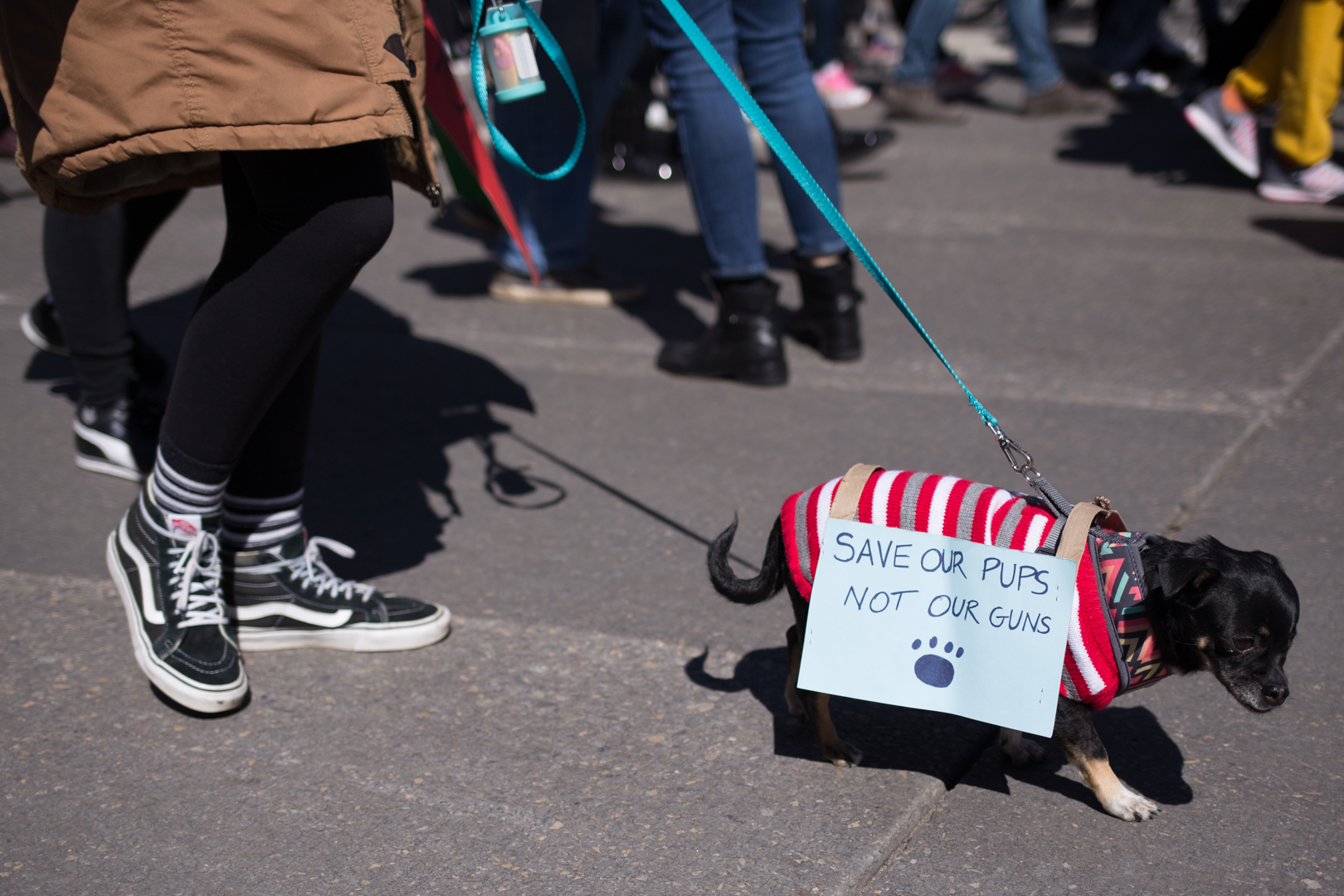



I'm 32 now, old enough to be a parent but young enough to remember being a self-absorbed teen. I'm ashamed that we didn't organize and march after Columbine—how many senseless deaths could've been prevented if we had? I wasn't even a fraction as brave when I was younger (or even now) as the students from Marjory Stoneman Douglas High School, but I feel inspired and buoyed by their refusal to become another grim statistic.





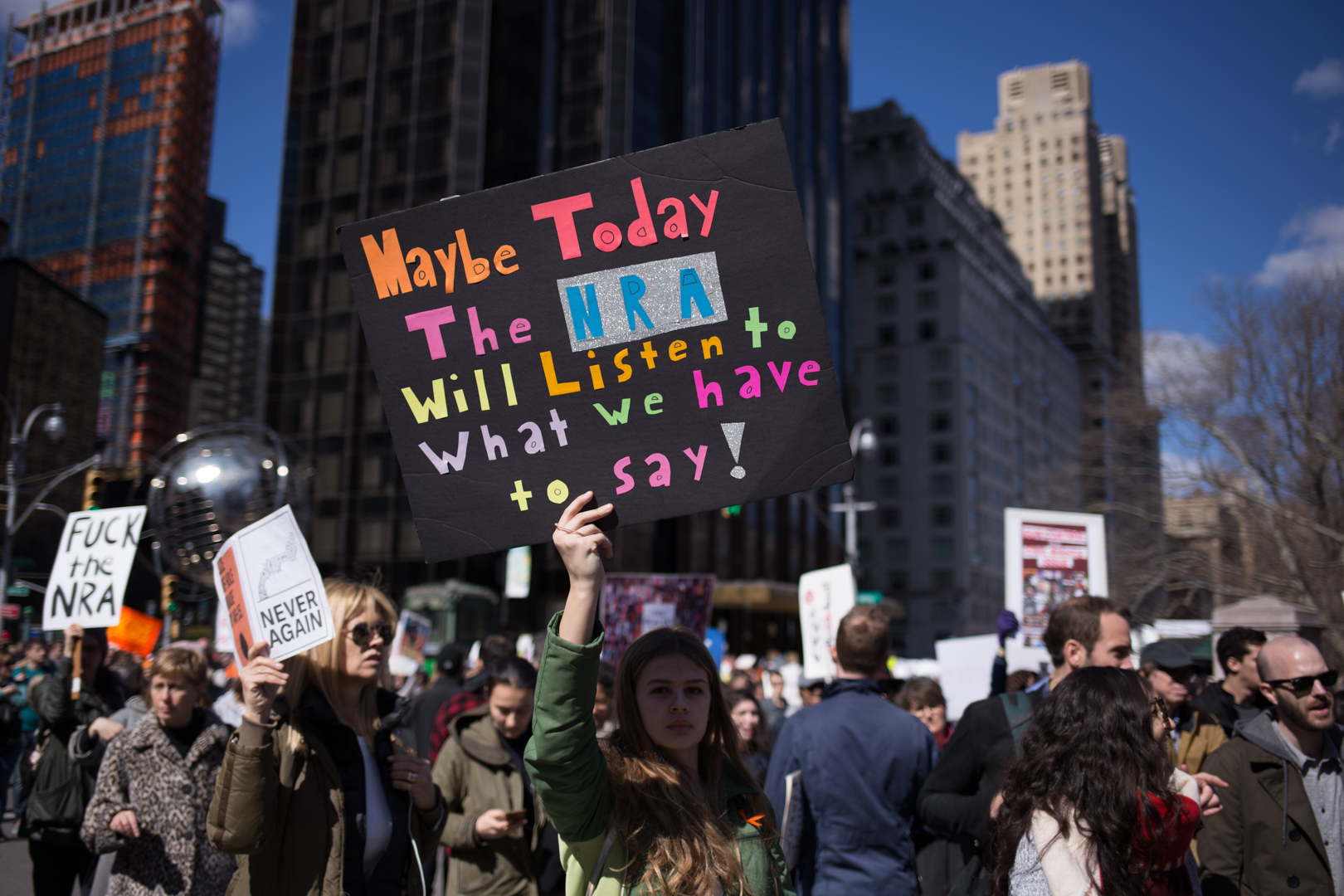
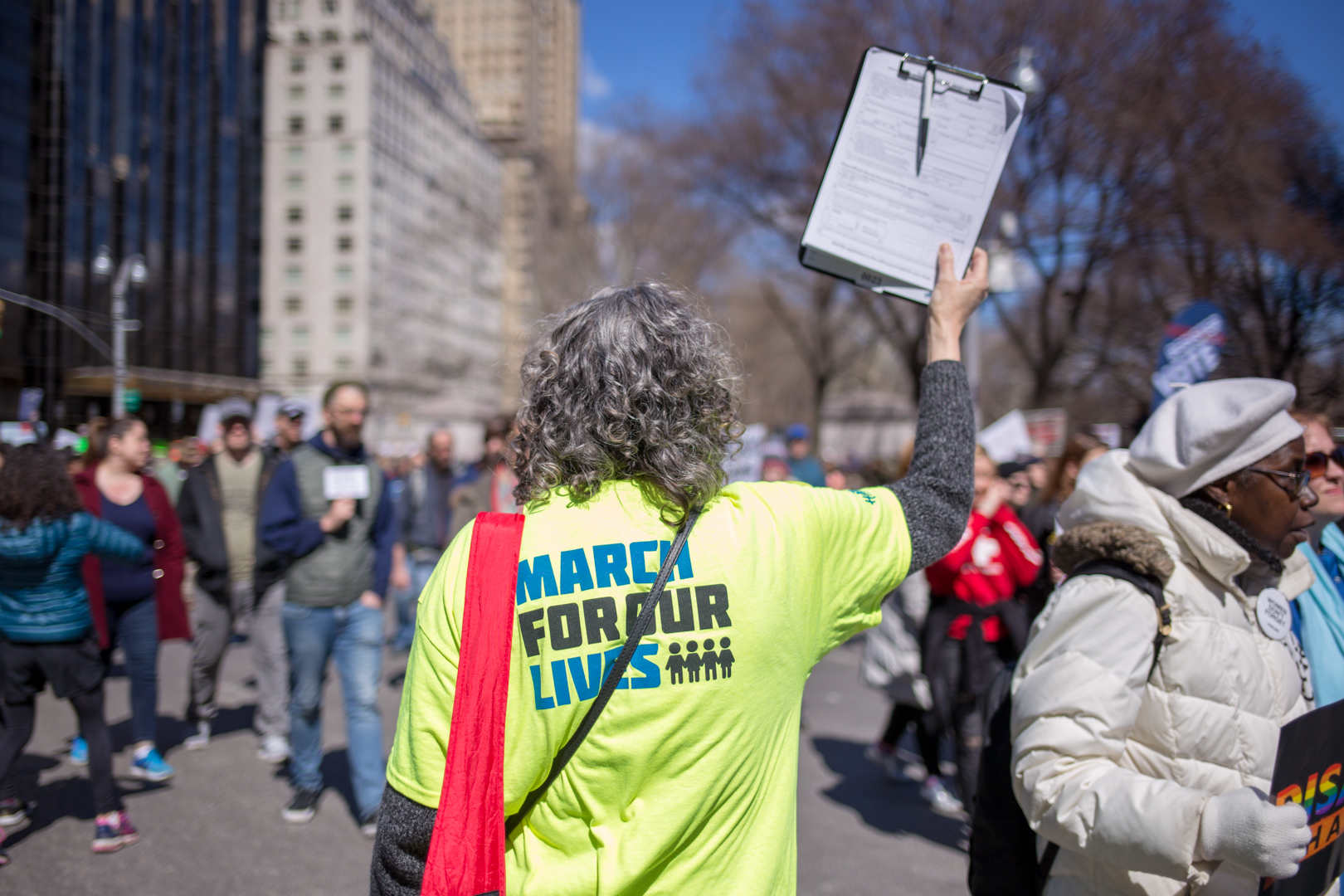
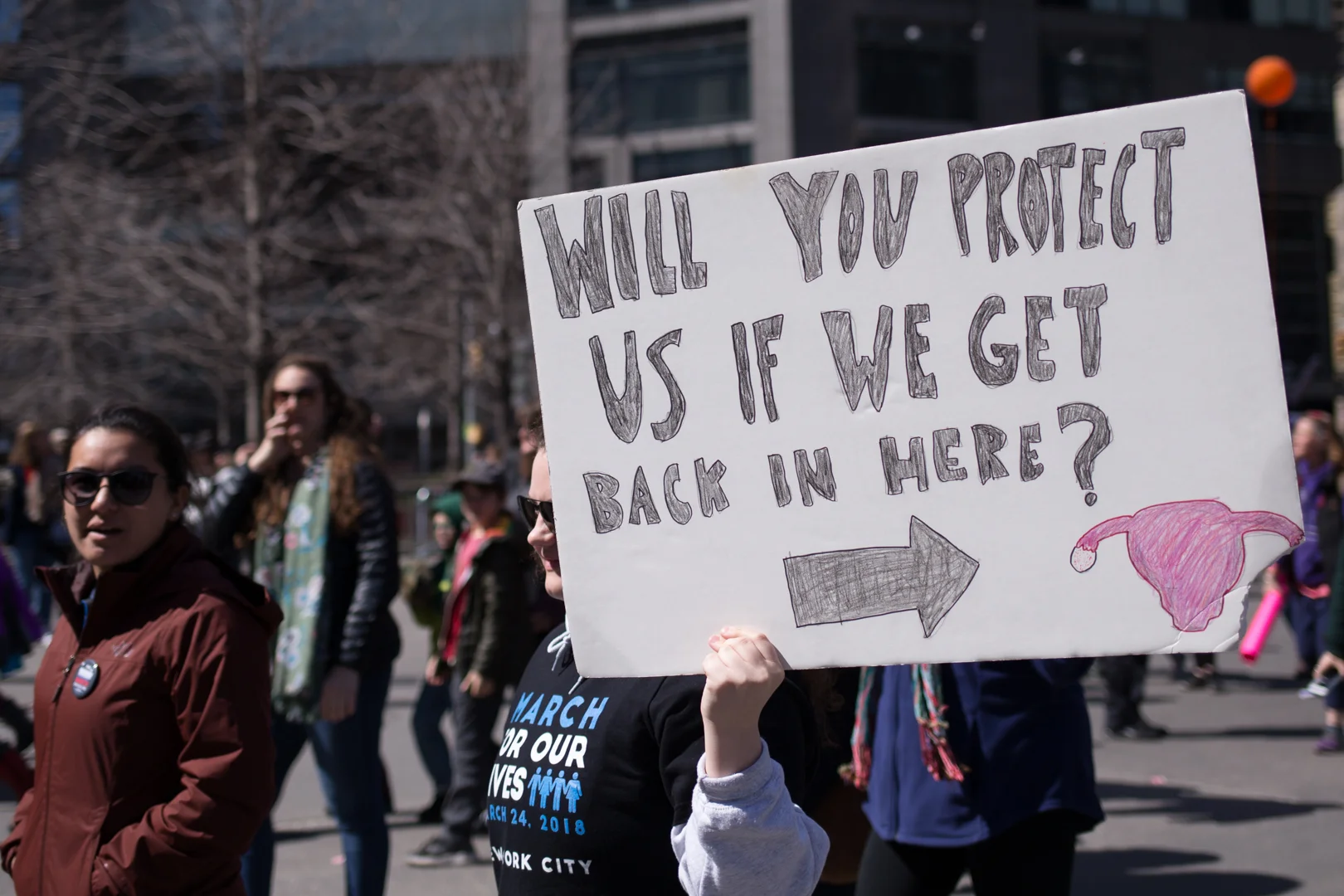
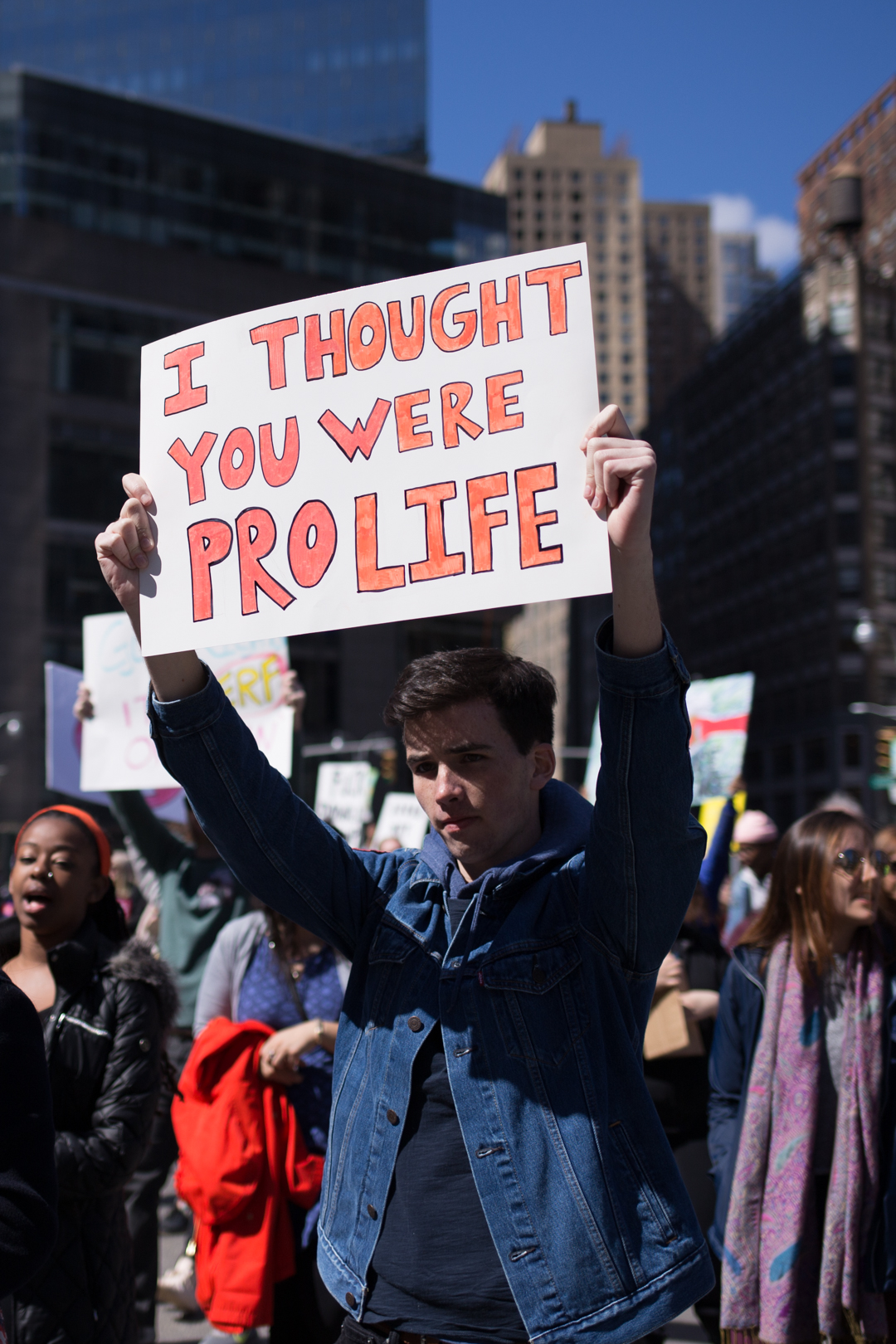
I finally marched on today—19 years too late. I teared up more at this march than I did at the original Women's March, or the immigration march, or the Trump protest or the second Women's March. To see children holding signs that said "Am I next?" is maddening and terrifying and deeply sad. I am embarrassed for our country and its elected officials that prioritize money over lives. I have never wished to relive my teenage years, but I do wish I could go back and do something meaningful—but I can only keep marching forward.
Want to help? Everytown is a good place to start and if you're not registered to vote you can be in two minutes—and if you are registered, VOTE.
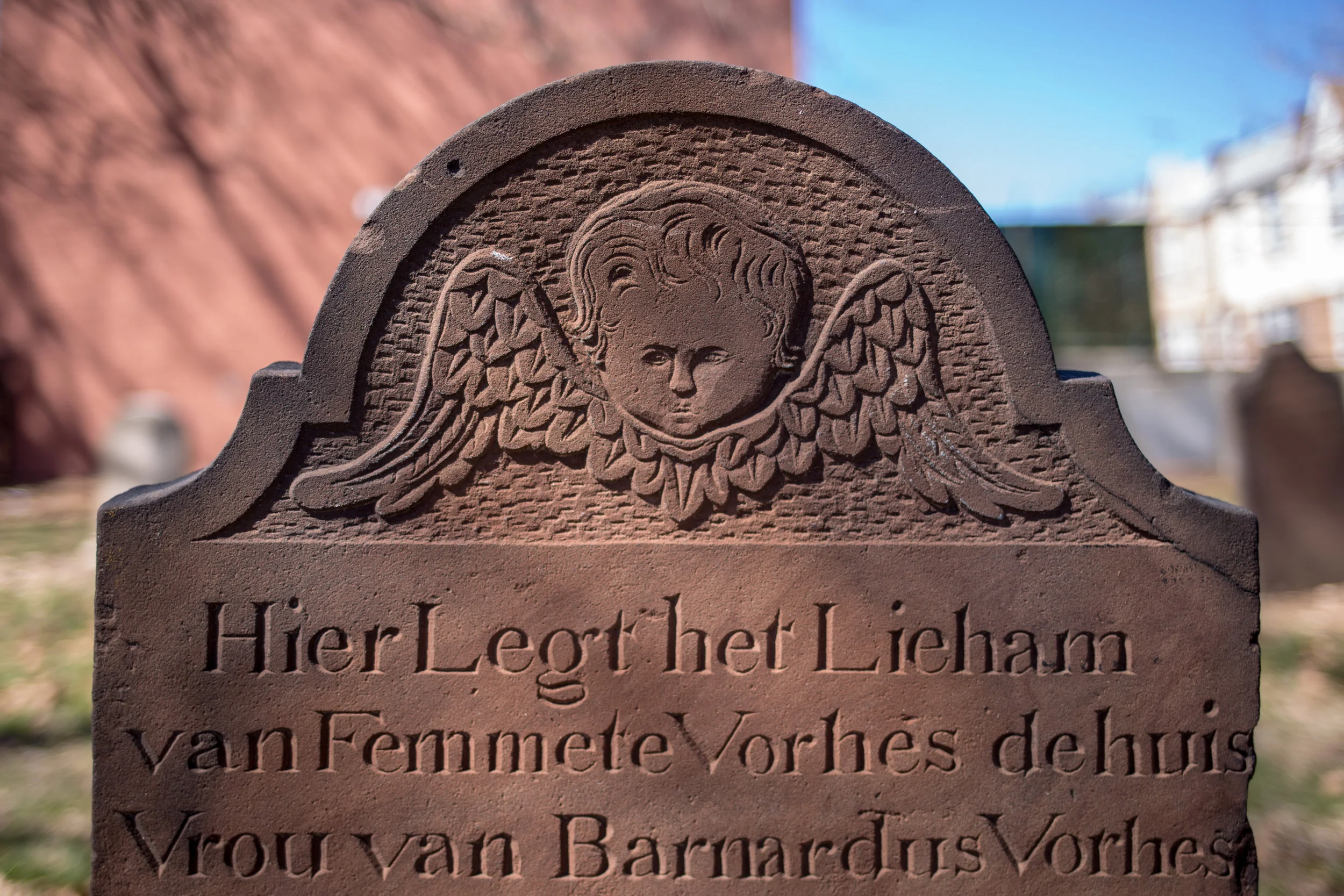
Gravesend Cemetery

Gravesend, founded in 1643, was one of the original towns in the Dutch colony New Netherland, and one of the six original towns in Kings County. Founded by Lady Deborah Moody, the original English settlement included 39 other people. Moody was the first woman to found a township in the European colonies (what a total badass woman in 1643!). Gravesend wasn't incorporated into Brooklyn until 1894, and then became part of New York City when Brooklyn voted to join with the four other boroughs in 1898.

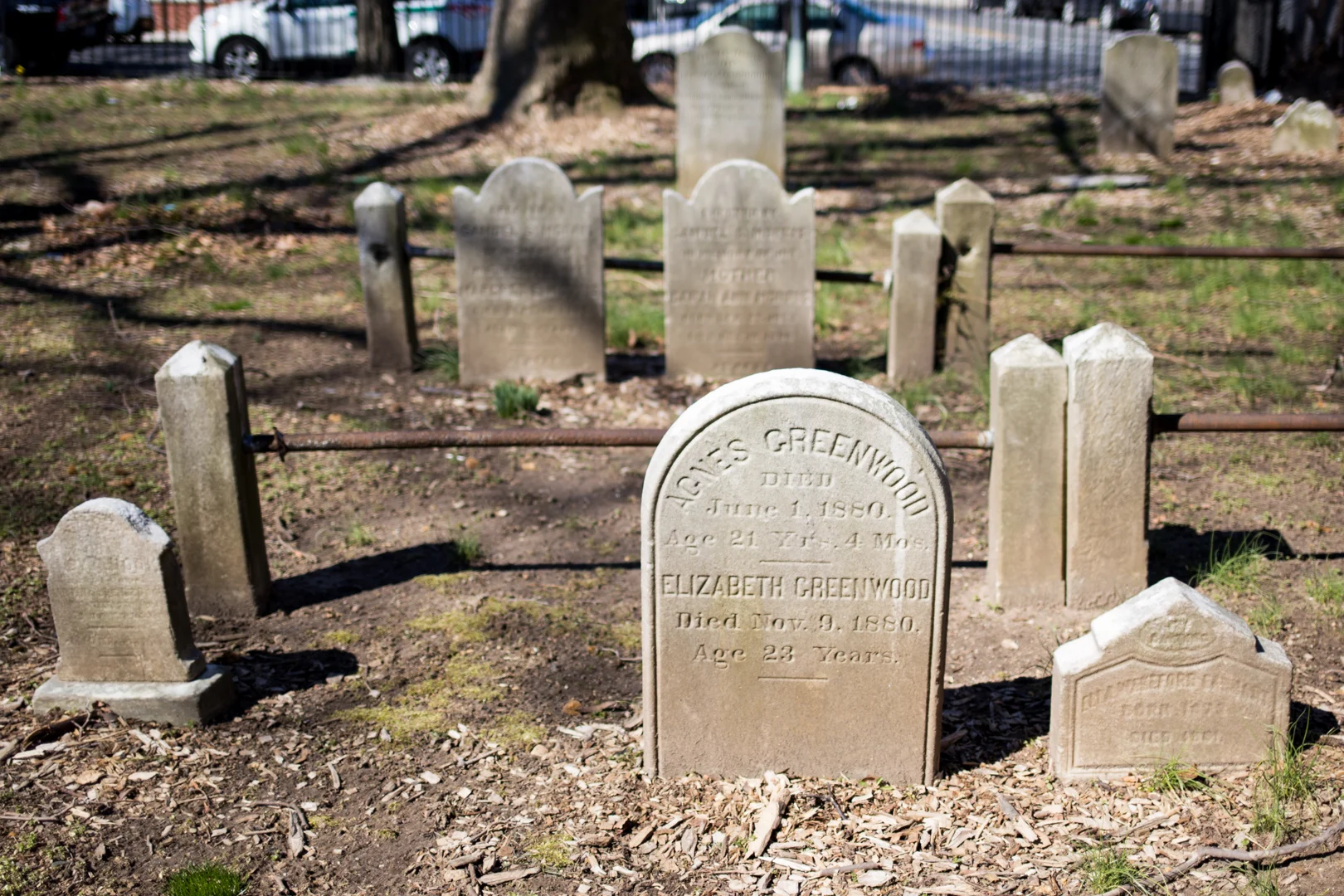


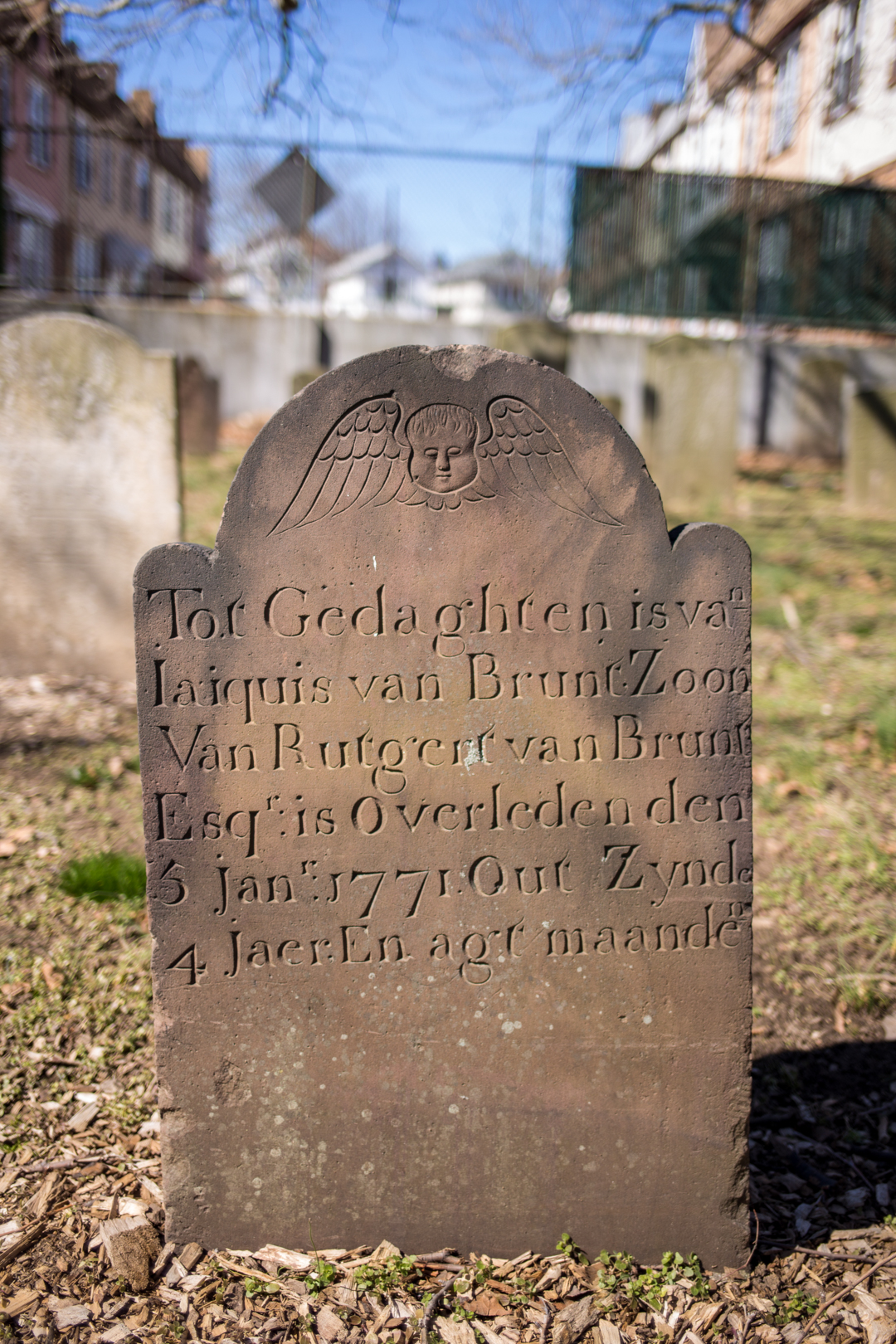

Gravesend Cemetery was founded around 1650, although the earliest surviving marker—a crudely carved fieldstone—dates from 1724. Early burials where likely Quakers or others who marked their graves with simple stones or wooden markers that haven't survived. The earliest traditional tombstones still visible are Dutch stones with intricately carved winged cherubs from the 1760s/70s.


I first went to Gravesend Cemetery back in 2014, and was disappointed to find the cemetery locked. There were no posted hours (just as sign that said open by appointment only), but I hoped that I would one day find a way to get inside of the historic grounds. That day finally came on Sunday, when my mom and I took a free tour offered by the New York City Urban Park Rangers.


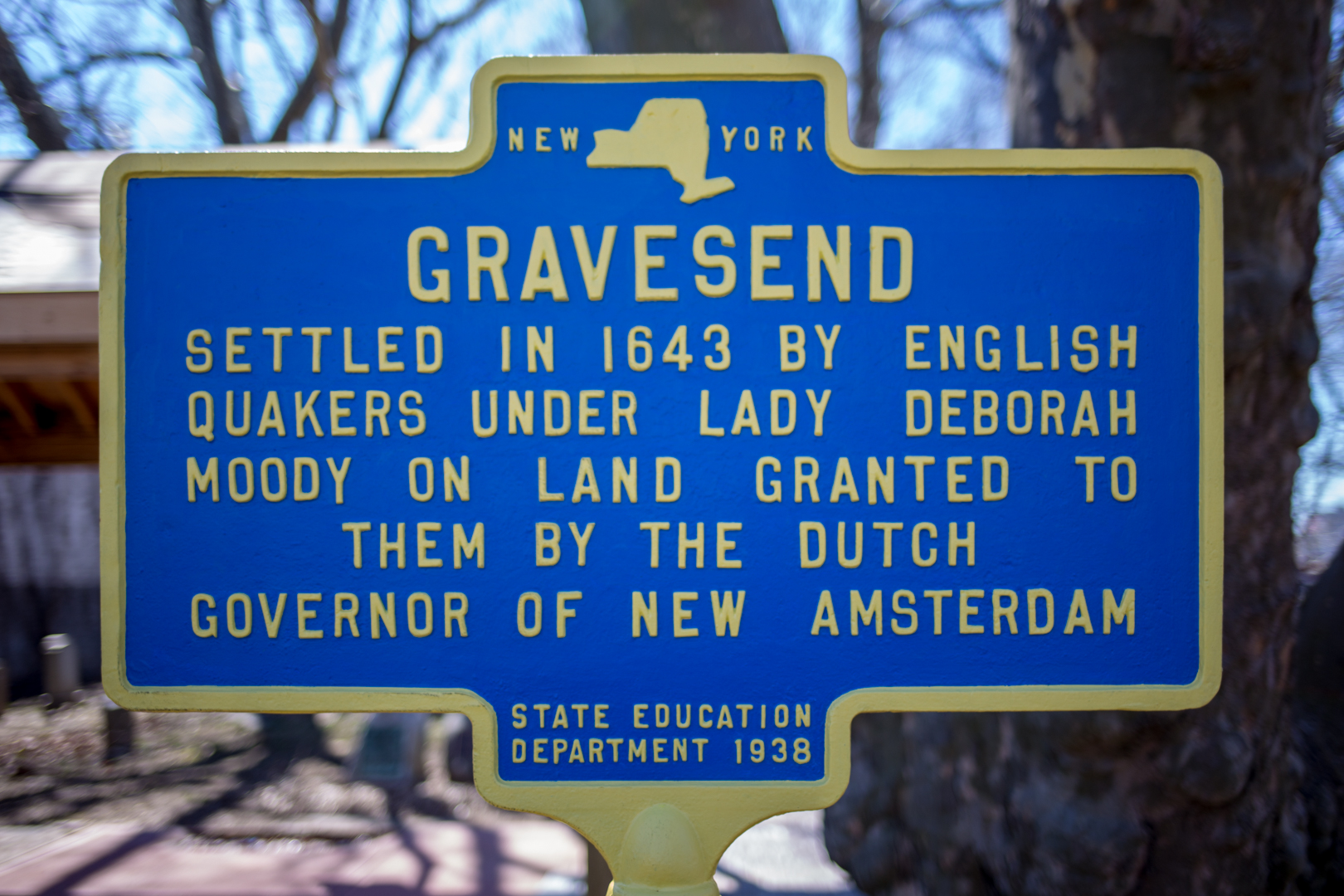
Tours of the cemetery are only given once a year and online registration had already closed by the time I found the event listing. I contacted NYCParks via Twitter to inquire about the event, and they suggested that I call the Urban Park Rangers. I temporarily overcame my phone phobia and spoke to a very nice woman who informed me that there was still space available. We were added to the list and the moral of this story is that obscure cemetery tours on chilly winter days aren't exactly a hot ticket—and that I can be persuaded to talk to an actual human on the phone if it means that I might get into a normally off-limits cemetery.


If I have the choice of a guided tour or wandering on my own, I'll always pick the latter but this tour was a good combination of both. Our park ranger was very knowledgeable and I never felt rushed. We also heard a few stories about notable burials that we would have never been able to infer just from looking at the stones themselves, which certainly makes the case for taking a tour if it's an option.


Barnadus and Sarah Ryder were brought to our attention, a husband and wife who died 34 years apart—but both on October 29th. We were also directed to find the one marker not made of stone, a blueish zinc head"stone"—I've seen these in cemeteries before, but I didn't know that all zinc markers were produced from a single company in Connecticut from about 1870 to 1912.

Viola Jackson was a black woman working as a maid when her dress caught fire—either from a candle or the oven—and she died tragically when she was just 22. She is buried in the cemetery, but along the southwest edge with other African Americans of that time—Gravesend's own interpretation of "separate but equal."

Jacob and Barnadus Ryder, whose stones are next to each other, died just ten days apart. The father and son didn't die from a shared illness, but rather from a murder-suicide that may have been Gravesend's first. Jacob Ryder, a farmer, cut the throat of his two-year-old son and then cut his own. His wife was in the field milking cows at the time, and although Jacob survived, he died ten days later from the self-inflicted wound. It was later revealed that Jacob had written a letter to his father claiming that he “imagined he heard a voice commanding him to execute the deed.”

The Jim Henson Exhibition
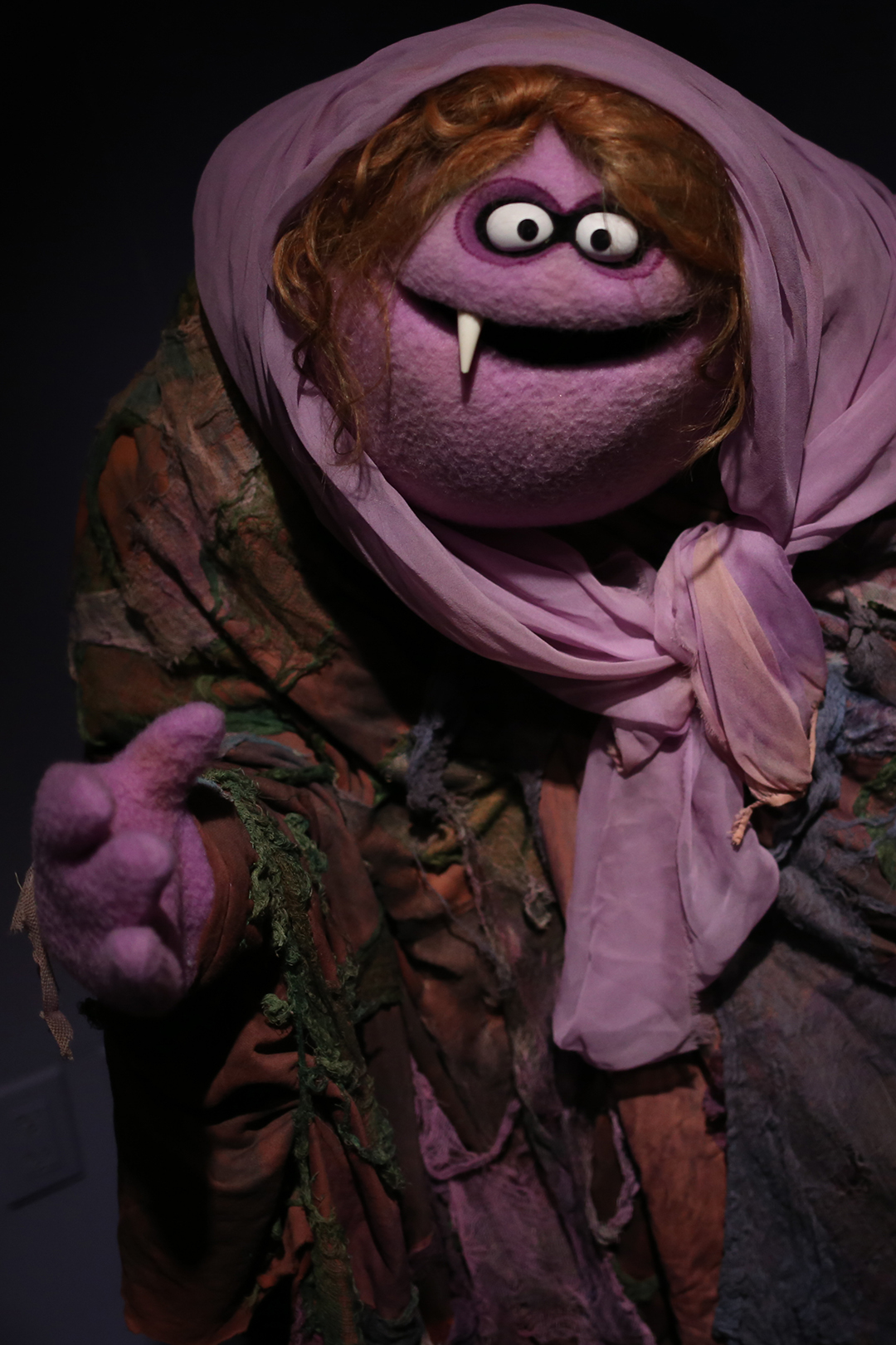
I frequently say that I don't like movies that involve real live humans interacting with cartoons or puppets. There's something about the suspension of reality that is demanded from the audience and the implied ignorance of the actor that is just off-putting to me (I know this is a crazy thing to think/care about).
So when I told David that I wanted to go see the Jim Henson exhibit at the Museum of the Moving Image, he was understandably surprised. But just because I don't love humans interacting with puppets, doesn't mean I don't like the puppets themselves or appreciate the artistry and creativity that goes into making and animating them (I do very much!).
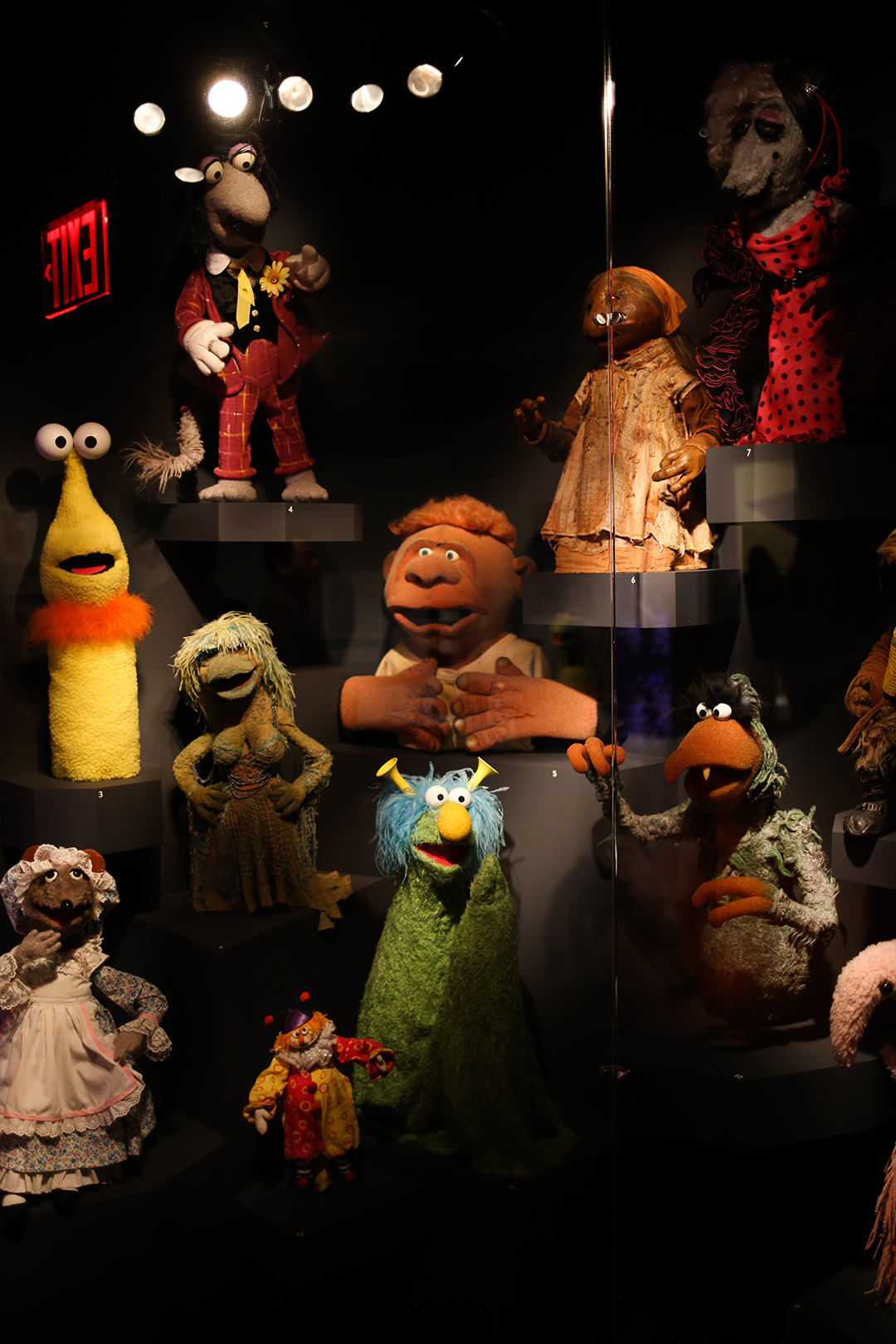


The Museum of the Moving Image is located in Astoria, Queens. They have a modest permanent collection of movie memorabilia—it's worth the price of admission to me just to see Meryl's wig from Sophie's Choice and Robin William's Mrs. Doubtfire face—but their special exhibitions are always top-notch. I went and saw their excellent Mad Men exhibit before I'd even seen a single episode of the show, so I knew that Jim Henson's extraordinary life would be in good hands.


Jim Henson is of course famous for his Muppets, but he packed so much more into his tragically short life (he died after a short illness in 1990, when he was just 53). He began experimenting with puppetry while he was still in high school, and in 1969 he started work on Sesame Street. I was somehow unaware that Henson had anything to do with Sesame Street, but in hindsight I don't know how I didn't know that.
The exhibition features nearly 300 objects and 47 puppets, donated by Henson's family—including Kermit the Frog, Miss Piggy, Big Bird, Elmo, Cookie Monster, Rowlf, The Swedish Chef, my spirit animals Statler and Waldorf, Emmett Otter and others—and it's easy to see how they are all related and evolved through the years.
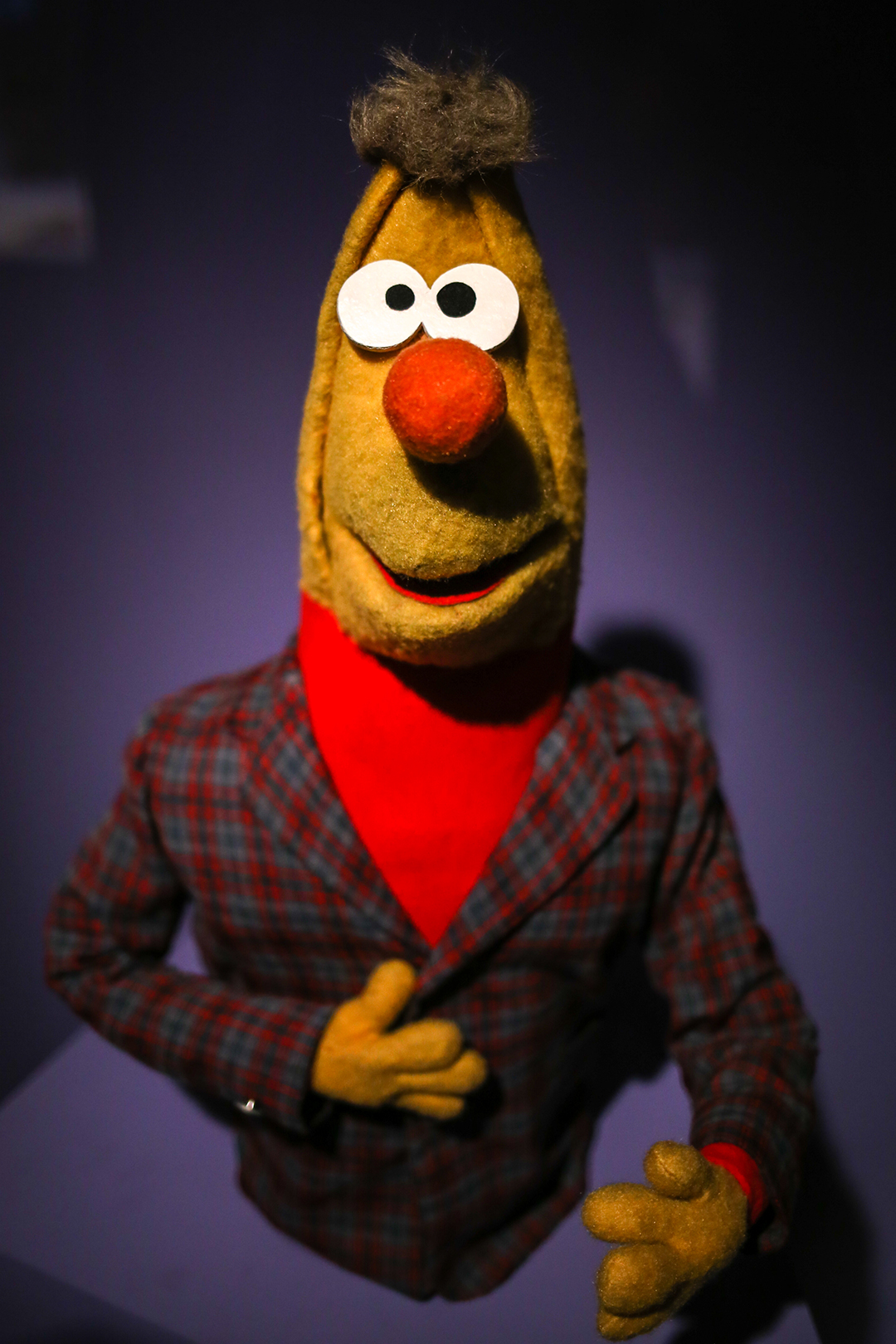


At the end of the exhibition is a theater playing an episode of The Muppet Show and a short documentary about Henson's work. It's mesmerizing to see the puppets in person and then brought to life on the screen, but what I loved most was the behind-the-scenes footage—what's happening below the camera is often more interesting than the finished product.
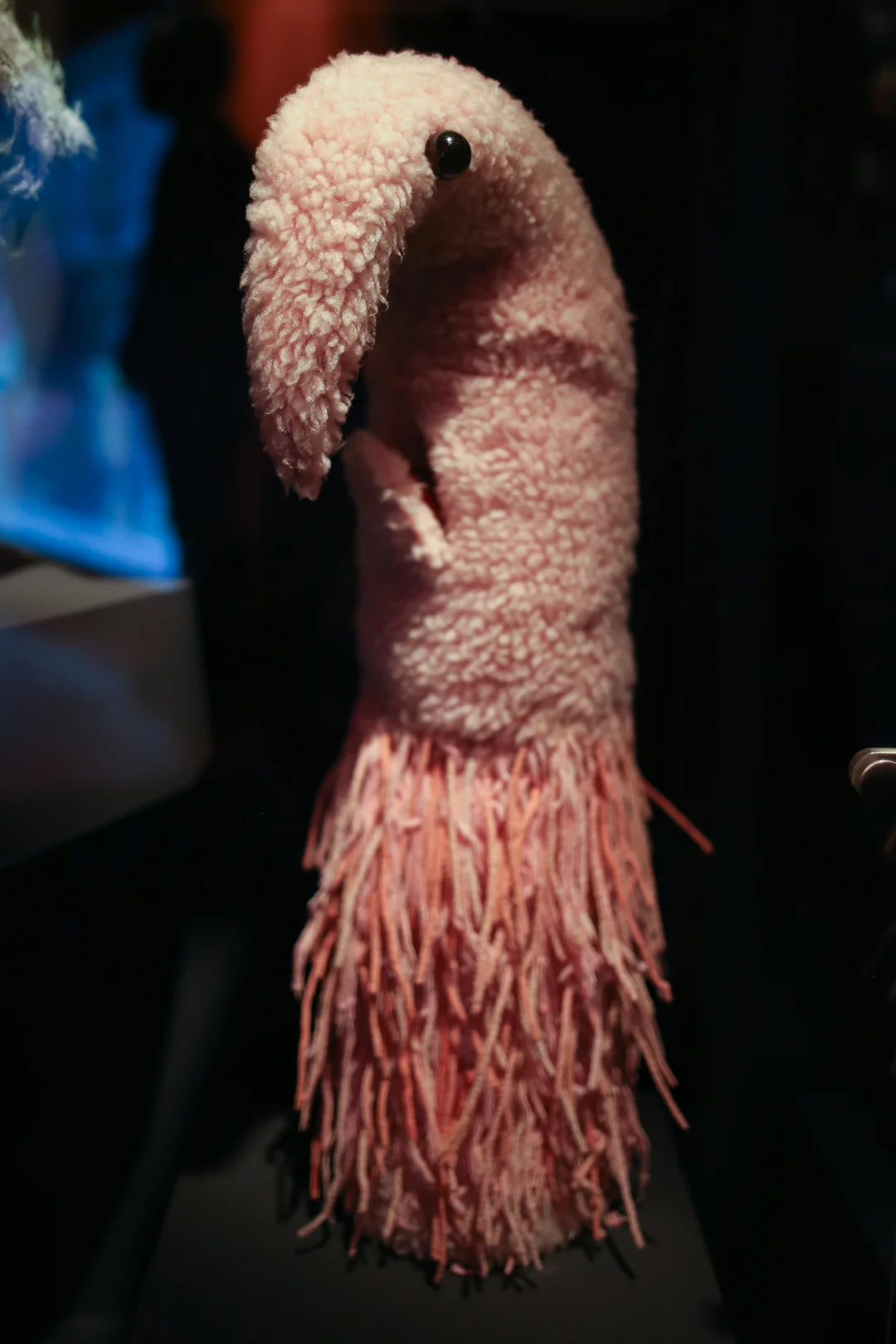


I find that seeing things in person—paintings, set pieces, actors—versus seeing them on screen or in a photograph can be a jarring experience. Without the gloss of the big (or the small) screen, the Muppets look a little dingy, a little shabby and very much like puppets. It made me appreciate the work of puppeteers more than I ever thought to, especially Henson and his alter ego, Kermit. In a display case, he's just a simple, frog-like patchwork of felt and wires—but imbued with Henson's spirit (and hand and voice), he became Kermit The Frog (and blessed the world with a gif for every scenario).
The Museum of the Moving Image
36-01 35 Avenue
Astoria, NY 11106
$15 adults (18+)
Admission is free every Friday, 4:00 to 8:00 p.m.
The Jim Henson Exhibition is ongoing
The most fantastic thing about the New York Botanical Garden’s annual Orchid Show is the orchids themselves