
Archive
- Abandoned
- Alabama
- Arizona
- Bahamas
- Books
- California
- Cemetery
- Climate
- Colombia
- Connecticut
- Diner
- Egypt
- Feature
- Florida
- Friday Fun
- Georgia
- Holidays
- Illinois
- Iowa
- Italy
- Kentucky
- Louisiana
- Maryland
- Massachusetts
- Mississippi
- New Jersey
- New Mexico
- New York
- North Carolina
- Novelty Architecture
- Ohio
- Pennsylvania
- Personal
- Peru
- Project 365
- Protest
- Rhode Island
- Roadside Attraction
- South Carolina
- Tennessee
- Texas
- Travel Guide
- Virginia
- Walks
- Washington DC
- West Virginia
- Wisconsin

Green-Wood Cemetery: Fall
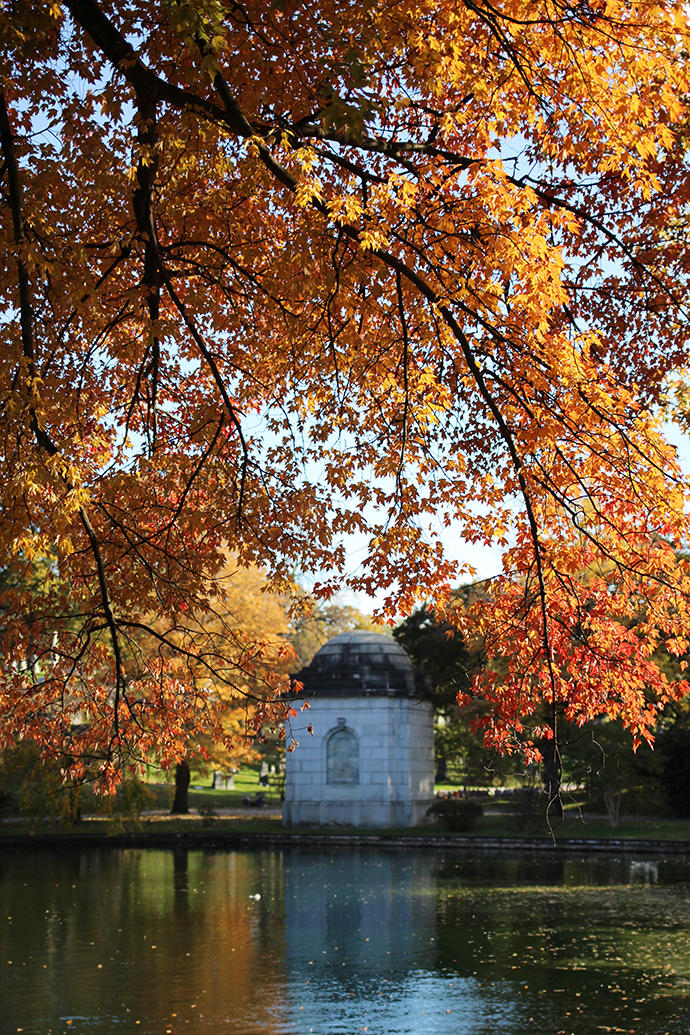
I've noticed since I moved to New York, that the fall foliage in the city is slower to turn than in other parts of the country. Even just a few miles upstate can make a huge difference in color, and while most the East Coast and Midwest is at peak or past peak, it feels as if the city leaves have just begun to change. I've recognized this in past years, and by now I've come to appreciate the delay.
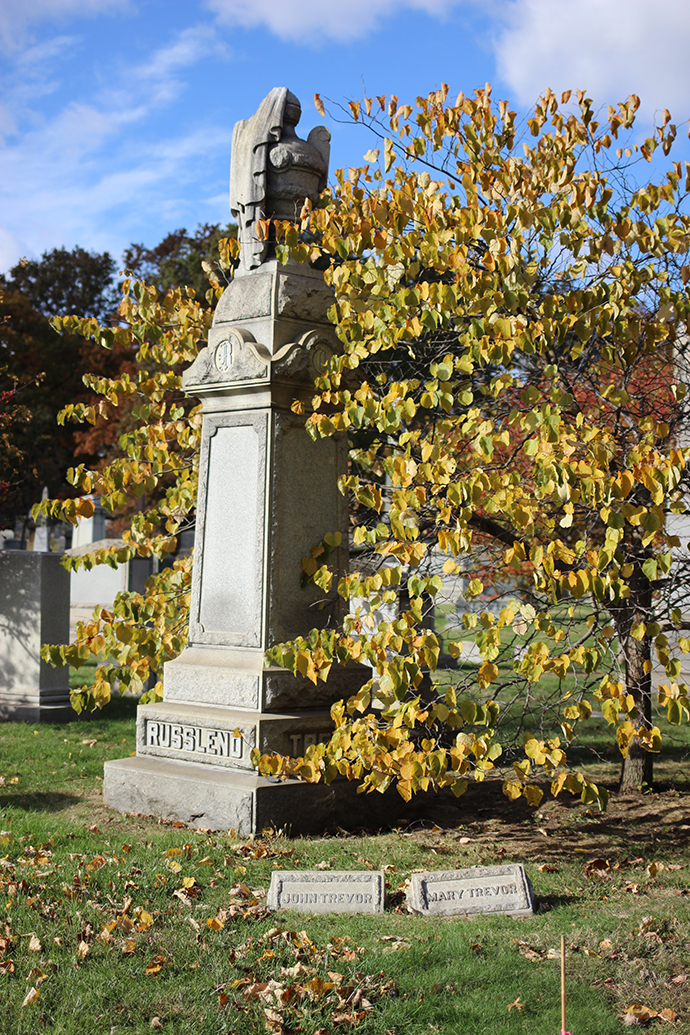
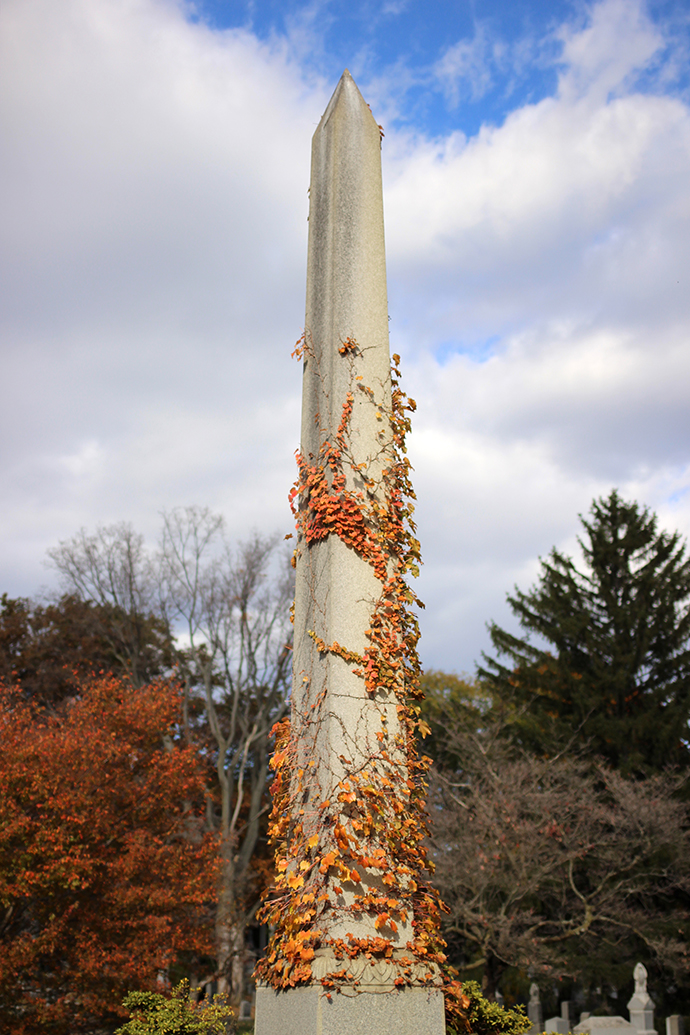
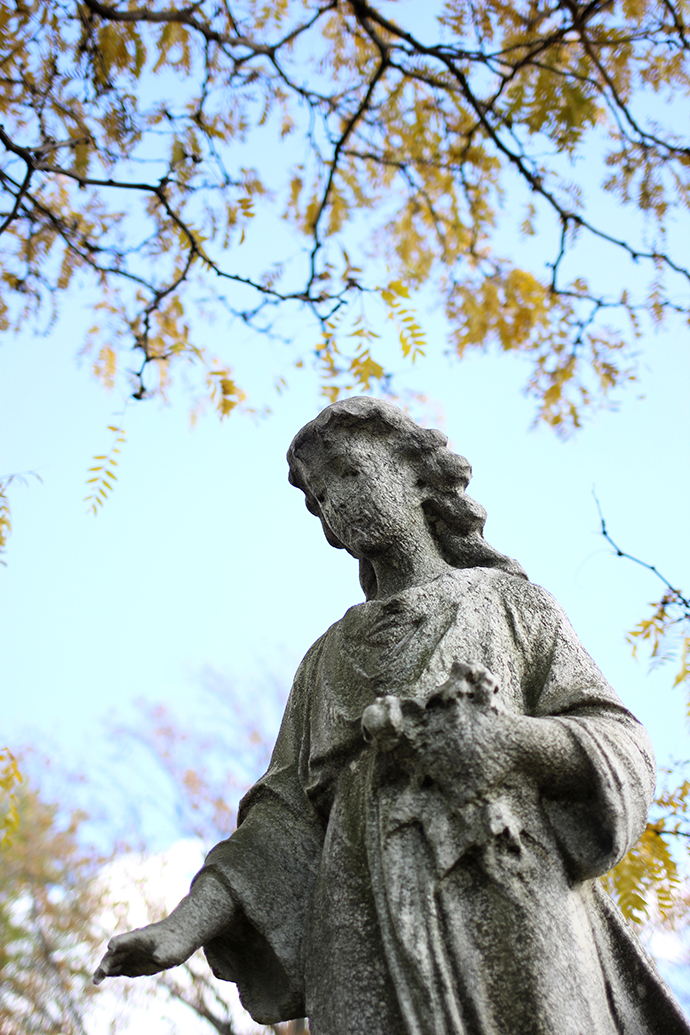
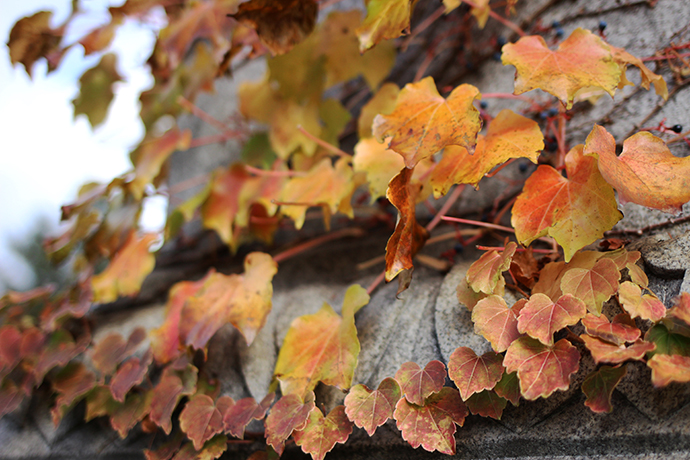
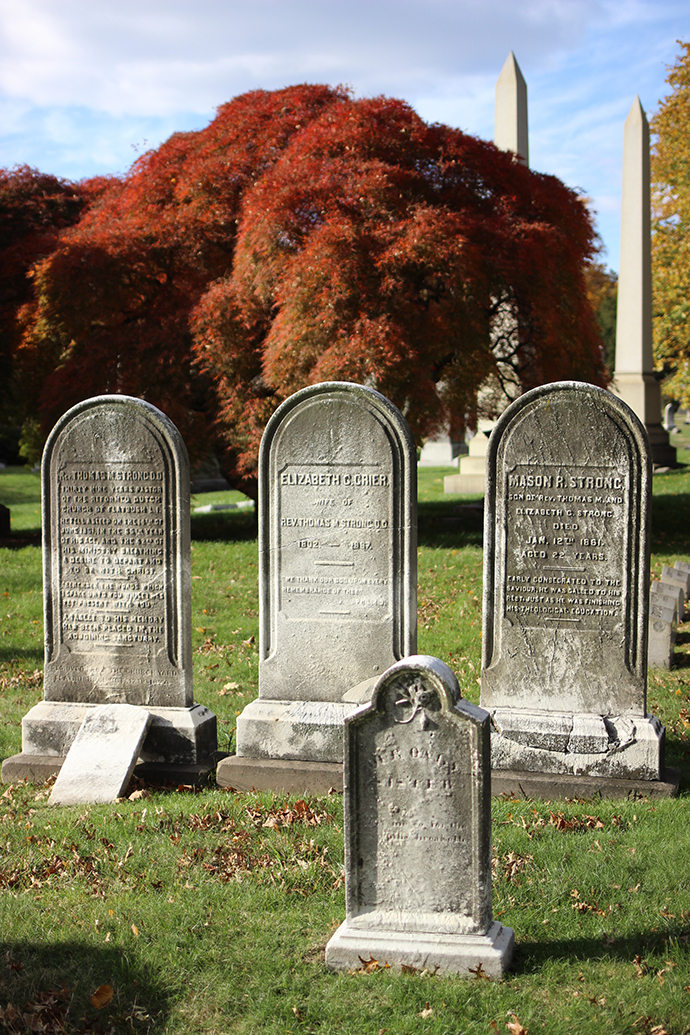
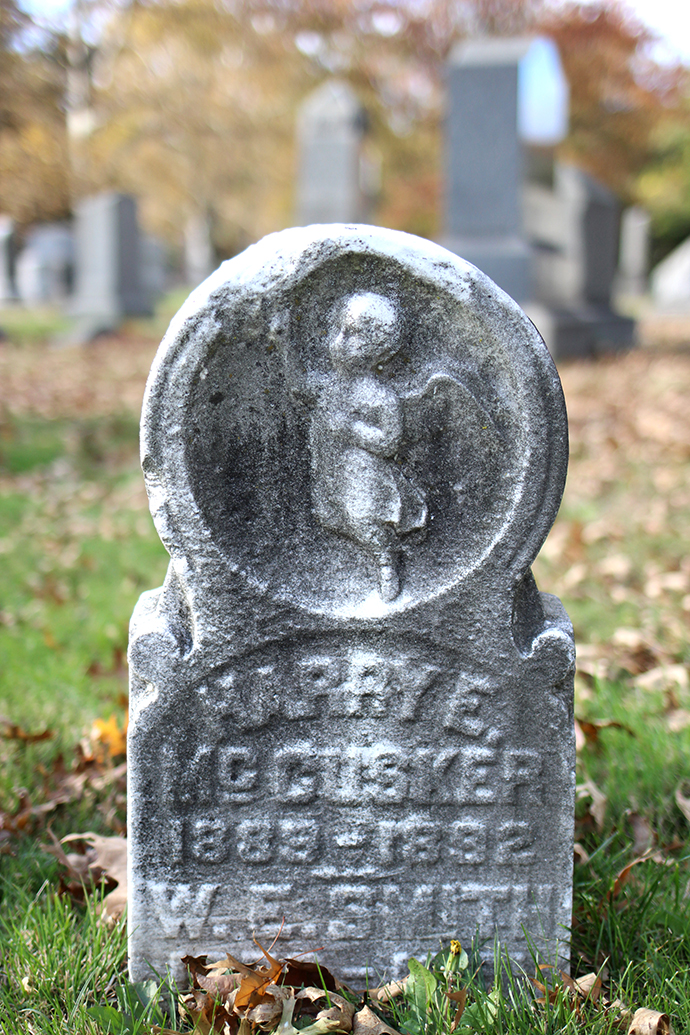
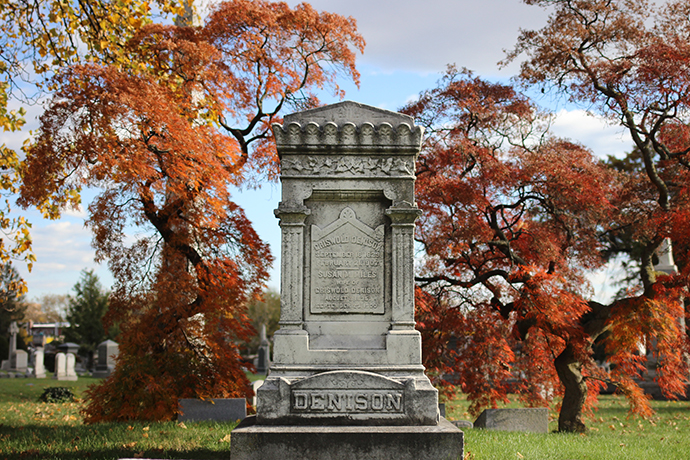
October is always my busiest month, but come November my calendar is always empty. I feel like I still have plenty of time to enjoy fall in the city, which is good since there is really no better time to explore—especially when it comes to cemetery strolls. Which is why, when my dude asked on Sunday if I'd like to walk through Green-Wood Cemetery, I said "of course."
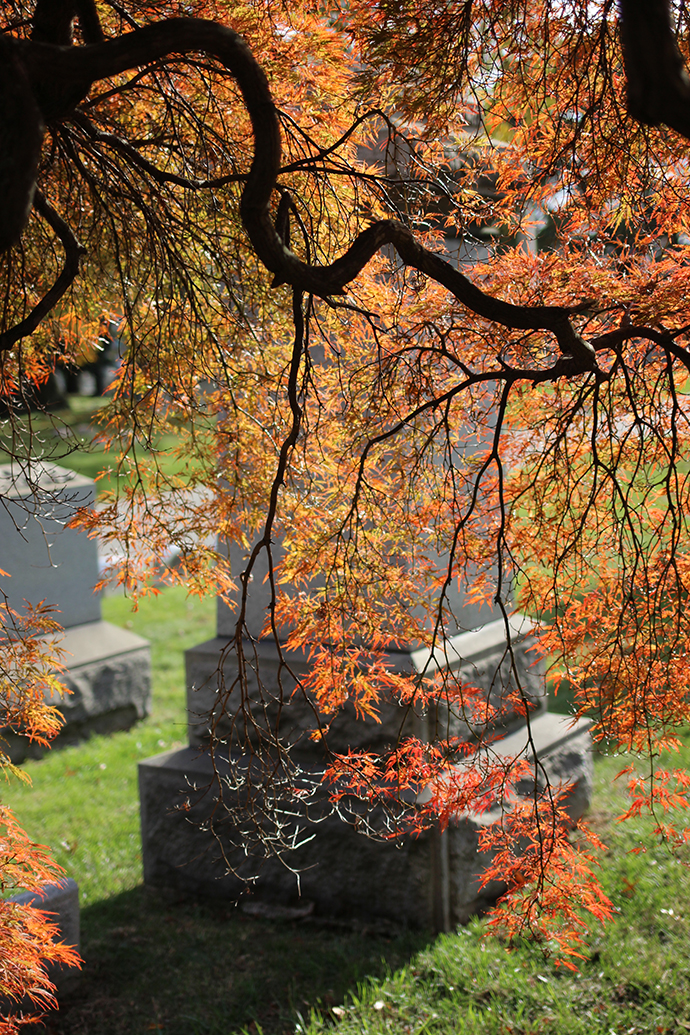
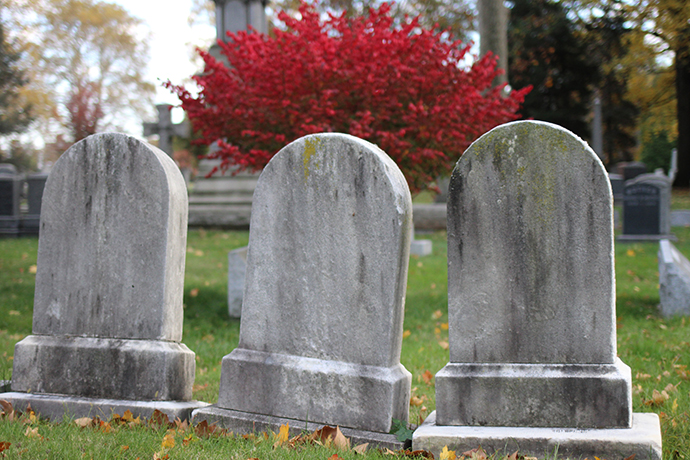
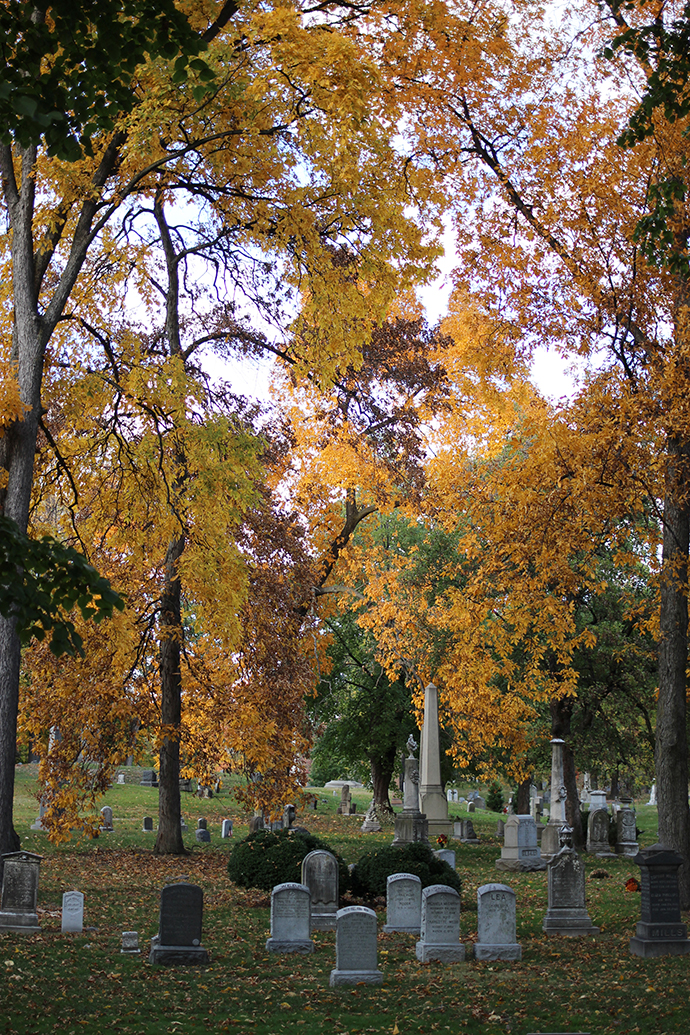
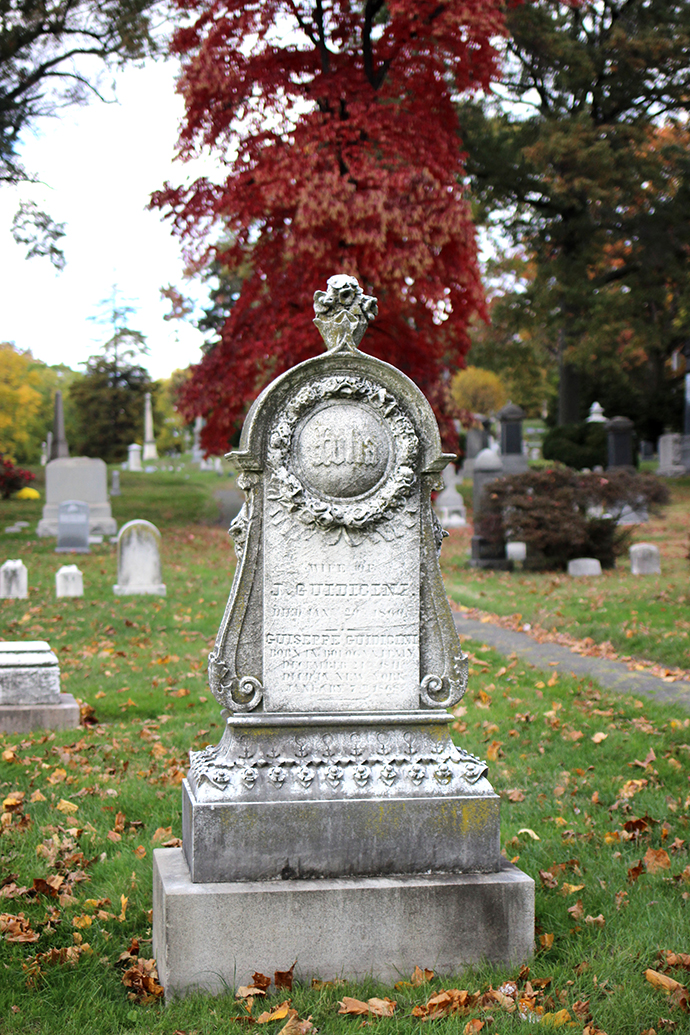
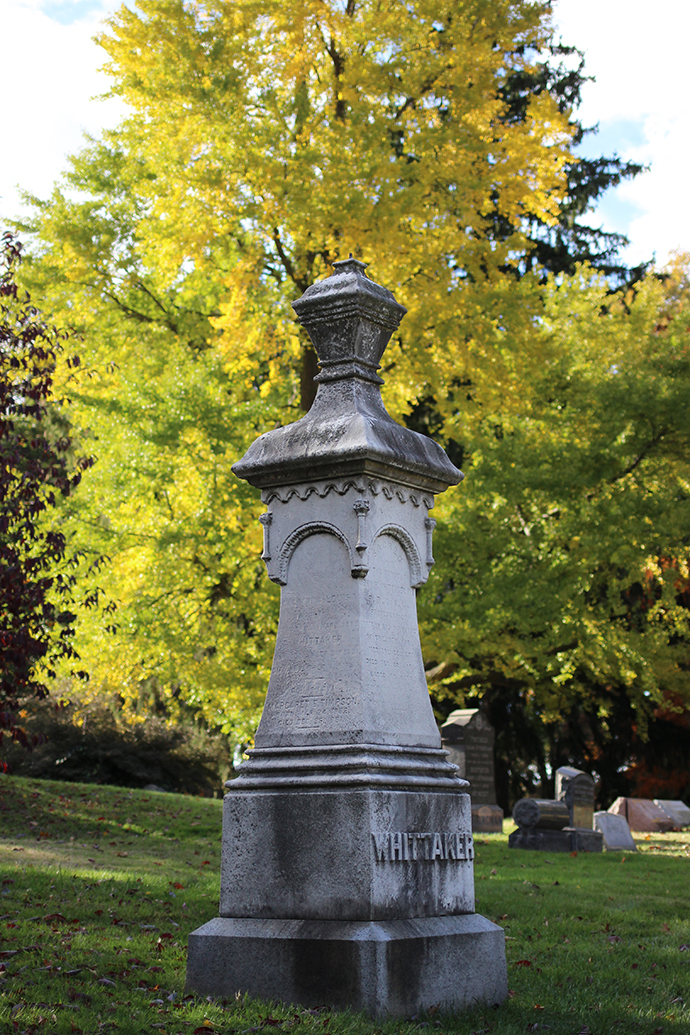
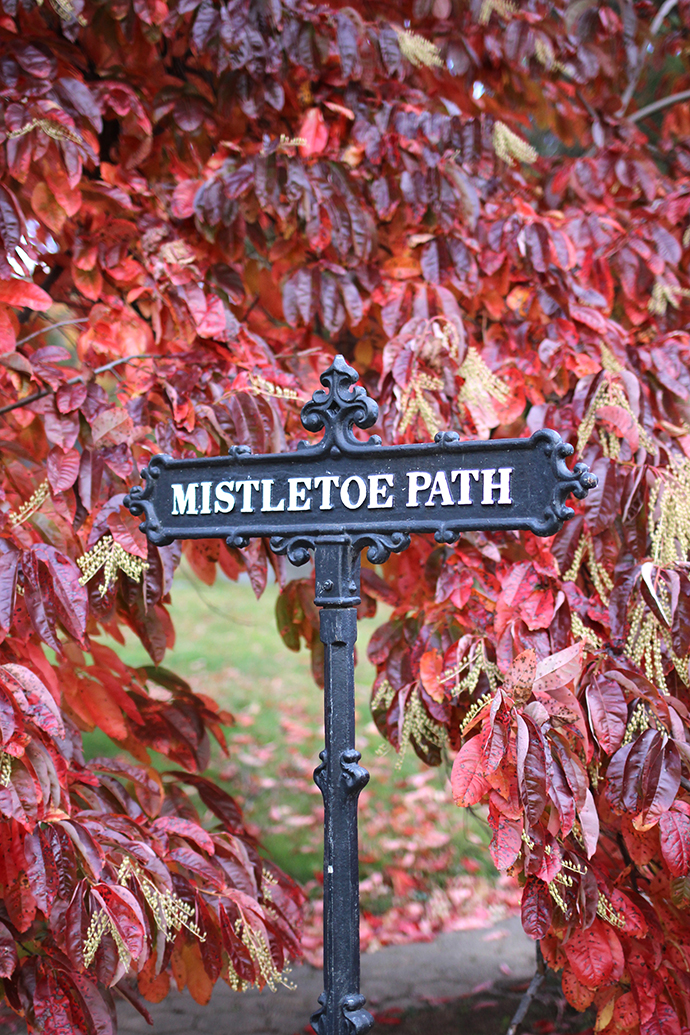
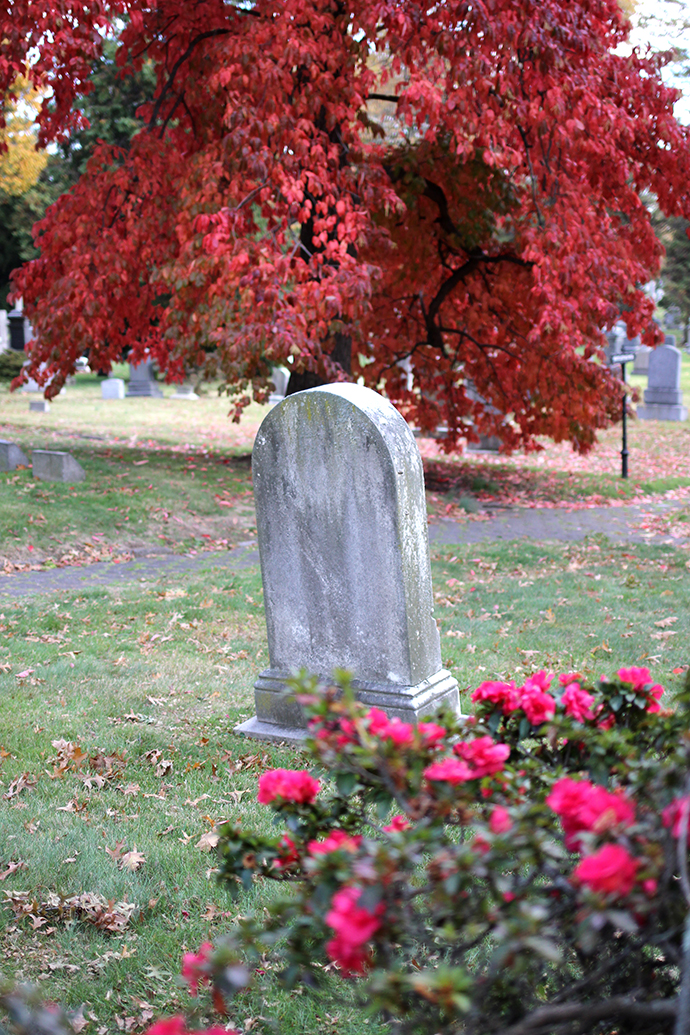
Some trees were at their peak already, but others were still mostly green (and one hardy rose bush was in full bloom!). The colorful backdrops make for some really excellent contrasts with the stark stones. I'll never tire of taking photos in cemeteries, and they're the perfect place to really practice your photography—they're usually empty and filled with beautiful and stationary (or so you hope) subjects.
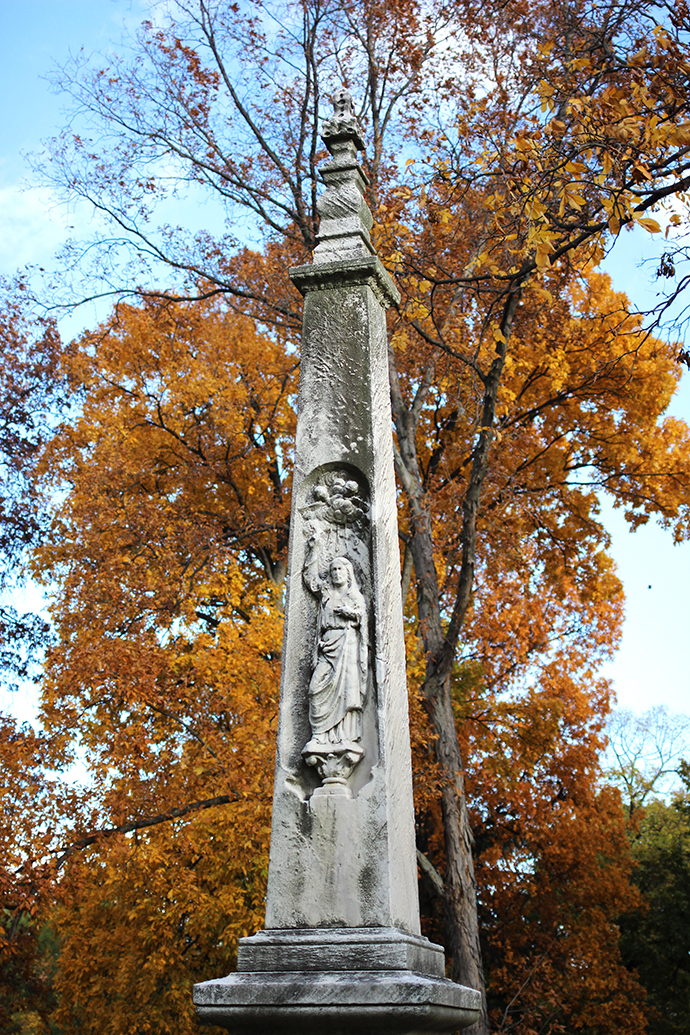
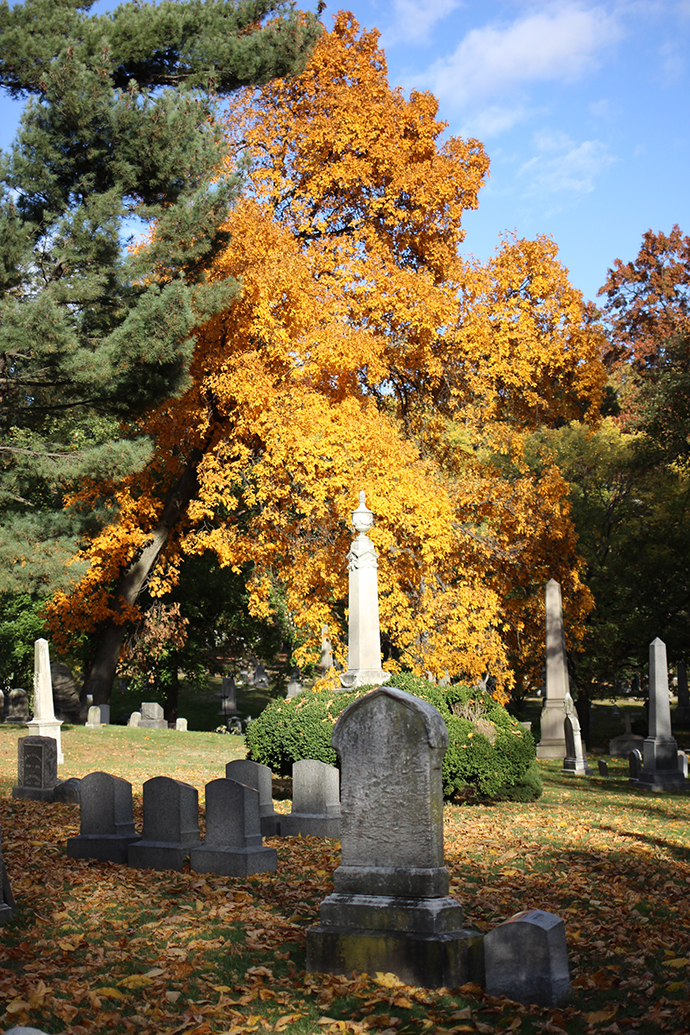
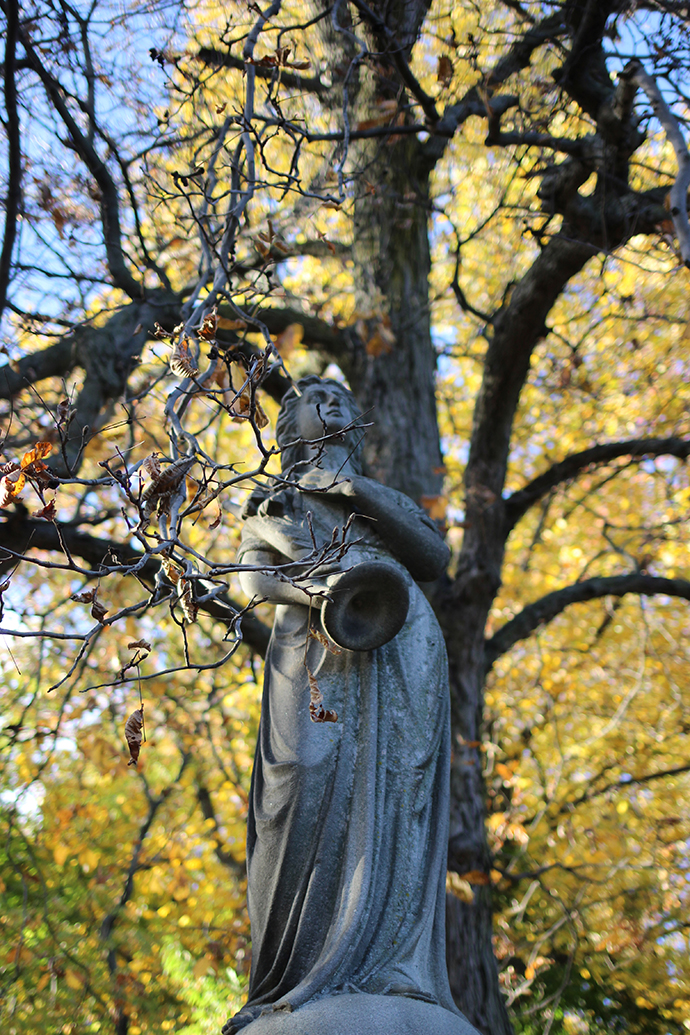
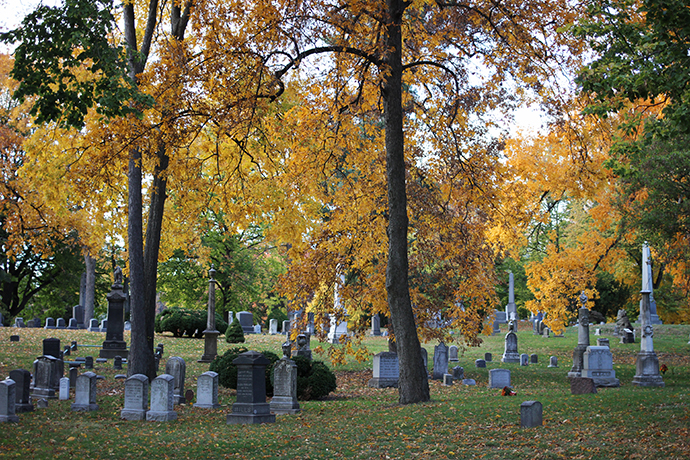
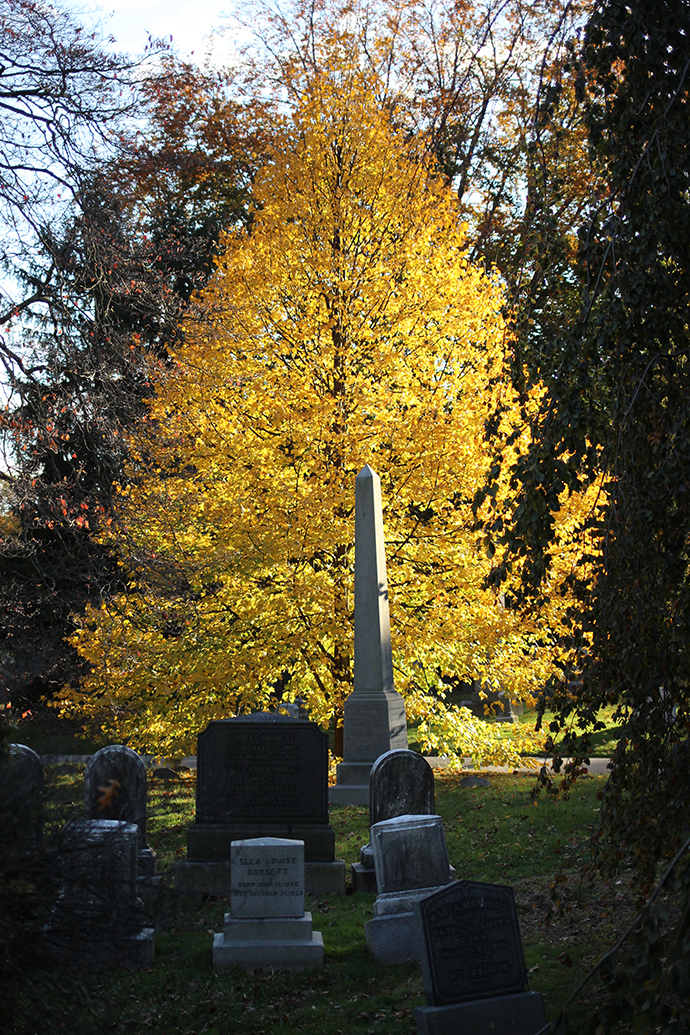
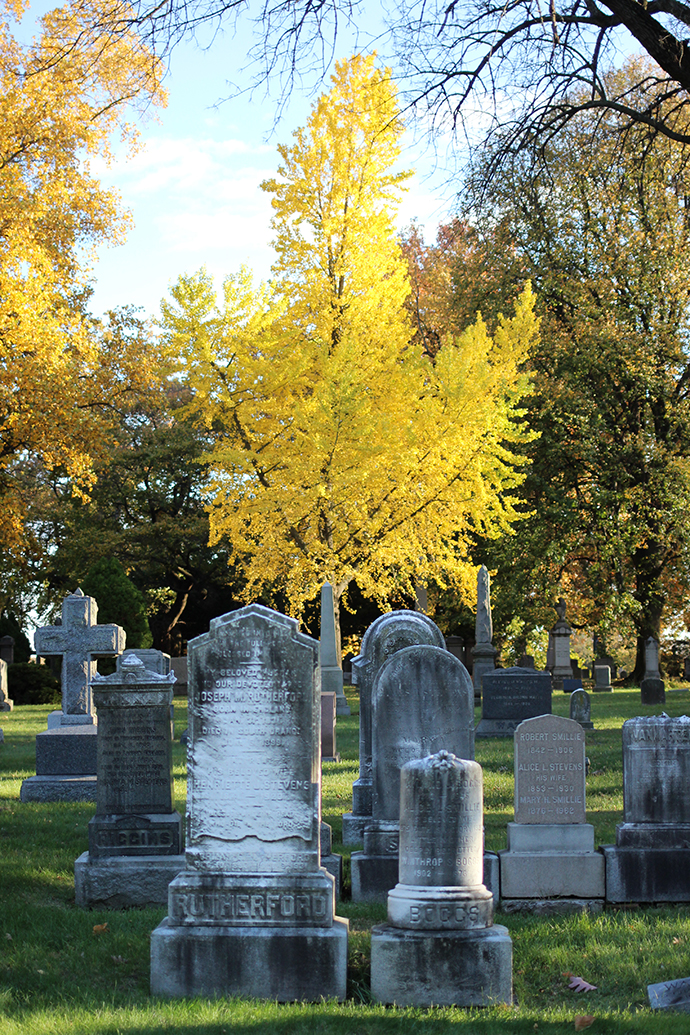
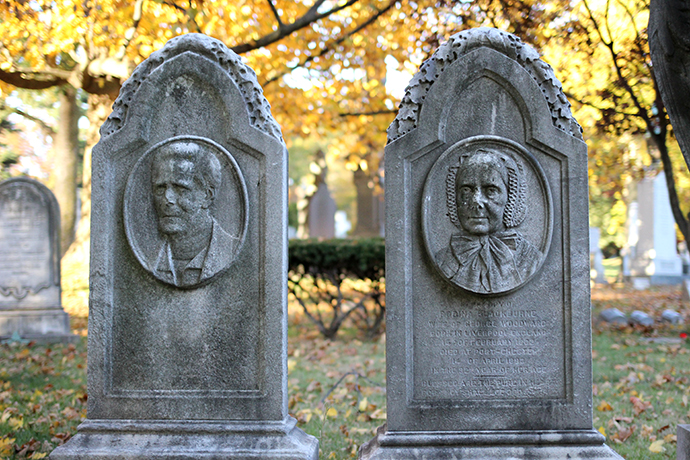
The weather recently has been fall at its finest, and it's already impossible for me to imagine that I was sweating though everything I own just a few weeks ago. I never thought I would have what I consider to be my "neighborhood" cemetery, but since moving to Brooklyn I've really come to cherish my time spent at Green-Wood. To be able to walk just a few blocks to a world-class cemetery is such a luxury, and I can't imagine every tiring of its beauty.

I'm With Her
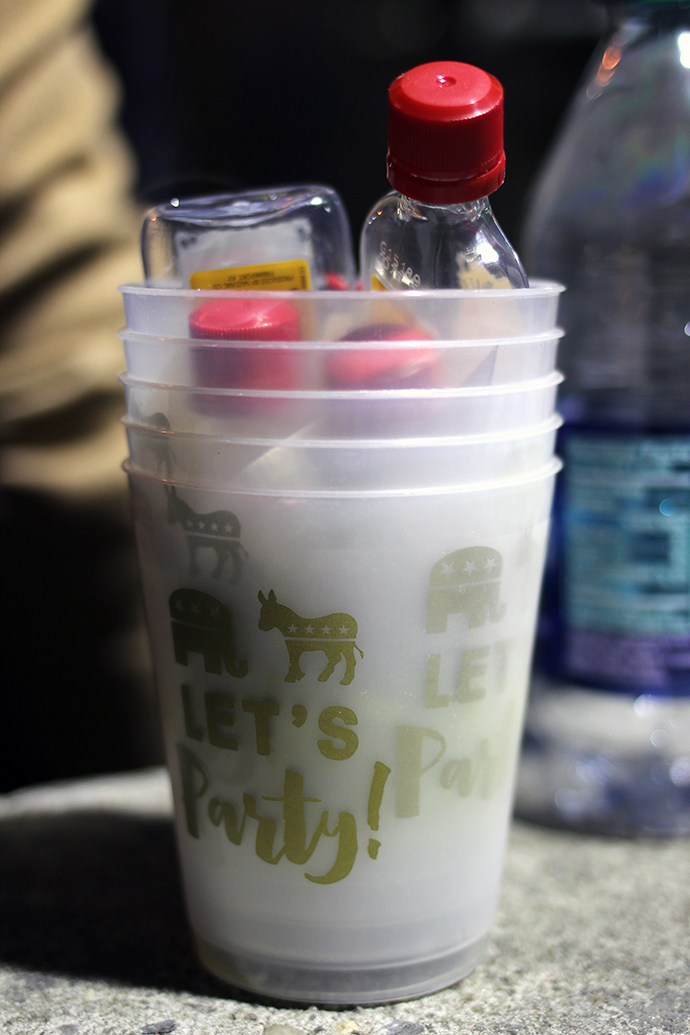
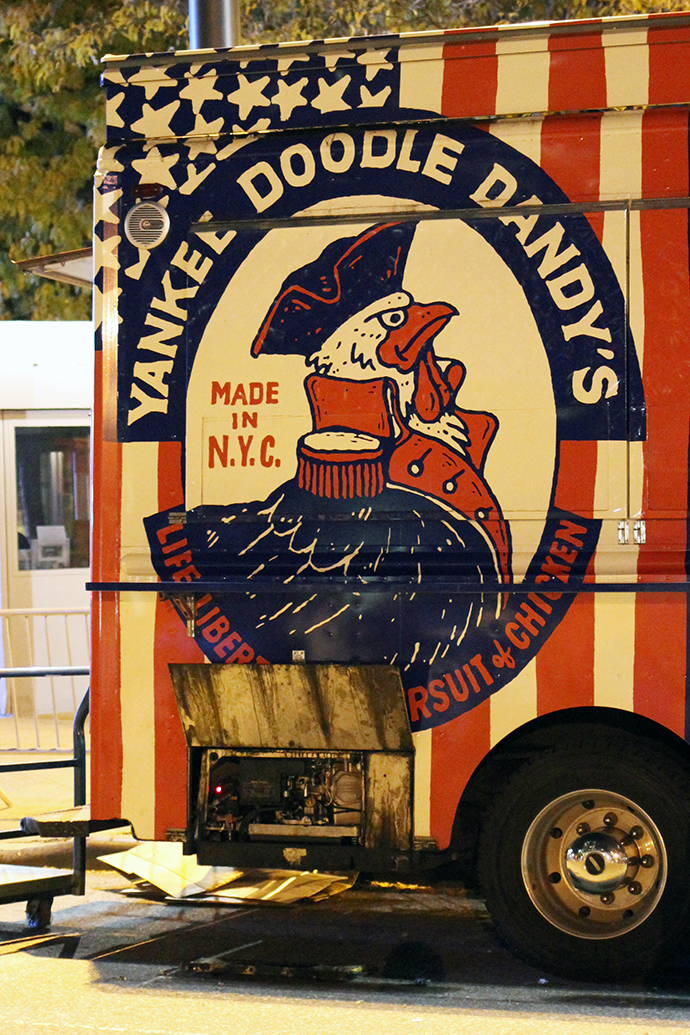
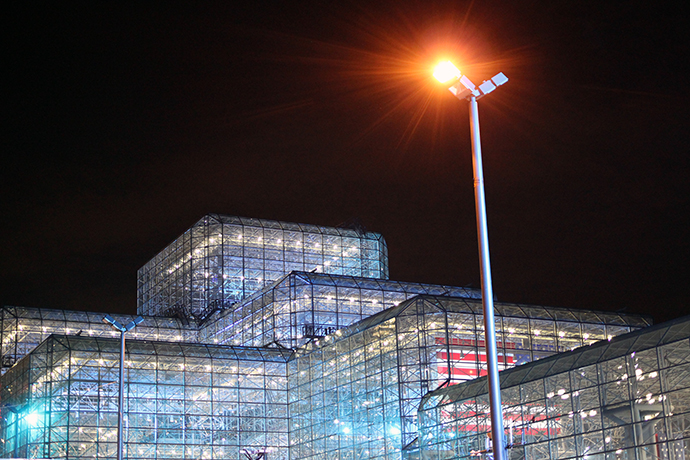
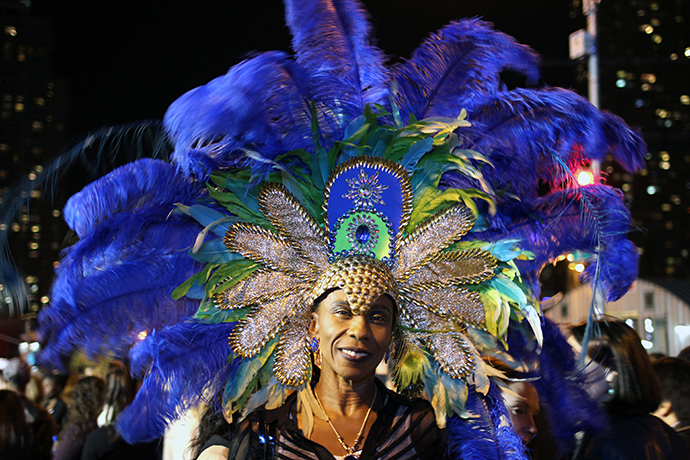
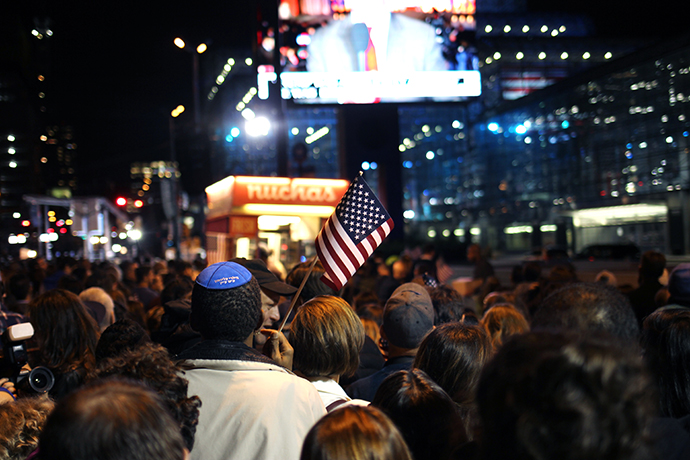
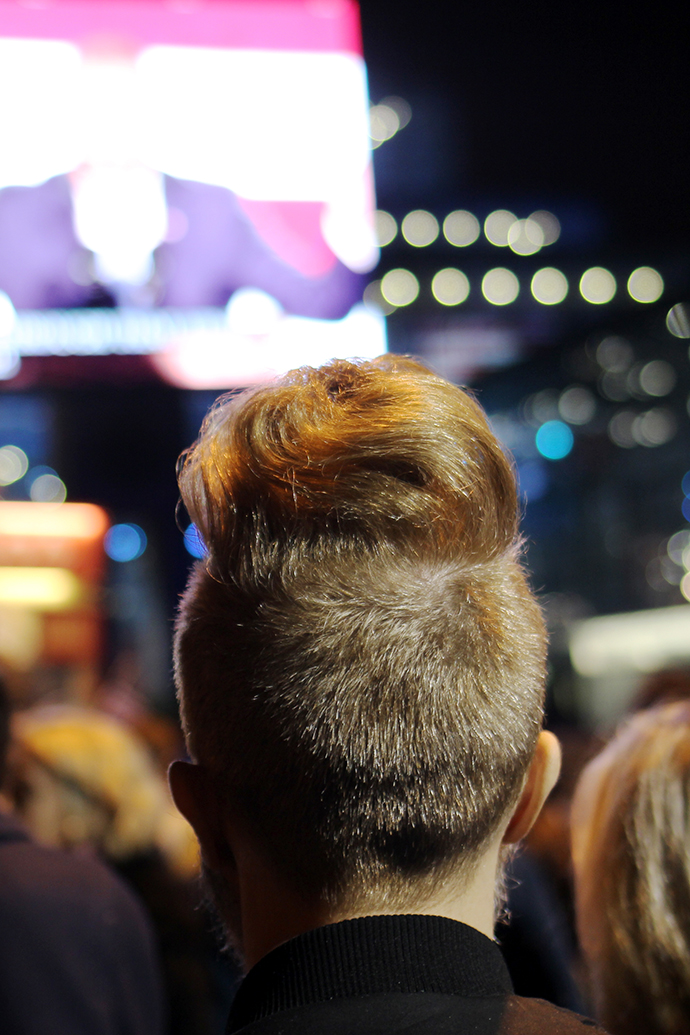
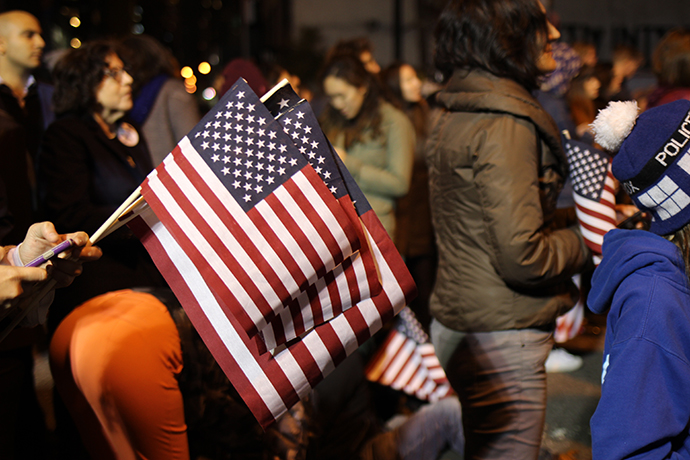
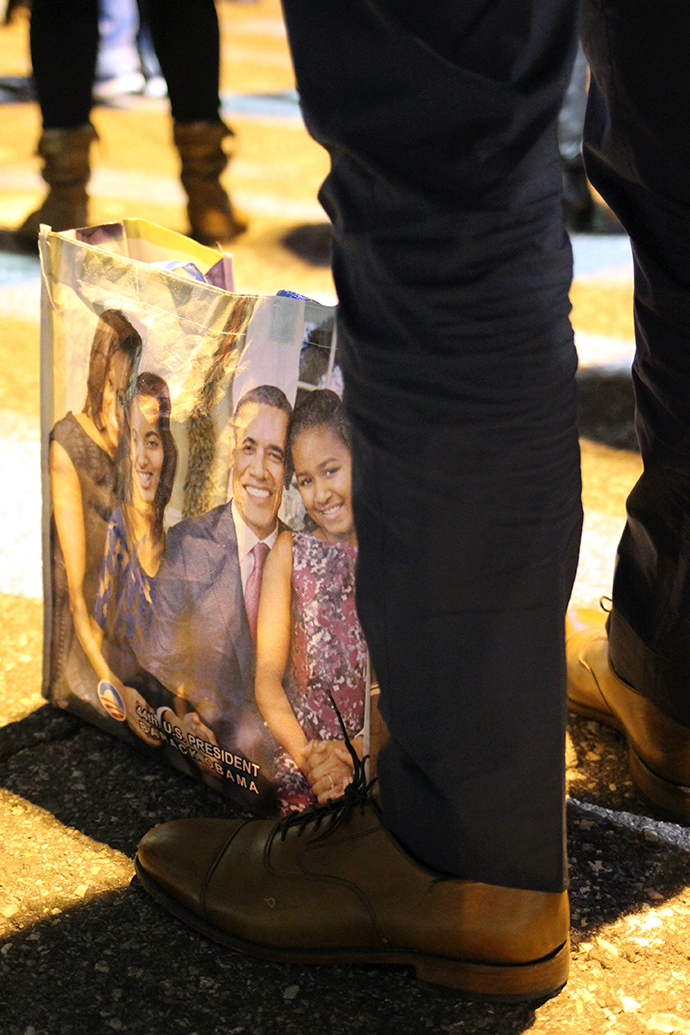
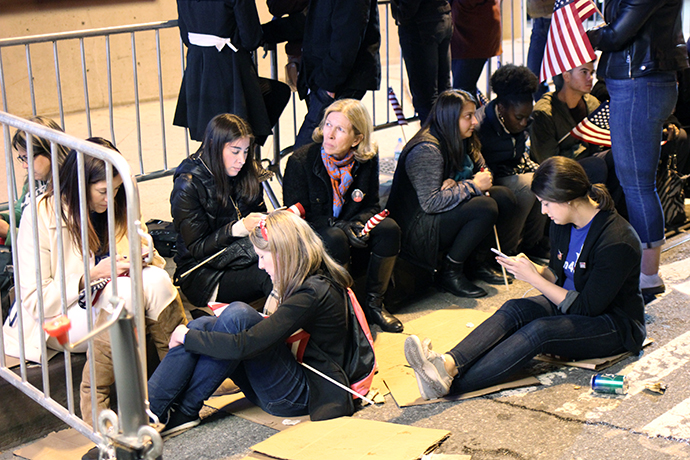
I'm too tired to write a proper blog post, but here are some (slightly blurry, terribly-lit) scenes from the Hillary crowd outside of the Javits Center in Manhattan last night:





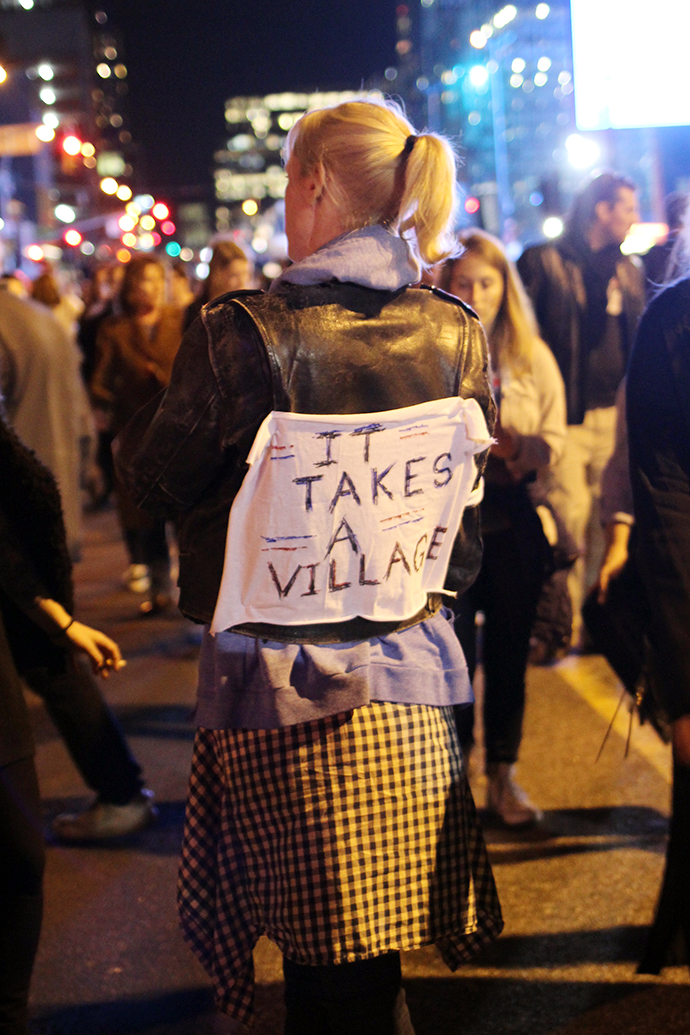





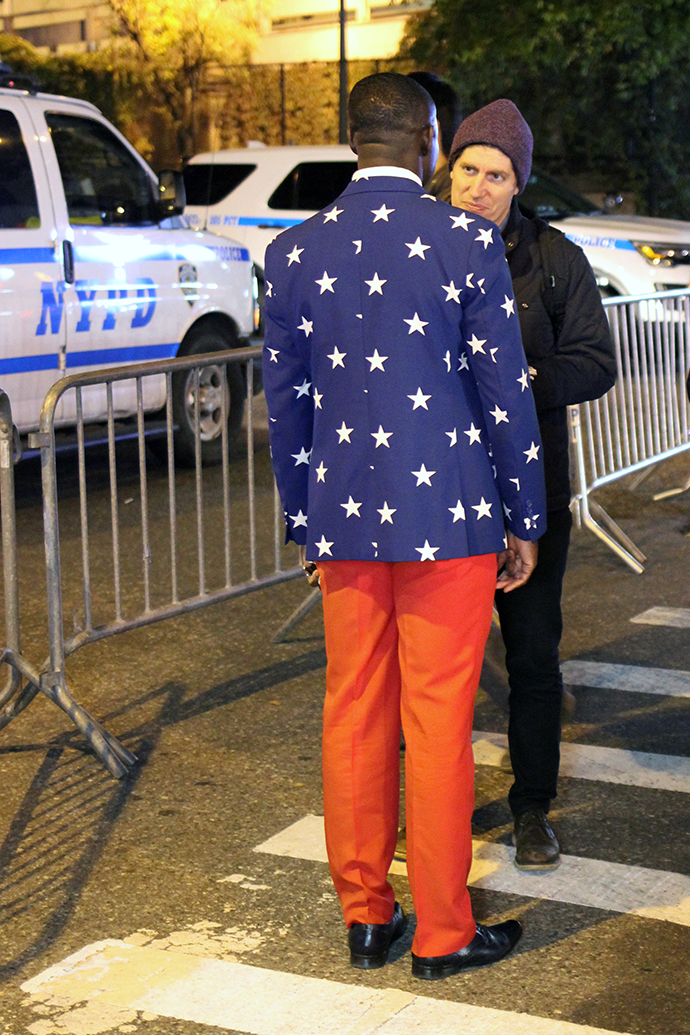
And I posted this to Facebook last night, but it bears repeating:
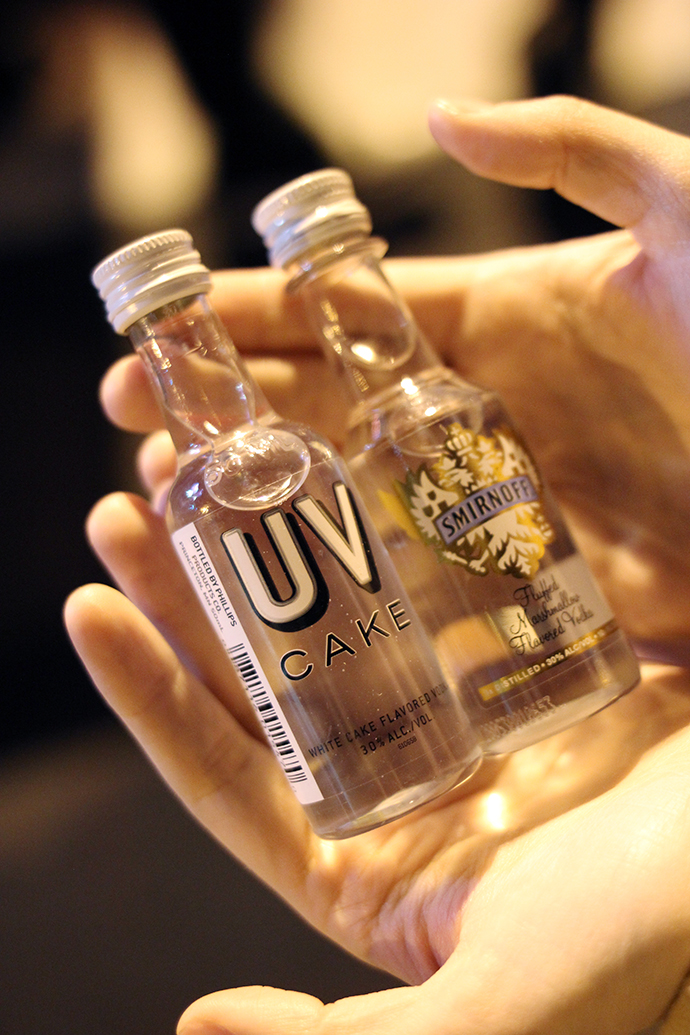
I wish with all of my true-blue heart that the worst thing that happened last night was the cake-flavored vodka shot that Francesca and I drank on our sad walk away from the Javits Center.
Misogyny, racism, hatred, superiority, holier-than-thou attitudes on bodies, races, sexualities and human beings do NOT have a place in this country and I refuse to accept that this is America. We're better than this, and we need to be better to one another.

And more people need to take their dogs everywhere they go because WOULD YOU LOOK at that face.

Conservatory Garden: Korean Chrysanthemums

Last year was my first time seeing the amazing fall Korean chrysanthemums at the Conservatory Garden in Central Park. I actually thought they were daisies at the time, because I know nothing about plants, but a helpful commenter gently set me straight. I was thrilled to discover that they're back this year—as beautiful as ever—and to be able to answer correctly when two women asked if I knew what type of flowers they were.


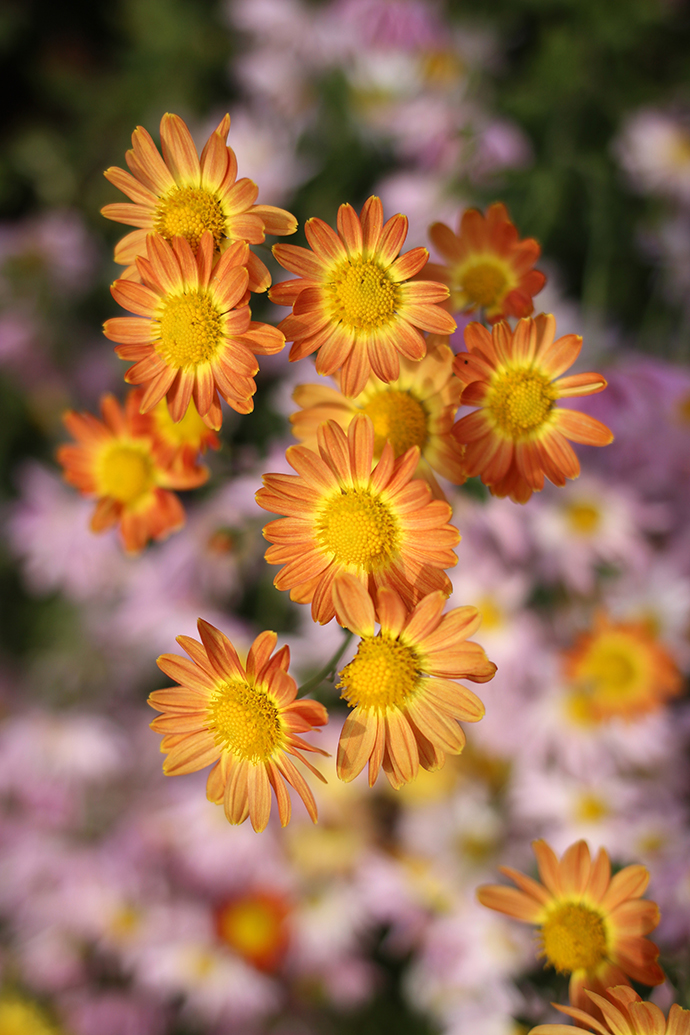
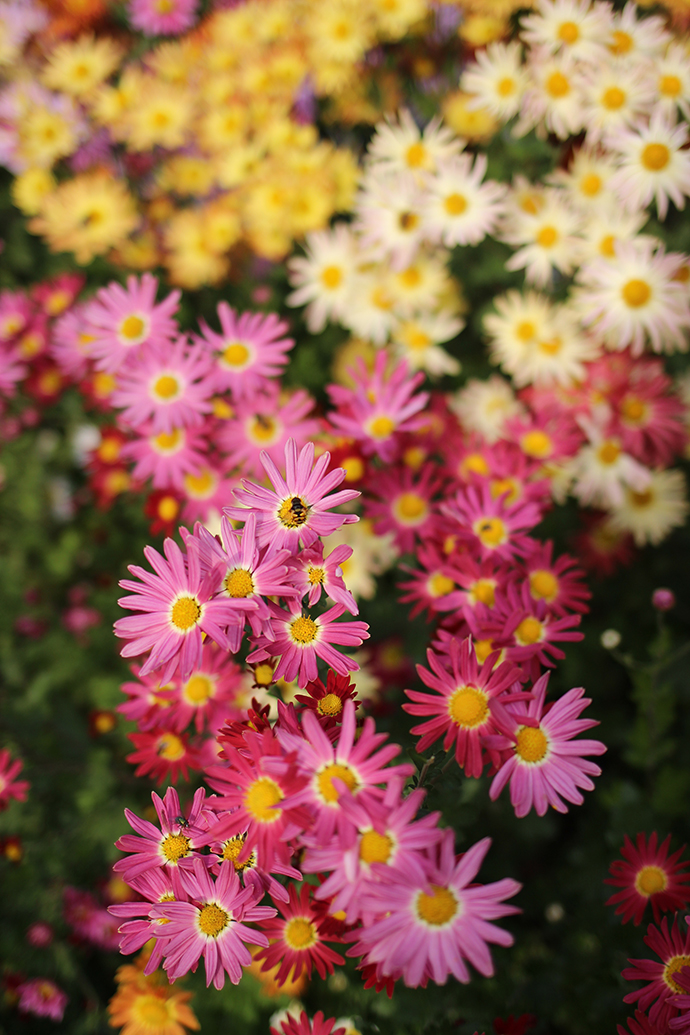
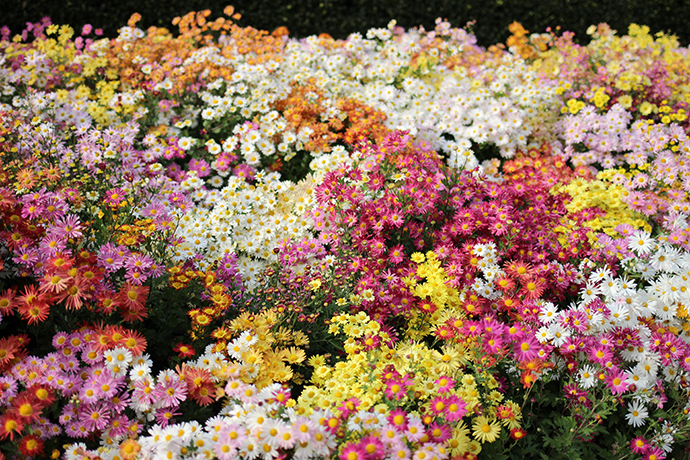


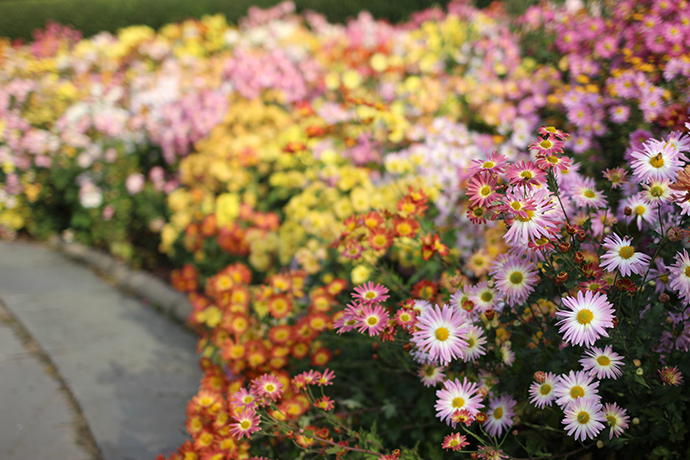
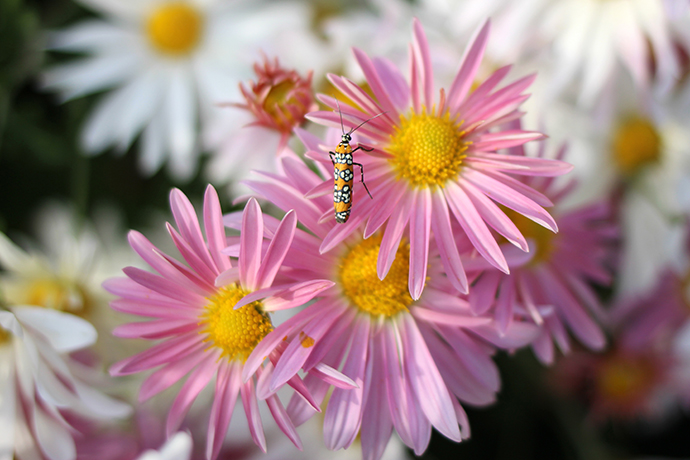
Fall isn't necessarily known for its spectacular blooms, but thanks to the incredible plant magic they work at the Conservatory Garden I've discovered that fall flowers can be just as impressive as the ones in spring or summer. I actually even think I prefer the chrysanthemums to the tulips, even if they're what made me fall in love with the Conservatory Garden in the first place.

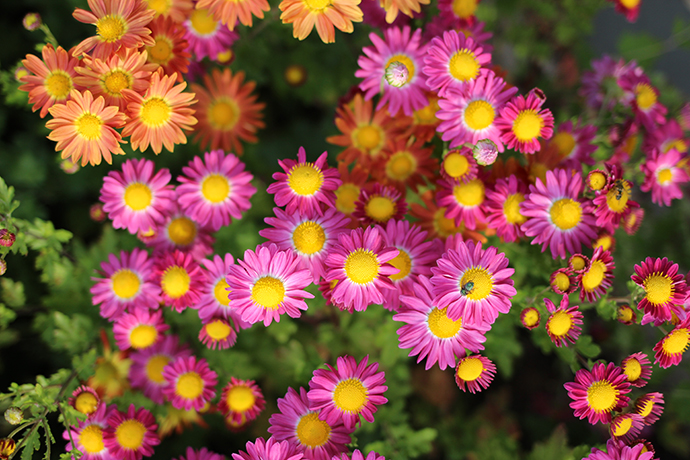

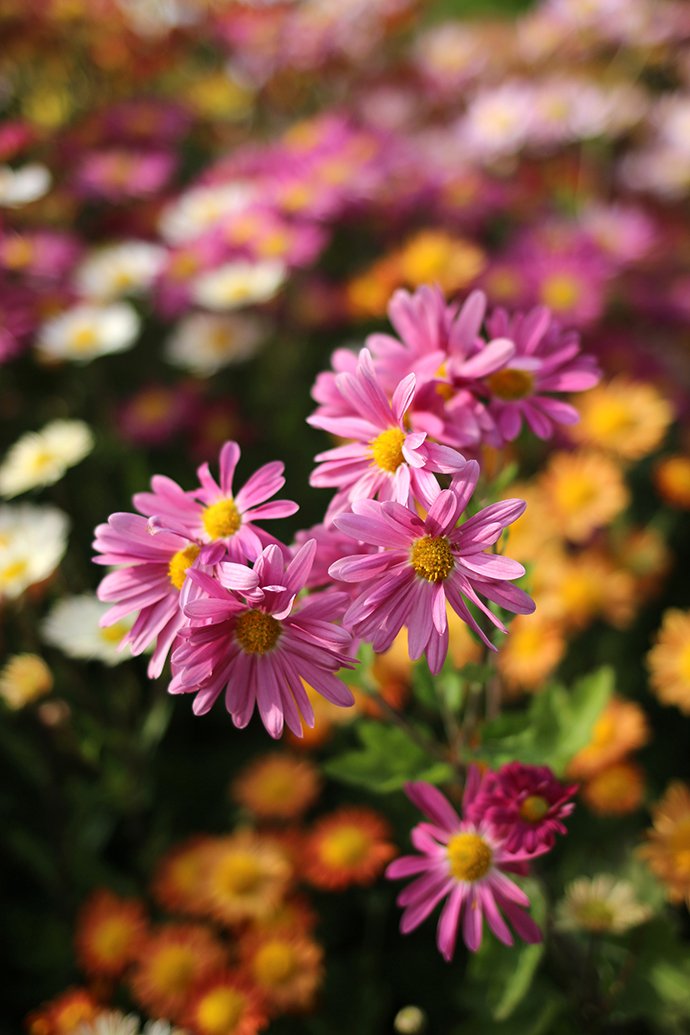
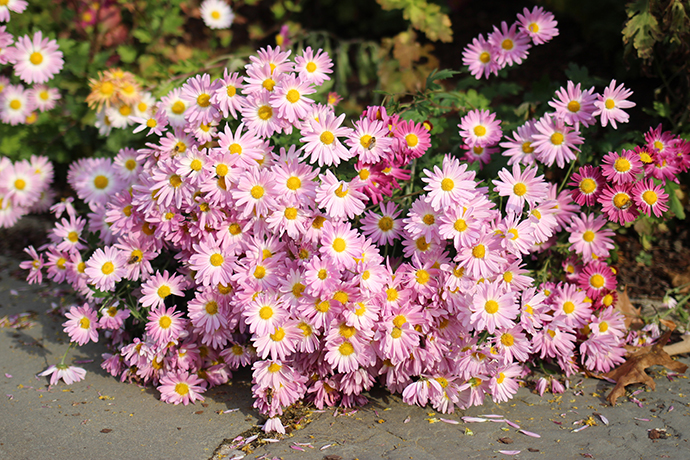
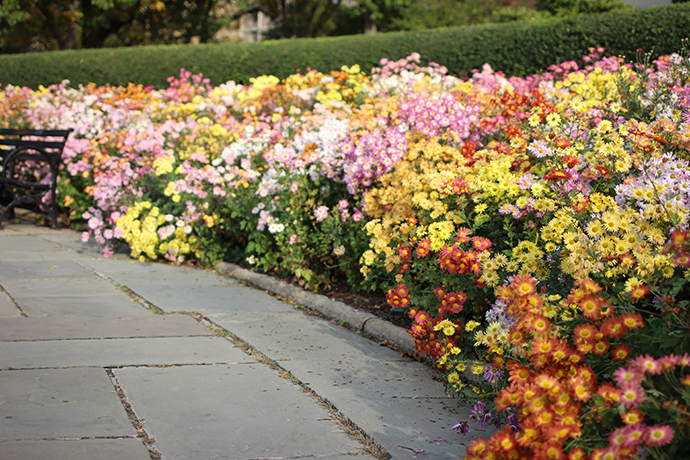
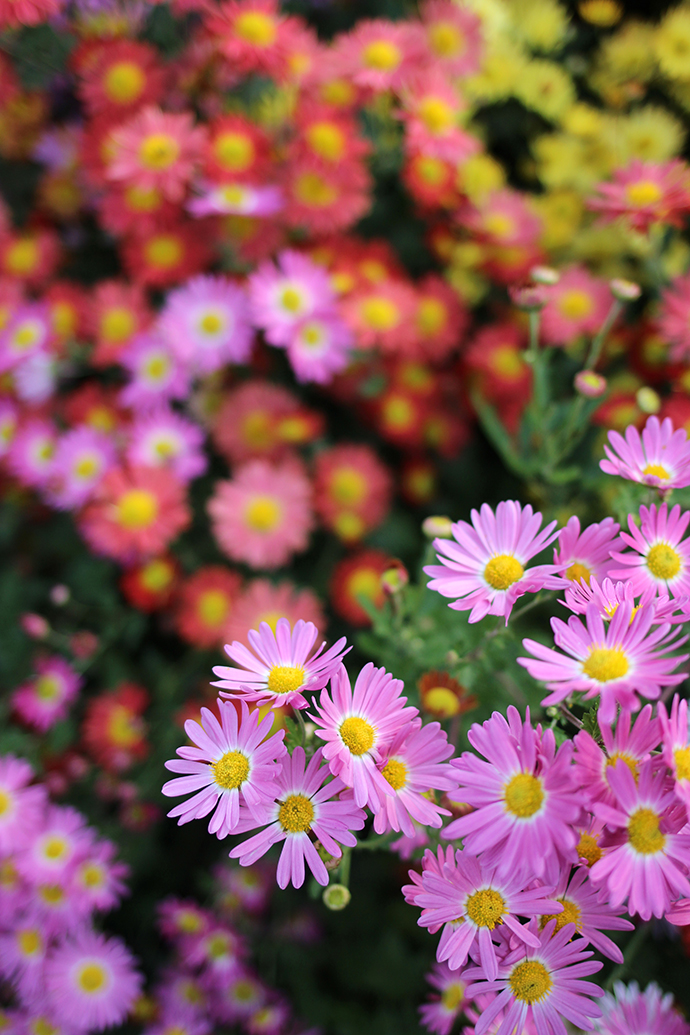
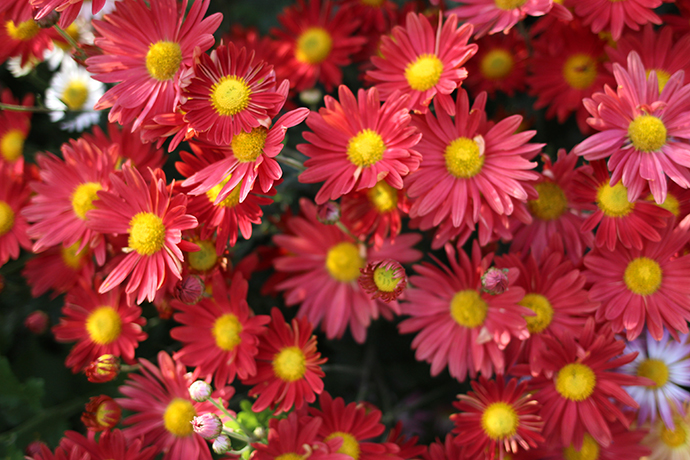
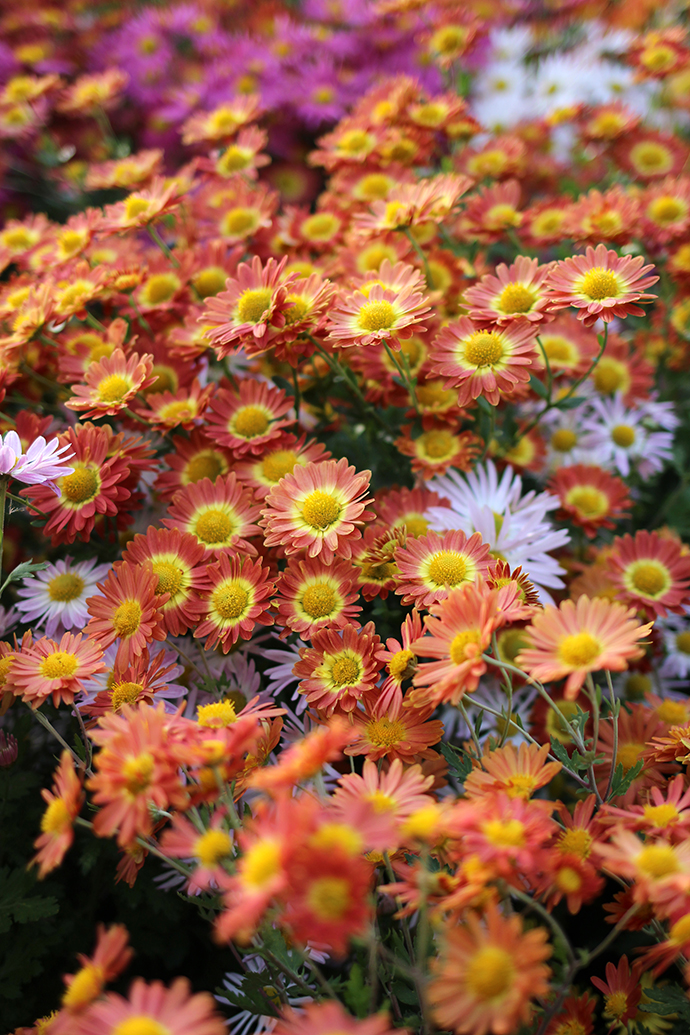
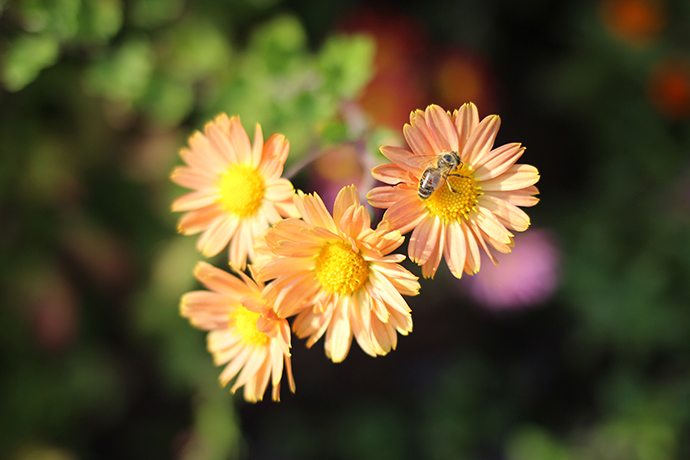
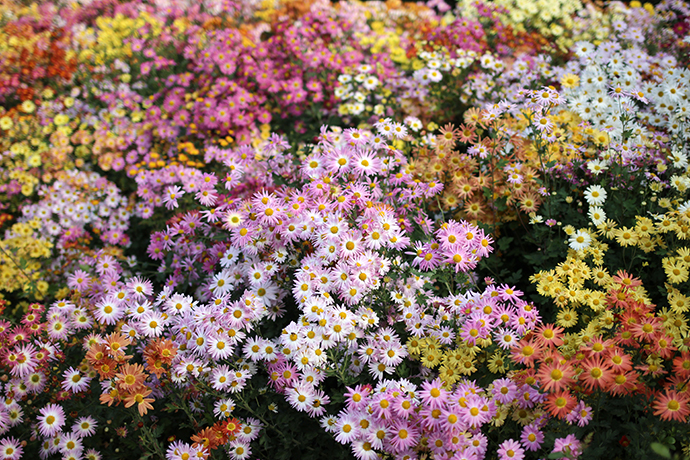
What makes the chrysanthemums so impressive is the shear number of them—I'm terrible at estimating things, but there must be thousands of blooms—buzzing with bees and other exotic-looking insects, spilling out onto the walkways and tangling with one another, positively bursting out of the beds. The effect is really something that must be seen in person to be truly appreciated, and I'm so glad I remembered to check in on them this year.

Treasures in the Trash Collection
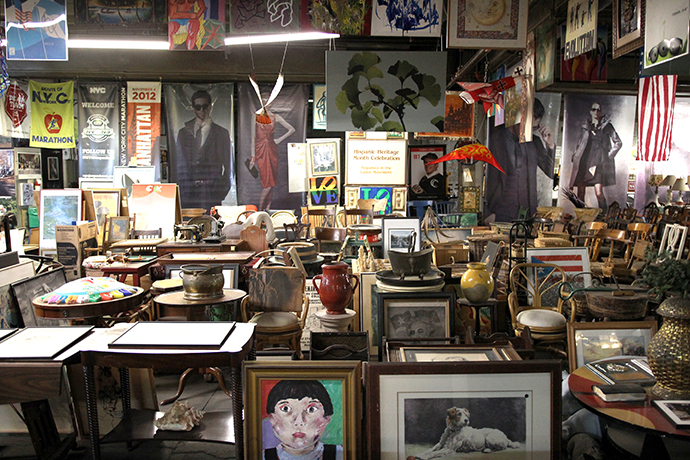
This past weekend was Open House New York Weekend. Every year for one weekend, places of architectural or historical significance around the city open their doors for tours. Some are ticketed, and some are open hours, and since I've moved here I've had a love/hate relationship with the whole event. I love it because I love touring things—I'll pretty much go anywhere, especially if it's free. I hate it, because tickets are notoriously difficult to get—the last two years we were able to get exactly zero tickets, despite being trigger-ready right at the 11am drop time. Despite our disappointment, we still saw some pretty wonderful things, including the TWA Flight Center at JFK and the (now-shuttered) Four Seasons restaurant.
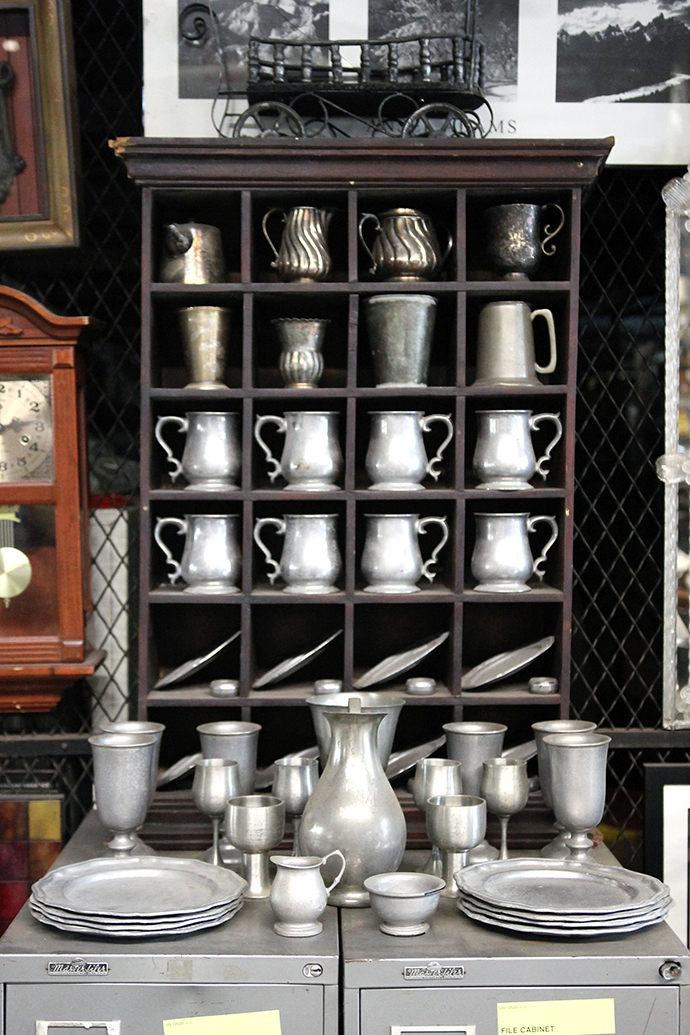
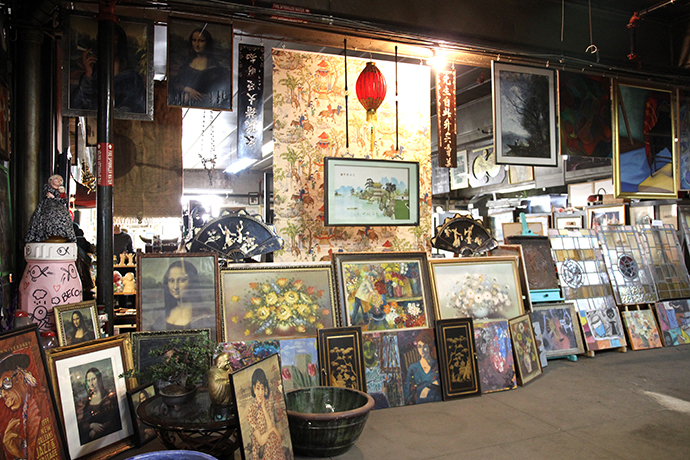
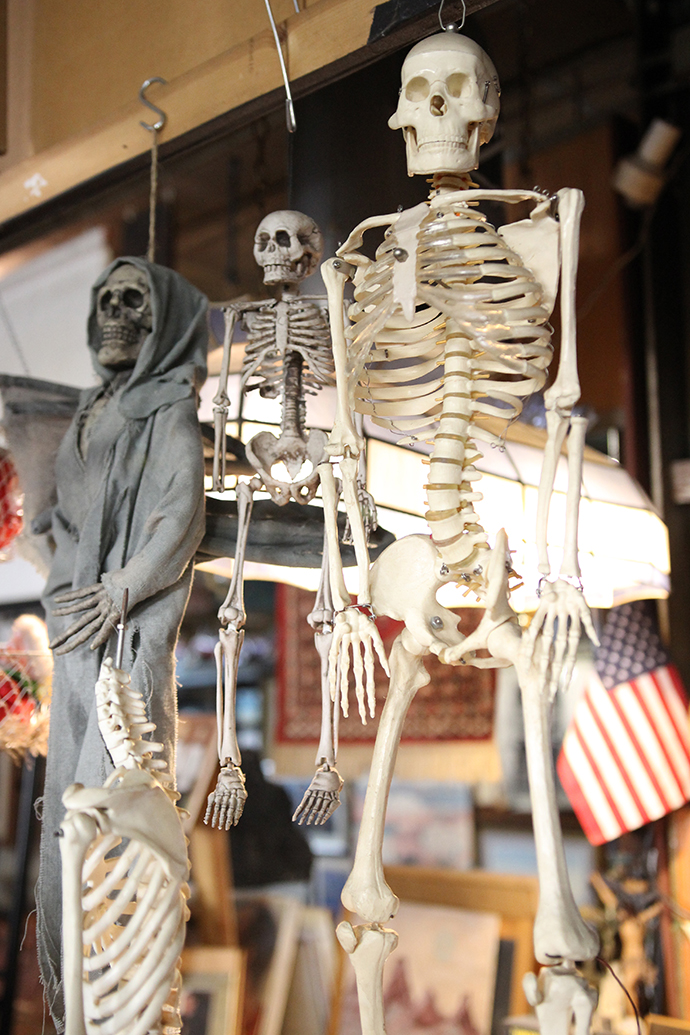
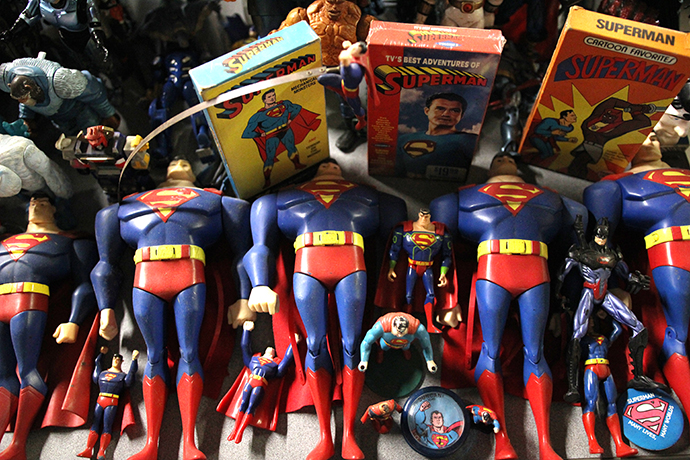
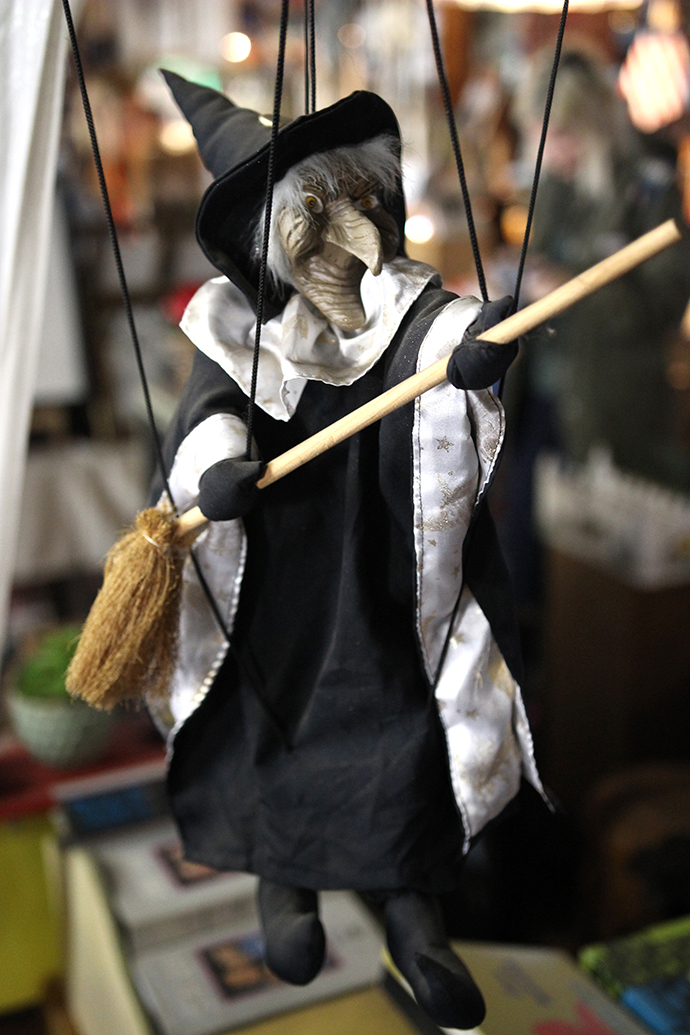
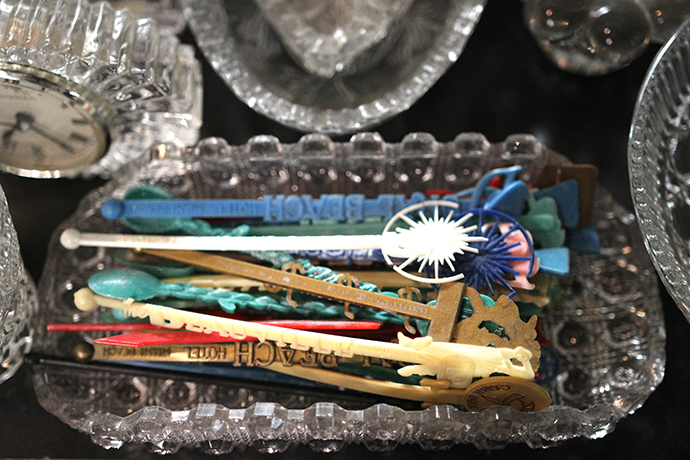
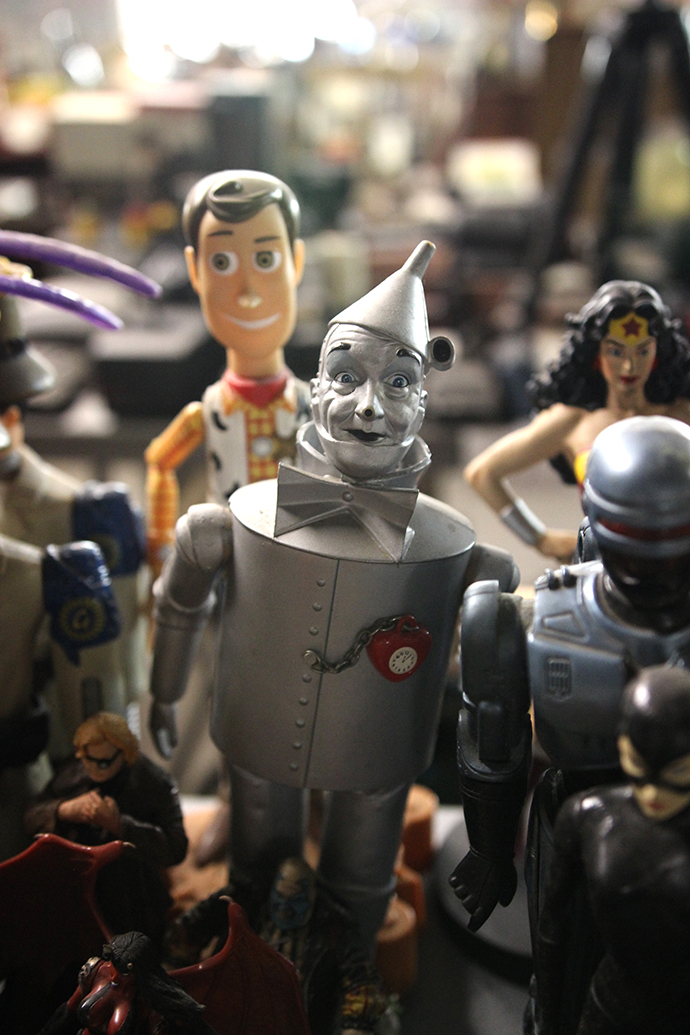

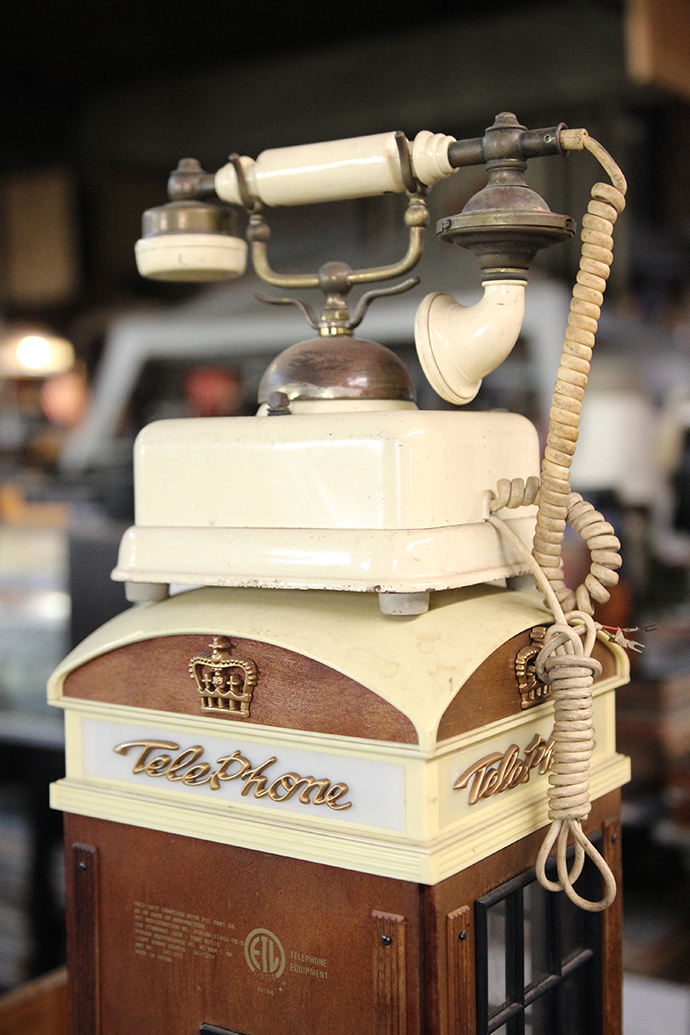
This year there was one ticketed event that I wanted above all else: a tour of the Treasures in the Trash collection. Third time must be a charm, because this year I got my tickets, and on Saturday afternoon we met at a sanitation garage in East Harlem for the tour. The collection, which occupies an entire floor of a building mostly used to house garbage trucks, is made up entirely out of stuff New Yorkers have thrown in the trash. Nelson Molina, a retired sanitation worker, has been working on the collection for more than 30 years, and it's all meticulously organized by themes. They don't hold regular hours or tours unfortunately, so getting tickets was a huge coup.
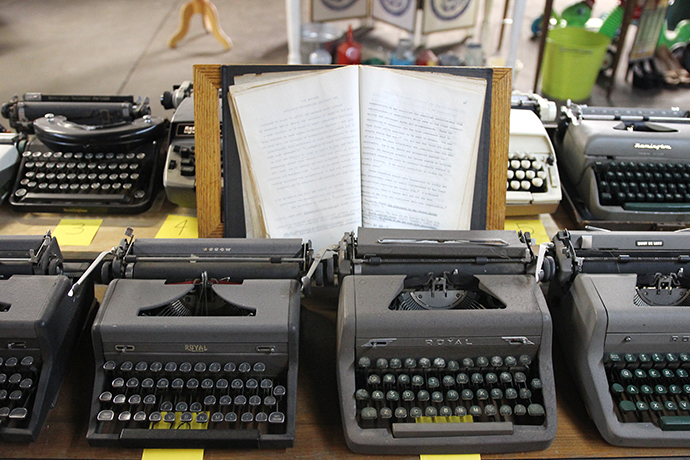
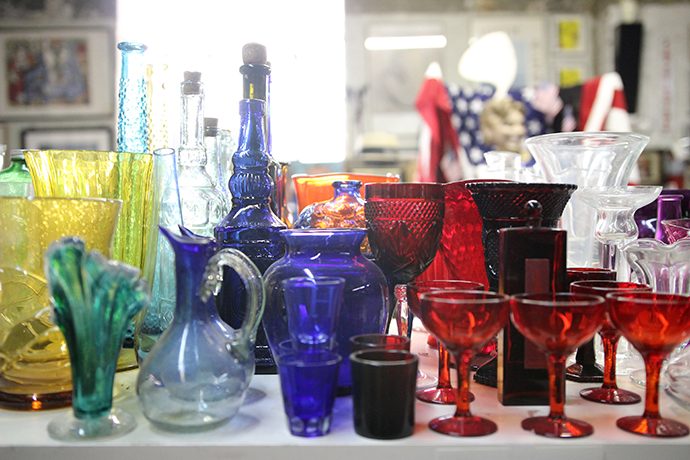
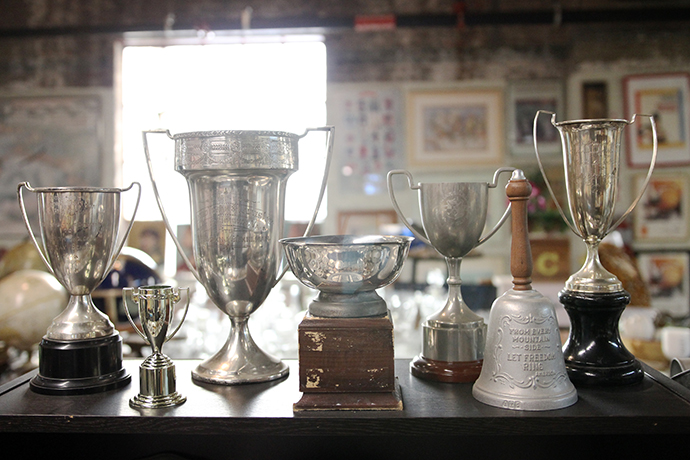
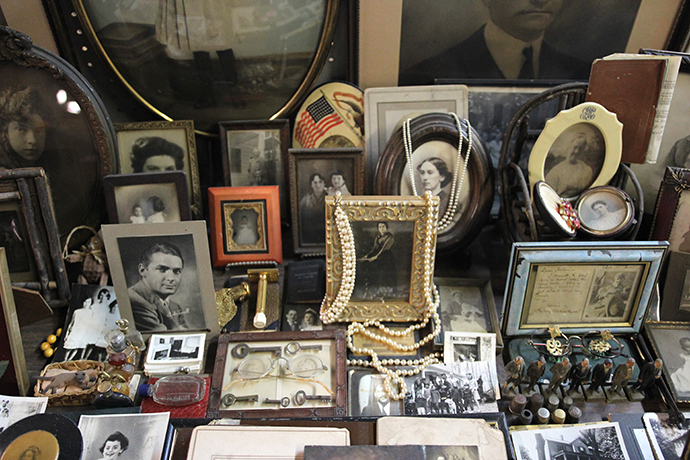
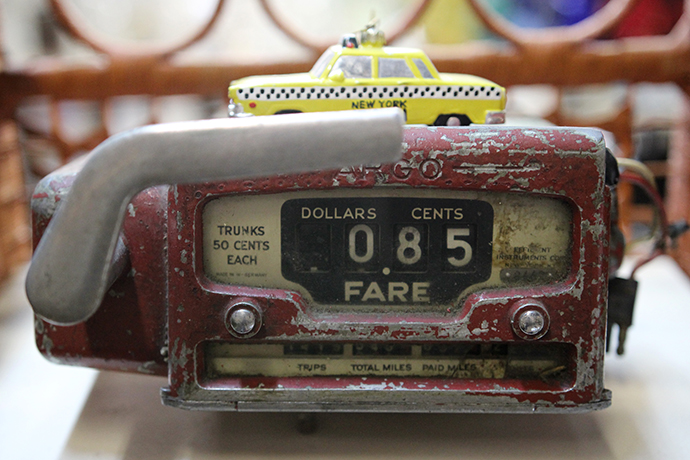
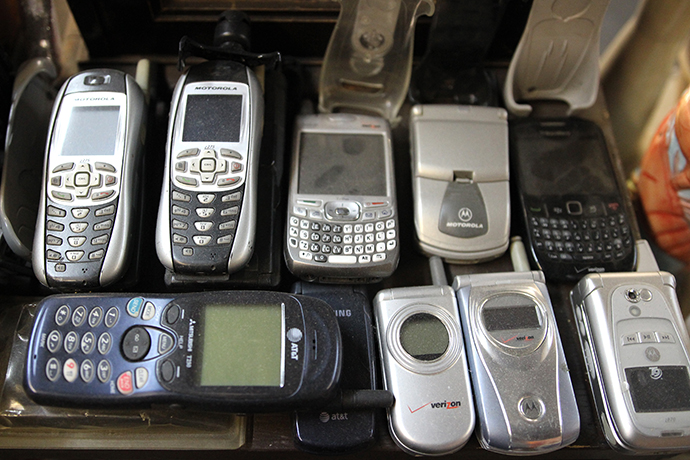
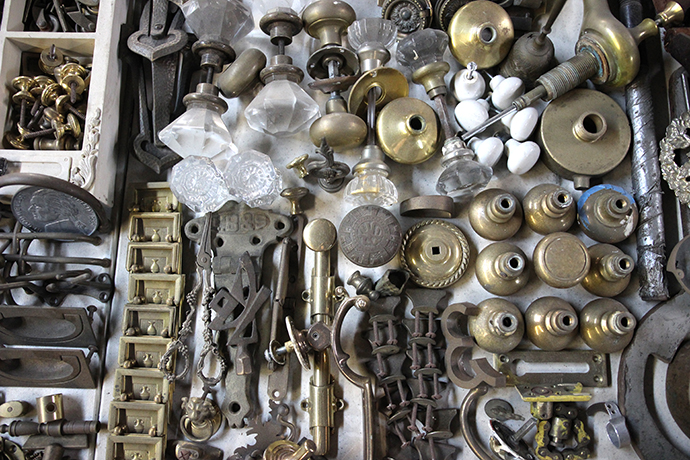
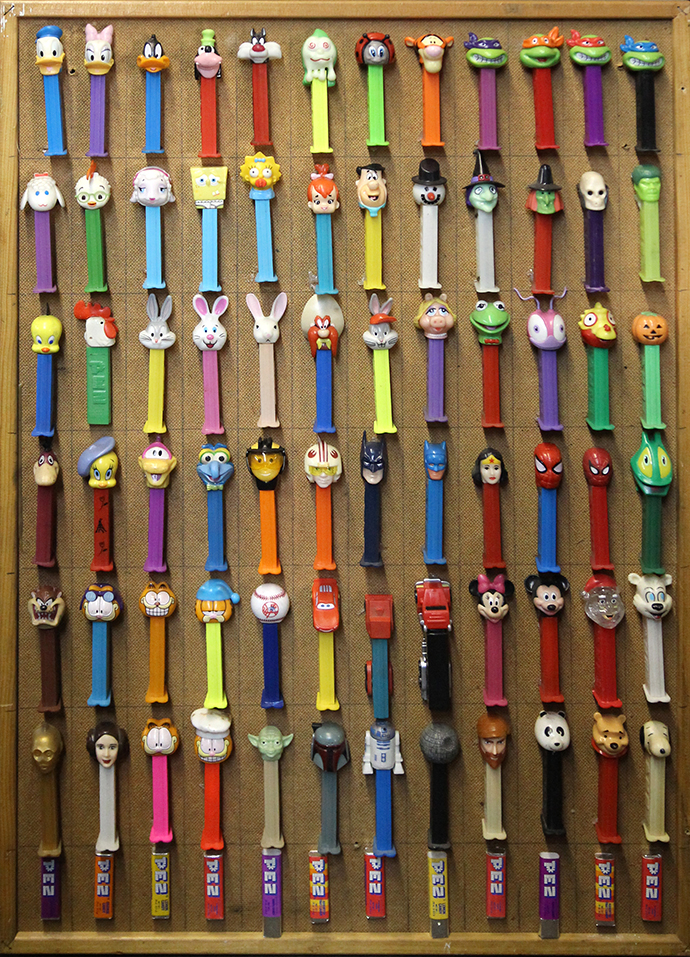
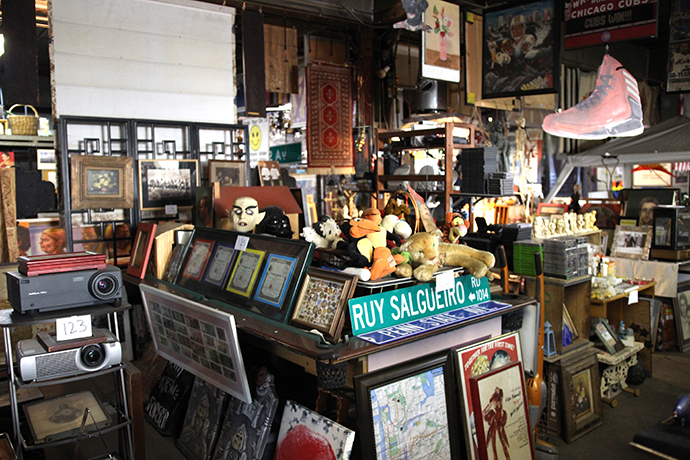
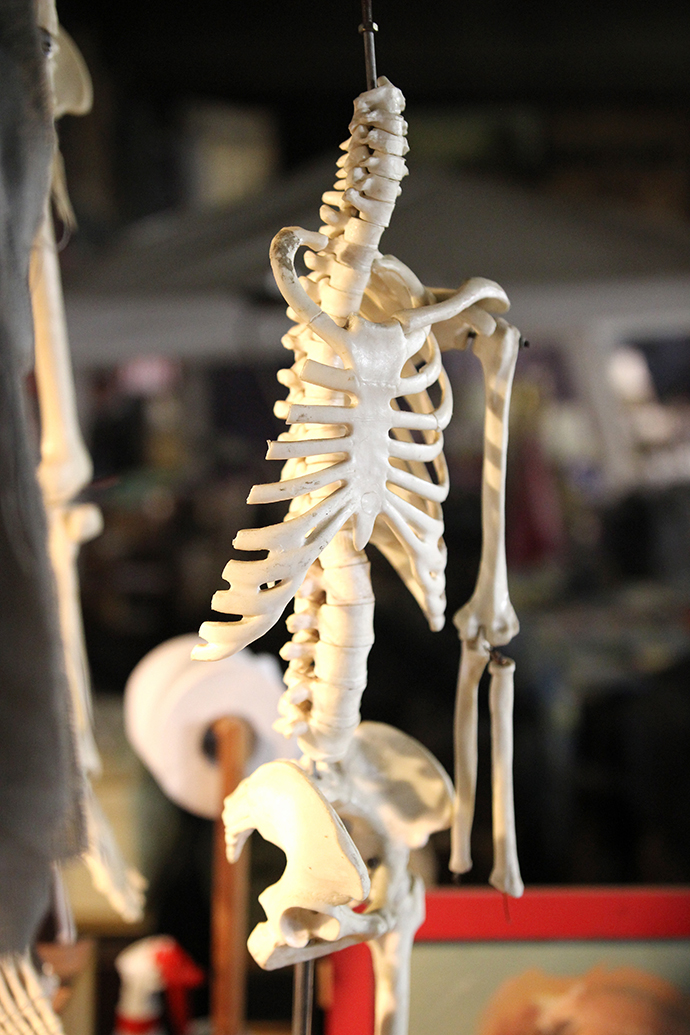
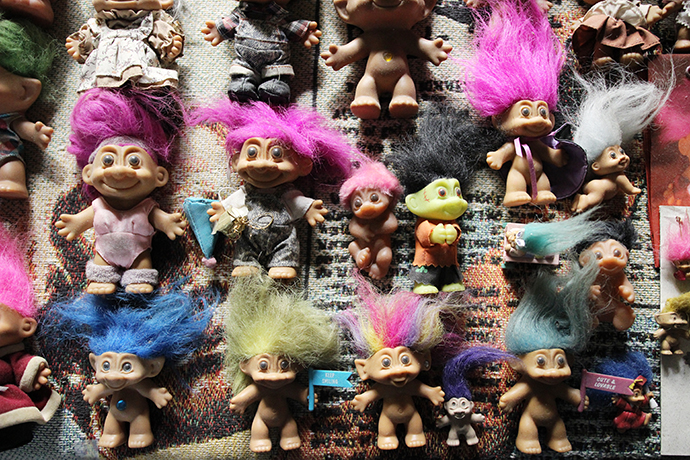
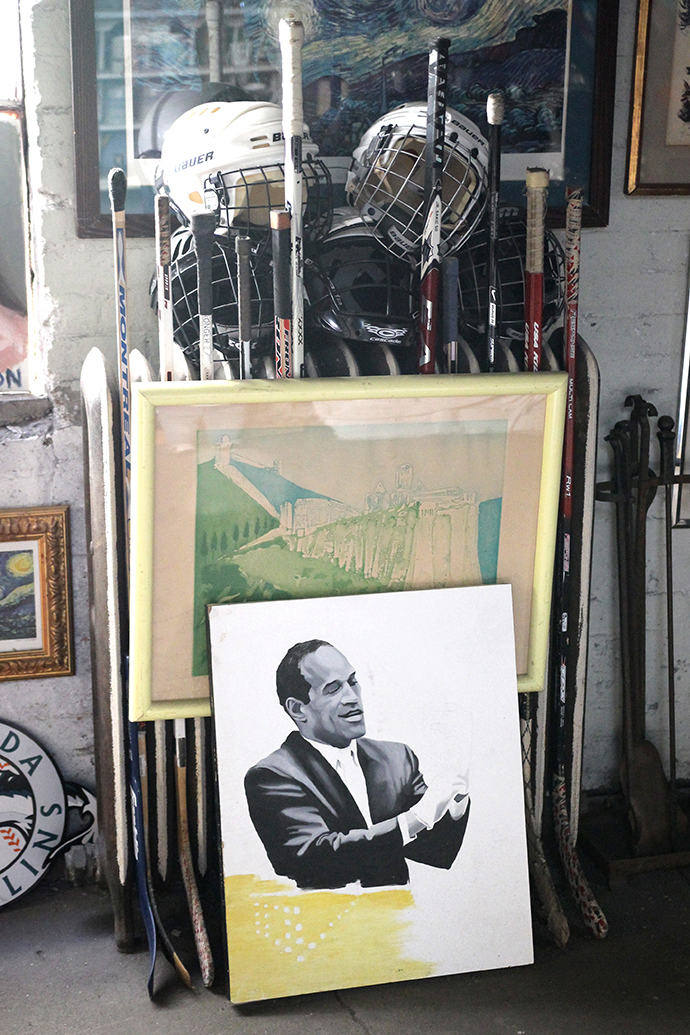
There's really everything you can think of in the collection—skeletons, political memorabilia, paintings, silver sets, action figures, swizzle sticks, troll dolls, Beanie Babies, globes, glassware, typewriters, trophies, cell phones, door knobs, Pez dispensers, Tamagotchis, taxidermy, cameras, eight-track tapes, books, skis, bikes, watches, shoes, jewelry, family photos, chairs, lamps and so many other things that I would never even dream of just throwing away. It's hard to pick a favorite thing that we saw, but top two would definitely be the three (!) women's bodybuilding trophies and the unfinished painting of OJ Simpson trying on his glove in court.

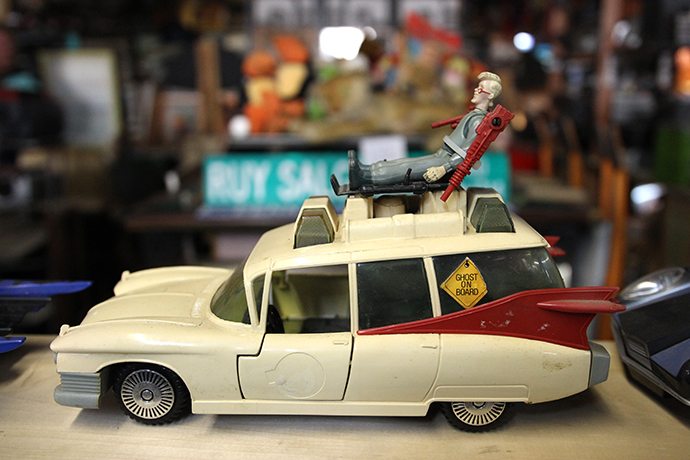
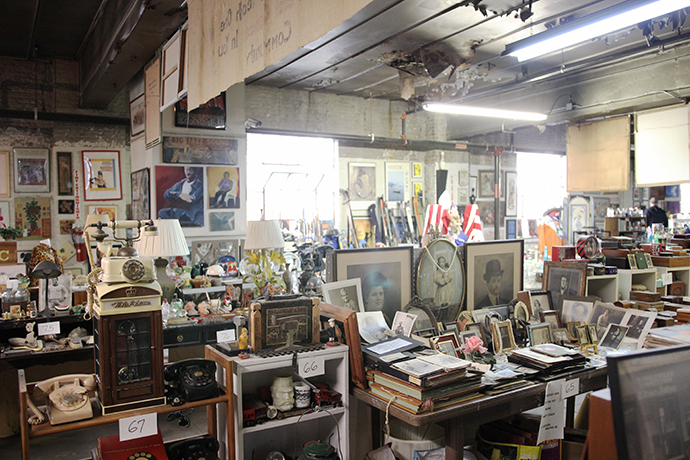

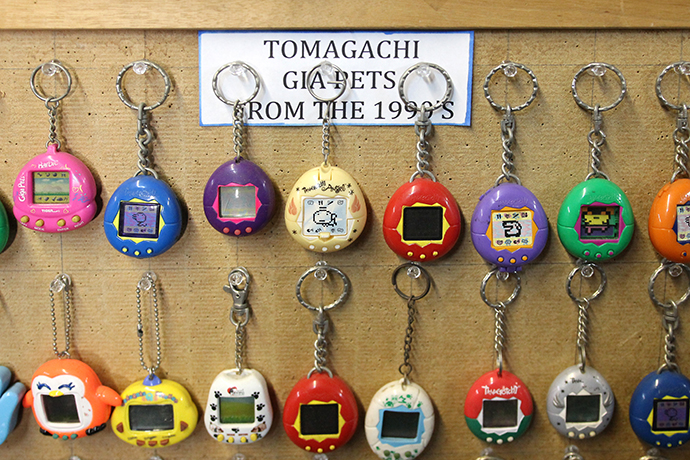
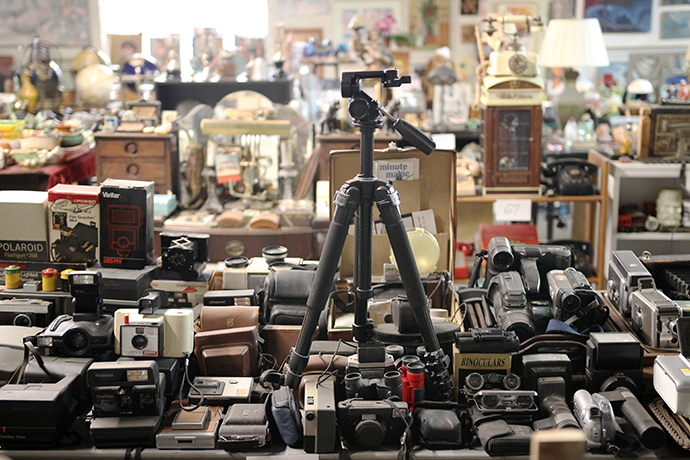
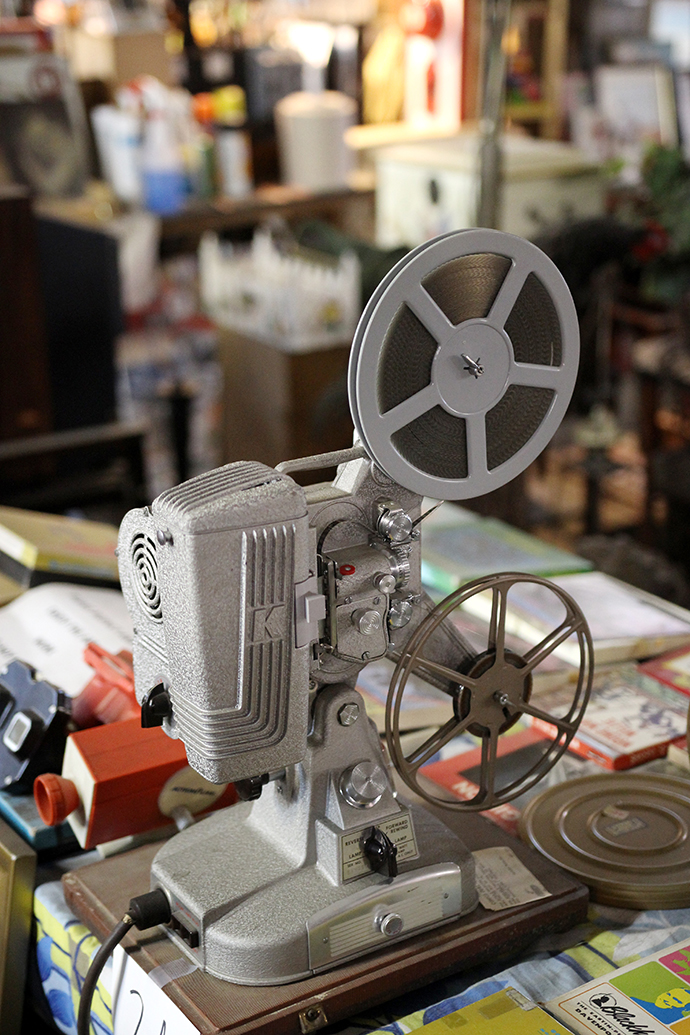
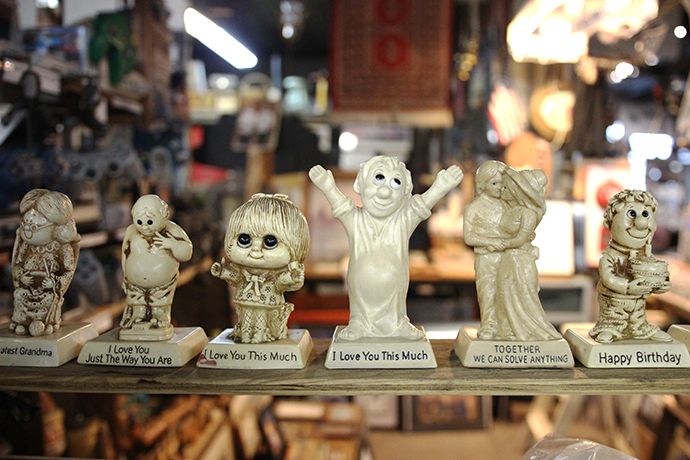


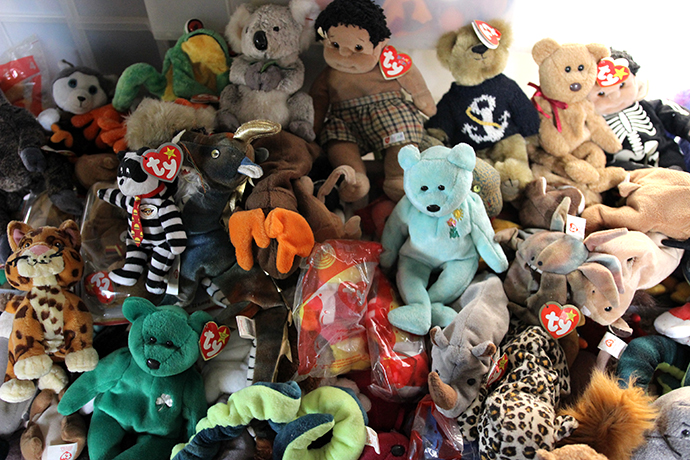
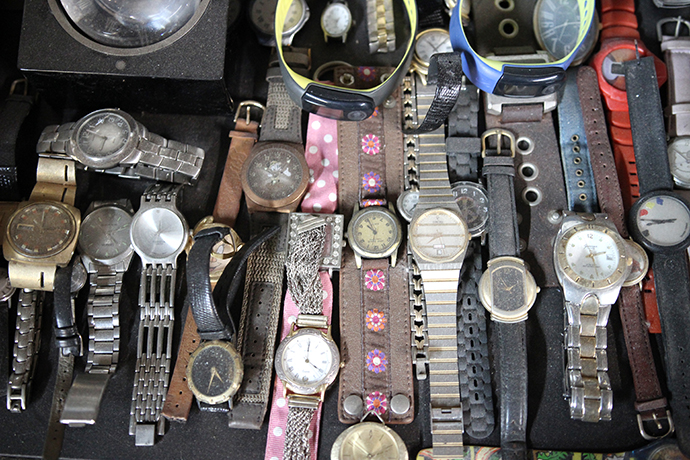
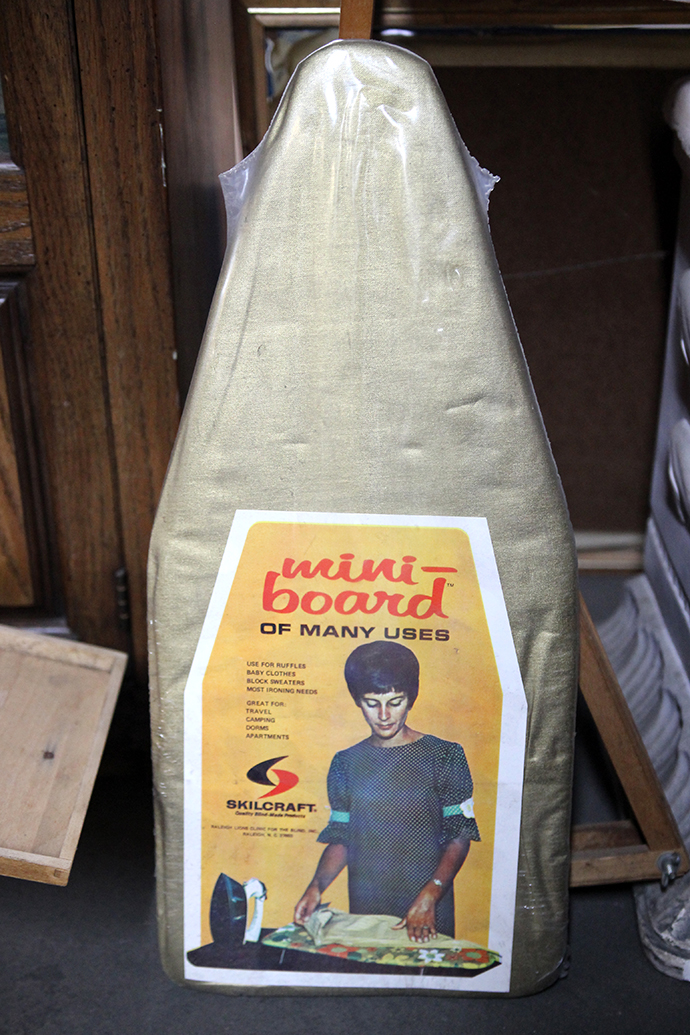
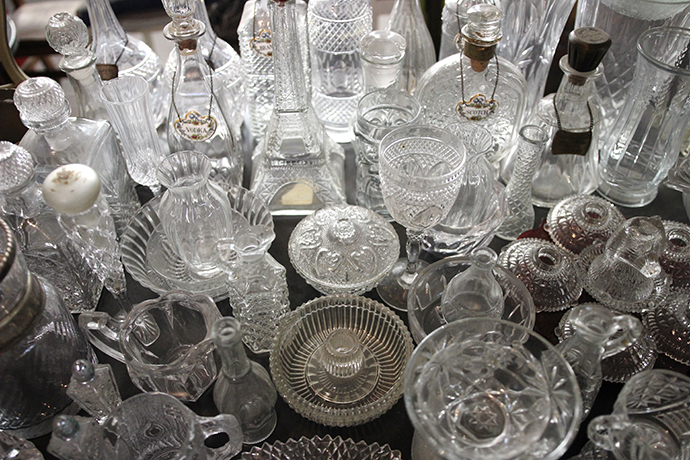

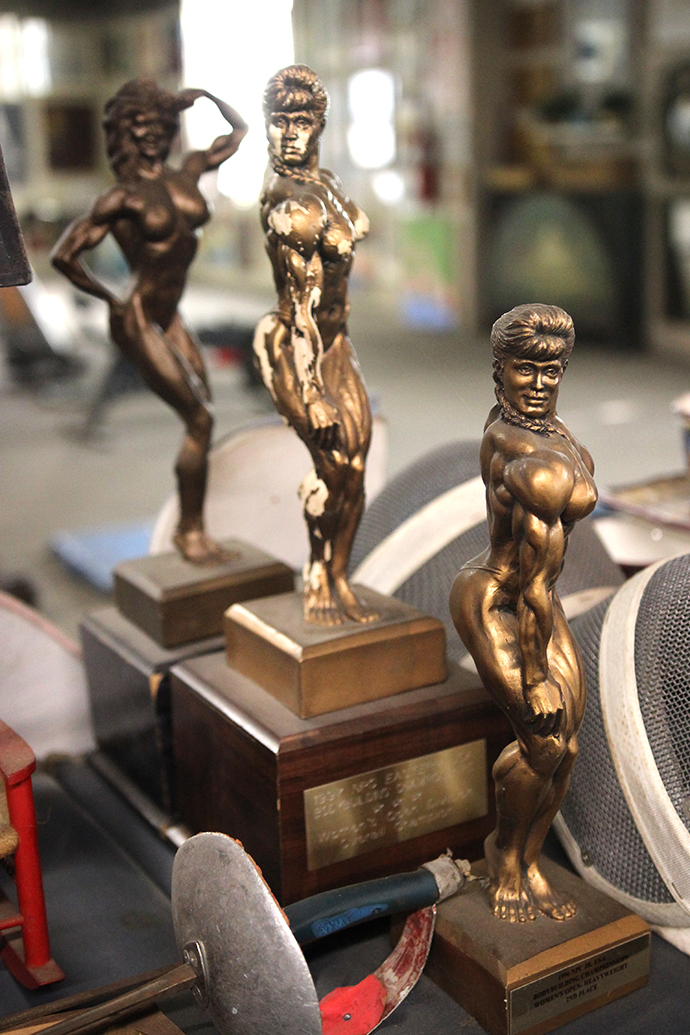
To say the collection is fascinating is a definite understatement. I consider myself a collector—not a hoarder, although some might disagree—and to see everything organized so neatly and thoughtfully really appealed to my sensibilities. I can't give Molina enough credit for having such vision, and seeing how many true treasures he's collected just makes me wonder how many more wonderful things make it all the way to the dump every single day.

Historic Richmond Town
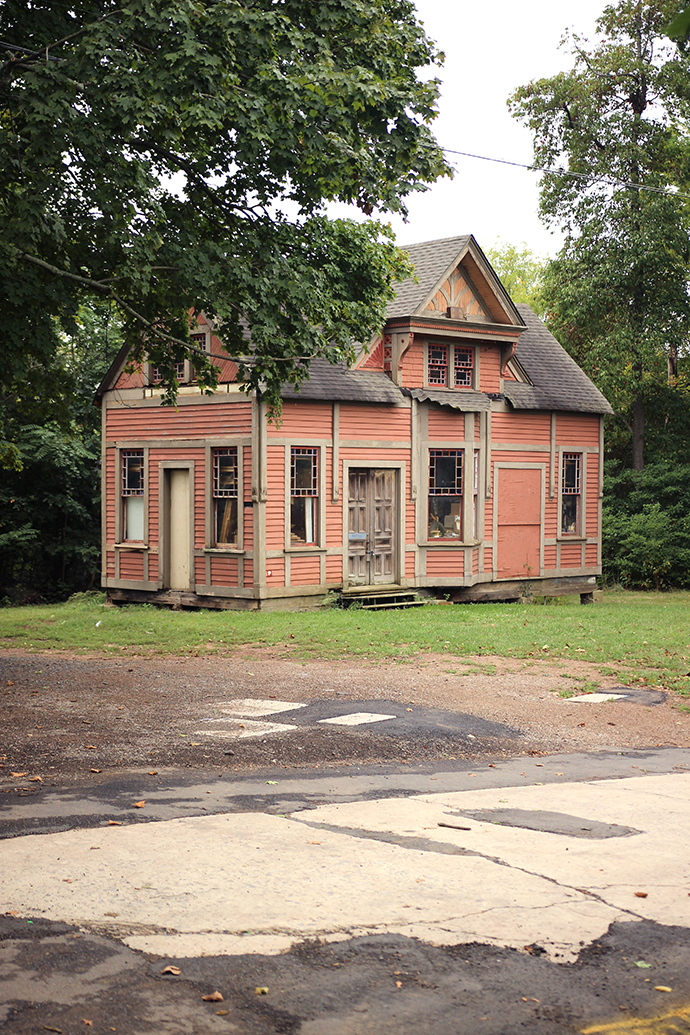
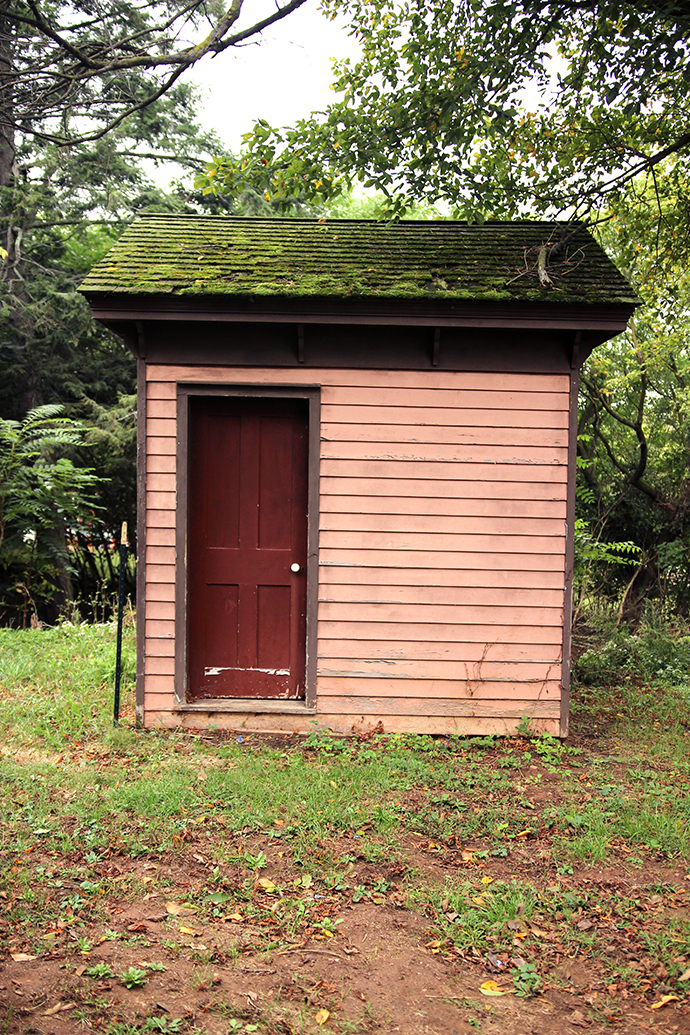
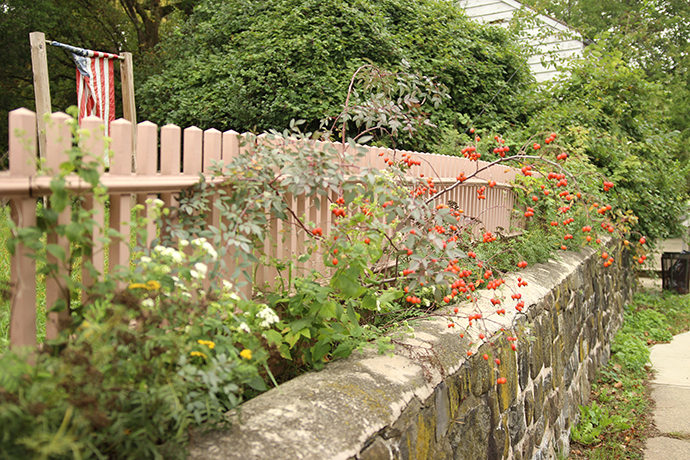
Historic Richmond Town was founded in 1856 and is alternatively known as the Staten Island Historical Society. The town of Richmond, located in central Staten Island, has been around since the 17th century. The historical society has preserved a number of buildings on the 100-acre site as a living history and museum complex. You can walk through the town for free, or pay to take a guided tour. We went on a recent Sunday and only saw a few people wandering about, but I imagine it's a popular school field trip destination during the weekdays.


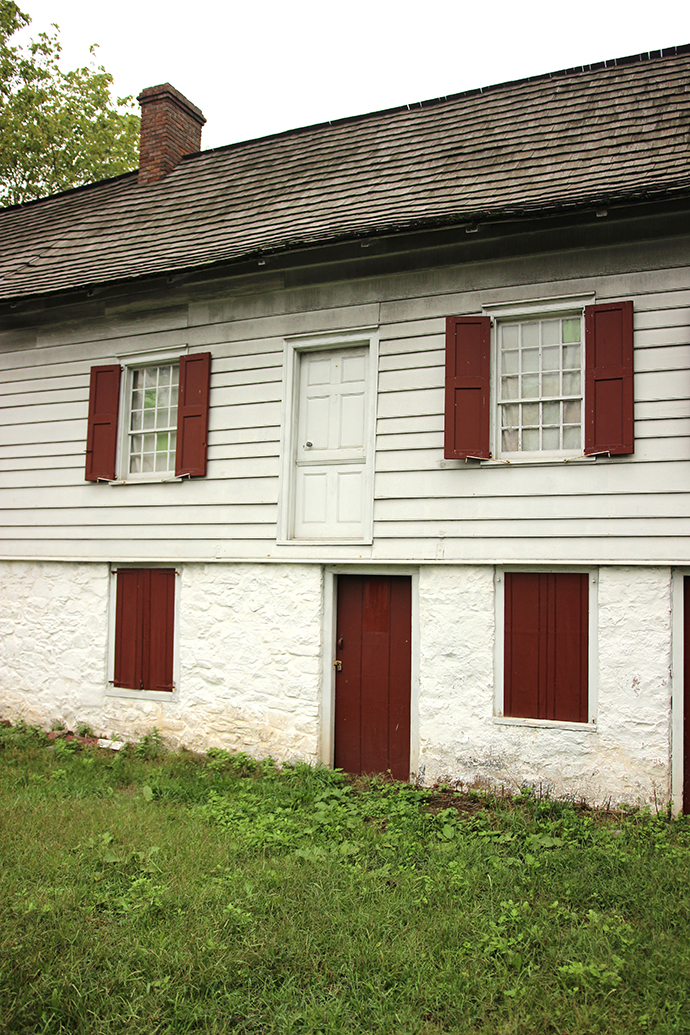

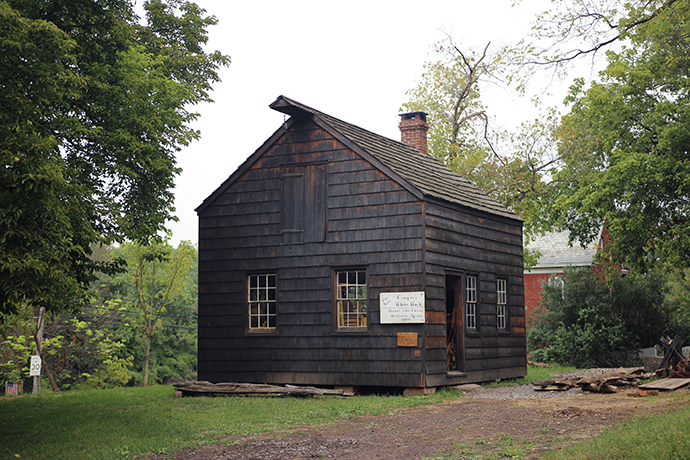
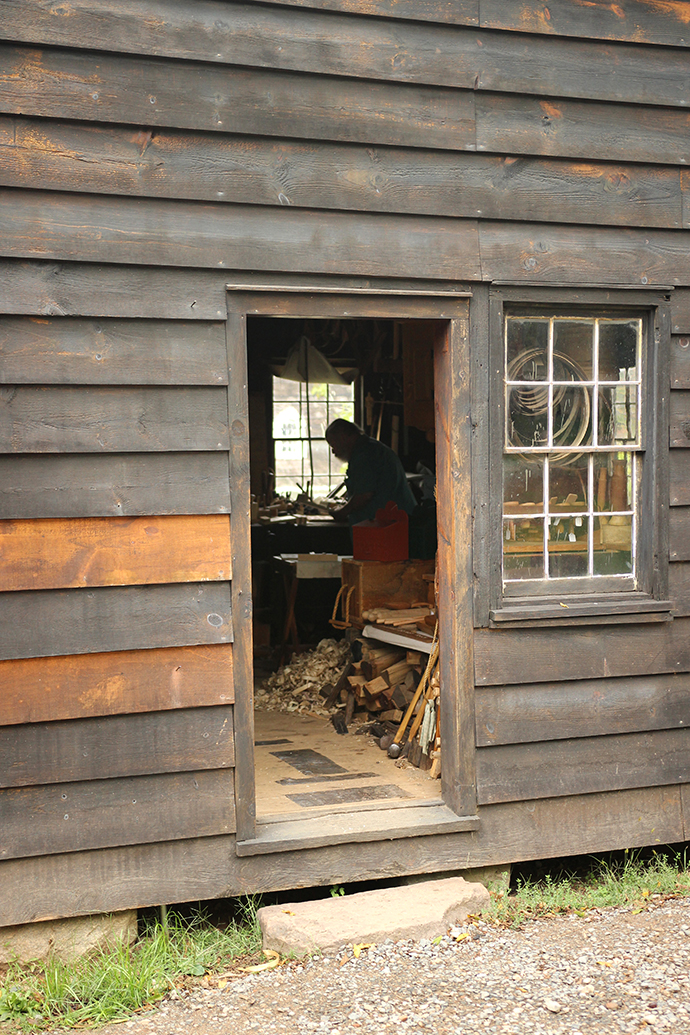
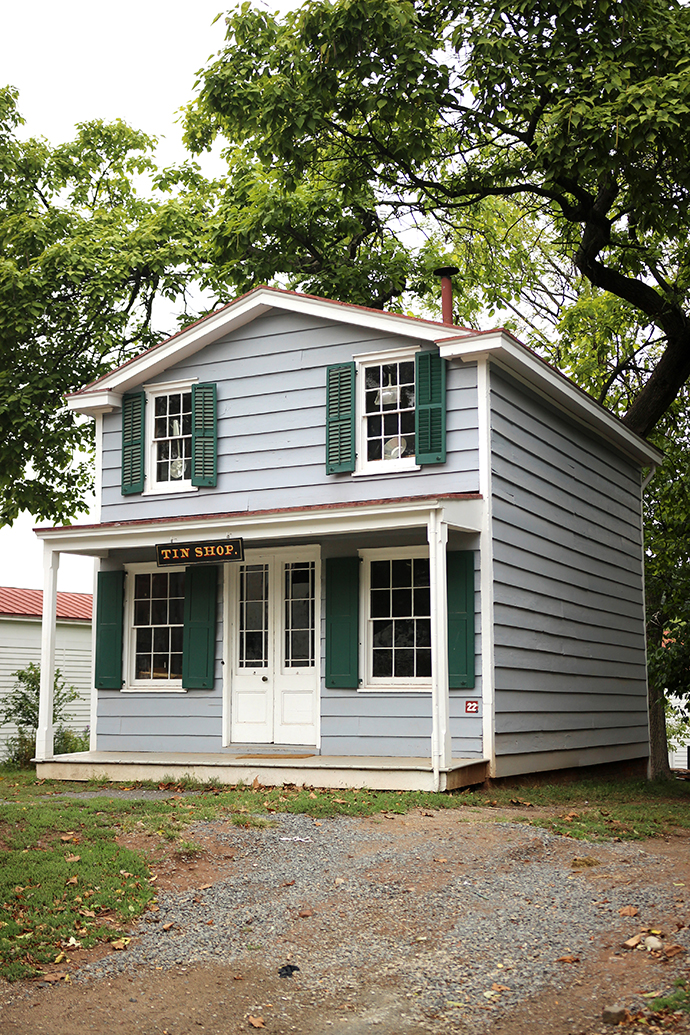
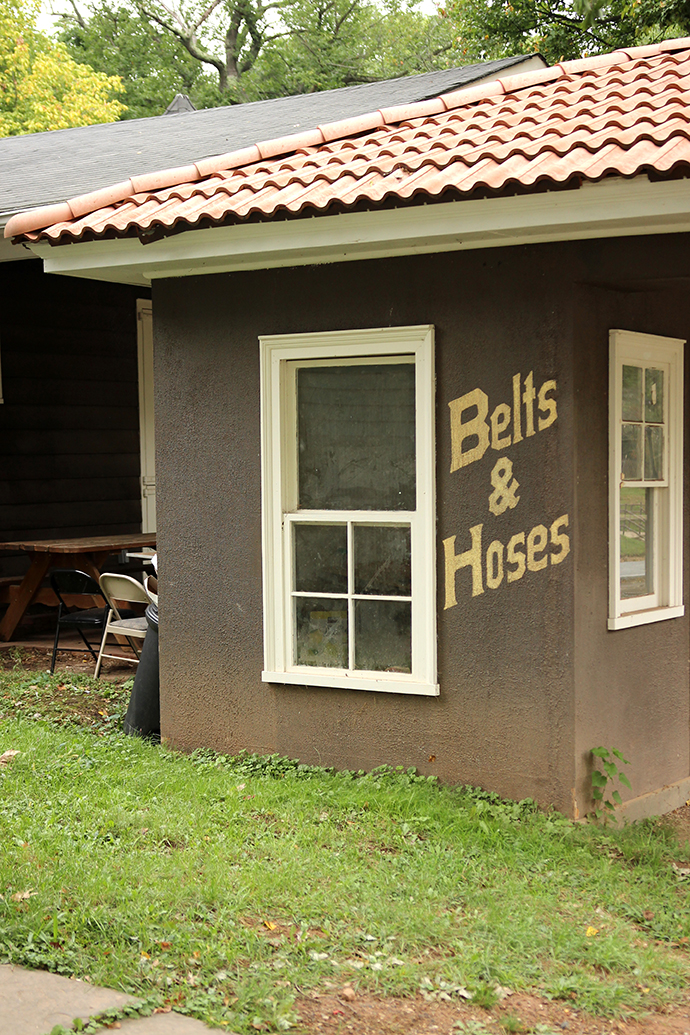
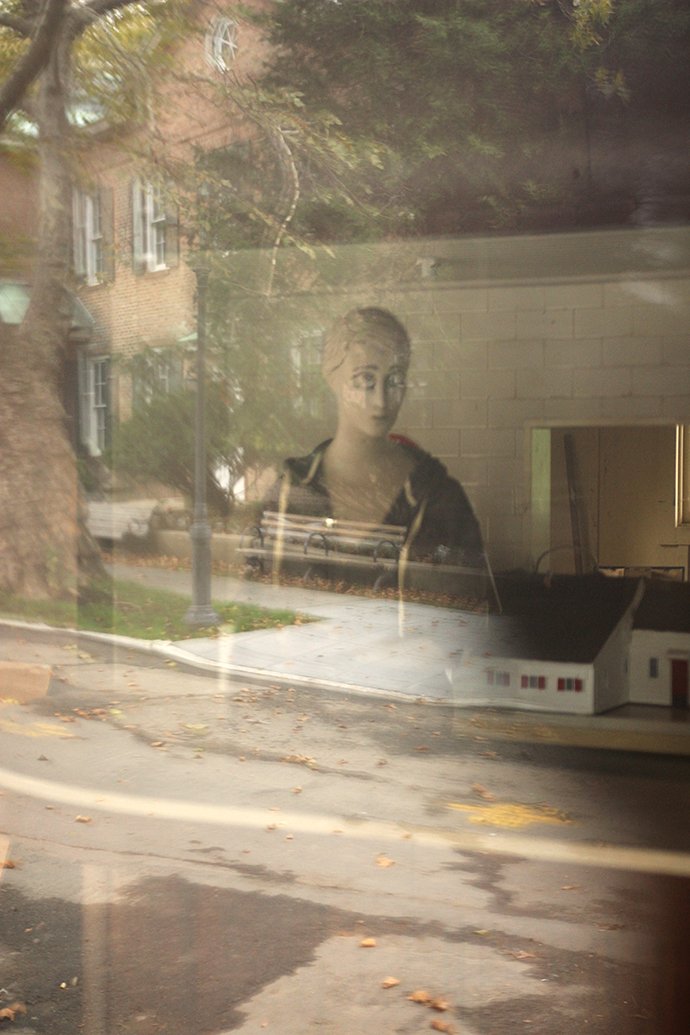
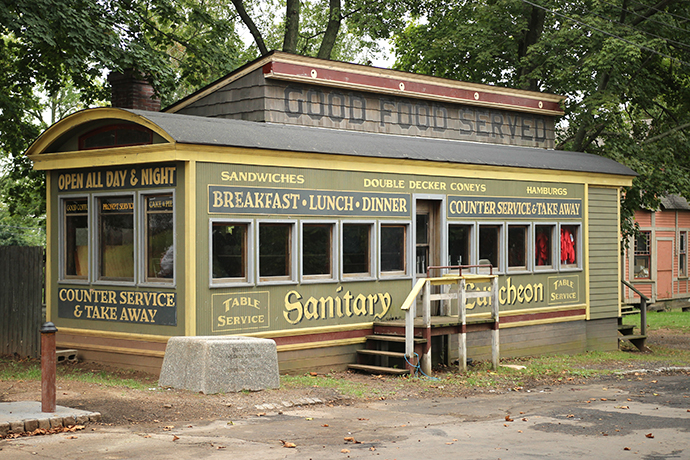
I really didn't know what to expect from the town, but Staten Island is full of strange and wonderful things (including Snug Harbor, cemeteries and my first abandoned hospital) and I'm always excited to explore more of the oft-forgotten borough. Richmond Town is full of adorable, historical structures including homes of varying styles, a print shop, wood-working shop (complete with wood-worker), tin shop, service station and a Sanitary Luncheon dining car with the most wonderful hand-painted lettering. Unfortunately the diner was not operational, but I did suffer a minor heart attack when I peeked inside the windows and found a terrifying (even to me) mannequin staring back at me with huge, drawn-on eyes.
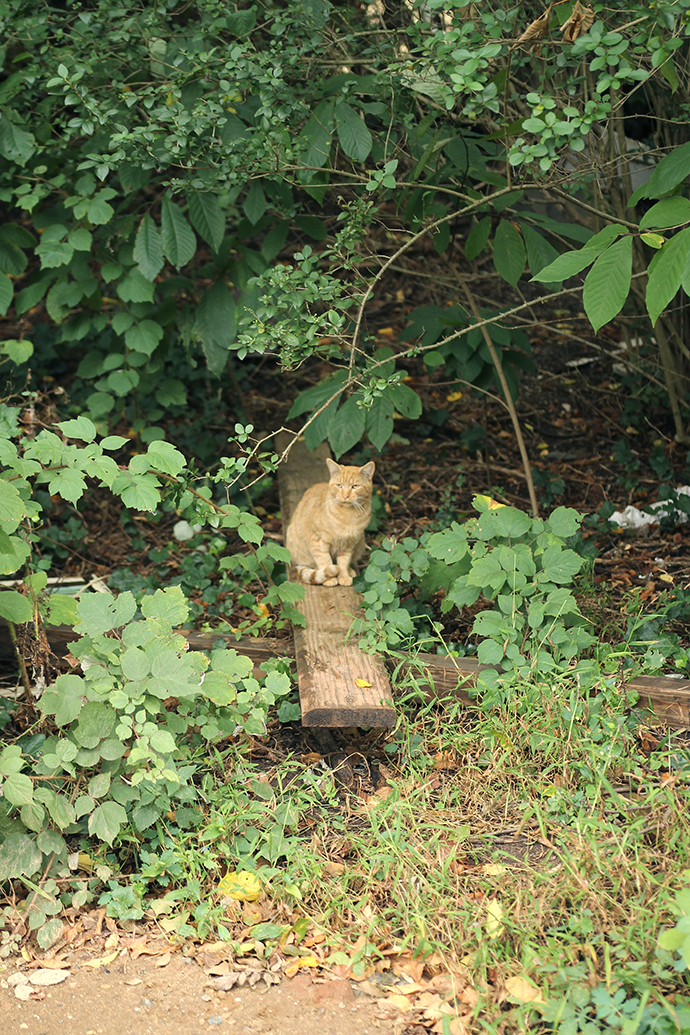

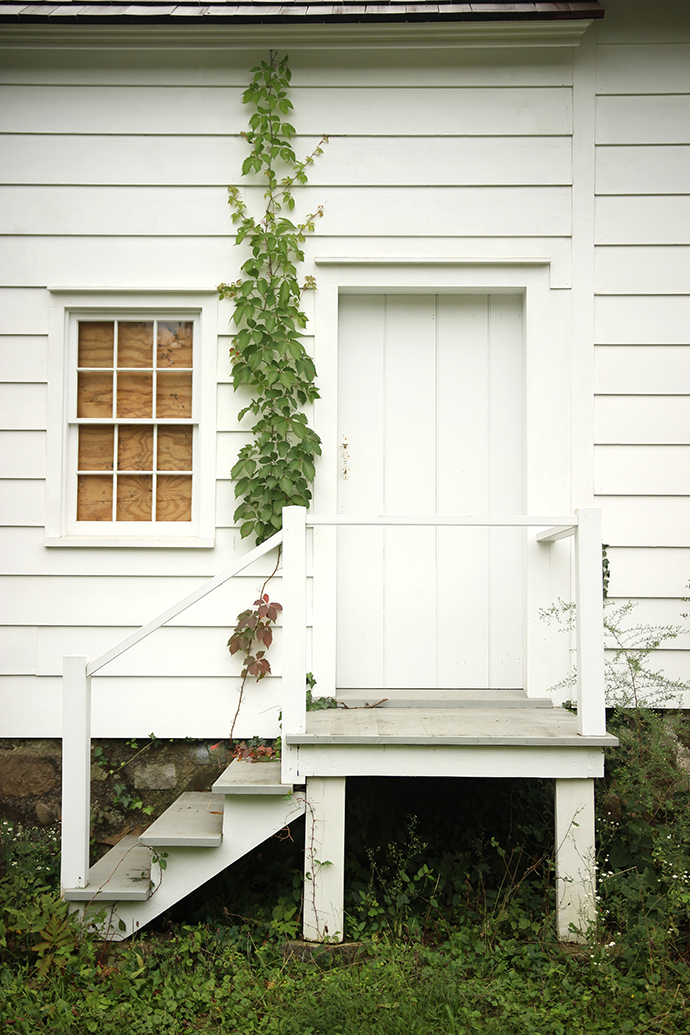
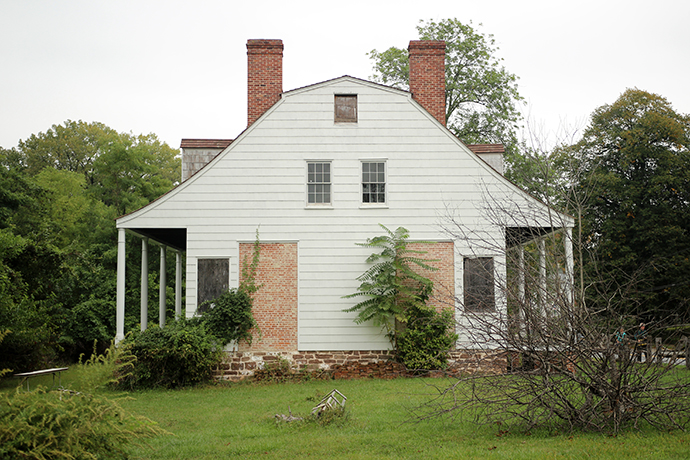
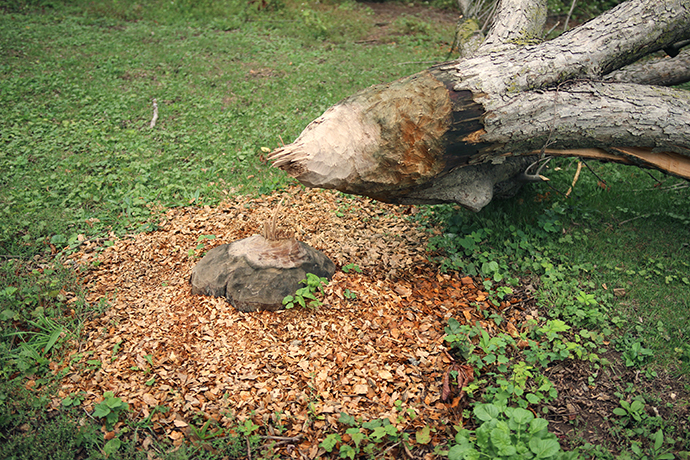
We saw some cats roaming the property—including a black cat, which I have a knack for seeing in spooky places—and a few trees felled by beavers. The town feels a bit like Colonial Williamsburg, but without all of the annoying tourists and bizarre re-enactors. It's rustic and overgrown, but well-maintained, and was the perfect lazy Sunday anecdote to crowded, hectic city life. This is the farthest I've been into Staten Island (without a car), and it's definitely a trek—we took the S74 bus from the St. George ferry terminal, a journey that Google informed me could include up to 52 stops.
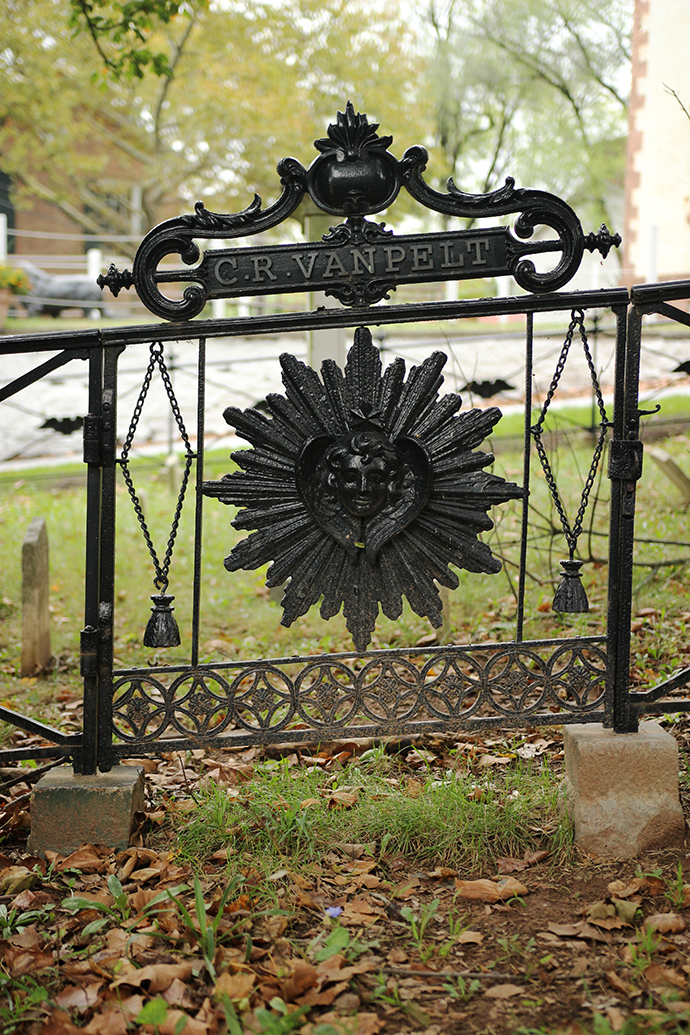
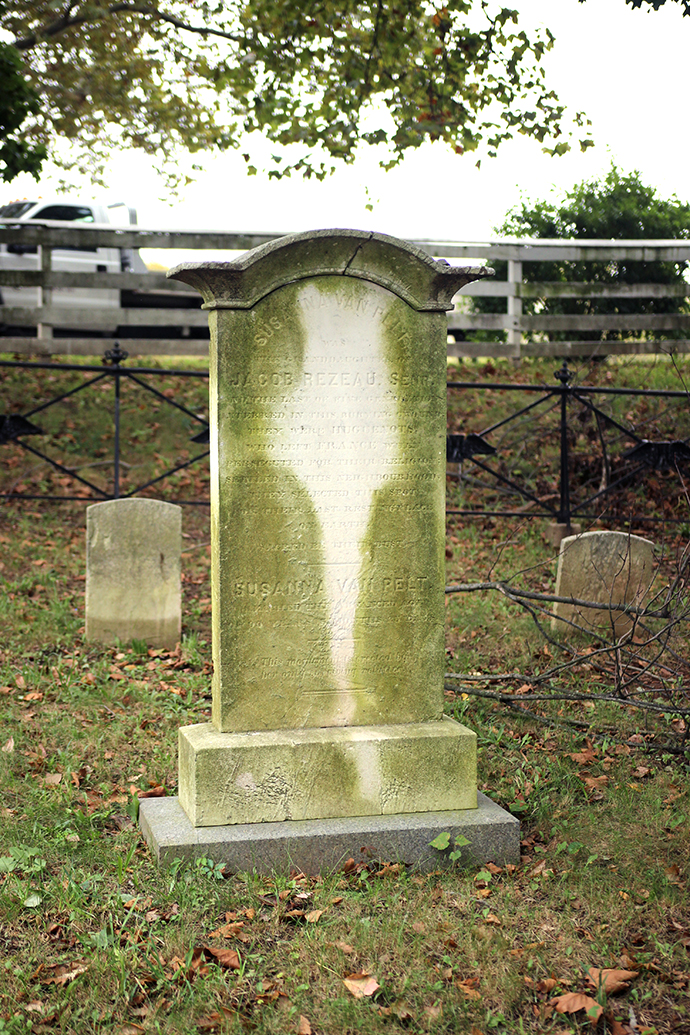
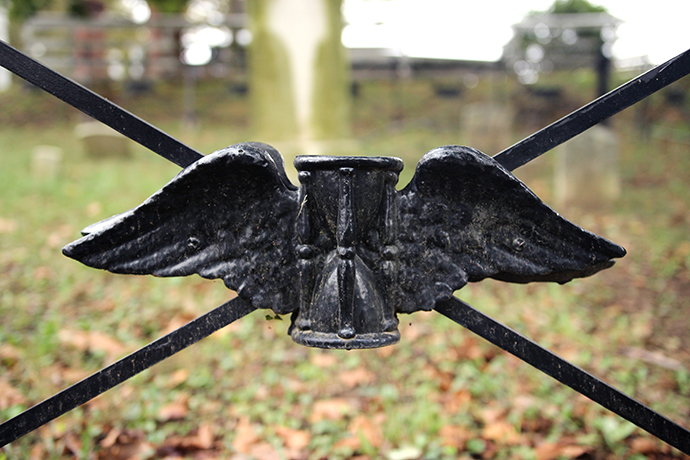
Historic Richmond Town even has a cemetery, a rare 18th-century private graveyard used by the Rezeau, Van Pelt and Wheatley families. The earliest grave in the cemetery dates from 1789, and the wrought iron fence was added in 1850. The winged hourglass is one of my favorite cemetery symbols, and I've seen it on tombstones and mausoleums but the detail on the fence really is extraordinary.
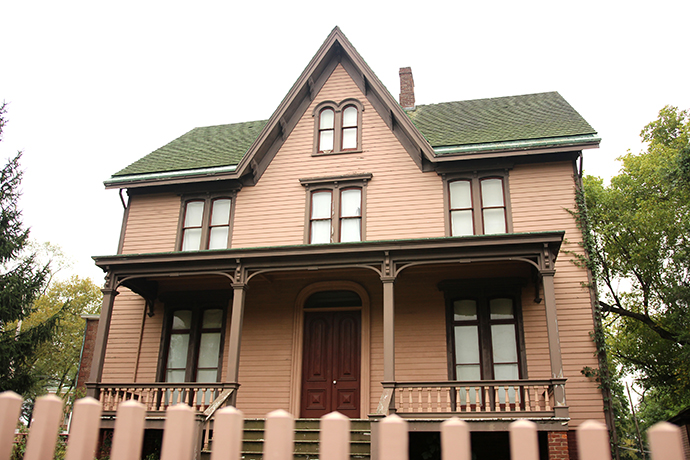
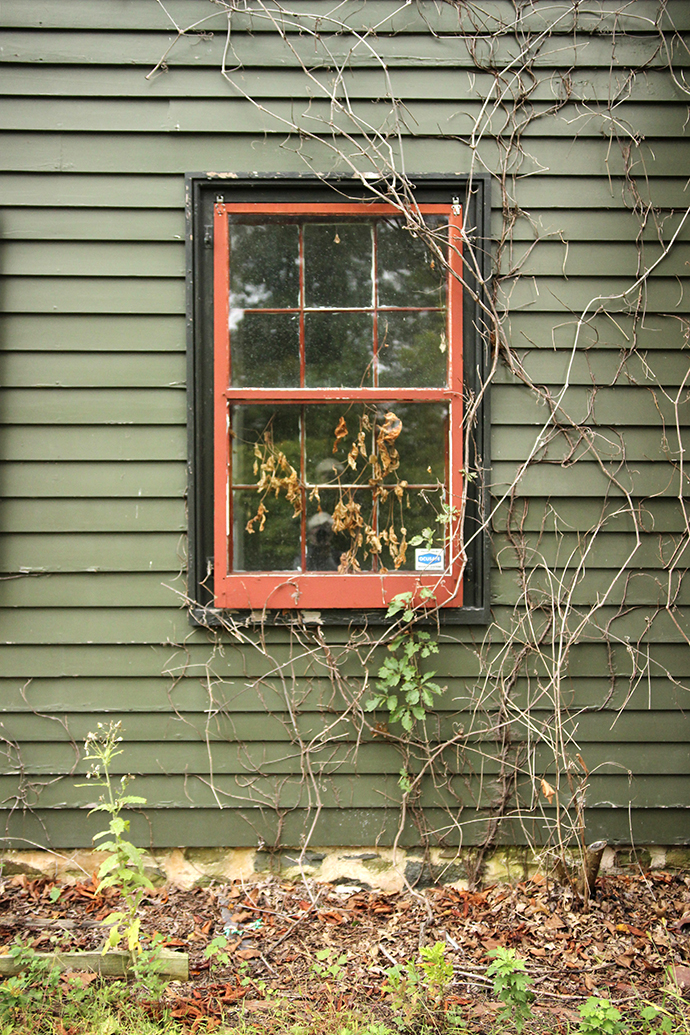
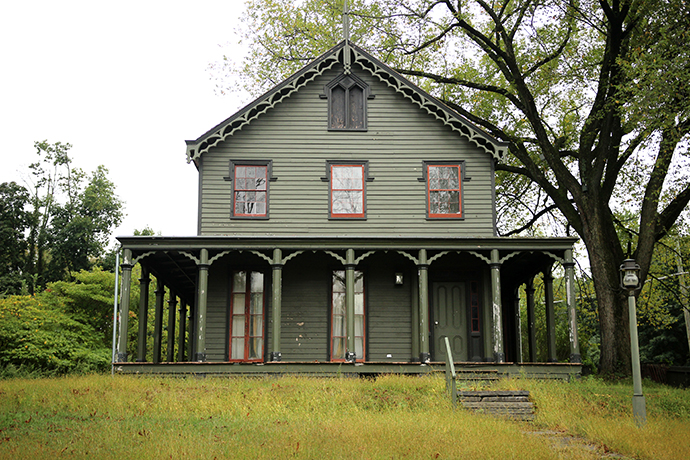
It was The Parsonage, however that really stole my heart—a gothic-revival style house, built in 1855 for the pastor of the Dutch Reformed Church. It was sold to the city in 1953 to become part of the town, and has alternatively served as a residence, administrative offices and even a restaurant. I can't stop thinking about its perfect color-palette, wonderful porch and bat-like gingerbread—I'd even consider moving to Staten Island if I could somehow take up residence in this definitely-haunted house of my dreams.

St. Michael's Cemetery: Portraits
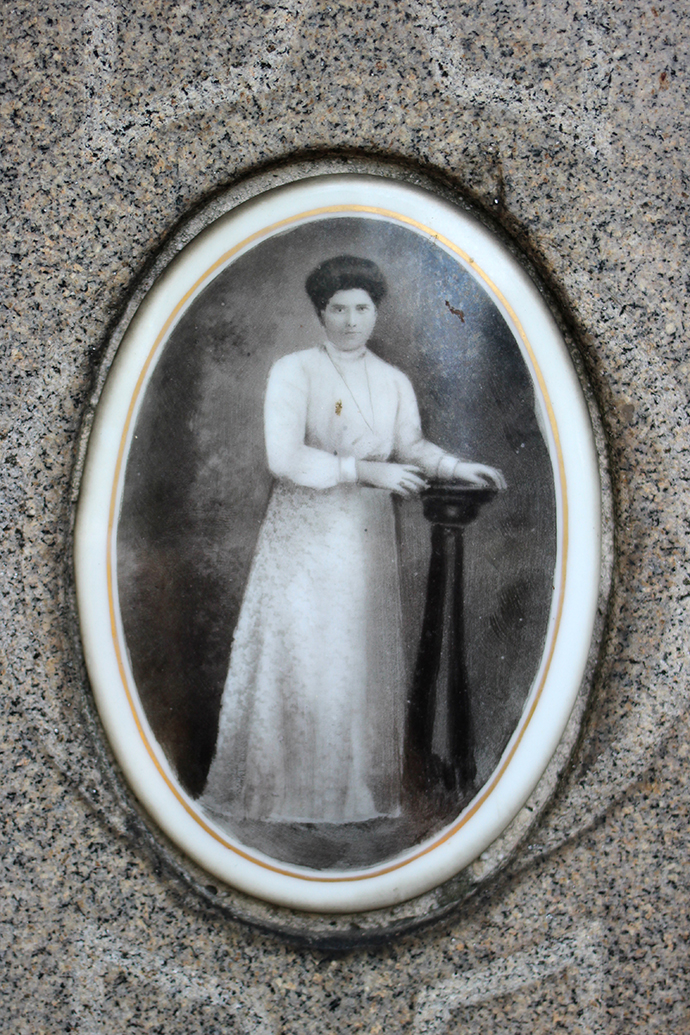
I've seen ceramic portraits on headstones before, but—in addition to its plethora of headless statues—St. Michael's Cemetery in Queens has some really wonderful ones. In 1854, two French photographers figured out a way to transfer a photograph onto porcelain or enamel and the process quickly caught on to include memorial portraiture affixed on tombstones. By the beginning of 1900, these portraits were becoming so popular that you could even buy them from the Montgomery Wards & Company Monuments catalog.


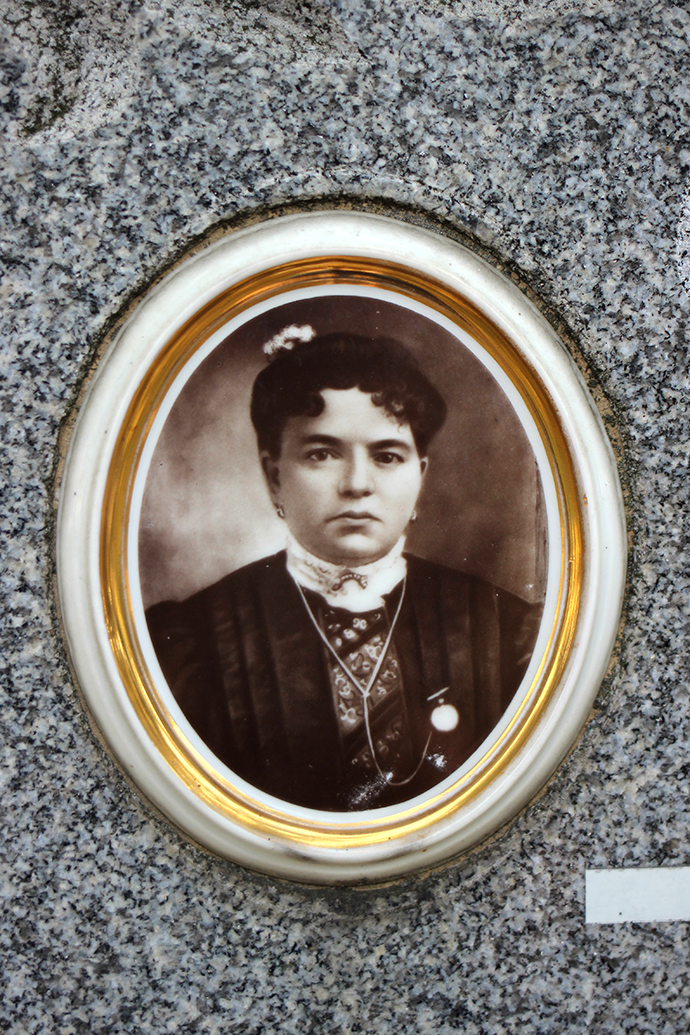

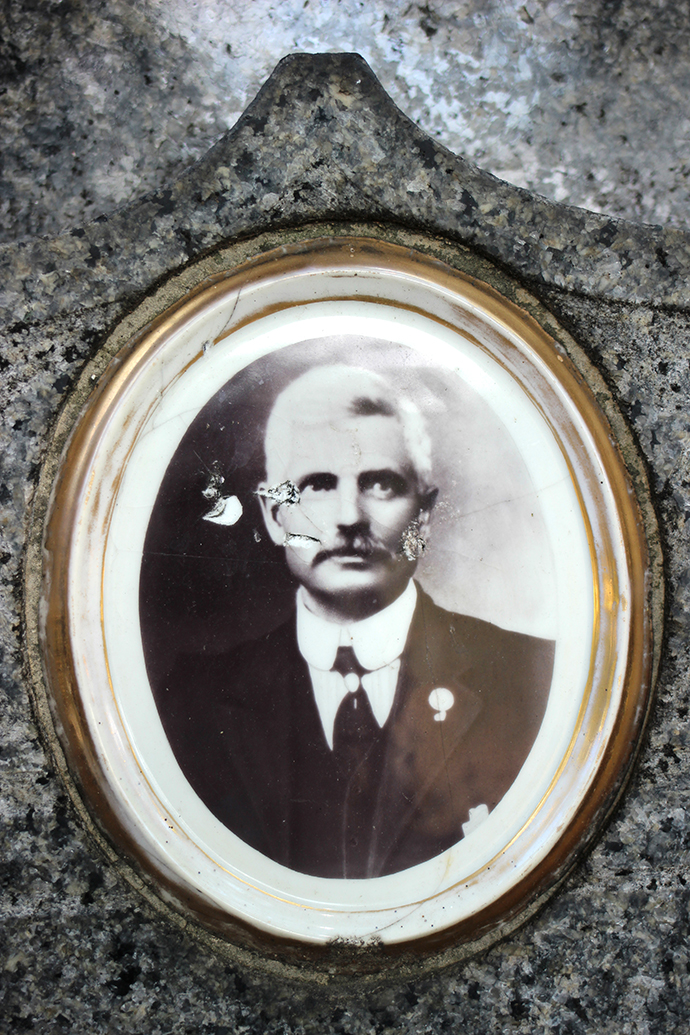


Ceramic portraits pop up in most of the cemeteries I've visited, and it's still a popular tradition on modern-day headstones. They seemed especially popular in Hartsdale, America's first pet cemetery, which makes sense and proves that long before Instagram, people were obsessed with photos of their pets. Of course it's the old, black-and-white ones that I love, and almost all of the ones I found had beautiful gold-painted detailing or a frame of some sort—the copper wreath and bow is one of my favorites.

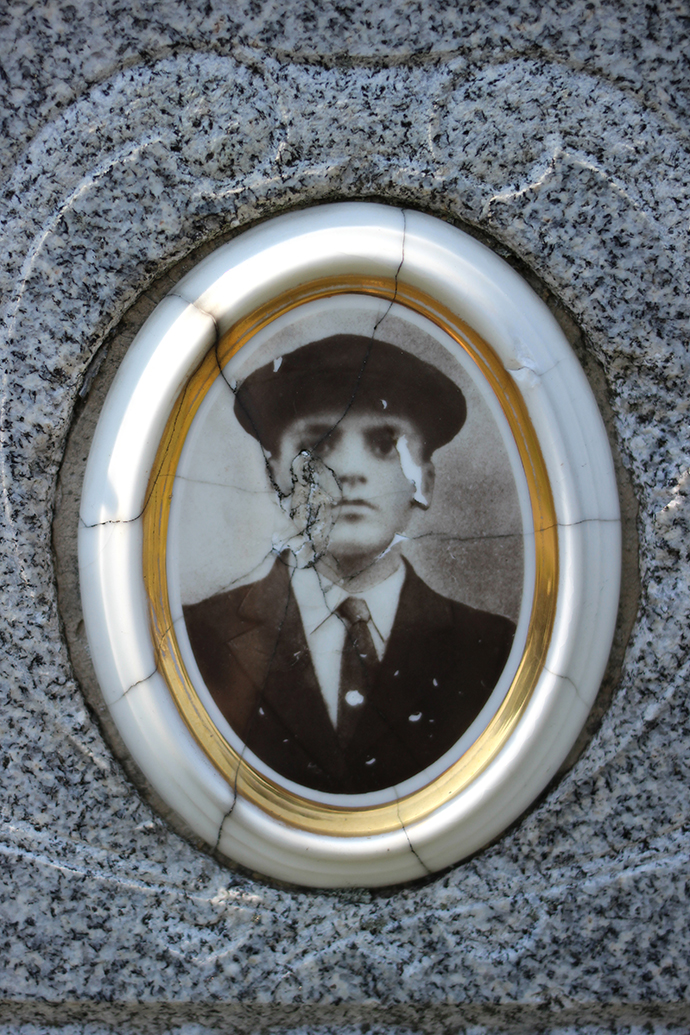
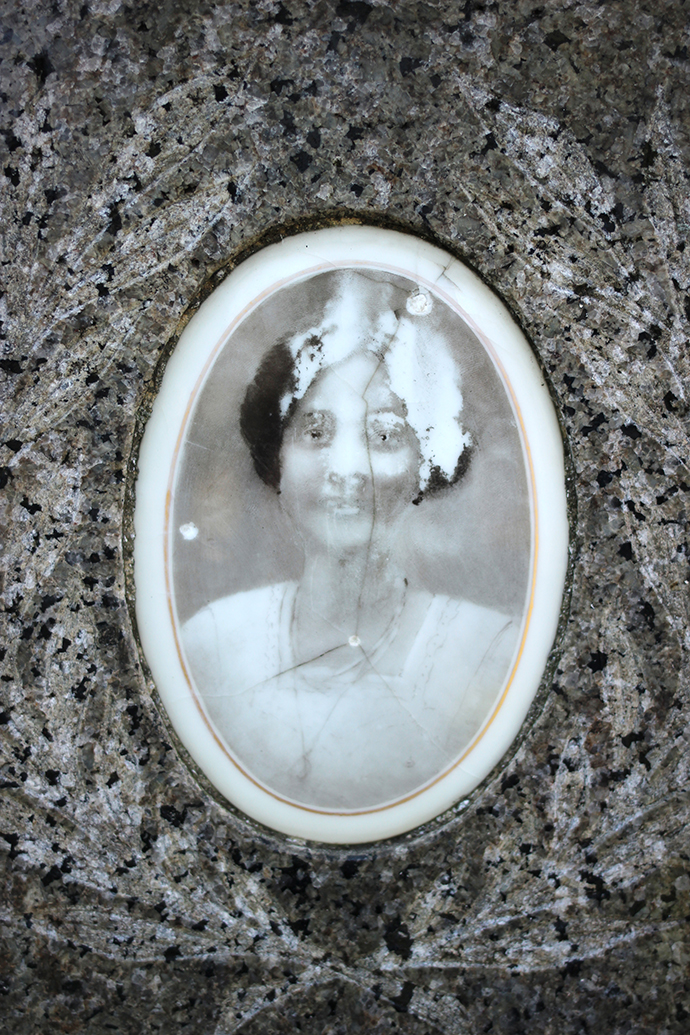
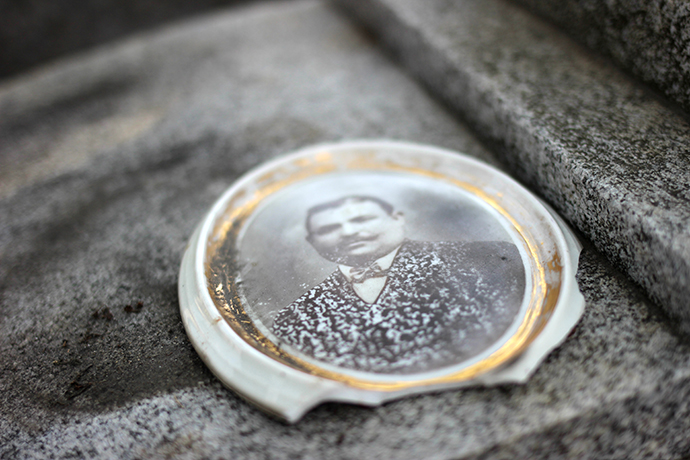
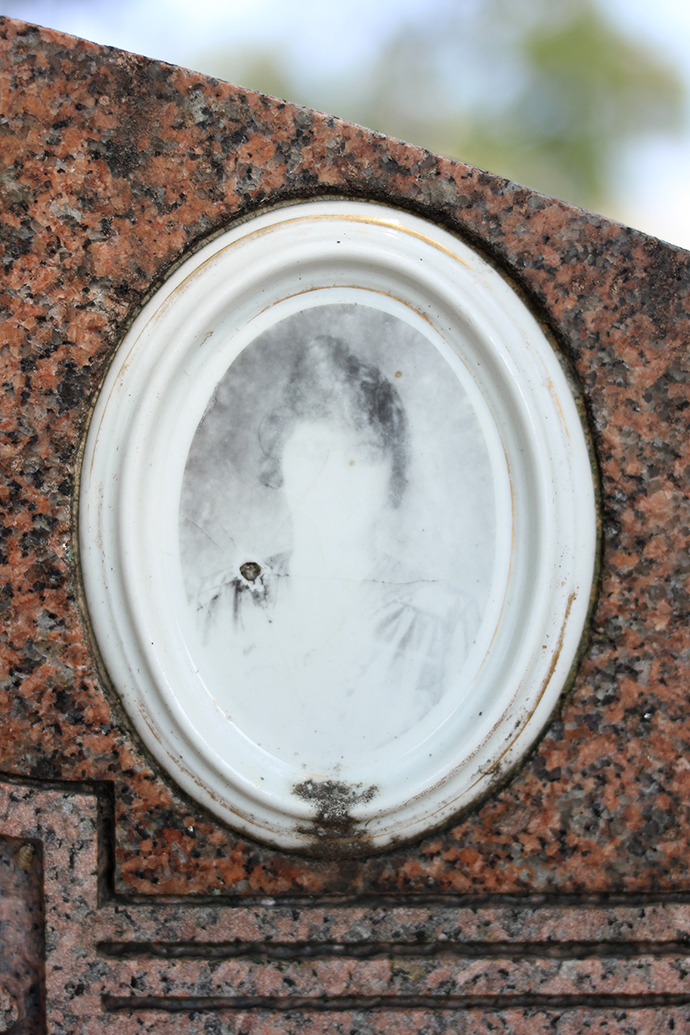
Unfortunately a lot of the early ceramic portraits that you come across are damaged—chipped, broken or faded away completely. Today's portraits are made utilizing a more fade-resistant process, and it's sad that so many of them are already lost. Sure the portraits are a bit creepy—eyes staring at you from beyond the grave for all of eternity—but I happen to think that they're also sweet. They're infinitely preferable to the modern day scourge that is laser-etched-portraiture, and they humanize what are often cold and impersonal stones. They're proof that these people once existed and lived lives as we all do, for better or worse—albeit in much fancier clothes.

Lent-Riker-Smith Cemetery

On Monday I wrote about our recent visit to the Lent-Riker-Smith house in Queens, and I mentioned that the property came with its very own cemetery. Marion Duckworth Smith told us that she was on her second date with her future husband when he asked her if she'd "like to see his cemetery." While everyone else on the tour chuckled, I thought to myself "how romantic."


The cemetery contains 131 original residents (one of which died at Valley Forge), plus Marion's mother, brother, husband and eventually Marion herself. The oldest interments date back to 1744, and include Rikers, Lents and their descendants and spouses. Marion gave us a packet containing a 1919 survey of the plots, including most of the inscriptions that were visible at the time. Currently, there aren't many readable inscriptions, but a few of my favorites (thanks to the survey) are:
Weep not my friends all dear,
I am not dead but sleeping here;
The debt is paid, the grave you see,
Prepare for death and follow me.
- and -
An affectionate father and husband and faithful friend, beloved, honoured, and venerated! He closed an eventful and useful life in piety and peace.
- and -
This perishable marble cannot record his virtues—they are engraved in the hearts of all who knew him.


It is unfortunate that a lot of the oldest inscriptions have worn away, but that's pretty common is a cemetery this old. Marble was very expensive, granite was too hard to cut and the brownstone and limestone wears quickly and easily. It's lucky that someone had the foresight to survey the cemetery while names were still visible. Otherwise, it's remarkable that a small, family cemetery could have survived at all in New York City, and I'm grateful that it's in such loving hands.

Lent-Riker-Smith House
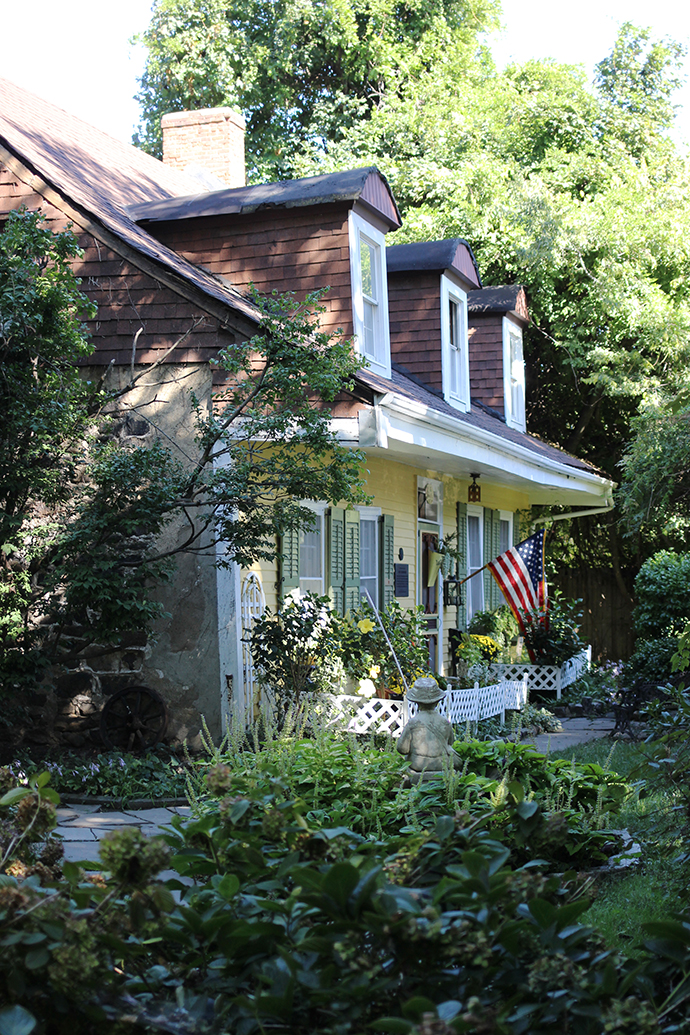
Recently we took a tour of the Lent-Riker-Smith house, located in East Elmhurst, Queens. Built by Abraham Riker in 1656, when New York was still New Amsterdam, the house was one of many farmhouses owned by the Rikers (Rikers island was part of their farmland). In 1729, Abraham Lent (a Riker descendant) made additions to the house, and it was one of the first structures to be given landmark status after the New York City Landmarks Preservation Commission was formed in the '60s.
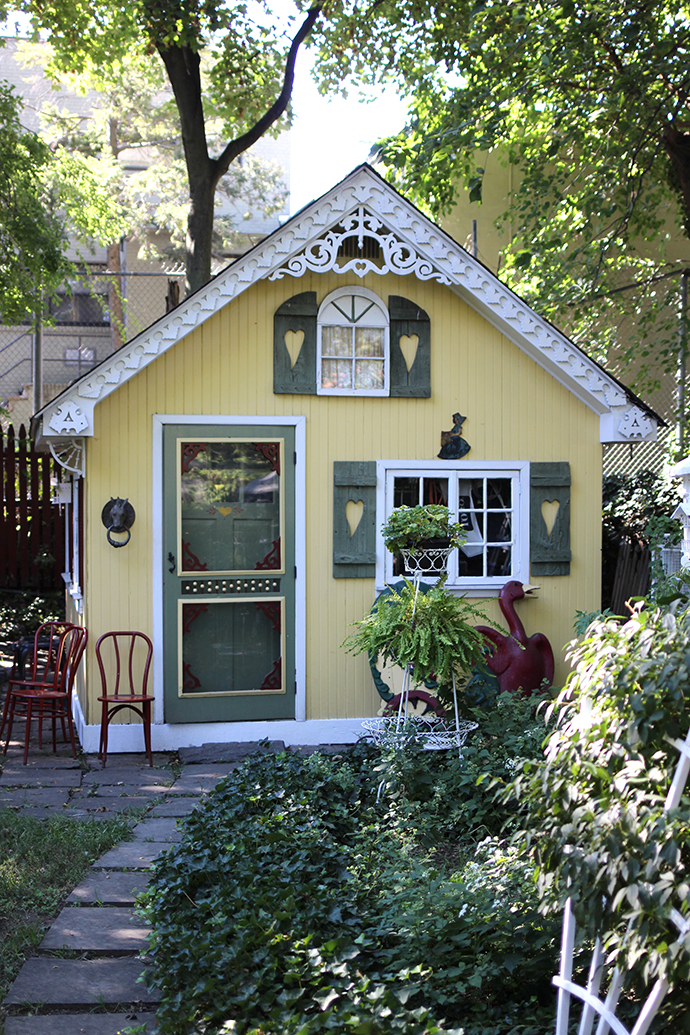
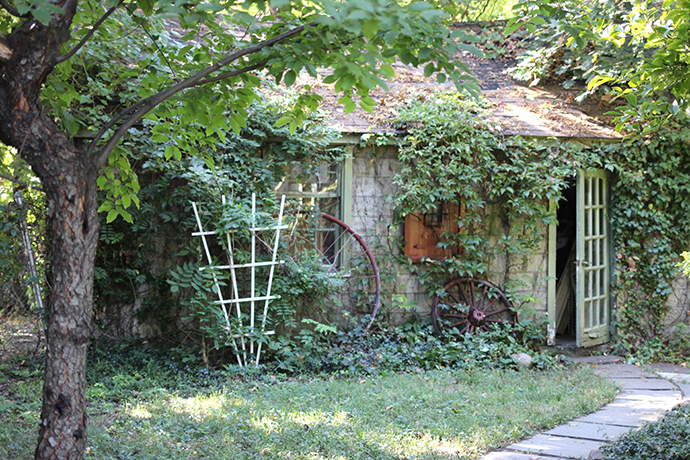
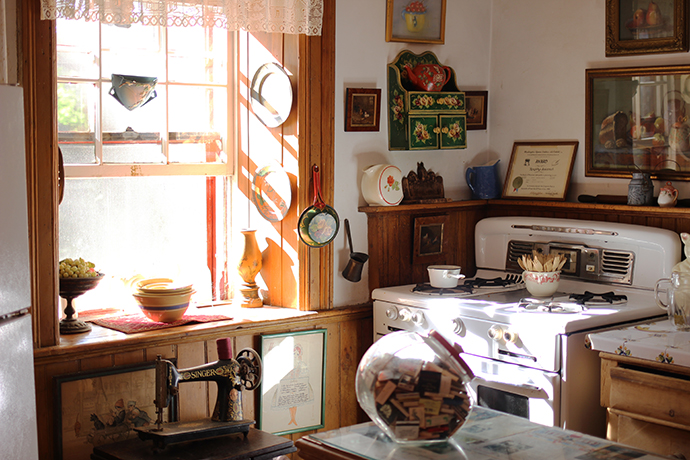
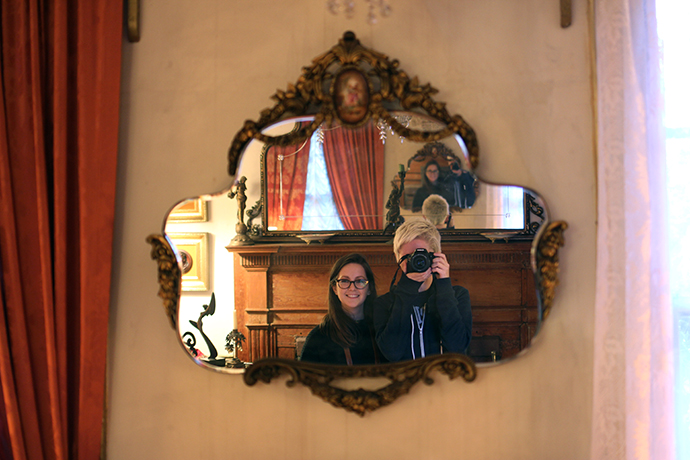
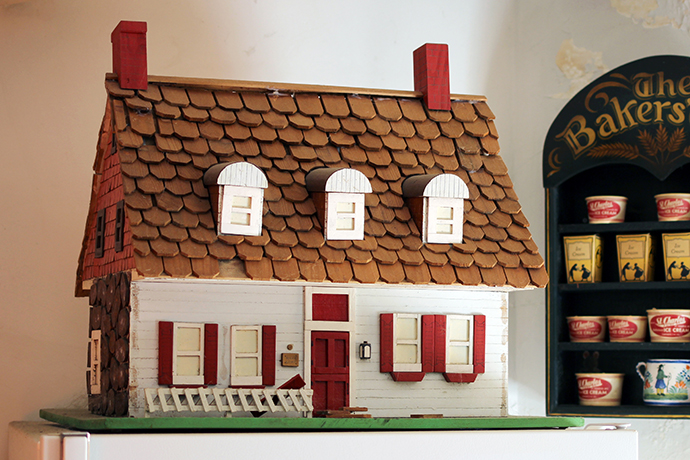
Marion Duckworth Smith moved into the house when she married Michael Smith in the 80s, and she's lived there ever since, making the property the oldest privately owned residence in the borough of Queens and maybe even the entire city. Marion opens her home occasionally for tours to offset maintenance costs, and we signed up a few months ago for a Saturday at the end of September.
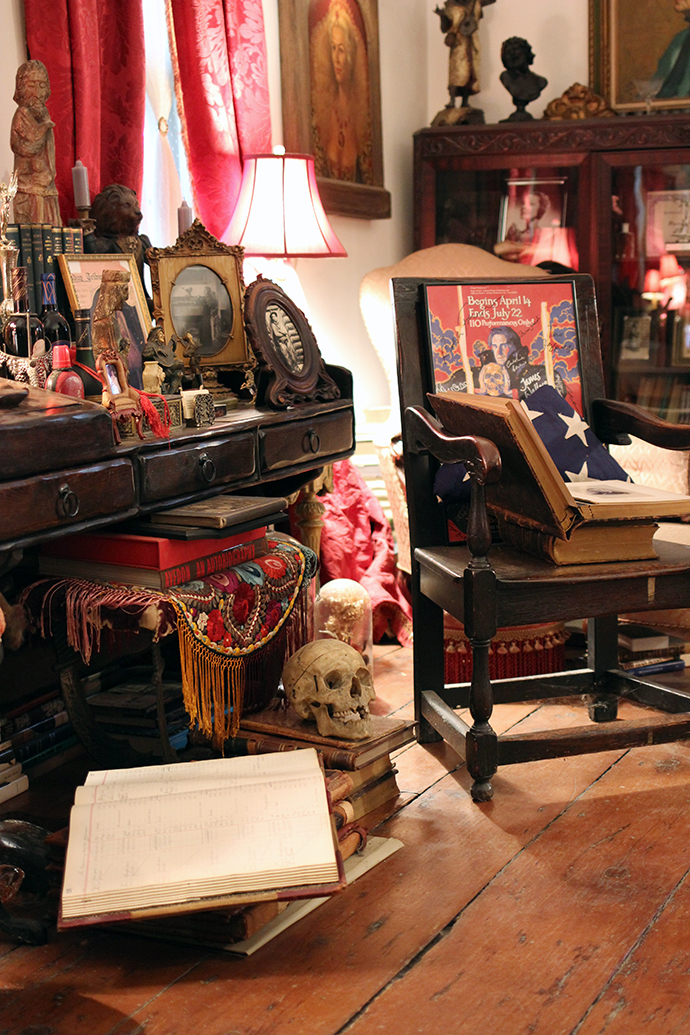
In addition to a very old, important and historical home, the tour features Marion's collections of antiques and oddities, and — most importantly — a backyard cemetery (deserving of its own post)! This was the holy trinity of things I look for in a tour, and the LRS house and Marion did NOT disappoint. Because of its location and relative obscurity, we thought we might be the only ones on the tour, but there were ten of us total, including five actual Rikers, who drove in from New Jersey.
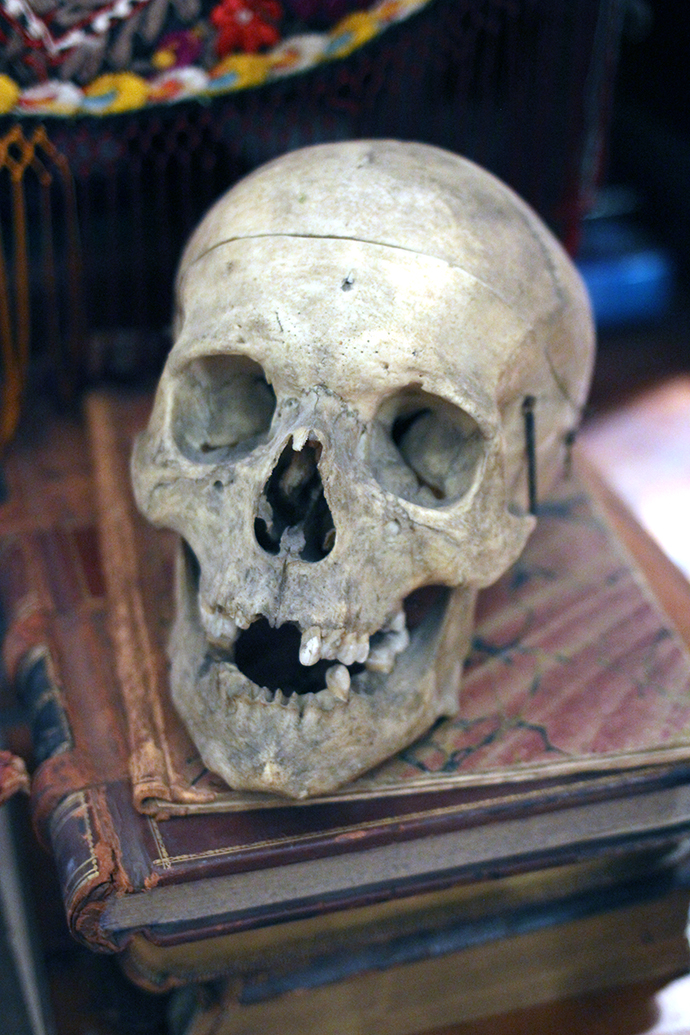
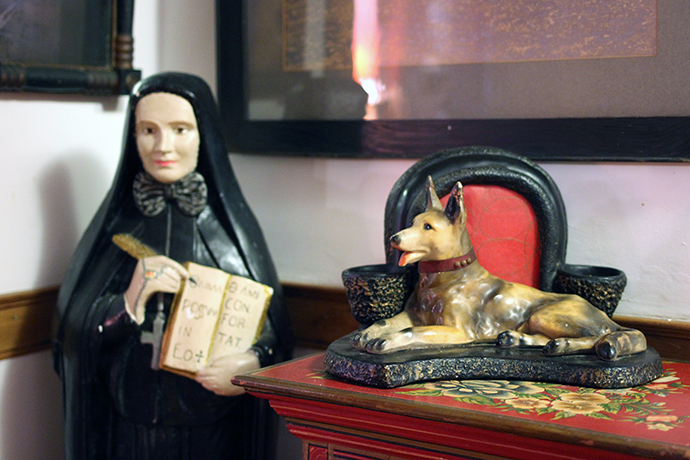
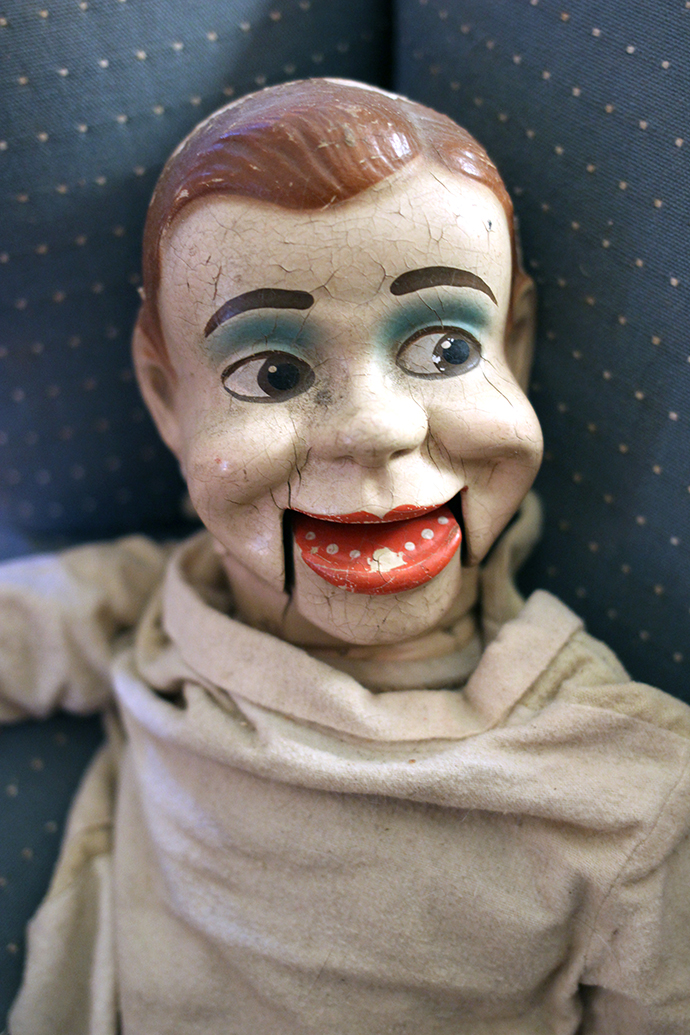
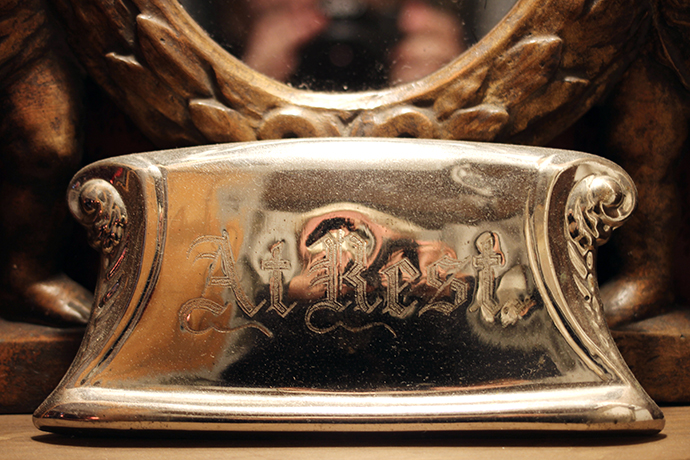
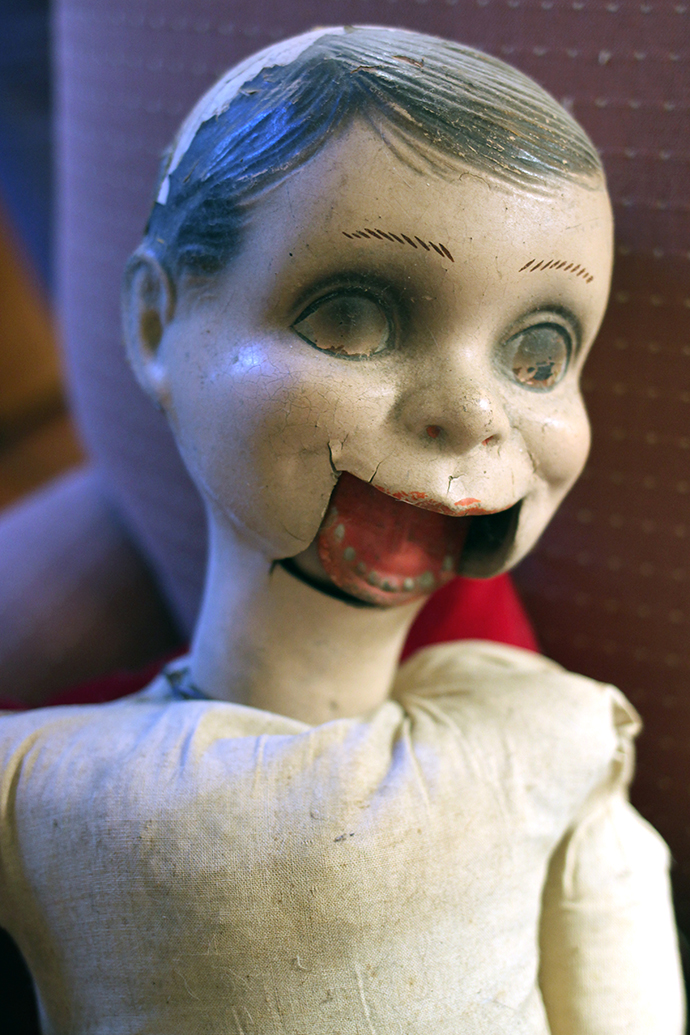
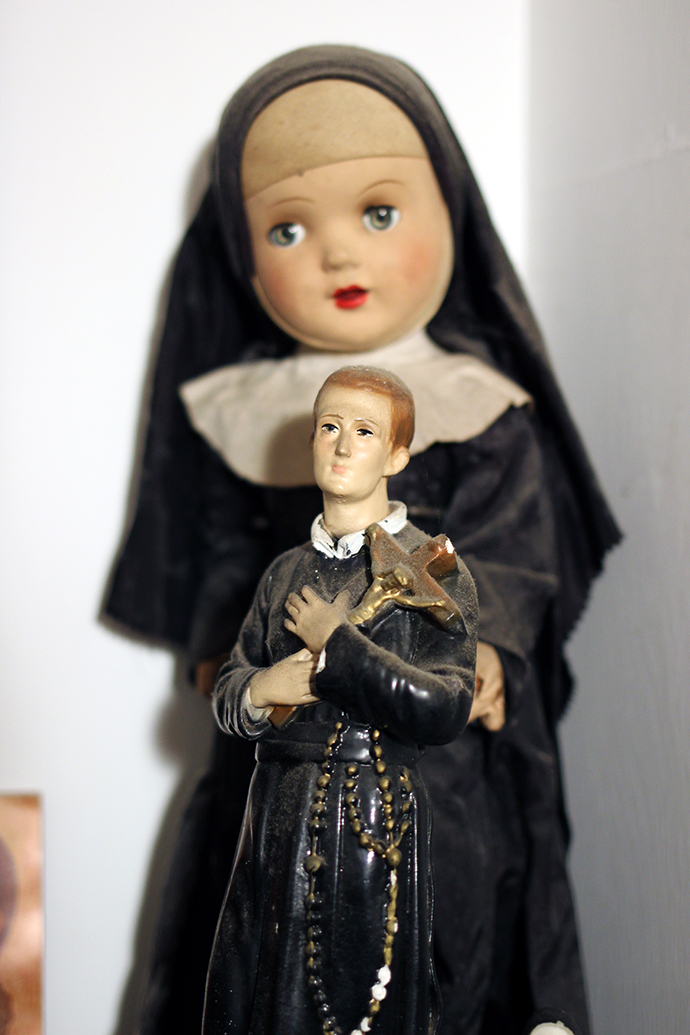
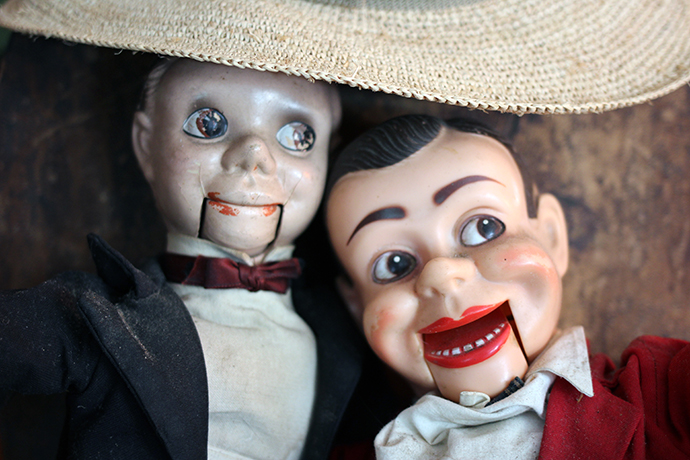
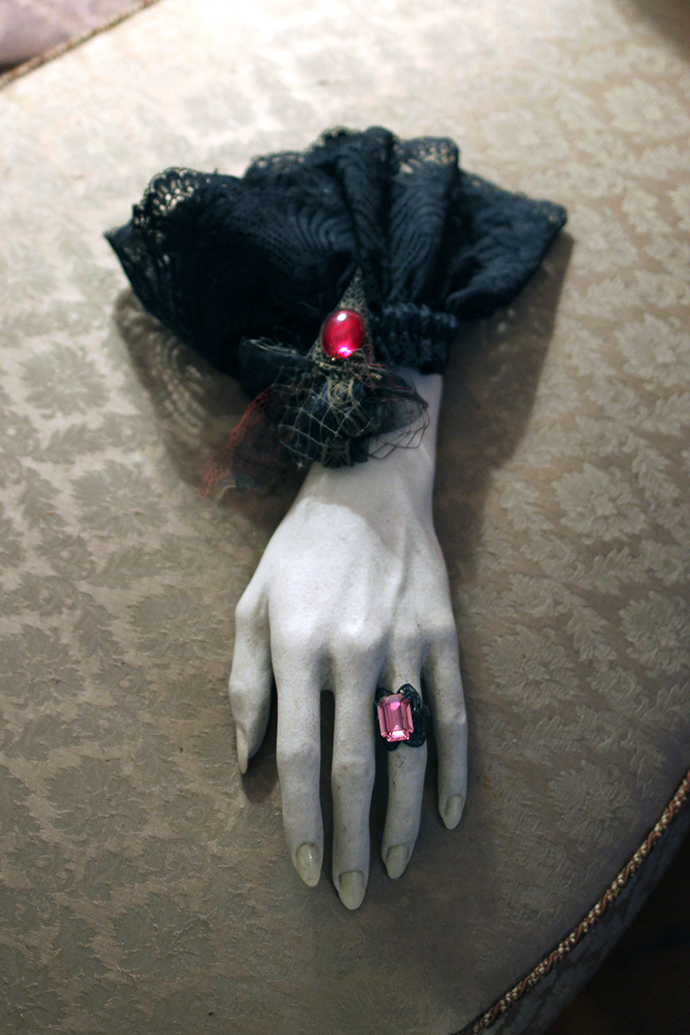
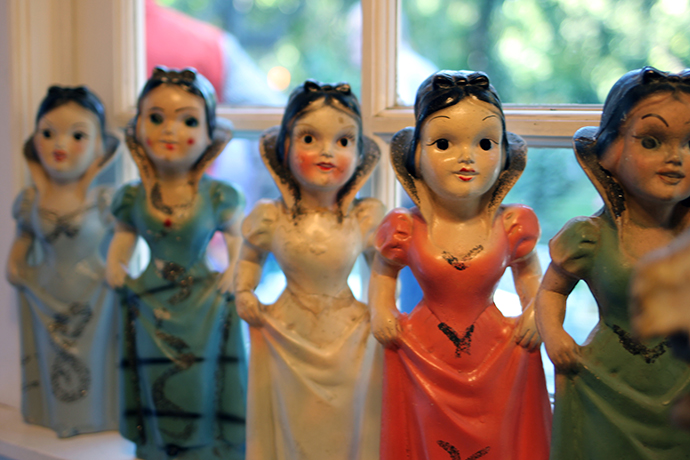
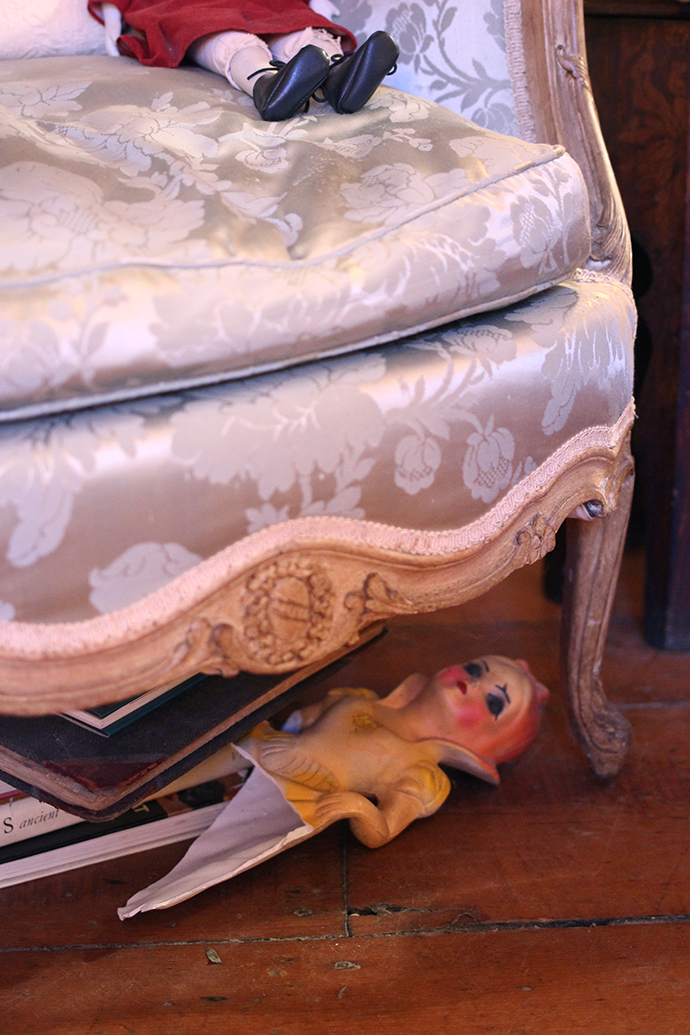
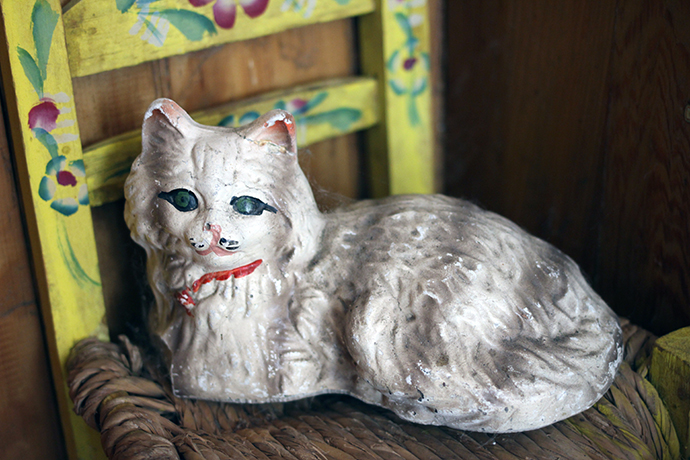
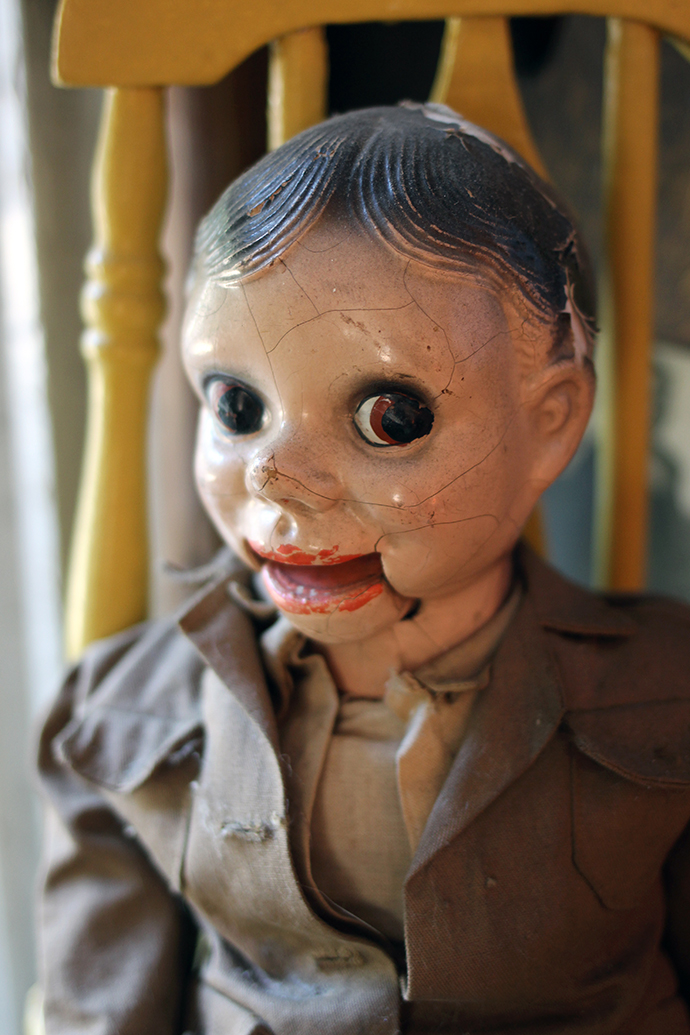
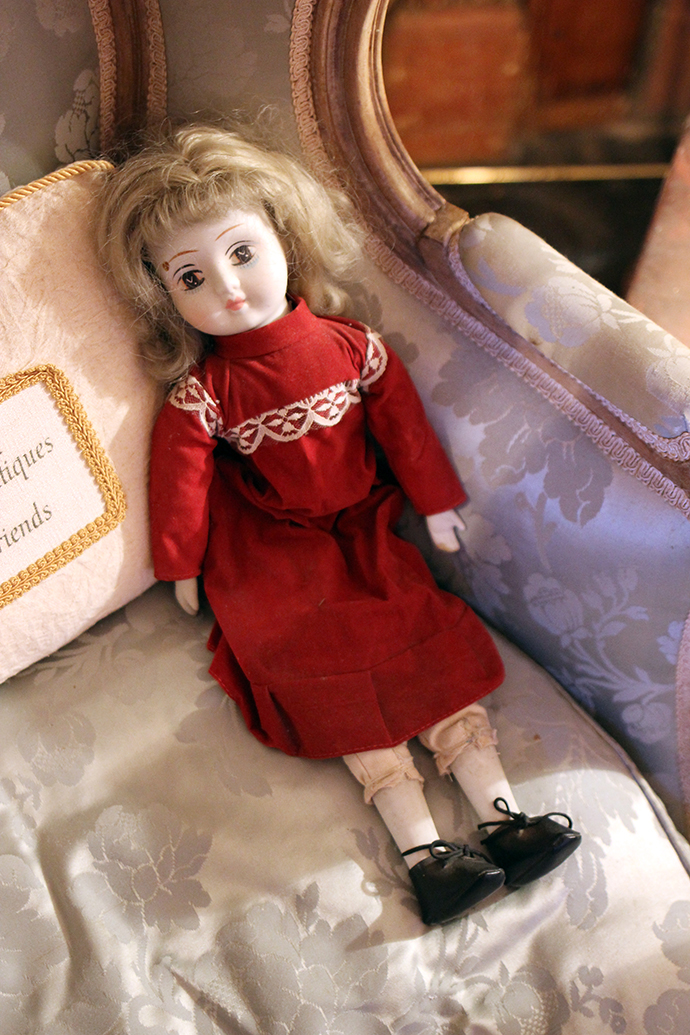
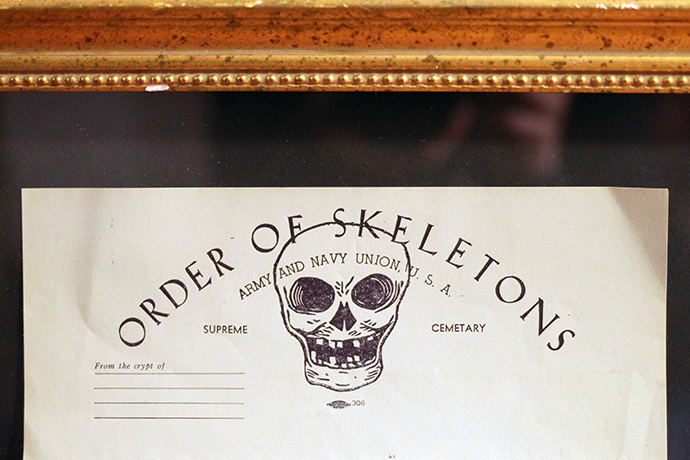
Marion is as much of a draw as the house itself—she's a true New York character, and her collections and stories made the tour one of the best I've ever taken. It wasn't long after we entered the house that I realized that we shared a similar taste for the eccentric and macabre. She said she wasn't precious about portions of the house (the original two rooms are period-specific), and has filled them with collections of chalkware Snow Whites (given out as prizes at Coney Island), ventriloquist dummies and funeral items. I also noticed at least one glass eye, a skull from her mother's artist studio, nuns, priests, bulldogs and a mannequin hand from B. Altman's on Fifth Avenue.
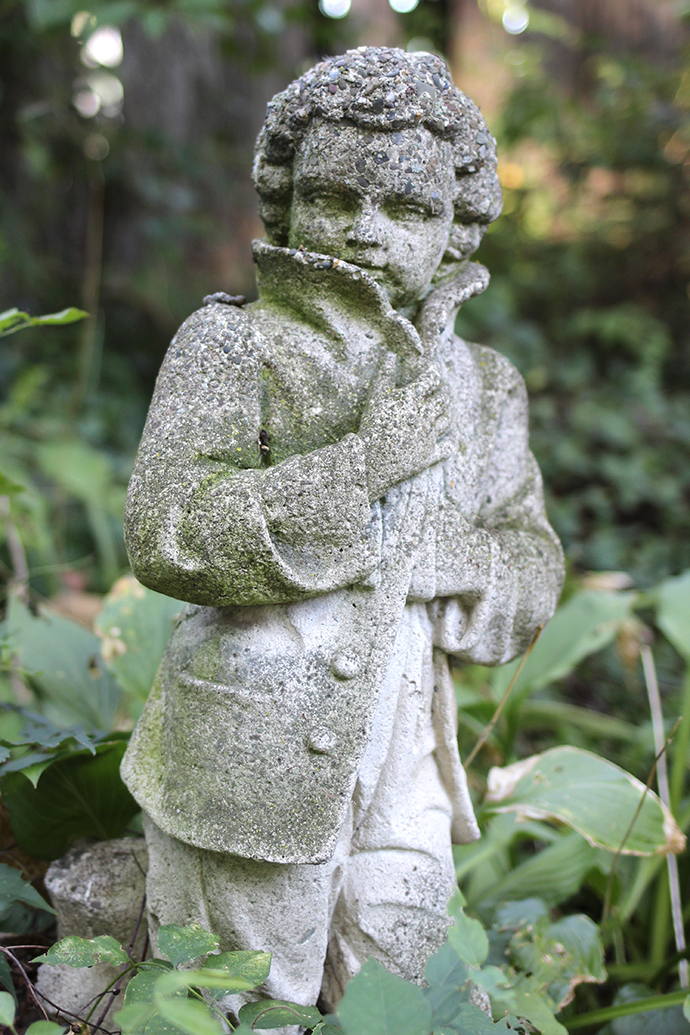
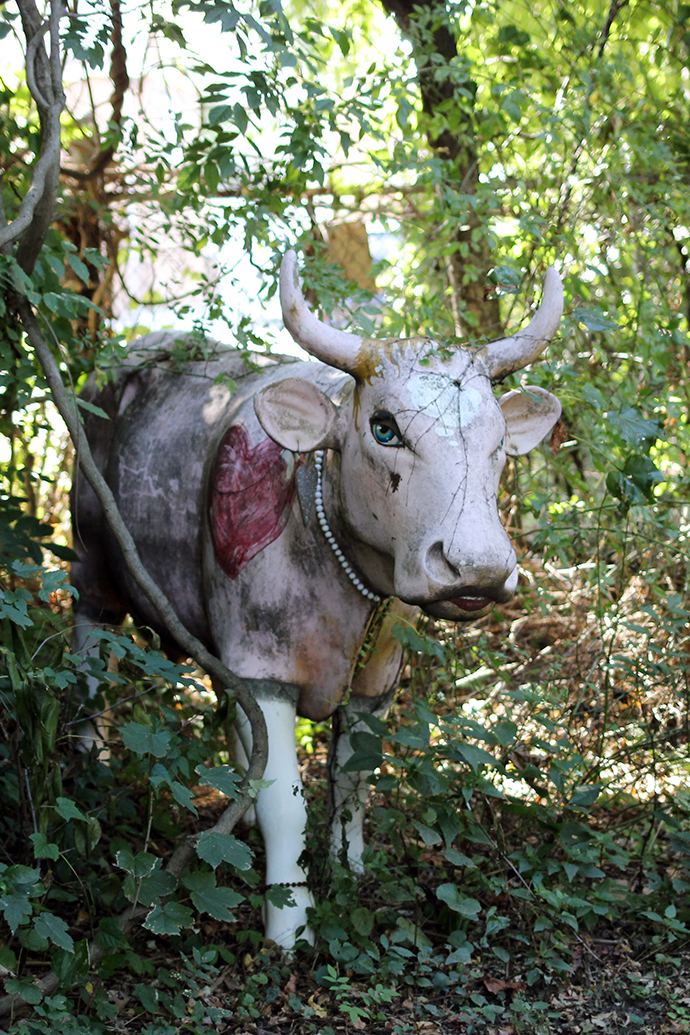
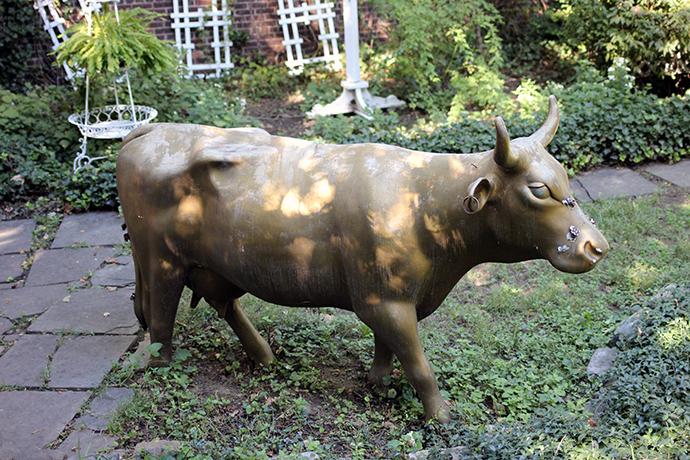
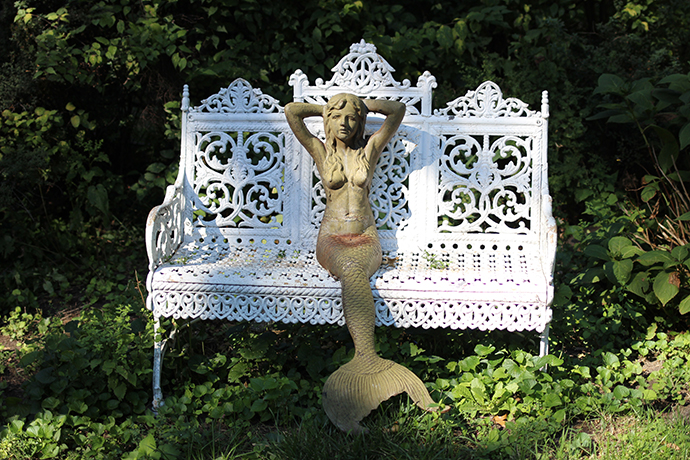
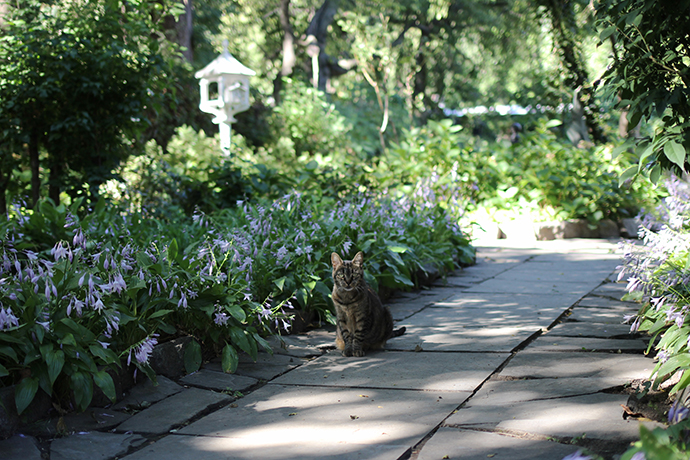
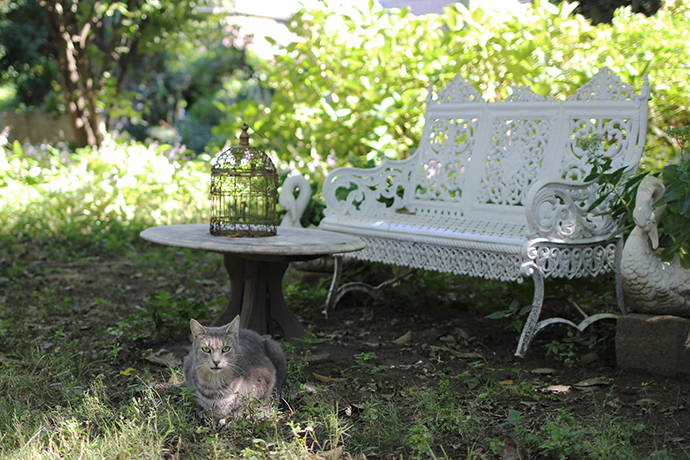
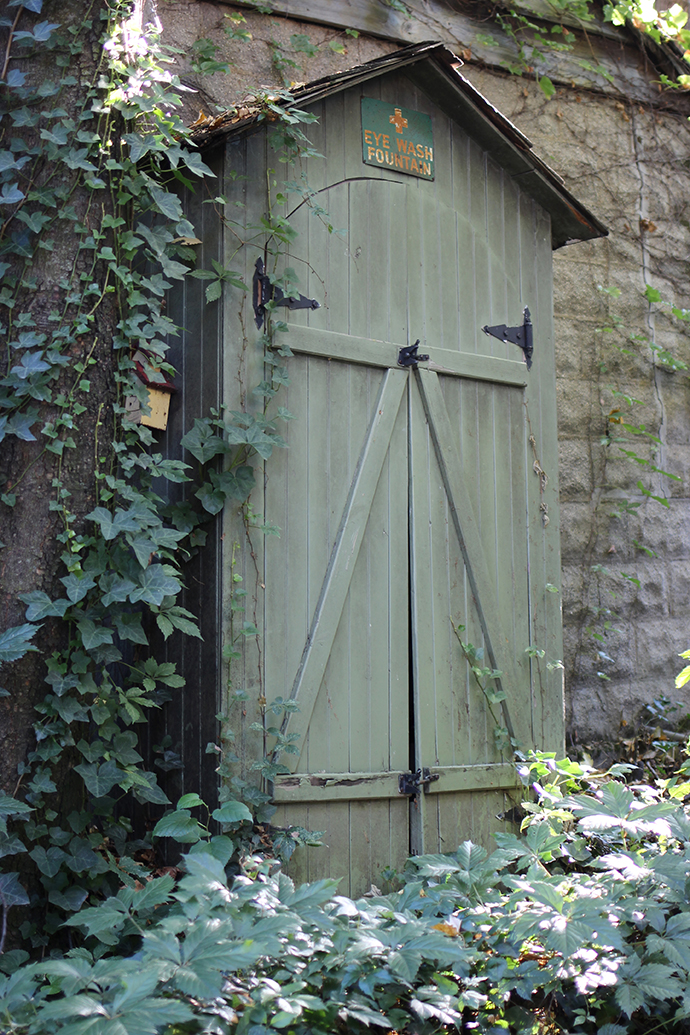
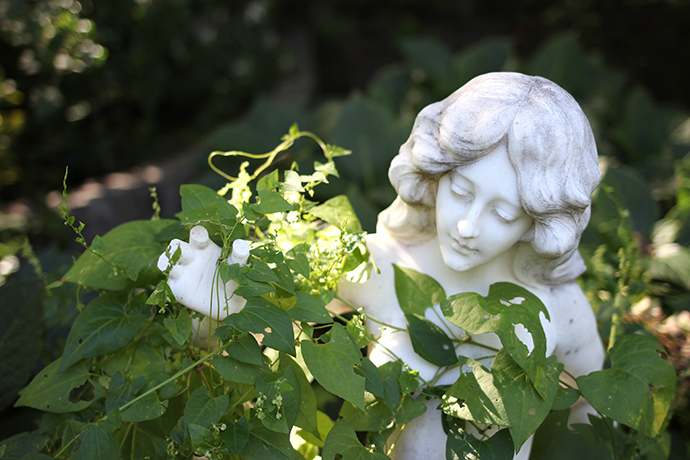
Not only did the house come with a cemetery, but the property comprises more than an acre of land which certainly is a novelty in New York. The yard is slightly overgrown but in a secret-garden, whimsical way, and is filled with garden ornaments from all over—she even has two cows from Cow Parade and multiple set pieces from the original production of Cats. She also has real cats that roam the property—I counted at least six different ones while we were there.
I can't encourage you enough to make the trek out to Queens for a tour—come for the history, stay for the stories and buy a postcard or two to help Marion stay in the house she loves until it's time for her to move into the cemetery, where her mother, brother and husband (and 131 Rikers) are waiting.

St. Michael's Cemetery: Headless

I have passed St. Michael's cemetery many times on the way to LaGuardia airport (and eaten at a diner across the street), but I finally made it inside of the grounds recently. It was established in 1852, is open to all faiths and is one of the oldest religious, nonprofit cemeteries in the city. The cemetery is boxed in by the Grand Central Parkway and the Brookln-Queens expressway, in an area of Queens that seems pretty car-centric. Walking there via Astoria Blvd was not the most relaxing of walks, but once you're inside, the grounds are surprisingly peaceful.


It's not the oldest, or largest, or smallest or most interesting cemetery that I've visited and at first glance I was underwhelmed. It's large, but the majority of the graves are fairly new and I saw several people tending to graves and at least one funeral-in-progress. No offense to the recently deceased, but new graves and headstones just don't interest me much. In fact, I try to avoid them because I cherish my alone time when I'm exploring cemeteries, and running into grieving families is just not my scene.
I'm always wary of appearing disrepectful—especially as I snap a million photos—so the older the gravesite, the better. Cemeteries interest me for their history, typography, tombstone design and symbolism, all of which I find to be lackluster with newer (1960s-now) burials.


Somewhere in between being underwhelmed and trying not to get heatstroke, I started to realize that St. Michael's has a lot of statues—more than I usually see—and I got even more interested when I noticed that a large portion of them had lost their heads. I love anything out of the ordinary and macabre, and a headless statue will always pique my interest. St. Michael's appeared to be in very good condition and well-tended otherwise, so I'm not sure what's to blame for the headless epidemic, but I kept finding new ones wherever I looked.


Some statues also had their wings or hands broken and some were laying on the ground, whole or in pieces. What was even more surprising to me was that multiple headless statues still had their heads—resting on top of the stone or on the ground, presumably undisturbed since they first left their bodies. I"m not proud to admit that I was overcome with the urge to pocket a cemetery souvenir, but ultimately decided that stealing from anyone's eternal resting place was too horrible to justify—no matter how at home one of those heads would be in my new curiosity cabinet.

Unisphere: Fountains

I've been captivated by all things World's Fair-related since I first visited Flushing Meadows-Corona park three years ago. There isn't much left from the fair, but the main sites—the NY State Pavilion, Queens Museum, Panorama of the City of New York and the Unisphere—are some of my favorite things in the city. I've visited them all many times since I moved here, and I've taken many friends on mini tours (very often their first time in the park or even in Queens).
For a few years my Worlds Fair "white whale" was seeing the Unisphere fountains. The fountains were a part of the original design—to create the illusion that the globe was floating—but are no longer turned on consistently. We briefly saw them on during a 50th anniversary World's Fair celebration, but were disappointed when they were switched off 20 minutes after we arrived. I vowed to catch them on again, and during the recent US Open, I knew I'd have a good chance.
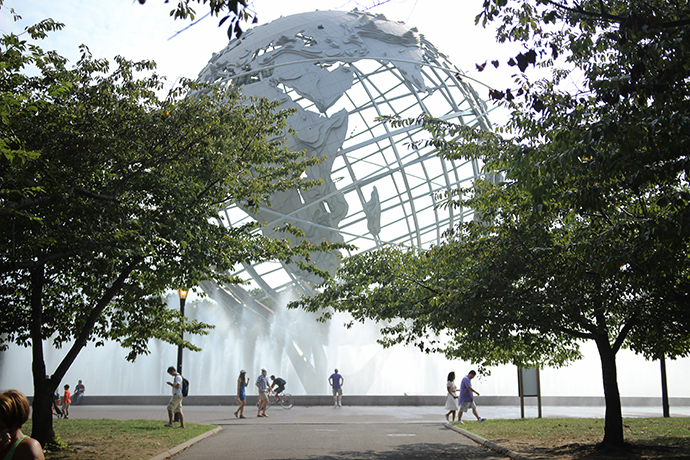
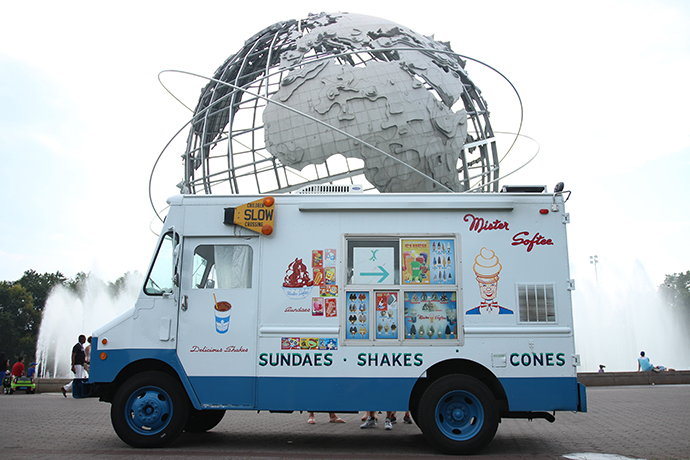


The US Open takes place in a stadium right next door to the Queens Museum and the Unisphere. After confirming via Instagram that the fountains were indeed turned on, I headed there on Saturday hoping to spend some quality time partying like it was 1964 in the mist of the fountains. In the summer it's frustratingly difficult to get a preview of the fountains from the 7 train and with the trees in full bloom, you can barely see them at all until you emerge from the pathway into the open plaza.
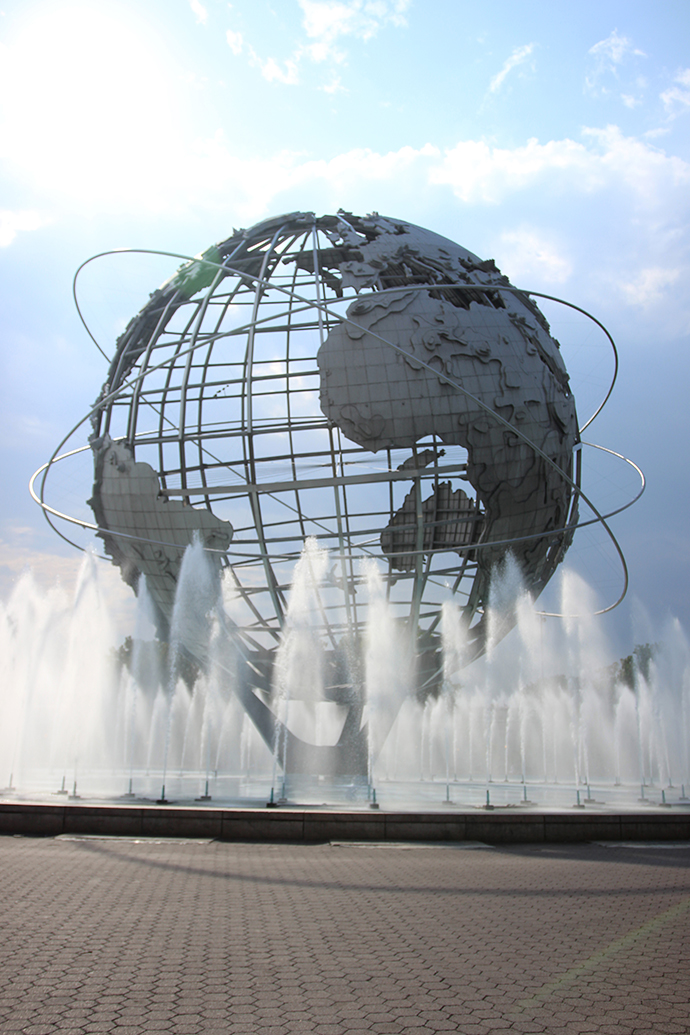
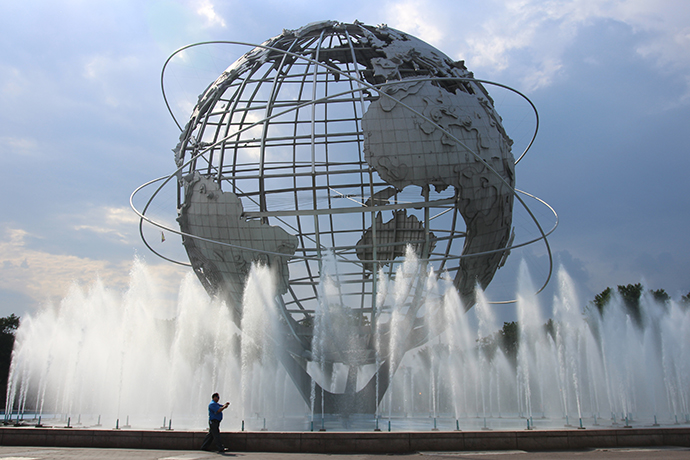
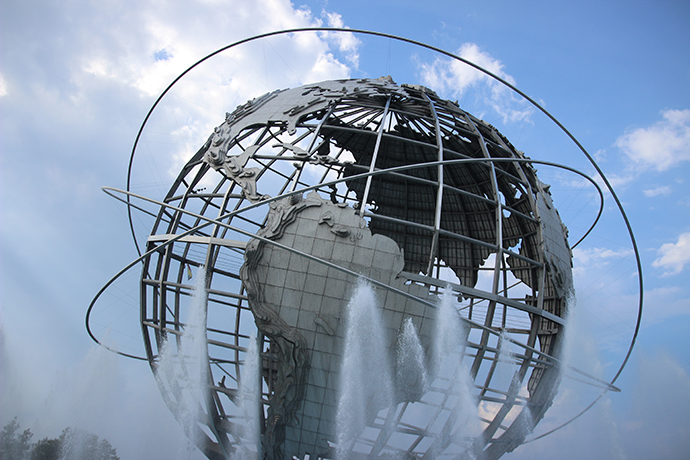
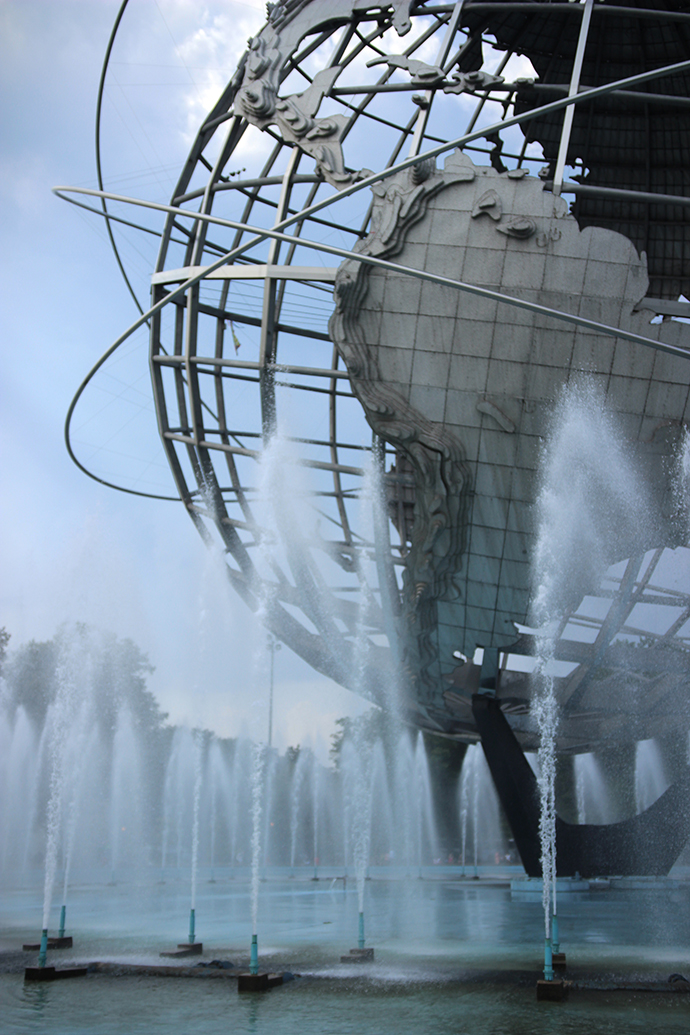
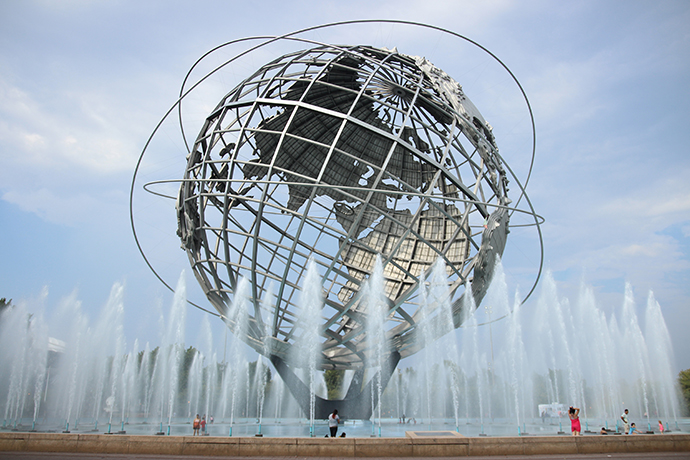
The suspense was intense, but luckily they were on, and stayed on for my entire visit. I don't know how effectively they obscure the base, but they sure are impressive to see in person. Even the Unisphere still manages to amaze me no matter how many times I see it (night and day, winter, spring or summer). The presence of the fountains does manage to somehow make me wish even more than I normally do that I could travel back in time to see the Fair in all of its glory.
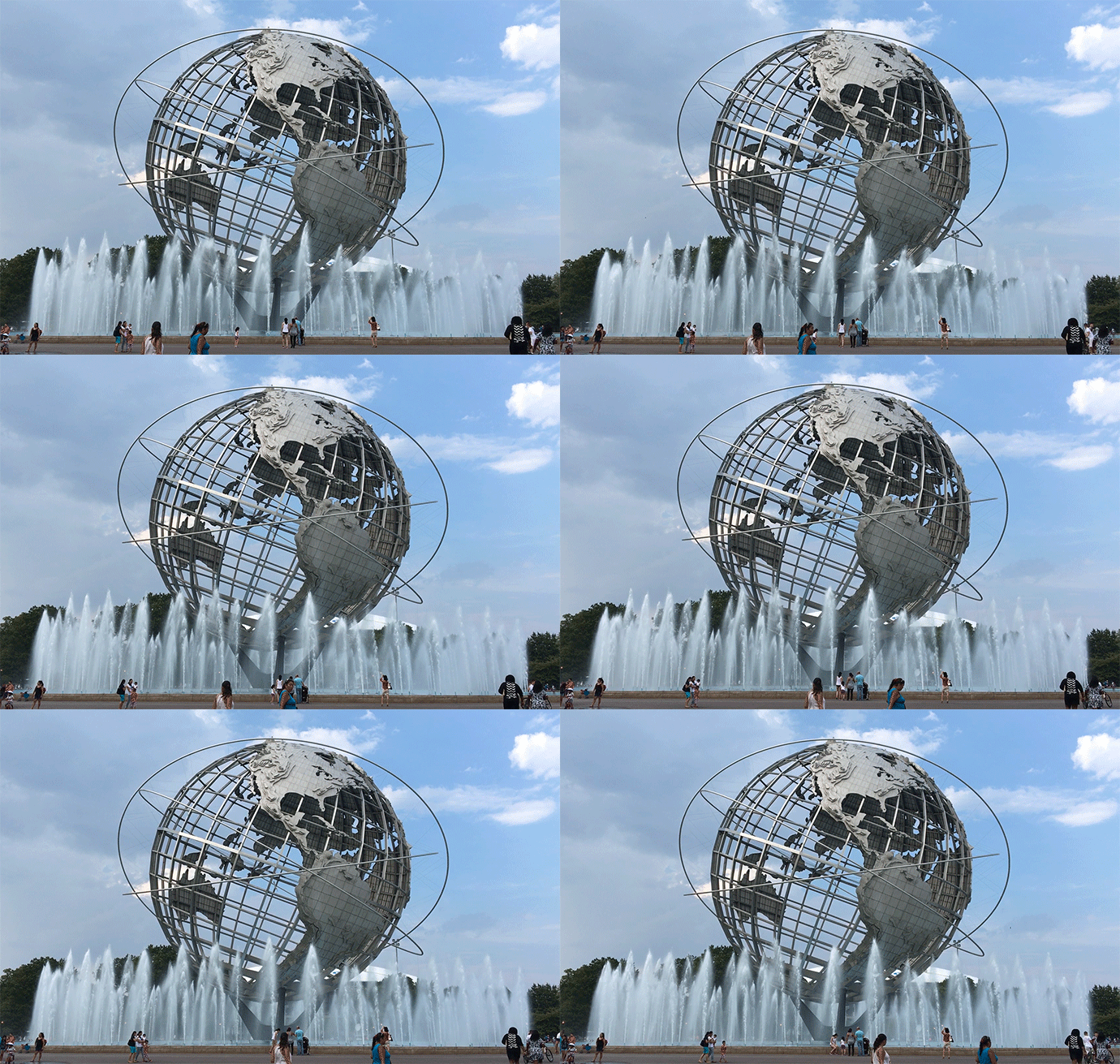
I slowly keep visiting pieces of both Queens World Fairs —now scattered in parking lots and parks across the country—but I can't help but wish I could know what it was like when it was whole, risen from the ashes of the former Corona Ash Dumps; a magical place that gave us the Mustang, It's a Small World and the Belgian Waffle; a place that couldn't exist in the Internet Age; a place with a 12-story steel globe at its center, whose fountains still manage to inspire awe in this still-relatively-new New Yorker, more than 50 years later.
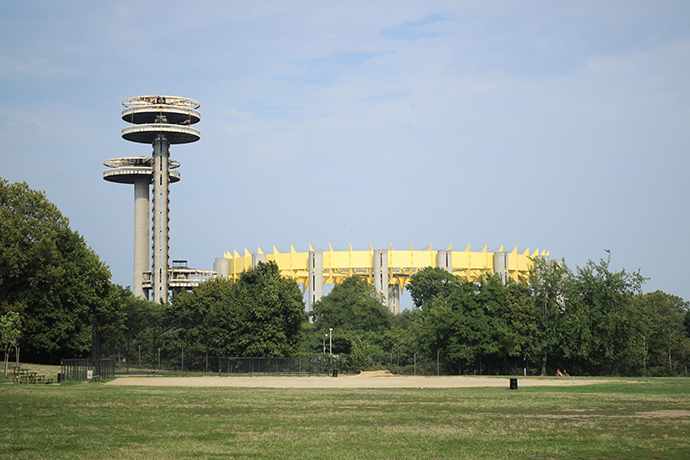

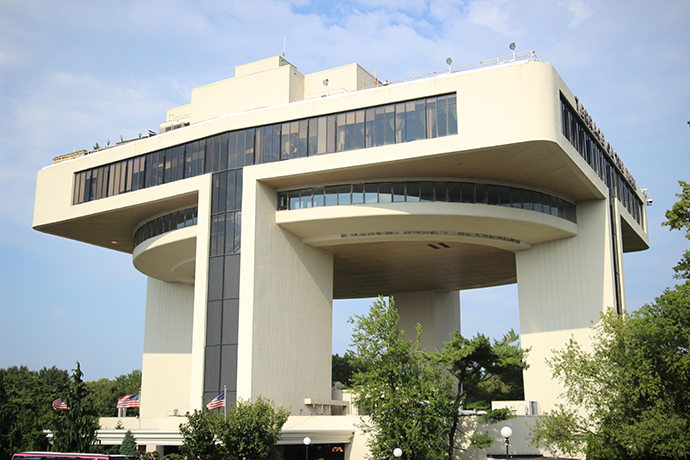
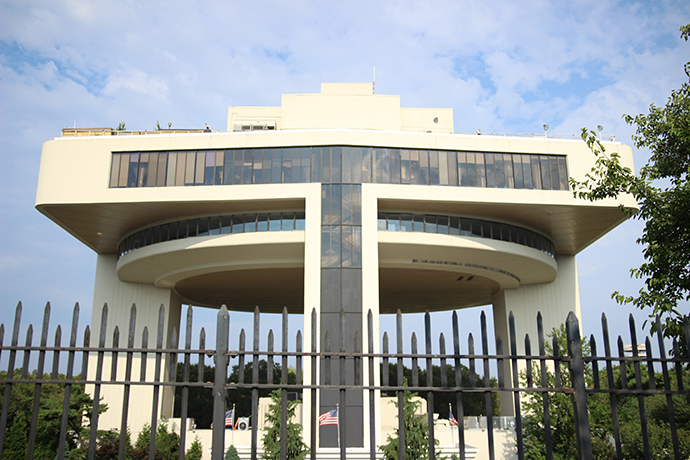
Bonus World's Fair delights! The NY State Pavilion // Rocket Thrower Statue // Port Authority Heliport (now a wedding venue)

Green-Wood Cemetery: Statues
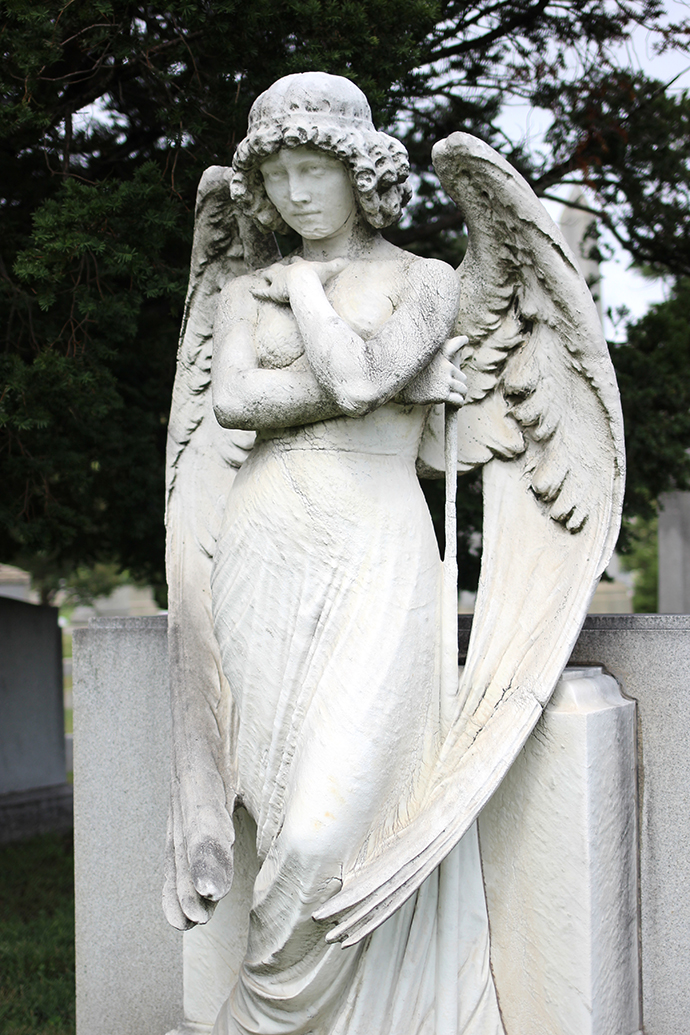
Before stumbling upon the mossy tombstone jackpot on a recent trip through Green-Wood Cemetery, I had been paying particular attention to the statues I came across. I mentioned that Green-Wood is so large that picking a specific theme makes a walk through the cemetery seem manageable and like I'm on a little scavenger hunt. I'm less likely to become overwhelmed, and more likely to see things I might not notice on a macro level.
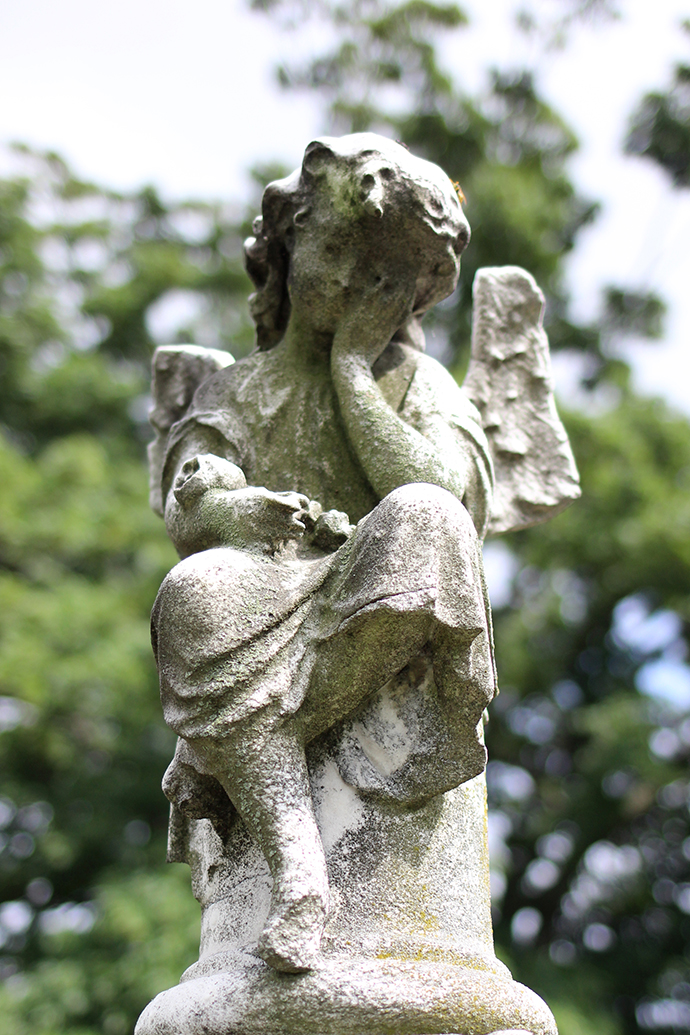
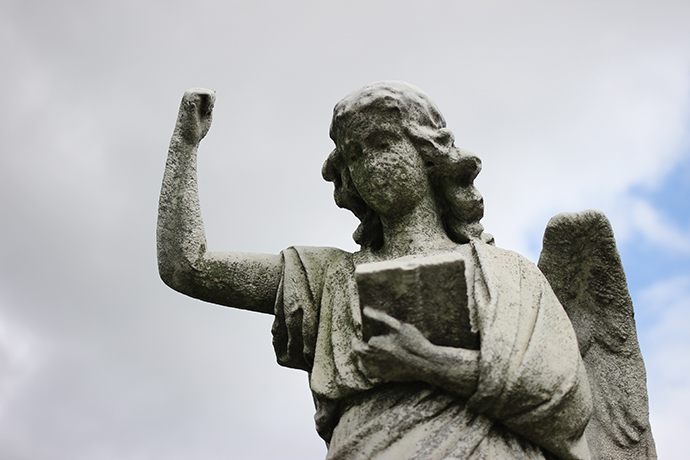
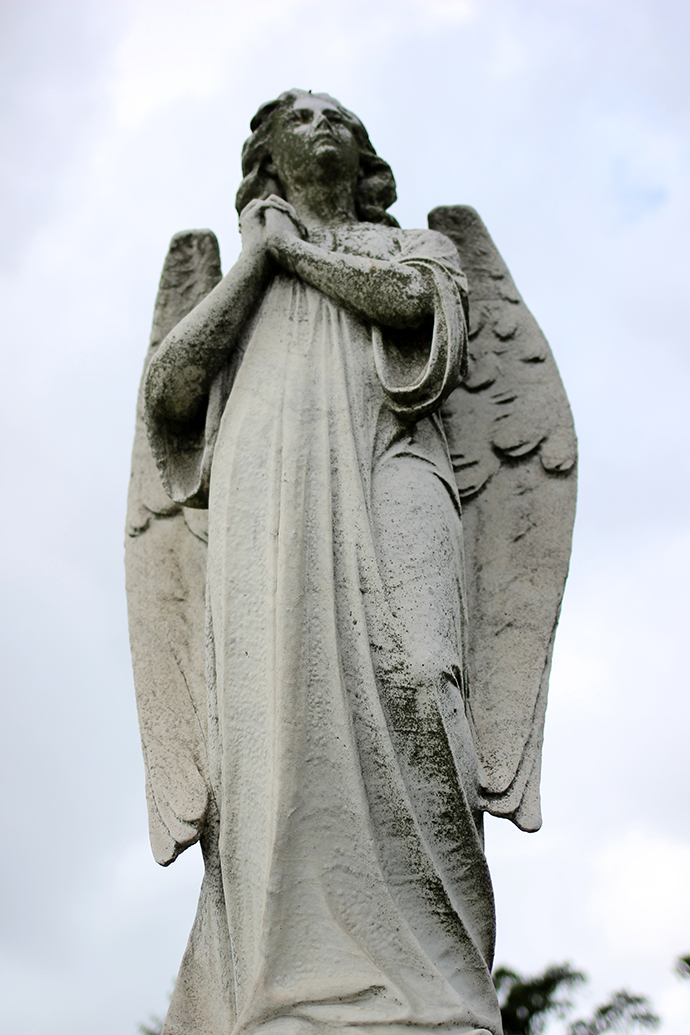
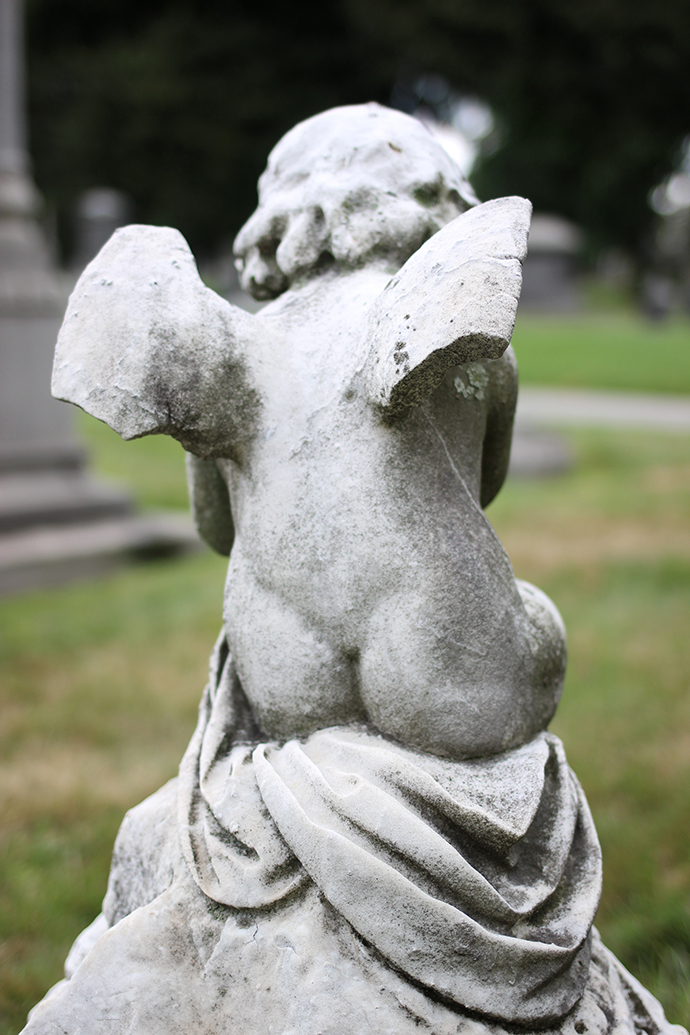
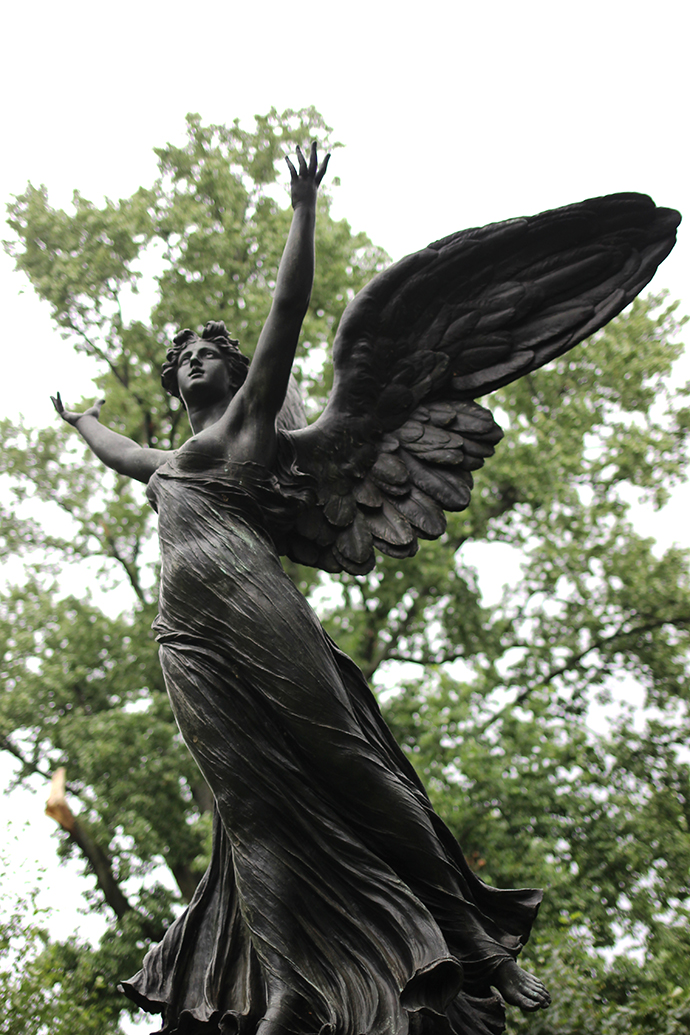
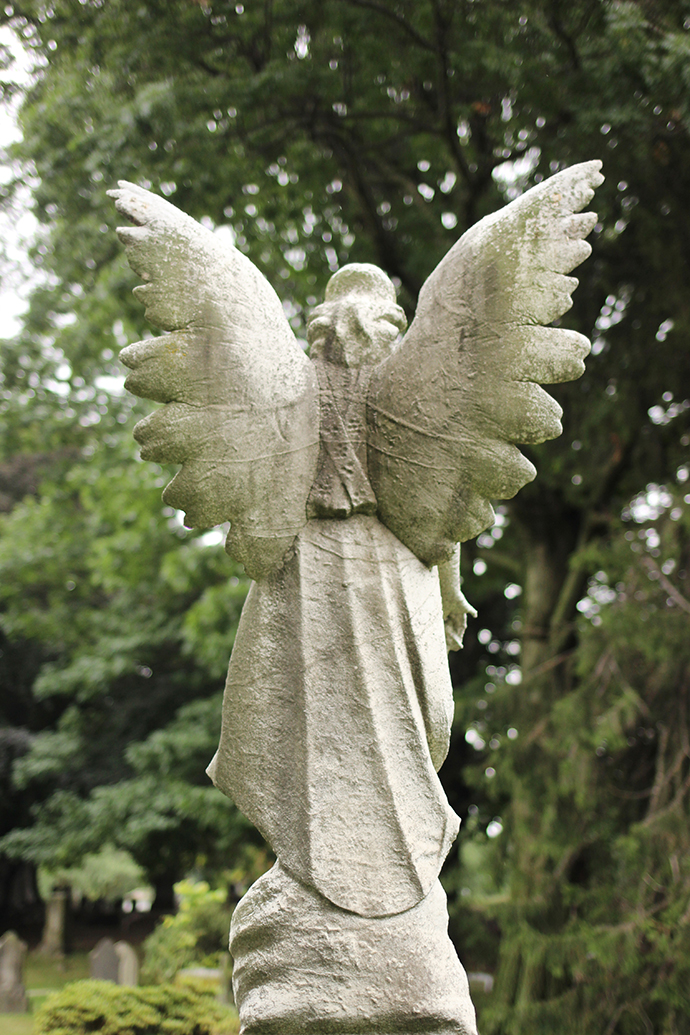
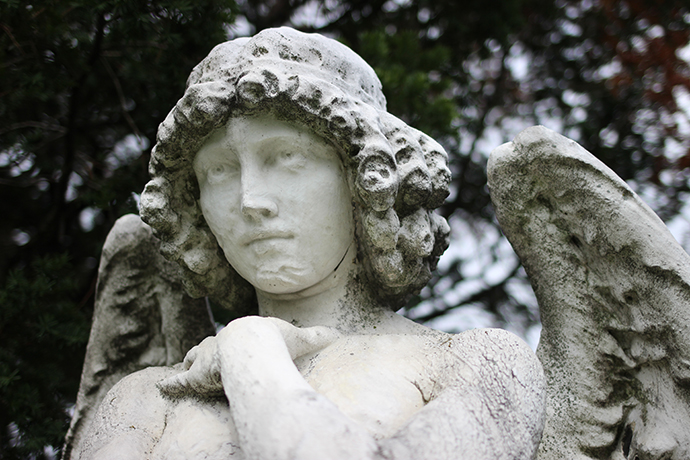
Statues really humanize a cemetery experience, much more than words on a tombstone ever could. A lot of the statues are not of the deceased exactly—although I always come across I suspect are done in a specific likeness—but represent general themes such as mourning or are a nod to the afterlife or reproduce religious imagery. Angels or cherubs are very common, and although they usually follow a prescribed look—women with wings and draped gowns—it's remarkable how many variations you can find on a simple premise.
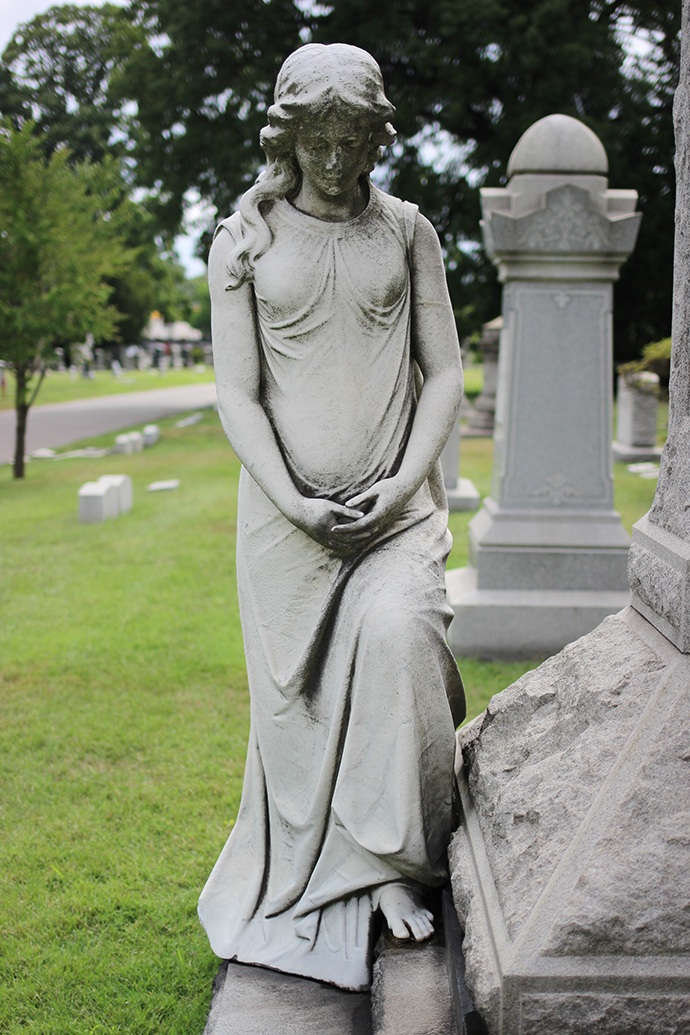
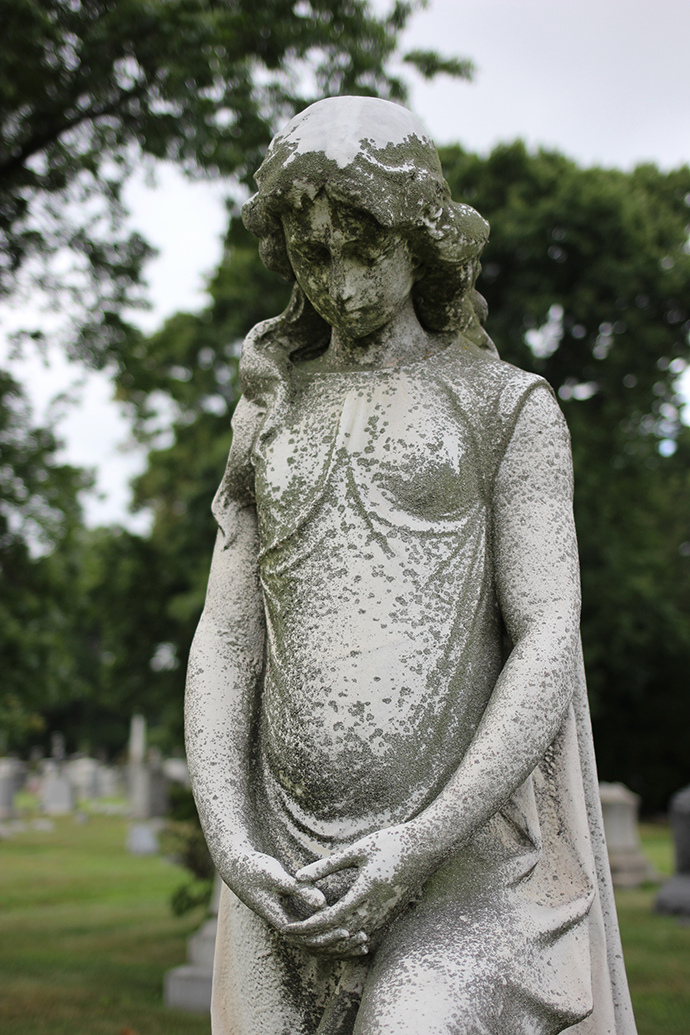
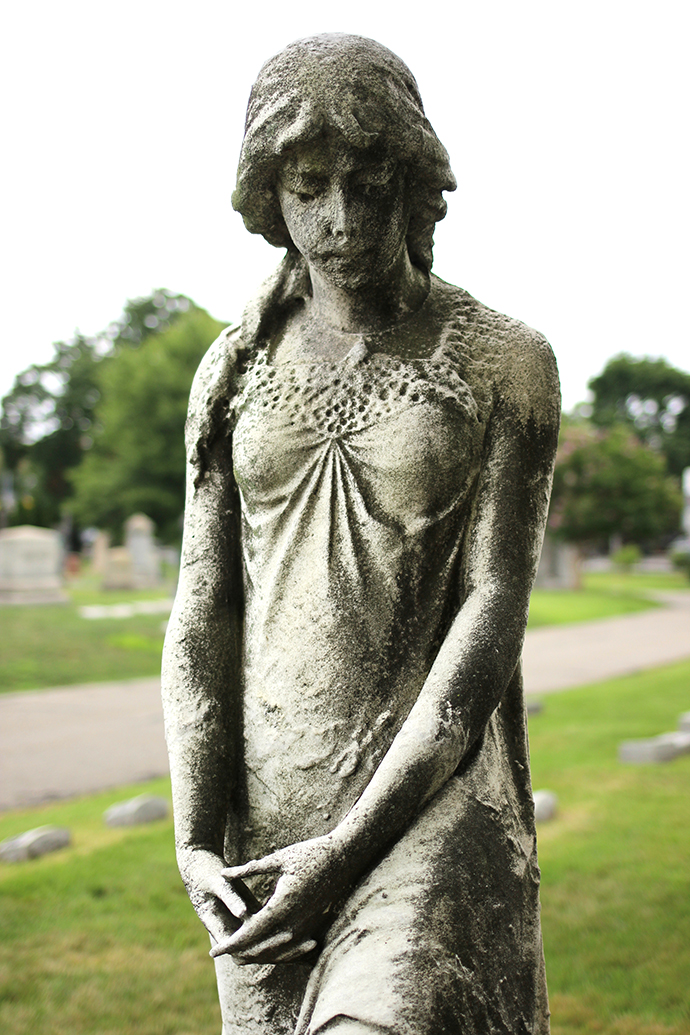
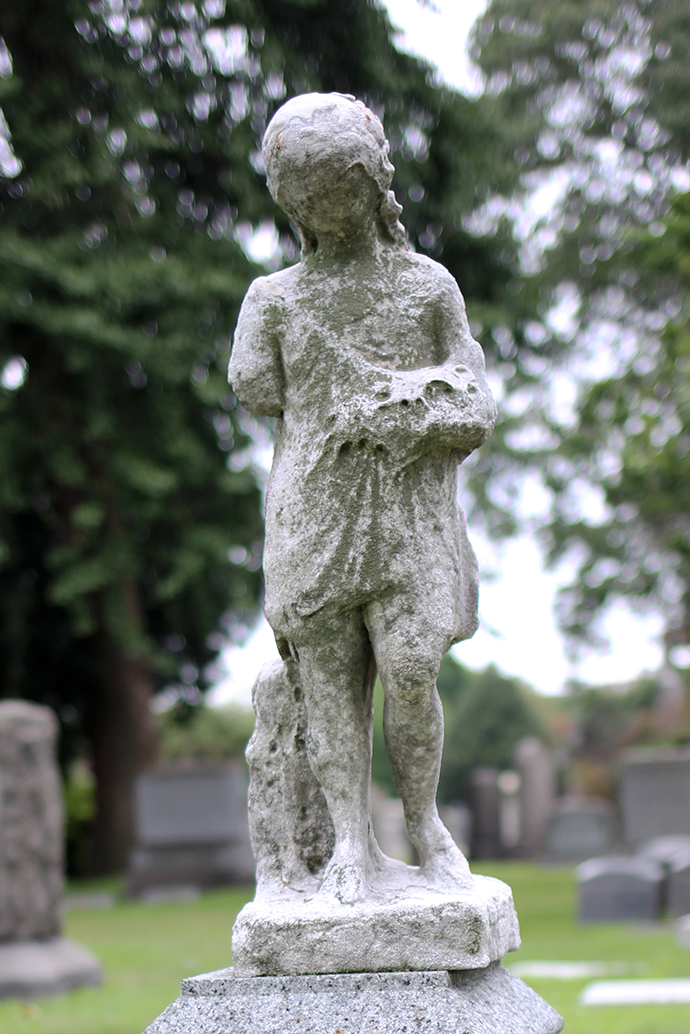
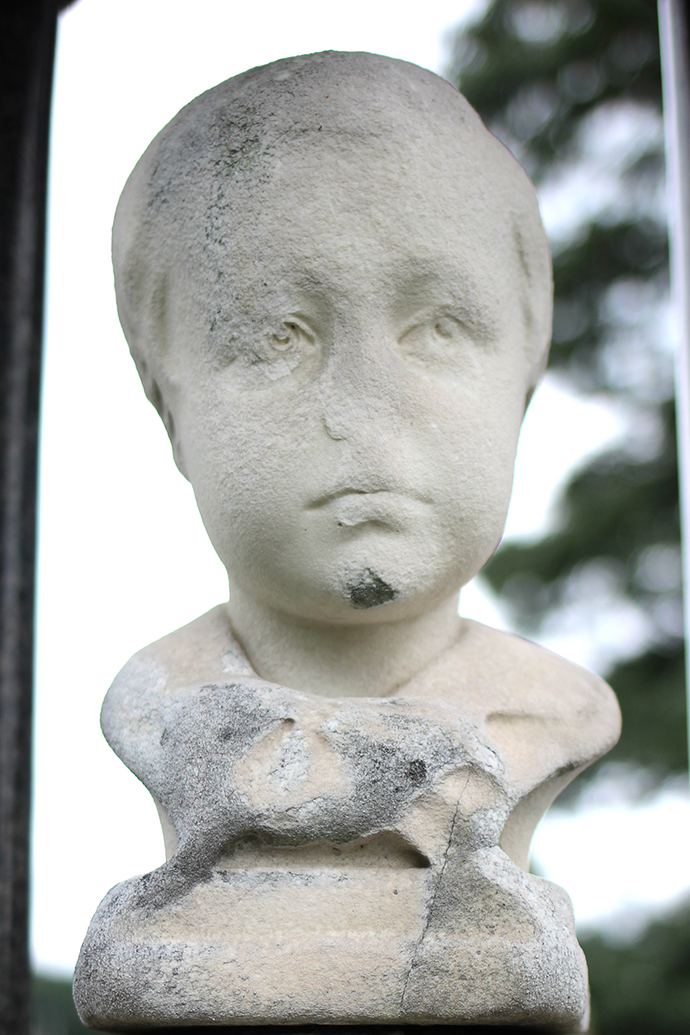
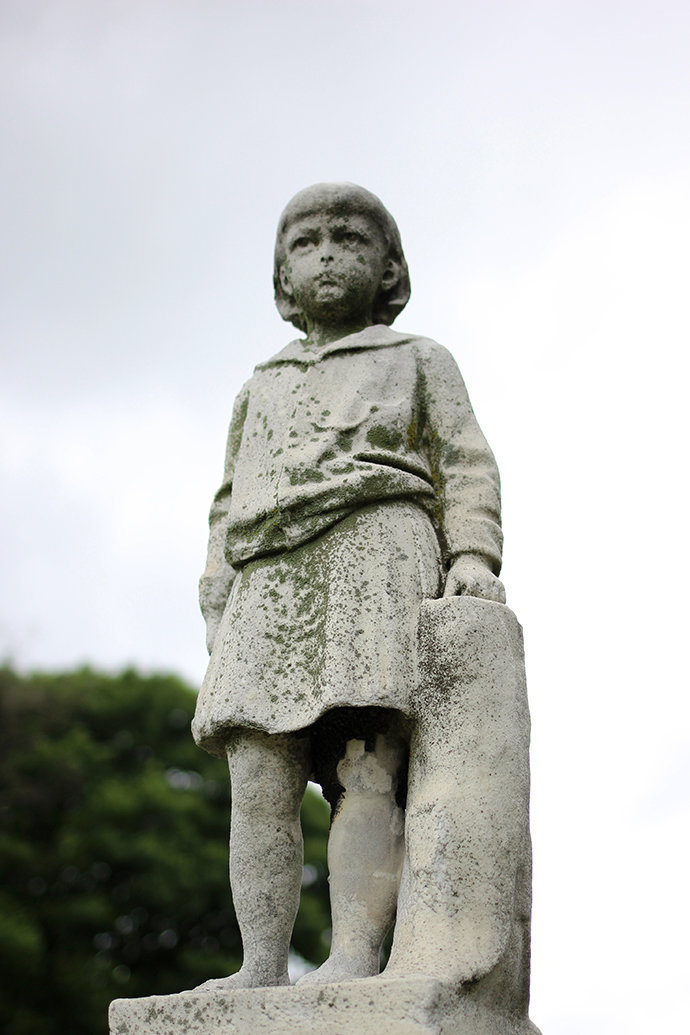
This time I noticed three separate statues of women with similar hairstyles, dresses and poses, and they appeared to be pregnant, which I've never seen before. Green-Wood also has its fair share of creepy children statues—which I assume are sculpted to actually look like the deceased—and although I have no use for living children in my life, their haunting stone counterparts are some of my favorite finds.
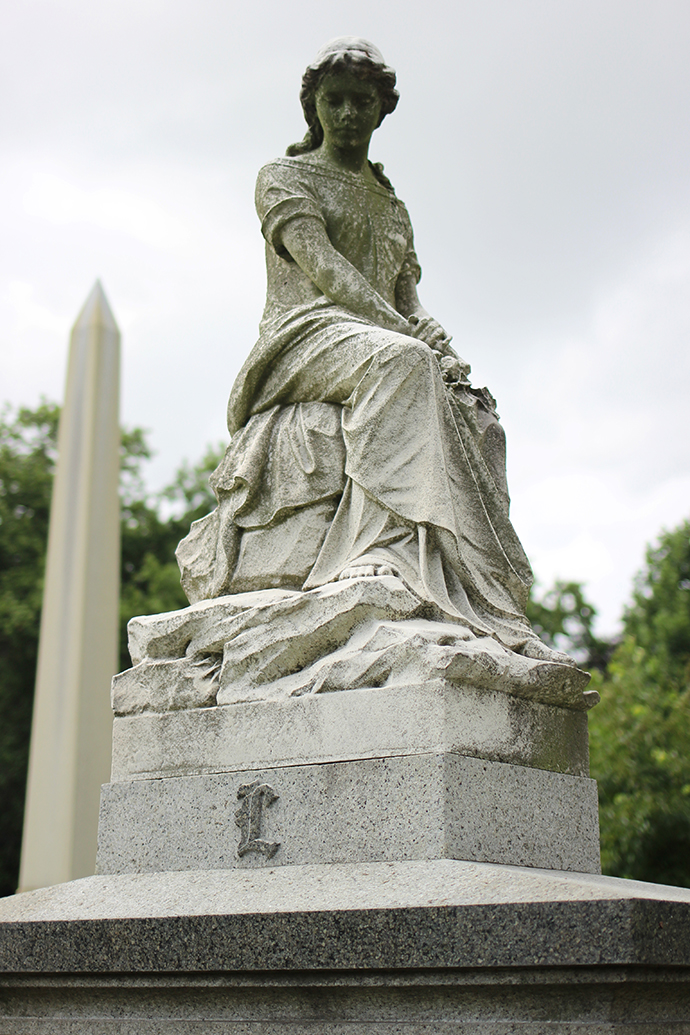
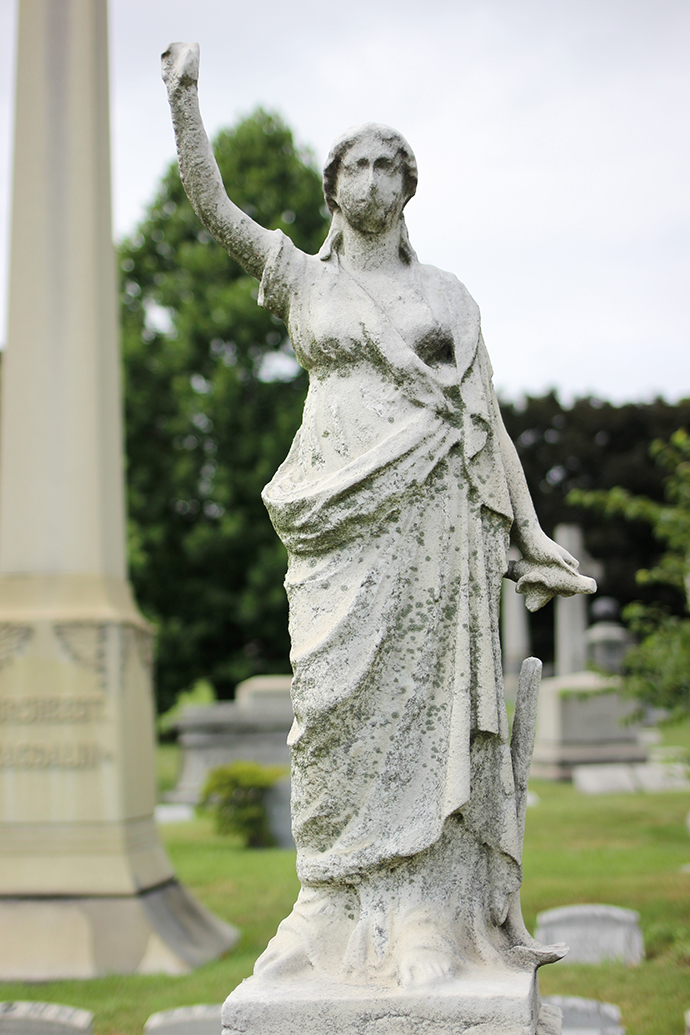
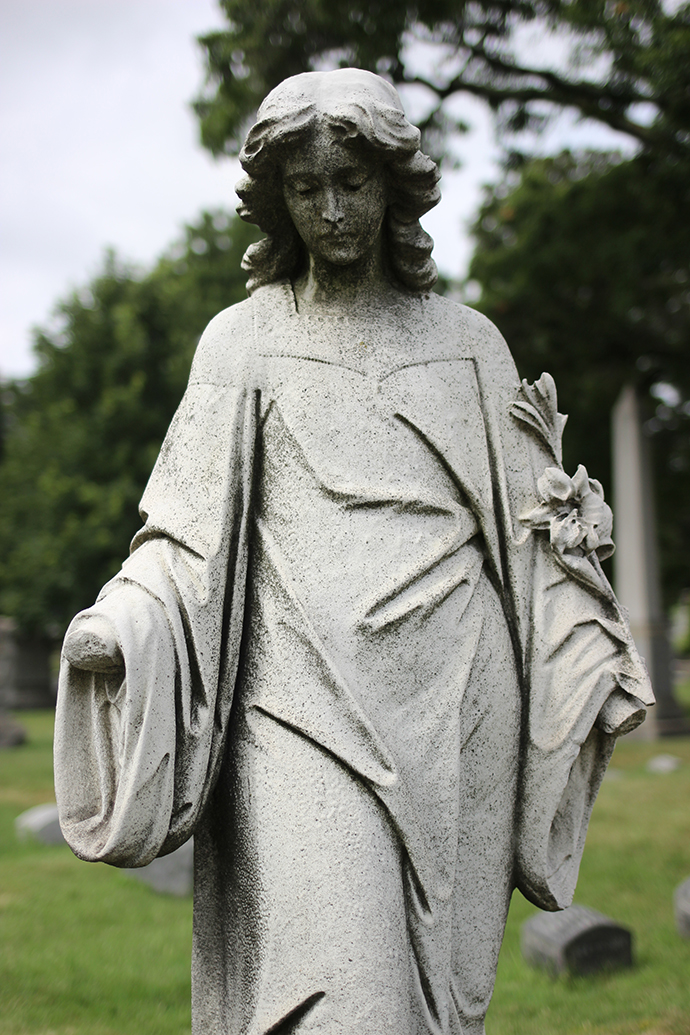
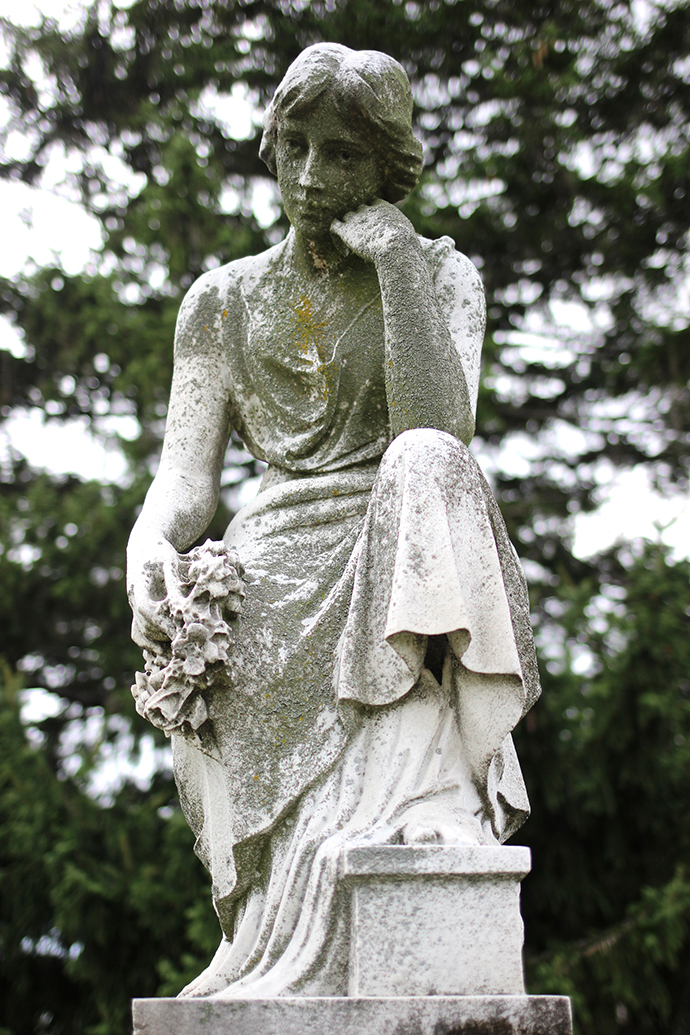
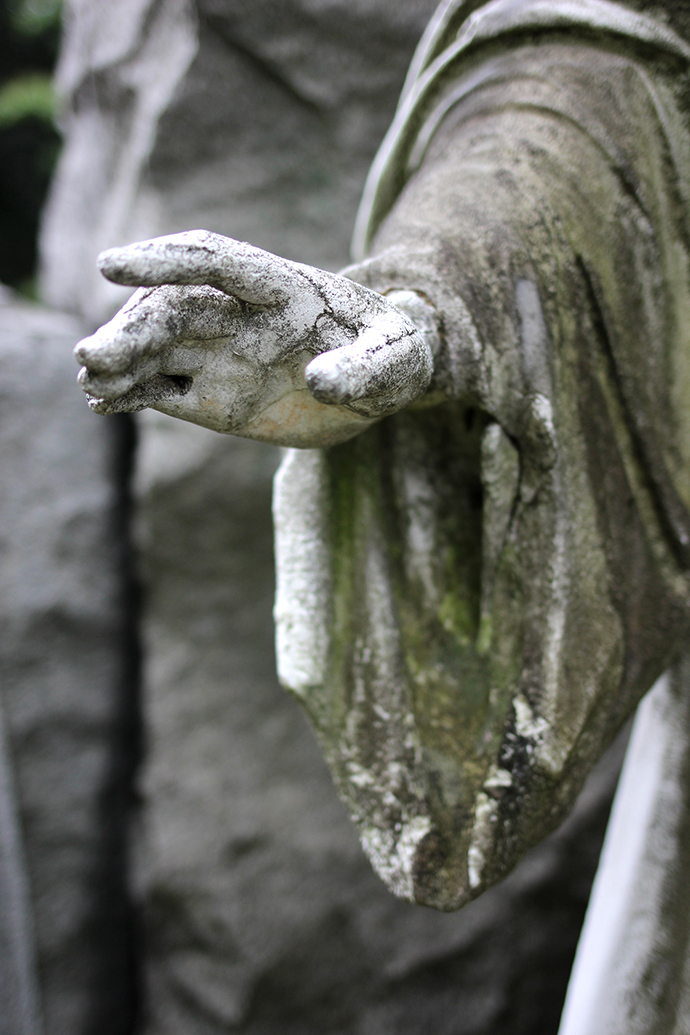
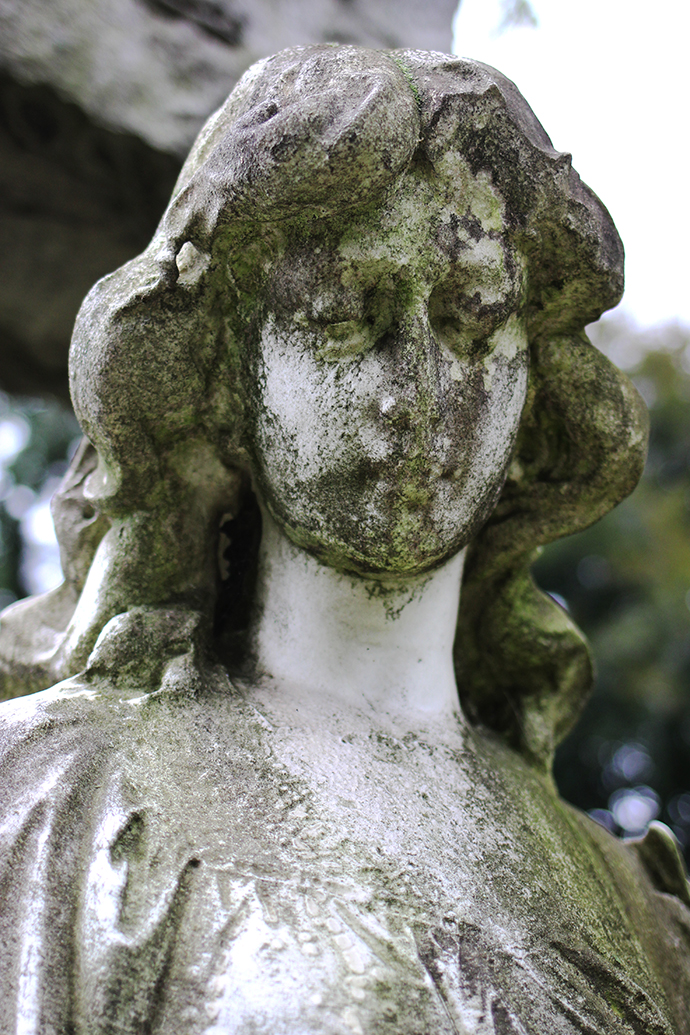
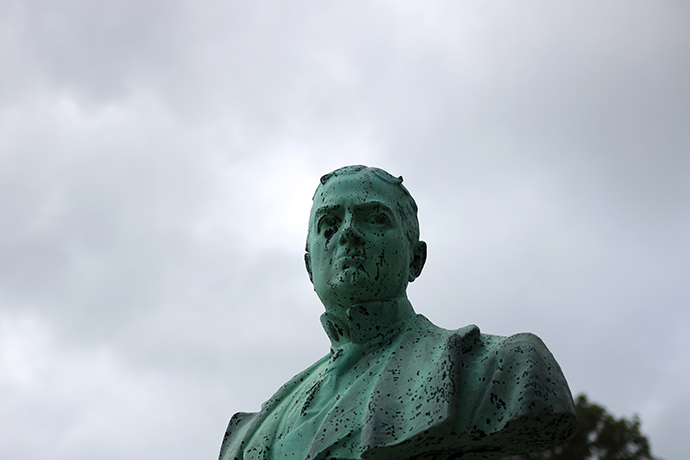
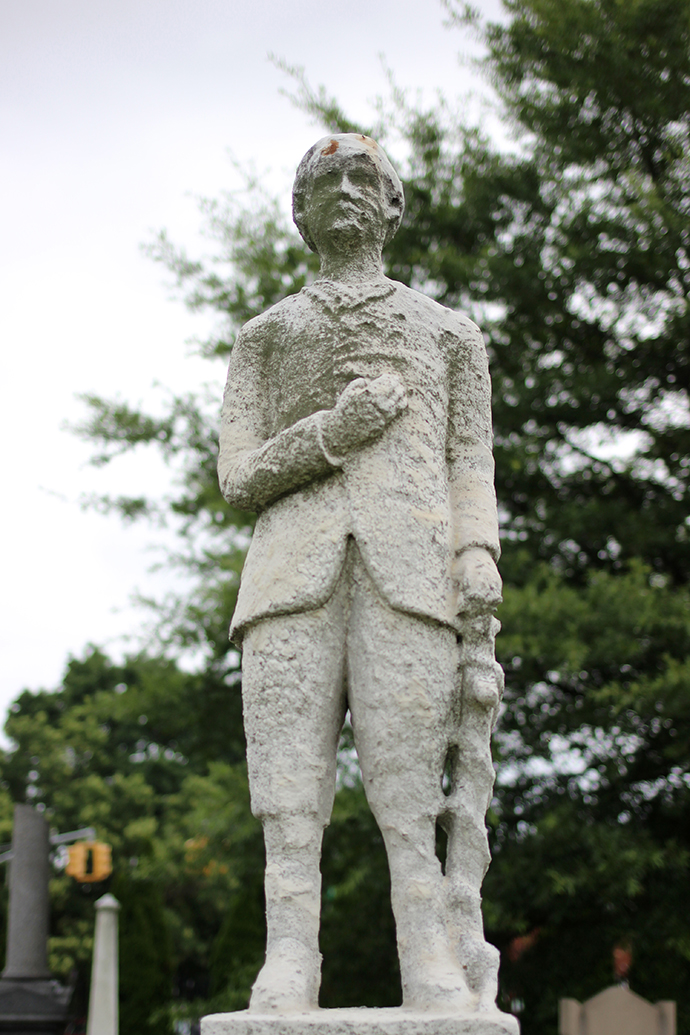
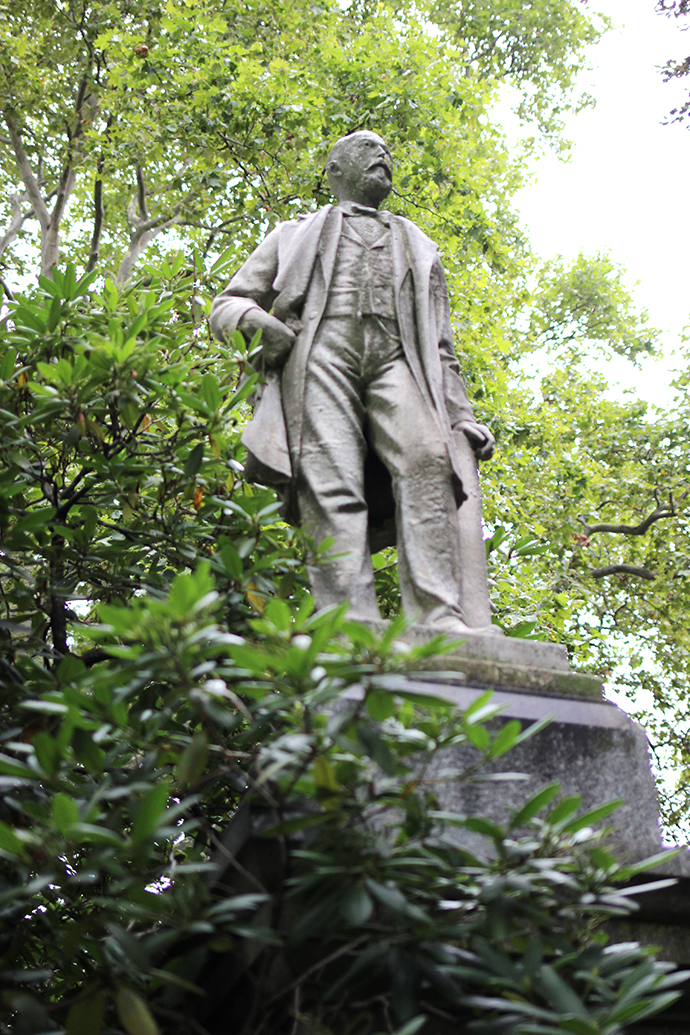
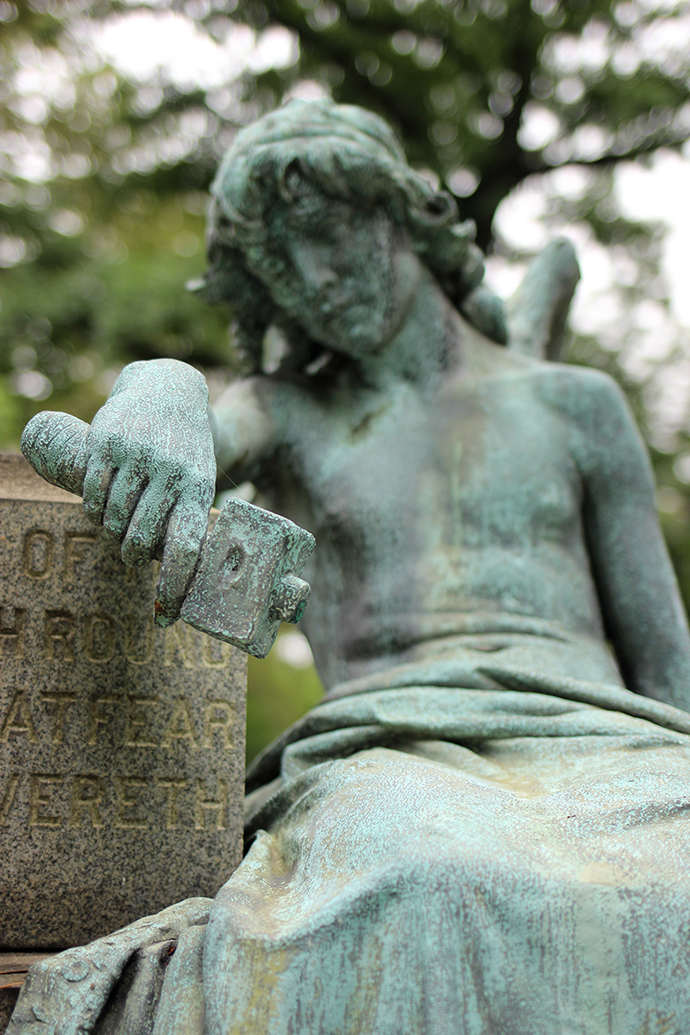
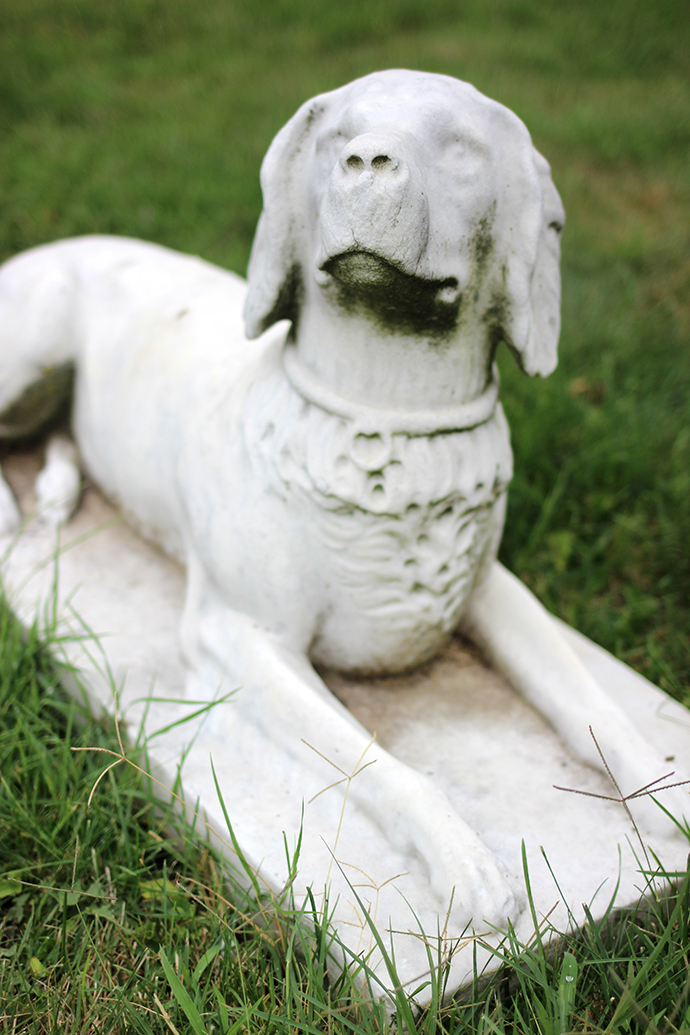
Mourning women are very common, including those that look as if they're weeping as well as those who could be mistaken for a visitor, holding flowers, wreaths or other offerings. Statues of men are less common—I once read that a high percentage of magazine covers feature women because women like to compare themselves to other women, and men like to look at women, and I wonder if the same idea applies to cemetery statues. The statues I did find of men tend to be mostly portraits, and the generic male sculptures I've seen have a very angelic, almost feminine look to them. I did also find one dog sculpture during this visit, and although I realize that each sculpture represents the loss of an actual human life, it's the thought of a faithful canine companion guarding his owner's final resting place that will always make me tear up.

Manhattan Bridge: Morning
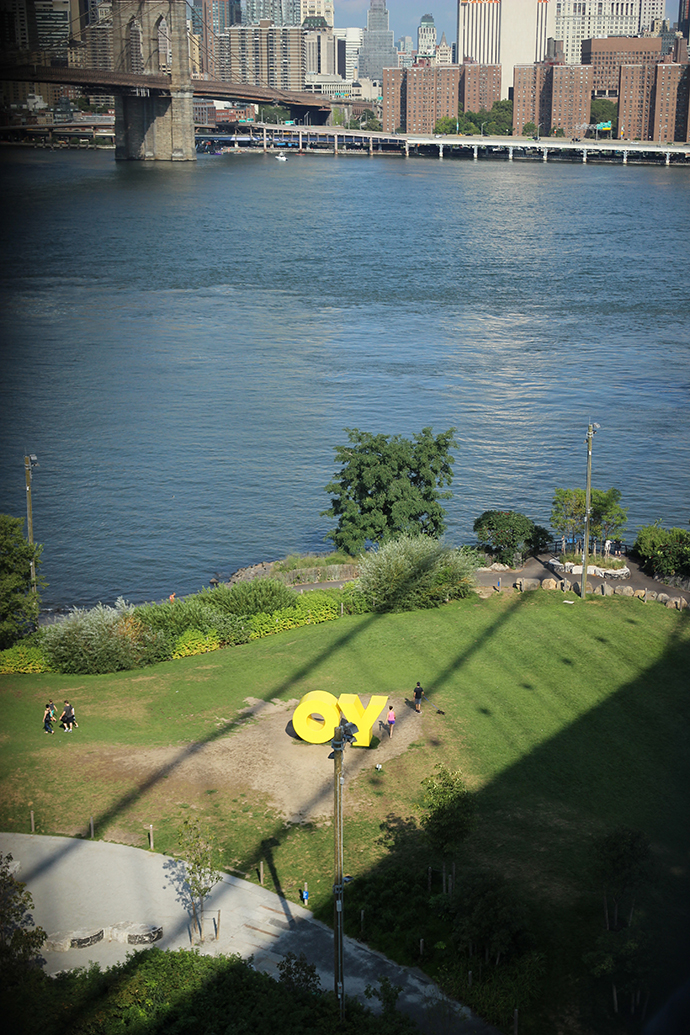
On a recent weekend, I was meeting my mom in Chinatown for diner breakfast before we headed to the resurrected Troll Museum. It was a nice morning, so I took the Q to DeKalb and walked the rest of the way from Brooklyn to Lower Manhattan via the Manhattan Bridge. Riding over the bridge on the Q during my morning commute, I've often thought that morning is the time to walk the bridge—the light shining on Manhattan is perfect at that time of day. I also (wrongly) assumed that it would be desolate at an early hour, but discovered that seemingly every single running club in New York City runs over the bridge on Saturday morning (who knew?).
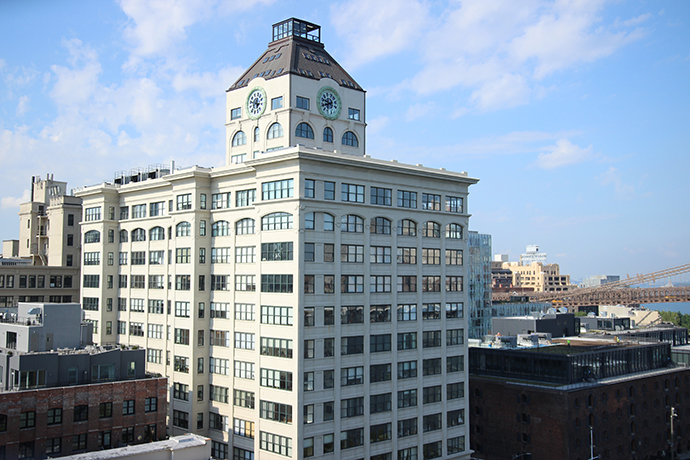
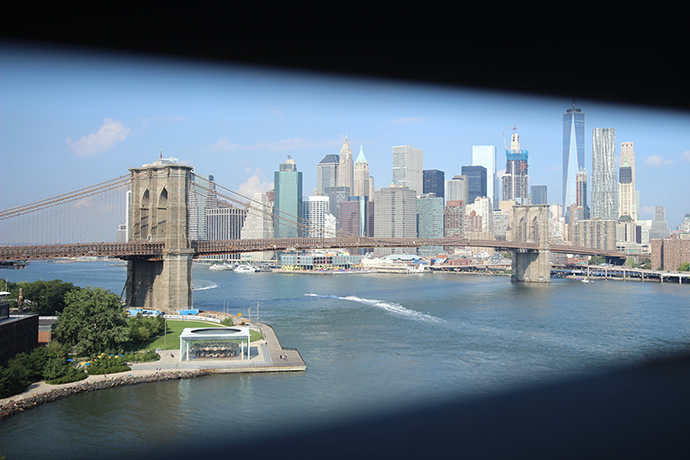
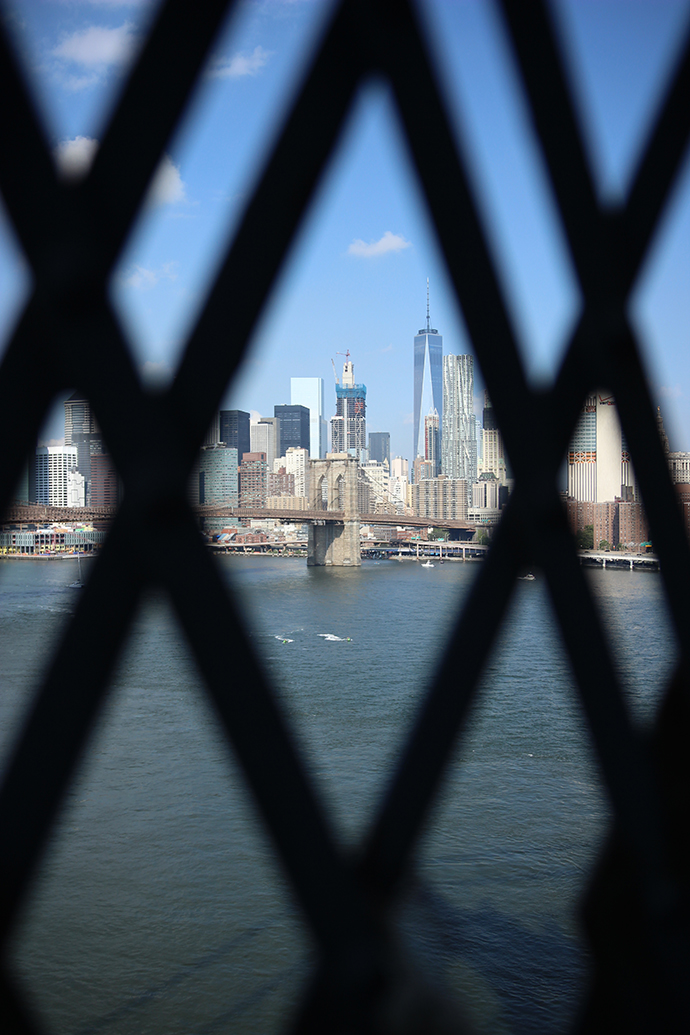
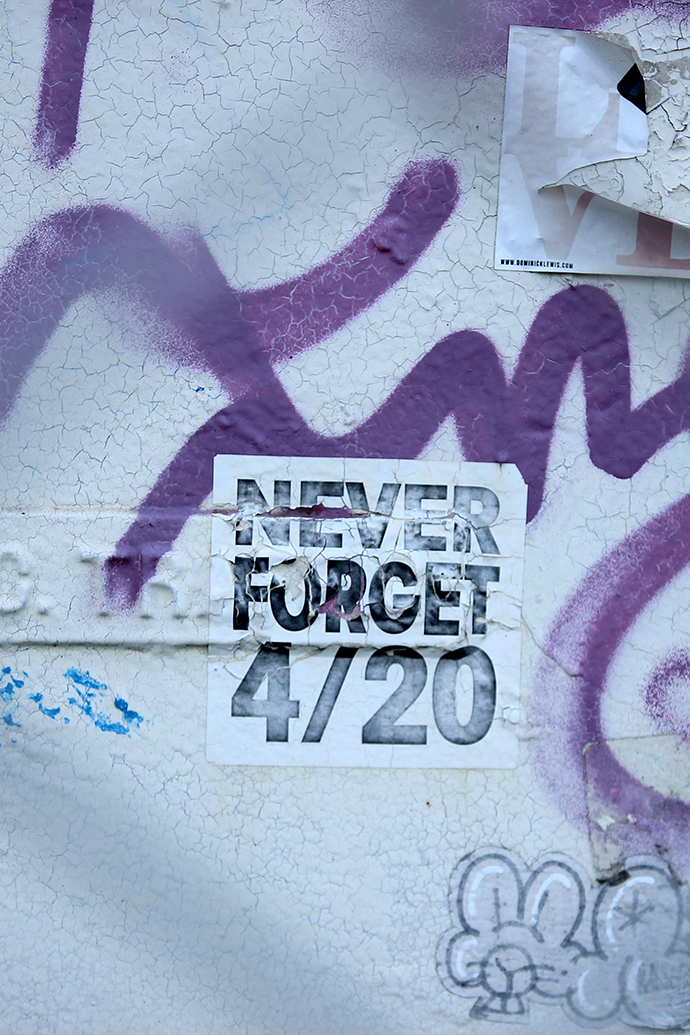
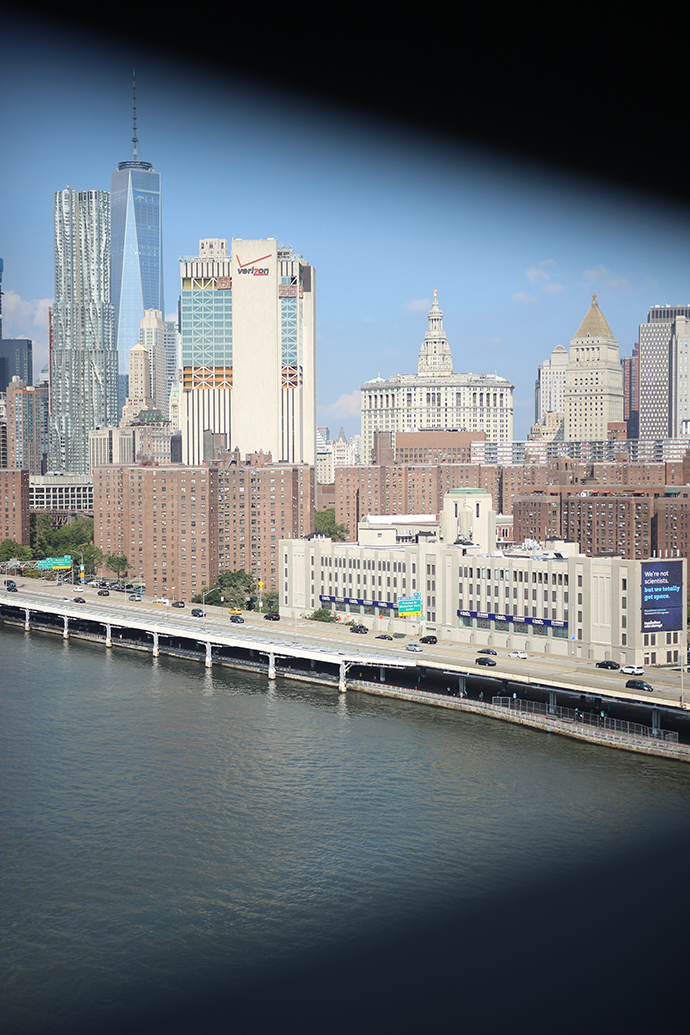
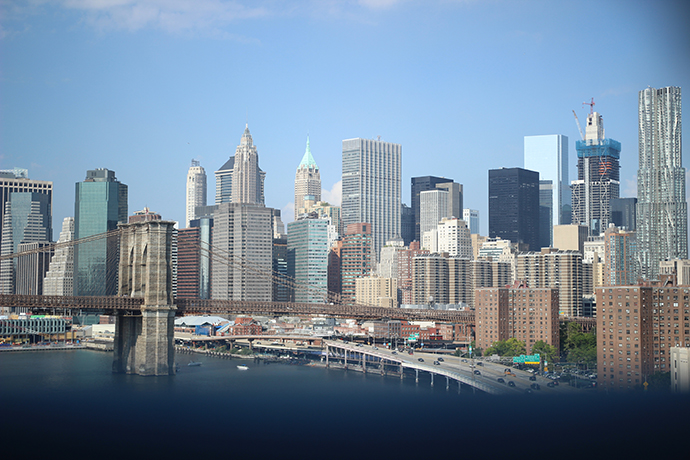
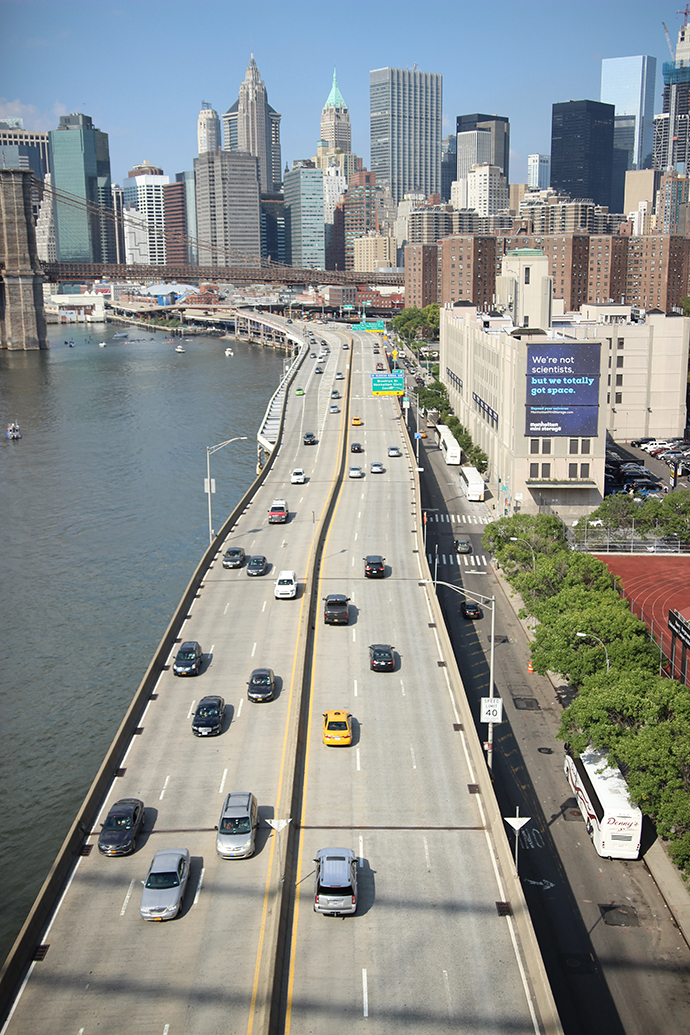
Despite nearly being trampled multiple times, the walk was still lovely. I've walked nearly all of the city bridges (this was my third time on the Manhattan), and can say with certainty that the views from the Manhattan are unparalleled. Sure you'll get similar views from the Brooklyn Bridge, but (running clubs aside) with far more foot traffic and selfie-stick wielding tourists. The safety fence does require some ingenuity to get a proper photograph, but I eventually stopped fighting it and learned to love the framing provided by the original fence that sits beneath the chain link.
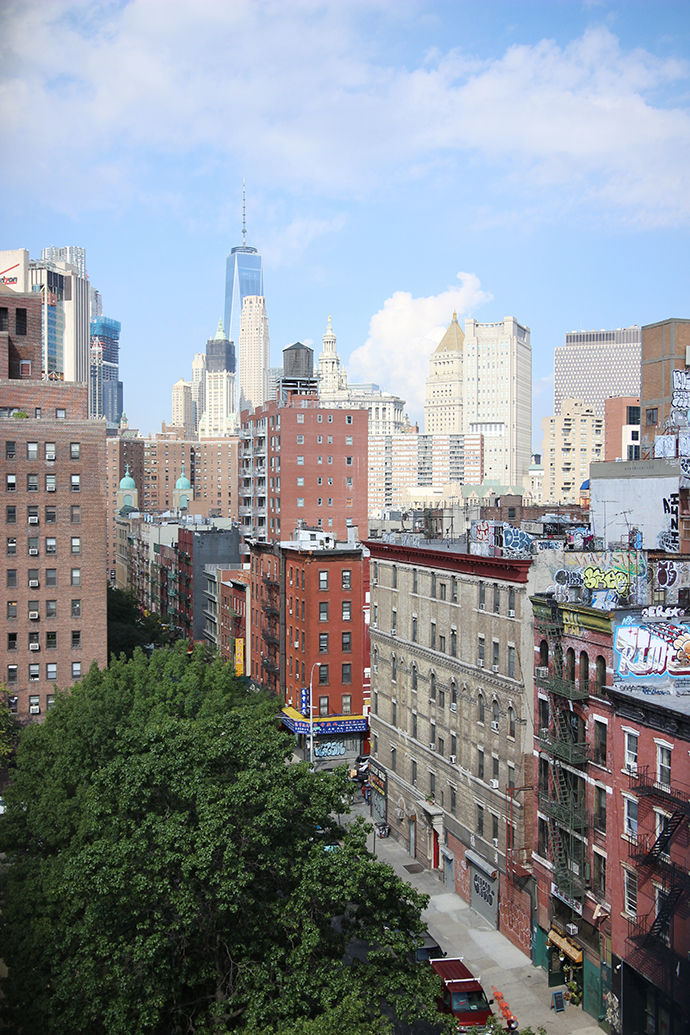
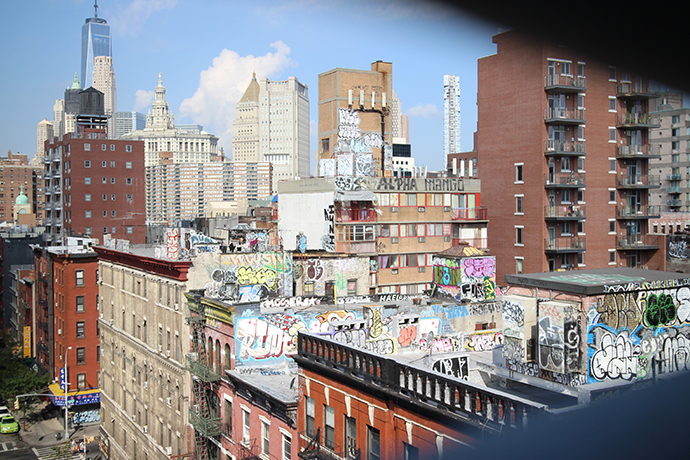
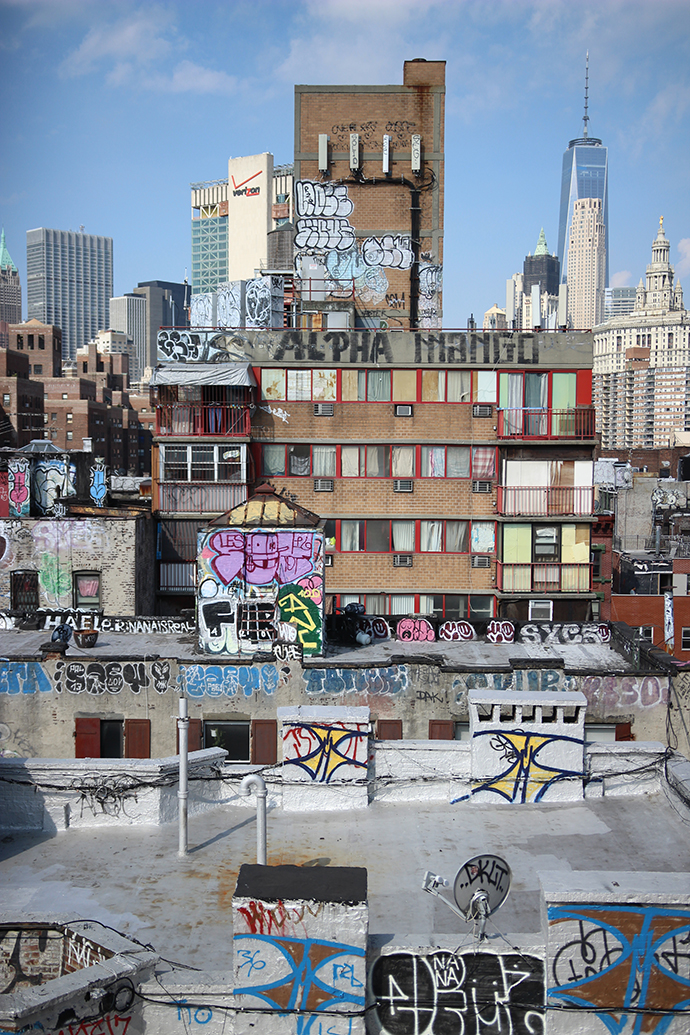
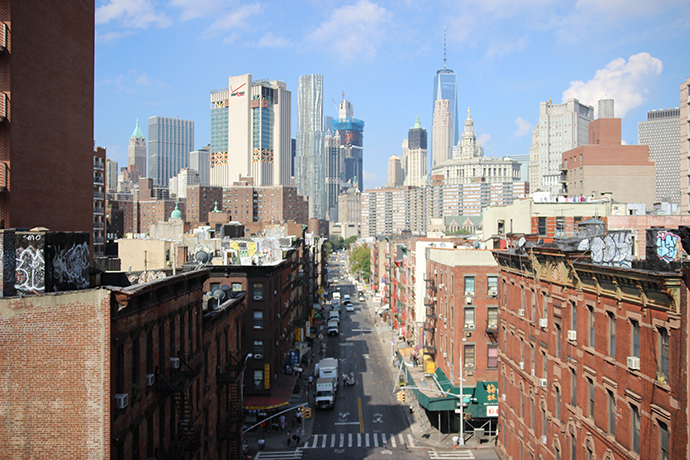
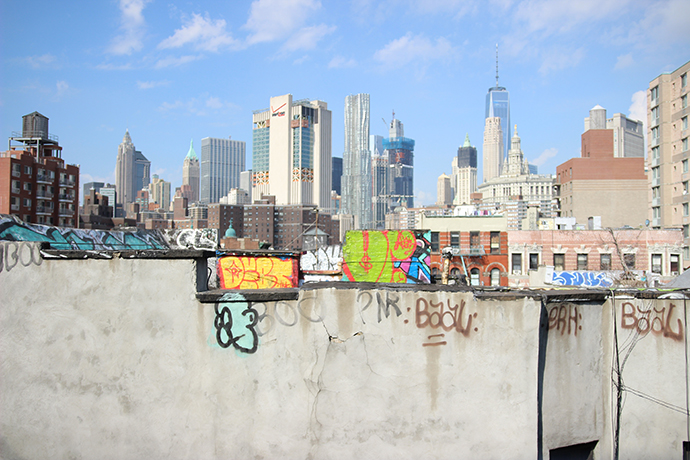
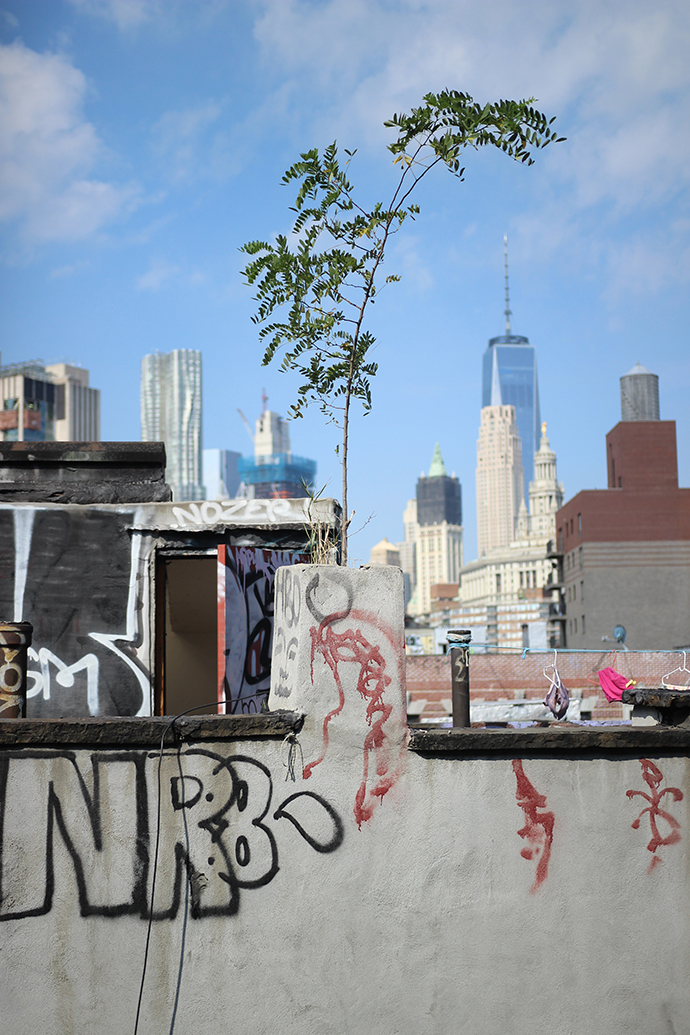
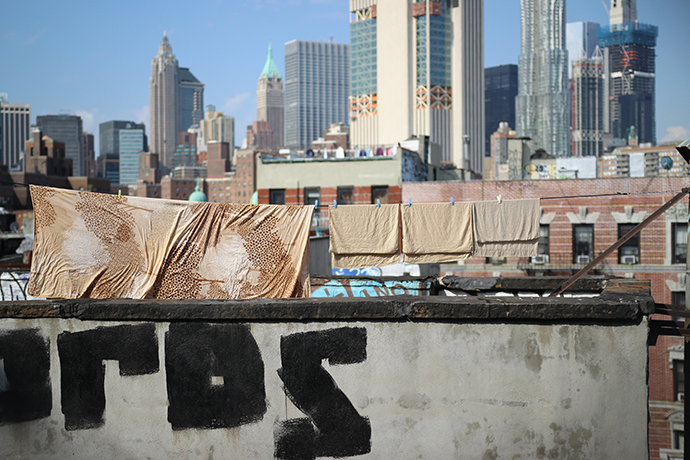
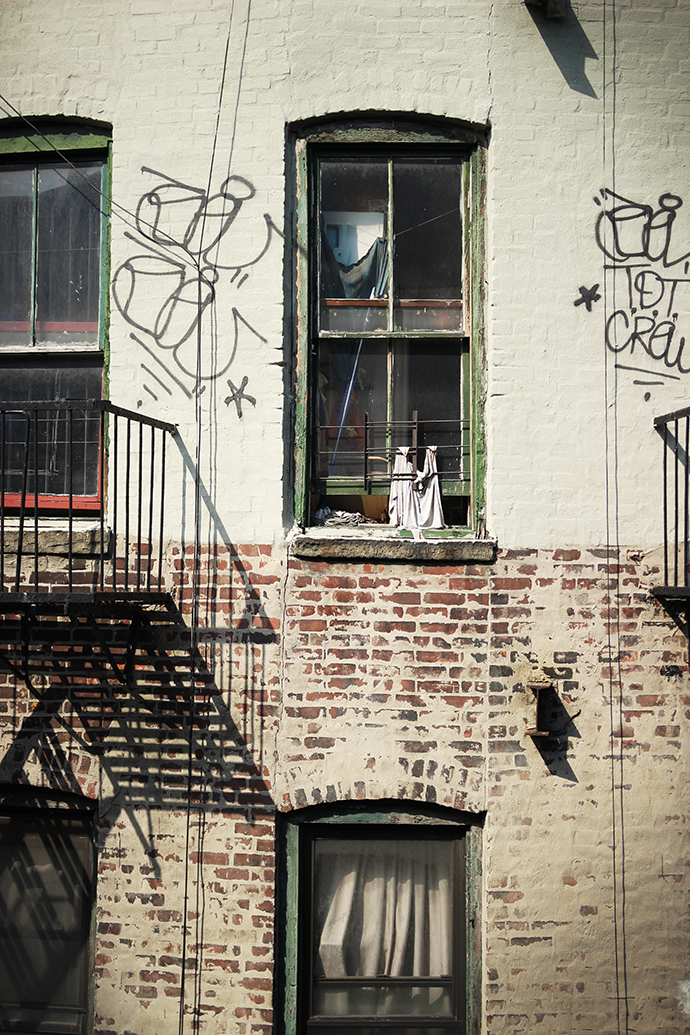
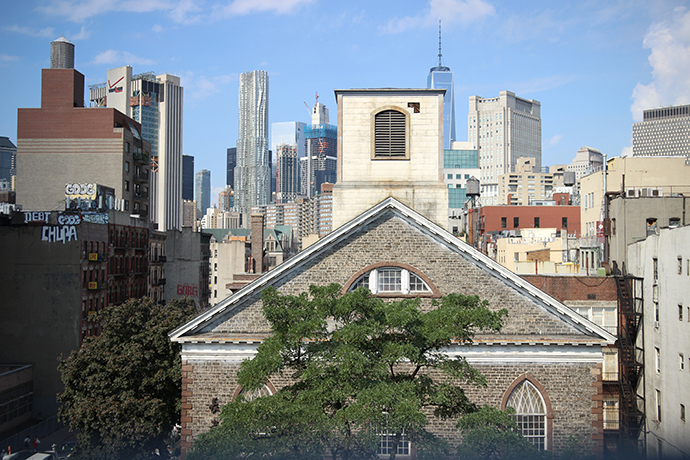
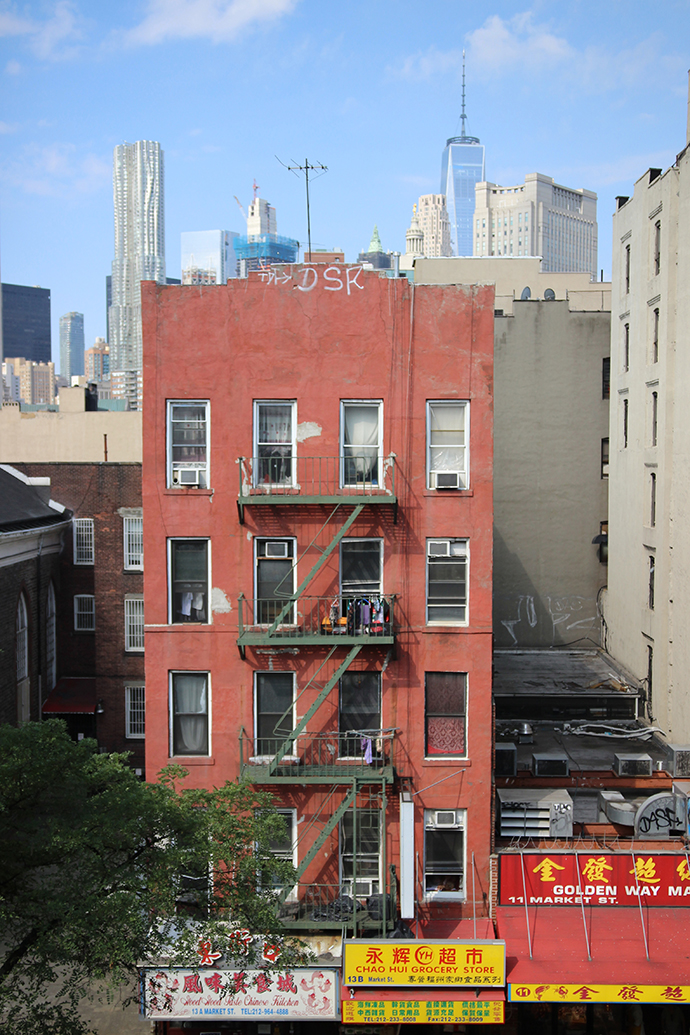
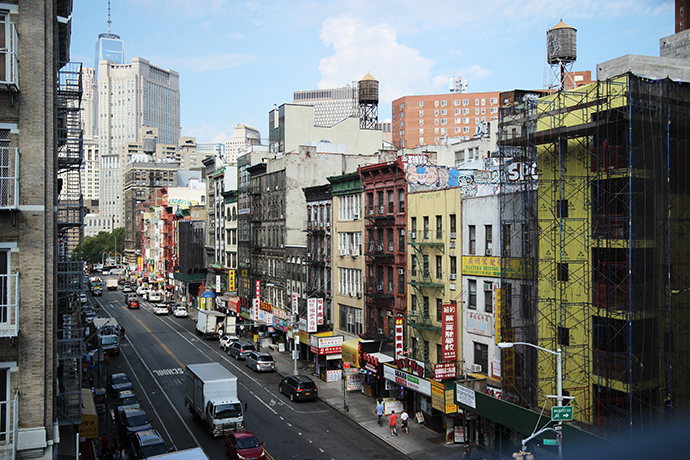
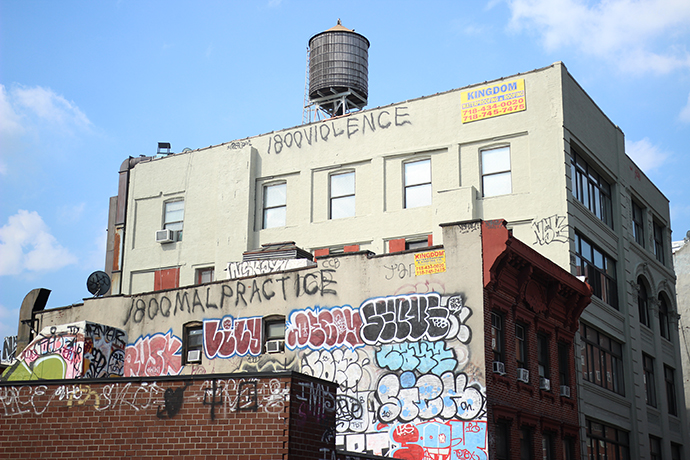
Of course the skyline of Lower Manhattan—and the profile of the neighboring Brooklyn Bridge—is a classic, postcard view, but it's when the bridge reaches land and you can see into the streets of Chinatown that I think things really get interesting. The ever-changing graffiti mixed with clotheslines and inexplicable foliage is fascinating to me—an entire city of rooftops within a city and out of view. There's really nothing like having a fresh vantage point on a city I feel as if I know so well to reinvigorate my love of New York.

Lake George

It's been exactly a year since we went to Lake George, and I'm already feeling nostalgic. I've shared some photos from the mini diner tour we took on the drive up (here and here), the life-changing Magic Forest (including a Snow White exhibit of questionable provenance and many Muffler Men) and the excellent mini-golf scene, but Lake George is packed full of so many additional delights.


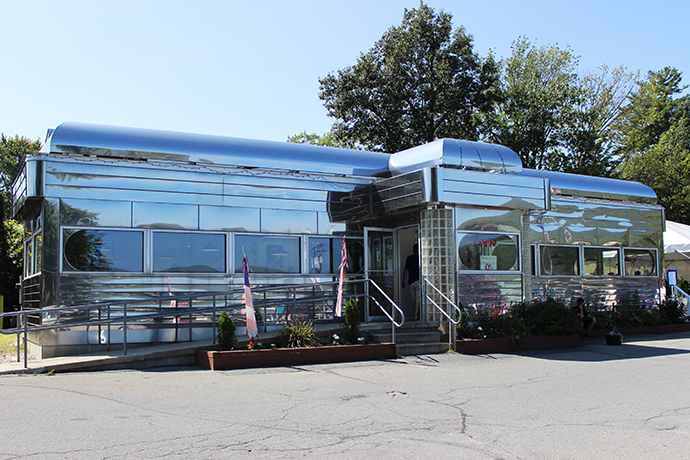


We stayed in the cutest little A-frame cottage at the Amber Lantern Motel, proving my theory that any hotel that uses classic plastic key tags (see also the Wiltshire Motel and the Wigwam Village) is an excellent choice. The first morning we ate breakfast at the Prospect Mountain Diner, and we liked it so much that we came back two more times. They had jukeboxes at each table and served a waffle topped with fresh apples that was so good I'm still dreaming about it a year later.


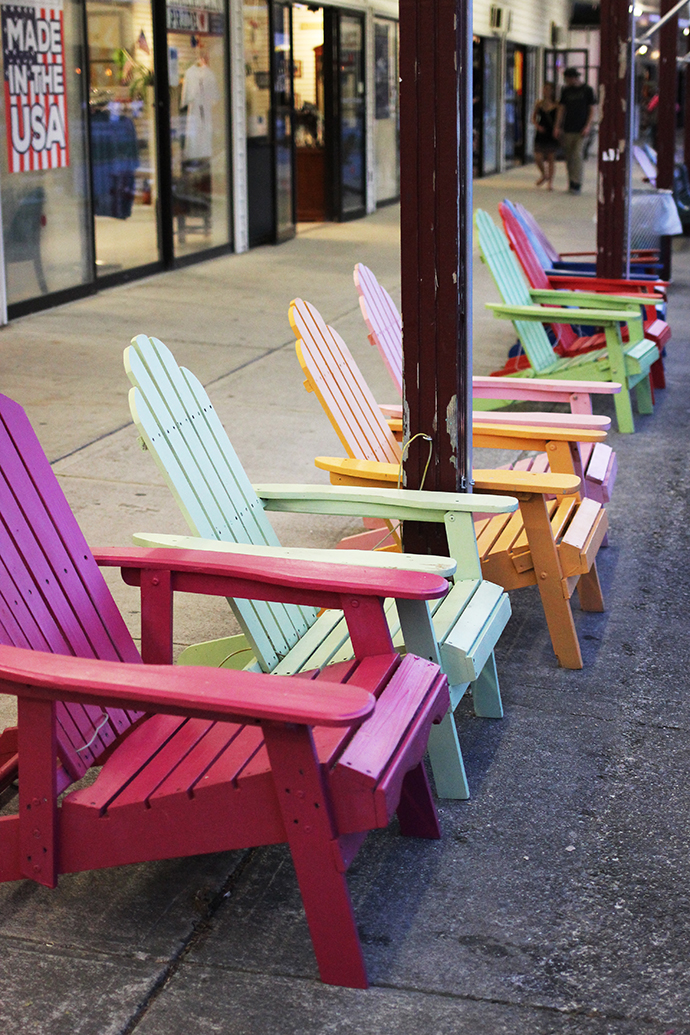


Lake George is located in the Adirondacks region of upstate NY, and our trip wouldn't have been complete without spotting at least one Adirondack chair—luckily they were all over town, including on the porch of our cottage, lined up across from the lake and we even found an oversized one, cementing Lake George as the kitschy summer destination of my dreams.
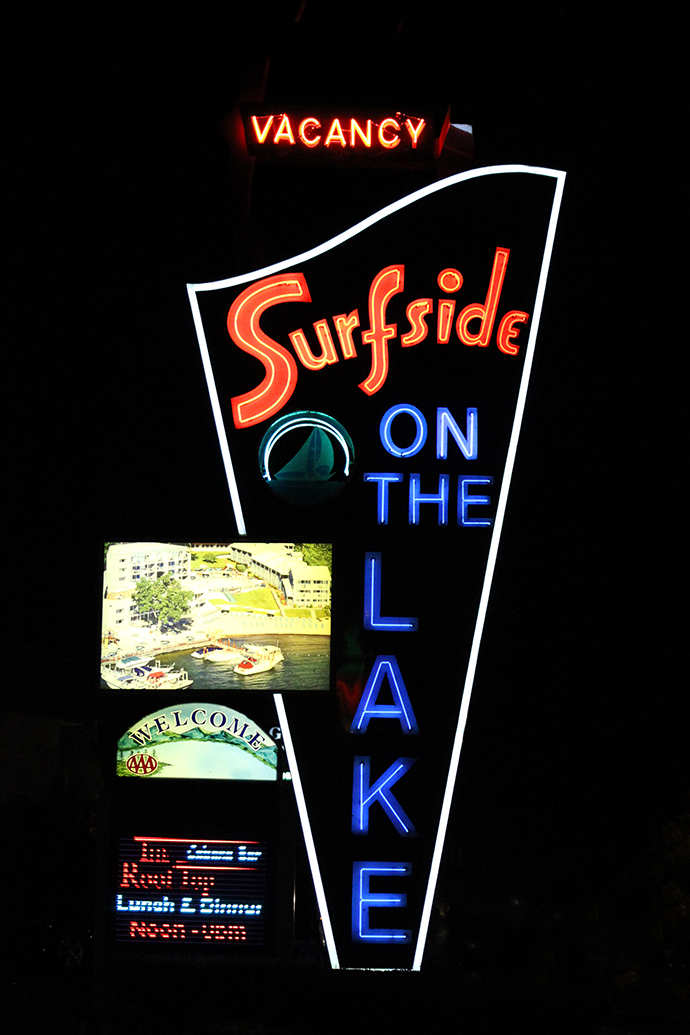
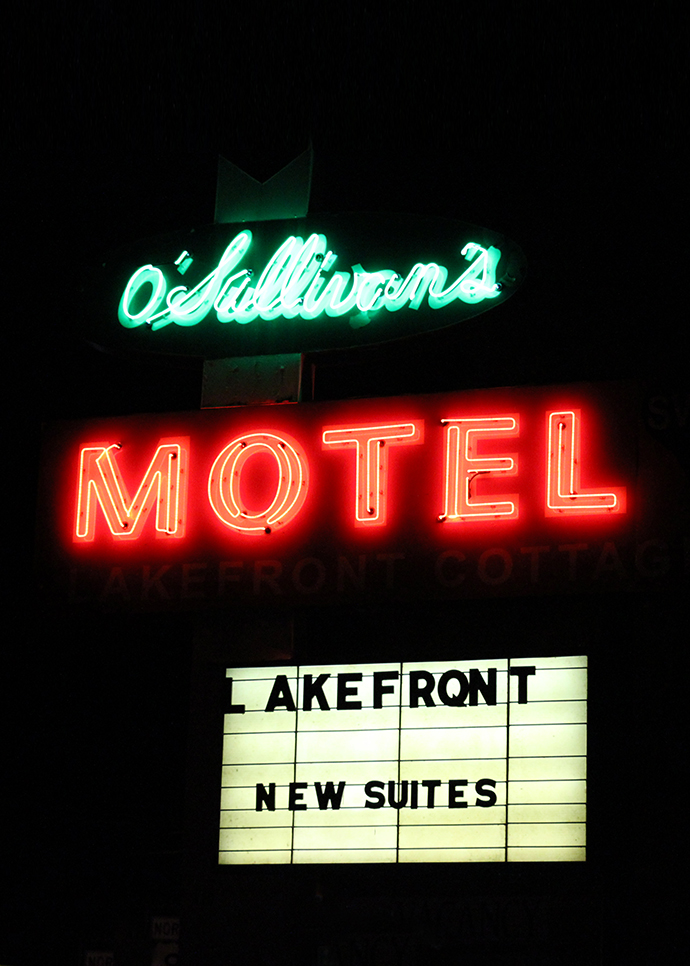


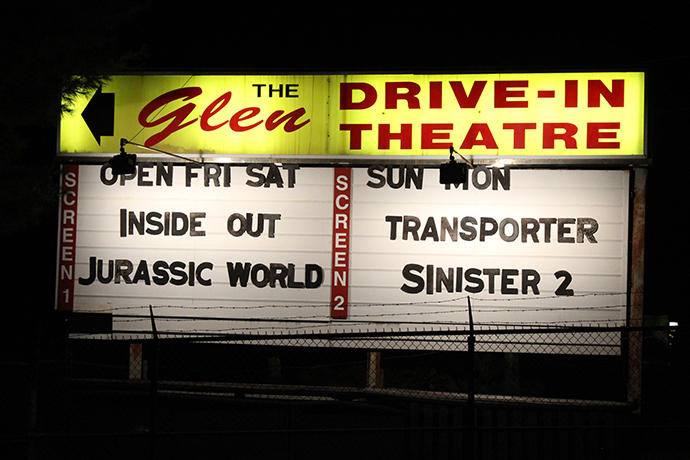

The area is bursting with vintage roadside charm, from cozy woodland cottages to 60s motels, the neon and signage is top-notch. We had soft-serve cones as big as our heads and cheesesteaks from Martha's Dandee Creme, saw Inside Out at the Glen Drive-In and somehow checked everything off my must-do list in just a few days.


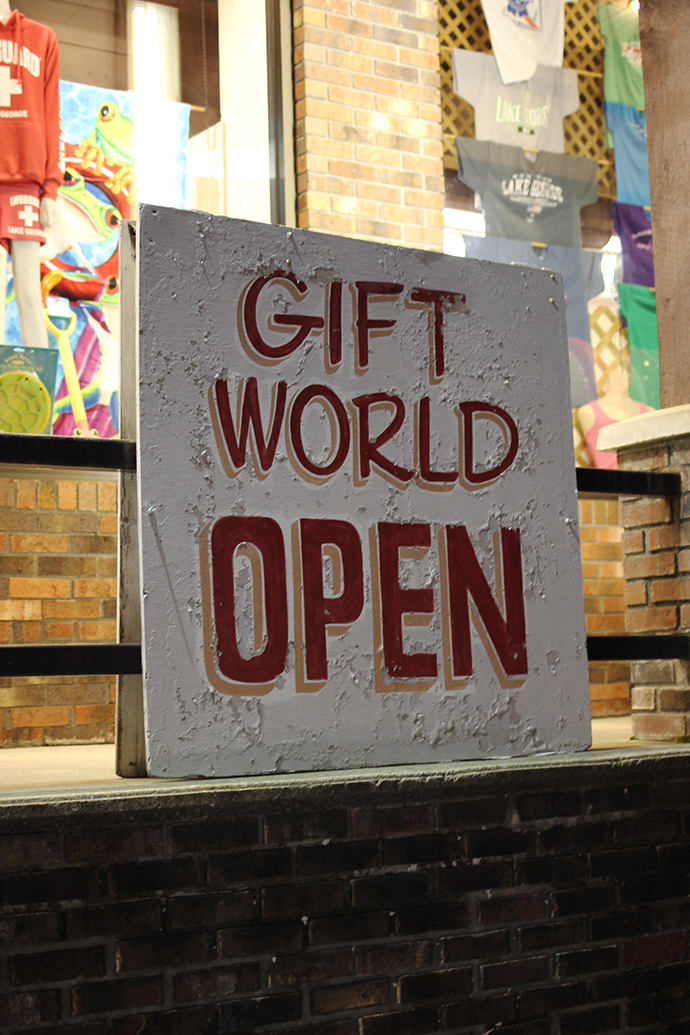


We drove to the top of Mount Prospect, threw skeeballs and tried our luck at the shooting gallery, shopped for souvenirs at Gift World—still using decades-old cloth shopping baskets—visited the Mystery Spot and tried out its bizarre acoustics and drove by one of the last remaining Howard Johnson's restaurants (the horrible reviews scared us away from actually eating there). I said it when we first arrived, but I believe it even more a year later—Lake George is a magical place.

Governors Island: The Hills
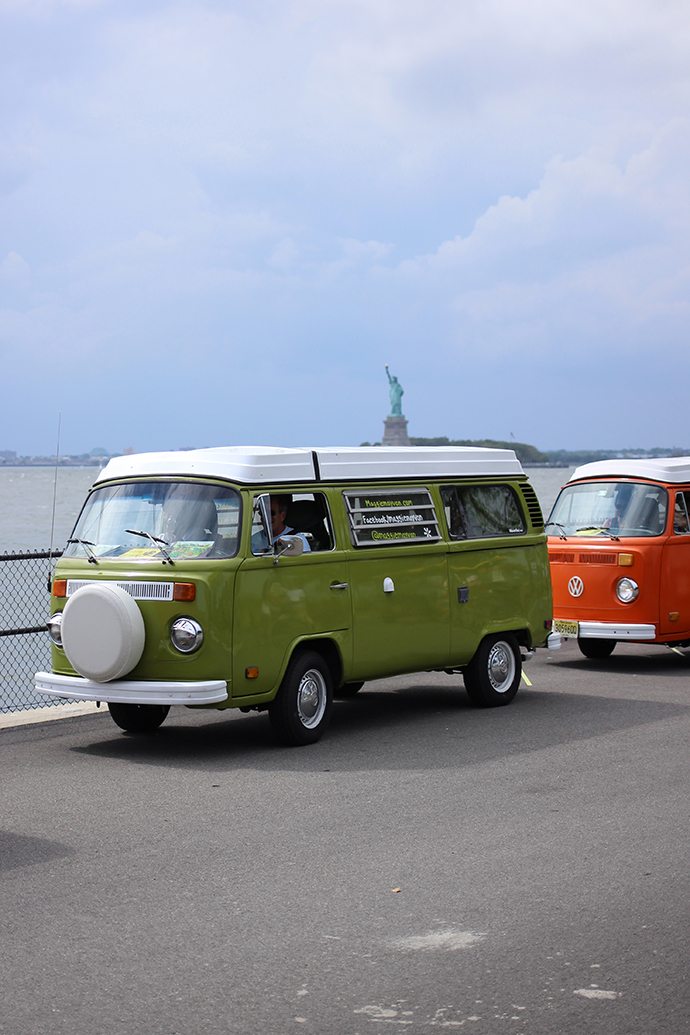
Governors Island is one of my very favorite New York City summer destinations. It's cheap (or free), and fairly quick/easy to get to, but once you're there you feel miles away from the city. I first went in the summer of 2013, and returned later that summer for the French carnival Fête Paradiso, in September of 2014, and in July of last year.

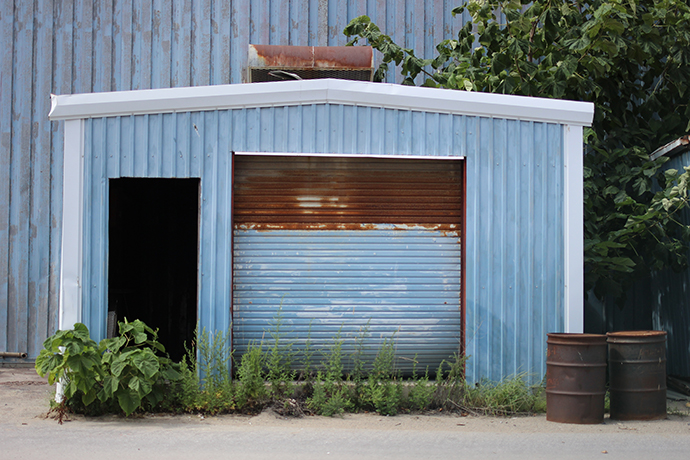


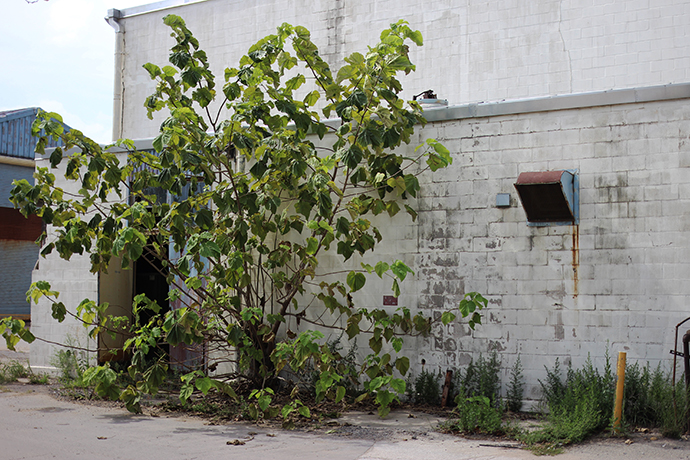


Just in the three years since my first visit, the island has undergone some wonderful transformations. About a third of the island was still under construction in 2013, and in 2014 a new section of the island opened, including the too-sunny-but-fun Hammock Grove. This year the remaining portions opened to the public and I was thrilled to discover some wonderful, new-to-me abandoned buildings: a crumbling service station, old military housing and a strip mall of sorts containing a hair care center, dry cleaners and commissary.


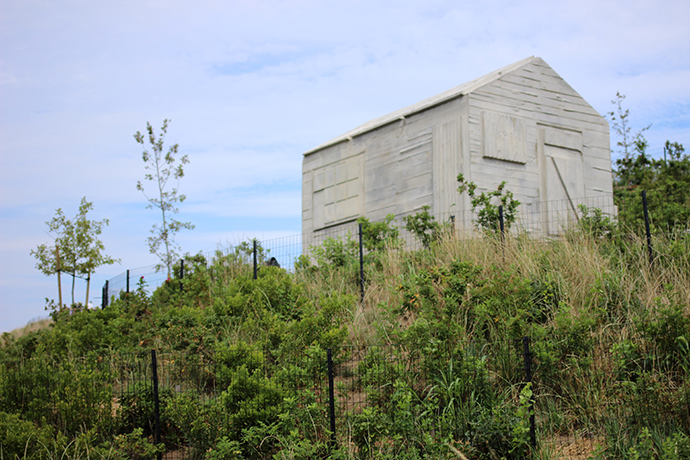

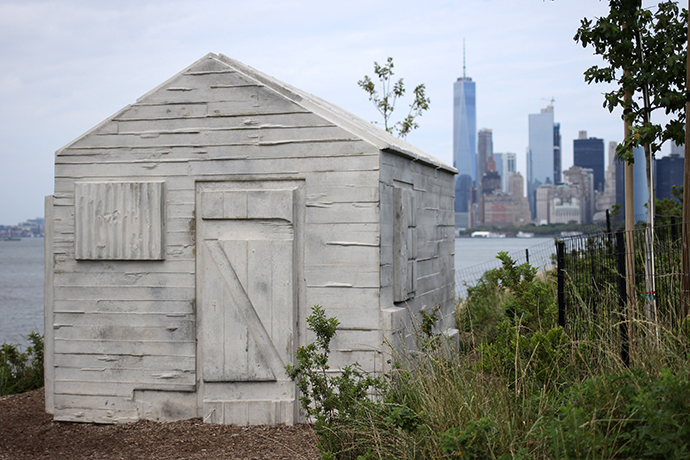
The southwestern tip of the island has been transformed into a new landscape known as "The Hills," featuring four, man-made hills, picnic areas, lookout points, winding paths, slides and art installations. The line for the slides was insanely long—as most lines in New York usually are—so we just headed to the top of two of the hills. The views of lower Manhattan and the Statue of Liberty are wonderful, and Rachel Whiteread's permanent, site-specific art installation, Cabin, is worth checking out.
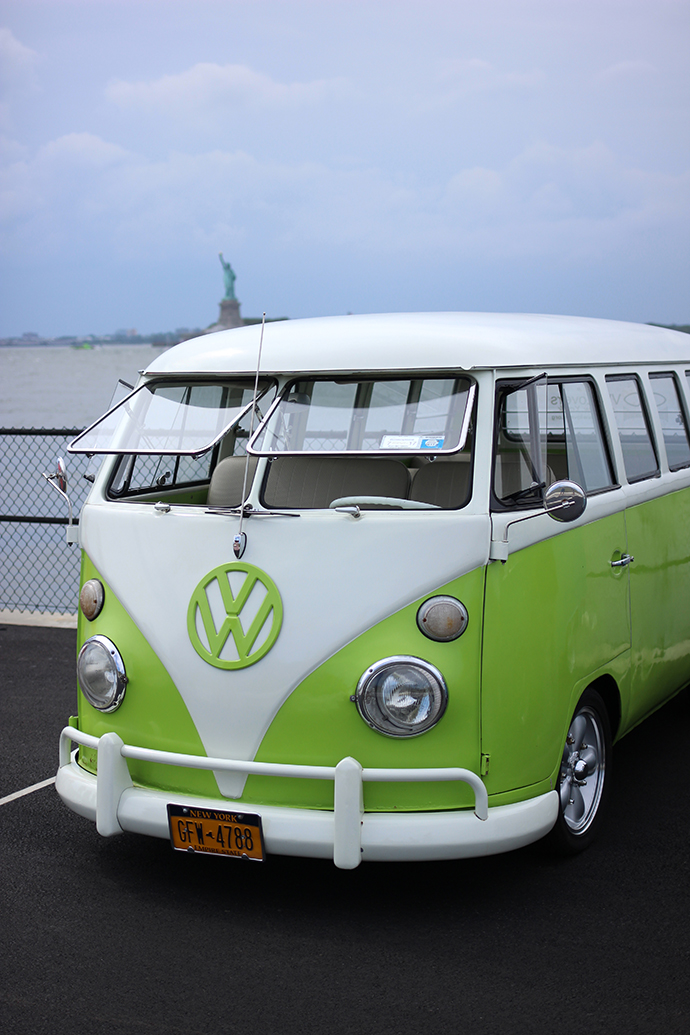
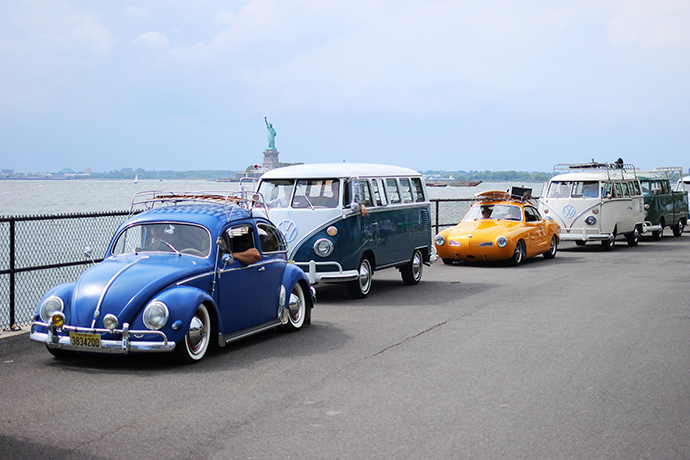

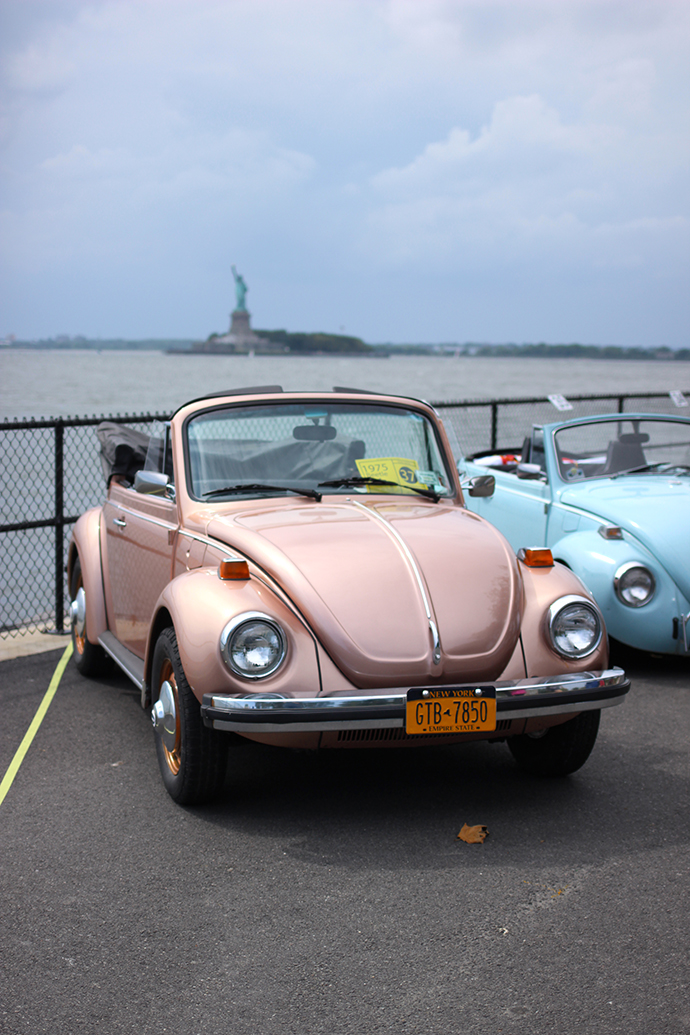

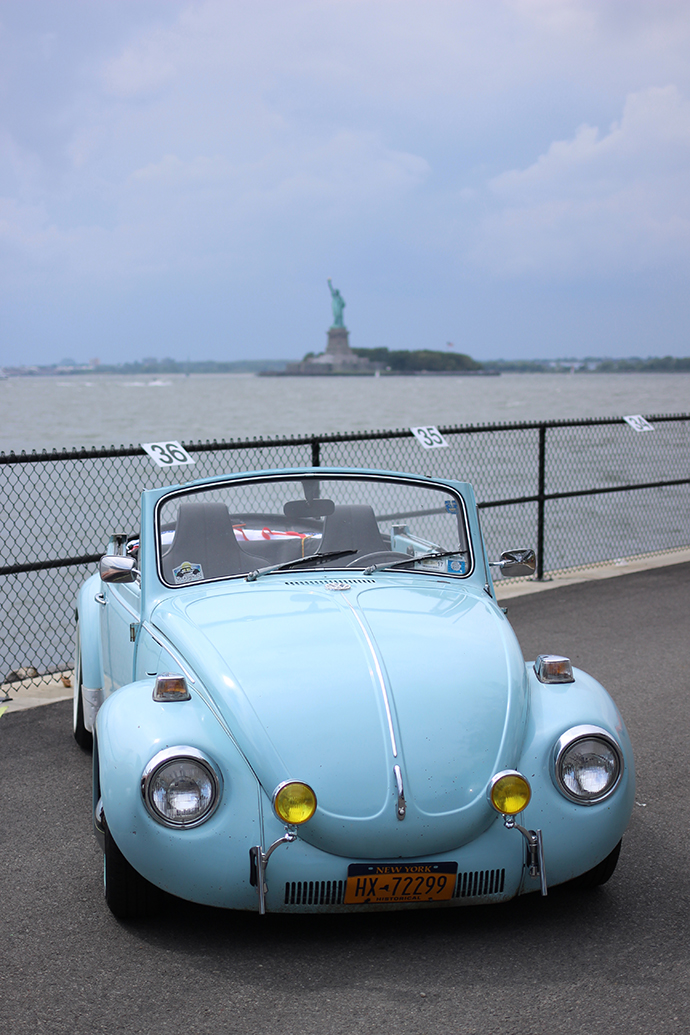
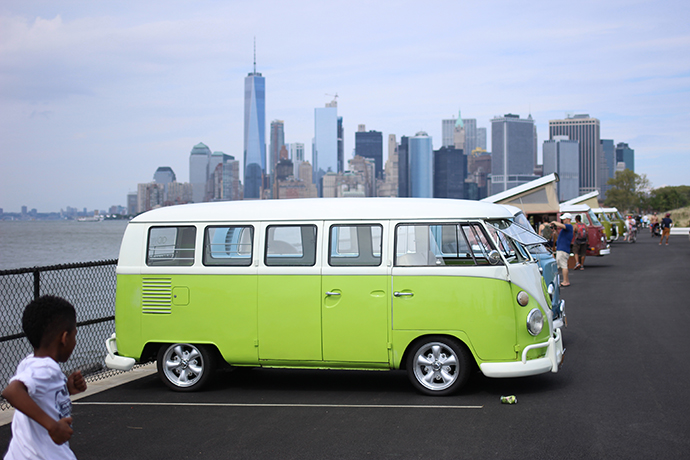
We also happened upon a Volkswagen car show, which was something unexpectedly charming on a usually car-free island. It's a funny thing to have finally lived in New York long enough to personally witness drastic changes, improvements, demolitions, sad closures and grand openings, and I look forward to checking in on Governors Island for many more summers to come.

Troll Museum

When I heard that performance artist Reverend Jen Miller was being evicted from her LES apartment—home to what she claimed to be "the world's only" Troll Museum since 2000—I immediately regretted that I had never made it there. But luckily for me (and Rev Jen), an art gallery in Chinatown donated its gallery space to exhibit (most of) the Troll Museum for the next few weeks in an effort to raise donations for Rev Jen. The suggested donation is $3,000, but the Troll Museum Board of Directors is also The Backstreet Boys, so ¯\_(ツ)_/¯.
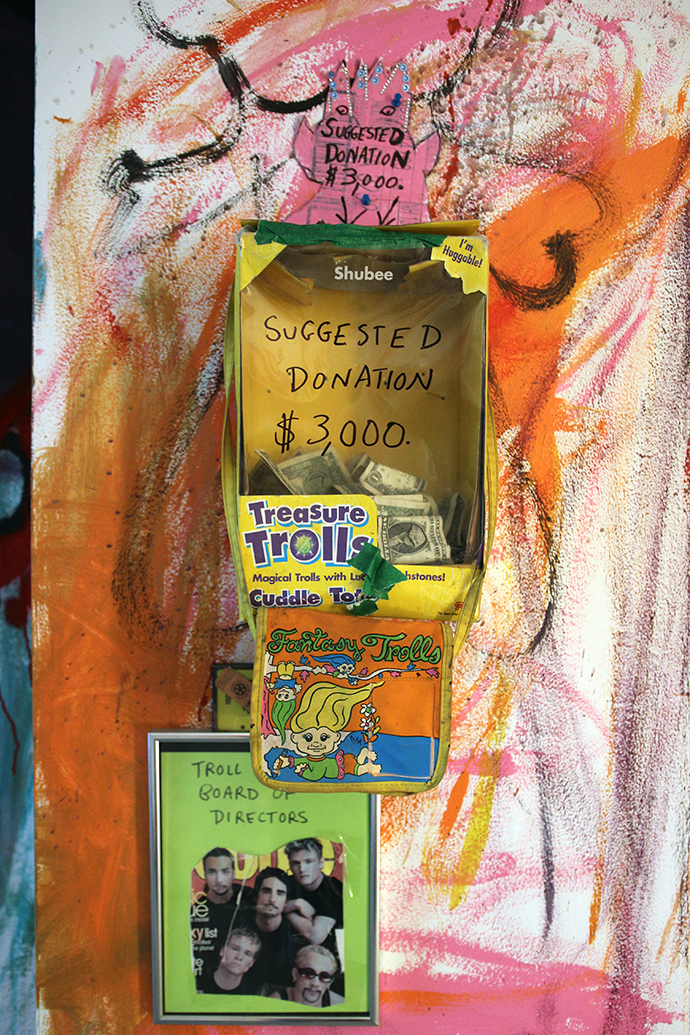


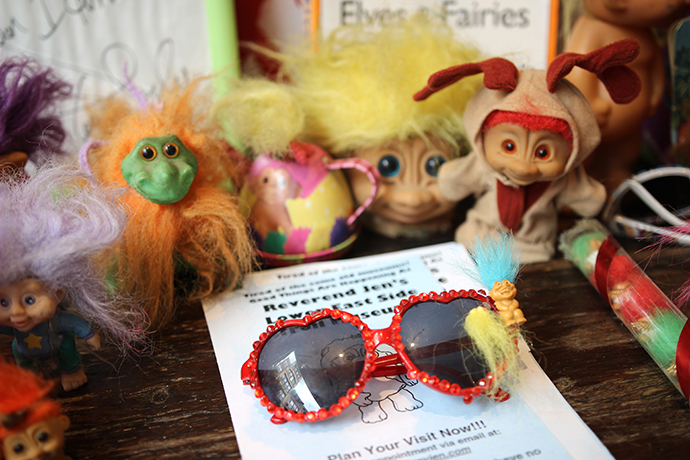
I didn't want to miss out on this temporary second chance, so my mom—the apple doesn't fall too far from the lover-of-all-things-weird tree—and I went to Chinatown Soup recently to check it out. The gallery space is one small room, but there are a deceptively large number of trolls crammed onto shelves, tacked on walls and propped in corners.


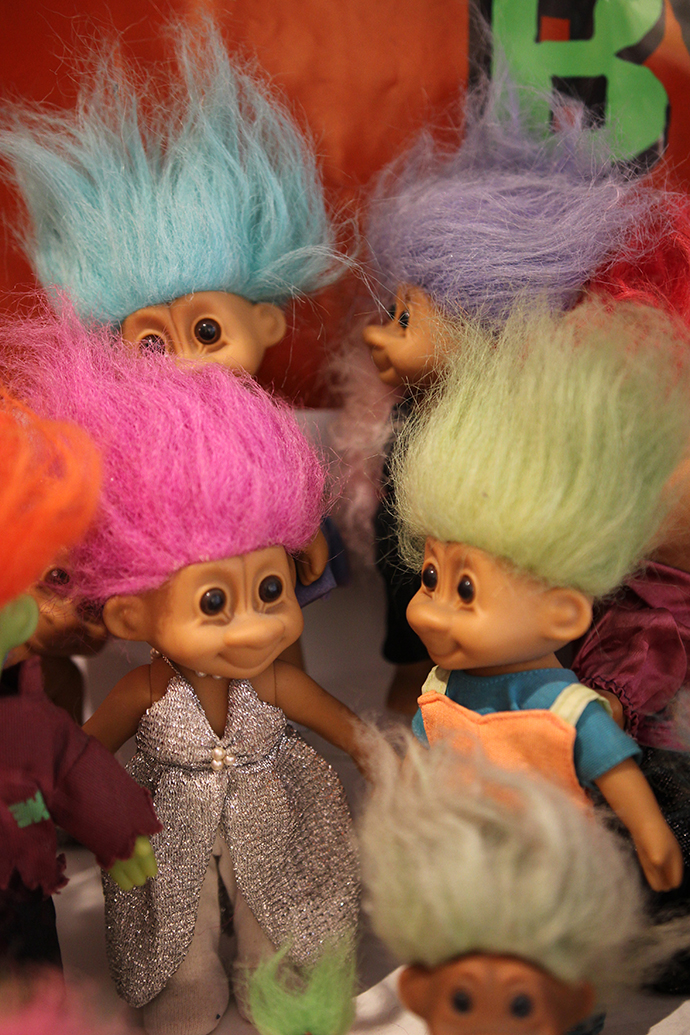

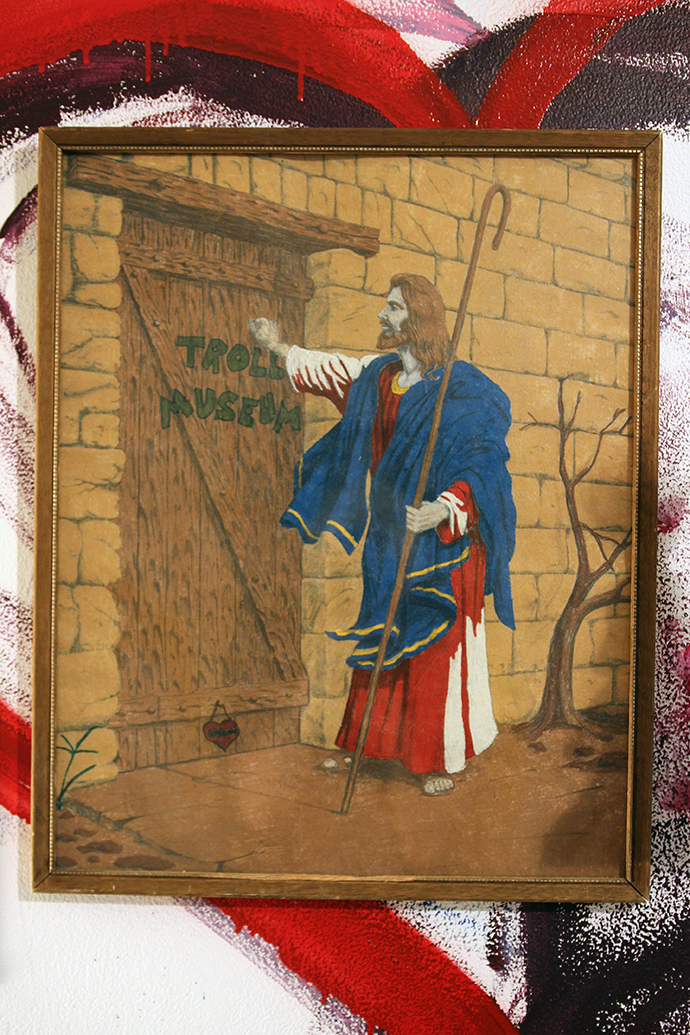
The Troll Museum is obviously not a museum in the traditional sense—you don't come here to learn about trolls, or see pristine examples of their evolution from 60s fad to resurgences in the 70s, 80s and 90s. You go to the Troll Museum for the same reason you go to an art exhibit or watch an episode of Hoarders. The Troll Museum has what might be called more "traditional" art—paintings and drawings of trolls, of course, but the best piece is of Jesus knocking on the door to the Troll Museum. And then there's the collection of objects itself—greater than the sum of its (dirty and broken) parts and wonderful in its scope and fragmented vision.





I'm so glad that I got a second chance to see the Troll Museum, and its initial demise taught me the important New York lesson that nothing is forever, and that I should go immediately to all of the places that I say I'll get to "someday." It was the perfect rainy Sunday activity for my mom and me—she collected trolls during their original run, and I collected them when they made their 90s comeback. It's mildly depressing to realize that I've reached the point in my life where my childhood toys are now collector's items, but I'm glad there are people around like Reverend Jen to look after them.

Conservatory Garden: August 2016

Now that I no longer have the pleasure of commuting every day through Central Park, I don't get to the Conservatory Garden nearly as much as I should. It's one of my very favorite spots in the park and I'm always happier after spending some time there, even if it's just my lunchbreak. I decided to check in on the gardens recently and it was as beautiful as ever. The last time I was in the Conservatory Garden, the tulips were in bloom, so I was way overdue for a return visit.



Plants will always be a mystery to me—as evidenced by the time I mistook a billion chrysanthemums for daisies, or the succulent that I recently murdered—but that's part of why I admire them so much. I started off looking at the dahlias and other blooms, but very quickly started to fall in love with all of the darker plants. It's a trend I noticed when I visited at a similar time last year, but the dark color palette is definitely more pronounced this year. Deep purples and charcoals might not seem like an obvious choice for a summer garden, but that's what makes them so wonderful.



The deep reds were also really beautiful and as always the contrasts of textures, colors and shapes is really spot on. The Great Fall anticipation always begins for me around this time of year (I blame back-to-school advertising) and for a brief moment I allowed myself to get excited for all things pumpkin, spooky and crisp.

Green-Wood Cemetery: Moss

On a recent walk through Green-Wood Cemetery (aka my happy place), I noticed that a lot of headstones were covered in moss, algae and/or lichen. I've already established that I know absolutely nothing about plants or greenery so I'm not entirely clear on the difference between the three, or sure that those are the only greenish things that grow on headstones. But what I am sure of is that a moss-covered tombstone is creepy and beautiful, and Green-Wood is lousy with them right now.


I happened upon a particular spot in the cemetery where almost every stone was covered, and it doesn't appear to have much to do with the composition of the stone itself—although the older and more porous a stone, I'm sure the more likely it is to be host to any and all creeping flora. Whenever I see one stone covered in ivy or any type of growth it makes me wonder how it was chosen as a host above all the others. I happen to extra-love any stone that looks overgrown and forgotten, and if I intended to have a tombstone of my own one day (I don't, despite my love of cemeteries) I would love nothing more than to have it entangled in ivy.


I've been to Green-Wood so many times now—and it's such an overwhelmingly large space—that narrowing my focus helps me to not jump around frantically feeling as if I'm missing something. Green-Wood does such a wonderful job of maintaining the stones and the space, that it's a testament to that maintenance that it's actually quite rare (in my experience) to find anything remotely crumbling or unkempt in the cemetery.

5th Avenue: 24th Street - Park Place
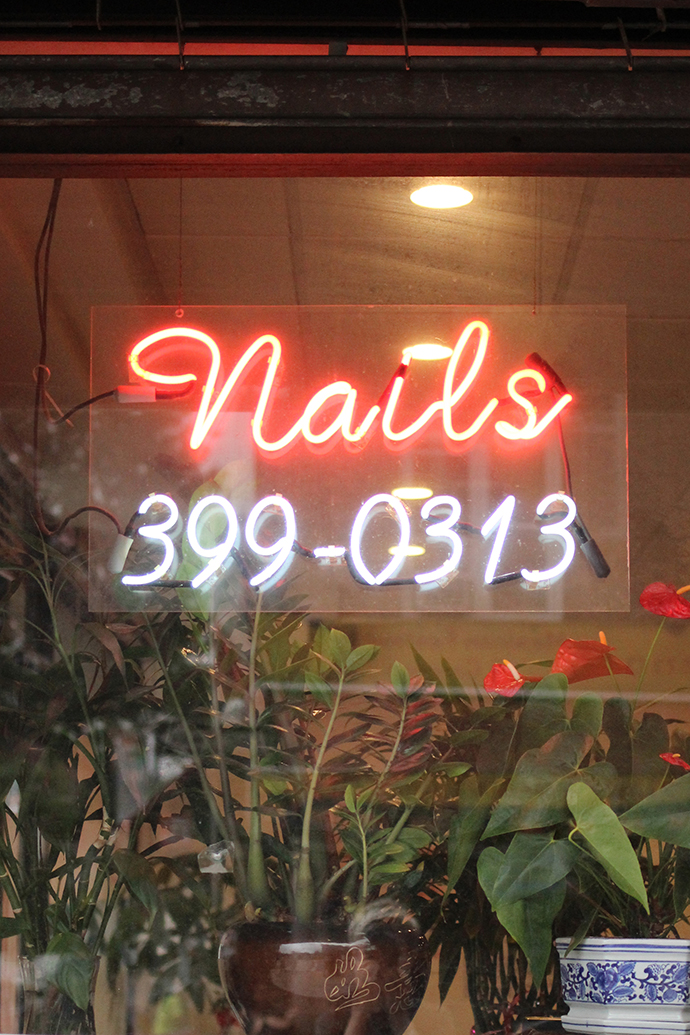
It's been a while since I've just wandered around taking photos and my storefront addiction was in need of a fix. After satisfying my always-present need for cemetery exploration by walking through Green-Wood Cemetery, I decided to walk the rest of the way home (2 miles exactly) down 5th Avenue through Park Slope. I live right on the border of Park Slope and Prospect Heights, and what I always find fascinating about New York is how distinctive neighborhoods can be from one another.
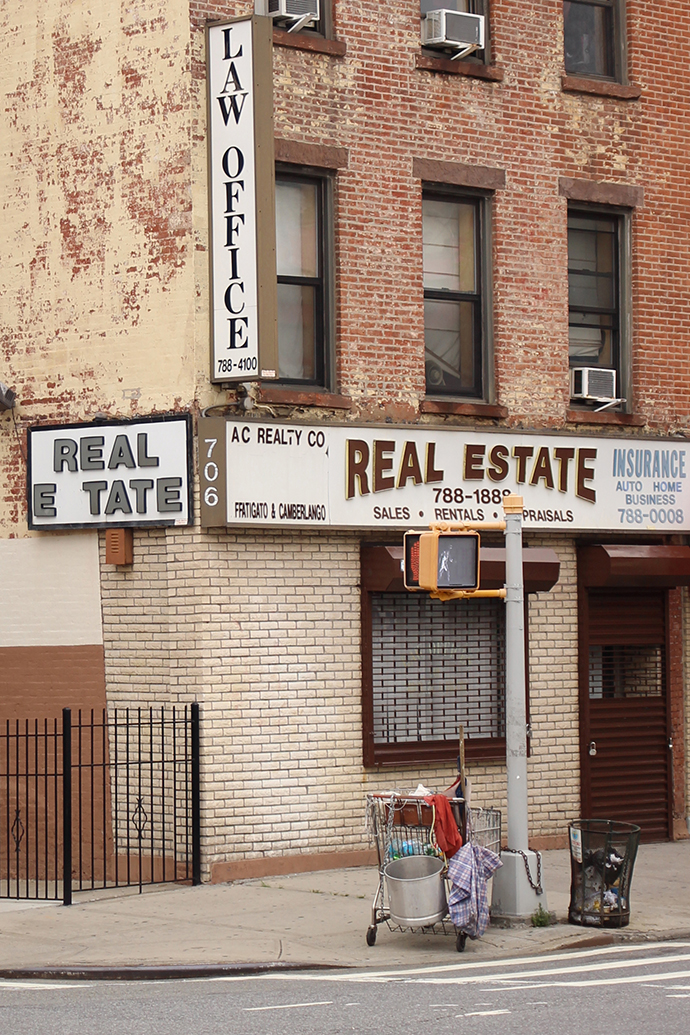
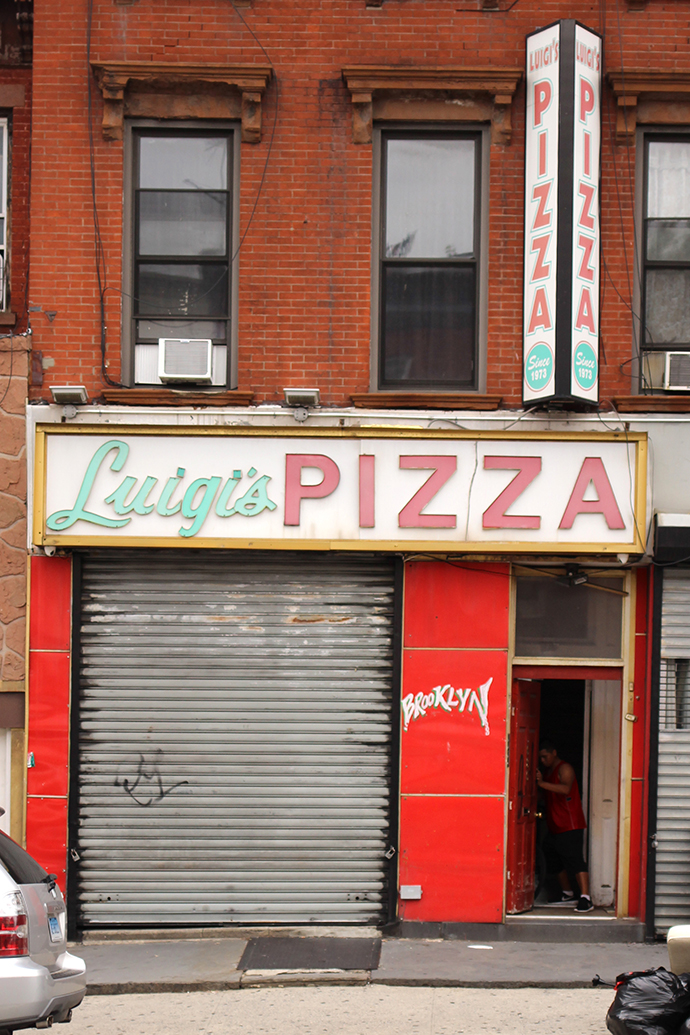
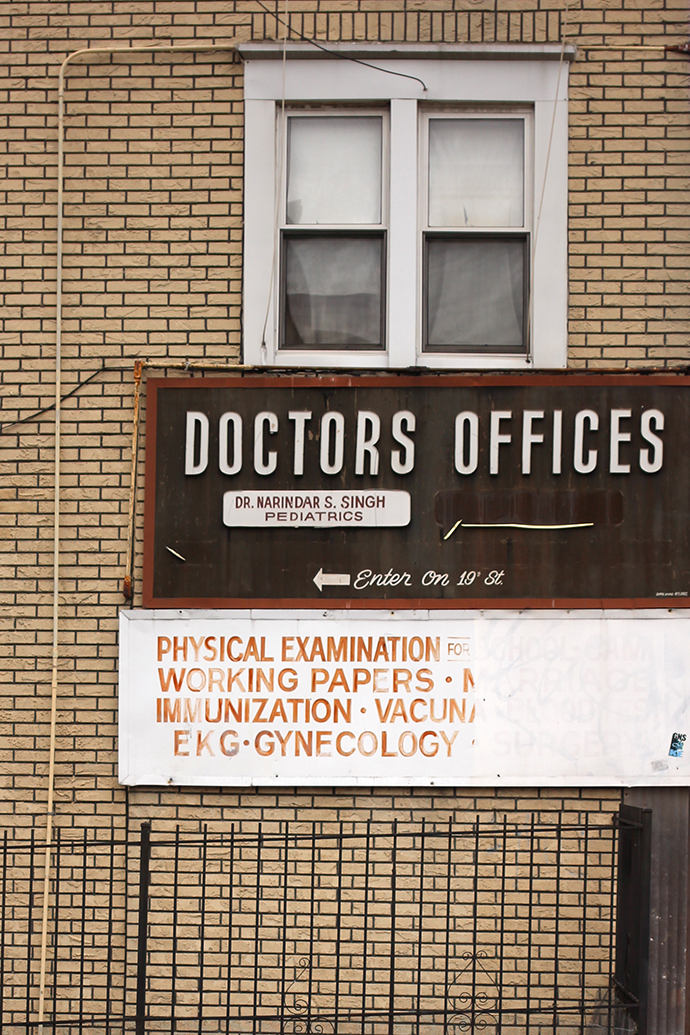
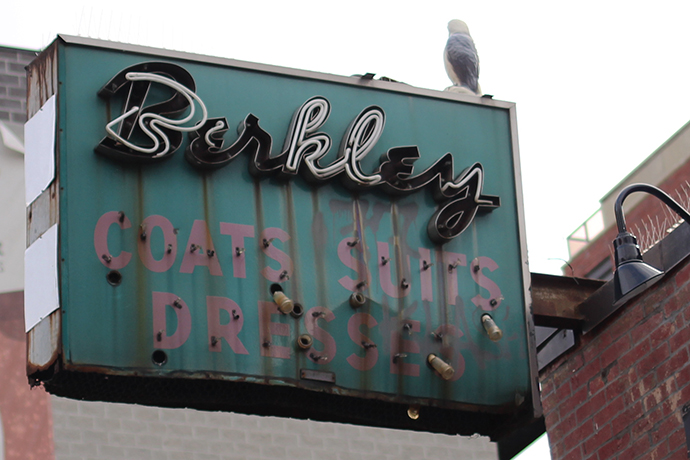
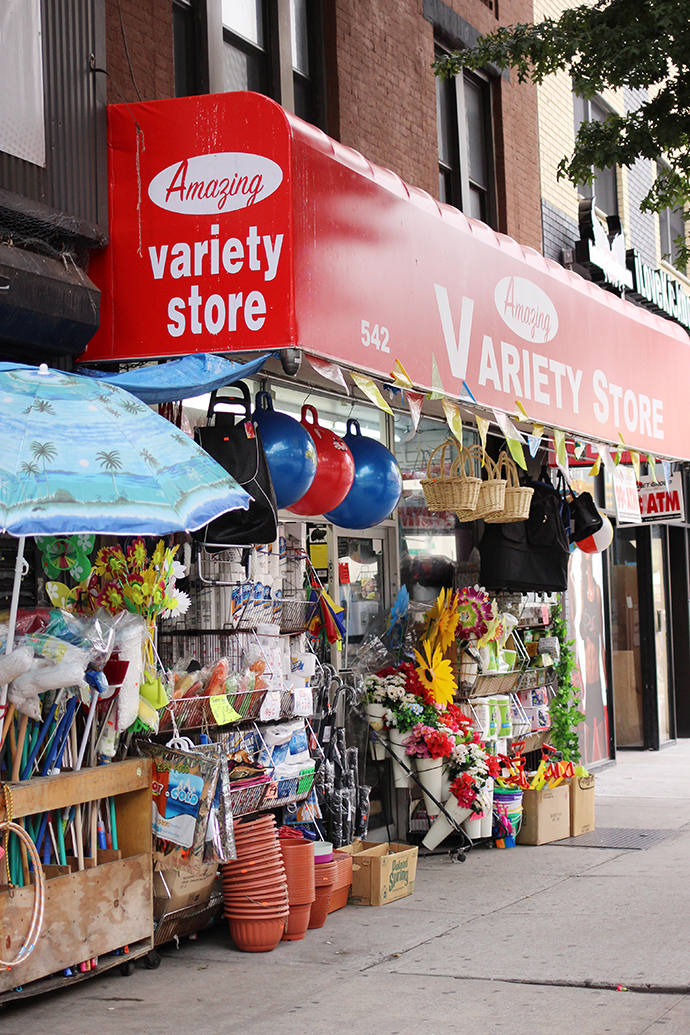
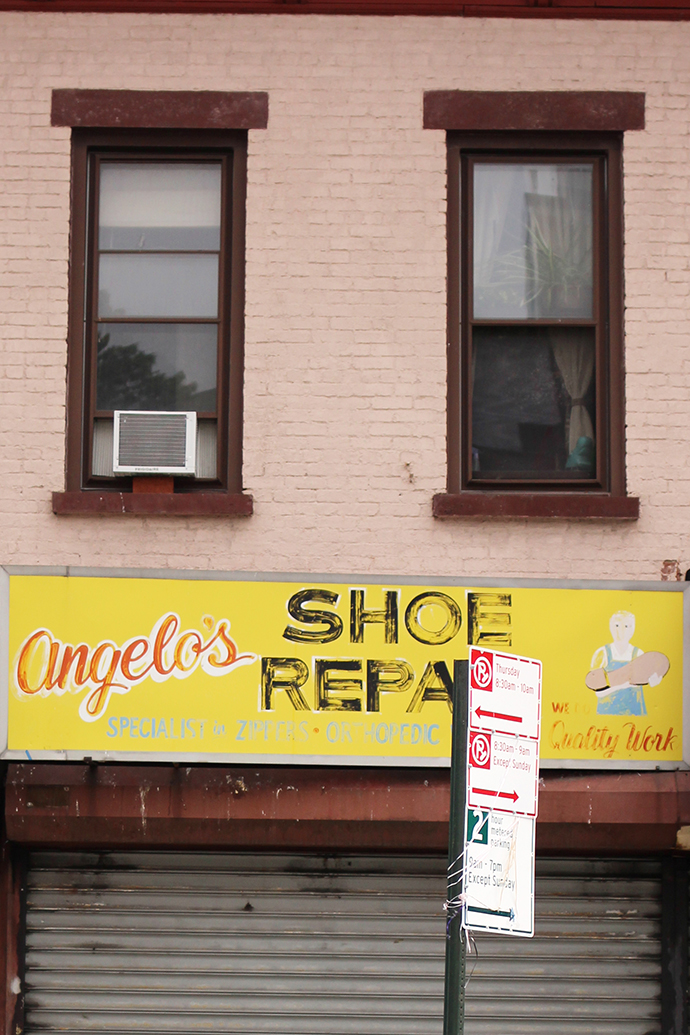
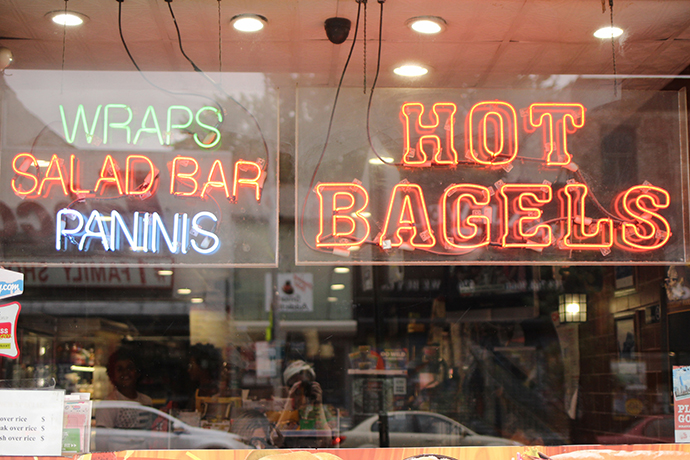
Park Slope is the epitome of Brownstone Brooklyn, and 5th Avenue is one of the main retail streets through the neighborhood. Brooklyn's 5th Ave is slightly more mom-and-pop than the more famous 5th Avenue in Manhattan—but like all of New York, things change quickly. There's a Barnes and Noble and a handful of big name banks and chain stores, but there's still some really wonderful, old signage, diners and small businesses to be discovered.
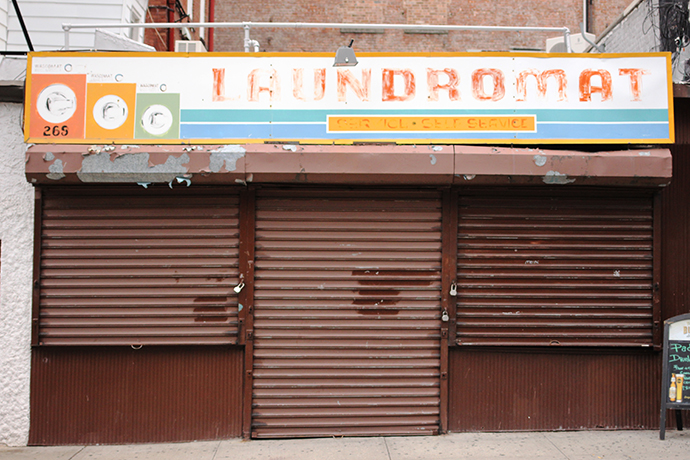
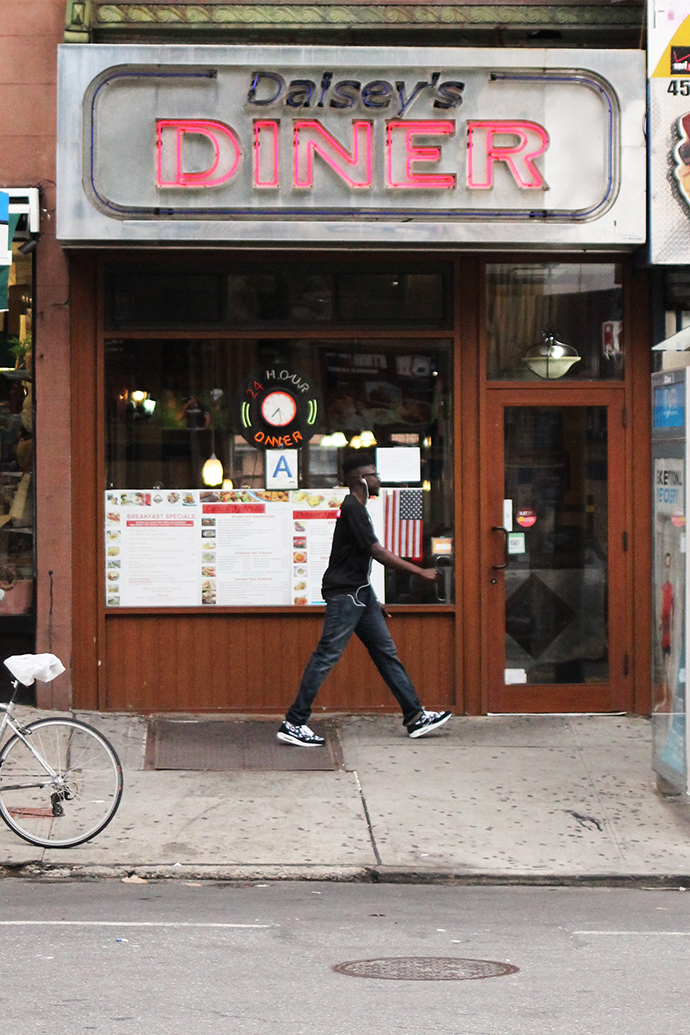
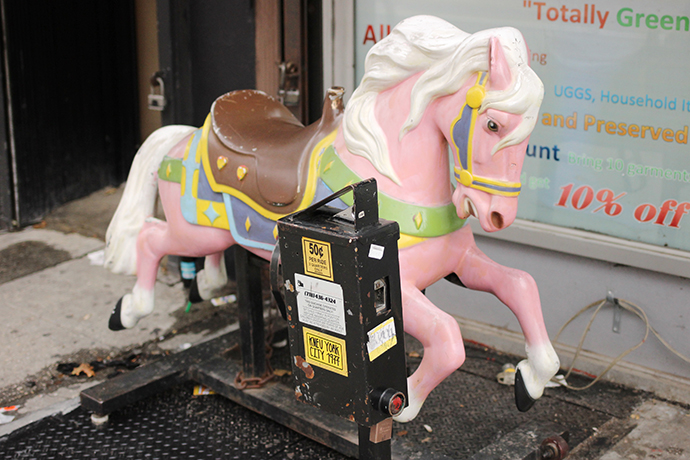
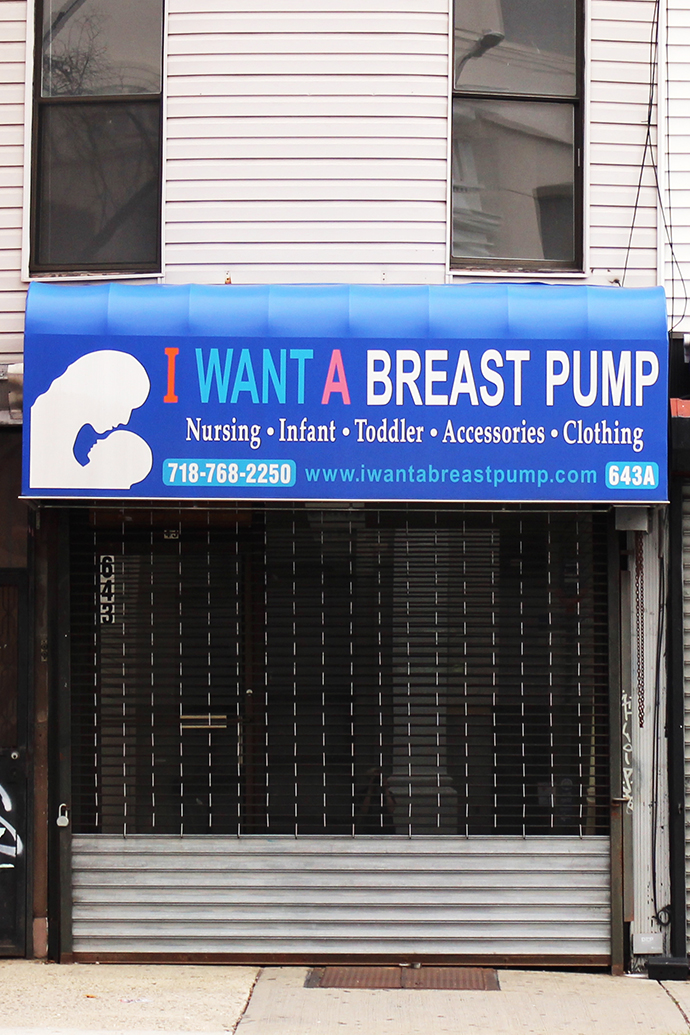
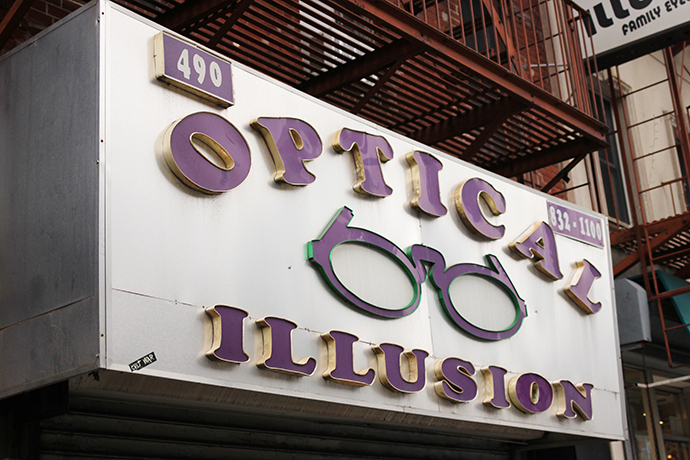
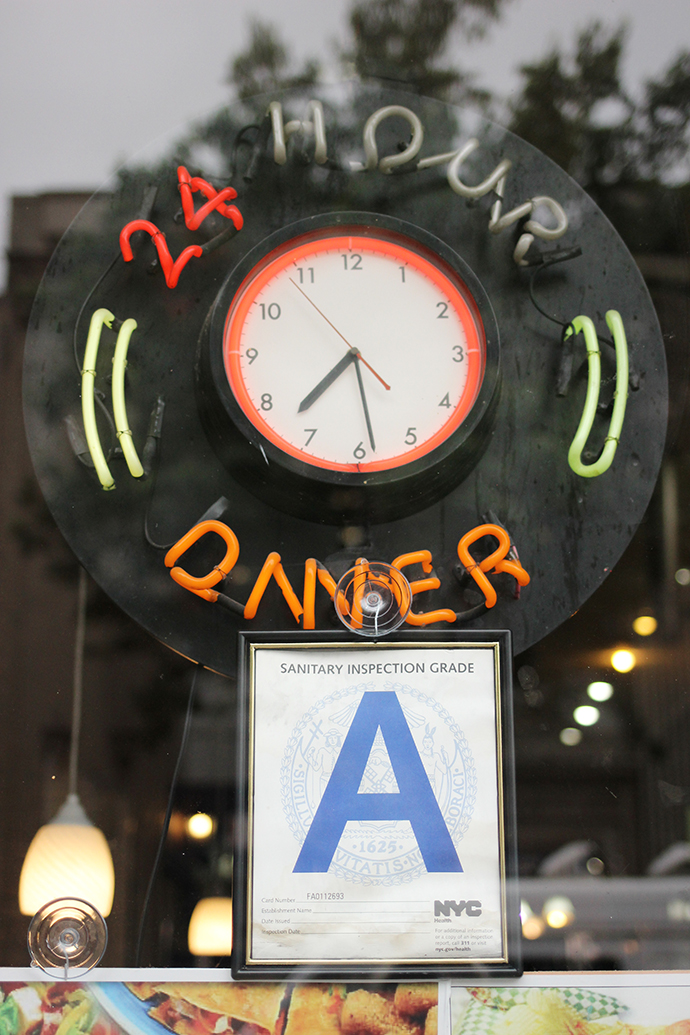
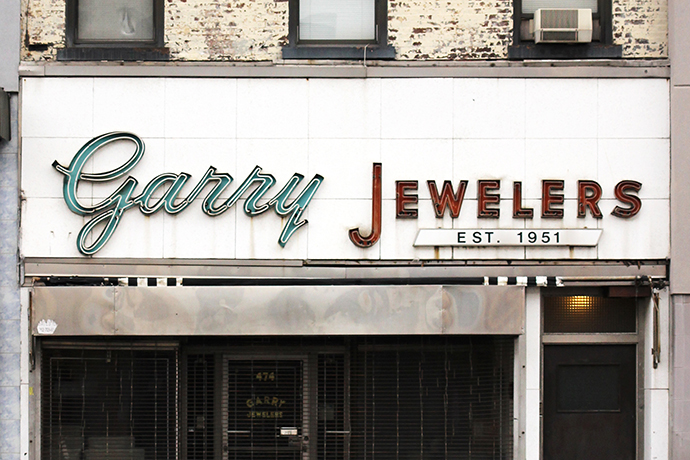
As usual, I was drawn to anything neon, strange, handpainted, vintage-looking or with a clever-sounding name. These types of walks—where I'm hyper-focused on storefronts and signage—are always uplifting to my New York-loving soul. It's tempting to get depressed with every demolition or the closing of a beloved business, but just knowing that there are still authentic, interesting places sandwiched in between every Chase bank and Dunkin' Donuts is comforting.
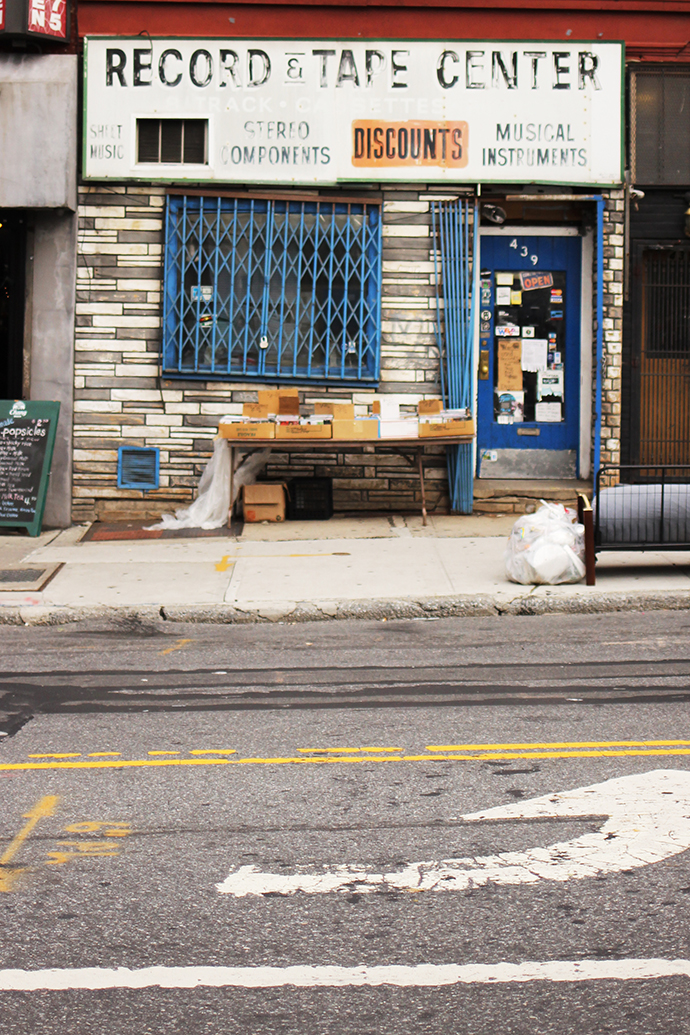
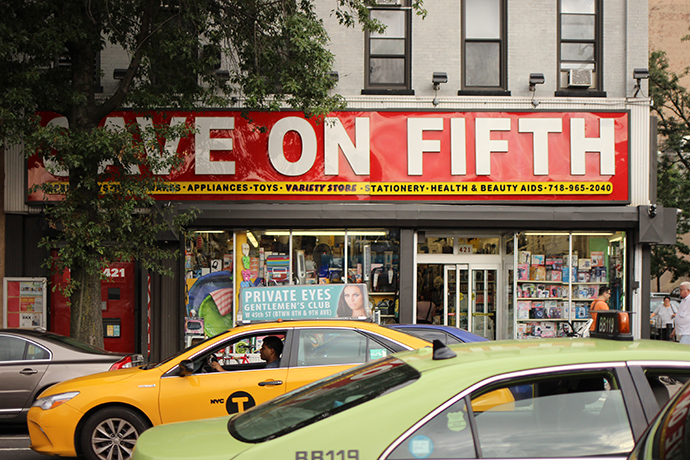
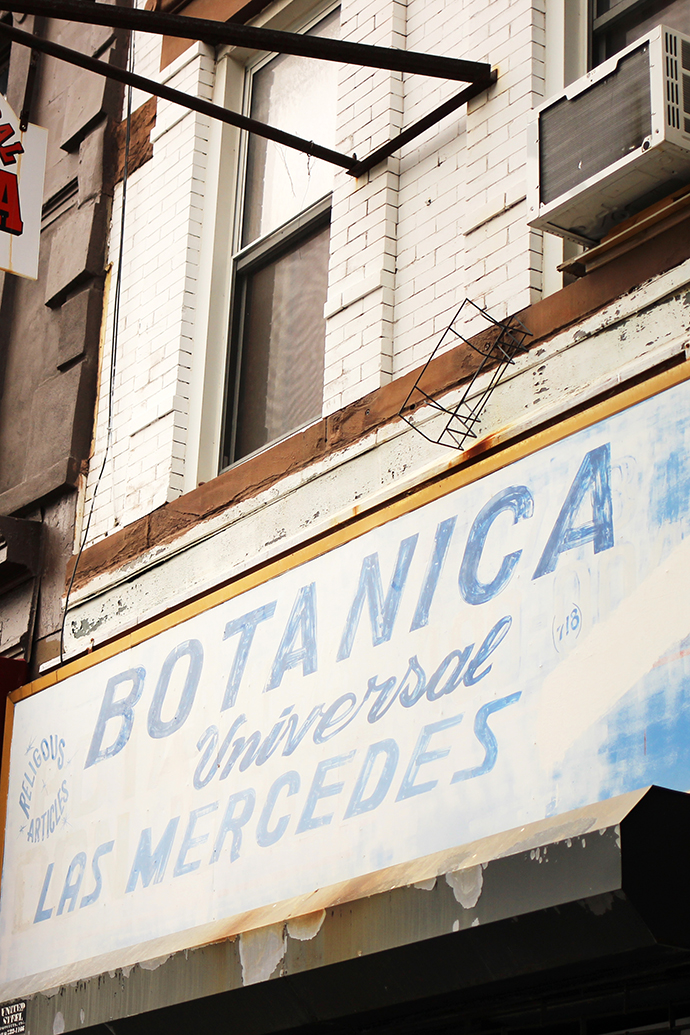
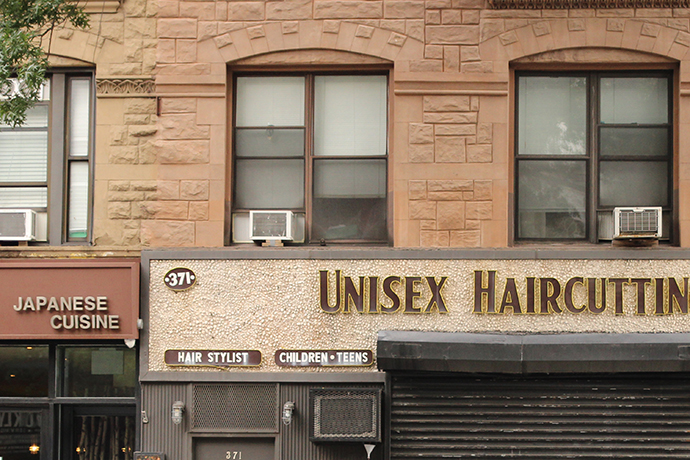
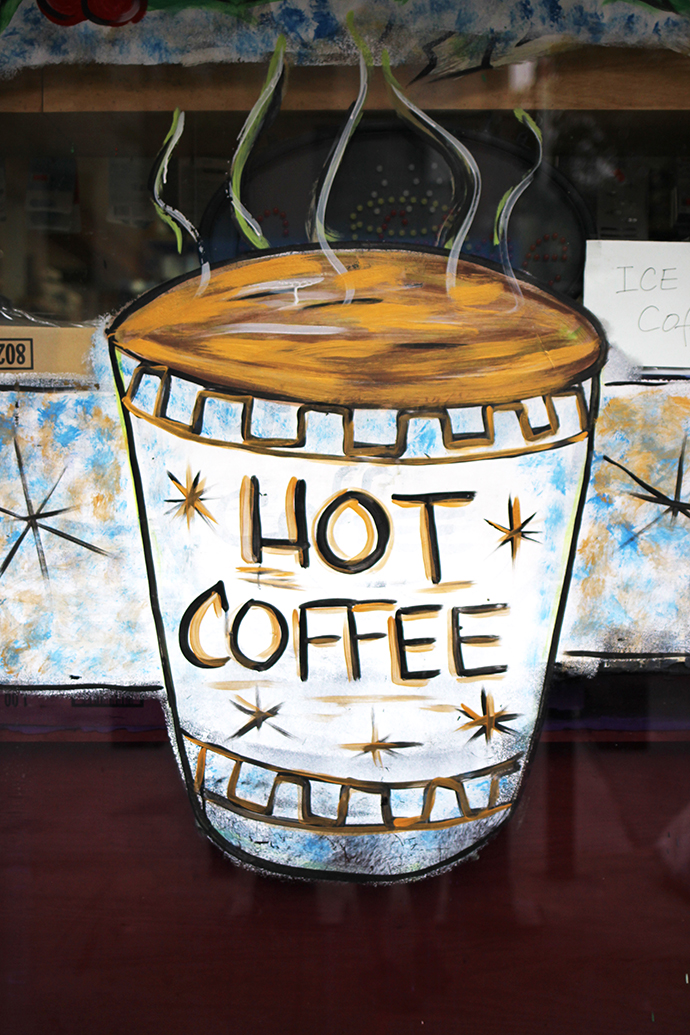
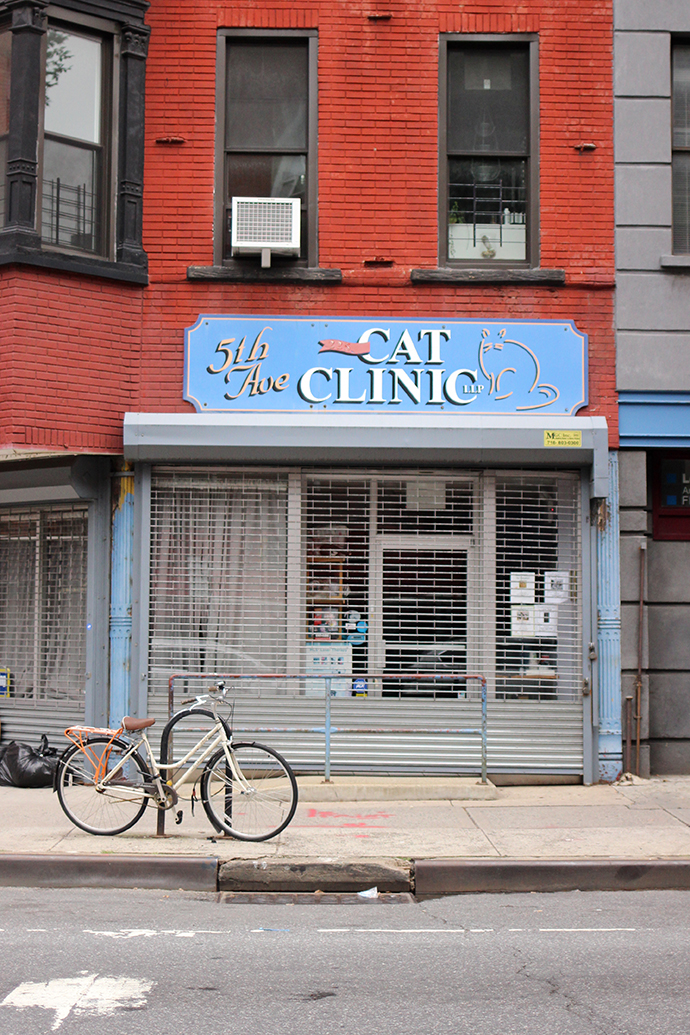

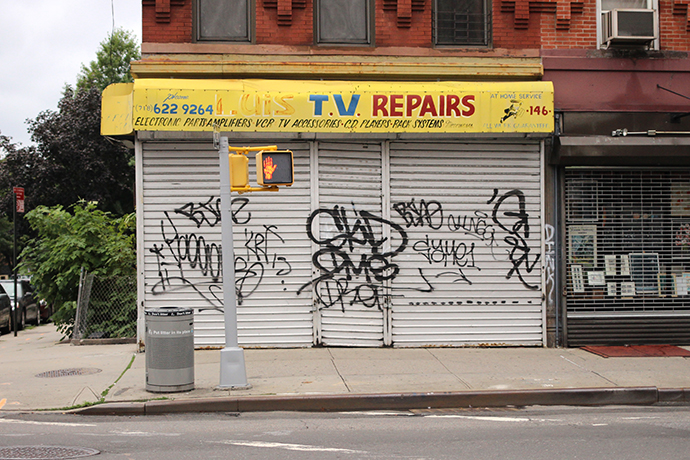
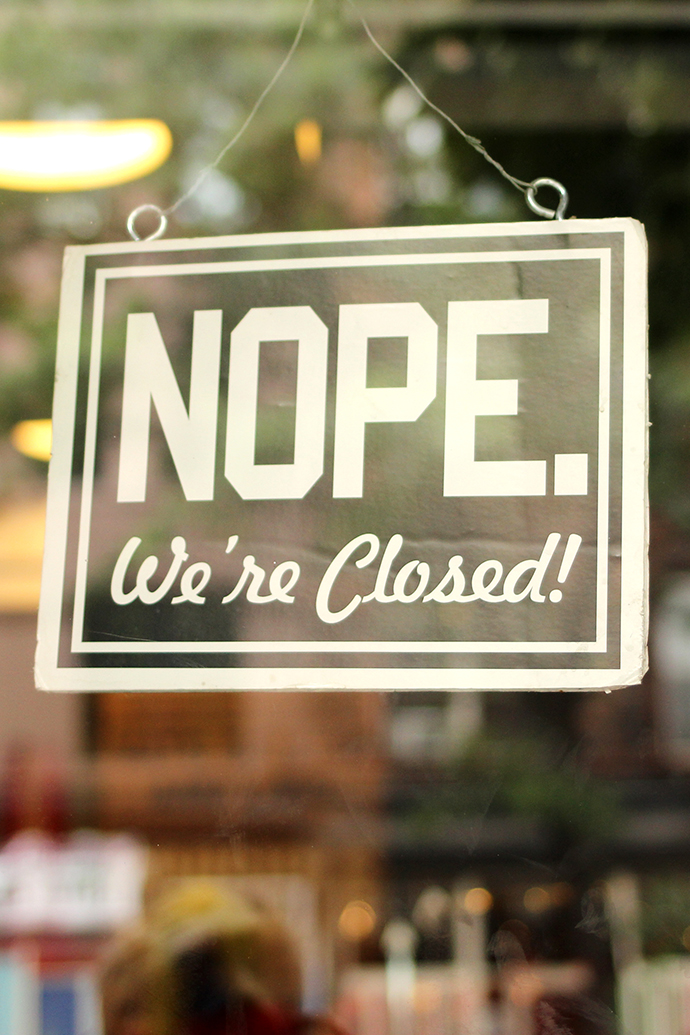
"Amazing Variety Store" wins points in the generic hyperbole department, Brooklyn Superhero Company (yes, this is a real store) wins for best closed sign (NOPE.), the laundromat and "TV Repairs" tie for best handpainted signage and Garry Jewelers wins for best signage overall—but it's the "I Want a Breast Pump" storefront that will continue to haunt and confuse me for a very long time.
More city walks: First Avenue: 1st - 34th Streets | First Avenue: 92nd - 34th Streets
The most fantastic thing about the New York Botanical Garden’s annual Orchid Show is the orchids themselves