

Archive
- Abandoned
- Alabama
- Arizona
- Bahamas
- Books
- California
- Cemetery
- Climate
- Colombia
- Connecticut
- Diner
- Egypt
- Feature
- Florida
- Friday Fun
- Georgia
- Holidays
- Illinois
- Iowa
- Italy
- Kentucky
- Louisiana
- Maryland
- Massachusetts
- Mississippi
- New Jersey
- New Mexico
- New York
- North Carolina
- Novelty Architecture
- Ohio
- Pennsylvania
- Personal
- Peru
- Project 365
- Protest
- Rhode Island
- Roadside Attraction
- South Carolina
- Tennessee
- Texas
- Travel Guide
- Virginia
- Walks
- Washington DC
- West Virginia
- Wisconsin

Corinth National Cemetery

Established in 1866, Corinth National Cemetery is located in the northeast corner of Mississippi. The two-acre cemetery sits on the site of one of the bloodiest battles of the Civil War. Two battles —in the spring and fall of 1862—occurred in Corinth, which was located at the junction of two major rail lines.

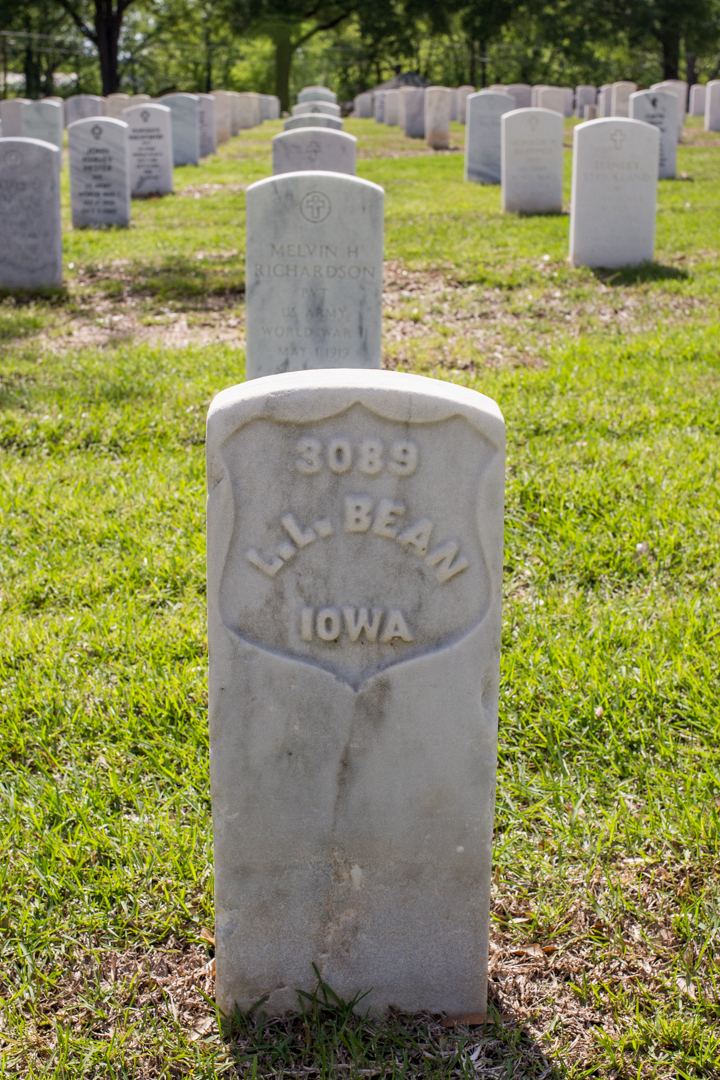

In May, Confederate troops—suffering from poor water supplies, typhoid and dysentery—secretly retreated and Union troops took over the abandoned town. In October, 20,000 Confederate troops returned to Corinth. The ensuing battle resulted in 2,360 Union and 4,800 Confederate casualties. In the end the Union remained in control of the town, and used it as a base for additional conflicts in Mississippi, Alabama and Tennessee.
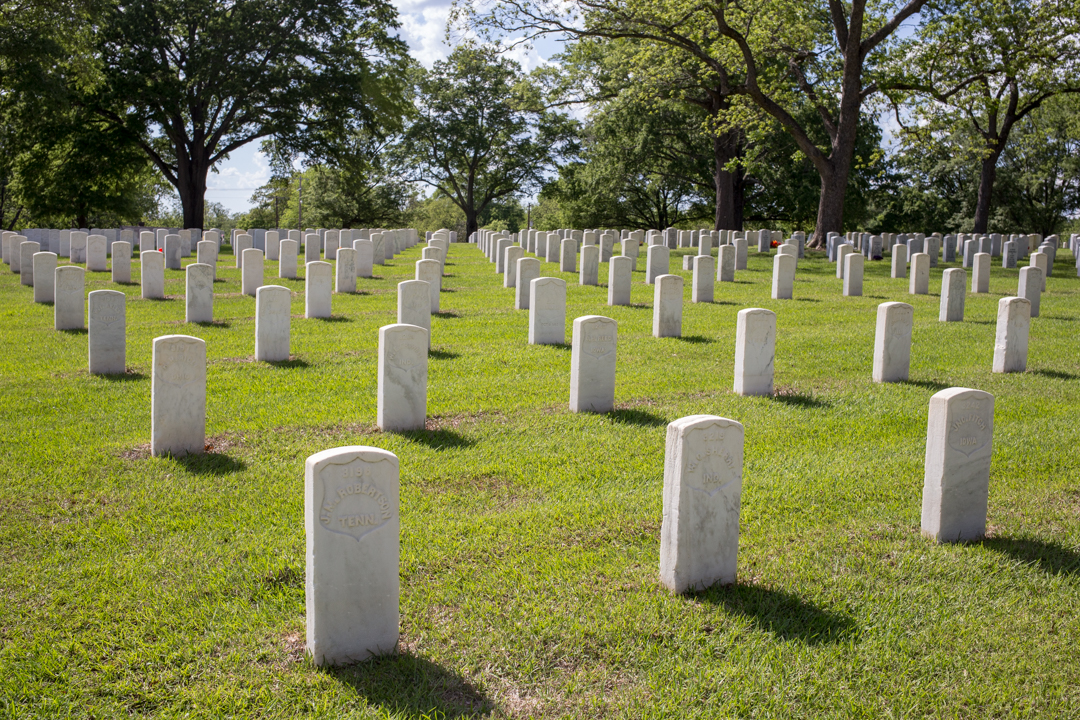

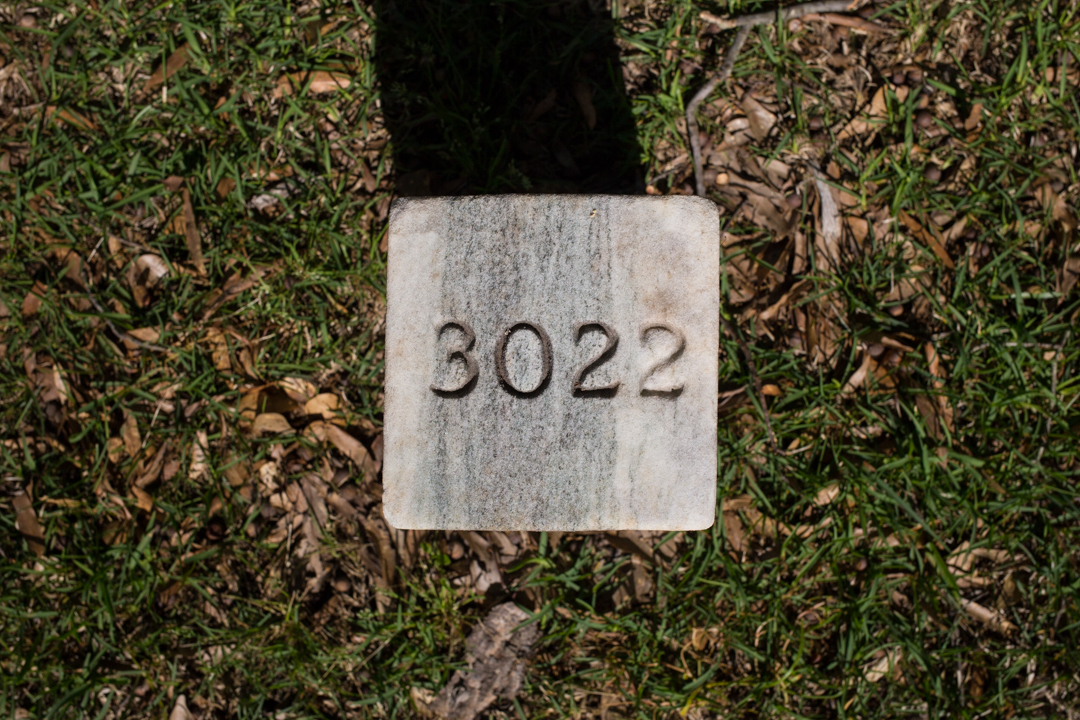

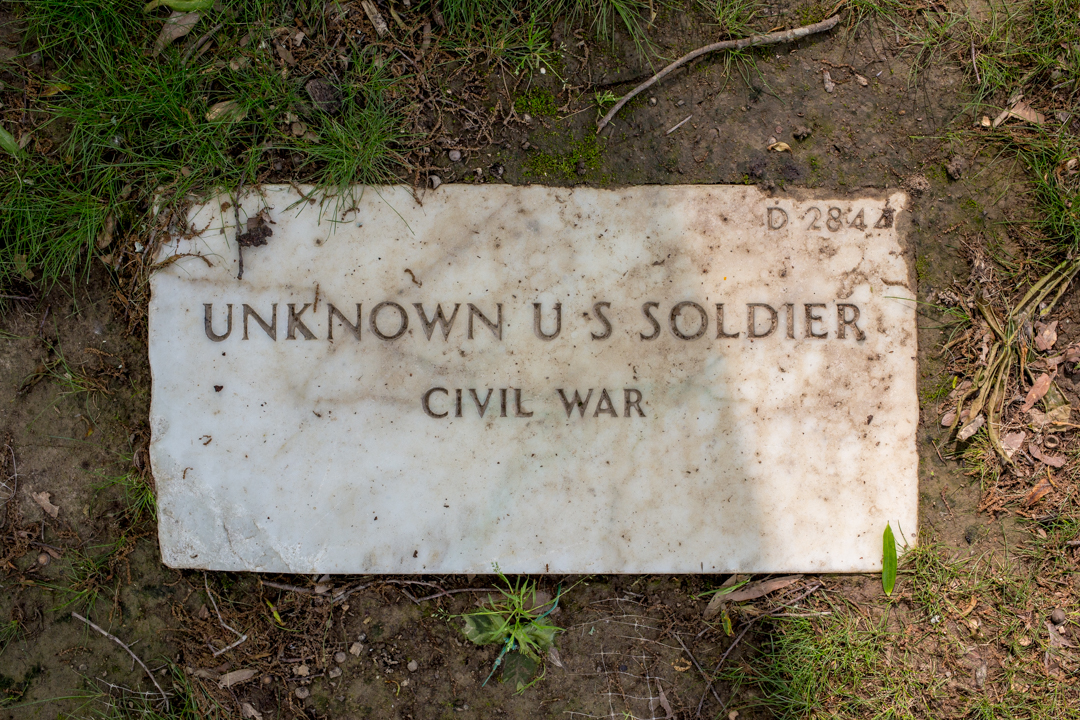
A national cemetery was established to bury the Union dead and by 1870, the cemetery contained 5,688 interments, including almost 4,000 unknown soldiers. Three Confederate soldiers—one unknown and two known—are also buried in the cemetery. Some of the unknown dead's graves are marked with numbers, while others have stones that simply say "Unknown U.S. Soldier."
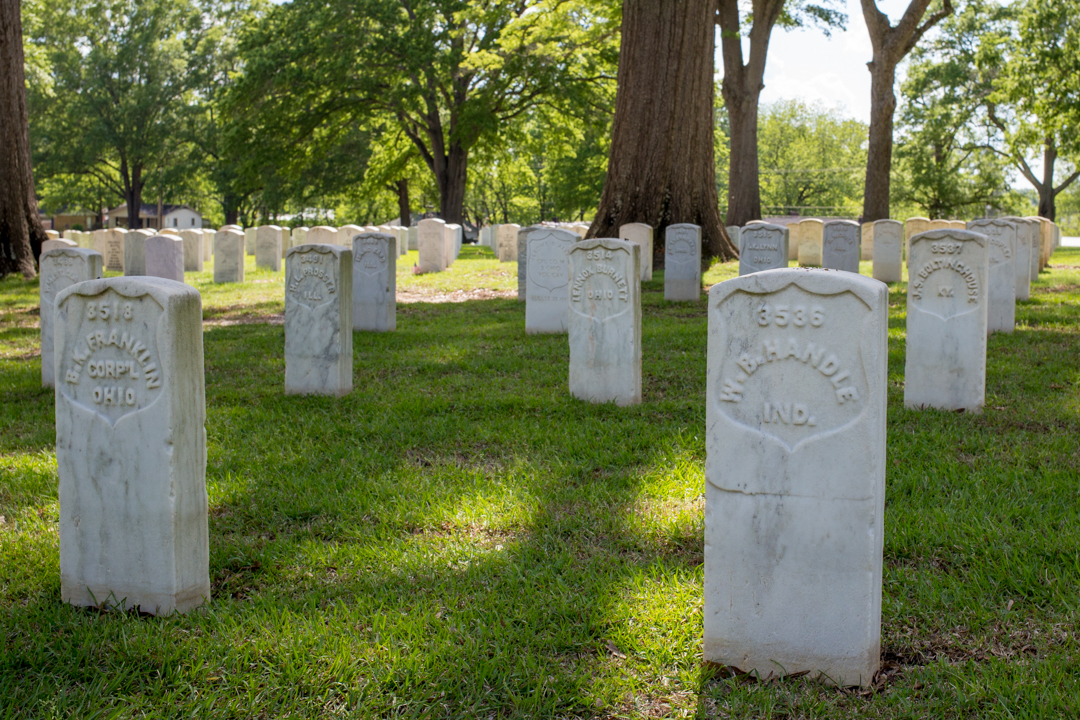


In order to be eligible for burial in a national cemetery, the deceased must have been a member of the armed forces and have met a minimum active duty service requirement. A veteran's spouse and children may be eligible, even if they predecease the veteran. In some cases, the spouse's name is placed on the back of the headstone.


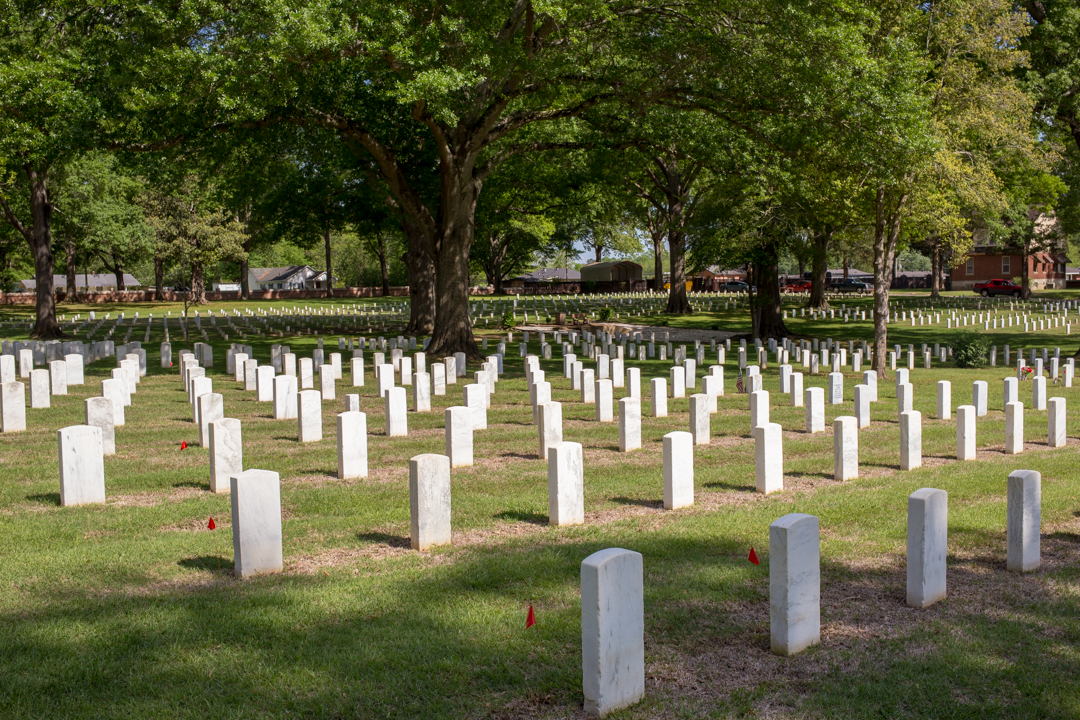
National cemeteries lack the variety and interesting design details that I usually seek out in cemeteries, but they're sobering places to visit. It's hard to look at row after row of identical white stones—most representing a life taken in battle—and not wonder if the price we pay for near-constant war is really worth it.
Corinth National Cemetery
1551 Horton Street
Corinth, MS 38834
Open daily, 8am-sunset

Coon Dog Cemetery

When my dad and I were in Tupelo, Mississippi, I casually mentioned that I had found a coon dog cemetery about 45 minutes away, just across the state line into Alabama. My dad adopted Leo, a Blue Tick Coon Hound, a few years ago and I love pet cemeteries so it wasn't too much of a stretch. Luckily, he was as enthusiastic as I was, and the next morning we headed to Alabama (this trip was my first time in both MS and AL).


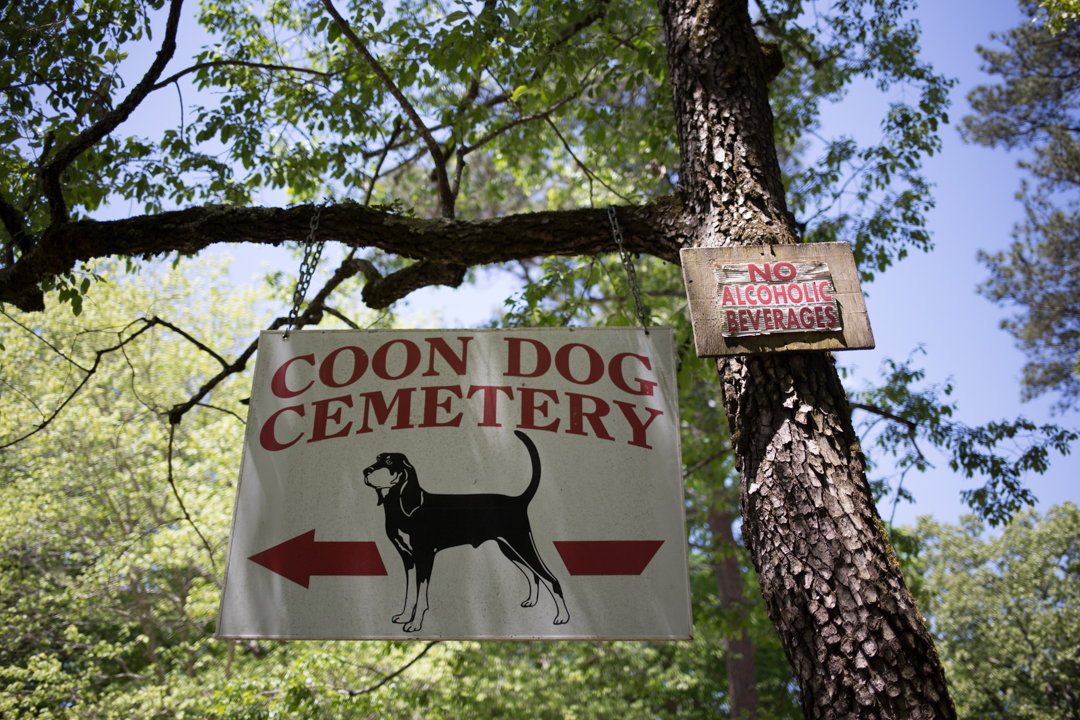


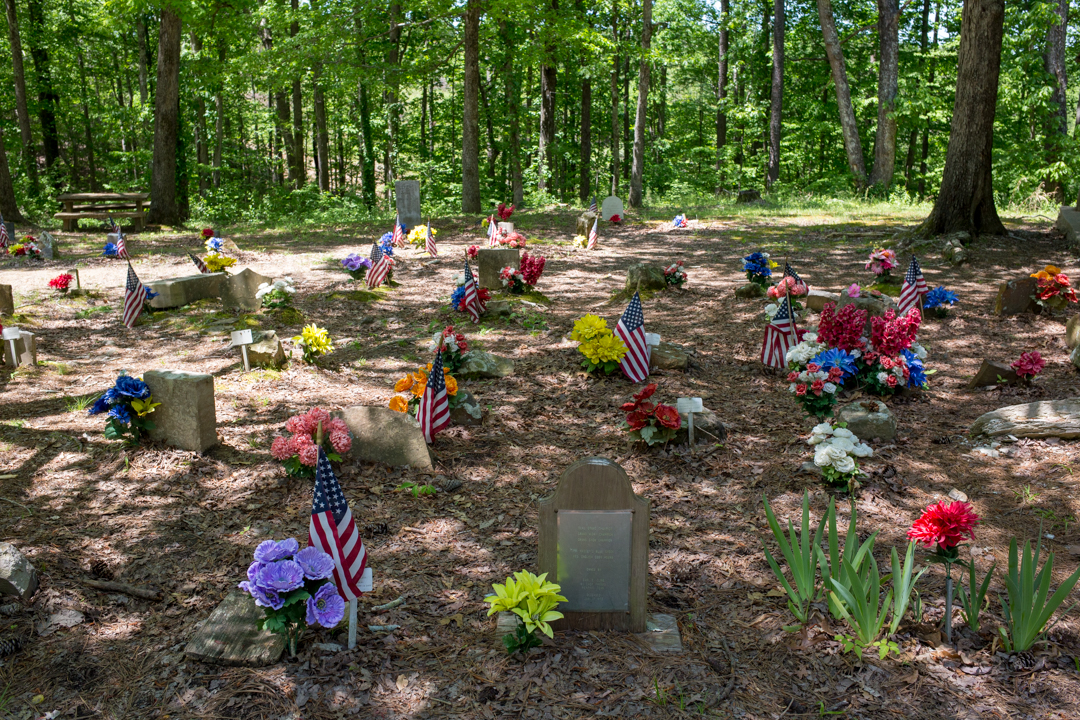
The Key Underwood Coon Dog Memorial graveyard is located, appropriately, on Coon Dog Cemetery Road in the northwest corner of Alabama. It was established in 1937 and claims to be the only cemetery of its kind in the world (probably true). You can still pay your respects to the cemeteries first resident, Troop, Key Underwood's faithful hunting companion for more than 15 years.


Today more than 300 dogs are buried in the cemetery, and there are strict qualifications for potential candidates: "The owner must claim their pet is an authentic coon dog, a witness must declare the deceased is a coon dog and a member of the Key Underwood Coon Dog Memorial Graveyard must be allowed to view the coonhound and declare it as such."




When asked why the cemetery is so strict and exclusive, Underwood responded, "You must not know much about coon hunters and their dogs, if you think we would contaminate this burial place with poodles and lap dogs."

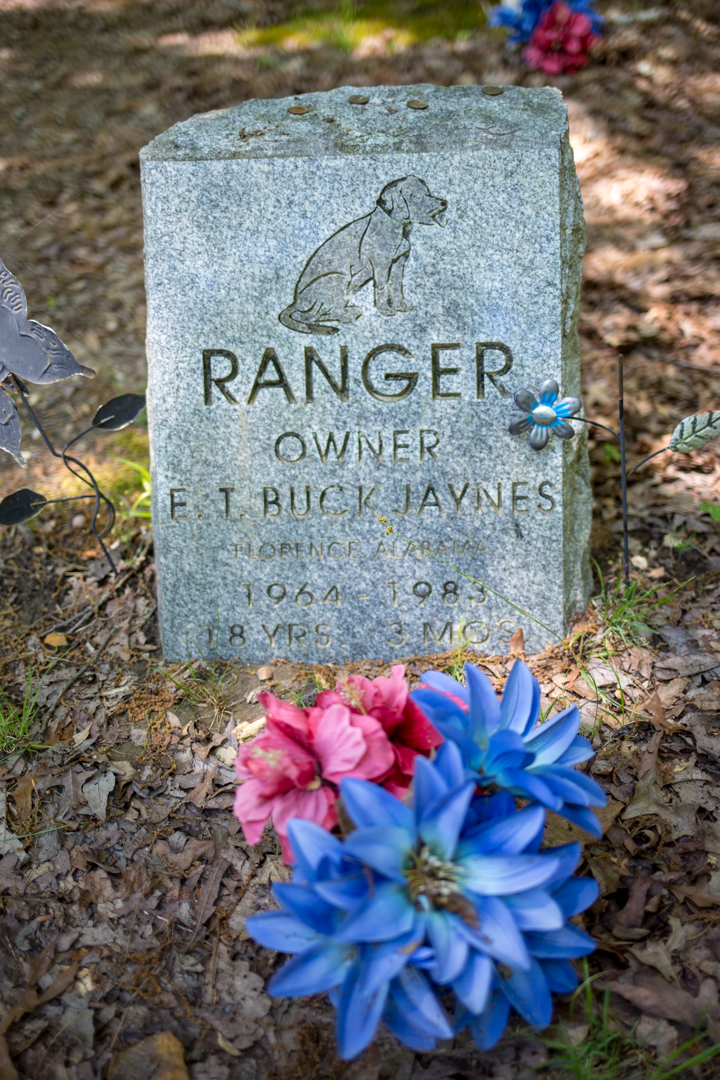

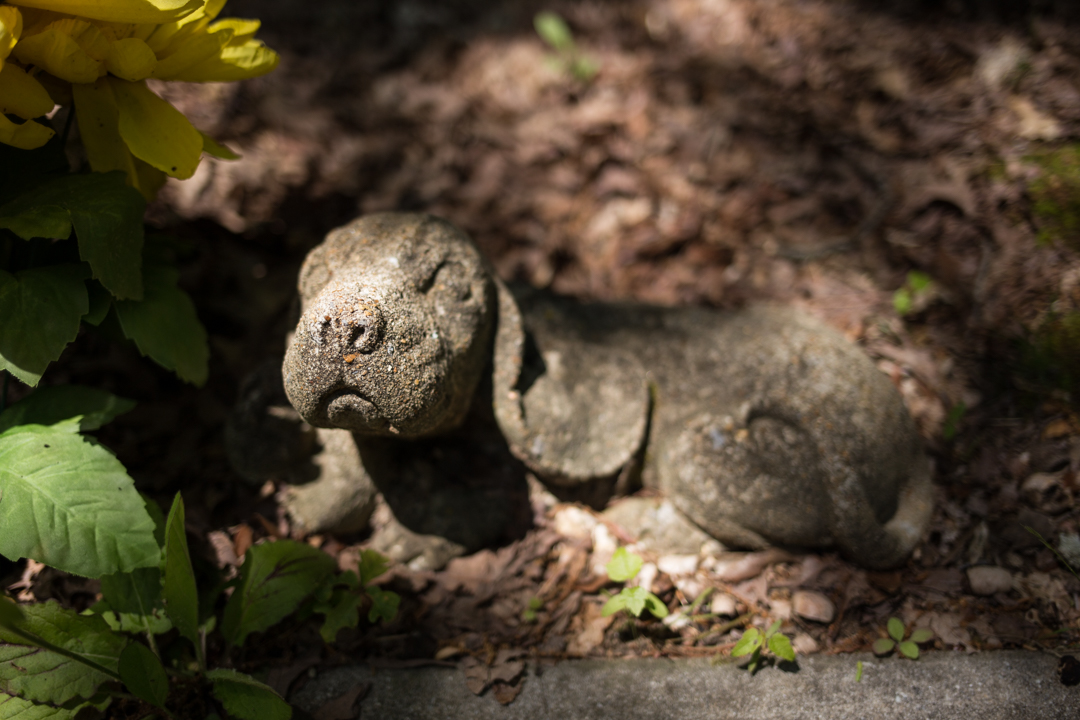

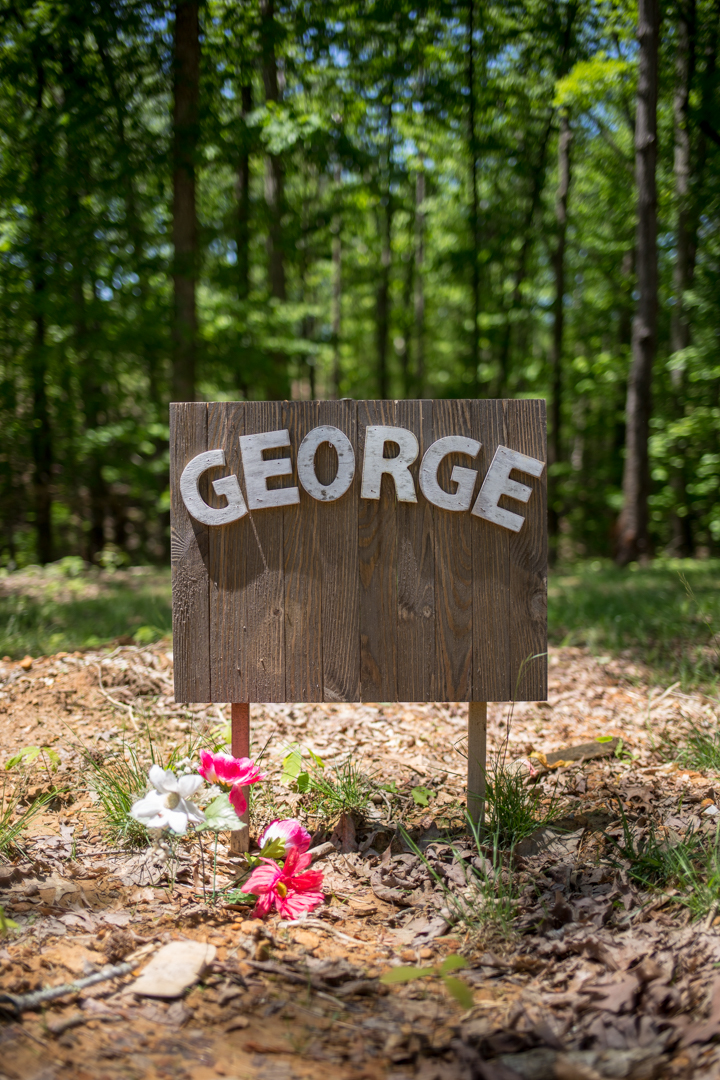
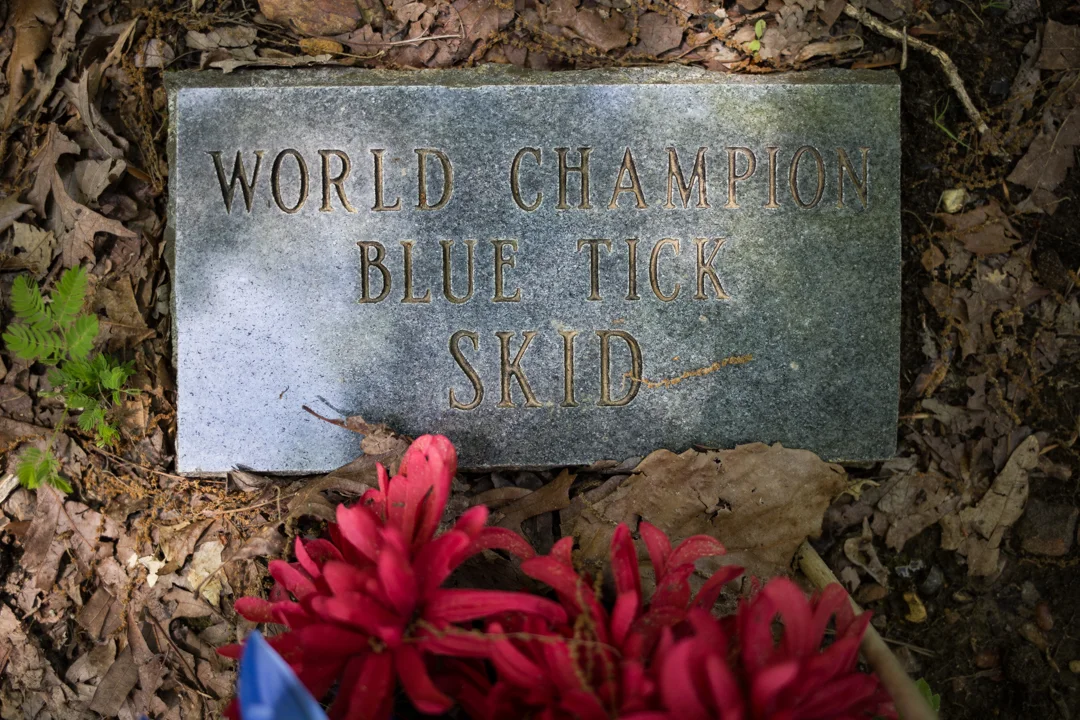
The coon dog cemetery is in a very rural, wooded area but it is very well-maintained. Janice M. Williams, aka the Coon Dog Lady, has been taking care of the grounds since 2009, making sure there are (fake) flowers on every grave. We paid our respects to Troop, Lead, Rock, Track, Doctor Doom, Ranger, Blue, Smokey, Bozo, Screamin Hanna, Coats, George, Squeak, Duke, Old Tip, Queen, Sue Walker, Hank, Black Ranger, Gypsy, Ruff Redbone, Red, Skid, Easy Going Sam and others.


Like other pet cemeteries I've visited, the epitaphs are both heartwarming and heartbreaking. Most of the markers feel handmade and there are traditional stones as well as markers made from concrete, wood and metal. A lot of dog show champions are buried here and their markers bear a long list of initials indicating their prestigious titles.

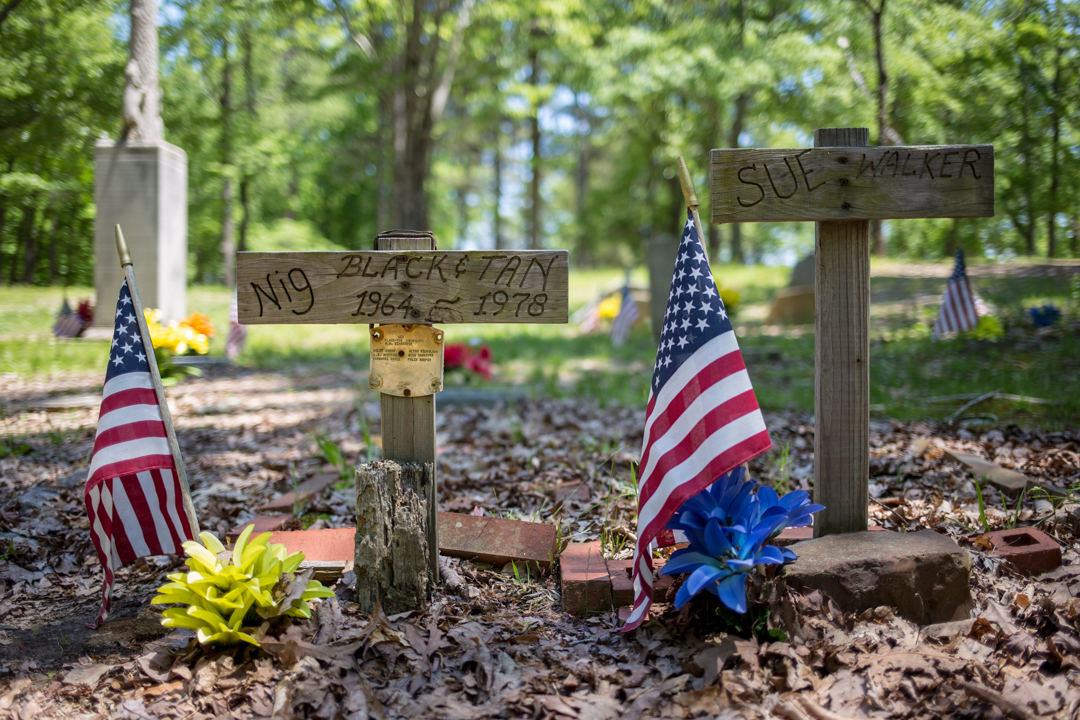

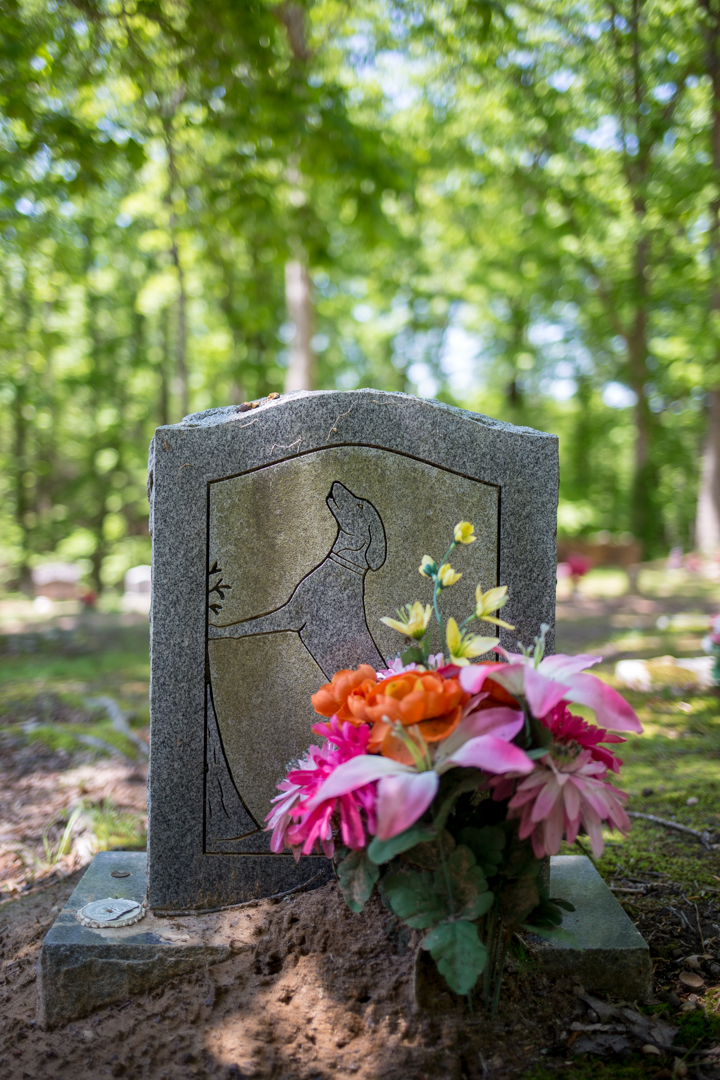

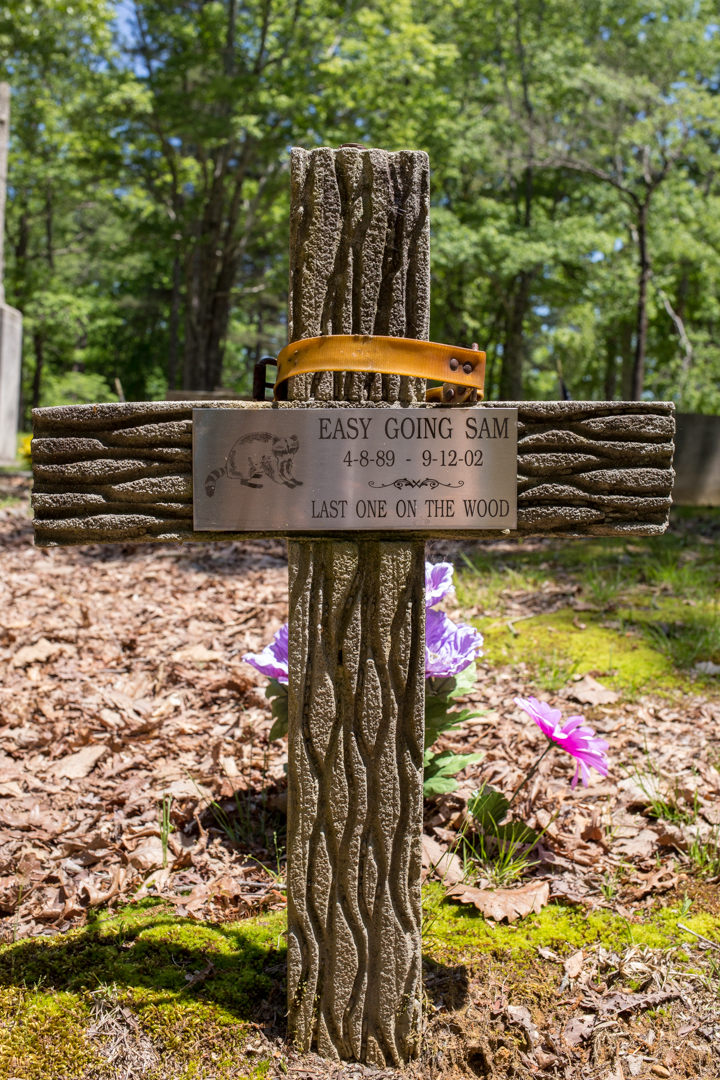
The coon dog cemetery ended up being the perfect father-daughter trip destination and judging by the guest book, we aren't alone in our offbeat interests. The dogs themselves come from all over the country, and when we arrived on a Monday afternoon there had already been ten other visitors from Texas, Florida, Montana, Washington and California.
Coon Dog Cemetery
4945 Coon Dog Cemetery Road
Cherokee, AL 35616

Haven For Pets

Just north of Palm Springs on the side of a flat stretch of road is a dusty lot that you might pass right by if not for the "Pet Cemetery" sign out front. Or if you're me, you come here because you've convinced your friend Jim to pull over at the coordinates on your Google Map labeled with the note "pet cemetery, Liberace."


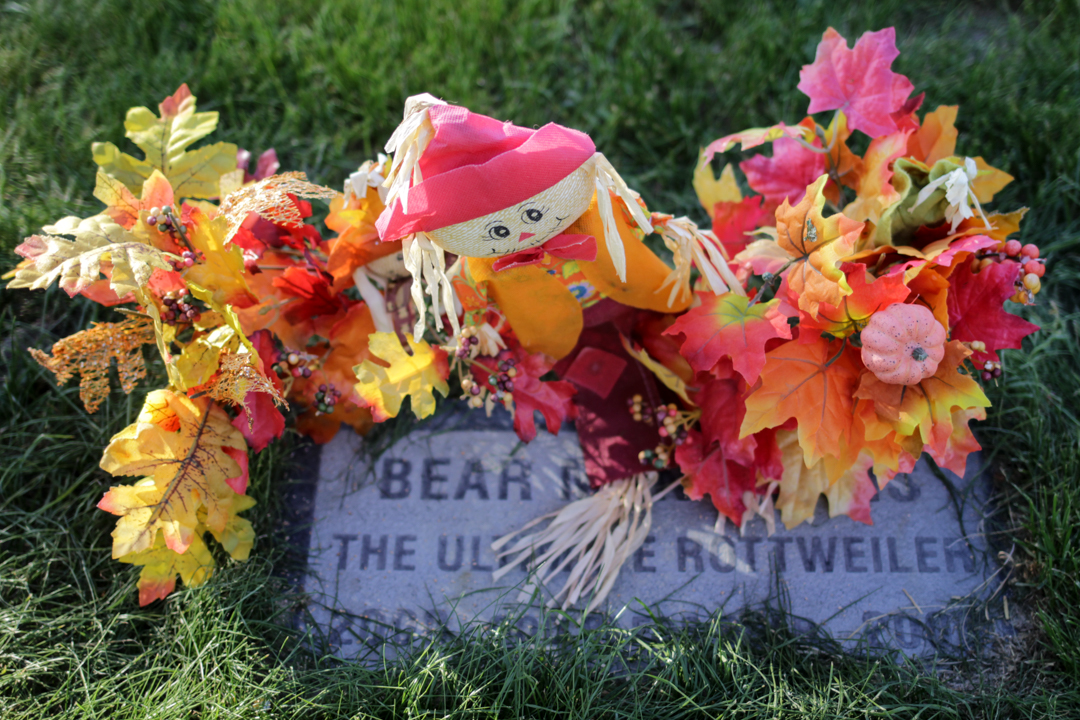
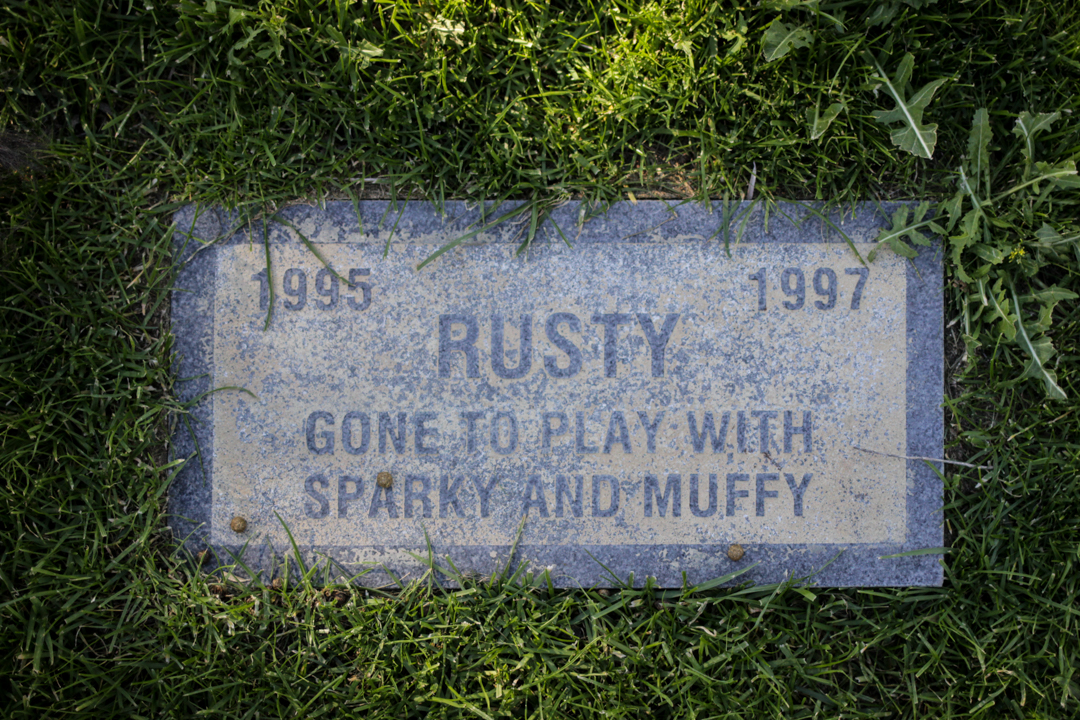


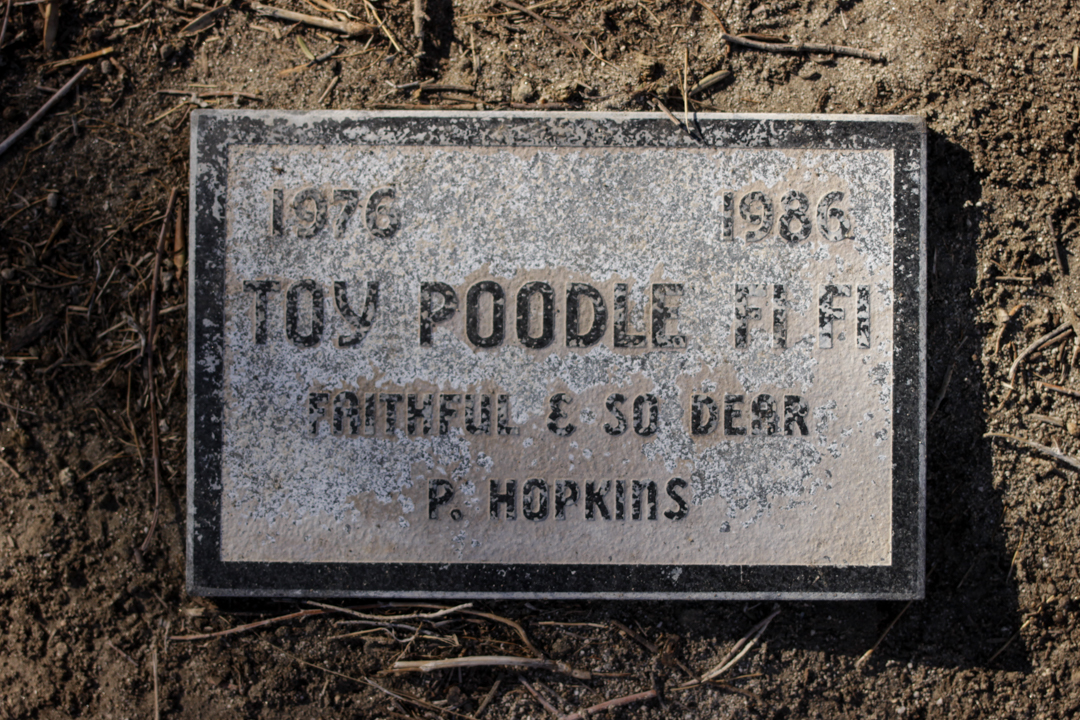
When we arrived at the cemetery, we were greeted by the caretaker/owner and he was nice enough to take us on an impromptu tour of the small burial ground. He inherited the cemetery from his grandfather, and was struggling to maintain the grounds after a water shortage caused by a dispute with a neighbor. They were slowly trying to rehab the desert landscape, and about half of the ground was covered in grass while the other half was cracked and dry.


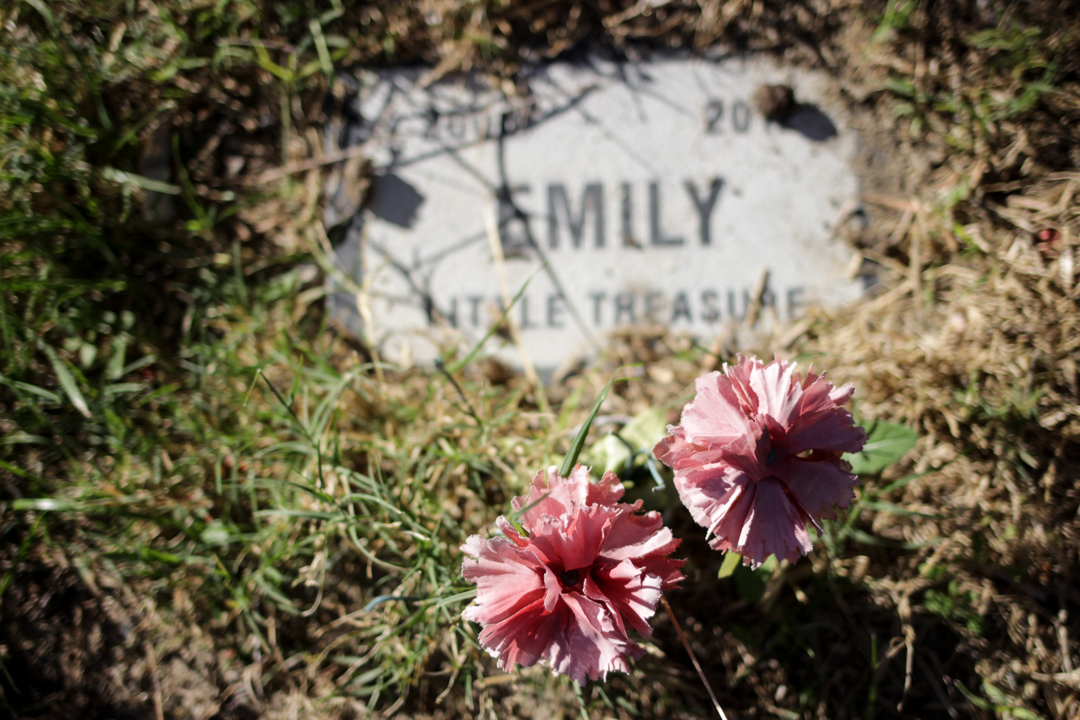


Haven for Pets (alternatively known as Pet Haven) has operated as a family-owned pet cemetery in Desert Hot Springs for nearly 60 years. They claim to be Southern California's first green burial ground—caskets and burial shrouds must be biodegrable and embalming fluids and vaults are prohibited. The caretaker explained that he also makes all of the caskets by hand and has fielded some strange requests from bereaed pet owners—one local pastor requested that his bunny be buried with his face turned toward Jerusalem.


Due to its proximity to posh Palm Springs, Haven for Pets has some notable residents, including six of Liberace's dogs (with the epitaph "Love, Lee"). President Gerald Ford's dog Liberty—a golden retriever—lived at the White House during the Ford administration and is interred here, alongside her daughter, Misty. The cemetery is also the final resting place for approximately 1,000 other animals including cats, dogs, birds, monkeys, rabbits, pigs and at least one baby seal.
Haven for Pets
66270 Dillon Road,
Desert Hot Springs, California
(approximate address, look for the Pet Cemetery sign)

Green-Wood Cemetery: Spring

Spring has been taking its sweet time arriving this year. April showers are supposed to bring May flowers, but I'm not entirely sure what April snow showers will bring. I try really hard not to get too grumpy about weather because I can't control it and I do love seasons—but at this point in the year, I'm definitely ready to shed some layers and start seeing some signs of life.


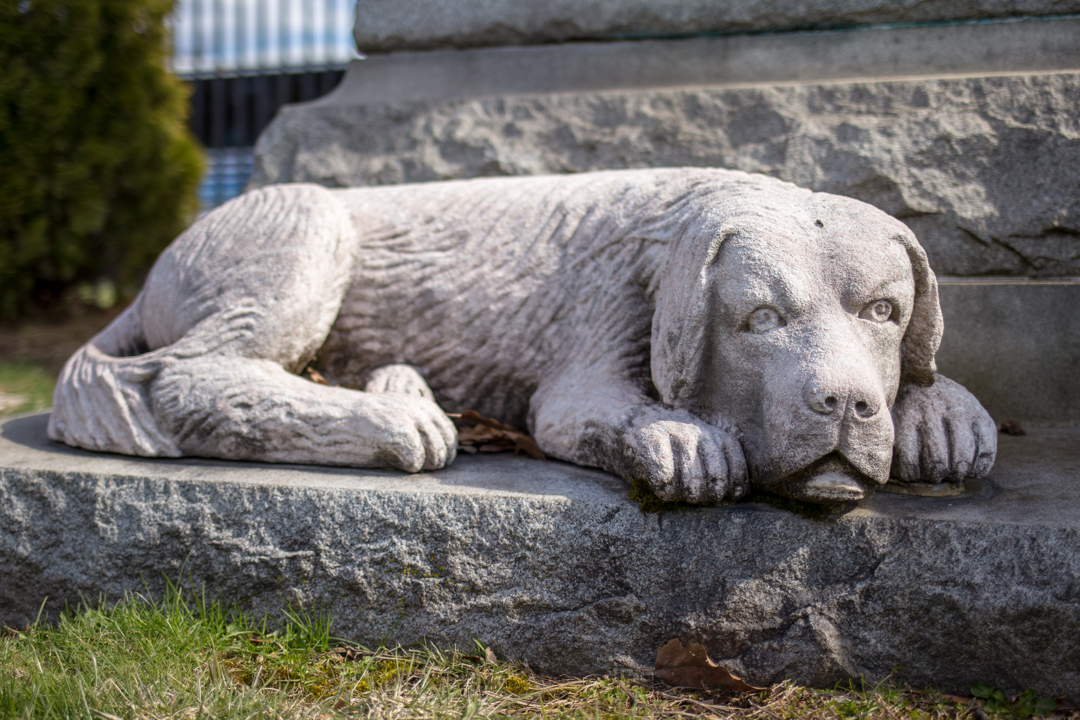


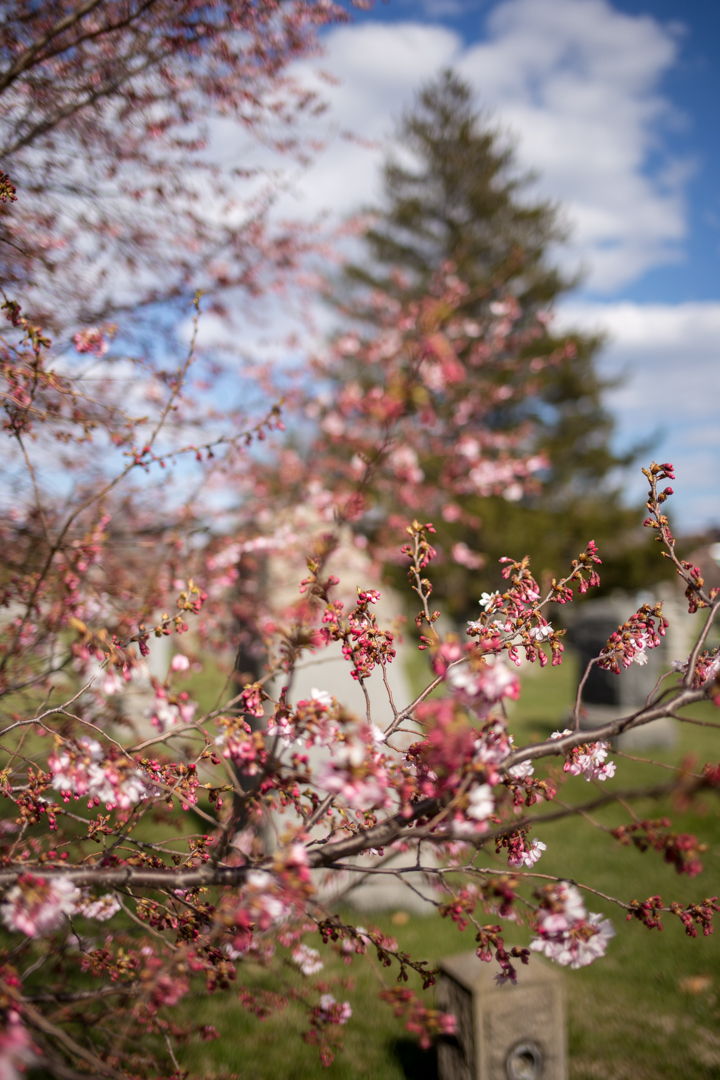


A cemetery might not seem like a great place to search for signs of life, but we took a chilly walk at Green-Wood this weekend and spotted telltale signs that spring is indeed happening, however slowly. The flowering trees are about a month behind schedule, but they're trying their best despite the frigid temperatures and March nor'easters.
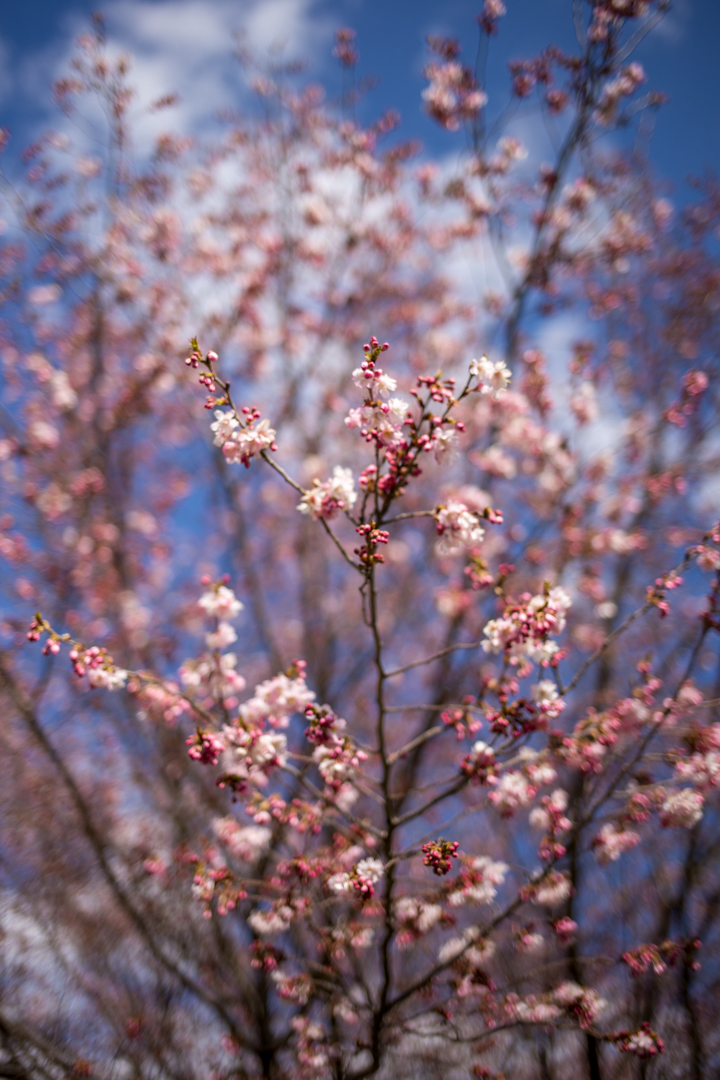
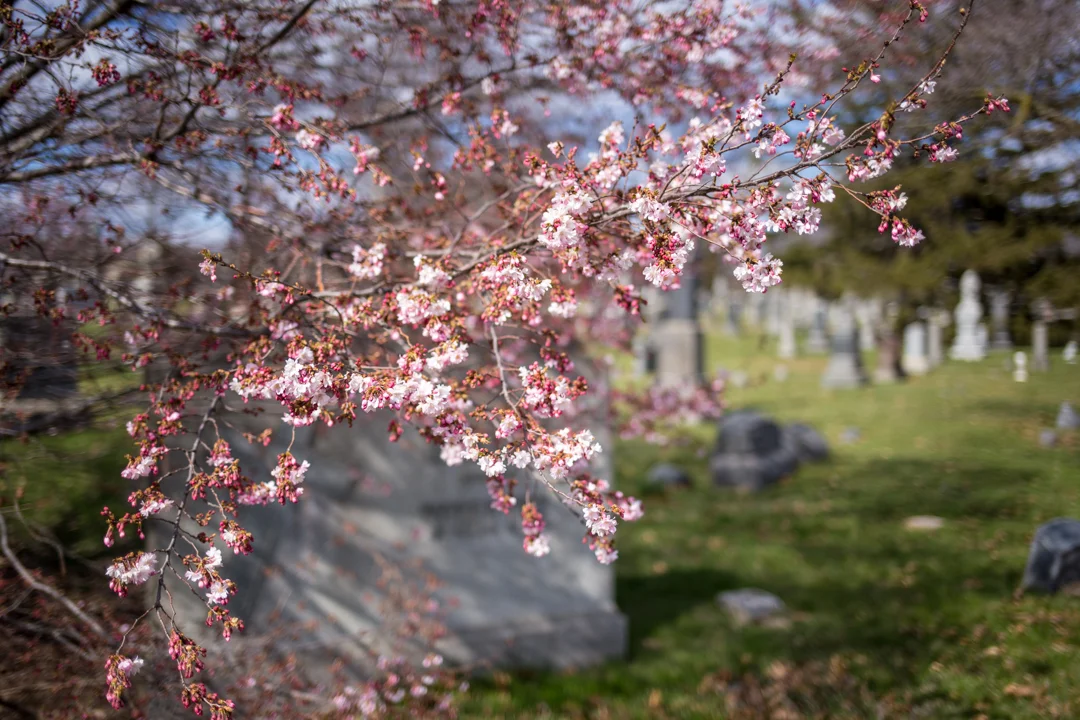
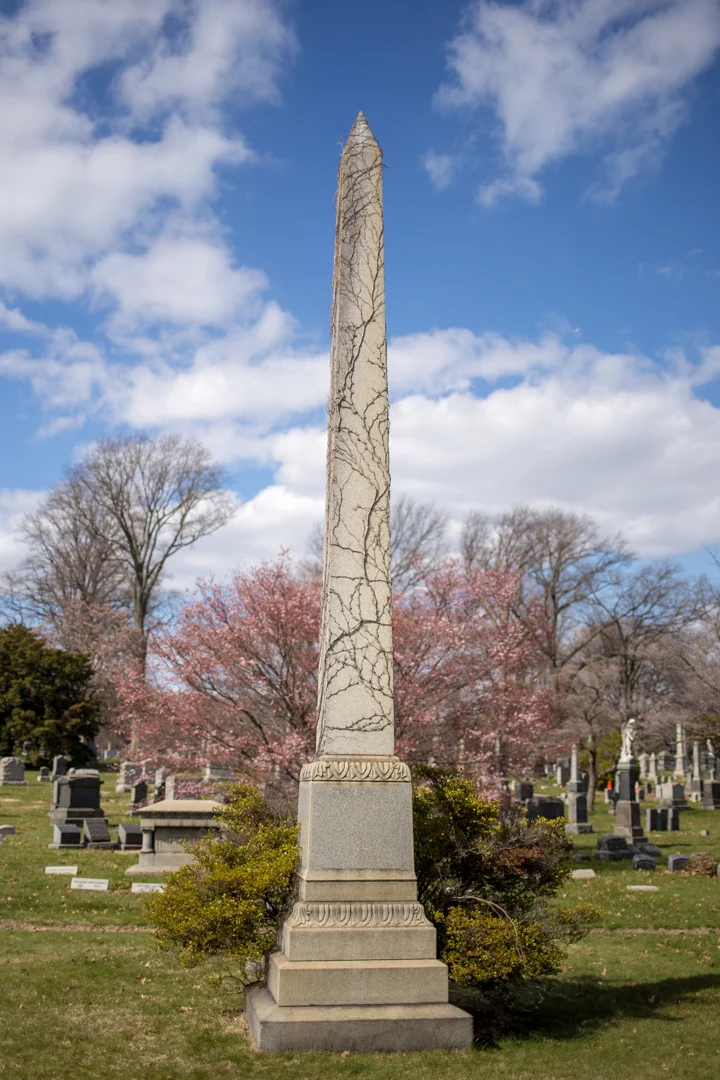


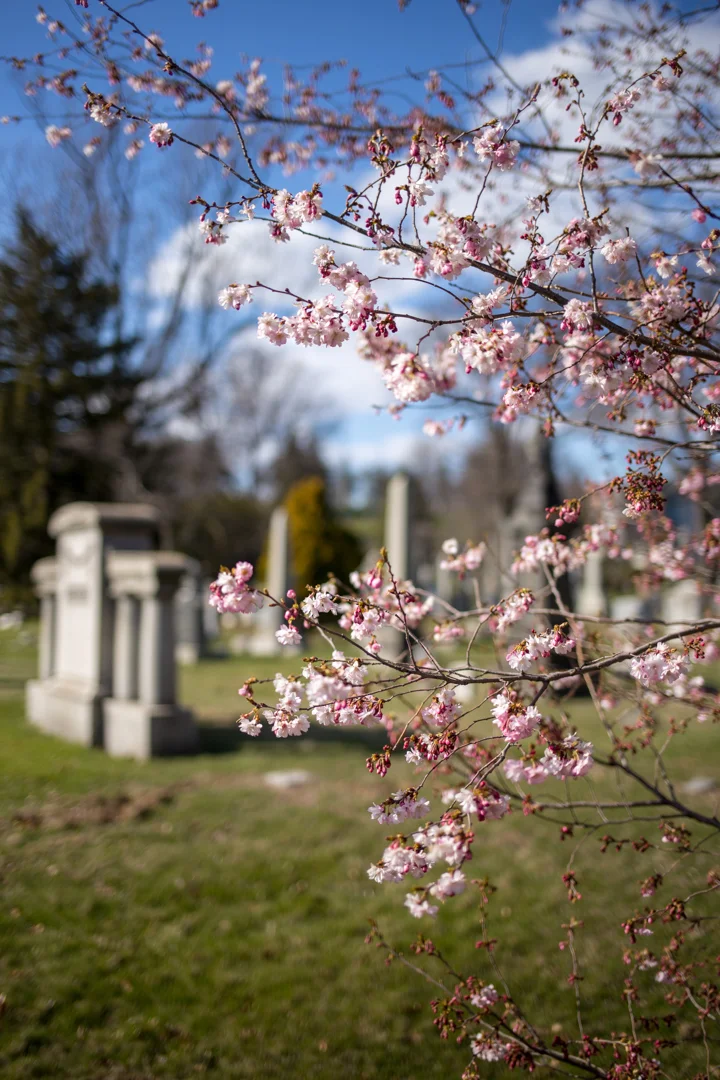
I've spent the last five years photographing spring blooms around the city and I'm still no closer to being able to identify anything I see. I can tell a cherry blossom from a magnolia tree and thanks to David I know that forsythia is yellow, but my plant knowledge pretty much ends there. Most of the trees are still completely bare, but there are a few over-achievers scattered around Green-Wood (nothing compares to azalea season though).


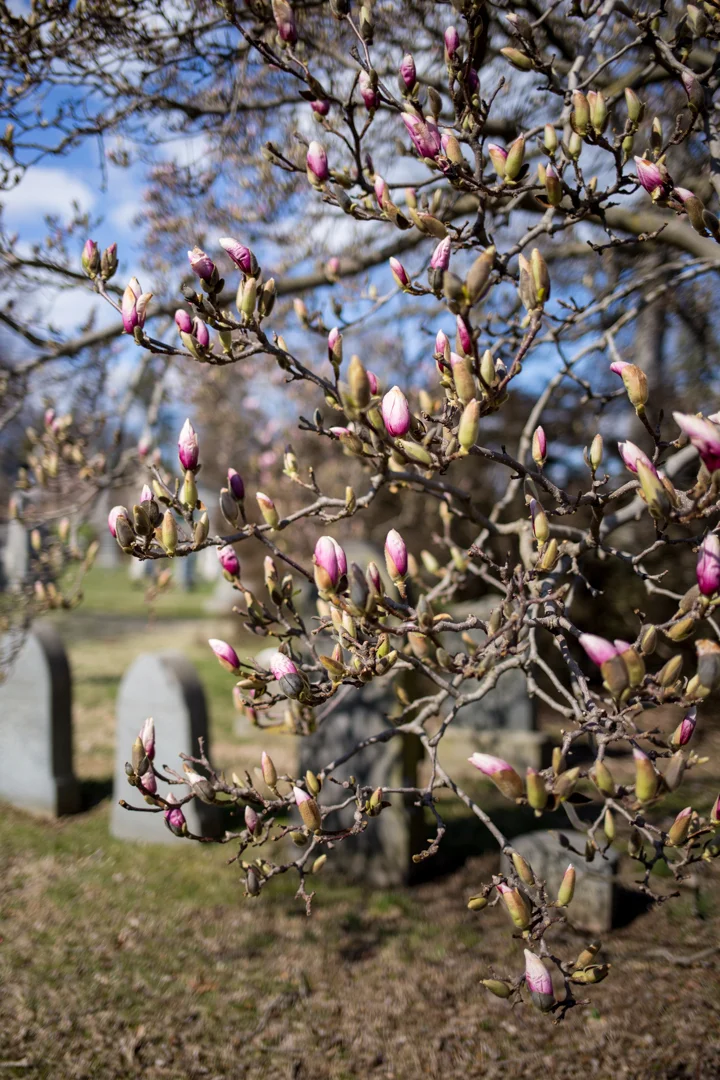

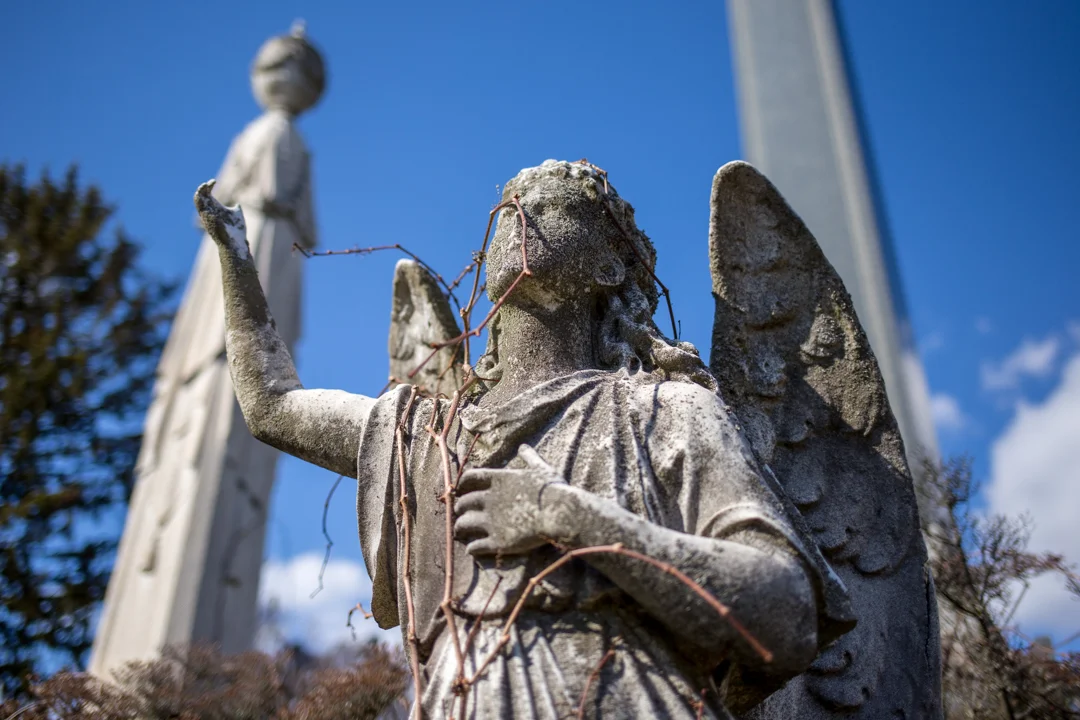


I know that spring will come, however late, followed by summer and pretty soon I'll forget what it was like to feel really cold. Some years it feels as if everything blooms overnight, blink and you might miss an entire season. Part of me is enjoying this slow rollout to spring—I just need to learn how to savor this transition time and not be impatient for the next phase.

Christ Church Burial Ground

On Saturday, my mom and I went to Philadelphia for the day. Our main destination was the Mütter Museum, but it was her first time in Philly so I wanted to show her some of the historic sites as well. The line for the Liberty Bell was around the block—pro-tip: you can see it through a side window without waiting—so we headed to the nearby Christ Church burial grounds. I'd been once, on my first trip to Philadelphia in 2014, but I never say no to a repeat spin around a historic graveyard.
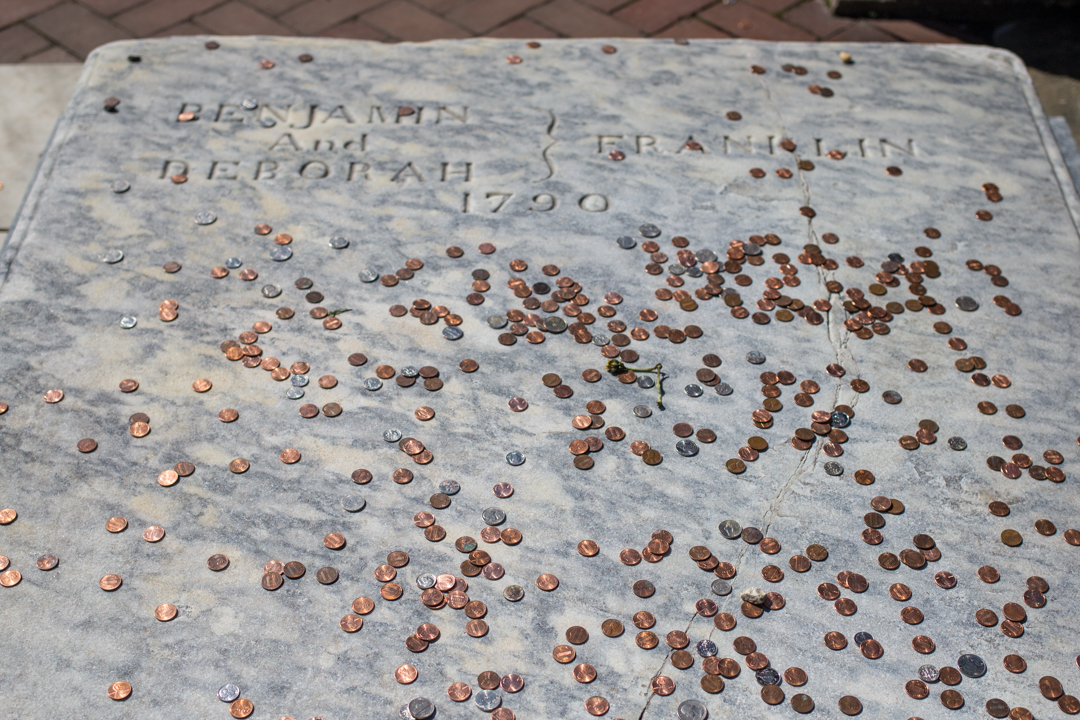


Christ Church burial ground was established in 1719 and is now the final resting place for more than 4,000 people. Notable burials including five signers of the Declaration of the Independence, medical pioneers, military heroes and victims of a Yellow Fever epidemic. The most famous of those signers is Benjamin Franklin, who is buried alongside his wife and daughter. Visitors throw coins on his grave because of the phrase "a penny saved is a penny earned," which is attributed to Franklin. $5,000 a year is earned from the daily collections (they sweep them into a dustpan) and the money is used for cemetery maintenance and restoration.


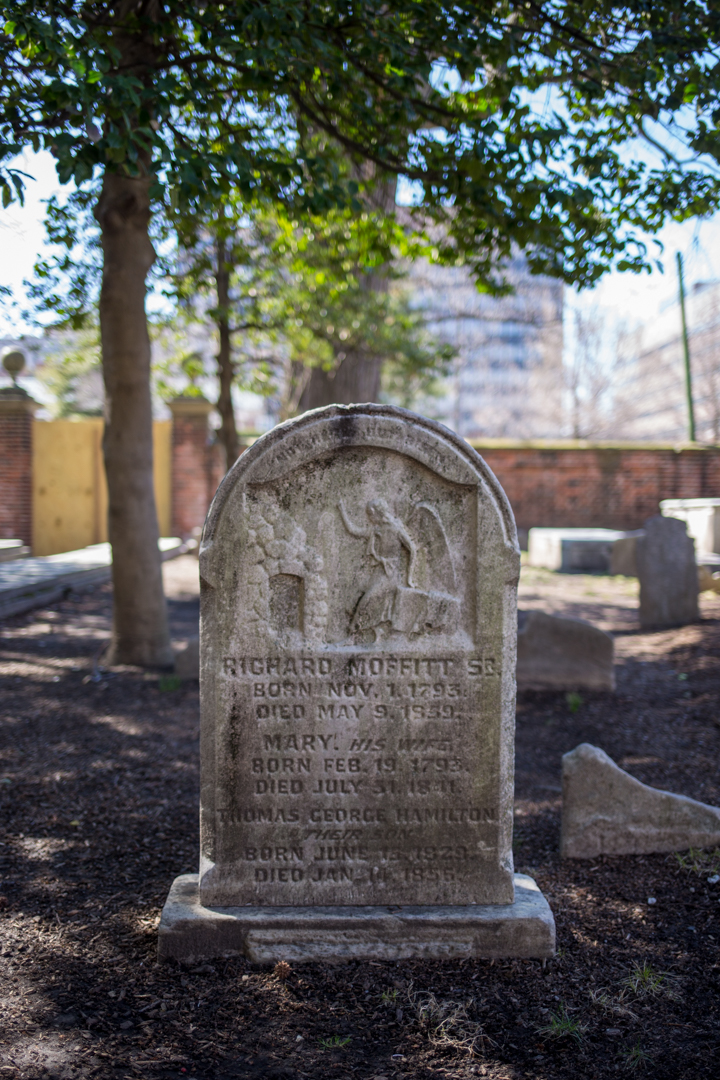

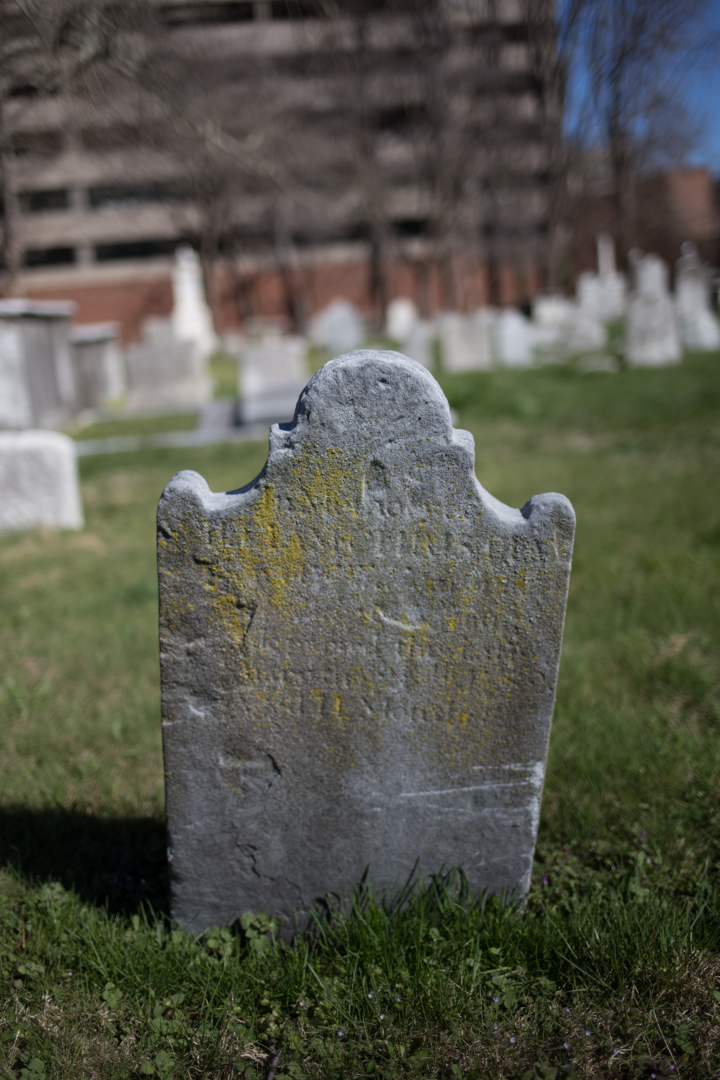
Christ Church burial ground is still the only cemetery I've had to pay admission to enter, and the cost increased from $2 to $3 since my first visit. In 1858, an opening was placed in the brick wall at the request of Franklin’s descendants so his grave could be viewed by the public at any time. I think the admission price also keeps the cemetery relatively empty, which is probably good for preservation efforts and is great for me to take photos in peace.


The burial ground currently has 1,400 markers, and another 2,500 have disappeared over time. A lot of the stones are so worn that you can no longer read the inscriptions, but you can purchase a map for a $1 that points out notable graves. Luckily, records were kept and a lot of the stones have new plaques that explain their original inscriptions. My favorite stone was the one that my mom pointed out, above, that looks just as sad as you would expect a lonely, 18th-century tombstone to be.
Christ Church Burial Ground
340 N 5th St,
Philadelphia, PA 19106
Open Monday through Saturday from 10 AM–4 PM,
Sunday from 12 PM–4 PM (weather permitting)

St. Patrick's Old Cathedral

St. Patrick's Old Cathedral, completed in 1815 was the seat of the Roman Catholic Archdiocese of New York until 1897, when the now more well-known Saint Patrick's Cathedral opened uptown. Old St. Patrick's—a gothic-revival church and designated landmark since 1966—is located on Mulberry Street between Prince and Houston Streets. The cathedral complex includes a Federal-style building across the street that was once the Roman Catholic Orphan Asylum and later the St. Patrick's Convent and Girls School; a graveyard—Manhattan's only Catholic cemetery; and catacombs beneath the church.

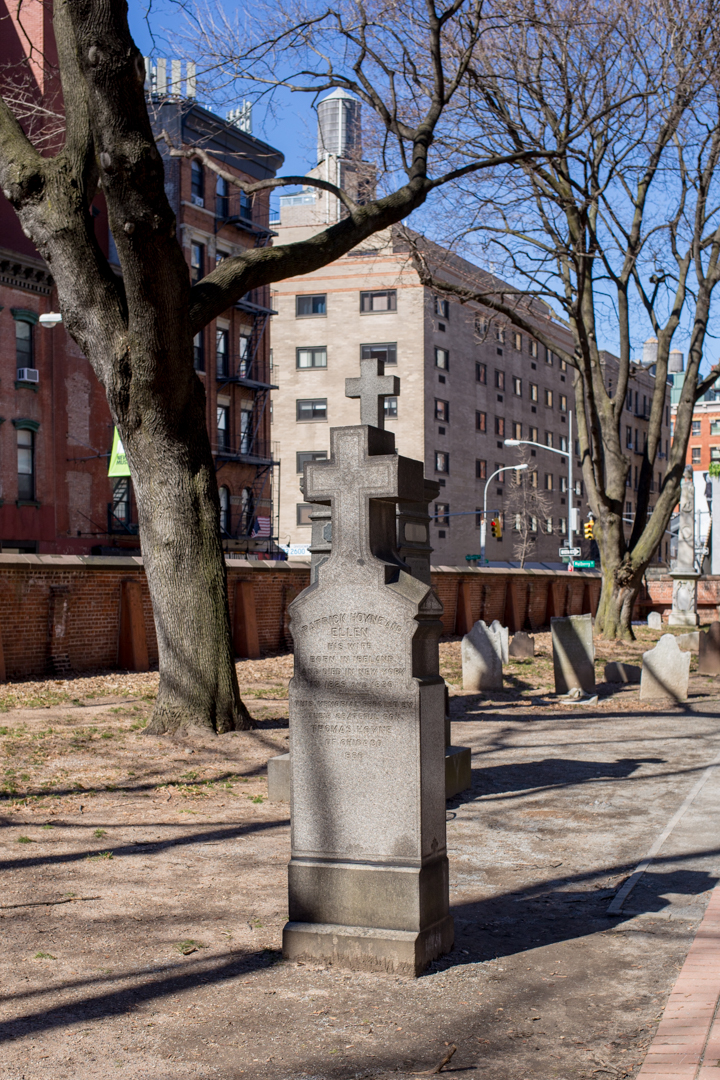

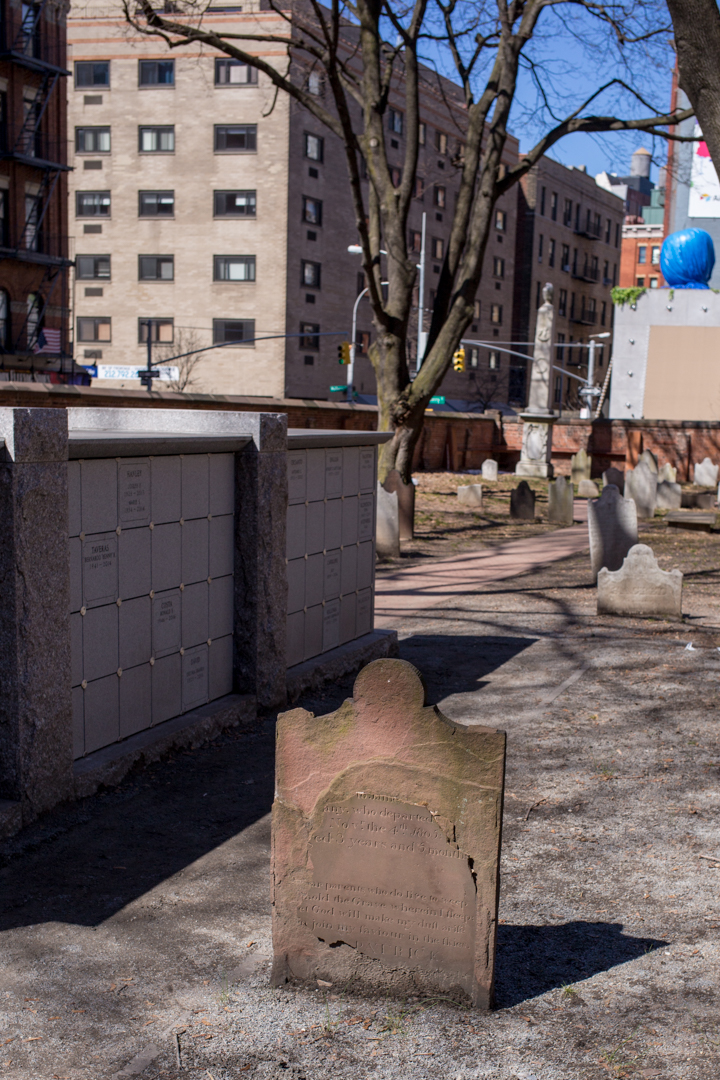
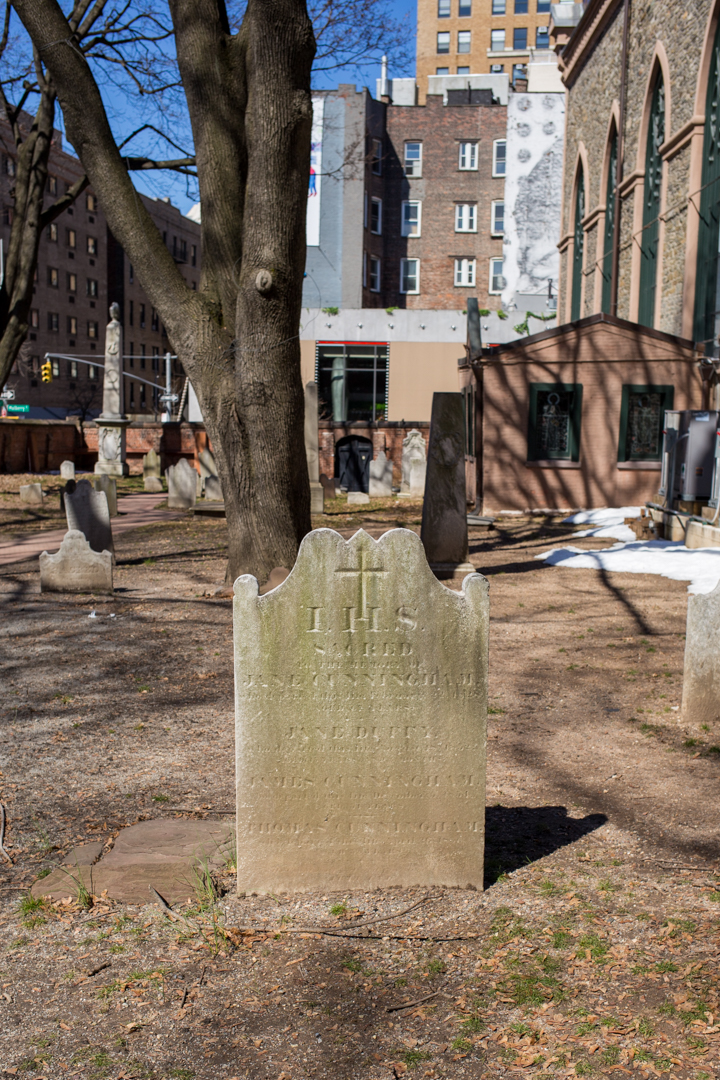


We recently took a tour of the cathedral complex—although the church is still active, the only way to see the cemetery and catacombs is to pay for a tour. I'd been aware of the cemetery and had gazed at it longingly through the always-closed gates so I was excited to finally be able to see the early 1800s headstones up close. The cemetery is surrounded by a brick wall, which was also a designated landmark, in 1968.


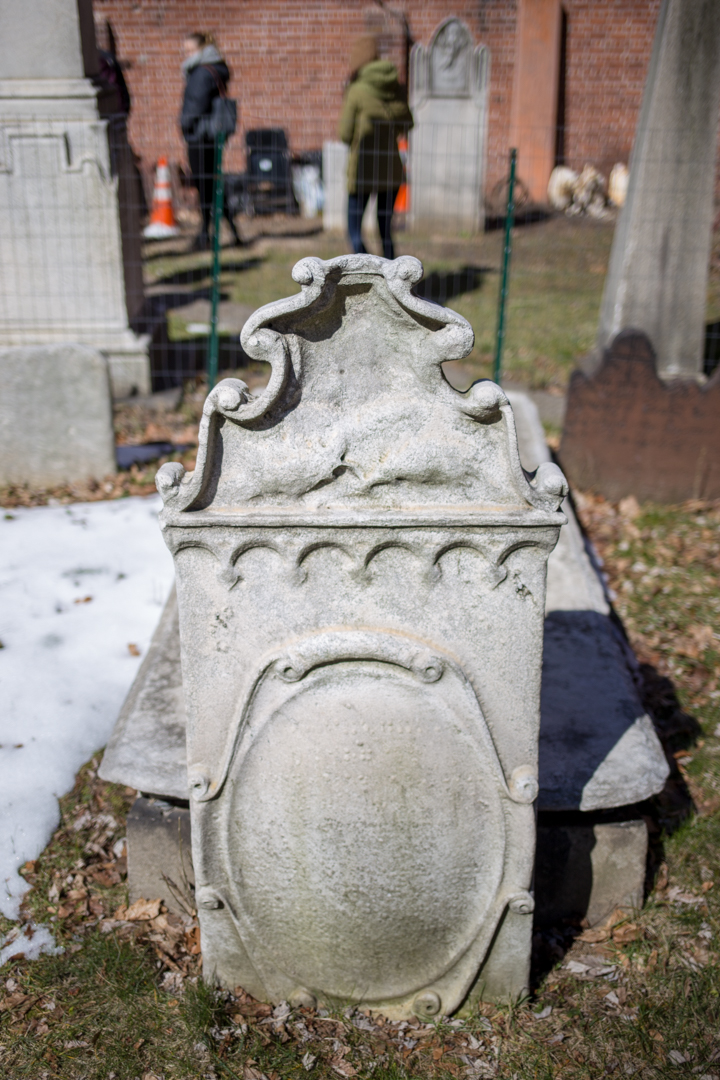

Due to space restrictions, interments in the churchyard eventually stopped, but in 2013 they constructed new columbaria "intended primarily but not exclusively for the cremated remains of Roman Catholics." My main complaint about most tours is that I always feel rushed, and unfortunately we spent very little time in both north and south cemeteries.

The remains of one of the churchyard's most famous residents—The Venerable Pierre Toussaint, a former slave on his way to becoming the first African-American saint—were moved to the crypt below the main altar of St. Patrick's Cathedral on Fifth Avenue. In addition to being one of New York Society's leading hairdressers, Toussaint sheltered orphans, fostered children and devoted his life to charity work. A headstone still marks the spot where Toussaint's remains were buried before they were moved to St. Patrick's, a place of honor normally reserved for bishops.


In 1866, a fire destroyed the interior of the church, which was rebuilt and re-opened on St. Patrick’s Day in 1868. Currently, services are given in English, Spanish, and Chinese and the church was awarded Basilica status by Pope Benedict XVI in 2010. If the side altar looks familiar, it's because it was the filming location of the famous baptism scene in The Godfather.


The crown jewel of the church is its pipe organ, the last remaining large, intact piece of its kind built by New Yorker Henry Erben. The nearly 2,500 pipes were carried by horse and carriage and installed by hand just after the Civil War. The organ is in need of a pricey restoration, and the non-profit organization Friends of the Erben Organ (honorary chair: Martin Scorsese) was formed to raise $2 million to ensure its preservation.

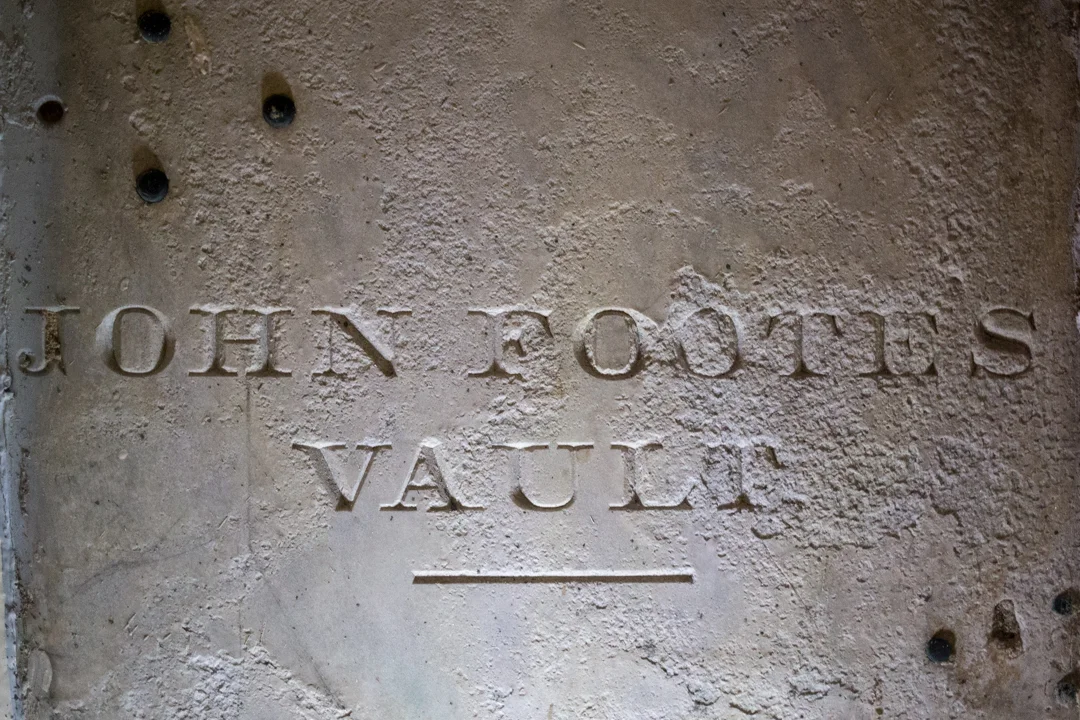


The official name of the tour is the Catacombs by Candlelight, but once again I felt as if we didn't have nearly enough time to explore beneath the church (the tour and guide were great, I just require a lot of time to poke around). These catacombs aren't like the bone-filled niches of Europe, but more like the ones at Green-Wood Cemetery—underground tunnels lined with hermetically sealed crypts and marked with carved stones. There are 35 family crypts and five clerical vaults, in addition to the newly-built columbaria.


Notable interments include: members of the Delmonico family, founders of Delmonico's, the first American restaurant to allow patrons to order from a menu; Countess Annie Leary, one of the only Catholics to be included in Mrs. Astor's "The 400," a list of fashionable socialites; and Tammany Hall boss and Congressman "Honest John" Kelly.


The tour concludes with a visit inside of the beautiful vault of General Thomas Eckert, a confidant and bodyguard of Abraham Lincoln. Lincoln drafted the Emancipation Proclamation in Eckert's office, and after the war he became president of the Western Union. The walls and ceiling of his spacious vault—I'm not exaggerating when I say it's almost as big as my studio apartment—are lined with Guastavino tiles and the light fixtures still have working, original Edison light bulbs.
St. Patrick's Old Cathedral
Corner of Mott and Prince Streets
New York, NY
Cemetery and catacombs accessible by tour only.
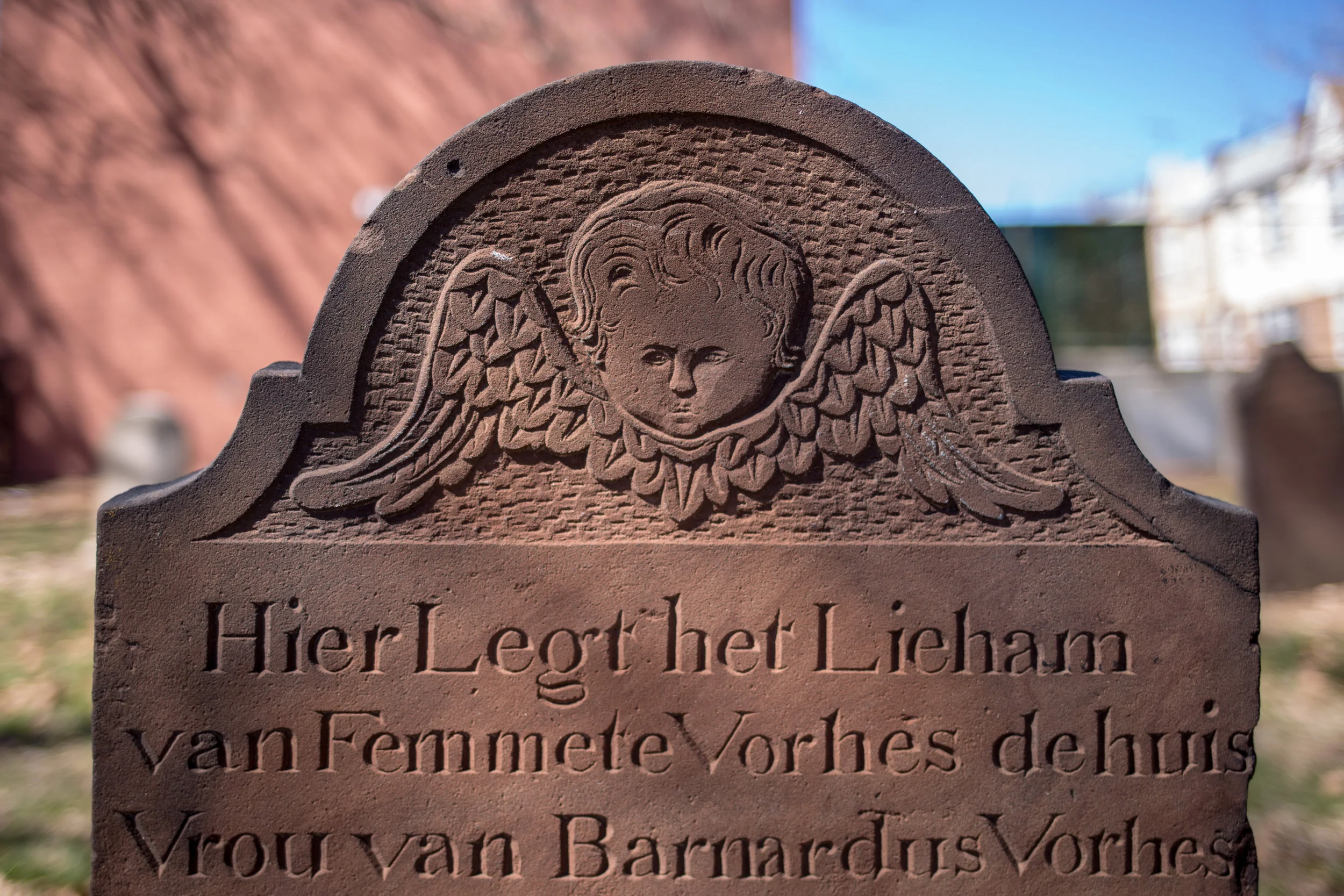
Gravesend Cemetery

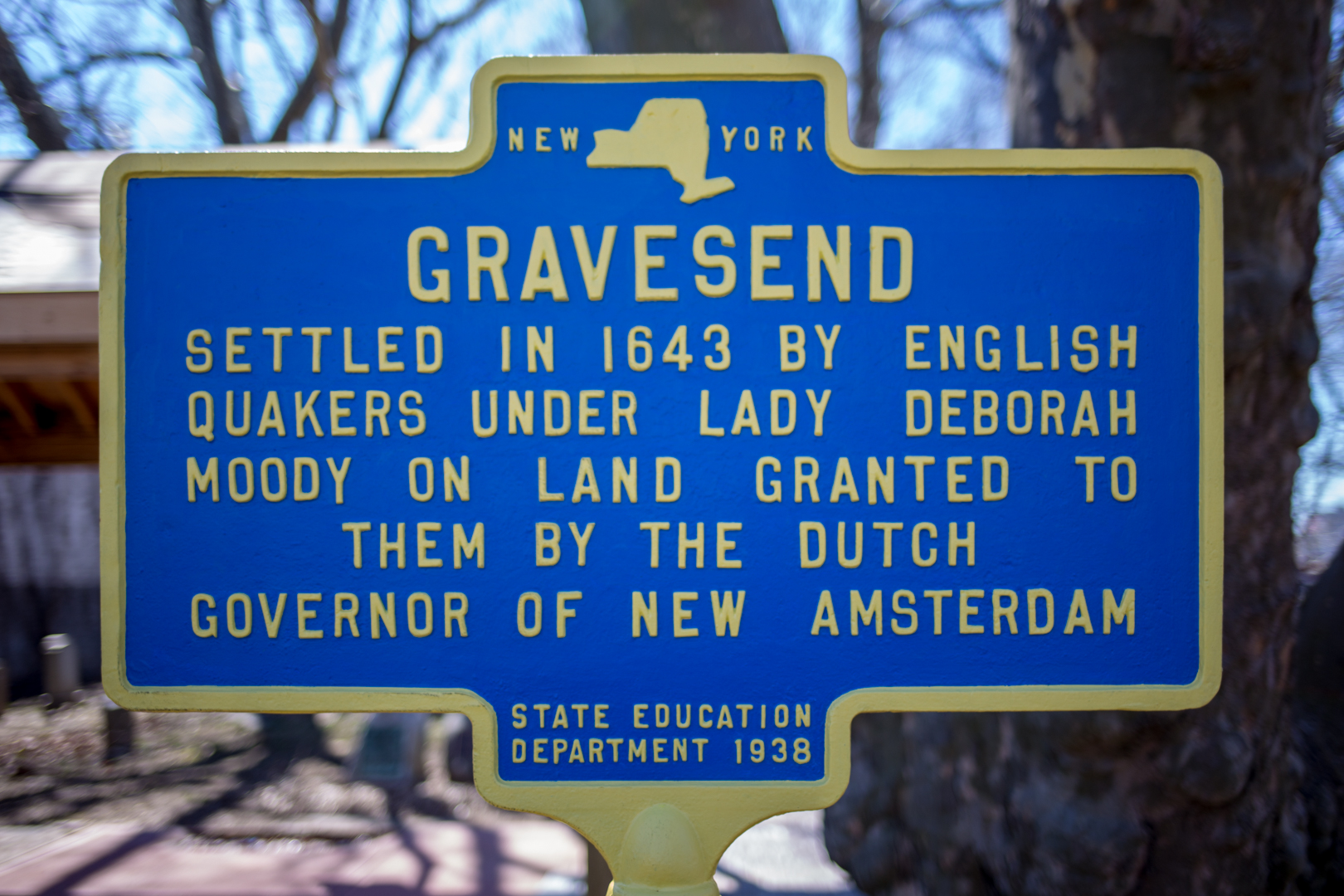
Gravesend, founded in 1643, was one of the original towns in the Dutch colony New Netherland, and one of the six original towns in Kings County. Founded by Lady Deborah Moody, the original English settlement included 39 other people. Moody was the first woman to found a township in the European colonies (what a total badass woman in 1643!). Gravesend wasn't incorporated into Brooklyn until 1894, and then became part of New York City when Brooklyn voted to join with the four other boroughs in 1898.

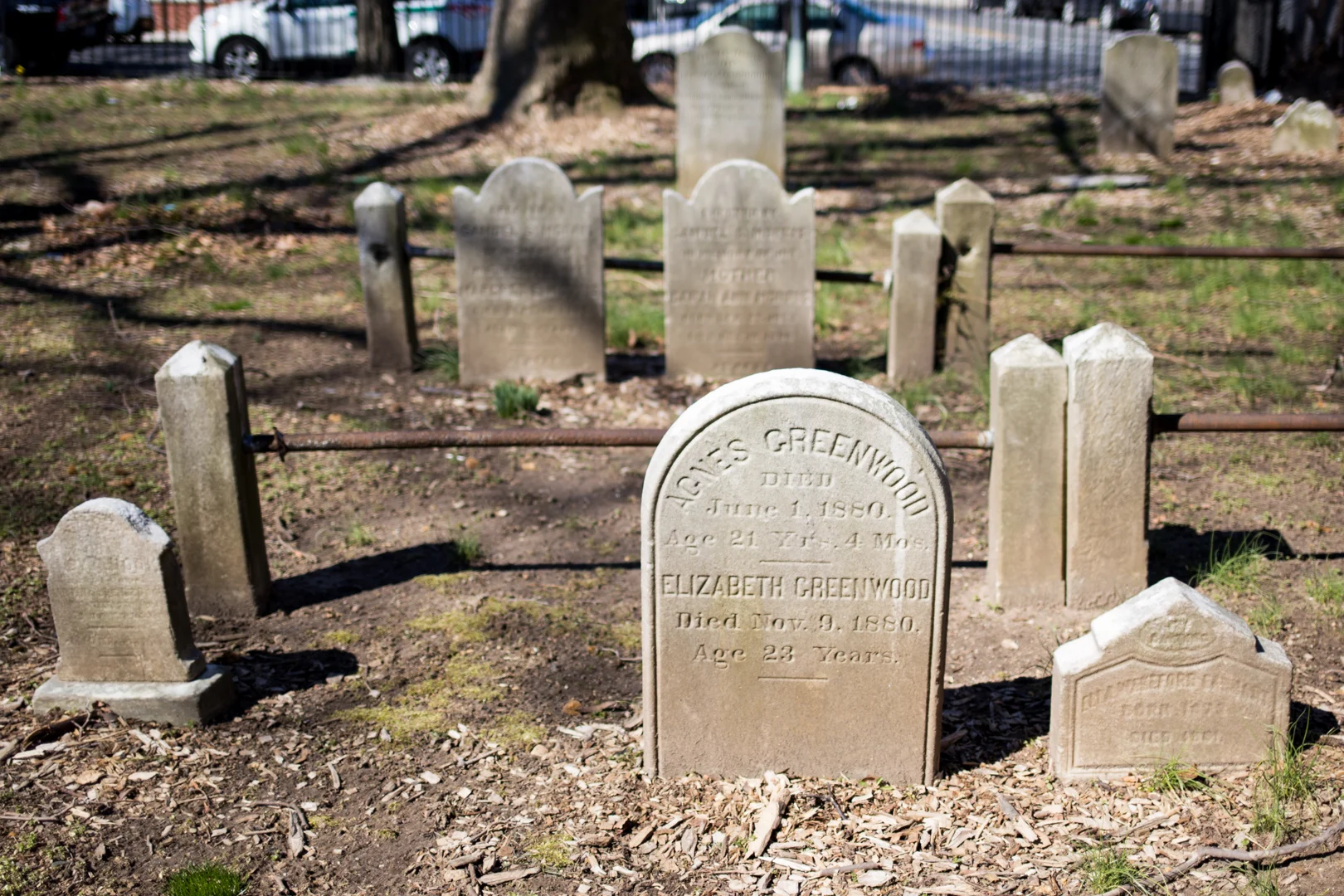


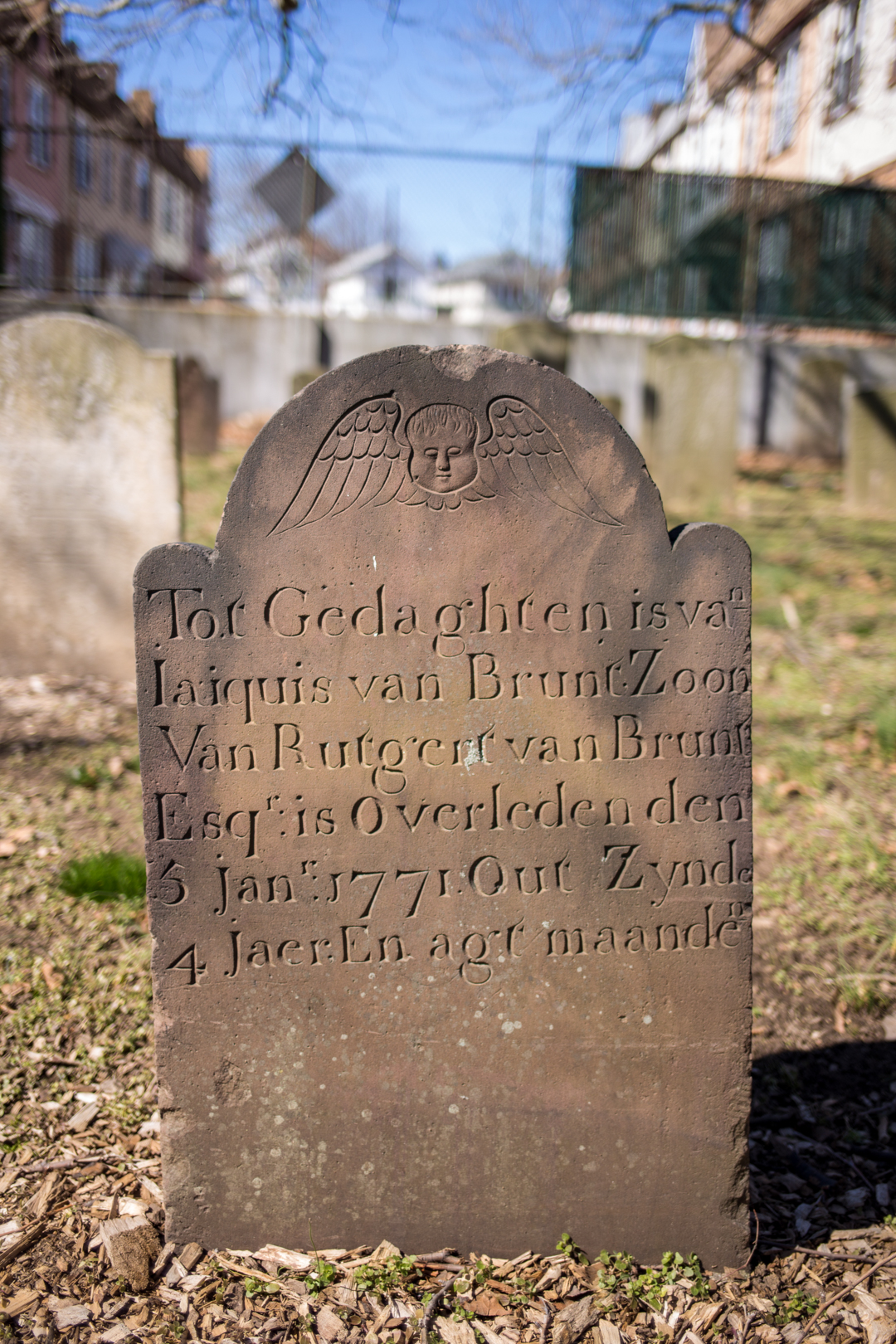

Gravesend Cemetery was founded around 1650, although the earliest surviving marker—a crudely carved fieldstone—dates from 1724. Early burials where likely Quakers or others who marked their graves with simple stones or wooden markers that haven't survived. The earliest traditional tombstones still visible are Dutch stones with intricately carved winged cherubs from the 1760s/70s.


I first went to Gravesend Cemetery back in 2014, and was disappointed to find the cemetery locked. There were no posted hours (just as sign that said open by appointment only), but I hoped that I would one day find a way to get inside of the historic grounds. That day finally came on Sunday, when my mom and I took a free tour offered by the New York City Urban Park Rangers.


Tours of the cemetery are only given once a year and online registration had already closed by the time I found the event listing. I contacted NYCParks via Twitter to inquire about the event, and they suggested that I call the Urban Park Rangers. I temporarily overcame my phone phobia and spoke to a very nice woman who informed me that there was still space available. We were added to the list and the moral of this story is that obscure cemetery tours on chilly winter days aren't exactly a hot ticket—and that I can be persuaded to talk to an actual human on the phone if it means that I might get into a normally off-limits cemetery.


If I have the choice of a guided tour or wandering on my own, I'll always pick the latter but this tour was a good combination of both. Our park ranger was very knowledgeable and I never felt rushed. We also heard a few stories about notable burials that we would have never been able to infer just from looking at the stones themselves, which certainly makes the case for taking a tour if it's an option.


Barnadus and Sarah Ryder were brought to our attention, a husband and wife who died 34 years apart—but both on October 29th. We were also directed to find the one marker not made of stone, a blueish zinc head"stone"—I've seen these in cemeteries before, but I didn't know that all zinc markers were produced from a single company in Connecticut from about 1870 to 1912.

Viola Jackson was a black woman working as a maid when her dress caught fire—either from a candle or the oven—and she died tragically when she was just 22. She is buried in the cemetery, but along the southwest edge with other African Americans of that time—Gravesend's own interpretation of "separate but equal."

Jacob and Barnadus Ryder, whose stones are next to each other, died just ten days apart. The father and son didn't die from a shared illness, but rather from a murder-suicide that may have been Gravesend's first. Jacob Ryder, a farmer, cut the throat of his two-year-old son and then cut his own. His wife was in the field milking cows at the time, and although Jacob survived, he died ten days later from the self-inflicted wound. It was later revealed that Jacob had written a letter to his father claiming that he “imagined he heard a voice commanding him to execute the deed.”
Aspin Hill Memorial Park

On the first day of the road trip I took with my mom back in October, our last stop for the day was in Silver Spring, Maryland (after visiting Divine and the Enchanted Forest). I knew there was a pet cemetery there, but I didn't know much about it, so my expectations weren't very high. What we found was much larger and more elaborate than I had anticipated, and if it weren't for the swarms of bugs (mosquitoes? fleas?) preying on every inch of our exposed flesh, we could've explored for hours.


Established in 1921, Aspin Hill Memorial Park is thought to be the country's second-oldest pet cemetery, after the one in Hartsdale, New York. Two local dog breeders purchased the land to build a kennel and, inspired by a trip to Hartsdale, they added a cemetery a year later. It was originally used only to bury their own dogs, but they soon began offering plots for sale, advertising it as "one of the most attractive cemeteries in the country," and claiming that it was “destined to become one of the most noted canine cemeteries in the world.”

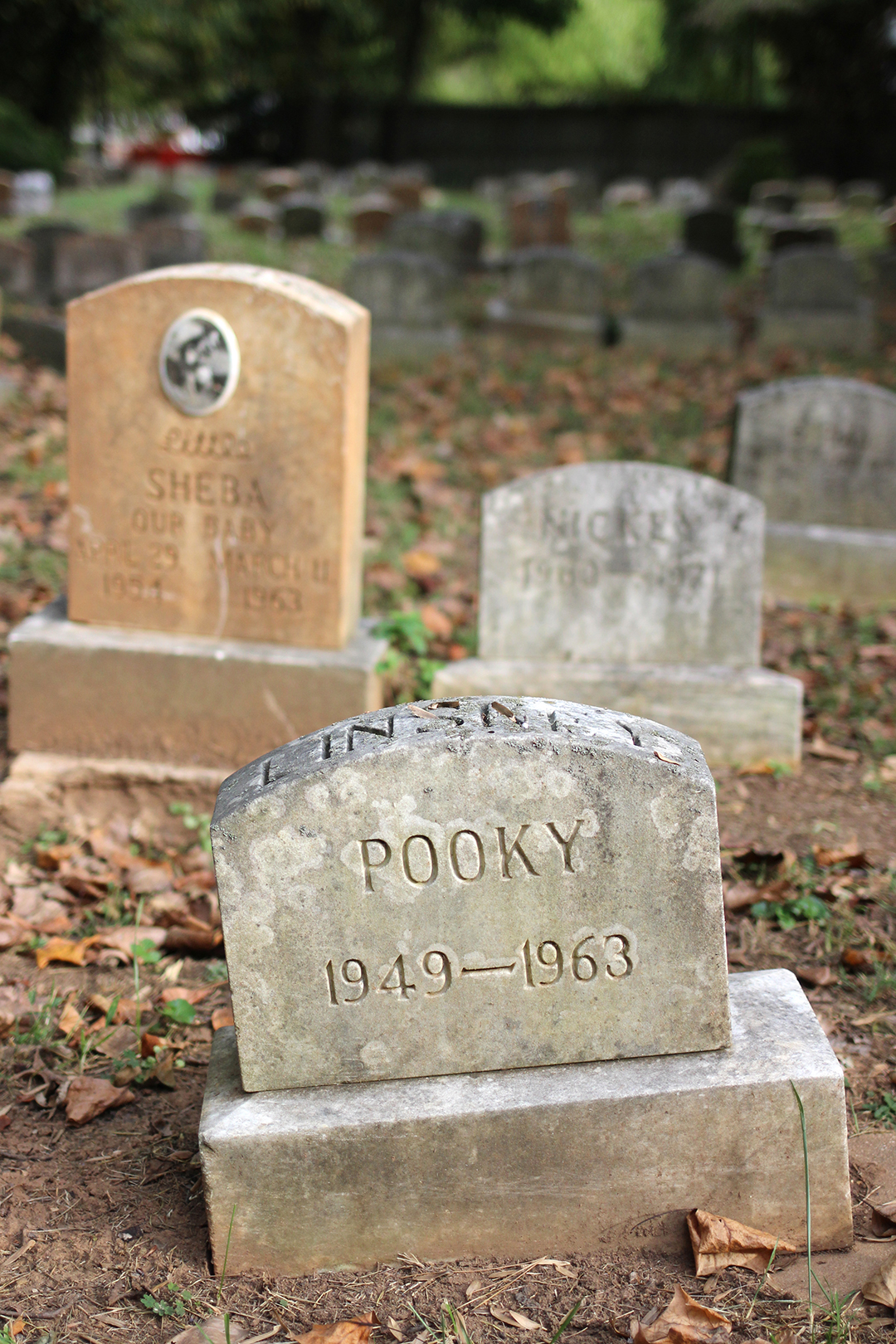


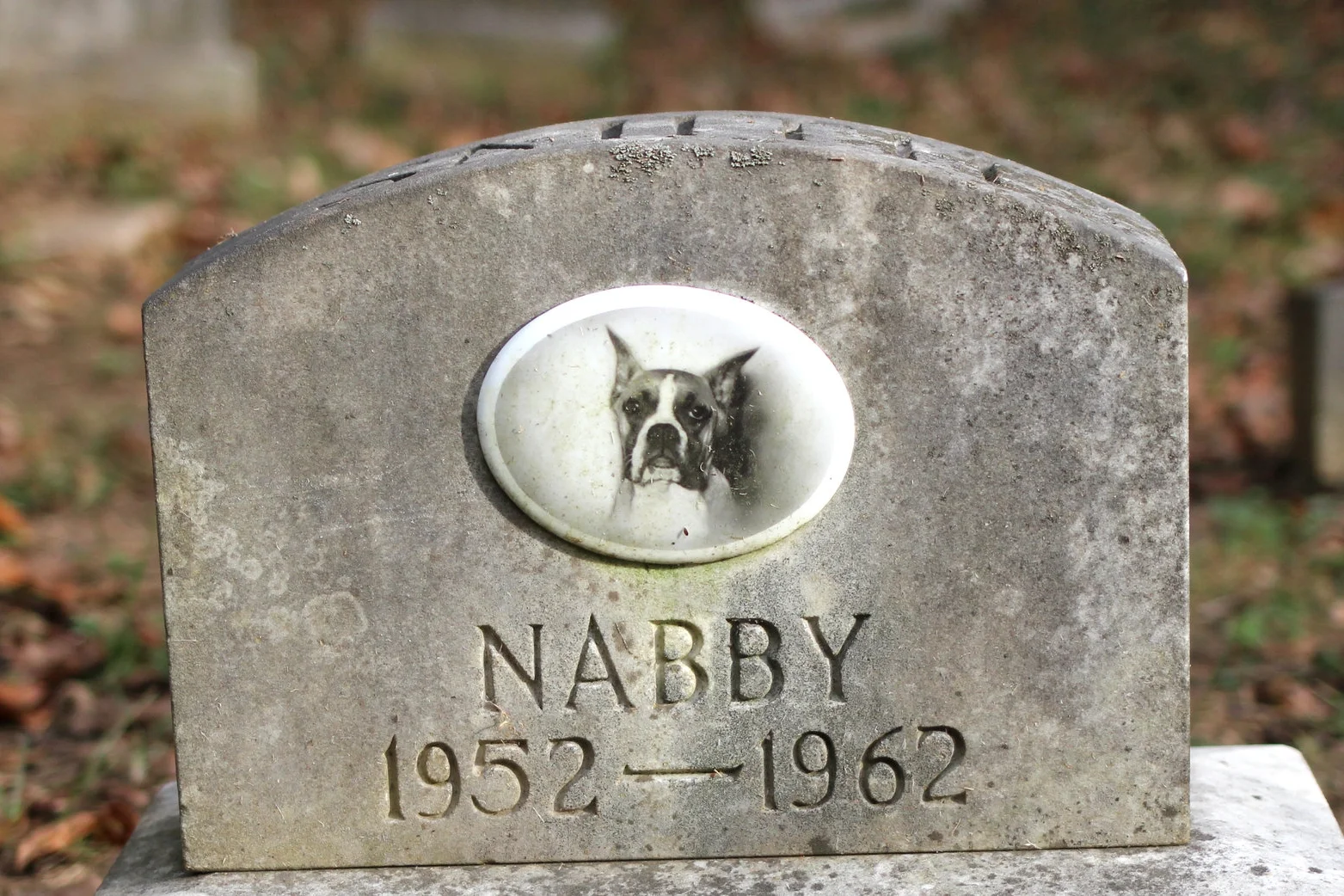
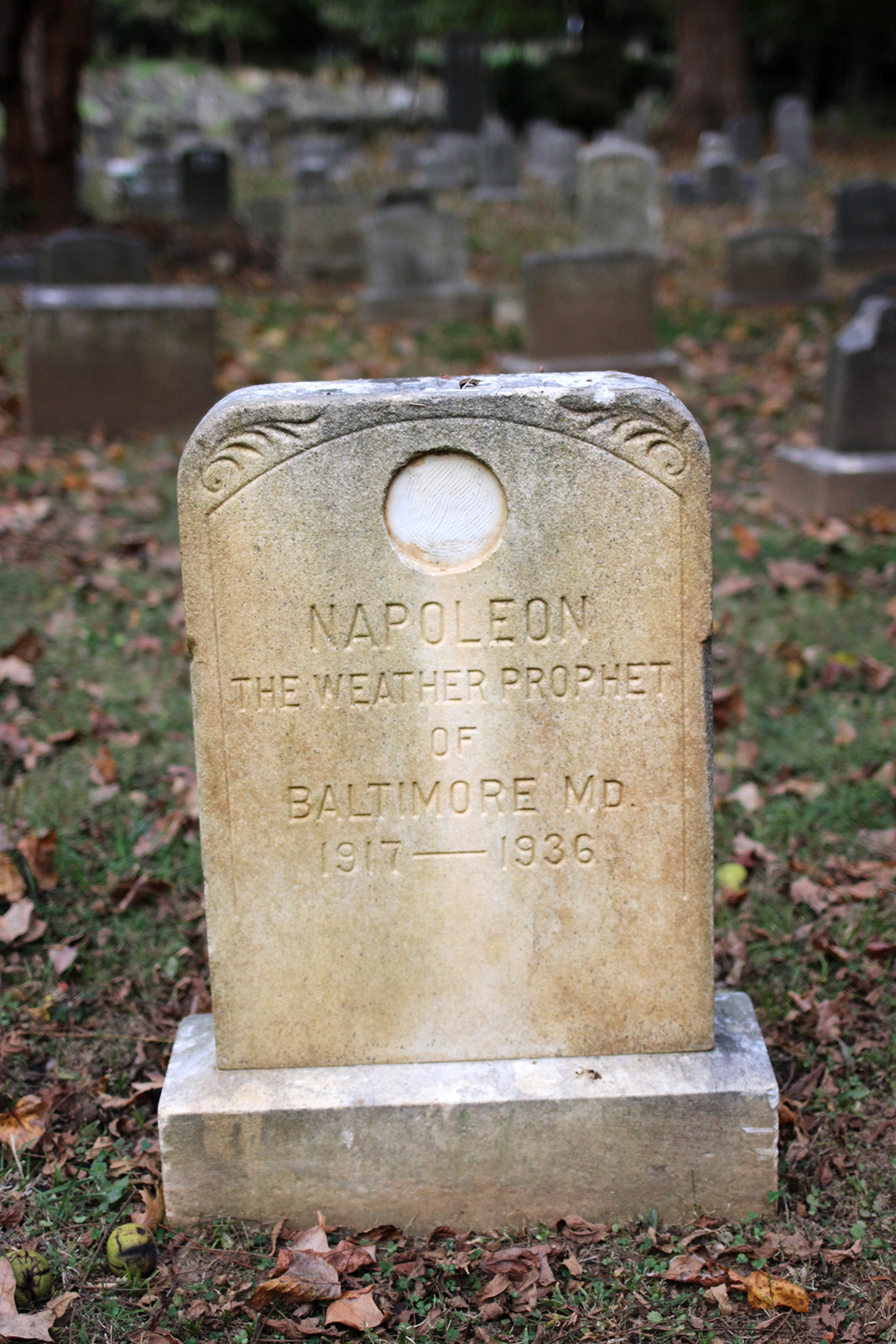
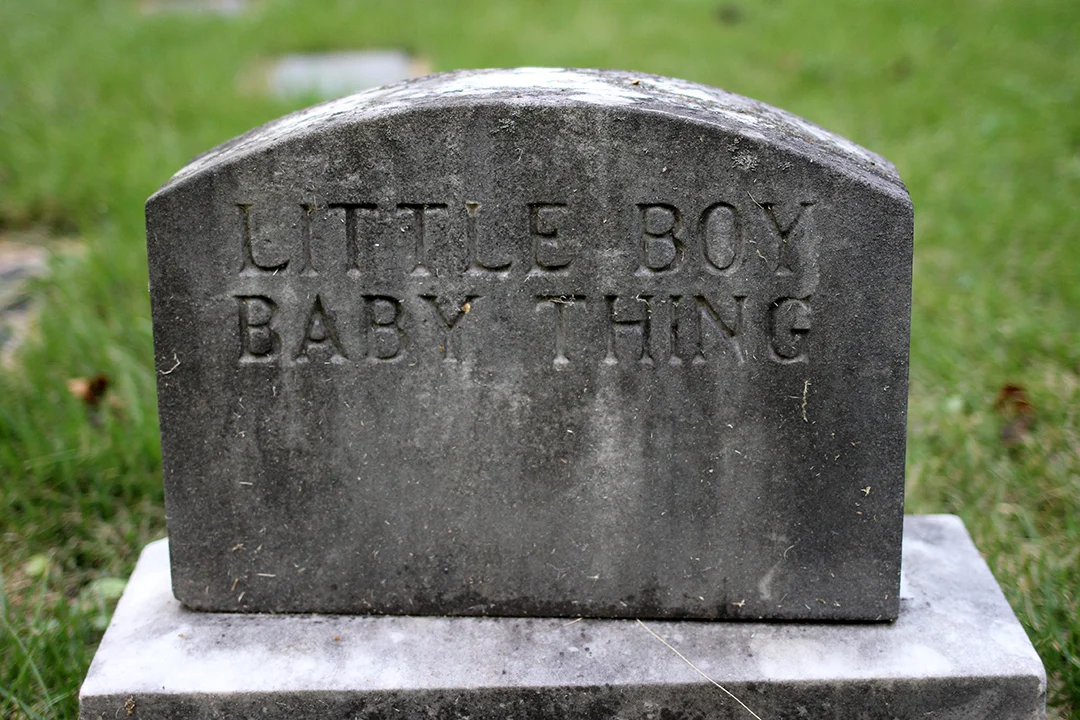
I think their marketing materials were a little ambitious—and Aspin Hill is no Hartsdale—but it was a popular place. More than 50,000 pets are buried here and more than two dozen humans are buried near their beloved pets (!!). Notable residents include seven of J. Edgar Hoover's dogs and World War I veteran Rags. Lyndon Johnson had his beagles cremated here (they were interred at his ranch in Texas) and it's rumored to be the final resting place of Jiggs, one of the Petey's from Our Gang. Perhaps not as famous, but still worthy mentioning: Andy the well-dressed monkey, Poor Alphie, Napoleon Pierre, Mustard, Flippy, Nabby, Pooky, Bingo, Bunny, Little Boy Baby Thing and Napoleon the Weather Prophet of Baltimore, MD.
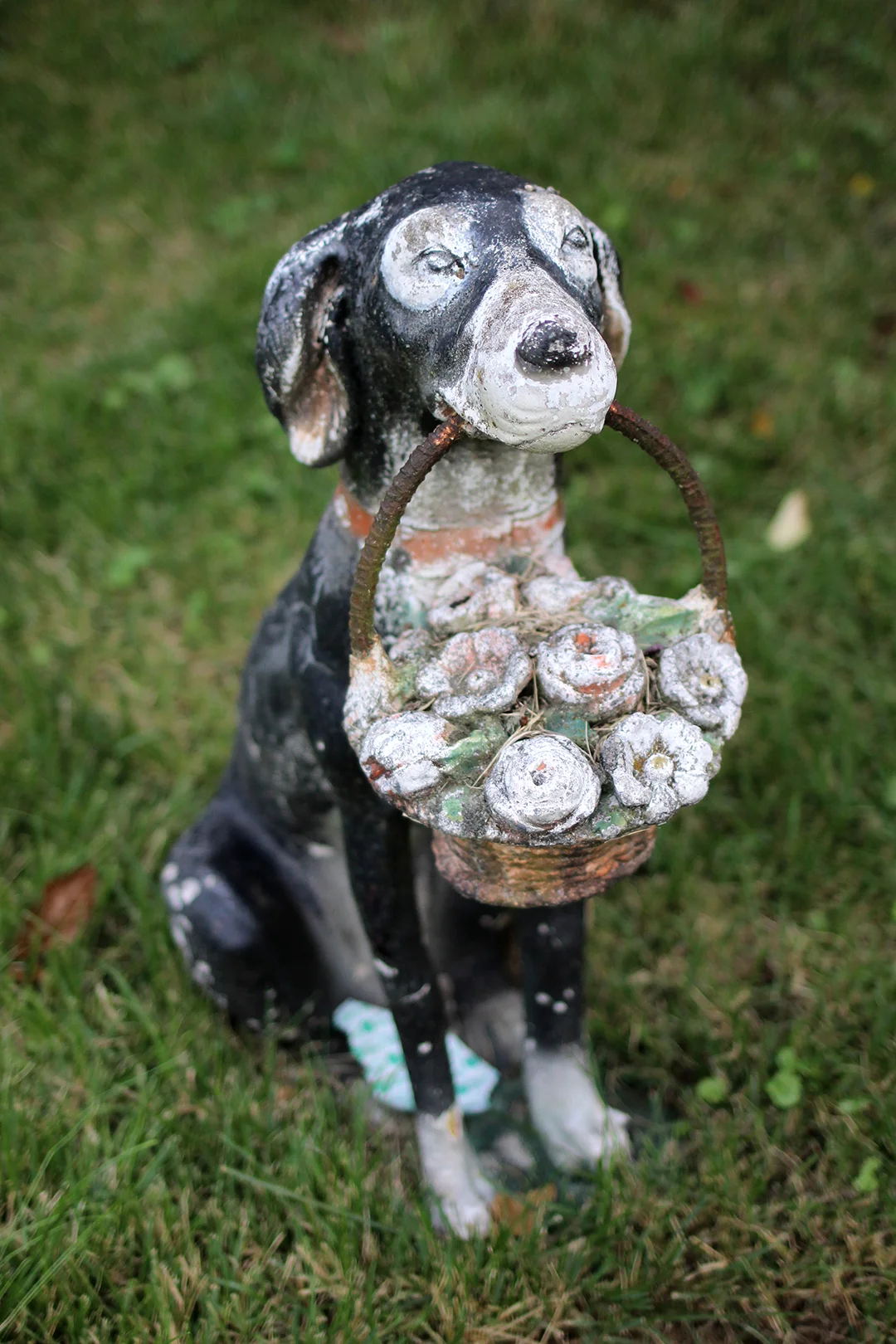




The cemetery is now owned by the Montgomery County Humane Society and it's still technically an active cemetery, although they are not currently selling plots. They rely on donations to fund property maintenance, and although it's obviously not abandoned it is not as well-maintained as Hartsdale. In addition to the hordes of biting bugs (seriously these things were such a menace my mom was back in the car in minutes), there are fallen trees, broken stones, crumbling statues and other signs of neglect.




This was my fourth pet cemetery (I visited my fifth near Palm Springs in December) and my mom's second (her first was Clara Glen). I think two pet cemeteries in two years officially counts as a mother-daughter tradition, one that I definitely don't mind trying to maintain.
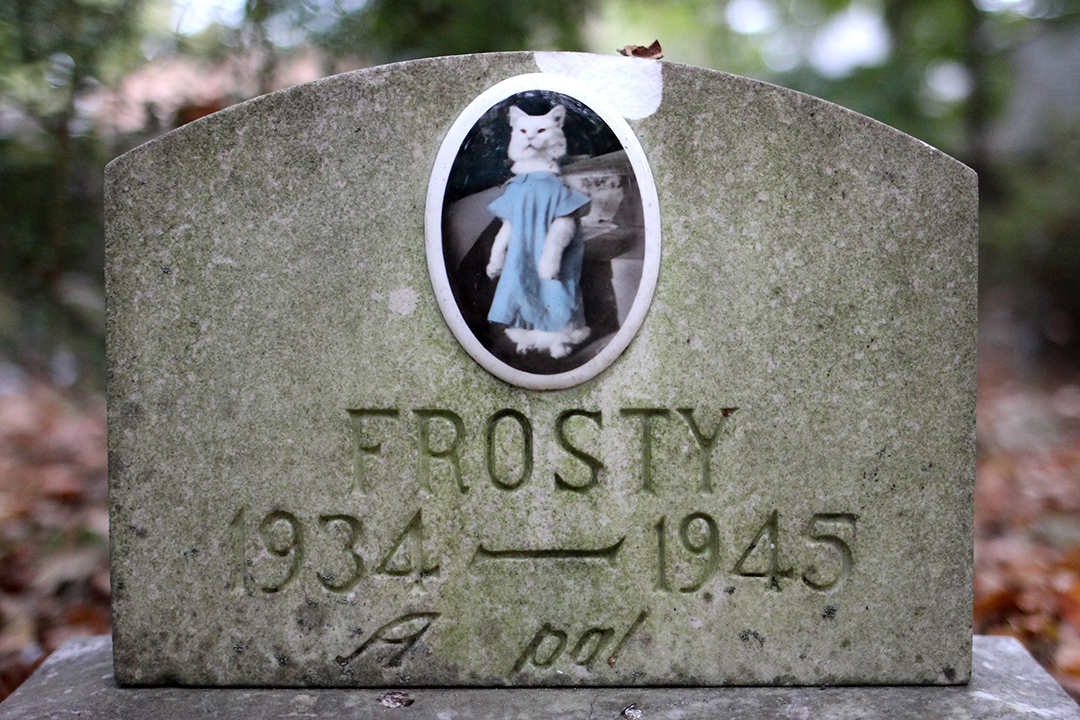
I don't think I'll ever feel as removed from the deceased in pet cemeteries like I do in human cemeteries. Epitaphs to beloved animals such as "I will always love you," and "Faithful to the end" will always make me tear up. And then, because pet cemeteries are such strange places, the next minute I'll be laughing at a ceramic portrait of Frosty the cat (a pal) in a dress.
Aspin Hill Memorial Park
13630 Georgia Avenue
Silver Spring, MD 20906

Manatee Burying Ground

Despite its name, the Manatee Burying Ground in Bradenton, Florida is, unfortunately, not a place to bury actual manatees. But it is one of the oldest organized burying grounds on the Gulf Coast of Florida, and it's located just a few minutes from where we were staying (David's parents' house) on our recent trip. Deeded in 1850, the property is owned by the city of Bradenton (located in Manatee County) and since 1849, only immediate family members of those already buried in the cemetery can be interred here.


We drove past this cemetery and lured by its intriguing arched metal entrance gate, I gently suggested that we turn around and check it out. It's surrounded by a fence and the main gate was locked. Just as we were considering a little bit of light trespassing / fence-hopping, we noticed that a side gate that had appeared locked was actually open. Unsurprisingly, due to its strict familial restrictions, the cemetery only contains 94 identifiable graves. The last interment was in 1967, a granddaughter of the cemetery founders, Josiah and Mary Gates.


Notable interments here include 11 Confederate soldiers, three Union Army veterans, a private who served in the Seminole War and three members of the Florida Succession Convention. During weekends in October, the cemetery hosts an event called "Spirit Voices from Old Manatee," a torchlight tour with actors portraying some of Manatee's permanent residents.


Although I know geographically it is, I don't really think of Florida as the "South"—but this small cemetery reminded me a lot of other cemeteries I've explored in Savannah, Charleston and New Orleans. The Spanish moss was draped over stones and gates like someone was dressing a set for "haunted southern cemetery." The Manatee Burying Ground was a lovely accidental discovery and the perfect cemetery to explore—small enough to not be overwhelming, but with a diverse and historic collection of old tombstones and monuments.
"How strange it seems / with so much gone of life and love / to still live on."
The Manatee Burying Ground
15th St And 6th Ave E
Bradenton, FL 34205
Visit Manatee Village Historical Park to borrow the key to the cemetery between 9 a.m.-4 p.m. Monday through Friday, and the second and fourth Saturdays of each month (or just check to see if the side gate is open, like we did).

Hollywood Forever Cemetery

During my recent trip to California, I didn't have much time to spend in LA, but one of the top destinations on my list was the Hollywood Forever Cemetery. Founded in 1899, Hollywood Forever claims to be "the final resting place to more of Hollywood’s founders and stars than anywhere else on Earth." The cemetery is famous not only for its residents, but since 2002 they've hosted outdoor movies featuring DJs, photo booths, picnics and appearances from (living) celebrities and directors.


I was there during the day, but you bet if I lived in LA I'd be a frequent guest on movie nights. Hollywood Forever is one of the oldest cemeteries in Los Angeles, and is the only one actually located within the city of Hollywood. The cemetery is beautiful and obviously well-maintained—I never got over the thrill of seeing palm trees, which is not something I'm used to seeing in cemeteries.
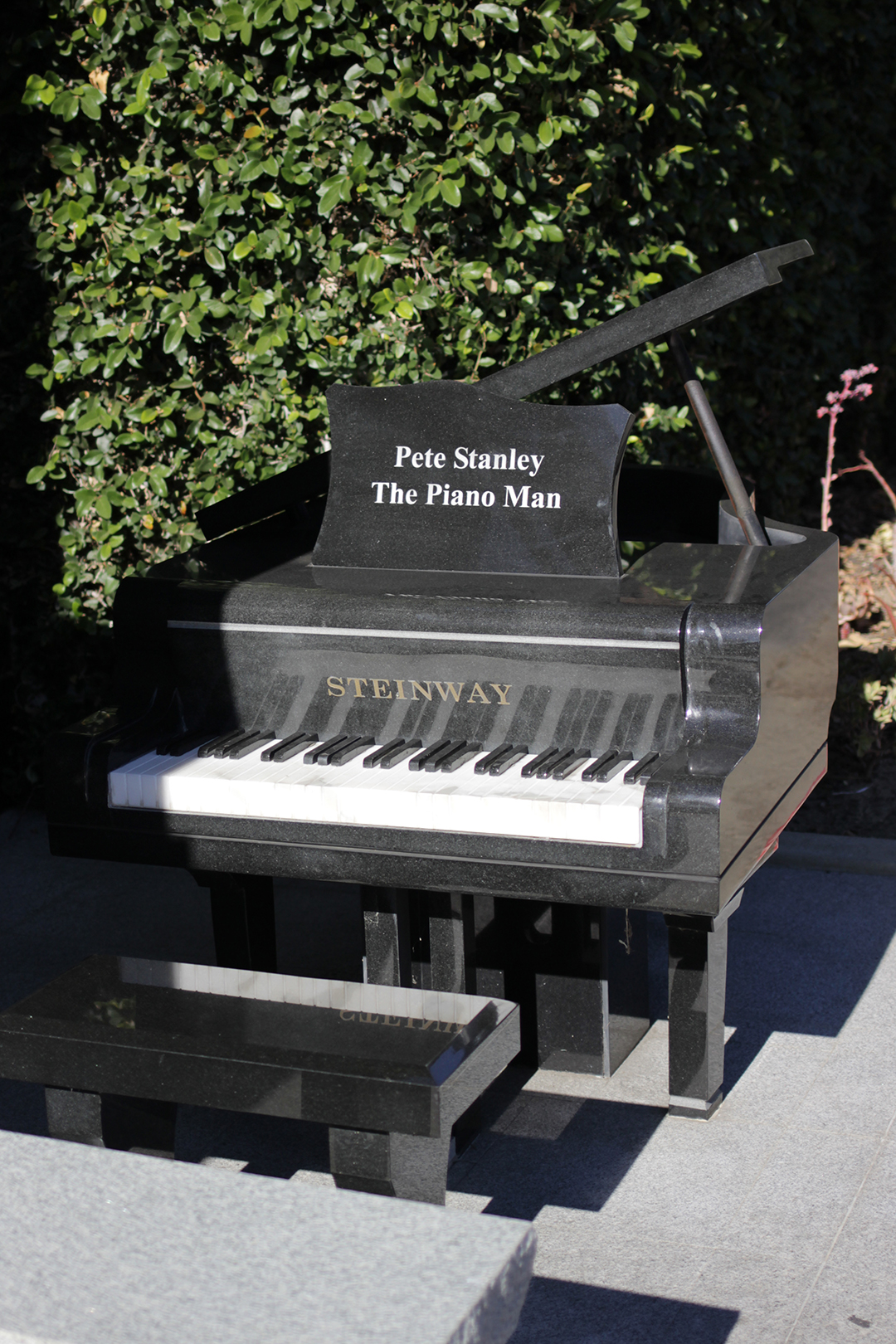


Despite being quite old, the cemetery isn't actually visually interesting in the way I usually prefer for a cemetery—crumbling, creepy and full of traditional stones—so I realized quickly that the best way to see Hollywood Forever would be to track down its famous residents (although this is Hollywood, so some of the non-famous headstones were just as entertaining).
When I inquired about a map, I was directed to the flower shop, where my only option was to purchase a map for $5. It was definitely worth it—the cemetery is huge—but I've never been to a cemetery that charged for a map (and I've been to a lot of cemeteries). I did pass it along to my friend Jim, so at least he won't have to pay when he visits.


Hollywood Forever is by no means the only cemetery filled with celebrities in the Los Angeles area, and while there are a few contemporaries—Chris Cornell and Anton Yelchin were both buried recently—most of the interments are much older. Hattie McDaniel, the first African-American to win an Academy Award (for her performance in Gone With the Wind) wanted to be buried at Hollywood Forever, but was not allowed because at the time of her death in 1952, the cemetery was still segregated. In 1959 the cemetery was finally desegregated, and In 1999 a centotaph was erected in McDaniel's honor.


The map wasn't very easy to follow, but I did manage to track down two Ramones: Dee Dee's kiss-covered headstone and Johnny's guitar-wielding likeness. I also visited Fay Wray (King Kong), Jayne Mansfield, Mickey Rooney and Mel Blanc—the voice of just about every Looney Tunes character you can think of, and owner of one of my favorite epitaphs, "That's All Folks".


The main attraction at Hollywood Forever for me, however, was a fairly new addition. When I visited Ferncliff in September, I was disappointed to learn that Judy Garland's remains had been moved in June of 2017, and reinterred at Hollywood Forever. She was the last one I found during my visit, and the move came with quite the upgrade. She is entirely alone (for now) in her own mausoleum, appropriately named the Judy Garland Pavilion.
Garland's Wizard of Oz co-star, Toto, died toward the end of WWII and the burial ground where he was interred was destroyed during the expansion of the Ventura Freeway. But close to Garland is a stone provided by the Toto Memorial Committee in 2011—allowing you to not only to pay your respects to Dorothy, but to her little dog too.

First Calvary Cemetery

I've mentioned that I've been going a little stir crazy already this winter, and even after walking to work on Friday, I wasn't ready to say goodbye to all of our "bomb cyclone" snow just yet. On Sunday I bundled up (it was a four shirts, three pairs of socks and two pairs of pants kind of day) and headed to Queens. Our regular UWS diner is still closed (hopefully only temporarily) after a fire, so my mom and I had lunch at the Court Square Diner in Long Island City. After lunch, we parted ways and I headed further into Queens to the First Calvary Cemetery.


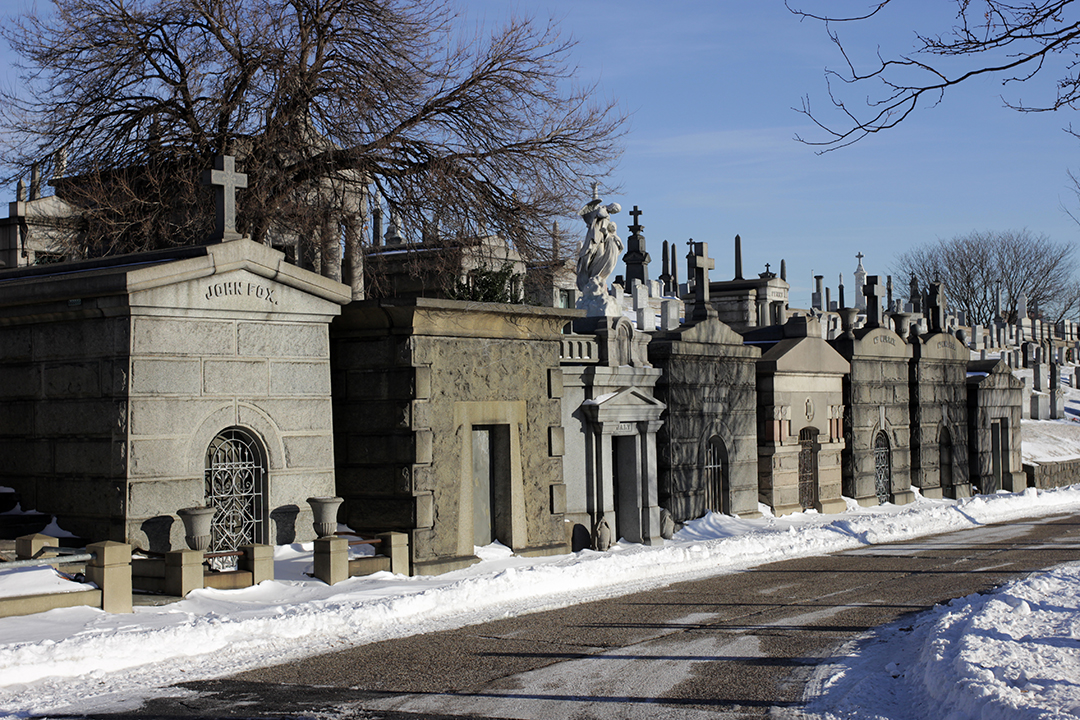
Calvary, a Roman Catholic cemetery, is one of the oldest cemeteries in the United States. It's divided into four sections and the oldest section, First Calvary, is bordered by the Long Island Expressway and the BQE. The first burial occurred on July 31, 1848—Esther Ennis, reportedly dead of a broken heart—and First Calvary was full by 1867.




I had been to First Calvary once before, back in 2014 when I first got my camera. I always had it on my mental list of places to revisit, but we watched The Godfather on Saturday—Vito Corleone is "buried" in Calvary—and whenever it snows my first instinct is to head to a cemetery. Google lists the cemetery as closed on Sundays and I've had unfortunate luck getting into snowy cemeteries before, but luckily the gates were open.


Calvary was the first major cemetery to be established in an outer borough by the Trustees of St. Patrick's Cathedral, after a cholera epidemic created a burial shortage in Manhattan. Today, more than three million people are buried in Calvary cemetery—the largest number of interments of any cemetery in the US—and the first thing you notice upon entering is just how full it seems. In many ways, the cemetery resembles a small city of its own, with row after row of tall headstones tightly packed together, a mirror image of the Manhattan skyline in the distance.
First Calvary Cemetery
34-02 Greenpoint Avenue,
Maspeth (Queens), NY 11378
Office Hours (note that the office is closed on Sunday, but the cemetery gates were open):
Monday-Friday: 9:00 a.m. until 4:30 p.m.
Saturday: 9:00 a.m. until 1:00 p.m.
Haines Falls Cemetery

Back at the end of September, David and I went camping around the North/South Lake in the Catskills. On the road leading to the campground, I spotted an old church and graveyard and I made sure to bring it up the next day as we were leaving. David knows me well enough by now to know when I begin a sentence with "If we have time..." that I have a stop in mind, and although I usually make empty promises to be quick, this really was a quick stop (at least I thought it was).
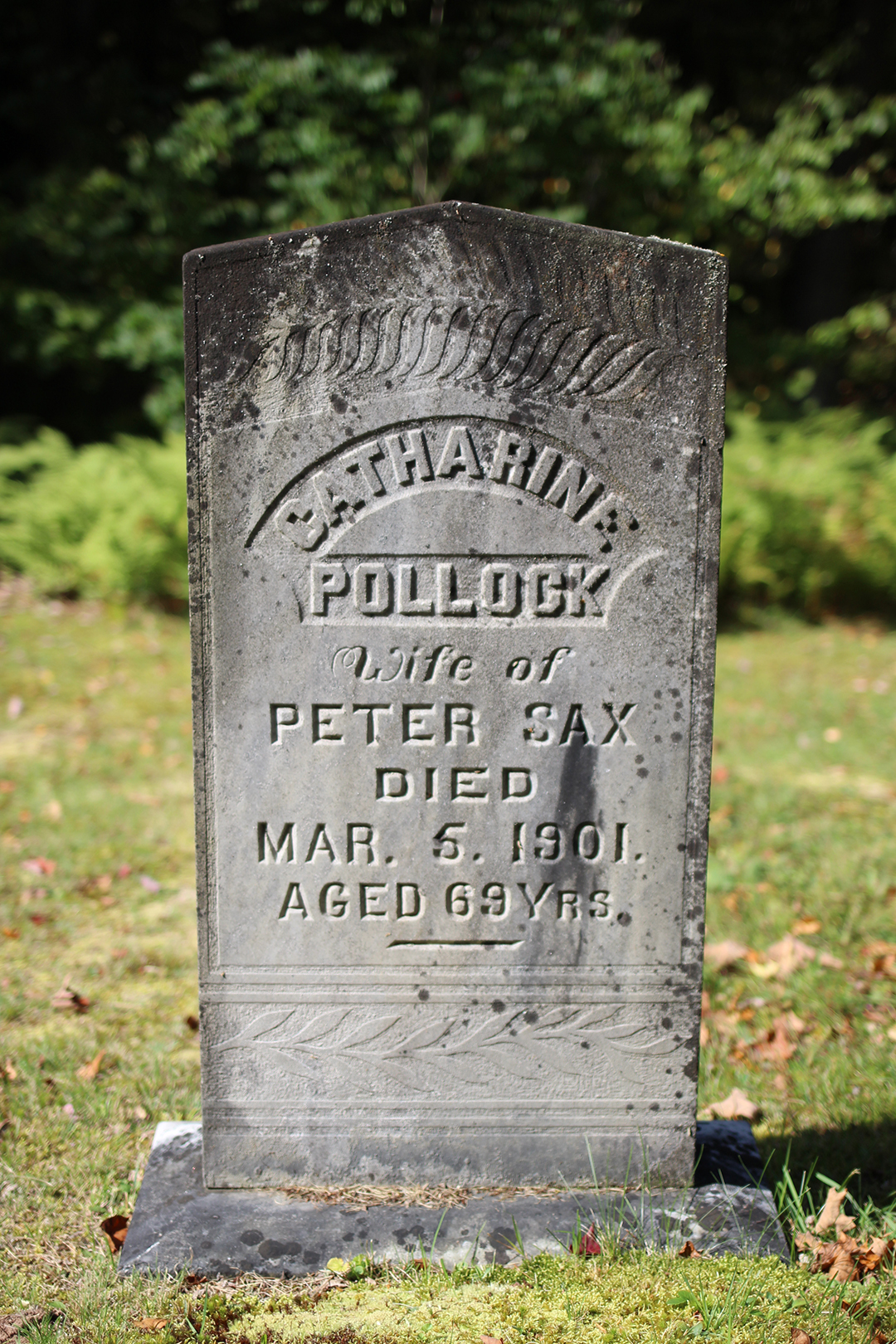


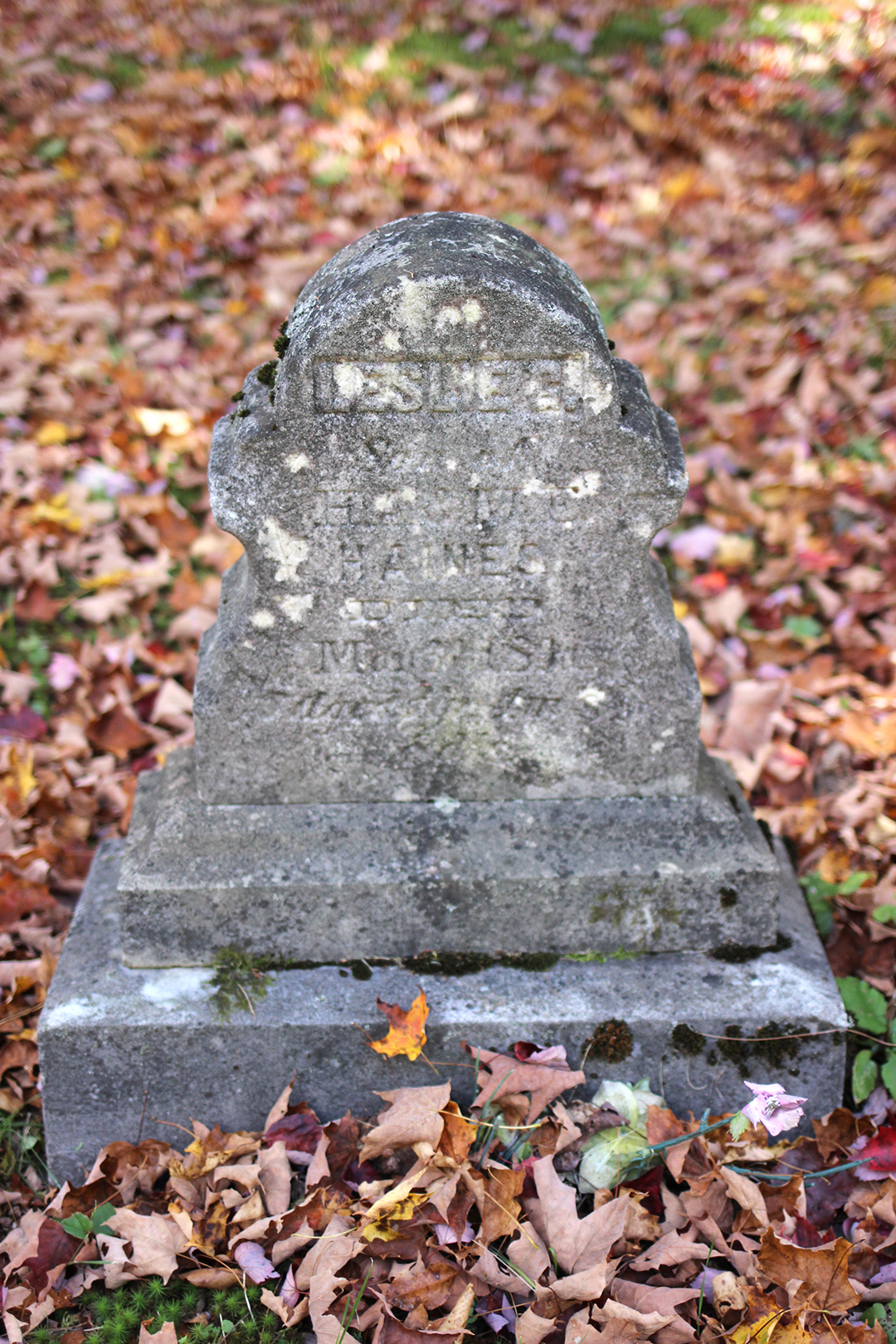
The Haines Falls Cemetery is located behind the Kaaterskill United Methodist Church on North Lake Road in Haines Falls, NY. A plaque dedicated by the Haines Family Association mentions five ancestors and their families who "explored, settled and helped develop the mountaintop area beginning in the 1700s. They were a hardy breed: farmers, foresters, tanners, hunters, trappers and homemakers who helped tame this beautiful, but wild land."


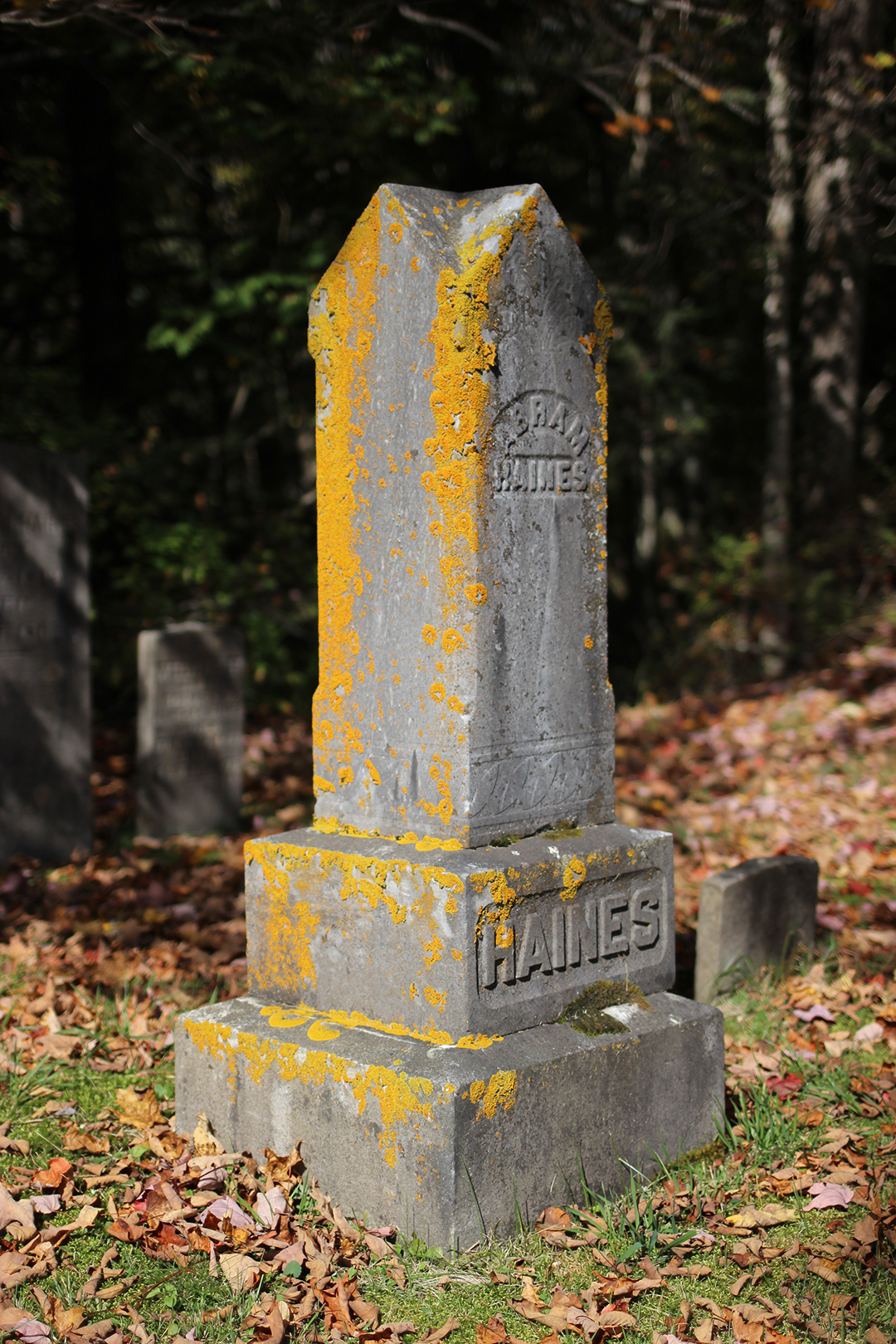
I could tell from the road that the graveyard was old and it's small (I found online records for 28 graves) but has some really lovely stones. I love stones covered in lichen and moss, and fallen leaves always help to make any burial ground just a little bit spookier.


At first I didn't see anything too memorable in this cemetery, but then I saw this monument, erected "In memory of those who lost their lives in Twilight Inn Fire, July 14, 1925" and I knew I had to know more about this tragedy. From a NY Times article published on the day of the fire, it's stated that 12 people were confirmed dead and eight were still missing. Eleven of those bodies were charred so badly that identification was impossible. The fire began in the middle of the night, in the servants' wing of the hotel, possibly due to a lighted cigarette. There were so many casualties, it's suspected, because guests scrambled to take their belongings with them as they escaped.

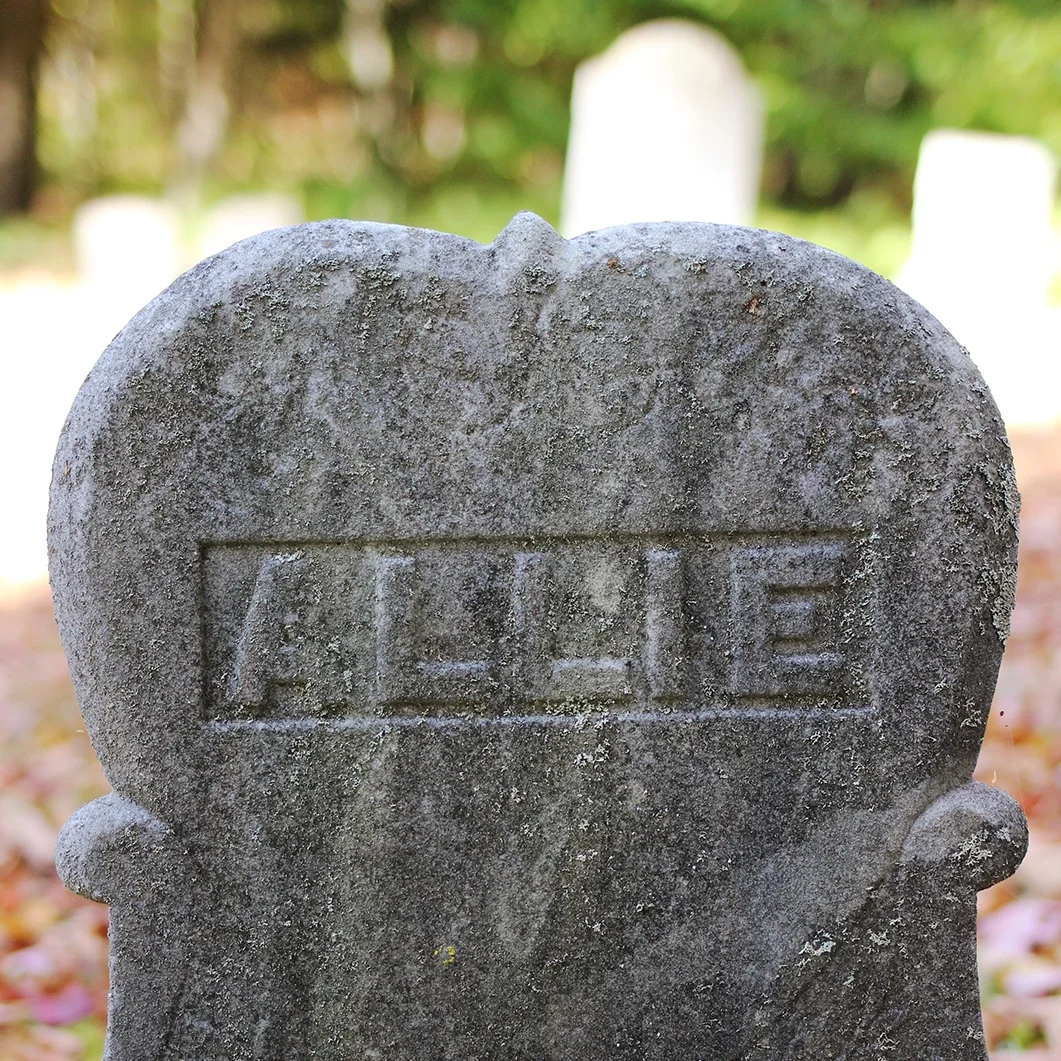
Oh, and this cemetery also had a stone that just simply says "Allie." My full name is Alexandra, but I've been called Allie as long as I can remember, and I've never seen a headstone that hit so close to home. No last name, no birth or death dates, no epitaph, just my name. I don't intend to be buried, or ever have a headstone—and if I did it would hopefully at least have a few skulls on it— but I think it's obvious why I felt the pull of this little cemetery as soon as I saw it.
Ferncliff Cemetery
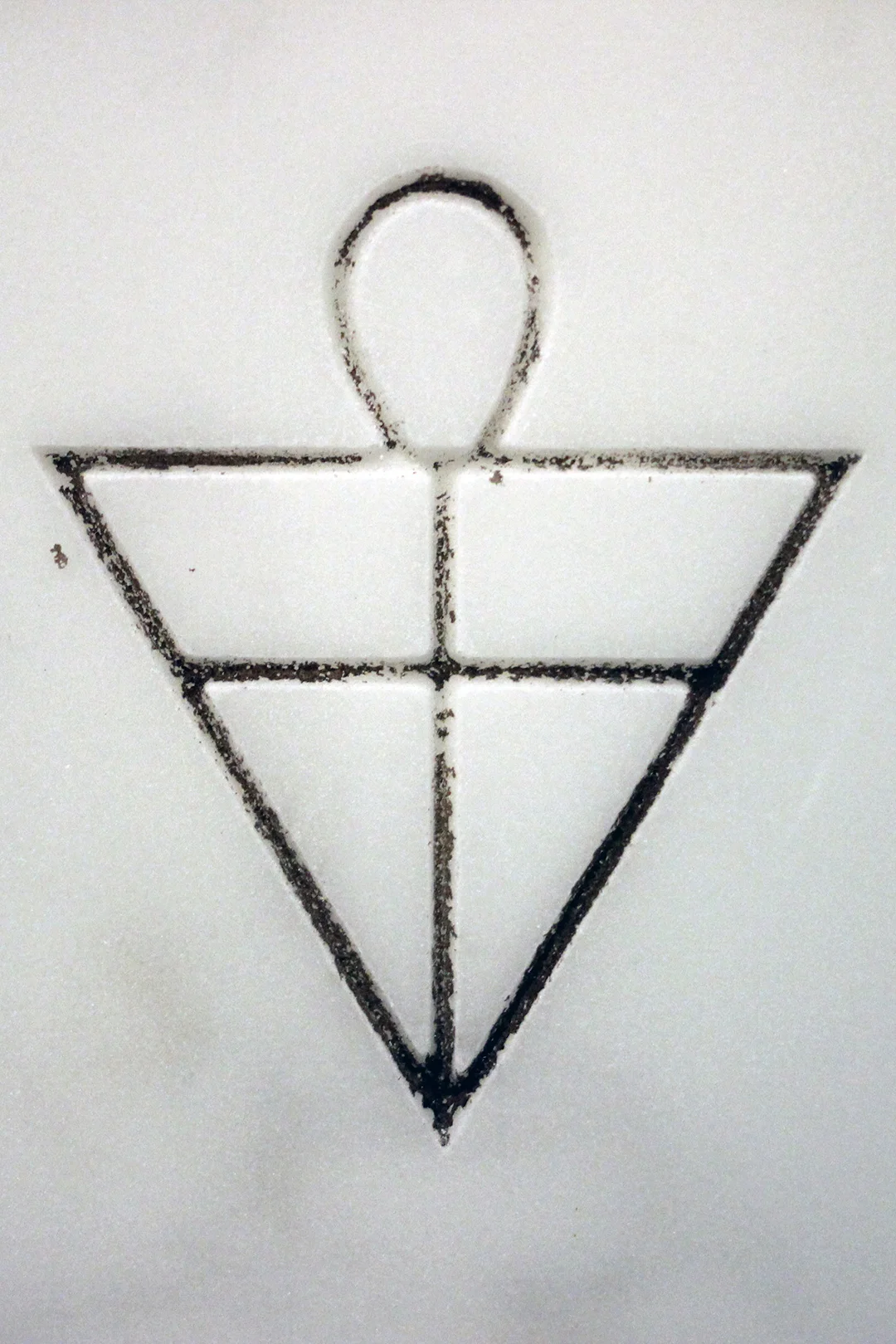
Ferncliff Cemetery in Hartsdale, NY, has been on my radar since 2014 when I went to Hartsdale's other famous burial space, America's first pet cemetery. I had intended to also walk to Ferncliff that day, but I spent more time at the pet cemetery than I had anticipated, and the route to Ferncliff didn't look too pedestrian-friendly. When my Uncle visited recently, he suggested that we take a day trip to Ferncliff to pay our respects to some of its celebrity residents, and I've never turned down an invitation to explore a cemetery.
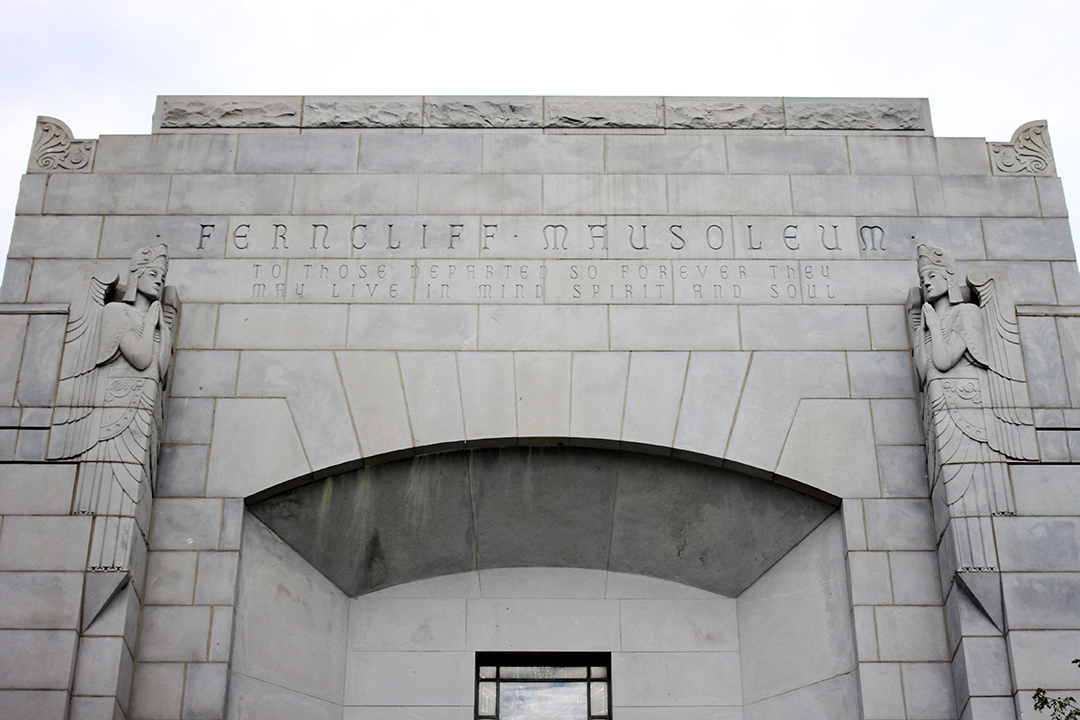
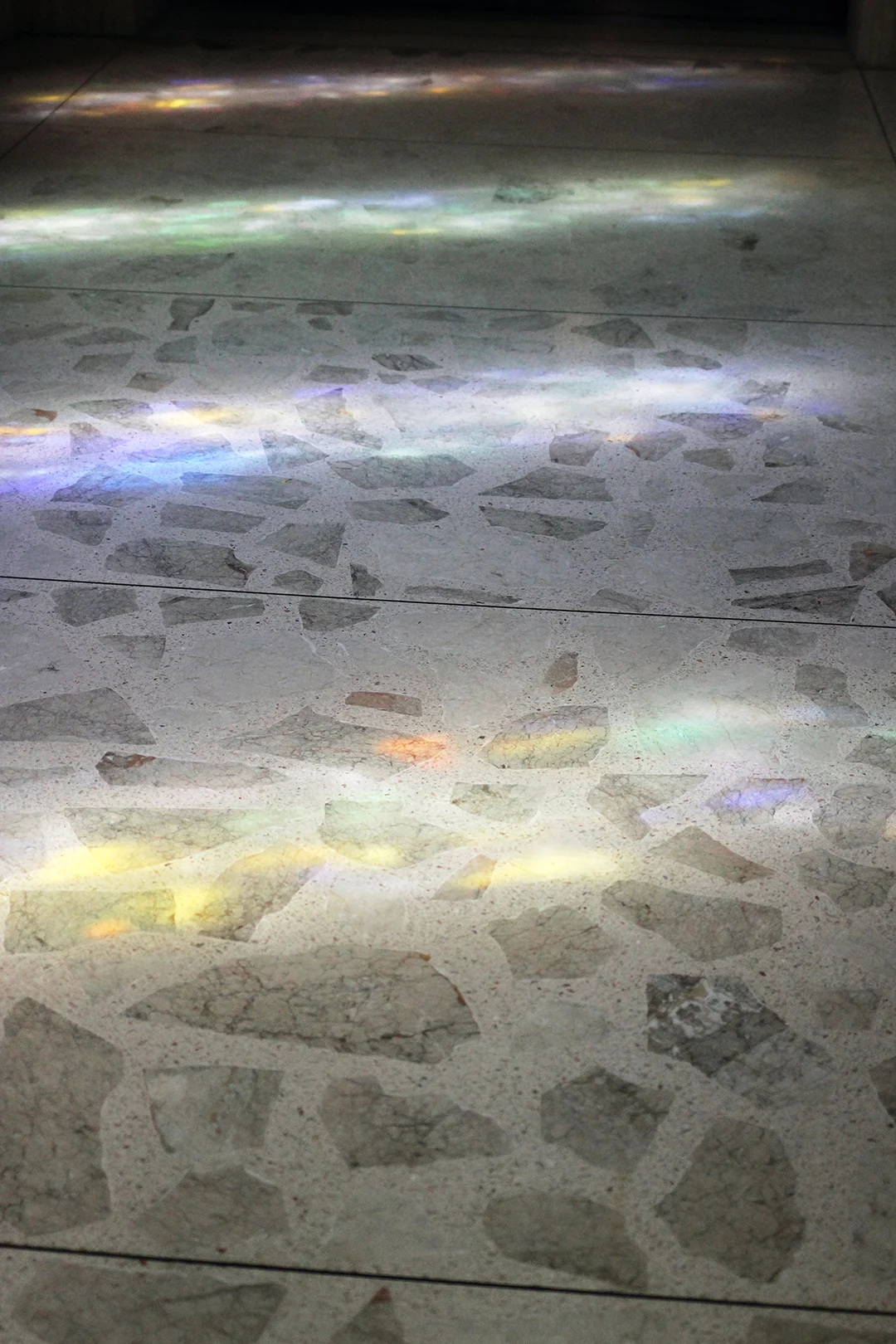
Ferncliff isn't a traditional cemetery in the sense that it doesn't have upright headstones—outdoor graves are marked with flat markers—but the majority of its residents are housed in three large, multi-level mausoleums. The first one, just called Ferncliff Mausoleum (or the Cathedral of Memories), was built in 1927. In 1933 they began to operate a crematory and it's still very much an active cemetery—Ferncliff currently performs approximately 10% of all cremations in New York State.
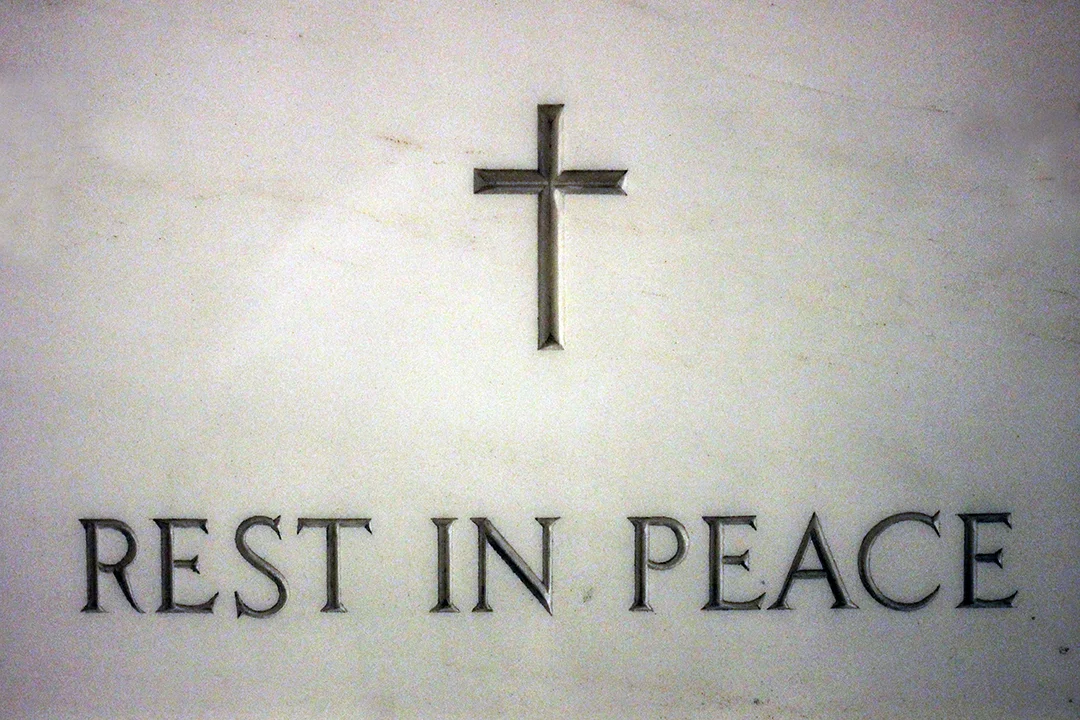
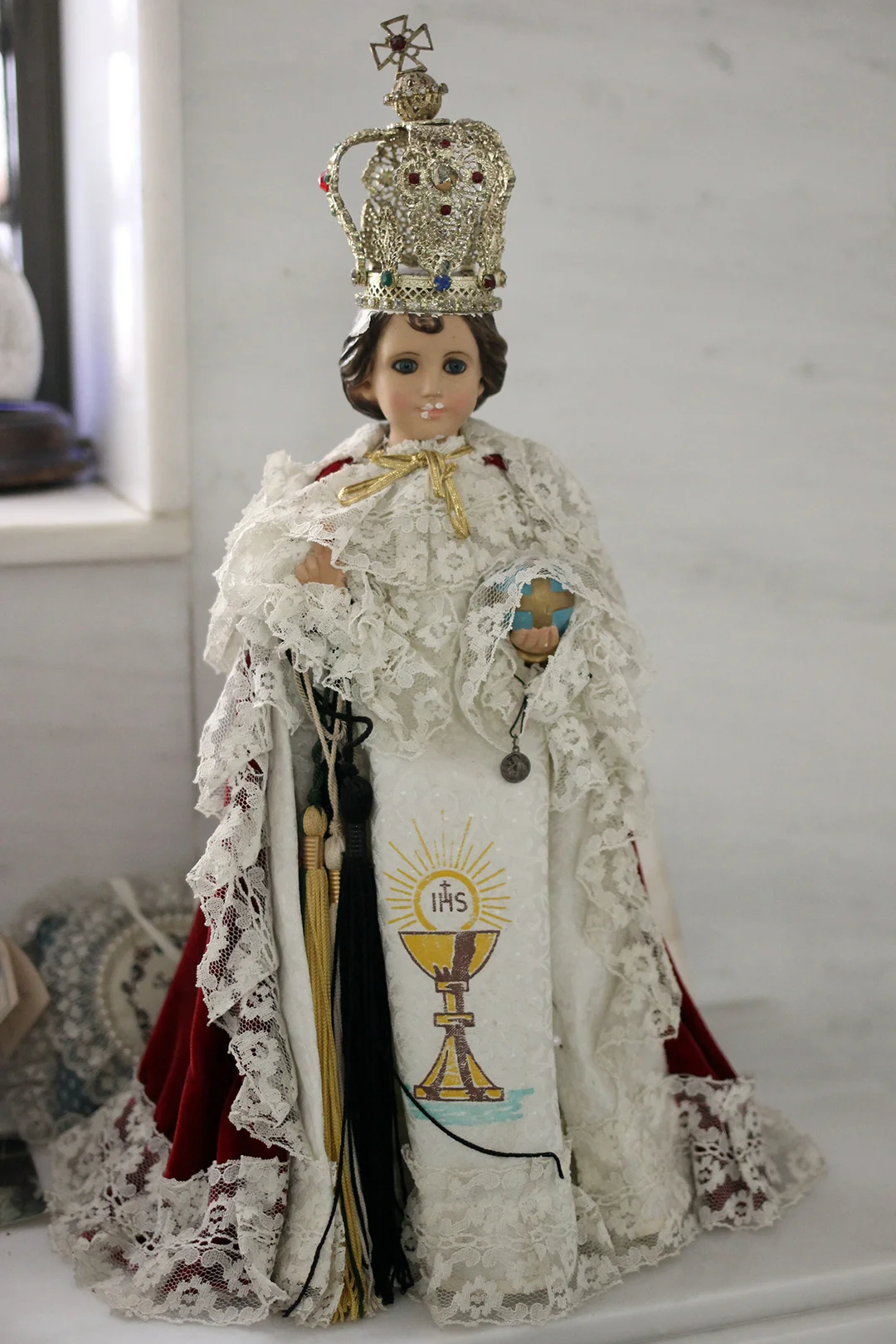
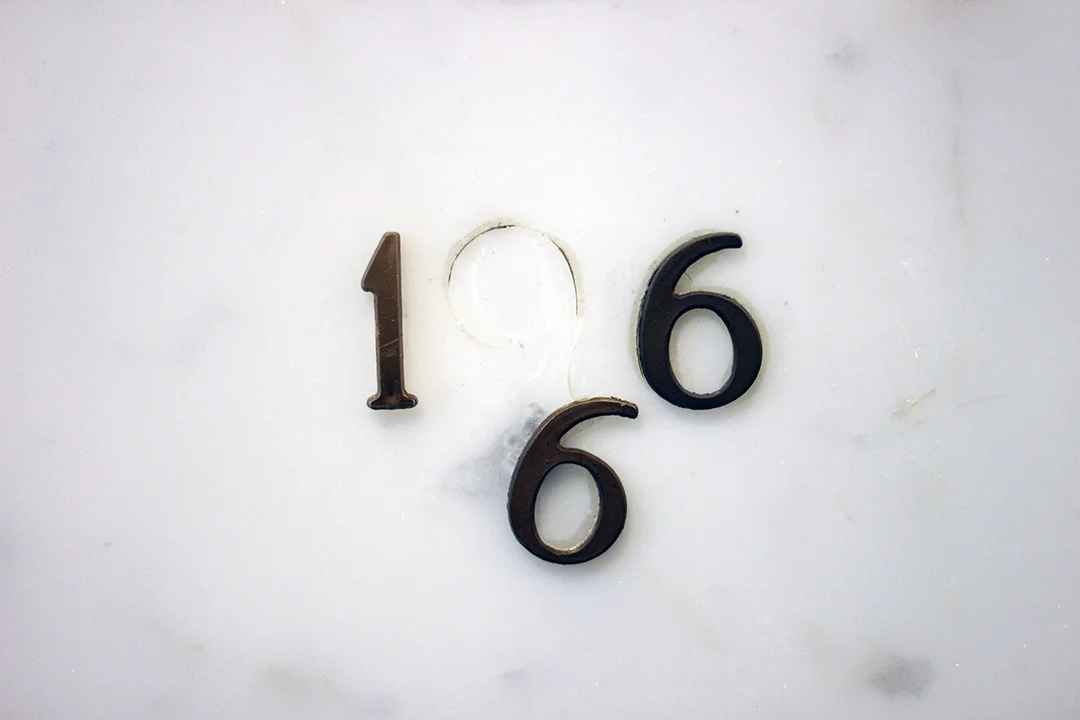
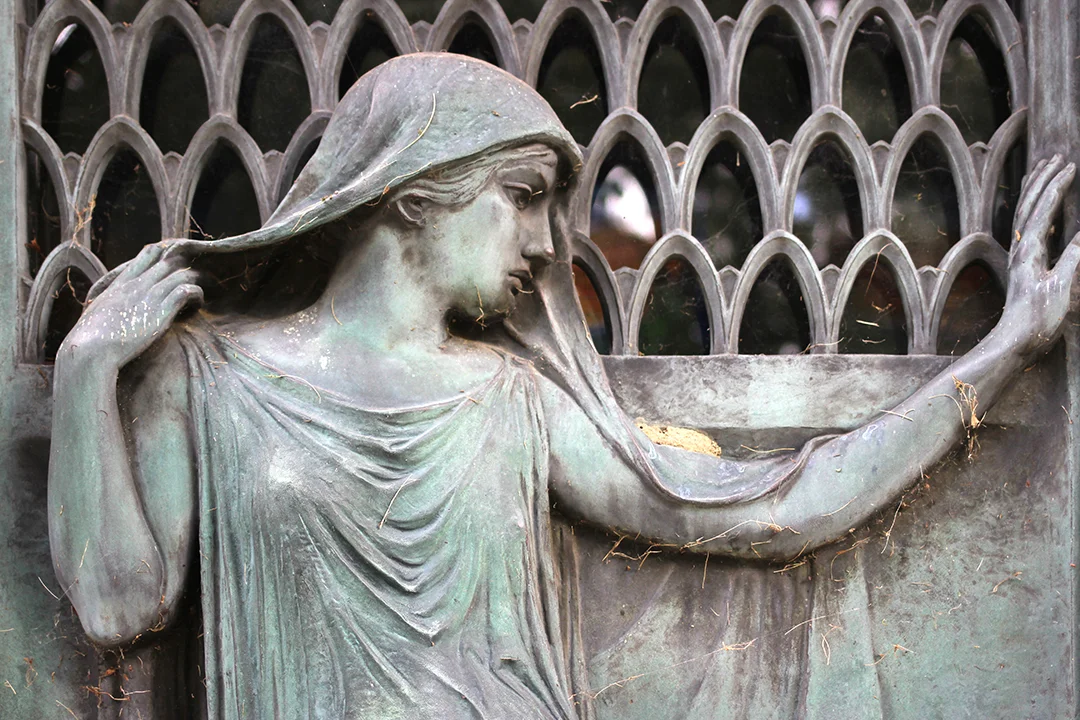

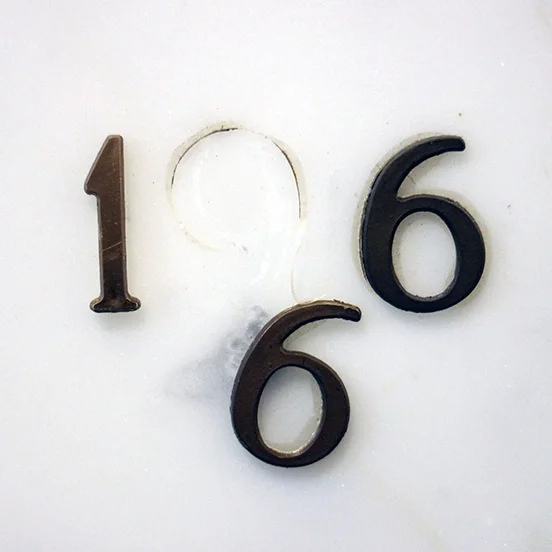
Ferncliff is a beautiful, obviously well-maintained burial space, but I couldn't help but notice that a lot of the letters and numbers have fallen off over the years and don't seem to be replaced. It must be a budget choice—to do stick-on letters or have the information carved directly into the marble—but I appreciate whoever took matters into their own hands and augmented Alfred's dates with ballpoint pen.
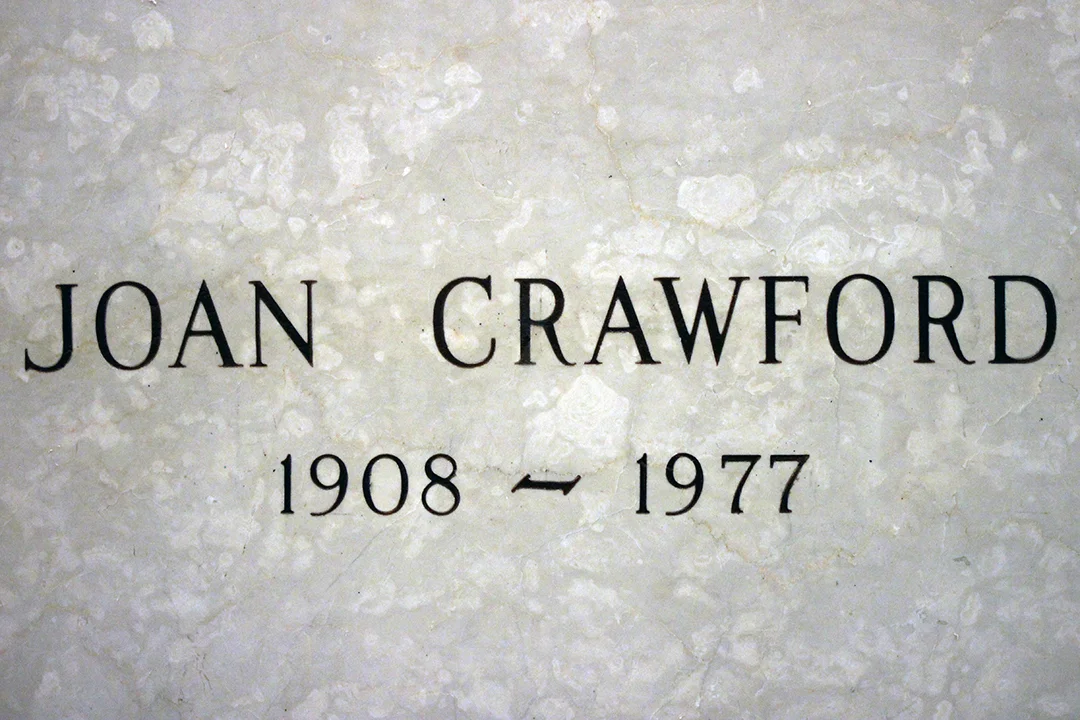

We went to Fercliff in search of celebrities—Joan Crawford, in particular—and we stopped at the office for a map to help us. We mostly stayed in the Ferncliff Mausoleum and although the map had exact coordinates for each person, it was almost impossible to find our way around with out some help. We eventually deciphered the system enough to find everyone we were looking for, if sometimes only by accident.
There aren't a lot of contemporary celebrities buried here, but some of the notables include James Baldwin, Aaliyah, Malcom X, Ed Sullivan, and Thelonious Monk. Jim Henson, Nelson Rockefeller, John Lennon and Christopher Reeve were all cremated at Ferncliff, but are interred elsewhere. Unfortunately I came a few months too late to visit Judy Garland—at the request of her three children, Garland's remains were moved to California in June and reinterred in Hollywood Forever Cemetery (perhaps I'll visit her next week!).
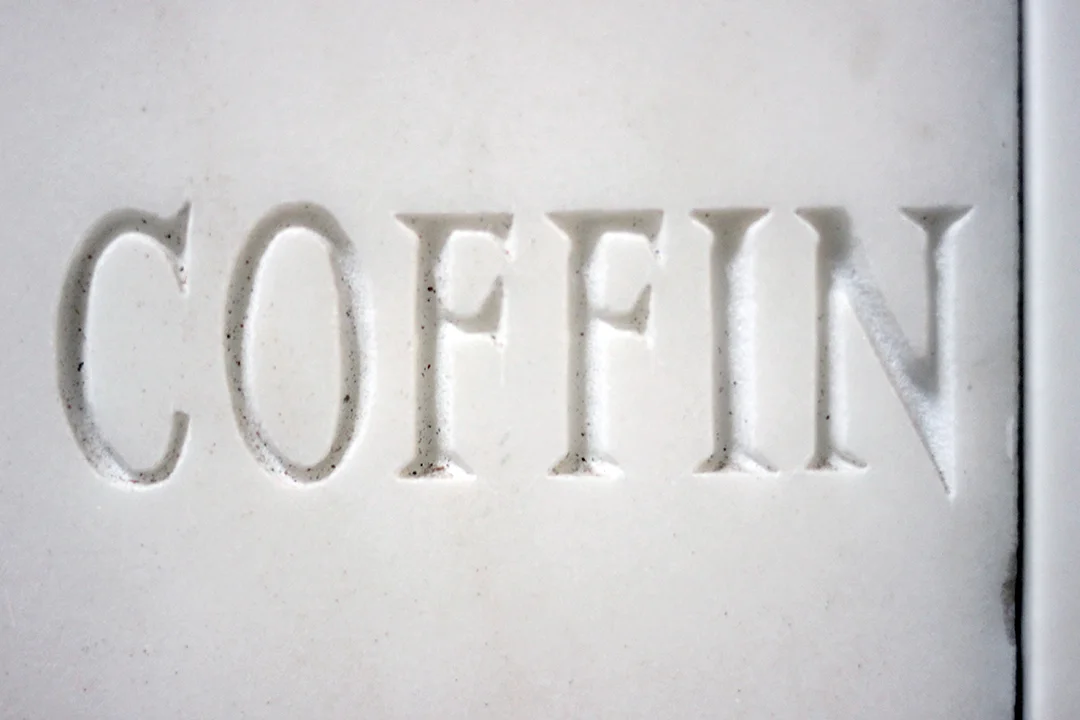
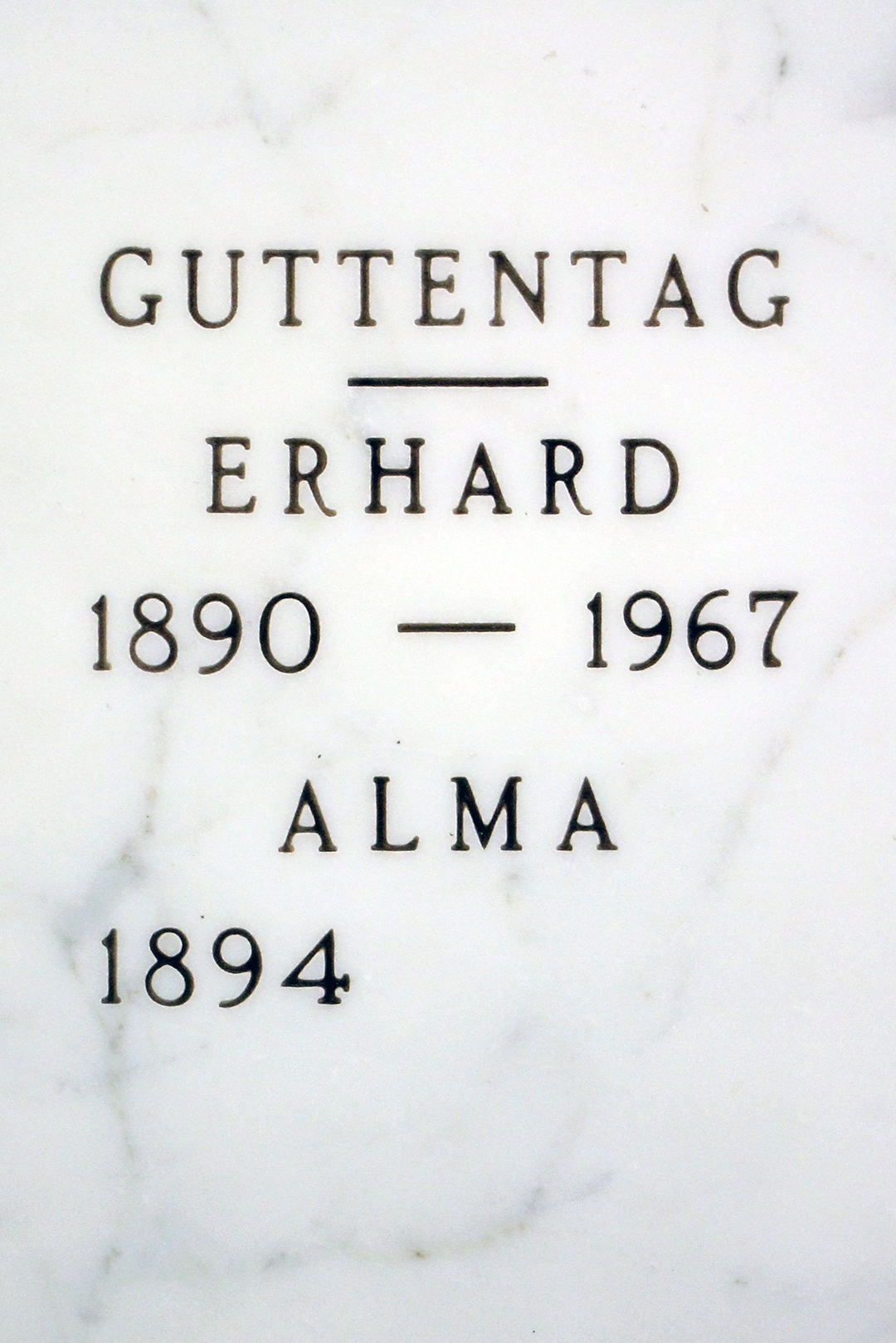
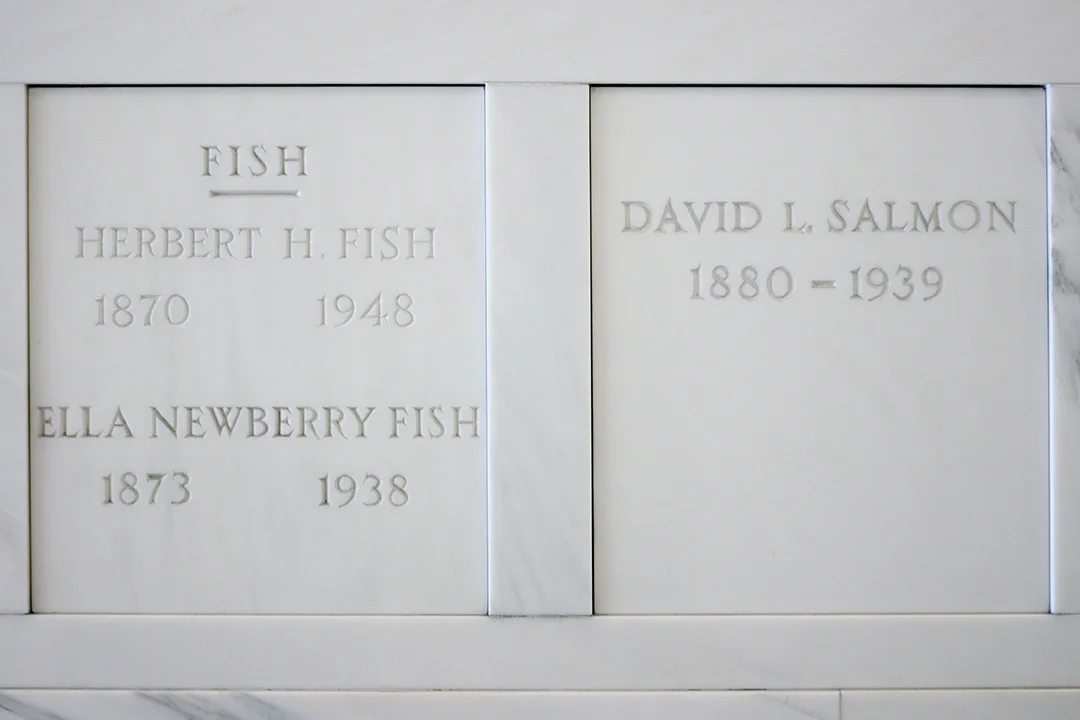
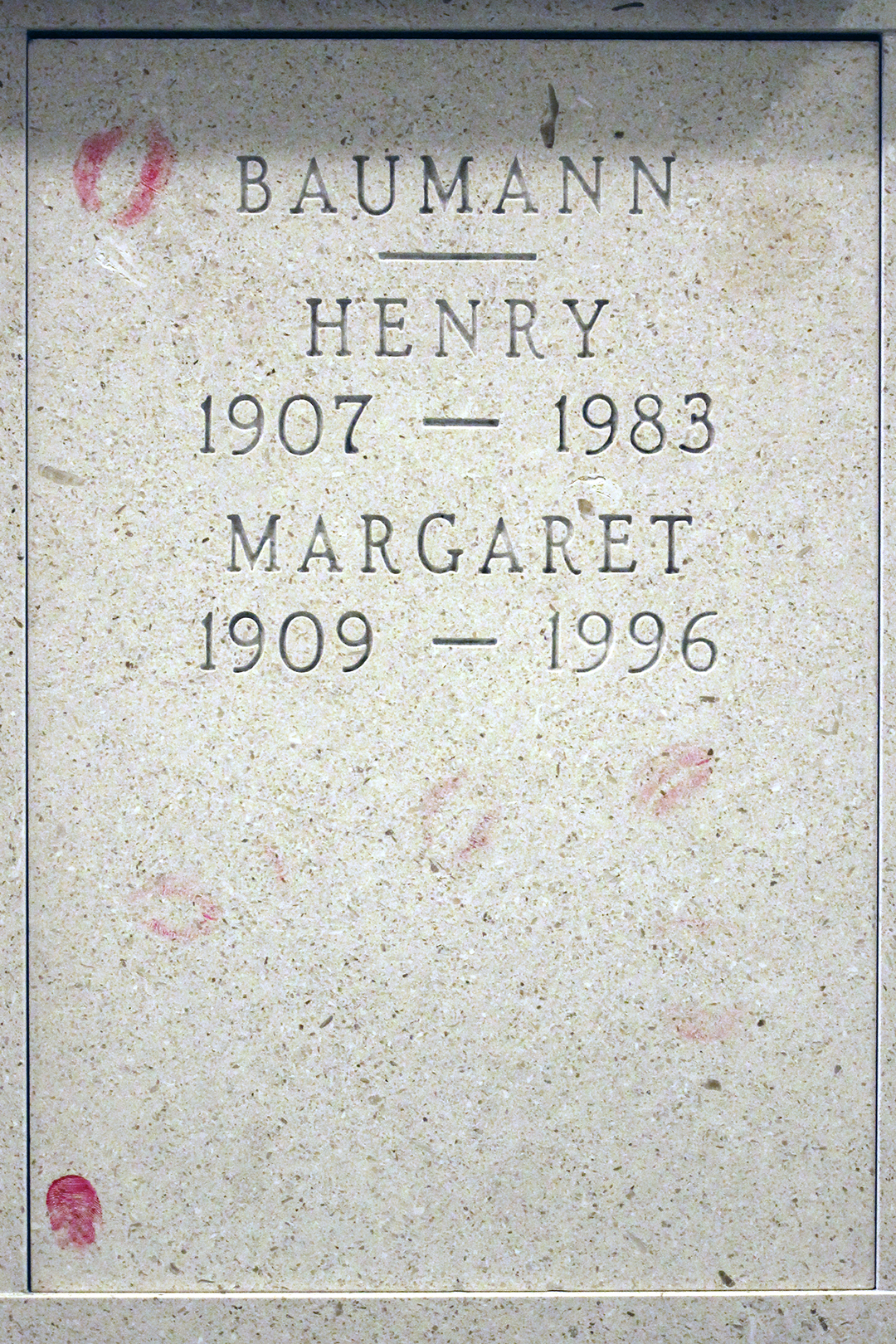
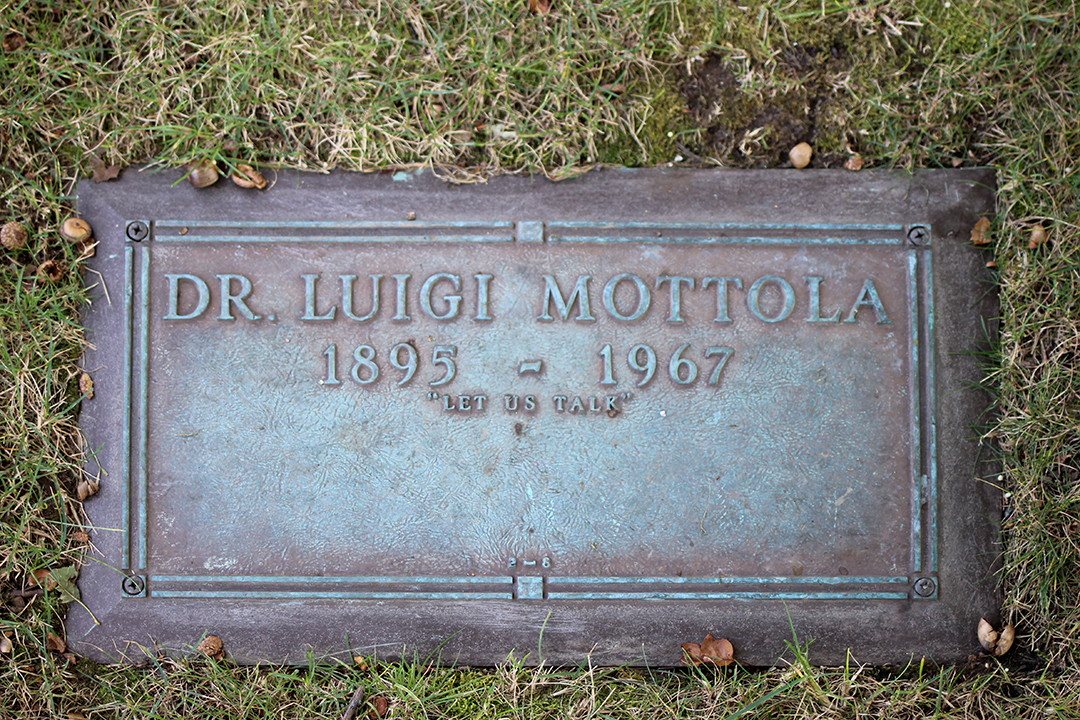
Actively searching for a few key people helps direct any cemetery visit, but I also like the unexpected surprises you encounter just by wandering—some of my favorites were the Fish / Salmon pairing, the Baumanns and their kisses and Dr. Luigi Mottola's epitaph, "Let Us Talk."
Ferncliff Cemetery
280 Secor Road,
Hartsdale, NY 10530
Open daily, 9am-4pm
Take Metro North to Hartsdale and the cemetery is an 8-minute car ride away
(I don't recommend walking from the train station; the route is definitely not pedestrian-friendly).
White Plains Baptist Church Cemetery

By the third day of our recent road trip, my mom had correctly guessed a few of our "surprise" stops. Mostly she'd guess "Muffler Man?" or "something big?" which were both very good guesses, if you know what kind of roadside stops I tend to favor. As we were driving through rural, northwest North Carolina my mom correctly guessed that our next stop was a cemetery. I'm the world's worst liar/actress, so I didn't try to pretend she wasn't right, but I did tell her that she would never be able to guess who was buried at our destination.


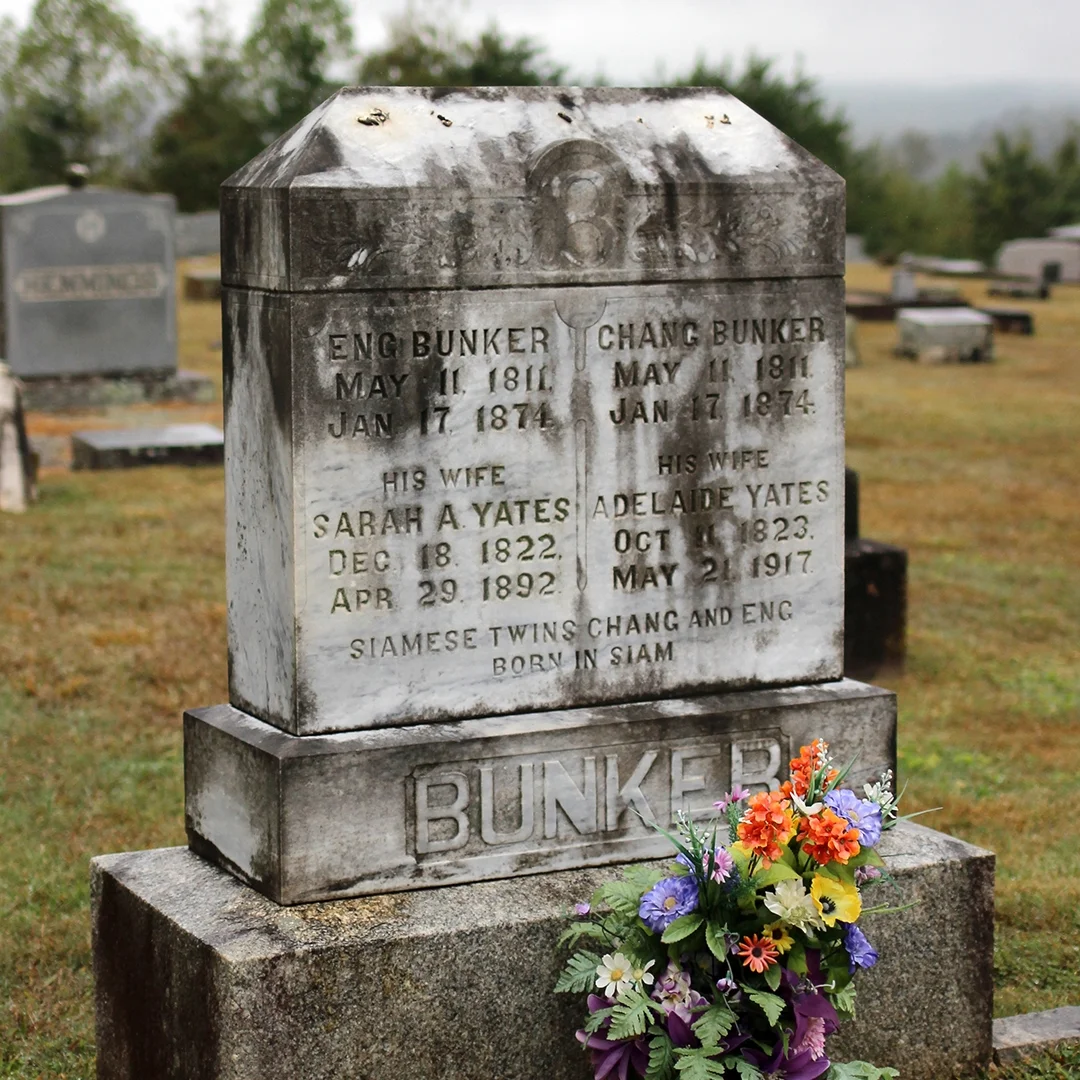
When we pulled up to the White Plains Baptist Church, in Mount Airy, North Carolina, the surprise was prematurely revealed by a historical marker outside of the church, declaring it to be the burial place of Chang and Eng Bunker. Born in 1811, near Bangkok in the Kingdom of Siam (modern-day Thailand), the brothers were connected at the chest by a small piece of cartilage. Their livers were fused, but their bodies functioned independently from one another. In 1829, they were spotted by a Scottish merchant, who paid their parents in exchange for allowing him to exhibit the twins around the world as a curiosity.
The term "Siamese Twins" has been replaced by the more PC (and scientifically descriptive) "conjoined twins," and if Chang and Eng were born today they would have been easily separated and perhaps gone on to lead very different lives. While touring the country in 1839, Chang and Eng fell in love with North Carolina and purchased a 110-acre farm in Traphill. They owned several slaves, married local sisters and became naturalized American citizens. They had a bed built for the four of them, and Chang fathered 12 children, while Eng fathered 10 or possibly 11.


In 1874, Chang died in his sleep of a cerebral blood clot and despite the fact that Eng was in good health otherwise, he died just three hours later (probably of shock). The twins share a headstone with their wives and it's estimated that there are still approximately 1,500 descendants of the twins living around Mount Airy today. The churchyard is full of Bunkers, including two sons who were Confederate soldiers in the Civil War and a grandson, who fought in World War I.


The church and cemetery are built on a hill with a picturesque view, and it's small but filled with wonderful old, mossy stones and statues. It's a beautiful place to spend eternity, and I hope the twins found the peace in death that seemed to elude them in life.
Divine
The first John Waters movie that I ever saw was 1994's Serial Mom. I was probably much too young to be seeing a John Waters movie, but I loved it. I don't feel as if I can call myself a mega Waters fan, however, because I haven't yet seen all of his movies and there is some seriously stiff competition in that department. I have tried to see most of his work with Divine—Multiple Maniacs, Pink Flamingos and Female Trouble—although I inexplicably haven't seen their most commercial collaboration, the original Hairspray.
Divine, born Harris Glenn Milstead, was a longtime friend of John Waters and part of Waters's Baltimore acting troupe, The Dreamlanders. His offscreen story is fascinating and heartbreaking, and I highly recommend watching the documentary I Am Divine, if you're interested (last time I checked it was on Netflix). Waters and Divine did several movies together and each is iconic in its own way—although it's hard to top the ending of Pink Flamingoes where Divine (SPOILER ALERT FOR A 45-YEAR-OLD MOVIE) eats real dog shit or the scene in Multiple Maniacs where he is raped by the giant lobster, Lobstora (it doesn't make sense out of- or even in context, really).
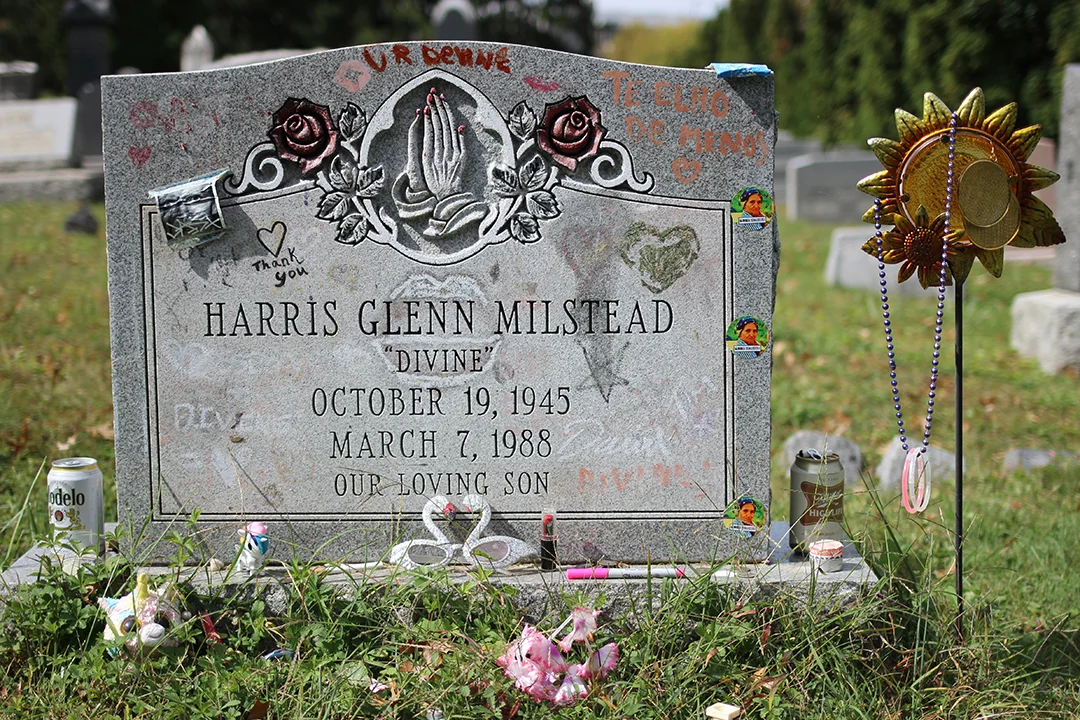
The first stop that I planned on our recent mother-daughter road trip, and the only stop that my mom knew about in advance (besides, of course, South of the Border) was Prospect Hill Cemetery, in Towson, Maryland to pay our respects to Divine. Divine died in his sleep of an enlarged heart in 1988, three weeks after the release of Hairspray. He was only 42. John Waters gave a speech at his funeral, and he was buried in a family plot next to his grandmother.


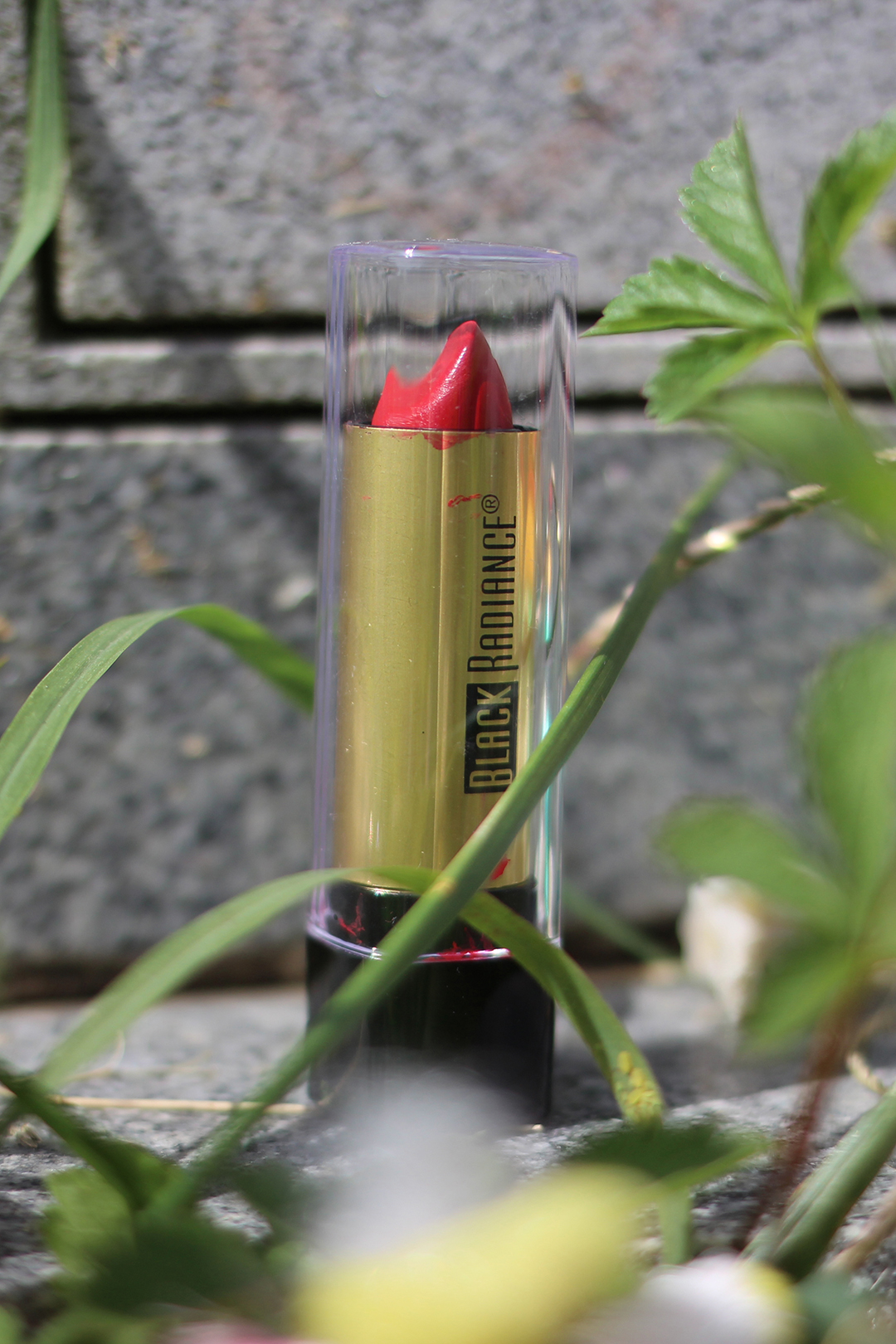
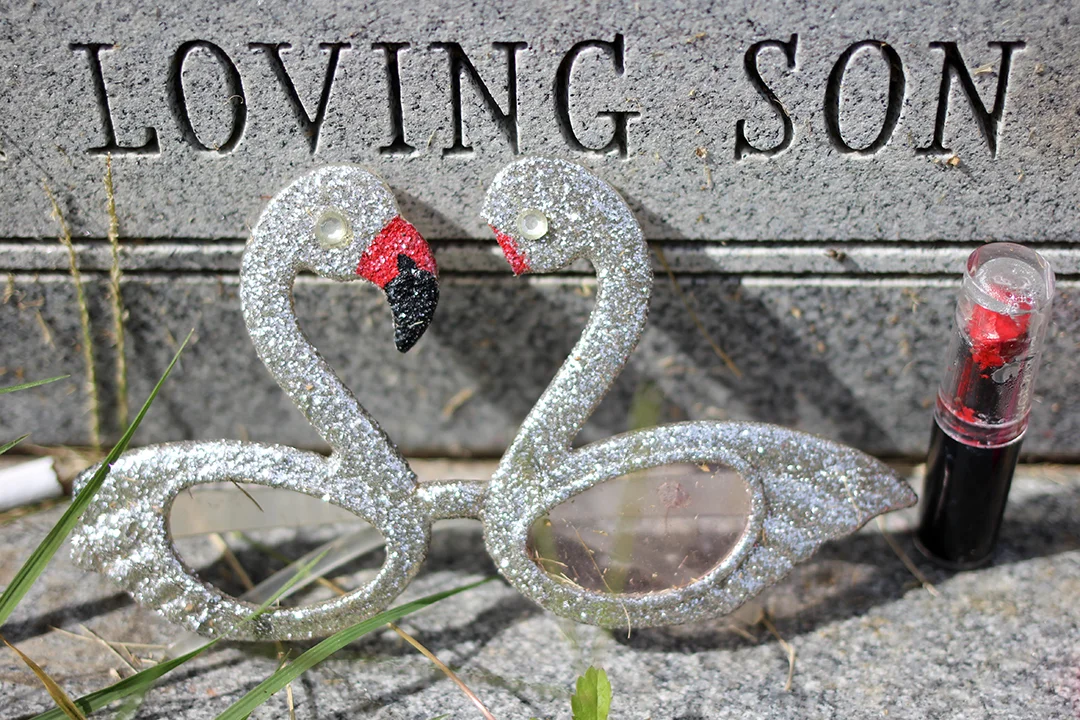
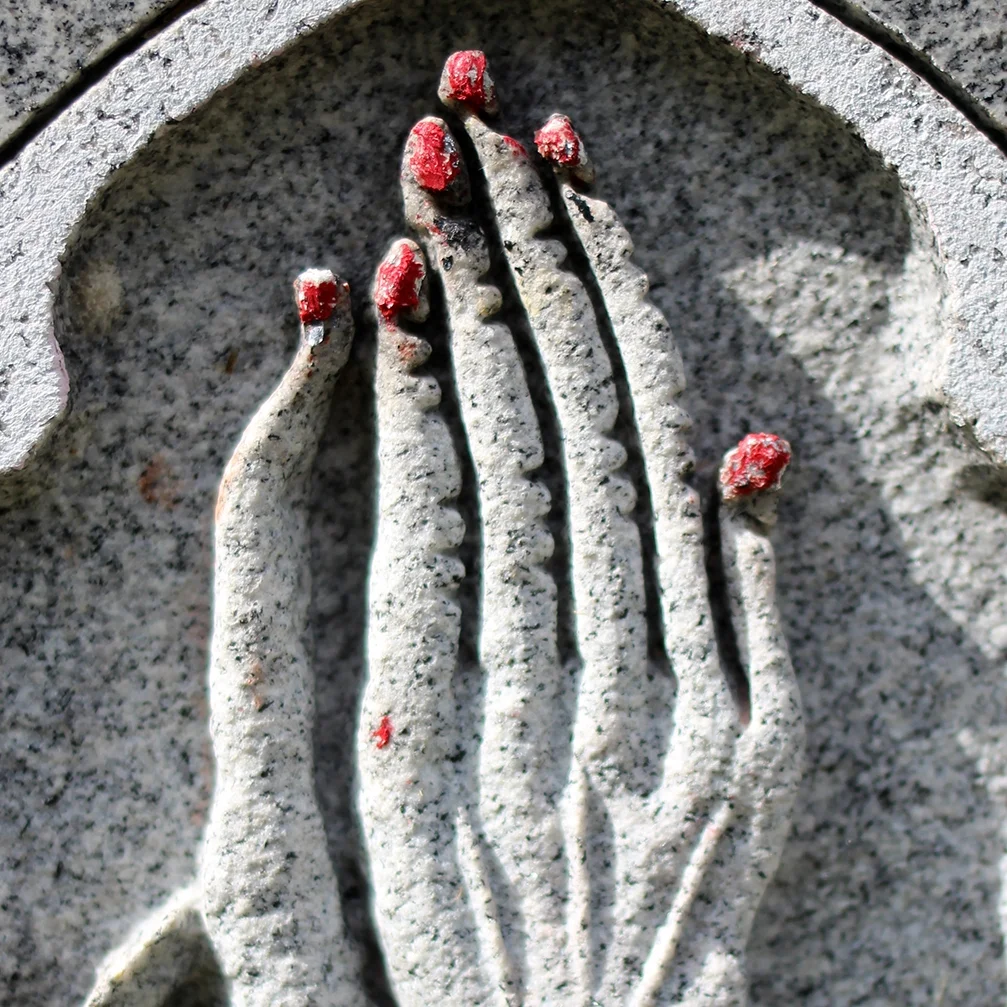
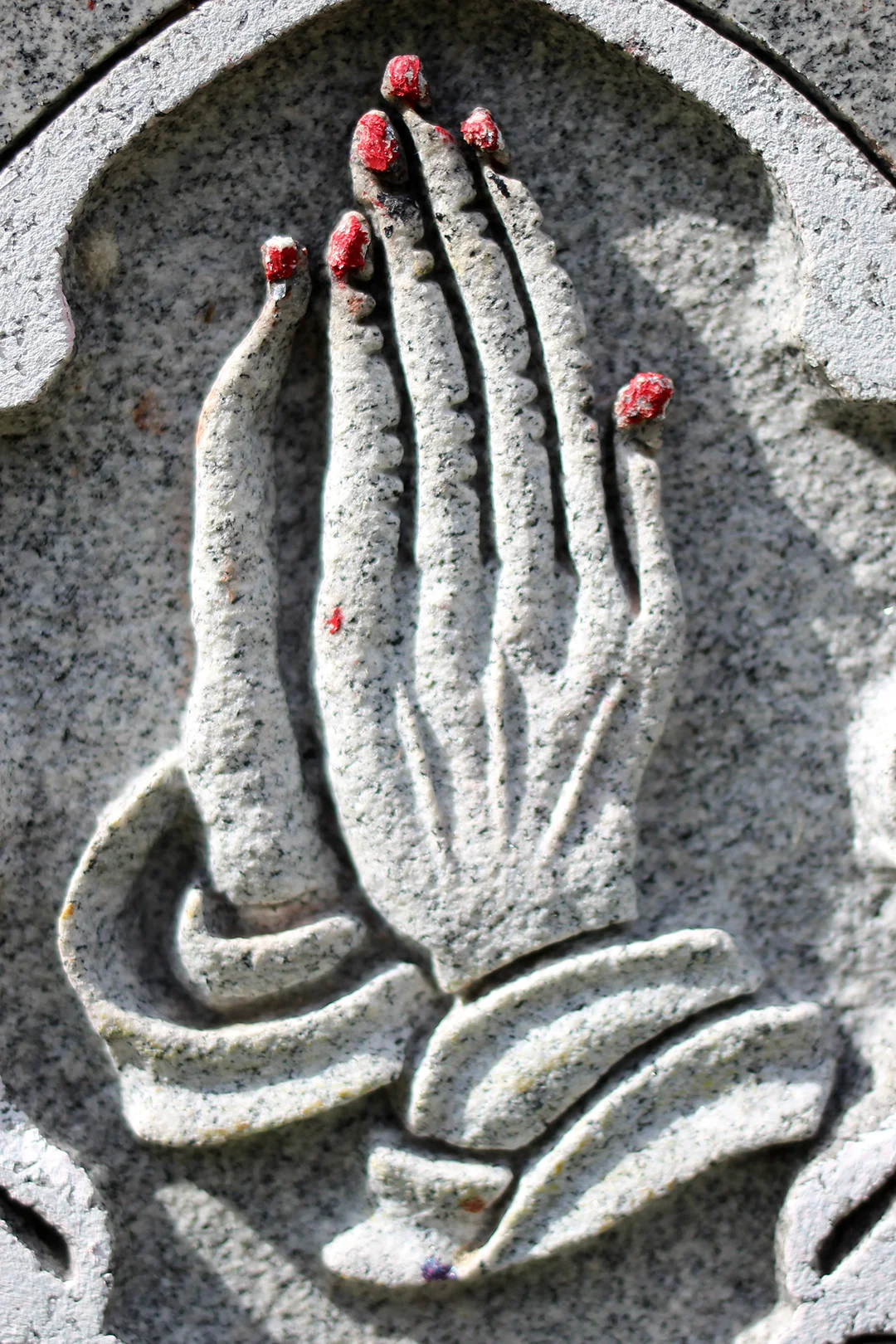
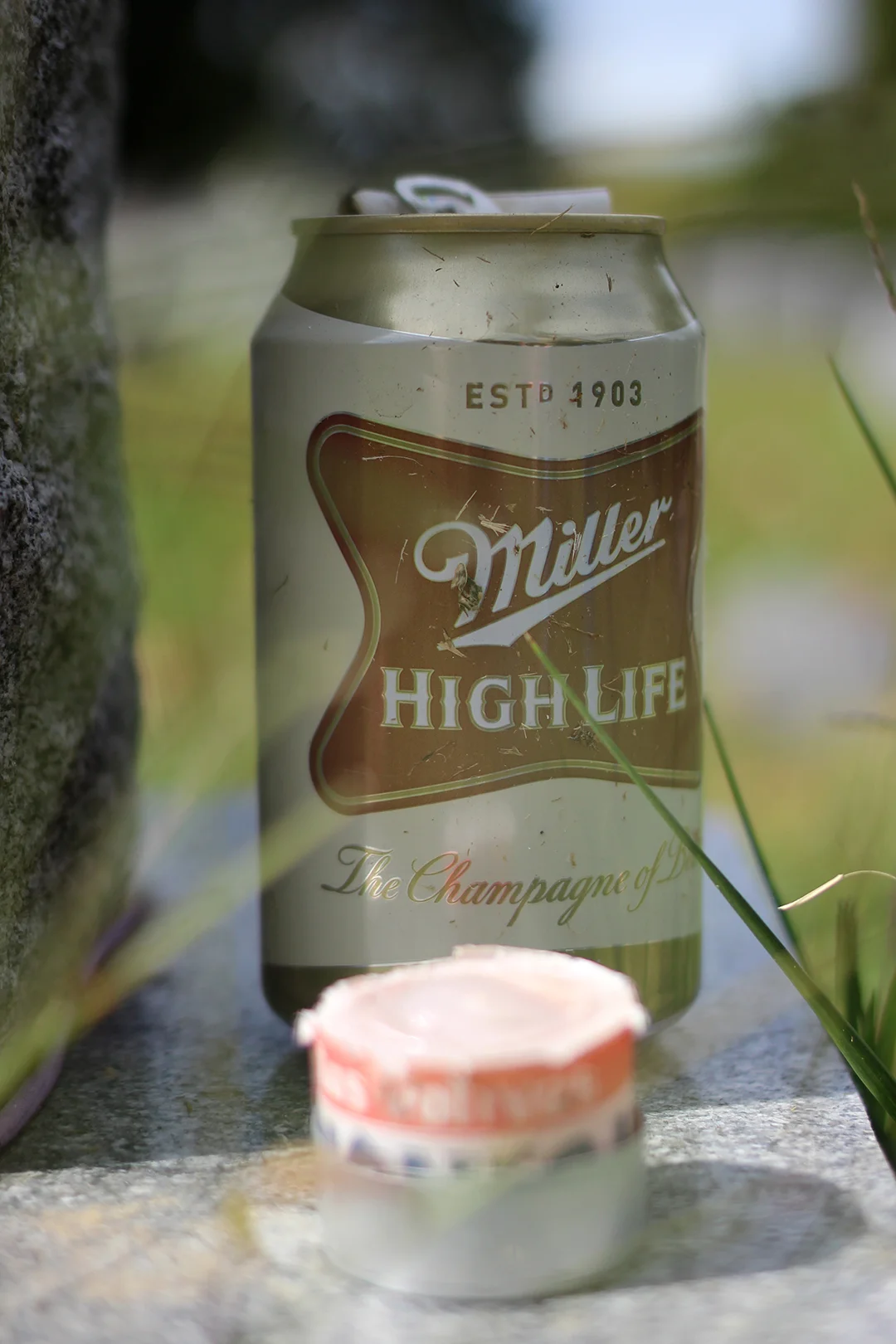
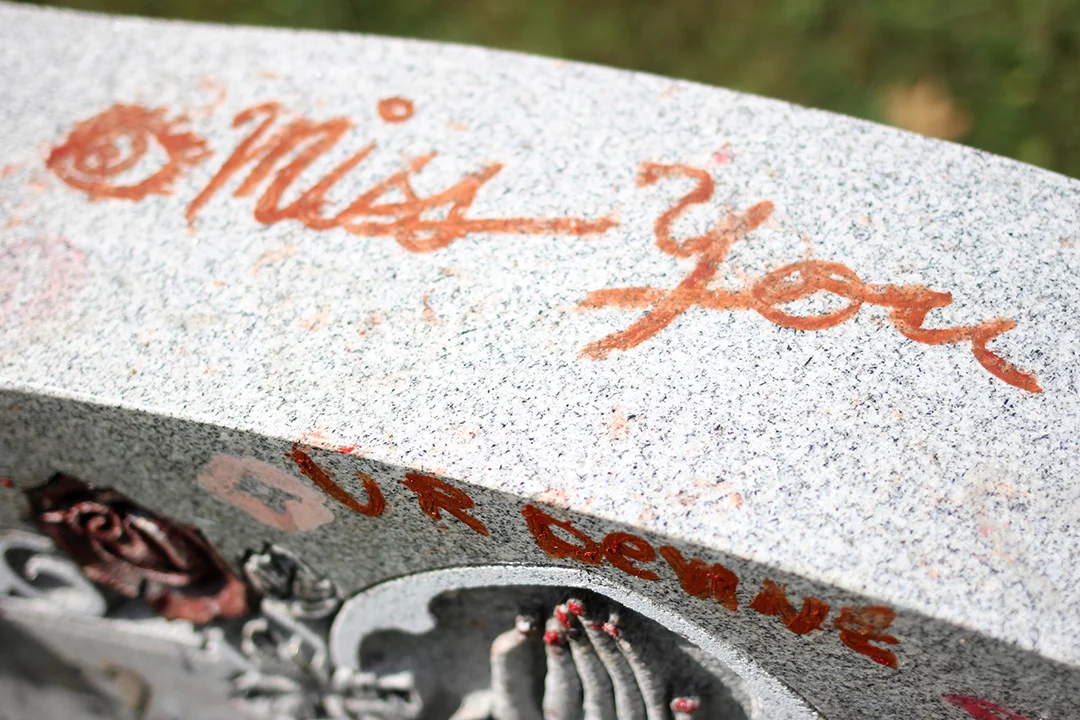
Prospect Hill is a small cemetery, and although we didn't have an exact location for the grave it wasn't hard to find. We read that it would be covered in trinkets, and after just a few minutes we spotted it amongst several other Milsteads. Divine was estranged from his family for years, before reuniting with them before his death, and his headstone bears both of his names and the heartbreaking epitaph "Our Loving Son." I think the lipstick kisses, messages and offerings—both glamorous and trashy—would have pleased Divine. I brought my own tube of red lipstick to leave behind and I only wish I could take credit for those fabulously painted red nails, forever praying to the church of Divine.
Wayne County Home Cemetery
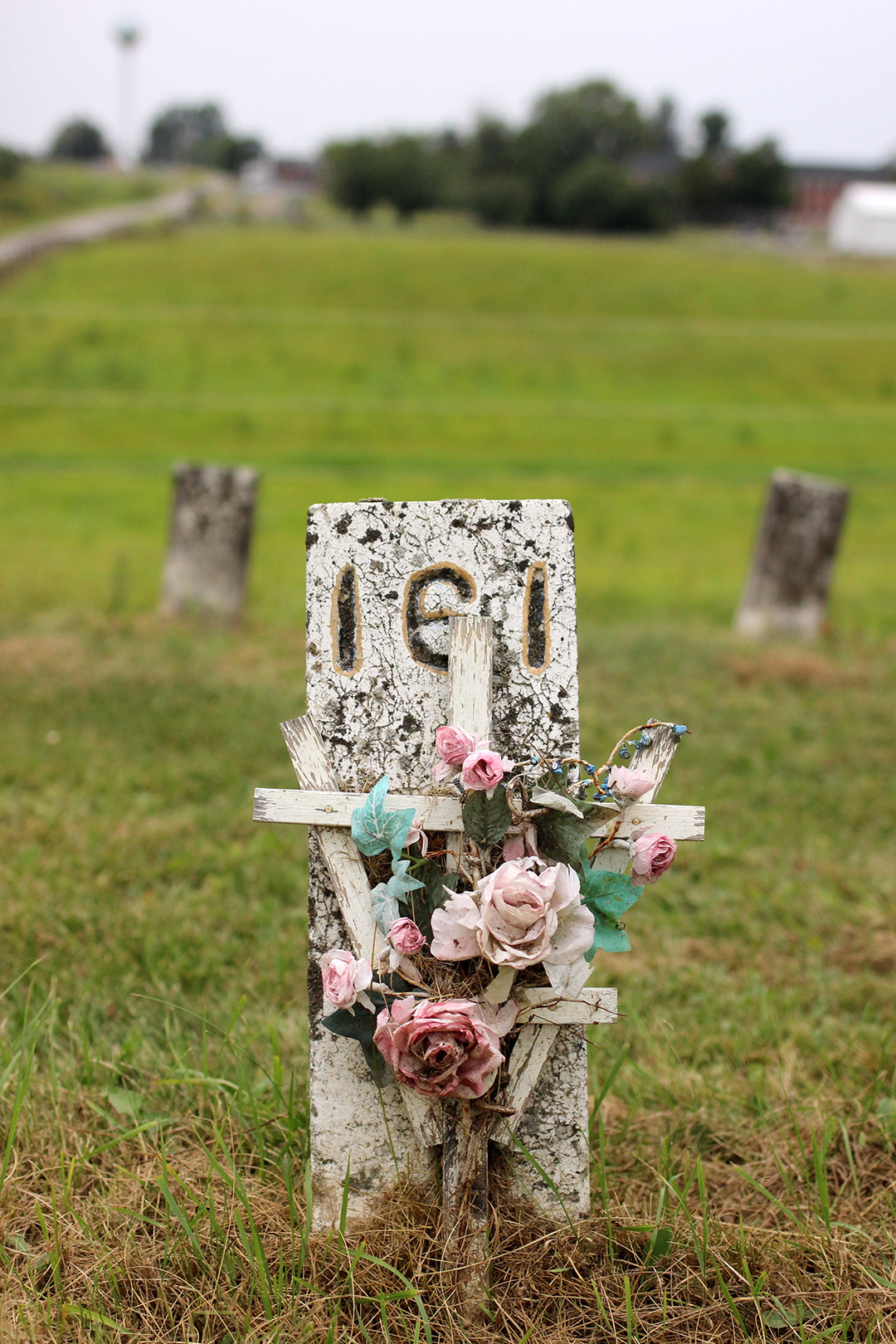
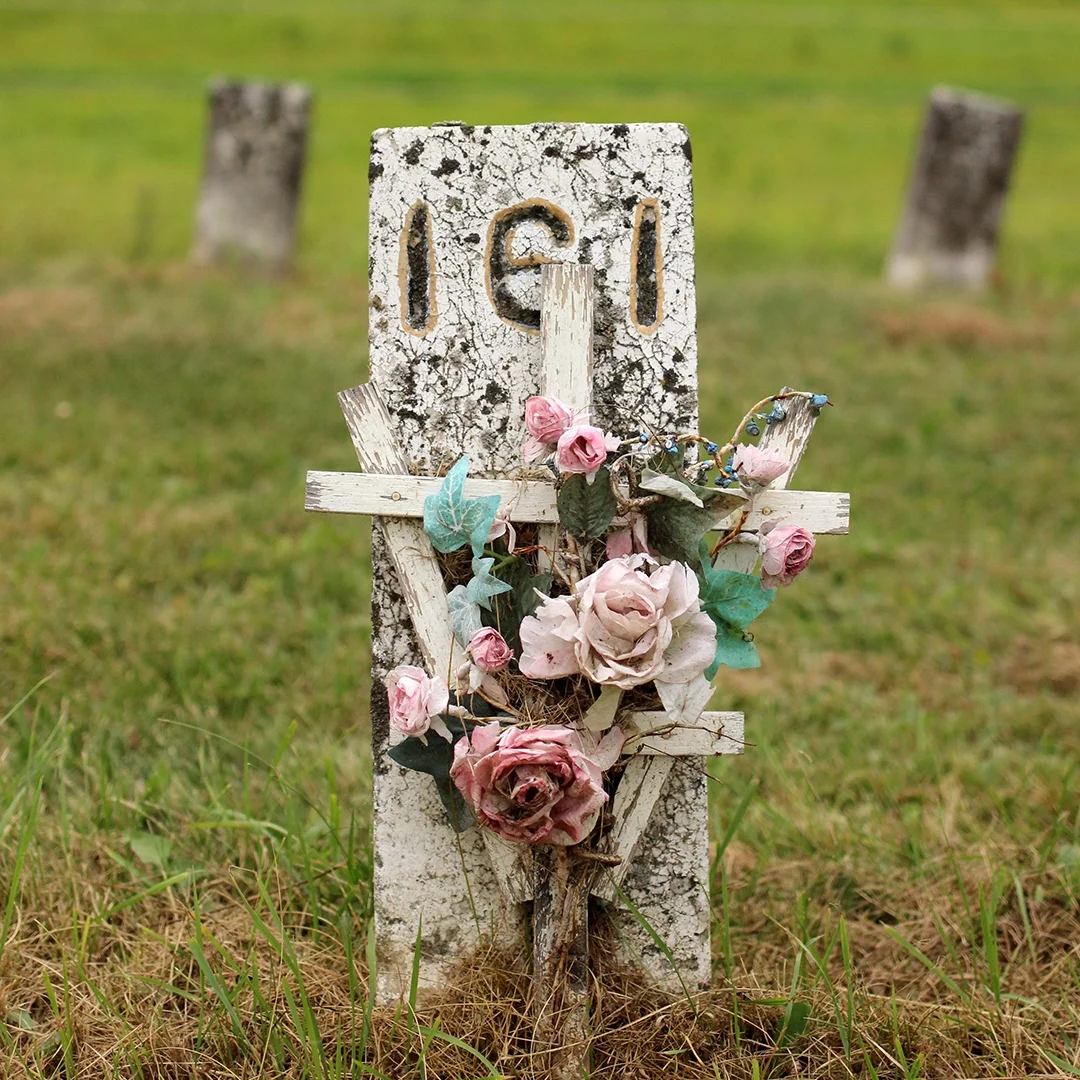
Before I make a trip back home to Ohio, I make sure and scour Kaylah's archives over at her blog, The Dainty Squid for potential creepy adventures to have while I'm in town. Kaylah has discovered (and beautifully photographed) so many places around Ohio (and surrounding states) that I never knew existed in the 27 years that I called Ohio home, and I'll be forever playing catch-up on my short visits.
One place that I added to my list the second I saw her post on it was the Wayne County Home Cemetery in Wooster, Ohio. I had recently visited my first cemetery for institutionalized patients—Letchworth Village's cemetery, in Rockland County, NY—and I've always been fascinated by asylums, institutions and their (often) anonymous grave markers.

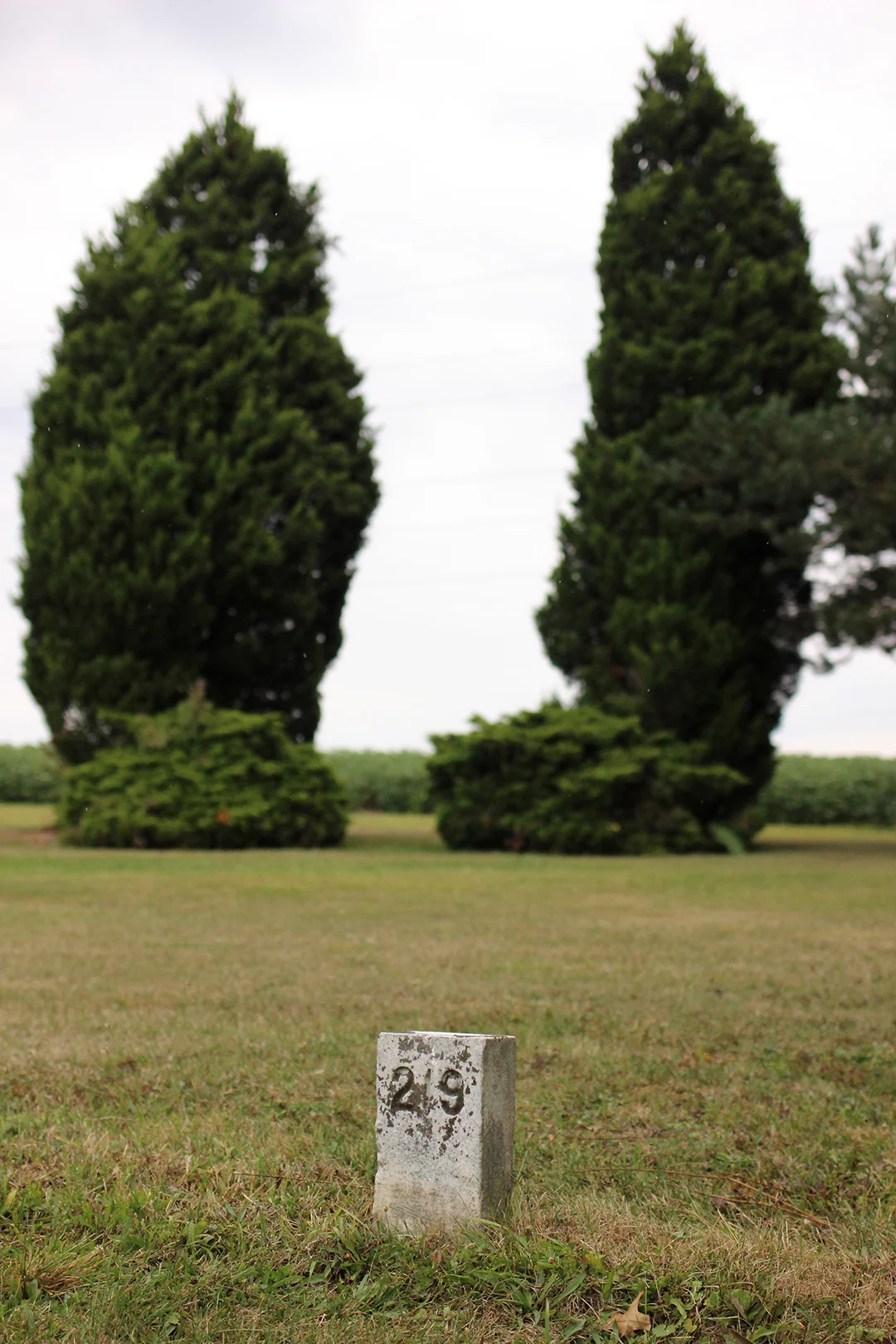
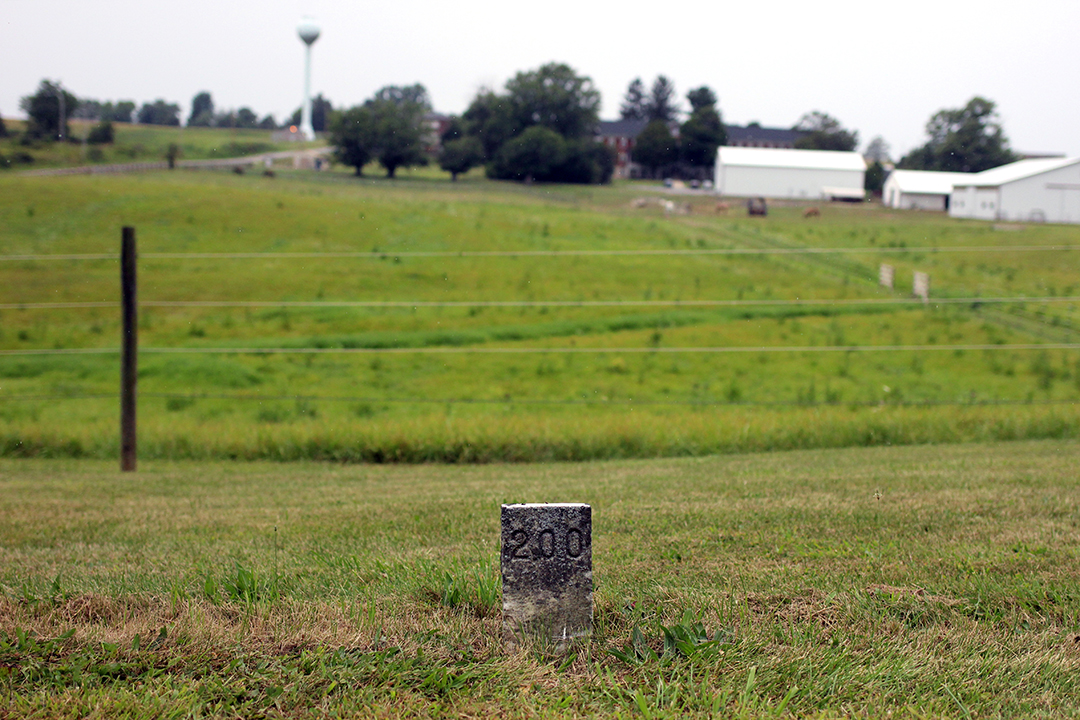

The nearby Wayne County home was established in 1852 for the elderly, sick and homeless. In the 1930s, a county hospital and nurses' home were built on the grounds, which comprises 286 acres of farmland in rural Northeast Ohio. Like the Staten Island Farm Colony, the Wayne County Home was nearly self-sufficient until the '70s with a dairy, gardens and a working farm. The Home was renamed the Wayne County Care Center in 1983 and it is currently operating as a nursing home.


Despite knowing that the cemetery is easily accessible and surrounded by cornfields, I was still surprised when it seemingly appeared out of nowhere in the middle of miles of farmland. There is no dedicated parking lot, but there is a gravel turnaround across the street, so I parked there and no one seemed to mind. I don't usually get too sad at human cemeteries (pet cemeteries are an entirely different‚ and more emotional, experience for me) but I mourn the anonymity of these people's death's—and in a lot of cases, their lives.
Charter Street Cemetery

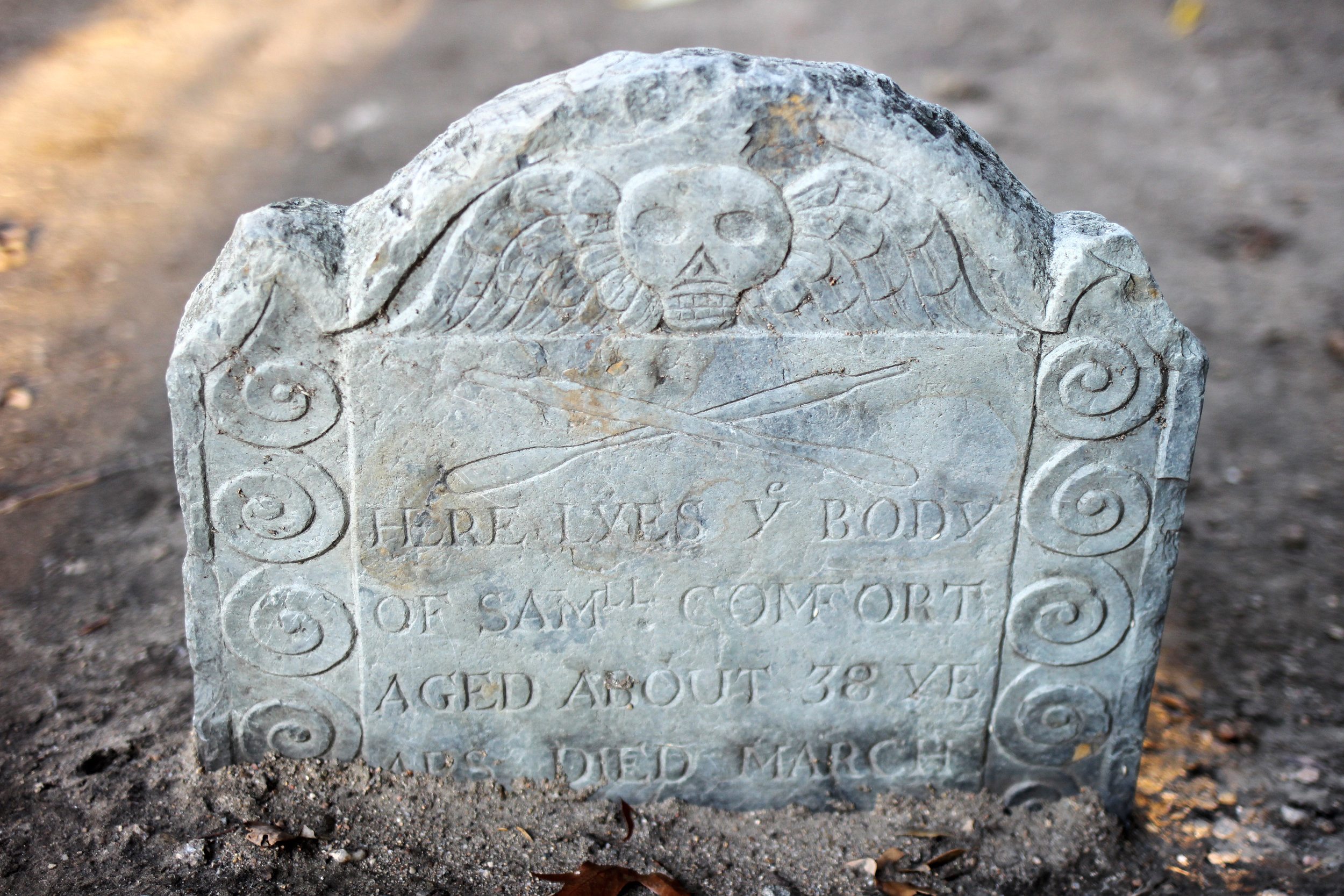
Also called the Old Burying Point, or sometimes just the Burying Point, the Charter Street Cemetery was established in 1637 as the first cemetery in Salem, Massachusetts. We went to Salem one year ago (argh why does time go by so quickly!) but I never got around to sharing my photos from the Charter Street Cemetery.
Salem in October is quite the experience—sometimes great, sometimes horrible—but the next time I go back it will probably be in the off-season. We expected crowds, of course, but what we didn't expect was that those crowds would be unruly—particularly in the cemetery. We saw children running around unattended, couples sitting on stones for selfies and families eating funnel cakes while perched on the markers of the Salem Witch Trials Memorial.
Overcrowding should not be seen as an open invitation to drop your sense of decency and respect for the deceased (not to mention the historic significance of the second oldest cemetery in America). Not everyone was horrible, of course, but we saw enough bad behavior that it still leaves an impression, even a year after the fact. That really is a shame, because the cemetery has some pretty famous residents and many wonderful tombstones.


It's the final resting place of Judge John Hathorne, the great-great-grandfather of Nathaniel Hawthorne and a prominent judge in the witch trials. Richard More is the only passenger of the Mayflower with a known gravesite—he died the same year as the witch trials, and he's buried here beneath a stone labeling him as a Mayflower Pilgrim.
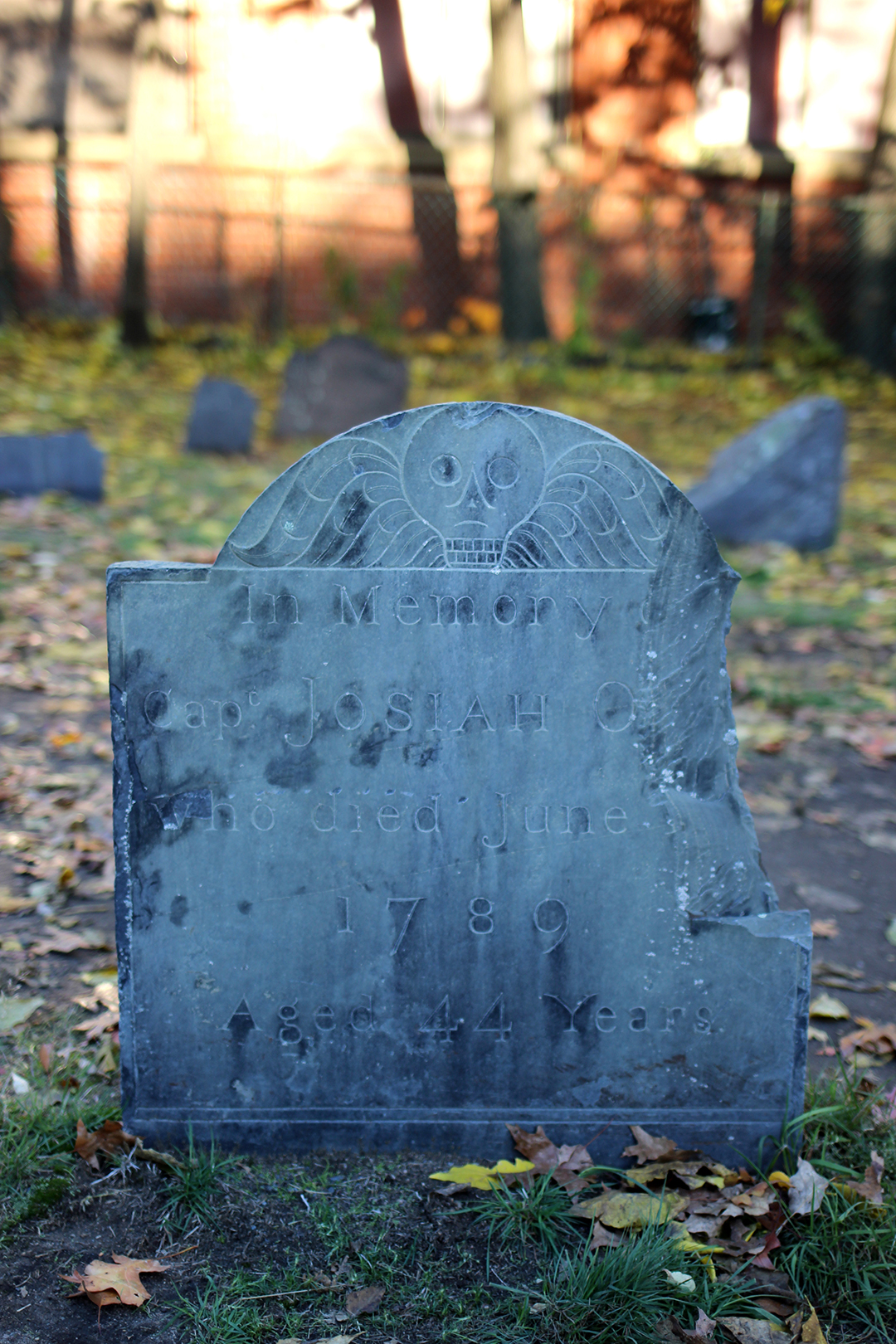


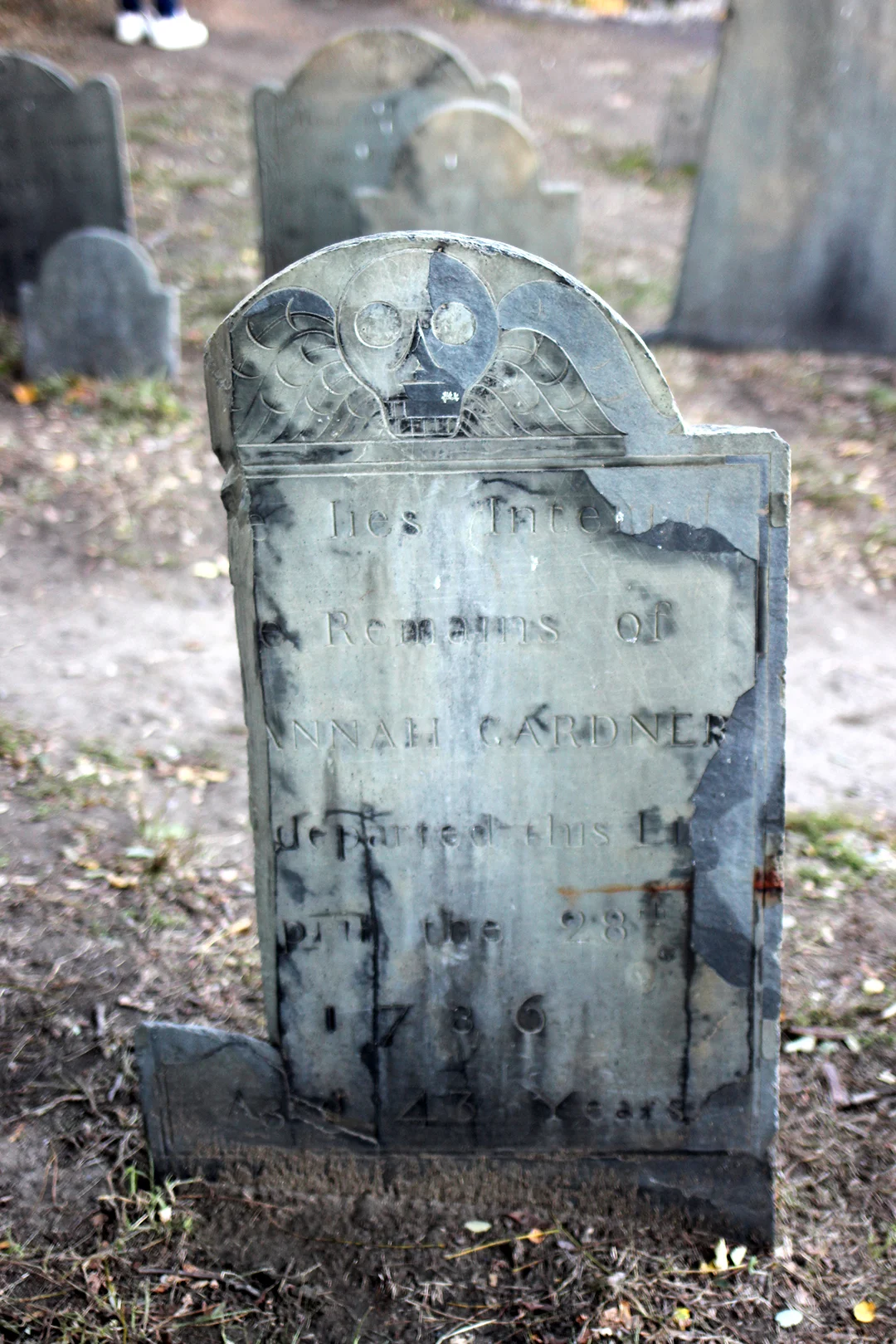
Much like the Old Burial Hill to the south of Salem, the Charter Street Cemetery is filled with beautifully carved winged skulls, crossbones and cherubs. These will always be my favorite of the tombstone motifs—known as "memento mori," or "remember you must die." Some stones even spell this out, which I much prefer to the more passive and less challenging, Rest in Peace.



I don't want to discourage anyone from visiting Salem during October—if you love fall and Halloween, it's a must—but I do recommend trying to avoid the weekends closest to Halloween. The difference between a Sunday and a Monday was noticeable and we were able to do everything that was sold out and packed on the weekend on a Monday with relative ease.
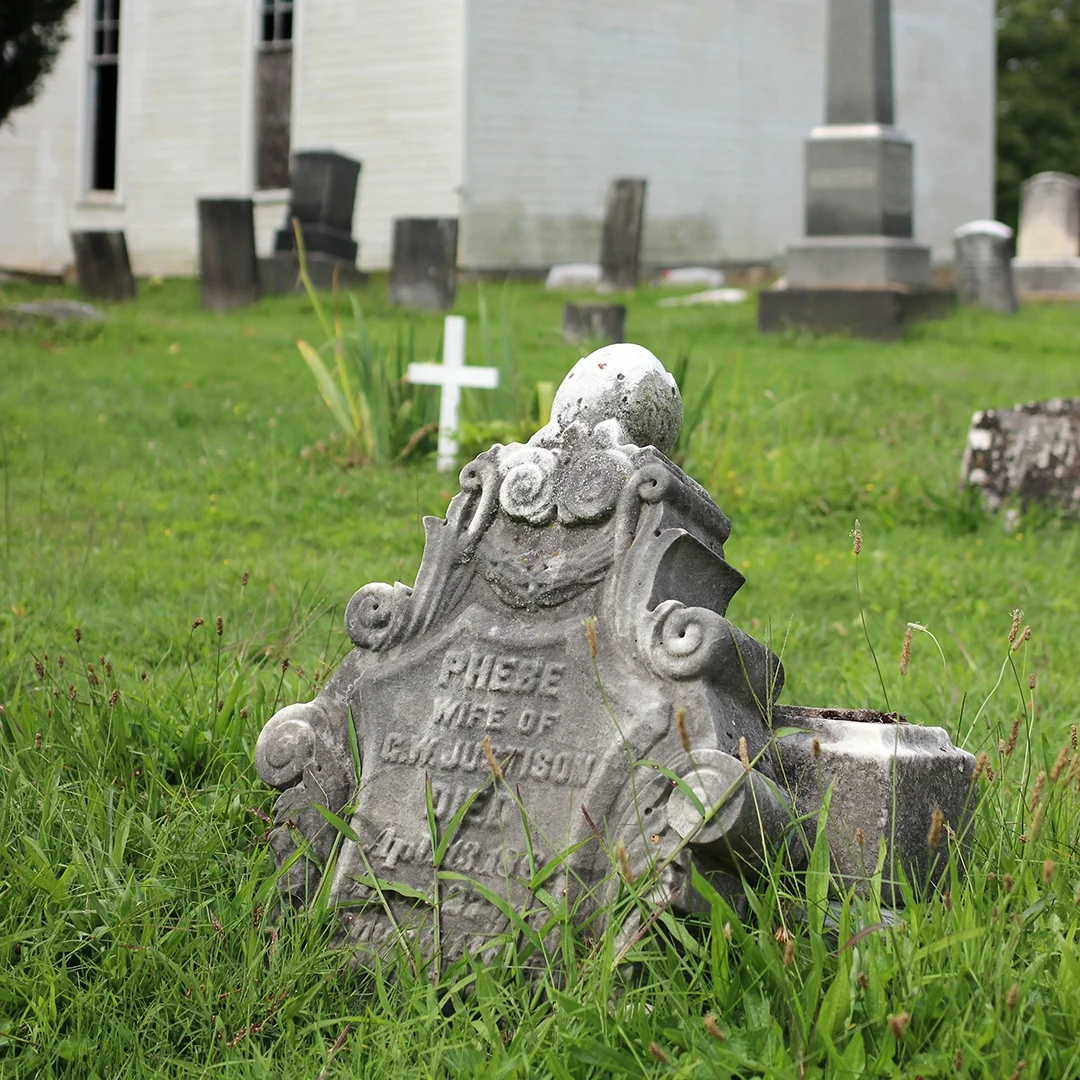
Achor Valley Cemetery

Like most cool destinations in Ohio, I discovered Achor Valley Cemetery when Kaylah (aka The Dainty Squid) posted her amazing photos of the graveyard and abandoned church. I often lament that I never fully took advantage of all that Ohio has to offer in the 27 years that I lived there, but I'm trying to make up for lost time during my visits home.

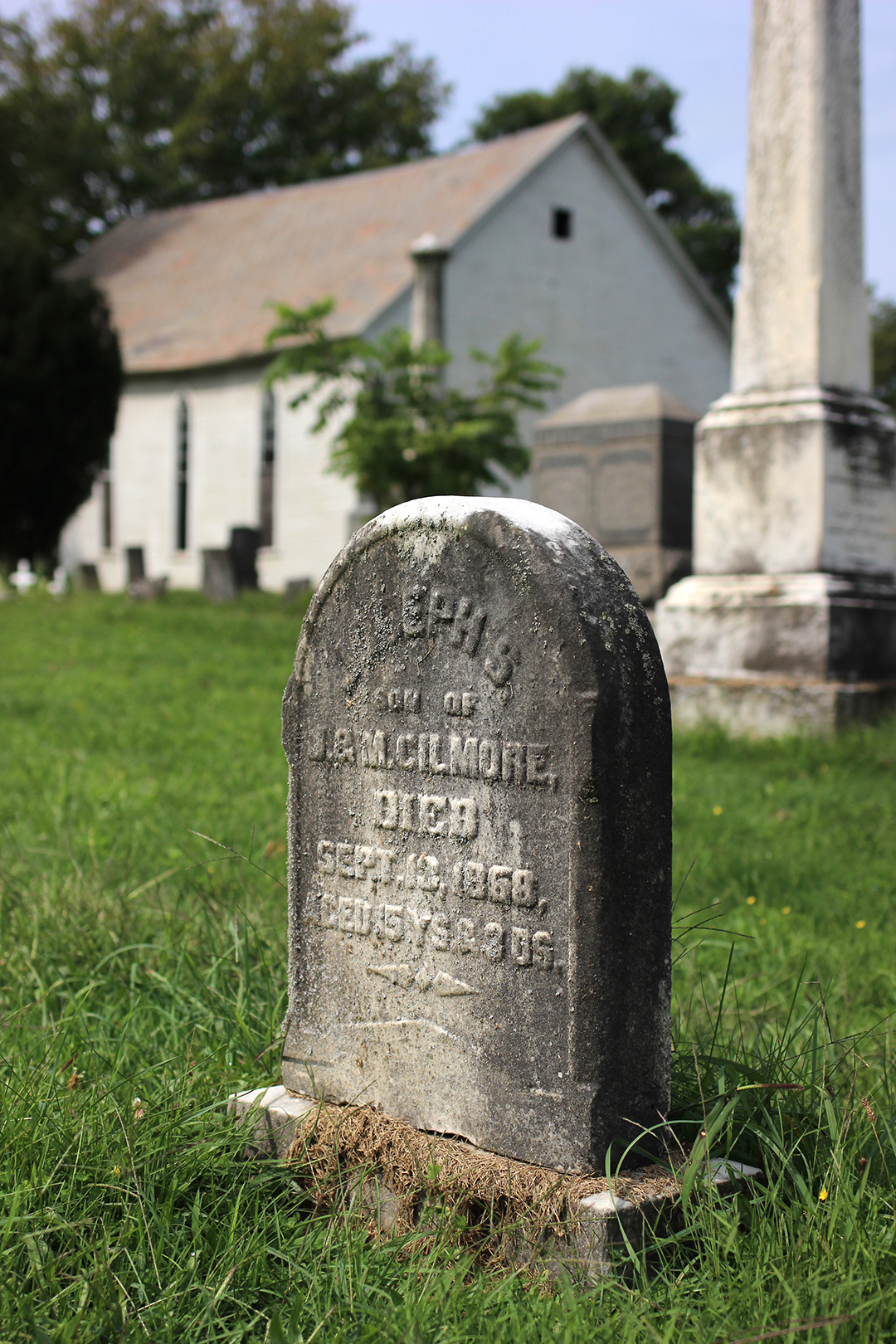


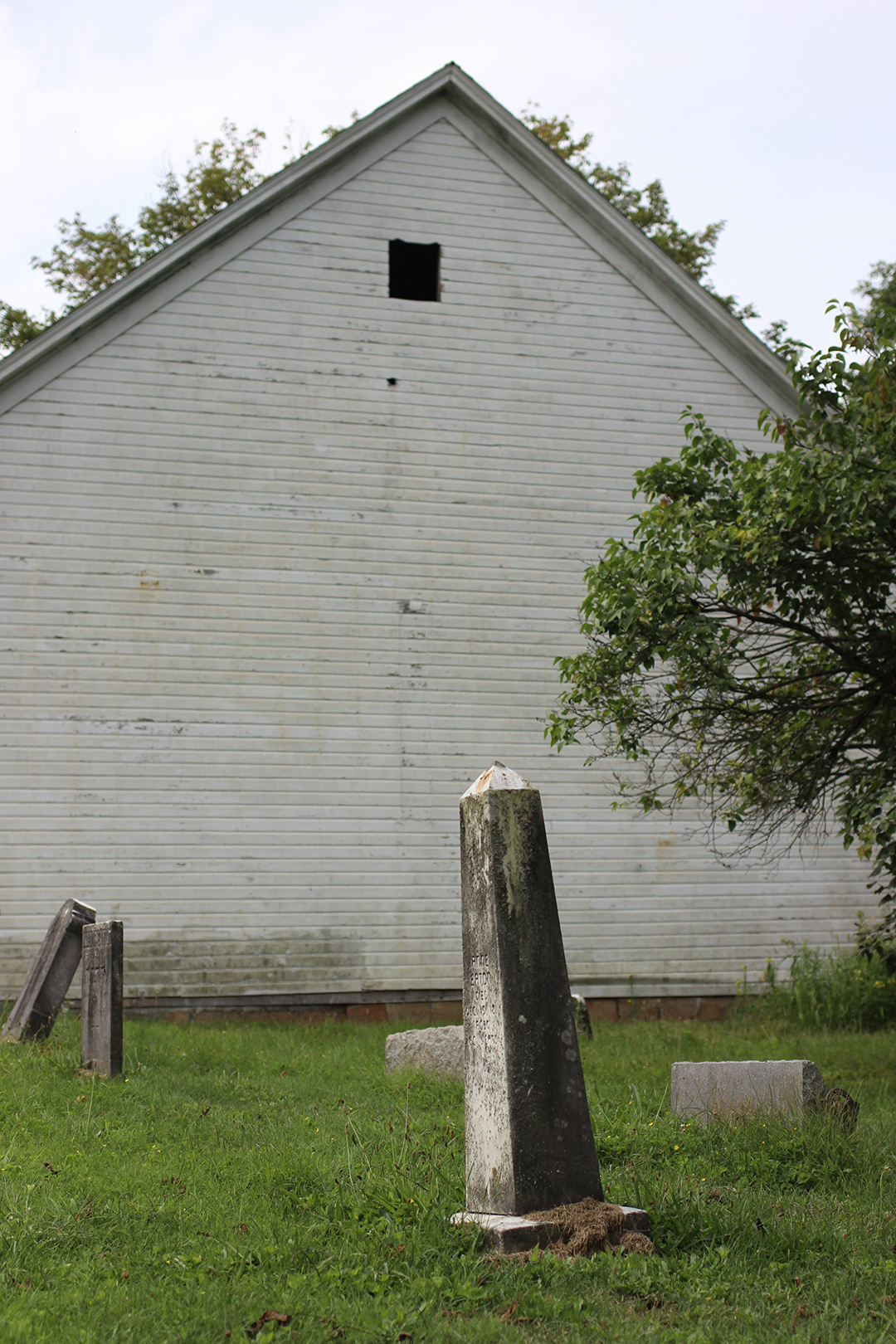

On my most recent trip back, I borrowed my dad's car (my grandpa's beige, Buick Oldsmobile) and took a solo, mini-road trip through central and eastern Ohio. My first stop was Achor Valley Cemetery in Columbiana County, near the Ohio/Pennsylvania border. I can't find much information about the cemetery or the church, but it was definitely worth the hour-and-a-half drive through mostly rural back roads (at one point I crossed a one-lane bridge - eek).


The small church on the property sits abandoned and most of the windows are boarded up—except one. There was a cinder block and a brick underneath as a makeshift step, and I was amazed at how easy it was to get into and also how relatively nice it was inside. There was no graffiti, very little trash and all of the wooden pews are still there, dusty and covered in spiderwebs.


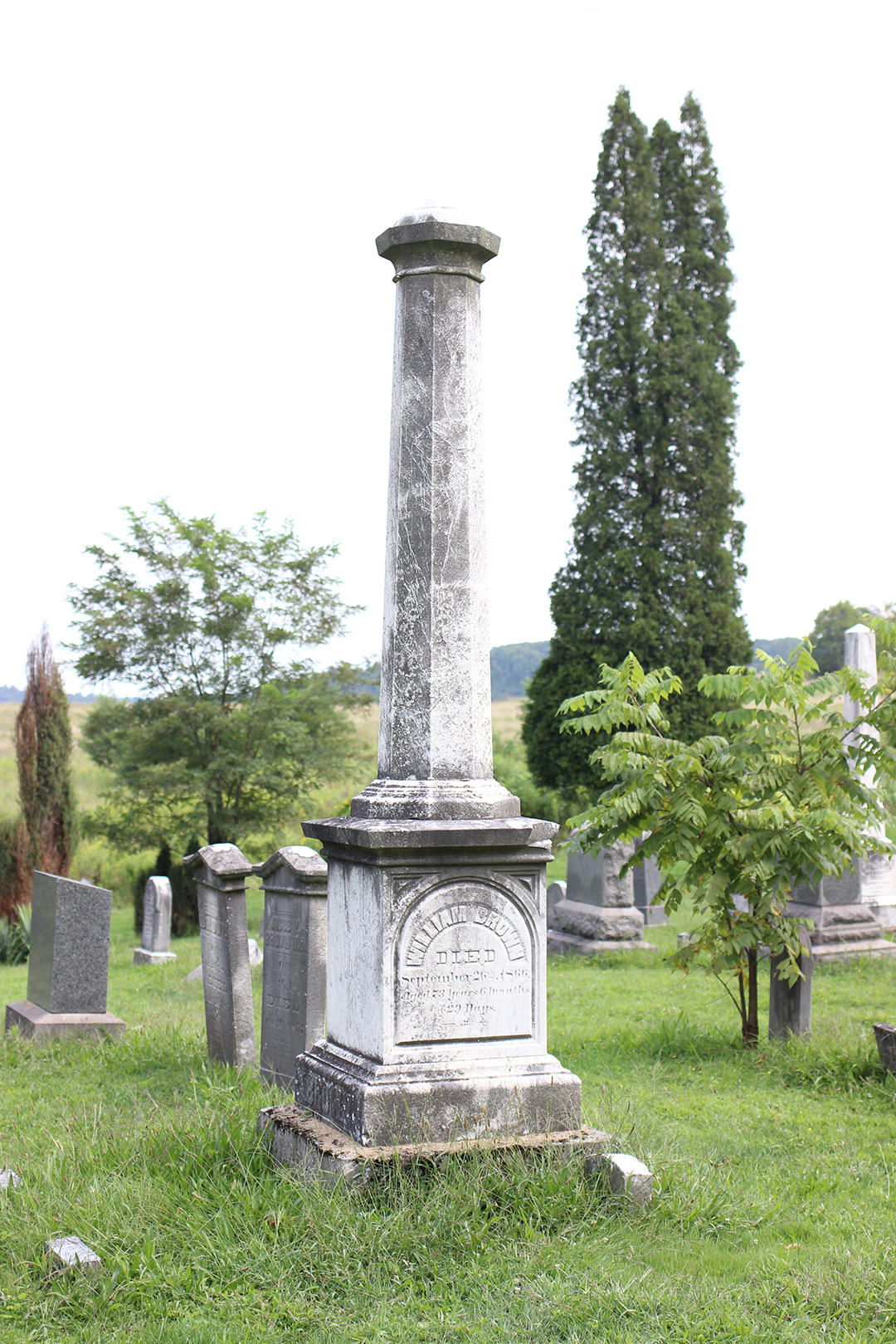

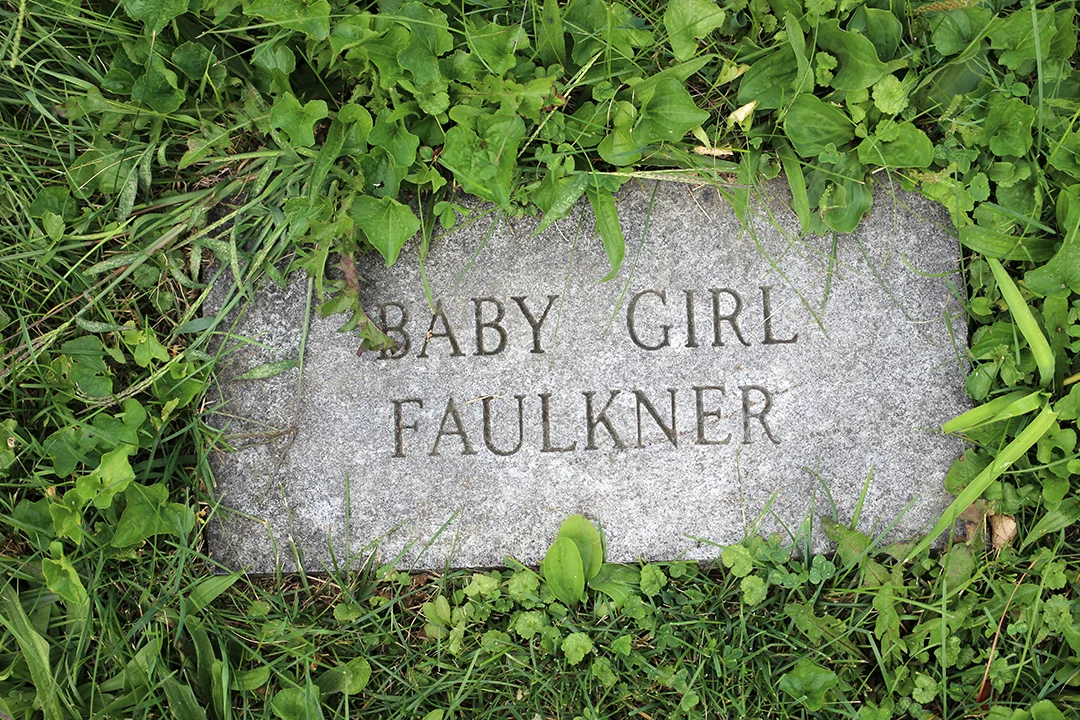
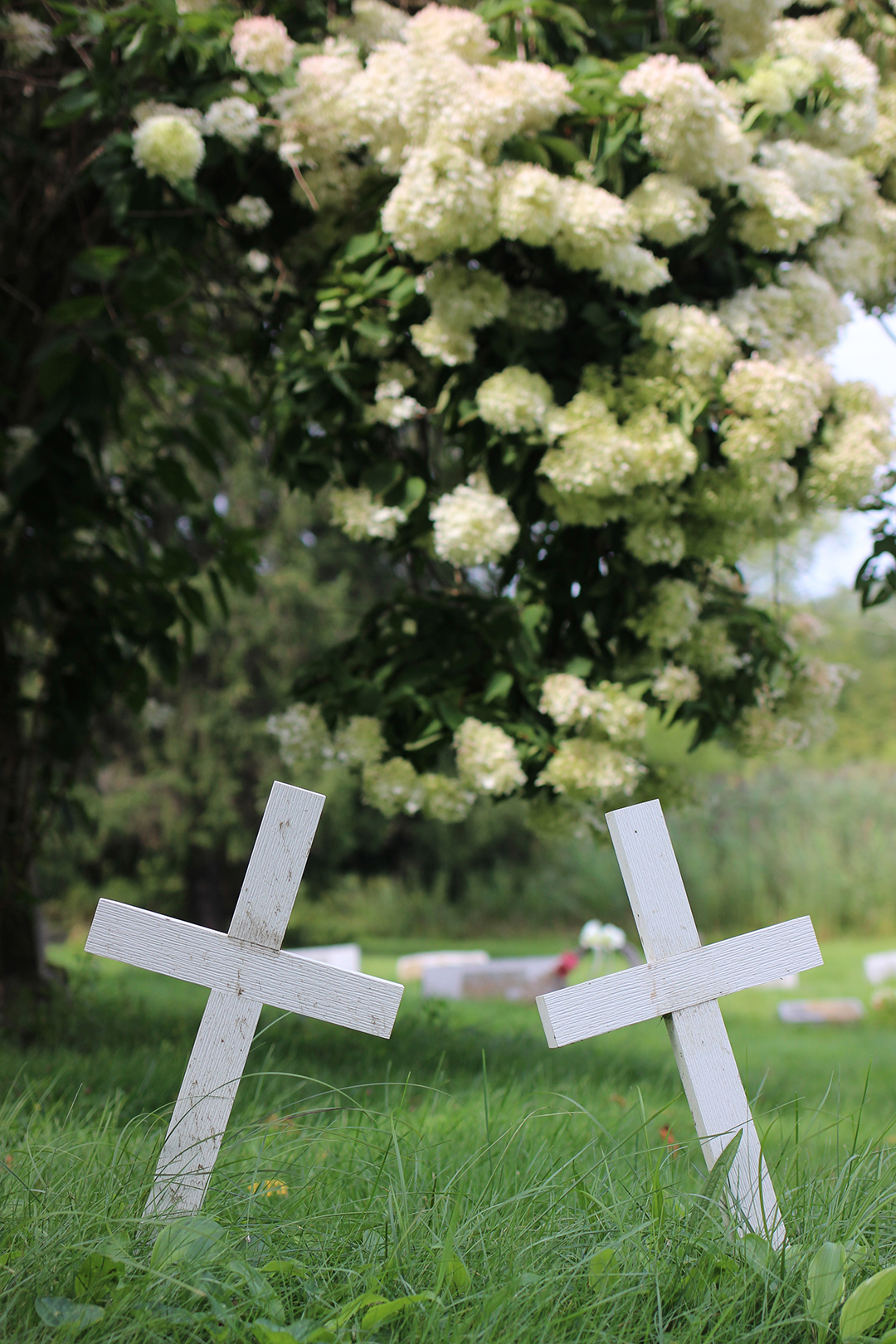
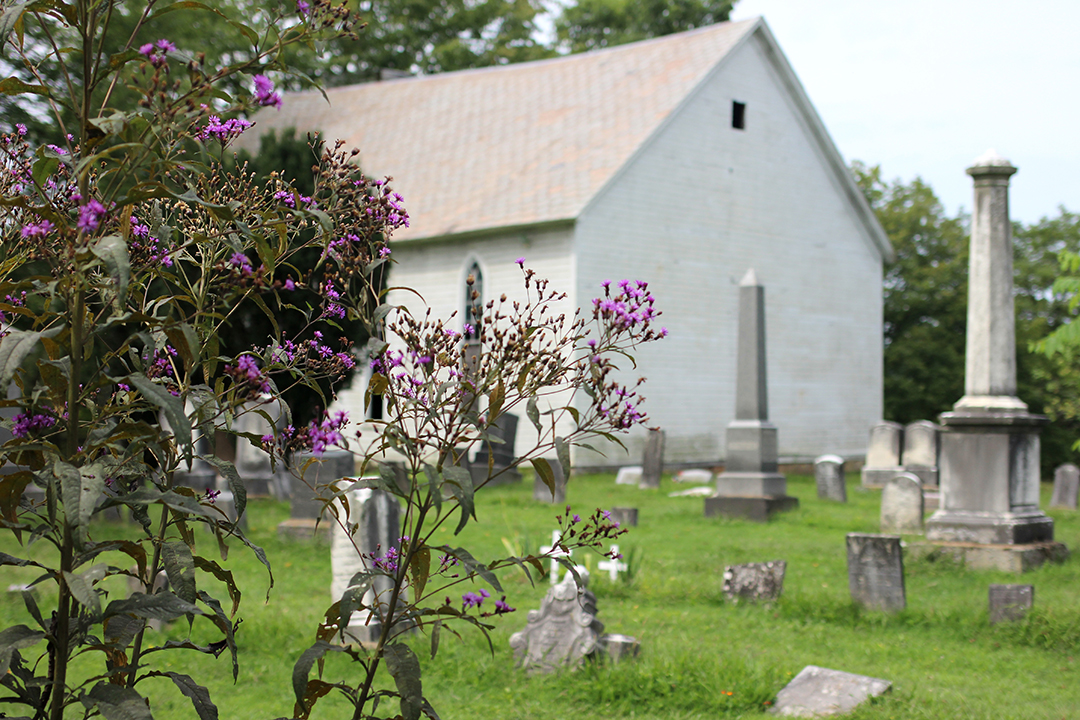
The graveyard was larger than I expected, and had some really lovely old stones. The property is right near an active country club and golf course, but I was the only one visiting in the middle of the day and it was very peaceful. I would love to know more about the cemetery and when/why the church was abandoned, but there's something nice to the mystery of not knowing as well.