
Archive
- Abandoned
- Alabama
- Arizona
- Bahamas
- Books
- California
- Cemetery
- Climate
- Colombia
- Connecticut
- Diner
- Egypt
- Feature
- Florida
- Friday Fun
- Georgia
- Holidays
- Illinois
- Iowa
- Italy
- Kentucky
- Louisiana
- Maryland
- Massachusetts
- Mississippi
- New Jersey
- New Mexico
- New York
- North Carolina
- Novelty Architecture
- Ohio
- Pennsylvania
- Personal
- Peru
- Project 365
- Protest
- Rhode Island
- Roadside Attraction
- South Carolina
- Tennessee
- Texas
- Travel Guide
- Virginia
- Walks
- Washington DC
- West Virginia
- Wisconsin
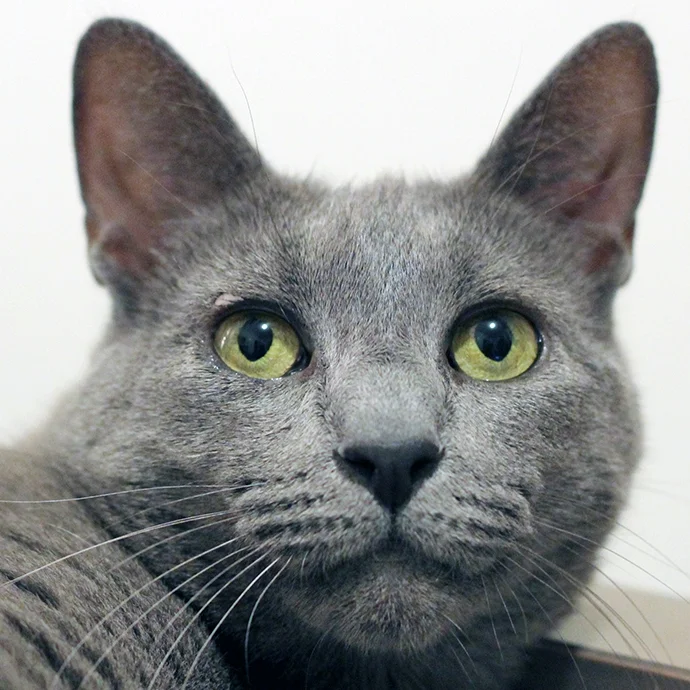
Project 365: Days 176-182
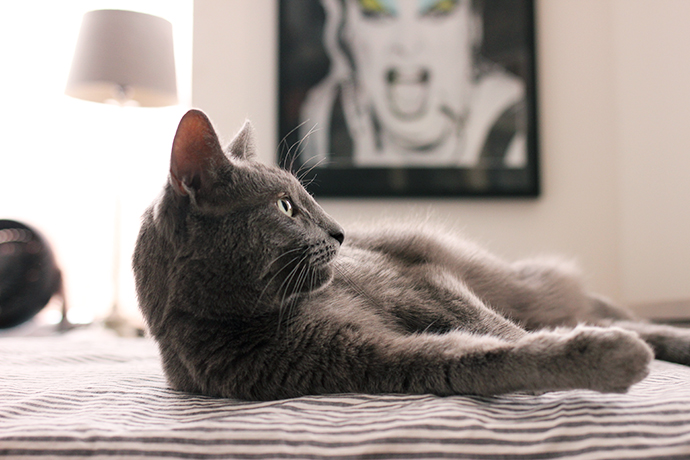
176/365: A lady of leisure.
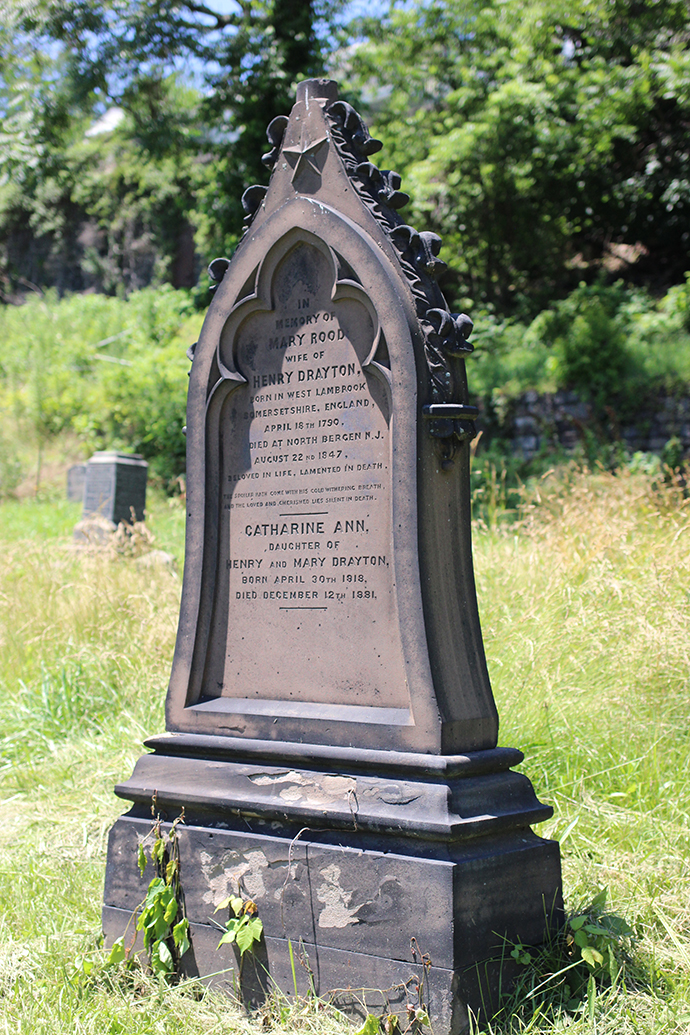
177/365: We went to the The Historic Jersey City and Harsimus Cemetery for an oddities flea market and although I didn't find anything and the underground crypt tour was cancelled due to flooding, it was still nice to get to explore the cemetery again. It was more overgrown than the first time I went, which I kind of loved.
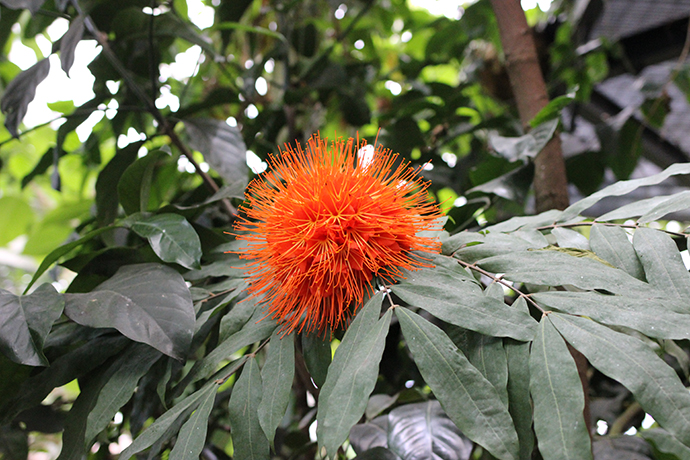
178/365: My mom and I went to the NYBG to see the Chihuly pieces. This is a real flower, but I through it was Chihuly at first which I thought was funny but also, it does!

179/365: My senior child.
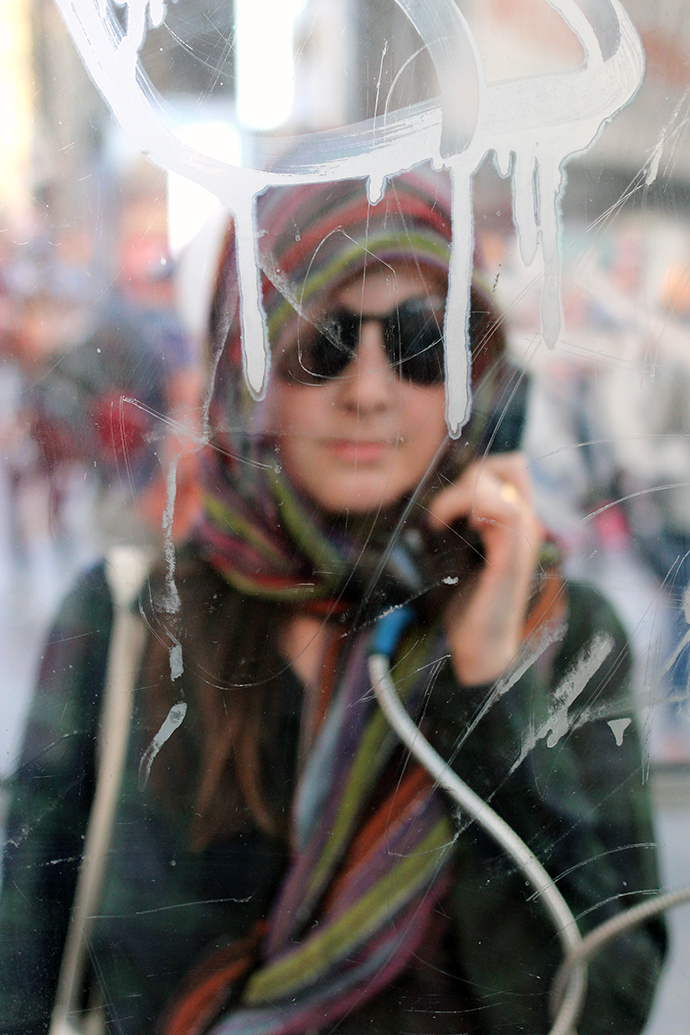
180/365: We went to Flavor Town aka Guy Fieri's Times Square restaurant—some of us enthusiastically, some of us incognito.

181/365: I walked across the park to Harlem to measure my new apartment—I'm moving soon into a studio in the building where my mom lives and I'm so excited to live alone (for the first time in my life!) and to be able to walk to work again.

182/365: I'm excited about moving but not about physically moving. I'm trying to pare down but getting rid of books is especially hard for me.
Aguas Calientes
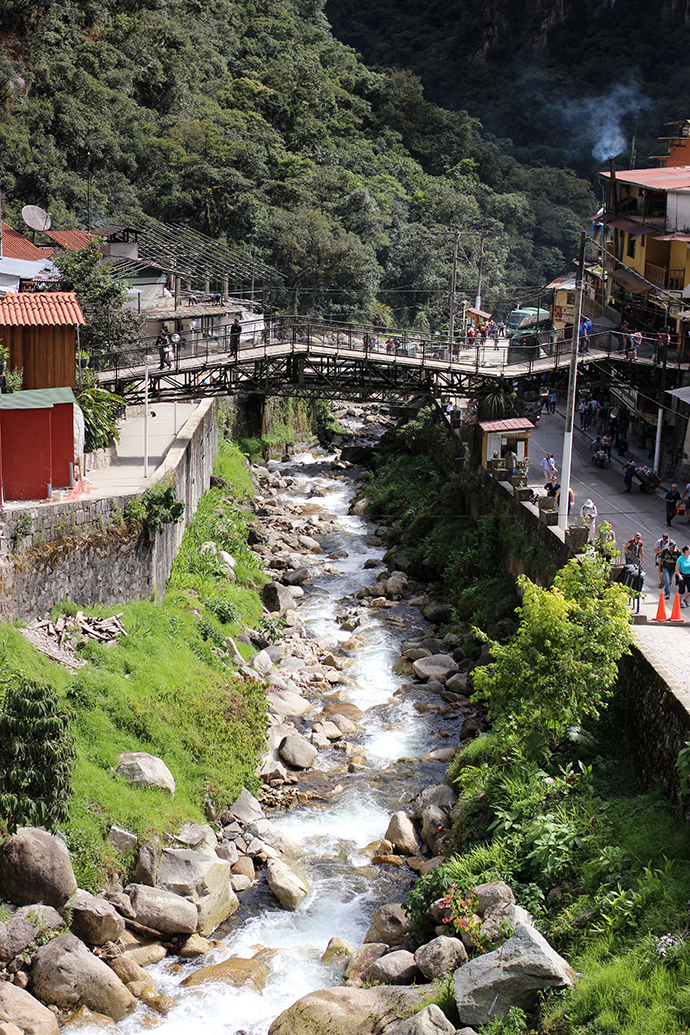
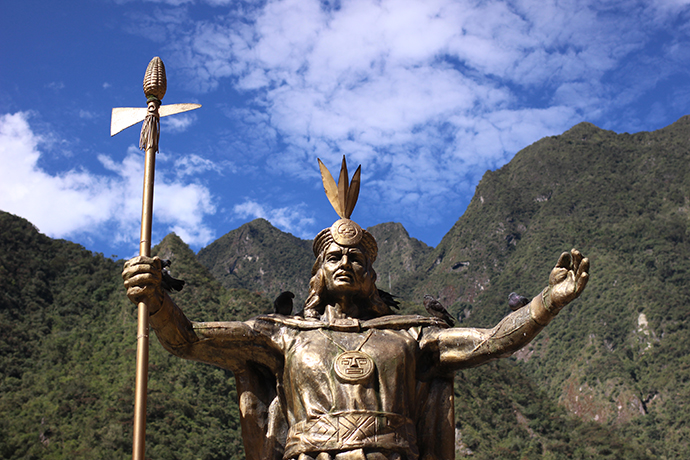
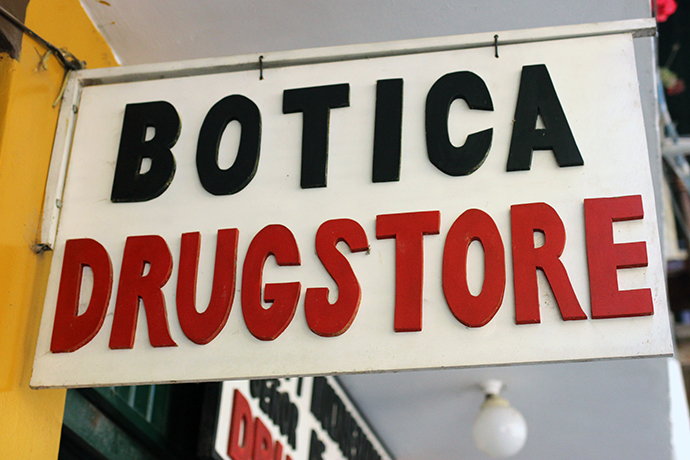
The closest access point to Machu Picchu is a village officially called Machupicchu Pueblo, but frequently referred to as Aguas Calientes due to its natural hot baths. We opted to spend the night in town after our Inca Trail hike, but the rest of our group took the evening train back to Ollantaytambo. This was something we planned when we first signed up for the hike, but it proved to be invaluable to me since I was still feeling like garbage. After spending the day exploring Machu Picchu (and three days sleeping in a tent) I've never been so grateful for a real bed, shower and toilet.


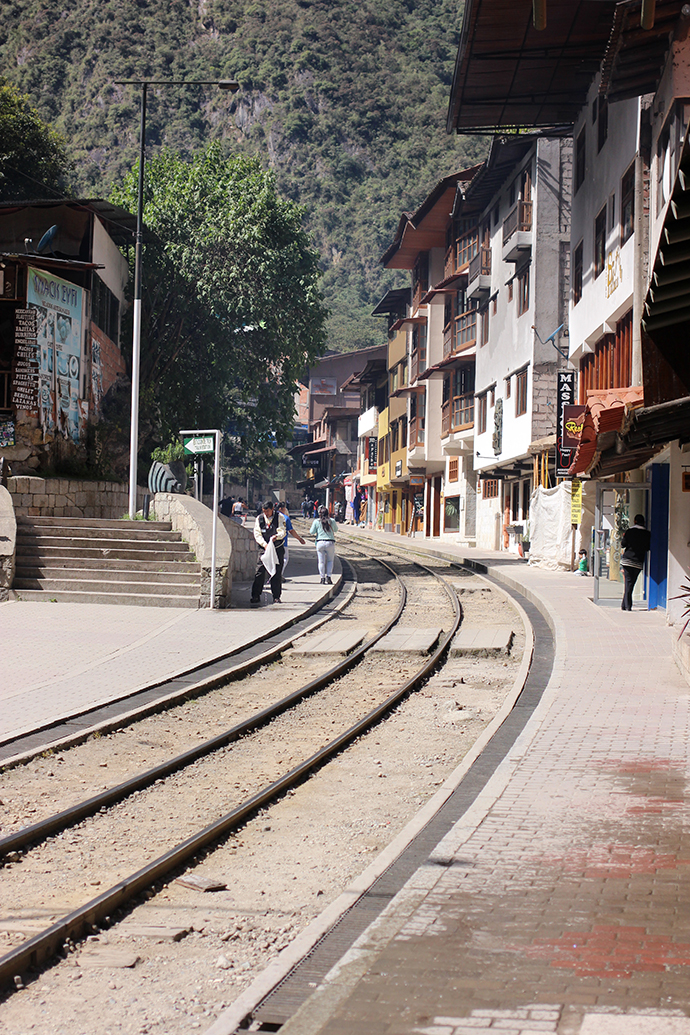
Aguas Calientes is a very tiny town and the lodging options are limited, but I highly recommend the Tierra Viva. It was close to the train station but not right on the tracks like a large portion of the town. The bed was enormous and the shower would've been impressive under normal circumstances but as it was the first one I took in four days it was downright transformative. They also had a very excellent (free!) breakfast, which was extremely helpful to me since my body had just decided that I was ready to start eating again after a few days of rather violently rejecting that idea.

We didn't do anything at night (except watch the last half of the original Ghostbusters and the first part of a very bad Telenovela), but the next day we had some time to explore before we had to catch our train. Like I said, the town is tiny, and exists almost solely for tourists coming and going from Machu Picchu.
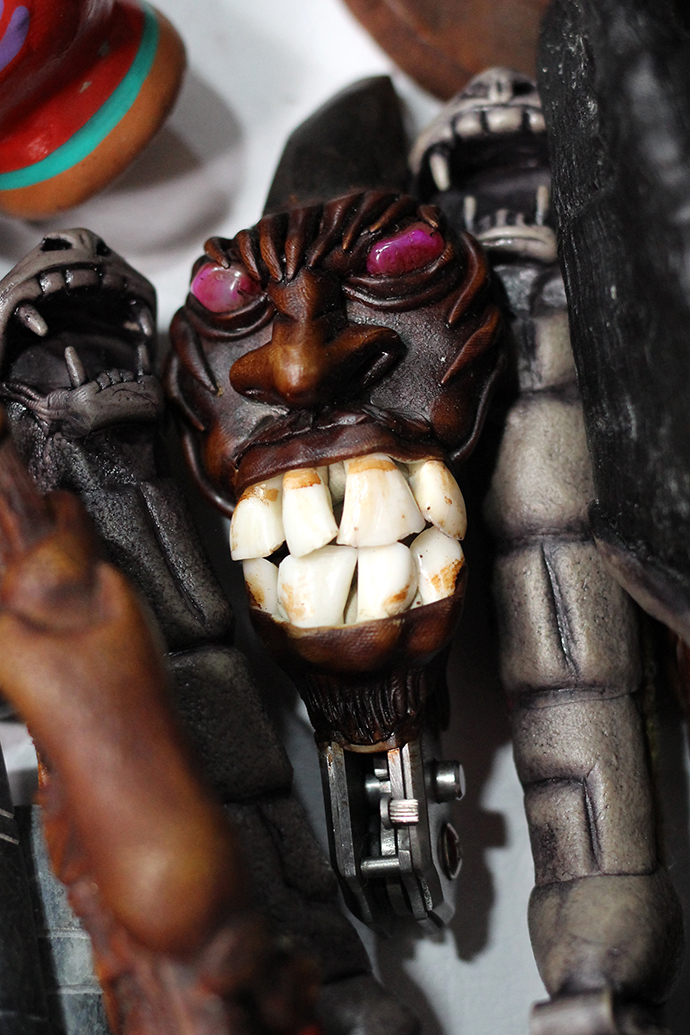
There is a large market next to the train station that is filled with every type of Peruvian souvenir you could ever want—blankets, scarves, jewelry, woven llamas, guinea pig hats, at least one pocket knife that appeared to be made with real human (?) teeth—and the merchants weren't nearly as aggressive as they were in Cusco, which was a relief. I try not to buy too many junky trinkets, but I couldn't resist buying a framed taxidermy bat. I didn't consider at the time that I might have a problem getting it through customs, but luckily I didn't because it fits seamlessly into my curiosity collection and is easily one of my favorite souvenirs ever.


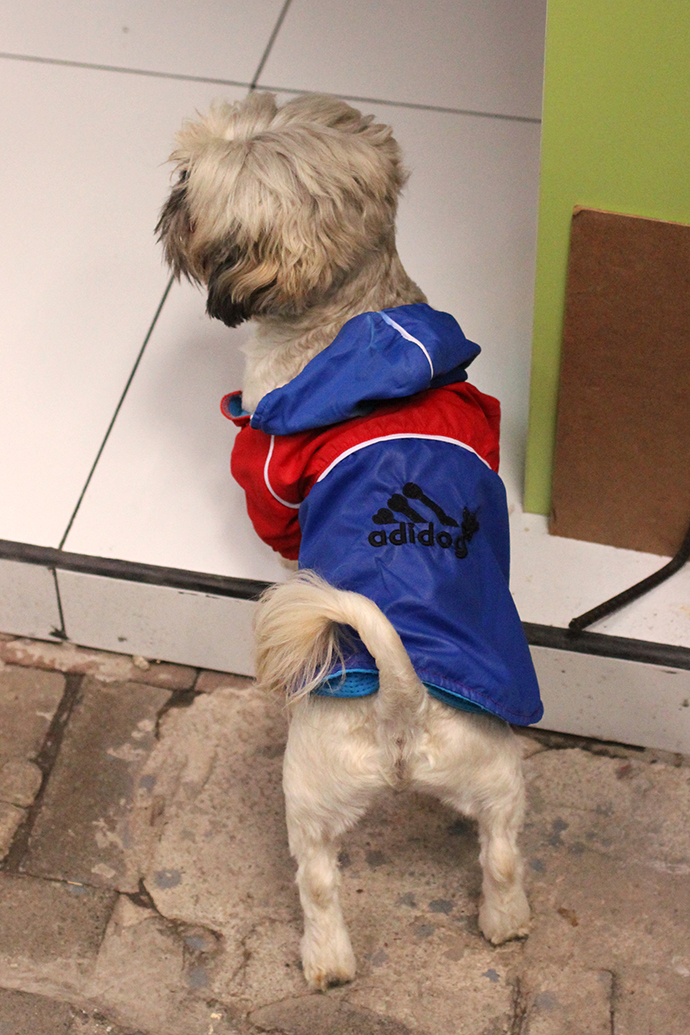

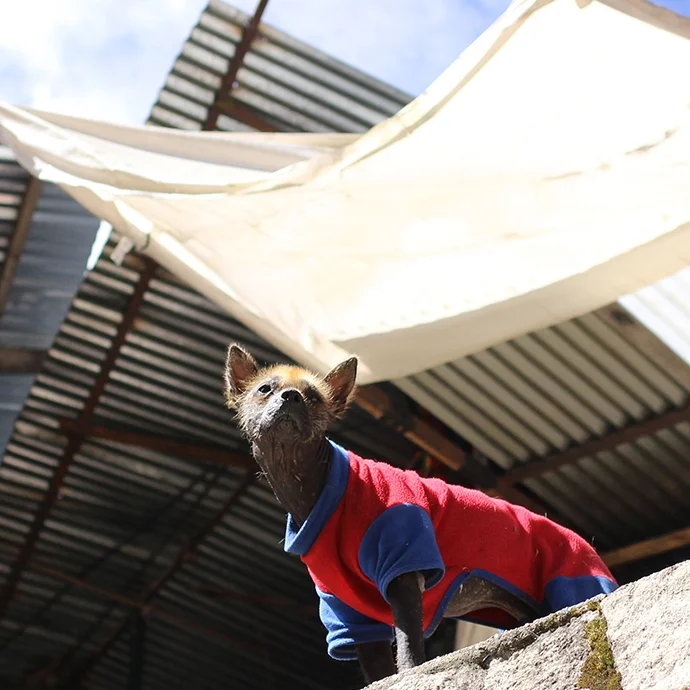
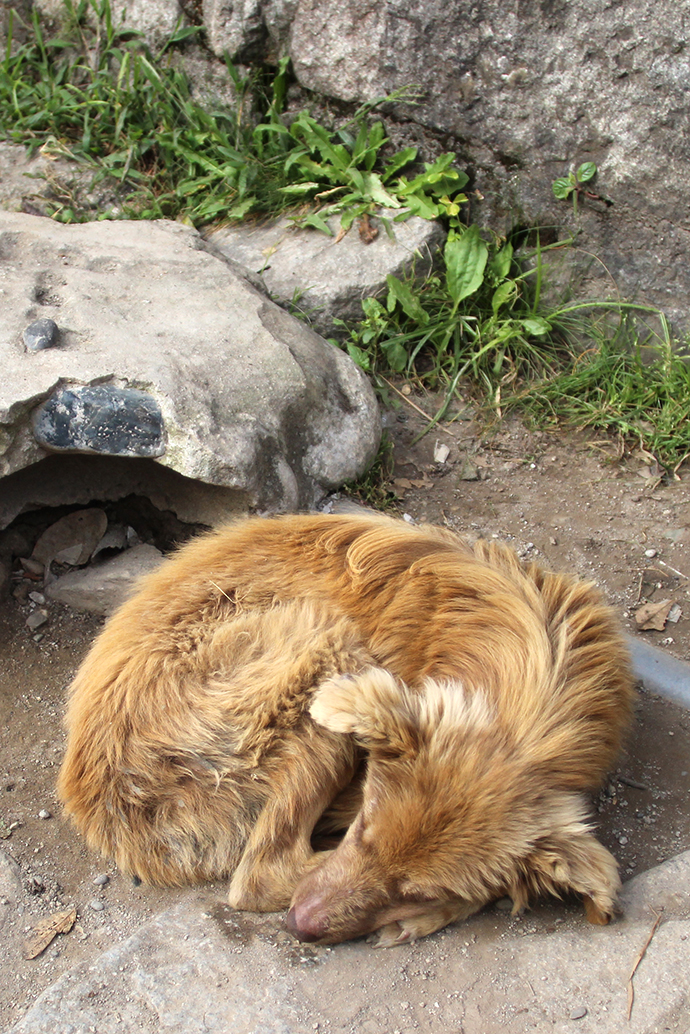
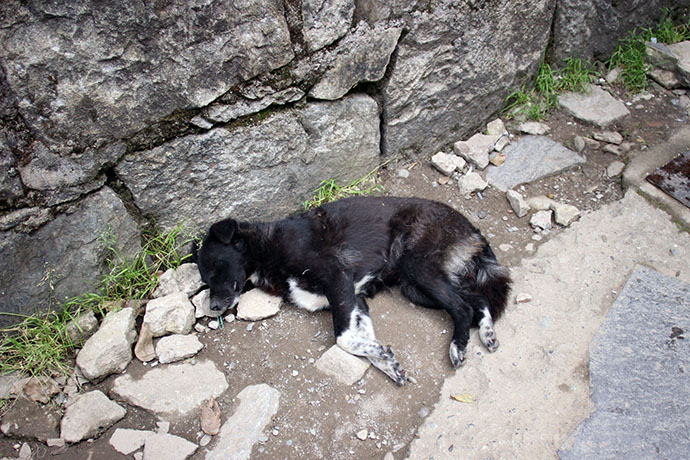
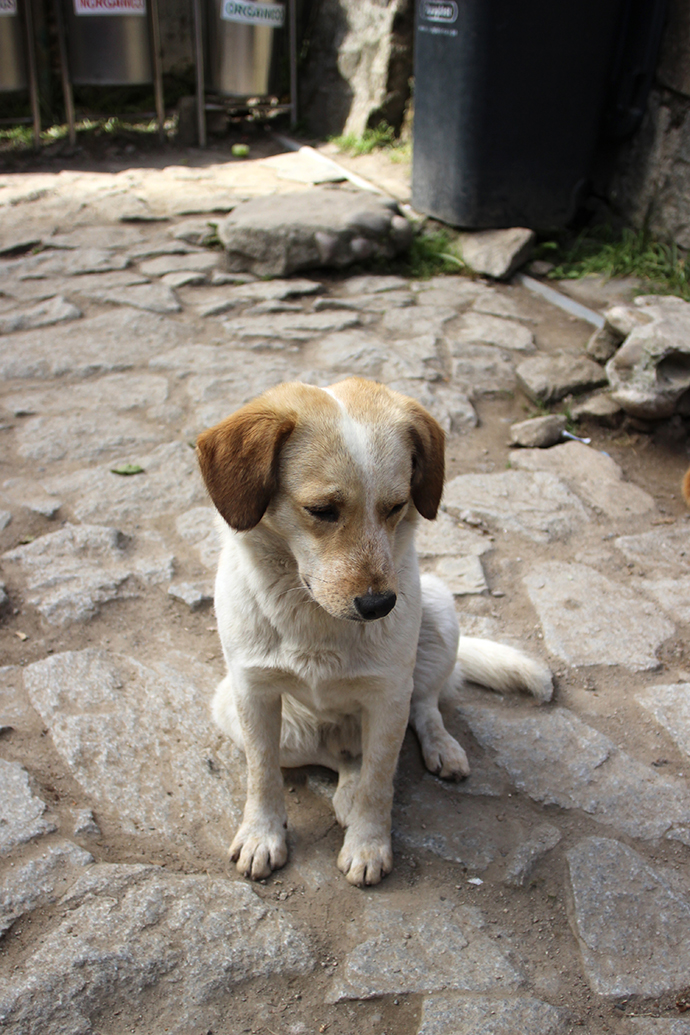
In what has quickly become a recurring theme in my South American posts, my favorite part of Aguas Calientes was the street dogs. We saw some particularly great ones, including a hairless dog in a fleece onesie, and I recently learned that these dogs are "as important as Machu Picchu" in Peru, although to me they were obviously even more so. My favorite, however, was definitely that little guy in the "Adidog" windbreaker—if I wasn't already smuggling home a bat I might have been tempted to bring him back, if only to make my dreams of owning an Instagram-famous dog finally come true.
Where we stayed:
Tierra Viva
Av. Hermanos Ayar N°401. Machu Picchu
(+51) 84-211201

Recent Reads

I've officially hit the halfway point of my reading challenge for the year (which I keep track of on Goodreads—let's be friends!). I just finished my 26th book and I've pretty much consistently been one book ahead of schedule because I'm great at deadlines and being behind on anything makes me nervous. I don't always finish a book a week, but I did read three of the below books in less than a week so it averages out.
I've cherished books my entire life, but this year I've been more excited to read than ever before. Maybe it's the cheesy congratulatory emails I get from Goodreads every time I finish a book or maybe I've just lucked out with some wonderful books, but almost nothing makes me happier than settling into my commute twice a day and not looking up from my book until I reach my destination. Here's what I've been reading lately:
Hillbilly Elegy: A Memoir of a Family and Culture in Crisis, by J. D. Vance
I don't know if this memoir is as important as it's been made out to be, but I do understand why people have sought it out, especially after Trump got elected. Vance grew up splitting his time between southern Ohio and Kentucky, and while I grew up about four hours away in Northeastern Ohio, a lot of what Vance describes as "hillbilly culture" still felt familiar to me. At times his recollections are humorous, and at times they're deeply sad, but he has a valid and unique point of view. His story might ultimately veer from the norm (he eventually attended Yale Law and now lives in San Francisco), but his commentary on what it means to grow up as part of a crazy, erratic, sometimes abusive but always loving family is worth reading—even if it mirrors your own experience, but especially if it does not.
The Stranger in the Woods: The Extraordinary Story of the Last True Hermit, by Michael Finkel
In 1986, Christopher Knight abandoned his car and disappeared into the woods of Maine. For 27 years he lived a completely solitary existence, carefully (and by his account, reluctantly) breaking into nearby vacation cabins only when he needed supplies. He was finally caught in 2013, and his story is fascinating. This account—a compilation of Finkel's uninvited visits and reluctant interviews with Knight while he was being held in jail—does feel a bit exploitative, and I found myself feeling bad for Knight more than anything else. He had always been uncomfortable with human contact and was content to have removed himself from society forever. Sure, stealing from others was undeniably wrong, but otherwise I identified with Knight's antisocial tendencies more than I even expected to. I couldn't survive alone in the wilderness for a few hours, but not having to deal with other people for 27 years sounds pretty darn appealing.
All the President's Men, by Carl Bernstein and Bob Woodward
This was the very wrong book to take with me on our two-week South American trip. I think I read a total of nine pages, and I was immediately confused by the introduction of so many players and a complex story. I picked it up again when I got back to New York, and while it took me a while to (mostly) keep everyone straight, I was engrossed until the very end. This is as much a story about journalism as it is about Watergate and politics and it reads like a true crime thriller (and I guess it technically is).
I had watched a great hour-long documentary about Watergate on Netflix (part of CNN's 70s series), wanted to know more, and figured it was about time that I read this classic. I'm still not entirely sure who everyone is and what their role was (I'm sure there's a Watergate cast of characters flow chart somewhere) but this book should be required reading for anyone at all interested in the current Trump/Russia mess. Aside from the absence of the Internet and the constant smoking, this feels like it could've been written a few years from now about current events.
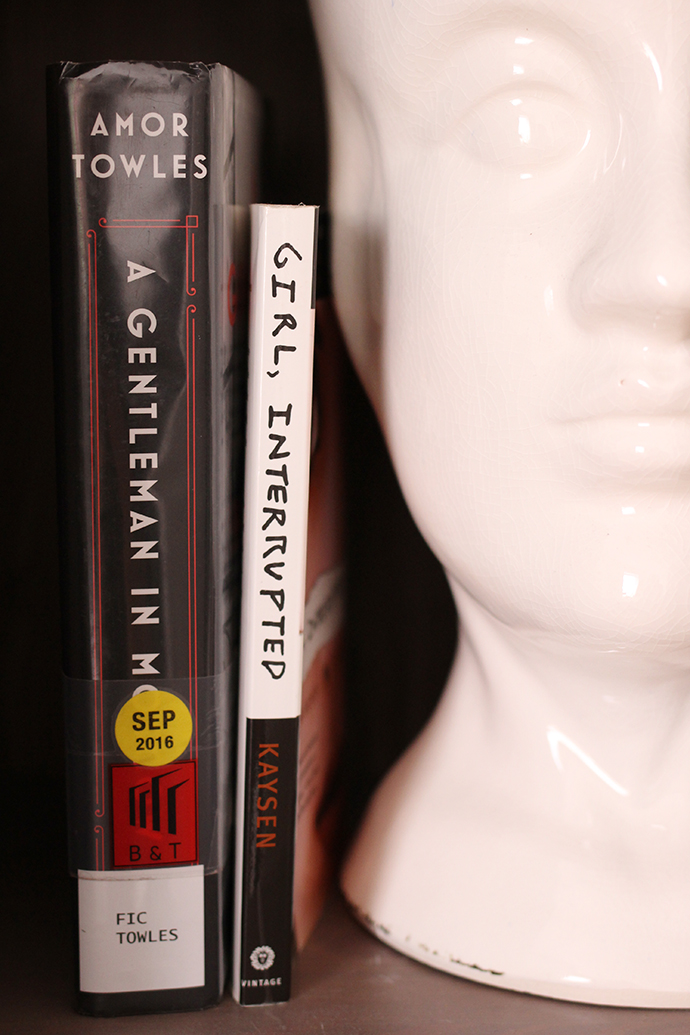
Girl Interrupted, by Susanna Kaysen
I recently got the urge to re-watch the movie version of Susanna Kaysen's famous memoir of her two years spent in a mental institution in the 60s, and it made me realize that I had never properly read the source material. It's one of my favorite movies, and it follows the book very closely. Kaysen writes with great clarity and insight on her struggles and paints a vivid picture of what her day to day life was like at McClean, a psychiatric hospital in Massachusetts whose famous past residents included Ray Charles, Sylvia Plath, Anne Sexton and David Foster Wallace.
A Gentleman in Moscow, by Amor Towles
After I finished The Rules of Civility, Towles's excellent first novel, I wanted more. Luckily, A Gentleman in Moscow, his second novel, had just been published but I thought I could wait until the paperback edition came out. Turns out I couldn't, and so I recently caved and put the 400+ page hardcover on hold at the library. This book has been very popular so it took a while for me to get it, but now I understand the interest.
Set in a Moscow hotel, where Count Alexander Rostov has been sentenced to house arrest after the Russian Revolution, A Gentlemen in Moscow is one of the best novels I've read in recent years. I'm already interested in everything Russian so it wasn't a hard sell, but Towles has a way with words, characters and environments that just begs to be savored. The story spans several decades of the Count's life which, despite the confines of the hotel, manages to be full and fascinating. There are dramatic moments and important events of course, but Towles expertly makes the case that life mostly unfolds quietly and unassumingly, but that's where the real magic lies.
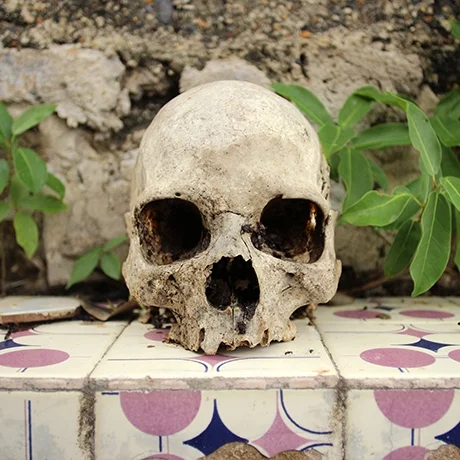
Cementerio de Santa Cruz

I don't know what was wrong with me, but I didn't research a single cemetery before we left for our recent South America trip. I didn't even realize my egregious error until we were already leaving Cusco. On our bus ride to the beginning of the Inca Trail, I was looking at all of the small towns passing by and it hit me—I bet the cemeteries are great here (a totally normal thought to strike me). Almost as soon as I said it out loud, we actually passed a cemetery and although our bus was speeding along the rickety road, I had just enough time to give it a quick, wistful glance. Later in the day, we passed a smaller cemetery at the beginning of the trail but I was still hoping that we'd find time in our trip to properly explore a burial ground.


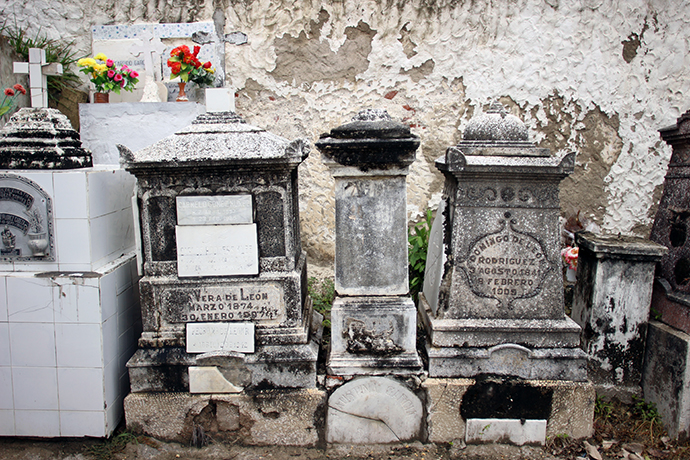
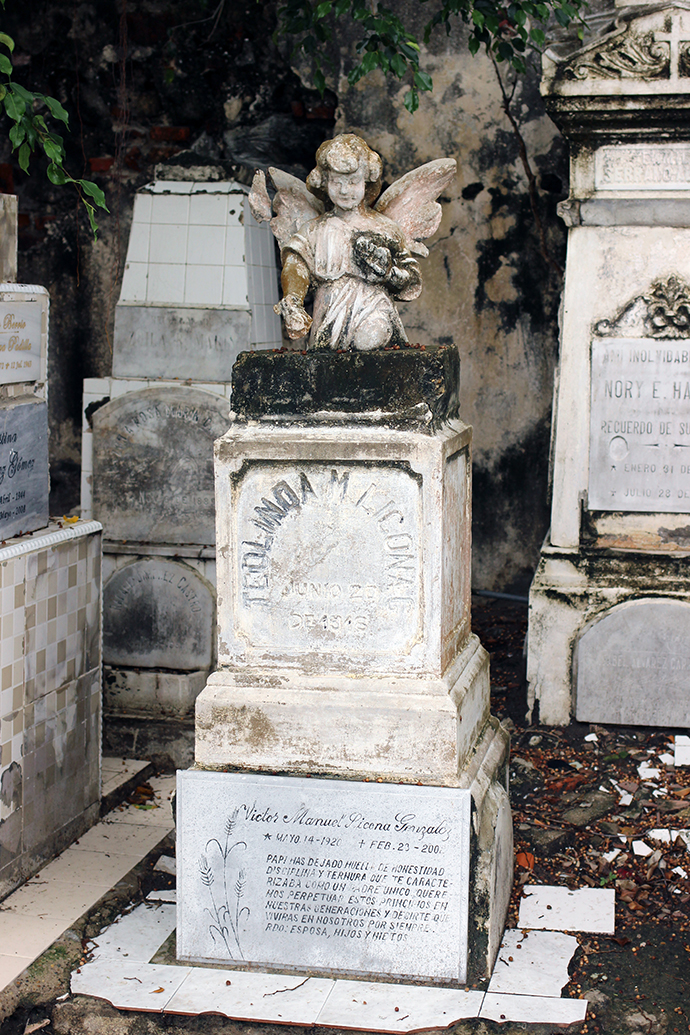
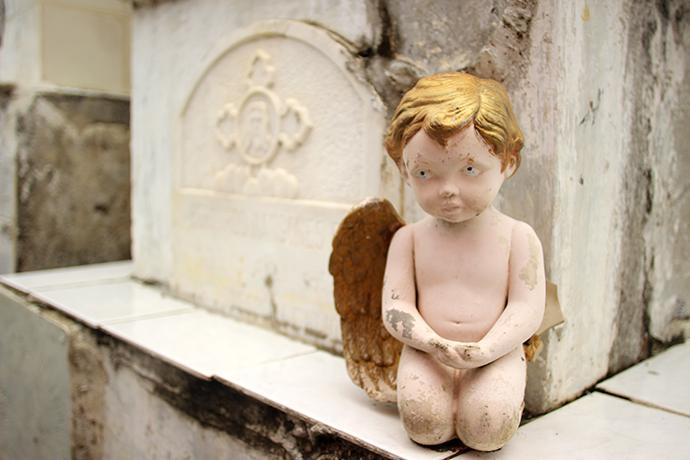
Determined to remedy my nearly cemetery-less vacation, finding one was first on my agenda when we arrived in Cartagena, Colombia. I had expected Cartagena to have a vibe similar to New Orleans, and I just instinctively knew that its cemeteries would be amazing. It didn't take me long to find one—an easy, ten-minute walk from our hotel—and on our first full day it was first on the agenda.
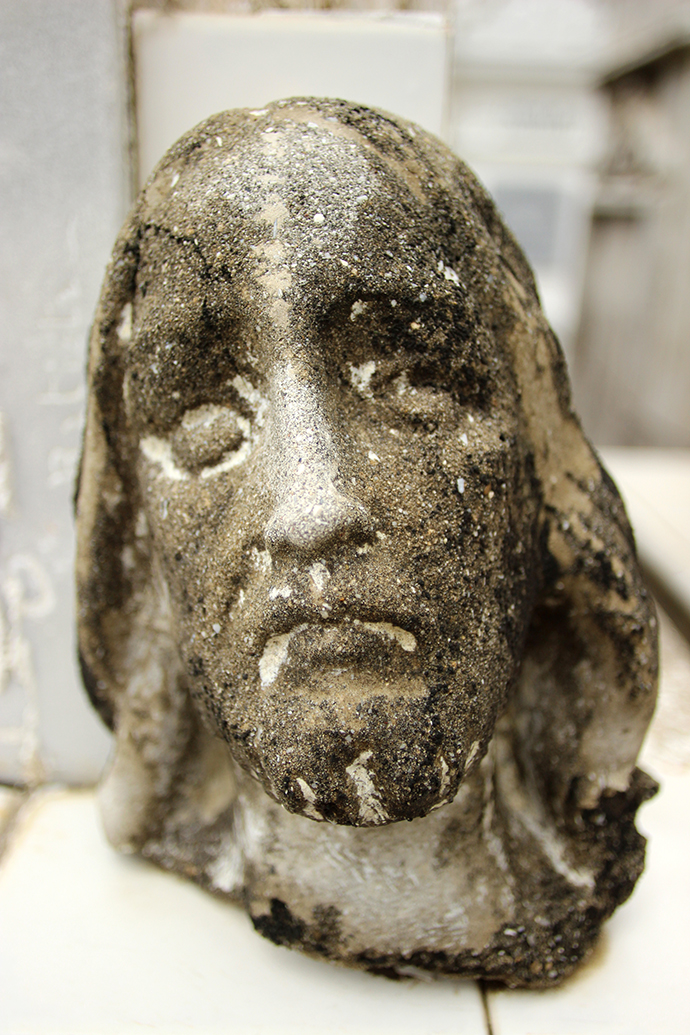
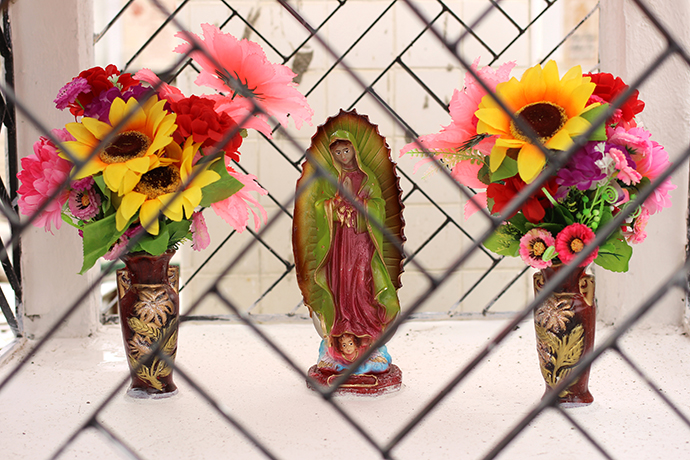
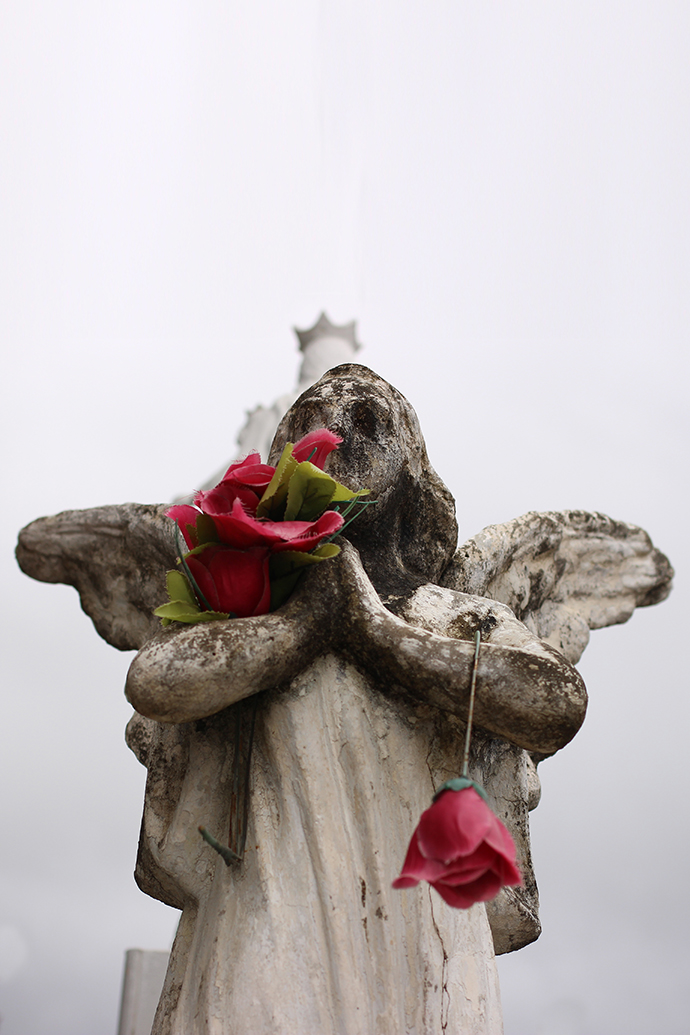
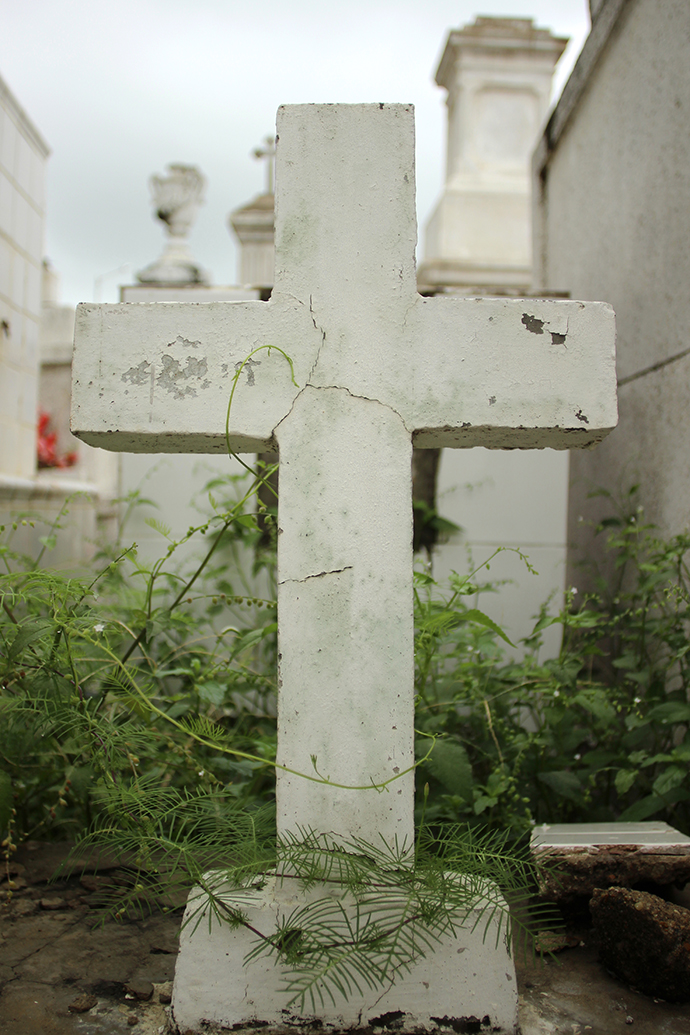

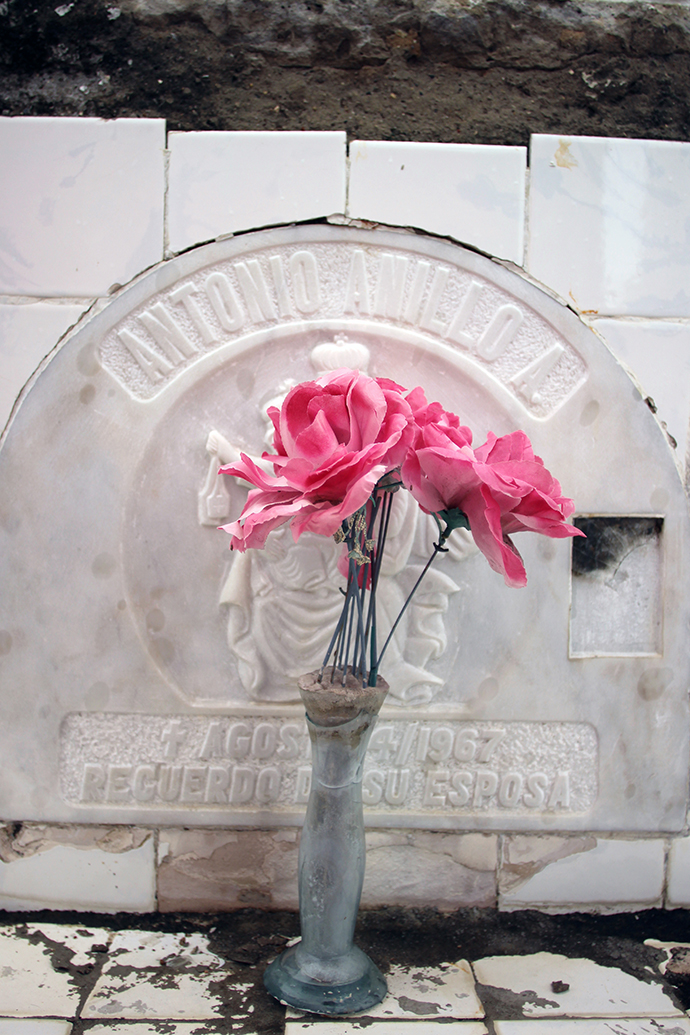
The Cementerio de Santa Cruz is located on Manga, an island just outside of the walled city. I can't find a ton of information on the cemetery, but it's definitely old—probably from around the 1700s—and in disrepair but still very much in use. I had read that it was abandoned, but on the day that we visited there was a security guard sitting just inside of the entrance and several people tending to gravesites.

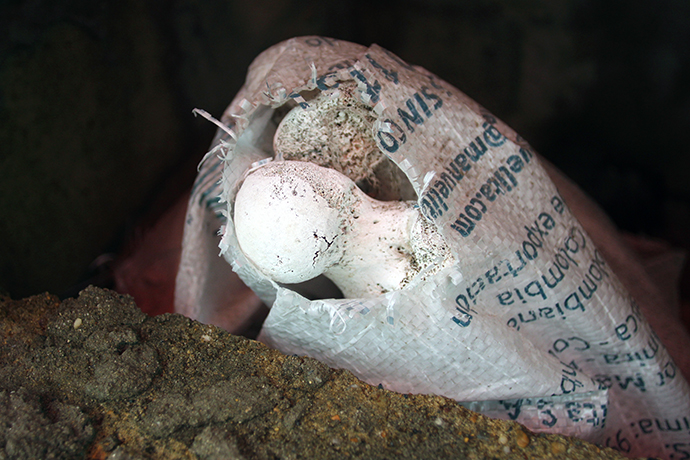
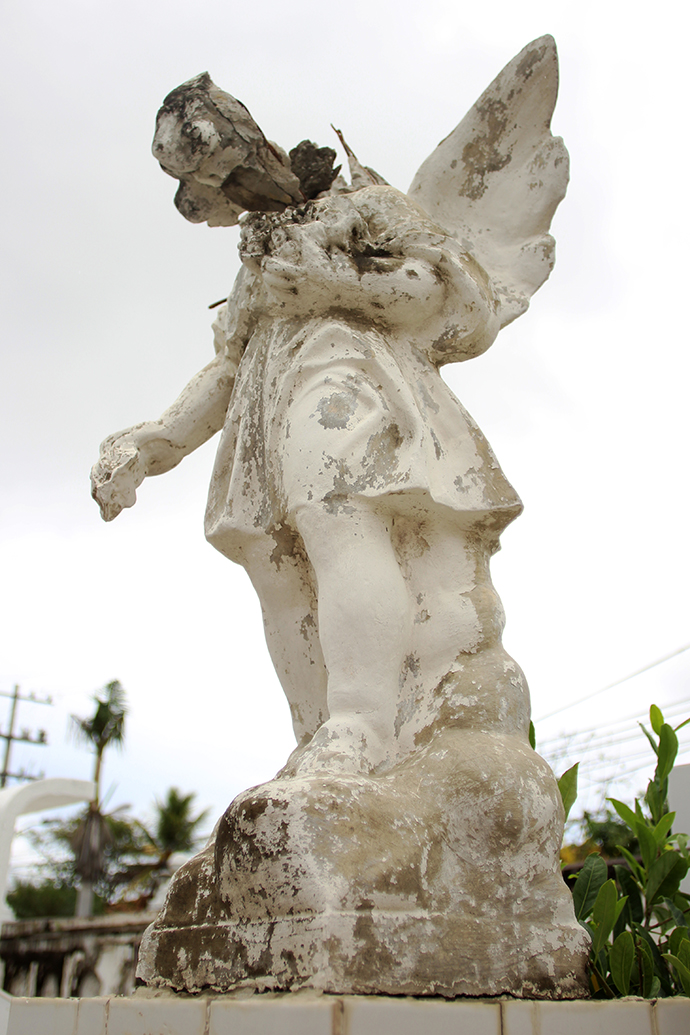
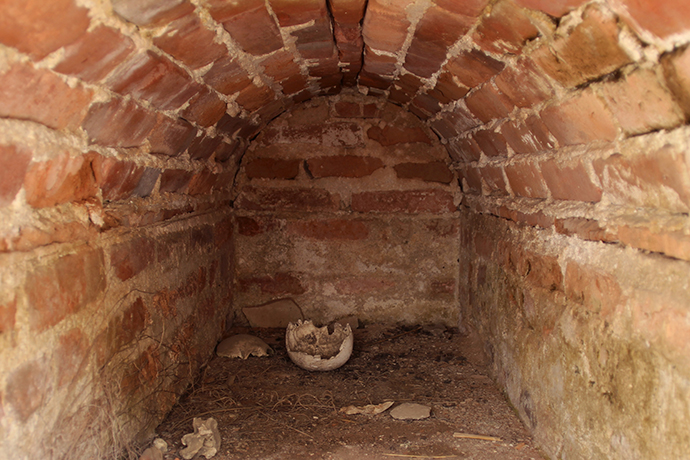
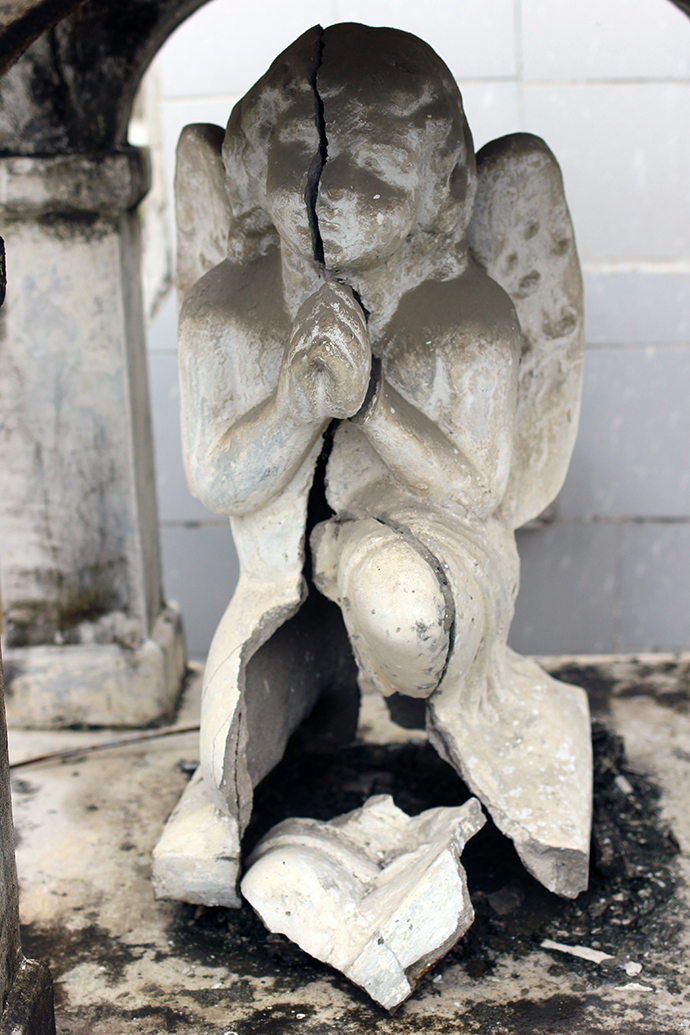
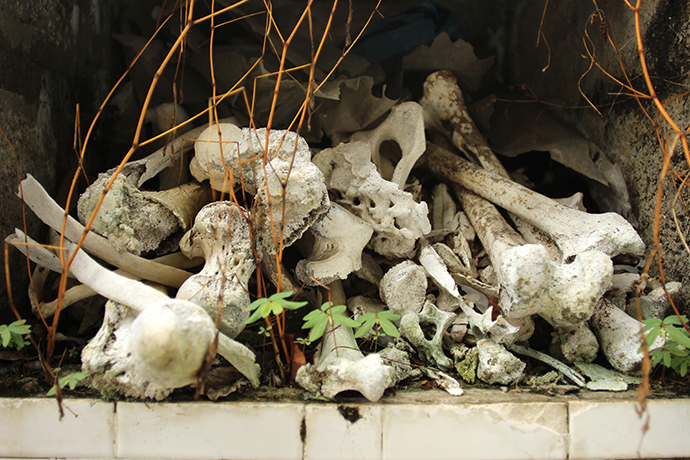


Most of the stones and vaults are damaged, and I'm not sure if it's a result of weather, time or vandalism (or all three), but the cemetery has definitely seen better days. I even got the sense that maybe older vaults are now being reused for new interments, and many of the niches are broken open and empty. I knew we would probably see some exposed human remains, but I was not prepared for just how many bones we saw. We even saw a few skulls—complete and partial—which was definitely a cemetery first for both of us.


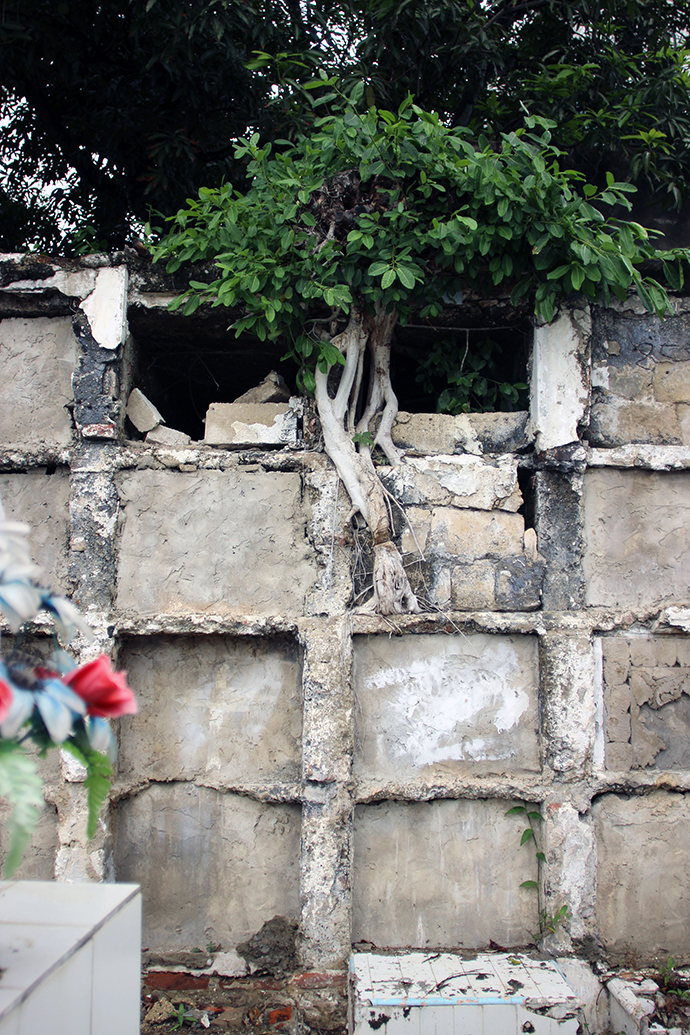
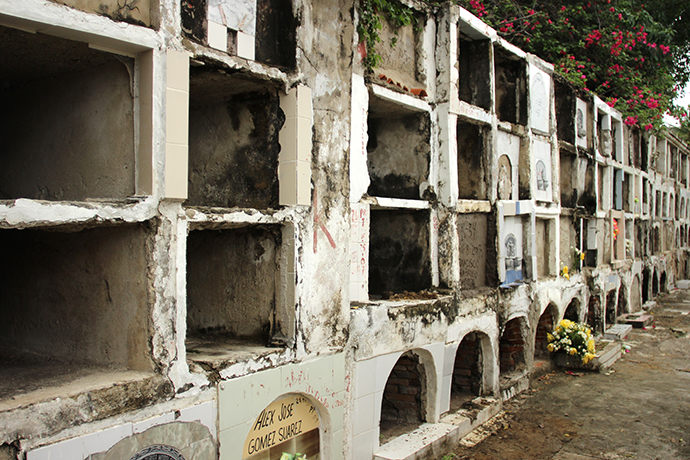
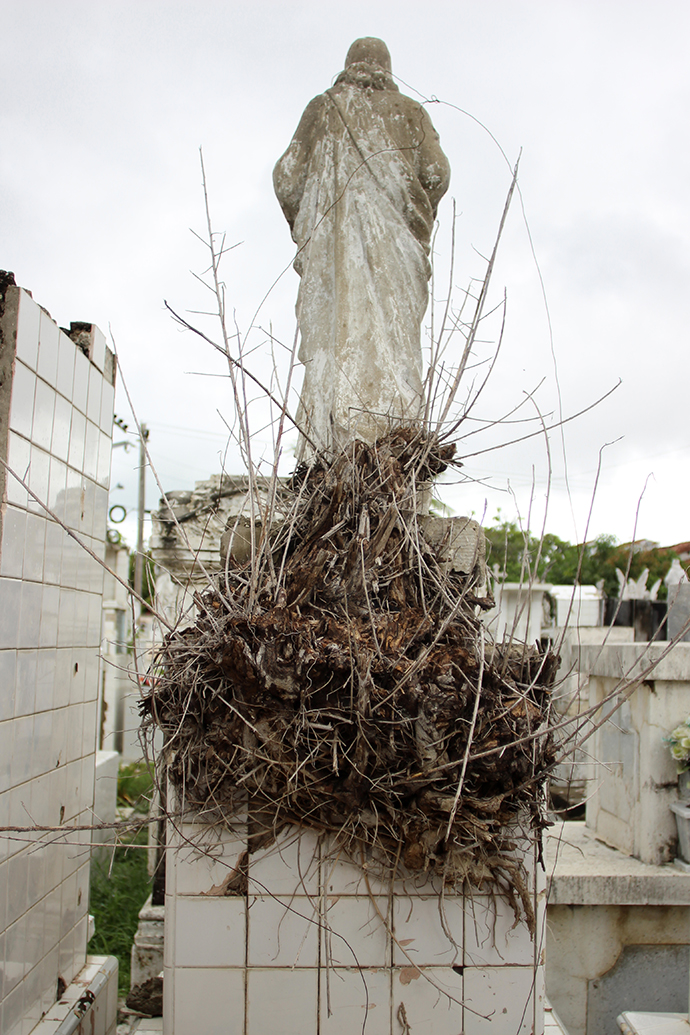
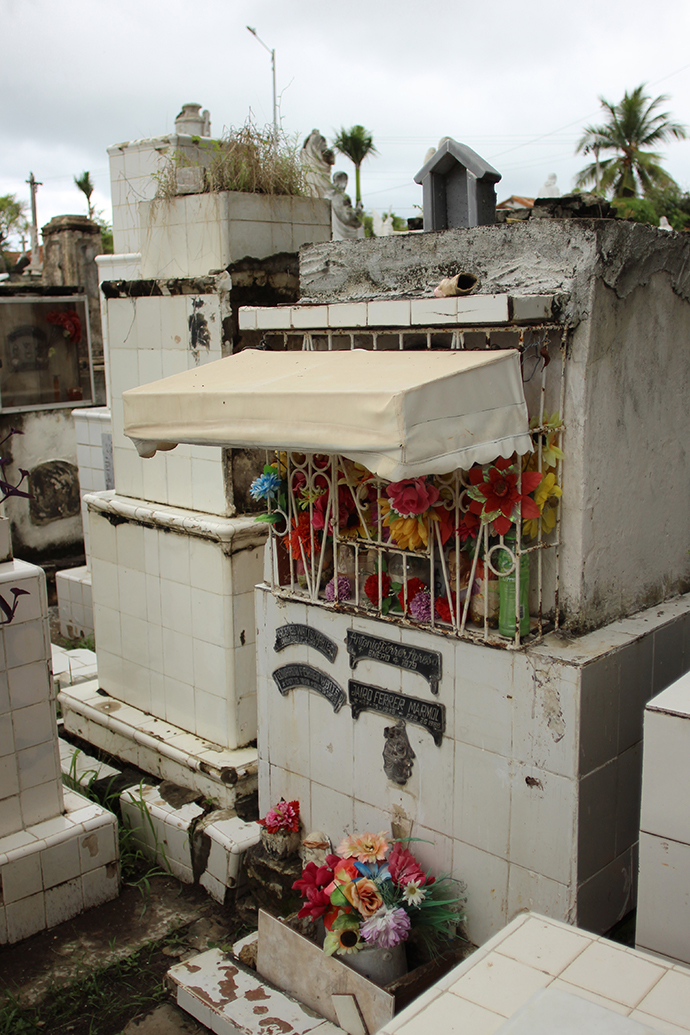
The above-ground tombs and the style of the stones in general definitely reminded me of the cemeteries we visited in New Orleans. There were statues and offerings and tons of brightly colored fake flowers. One stone even had a miniature awning on it to protect all of its flowers and trinkets. I probably say this a lot, but this was definitely one of the best cemeteries I've ever visited—it may not be on anyone's "wonders of the world" list, but it was a trip highlight for sure.
Project 365: Days 160-175
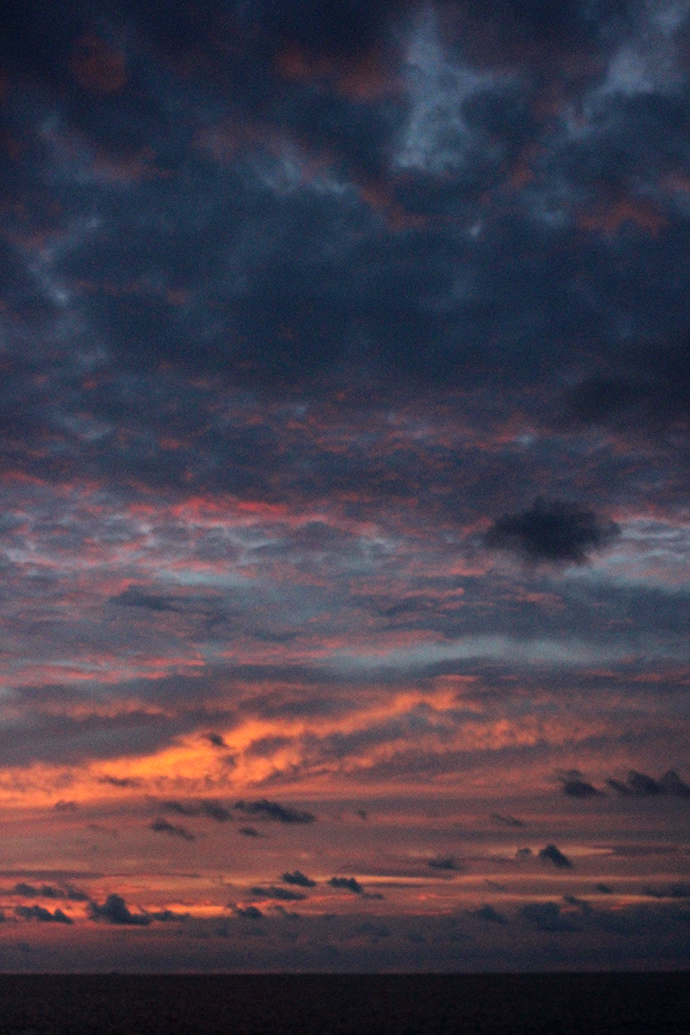
160/365: I was feeling major travel fatigue, but watching this beautiful sunset while we sipped mojitos at Café del Mar in Cartagena was a high point.
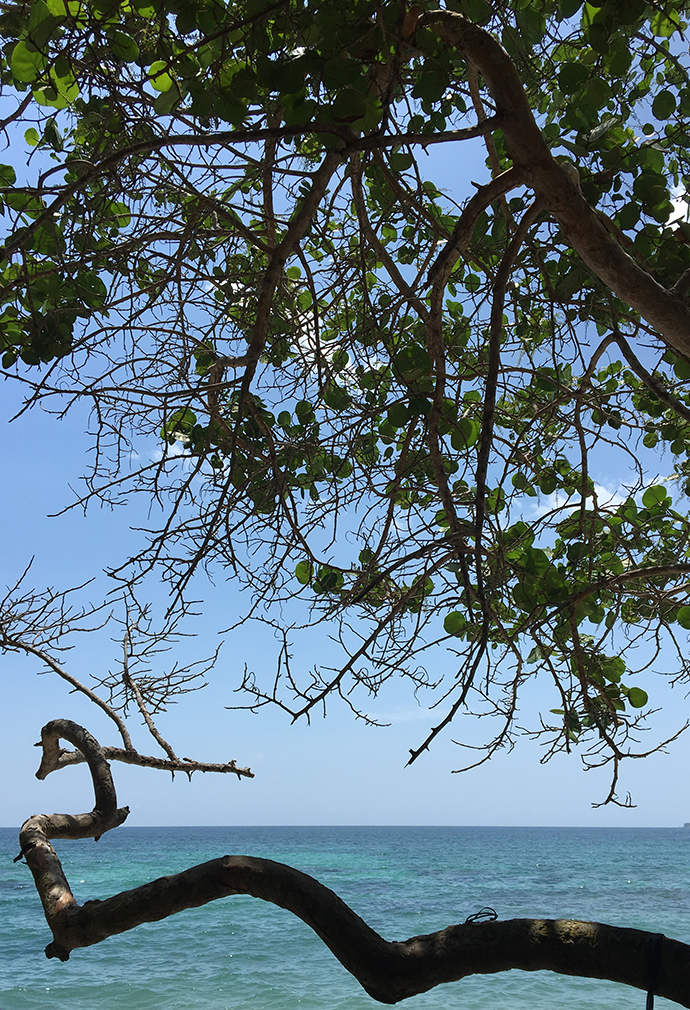
161/365: Don't let this photo fool you into thinking that going to a beach in Cartagena is worth it. It's not. The water was beautiful but the beach is a nightmare—people try to sell you something every five seconds and we were nearly asphyxiated by jet ski fumes.
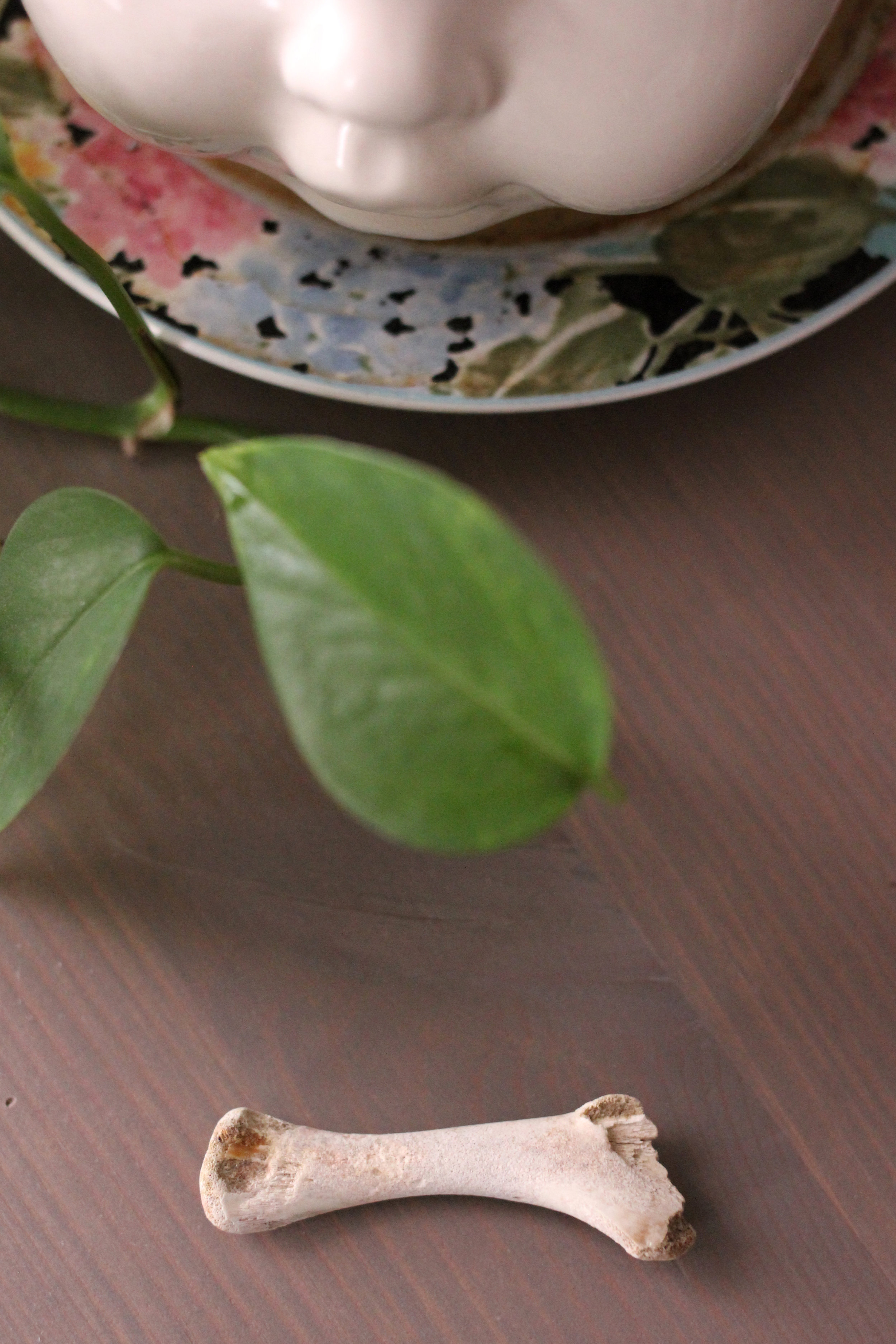
162/365: I washed everything from my suitcase and found this bone in the dryer. I always pick them up if they're not gross and I had already forgotten that I had put this one in my pocket from the beach in Cartagena. It's probably a boring chicken bone but at least it's a Colombian chicken bone.
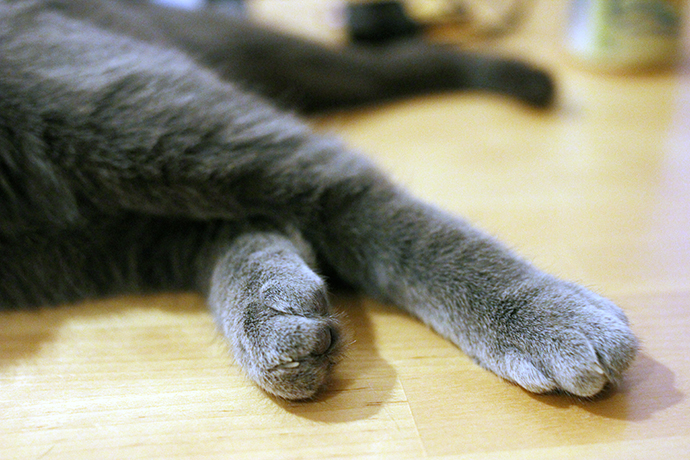
163/365: Someone was very starved for attention after being virtually alone for two weeks.
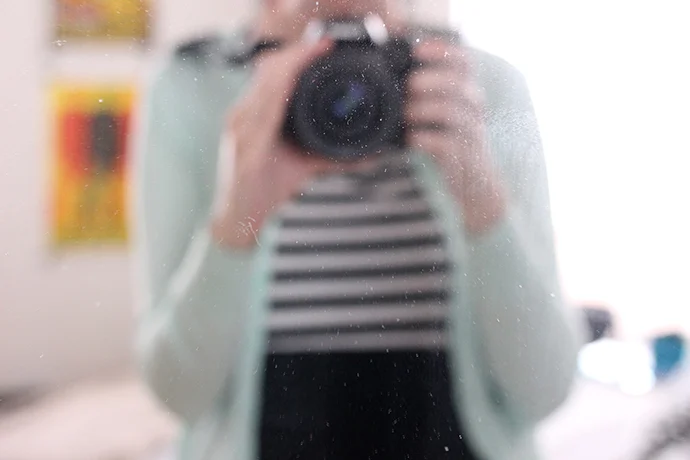
164/365: I'm horrible at taking photos of myself, but I really liked this outfit combo / colors.
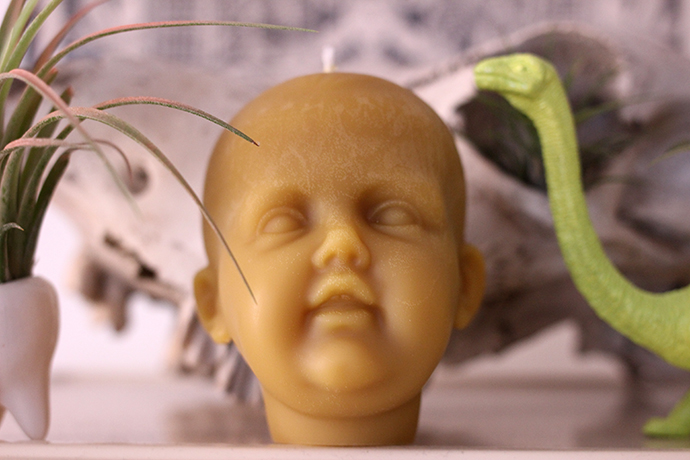
165/365: It was so hot and humid that I'm concerned everything in my apartment is going to melt (especially this wonderful new beeswax candle from Darkness Void).
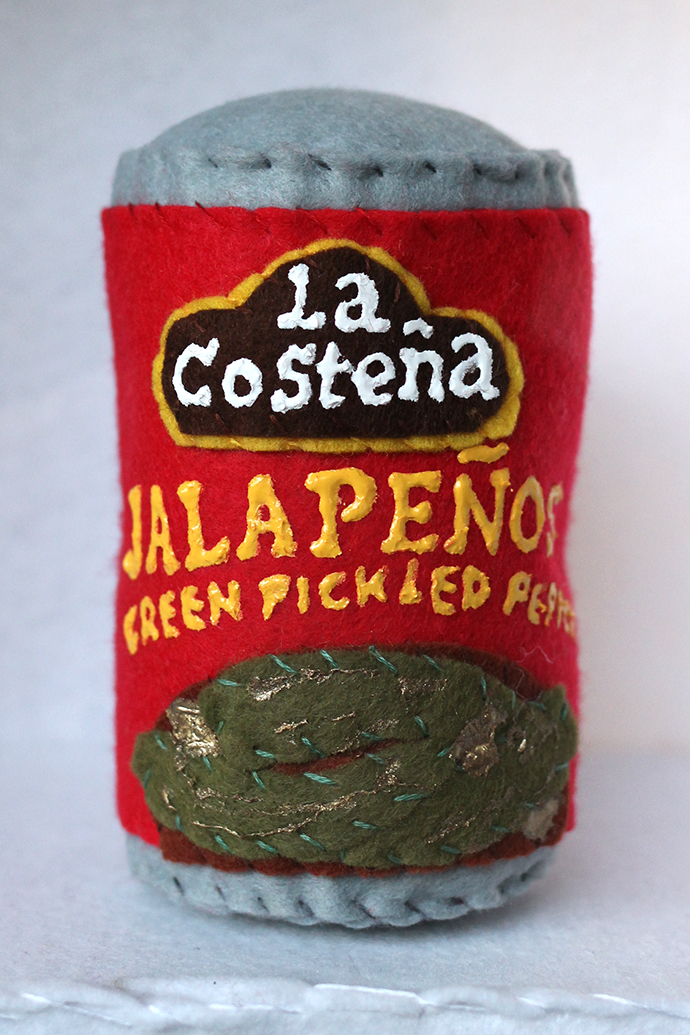
166/365: Francesca and I tried unsuccessfully to go to the 8 'Till Late felt bodega installation. It was closed for a private party but even just the window display was awesome.
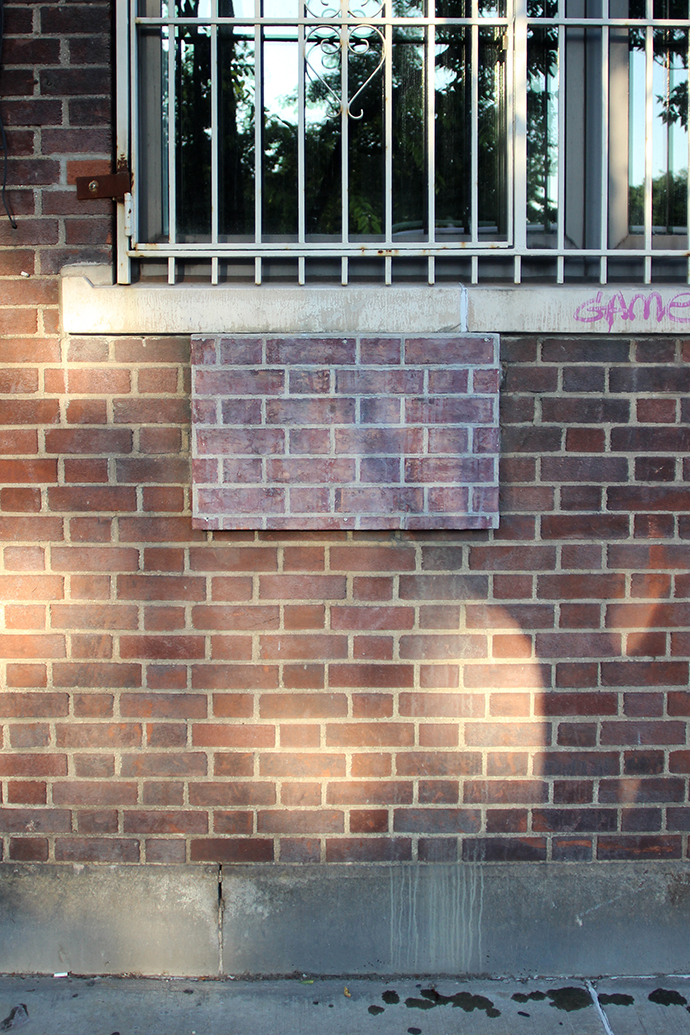
167/365: I tried again to go to the 8 'Till Late bodega, but was deterred by the long line. It was such a beautiful night that I walked for a while down the West Side Highway before catching the Q at Canal Street.


168/365: Success! I woke up early to get to the Standard Hotel right when 8 'Till Late opened. There was hardly anyone there and it was definitely worth all of the false starts.

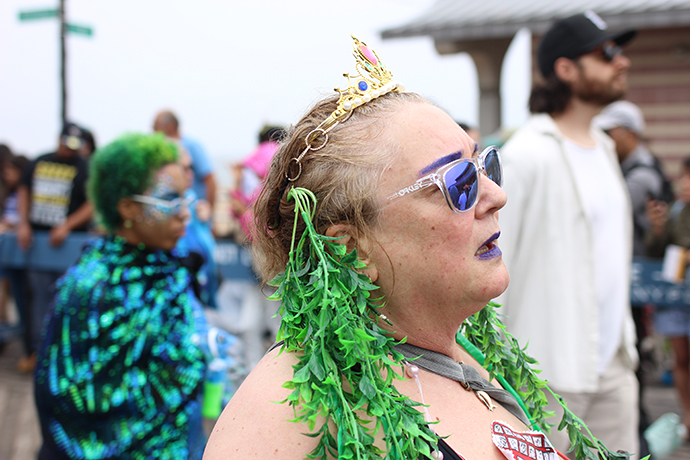
169/365: My mom and I waited out the rain and were rewarded with a perfect Mermaid Parade on the Coney Island boardwalk.

170/365: I figured out the perfect spot to hang my smuggled Peruvian bat.

171/365: We had some pretty intense rain storms but were rewarded by an equally intense sunset.
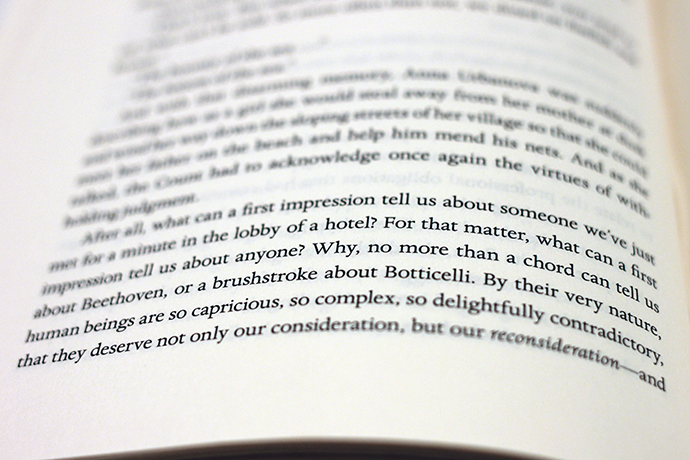
172/365: I've been plowing through A Gentleman in Moscow—it's one of the best novels I've read in a long time and I've been stopped in my tracks several time by passages that are just devastatingly good (like the one above).
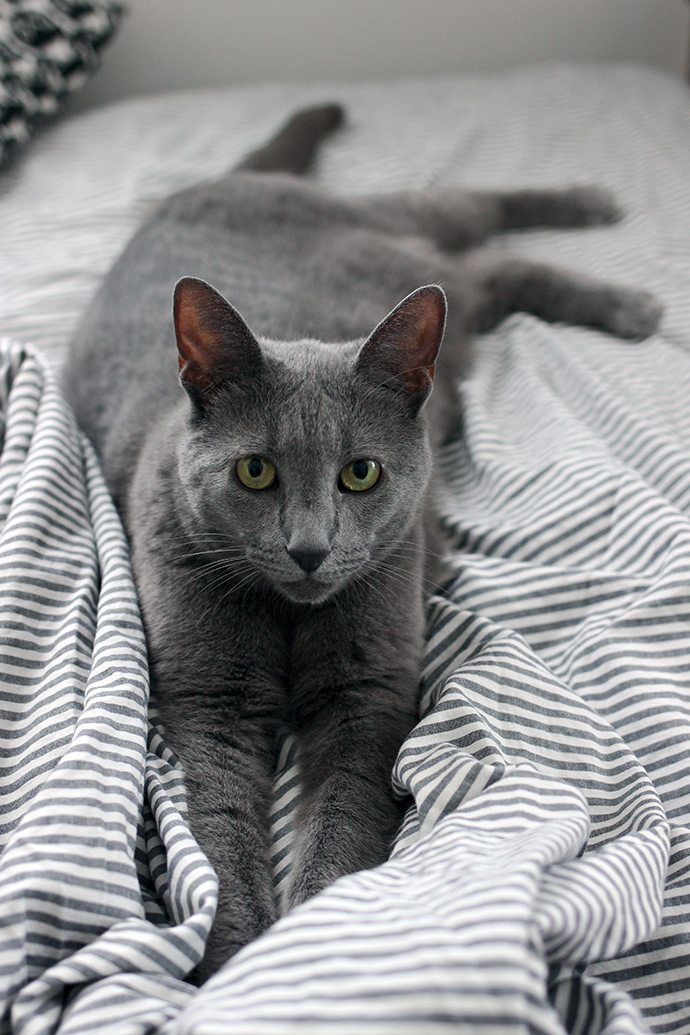
173/365: Mozart has been driving me crazy with her near-constant screaming, which isn't new but is consistently frustrating. I've tried so many things but I think she's just bored.

174/365: A friend wasn't able to go to this premiere of The Big Sick at BAM so I bought her ticket. The movie was great and there was a Q&A afterward with nearly the entire cast.
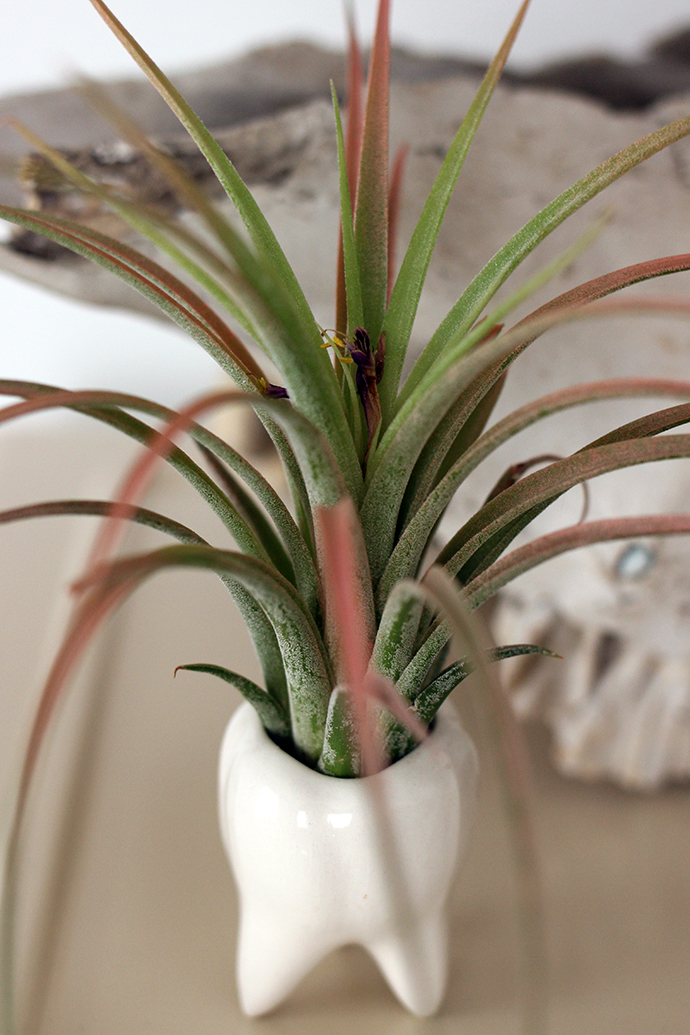
175/365: I thought this air plant was dying (because I'm still clueless about plants) but realized recently that it's actually blooming!
8 'Till Late
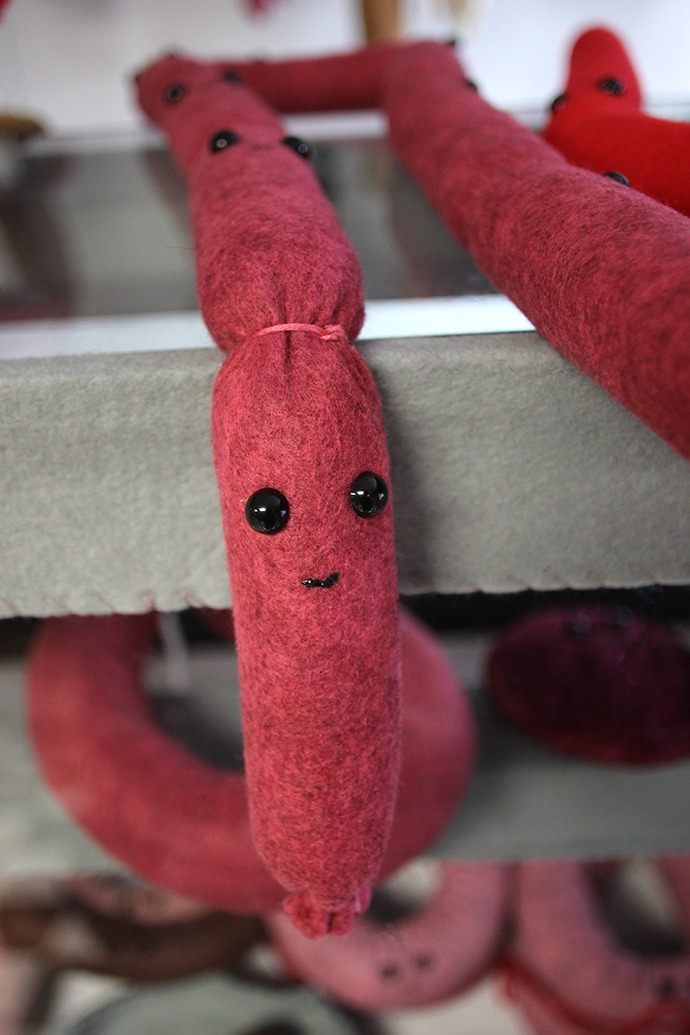
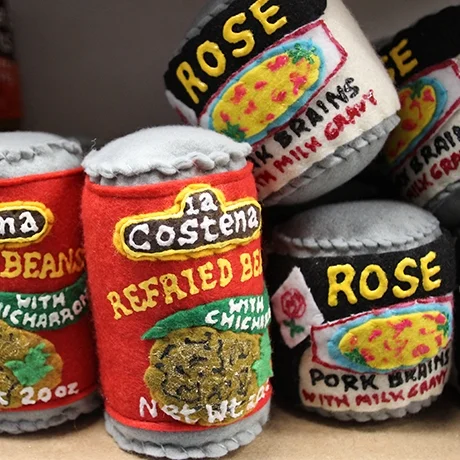
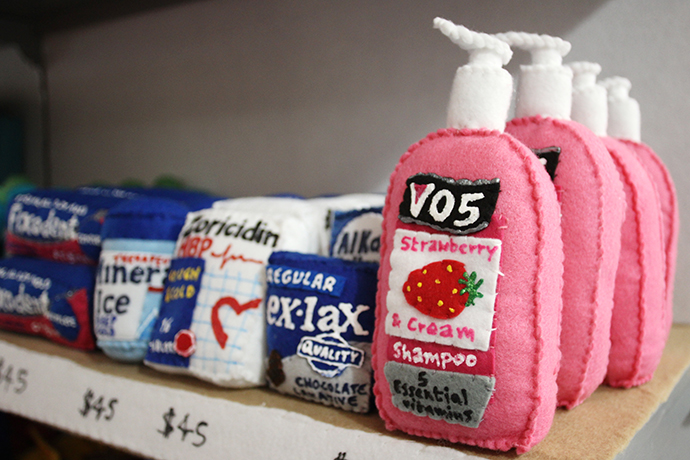
I was still in South America when I first heard about Lucy Sparrow's 8 'Till Late exhibition. Taking place in the Standard Hotel (under the High Line), 8 'Till Late is a replica New York bodega—where everything is made out of felt. There's a deli counter full of sausages, a meat slicer, a hot dog cart, ice cream, a freezer full of pizzas and nuggets, pizza by the slice, two felt cash registers, a soda case, cigarettes behind the counter and an ATM. The shelves are stocked with bodega staples—cereal, canned goods, candy, produce and toiletries—and everything in the store is for sale.


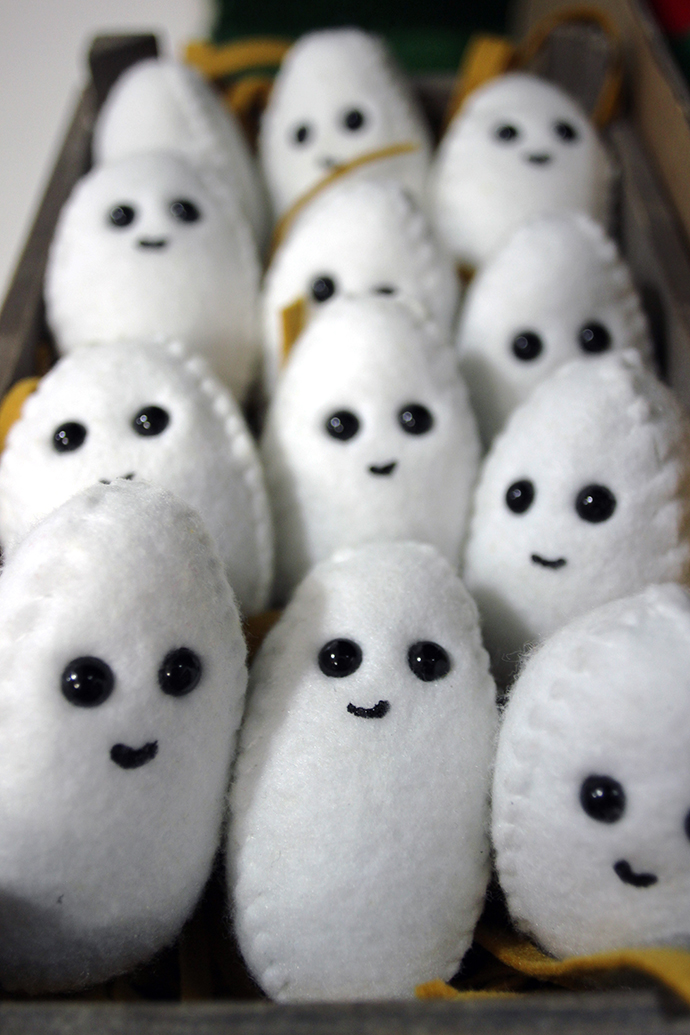


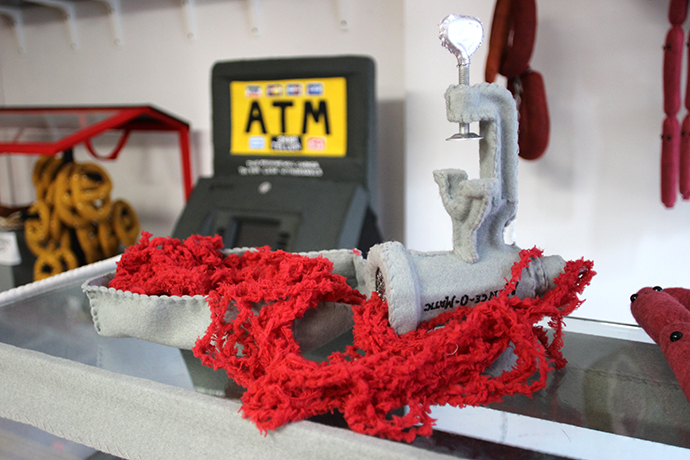


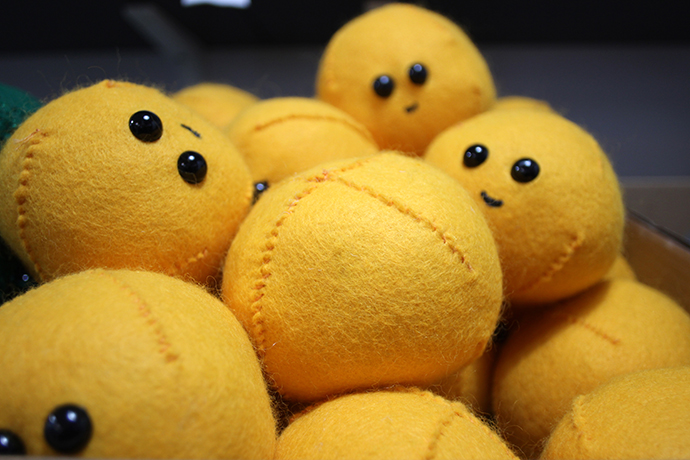

As soon as I read about the installation I knew I had to see it in person. Since opening in the beginning of June, it's been so popular that it was closed for restocking on Monday and Tuesday of last week. On Wednesday we tried to go after work only to find it closed early for a private party. On Thursday I tried again but was discouraged by the long line and decided to invoke my favorite New York hack and go as soon as they opened on Friday morning (no one does anything early in New York).


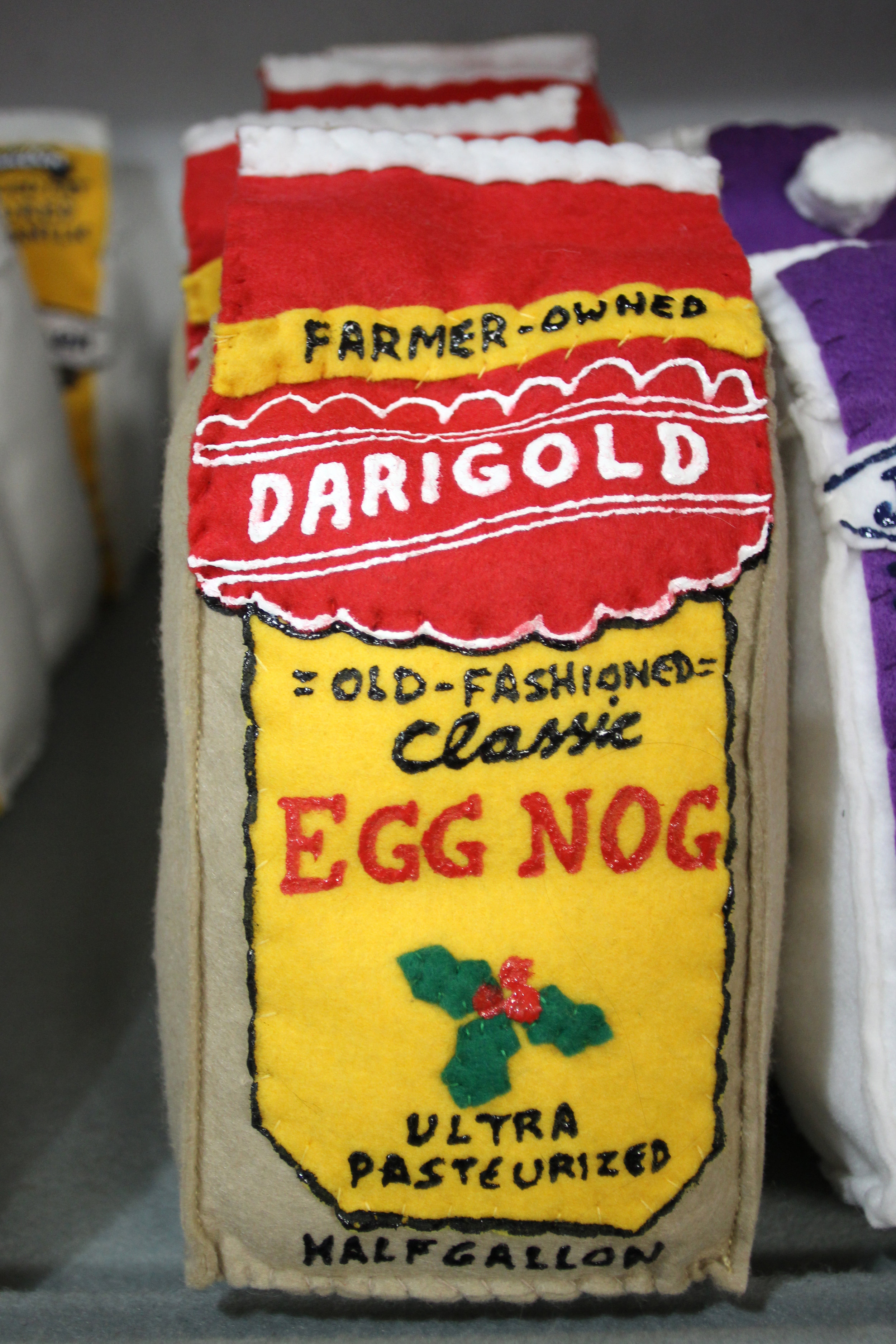


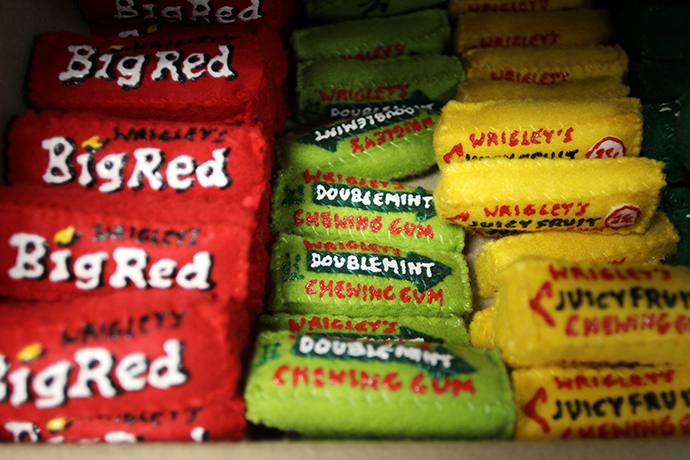
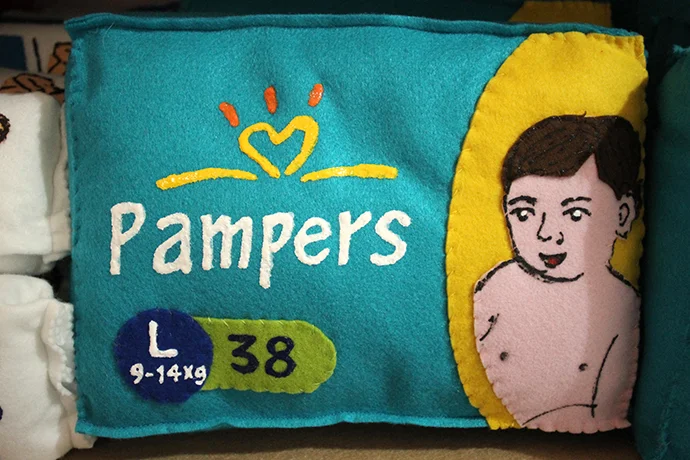
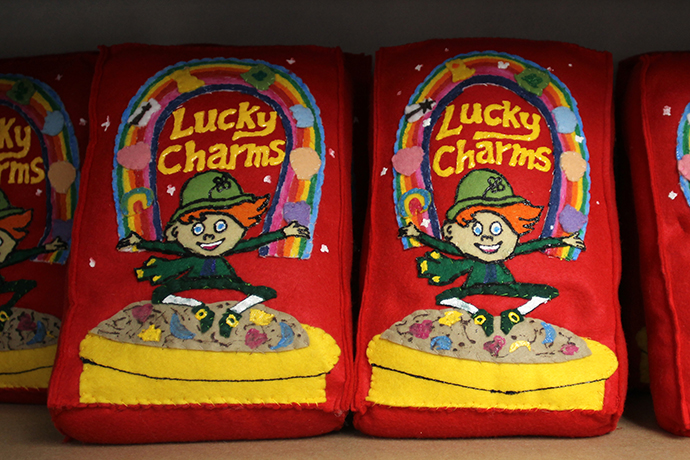

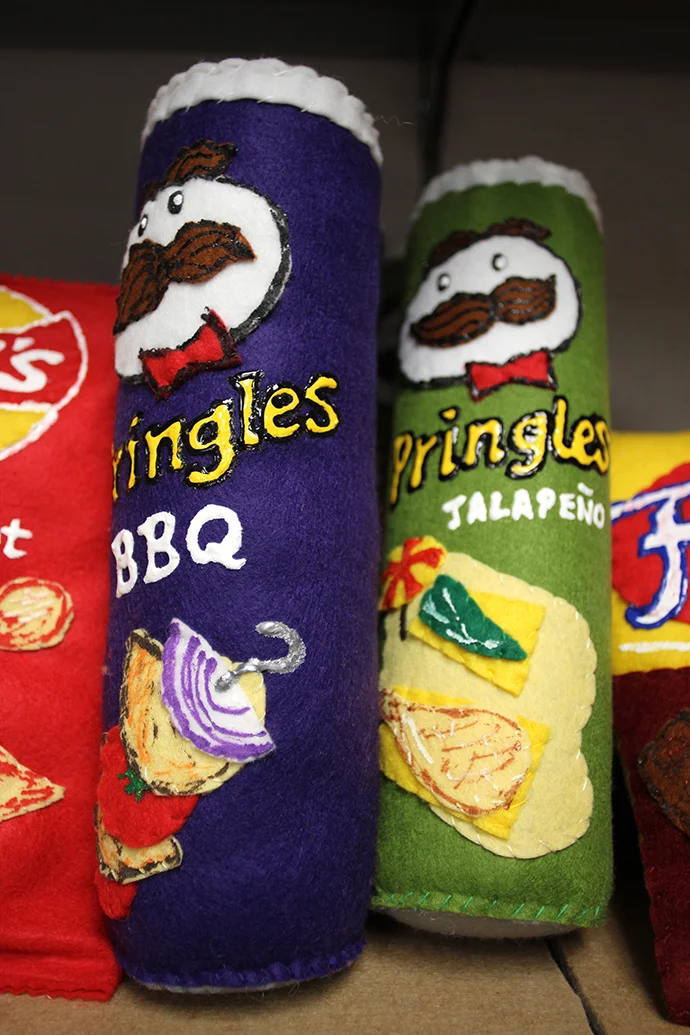

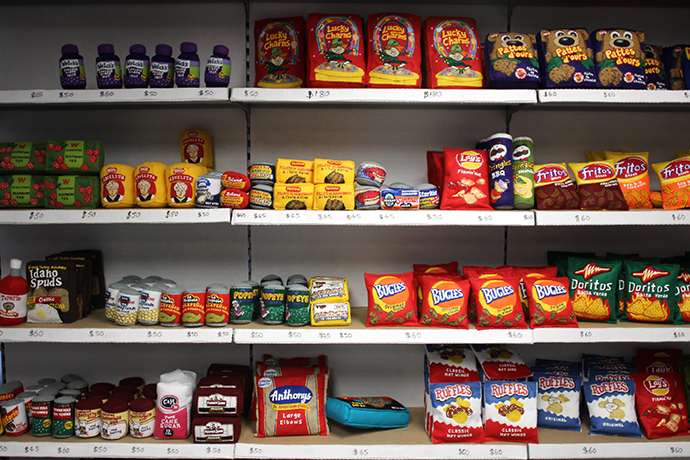
As the name suggests, the installation is open at 8am (until 8pm), and I saw a total of maybe five people in the half hour I spent browsing before work. One of which was the artist herself, and she was answering questions about her work in addition to working the (felt) cash register. I overheard her say that even with the restocking, the store was half the size as it was when it first opened. It closed again on Monday for yet another restock, and yesterday she announced on Instagram that today would be the last day for the installation (the original end date was June 30th). If you can't make it in person, or if you do and find that they're sold out of your favorite food, most of the items are also available online (and will start shipping in August).
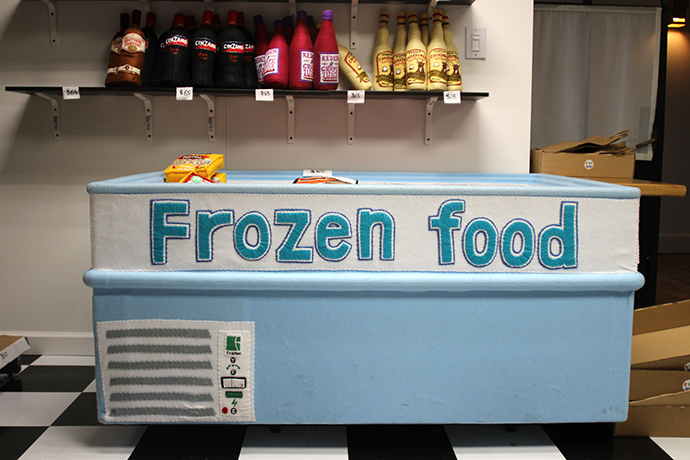
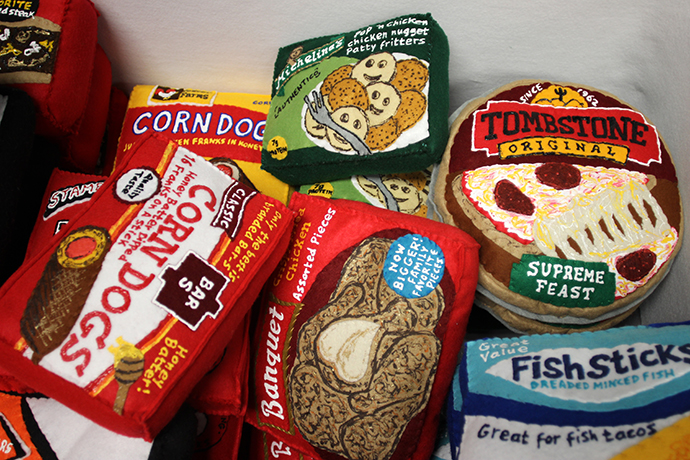

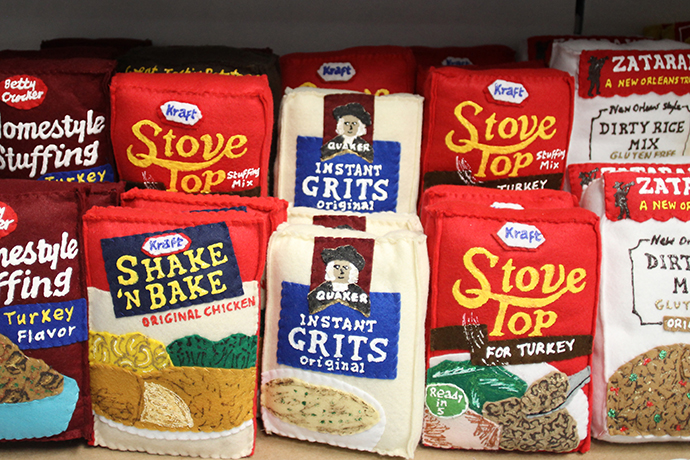

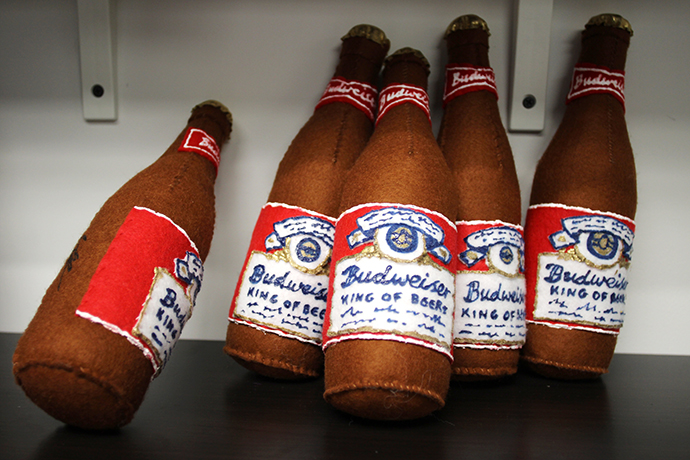
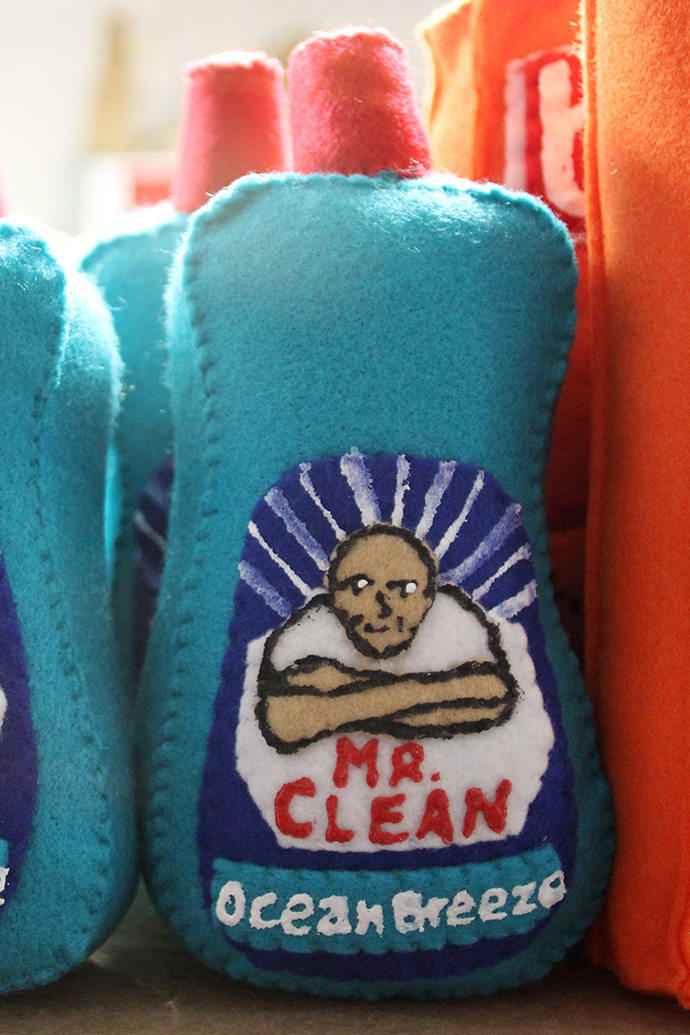
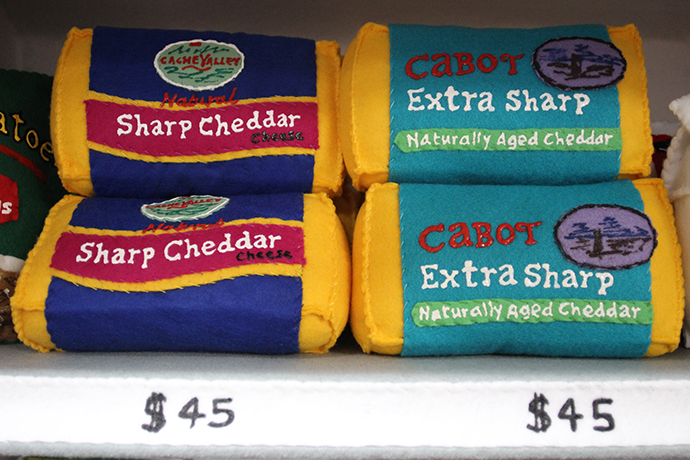


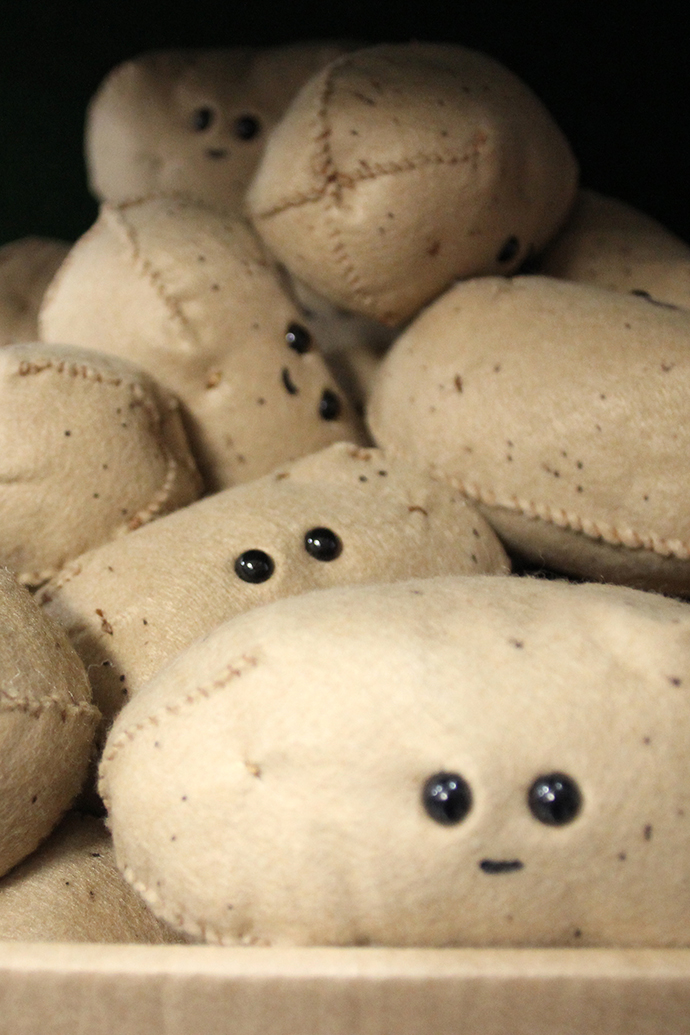
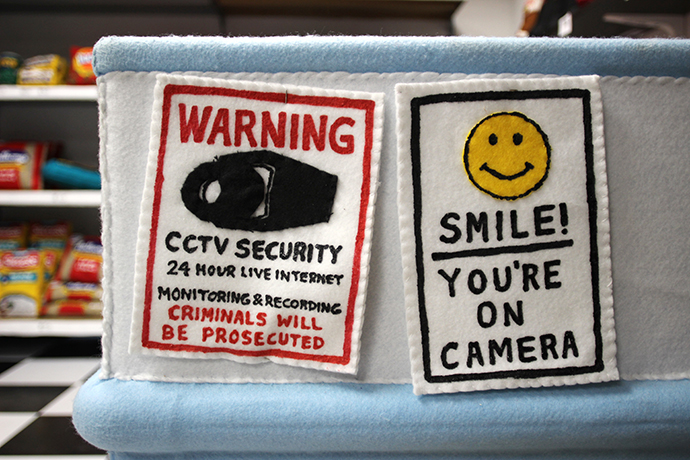
Although done in a different medium, Sparrow's work reminds me a lot of Liza Lou's beaded Kitchen and Backyard. Lou's work had such an impact on me that when I was 16, I made a beaded portrait of Rosie O'Donnell (it was the early 2000s, she was popular!), which was so insane that it got me briefly mentioned on her show. I loved everything about the 8 'Till Late exhibition for the same reasons—it's silly and fun and impressive in its scope, scale and attention to detail. I knew I had to take a small piece of the bodega home with me, and after careful consideration I officially adopted a little smiling potato. As Sparrow was lovingly wrapping it for me she said "I hope it brings you joy!" and I replied, "Oh, it already has."
8 'Till Late
69 Little West 12th Street
New York, New York
(right across from Hector's diner, under the High Line)
Open 8am-8pm, last day is Wednesday June 21st
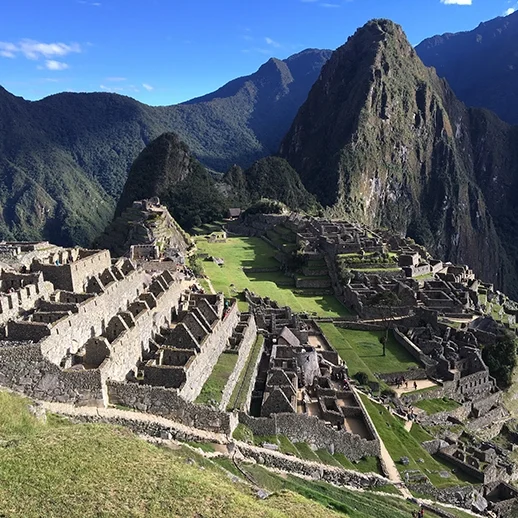
Machu Picchu
I don't wish to sound negative, but I didn't have high hopes for Machu Picchu. This was one reason why I agreed to the four-day hike of the Inca Trail—the idea of being dropped of at the gates of Machu Picchu by a bus wasn't enough to get me all the way to Peru. I had also been warned by my friend who first did the hike that Machu Picchu was kind of a tourist hell and I believed him. I tend to regard most places swarming with people as varying degrees of hell (I know, I love living in New York City—it doesn't make sense to me either), so I instantly knew that I'd probably feel similarly about one of the most popular tourist destinations in the world.
Machu Picchu is where our Inca Trail hike ended, and on the fourth day we woke at 3:45am (ugh) for a quick breakfast before we left the camp. We hiked for what seemed like ten minutes and then ... stopped for an hour to wait in line with hundreds of other bleary-eyed trekkers until the checkpoint opened at 5:30am. I'm not entirely convinced that this timing was necessary, especially after reading that the Sun Gate entrance is significant at the Solstice, not every single morning at sunrise. Regardless, after a relatively easy hike of less than two hours (punctuated by at least one incline so steep our guide held my hiking poles and instructed me to "climb with my hands like a baby"), we arrived at the Sun Gate, once the main entrance to the ancient city.


One thing we really hit the jackpot on this trip was the weather. All four days were pretty much perfect, and it only rained once—and stopped almost as soon as we put on our rain jackets. It was clear and sunny on the fourth day and the view of Machu Picchu was perfect. I had actually been hoping for at least a bit of fog since I'm always wishing for things to feel spookier, but after hiking for two days without food I was just grateful to have reached the end.
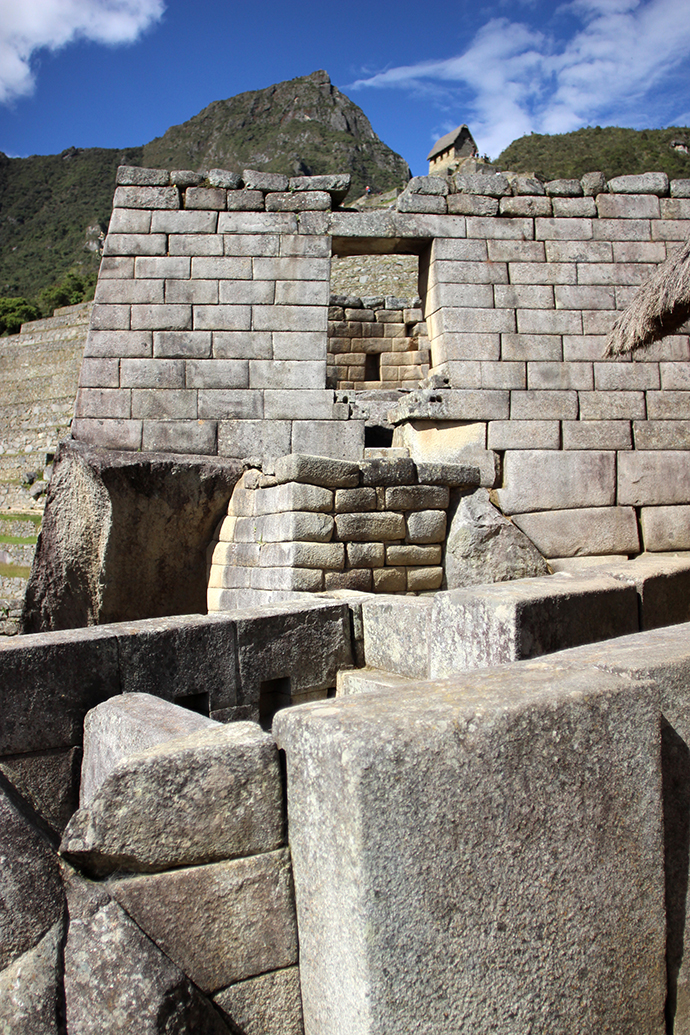
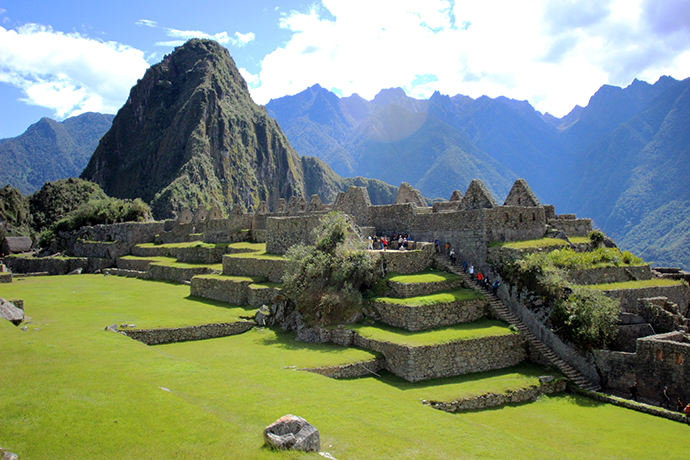
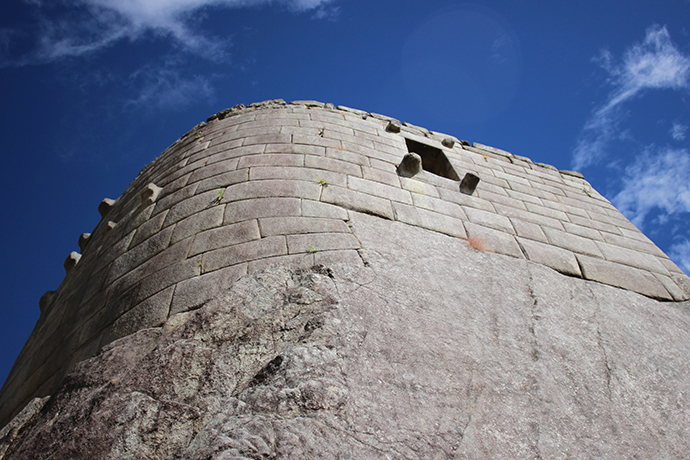
Well, the Sun Gate wasn't technically the end, but at least the hike continued downhill until we were in Machu Picchu proper. We saw several people hiking up the other way and I was so grateful to not be them. I don't want to tell you what to do with your life, but if you're already at Machu Picchu I don't think you need to hike up to the Sun Gate—it was cool to start there, but not cool enough to make a special (uphill) trip.


We stopped to take some group photos at the "postcard viewpoint" and then had some downtime until our tour started. The bathrooms are located outside of the main gates and they cost one sole, but at least they had toilet paper and proper toilet seats—a luxury in my life by this point in our trip. You can also stamp your passport, which isn't official, but is fun (I never knew this was a thing), visit the snack bar or browse the world's smallest gift shop (nary a squished penny or floaty pen in sight).


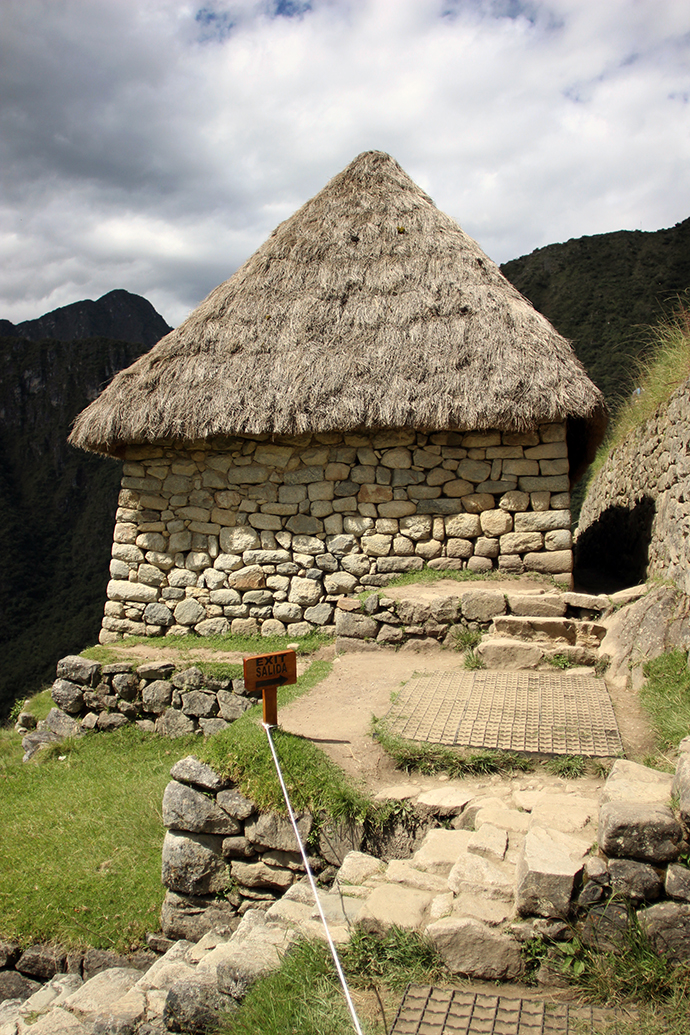
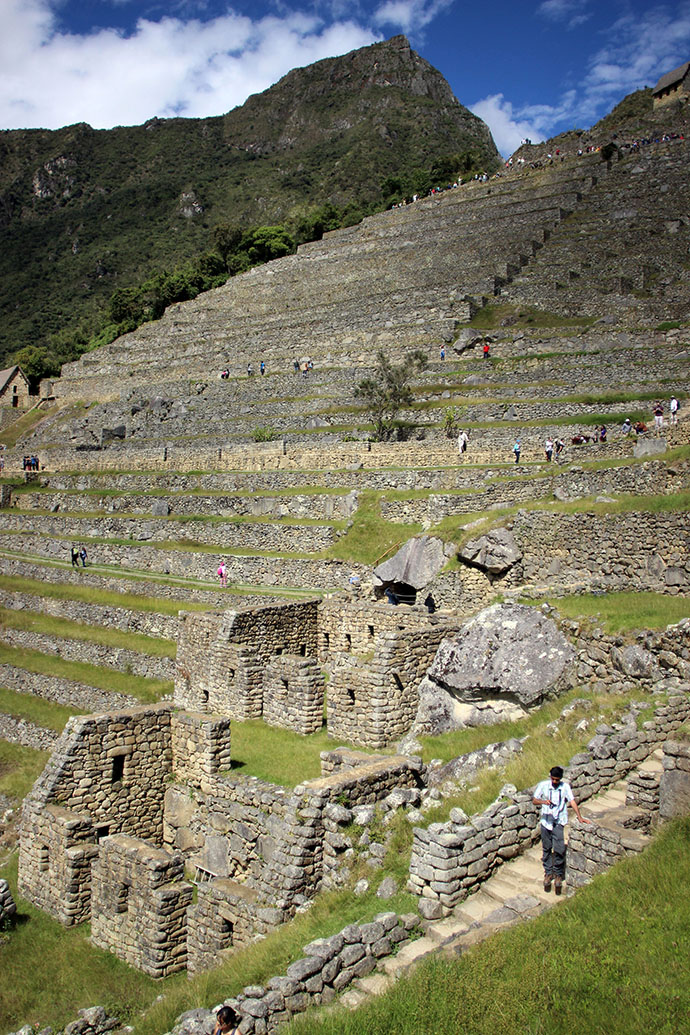
There's a lot of conflicting and just plain wrong information circulating about Machu Picchu, and I'm by no means an expert but I caution you to do your research and not believe everything you overhear. Regardless of its intended purpose, there's no denying that Machu Picchu is an impressive and intriguing ruin. The Incas built the city around 1450 and a century later it was abandoned. The Spanish never found it, but it wasn't ever really lost—at the time Hiram Bingham III "discovered" it (aided by locals), there were several families living and farming on the land.
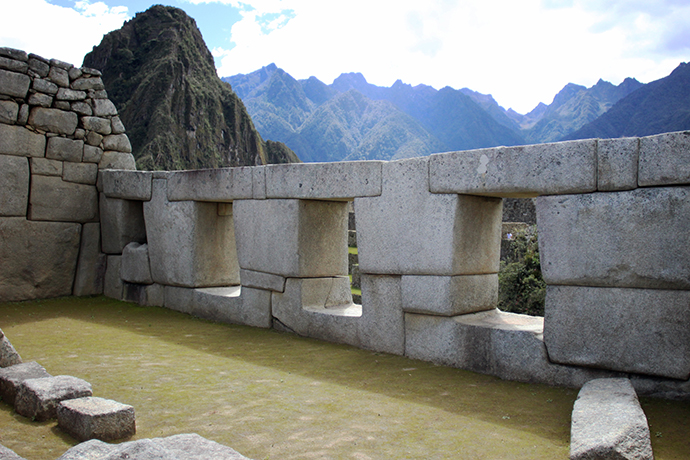
I was still not feeling anywhere close to 100% while we were there, and I spent most of our visit resting in the shade with other elderly visitors. I was able to eventually walk most of it, and we hit all of the highlights—the temples, the Room of the Three Windows, the sacred rock. We had opted to spend the night in Aguas Calientes instead of immediately returning to Cusco and had toyed with the idea of returning to Machu Picchu the next day. We had also discussed hiking Huayna Picchu but the tickets were already sold out when I looked a few weeks before our trip. There's no way we could've known I'd be sick, but I'm still grateful that we did neither. Even if I had been feeling great, a few hours at Machu Picchu was more than enough.
Mermaid Parade 2017

The Coney Island Mermaid Parade is one of my very favorite New York events. I was bummed when I first moved here that it had already passed, and also in 2015 when bad weather kept me away. I was so happy that I was back from our trip in time to catch this year's parade, and I met my mom at Tom's on the boardwalk for pre-parade pancakes on Saturday.

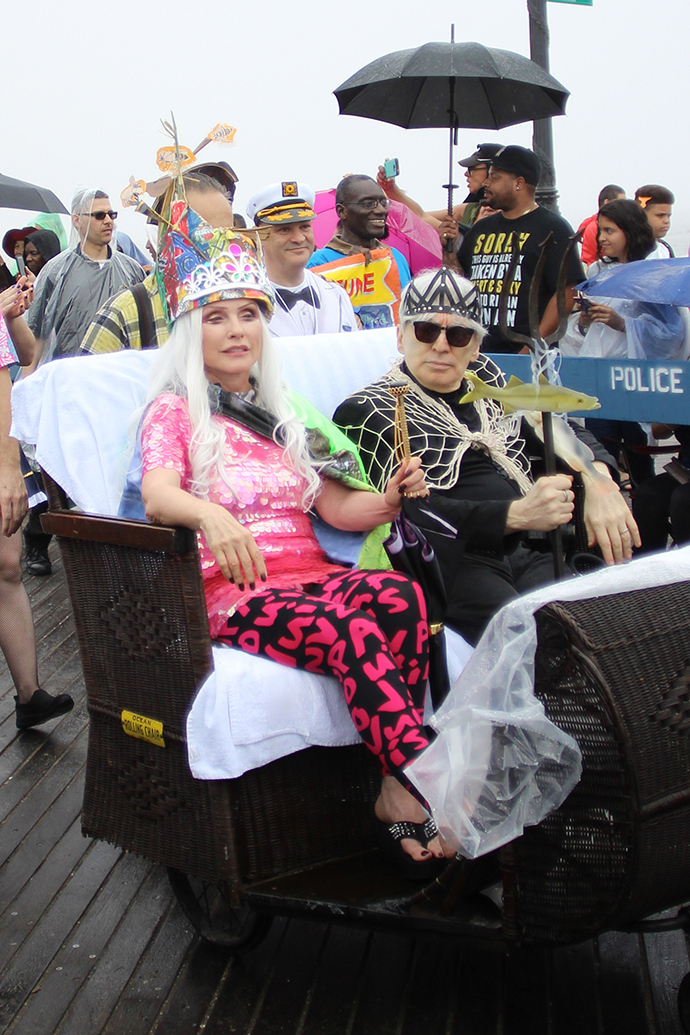
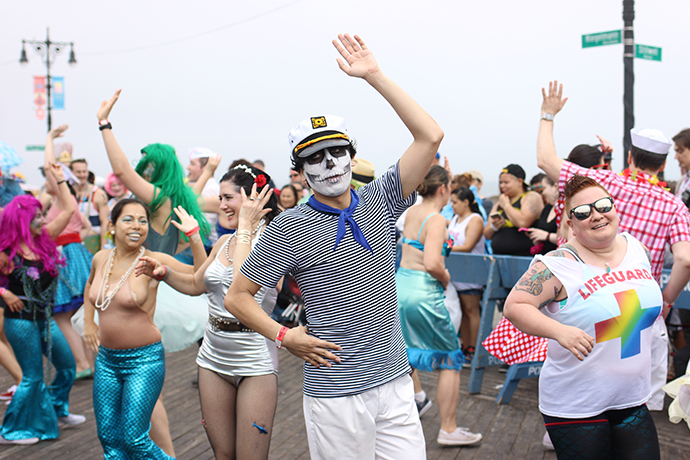
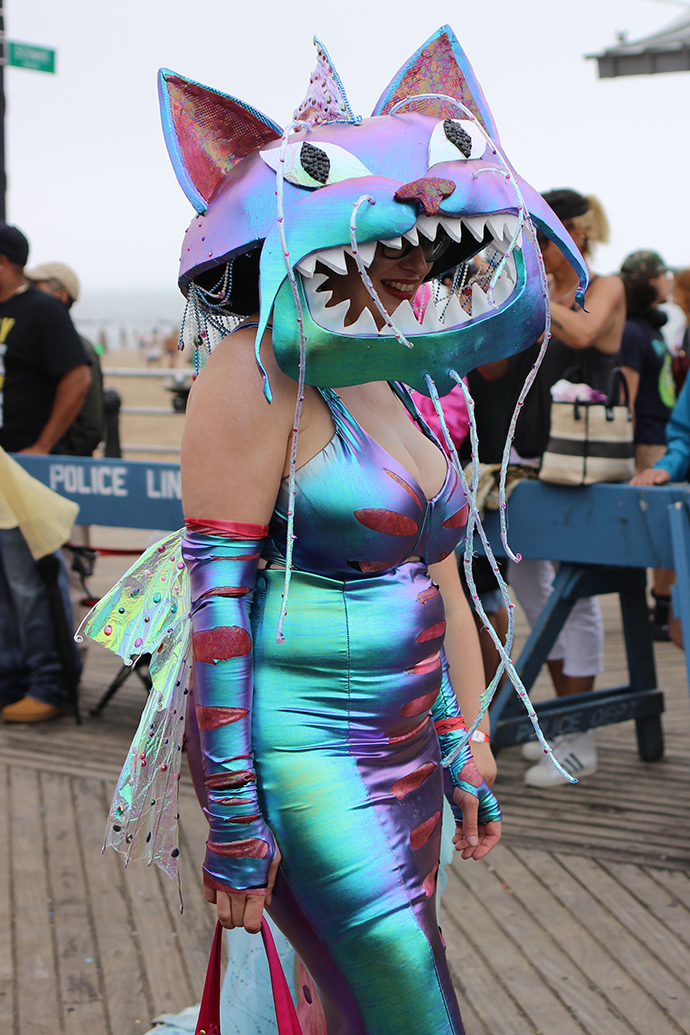
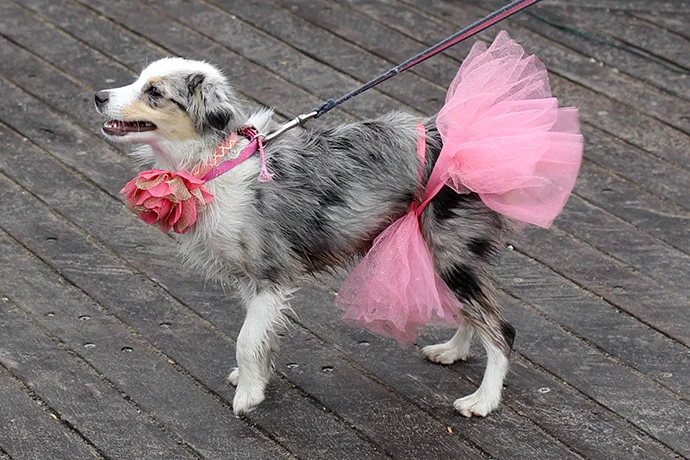
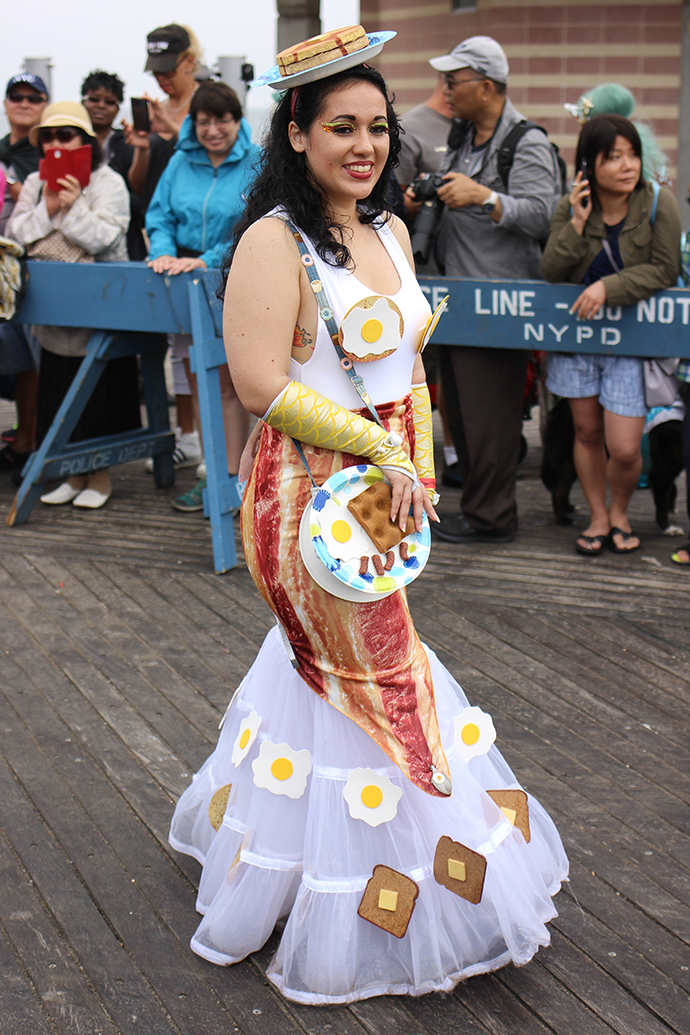


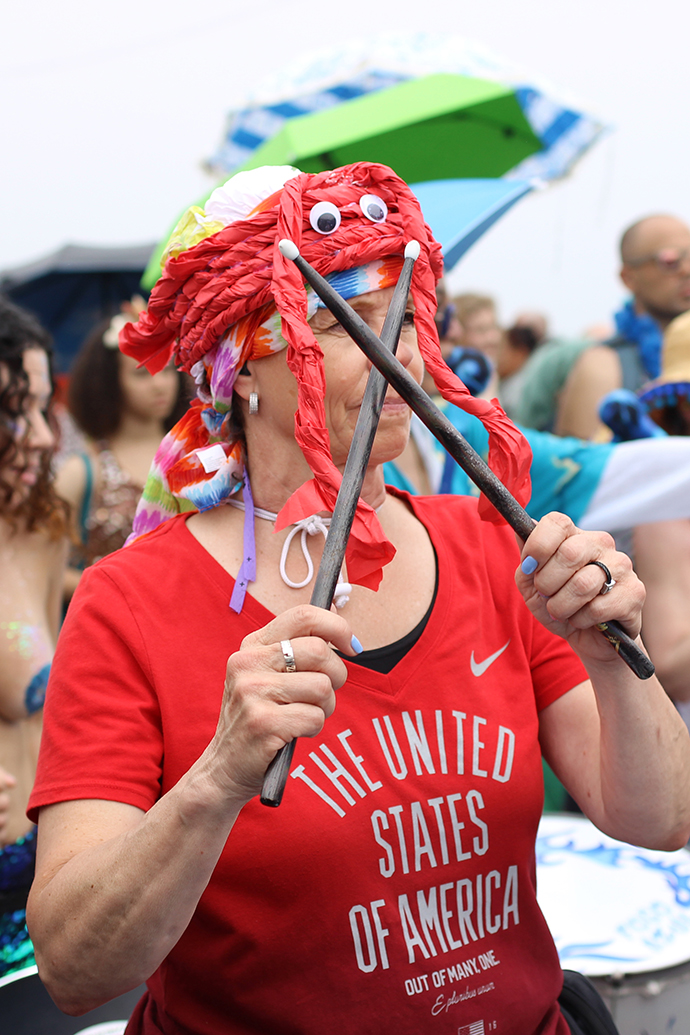
When I left my apartment my Weather Channel app (which just lies) said there was little chance of rain, but during breakfast it started to pour. It seemed as if it would never let up but I was reluctant to leave since I just love the parade so much. As we were walking toward the subway, it started to clear and we turned around just in time to secure a spot on the boardwalk and catch the beginning of the parade.
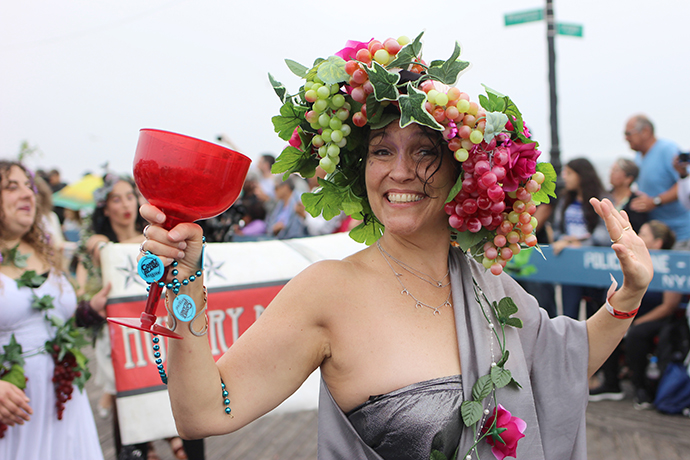
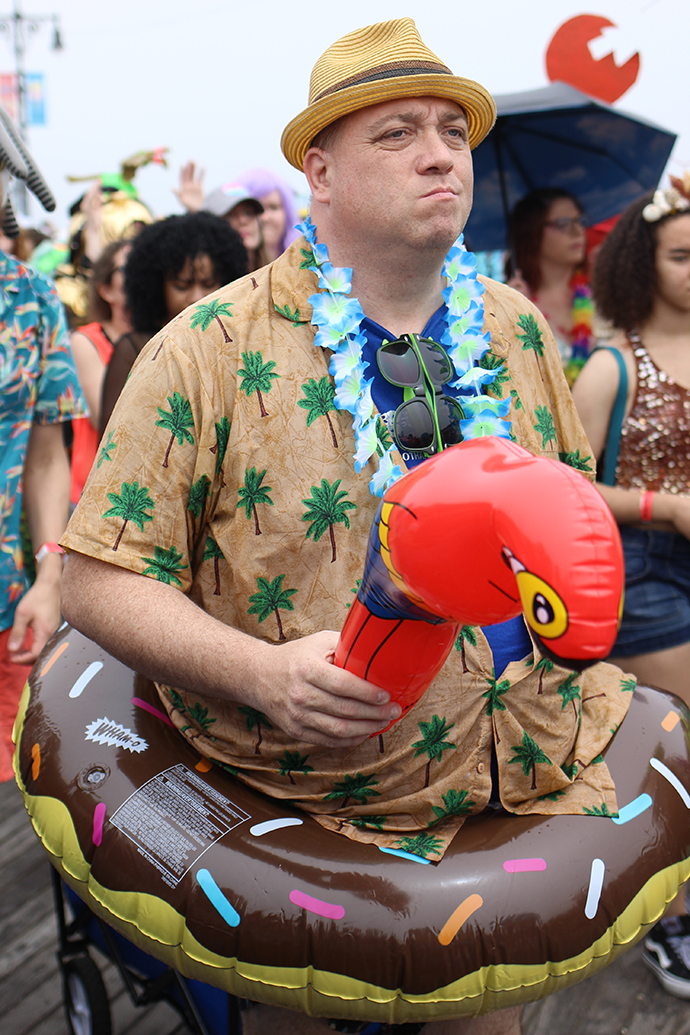
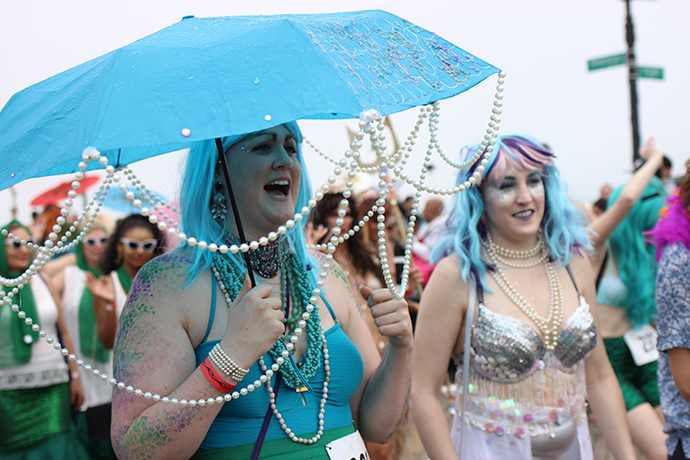
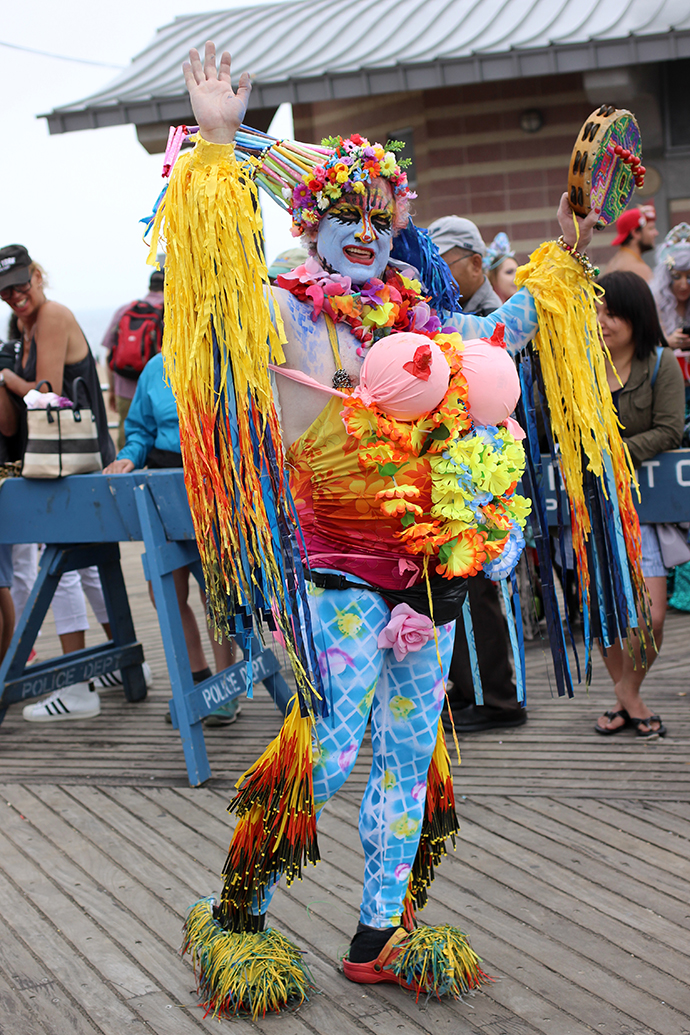


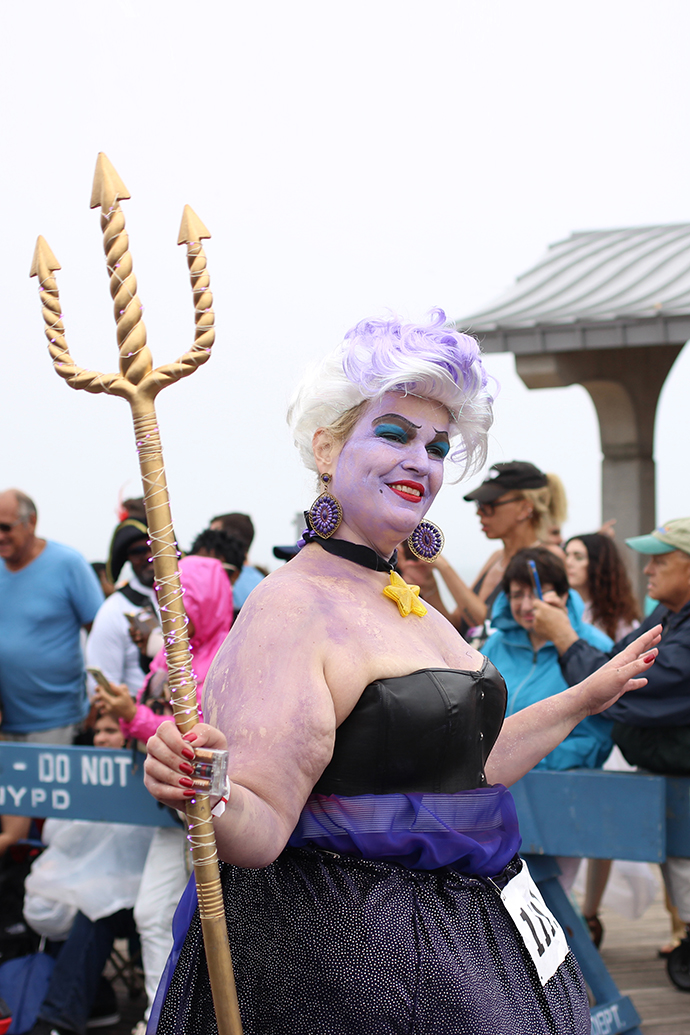
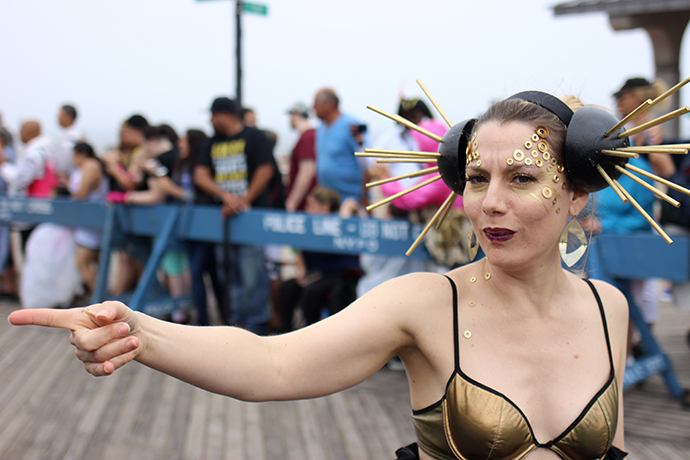
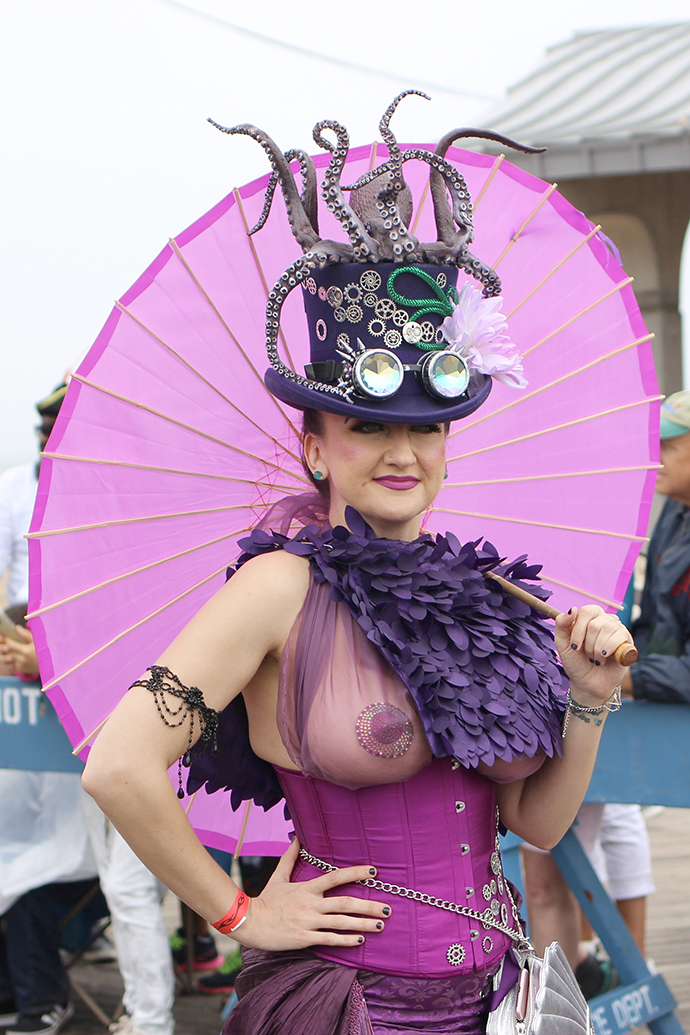
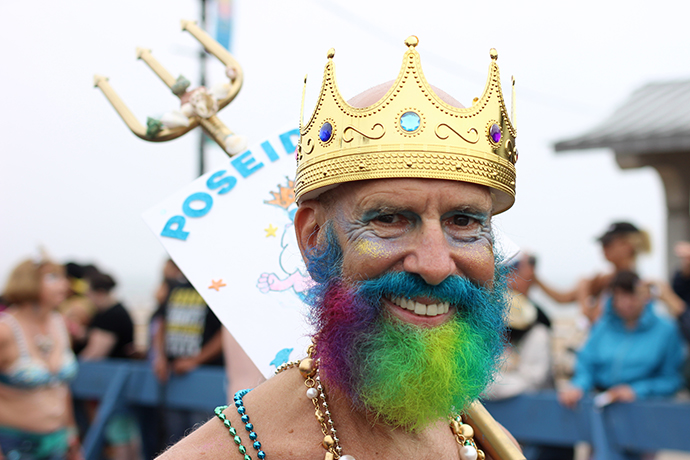
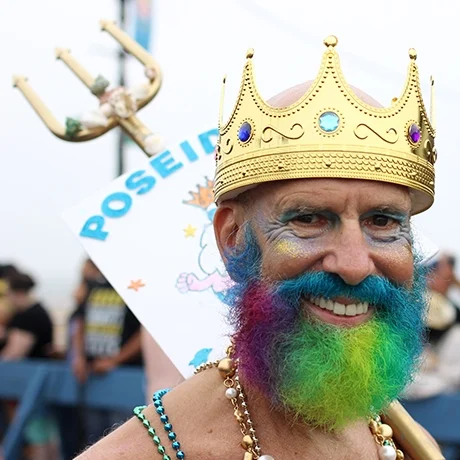
This year's grand marshals were Blondie's Debbie Harry and Christ Stein, and except for a few bouts of sprinkles the rain mostly held off and the show went on. And what a spectacular show it always is—hands down the best parade in New York (or maybe anywhere). What makes the Mermaid Parade so special is that there are a few groups and corporations represented, but for the most part it's just people being their weird, creative, authentic selves. It's everything I love about Coney Island and New York in one afternoon.
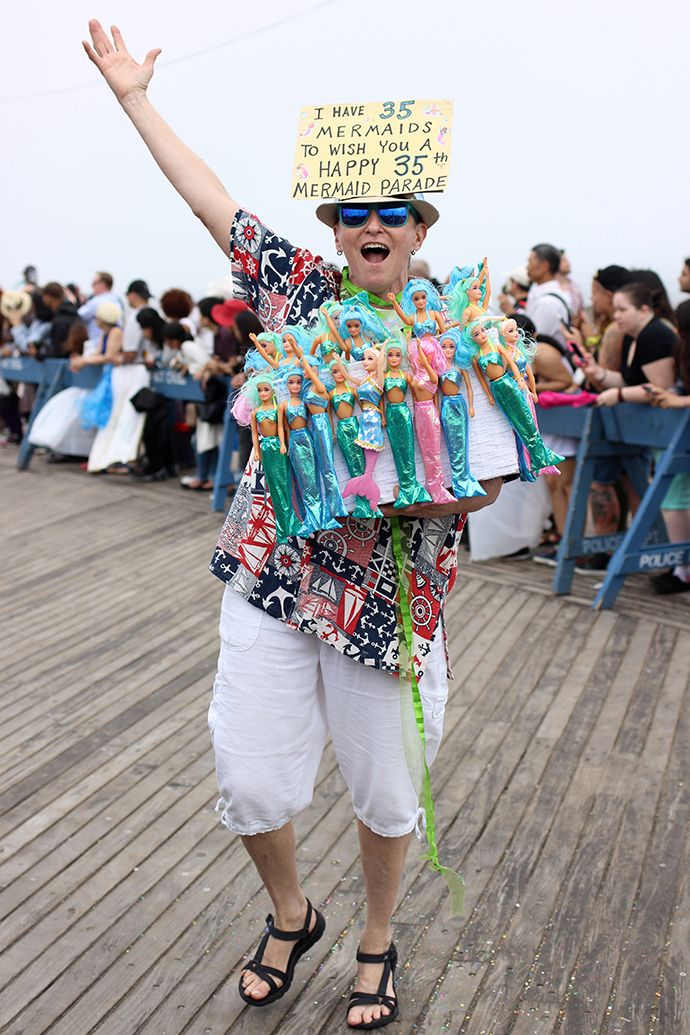


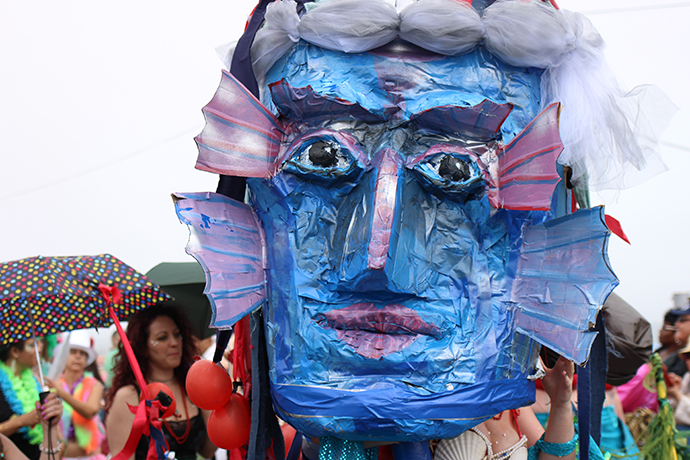

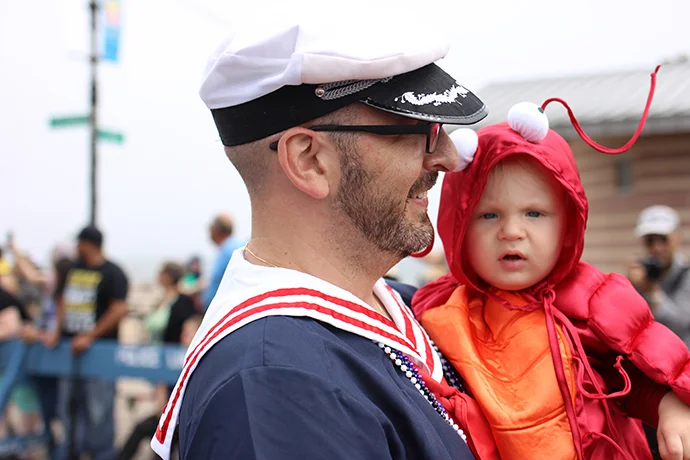


People mostly stick to the nautical theme, but any gathering in New York will attract at least a few people who are off-topic. This is the third time I've been to this parade (you can see my previous photos here and here) and while I did see a few repeats, it mostly feels brand new each year. The rain delay didn't seem to keep anyone away, and in fact my mom and I both thought that this year's seemed bigger and better than ever.
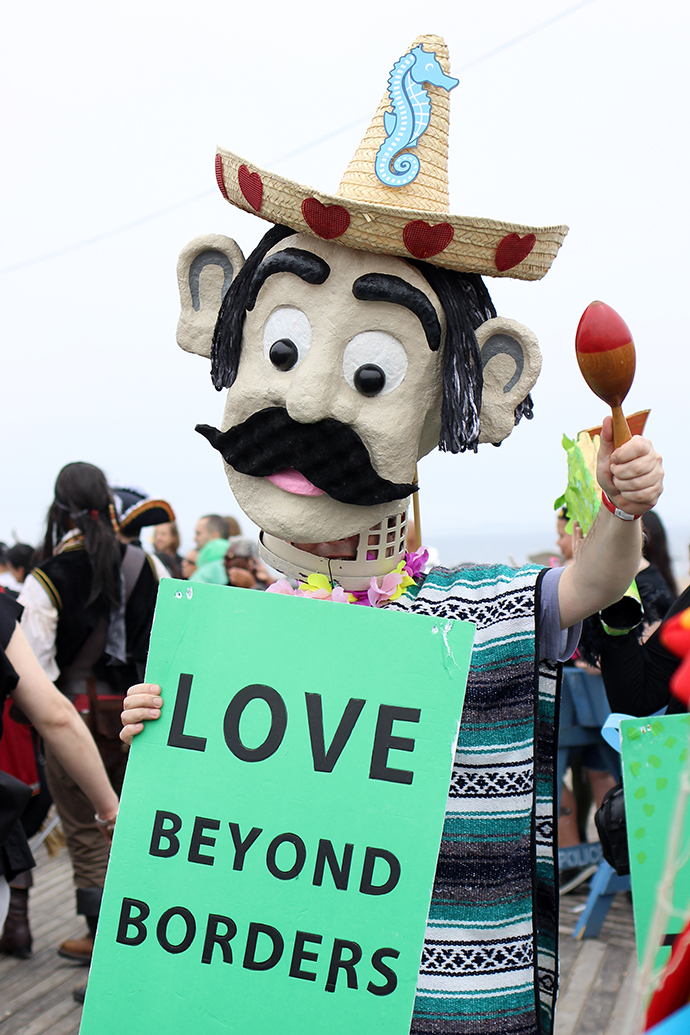

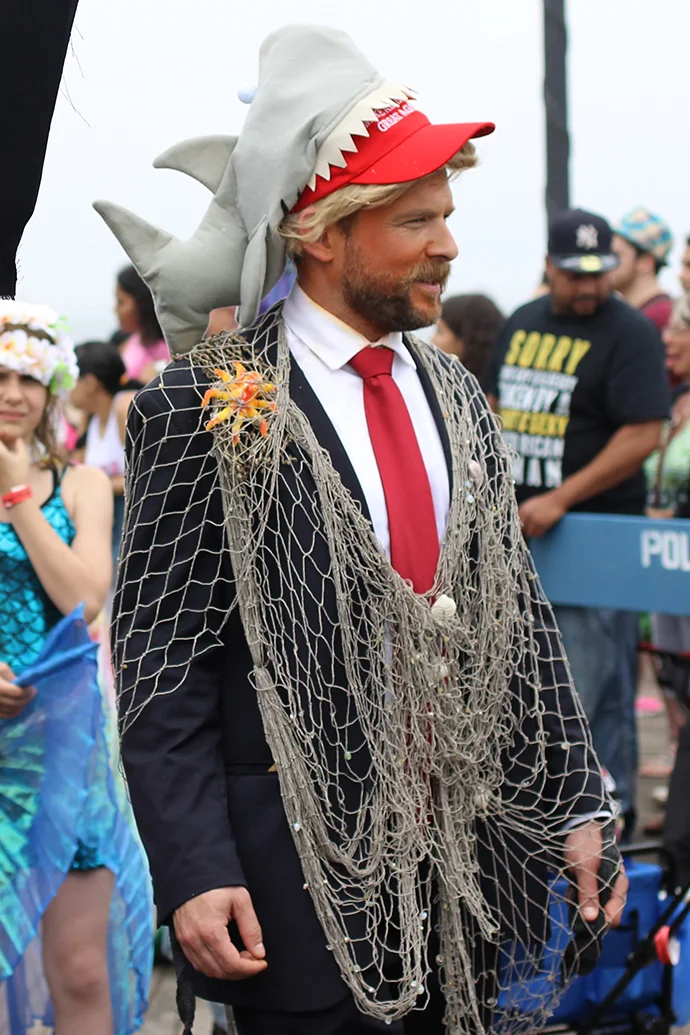
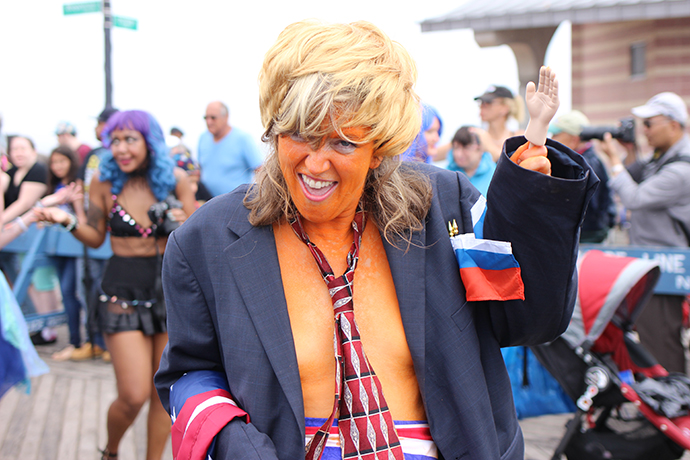


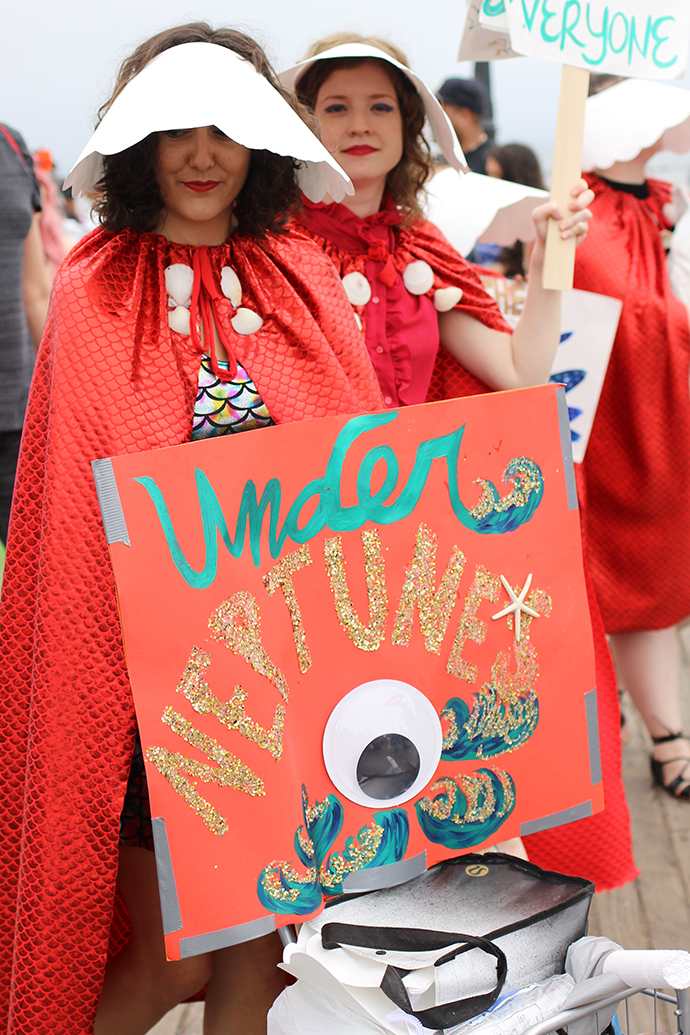
The Mermaid Parade is all about joy and inclusiveness, but it was no surprise to see several Donald Trump parodies (one had very accurate baby hands and one I recognized from the Intrepid protest). There were at least two groups that did a nautical take on the Handmaid's Tale, which I thought was so perfect, and at times the parade could have almost been mistaken for a protest march.

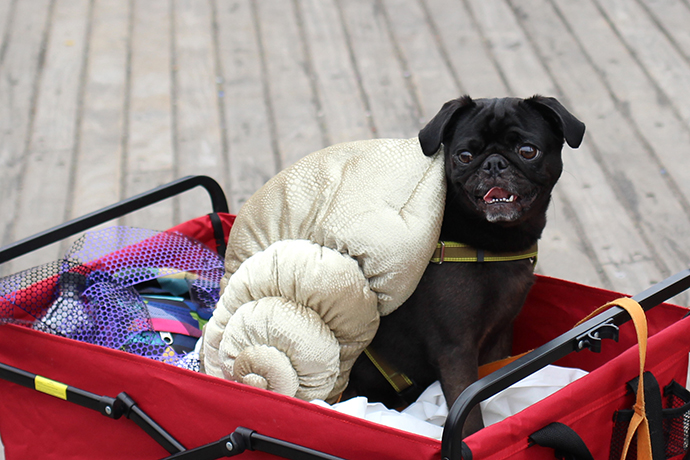


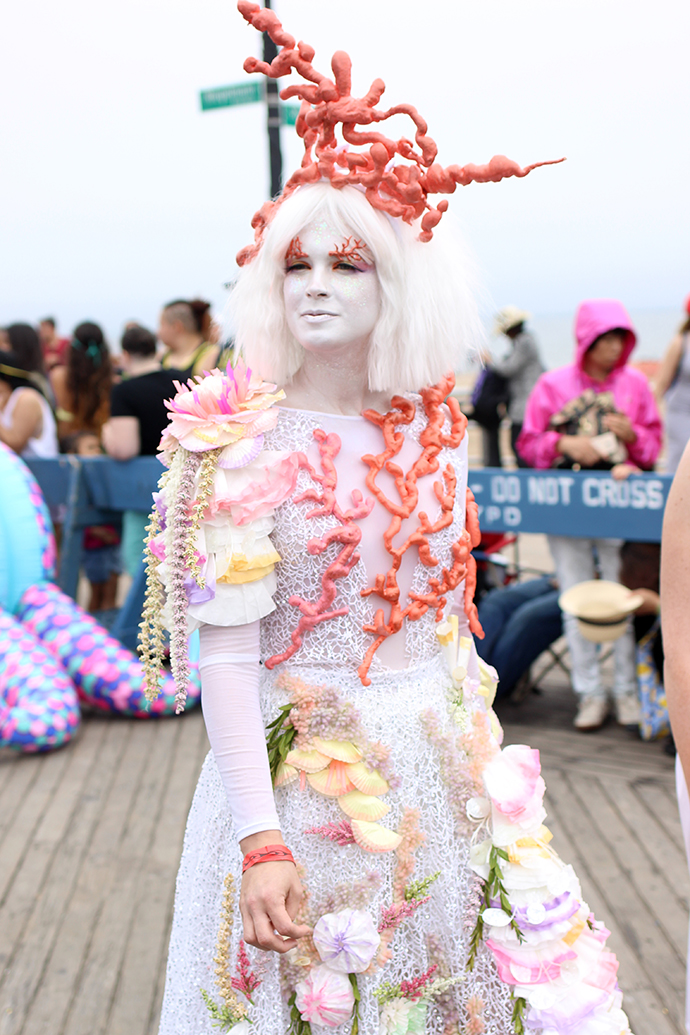
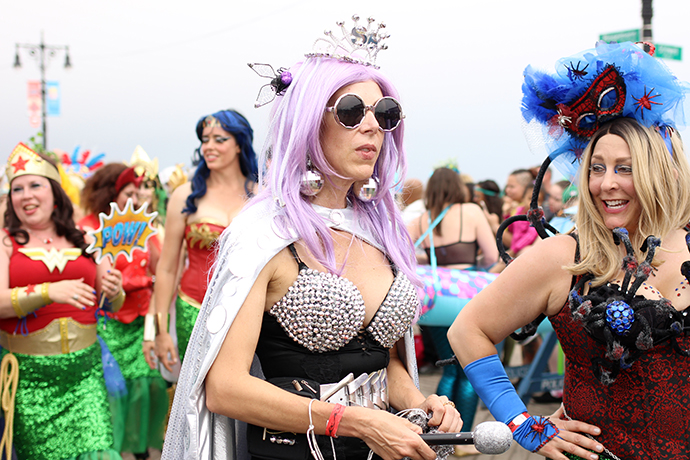

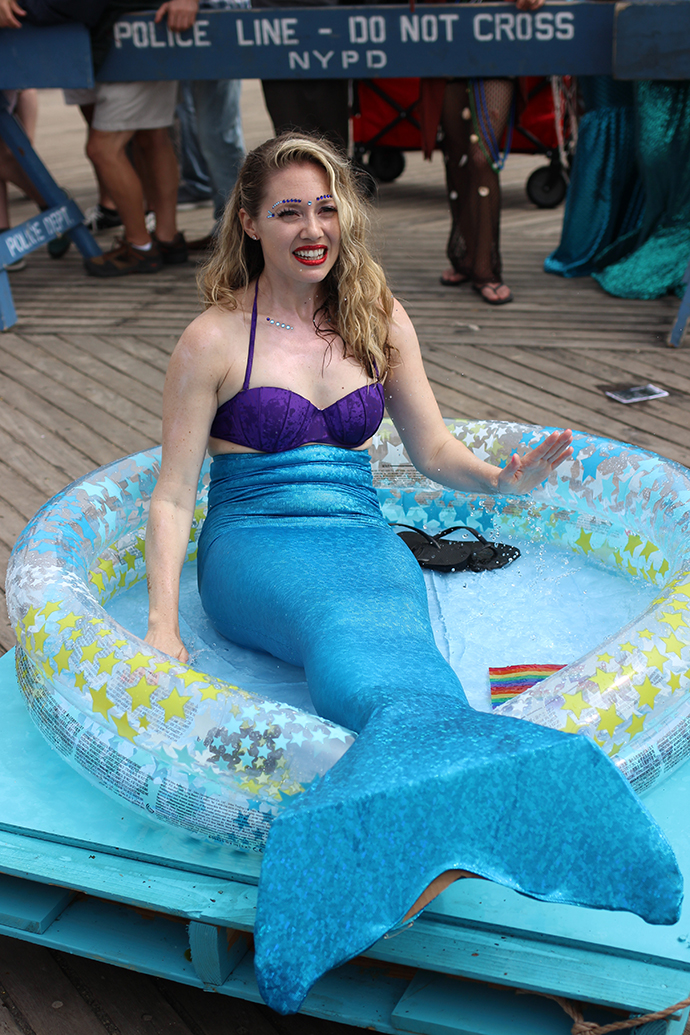
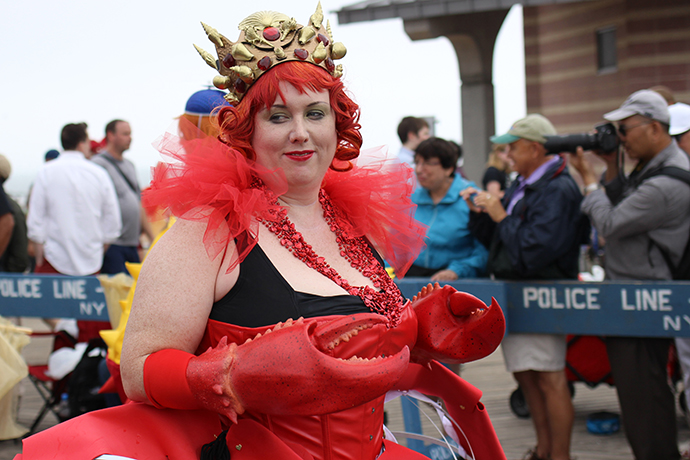
Every year I think about actually participating in the Mermaid Parade, which goes against my strong aversion to "participating" in general, but that's the thing about the Mermaid Parade. It's just such an incredibly joyful experience populated by all the right kind of people. People of every shape, size, color and age are welcome and celebrated for their creativity and commitment to just being themselves.
Project 365: Days 146-159

146/365: I bought all of Target to prepare for 14 days in South America, four of which we spent hiking the Inca Trail (God bless wet wipes).

147/365: I made some iced coffee and feverishly wrote blog posts so my one fan (my dad) would have something to read here while I was gone.
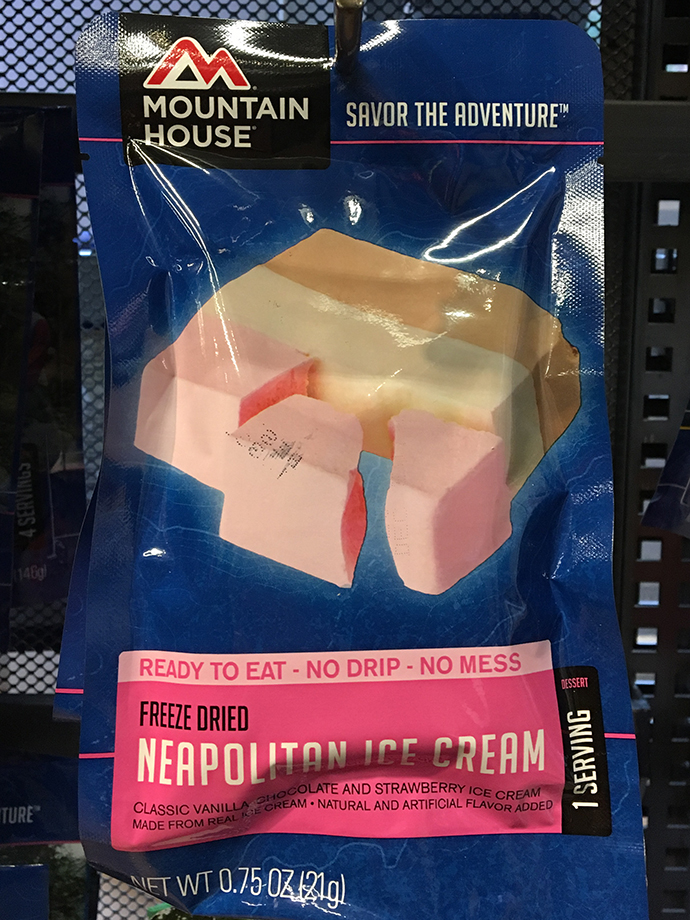
148/365: We went to REI and bought some last-minute trip necessities, but don't think I didn't consider just filling my suitcase with astronaut ice cream.

149/365: Please accept this ugly photo of my new hiking shoes as proof that I spent most of Memorial Day packing for our trip. Our flight was at 11:20pm, which ended up not being as horrible as I thought.

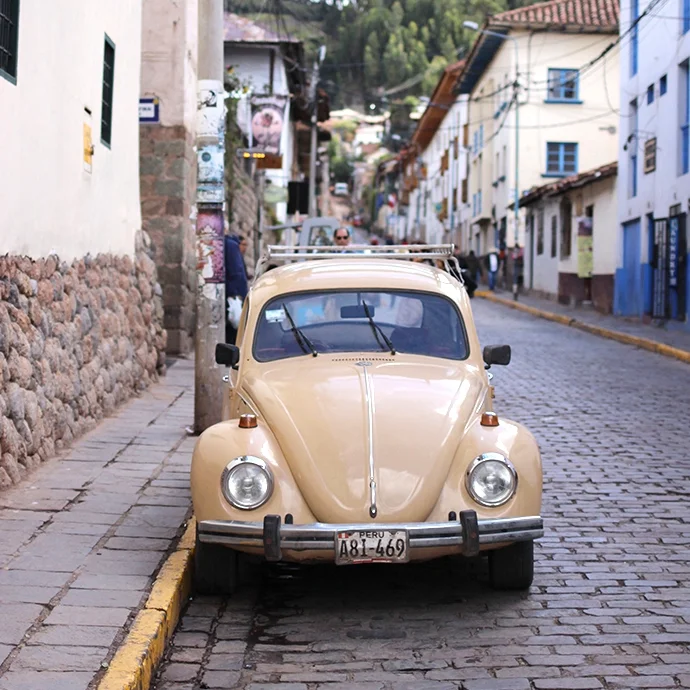
150/365: Our first day in Cusco included some wandering and a lot of vintage Volkswagen Beetles.
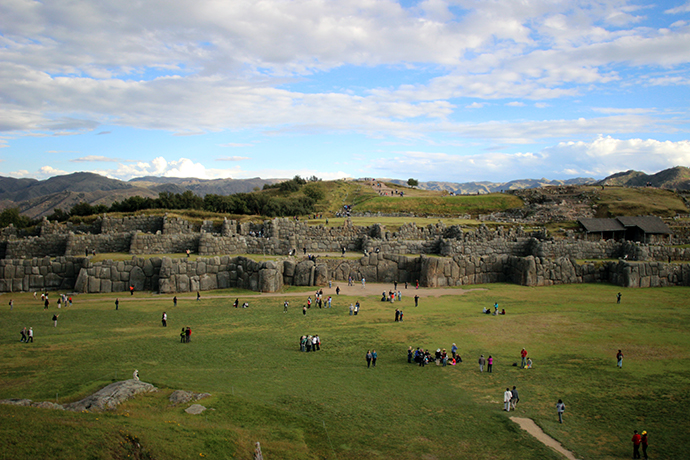
151/365: We explored some ruins just outside of Cusco's city center, including Saksaywaman, an Inca citadel that is a stunning example of their impeccable stonework.
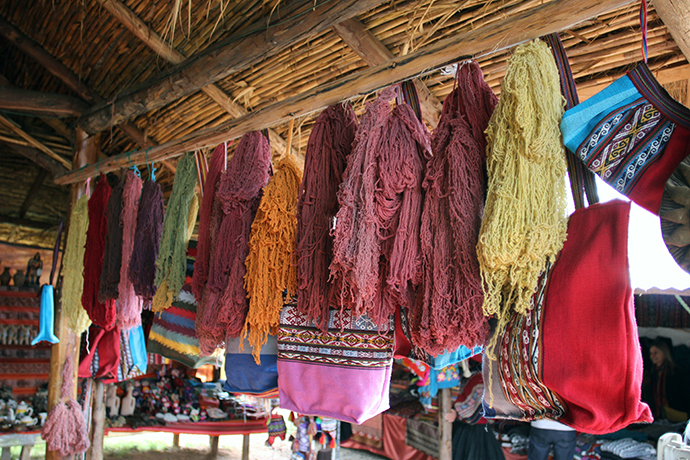

152/365: We took a half day tour of the Sacred Valley, including a wool-dying demonstration, Moray and the Maras salt ponds.

153/365: The first day of our hike!

154/365: Day two was so hard, but worth it in the end.

155/365: Please excuse this horrible photo, but I couldn't not show you Guinea Pig rock!

156/365: We made it to Machu Picchu! After the intense hike, it was sort of anti-climactic but still pretty remarkable.

157/365: We spent the first half of the day exploring the tiny town of Aguas Calientes before catching a train to Ollantaytambo and then a bus back to Cusco.

158/365: We spent most of the day flying—from Cusco to Lima, from Lima to Bogotá and finally from Bogotá to Cartagena, Colombia. The warm, tropical air was instantly soothing to our dry, Andean bones.

159/365: I finally got my act together and researched cemeteries in Cartagena. I hit the jackpot and found the most amazing one ten minutes from our hotel. It reminded me of the cemeteries I fell in love with in New Orleans, but way better (and with so many exposed human remains).
It's been a few weeks without a Project 365 post, so I didn't want to just dump them all here but I'll be caught up by next week's post. Can I just say how glad I am to be back in New York?? I'm staying put for at least a little while, and the Coney Island Mermaid Parade is this weekend, which is one of my very favorite New York events. You can check out my previous photos from it here and here, if you're into that. Have a wonderful weekend!

The Inca Trail

Our main catalyst in planning our recent South American trip was a four-day hike of the Inca Trail. I've never been especially interested in Peru or the Incas and I only ever had a vague knowledge of Machu Picchu, but it seemed like almost everyone David and I know had made the trip fairly recently. Most people travel to Machu Picchu just for the day—there's a bus that drops you right at the entrance—but we decided to basically copy the itinerary of a friend of mine who had done the proper hike.
Inca Trail permits are very limited and sell out quickly, so we signed up with Peru Treks back in December for our June hike. Our four-day, 26-mile hike began 51 miles from Cusco on the Urubamba River, routed us through the Andes and ended at the Sun Gate entrance to Machu Picchu. Only 500 people are allowed on the trail per day—hikers and porters combined. You have to go with an official guide, and there are several checkpoints where your passport and ticket will be checked. I highly recommend Peru Treks—our two guides were kind and informative and the porters were complete champs. They carry tents and all of the camping supplies for the group—food, chairs, dinnerware, etc. You also have the option to hire an extra half porter to carry 6kg (approx 13lbs) of stuff that you don't need during the day such as sleeping bags, ground pads and extra clothes (do this!).
DAY ONE: Easy Day
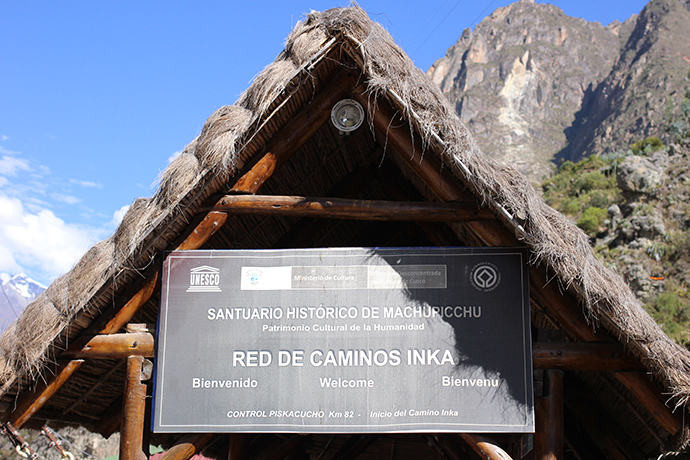


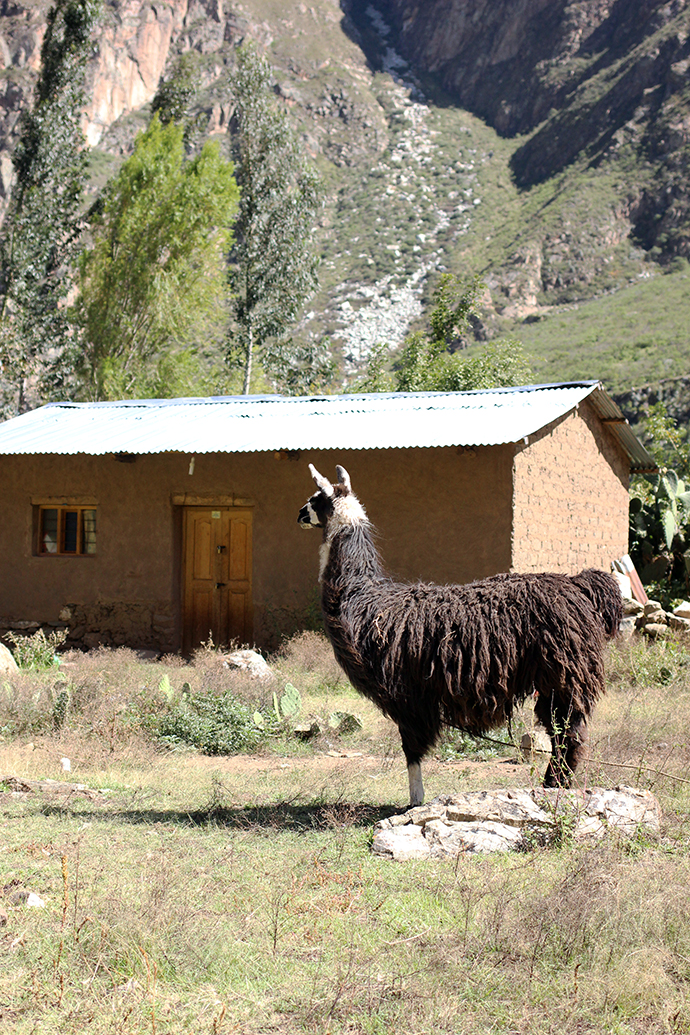
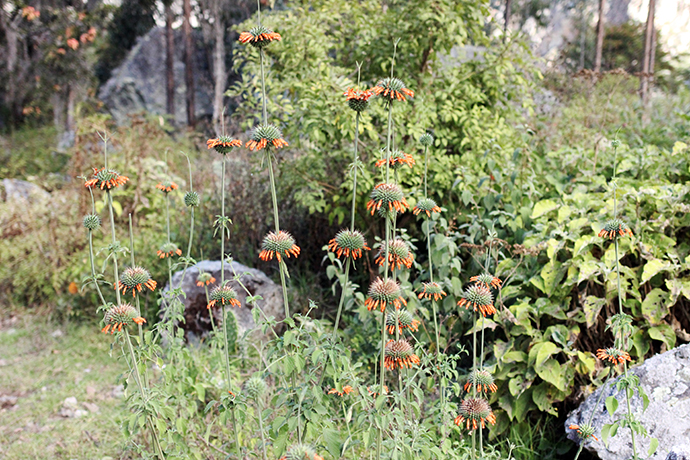
The first day was labeled the "easy" day, and for the most part that was true. The trek company picked us up from our Cusco hotel, we stopped for breakfast and last-minute supplies and then headed to the checkpoint at the entrance. Peru Treks groups number 16 at the most and ours included people from all over the world—England, Australia, New Zealand, Greece, Norway, Sweden, Seattle and San Francisco. We stopped many times during the 7.5 miles—to introduce ourselves, learn about the local plants, check out some ruins—and the terrain wasn't too challenging (however, I quickly came to distrust the term "Inca Flat").

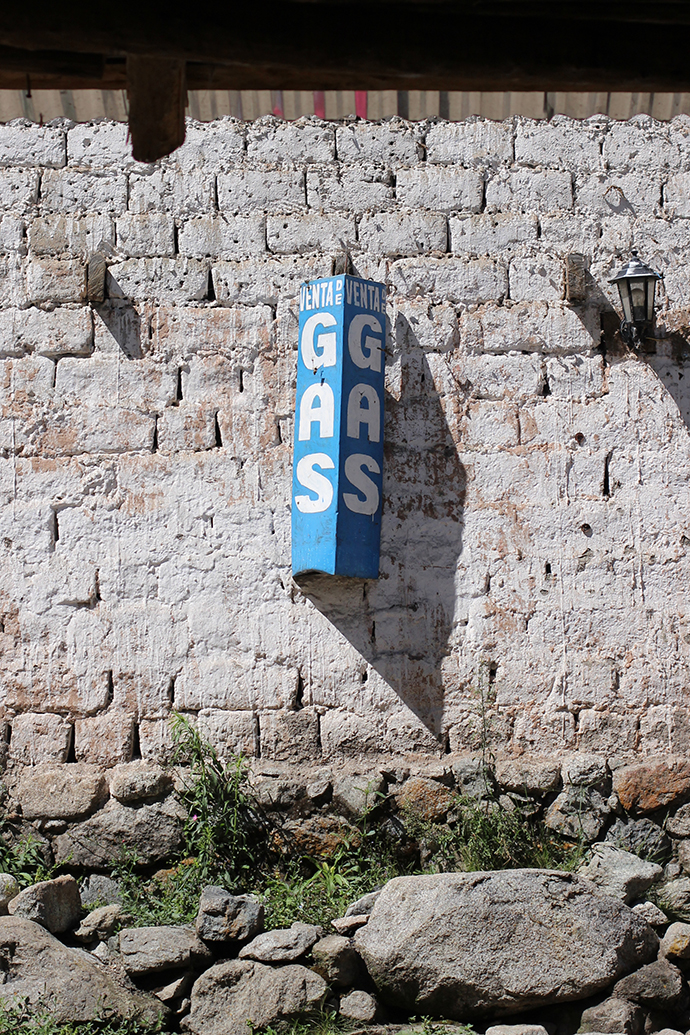
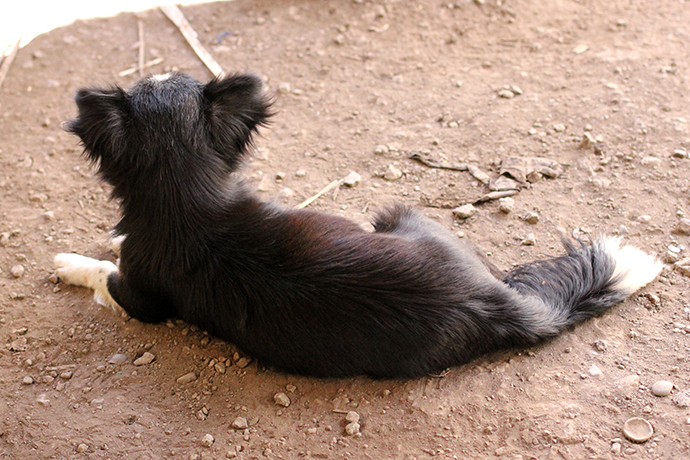
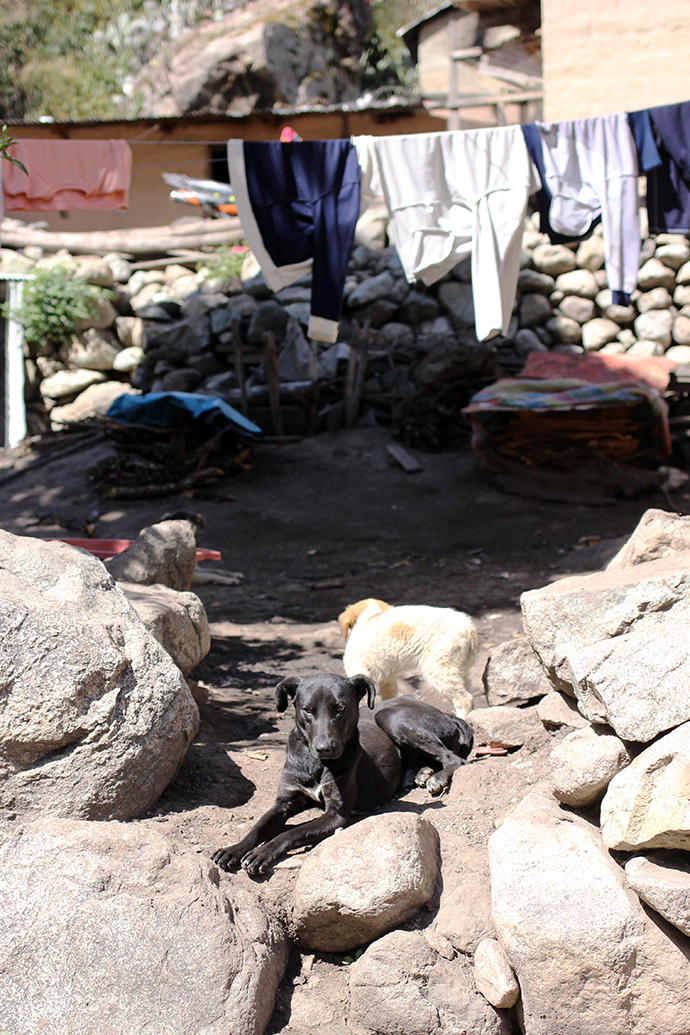

My initial impression of the Inca Trail was that it was much more populated that I expected. I knew we'd be hiking in a group, but I didn't expect so much activity on the trail itself. There are approximately 400 people (and dogs!) living in small villages along the beginning of the trail. Horses, donkeys, llamas and mules are allowed, however pack animals are no longer allowed on the latter portion of the trail because their hooves do damage. If you're using a hiking pole it must have a rubber cap to cover the metal tip.
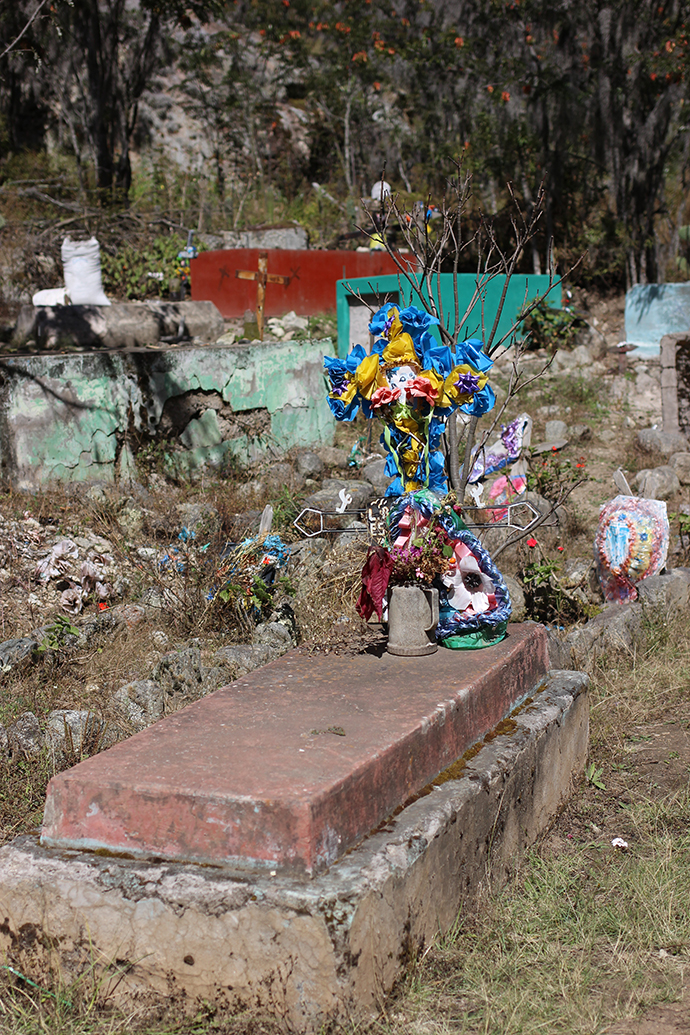
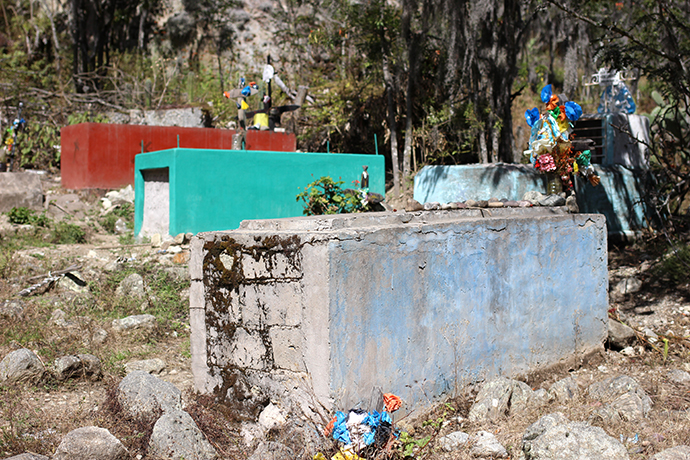

Dodging piles of llama droppings every few feet wasn't exactly picturesque, but I perked up when we passed a small cemetery. I had recently been lamenting my failure to research Cusco cemeteries before we left, so seeing one on the start of the trail was a treat. I have no idea why they're not promoting it as a trail feature—I'll happily go almost anywhere if I know there's a cemetery involved.
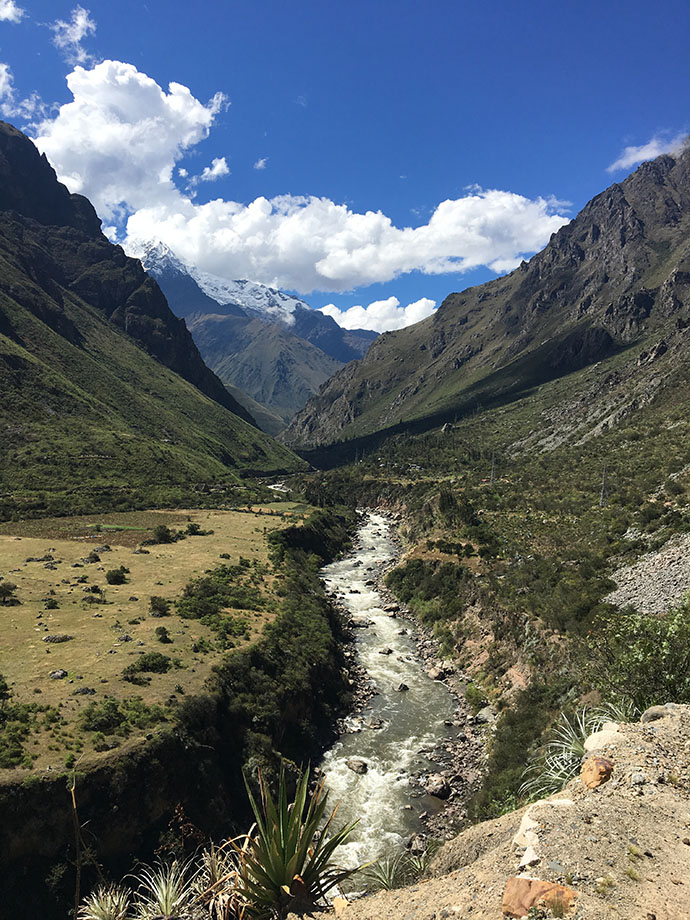
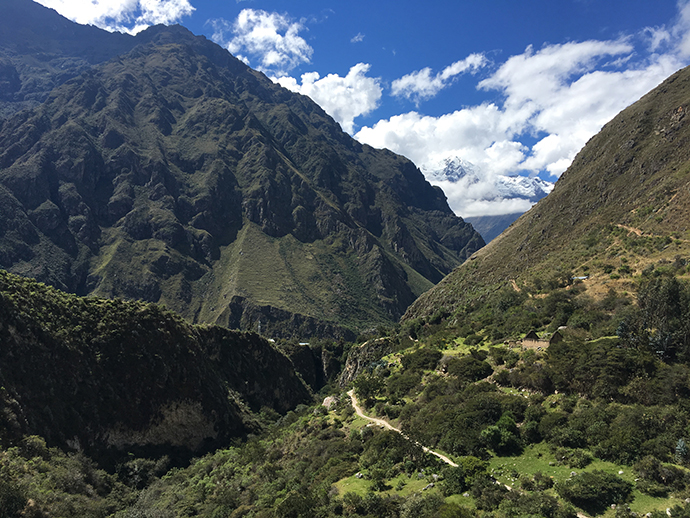
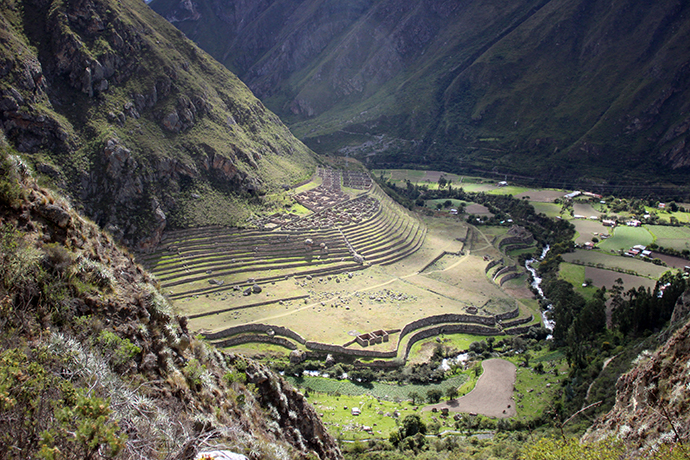
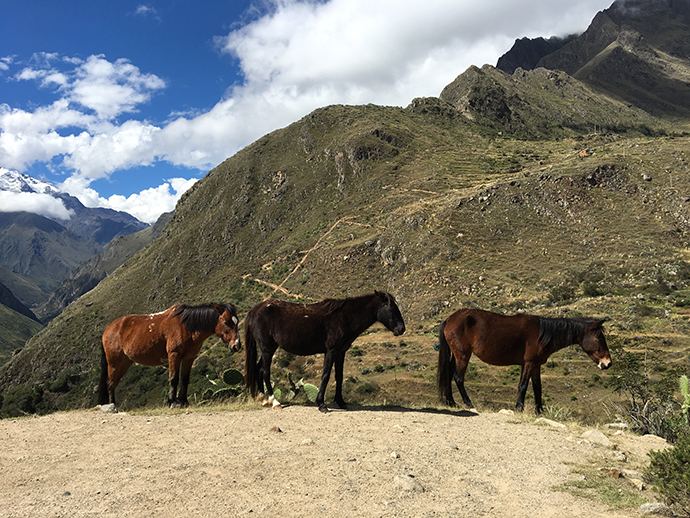

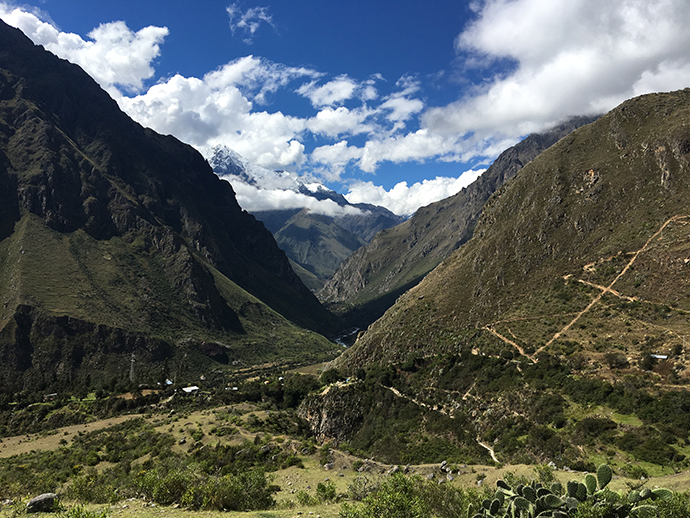
I definitely took the most photos on the first day, a result of excitement and the relative ease of the hike. The views were incredible, and although I've included loads of photos, they just can't do the scenery justice. The one thing photos do terribly is capture scale—I've lived most of my life solidly at sea-level, and the Andes are just so massive.
DAY TWO: Challenge Day

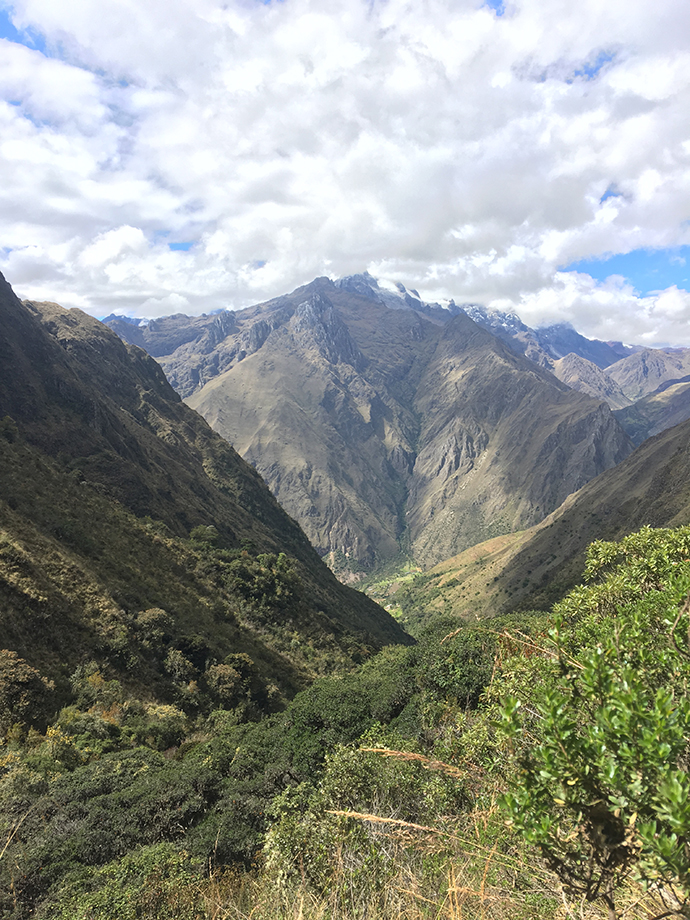
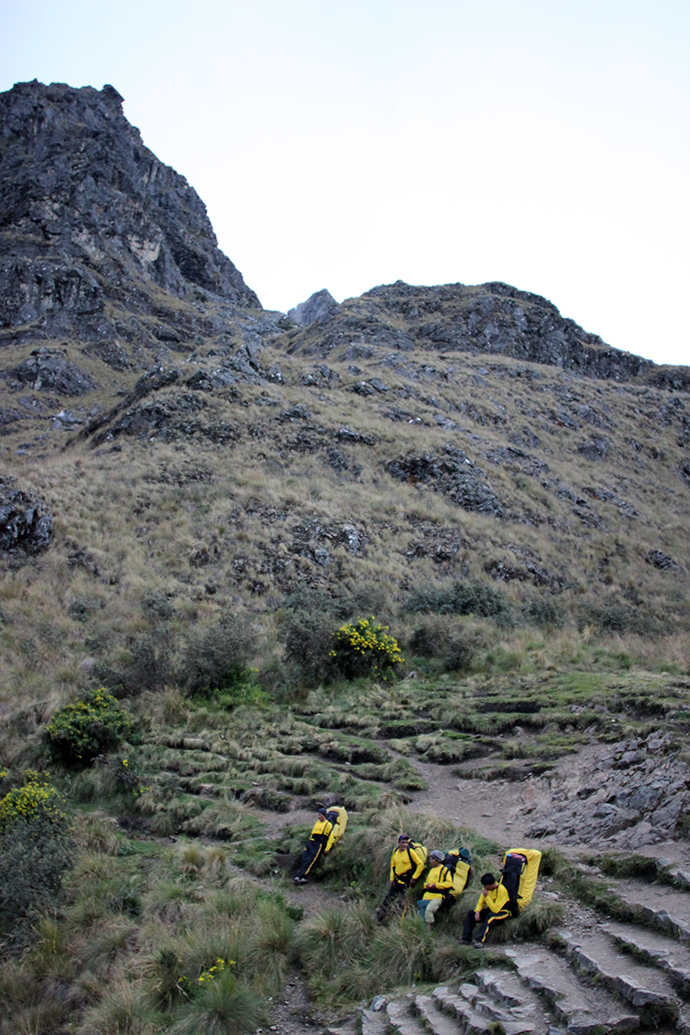

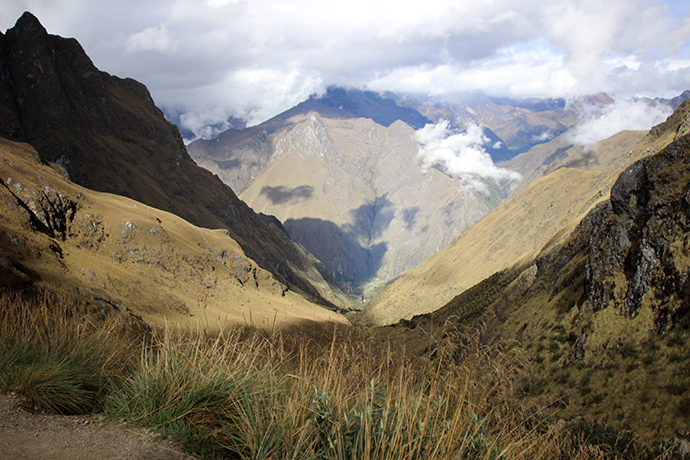

I hardly took any photos on day two, because the word "challenge" doesn't even begin to describe this incredibly difficult portion of the hike. Basically, day two is another 7.5 miles but almost entirely uphill. Or rather, upmountain. We climbed (and climbed, and climbed) approximately one billion stone steps to an elevation of 13,776 feet. If that seems high to you, it's because it is. I think I'm in pretty good physical condition—I run frequently, I walk constantly—but I still get grumpy climbing the four flights of stairs to my apartment every night.
It was hard, and horrible, but we made it to the top without incident and weren't even the last of our group to finish. Like most terrible things in life, as soon as it was over it didn't seem nearly as bad and we recovered quickly. David didn't even need to dangle a Pringles can in front of me like we joked, but they were waiting for me as a reward when we eventually got to camp. Like cemeteries, there is almost nothing I won't do for a snack.
DAY THREE: Unforgettable
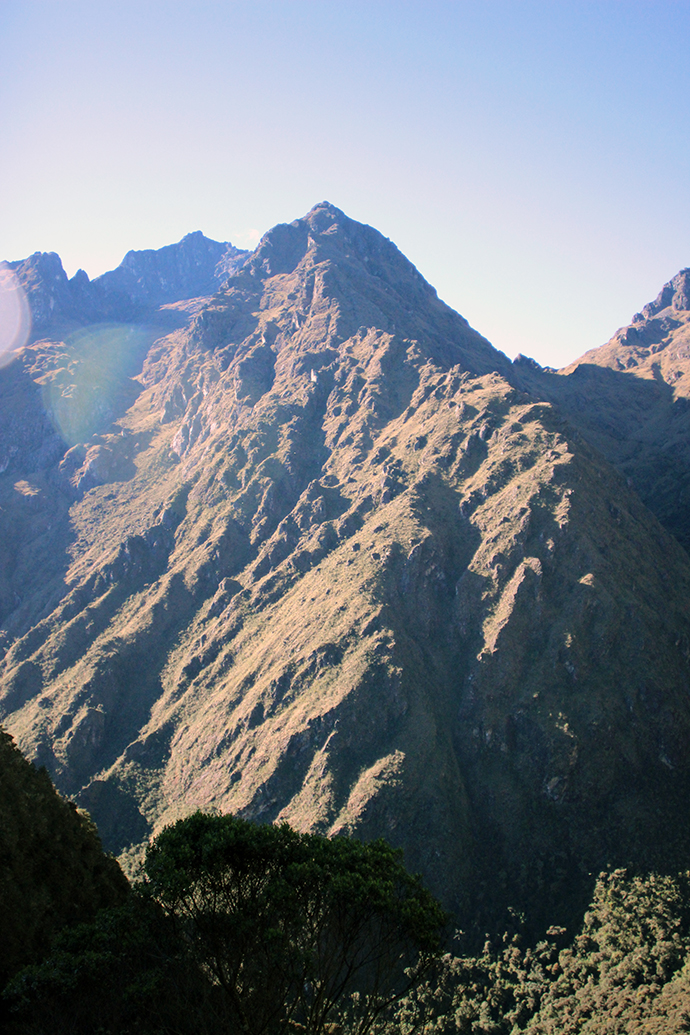


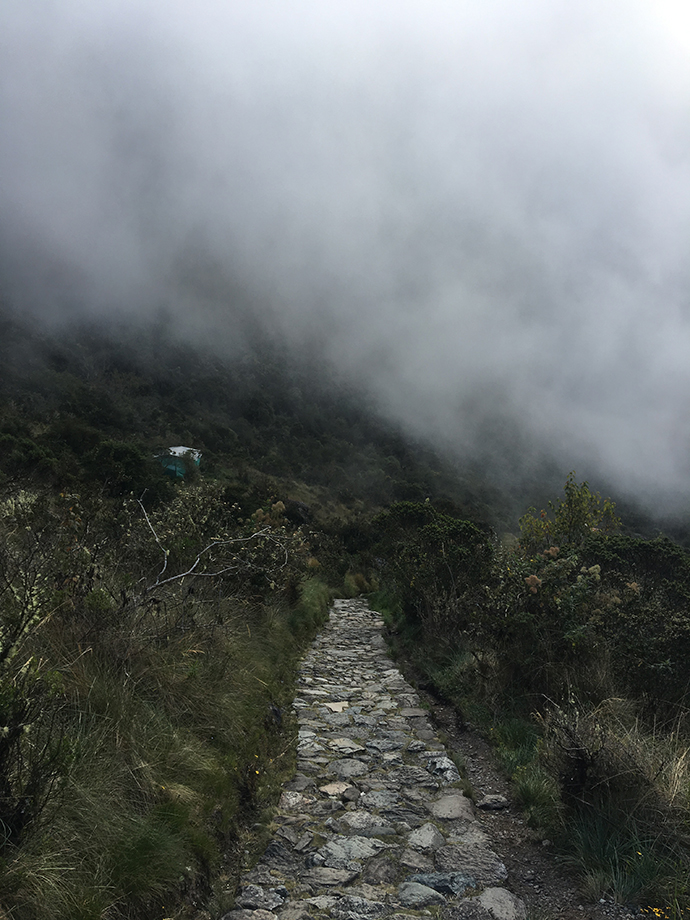
"Unforgettable" is the word chosen by our trek company to describe day three, but it has an entirely different meaning to me now since I spent all night of day two violently ill, making frequent trips to the (very primitive) bathrooms. I'm still not sure what I had/have and I'll spare you the gory details, but I woke up on day three feeling sicker than I ever have in my life. I had a raging fever, aches and chills on top of the ongoing intestinal disturbances.
After consulting with our wonderfully kind guide, Naomi—as I took loads of pills washed down with magic Inca tea—I tried to pull myself together for the hike (the longest day, nearly ten miles). I found out later that I had one other option—to be carried by a porter. I was feeling like garbage, but being carried by another human being would have made me feel even worse, so I just kept walking. I didn't eat all day, I kept taking pills (and frequent off-trail bathroom stops) and I've never been so grateful to crawl into a sleeping bag and fall asleep before dinner (which I didn't eat).
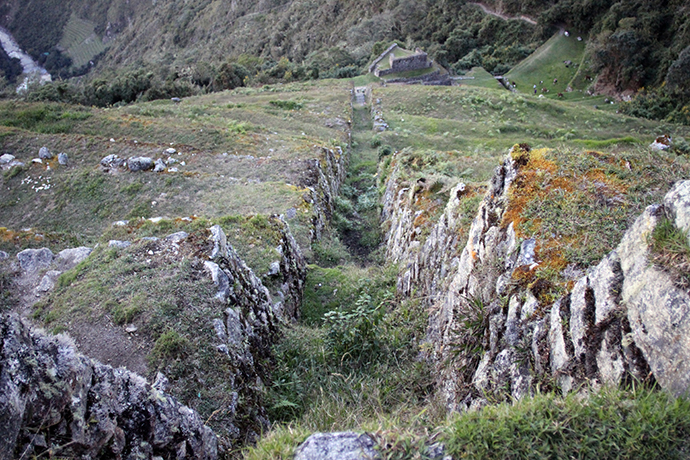
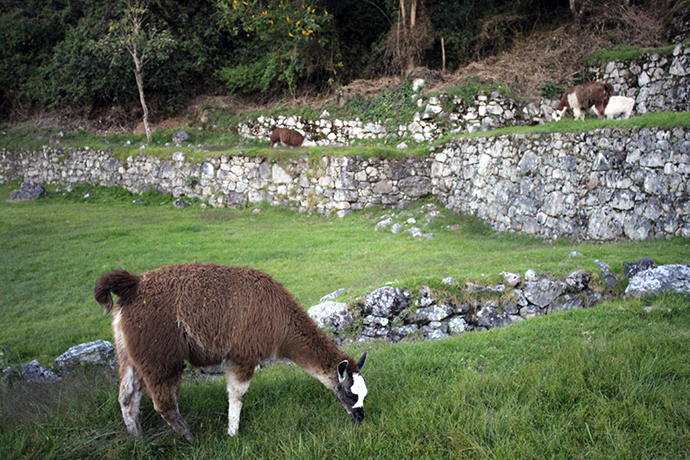
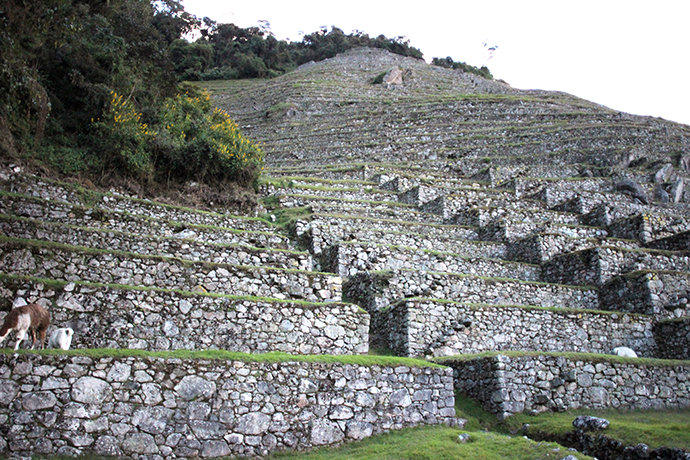
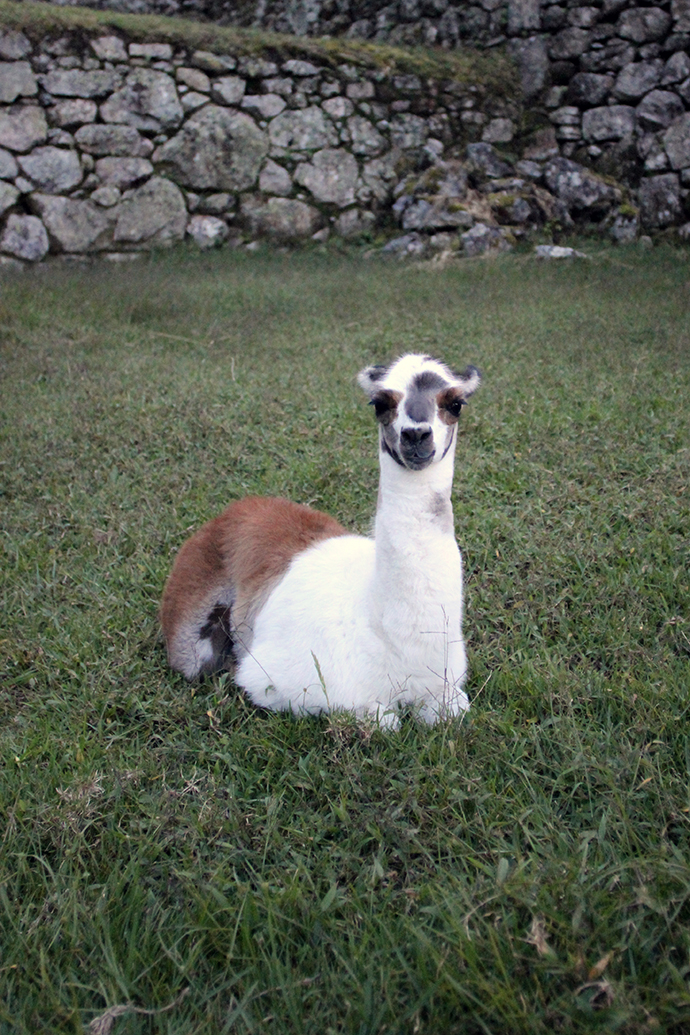
Despite the fact that I basically had no other choice, I'm glad that I rallied because the third day was my favorite of the four. It was scenic in so many different ways—cloud forests and jungle-like climates, sweeping views, ruins and one particularly cute baby llama. Unfortunately I wasn't super happy with any of my photos from our trek, and despite hiking nearly the entire trail with my "real" camera jangling around my neck, I actually think most of my iPhone photos turned out better.
I was still sick into day four, but we only had a few miles to go (after waking at 3:45 am) before we ended our hike at Machu Picchu. I'm not terribly happy with the feverish photos I took there either, but it's deserving of its own post, nonetheless.
I worried about so many things in the lead up to this trip—losing my passport, not packing the right clothes, being able to hear someone snoring in a neighboring tent—but it never crossed my mind that I would get sick during the actual hike. I'm not sure if it was the flu or a parasite or some other sinister combination—and I'm still dealing with its lingering effects—but I don't regret taking the leap outside of my comfort zone. I survived without Internet or cell service for four days, I pushed my body and it didn't give up and I now appreciate toilet seats and toilet paper more than I ever thought I would.
Our Trek Company: Peru Treks (now booking for 2018)

Maras Salt Ponds
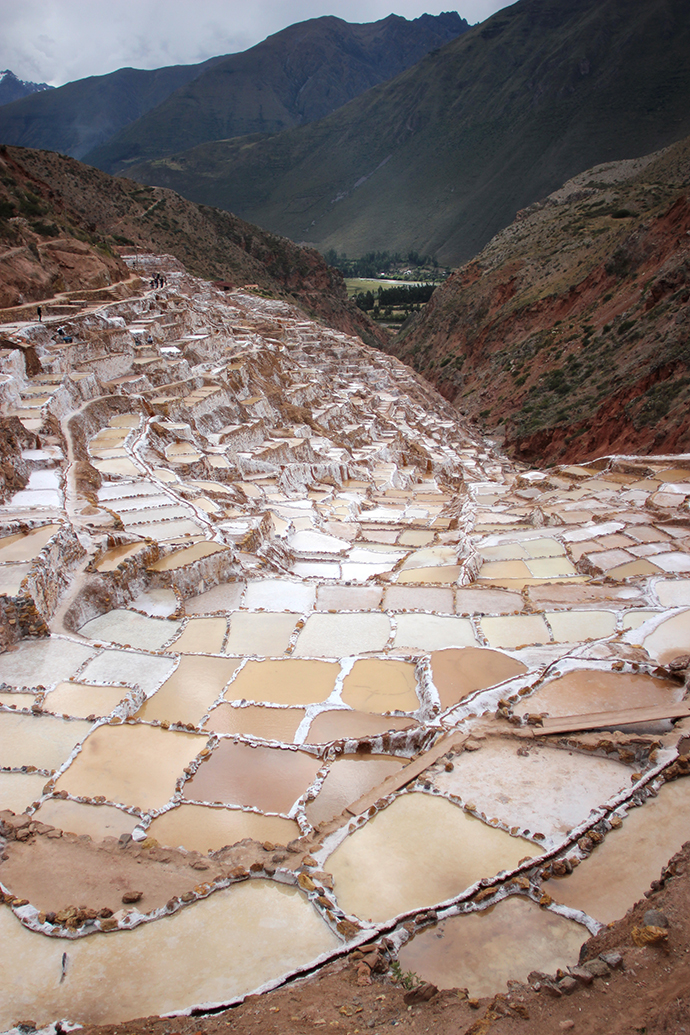
The Maras salt ponds might not be an official "wonder of the world" like Machu Picchu, but having seen both I can personally say that the salt ponds left a bigger impression on me. Maras is a town located in the Sacred Valley, about 25 miles north of Cusco in Peru and it's famous for its salt evaporation ponds, which have been in use since before the Inca Empire.
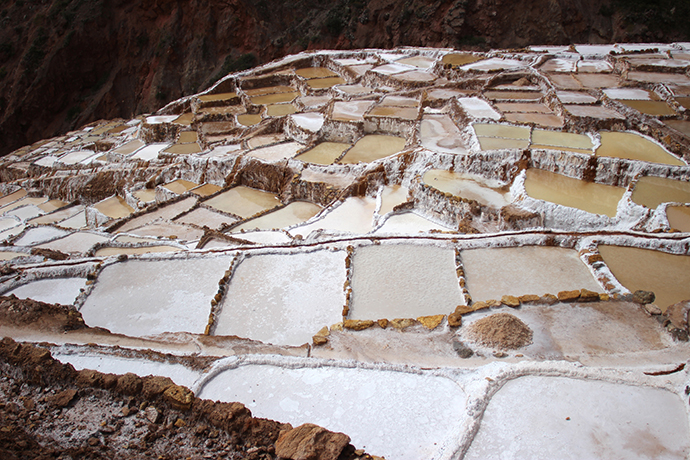


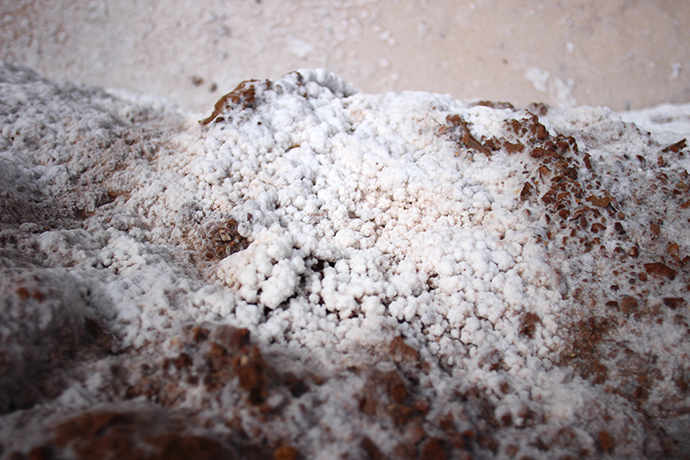
The ponds are fed by a stream of salty water that flows through a series of channels into thousands of individual ponds set on several terraces. The scale of this place is incredible, and of course impossible to capture in photos. The ponds are set in a valley and there are so many of them they just seem endless.


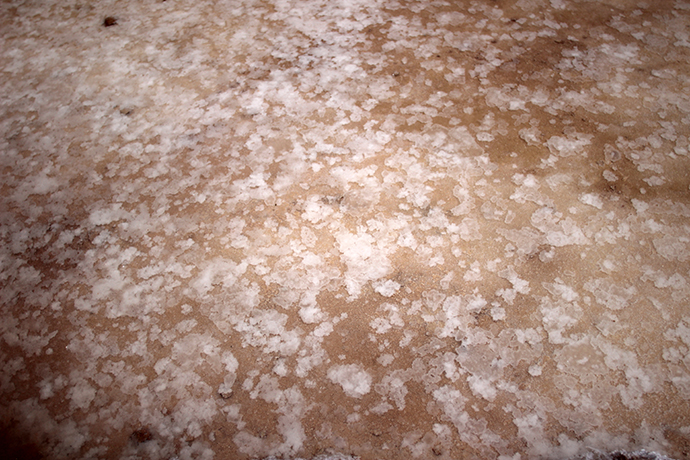
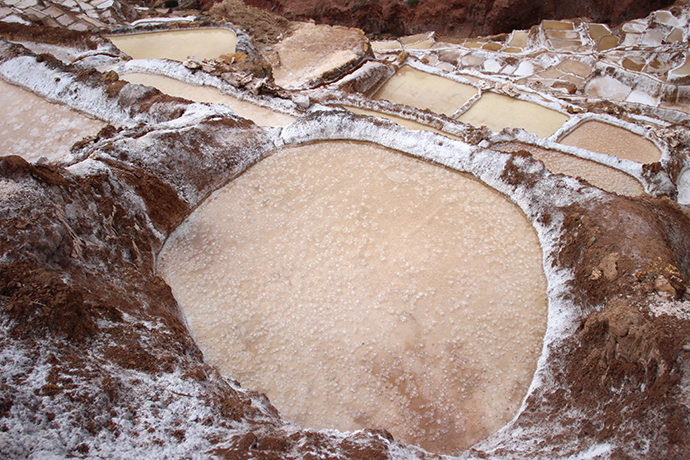

The ponds function as a collective and everyone in the town has the opportunity to own and work a number of ponds. As the water evaporates, the remaining salt is scraped off in layers. The first layer is pure and fine, the second is pink and rocky and the third has traces of soil and minerals and is used mostly for medicinal purposes.
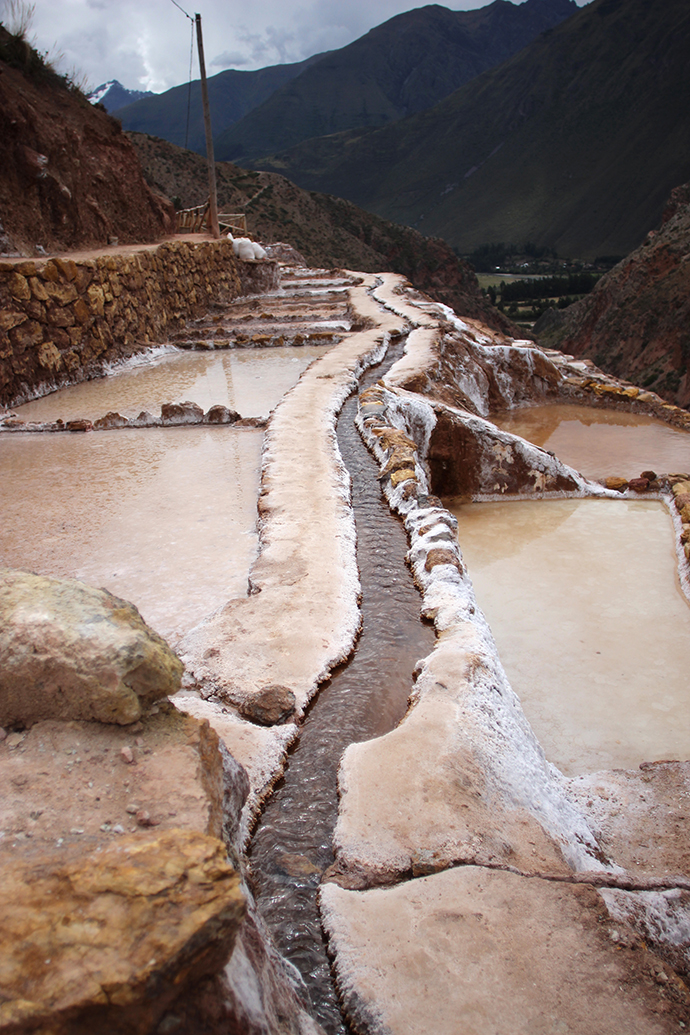

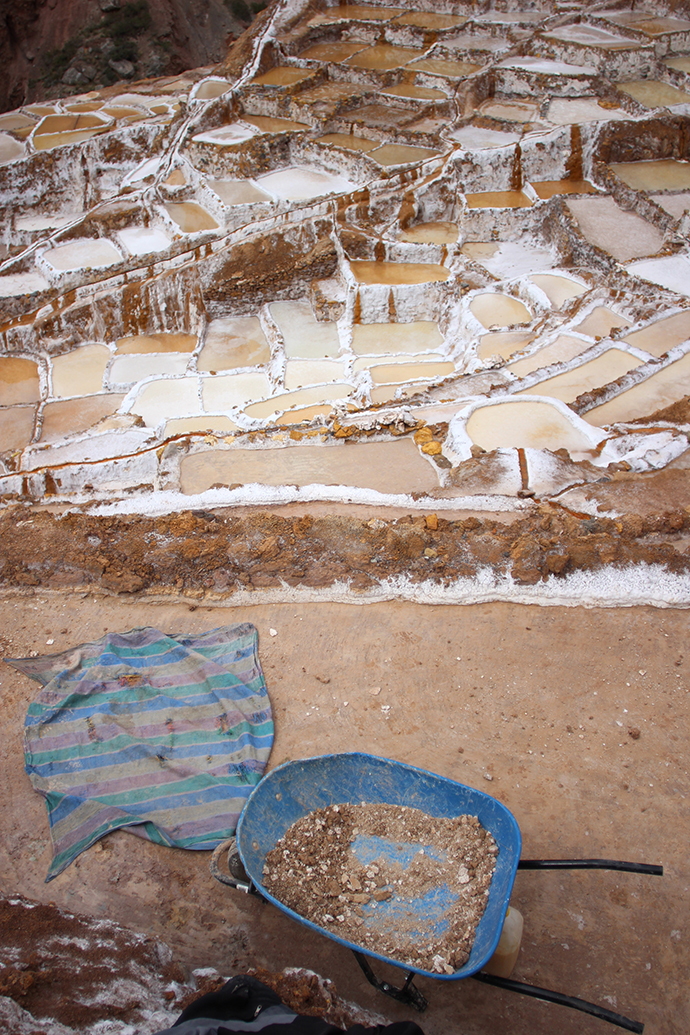
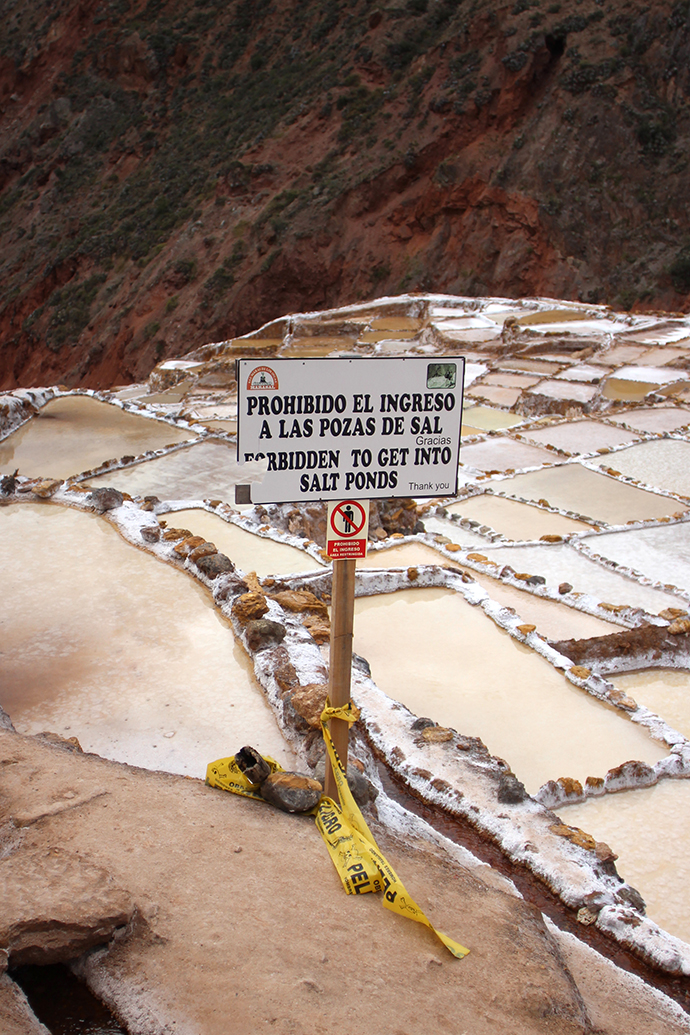
We took a half day tour booked through our hotel of the Sacred Valley that included Maras, but I think it's relatively easy to get to on your own. I'm not usually a group tour kind of person, but having an English-speaking guide was nice. I first saw Maras on Instagram—not surprising because it's infinitely photogenic—but it's definitely one of those places that has to been seen in real life to even begin to be believed.
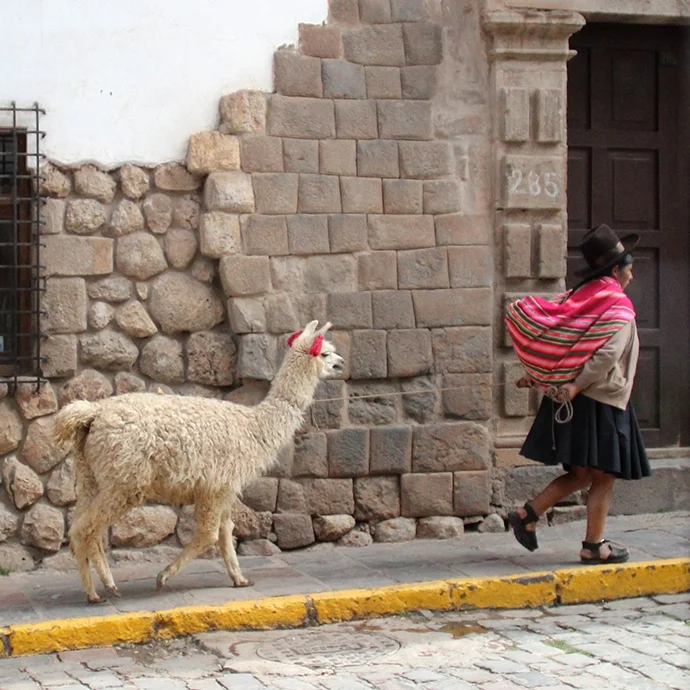
Cusco, Peru

I knew very little about South America before our recent 14-day trip to Peru and Colombia. I had read two books to prepare for our four-day Inca Trail hike, but I basically went into the trip without expectation or much planning (by my standards, anyway). Our trek company required us to arrive in Cusco, Peru at least two nights before the start of our hike, to acclimate to the high altitude.
Cusco, once the capital of the Inca empire, is 11,152 feet above sea level and altitude sickness is no joke. Luckily we didn't get hit too hard—just a bad headache and some shortness of breath on the first day—but we had allocated three full days in Cusco just to be sure.


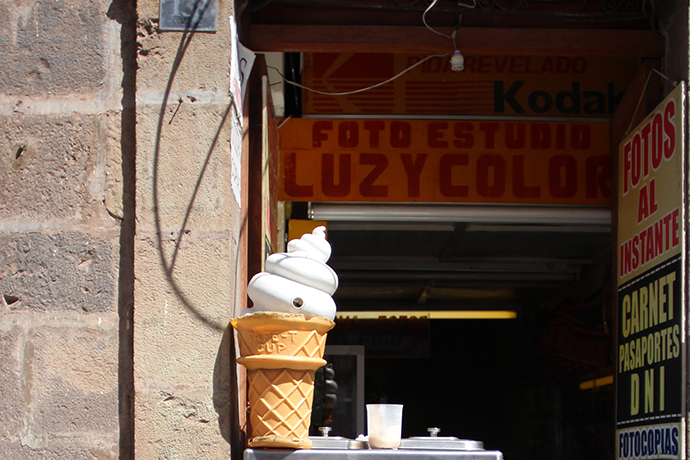

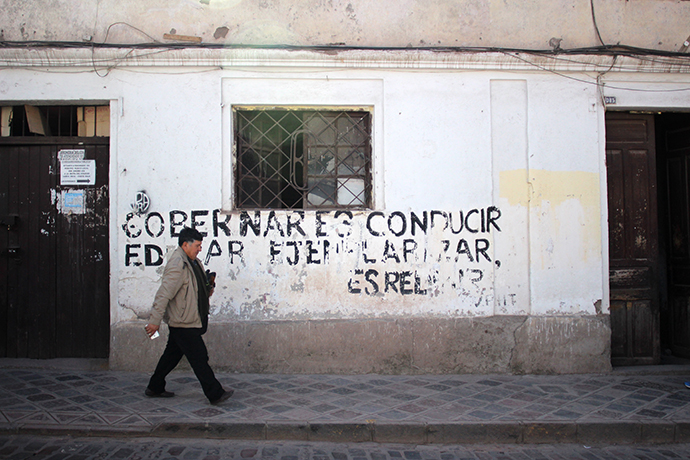


I am by no means an international traveler and if you don't count Canada, I'd only been out of the country once before this trip (to Italy in 2014). I'm not cool or adventurous enough to report that we did anything outside of the very basic tourist fare, but in a country where we couldn't drink the water or speak the language, that was exciting enough.
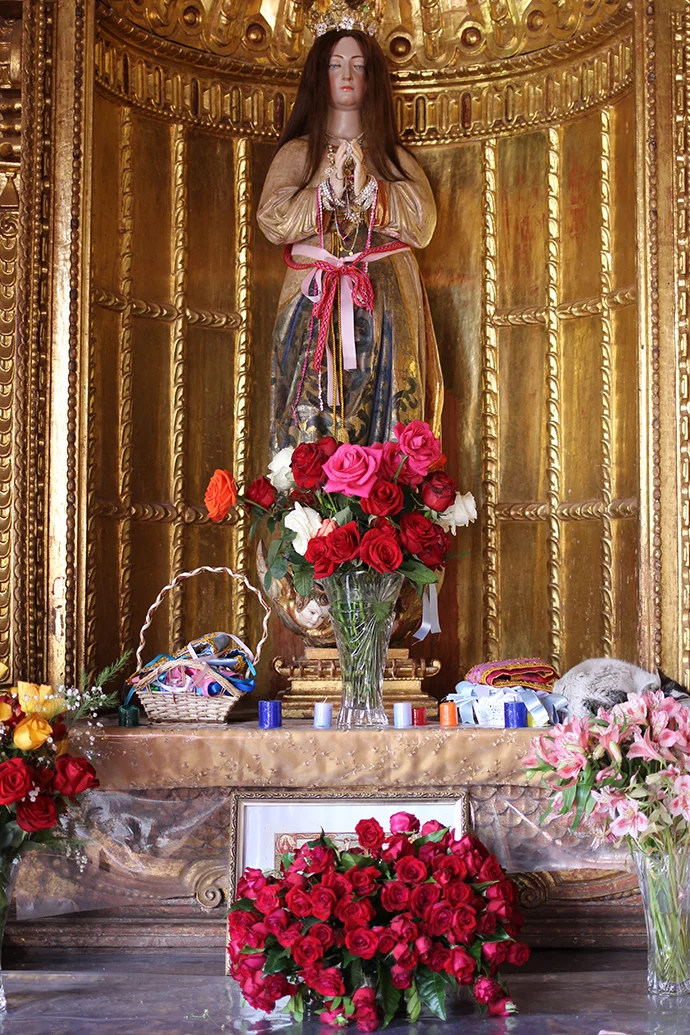



We mostly just meandered around the historic city center, observing the daily protests (there was a transit strike the day we got there), sucking on coca candies and trying to preserve our dwindling oxygen. The Cusco Cathedral, the mother church of the Roman Catholic Archdiocese of Cusco, was stunning and houses the famous Last Supper, painted by Marcos Zapata in 1753, which features a guinea pig as the main course (no photos allowed).
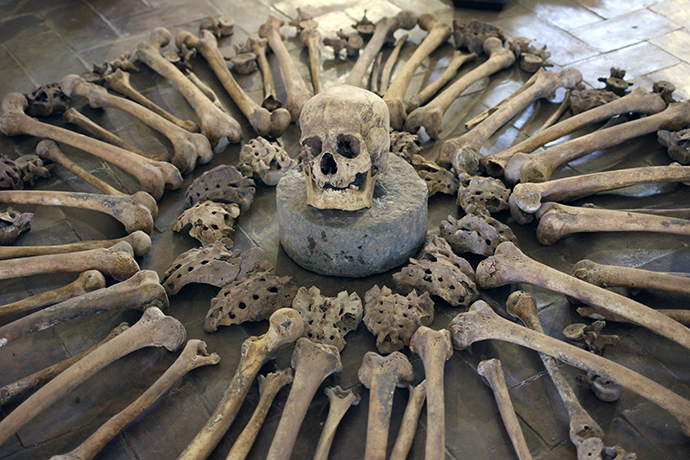
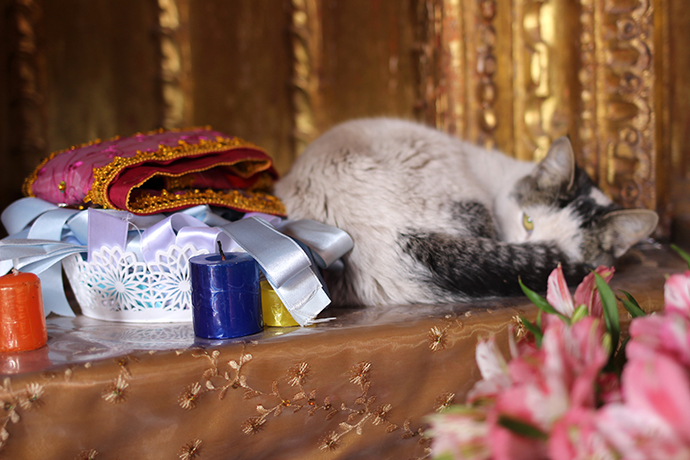
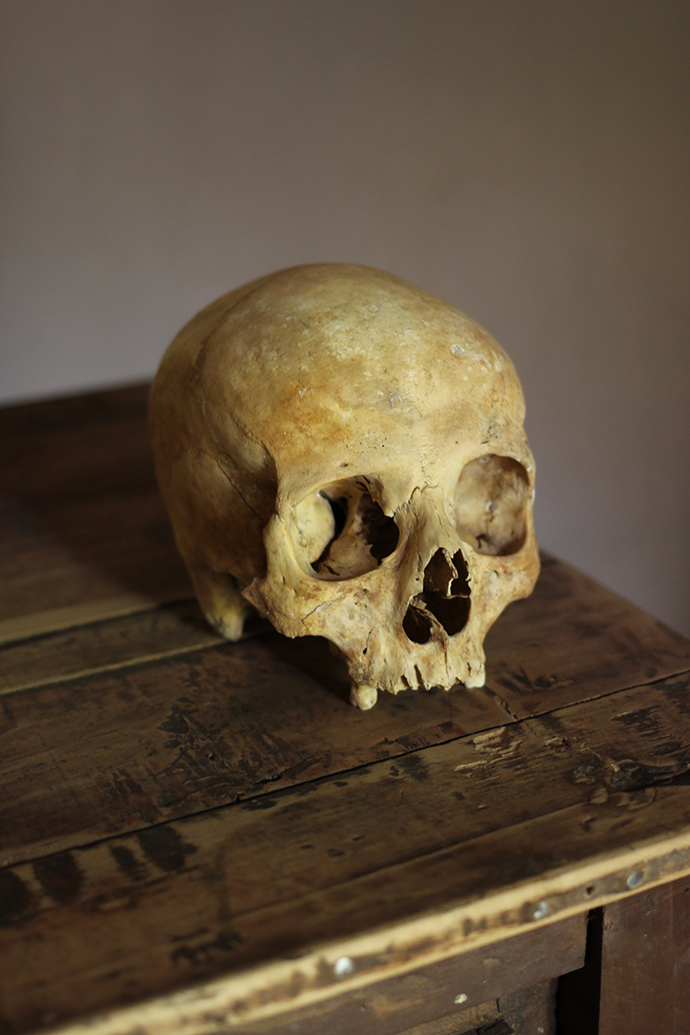
But the Iglesia San Francisco had the most wonderfully carved choir stalls, a delightfully creepy gold altar (with a live, sleeping kitten that startled me nearly to death), the strangest taxidermied cow I've ever seen and—most importantly—catacombs! There were just two small rooms filled with bones (a third was closed the day we visited), but they were so artfully arranged it was almost easy to forget you were looking at real human remains.
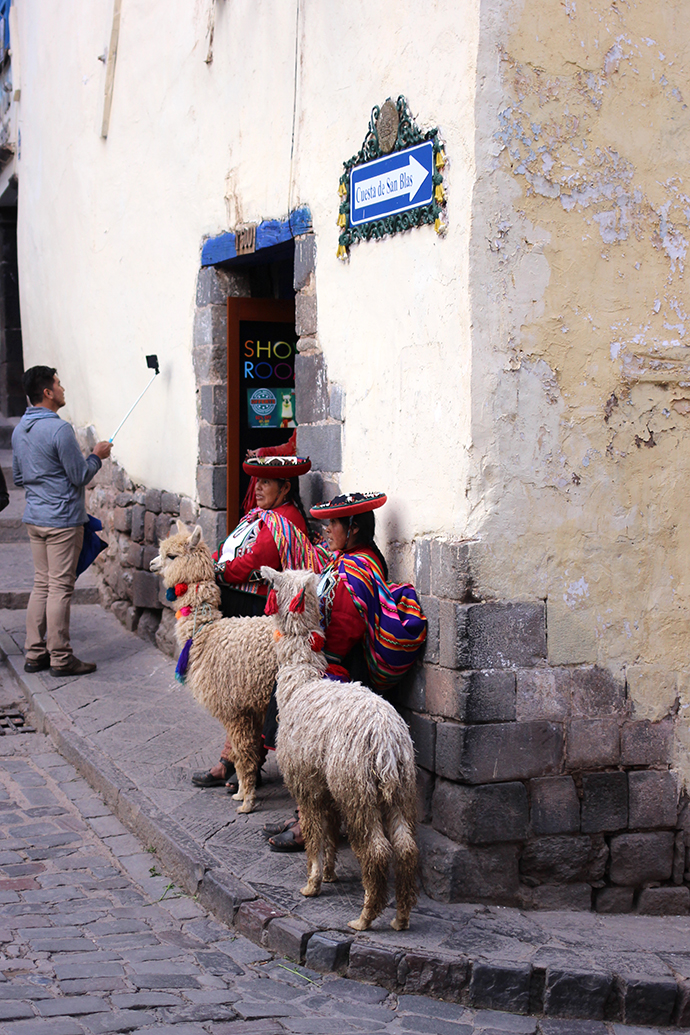

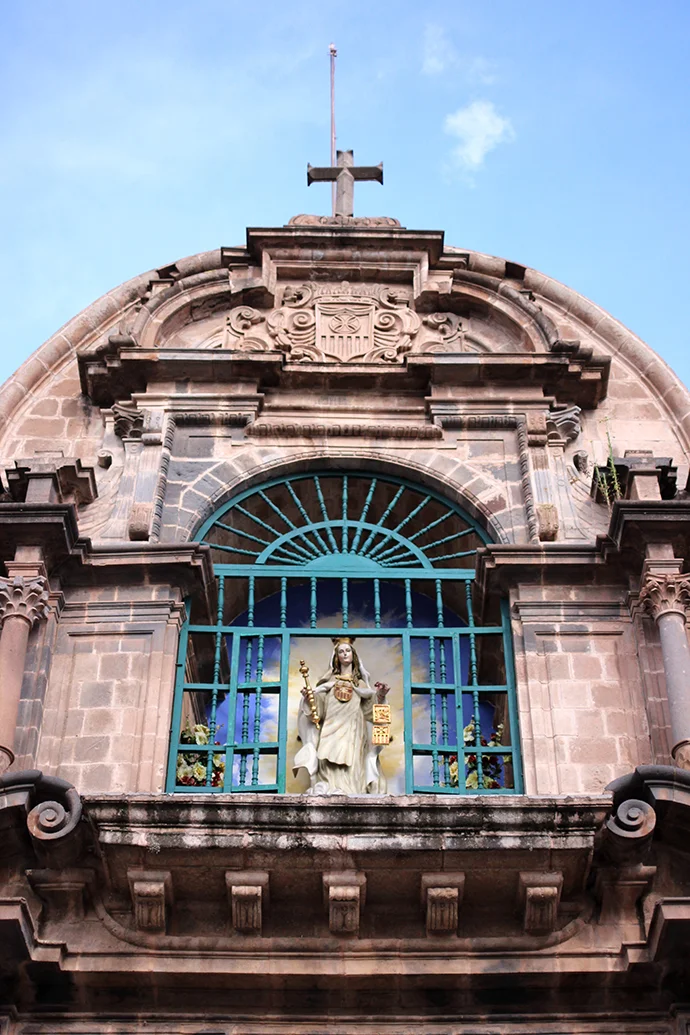
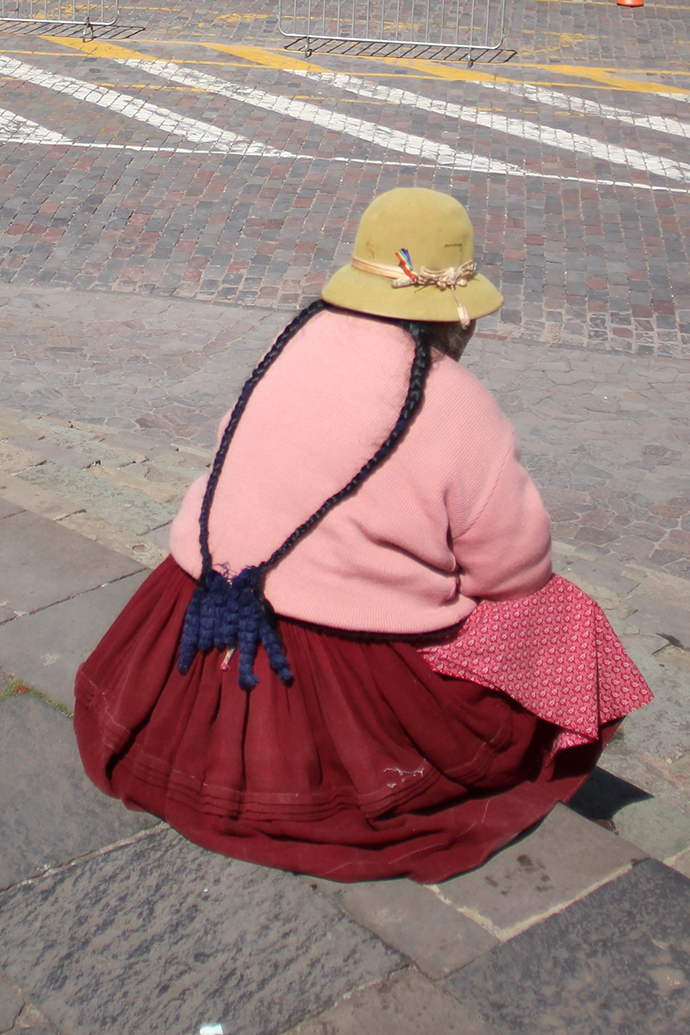


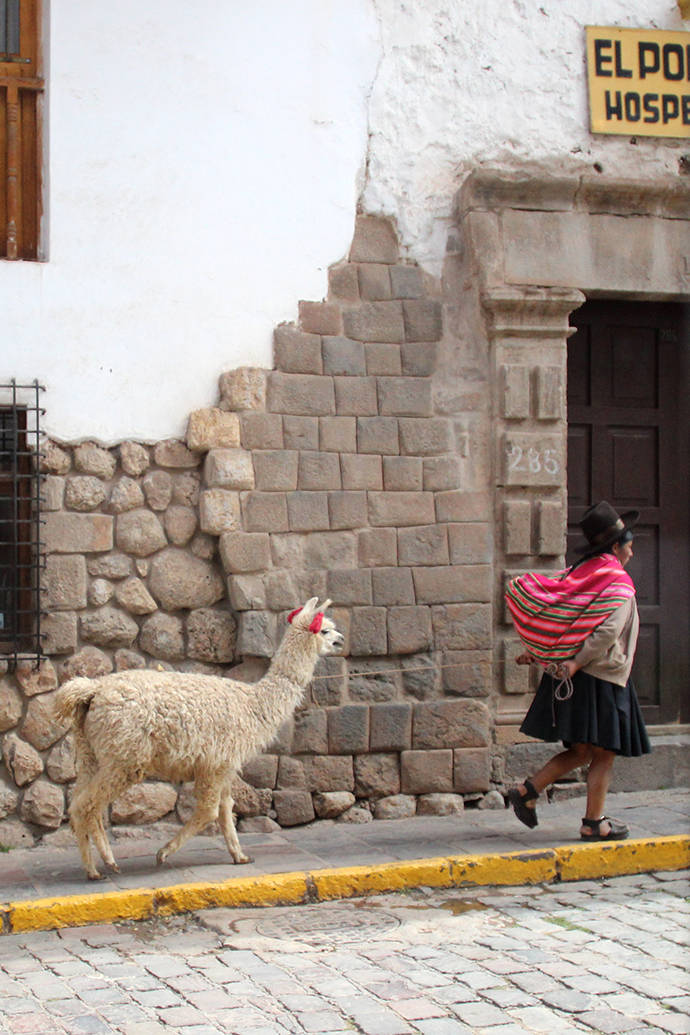

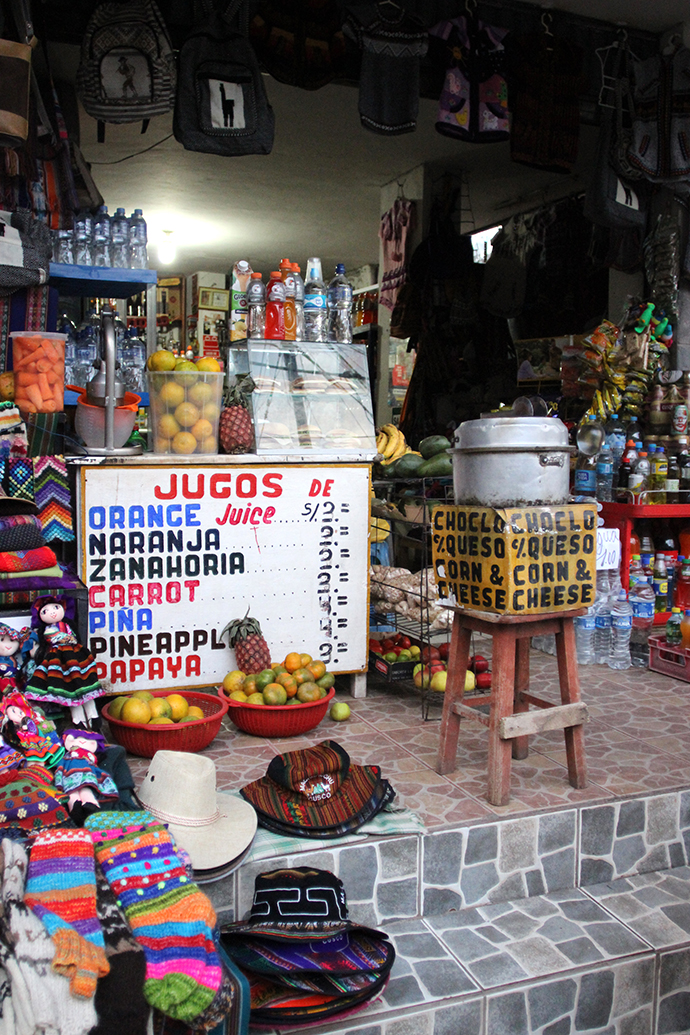
The New Yorker in me knows that all of the women walking around with alpacas in traditional garb are basically Peru's version of a Times Square Elmo, but I couldn't help but be charmed. It doesn't hurt that they were almost always carrying a baby alpaca as well, a creature so cute that it could probably help me warm up to even the most dingy of Time Square knock-off Minions.

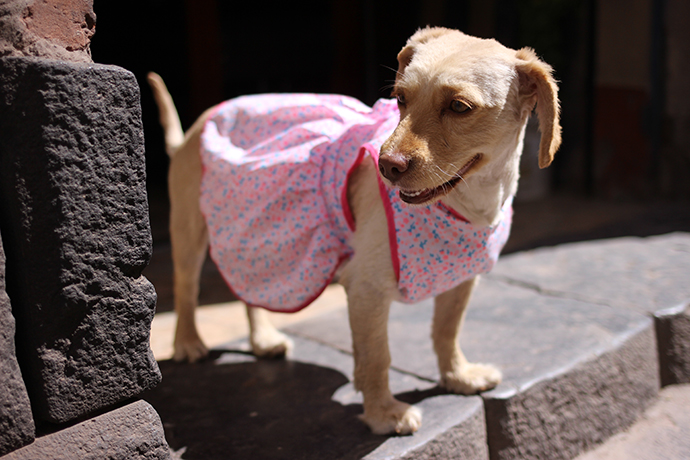

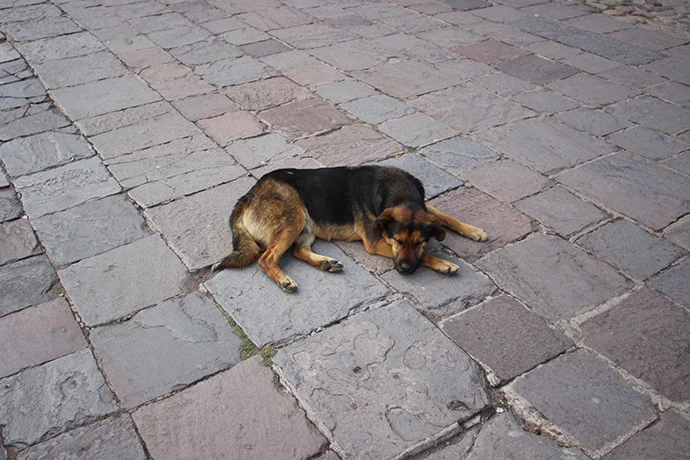
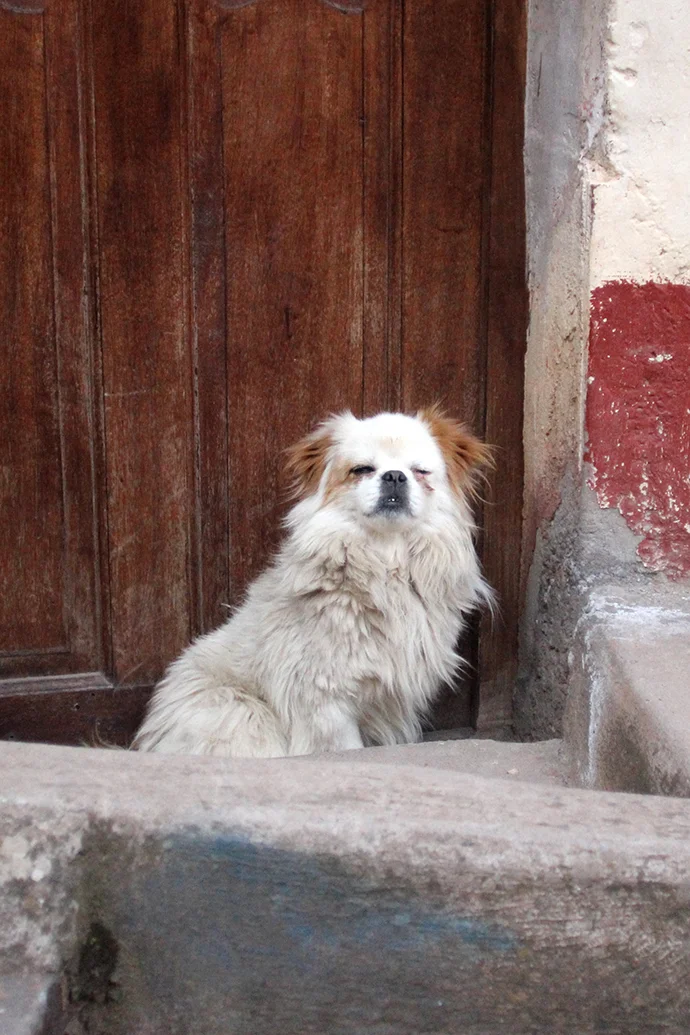
But my favorite part about Cusco was undeniably the dogs. The very first thing I noticed was the street dogs—they're everywhere—and despite being very ordinary and a little mangy, I couldn't help but turn into an excited toddler every time I saw one. Some were a bit scrappier than others, but most just looked like they were going about their daily life as busy city dogs—I swear I even saw several of them carefully crossing the street at crosswalks.
Where we stayed: Hotel Rumi Punku (great for Inca Trail hikers, free transport from the airport)
Where we ate: Marcelo Batata (all-around delicious—opt for the pisco sour table demonstration) // Restaurant Sumaqcha (excellent alpaca) // La Bodega 138 (good pasta, beer)
What we ate/drank: Alpaca (just as delicious as it is adorable) // Pisco sours // Coca candy // Inca Kola (like a sweeter cream soda :P) // Guacamole (I'm new to the guac scene, but this was so good)
What we did: Cusco Cathedral // Iglesia San Francisco
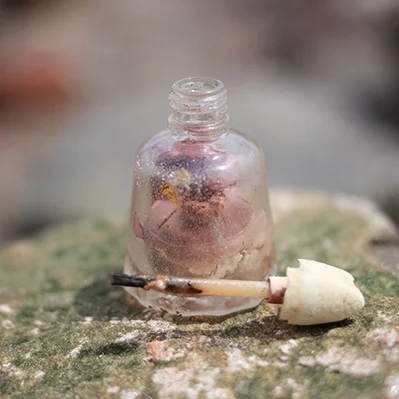
Dead Horse Bay
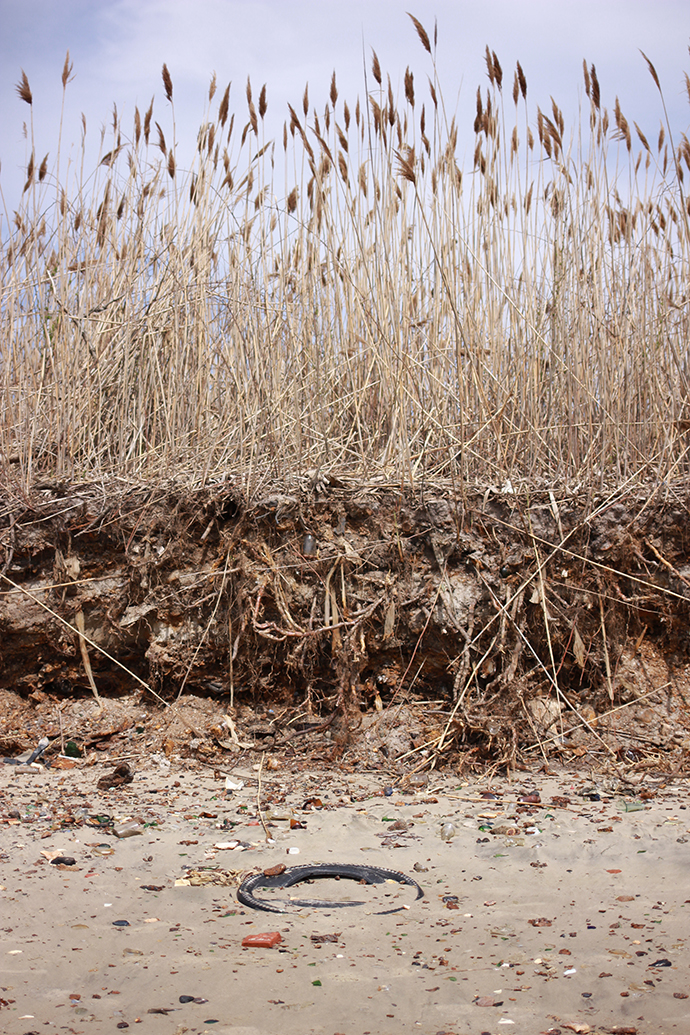
Sometimes I actively worry that I will or already have run out of things to see in New York. This is ridiculous for many reasons, and just as often I'm reminded that this city is infinite in its possibilities. Even if I did somehow run out of things to see, one of my greatest joys is revisiting places I've been—in different seasons, times of day or just to observe how time has passed. Recently we biked to one of my very favorite spots, Dead Horse Bay, which is located in Brooklyn near Floyd Bennett Field and Fort Tilden.
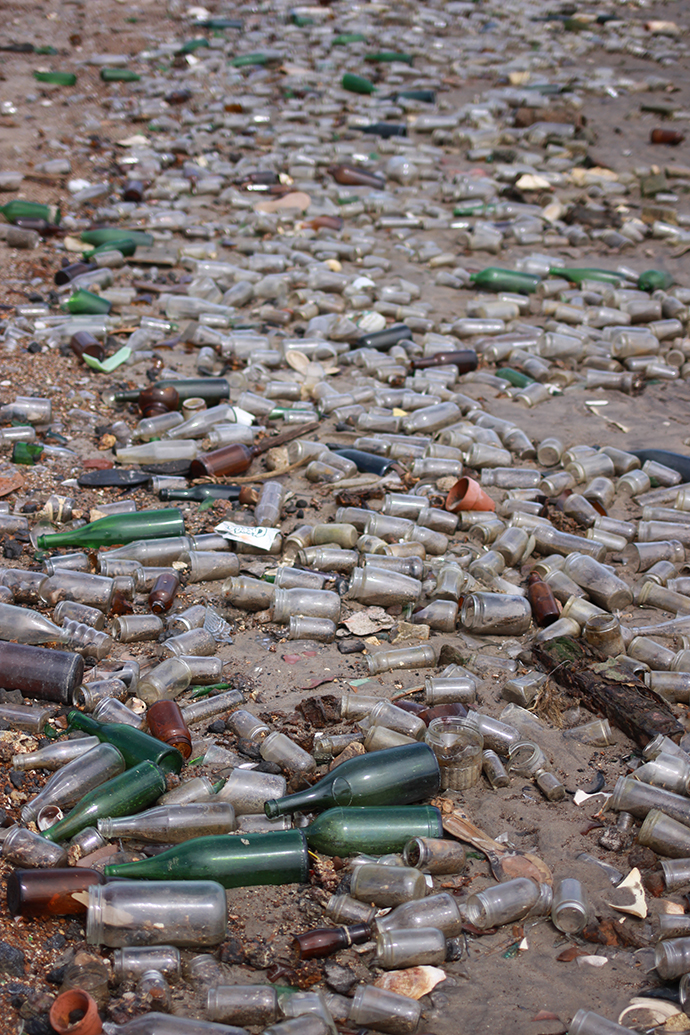
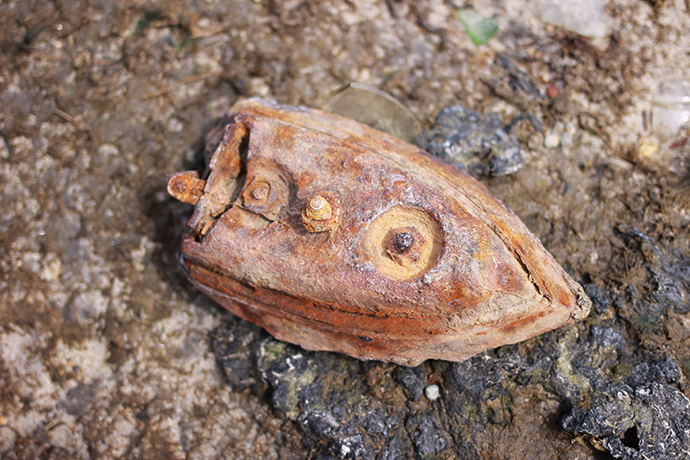
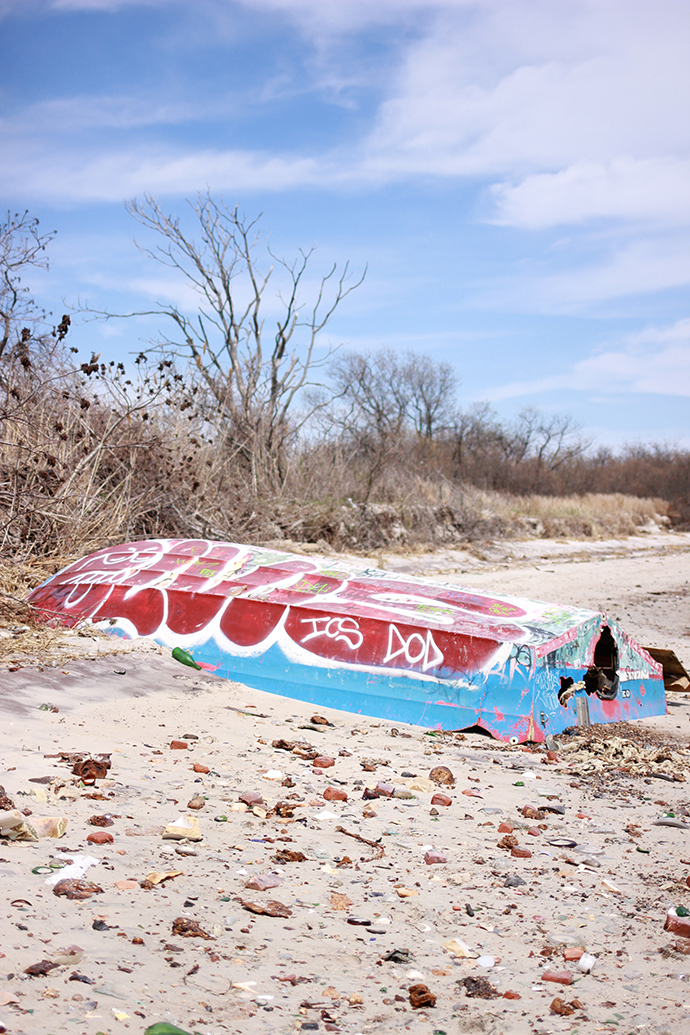
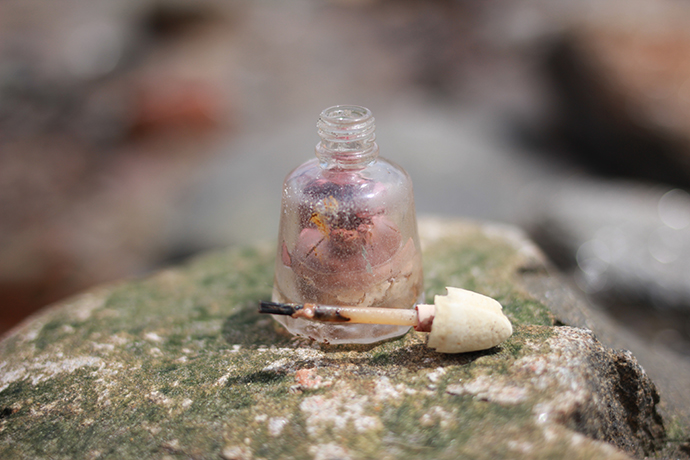


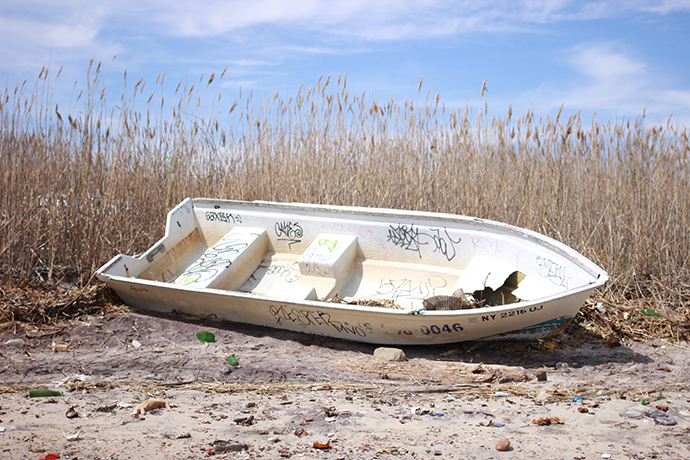
This was my third time at Dead Horse Bay and you can see photos from my first two visits here, here, here and here. I hadn't been since April of 2015, but I bet you could go back every day and find completely different things. Dead Horse Bay is basically a beach full of 19th-century trash and horse bones, formed when a cap on a landfill burst in the 50s. The name and the bones are from the horse-rendering plants that once lined the shore.


The hardest part about each visit to Dead Horse Bay is not taking home every cool thing I find. This time we forgot to bring plastic bags with us, which I was initially upset about but we just had to be more thoughtful about our souvenirs. It's especially hard for me not to take all of the horse bones I find, but I already have two large jars full of bones in my curiosity cabinet, so I only took a few that were interesting shapes and in good condition.

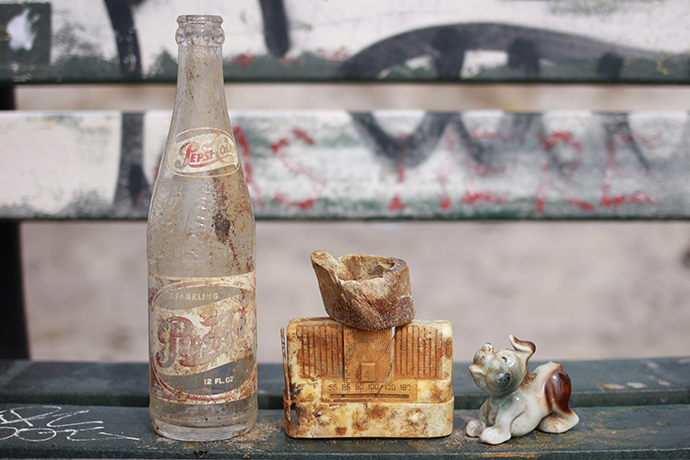

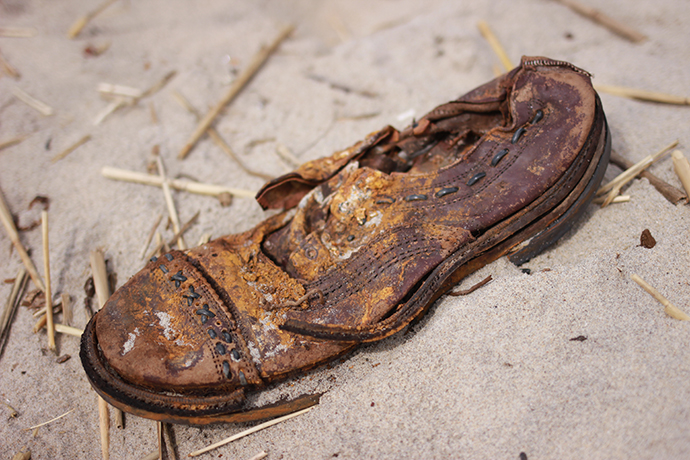


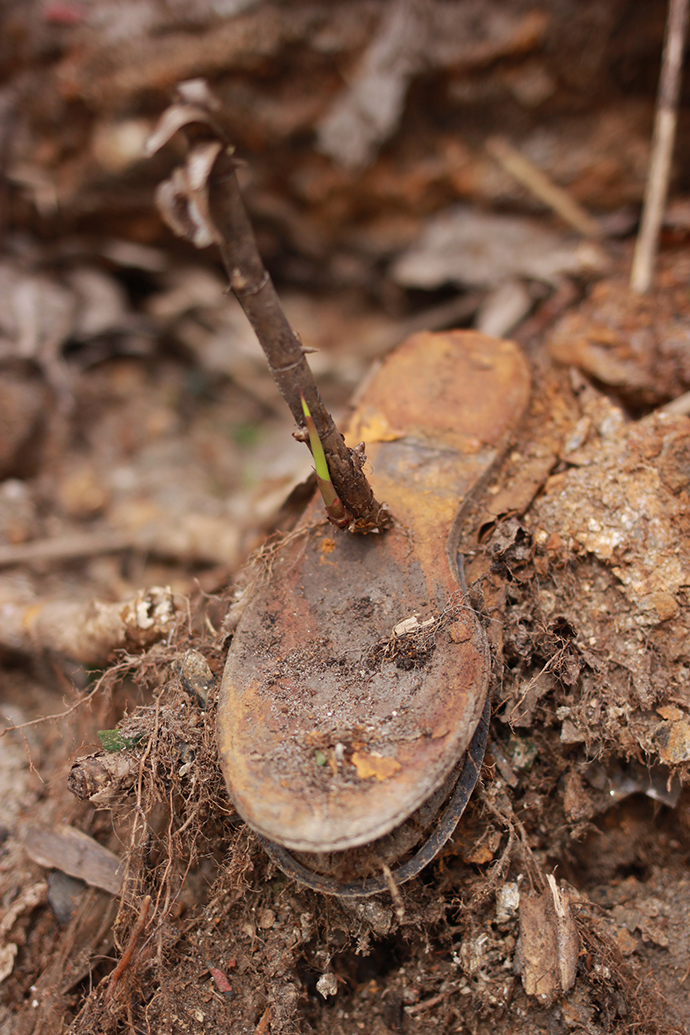
The biggest thing to remember when visiting Dead Horse Bay is to check the tide times—we didn't this time, but got lucky and arrived at low(ish) tide. We spent hours combing through everything and much of the stuff was submerged by the time we left.


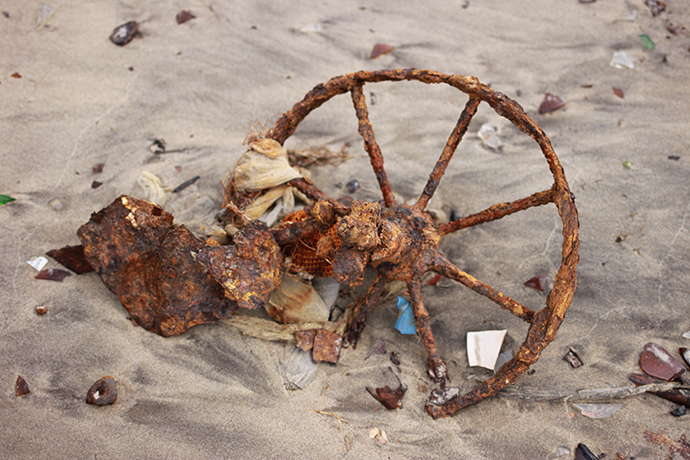


I'm slightly concerned that Dead Horse Bay may becoming popular—not that I discovered it by any means—mostly because there was an art exhibit in Brooklyn recently featuring pieces made with DHB finds. This is probably a silly thought considering how much stuff is still left, but the seclusion and post-apocalyptic feel of the beach is what makes it such a fascinating place to visit. I've seen other people gathering treasures each time I've been there, but this time there was a film shoot happening. I understand that Dead Horse Bay is a great setting, but there are so many people in this city and sometimes I just want to feel like I have something special, and to myself—if even just for a moment.
Desert Plants
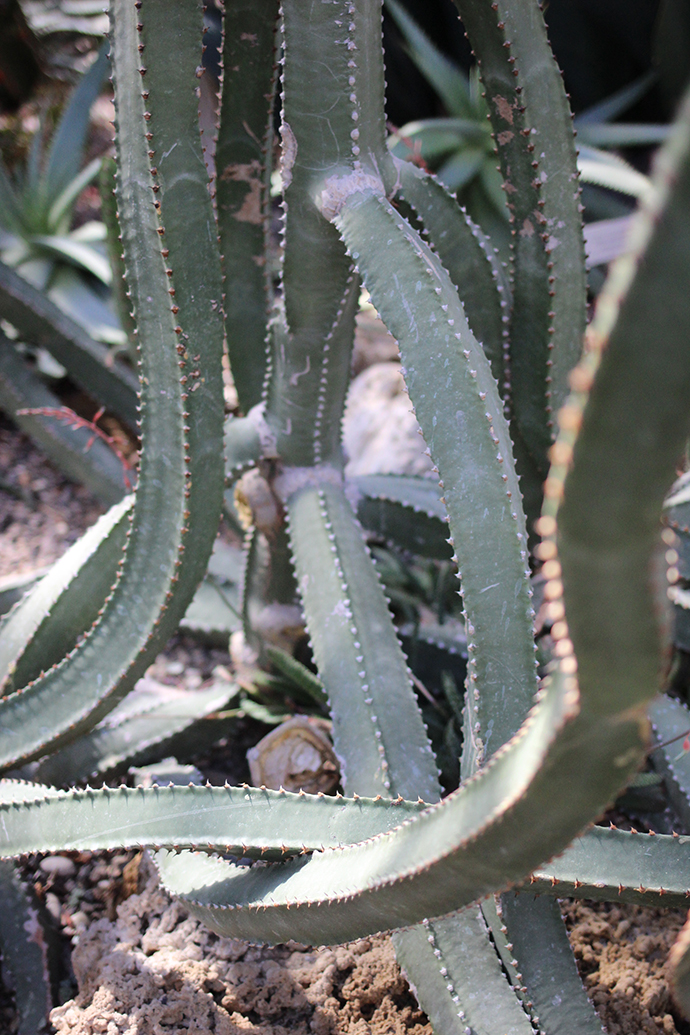
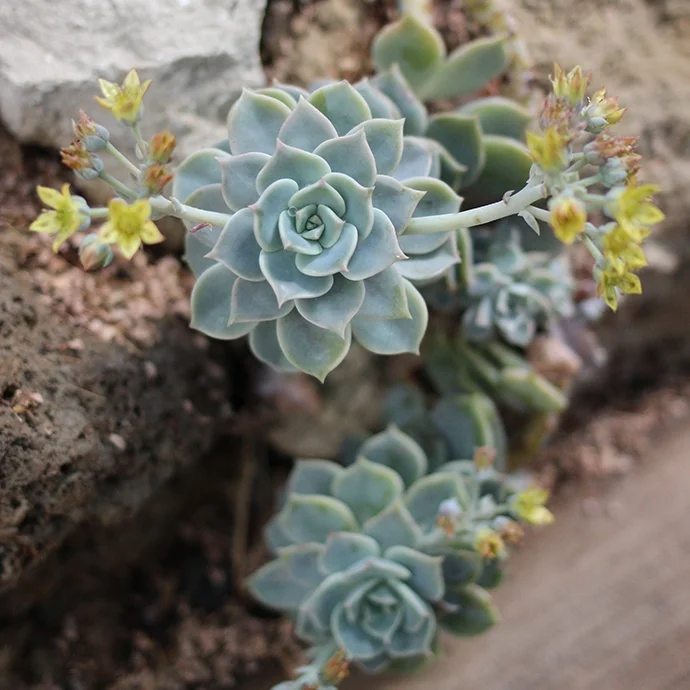
I've haven't really been to the actual desert—a few cacti near Carlsbad Caverns in New Mexico is as close as I've come— and I have never managed to personally keep a succulent alive for very long. I've come to terms with my less-than-green thumb, and luckily I can see spectacular desert collections at the Brooklyn and New York Botanical gardens without having to travel very far.

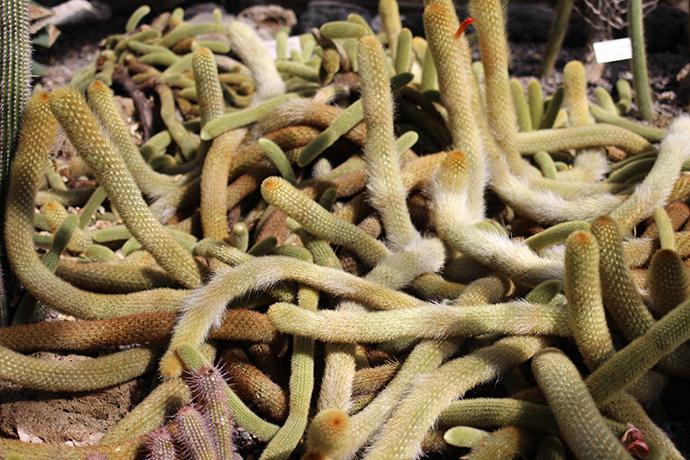


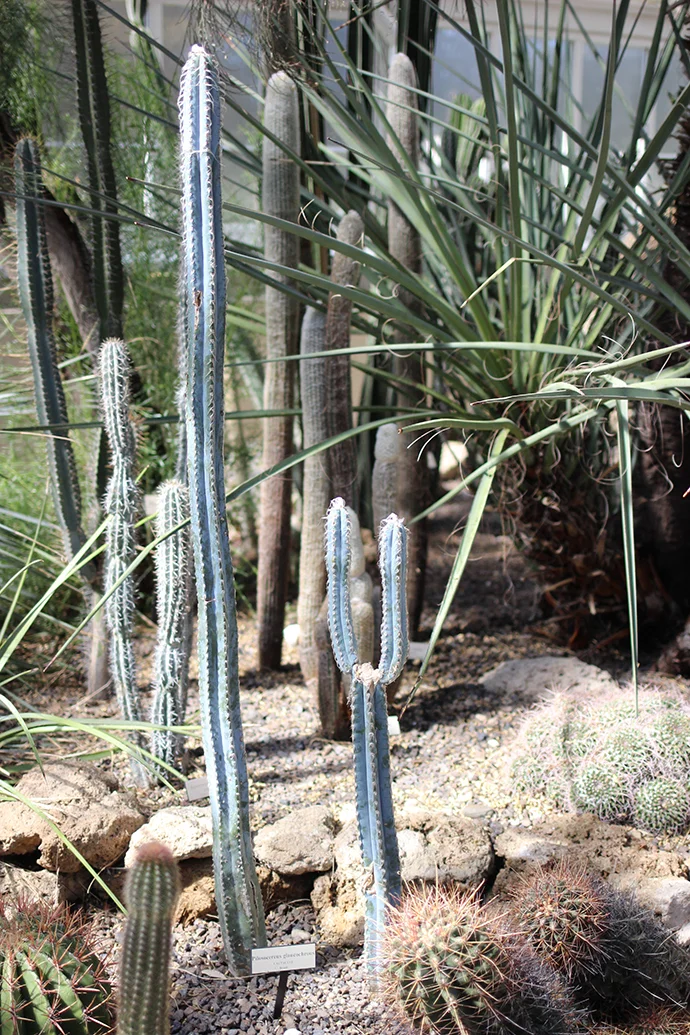

Every year I've gone to the NYBG for the orchid show, and the route through the greenhouses takes you right past their desert collection, full of strange and wonderful plants. The signs posted do nothing to make me not want to touch everything I see, and it's probably a good thing I don't find myself around pointy plants too often.

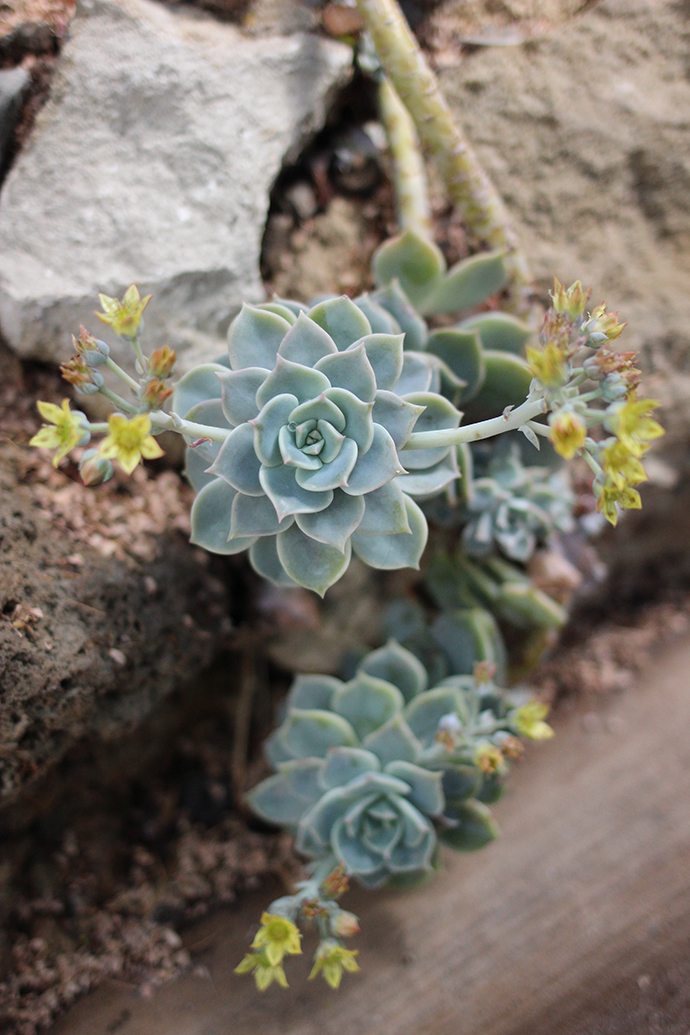


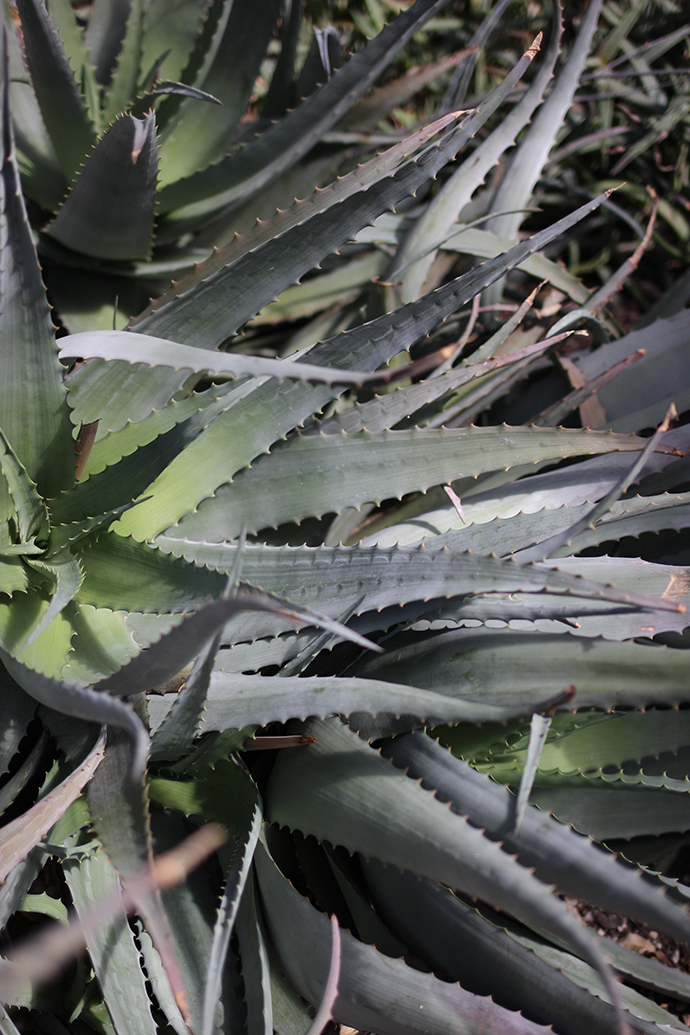

Humans are innately programmed to notice faces in inanimate objects since we're so used to seeing each other's faces, but I might have that sense to the extreme. Even before I was able to digitally add eyes to things on Snapchat and Instagram stories, I was obsessed with putting googly eyes everywhere. Cacti can look especially human-like and animated to me, always looking like they're reaching out or ready to give you a (prickly) hug.
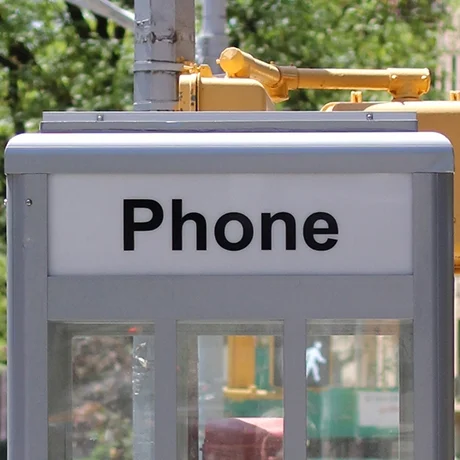
West End Avenue Phone Booths

I remember the first time I walked down West End Avenue and noticed something strange—a stand-alone phone booth. Then, I passed another one on the next block. There are many pay phone kiosks still around the city—although good luck trying to find one with an actual working phone—but I was right to be surprised by the booths. There are currently only four left in all of Manhattan, and all happen to be on West End Avenue, at 101st, 100th, 90th and 66th streets.


When I first saw them I remember that they were different from one another, and I seem to recall at least one having hideous Verizon branding. Walk-in style booths have been steadily replaced by the cheaper open-air kiosks since the 70s, and now that virtually everyone has a cell phone, those kiosks are being replaced by wi-fi and charging hubs.


These four booths, however, have persevered. The specific ones that I saw on my first walk down West End have since been replaced with four sleek, unbranded, uniform booths, indicating that they're here to stay. They manage to look both retro and futuristic with their generic, simple design and I'm so glad that they've survived.
St. Raymond's Portraits

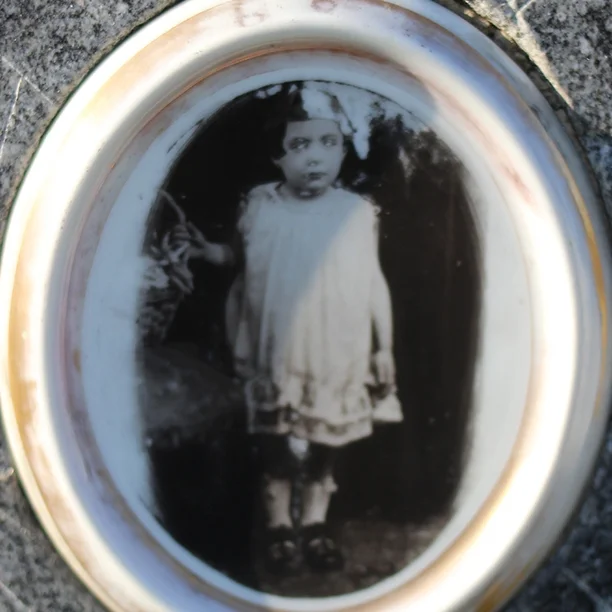
I've talked about ceramic cemetery portraiture before—at St. Michael's and Bideawee Pet Cemetery— and some of the best I've seen yet was at St. Raymond's cemetery in the Bronx. I went to St. Raymond's last October searching for the final resting place of Mary Mallon (aka Typhoid Mary), and because I had such a hard time finding her, I saw a lot along the way.
For the most part, I'm able to explore cemeteries without thinking too deeply about the actual people buried beneath my feet. I don't mean this to sound callous, but cemeteries can be intensely sad and dark places—I'd never make it though one if I stopped to mourn every individual life. I also tend to avoid newer graves since older ones interest me more, aesthetically and historically, and time helps to further sever any connection I would feel to the deceased. Ceramic portraits, however, make it impossible for me to view with detachment.


I noticed that St. Raymond's had a large number of ceramic portraits, and I wonder what it is about a cemetery that determines that—St. Raymond's is a Roman Catholic cemetery, while St. Michael's is open to all faiths. Most of these portraits date from the early 1900s—the height of their popularity—when photography was still expensive and labor intensive. A lot of the photos show people in their happiest moments, in the prime of their life or during a celebratory occasion. Wedding photos are pretty common, especially for women who are frequently referred to on their headstones by their relationship to the men in their lives (mother, sister, wife).


Something the graphic designer in me hadn't noticed until St. Raymond's, is the composite portrait. Before computers and photoshop, people still had a need to combine two or more photographs into one. Some of them are more convincing than others, but at the time it must have been a pretty neat trick. Maybe, in a prior life, I worked as a ceramic portraiture "photoshop" artist?


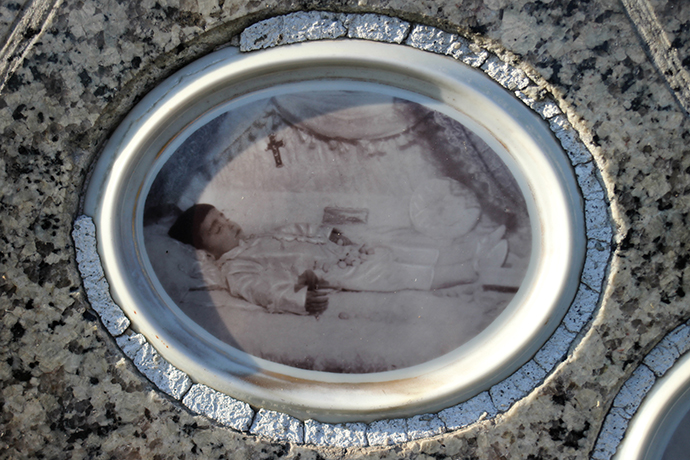
The most unnerving portraits are the ones of children. Everyone who has ever seen a horror movie (or met a real, live child) know that children are creepy. They seem to see and know things that we don't, and have senses that we lose as we grow and gain rational thought. Post-mortem photography was so popular, especially with children, in this era because sometimes that would be the only photograph a family had of a child. A lot of these photos show kids just being kids—in a soapbox car, holding a puppy, reading—but I did find at least one obviously taken post-mortem, and it's definitely one of the most memorable and objectively creepy things I've seen in my cemetery explorations thus far.
Florida

I'm pretty much constantly thinking about possible road trips. Sometimes this seems at odds with my personality—a homebody at heart who doesn't like change, craves routine and gets dreadfully car sick—but there is just so much to see in this country and world, and I want to see as much of it as I can.
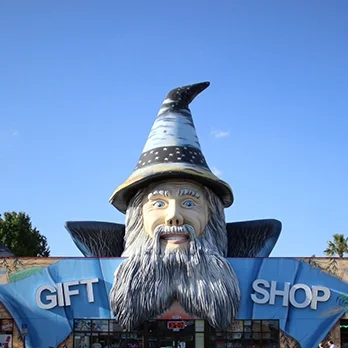
We're currently in Peru (hopefully by now!) for the next week and then we're off to Colombia for a few days, but I realized I still had a few random photos to share from our last trip (Florida)—and I really just wanted an excuse to share my photos of a gift shop that is topped with an enormous wizard head.

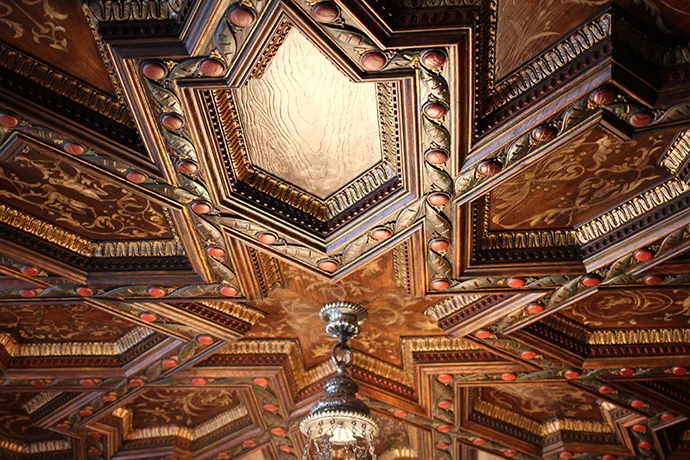

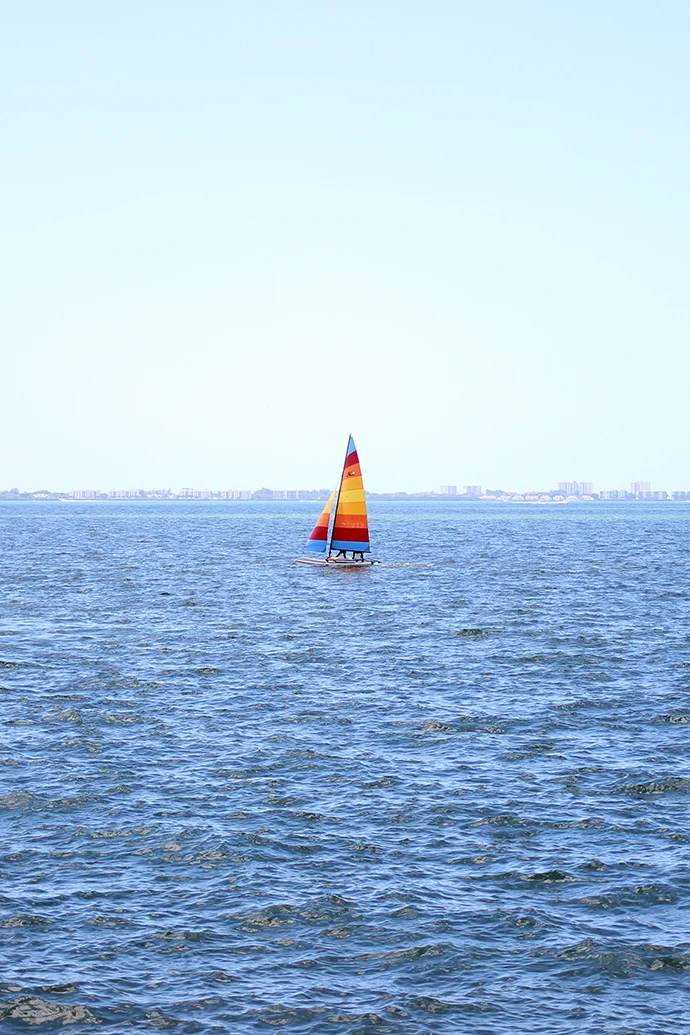
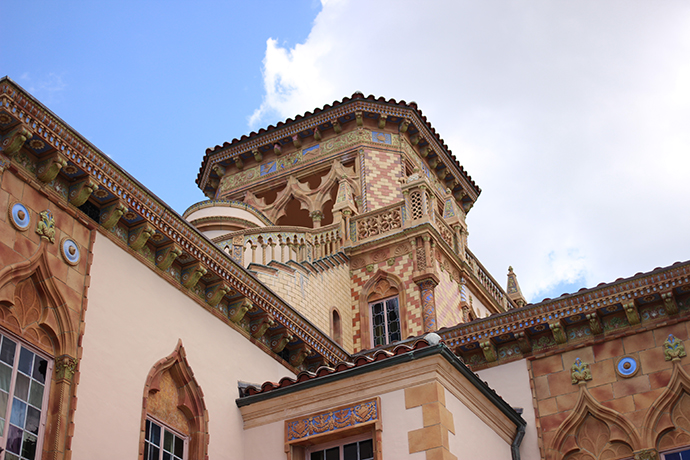
The highlight of The Ringling (for me, anyway) was definitely the World's Largest Miniature Circus, but the entire place is beautiful. The Ringling comprises several buildings including Ca'd'Zan, the 36,000-sq-foot house of John and Mable Ringling. The waterfront house was completed in 1926, cost $1.5 million, and was bequeathed to the state of Florida when John died in 1936 (Mable lived here just three years before she died).

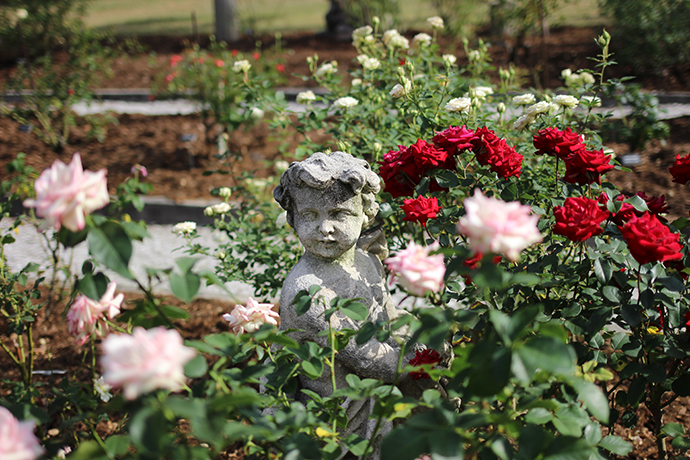
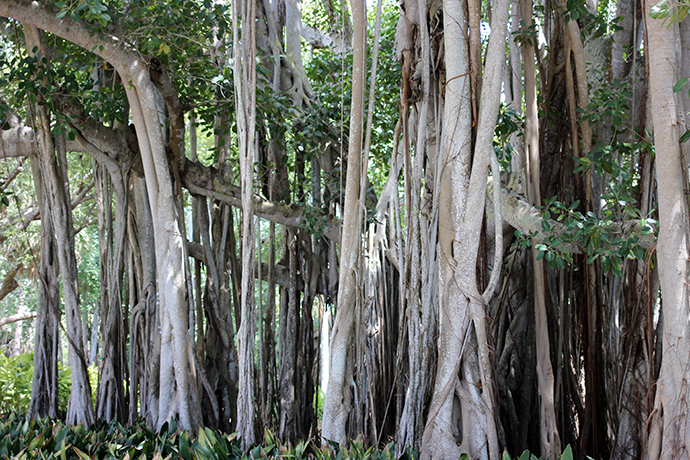

The grounds are worth a visit alone, and include an incredible rose garden and banyan trees, which I still can't really believe are real. The grounds are also the final resting place of John, his sister and his wife, who were all reinterred here in 1991. John was the last of the Ringling Brothers to die, and despite once being one of the wealthiest men in the world, he died with just $311 to his name.


The Ringling is also the home of an enormous museum of art, as well as the circus museum. I was most excited about seeing the circus museum, but we didn't realize until we left that we had missed half of it. There are two buildings, one of which houses the miniature circus along with other circus memorabilia, and one that has larger pieces like John Ringling's personal train car. I still feel dumb that we somehow missed that building entirely, but a day in which I see any "world's largest" thing is always a success.


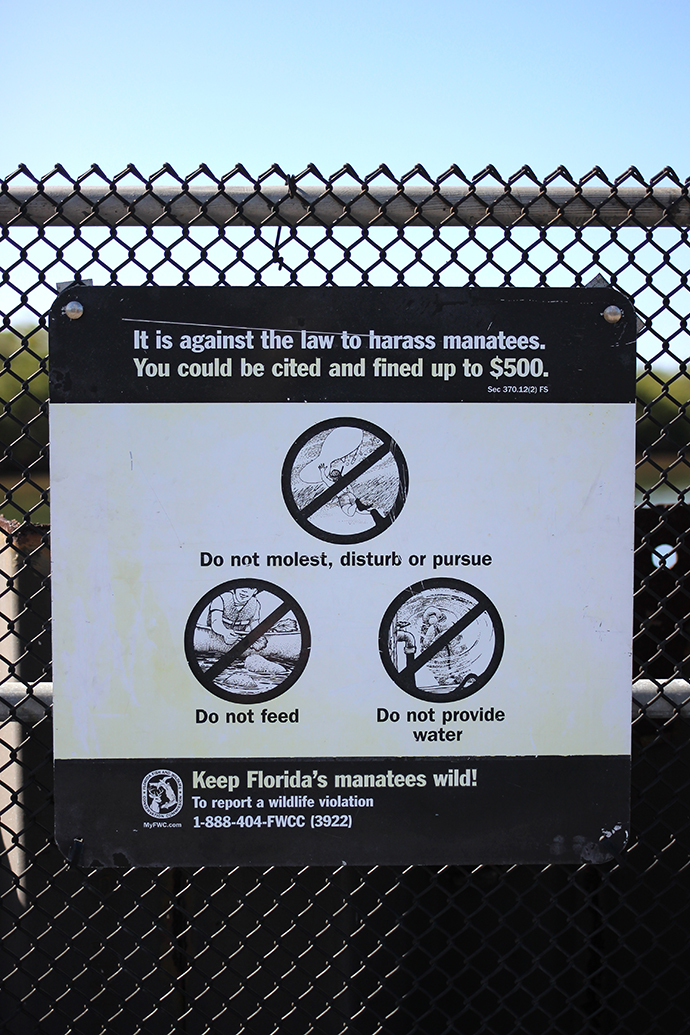
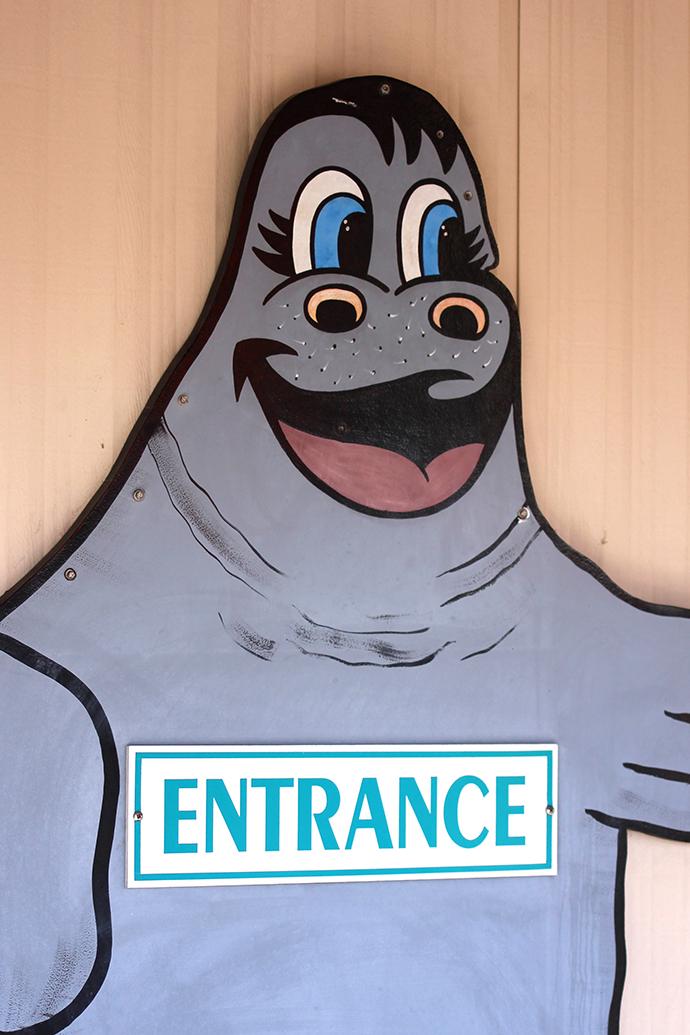

On our way to Orlando—before Gatorland, Orange World and Twistee Treats—we stopped at Tampa Electric's manatee viewing center. When Tampa Bay reaches 68 degrees or colder, manatees come into the power station's discharge canal, where clean, warm saltwater flows back to the bay. Today, the canal is a state and federally designated manatee sanctuary, with a series of viewing platforms and docks that you can access for free. It was a bit too warm already when we went, and we ended up seeing just one manatee—and from far away—but they had a good gift shop, a squished penny machine and (my first) Mold-a-Rama machine. We might not have seen many real, live manatees, but the place has fake ones in spades—and remember if you do see a real one, it is against the law to harass, molest, disturb or pursue a manatee.

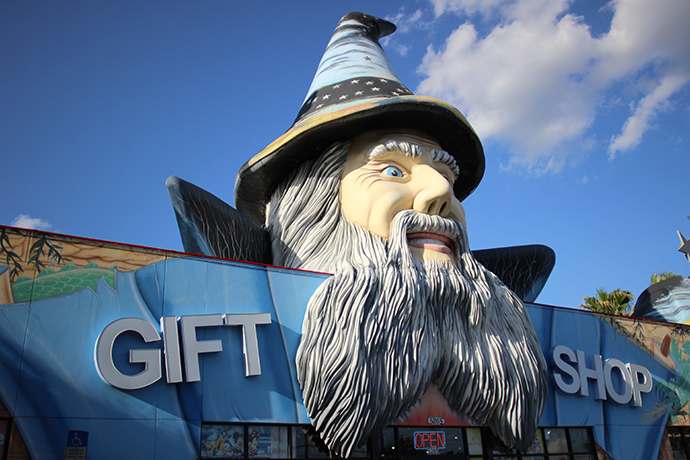


This somehow wasn't already on my list, but we drove right by it on our way to Gatorland and obviously had to stop (it's just half a mile from Orange World). The inside of this shop was unremarkable, but I just love everything about the huge wizard and the generic "GIFT SHOP" signage. I've since found that we missed a few more of these in the area—at least one more with a wizard theme, and one with a giant mermaid—but now I have something to look forward to on return trips.
The Ringling
5401 Bay Shore Rd,
Sarasota, FL 34243
Open daily, 10am-5pm, Thursdays until 8pm
Manatee Viewing Center
6990 Dickman Rd
Apollo Beach, FL 33572
Open daily, 10am-5pm, Nov. 1 through April 15
Goodie's Gift Shop
5229 W Irlo Bronson Memorial Hwy
Kissimmee, FL 34746
Jeff Koons: Seated Ballerina

I feel like I have a conflicted relationship with "modern art," or "installation art." I'm sure it's unsophisticated of me to say so, but a lot of contemporary art is just totally lost on me. My eyes can't roll far enough into the back of my head when I go to MOMA and see an entire gallery filled with blank canvasses (or ones with light pencil lines, or one stroke of color, etc.) regarded as "Art" with a capital A. I realize that there is sometimes method to the madness—and I welcome people who are smarter than I am to explain to me why certain pieces are museum-worthy–but I do try to recognize and respect the completely subjective nature of what counts as "art."
When the Whitney was moving downtown a few years ago, their final exhibition housed on the UES (before the MET Breuer moved in) was a Jeff Koons retrospective. I went because I had never been to the Whitney, and it was a pay-what-you-wish night. Koons is arguably one of the most famous living artists today, but to me a lot of his work inspires multiple of those muscle-straining eye rolls.
I remember walking into one of the rooms and just seeing a stack of lawn chairs—a scene repeating itself a million times over at Wal-Marts across the country. But even as ridiculous as some of his "work" is, I can't deny the fact that I just really love his balloon animal sculptures. Sure, he didn't invent the balloon animal, and I'm sure he's so far removed from his actual work at this point in his career that everything is manufactured by minions à la the Warhol factory system, BUT I just can't hate those stupid sculptures. They're an everyday, ephemeral object, made larger and more permanent by design. They're whimsical and shiny and funny-looking and they make me smile in spite of myself.

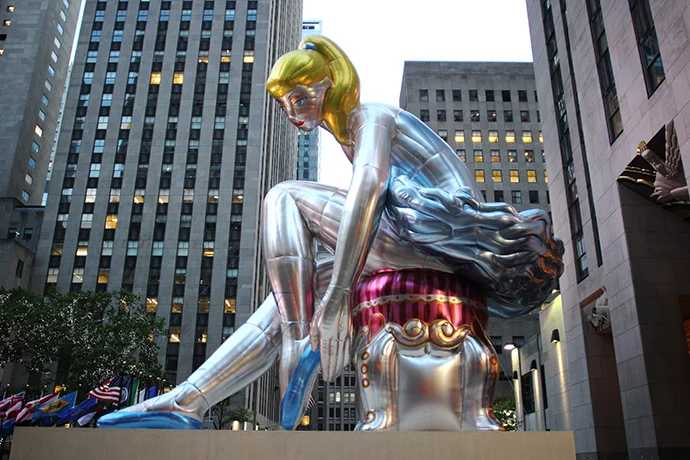

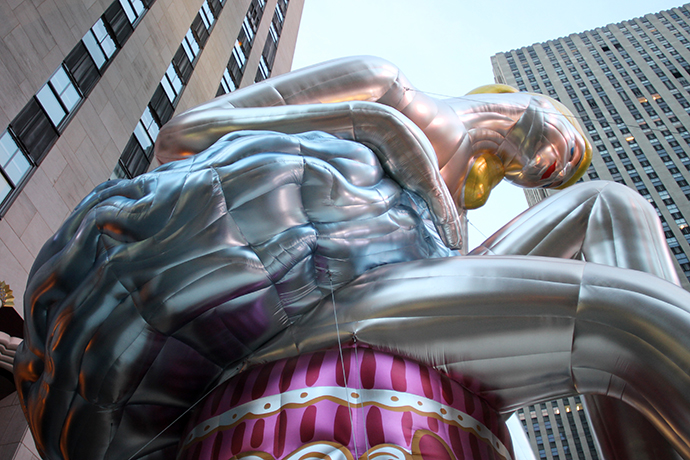
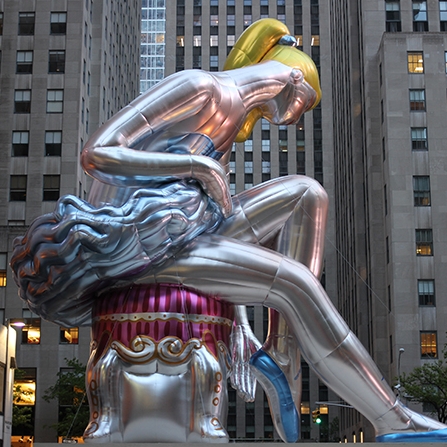
So, when I heard that Koons had a new balloon sculpture on display in Rockefeller Center, I couldn't help but be excited about it. Seated Ballerina is just that—a 45-foot-tall seated ballerina balloon sculpture—but unlike the works that made him famous, this one is an actual balloon (tethered to a pedestal and on view until June 2nd).


According to a press release, the sculpture "is based on a small porcelain figurine and acts as a contemporary iteration of the goddess Venus," but it's also larger than it's supposed to be and just plain fun to look at. I wouldn't say that Seated Ballerina made me think deeply about National Missing Children’s Month—which Koons claims is an objective—but it did bring me more joy than an entire gallery of blank canvasses ever could.
The most fantastic thing about the New York Botanical Garden’s annual Orchid Show is the orchids themselves