
Archive
- Abandoned
- Alabama
- Arizona
- Bahamas
- Books
- California
- Cemetery
- Climate
- Colombia
- Connecticut
- Diner
- Egypt
- Feature
- Florida
- Friday Fun
- Georgia
- Holidays
- Illinois
- Iowa
- Italy
- Kentucky
- Louisiana
- Maryland
- Massachusetts
- Mississippi
- New Jersey
- New Mexico
- New York
- North Carolina
- Novelty Architecture
- Ohio
- Pennsylvania
- Personal
- Peru
- Project 365
- Protest
- Rhode Island
- Roadside Attraction
- South Carolina
- Tennessee
- Texas
- Travel Guide
- Virginia
- Walks
- Washington DC
- West Virginia
- Wisconsin
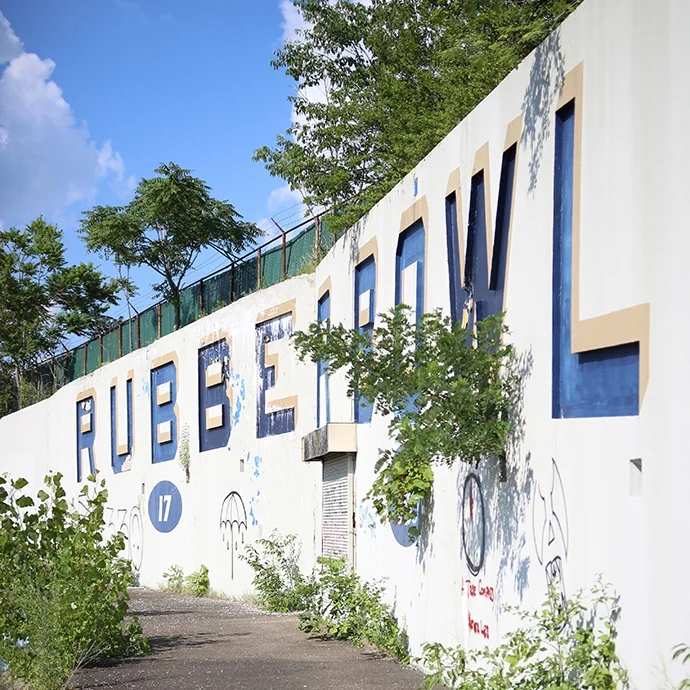
Rubber Bowl: Abandoned
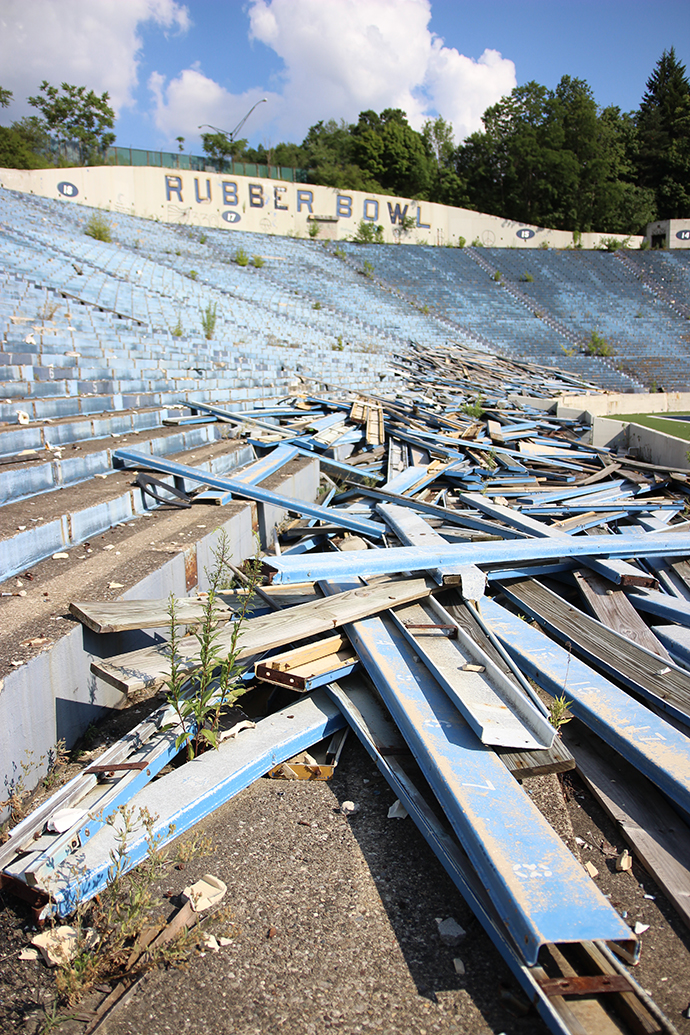
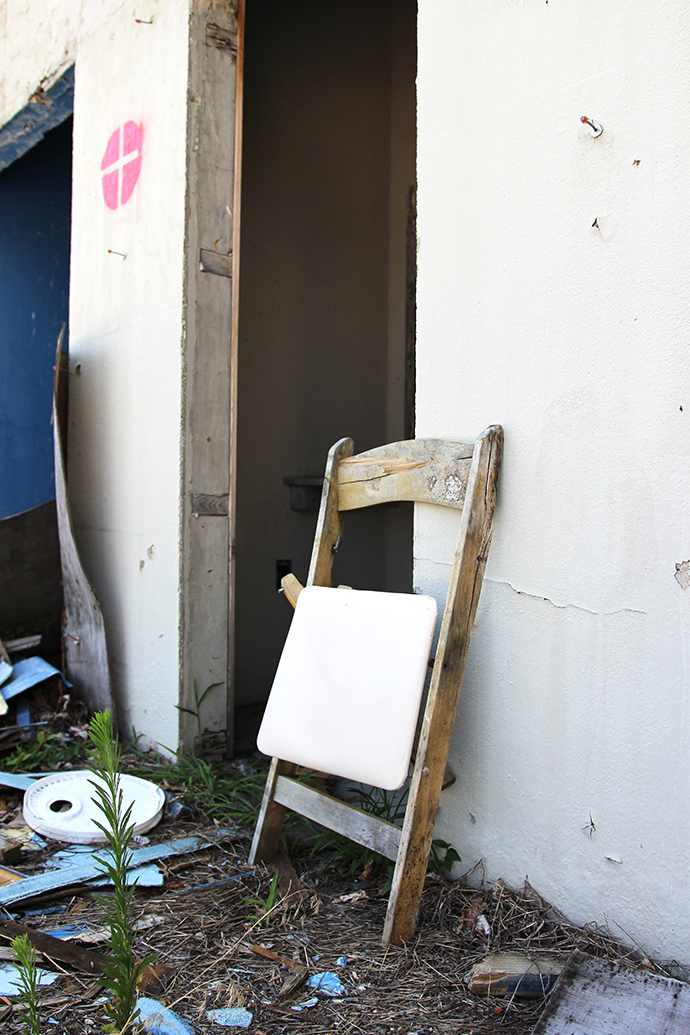
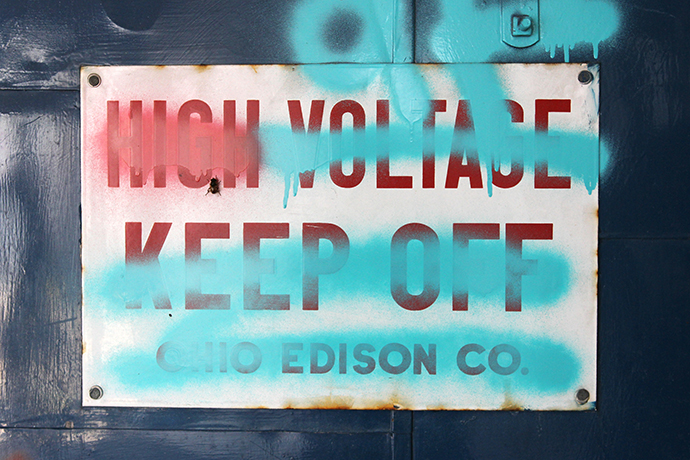
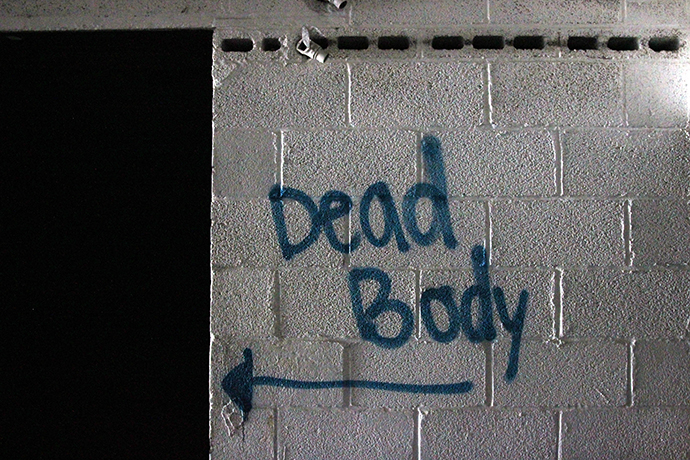
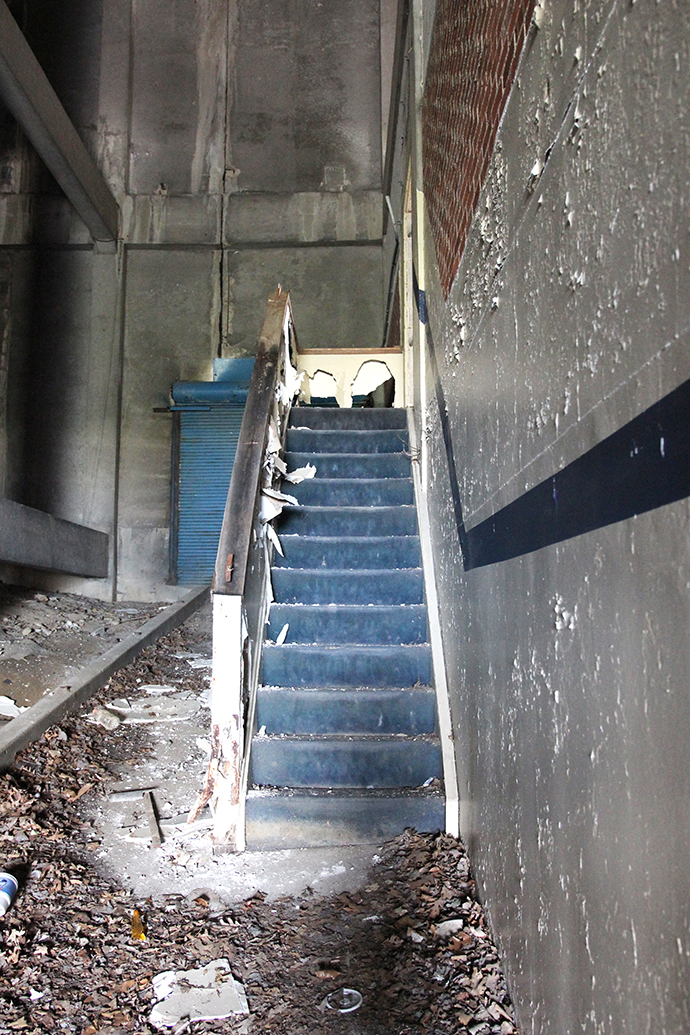
When I knew I was going to have a few days in Ohio after our recent road trip, I started making a list of abandoned places that I wanted to try to creep on. Ohio has its fair share of abandoned places and I'm constantly mad at myself for not taking advantage of all the Midwest has to offer back when I lived there. I've been determined to make up for lost time, and top of my list was the Rubber Bowl. Built in 1940 as a football stadium for the University of Akron, the Rubber Bowl closed in 2008, and despite plans to renovate it, it currently sits vacant.
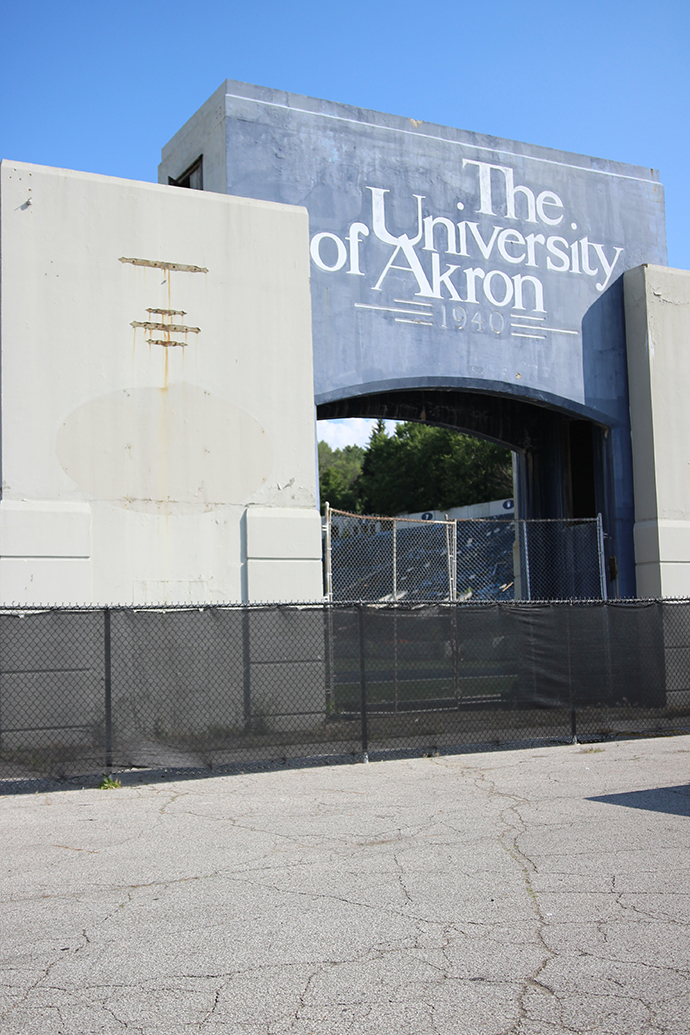
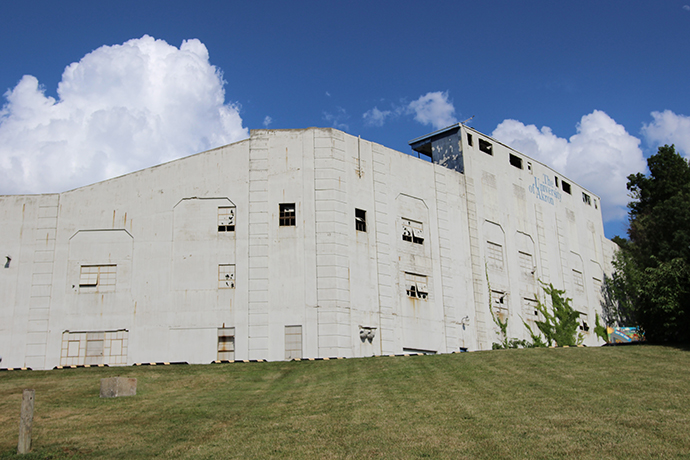
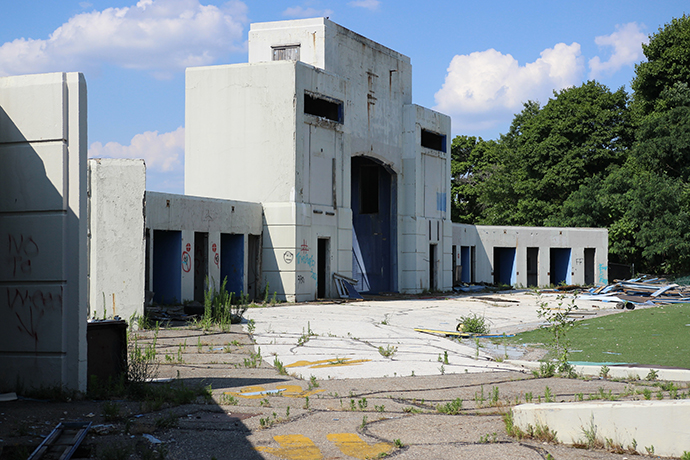
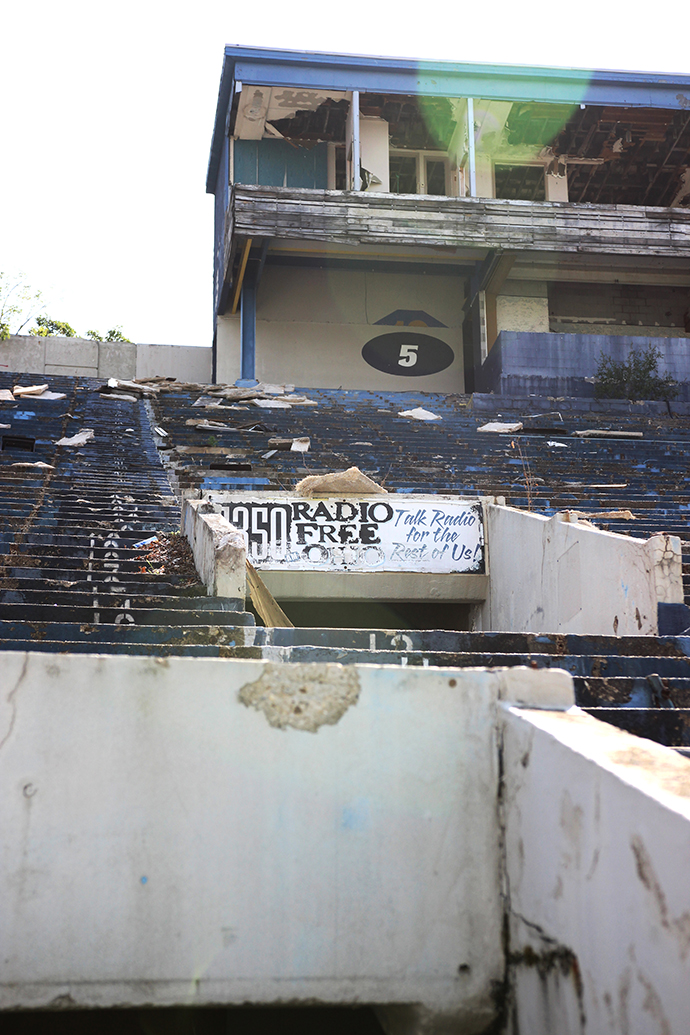
In addition to hosting football games, the Rubber Bowl was also a performance venue, hosting the Ringling Brothers, Barnum and Bailey Circus as well as concerts by The Rolling Stones, Bob Dylan, The Grateful Dead, Simon & Garfunkel and Black Sabbath.
The stadium has a seating capacity of 35,202, and is right next to Derby Downs, home of the annual Soap Box Derby. In fact, the Soapbox Derby was happening at the exact same time we planned on creeping on the stadium, and we were almost deterred by the crowds. I'm so glad we had the courage to go ahead as planned anyway, because the stadium was an absolute post-apocalyptic dream.
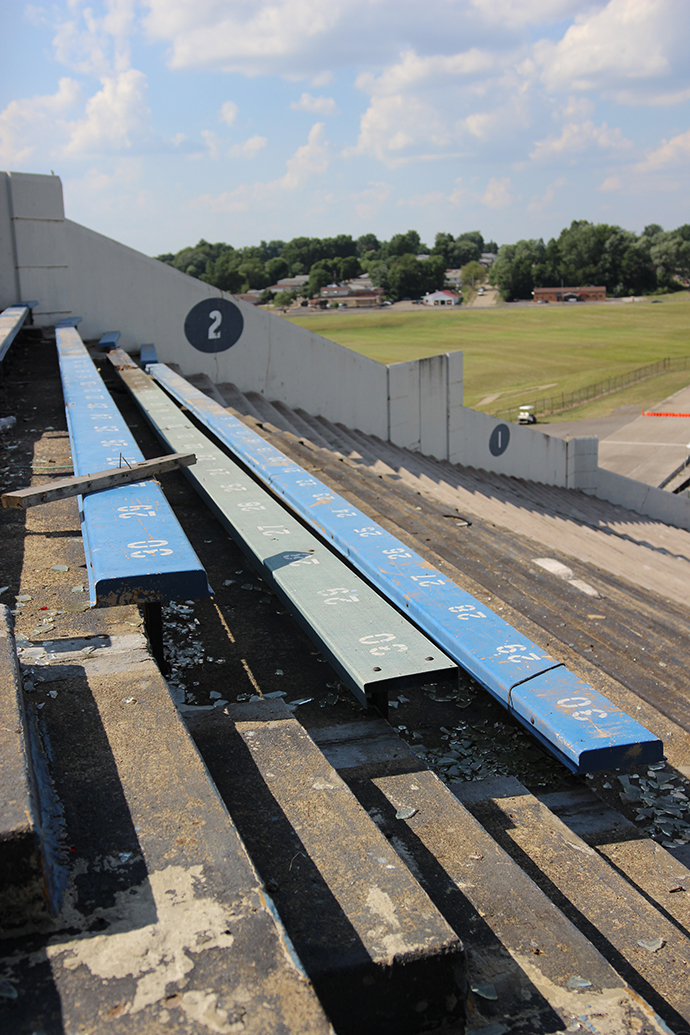
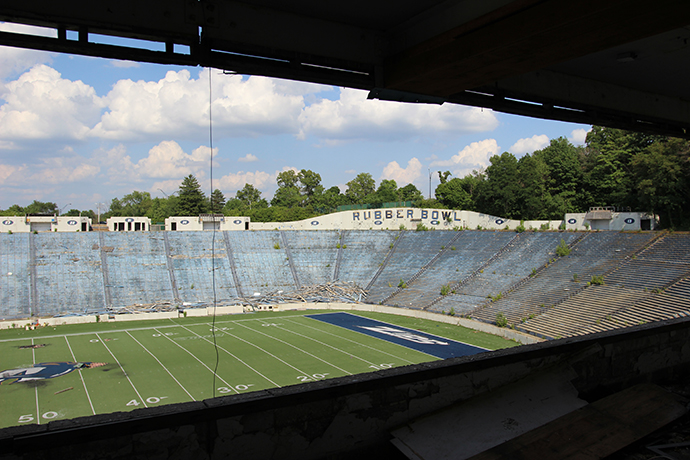

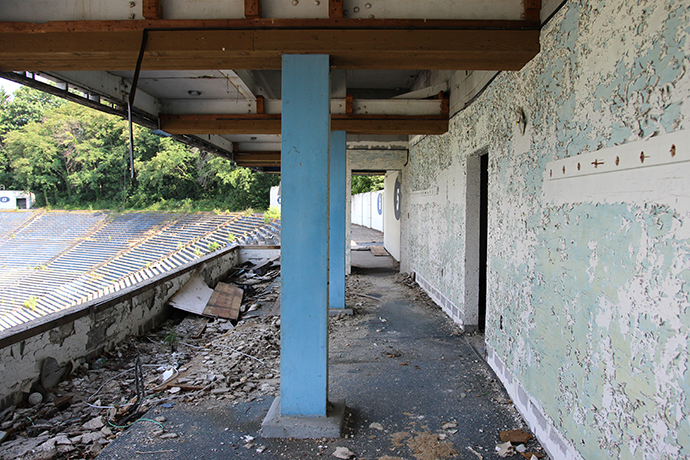
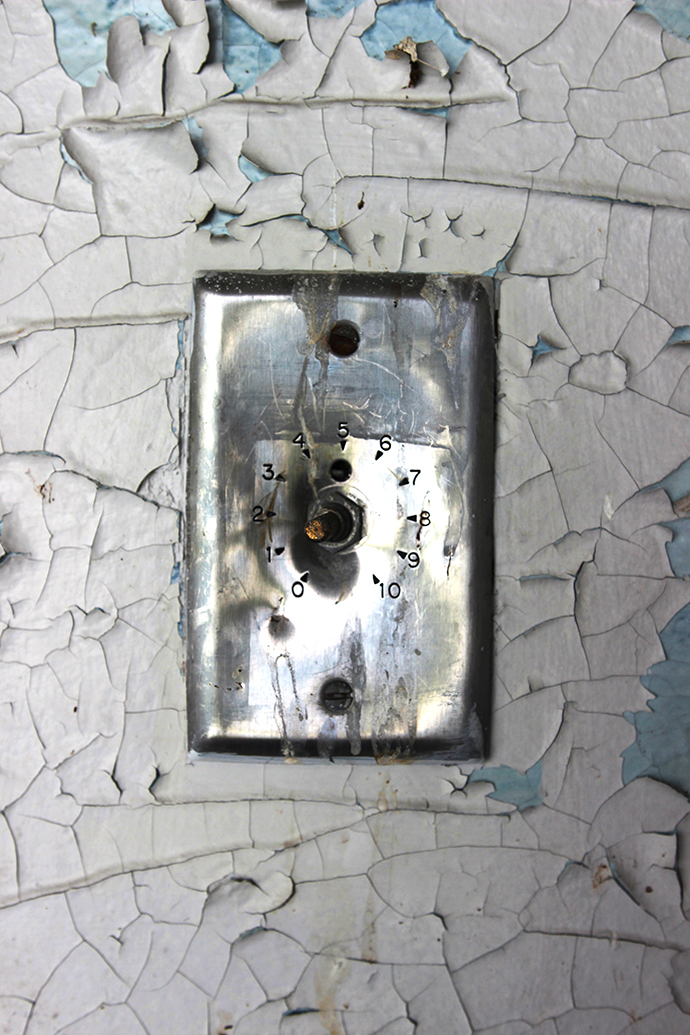
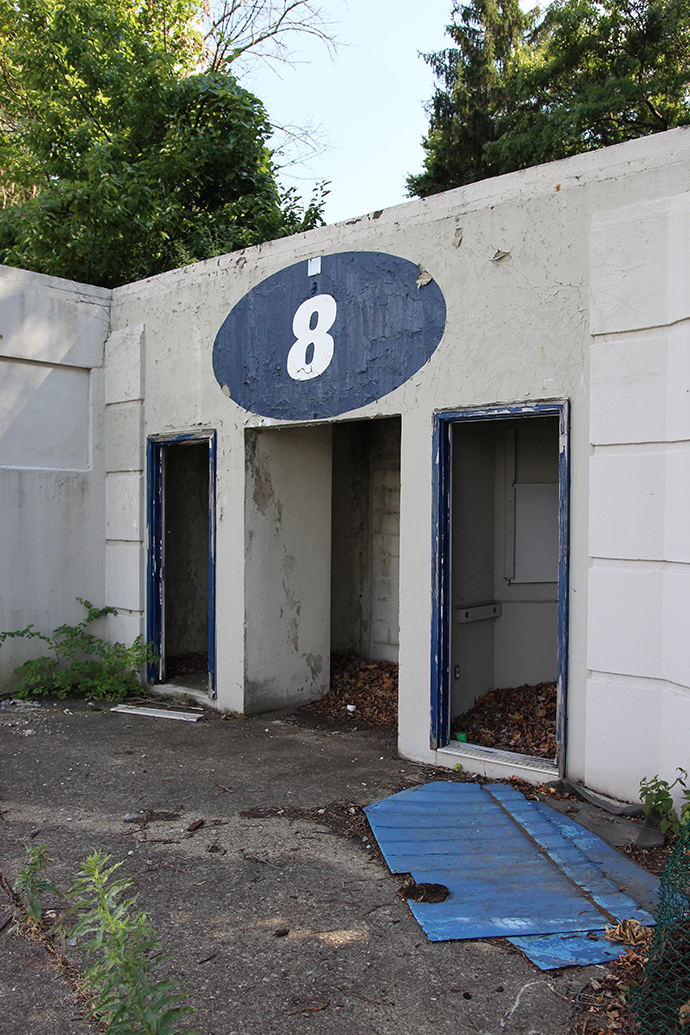
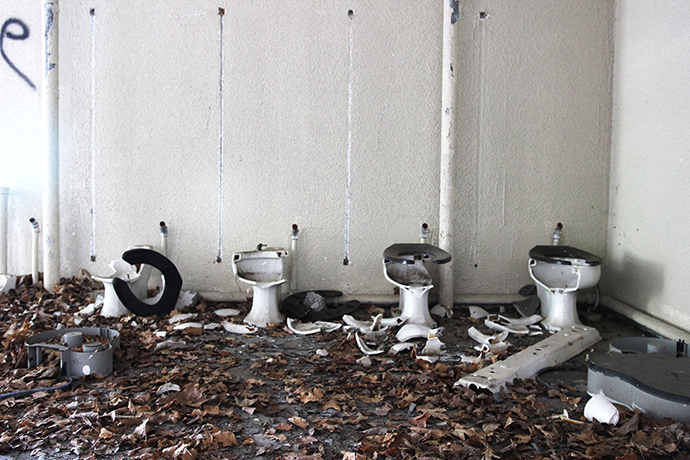
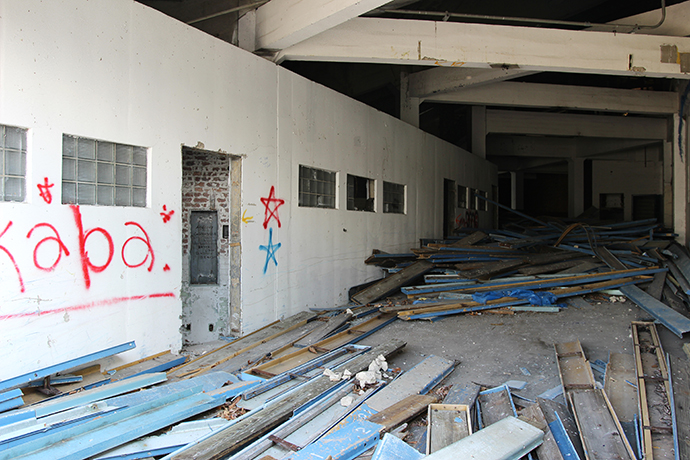
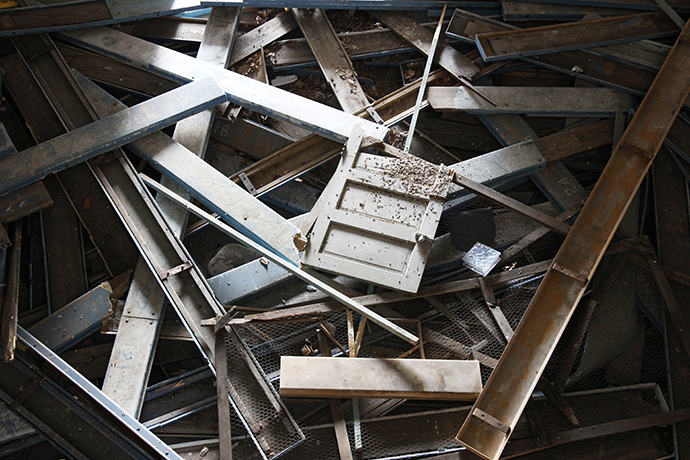
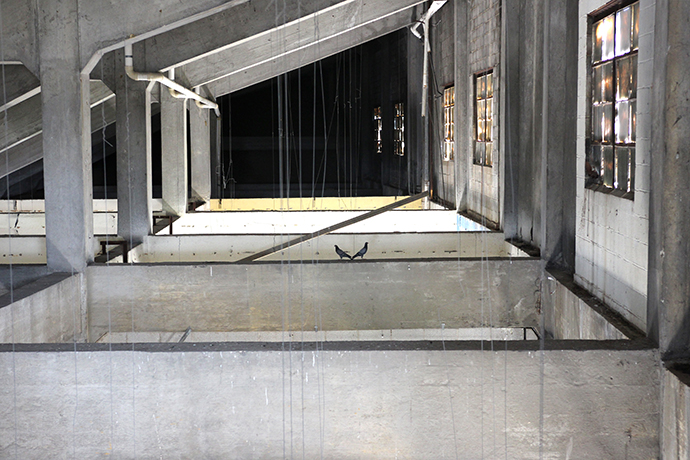
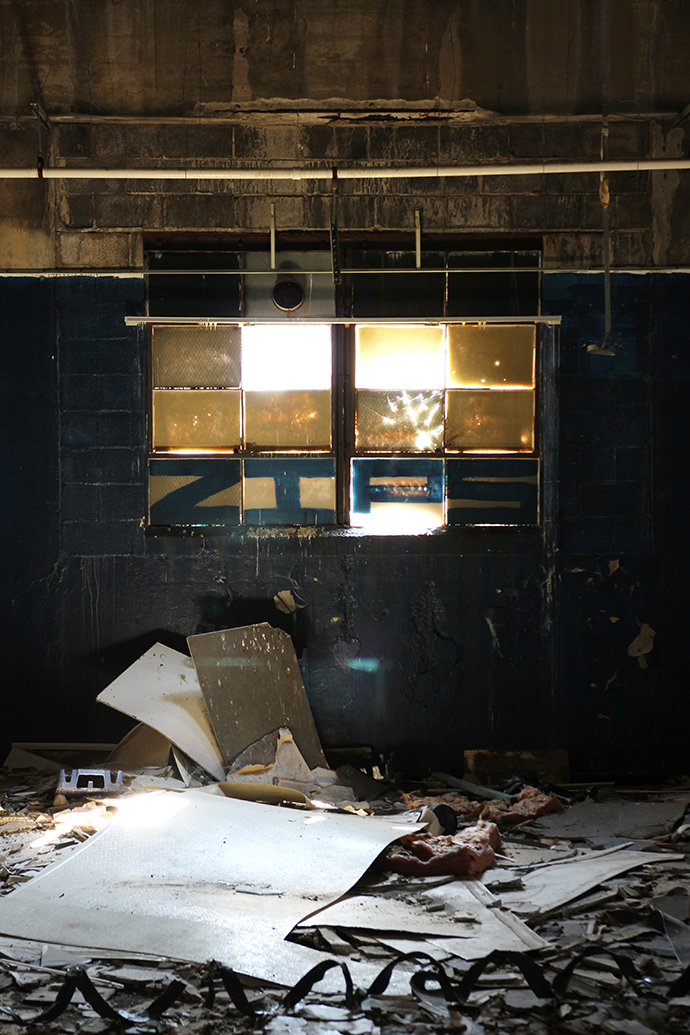
We initially went into the interior of the stadium, which doesn't have much left in it except piles of bleachers and other debris. The stadium, striped of its bleachers down to the concrete feels more like the Roman Colosseum than a modern-day arena. It's crazy how big the stadium felt, probably even more so because we were the only ones there. The toilet rooms confused me (so close together!) until JMP pointed out that there were once stalls to separate them from one another (duh).
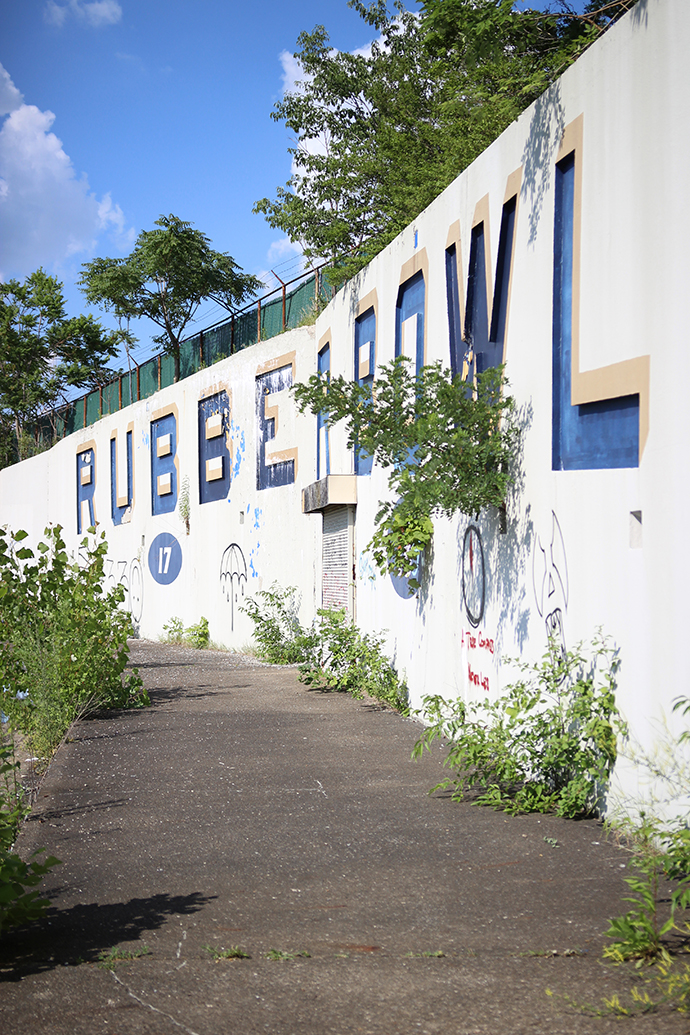
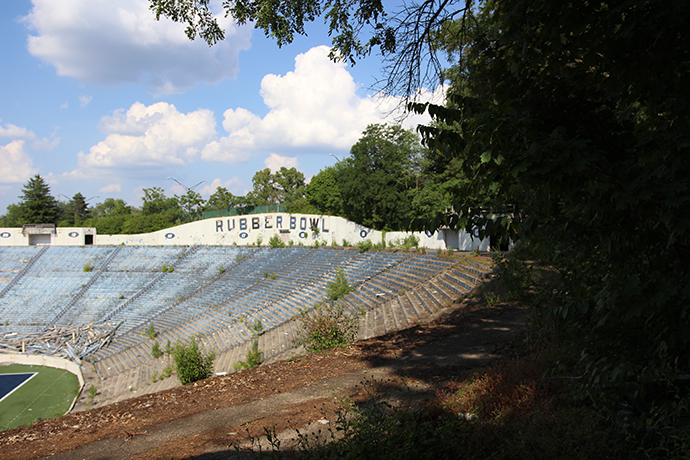
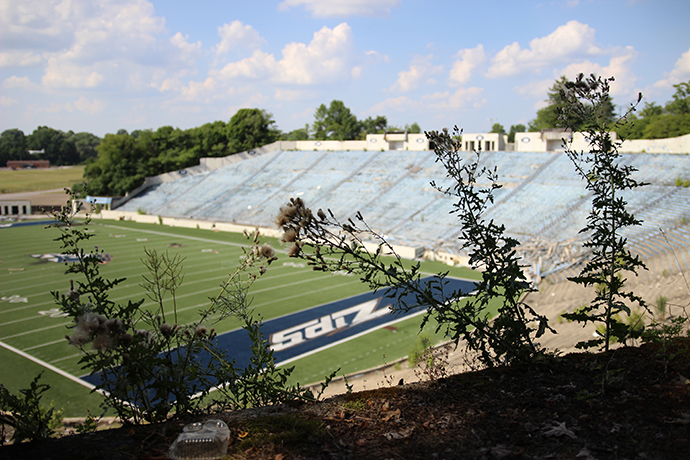
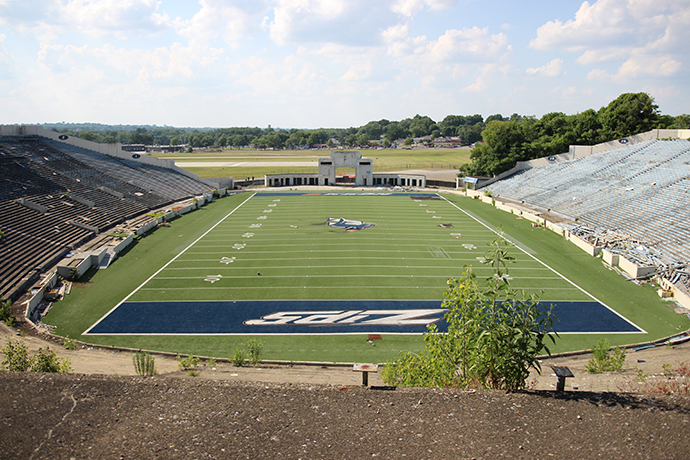
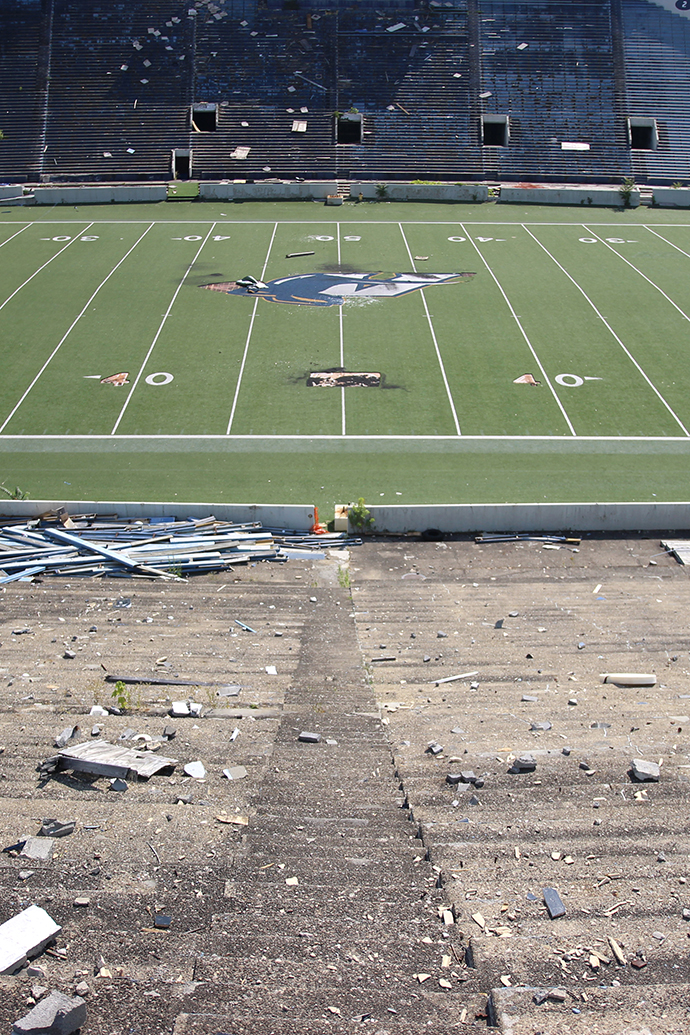
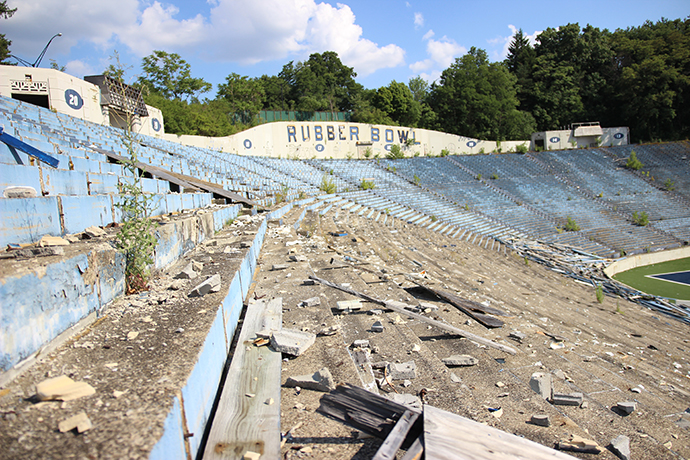
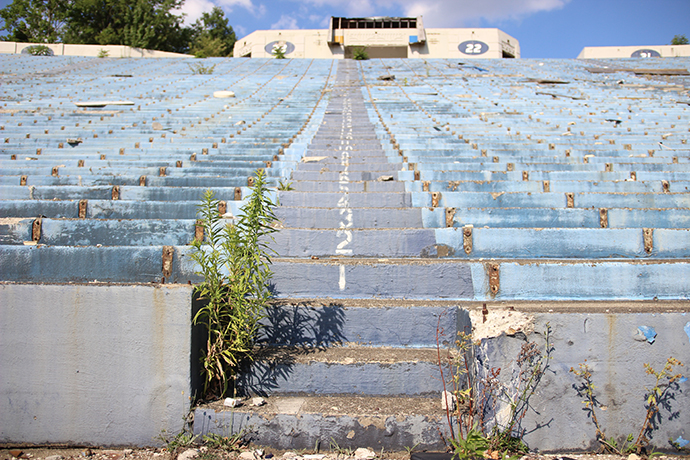
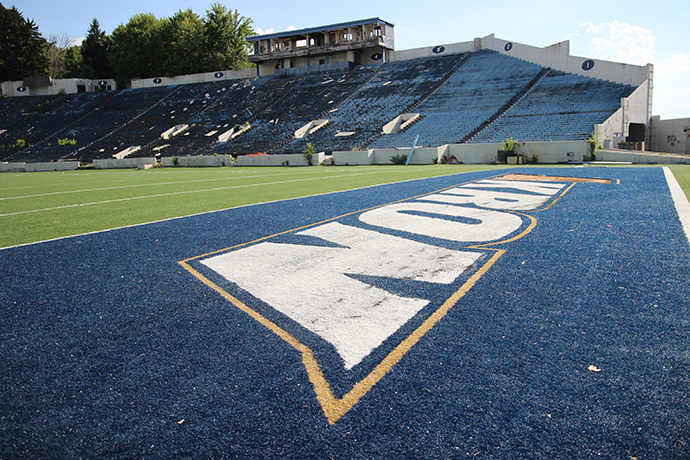
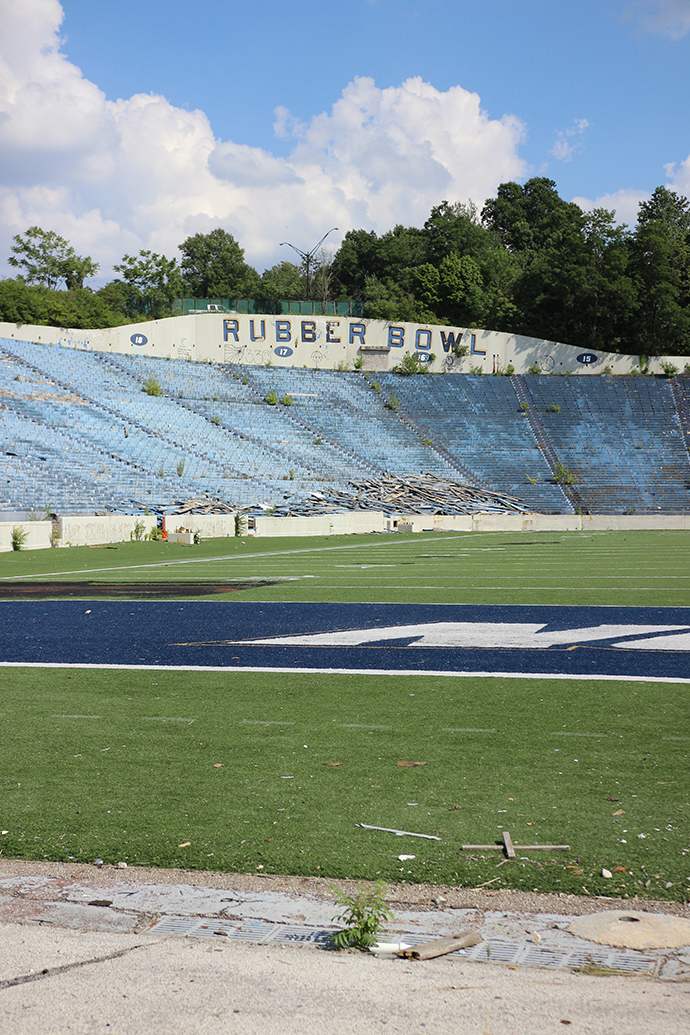
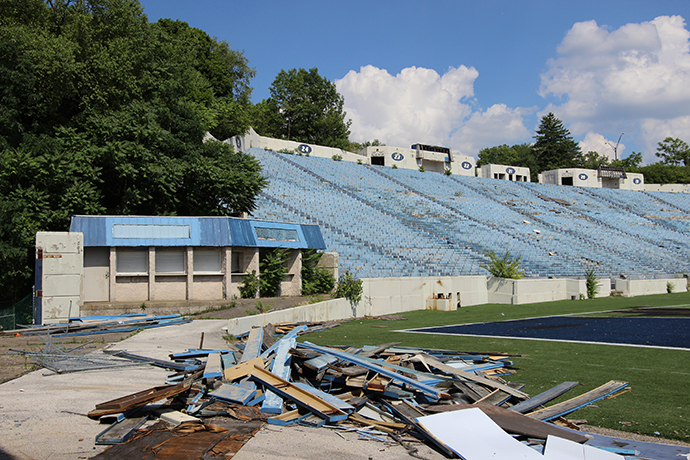
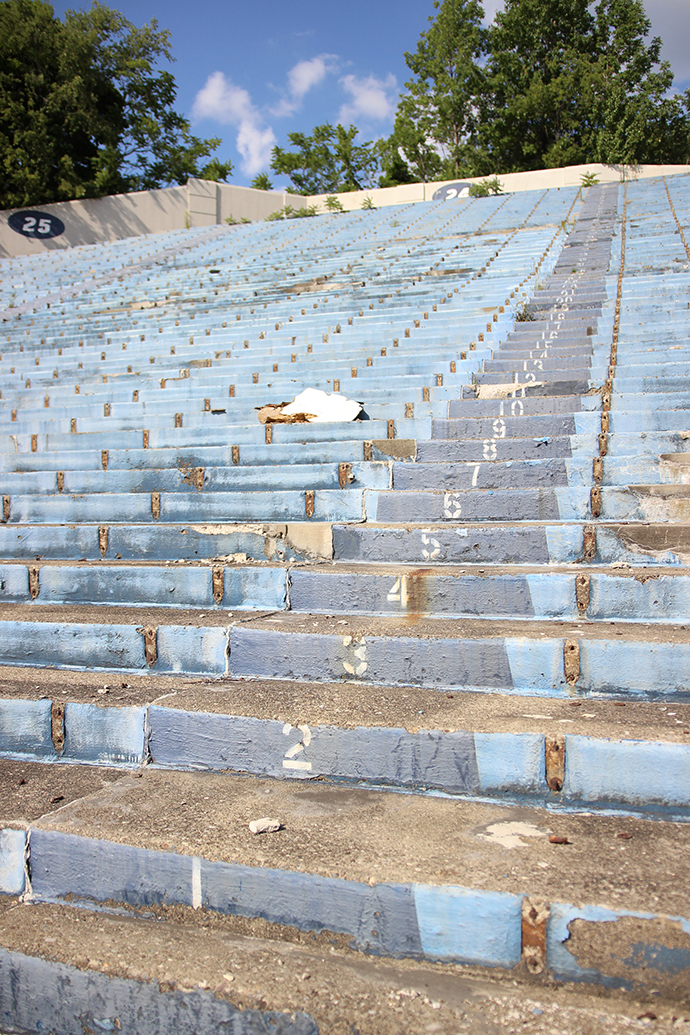
I'm definitely still a novice when it comes to exploring abandoned places, but I can't imagine finding a place much better than the Rubber Bowl. Abandoned spaces are fascinating to me because of contrasts—seeing a place that was once filled to the brim with people, now completely empty; man-made concrete and steel structures being reclaimed by nature, green crawling and sprouting from every crack. The Rubber Bowl is a perfect example of this, with its evergreen artificial turf looking game-day ready, while the rest of the stadium crumbles around it.

Field of Giant Corn Cobs

As a native of Ohio, I'm no stranger to cornfields—in fact, I used to live on a street that had two of them, and nothing made me happier than wrapping my porch columns in dried cornstalks every Halloween. If you mix an intense love of roadside attractions with my cornfed, Ohio DNA you'd probably end up with something very similar to the field of giant corn cobs in Dublin, Ohio.


The 109 larger-than-life corncobs sprout from a field once farmed by Sam Frantz, inventor of hybrid corns. In 1994 the Dublin Arts Council commissioned artist Malcolm Cochran to create the field of concrete corn using three molds with different kernel patterns. I did notice the variation, and to the untrained eye it looks as if each cob is unique.
We were most surprised about where the field is located—smack dab in the middle of a bland industrial park, right next to a busy road and surrounded by the upper class suburbs of Columbus. While the setting was unexpected, the field of giant corn cobs has all the ingredients of a classic roadside attraction—an every day object that is dramatically scaled, accessible, strange and seemingly out of place, but with a connection to local history (however tenuous) that makes it all feel much more normal than a field of giant, concrete corn probably should.
Wigwam Village No. 2
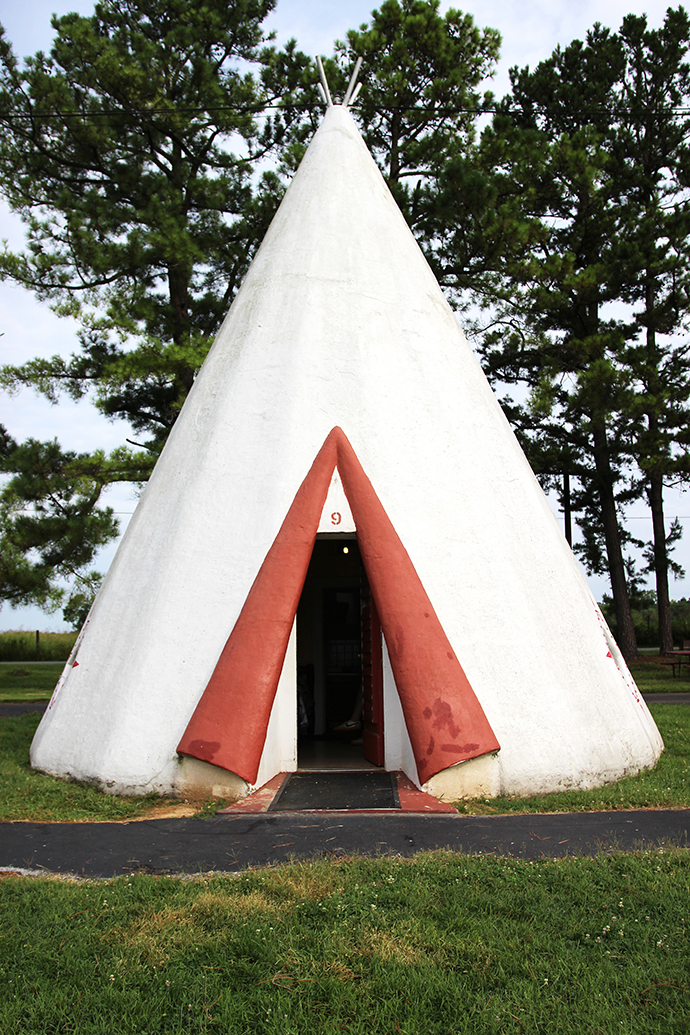
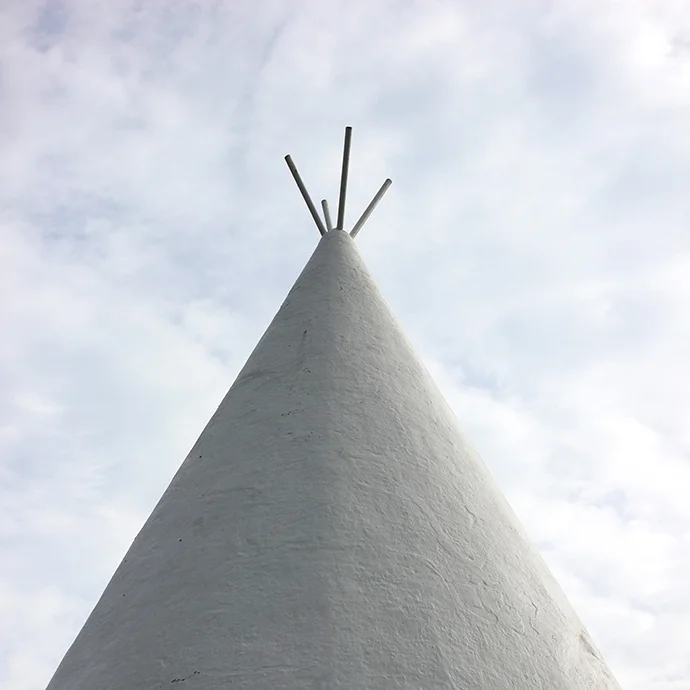
I can't remember when I first became aware of the Wigwam Villages, but ever since I did, I've been obsessed with staying in one (and then, of course, the other two). It seemed sensible to begin with the one "closest" to me—Wigwam Village No. 2, in Cave City, Kentucky. In fact, our entire recent ALL CAPS EPIC ROAD TRIP OF DELIGHTS was planned around an overnight stay at the Wigwam Village. Everything else we did along the way there and back was really just a bonus as long as we got to SLEEP IN A WIGWAM, I was happy.


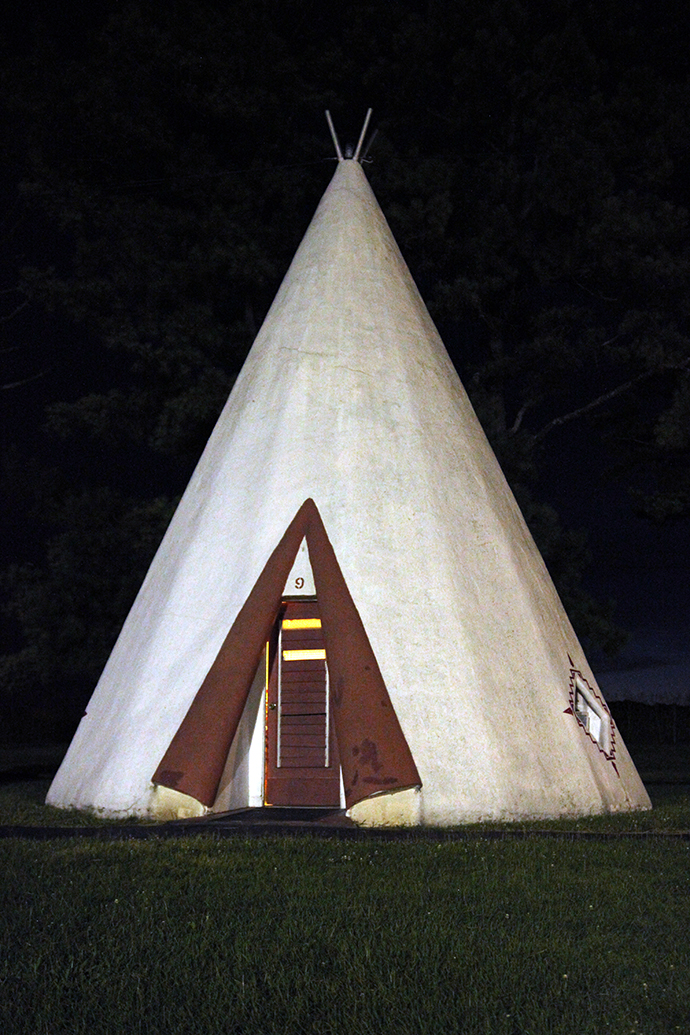


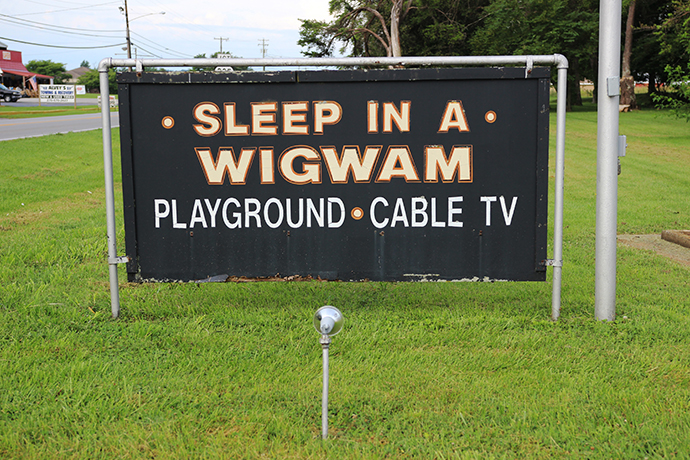
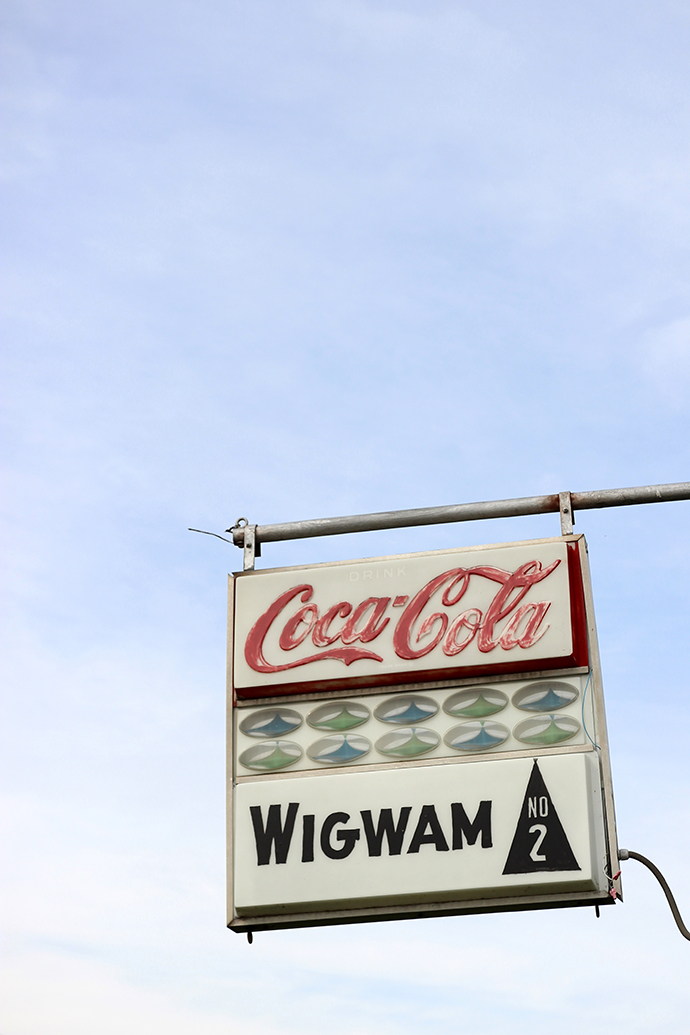
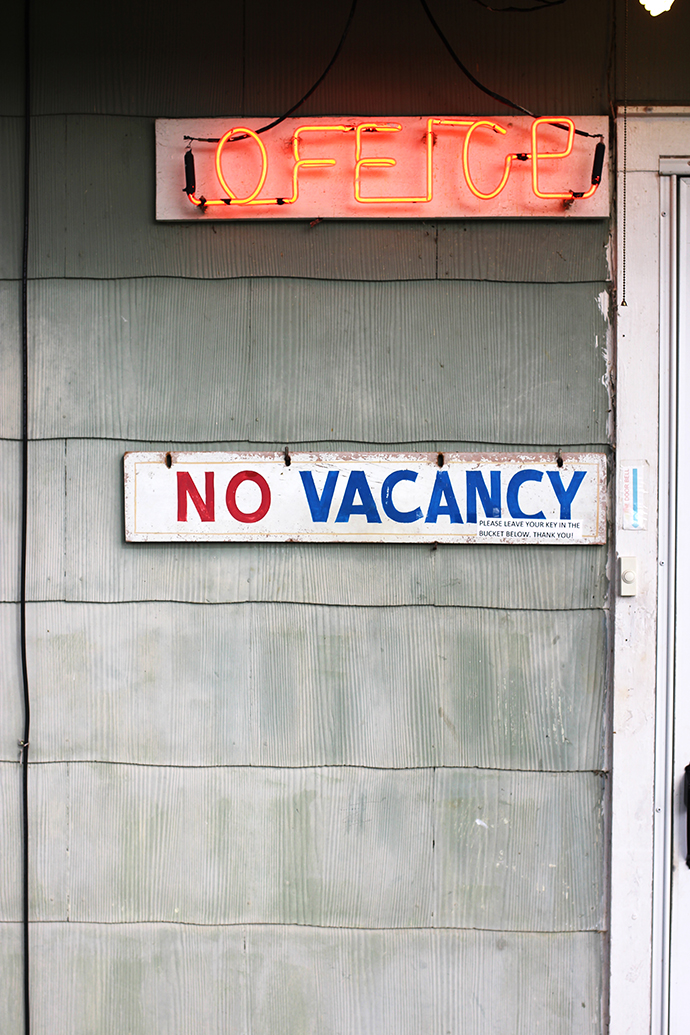
The first Wigwam Village was built in 1933 by Frank A. Redford, in Horse Cave, KY. When No. 2 opened a few miles away in 1937, No. 1 closed and was demolished in 1982. No. 2 has 15 wigwams arranged in a semi-circle (technically tipis, but I don't think Frank was too concerned about cultural sensitivity at the time). Subsequent villages were built in Louisiana, Florida, Alabama, Arizona and California, and only the last two still remain.

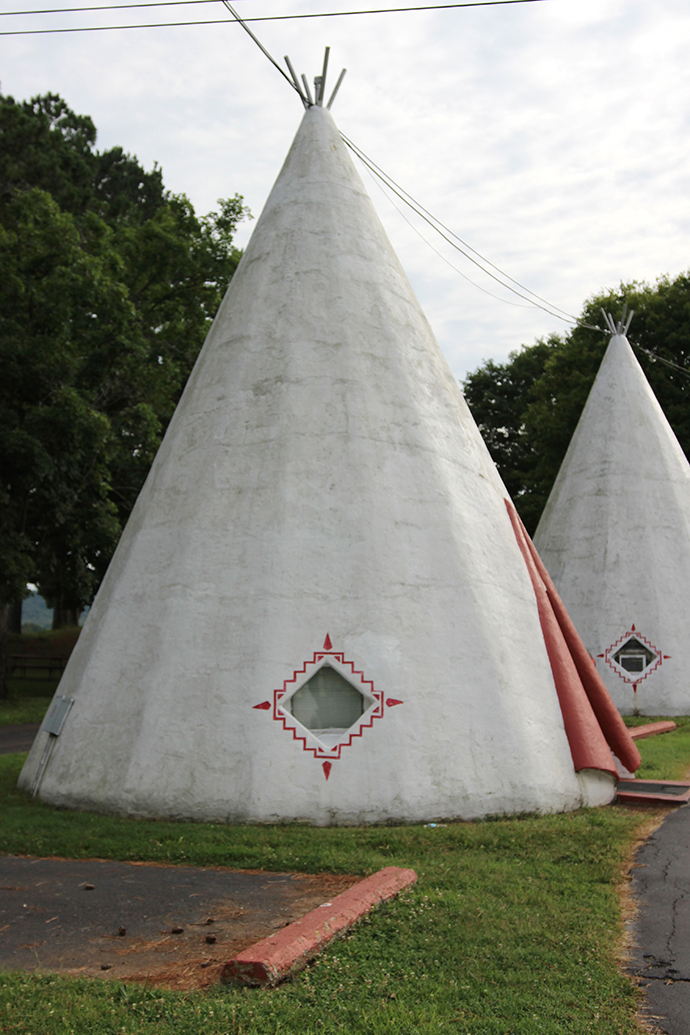

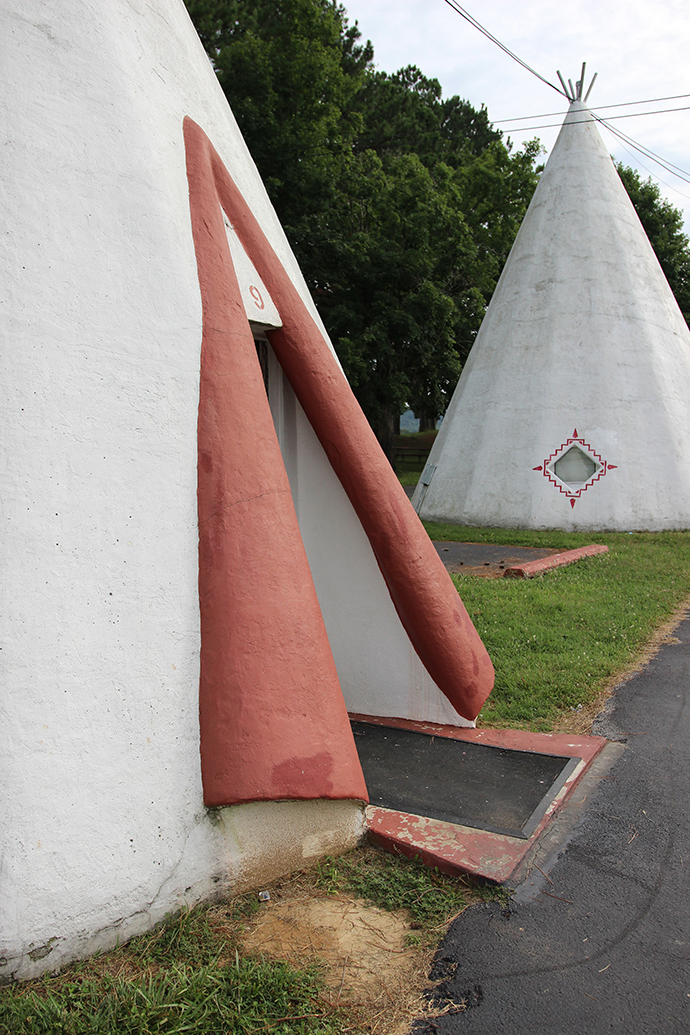


Each wigwam has one or two beds, a bathroom (small, but normal by New York standards), a TV, window AC, vanity and chair. Outside there is space to park one car and a bench for each Wigwam. The hickory furniture is original to the rooms, and I immediately fell in love with the zigzag detail repeated throughout the bathroom. Each concrete and steel Wigwam is 14 ft in diameter, so it's not a luxury suite, but it was clean, the shower pressure was great, and it was everything I had expected from an 80-year-old roadside novelty motel (and only $84 for a double room on the weekend).

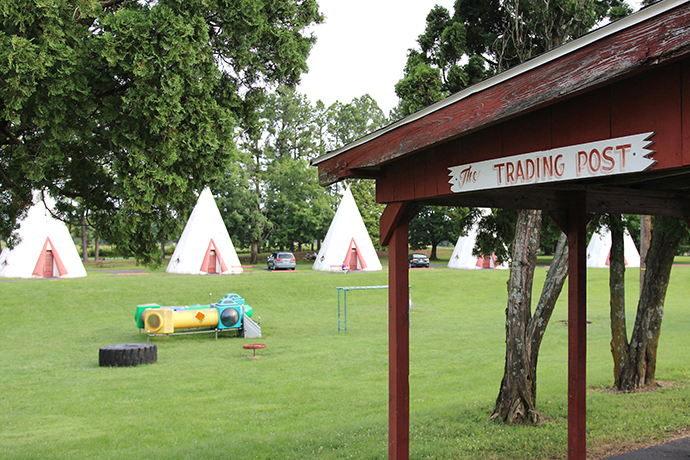


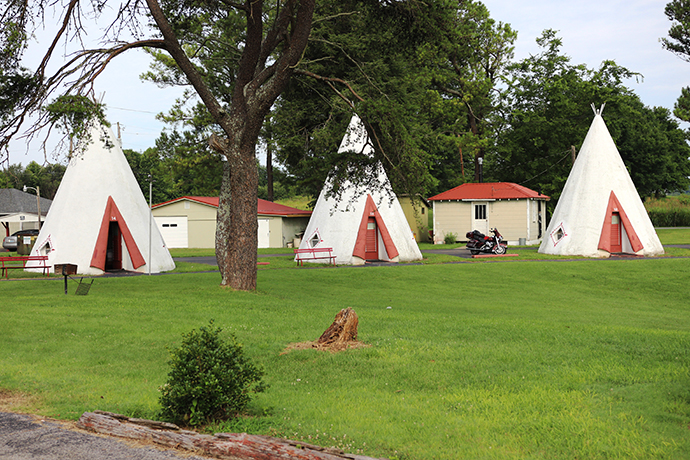
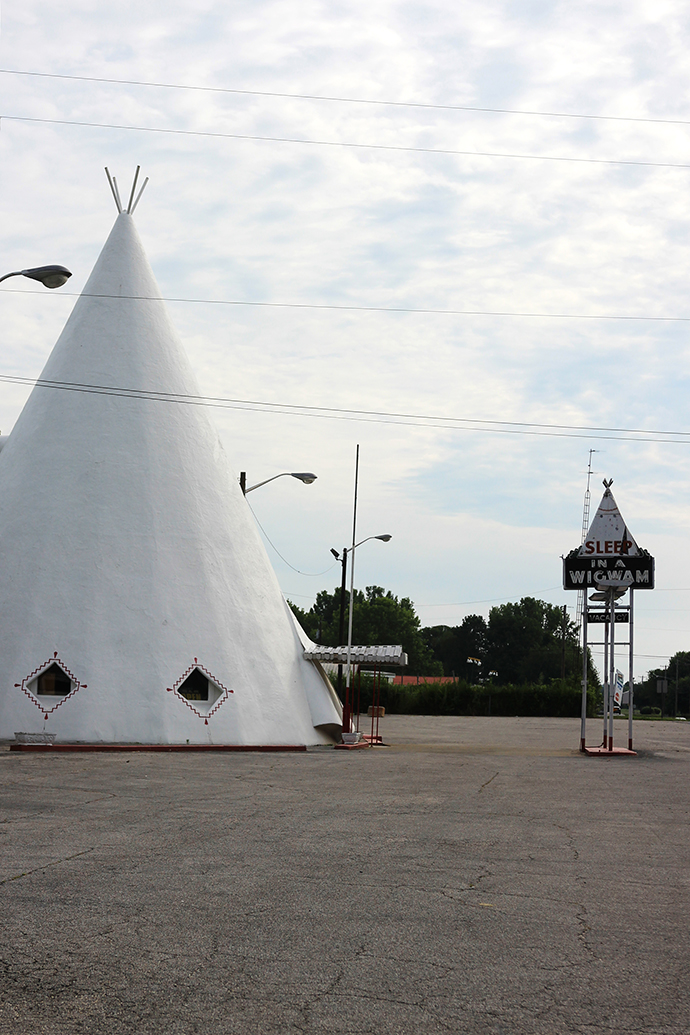
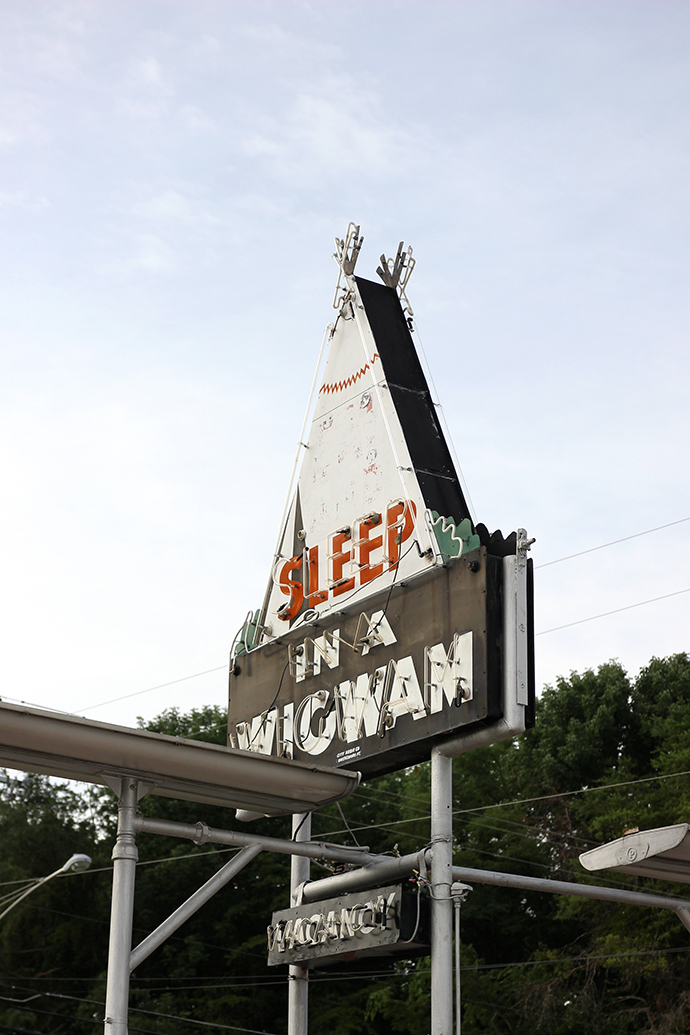


The village also includes a large central wigwam, which originally housed a restaurant, but now serves as a gift shop and office. We were lucky to chat with the lovely owner while we browsed the gift shop, but he had some disheartening things to say about bad reviews that have hurt his (already precarious) business. He explained that the wigwams are basically one step up from camping, and that it was impossible to combat the unrealistic expectations people have for the 80-year-old motel.
It was sad to hear that some guests aren't as thrilled as we were to stay in what I consider to be a true American treasure—one that's been listed on the National Register of Historic Places since 1988. I can only hope that there are enough novelty architecture-, roadside attraction- loving people left in the world for the three remaining Wigwam Villages to survive.

The Cone

When we were planning our recent road trip, my friend JMP casually mentioned that we should try to hunt down an ice-cream-shaped ice cream stand to add to our itinerary. I replied "oh, I already did," and sent her information for The Cone, located in Tylersville, Ohio (a suburb northeast of Cincinnati).


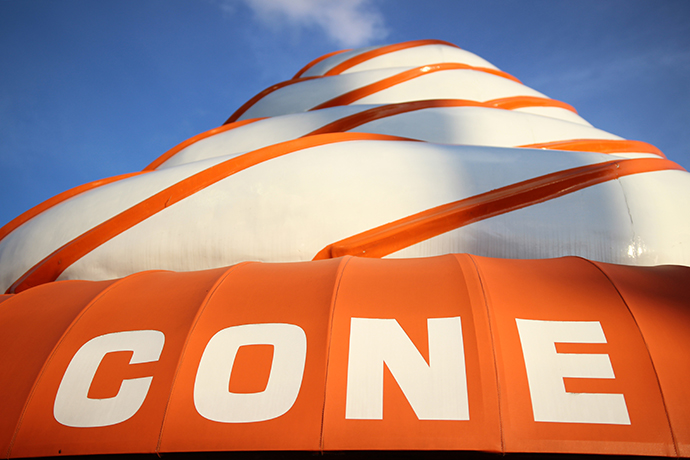


The Cone is a Twistee-Treat-style ice cream stand, like the Twist o' the Mist in Niagara Falls or the two I visited back in October in Massillon, Ohio. The Cone is the first orange-and-white color scheme I've seen on these buildings, and I love how infinitely customizable they are. We saw a lot of people ordering the orange and white twist cone, which must be their specialty. I definitely would have ordered it just for the novelty factor, but orange ice cream sounds horrible to me, so I had a root beer float which was excellent.
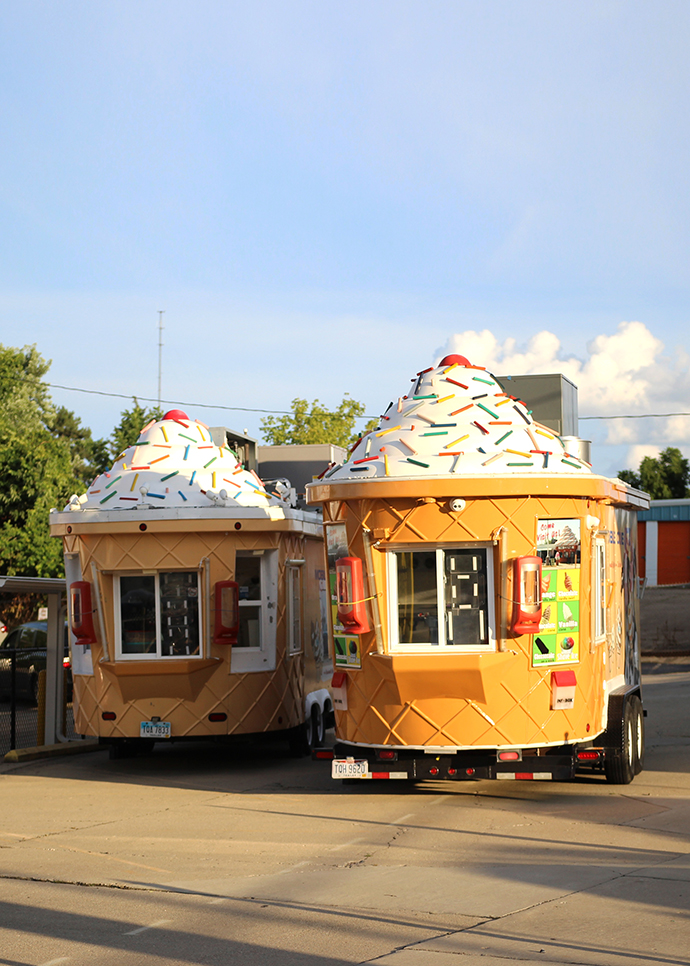
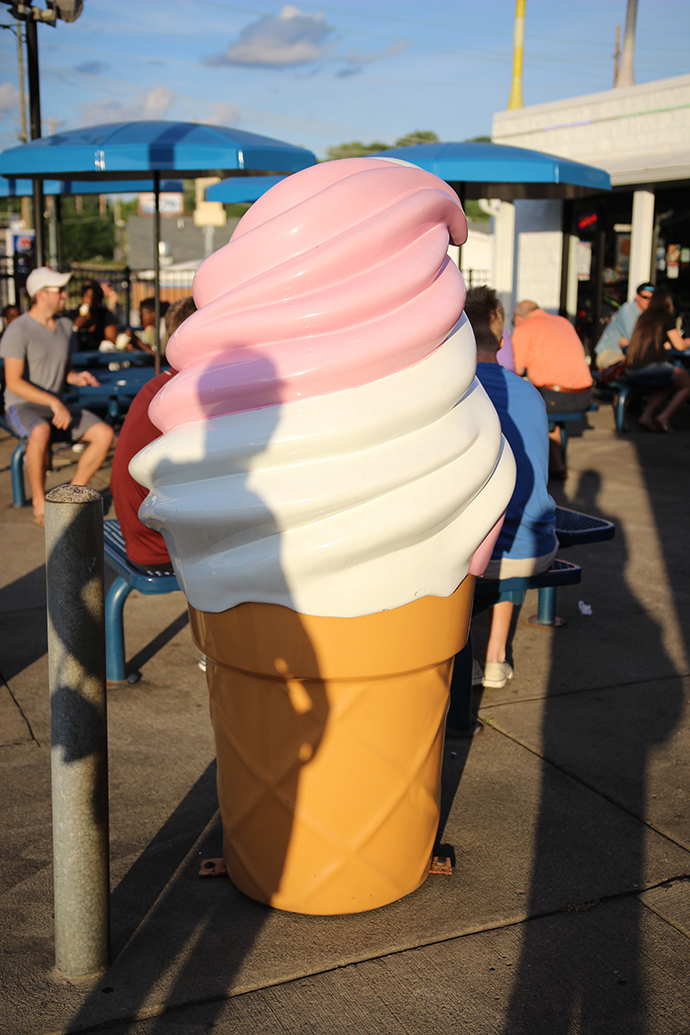


They had garbage cans shaped like ice cream cones, a water fountain shaped like a lion AND a pressed penny machine, which is the holy grail of any roadside stop, in my opinion. As if the main building wasn't charming enough, they also had a few "Mobile Cones," topped with sprinkles and I can't think of anything cuter to catch cruising around town.

The Ohio State Reformatory
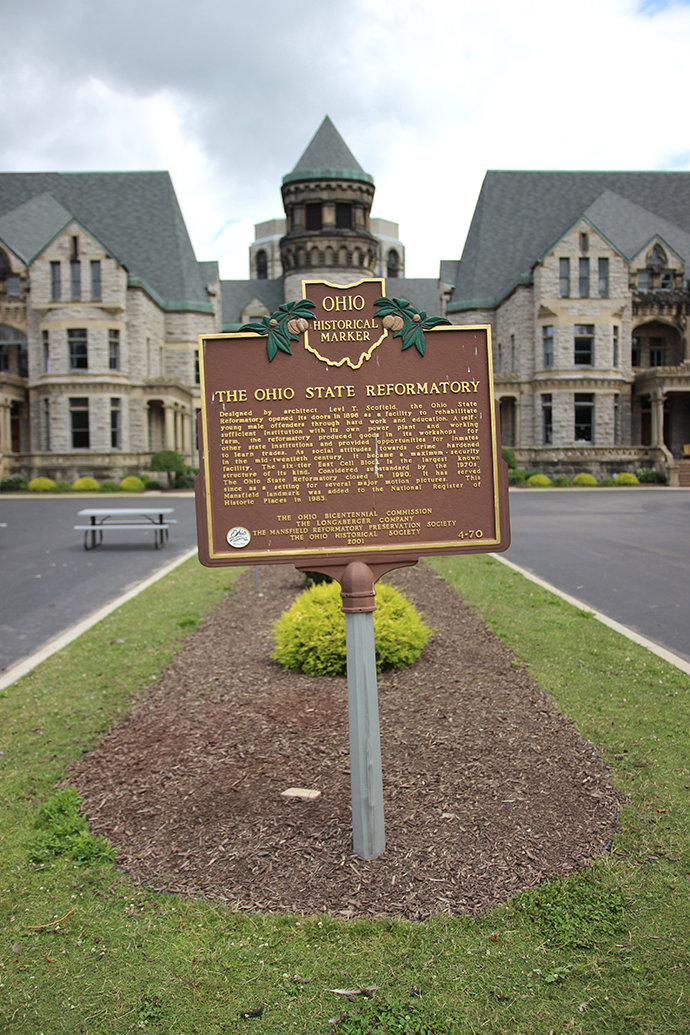
The second stop on our recent ALL CAPS EPIC ROAD TRIP OF DELIGHTS was the Ohio State Reformatory, in Mansfield, Ohio. The Reformatory opened in 1896 and housed more than 155,000 inmates until it closed in 1990. The building was designed by Cleveland architect Levi T. Scofield, combining three architectural styles; Victorian Gothic, Richardsonian Romanesque and Queen Anne. The hope was that the architecture of the complex would encourage inmates to turn away from their sinful lifestyle, embrace their spiritual lives and repent.
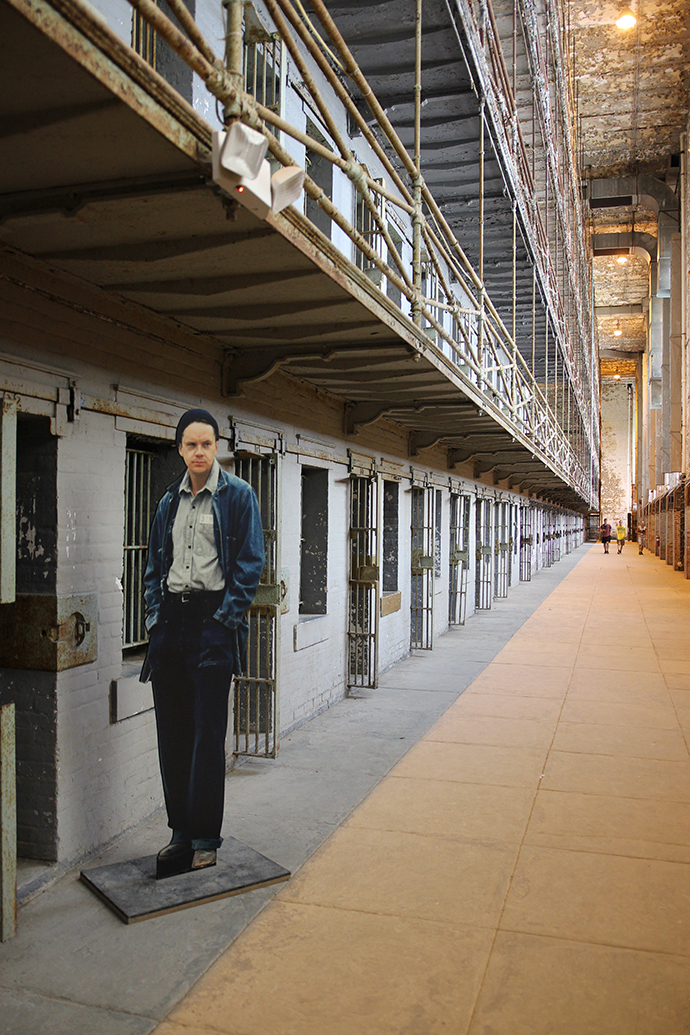
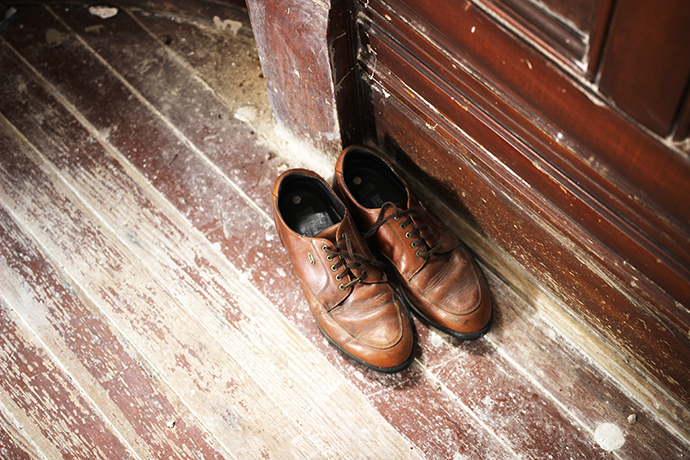
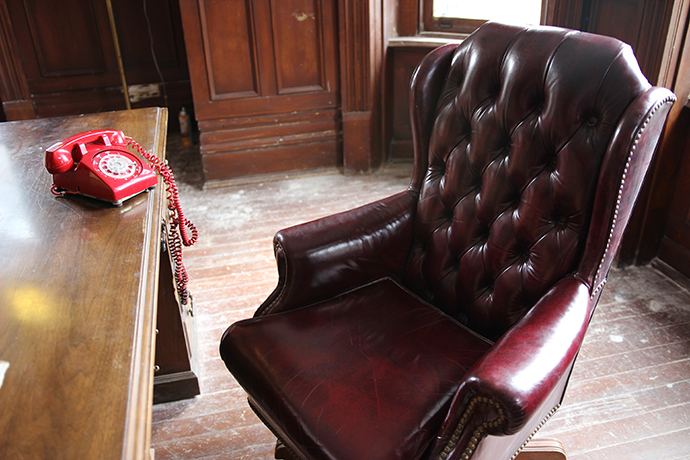
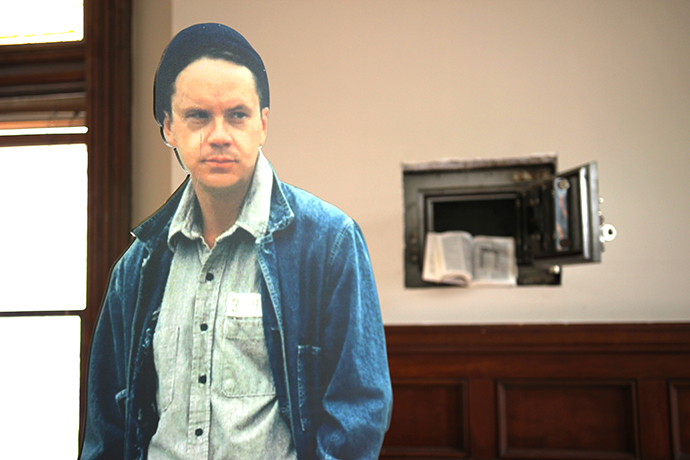
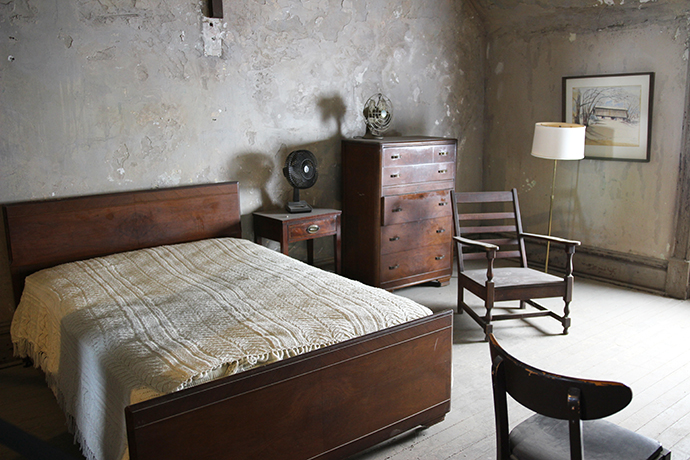

The Reformatory may be most famous as a filming location for the Shawshank Redemption, which has always been one of my favorite movies. Shots of the cell block were filmed at the Reformatory, and you can visit the warden's office, the space where Red has his parole reviews and the apartment where Brooks (SPOILER ALERT for a 22-year-old movie) meets his end. The movie also filmed scenes around Ohio in Ashland County, Upper Sandusky and at Malabar Farm.
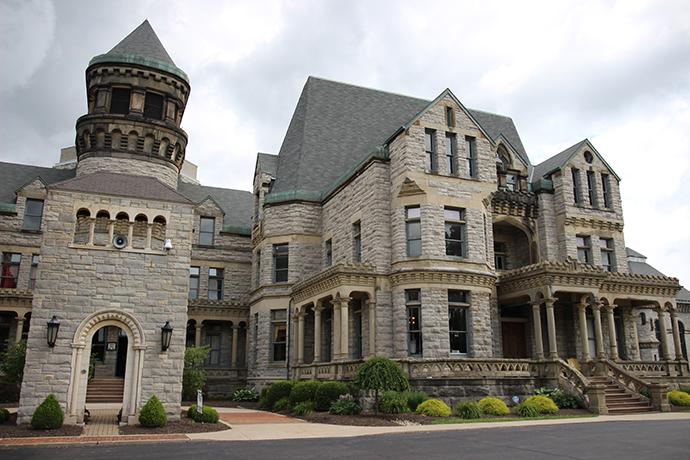
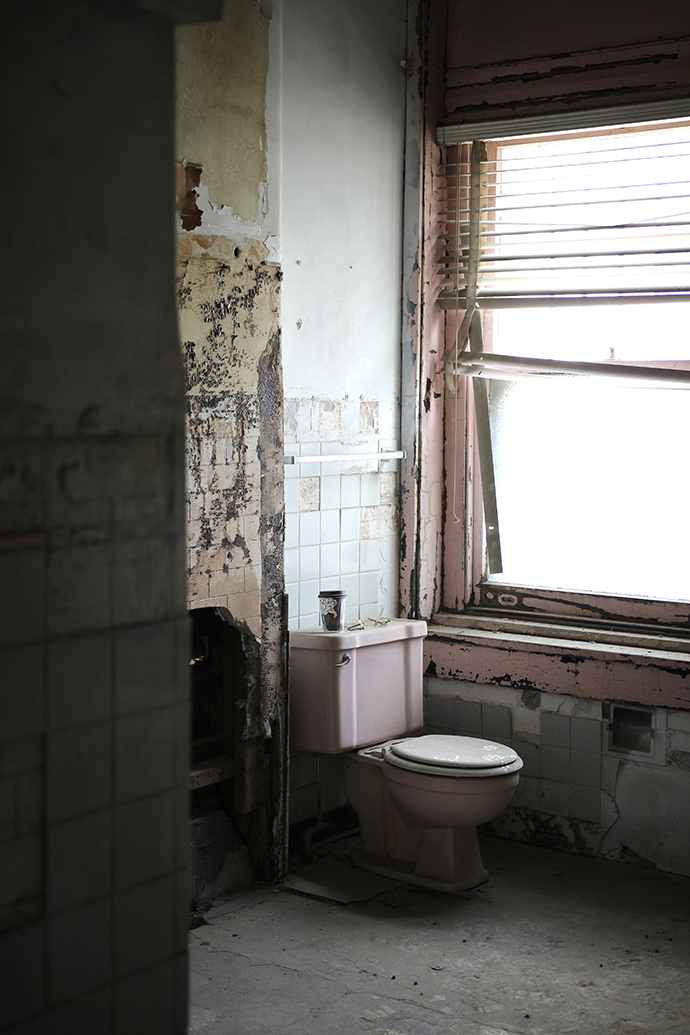


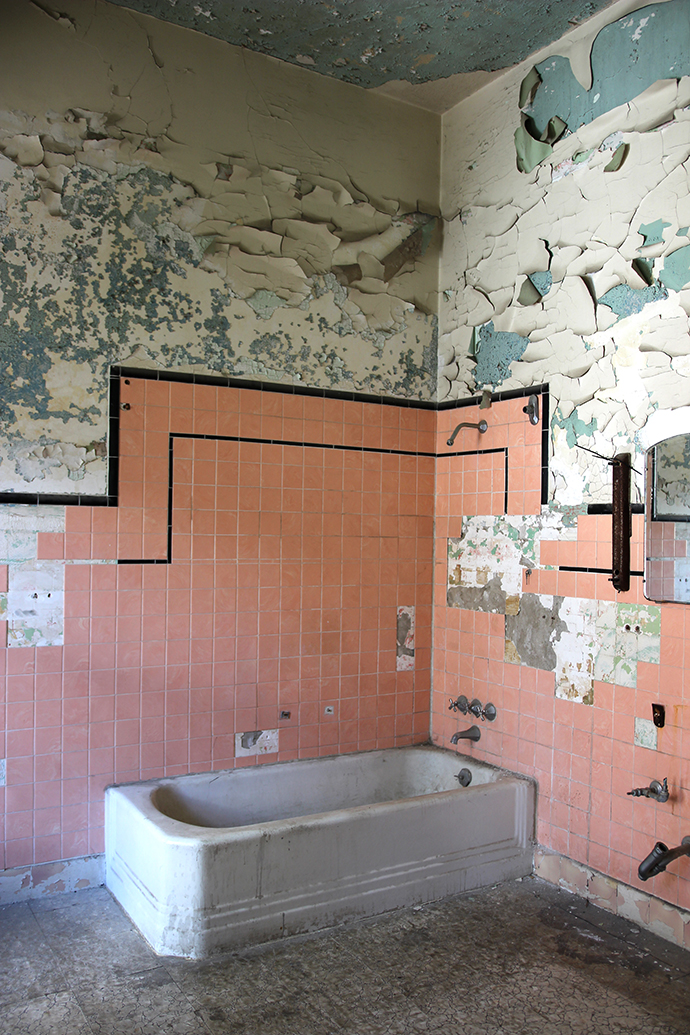
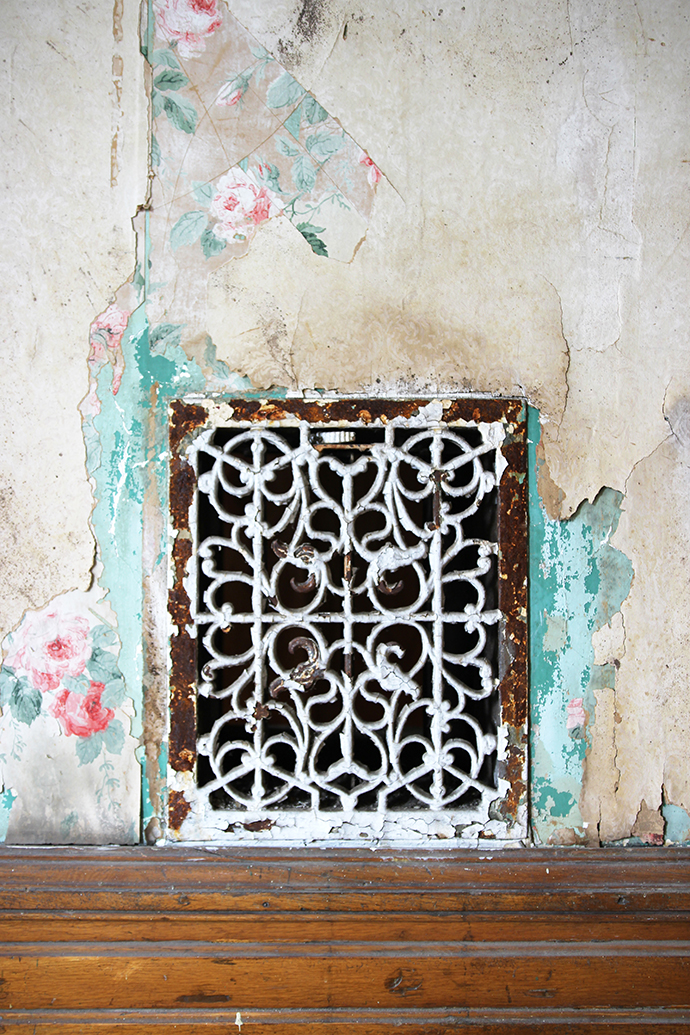
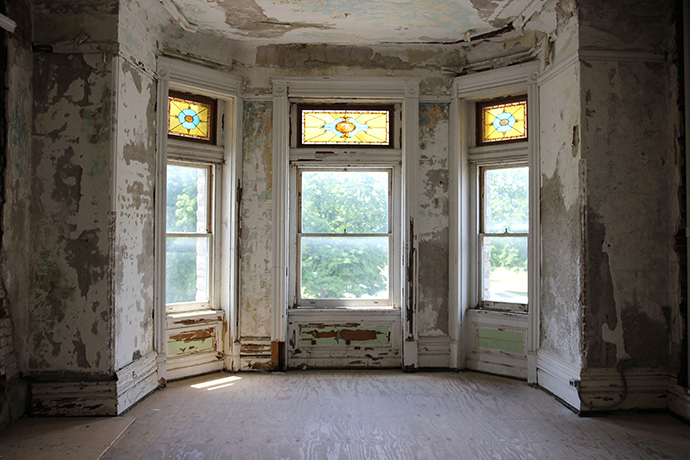
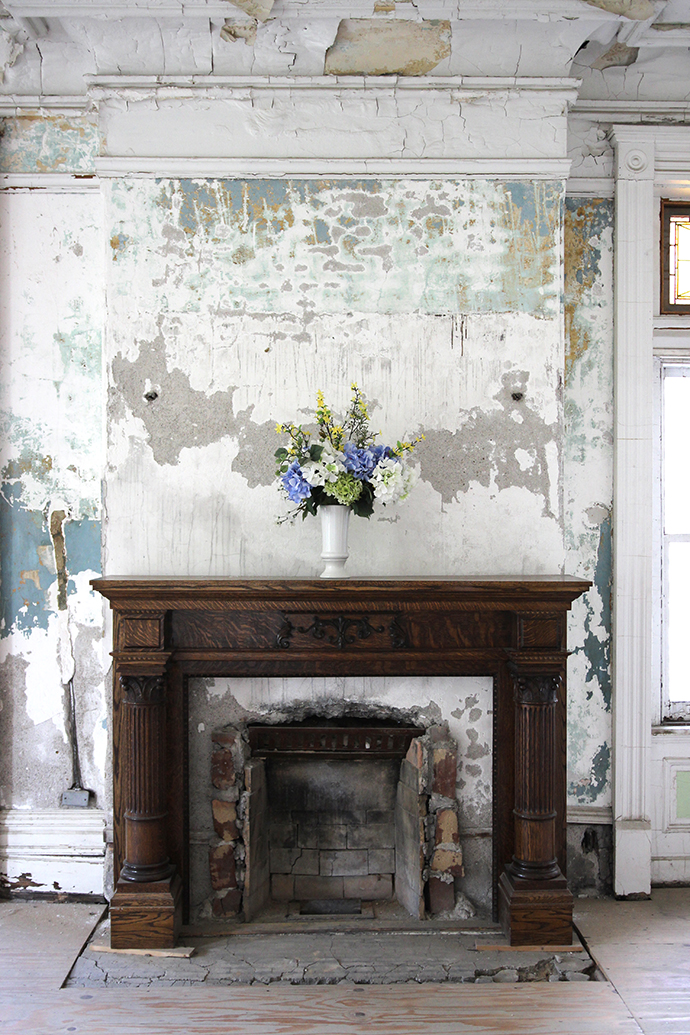
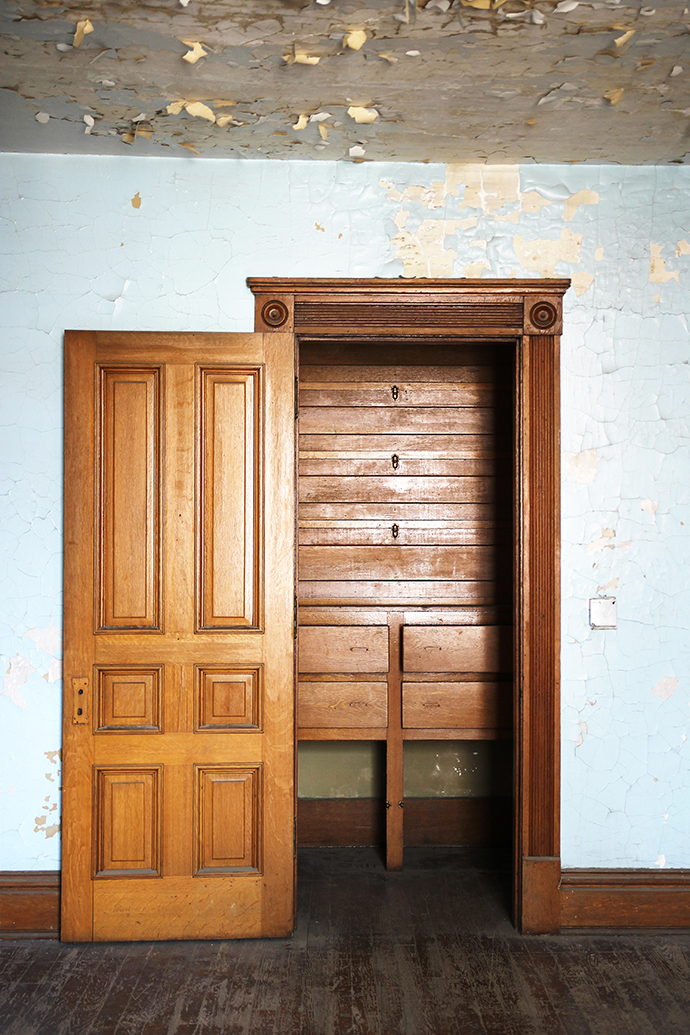
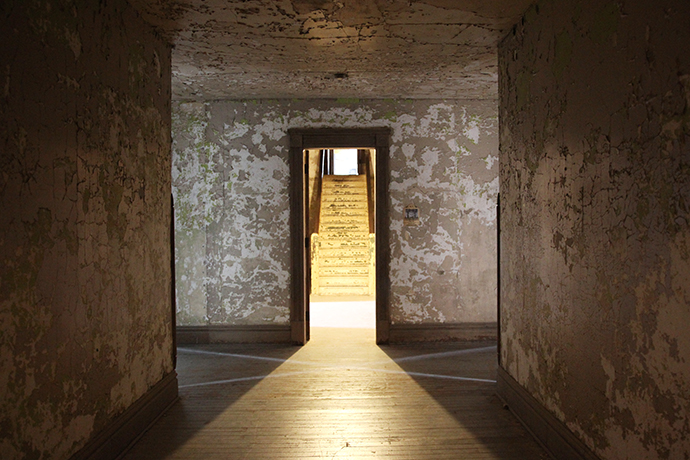

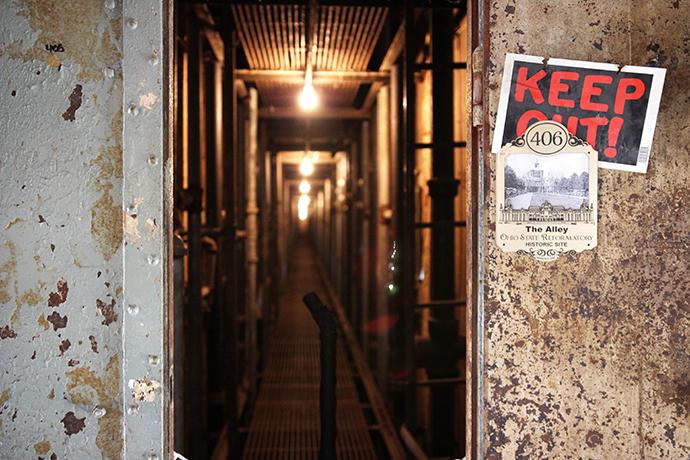
The six-tiered, east cell block is the largest free-standing steel cell block in the world. The OSR reminds me a lot of Eastern State Penitentiary, although the overall layout and visitor experience is a bit different. It's mind-boggling to stand inside one of the teeny tiny cells, trying to imagine being locked inside of such a cramped space—not to mention also having to share it with another person.

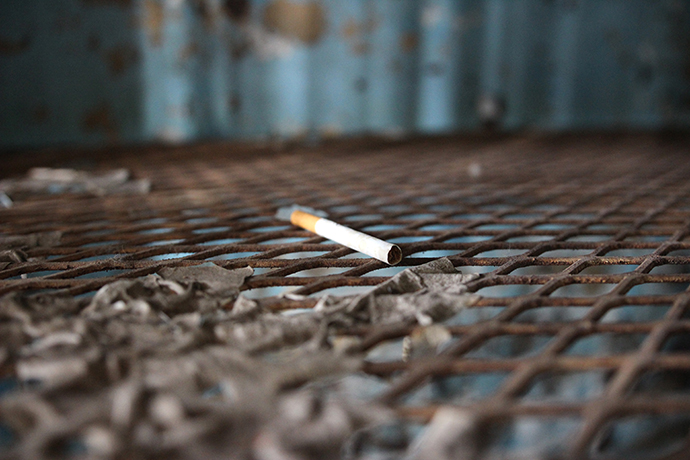

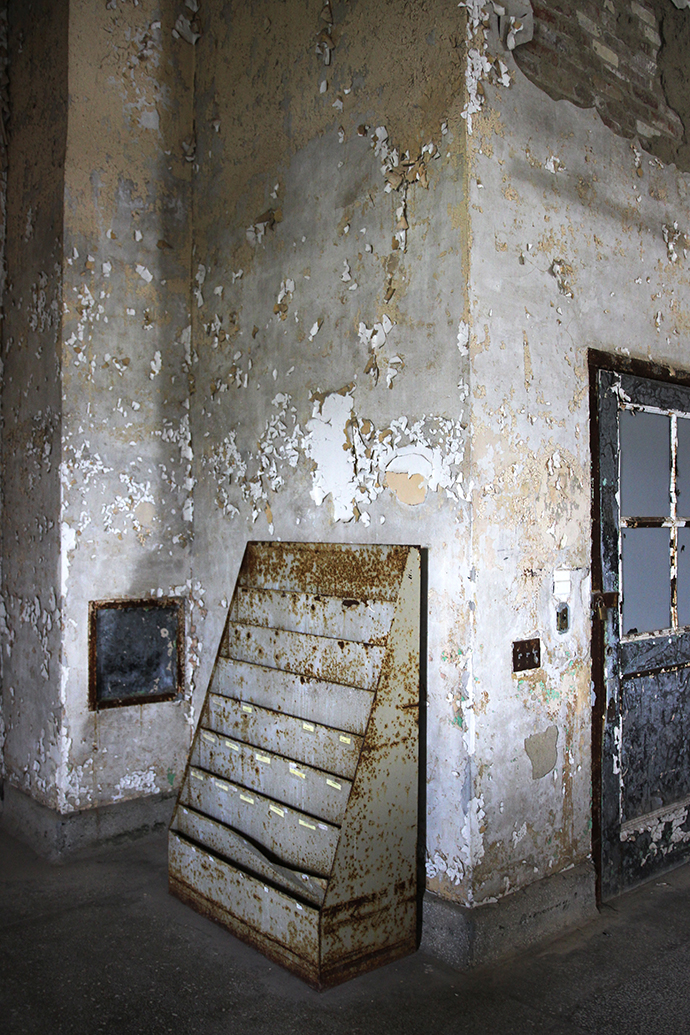
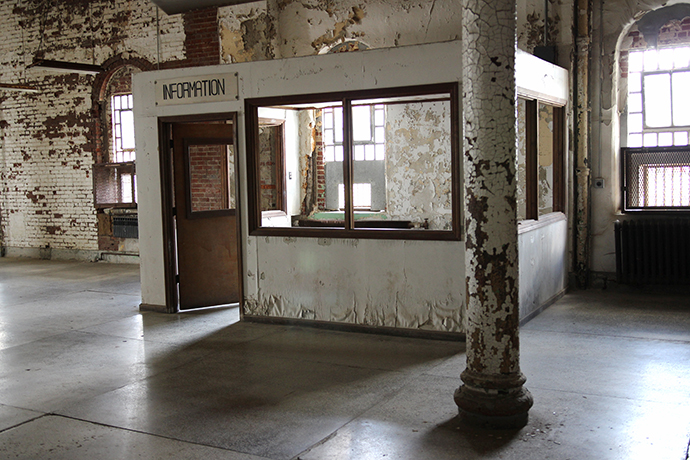
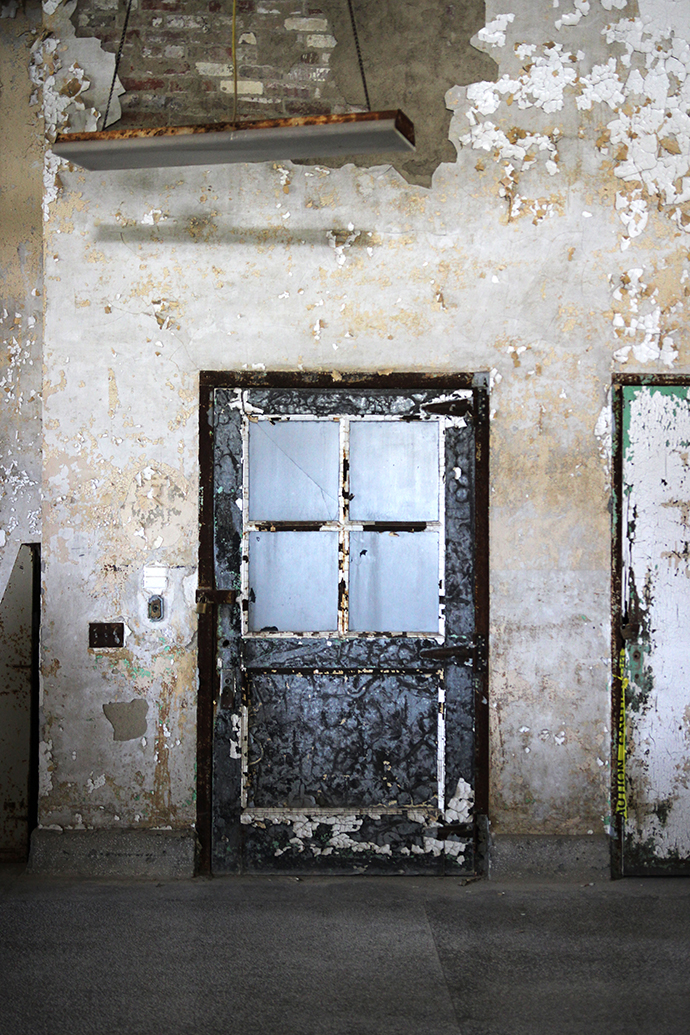
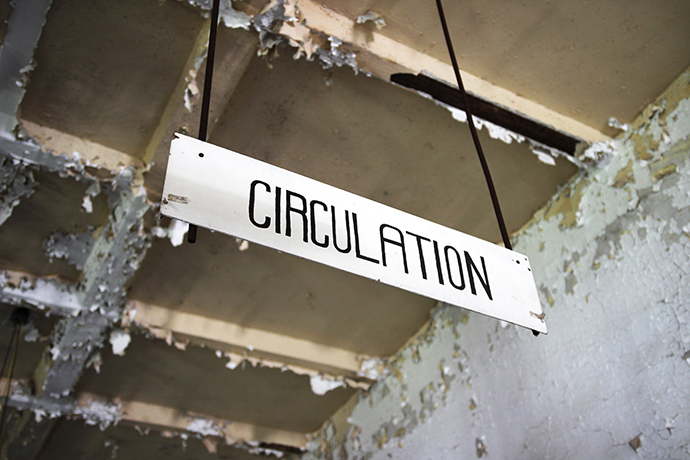

In addition to two cell blocks, the Reformatory also has an entire administration wing with offices and residences. There's an old library, shower room, solitary confinement, a chapel, and a whole maze of different rooms and spooky corridors to explore. The Reformatory is often associated with paranormal activity (but what old place—especially old prison—isn't?), and they offer "Ghost Hunts," which include a tour and "independent investigating" from 8pm-5am.

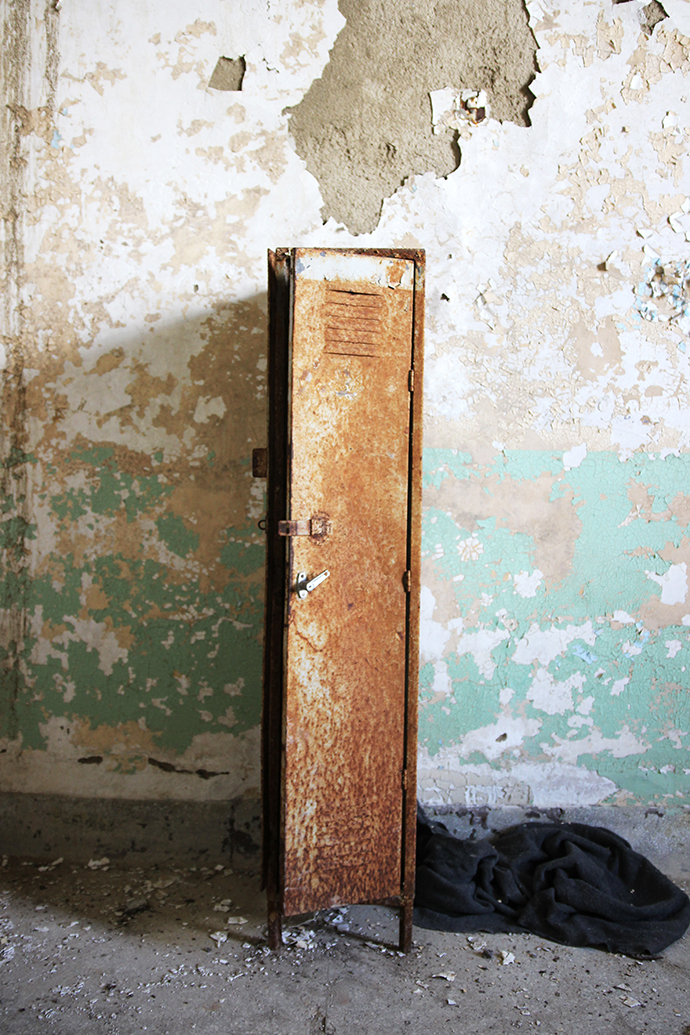
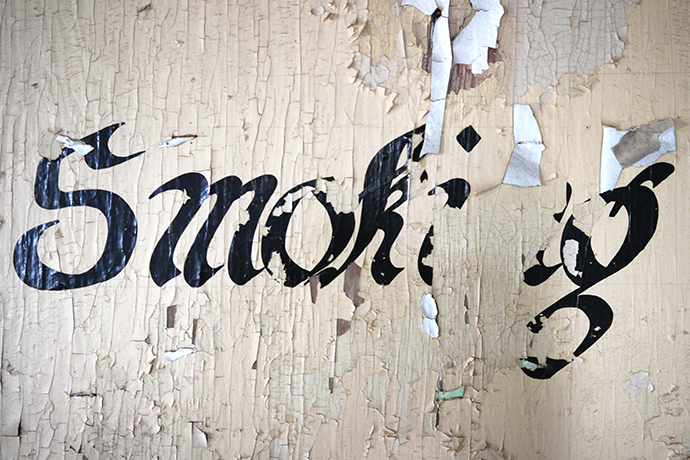
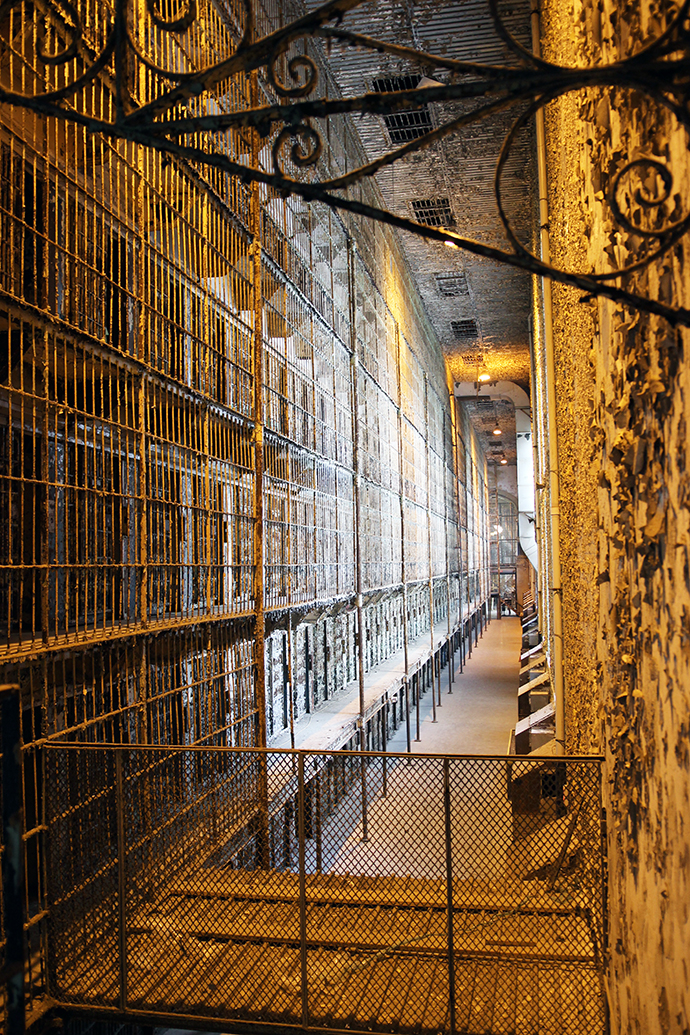

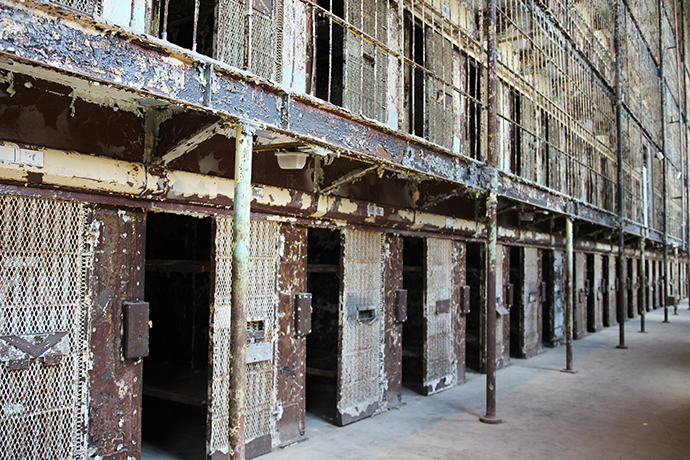


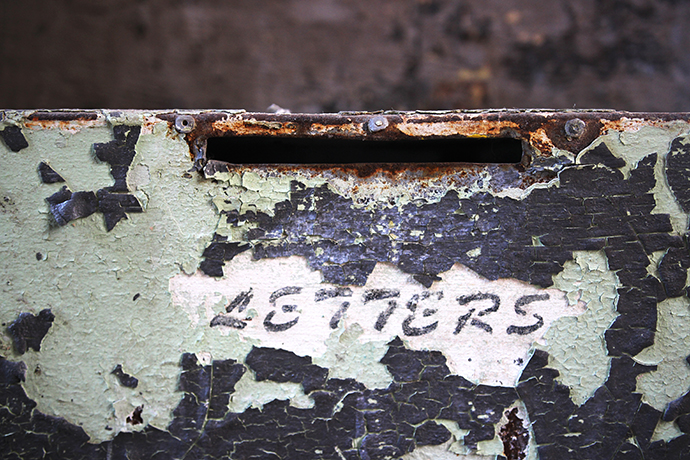
This was my second visit to the Reformatory, and while I appreciate the info to be gained from a guided tour, being able to roam the place at our own pace was ideal. Mansfield is a little out of the way if you don't find yourself in Ohio often but if creeping around old abandoned places is your jam, the Reformatory is a great place to spend the afternoon —or night if you're really brave.
Willy the Whale

My friend Jean-Marie and I recently embarked upon a three-day road trip that we dubbed the ALL CAPS EPIC ROAD TRIP OF DELIGHTS (you can browse our silly hashtag on Instagram, if you'd like: #allcapsepicroadtripofdelights). The destination was Wigwam Village no. 2 in Cave City, Kentucky, but as with any proper road trip, it was mostly about the journey. Our first stop after picking up our rental car was the site of the former Mother Goose Land fairy tale park, in Canton, Ohio.
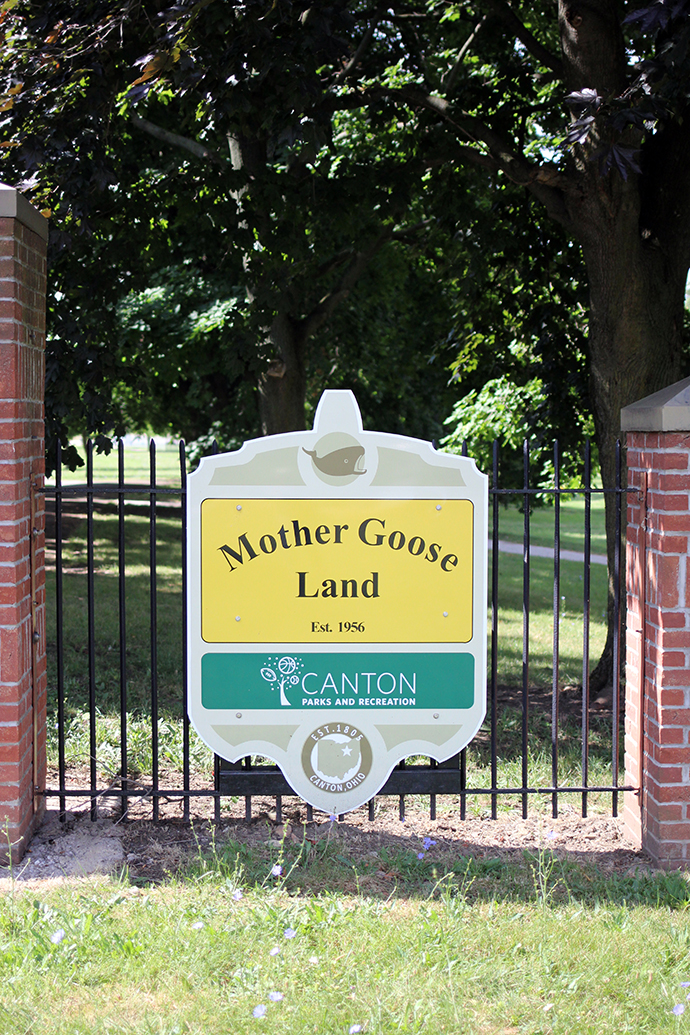

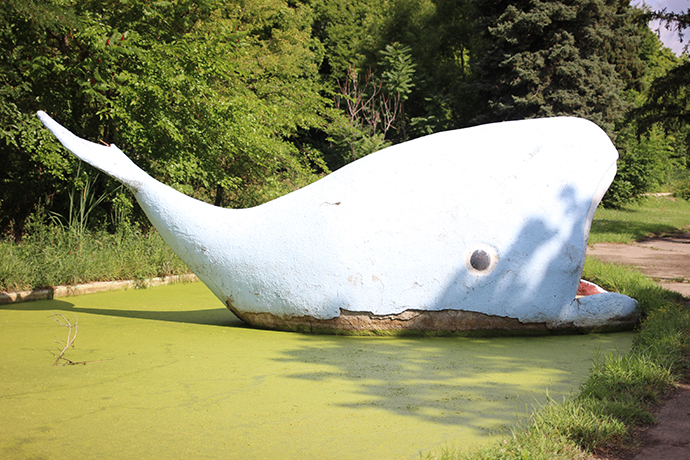
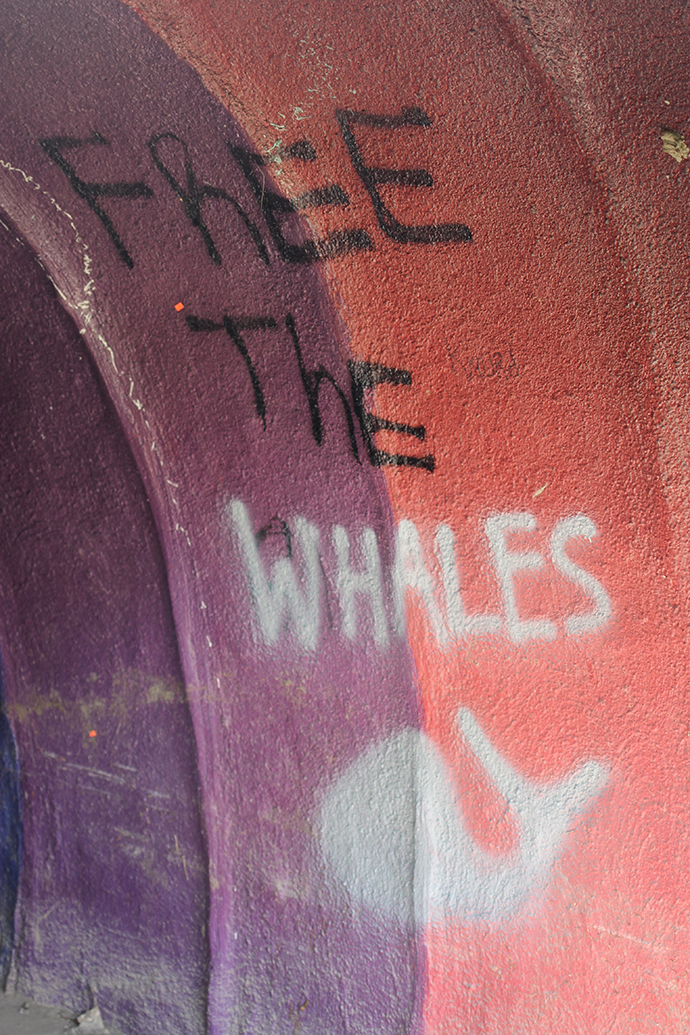
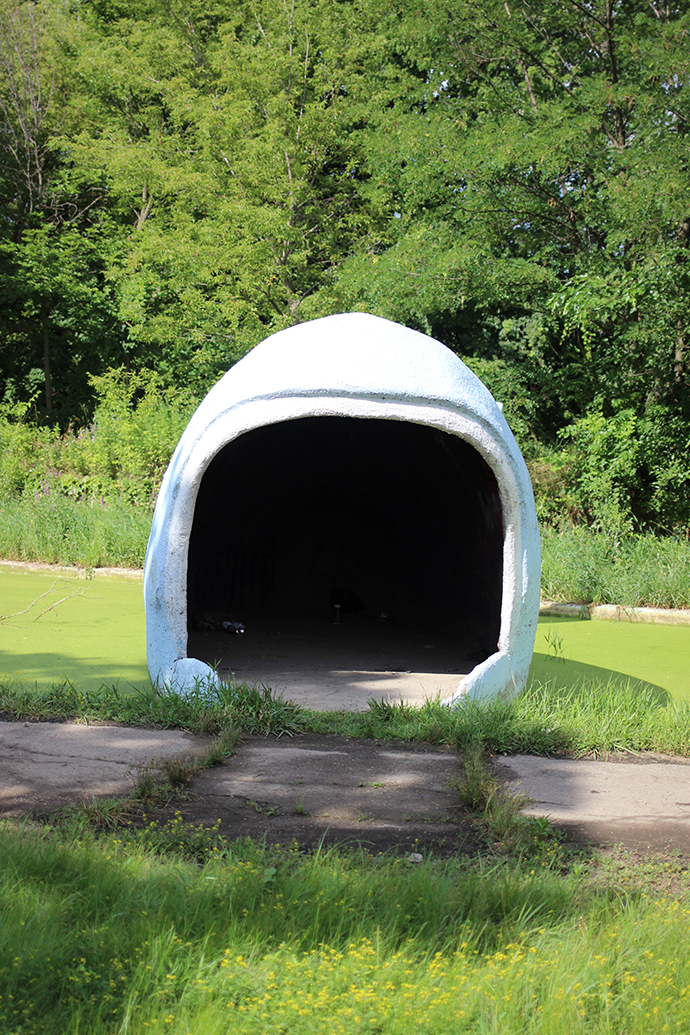
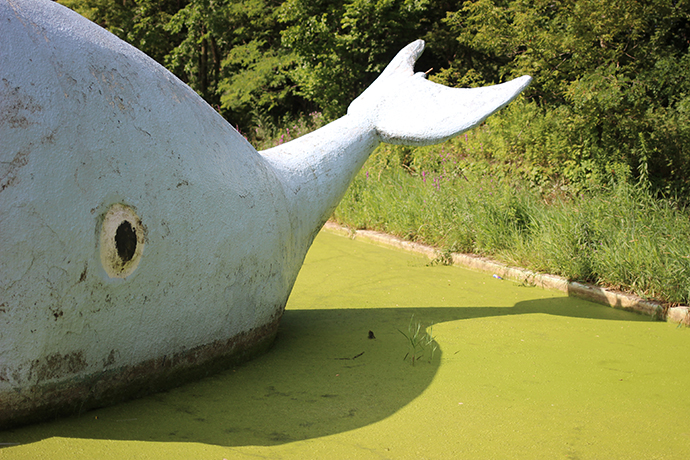
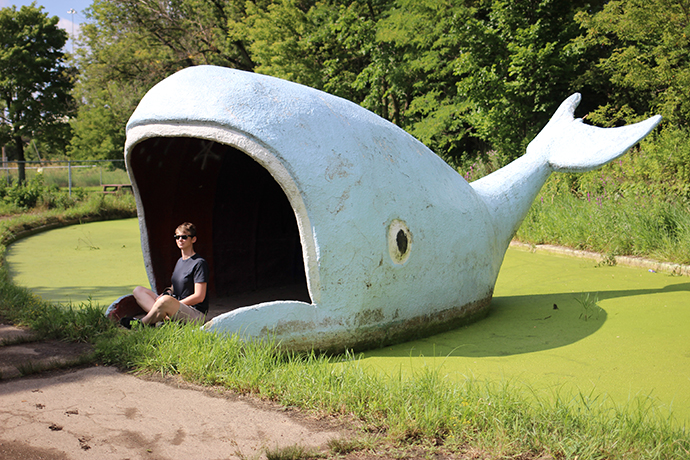
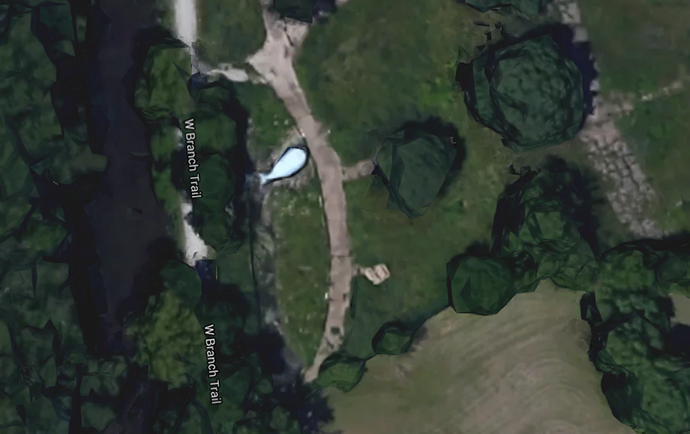
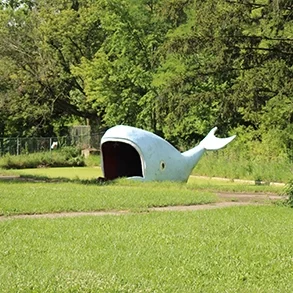
Mother Goose Land opened in Canton in 1954 and closed in the 1980s. It sat abandoned until fairly recently, when Willy and the park's entrance gates received some much-needed attention. The park originally had storybook and animal displays such as Humpty Dumpty and the Old Lady Who Lived in a Shoe, and sadly Willy is all that remains. You can actually see Willy from Google Earth which delighted me to no end when I first went looking for him and spotted his distinctive shape.
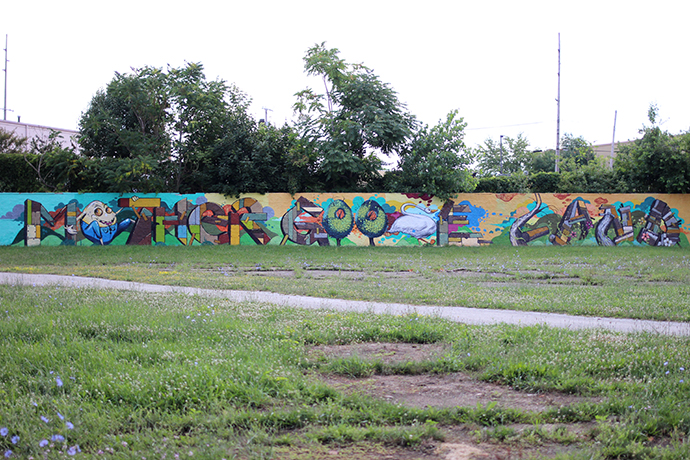
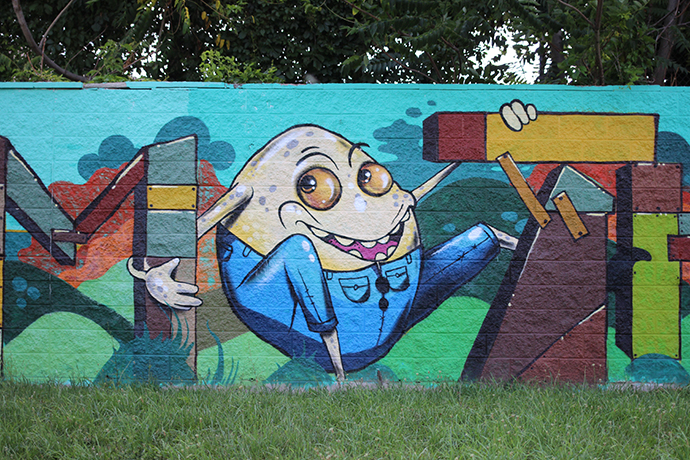


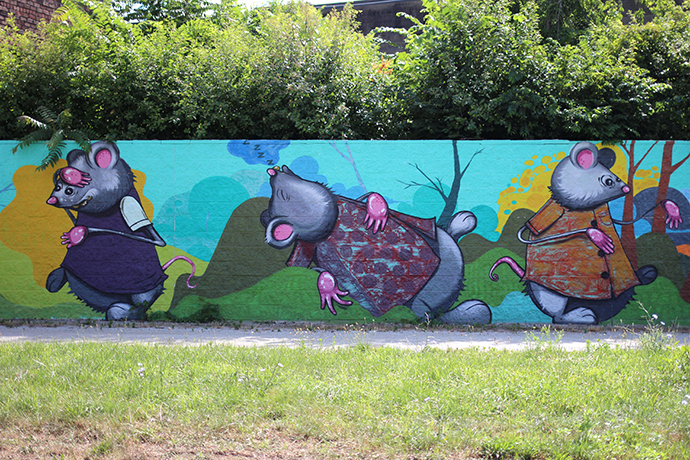

Across from Willy there is a mural which appears to fairly new, paying homage to fairytale characters such as Humpty Dumpty, the three little pigs, the three blind mice, the gingerbread man, Puss n' boot and even (a quite sinister-looking) Willy himself. There's not much else to the park and it was deserted when we were there on a Saturday morning. I wish I had been able to see the park in its heyday, but I'm so grateful that Willy survived and that attention, however little, is once again being paid to Mother Goose Land.
The Four Seasons
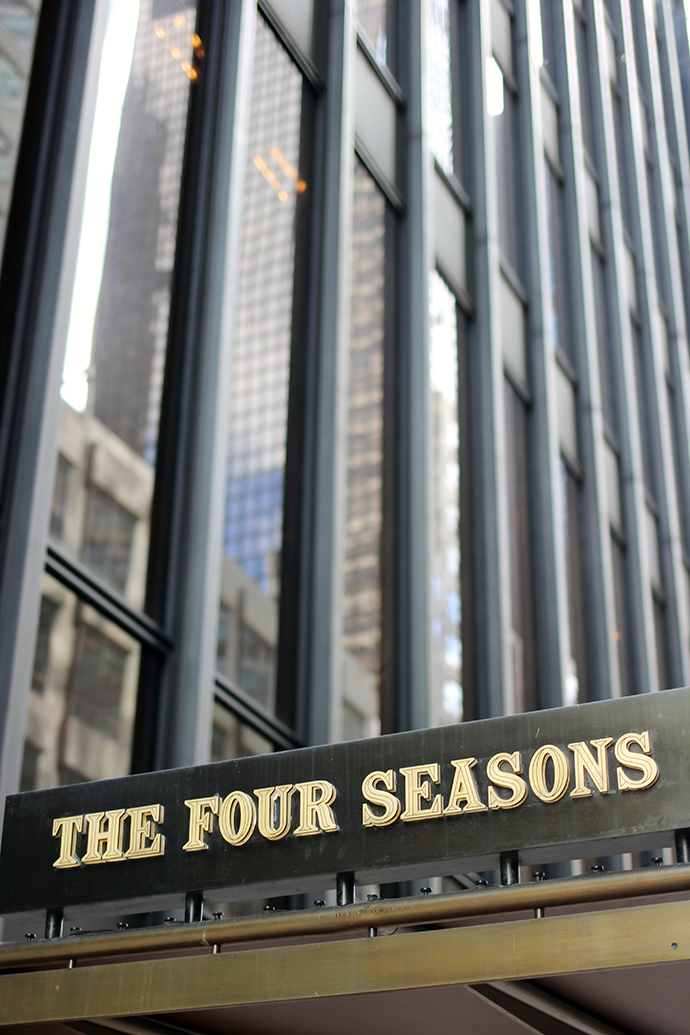
The Four Seasons restaurant, located in the iconic Seagram Building on East 52nd Street opened in 1959, and it will close on Saturday, July 16th. For the past 57 years, the Four Seasons has been the place for the Power Lunch, hosting regulars over the years such as Martha Stewart, the Kennedys, Brooke Astor, Henry Kissinger, Anna Wintour and other titans of publishing, entertainment and politics.
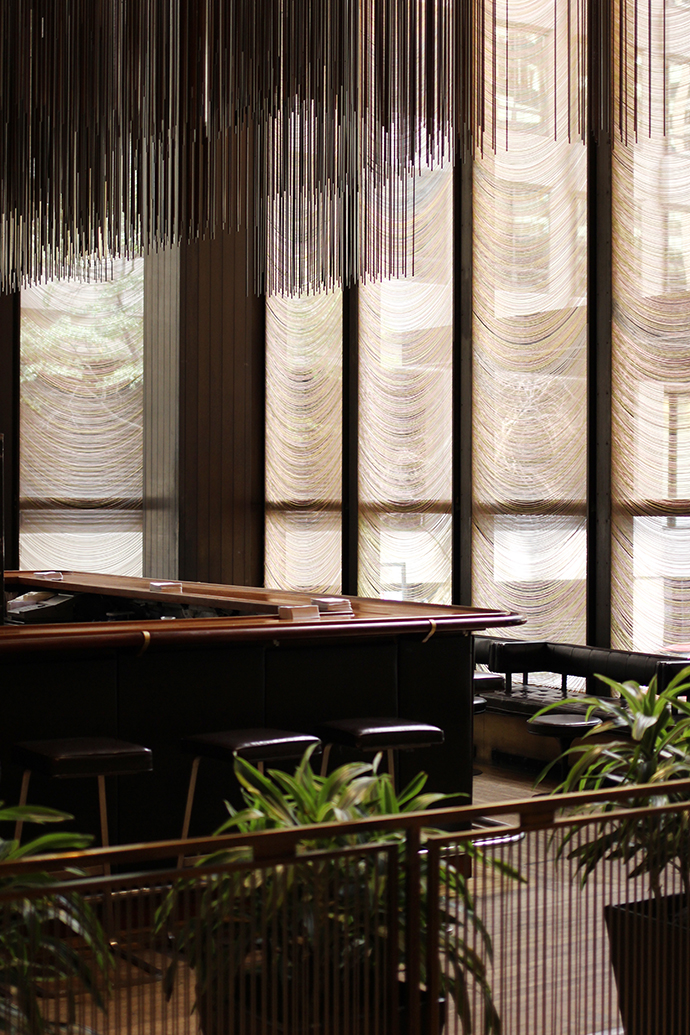
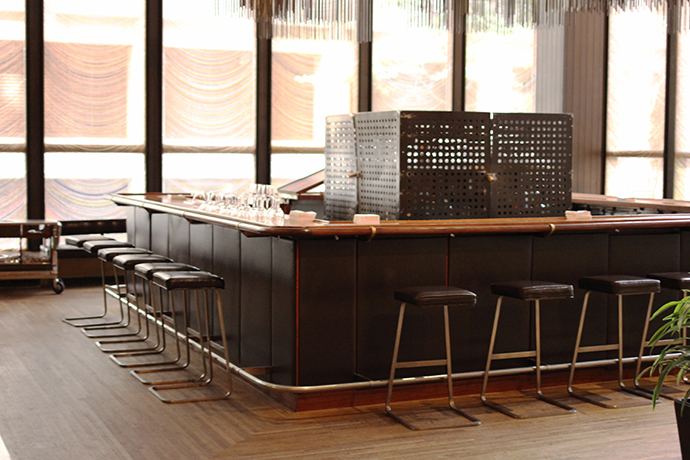
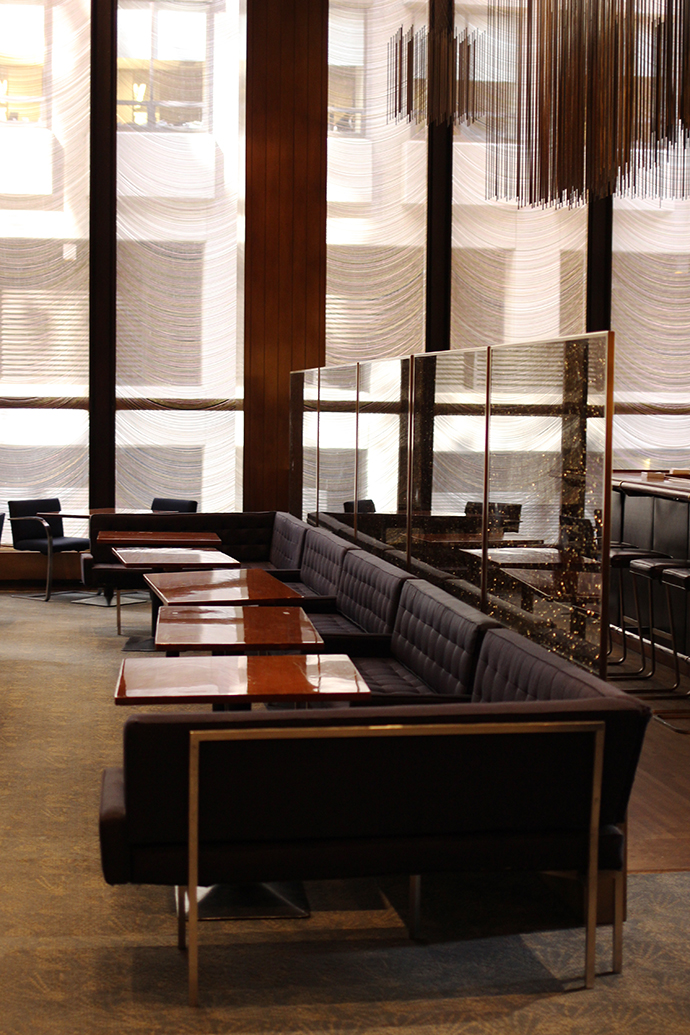
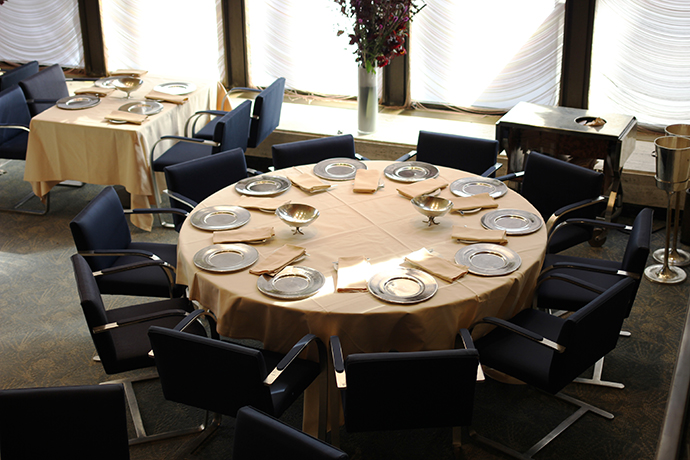
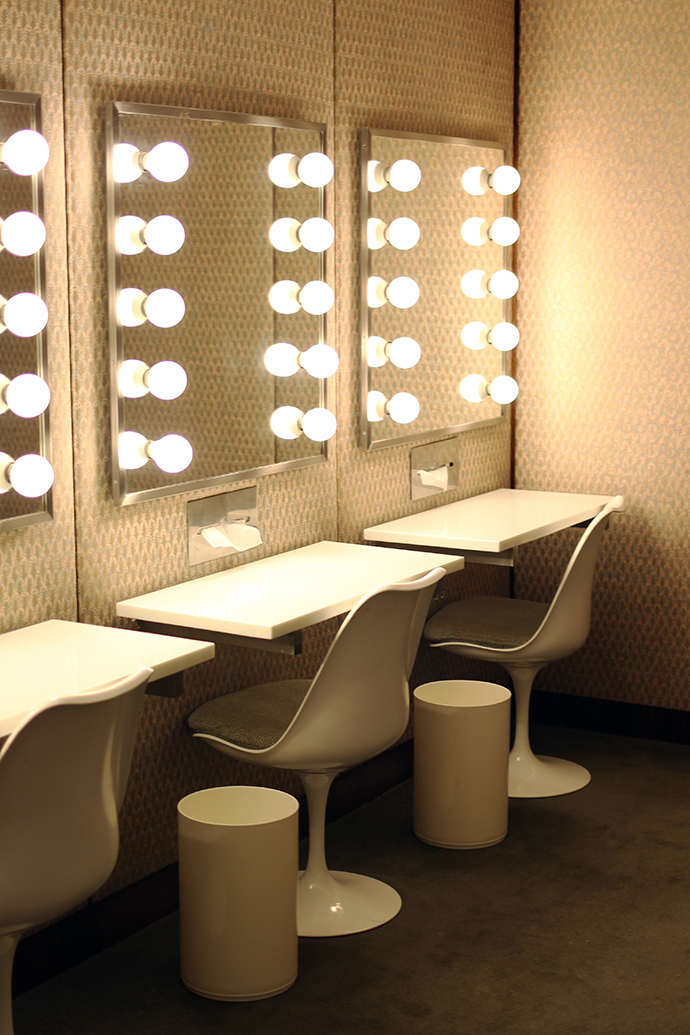
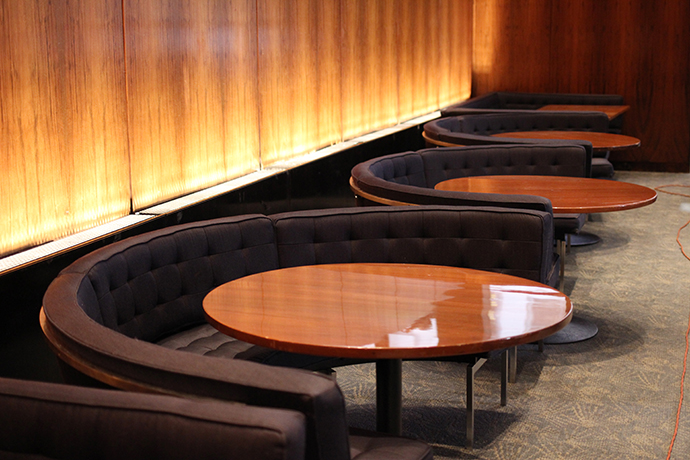
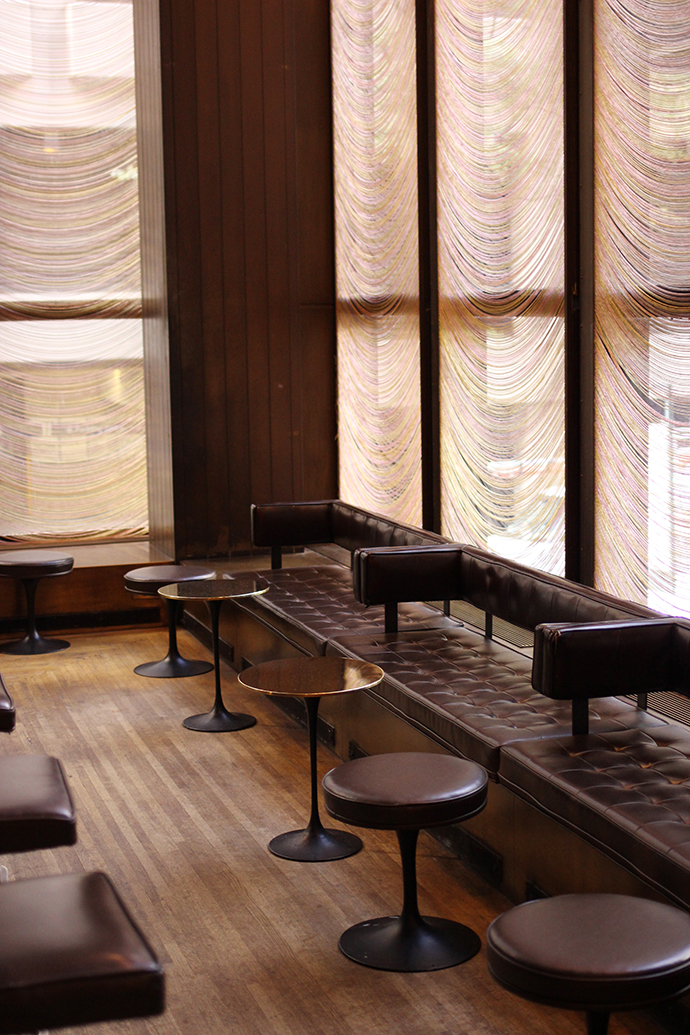
The interior of the restaurant was designed by Philip Johnson and Mies van der Rohe, and was designated as an interior landmark in 1989. The restaurant's lease, however, is not being renewed and they will vacate the space on Saturday and auction off its entire contents ten days later—including Mies van der Rohe and Hans Wegner chairs, Eero Saarinen Tulip tables, Philip Johnson sofas, tableware and cookware by L. Garth and Ada Louise Huxtable.
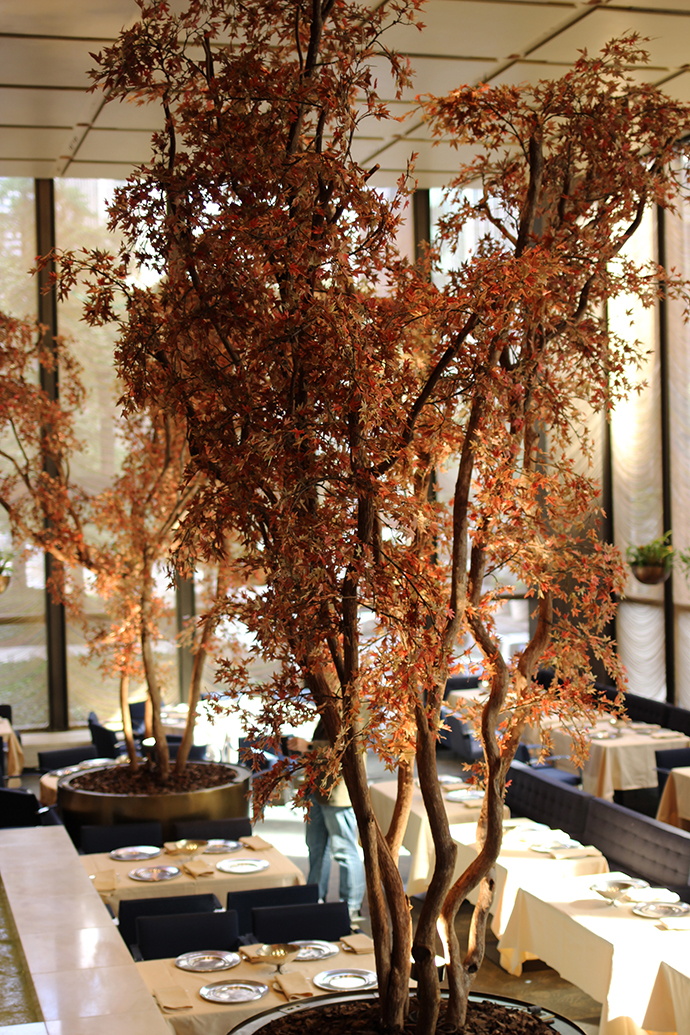
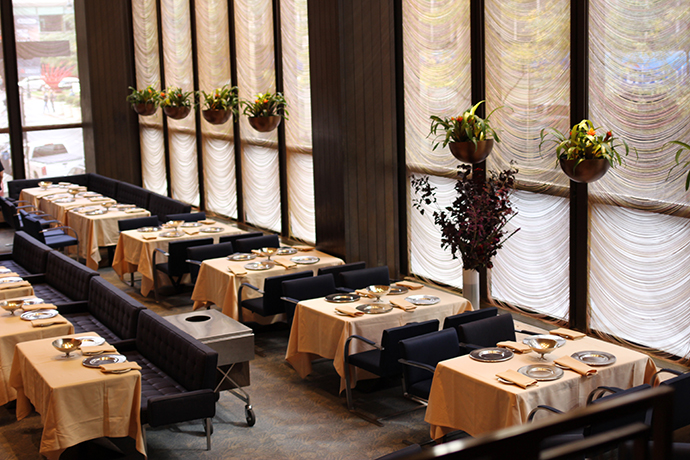
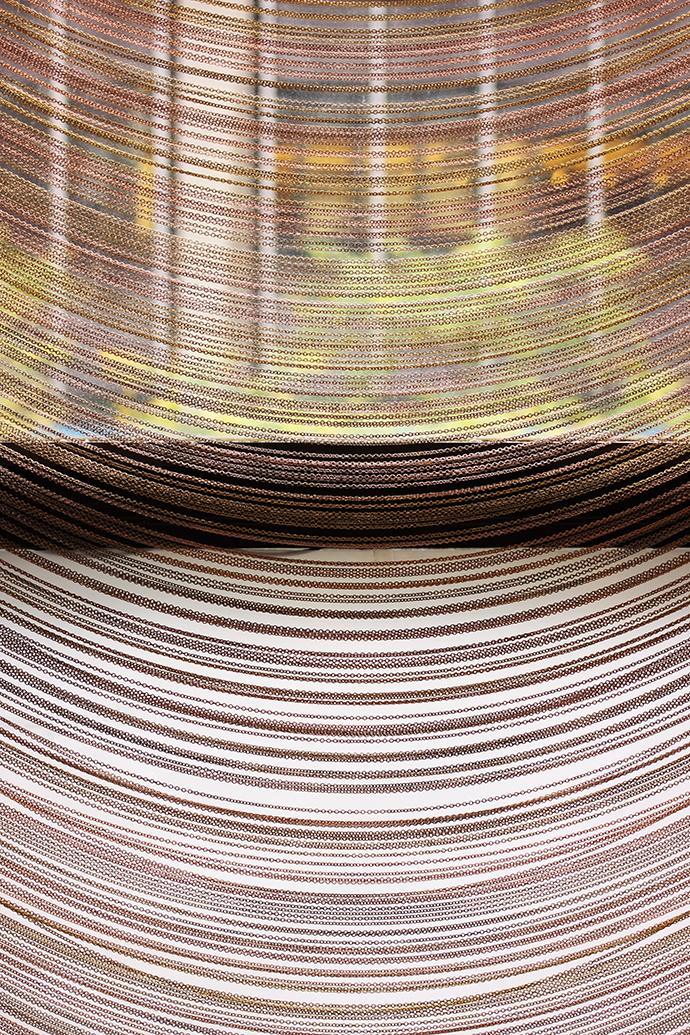
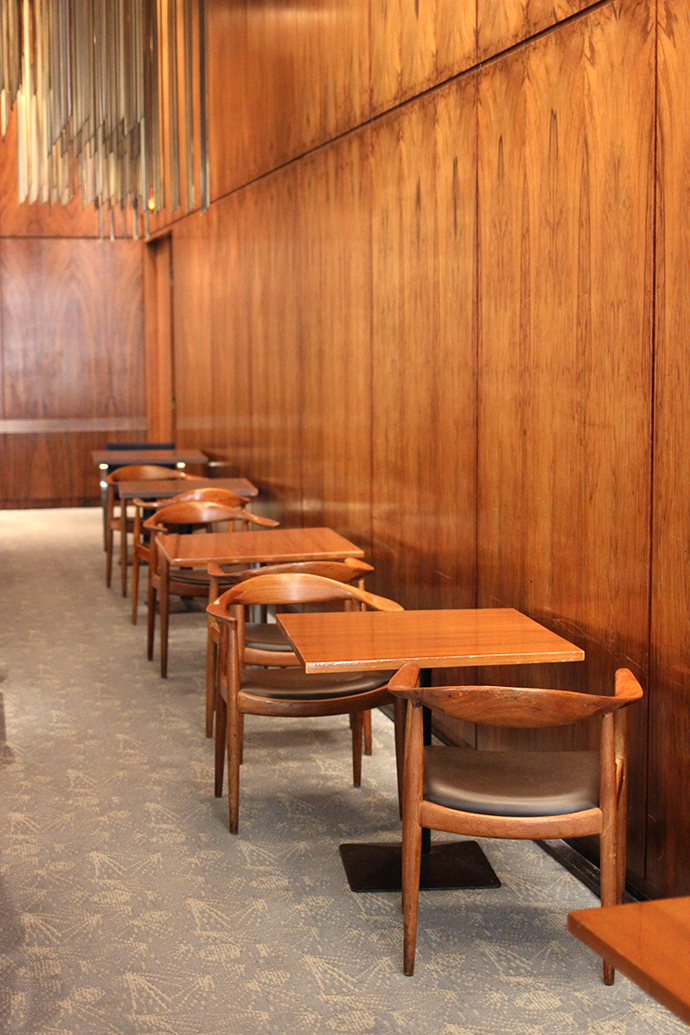
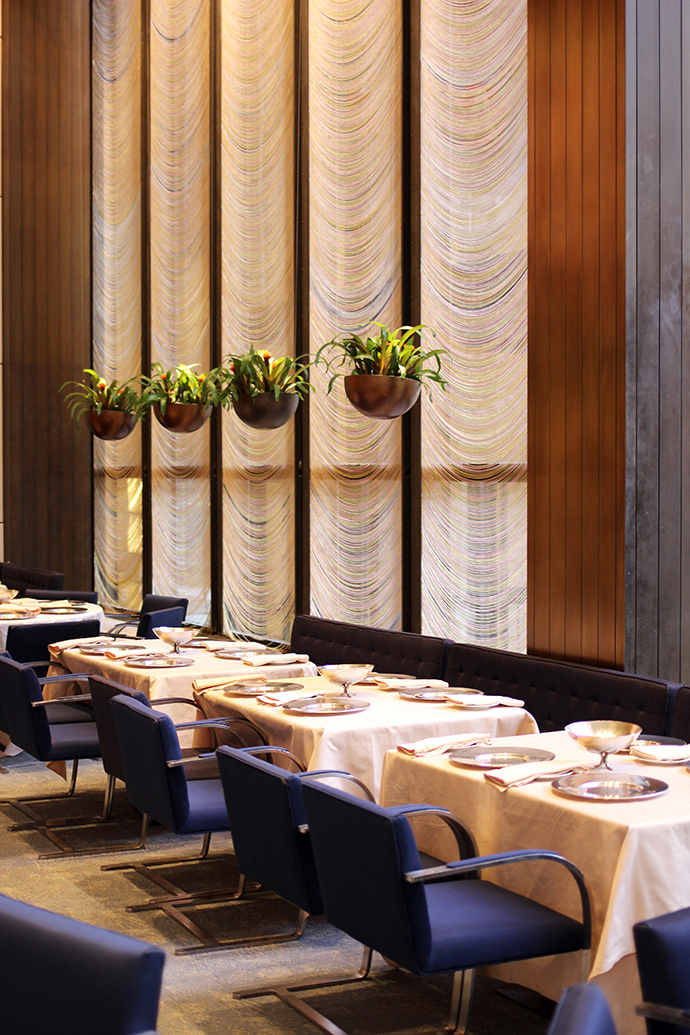
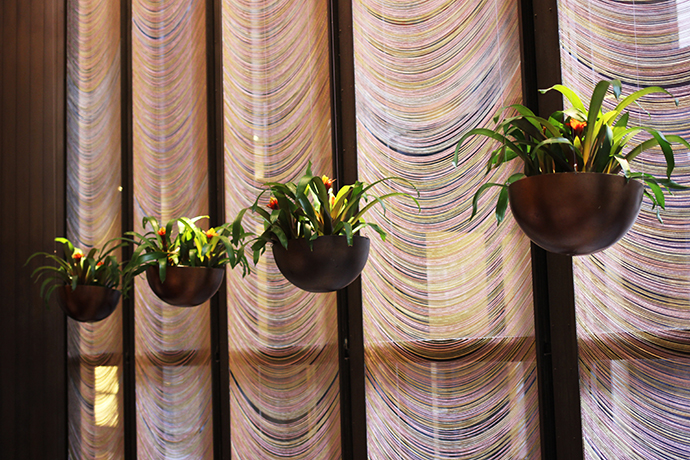
Luckily, we had an opportunity back in October to visit the Four Seasons during Open House New York weekend, and I realized recently that I had never shared my photos. At the time, the restaurants fate was uncertain, but now that everything—not protected by its interior landmark designation—will be scattered to various collections, our visit has taken on a new significance.
When you walk into the Four Seasons you feel like you've traveled back in time, to an era of three-martini lunches, where people dressed up because they cared, where air travel was a luxury—and luxurious—where business deals were made in person and not through email.
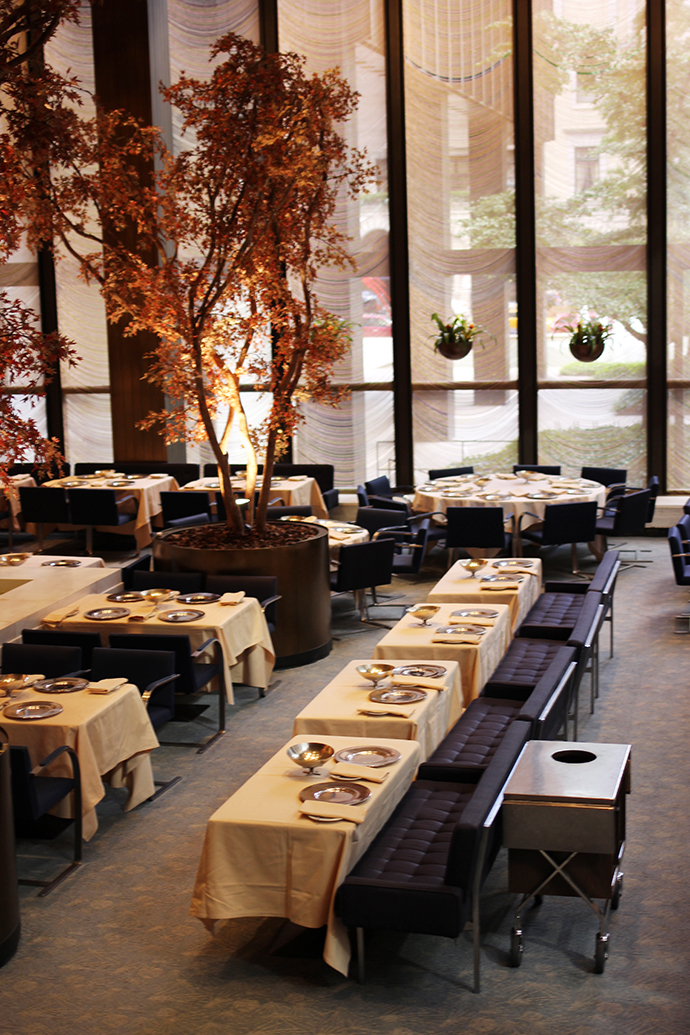
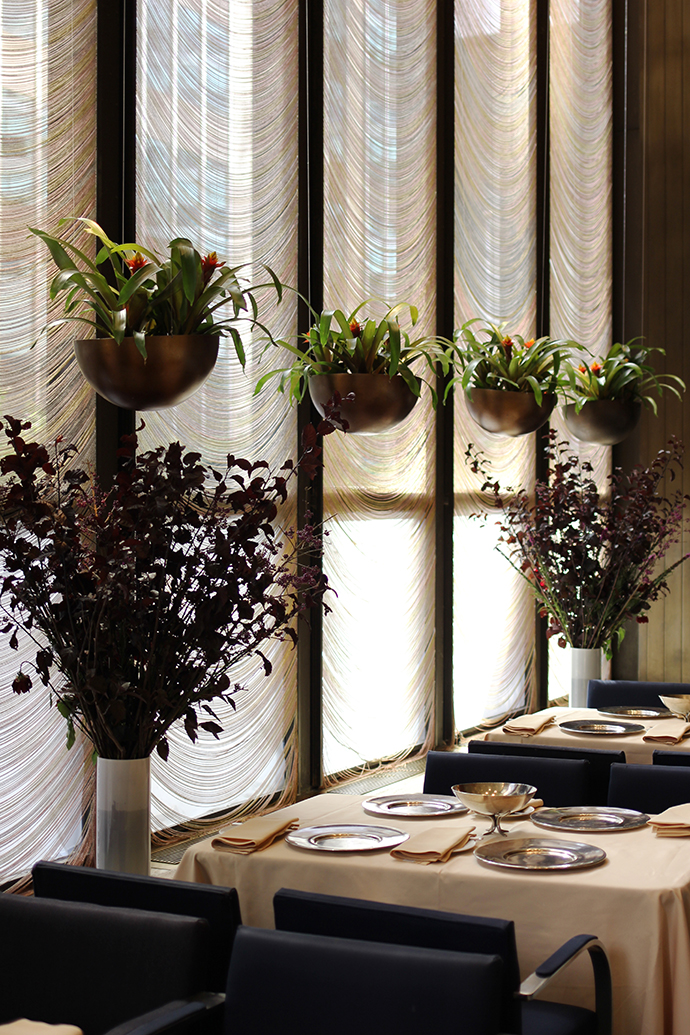
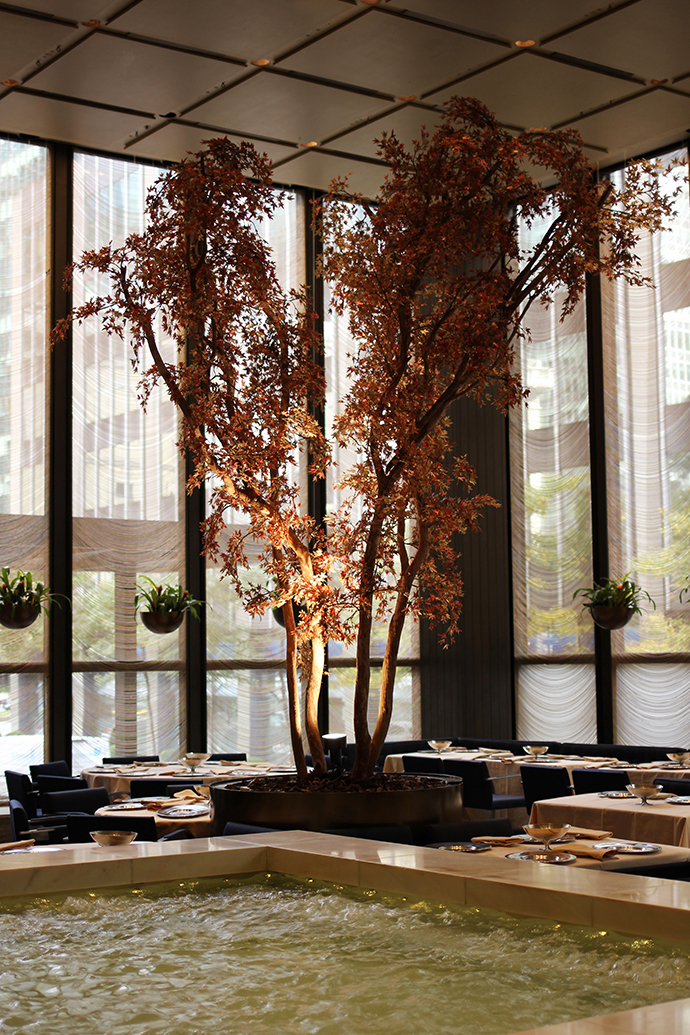
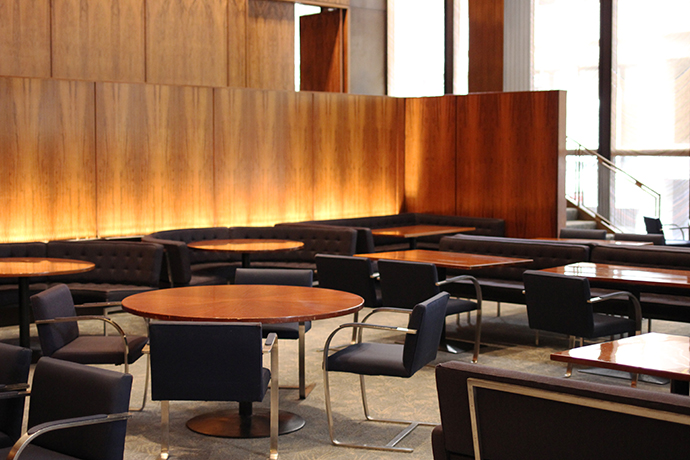
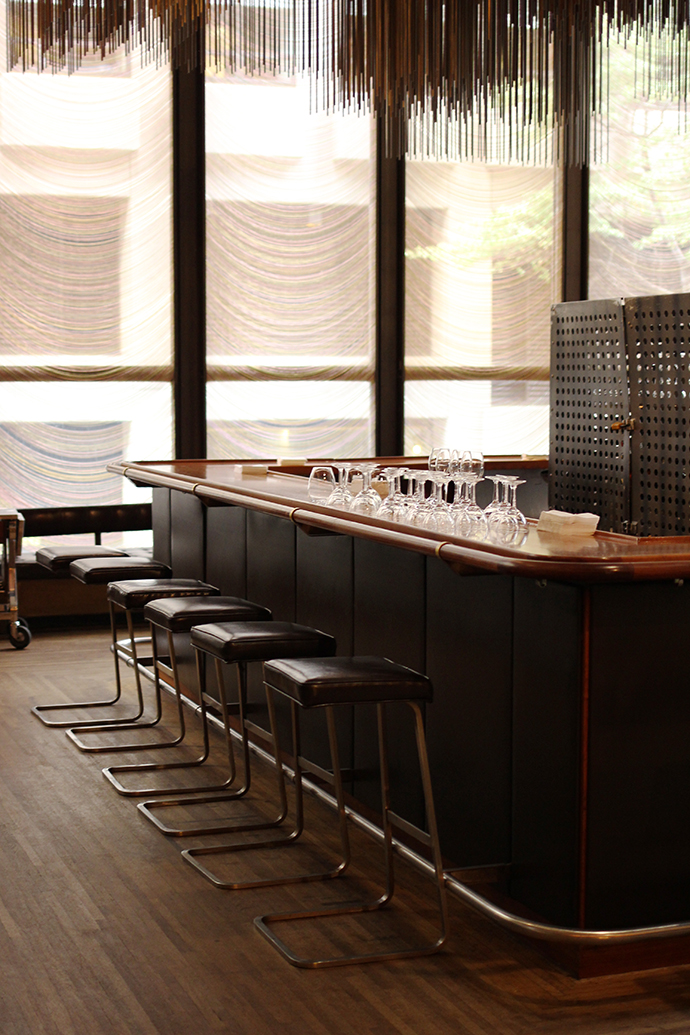
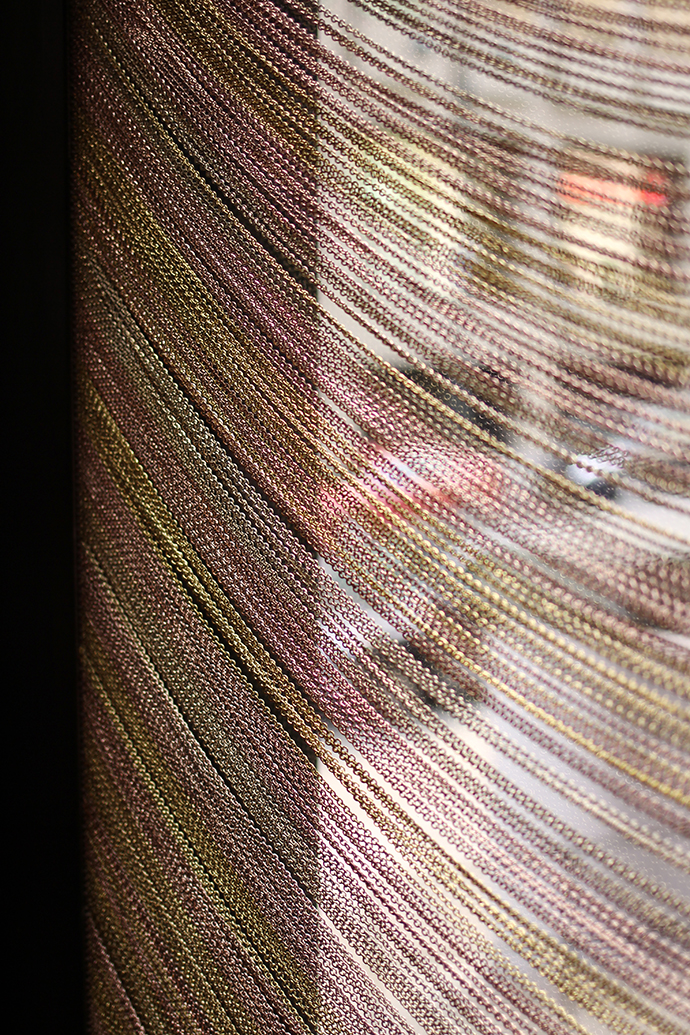
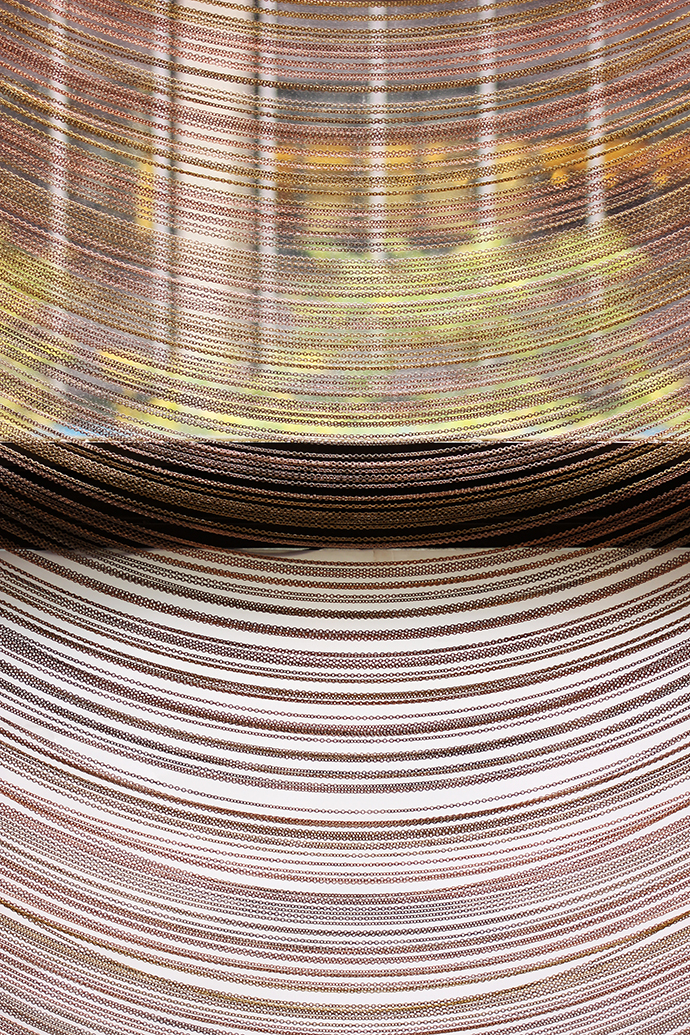
The bubbling Pool Room has four trees that change with the seasons; the more serious, wood-paneled Grill Room has corner banquets that make you want to talk about something important and expensive; the large windows are draped with aluminum chain curtains that undulate and shimmer like nothing else you've ever seen. The restaurant owners insist that the Four Season will be reborn somewhere else, and while I don't doubt their good intentions, I can't help but feel as if something really special, and really New York, will be lost forever when they move out.
Most Holy Trinity: RIP
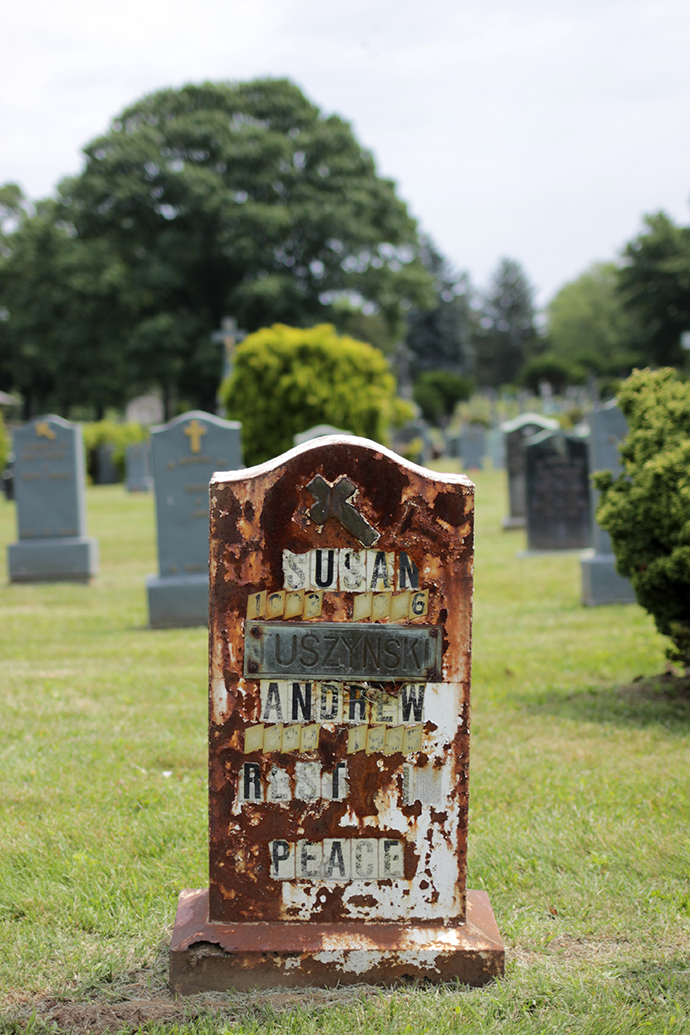
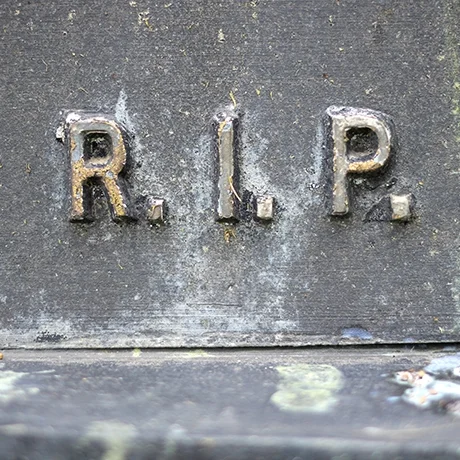
Just before I was about to leave Most Holy Trinity Cemetery on my recent visit, I became suddenly obsessed with the fact that "Rest in Peace" was on so many of the markers. Most Holy Trinity is the cemetery located in Bushwick, where most of the markers are made from metal or wood in the name of posthumous equality. I've often thought about how and why the phrase "Rest in Peace" or its abbreviation "R.I.P." has become so ubiquitous in the representation of tombstones, when I seem to see it so infrequently in actual cemeteries.
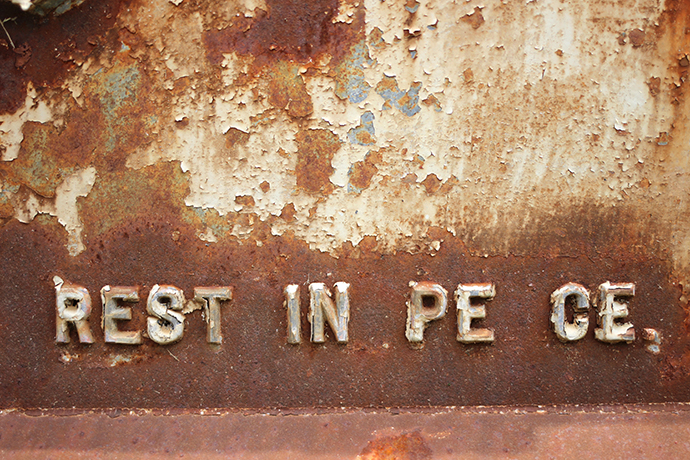
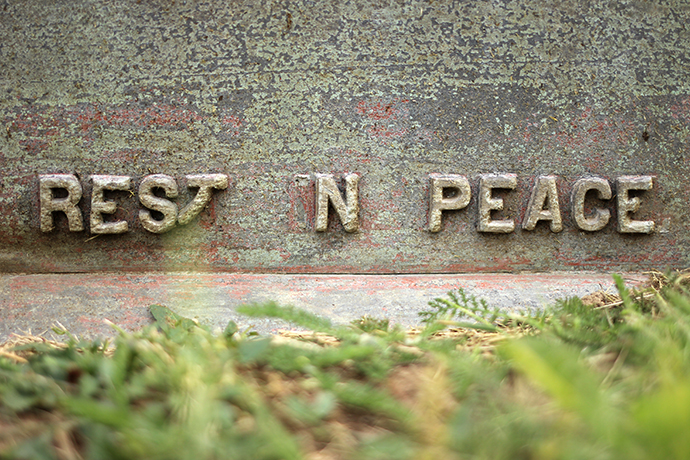
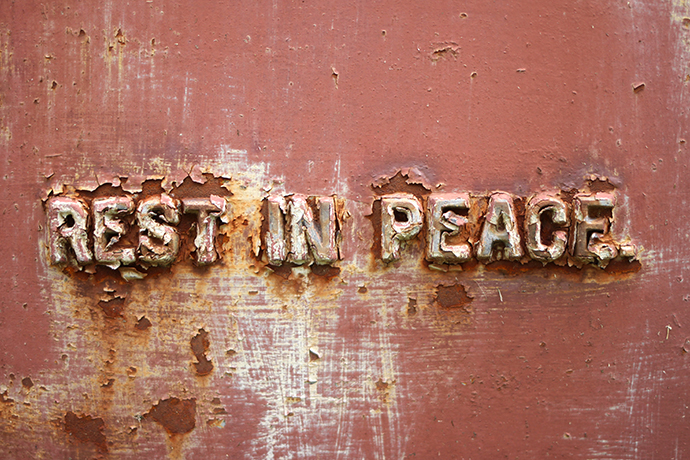
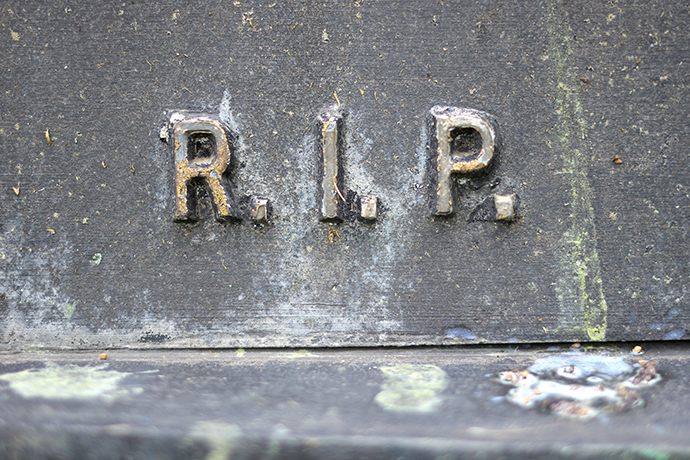
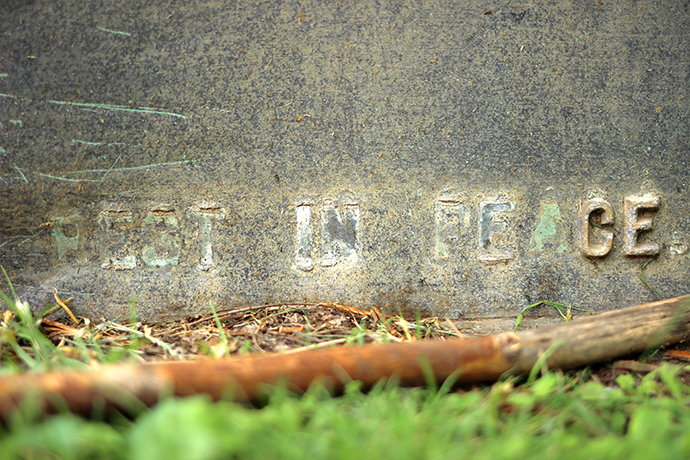

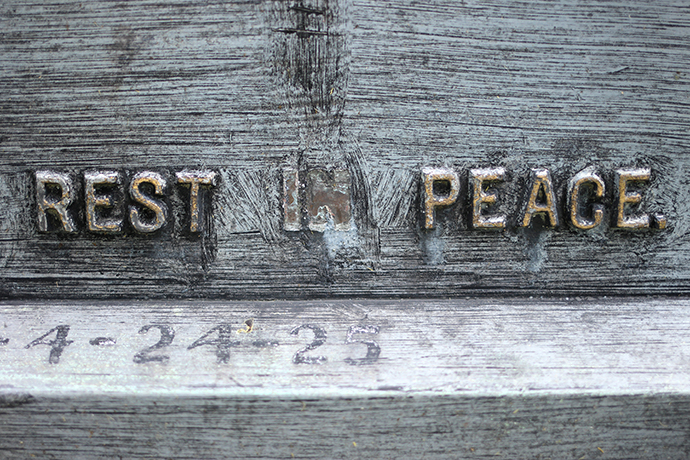
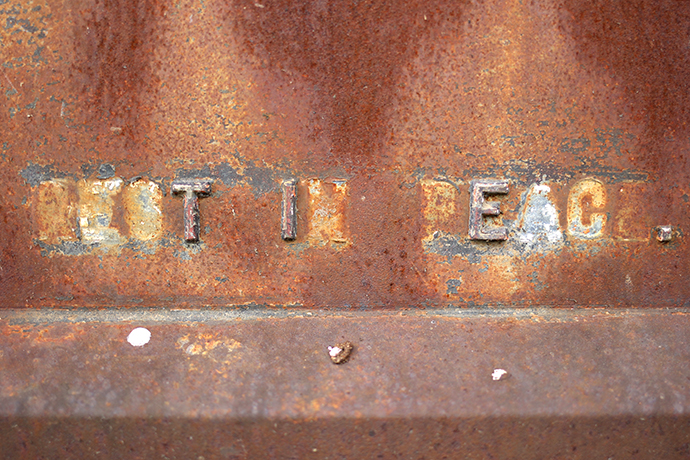
After doing some research, I think it's because most of the cemeteries I have visited have comprised religious denominations that don't frequently use the phrase. Rest in Peace is primarily a Christian (particularly Roman Catholic) phrase, and of course variations on the theme can be found in almost any culture, but that explains why it was so prevalent at Most Holy Trinity, a German-Catholic cemetery.
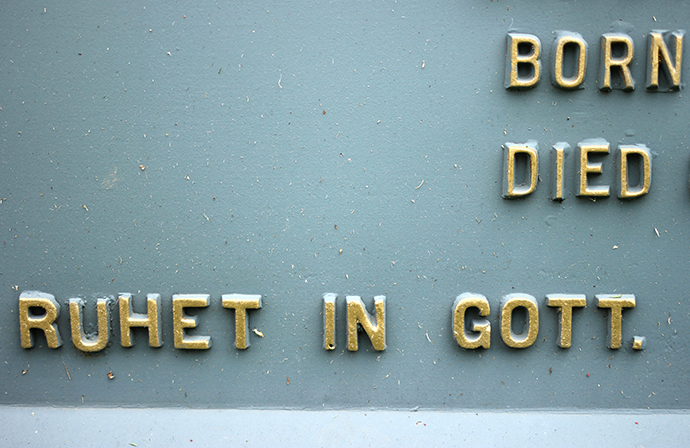
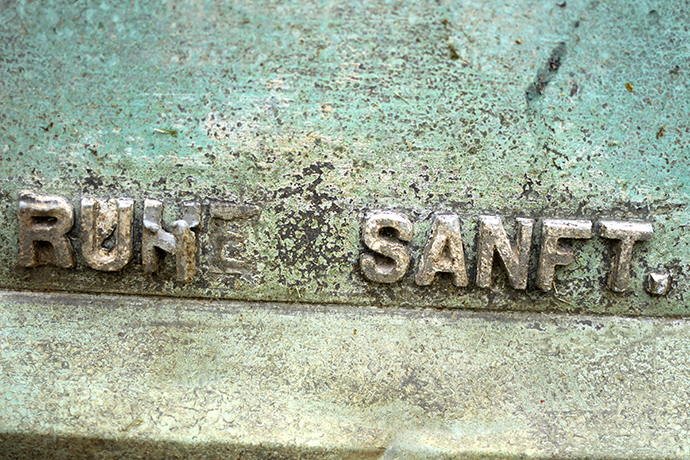
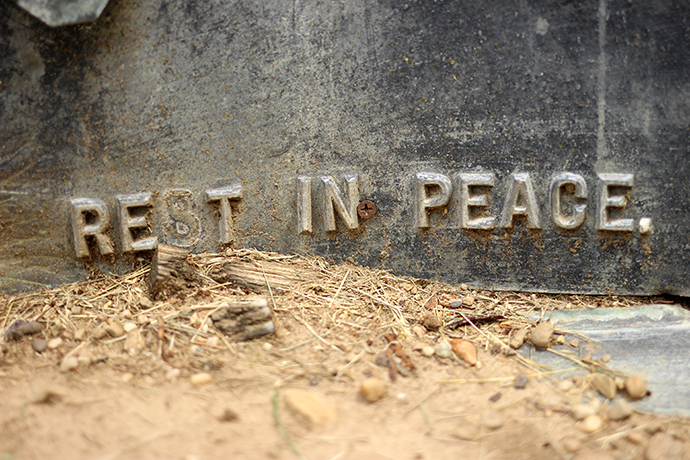
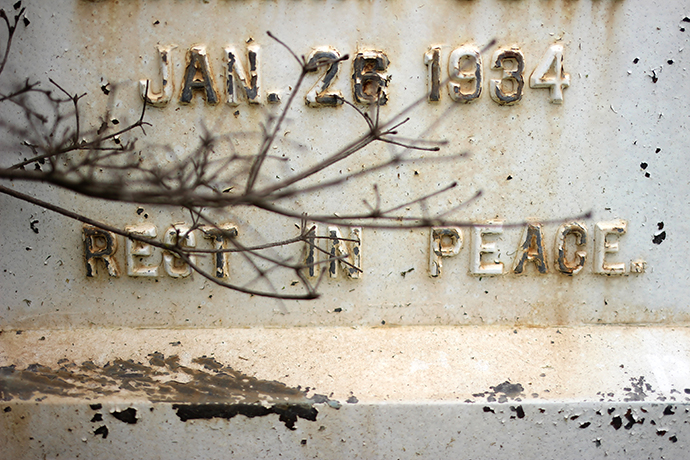
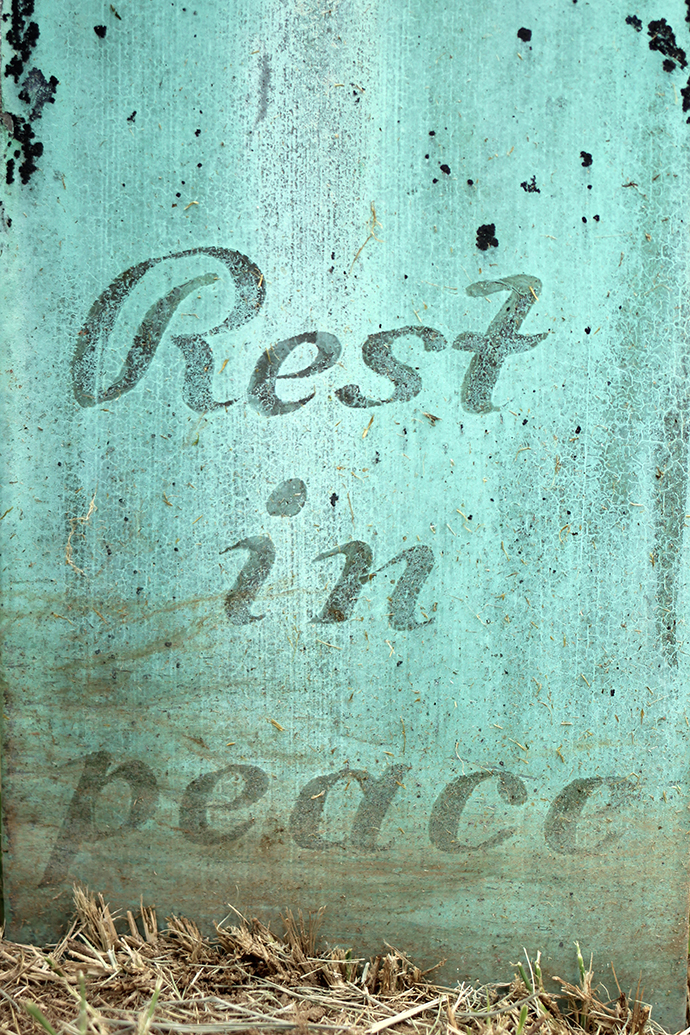
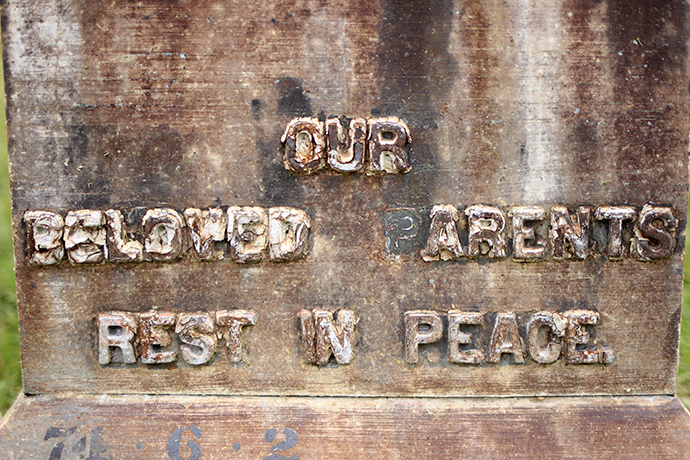
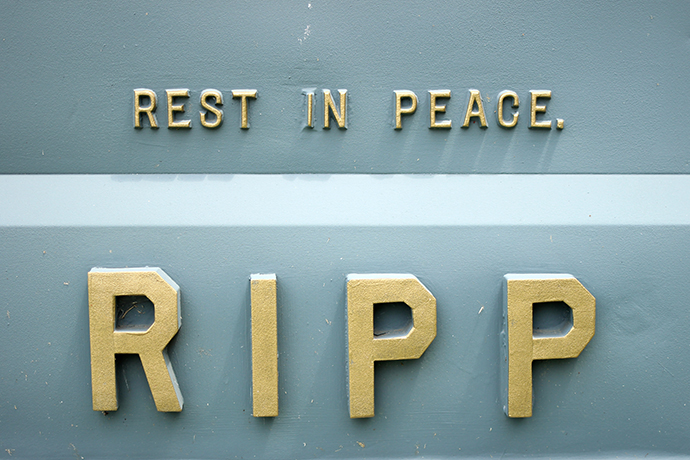
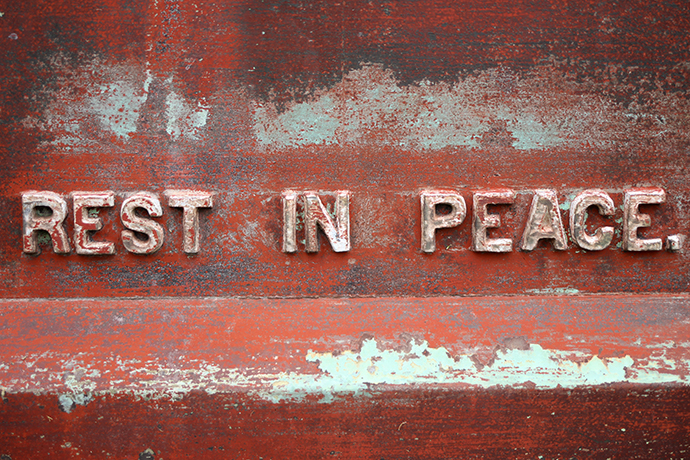
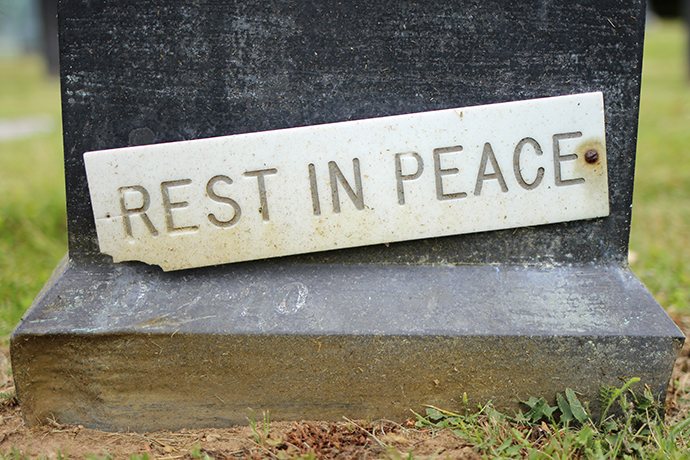
At Most Holy Trinity, I did see a few variations of the phrase, including other languages such as the German "Ruhet in Gott," which means "Rests in God" and "Ruhe Sanft," which means "Rest Gently." The phrase was mostly spelled out in metal letters adhered to the metal markers, some of which have fallen off over the years leaving ghosted outlines. I still only saw one abbreviated "R.I.P." as well as a marker for the RIPP family, with the phrase spelled out above their surname so there is no confusion.

Staten Island Hospital: Abandoned
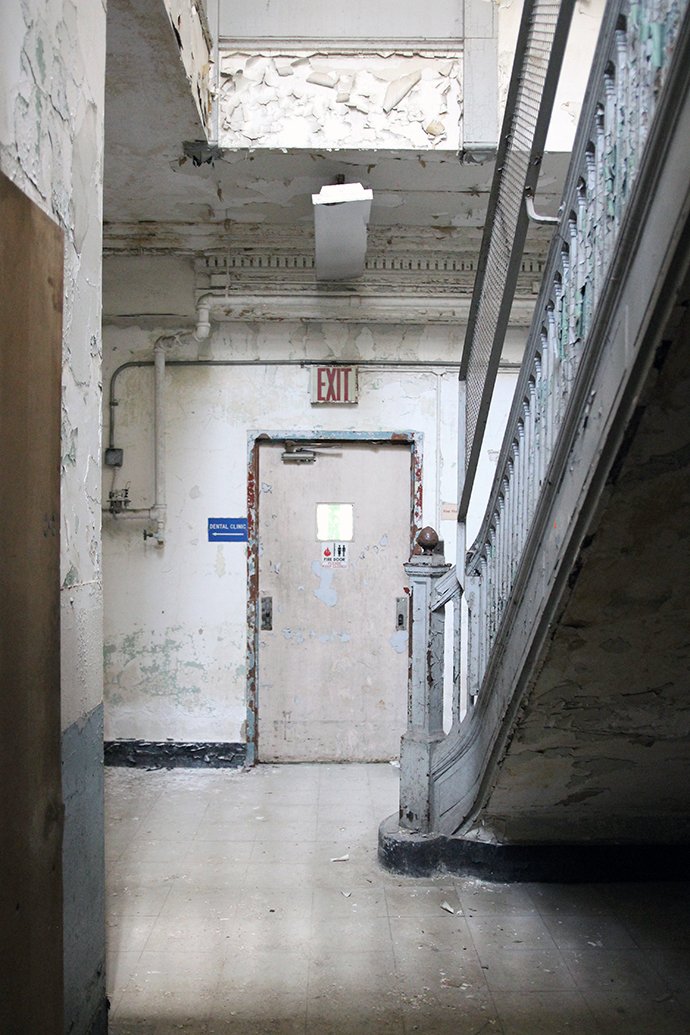
As soon as I found out about an abandoned hospital on Staten Island, I knew that it was perfect for my first abandoned building adventure. I've creeped on plenty of abandoned things from afar, but I've never really had the courage to go inside of any—until recently. Luckily I had the very best creepin' companion to help me make the leap, and it ended up being one of my favorite adventures to date.
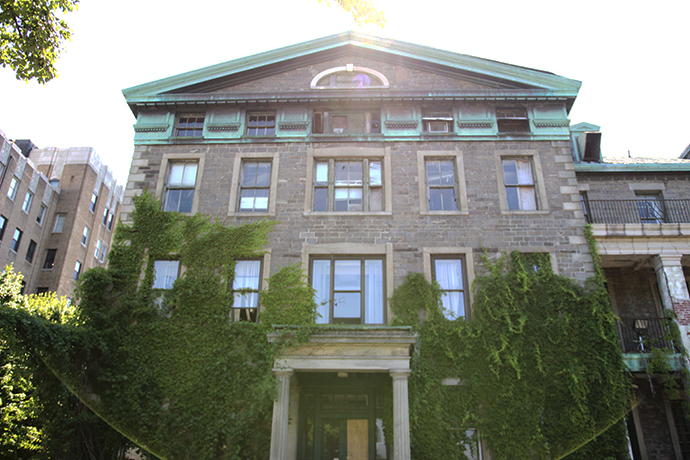
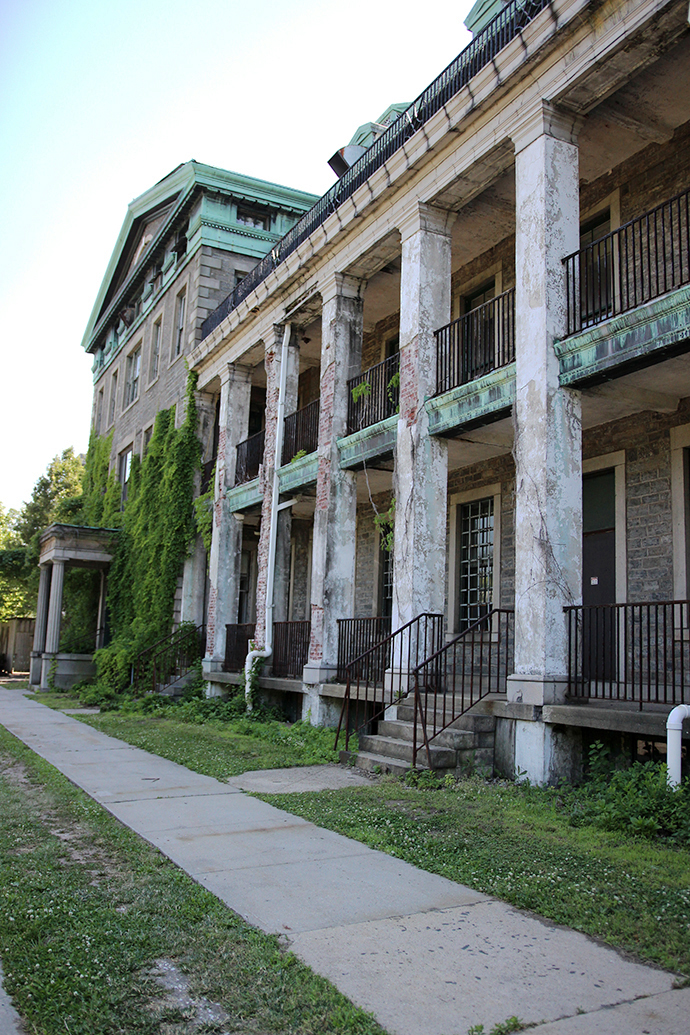
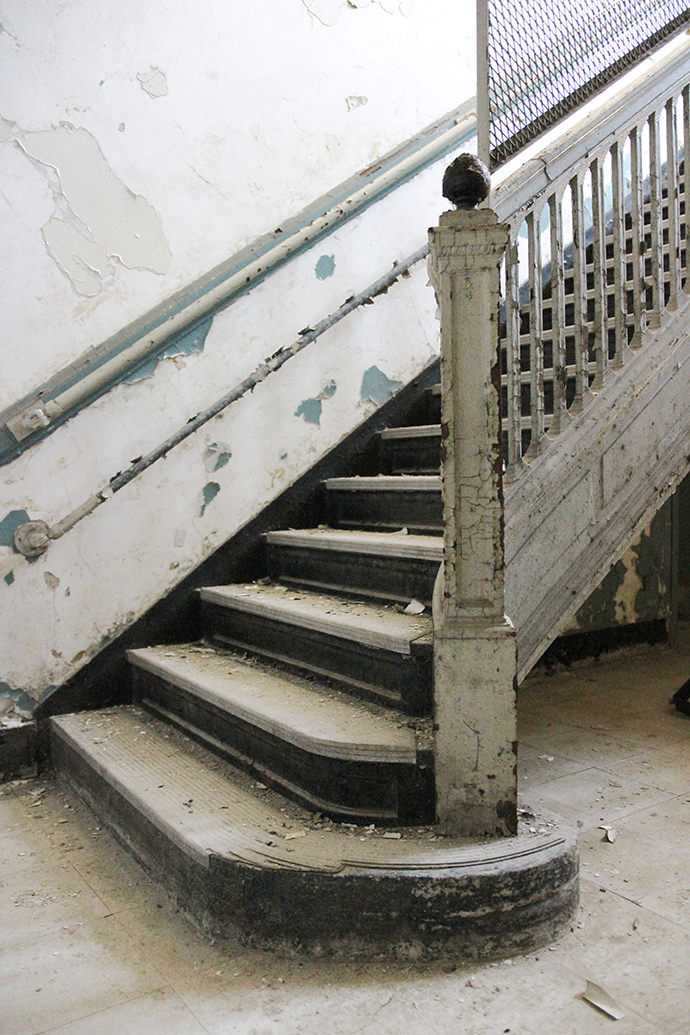
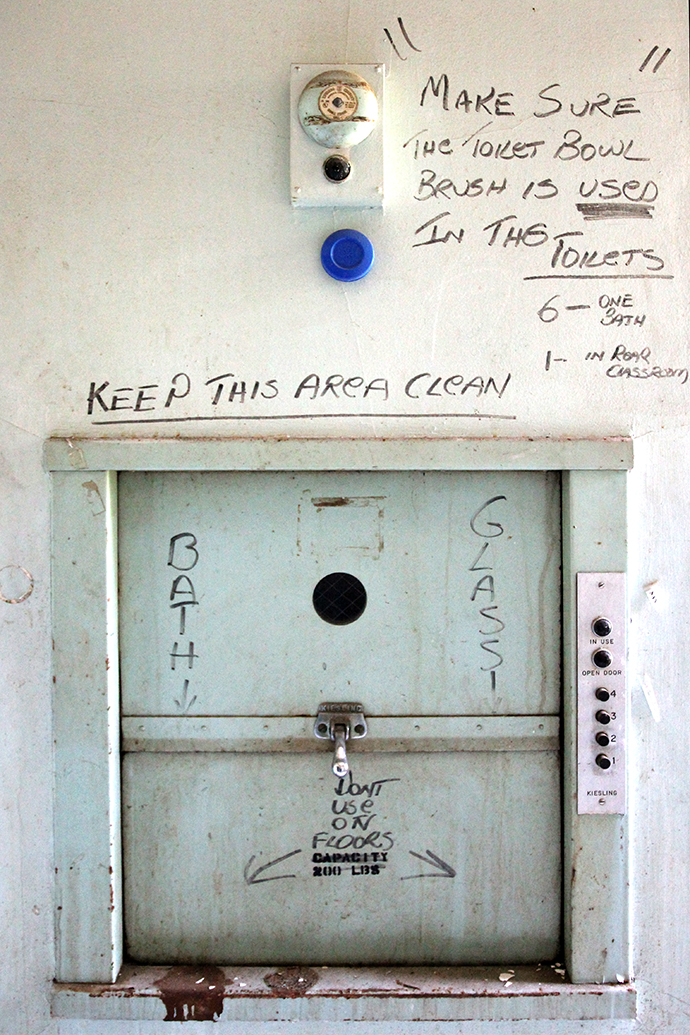
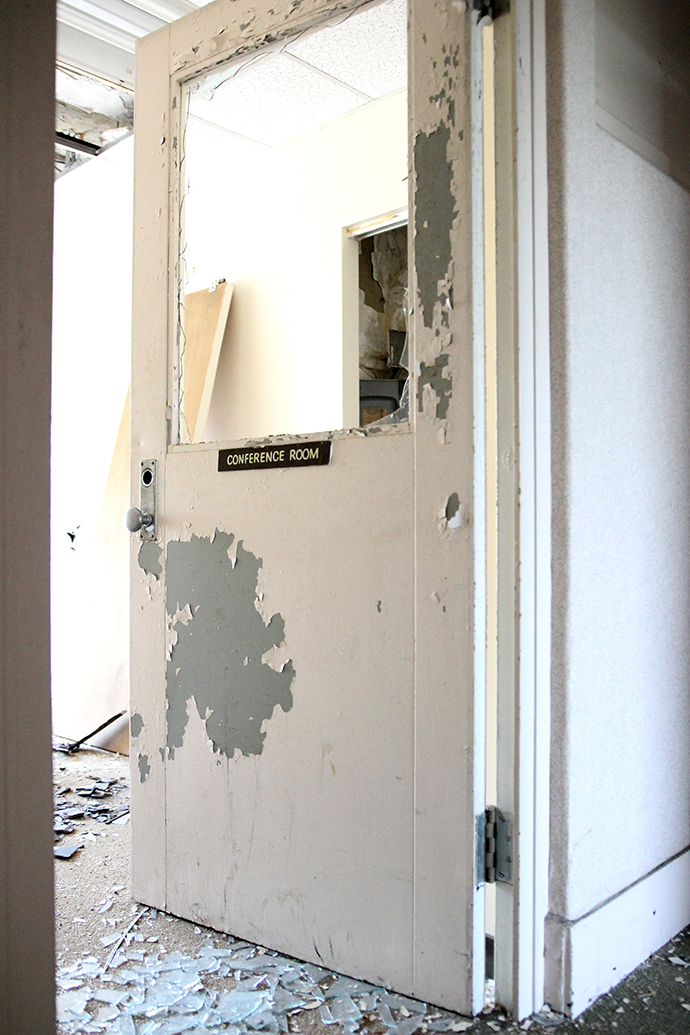
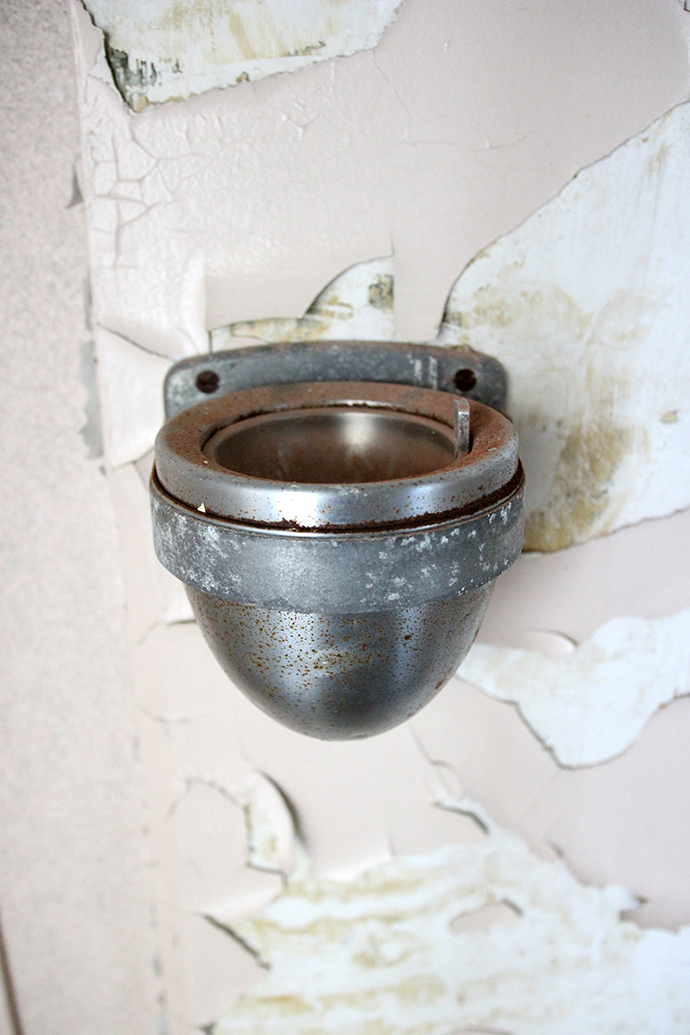
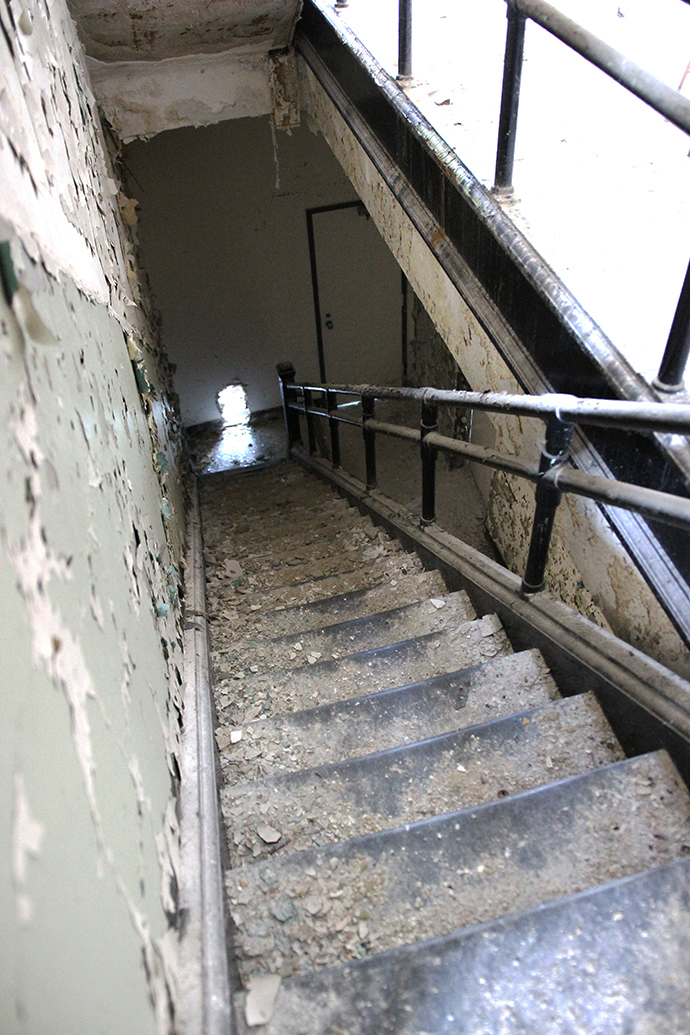

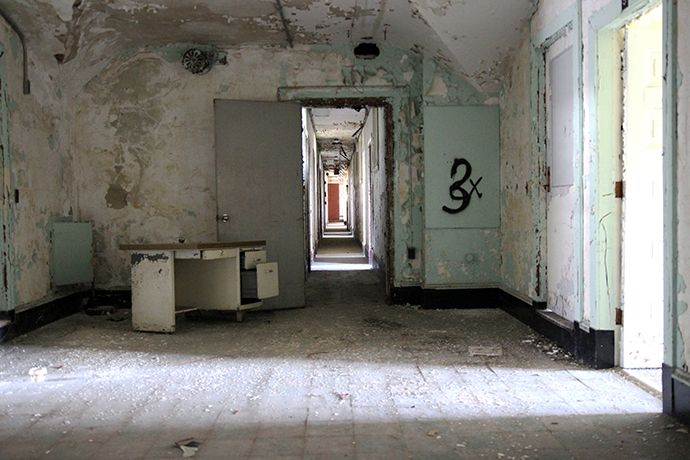
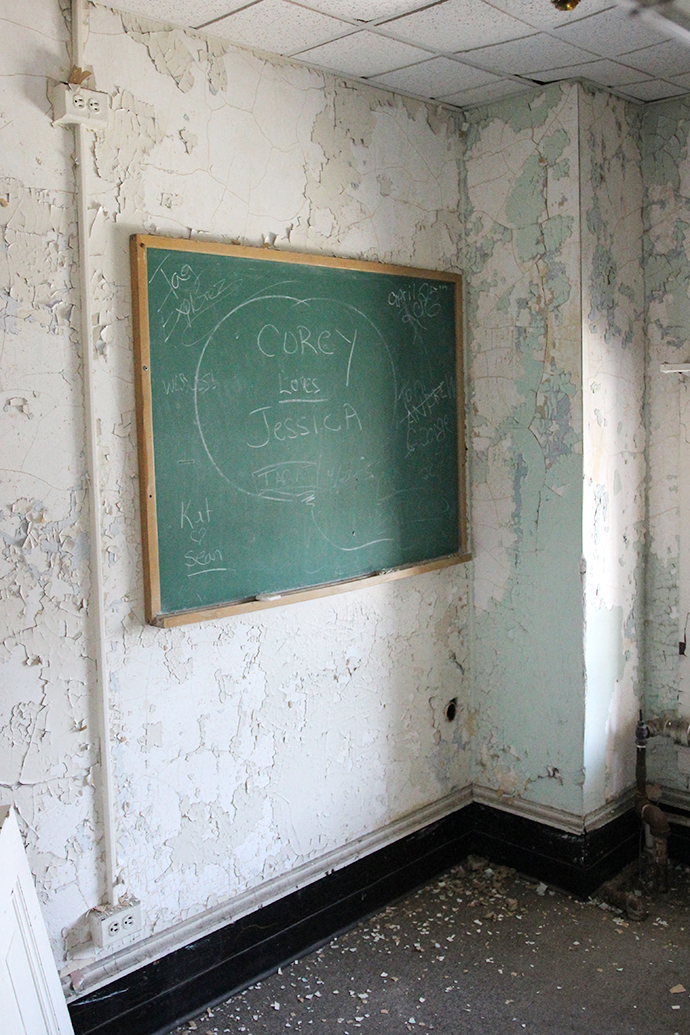
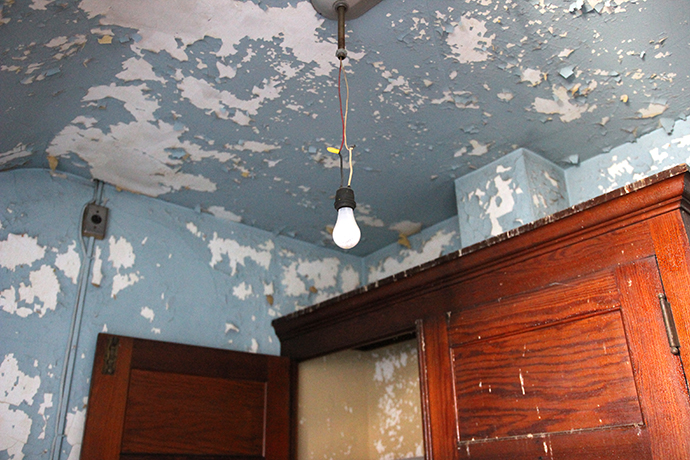
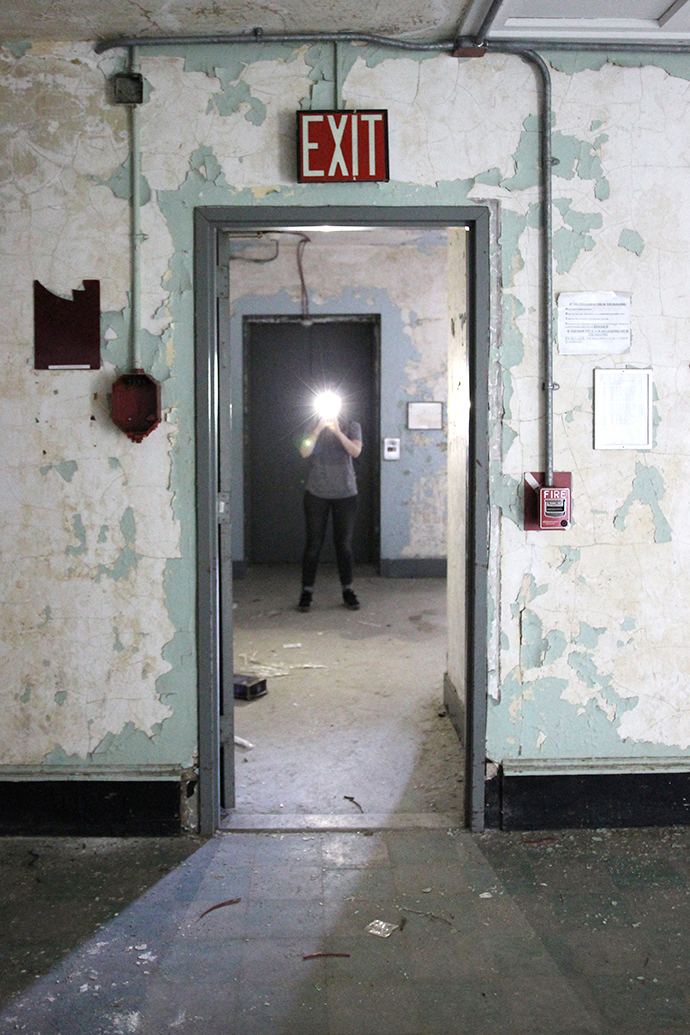
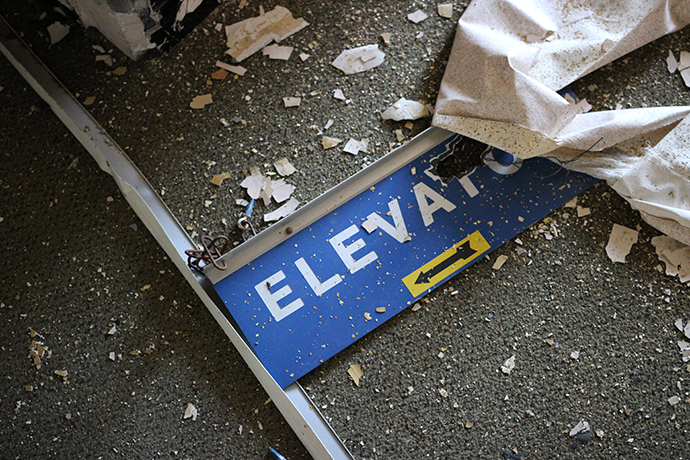
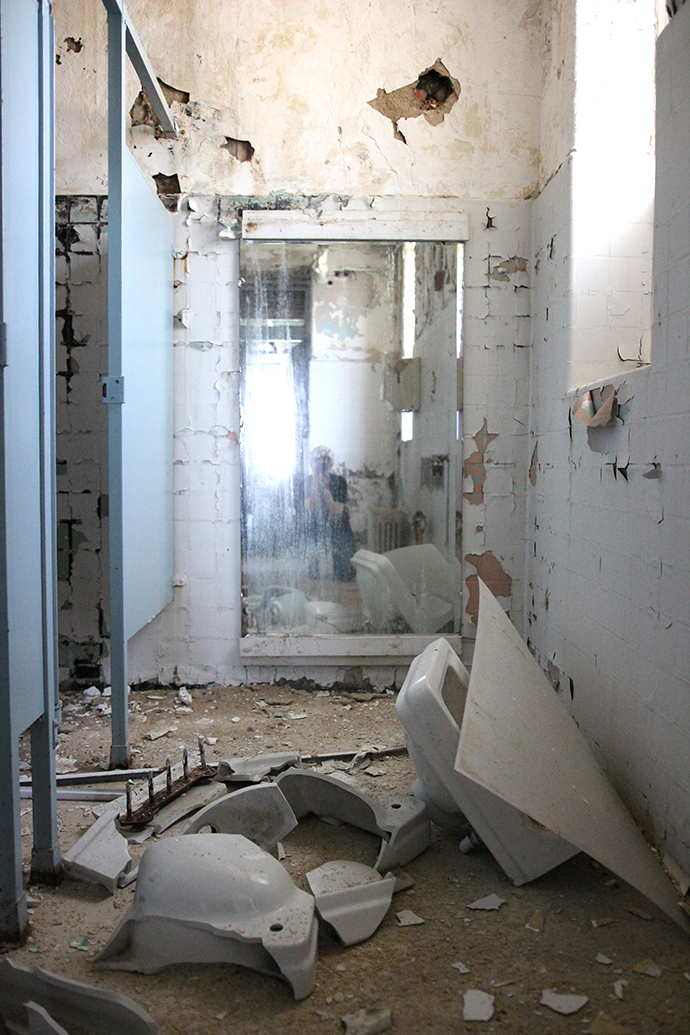
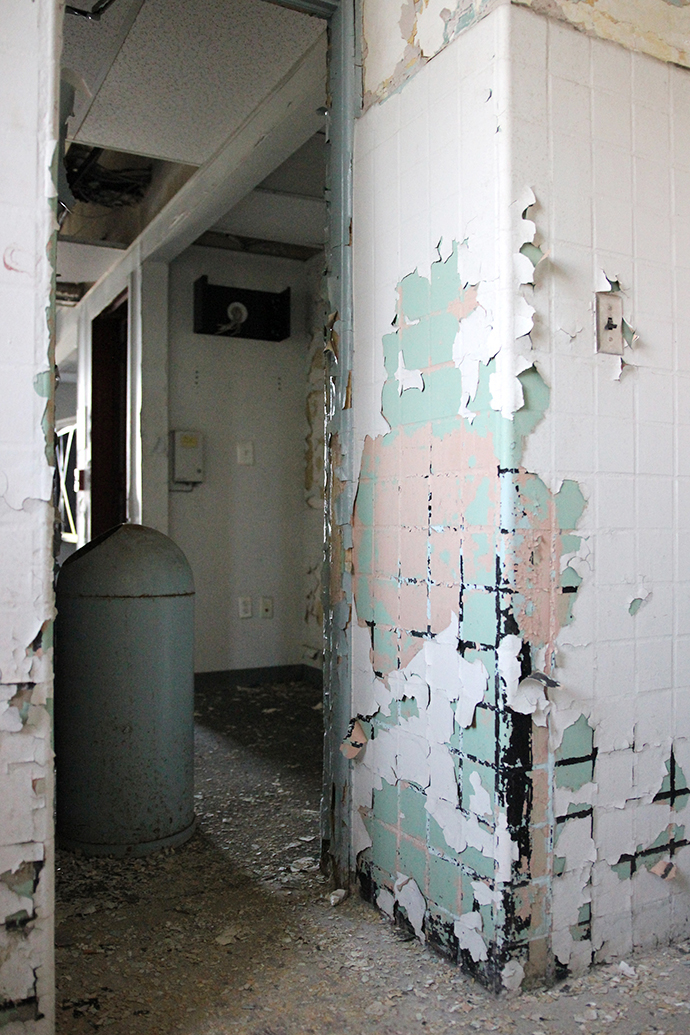

I definitely do not endorse breaking the law, and trespassing/breaking into anywhere is bad—let's just get that out of the way. I also try to live by the "take nothing but photographs" rule, which we strictly adhered to, although we did find some wonderful things. I don't know much about the history of this particular hospital, but it opened in 1837 and basically became abandoned from the top-down—lower floors were occupied by dental clinics and children's programs into the early 2000s (the last date we saw on anything was 2005).
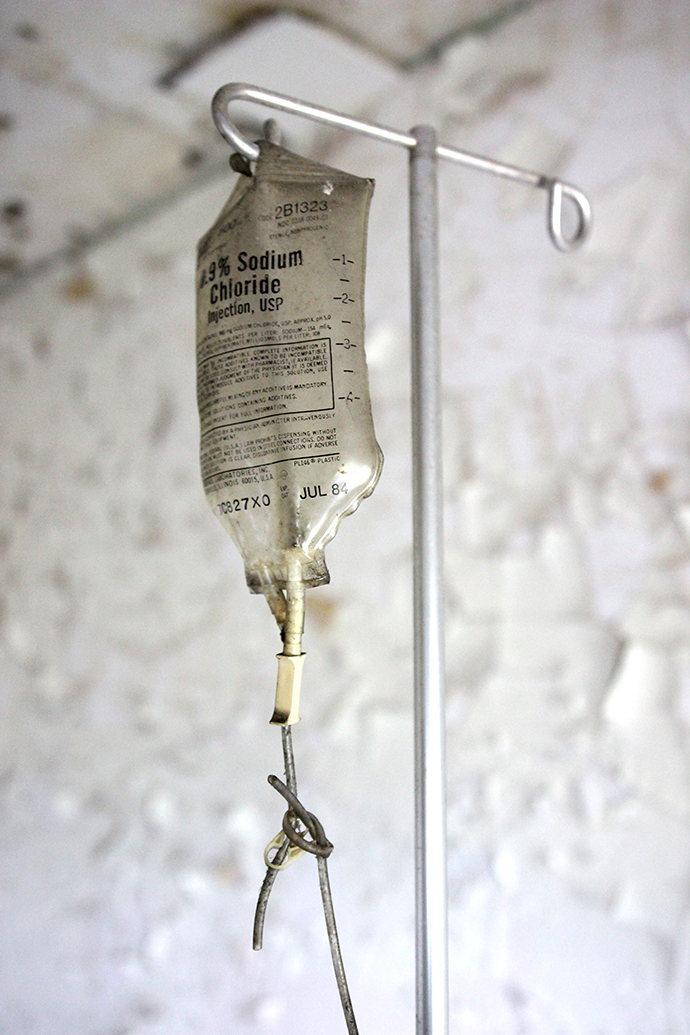
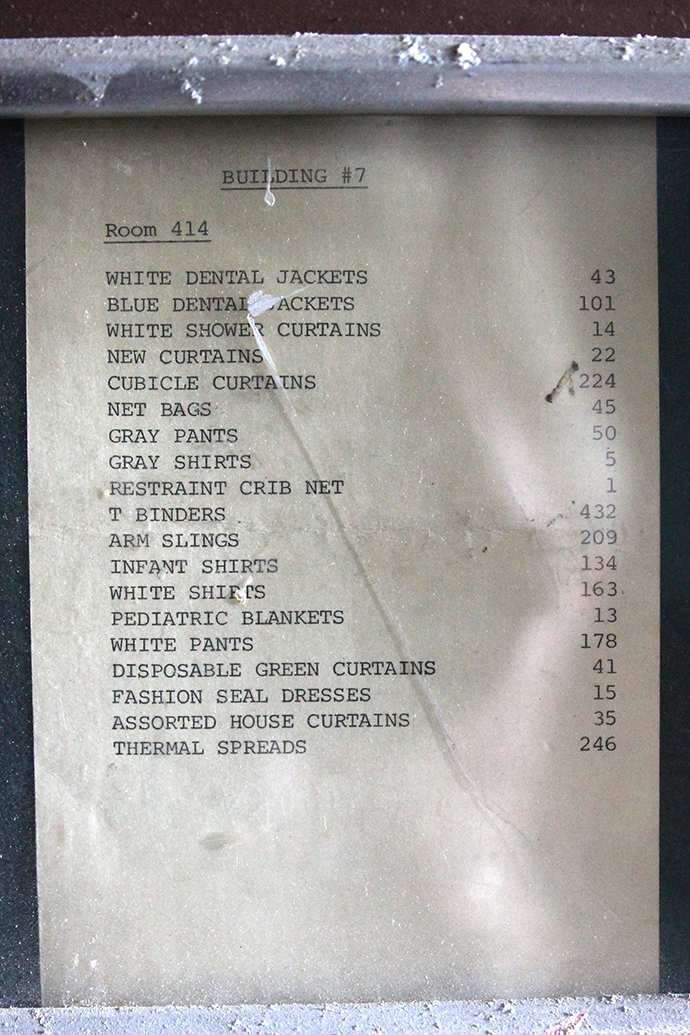
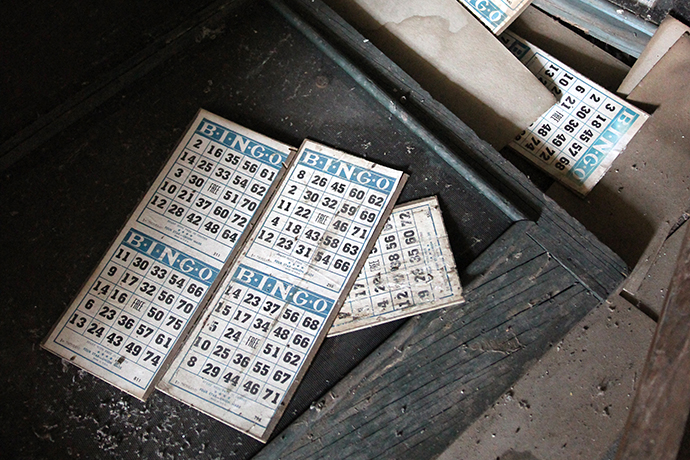

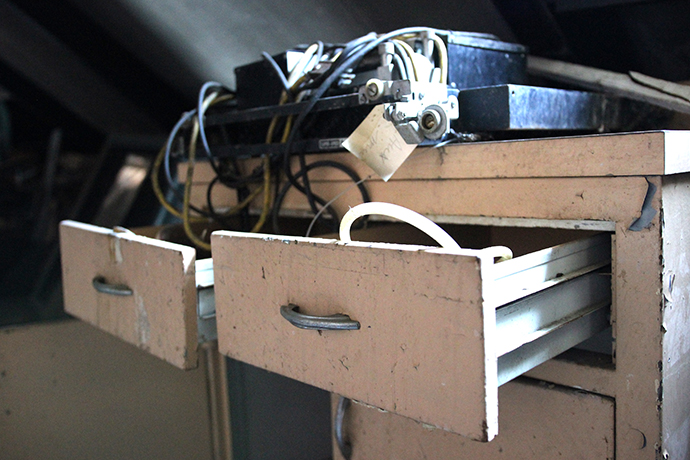
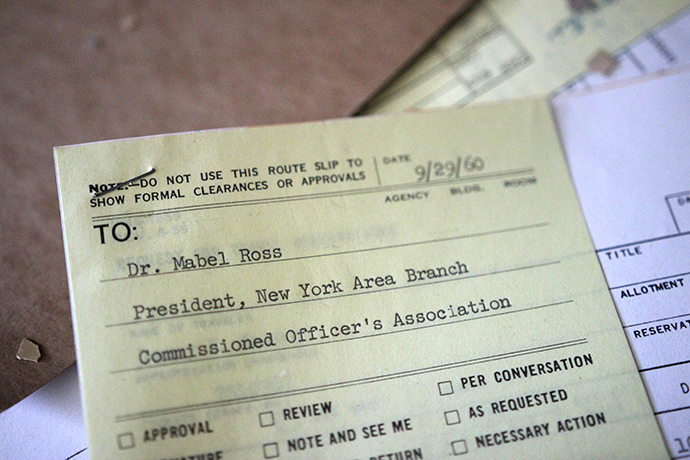

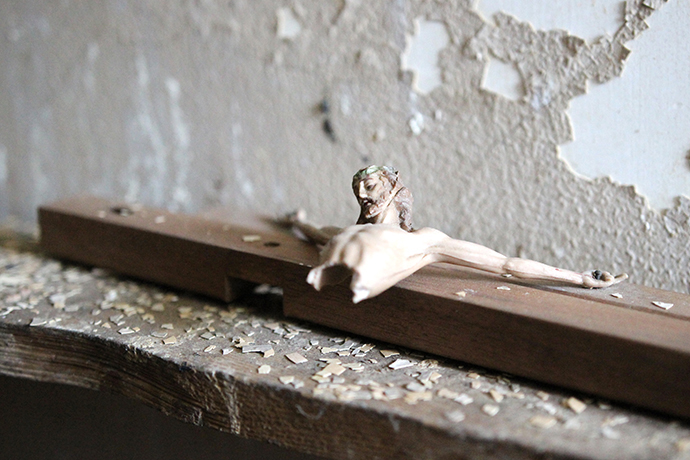

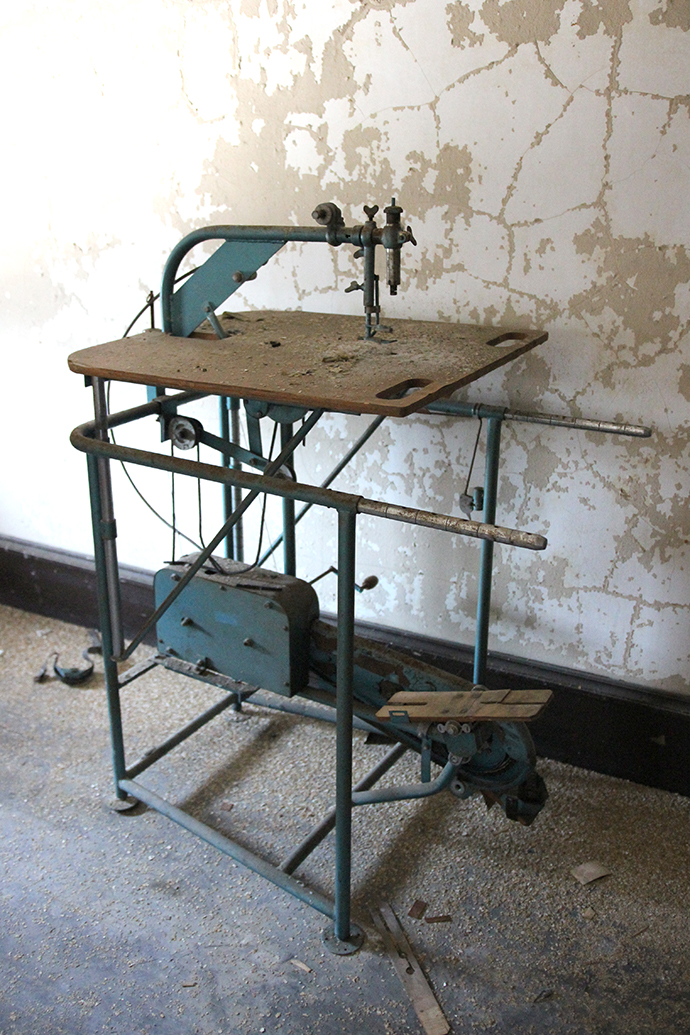
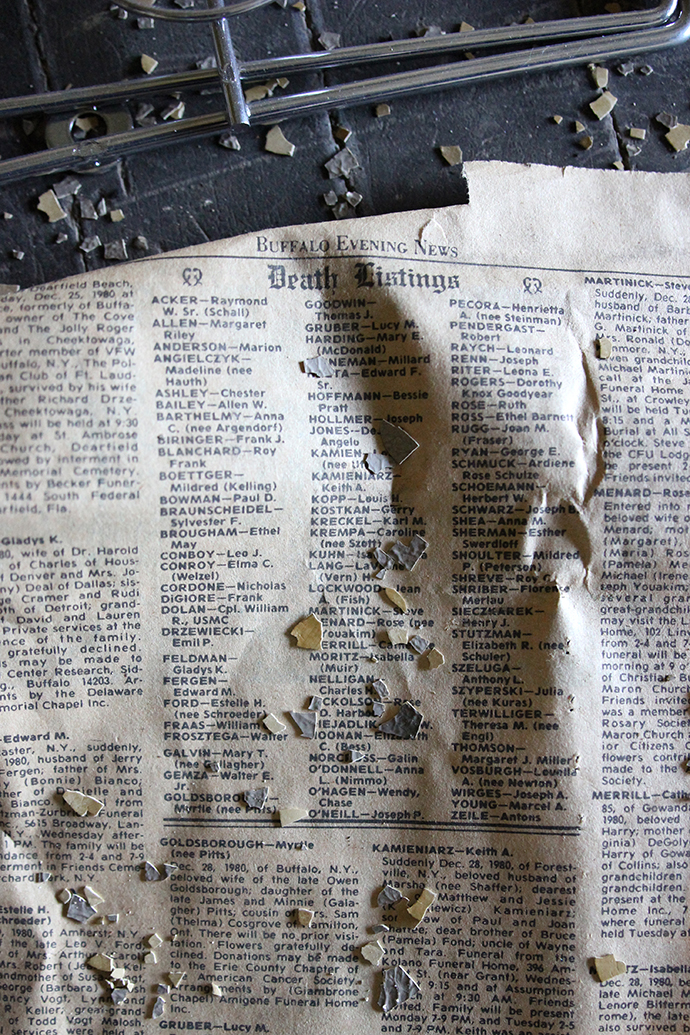
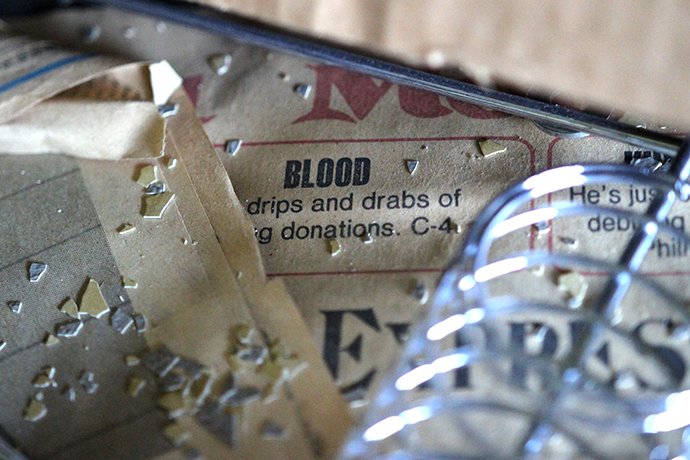
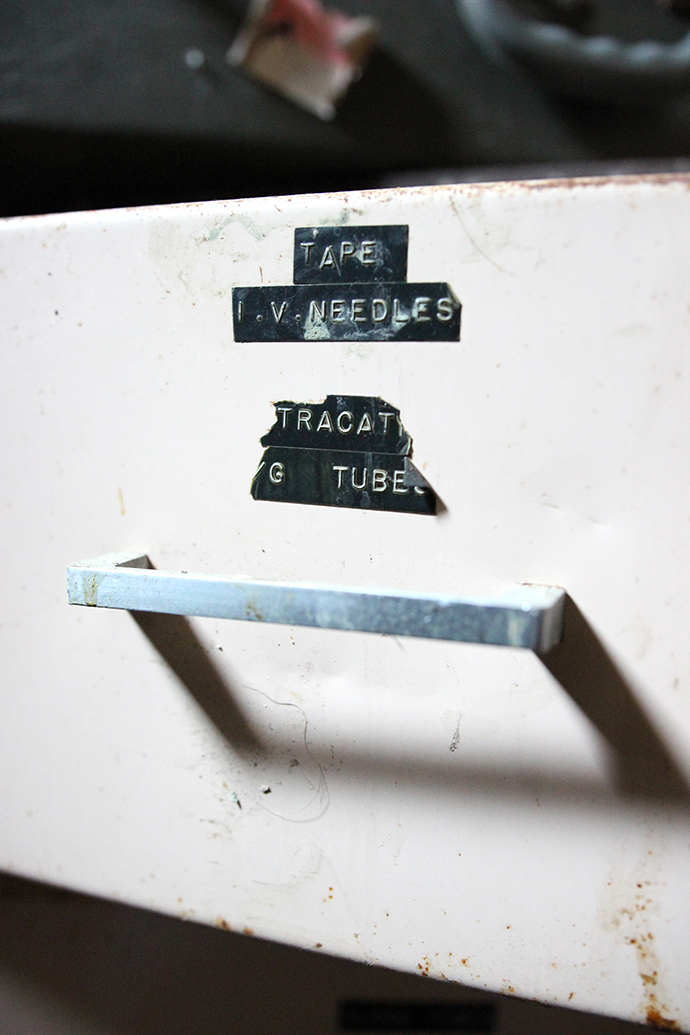
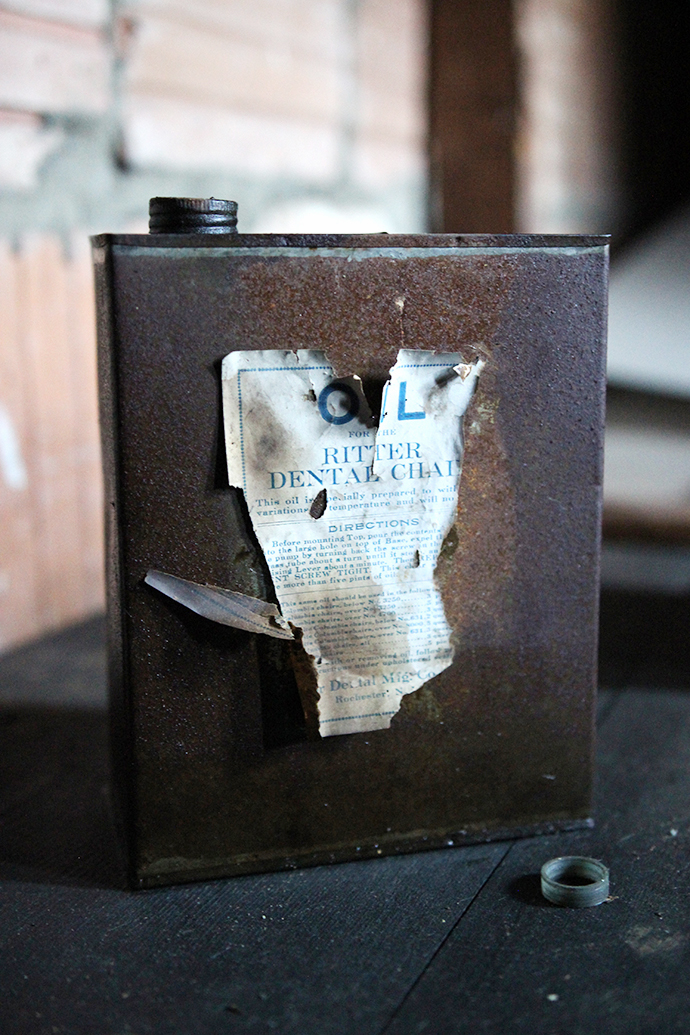
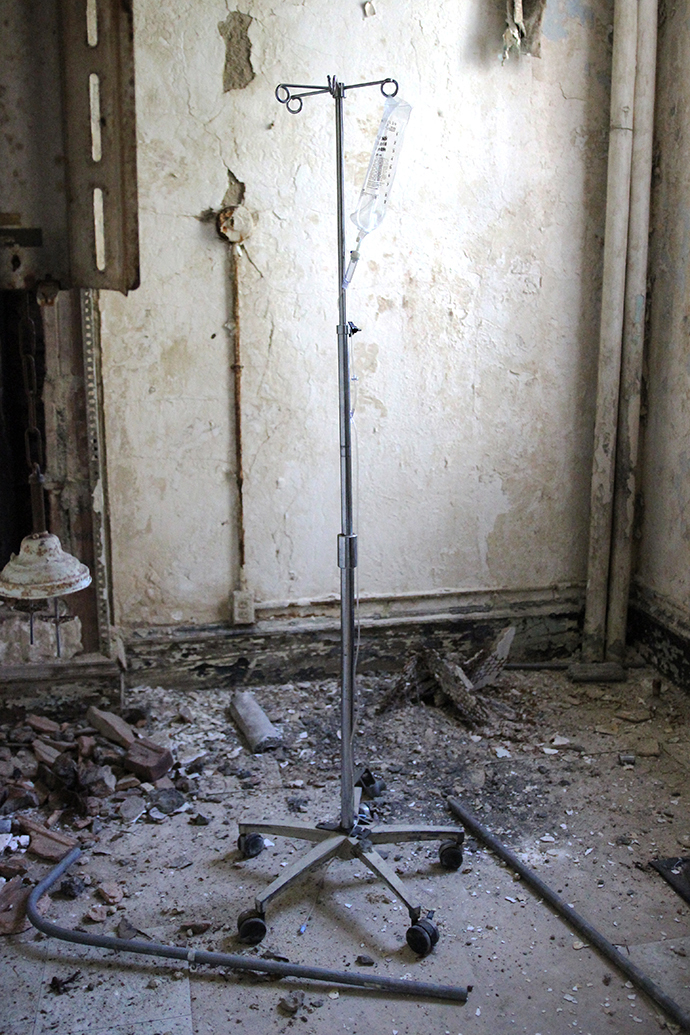
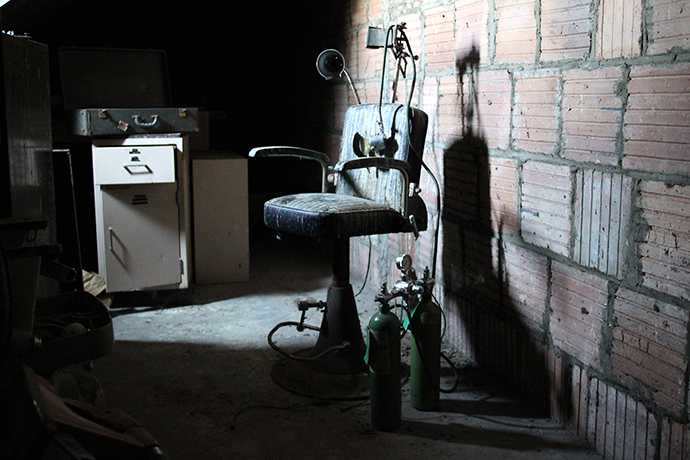
The artifacts definitely got older and more plentiful the further we went upstairs. In one room we found a filing cabinet overflowing with records, most of which were from the 1960s. Various checks, doctor's slips, accounting records and patient index cards poured out onto a table. My favorite document from 1970 showed an expense of $46.05 paid to "Staten Island Pickle Works." One of the attic rooms contained what might actually be the world's creepiest dental chair and the most wonderful pink cabinets filled with medical tubing and other debris. We also found two separate rolling IV stands—one of which had a bag attached whose contents expired in 1984.
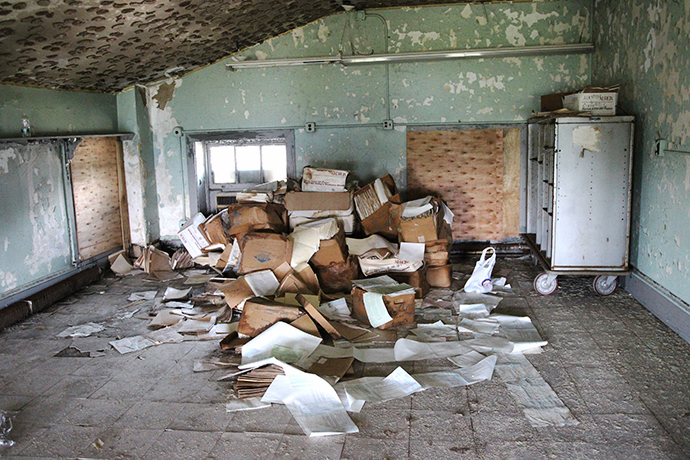
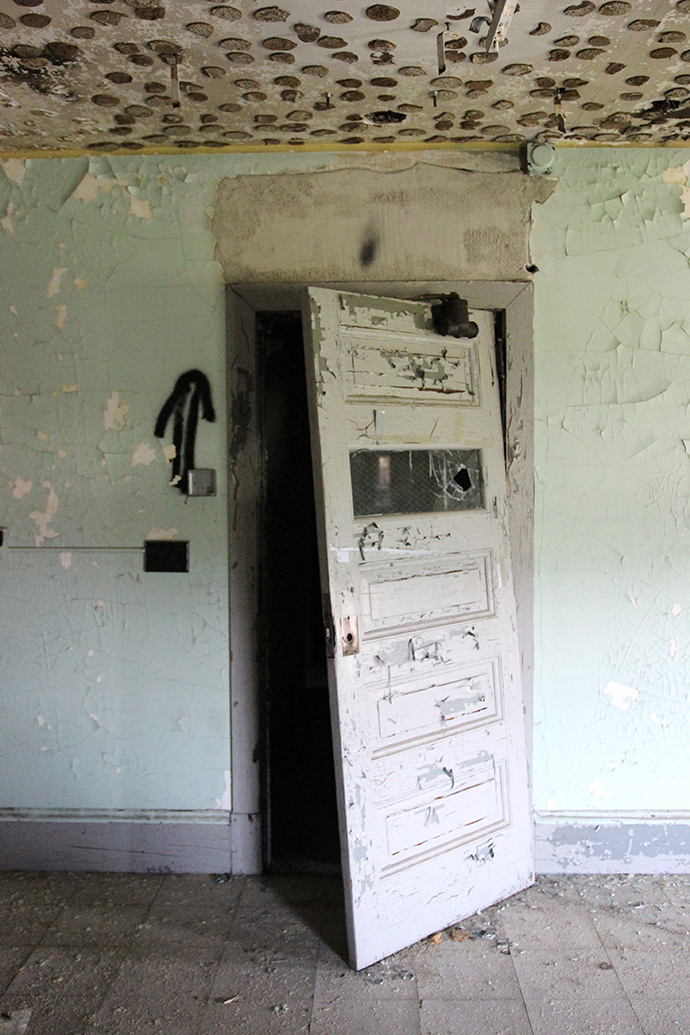
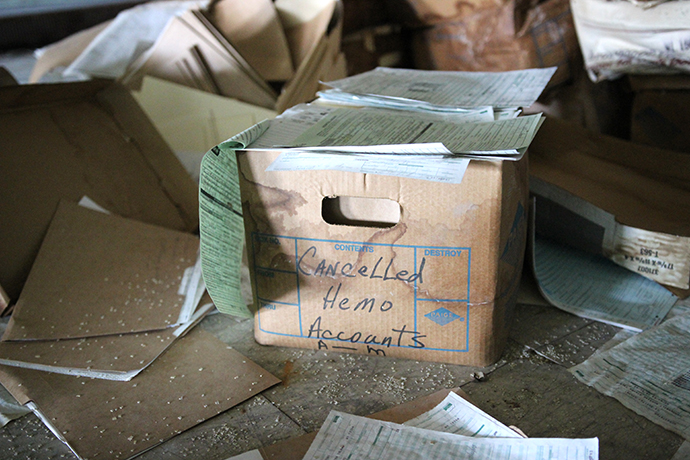


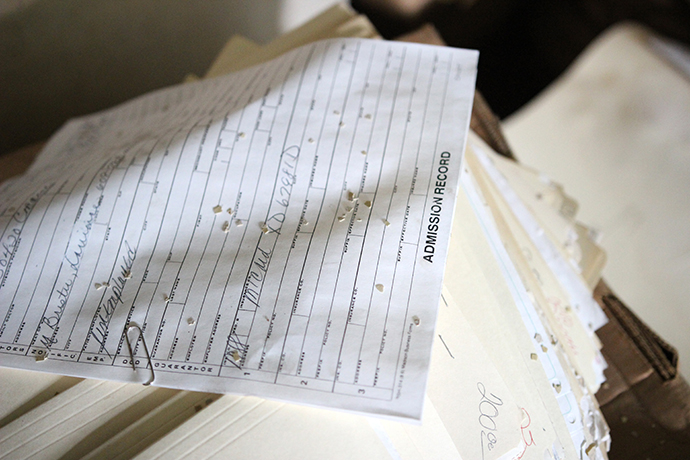

On one far end of the top floor, we came across a room piled high with boxes of patient records. We found admissions papers for people who struggled with addictions, a birth certificate from Puerto Rico and binders full of the personal information of people who were vulnerable and needed help. To see the most intimate details of so many people's lives reduced to a soggy, decaying pile was really sad.
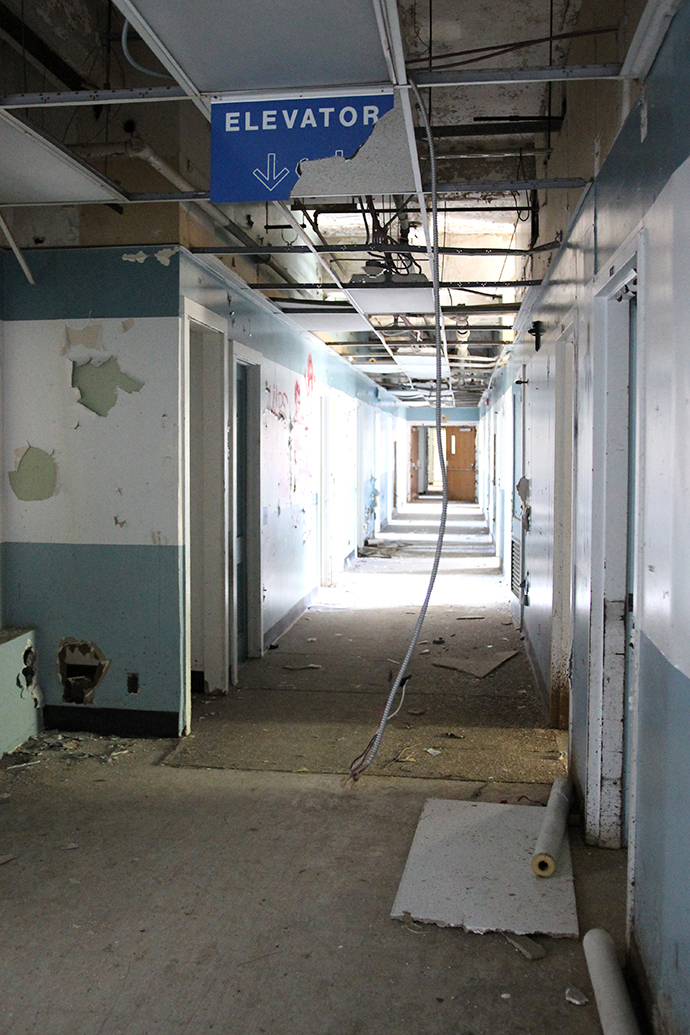
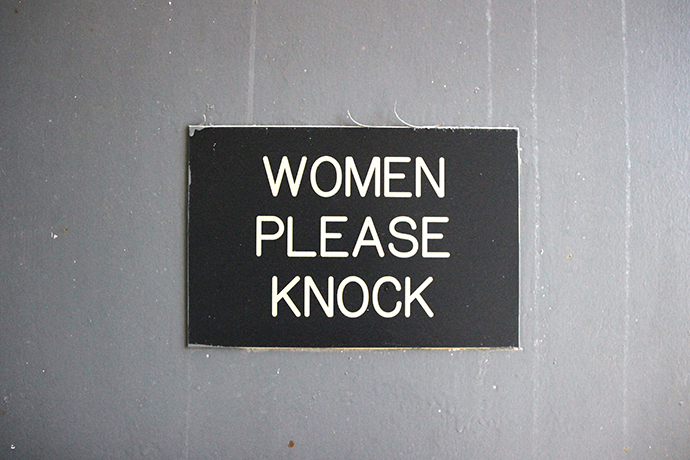
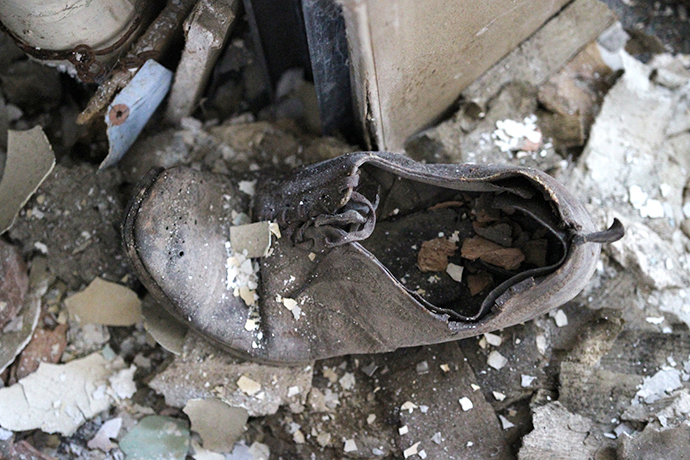

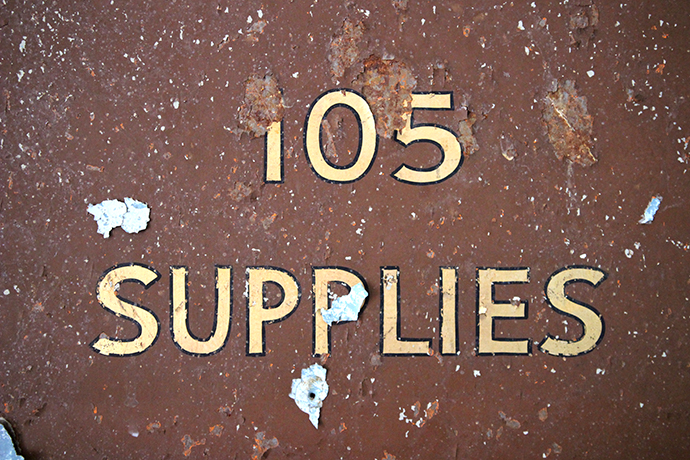
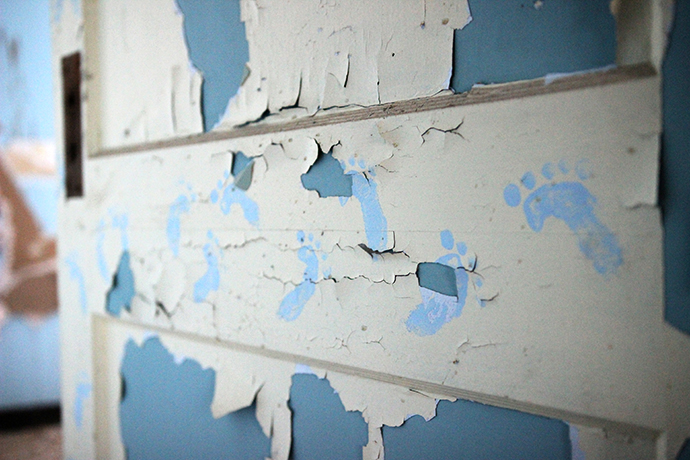

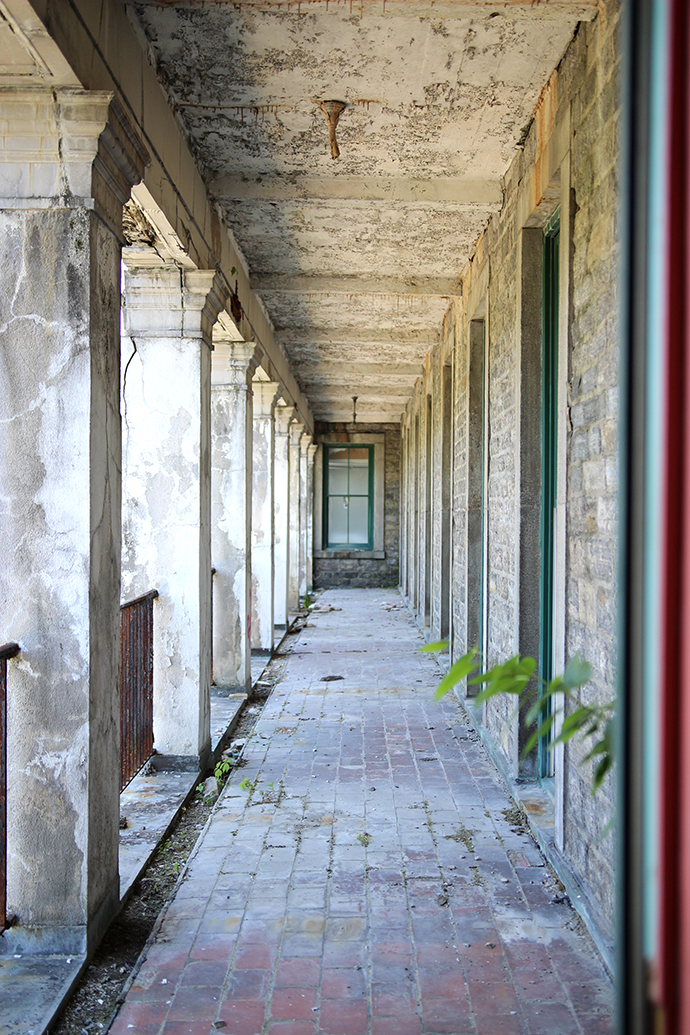
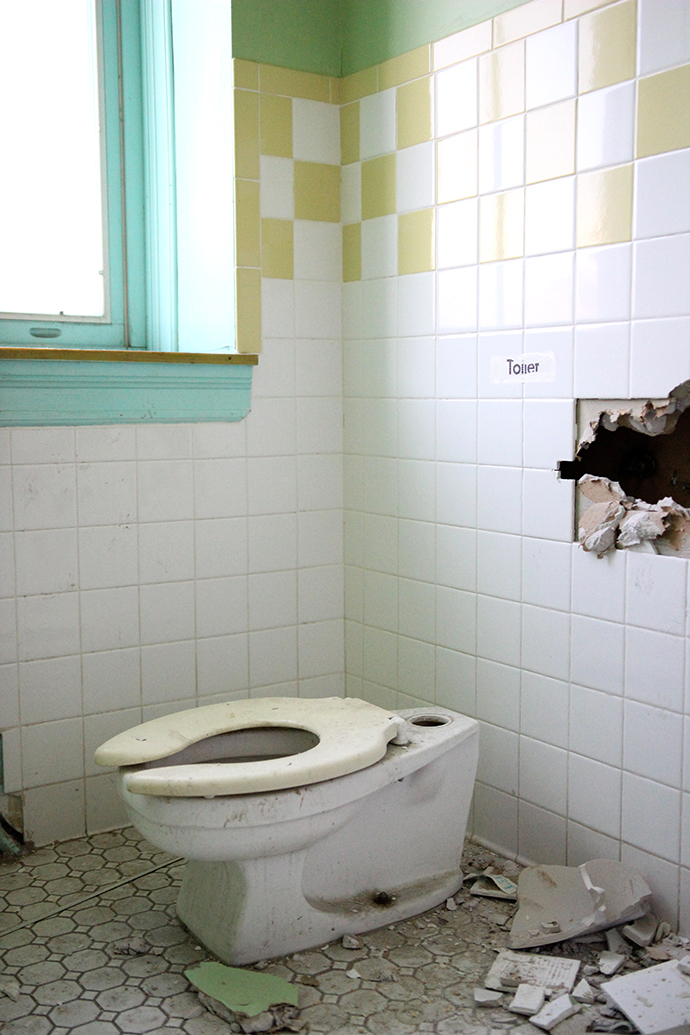
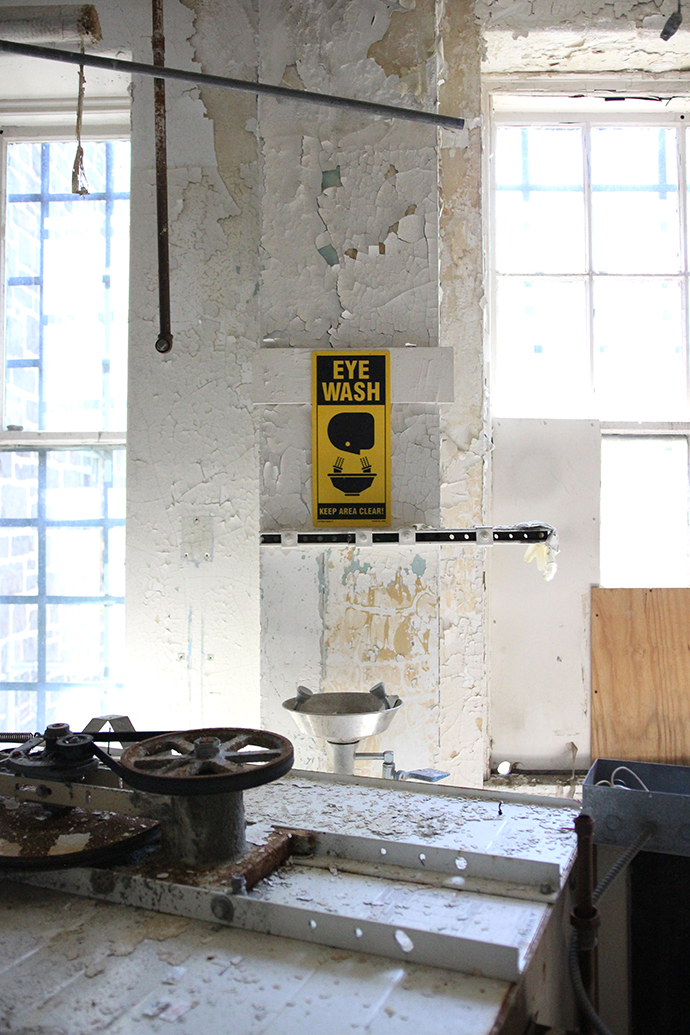
The layers upon layers of peeling paint (so much institutional green and pink!) reminded me of Eastern State Penitentiary or the abandoned hospital complex on Ellis Island. It's fascinating to me how places become abandoned, and what gets left behind when they do. A lot of the windows were open or broken, and a few of the doors were left wide open, so I'm sure nature helps things along, but the decay process is so interesting to see. A lot of the building had been raided, presumably by scrappers, but it overall felt very structurally intact and in pretty good shape, considering the neglect.
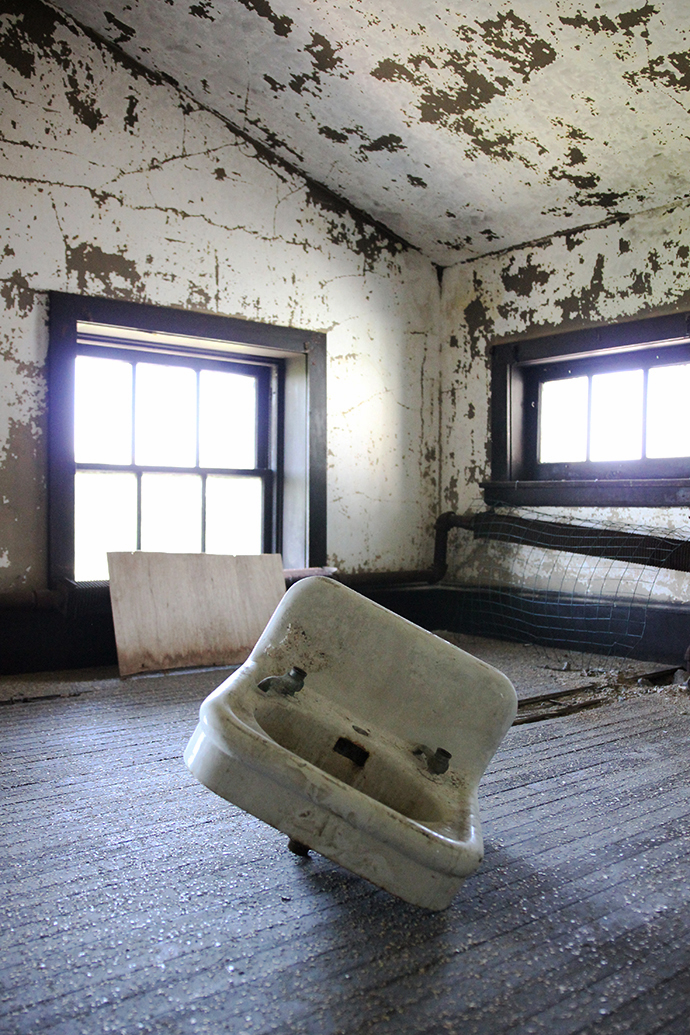
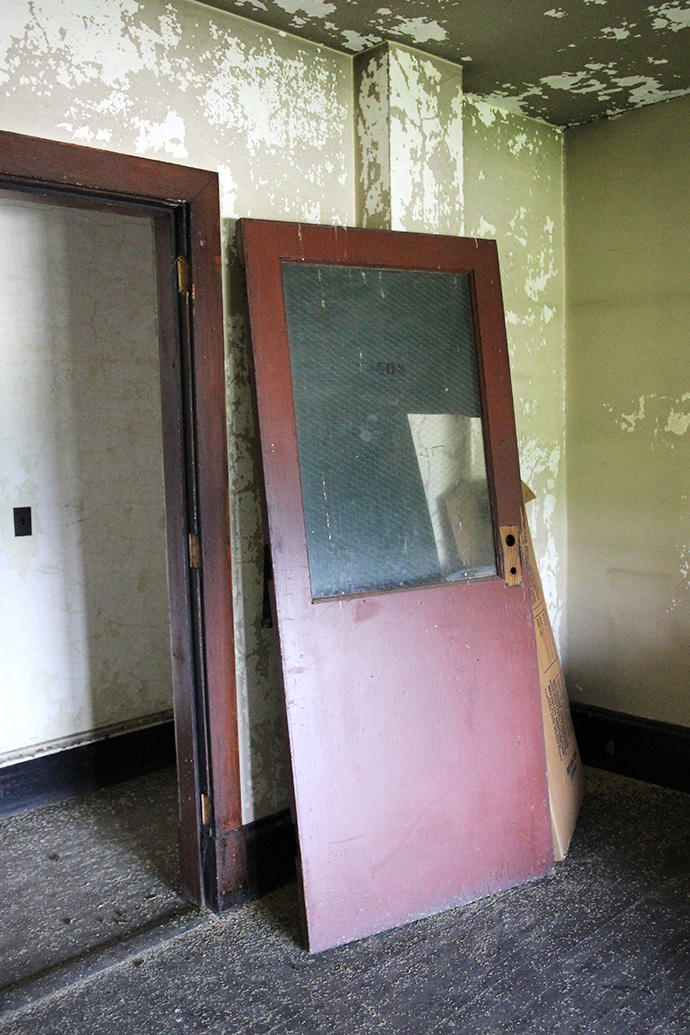

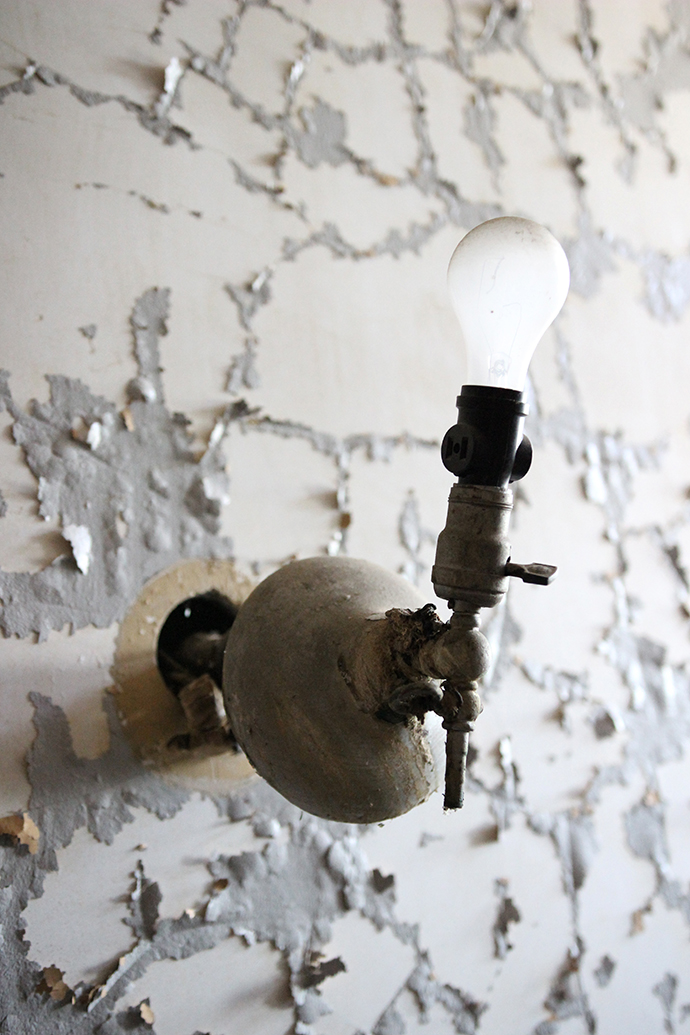
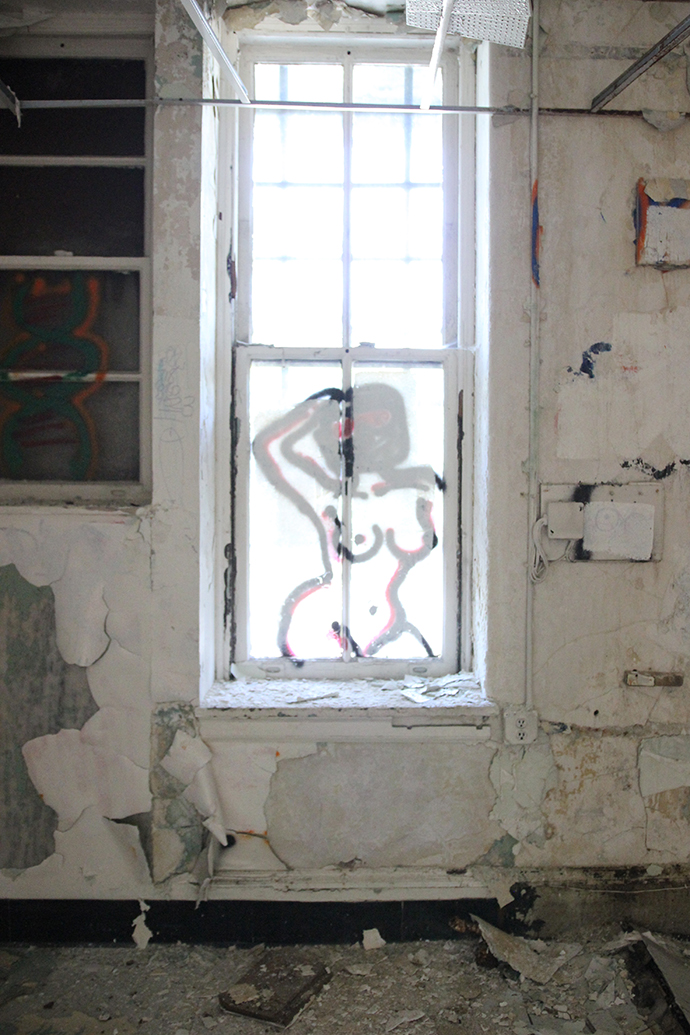

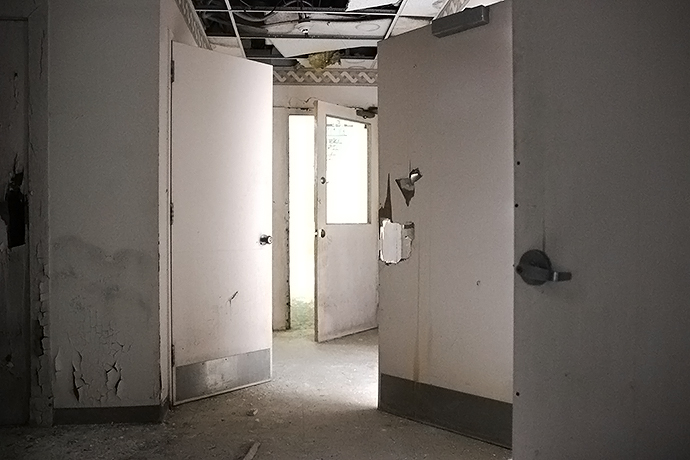
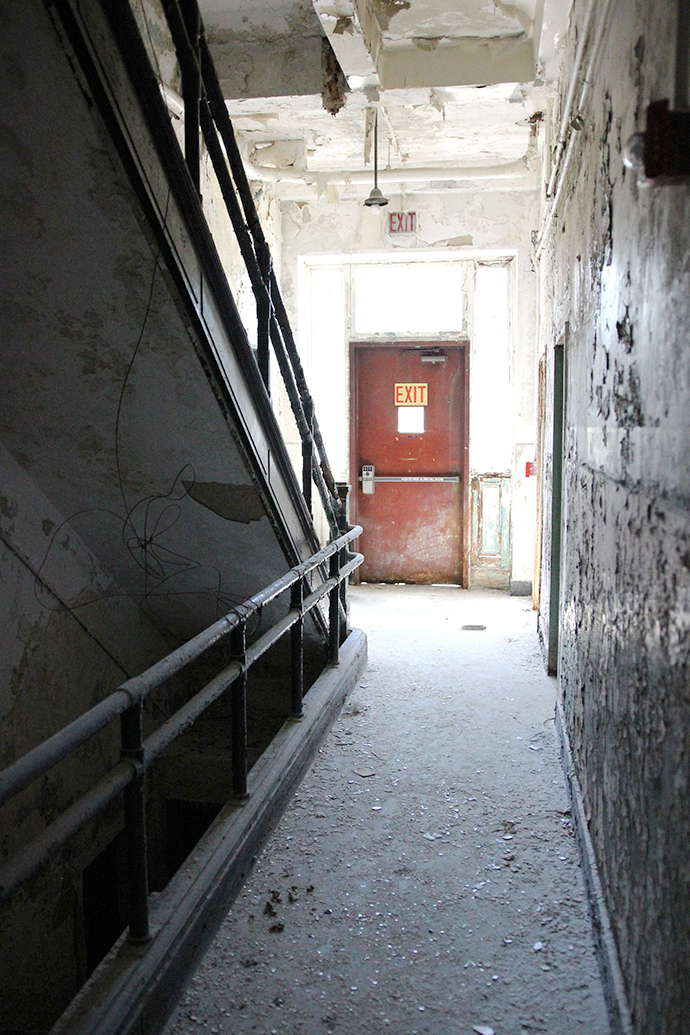
We spent about 3.5 hours exploring every single room, and it ended up being the absolute perfect abandoned place for novices like us. We did briefly see a cat, which was slightly unnerving, but otherwise we had the place to ourselves. I love trying to figure out the history and imagining the different lives that the building has lived. We were very glad to find that most of the interior hadn't been ruined by graffiti, although we did see some on the first floor. I'm not sure what the future holds for this place, but I'll never forget how kind it was to us on our first abandoned adventure.
The Bushwick Collective
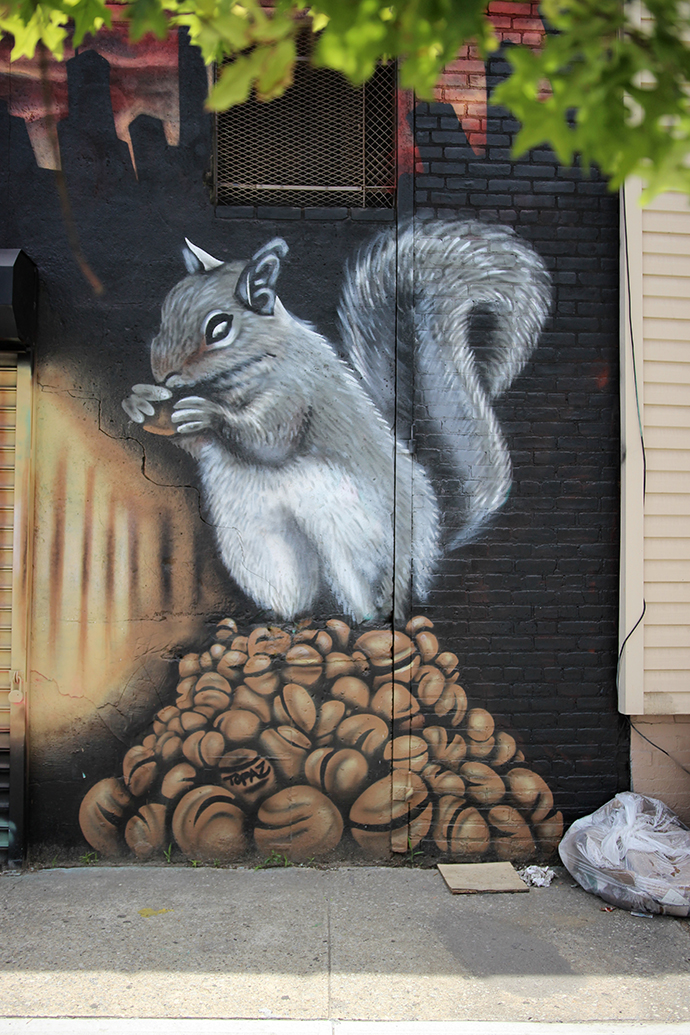
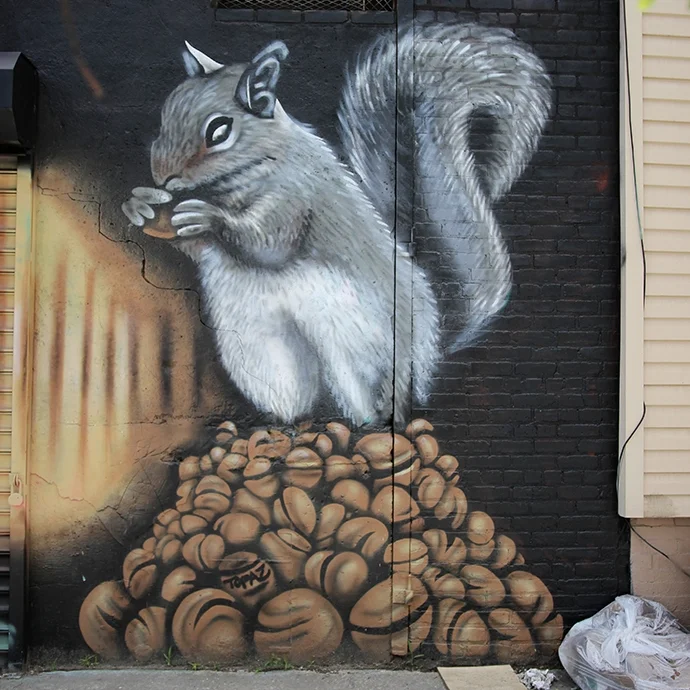
I'm not sure I've ever really mentioned it here, but my mom also lives in New York—in fact, we moved here at about the same time. We were roommates for our first two years as New Yorkers, and then I decamped to Brooklyn while she stayed in Harlem. Since we no longer see each other every single day (a healthy thing when you're in your 30s, I think), I make sure we still get together often to catch up. Usually we meet for diner breakfast once every week or two, sometimes followed by a mini city adventure. Recently, she mentioned that she wanted to go to Bushwick to see the street art—she had read somewhere that the area near the Jefferson L subway stop was being called the "new 5 Pointz," and I was intrigued.
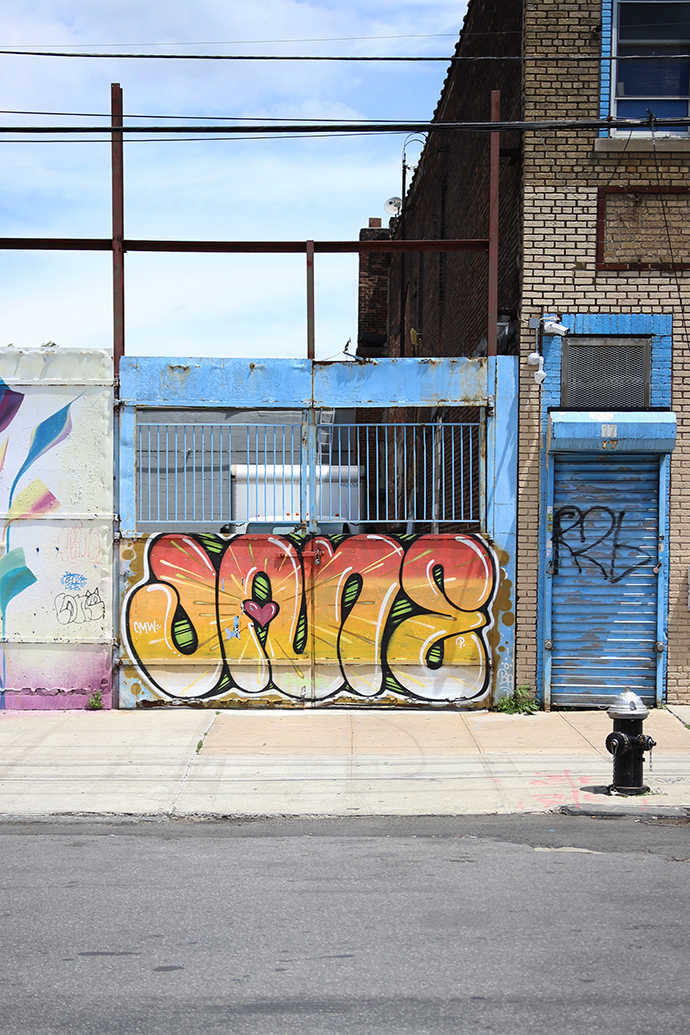
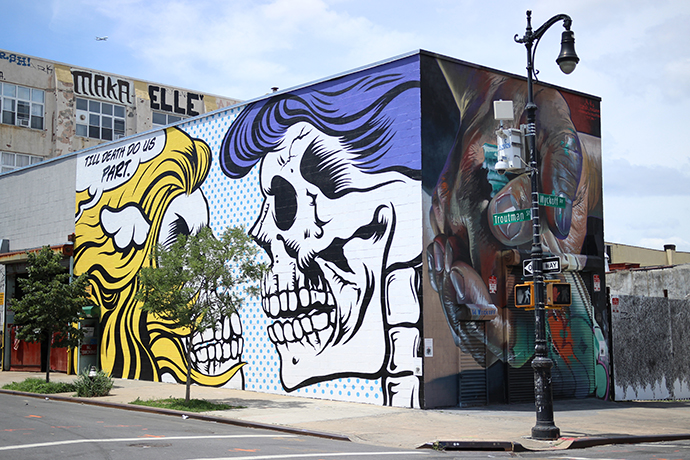
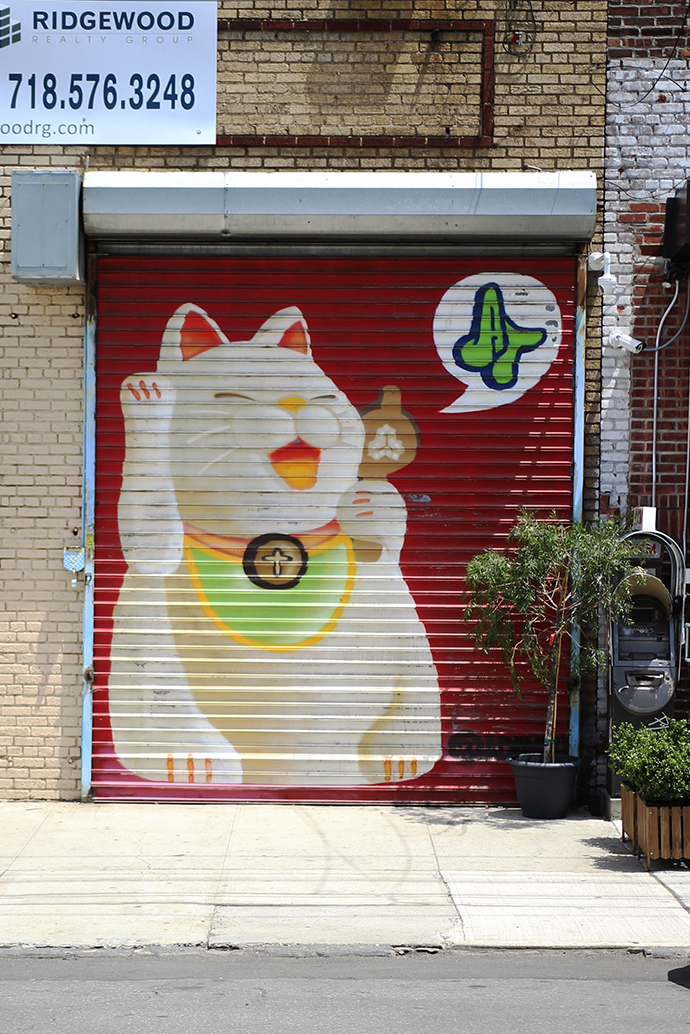
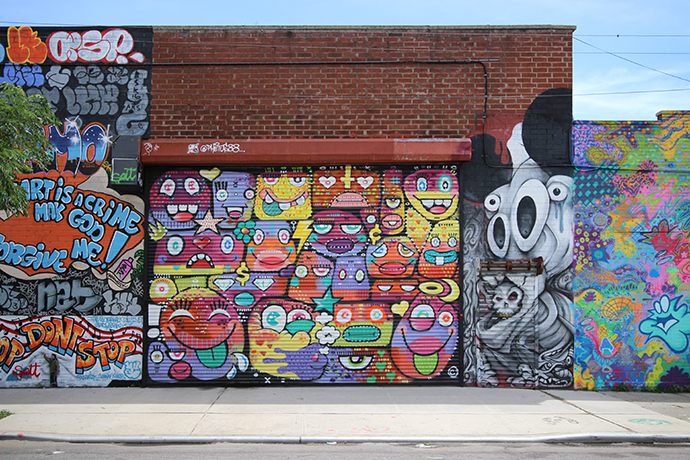

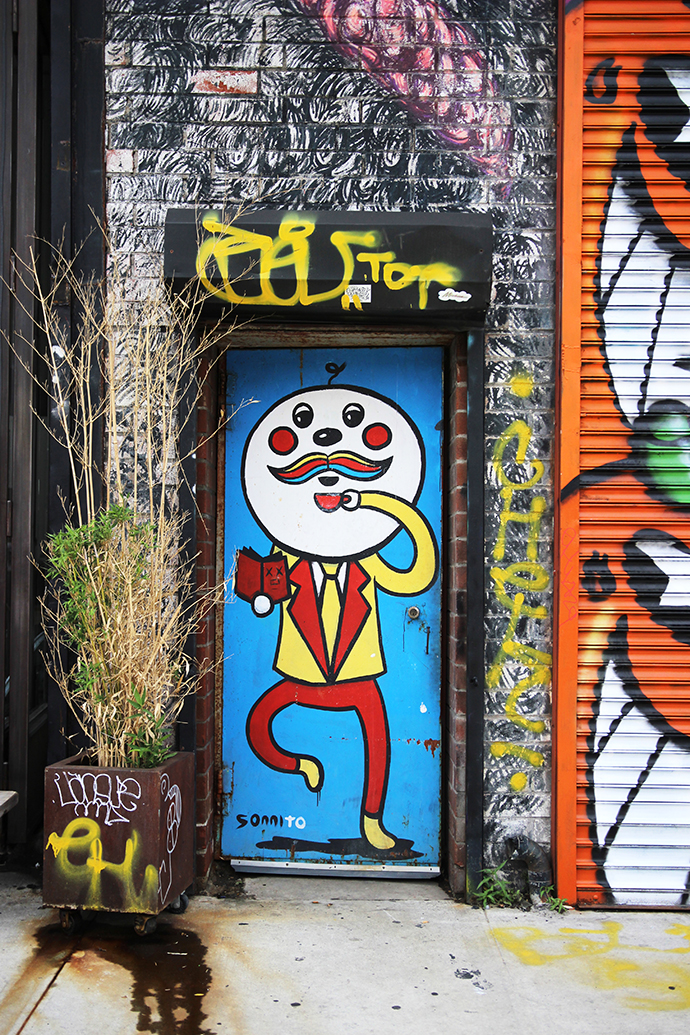
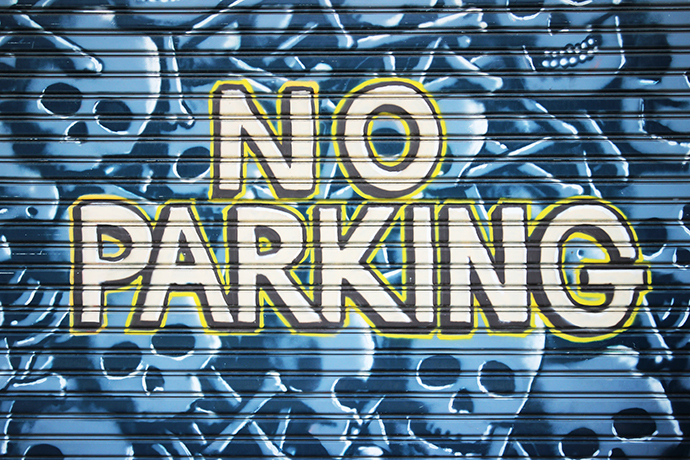
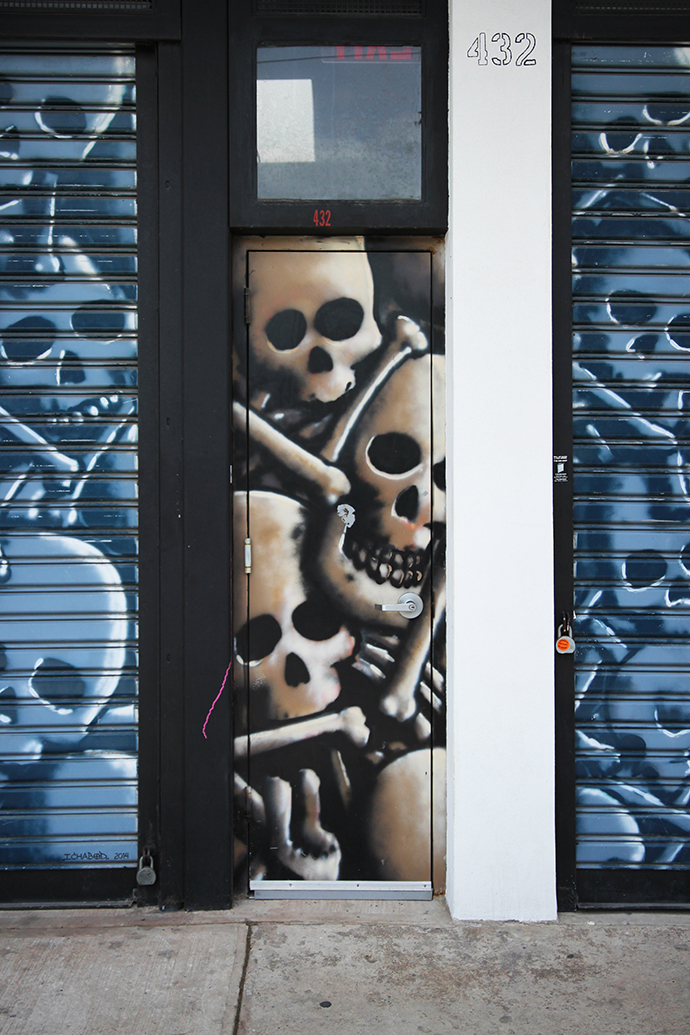

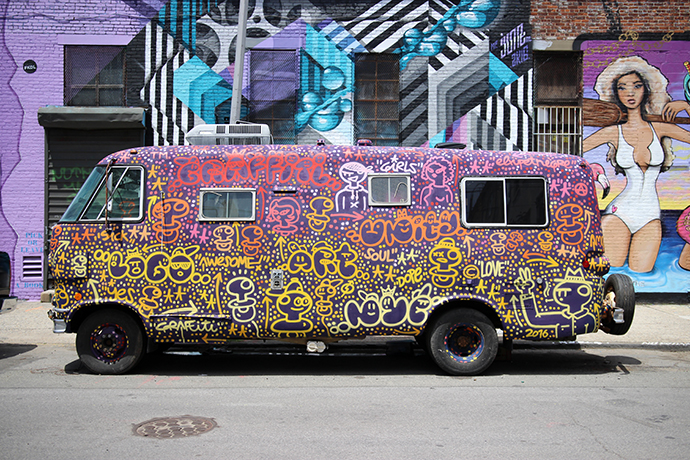
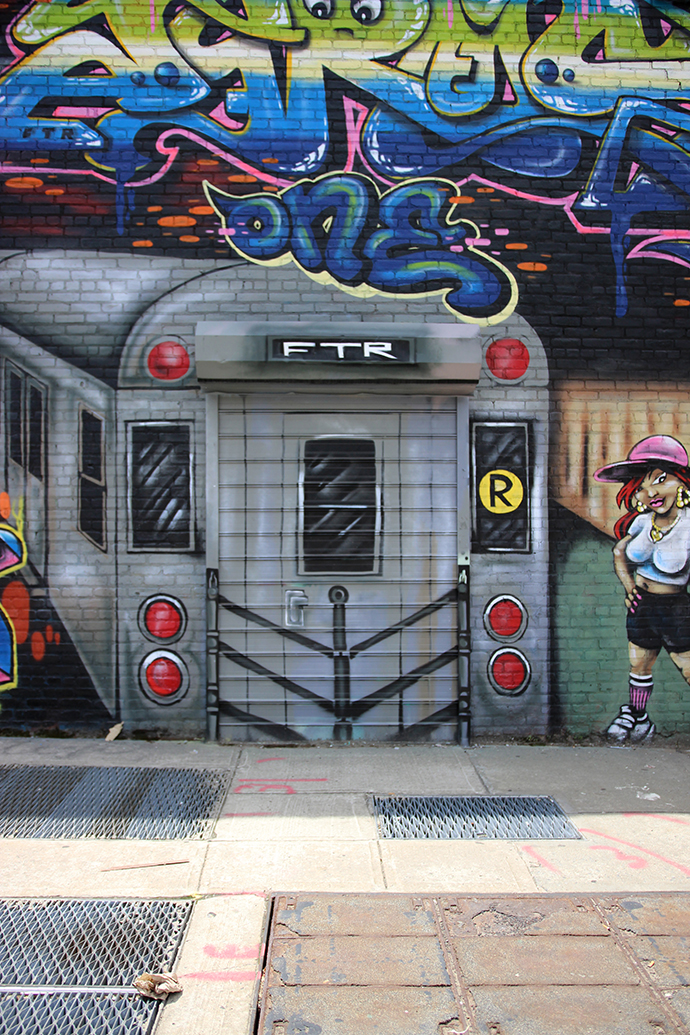
It turns out that she was referring to artwork by the Bushwick Collective, a non-profit, outdoor street gallery with works by artists from all over the world. Founded in 2012 by Joe Ficalora to combat the sadness he felt after both of his parents died in Bushwick, the Collective used the walls of buildings Ficalora owned, and added others as he obtained permission from building owners. The artists, chosen by the Collective, donate their supplies and time, and the building owners donate their wall space.
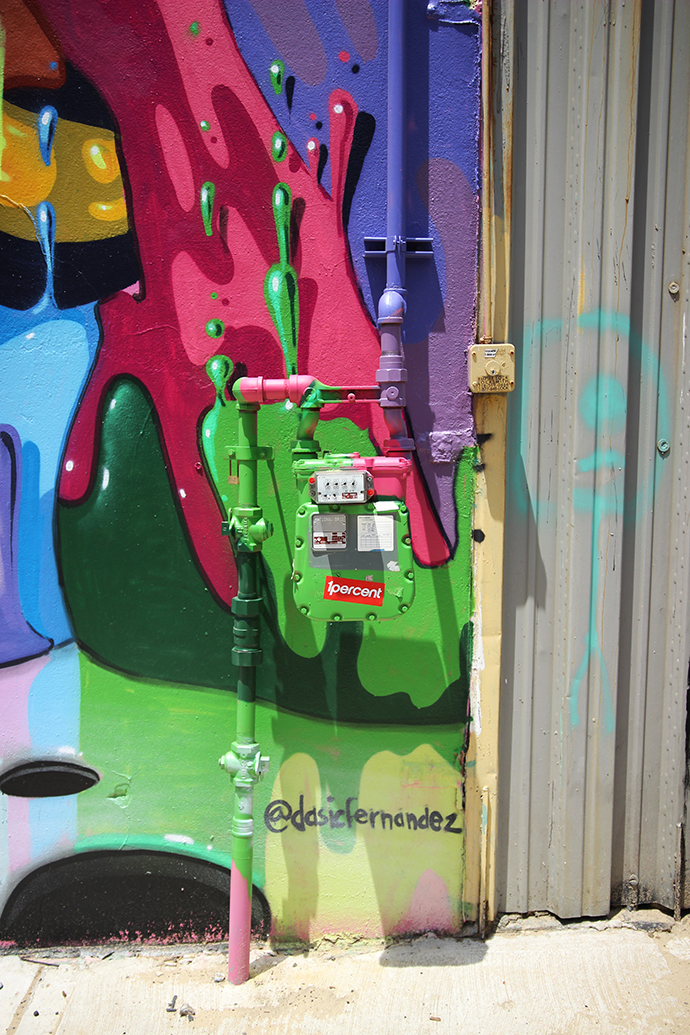
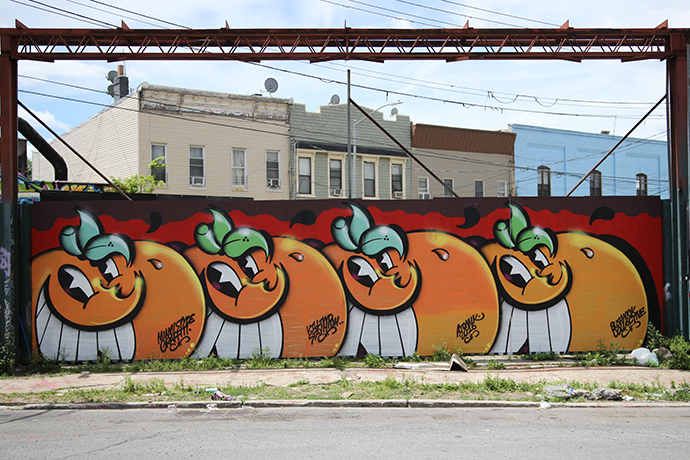


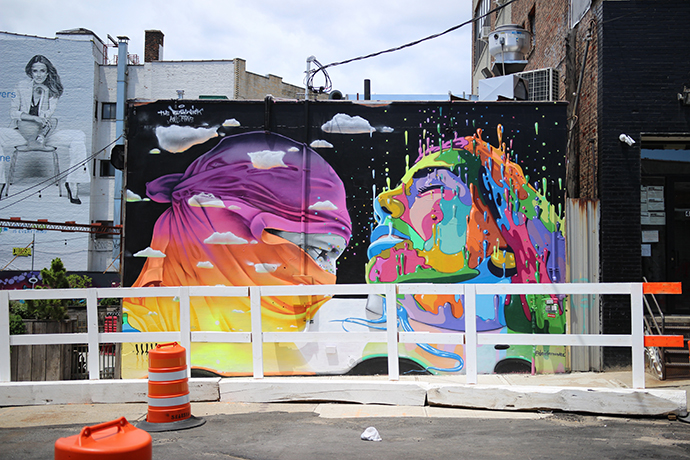
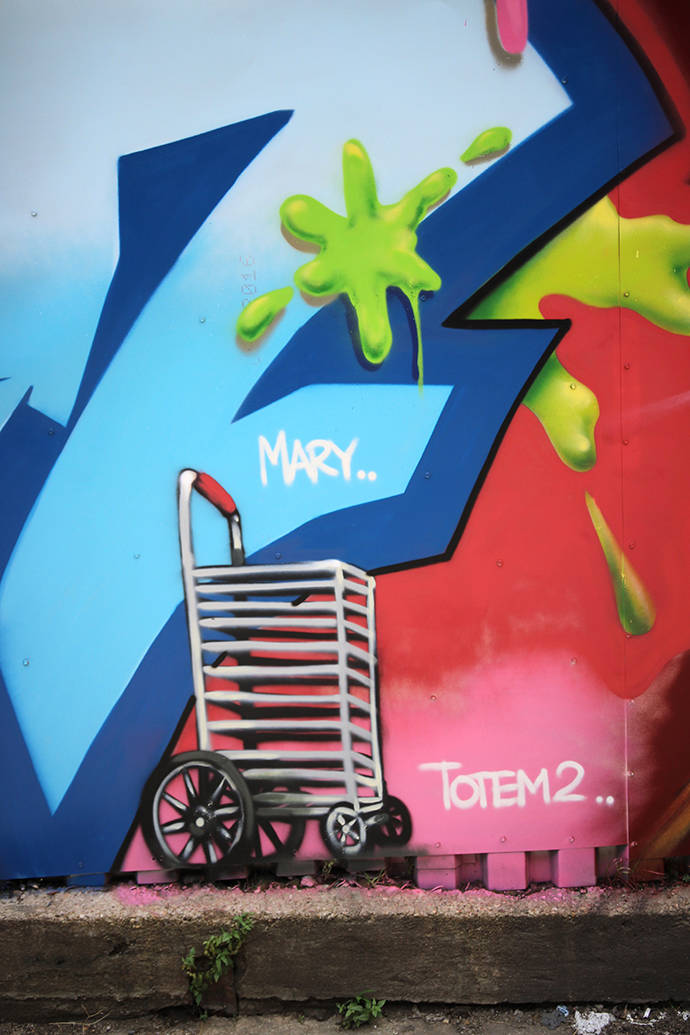


Both my mom and I were in awe at the range of extraordinary talent exhibited on the walls. I am a graphic designer, so I have always gravitated towards creative expression, but the ability to create art just using my hands and eyes has always alluded me. From hyper-realism to silly cartoon figures, the artists chose by the Collective vary widely in style but all of them are the real deal. When you factor in the uneven surfaces, unpredictable outdoor conditions and a material as volatile as spray paint, it makes their creations even more remarkable.
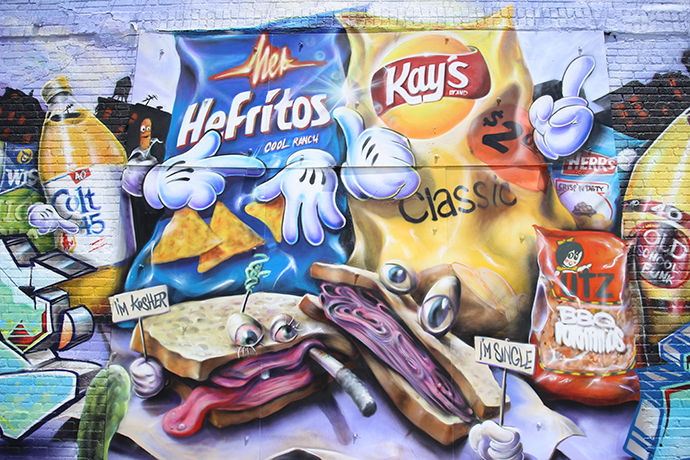
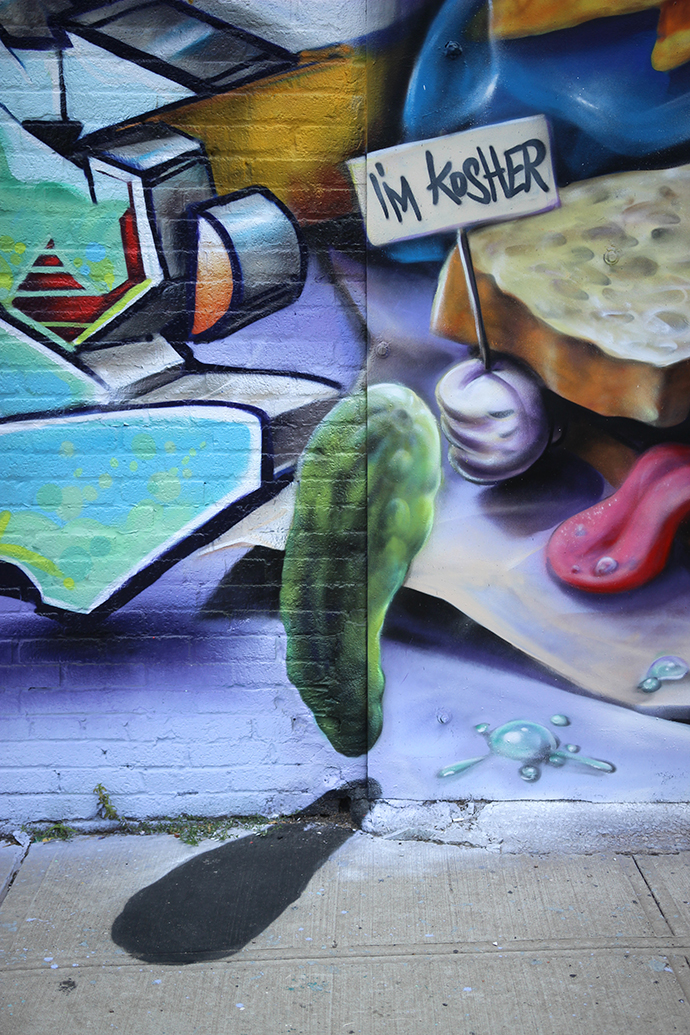
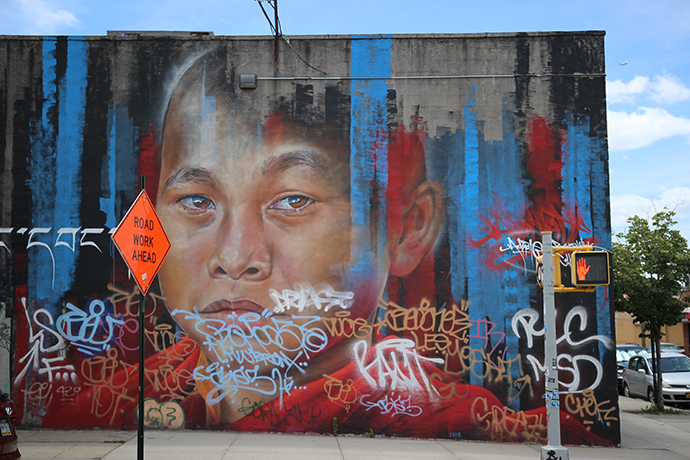

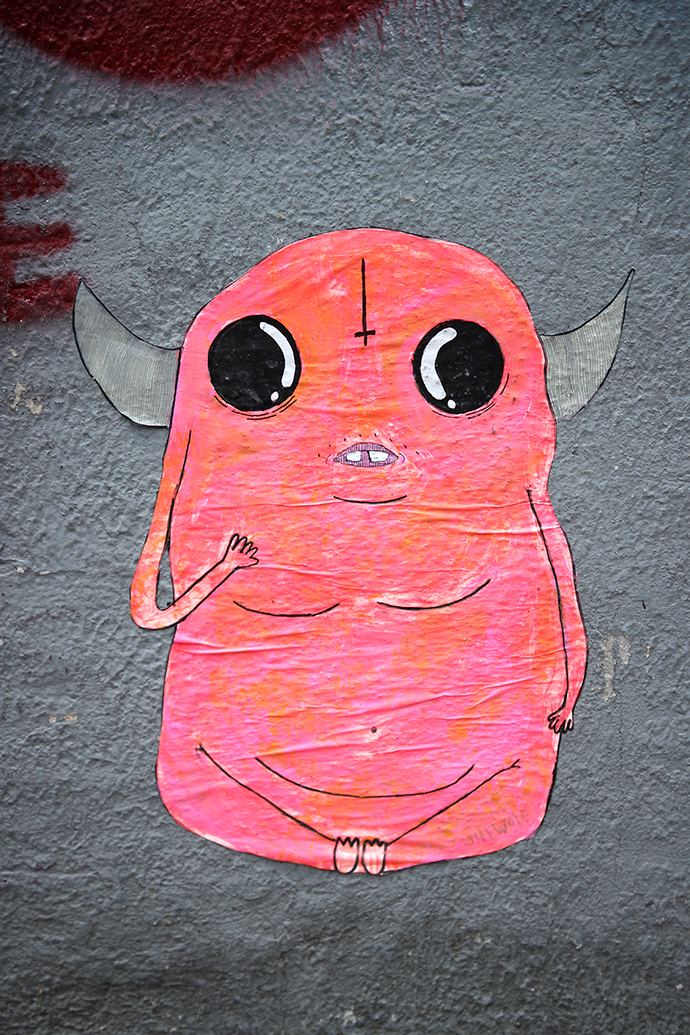
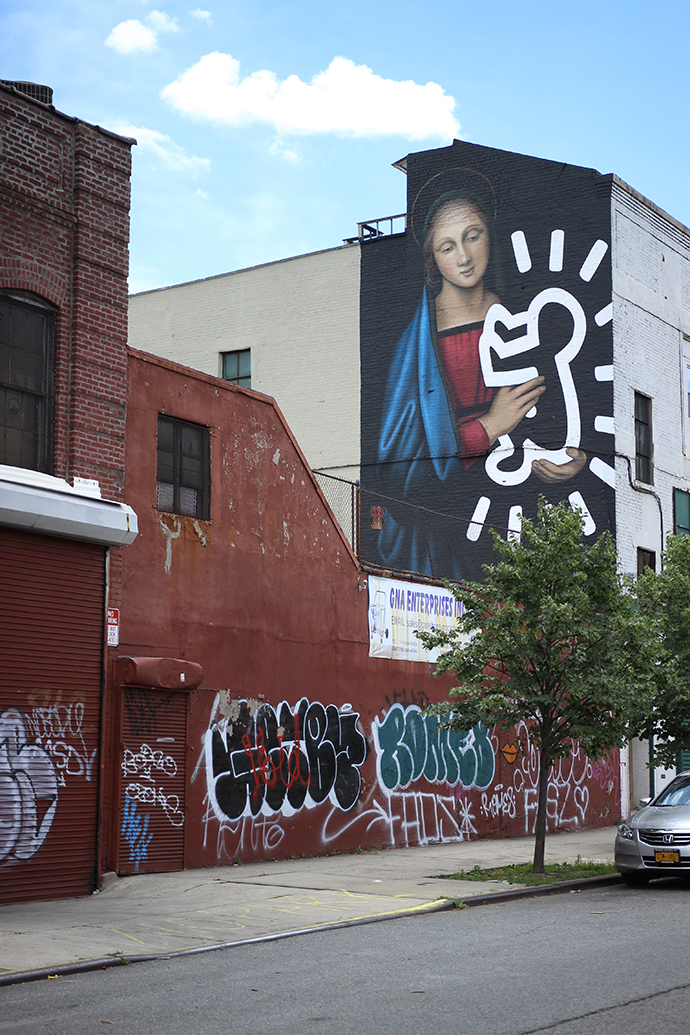
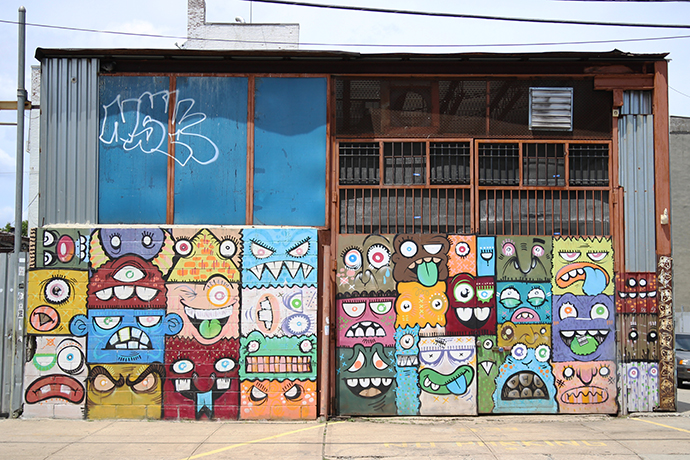
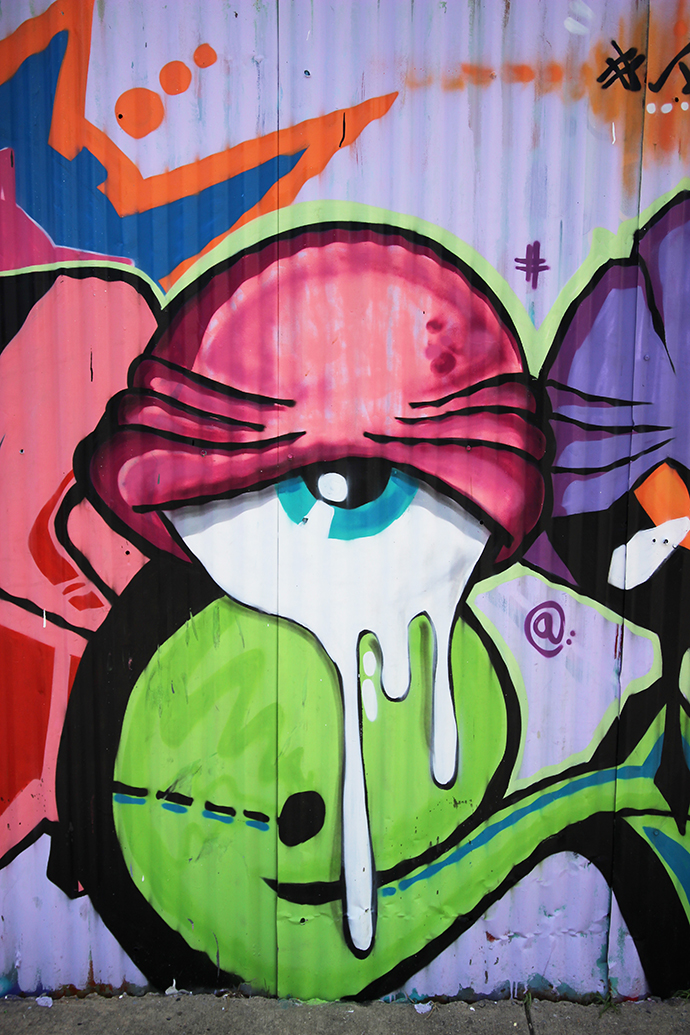
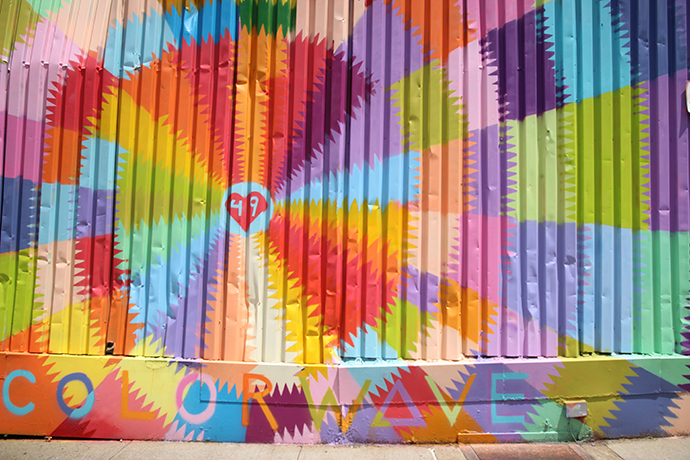
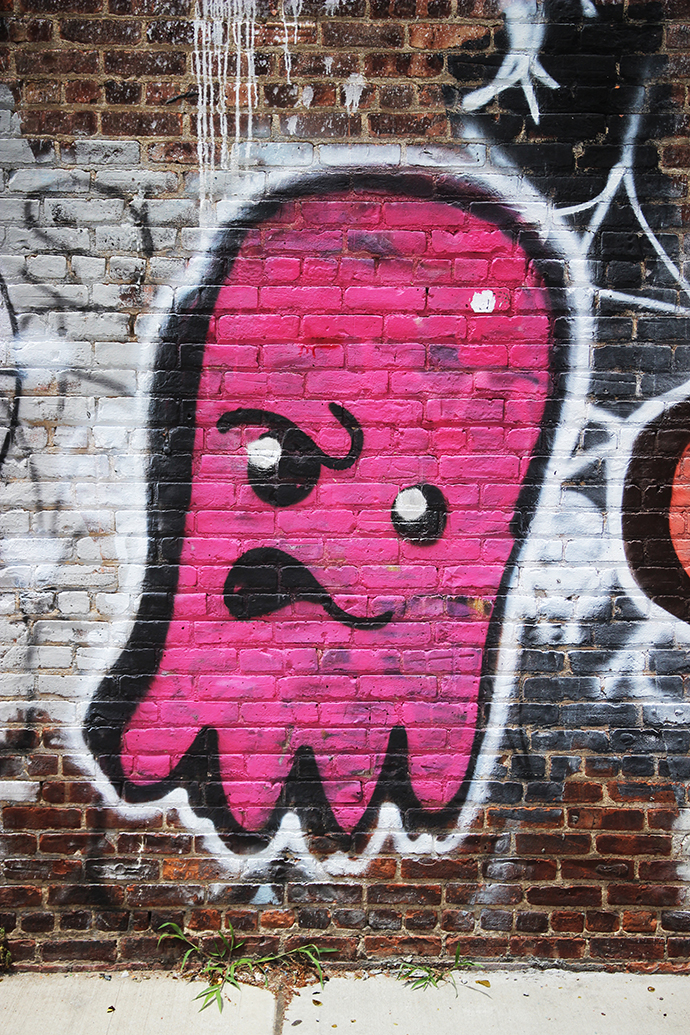
I was fortunate enough to see 5 Pointz before the buildings got whitewashed and then demolished, and while I understand the comparison, the Bushwick Collective feels more organized than 5 Pointz. It covers a greater area and is more like an art gallery—each large-scale piece can be viewed individually or you can step back to take in an entire block of varying styles and messages. It's a great way to spend an afternoon, wandering from piece to piece, discovering new things around every corner—all for the price of a subway ride to Bushwick.

BBG: Roses
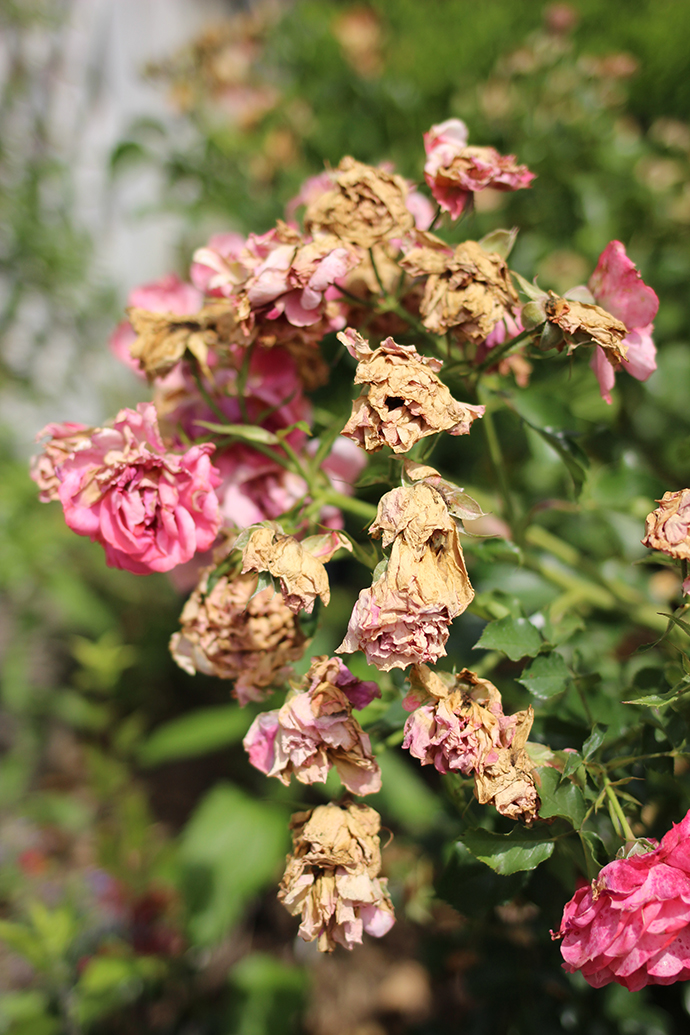
Before going to Coney Island for fireworks, we spent most of the Fourth hanging around Prospect Park, including a walk through the Brooklyn Botanic Garden. I hadn't been to the BBG since the very beginning of spring, and it's always a nice place to spend a sunny afternoon. We planned on checking out the rose garden, specifically, and found it to be past its peak but still worth the trip.
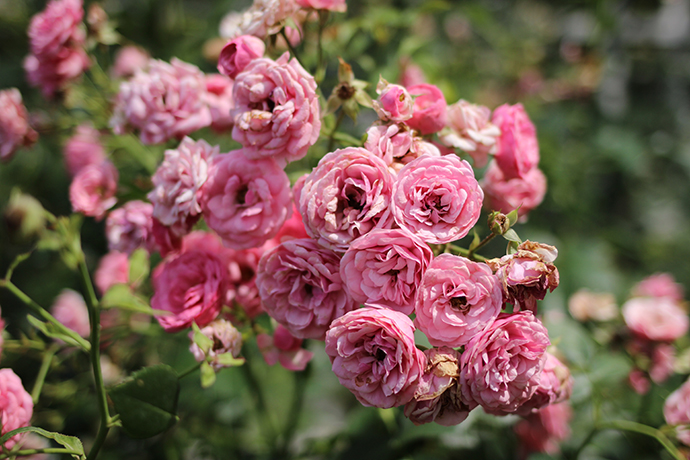
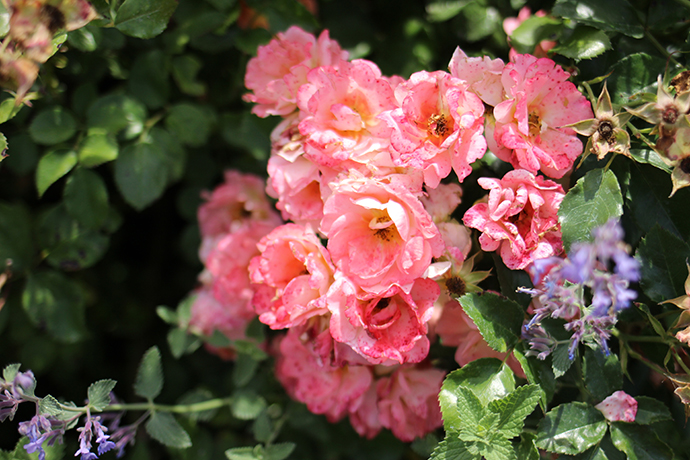
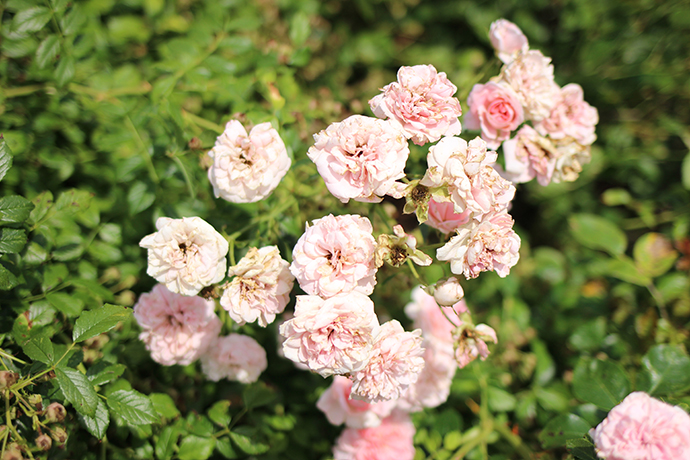
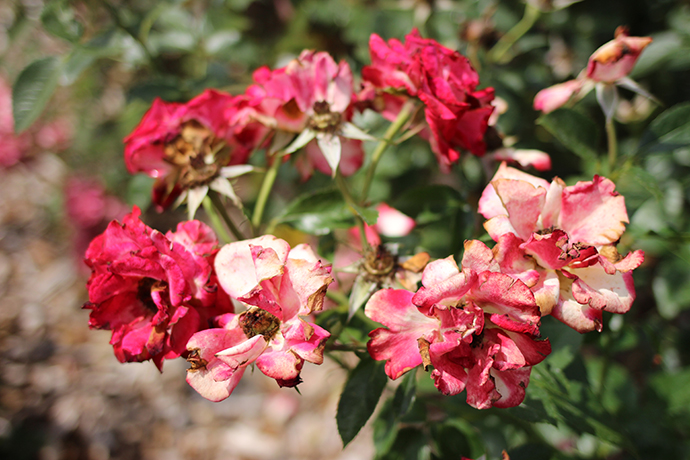
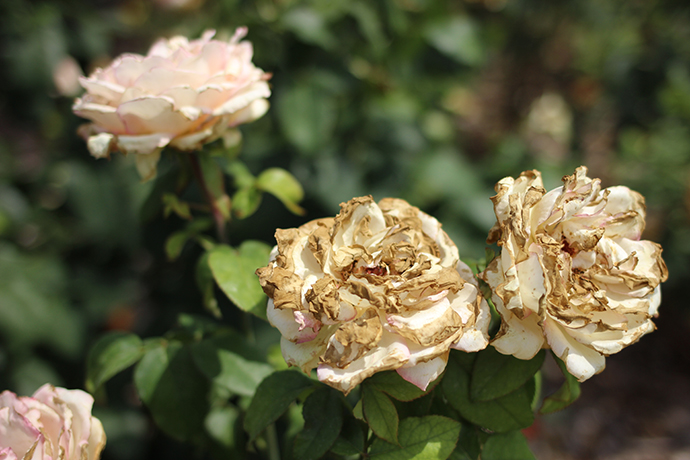
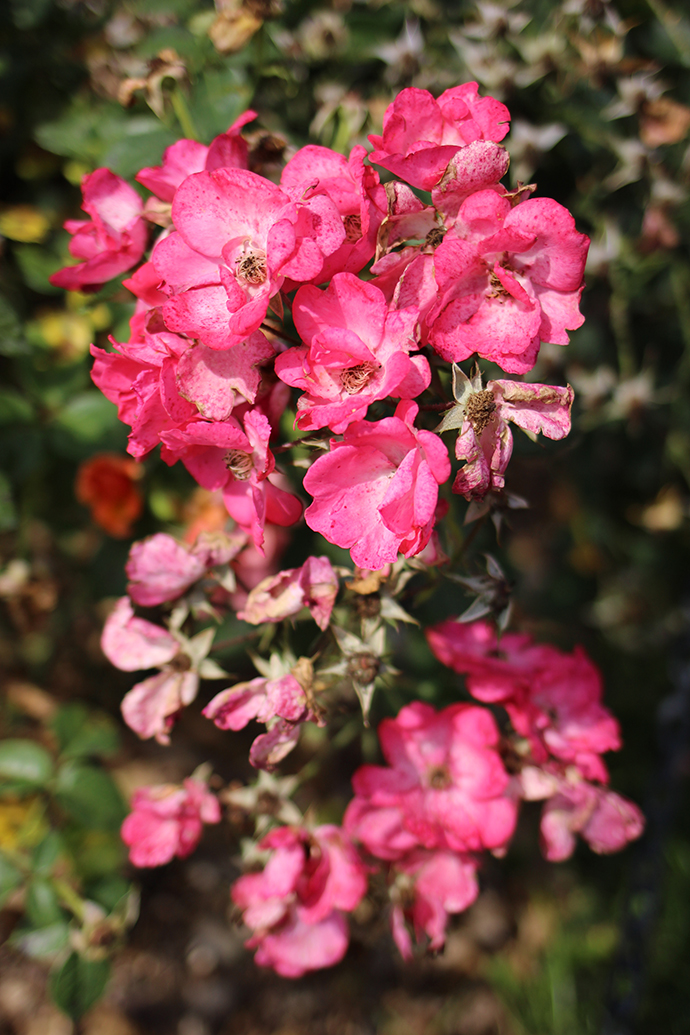
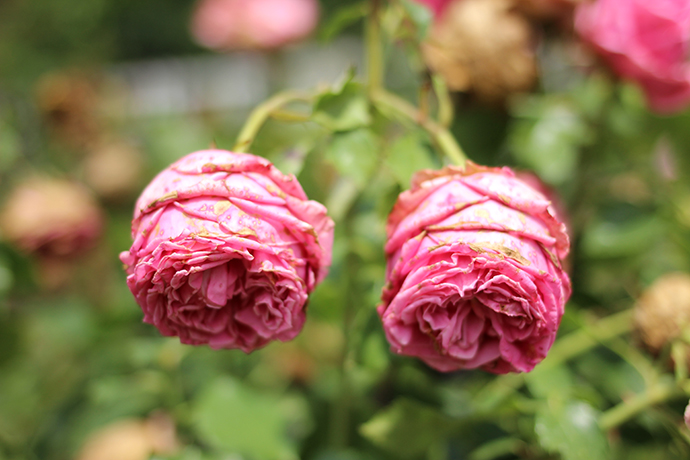
I was initially disappointed to have missed out on peak bloom, but quickly became enamored with the garden in its current state—roses that were still amazingly fragrant and beautiful despite the fact that they were mostly dying or already dead. It wouldn't have done anyone any good to be sad that we had missed out on this season's most beautiful blooms, and it was nice to instead shift my focus to appreciating the imperfectness of nature and the elusiveness of perfect timing.
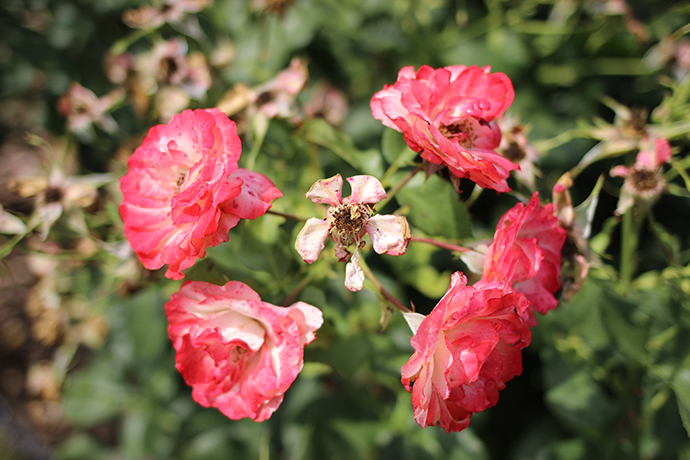
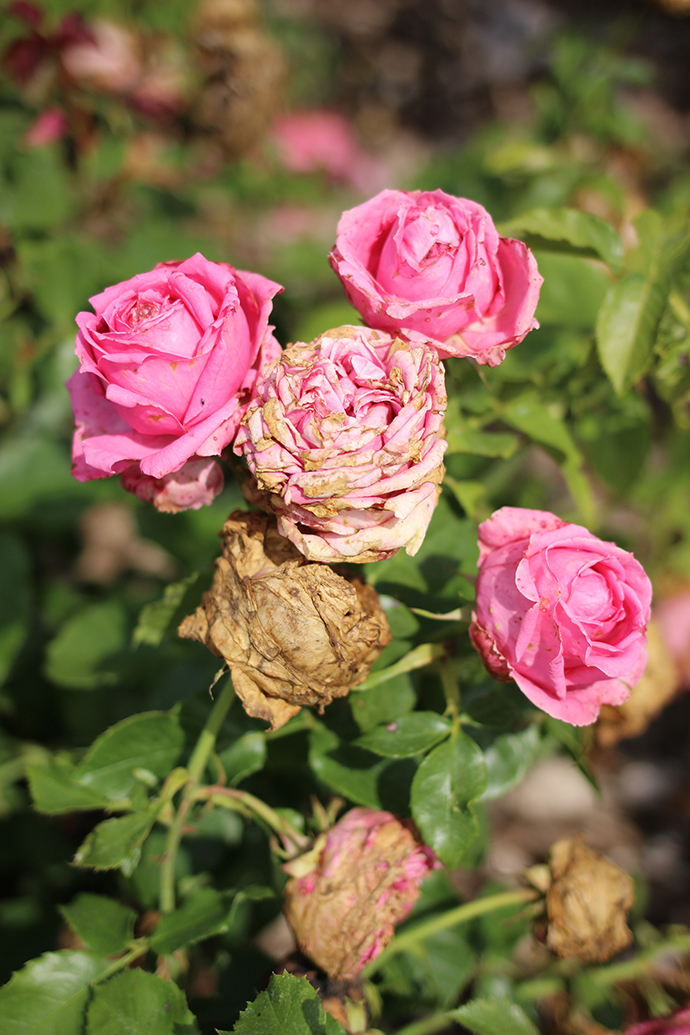
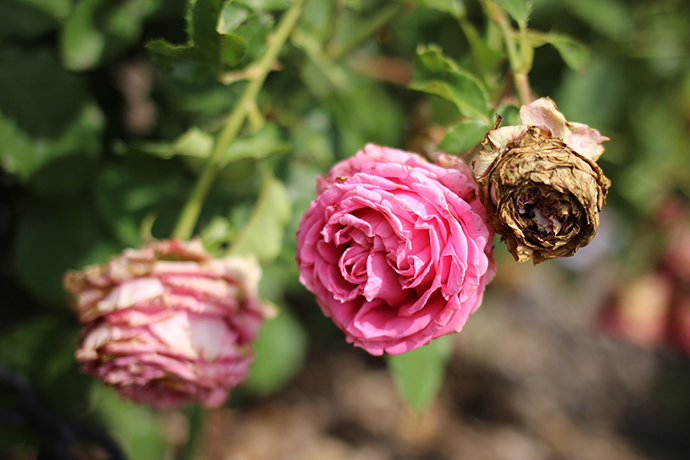
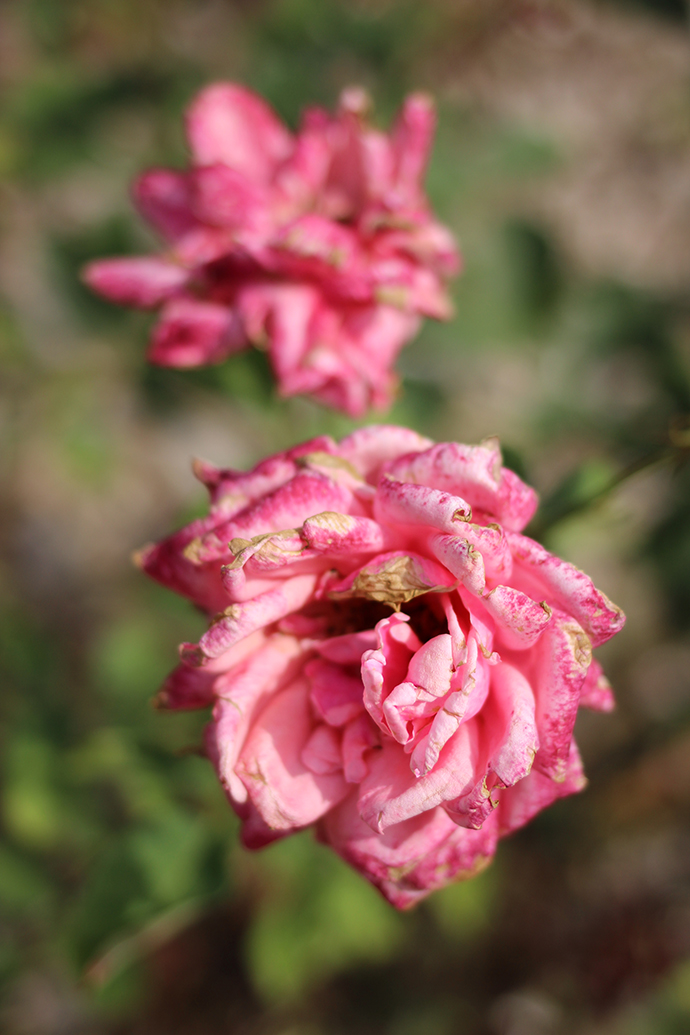
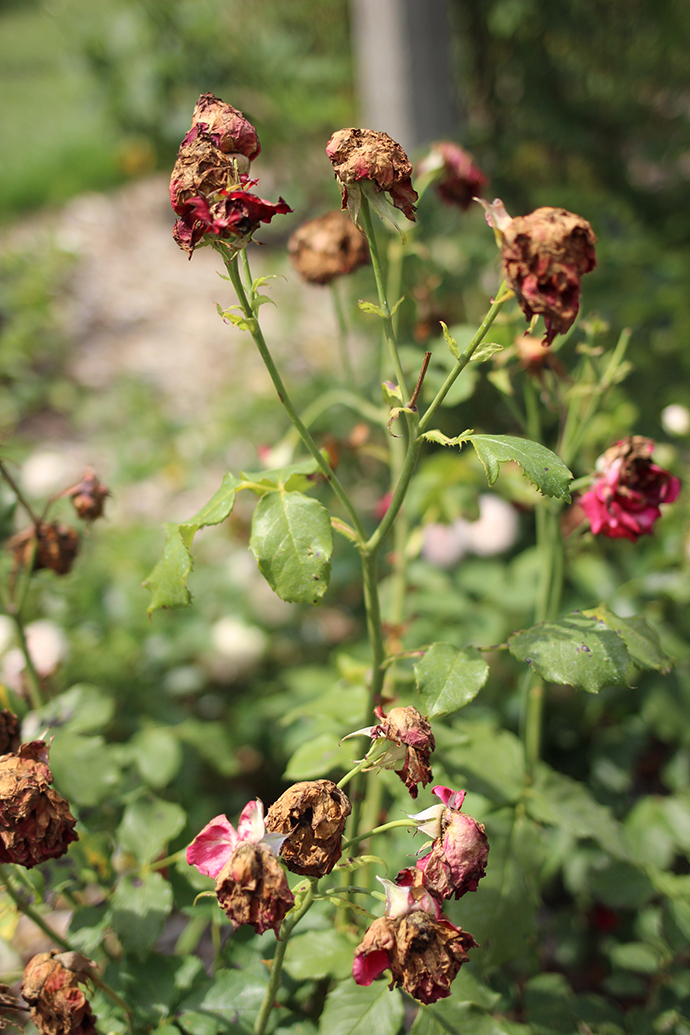
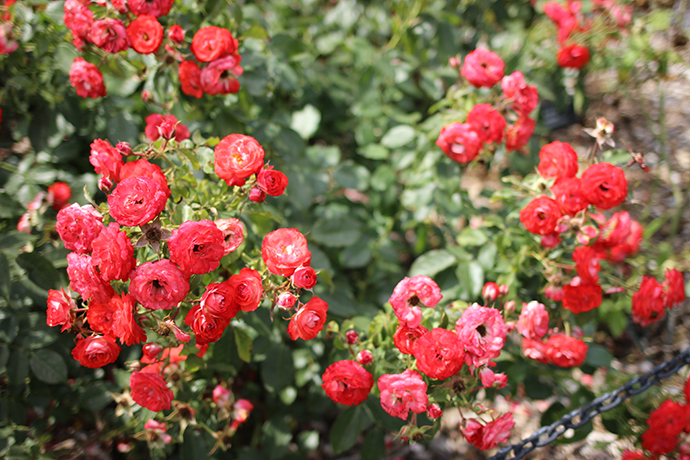
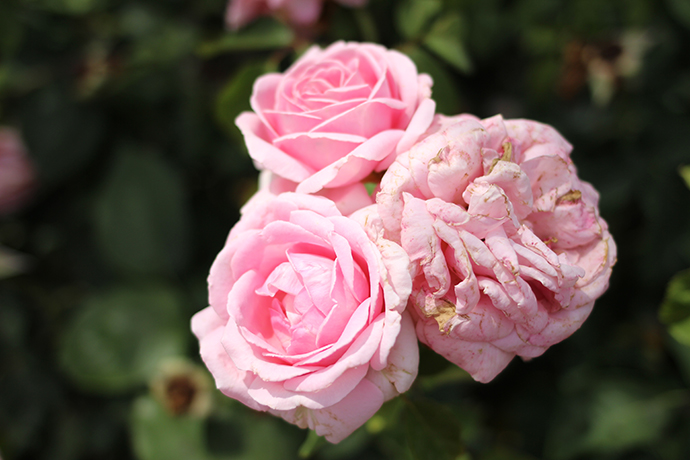
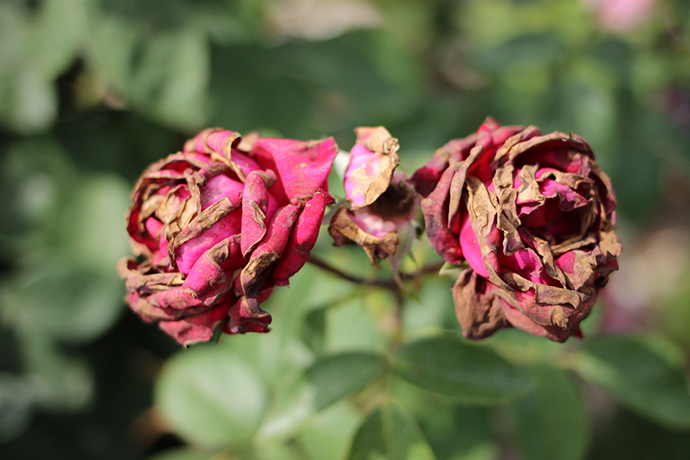
I'm forever impressed by gardens—and the fact that plants can not only grow and survive, but can sometimes produce extraordinary flowers. Plants are such a mystery to me that I think I probably marvel at them more than a seasoned gardener probably would, but I'm just grateful that I can visit such beautiful gardens without having to actually figure out how to keep plants alive on my own.
Most Holy Trinity Cemetery: Statues
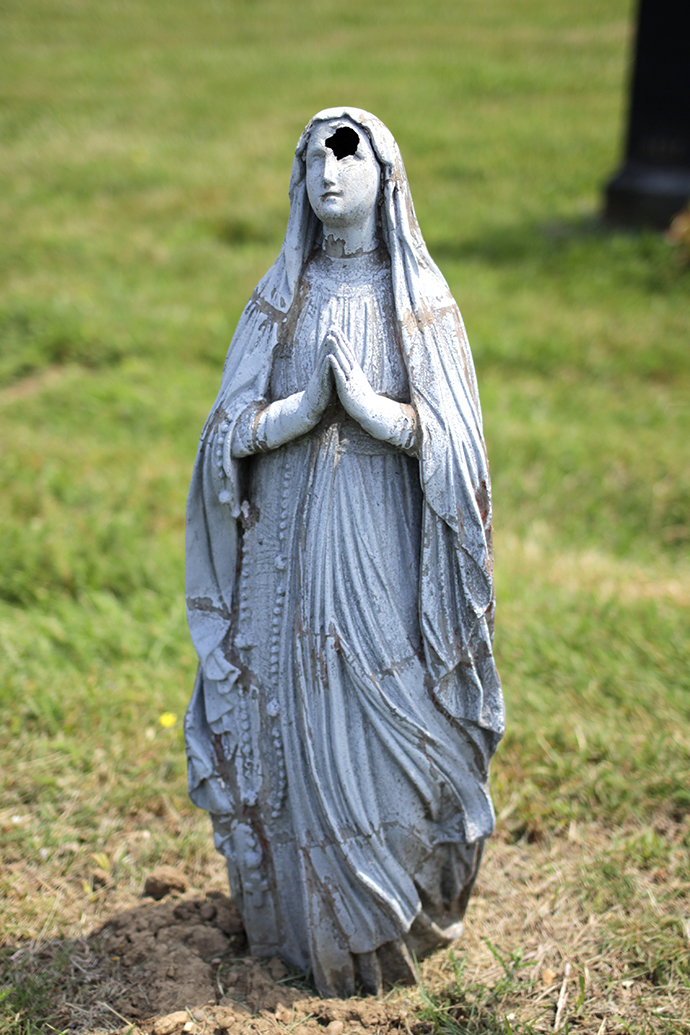
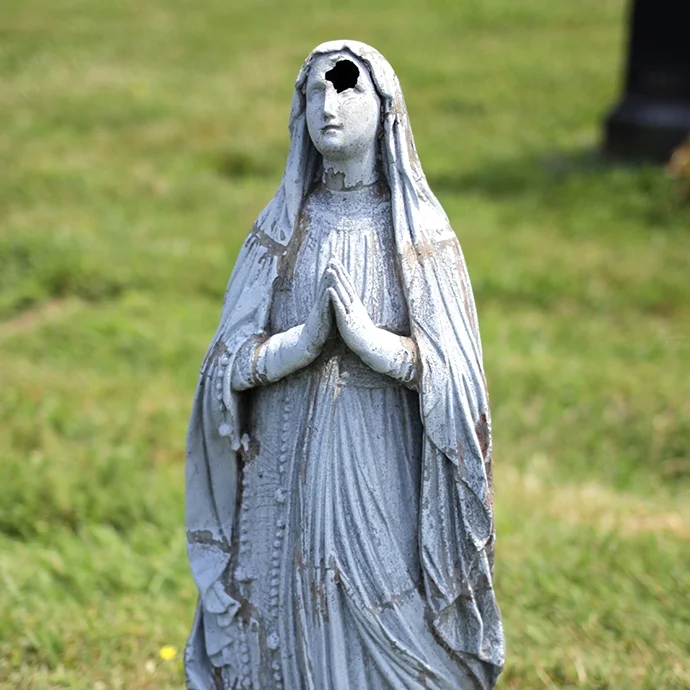
In addition to the completely wonderful tin and wood markers that fill Most Holy Trinity Cemetery in Brooklyn, there are some really excellent metal statues scattered about the grounds. It was a photo of a woman statue, half submerged in the ground that initially drew me to visit the cemetery, but I was surprised at how many I found.
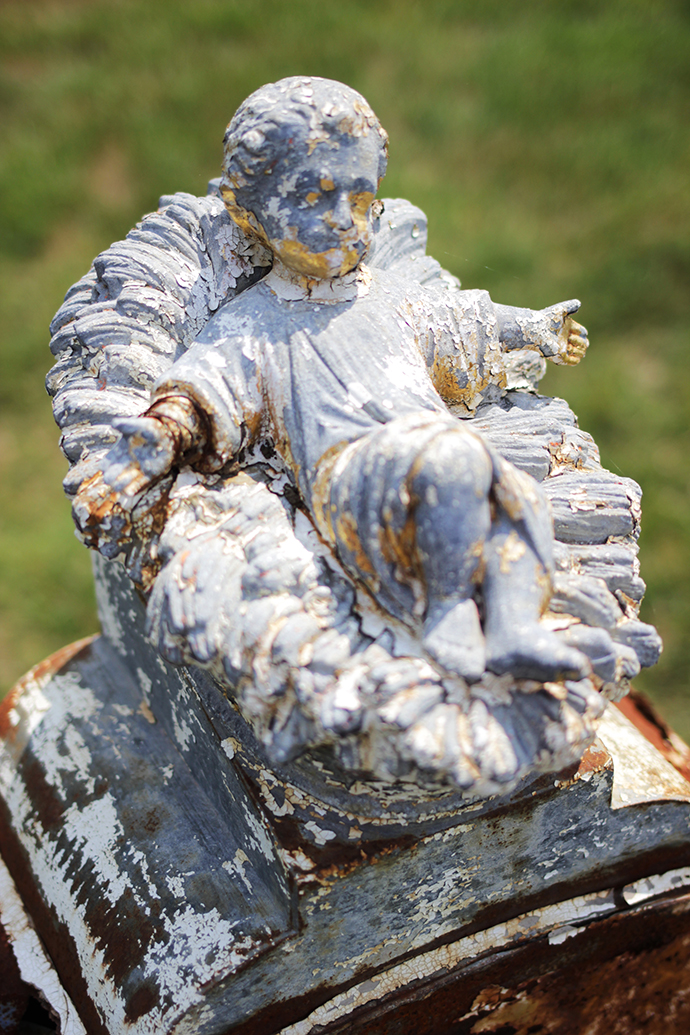
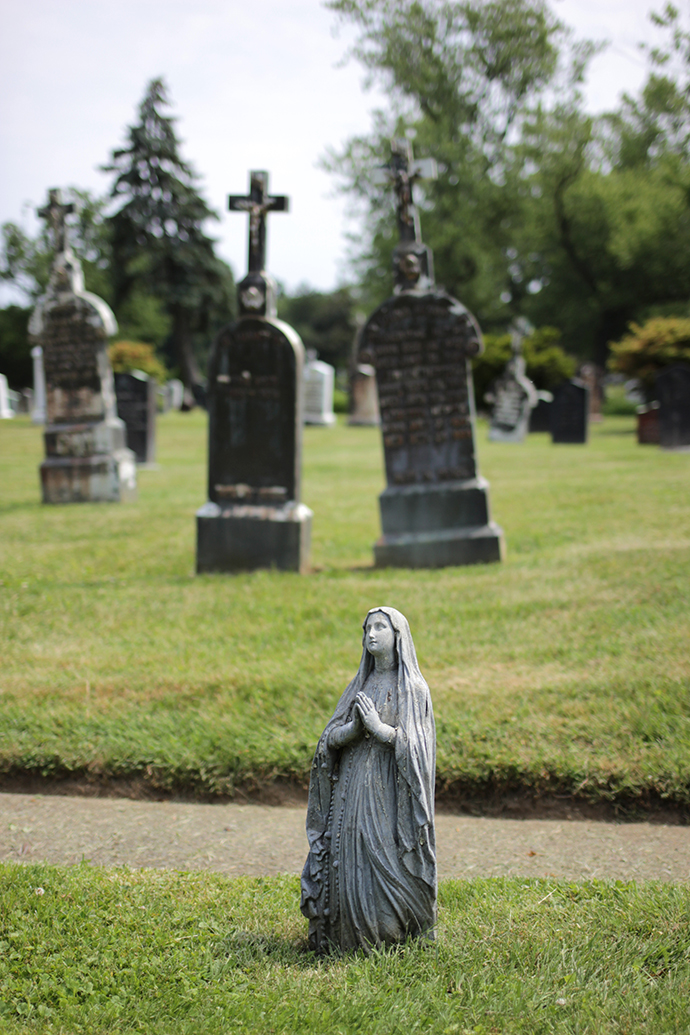
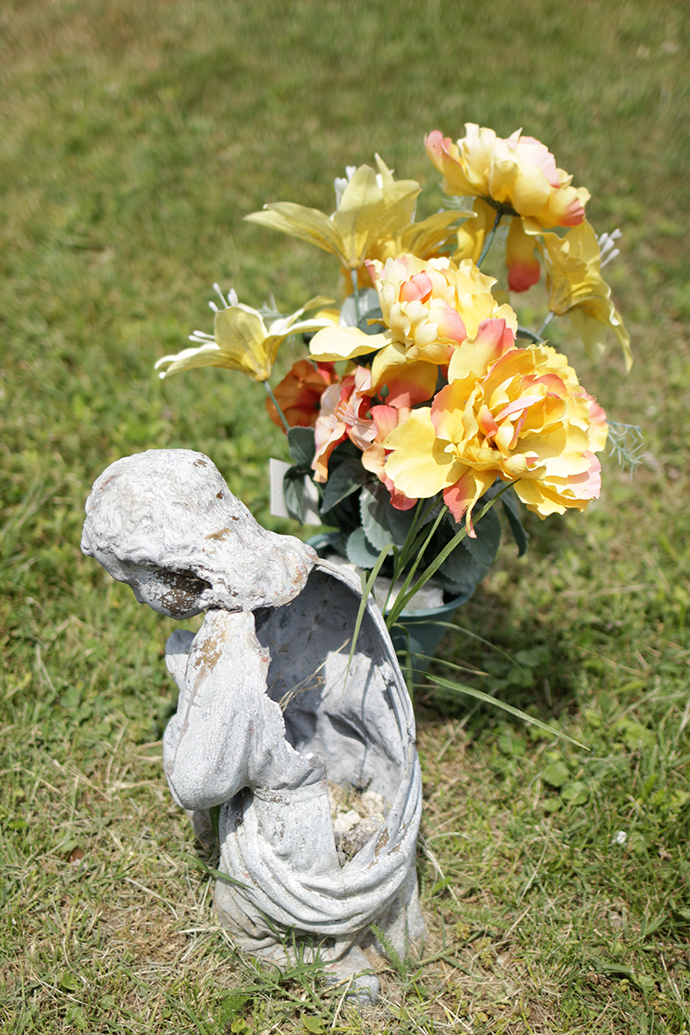
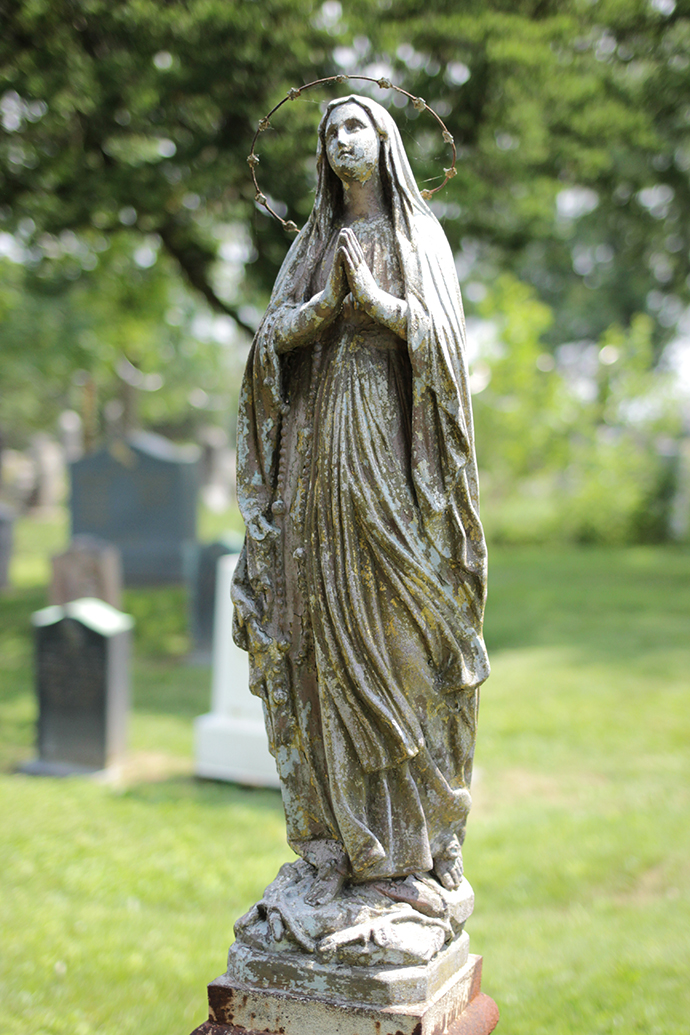
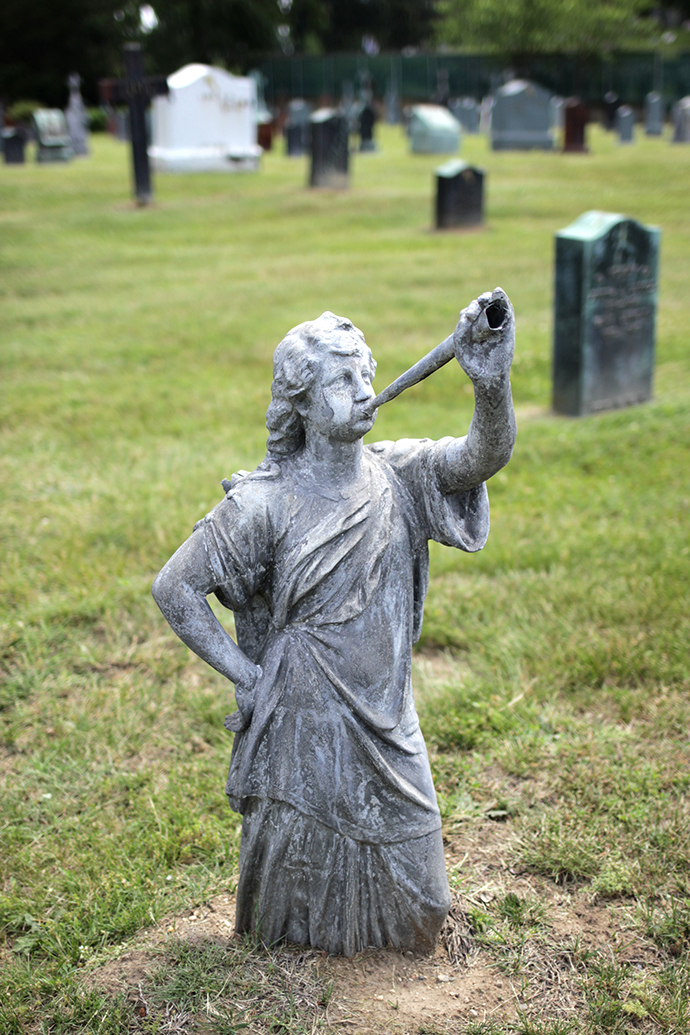
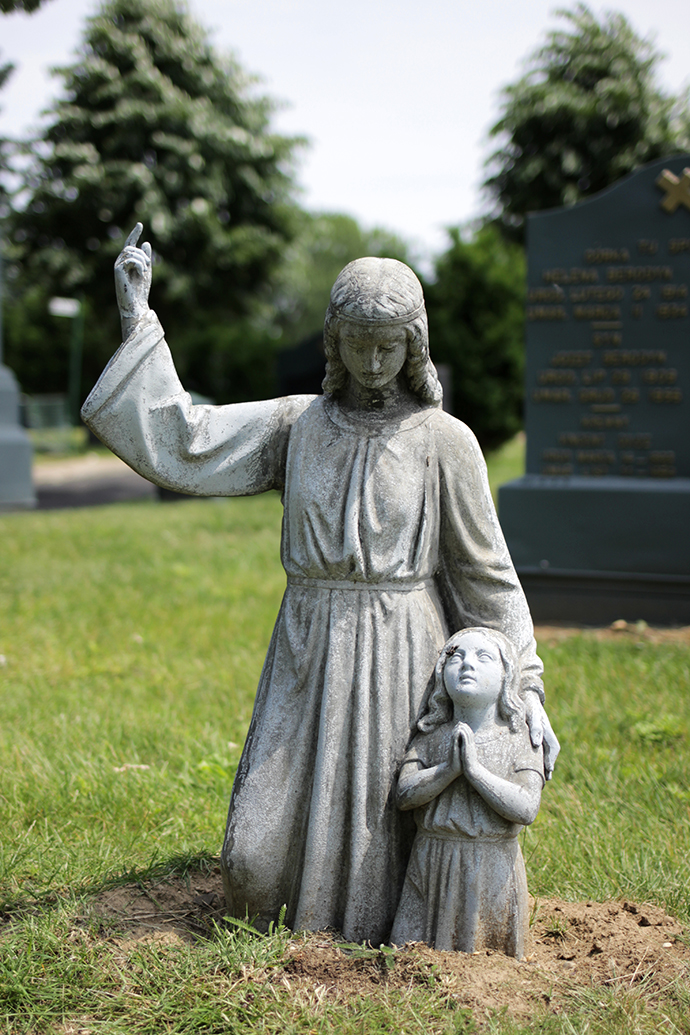
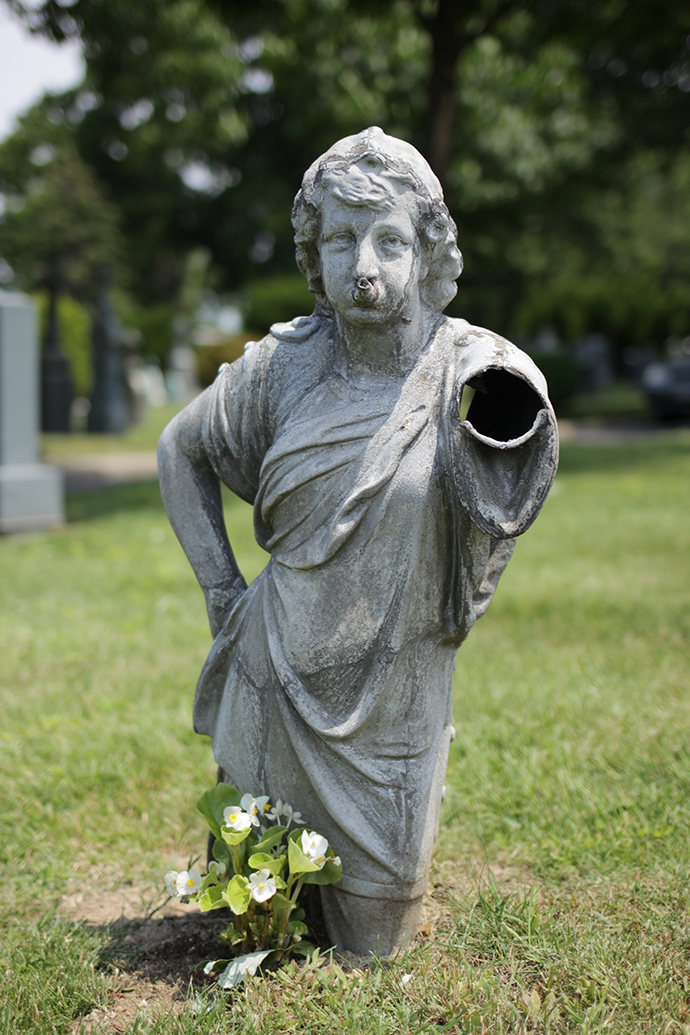
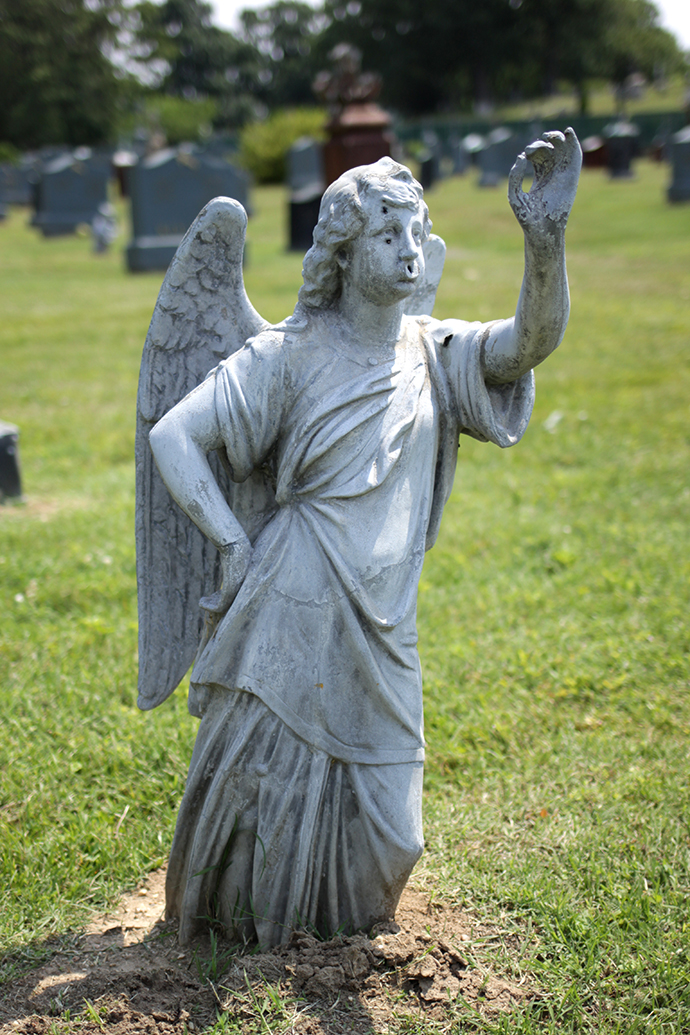
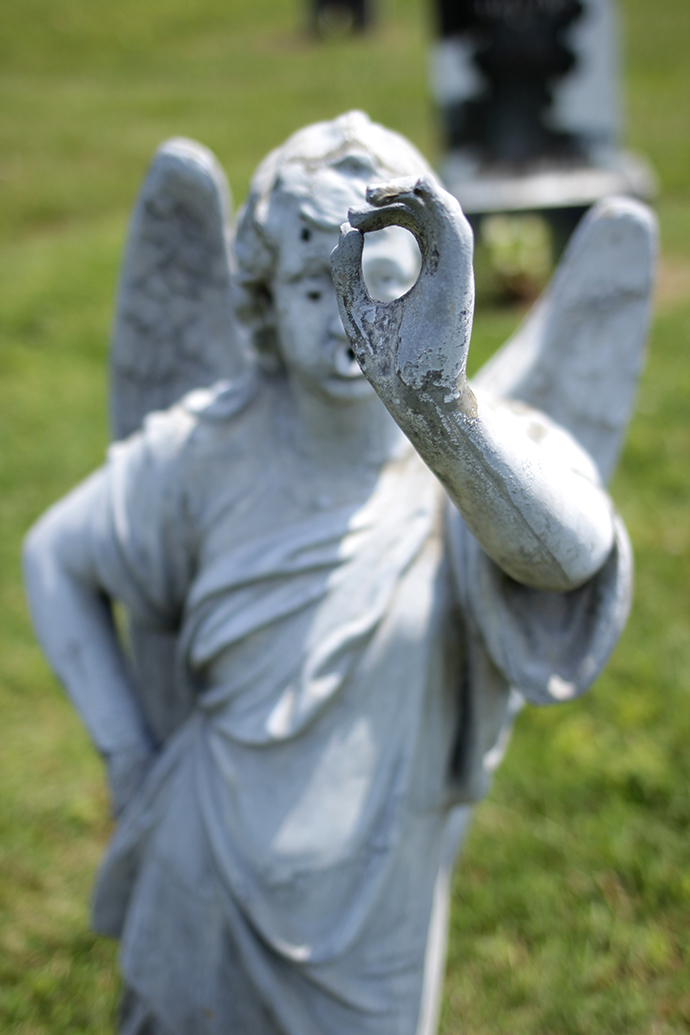
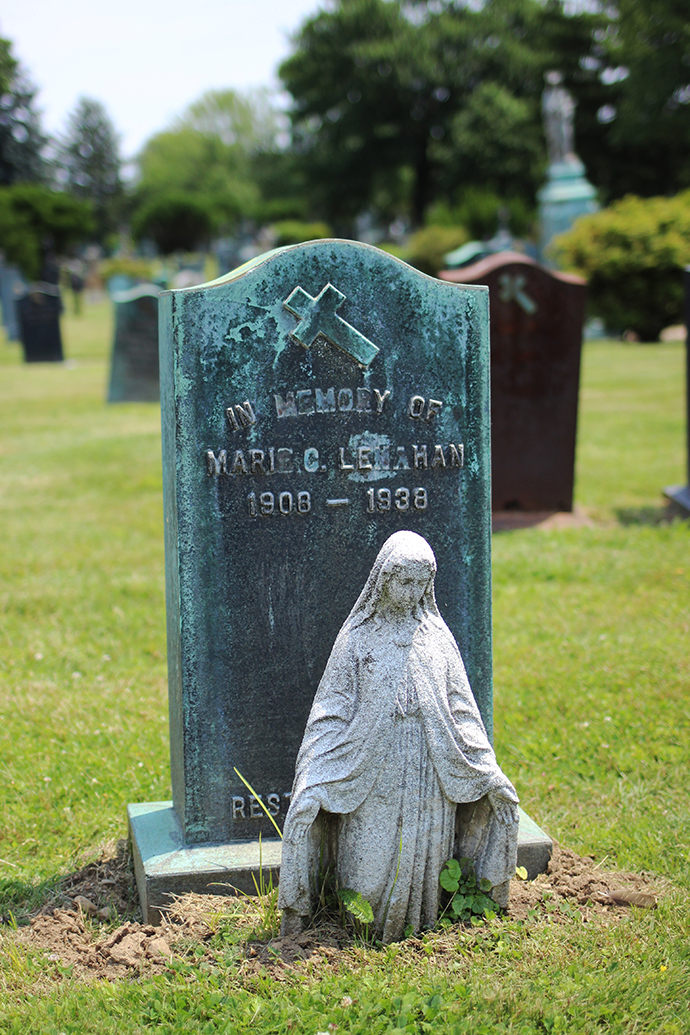

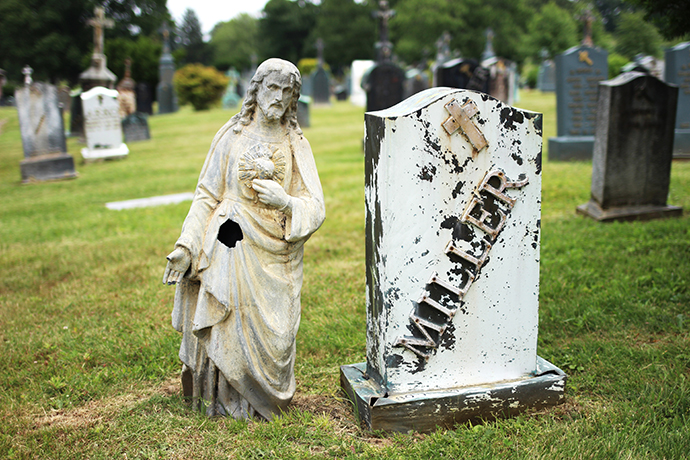
Because the statues are all made of metal, like most of the markers, they have weathered and become damaged in some very interesting ways. Instead of crumbling or being worn away by rain like stone statues, the metal figures developed holes or had entire limbs or accessories that appear to have fallen off at some point. I'm not exactly sure why most of the statues were unconnected with a marker of any kind—most were just sinking into the ground without any indication as to whom they belonged.
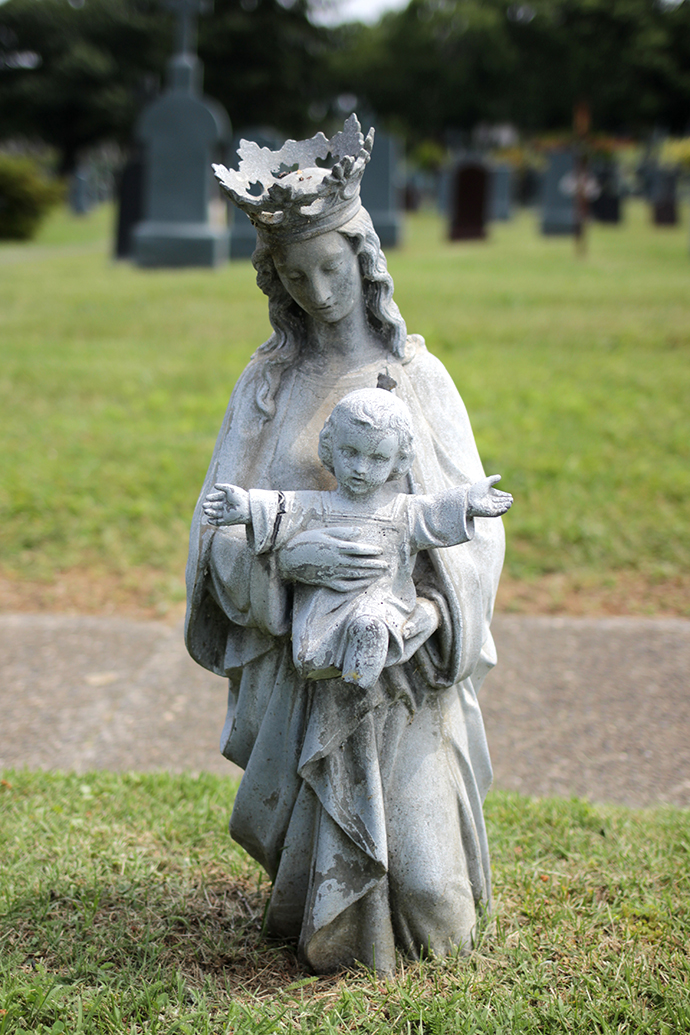
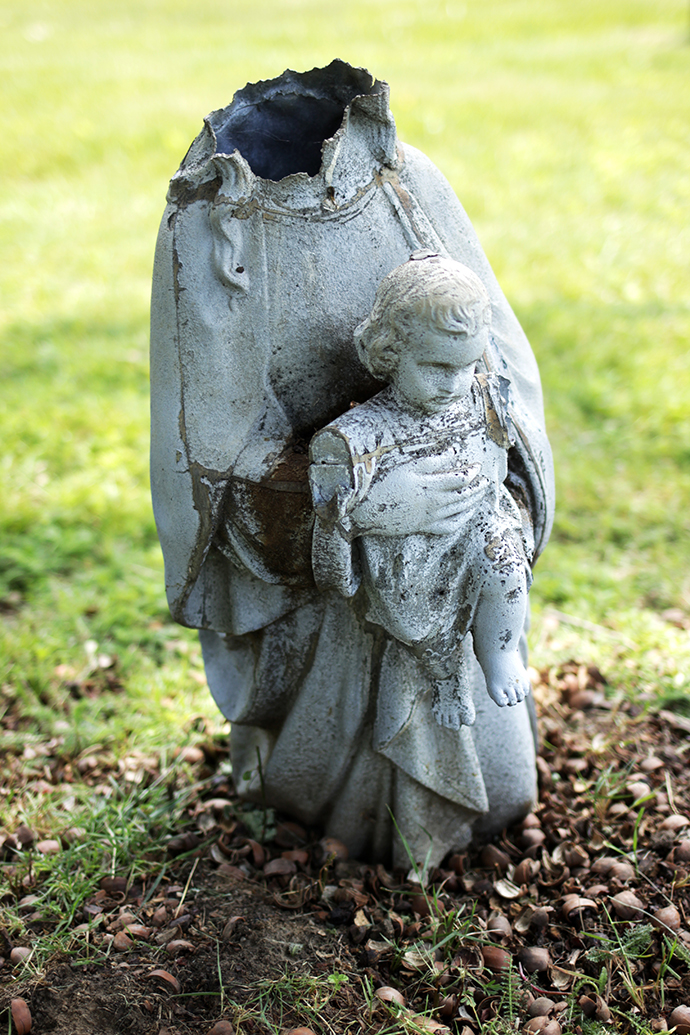
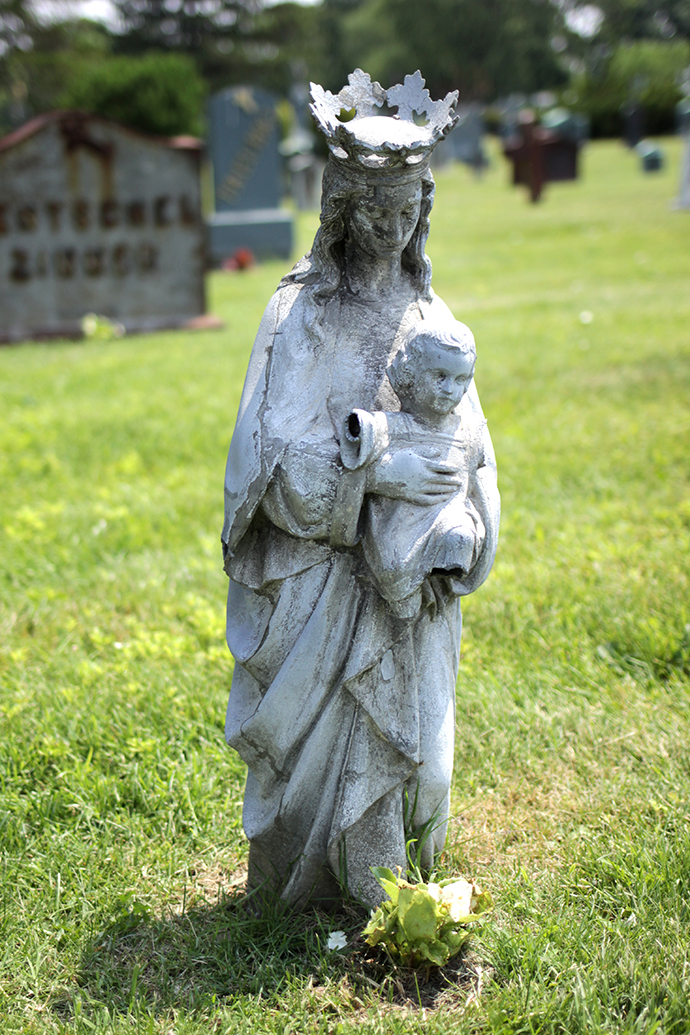
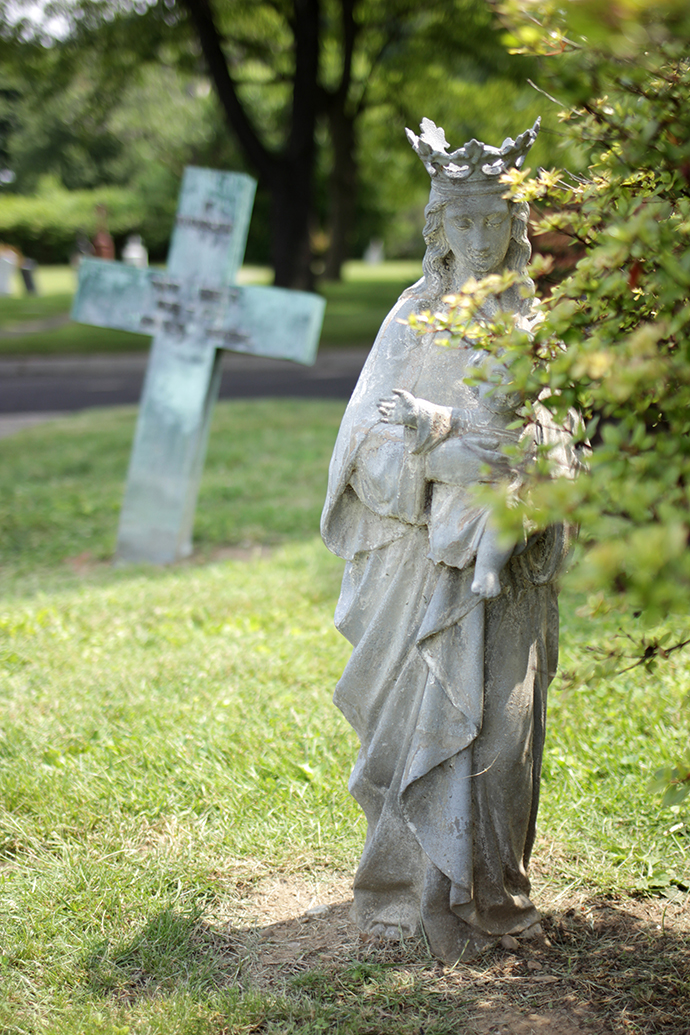
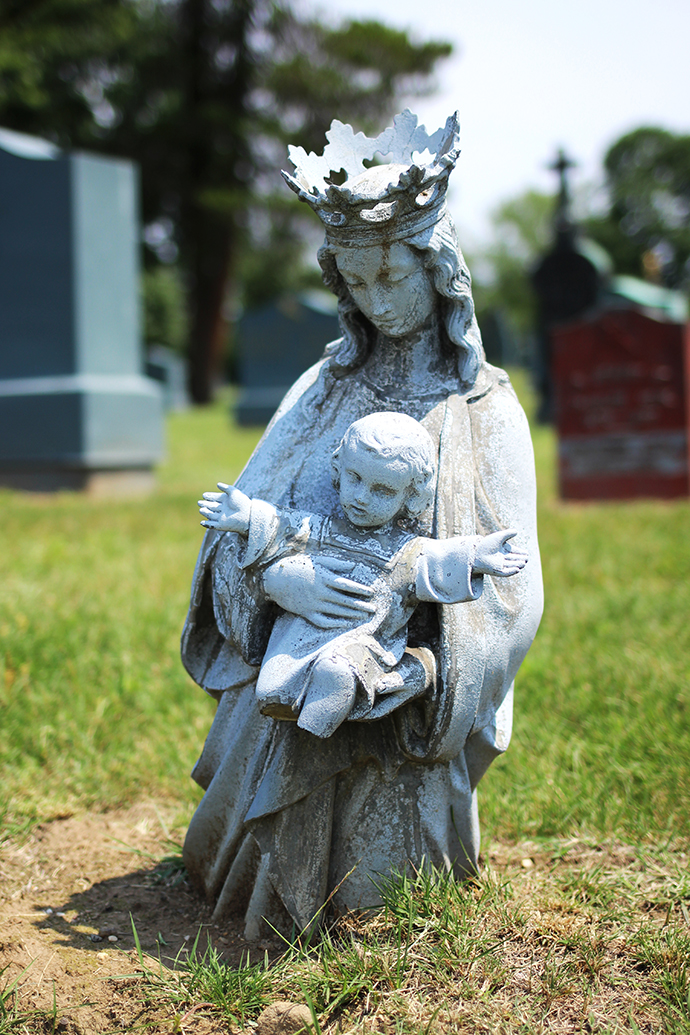
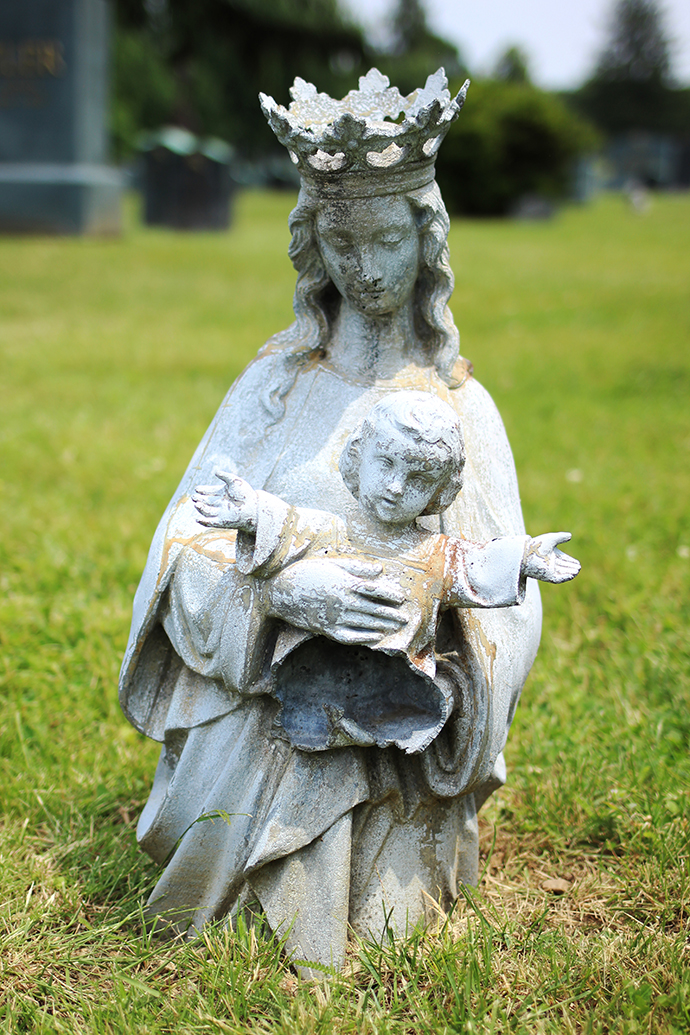
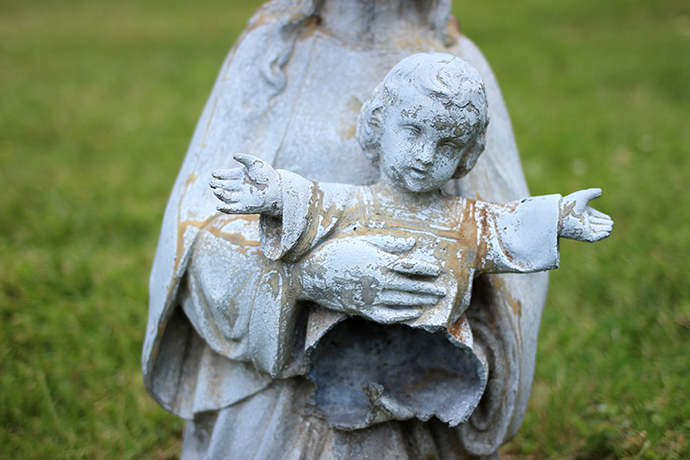
I love the intricate nature of metal casting vs. stone carving—from delicate crowns to feathery wings to the undulating folds of the cloth—everything is rendered in fine detail. There are various religious figures represented at Most Holy Trinity, but the most common one was the Madonna and Child—in fact I saw the exact same statue several different times, distinguishable only by their varying levels of decay.

Coney Island: At Night + Fireworks

I've been to Coney Island more times than I can count, but until Monday I had never been at night. I'm not a huge night person—I go to bed around 10pm most nights—so it's rare that I'm still exploring the city when it starts to get dark, especially during the summer. We decided sort of last-minute to go to Coney Island for the Fourth of July fireworks, thinking that it would be more chill than trying to squeeze ourselves into a viewing area for the Macy's fireworks over the East River. Coney Island was still packed but there is a lot of space, so it ended up being my most stress-free city fireworks yet.


Coney Island is wonderful by day, but by night it's a glittering, flashy, bright, magical wonderland. All of the neon signs are beautiful in the sunlight, but they're really made to be illuminated. It was nice to see the Wonder Wheel and the Cyclone alive again, and it's hard to imagine that just a few months ago they sat still, stripped of their cars during the off-season
.


Seeing Coney Island during a summer holiday was a nice counterpoint to the off-season or non-peak times in which I usually find myself at there, and where I'm typically annoyed by loud noises and crowds, I found myself only delighted at the energy of it all. All of the games and rides were up and running and I love that even in the days of video games and virtual reality, there is still a place in this world for balloon darts and "Feed the Clown."


The fireworks were lovely—long enough to satisfy my American need to see explosions, and short enough that I was in bed by 11pm. It might just be projection or a sign that my brain officially thinks in emoji now, but I could swear that I captured a heart-eyes smiley face in the firework above—do you see it too? Now that I know how beautiful the boardwalk can be at night, I want to go back and practice some long-exposure photography and I'm thrilled to be able to have an entirely new side of Coney Island to explore.
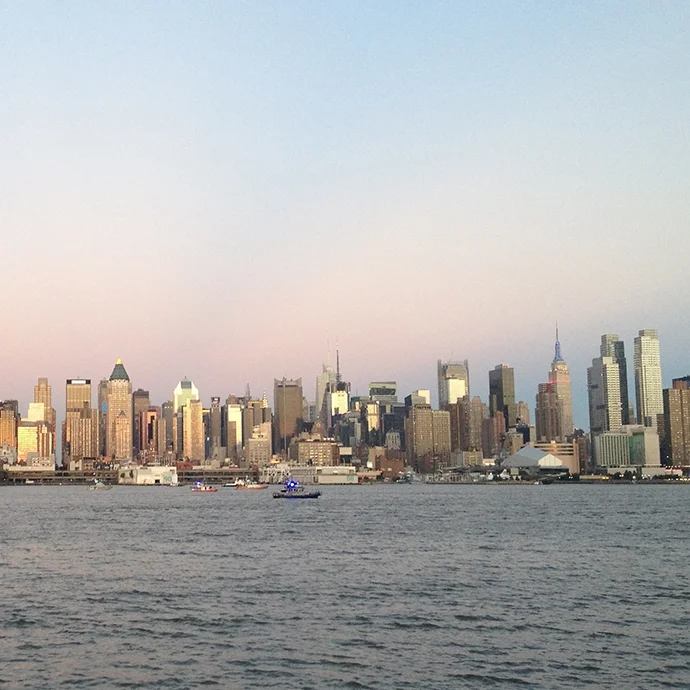
My Third Year as a New Yorker
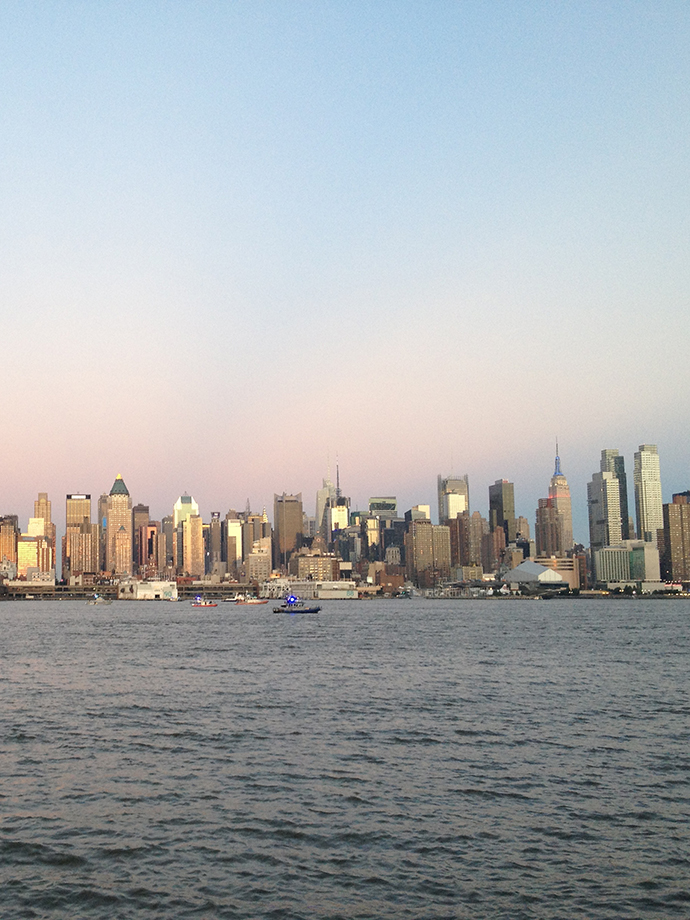
When I moved to New York City—three years ago today!—I didn't consider myself new to the city. I had been here on vacation, to visit friends, to see plays and TV shows, to check out (wildly unaffordable) colleges, and on one particularly long and ridiculous AAA bus trip with my mom and grandma. I had more friends in New York than I had left in Ohio and I'd dreamed of living here so long that when my plane touched down at LaGuardia it felt like I was finally coming home.
Of course I soon found out that no matter how much I thought I knew New York, visiting a city is very different than really living in it. There were negatives that I had been aware of but hadn't really experienced as a tourist—every day tasks such as laundry, receiving packages or grocery shopping for more than one meal at a time are all vastly more complicated here than they had ever been in my car-and-home-reliant life in Ohio. Thankfully, however, the positive surprises far outweighed the negative, and I'm still discovering joys of city living that weren't necessarily a part of my original motivation to move, but without which my life would be significantly different.


The Diners
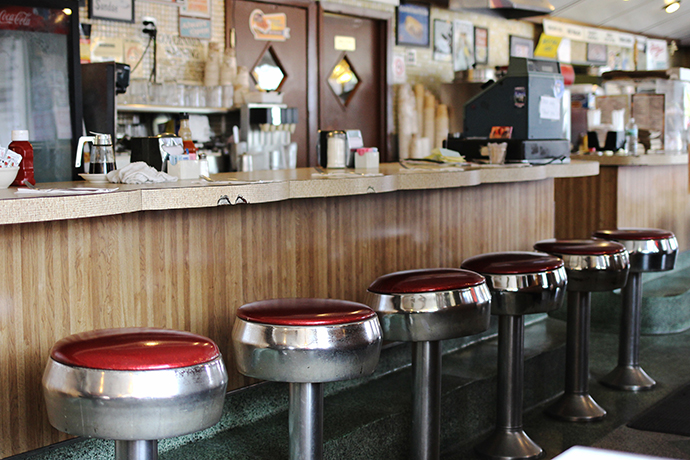
I'm sure I had always loved diners, but it wasn't until my two-month trial run as a New York City resident that I really fell in love. Diners are the perfect place to fill up on cheap breakfast (and where I really started to drink regular coffee for the first time) before a long day spent exploring the city. Searching out diners helped narrow the overwhelming restaurant world down to a reasonable amount of choices—with the comforting menu consistency of chain restaurants and the charm of an independent business. Every diner is different, but there is no fear of the unknown when ordering a waffle, an egg sandwich or an omelette. Diners are also the perfect place to dine alone—in fact, diner counters seem to have been made with the single diner in mind.
I've often lamented the loss of classic diners, in Manhattan especially, but three years later I'm still finding new (to me) places like the Goodfellas (aka Clinton) Diner, the very reflective Floridian, the wood-paneled Kane's and the small-but-mighty Pearl Diner. Although our credit cards were wrongly declined during our first visit to the Empire Diner, I loved it for its staying power as the last remaining dining car in Manhattan. Sadly the Empire closed (again) last December and its fate remains uncertain.
I think the loss of the Market Diner, however, hit me the hardest. Although I knew it was closing and was able to pay it a proper goodbye, I was still heartbroken when I walked by recently—hoping to catch a glimpse of its zigzag roof and large metal sign with curving script one last time—and saw only a hole in the ground. I can only hope that for every one this city loses, I find another authentic diner untouched by time —places with vinyl-covered swivel stools, flickering neon signs and a perfect cup of diner coffee.


The Cemeteries
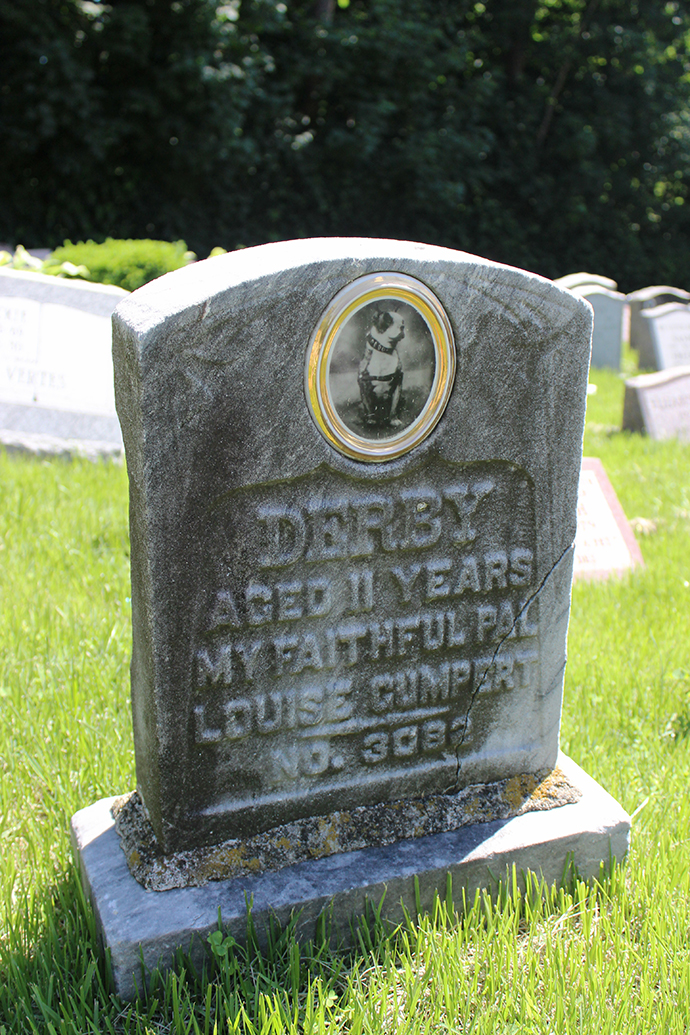
A lot of people (and pets!) have lived in New York City over the years—and died here—which makes for an almost endless supply of cemeteries to explore. Like diners, I've always had an affinity for leisurely cemetery strolls, but it wasn't until I moved to New York that they became a priority destination for me. I love nothing more than to discover a new cemetery, and just when I think I've seen them all, I discover yet another one that is unlike any place I've seen before.
I've visited Harry Houdini, the Fox Sisters, Ed Koch, Miles Davis, Duke Ellington, Irving Berlin, Herman Mellvile, and Robert Moses and explored beautifully maintained spaces like Green-Wood (and became a member) and overgrown, nearly-neglected spots like Bayside. There is nothing more peaceful and restorative than a walk amongst New York City's past residents, most of which are thankfully much quieter and more respectful than a lot of their living counterparts.


The Parks
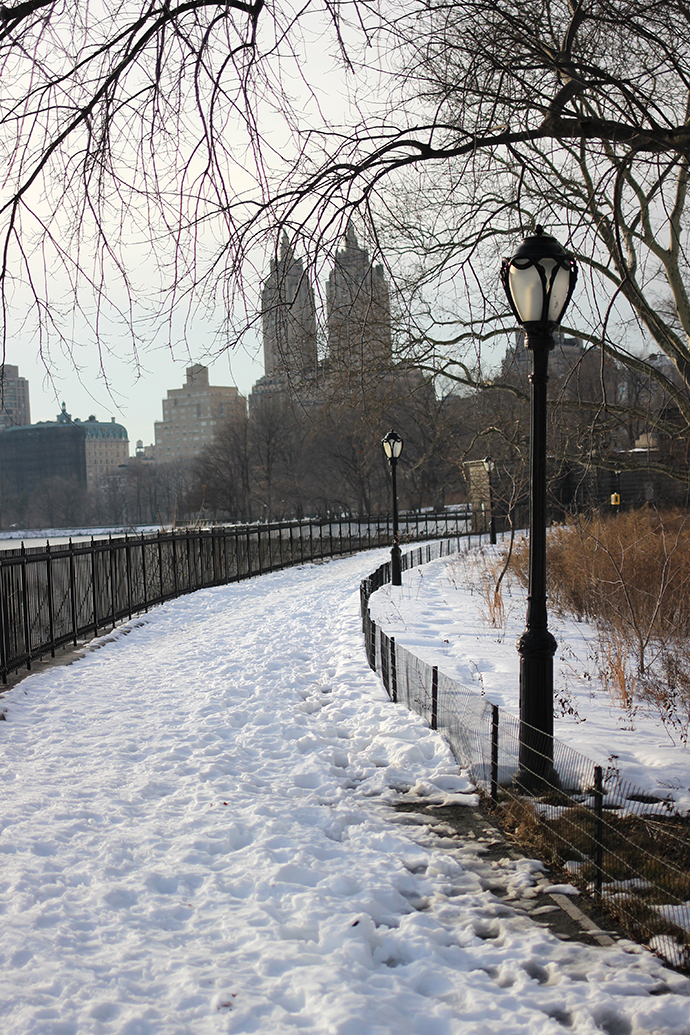
It seems a bit funny to me that I had to move to New York to really start appreciating nature, but somehow that happened. Maybe it's living in a tiny apartment, or the fact that I'm already outside walking wherever I have to go, but I find myself taking advantage of the city parks much more than I ever did in Ohio.
I used to walk to work every day through the northern part of Central Park, and although I love living in Brooklyn for many reasons, my park commute is the thing I miss most. I did, however, move very close to Prospect Park and it's equally as beautiful in the all of the seasons. For two years I was a member of the NYBG, and the BBG is comparably magical for their cherry blossoms, tulips, desert collection and bonsai museum.

The People
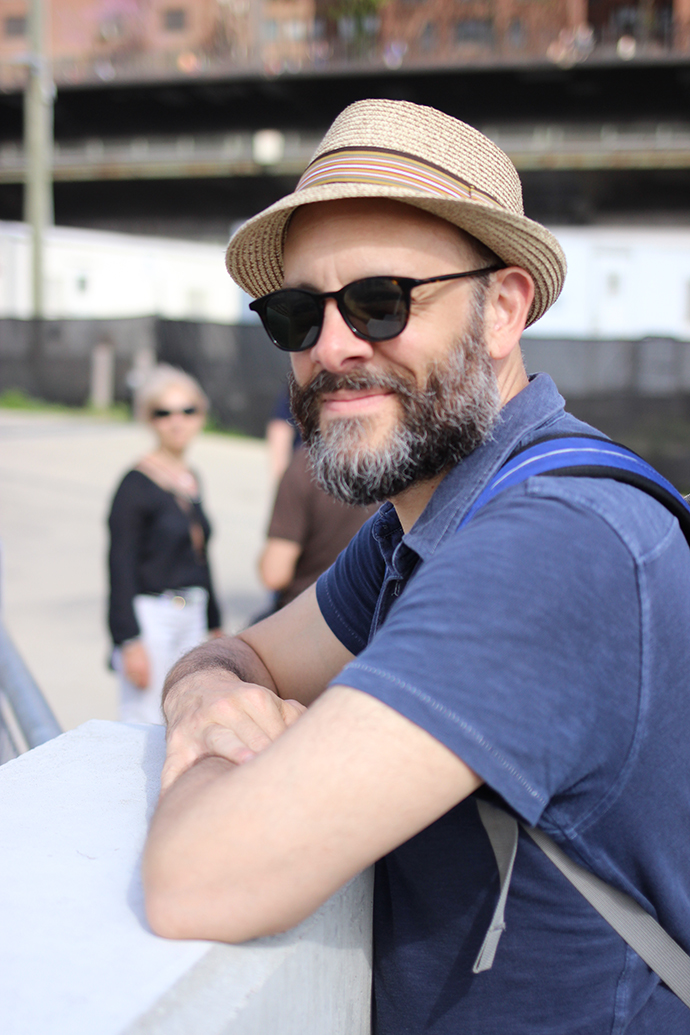
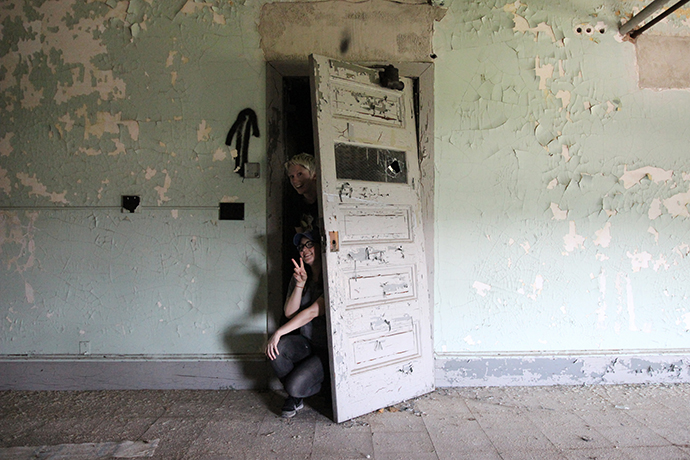
I mentioned that by the time I moved here, I already had friends in the city. Luckily I still have those friends and I've even managed to make more, including one very cute and incredibly kind boyfriend. Whenever I reflect on my favorite moments of the past three years, there is inevitably someone else to share in that memory. Without my friends to share in adventures, margaritas, obnoxious subway rides, strange happenings, funny anecdotes, delicious nachos, nerdy lectures, crematory tours and everything else this city has to offer, my life would not be nearly as full.
I am also thankful for the fruit man who sells me four bananas every Monday morning, and the coffee cart guy who thinks I'm from Russia, and the other coffee lady who knows my order by heart, and the kind gentlemen who say "good morning" when I pass them, and the people who compliment my hair or offer me a seat on the subway. New York City is home to 8.4 million people, and I am so grateful to have some of the very best ones in my life.
The Easy Access to Other Places
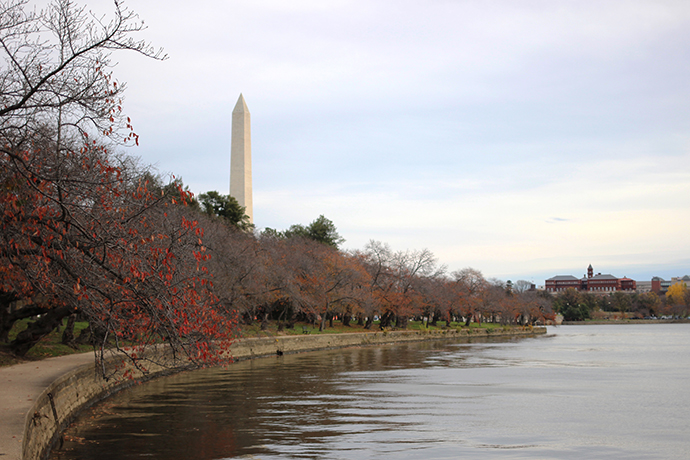
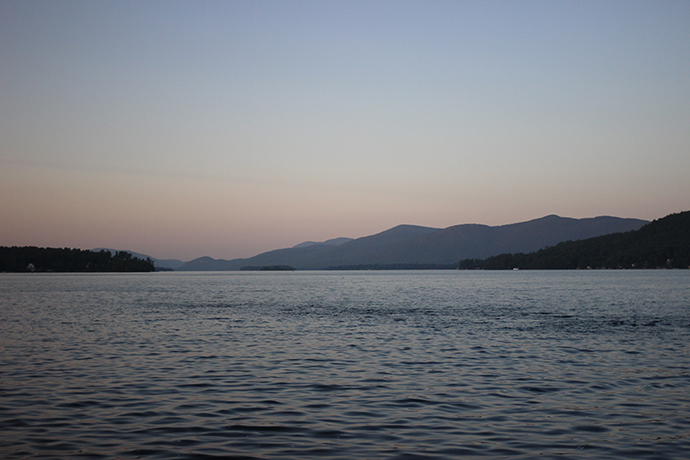
Maybe it seems strange to include "the ability to leave it" on a list of reasons I love New York, but I believe to truly appreciate this city, you have to leave it every so often. Since I've moved I've explored more of New York State including Lake George, Buffalo, Niagra Falls, Cold Spring, Hartsdale, East Hampton, Kerhonkson and Sleepy Hollow. I've traveled by train to Washington DC and through New Jersey, taken road trips to Newport, RI, Pittsburgh and Philadelphia, and flown to Ohio, Texas, New Orleans, Chicago and took my first trip abroad (Italy).
The "Welcome to ♥ New York" sign at LaGuardia still gets me, just like it got me when my plane arrived three years ago—the time I realized that I wasn't getting on a return flight to Ohio in a few days, a few weeks or ever if I didn't want to. The time I realized I was finally home.
Coney Island Art Walls 2016
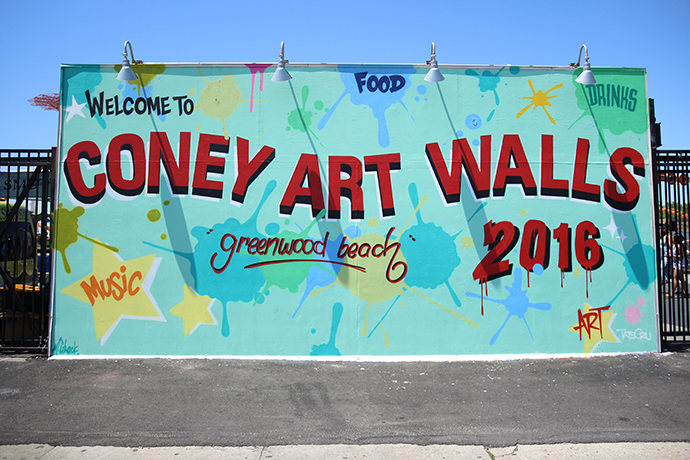
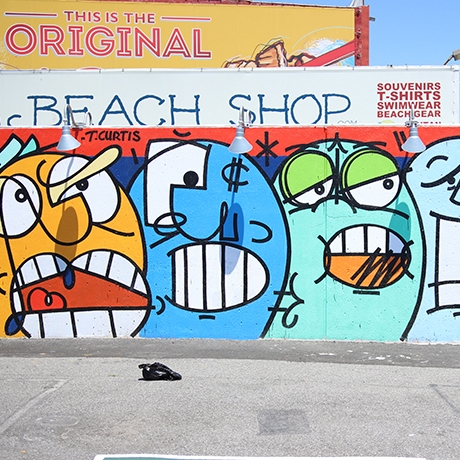
Last year was the first year for the Coney Island Art Walls and they're back this year with (mostly) new artwork. My mom and I walked around before the Mermaid Parade, and there were barely any people around, but after the parade the place was packed. In addition to the walls, there are food and drink vendors and a stage, making it a great place to hang out and drink a $13 (!!) plastic cup of sangria, if you're into that (after standing in the sun watching the parade, we sure were).
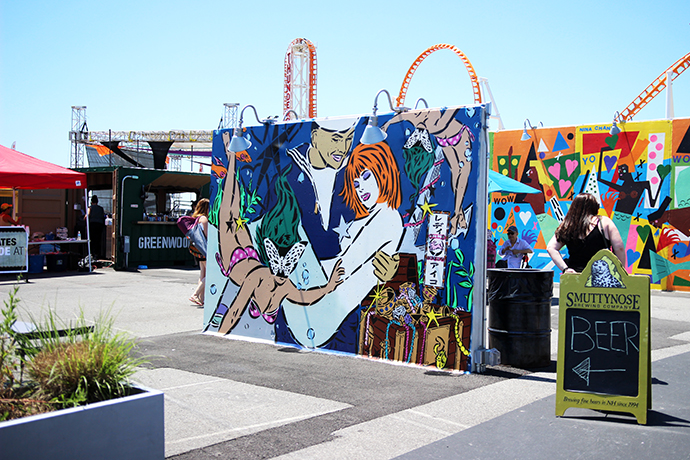
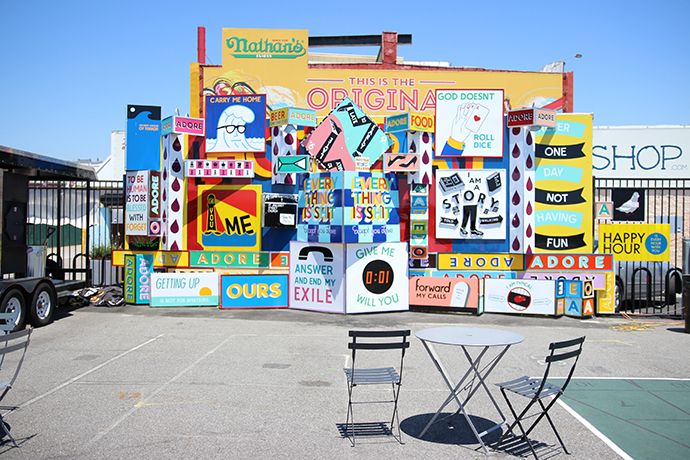
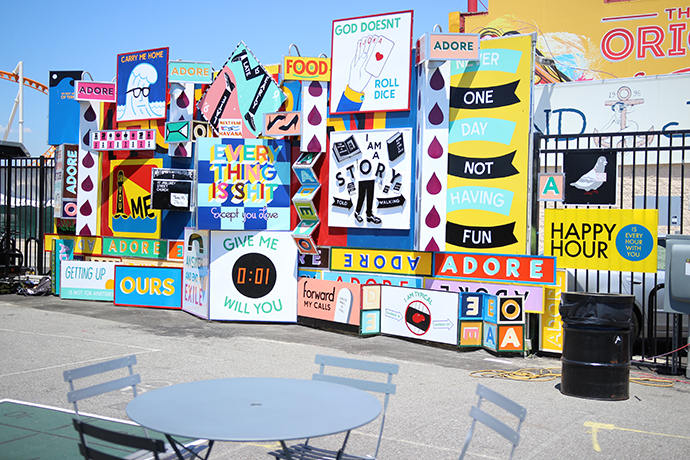
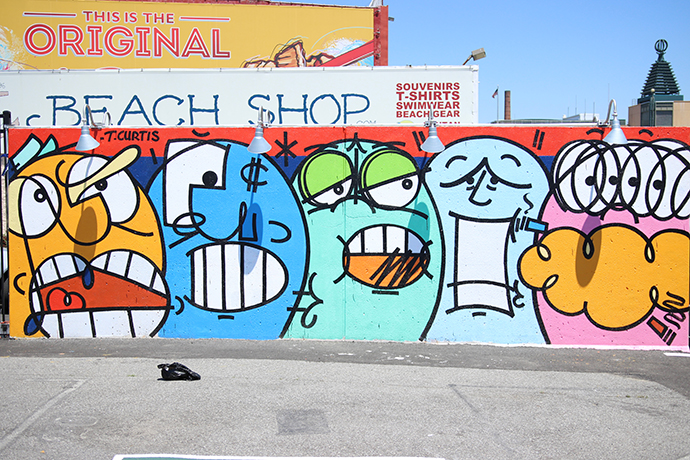
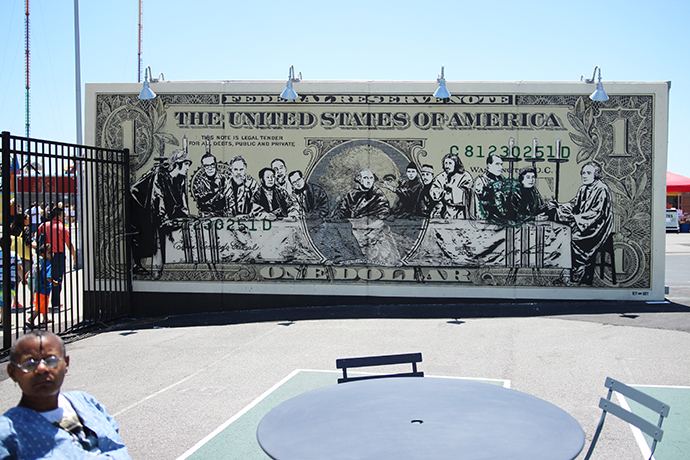
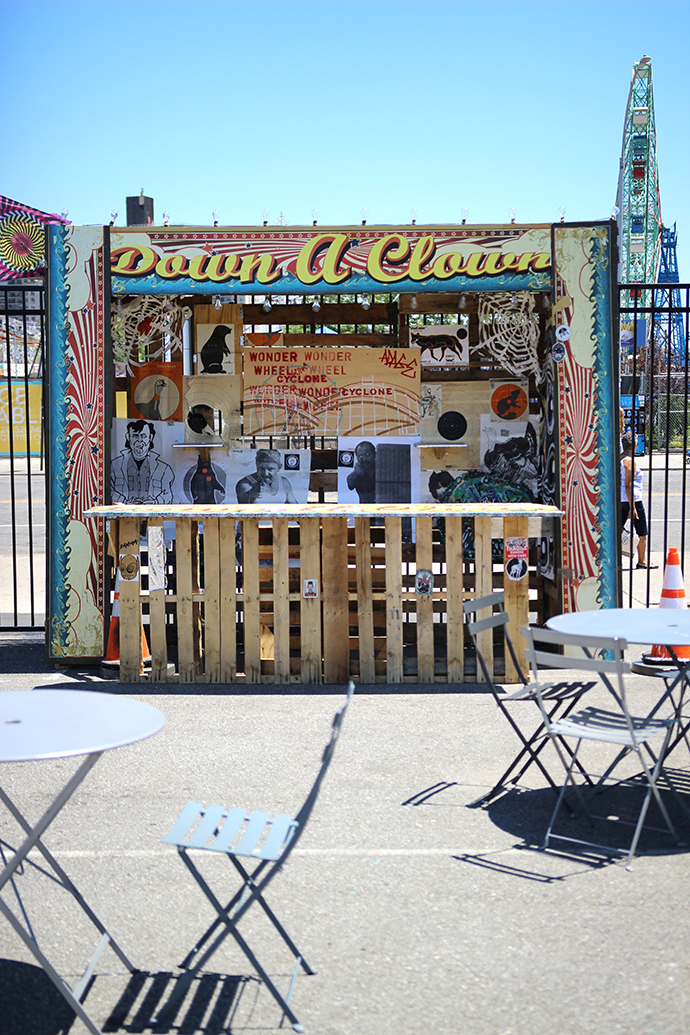
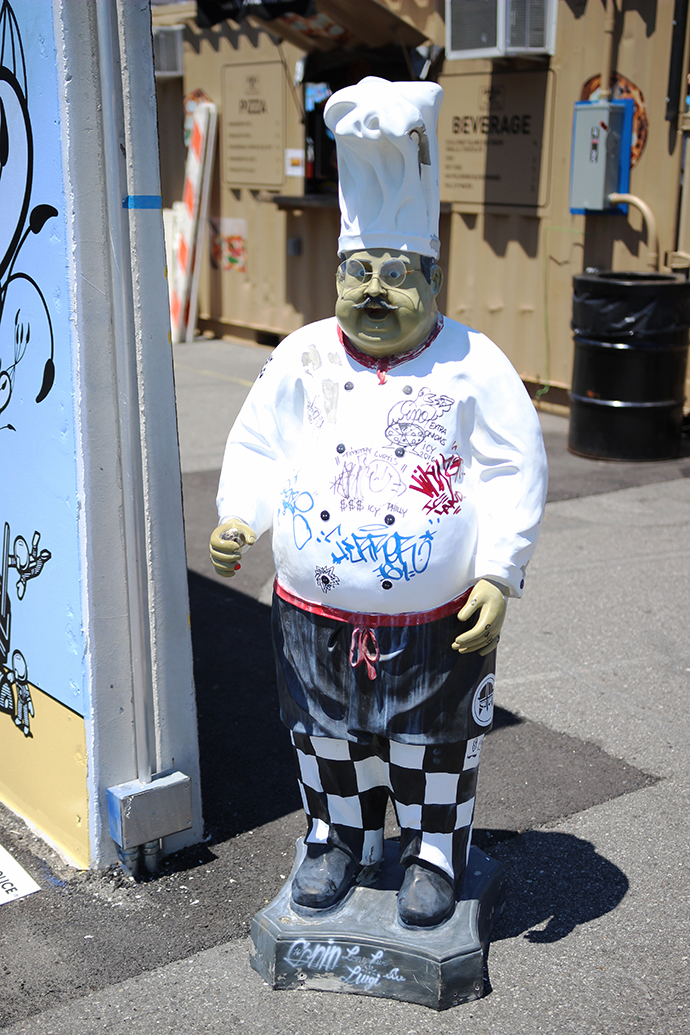
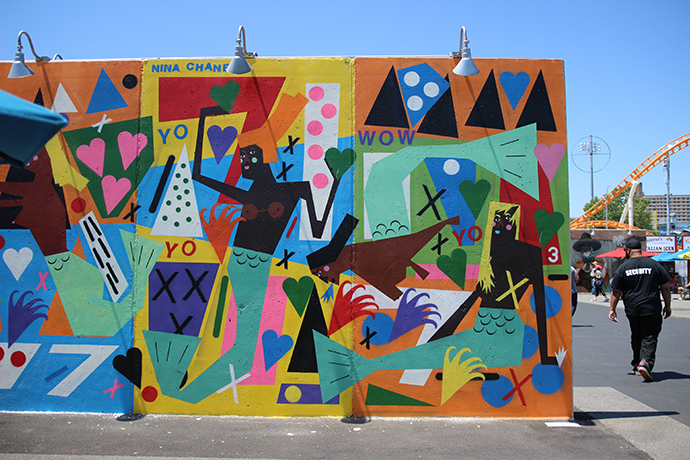
I'm always amazed at what people can do with spray paint, although some of the walls this year were a bit more dimensional. I love the one that reminded me of a more elaborate Wall of Stuff from the classic Marc Summers Nickelodeon show, "What Would You Do," although I'm sure that's not what they were going for, or if anyone but me would ever get/agree with that reference.
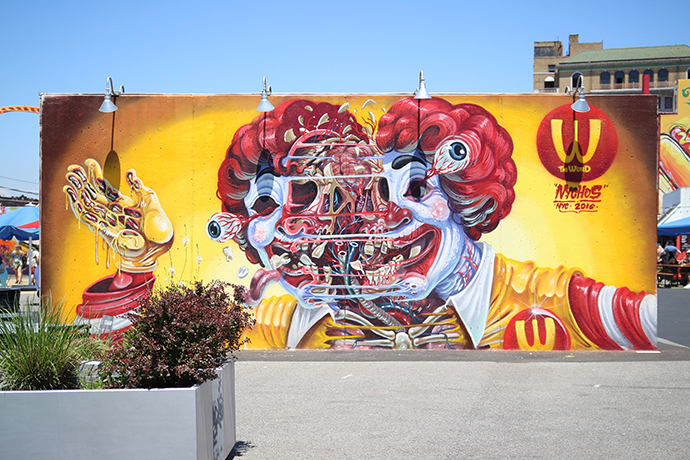
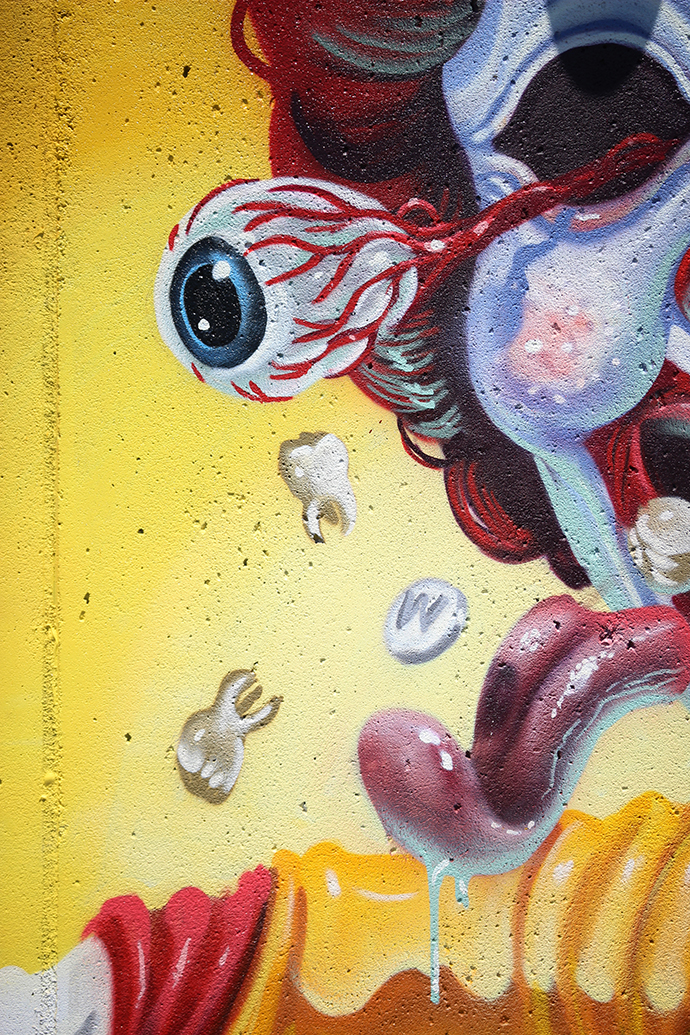
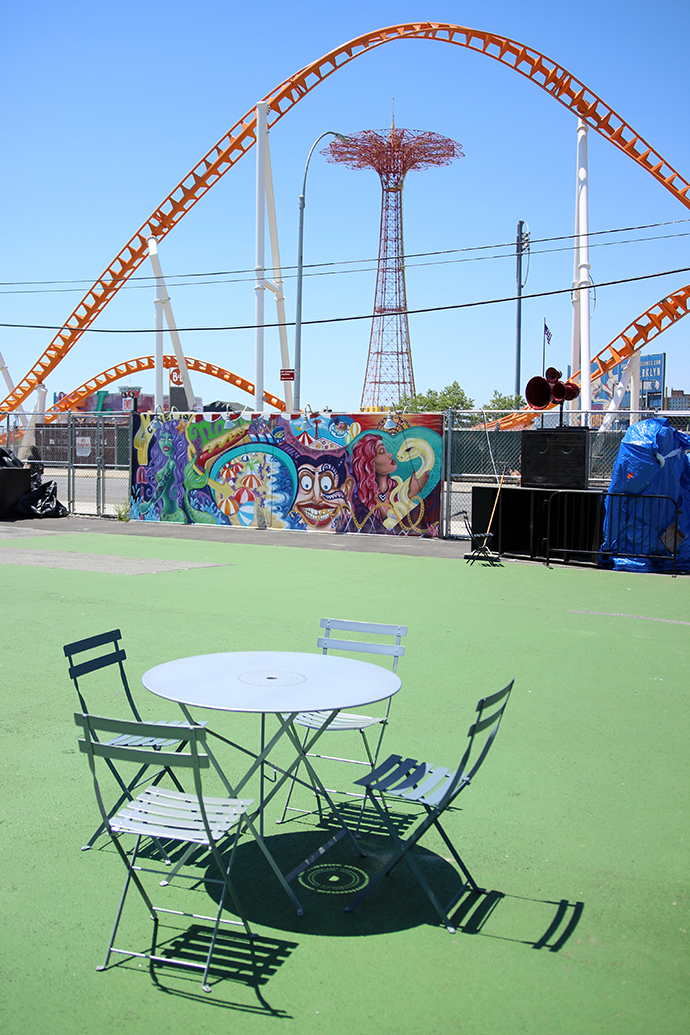
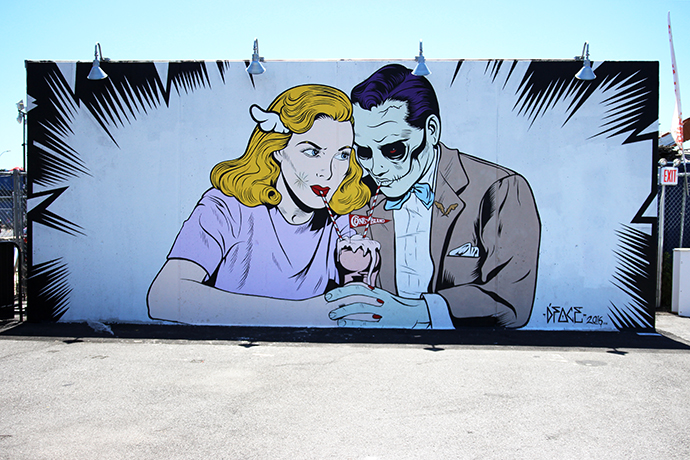
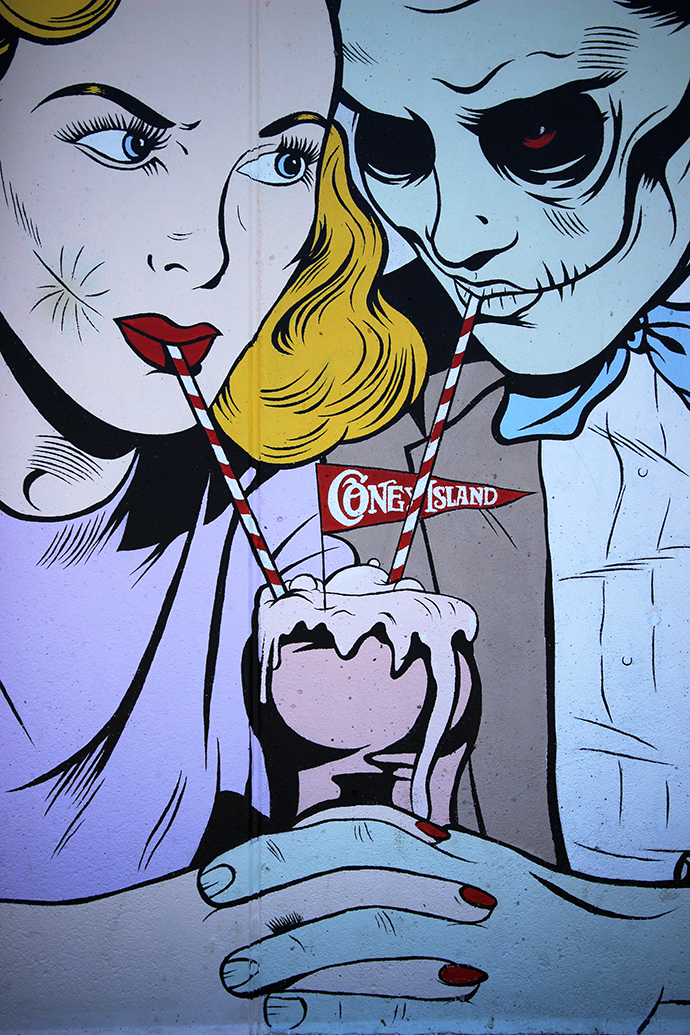
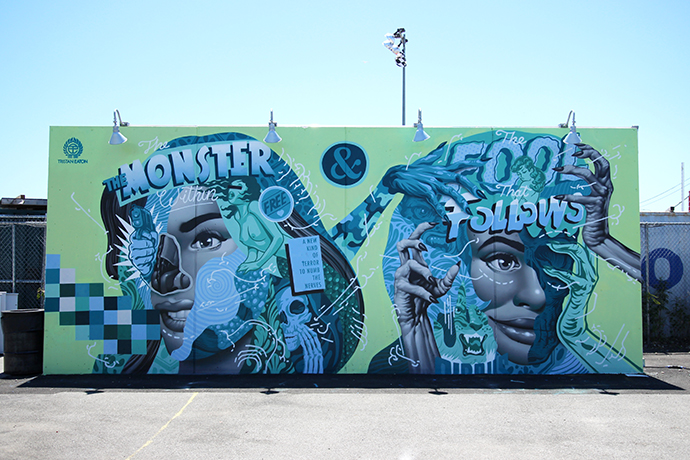
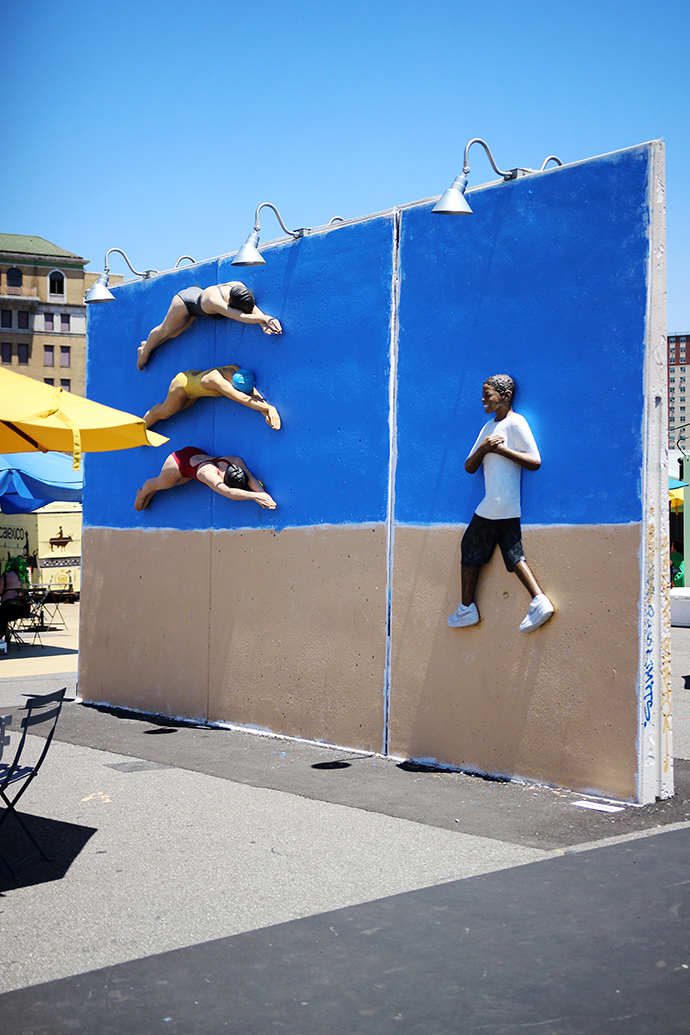
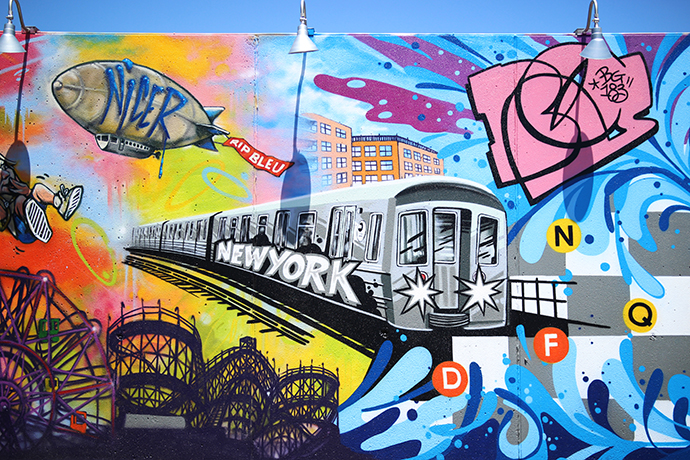
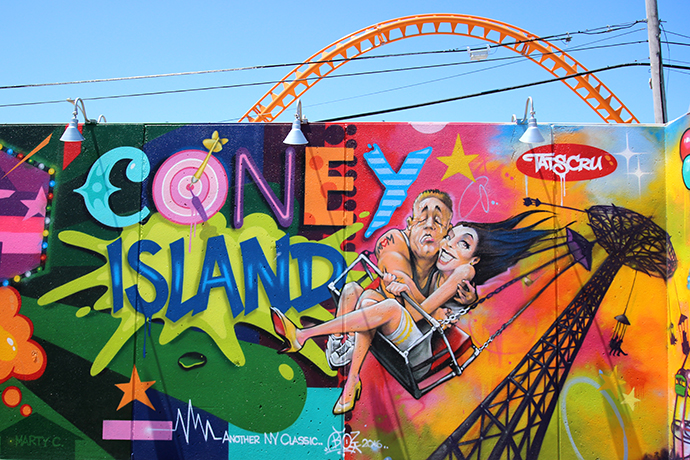
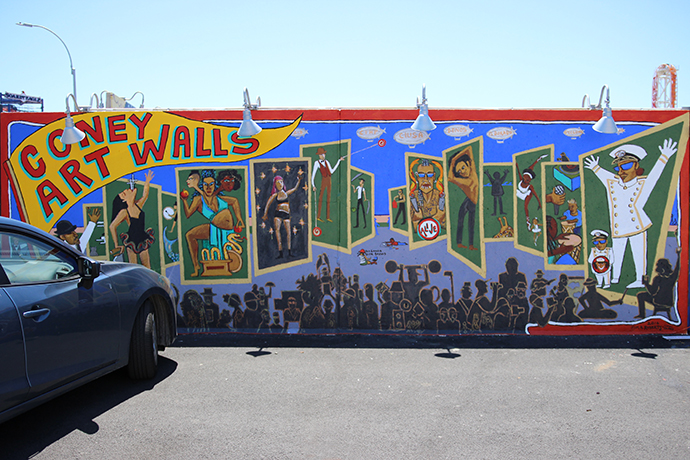
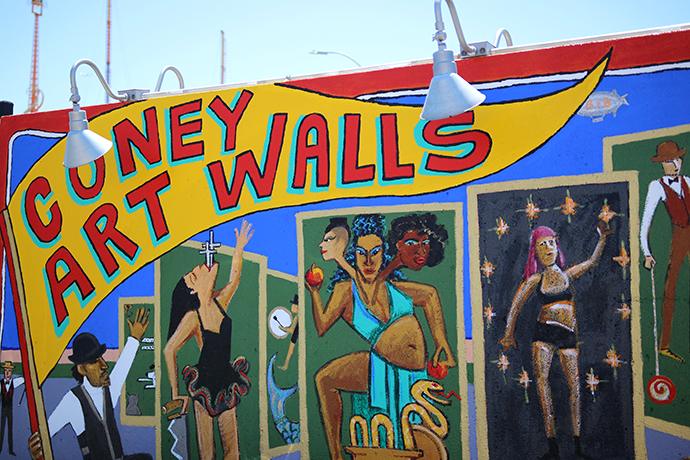
I loved the grotesque Ronald McDonald and all of the classic Coney Island imagery, but as always my favorite was the new one by Marie Roberts, who paints all of the classic sideshow banners for the Coney Island museum and the current-day freakshow. Her paintings are the perfect representation of what I love most about Coney Island—it's a little old, a little scrappy, a little weird and so unlike anything else.
New Orleans: Historic Voodoo Museum
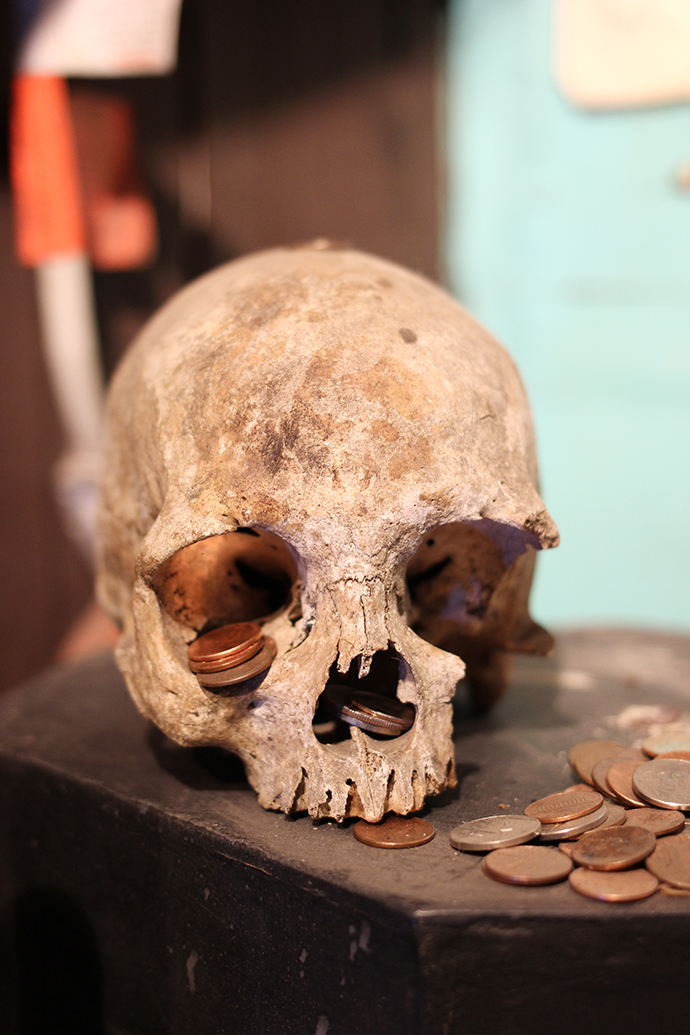
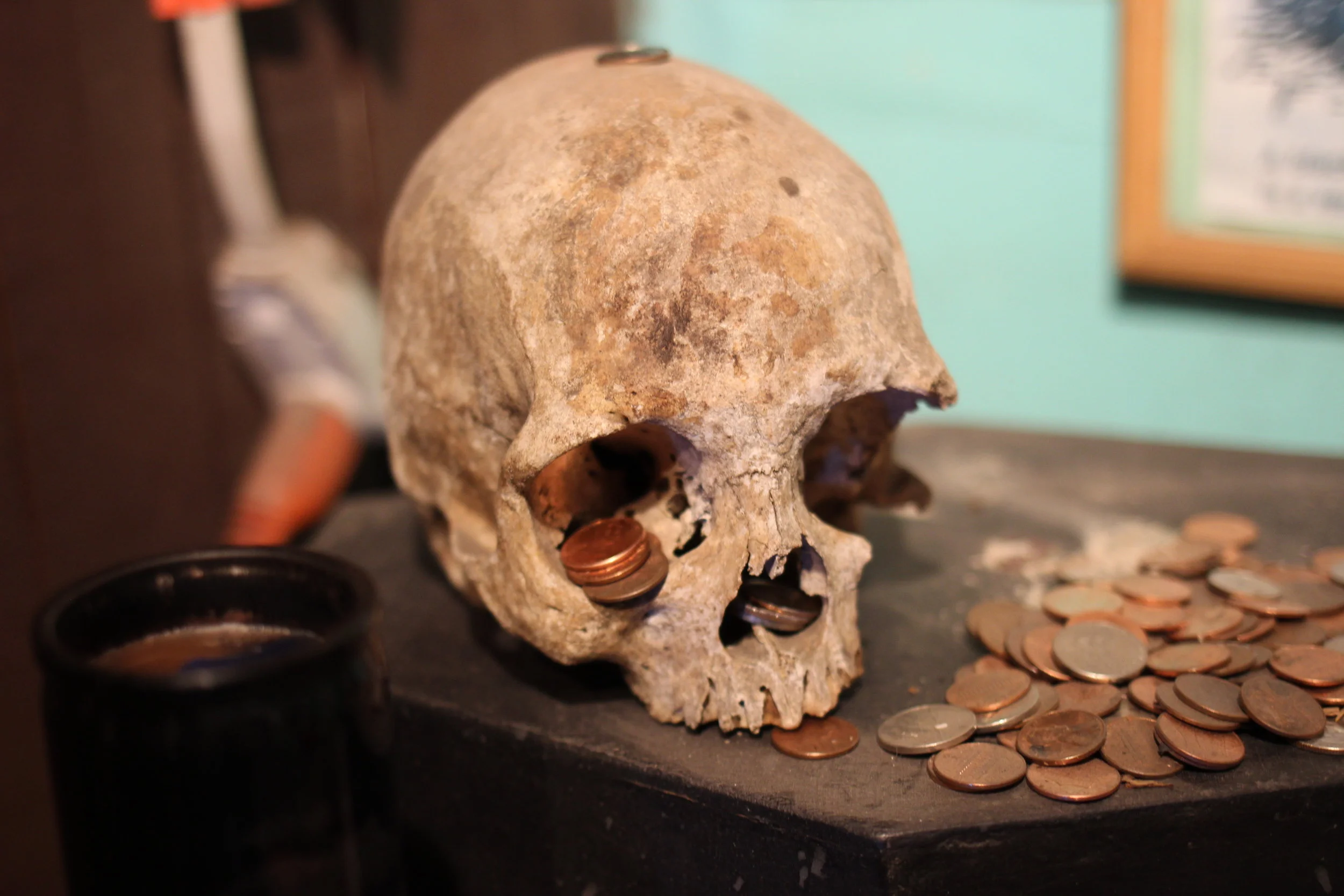
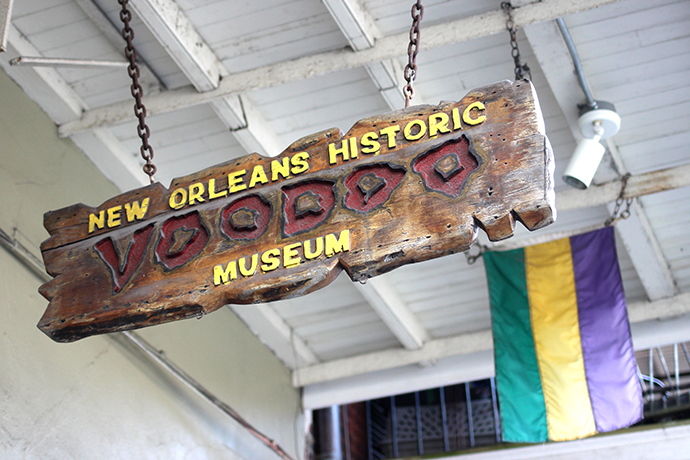
One of the first places we wandered into on a recent trip to New Orleans was the Historic Voodoo Museum, located on Dumaine Street in the French Quarter. The museum is small, but packed and stacked with artifacts (some of questionable authenticity) relating to Louisiana voodoo, a blend of Afro-American religions brought to New Orleans by the enslaved West Africans, French, Spanish and Creole inhabitants.

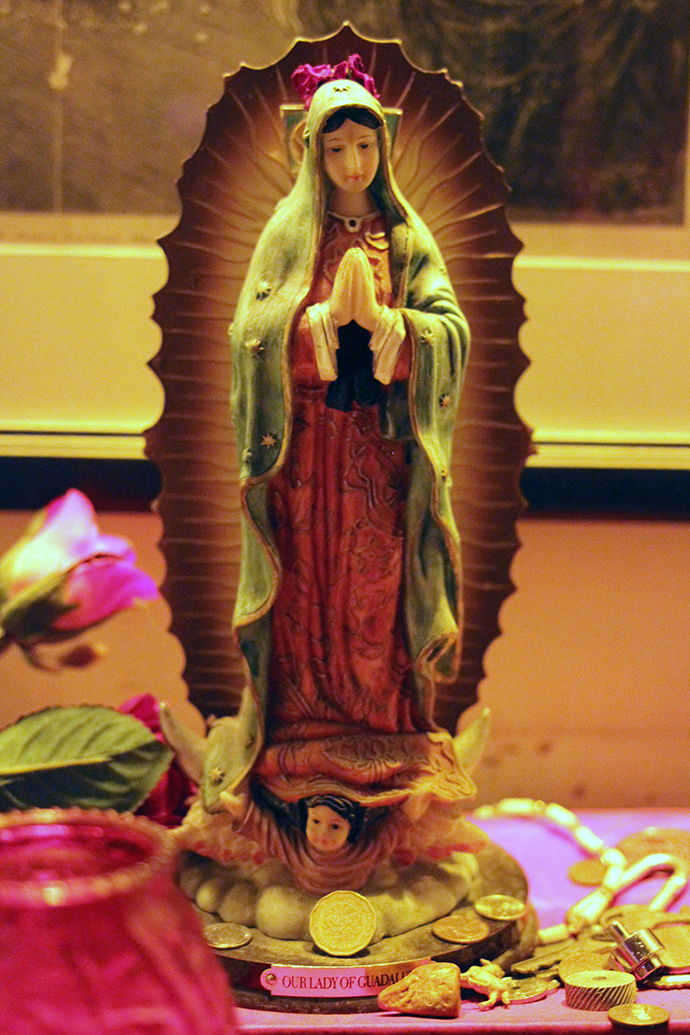
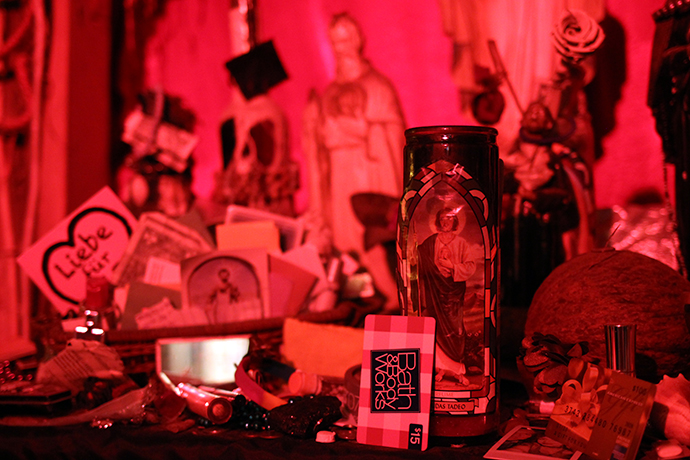


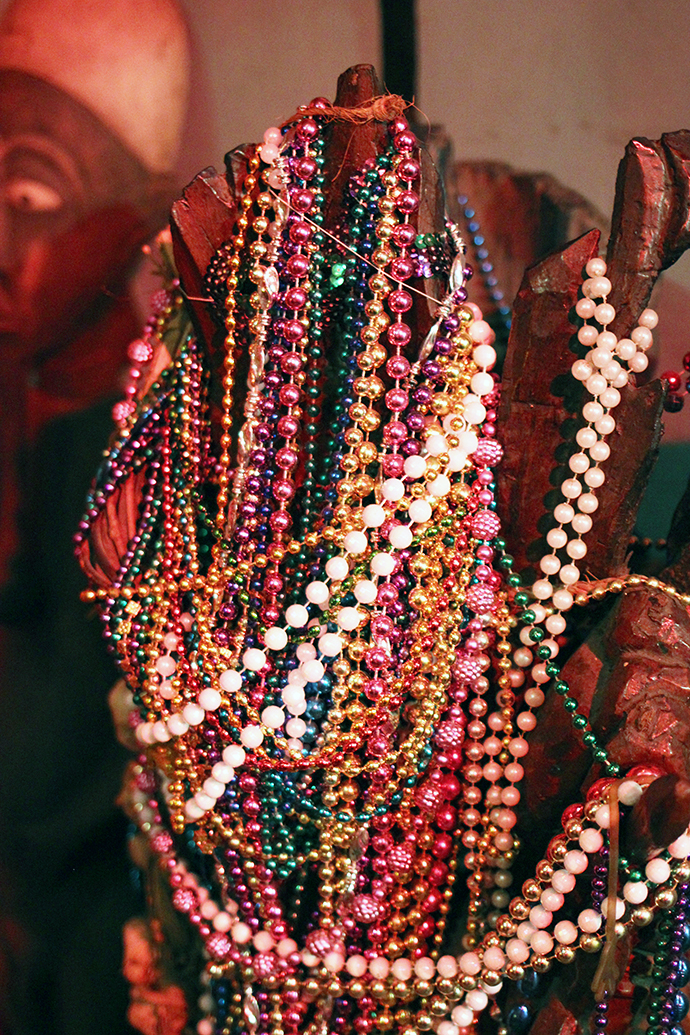
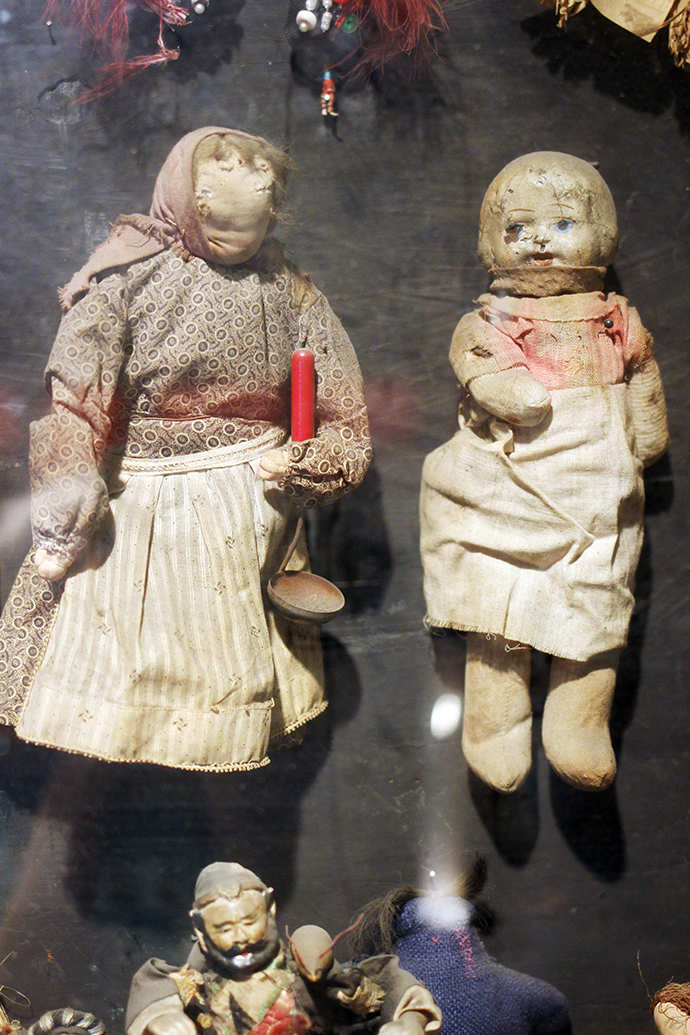
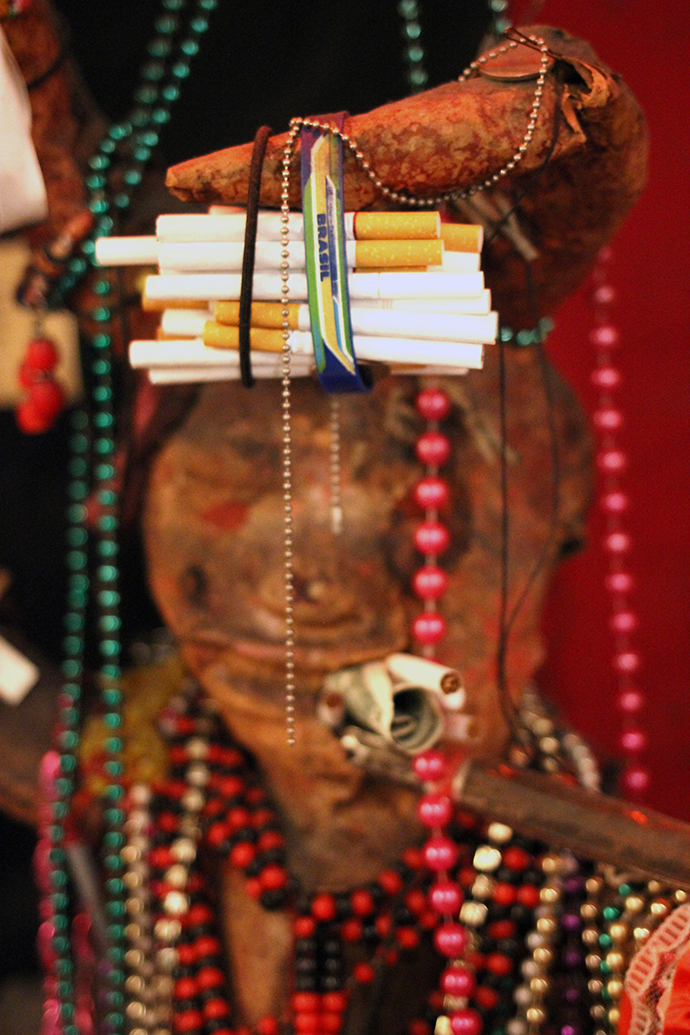
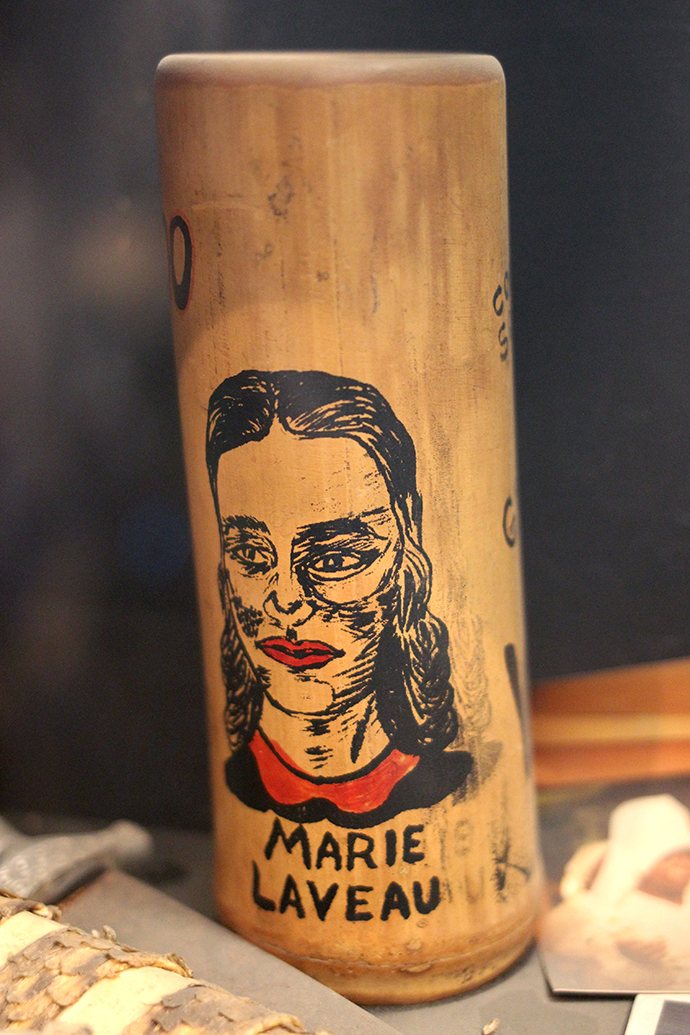
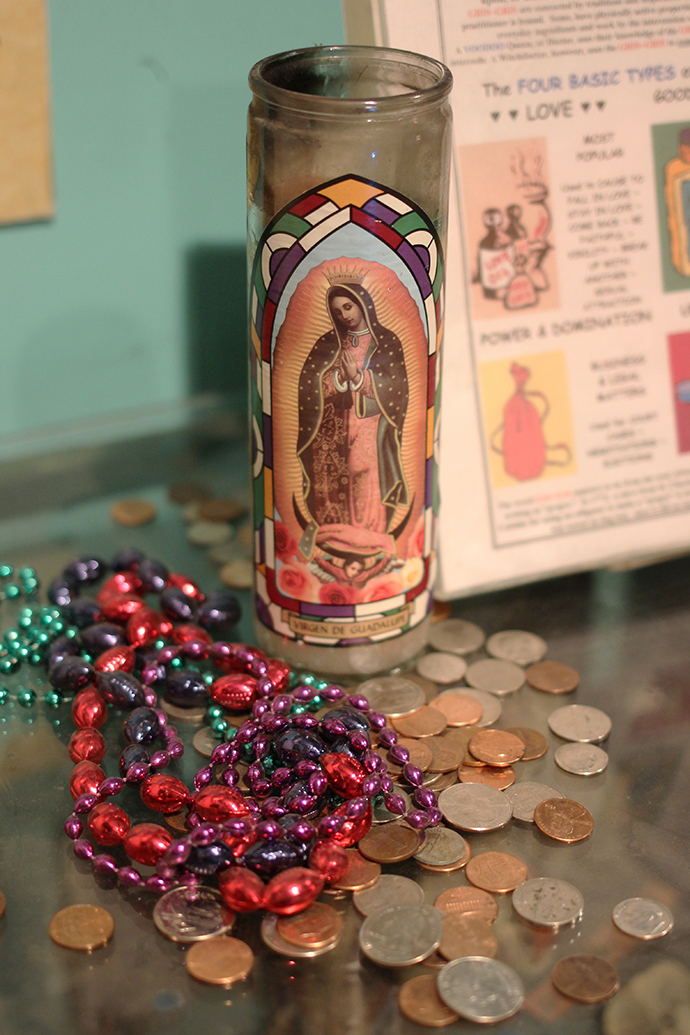
I'm not a Voodoo expert by any means, but I'm fascinated by beliefs of any kind. I wasn't raised religious, so almost every type of spiritualism seems equal parts believable and far-fetched to me. There has always been something appealing to me about relics—I think it's the hoarder in me that appreciates the value and sentiment that can be attributed to stuff—so I especially loved all of the altars inside of the museum. You can't have a voodoo museum without paying homage to the Voodoo Queen, Marie Laveau, and in addition to her own altar the museum also claims to have her kneeling bench.
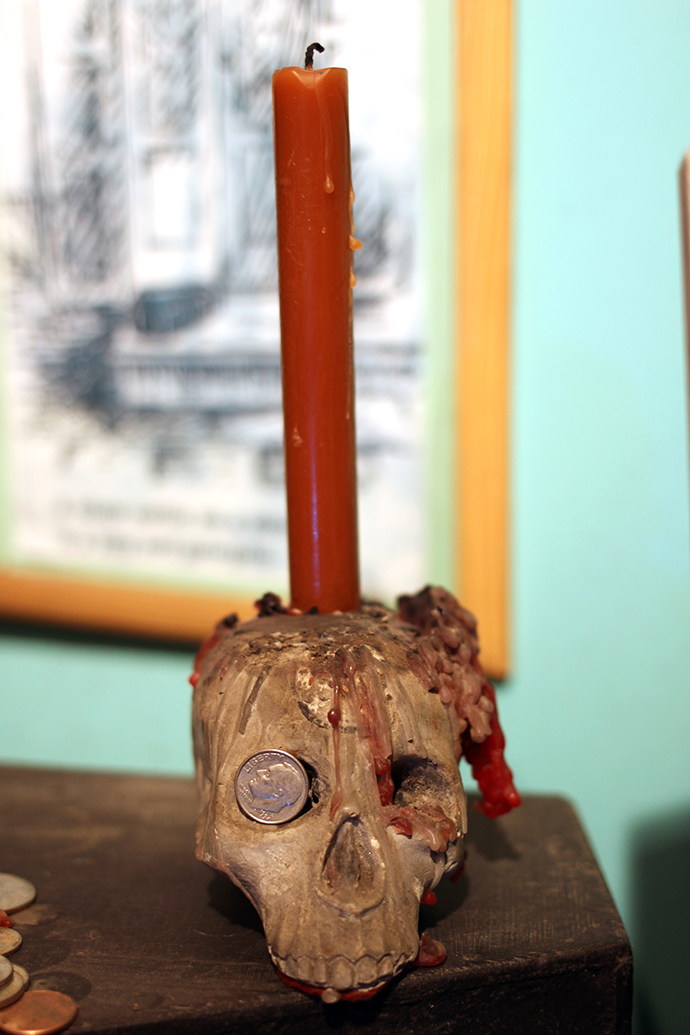

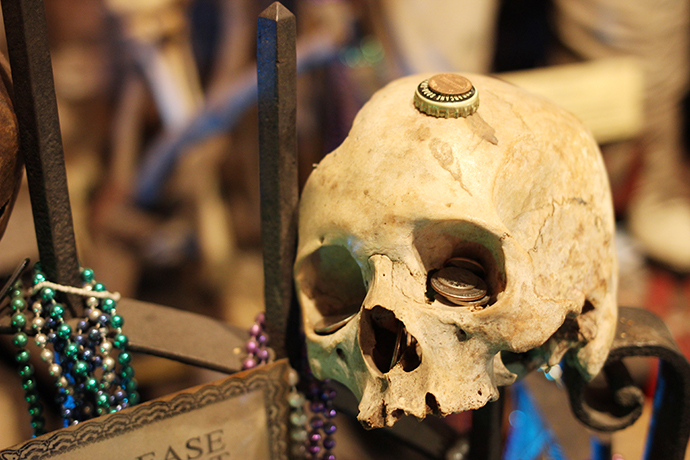

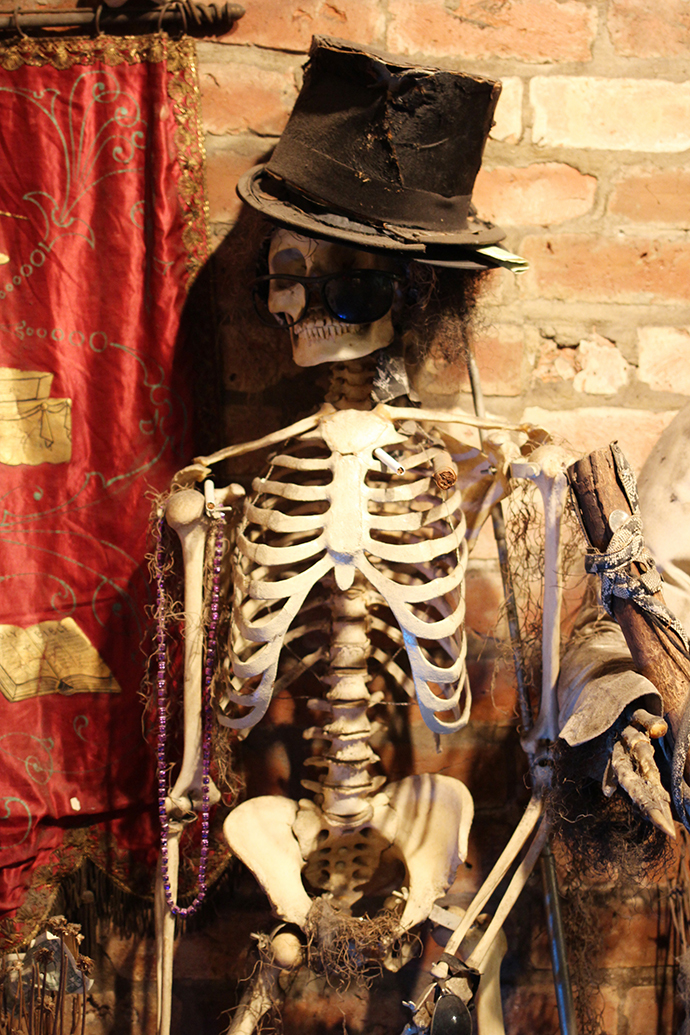

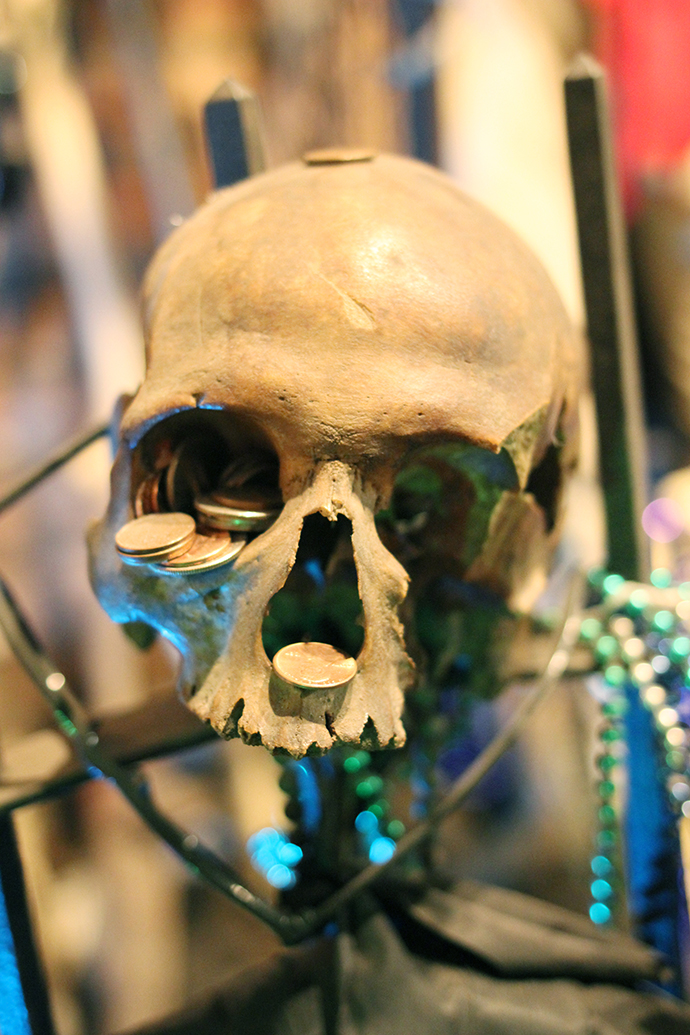
Of course what I loved even more than the haphazard and dusty altars were the bones. There were pelvic bones, entire skeletons, crosses made from bones and numerous human skulls (allegedly collected from medical schools). I also really love the voodoo practice of leaving an offering—believed to expedite the prayer fulfillment process—and I couldn't resist leaving a dime inside one of the skulls (the fact that someone left a $15 Bath & Body Works gift card on one of the altars is still making me laugh). For years I've been finding dimes seemingly everywhere, and it seemed like the right time to start giving them back.
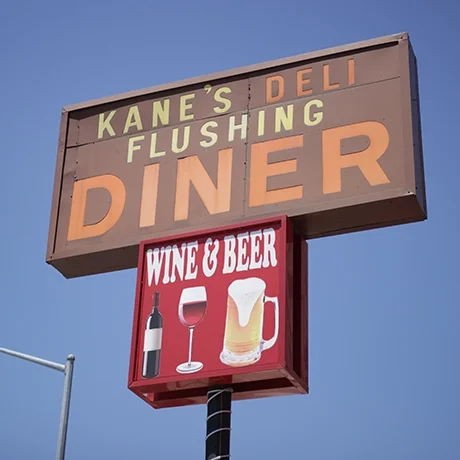
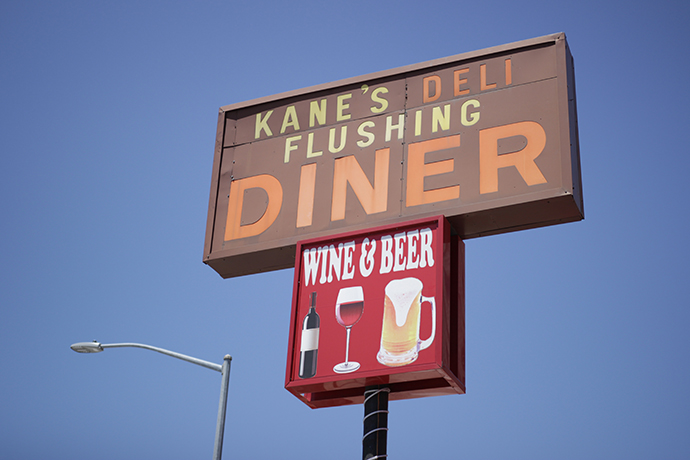
Kane's Diner
Before creeping on abandoned buildings in Fort Totten, I knew I wanted to get breakfast at a new (to me) diner. It doesn't really matter what is on my agenda for any given day—diner breakfast is always the preferred starting point. Usually I'll pick an adventure destination and work backward to a diner from there, but sometimes I do the opposite. Since I knew I needed to catch a bus to Fort Totten from Flushing, I concentrated my diner search there.
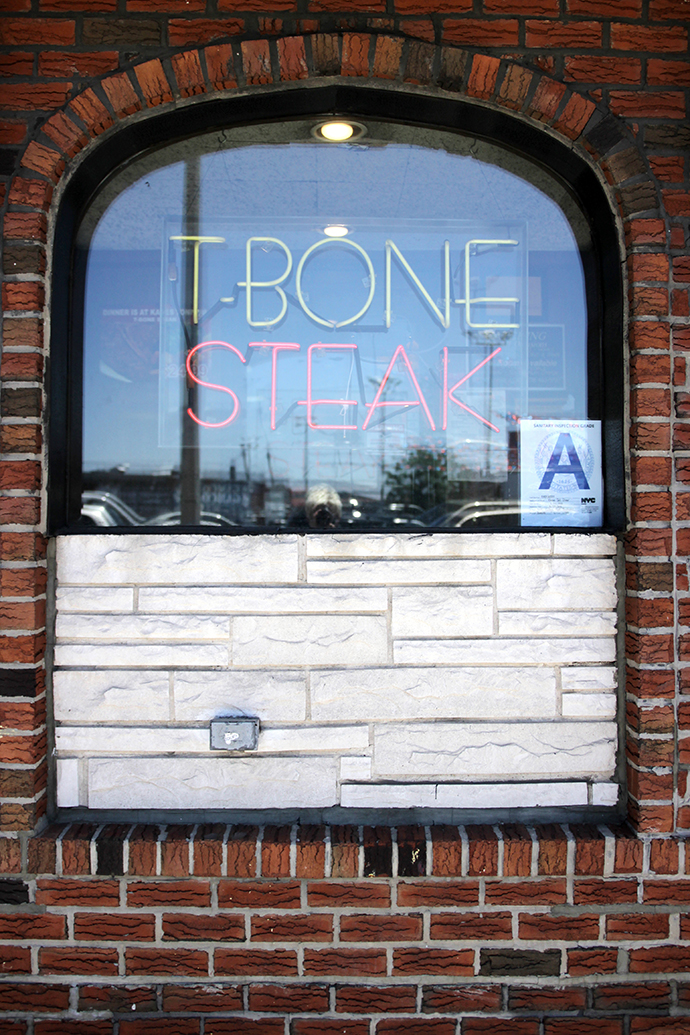
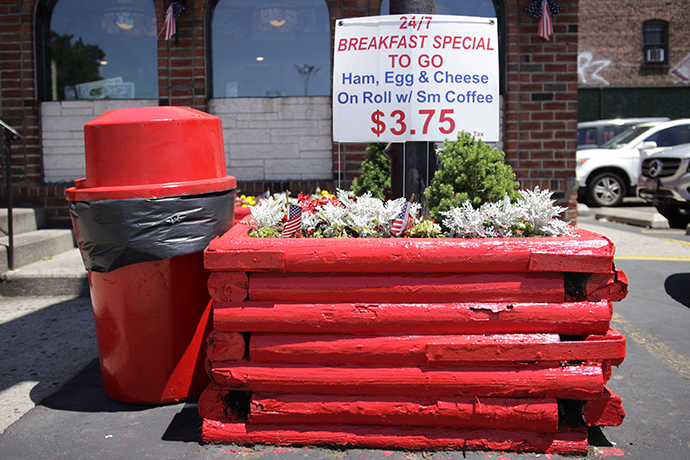
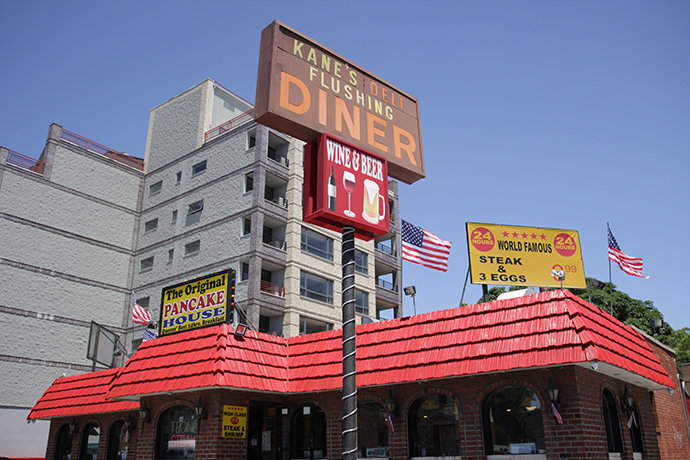
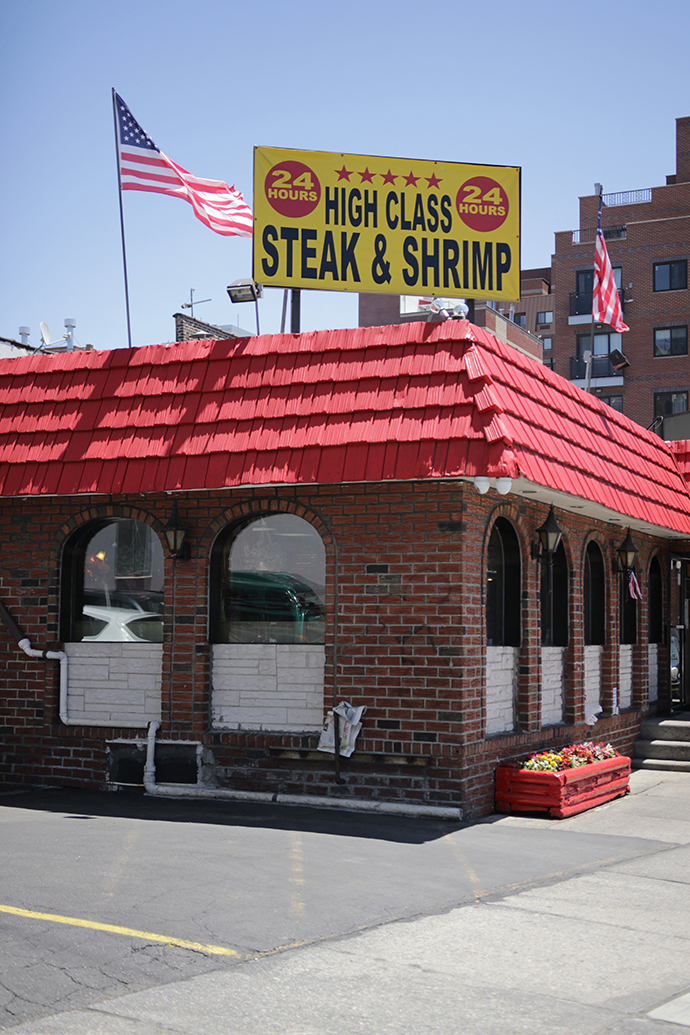
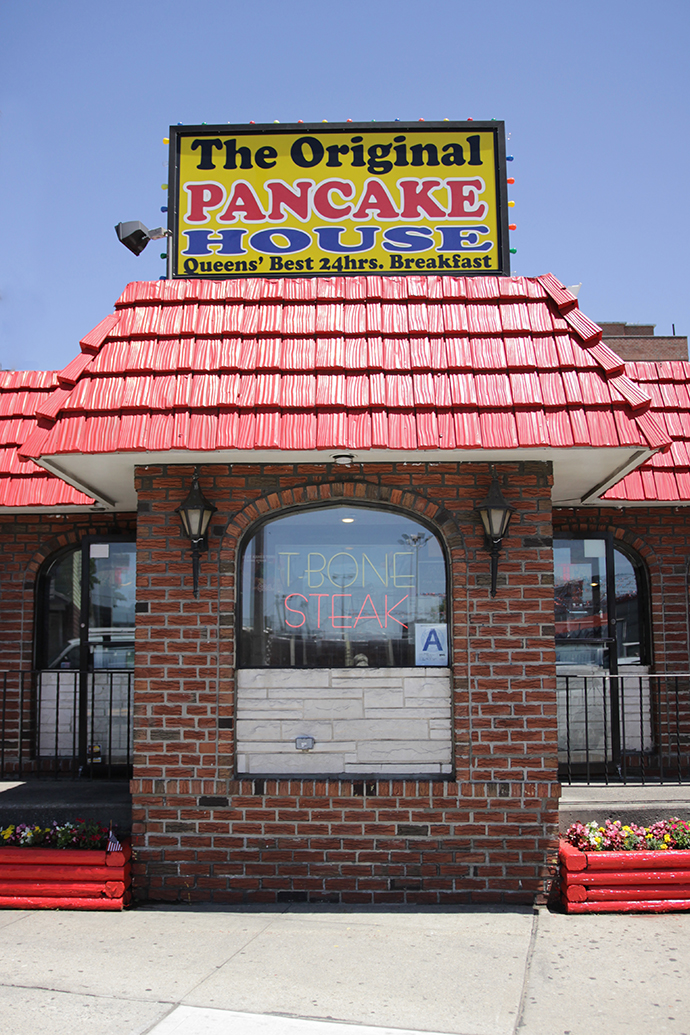
Kane's had been on my radar for a while, ever since my dude and I walked by it on our first date more than a year-and-a-half ago. It was cold and snowy, but we took a walk through Flushing Meadows Corona Park on our way to eat dumplings in Flushing, and passed by Kane's. I was immediately enamored with their "High Class Steak & Shrimp" sign, and intrigued by their claim on having "Queens' Best 24-hr Breakfast" and "World Famous Steak & 3 Eggs".

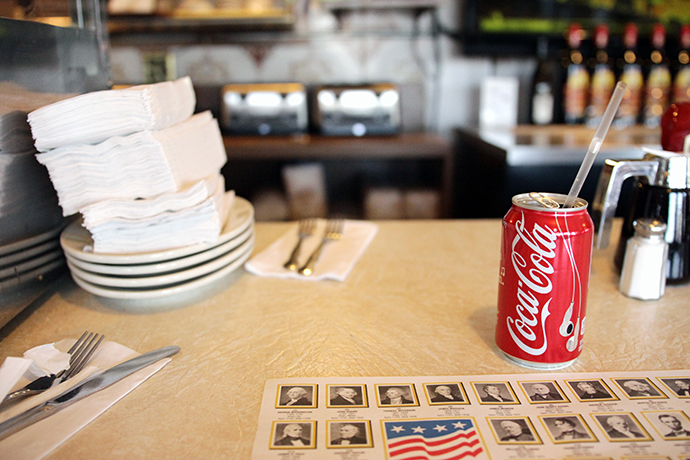
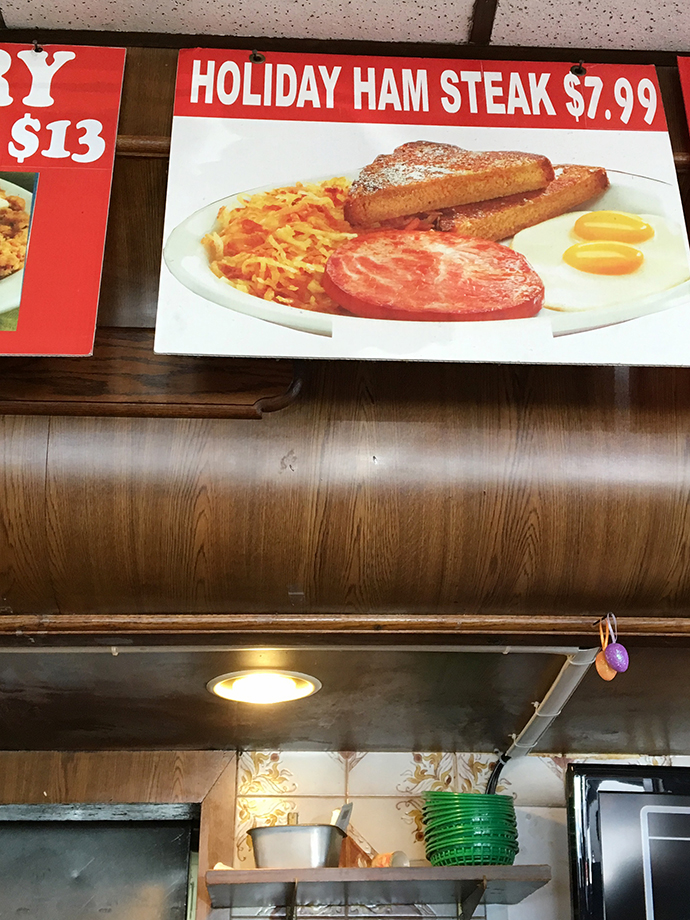
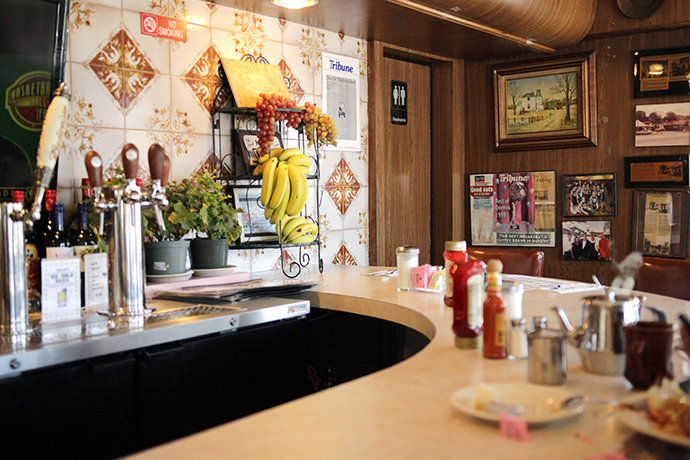
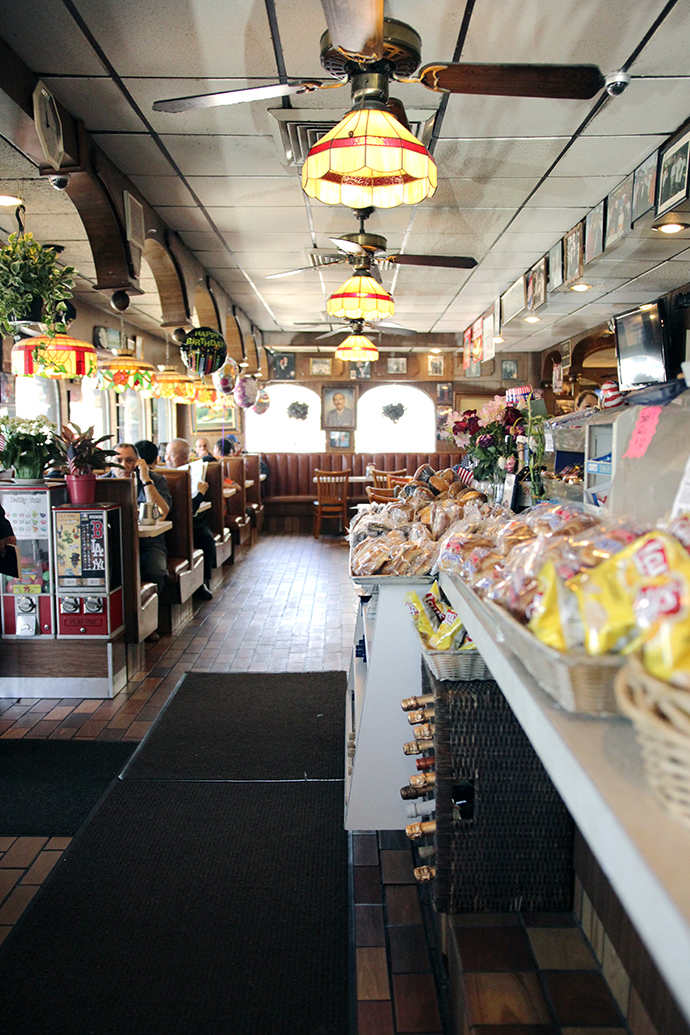
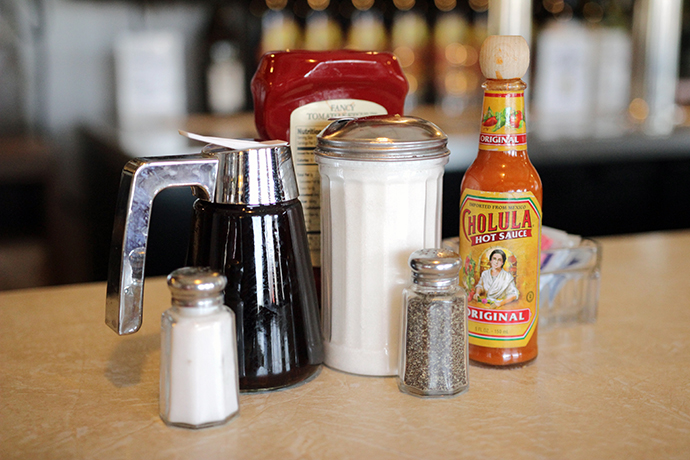
When I finally made it inside a few weeks ago, it more than exceeded all of my diner expectations. I was actually bummed that I was dining alone (not a usual feeling for me) simply because the place was so wonderful that I felt the need to share its beauty and my excitement with someone else. I settled for surreptitiously taking tons of photos with my new (and very conspicuous) camera lens, and being extra nice to the waitstaff, all of whom were equally nice back to me.
Kane's opened in 1970 and has been owned by the same family ever since. Their menu is an absolute masterpiece, and I barely got time to take in the glorious scrapbook/tabloid nature of the entire (enormous) thing before they took my order. I had a ham and swiss omelette with an industrial-size English muffin and a Coke, which was all very good. They also have Cholula hot sauce as part of their classic diner-table-condiment grouping, which is definitely the best hot sauce and just GTFO right now if you prefer Tabasco.
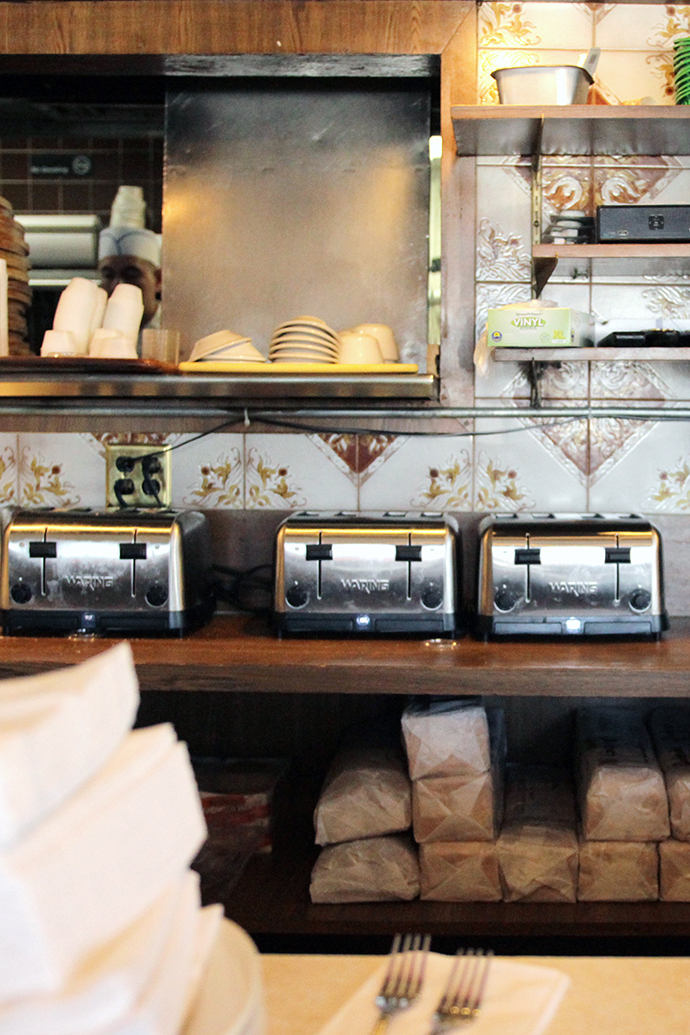
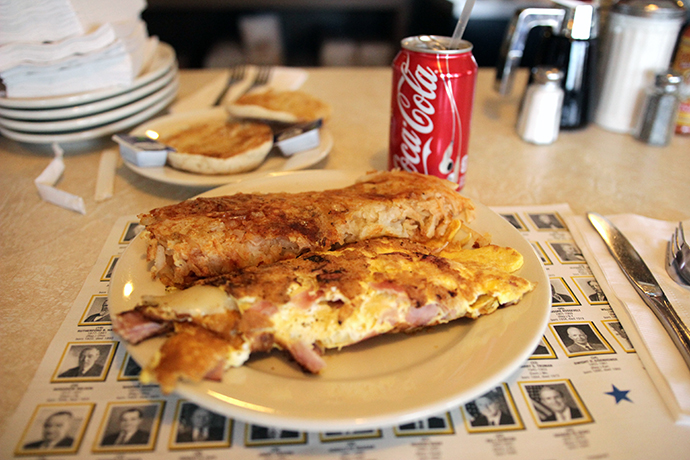
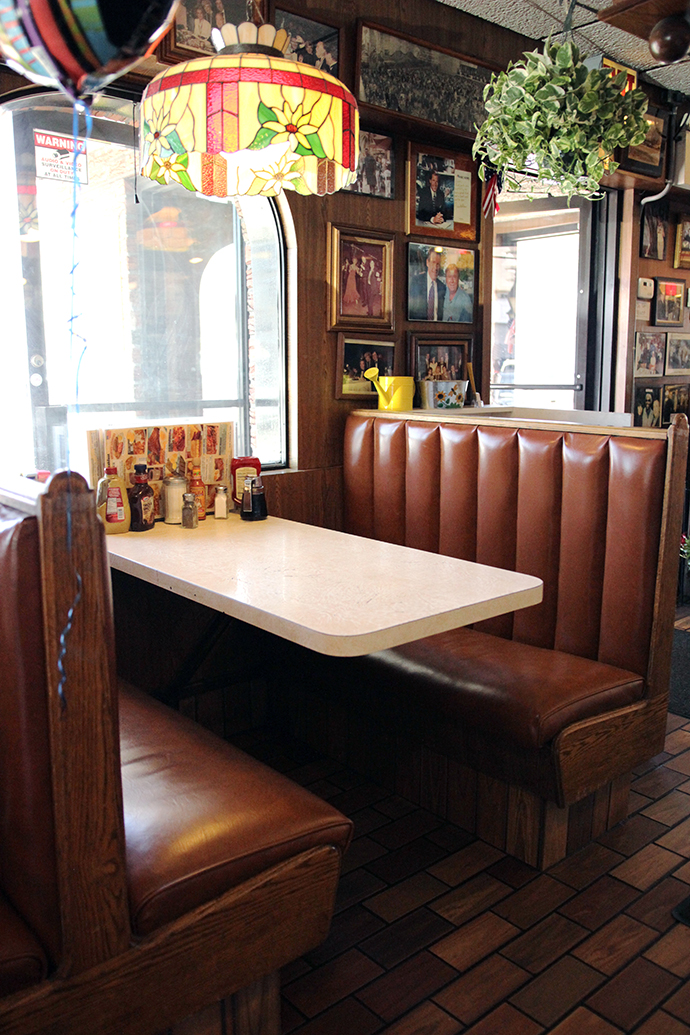
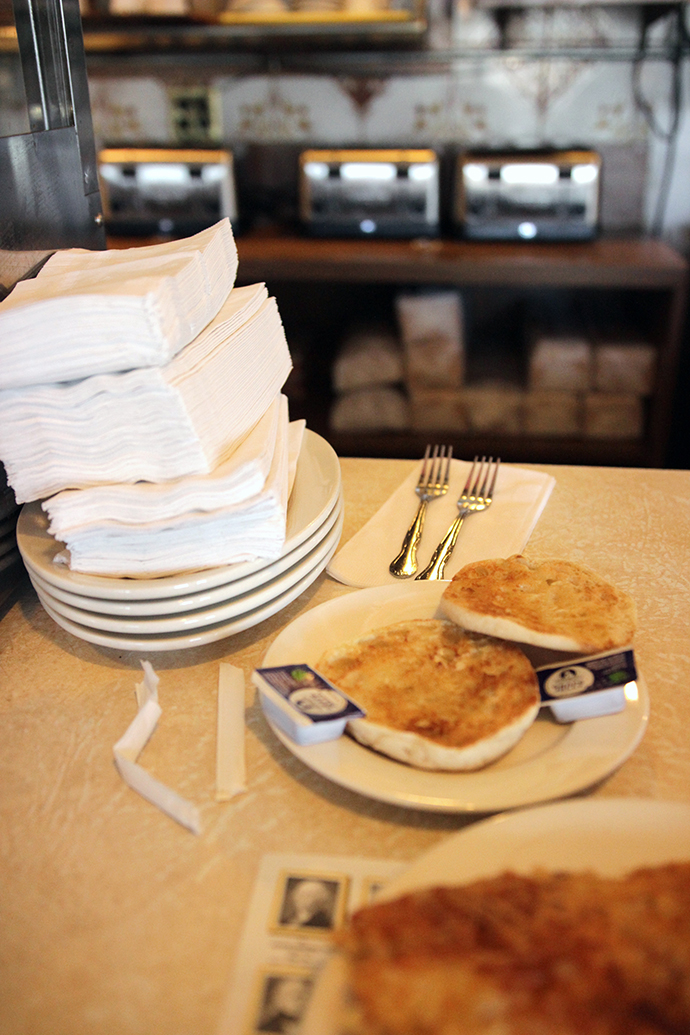
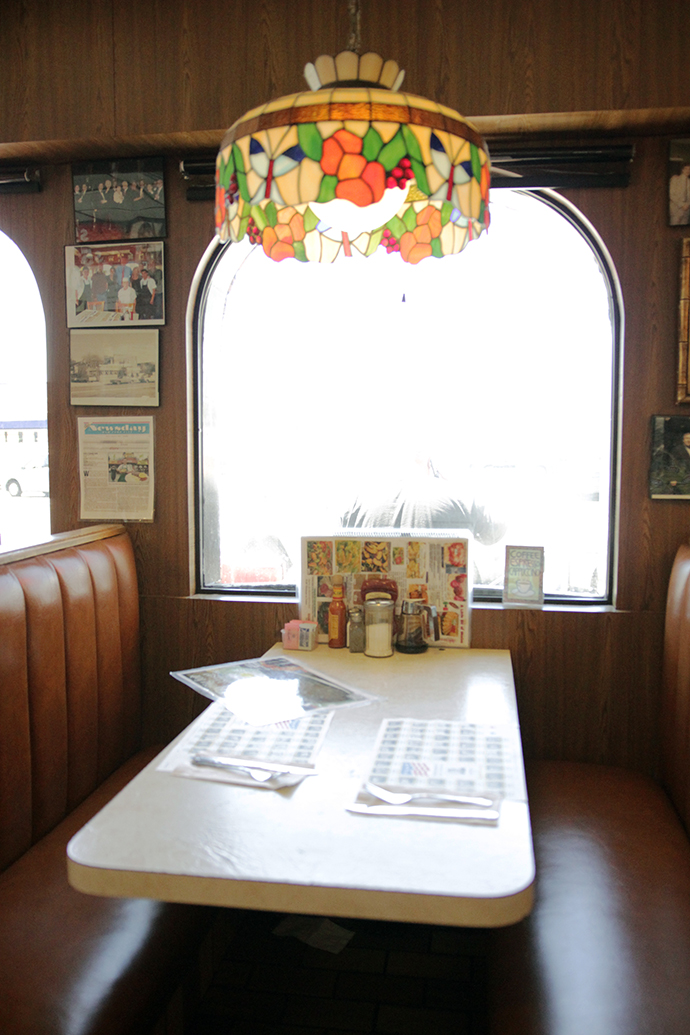
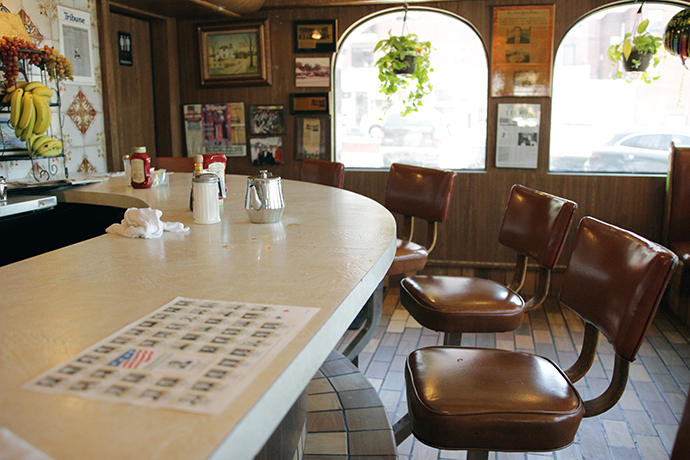
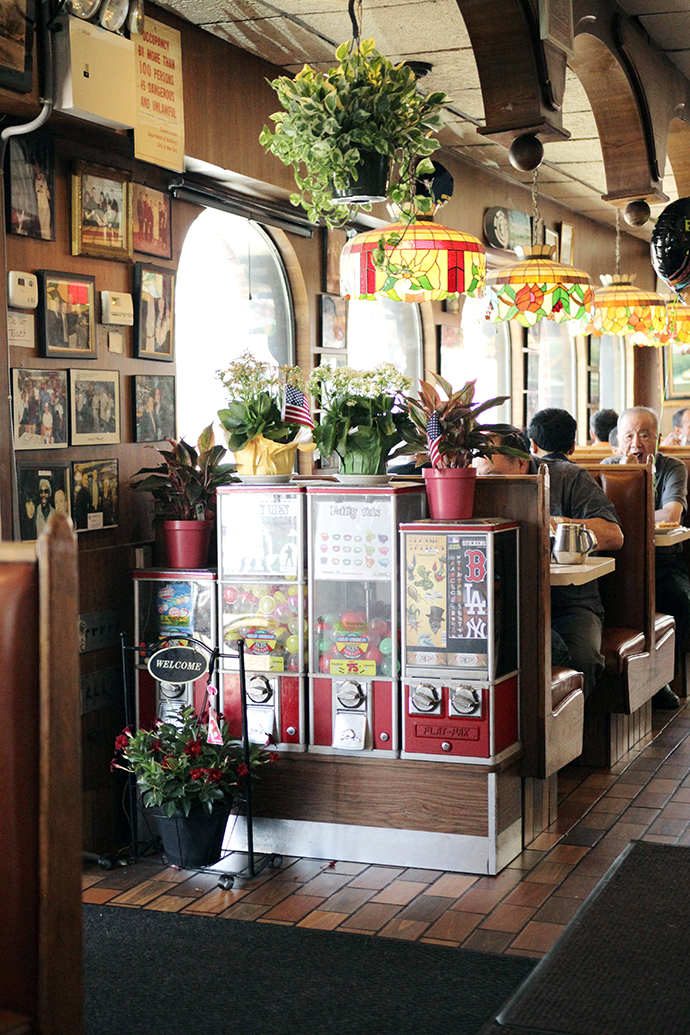
The décor certainly looks as if nothing has changed since they opened in 1970, and by that I mean it's absolutely perfect. The Floridian Diner is stuck in the 80s and the Goodfellas in the 60s, so I'm thrilled to be able to add a bonafide 70s diner to my repertoire. Everything is covered in curving, dark wood paneling and I may never have seen so many shades of brown and tan in one space before. The tiled backsplash, decorative glass lampshades and even the hanging plants all look like they haven't been updated in their 40+ years in business, and I don't think they ever should be. The Presidential placemats, however, were up-to-date but soon won't be—I couldn't help but think how cool it would (will) be to see a woman added to that list when I return.
Fort Totten: Abandoned
Recently I had a personal day that I had to either use or lose, so I took a weekday off for a little solo adventure. I started my day at a great new (to me) diner in Queens—a spot wonderful enough for its own post—and then headed out to Fort Totten. Fort Totten was built by the US Army in 1862 to defend the East River approach to the New York Harbor. Most of the fort is now a public park, owned by the city of New York and other parts are used by the NYPD and FDNY for training purposes.
I had heard that Fort Totten was lousy with abandoned buildings so I was eager to go check it out, and it seemed perfect for a solo adventure since it's far enough away that I knew I'd have a hard time convincing anyone to come with me. It took about an hour to get to there on a bus from the end of the 7 train line in Flushing, Queens. I was immediately surprised by how busy and not abandoned everything seemed—I was disappointed only because I had been expecting the park to be much more desolate and overgrown. I think I actually made a mistake going on a weekday (when the park was teeming with NYPD, FDNY and Army reservists). I imagine it's much quieter on weekends, but with most places in the city, the opposite is true.
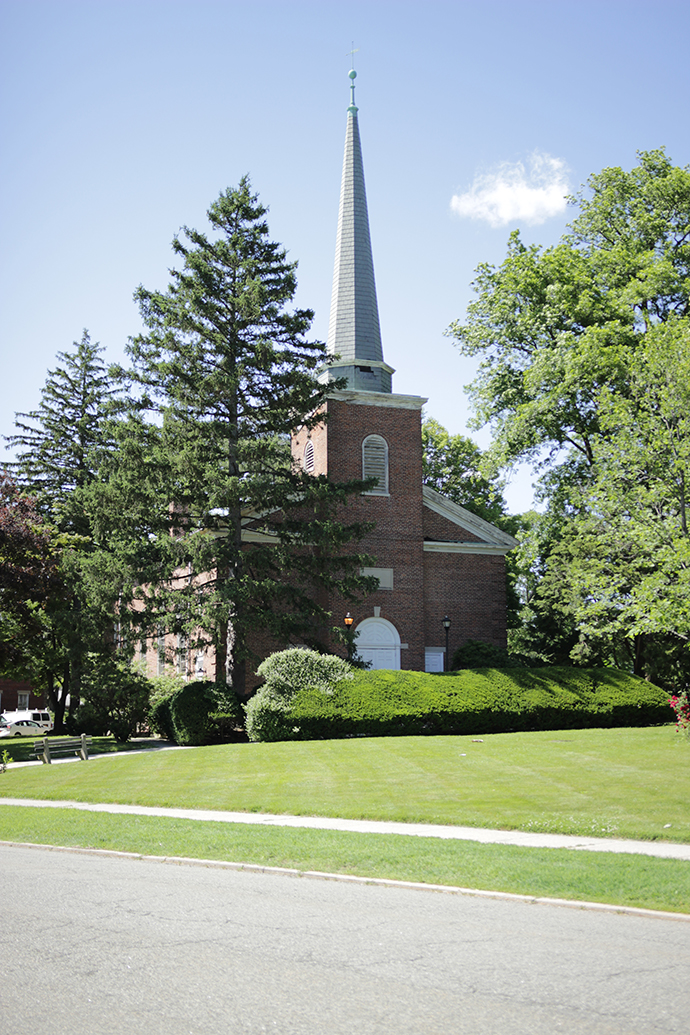
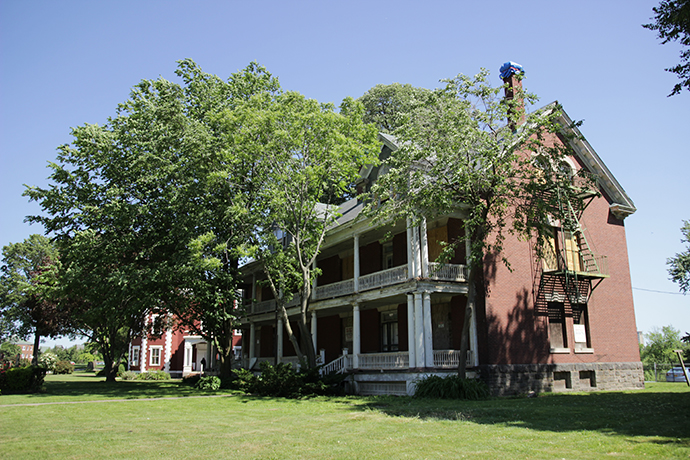
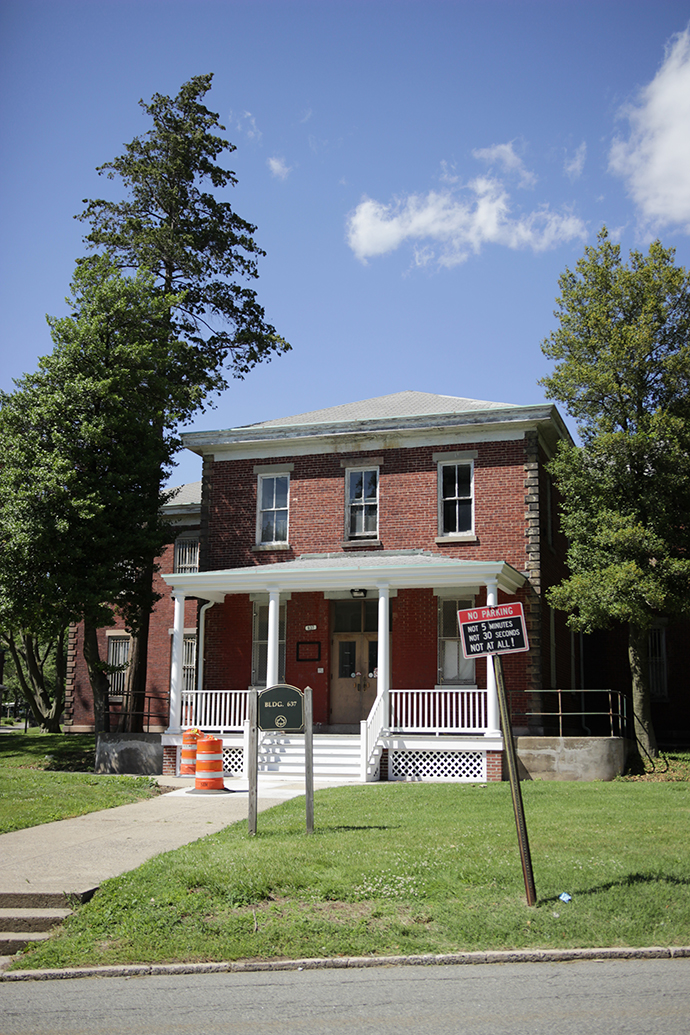
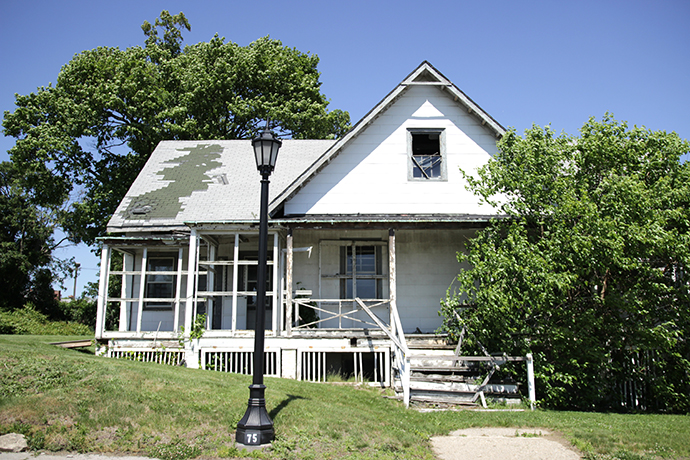
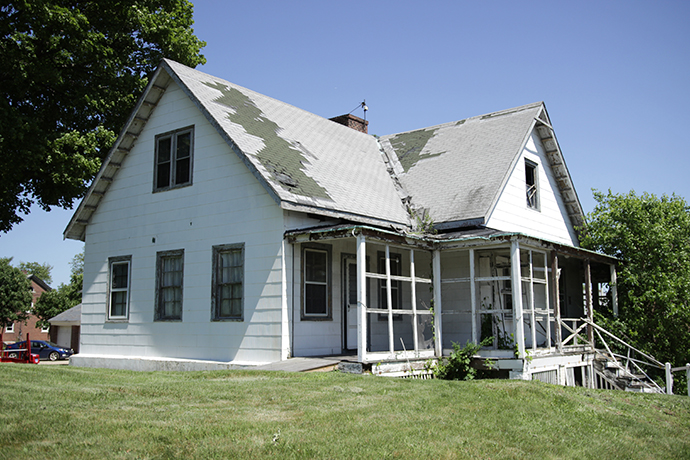
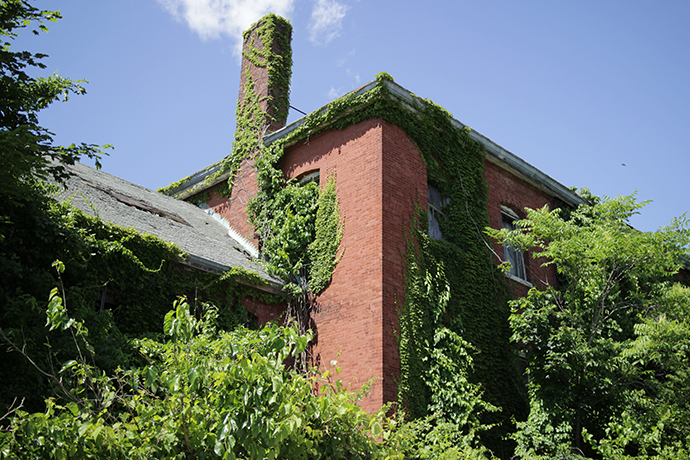
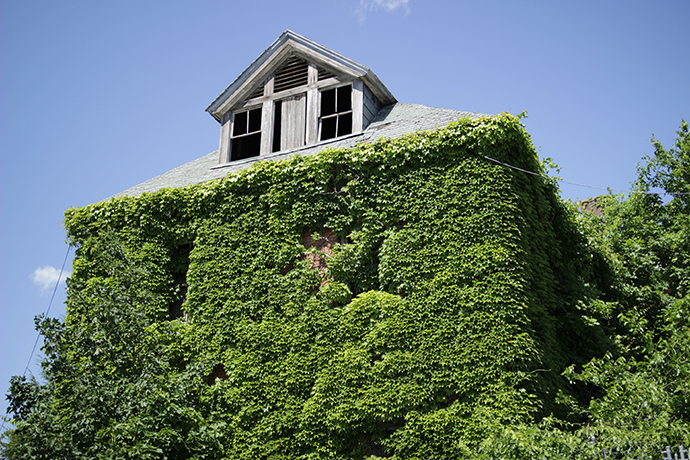
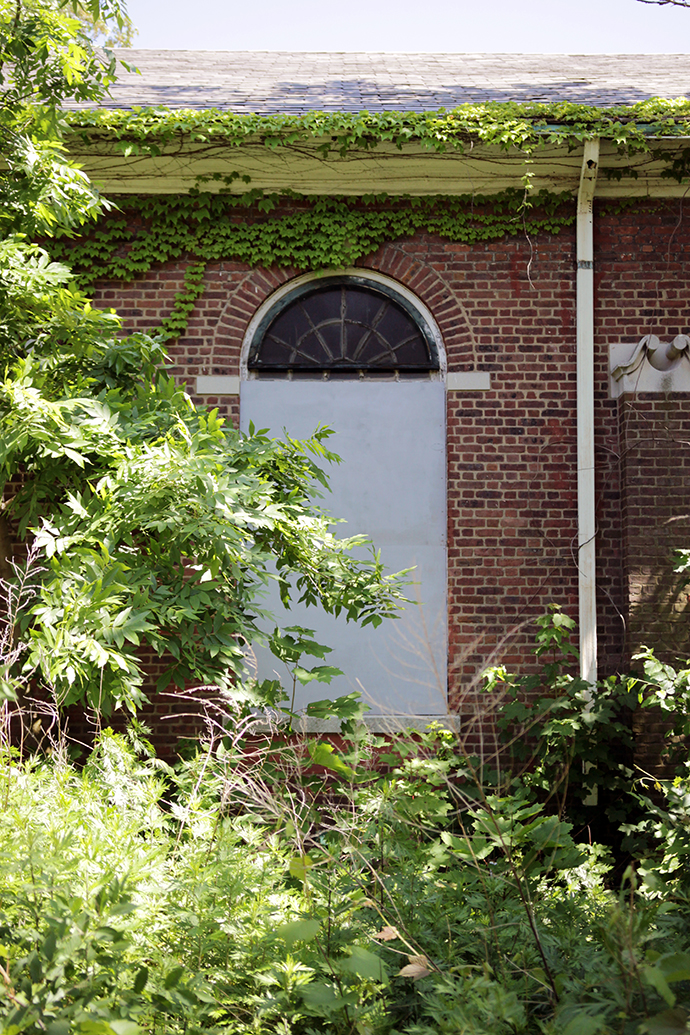

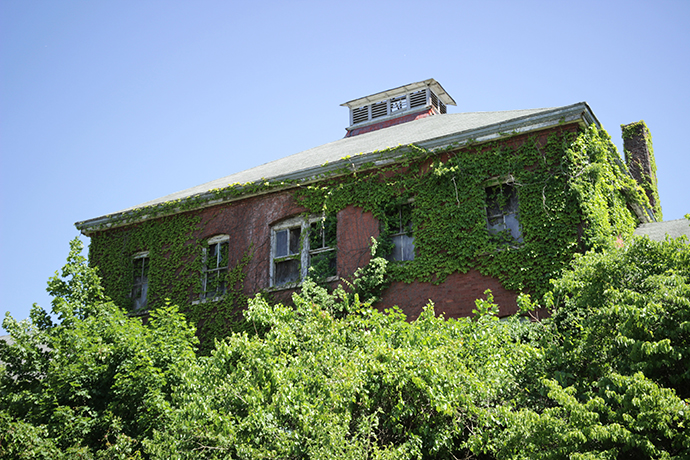
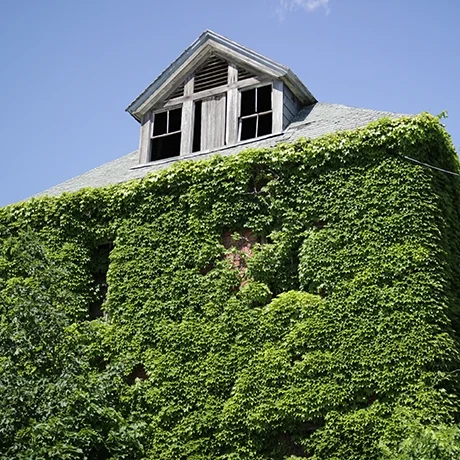
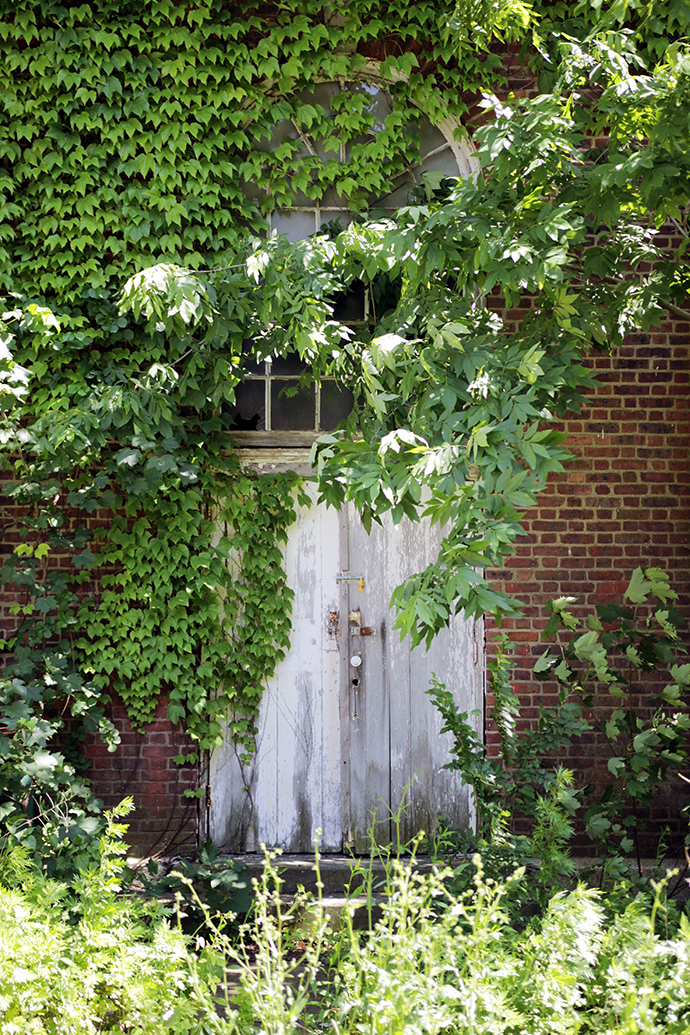
Once I adjusted my expectations and began to explore, I did end up finding a bit of the abandoned element I had been seeking. A lot of the buildings are crumbling and barely visible through the ivy and other thick vegetation, but others are in various states of restoration. The Willet Farmhouse was built in 1829 and has a sign out front that proclaims "Please Pardon My Appearance, I am a Candidate for Historical Preservation,' but the entire house looks as if it's been swallowed by vines.
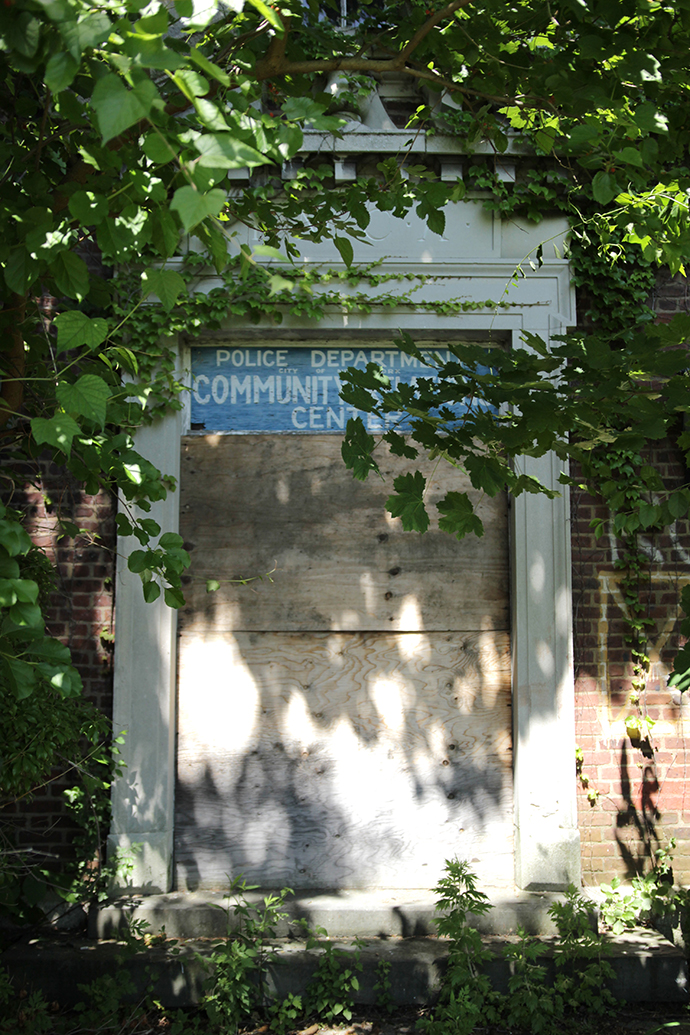
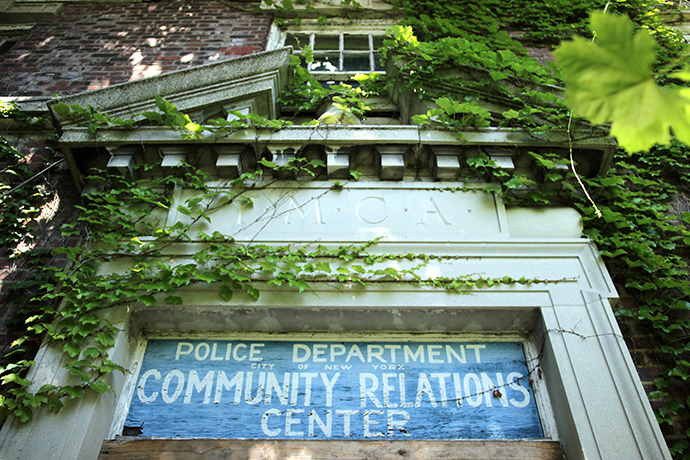
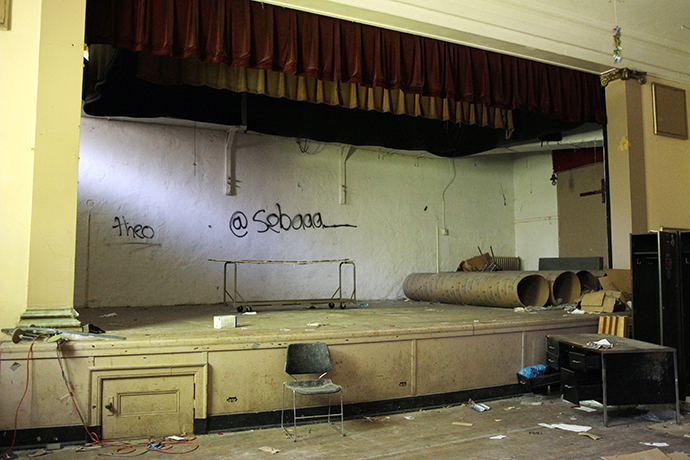
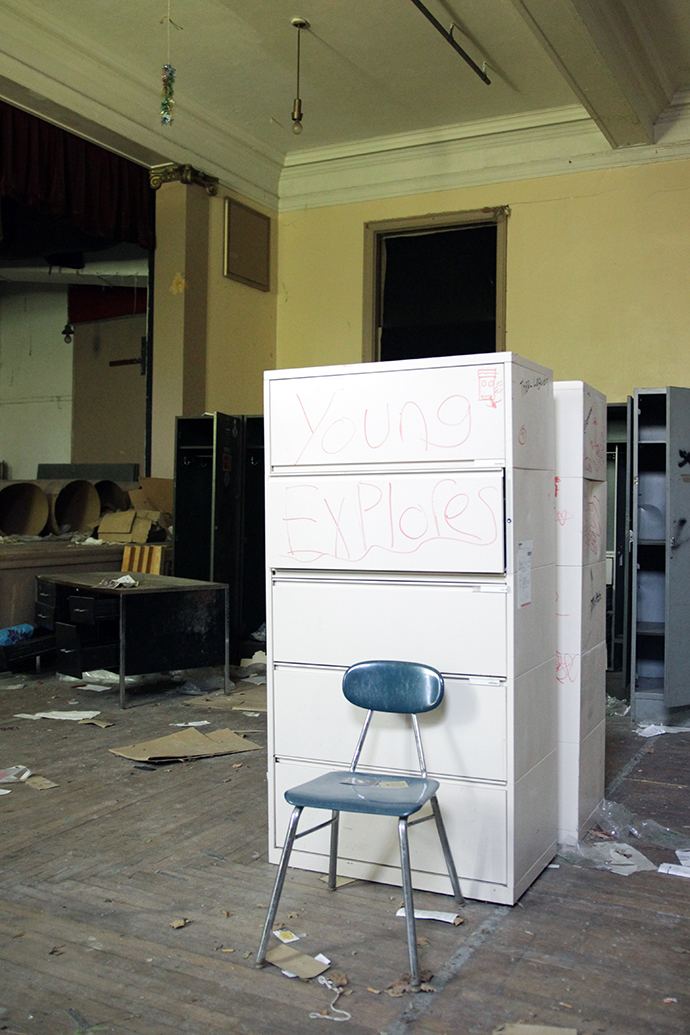
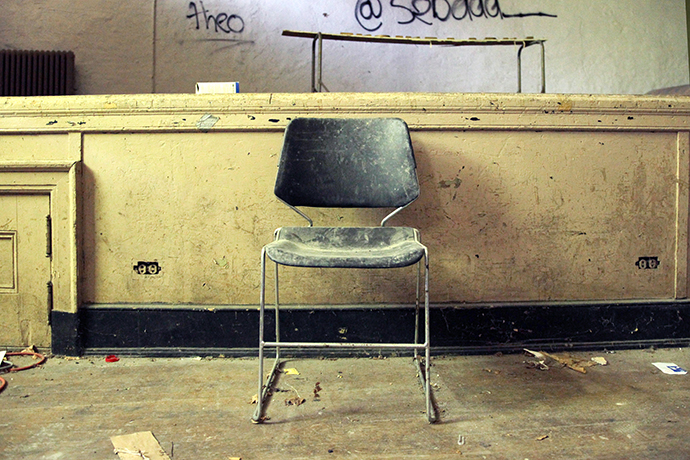
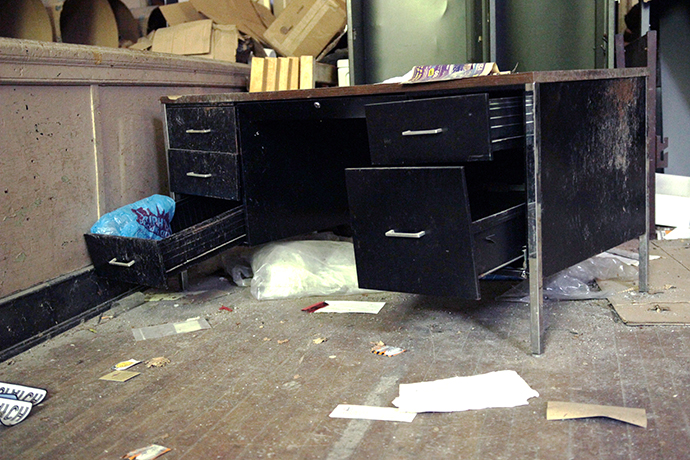
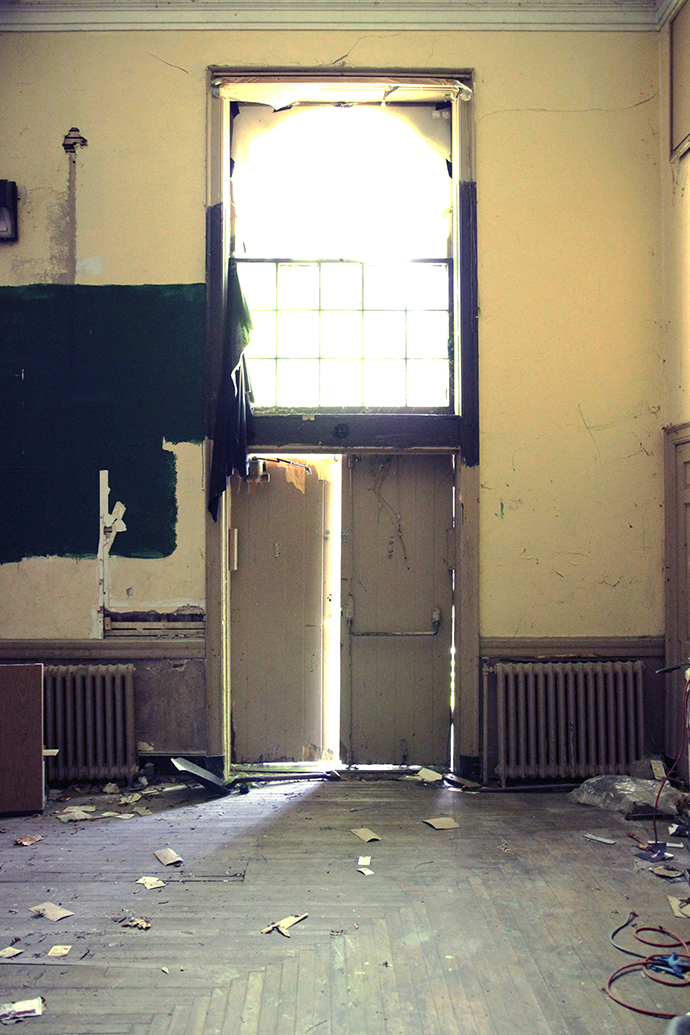
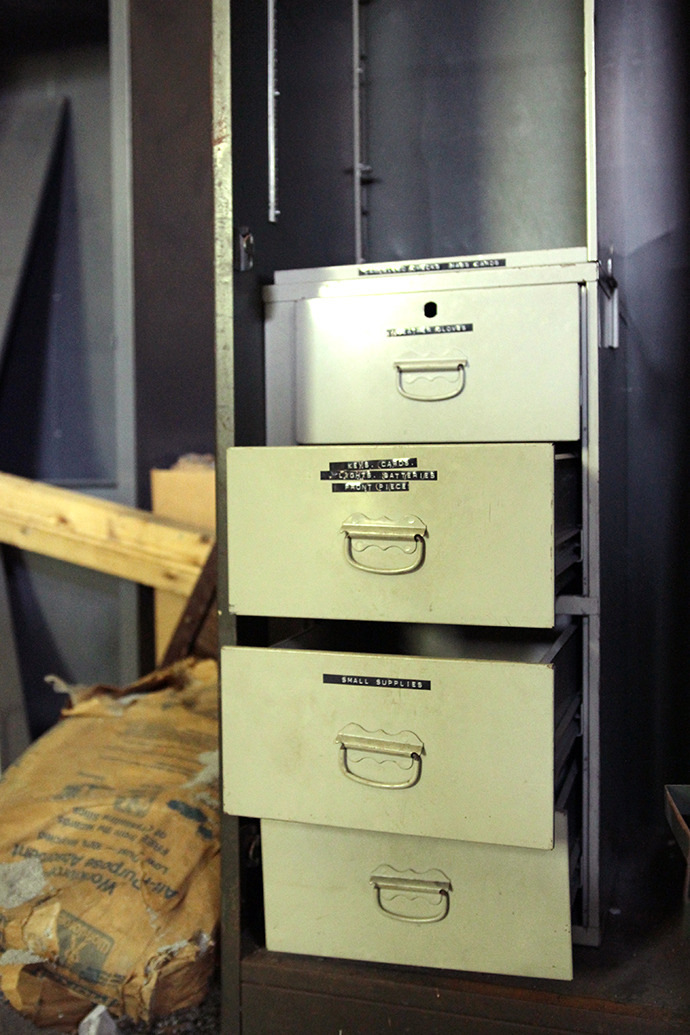
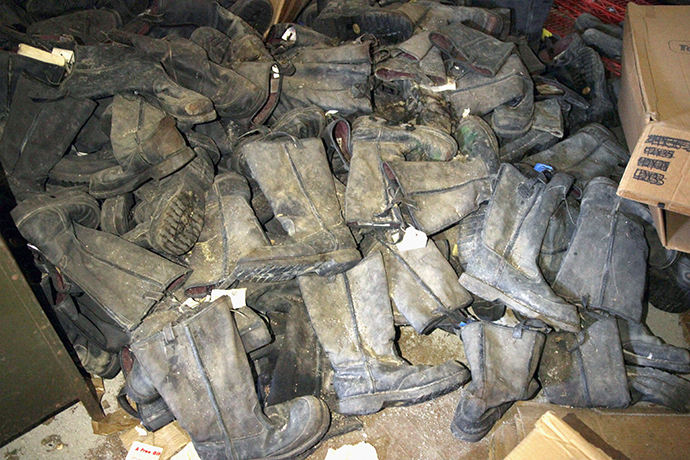
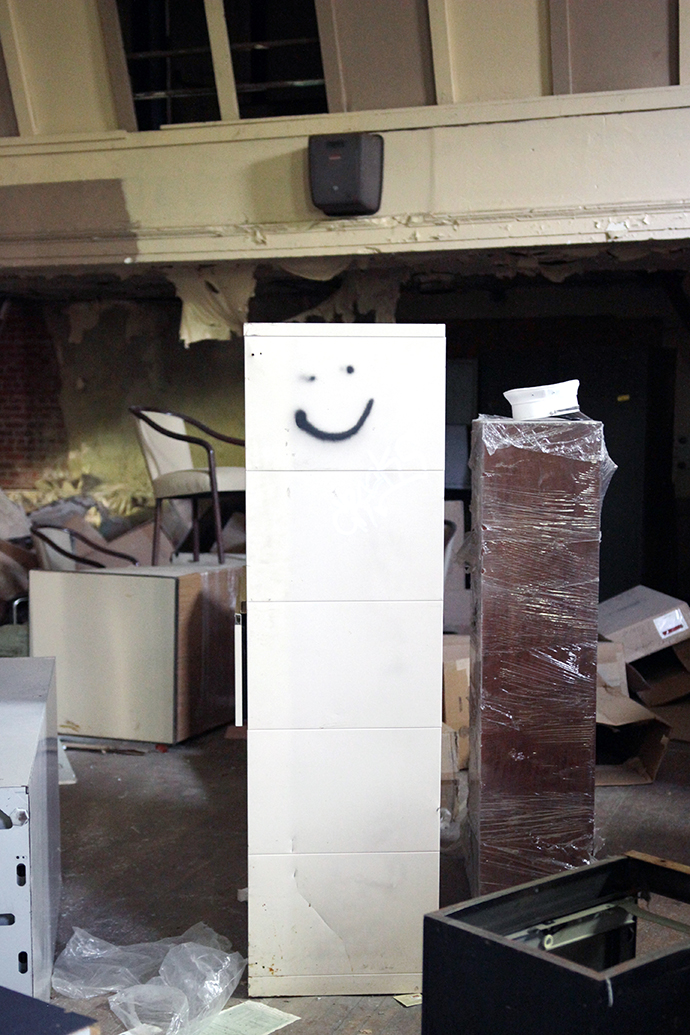
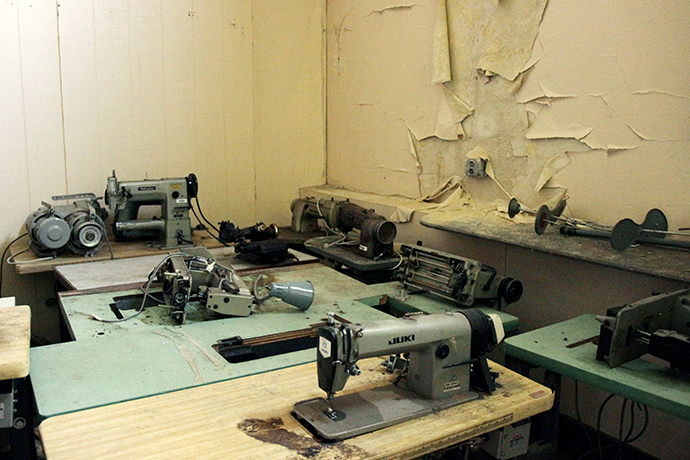
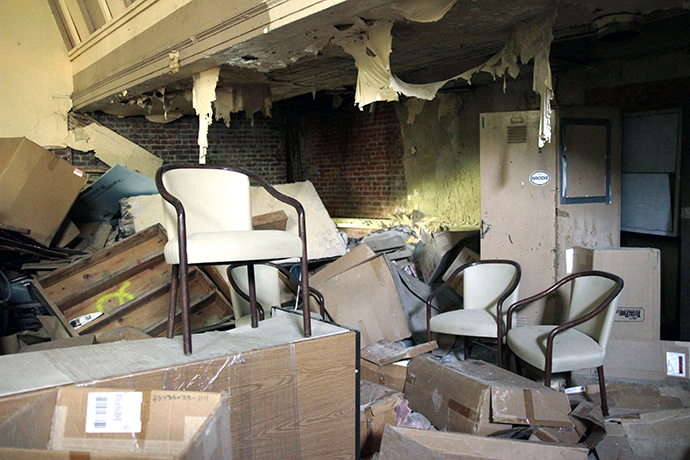
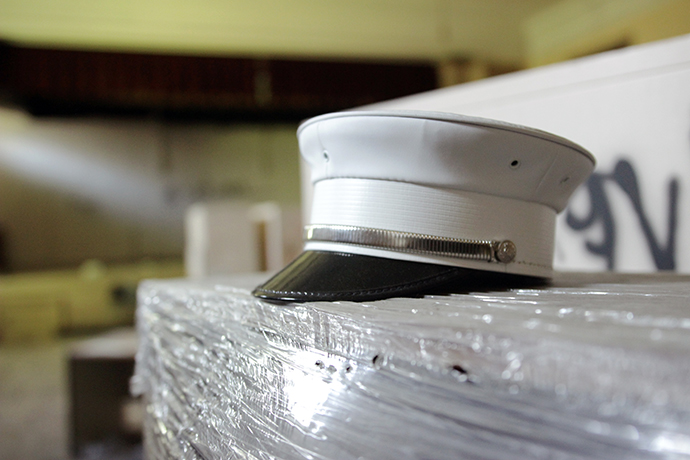
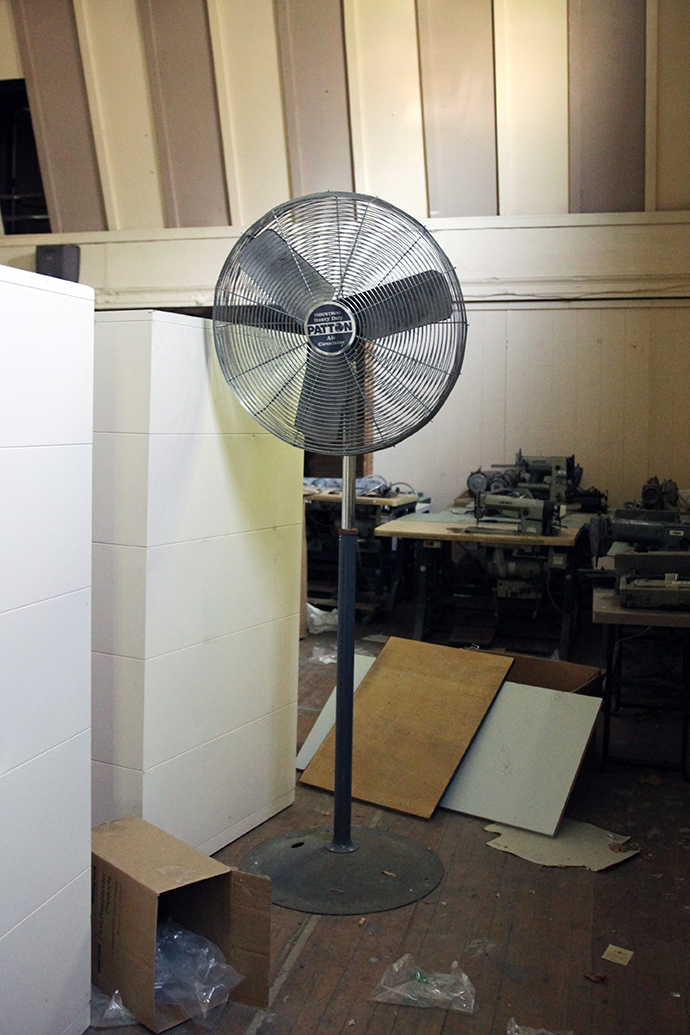
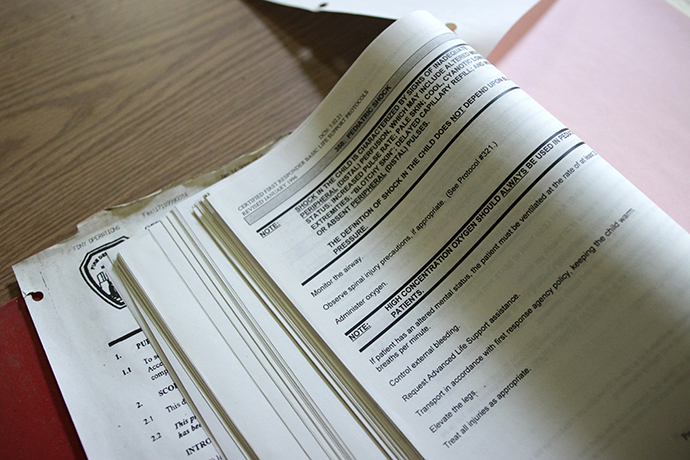
The YMCA building was built in 1929, and now stands abandoned. It appears to be a dumping ground for filing cabinets, office supplies, industrial sewing machines, boxes of papers and boots. I didn't go further than the first room I came to, but I'm fascinated by abandoned spaces especially concerning what gets left behind. I would love to go back and explore the building further, and the more I think about it, the more I feel like Fort Totten is definitely worth a return trip.
The most fantastic thing about the New York Botanical Garden’s annual Orchid Show is the orchids themselves