
Archive
- Abandoned
- Alabama
- Arizona
- Bahamas
- Books
- California
- Cemetery
- Climate
- Colombia
- Connecticut
- Diner
- Egypt
- Feature
- Florida
- Friday Fun
- Georgia
- Holidays
- Illinois
- Iowa
- Italy
- Kentucky
- Louisiana
- Maryland
- Massachusetts
- Mississippi
- New Jersey
- New Mexico
- New York
- North Carolina
- Novelty Architecture
- Ohio
- Pennsylvania
- Personal
- Peru
- Project 365
- Protest
- Rhode Island
- Roadside Attraction
- South Carolina
- Tennessee
- Texas
- Travel Guide
- Virginia
- Walks
- Washington DC
- West Virginia
- Wisconsin

Canstruction 2018

I have always loved traditions, big or small. I love planning for the future and reflecting on the past, and traditions are reliable markers along the way. They give me something to look forward to each year, and are opportunities to compare where I am, with where I’ve been. The annual Canstruction competition may not seem like it would inspire sentimental feelings, but this was our fifth year attending and I’ve grown to appreciate this time of year and see the event as marking the transition from fall to winter.

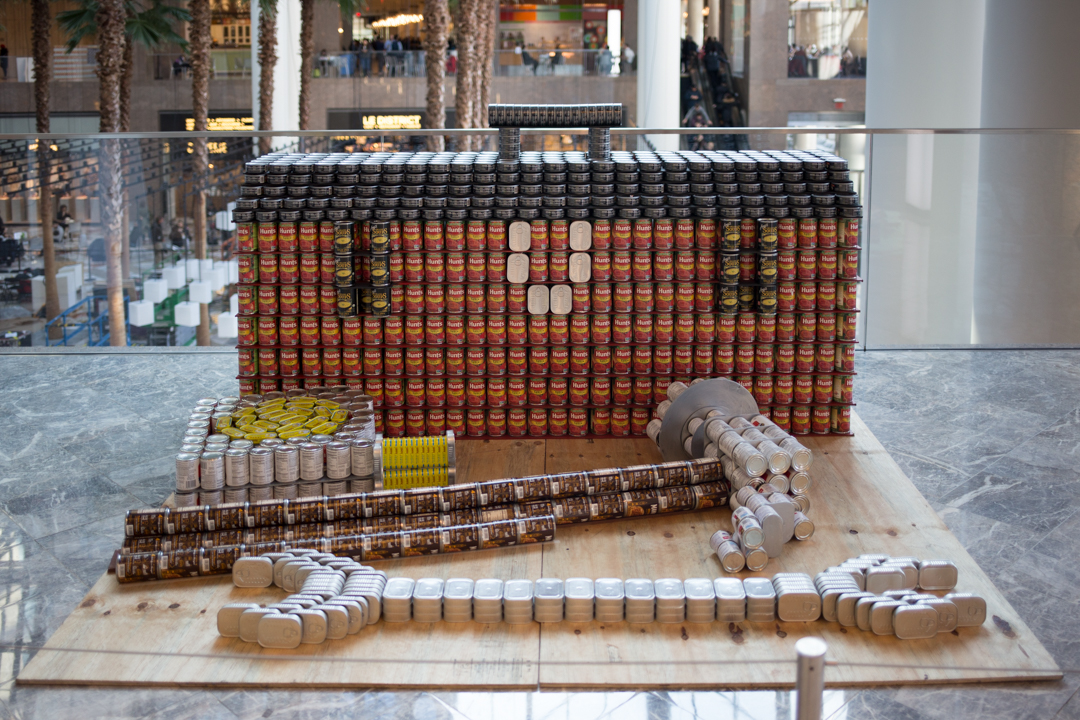

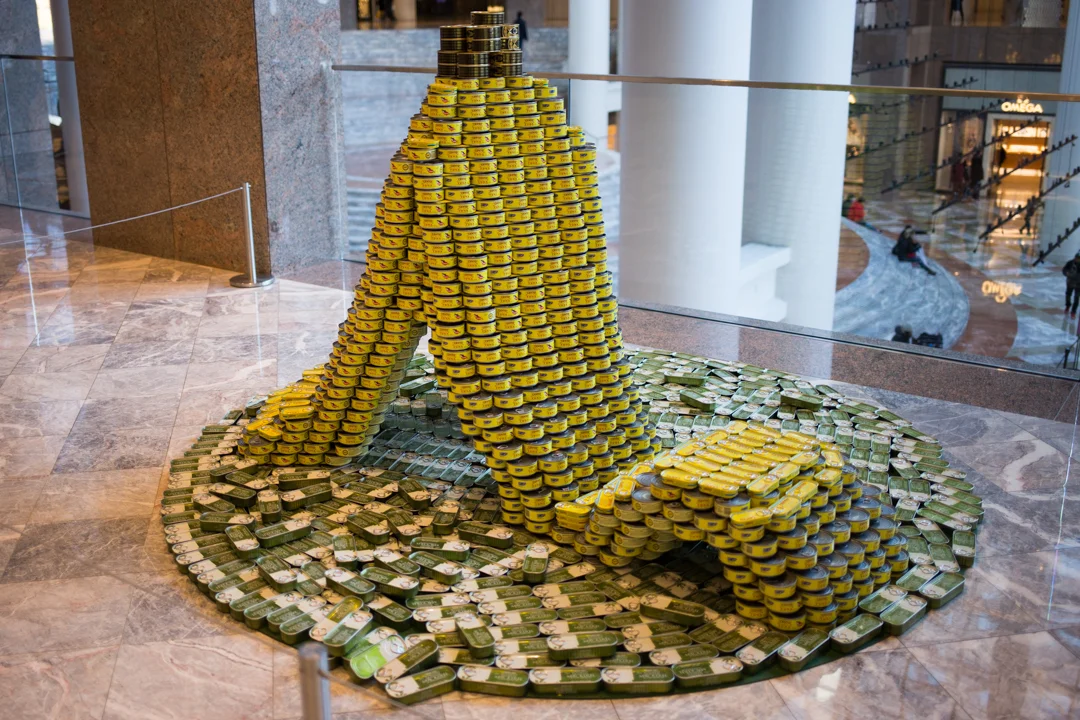
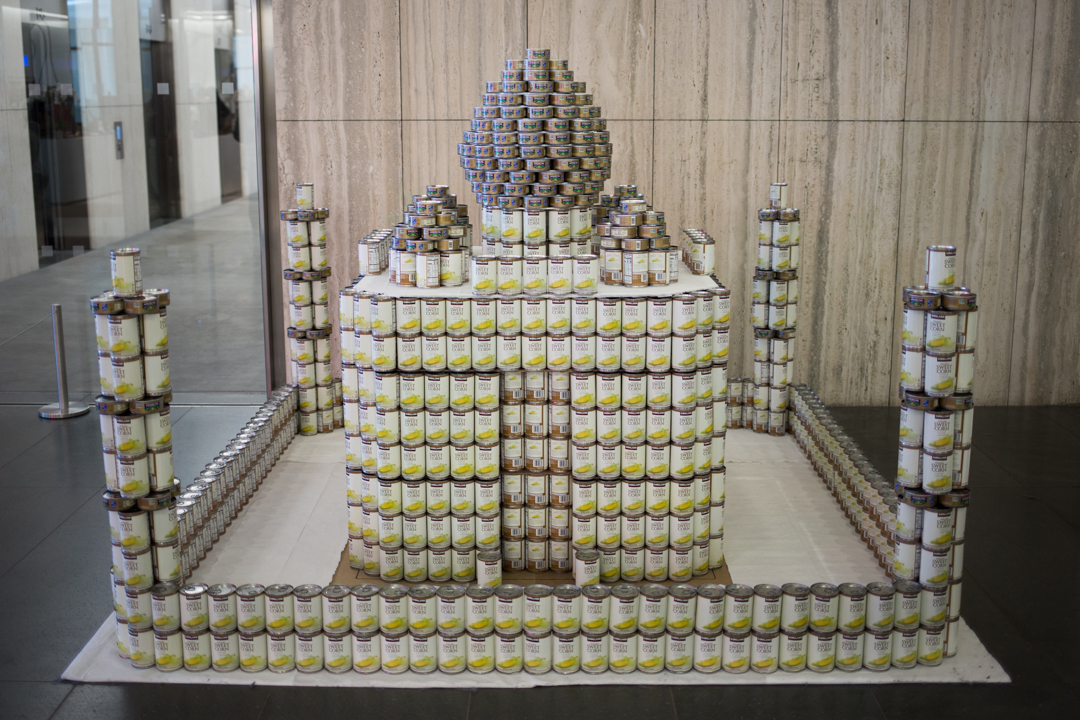

Every year, design industry professionals build sculptures made entirely out of full cans of food, which are then donated to local food banks. The sculptures are judged on local and international levels and there are junior and university-level competitions as well. Citywide chapters find teams, fundraise and find a suitable venue to exhibit the sculptures. Teams are responsible for purchasing their own canned food and Canstruction events have raised 70 million pounds of food to date.


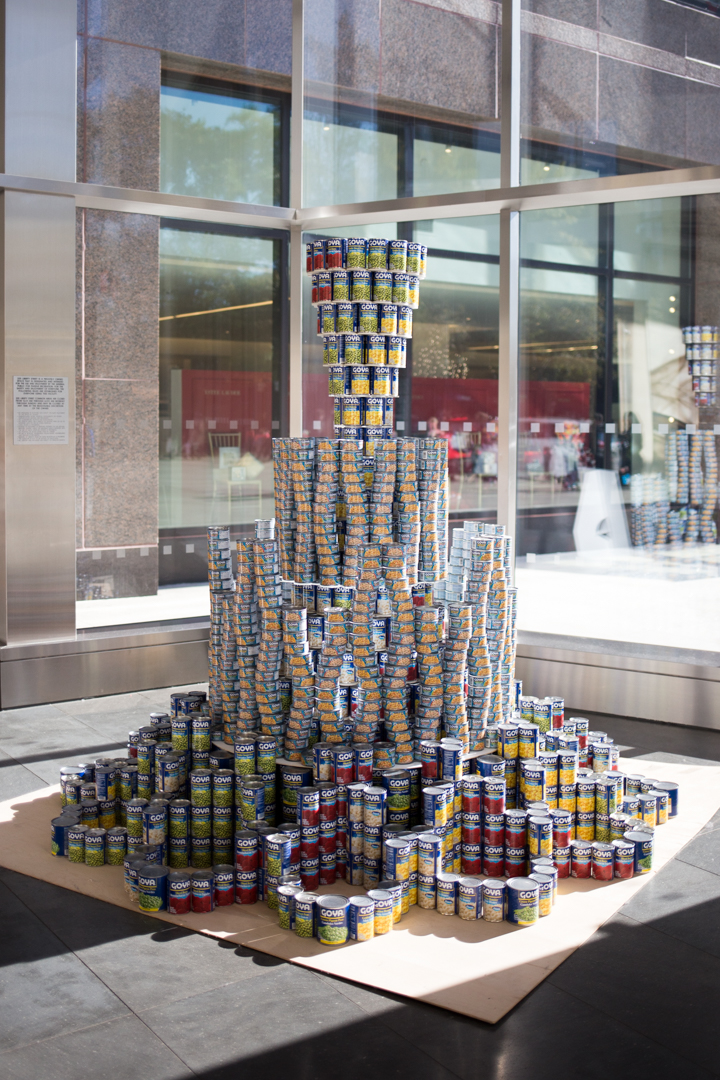
2018 is the 26th year for Canstruction, and more than 150 cities across North America and other countries hold competitions of their own. Sculptures can win in a number of different categories: structural ingenuity, best original design, best use of labels, best meal, people’s choice (vote here), and most cans used. NYC’s winner this year for most cans was the Grand CANyon which was built with 8,235 cans.


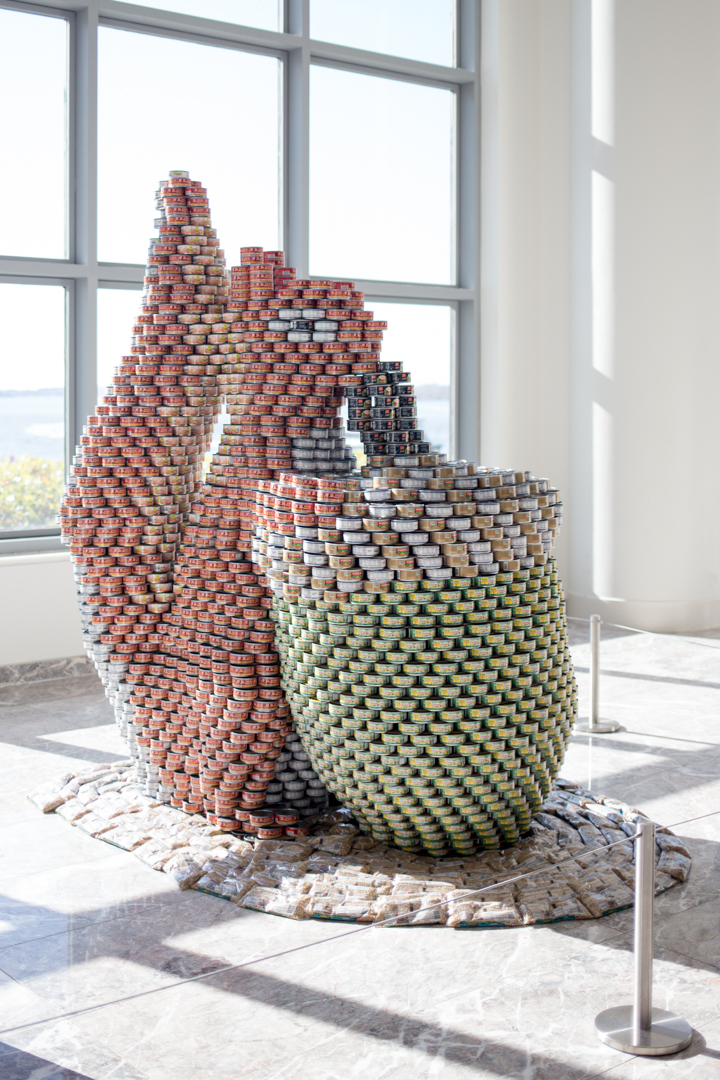


Every year my mom and I walk around the sculptures like they’re in a modern art museum, critiquing their creativity, complexity and overall impact as if we have any qualifications to do so. The past few years have been disappointing compared with the first year we went, but we both thought there were some real winners this year. I loved all of the animals—fox, squirrel(s) and orca especially—but my very favorites were the garden gnome and the two New York row houses.


Most of the time the sculpture’s inspiration is obvious, but sometimes the design is a bit abstract. We were surprised to see two squirrels and two timepieces this year, but somehow every year there is a whole new crop of 30 or so designs. Every sculpture is accompanied by a sign explaining the design and my favorite titles this year were “CANstruction Boot” and “Gnome More Hunger.”
From the top: Let’s OutFOX Hunger / CANstruction Boot / Tools To End Hunger / My Kingdom For a CAN / Peeling Away Hunger / CAN Mahal / Time’s Up For Hunger / Sitting in a Tin Can / Hunger is Snot Cool / Grand CANyon / Outrunning Hunger / Interweave / Let’s OutFOX Hunger / Make Hunger Irr-elephant / Squirrel Away For Winter / Tackling a Whale of a Problem / Ralph the Squirrel / Our Pride and Joy (wow they really missed the obvious AmeriCAN, huh?) / CAN-un-DRUM / No More Hungry Kiddos! / Time’s Up For Hunger / Please Keep Your CANS and Feet Inside the Ride / Gnome More Hunger / Evict Hunger!
Brookfield Place
230 Vesey Street
New York, NY
Canstruction 2018 sculptures will be dismantled 11/15 at 6pm.
The sculptures are exhibited each year for about two weeks in early November.
Manhattan Cemeteries

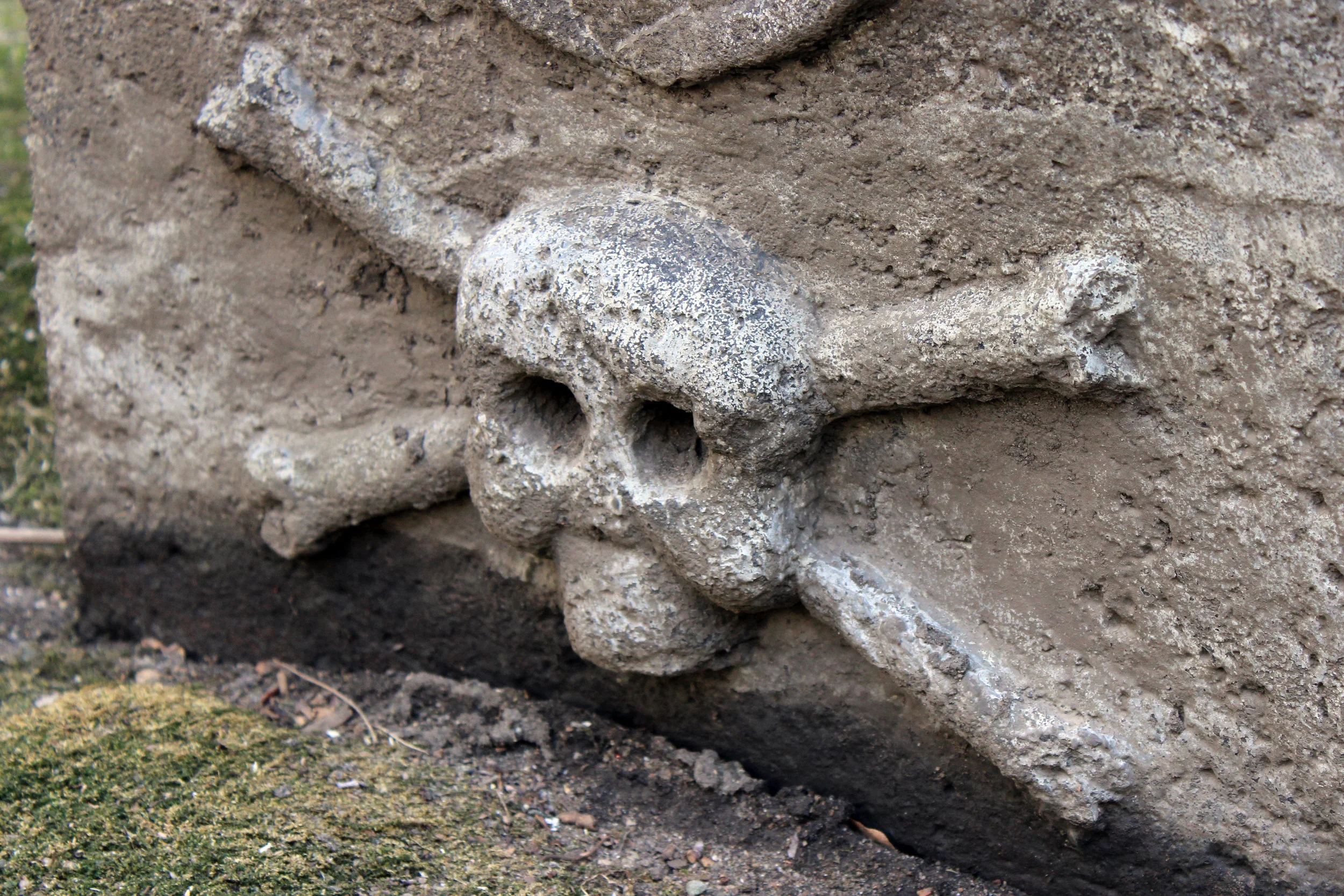
A few weeks ago I asked my mom if she wanted to go on a tour with me of some of the cemeteries in lower Manhattan and she replied, “I didn’t know there were any cemeteries in Manhattan.” Many people may know about the oldest cemeteries—or rather, graveyards—associated with Trinity Church near the World Trade Center, but even I didn’t know about all of the burial grounds tucked behind fences and in between buildings until I lived here.
The Cemeteries of the Spanish and Portuguese Synagogue
The Congregation Shearith Israel was America's first Jewish Congregation and was founded in 1654. There are three cemeteries associated with the congregation in Manhattan (a fourth, Beth Olam Cemetery in Ridgewood, has hosted burials for the congregation since 1851). The first is near Chinatown, the second is in Greenwich Village and the third is in Chelsea.


The first cemetery dates back to 1656 and is the first Jewish cemetery in the United States (the Congregation is the oldest in North America). Although the exact location of the original cemetery is not known, it was established at its current location in 1683. Over the years the land has been chiseled away by city expansion and erosion and sadly a lot of the bodies have been disinterred. It's larger than the second, gated (and locked) like the other two, and raised above sidewalk-level so you have to stand on your tip-toes to get a good look.
A special ceremony is held at the cemetery each year on the Sunday before Memorial Day, otherwise the cemetery is closed the public.
55 - 57 St James Place, near Oliver and Madison Streets


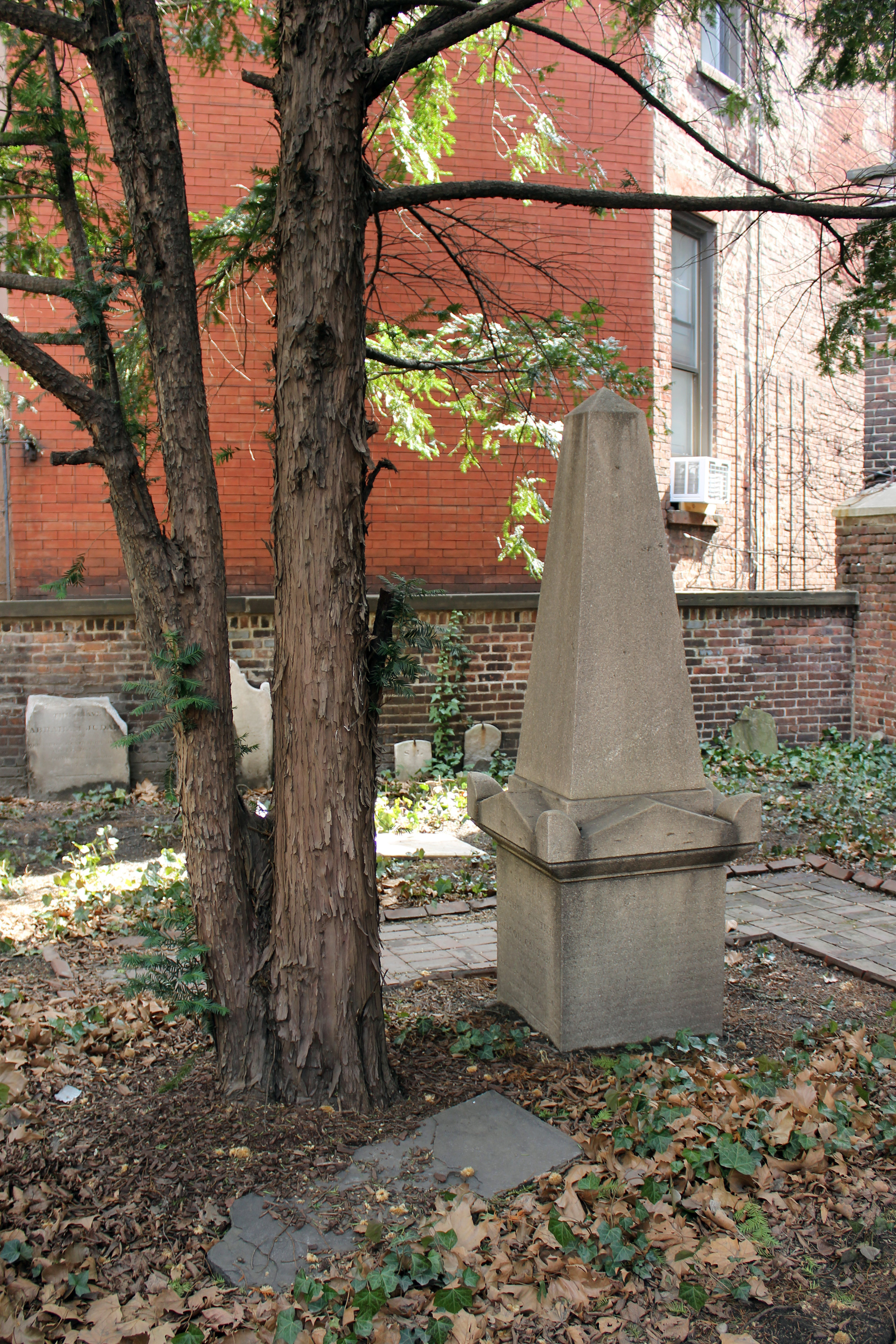
The second cemetery was active from 1805-1829 and was used primarily to bury victims of communicable diseases like yellow fever and malaria, as well as for Jews who passed away in New York but were not members of the Congregation. The expansion of the (very desirable) neighborhood has forced many of the remains to be re-interred elsewhere, but a few worn tombstones remain and it is now officially the smallest cemetery in Manhattan.
Closed to the public but it’s so small the entire cemetery can be seen from the sidewalk.
72 W 11th Street, near Sixth Avenue

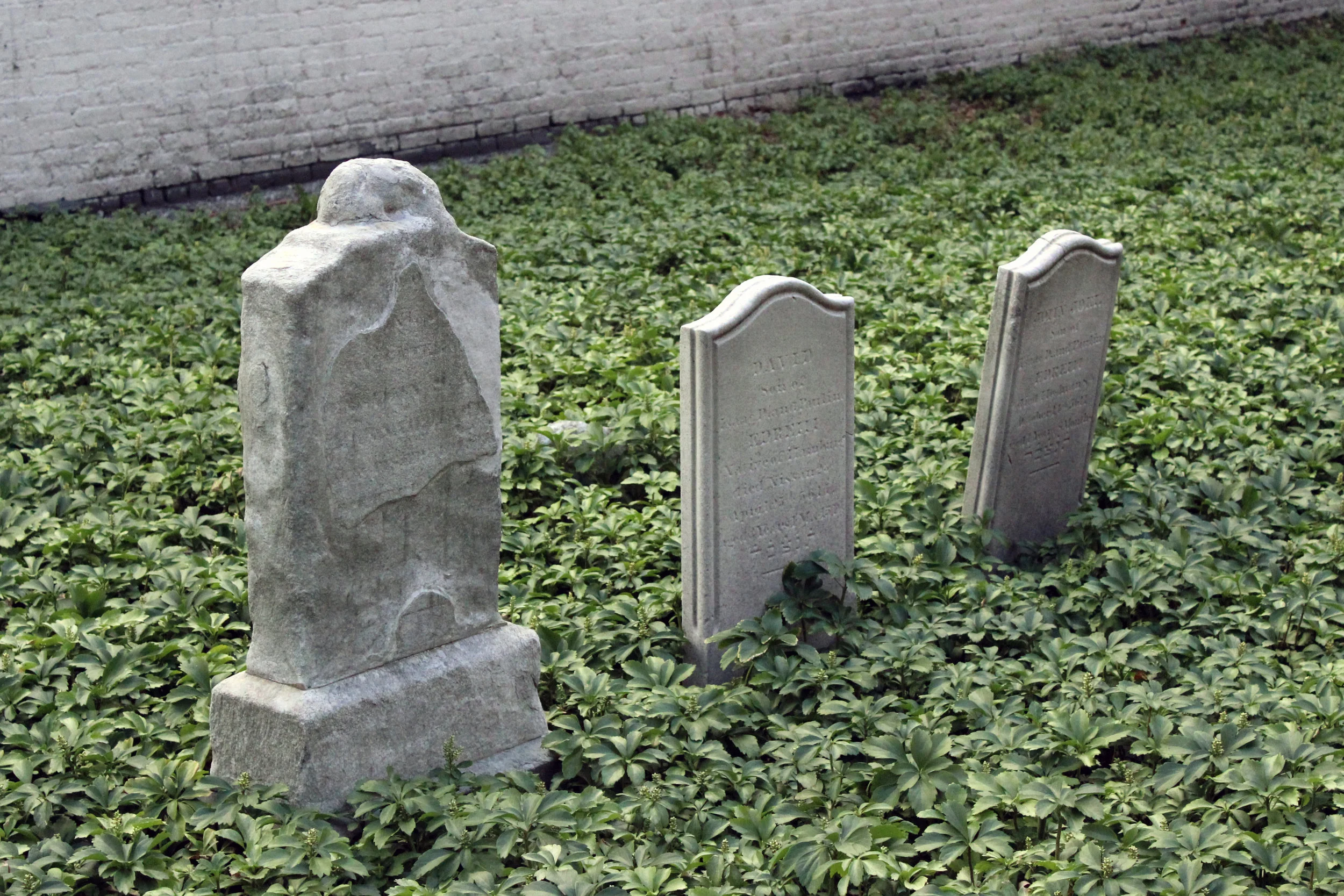

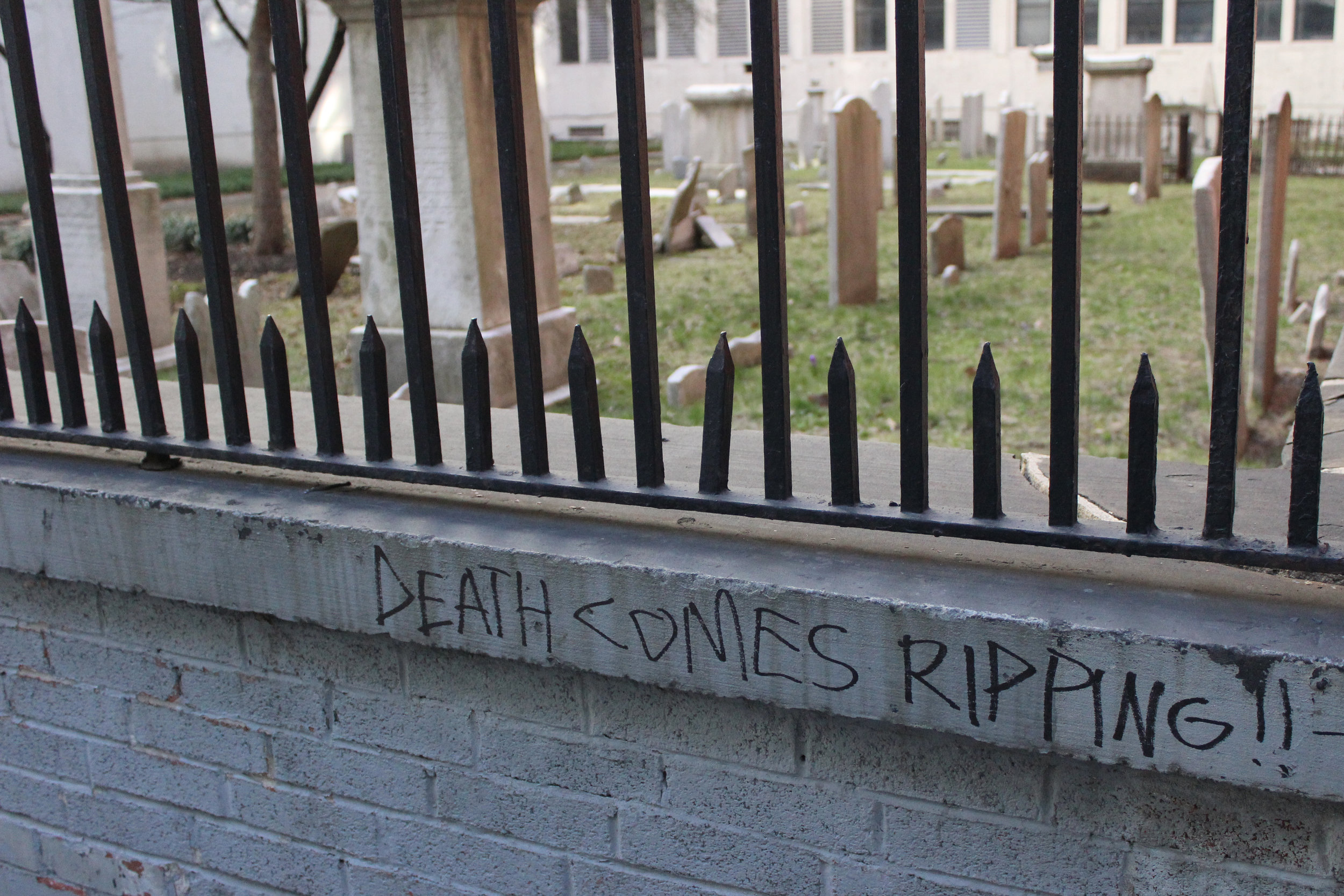
The third cemetery was in use from 1829-1851 and it’s currently located right across the street from a Trader Joe’s. It appears to be the largest of the three cemeteries, and is in the best condition (a plaque on the fence mentions a recent restoration). However, a lot of the stones are worn to the point of being unreadable from the street.
Closed to the public, but mostly visible from the sidewalk.
W 21st Street, near Sixth Avenue
Trinity Church


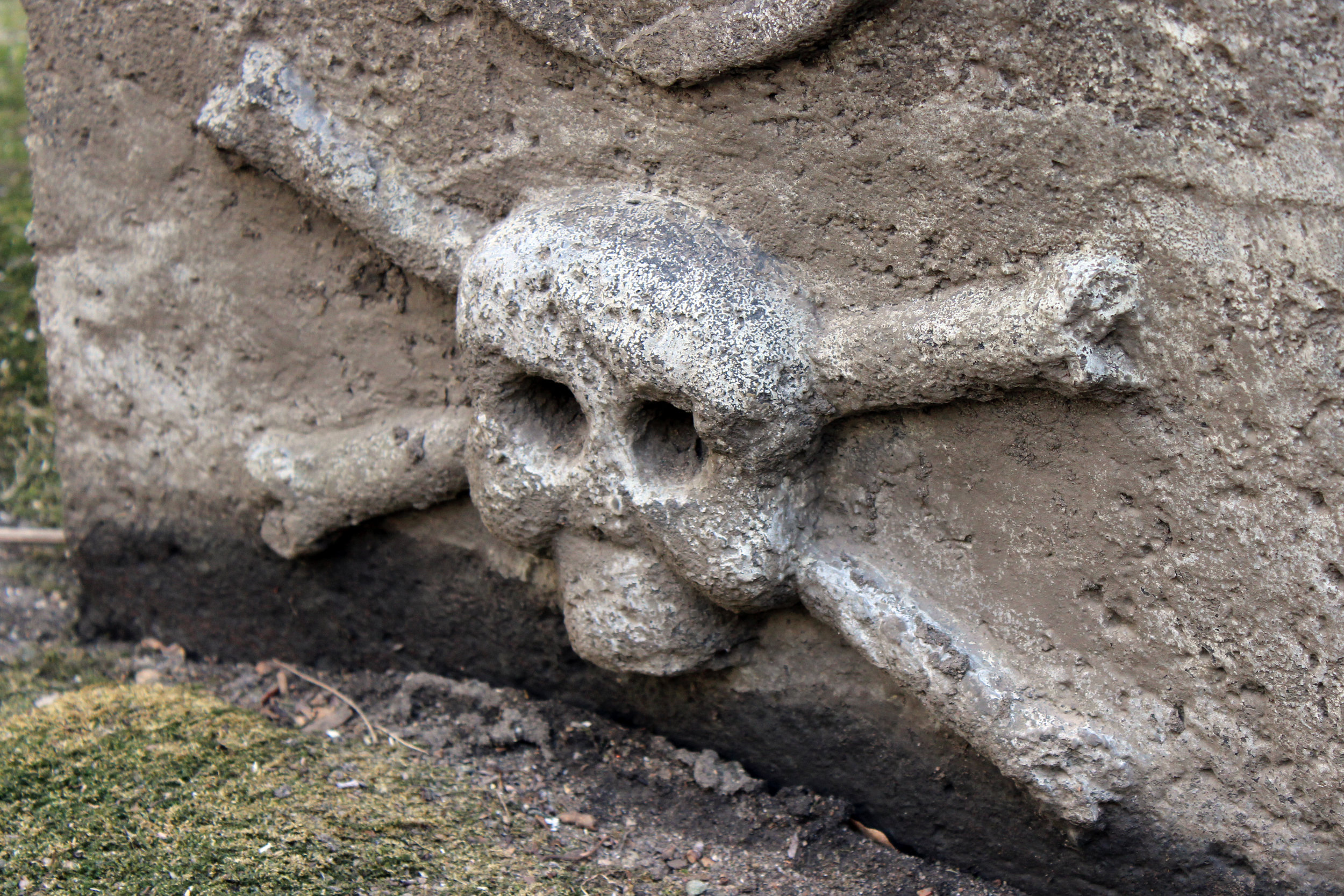


The original graveyard at Trinity Church in lower Manhattan, opened in 1697 and is one of three separate burial grounds associated with the church. The other two are located at the nearby St. Paul's Chapel and uptown at Trinity Church Cemetery and Mausoleum. This is probably the best place for finding classic skull and winged cherub stones in all five boroughs and most of the stones are remarkably well-preserved. Trinity’s most famous resident is Alexander Hamilton, but my favorite epitaph belongs to David Ogden, "who on the 27th of September 1798 in the 29th year of his age fell a victim to the prevailing epidemic."
Tours of Trinity churchyard are available by request, weather permitting, but self-guided tours are allowed during normal hours—just stay on the paths and be respectful of the historic stones.
Trinity Church: 75 Broadway, between Rector and Liberty Streets
St. Paul’s Chapel: 209 Broadway, between Vesey and Fulton Streets
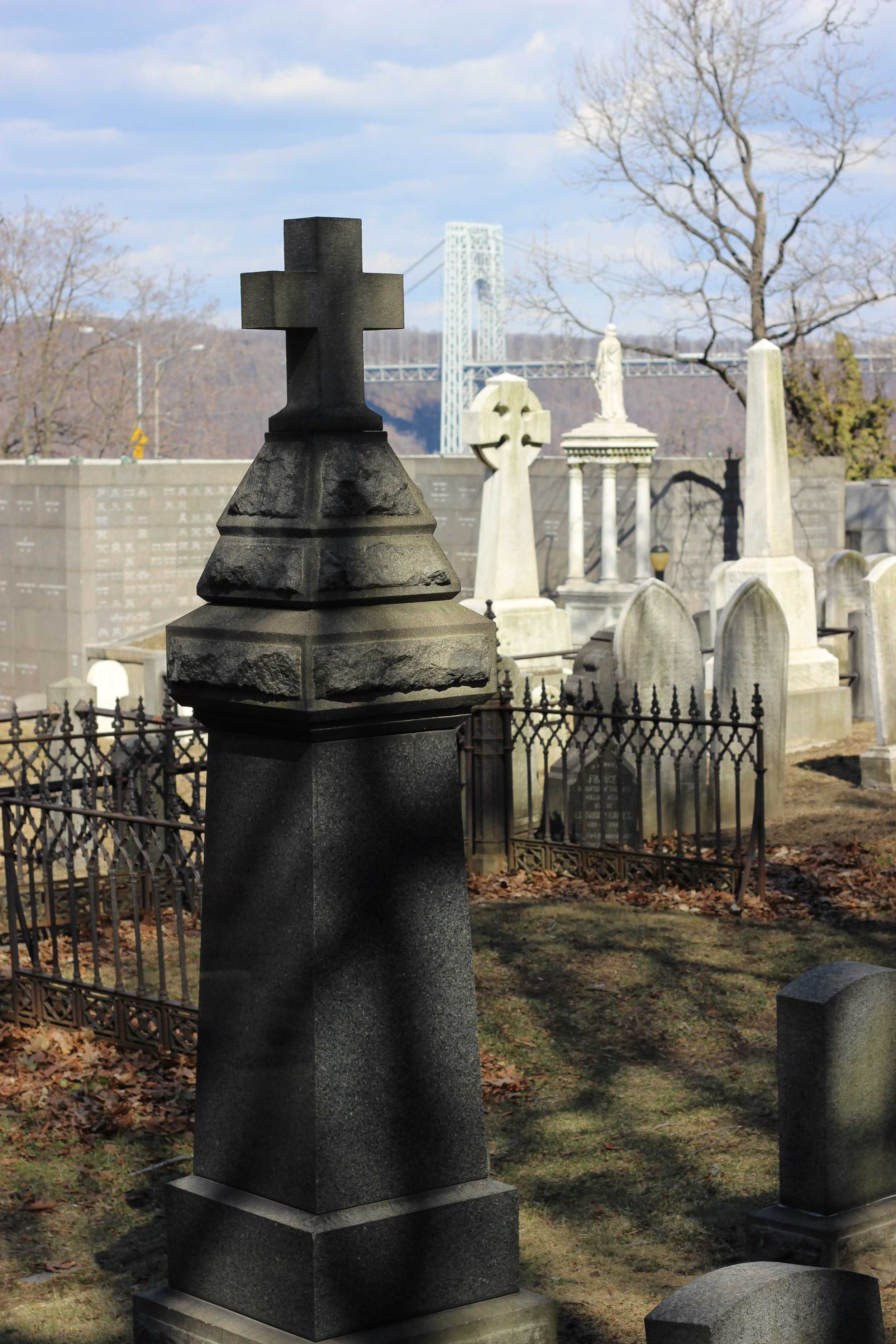
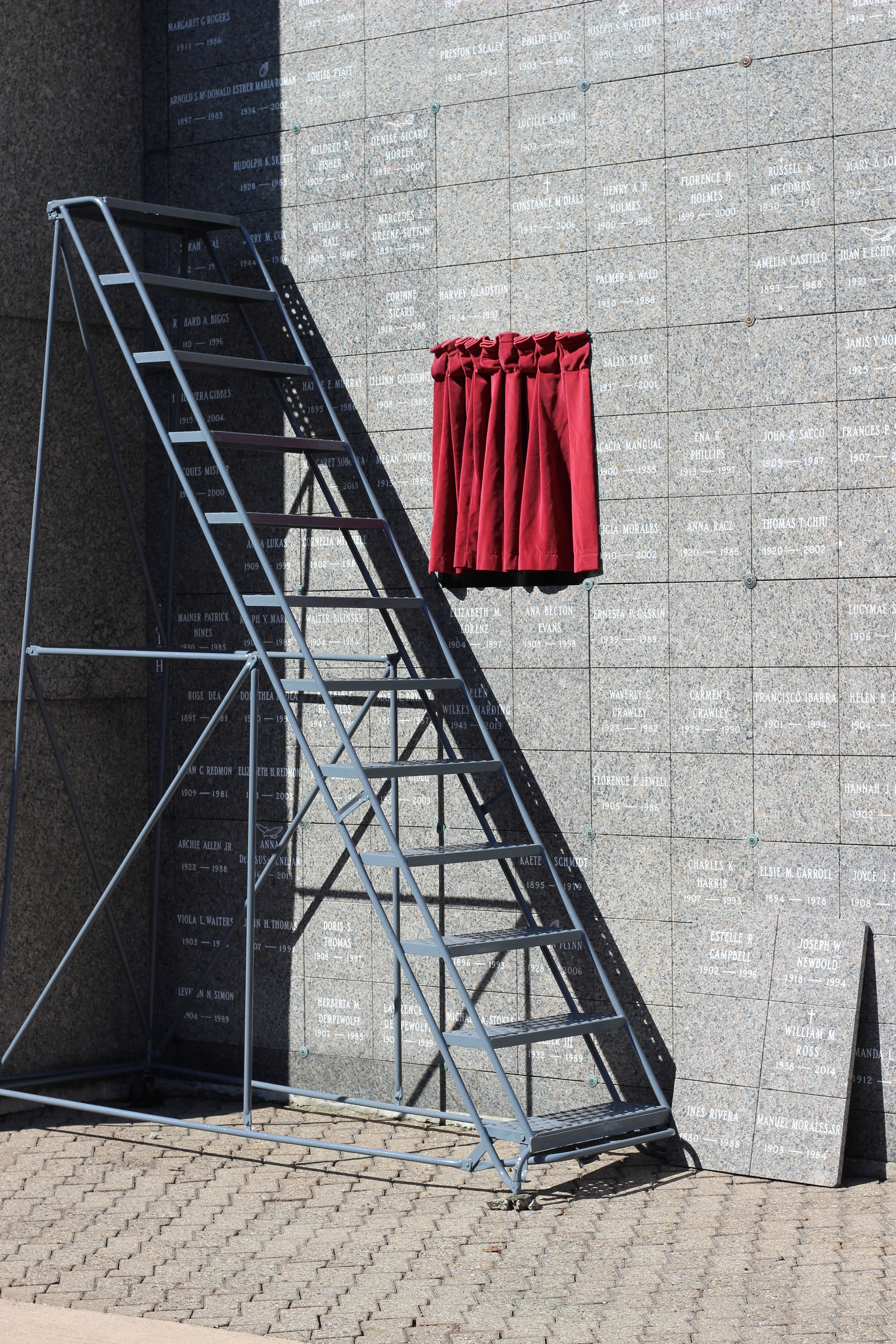


Trinity Church Cemetery and Mausoleum is the only active cemetery remaining on the island of Manhattan. It’s located between West 153rd and 155th streets with Broadway splitting the grounds into two sections. The west section is set on a hill with beautiful views of the Hudson River and the George Washington Bridge. This is the final resting place of the Astors, Ralph Waldo Ellison, John James Audubon and—more recently—Law & Order’s Jerry Orbach and former New York Mayor Ed Koch.
Gates are open 9am-4pm. The entrance to the east side of the cemetery is on 155th street.
Entrance to the west side is at 70 Riverside Drive, between W 153rd and W 155th Streets.

More than 15,000 enslaved and free Africans were buried here during the late 17th and 18th centuries. 419 skeletons were found in the ‘90s during construction of a federal building and in 1993 the site became the first underground New York City and national historic landmark. New York had the second-largest number of enslaved Africans in the nation after Charleston, South Carolina, and this site was designated as a National Monument in 2006. Although it doesn’t look like a traditional cemetery, in 2007, a memorial was dedicated and a visitor center opened in 2010.
Open 10am-4pm, Saturday-Friday.
290 Broadway, New York, NY 10007


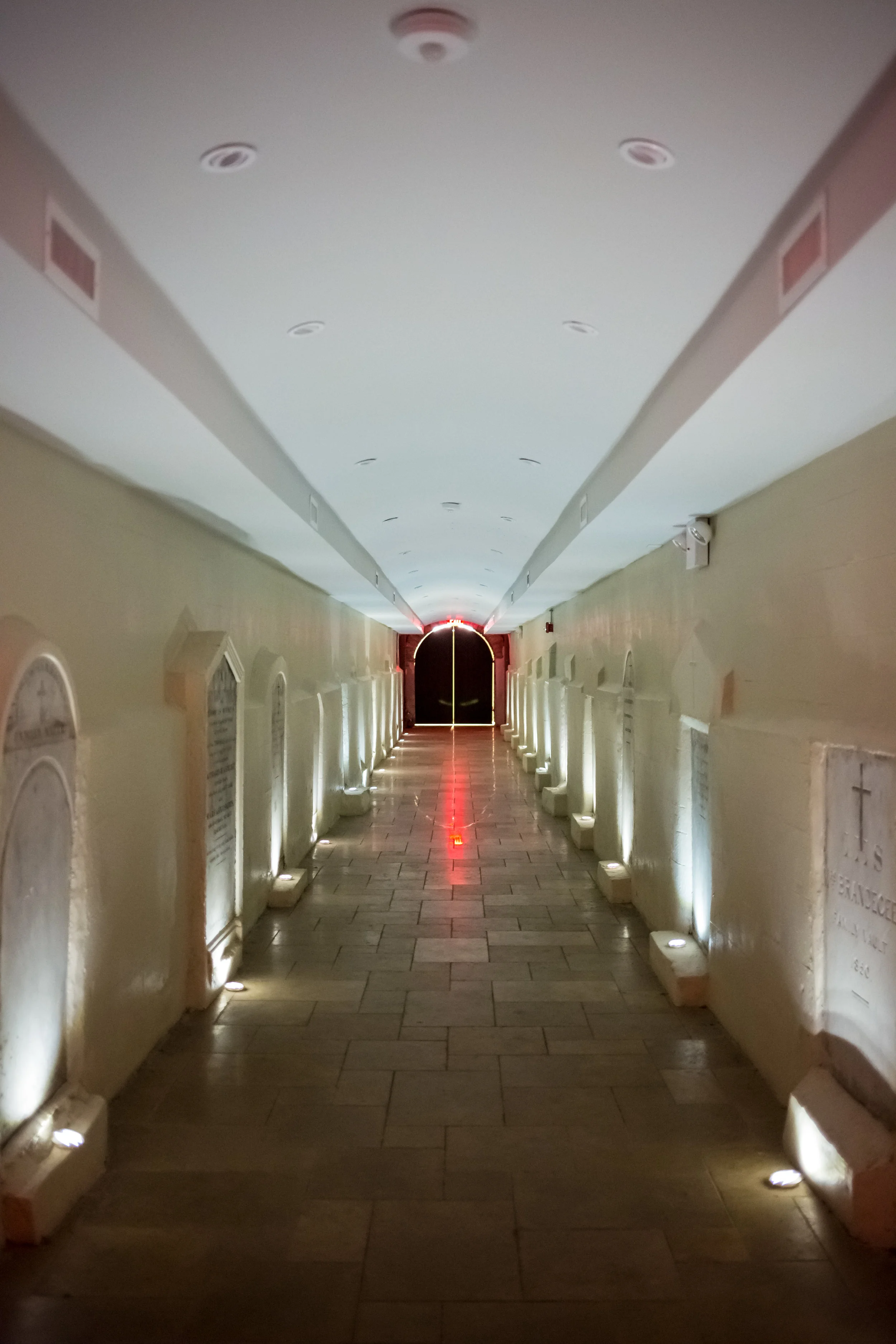
Most of the headstones and catacomb interments date from the 1800s at Old St. Patrick’s Cathedral. The catacombs aren't like the bone-filled niches of Europe, but more like the ones at Green-Wood Cemetery—underground tunnels lined with hermetically sealed crypts and marked with carved stones. There are 35 family crypts and five clerical vaults, in addition to newly-built columbaria.
Notable interments include: members of the Delmonico family, founders of Delmonico's, the first American restaurant to allow patrons to order from a menu; Countess Annie Leary, one of the only Catholics to be included in Mrs. Astor's "The 400," a list of fashionable socialites; and Tammany Hall boss and Congressman "Honest John" Kelly.
Access to the cemetery and catacombs is available only by taking a tour with Tommy’s New York.
263 Mulberry Street, between Houston and Prince Streets


Founded in 1830, the oldest public non-sectarian cemetery in New York City—not to be confused with the nearby New York City Marble Cemetery—is open at least one day a month during warmer months. The grounds are hidden away down a little alleyway and marked by an arched gate. There are no traditional headstones here—instead, there are 156 below-ground burial vaults with the names of the interred carved in plaques embedded in the surrounding stone wall.
Underground vaults were popular at the time due to health concerns over the burials of people who had suffered from infectious diseases like tuberculosis. The New York Marble Cemetery is available to rent out for parties and weddings (get married and buried!) and still hosts the occasional burial—if your family vault still has space and you have proof of relation.
Open select weekends April-October.
41 1/2 2nd Avenue, between E 2nd and E 3rd Streets

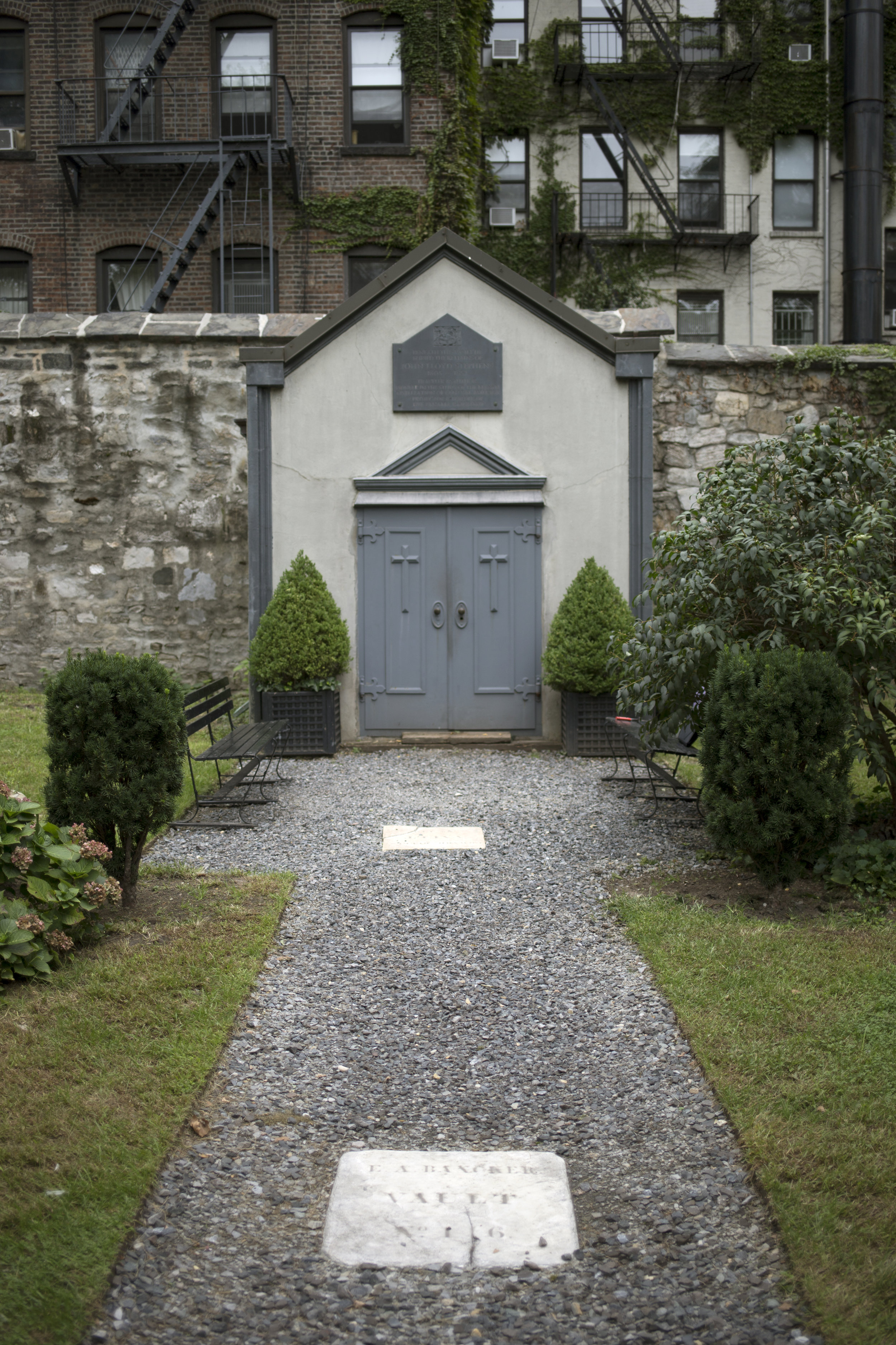
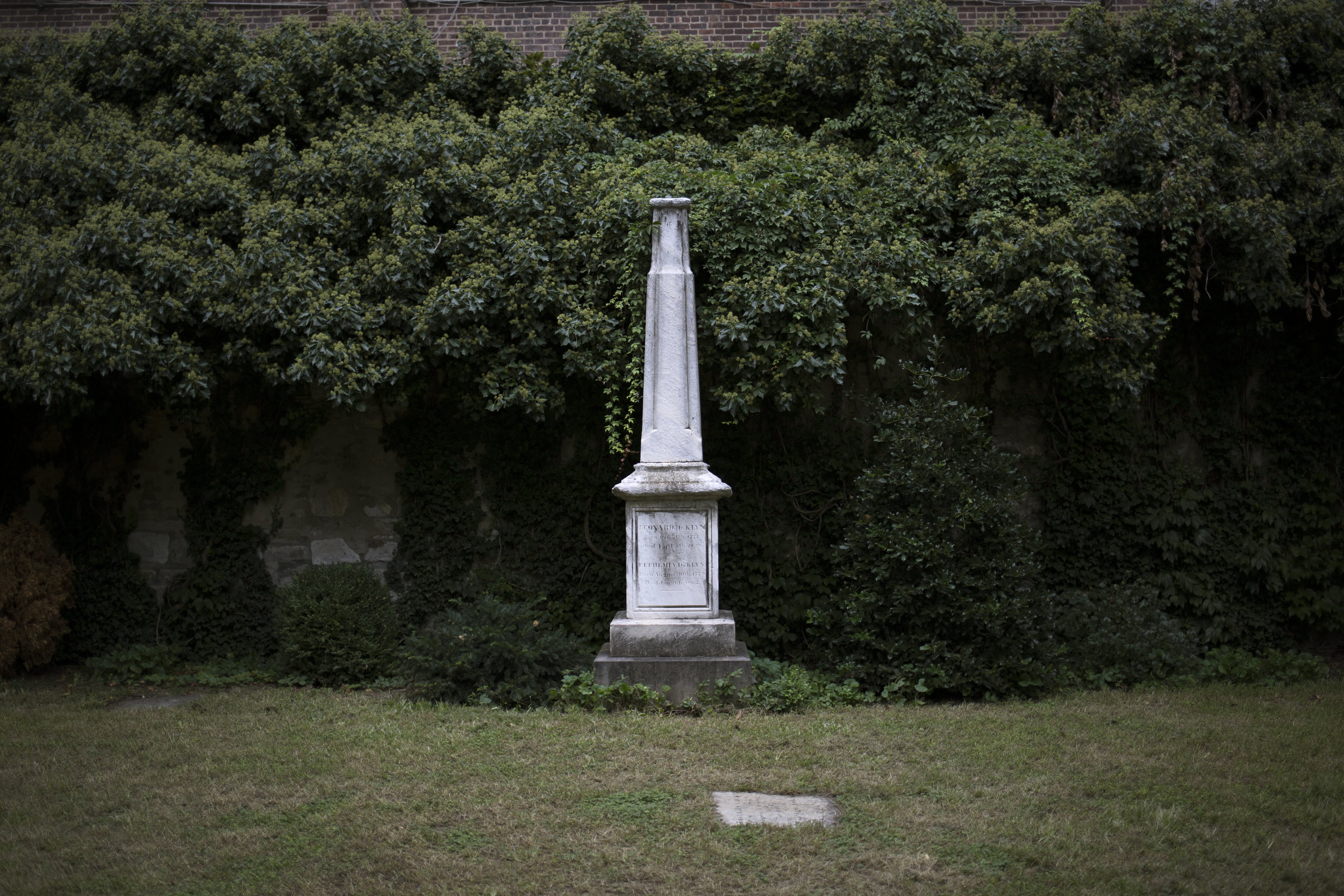

Just one block east is the New York City Marble Cemetery, established in 1831. The grounds are studded with headstones like a traditional cemetery, along with underground vaults designated with flat, marble markers. It also has a fantastic iron fence and gate, with a wonderful tombstone-shaped sign with arching letters. It's not as secluded as the New York Marble Cemetery, but it's a great place to spend the afternoon and have a picnic amongst hundreds of circa-1800s graves.
Open select weekends May-October.
52-74 E 2nd Street, between Second and First Avenues
💀 It’s Día de Muertos! Celebrate by browsing my cemetery posts here 💀

Travel Guide: Sleepy Hollow
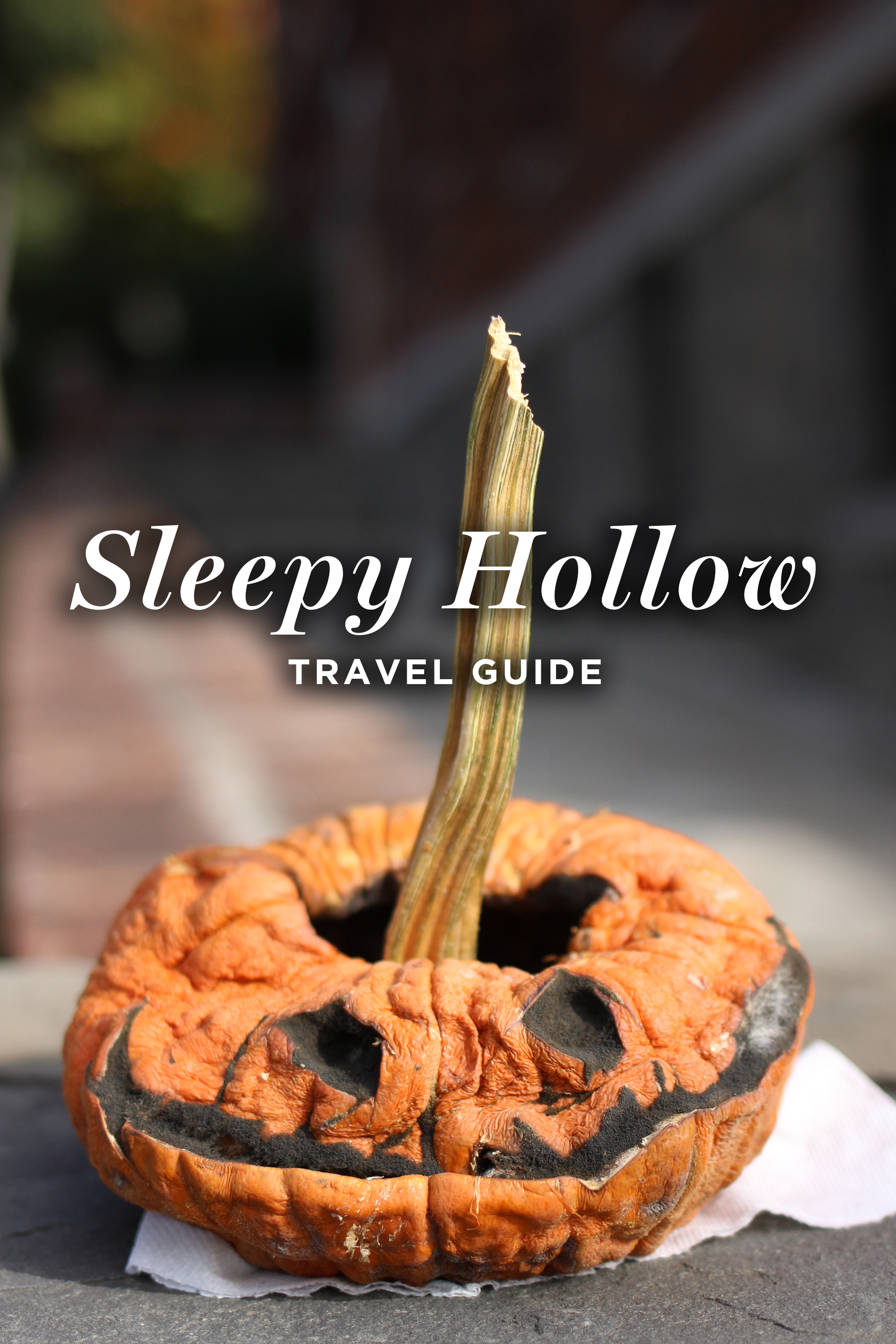
This weekend marked my fifth fall adventure to Sleepy Hollow, aka North Tarrytown in the Hudson Valley of New York. When I lived in Ohio, I remember only dreaming of a trip to the village made famous by Washington Irving, so as soon as I moved to the city I made it my number one fall priority. It was better than I even expected, and I’ve gone every year that I’ve lived here—except 2016, but I went to Salem that year, so that’s a valid excuse.
There are plenty of non-Halloween related activities to do in and around Sleepy Hollow, but to get the full effect it’s best to visit in October (keep in mind that while it’s not as crowded as Salem, ticketed events sell out very quickly so get them as soon as they go on sale in early September from Historic Hudson Valley).
GETTING THERE:


My favorite part about Sleepy Hollow is that you don’t need a car to get there. It’s under an hour by Metro North from Grand Central to the Tarrytown station, and trains run frequently. Once you’re in Tarrytown you can use a car service like Uber or Lyft to get you into town or to the sites nearby, but most things are within walking distance of the train station. We did have an issue once with spotty cell service when we were relying on Uber to get us back into town after visiting Union Church, but after renting a Zip Car one year (and dealing with the traffic on the one, two-lane road that runs through town), I’m solidly team public transit.
WHAT TO DO:




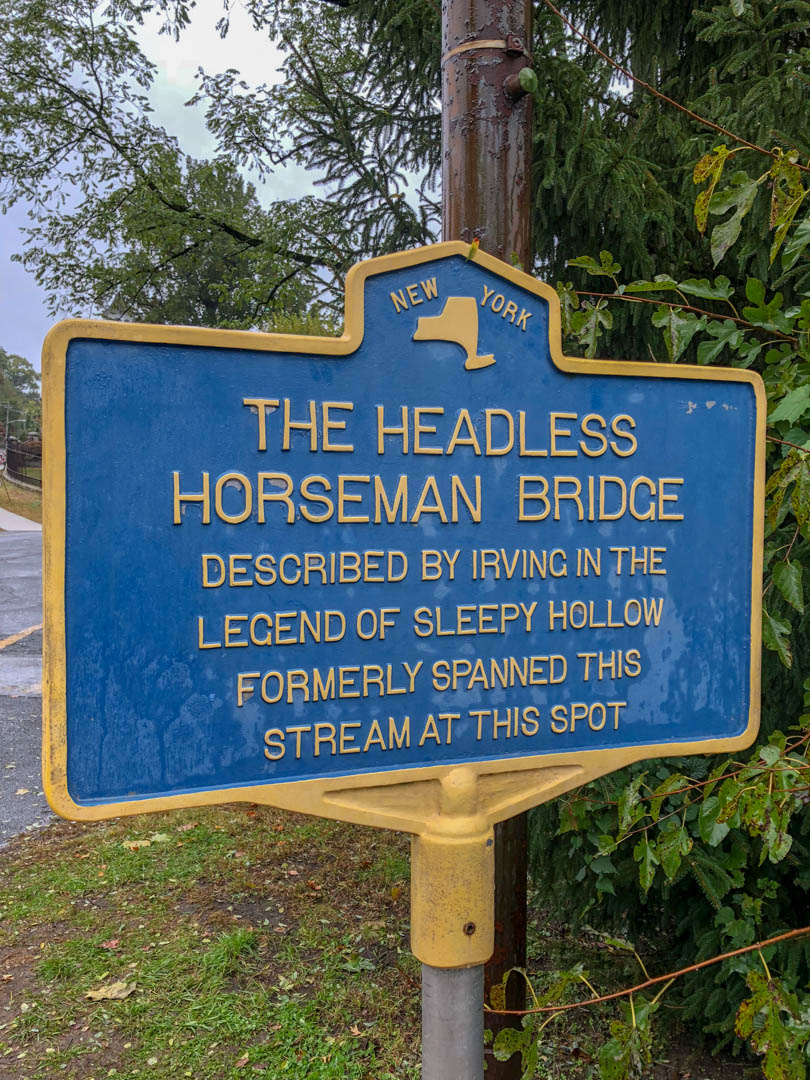
There is no doubt that Irving’s short story, The Legend of Sleepy Hollow is the reason why the area is a popular October destination. In fact, North Tarrytown officially changed their name in 1996 to Sleepy Hollow, the traditional name for the area. Purchased by Irving in 1835, Sunnyside is a National Historic Landmark and a museum containing a large collection of Irving's original furnishings and personal items.
Located in the nearby town of Irvington, the house is open May-November and tours are led by guides in period costume. In the fall you can also “create Halloween-themed art activities, explore the grounds on a literature-themed scavenger hunt, play historic games, pose for a spooky photo op, and take in a shadow puppet performance.”


Kykuit was the 40-room home of four generations Rockefellers, beginning with John D. Rockefeller, founder of Standard Oil and noted philanthropist. The stone mansion is situated on the highest point in Pocantico Hills, overlooking the Hudson River and on a clear day you can see the New York City skyline. In addition to the house, the property includes beautiful gardens and an impressive art collection.
If you want to see something specific make sure you choose the right tour—I’ve been twice, and I would definitely recommend making time for the grand or classic tours. Although Kykuit is located outside of the village, tours originate from the visitor center at Philipsburg Manor (across from the cemetery) and a shuttle bus takes you to and from the estate.

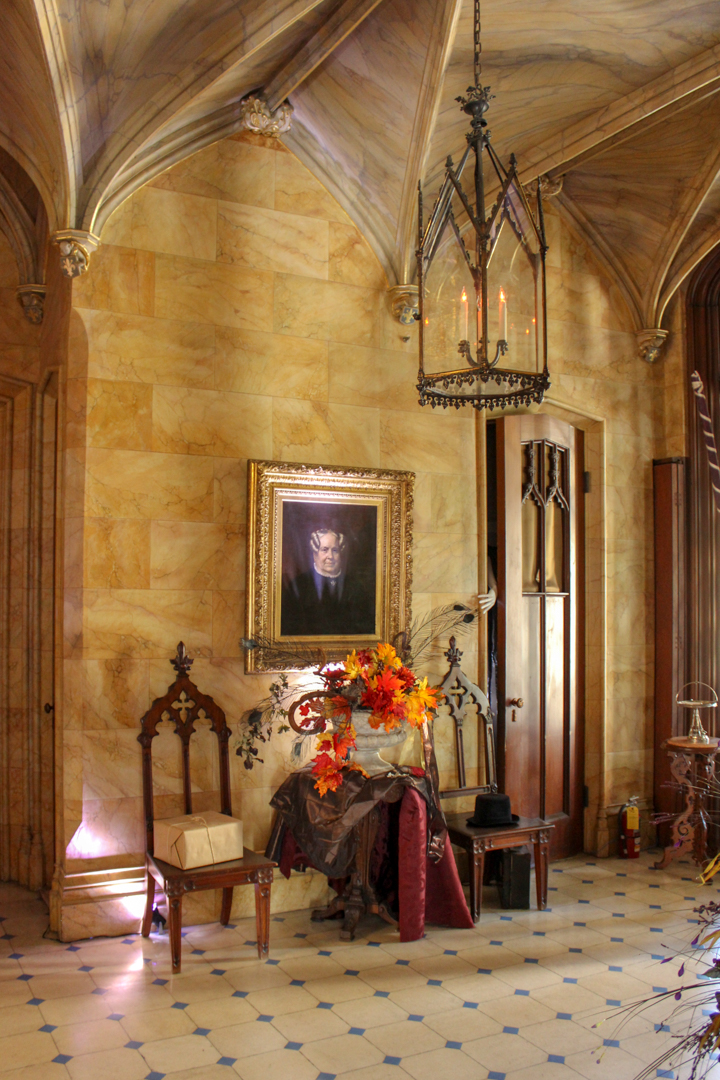

Lyndhurst, a Gothic Revival mansion, was designed in 1838 and had five different owners from three different prominent families before it became part of the National Historic Trust for Preservation in 1961. The mansion is furnished with original furniture/décor from all five owners so the inside is just as interesting and historic as the outside (and, if I’m picking favorites, it’s my favorite of the historic homes in the area). The 67-acre grounds include the bones of the nation's first steel-framed conservatory, a stand-alone bowling alley, a rose garden and a children's playhouse all with sweeping views of the Hudson River.
Open for tours March-December, the mansion and grounds were decked out for Halloween when we visited. Even without the extra help, Lyndhurst is spooky enough on its own and has appeared in numerous movies and TV shows including two star turns as the Collinwood Mansion in the 70’s films House of Dark Shadows and Night of Dark Shadows.


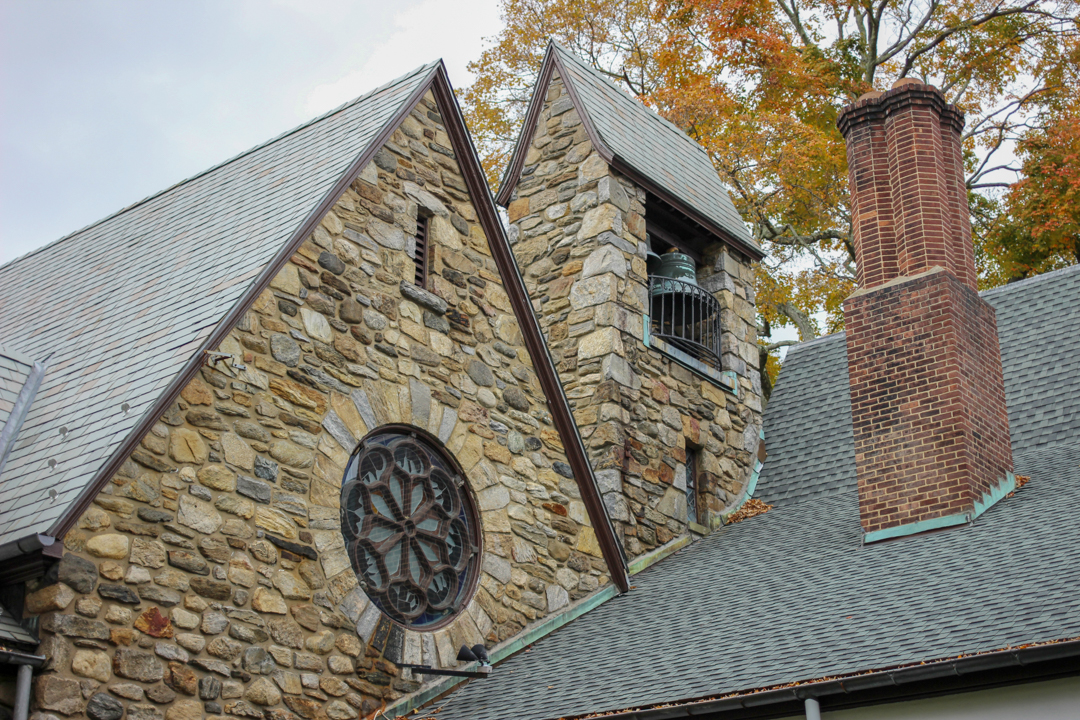
The church itself, built in 1921 by John D. Rockefeller, Jr., is pretty standard but the church’s rose window was the last work completed by Henri Matisse before his death in 1954. Nine other stained glass windows were created by Marc Chagall, who didn’t start designing in glass until he was nearly 70 years old. Other Chagall windows can be found around the world and in the UN building in New York.
The church is open from April-December with varying hours depending on the worship schedule, there is a suggested donation if you visit just to see the windows, and photography is not allowed inside. The church isn’t really within walking distance from the village (and it’s up in the hills), but it’s just a short car ride away (again, beware the spotty cell service).


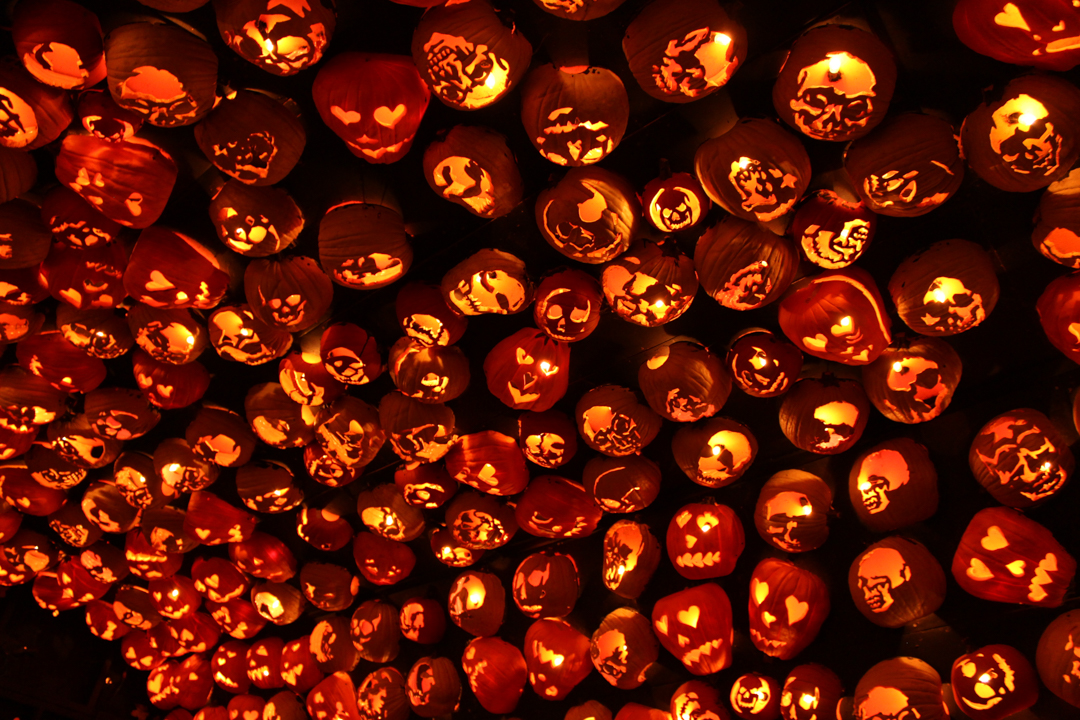

The Great Jack O’Lantern Blaze is what put this area on my radar eight hours west in Ohio. Held every year at the historic Van Cortlandt Manor in Croton-on-Hudson (not exactly walkable from town, but just a short car ride north), the Blaze seemingly gets bigger and more popular every year. Tickets for weekends close to Halloween sell out very quickly, but it’s worth some advance planning to see more than 7,000 hand-carved and illuminated jack o’ lanterns (spoiler alert: they’re mostly fake, but there are some real pumpkins mixed in). I’ve been to the Blaze twice and can attest that, while there are some repeats from year to year, enough changes that you could go again every year and still be thrilled.

Billed as “Sleepy Hollow’s premiere haunted attraction,” Horseman’s Hollow is like corn maze and a haunted house combined. Set outside on the grounds of Philipsburg Manor, guests—if you dare!—walk along a haunted trail populated by all types of spooky scenes and creepy people. I’ve never been a huge fan of paying to be frightened, but I’ve gone through Horseman’s Hollow twice and I think I finally understand the appeal of these attractions. Skulls, spiderwebs and mannequin parts don’t actually scare me—have you seen my apartment?—but there is a strange sort of thrill in watching your friends get (harmlessly) startled and in surrendering to it all yourself.


Speaking of tickets selling quickly, this is the first year I was actually able to secure tickets to Irving’s Legend, a dramatic retelling of the famous Legend. Held at the Old Dutch Church (located within Sleepy Hollow Cemetery), the story is told by one man, accompanied by one musician. It’s low-tech, old-fashioned storytelling at its best and it’s the perfect way to get acquainted (or reacquainted) with Irving’s spooky tale.

This was a new event for the 2018 season, an original silent film starring Bill Irwin accompanied by live musicians and special effects provided by a Foley artist. Inspired by Washington Irving’s The Adventure of the Mysterious Picture, the film was shot on location at Van Cortlandt Manor. I’ve never seen a silent film before, but I was just as interested in watching the Foley artist produce sound effects for every character as I was in watching the actual movie.


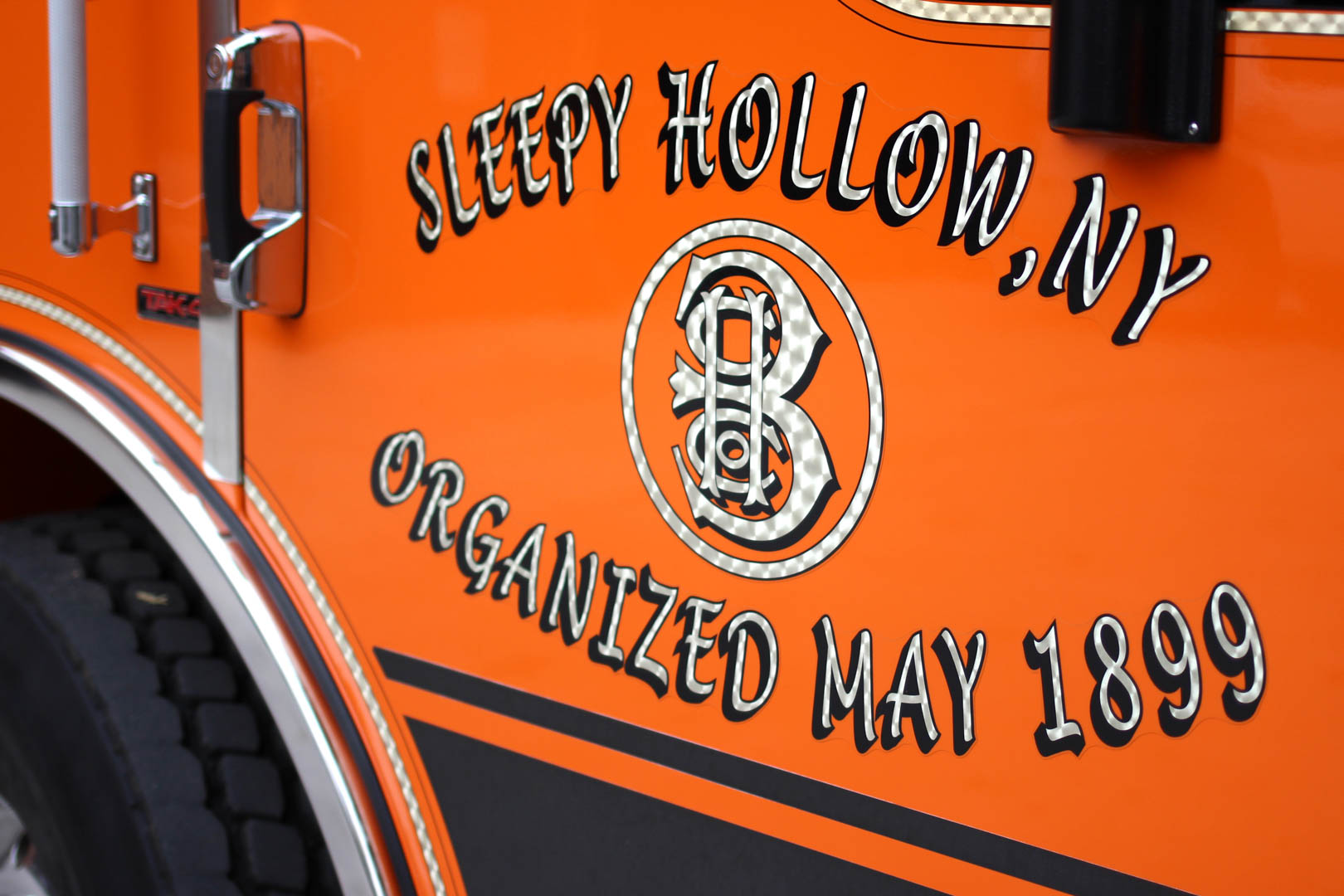

Details on when to secure tickets to the Village of Sleepy Hollow’s Haunted Hayride are a little murky but this year I just kept checking the website and eventually was able to buy tickets. Tickets go on sale “sometime in September” only through the villages’s website, and the Hayride is for two nights only—the Friday and Saturday before Halloween. It started raining just as we were settling into the bed of hay (pulled by a pickup truck), and it wasn’t nearly as scary as walking through Horseman’s Hollow—but we felt about as far away from New York City as we could get, while still being a short train ride away.


One of my favorite cemeteries (and I’ve seen…a few), Sleepy Hollow Cemetery is home to a number of famous residents, including a Rockefeller, a Chrysler, the Helmsleys, Andrew Carnegie, Elizabeth Arden and, of course, Washington Irving himself. Formally opened in 1849, the cemetery is 85 acres and has over 40,000 in-ground interments. They offer day and night walking tours but keep in mind if you’d like to explore on your own that the grounds close promptly at 4:30 pm every day.
WHERE TO EAT:

Located on Main Street, just up the hill from the Tarrytown train station, Muddy Water is a great place to stop and fuel up before beginning your fall adventure day. There is plenty of cozy seating, the coffee was good, the blueberry scone was delicious (have them heat it up) and my order came to a very festive total of $6.66.


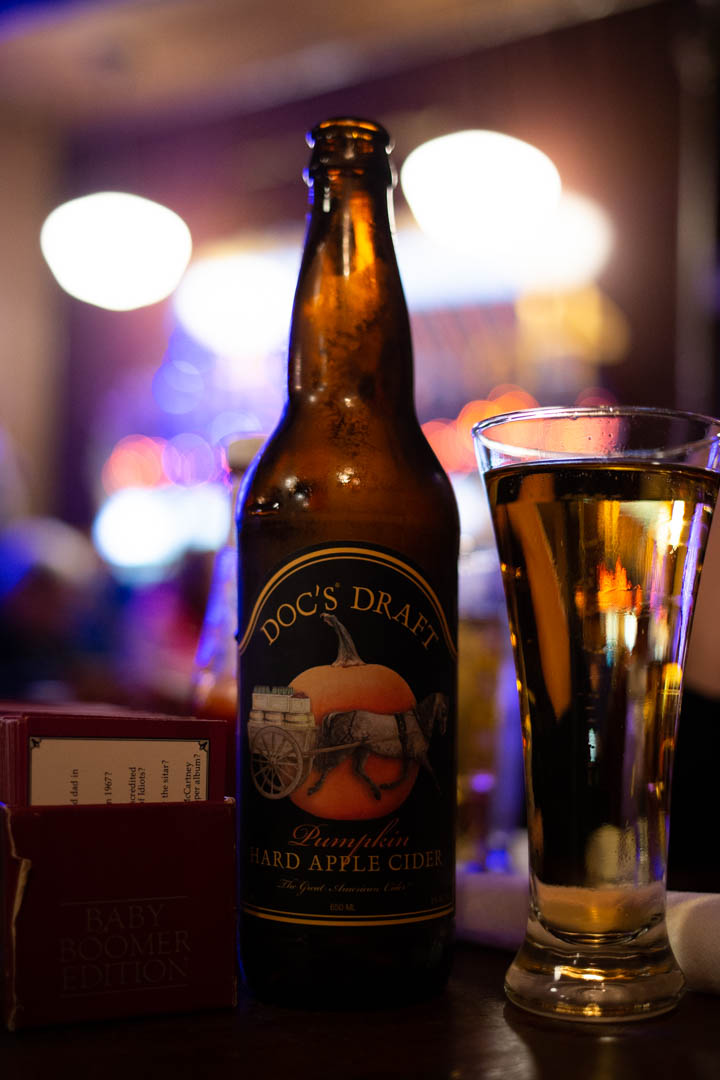
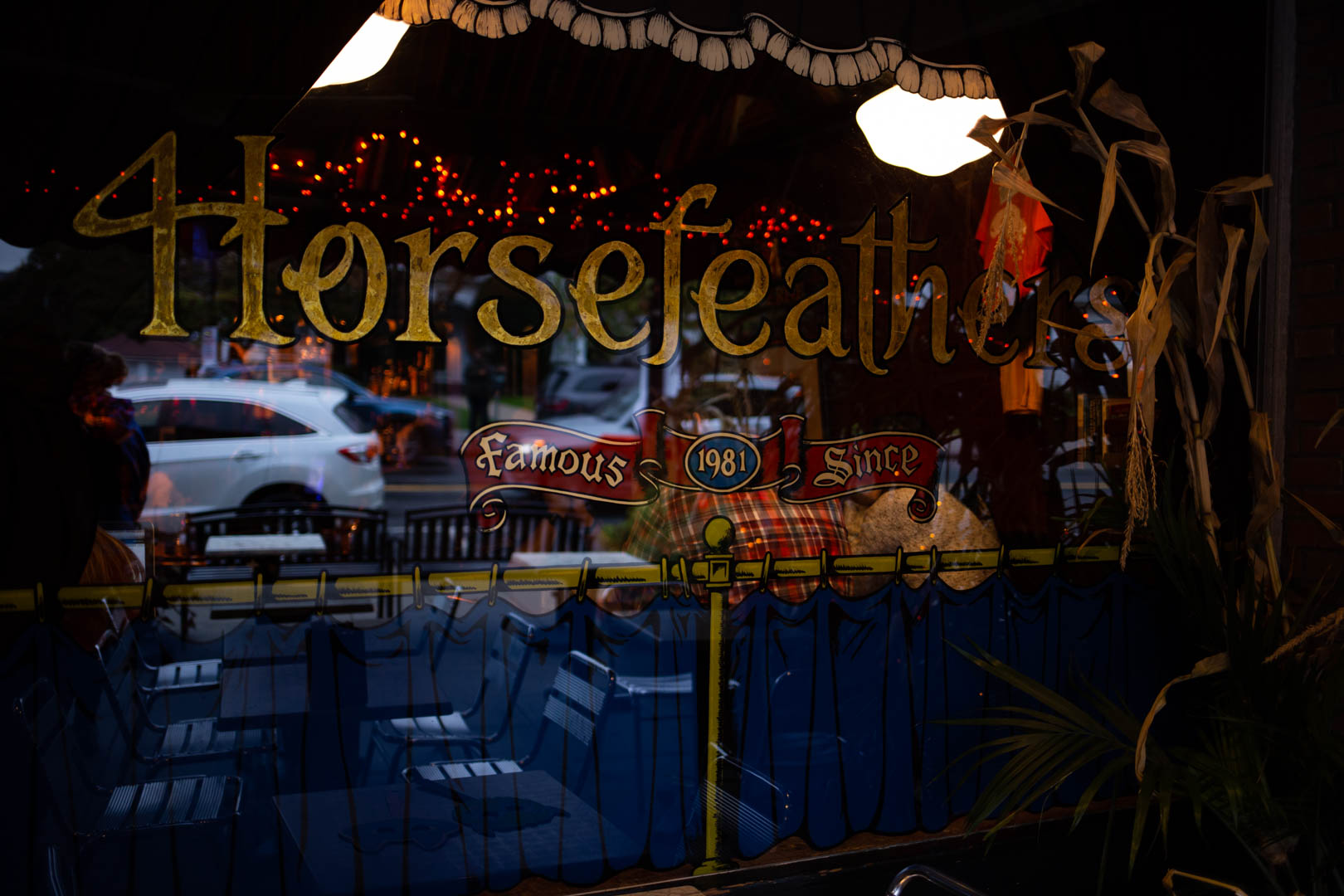
This section is short because I really only ever eat dinner or lunch at one place in Sleepy Hollow—Horesefeathers—and I love it so much that I can’t bring myself to try anywhere else. Ok, so we did make the mistake of eating at The Huddle once and it was terrible, so learn from us (here is the Yelp review by my friend Alisha, detailing our issues) and stick with Horsefeathers.
Family owned since 1981, Horsefeathers is exactly the kind of dark, wood-paneled bar that you’d expect to find in the area, and I dream about their Knickerbocker burger (paired with a seasonal cider) all year long. As if that wasn’t enough of an endorsement, they’re usually playing a Halloween movie at the bar (one year it was Casper) and they have ancient boxes of Trivial Pursuit cards on every table (Sample Q: Which country pulled out of NATO in 1967?), so at least stop in for a drink.
Want more? See all of my Sleepy Hollow posts here.

Woodlawn Mausoleums

I don’t have great luck getting into Woodlawn Cemetery. I was turned away at the gates on two separate occasions due to snowy conditions (the exact reason why I wanted to visit) and I had tickets to an evening illuminated mausoleum tour that was rescheduled three times due to rain (on the day that it finally did happen, I was unavailable).
Woodlawn is every bit as beautiful as its Brooklyn counterpart, Green-Wood, and much easier to get to now that I live back in northern Manhattan. My mom and I recently took a NY Adventure Club tour inside some of the mausoleums at Woodlawn that was thankfully still held, despite the rain.


The first mausoleum that we got inside of belongs to Dr. Clark W. Dunlop. Dr. Dunlop made his fortune from the sale of medical manuals and several patent medicines including Dr. Dunlops King of Pain, and a laxative called Dr. Dunlop’s Cascara Compound. The granite mausoleum has several design elements that are bird-themed, and for good reason: Dr. Dunlop’s beloved pet parrot is also interred within the mausoleum.


Dr. Dunlop, most likely suffering from the end-stages of syphilis, was declared mentally incompetent in 1907 and—despite being treated by a dubious doctor and his pair of “magic mechanico-physiological” boots—died in 1908. The parrot joined Dunlop in 1921, and his wife came to rest in the mausoleum in 1932.
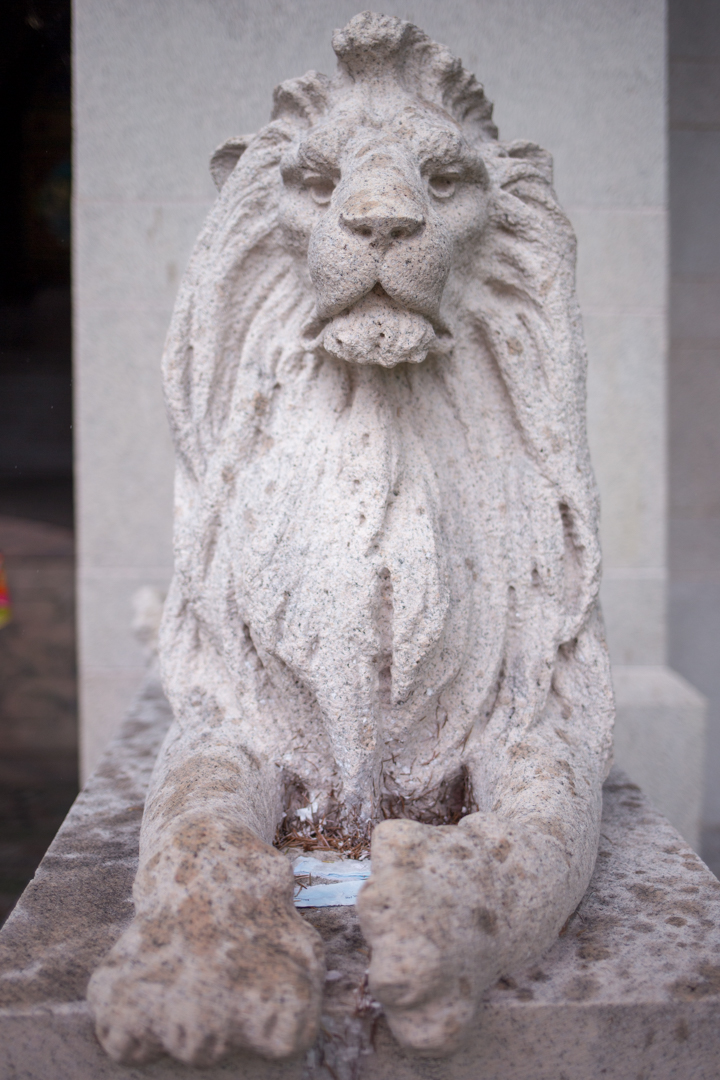


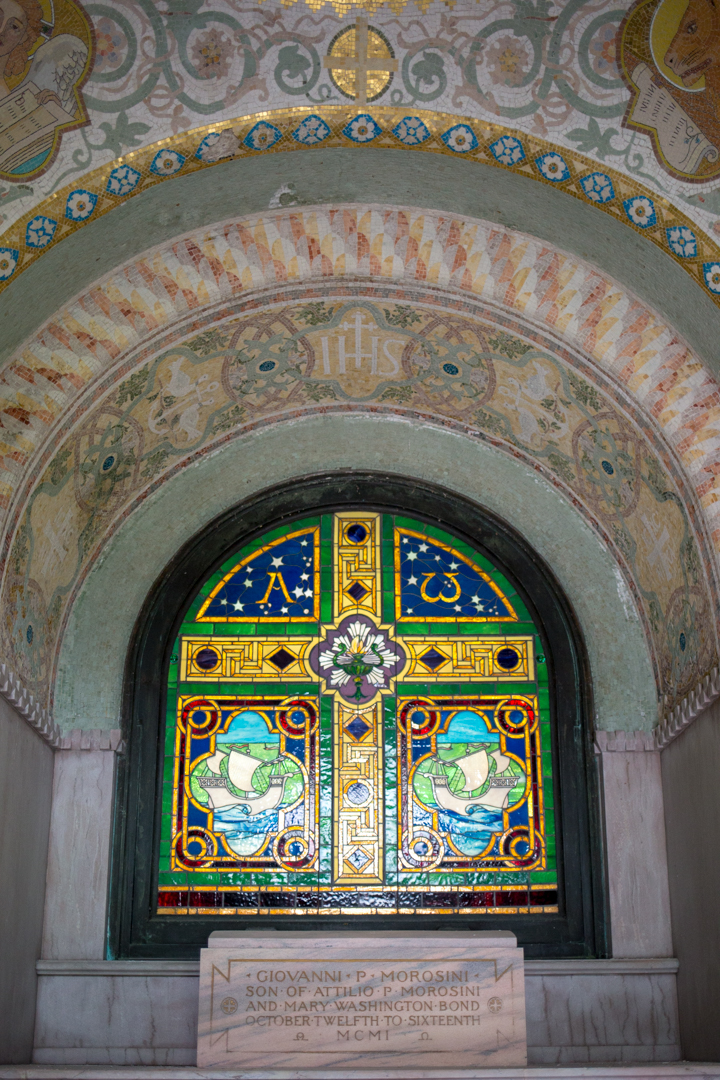

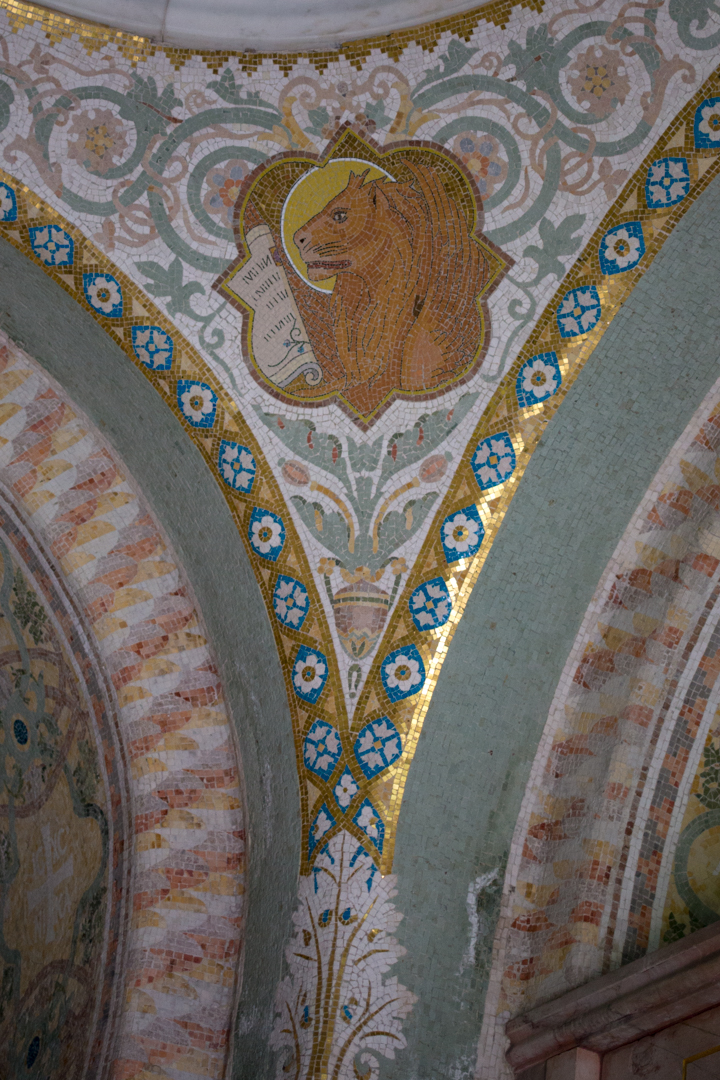
Giovanni P. Morosini, born in Venice, was the confidential secretary of railroad magnate Jay Gould. He amassed a fortune worth several millions of dollars, and there is a Giovanni P. Collection at the Metropolitan Museum of Art. Morosini and his family are interred in a Renaissance-style structure with stone lions flanking the door. There are stained glass windows and a vaulted ceiling with beautiful celestial tile-work reminiscent of the ceiling at Grand Central Terminal.

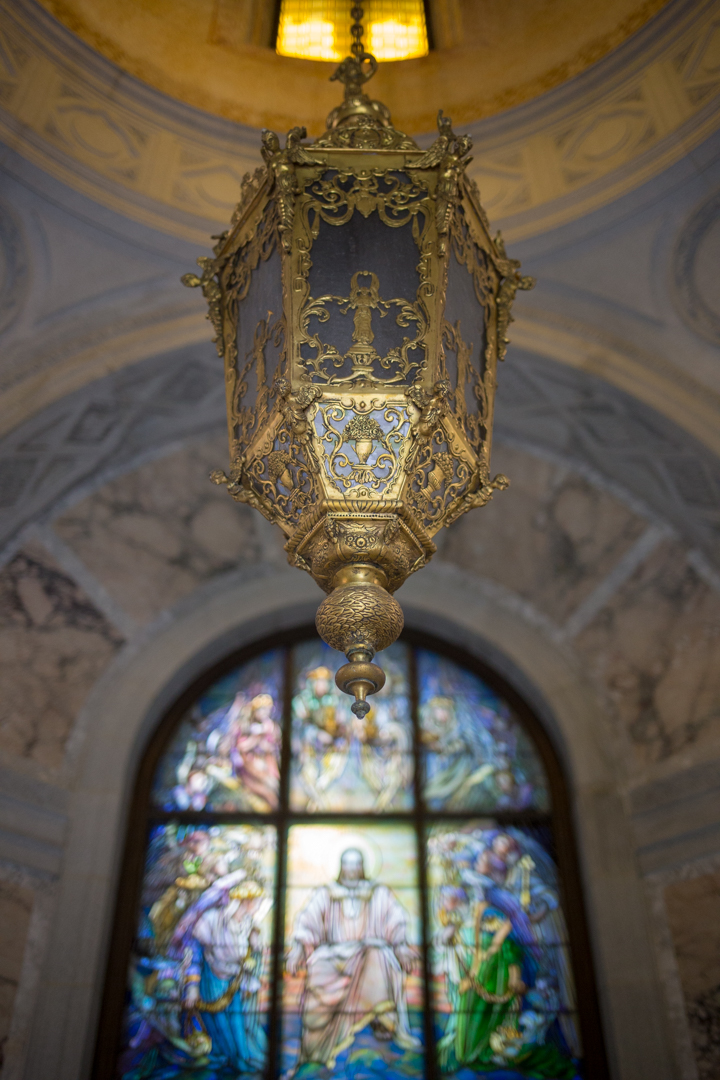


I joke about some grand mausoleums being more spacious than my studio apartment, but that might actually be true of John H. Harbeck’s final resting place. Harbeck inherited a fortune from his father, the founder of a substantial Brooklyn warehousing empire known as the Harbeck Stores.
His Renaissance Revival mausoleum was designed in 1918 by Theodore Blake, an architect with the firm of Carrere and Hastings. It sits alone in the middle of a traffic oval, and its double bronze doors are replicas of the north doors of the Baptistery in Florence. Intricate stone carvings flank the doors and the inside is full of beautiful stained glass, a tiled dome ceiling and was set up for electricity even though the plots were never actually wired for it.


George Ehret, born in Germany, started the Hell Gate Brewery and became one of the richest men in New York City. When he died in 1927, his estate was valued at $40 million. He is interred within a huge, 56-crypt mausoleum, flanked by granite lions. The interior includes a domed, Guastavino-tiled ceiling and Tiffany windows. In the ‘70s, most of the Tiffany glass was stolen from Woodlawn and they’ve been slowly recovering pieces ever since.
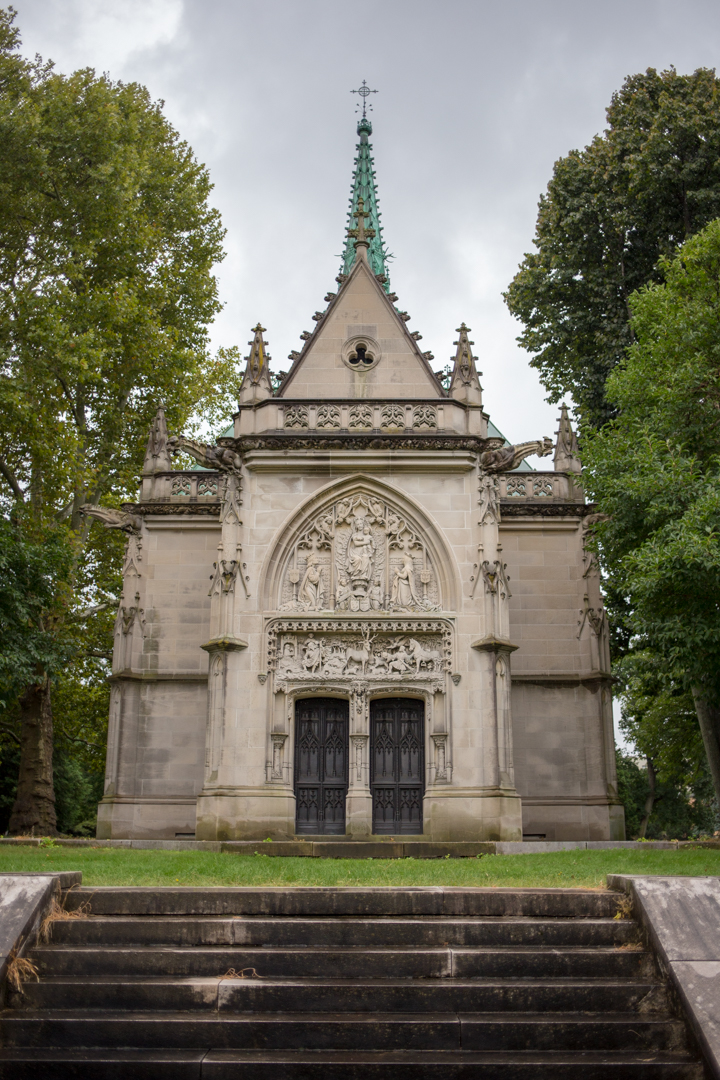


O. H. P. Belmont’s elaborately-carved mausoleum is an almost exact, full-scale replica of the Chapel of Saint-Hubert in France’s Loire Valley. Designed by the architecture firm of Hunt & Hunt, and fabricated in limestone, the mausoleum is the final resting place of Belmont—founder of the Belmont Raceway and a representative in Congress from New York—and his wife, Alva Vanderbilt Belmont. Alva, previously married into the famous Vanderbilt family, used her fortune to support the women’s suffragette movement. The mausoleum contains an original suffragette banner, inscribed with the words, “failure is impossible.”
Woodlawn Cemetery
4199 Webster Avenue
Bronx, NY 10470
8:30 am-4:30 pm every day (except, apparently, when it’s snowing)
Mausoleums aren’t usually open to the public, but Woodlawn and the NY Adventure Club frequently host tours.
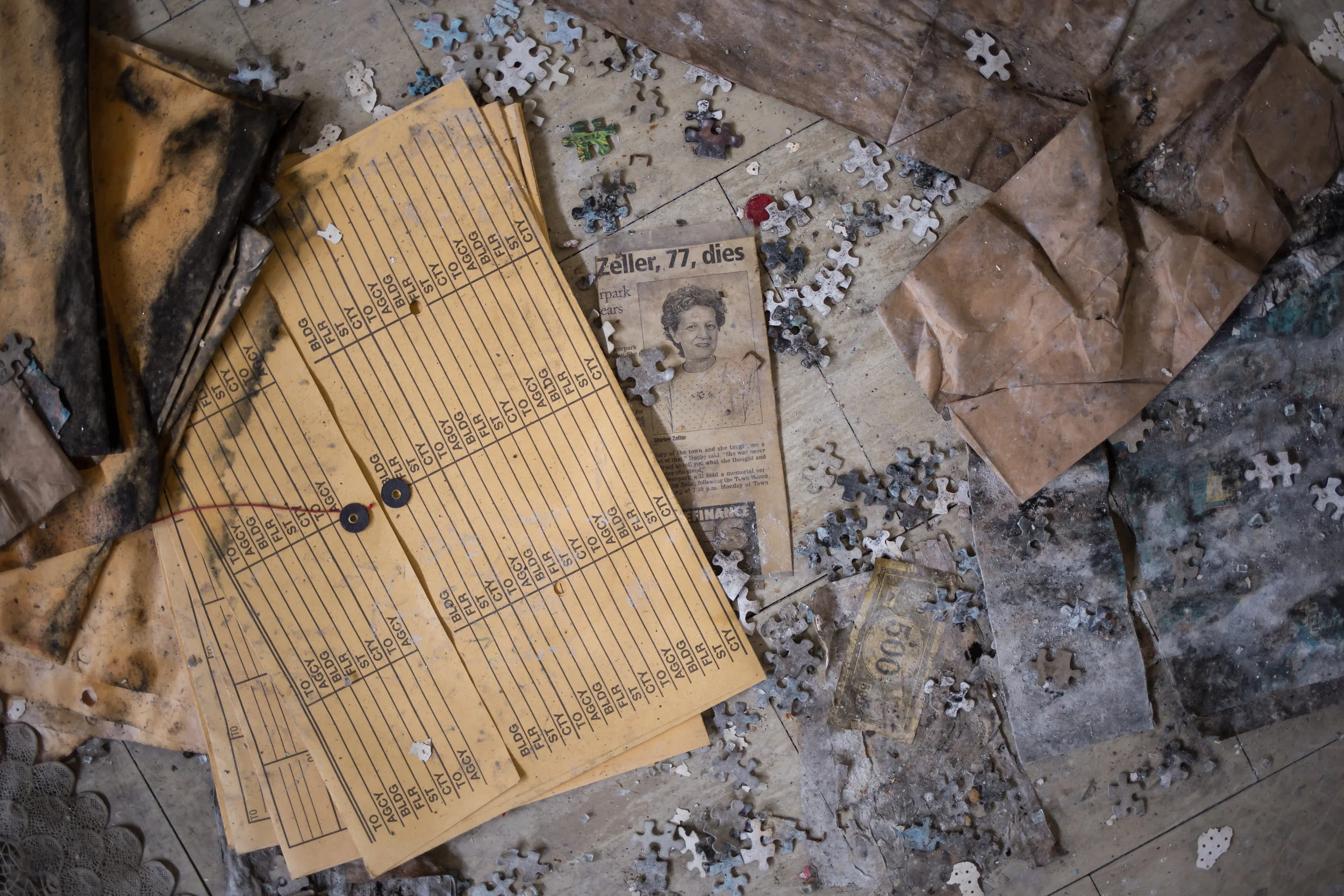
Middletown Psychiatric: Kleiner Center

The first building we explored on the Middletown Psychiatric campus was the Solomon Kleiner Center. The modern brick building was used for occupational and recreational activities, but closed in 2006 along with the rest of the Middletown Psych Center.
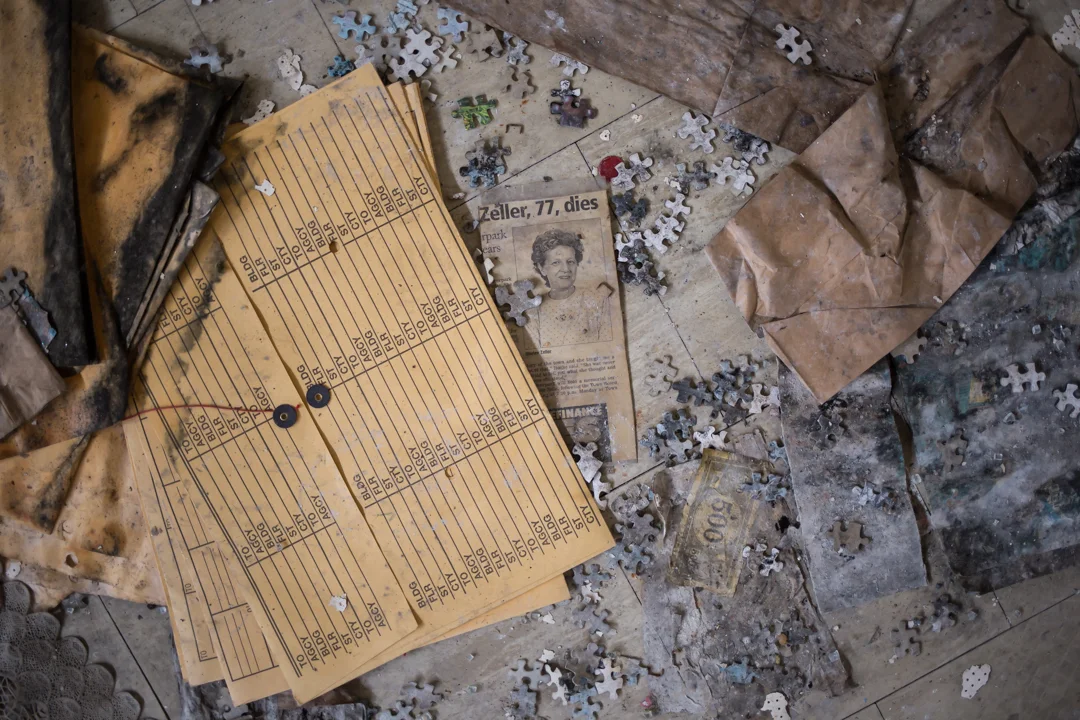
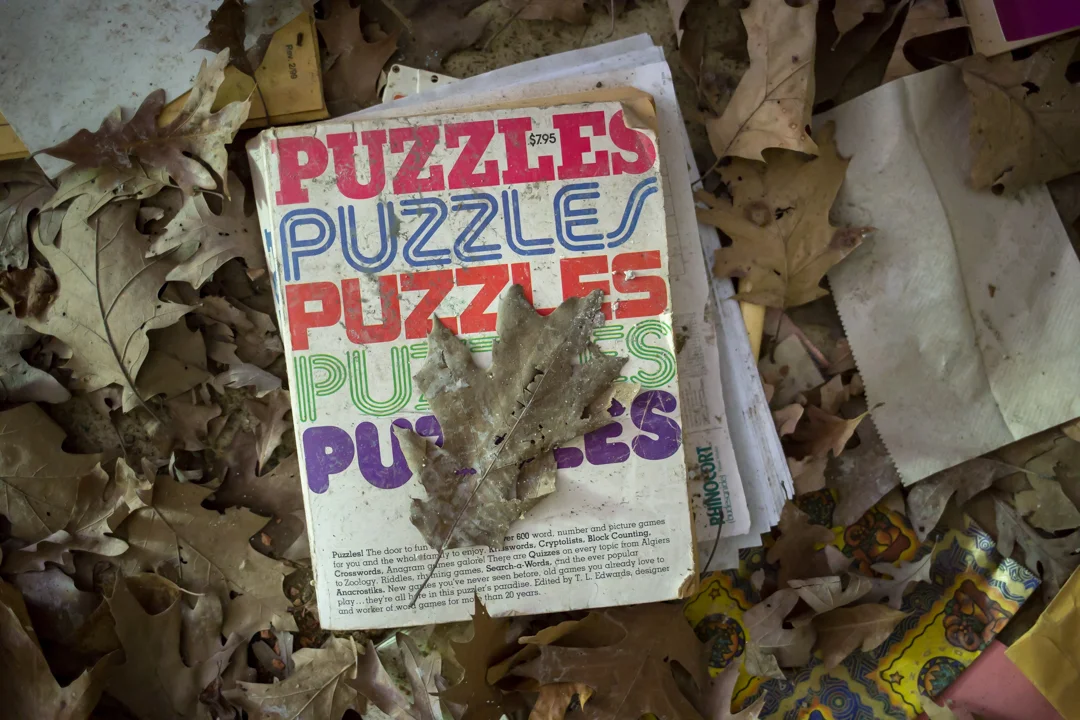
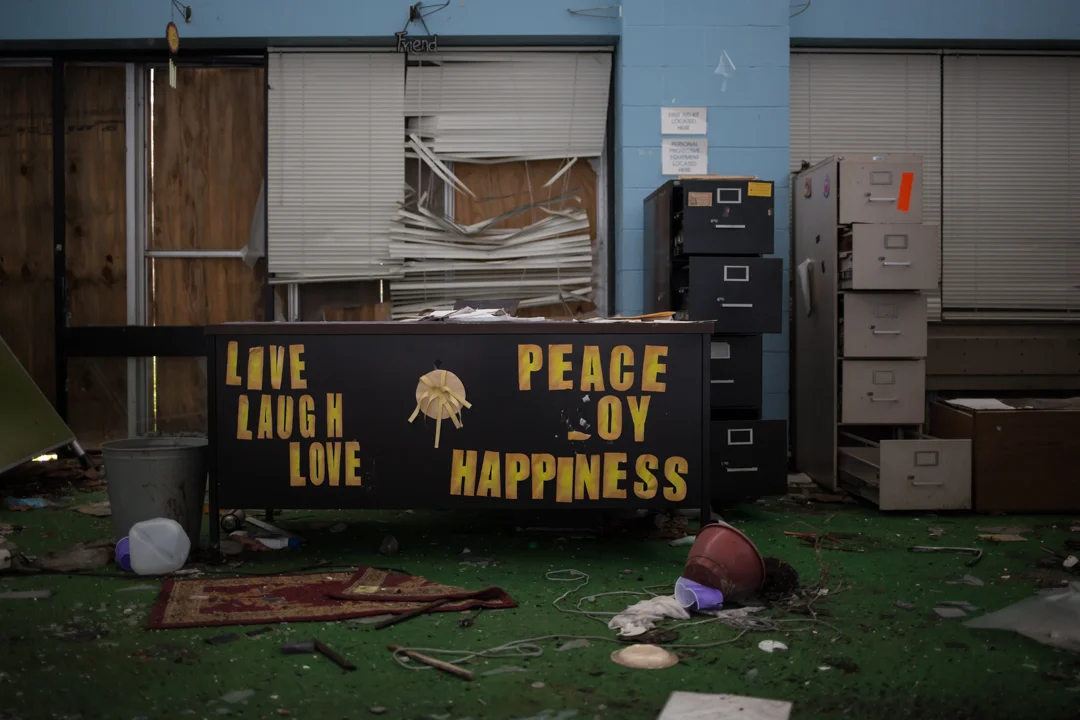
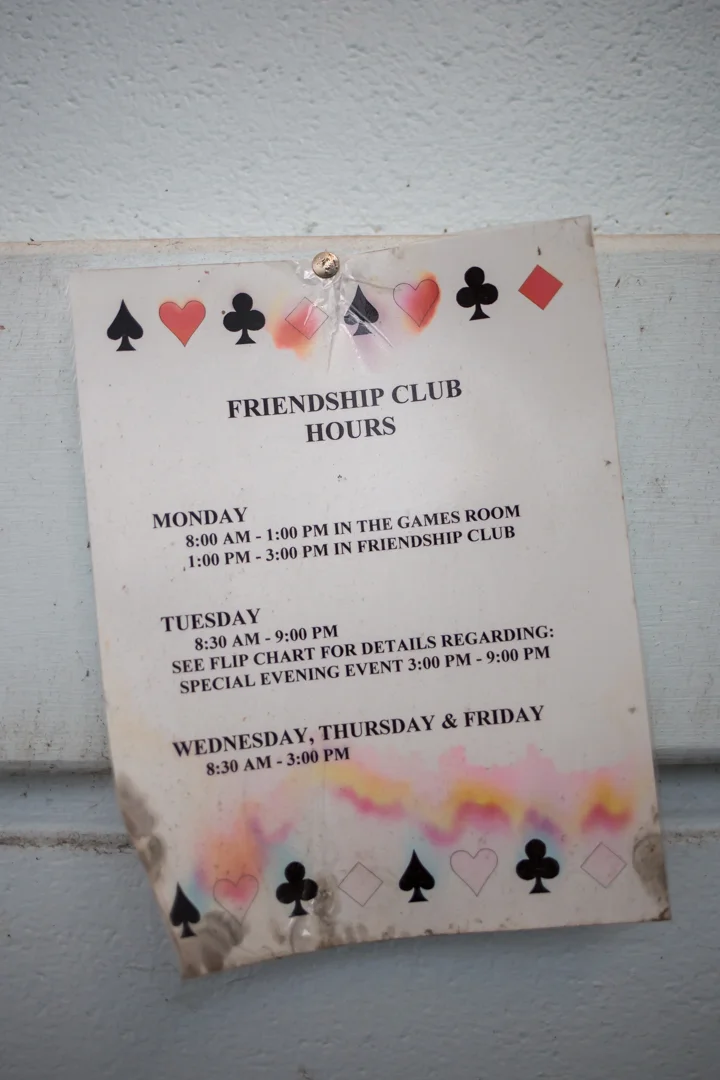

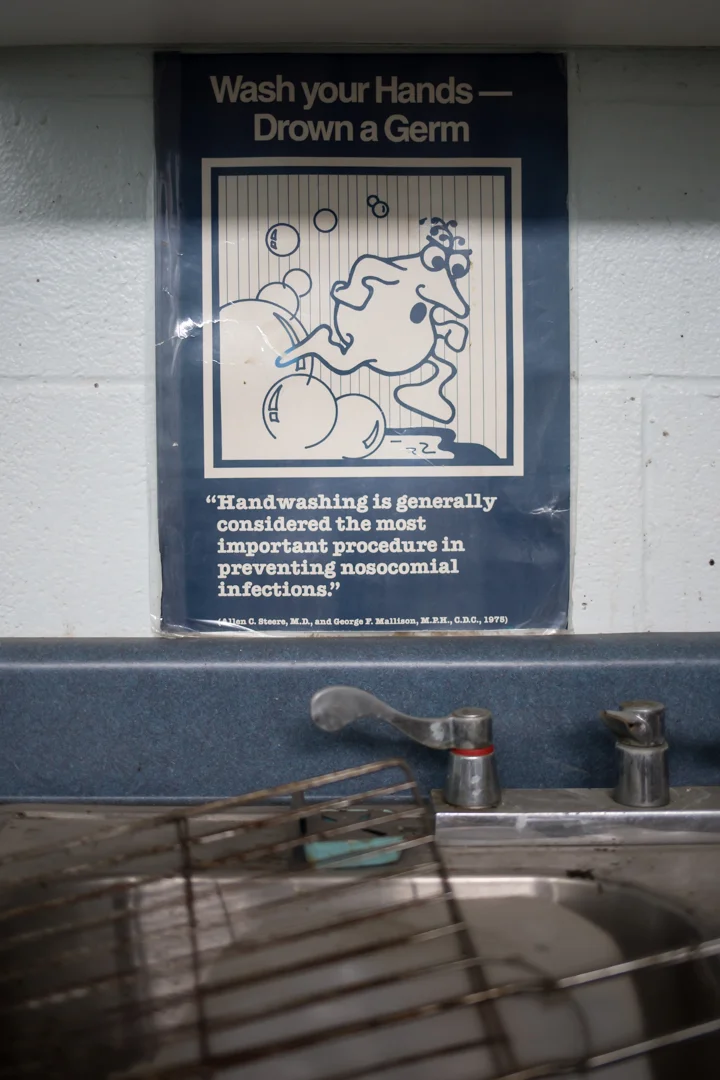
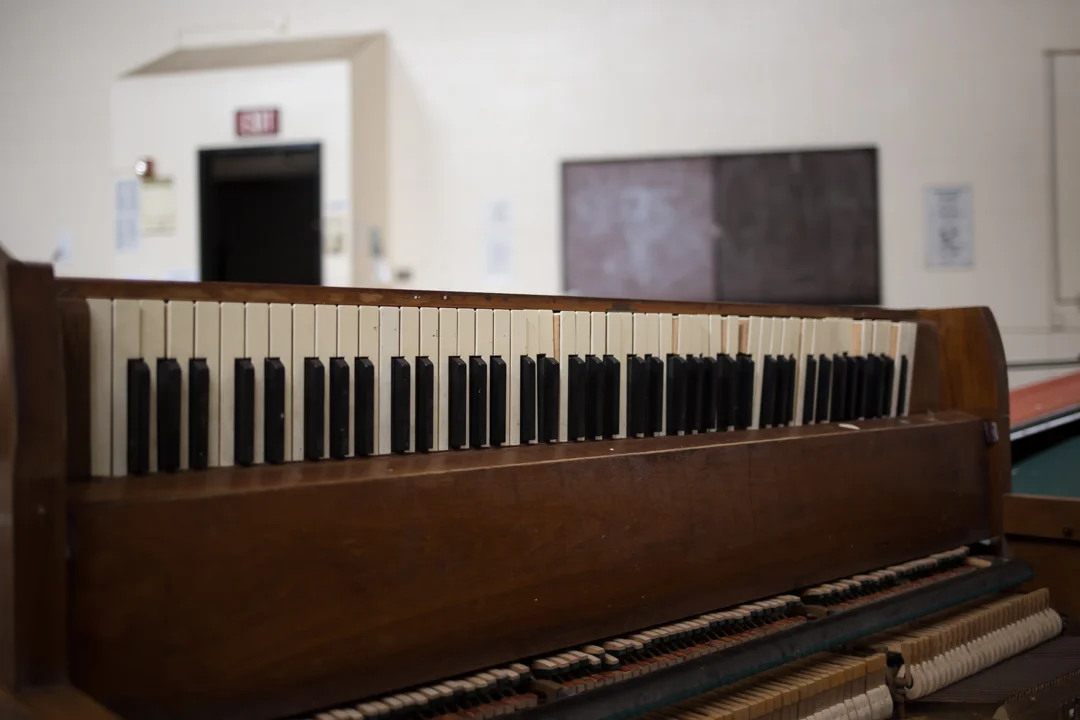
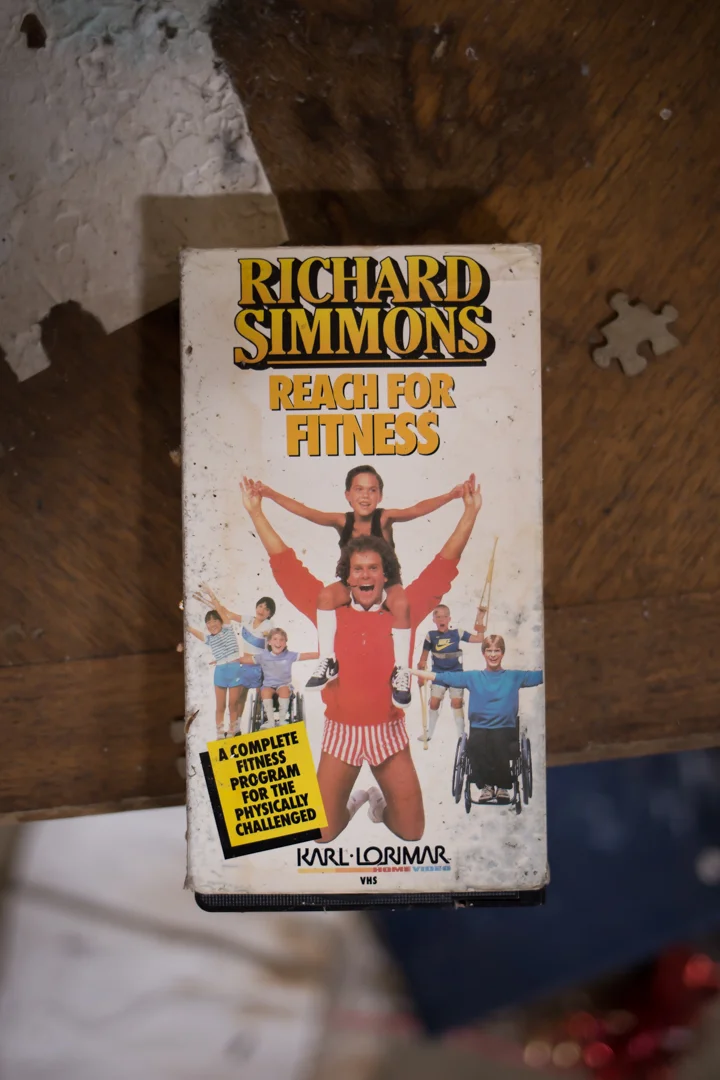

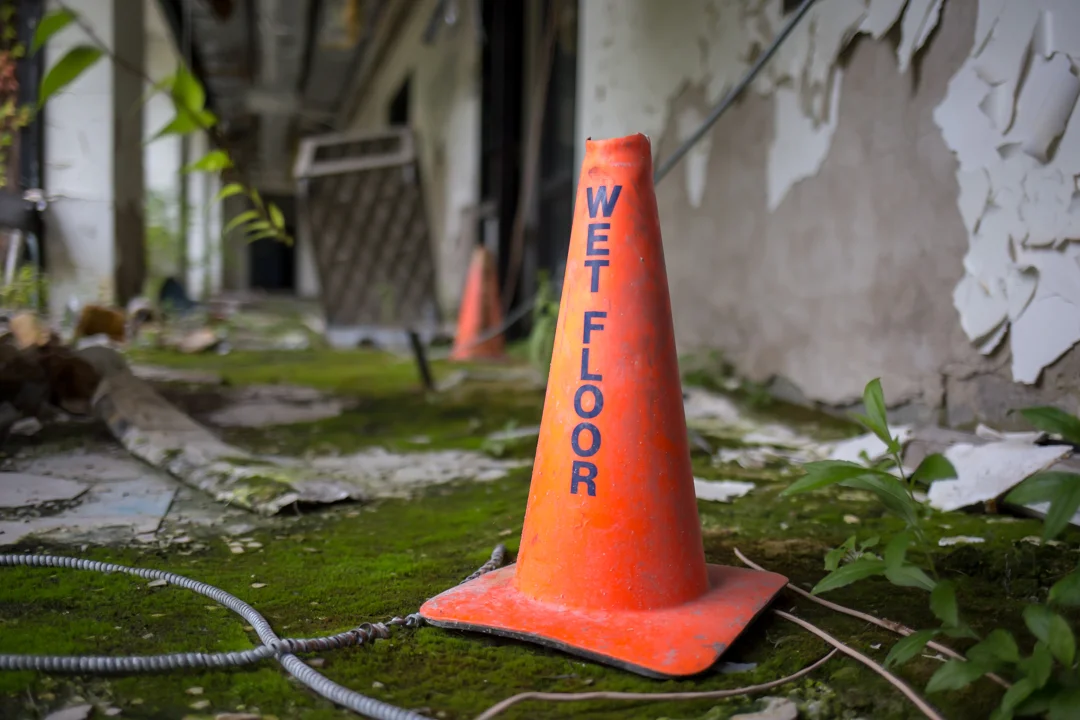
Middletown opened in 1874 but The Kleiner Center came later, dedicated in 1968. The building was named for Solomon Kleiner, clinical director at the psychiatric center for 30 years. In 2015, a building on the Middletown campus caught fire—arson or a lightning strike, the cause was never determined—and when the flames threatened the nearby Kleiner Center firefighters doused the building to keep it safe.
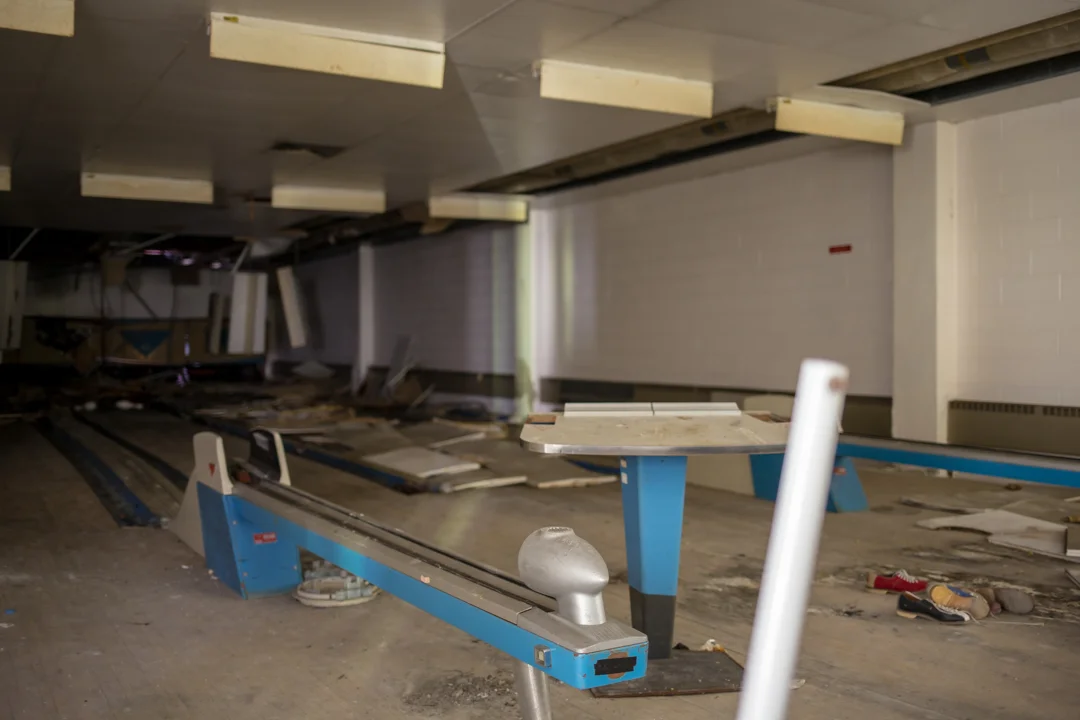
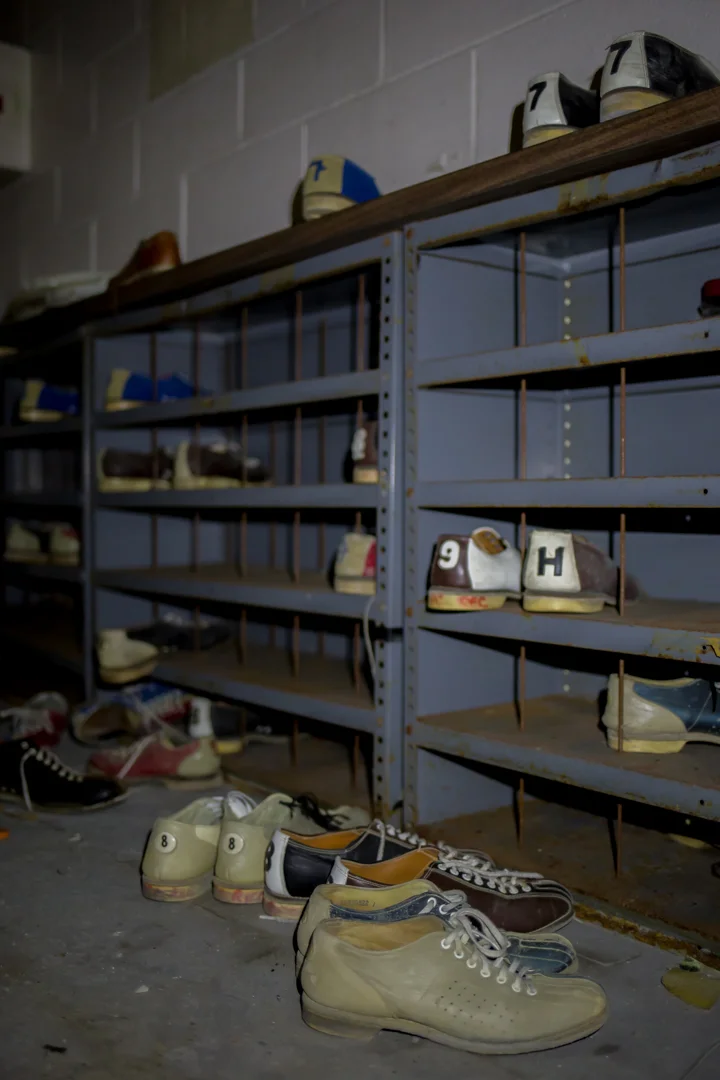
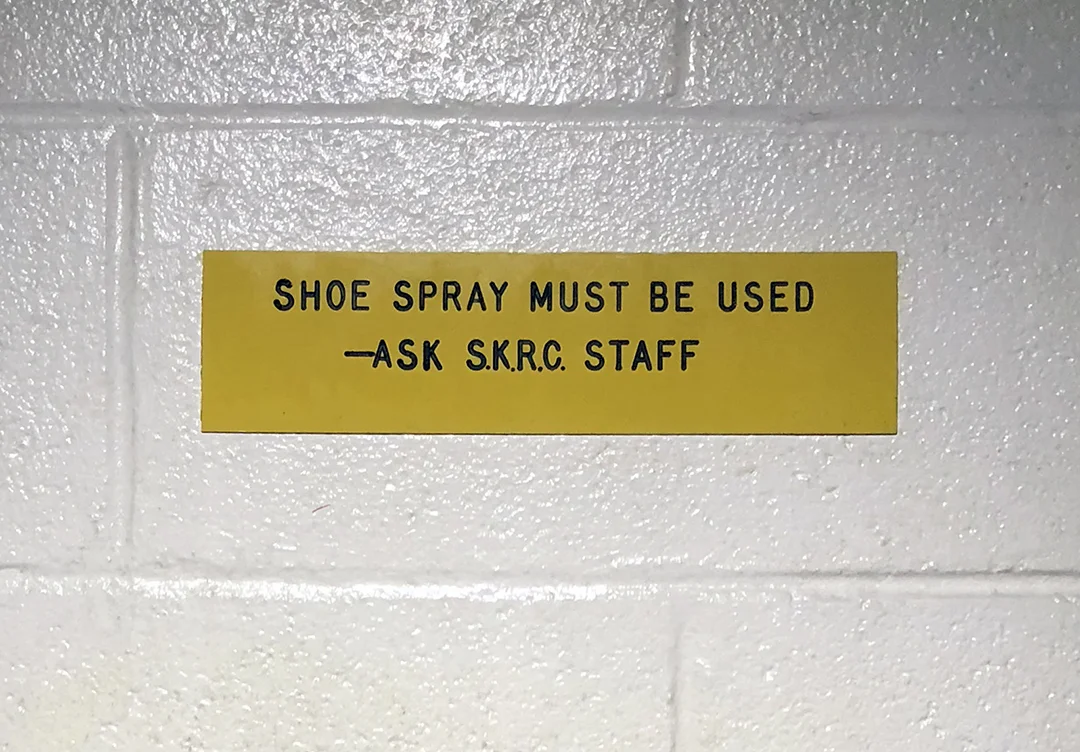
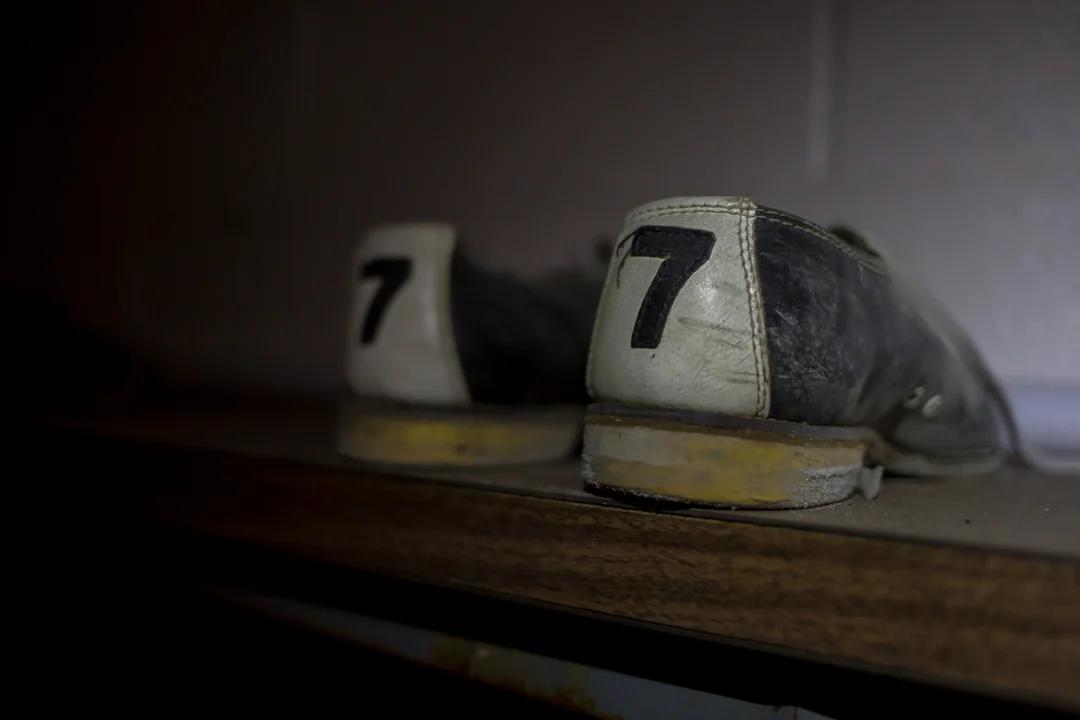
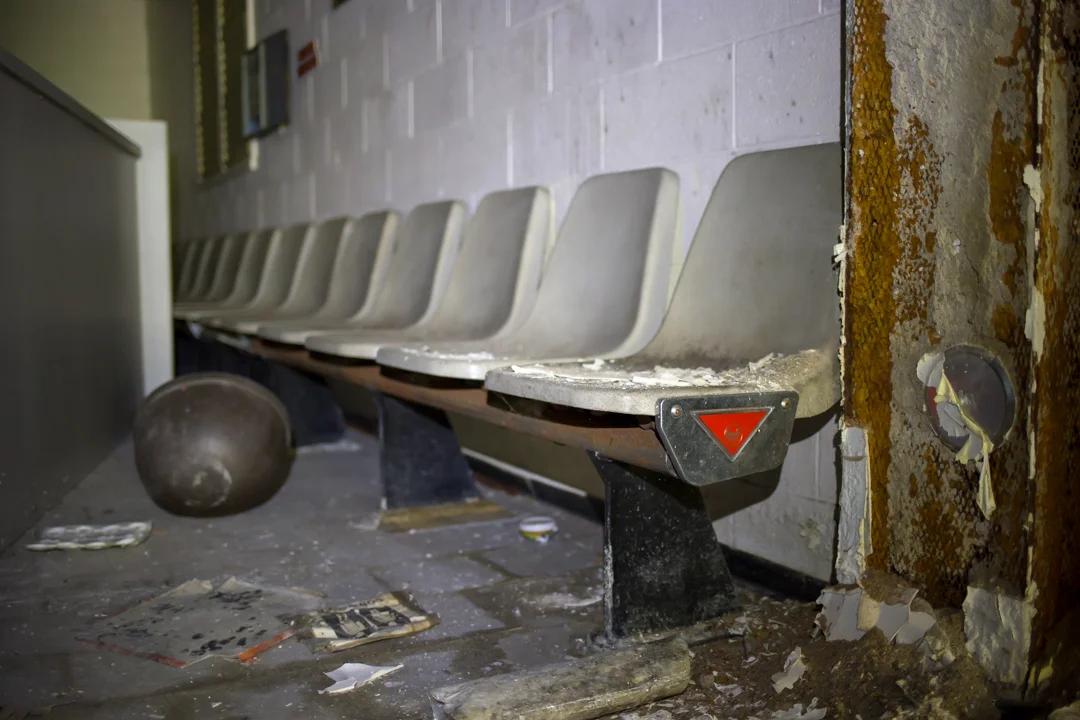
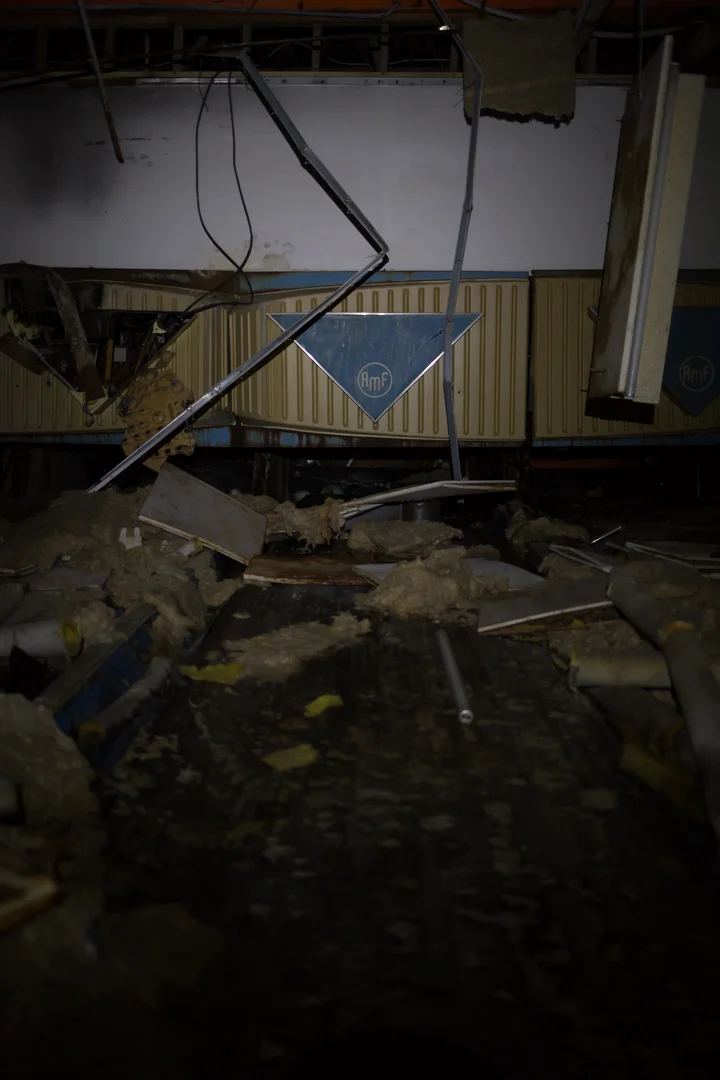

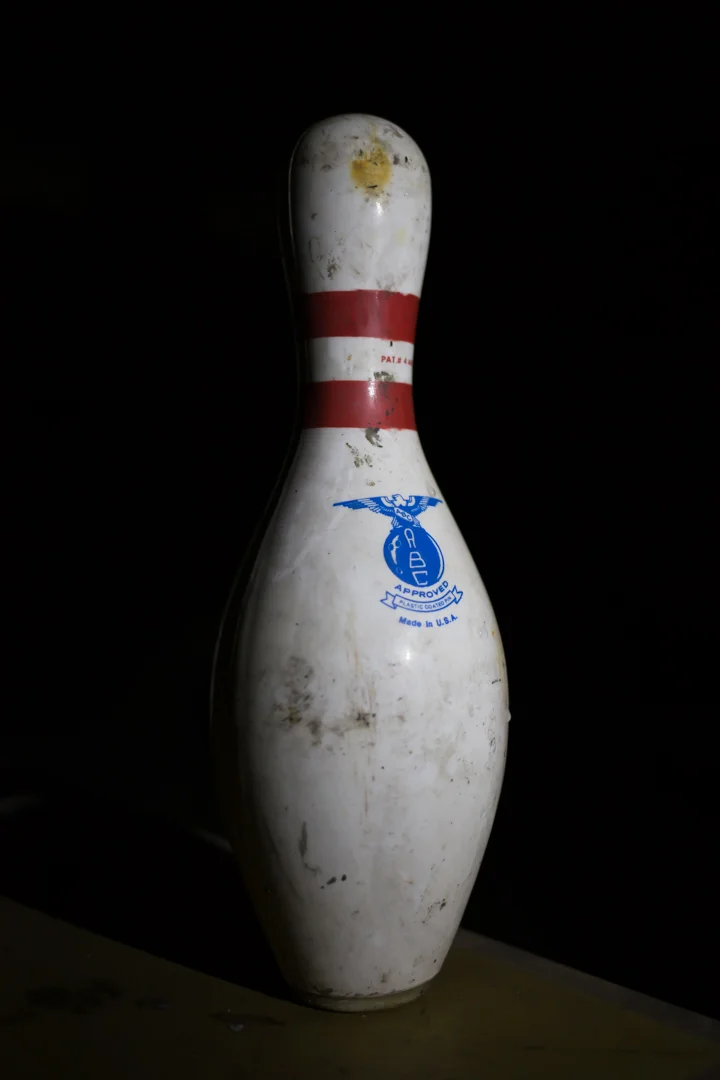

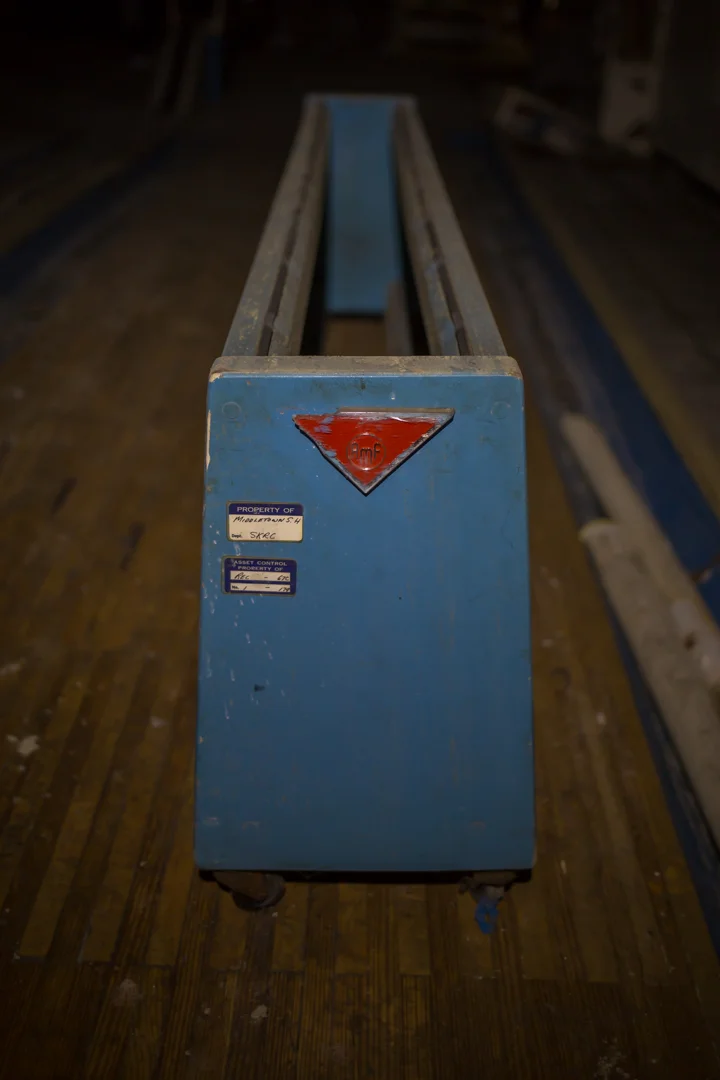

Used for recreational activities—as opposed to patient housing or medical treatments—the Kleiner Center has a gym, bowling alley and art rooms. Signs still posted listed directions to various areas and when I saw “bowling alley” I thought it was too good to be true. A psychiatric hospital bowling alley has been on my exploring wish-list forever—at least since I saw one in Girl Interrupted. I was most surprised to find so many shoes in relatively good condition in the shelves and a few bowling pins, balls and bags laying around.

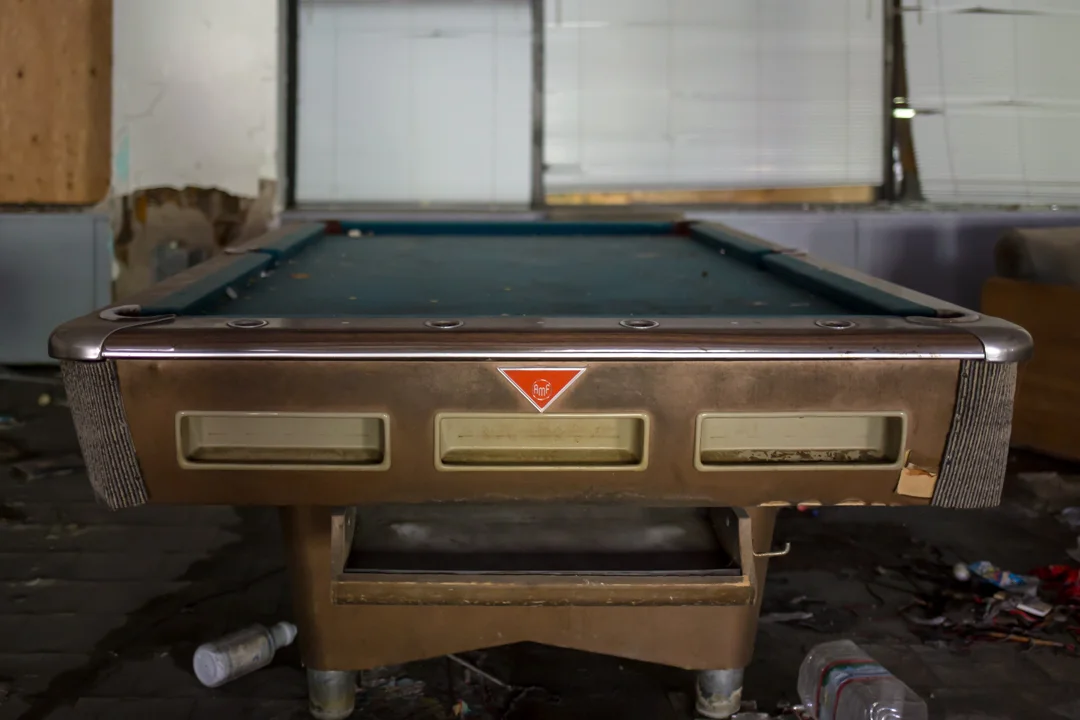

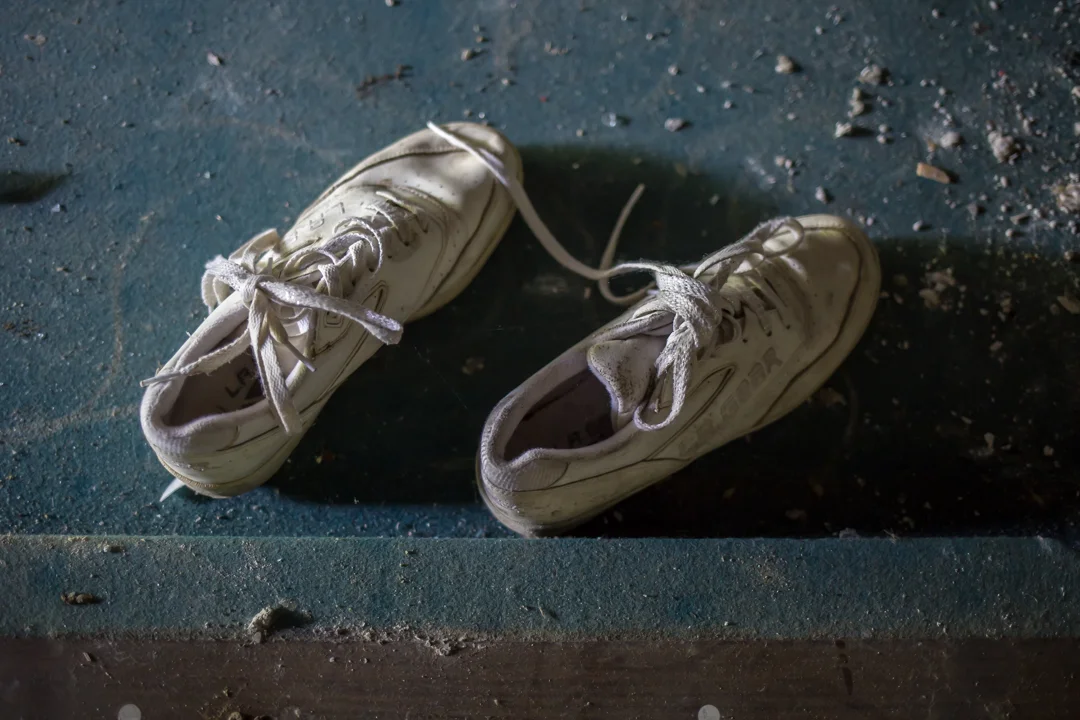

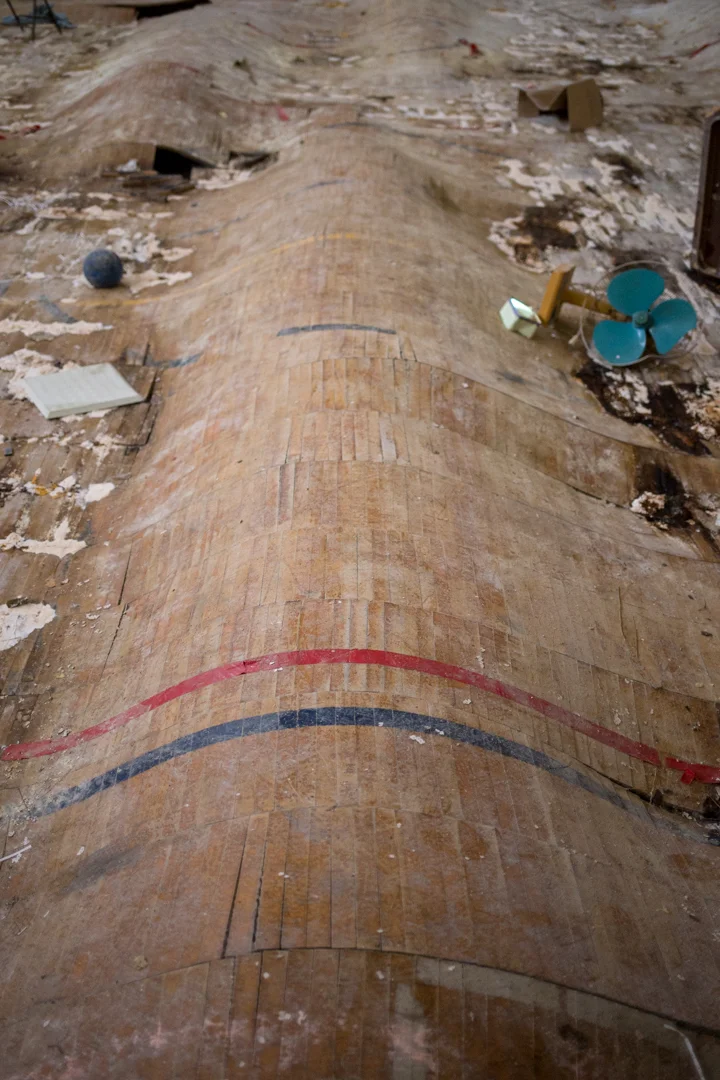
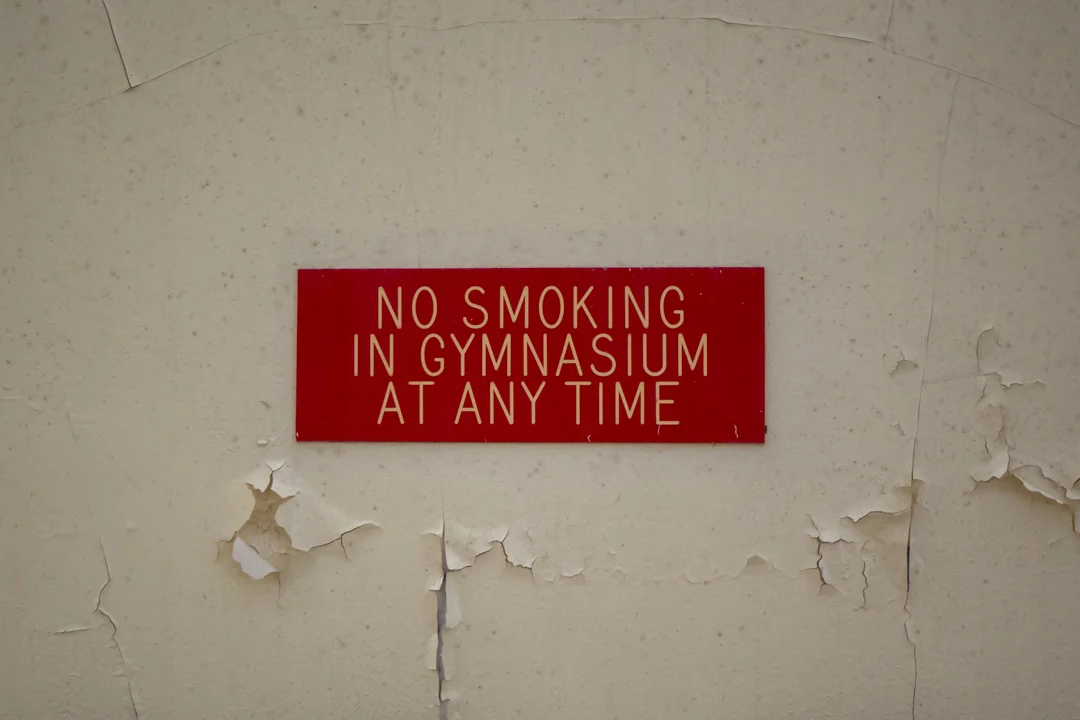
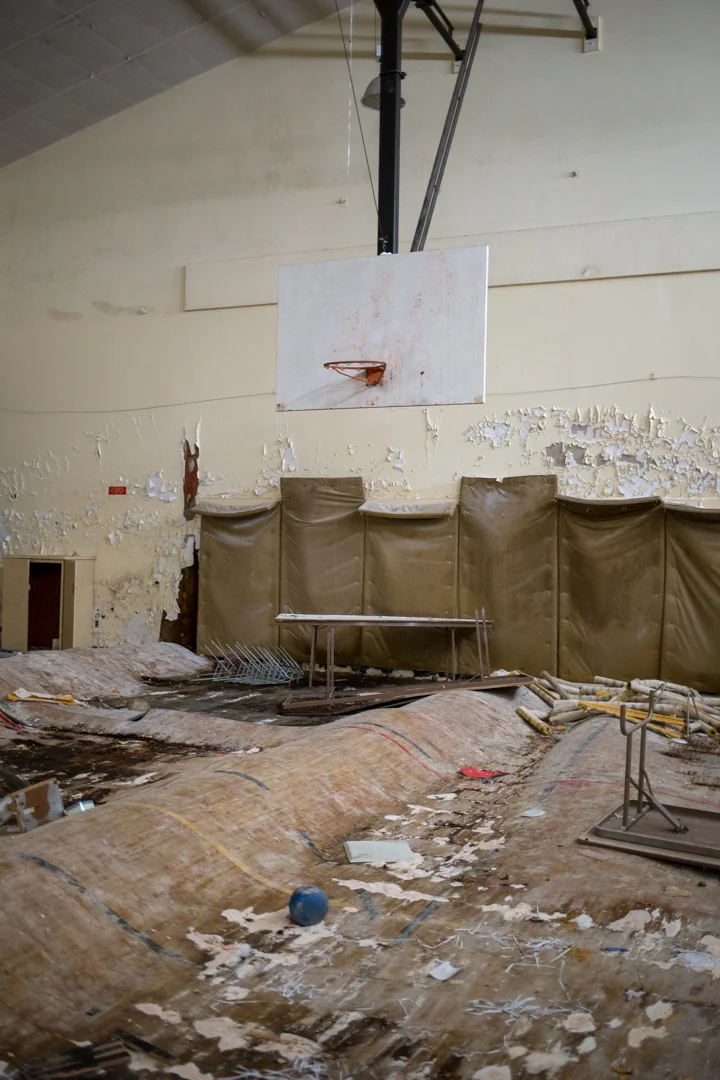
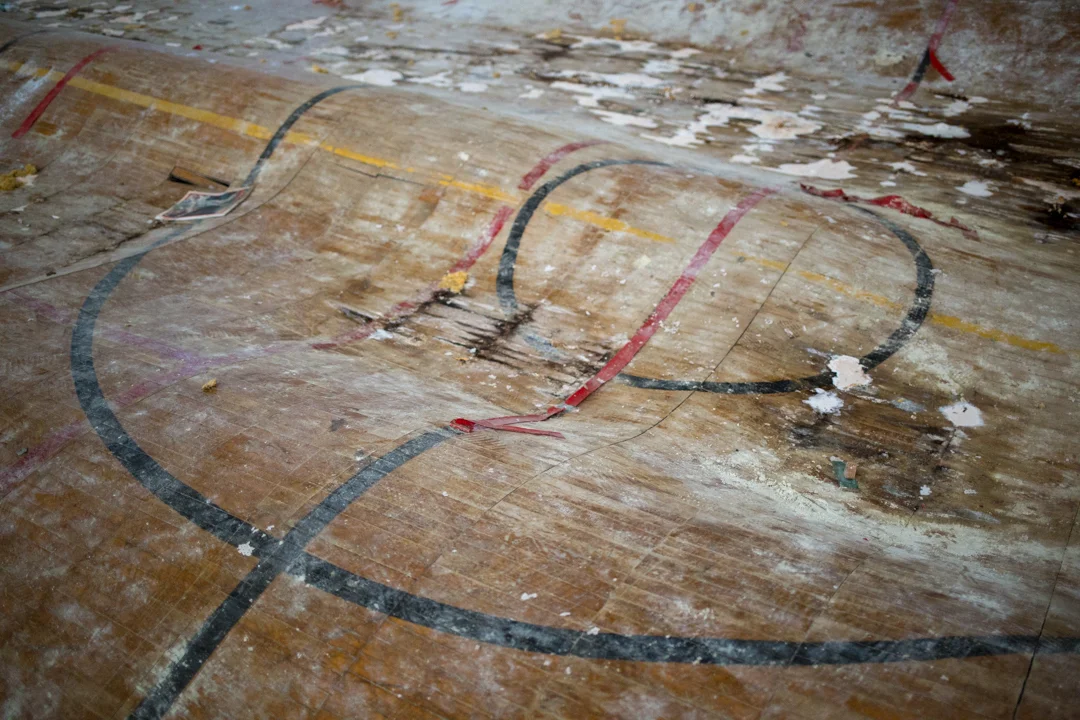

The gym has wild, undulating, massively buckled wooden floors that I’ve seen in photos of other abandoned schools but never experienced in person before Middletown. We were surprised at just how much stuff was left in the Kleiner Center—especially when compared to the relatively empty Tuckerman Hall. I’m sure the well-meaning efforts to save the building from fire inadvertently did more damage with a few fire hoses than 12 years of abandonment ever would have.
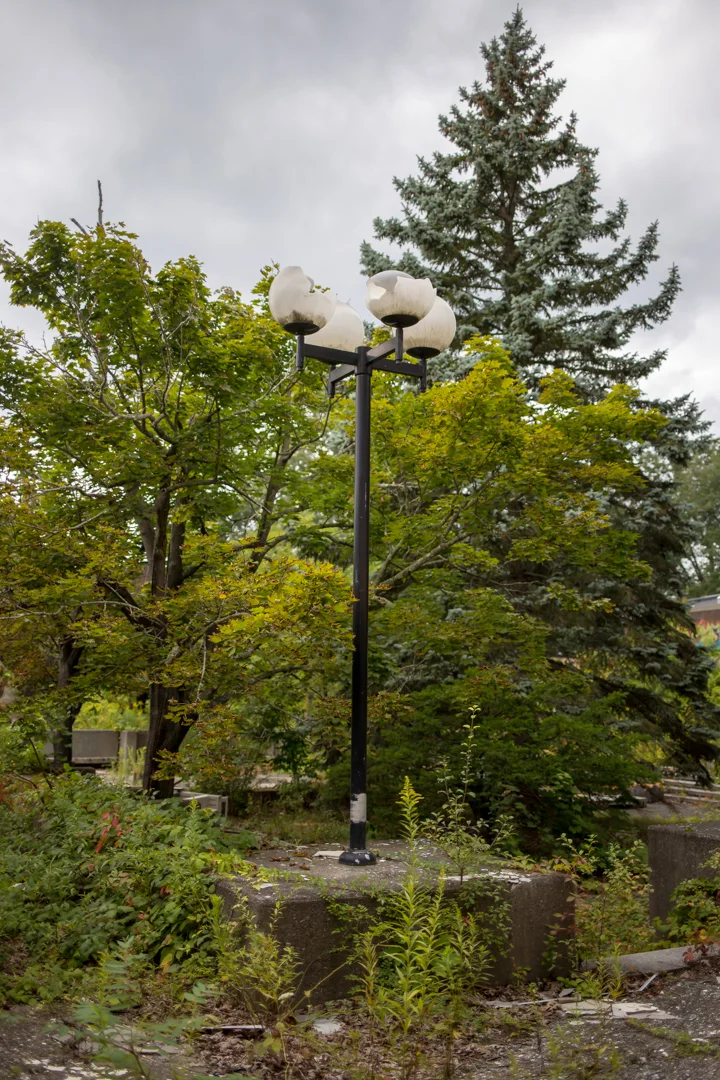

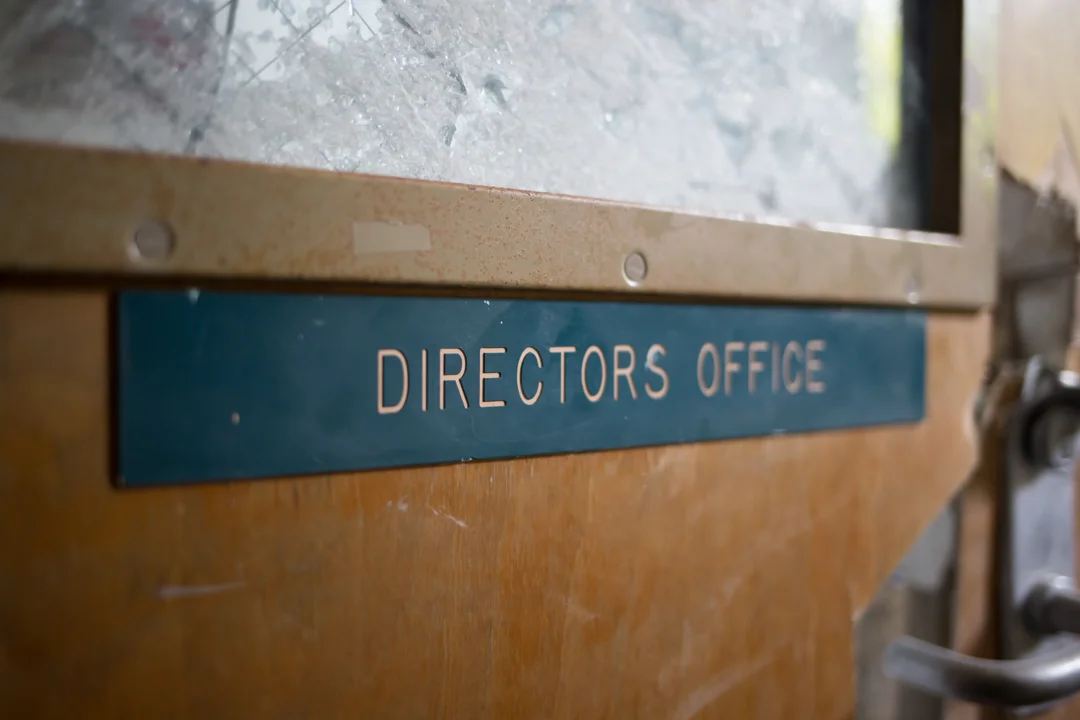
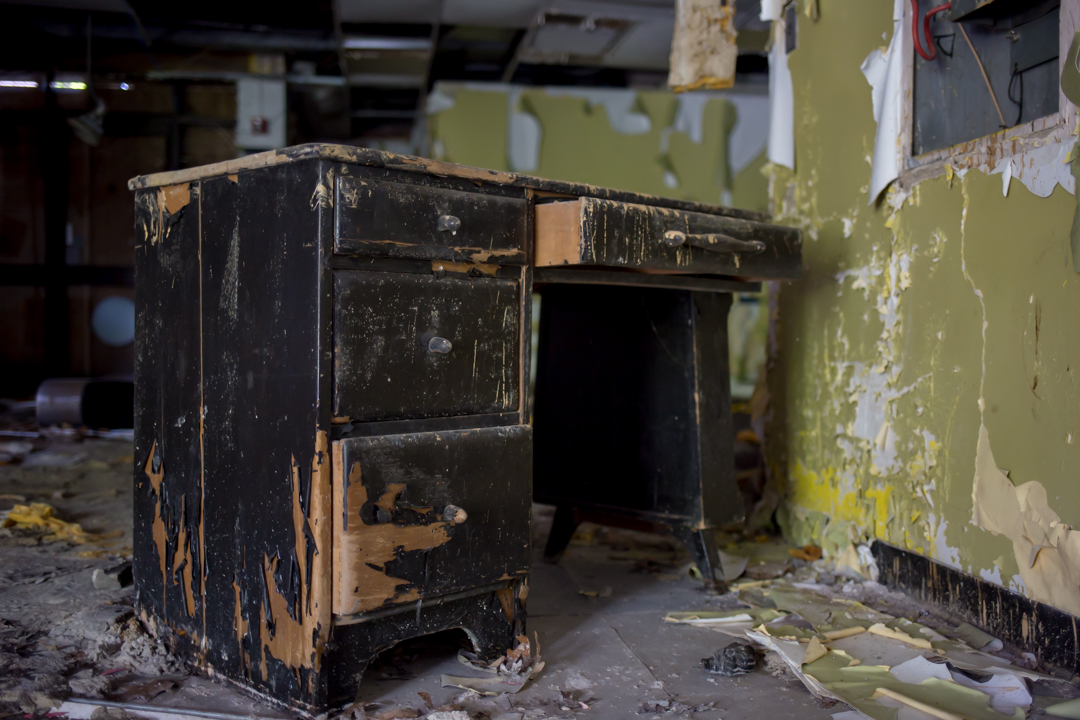
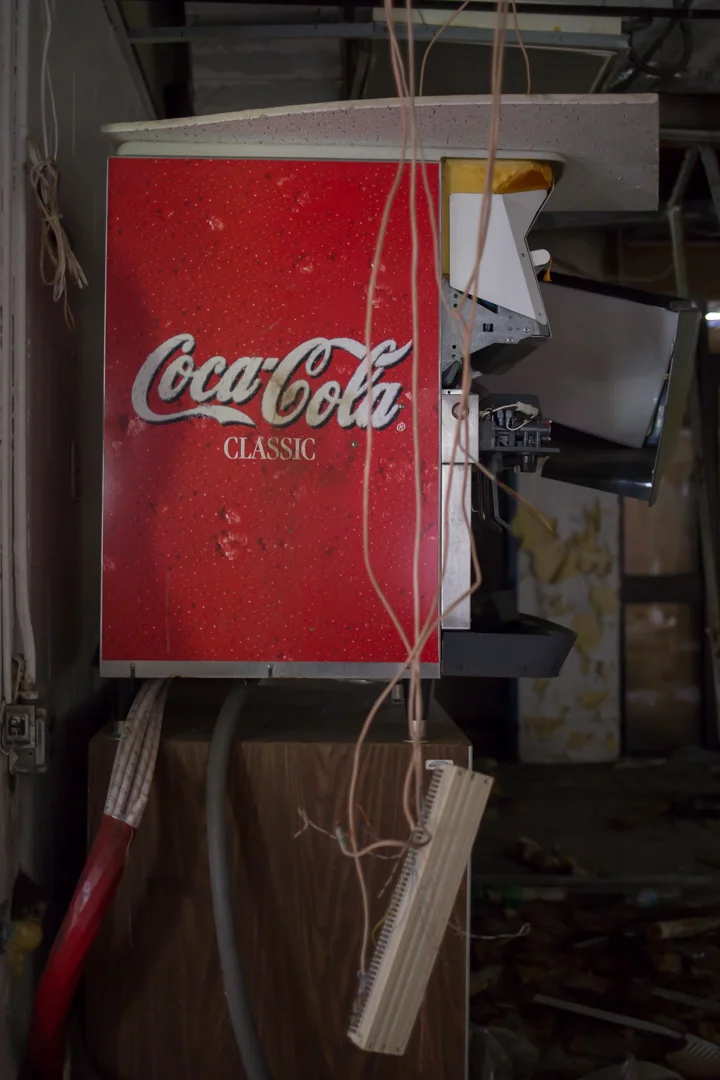
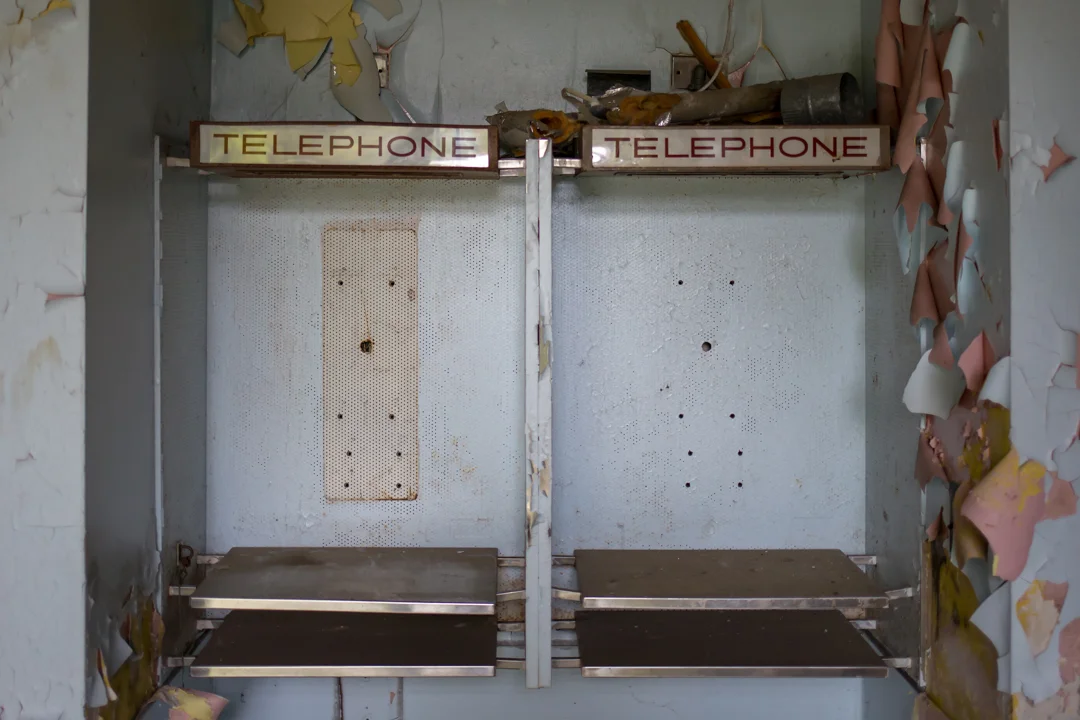
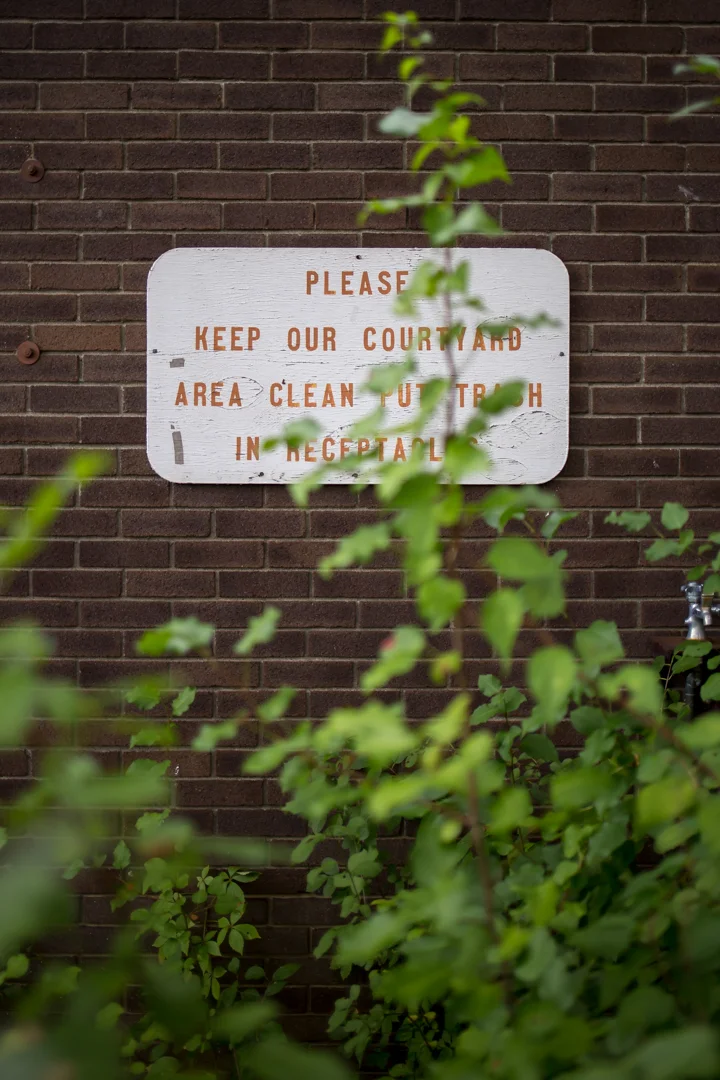

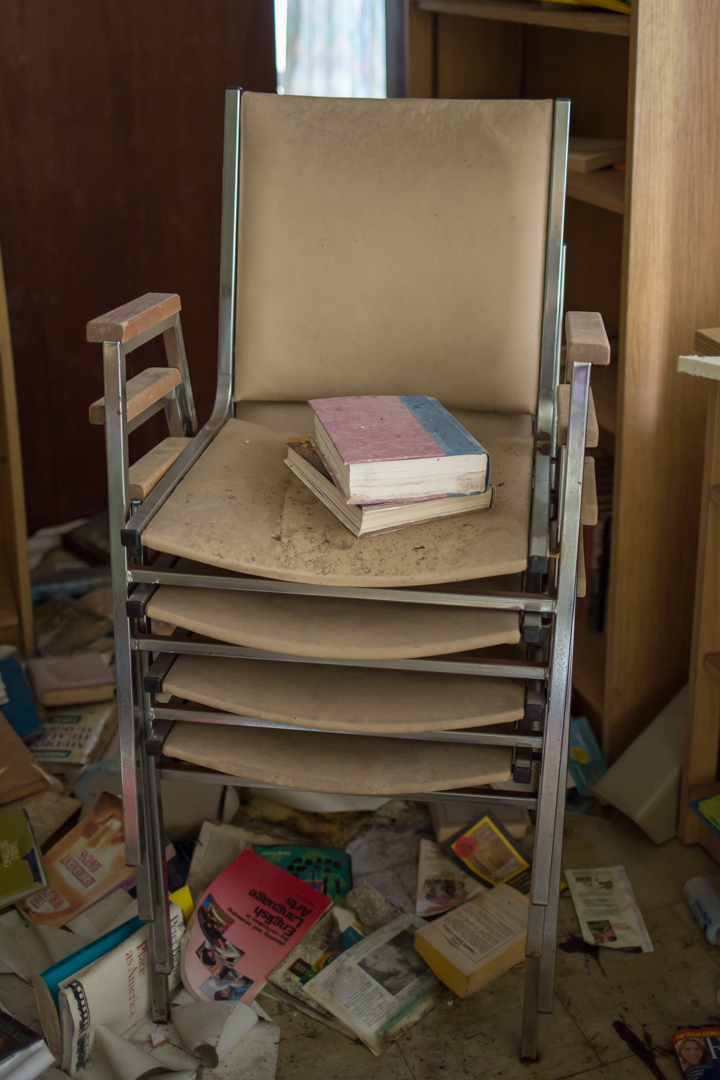
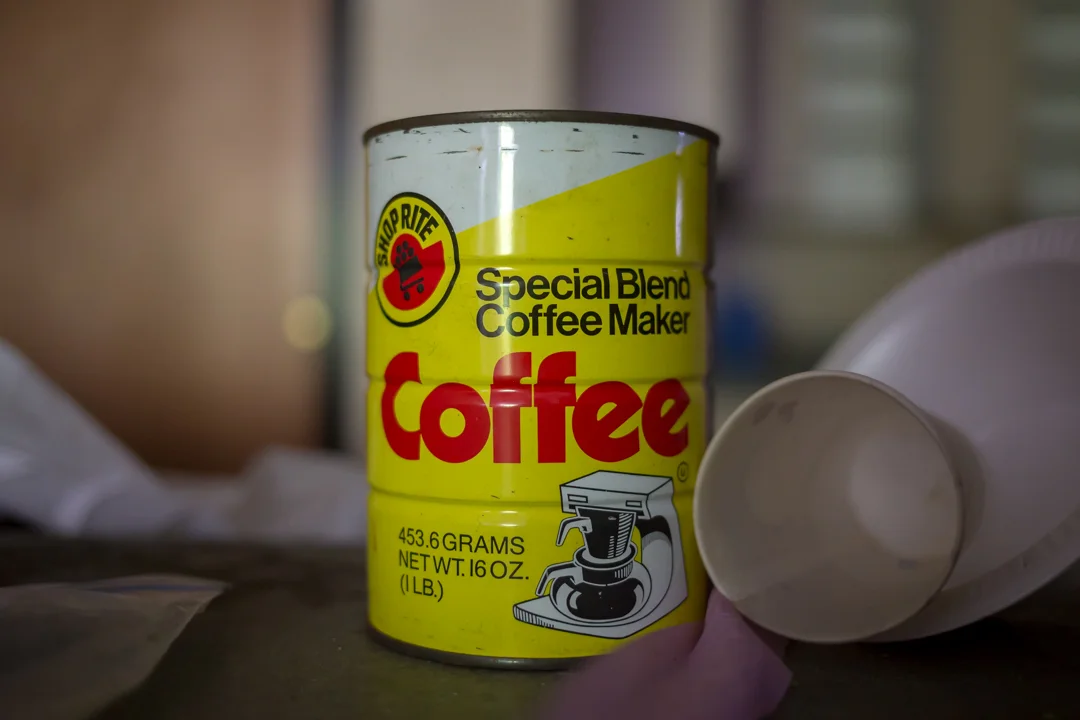

The Kleiner Center is one of the buildings (along with Tuckerman Hall) that is slated for redevelopment by the city of Middletown. In addition to all of the abandoned buildings, the campus currently includes a small mental health facility and homeless shelter. But the city of Middletown has encountered some complications, including the fact that 100 of the acres that the city wants to redevelop are actually owned by the town of Wallkill—with the dividing property line running right through the middle of the Kleiner Center.

Middletown Psychiatric: Tuckerman Hall

Middletown State Homeopathic Hospital, or Middletown Psychiatric, opened in Middletown, New York in 1874. It was the first hospital in the United States to use homeopathic techniques to treat mental disorders and probably for good reason—homeopathy is not based on actual science, and as it turns out, is has never been proven to be an effective treatment for much of anything.


Middletown also touted physical activity as a treatment course, and in 1888 a baseball team—called the Asylums—was formed, comprising patients, staff and local amateur players. Just a few years later the team was playing teams from the New York City region and in 1892 the Asylums only lost twice, both times to the New York Giants (the team that would become the San Francisco Giants after a 1958 move).


When it opened, Middletown only had 69 patients. The complex eventually grew to include more than 100 buildings housing nearly 4,000 patients in the 1960s. Through the years more mental health services were offered on a outpatient basis, and Middletown only had 80 patients when it closed officially in 2006. In 2015, one of the oldest buildings on the Middletown campus mysteriously burned down and several others are securely boarded up or completely empty.


Other buildings on the 232-acre complex have already been repurposed as part of the Middletown Community Campus. An article from January of this year states that the city has purchased more of the property from the state (for $1) with rehabilitation in mind, including the two buildings we explored: Tuckerman Hall and the Solomon Kleiner Center (deserving of its own post).


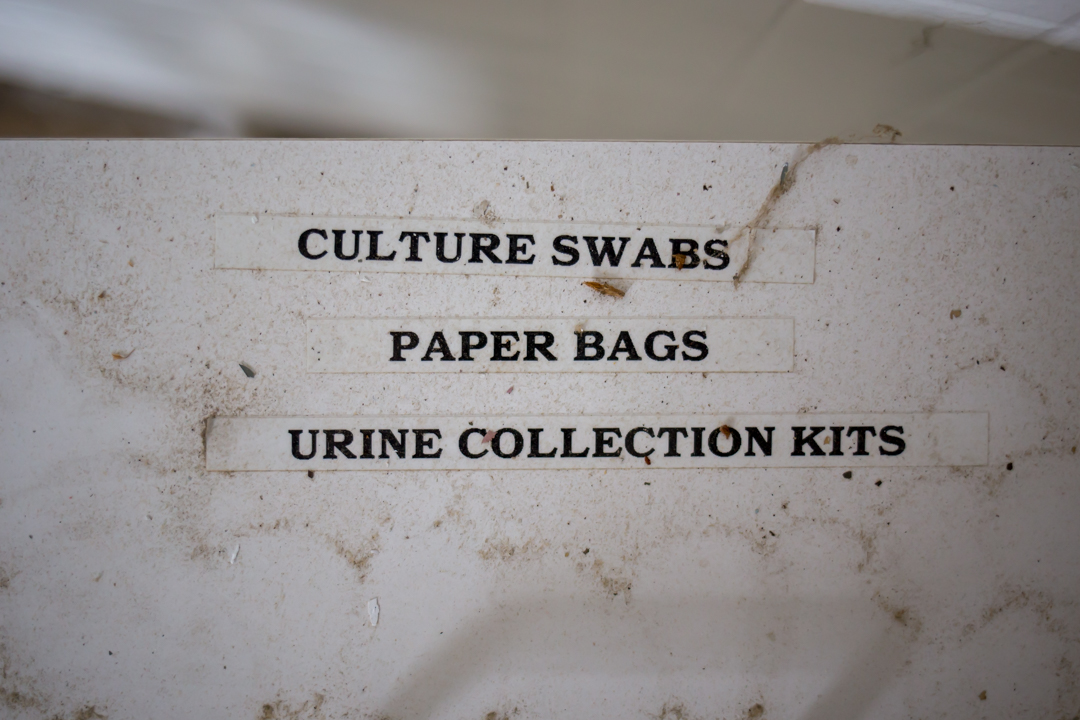


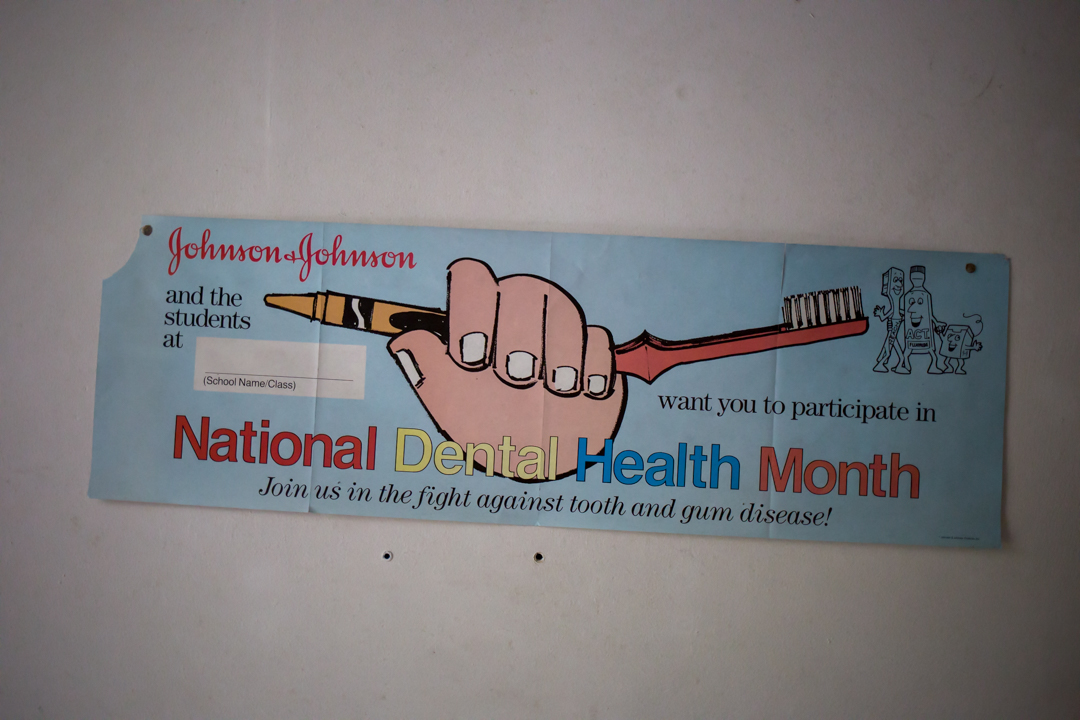
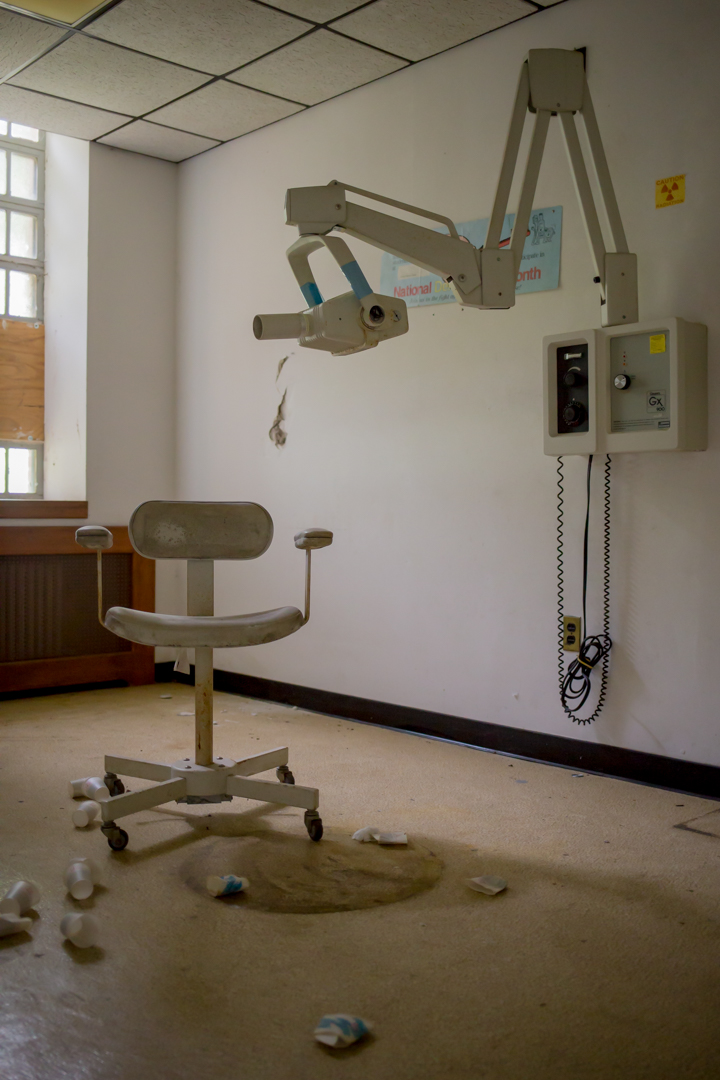
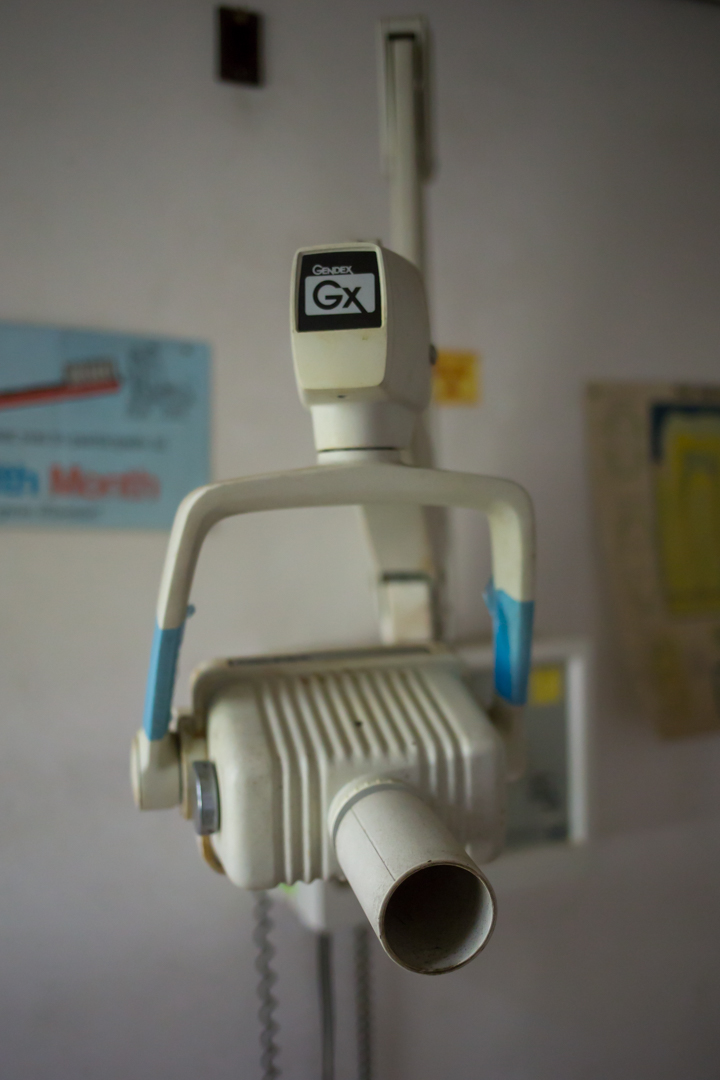
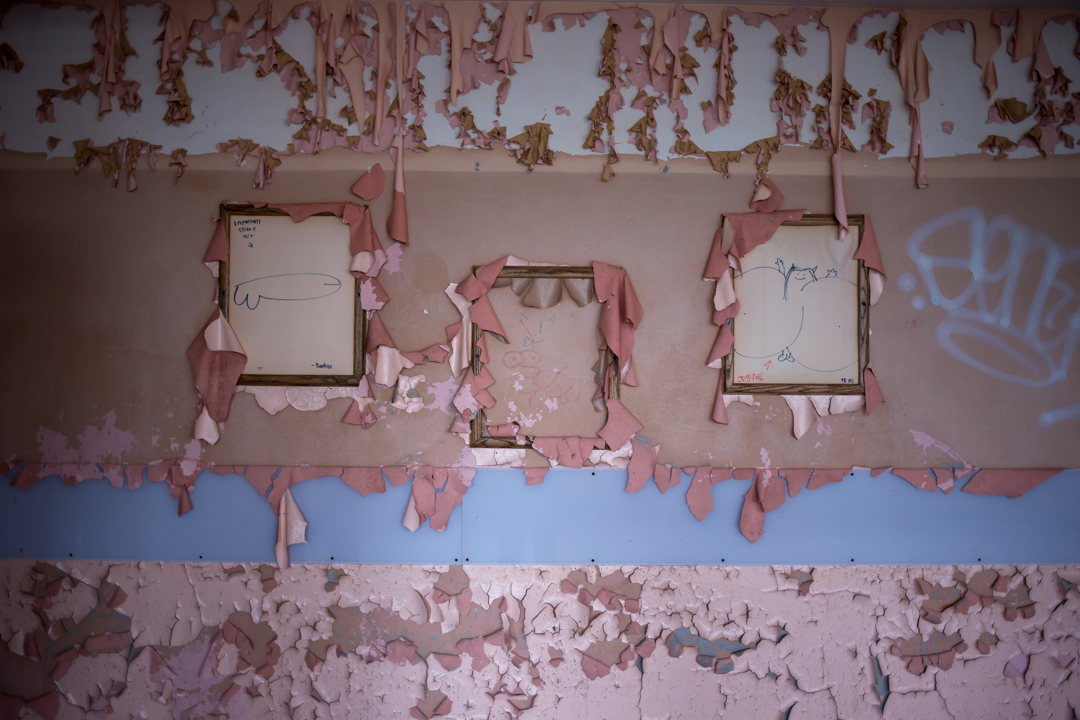
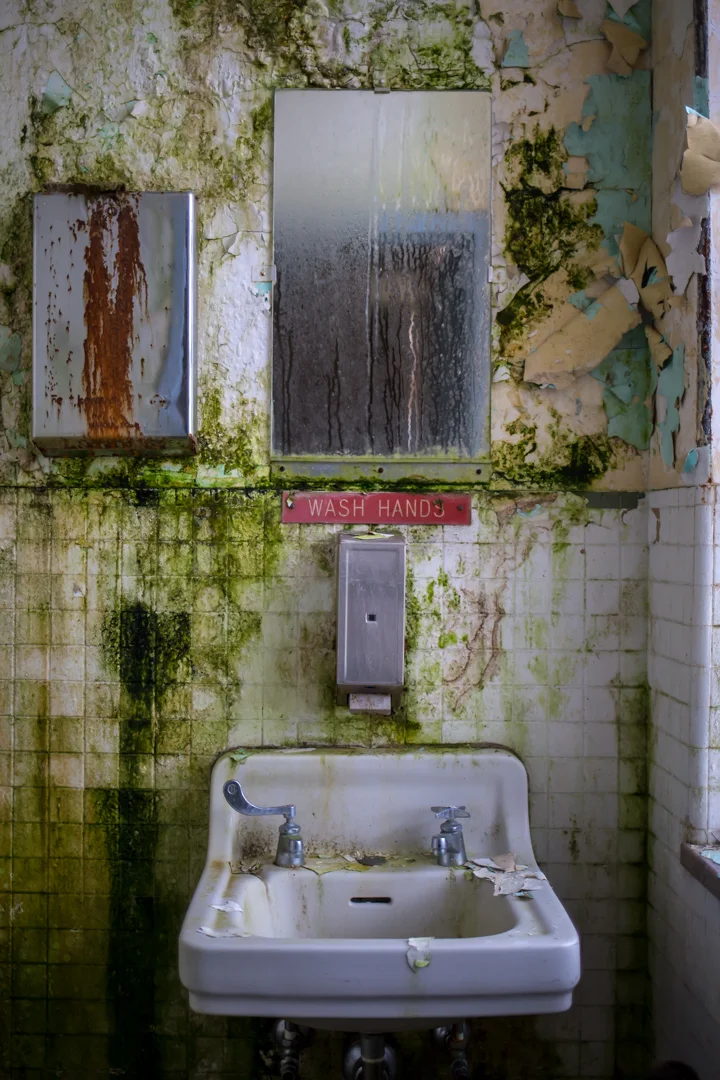
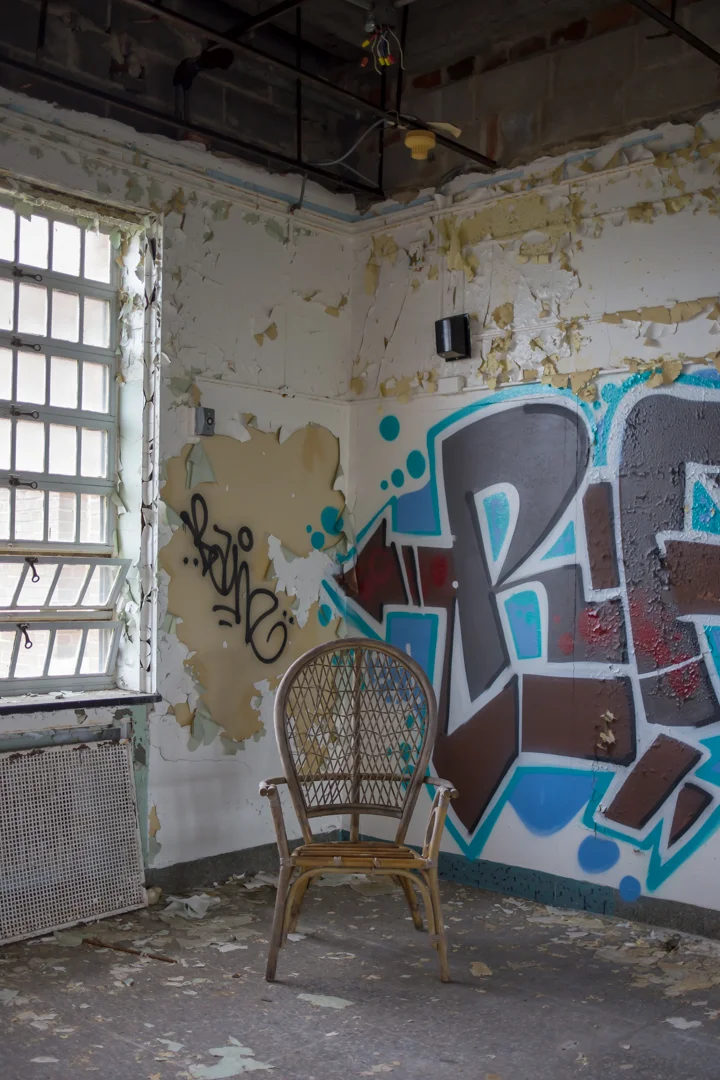
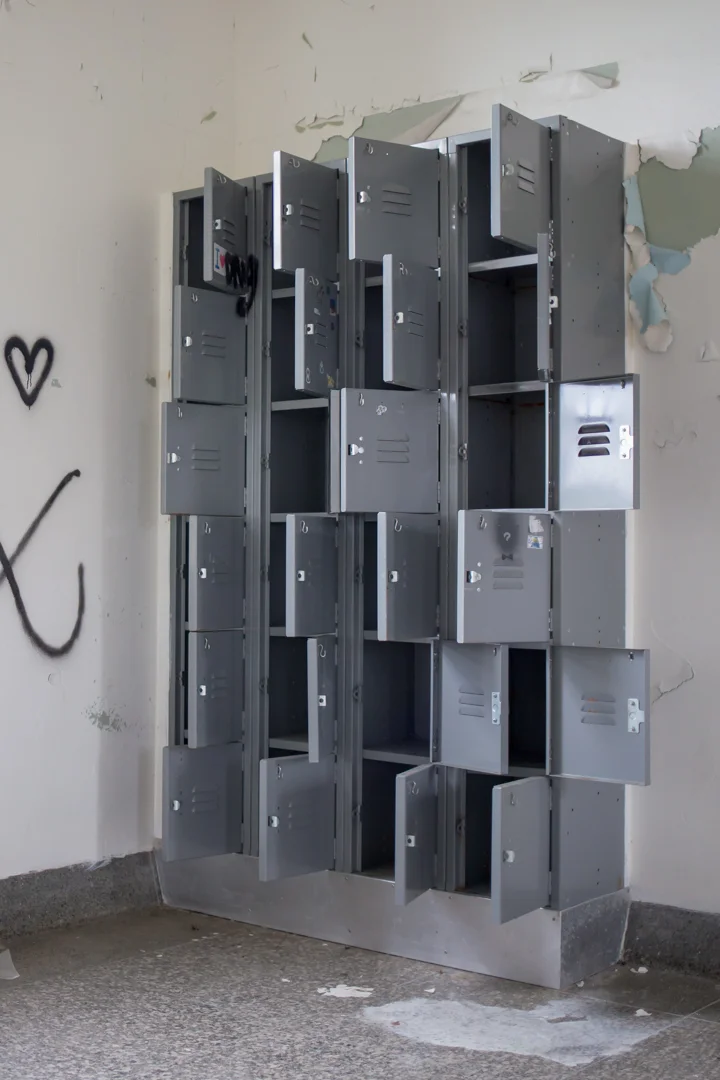
The photos in this post are from Tuckerman Hall, which appears to have been used for patient housing and medical services. There wasn’t much left inside of the building, but we did see a dental x-ray machine, lockers, medical cabinets labeled “treatments,” “lab supplies,” and “urine collection kits.” The walls have more peeling paint in muted institutional greens and pinks than I think I’ve seen in any of the other buildings we’ve ever explored and surprisingly few spray-painted dicks.



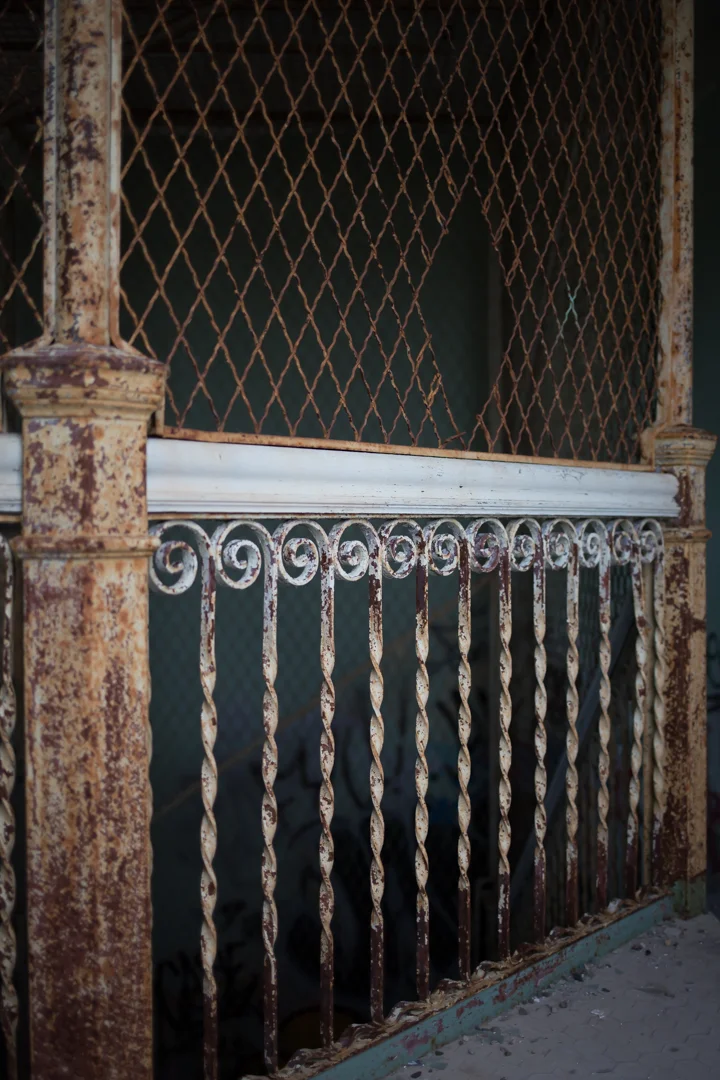
The small patient rooms are usually the saddest part of a place like this and when combined with the caged stairwells, I see little difference between Middletown and Eastern State Penitentiary. Attempts were made to personalize some of the rooms, but there’s no amount of colorful murals, floral curtains or uninspired artwork that can mask the suffering that inevitably occurred within these walls.

Muffler Man: Woodstock Hippie

My first thought after buying tickets to see Steve Martin and Martin Short’s variety show in Bethel, New York was that we’d finally get to see the Hippie Muffler Man. Bethel is located about two hours northwest of the city in the Catskills region of New York. In 1969, the Woodstock music festival took place in Bethel—not 60 miles north in Woodstock, NY—on Max Yasgur’s dairy farm.


This Muffler Man stands on Yasgur’s farm, attached to a telephone pole near the road. Before he moved to Bethel, this Bunyan-style fiberglass giant stood outside of a car repair shop in Albany. He held a large muffler, which was replaced by an ax in 1987 when he was sold to a jeep dealership in Monticello. In 1993 he moved to an ice cream shop which turned into a fish market (he then held a large fish, which I would have loved to see). In the late ‘90s, a Woodstock-loving employee gave the Muffler Man his “hippie” look.


This Muffler Man is technically on private property and at times there have been ‘no trespassing’ signs posted, but there’s enough room to pull off the road and snap a few quick photos. He has a tie-dye shirt and patched jeans and no longer holds anything. I remarked that his shirt was a strange attempt at representing tie dye, and then as we were watching Woodstock the Movie on Sunday we noticed that Joe Cocker’s shirt looked awfully familiar…

Hippie Muffler Man
Yasgur Road and 17b,
Bethel, NY 12720

Muffler Man: Camp Bullowa

I'm running out of Muffler Men to see in close proximity to New York, but this weekend I crossed two more off my list. The first one we saw on our way to the Catskills is located at Camp Bullowa, a Boy Scout and Cub Scout camp in Stony Point, New York. Stony Point is in Rockland County, about 45 minutes north of where I live in Harlem.


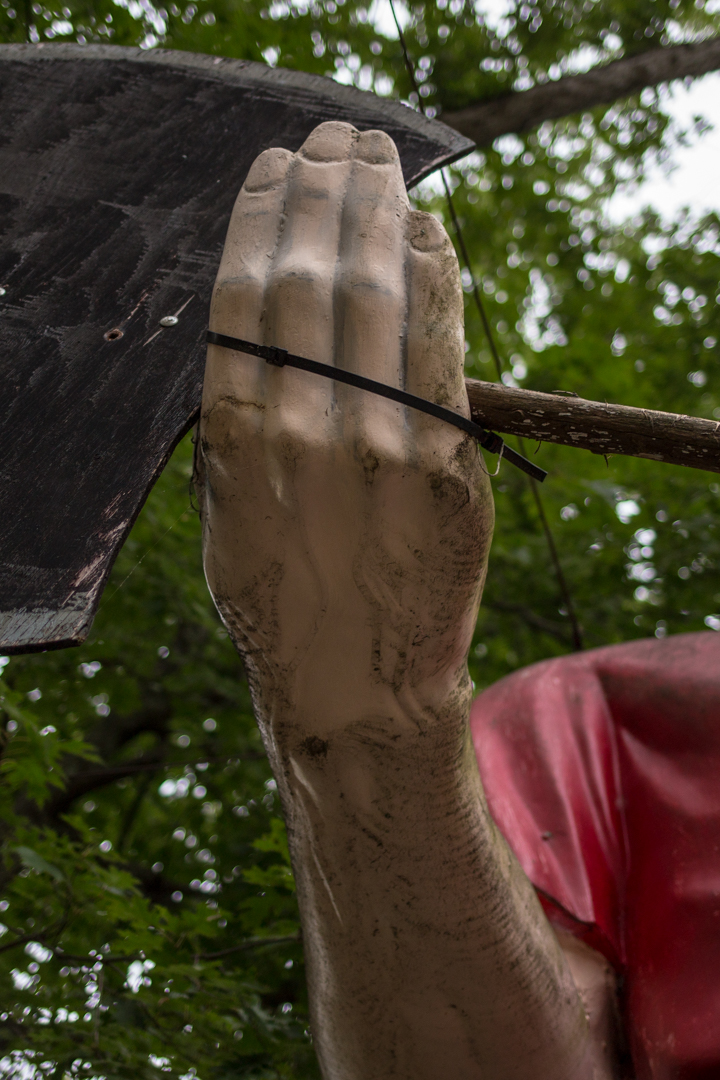

The Camp Bullowa Muffler Man is one of the early Paul Bunyans made by International Fiberglass in the mid-1960s. The Bunyan has been at the camp since the mid-'90s, and its whereabouts before then are unknown. He was previously located on a steep hill, but mischievous scouts would periodically push him down the hill into the lake. The hollow fiberglass statue would float, but he was moved near the entrance and in view of the ranger's home to discourage similar pranks.
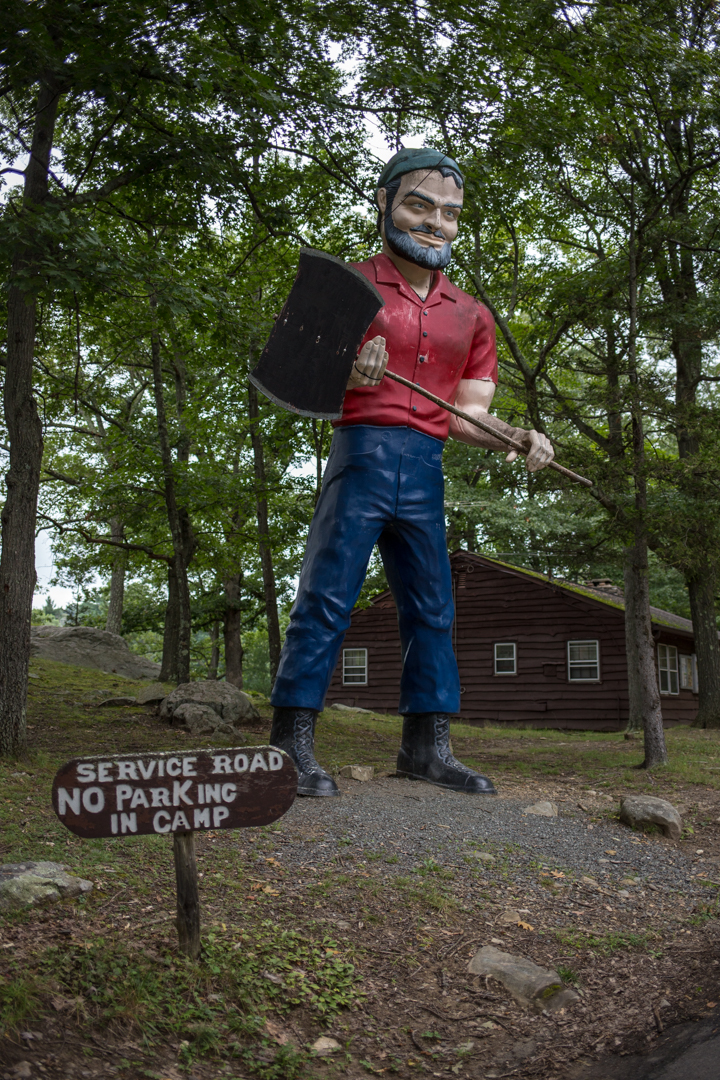

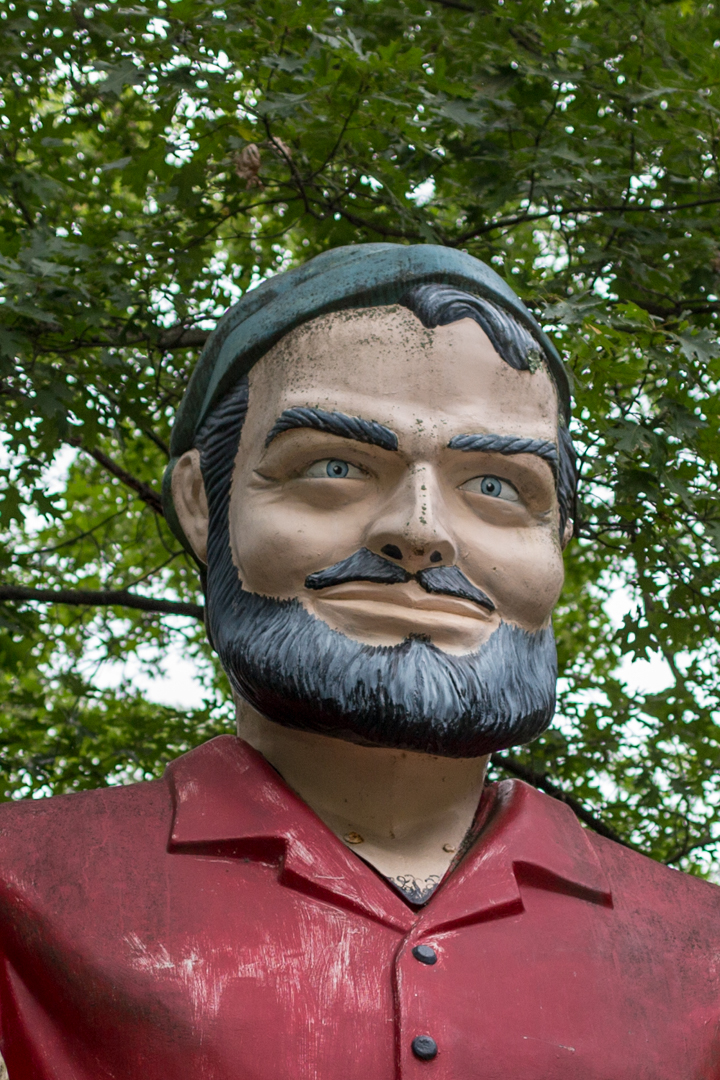
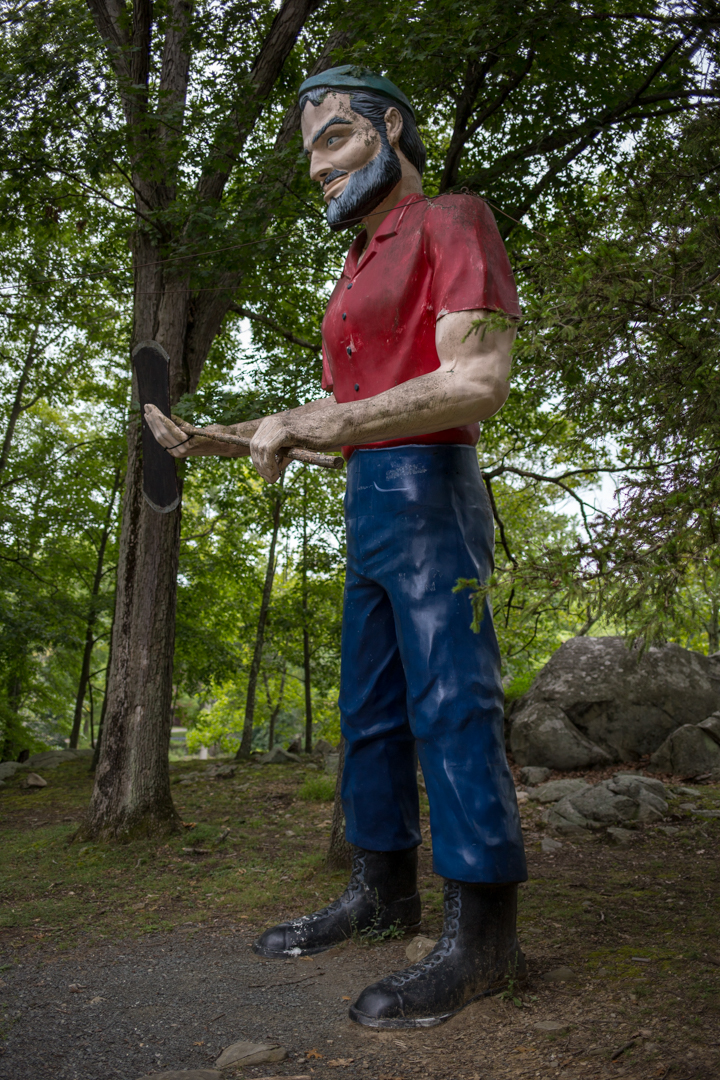

The wooden axe (secured with the largest zip ties I've ever seen) is a replacement of the original, his salt-and-pepper beard is painted that way, and if you look closely you can see curly little chest hairs poking out of his shirt. I'm always happy to find that a Muffler Man is well-loved, and the Camp Bullowa Bunyan could use a little scrubbing but he's in good shape especially considering all of the unexpected lake dives he's taken over the years.
Camp Bullowa
15 Franck Road,
Stony Point, NY 10980
Go past the entrance, into the parking lot and the Bunyan is on the left.

House of Collection

The second I heard about the House of Collection, in Williamsburg, Brooklyn, I knew I had to find a way to see inside of the 2,000-square-foot loft often called "a live-in cabinet of curiosities." Luckily, my mom and I were able to take a tour of the private apartment via the New York Adventure Club, and as soon as we walked through her front door, I felt at home with Paige Stevenson and her eclectic style.


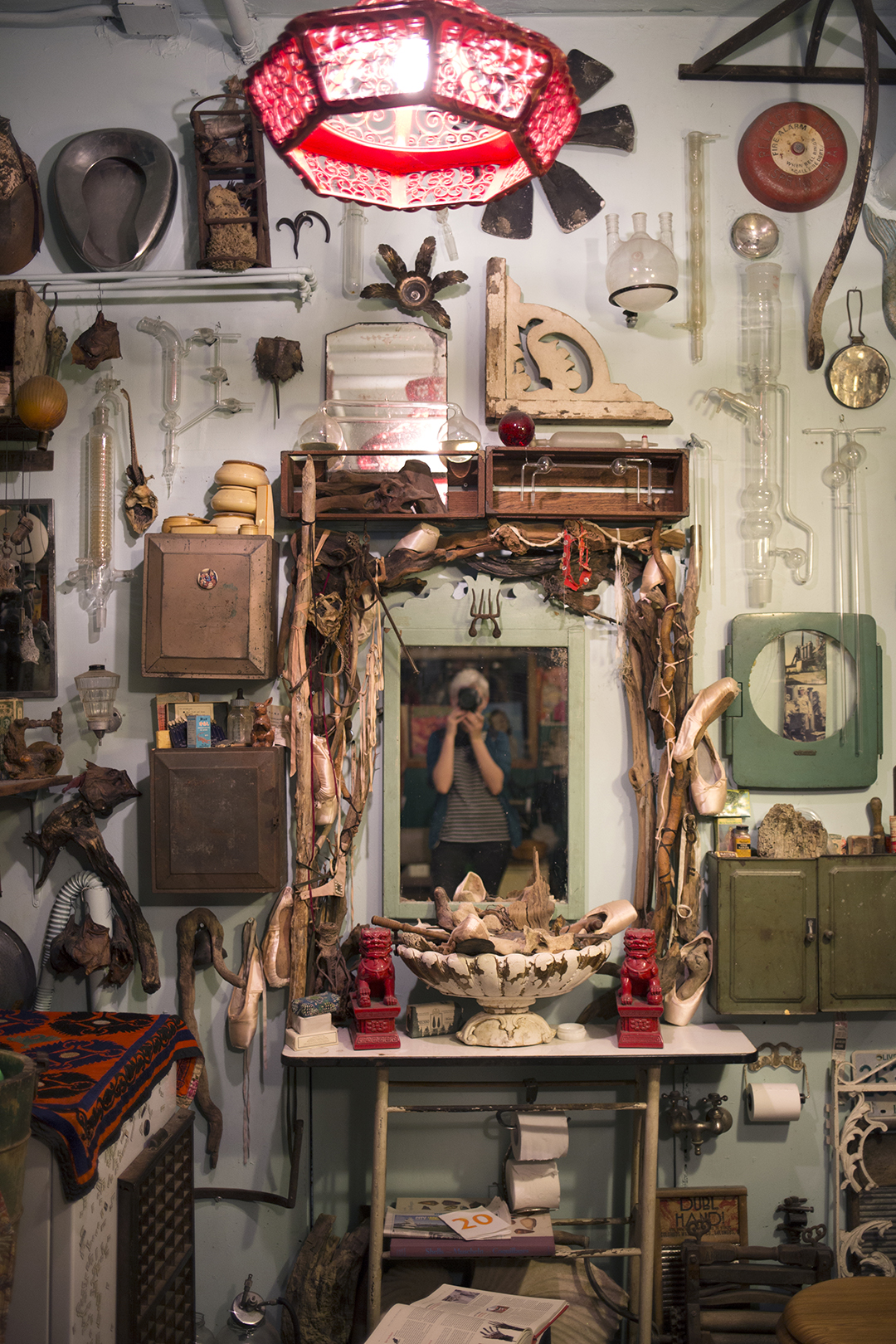

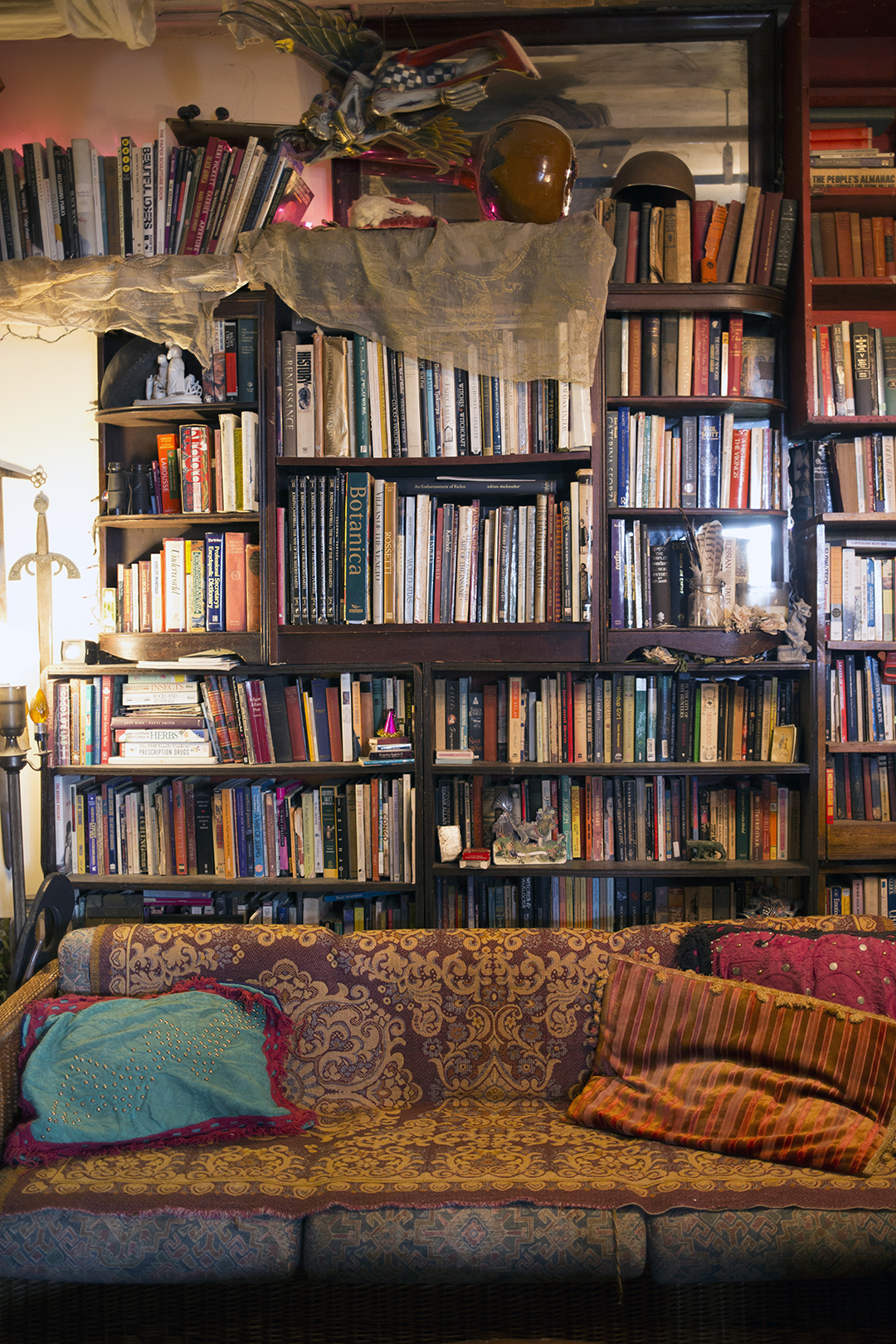
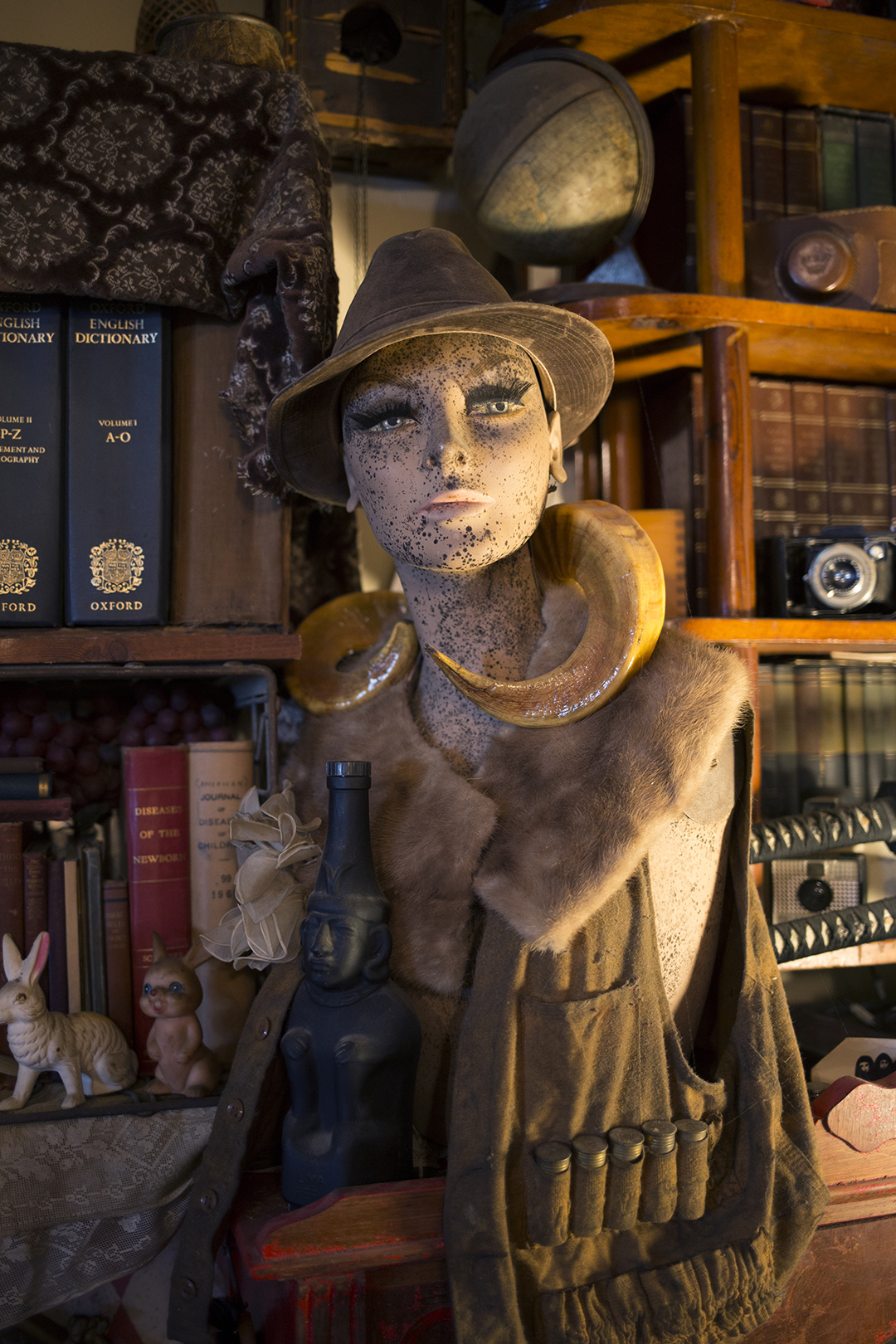
Stevenson moved into the then 5,000-square-foot loft almost 30 years ago, when Williamsburg was far from becoming the desirable neighborhood that it is today. She shared the former factory space with as many as 12 other people, but in 1996 the apartment was divided and Stevenson has lived alone or with a partner (and a few cats) ever since. She recently won a 12-year-long court battle to keep the property rent stabilized, and she told the Times in 2011 that she expected "to pay about $2,000 a month in rent."

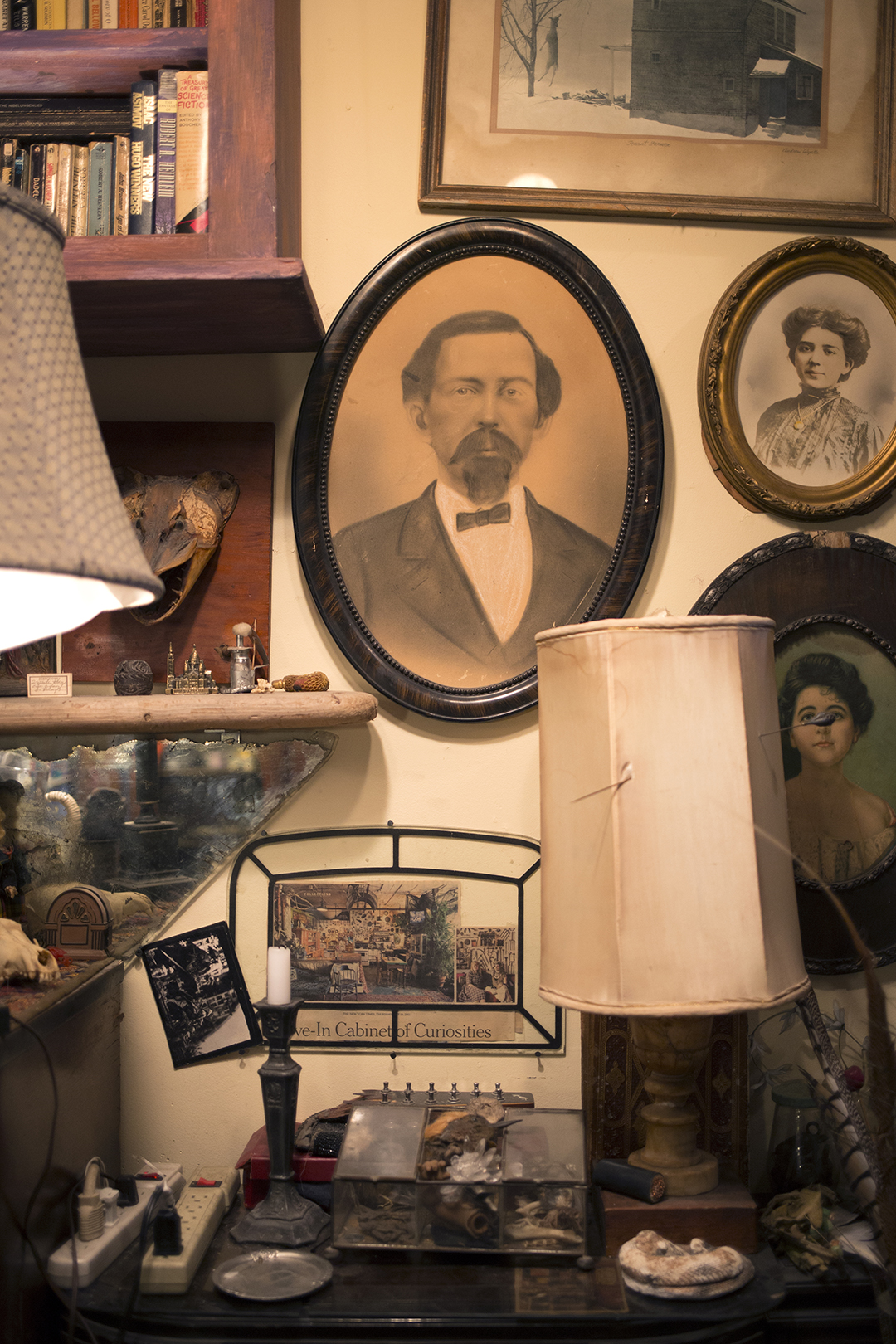

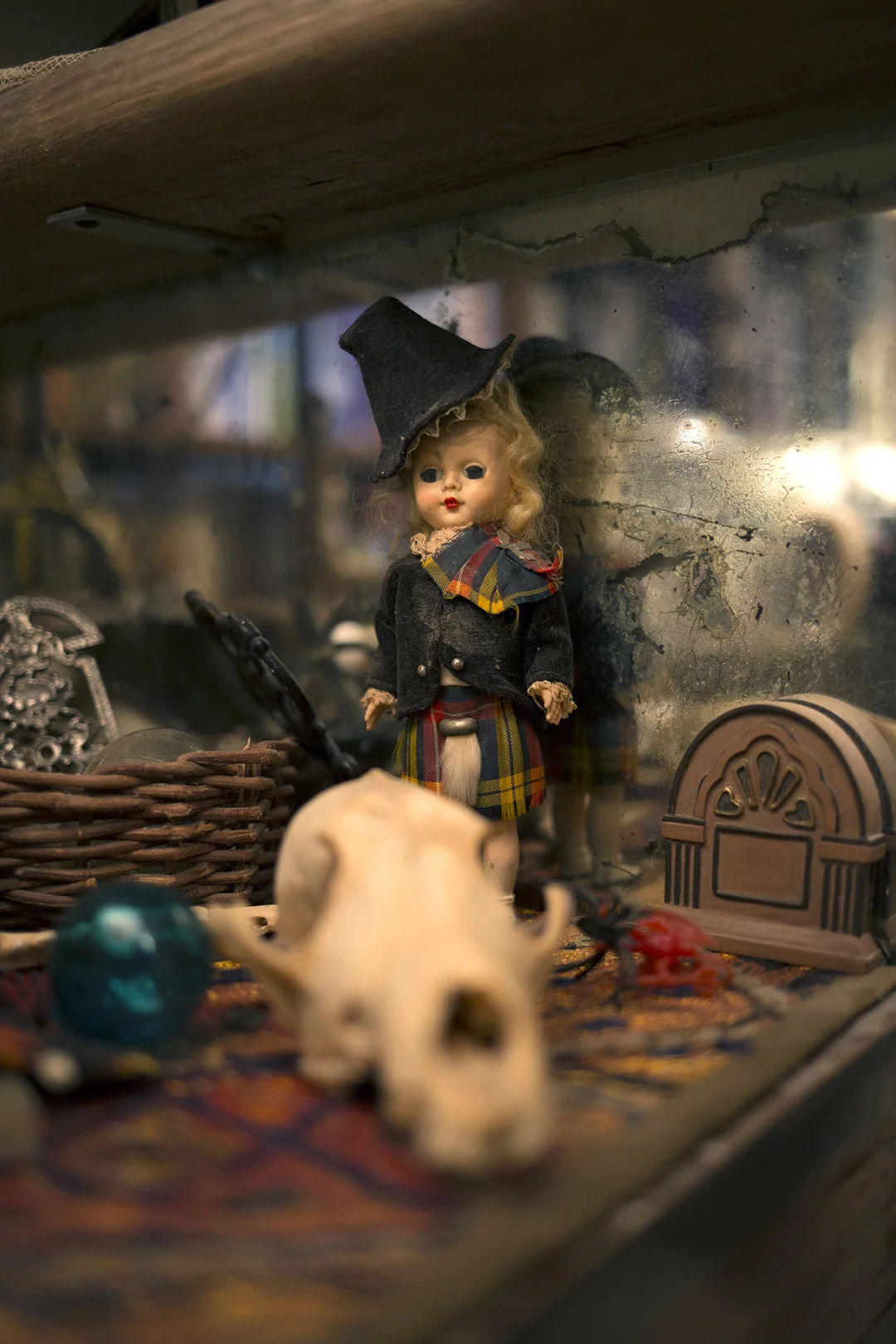
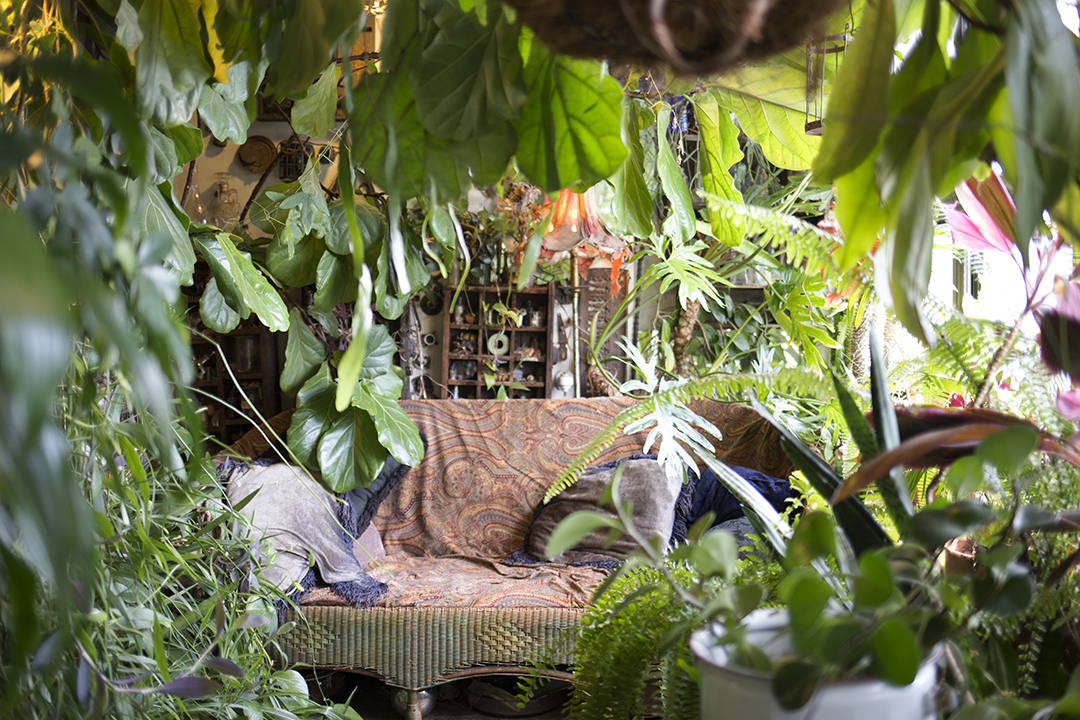
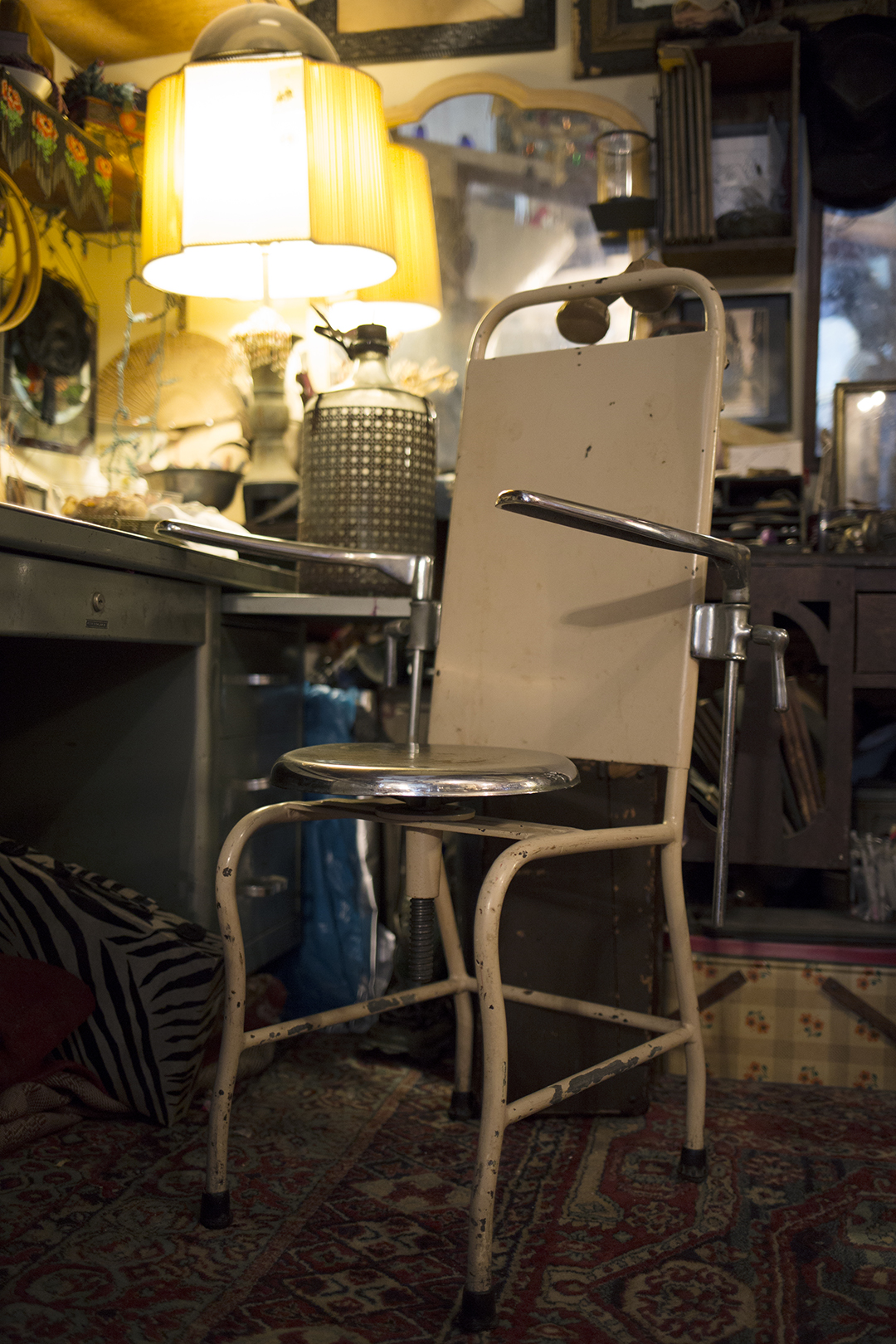
Most of the pieces in Stevenson's home are found, gifted or donated. She has a preference for metal objects, and she has hundreds tools in various stages of rustiness hung in intricate displays above her couch and in her kitchen. There's a loose method to her madness: if something catches her eye, she'll keep it. She has taxidermy, old photographs, medical objects, mannequins, cash registers, chemistry glass, skulls, dolls, books, vintage clothing, a jungle of living plants and pretty much anything and everything else you can imagine in her ever-evolving collection.
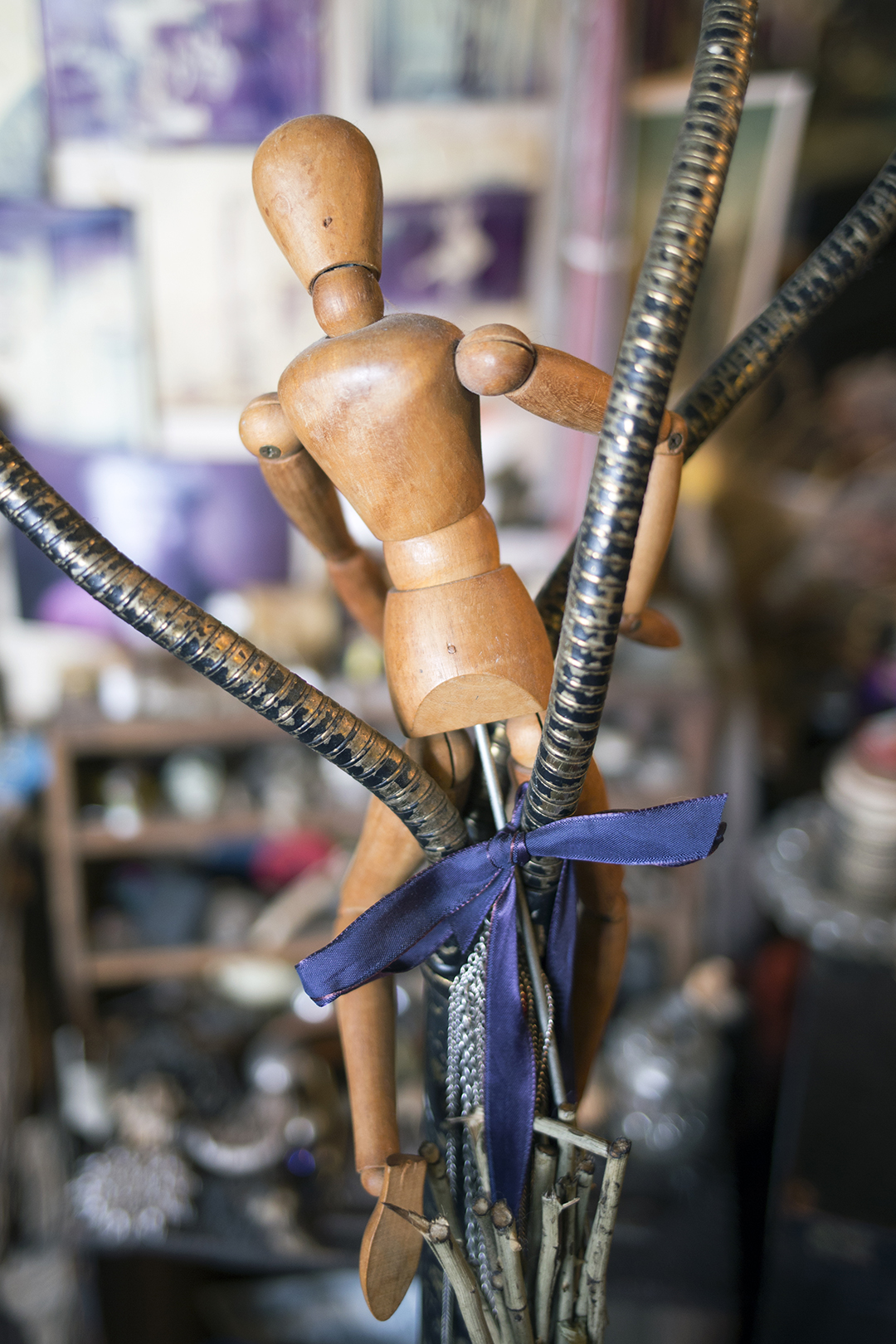

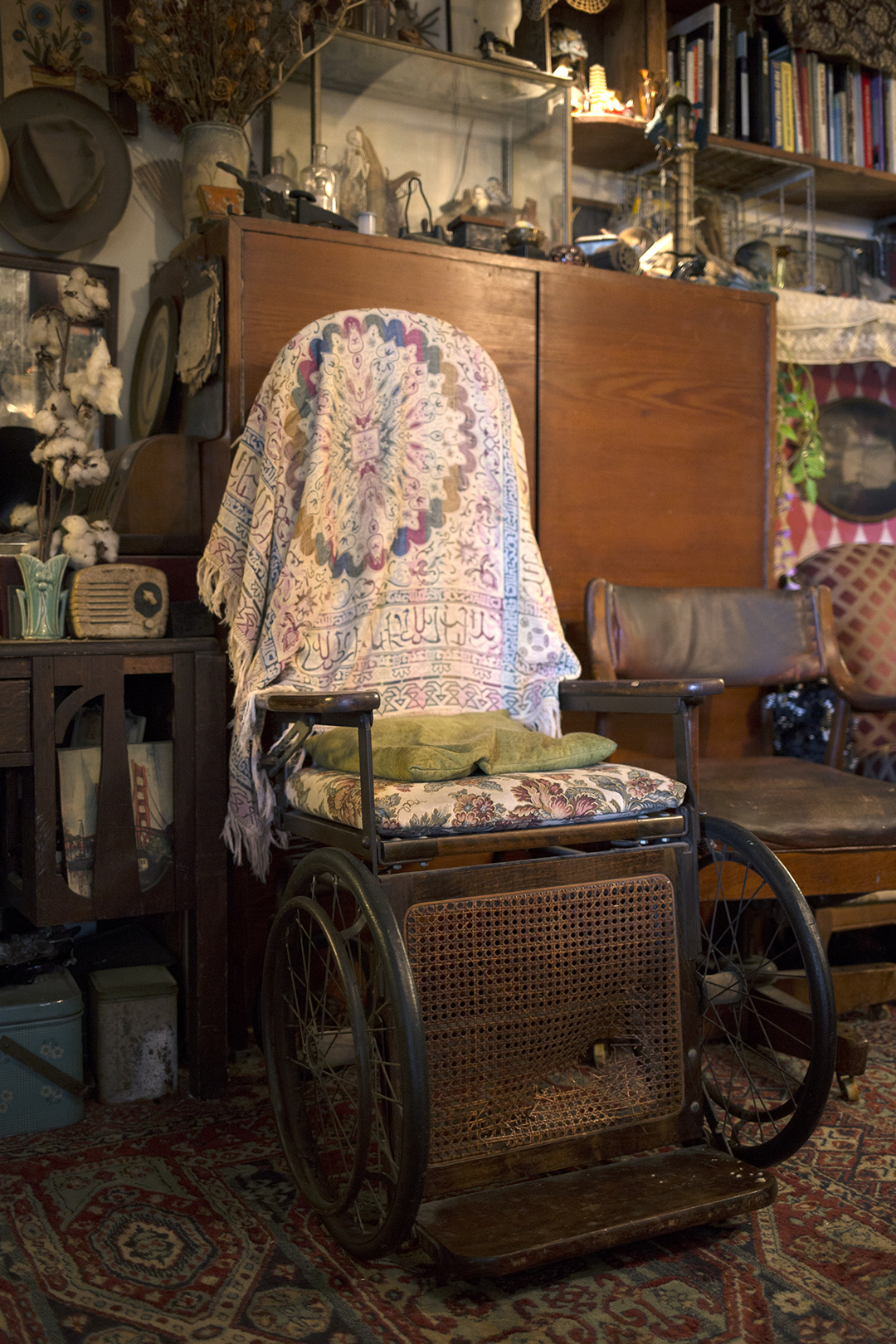
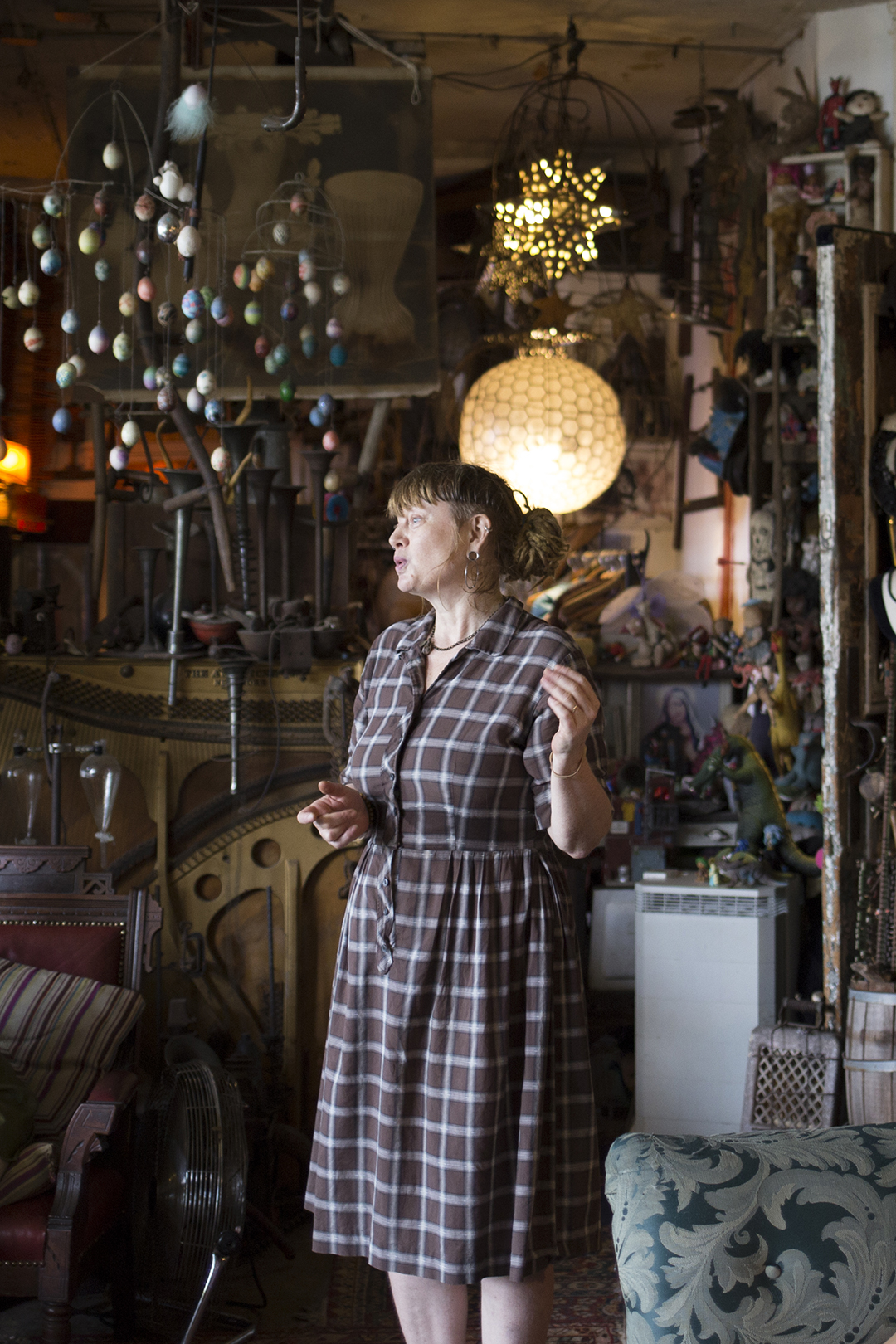

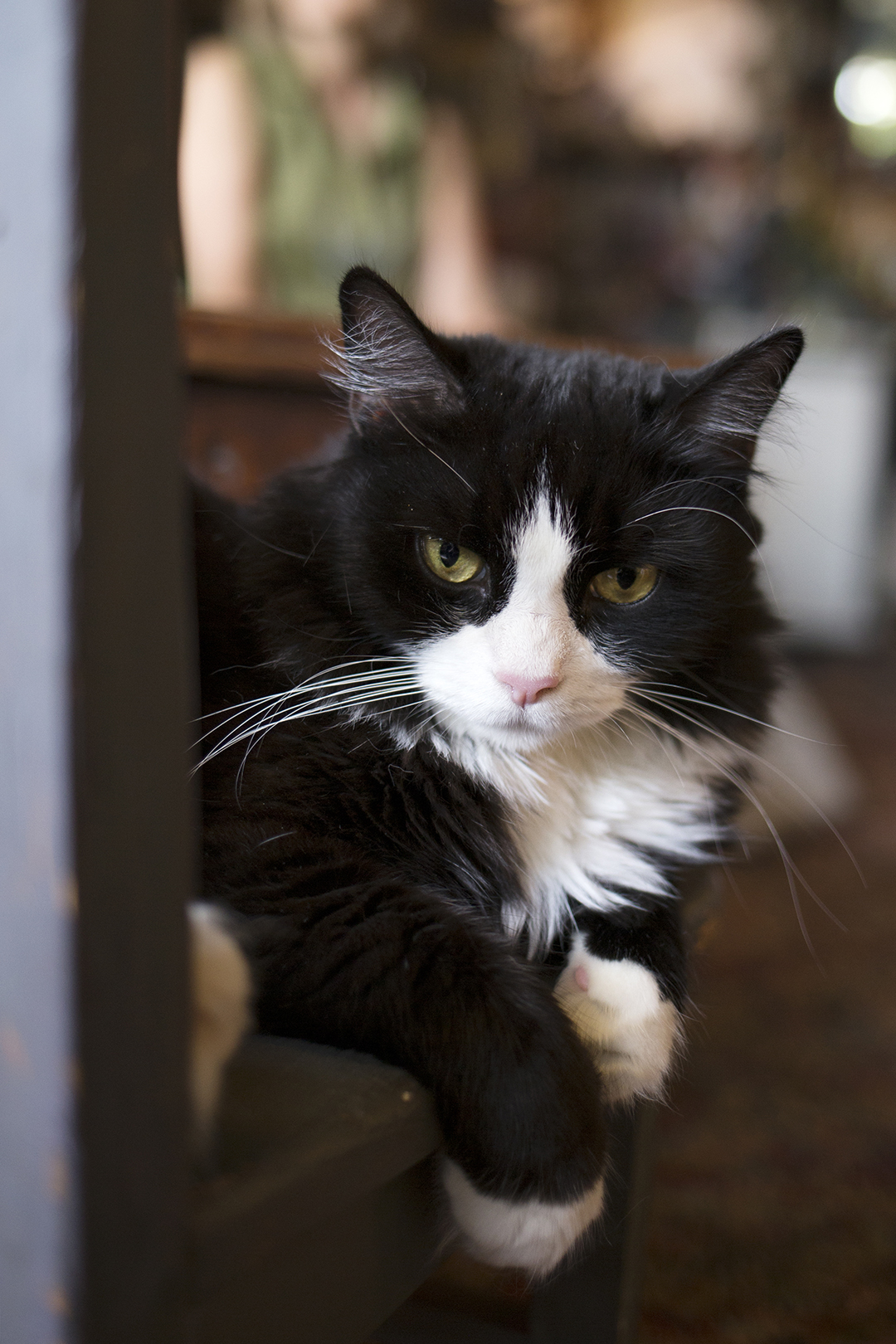
You might not guess by her offbeat tastes in decor, but Stevenson is a bookkeeper by trade. She also rents the loft as an event space and had just finished up a movie shoot in the days before we visited. She sees the house as a gathering space for friends and strangers alike, and said that if you know the address, you're invited to the Easter and Thanksgiving pot-luck dinners that she hosts annually (my mom and I are very seriously considering taking her up on the offer).

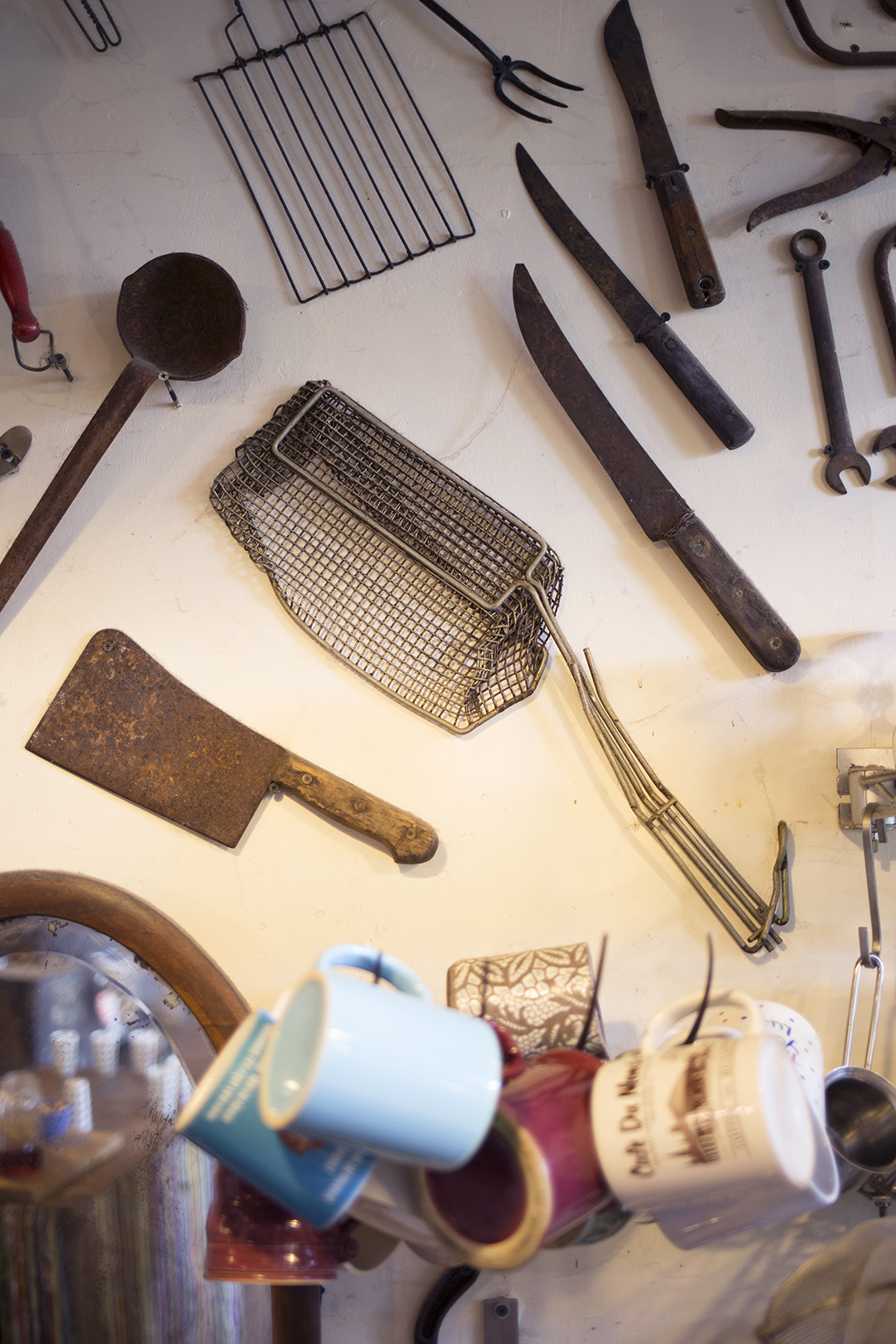


Stevenson gave us a guided tour, answered our questions and also let us explore on our own. You could spend days inside of the apartment and just scratch the surface of what she has collected. Someone on our tour asked her how she possible keeps up with all of the dusting and her answer was simple: she doesn't. Stevenson's tastes are obviously not for everyone, but I am enamored with people who live unapologetically on the margins of what society deems as "normal."


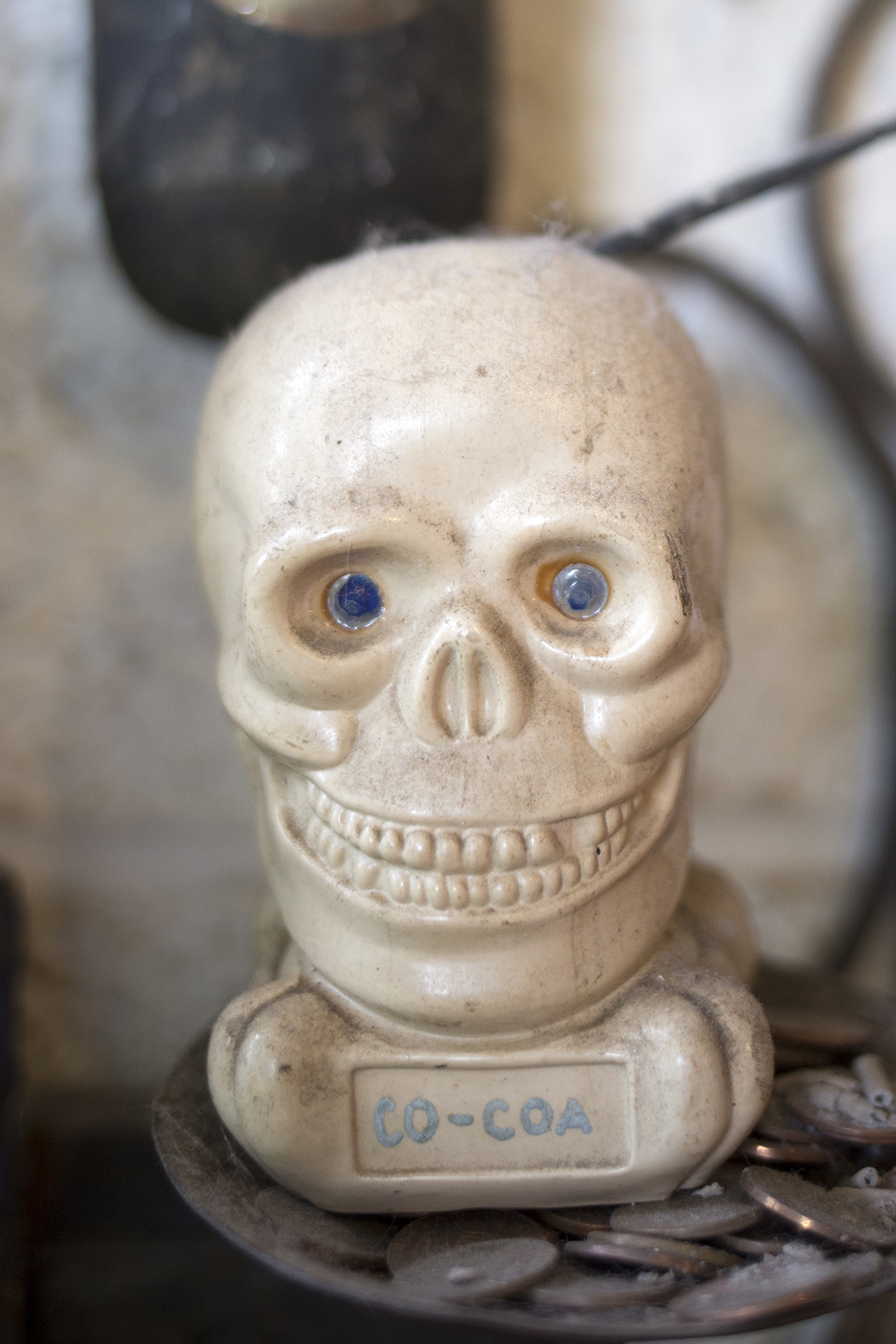

I jump on any opportunity I get to see inside of someone's living space, and I think the way that people choose to live says a lot about who they are and what's important to them. New York City is full of interesting people packed into non-traditional spaces and I wish there was a way for me to take a peek inside of every single one of them.


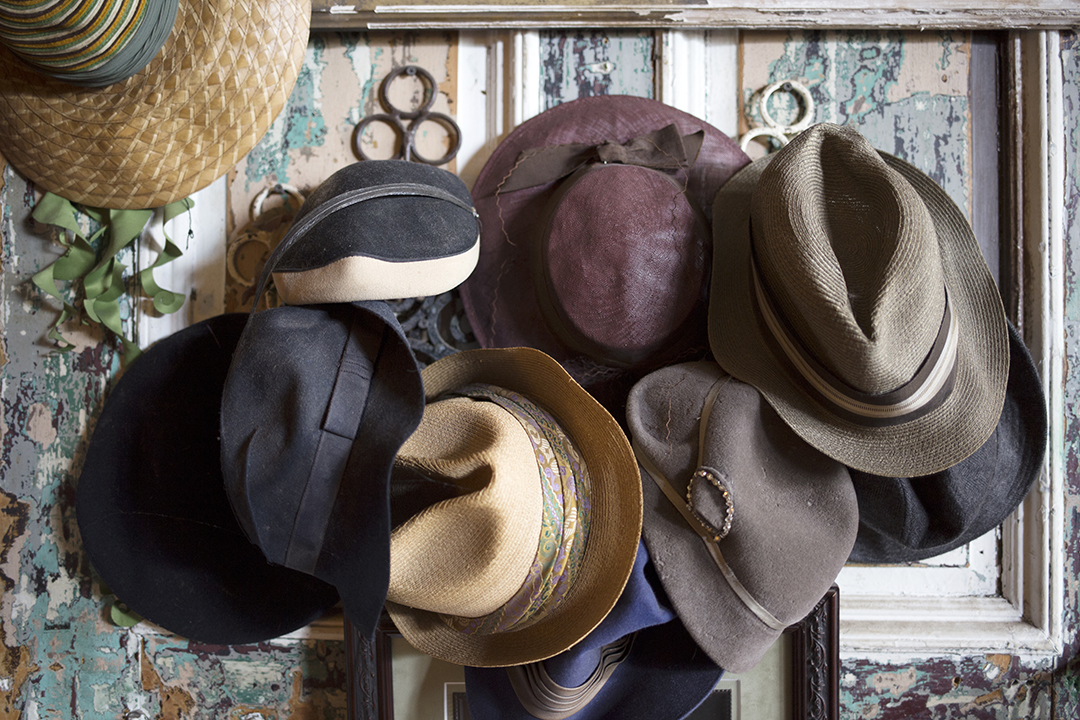


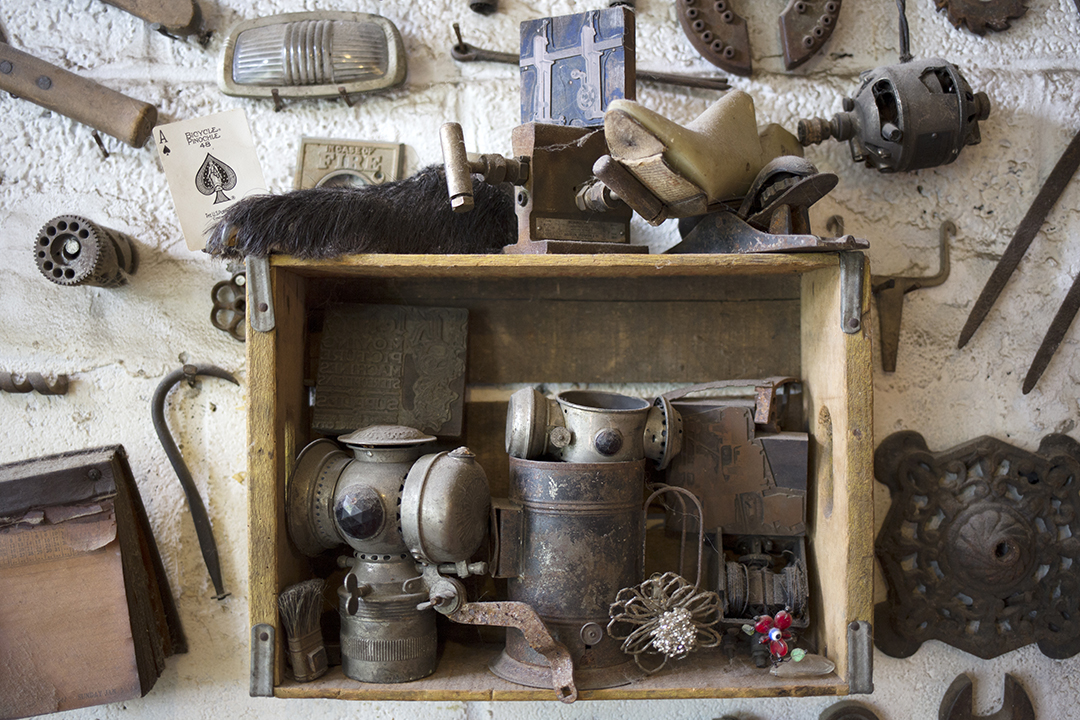
New York is also the perfect place to curate a collection of found objects—apartments as large as this loft are a rarity and stoop sales or taking a carload of donations to Goodwill are often too much of a hassle. I've found several excellent pieces in the trash that I've given a new life to, and I've had to pass on countless others simply because I don't have the space or the means to transport them. I'm glad there are people in the world like Paige Stevenson to give these discarded and overlooked objects a place to shine.

Buffalo Central Terminal
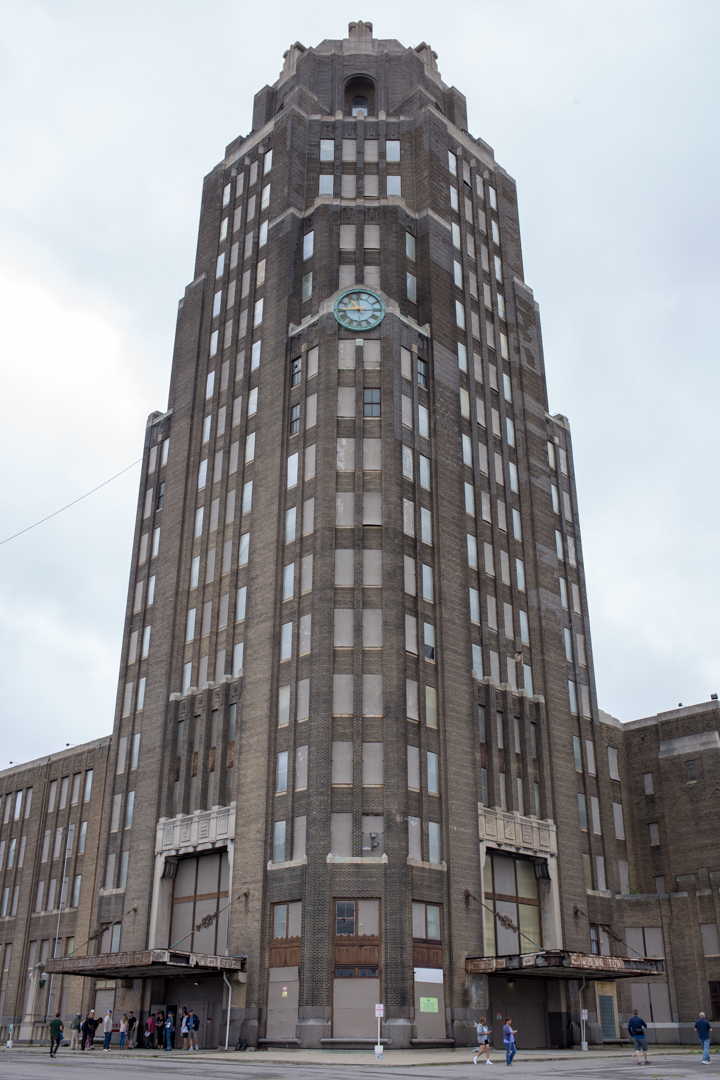
Before our trip to Buffalo I reached out to a few people asking for any hot tips on abandoned spots to explore. There's a tendency in the "urbex" (I hate that word) community to keep spots secret, which annoys me even though I logically understand the reasoning. The Buffalo Central Terminal came up in conversation and while I was researching, I discovered that—while it has sat "abandoned" for some time—it's been owned and cared for by the Central Terminal Restoration Corporation since 1997. Once a month they offer tours for $15 and we were lucky that the tour fell on our last day in town (although we did have to leave early, ironically, to catch our train).


Although the idea for Buffalo Central Terminal was in the works for more than 40 years, construction began in 1925 and the terminal officially opened in 1929. The 17-story, Art Deco-style station was designed by the same architect that designed Grand Central Terminal, Alfred T. Fellheimer. The complex comprises several interconnected structures, including concourses, an office tower, baggage building and mail building. A Pullman Company service building, an ice house, a coach shop and a power station were torn down over the years to lower property taxes.

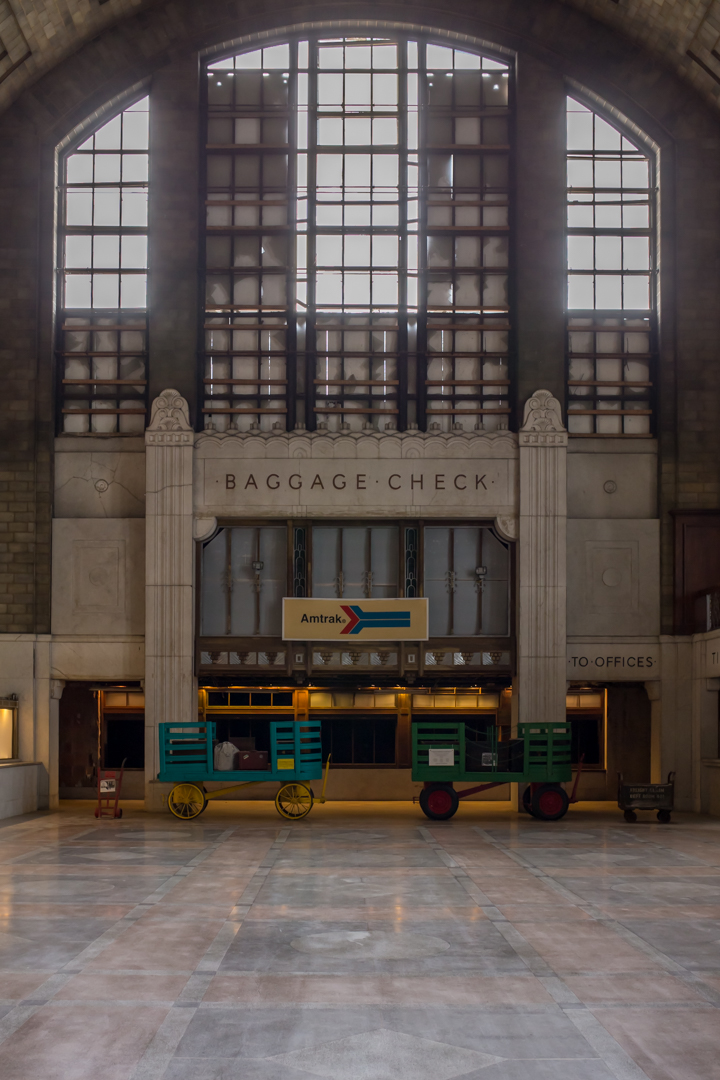


The terminal hosted trains from the New York Central Railroad (its owner) as well as from the Canadian National Railway, Pennsylvania Railroad, and the Toronto, Hamilton & Buffalo Railway. Right after opening it was servicing 200 trains daily, although almost immediately the Great Depression and the rise of the automobile led to a decline in train traffic. In 1956 the terminal was put up for sale for $1 million.
With the creation of Amtrak in 1971, service was restored to Niagara Falls and Toronto via the Maple Leaf, but the station was simply too big and expensive to maintain. In 1979 Amtrak opened the much smaller Buffalo-Depew station, and the last train departed the Central Terminal at 4:10 am on October 28, 1979.

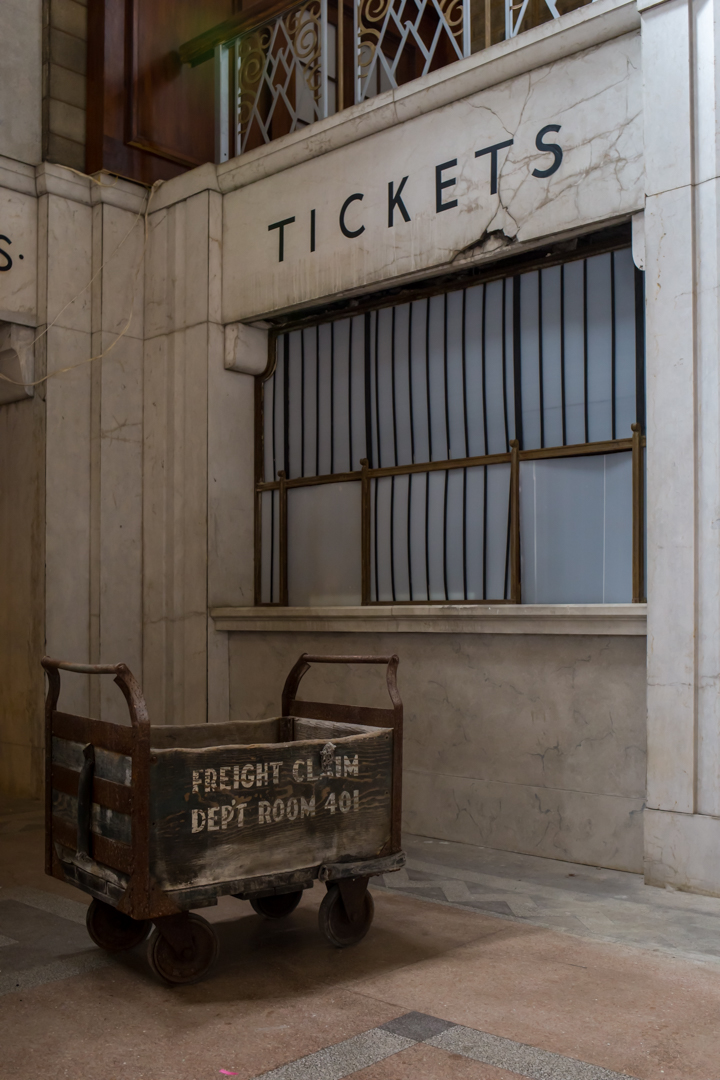


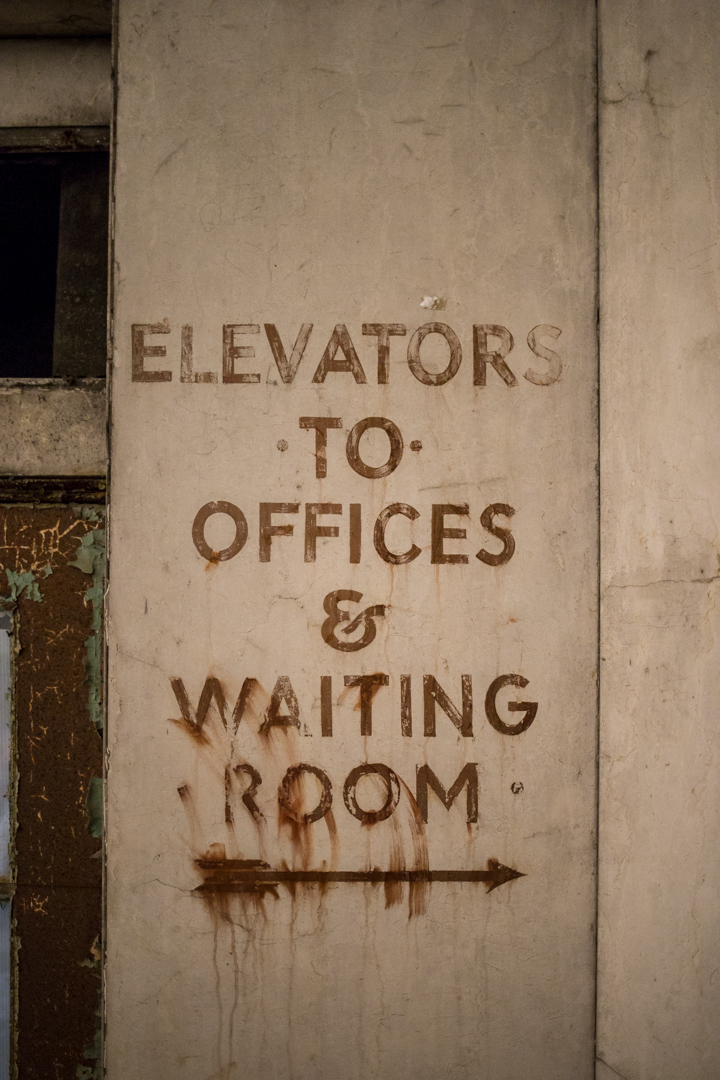
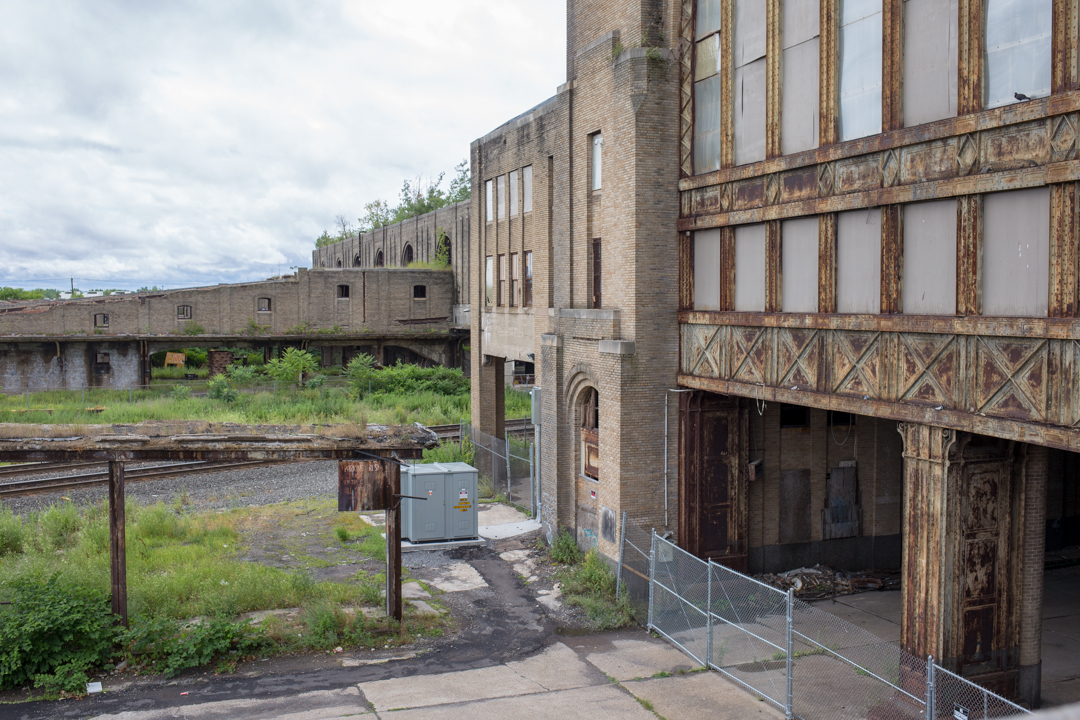
The terminal was sold to Anthony T. Fedele for $75,000, but when he defaulted on his taxes in 1986, the property was put up for auction and sold to Thomas Telesco—the only bidder—for $100,000. He had plans for a banquet hall or to return train service to the building, but those fell through and the building transferred hands once again. Anything of value was taken from the structure and sold for scrap, aiding in its decay. The building wasn't secured and vandalism was rampant. At the beginning of the tour, our guide asked people to raise their hands if they'd previously visited the terminal, and when he asked "how many of you came here when you weren't supposed to?" most of the hands stayed raised.


The Central Terminal Restoration Corporation has done a lot over the years to rehab the terminal, but a lot of work remains. In 2005, the concourse clock was found in an antique shop, purchased thanks to a public fundraising effort and returned to the terminal in 2009. Repair and restoration of the roof was completed in 2015, signs are being repainted and fixtures are slowly being found and returned.
In 2016 the terminal was a backdrop to both a Goo Goo Dolls music video and scenes from the movie Marshall, the production of which contributed $90,000 in cosmetic improvements to the concourse. While I would have loved to explore it on my own back when it was truly abandoned, I'm always happy when a grand old ruin gets a second (or third, or fourth) chance.
Buffalo Central Terminal
495 Paderewski Drive
Buffalo, NY 14212

Abandoned Church

Before we explored the abandoned Wonder Bread factory in Buffalo, we started the morning by going to church. I wasn't raised religious and I've only attended church services a few times with my grandma, but the chance to explore a grand, crumbling abandoned church is something I obviously couldn't pass up.


It wasn't immediately obvious what denomination this church was built for—at least not to me, someone who knows absolutely nothing about religions. I always try to research the buildings we explore afterwards, and I discovered that this was a Roman Catholic Church. The parish was founded in 1908 in an area heavily populated with German Catholics. The Romanesque style church, modeled after the Cathedral of Aachen in Aachen, Germany, was built from 1911-1928 with Ohio sandstone.


By 1914 the congregation had nearly 1,500 members and the 170-foot-tall church could seat 1,200 people. Changing neighborhood demographics caused membership to decline through the years, and the last Catholic mass was held here in 1993. In 1998 the building was sold for $22,000 to World Wide Bible Deliverance Inc., a religious group that neglected—and eventually abandoned—the building.


Beginning in 2006, the church was sold or acquired by several different people over the years, during which anything that could be ripped out of the building (radiators, copper flashing from the roof, etc.) was sold for scrap. The church has been listed in the city's yearly tax auction for several years, but remains for sale.


Because the church has had such a tumultuous ownership history, there isn't much left inside, but it's still a beautiful building to explore (and surprisingly light on graffiti). There are a few small stained glass windows that remain partially intact and large plaster angels stand guard from the edges of the domed ceiling. A beautifully hand-painted safe stands to the left of the altar in a side room, only remaining because it was obviously too heavy to think about moving.


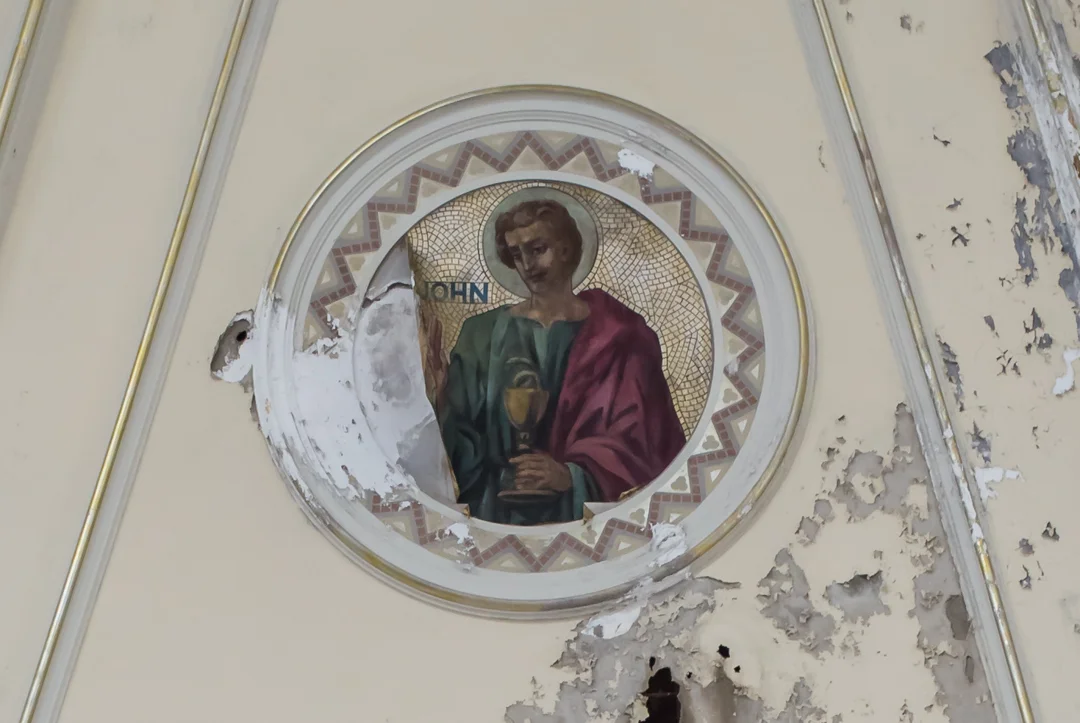

The choir loft is still accessible and has one remaining wooden pew and the remnants of an organ. There is a skinny, rickety wooden ladder that looks as if it could deposit you onto the roof or into the bell tower, but the stairs were caked in mounds of pigeon droppings so we decided not to risk the climb.


A lot of the abandoned buildings and properties we explore are technically for sale—either by private owners or the city—but I always wonder if any of them eventually sell and avoid demolition or collapse. The optimistic real estate listing for this church claims that this property "has amazing possibilities!" and that it "could be converted for use as community center, apartments or office space." It concludes with a warning to not "let this wonderful example of architectural history pass you by!"

Travel Guide: City Island

City Island, the Seaport of the Bronx, is what you would get if you crossed a New England seaside village with the Bronx. There are city busses, a post office, a branch of the New York Public Library and city trash cans on the sidewalks. But there are also rambling Shingle-style mansions, boat and fishing supply stores and more seafood restaurants per mile than probably anywhere else within New York City limits. The population is under 5,000 and it's a strange place to visit in the summer when everything is (mostly) open—in the off-season it feels downright post-apocalyptic.
GETTING THERE:


City Island is fully accessible by public transit—depending on where you're coming from, it might take a while but trust me it's worth it! Take the 6 train all the way to the end of the line, to the Pelham Bay Park stop in the Bronx. Catch the Bx29 bus right outside of the train station, and that will take you to City Island in just a few minutes. You can get off at the northern end, just over the bridge (a newer, less charming bridge opened in 2017), or ride the bus all the way to the southern end and walk back. The island is only 1.5 miles long and half a mile wide, but you can take the Bx29 while you're on the island too (or use a car service).
WHAT TO DO:
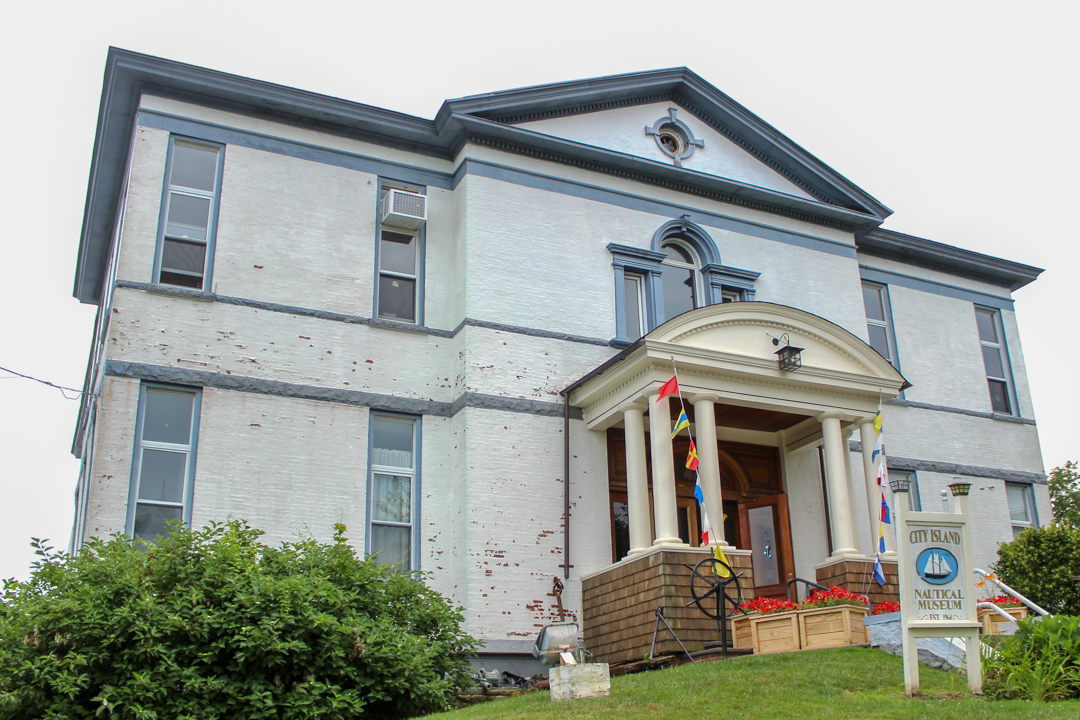

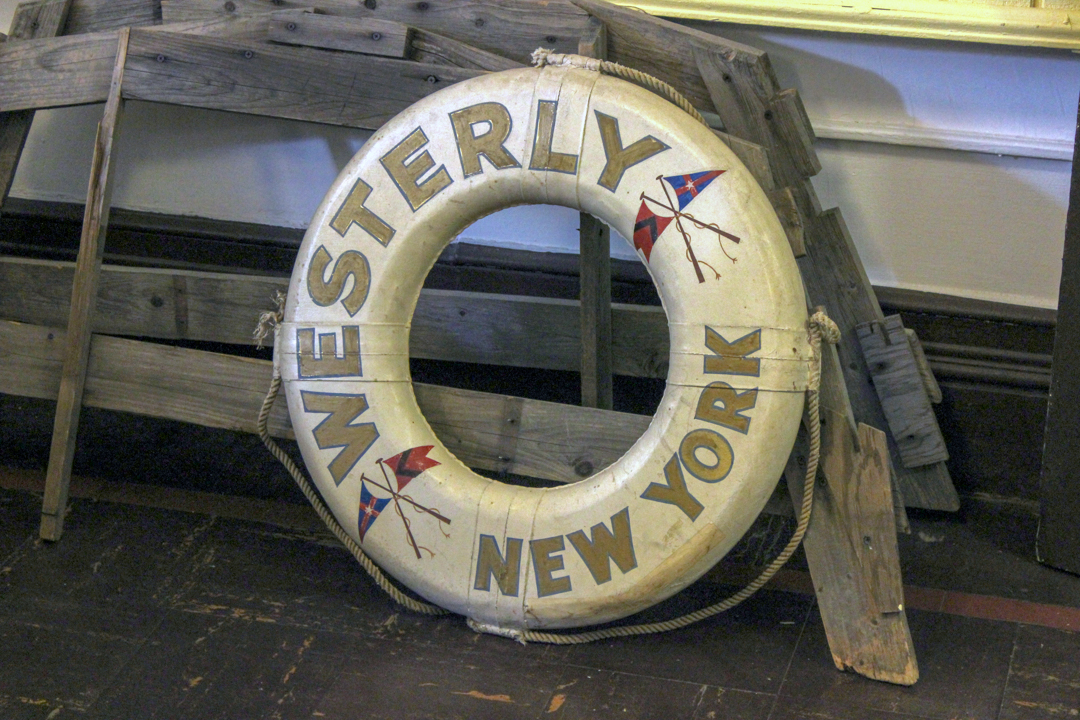

The City Island Nautical Museum is open every Saturday and Sunday from 1-5pm and admission is only $5. Stop here first and learn about the island's rich nautical history from boat races to sail making. When I first visited back in 2014, three out of the four people working there were named Barbara.

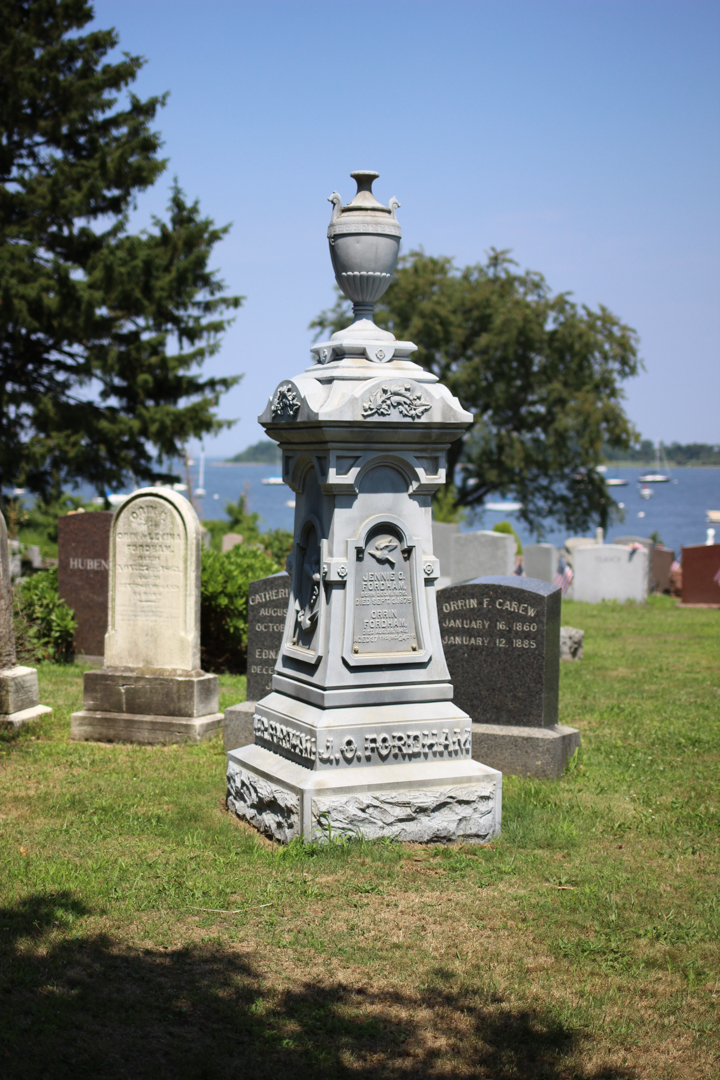
Pelham Cemetery is on the eastern shore of the island and it was established in the 1880s. There are older gravestones within its grounds, including well-known Pelham families, early settlers, and veterans of every war since the Civil War. There are a few entrances to the cemetery—including the main one with its beautiful archway—that are always locked, but keep looking until you find the one that is open (I didn't know this the first time I visited, but I figured it out on my second City Island trip).


A recently new addition to City Island, the people that bring tiny treasures to the Brooklyn Flea under the name dAN's Parents House opened a brick-and-mortar store in a crumbling, 150-year-old house on City Island Avenue (seen above before the restoration). I could have spent hours combing through their rooms filled with nostalgia, especially the drawers filled with vintage McDonald's toys and other intriguing little things.

Unfortunately this antique shop was closed on our most recent visit—a sign was posted that they had just stepped out for coffee but there was no indication that they planned on returning anytime soon. I've only been lucky enough to catch this store open once in the several times I've visited City Island, but what I saw made an impression—especially the 6-foot-tall, sombrero-wearing hot dog statue (which is still there if anyone wants to get me an early birthday present).
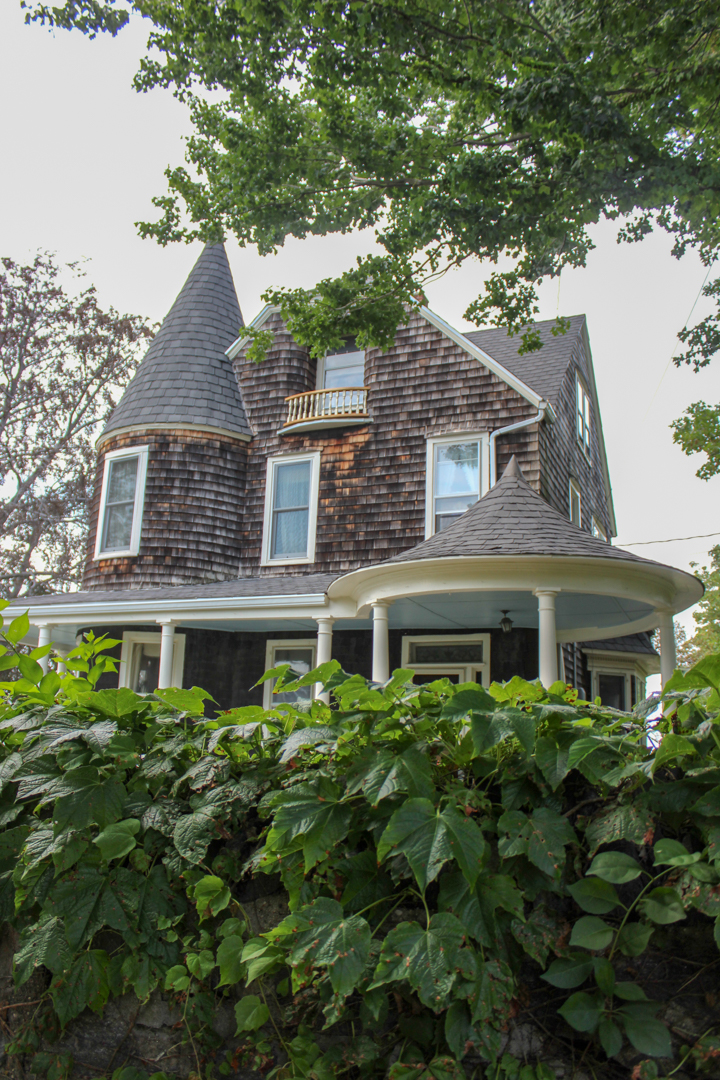
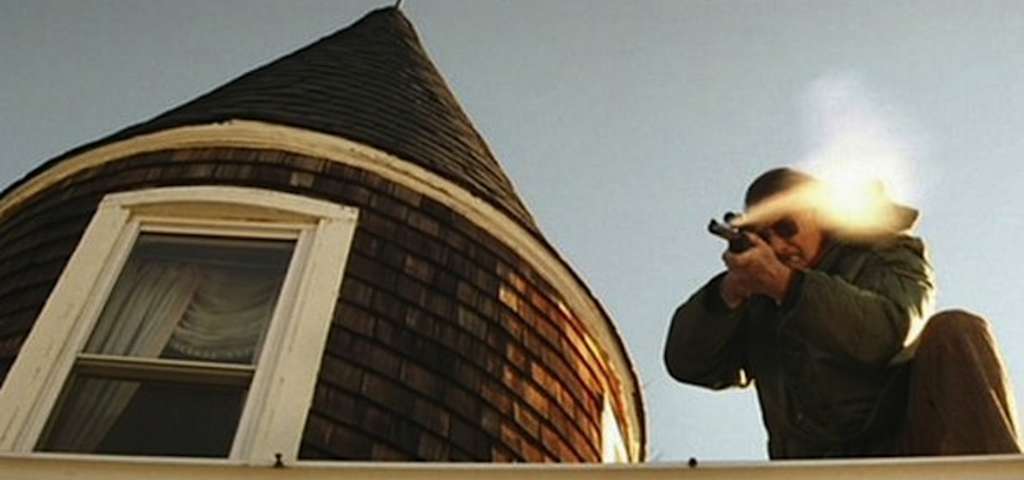

I'm not a rabid Wes Anderson fan, but I never pass up the opportunity to visit a famous New York filming location. This 1896 Shingle-style, sea captain's dream house is located on 21 Tier Street, and doubled as the Tenenbaums' summer home on Eagle's Island.
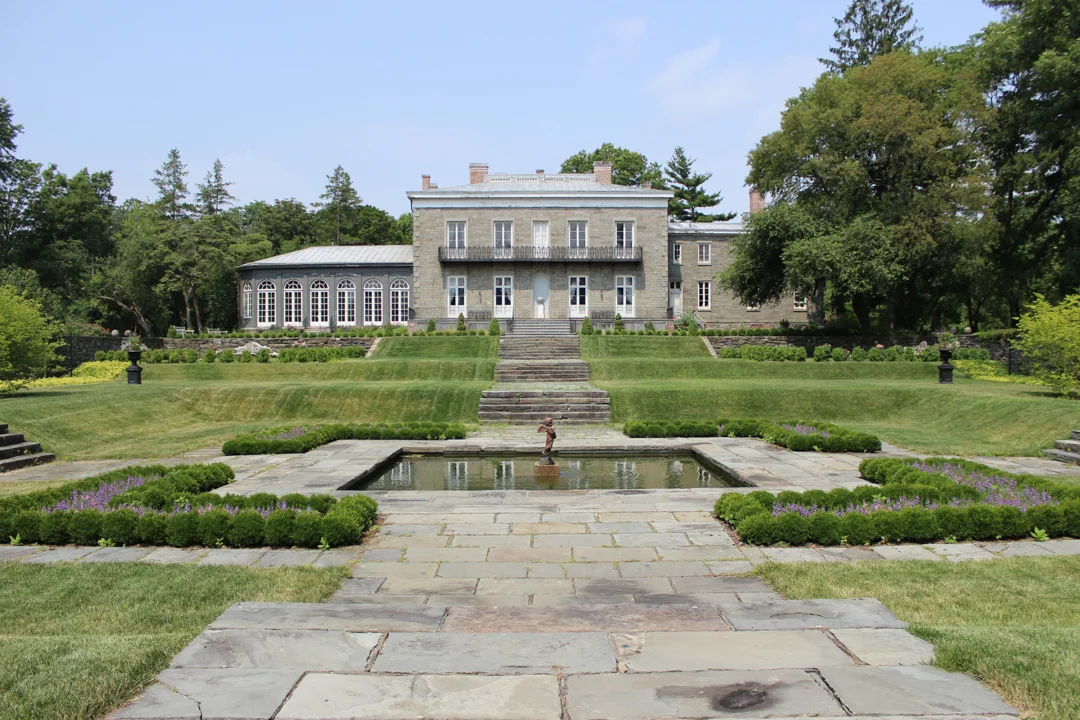

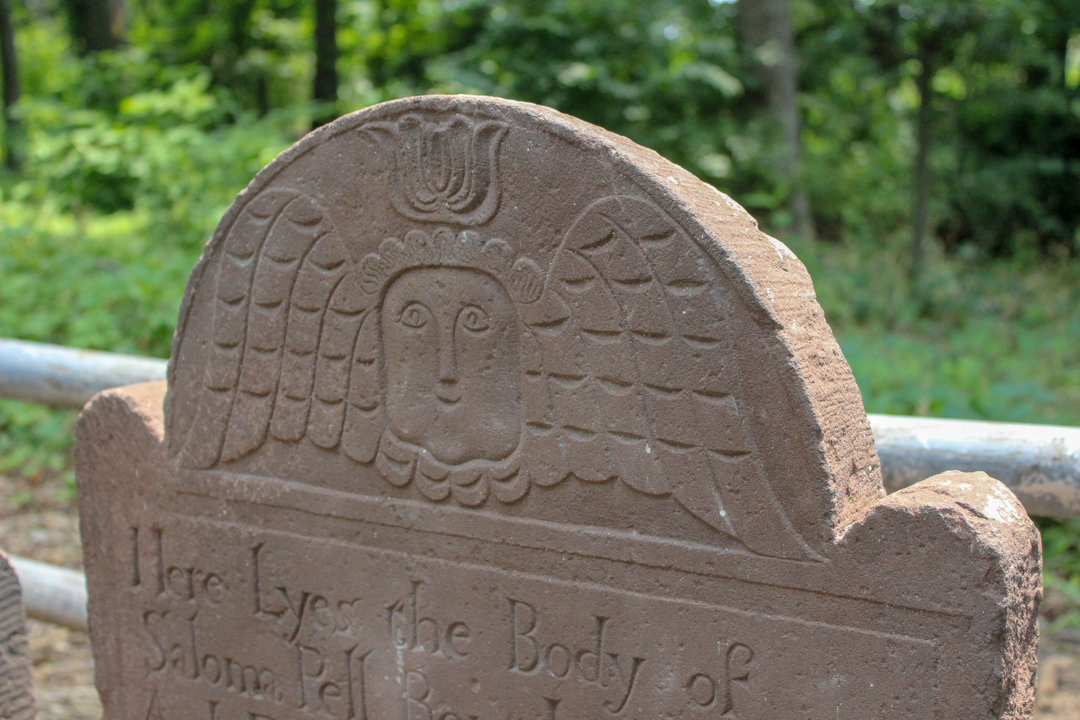
While not technically located on City Island, the Bartow-Pell Mansion is a good place to start your day in the Bronx before you head to the nearby island. Finished in 1842, the Bartow-Pell Mansion is a Greek Revival house is now part of Pelham Bay Park. The house opened as a museum in 1946 and guided or self-guided tours are offered Wednesday, Saturday and Sunday from 12 noon until 4pm for $8. There's even a small family cemetery located on the property, although it was damaged in March when a tree fell on it during a storm.
WHAT TO EAT:
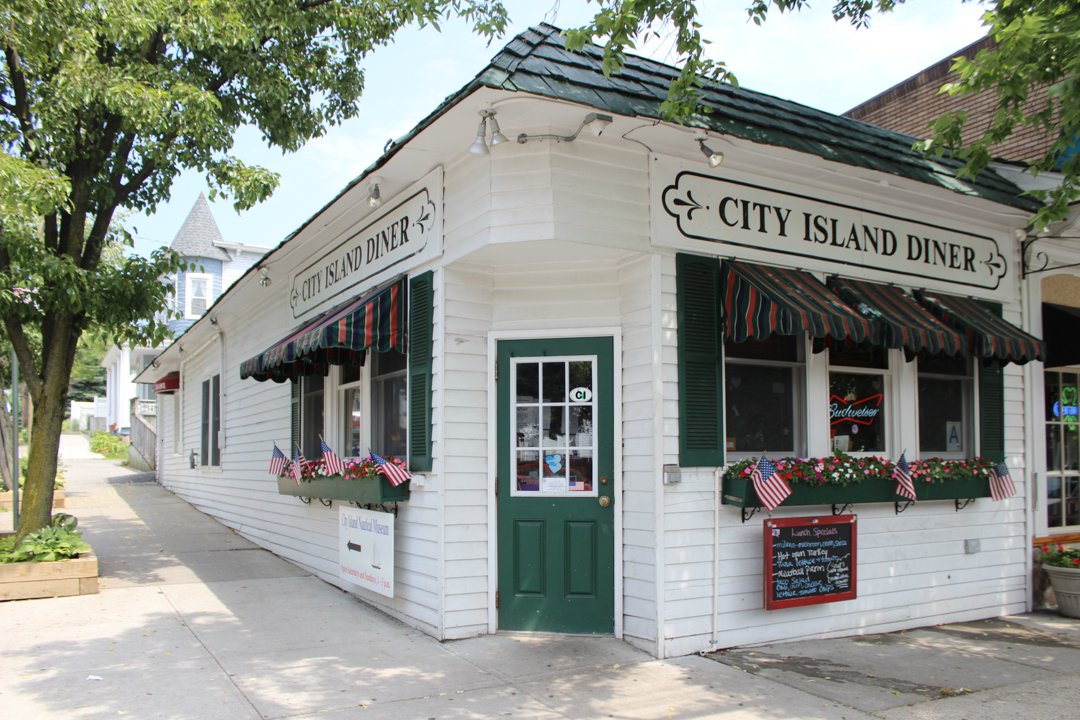
I've never been to City Island early enough for breakfast, but I've kicked off several visits with meals at the City Island Diner. This classic diner, popular with locals, is also where Jerry Seinfeld took Ricky Gervais on an episode of Comedians in Cars Getting Coffee.

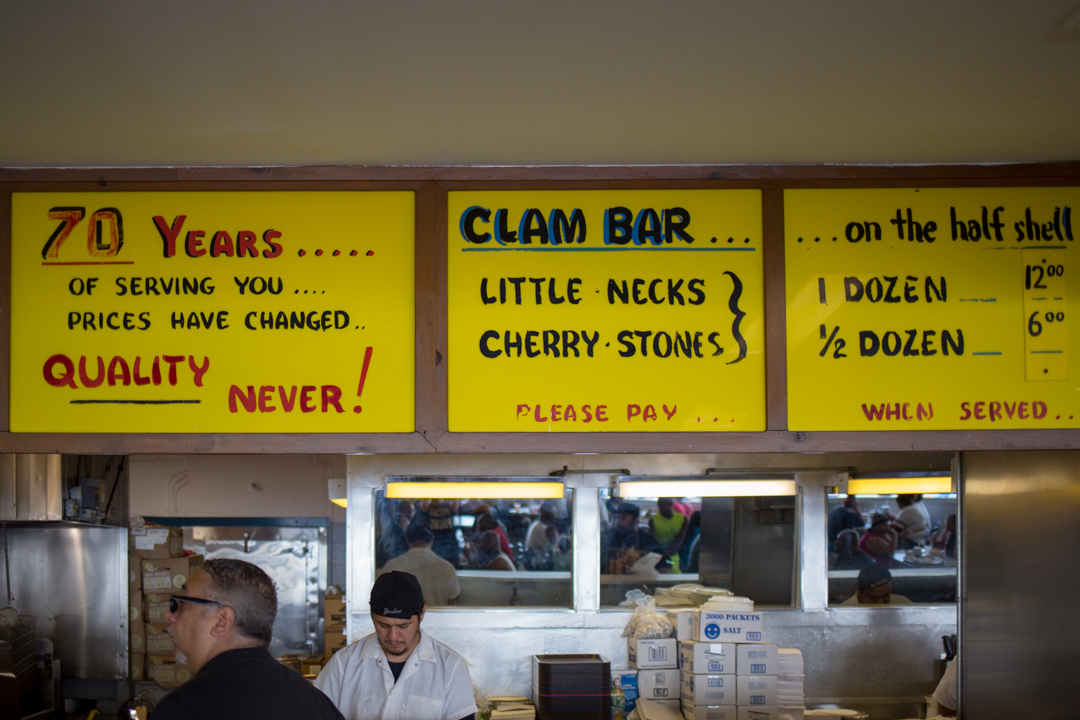


I don't eat seafood and a place where the ordering procedure is unclear is my personal hell, but I still can't help but love Johnny's Reef, located at the southern tip of City Island. They've been serving gut-busting baskets of fried everything (shrimp, onion rings, mozzarella sticks, clams, etc.) for 70 years—and I bet the seagulls have been swarming around their outdoor patio in quantities straight out of The Birds for just about as long.
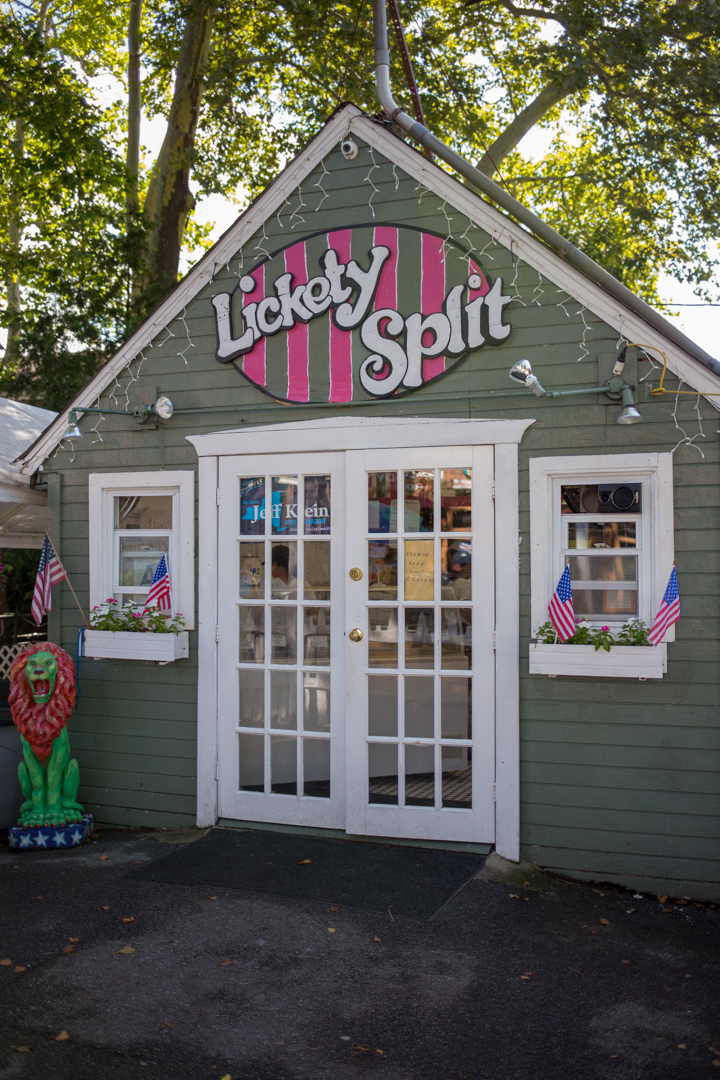


If it's oppressively hot, like it often is when I visit City Island, Lickety Split is a great place to cool down with a generous scoop of ice cream and/or an iced coffee. They also have a (very small) restroom, which is never something I take for granted on all-day adventures.
Seafood Restaurants

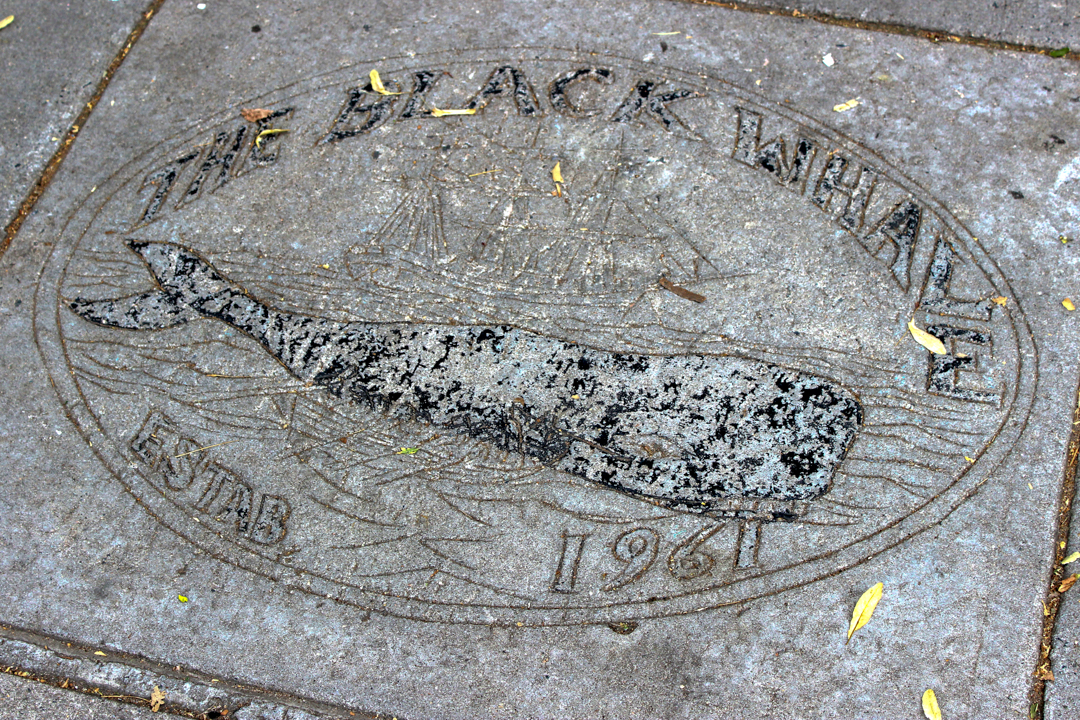
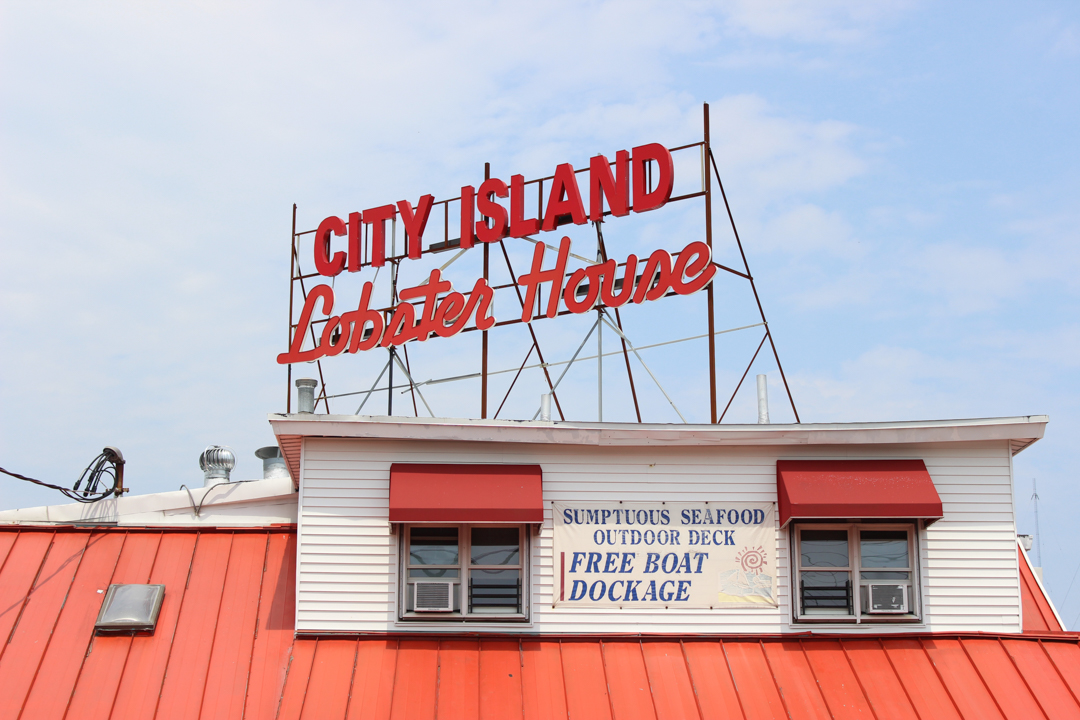

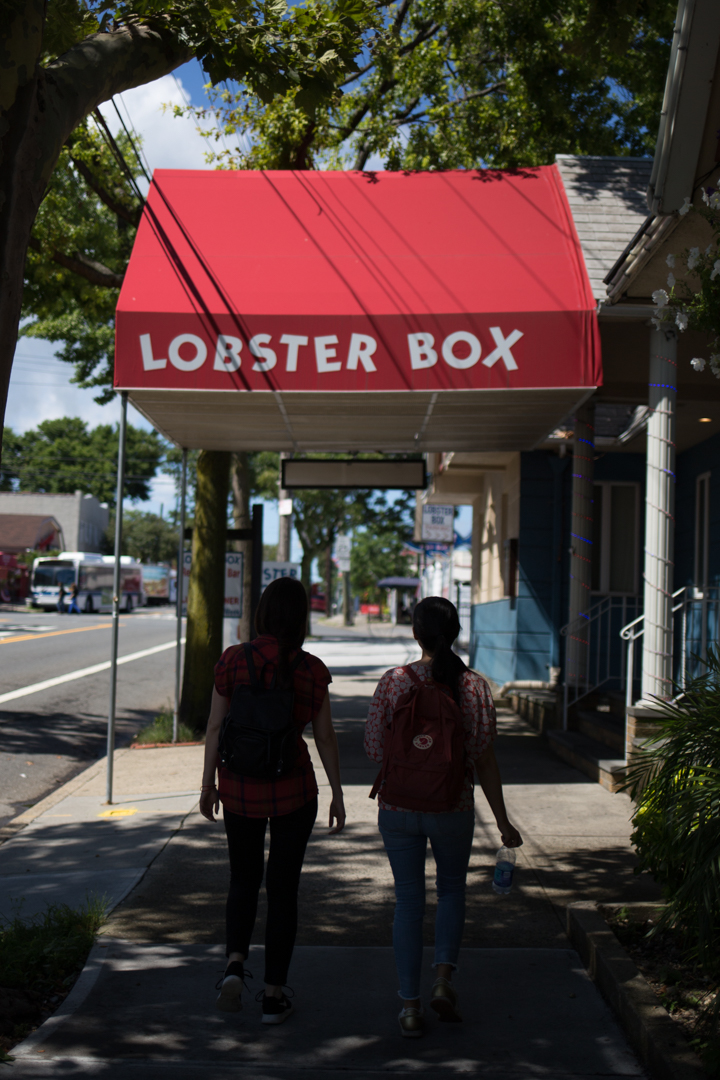


While I can't vouch for any of these personally—and I'm also the worst person to ask about seafood restaurants—City Island's main industry now is undoubtedly food. There are several to choose from along City Island Avenue and there's stiff competition if you choose a restaurant like I do, by its signage.
See all of my individual posts on City Island here.

Abandoned Wonder Bread Factory

When David and I were in Buffalo recently, we had great luck exploring two abandoned spots in one day—an abandoned church in the morning and the Wonder Bread factory in the afternoon. The 180,000-square-foot Wonder Bread factory opened in 1923 on Buffalo's Belt-line. In addition to bread, the factory also produced Hostess brand snacks.
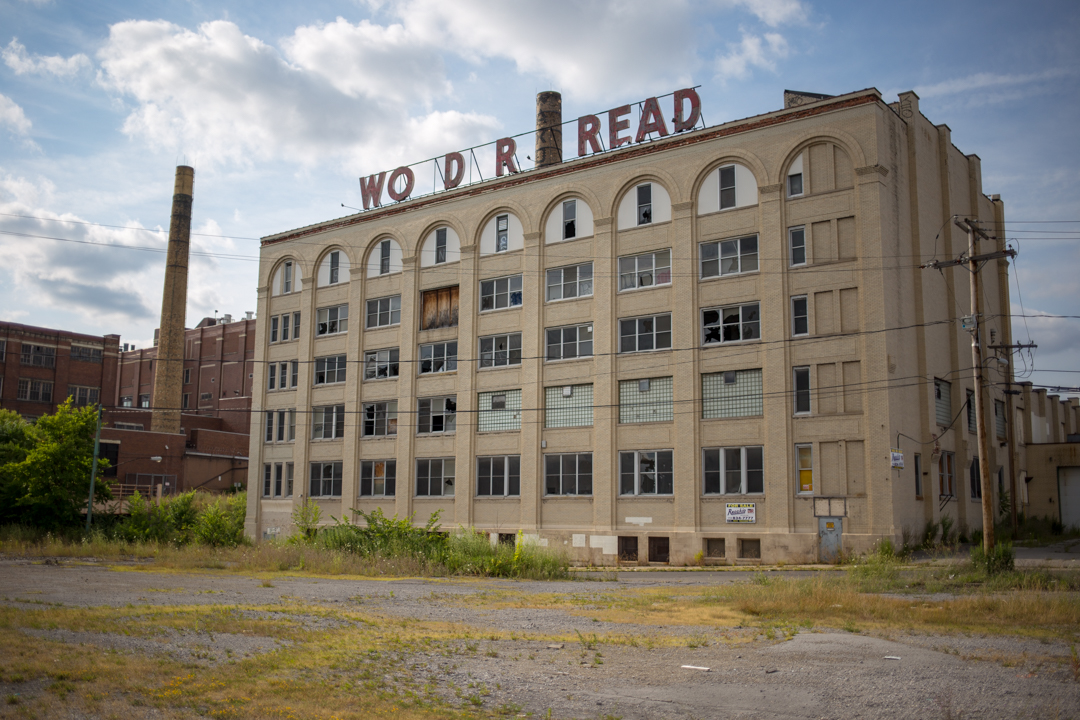


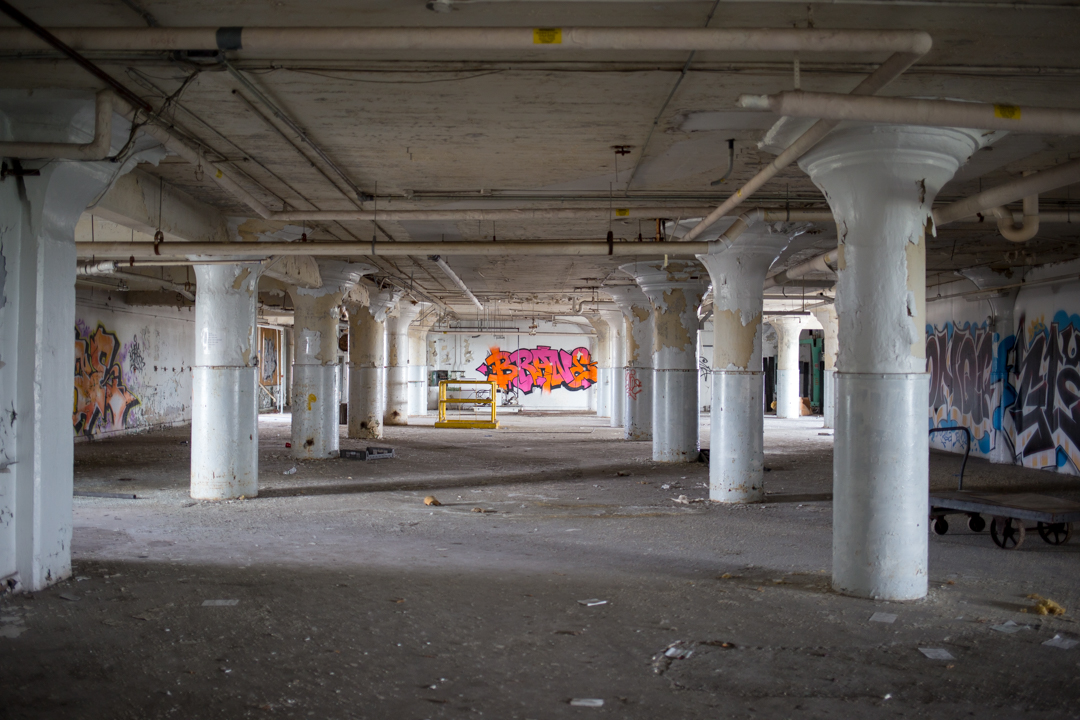
Wonder Bread was one of the first breads to be factory sliced and the company guaranteed freshness in every slice or your money back. Hostess introduced the Twinkie in 1930, and since then they've only been absent from store shelves for ten months—from November of 2012 until July of 2013—when Hostess filed for bankruptcy. Despite their reputation as a post-apocalyptic snack, Twinkies actually only have an official shelf-life of 45 days.


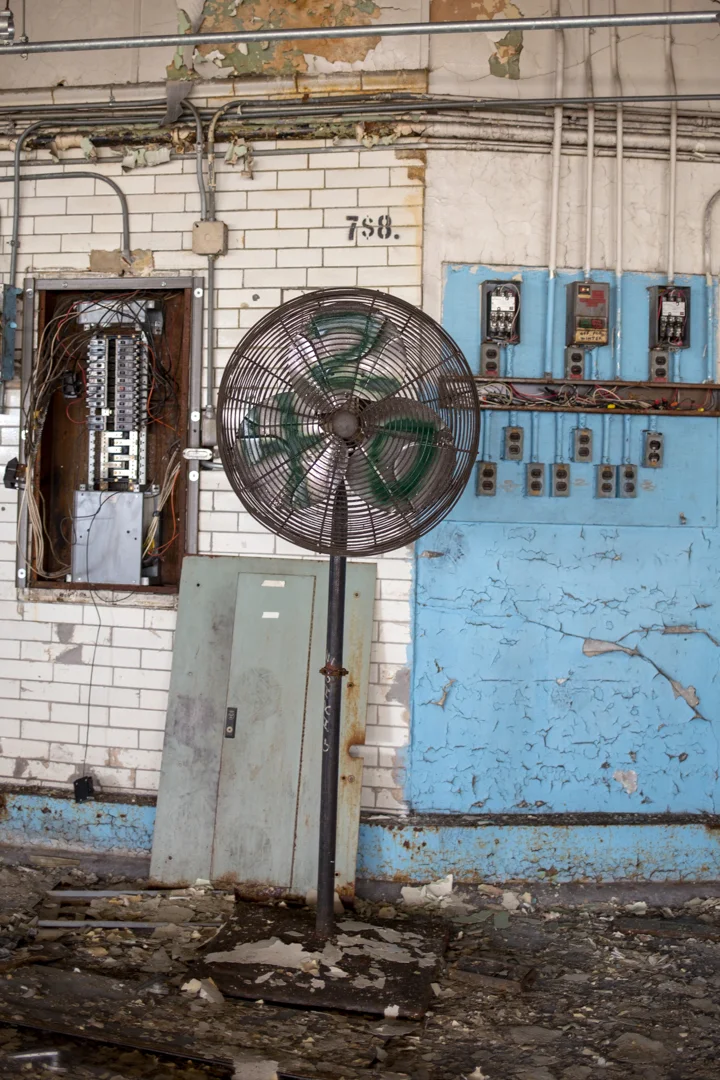


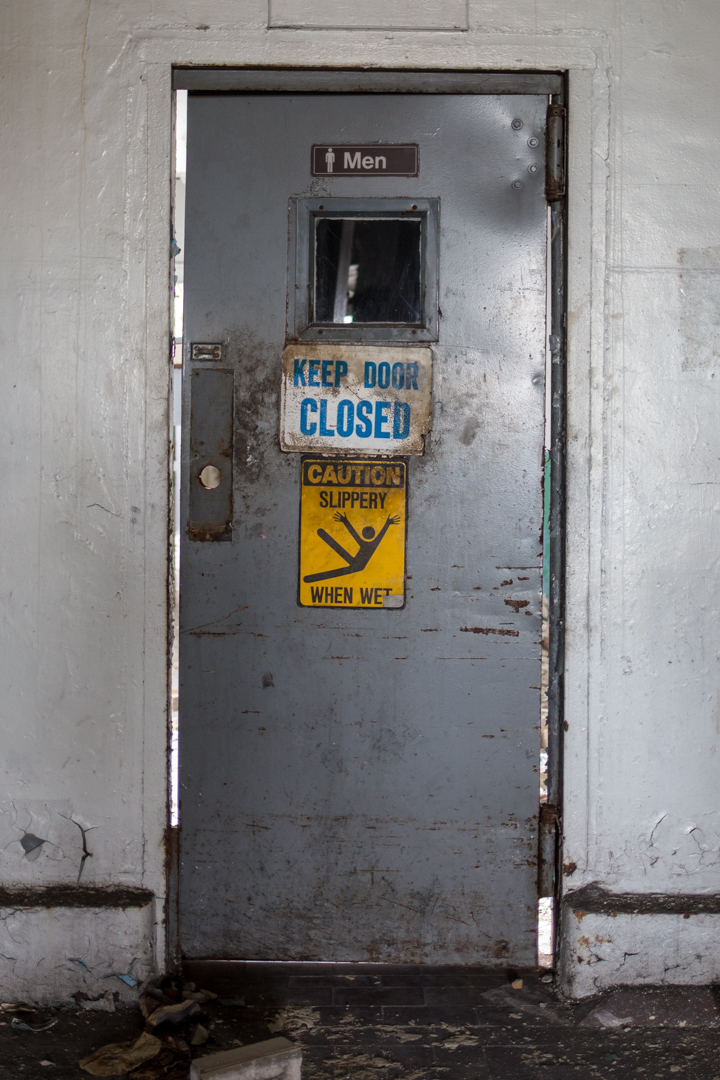

The East Buffalo factory was shut down in 2004 and the building has been for sale for $800,000 since 2010. Abandoned factories aren't high on my list of places to explore because they're generally sort of boring and often heavily vandalized. I didn't expect much from such a well-known spot, but it's relatively secure and still has a lot of stuff left inside.
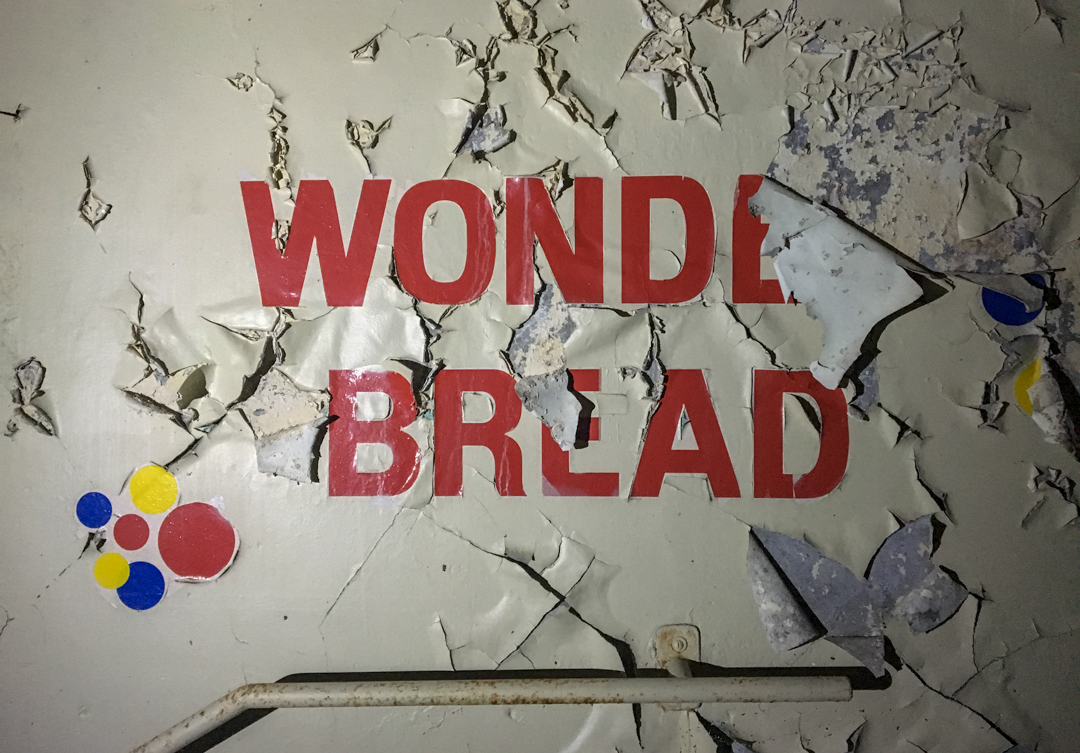

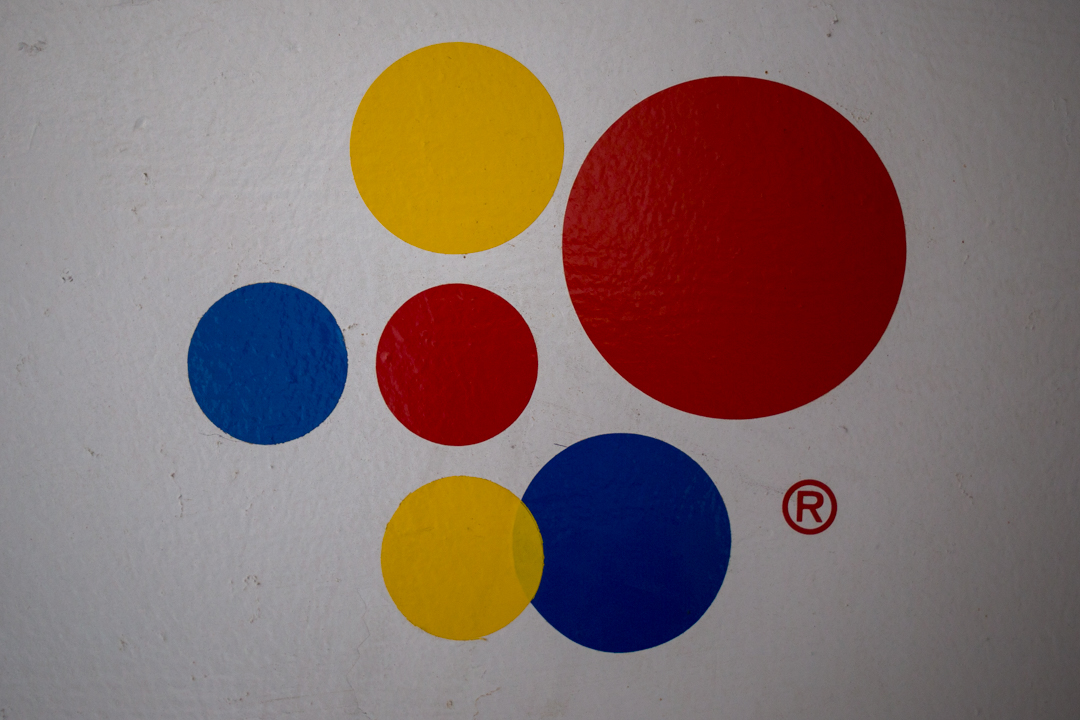

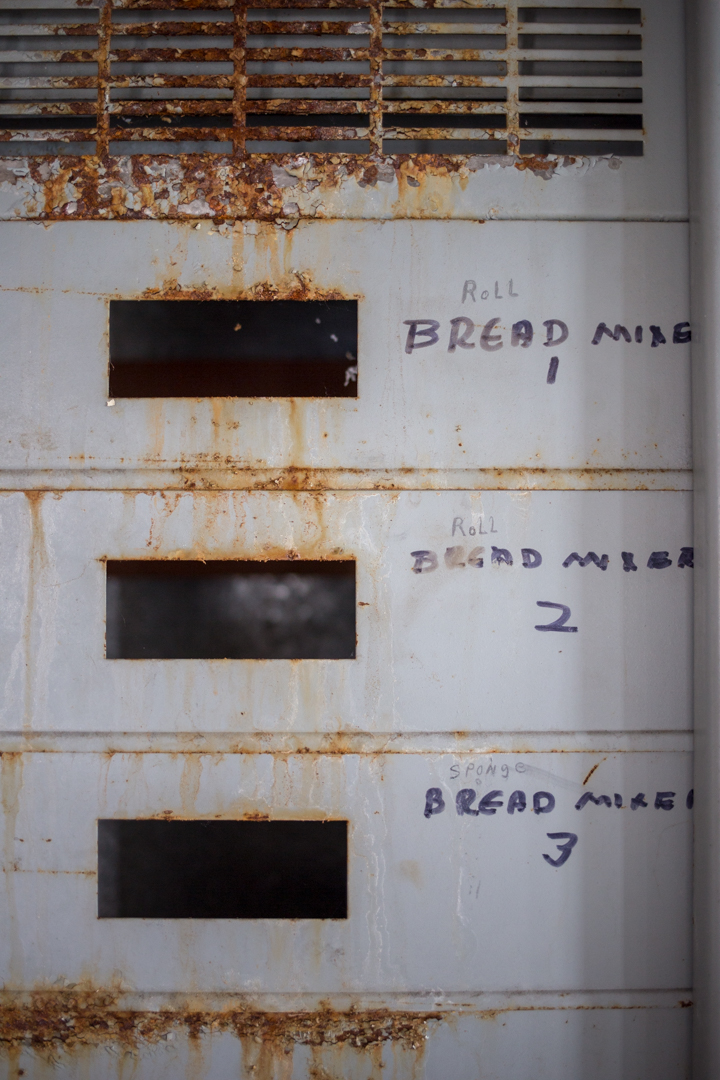


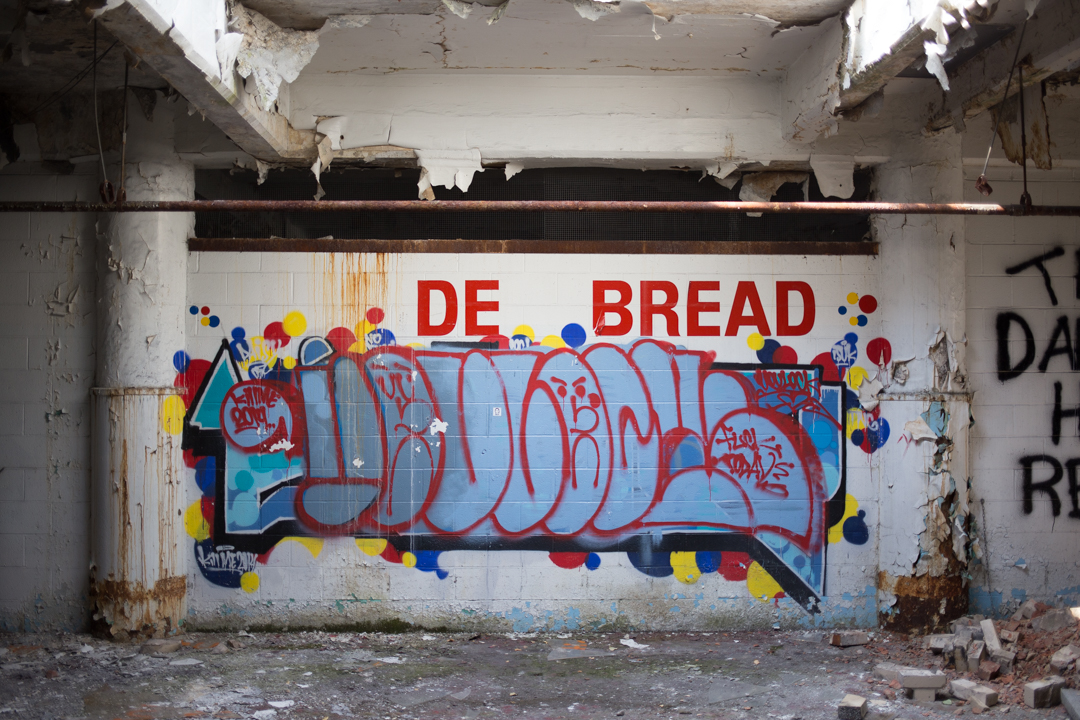
I think the fact that it was not just a bread factory but Wonder Bread specifically, is what made it such an interesting place to explore. There's just something so optimistic and American about Wonder Bread and there are enough remnants of the brand scattered around the factory that you can almost imagine the smell of baking bread.


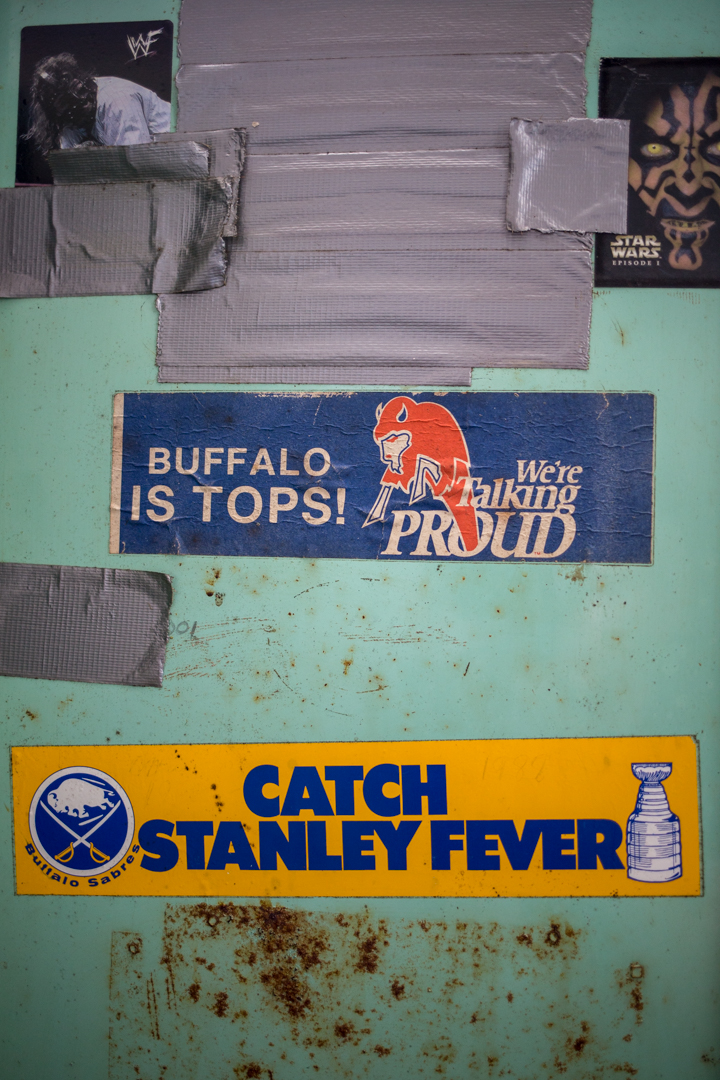


The mostly-intact employee locker rooms add a human touch, with stickers and handwritten messages still decorating some of the lockers. Sometimes it's hard imagine these buildings when they were operational, but notes like "The torture is over!! I'm free!!" or "Prison life would have been easier," really give a sense of what the workers' lives were like (I'm guessing not great).


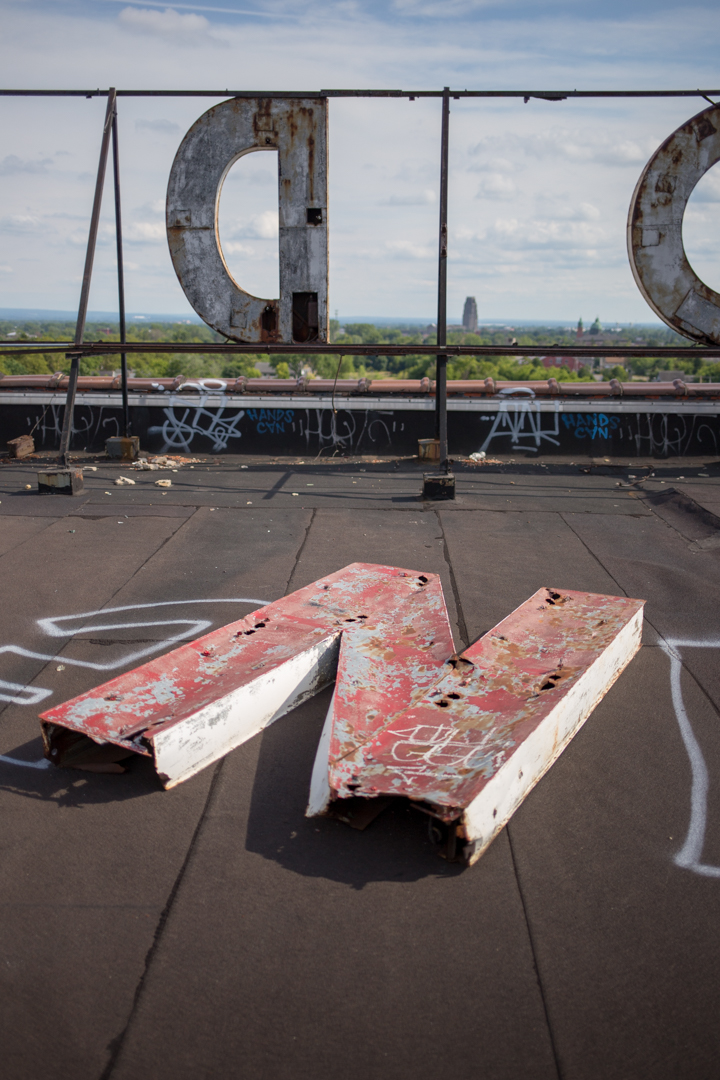

Visible from the roof is a smokestack with "Ward's Bakery" spelled out in contrasting brick—the Ward Bakery empire included three independent companies: General Baking, Ward Foods and Continental Baking, makers of Wonder Bread. But the crowning jewel of this factory is its rooftop sign, constructed of huge, red metal letters that once announced to everyone passing that Wonder Bread was produced within—a fact that surely their noses had already suspected.

New York Aquarium: Sharks!

The New York Aquarium is located on the Coney Island boardwalk and is part of a network of New York City zoos in the Bronx, Queens, Central Park and Prospect Park. More than half of the 14-acre aquarium campus was heavily damaged during Hurricane Sandy—about 85 percent of the collection was able to be salvaged, but six years later they are still in the process of rebuilding.





Ocean Wonders: Sharks! has been in the works for years, and the exhibit finally opened in June. The 57,500-square-foot pavilion houses 115 marine species in 784,000 gallons of water, including wobbegongs, sea turtles, skates, dogfish and 18 different kinds of sharks and rays.

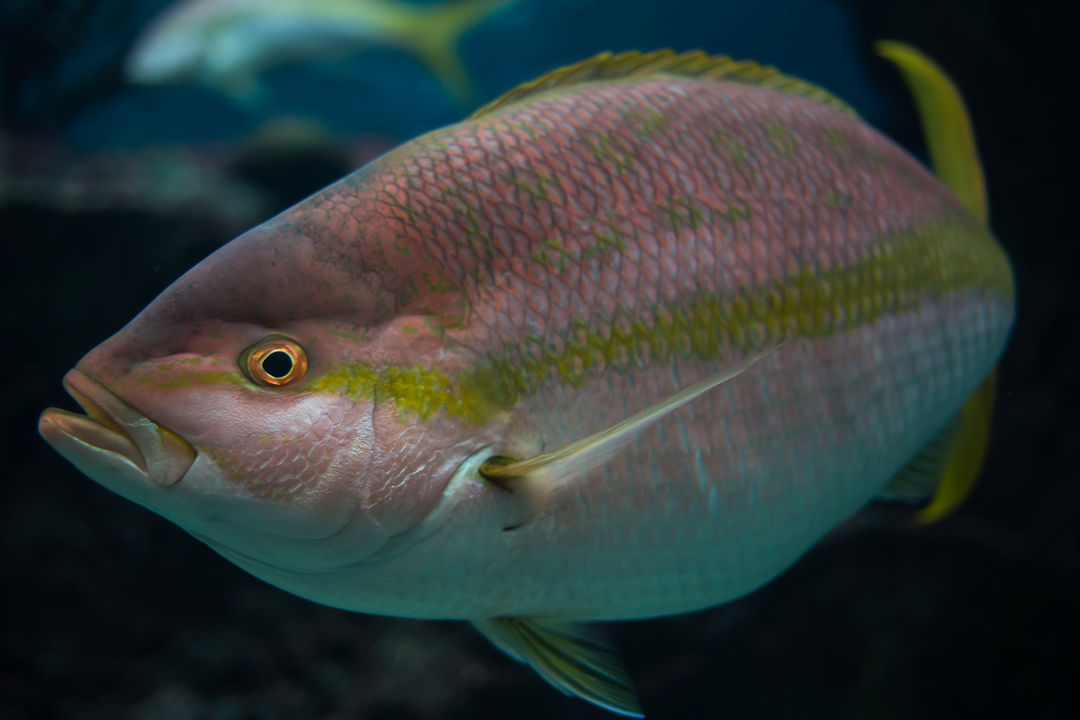



The entrance to the Sharks! pavilion puts you inside of a forty-foot tunnel where you can watch zebra and reef sharks float above you (and divers scrubbing the fake coral). The rooftop deck has a bar and a touch pool overlooking the boardwalk, the beach and most fittingly, the ocean. 26 species of sharks live in the waters surrounding New York, so it's about time that Coney Island had a proper showcase for them.




The main restaurant and three exhibit areas—Playquarium, Spineless and SeaChange—are still closed but admission is currently discounted ($14.95 vs. the usual $29.95). In addition to Sharks!, you can see interactive shows at the Aquatheater, Glover's Reef at the Conservation Hall and penguins, sea otters and seals lounging on the outdoor sea cliffs.


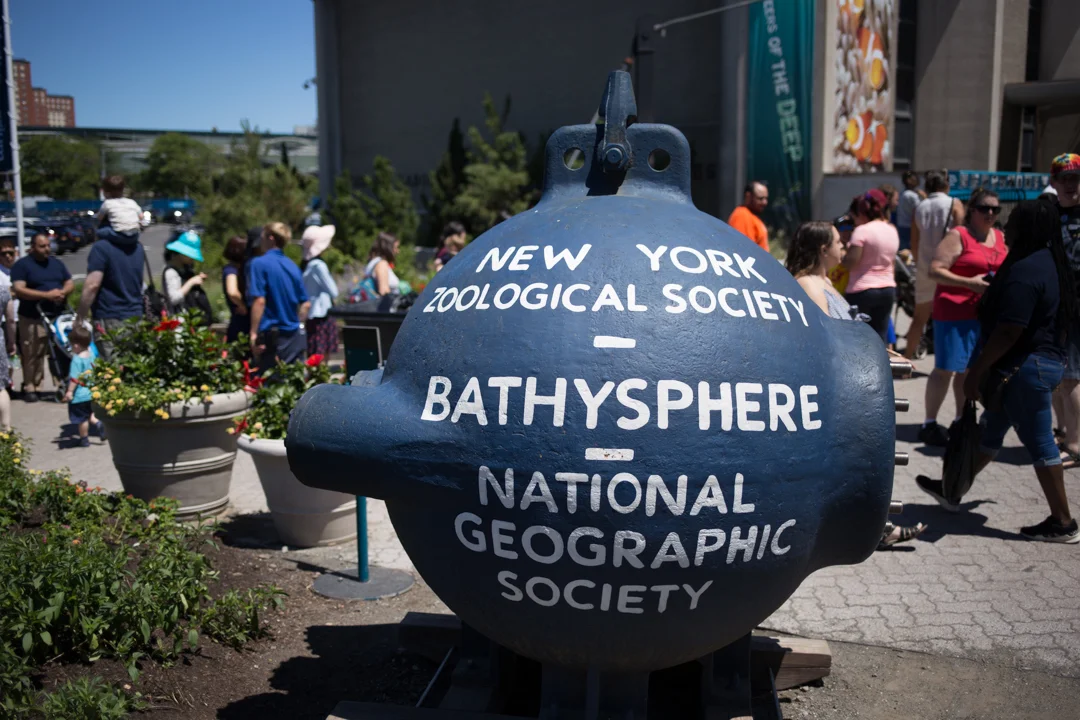

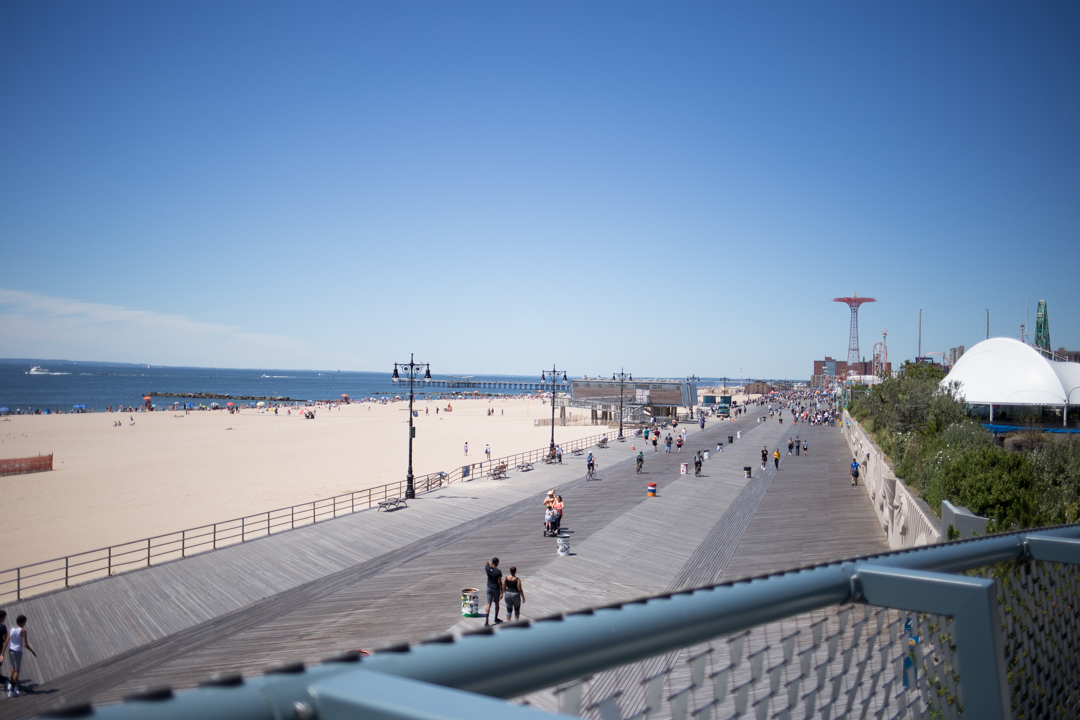
We only spent about an hour at the aquarium but the Sharks! exhibition alone merits a visit—just get there right when they open if you want to avoid the crowds (this is a New York City life hack in general, but especially whenever children are involved). I found at least two squished penny machines outside near the sea cliffs, at the same time that we discovered that not one of the five of us had a penny. I scanned the ground and found one just before we were about to leave and while we may not have had good luck seeing the penguins, I'm happy to add their pressed likeness to my ever-growing collection.
New York Aquarium
Surf Avenue & West 8th Street
Brooklyn, New York 11224

Blazing Star Cemetery

The Blazing Star Cemetery is located in the Rossville neighborhood of Staten Island. It's adjacent to the ship graveyard and I'm always happy to add a new cemetery onto the itinerary when I have a specific destination in mind. The earliest grave markers date to 1750, and it was one of the first community burial grounds on Staten Island. There are only a handful of stones on the small piece of land but they are beautifully carved and in remarkably good condition for their age.


Alternately called the Sleight Family Graveyard, or the Rossville Burial Ground, this cemetery contains the remains of several different prominent Staten Island families. I couldn't find much more information about the history of the cemetery or its residents, but Peter Winant was the son of one of the first permanent settlers to the island. A sign declares that it is currently maintained by the Friends of Abandoned Cemeteries, Inc. of Staten Island, which is a group that I would definitely consider joining.

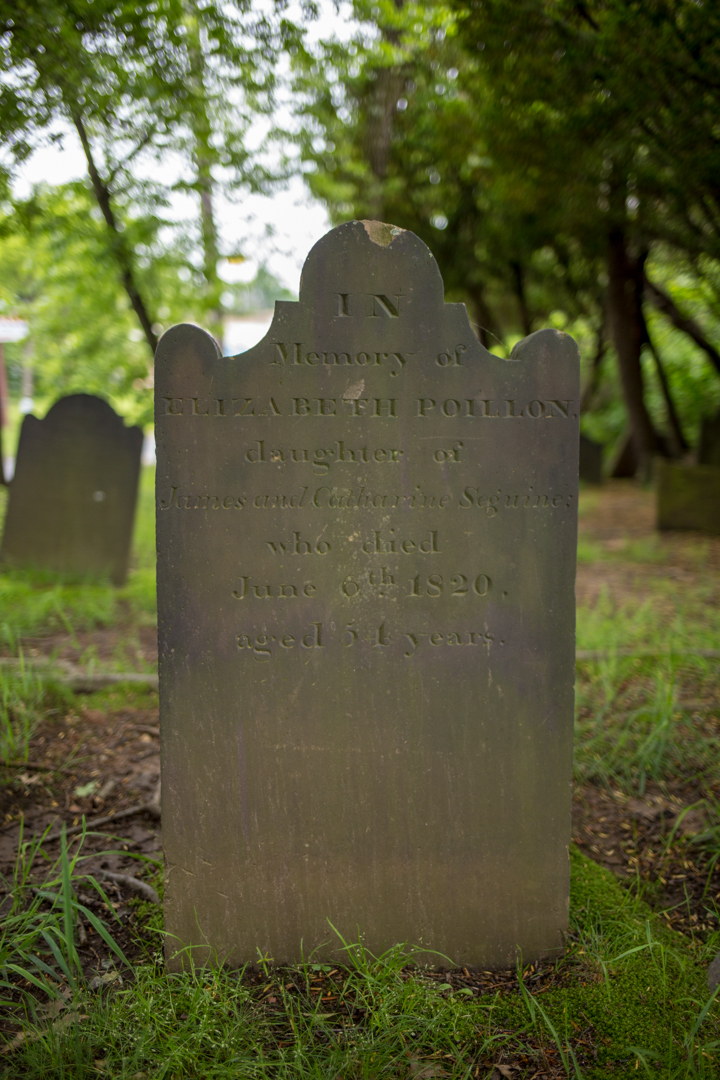
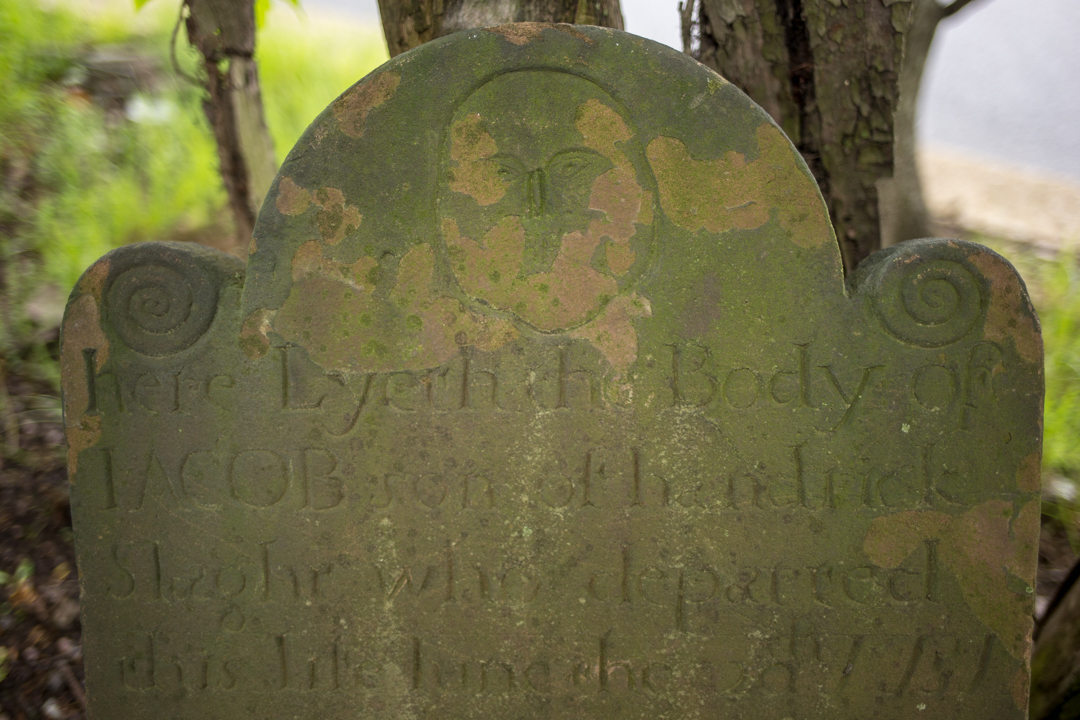


I found a document from the Landmarks Preservation Commission on January 17, 1968, proposing that the cemetery be designated a landmark. The Commission found that the graveyard "has a special character, special historical and aesthetic interest and value as part of the development, heritage, and cultural characteristics of New York City."


The cemetery sits near the former location of a mooring slip for the Blazing Star Ferry—which once ran between Staten Island and New Jersey—right on the side of Arthur Kill Road, where it intersects Rossville Avenue. We took the Staten Island Ferry and then the S74 bus, which if you're very lucky won't make all of the 72 stops between the ferry terminal and the graveyard.
Blazing Star Cemetery
Arthur Kill Rd & Rossville Ave,
Staten Island, NY 10309

World's Tallest Uncle Sam

I'm not sure why it's taken me so long to write a post about the World's Tallest Uncle Sam, but I first met this 4,500-pound, American icon in 2014. We drove to the Magic Forest in Lake George, only to find that it had already closed for the season. I was devastated, but I could see quite a bit of the park from the parking lot, and the parking lot itself has attractions—including a huge Santa and what they claim to be the World's Tallest Uncle Sam.


I went back to the Magic Forest the following year during the open season, and got to revisit the Uncle Sam along with their vast collection of other fiberglass animals, figures, fairytale structures and rickety rides. As tends to be the case amongst objects with "World's -est" titles, the "tallest" claim is a bit dubious—the Lake George Uncle Sam is 38 feet tall (David included in the photo above for scale), while there is one in Michigan that tops out at 42 feet.


The Magic Forest is a mecca for large statues—they have four Muffler Men variations, including a Bunyan, a clown, Pecos Bill and an Amish (?) happy halfwit. The Uncle Sam originally stood at the Danbury Fair in Connecticut (along with Chief Running Fair). He was purchased in 1981, and has stood at the entrance to the Magic Forest since the following year. According to the sign, he was "repainted with acme base coat clear coat system in 1992," and he seems to holding up very well.
Magic Forest
1912 U.S. 9,
Lake George, NY 12845
The park is open Memorial Day-Labor Day, but the Uncle Sam is visible year-round

Families Belong Together March

It's hard not to feel hopeless and helpless when every day brings news of fresh horrors coming out of the Trump administration's playbook of evil. My mind literally cannot comprehend the thinking—or perhaps the lack thereof—of the people that thought there was no difference between Hillary and Trump, or of the people that still think that Trump is "making America great again."


I am of the belief that America already is great—yes, we have many, many areas to improve upon, but the more I see of this country, the more I fall in love with it. And time and time again I find that what actually does make America great, and what we get right in so many places—but New York especially—is our acceptance and appreciation of immigrants. The racist, "go back to where you came from" bigots may yell the loudest, but they do not represent all Americans.





Polling is a tricky business, but what a lot of Americans seem to agree on is that we should let DACA recipients stay and that the "wall" is a terrible idea. I won't pretend to know where to begin to try and change peoples hearts and minds—especially in a time when supposedly decent people are actually debating what exactly constitutes a child cage—but I do believe that it's the people who have the least interactions with immigrants that are most afraid of them.


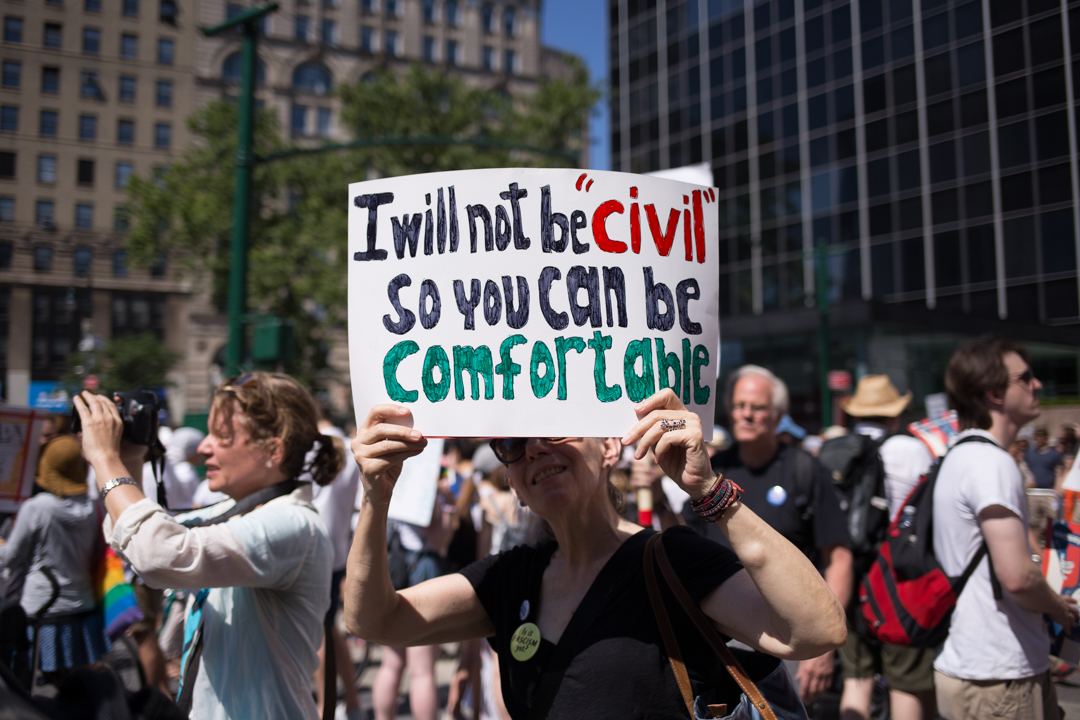
I had to join the Families Belong Together march on Saturday because I had to do something. To be honest, I didn't want to march, and there were several times along the route that I considered giving up. It was in the 90s and I'm made out of tissue paper. My eyeballs were sweating. The minute I would reapply sunscreen it would melt off my face. I ran out of water halfway across the Brooklyn Bridge. I was alone and my feet hurt from standing in place for hours because like a lot of "marches," progress along the route was at times painfully slow.


I recognize that we go to events like these to make ourselves feel better, and I definitely understand the appeal. To be surrounded by like-minded, passionate, sane individuals for a few hours in a world that increasingly feels isolating and infuriating is soothing to the soul. But ultimately it's about showing up—I don't take signs, just photos—lending my physical body to a movement, to say I am here, I am present and I am pissed.


In the end, I did make it across the bridge and I'm proud of everyone else who did or who acknowledged the objectives of the march on whatever platform they have. Because I realized that no matter how uncomfortable I was, marching was a choice. I am privileged enough to opt in or opt out. I had access to water and could have left of my own volition at any time during the march. Families trying to enter the US with the hope of making a better life for themselves don't have that choice—and those of us that do will forever have an obligation to stand up for those who do not.
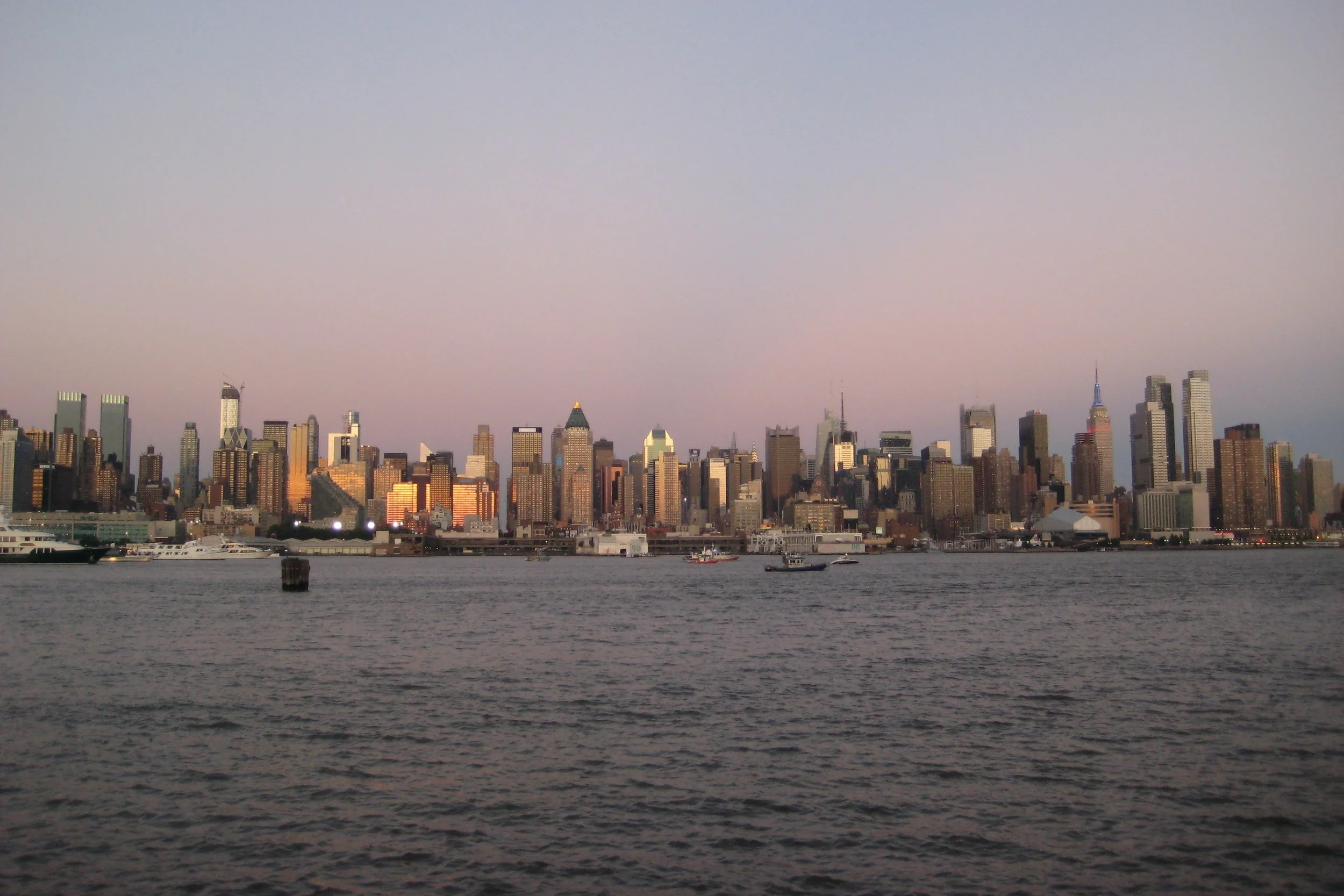
Five Year New York-iversary
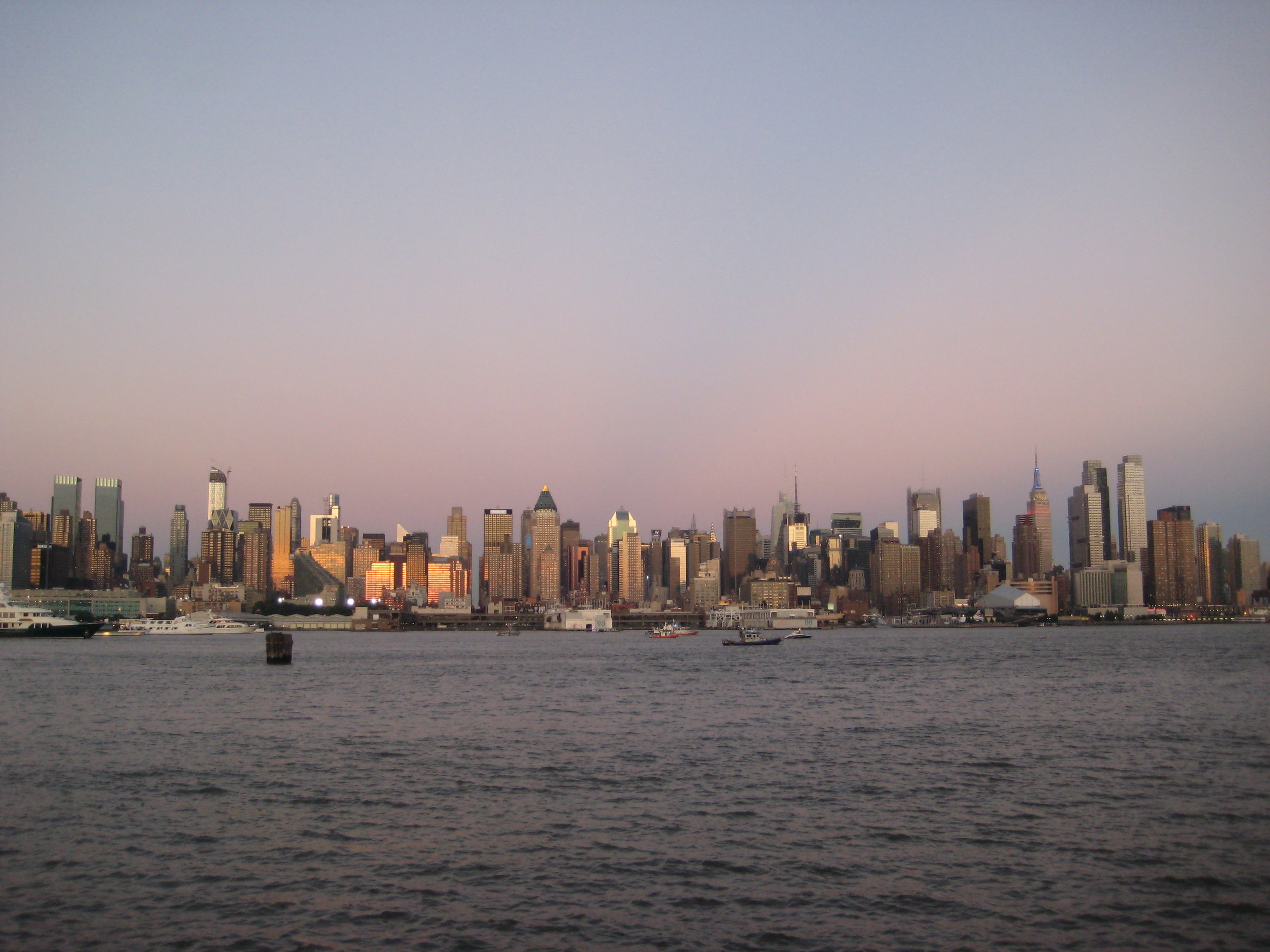
When I (finally) moved to New York five years ago, I wrote, "I guess I'm really getting old because at least once a day I think: where did the time go? I'm sure in the blink of an eye I'll be thinking the same thing about my first five years as a New Yorker, but for now I'm trying to enjoy my first five days."
I did enjoy those first five days—I slept on my friend's couch until I found a sublet, went to Long Island for the first time, watched the Macy's fireworks from New Jersey (where I took the photo above, still one of my favorites) and discovered the home goods wonderland of Fishs Eddy. At the time, so many things in my life had changed quite rapidly—but also torturously slow, because sudden changes have their ways of stretching time. I found myself without a job, without a home, without a plan and for what felt like the first time in my life, I was rootless.
I've been immersing myself in Angels in America lately and nothing has proven to be more true in my life than the thought that, "In this world, there’s a kind of painful progress. Longing for what we’ve left behind, and dreaming ahead." Change is painful but essential. As Kushner writes, "the world only spins forward," and we can dig in our heels like a cat on a leash or shed our skins and move onward.
I shed many skins over the course of my move, some of which I had no idea I had until I felt them peel away. I've spoken often about my love for New York on this blog but I don't ever want to delude myself about its power. New York is a magical place, at times, sure—but the changes I made originated inside of myself.
“Harper: In your experience of the world. How do people change?
Mormon Mother: Well it has something to do with God so it's not very nice.
God splits the skin with a jagged thumbnail from throat to belly and then plunges a huge filthy hand in, he grabs hold of your bloody tubes and they slip to evade his grasp but he squeezes hard, he insists, he pulls and pulls till all your innards are yanked out and the pain! We can't even talk about that. And then he stuffs them back, dirty, tangled and torn. It's up to you to do the stitching.
Harper: And then up you get. And walk around.
Mormon Mother: Just mangled guts pretending.
Harper: That's how people change.”
- Angels in America, Perestroika
For an incalculable amount of time after I moved to New York, I felt like I was "just mangled guts pretending." I was homesick for a home I knew wasn't healthy for me and I missed people that I knew didn't miss me. I was dealing with a medical bombshell that I still haven't fully processed, five years later. But there was painful progress—I got that apartment and that job and had awkward first encounters with people that eventually blossomed into meaningful friendships and relationships. Then I got another apartment and another job, and then another apartment and another job—and each time I stitched myself back together, something is lost but something is gained, and time marches on.
Try as I might to imagine the future, I had no idea what my life would be like after five years in New York when I wrote that post within the first five days. Recent events have made me feel deeply sad for this country but I firmly believe that we cannot move backwards. We are in control only of ourselves and how we treat others and we have to do better. But change won't be easy and it won't be painless.
I've been thinking a lot lately about the idea of 'remembering when you wanted what you currently have' and trying to be grateful for this life that I've made for myself—a life that I had romanticized for so long that I was blindsided by the pain inherent in its acquisition. Even now, I sometimes still find myself longing for what I've left behind, and it's a strange feeling to miss something that I so longed to be rid of. But, I know that I'm a better, stronger, kinder person not in spite of my past, but because of it—and I can only dream of what's ahead.
The most fantastic thing about the New York Botanical Garden’s annual Orchid Show is the orchids themselves