
Archive
- Abandoned
- Alabama
- Arizona
- Bahamas
- Books
- California
- Cemetery
- Climate
- Colombia
- Connecticut
- Diner
- Egypt
- Feature
- Florida
- Friday Fun
- Georgia
- Holidays
- Illinois
- Iowa
- Italy
- Kentucky
- Louisiana
- Maryland
- Massachusetts
- Mississippi
- New Jersey
- New Mexico
- New York
- North Carolina
- Novelty Architecture
- Ohio
- Pennsylvania
- Personal
- Peru
- Project 365
- Protest
- Rhode Island
- Roadside Attraction
- South Carolina
- Tennessee
- Texas
- Travel Guide
- Virginia
- Walks
- Washington DC
- West Virginia
- Wisconsin
Summer Streets

Every August, for four consecutive Saturdays, seven miles of New York City streets are closed to traffic for Summer Streets. Park Avenue (turning into 4th Ave and then Lafayette Street) from West 72nd Street to Foley Square is open from 7am to 1pm for pedestrians and bikers. My first Summer Streets experience was four years ago, only a few months after I moved to New York, and I've been wanting to do it again ever since.


On Saturday, I had brunch plans near Union Square, so I started at 72nd Street and walked all the way to 14th Street. There are rest stops along the way with activities and free samples, but the main attraction is the actual street—the novelty of walking down the middle of a carless street will always be fun to me. The streets are also devoid of parked cars, giving you uninterrupted views of the beautiful buildings along Park Avenue and the storefronts further downtown.


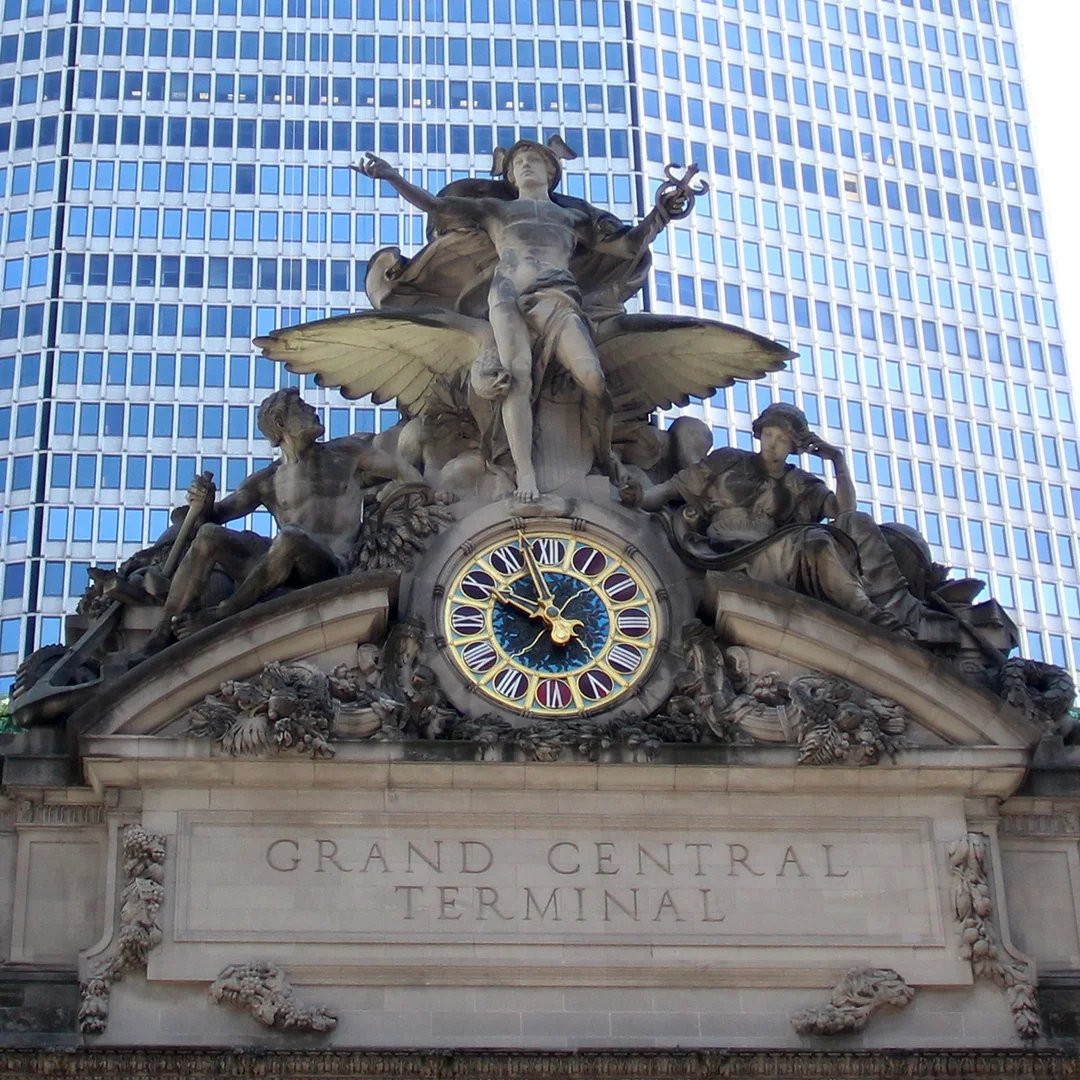
My favorite part of the Summer Streets route is walking through the Helmsley Building and up and around Grand Central. There is no pedestrian access on this stretch of Park Avenue, so it's a view of Grand Central that you can usually only get from inside of car. Seeing the Vanderbilt statue, the Tiffany clock and the eagles so close will always be thrilling to a New York architecture and history nerd like me. I was actually so enthralled with photographing an eagle that I got yelled at for being "out of bounds" from a Summer Streets employee, but it was worth it.

Old Burying Ground

While planning our recent day trip to the North Fork of Long Island, I found the vineyard we were planning to visit on Google Maps and searched for cemeteries nearby. Anytime I'm traveling somewhere new, I try to search for nearby diners and cemeteries to maximize my time and ensure that I'm not missing out on something.
I was excited when I discovered a cemetery .3 miles from the train station (when I told my friends that I had found a cemetery for us to explore on our way to the vineyard, one replied "of course you did"). I was even more thrilled to find out after a few minutes of research, that the old buying ground in the First Presbyterian Church cemetery is the oldest surviving colonial-era cemetery in New York State.

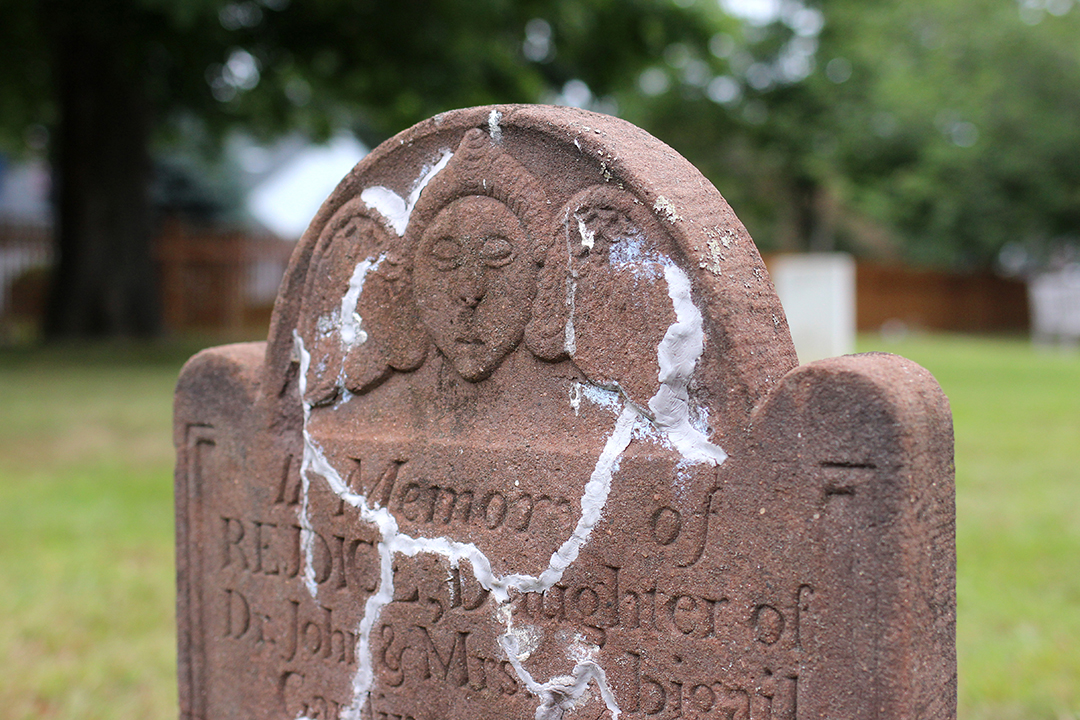


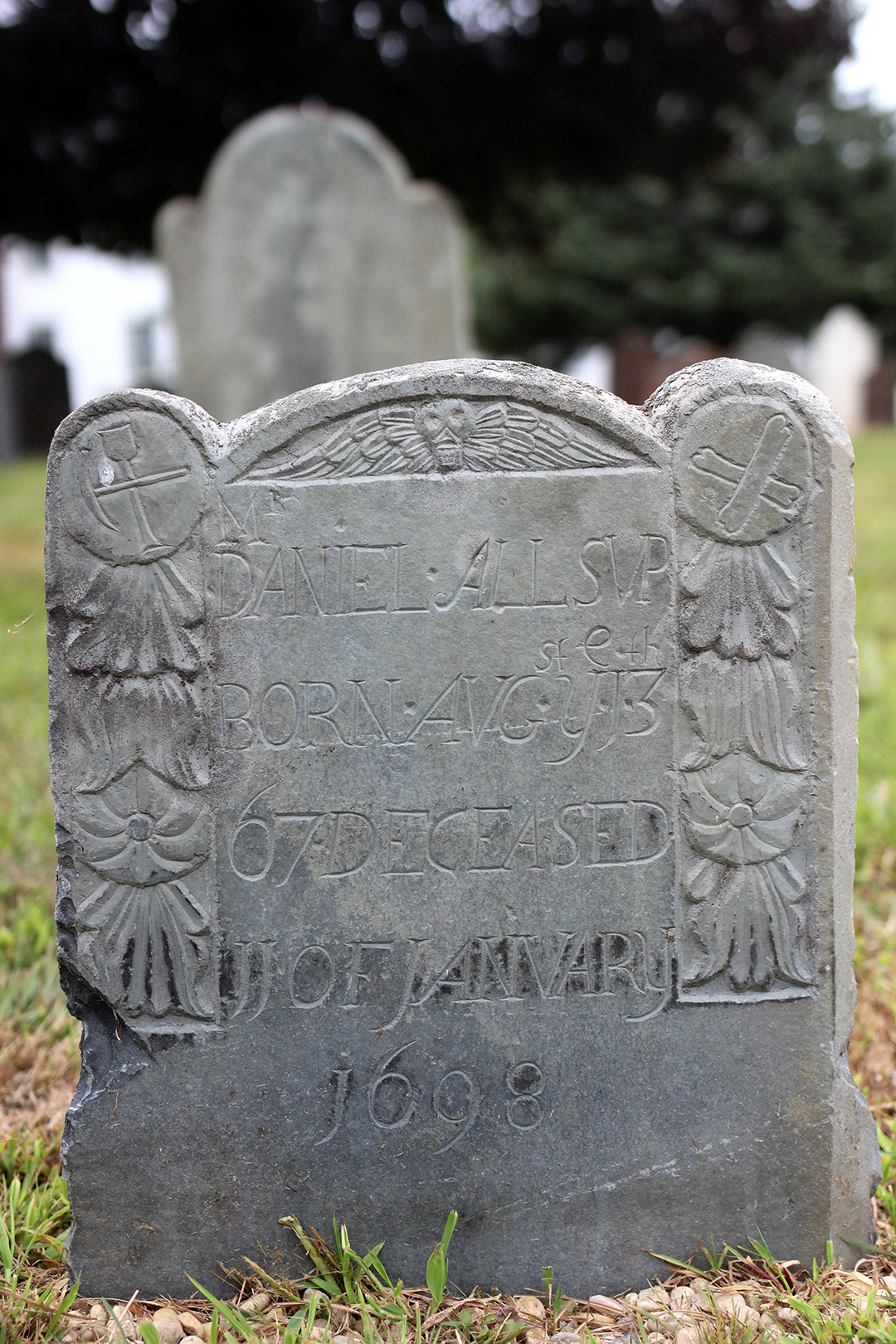
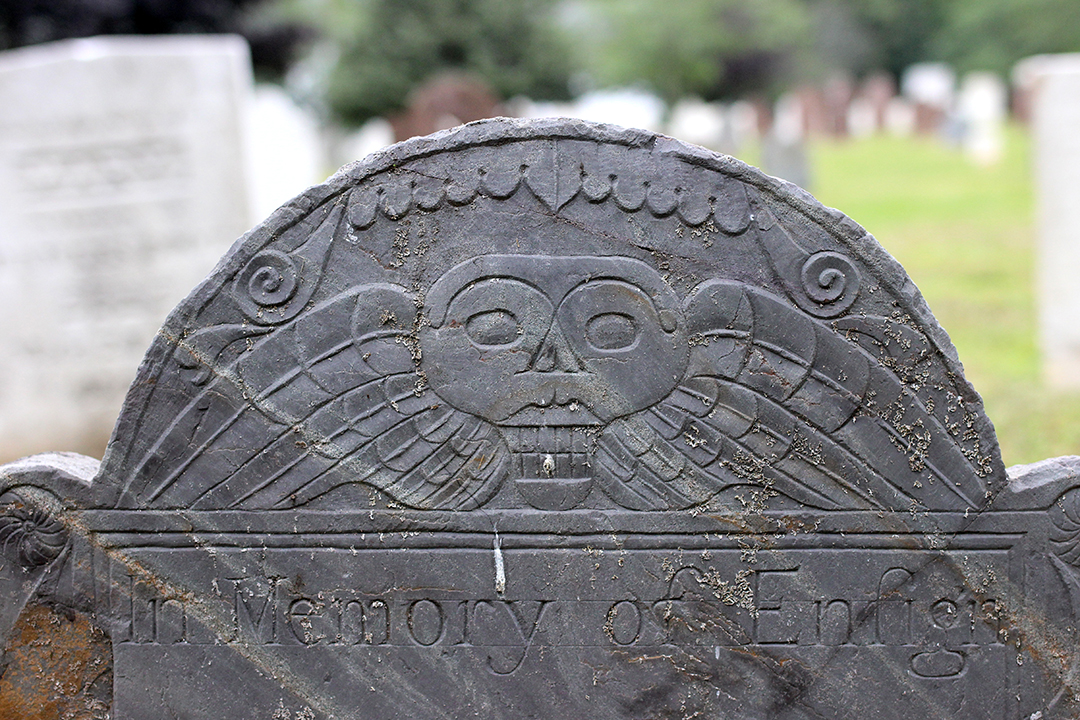


The OBG was established in 1640 by the Puritan settlers of Southold, and it's full of stones cut with Puritan memento mori images and motifs—winged skulls, chubby cherubs and even a few crossbones. According to the (very helpful) brochure we picked up upon entering the cemetery, "the Old Burying Ground showcases gravestones carved by the best of the early stonecutters, most from New England, the widest range of any Long Island cemetery."


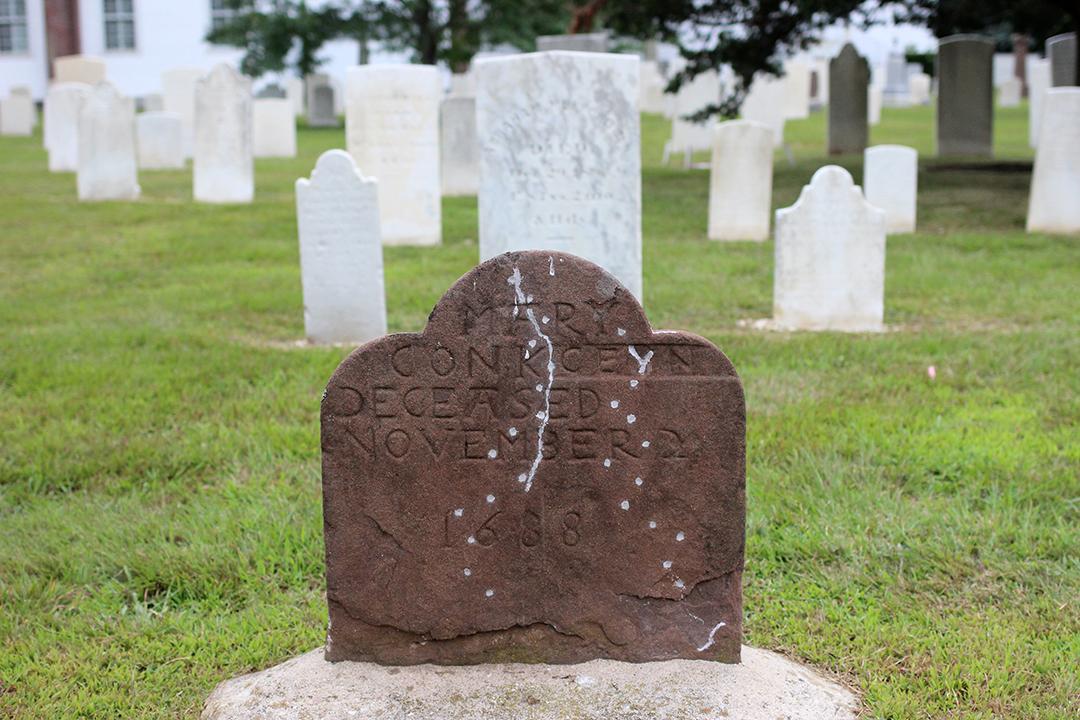
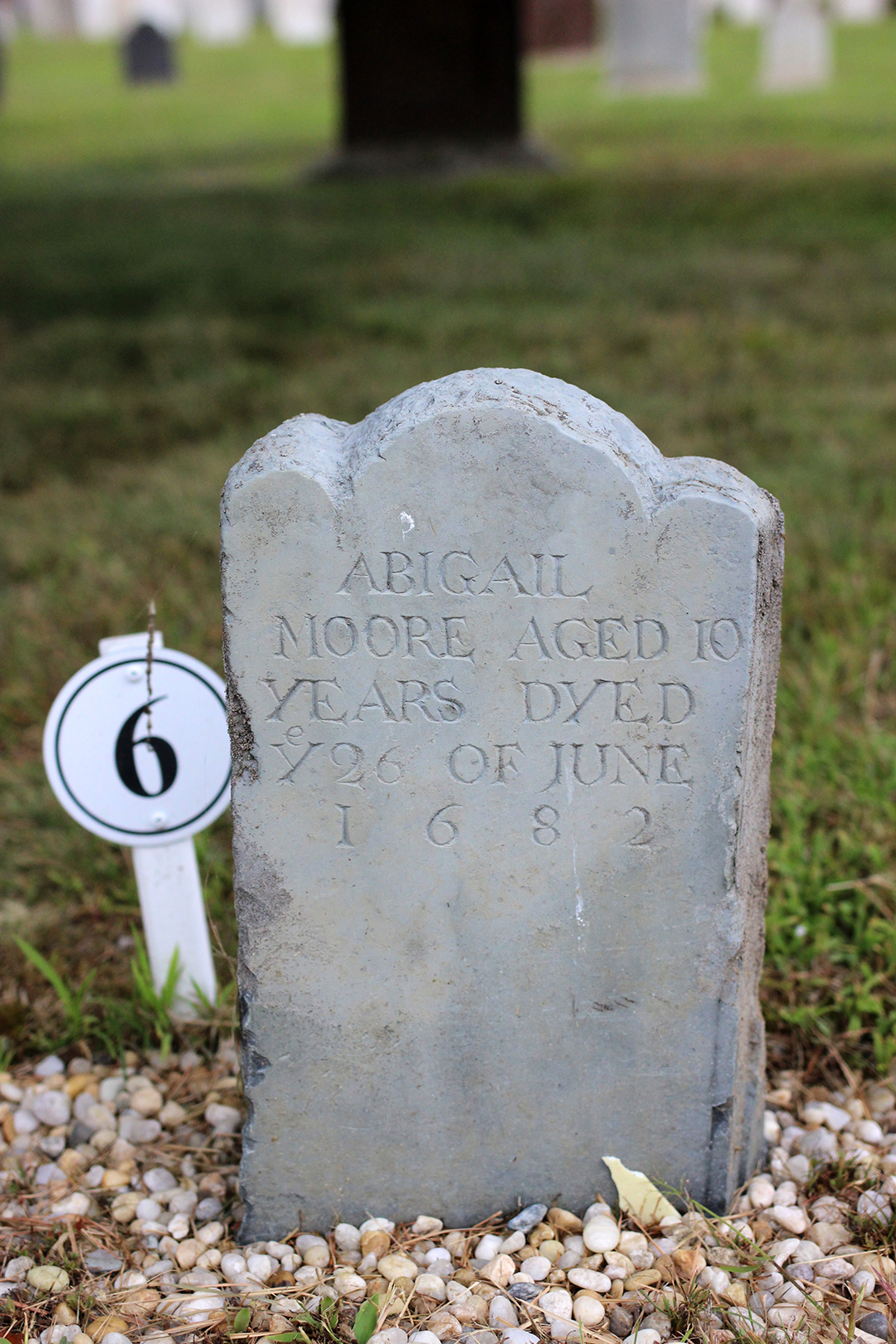


It's rare in this country to come across burial grounds that pre-date the formation of the United States, and the OBG has 20 gravesites that date back to the 1600s. The OBG is home to the oldest grave (the 1671 box tomb of Southold founding father William Wells) and the second oldest gravestone on Long Island (Abigail Moore, 1682).
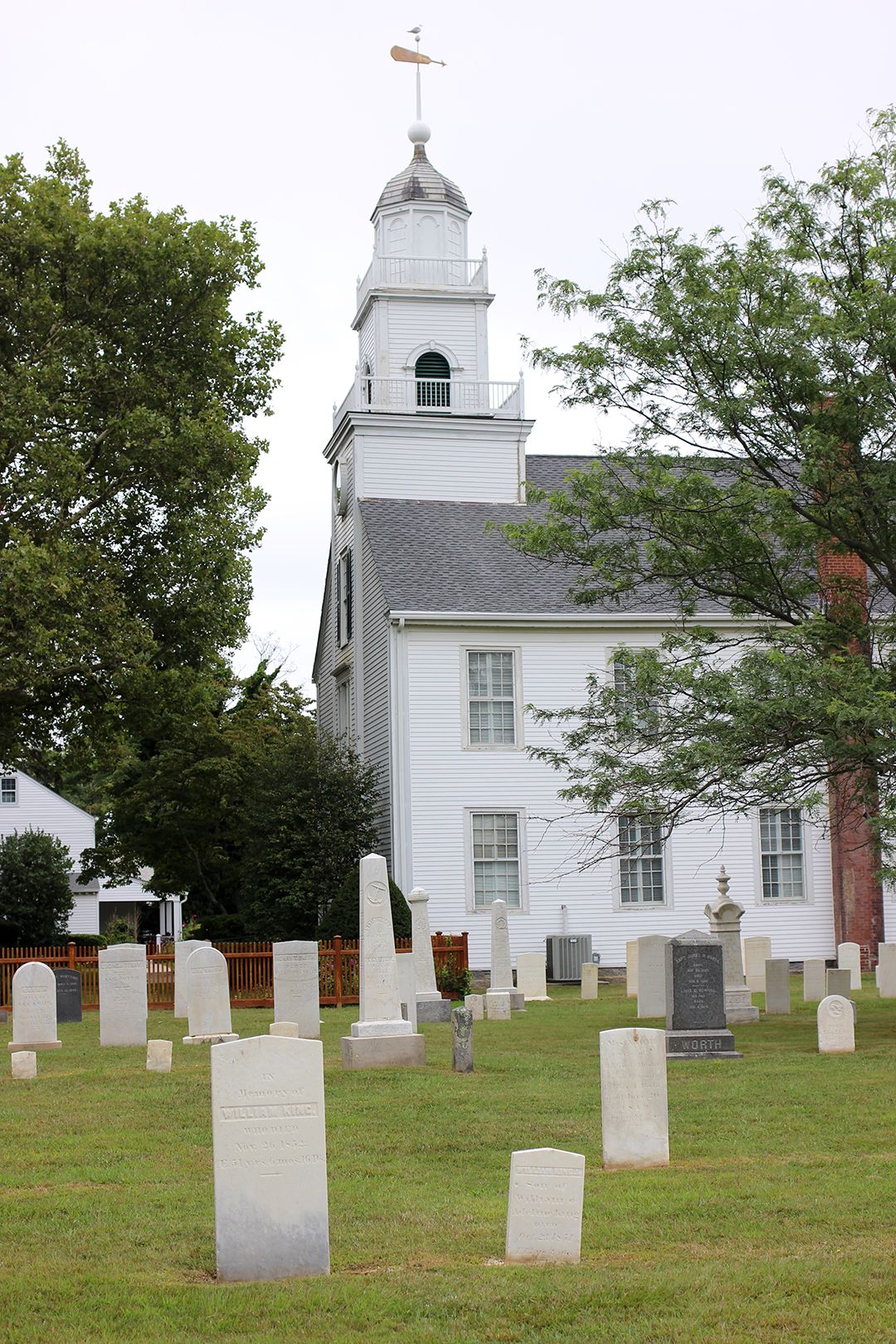


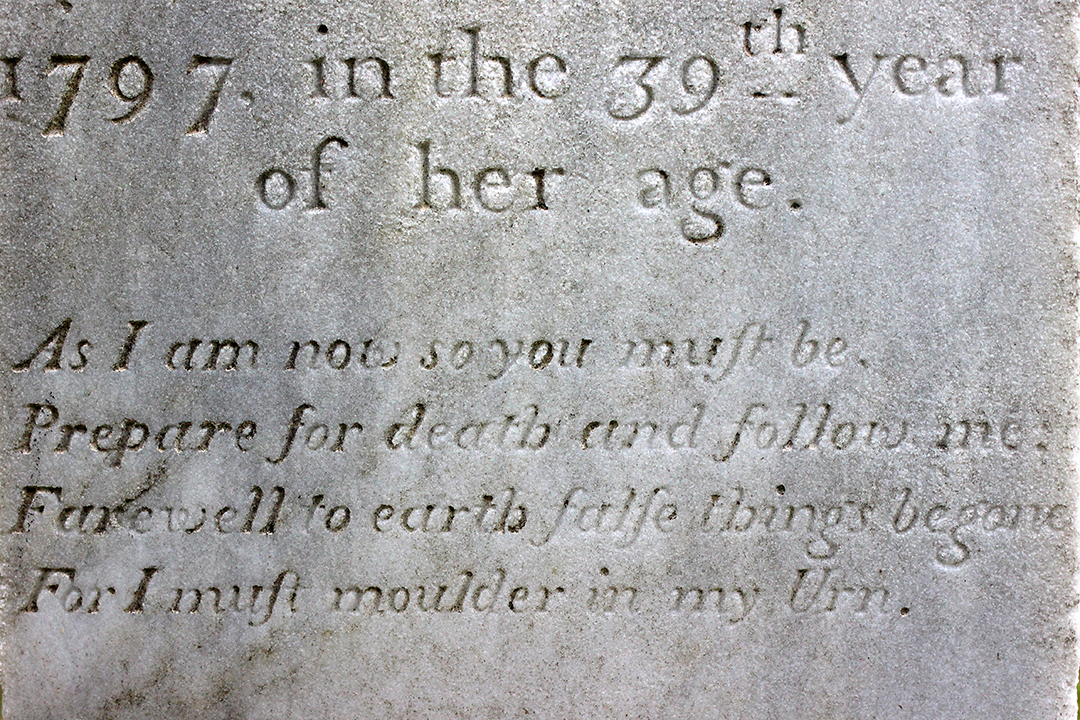


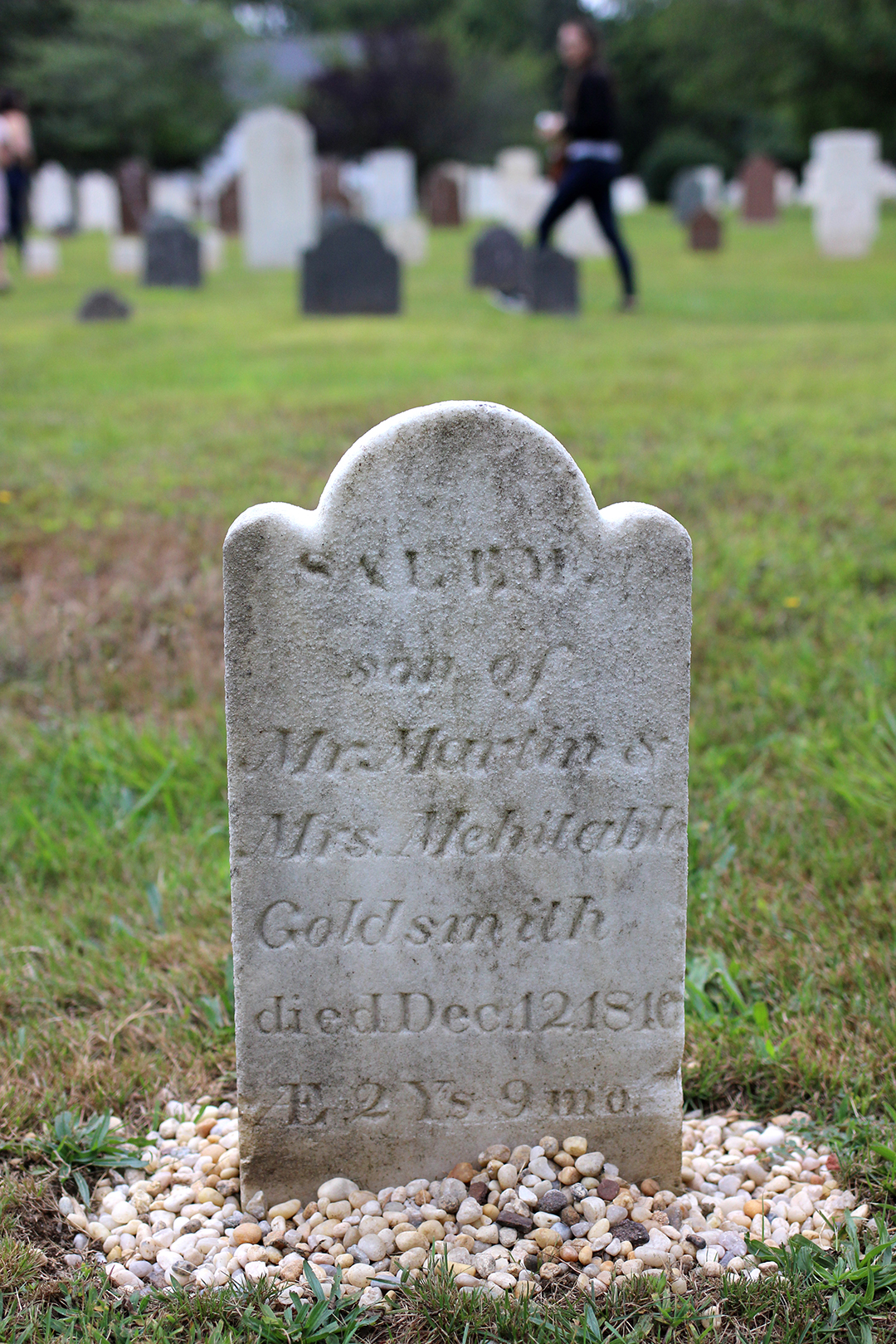
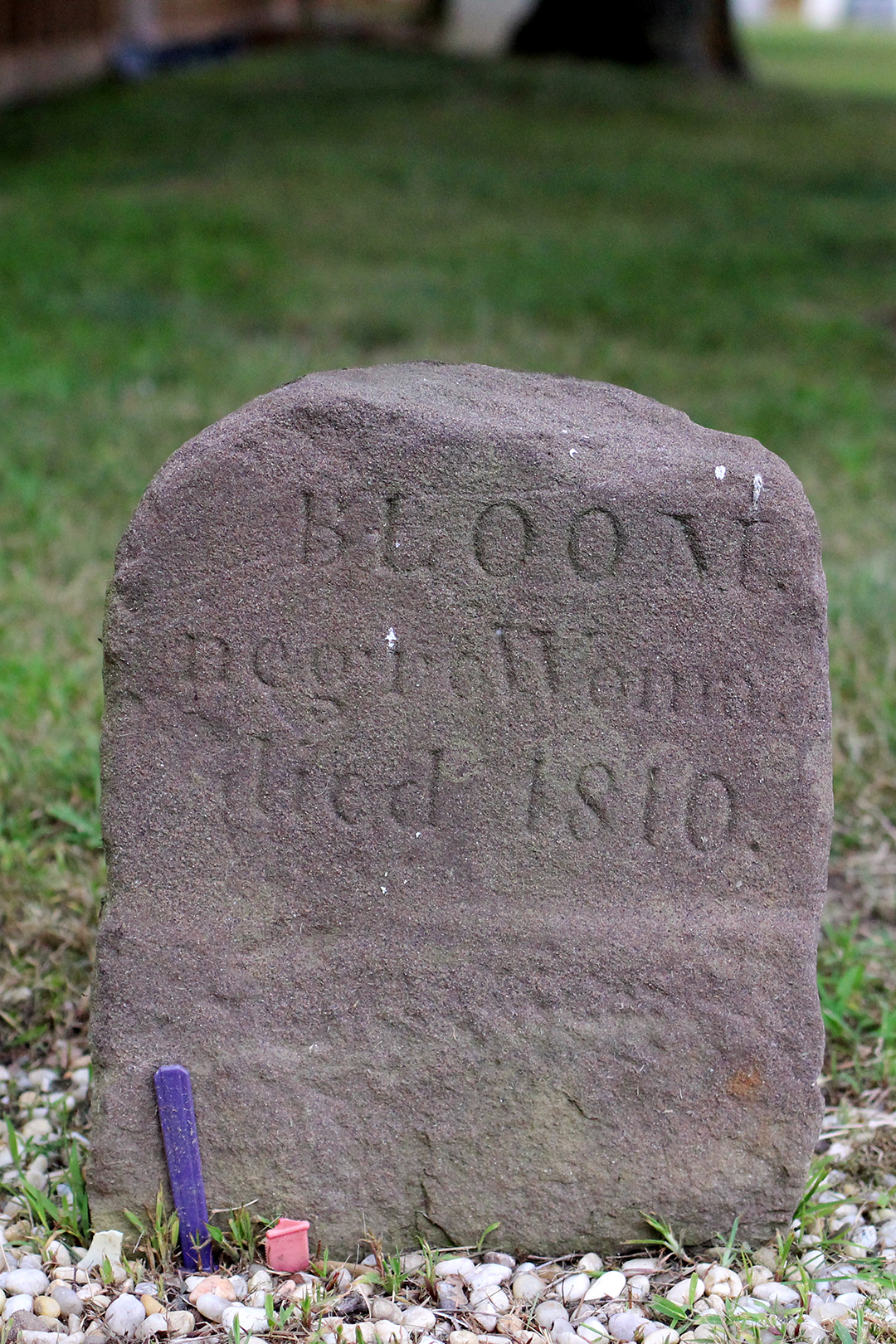
Like any old cemetery, some of the stones have sustained a lot of damage while others look as if they were just carved yesterday. The church has been making a costly and extensive effort to preserve the OBG, giving the stones a cleaning, piecing some back together and adding a protective bed of gravel at their base. We didn't explore the grounds beyond the Old Burying Ground, but the cemetery is huge and very well-maintained—I could have easily spent hours there, if only they served Rosé.
Croteaux Vineyard

On Saturday three friends and I took the LIRR almost three hours east on Long Island, to Southold in the North Fork. Our destination was the Croteaux Vineyard, but it was the perfect day-trip that included bagel sandwiches, a colonial cemetery, a walk down the adorable Main Road and—eventually—the vineyard.



The North Fork is like a mini Napa Valley, and you could easily spend a weekend there hopping from vineyard to vineyard. On the train ride there, I knew we were getting close when I started to see grapevines, and you might be surprised at how fast a nearly three-hour train ride can go if you're properly caffeinated and bring the right friends.
Croteaux only produces Rosé, and despite the fact that pink wine seems to be everywhere these days, they're the only, Rosé-only winery in the country. I'm by no means a wine connoisseur but I am a huge fan of eating salty snacks and laughing with friends, both of which pair very well with a chilled, bubbly drink. They have a "tasting barn," which is really just a garden with tables, but it's the perfect setting to sample their variety of "dry, crisp, fun-to-drink wines."
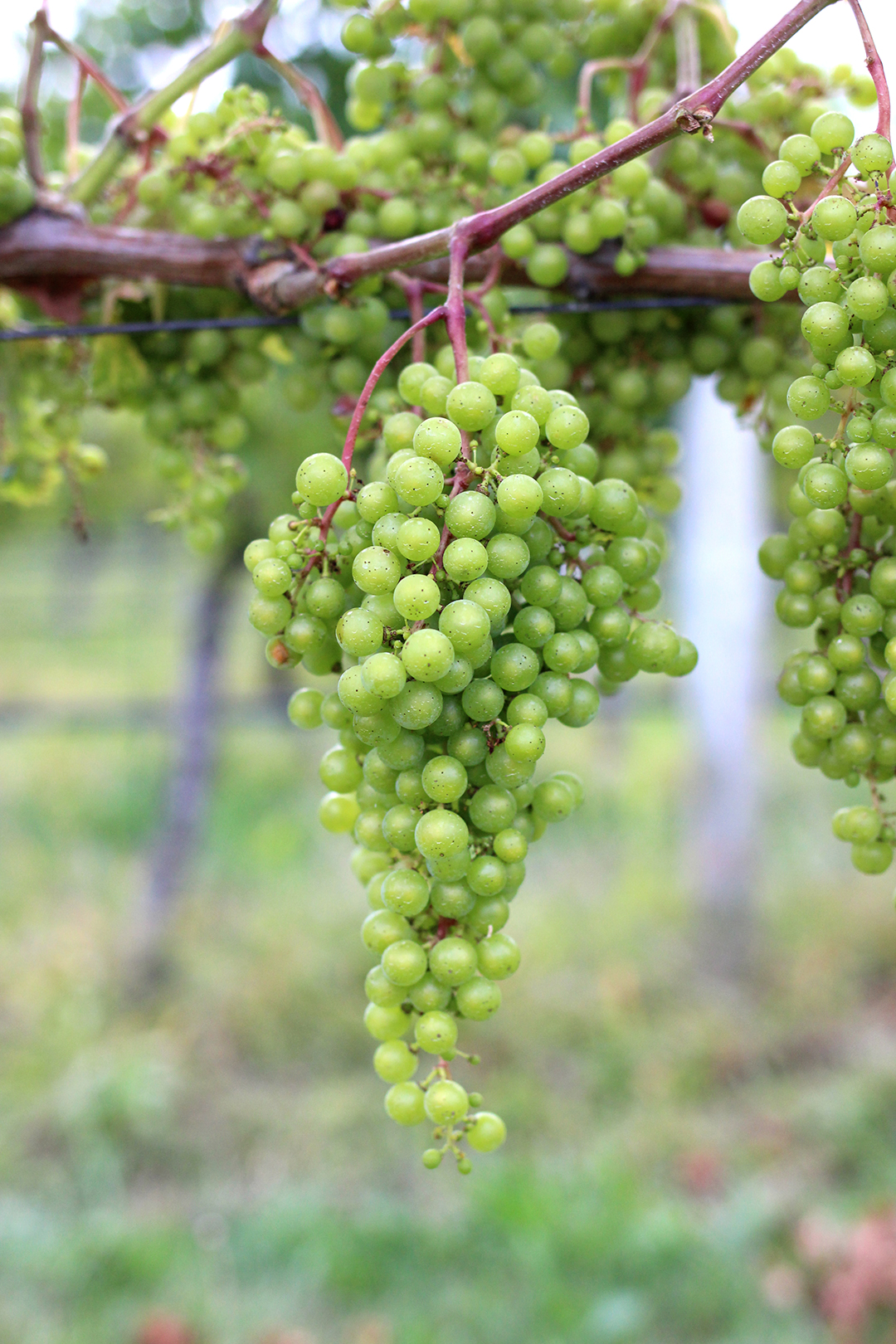

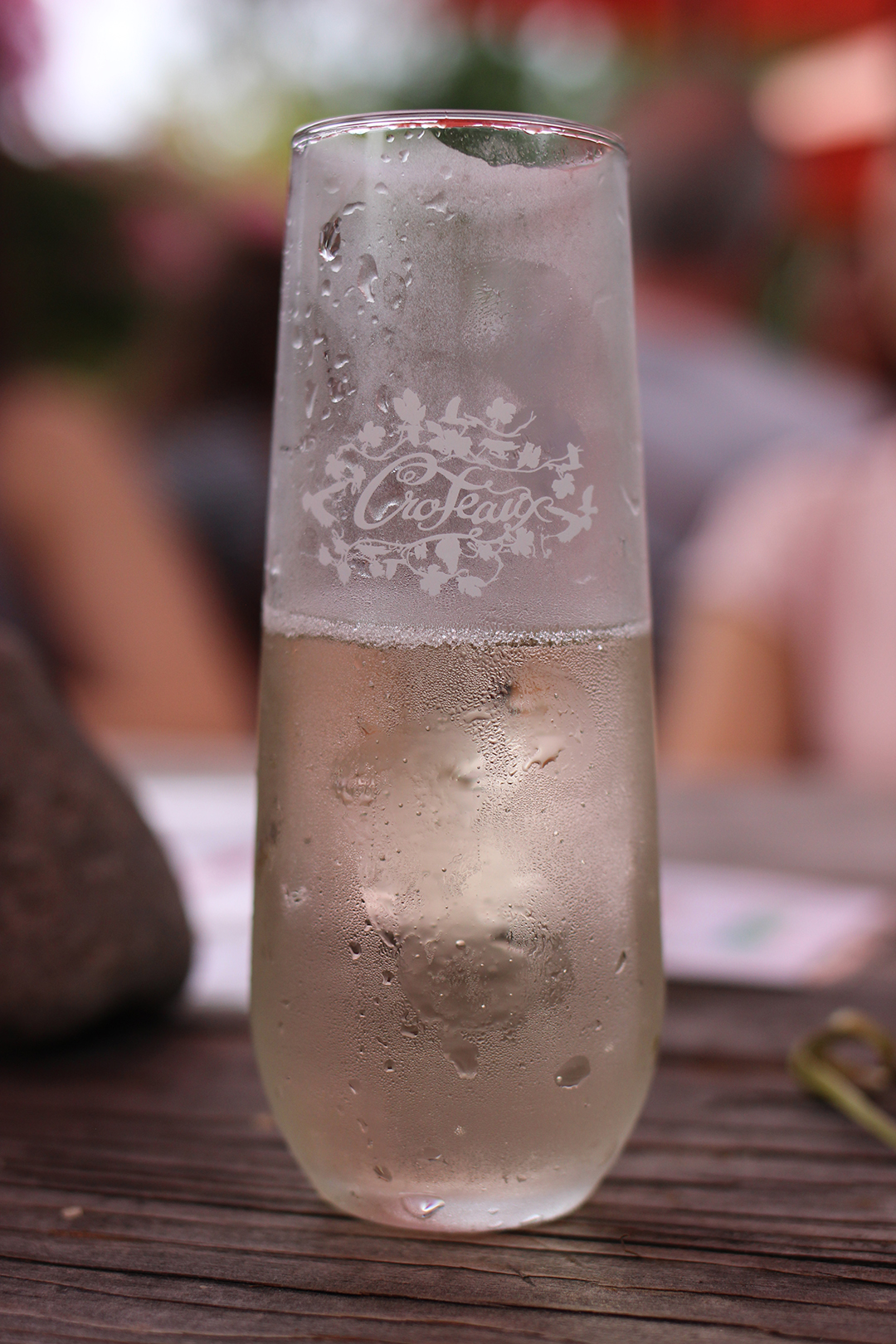

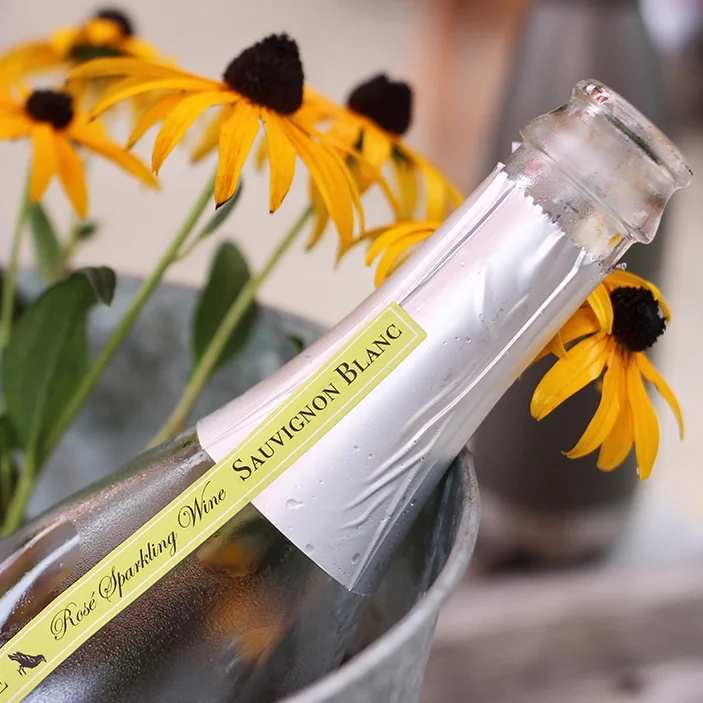
The tasting menu includes the option of either six still or three sparkling wines, and I chose the sparkling. Again, I know nothing about wine but I definitely think they're succeeding in their quest to produce wines that are extremely drinkable—all three of mine were delicious, and I bought a bottle of their Chloe Sauvignon Blanc Sparkling Rosé to take home with me.


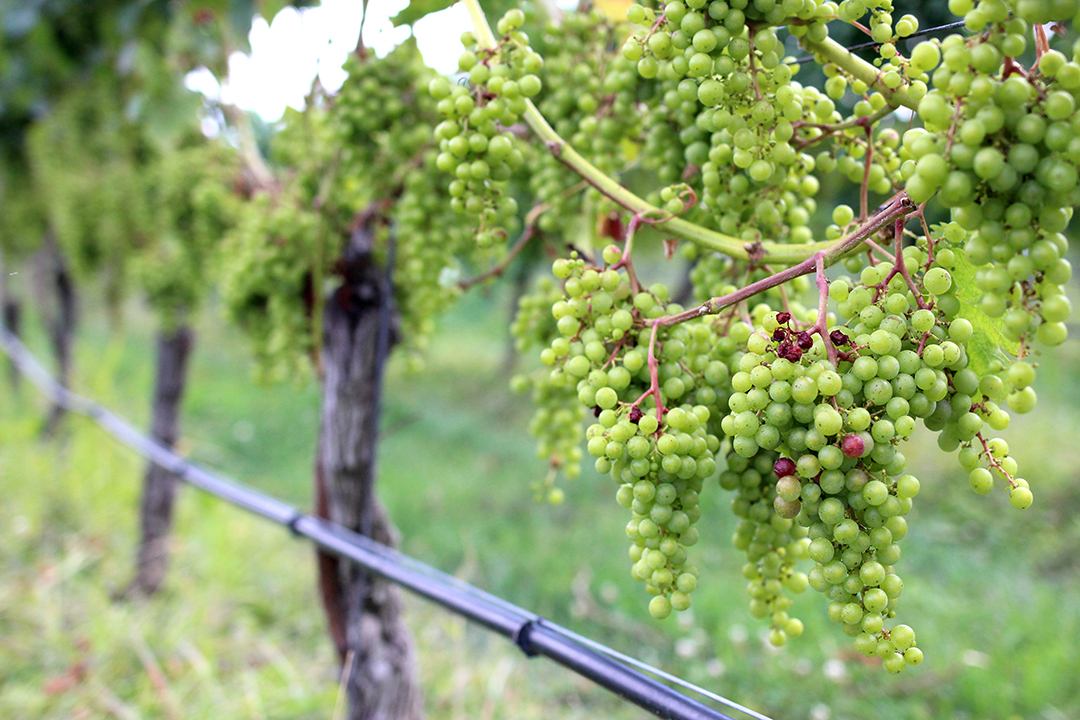
This wasn't my first time in Long Island (I've been to East Hampton, Long Beach, Kings Park, Riverhead, Wantagh and Flanders) but it was my first time at a vineyard. As a woman in my early 30s, it seems as if my Instagram feed is full of groups of women hanging out in vineyards every weekend. I always thought it seemed sort of silly until I realized just how nice it could be to plan an outing where the only thing on the agenda is to day-drink with three of your favorite people.
Croteaux Vineyard
1450 South Harbor Road, Southold, NY 11971
Open Friday, Saturday, Sunday, Monday 12-6pm
Church Avenue
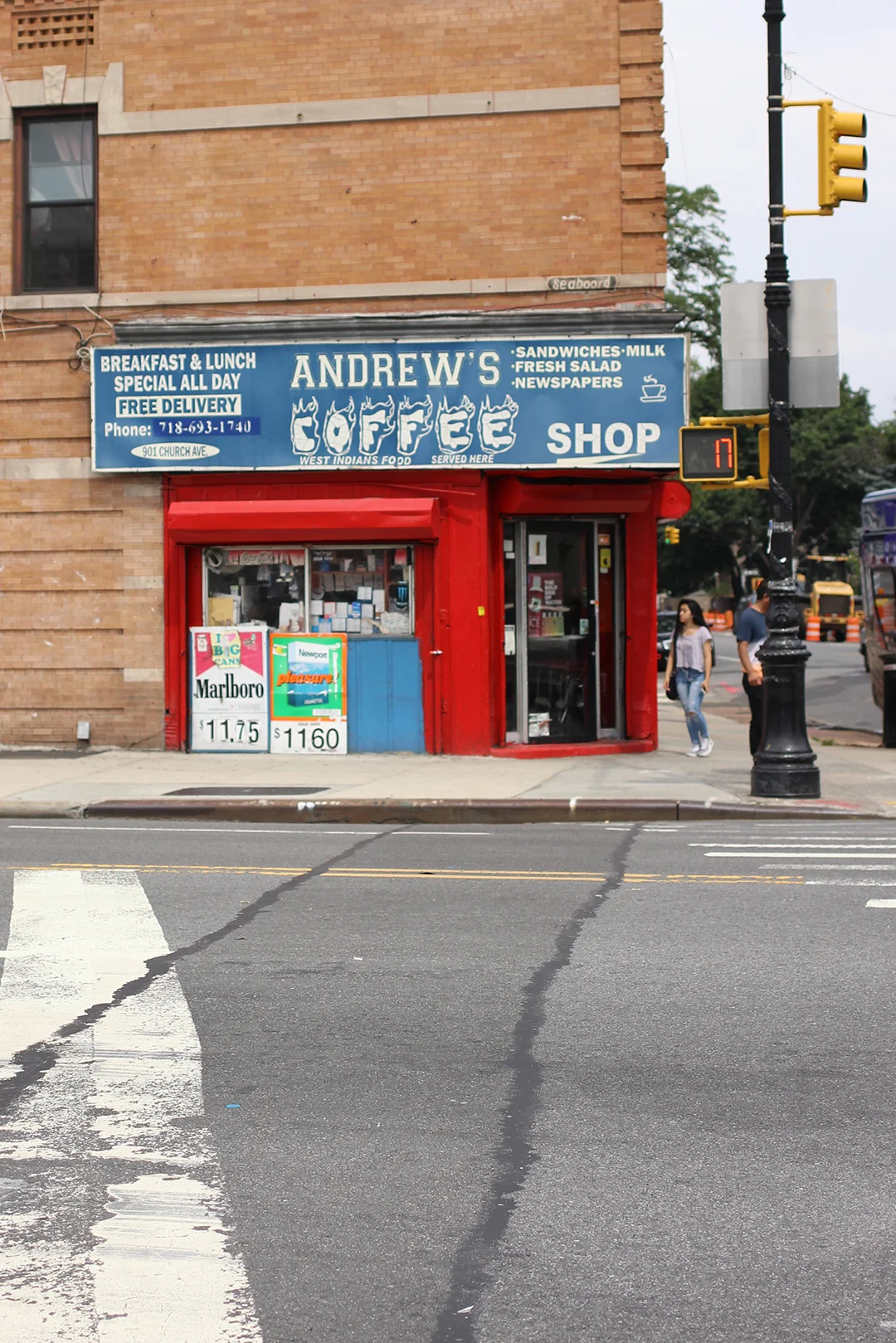
A few weeks ago, I walked home from David's with the intention of checking out a cemetery on Flatbush Avenue that had been on my radar for a while. My Brooklyn apartment was on Flatbush, but the avenue is long and I had only ever seen the cemetery from the bus. The cemetery is in the churchyard of the Flatbush Reformed Church, which was founded in 1654, however the earliest legible marker in the cemetery is from a hundred years later and the whole church complex was designated a New York City landmark in 1966.
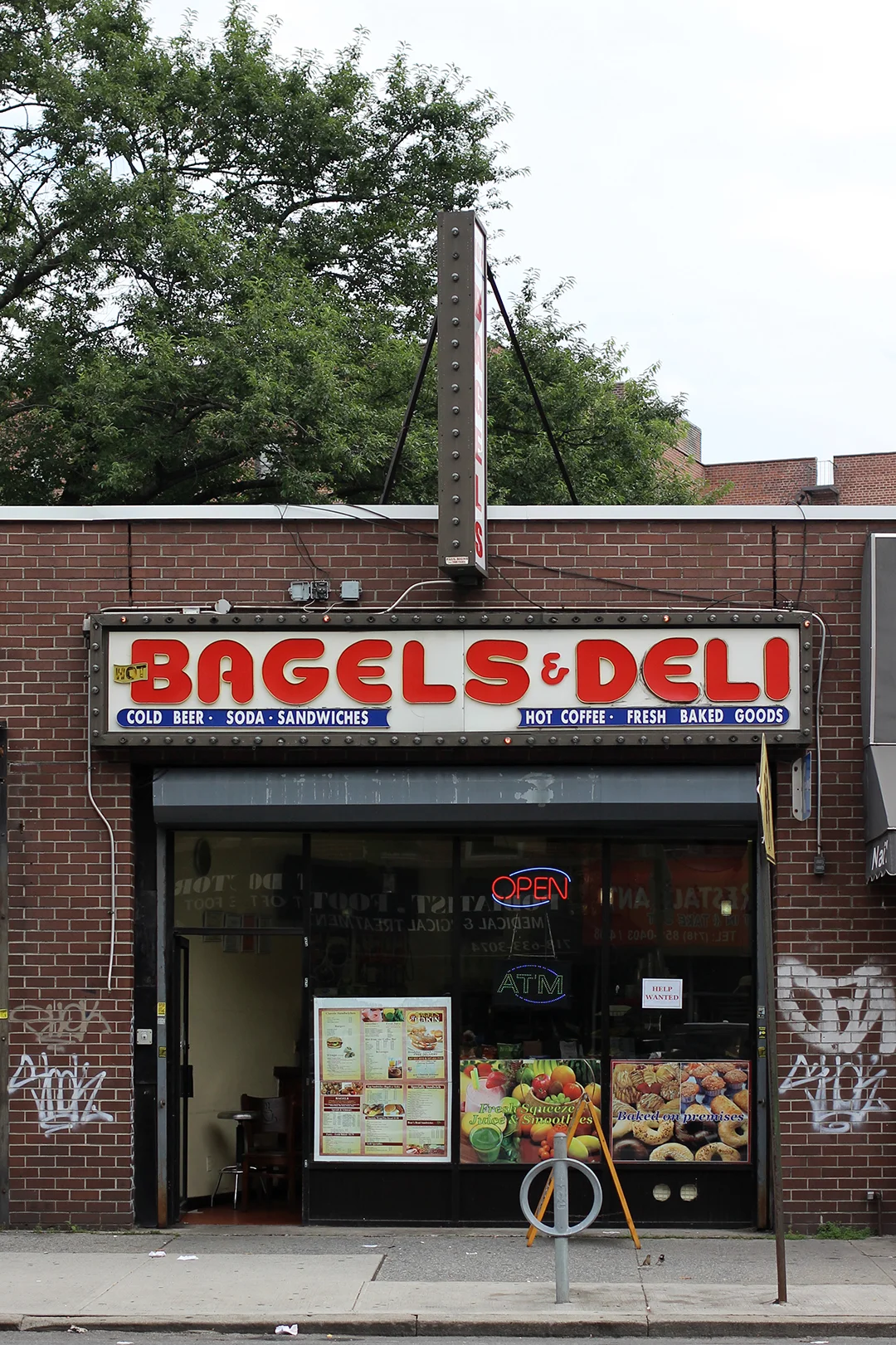
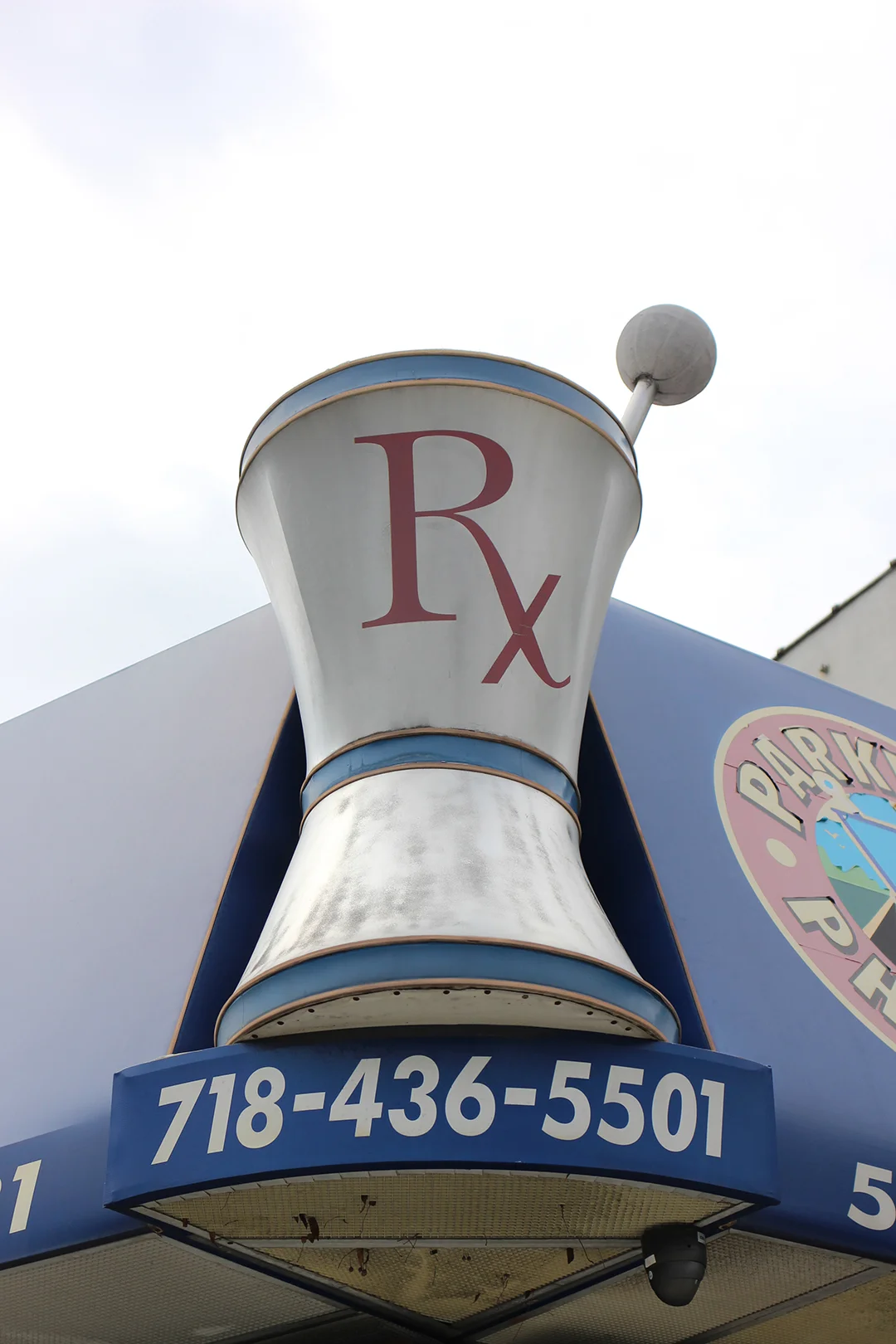
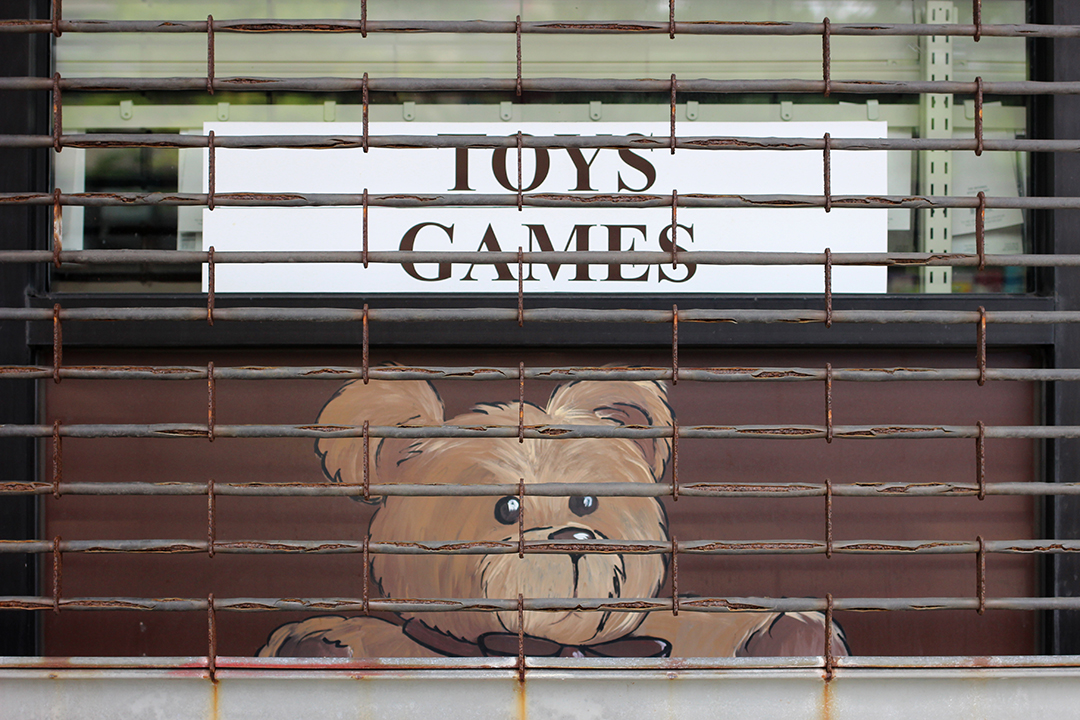
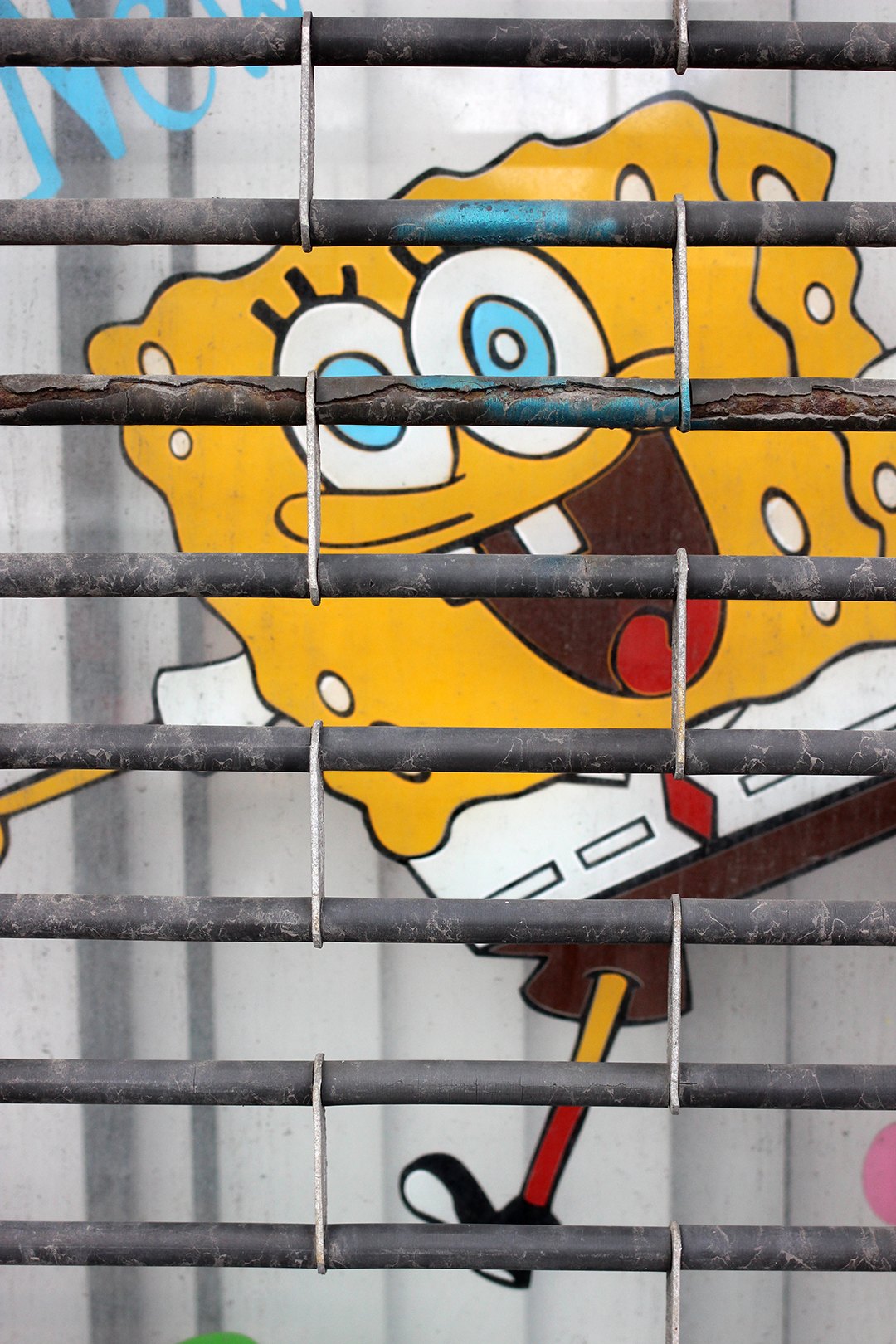
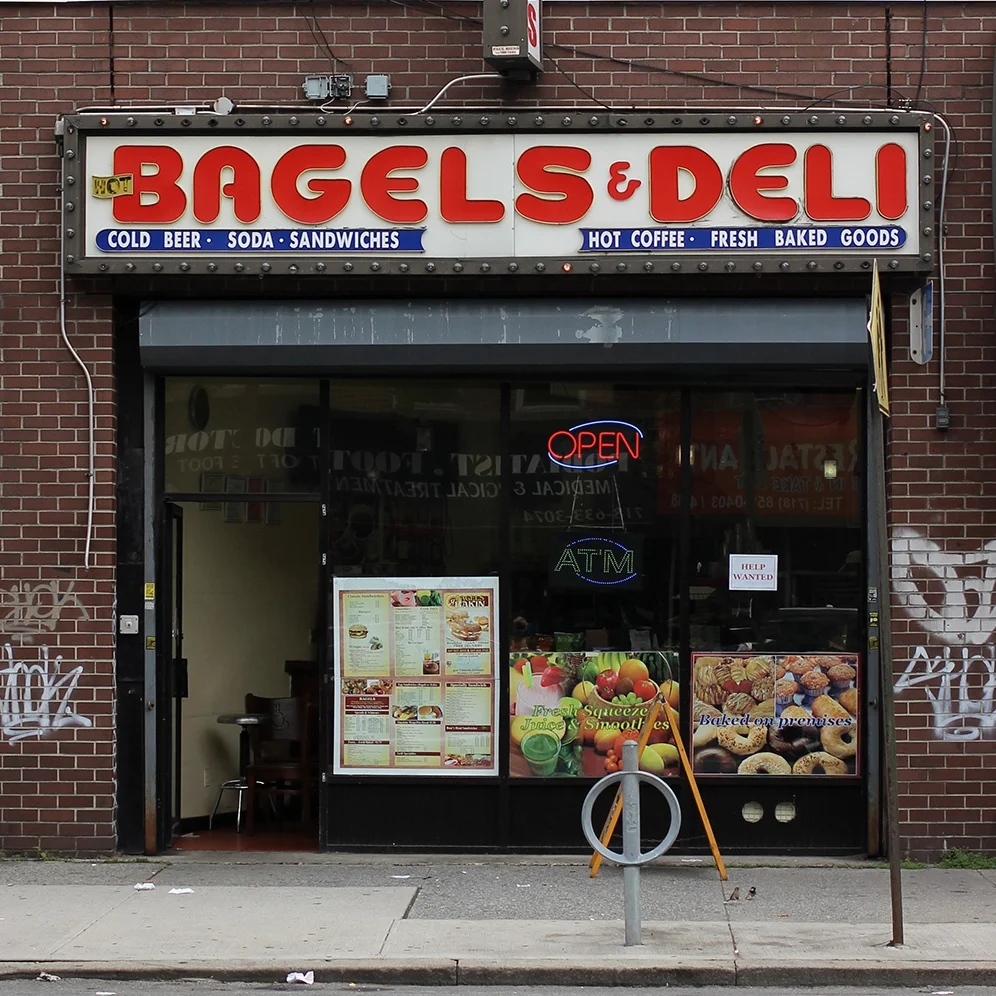
I walked to Flatbush via Church Avenue, which runs west to east through the neighborhoods of Kensington, Prospect Park South and East Flatbush. I've seen a lot of Church Avenue in the more than two years that David and I have been together, but I hope I never tire of taking long walks through different New York neighborhoods.
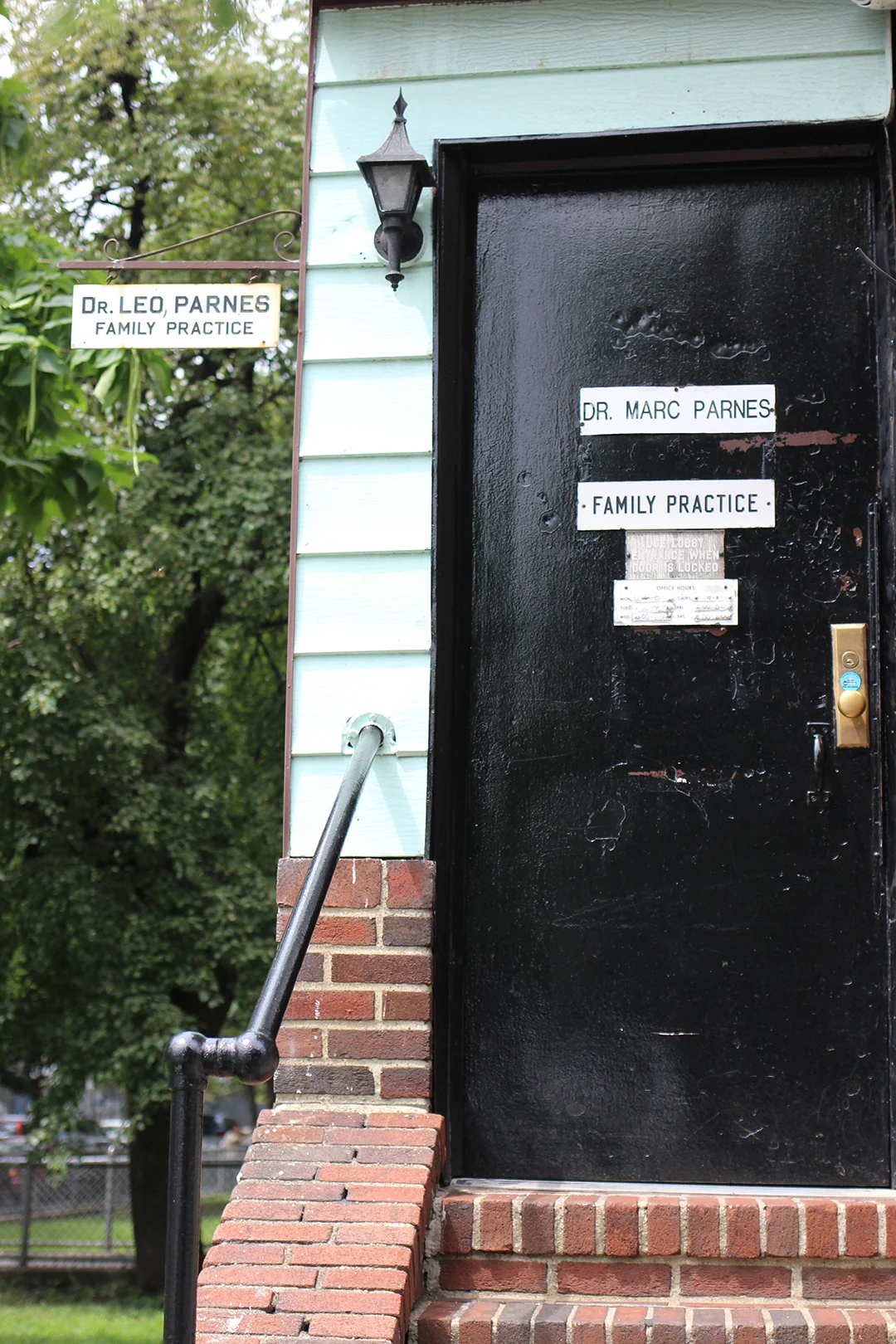
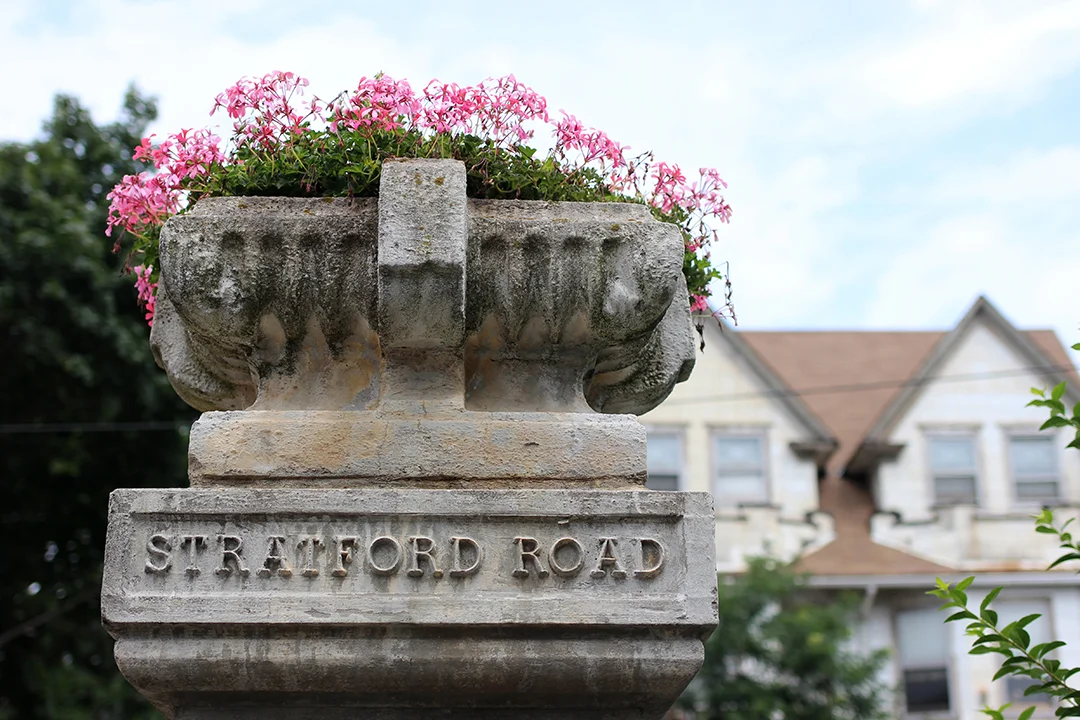
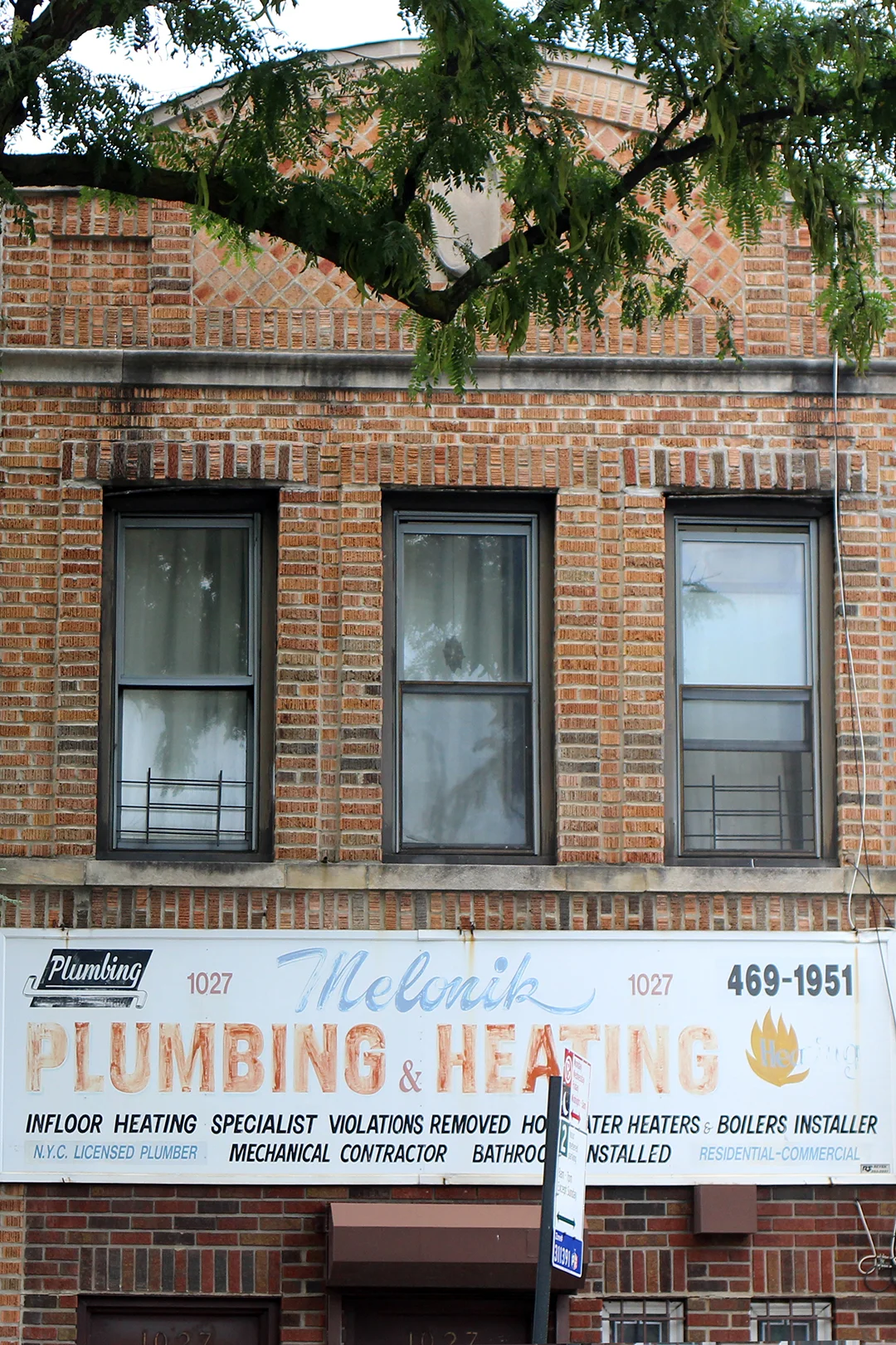
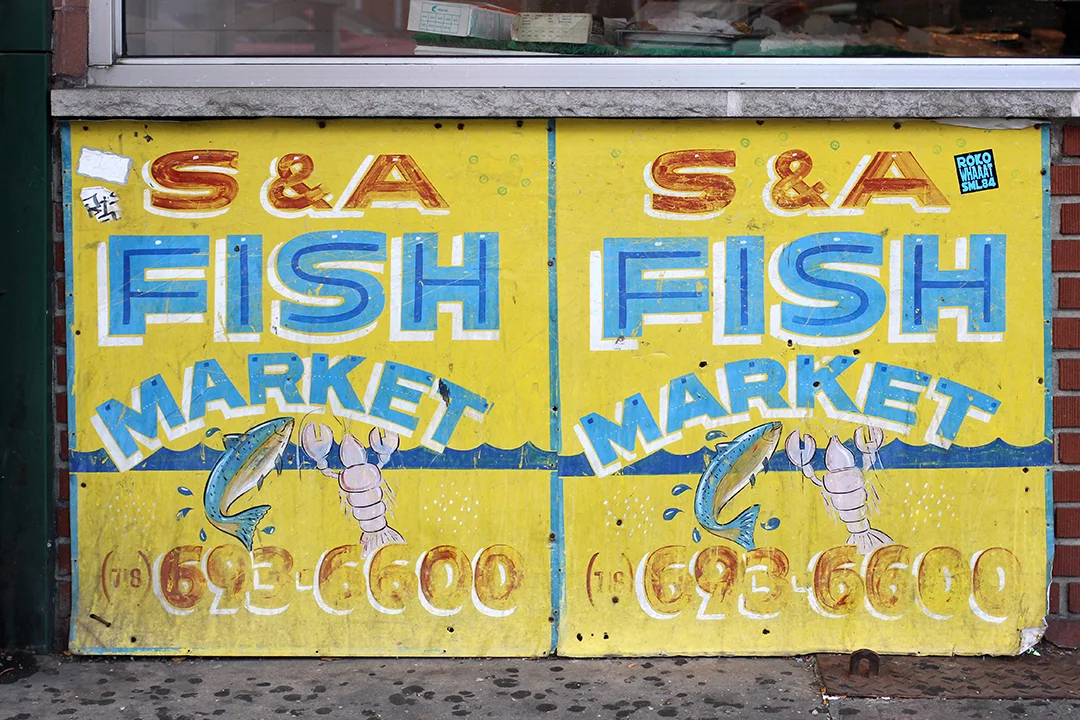
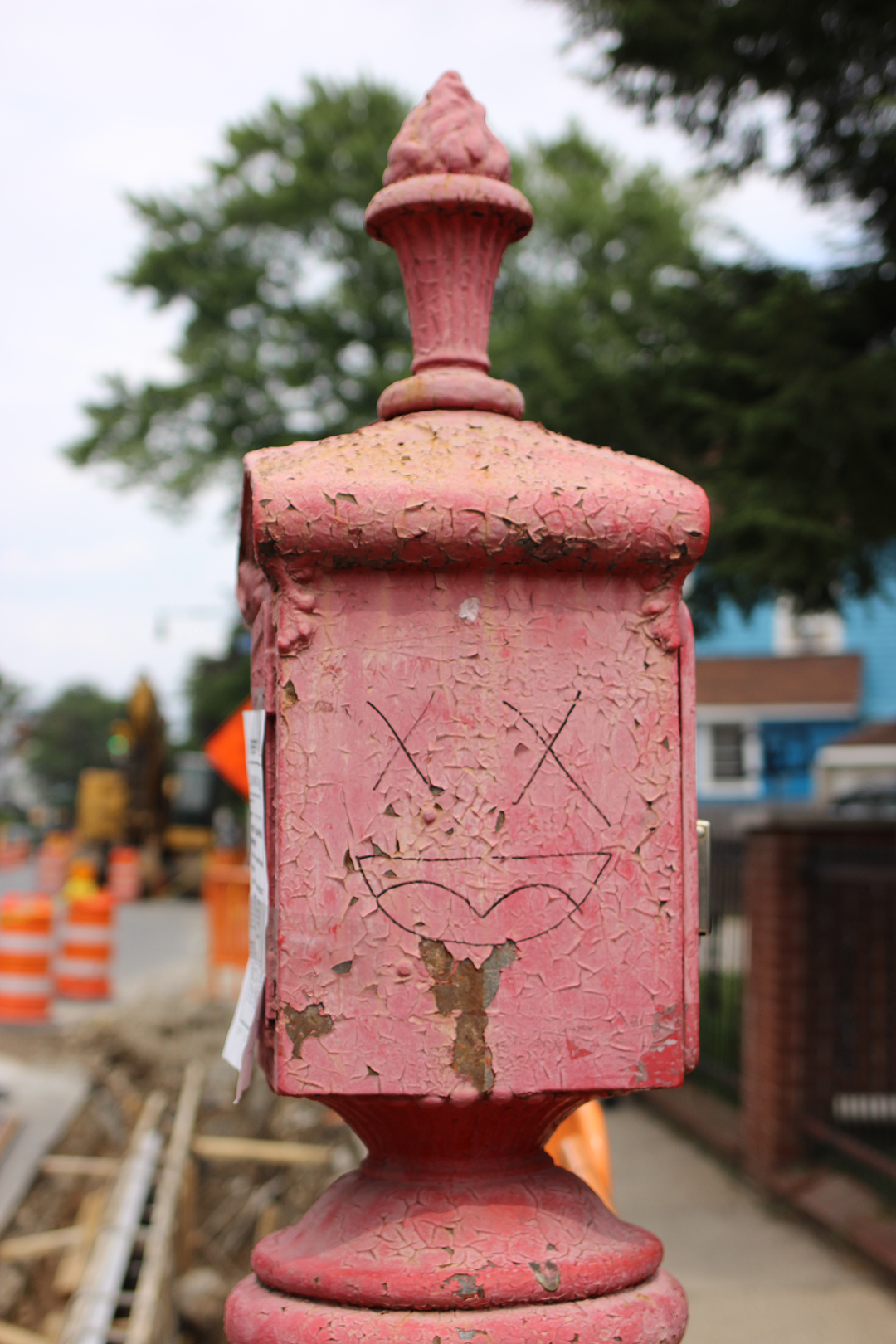
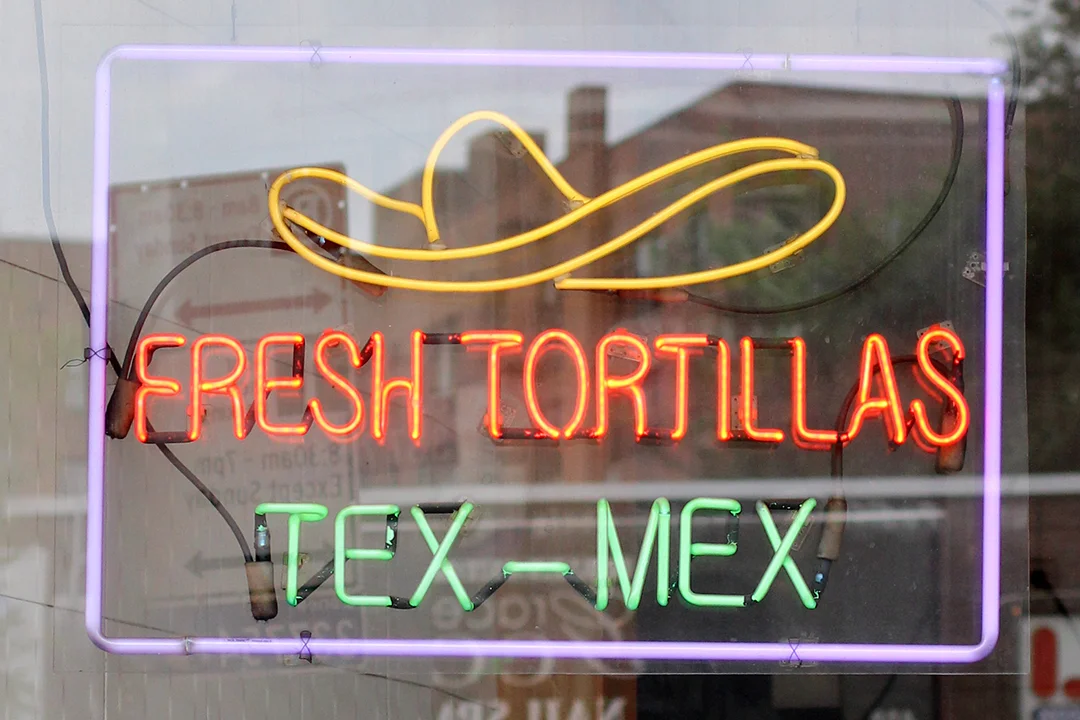
Living in New York, you can't escape talk of gentrification and near-constant change, but there are places like Church Avenue that still manage to feel authentically New York. Of course every single person has a different idea of what that means, but I love the storefronts, signage and people—in every different shape, color, size, ethnicity, language and age imaginable.
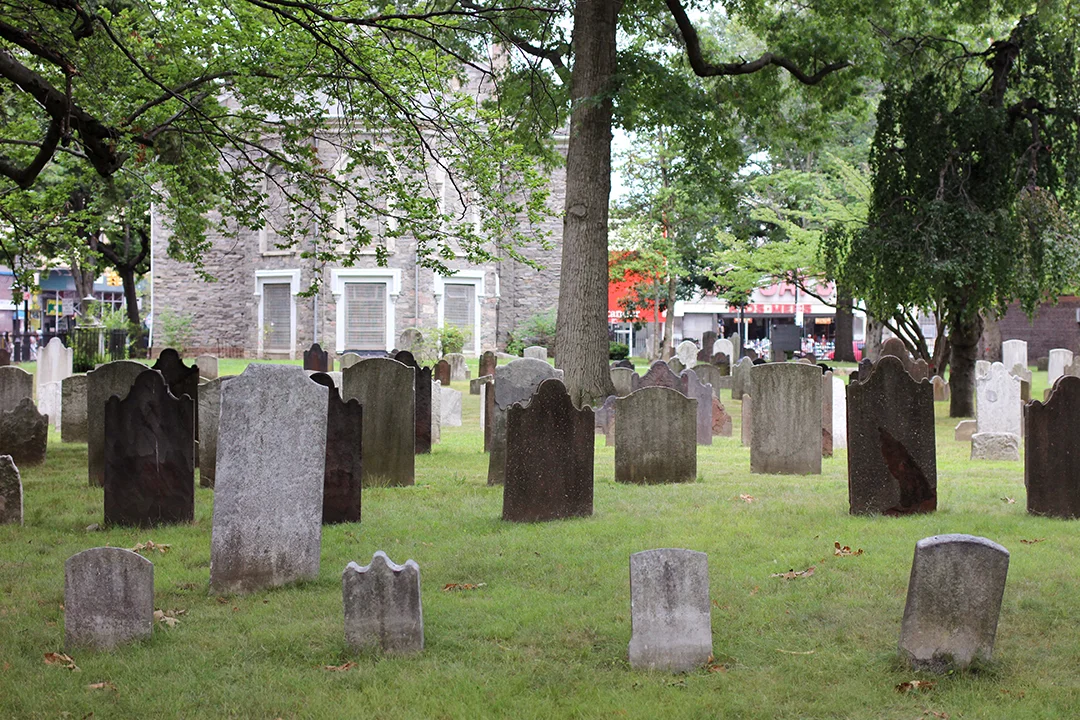
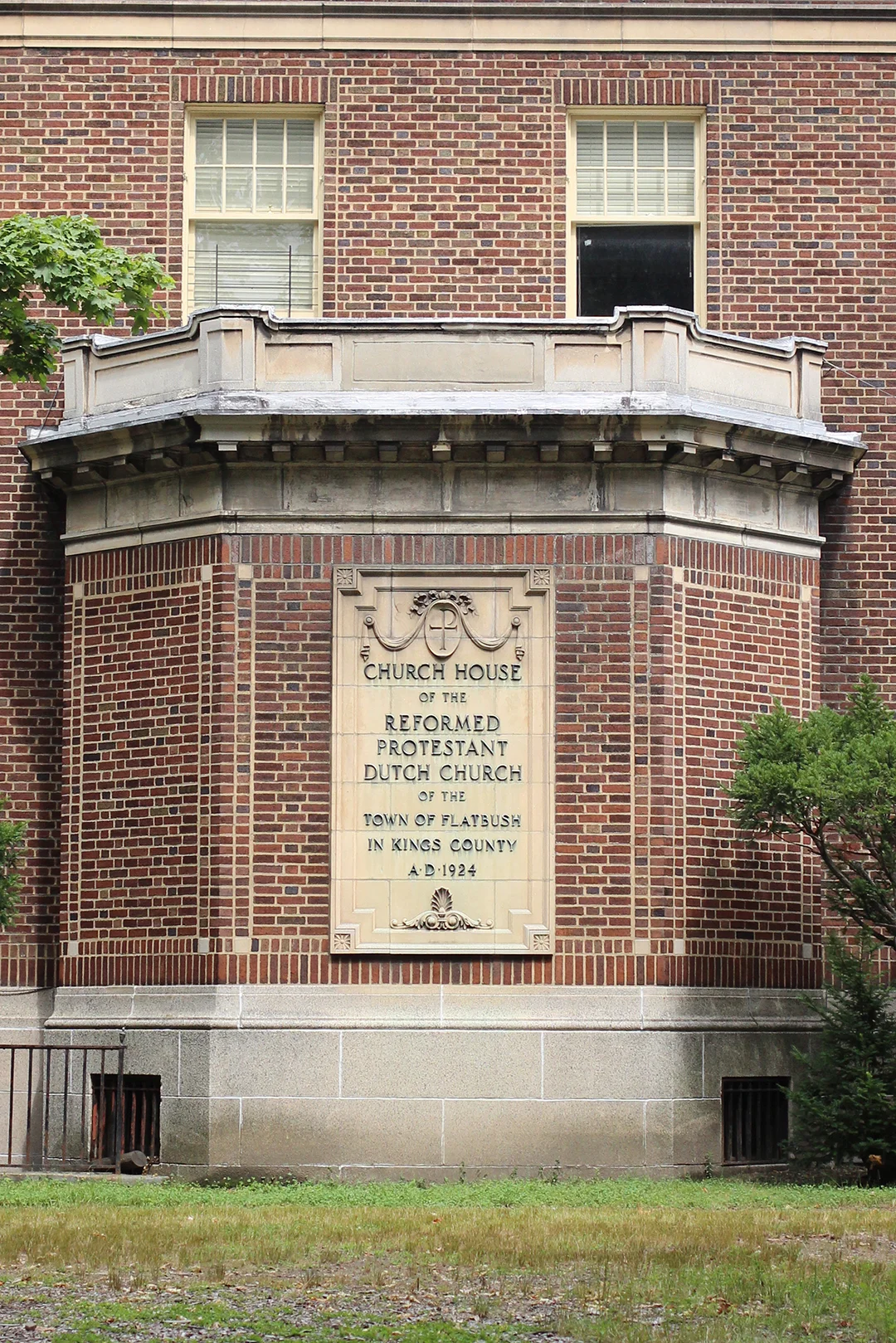
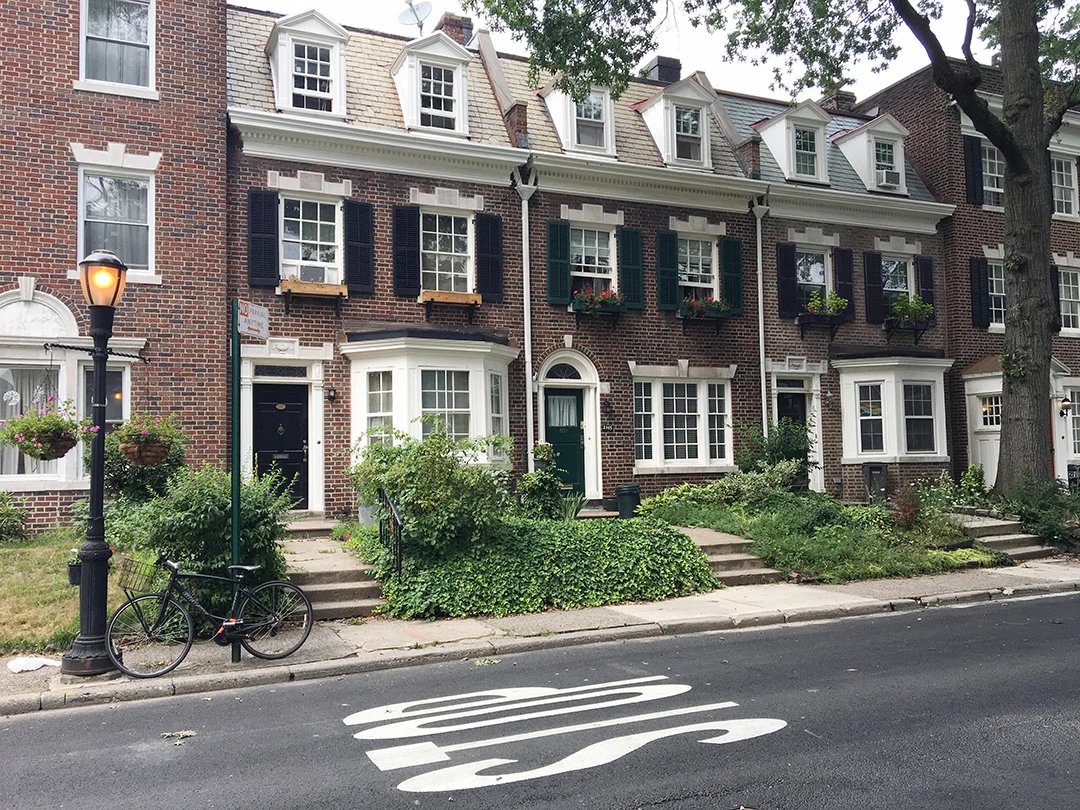
When I finally arrived at the cemetery I found that all of the gates were locked. I didn't see any signs or information about when or even if the cemetery is ever open to the public, but I did circle the block to make the most of my trip. As I was coming up E 21st Street, I came upon two culs-de-sac that looked completely out of place and time—Kenmore and Abermarle Terraces—a tiny historic district comprising 32 houses built in the Colonial Revival and English Arts and Crafts styles.
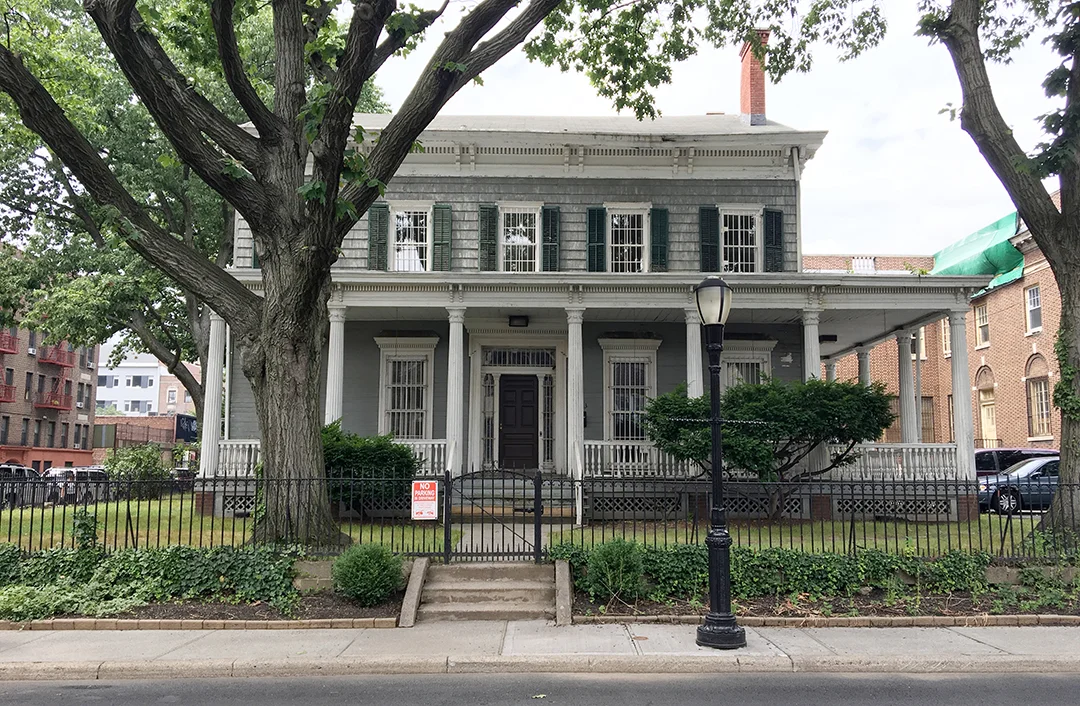
The parsonage of the Flatbush Reformed Church is also located on Kenmore and the two and one-half-story wood-frame house was built in 1853 and moved to this location in 1916. The beautiful, slightly crumbling house with a wrap-around porch was an odd sight—even in the far reaches of Brooklyn—but it instantly became my dream house when I realized that its backyard was the cemetery that I'll hopefully get to properly explore one day.
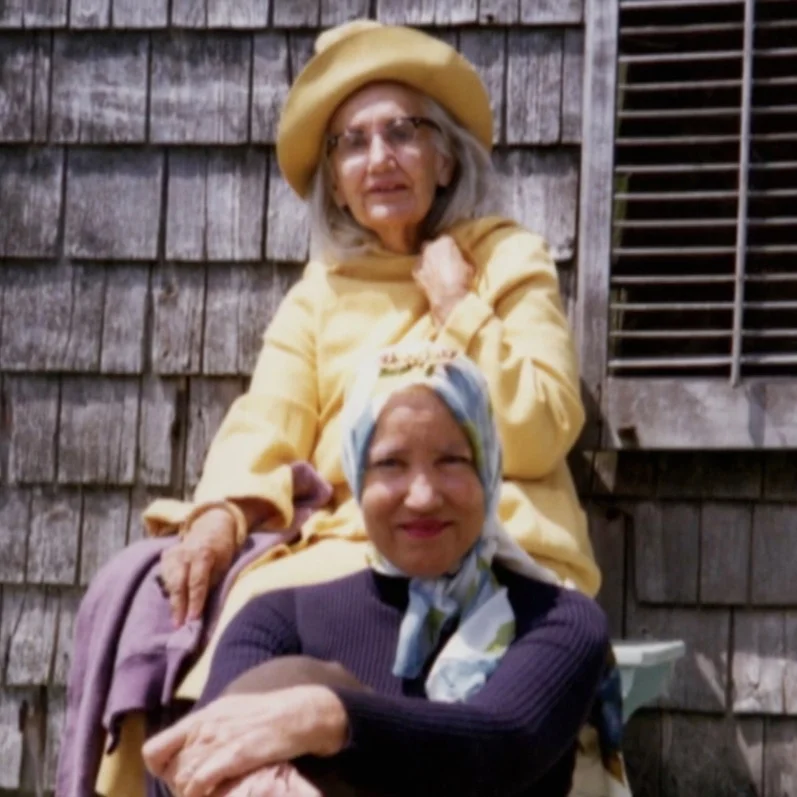
Call Me Little Edie

Four years ago, I moved to New York from Northeast Ohio—and two months later my mom made the same move. For the first two years, we were roommates, sharing two different two-bedroom apartments in upper Manhattan. Two years ago when I moved to Brooklyn, she stayed in our Harlem apartment and a new roommate moved into my room. Last week, I moved back to that Harlem brownstone, but into a studio apartment one floor below my mom.
I'm living alone for the first time in my life, and it's already even more wonderful than I imagined it would be. I knew moving was the right step for me for many reasons—the price is right, I love the neighborhood, my morning commute has improved, the noise and exhaust from living right on Flatbush Avenue was killing me, most of my friends live in Manhattan—but I was nervous about one thing: being neighbors with my mom.
I was nervous not because my mom is terrible—she's great, actually—but because ever since we moved to New York I've felt defensive about dispelling the notion that I'm an adult woman who needs my mom. I have no idea how or why this idea first rooted itself in my brain, but no matter how much I try to shake it, it still creeps up from time to time.
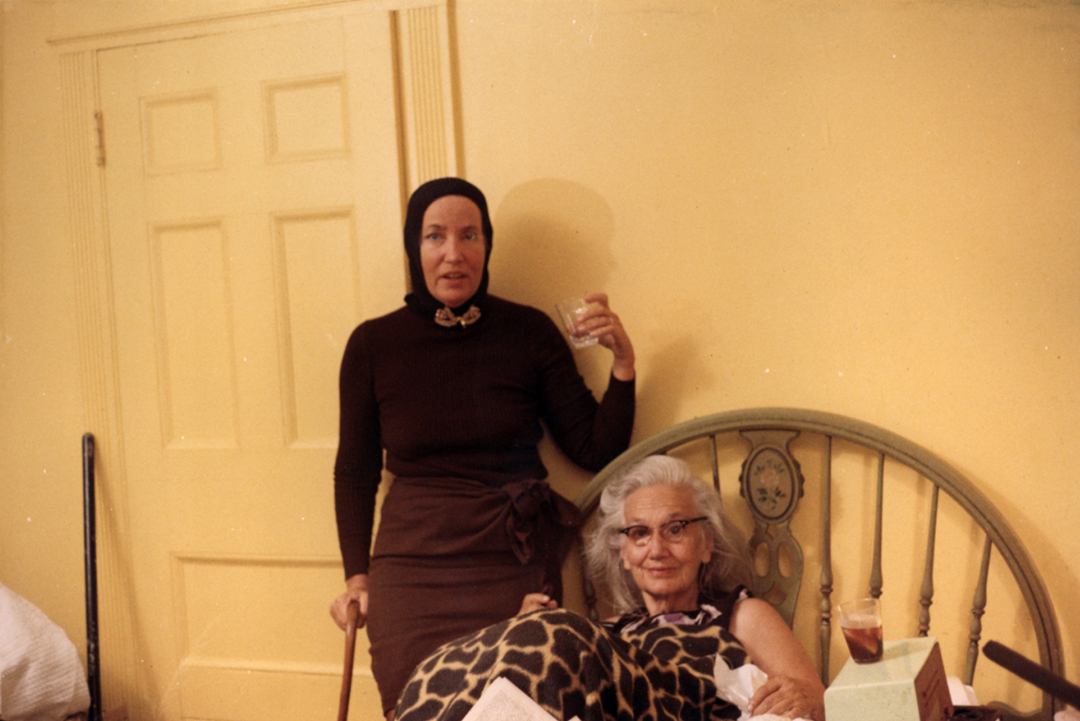
It logically makes no sense—I'm about to be 32 years old and I've had a job since I was 15. I lived on campus while I went to college and then moved into a house with a boyfriend for five years after that. I've grocery shopped and hosted Thanksgivings and had three car loans. I've secured several jobs, paid off my student loans early and found our first New York apartment. I've navigated complicated medical issues, traveled internationally and I go to the dentist religiously. I don't have everything figured out of course—thinking about planning for retirement makes my head spin—but all things considered I think I'm a pretty competent and independent adult.
I like to joke that my mom isn't like a regular mom—she's a cool mom!—but that's actually true. She's funny and smart and generous. Sometimes she drives me crazy temporarily, but in addition to basically sharing a face (something everyone points out), we're very similar people. I genuinely enjoy hanging out with her and we're mostly interested in the same things. We love diners, dachshunds in clothes, silly roadside attractions, serial killers, thrift stores and anything bizarre.
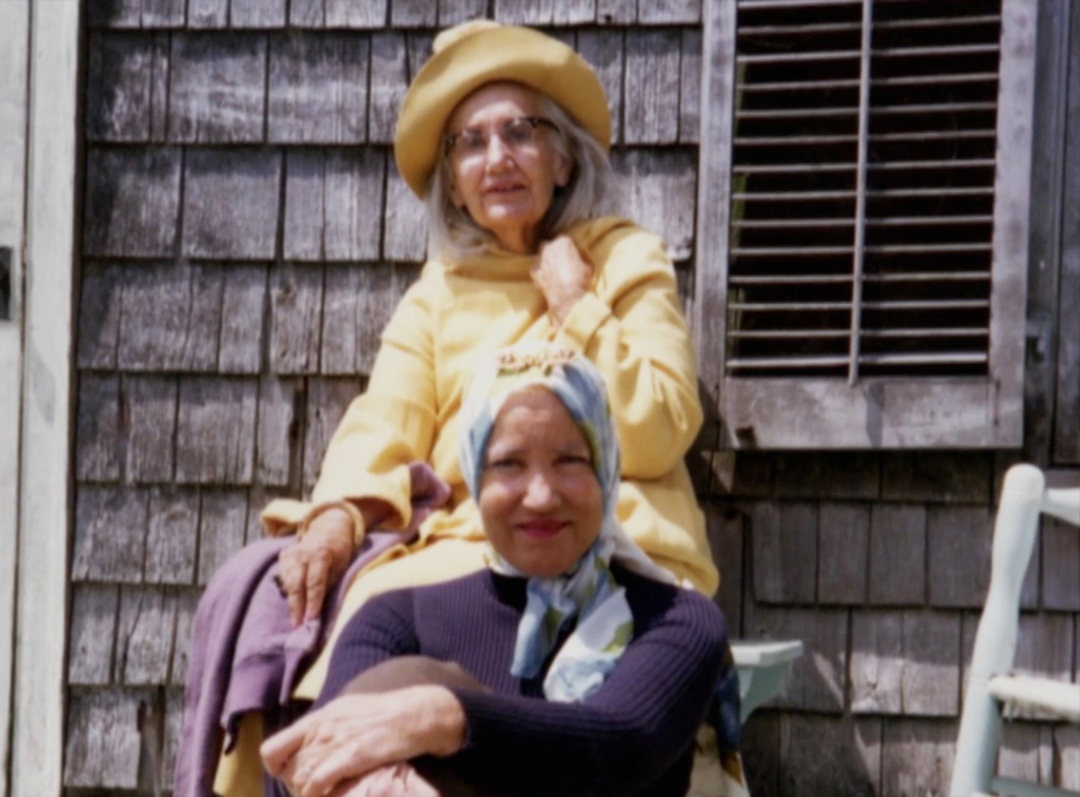
So why do I worry about how people perceive our relationship? She doesn't pay my rent or excessively interfere in my life and I know I don't need my mom to survive as a functioning adult—which should be all that matters. I always knew I was being silly, but insecurities aren't rational and irrational thinking patterns are not easy to reverse. I knew that moving so close to my mom again would reignite some weird feelings that were mostly dormant while I lived in Brooklyn, but I'm trying to finally grow past them.
It's only been a week, but so far having my mom as my neighbor has been great. She bought me dollar store pizzas on the day I moved in because she knew I didn't have any food, and when I realized I didn't yet have a way to make coffee, I just went upstairs for a cup. We went to IKEA on Sunday, shared a car service back to Harlem and comically struggled with heavy boxes that neither of us would have been capable of carrying on our own. Accepting (and enjoying) these small perks doesn't mean that I'm any less capable of providing for myself—it just means that I'm lucky and privileged to have a thoughtful (and quiet!) neighbor, to whom I just happen to be related.
Mosaic House
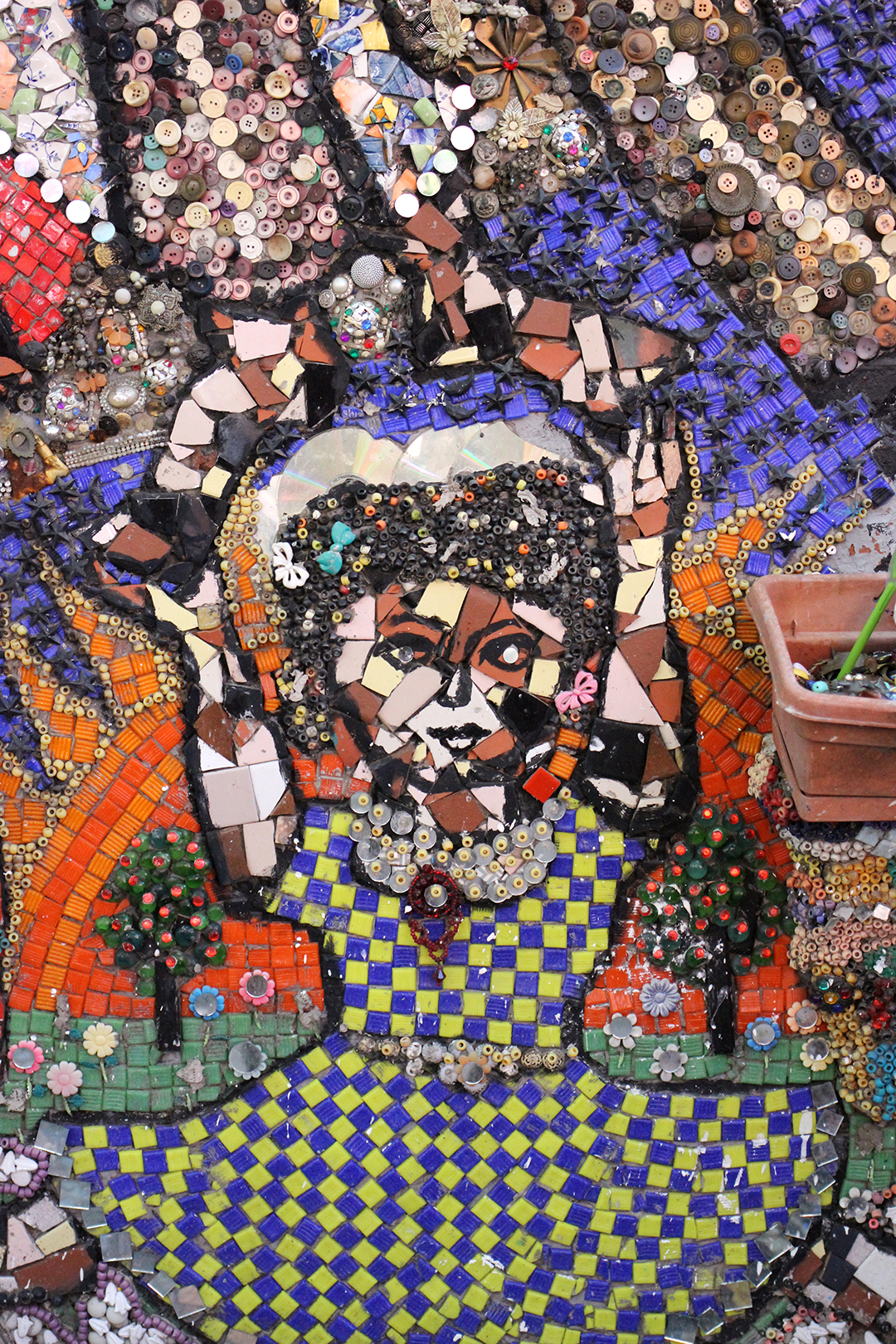
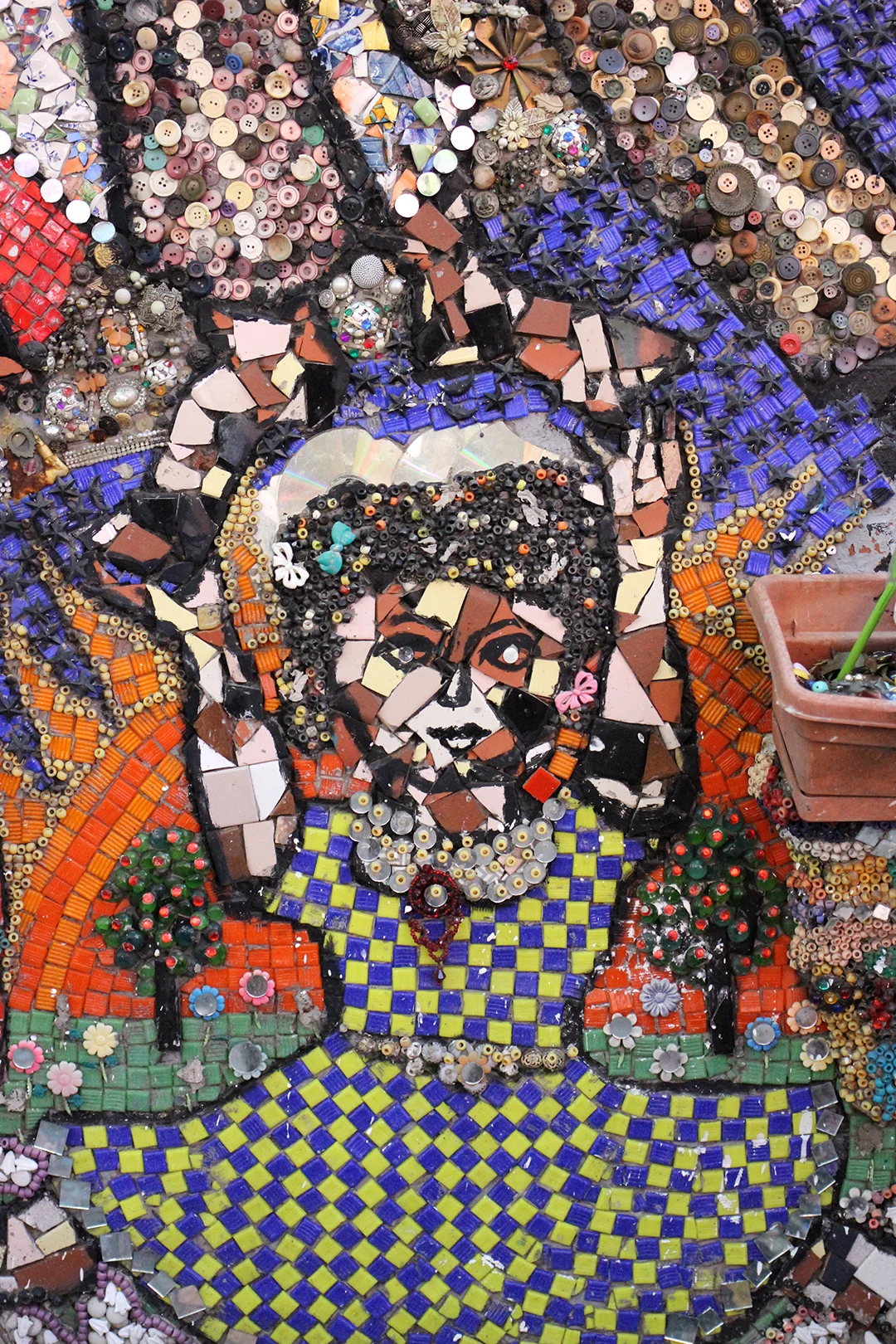
I first stumbled upon Susan Gardner's mosaic house in Boerum Hill sometime last year when I was walking from my apartment in Prospect Heights to Brooklyn Bridge Park. It stopped me dead in my tracks but I was too embarrassed to take any photos of it—I'm getting better at not caring what people think, but my confidence comes in waves.
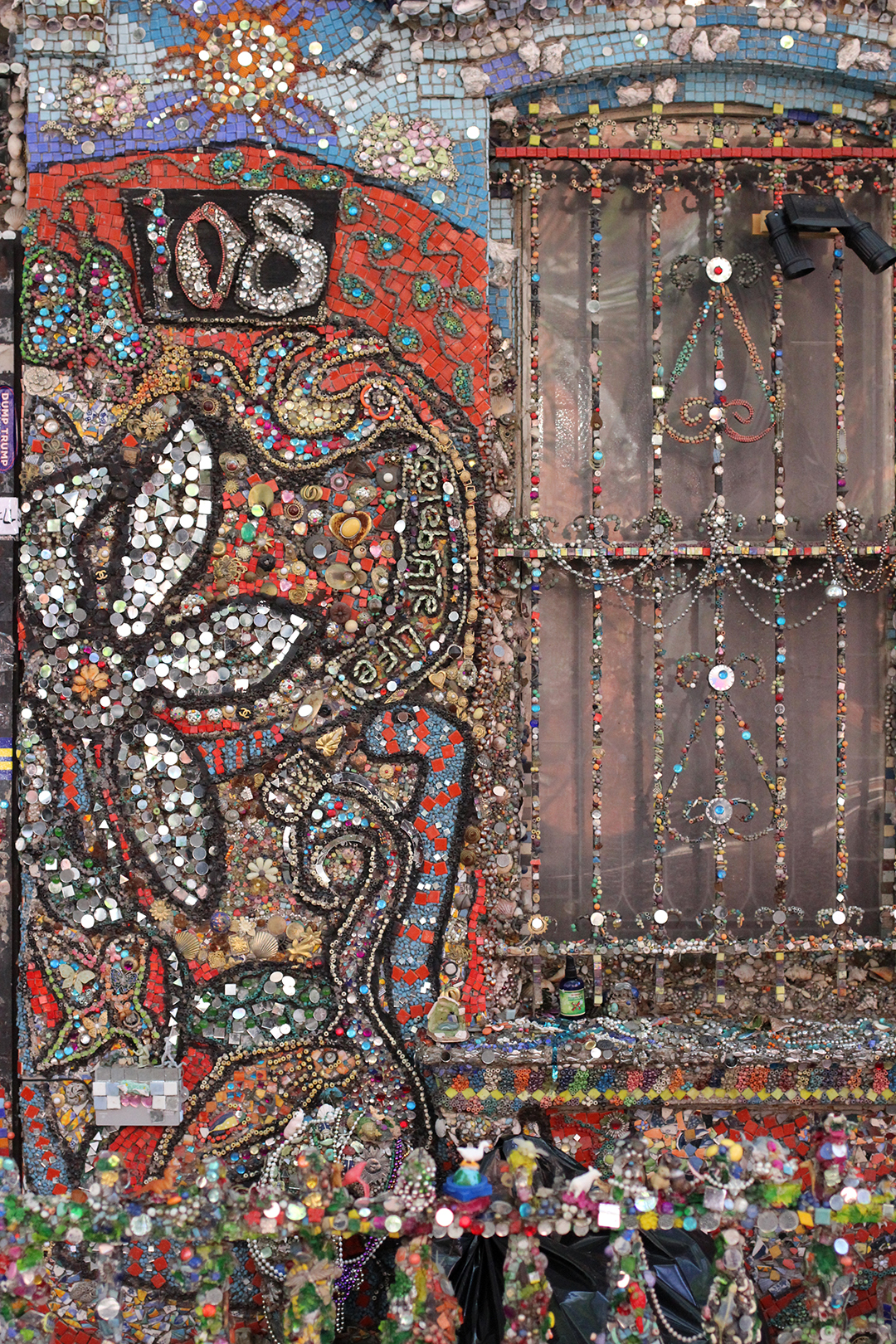



Recently I spent a Sunday wandering somewhat aimlessly around Brooklyn, eager to soak in as much of the borough as I could before I moved. I remembered the mosaic house and how I had been meaning to come back and photograph it, so I made my way to 108 Wyckoff Street. Luckily it's easy to find and googling "mosaic house Brooklyn" gave me the exact location.

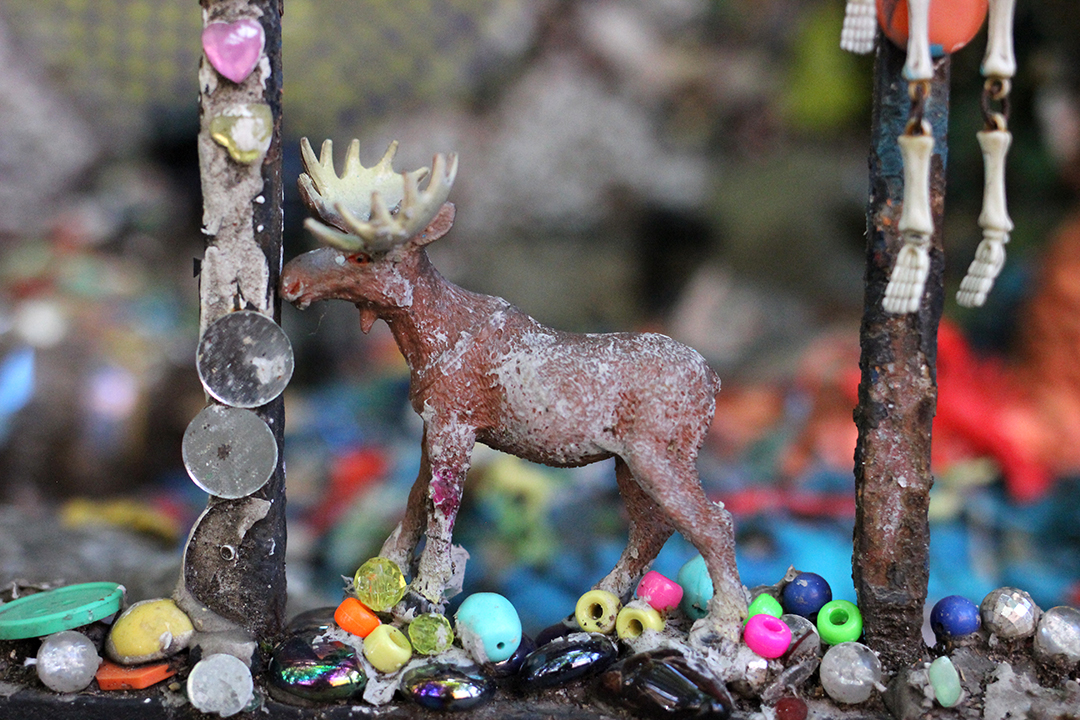
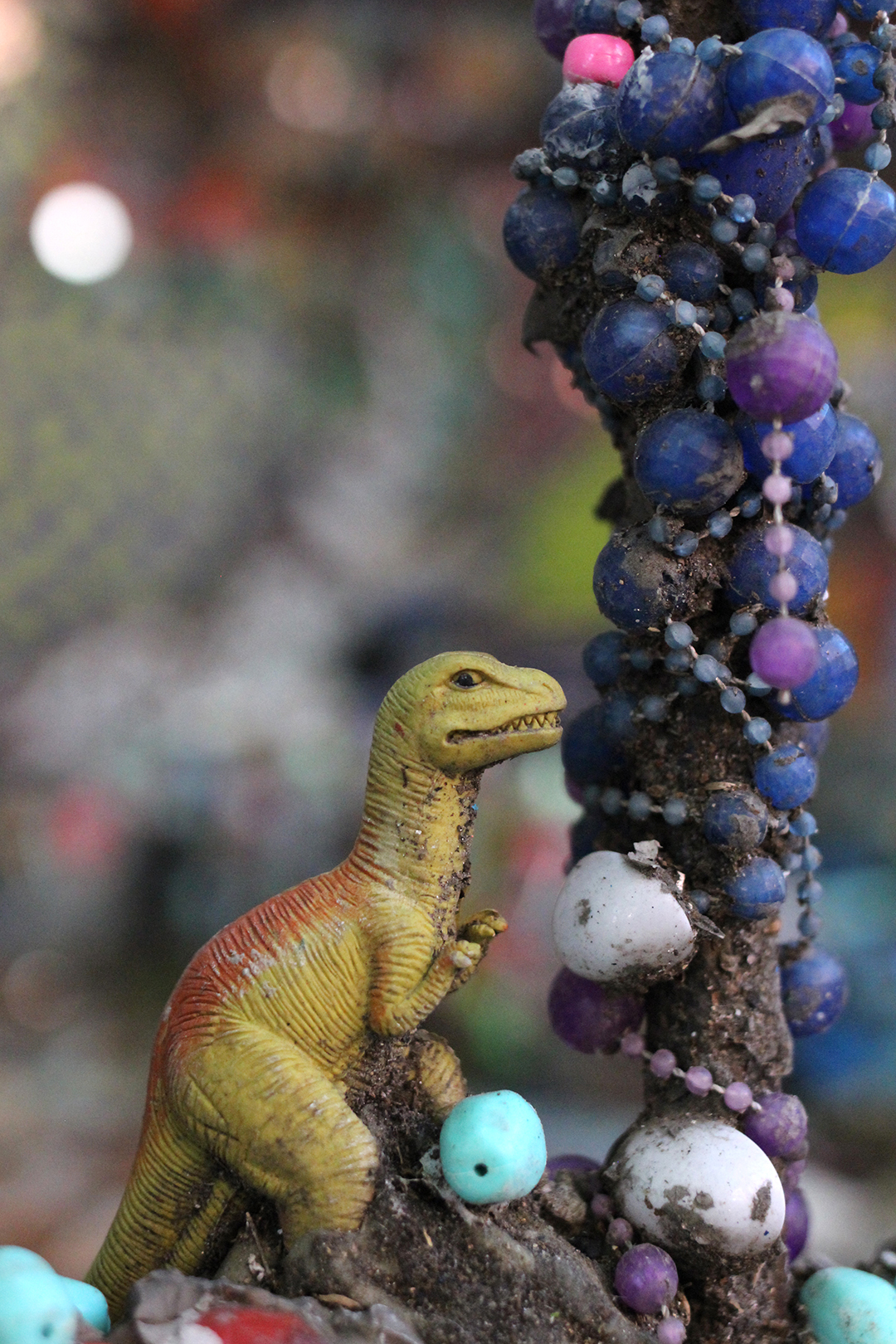

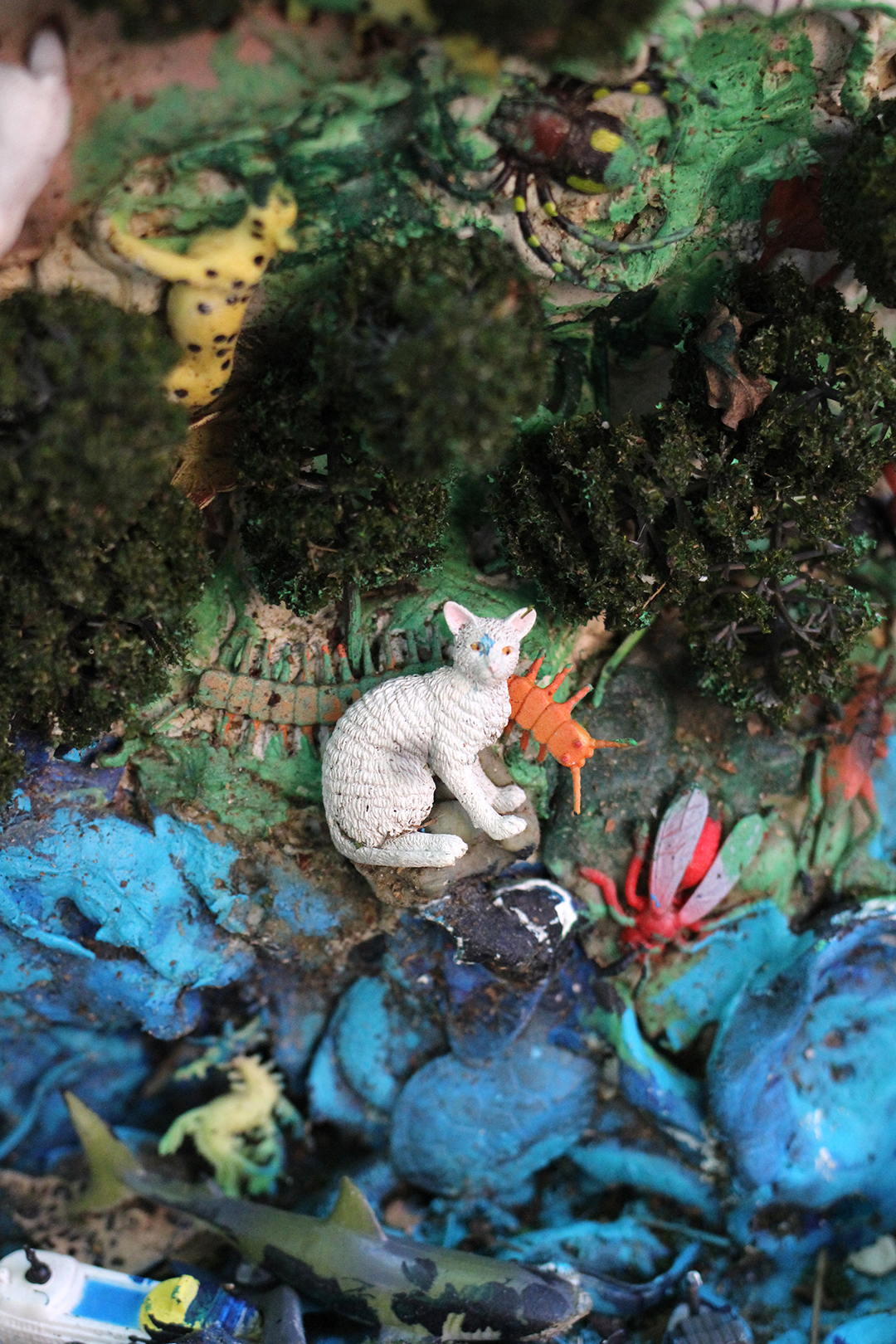

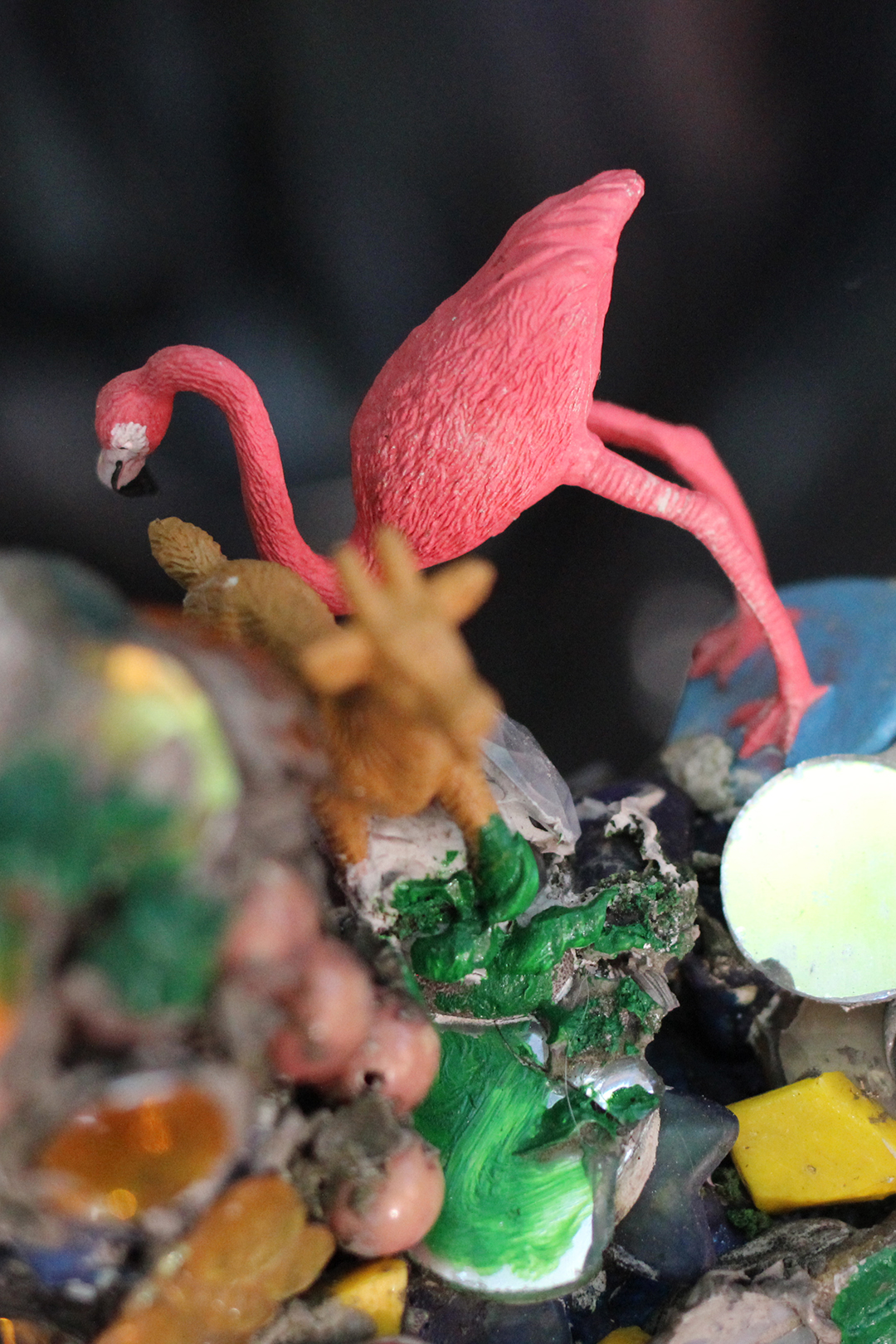
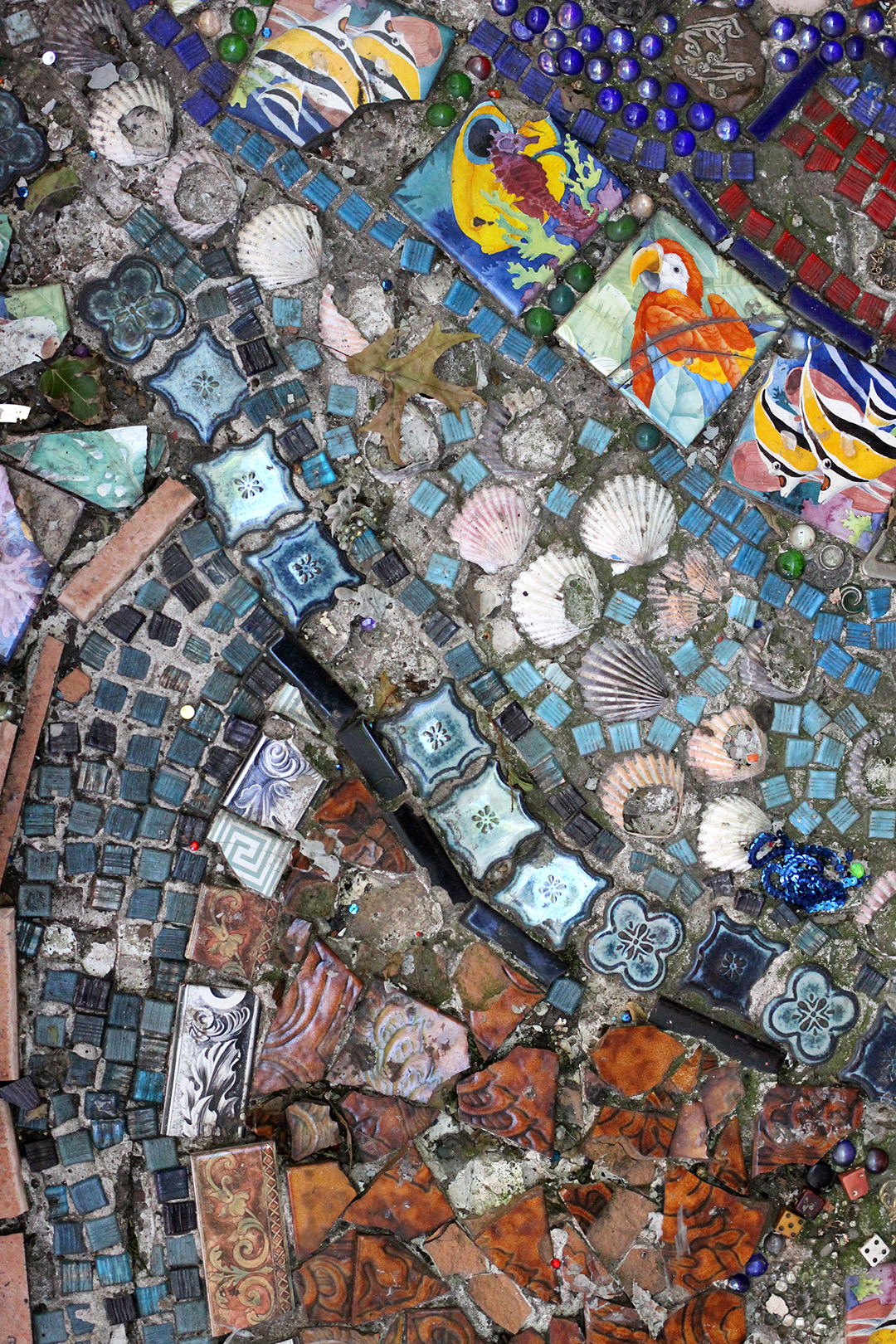
Gardner began gluing trinkets, beads and bits of tile to the front of her home as a form of art therapy after 9/11. It's not just Gardner that contributes to the display, and visitors are encouraged to "enjoy, look, touch, but don't take objects." There are so many tiny pieces that you could spend hours poring over her work—it's interesting both from far away as well as up close. Bits of mirrors and beads trace the architectural details of the house's facade, but it's the tiny plastic animals that I loved the most.
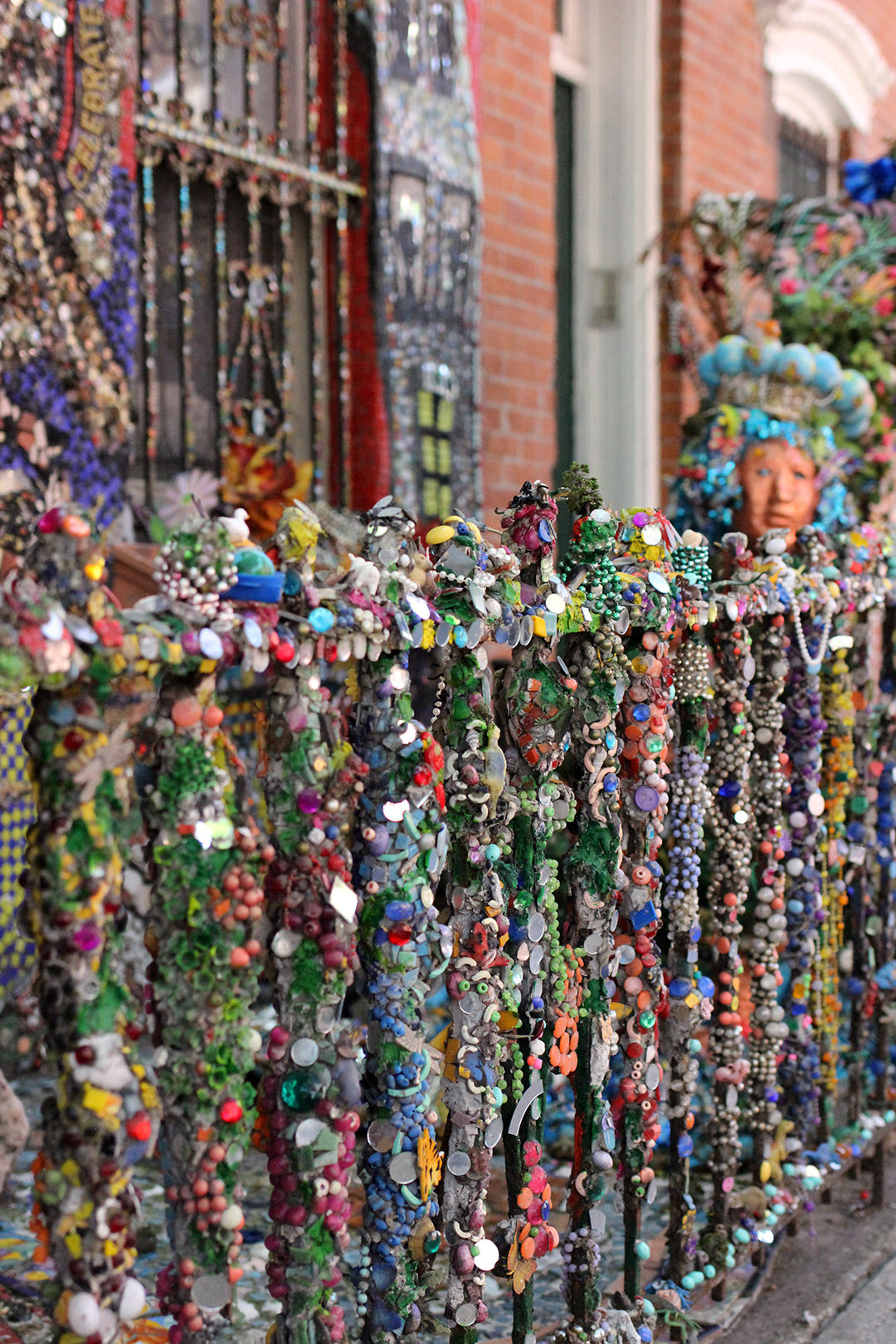
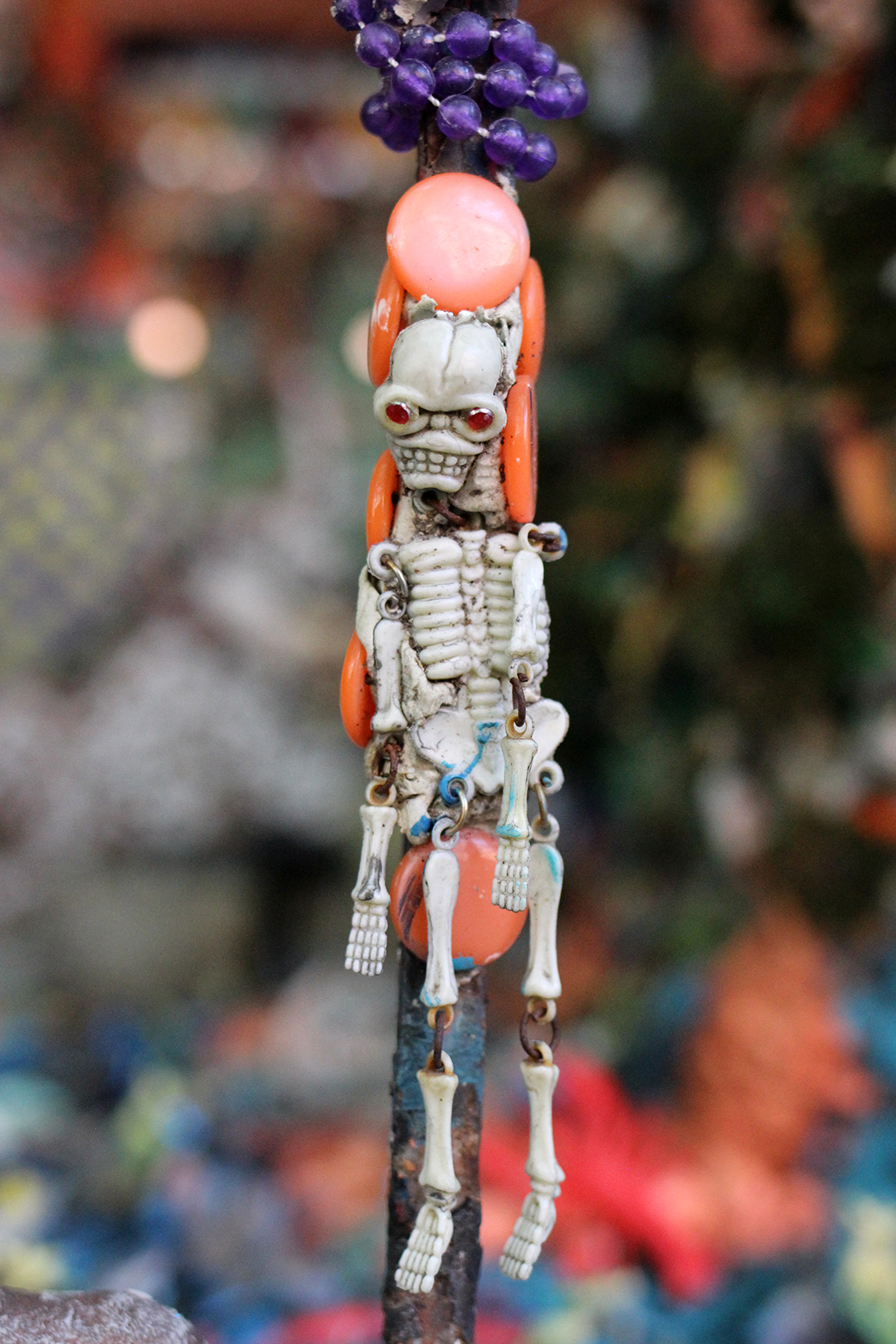

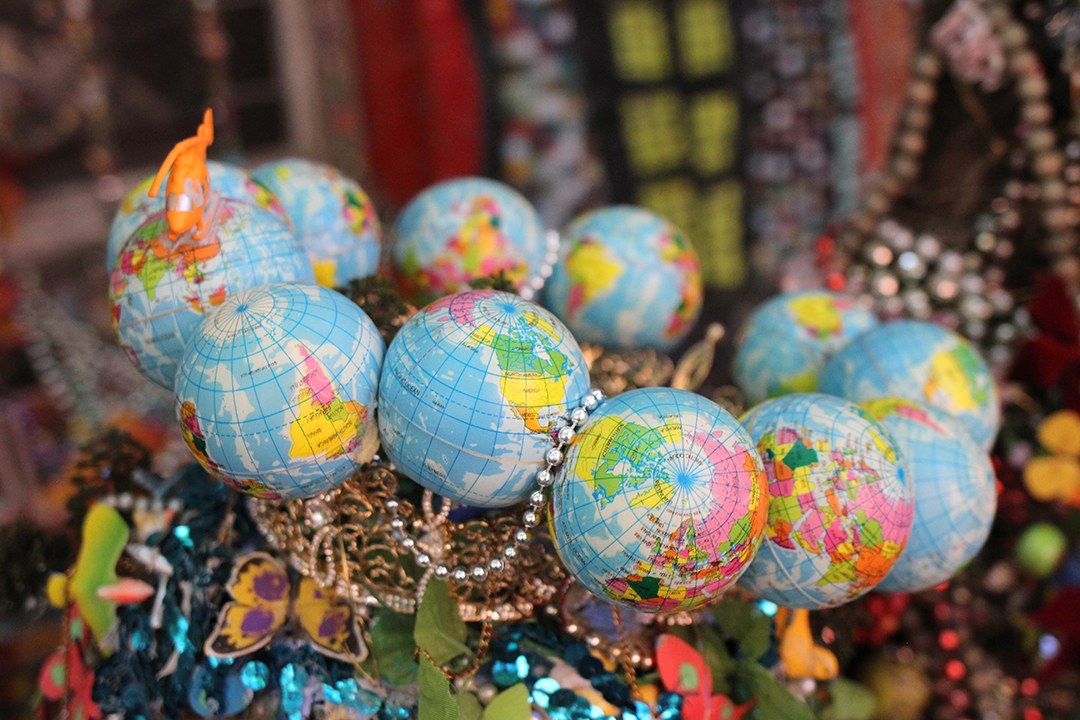
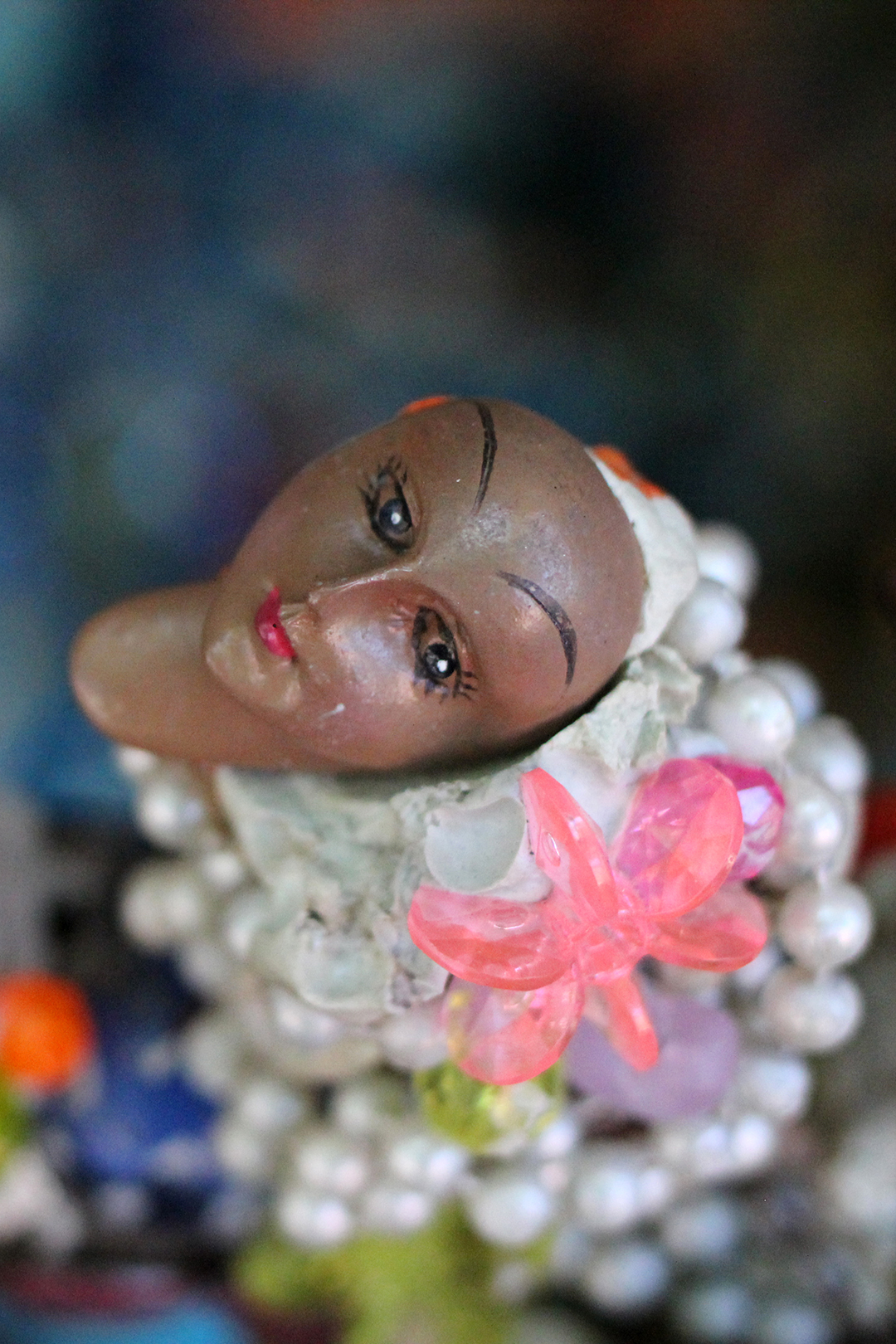
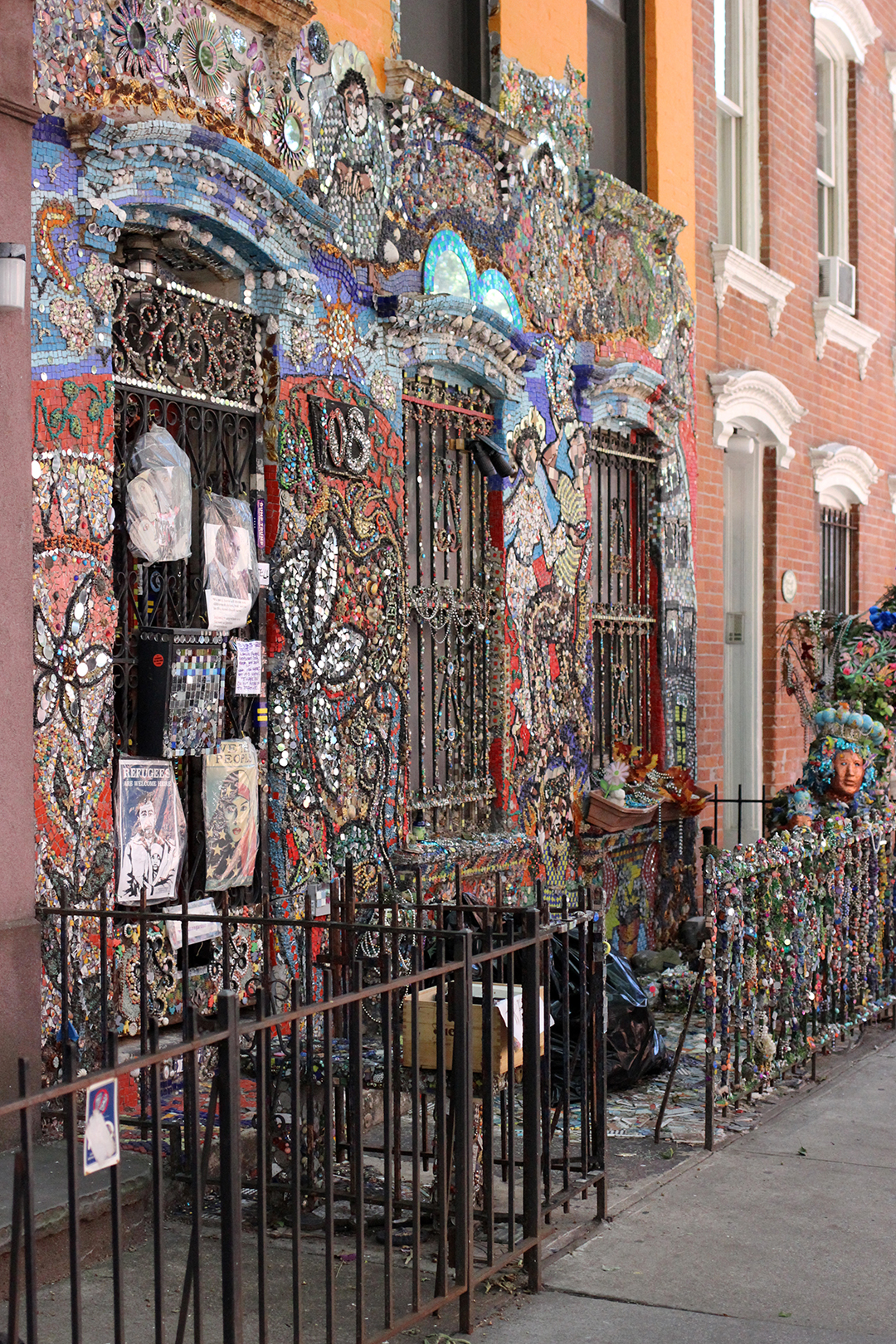

Her beautiful mosaic work reminds me a lot of Philly's Magic Gardens, and her house would fit right in on South Street. New York can be a crazy place—peacocks ride the subway and no one even pays attention—but I never want to be desensitized or get too cynical and miss how incredibly beautiful and unique this city can be. I'm so thankful I get to share it with people like Susan Gardner and the joy and whimsy they bring to the world around them.
Susan Gardner's Mosaic House
108 Wycoff Street,
Brooklyn, NY 11201
Closest to the F/G to Bergen Street
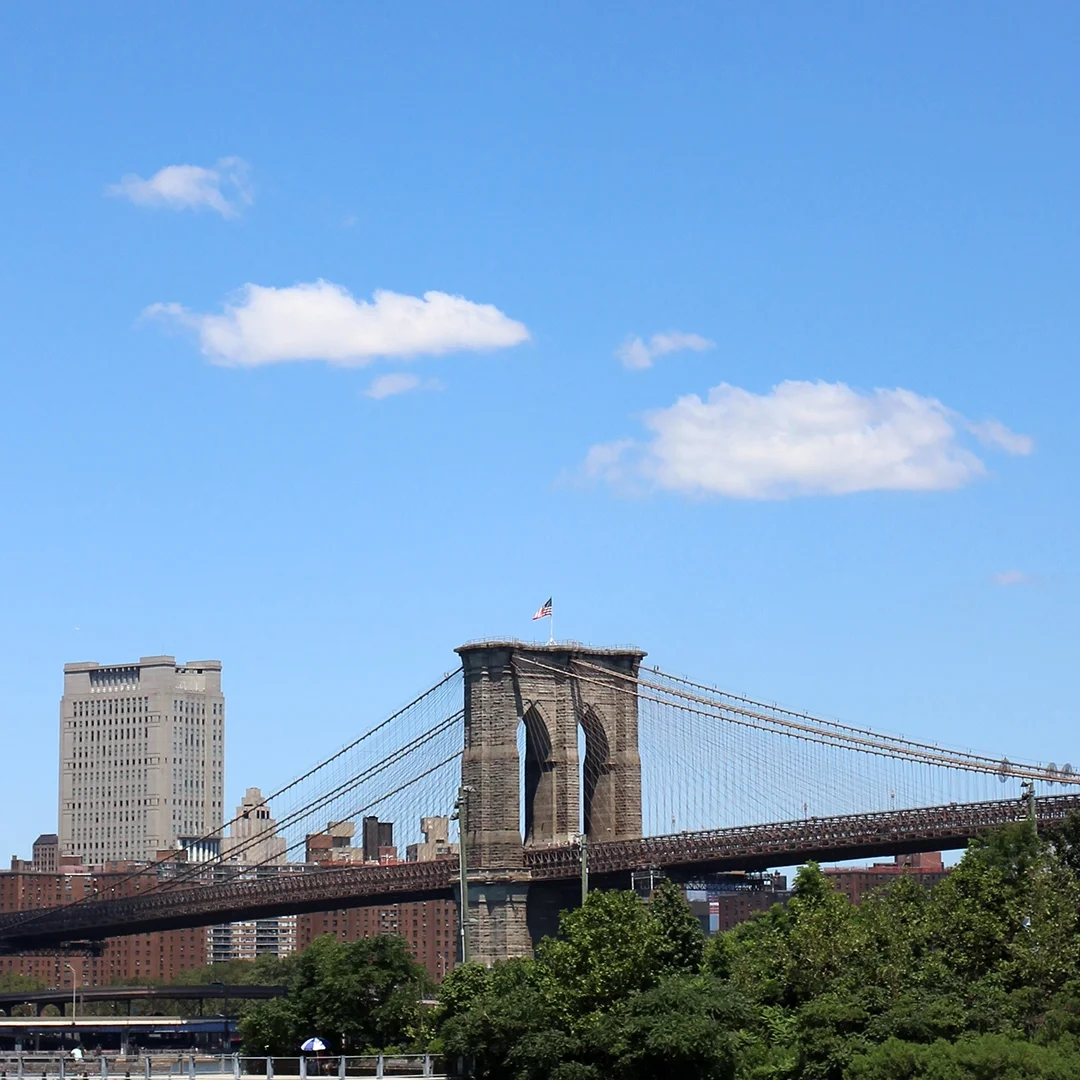
Goodbye, Brooklyn

Today is moving day! Today David and I will carry all of my worldly possessions down four flights of stairs, load everything into a U-Haul and drive it to Manhattan, where we will unload it all into my first-ever studio apartment. I have never lived alone in my life—if you don't count two years in college, where I technically had my own room but still shared a bathroom—and to say I'm excited is a huge understatement.

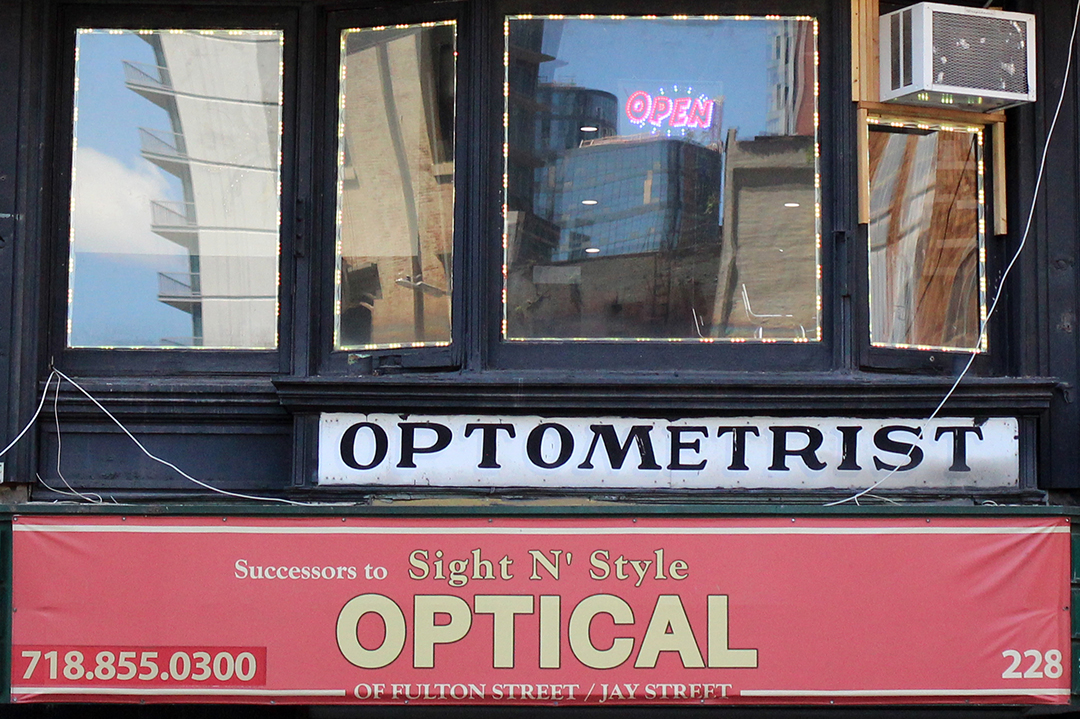
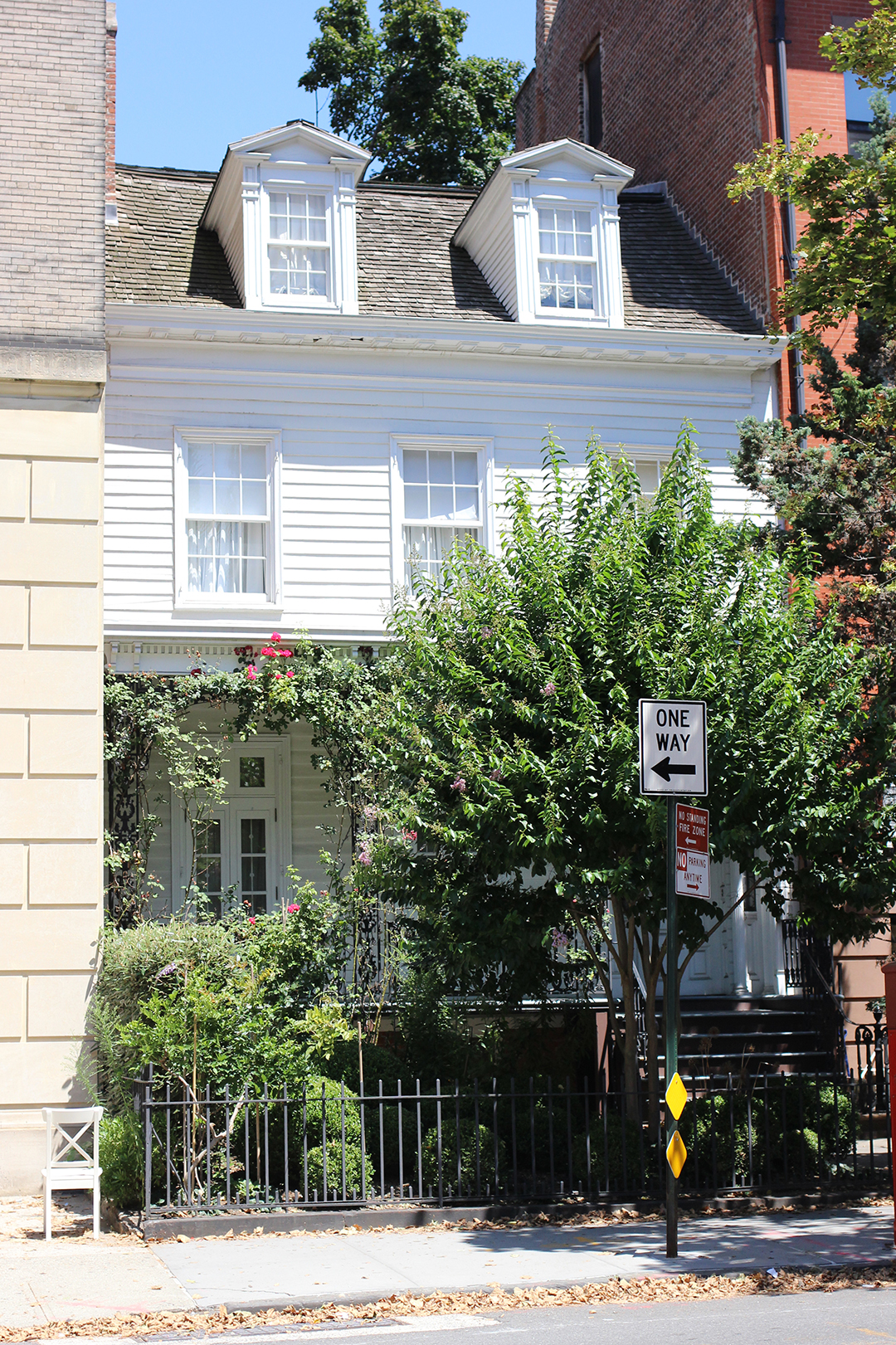
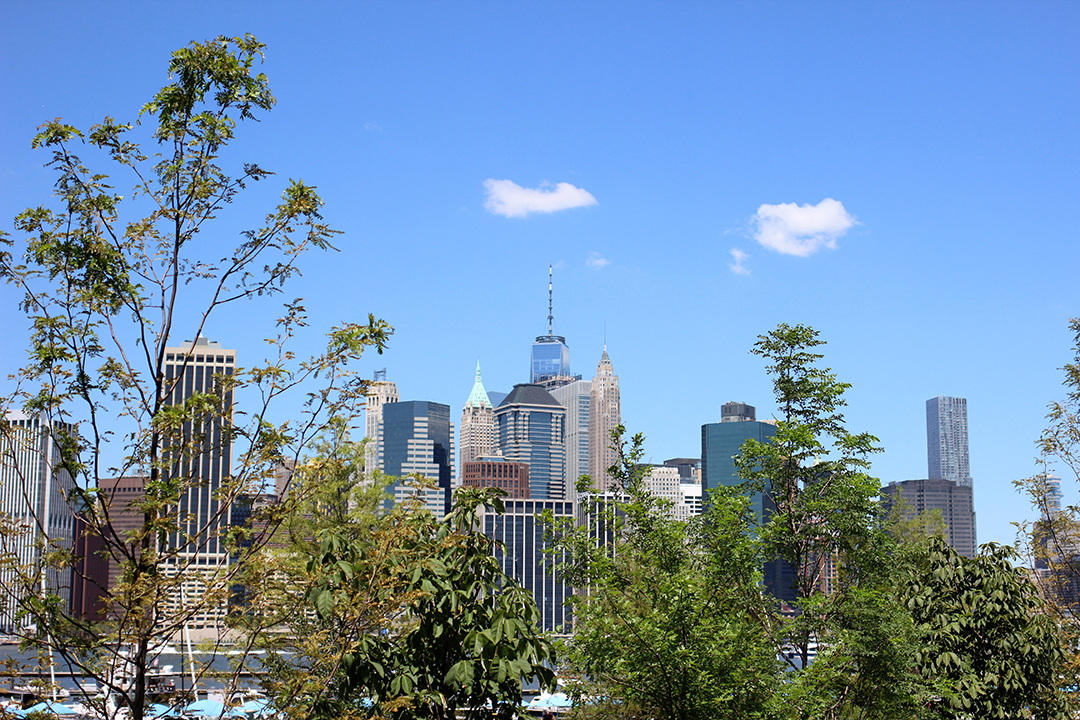

I'm trading two roommates for just one—a particularly loud, 8-year-old, grey cat who still won't help me with the rent despite the fact that she never leaves the apartment. This will be my fourth move in four years of living in New York but I've signed a two-year lease so I won't be apartment- or roommate-searching again for some time. Uncertainty in my housing situation is one of the things I like least about living in New York—I didn't move out of my childhood home until I was 24, and I'm a nester by nature. My idea of "playing Barbies" when I was younger was to set up elaborate homes for the dolls and then break them down and start all over. We had a tiny plastic toilet that really flushed and I was never happier than when I was tinkering with my miniature interiors.
I'm moving back into the Harlem brownstone where I lived two years ago, when I was roommates with my mom. She still lives in that apartment (with a roommate) and she'll be able to visit Mozart when I'm away, and I can help her carry heavy things up the stairs. As long as we can avoid the slow slide into our inevitable Grey Gardens future, I think we'll both benefit from being neighbors.


I will miss many things about living in Brooklyn, which has been my home and so much more to me during the past two years. David and I fell in love in Brooklyn and he lives there, so I'll still be there all the time, but every place I've lived in New York leaves its mark. I ran my first continuous mile along Prospect Park West; I started eating falafel and guacamole; I had four different roommates and still count them all as friends; David introduced me to his regular bar and I became obsessed with their mac n' cheese; I walked home from dinners, bars and Celebrate Brooklyn; and Jim and I sat through countless nerdy Brooklyn Brainery lectures and rewarded ourselves afterwards with scoops from Ample Hills.
In hindsight, I was hardly in my actual neighborhood much, but I will miss being in such close proximity to fresh mozz pizza slices from Anthony's and Danish pancakes from Tom's. But I'm also excited to discover places in Harlem and upper Manhattan—both the new and the old.


I'm looking forward to the fresh start, and although physically moving is a total pain, I am very excited to unpack and set up my new space. I've never been one of those New Yorkers that balks at traveling too far outside of my own neighborhood, so moving won't have much effect on my city adventures, but I don't think it's dramatic to think that coming home to a space of my own will be nothing short of life-changing.
Rockaway Beach

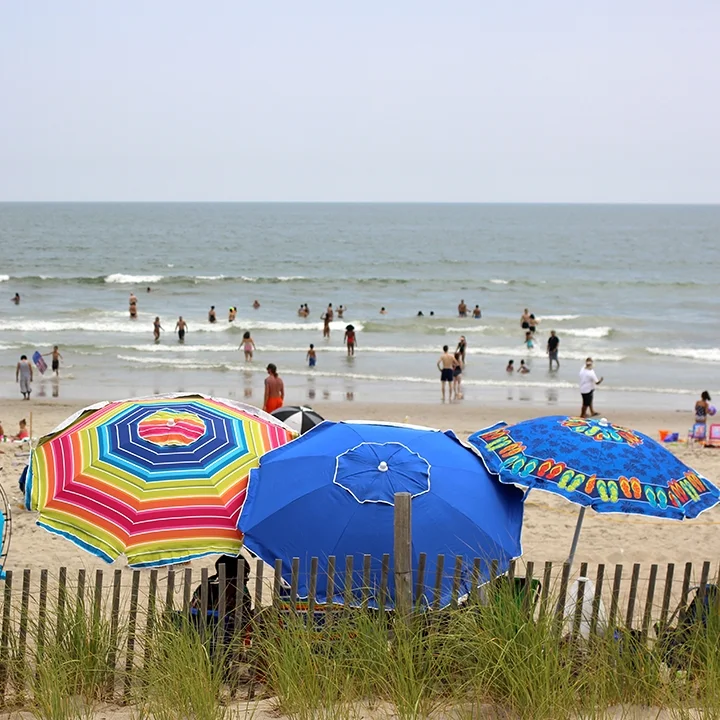
Nature did not make me a beach person. I'm basically made out of transparent tissue paper, I burn even after liberally and frequently applying SPF 55, I can't swim and I can't stand the feeling of sand basically anywhere above my feet. But David loves the beach on a near-spiritual level and I love exploring (and him), so we compromised this weekend and went to Rockaway Beach.



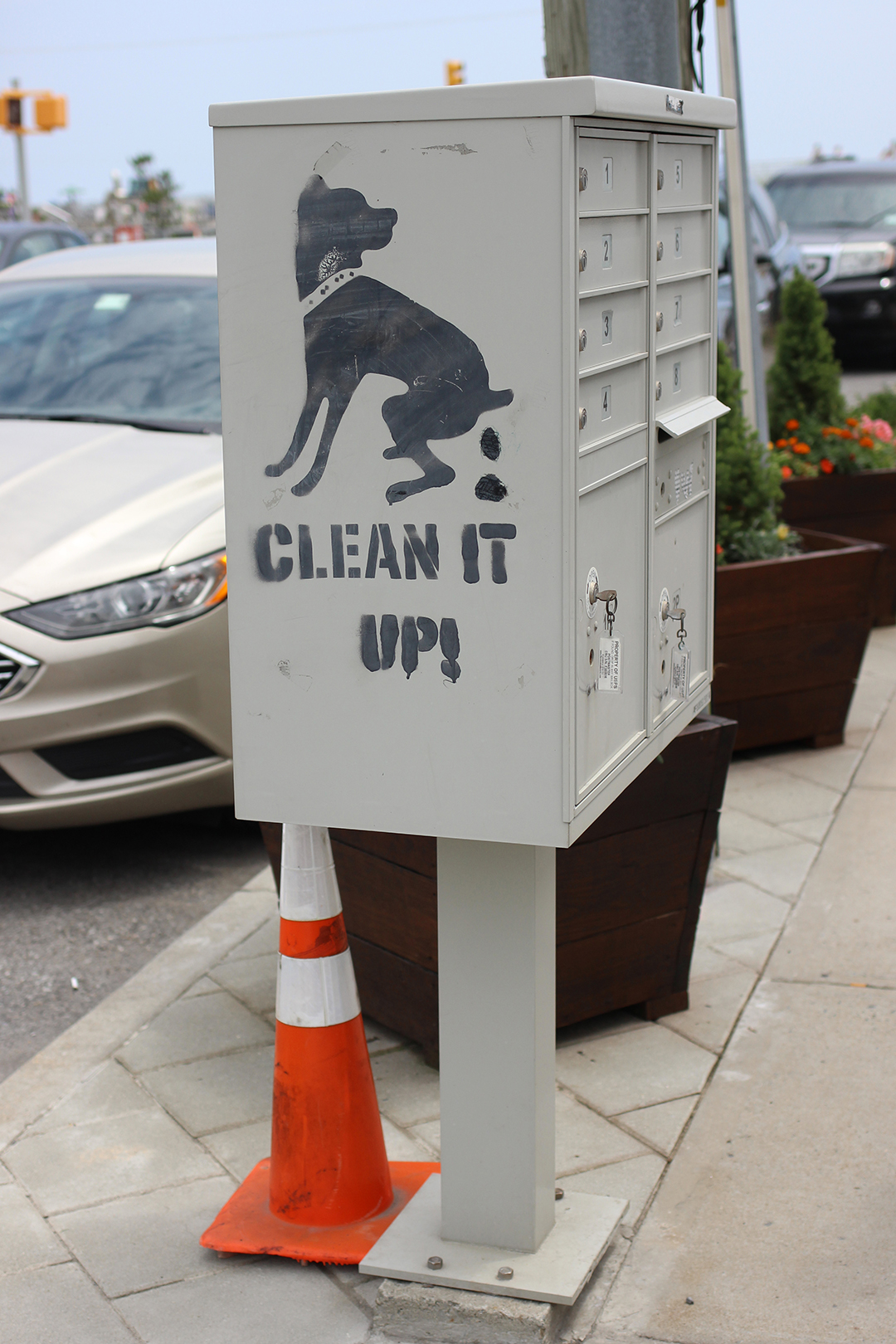
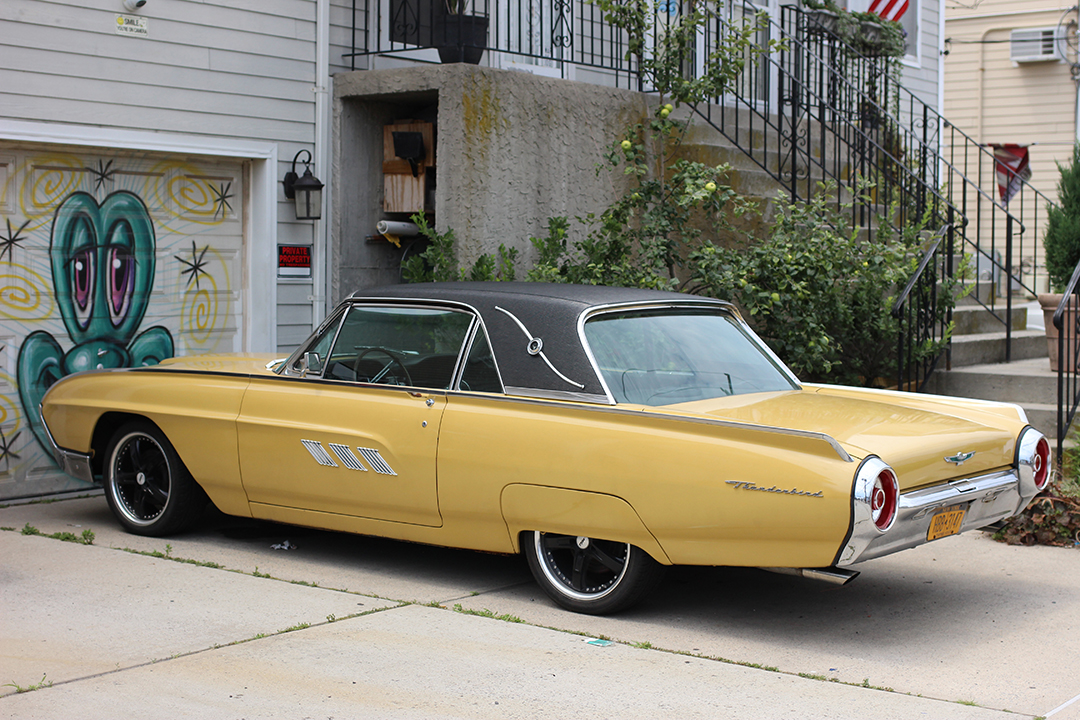
Rockaway Beach is accessible by the A and S trains, and during weekends this summer the S has been extended to Rockaway Blvd allowing you to transfer from both the Lefferts Blvd and Far Rockaway-bound A trains. For me, the journey somewhere is always half the fun, and the subway ride to Rockaway is long, but as far as I know it's the only subway track that runs over a large body of water so at least the views are interesting.


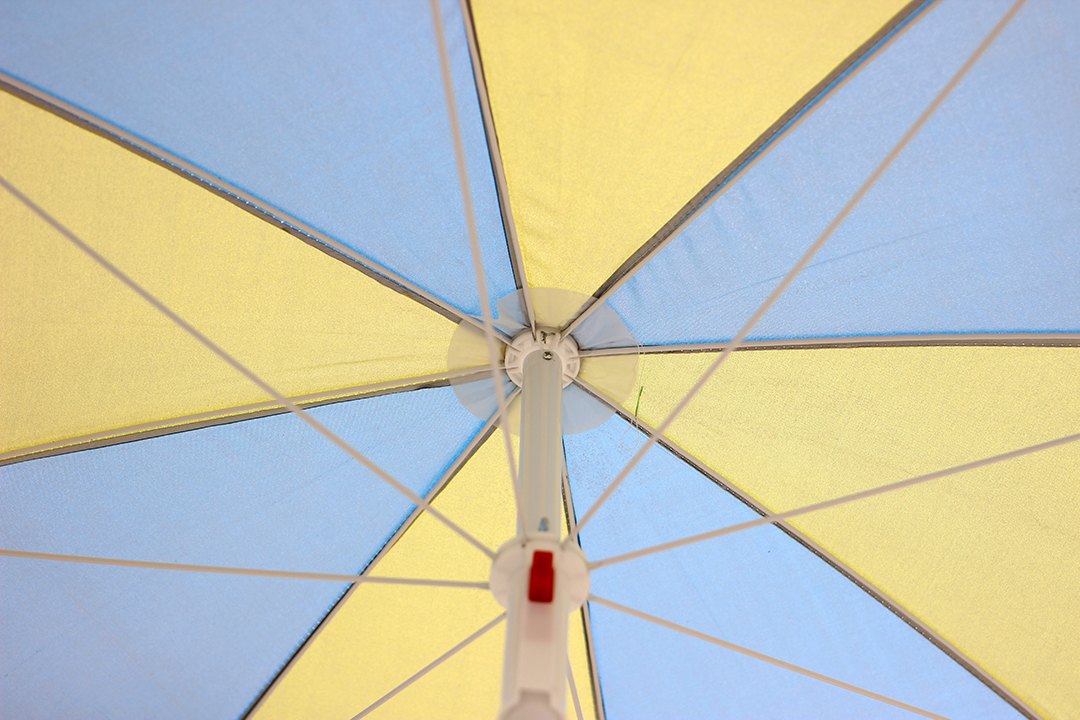
Before we headed to the beach, David ran to Rite-Aid and bought an $8 beach umbrella. It might sound silly, but that cheap piece of plastic and cloth increased my enjoyment of the beach so significantly that I have no idea why we didn't buy one sooner. Last year I finally got a bathing suit that I feel (mostly) comfortable wearing in public, but this stupid umbrella immediately changed my life for the better.


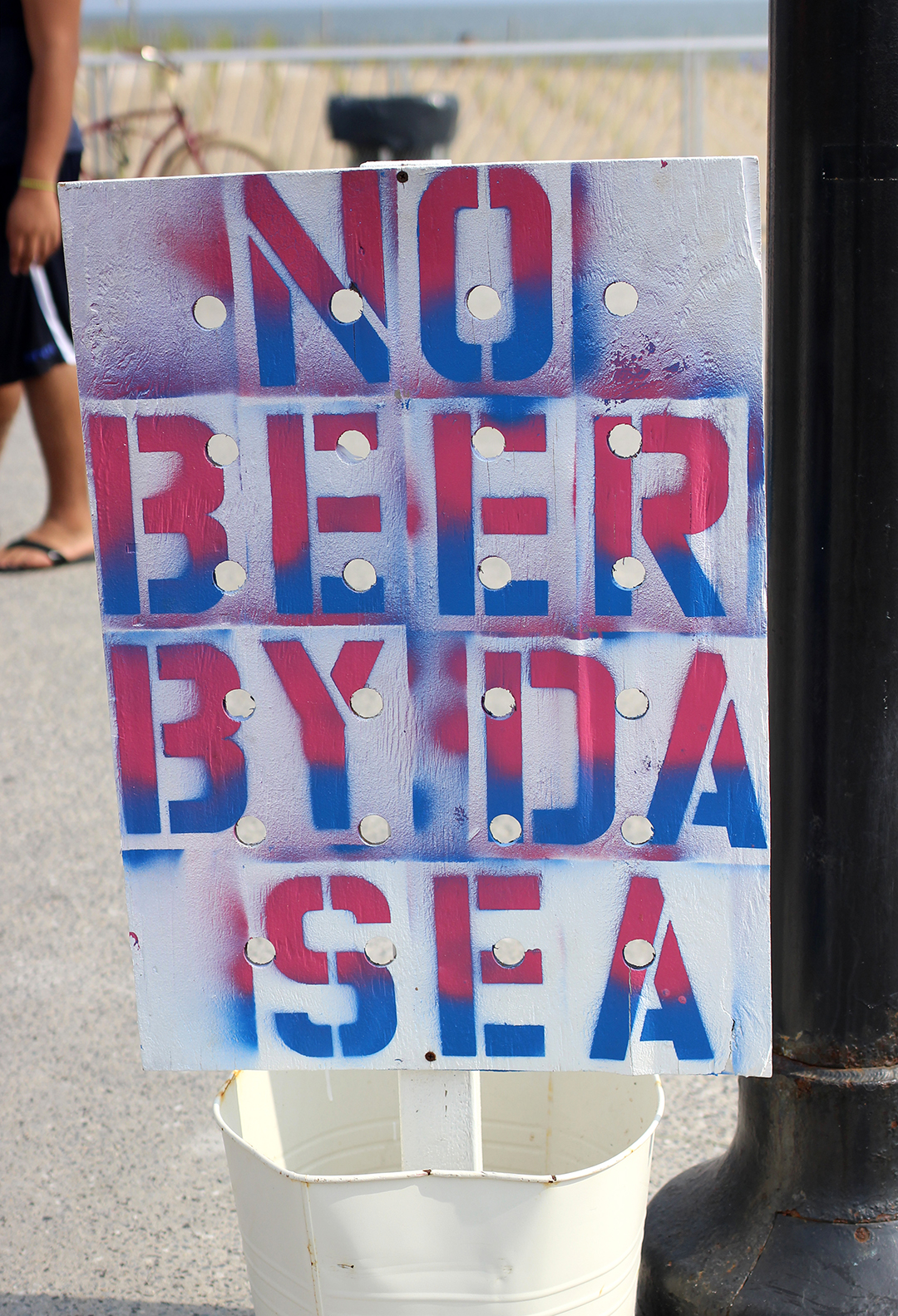

I would like to go back and explore the actual town of Rockaway apart from the beach—I hear there are some delicious hipster tacos being made at the Rockaway Beach Surf Club—but we had a great time just lounging. I made a dent in my latest book (this totally appropriate beach read), ate a (boneless) hot dog from the concessions and photographed it like a shameless millennial—I don't know if I'll ever officially consider myself a beach person, but I'm starting to see the appeal.
Letchworth Village Cemetery

After we explored a few buildings in Letchworth Village, we decided to call it quits despite barely making a dent because 1. we saw a cop, 2. I was getting hangry and 3. we needed to get our Zip Car back to the city by 9pm. We still had a bit of time before it was absolutely necessary that we start heading back, however, and I'm always angling to squeeze one last thing into a day spent exploring.
To remedy the hangry issue, we stopped at Hoyer's, a circa-1933 ice cream stand in the nearby town of Haverstraw. I used a $10 bill I found in one of the buildings (I'm still pumped about that find) to buy us soft serve and a root beer float which was exactly what we needed after creeping around for hours in hot, humid and probably asbestos-laden buildings. After Hoyer's, I suggested that we make just one more stop—technically on the way home!—and try our luck at finding the Letchworth Village Cemetery.

When I had initially googled "Letchworth Village," one of the auto-fill suggestions was "Letchworth Village Cemetery" and I I knew that finding it could be the cherry on top of an already perfect day. I'm eternally frustrated by the lack of location information available online sometimes—maybe I'm just a greedy millennial, but I feel that locations that are open to the public and amenable to visitors should not be so hard to pinpoint on a map.
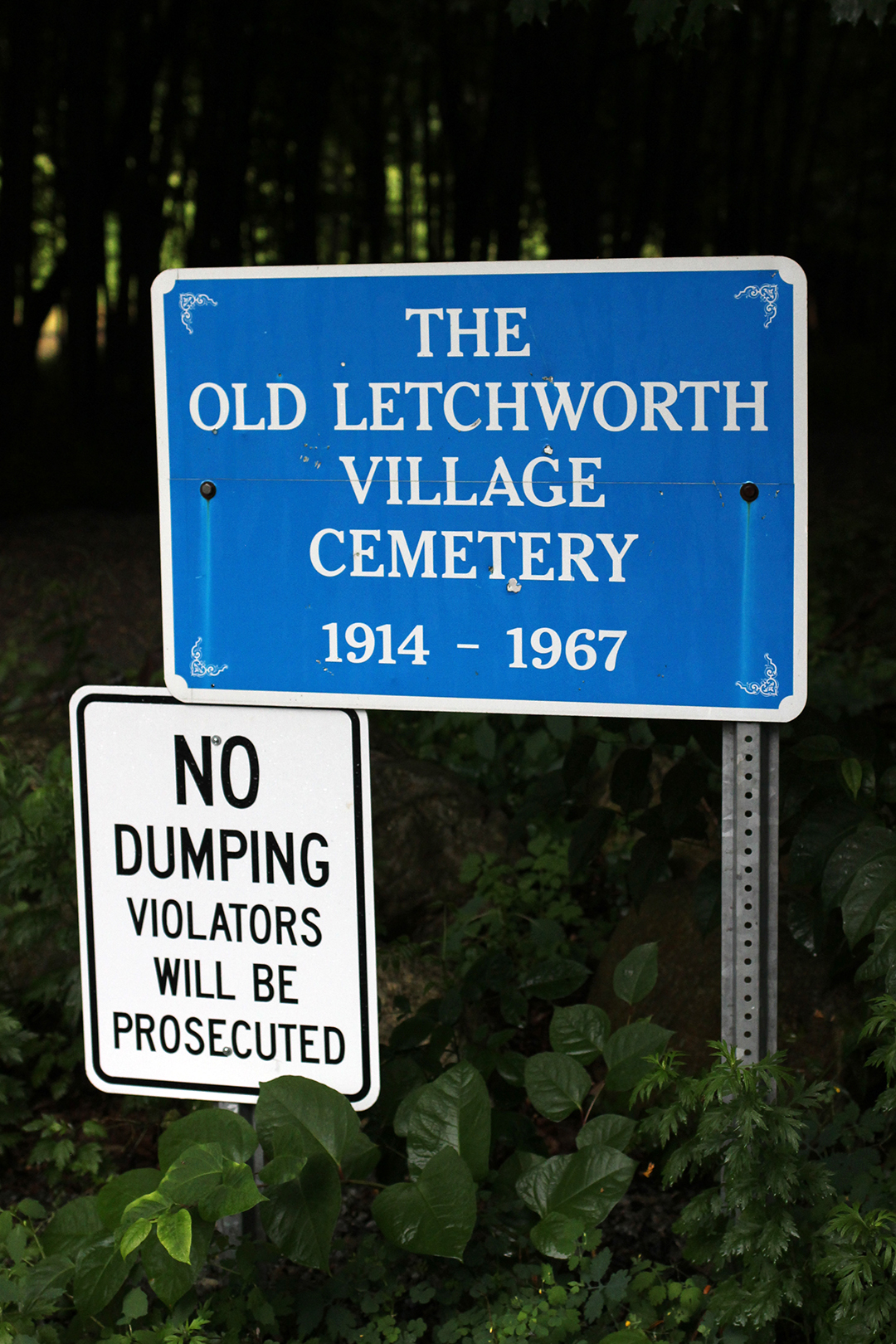
The closest directions I could find were "drive down Call Hollow Road until you come to a path in the woods," which is what we ended up doing. Thankfully there's a bright blue sign for the cemetery and Call Hollow isn't a long road but I still took the time to figure out as close to the exact location as I could in hopes that it might help someone else one day be less frustrated that I was—405 Call Hollow Road, Stony Point, NY 10980 should get you there.
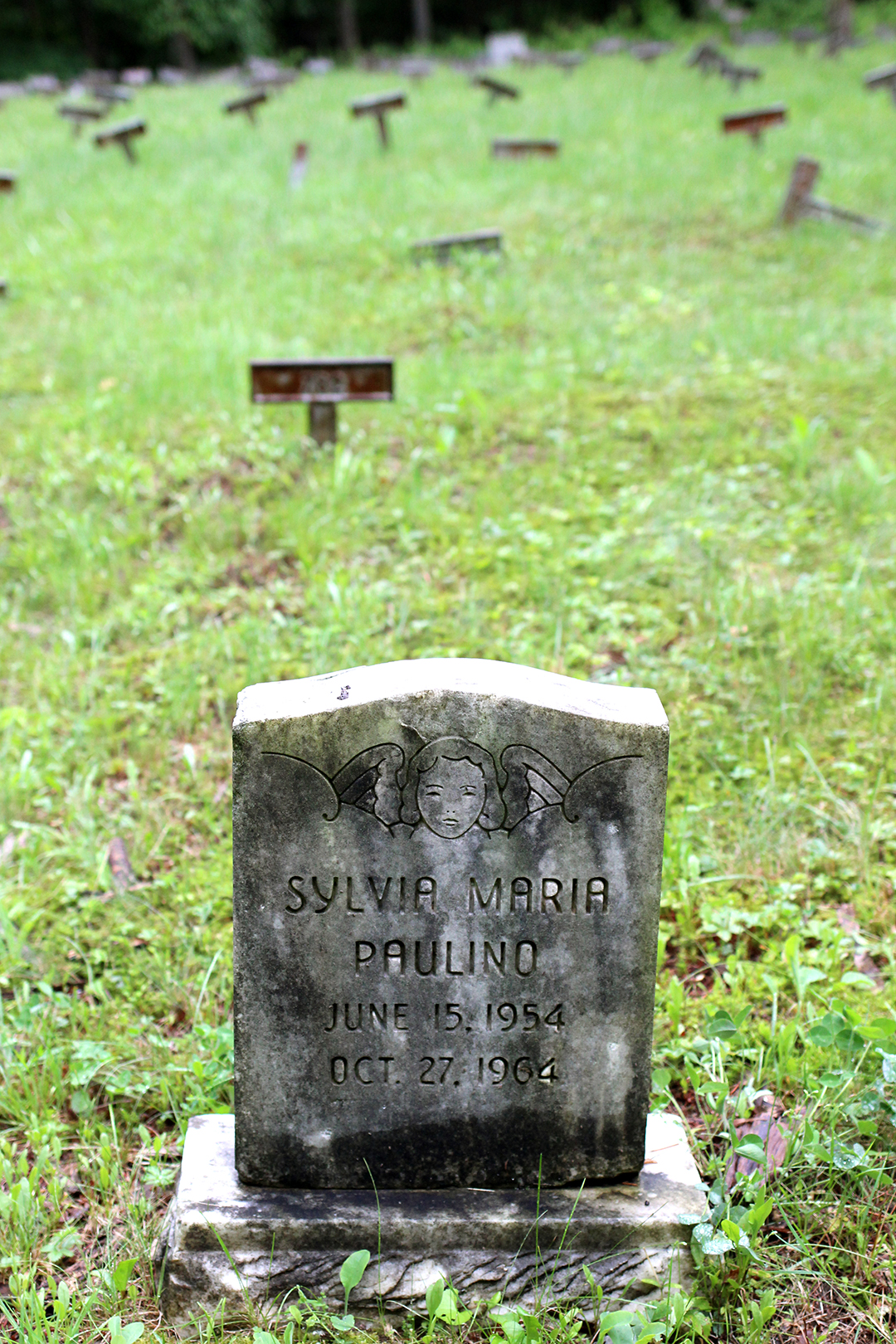

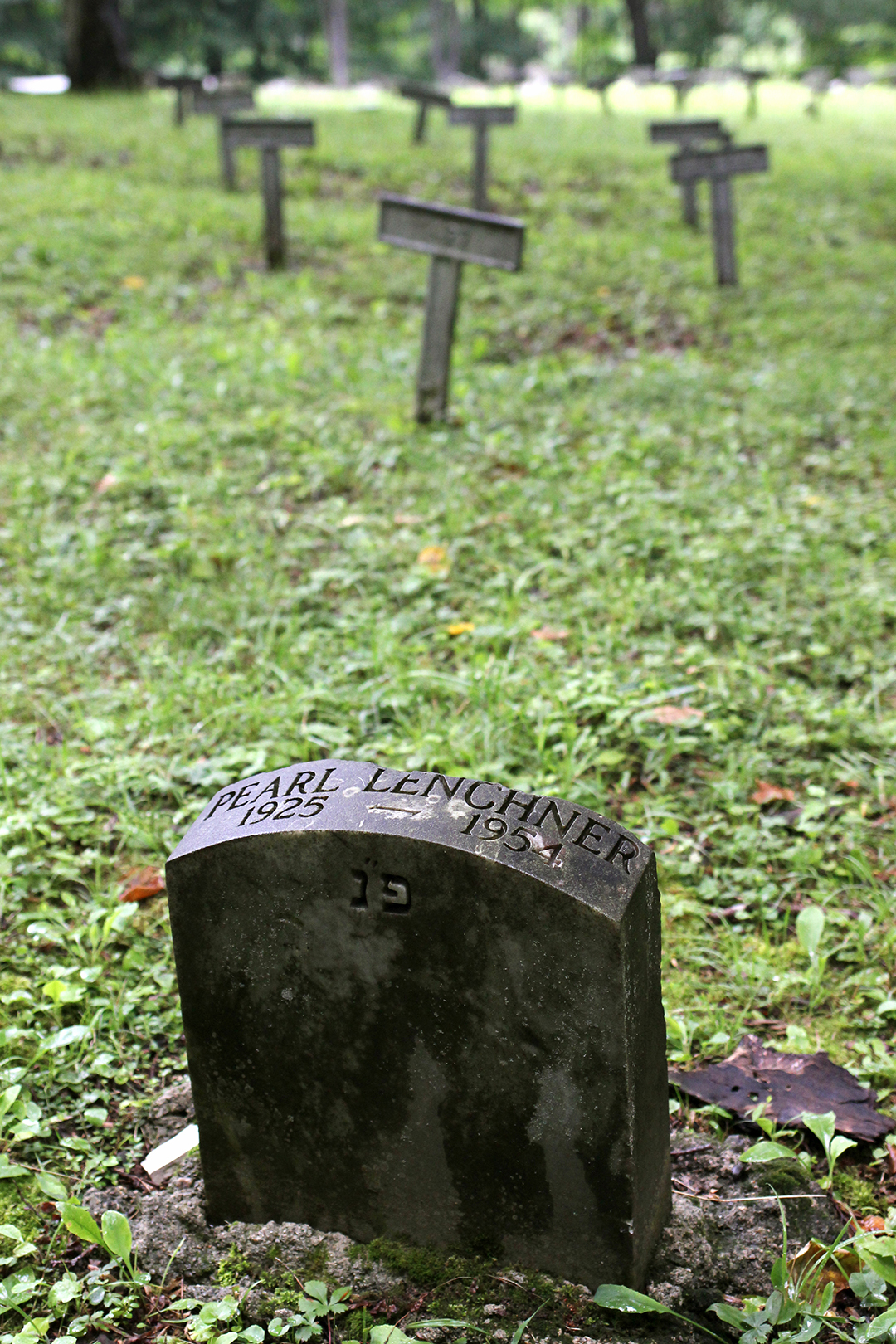
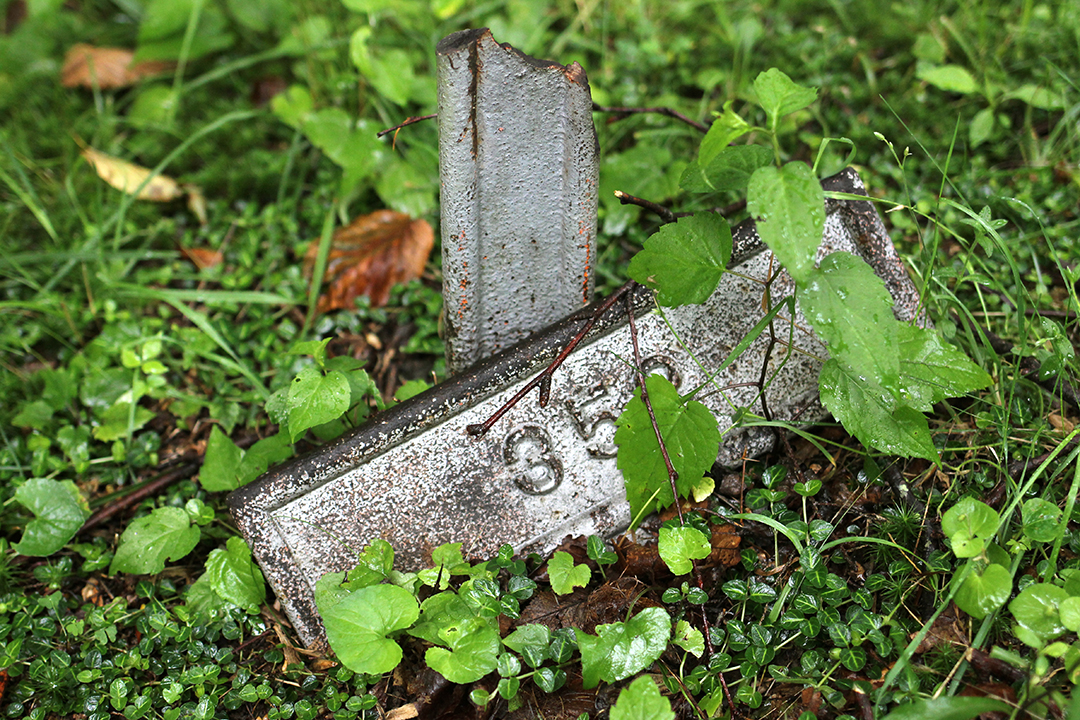

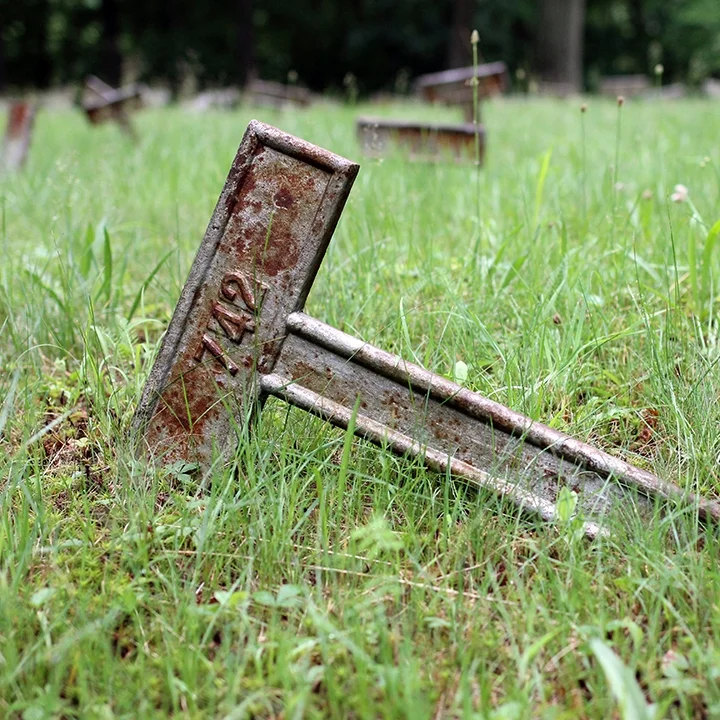
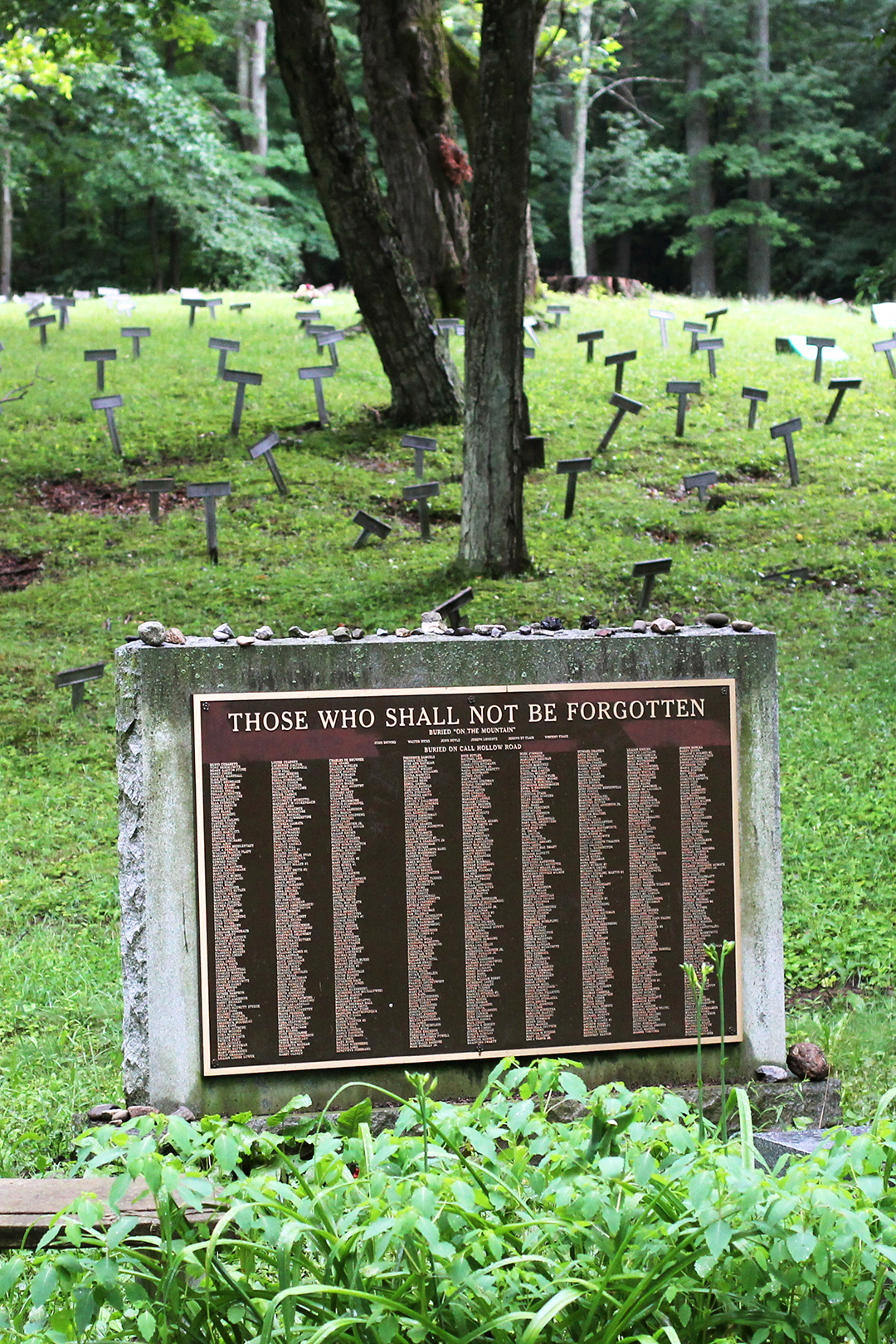
There's a small gravel clearing near the sign where you can park, and the cemetery is just a short walk through the path into the woods. This particular cemetery was used from 1914-1967 and while it contains a handful of traditional tombstones, most of the graves are marked with a simple, numbered metal marker. Names weren't used to assure the anonymity of the patients (or, in a lot of cases, their families), although a plaque has recently been added to include the names of those interred here—still not matched to their numbers but under the heading "Those Who Shall Not Be Forgotten."
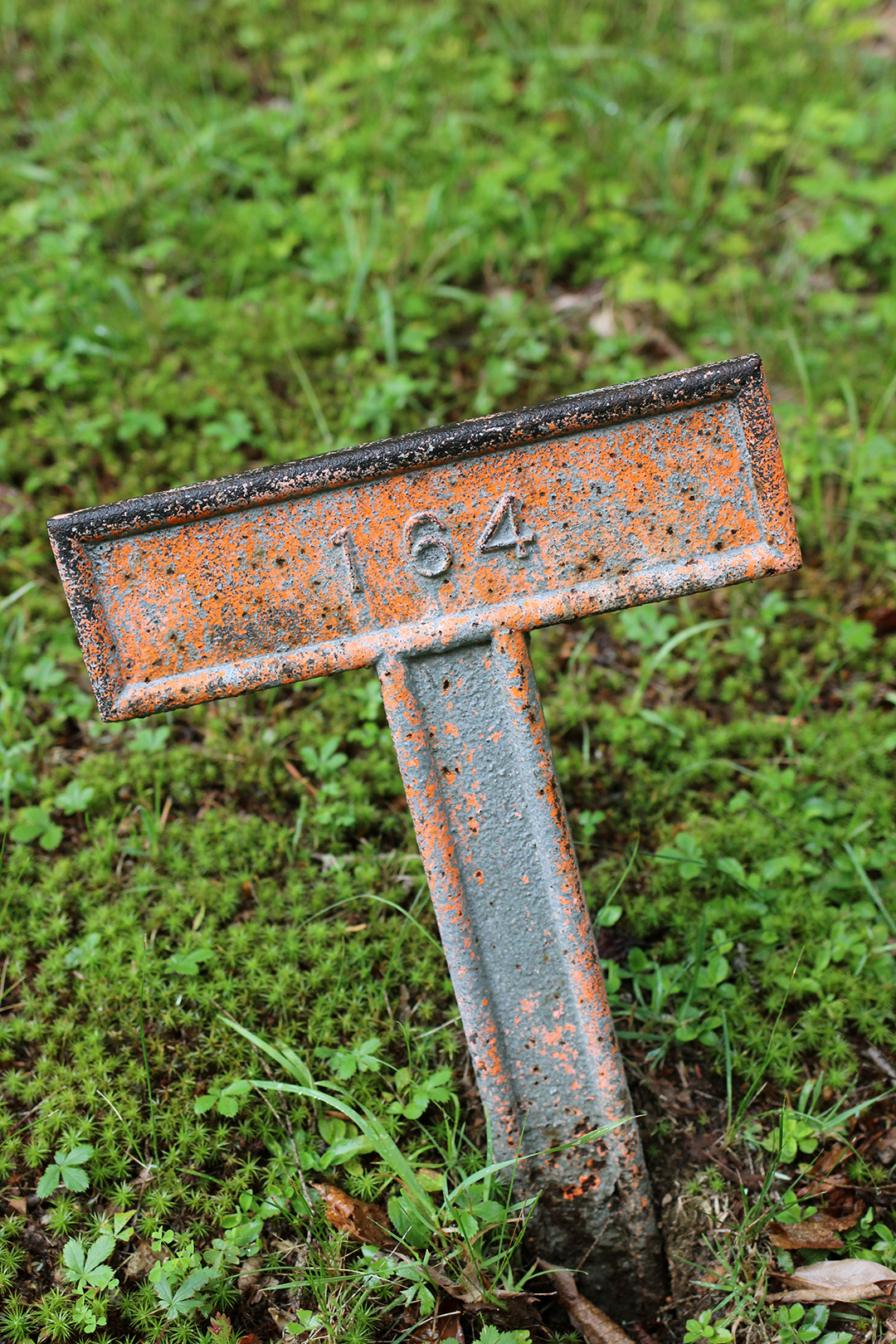
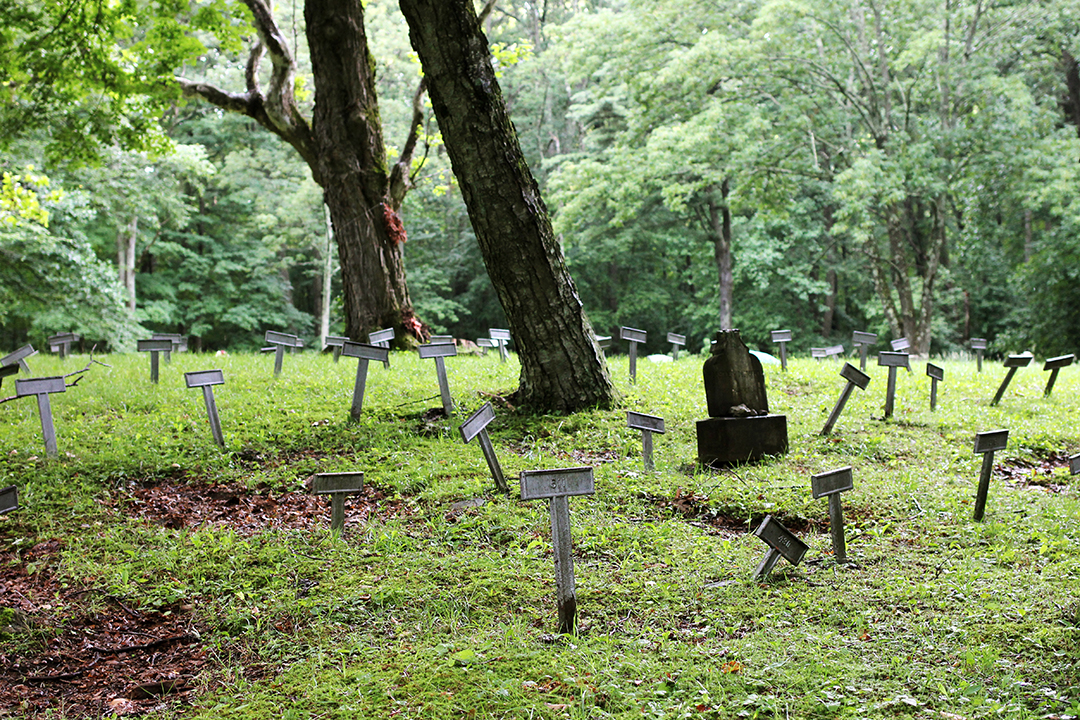

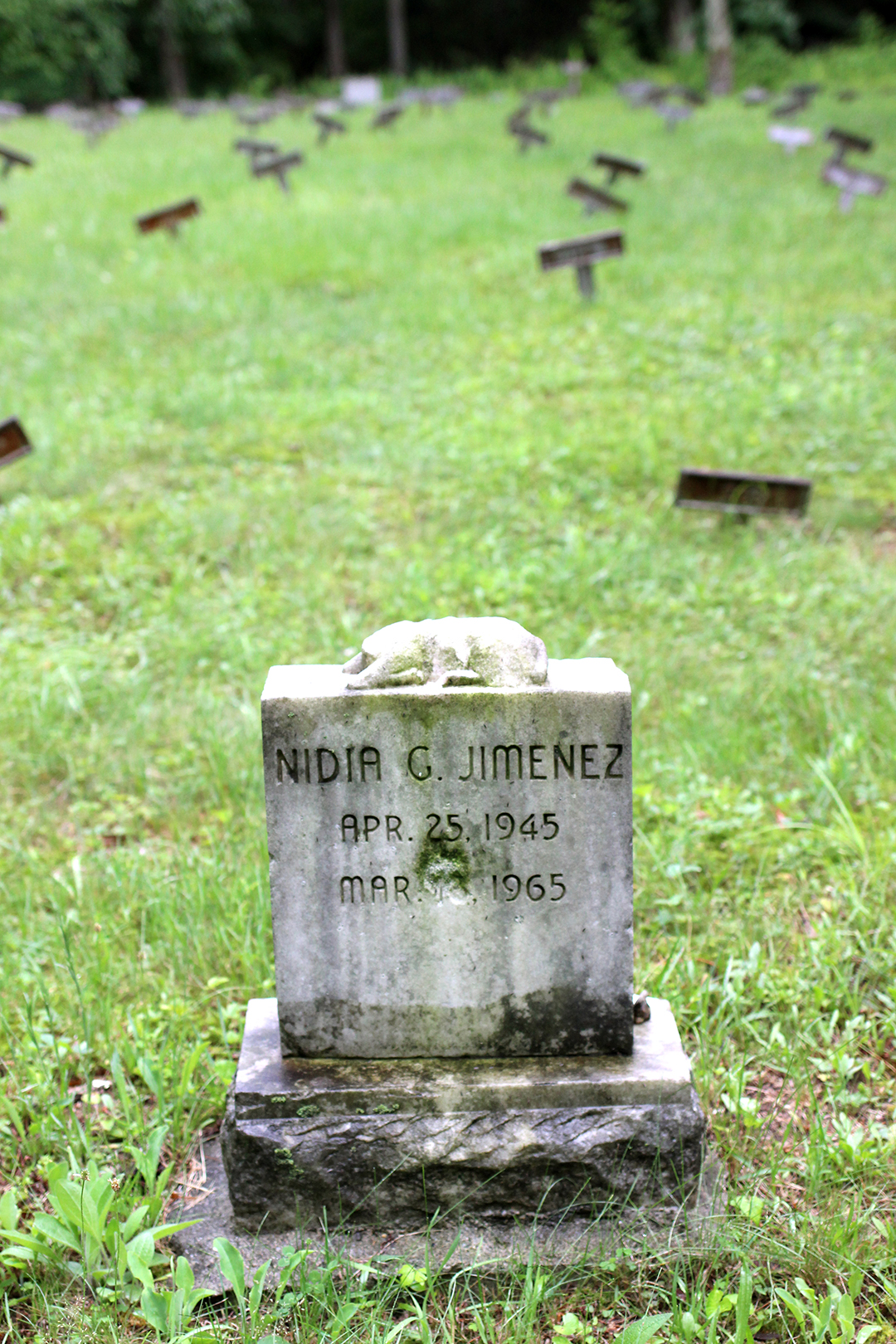

This was a cemetery unlike any I have visited before, which is a distinction I keep thinking I'll no longer be able to make—until I come across yet another unique way to handle a burial space. Seeing rows and rows of graves marked with nothing but a number is sad in a way that traditional cemeteries usually aren't and even the graves marked with tombstones are sobering when you realize that people didn't seem to live long lives at Letchworth.
Letchworth Village: Chairs

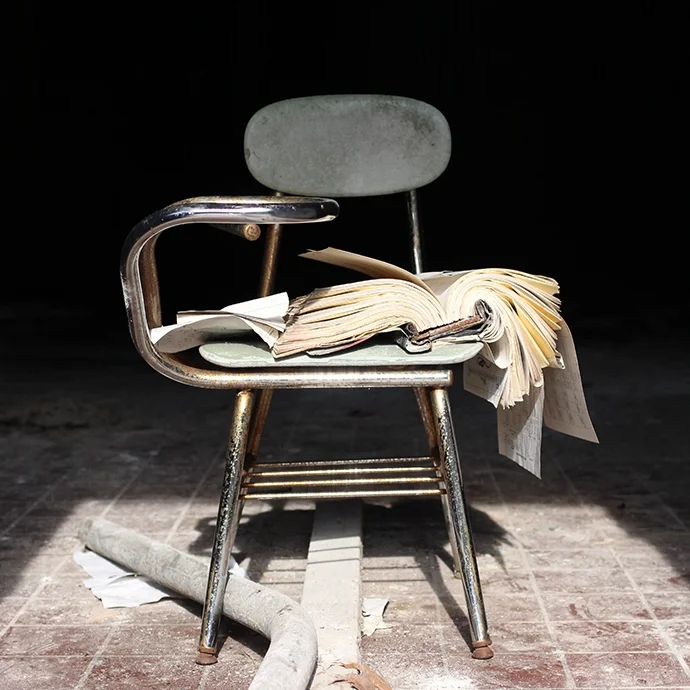
I've seen the hashtag #theresalways a chair on Instagram and it's mostly used with photos from abandoned places where there does always seem to be a chair. This is something I noticed in my real life explorations way before I noticed the hashtag, but that's a nice perk of the Internet—finding out that other people notice the same weird things that you do.

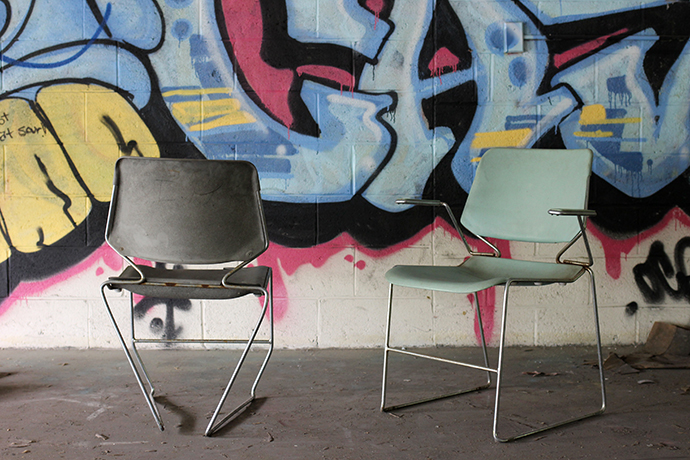


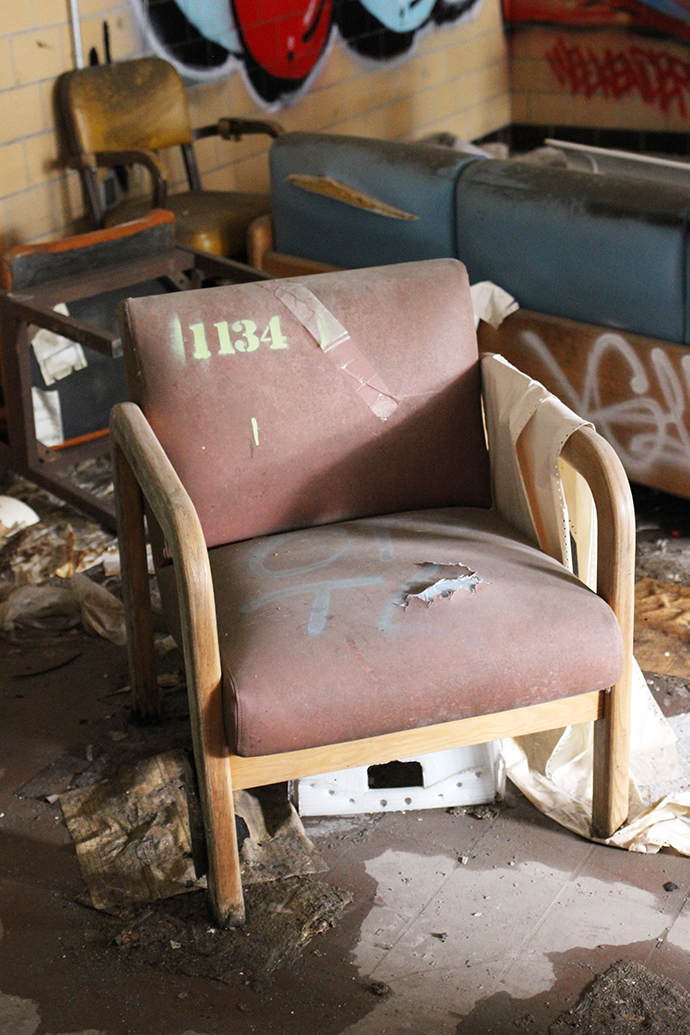
Even before I started creeping on actual abandoned buildings I was noticing the chair phenomenon in once-abandoned places that I took sanctioned tours of, like the Ellis Island Hospital complex or the Ohio State Reformatory. Obviously these places are well-maintained for tours but I'm not sure to what degree that they are "decorated." But once I started actually exploring truly abandoned spaces, I noticed that even when a place has been nearly stripped clean of things, you can still find at least one chair.
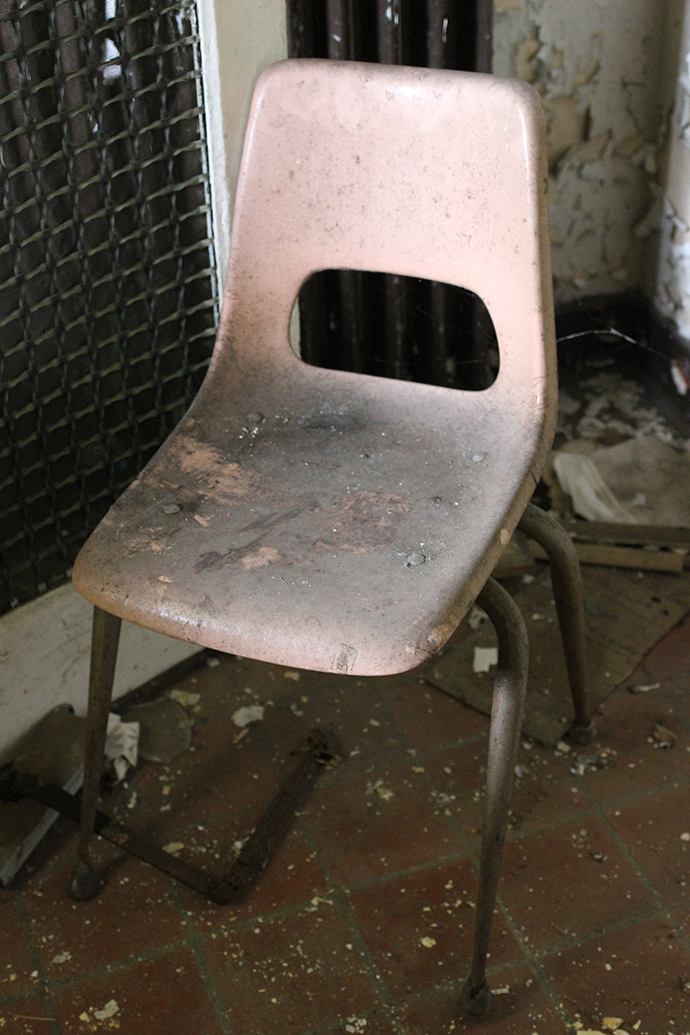
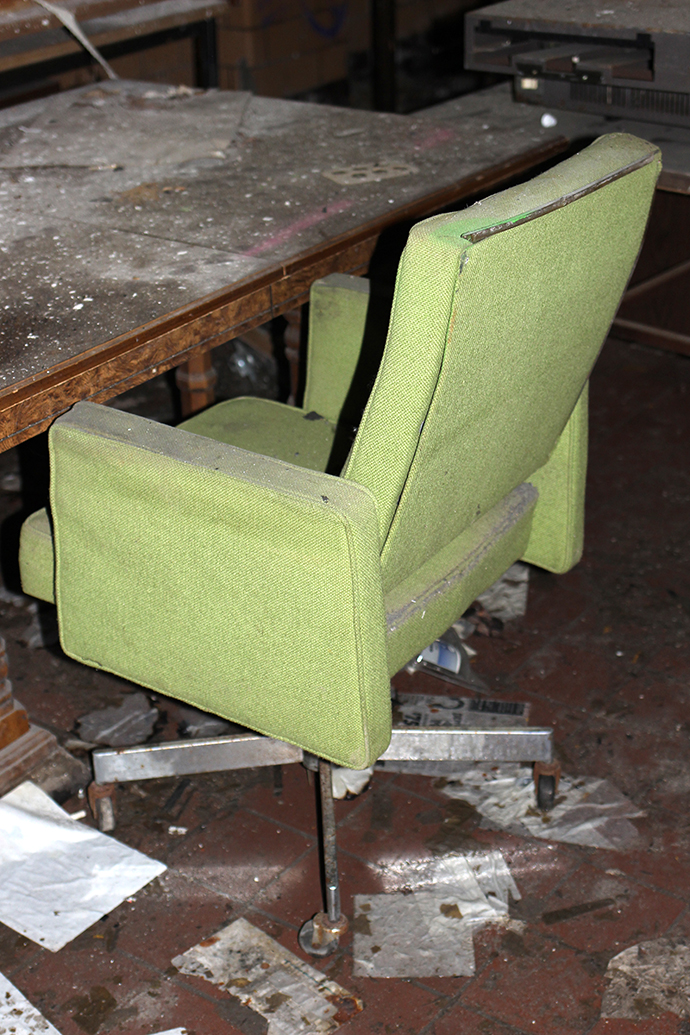


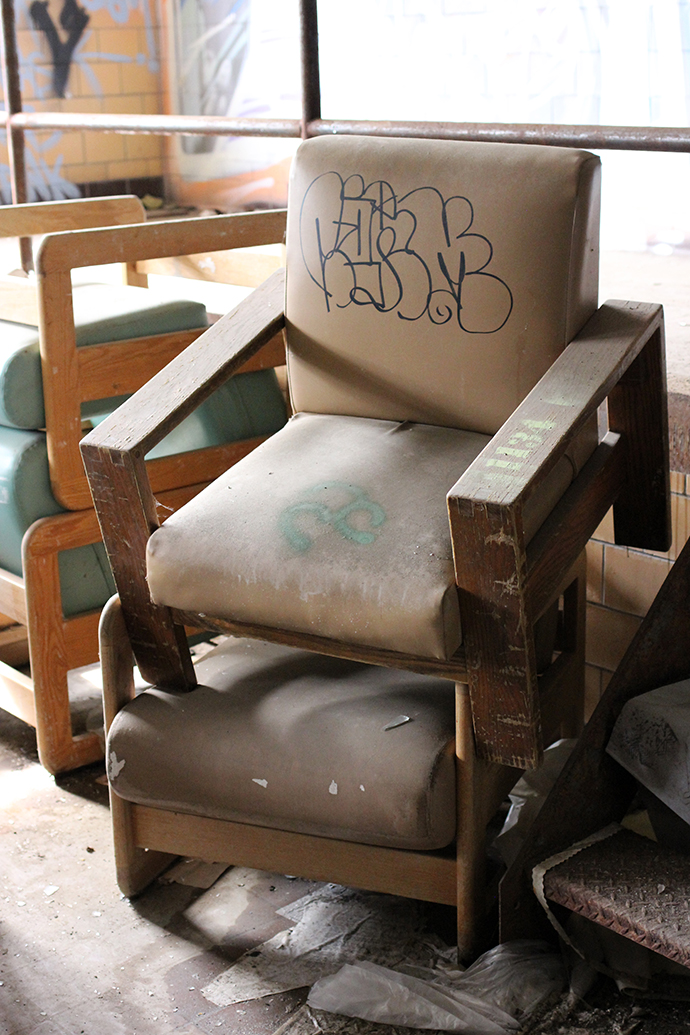


The buildings we explored in Letchworth Village were full of stuff, and so I wasn't surprised to find a ton of chairs. It makes sense that institutions or hospitals would naturally be full of chairs, and maybe they remain because they don't have any obvious value to people that typically strip abandoned buildings of things like scrap metals.
However (like Kings Park) there were some really great vintage chairs left at Letchworth that my mom likes to chastise me for not dragging home—even if the moldy, asbestos-covered fabric chairs are long past their functional prime. I do think it's a shame that the plastic and metal institutional varieties are just left to rust or are covered in uninspired graffiti, but with all the uncertainty that comes with exploring abandoned places, it's somehow comforting to know that there is always a chair.
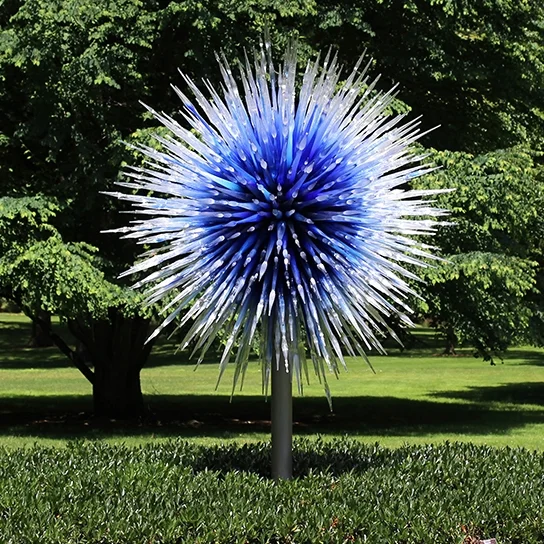
NYBG: Chihuly

My mom and I recently went to the New York Botanical Garden in the Bronx to check out the Chihuly exhibit. Dale Chihuly is an American glass sculptor (with an eye patch!), and even if you don't realize it you've probably seen his work which appears in permanent collections around the world.


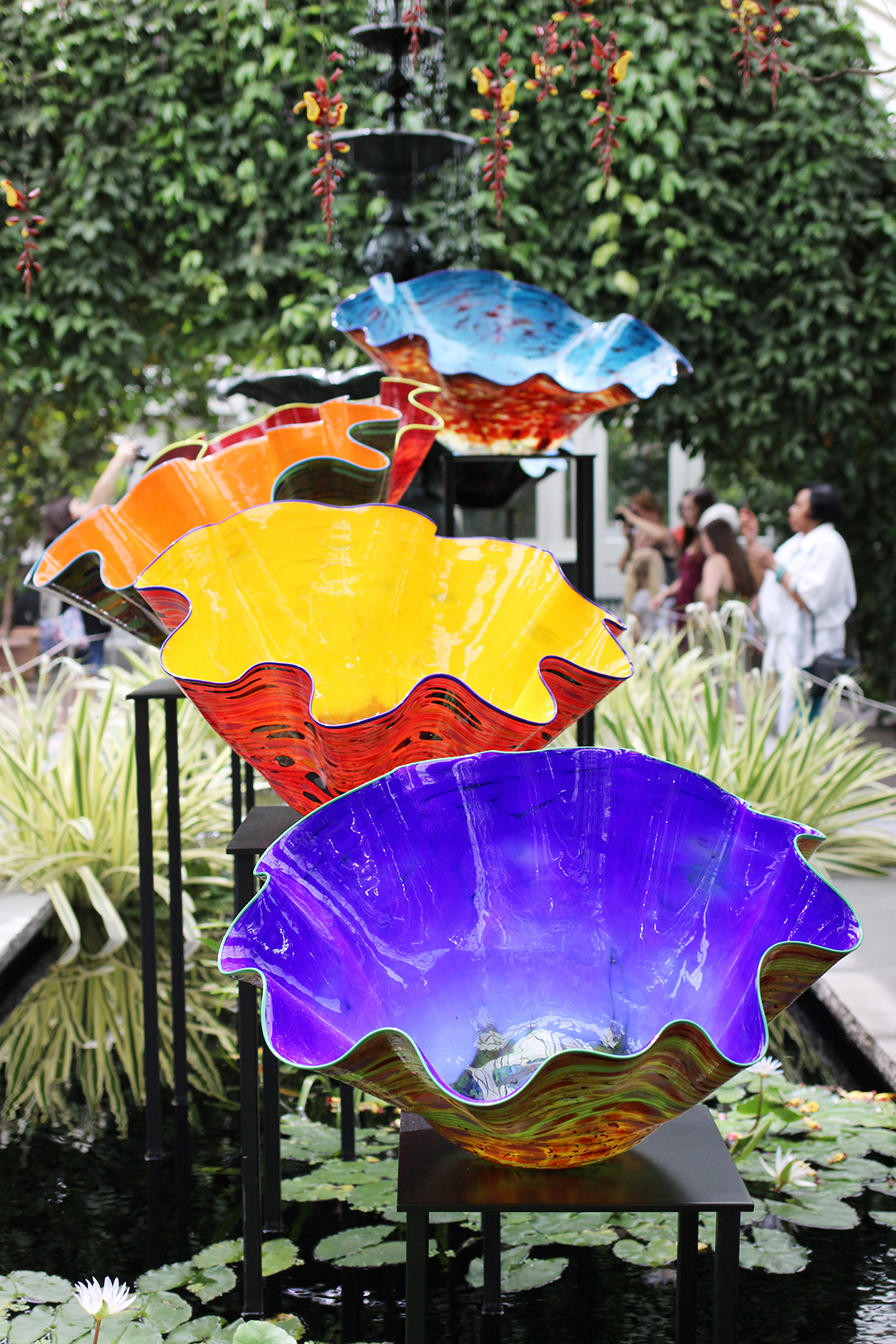
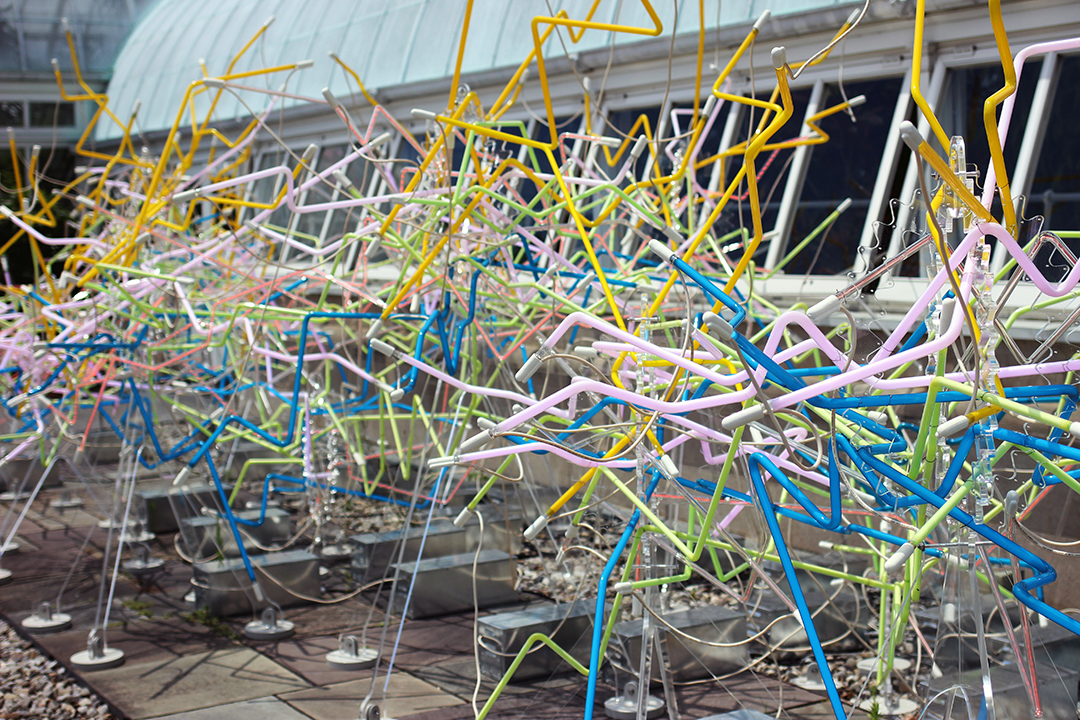
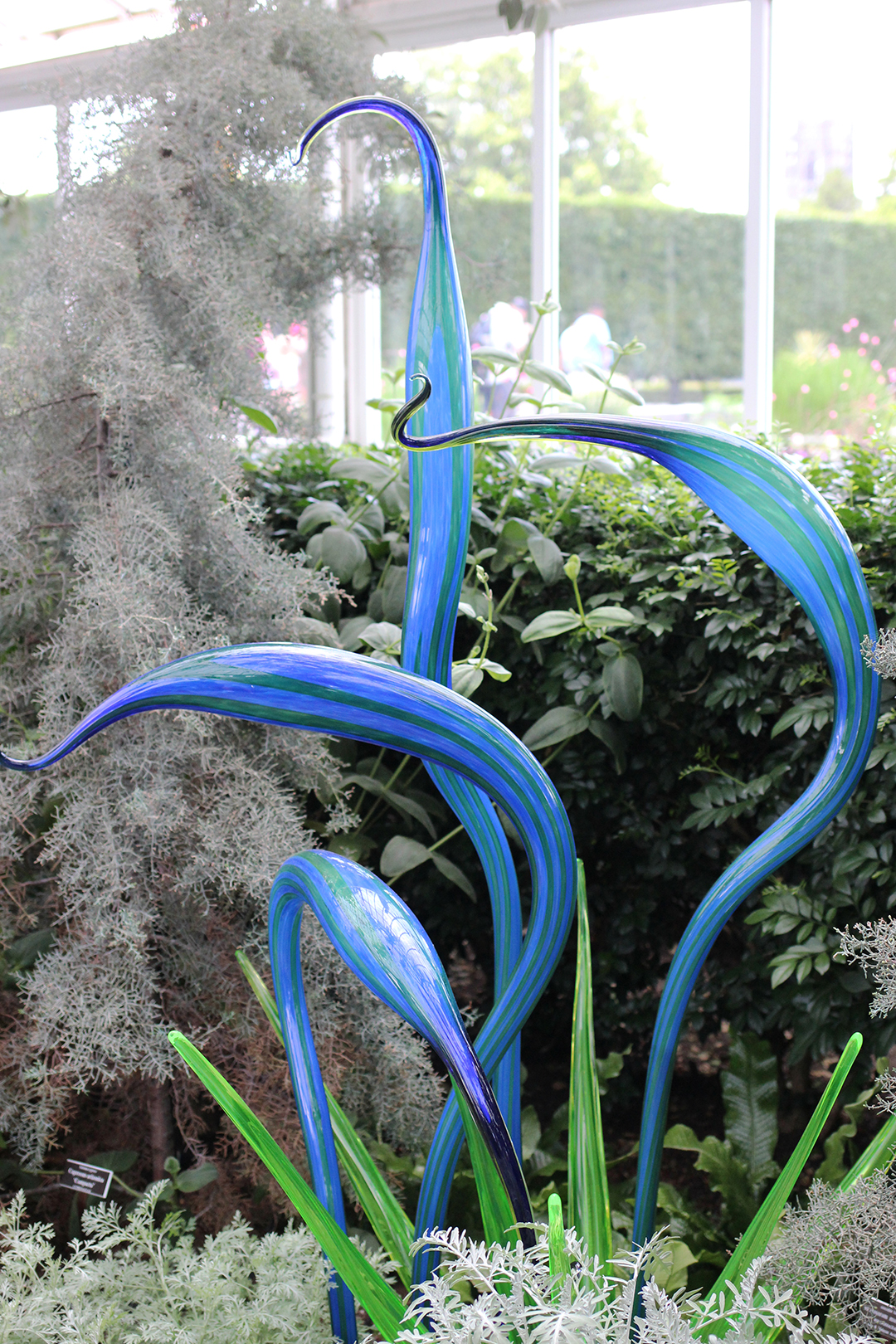
I first became aware of Chihuly when I was in college and saw an exhibition of his at the Phipps Conservatory in Pittsburgh. The NYBG show is similar to that one in that it intersperses Chihuly sculptures with the garden's own plant collections and natural surroundings. Chihuly pieces are so fluid and organic-looking that they fit perfectly into a garden setting. There were actually some pieces that fit in so seamlessly that it was hard at first to discern what was glass and what was plant—and vice versa.
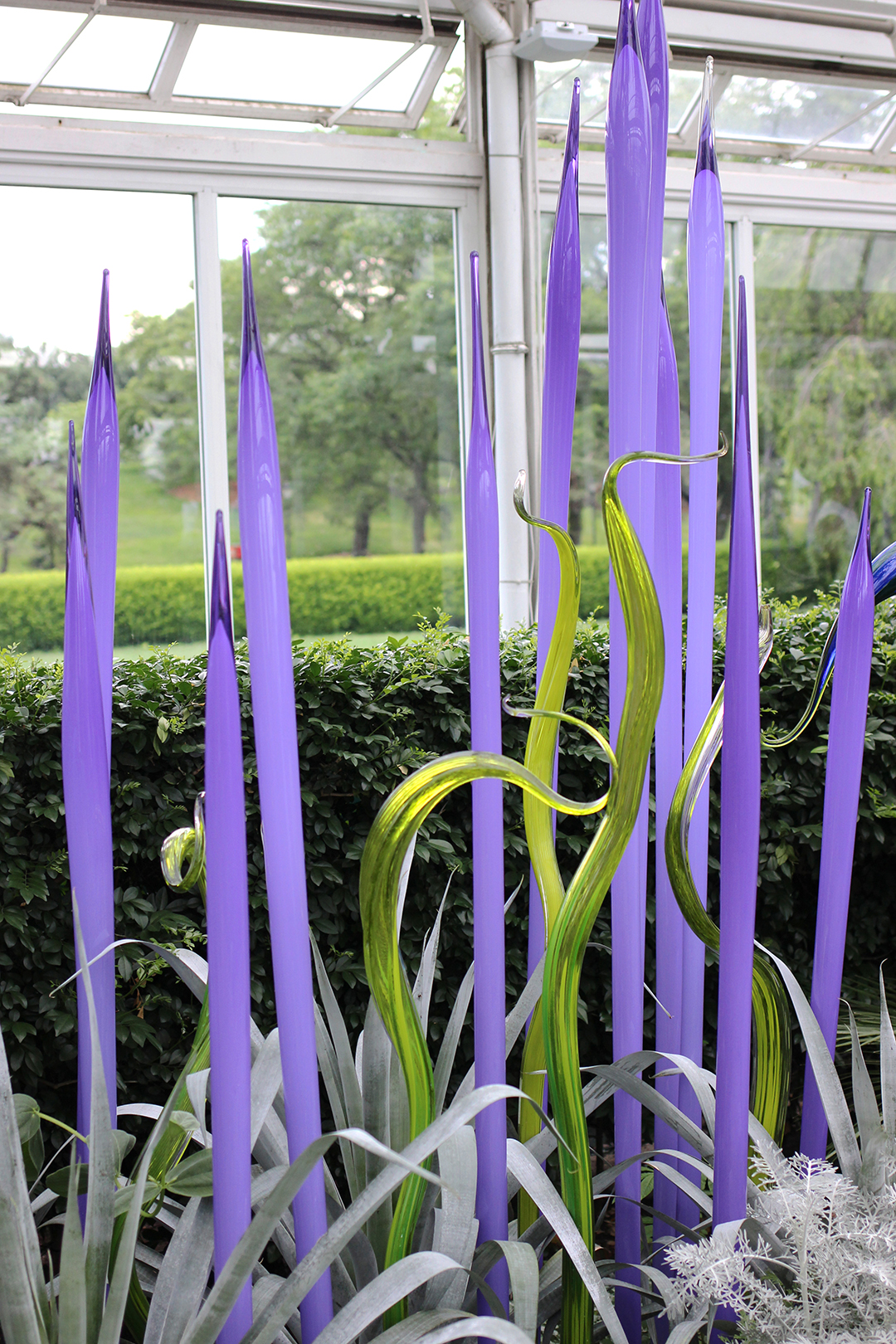


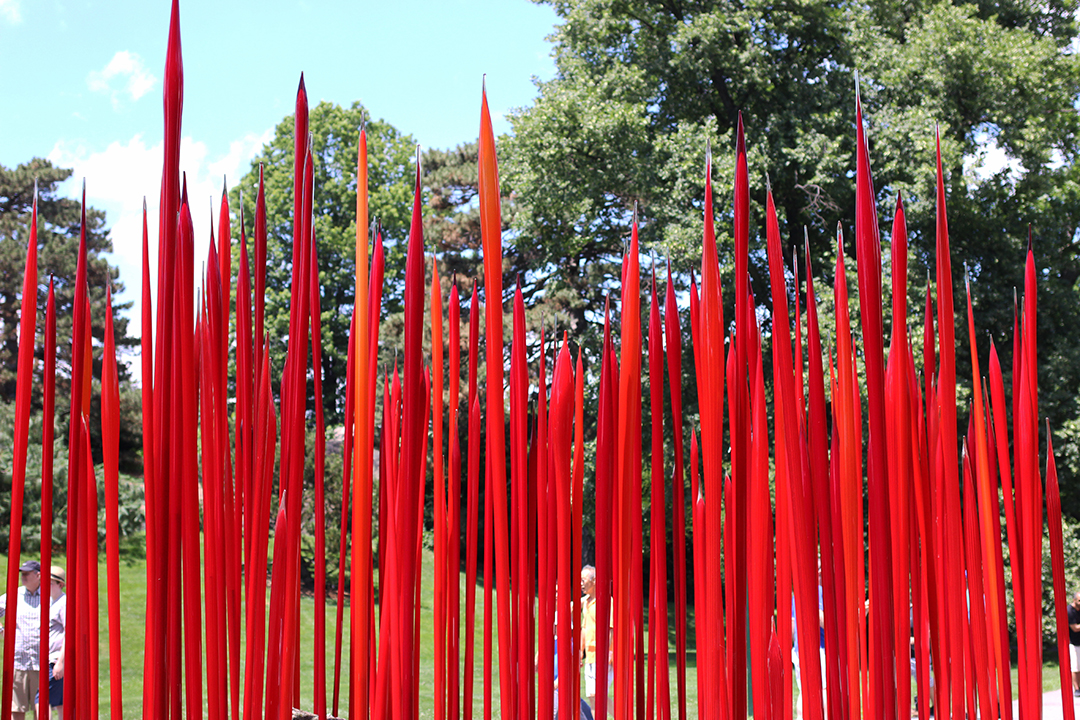
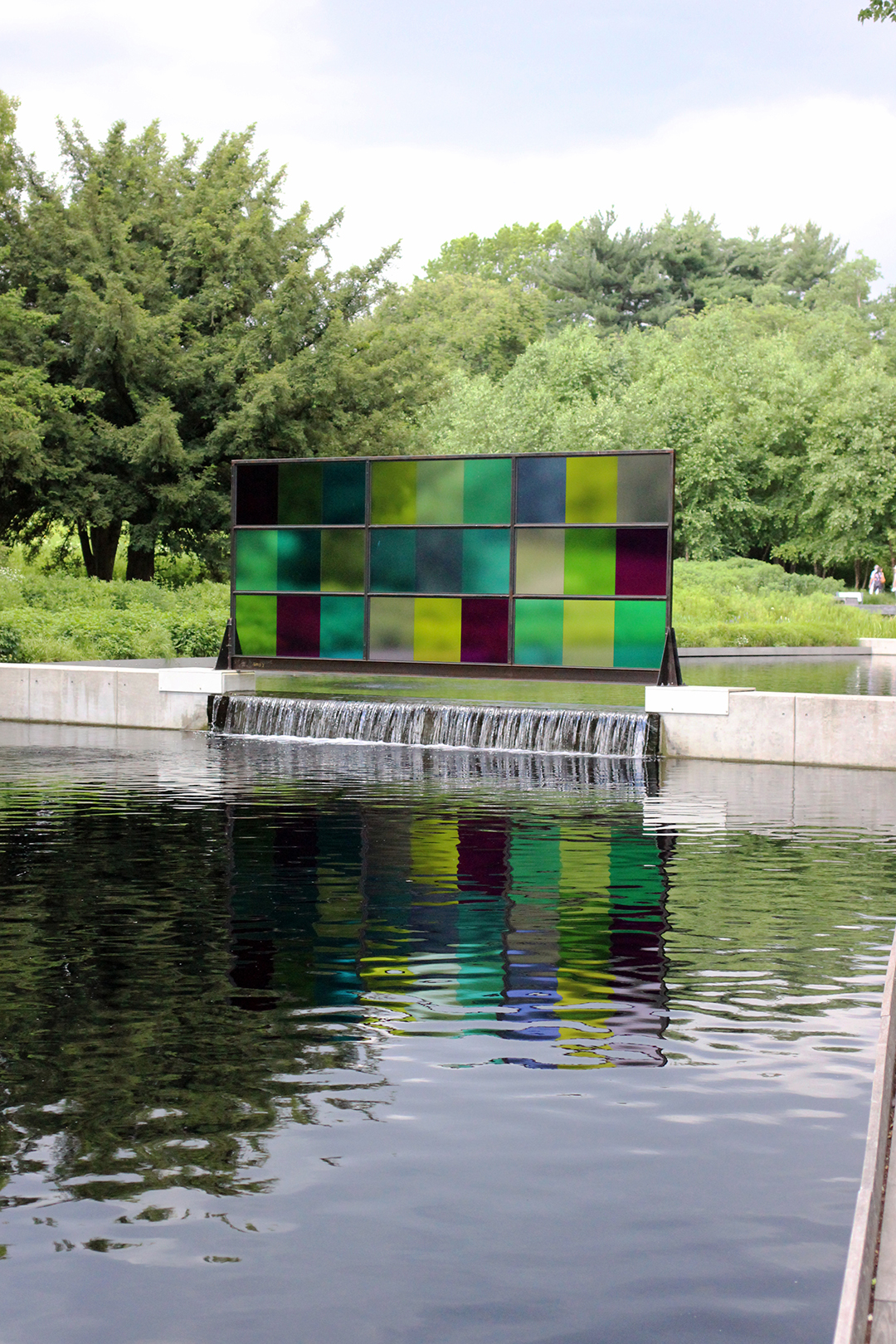
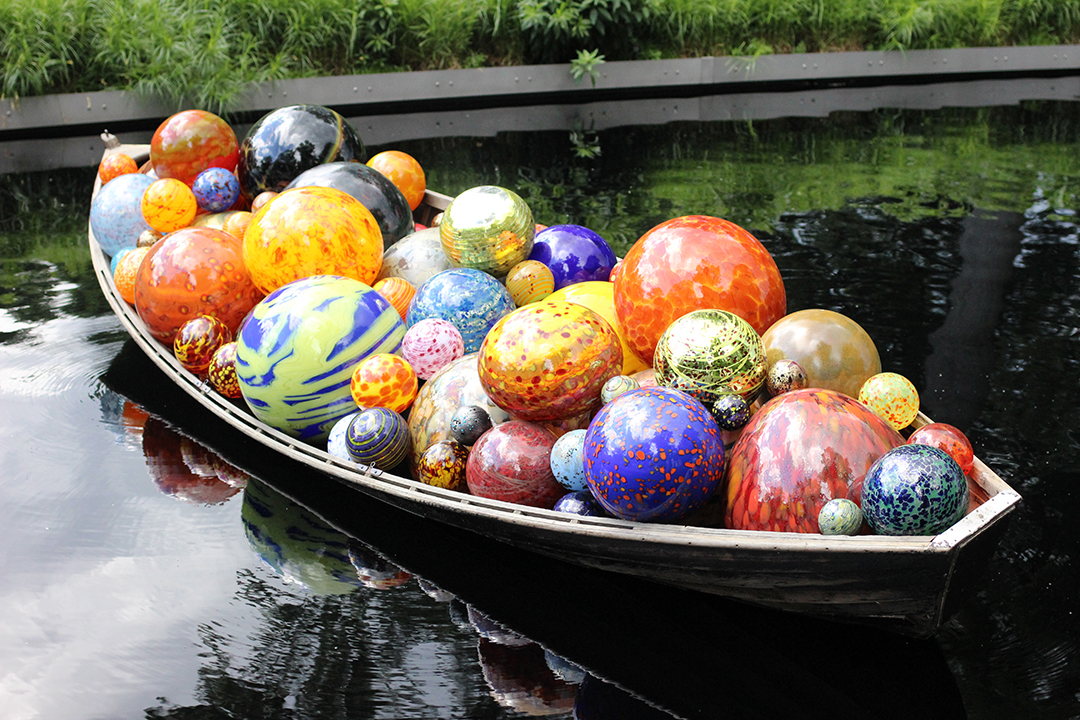
Chihuly pieces aren't exclusively based on flora—there were ones that looked like cranes and rock candy—and I was surprised at how many different styles are on display in the garden. He's probably best known for his twisting, curling, spikey concoctions as well as his undulating bowls, but there were more modern, simple pieces placed near water so that their reflections were as integral to the art as the actual glass panes.
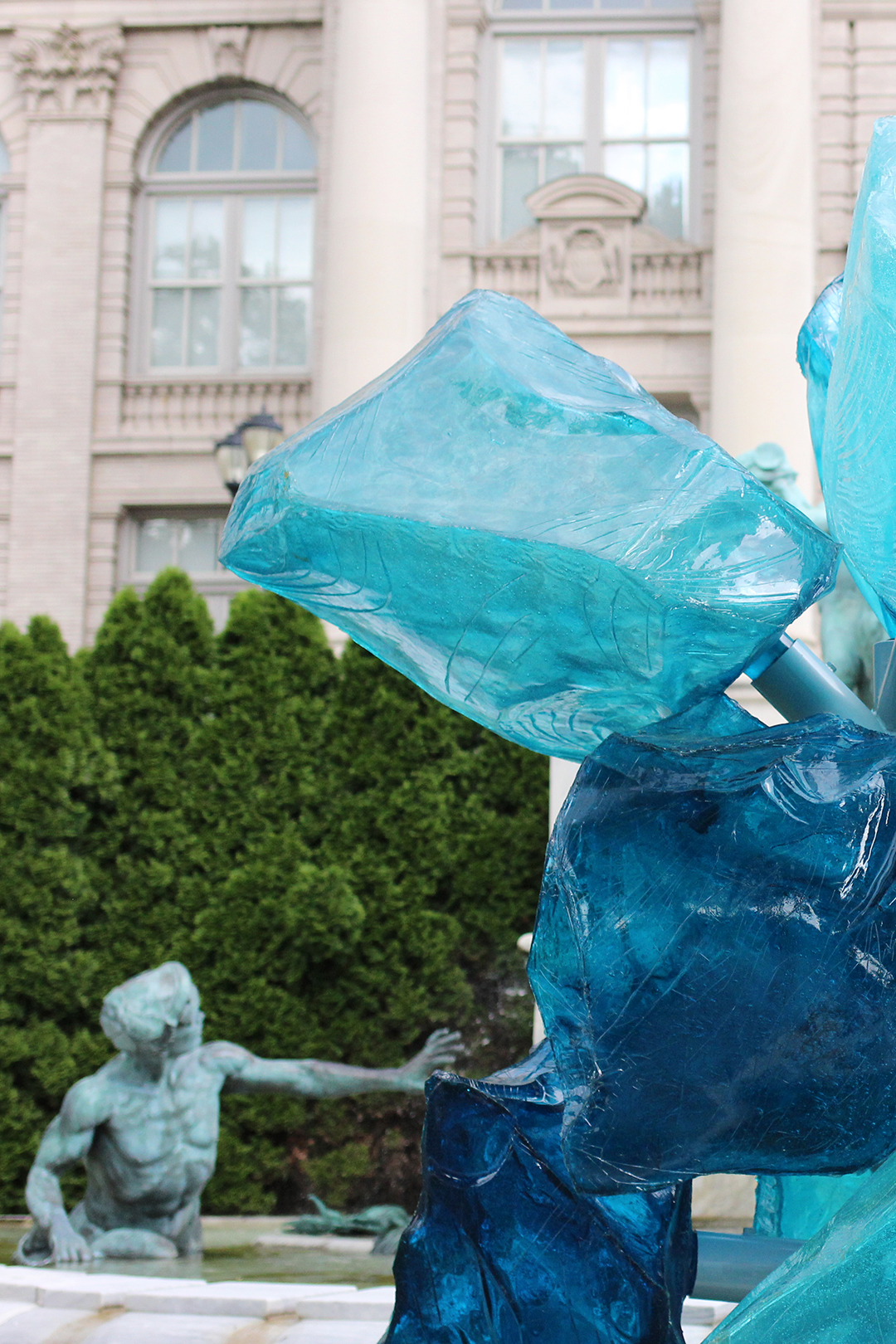
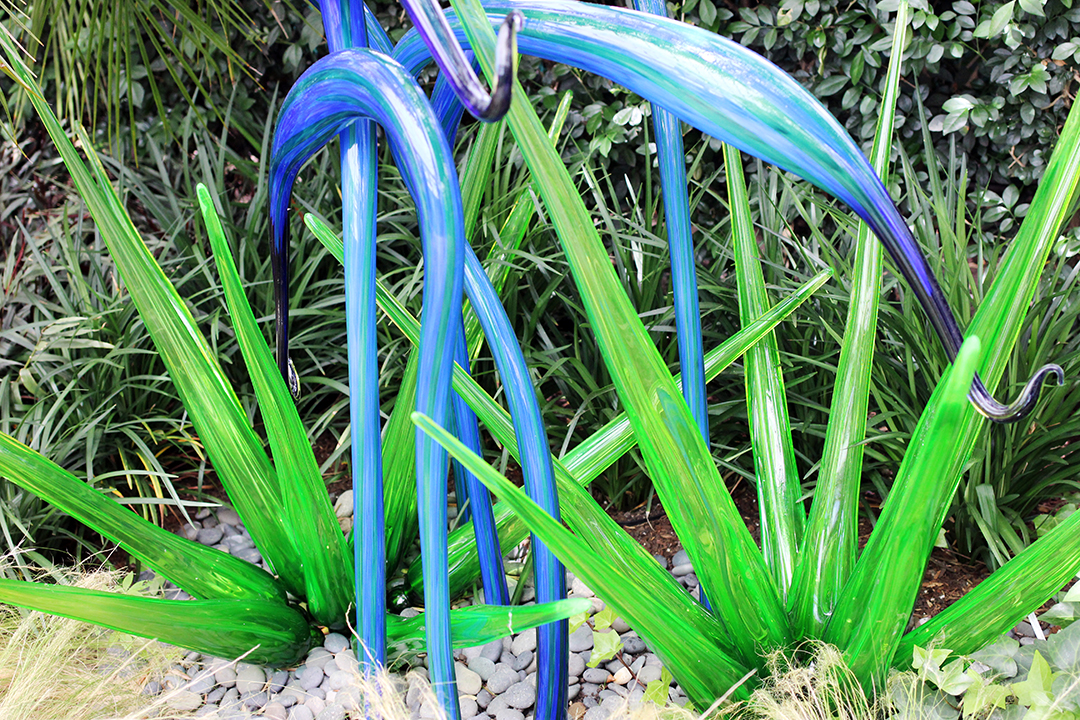
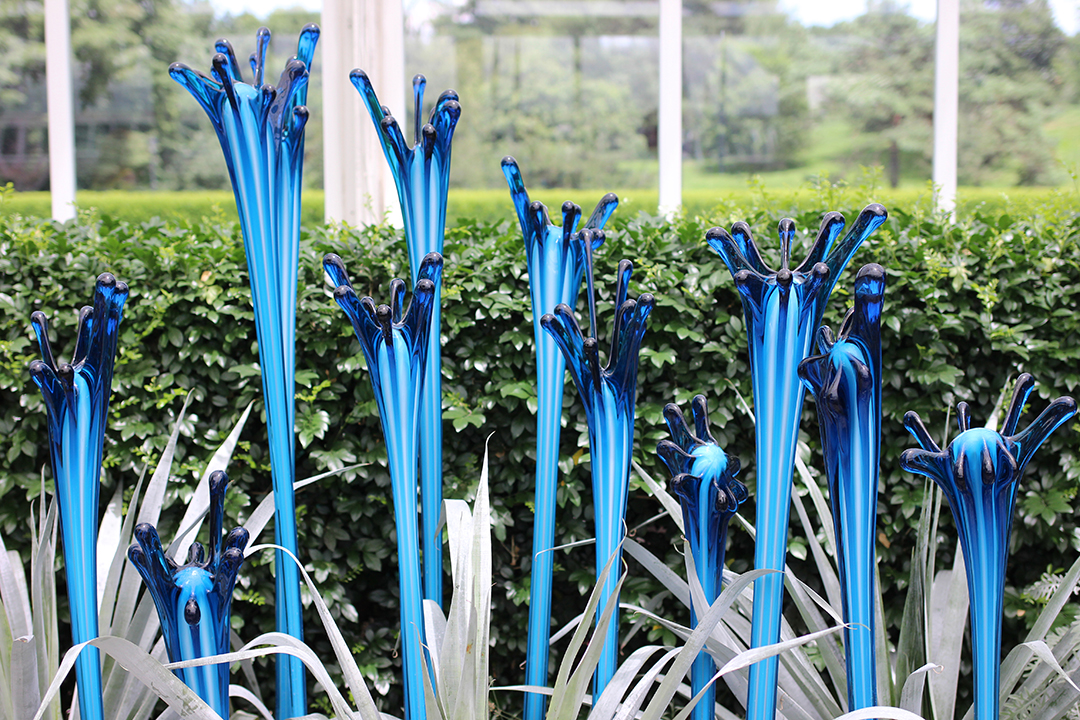


I was very impressed with his work back when I saw it at Phipps, but ever since I feel like I've very badly wanted to hate on Chihuly for being too commercial or write off his work as faux-opulent (he has a lot of work in Vegas and a store at the Bellagio), but I'm won over every time I see a piece in person.
The New York Botanical Garden
2900 Southern Boulevard
Bronx, NY 10458-5126
Tues-Sun 10am-6pm, Closed Mondays
"Chihuly" is on view until October 29, 2017
Letchworth Village 2017
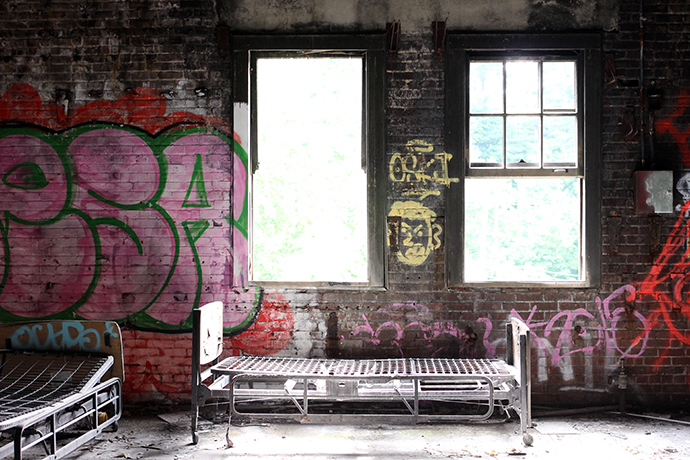
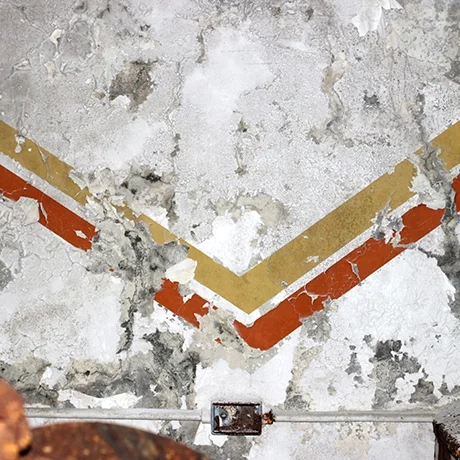
It had been a while since I creeped around an abandoned building, so on Saturday I proposed that we spend the day exploring Letchworth Village. Letchworth Village is a complex located in Rockland County in upstate New York—at one time comprising 130 buildings—built to house and care for the mentally and physically disabled. Letchworth was conceived as a self-sustaining village, with residences, medical facilities and a working farm. The first patients were admitted in 1911 and the 2,000-acre complex was designed to care for 3,000 patients, although by the 1950s it had more than 5,000.
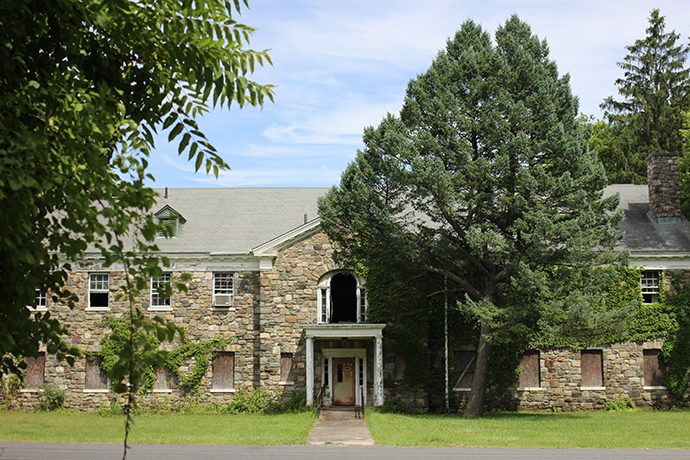
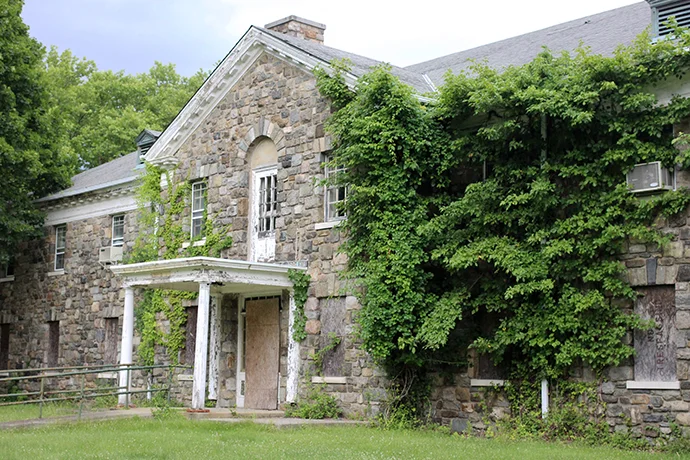
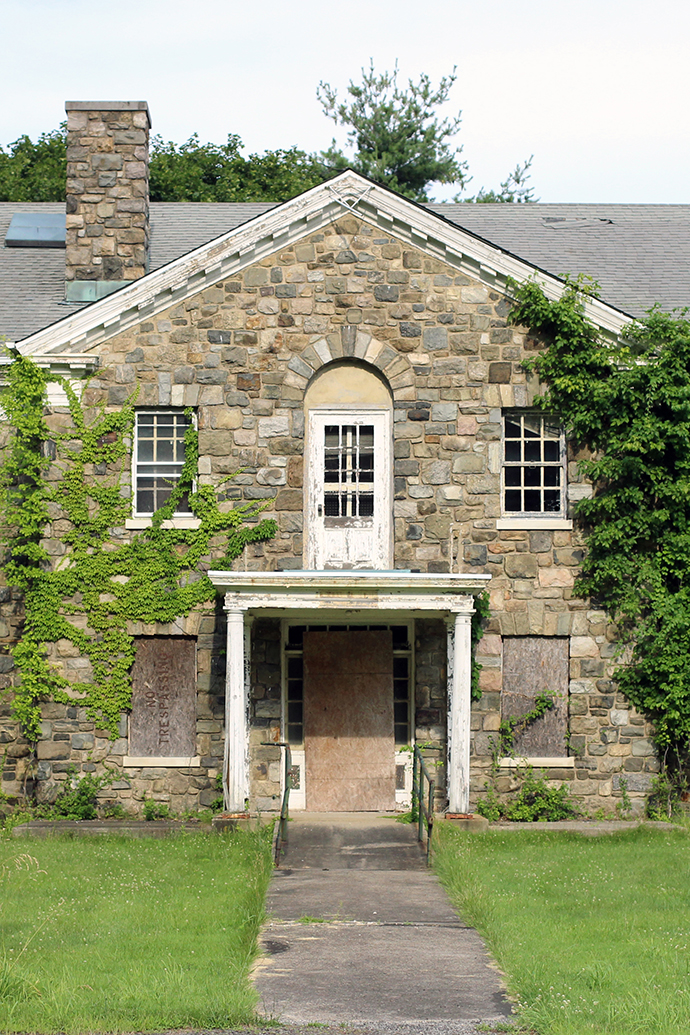


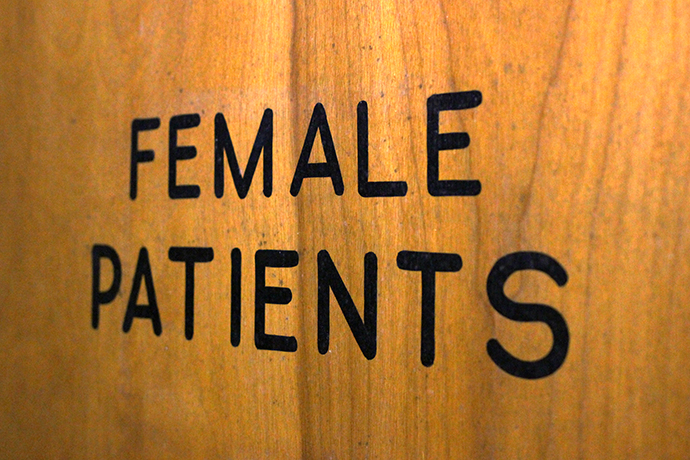
Almost from the beginning, Letchworth was plagued by accusations of overcrowding, abuse and neglect. It was even mentioned in a famous 1972 investigative documentary about similarly horrific conditions at the Willowbrook State School in Staten Island (the piece won Geraldo Rivera a Peabody Award) and after years of slowly being emptied of patients, Letchworth closed for good in 1996.
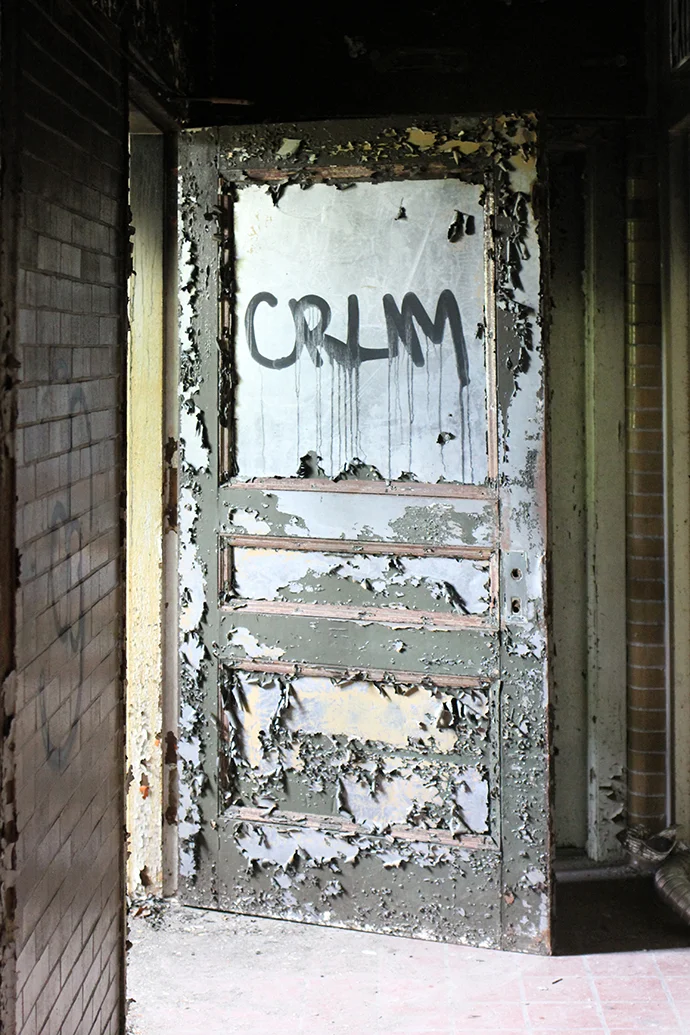


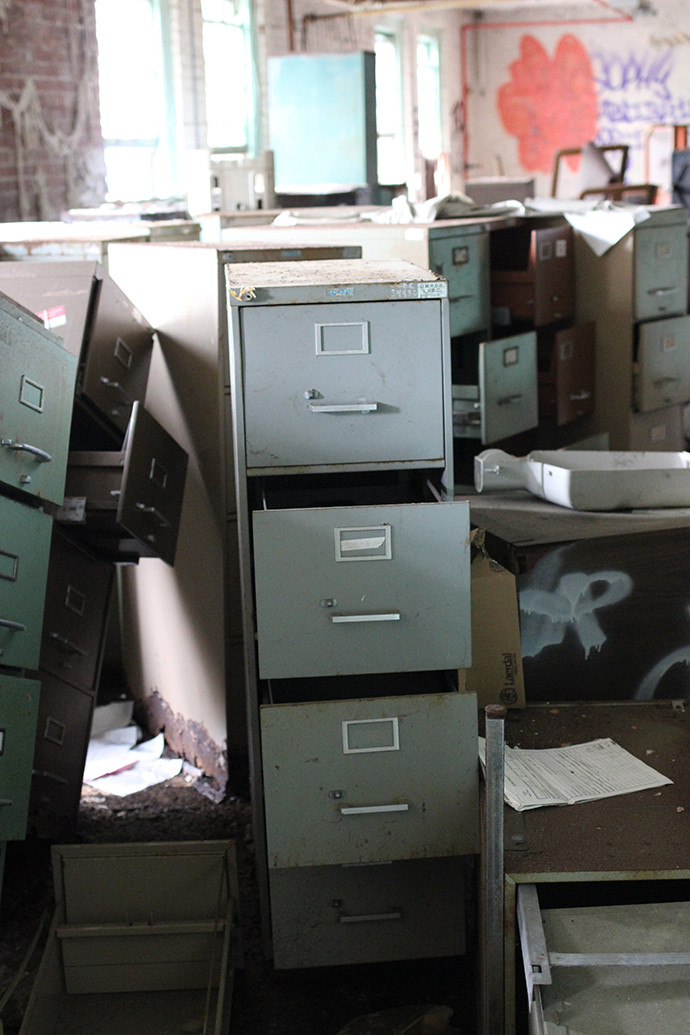
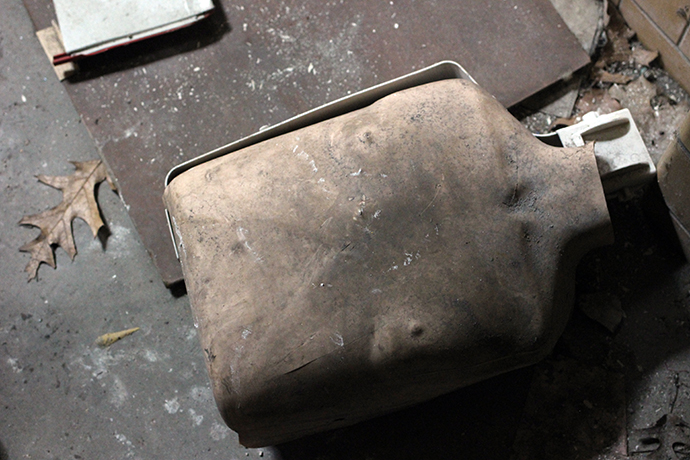
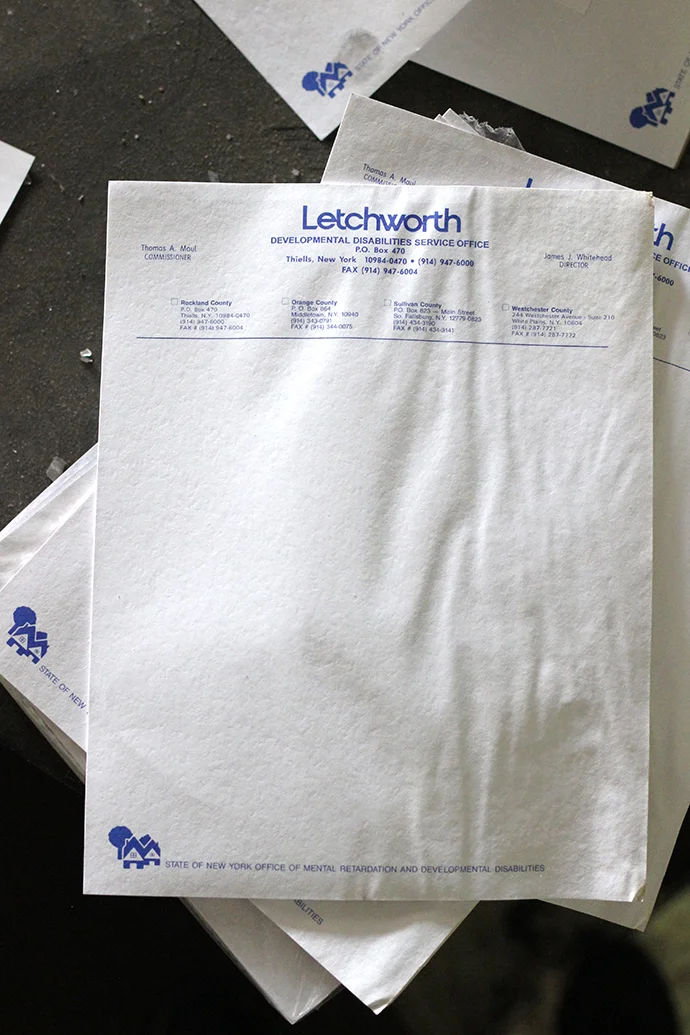
The area is now a park in the same vain as the Kings Park Psychiatric complex—you can park your car and walk your dog but entering the boarded-up, crumbling buildings is "not allowed." I didn't really have high expectations for the day, but knew that at the very least we'd be able to walk past the buildings and explore the grounds. I've mentioned it before, but I'm learning to lower my expectations when it comes to exploring abandoned places—the less I expect, the better the outcome usually, and that was definitely true of Saturday.


We ended up slipping into one of the buildings very easily, and spent quite a bit of time going from room to room. The lower floor was very dark, but I was immediately surprised at how much stuff was still inside. One of the very first things we came across was an old, rusty letterpress, surrounded by a huge pile made up of thousands of tiny, metal, moveable type letters. I'm not sure if the Letchworth residents ran a printing press for outside clients or just for themselves (one tray was labeled "Certificates"), but the graphic designer in me was going nuts. Personally this is one of the coolest things I could have come across, and I couldn't resist taking three tiny A's and one ampersand home with me.


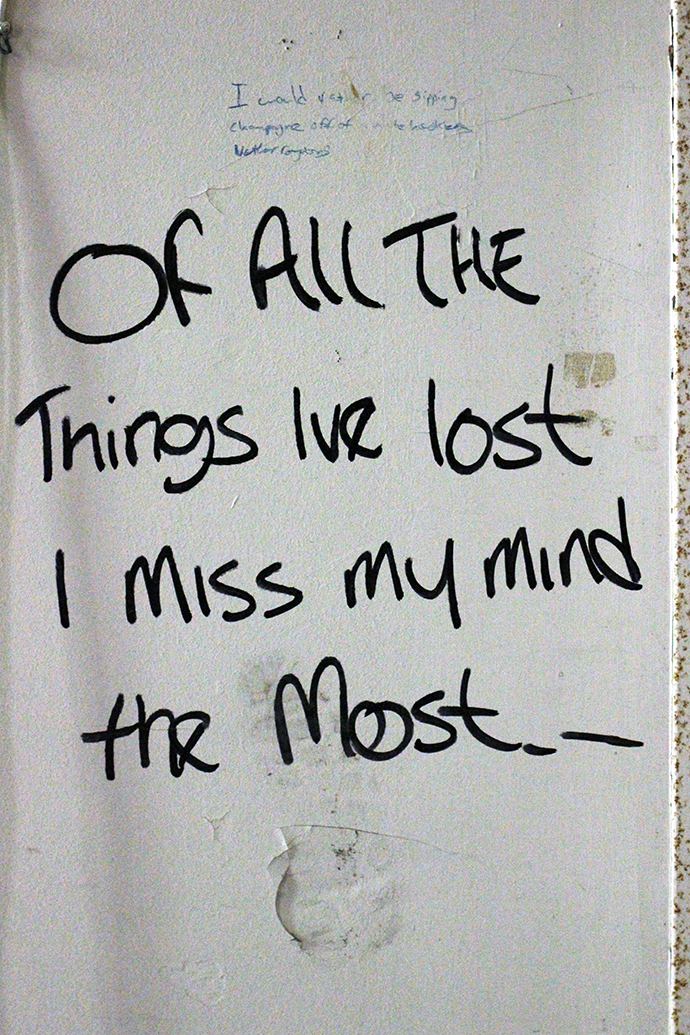
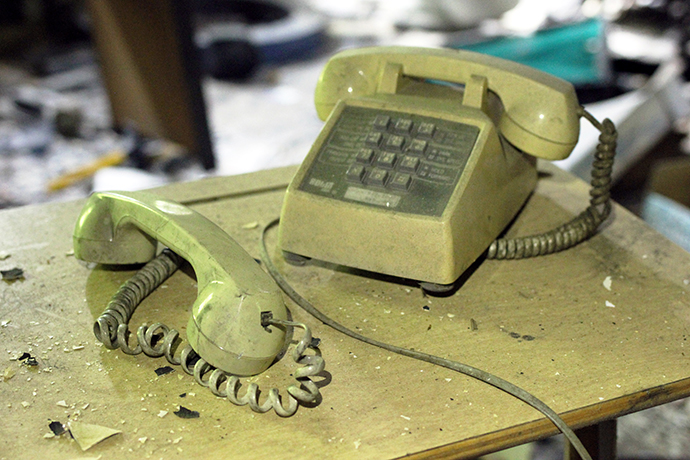


We next explored some structures that seemed to be dedicated more to the inner workings of the village than to patient care—a huge power plant and some other buildings that were probably storage or for maintenance staff. These buildings were more open and thus more covered in graffiti, but most it was far better than the quick dicks and profanity that you usually find covering abandoned spots. Despite the signs warning that the premises was constantly under police surveillance, people have clearly spent time inside of these buildings. We did see a cop car sitting near the entrance when we were leaving, but it seems as if you could spend days lost in the wooded grounds without ever being spotted.


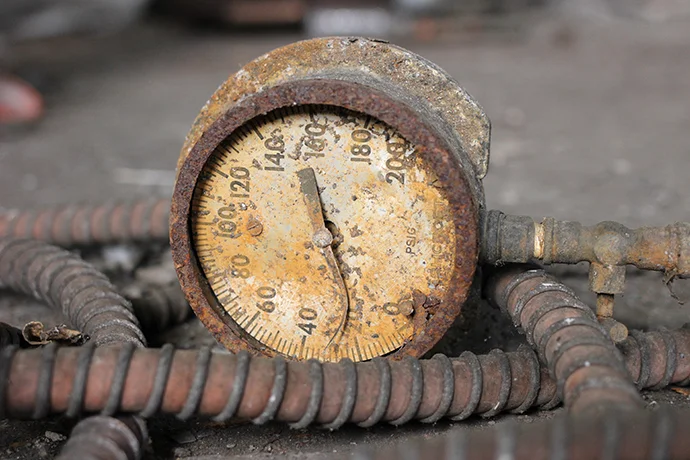

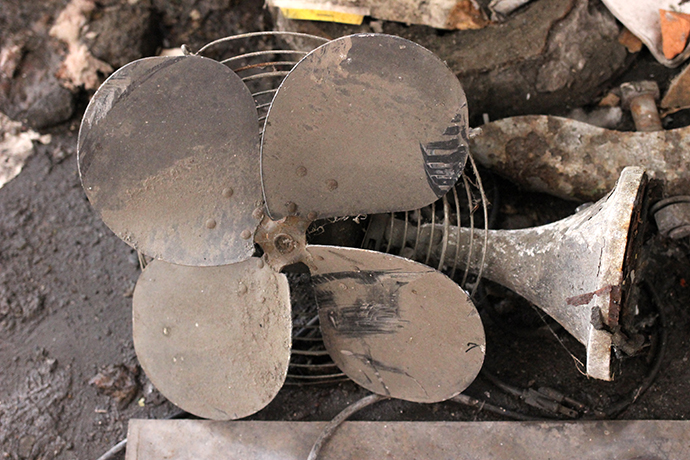
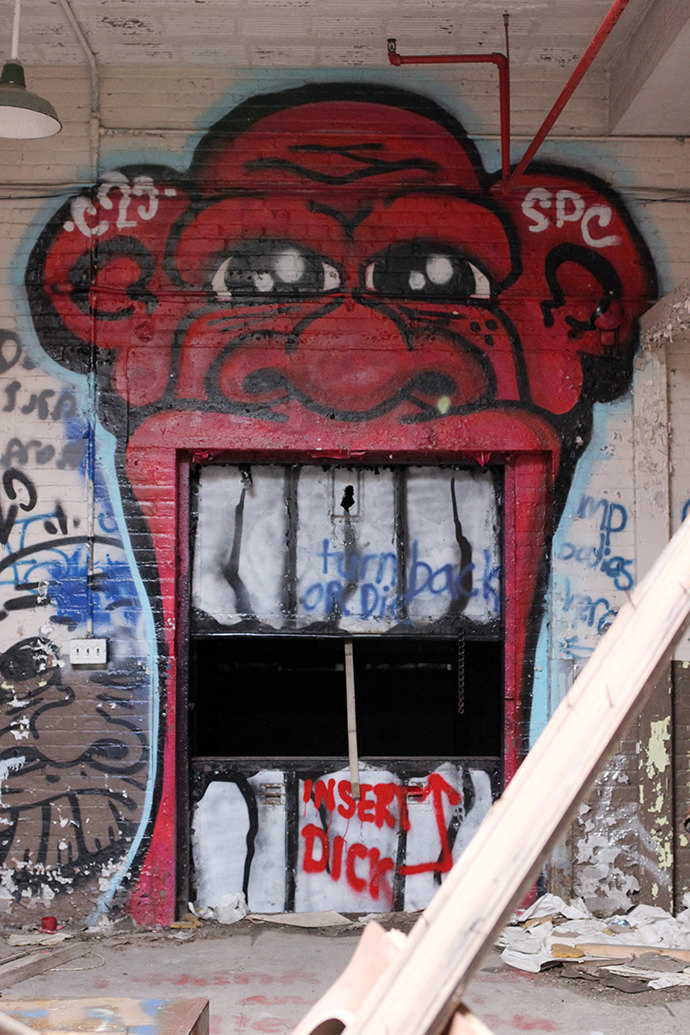

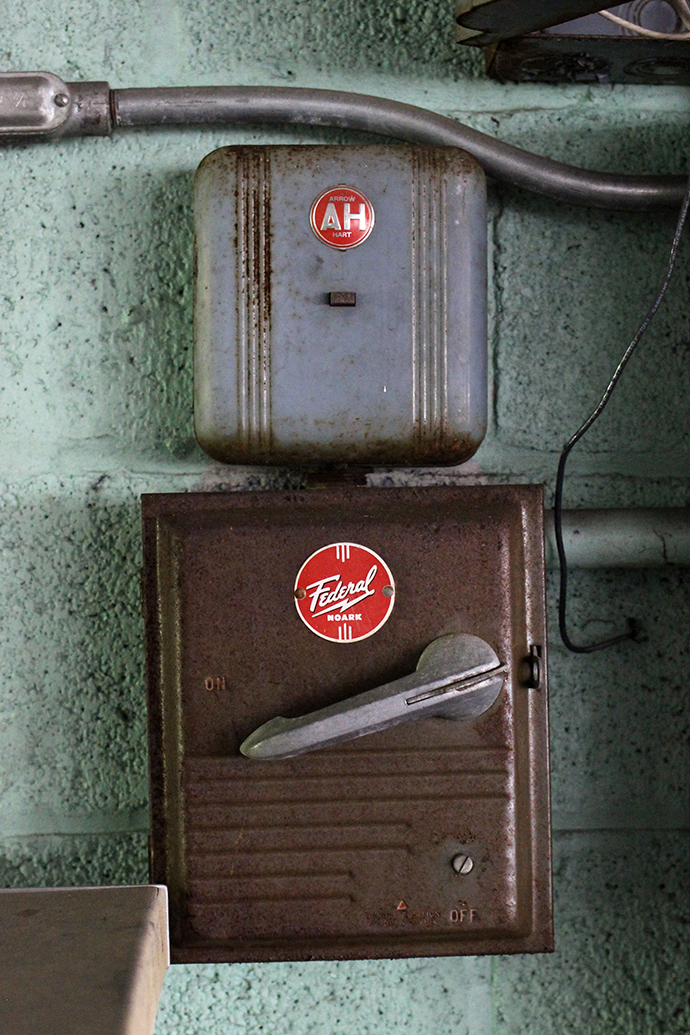
Like almost every abandoned spot I've explored, I started dreaming about my return to Letchworth before we even left. The complex is so much larger than I anticipated, and we only explored a small fraction of the buildings. I've seen photos of the area in the fall—when the ivy covering the buildings turns brilliant shades of red and orange—and I can't think of a better time to return to (what is allegedly) one of New York State's most haunted spots.

NYBG: Roses
My mom and I recently went to the New York Botanical Garden in the Bronx to see the Chihuly exhibit. I met her for breakfast at Tom's on the Upper West Side (of Seinfeld fame) and we walked to the C train at 110th Street. We got off at 145th Street, the last place to transfer to the D which is the train that we needed to take to the garden. The first train that came was an A, and then another A. After the fourth A train came, I was frustrated and declared that if yet another A train pulled up, I was going home.
When the next train was indeed an A, my mom very sheepishly said "is there another level to this station? The announcements keep mentioning a lower level." We had waited for nearly an hour on the wrong platform, while presumably five D trains had come and gone below us. This was over a week ago and I still feel dumb but New York always seems to have a way of humbling you like this when you least expect it.


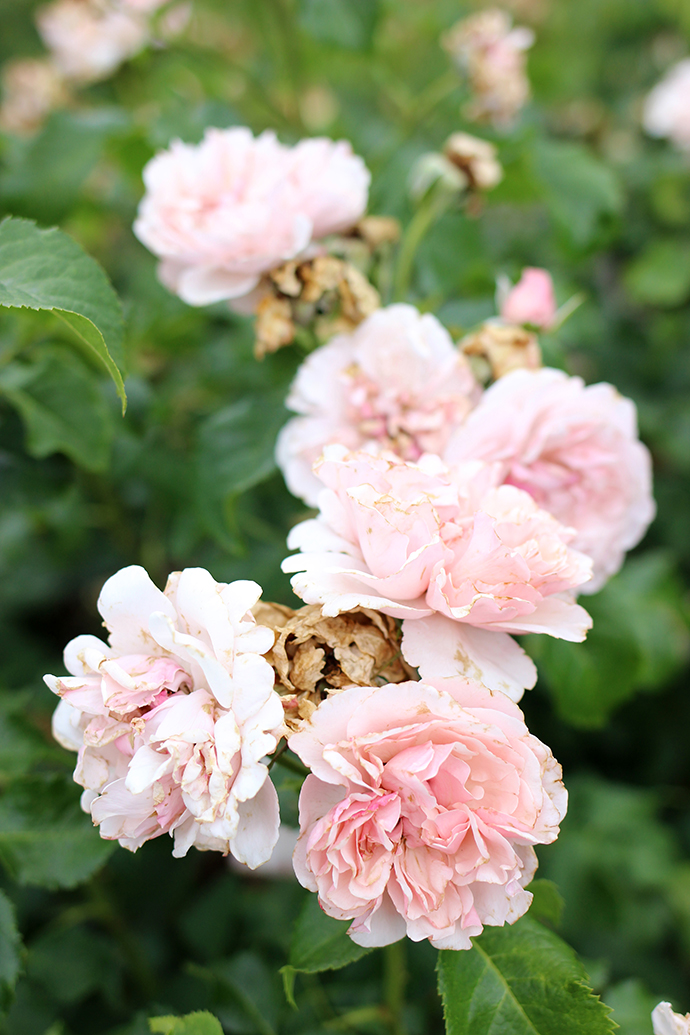


Despite the delay, we did eventually make it to the garden and it was packed. When I lived in Manhattan, I was a member of the NYBG and I went frequently. I have never seen it so crowded, and we had to wait in line just to get a ticket. Luckily the Chihuly pieces are spread throughout the grounds, so unlike the holiday train or orchid shows the conservatory wasn't overwhelmingly packed. They were also running trams quite often, and we took one to the rose garden.


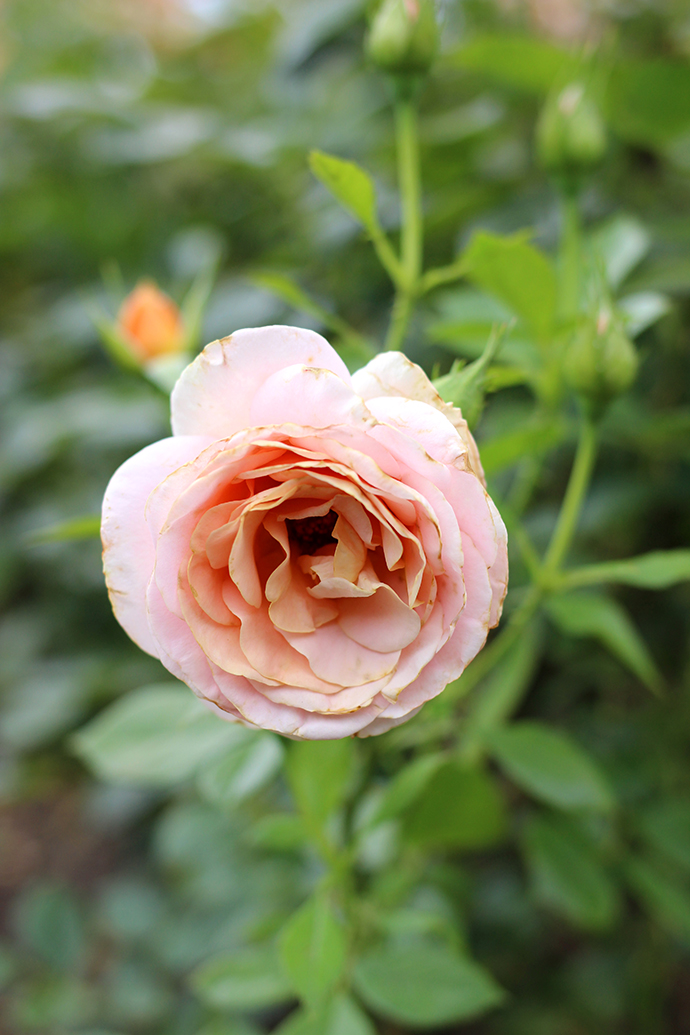


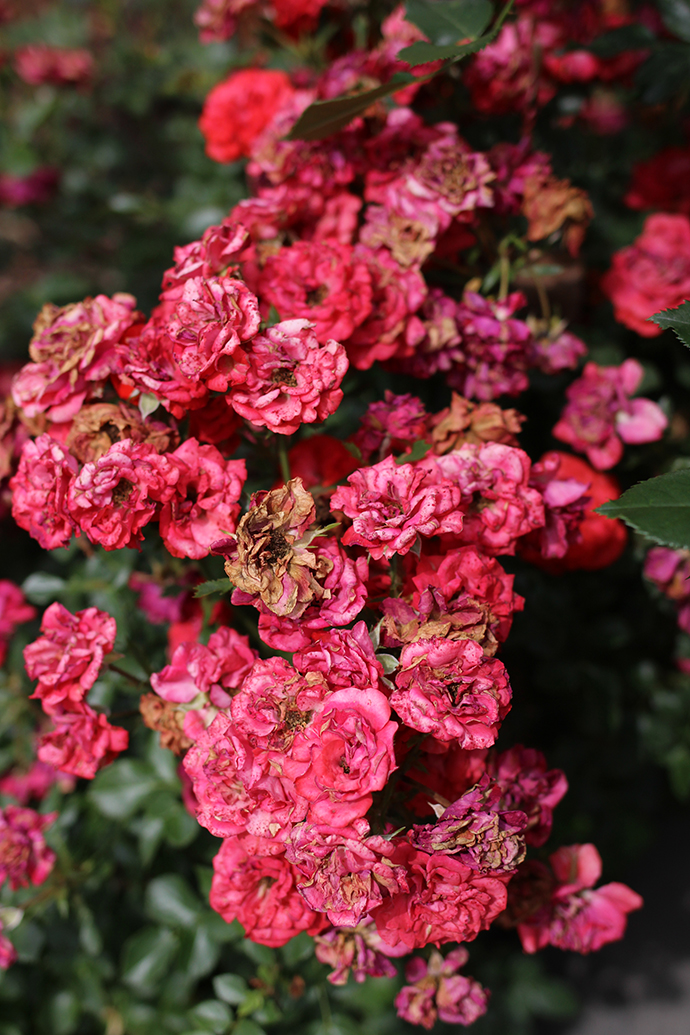
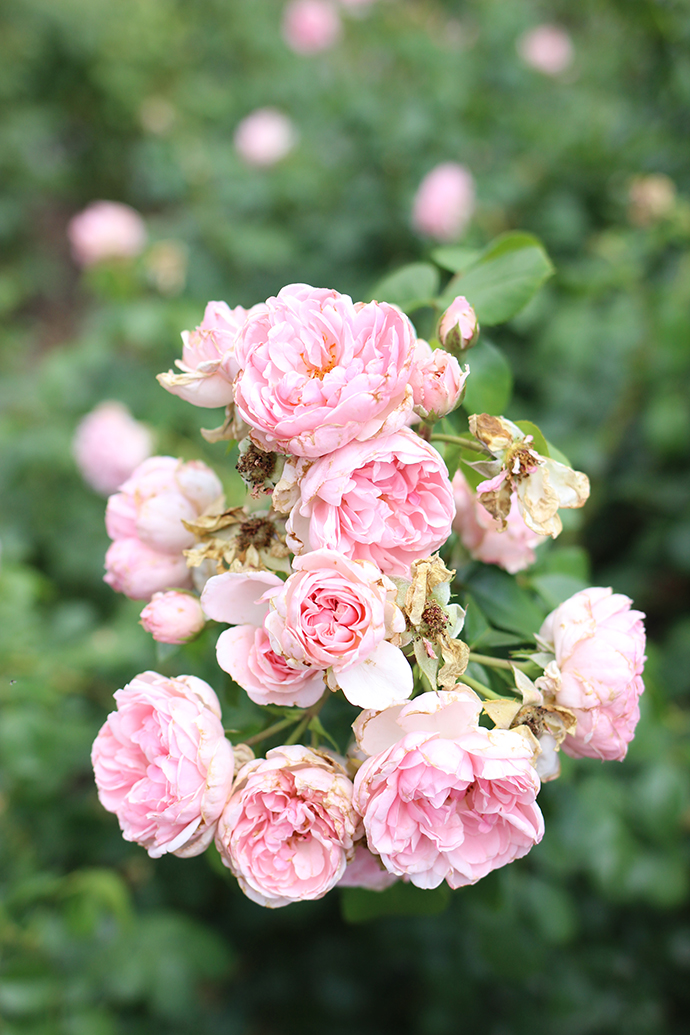
I actually wanted to visit the rose garden because I thought there was a Chihuly piece there (there isn't) and roses have never been my favorite flower or held much fascination for me. They've always seemed a little boring and cliche, but I think I've under-appreciated them for too long—maybe it just means that I'm officially turning into the old lady I've always (not-so) secretly been. Even though the blooms were past their peak (my mom kept saying "it would be nice if they weren't all dead") it's hard not to be wooed by the variety, beauty and fragrance of the humble rose.
Flavor Town

I don't really remember who mentioned it in the first place, but suddenly I was making reservations for me and three of my friends to eat at Guy Fieri's American Kitchen in Times Square. It's been five years since Guy's opened, and five years since it received this now-classic scathing review from Times restaurant critic Pete Wells. We went ironically, of course, but also because we thought that the food would be so bad (for us) that it was actually good (tasting). Although I've somehow never seen an episode of a Guy Fieri show, I have eaten at a few diners while his spray-painted on signature and face looked on (presumably because he had visited for his show Diners, Drive-Ins and Dives).


We made reservations not because we thought we needed to, but because the formality of it made me laugh. I once made reservations for the Hard Rock Cafe (also in Times Square, on a Tuesday night) and as the host was leading us through a near-empty dining room he asked, "So, where are ya'll from?" When we said "Brooklyn," he paused and then said in all seriousness, "Really?"
As you approach the entrance to Guy's, you're immediately bombarded with sensory input—screens and speakers and flashing lights competing for your attention in an already chaotic neighborhood. The decor consists of mostly car and guitar-themed pieces, including a few photos of what I assume is Guy's signature red Camaro bearing the license plate "FLVR TWN."
"Flavor Town" is a destination reached presumably by ingesting Guy's signature creations, which included dishes such as "Guy-talian Nachos", “'Awesome' Pretzel Chicken Tenders," and "Volcano Chicken." I'm by no means a food critic and my culinary tastes are decidedly basic so I genuinely went into Guy's expecting to love the unhealthy, greasy food and to be entertained by the ridiculous atmosphere. Well we were certainly entertained (by each other, mostly) but I'm sad to report that in five years the food doesn't appear to have improved much, if any from the same, bland, lukewarm fare that Wells wrote so memorably about.
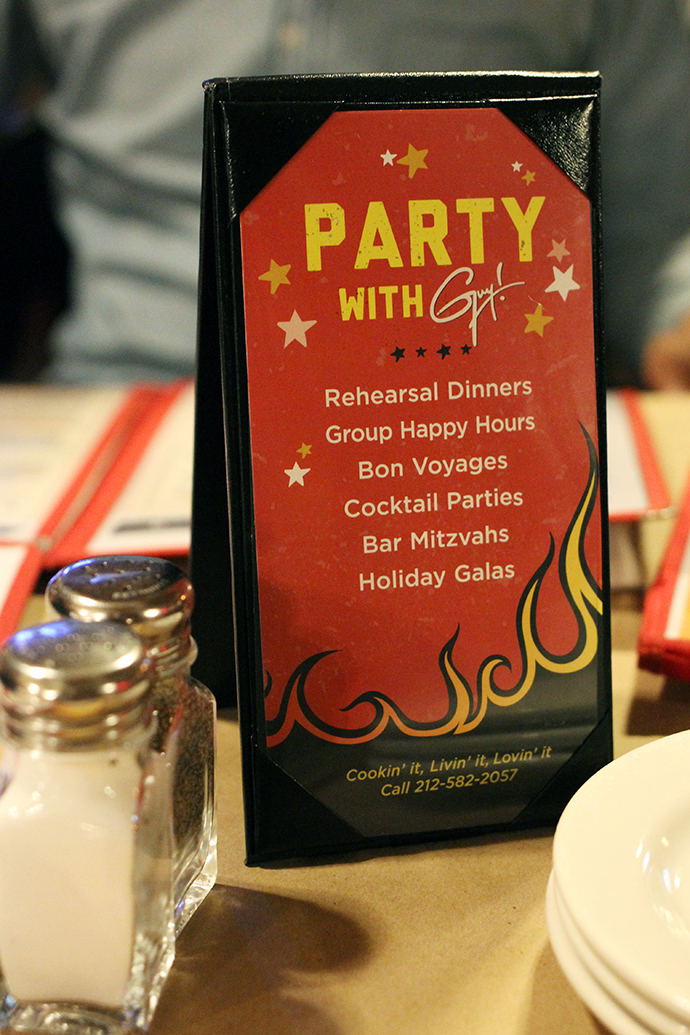

The food wasn't by any means inedible, it was just perplexingly (and ironically?) flavor-less. At one point one of us said "This literally tastes like nothing," and though we tried, we never came up with a better one-line review of our experience than that. We started with a round of drinks and disappointment when three of us ordered the Sailor Jerry "High Honor" drink partially because it was supposed to come in a souvenir tin. Our waiter, Sal, informed us that they had long ago run out of tins and that the specials card on our table was "from Memorial Day," and he "had no idea why it was still being advertised."

The Dragon Chili Cheese Fries arrived barely warm, and despite being piled with recognizable ingredients like chili, tomatoes, cheese and bacon, barely tasted like any of those things. We all approached them tentatively, expecting them to be spicy (or at the very least, hot temperature-wise) enough to live up to the "Dragon Breath Chili" name, but found them to be woefully tame. The same can be said of the "Awesome" chicken tenders, which were fine—but dry and inexplicably cutlet-shaped. Whether you call them fingers or tenders it doesn't seem difficult to at least get the iconic shape correct. One review: "I'd rather eat a McDonald's chicken nugget—at least they're juicy."



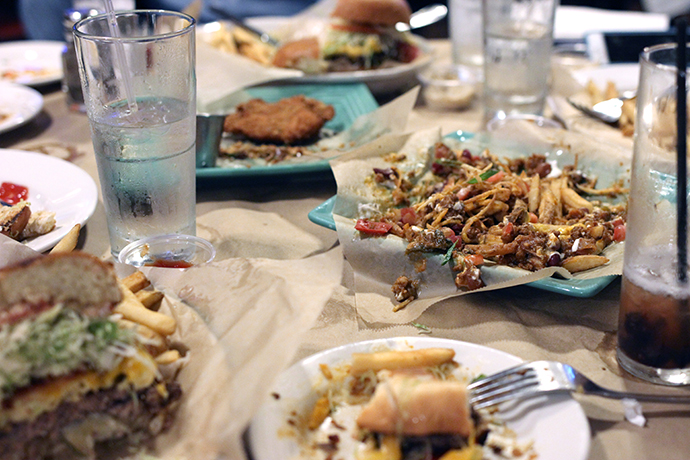
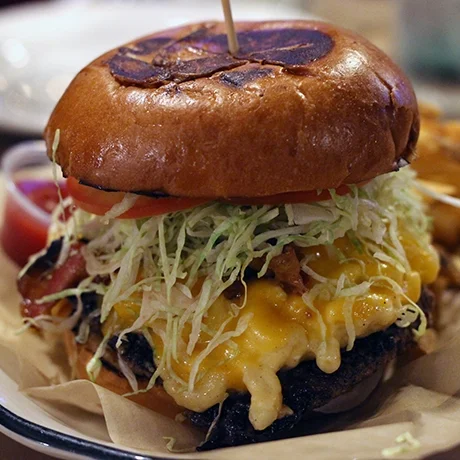
Despite still remaining solidly on the outskirts of "Flavor Town," we awaited our entrees with hope. We decided to go full Fieri with two Bacon Mac n' Cheese burgers and one "Big Dipper," Fieri's take on a French Dip. One of the burgers came with a burnt top that we initially thought was a purposeful brand—until the waiter interrupted to say "I hate to burst your bubble, but it's not Guy's face. It just got too close to the broiler." The burger was woefully bland, despite claiming to be slathered with garlic butter AND Fieri's signature "Donkey Sauce."
Speaking of Donkey Sauce, apparently Fieri very recently admitted that it's really just garlic aioli, although I think that's an unfair comparison. I've never met an aioli—and especially a garlic aioli—that I didn't love, and our side orders of Donkey Sauce were grey, nearly tasteless and the consistency of Vaseline. I'm having a hard time choosing which flavorless item caused me the most distress, but it's probably the mac n' cheese. Mac n' cheese is one of my all-time favorite foods, and I'm still confused how exactly they got it so very wrong.

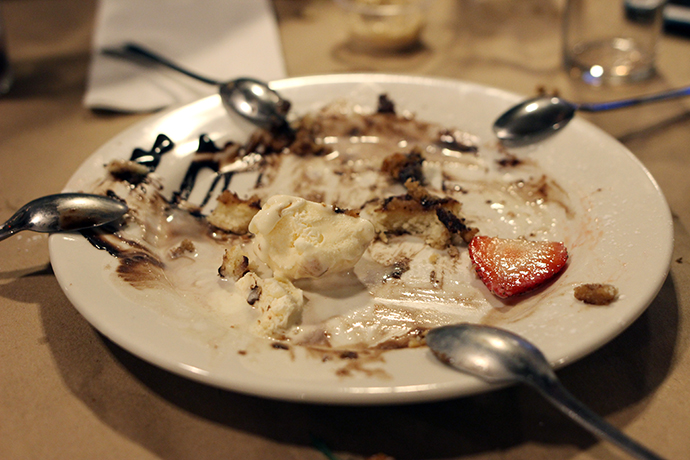
By the time it came to dessert, we had decided to go full-on Thelma and Louise—holding hands and just driving over the cliff together (hoping at the very least to finally end up in Flavor Town). We ordered the Deep Dish Cookie Dough Pie, described as a "warm chocolate chip cookie dough pie, toasted walnuts baked in a sweet, brown sugar crust + dollop of vanilla bean ice cream." We wondered how baked cookie dough could possibly differ from a regular chocolate chip cookie but that was the least of its problems. The vanilla ice cream actually had taste—not vanilla, unfortunately, but freezer burn. The pie was dry and brittle and I could occasionally taste a walnut, but not much else.
The only thing the whole evening that hinted that we might be in the near vicinity of Flavor Town? The strawberry garnish on our dessert actually tasted like strawberries, which might not sound impressive but it was a welcome reminder that our taste buds weren't inexplicably malfunctioning in unison. Our bill was $161 for the four of us, which isn't cheap even by New York standards, and we certainly didn't go to Guy Fieri's for an authentic New York experience.


Do I recommend eating or drinking at Guy's American Kitchen? No. Would I go back? Definitely not. Am I glad that we went? Absolutely. Like war buddies, the four of us emerged from Guy's greasy, confused and strangely full yet unsatisfied—forever bonded by our shared experience. We may not have ever actually made it to Flavor Town, but damned if we didn't try.
Four Year New York-iversary
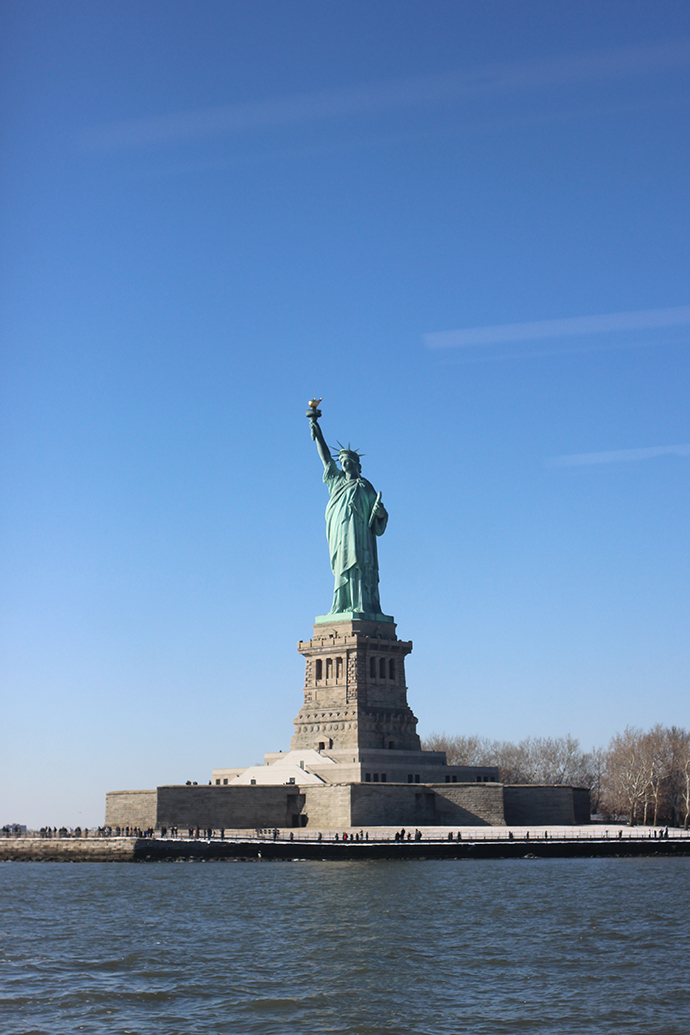
I haven't really done much for longer than five years in my life. My longest relationship and job both lasted about five years and I took five years to graduate college. I don't think it's because I get bored easily (or because I was behind in college), but I think that my life tends to run in cycles. Like seasons, lives change—sometimes slowly and sometimes all at once but staying in one place, either emotionally or physically, never seems to be the best option for me for too long.
Four years ago today I moved to New York City, beginning what would be a period of huge change for me in nearly every area of my life. To live in New York is to live with seemingly constant change and I've mourned losses (friends, apartments, diners, the Morbid Anatomy Museum) just as much as I've celebrated gains (friends, apartments, diners, the Morbid Anatomy Museum). One month from now I'll be moving for the fourth time in four years—back to my last neighborhood, to a studio apartment one floor below where I used to live with my mom (and where she still lives, with a roommate). Besides two years in college, I've never lived alone before and I'm looking forward to it more than I can possibly explain.

I will miss Brooklyn and running in Prospect Park; walking home from the Double Windsor, home of the world's best mac n' cheese (shh); hosting Halloween parties and Christmas Vacation viewing parties in an apartment that can hold more than two people at a time; having a washer/dryer just steps from my bedroom; my morning commute that is surprisingly chill and affords me loads of reading time and all of the wonderful memories that I've made at 636 Carlton—before and after I moved there officially.
I won't miss living with roommates (despite having been quite lucky in that department); dollar van horns and garbage truck engines on Flatbush Avenue all night long; having a very loud washer/dryer just steps from my bedroom; worrying that Mozart is annoying my roommates as much as she's annoying me; juggling shower times with two other people on the same schedule as me; trying to get to North Brooklyn neighborhoods via Subway without having to go into Manhattan first and roasting nearly year round in a fourth-floor walk-up that gets too much sunlight (yes, that's a thing).

In some ways it feels as if I've lived in New York forever and I joke that most days I feel just steps away from turning into Lillian from Unbreakable Kimmy Schmidt. But in other ways it feels as if I've just arrived and when I think I've got my life figured out, another cycle ends and I'm forced to readjust to a new reality. The good news is that this all seems to be getting easier—even as the changes and stakes seem to just keep getting bigger—and I've weathered enough change in the past to know that it's inevitable and should be welcomed, not feared. So here's to another year or four or forty in New York—I may not have any idea what those years will bring, but I'm looking forward to finding out.
8 'Till Late
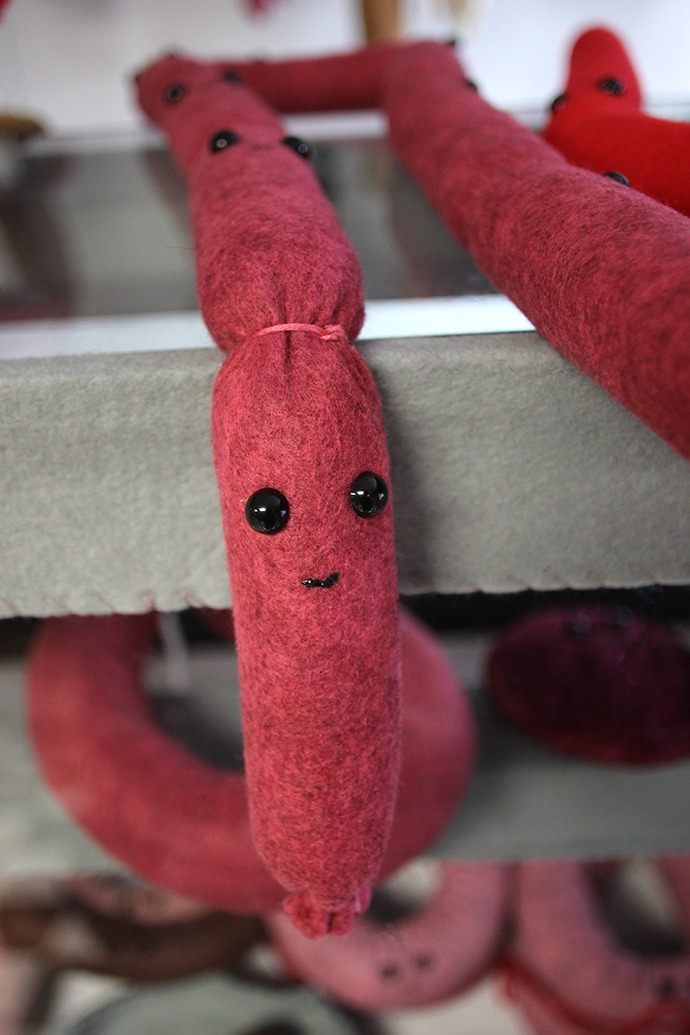
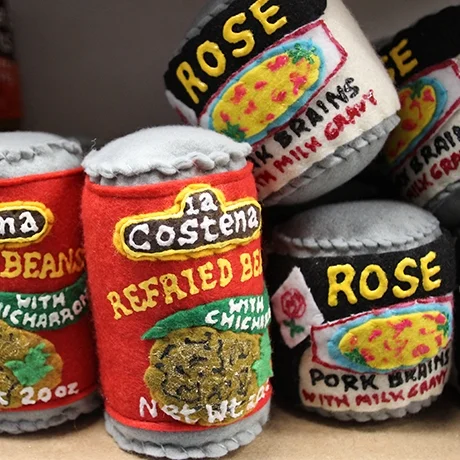
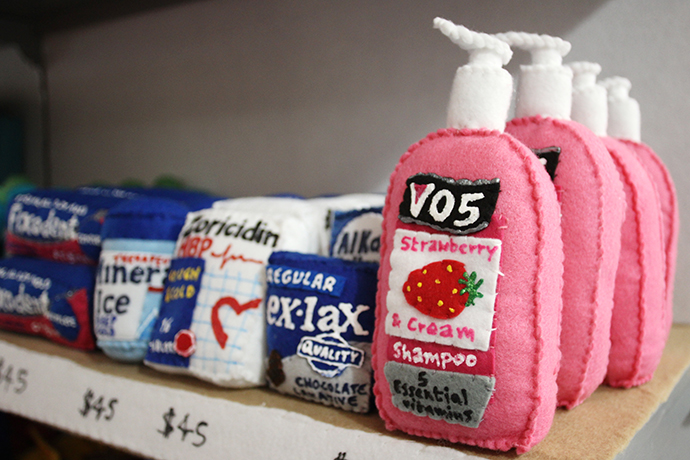
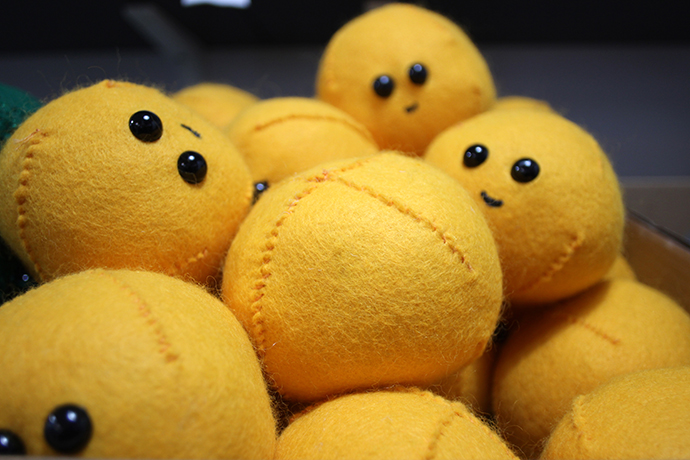
I was still in South America when I first heard about Lucy Sparrow's 8 'Till Late exhibition. Taking place in the Standard Hotel (under the High Line), 8 'Till Late is a replica New York bodega—where everything is made out of felt. There's a deli counter full of sausages, a meat slicer, a hot dog cart, ice cream, a freezer full of pizzas and nuggets, pizza by the slice, two felt cash registers, a soda case, cigarettes behind the counter and an ATM. The shelves are stocked with bodega staples—cereal, canned goods, candy, produce and toiletries—and everything in the store is for sale.





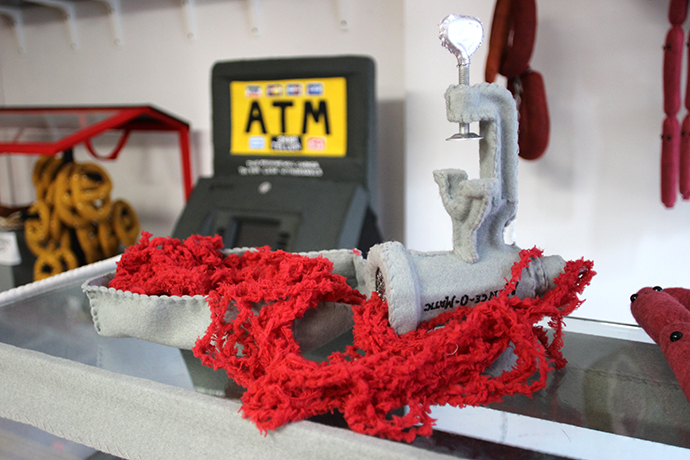



As soon as I read about the installation I knew I had to see it in person. Since opening in the beginning of June, it's been so popular that it was closed for restocking on Monday and Tuesday of last week. On Wednesday we tried to go after work only to find it closed early for a private party. On Thursday I tried again but was discouraged by the long line and decided to invoke my favorite New York hack and go as soon as they opened on Friday morning (no one does anything early in New York).


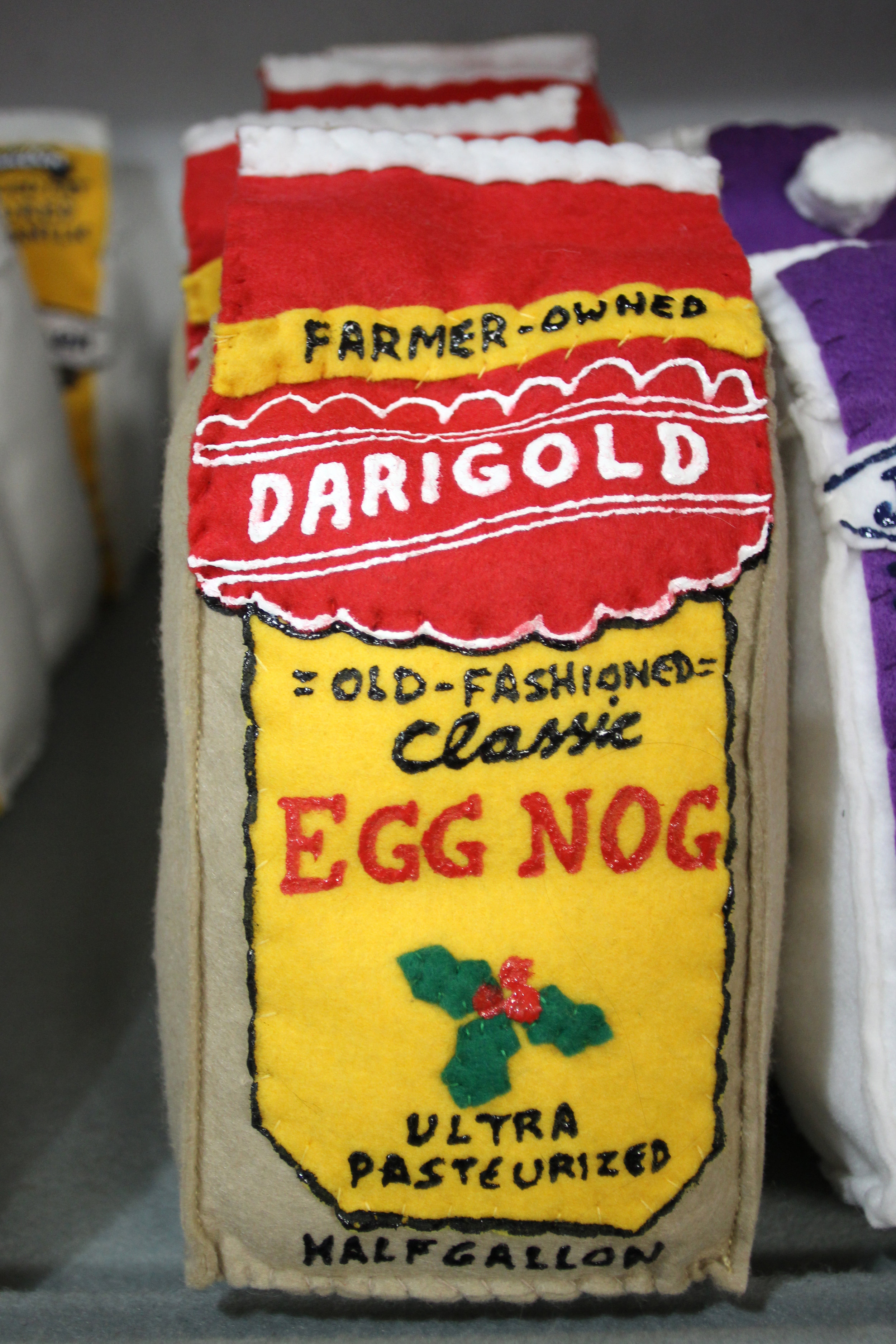


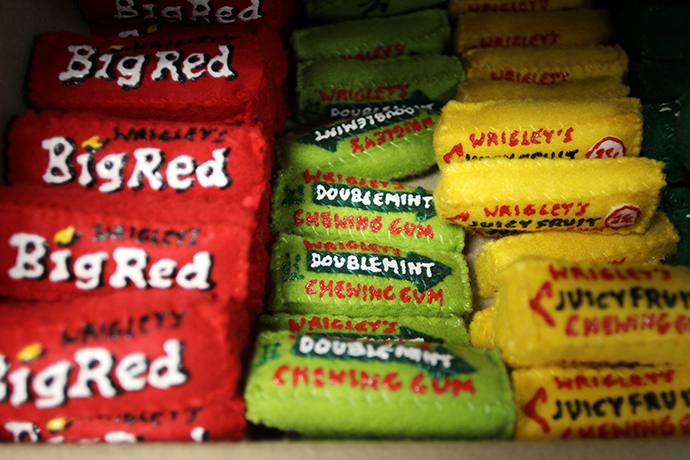
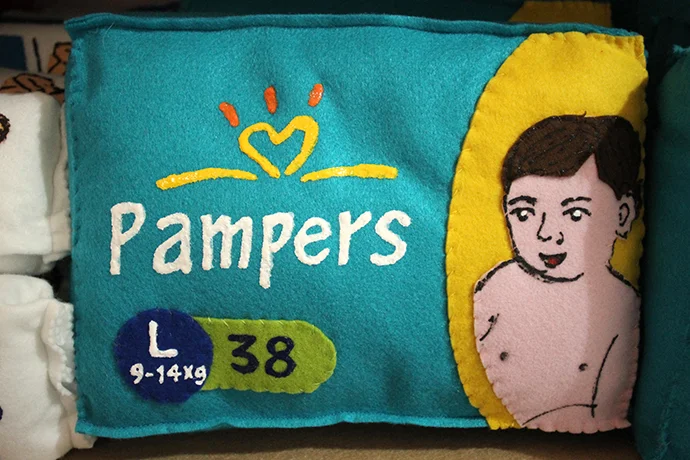
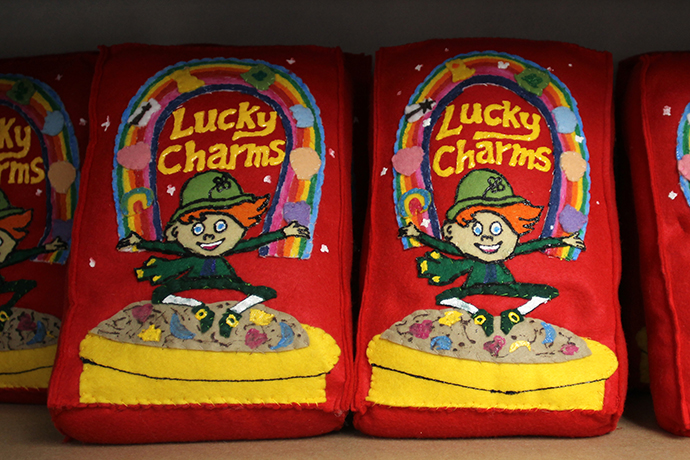

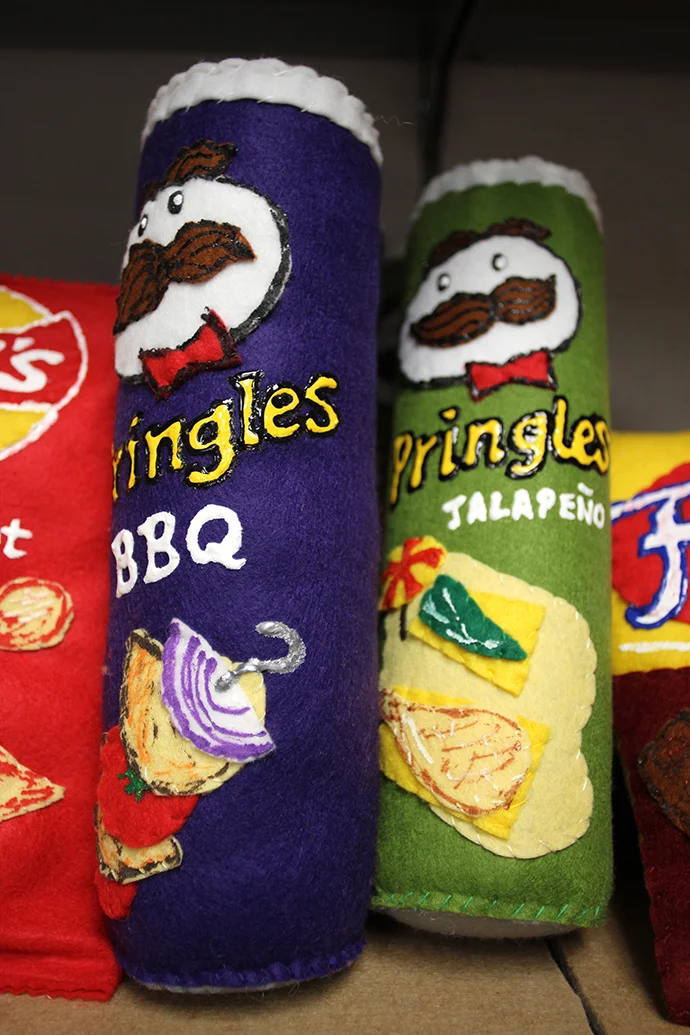

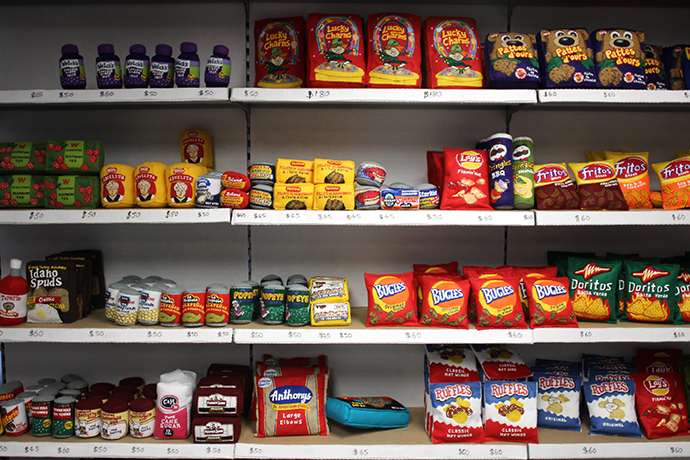
As the name suggests, the installation is open at 8am (until 8pm), and I saw a total of maybe five people in the half hour I spent browsing before work. One of which was the artist herself, and she was answering questions about her work in addition to working the (felt) cash register. I overheard her say that even with the restocking, the store was half the size as it was when it first opened. It closed again on Monday for yet another restock, and yesterday she announced on Instagram that today would be the last day for the installation (the original end date was June 30th). If you can't make it in person, or if you do and find that they're sold out of your favorite food, most of the items are also available online (and will start shipping in August).
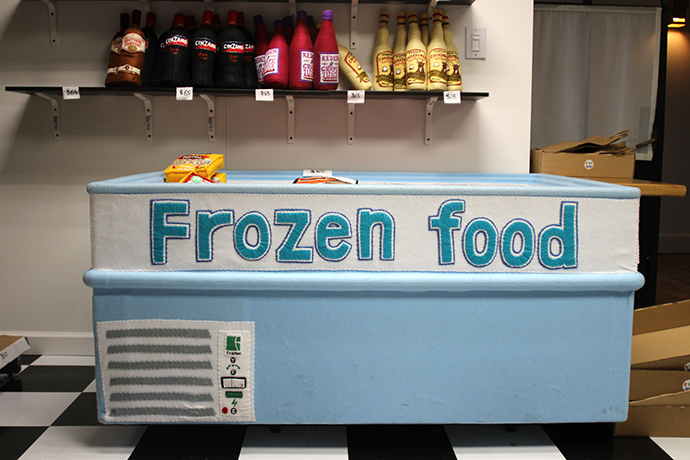
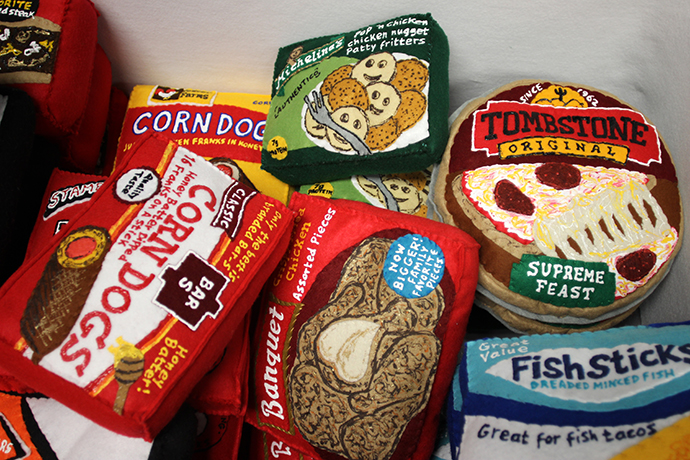

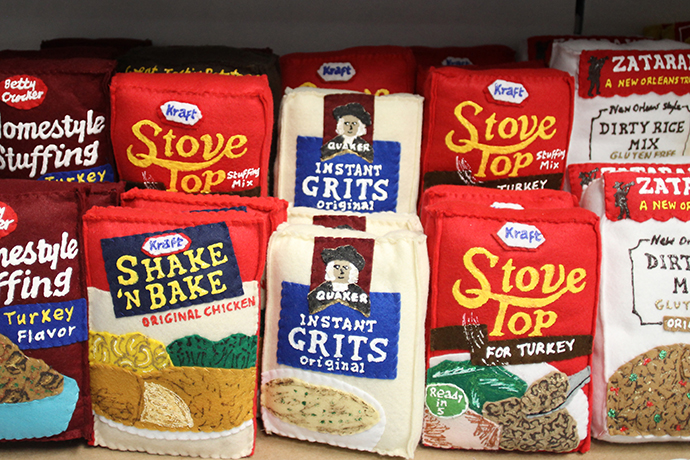

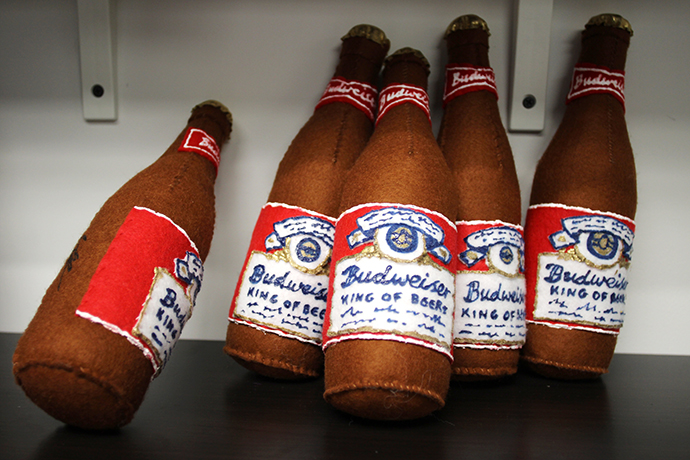
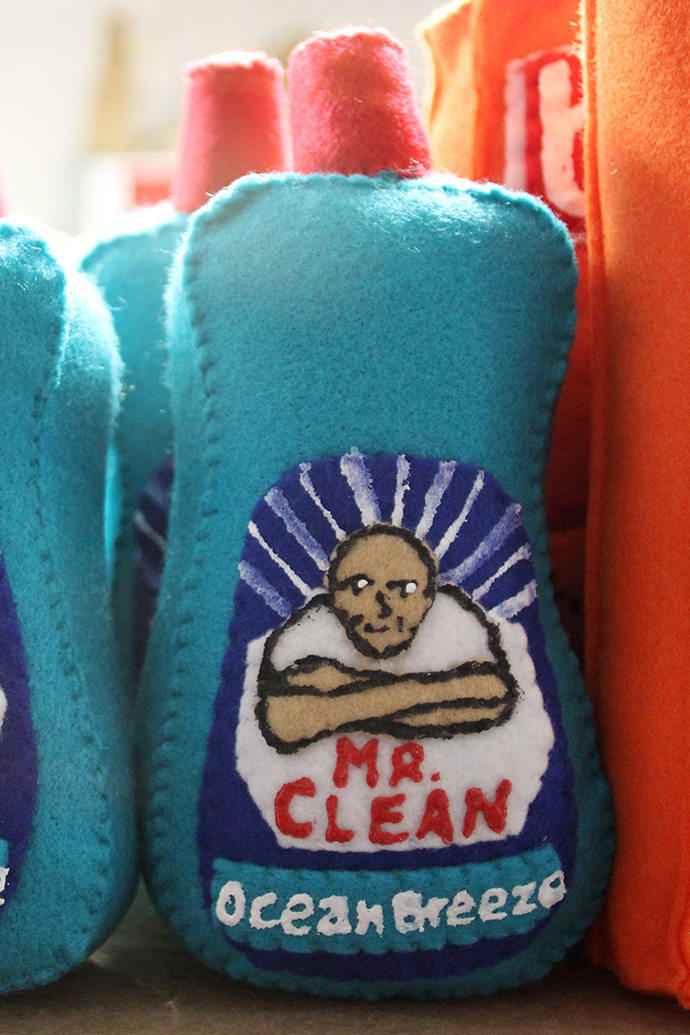
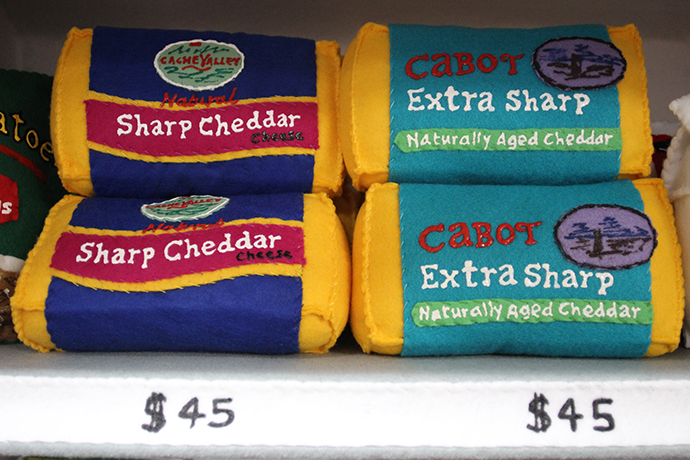


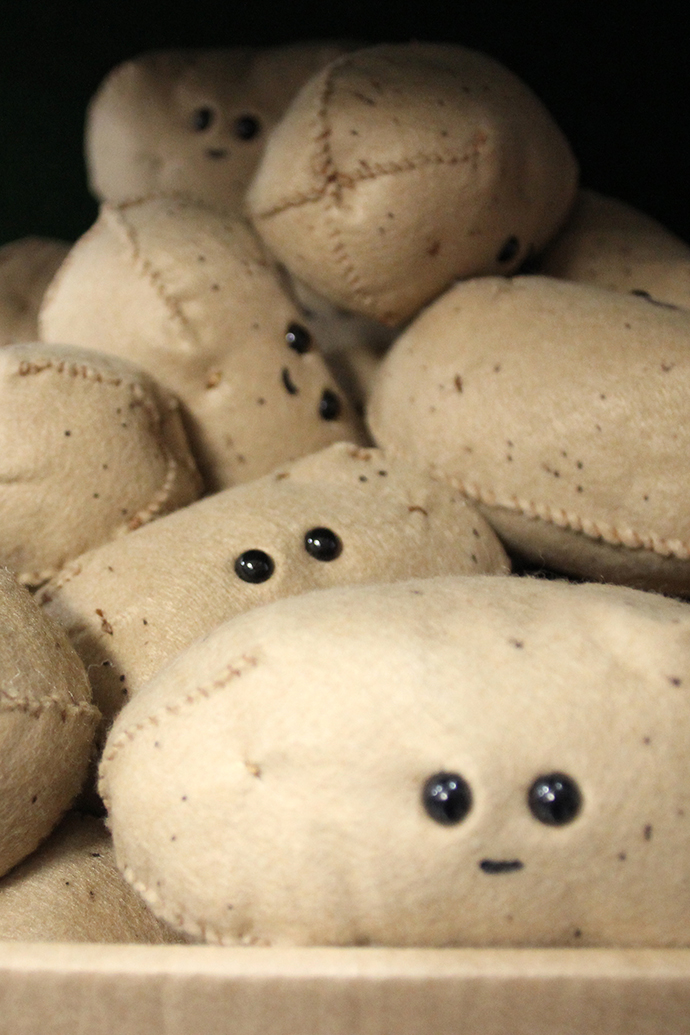
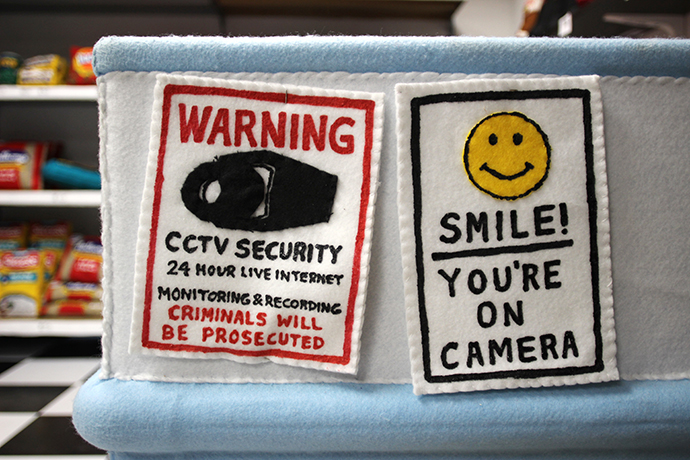
Although done in a different medium, Sparrow's work reminds me a lot of Liza Lou's beaded Kitchen and Backyard. Lou's work had such an impact on me that when I was 16, I made a beaded portrait of Rosie O'Donnell (it was the early 2000s, she was popular!), which was so insane that it got me briefly mentioned on her show. I loved everything about the 8 'Till Late exhibition for the same reasons—it's silly and fun and impressive in its scope, scale and attention to detail. I knew I had to take a small piece of the bodega home with me, and after careful consideration I officially adopted a little smiling potato. As Sparrow was lovingly wrapping it for me she said "I hope it brings you joy!" and I replied, "Oh, it already has."
8 'Till Late
69 Little West 12th Street
New York, New York
(right across from Hector's diner, under the High Line)
Open 8am-8pm, last day is Wednesday June 21st
Mermaid Parade 2017

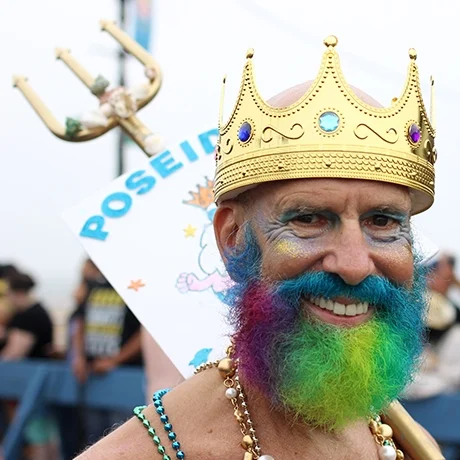
The Coney Island Mermaid Parade is one of my very favorite New York events. I was bummed when I first moved here that it had already passed, and also in 2015 when bad weather kept me away. I was so happy that I was back from our trip in time to catch this year's parade, and I met my mom at Tom's on the boardwalk for pre-parade pancakes on Saturday.

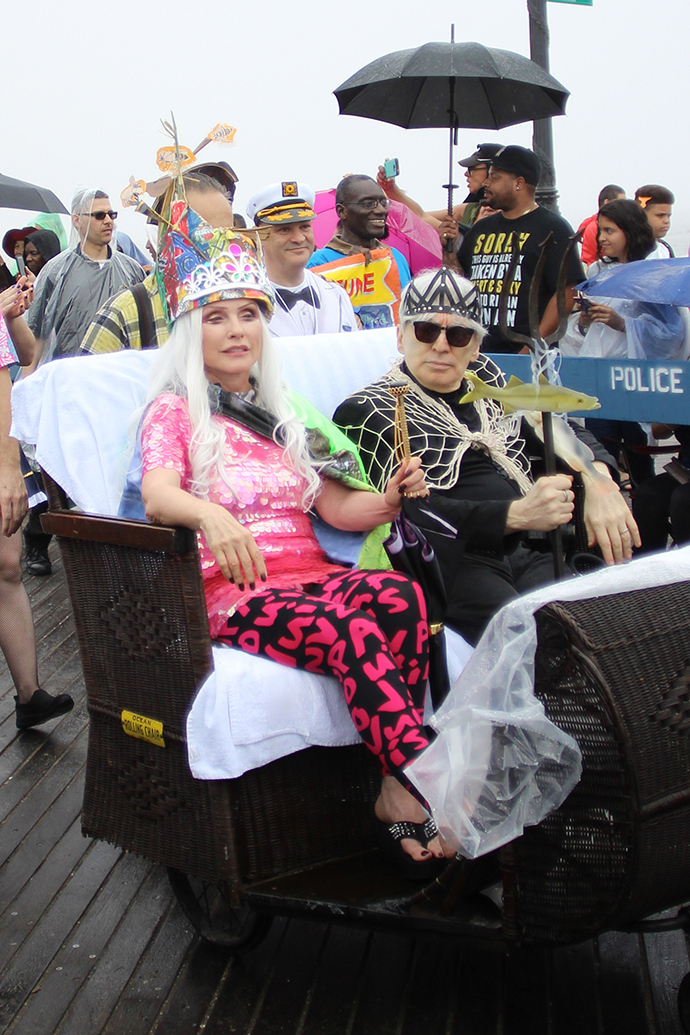
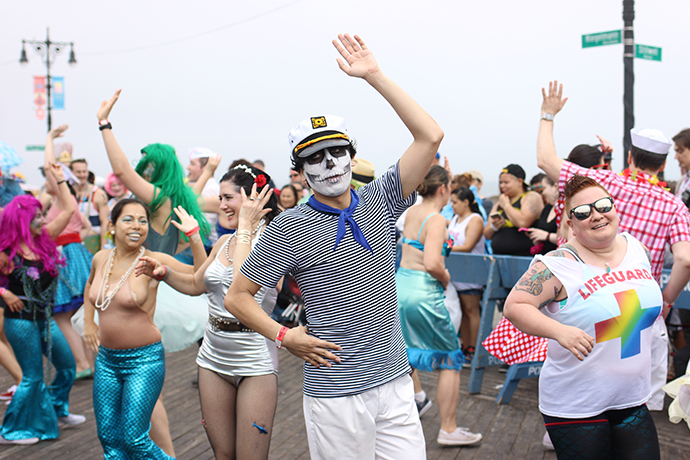
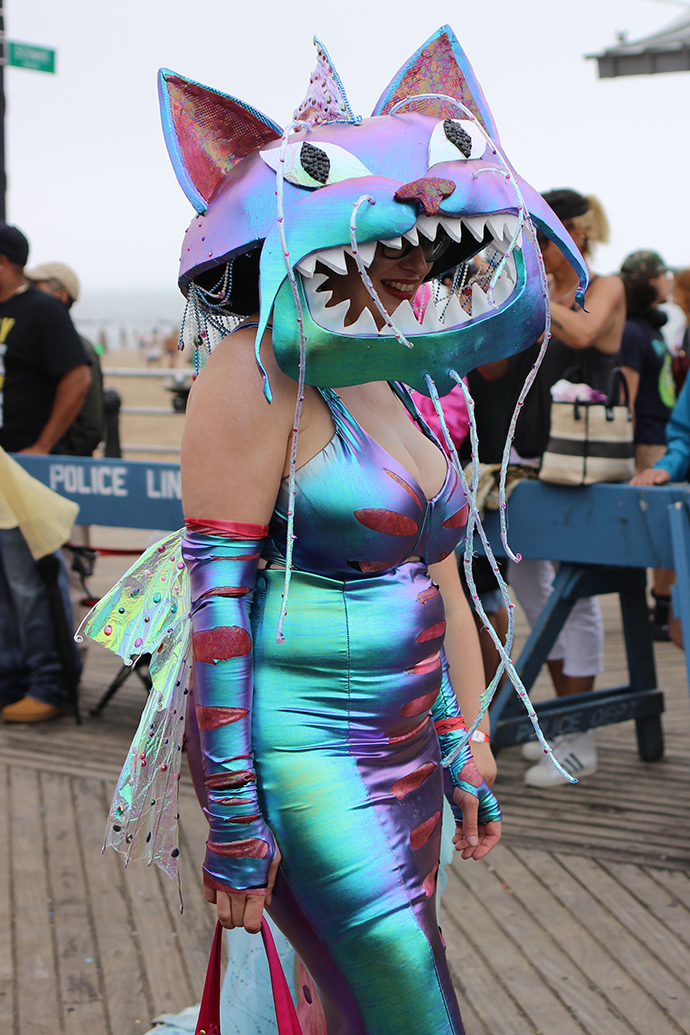

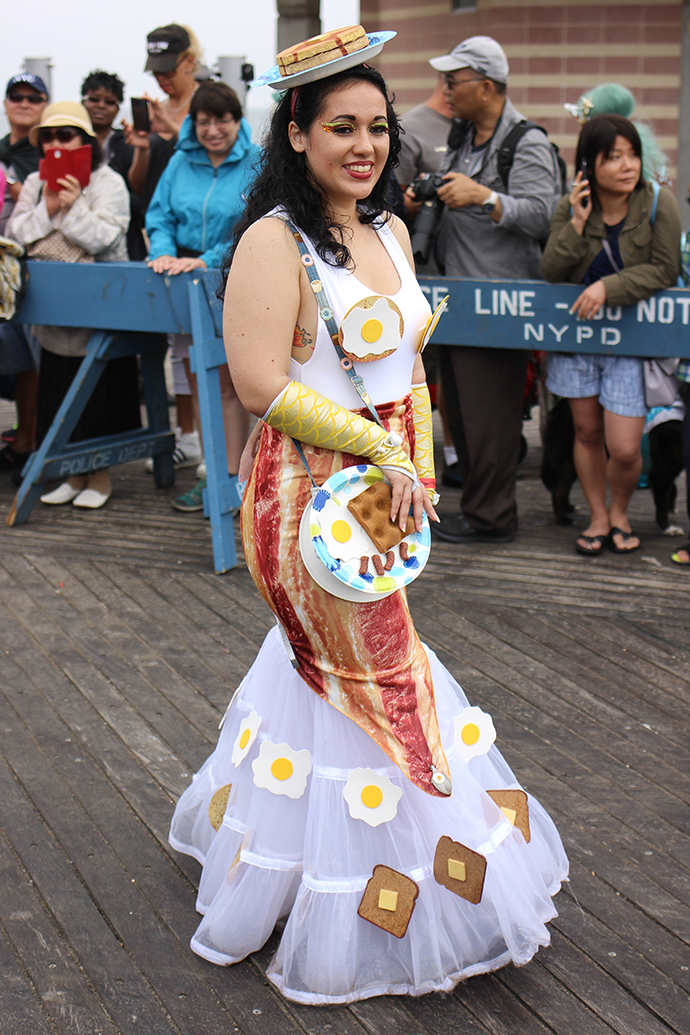


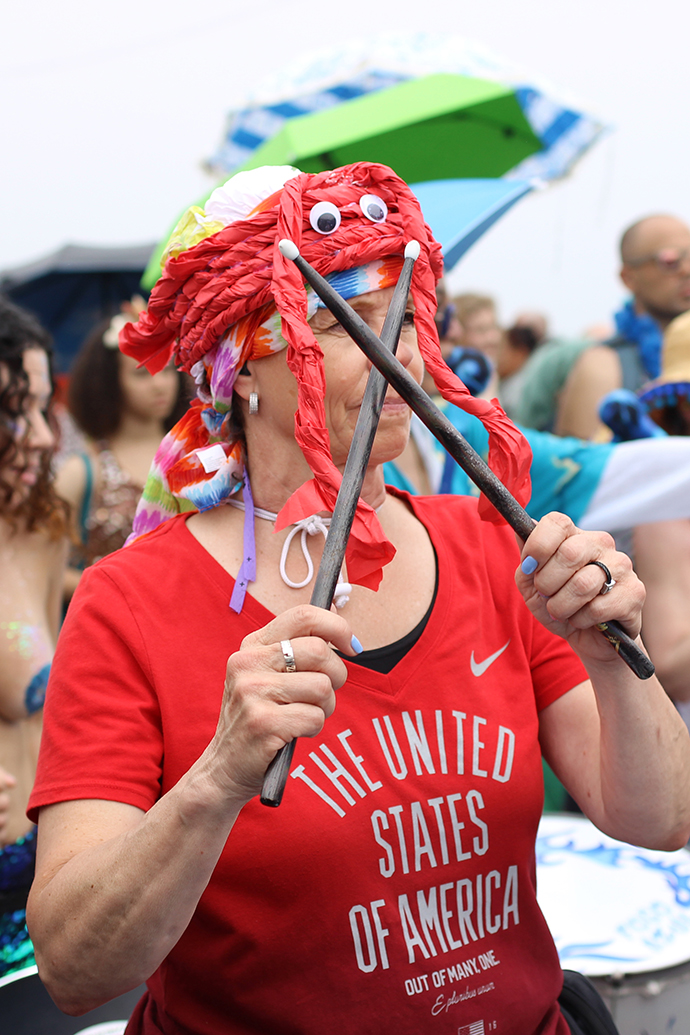
When I left my apartment my Weather Channel app (which just lies) said there was little chance of rain, but during breakfast it started to pour. It seemed as if it would never let up but I was reluctant to leave since I just love the parade so much. As we were walking toward the subway, it started to clear and we turned around just in time to secure a spot on the boardwalk and catch the beginning of the parade.
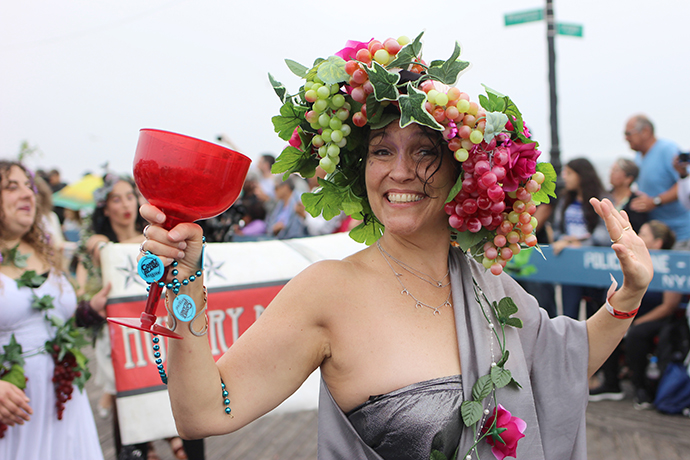
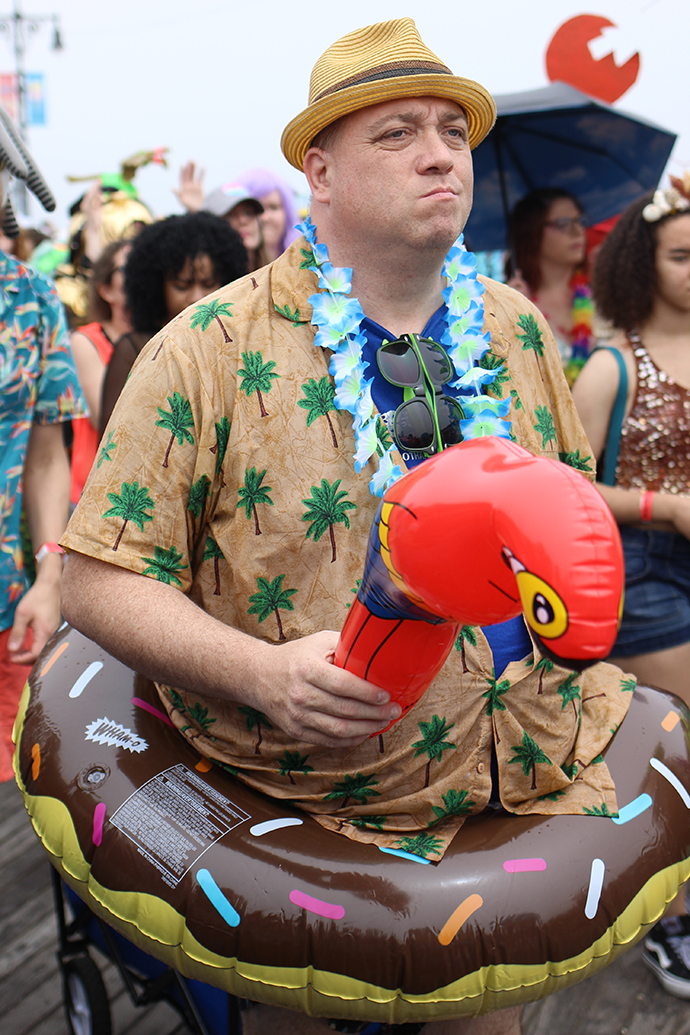
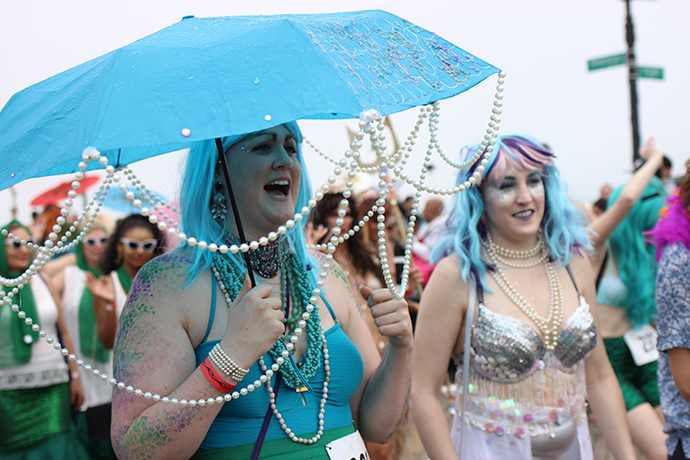
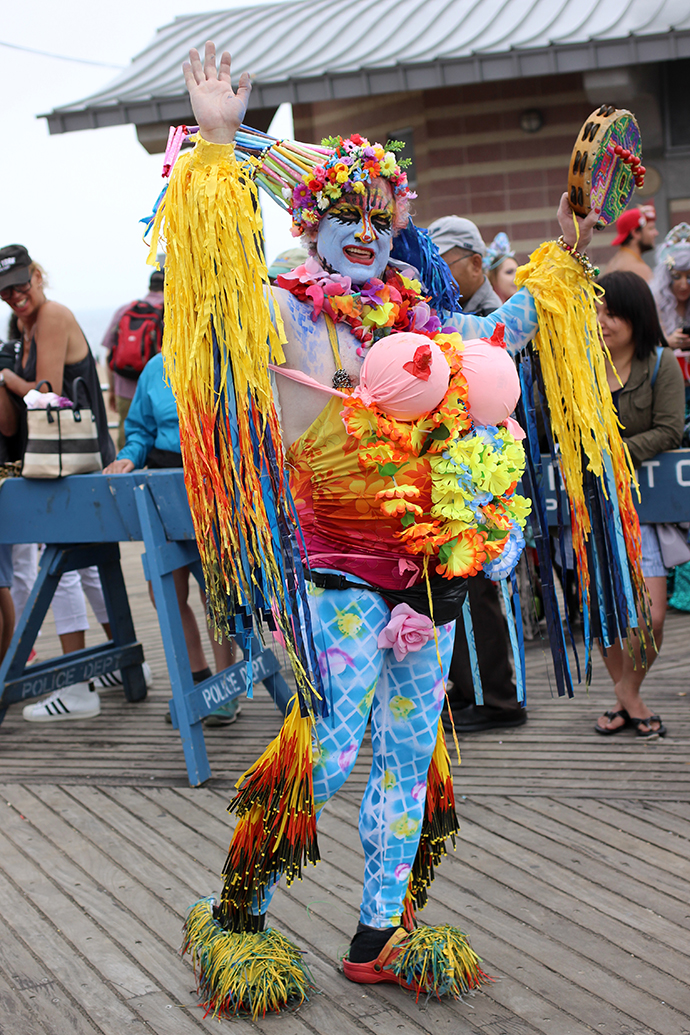


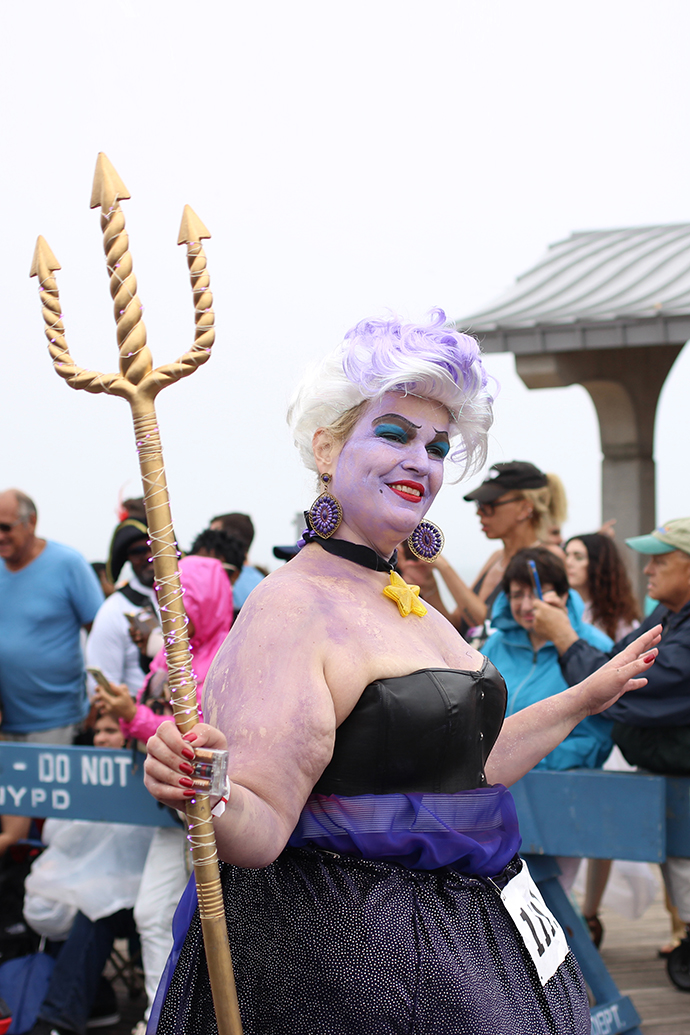
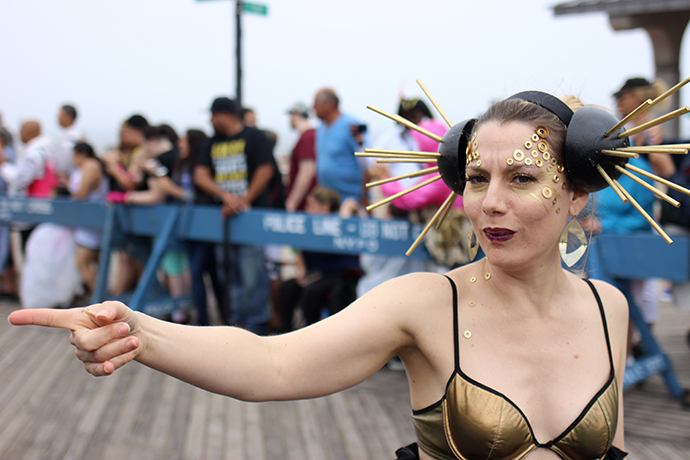
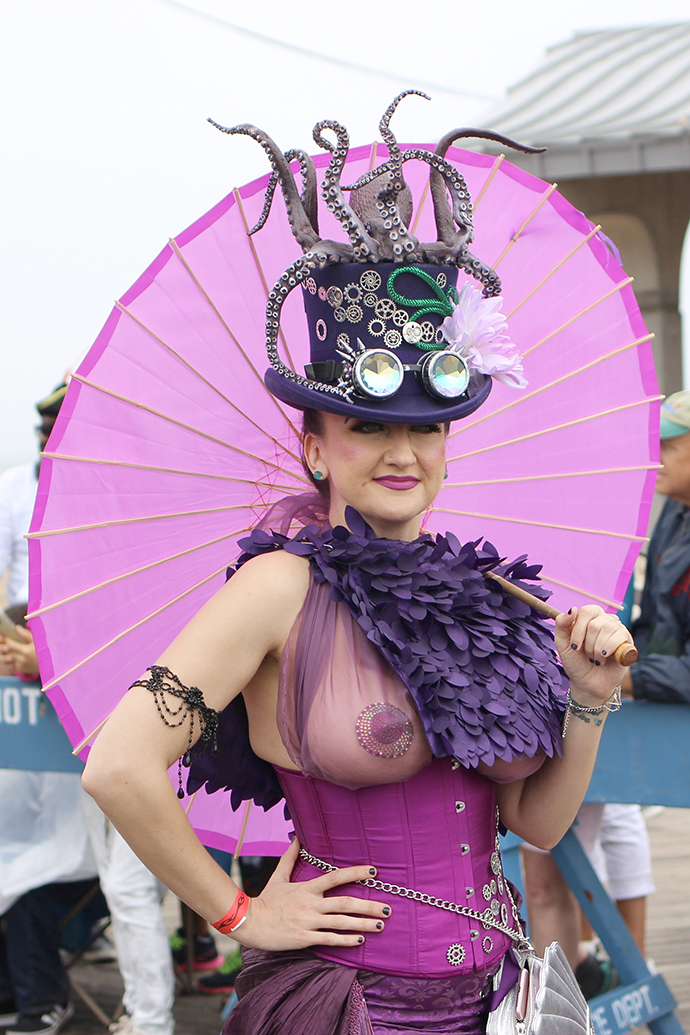
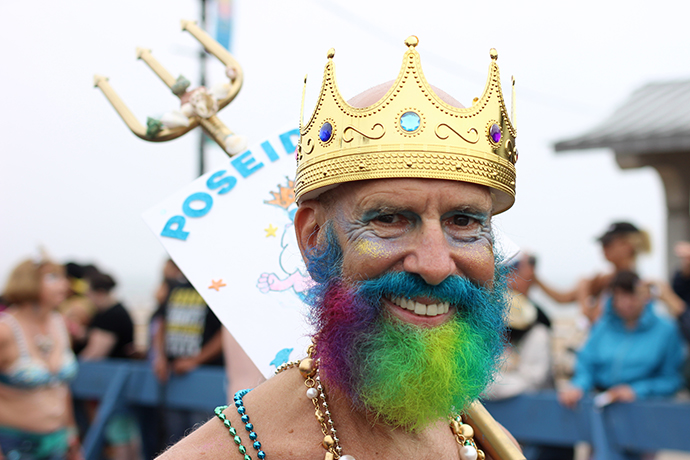
This year's grand marshals were Blondie's Debbie Harry and Christ Stein, and except for a few bouts of sprinkles the rain mostly held off and the show went on. And what a spectacular show it always is—hands down the best parade in New York (or maybe anywhere). What makes the Mermaid Parade so special is that there are a few groups and corporations represented, but for the most part it's just people being their weird, creative, authentic selves. It's everything I love about Coney Island and New York in one afternoon.
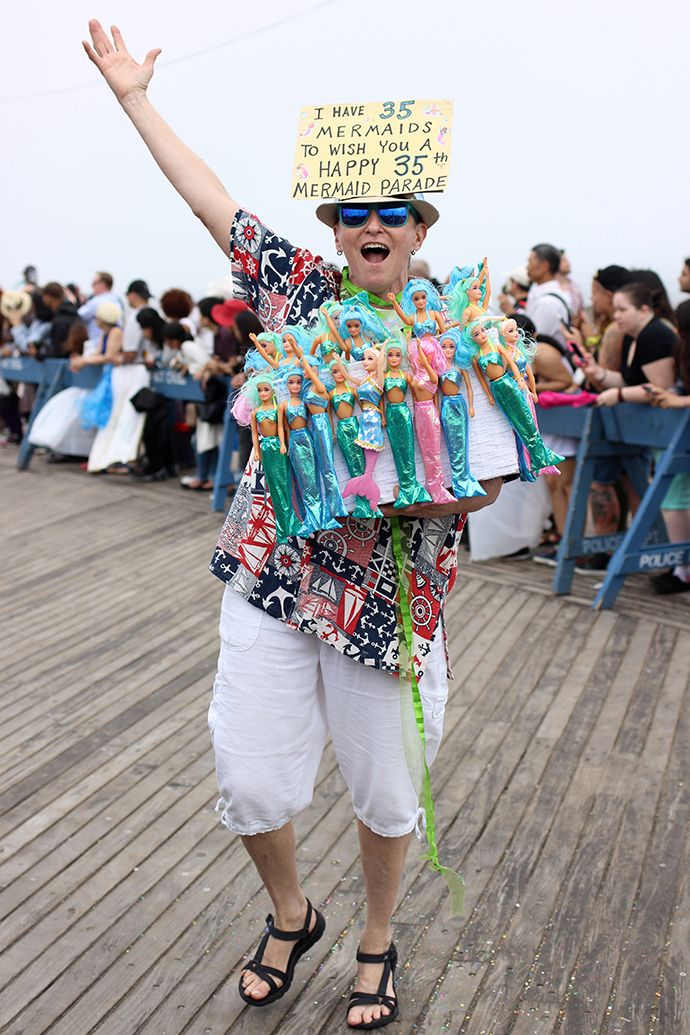


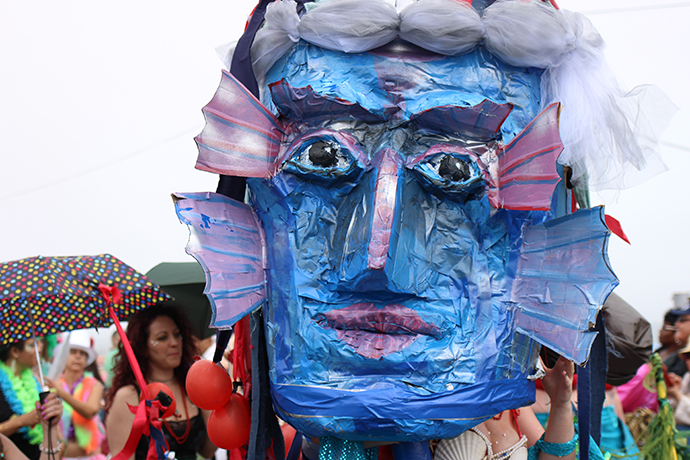

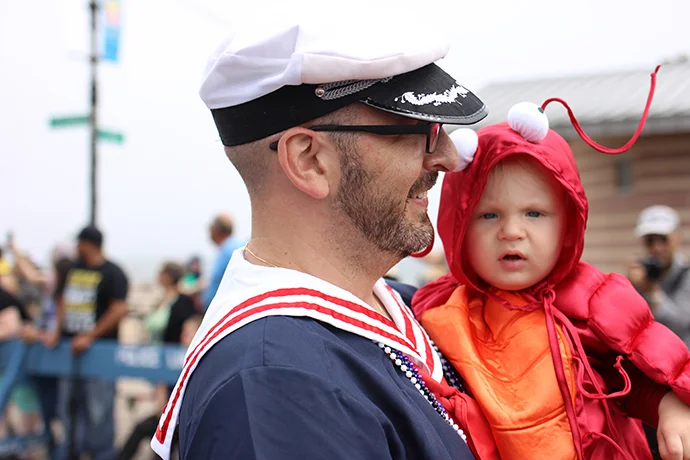


People mostly stick to the nautical theme, but any gathering in New York will attract at least a few people who are off-topic. This is the third time I've been to this parade (you can see my previous photos here and here) and while I did see a few repeats, it mostly feels brand new each year. The rain delay didn't seem to keep anyone away, and in fact my mom and I both thought that this year's seemed bigger and better than ever.
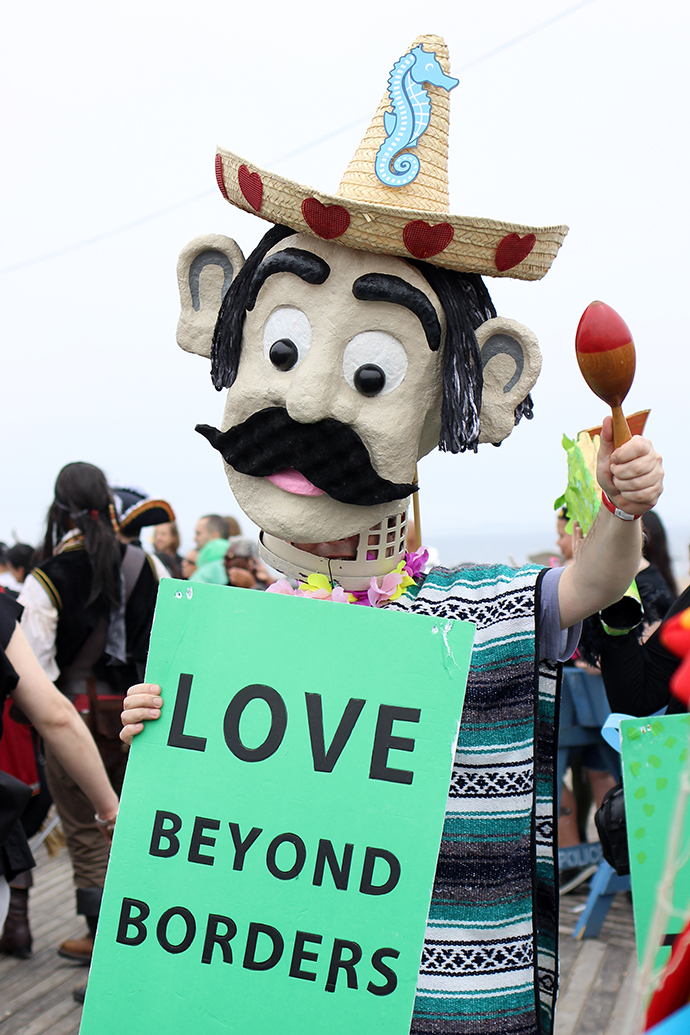

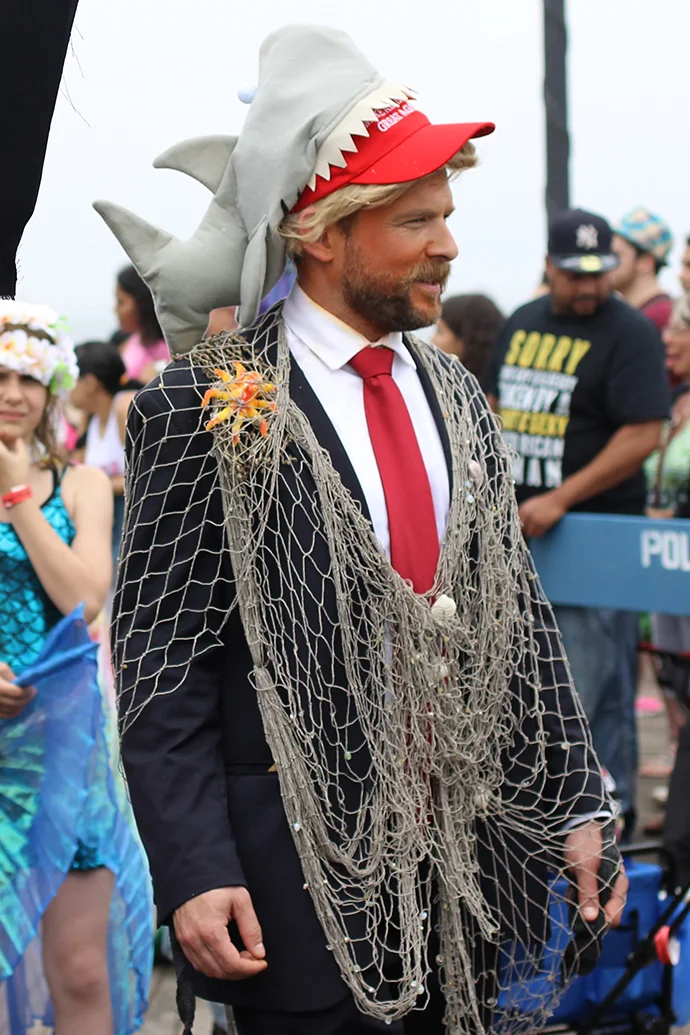
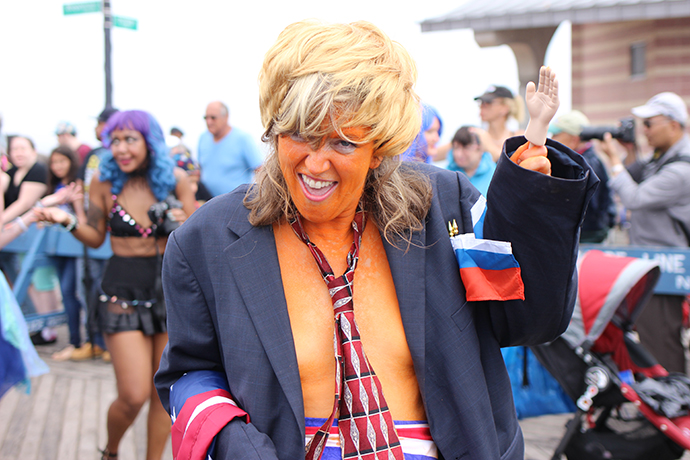


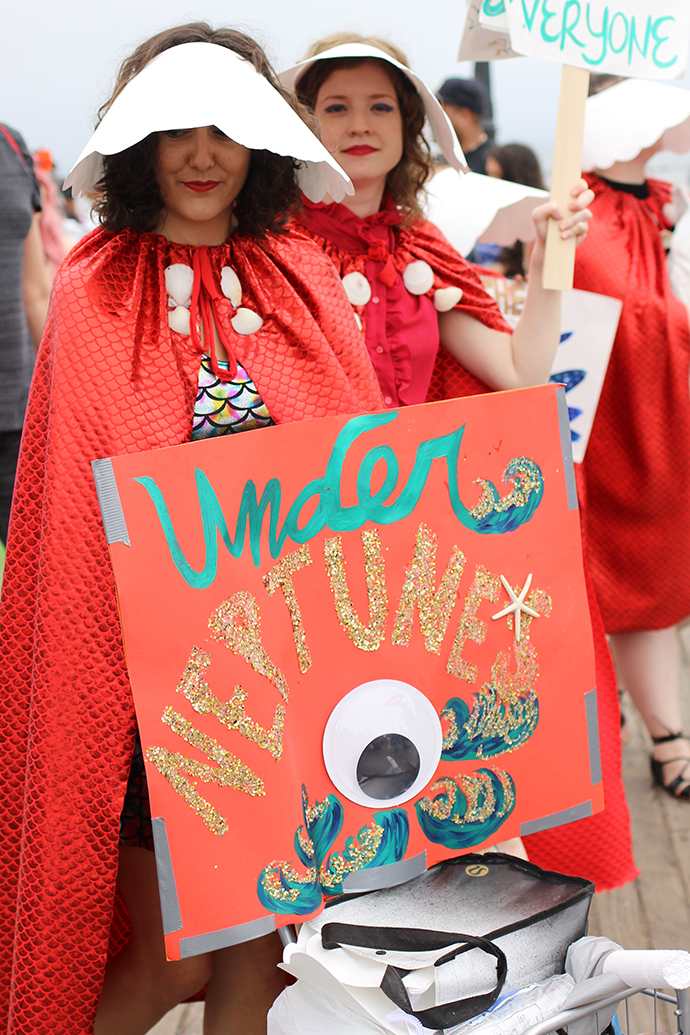
The Mermaid Parade is all about joy and inclusiveness, but it was no surprise to see several Donald Trump parodies (one had very accurate baby hands and one I recognized from the Intrepid protest). There were at least two groups that did a nautical take on the Handmaid's Tale, which I thought was so perfect, and at times the parade could have almost been mistaken for a protest march.

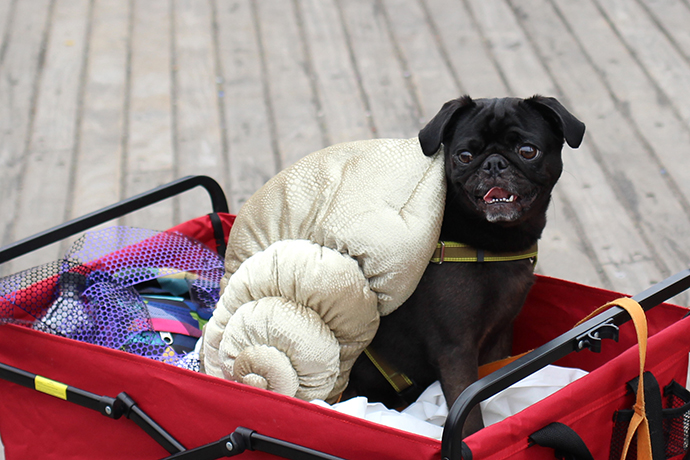


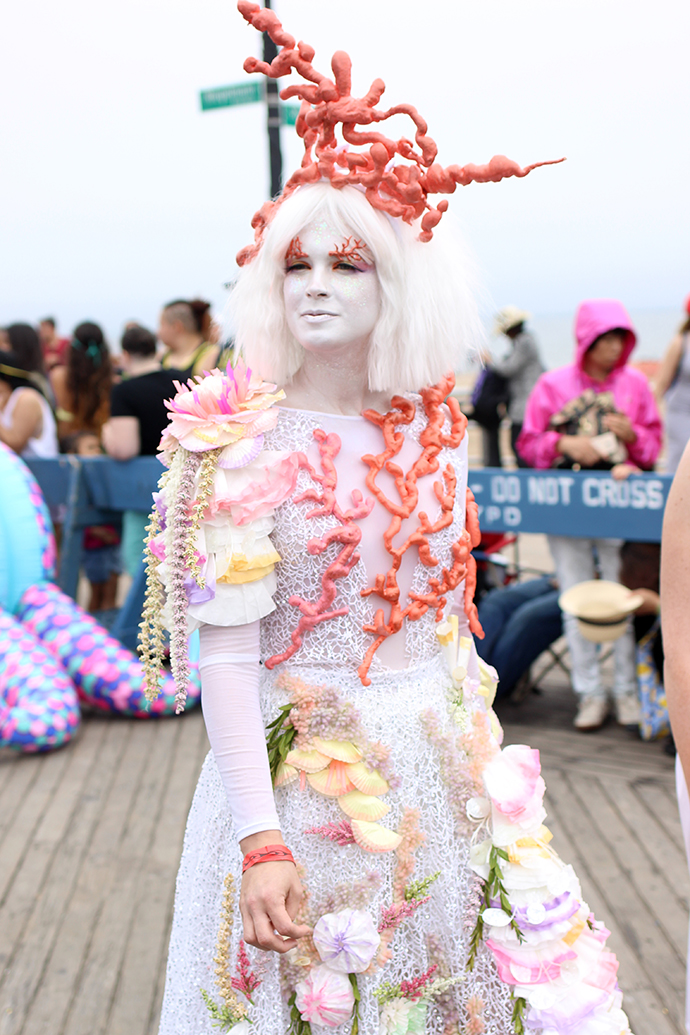
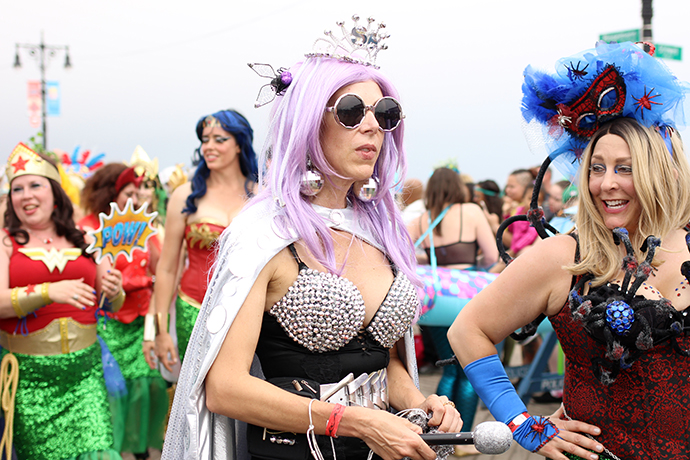

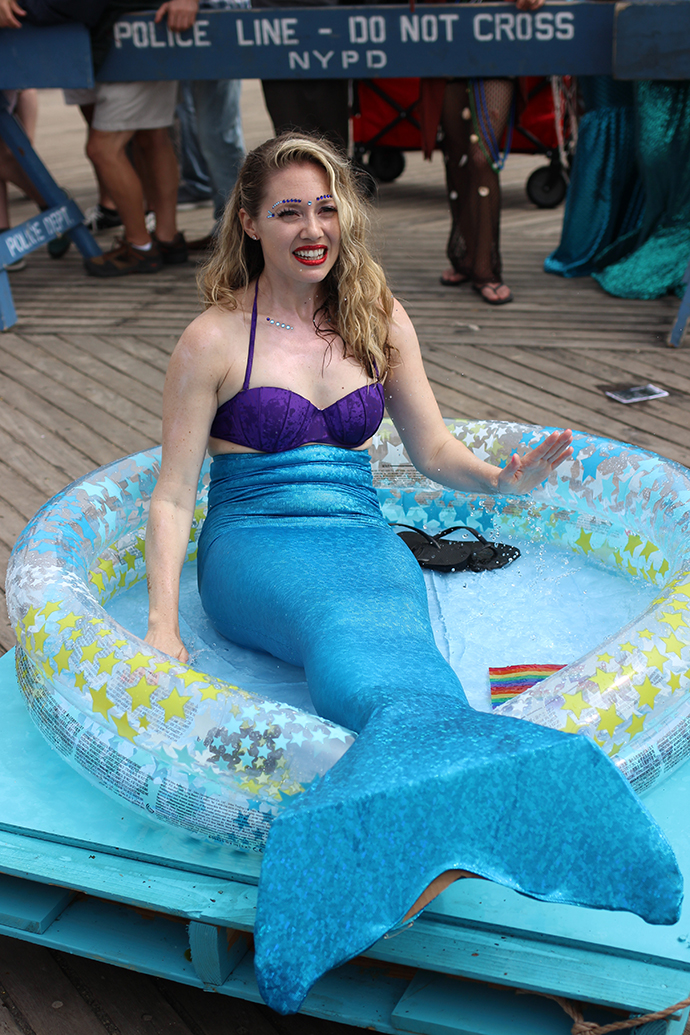
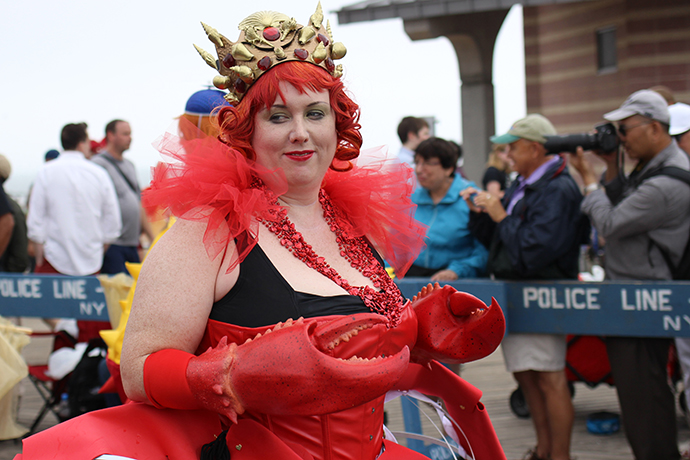
Every year I think about actually participating in the Mermaid Parade, which goes against my strong aversion to "participating" in general, but that's the thing about the Mermaid Parade. It's just such an incredibly joyful experience populated by all the right kind of people. People of every shape, size, color and age are welcome and celebrated for their creativity and commitment to just being themselves.
Dead Horse Bay
Sometimes I actively worry that I will or already have run out of things to see in New York. This is ridiculous for many reasons, and just as often I'm reminded that this city is infinite in its possibilities. Even if I did somehow run out of things to see, one of my greatest joys is revisiting places I've been—in different seasons, times of day or just to observe how time has passed. Recently we biked to one of my very favorite spots, Dead Horse Bay, which is located in Brooklyn near Floyd Bennett Field and Fort Tilden.
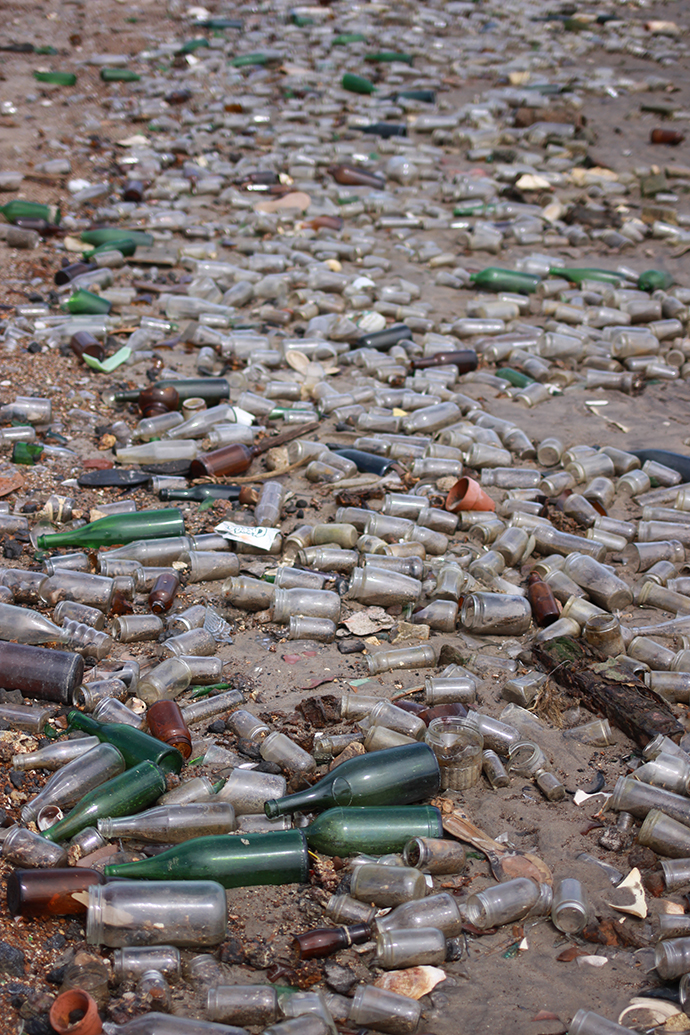
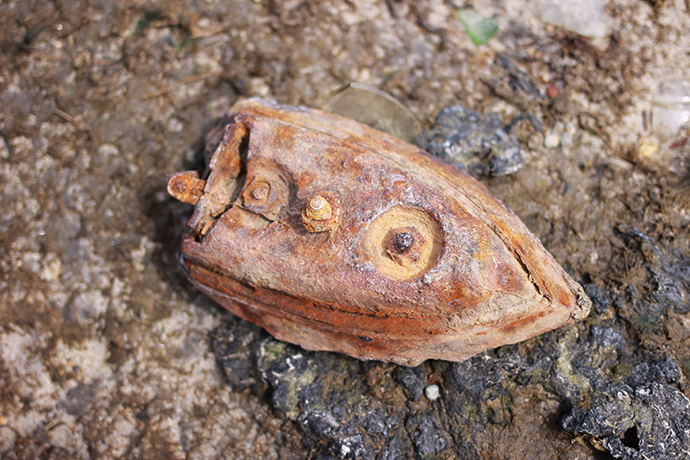
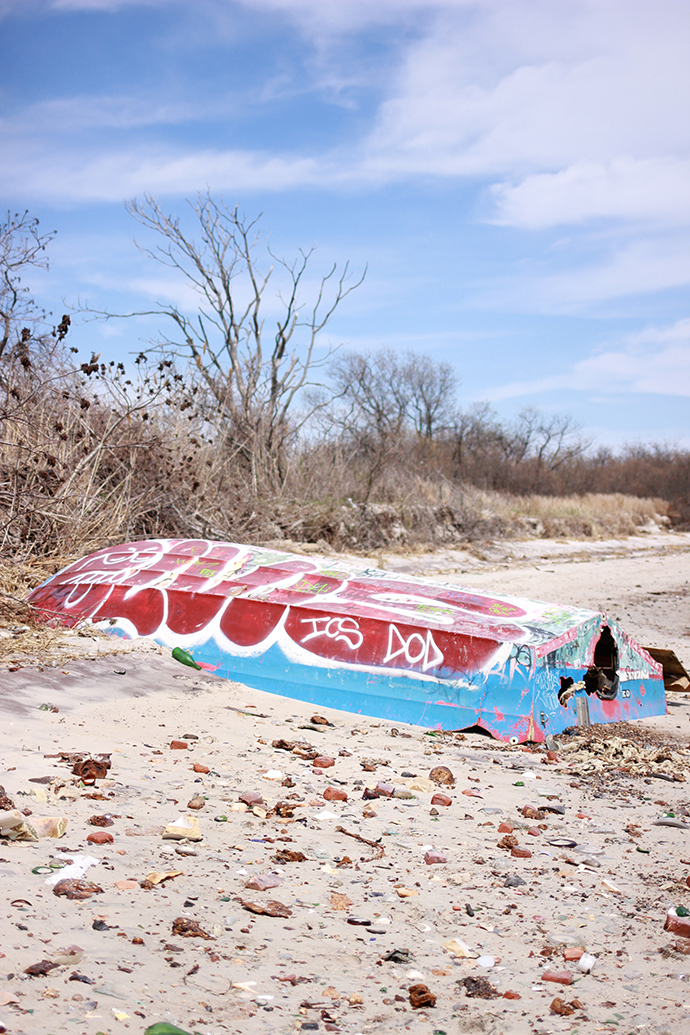
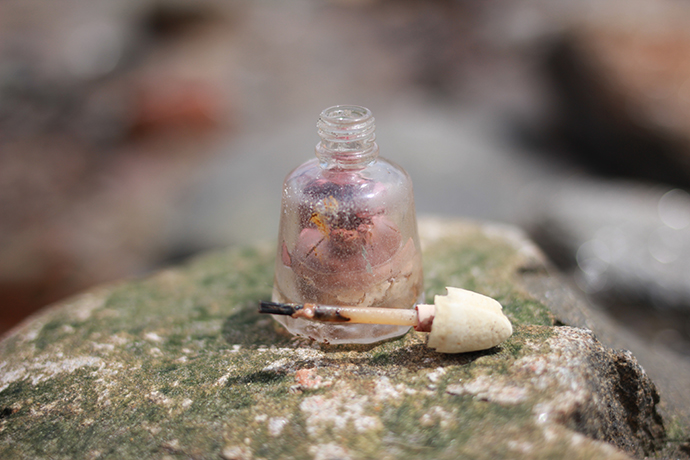


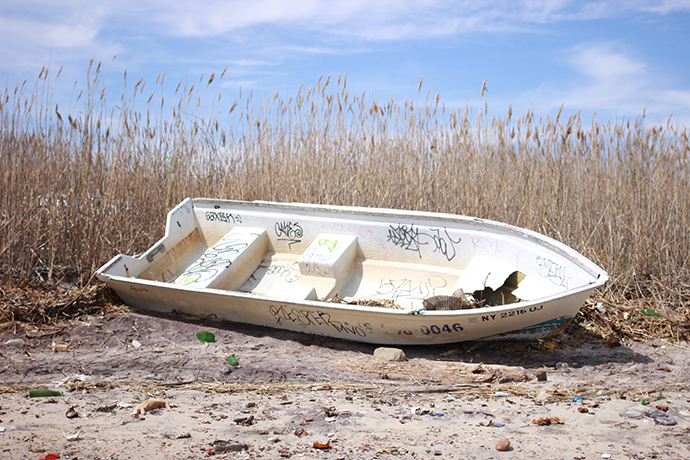
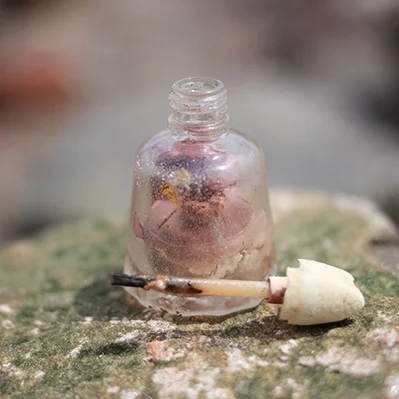
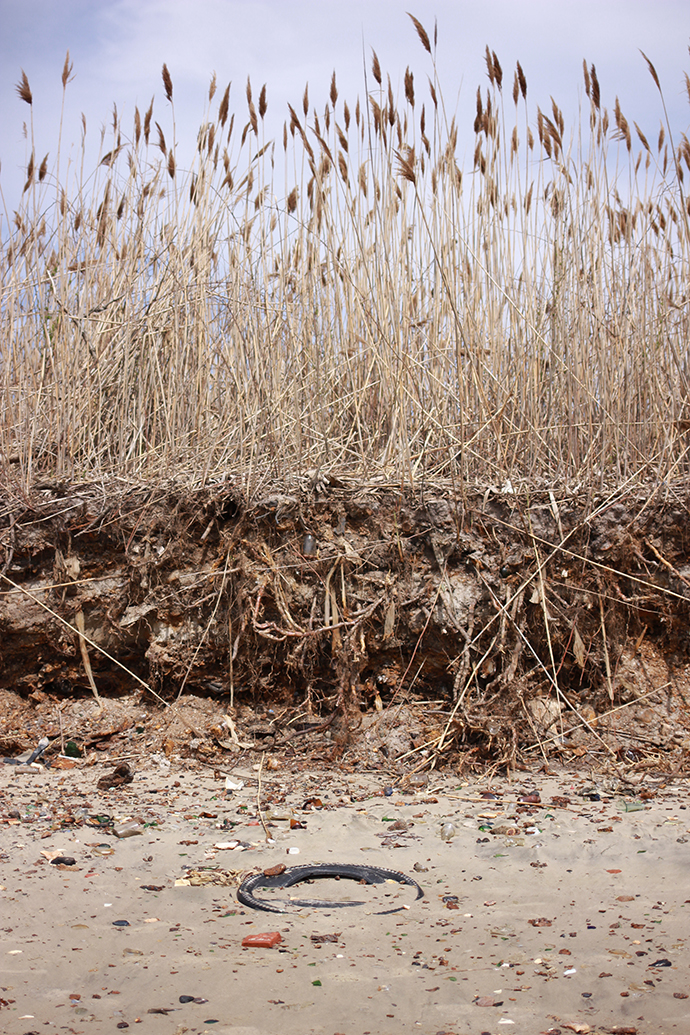
This was my third time at Dead Horse Bay and you can see photos from my first two visits here, here, here and here. I hadn't been since April of 2015, but I bet you could go back every day and find completely different things. Dead Horse Bay is basically a beach full of 19th-century trash and horse bones, formed when a cap on a landfill burst in the 50s. The name and the bones are from the horse-rendering plants that once lined the shore.


The hardest part about each visit to Dead Horse Bay is not taking home every cool thing I find. This time we forgot to bring plastic bags with us, which I was initially upset about but we just had to be more thoughtful about our souvenirs. It's especially hard for me not to take all of the horse bones I find, but I already have two large jars full of bones in my curiosity cabinet, so I only took a few that were interesting shapes and in good condition.

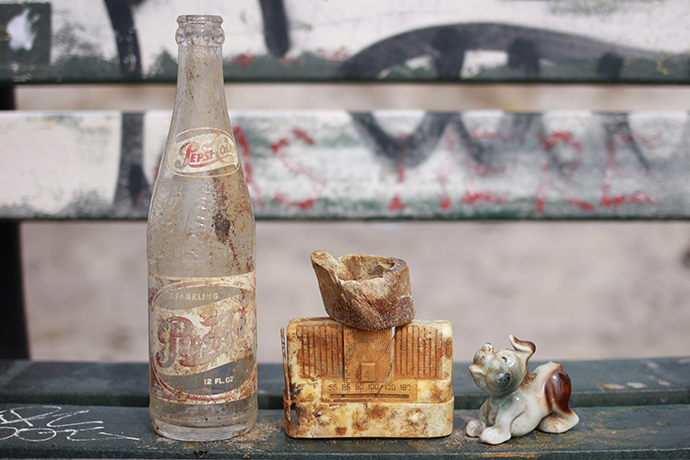

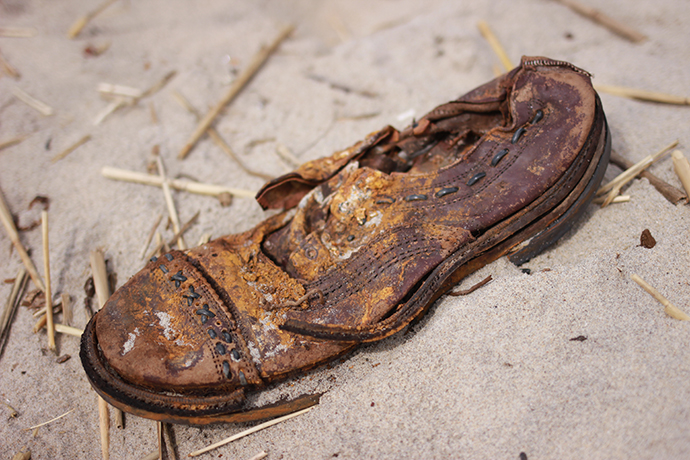


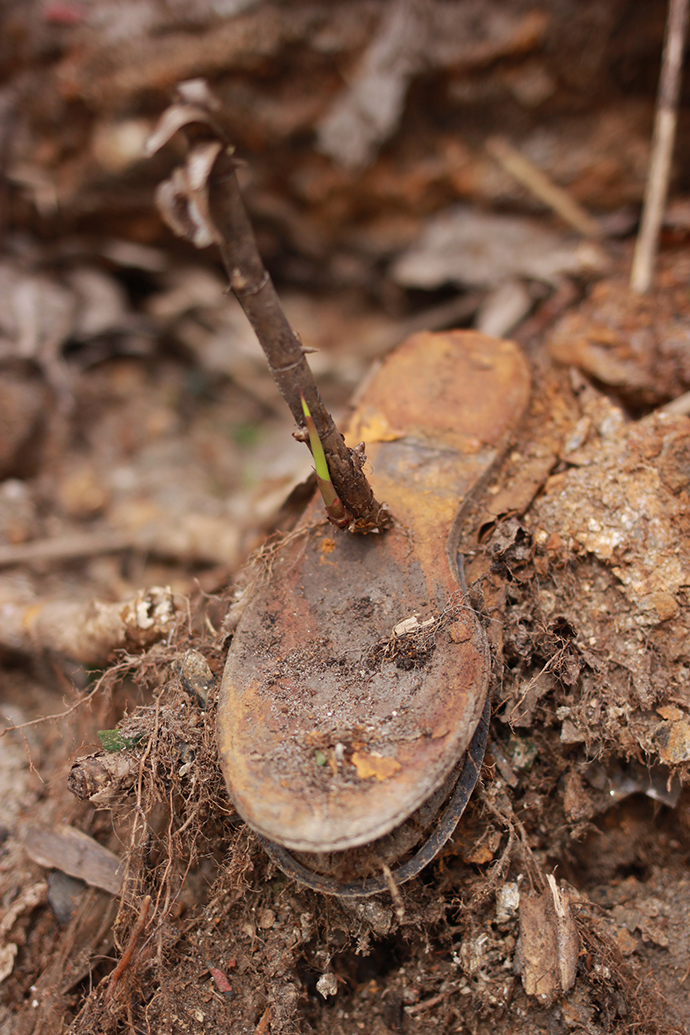
The biggest thing to remember when visiting Dead Horse Bay is to check the tide times—we didn't this time, but got lucky and arrived at low(ish) tide. We spent hours combing through everything and much of the stuff was submerged by the time we left.


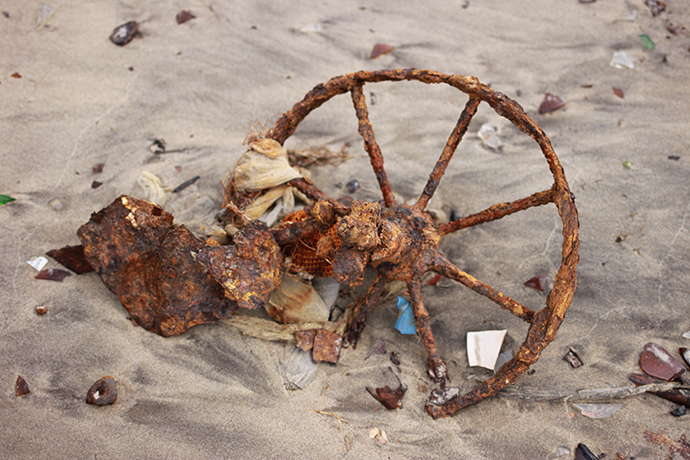


I'm slightly concerned that Dead Horse Bay may becoming popular—not that I discovered it by any means—mostly because there was an art exhibit in Brooklyn recently featuring pieces made with DHB finds. This is probably a silly thought considering how much stuff is still left, but the seclusion and post-apocalyptic feel of the beach is what makes it such a fascinating place to visit. I've seen other people gathering treasures each time I've been there, but this time there was a film shoot happening. I understand that Dead Horse Bay is a great setting, but there are so many people in this city and sometimes I just want to feel like I have something special, and to myself—if even just for a moment.
The most fantastic thing about the New York Botanical Garden’s annual Orchid Show is the orchids themselves