
Archive
- Abandoned
- Alabama
- Arizona
- Bahamas
- Books
- California
- Cemetery
- Climate
- Colombia
- Connecticut
- Diner
- Egypt
- Feature
- Florida
- Friday Fun
- Georgia
- Holidays
- Illinois
- Iowa
- Italy
- Kentucky
- Louisiana
- Maryland
- Massachusetts
- Mississippi
- New Jersey
- New Mexico
- New York
- North Carolina
- Novelty Architecture
- Ohio
- Pennsylvania
- Personal
- Peru
- Project 365
- Protest
- Rhode Island
- Roadside Attraction
- South Carolina
- Tennessee
- Texas
- Travel Guide
- Virginia
- Walks
- Washington DC
- West Virginia
- Wisconsin
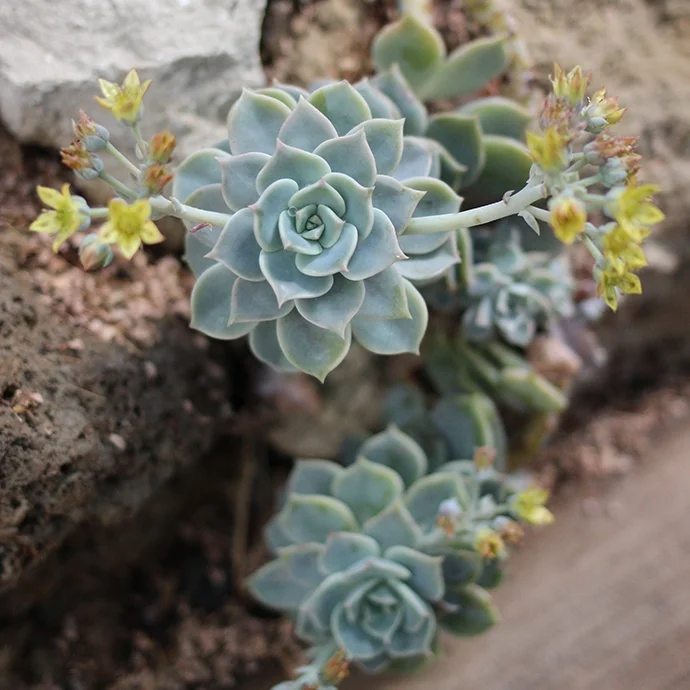
Desert Plants
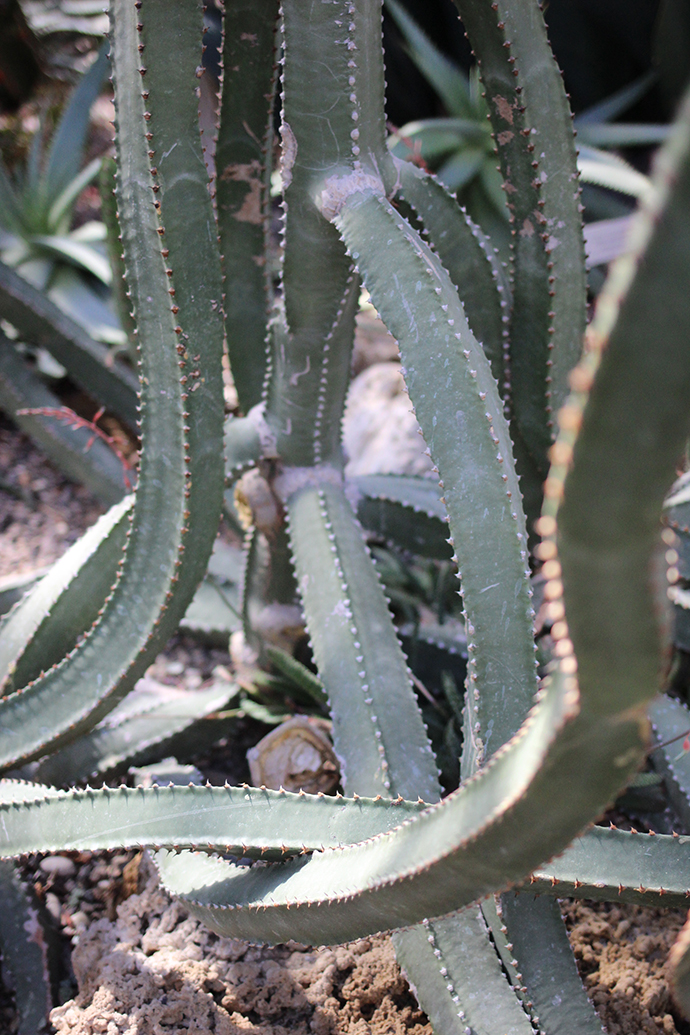
I've haven't really been to the actual desert—a few cacti near Carlsbad Caverns in New Mexico is as close as I've come— and I have never managed to personally keep a succulent alive for very long. I've come to terms with my less-than-green thumb, and luckily I can see spectacular desert collections at the Brooklyn and New York Botanical gardens without having to travel very far.

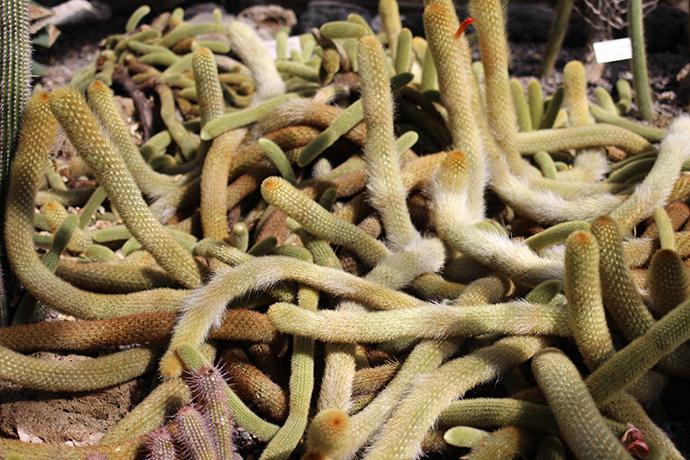


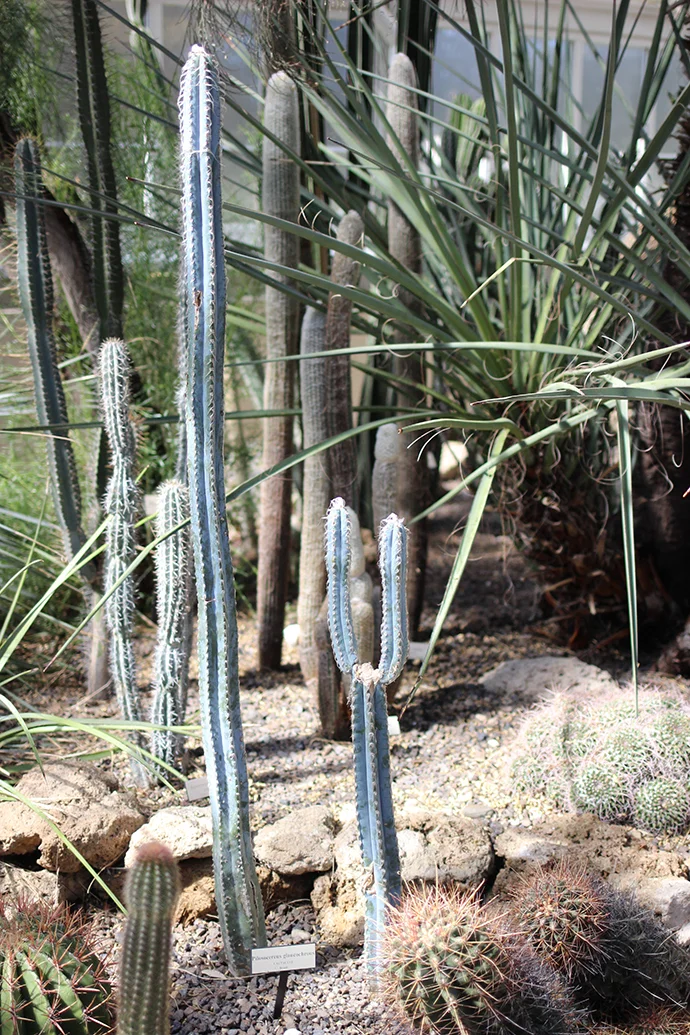

Every year I've gone to the NYBG for the orchid show, and the route through the greenhouses takes you right past their desert collection, full of strange and wonderful plants. The signs posted do nothing to make me not want to touch everything I see, and it's probably a good thing I don't find myself around pointy plants too often.

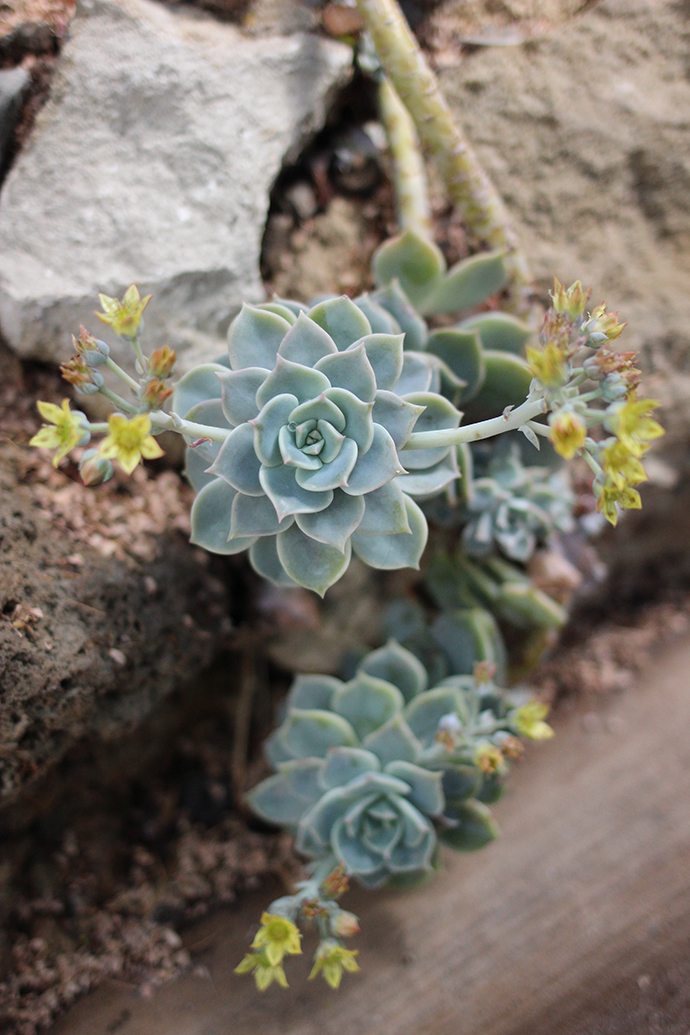


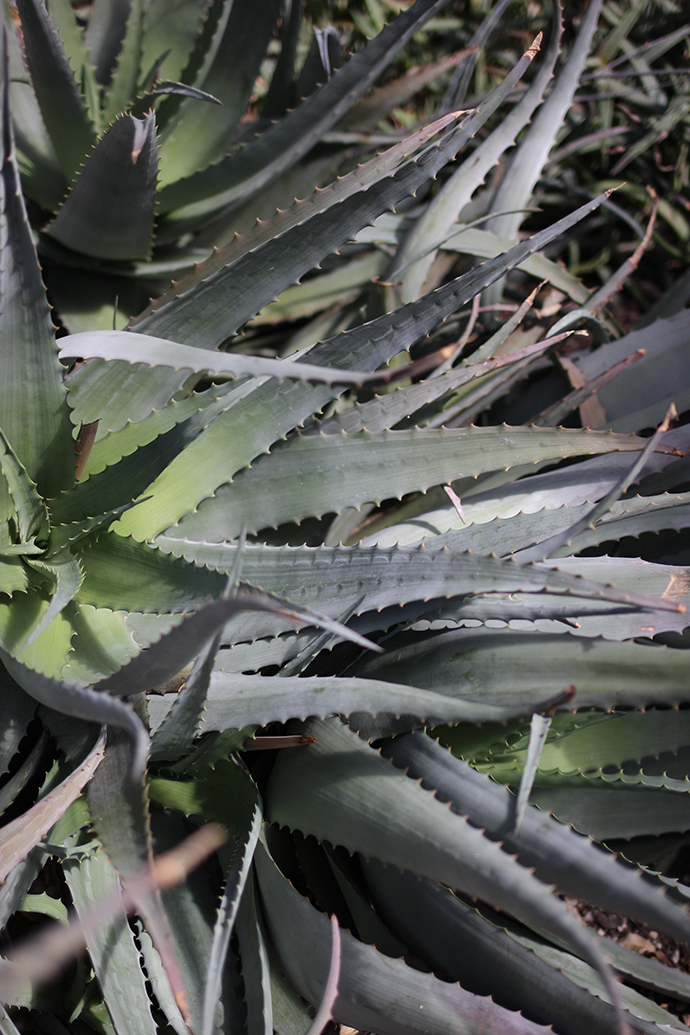

Humans are innately programmed to notice faces in inanimate objects since we're so used to seeing each other's faces, but I might have that sense to the extreme. Even before I was able to digitally add eyes to things on Snapchat and Instagram stories, I was obsessed with putting googly eyes everywhere. Cacti can look especially human-like and animated to me, always looking like they're reaching out or ready to give you a (prickly) hug.
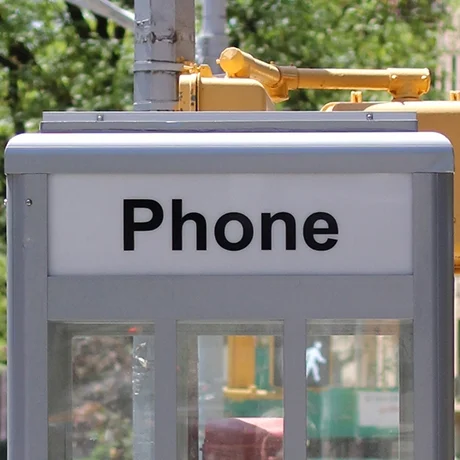
West End Avenue Phone Booths

I remember the first time I walked down West End Avenue and noticed something strange—a stand-alone phone booth. Then, I passed another one on the next block. There are many pay phone kiosks still around the city—although good luck trying to find one with an actual working phone—but I was right to be surprised by the booths. There are currently only four left in all of Manhattan, and all happen to be on West End Avenue, at 101st, 100th, 90th and 66th streets.


When I first saw them I remember that they were different from one another, and I seem to recall at least one having hideous Verizon branding. Walk-in style booths have been steadily replaced by the cheaper open-air kiosks since the 70s, and now that virtually everyone has a cell phone, those kiosks are being replaced by wi-fi and charging hubs.


These four booths, however, have persevered. The specific ones that I saw on my first walk down West End have since been replaced with four sleek, unbranded, uniform booths, indicating that they're here to stay. They manage to look both retro and futuristic with their generic, simple design and I'm so glad that they've survived.
St. Raymond's Portraits

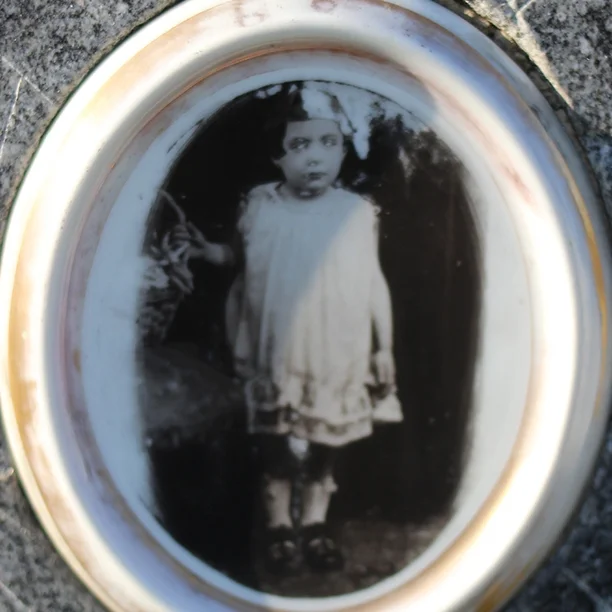
I've talked about ceramic cemetery portraiture before—at St. Michael's and Bideawee Pet Cemetery— and some of the best I've seen yet was at St. Raymond's cemetery in the Bronx. I went to St. Raymond's last October searching for the final resting place of Mary Mallon (aka Typhoid Mary), and because I had such a hard time finding her, I saw a lot along the way.
For the most part, I'm able to explore cemeteries without thinking too deeply about the actual people buried beneath my feet. I don't mean this to sound callous, but cemeteries can be intensely sad and dark places—I'd never make it though one if I stopped to mourn every individual life. I also tend to avoid newer graves since older ones interest me more, aesthetically and historically, and time helps to further sever any connection I would feel to the deceased. Ceramic portraits, however, make it impossible for me to view with detachment.


I noticed that St. Raymond's had a large number of ceramic portraits, and I wonder what it is about a cemetery that determines that—St. Raymond's is a Roman Catholic cemetery, while St. Michael's is open to all faiths. Most of these portraits date from the early 1900s—the height of their popularity—when photography was still expensive and labor intensive. A lot of the photos show people in their happiest moments, in the prime of their life or during a celebratory occasion. Wedding photos are pretty common, especially for women who are frequently referred to on their headstones by their relationship to the men in their lives (mother, sister, wife).


Something the graphic designer in me hadn't noticed until St. Raymond's, is the composite portrait. Before computers and photoshop, people still had a need to combine two or more photographs into one. Some of them are more convincing than others, but at the time it must have been a pretty neat trick. Maybe, in a prior life, I worked as a ceramic portraiture "photoshop" artist?


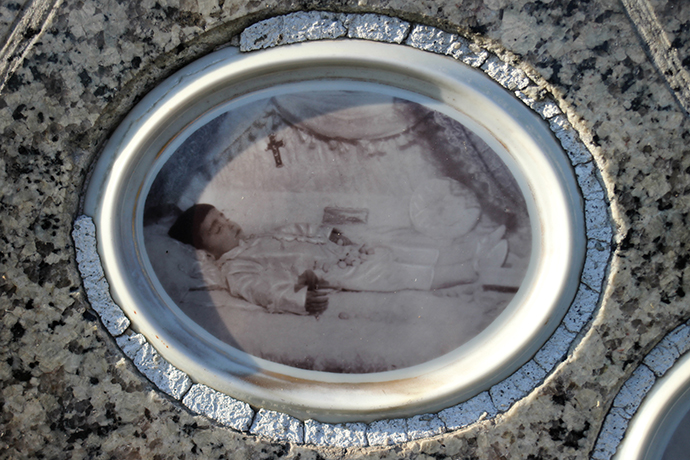
The most unnerving portraits are the ones of children. Everyone who has ever seen a horror movie (or met a real, live child) know that children are creepy. They seem to see and know things that we don't, and have senses that we lose as we grow and gain rational thought. Post-mortem photography was so popular, especially with children, in this era because sometimes that would be the only photograph a family had of a child. A lot of these photos show kids just being kids—in a soapbox car, holding a puppy, reading—but I did find at least one obviously taken post-mortem, and it's definitely one of the most memorable and objectively creepy things I've seen in my cemetery explorations thus far.
Jeff Koons: Seated Ballerina

I feel like I have a conflicted relationship with "modern art," or "installation art." I'm sure it's unsophisticated of me to say so, but a lot of contemporary art is just totally lost on me. My eyes can't roll far enough into the back of my head when I go to MOMA and see an entire gallery filled with blank canvasses (or ones with light pencil lines, or one stroke of color, etc.) regarded as "Art" with a capital A. I realize that there is sometimes method to the madness—and I welcome people who are smarter than I am to explain to me why certain pieces are museum-worthy–but I do try to recognize and respect the completely subjective nature of what counts as "art."
When the Whitney was moving downtown a few years ago, their final exhibition housed on the UES (before the MET Breuer moved in) was a Jeff Koons retrospective. I went because I had never been to the Whitney, and it was a pay-what-you-wish night. Koons is arguably one of the most famous living artists today, but to me a lot of his work inspires multiple of those muscle-straining eye rolls.
I remember walking into one of the rooms and just seeing a stack of lawn chairs—a scene repeating itself a million times over at Wal-Marts across the country. But even as ridiculous as some of his "work" is, I can't deny the fact that I just really love his balloon animal sculptures. Sure, he didn't invent the balloon animal, and I'm sure he's so far removed from his actual work at this point in his career that everything is manufactured by minions à la the Warhol factory system, BUT I just can't hate those stupid sculptures. They're an everyday, ephemeral object, made larger and more permanent by design. They're whimsical and shiny and funny-looking and they make me smile in spite of myself.

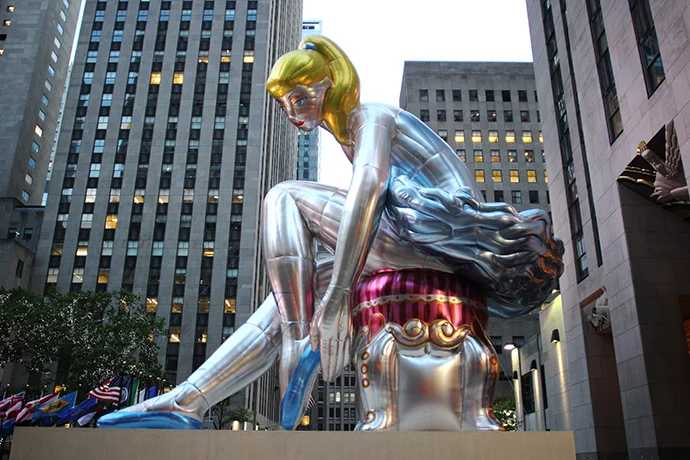

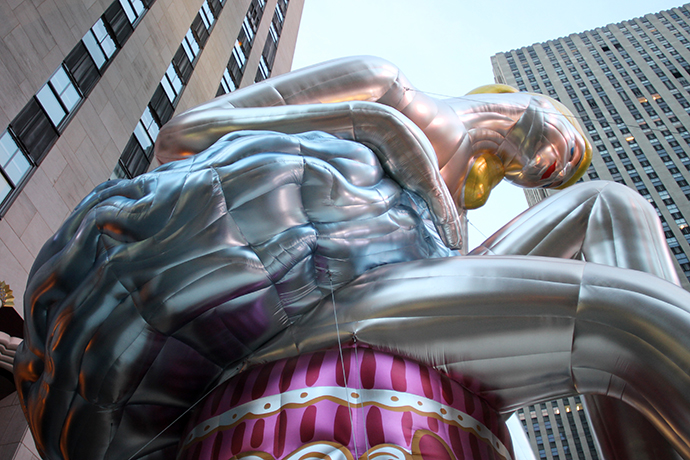
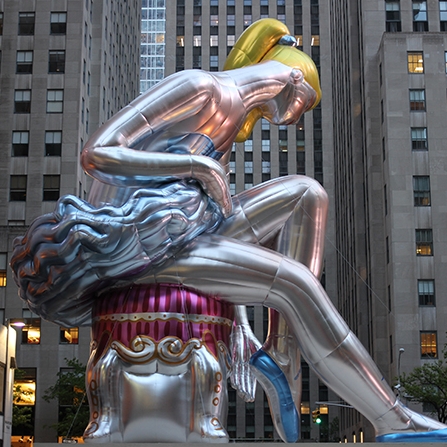
So, when I heard that Koons had a new balloon sculpture on display in Rockefeller Center, I couldn't help but be excited about it. Seated Ballerina is just that—a 45-foot-tall seated ballerina balloon sculpture—but unlike the works that made him famous, this one is an actual balloon (tethered to a pedestal and on view until June 2nd).


According to a press release, the sculpture "is based on a small porcelain figurine and acts as a contemporary iteration of the goddess Venus," but it's also larger than it's supposed to be and just plain fun to look at. I wouldn't say that Seated Ballerina made me think deeply about National Missing Children’s Month—which Koons claims is an objective—but it did bring me more joy than an entire gallery of blank canvasses ever could.
2nd Avenue: 92nd-34th Streets

One of my doctors' offices is located on First Avenue at 37th Street. I had an after-work appointment recently and it was a beautiful night so I decided to walk from 92Y at Lexington Avenue and 92nd Street. I've done this before and walked down First Avenue, so this time I chose to walk down Second Avenue (Third, you're next!).


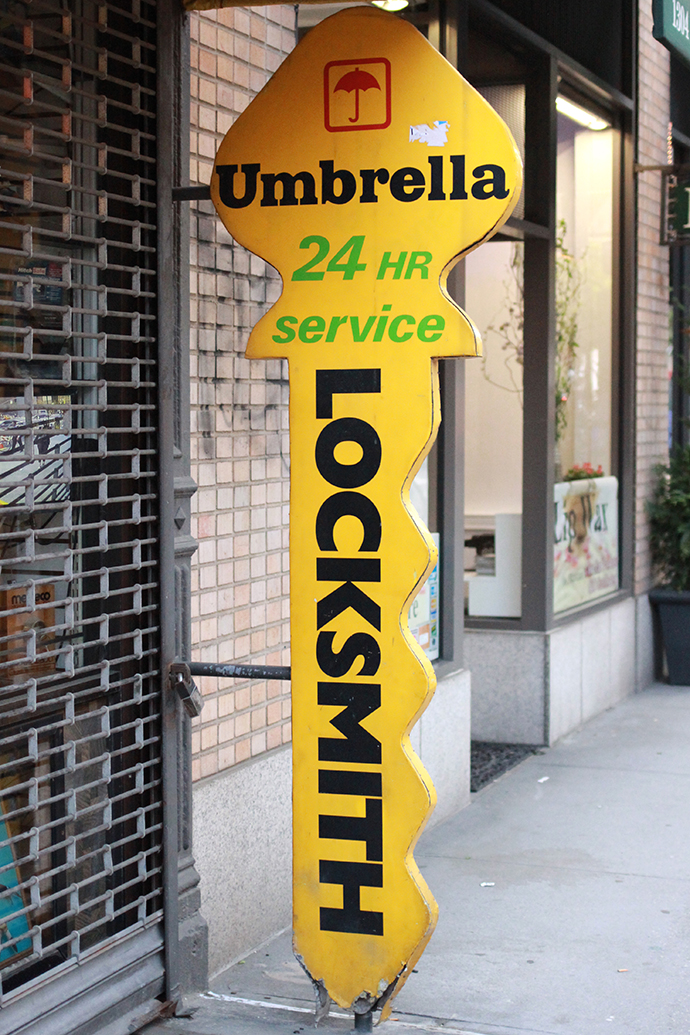


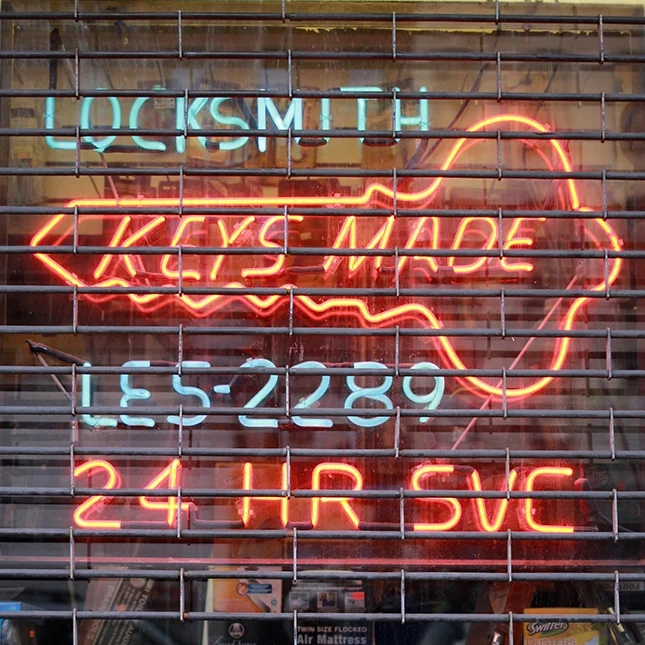
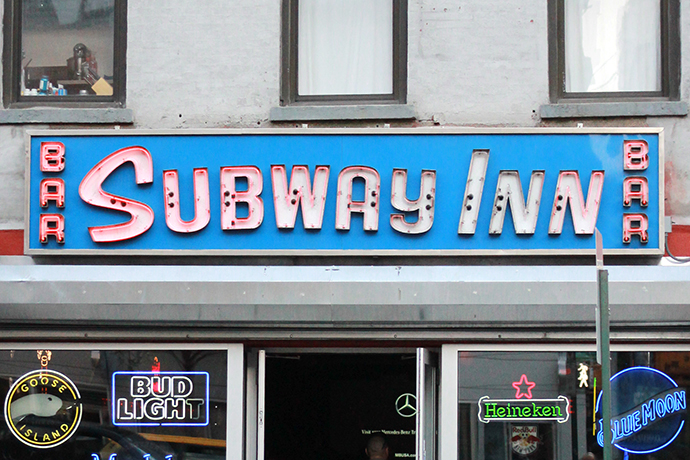
I had about an hour, which wasn't really enough time and by the end of it I was nearly jogging to make it to my appointment on time. I walk fairly quickly, I think, but I'm constantly stopping to take photos and criss-crossing the avenue whenever I see something that catches my eye. I'm never really looking for anything super specific on these city walks, but there are things that I will always love: novelty neon, hand-painted signage and anything that looks like old New York to me or makes me laugh.


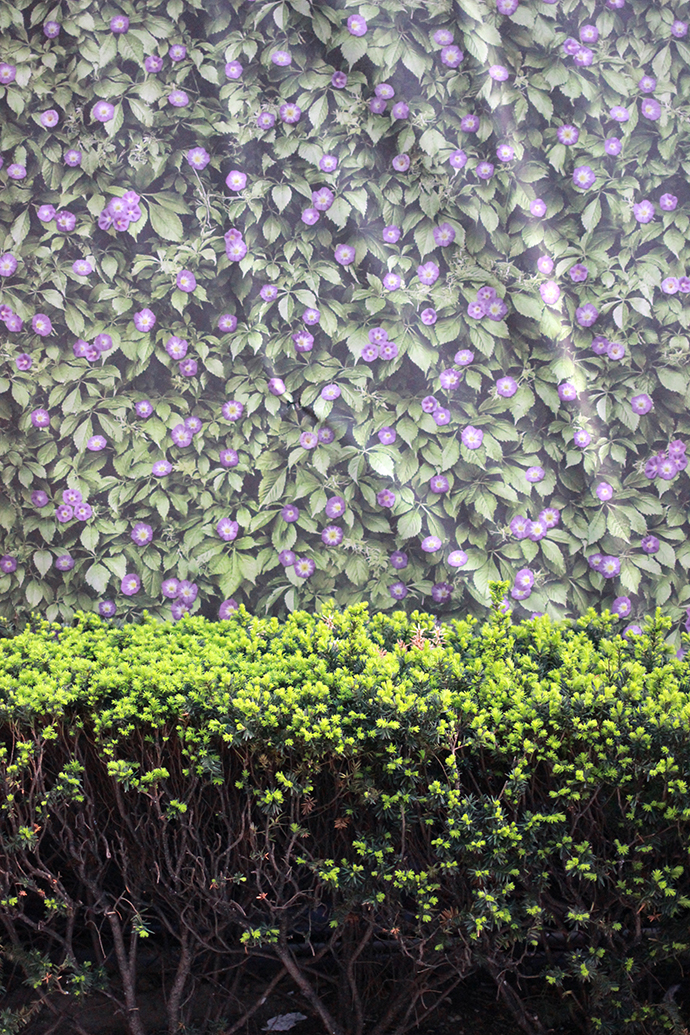
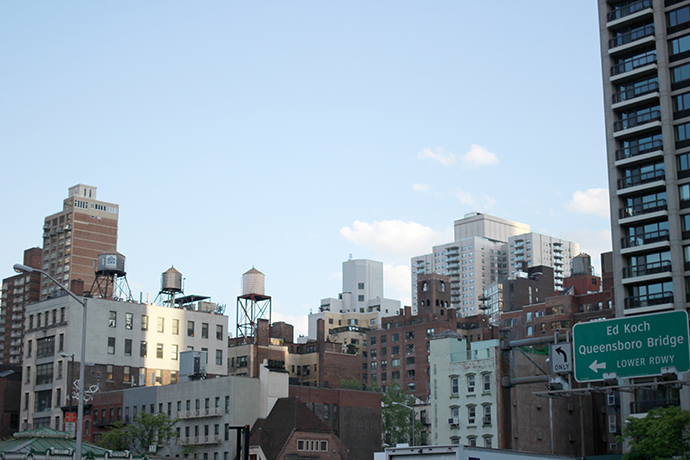

I would eventually love to take walks like this around the entire city (although maybe just Manhattan is more realistic). Taking this enormous city in tiny slices like this is so much fun to me—the city can be so overwhelming that giving myself constraints (however arbitrary) always helps me focus. I notice things I would probably miss otherwise—like a table for two set precariously over a sidewalk hatch or a fake greenery backdrop only somewhat succeeding at obscuring a construction fence.
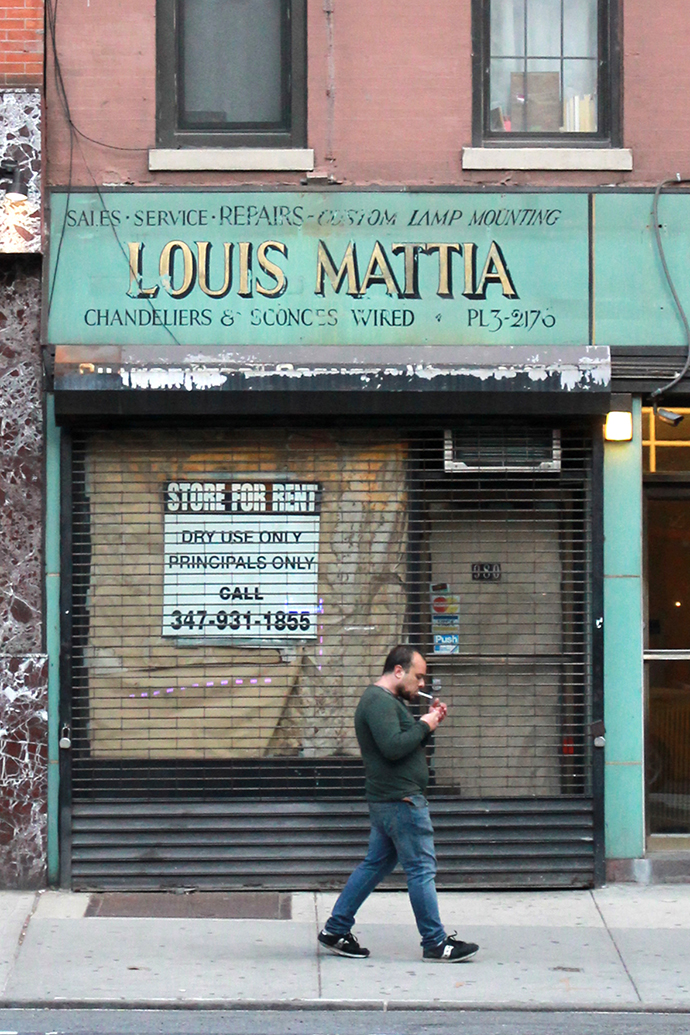

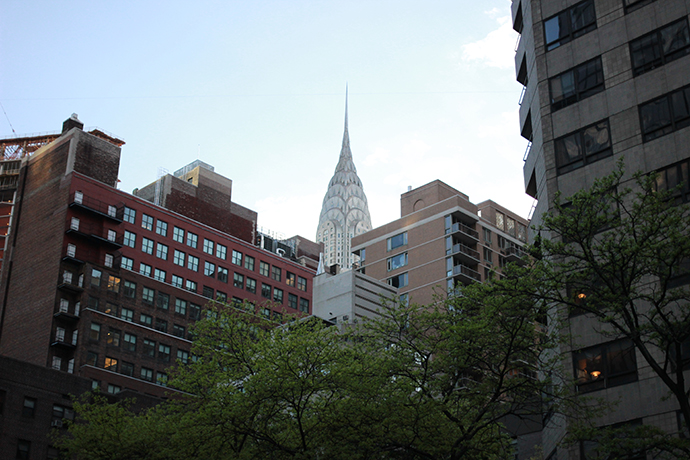


Recently we were having dinner at P.J. Clarke's, a restaurant that has been in business since 1884, and I mentioned that in New York it seems as if businesses are either a hundred years old or brand new—there's not much middle ground. I've already been here long enough to see longtime businesses close (and in some cases be demolished completely) and I'm getting more used to change—but that doesn't make it any easier to know that relics like the hand-painted teal and gold Louis Mattia lighting store sign will inevitably be replaced soon by something far less special.
Green-Wood Cemetery: Spring
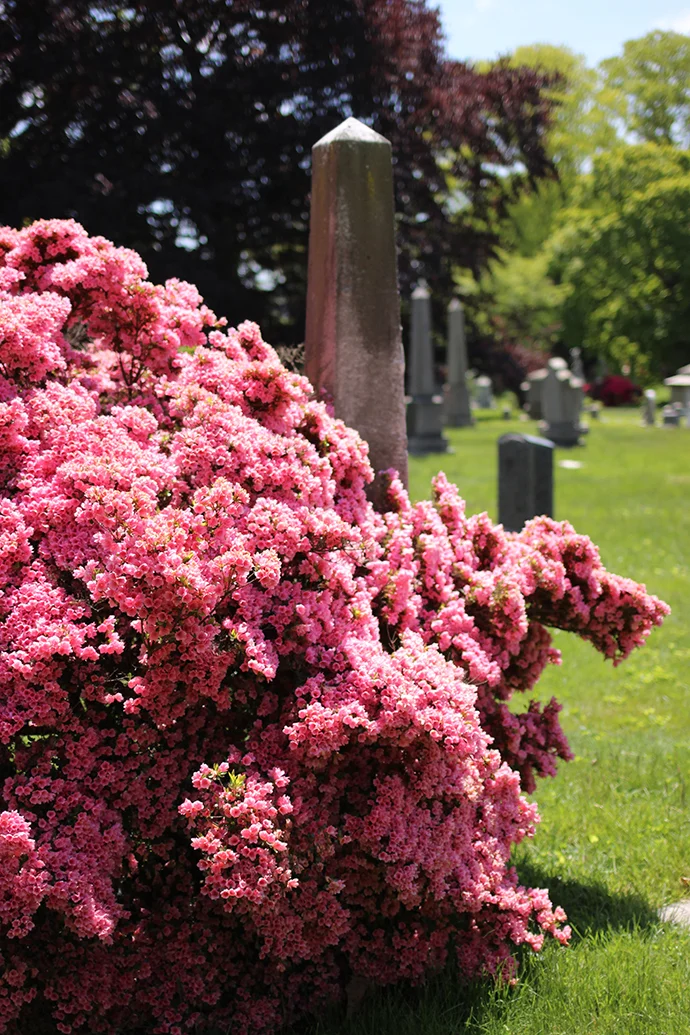
Last Saturday it rained all day here in New York. I'm not exaggerating when I say all day—it may have even rained continuously for more than 24 hours. I love seasons and I try not to get grumpy about the weather, but rain in the city is the absolute worst. I will take extreme dog-mouth heat and below-freezing blizzard conditions over a mild spring rain any day. Part of this disdain probably comes from my inability to find a proper rain shoe, but in a city where you're forced to walk outside, rain basically ruins everything. Since I did absolutely nothing on Saturday, I was up early on Sunday, eager to get outside and do something—anything—before the rain was supposed to start up again in the afternoon.
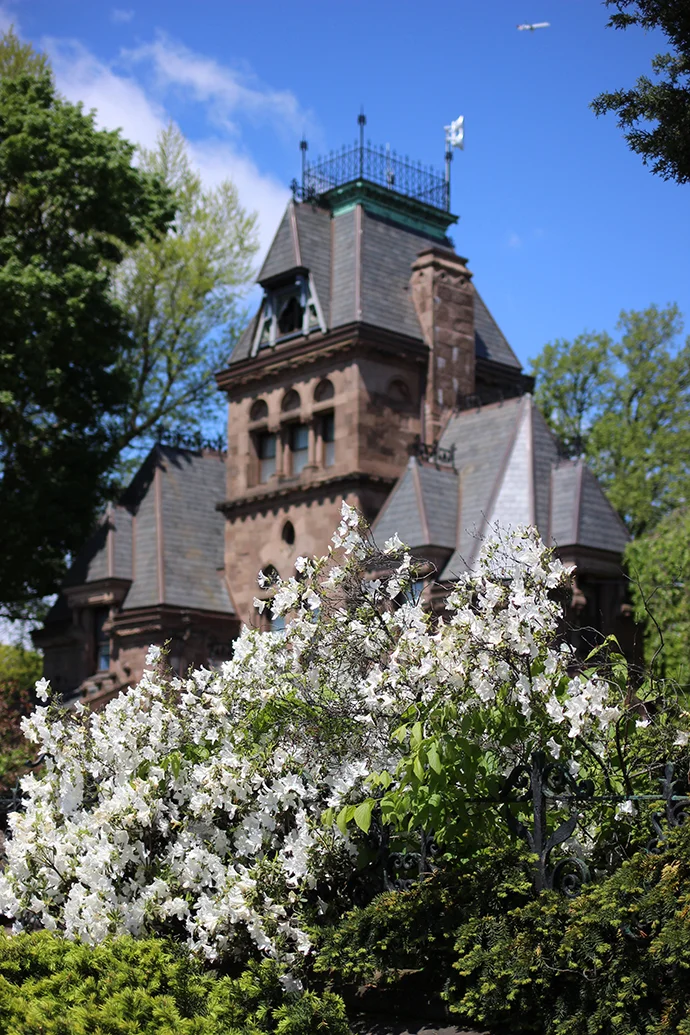
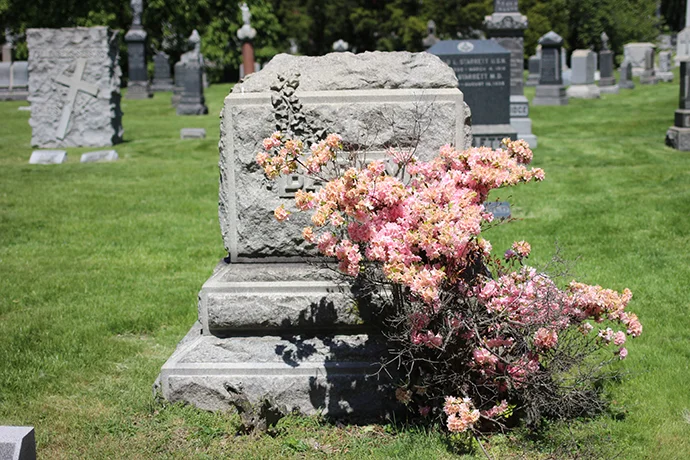
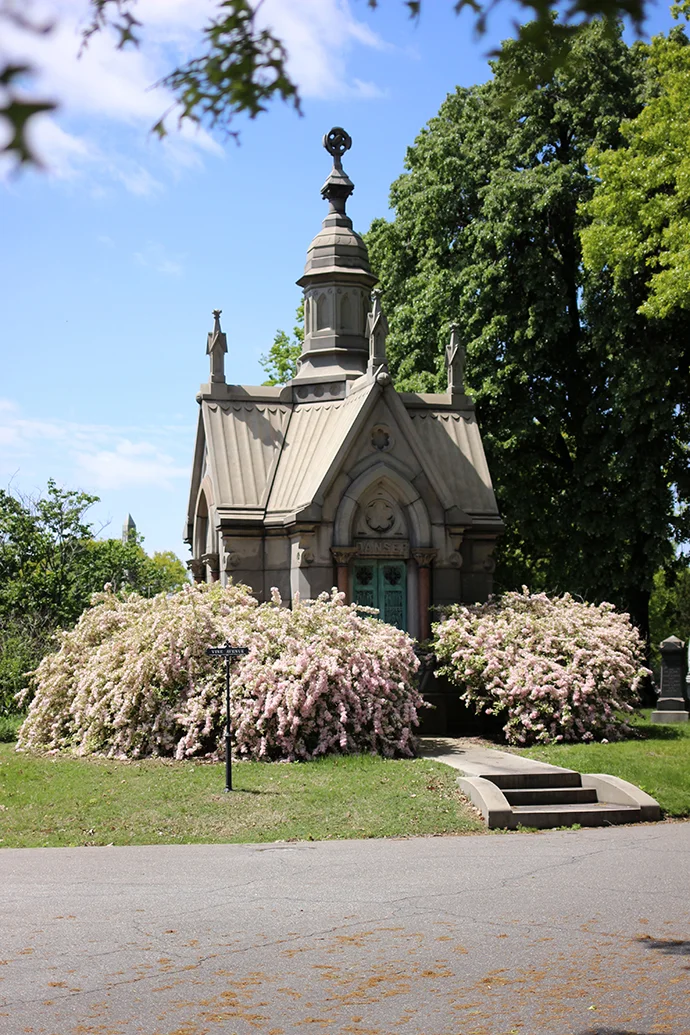
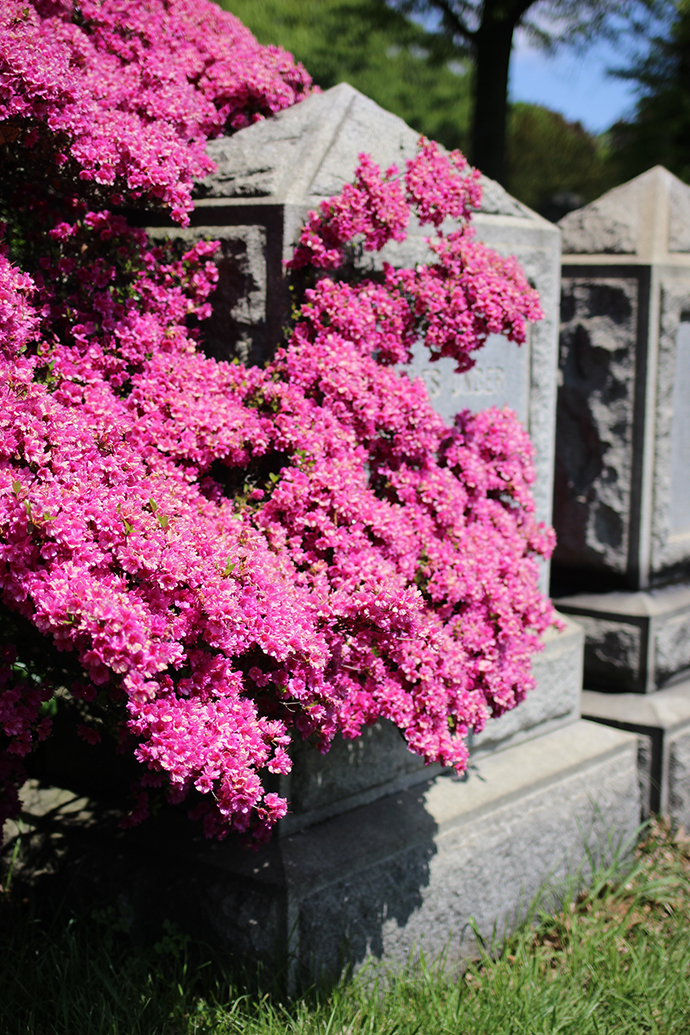
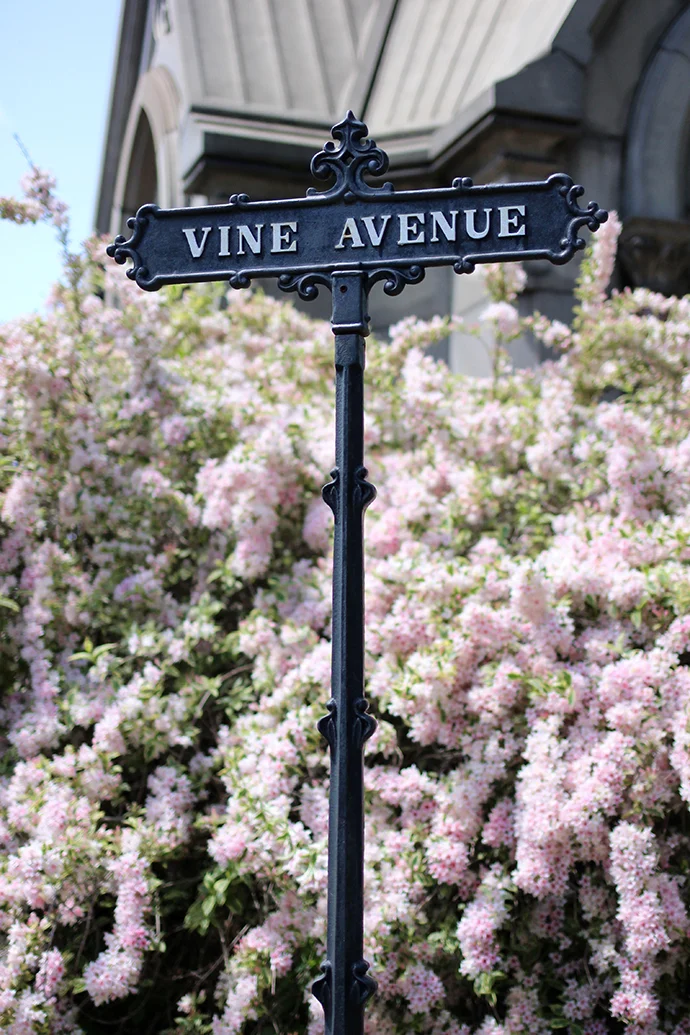
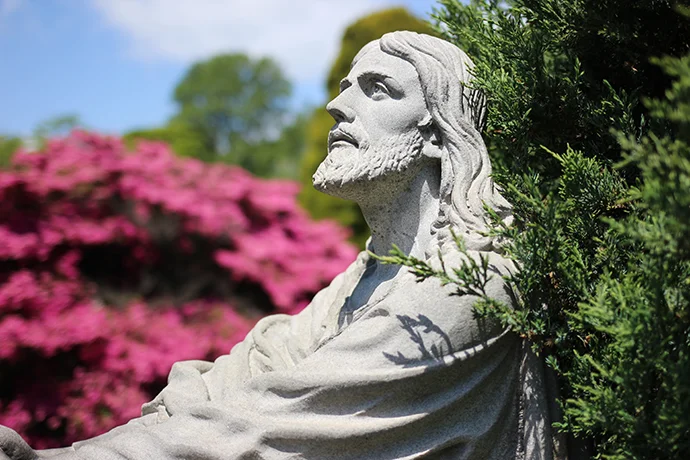
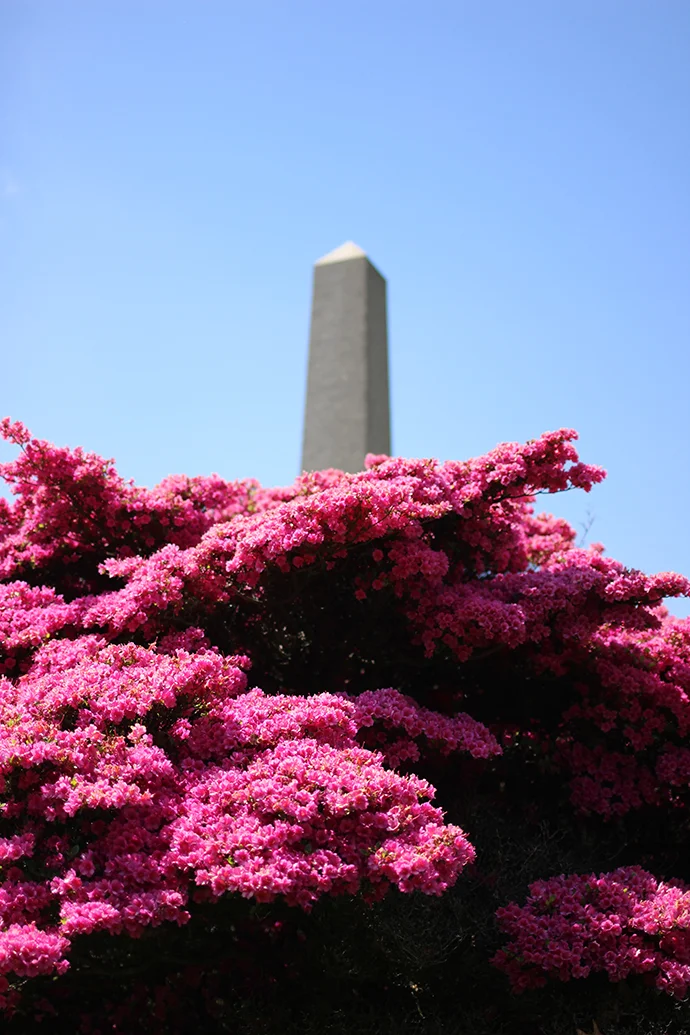
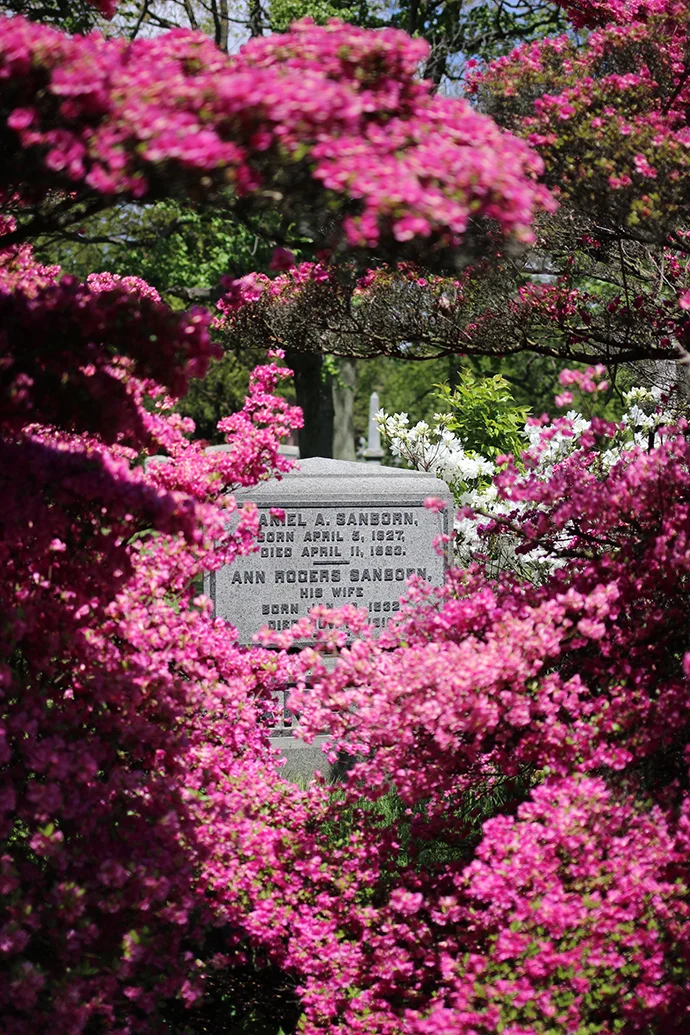
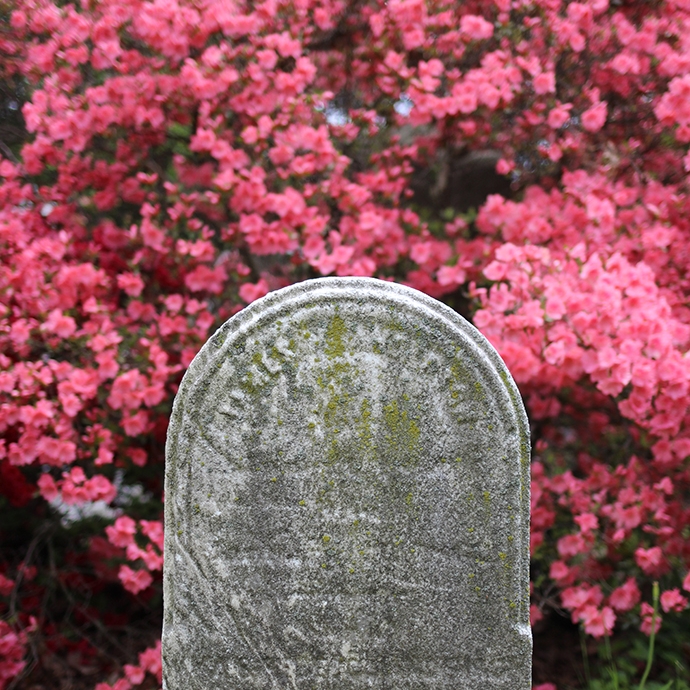
David lives two blocks from Green-Wood Cemetery, so we headed over there to check out the spring blooms. I became enamored with the bright, beautiful azaleas at Green-Wood last spring, and I was happy to be able to catch them again this year. A few of the bushes were already past their peak, but most were spectacularly full and the contrast of the bright flowers with the dark, heavy stones and statues was so fun to photograph.
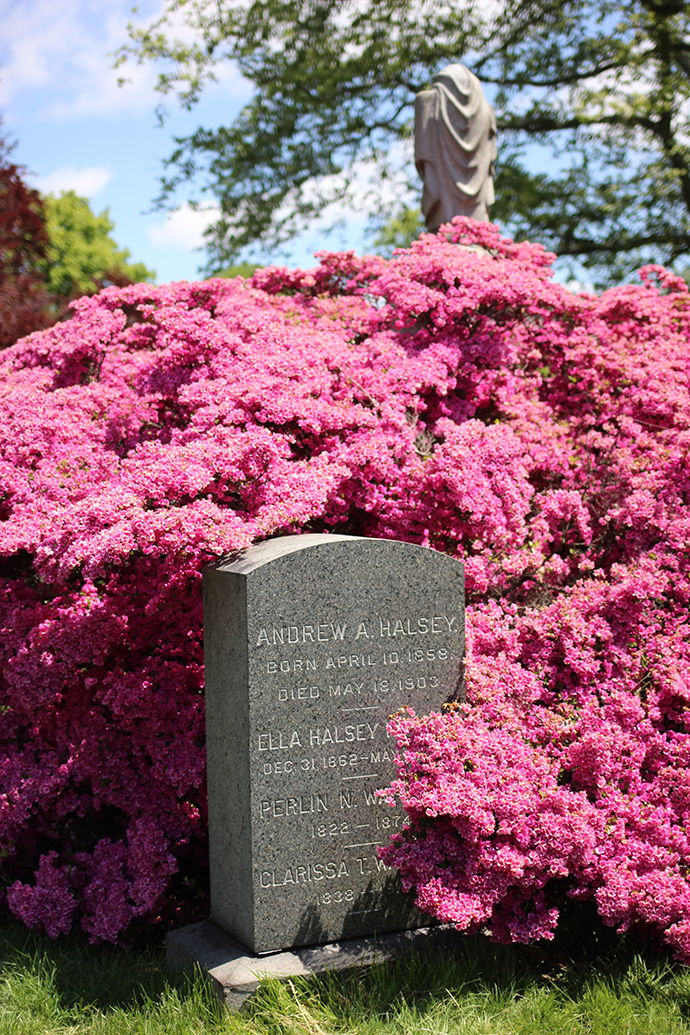
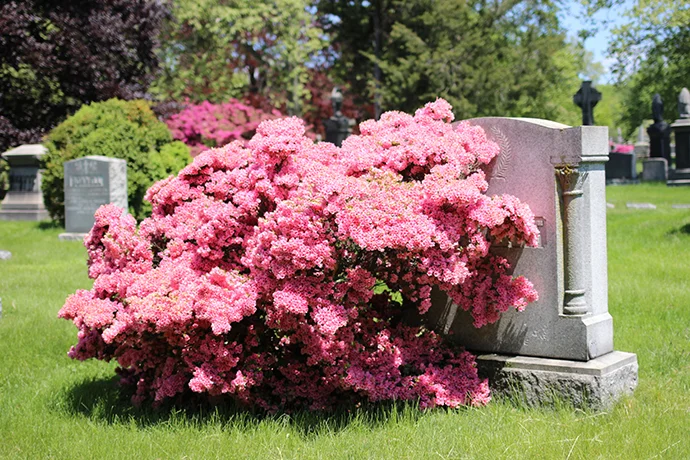
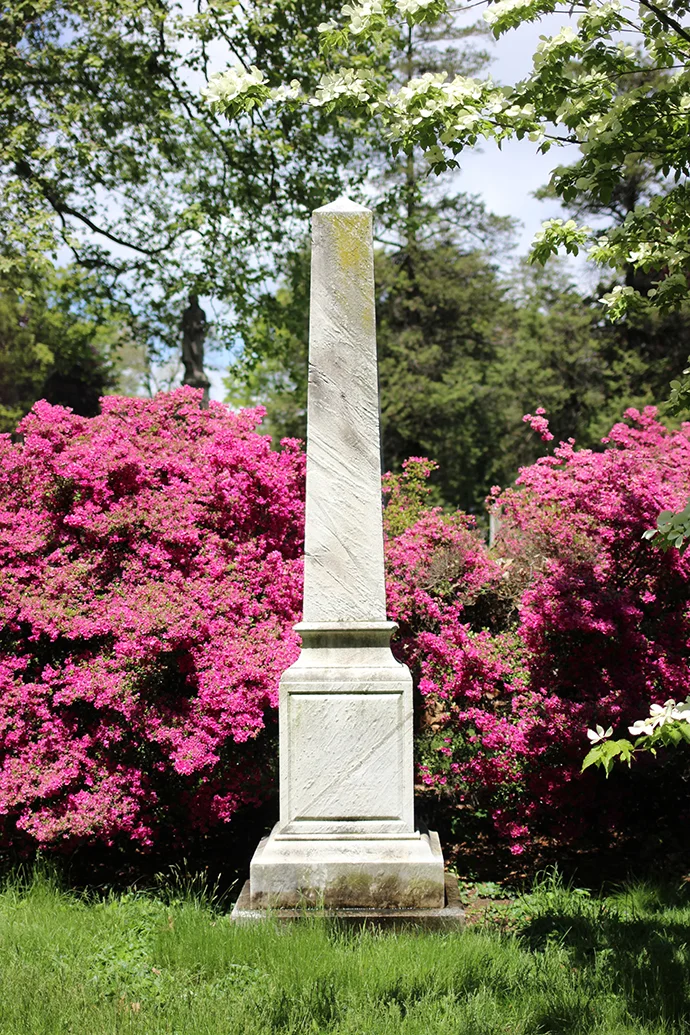
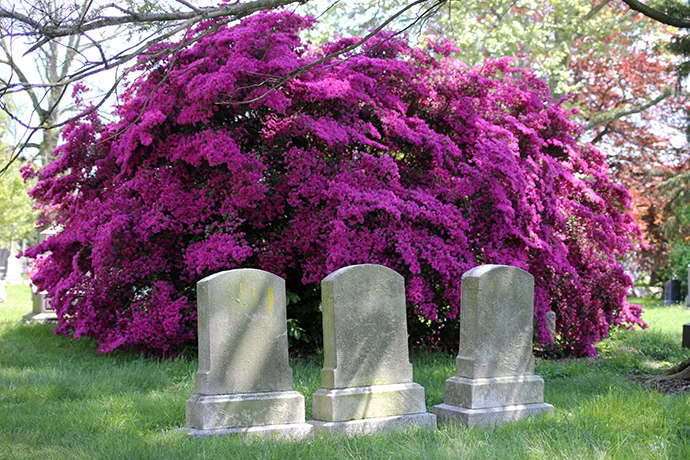
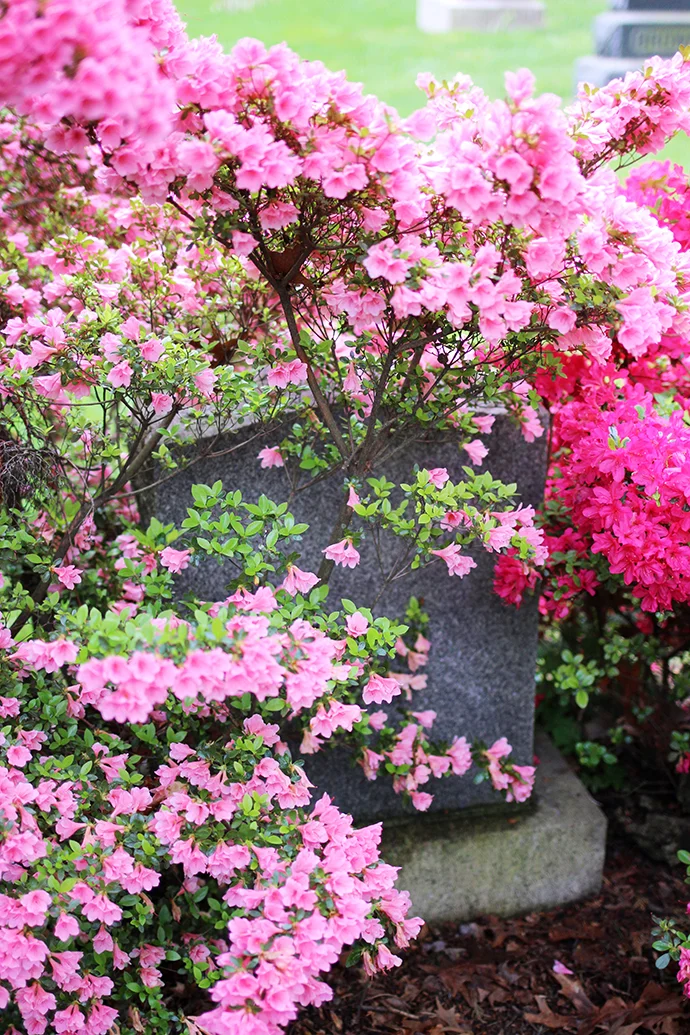
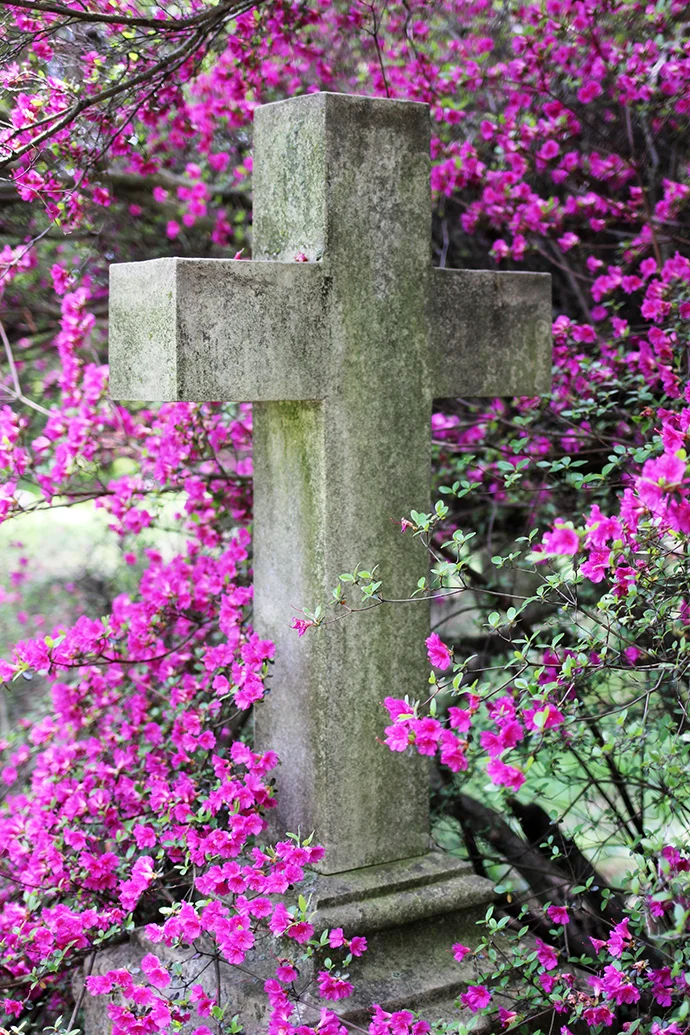
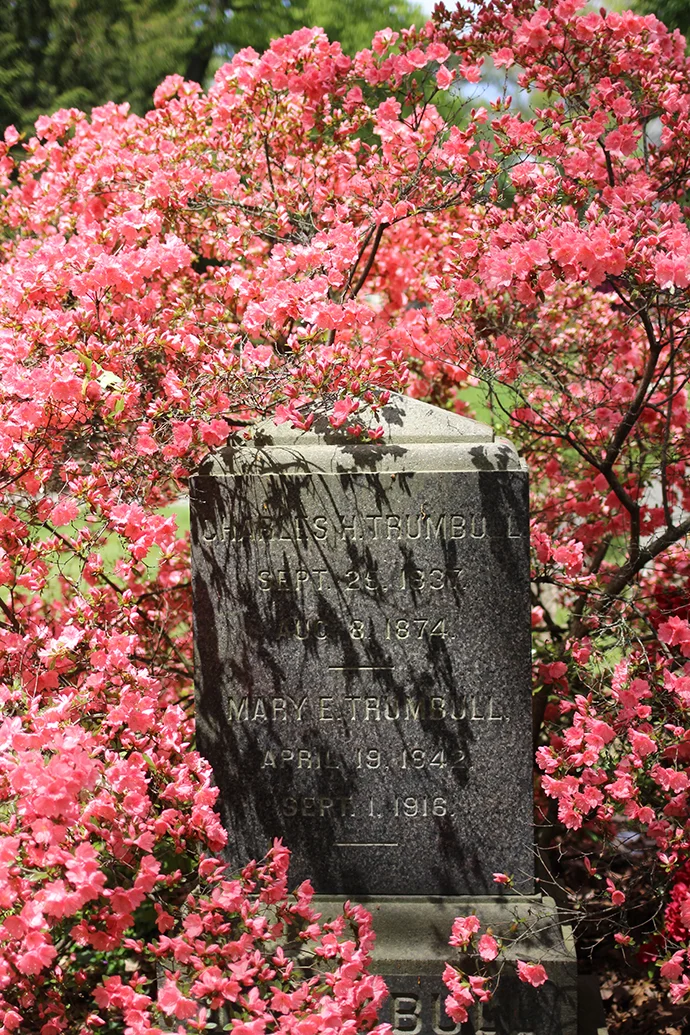
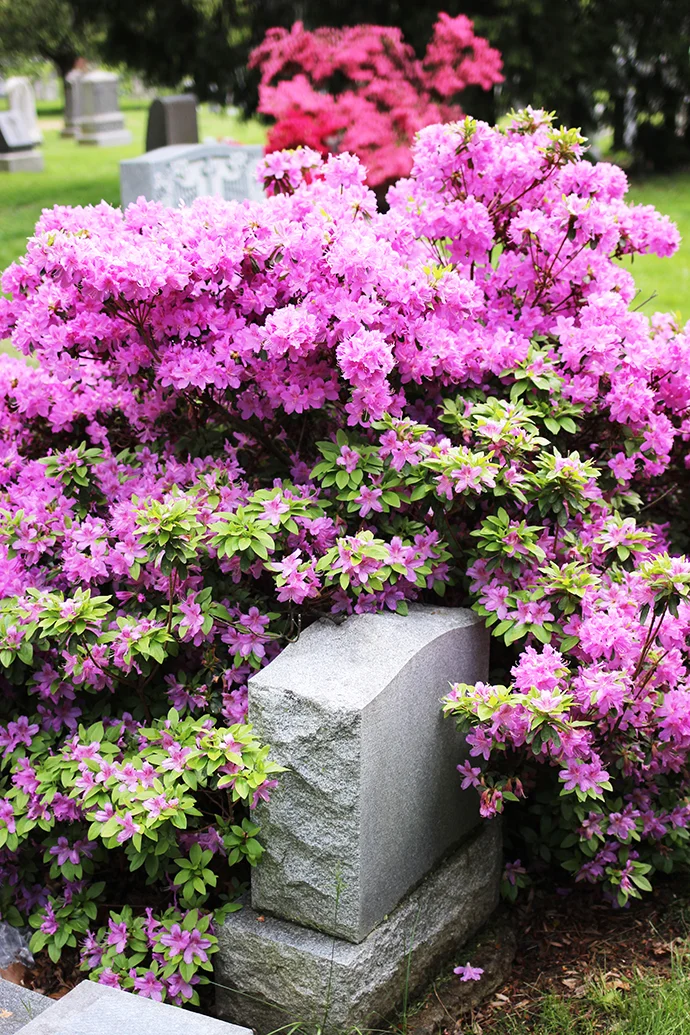
In addition to all of the beautiful flowers, Green-Wood is quite literally so green right now. The previous day's rain made everything feel so lush—I don't think that a shade of green exists that isn't currently represented in the cemetery. Ok, so maybe I just convinced myself that rain does indeed have a purpose, BUT I still contend that the perfect rain shoe does not exist.
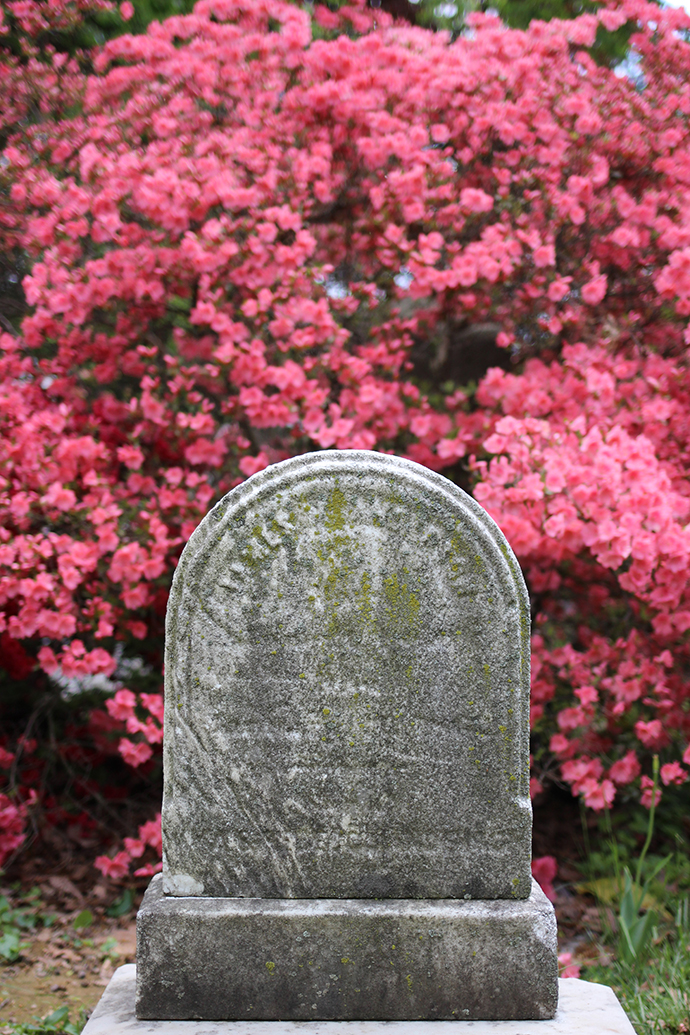
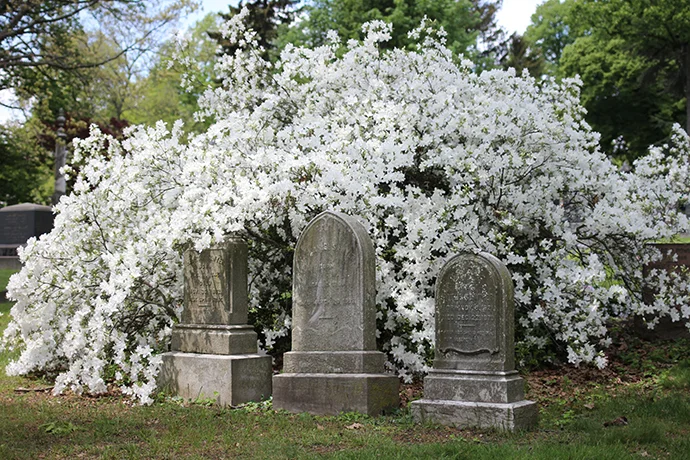
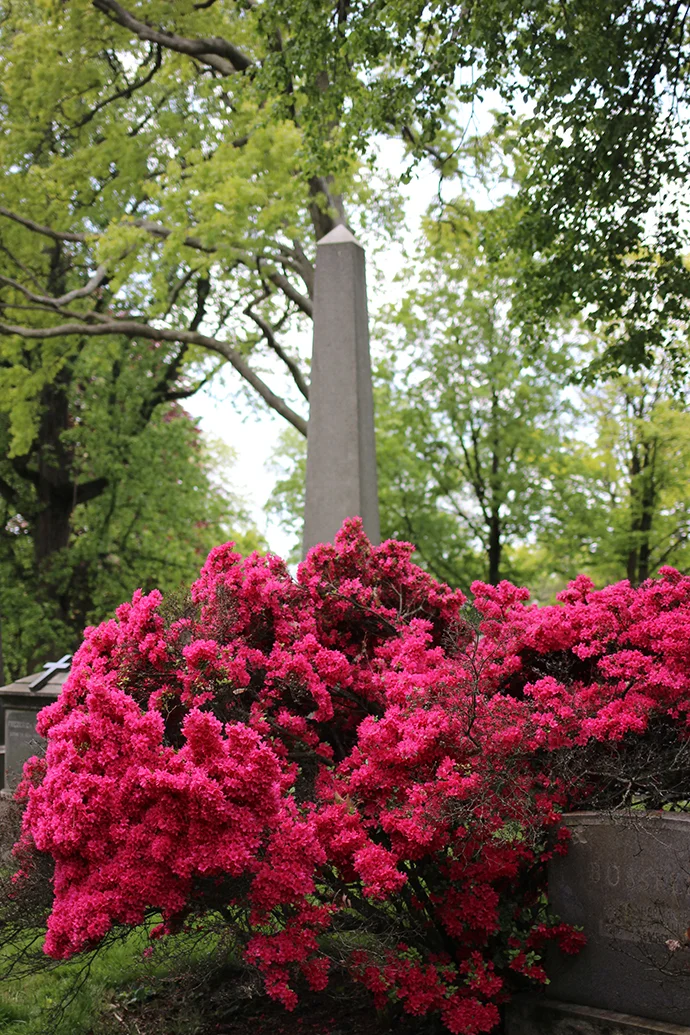
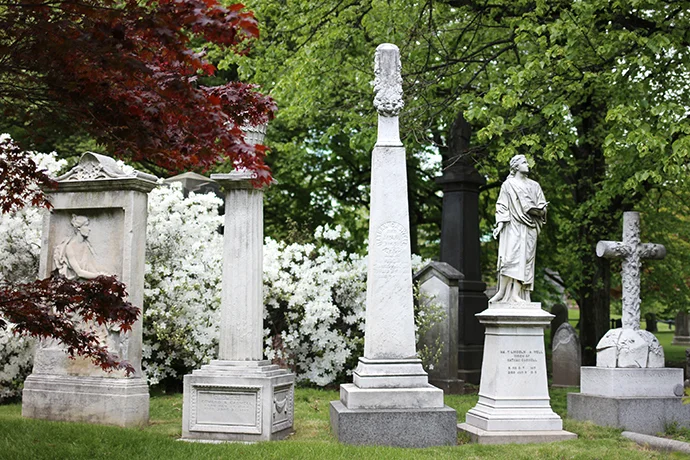
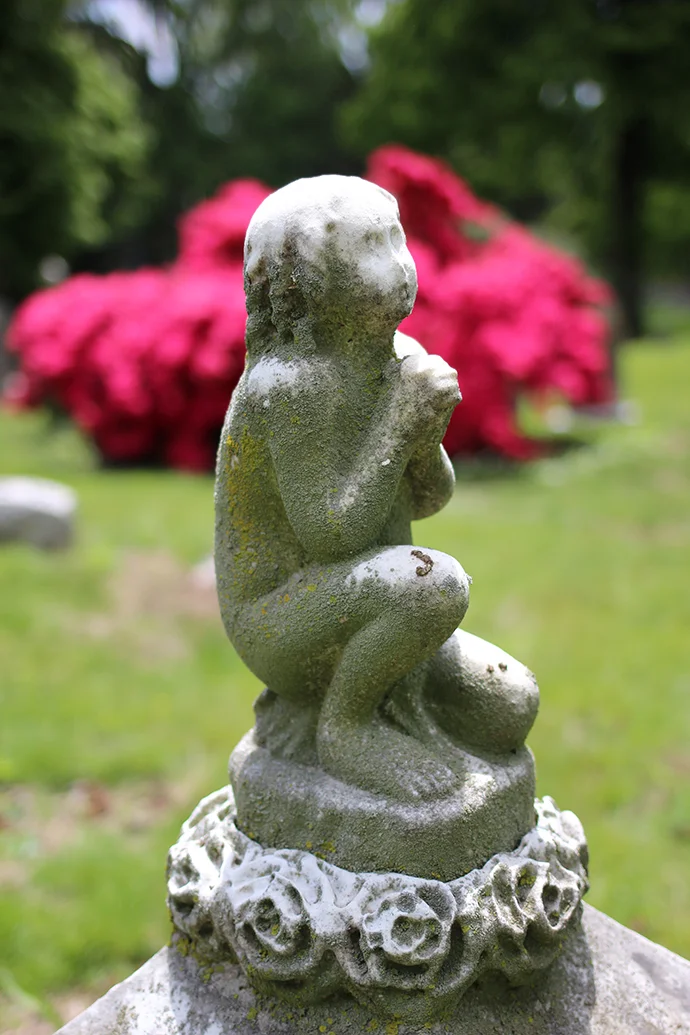
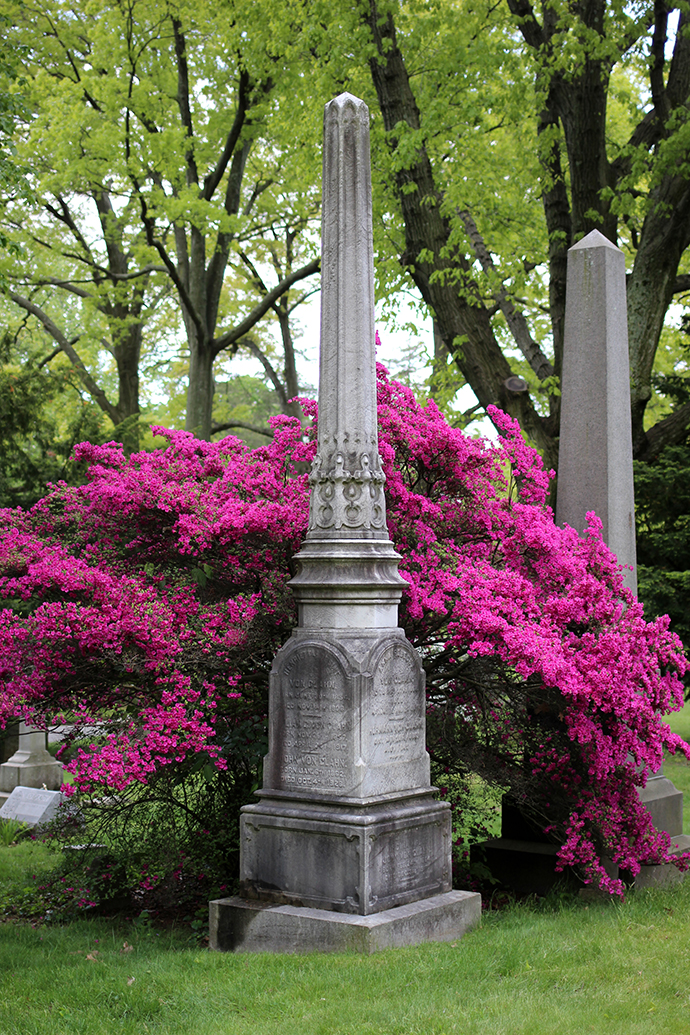
Being surprised at the passage of time is such a boring thing to talk about, but I was trying to think of the last time I was at Green-Wood and realized that it was back in February after a big snowfall—it barely looks as if it could be the same place. That variation is one of my favorite things about seasons. I understand how people could be intolerant of long winters or humid summers, but I think I'd die of boredom in a place with consistent weather and no seasons.
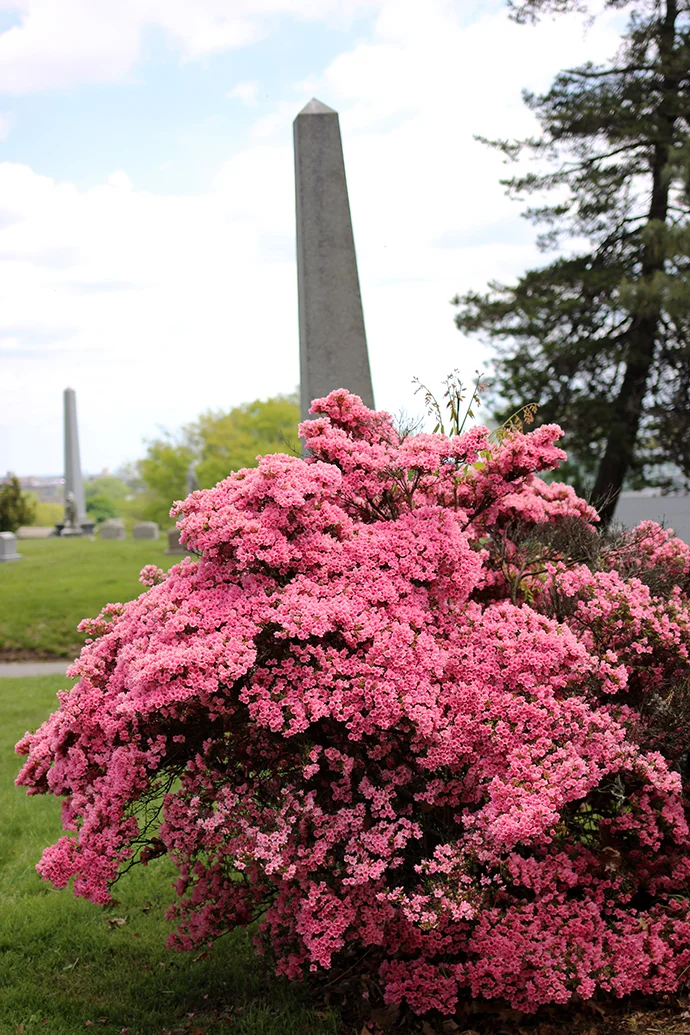
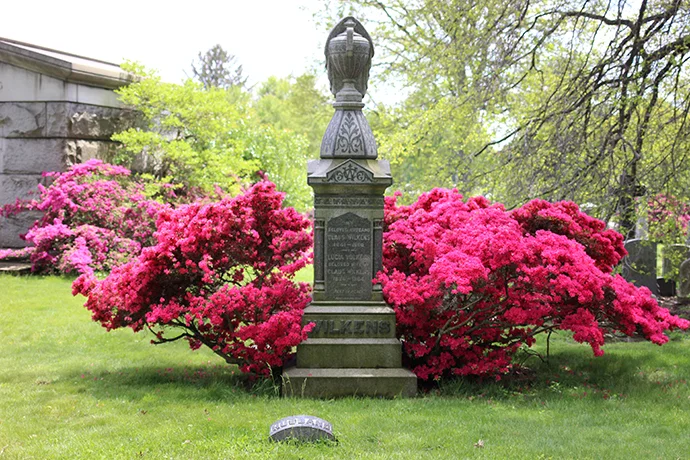
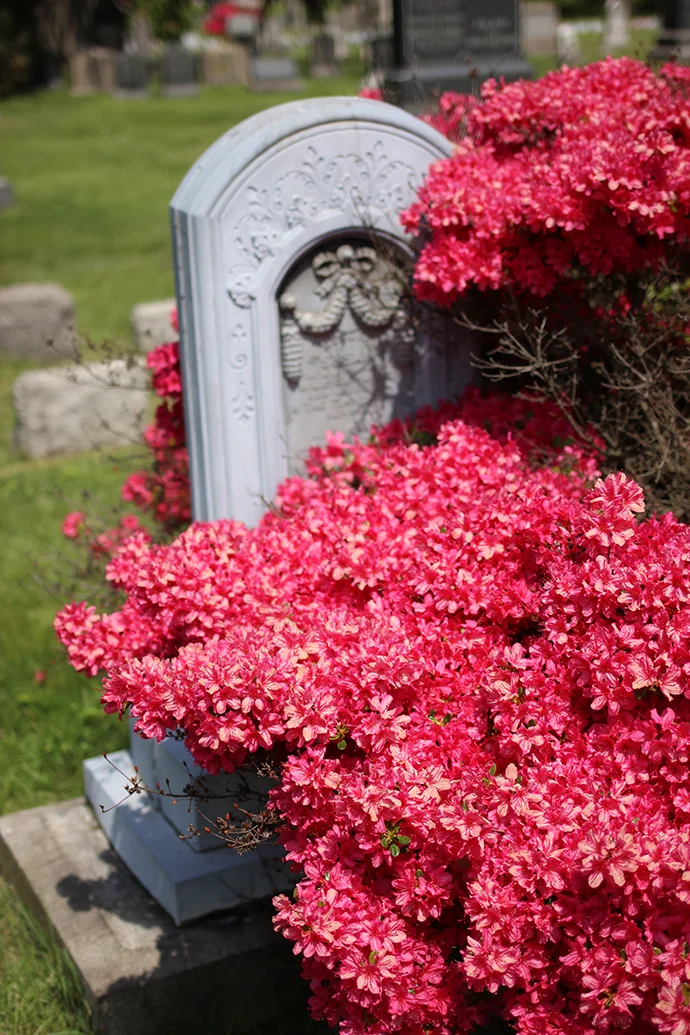
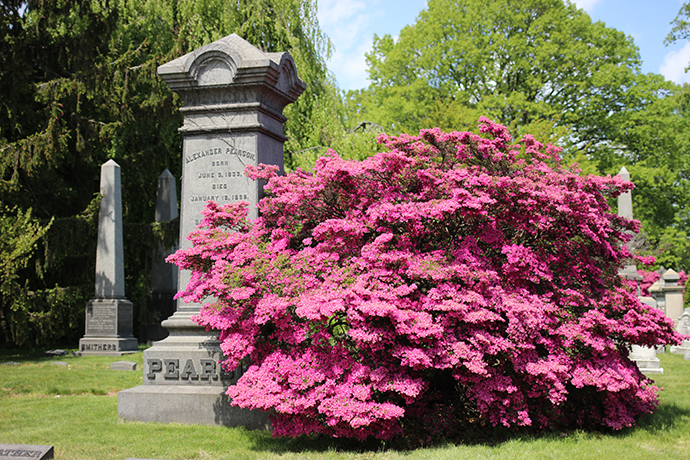
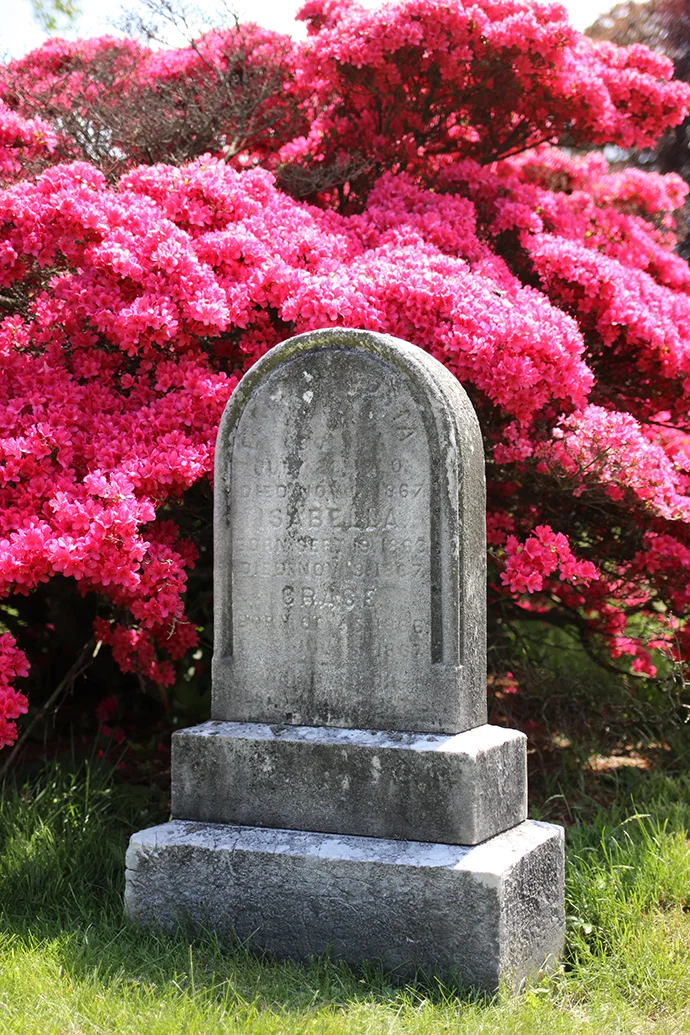
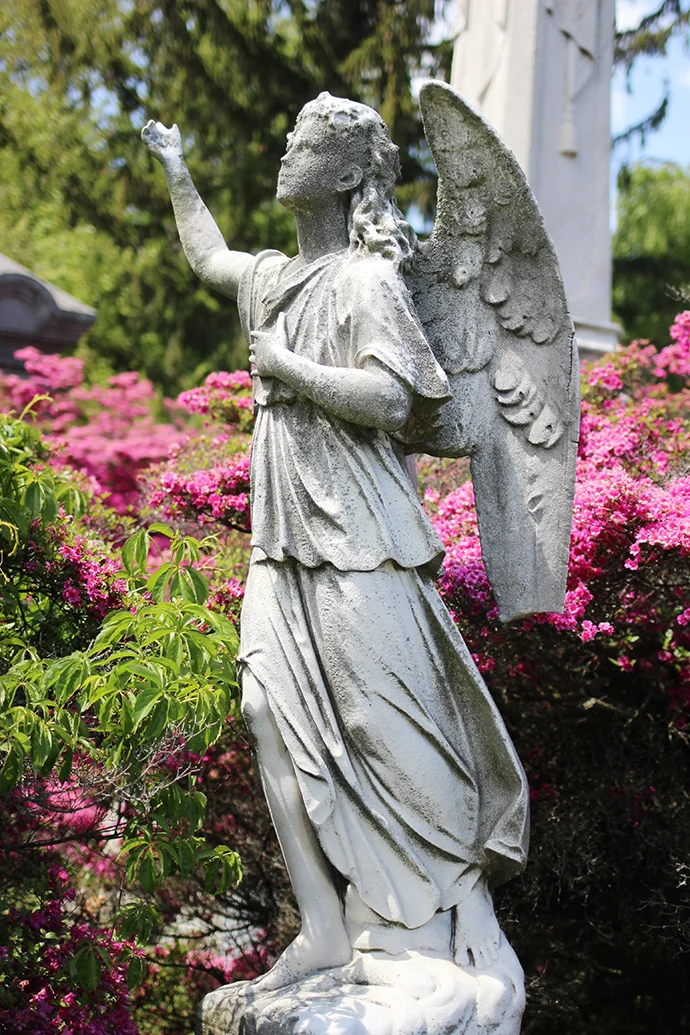
While we were walking around, we noticed that there were a lot more visitors than normal, and it took me a while to realize that it was because it was Mother's Day. I actually feel really strange when I run into other people in cemeteries, and it's not uncommon for me to be (or at least feel as if I'm) totally alone. Green-Wood is a popular place for tourists (although it feels weird calling cemetery visitors "tourists"), but with so many people actively visiting graves and mourning, I often felt as if I was intruding.
I visit cemeteries so frequently, focusing on the typography, design and history of the stones that it's easy to forget that each stone represents a person or persons. Someone who lived a life—however long, short, easy, hard, complicated, virtuous, painful or joyful—and it seems unfair that they don't get to enjoy the beautiful landscape beneath which they're interred.
Denning's Point Brickworks

After exploring the abandoned Reformed Church cemetery on a recent day trip to Beacon, NY, we decided to take a little hike. The weather had cleared up and we weren't ready to drive back to the city just yet, so we headed over to Denning's Point, a NSFW-shaped peninsula that juts out west of Beacon into the Hudson River. The scenery is so beautiful in the Hudson Valley, and the trail (basically a large loop) ended up being longer and more secluded than I had expected. The area is a protected winter habitat for bald eagles, and is closed from December 1st through March 31st.


Earlier in the day (when our plans to spend hours at Dia: Beacon fell through) I had been searching for attractions near Beacon and had briefly read about the ruins of the Denning's Point Brickworks factory. I didn't expect to see it, let alone run right into it on our hike, but I probably squealed with delight, which is my default reaction to unexpectedly stumbling upon things I love.


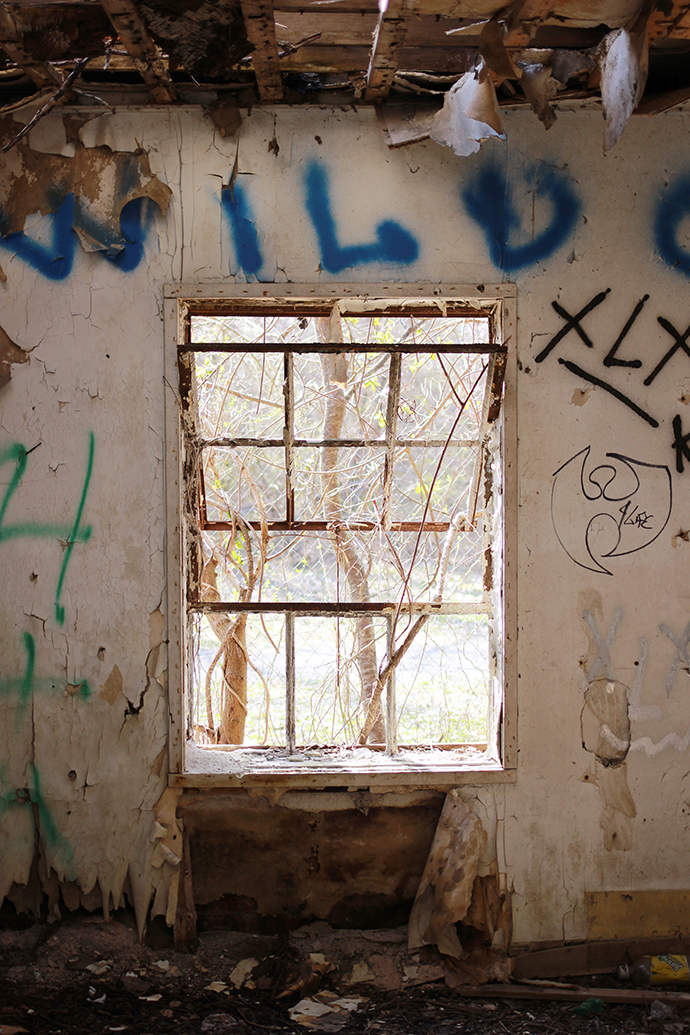


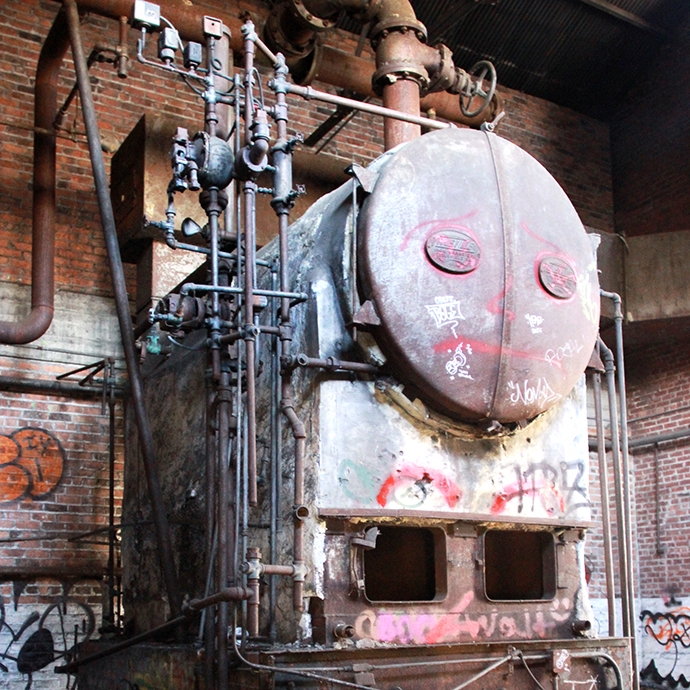
Denning's Point Brickworks started operating from the Hudson Valley in 1885, but by 1939 they had exhausted the local clay reserves and the factory closed. The buildings continued to house factories, one that made composite wood/concrete construction panels and another that made paper clips. Manufacturing declined in the area and stopped for good in the 80s—in 1988 New York incorporated the area into the Hudson Highlands State Park.


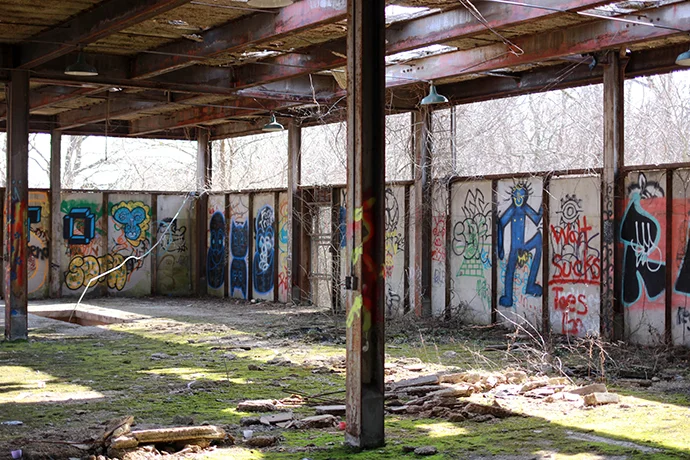

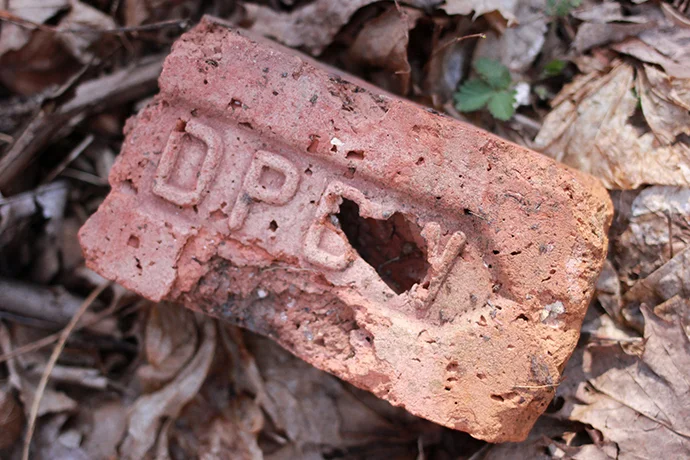
In its heyday, Denning's Point Brickworks fired a million bricks a week. DPBW bricks were used in the construction of both the Empire State Building and Rockefeller Center, and you can still find them scattered throughout the trail and along the riverbank. The building isn't too much more than a shell at this point but it was a great surprise and a reminder that some of the best days happen after my original plans fall through.
Denning's Point Trail: Open April 1st - Nov 30th
Where we parked:
23 Long Dock Rd
Beacon, NY 12508
The trail is also just a short walk from the Beacon Metro North train station.
Muffler Man: BP

Usually, when I say that I don't have plans, I'm lying. I am an obsessive planner by nature. I would never, ever describe myself as "spontaneous," although I'd like to think that I'm still easy-going and not impossibly rigid—as long as everything goes exactly how I imagine it will in my head. I spend countless hours thinking about and planning adventures—big and small—so it's rare that I find myself completely without agenda.
Our recent day trip upstate to Beacon, NY was somewhat spur-of-the-moment by my usual standards, but I still had some ideas (like the abandoned cemetery). In fact, when I told David that we should take a day trip on a day we both had off work for Passover, I began by saying "should I pretend that I don't already have a trip planned or just tell you where I want to go?" This probably makes me sound bossy and horrible but let's just call me opinionated and organized.
We had planned to take the Metro North to Beacon, but at the last minute decided that a Zipcar would be only slightly more expensive when split between the two of us. I adore public transportation and train travel more than anyone probably should, but the control-freak in me can't pass up the freedom that comes with having a car—and if I don't have to actually drive it, even better.


Once it was decided that we would drive, I immediately started thinking of possible stops along the way. Beacon isn't far from the city (about a two-hour drive) but any trip I take is as much about the stops along the way as it is about the final destination. My first thought was an upstate Muffler Man that has been on my radar ever since I researched our first Sleepy Hollow trip, and that meant he was on our way to Beacon as well.


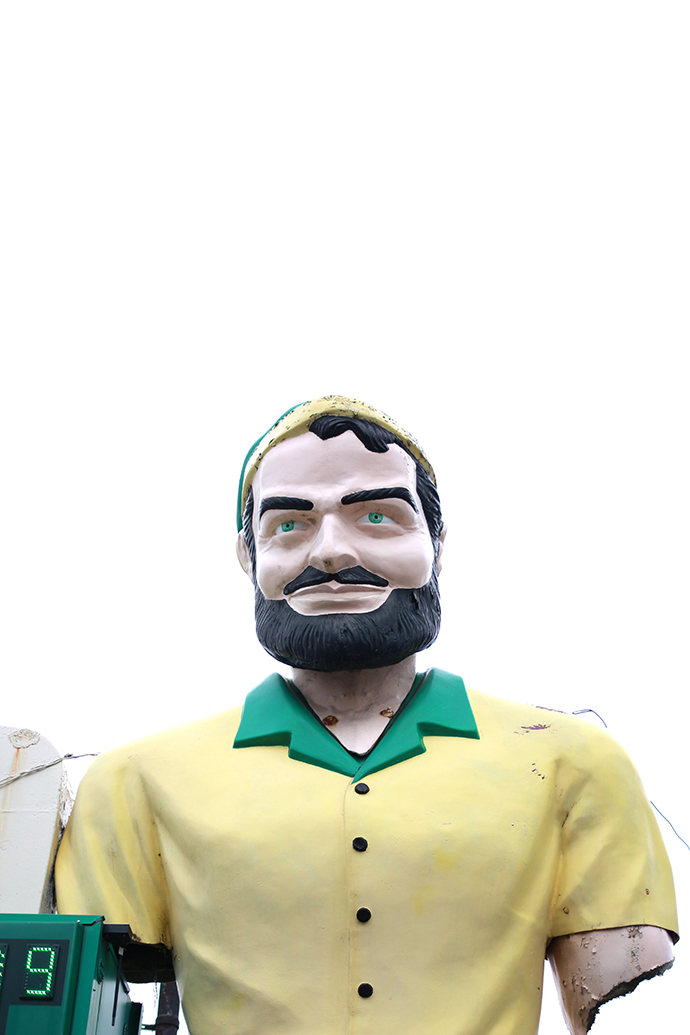

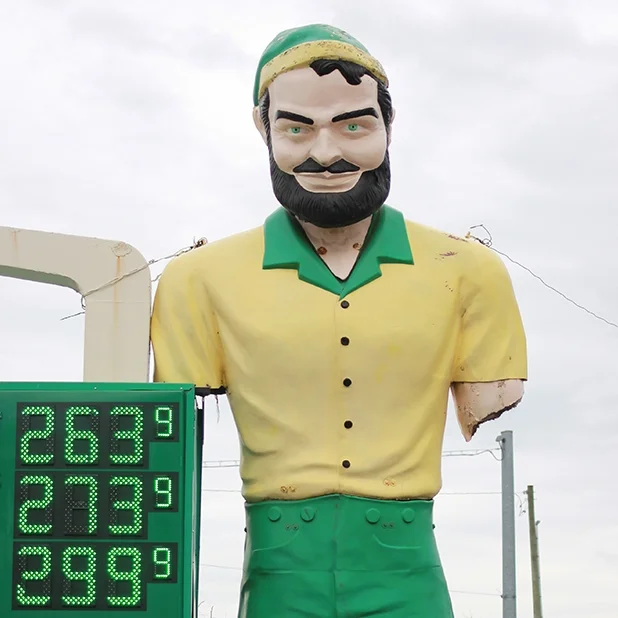
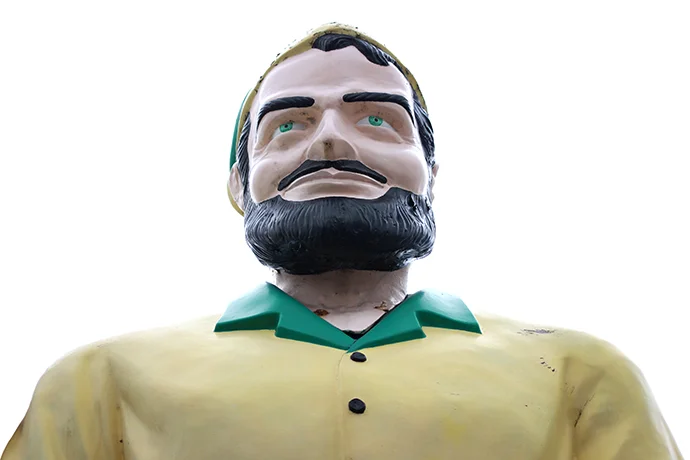
This Muffler Man (my 13th!) is located in Elmsford, NY at a BP gas station. He looks as if he's been fairly well-maintained, despite the fact that he's missing both of his arms. His left arm looks as if it may have broken off, while his right arm may have been intentionally removed to fit him snugly next to the price sign. His feet are partially buried in the dirt, and he's painted BP yellow and green (even his eyes match!). I'm very grateful to have found a roadtrip partner who not only loves to drive, but who doesn't mind stopping once and while to make new friends.
BP Muffler Man
135 N Saw Mill River Rd
Elmsford, NY 10523
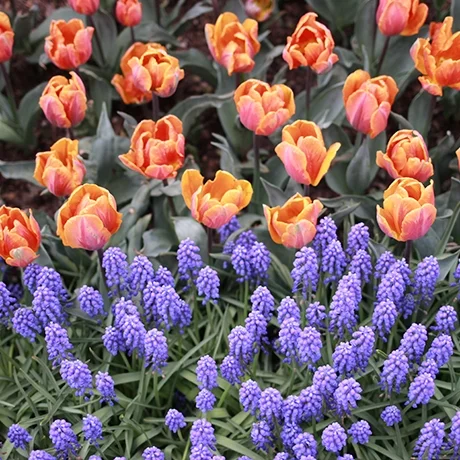
Tulips

While the cherry blossoms are the main attraction this time of year at the Brooklyn Botanic Garden (and throughout the city), the tulips are equally spectacular every year. I had wanted to move to New York from the moment I first visited when I was 14, but I often mention how I solidified my resolve to move during a particular visit to the BBG cherry blossoms in 2012. That trip also included an equally life-changing visit to the Conservatory Garden tulips, which I now make sure to visit every year.
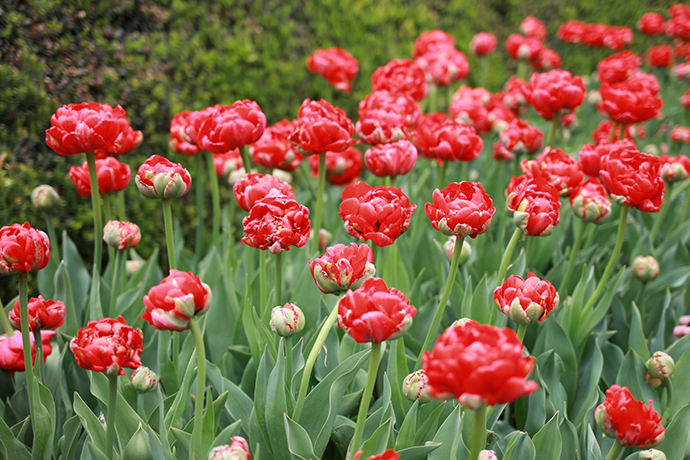
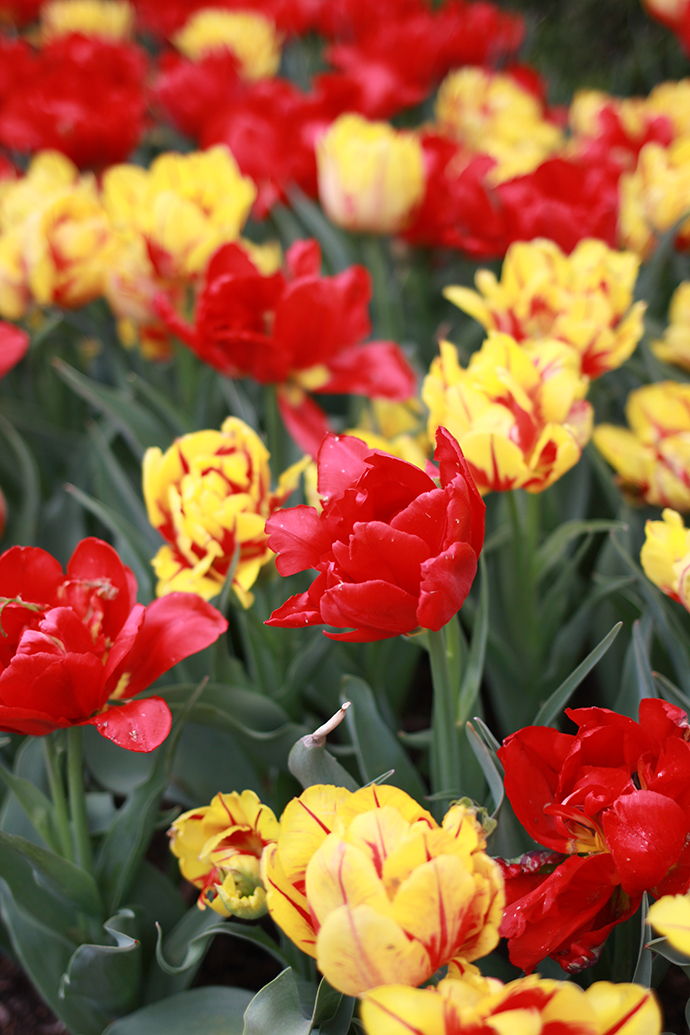
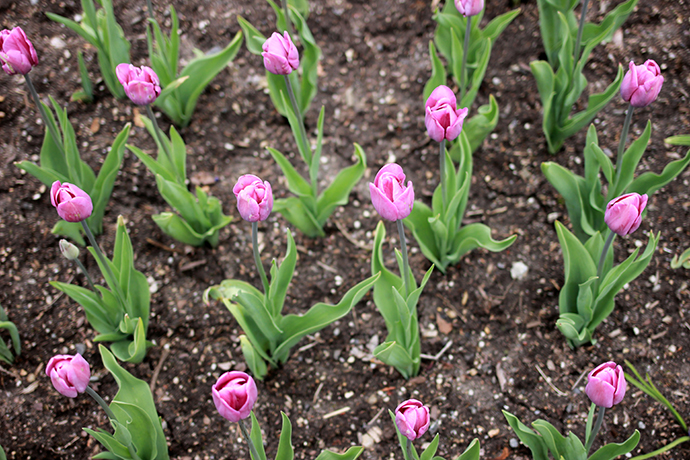


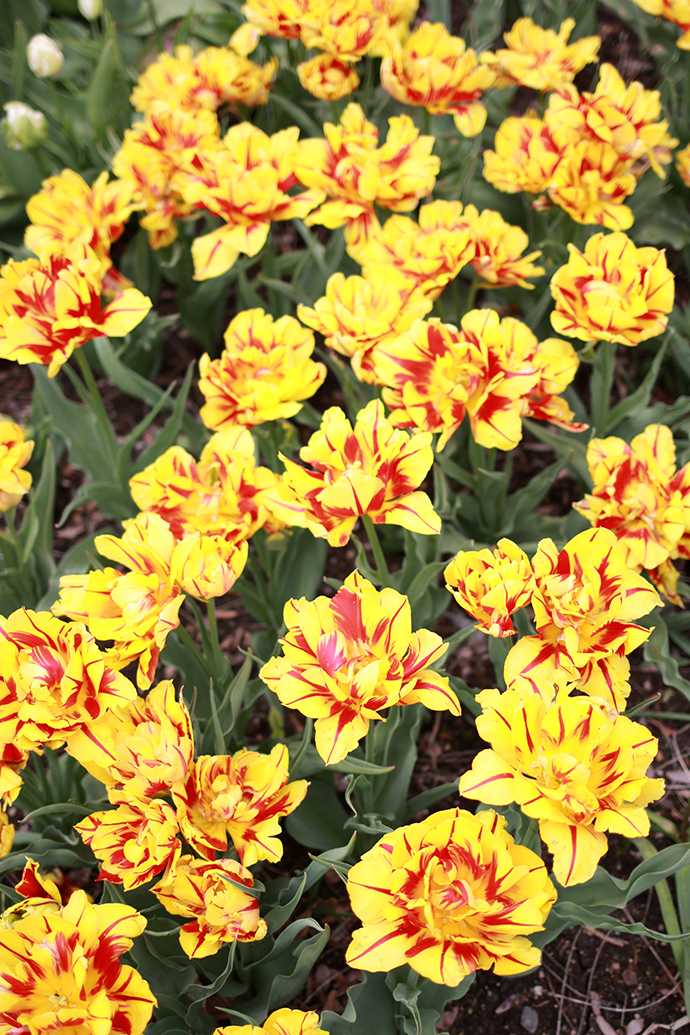


I was deeply unhappy with my life in Ohio for many reasons, and I spent hours under the cherry trees and surrounded by tulips, imagining how becoming a New Yorker would change my life. It was another year and a half before that dream finally became a reality, but each spring and its explosion of colorful blossoms will always remind me of that fateful trip.
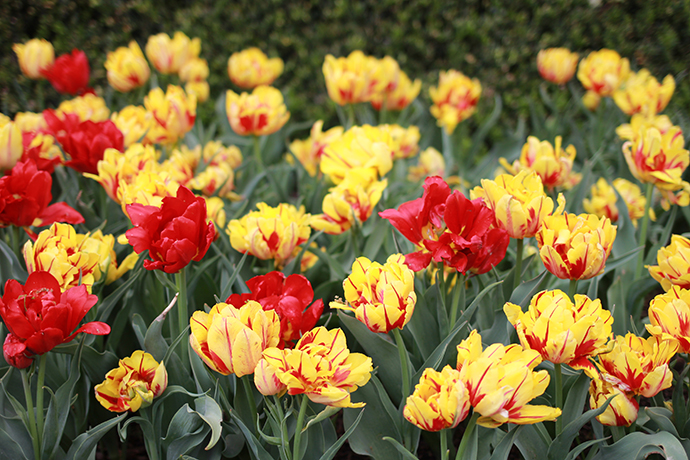
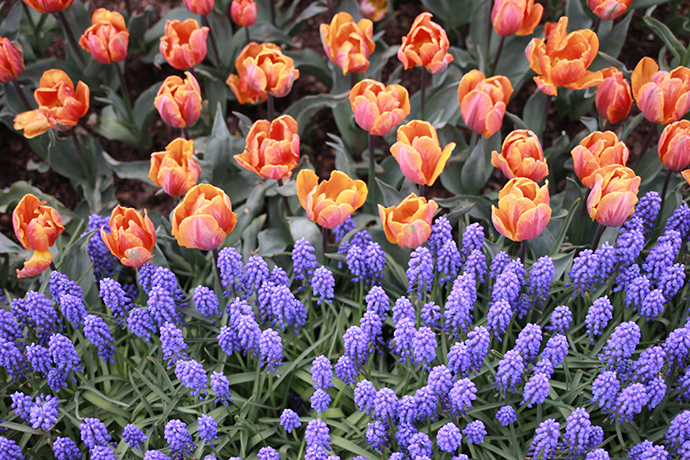


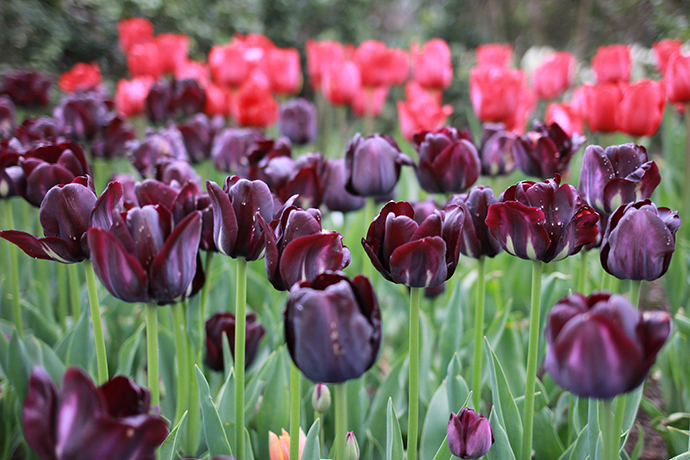
I hadn't expected that trip to hold such significance in my life, at least no more than every other New York trip had, but life is funny that way. Things change so very slowly and then suddenly all at once. I used to say that spring was my least favorite season—full of rain and mud and temperamental temperatures—but now, despite its flaws, I've come to appreciate it for its unique virtues. And like the best changes in life, the hard work happens almost invisibly—trees bud high above the streets and roots spread out below—and then seemingly overnight the entire city is alive again.
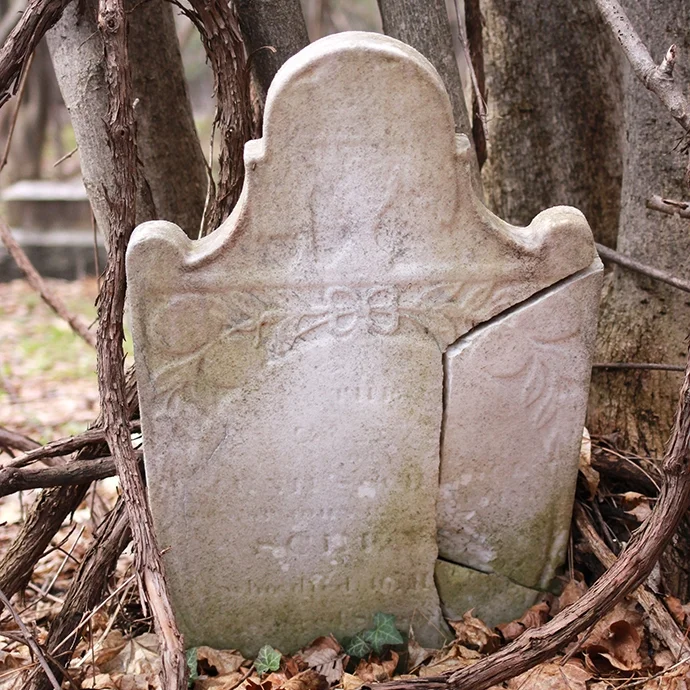
Reformed Church Cemetery

On one of our days off from work for Passover, we decided to take a day trip up to Beacon, NY. I've been to a few Hudson Valley towns—Cold Spring, Tarrytown, Sleepy Hollow and Beacon once, but just for a hike—but the actual town of Beacon had been on my list for a while. It's easily accessible by Metro North, although we opted to take a Zipcar to have more flexibility.
Our first stop was Dia: Beacon, an art museum that, as we found out the hard way, is closed on Wednesdays (and Tuesdays). After quickly moving through the stages of bewilderment, disbelief, annoyance, light anger (mostly at ourselves for not checking the hours in advance) and then acceptance, we found a diner on Main Street to get lunch and discuss an alternate plan for the day. It was raining pretty heavily, but I was intent on checking out an abandoned cemetery nearby. Luckily I am the world's slowest eater, so the rain had pretty much stopped by the time we left the diner and the sun came out as we arrived at the Reformed Church of Beacon.
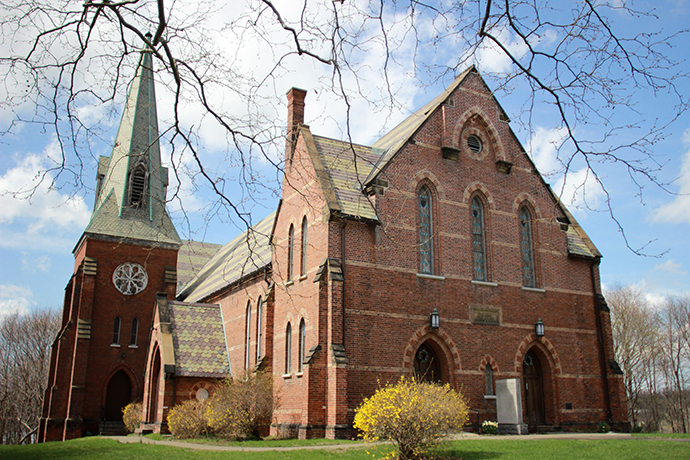


The Victorian Gothic church—the oldest in Beacon—was built in 1859 but graves in the cemetery date from 1813 into the 20th century. Both the cemetery and church were listed on the National Register of Historic Places in 1988, and while the church is still in use, the cemetery has definitely seen better days. In fact, everything that I read mentioned that the cemetery had exposed human remains in a few of the crumbling vaults, which turned out to be 100% true.


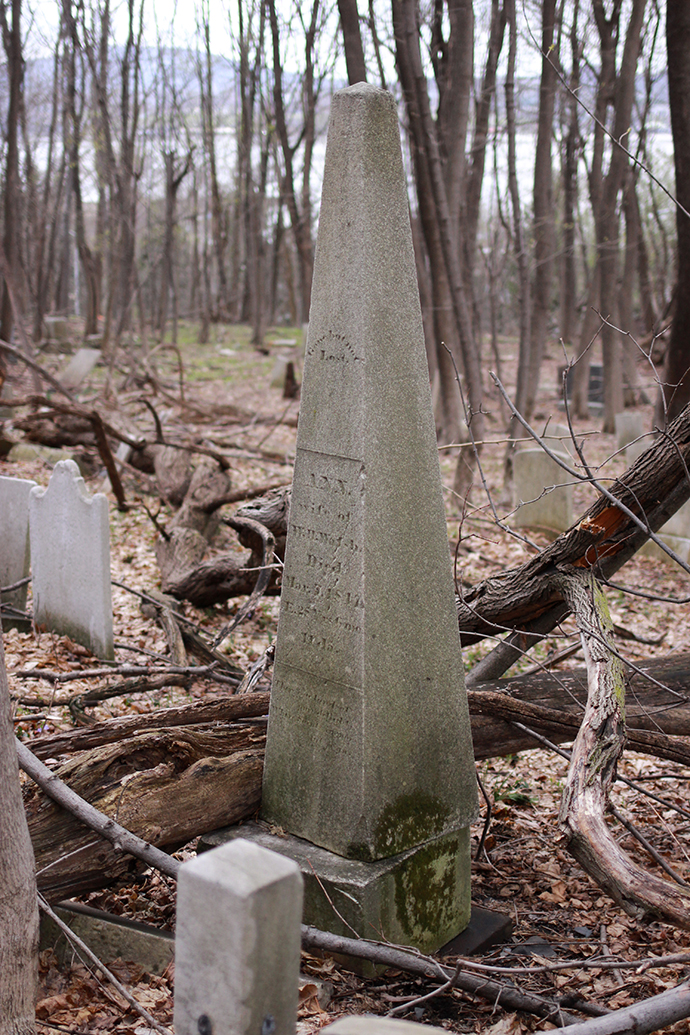
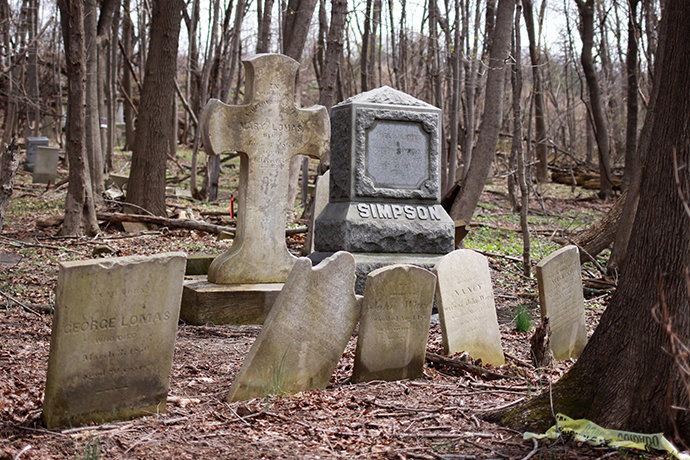
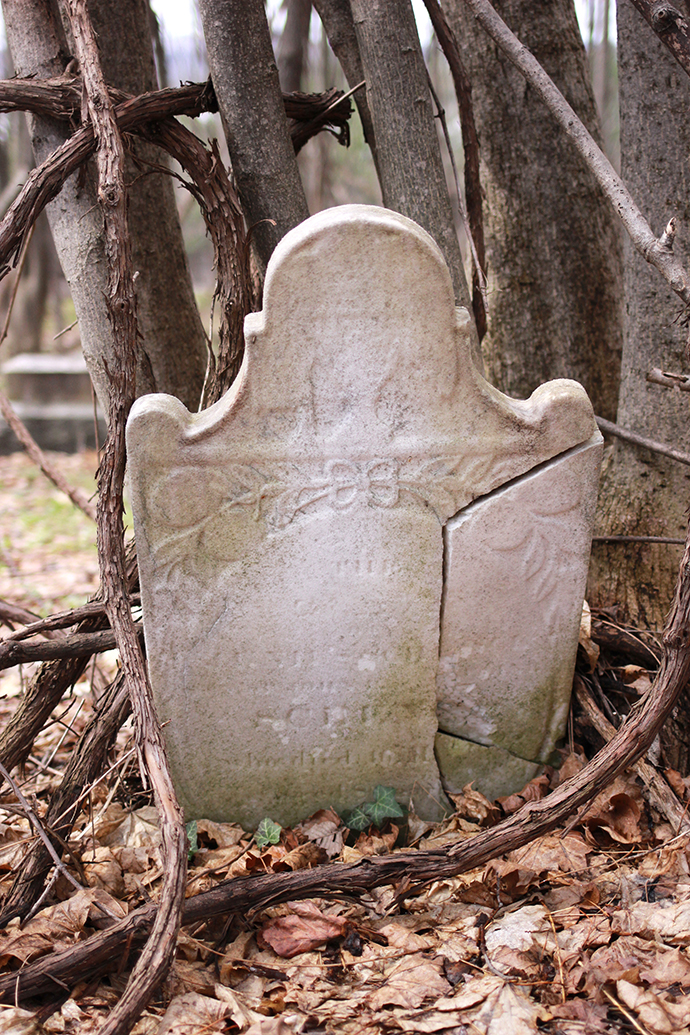
The cemetery doesn't look like it's been vandalized, so much as it has just been left to decay without proper maintenance and care. Several brick vaults are sitting wide open, as are the burial spaces inside of them. One article I read mentioned full skeletons, which were obviously there at some point, but now there are only a few bones in a few small piles scattered between the vaults. I was actually more scared of the tiny snake than I was of the bones, although the tiki idol that someone left behind added a nice extra layer of spookiness to the whole scene.


I always have mixed feelings about abandoned spots. I'm excited to explore weird and decaying places, but cemeteries—especially ones with mishandled remains—are often sad. The state of this cemetery is even more perplexing considering the location (Beacon is a nice, popular town) and the fact that the church is still in use. The property isn't overwhelmingly large or overgrown—like Mount Moriah—so a future restoration at least seems plausible, if not hopefully inevitable.
Welcome to New York

When I heard that Donald Trump was coming to New York for the first time since he was inaugurated, I knew I needed to find a protest to join. New York has been begrudgingly dealing with its native son far before he was forced upon the rest of the country, and it brings me a small bit of joy to know that he's despised—and lost bigly—in his beloved hometown.

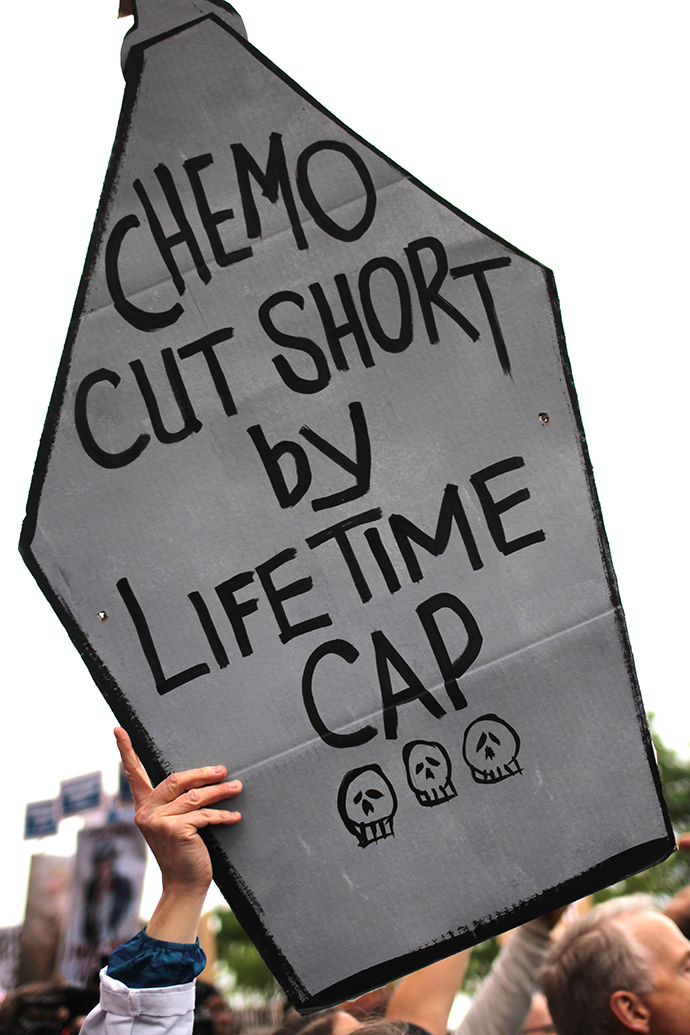
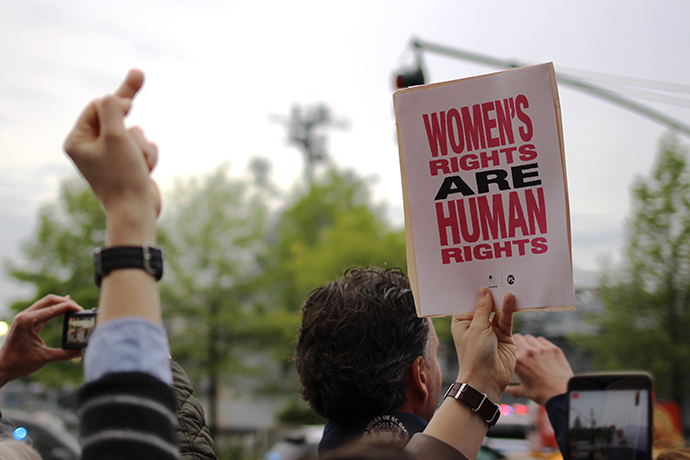


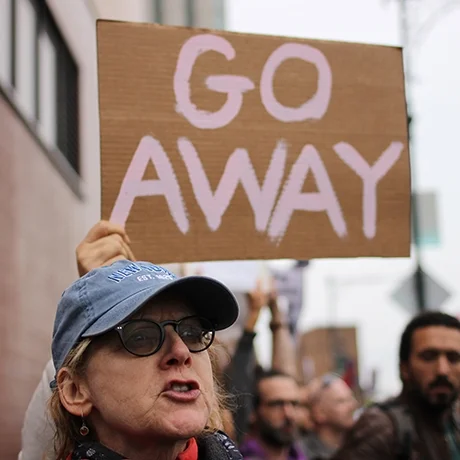
I haven't joined a protest in a while (since the Immigration and Women's Marches), and it was long overdue. I'm afraid that people are already becoming complacent and I can't say I blame them—it's impossible to sustain a high level of constant rage without it ruining your life. It's silly to admit, but I recently started watching The Handmaid's Tale (along with everyone else) and the back story has been terrifying in a way that I didn't expect it to be—it's all too similar to what I see happening in real life and it reignited my sense of urgency to speak up before it's too late.

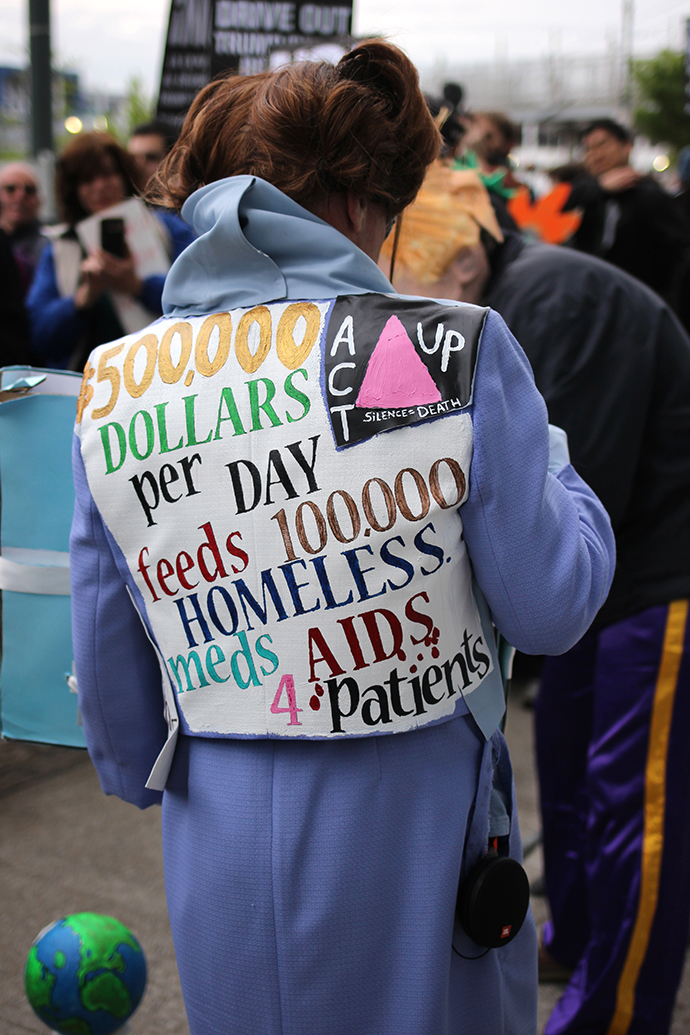


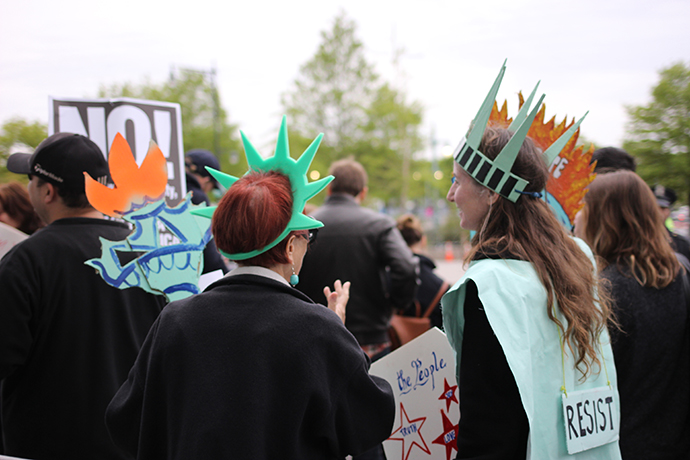

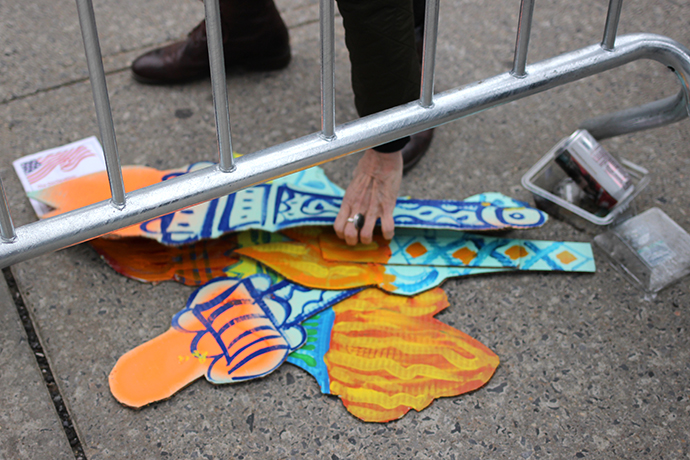

I don't think that the guy in the Trump mask (teeing off with Planet Earth) and the guy dressed as Melania knew each other, but it's fitting that they met in New York. A bright spot of these protests is all of the creativity that is on display, and I get overwhelmed at how awesome people can be when they unite around a common theme.


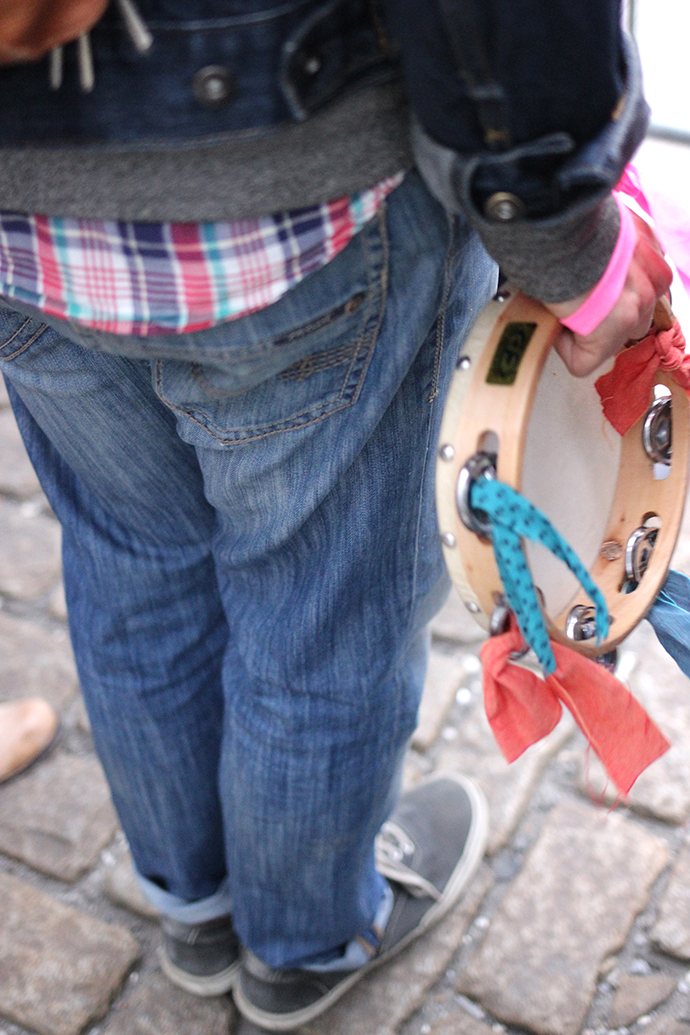


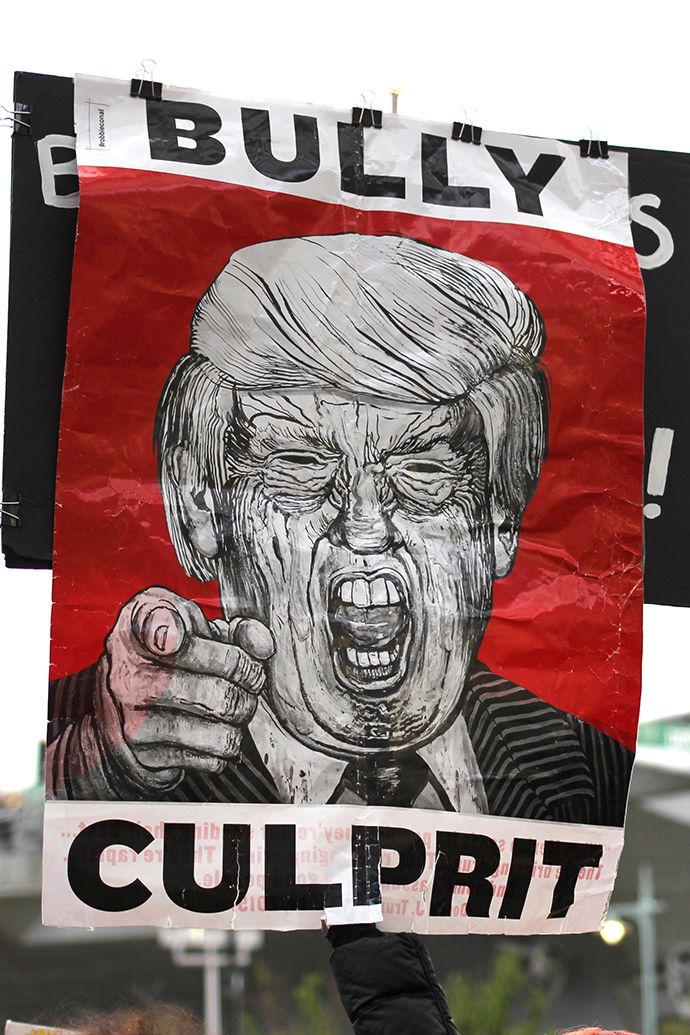

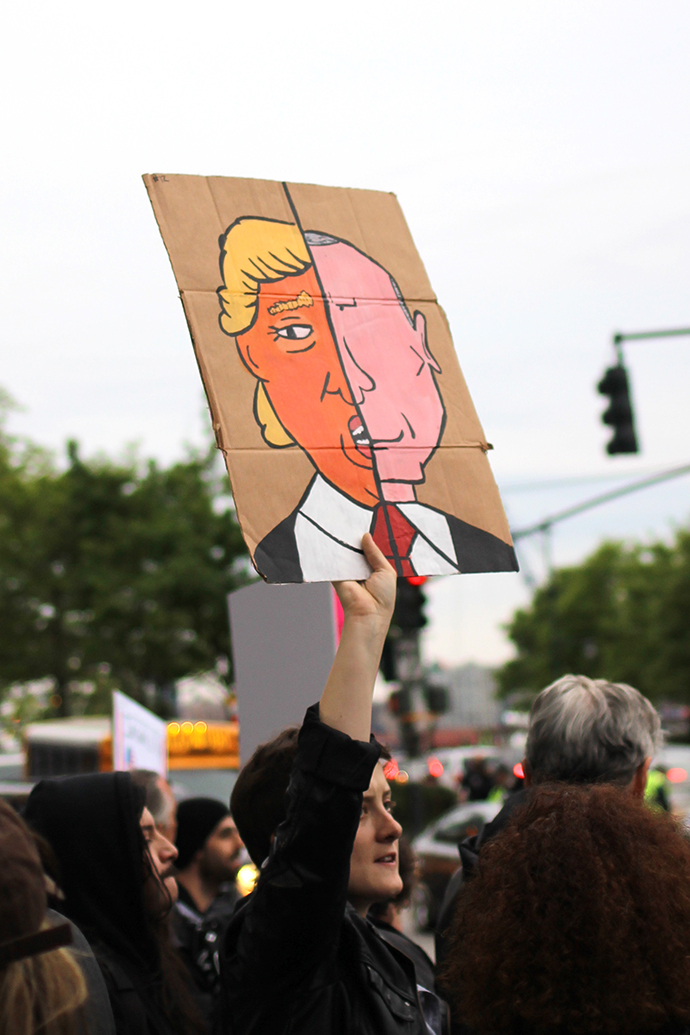
I was actually a little disappointed in the size of the crowd—it should have been much larger. Trump was speaking at the Intrepid, which is on the far west side, and then scurrying away to New Jersey where he'll spend the night at one of his resorts. Maybe it was too far out of the way or too chilly or maybe it was the last minute change in schedule (he arrived three hours late) but I wish the entire city had shown up to show Trump just how (un)welcome he is in New York.
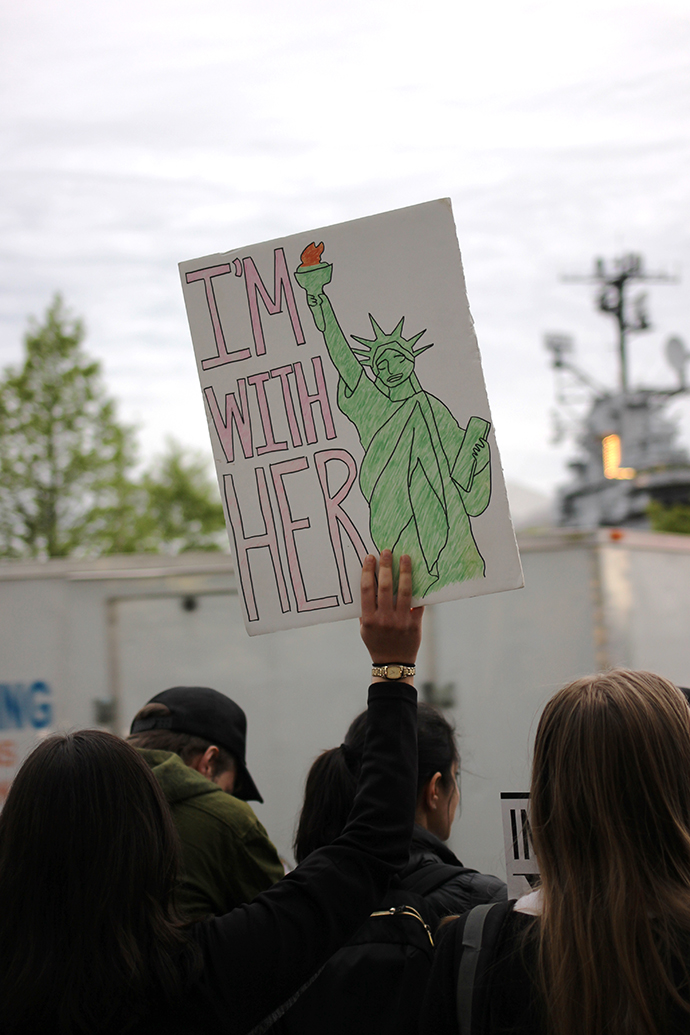


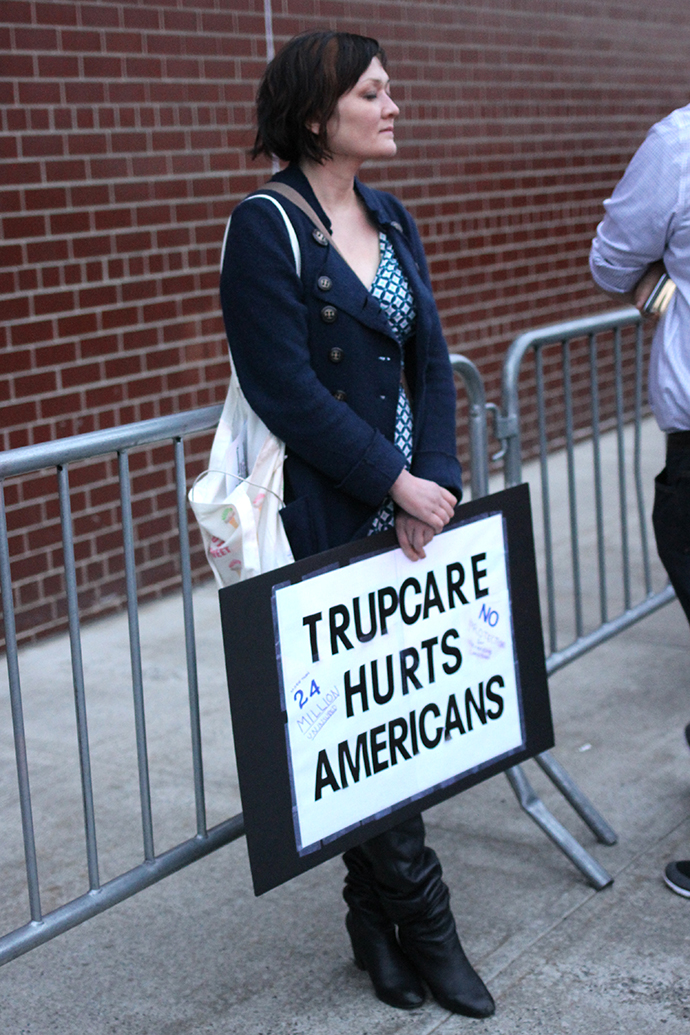
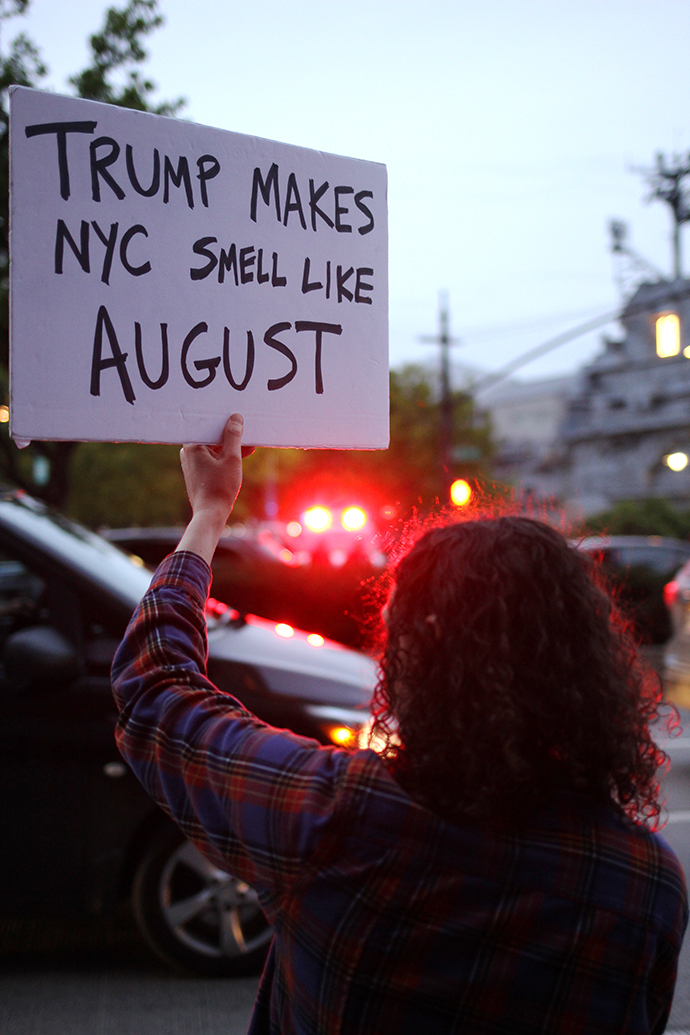
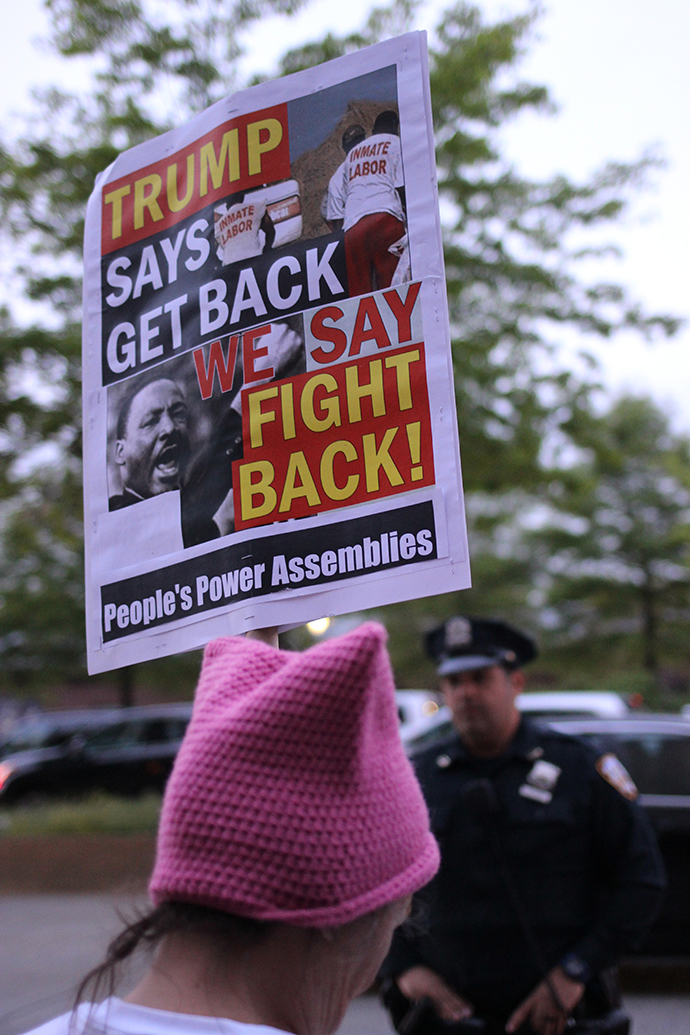

When it comes to Trump and his administration, there are literally endless things to protest, but most of the signs and messages were New York or healthcare-specific. Sure, these protests don't accomplish much in the immediate sense, but they definitely make it clear to me that New York is my city and these are my people.
New Yorkers have the stereotype of being cold and uncaring, but the people I met were so nice, supportive and thoughtful. I can't say the same of the small number of smug and enthusiastic Trump supporters (how do these people still exist) who were hurling insults at us from underneath bullet-proof vests and Make America Great Again hats. America is already great, and look no further than to a bunch of New Yorkers for proof.

Dachshund Fest 2017

Last Saturday was the annual spring dachshund meet-up in Washington Square Park (alternatively called the Dachshund Spring Fiesta, a Dachshund Parade and other names.). I first went two years ago and nearly died of cuteness at all of the adorable dogs and their costumes.


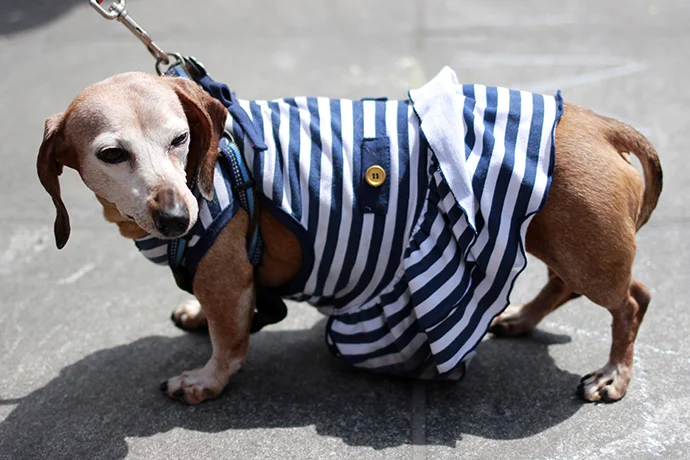



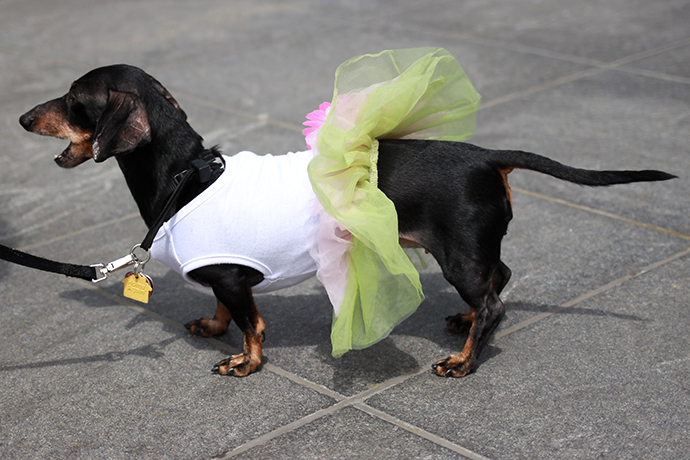


Saturday was really warm—in the mid-80s—so there weren't as many sweaters (and zero bun costumes), but there were some t-shirts, hats and at least one dachshund in a denim vest. The event is probably meant for people who actually own dachshunds, but my mom and I went solely as observers (and squealers). We're both cat owners with not-so-secret dachshund obsessions, and my mom insists that she will be acquiring one immediately upon her retirement. I just can't commit to owning a dog quite yet, so an event that allowed us to pet multiple dachshunds for a few hours was perfect for us.
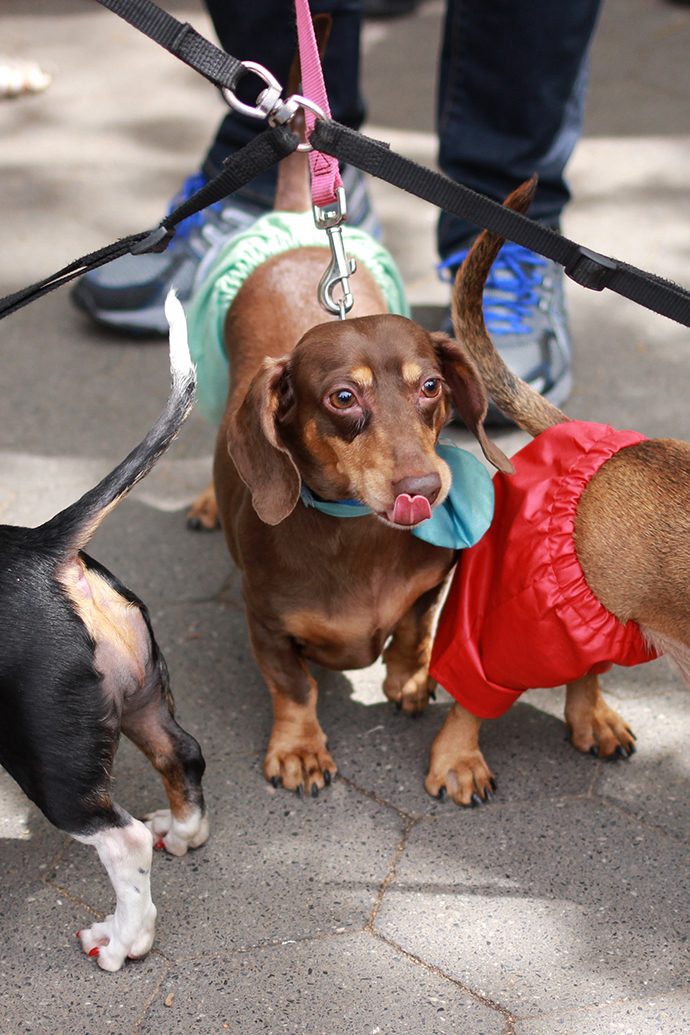
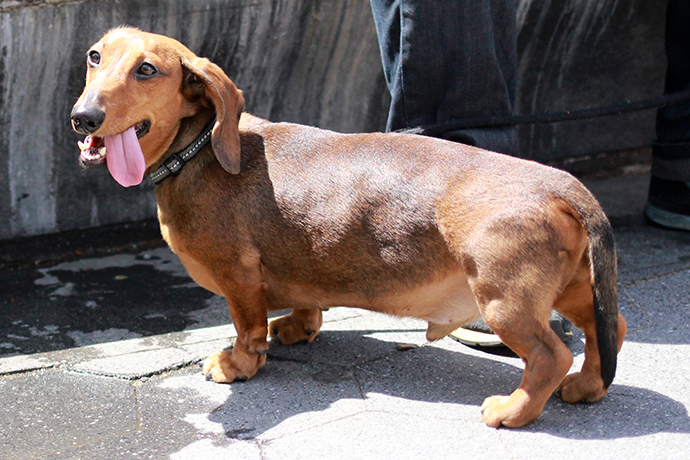


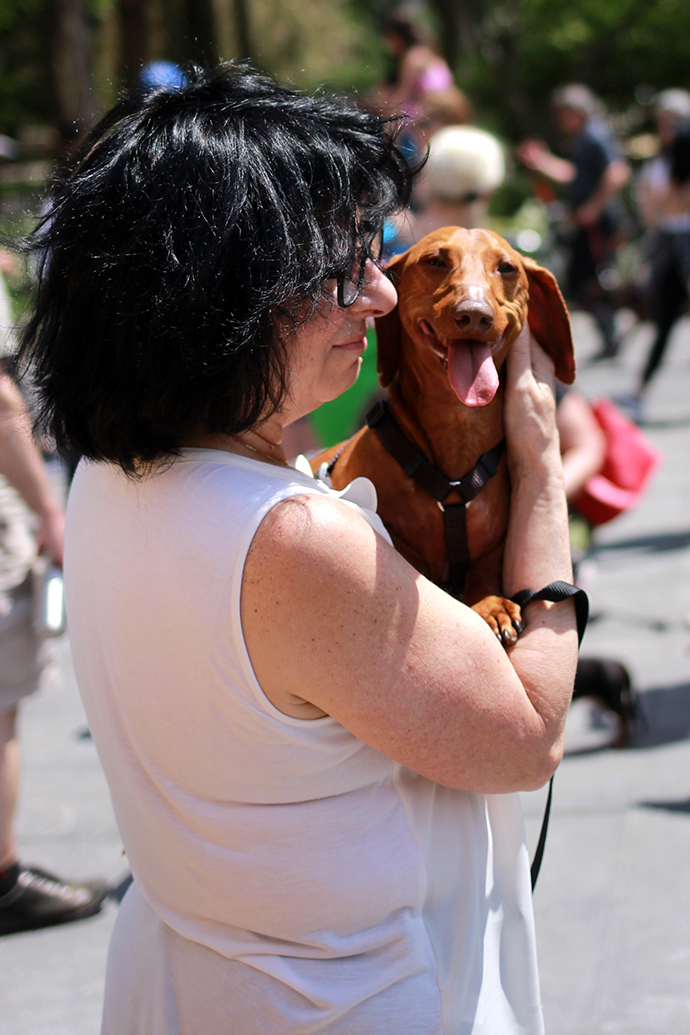


I heard multiple people wonder out loud why there were so many dachshunds in the park, and I found myself wishing that I could spend a few hours every single weekend surrounded by adorable dogs. I generally love all smooth, small dogs, but dachshunds are by far my favorite breed—they're just painfully cute and always look so happy. It's impossible for me not to smile when I see a tiny, long, short-legged dog waddling down the sidewalk and if it has clothes on I pretty much lose my normal New York-RBF entirely.
Cherry Blossoms

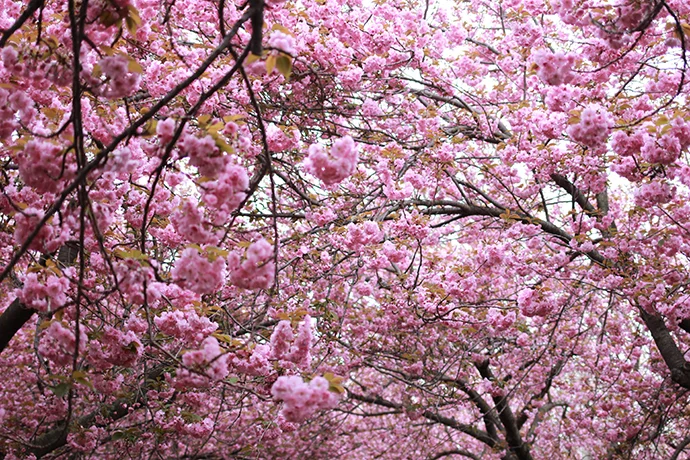
Every year spring feels as if it might never come, and then suddenly everything is in bloom and I know it won't be too long until the subway feels like a dog's mouth. Maybe it's because it comes and goes so quickly, but cherry blossom season always feels like magic to me. I spent Easter weekend in Ohio, and although I was only gone for four days, it felt as if the entire city bloomed while I was away. We've had some gloomy, chilly days mixed in, but it's hard not to feel a burst of energy as the city comes back to life.
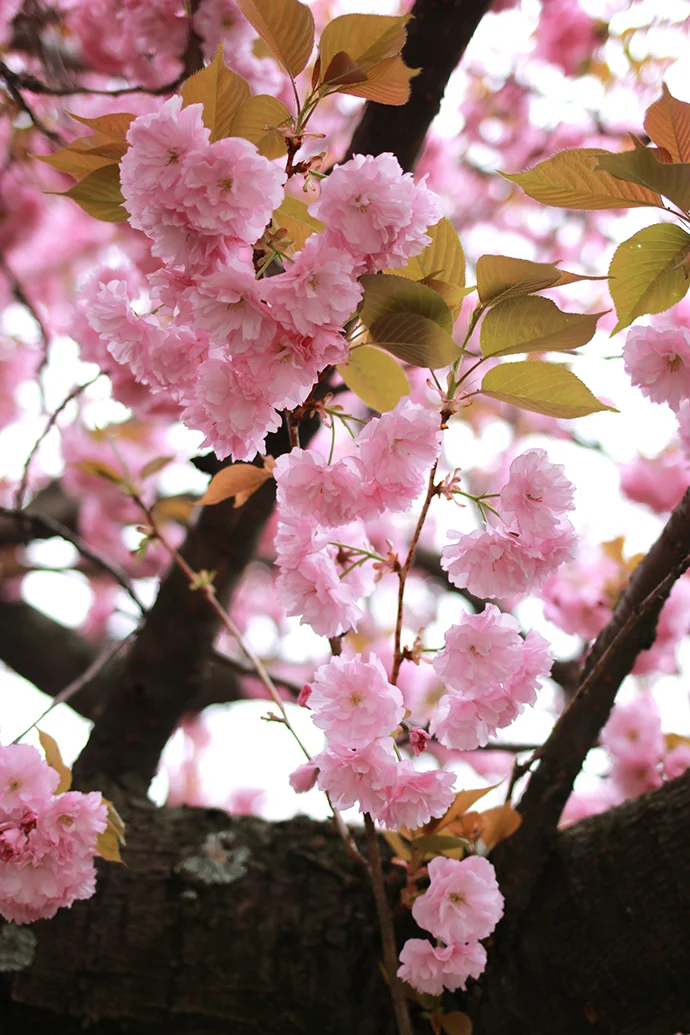
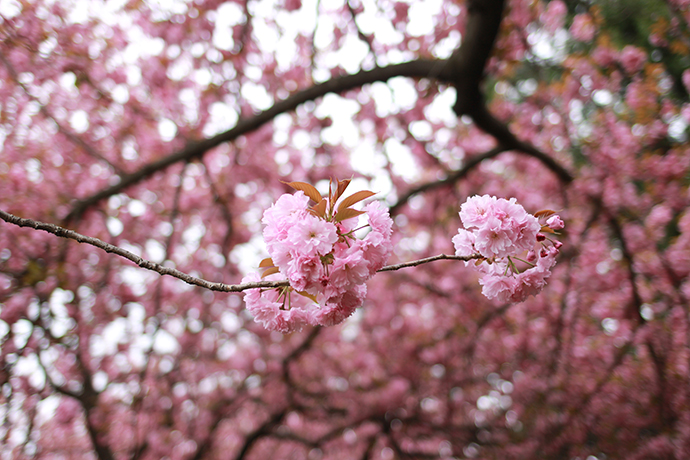
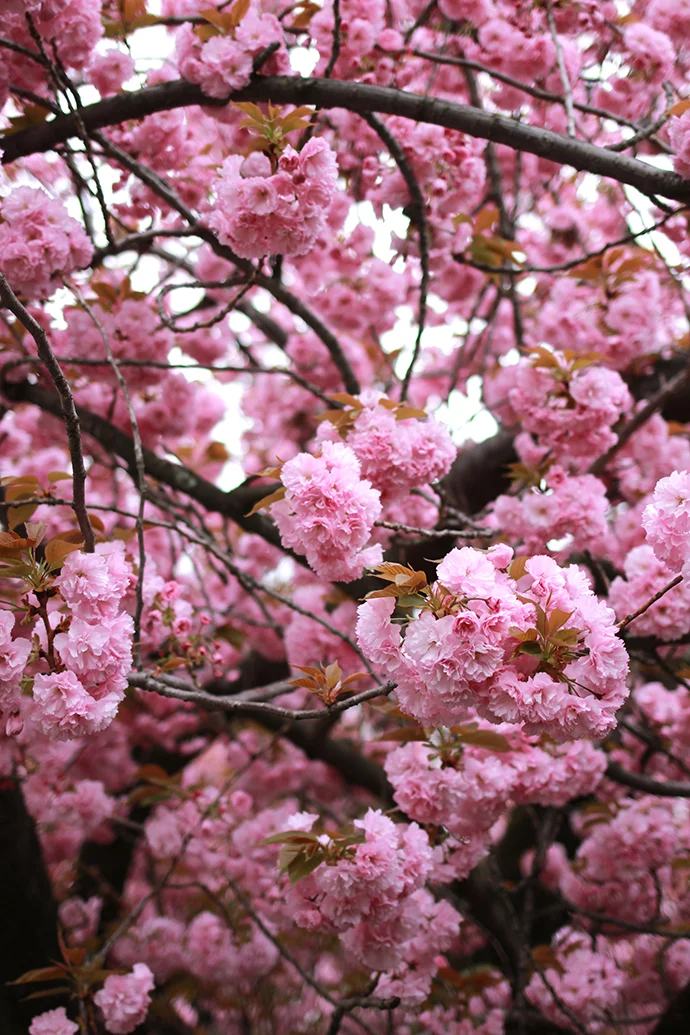
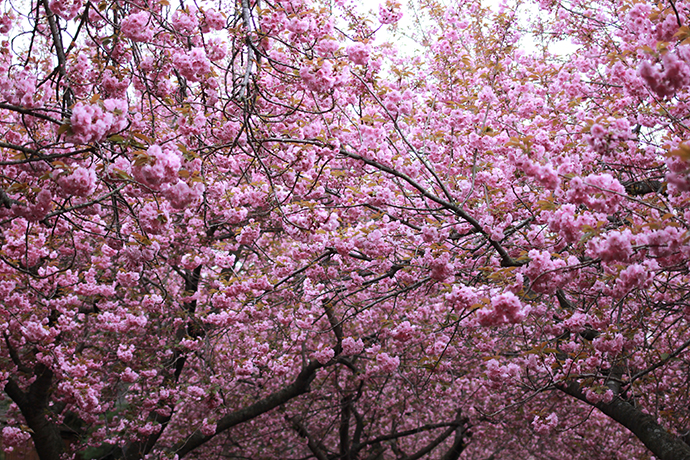


On Saturday my mom and I took advantage of the free hours at the Brooklyn Botanic Garden (every Saturday from 10am-Noon) to check in on the cherry esplanade. Because it's 2017, the BBG has a handy "bloom map" which is updated frequently with the trees' progress, so I knew that most of the trees had at least started to bloom. The weeping cherries around the Japanese garden are already past their peak, but the esplanade is always a bit behind.
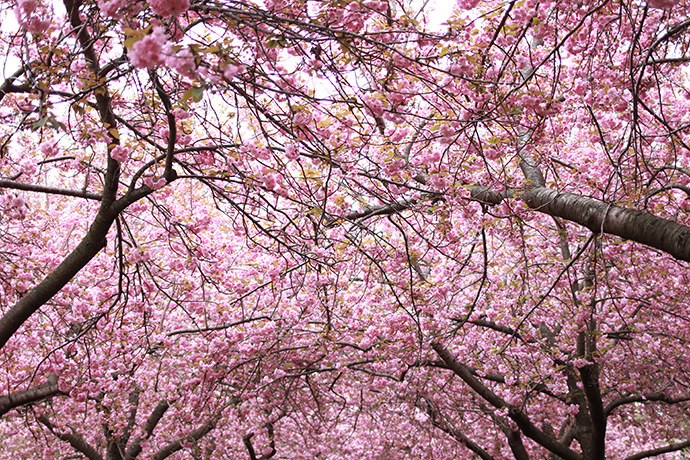


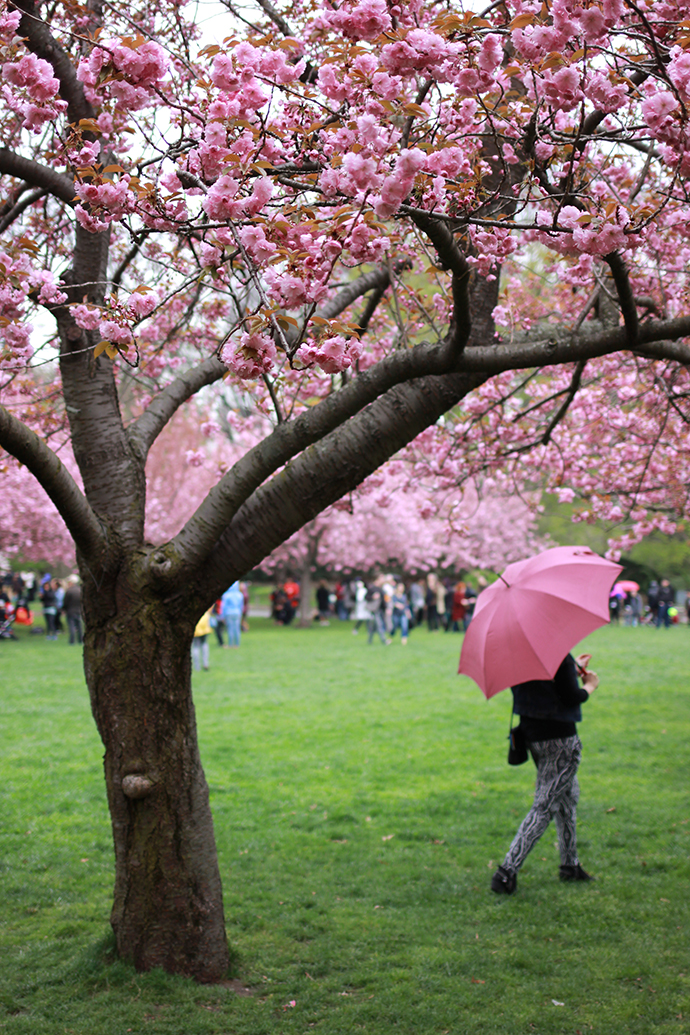
They have an actual cherry blossom festival every year—which is this coming Saturday—but I've always shied away from the crowds and the $$$ admission price. The garden is always a popular place in the spring, and as much as I try to avoid photographing people, I do love watching them interacting with the blossoms. Selfie sticks and professional portrait sessions are quite common, and the garden becomes a destination for the people-watching as much as for the blossoms.
Brooklyn Botanic Garden
Summer Hours: March–October
Closed Mondays
Tuesday–Friday: 8 am–6 pm
Saturday and Sunday: 10 am–6 pm (FREE 10am-noon on non-festival Saturdays)
Entrances at Eastern Parkway (2/3 trains), Flatbush Avenue (B/Q/S trains) and Washington Avenue (4/5 trains).
Washington Cemetery

Washington Cemetery, located in South Brooklyn, was founded in 1850 and became a Jewish burial ground around 1857. It comprises five, gated cemeteries and it's huge—I spent hours there recently and only covered part of #1. Jewish cemeteries have been in the news lately after they've seen an uptick in vandalism. Washington Cemetery recently denied that vandals had tipped 42 fallen headstones, saying instead that the stones were just old and had fallen naturally.
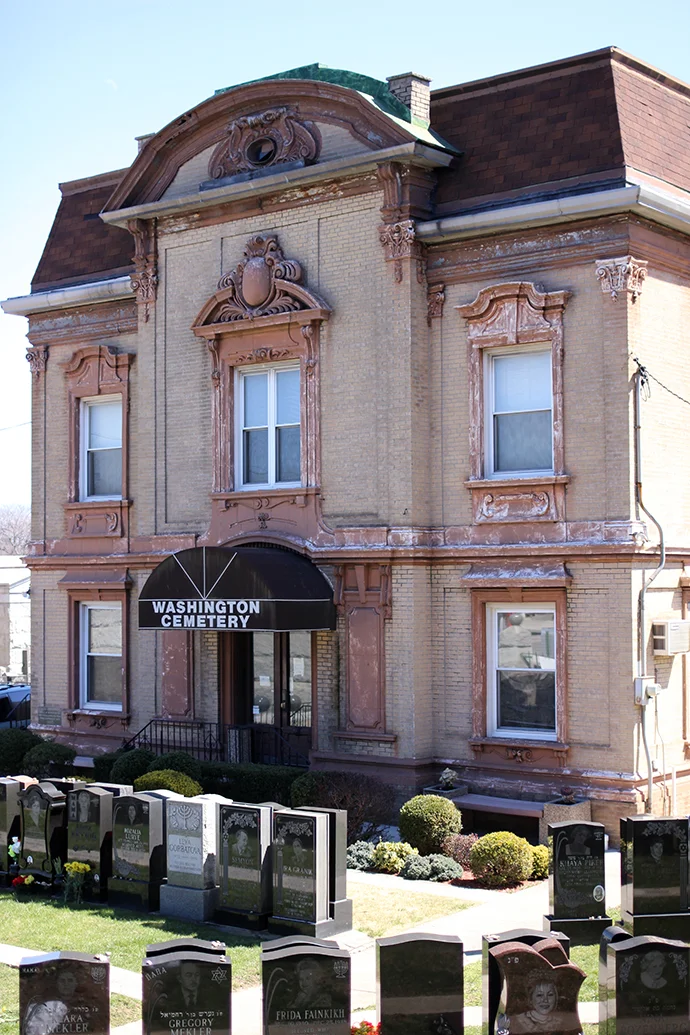
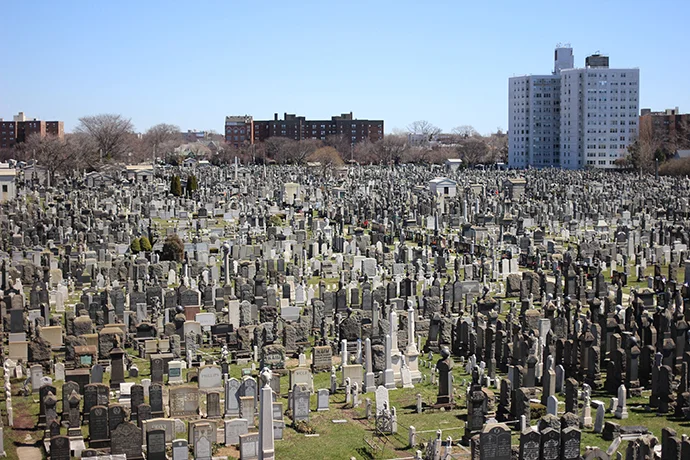
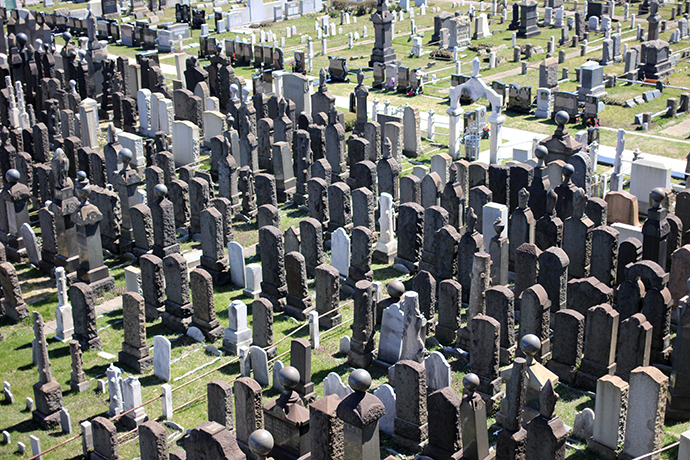

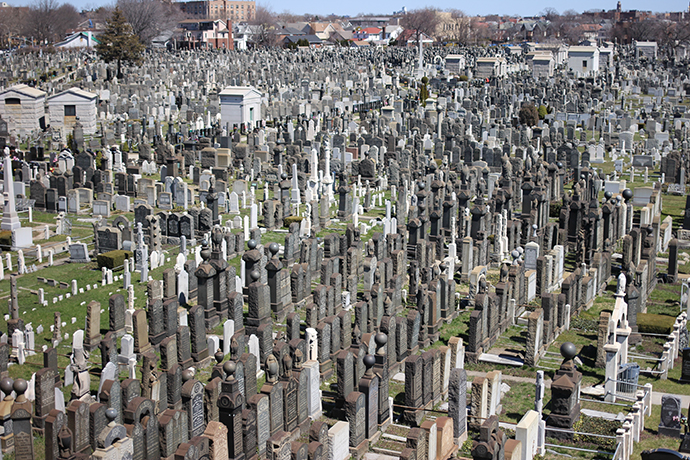
Washington Cemetery first came onto my radar as I was riding the F train to see another cemetery—Gravesend—years ago. The elevated train track runs right through the middle of the cemetery, and it's hard not to miss the tightly-packed rows of stones stretching far into the distance on either side. This bird's eye view is not something you get with every cemetery, and it's humbling to view thousands of headstones from above—like a miniature city of the dead.


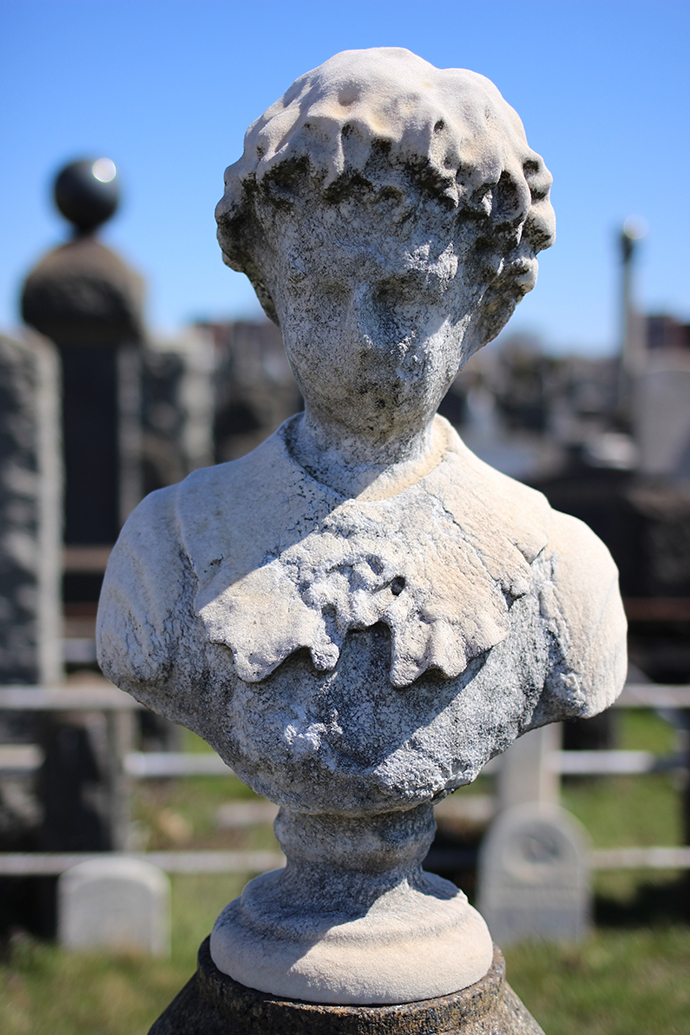

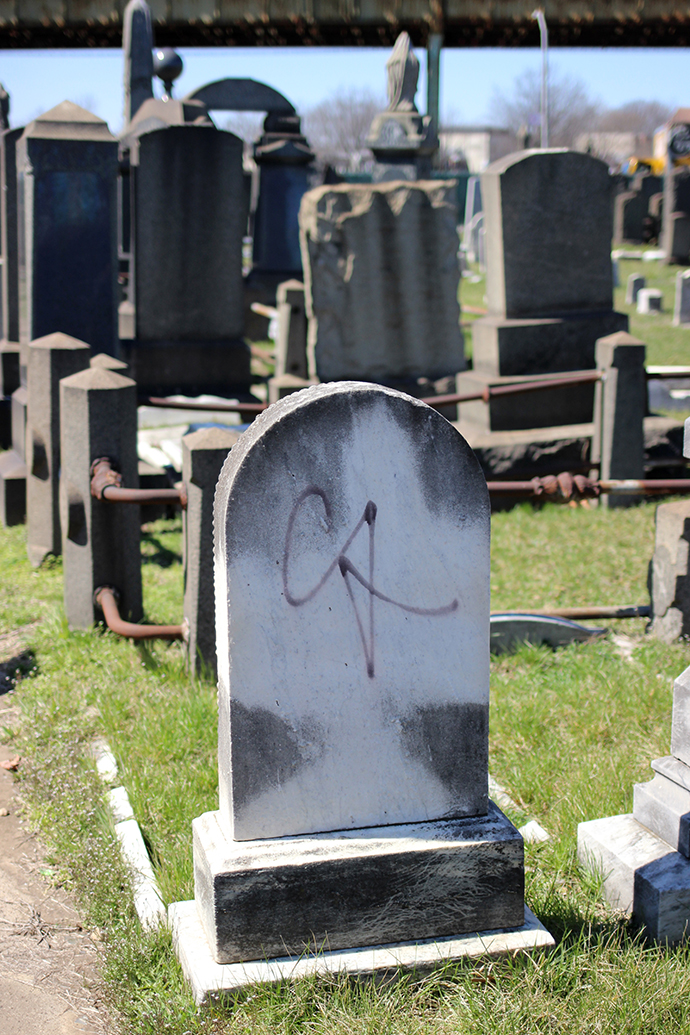
I did notice some fallen stones—and one headstone with graffiti—but nothing else out of the ordinary for a cemetery this old and crowded. Washington is clearly well-maintained, and I saw several people visiting and tending to graves while I was there. It took me years to finally make it to Washington due to F train changes, its early gate closures and the fact that it's closed entirely on Saturdays (for Shabbat).
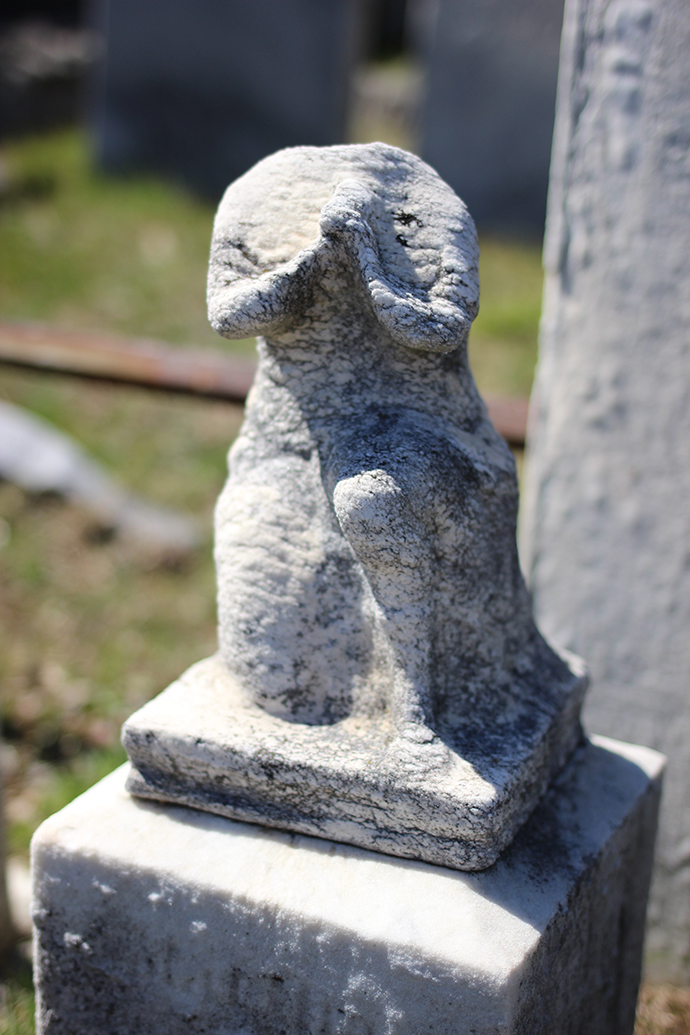
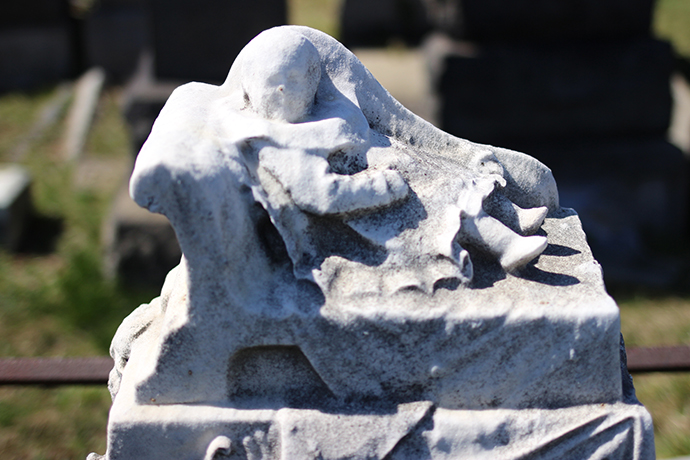


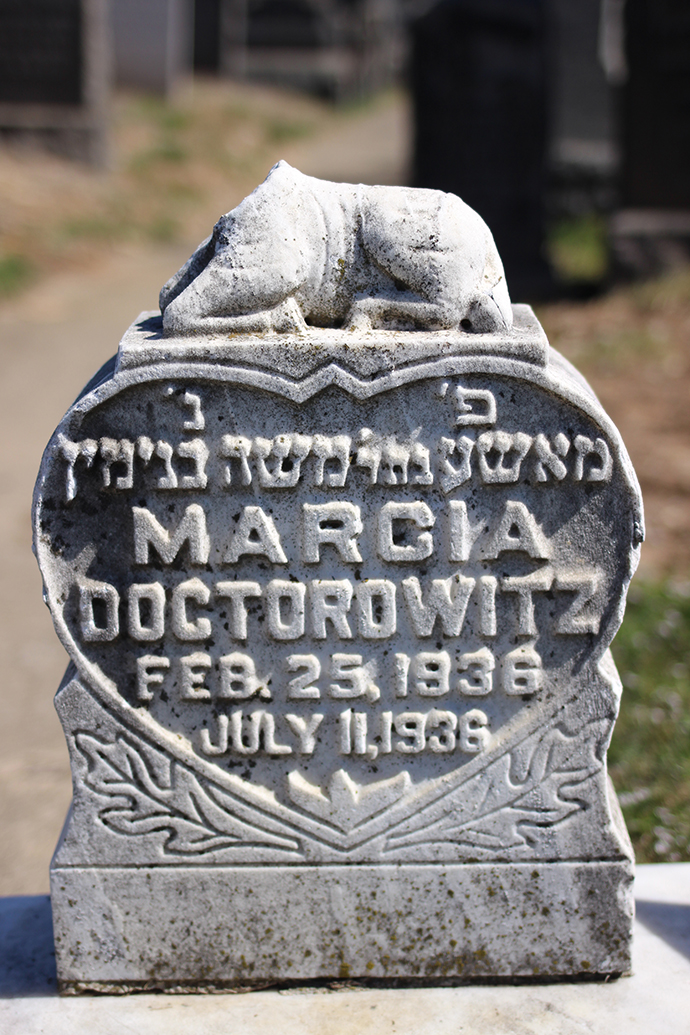

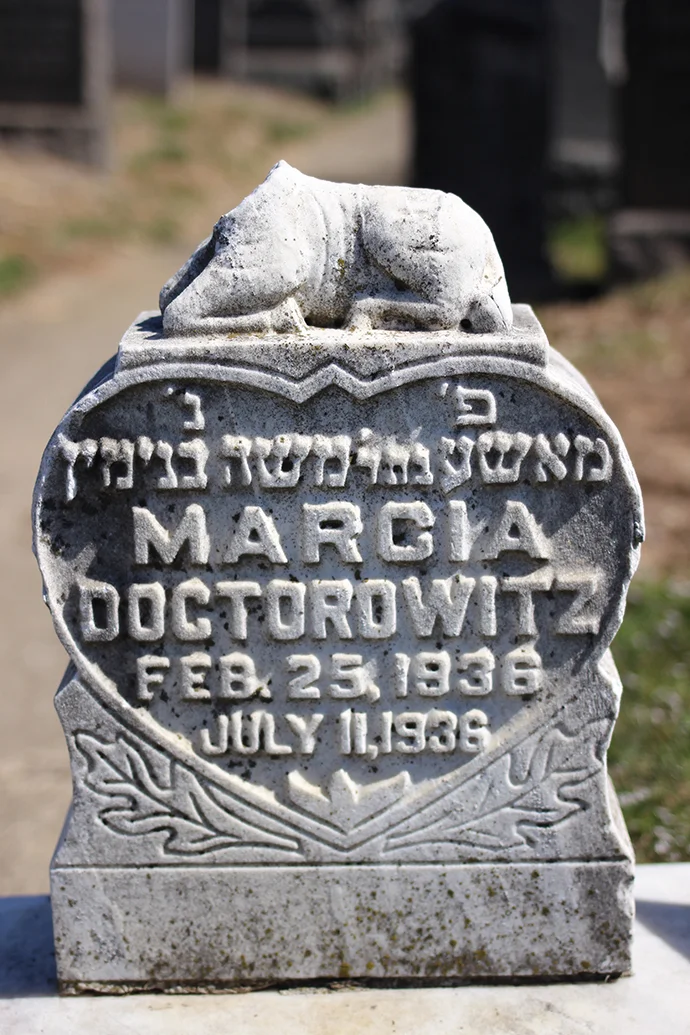
The thing I've noticed most about Jewish cemeteries here in New York is that they tend to be very tightly packed—in some sections there's barely room to squeeze past each stone. The headstones vary greatly in their design—some are very tall and ornate, some are squat and plain and the very oldest are indistinguishable from others of their time period. Some contain uniquely Jewish symbols, and others are written entirely in Hebrew or contain some combination of it and other languages.


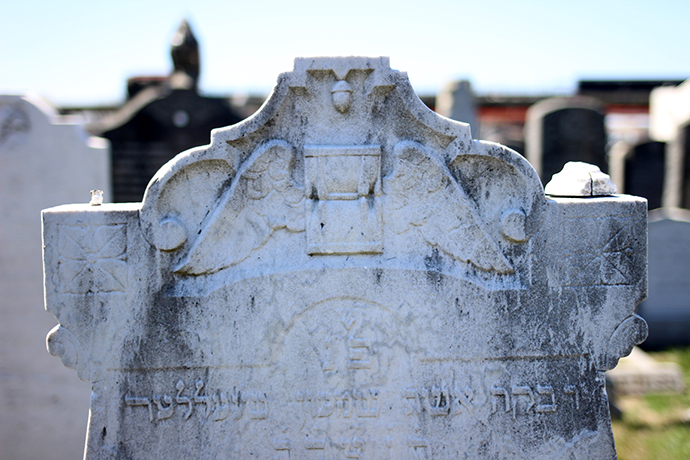


Something else you'll notice is the absence of planted or even freshly-cut flowers, which is not a Jewish custom for a few reasons. What you will notice instead are stones or fake flowers, which serve a similar purpose—to commemorate the deceased and show that they have been visited and have not been forgotten. I have always liked this approach because it feels more permanent to me than flowers that will wilt and die—the last thing you need in a cemetery is yet another reminder of our fleeting time on Earth.
Avenue U
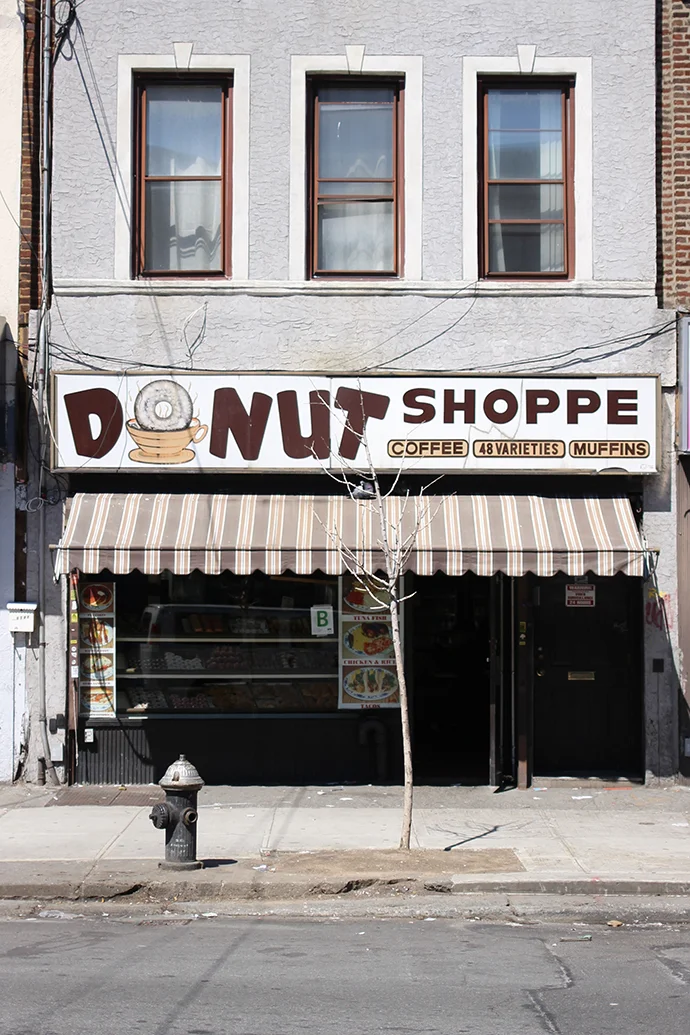
I can't remember when or where I first saw a photo of this donut shop on Avenue U, but I knew that I needed to see the storefront for myself, and take my own photo before it was too late. It was the perfect spark for a sunny Sunday adventure, one that took me into a few different streets and neighborhoods in South Brooklyn.
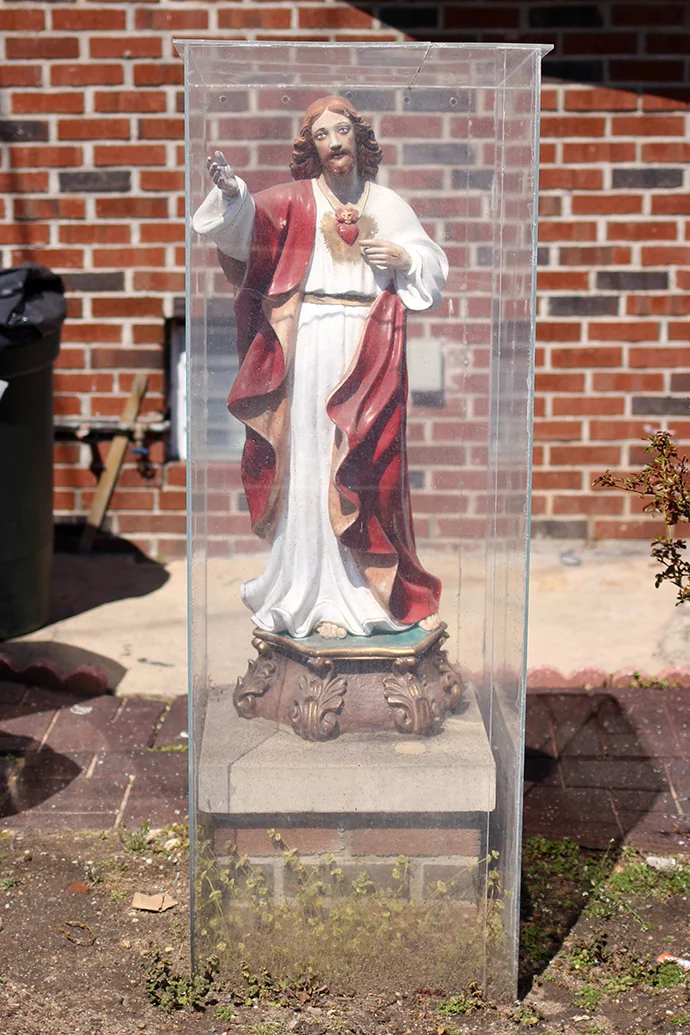
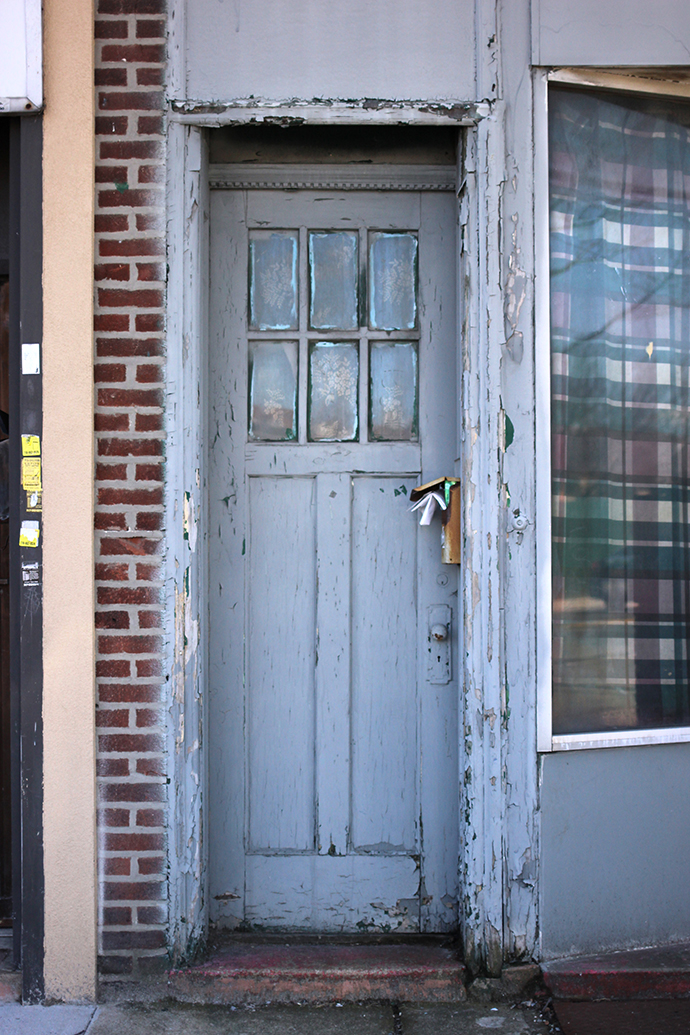
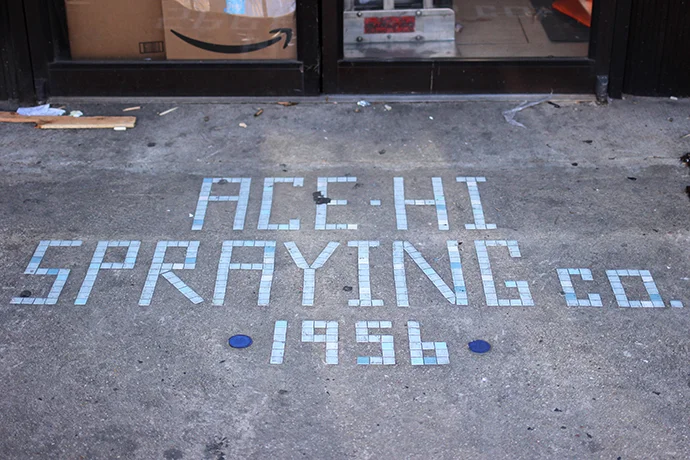
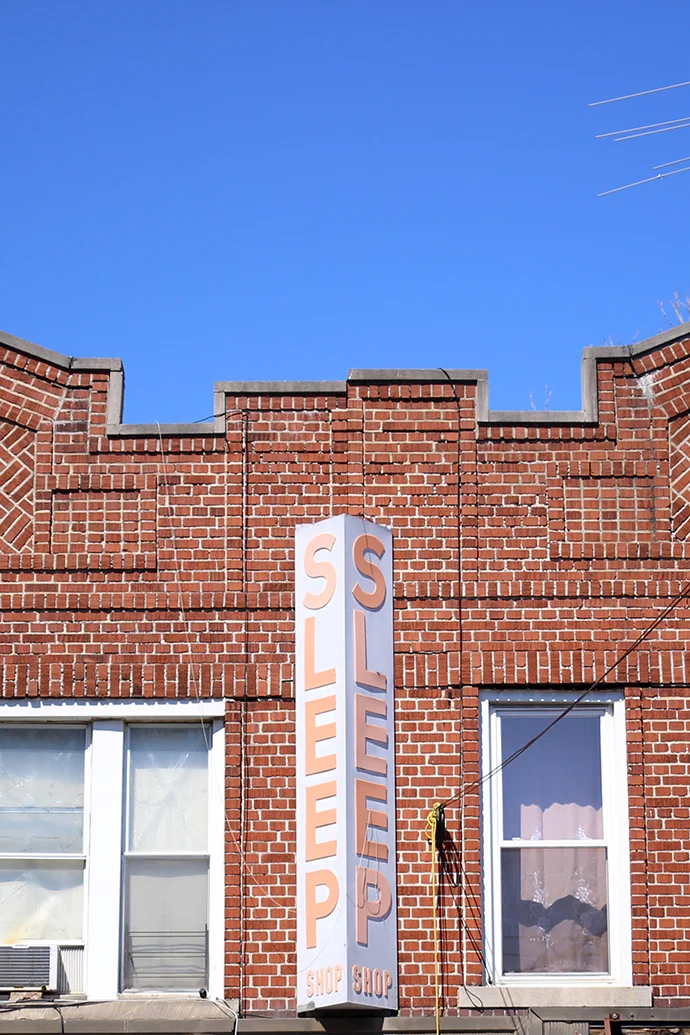
Avenue U is a main thoroughfare in Brooklyn, stretching west to east from Gravesend to Bergen Beach, through Sheepshead Bay, Marine Park and Mill Basin. In addition to the Donut Shoppe, which more than lived up to my expectations, the street is populated with hundreds of shops and restaurants with interesting storefronts and wonderful signage.
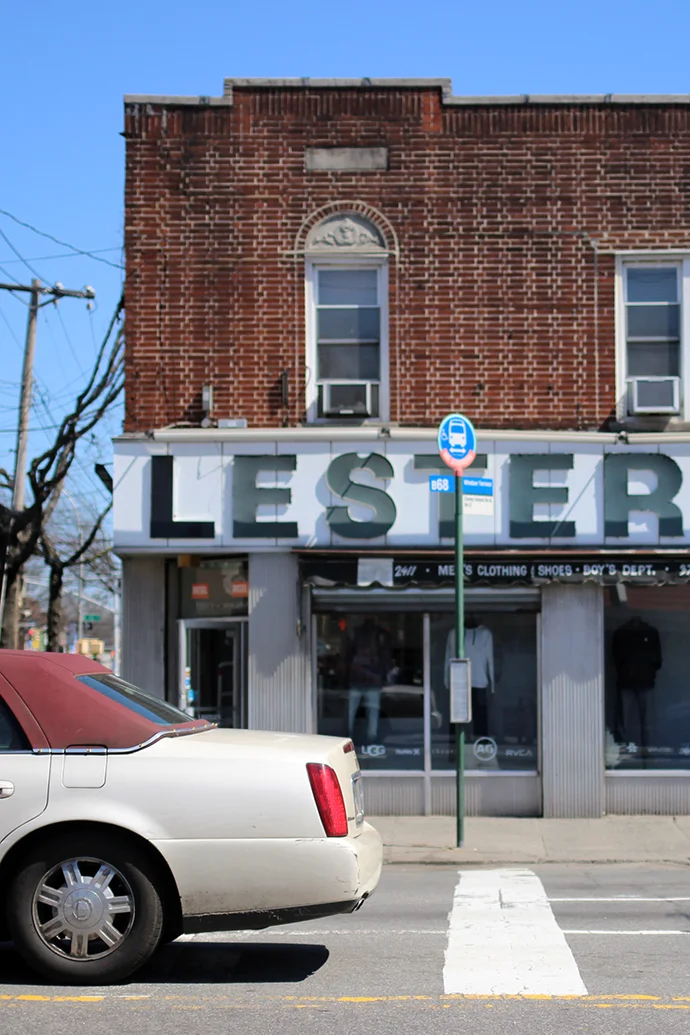
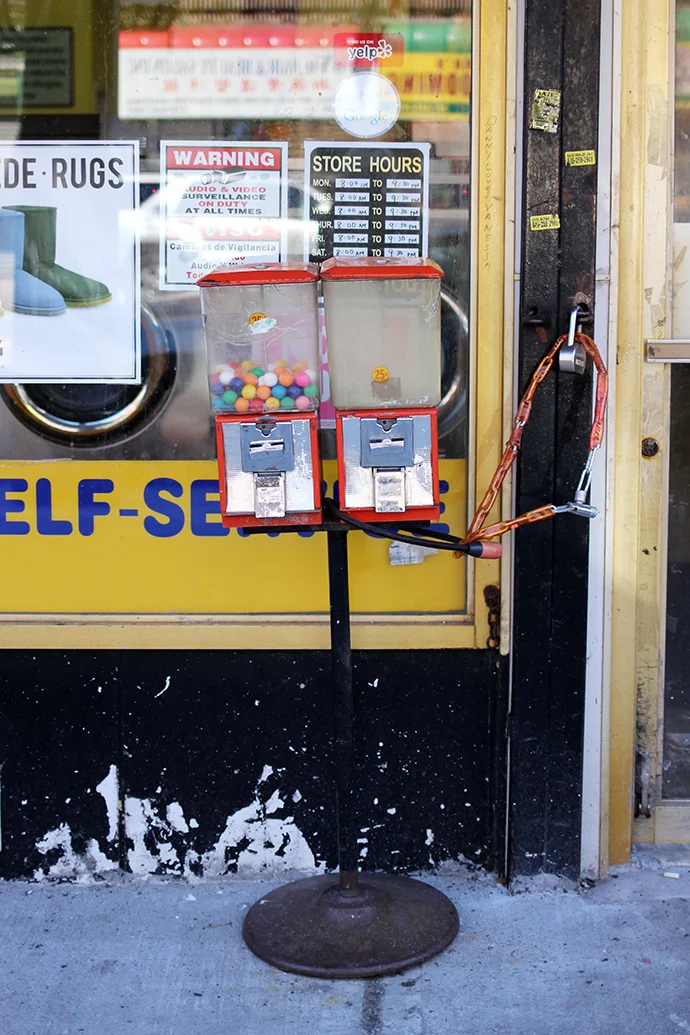
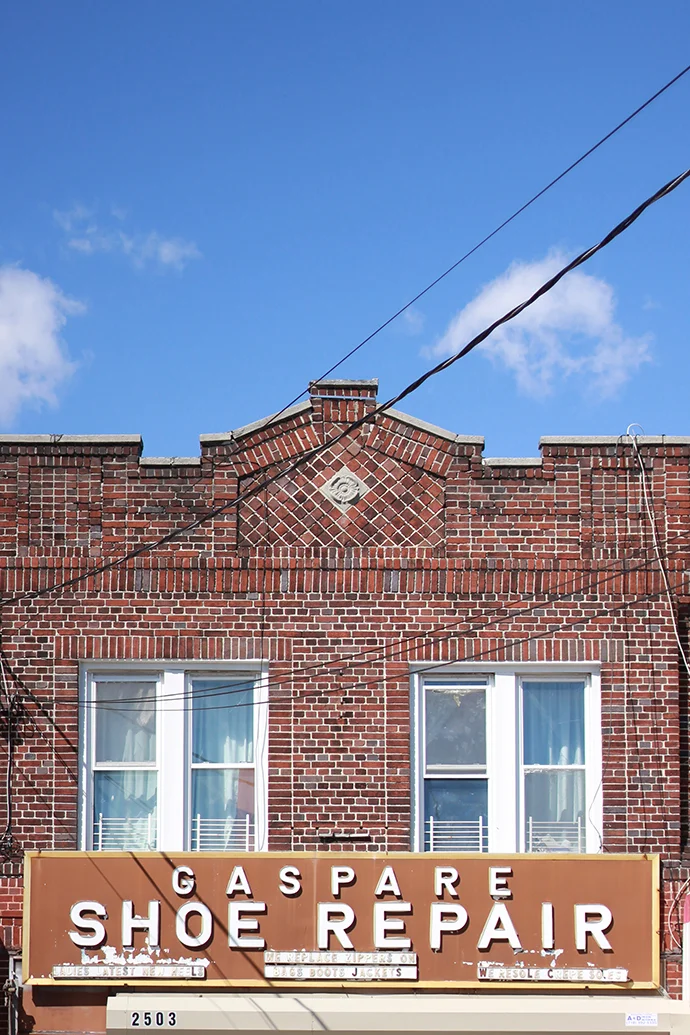
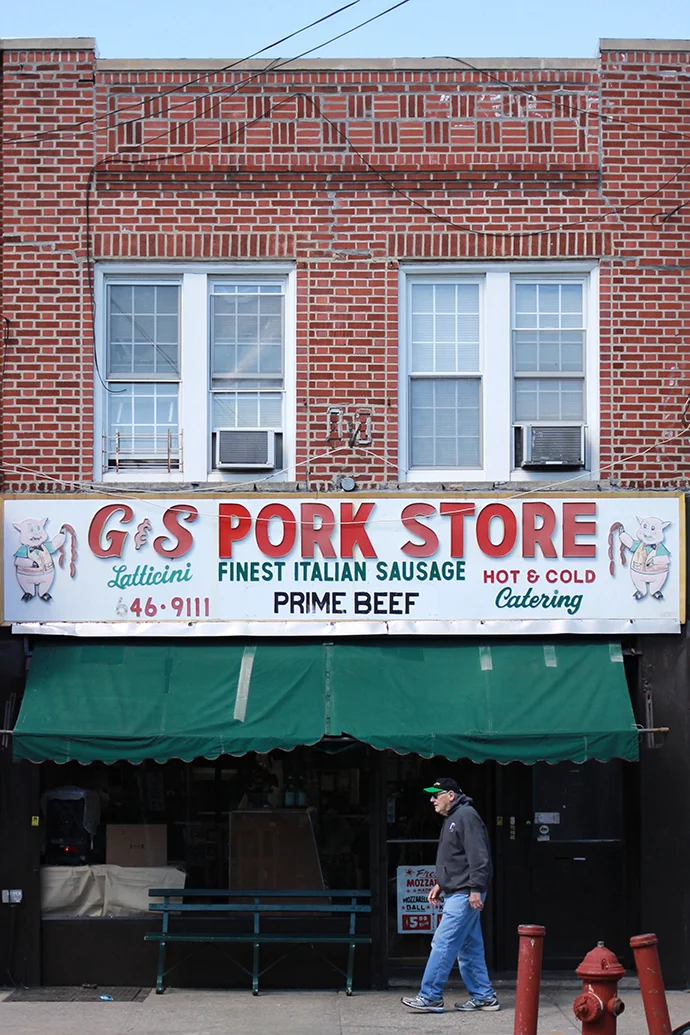
Neighborhoods that seem untouched by time are getting harder and harder to find in New York, but I try to get excited about what's left instead of dwelling on what is already gone. G & S Pork Store has a nearly-perfect sign with beautiful hand-painted lettering and pigs holding a length of sausage links, which is just the right amount of whimsical and macabre if you think about it too deeply.
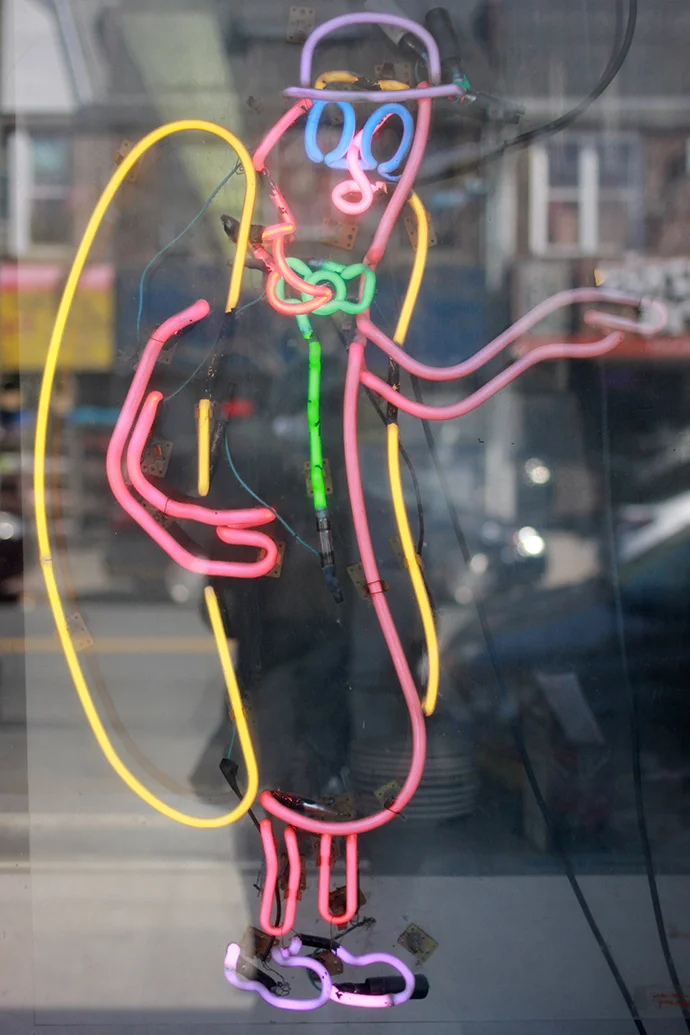
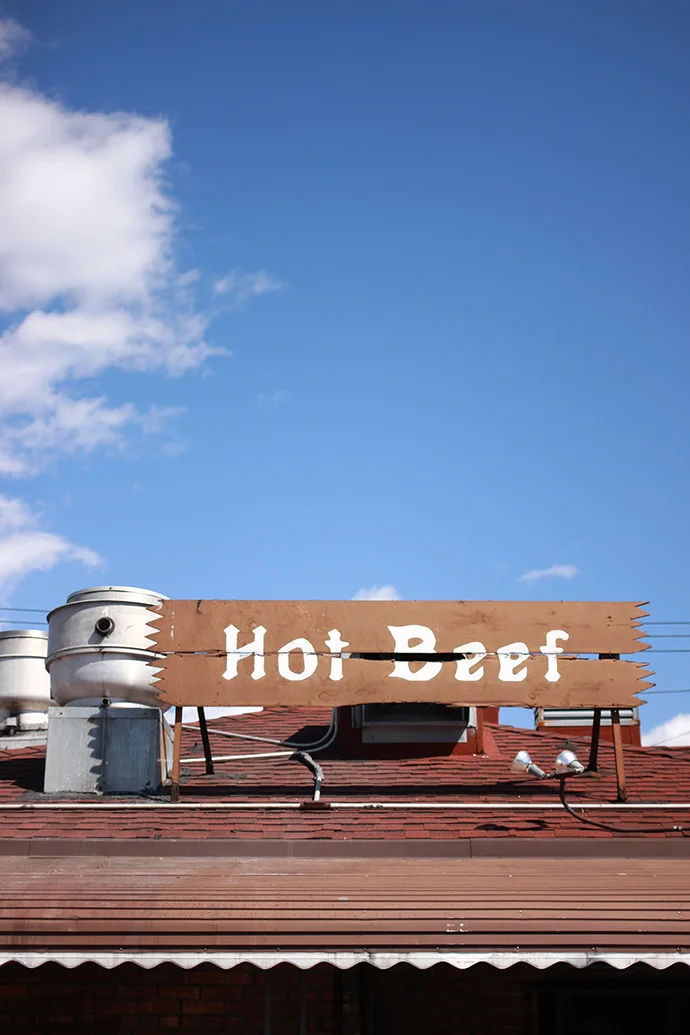
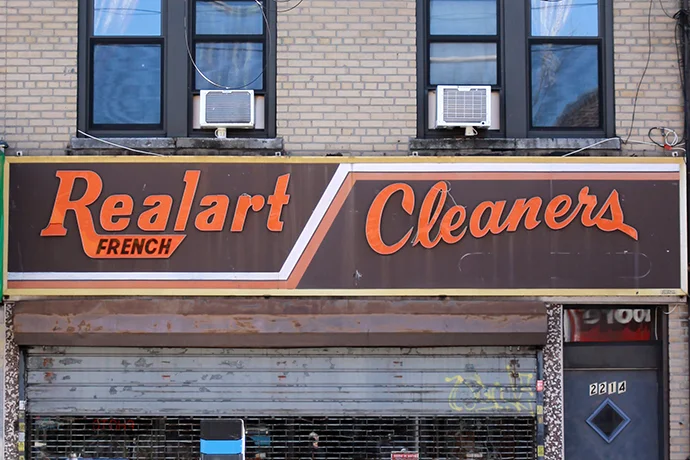
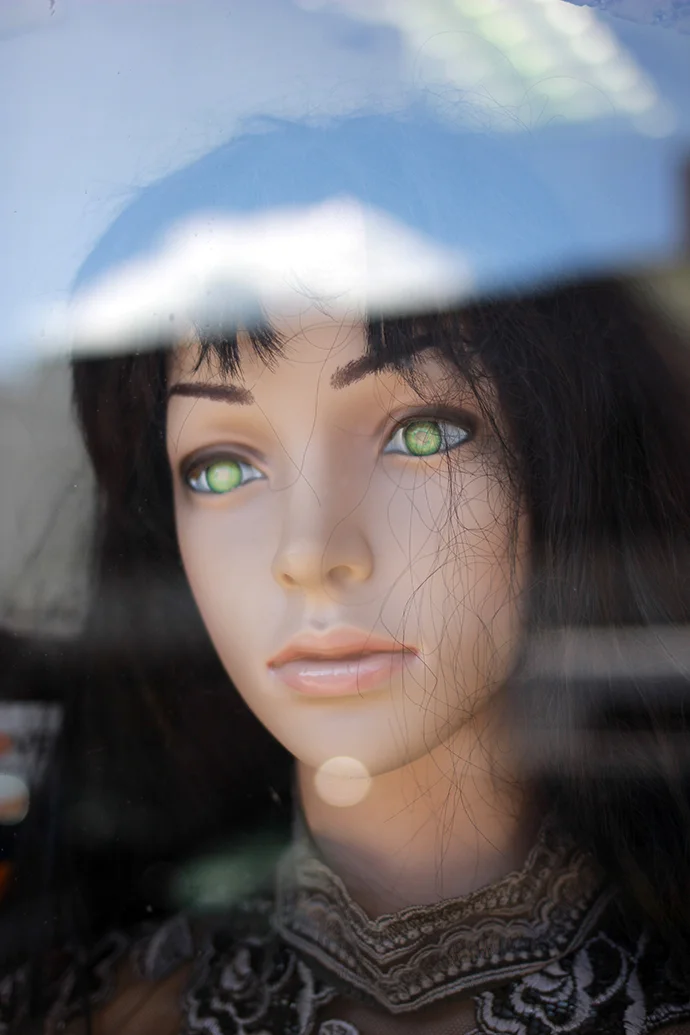
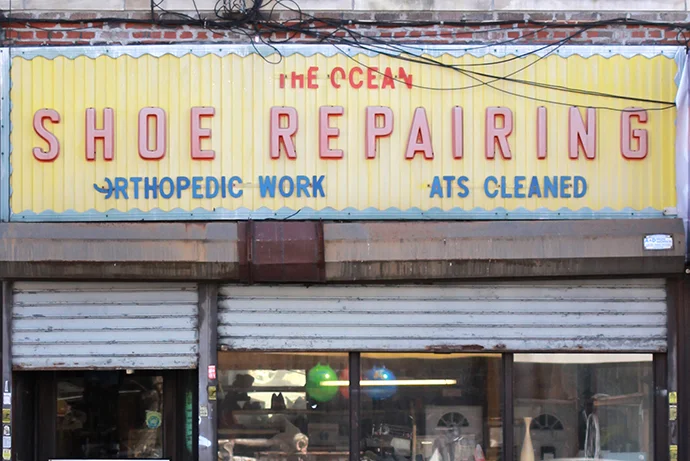
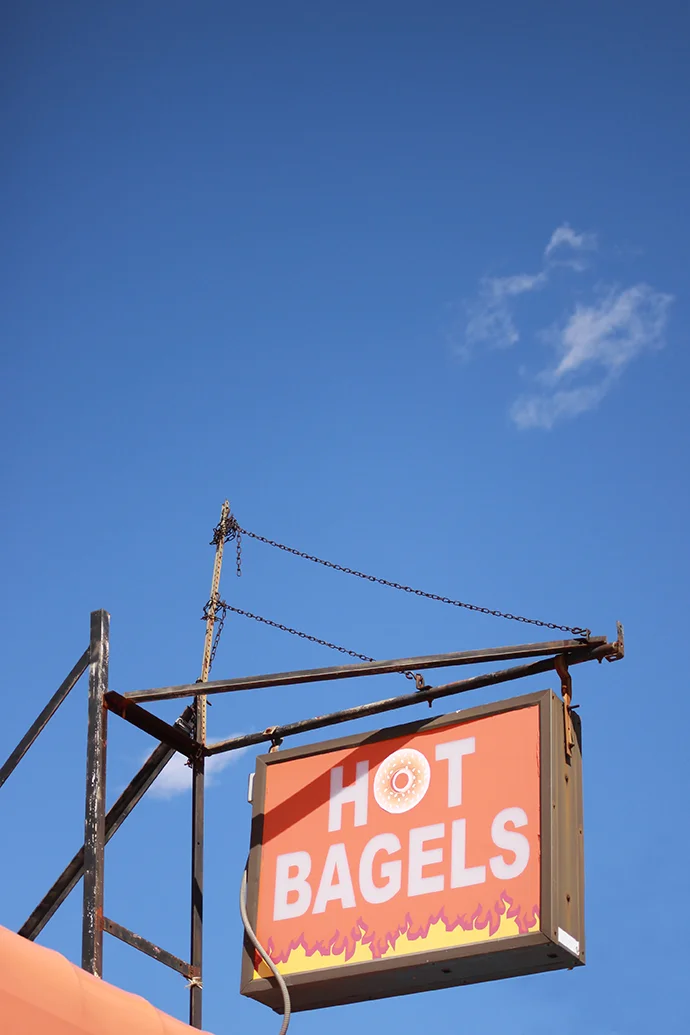
These type of neighborhood walks are my favorite way to really experience New York, without any real itinerary, agenda or destination. I walked until I was tired and a little sunburnt, fortified by a 90-cent donut and a renewed love of this city and its infinite delights.

NYBG: Orchid Show 2017

This was my fifth year in a row attending the Orchid Show at the New York Botanical Garden. Even though the design of the show changes from year to year—this year's theme is "Thailand"—the flowers are pretty similar, and yet I'm still nowhere near over the thrill of seeing so many beautiful orchids in one place.
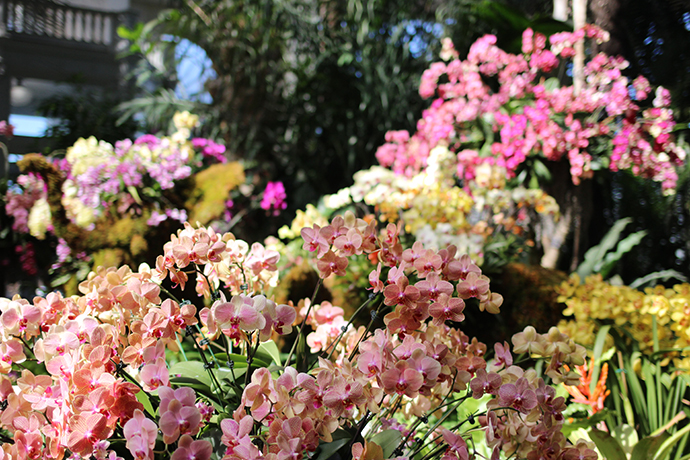
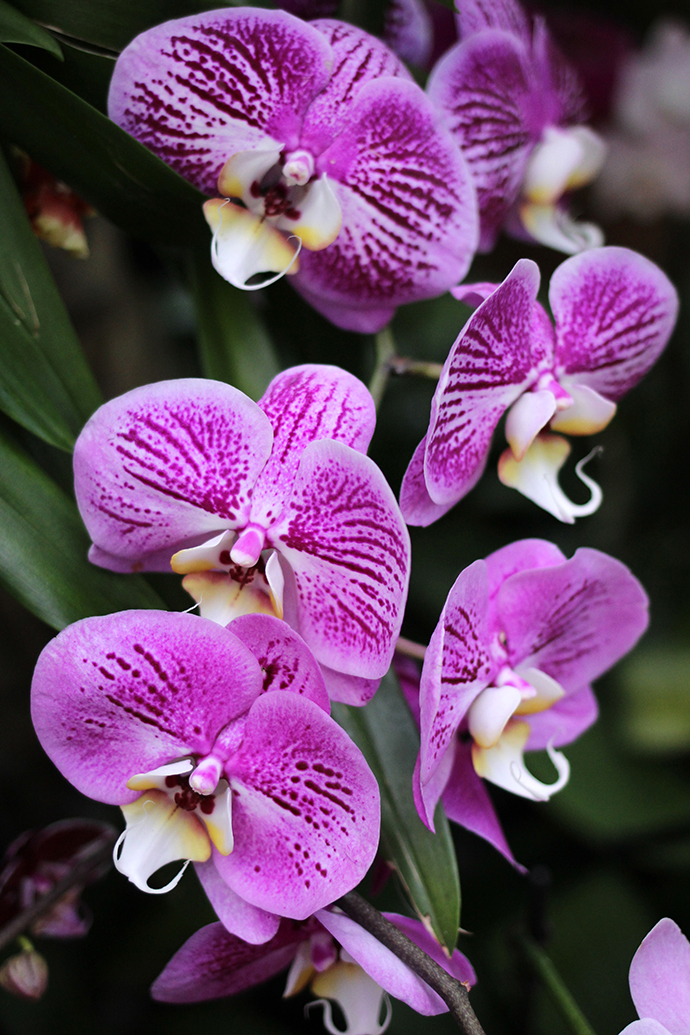
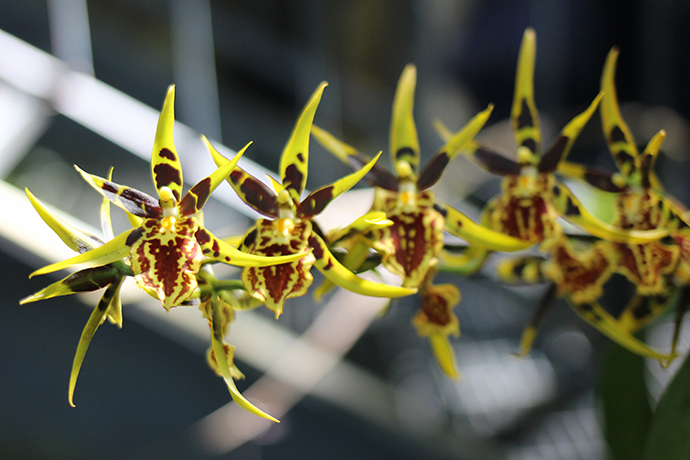
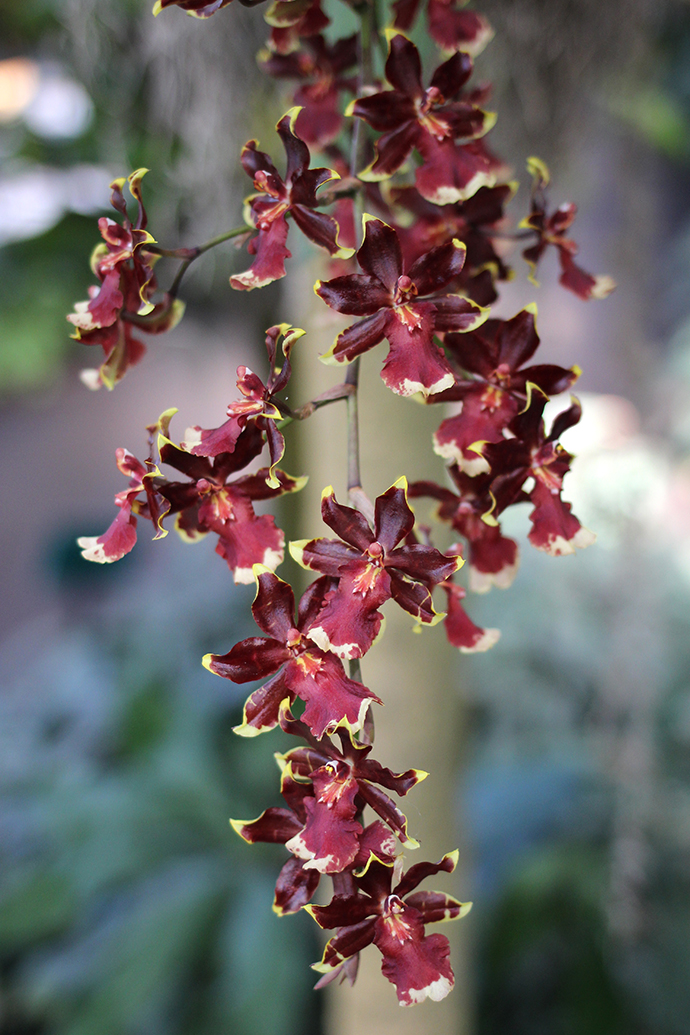
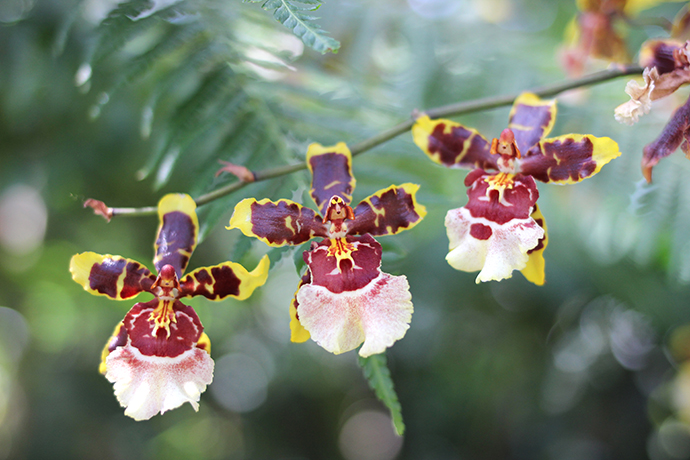
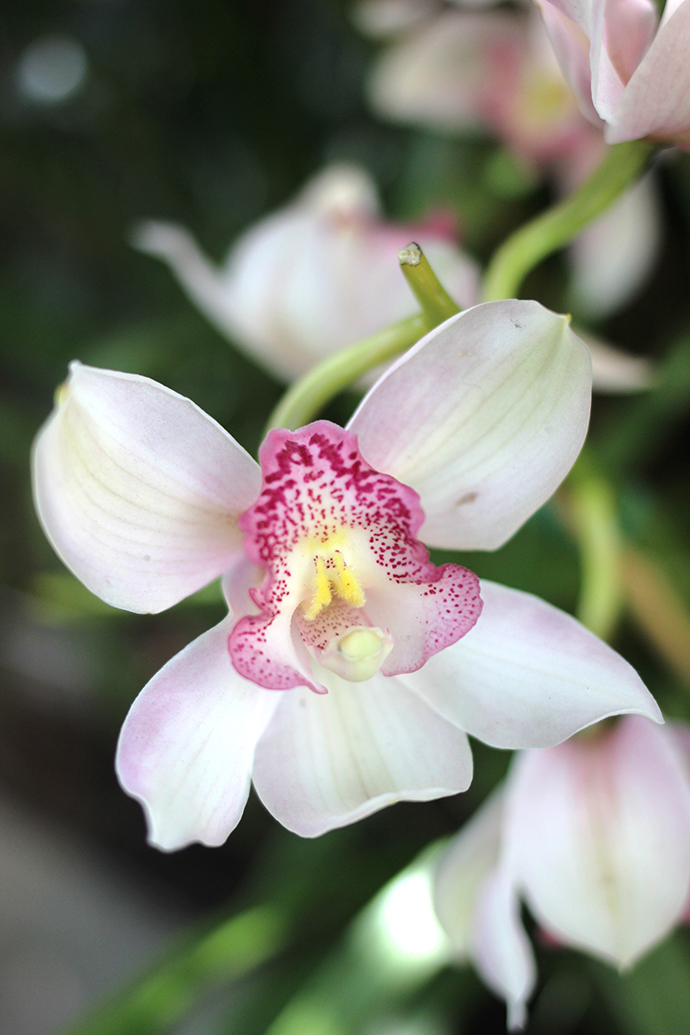
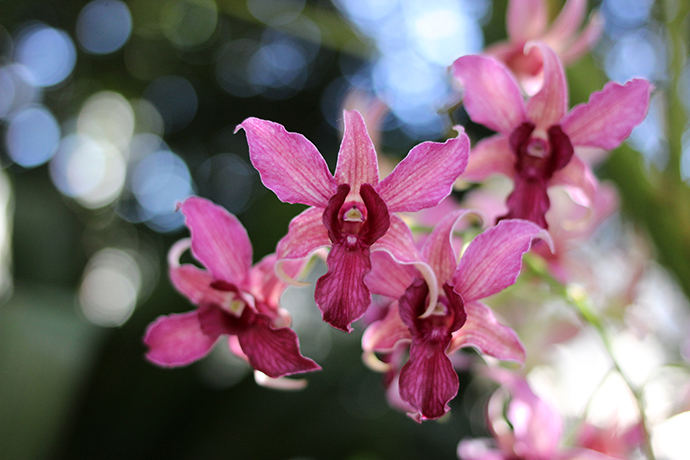
As far as I'm concerned, orchids are basically aliens—or maybe we're the aliens that invaded Planet Orchid. I feel that way about a lot of nature (have you ever really looked at deep sea creatures??), but orchids are so intricate and varied that it's hard not to be in complete awe of their beauty. I think it's their variation that amazes me the most—there are orchids that look like slippers, people, animals and mimic other types of flowers. There are orchids with blooms as big as your hand and as tiny as the tip of your finger. There are green ones and purple ones and orchids with stripes, spots and blotches. Some orchids smell like chocolate, and others have no scent at all.
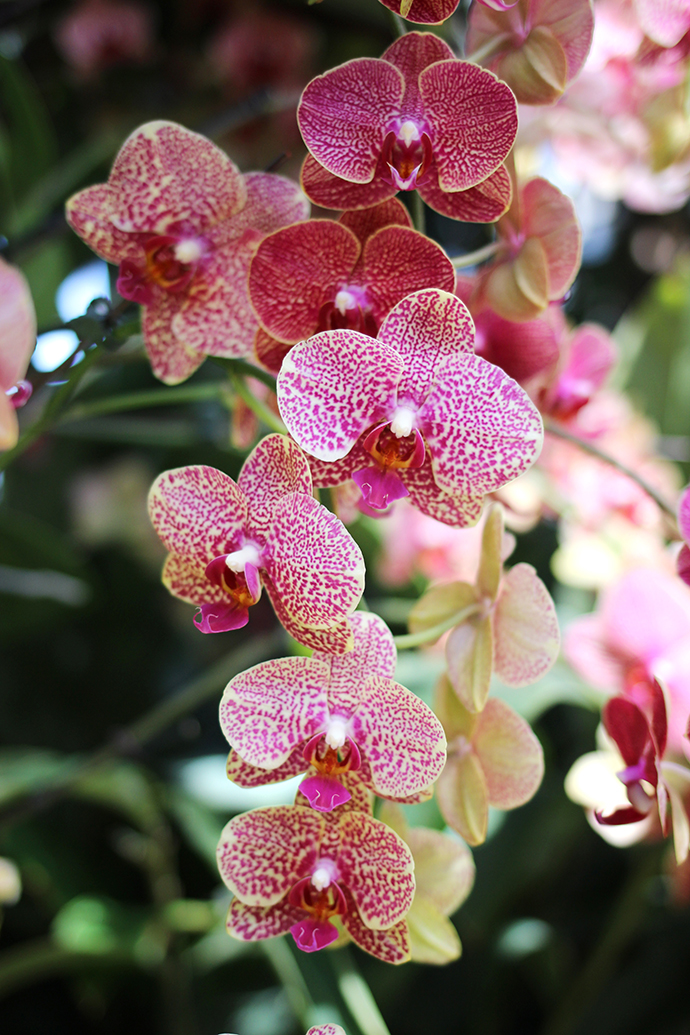
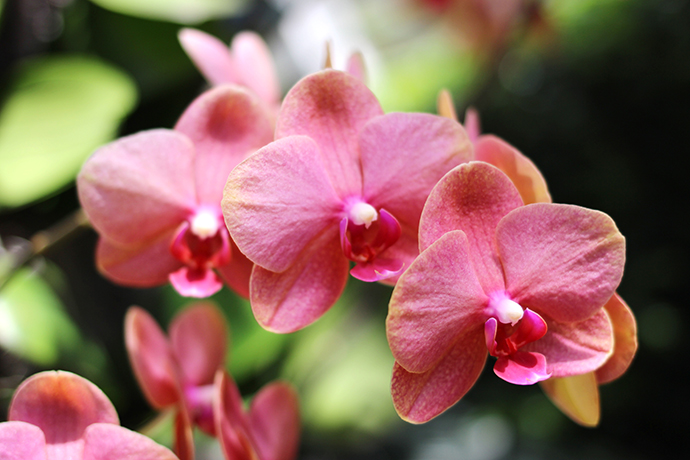
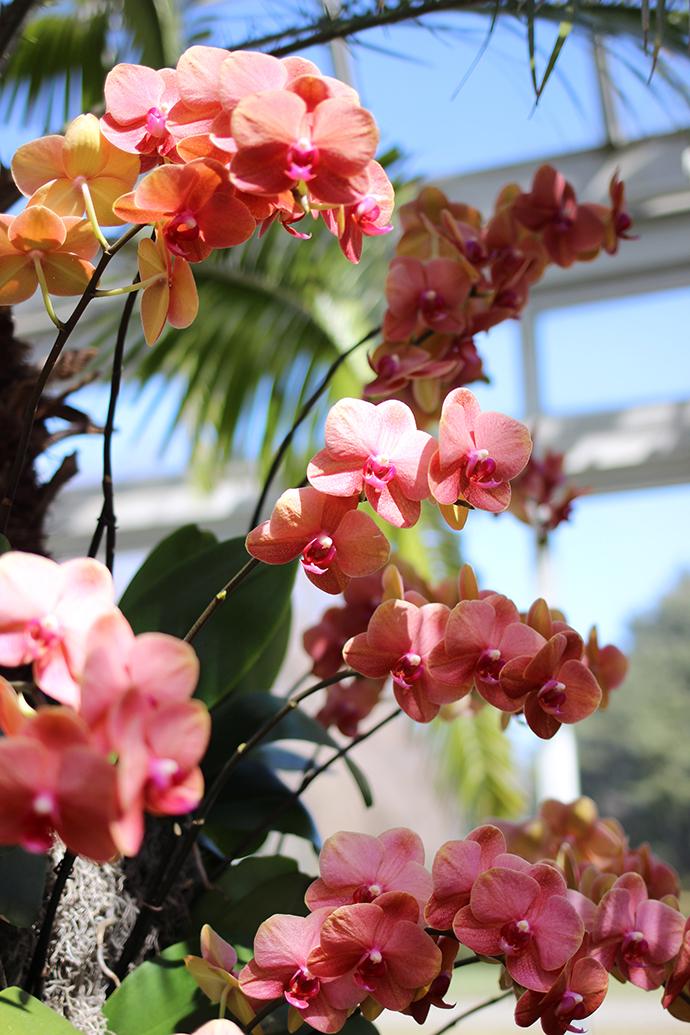
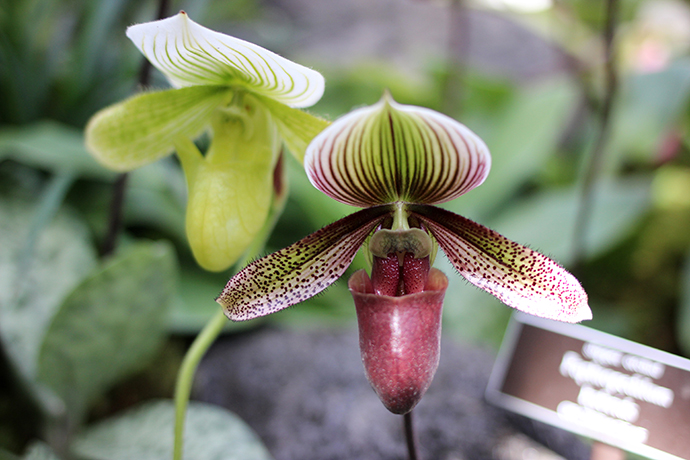
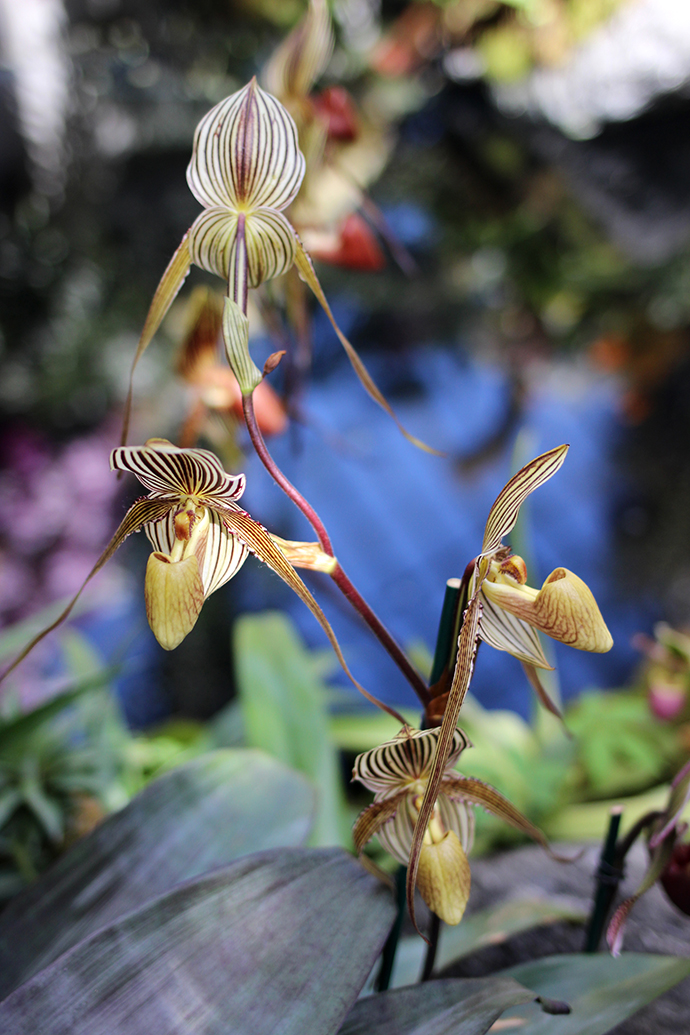
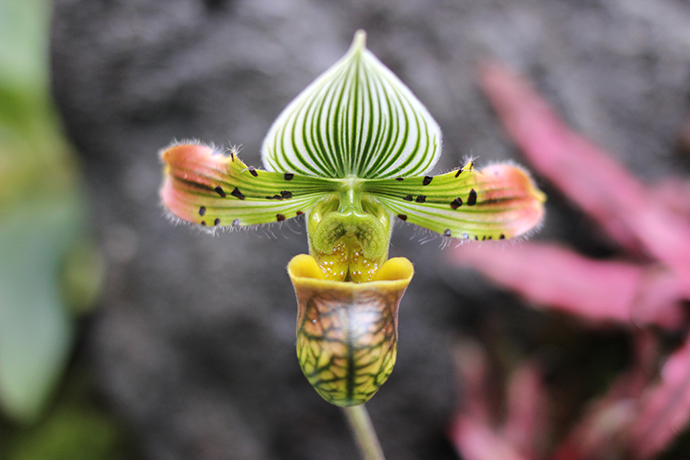
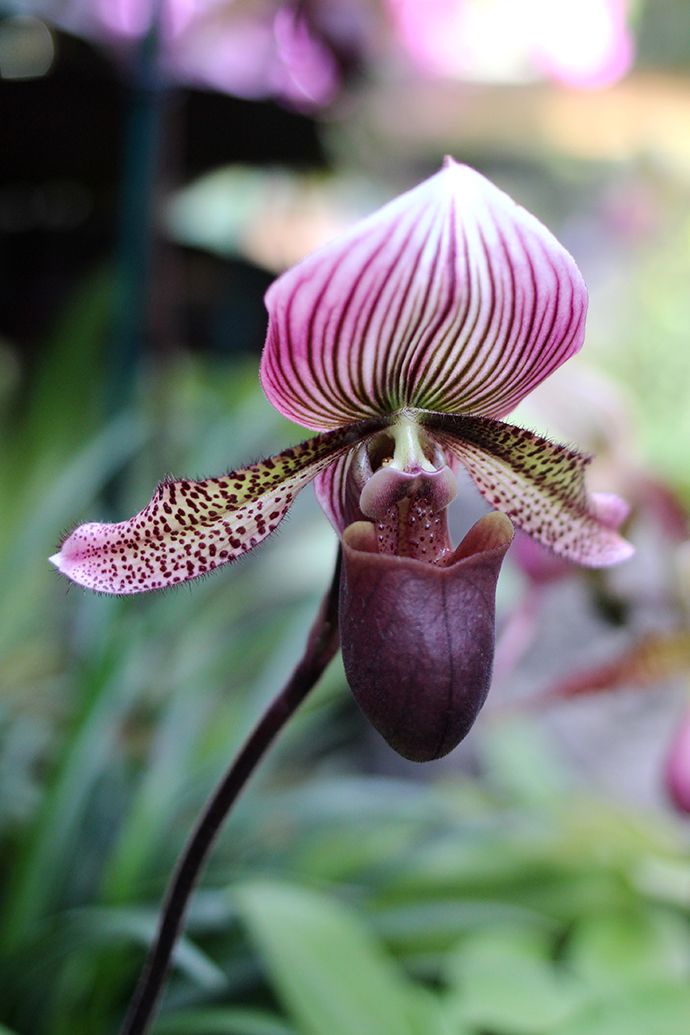
For the second year in a row, the slipper orchid managed to be the most memorable for me. The single blooms are easy to miss at the show—this year they're low to the ground around the centerpiece—but they're so incredibly intricate and just downright strange-looking. The veiny, kiwi-colored one simultaneously grossed me out and intrigued me, and no matter how long I look at them they're hard for my brain to process.

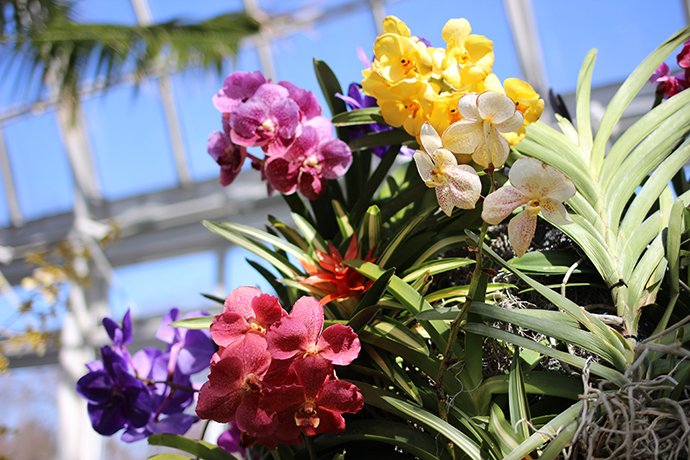

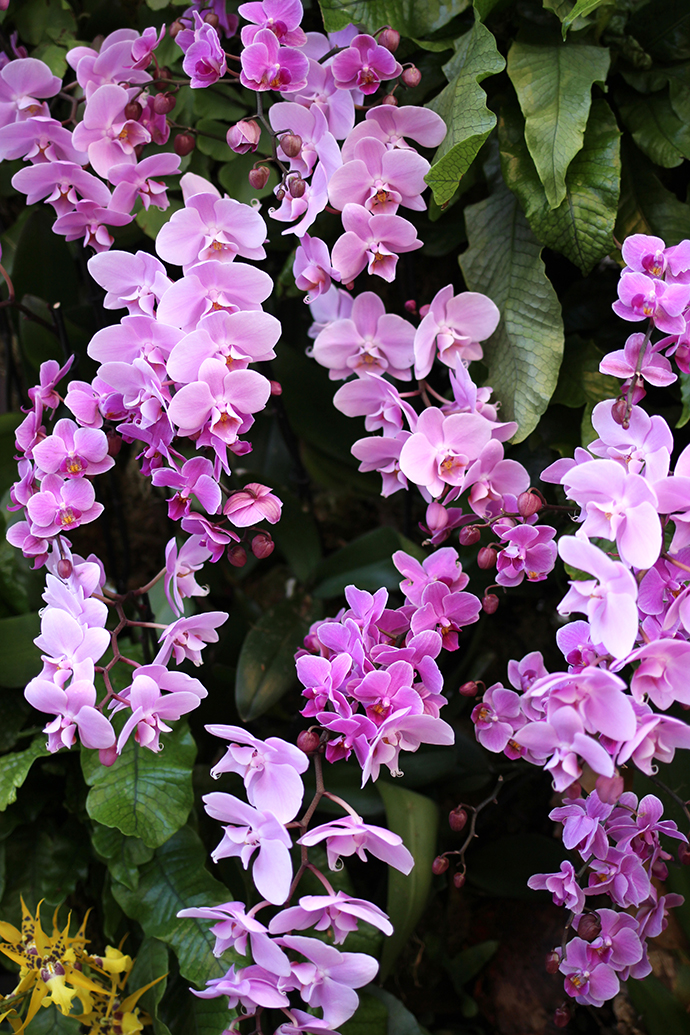
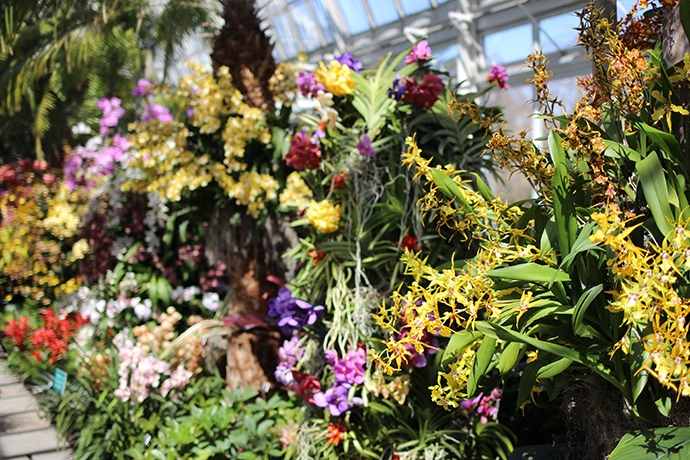
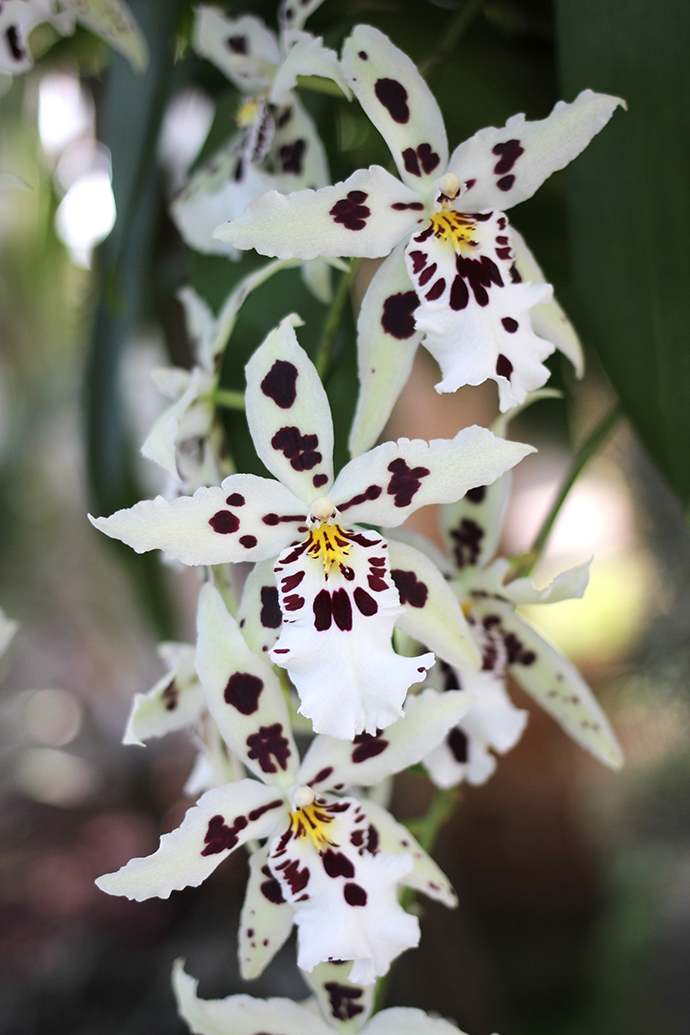
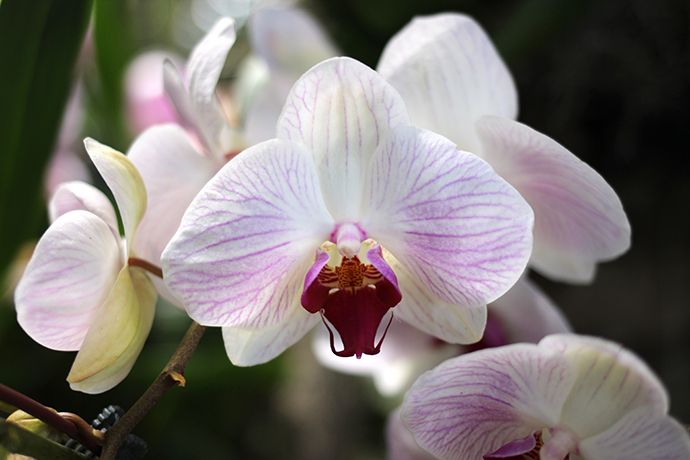
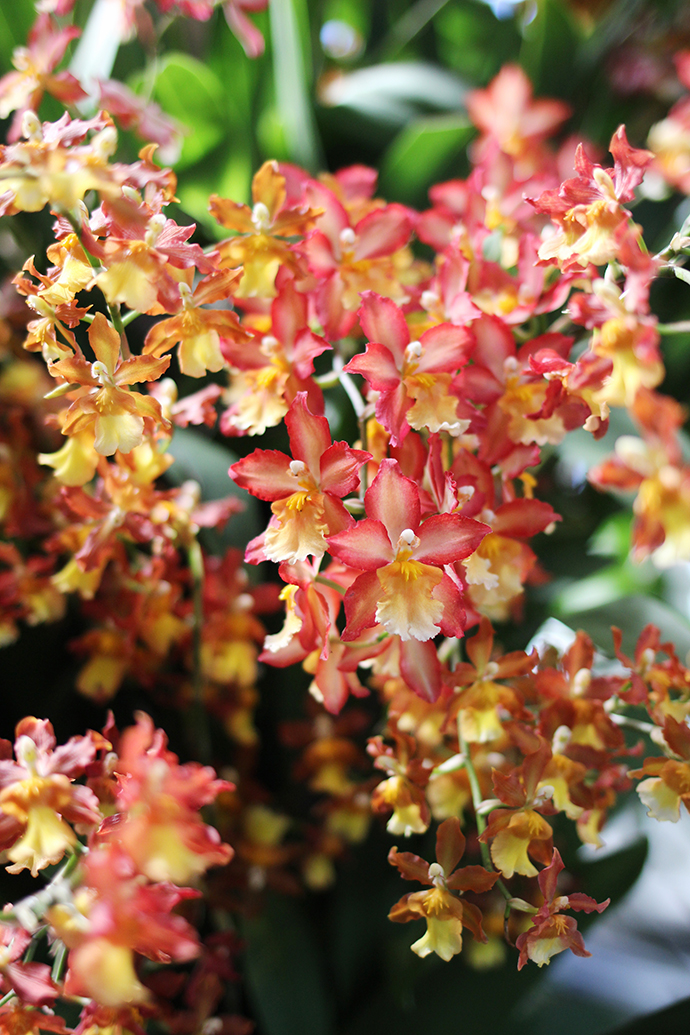
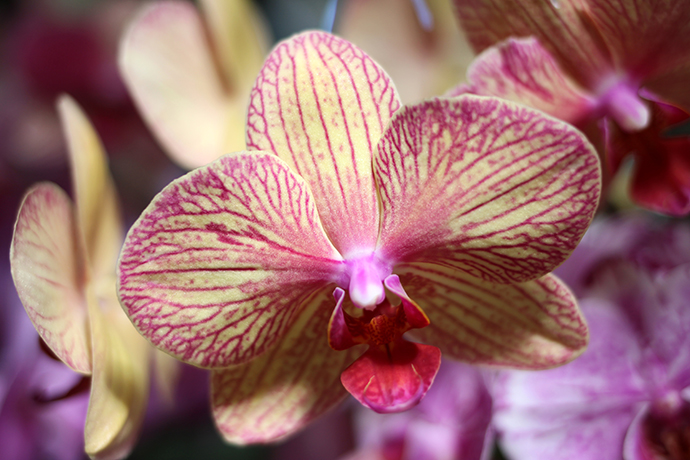
Despite my best intentions, I still seem to have trouble keeping my own plants alive so it's nice to be able to surround myself with such top-notch specimens just for the price of admission. After some false starts, spring has been dragging its feet coming to the city, but I've come to regard the Orchid Show as an essential ritual to welcome the season.

Kings Park Psychiatric Center: Patient Wards

The last building we explored at the abandoned Kings Park Psychiatric Center (after Building 93 and a doctor's cottage) was a large building that once housed patient wards. The door was wide open so we just walked right in—there wasn't much left inside but the peeling paint, humorous graffiti and eerie corridors made it a worthwhile place to creep for a bit.


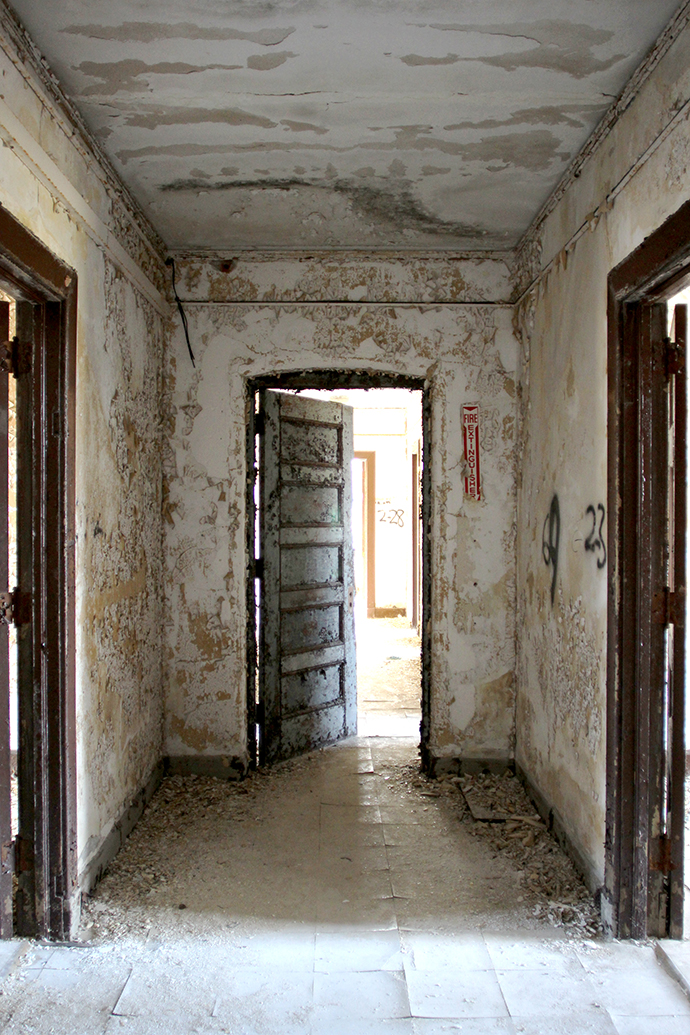
There are so many buildings on KPPC's campus (more than 100 during its lifetime) that I can't be sure exactly which one this was—and we saw several others that had very similar layouts—but it had what appeared to be individual rooms as well as larger spaces and balconies on every floor. The peeling paint was particularly artful and I could do an entire post just waxing poetic about layer after layer of the curling, cracking, pastel flakes.


I generally think that most graffiti is terrible in abandoned places, and of course wish I could see these places in a more pristine condition, but occasionally I'll come across something that makes me laugh. "Call your mother, she worries" was one of my favorites, especially because my mother was actually with me exploring KPPC—after our New York City Farm Colony adventure she was hooked.


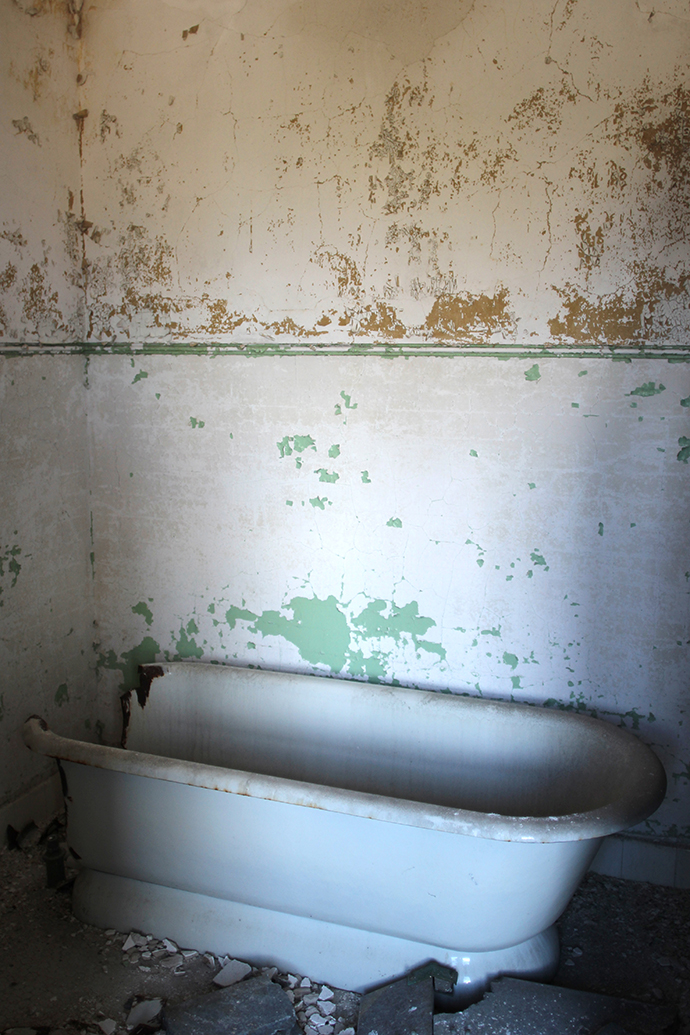
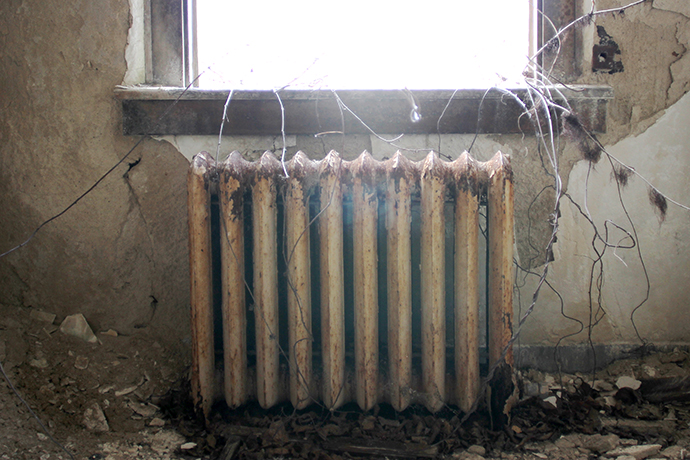


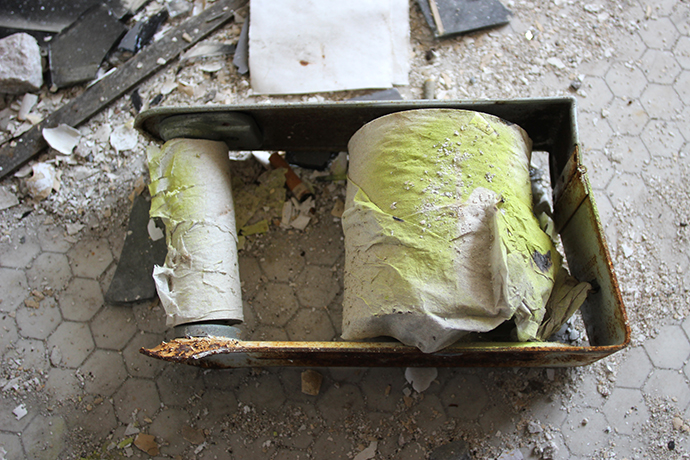

Although not nearly as full of stuff as Building 93, this building still had some of its bathroom fixtures, built-in cabinets, radiators, doors and shattered mirrors. I love the mystery that abandoned spaces have and I like to imagine how each room was used and who might have lived there—what was stored on those wooden shelves and most importantly, who last used that moldy toilet paper?

Museum of Interesting Things
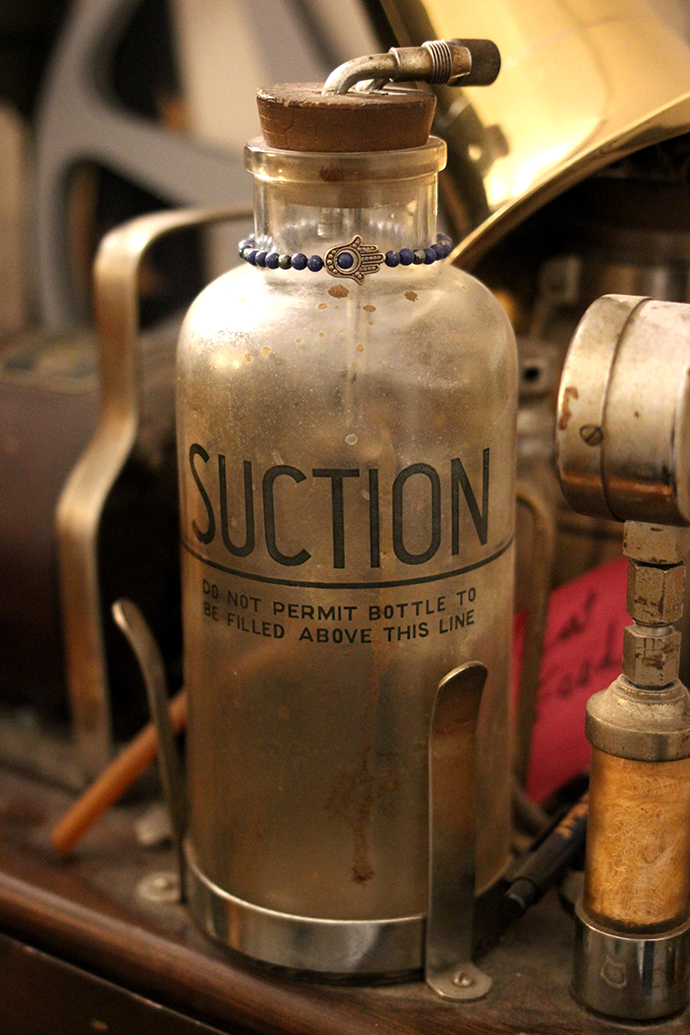
In the words of Denny Daniel, the founder and curator of the Museum of Interesting Things, the museum "is a traveling interactive demonstration/exhibition of antiques and inventions inspiring innovation and creativity—learning from the past to create a better future." My mom and I recently took a "tour" of the museum via the New York Adventure Club.
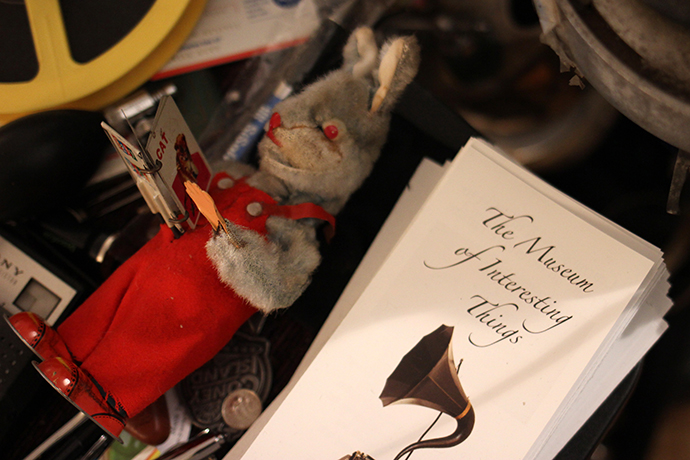
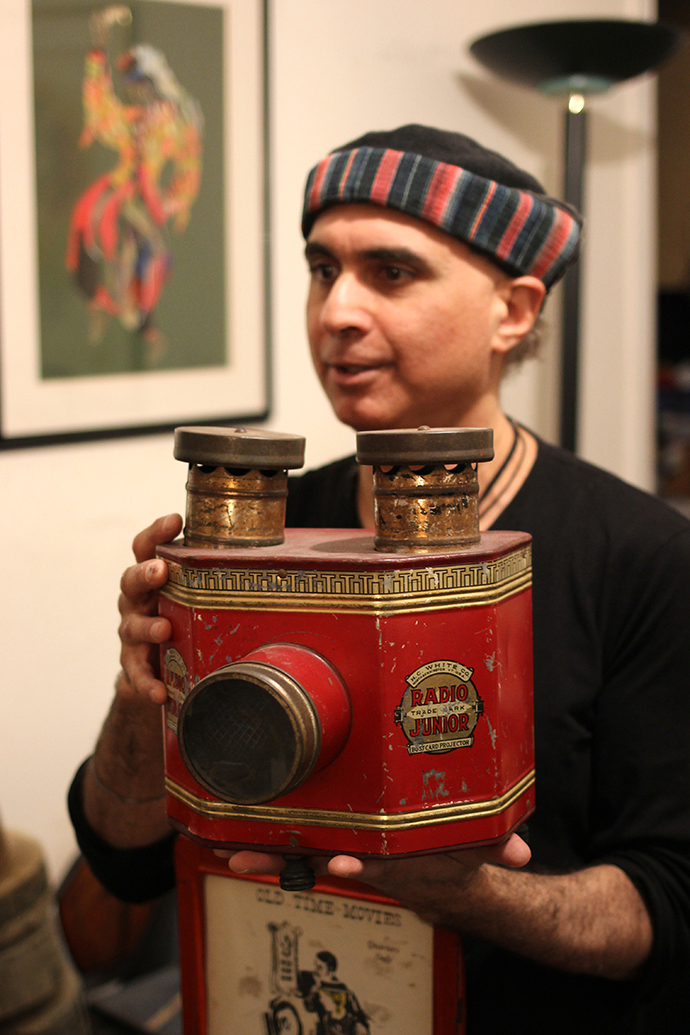
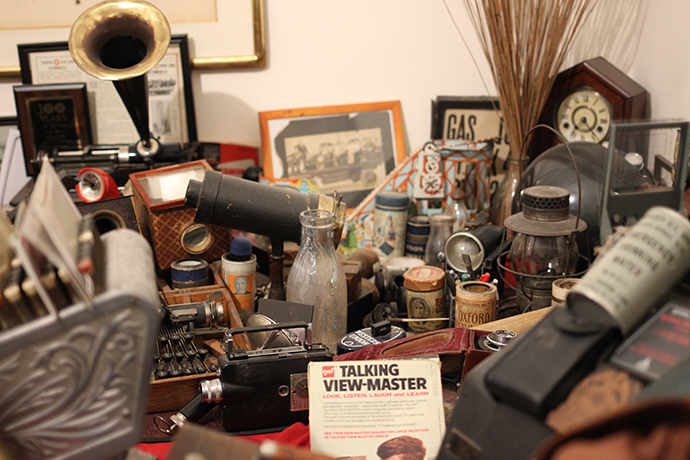
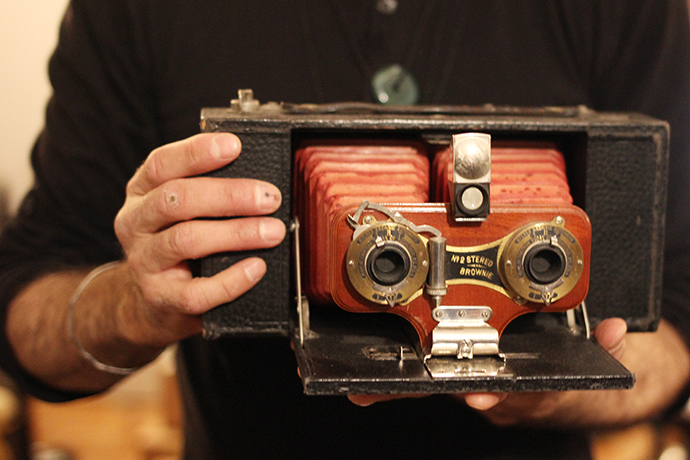
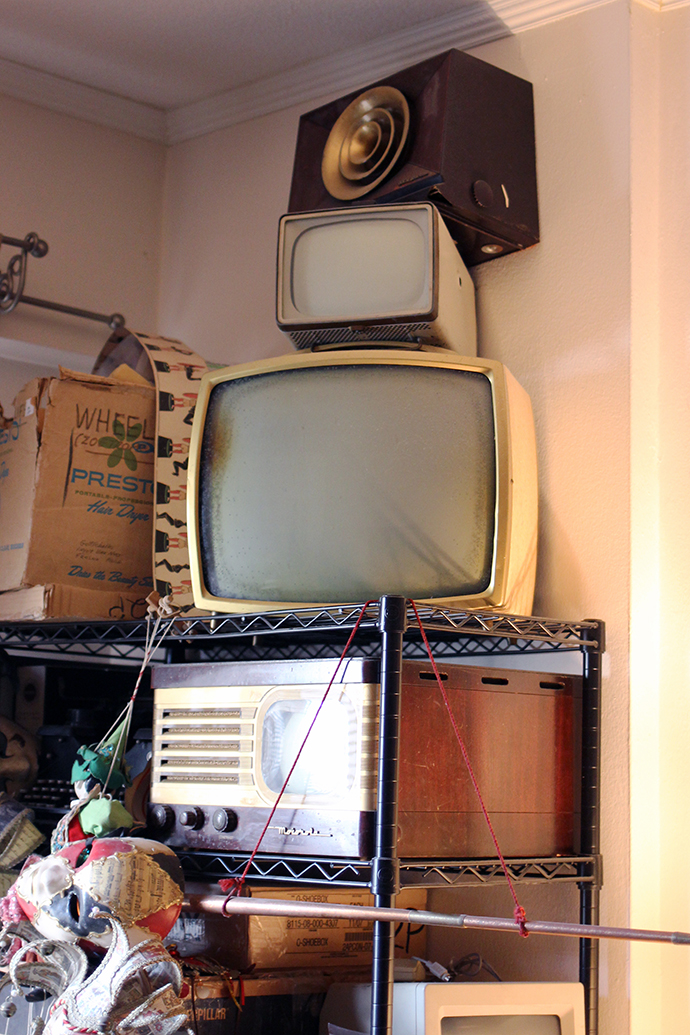
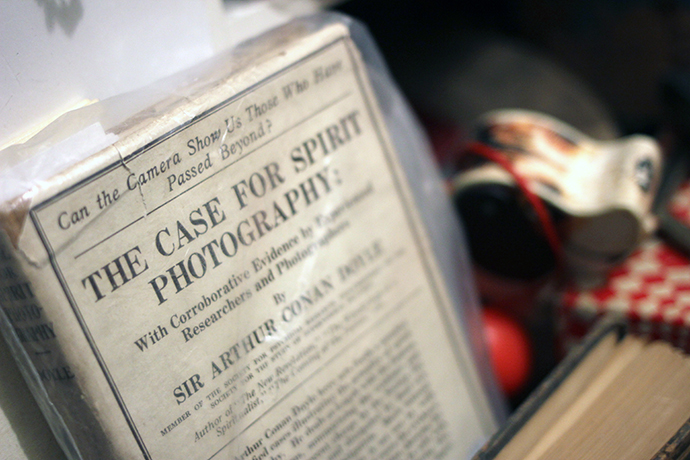
I use the word tour loosely, however, since when it's not traveling, the museum is located in Daniel's East Village apartment. My mom and I have always loved interesting things (who doesn't?) and we spent a great many weekends perusing thrift stores and flea markets while I was growing up in Ohio. I think living in New York is preferable to Ohio in almost every way, with one exception being that the thrifting/flea situation here is dismal. It's not that there aren't treasures, but they're almost all laughably expensive. I used to run an online shop while I still lived in Ohio for second-hand gems, and part of my motivation to start selling my interesting finds was the fear that I'd end up like Daniel—with piles and piles and piles of stuff.
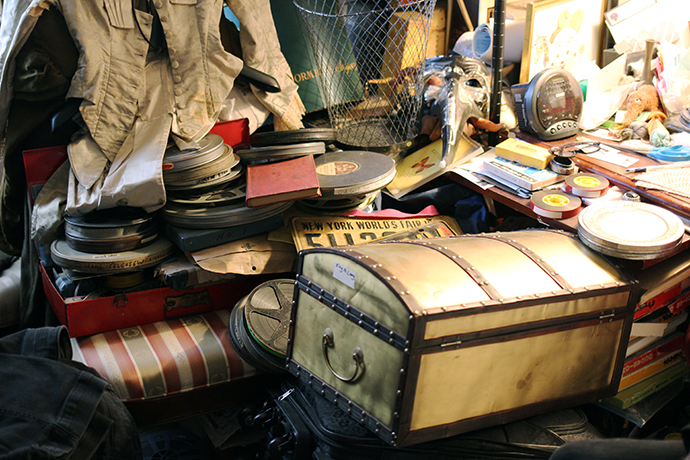
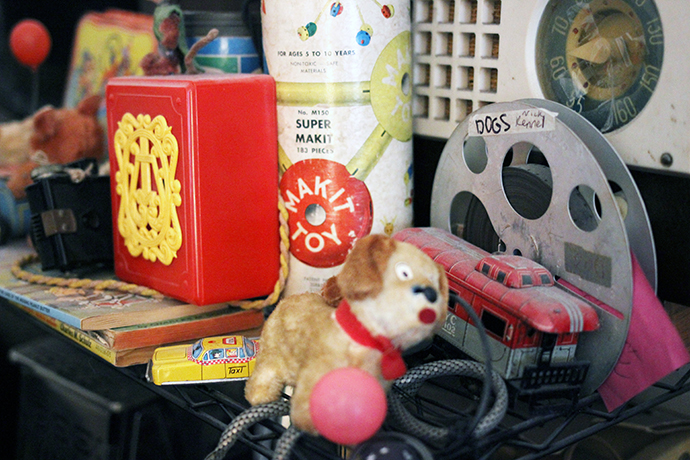
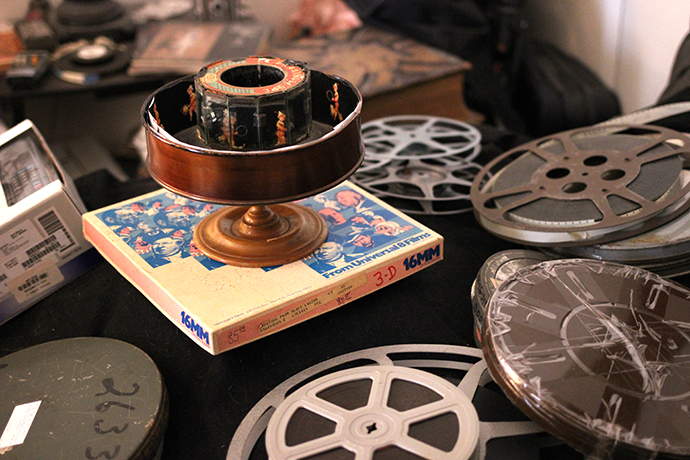
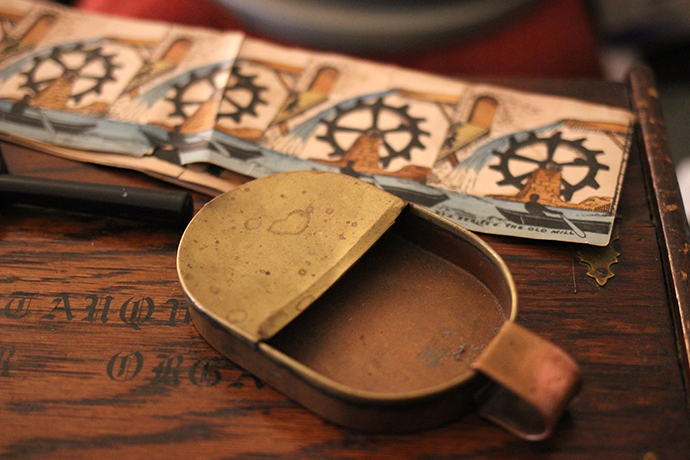
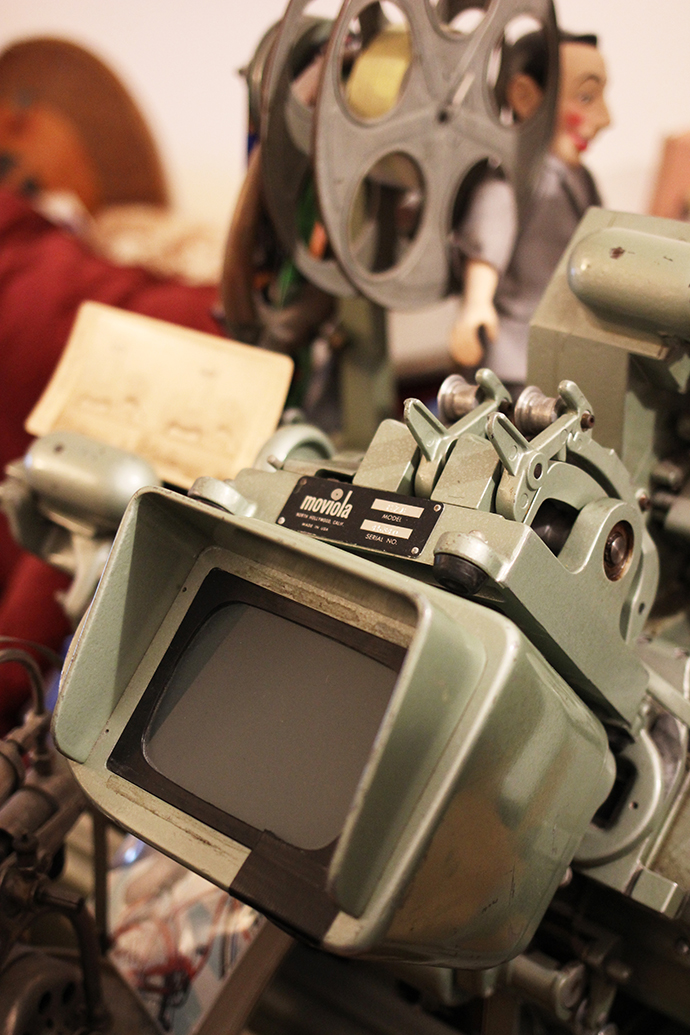
I shut down my shop when I moved to New York and sold all of my inventory before I left, but I still miss spending hours sorting through trash to find treasure. I will always identify with people like Daniel, and his enthusiasm for all of the objects he showed us was infectious. I love joyful, genuine people and Daniel was knowledgeable, talkative and infinitely curious. He has phonographs, cameras, stereoscopes, magic lanterns, camera obscuras, 8-tracks, record players, stacks of tvs, film reels and countless other collections, not all of which are currently housed in his apartment.
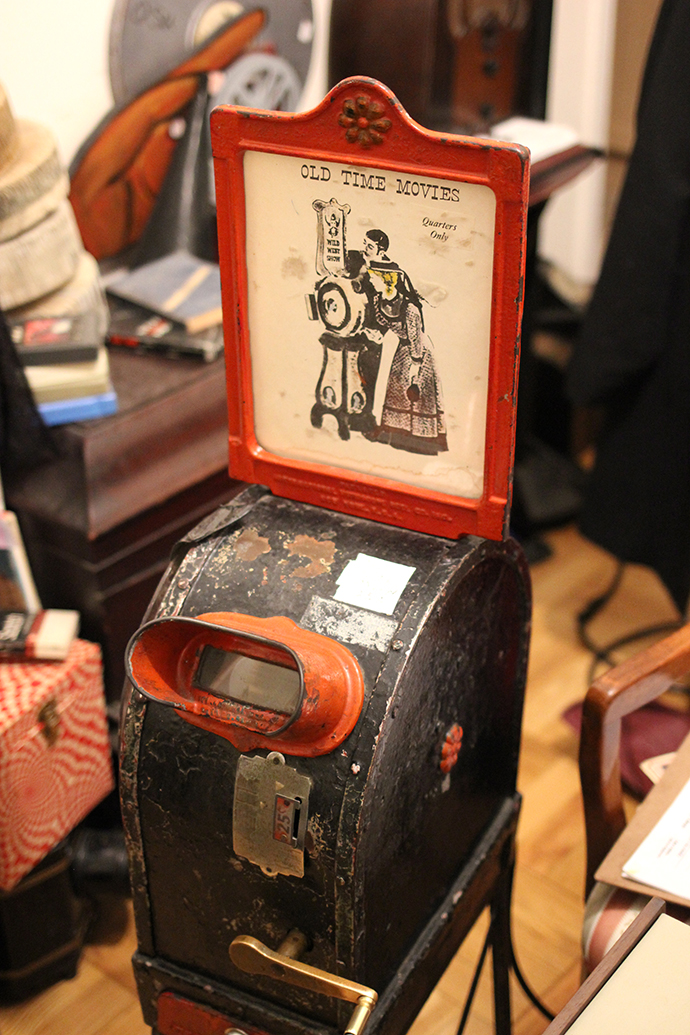
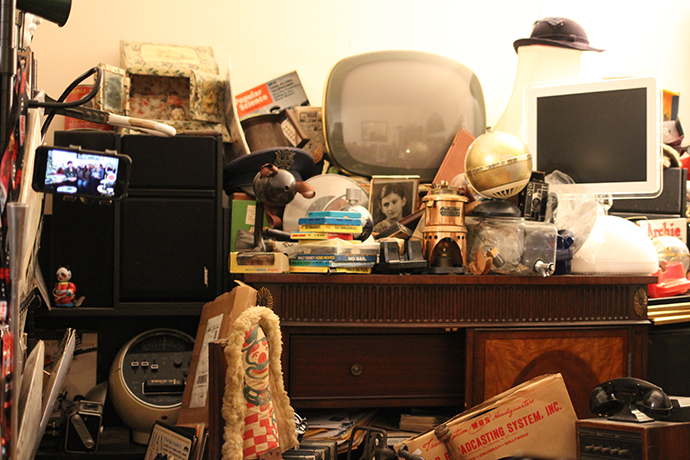
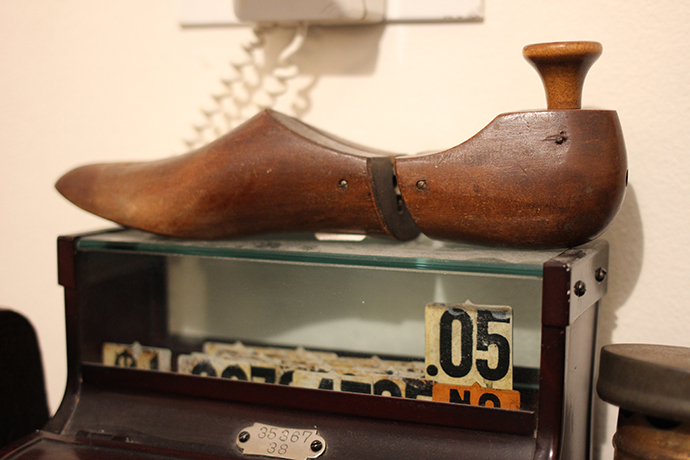
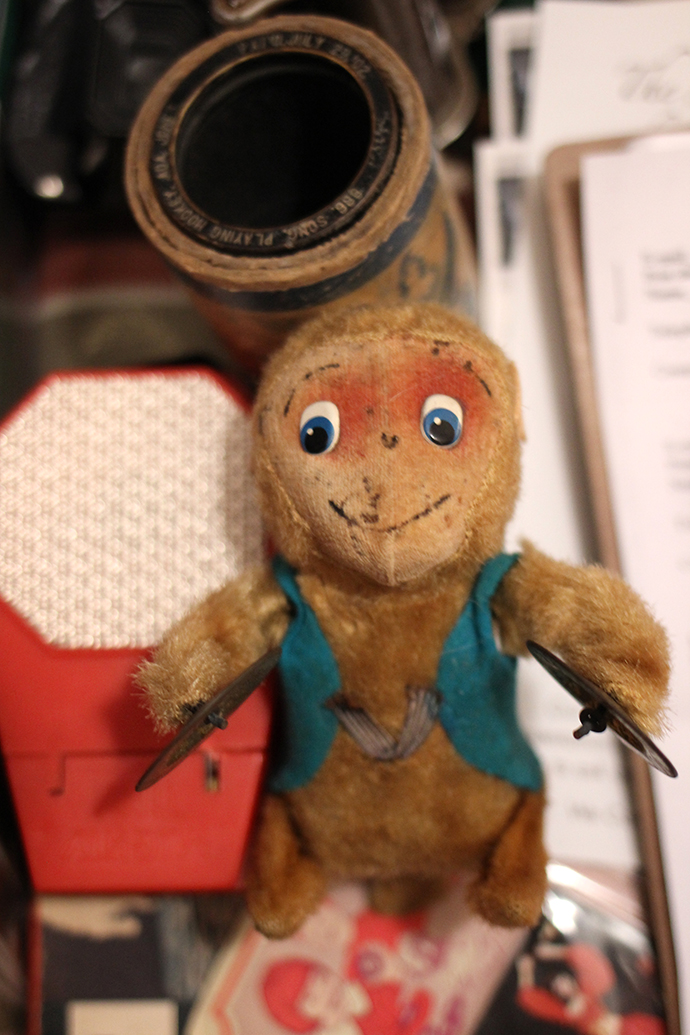
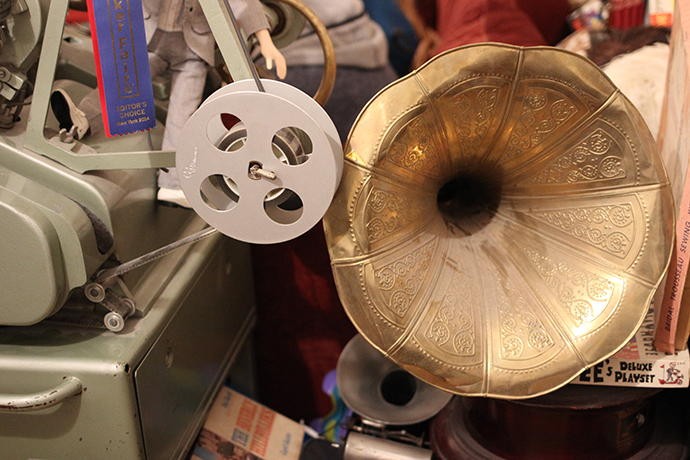
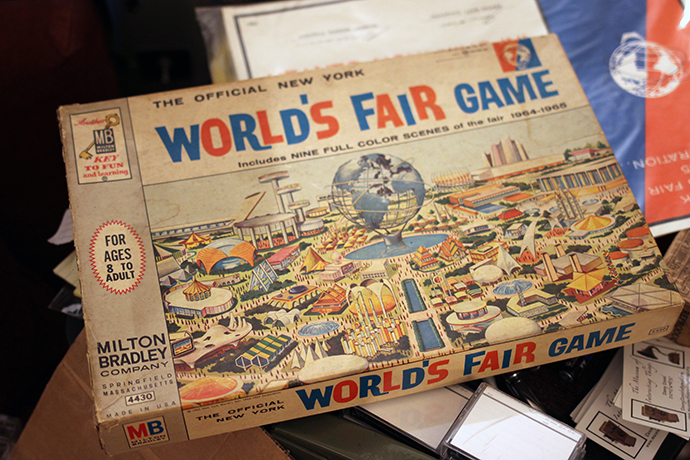
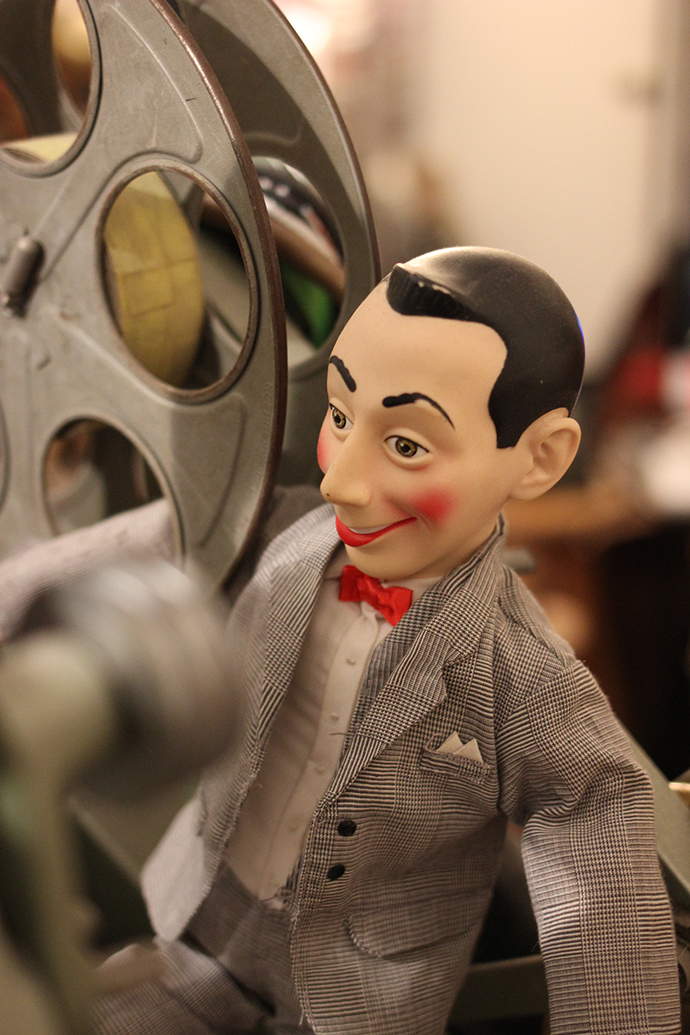
He has the Moviola film-editing machine that Tim Burton used to edit dailies of Pee-Wee's Big Adventure, a Nickelodeon on which we watched A Trip to the Moon, a collection of World's Fair memorabilia, a piece of the Enigma code-breaker machine and is a self-proclaimed expert on carrier pigeons and organ grinder monkeys.
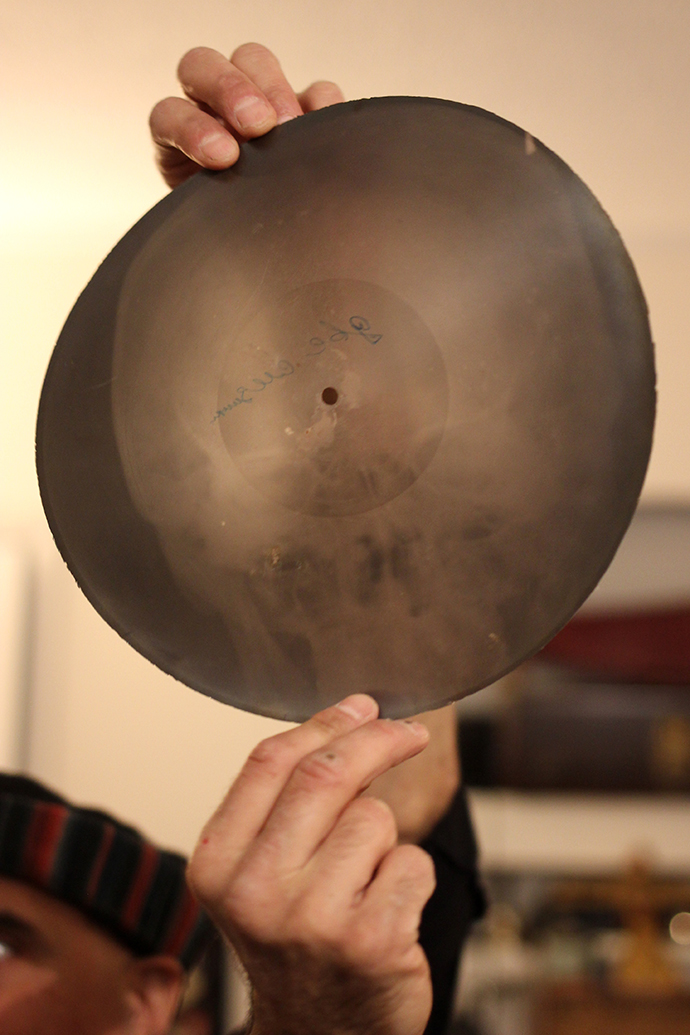
But the most interesting of all the interesting things was something he called "Bones and Ribs," a bootleg gramophone recording from Soviet-era Russia that was pressed onto x-ray film, in this case a skull x-ray. I pride myself on knowing a little about a lot of weird things, but this was something I might never knew existed if it hadn't been for Denny Daniel and his collection.
The most fantastic thing about the New York Botanical Garden’s annual Orchid Show is the orchids themselves