
Archive
- Abandoned
- Alabama
- Arizona
- Bahamas
- Books
- California
- Cemetery
- Climate
- Colombia
- Connecticut
- Diner
- Egypt
- Feature
- Florida
- Friday Fun
- Georgia
- Holidays
- Illinois
- Iowa
- Italy
- Kentucky
- Louisiana
- Maryland
- Massachusetts
- Mississippi
- New Jersey
- New Mexico
- New York
- North Carolina
- Novelty Architecture
- Ohio
- Pennsylvania
- Personal
- Peru
- Project 365
- Protest
- Rhode Island
- Roadside Attraction
- South Carolina
- Tennessee
- Texas
- Travel Guide
- Virginia
- Walks
- Washington DC
- West Virginia
- Wisconsin

Prospect Park: Snow
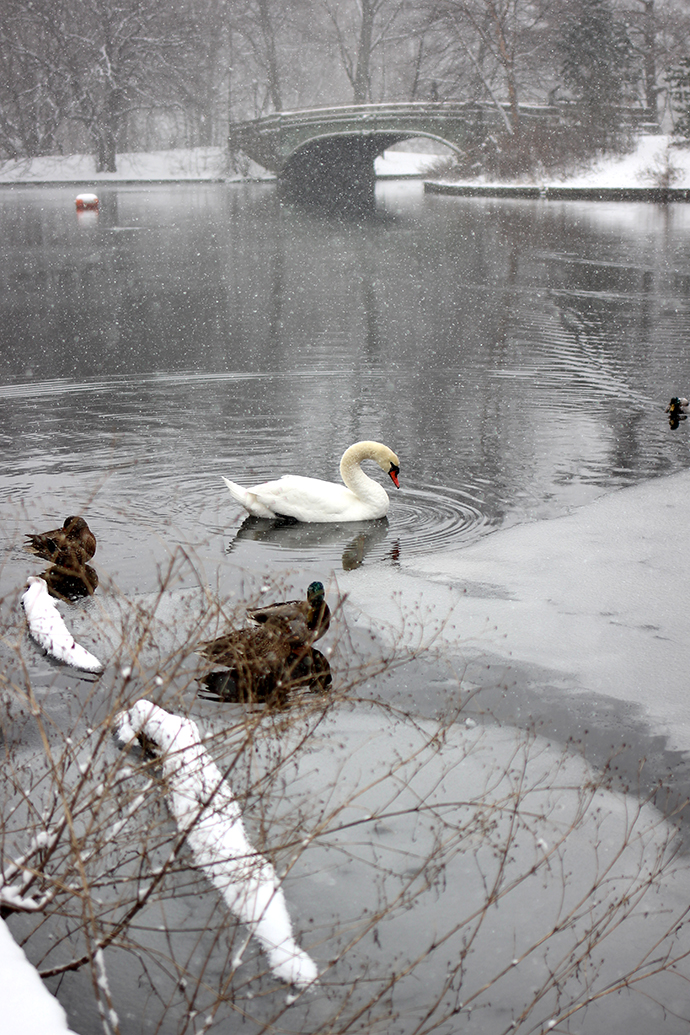
There aren't many things in life I love more than snow, and the city during or after a snowstorm is just about perfect. We had our first major snowfall of 2017 (and of this winter season) this weekend and I had to get out and explore. I tried to go to Green-Wood Cemetery, but—in what has become sort of an unfortunate tradition involving me, snow and cemeteries—it was closed. I did the next best thing and walked home through Prospect Park, which is lovely anytime of year but is a total dream land in the snow.
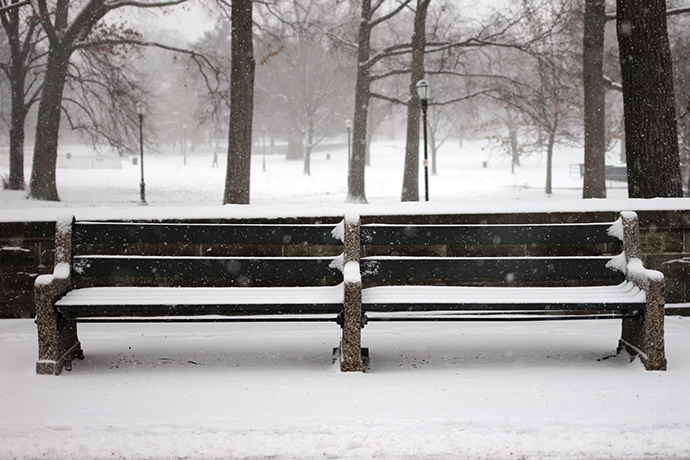

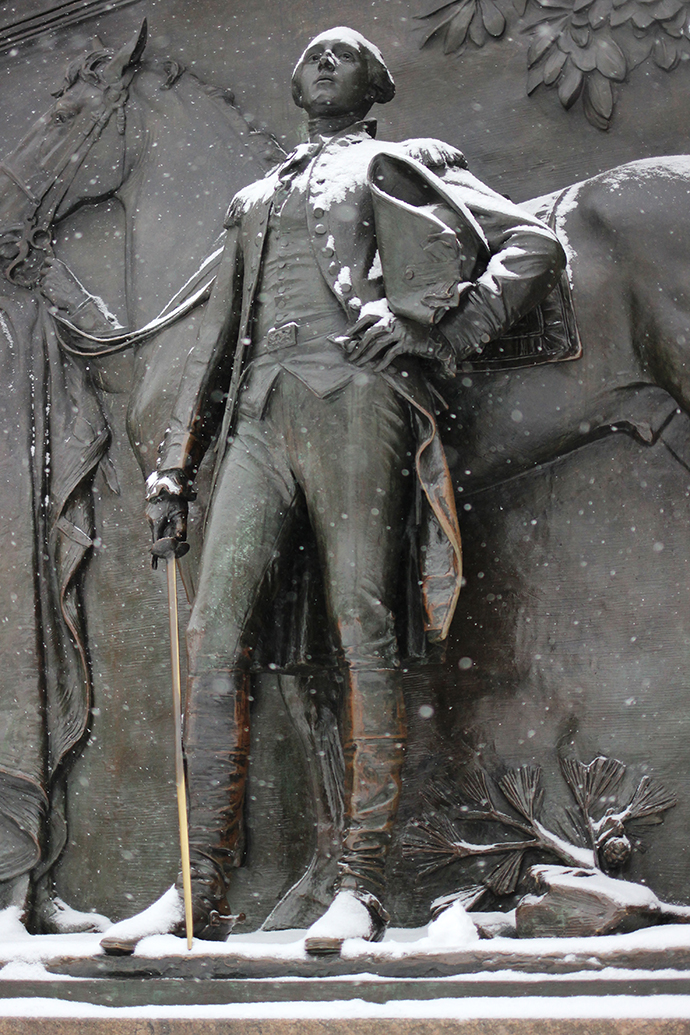
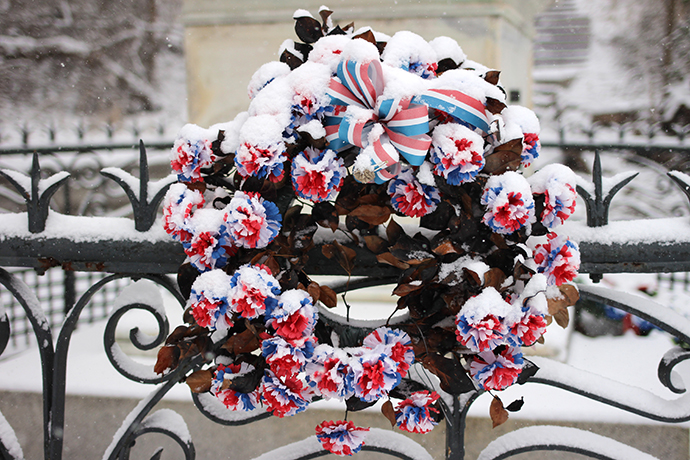
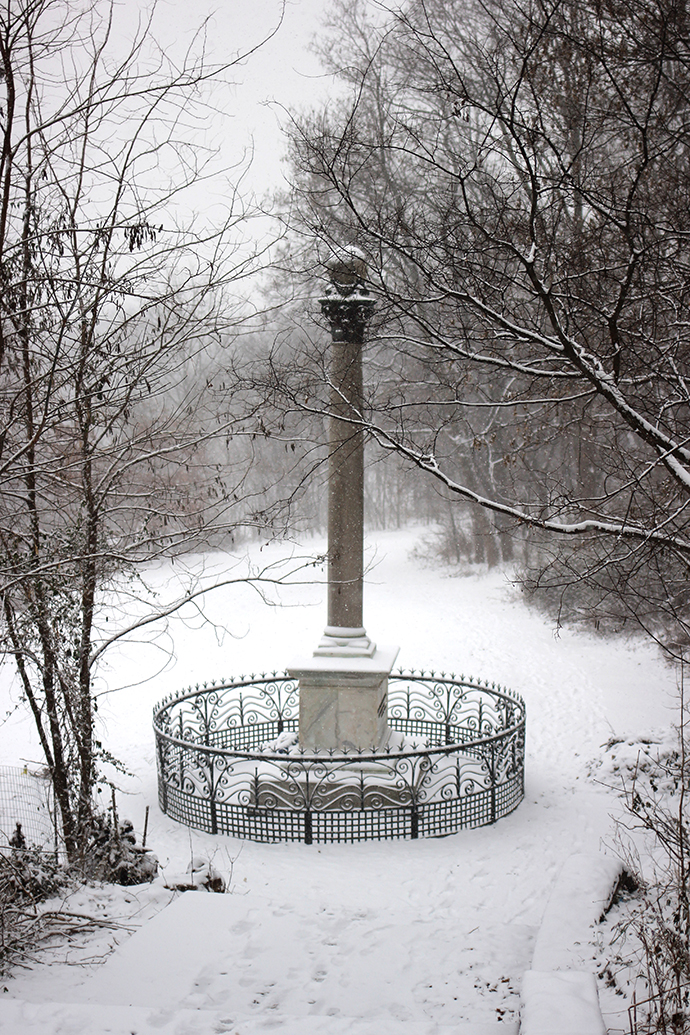
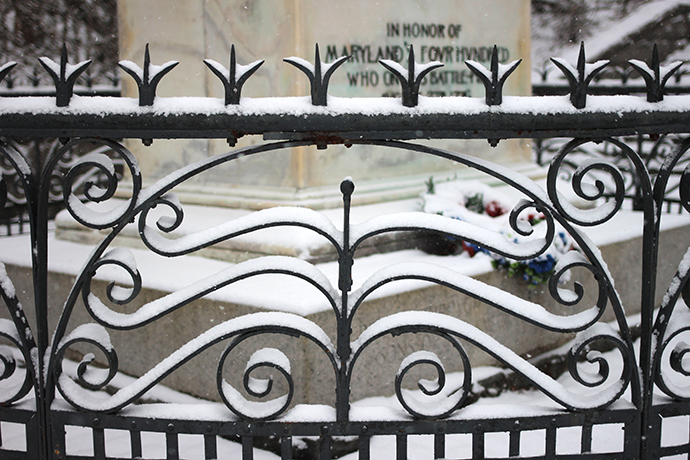

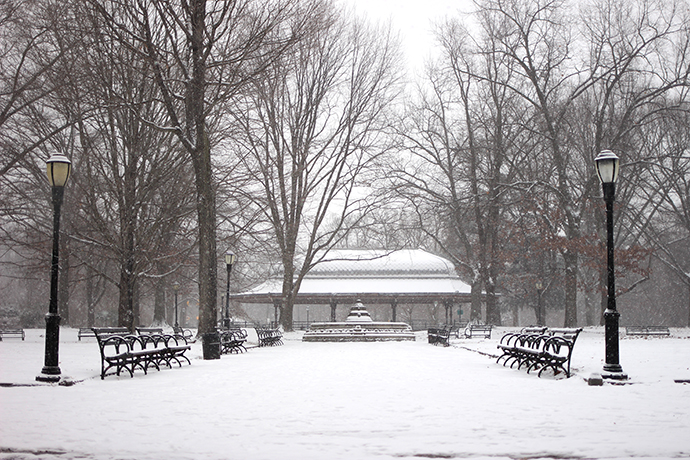
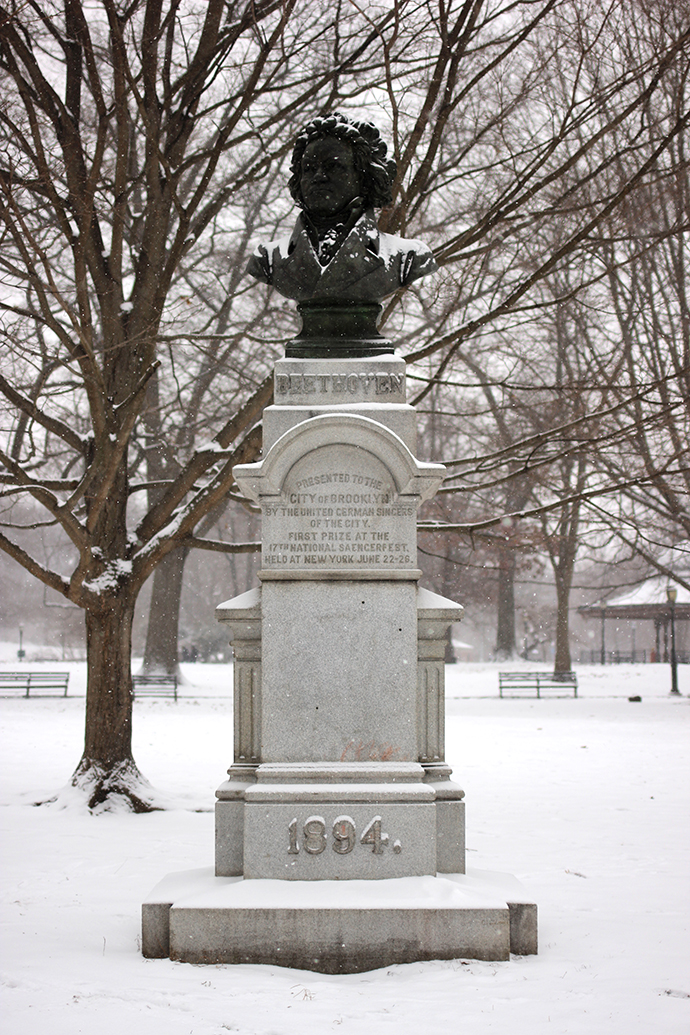
The snow was coming down pretty heavily during my entire walk so the park was deserted—just another gift that the winter gods bestow on the city at this time of year. The park is fun when it's teeming with life—sledding in the winter, picnics in the summer—but there's nothing quite like watching the snow fall quietly while you're standing in the middle of Brooklyn, without another person in sight.
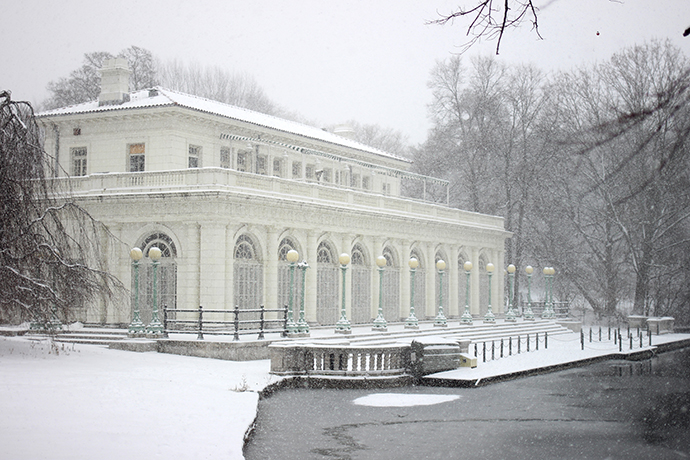
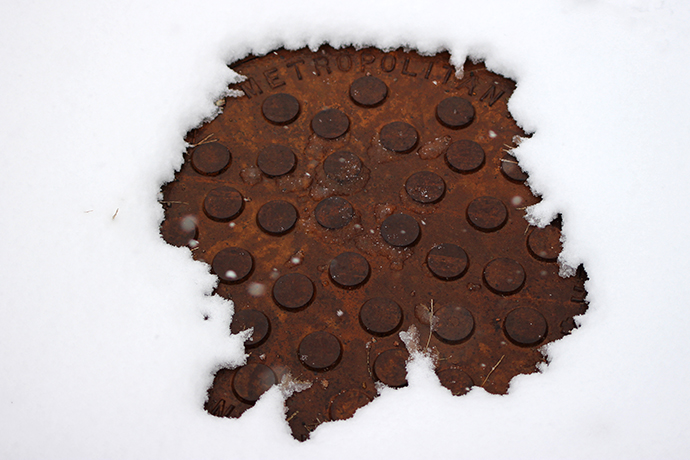

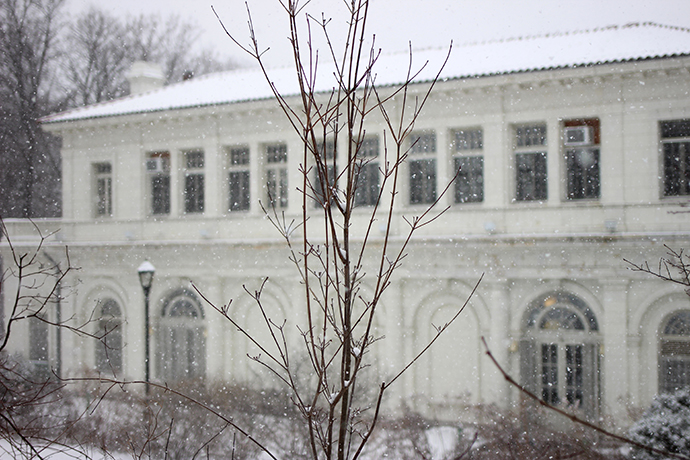
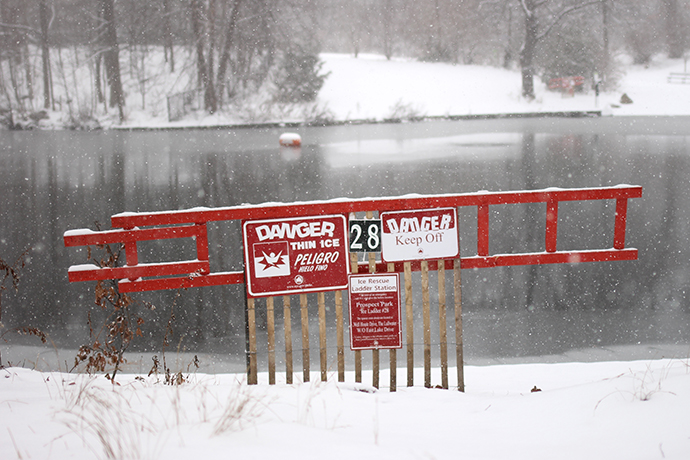
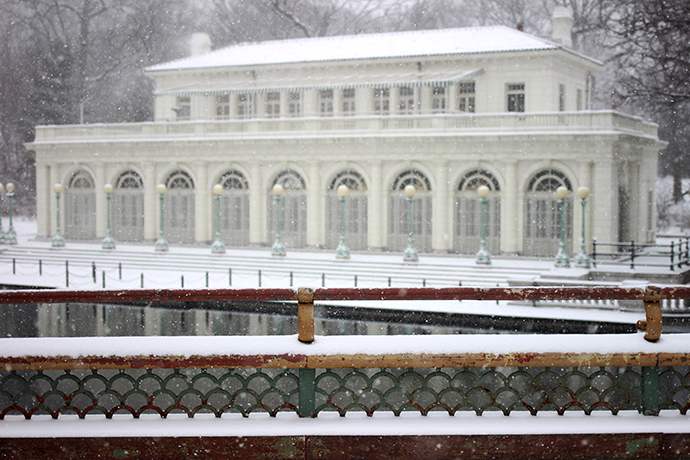
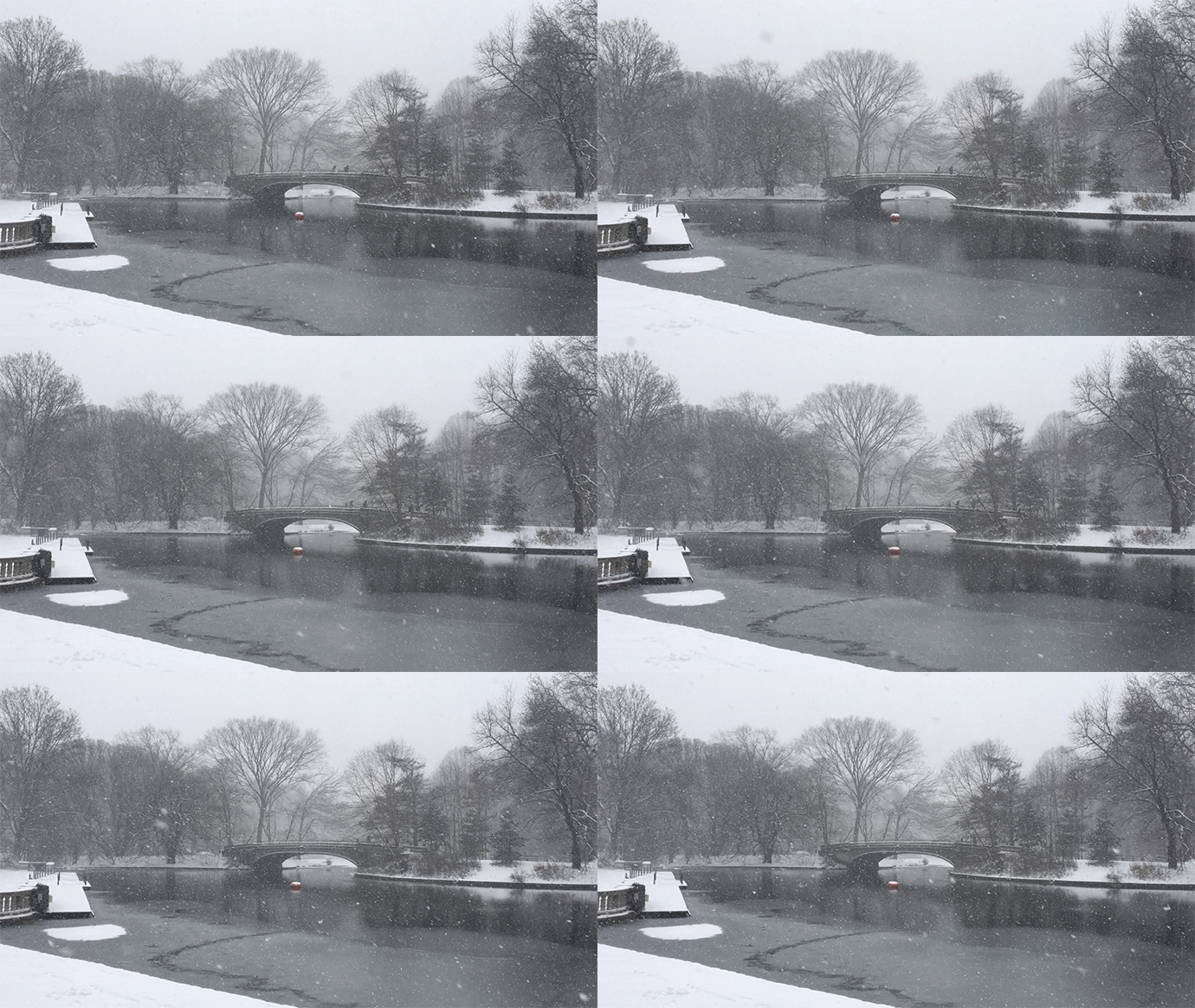
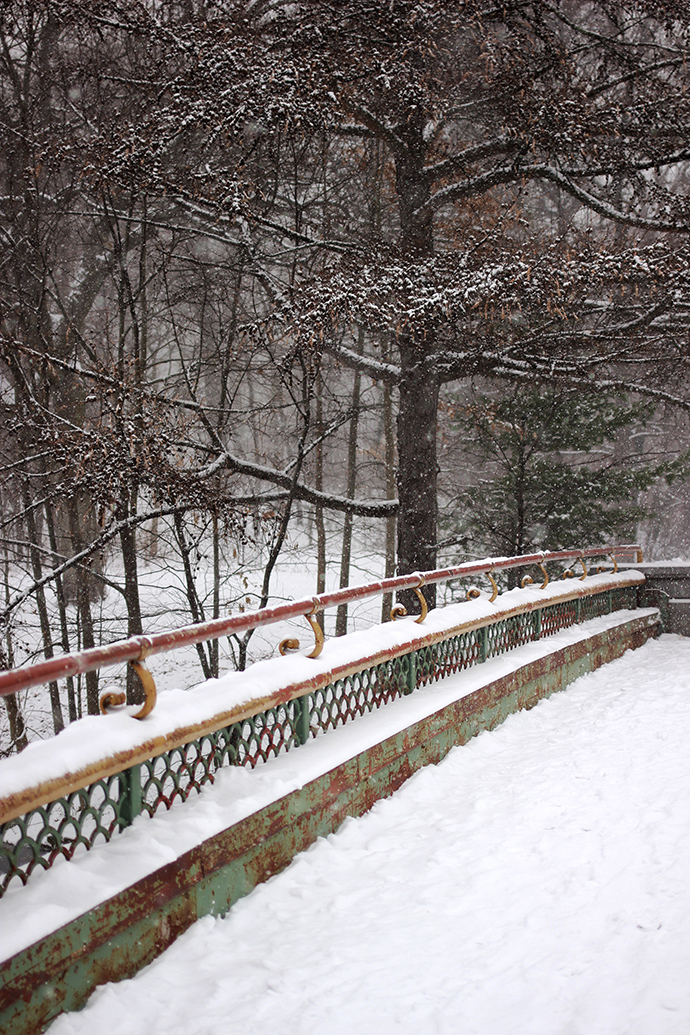

After about two hours of frolicking like a kid during their first-ever snowfall, I got impossibly cold and tired of the snow blowing into my face. I exited the park and took a bus about three blocks home—wet and cold but already looking forward to my next snowy city adventure.

Second Avenue Subway
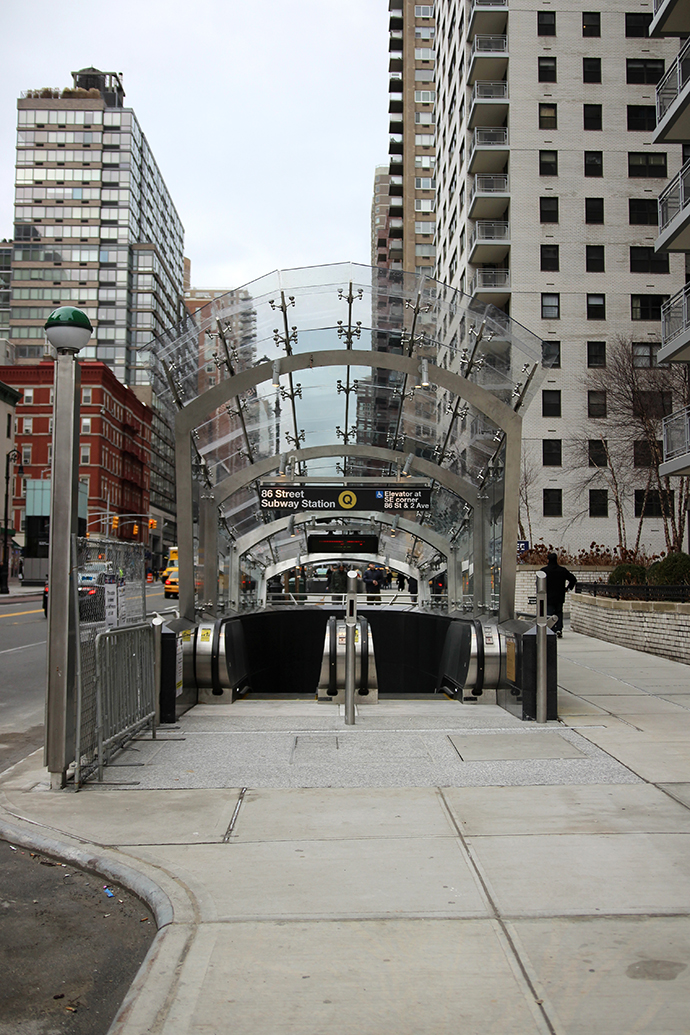
I definitely self-identify as a transit nerd, and the subway system is one of my very favorite things about living in New York. For some reason, I wasn't highly anticipating the long-awaited opening of the first phase of the Second Avenue subway line like a lot of people. Maybe, after a hundred years of broken promises and false starts, I subconsciously wasn't allowing myself to get my hopes up. But then on Tuesday night, I took the Q from 96th Street (I work at 92nd and Lex Ave) all the way to my apartment in Brooklyn (steps from the 7th Ave stop) and I was immediately sold.
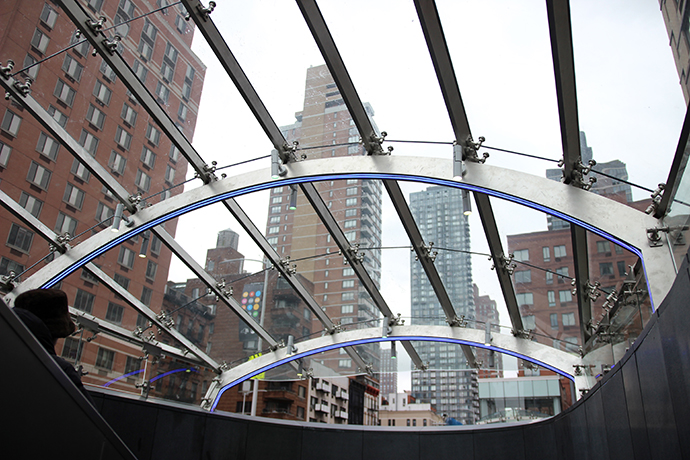
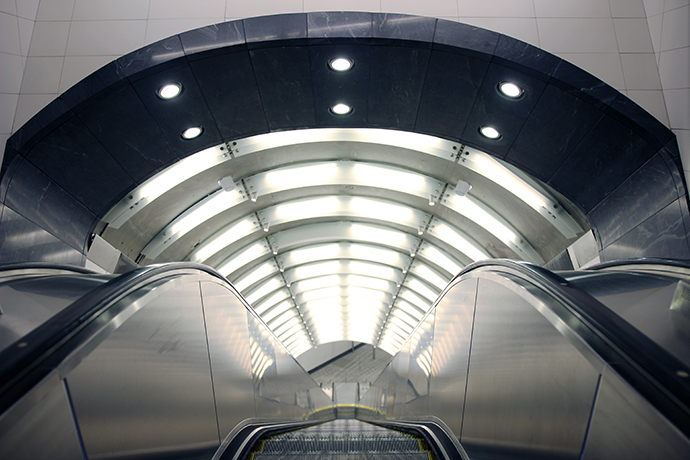
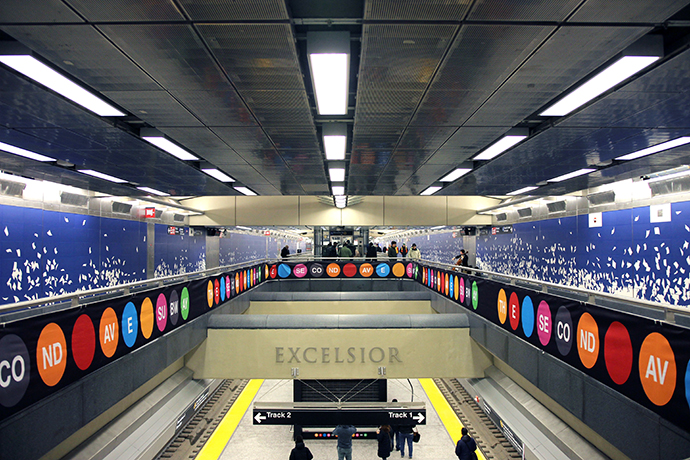
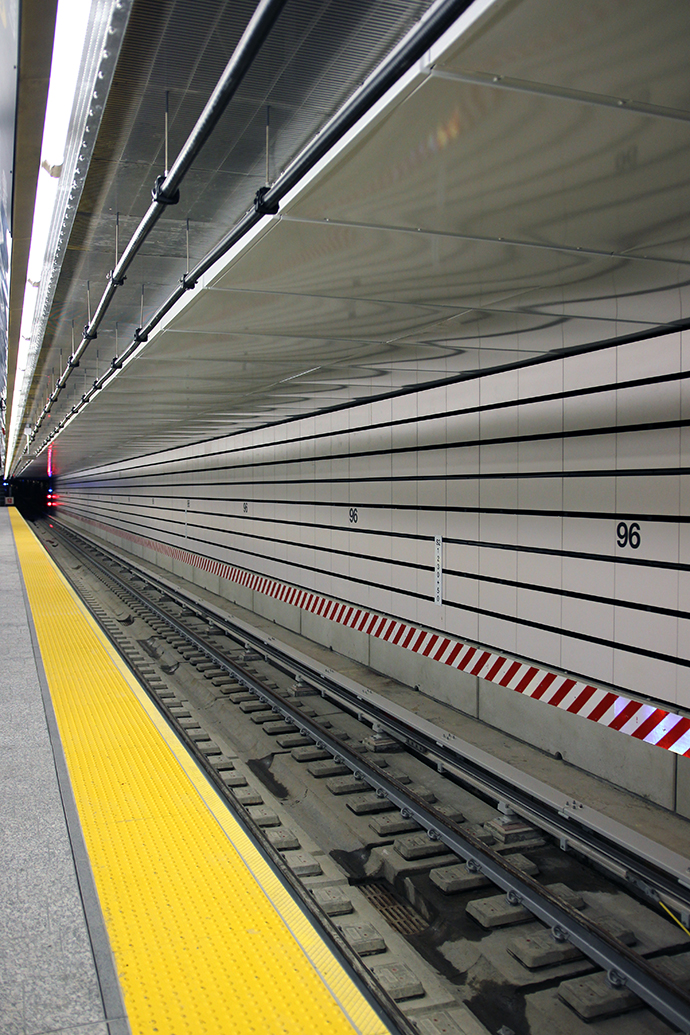
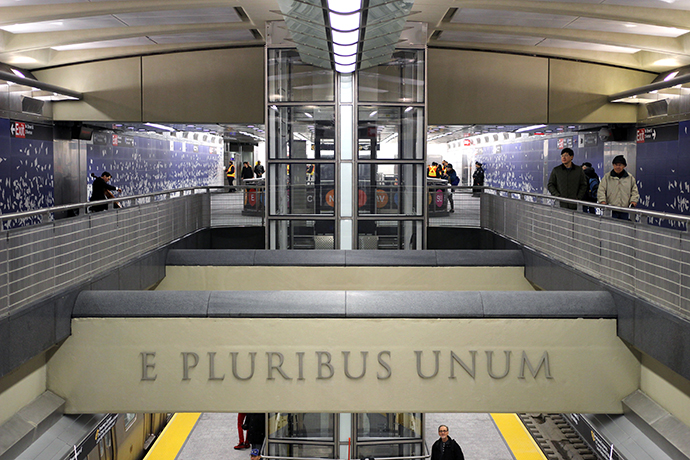
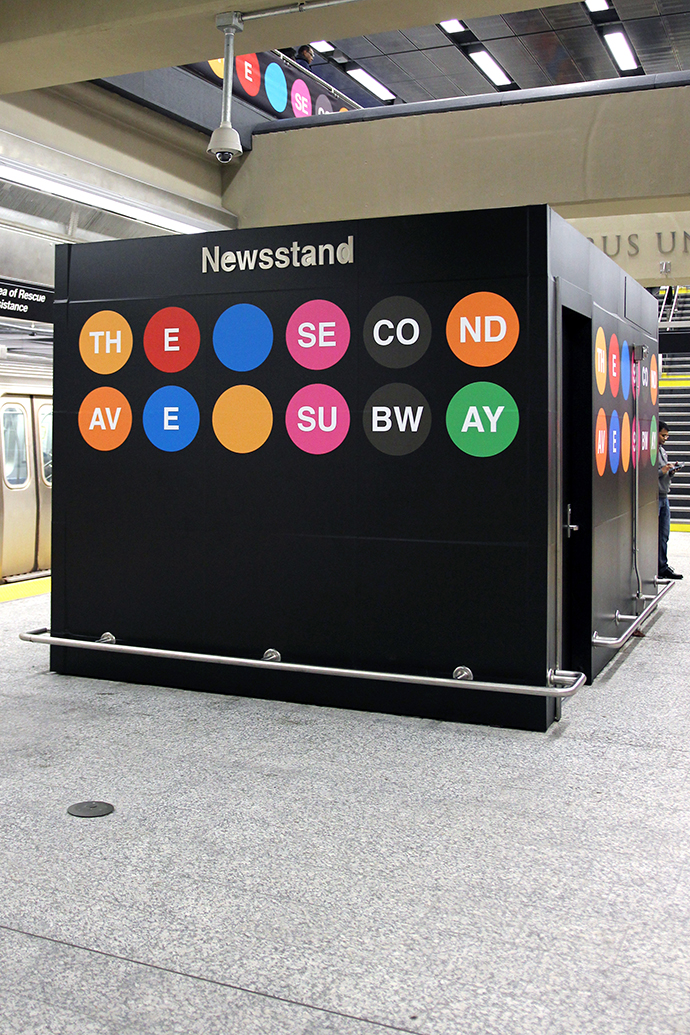
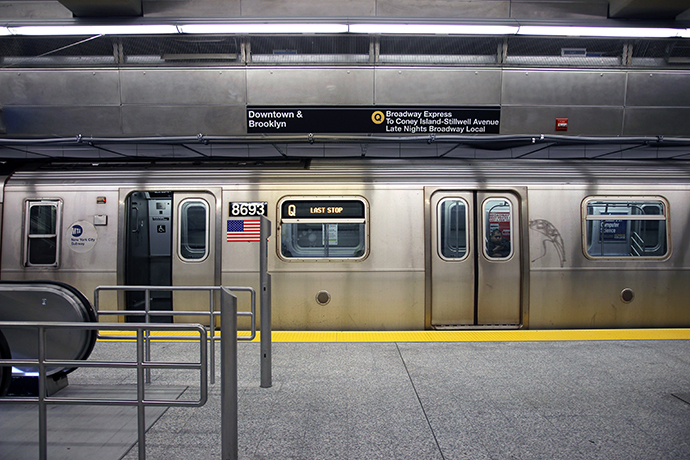
While obviously not such a game-changer for everyone, the Second Avenue Q extension is expected to relieve some of the crowding on the 4/5/6 line—three lines that carry more riders every single day than the entire DC Metro. Phase 1 includes three new stations at 96th, 86th and 72nd streets, and connects the Q to its existing route via the 63rd Street/Lexington Ave station (where you can transfer to the F). There was doubt that the stations would be ready for the January 1st deadline, and although they're indeed open they are still teeming with MTA workers making last-minute adjustments.
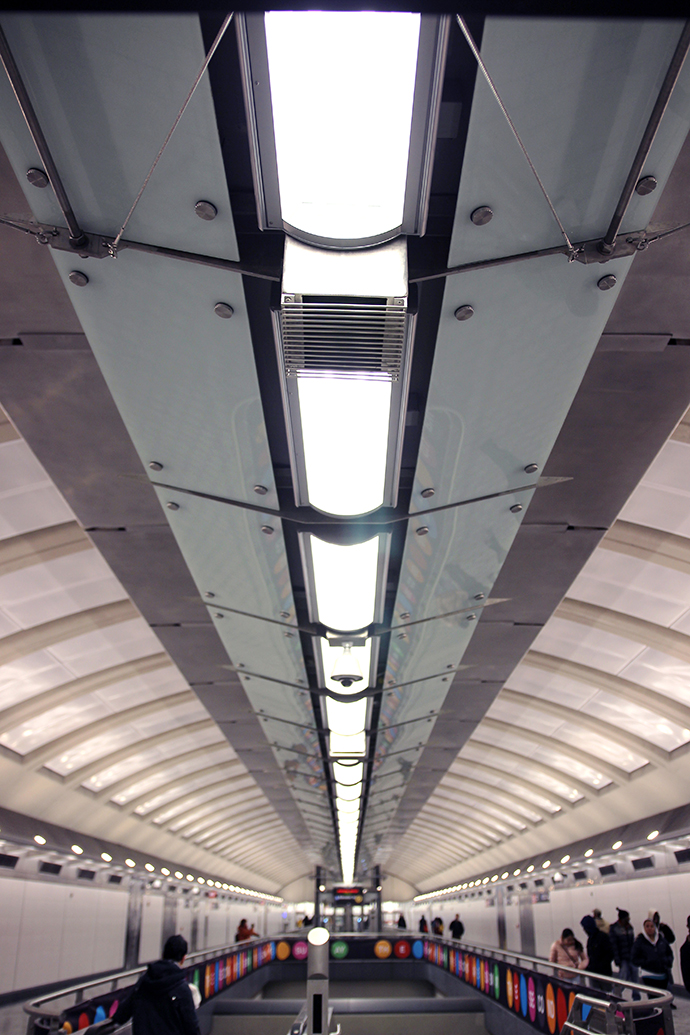
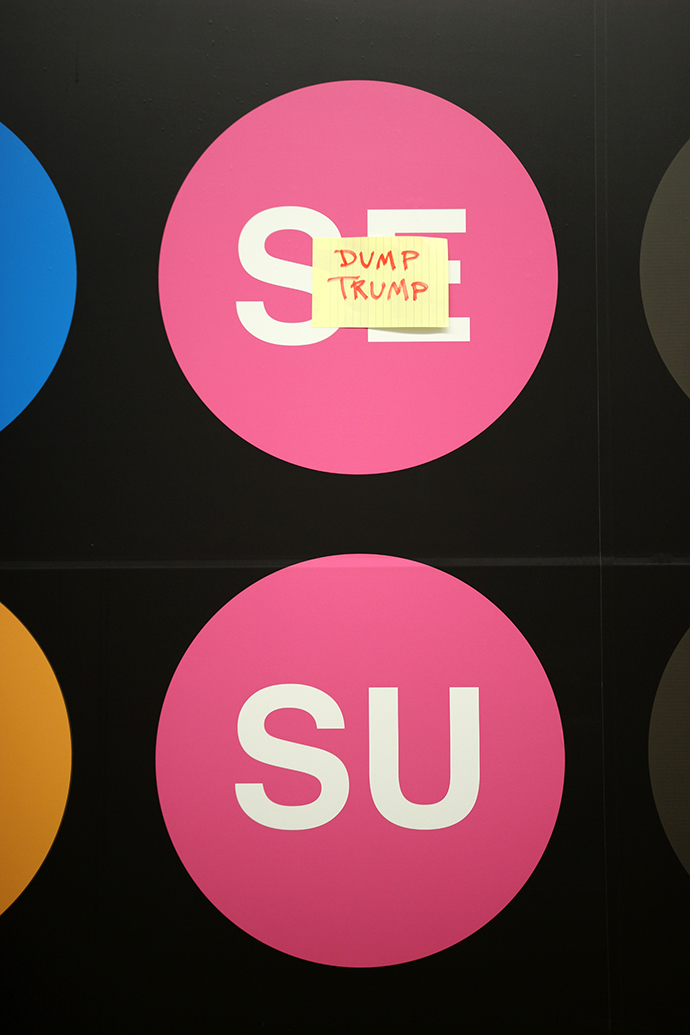
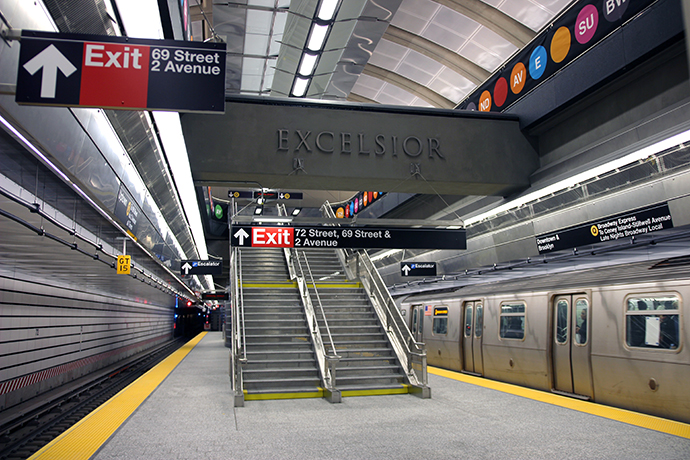
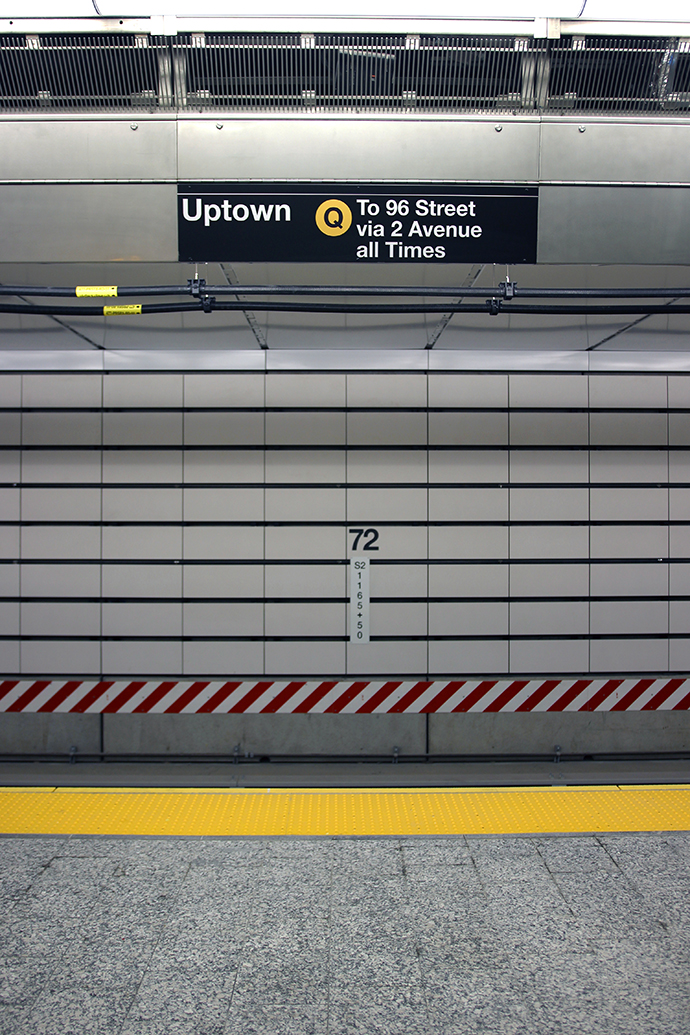
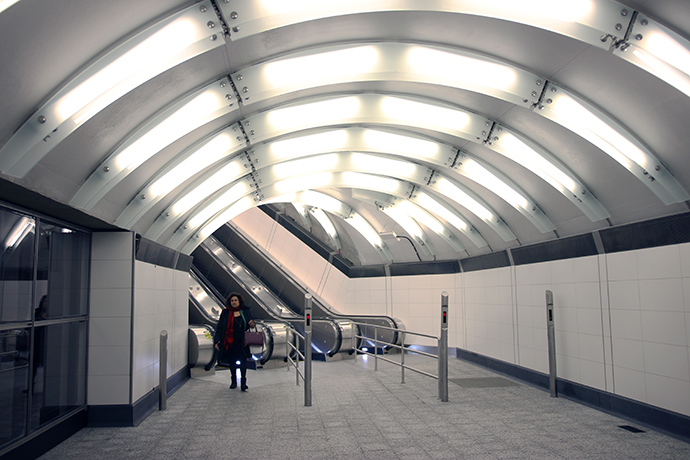
Because I'm endlessly fascinated by the New York City subway system, I visited the new Hudson Yards 7 train station earlier this year. The new Second Avenue stations feel similar in design to Hudson Yards, mixed with the newish stations along Lex Ave and on Roosevelt Island. The stations feel modern—everything is sleek, shiny and clean!—but in my opinion nothing can come close to the mosaic-tiled beauty of the original early-1900s stations.
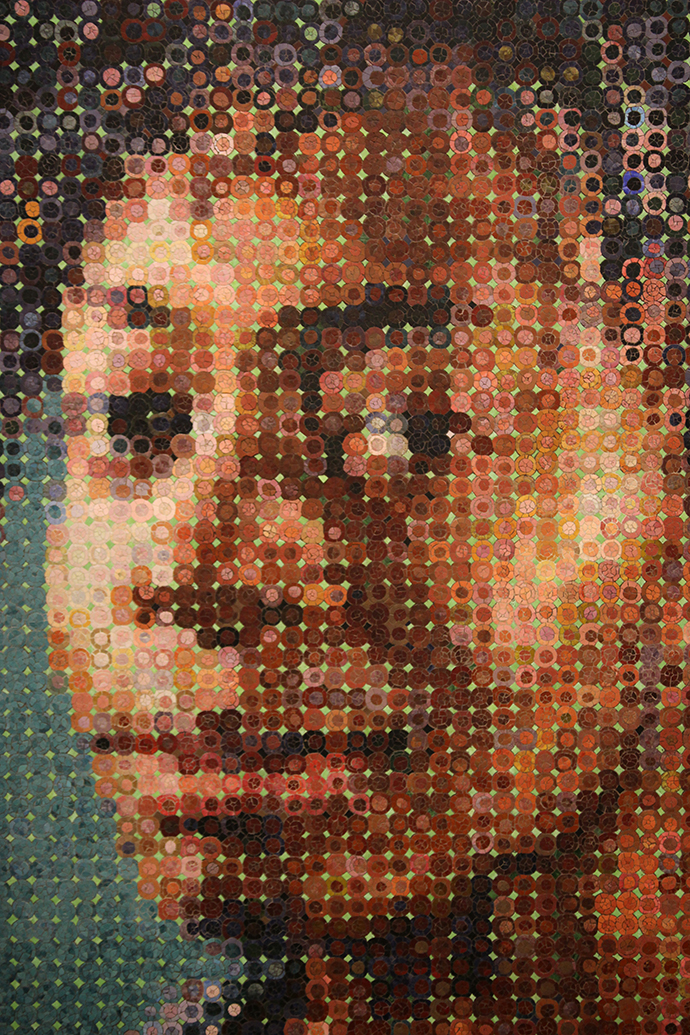
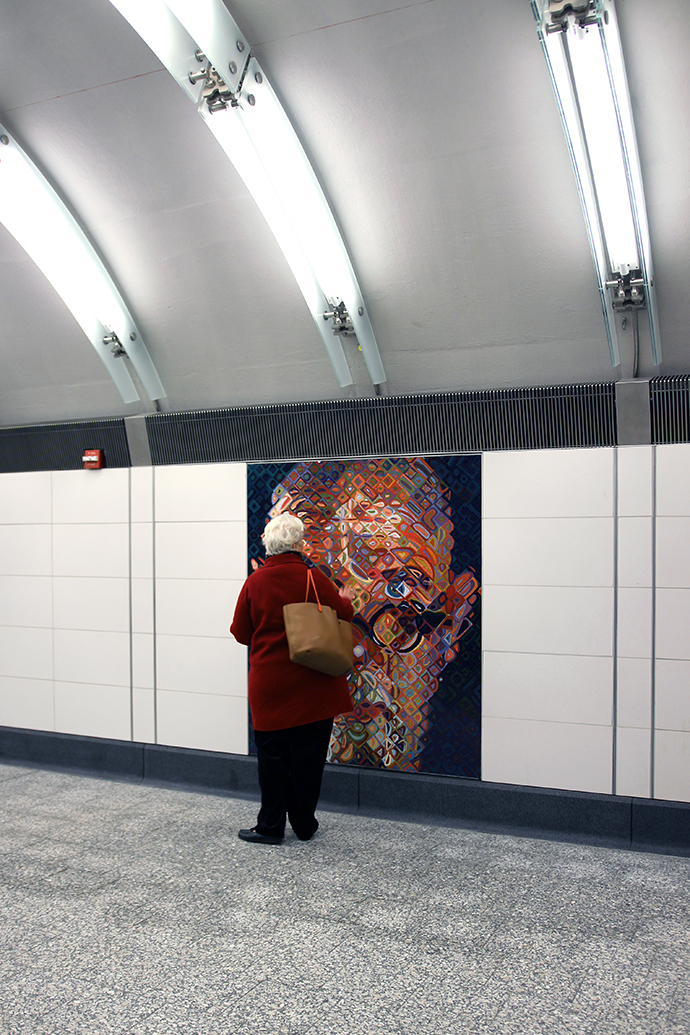
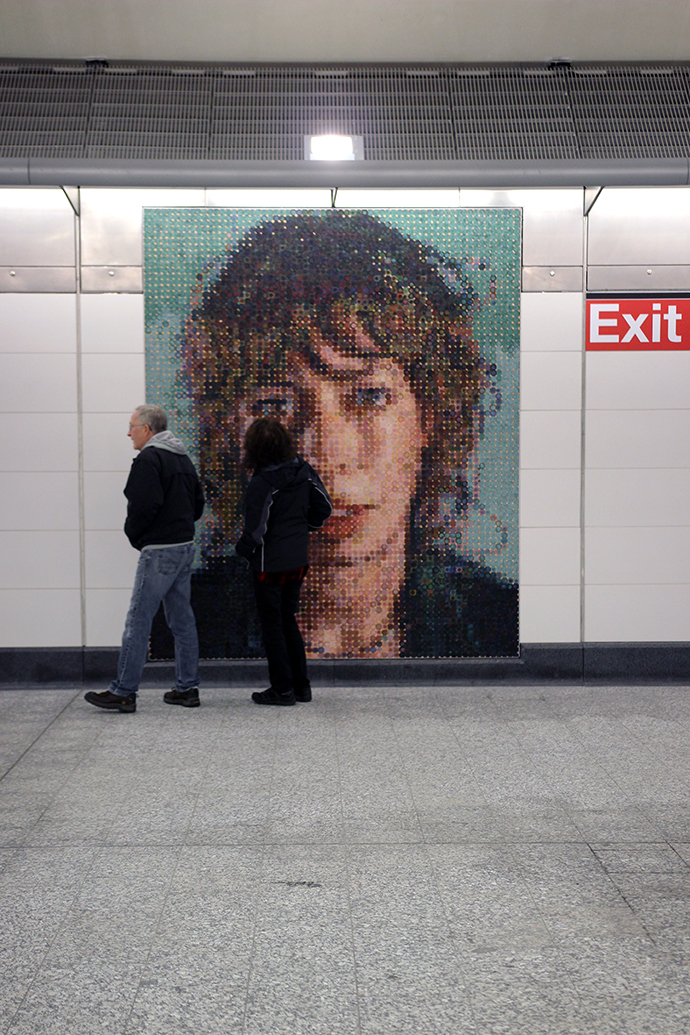
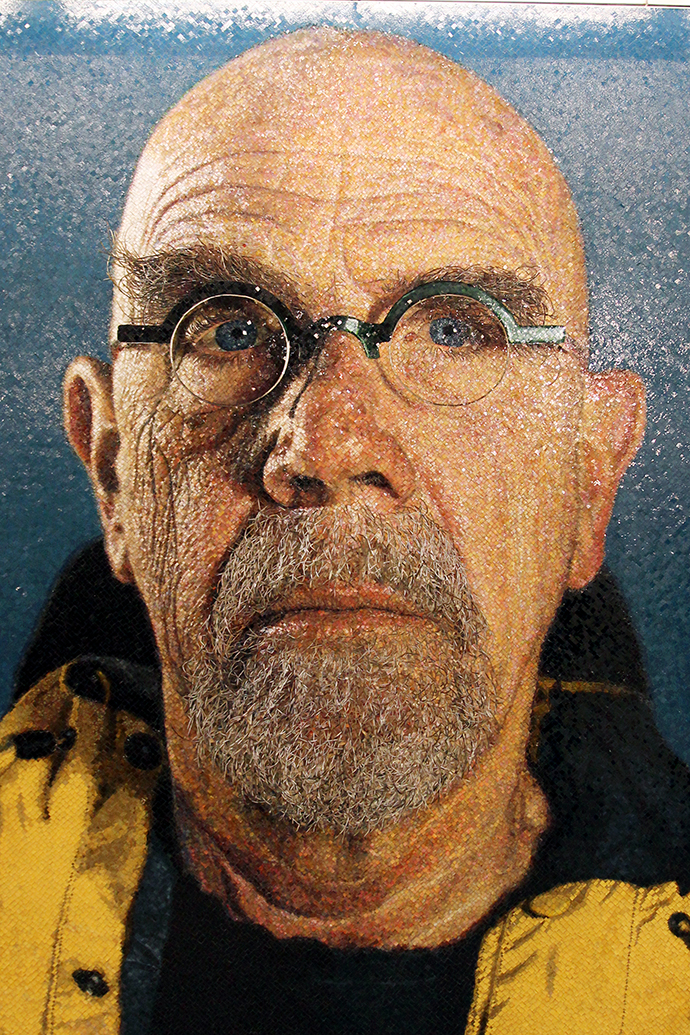

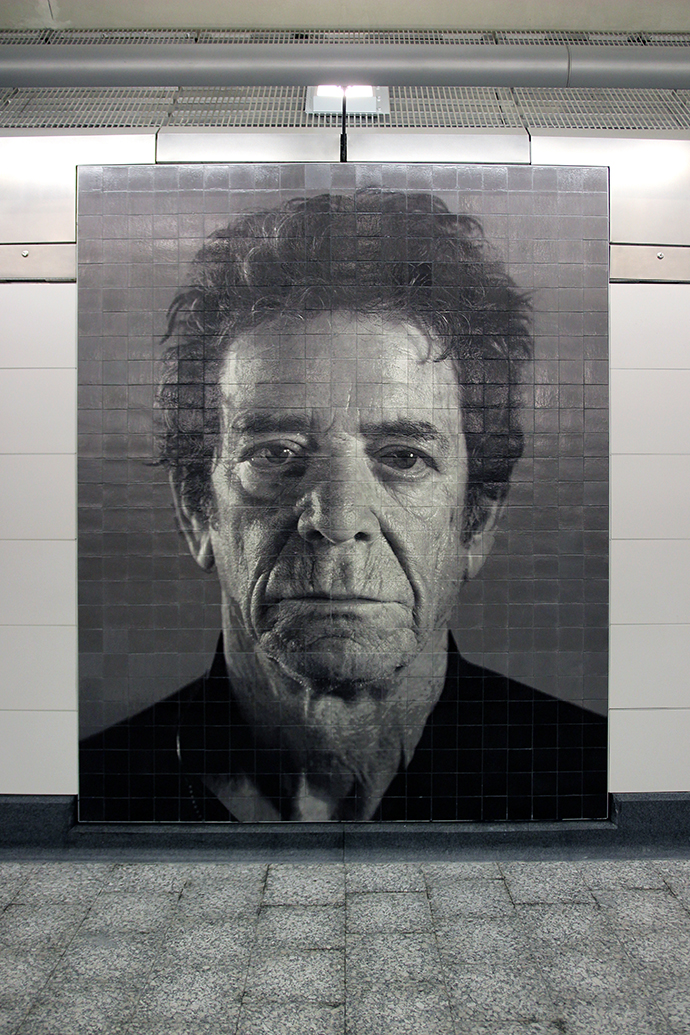
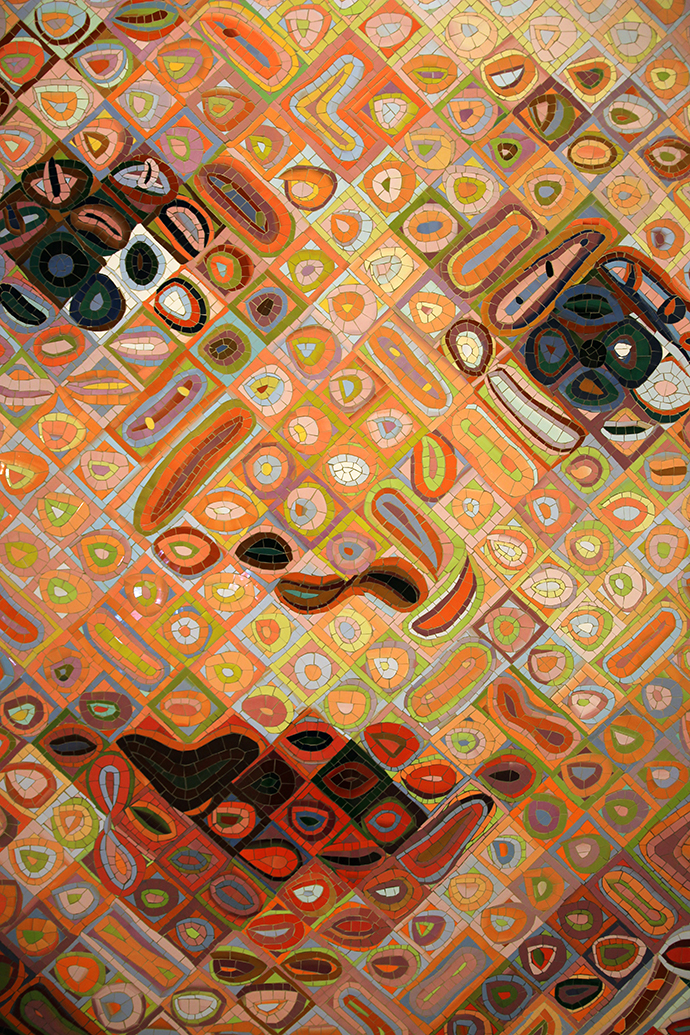
But the stations do feature some pretty incredible new artwork by Chuck Close, Sarah Sze, Vik Muniz and Jean Shin. Sze's "Blueprint for a Landscape" blankets the entrance and the upstairs of the 96th Street Station with papers that look like they've been blown around by incoming trains. Huge portraits of Lou Reed, Philip Glass, Chuck Close, Kara Walker, Cecily Brown and Alex Katz (all by Close) adorn the 86th Street Station and are done in varying styles, including glass mosaic and painted tiles.
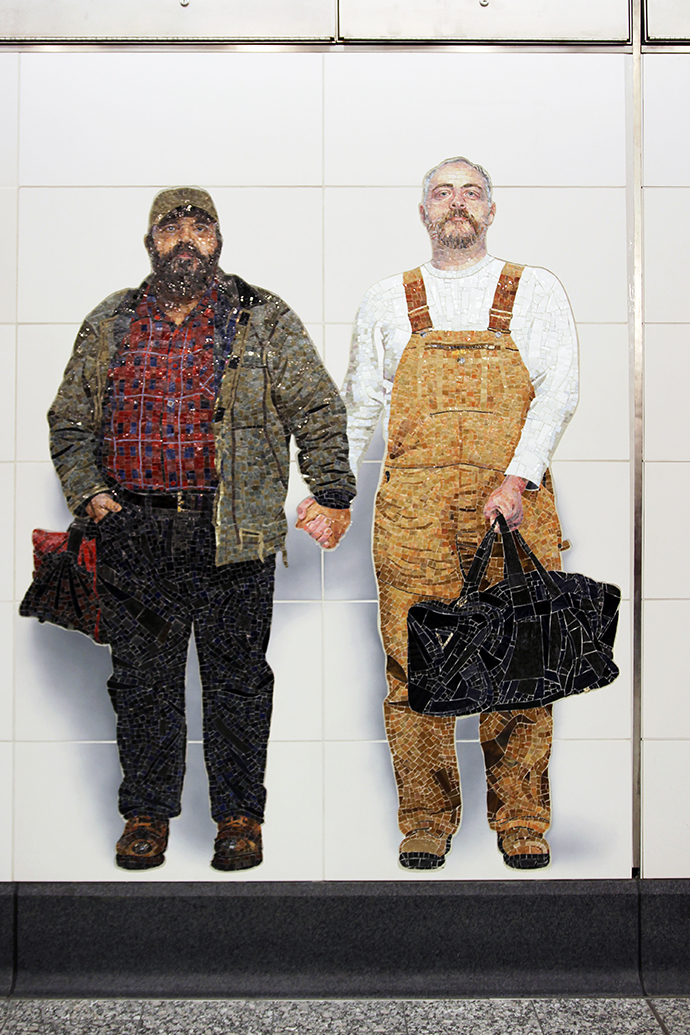


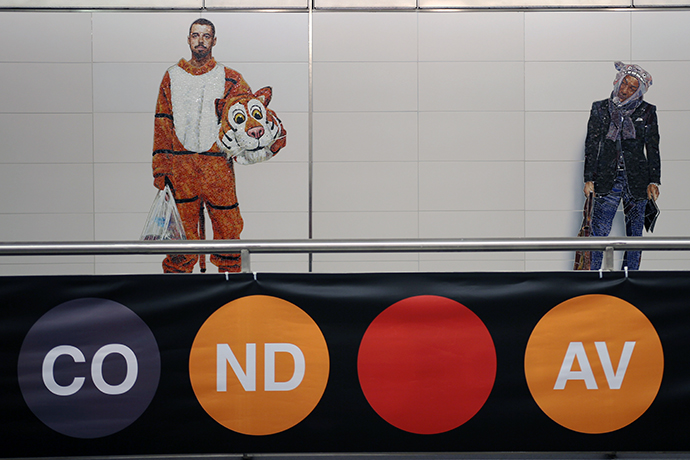
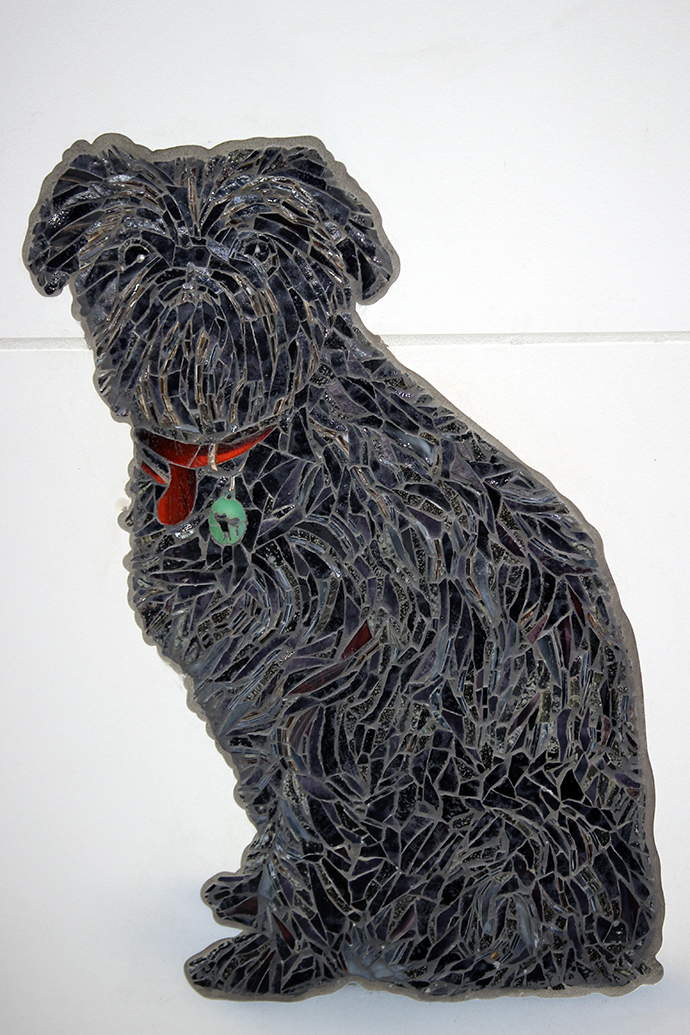

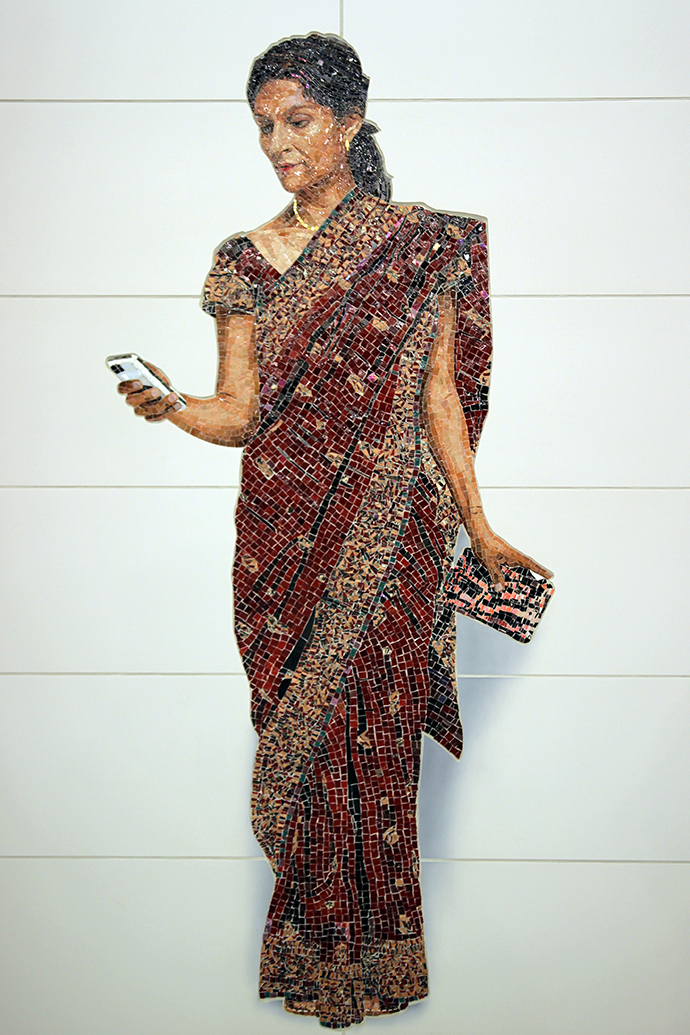

It's Vik Muniz's "Perfect Strangers" mosaics, however, that are the real standout. The mosaic-work is outstanding and the subjects are whimsical but ultimately perfectly ordinary, at least by New York standards. The mosaics feature people of every culture, size, age and class without any political context or agenda—just people being. They reach for balloons, take off their costume head, look at their cellphone, dash for their papers, stare blankly ahead or tenderly hold hands. If we have to sacrifice the tiled station names of yesteryear for art that so perfectly captures the spirit and humanity of New York City, then I think the MTA made the right choice.

Chinatown

I used to designate Chinatown as my least favorite neighborhood in New York. My dislike mostly stemmed from the proliferation of open-air seafood markets—if you know me, you know of my fear and disgust for most seafood—and the shear number of people that crowd its narrow sidewalks. But recently I've wandered around the Lower East Side and Chinatown more frequently, and have found myself falling more and more in love with both neighborhoods.


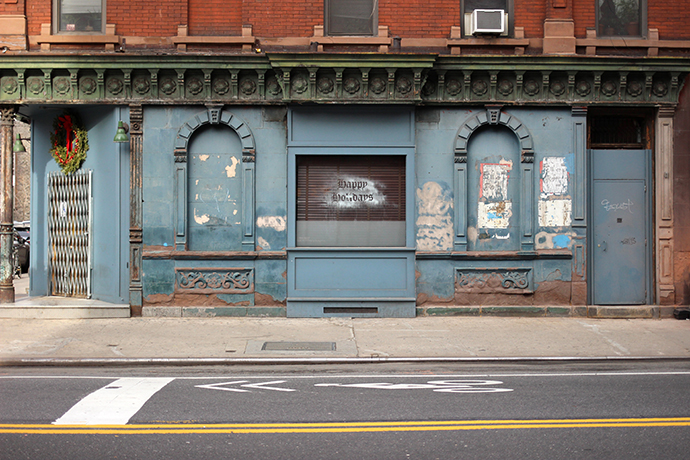


The turning point for me came when I started to veer off from the main tourist drag and really explore the side streets. Chinatown is actually a very large neighborhood, one that seems to be growing and infiltrating Little Italy and the LES. I would argue that the "real" Chinatown is closer to East Broadway, under the Manhattan Bridge and away from the perfume shops and guys whispering "Rolex, Rolex" on Canal Street.


Chinatown seems less spoiled by chain stores and luxury apartment buildings than most of Manhattan, which feels like a remarkable triumph. There are so many handpainted signs, interesting shops, beautiful storefronts, ornate apartment facades and delicious smells (I still try to avoid the seafood markets) to make you feel as if you've traveled thousands of miles from New York—without ever leaving Manhattan.

Polar Bear Plunge

The Coney Island Polar Bear club was founded in 1903 by Bernarr MacFadden, a fitness buff who believed that "a dip in the ocean during the winter can be a boon to one's stamina, virility and immunity." The 114-year-old club is the oldest winter bathing organization in the US and they swim in the Atlantic every Sunday from November through April. Every year, on New Year's day, thousands of people join the club in taking the Polar Bear Plunge.


This year the weather was very cooperative—45 degrees and sunny—and more than 2,500 people took the plunge, including my dude. He'd done the plunge a few years ago, and this year I volunteered to hold his towel while silently hoping he didn't shock his body into premature cardiac arrest. I am normally freezing while fully-clothed snuggled under a pile of blankets and I finally got up the courage to swim in the ocean this summer for the first time in 20ish years (on one of the hottest days of the year), so I was more than happy to offer assistance from the sidelines.


The main plunge takes place at 1pm, but people were running in and out of the Atlantic the entire time we were there. Seeing so many people taking the plunge (even children) almost made me wish I had brought my swimsuit—until of course, people emerged seconds later, running for their towels and yelling obscenities (but laughing, mostly).


I'd been to the Polar Bear Plunge once before as a spectator, and even if you have no interest in taking the plunge, it's worth the trip. Like anything at Coney Island, the event feels a little scrappy and very New York. I never need to be asked twice to spend an afternoon at Coney Island, even in the off-season, and I couldn't have asked for a better way to start 2017.

Dyker Heights Lights 2016

This was the fourth year in a row that I've trekked to Dyker Heights to see the Christmas lights and displays for which the neighborhood is known. This year we went on the first weekend in December, which was great for the lack of crowds, but not-so-great when we noticed a few of our favorite houses weren't quite finished decking their porches.


Dyker Heights is located in between Bay Ridge and Bensonhurst in southwest Brooklyn. The majority of the Christmas displays are located equidistant from the D and R train stops, from 11th to 13th Avenues and 83rd to 86th Streets. I definitely recommend walking, if you can—the traffic always seems to be a bit of a nightmare as people slowly gawk at the lights.


The displays haven't changed much over the last four years, but that's part of the charm. We've come to look forward to specific houses—the good ones and the bad—even if we can't quite remember where any of them are actually located. Wandering around using the lights as a guide is a great method, and we've discovered new and wonderful things every year. It's also fun to look back on previous years and see how things change with time—plastic choir boys lose or gain an eyeball, baby Jesus's appear or disappear and every year inflatables (the laziest decorations, in my opinion) gain in popularity.


I will always appreciate how over-the-top the displays in Dyker Heights get, even if a lot of houses pay companies to decorate for them (how do I get this job?). I've never regretted moving to New York, but I do miss my Ohio (and Texas) family and our traditions most around the holidays—but it's comforting to know that new traditions can be just as wonderful.

Holiday Windows 2016: Bergdorf Goodman + Bloomingdale's
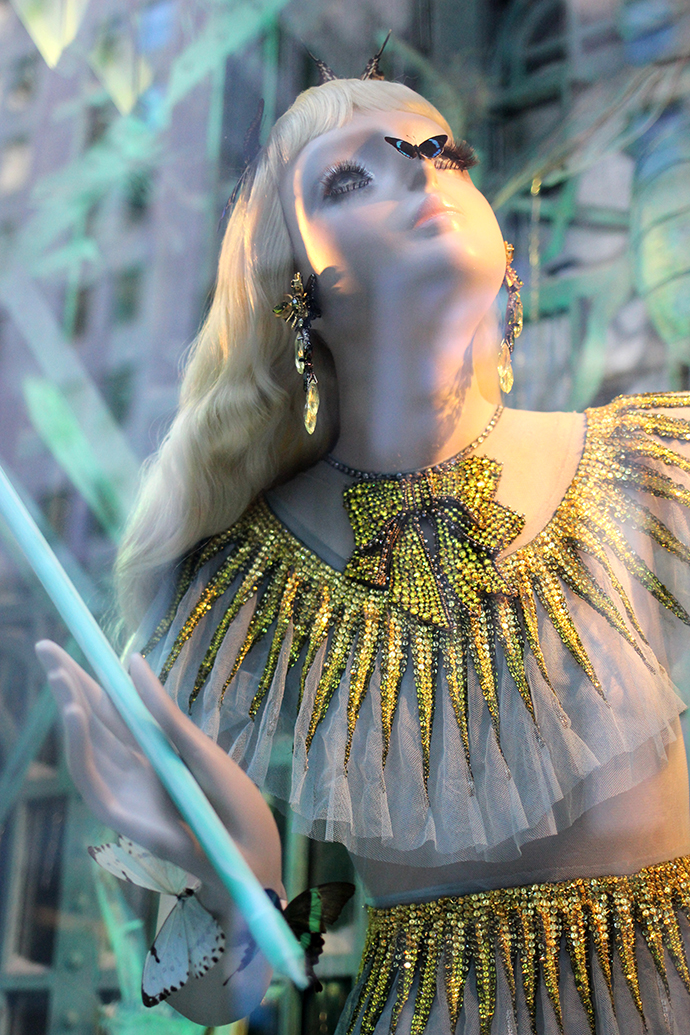
Every year Bergdorf Goodman hits it out of the park with their holiday windows. This year they are a bit underwhelming, but still leaps and bounds above any of the others. The theme this year is "Destination Extraordinary" with windows inspired by the dioramas at the American Museum of Natural History.

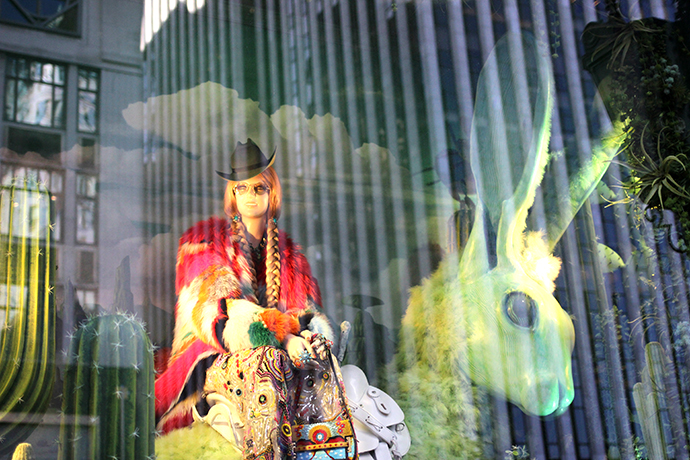
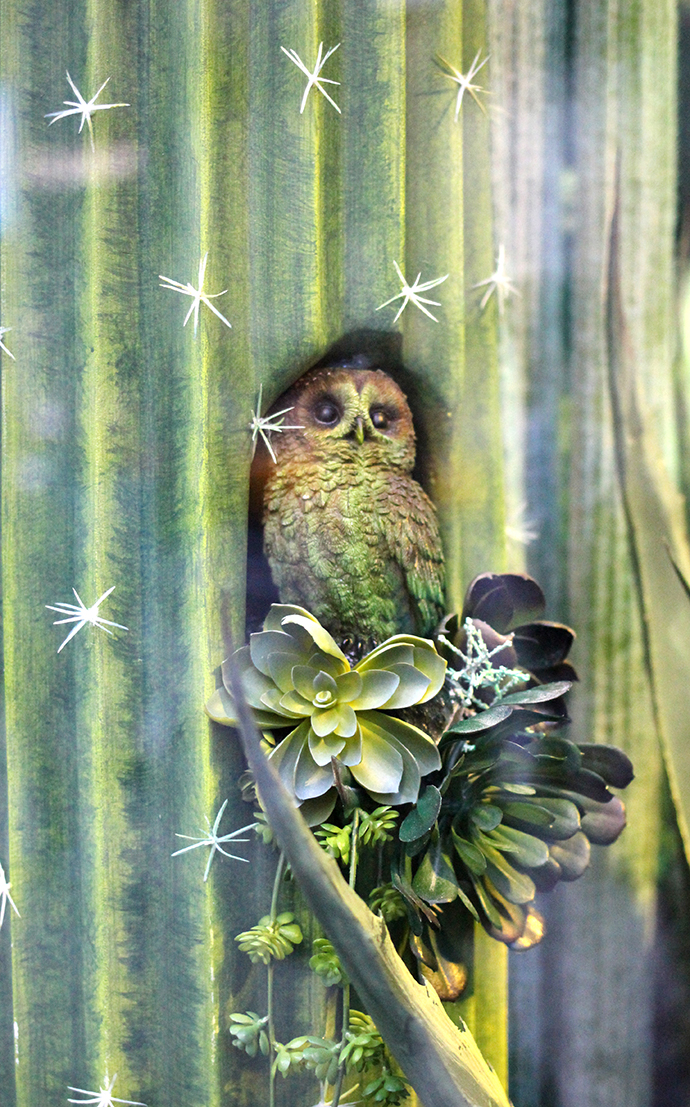


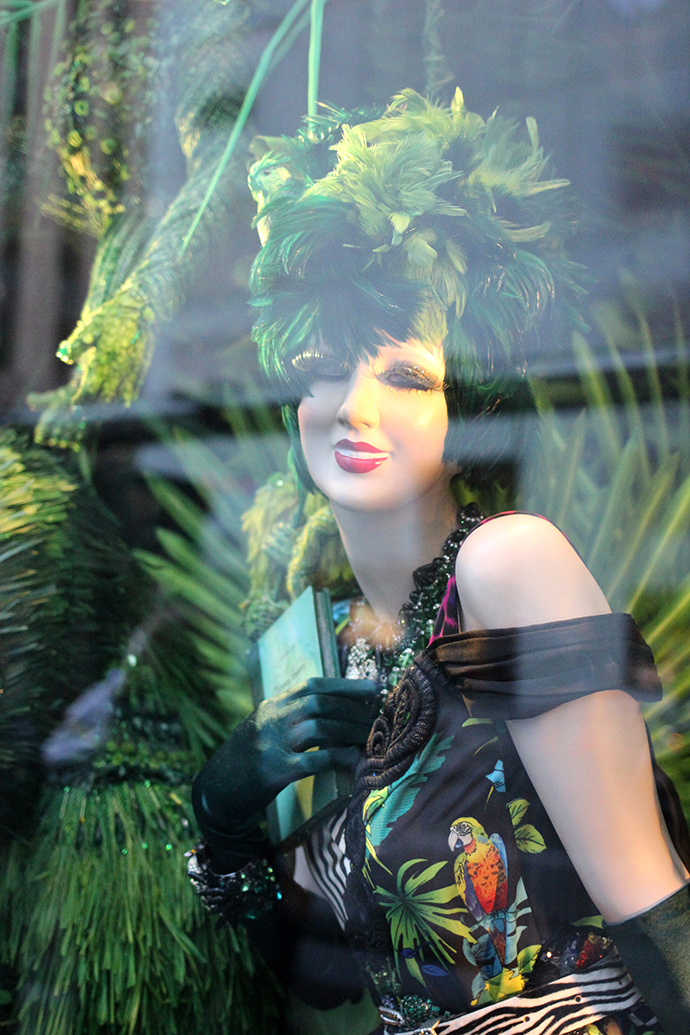


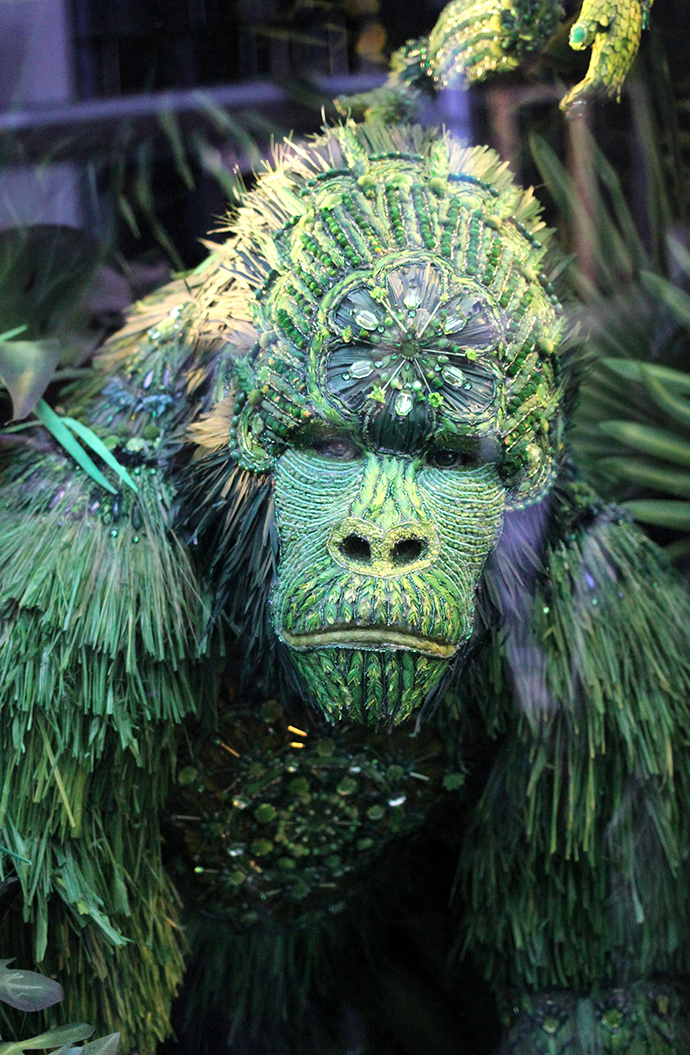
The windows use mostly the same greenish color palette (how on-trend) and each depicts a different imaginary destination (has 2016 gotten to me, or does the primate window seem Harambe-inspired??). The details in the Bergdorf windows are always next-level, and this year is no different. It's a shame that the sidewalks on Fifth Avenue are so crowded—especially with "White House North" nearby—it's difficult to linger long enough to really appreciate all of the special touches.

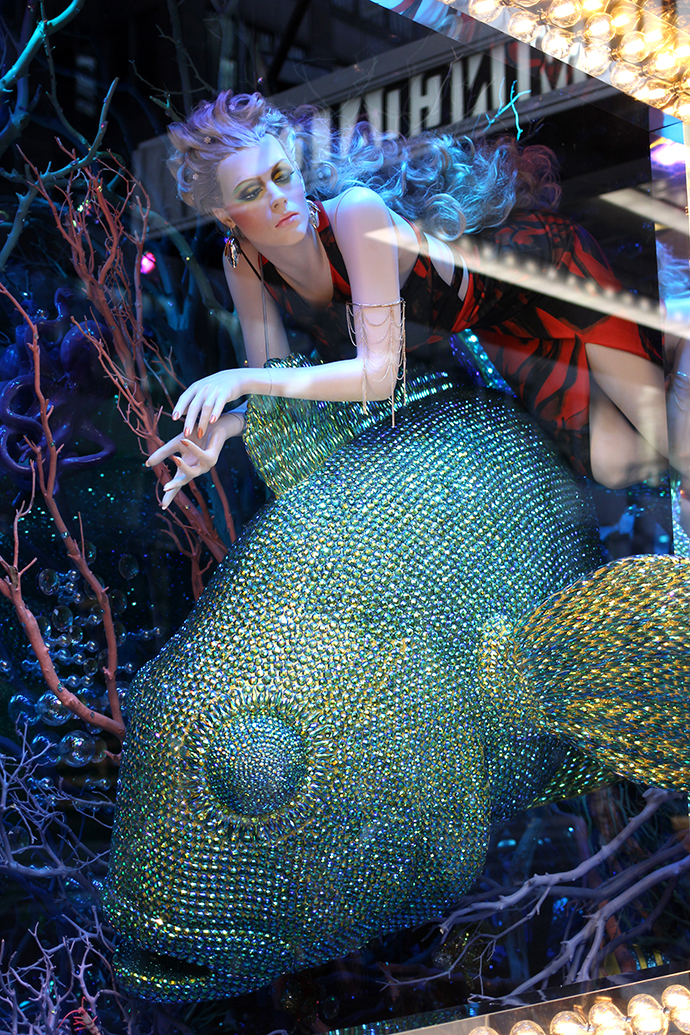
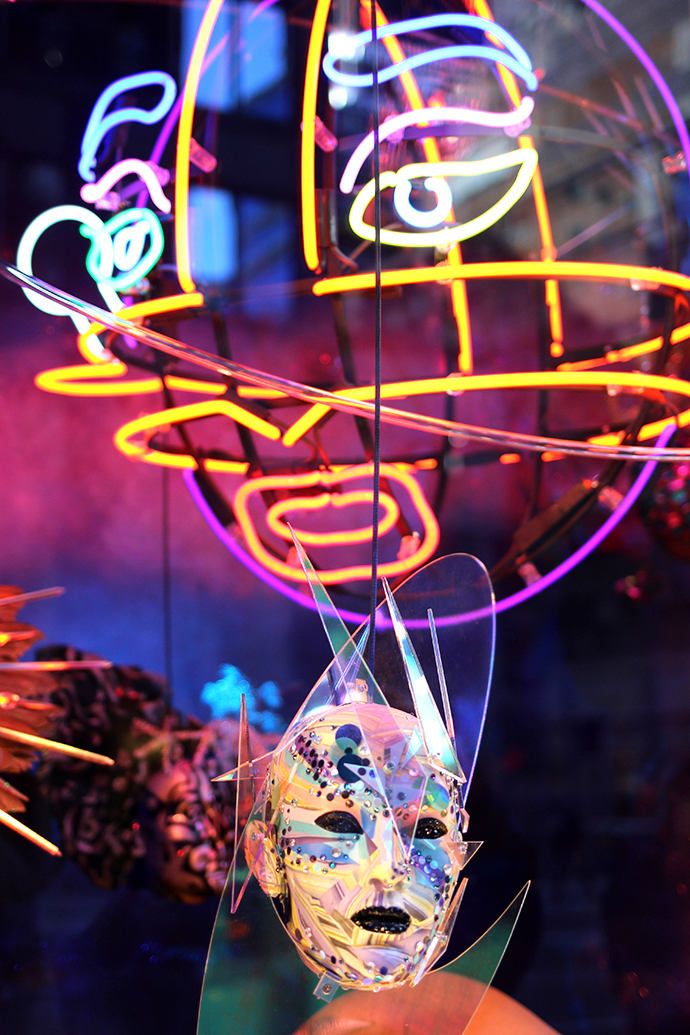

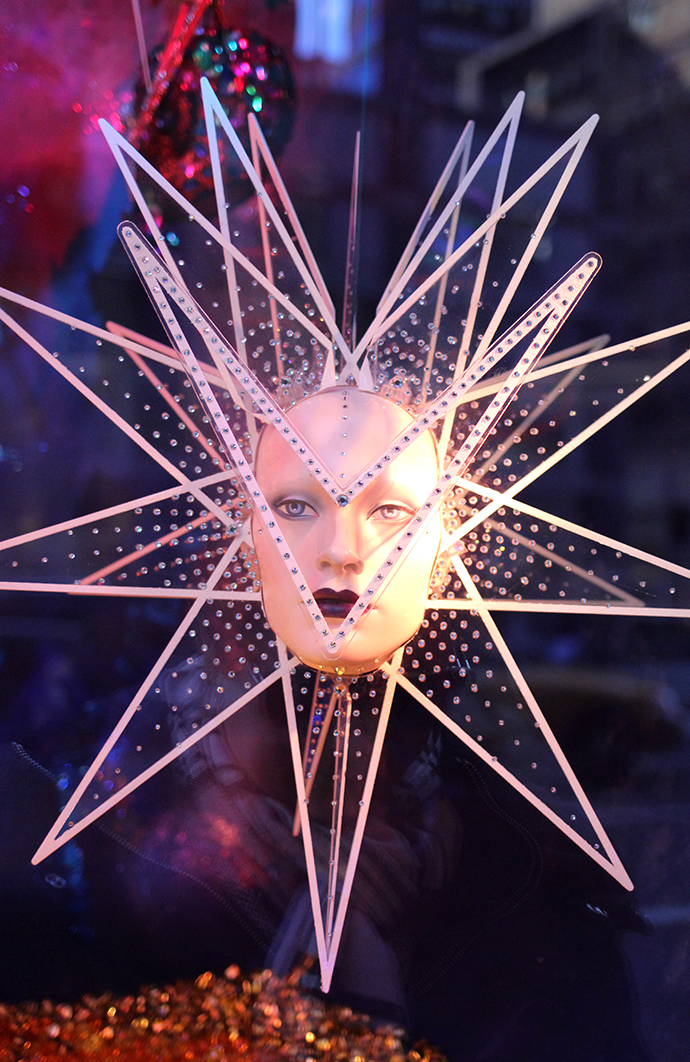


Bloomingdale's always has a few good windows and a few head-scratchers. This year's theme is "Light," but despite a unifying topic, the windows are mostly very different from one another. Crystal-studded windows have been done better by Bergdorf's, but I appreciate any display that includes multiple mannequin heads, beautiful tile work and a huge octopus chandelier.

New Yorker Hotel

Recently we took an Untapped Cities "behind the scenes" tour of the New Yorker Hotel. The New Yorker Hotel was built in 1929 on 34th Street and 8th Avenue. It's 43-stories tall, 1-million square feet and has 1,083 rooms. The hotel is an Art Deco gem, with an enormous and iconic marquee sign that can be seen from miles away. I actually stayed at the New Yorker once when I visited the city with my friends years ago, but on this tour we got to see parts of the hotel usually off-limits to visitors.


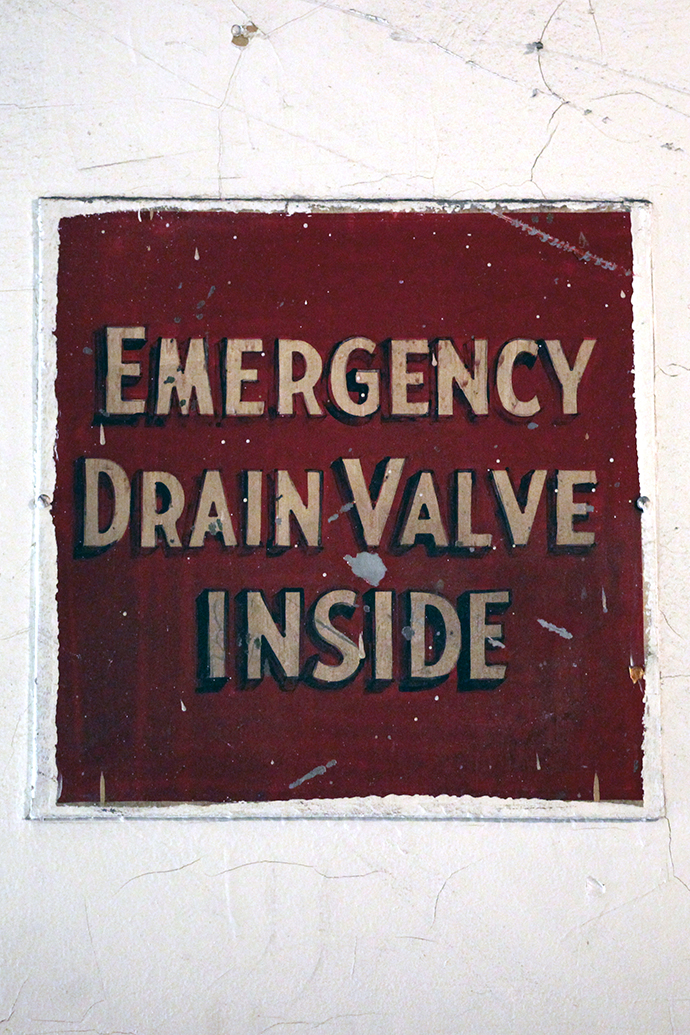


One of the first places that we visited was the sky lounge and the rooftop. I'm not really afraid of heights but being 43-stories above the city on a windy, cold night was as scary as it was thrilling. The sign is crazy big when you're right next to it, and the different perspective was really fascinating. I think I could live here my entire life and still be wowed by the skyline—even Madison Square Garden manages to look charming from above.

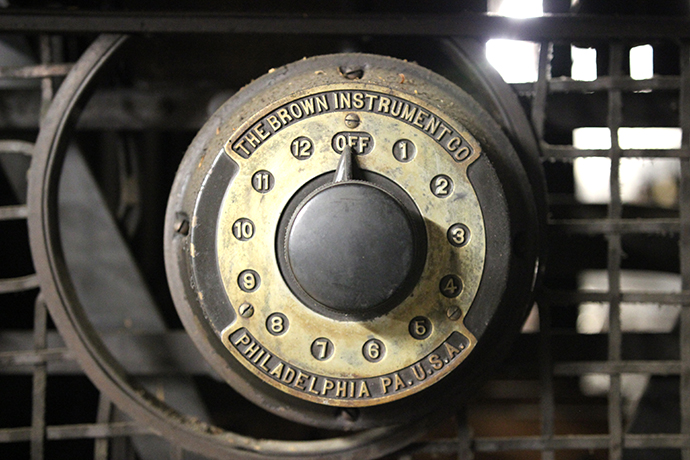


We also got to explore the lower levels of the hotel, including remnants of the original DC power plant. When it was built, the hotel was powered by coal-fired steam boilers and generators in what was then the largest private power plant in the US—it was later modernized to AC power in the 60s, and now sits abandoned.


The best part of the tour, however, was seeing the entrance to a tunnel that once connected the hotel to the subway and Penn Station. The tunnel is blocked off now—and the New Yorker is now rebranded as a Wyndham hotel—but in my dreams I would be able to traverse the tunnel and magically emerge on the other side into the original Pennsylvania Station.

St. Raymond's Cemetery + Typhoid Mary Grave

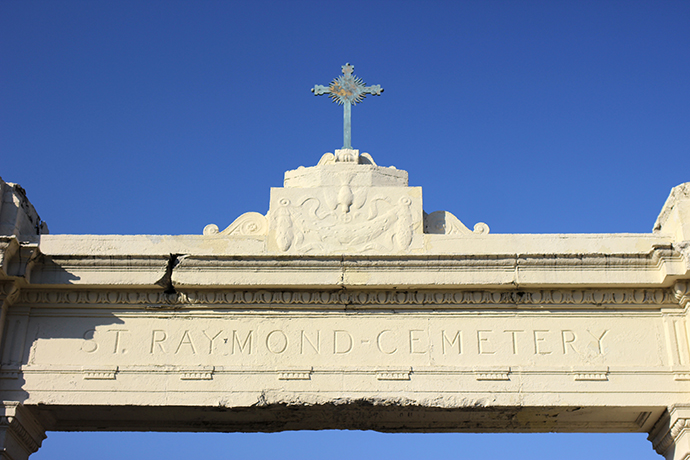
Back in October I decided to venture to St. Raymond's Cemetery in the Bronx to seek out the final resting place of Mary Mallon, aka Typhoid Mary. I researched the location of her grave and set out to find her—only to find myself wandering around St. Raymond's completely lost. Find A Grave notes the location as "St. Raymond's Cemetery (New)," but Mallon is actually buried in a newer section of the old cemetery. Sound confusing? Yes, it was. I was actually so frustrated that I nearly gave up the search, but after lunch decided to explore the old part of the cemetery so the day wasn't a complete loss (and then discovered that I didn't have a memory card in my camera so I had to buy one at Walgreens—I didn't have the best adventure luck that day).


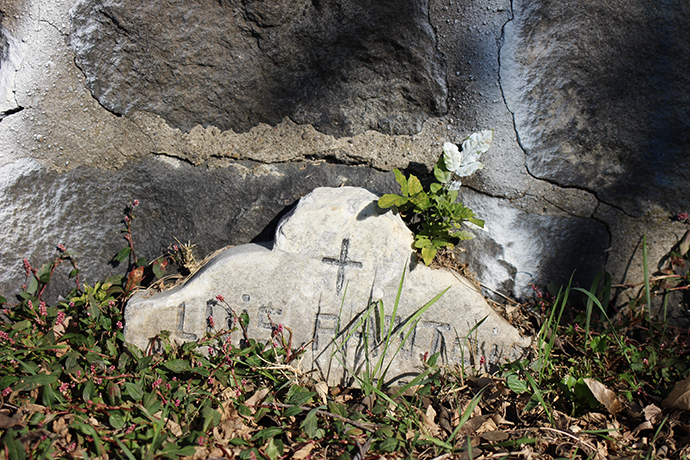
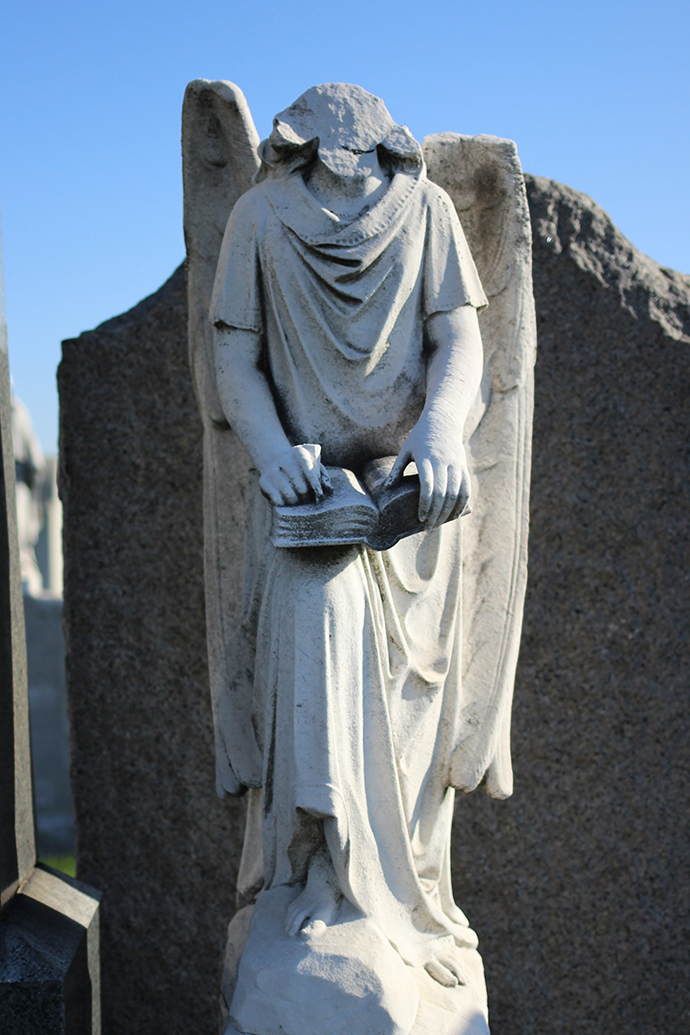
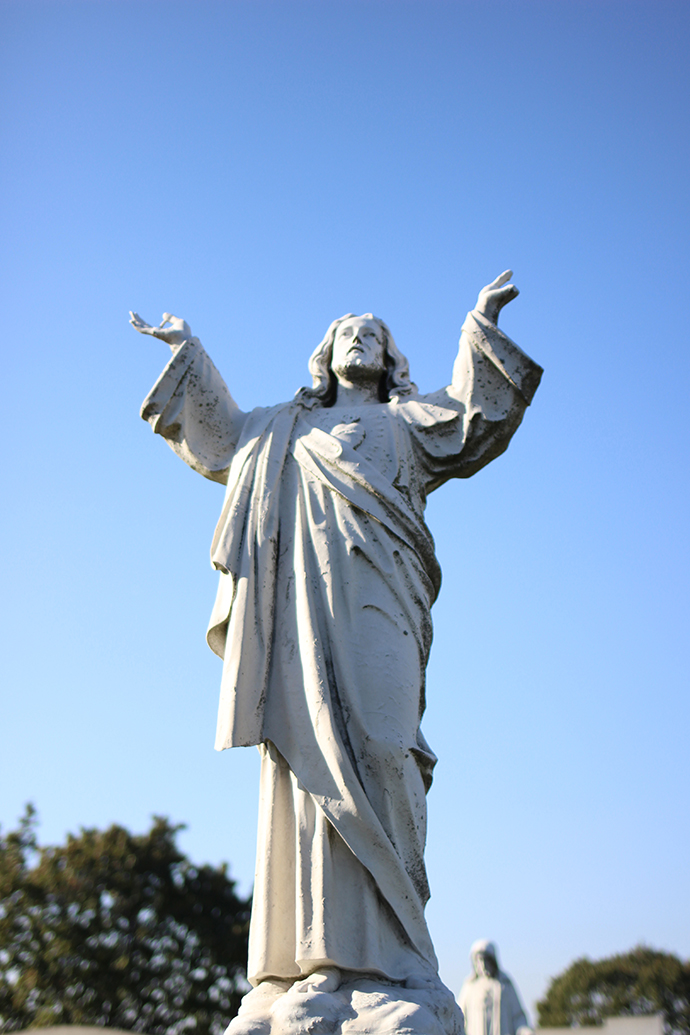
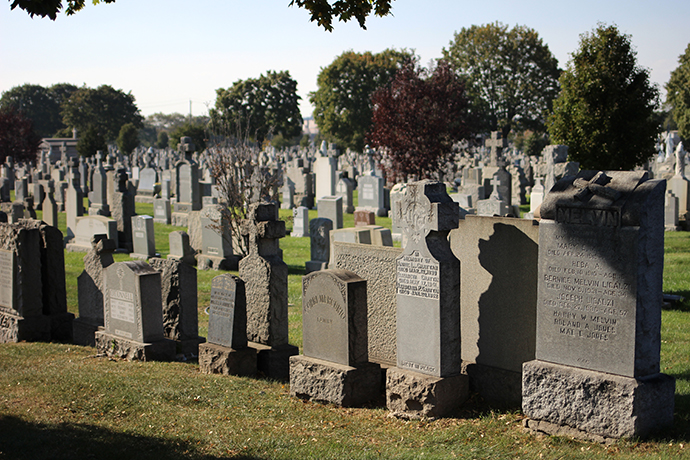
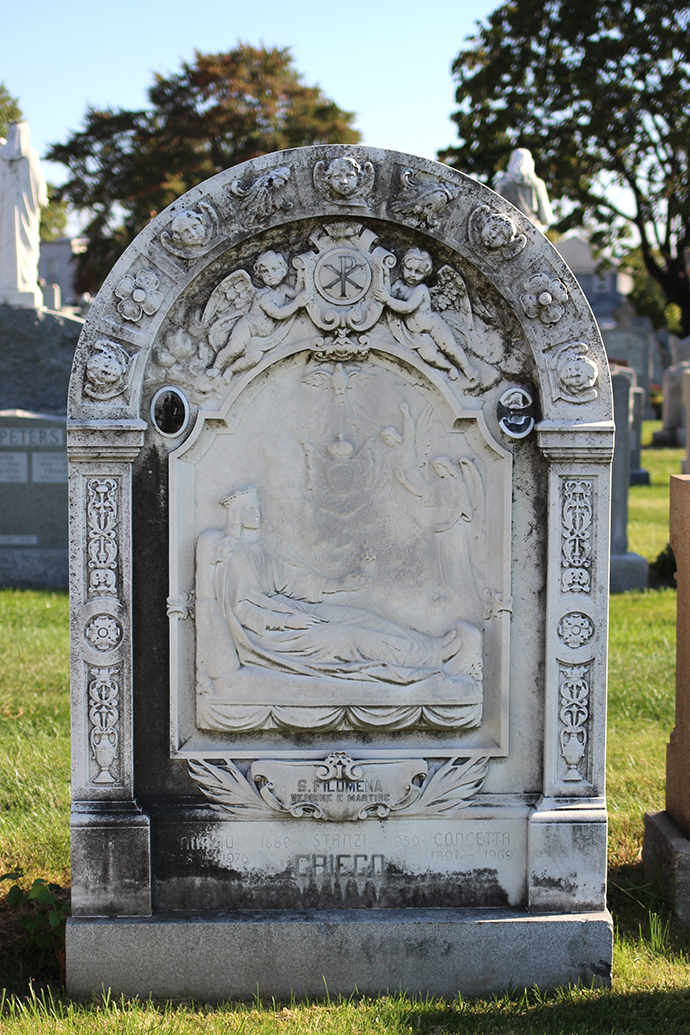
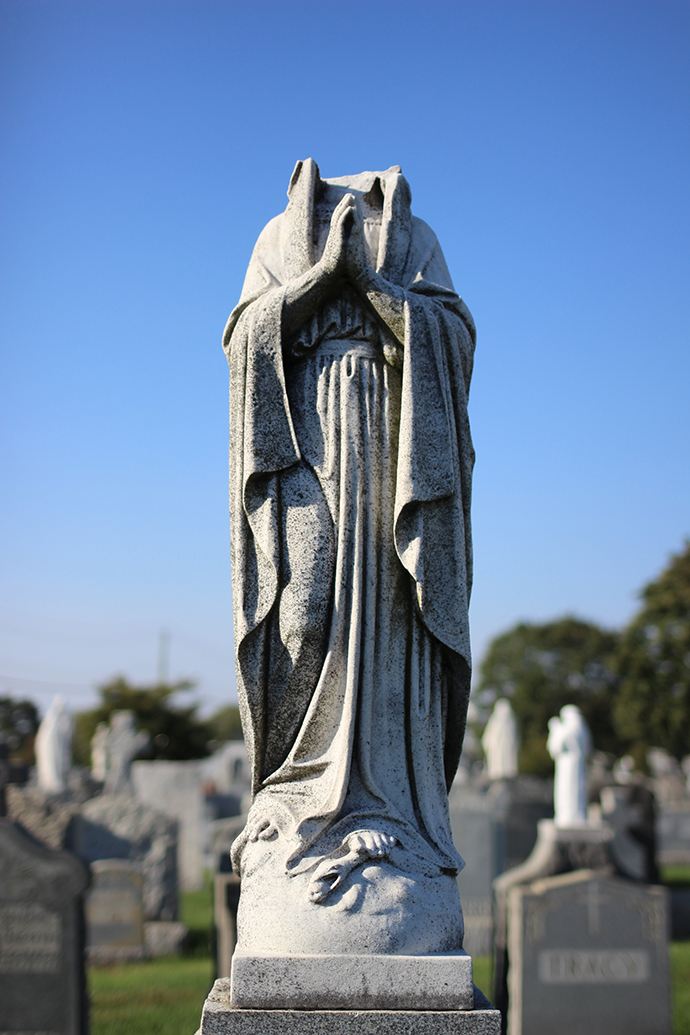
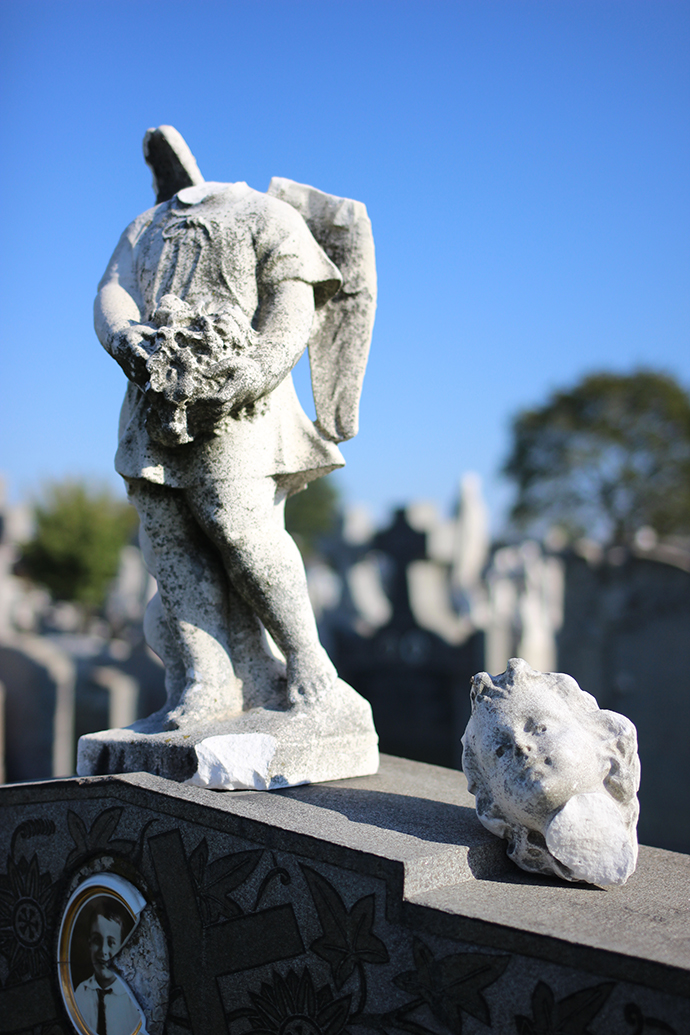

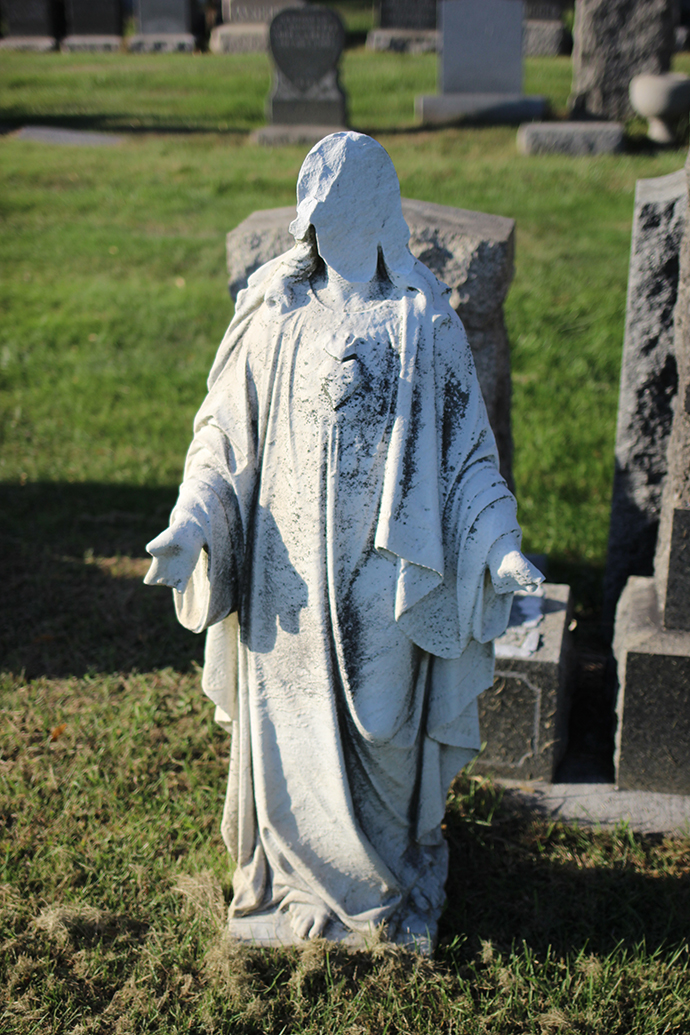
St. Raymond's is a Roman Catholic cemetery and is one of the busiest cemeteries in the US with approximately 4,000 new burials each year. The old section was opened in the 1870s and the new section was developed in the 1950s. The old St. Raymond's was full of wonderful things, including a lot of headless statues (like St. Michael's) and ceramic portraits (deserving of their own post). In 1932, Charles Lindbergh met with his son's alleged kidnapper at St. Raymond's to deliver $50,000 in ransom money.


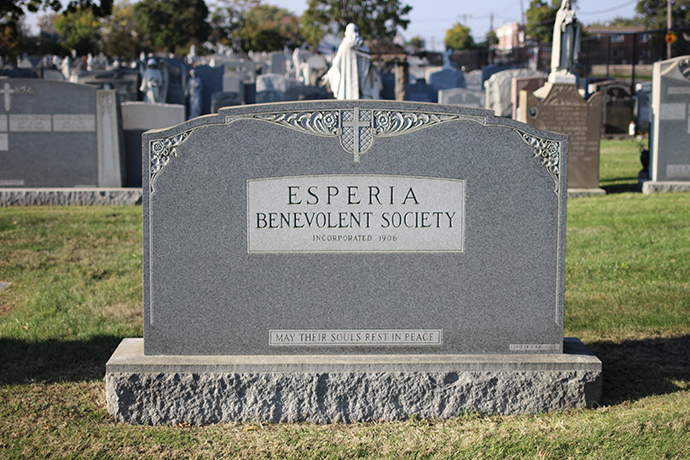
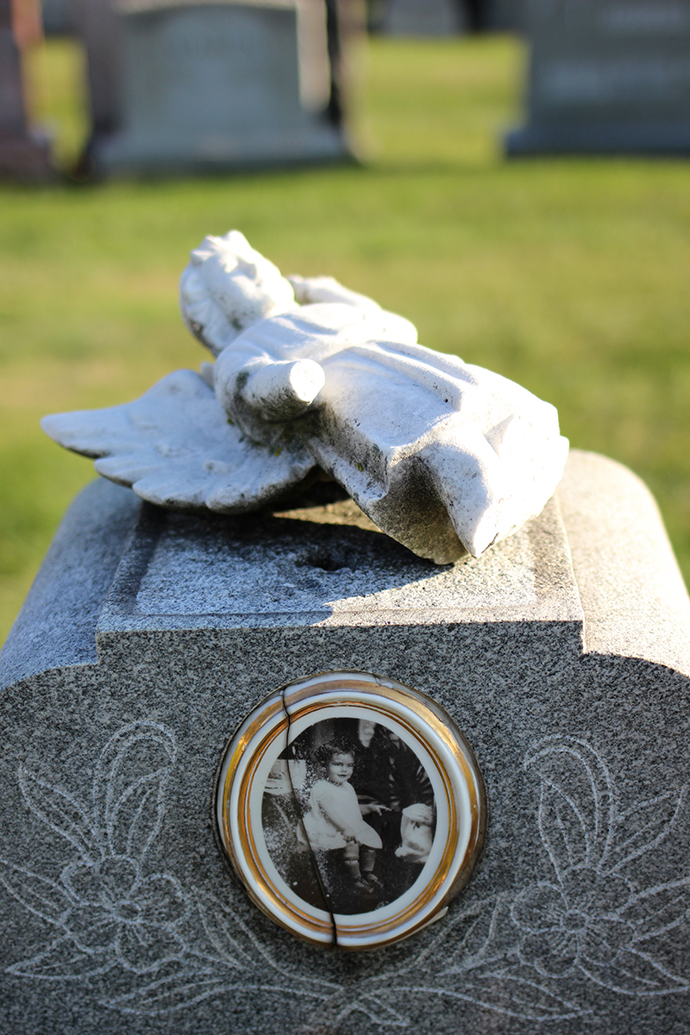
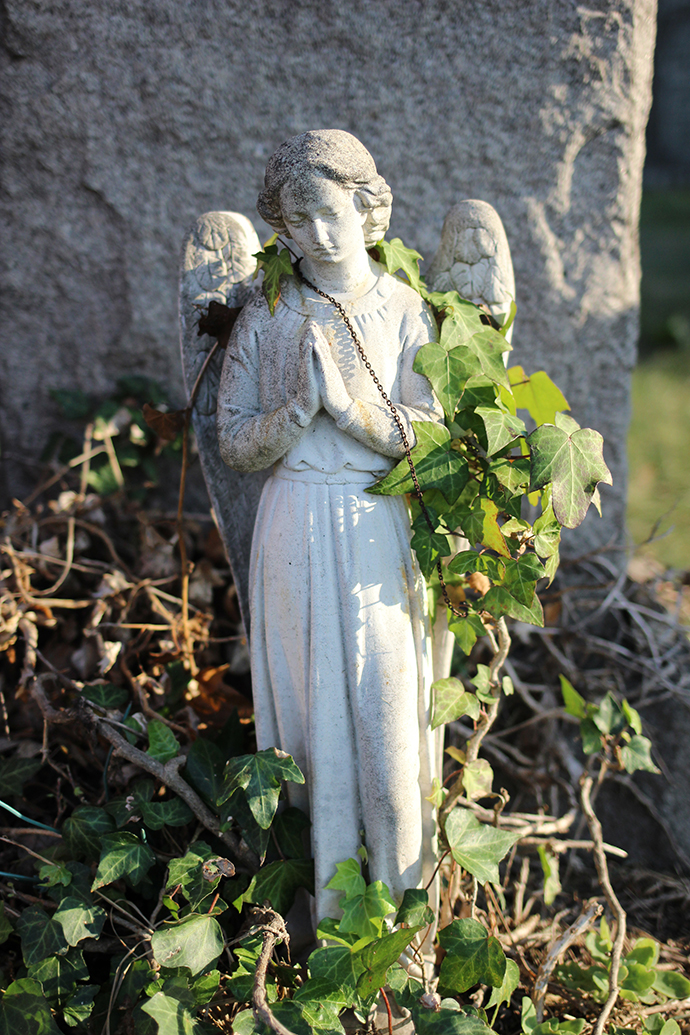
Mary Mallon was born in Ireland, and immigrated to the US, where she notoriously worked as a cook for affluent families in New York City. When the families that she cooked for began contracting typhoid, she was quarantined twice on North Brother Island. She refused to adhere to proper hygiene practices (ew) and profusely denied that she was a carrier of the disease. She was, of course, and was in fact the first person identified in the US as an asymptomatic carrier of typhoid.

While exploring the old section, I realized that the section numbers started to match the naming convention of the directions I had for Mallon's grave—Division 15, Row 19, Grave 55—and although I had to cross a street into yet another section of the cemetery (St. Raymond's is huge), I finally found Typhoid Mary. I had been so frustrated and confused for most of the day that finding her felt like hitting the jackpot. I was also so mad at the lack of proper information that I took a screenshot of her grave's location on Google Maps—it's not exact coordinates, but if you're looking to pay your respects to Typhoid Mary, you at least have a head start.
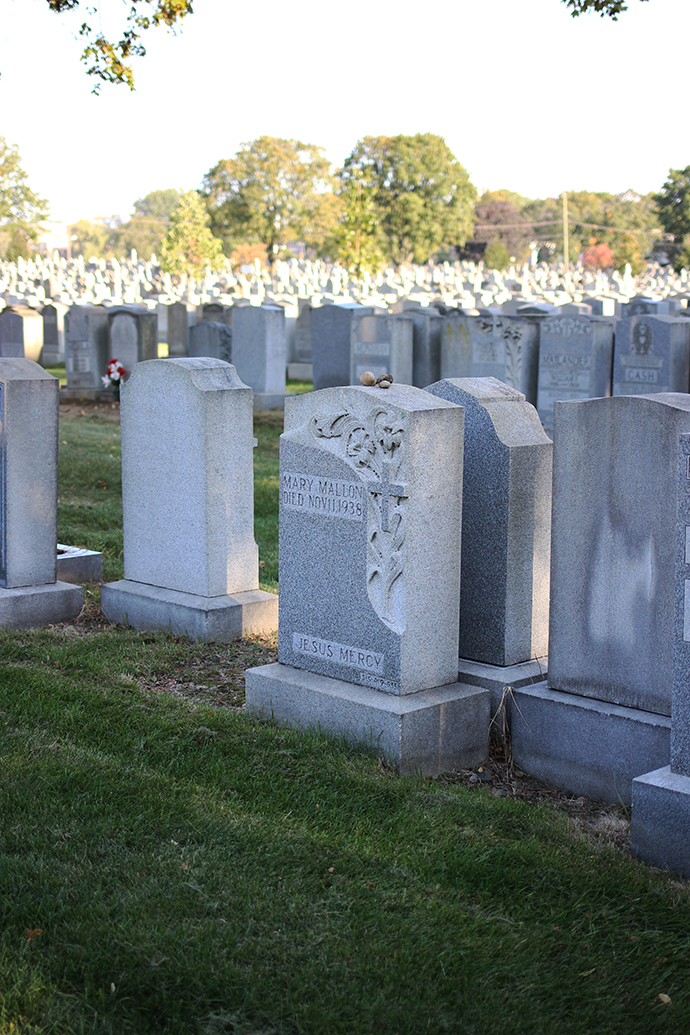
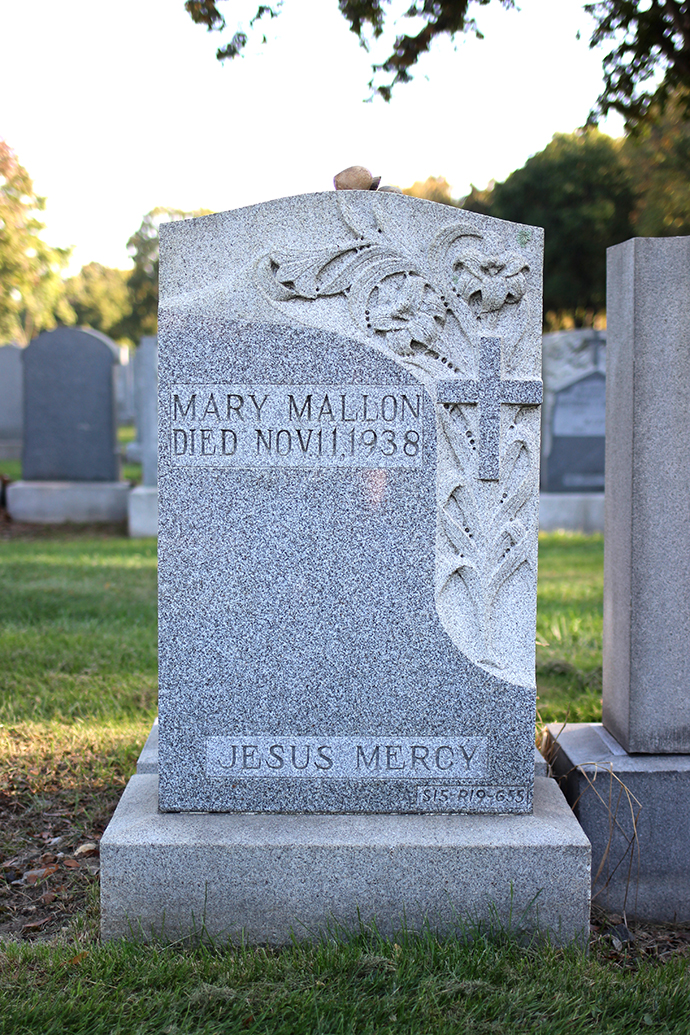
Mary Mallon died of pneumonia at age 69 in 1938, after living out her later years in quarantine at Riverside Hospital. At the time of her death, live typhoid was found in her gallbladder, and she was cremated and interred at St. Raymond's, beneath a headstone she paid for herself. No one is buried on either side of her—in a very crowded cemetery—which may be a coincidence, but still seems fitting.

Holiday Windows 2016: Saks Delights

Despite the insane crowds that infiltrate Midtown at this time of year, I do like the holiday season in New York for the same reason it attracts crowds—it's impossibly charming. The Rockefeller tree is always smaller and more raggedy than I imagine, and five minutes of navigating the Fifth Avenue sidewalks is enough to commit anyone to Bellevue for observation.
But then you pass an intricate holiday window, or it begins to snow and it feels like you're living inside of a real life city snow globe. While we've yet to have our first real snow, the holiday windows have been revealed, and I went to check out my favorites this past weekend.


By now it's tradition to gawk at the window displays (Bergdorfs, Saks and Bloomingdale's) and compare them to years past—I still maintain that 2013 is the year to beat, but maybe I'm just nostalgic for my first holiday season in the city. Saks Fifth Avenue always splits their windows, with a main theme featuring animatronic scenes (two years ago they did Fairy Tales, and the year before that featured the Yeti), with the side windows featuring Saks fashion. This year there was a candy theme to all of their decorations, although I think last year's icy theme was better overall.


The best part about the Saks windows is that they reflect the Deco beauty of neighboring Rockefeller Center, adding to that city-in-a-snow-globe feeling. The candy theme was a good idea, but the execution felt a little cheap—not something you expect from Saks—with large, shiny plastic lollipops and candy canes and... not much else. I do, however, very much appreciate that they set up barriers so you're forced to form an orderly line if you'd like to view the windows up close. They even have a bouncer to maintain order, which is something that other stores with holiday displays (especially Bergdorfs) should think about adopting.

Morbid Anatomy Museum: Taxidermy
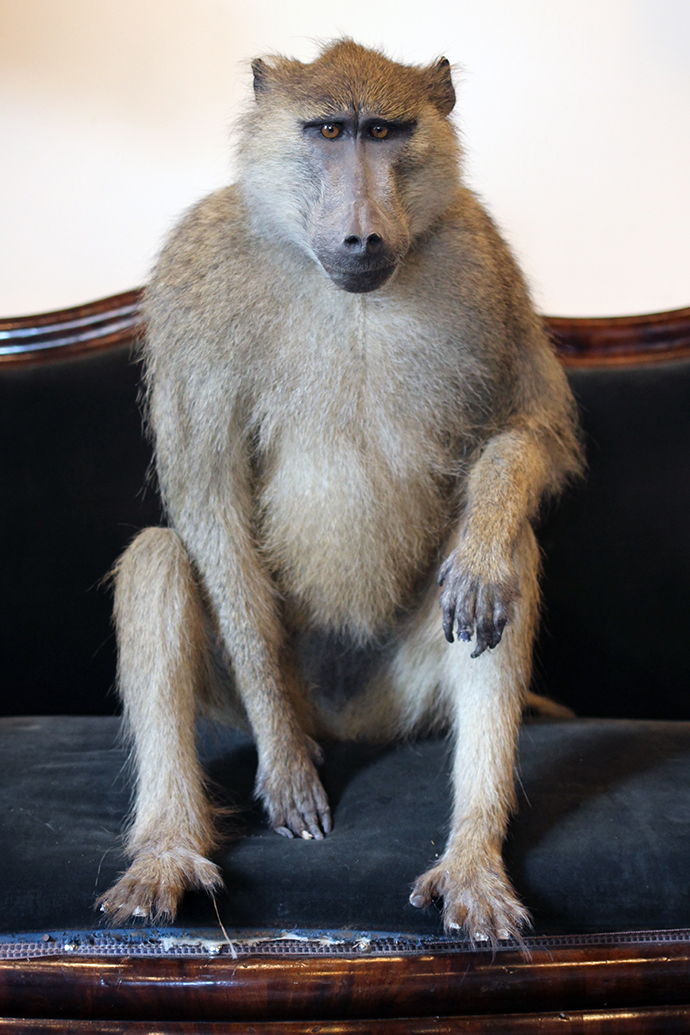
A few months ago, I went to see the taxidermy exhibit at the Morbid Anatomy Museum. It was wonderful, but I was bummed that they didn't allow photos of the exhibition. Shortly after my visit, they started a Kickstarter project to help fund the acquisition and transport of The Kittens' Wedding, a diorama made by Victorian taxidermist Walter Potter. I had been dying to see Potter's work in person, so I supported the project. Luckily it was funded, and The Kittens' Wedding became the centerpiece of the taxidermy exhibit. Of course I had to go back, and to my delight photos were allowed this time around.


This was the last weekend for the show, so I texted my friend Carli, "I have to get to the Morbid Anatomy Museum before Kitten Wedding leaves," which is a totally normal text for me to send. I'm so glad we made it, because The Kittens' Wedding was incredible. It was larger, and more elaborate than I expected, and just totally strange and wonderful. This is the only of Potter's creations in which the animals are fully clothed (they even have undergarments!), and this is the first time it's been formally exhibited in the US.

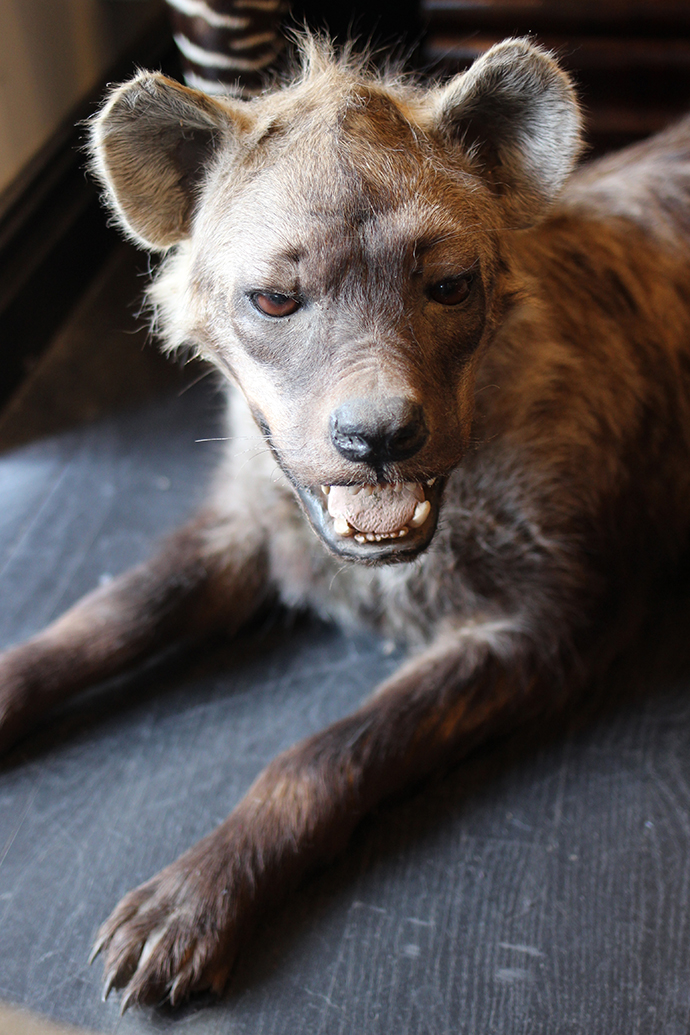


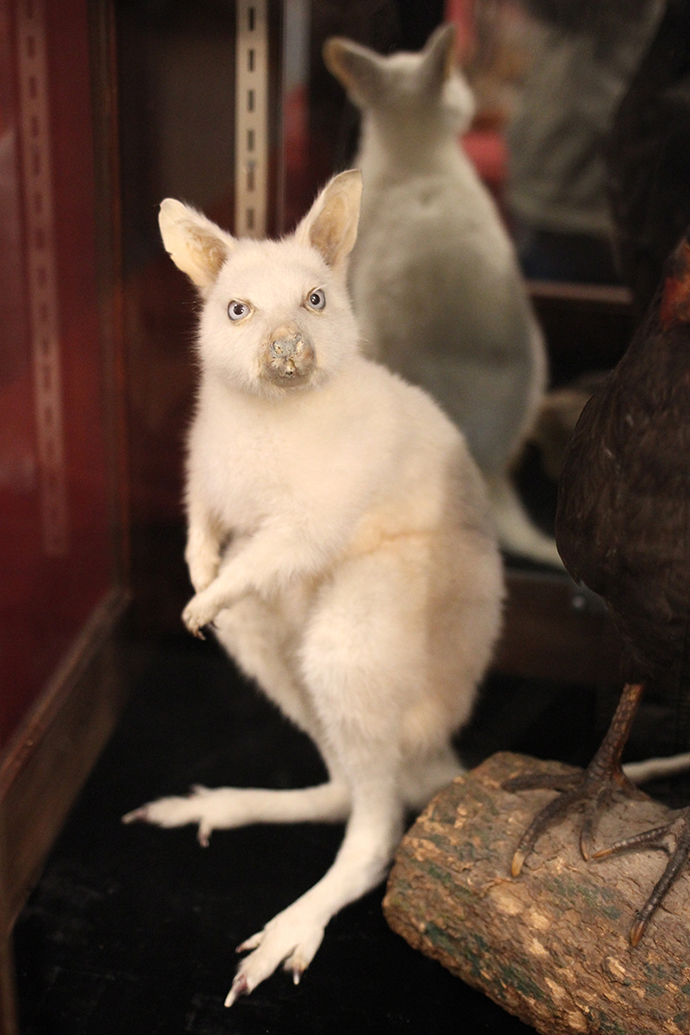


The rest of the exhibition space is full of so many strange and wonderful creatures—they have a sloth, anteater, aardvark, porcupine, weasel, white wallaby, hyena, lion, zebra, ostrich, seal, walrus, penguin, black bear and cases of exotic birds. While I don't agree with hunting for sport, I do appreciate that most of these animals were made at a time when most people would never see these animals otherwise. Even today, having seen most of these animals in zoos or on TV, I'm still amazed at the crazy creatures nature produces.


The 'wall of dogs' was a highlight for me, featuring several cases with various breeds of dogs, sitting on velvet pillows. They have one cat—holding a taxidermy mouse in its mouth—that I might use as a model when the time comes to taxidermy Mozart (my cat).


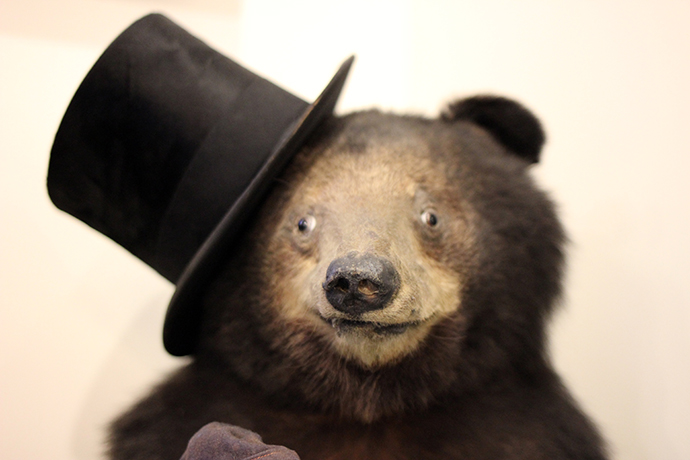


There were a few other anthropomorphic scenes featuring squirrels having tea, playing cards and enjoying a hearty acorn meal. I love anything that incorporates the animals into a "real life" scene, and the Morbid Anatomy Museum never fails to deliver in the diorama department. But it's the terrible taxidermy that I not-so-secretly love more than anything—googly eyes, faces that aren't quite right and forms that make you question if the taxidermist ever even saw the animal in real life.
More Morbid Anatomy: House of Wax | Dioramas | Collector's Cabinet | Library

Brooklyn Army Terminal Building B
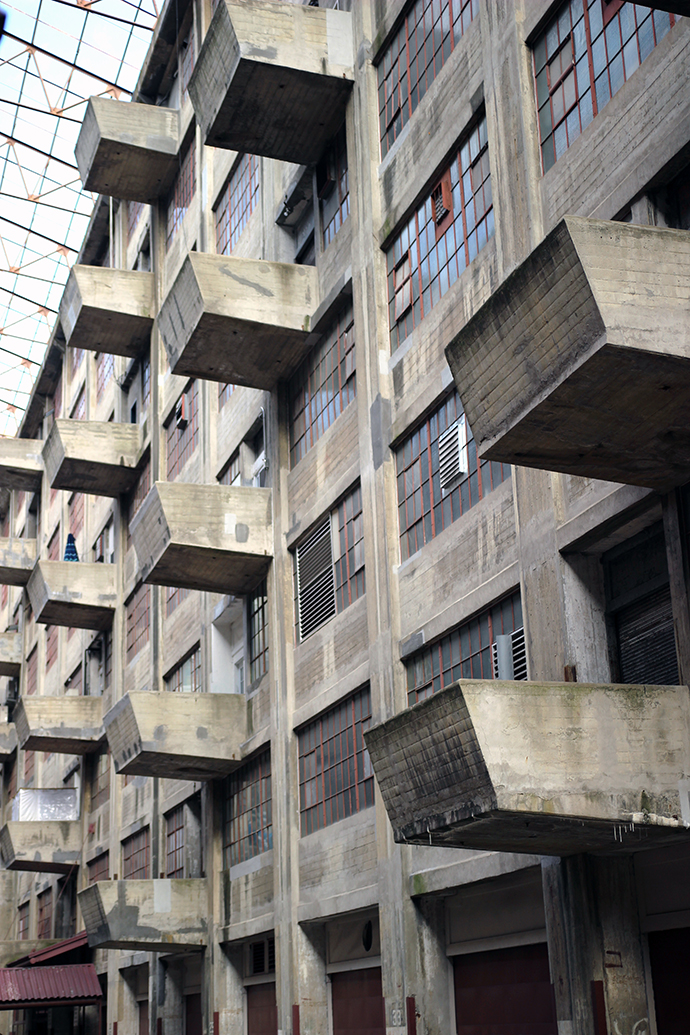
The Brooklyn Army Terminal complex was built in 1918 and was the largest military supply base in the United States through World War II. The US government sold the property to the city in 1981, and it has since been redeveloped for commercial use. The terminal was designed by Cass Gilbert—other famous Gilbert buildings include the Woolworth Building and the US Supreme Court—and building B was the largest individual building in the world when it was completed in 1919.
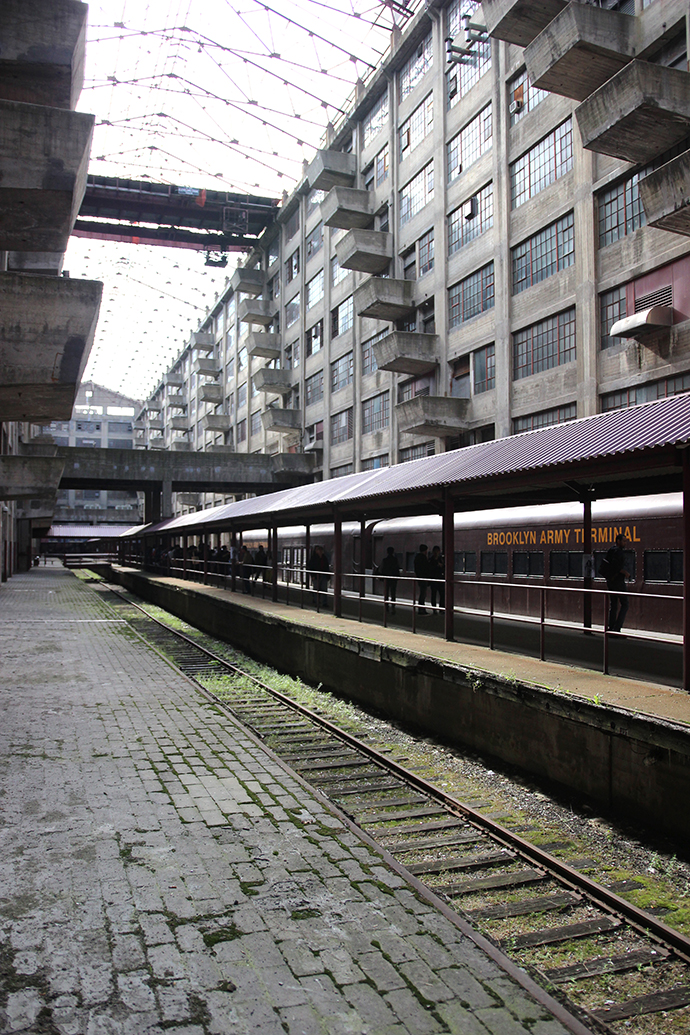
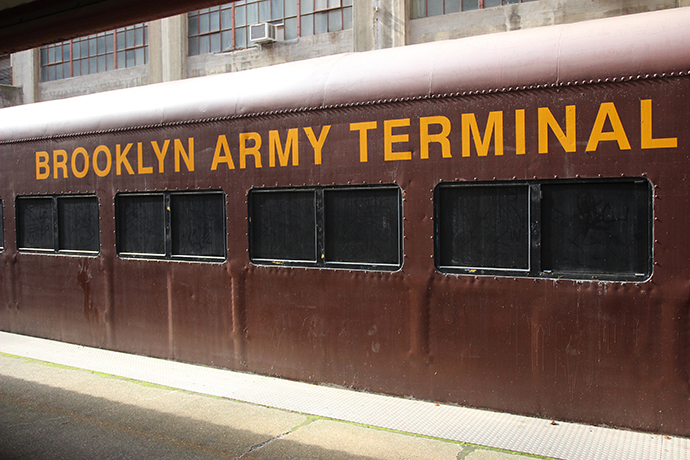

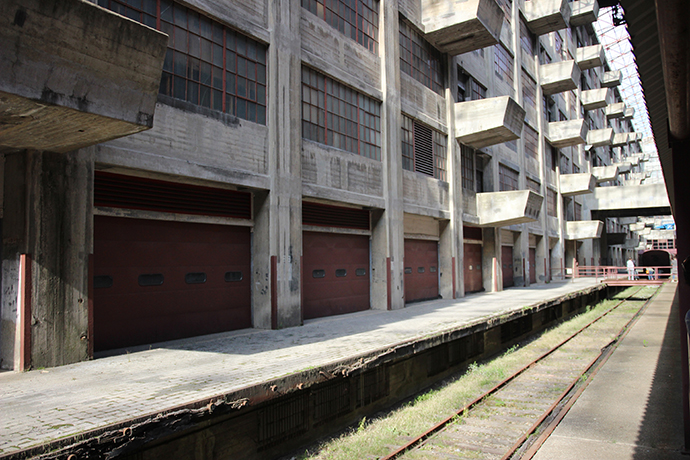
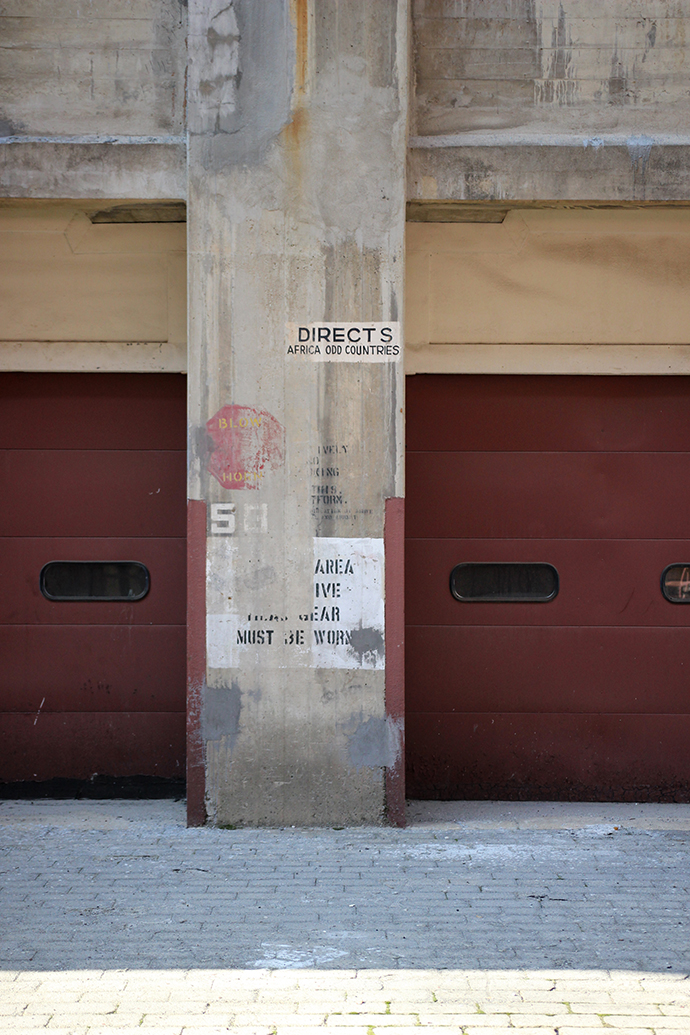
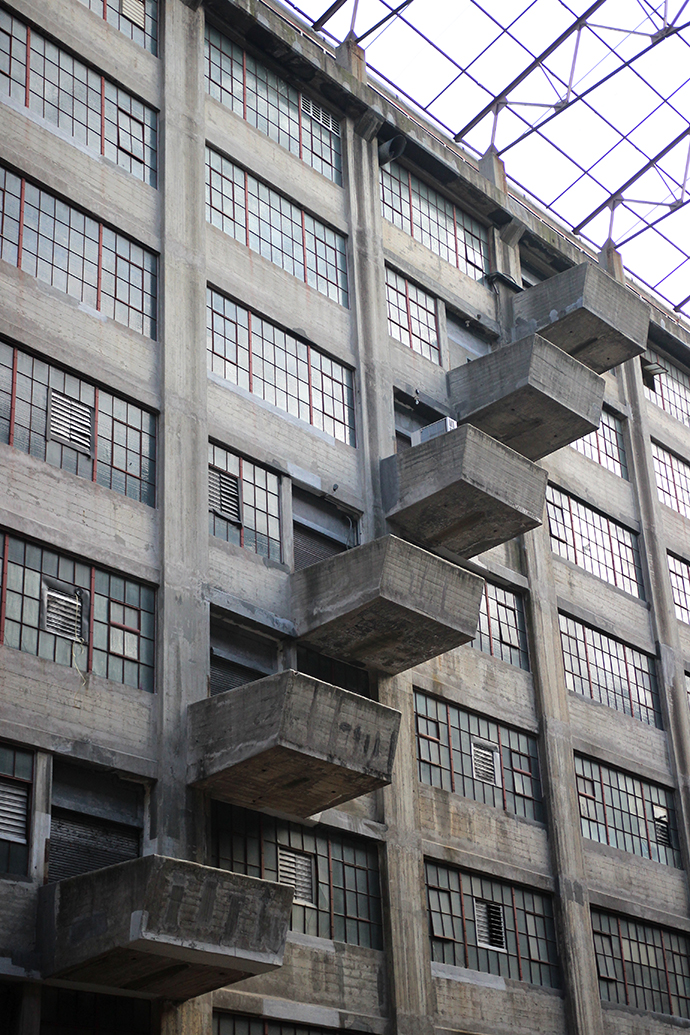
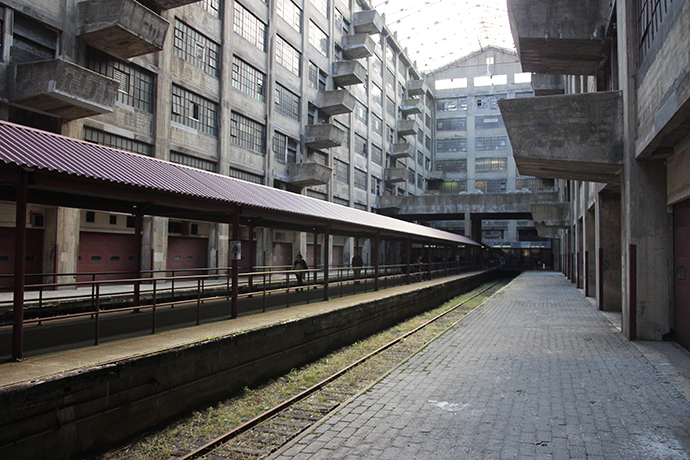
Building B was the last of the places I visited during Open House New York weekend (after the Marine Air Terminal and the Treasures in the Trash collection). The atrium in Building B is the showstopper—it was once used as a loading dock and train station, processing more than 37 million tons of military supplies in its lifetime. In addition to supplies, more than 3 million troops passed through the terminal, including Elvis Presley on his way to Germany in 1958.
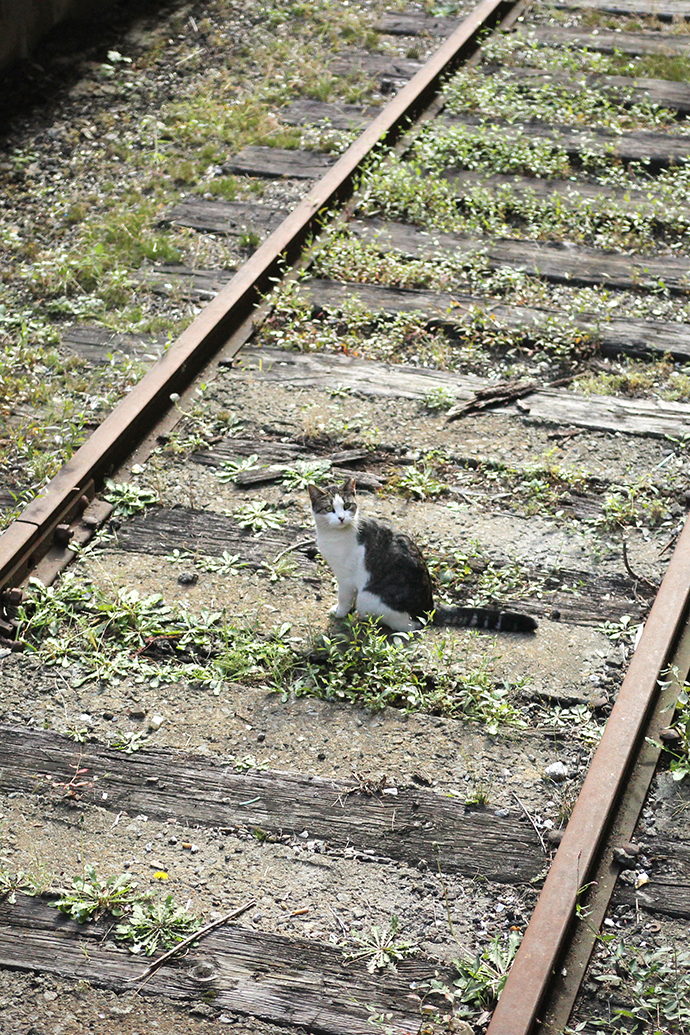
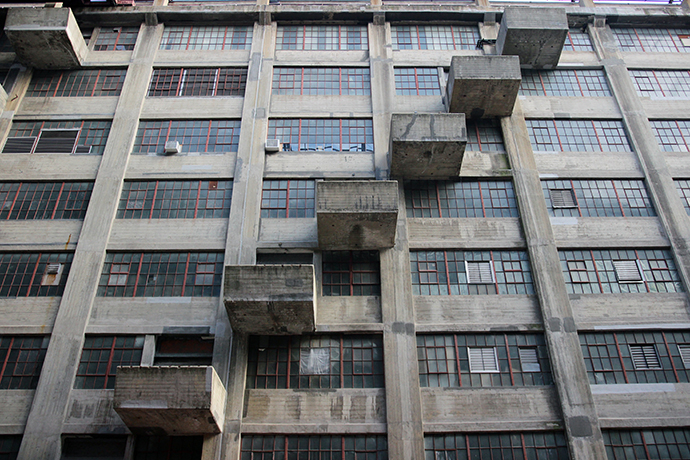
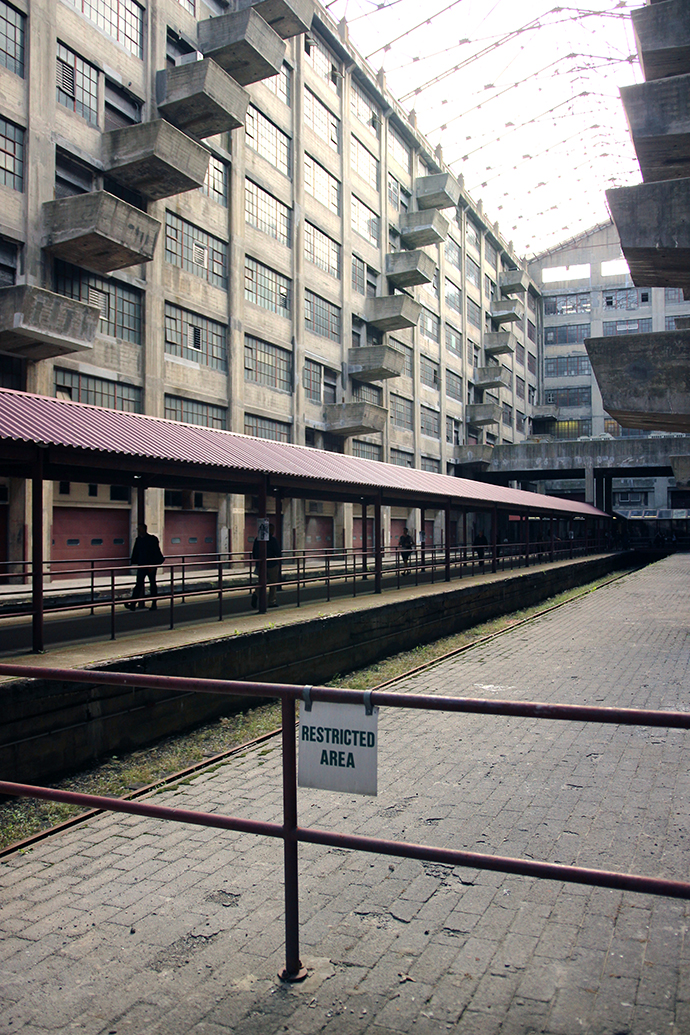
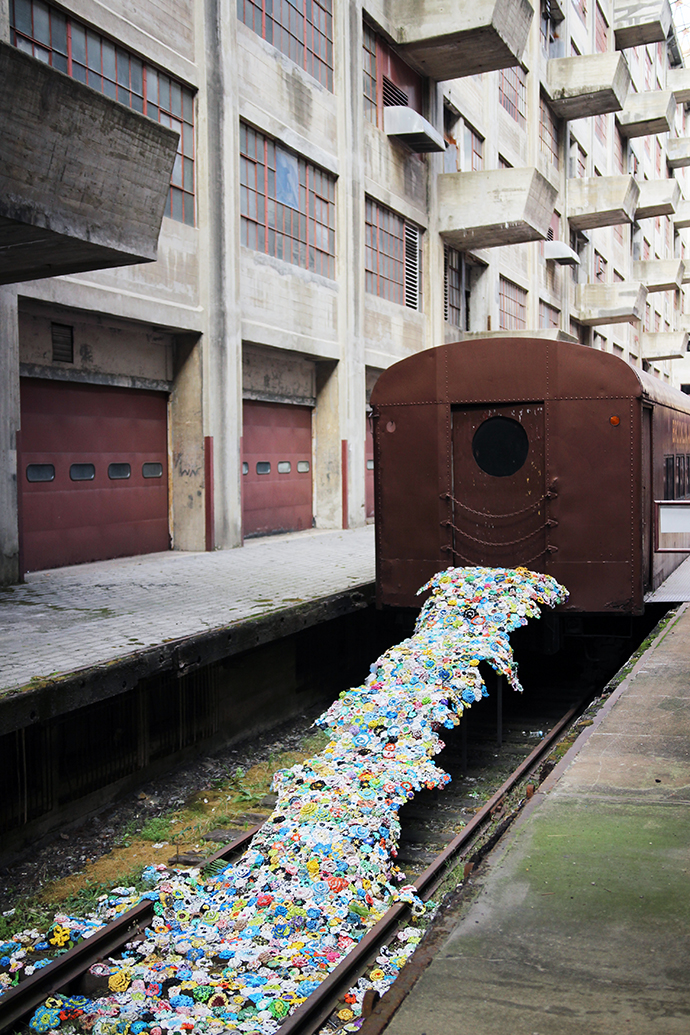
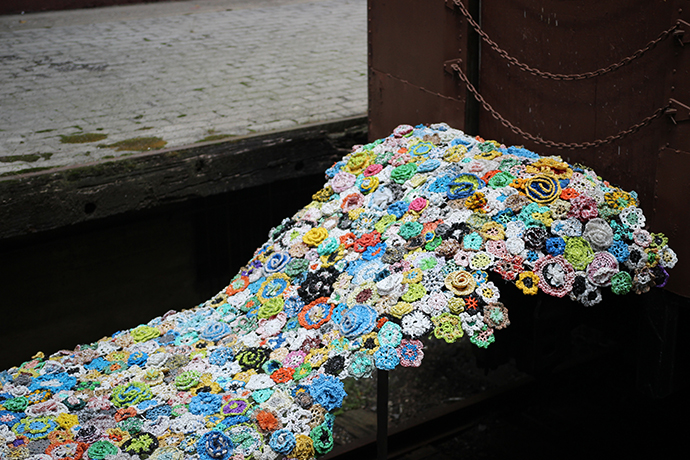
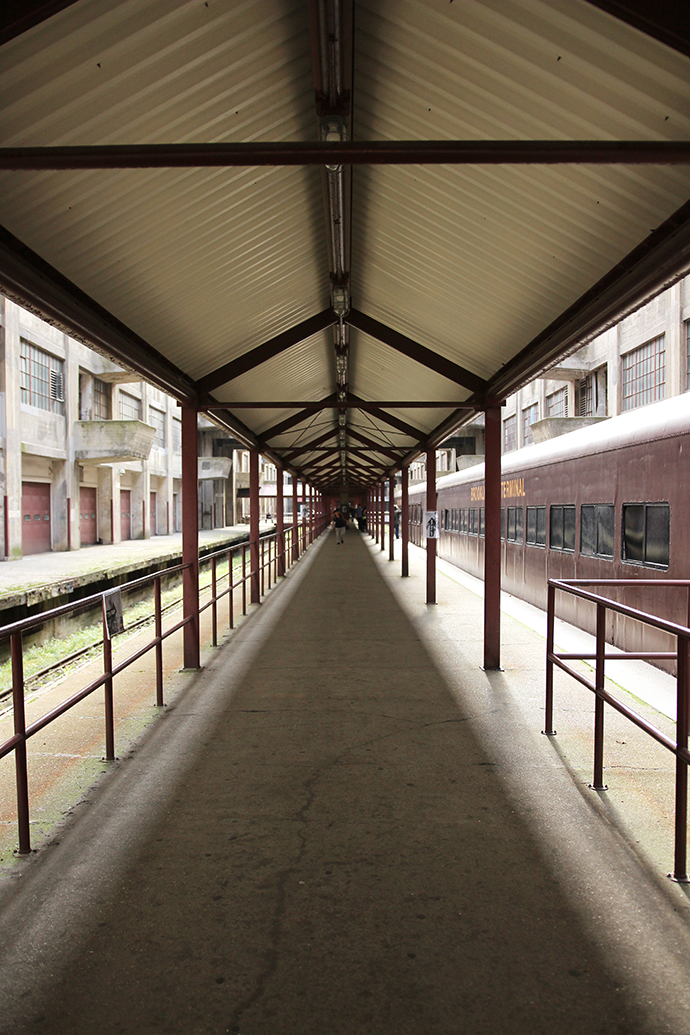

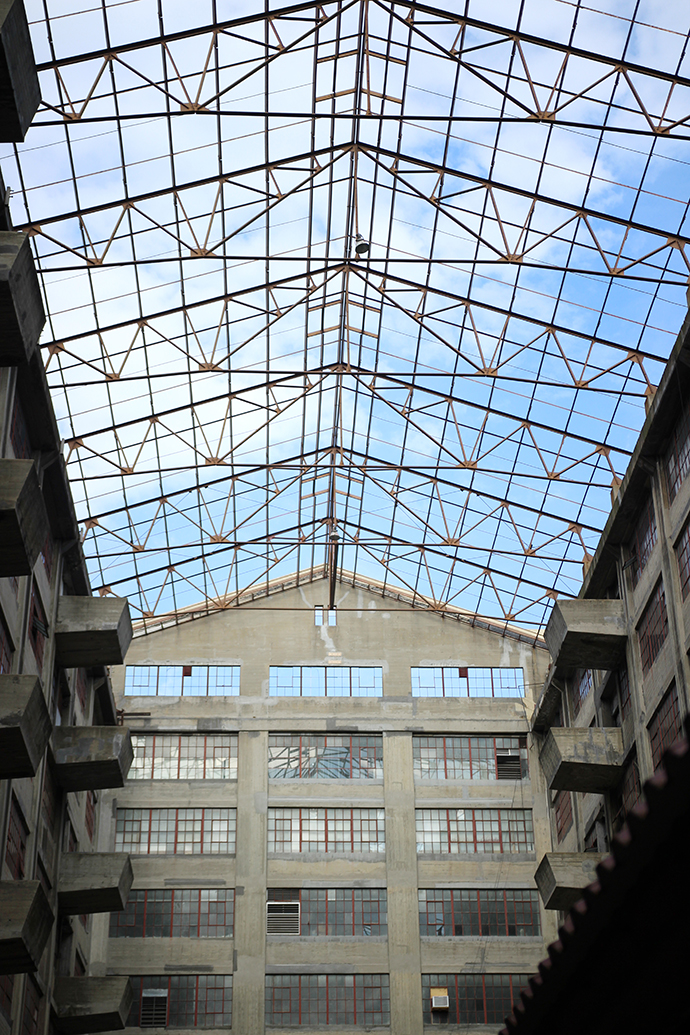
The concrete, off-set loading docks are beautiful in their own utilitarian way, but the skylight (once paneled in glass but now open to the sky) makes the space feel really special. New York can feel overcrowded and squeezed for space, so it always amazes me to step into a place like the Brooklyn Army Terminal that feels completely different than any other place I've ever been. I love that a building built for a decidedly unglamorous purpose—as a working, military warehouse—can be fully functional as well as incredibly beautiful.

Bayside Cemetery: Fall

Ever since I went to Bayside Cemetery earlier this year, I've been thinking about going back. Bayside has fallen into disrepair throughout the years, and around Halloween someone actually broke into one of the mausoleums and stole remains—I promise it wasn't me. I first went in May of this year, and it was overgrown with grass and weeds. I remarked that I would love to see it in the fall, so I went on Sunday to fulfill that need.


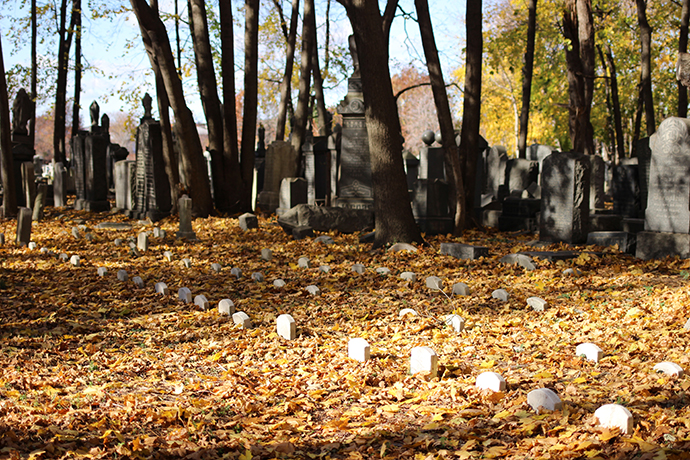
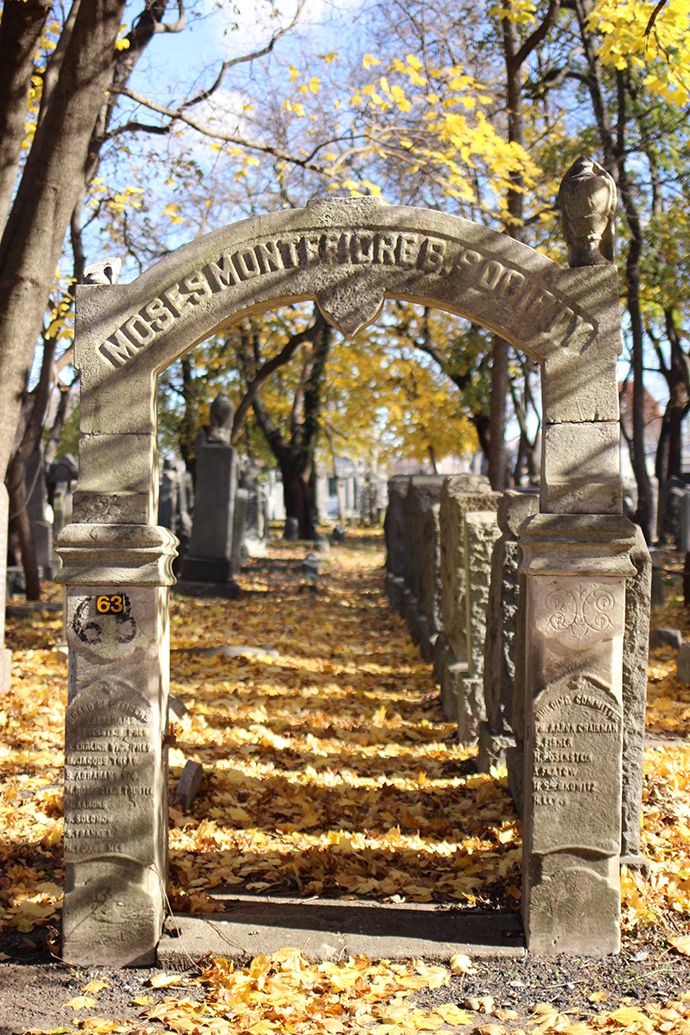

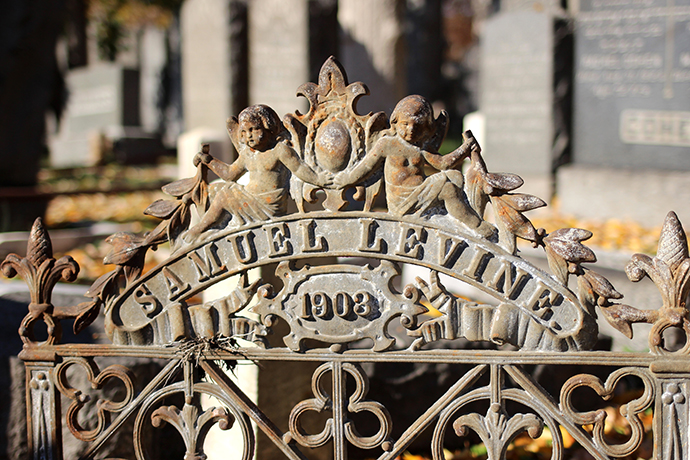
I didn't realize just how different the cemetery looked in the fall vs. in the spring, until I looked back at my photos from my first visit. Everything is covered in piles of yellow, orange and brown leaves—sometimes I found myself hopping from one fallen tombstone to another like they were paving stones. Bayside isn't totally abandoned (we saw grounds workers in May) and new security measures seem to be in place since the Halloween incident (new barbed wire along the fence and "No Trespassing" signs) but it's the closest I've seen to an "abandoned" cemetery within city limits.
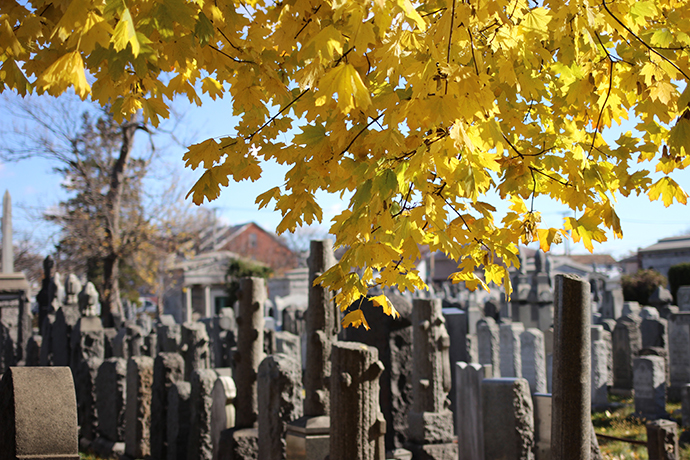


Most cemeteries I visit have noticeable decay and even the most well-kept places can't avoid crumbling stones or the effects of weather, time and vandals. The most interesting thing about the condition of Bayside is the amount of stones that have been knocked clear off their bases. Most of these stones are enormous—I can't imagine the noise they must make when they take their final fall.


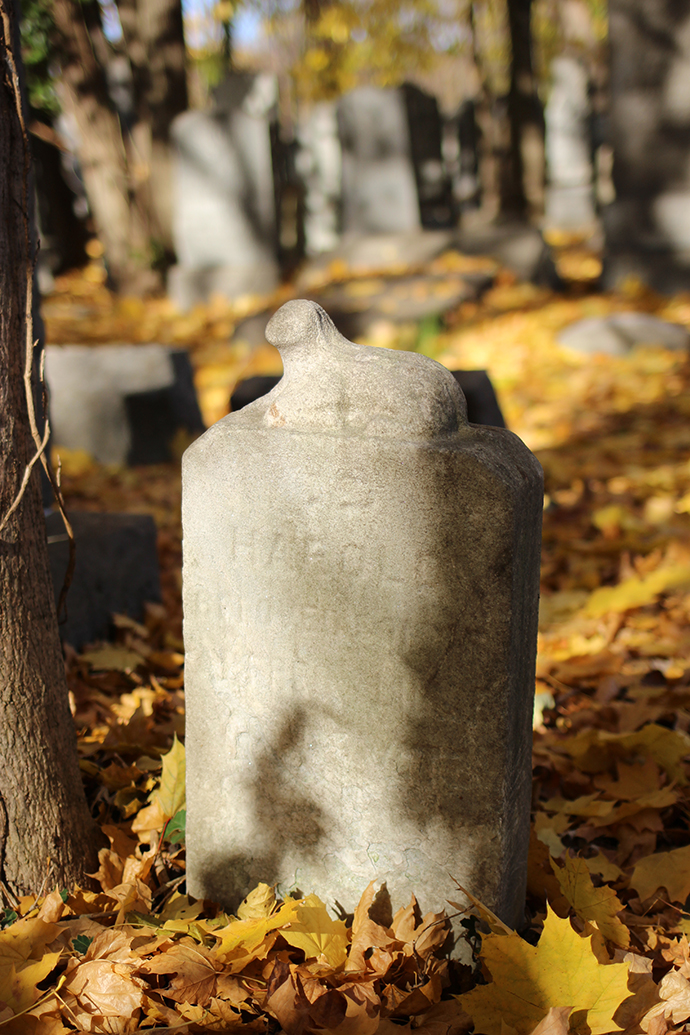


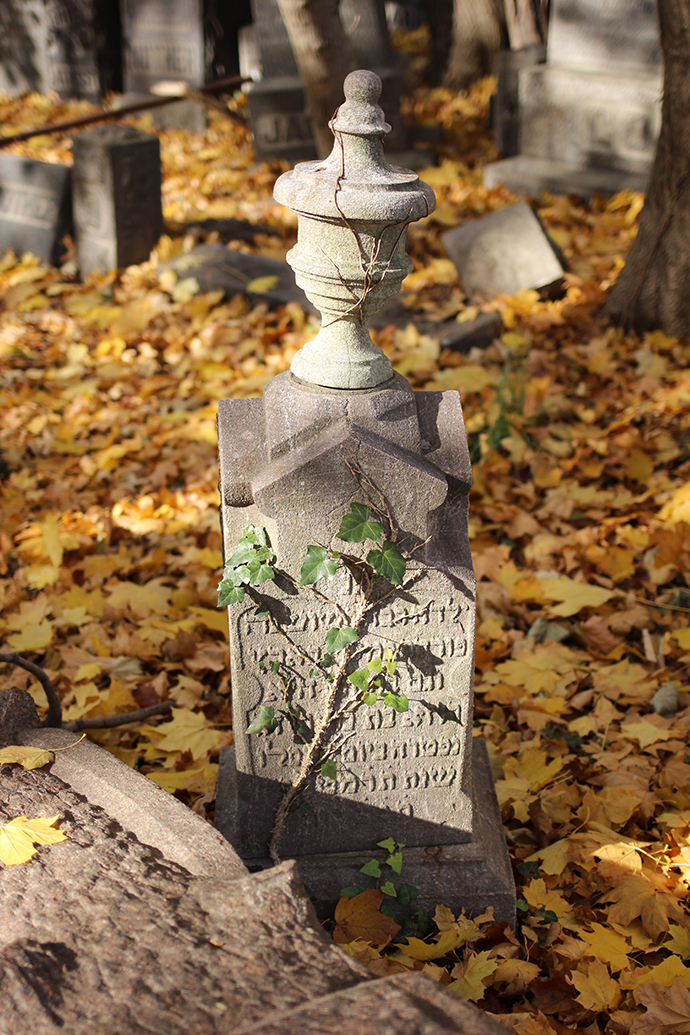
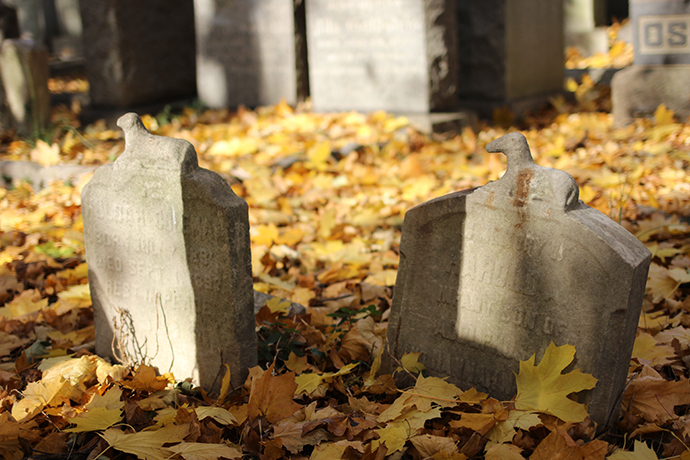

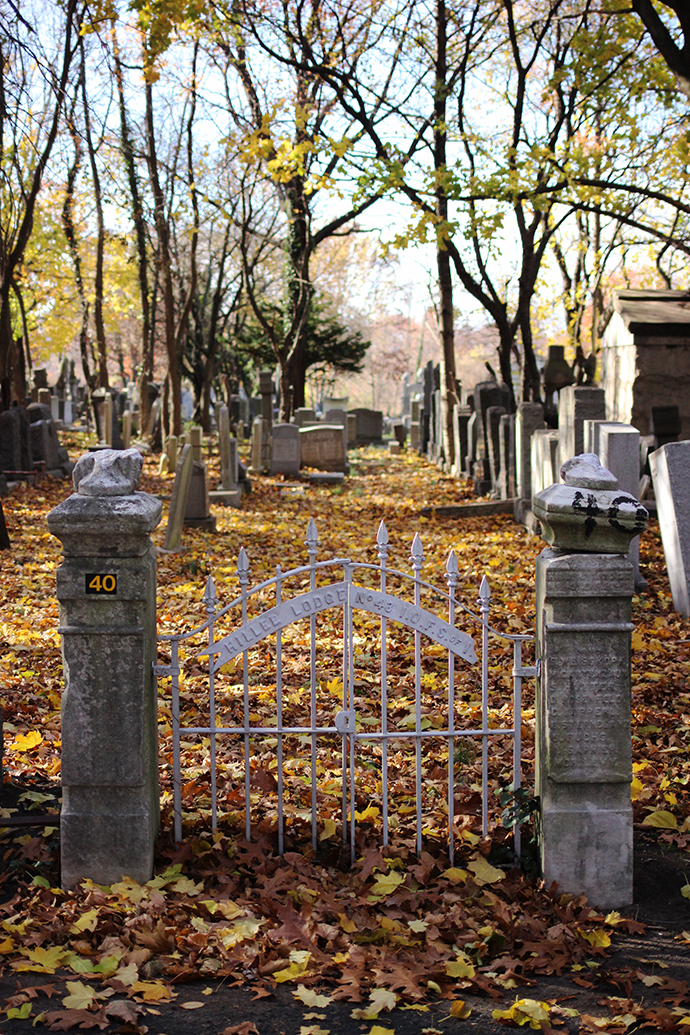


I was surprised to see at least two fresh burials from September of this year, so maybe Bayside is finally getting the attention it hasn't had in the recent past. As thrilled as I was to be traipsing through rows of tightly packed tombstones and piles of leaves, I couldn't help but already start to look forward to revisiting Bayside in the snow.

Macy's Thanksgiving Day Parade: Balloon Inflation 2016

I've seen the Macy's Thanksgiving Day Parade in person two-and-a-half times now, and this will be my fourth consecutive Thanksgiving spent in the city (we visited a year before I moved and caught half of the parade). The parade will always feel nostalgic and so very New York to me—we watched it every year while I was living in Ohio, and finally seeing it in person was a life highlight. I'm definitely not done seeing it in person, but this year I decided to brave the balloon inflation instead.
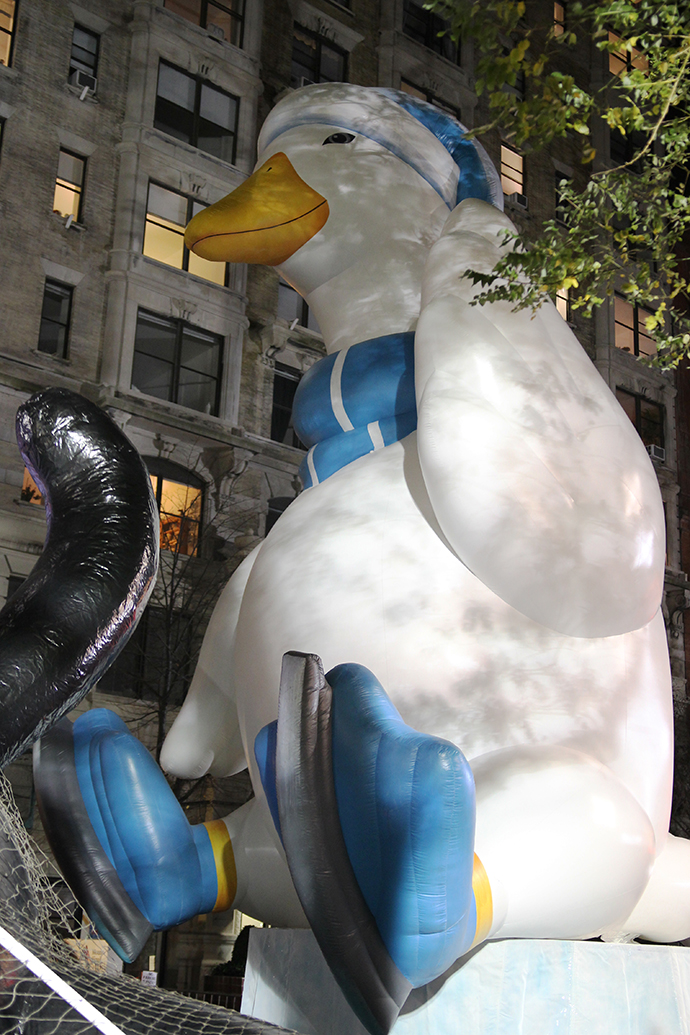

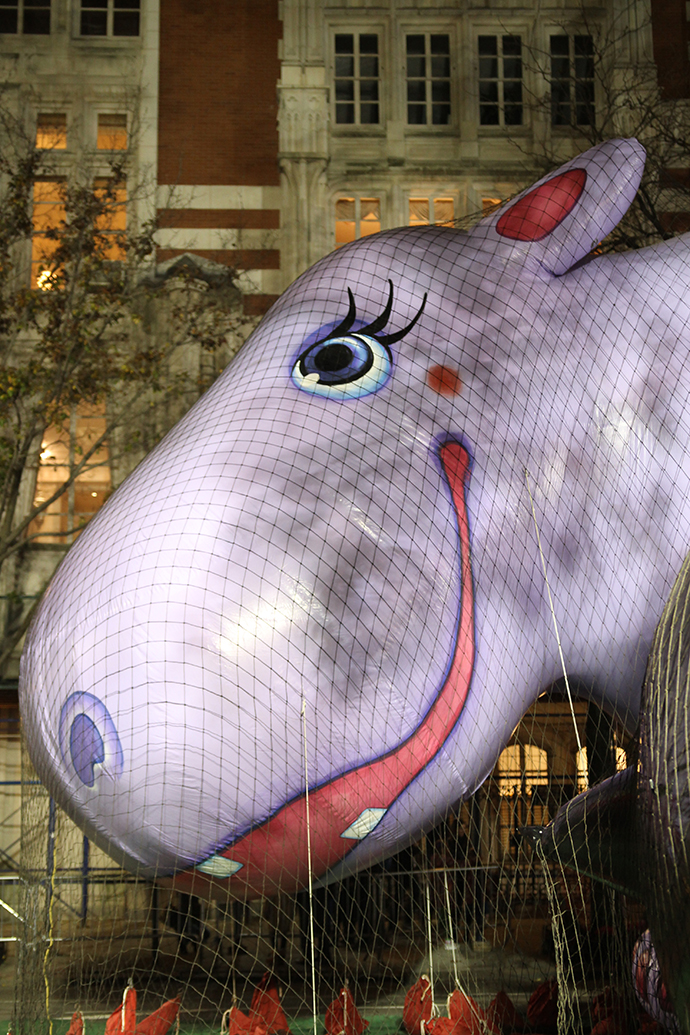

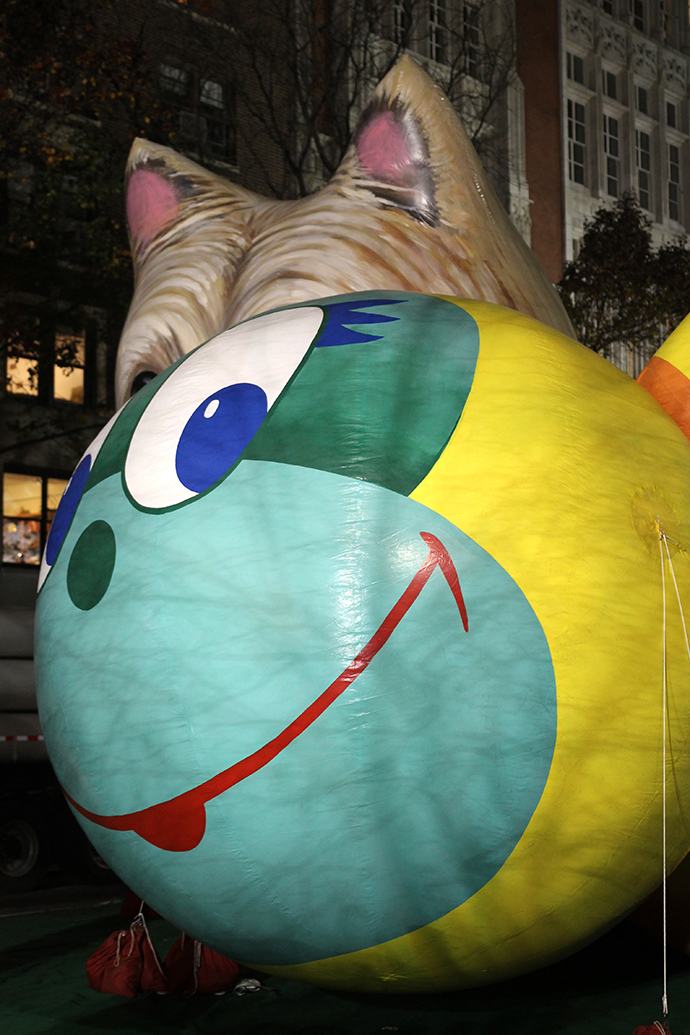

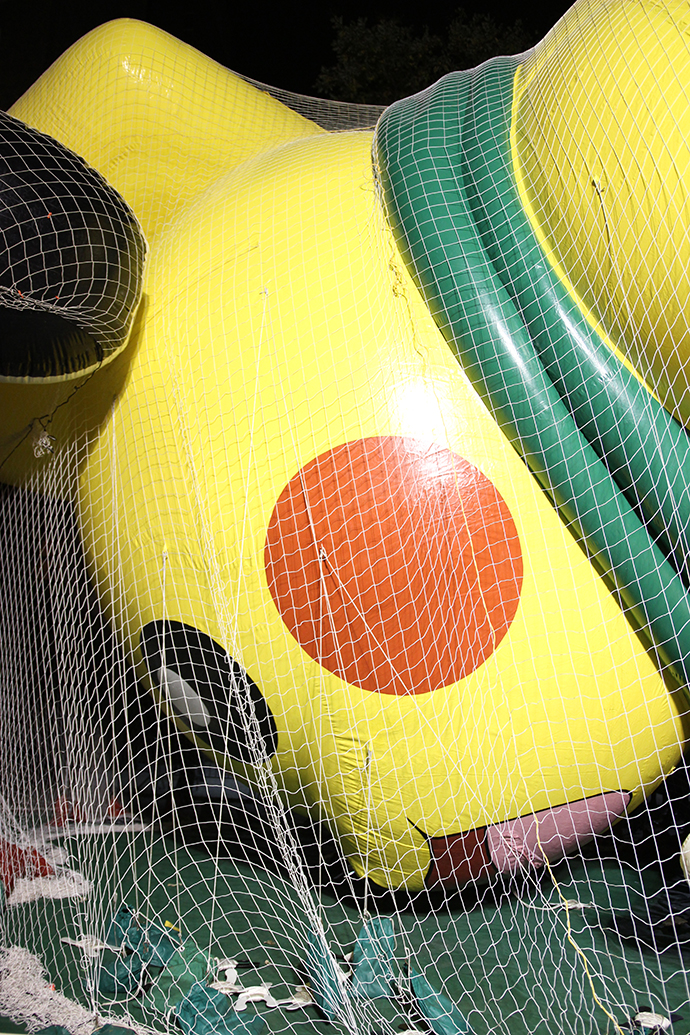
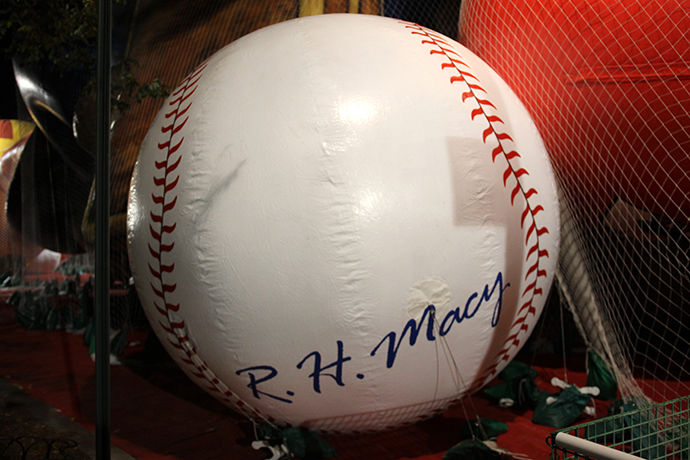
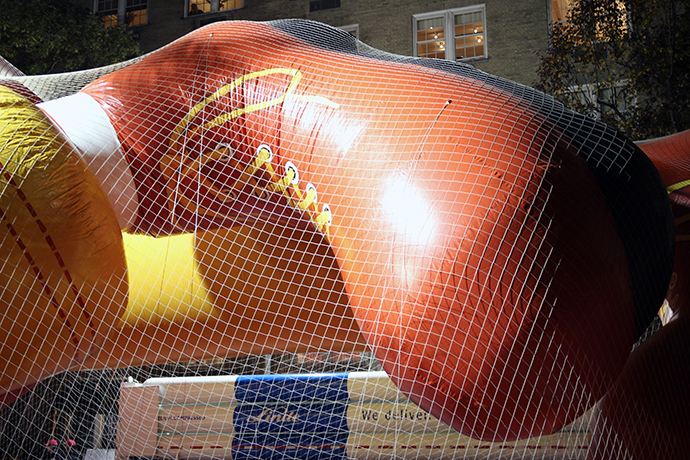

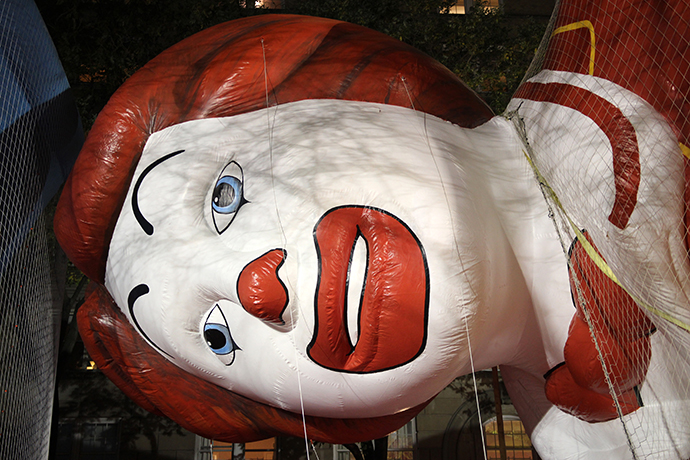
Every year the balloons are inflated the night before the parade, in the streets bordering the American Museum of Natural History. The inflation starts at 3pm and viewing ends at 10pm—the later you go, the more inflated the balloons will be. I arrived at the beginning of the (incredibly long) line at around 4:30pm, and the balloons were entirely inflated when I reached them around 6pm. I was expecting and dreading a large (child-full) crowd, but I was prepared and stayed pretty zen as strollers nipped my heels.
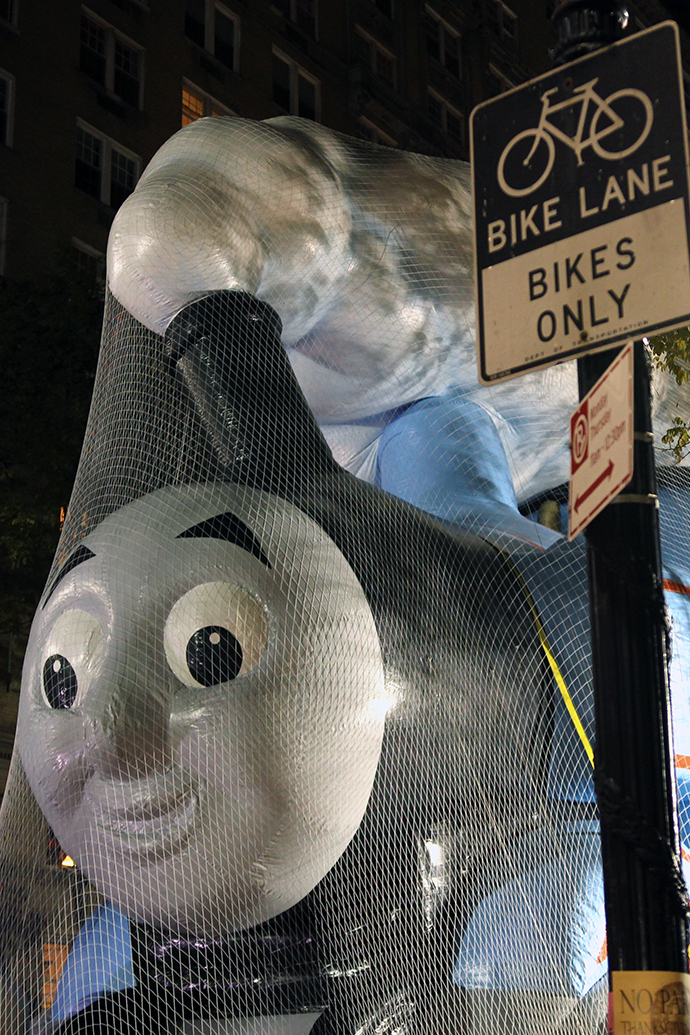
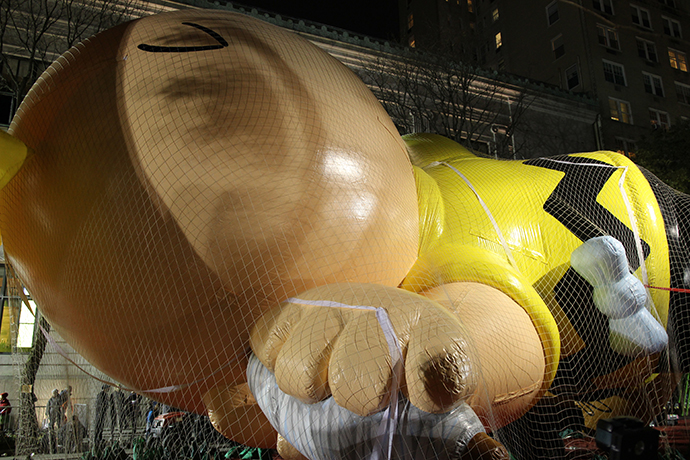
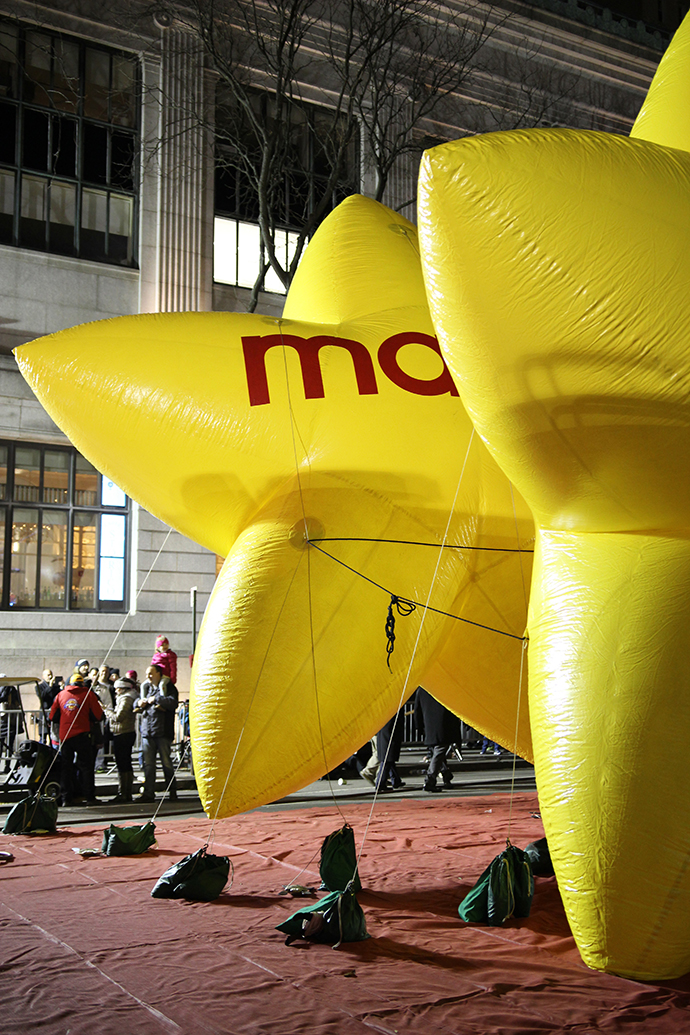


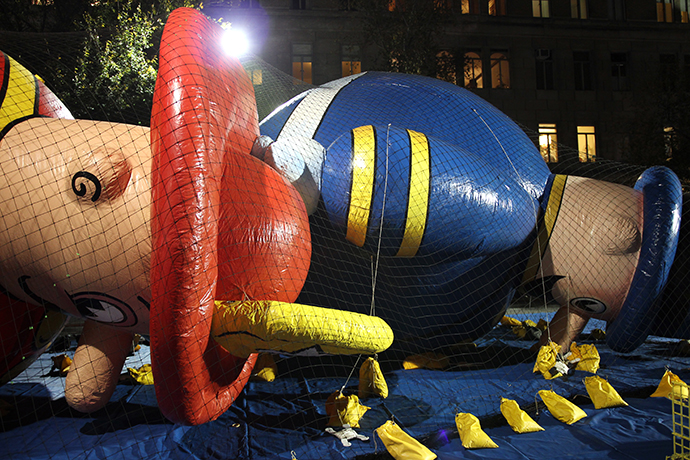


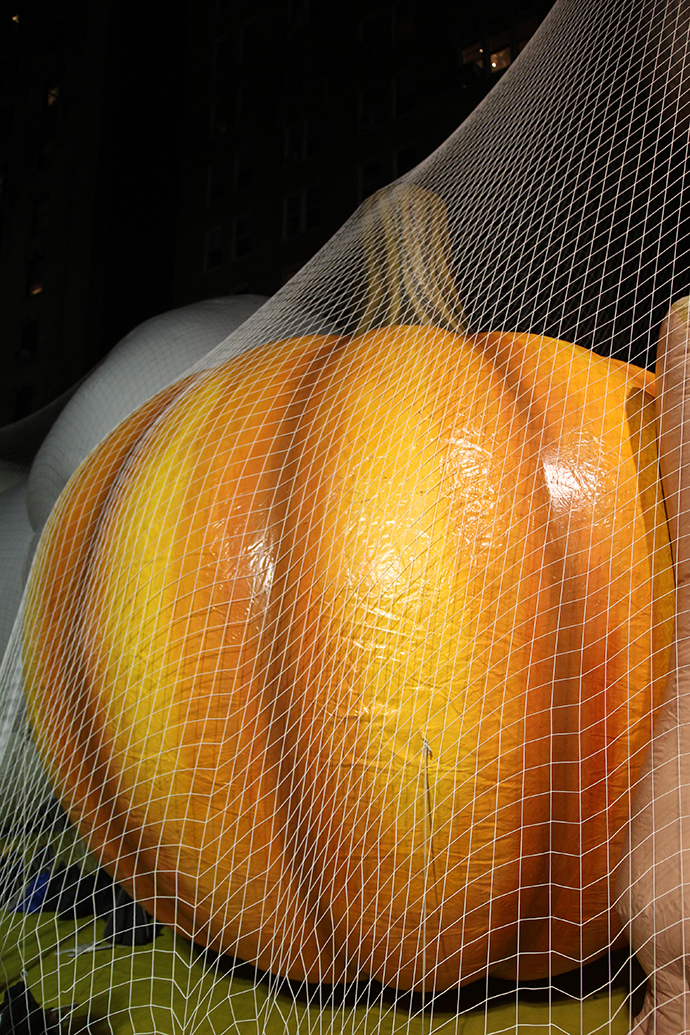
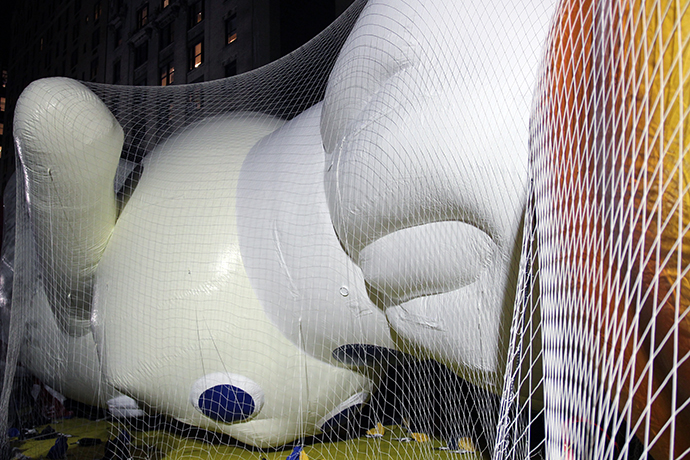

Once we actually arrived at the balloons, however, the crowd loosened a bit and the views were incredible. I tried not to smile too outrageously—I was by myself—but I couldn't help but be giddy seeing the balloons so closely. The best views of the balloons can be had in the parade, of course, but most were repeats that I had already seen in previous years. It's also fascinating to catch a glimpse into the inner-workings of such a large event, and there were tons of workers in jumpsuits inflating, securing and keeping watch over the balloons.

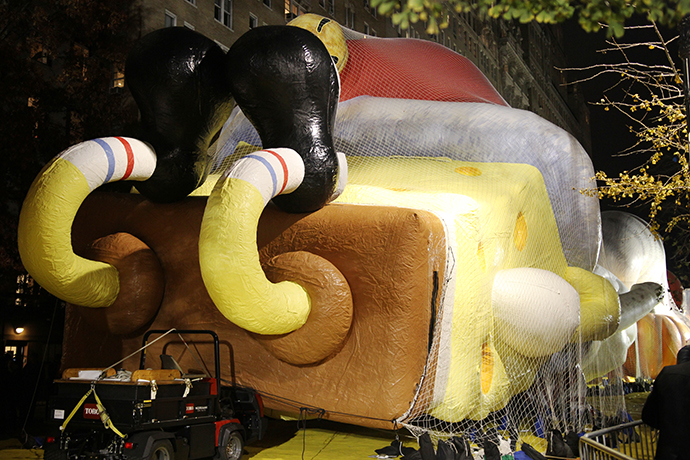
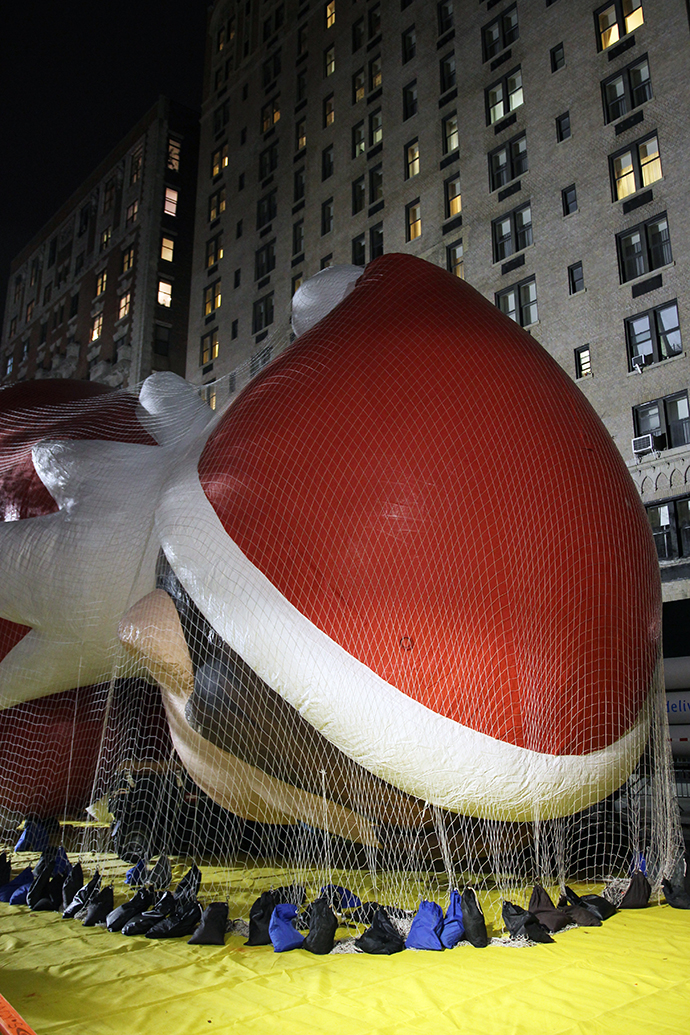

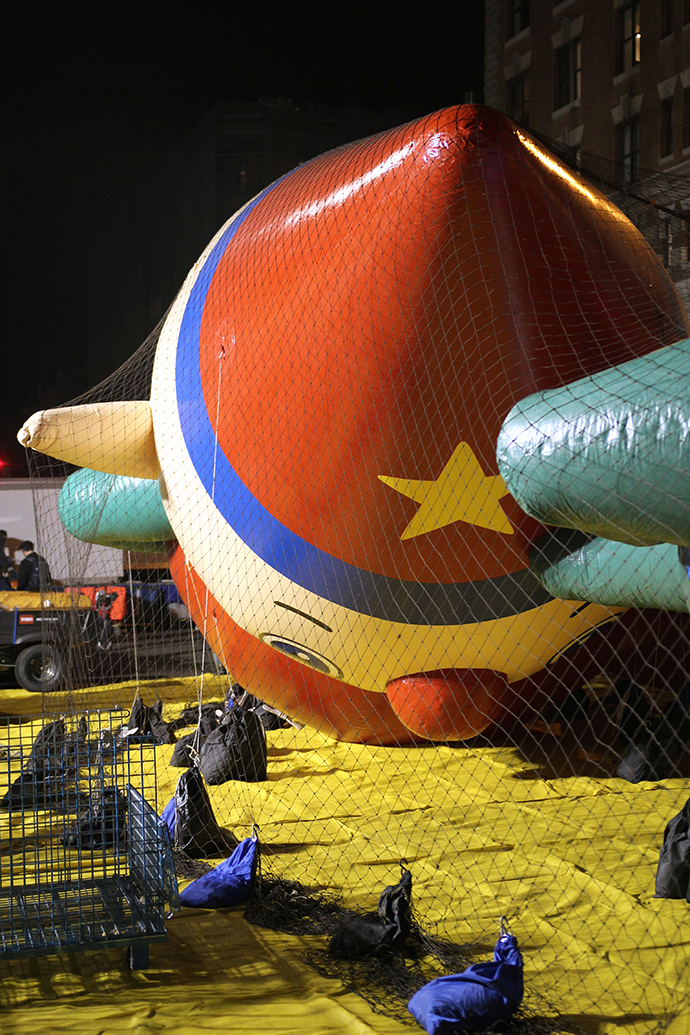
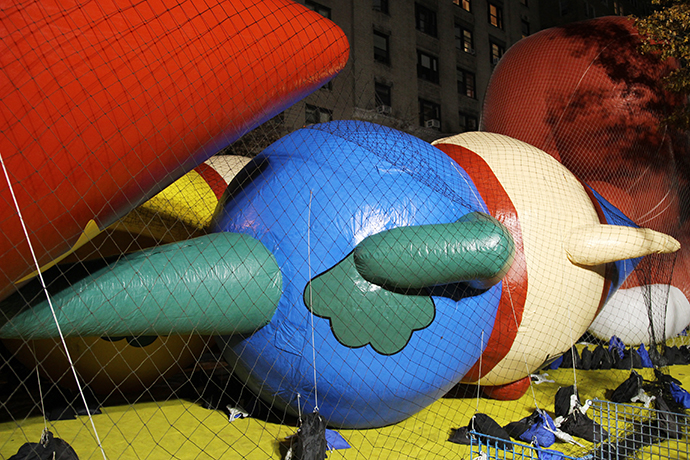

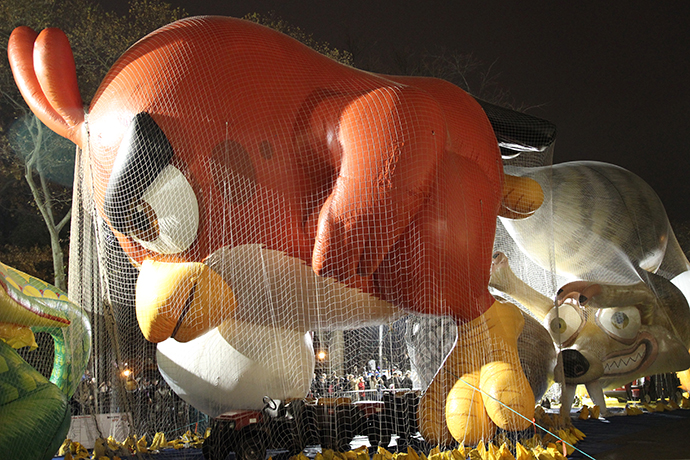


I think I'm a little too old-fashioned (and maybe just too old) to care much about the new(er) character balloons—Trolls, Thomas the Tank Engine, Paddington Bear, Pikachu, The Elf on a Shelf, Diary of a Wimpy Kid, Scrat from Ice Age—but the classic Macy's balloons—stars, pumpkins, elves, the hippo and the Harolds (policeman and fireman)—really feel like Thanksgiving to me. Seeing the balloons did make me a little bit sad that I won't be seeing the parade this year, but then I saw a man in a turkey hat taking a selfie in front of an elf balloon and realized just how thankful I am for this city and this life.

Marine Air Terminal

As part of the Open House New York weekend back in October (before I visited the Treasures in the Trash collection), I finally got to see inside of the Marine Air Terminal at LaGuardia Airport. Originally built for seaplanes, the Marine Air Terminal is the only remaining active airport terminal in the US from the Golden Age of Flight. LaGuardia (a WPA project) opened in 1939, and the Marine Air Terminal opened the next year. It has been on the National Register of Historic Places since 1982, and since 1985 it has been used for shuttle flights between New York and Boston and Washington DC (currently through Delta).


The terminal is very small—especially compared with the current-day airport experience—but it's dripping with flight-themed Art Deco details. While certainly not as grand or unique as Eero Saarinen's TWA Flight Center masterpiece at JFK, the Marine Air Terminal still feels fancy in a way modern airports will never be able to replicate. Illusions to the miracle of flight are everywhere—in the outside tile work, on the entry doors and on nearly every surface of the lobby.

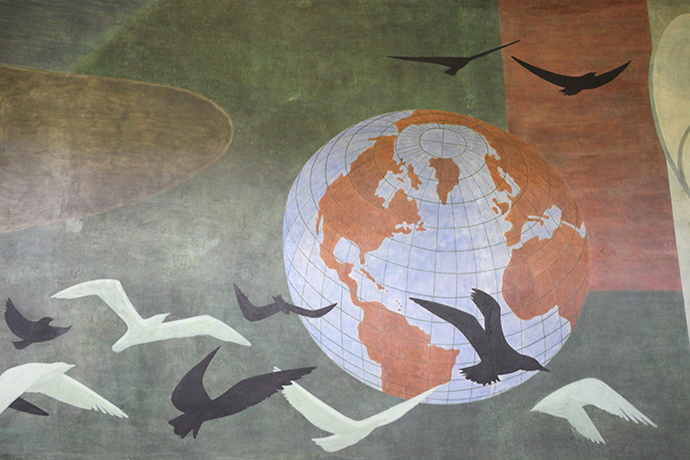


The lobby contains the largest mural curated under the Works Progress Administration—a 12-feet-tall, 237-feet-long painting depicting flight in various forms. It was painted over in the '50s by the Port Authority, but was thankfully restored in the '80s. The Art Deco lettering over the doorways indicating Departures, Restaurant and Telephones proves that lettering doesn't have to be overly complicated to be striking and that utilitarian signage can be beautiful as well as functional. I'm so grateful for Open House New York weekend, and the chance to be able to peek inside such a gem—if only I could go back to 1940 and hitch a ride on the Pan American Clipper.

Mount Beacon
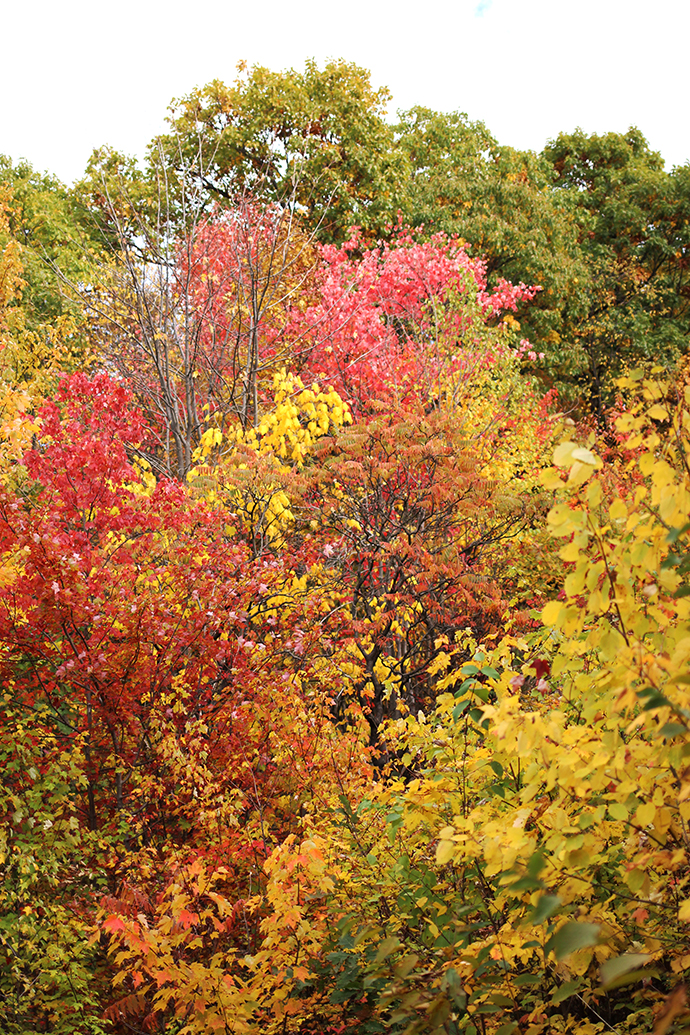
Most years I feel as if I've petted fall to death before the first snowflake even falls, but this year has felt different. Maybe it's the consistently warm weather or the fact that a lot of the leaves in the city still haven't changed yet, but I haven't felt as immersed in fall this year. I mentioned before that this is probably just a consequence of living in New York City—when we took a hike upstate in Beacon, NY in mid-October fall was already in full swing.
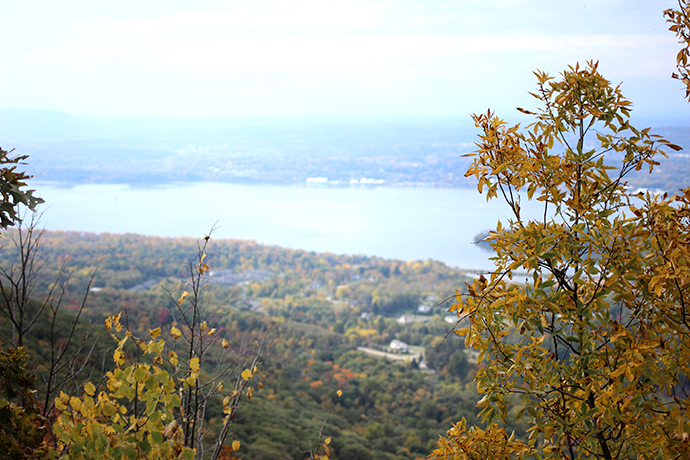
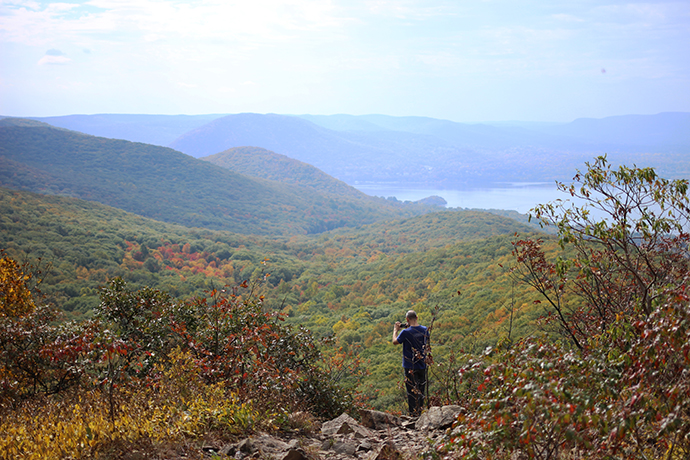
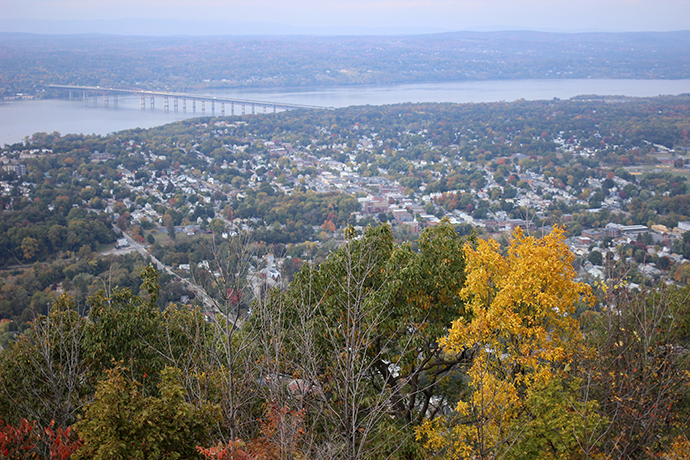

Beacon is about two hours north of the city, on the eastern side of the Hudson River. The Mount Beacon hike that we took was about 2.5 miles total, which doesn't seem that far but it was a tough two miles. Our hikes are usually longer but we had limited time so my dude chose one with maximum impact in a relatively short amount of time. The hike was very steep—it starts out with 200 stairs—but as always, the view from the top was worth it.
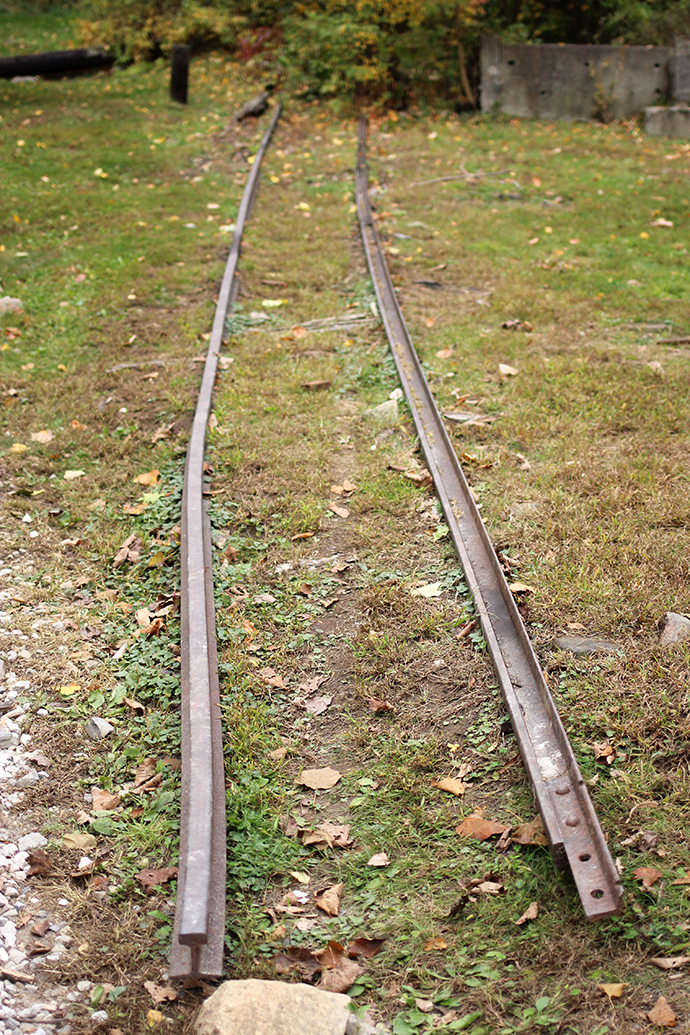
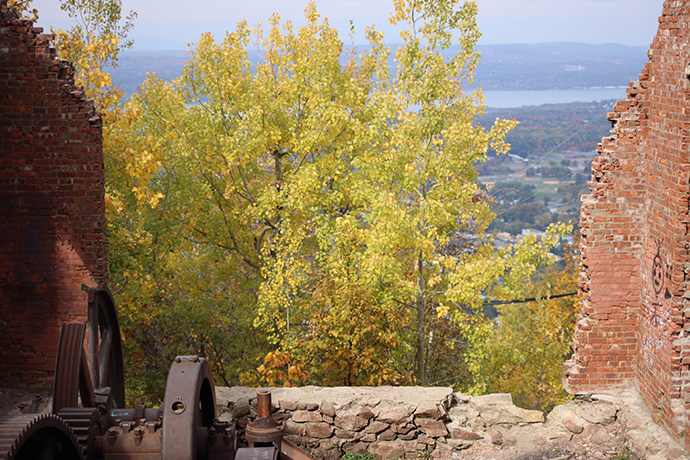
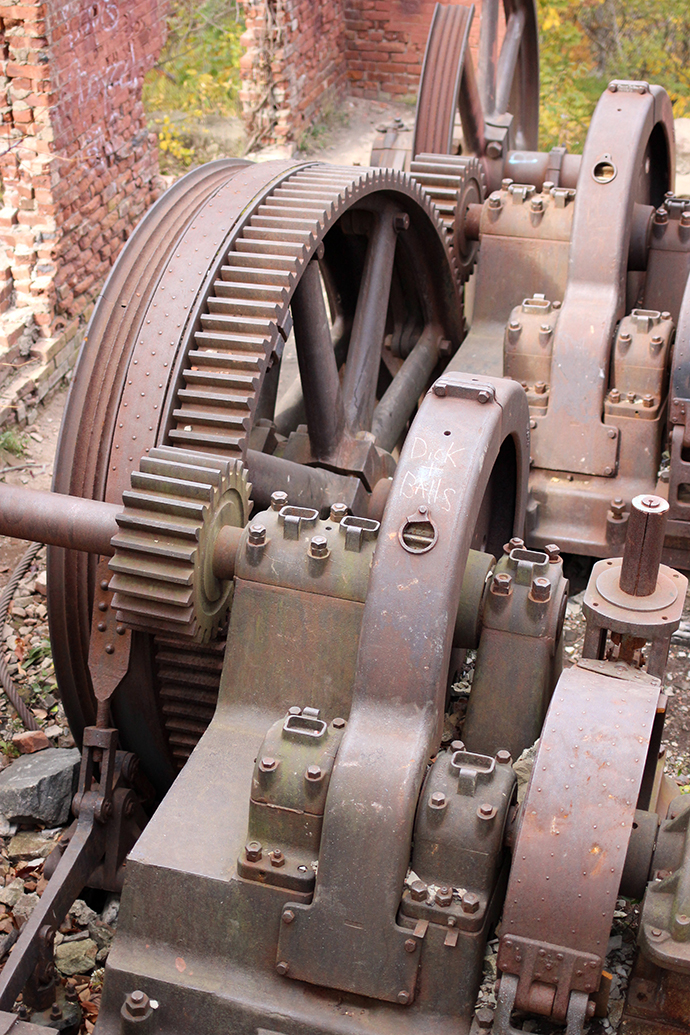
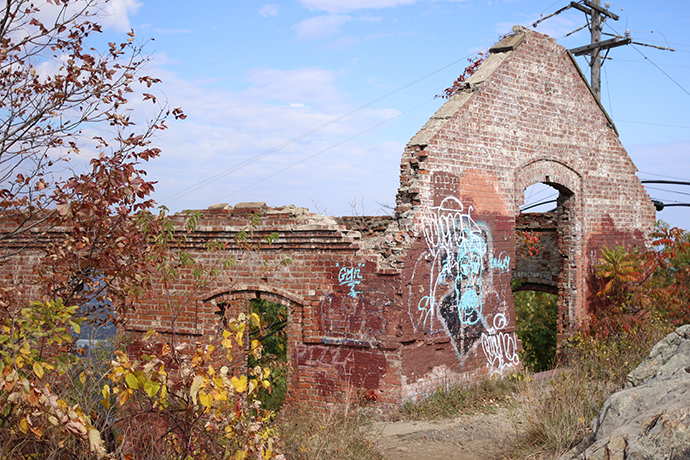
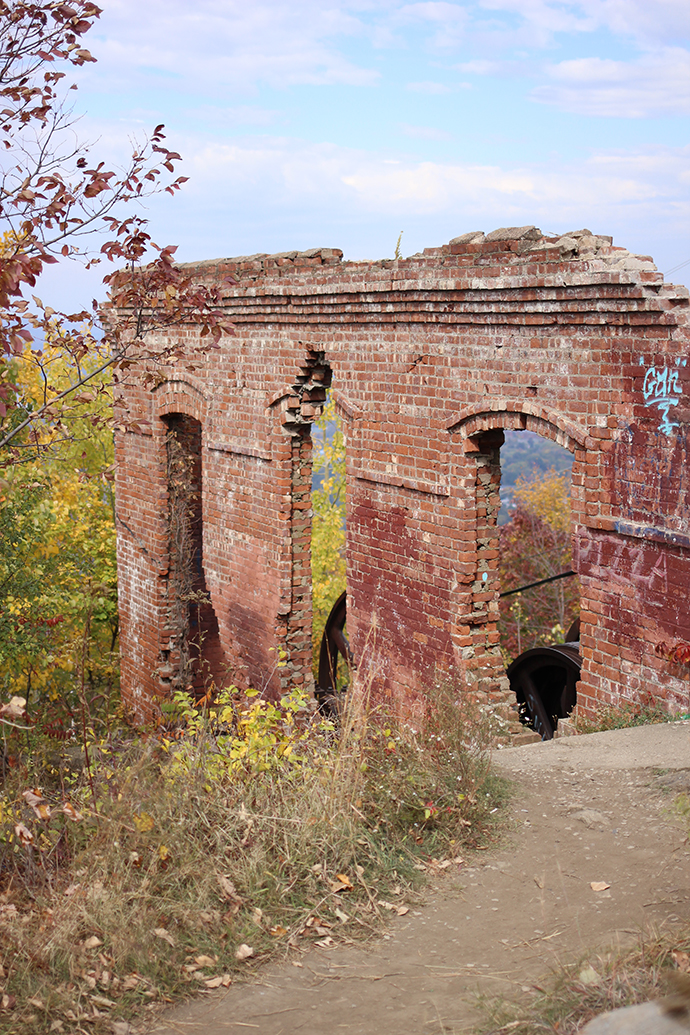
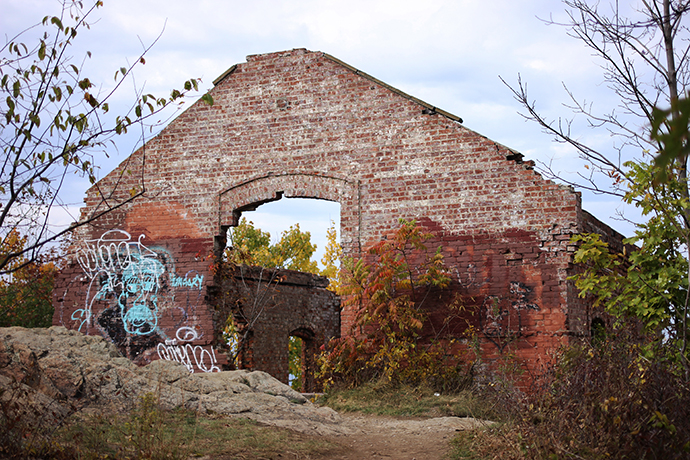
Mount Beacon used to be home to an incline railway, which would take passengers up 1,500 ft to a hotel and casino. The incline ceased operations in the late '70s, but you can still see remnants. The casino and hotel have been reduced to their foundations, but I will immediately agree to go on any hike at the mere mention of ruins.
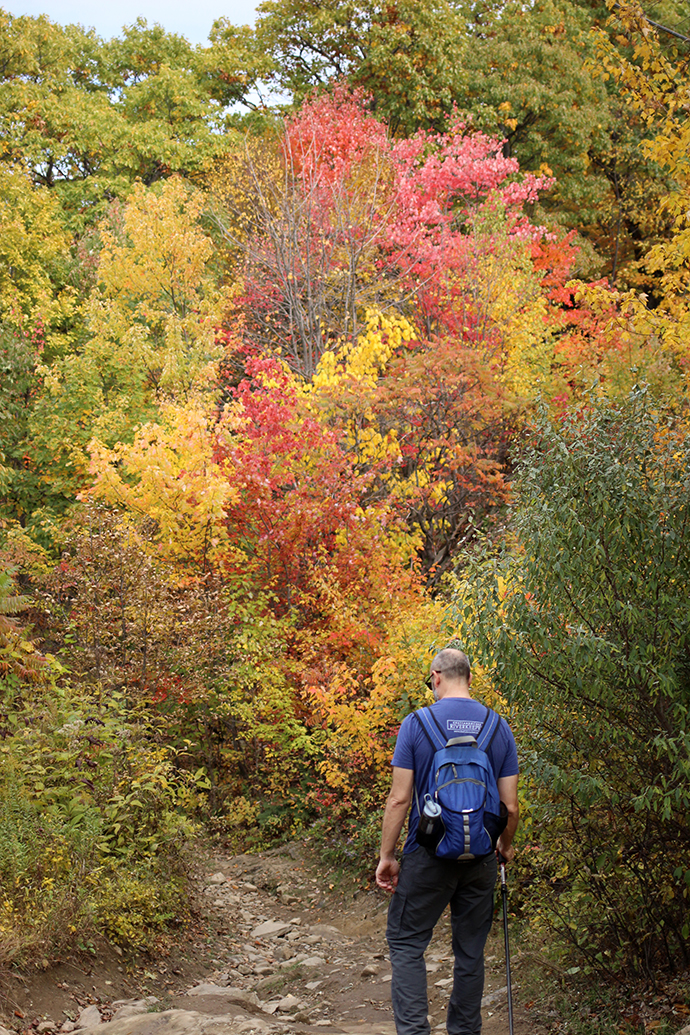


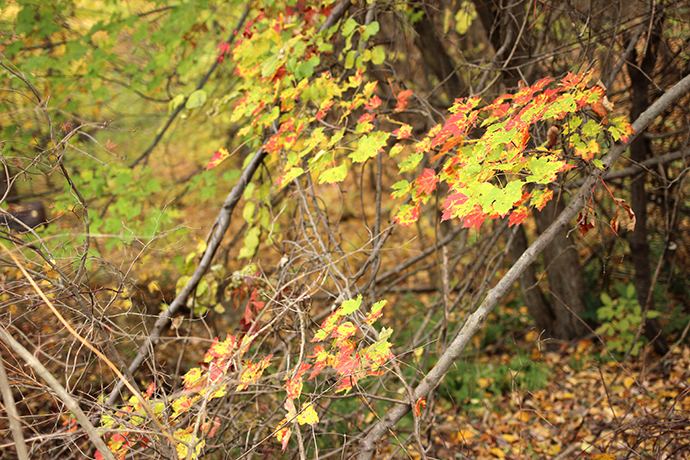


I definitely have something I call "exercise amnesia," meaning that I complain the entire way up (sometimes just in my head, sometimes outloud) and make dramatic claims like "I'm dying." But as soon as we rest for a minute and take in the views, I forget how terrible I felt and I'm ready to do it all over again. There's a specific feeling of accomplishment when you literally climb a mountain that is hard to replicate elsewhere.

Subway Therapy

A day after Donald Trump was elected president (a phrase I still can't believe is real), an artist set up "Subway therapy" in a 14th Street subway corridor. People were encouraged to write down their thoughts on a Post-it Note and stick it to the wall. It has since spread to other spots—a week later there are thousands of messages in Union Square, and people are still adding to the multi-layered, multi-surface creation.
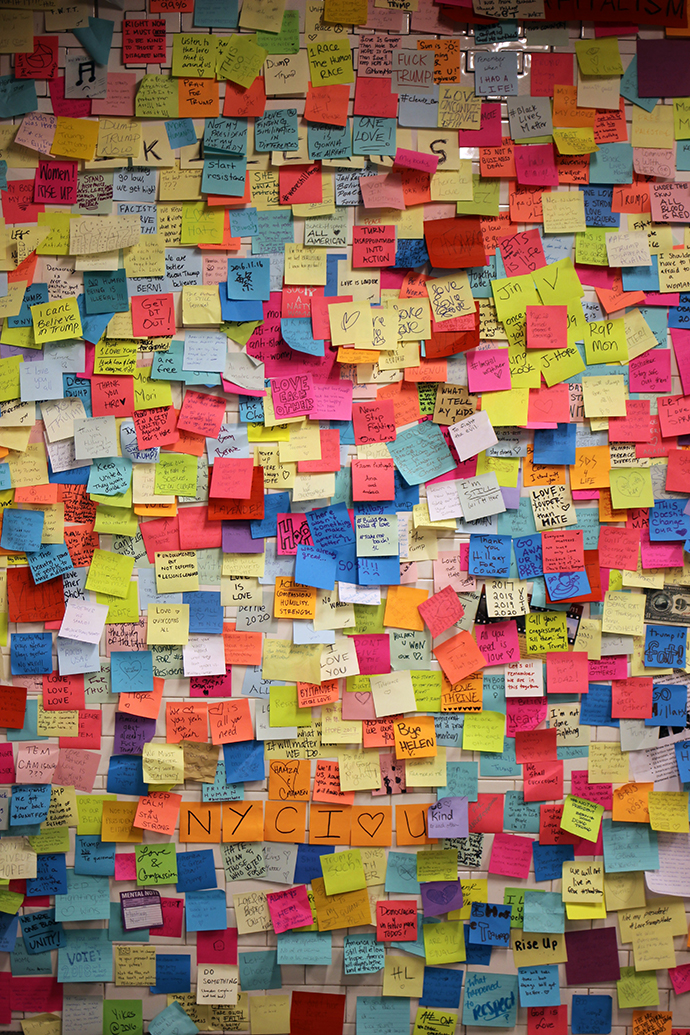


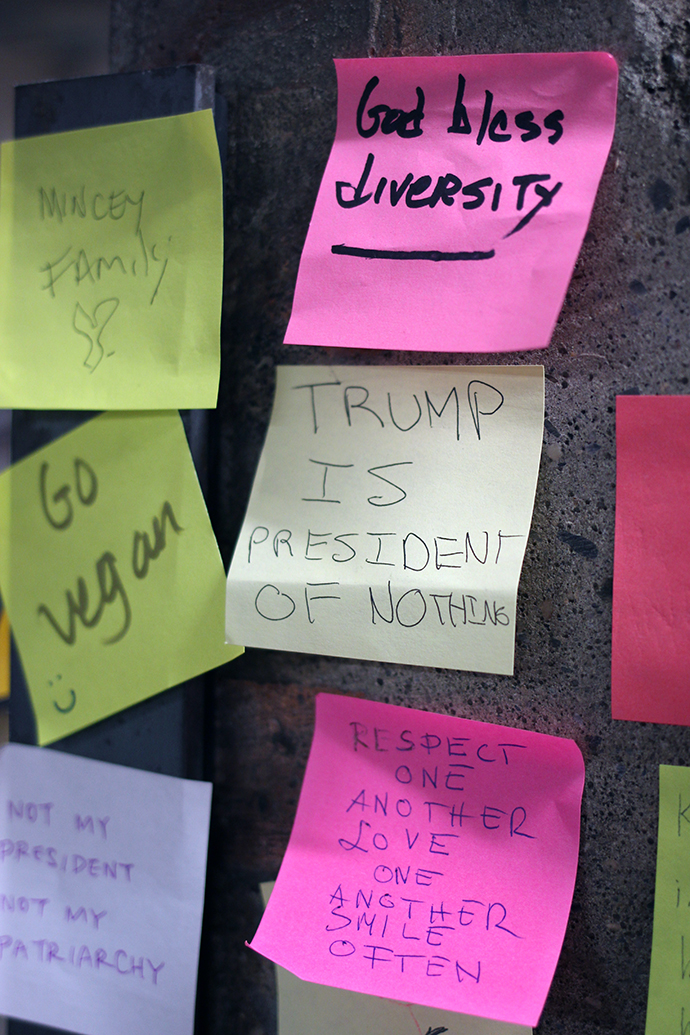


I—like a lot of people I know—was devastated by the election results. We had gone to the Javits Center to celebrate what was sure to be a historic night, and left at midnight before any official announcement, but with heavy hearts. I barely slept at all that night, but I was actually glad to get up and go into work in the morning, knowing that I wouldn't be alone in my grief. As hard as this has been, I can only imagine how hard it would be to weather alone—a minuscule dot of blue in a red state—and I've never been more thankful to wake up in New York City.


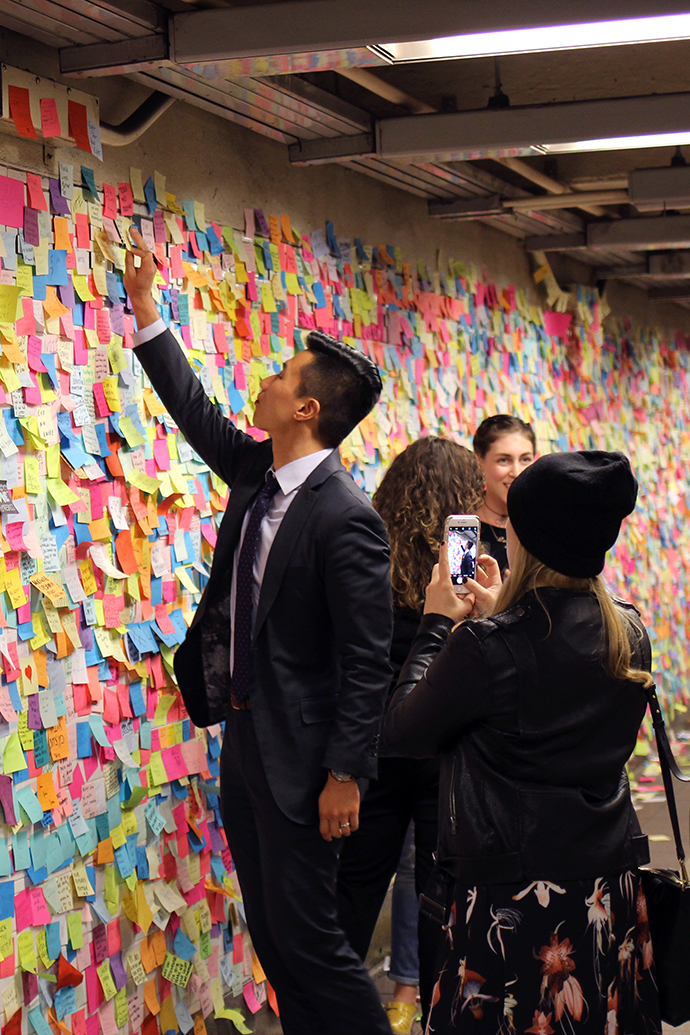


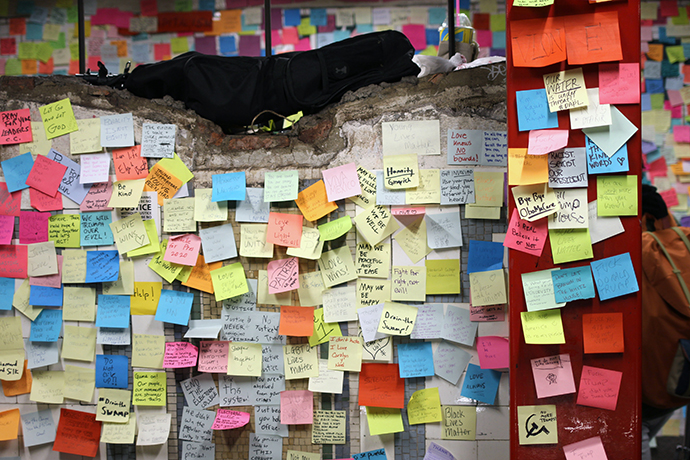

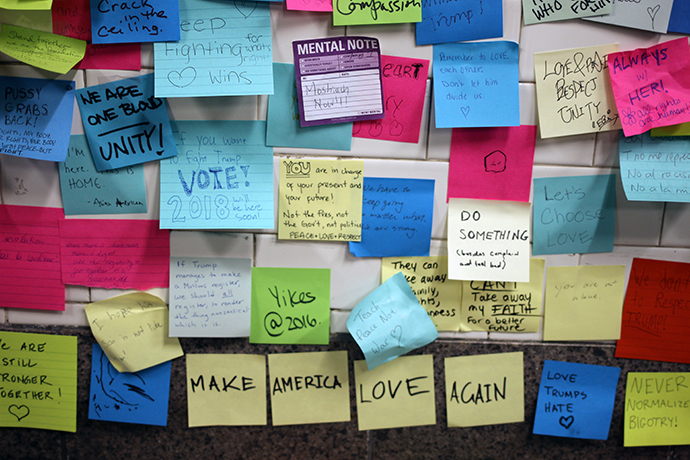
The messages on the wall seem mostly positive, although the "Fuck Trump" sentiment is not underrepresented. Just scanning the messages made me tear up—I know I live in one of those "liberal bubbles" and I'm surrounded by "coastal elites," but it's comforting to know that New Yorkers are generally in agreement about our country's current (and terrifying) situation.


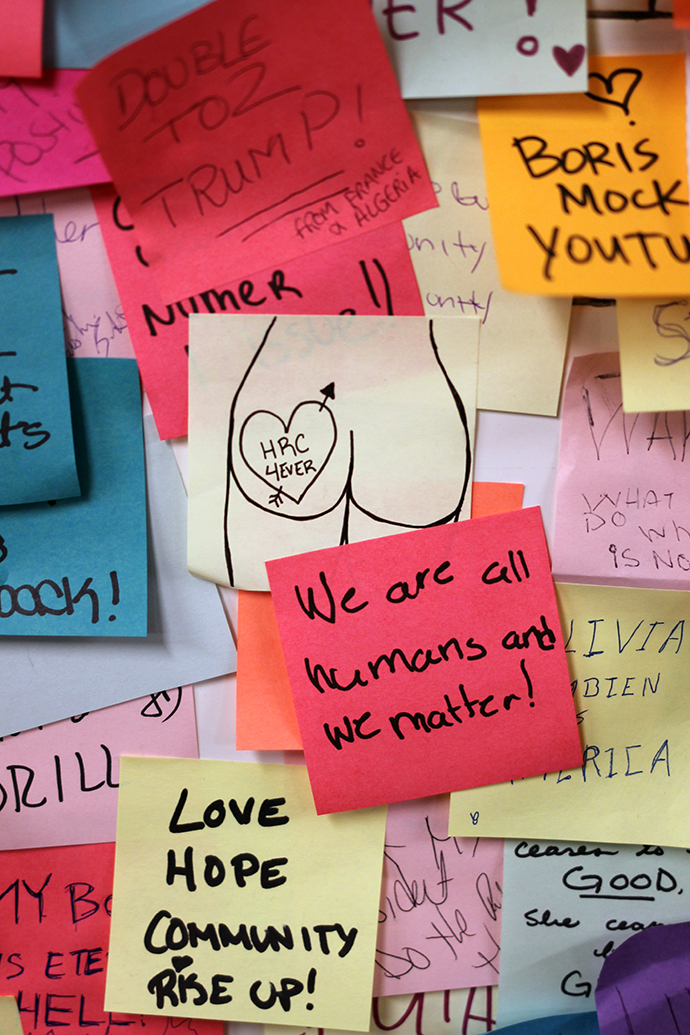


I've been feeling so many emotions this past week, but one of the main ones is helplessness. Everything that has gone wrong or every dreadful thing yet to come seems too large to even really comprehend, let alone stop. I know a few thousand Post-it Notes are not going to stop the fact that Donald Trump is our President-elect, but behind every Post-it is a real, live person—people that aren't willing to remain silent anymore, people that know that love is stronger than hate and people that I truly believe will prove that we are, indeed, stronger together.

St. Michael's Cemetery

I really didn't think that I would still be thinking about St. Michaels Cemetery months after my visit. It's not a particularly old, historic or unique cemetery, and my only reason for visiting was because I'd passed it many times on my way to the airport. But in addition to the huge headless statue population and the large amount of ceramic portraiture, I found some really lovely (and creepy) things at St. Michael's.


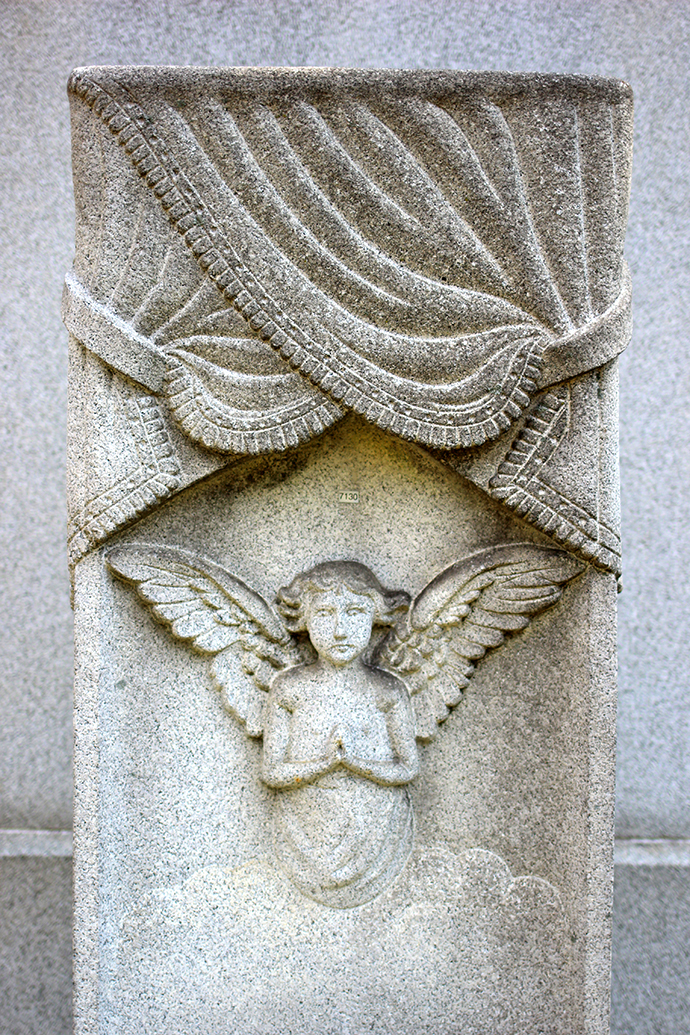
Fall is obviously prime cemetery exploring weather, but when I went to St. Michael's in September it was 90+ degrees. I always have weather amnesia when a new season starts, and find it hard to even comprehend that I was sweating or freezing so recently. It was so hot, actually that I didn't even stay as long as I would have normally, so it's especially fortunate that I found so much so quickly.
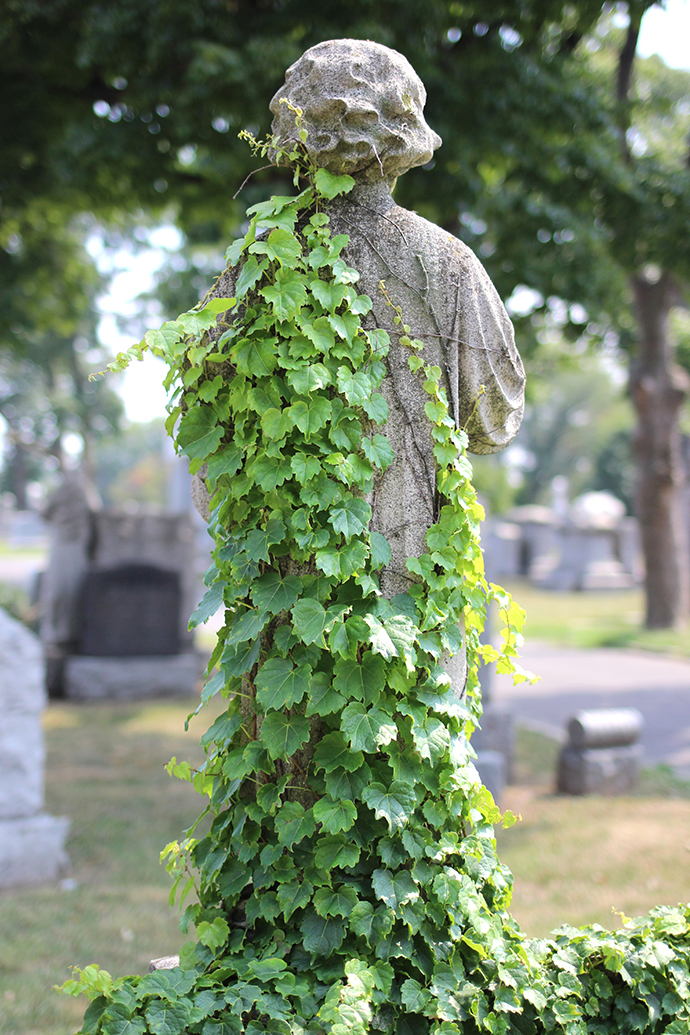
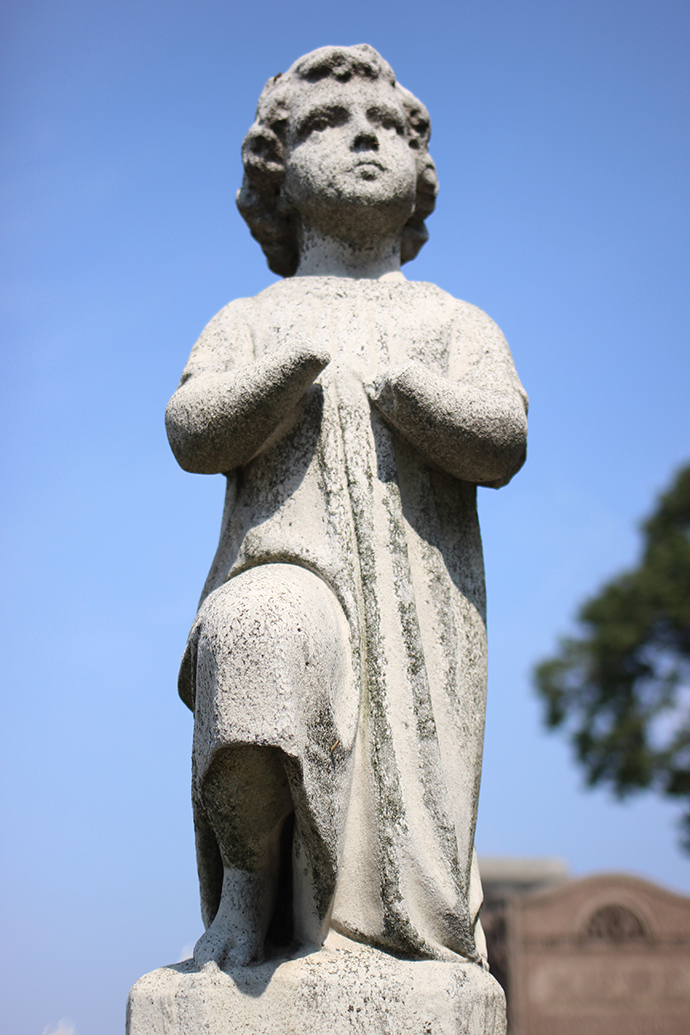


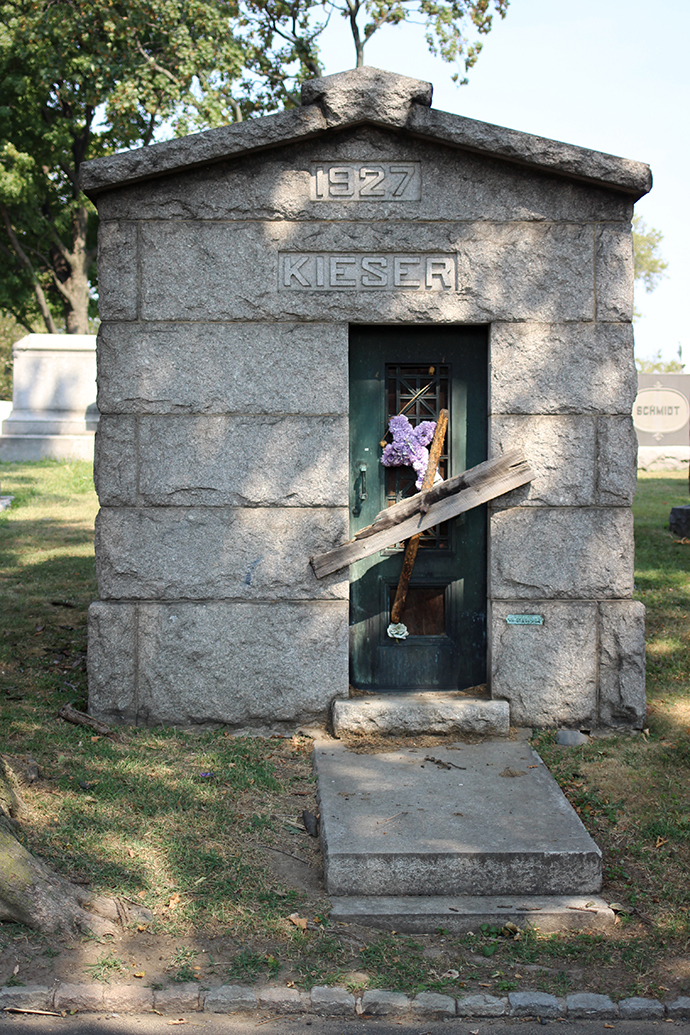


There were a few ivy-covered tombstones and statues, which will forever be my favorite. I love the crumbling and decay present in cemeteries, and I can usually spot a few things even in the most well-cared for of places. I'm still perplexed about the headless epidemic, but I also saw a few boarded-up mausoleums and even a grave that was basically wide open (yes, I peeked inside but couldn't see anything).



I loved the "Our Dear Debby, Daddy Dear and Darling Mama" family, and knowing nothing else about them can be pretty certain that they were wonderful people—at least whoever bought the headstone thought so. I also love that no matter which cemetery I explore, I always find something to pique my interest, whether it's a sweet epitaph, eye-catching name, interesting stone shape or beautiful typography.
Canstruction 2016

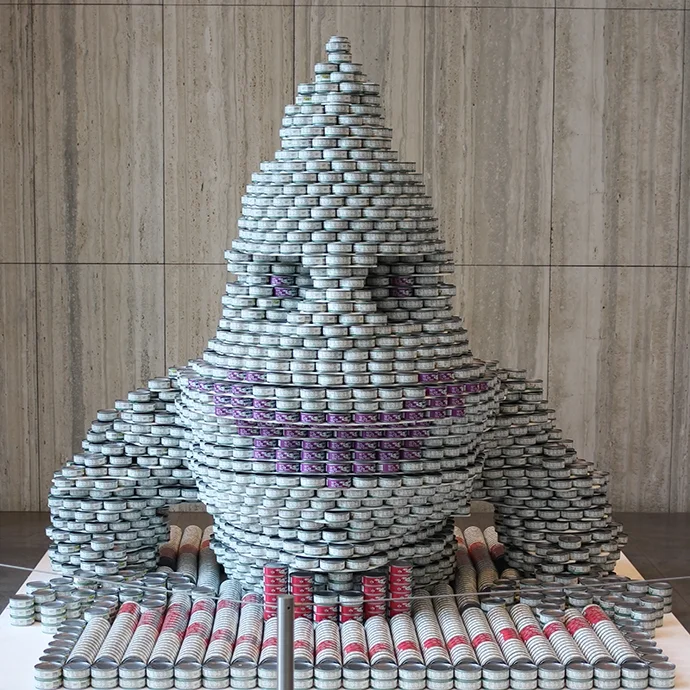
For the third year in a row, my mom and I recently checked out the Canstruction exhibit at Brookfield Place in lower Manhattan. Canstruction is an annual charity art exhibition featuring sculptures made entirely out of canned goods. After the exhibition is over, all of the food is donated to local food banks. It's an easy and fun thing (and free, although a food donation is suggested) for us to do together, and by now it feels like tradition.
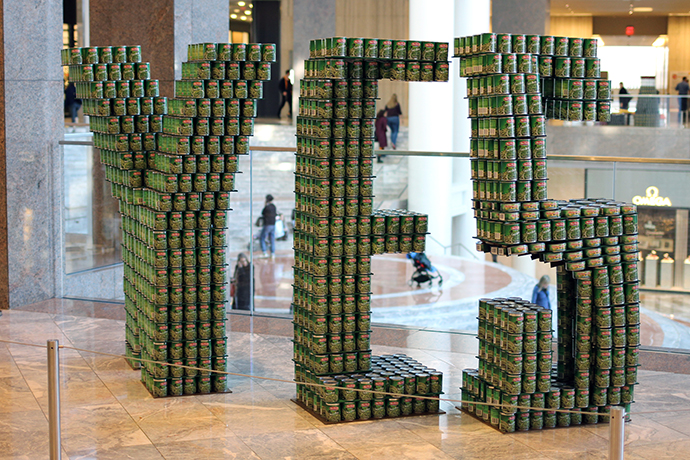

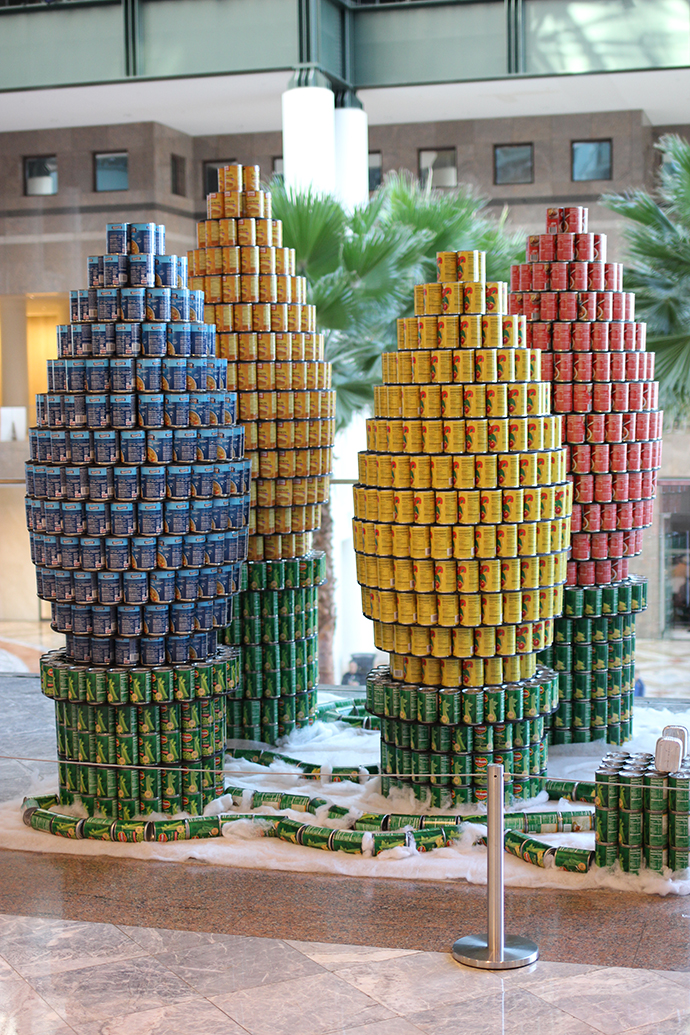

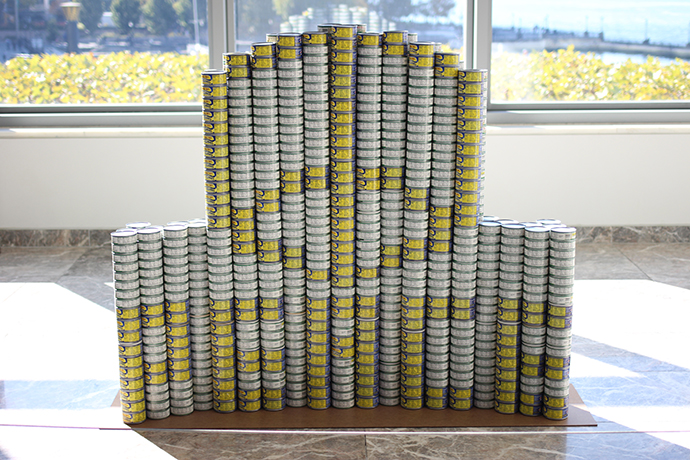
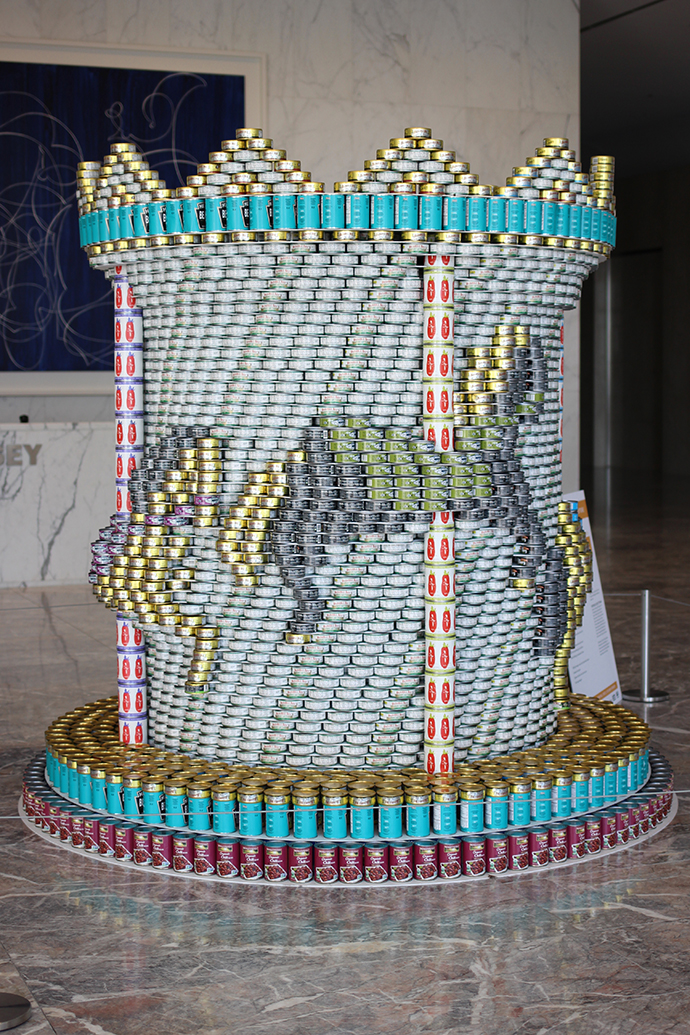

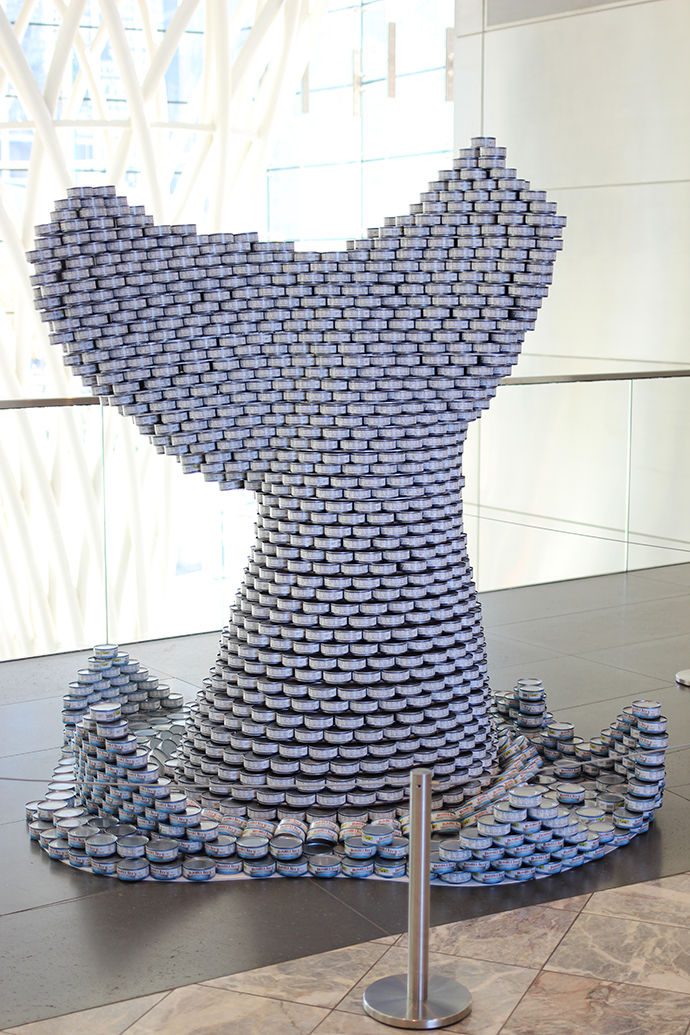
During the past three years Brookfield Place, located across from the World Trade Tower, has also grown into a full-blown retail space, filled with shops and restaurants. My mom and I were laughing at the high-end shops and wondering who actually shopped there, but then we ended up in Aldo trying on shoes and buying purses, so I guess the answer is "us." This year's sculptures weren't as clever or impressive as previous years, but it was still a nice way to spend a leisurely Saturday.
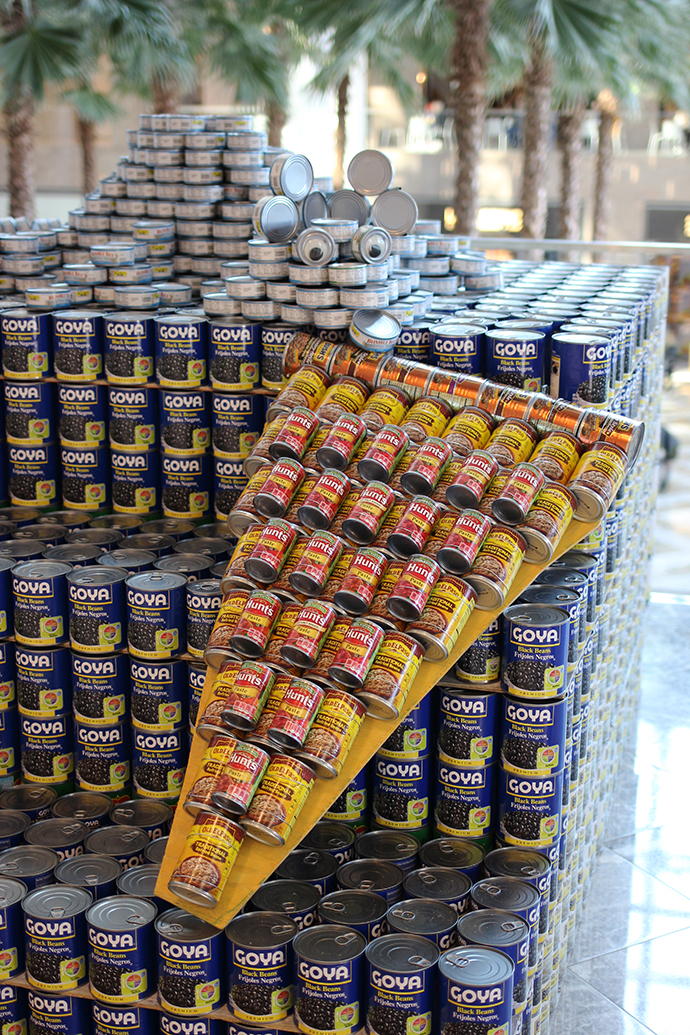
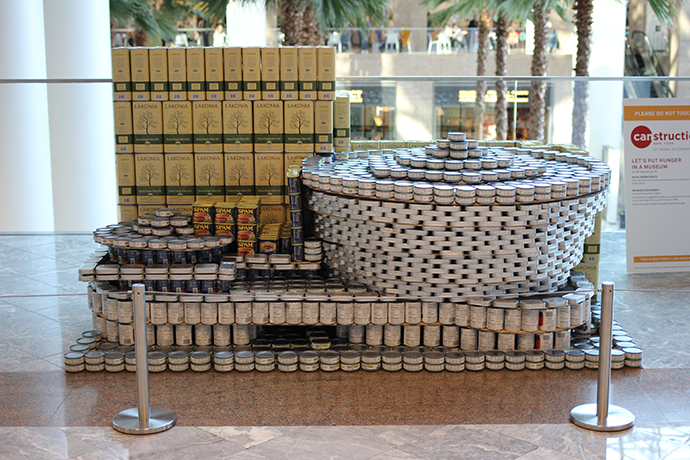
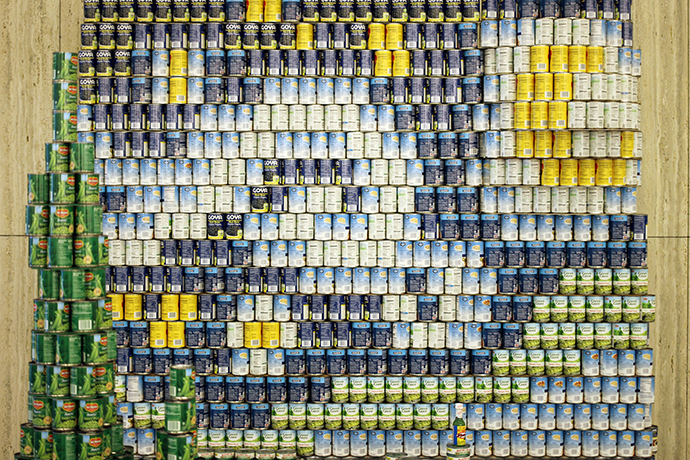
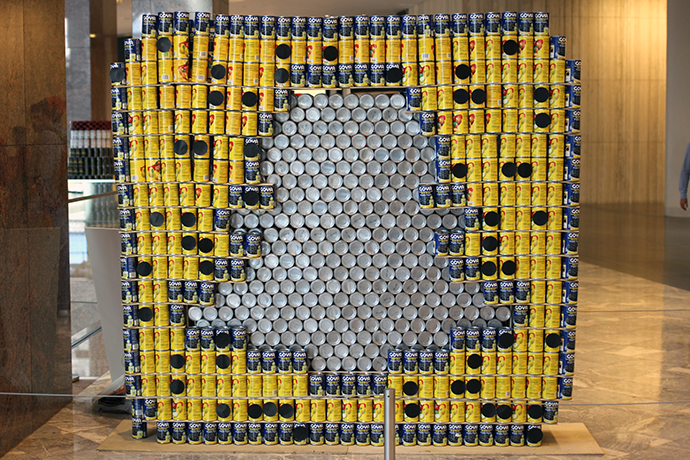
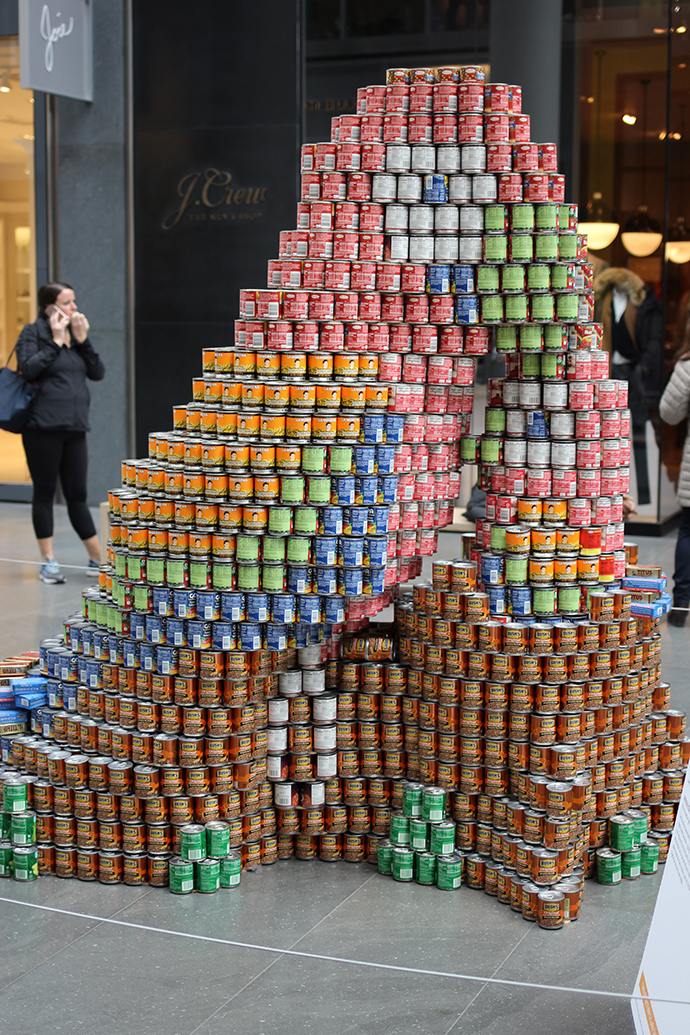

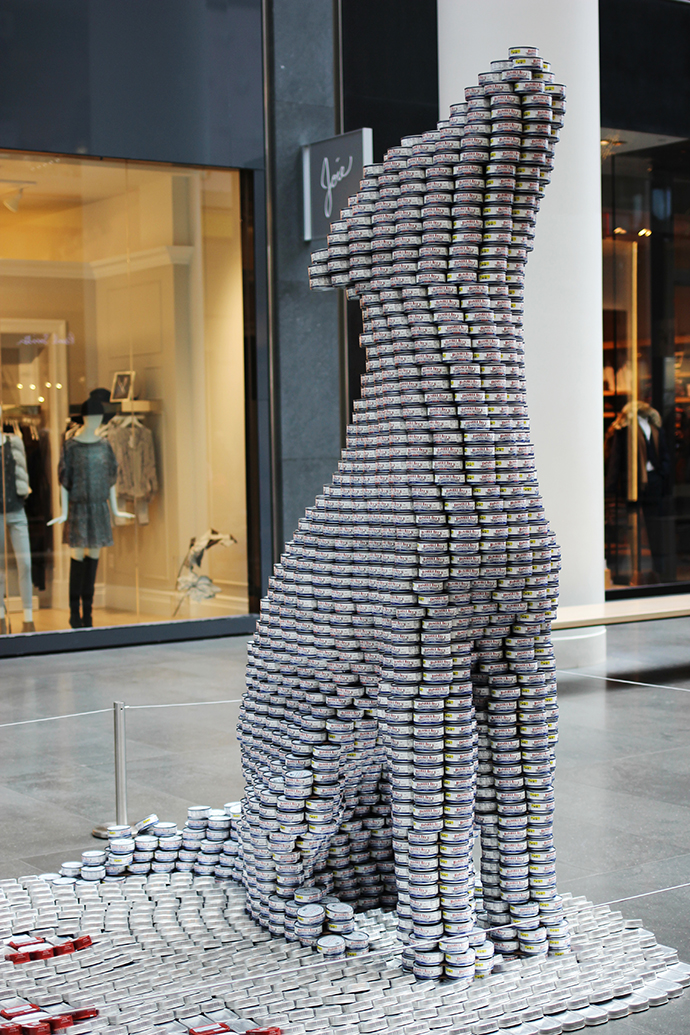
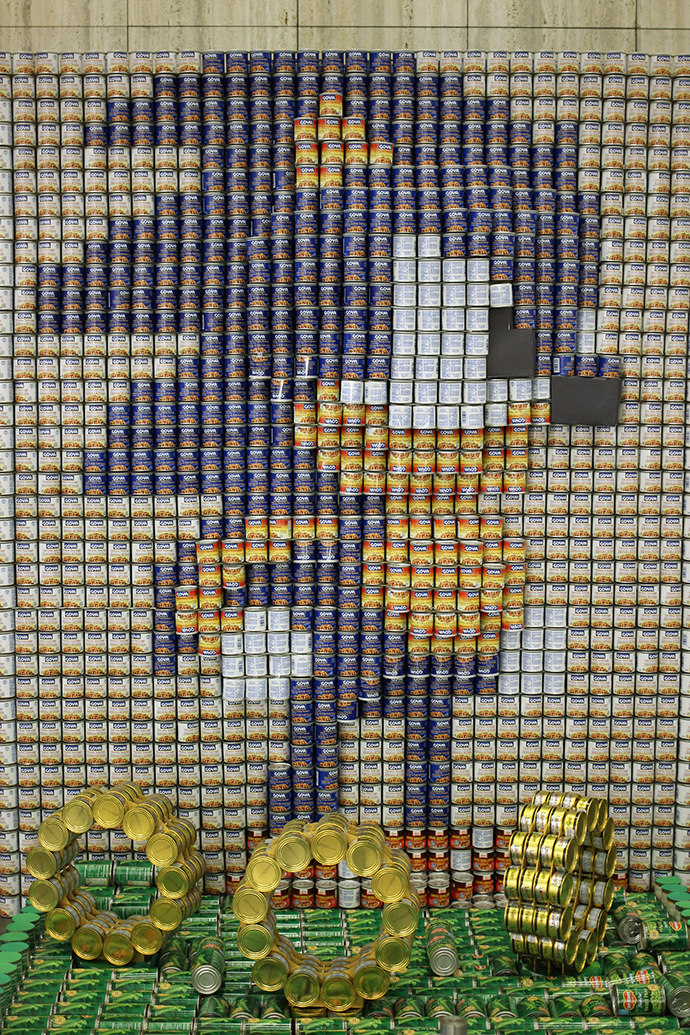
New York-centric sculptures are always my favorite, and Pizza Rat (and his googly eyes) definitely made me laugh. I also enjoy when a team comes up with a clever name (I'm still thinking about the "Sta'tuna' of Liberty") and this year's best pun was the Starry Night by Vincent "Can" Gogh. I wouldn't know where to start in building one of these sculptures, but I do know that the team that built the Guggenheim definitely squandered the opportunity to call it the "GuggenHam."
The most fantastic thing about the New York Botanical Garden’s annual Orchid Show is the orchids themselves