
Archive
- Abandoned
- Alabama
- Arizona
- Bahamas
- Books
- California
- Cemetery
- Climate
- Colombia
- Connecticut
- Diner
- Egypt
- Feature
- Florida
- Friday Fun
- Georgia
- Holidays
- Illinois
- Iowa
- Italy
- Kentucky
- Louisiana
- Maryland
- Massachusetts
- Mississippi
- New Jersey
- New Mexico
- New York
- North Carolina
- Novelty Architecture
- Ohio
- Pennsylvania
- Personal
- Peru
- Project 365
- Protest
- Rhode Island
- Roadside Attraction
- South Carolina
- Tennessee
- Texas
- Travel Guide
- Virginia
- Walks
- Washington DC
- West Virginia
- Wisconsin
The Four Seasons
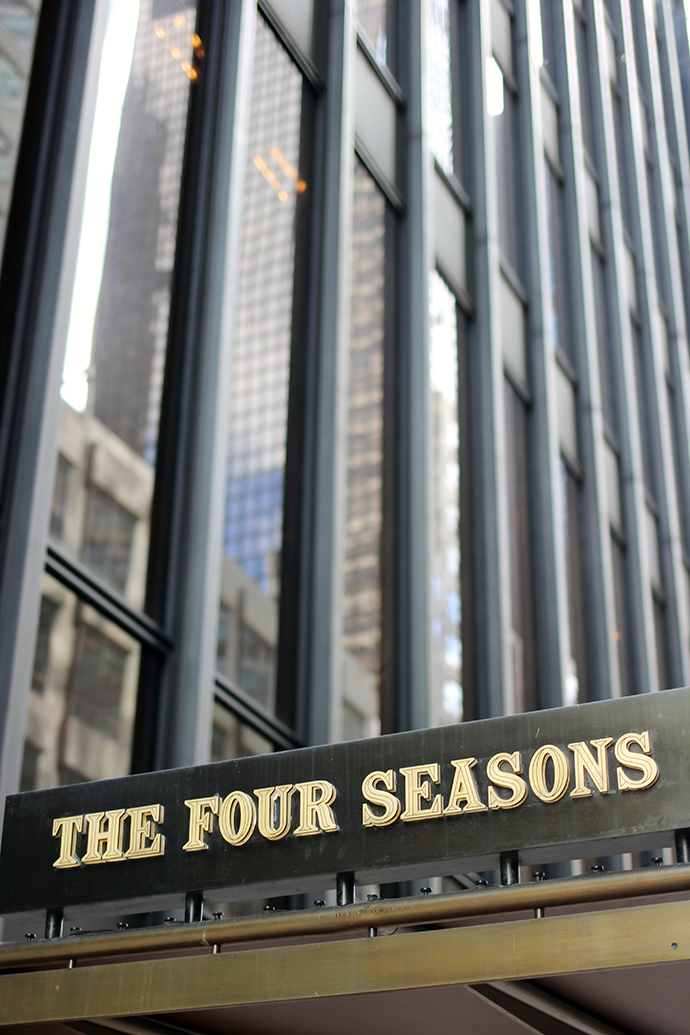
The Four Seasons restaurant, located in the iconic Seagram Building on East 52nd Street opened in 1959, and it will close on Saturday, July 16th. For the past 57 years, the Four Seasons has been the place for the Power Lunch, hosting regulars over the years such as Martha Stewart, the Kennedys, Brooke Astor, Henry Kissinger, Anna Wintour and other titans of publishing, entertainment and politics.
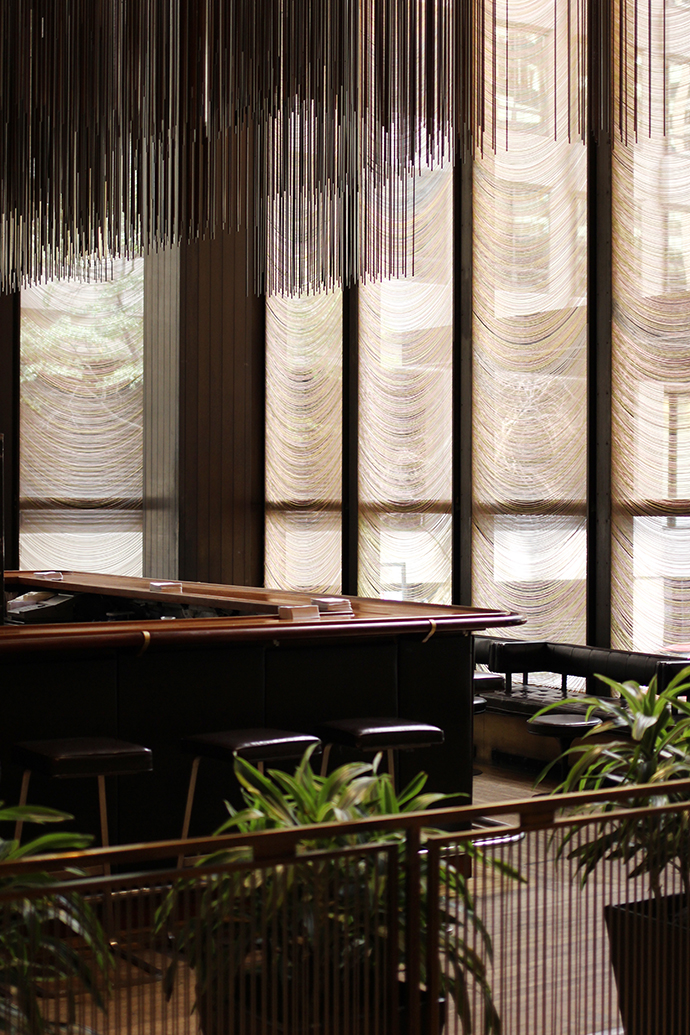
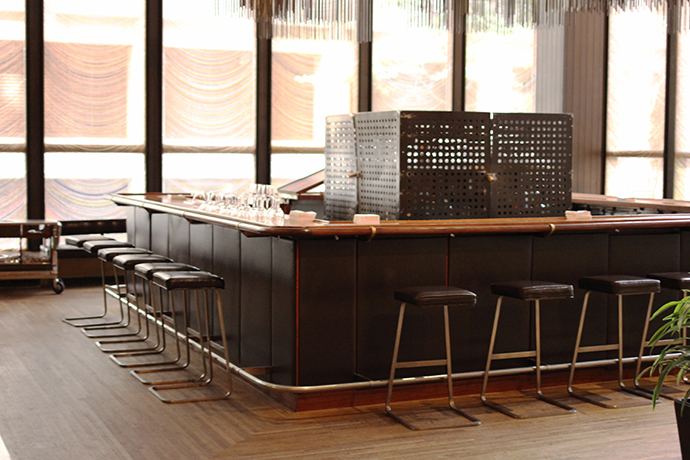
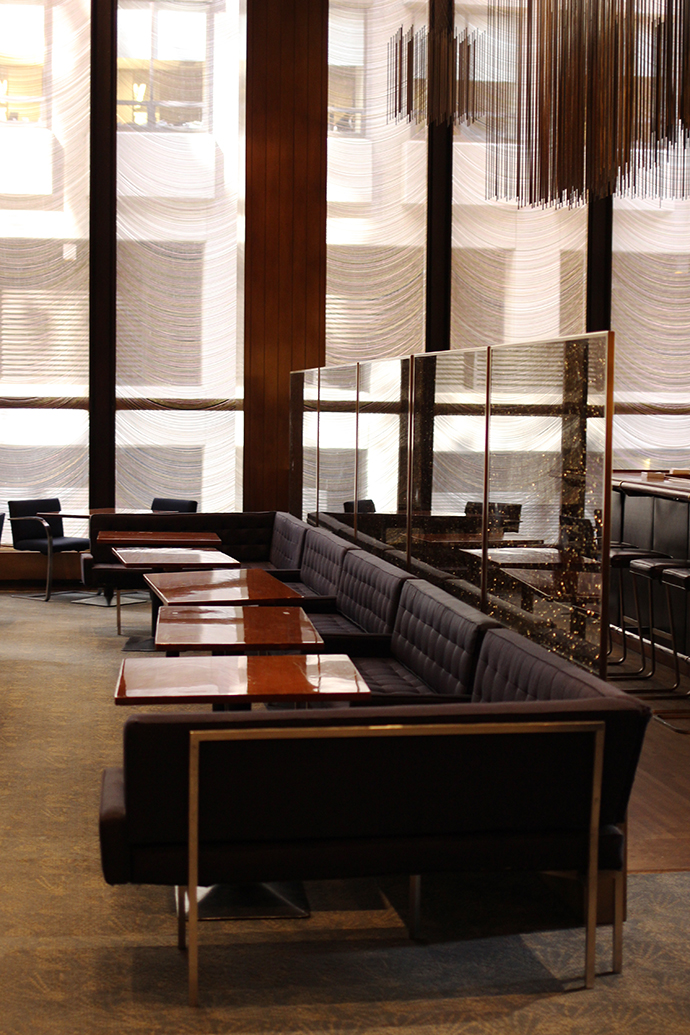
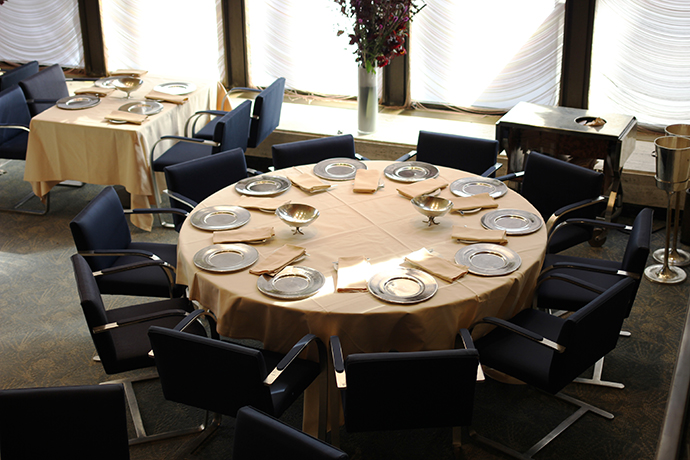
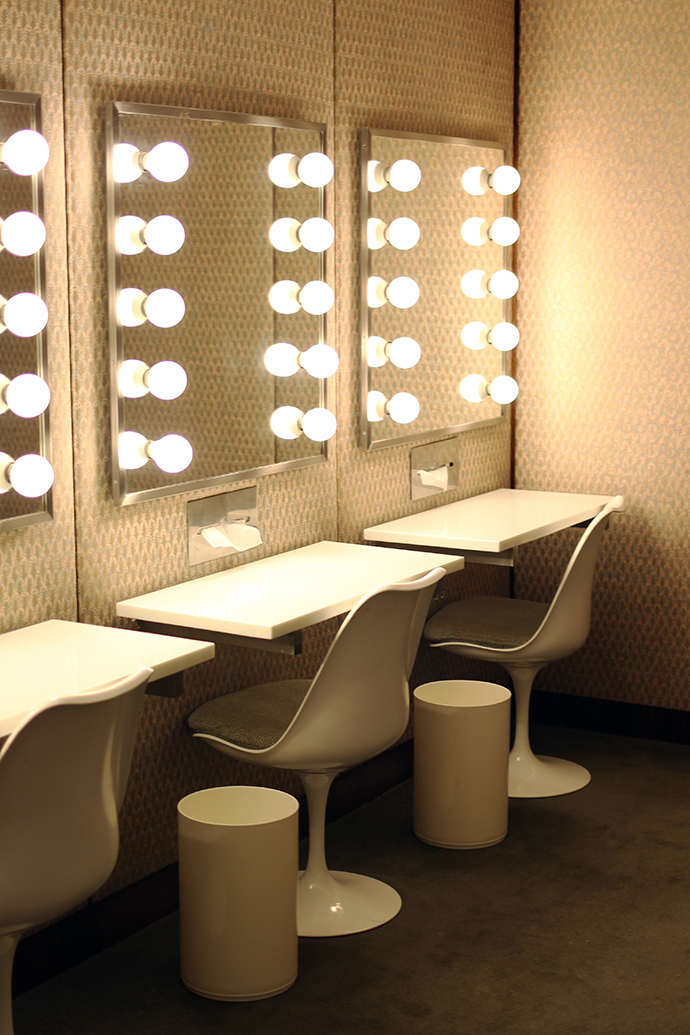
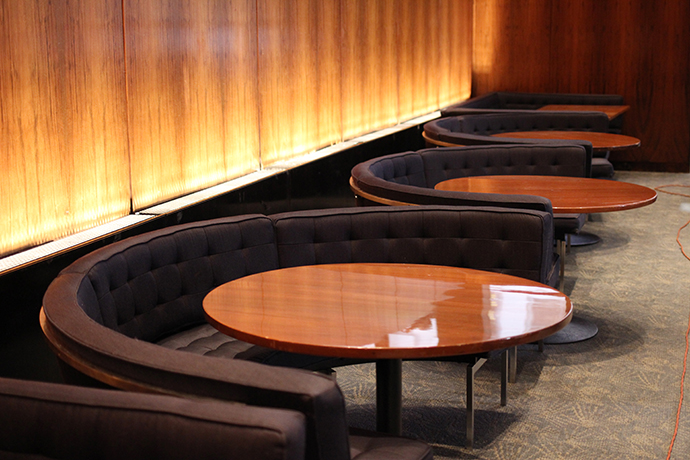
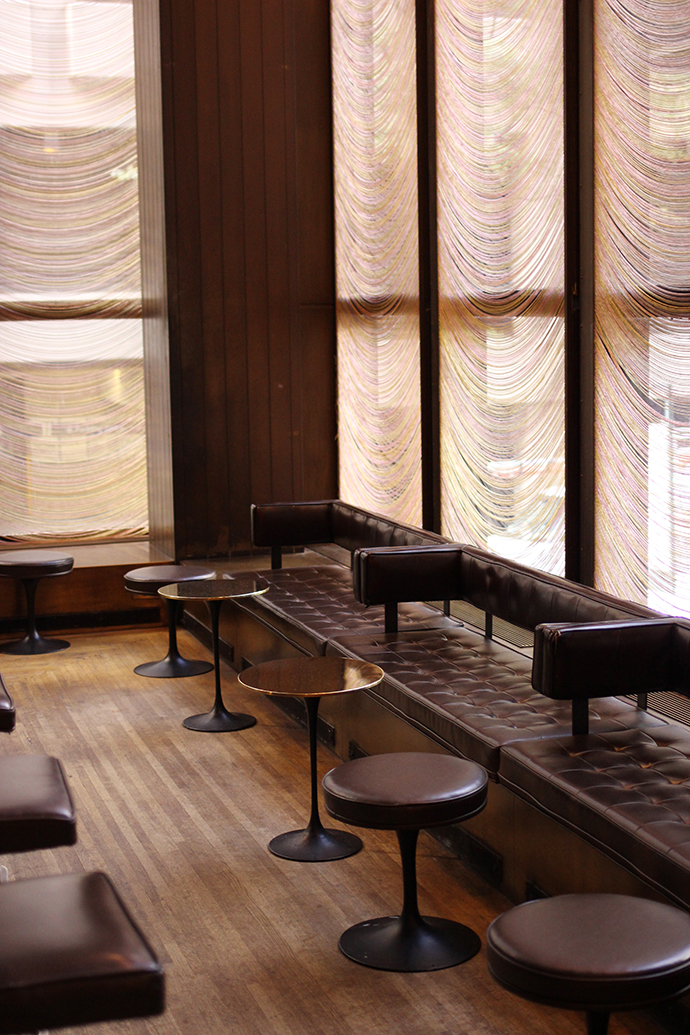
The interior of the restaurant was designed by Philip Johnson and Mies van der Rohe, and was designated as an interior landmark in 1989. The restaurant's lease, however, is not being renewed and they will vacate the space on Saturday and auction off its entire contents ten days later—including Mies van der Rohe and Hans Wegner chairs, Eero Saarinen Tulip tables, Philip Johnson sofas, tableware and cookware by L. Garth and Ada Louise Huxtable.
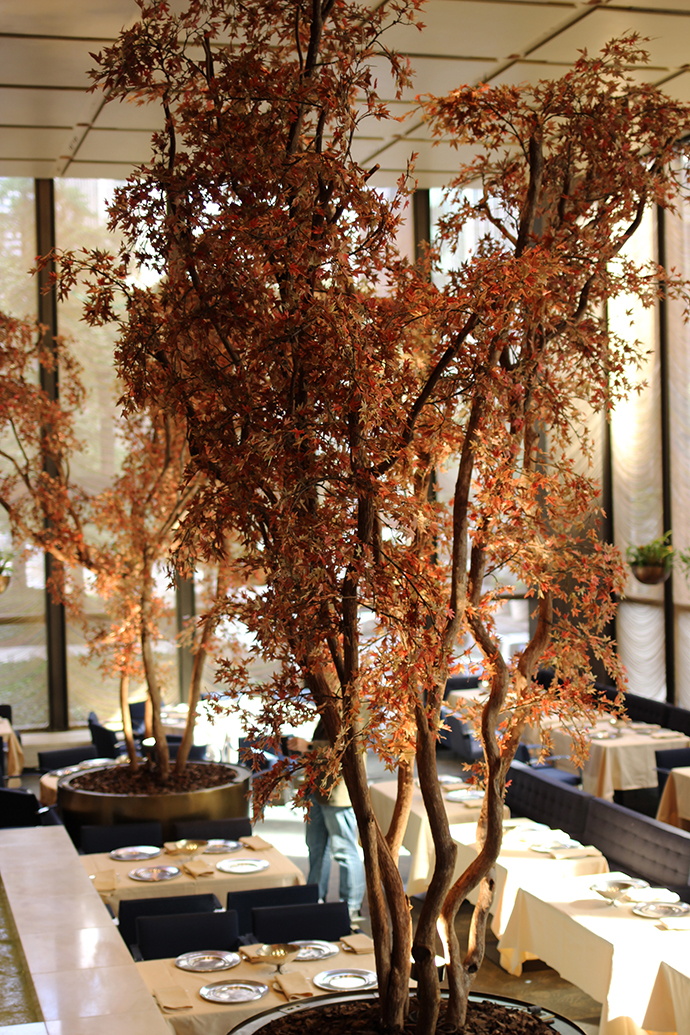
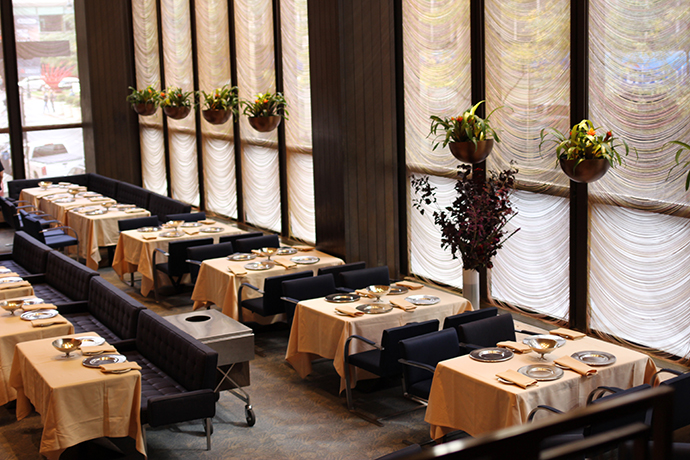
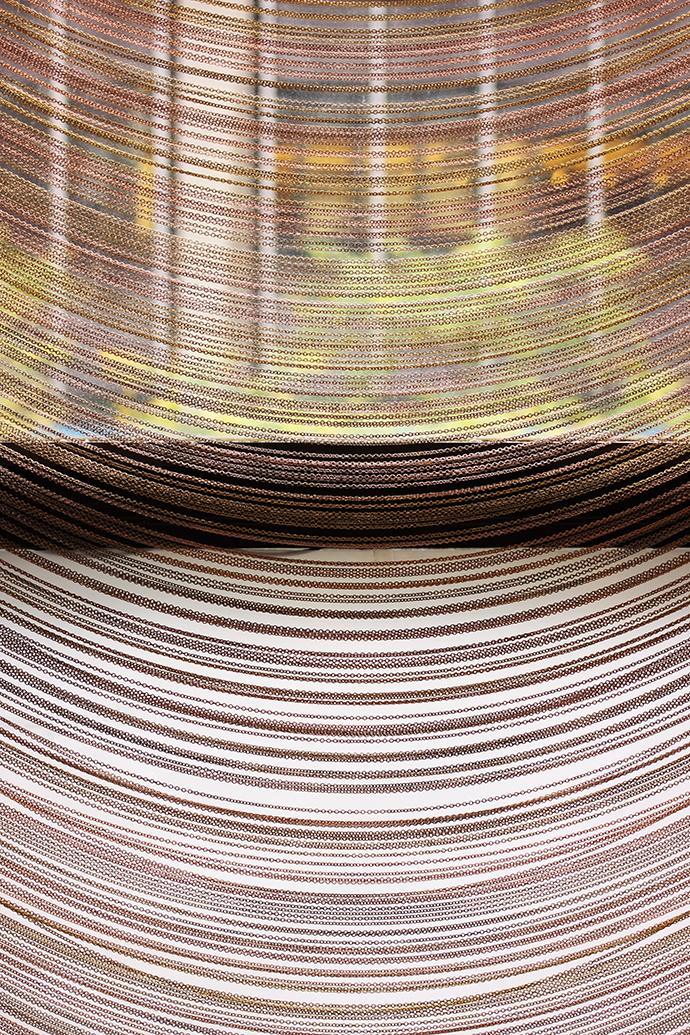
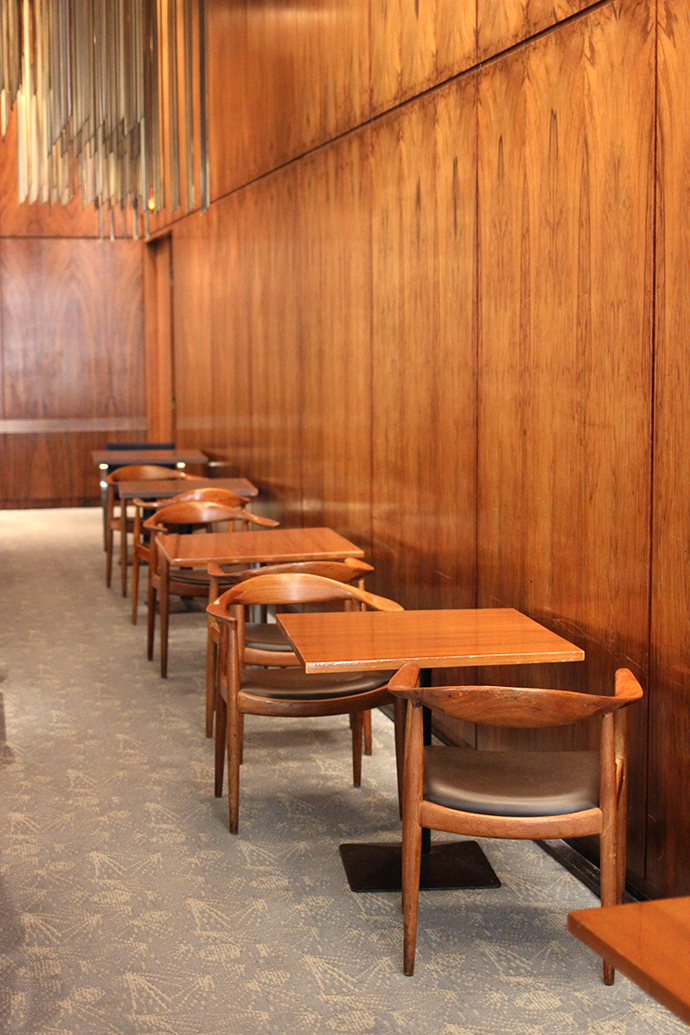
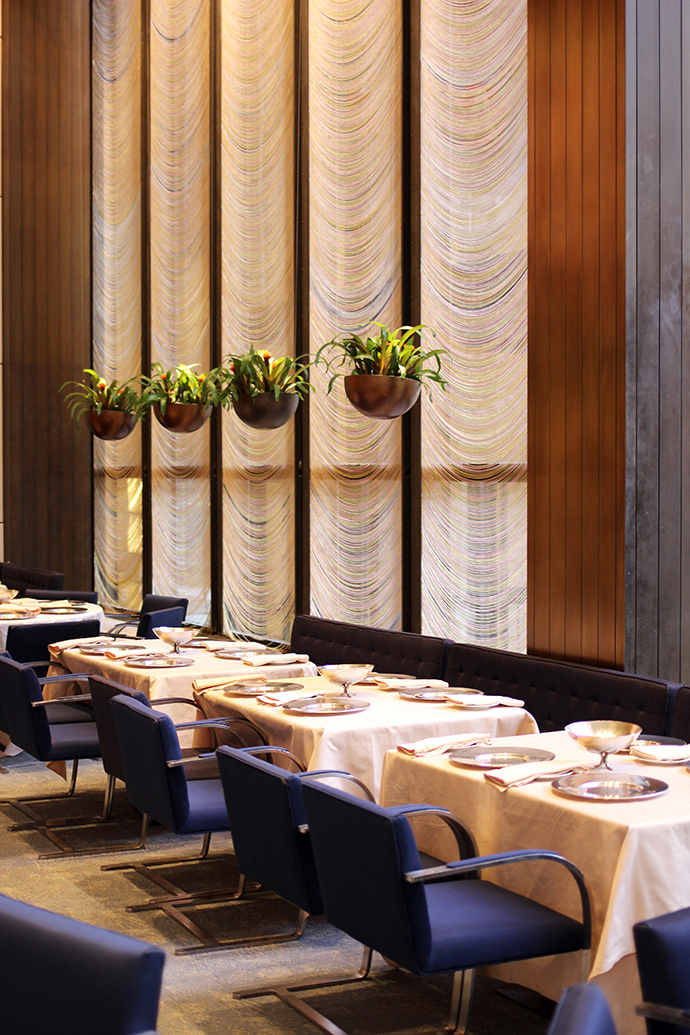
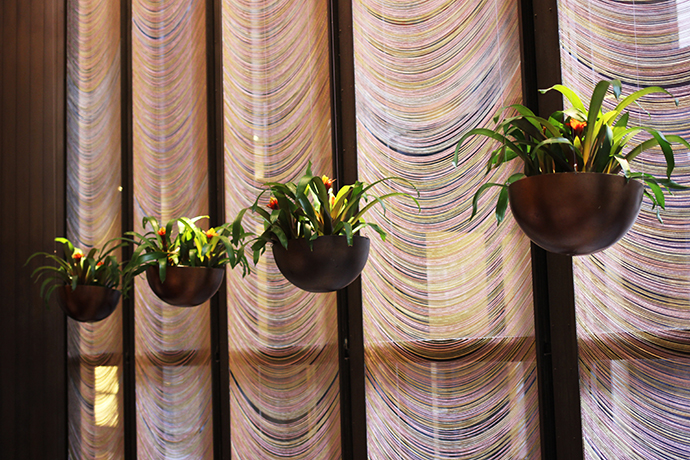
Luckily, we had an opportunity back in October to visit the Four Seasons during Open House New York weekend, and I realized recently that I had never shared my photos. At the time, the restaurants fate was uncertain, but now that everything—not protected by its interior landmark designation—will be scattered to various collections, our visit has taken on a new significance.
When you walk into the Four Seasons you feel like you've traveled back in time, to an era of three-martini lunches, where people dressed up because they cared, where air travel was a luxury—and luxurious—where business deals were made in person and not through email.
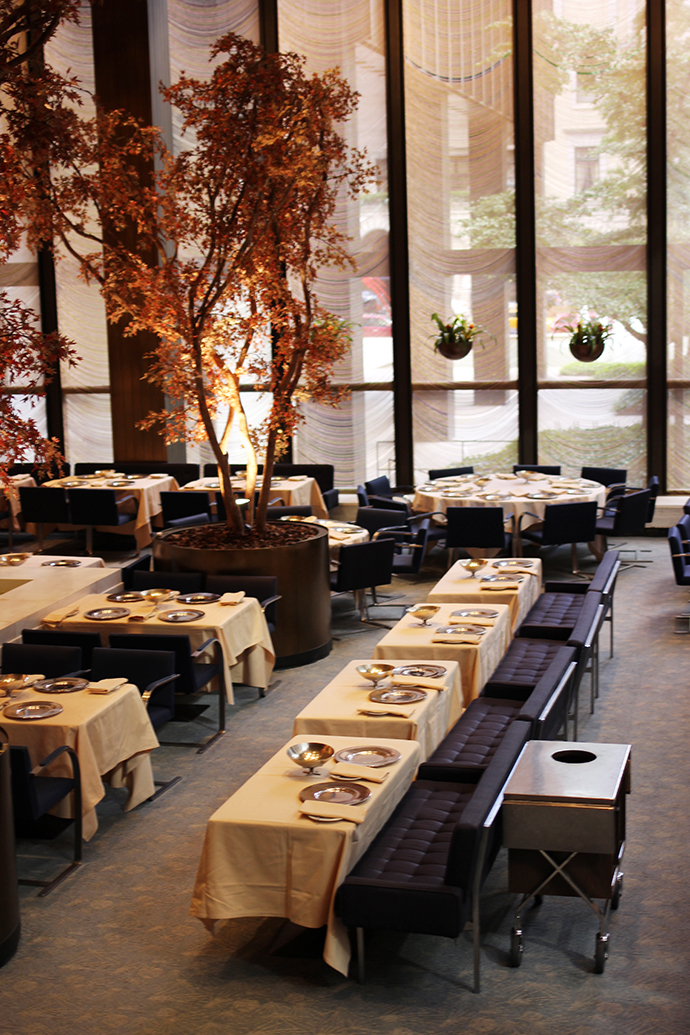
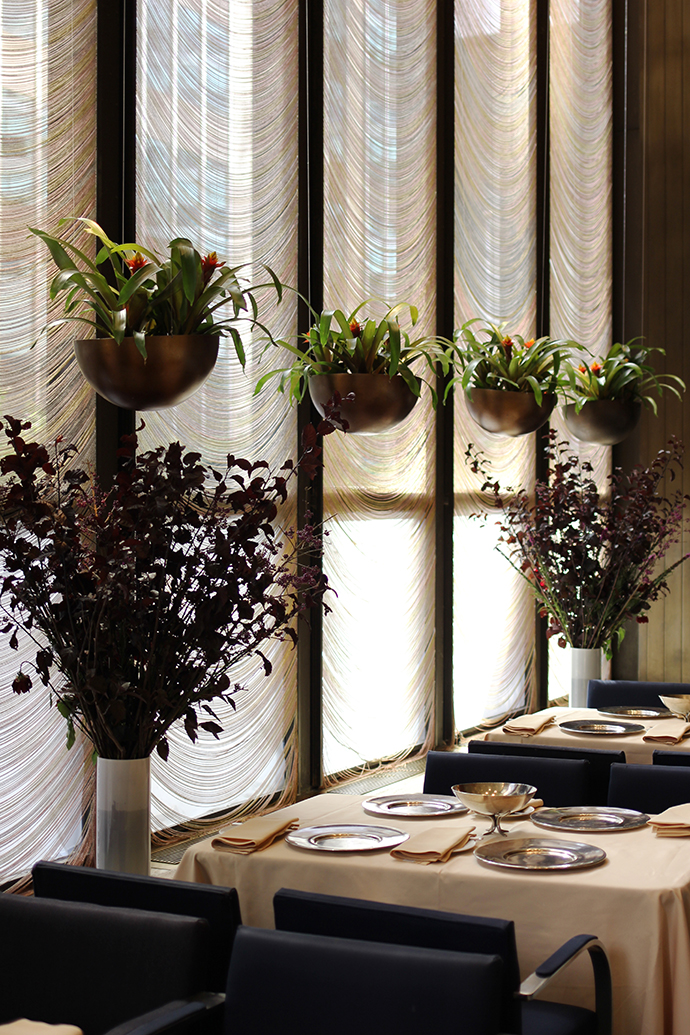
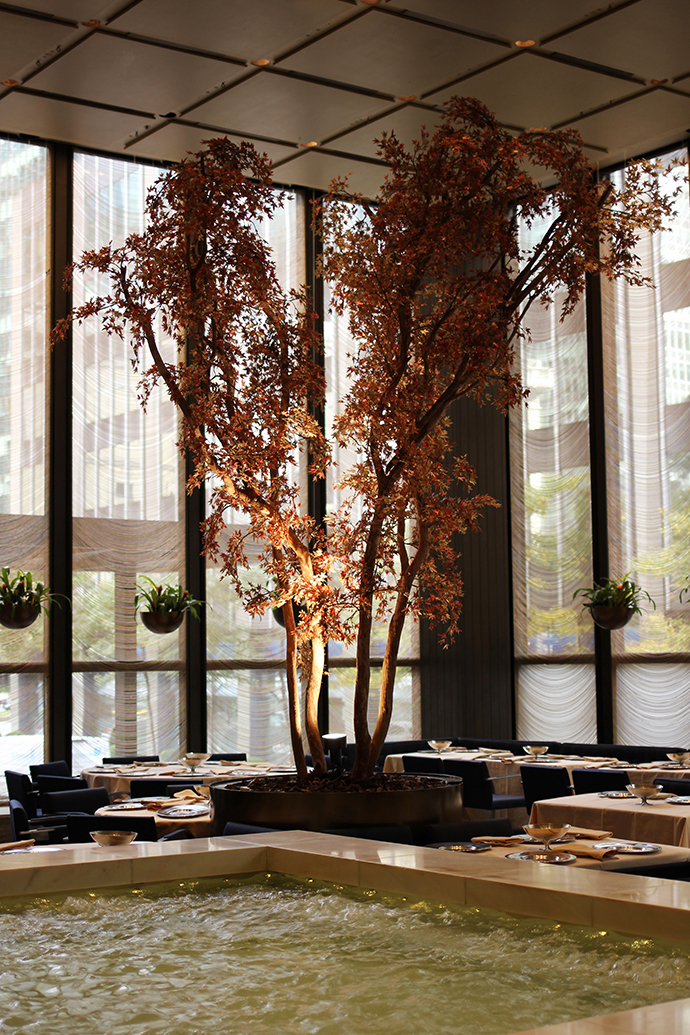
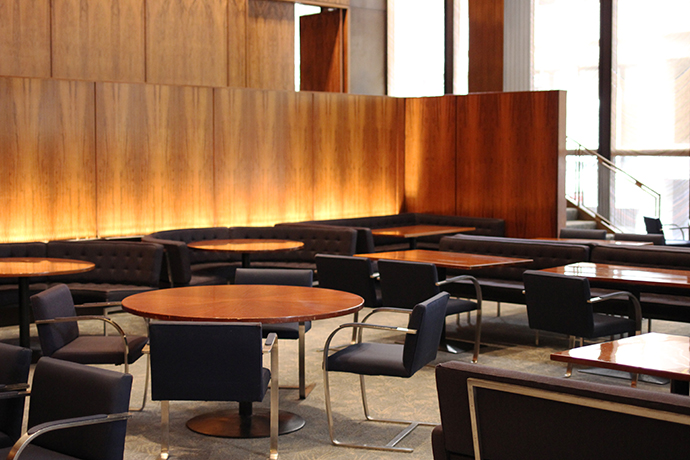
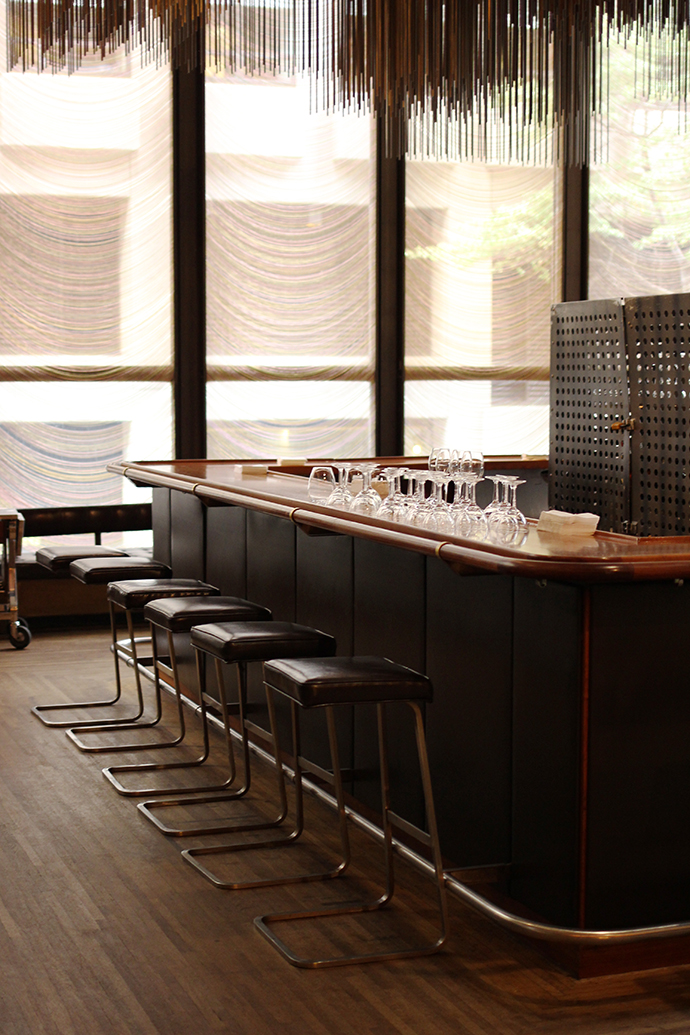
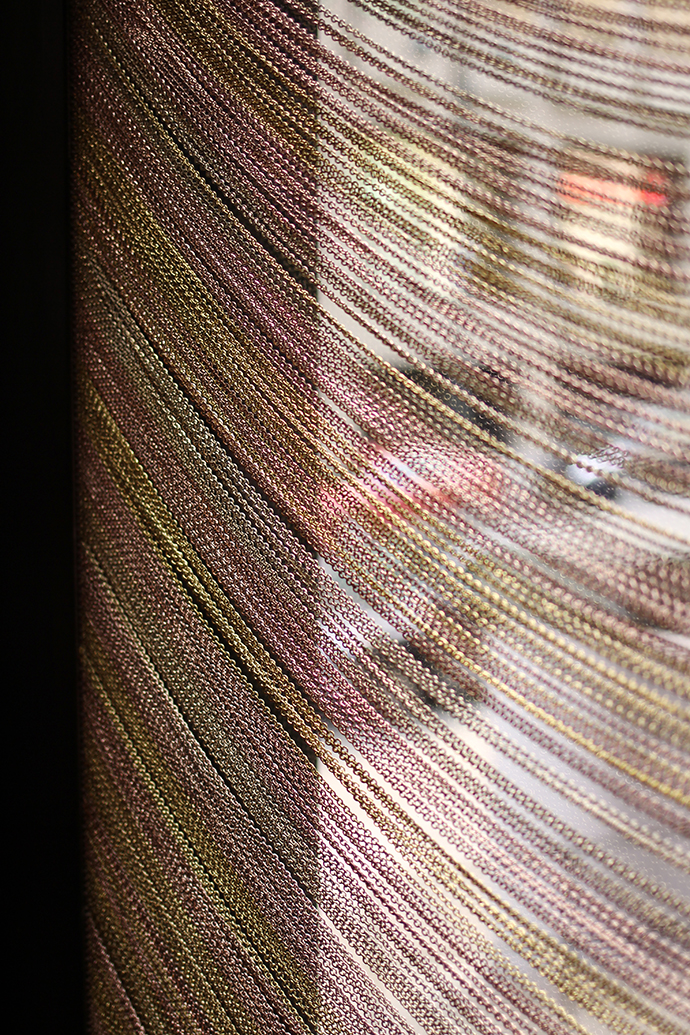
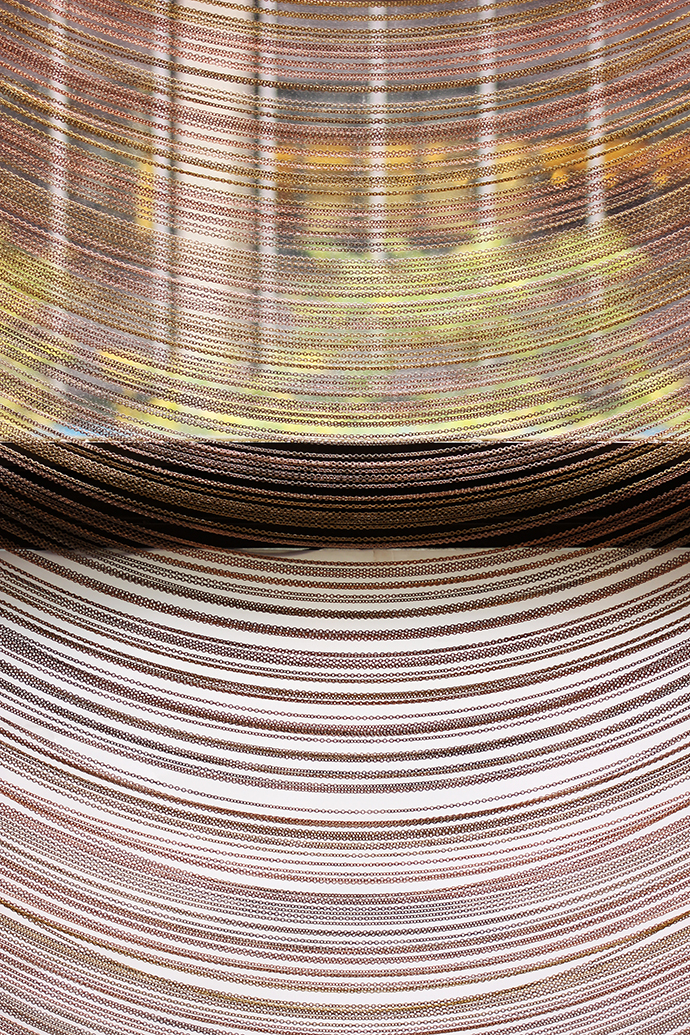
The bubbling Pool Room has four trees that change with the seasons; the more serious, wood-paneled Grill Room has corner banquets that make you want to talk about something important and expensive; the large windows are draped with aluminum chain curtains that undulate and shimmer like nothing else you've ever seen. The restaurant owners insist that the Four Season will be reborn somewhere else, and while I don't doubt their good intentions, I can't help but feel as if something really special, and really New York, will be lost forever when they move out.
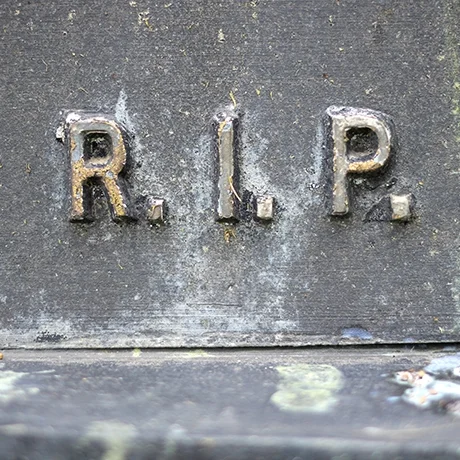
Most Holy Trinity: RIP
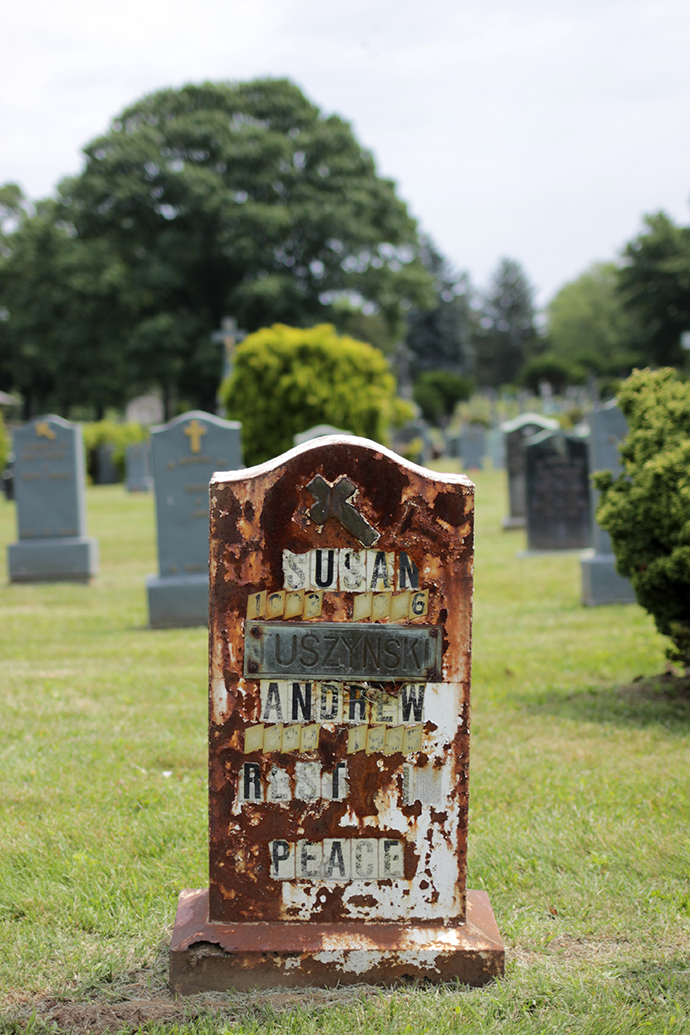
Just before I was about to leave Most Holy Trinity Cemetery on my recent visit, I became suddenly obsessed with the fact that "Rest in Peace" was on so many of the markers. Most Holy Trinity is the cemetery located in Bushwick, where most of the markers are made from metal or wood in the name of posthumous equality. I've often thought about how and why the phrase "Rest in Peace" or its abbreviation "R.I.P." has become so ubiquitous in the representation of tombstones, when I seem to see it so infrequently in actual cemeteries.
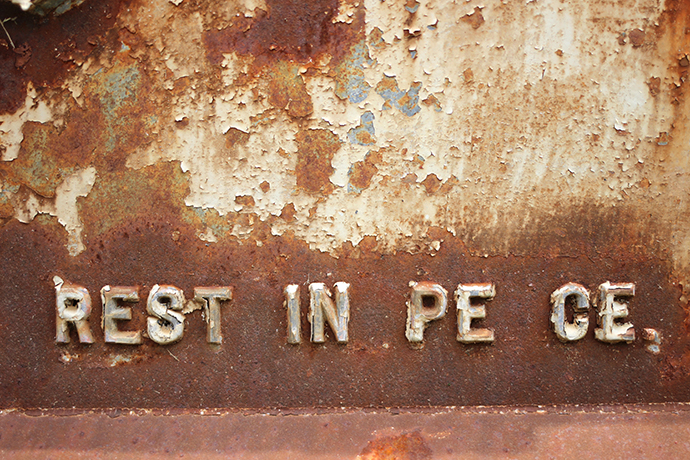
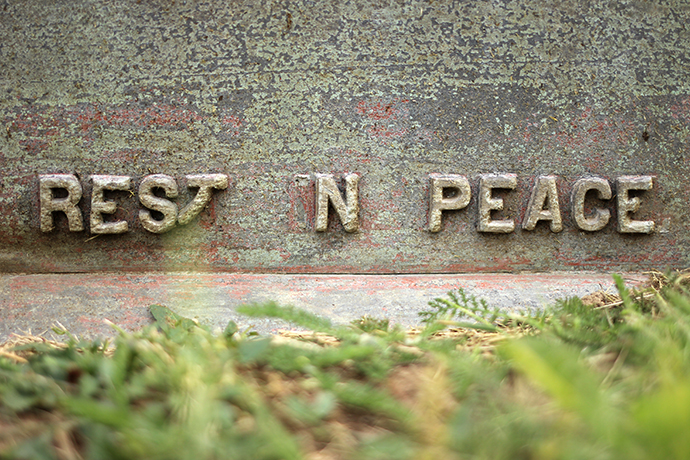
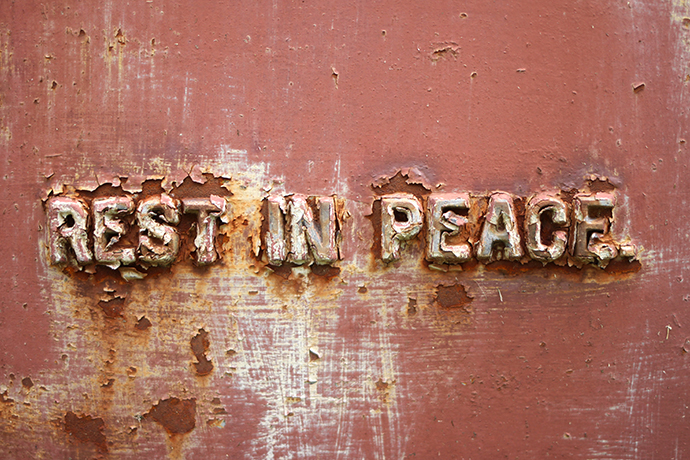
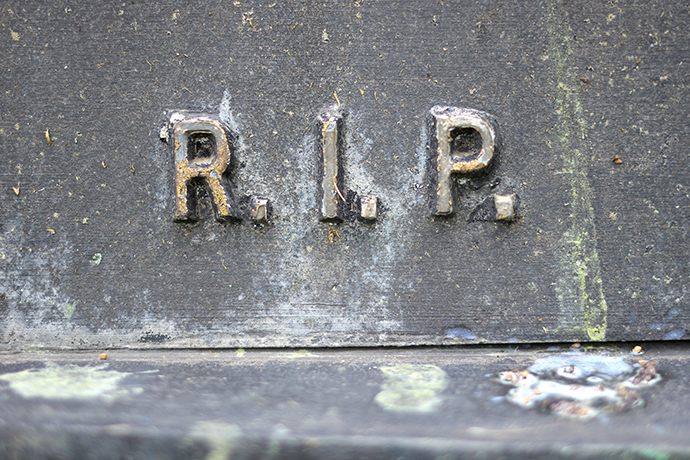
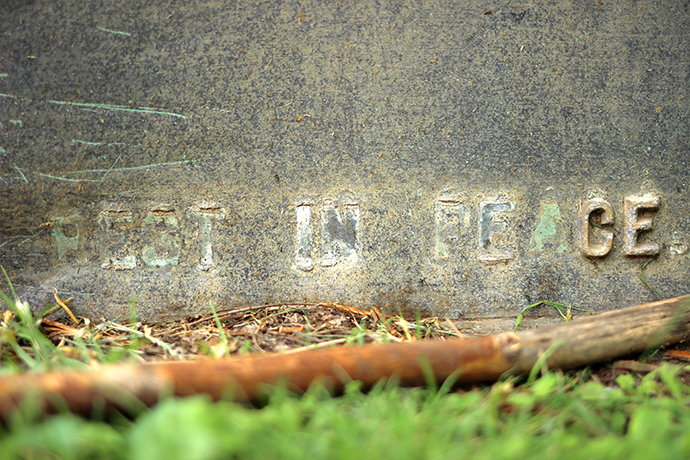

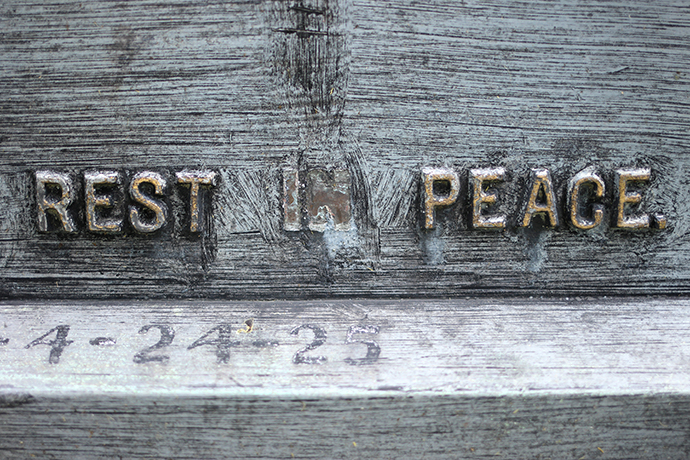
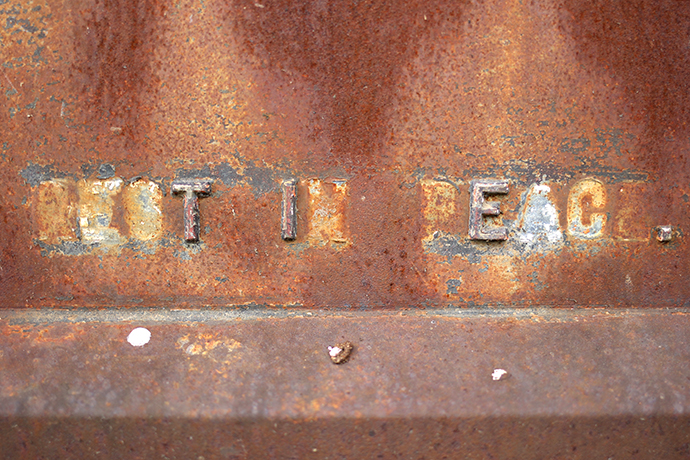
After doing some research, I think it's because most of the cemeteries I have visited have comprised religious denominations that don't frequently use the phrase. Rest in Peace is primarily a Christian (particularly Roman Catholic) phrase, and of course variations on the theme can be found in almost any culture, but that explains why it was so prevalent at Most Holy Trinity, a German-Catholic cemetery.
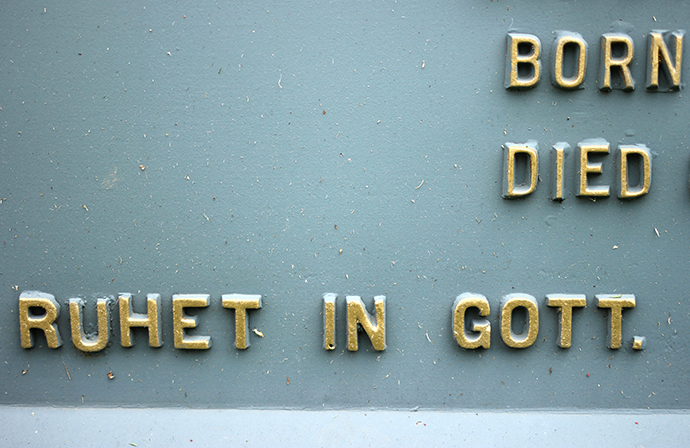
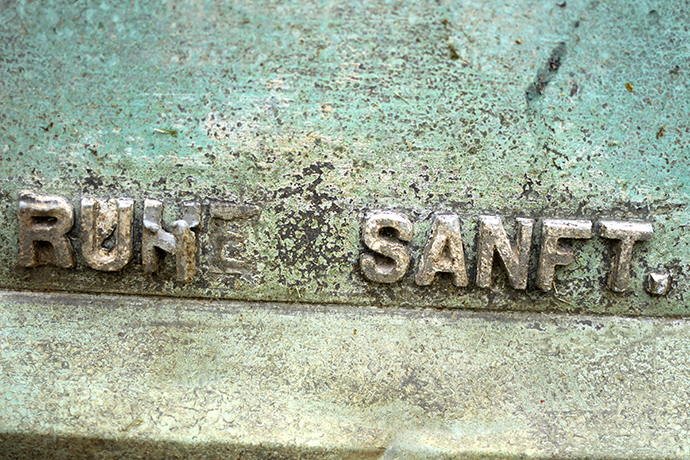
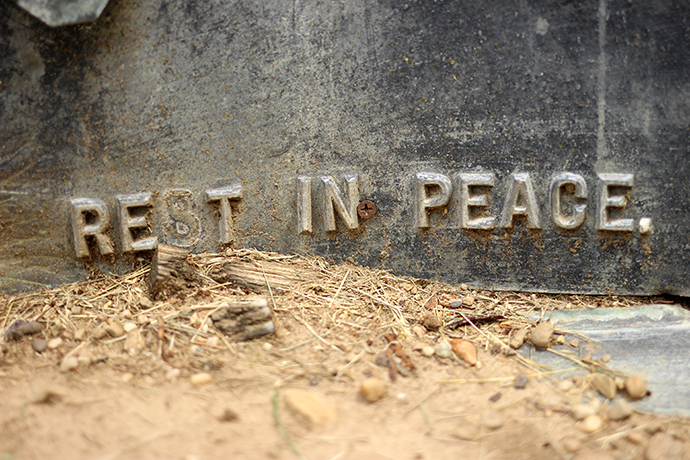
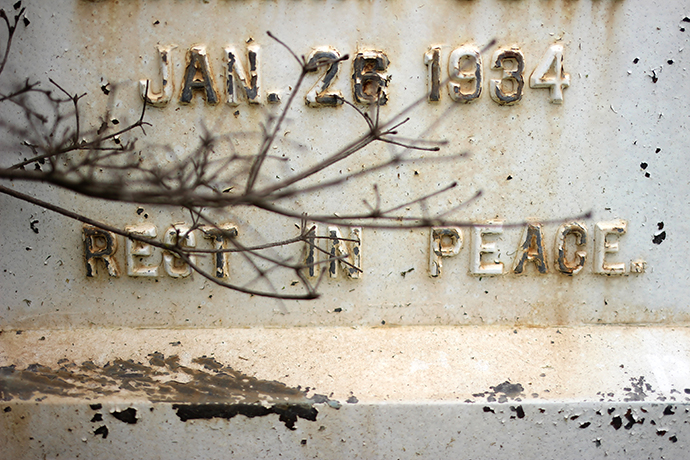
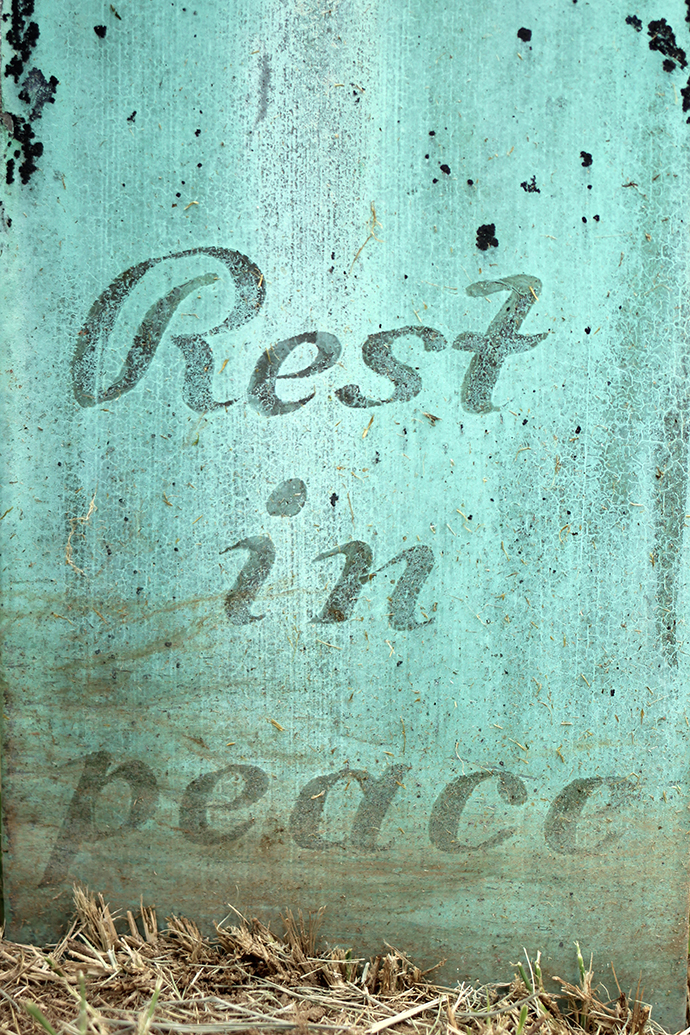
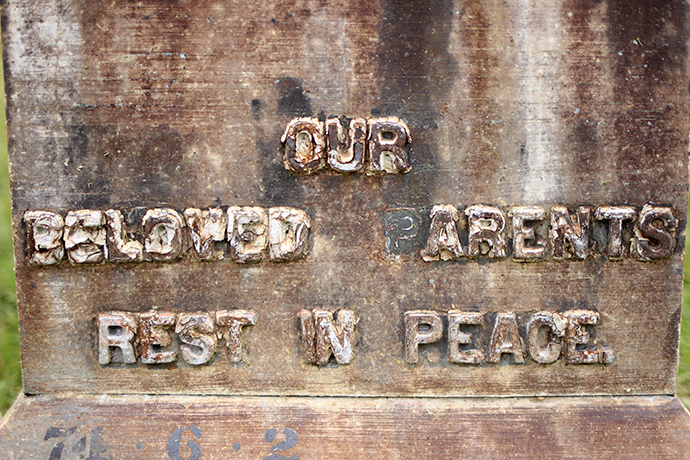
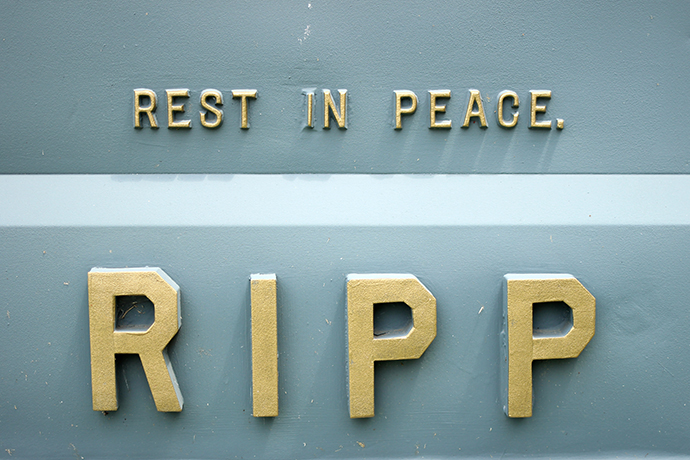
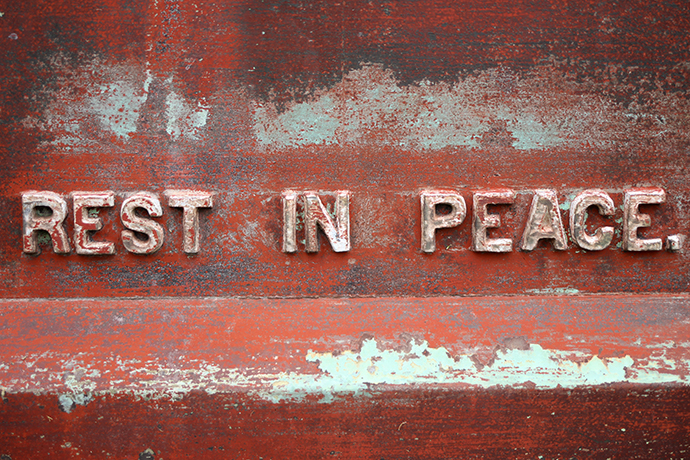
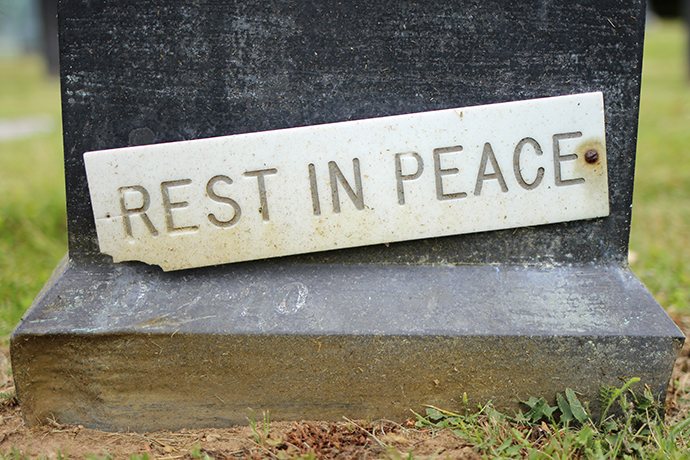
At Most Holy Trinity, I did see a few variations of the phrase, including other languages such as the German "Ruhet in Gott," which means "Rests in God" and "Ruhe Sanft," which means "Rest Gently." The phrase was mostly spelled out in metal letters adhered to the metal markers, some of which have fallen off over the years leaving ghosted outlines. I still only saw one abbreviated "R.I.P." as well as a marker for the RIPP family, with the phrase spelled out above their surname so there is no confusion.

Staten Island Hospital: Abandoned
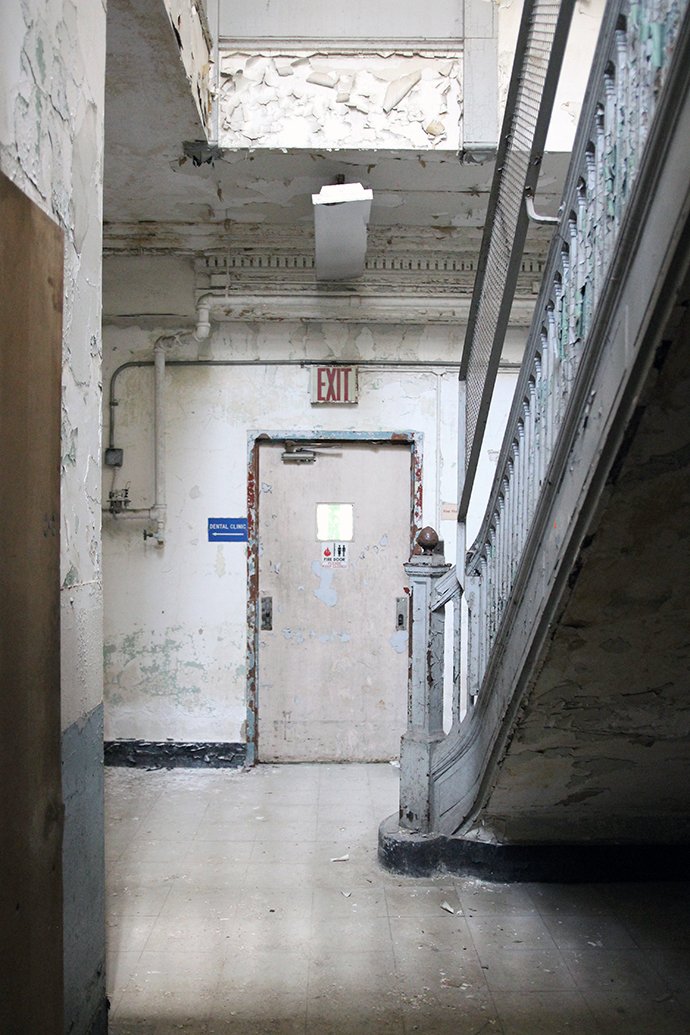
As soon as I found out about an abandoned hospital on Staten Island, I knew that it was perfect for my first abandoned building adventure. I've creeped on plenty of abandoned things from afar, but I've never really had the courage to go inside of any—until recently. Luckily I had the very best creepin' companion to help me make the leap, and it ended up being one of my favorite adventures to date.
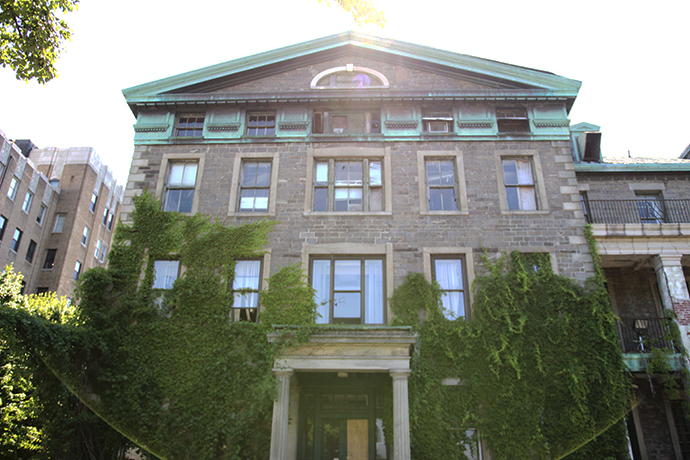
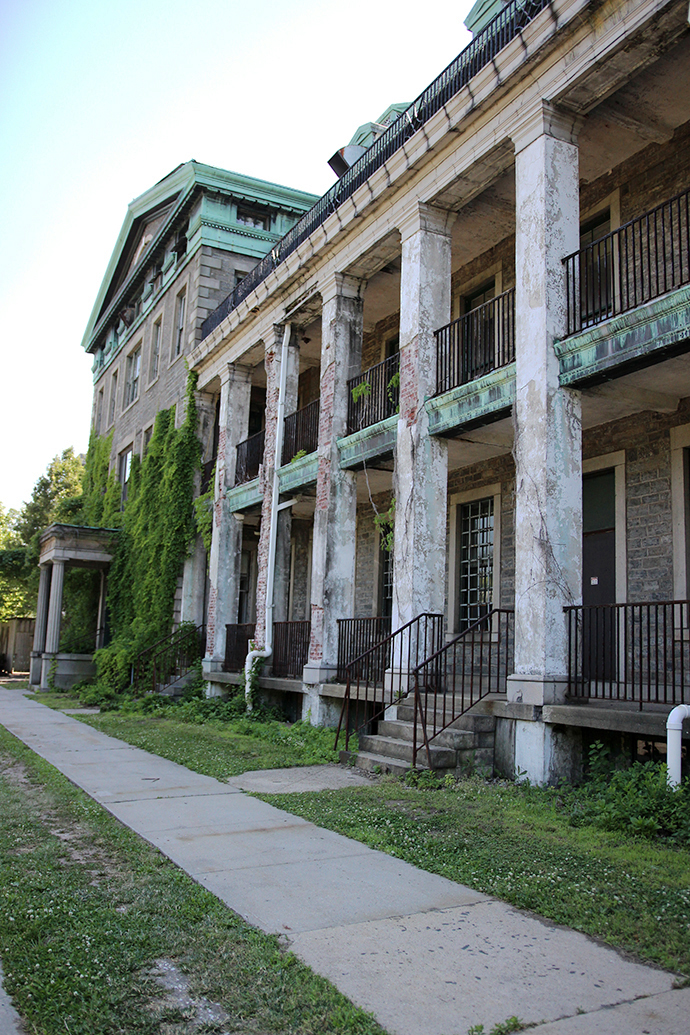
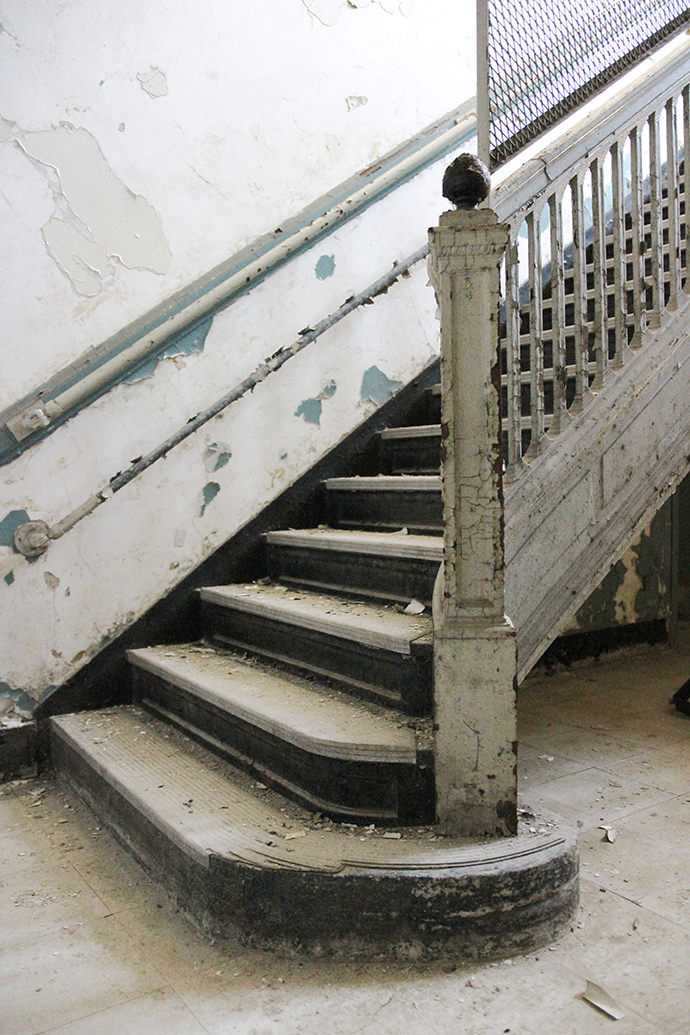
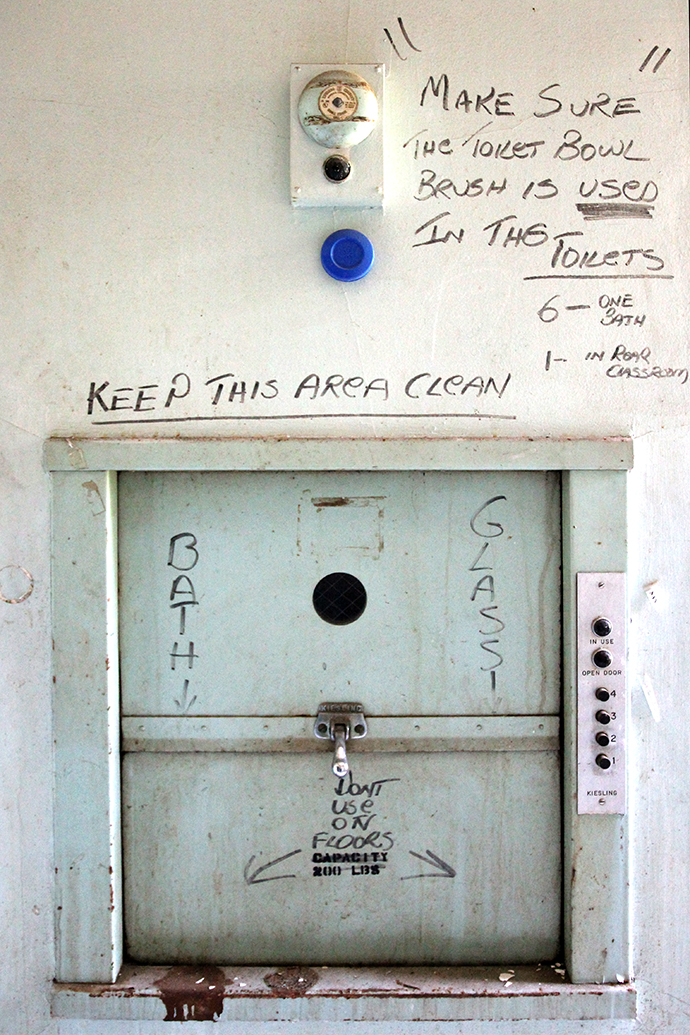
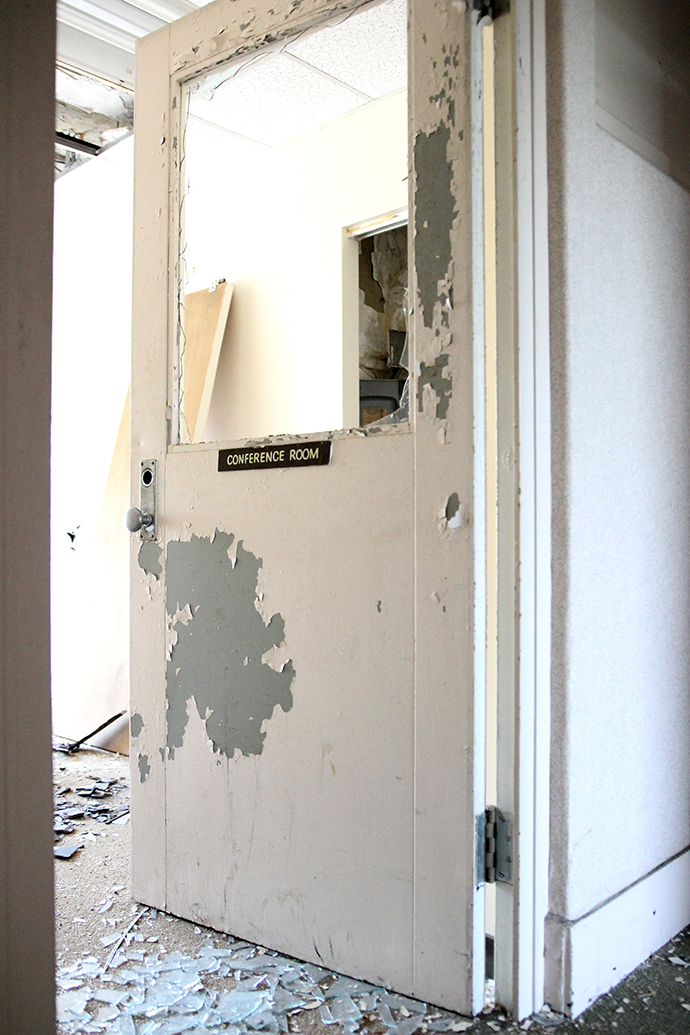
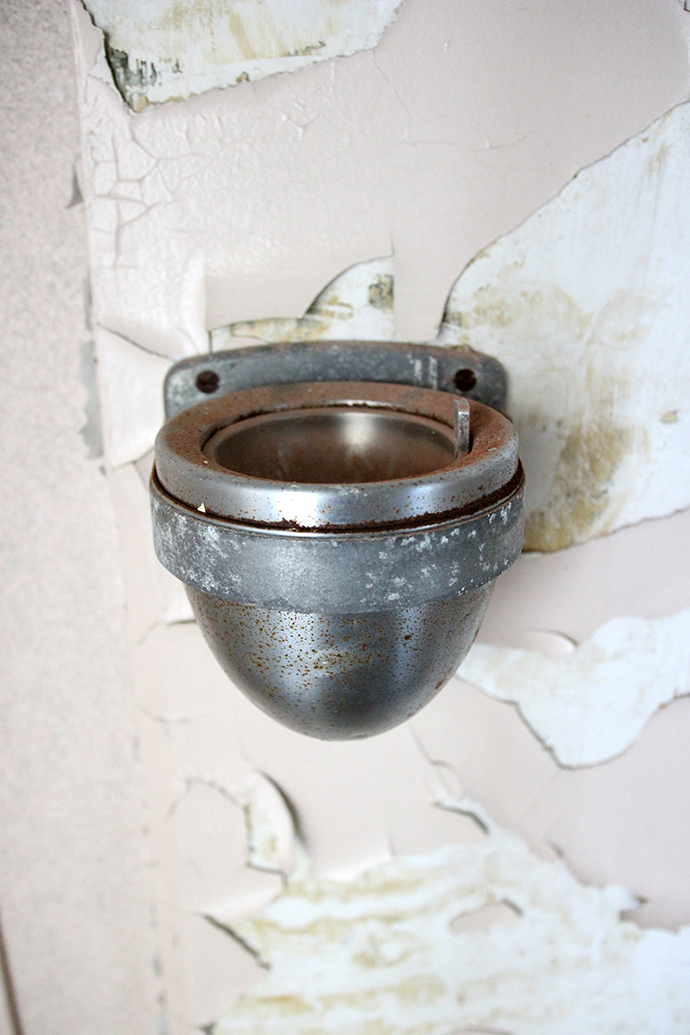
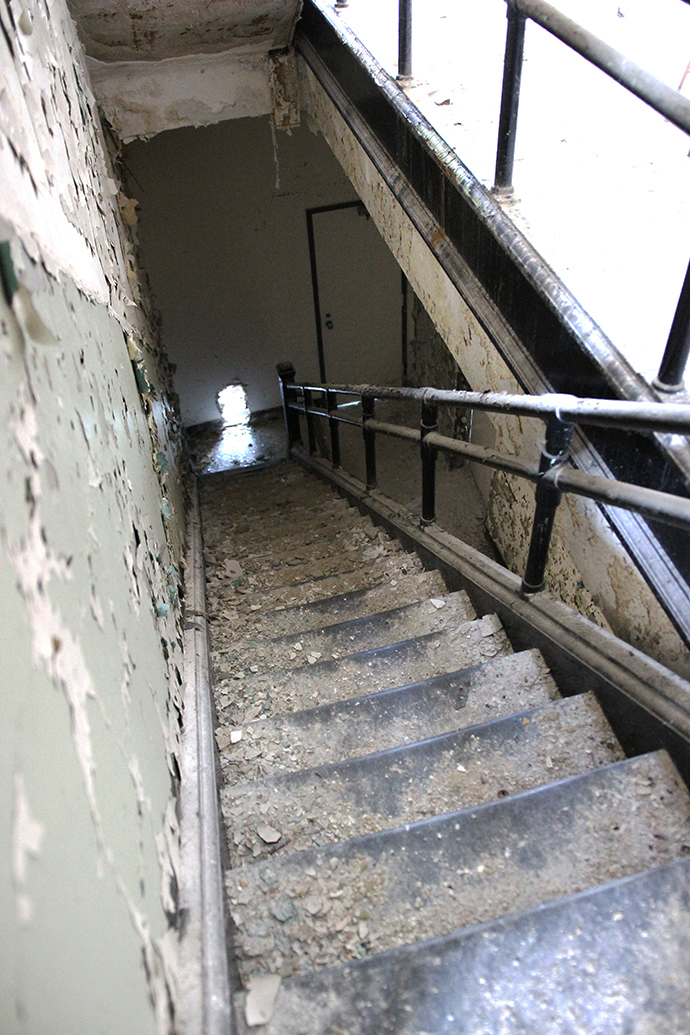

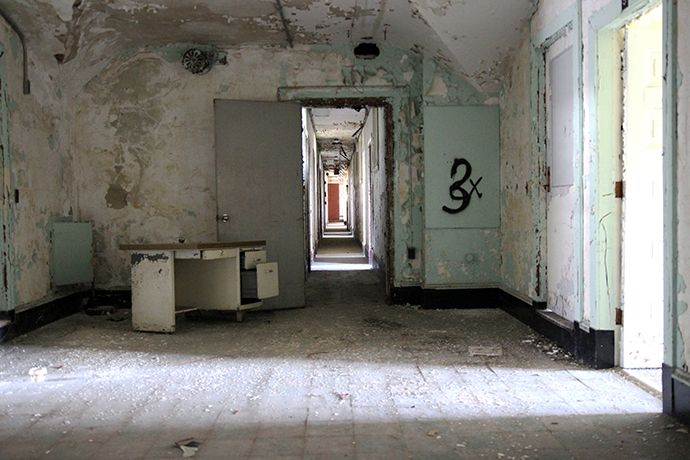
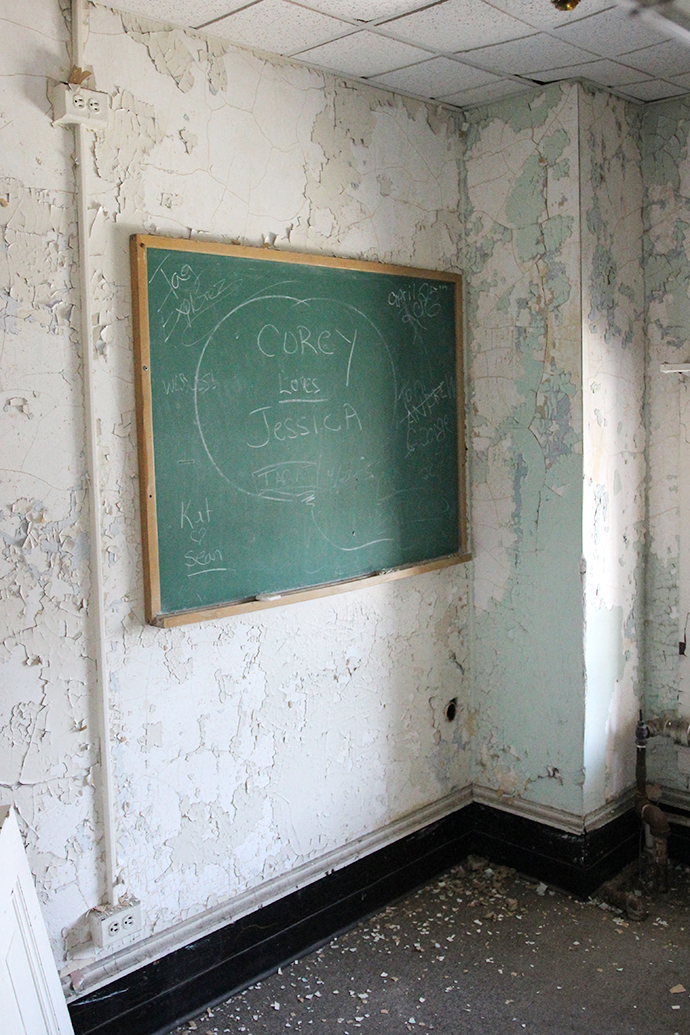
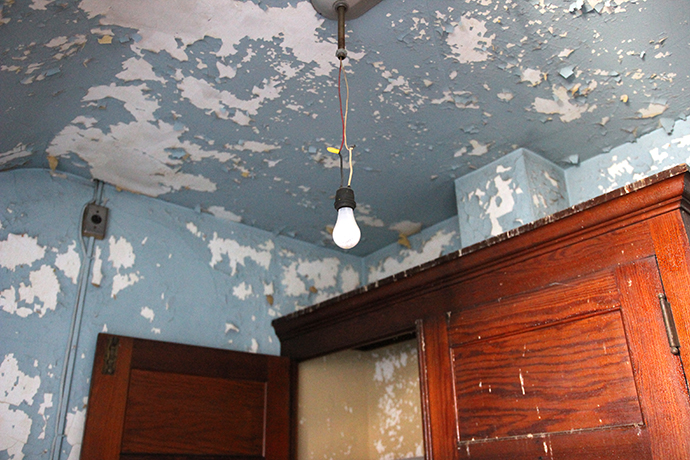
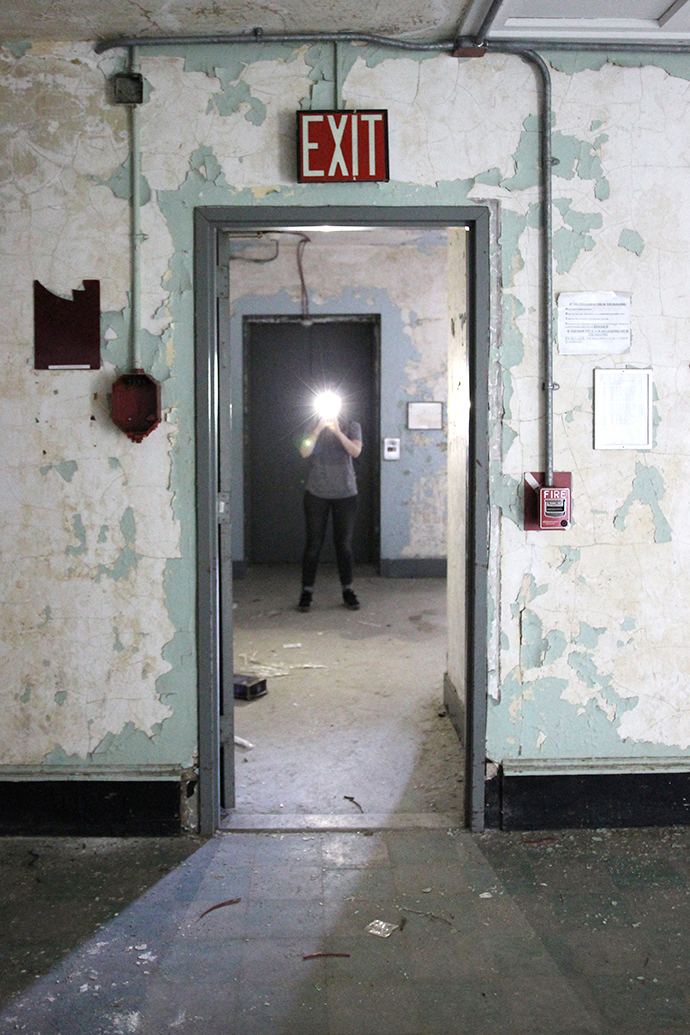
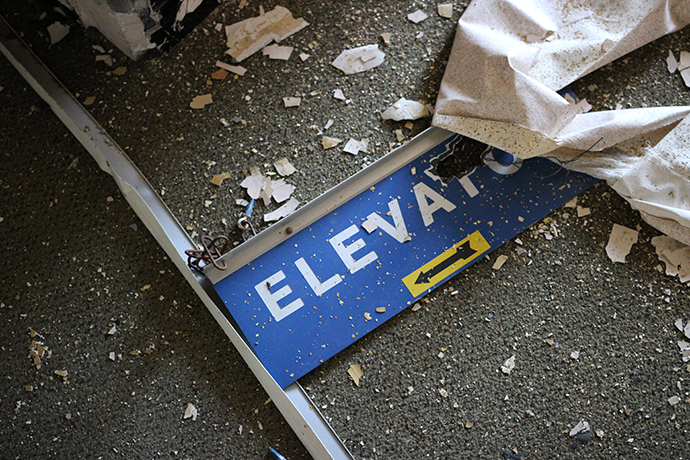
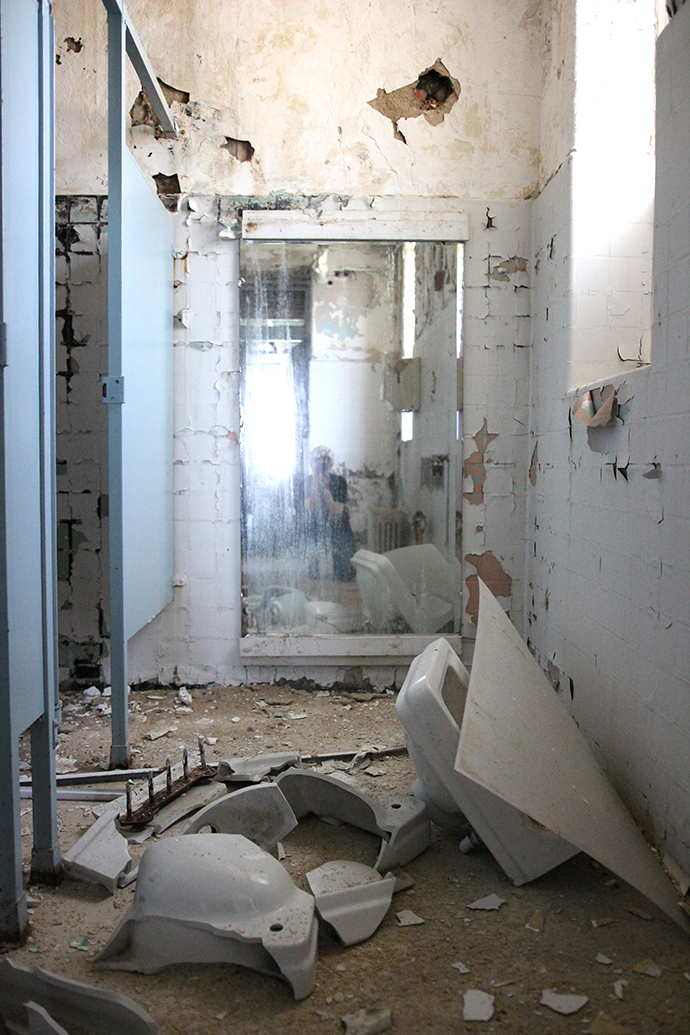
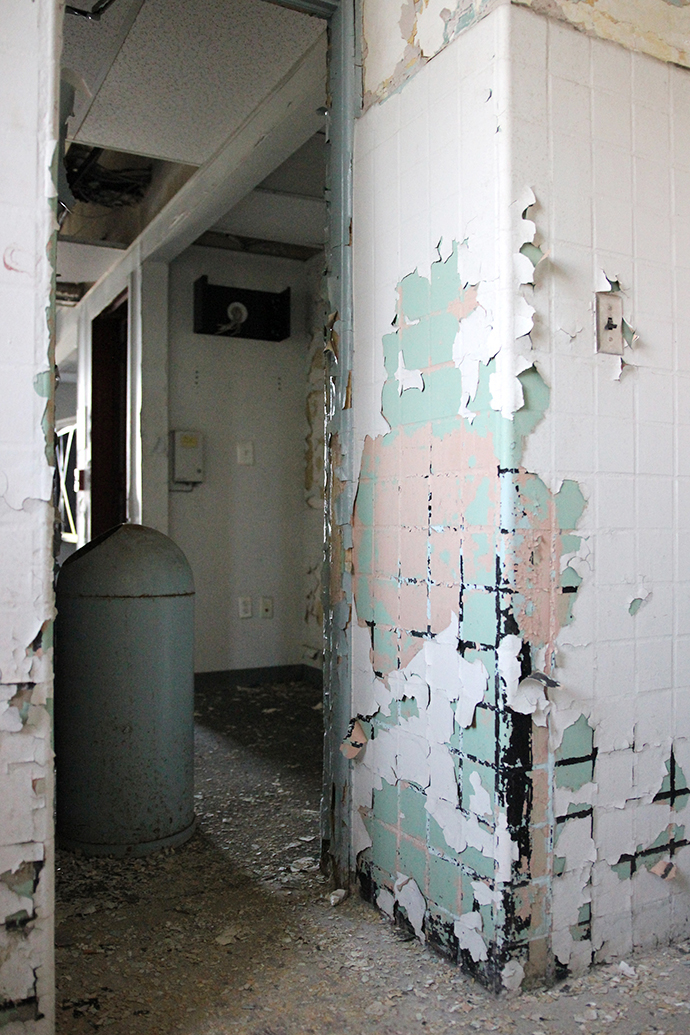

I definitely do not endorse breaking the law, and trespassing/breaking into anywhere is bad—let's just get that out of the way. I also try to live by the "take nothing but photographs" rule, which we strictly adhered to, although we did find some wonderful things. I don't know much about the history of this particular hospital, but it opened in 1837 and basically became abandoned from the top-down—lower floors were occupied by dental clinics and children's programs into the early 2000s (the last date we saw on anything was 2005).
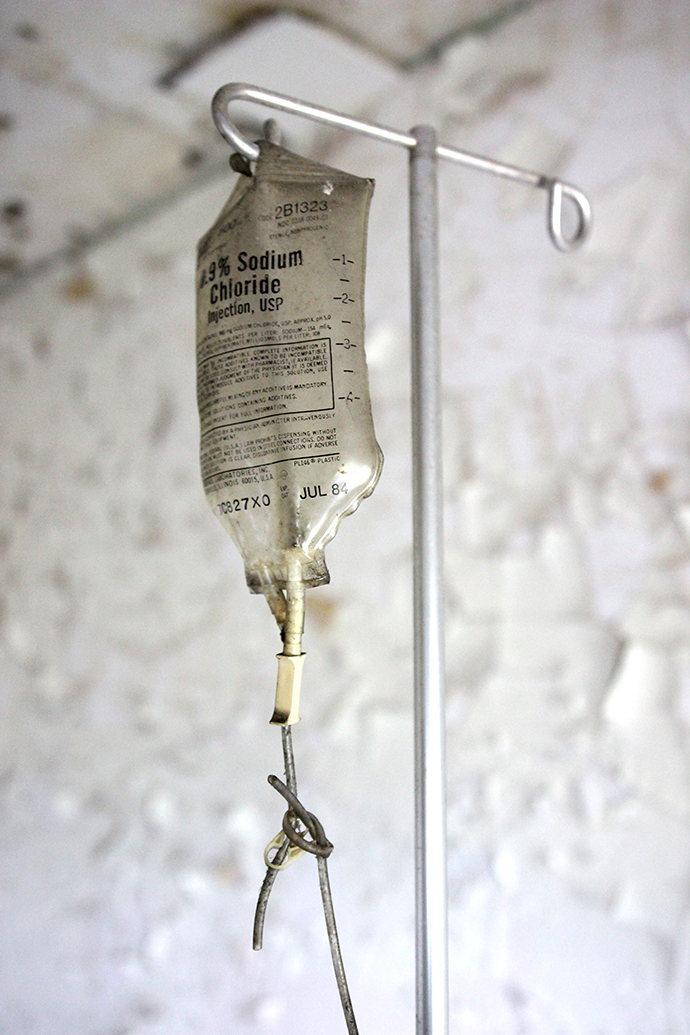
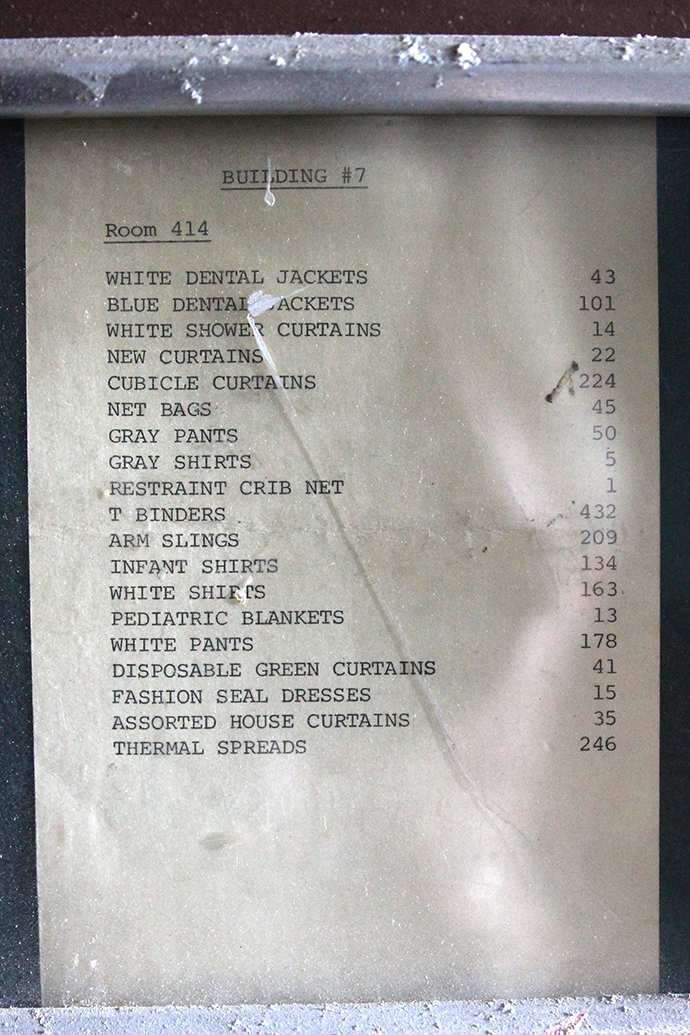
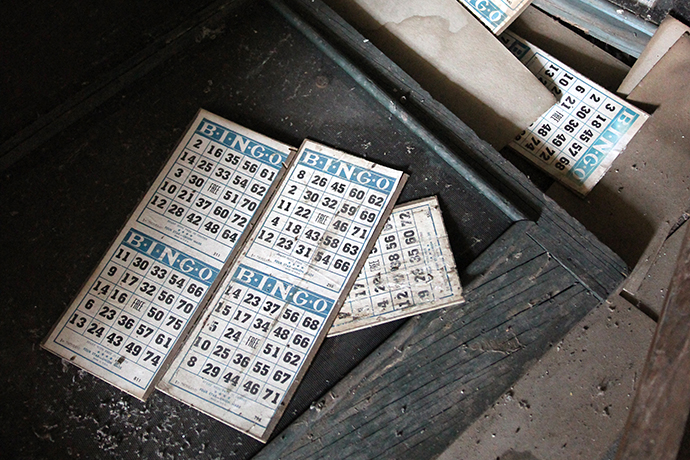

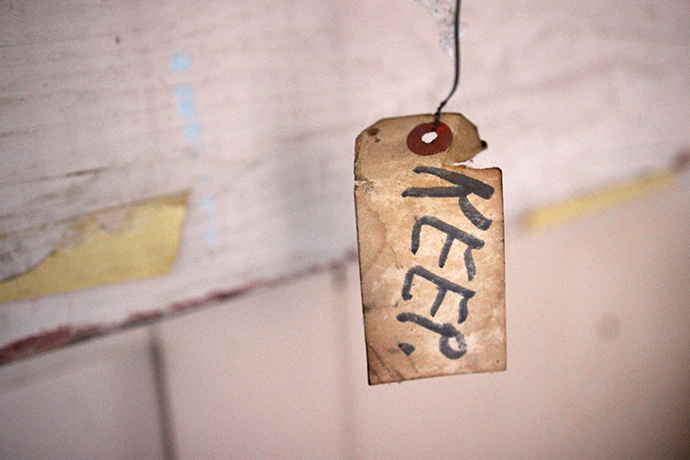
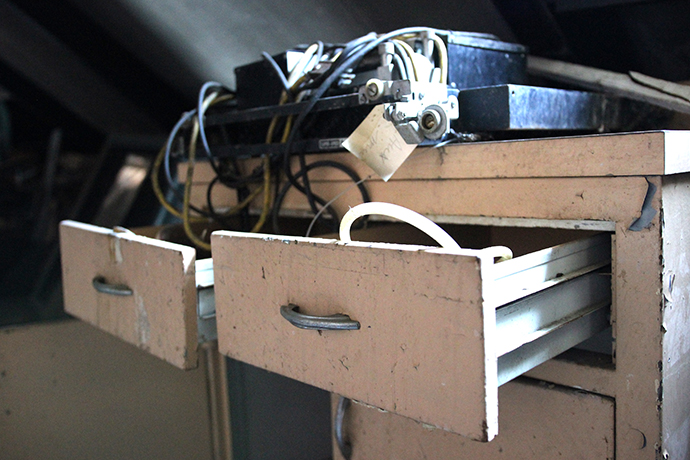
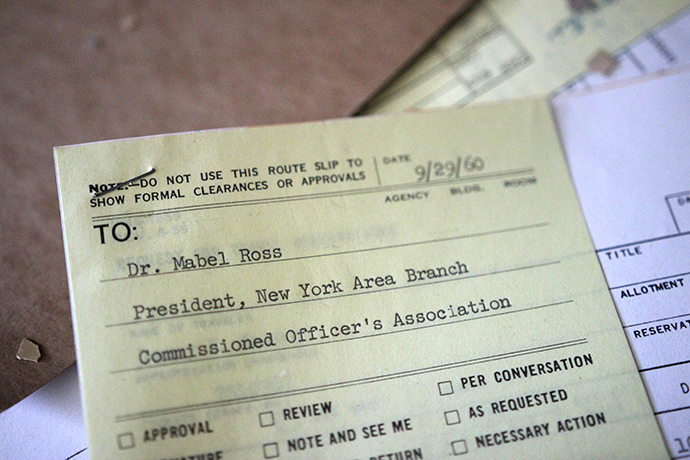

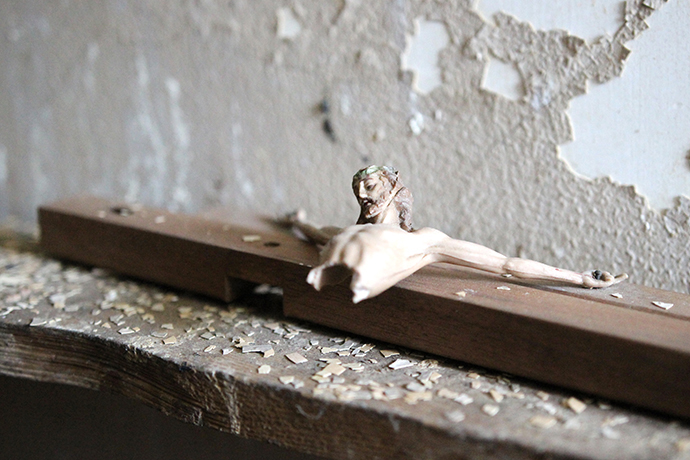

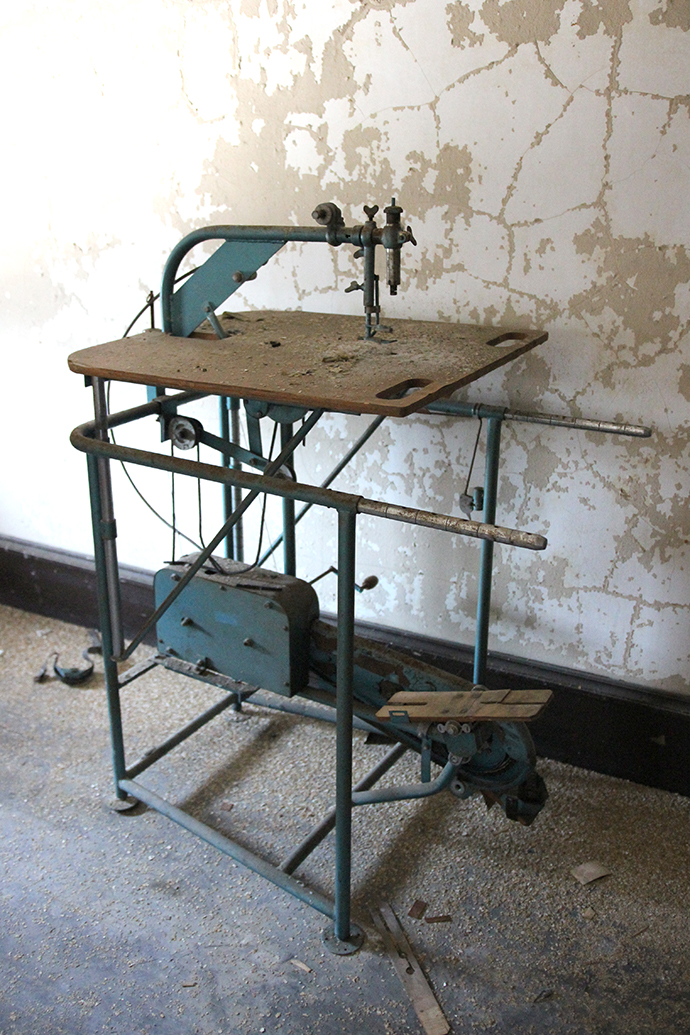
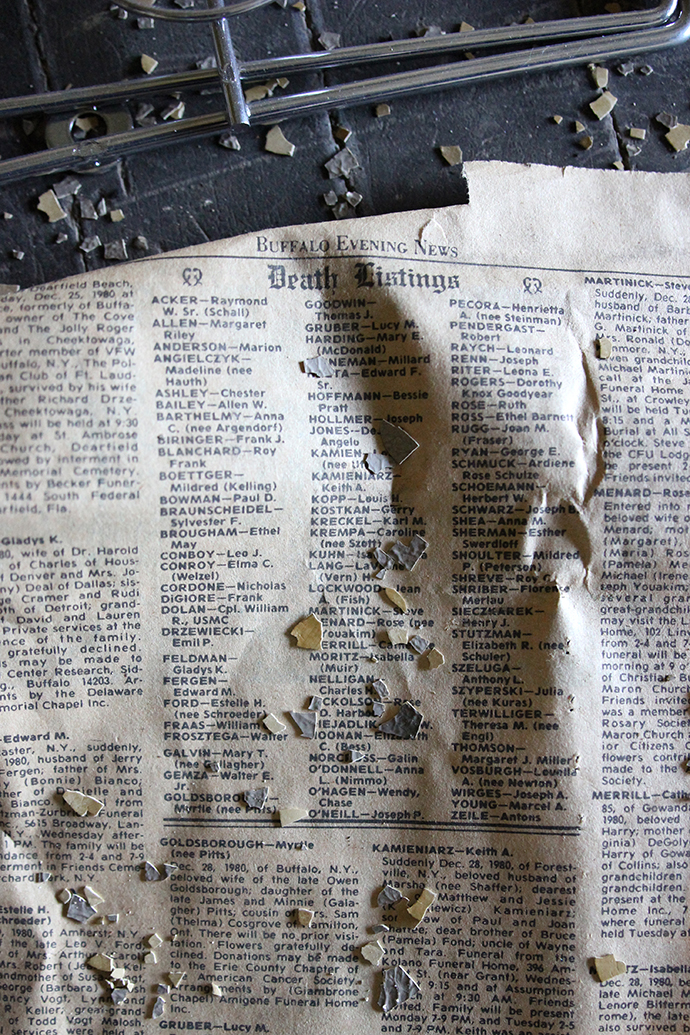
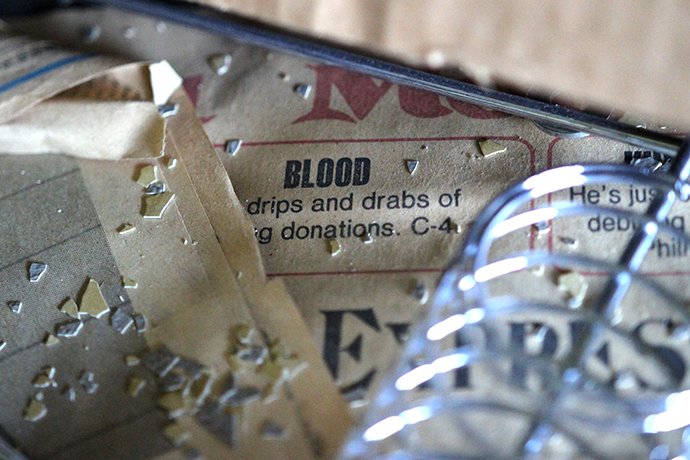
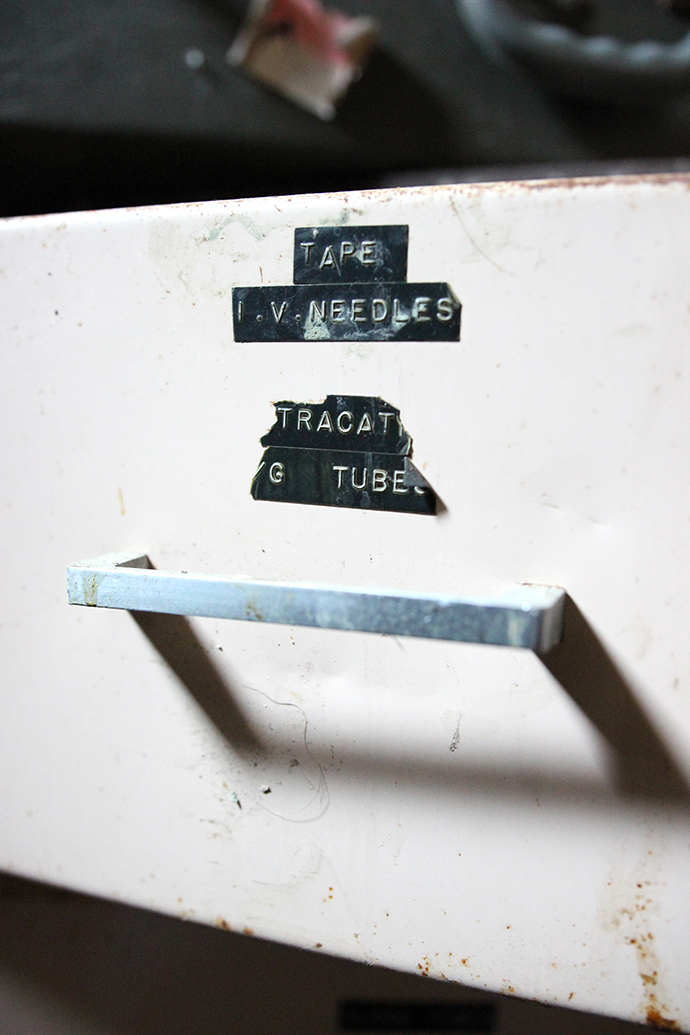
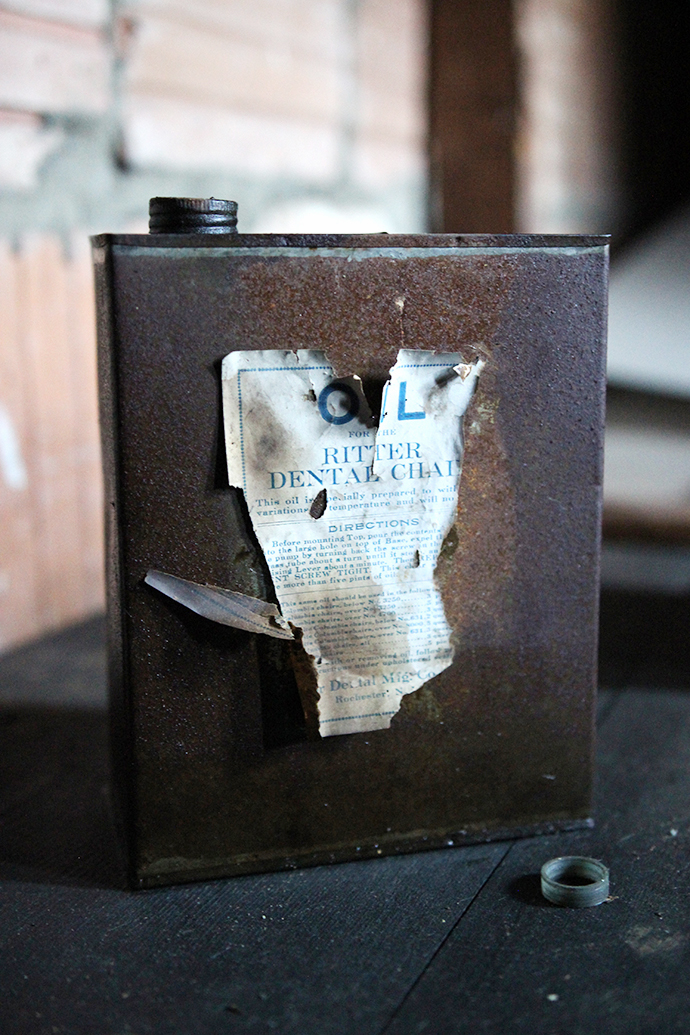
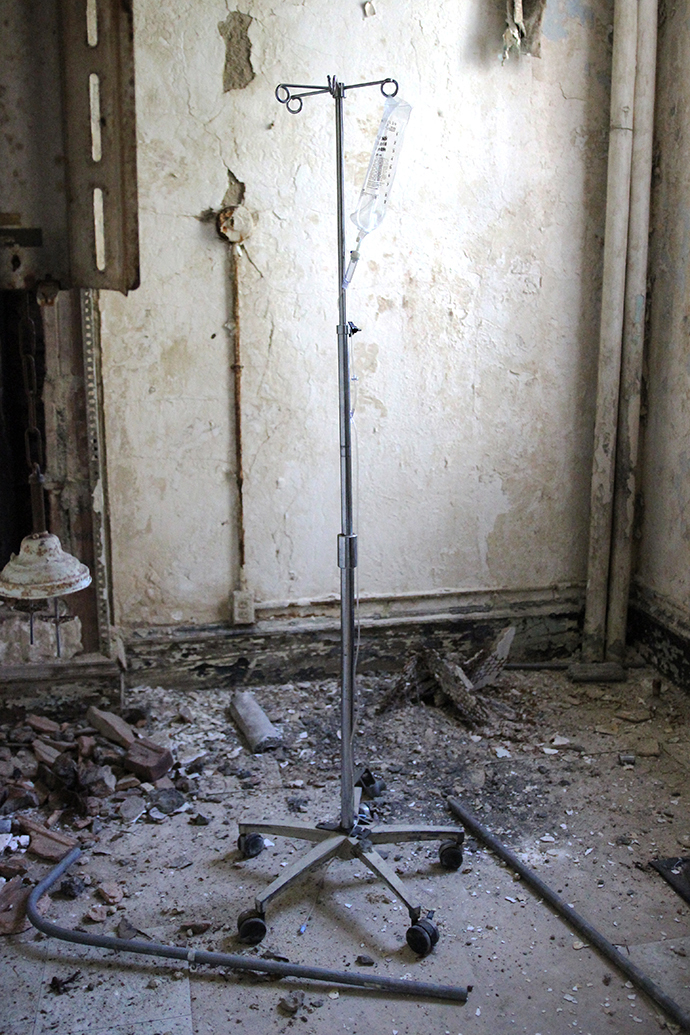
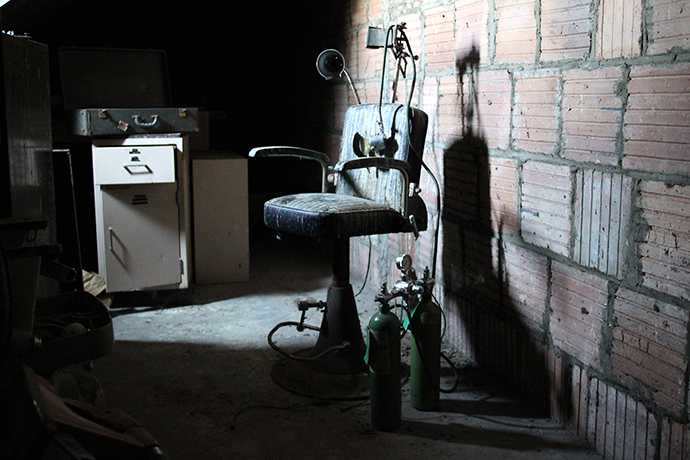
The artifacts definitely got older and more plentiful the further we went upstairs. In one room we found a filing cabinet overflowing with records, most of which were from the 1960s. Various checks, doctor's slips, accounting records and patient index cards poured out onto a table. My favorite document from 1970 showed an expense of $46.05 paid to "Staten Island Pickle Works." One of the attic rooms contained what might actually be the world's creepiest dental chair and the most wonderful pink cabinets filled with medical tubing and other debris. We also found two separate rolling IV stands—one of which had a bag attached whose contents expired in 1984.
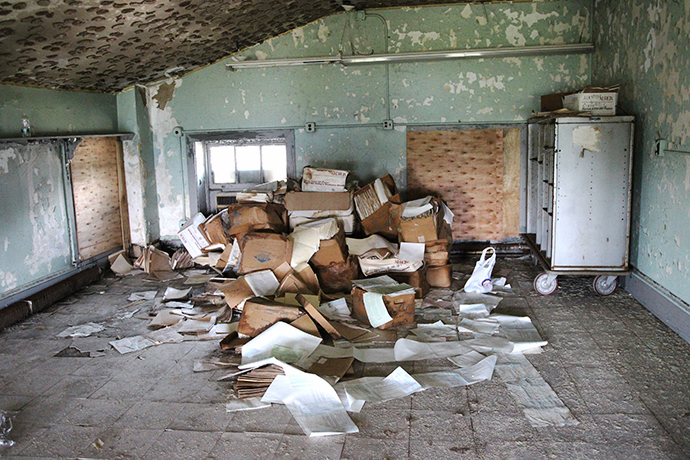
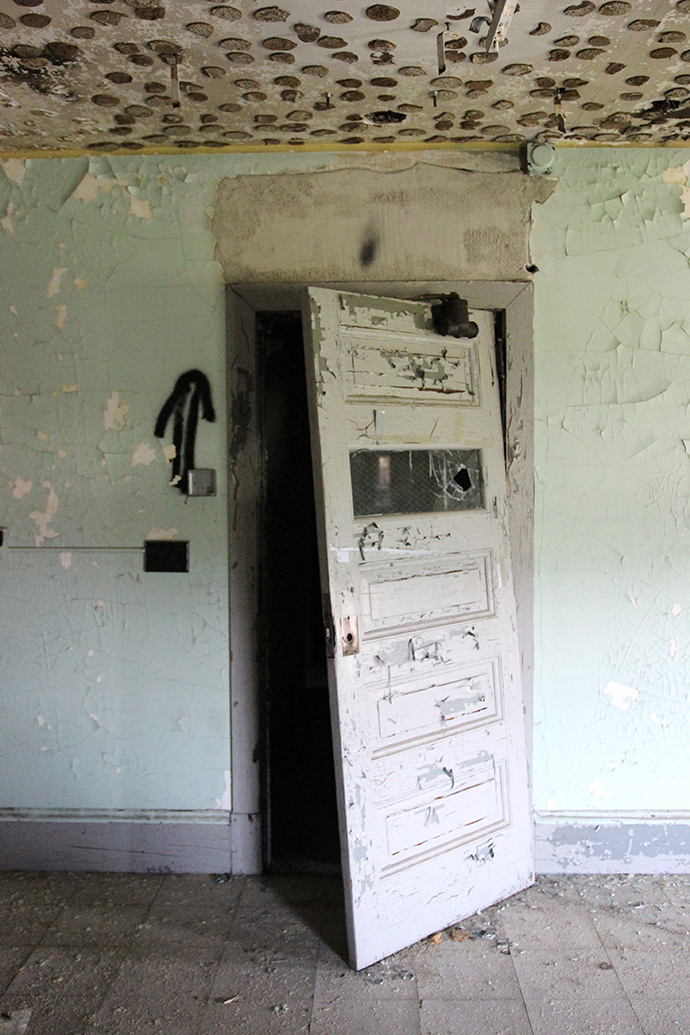
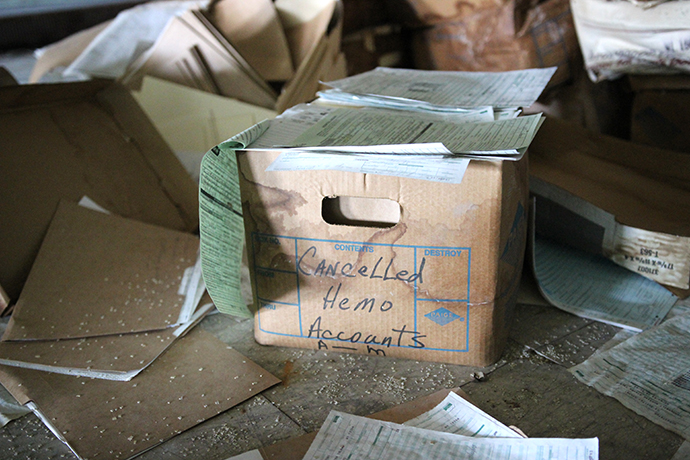


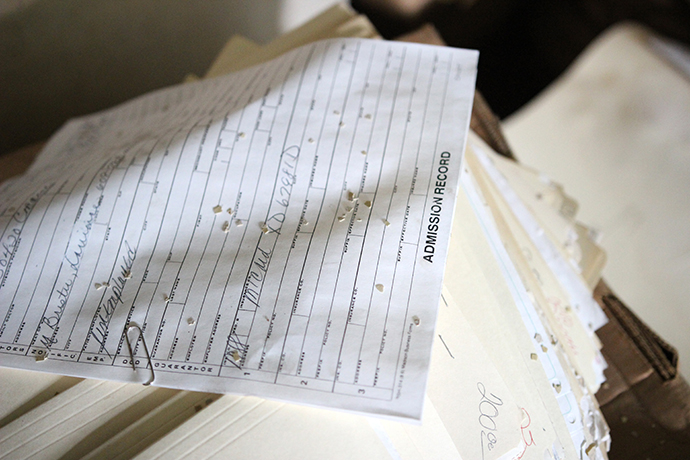

On one far end of the top floor, we came across a room piled high with boxes of patient records. We found admissions papers for people who struggled with addictions, a birth certificate from Puerto Rico and binders full of the personal information of people who were vulnerable and needed help. To see the most intimate details of so many people's lives reduced to a soggy, decaying pile was really sad.
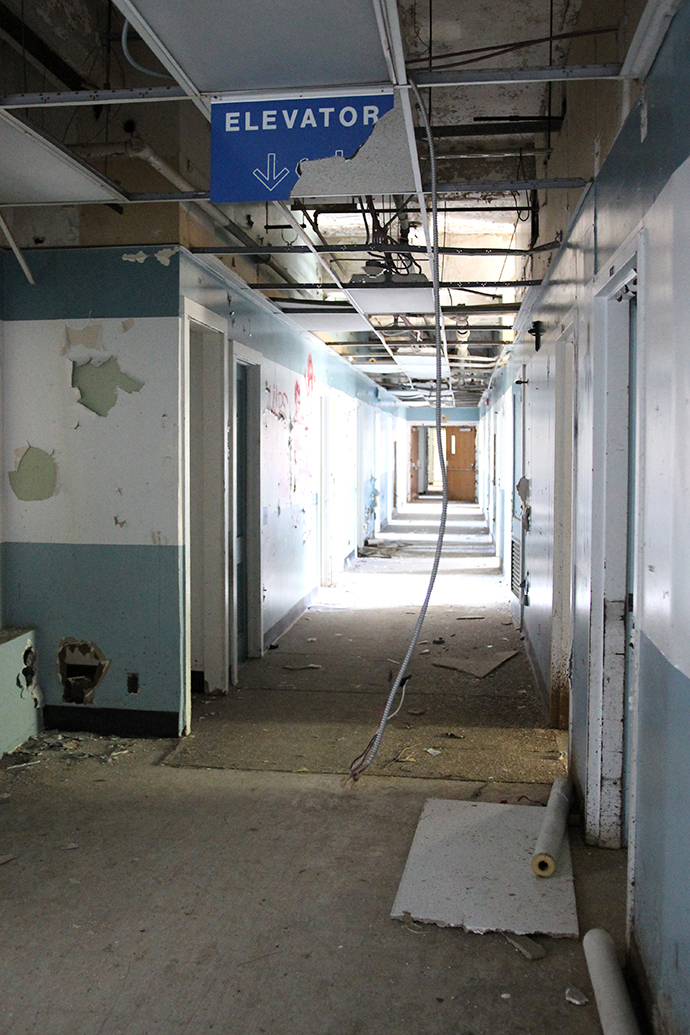
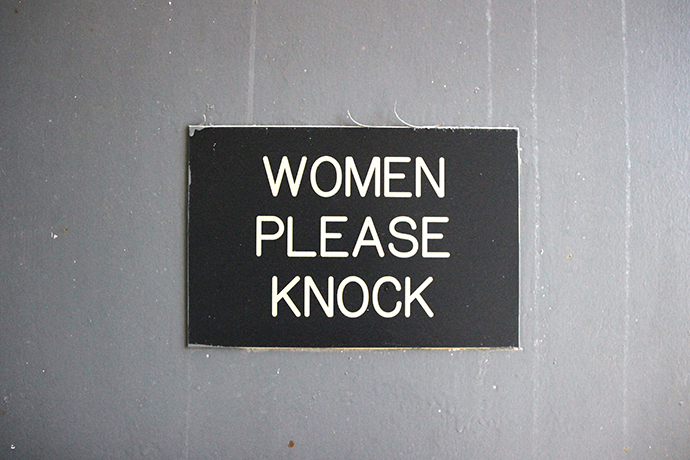
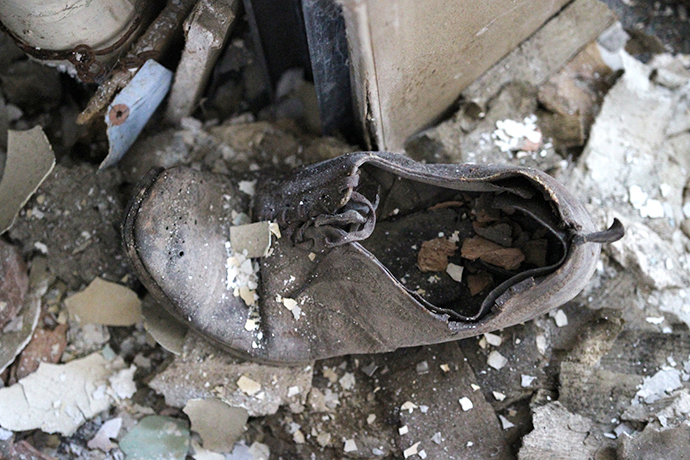

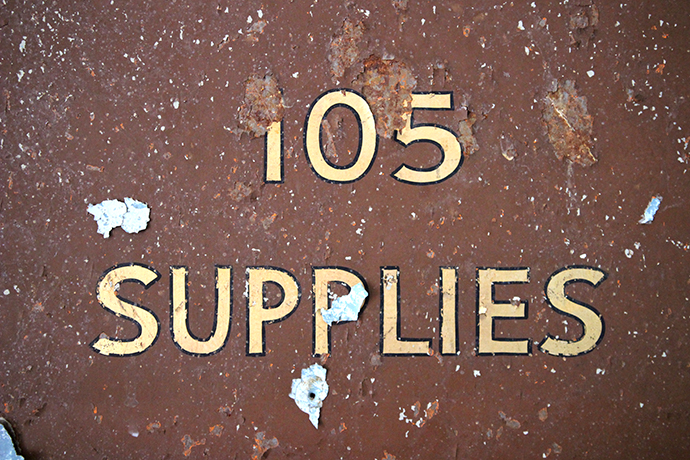
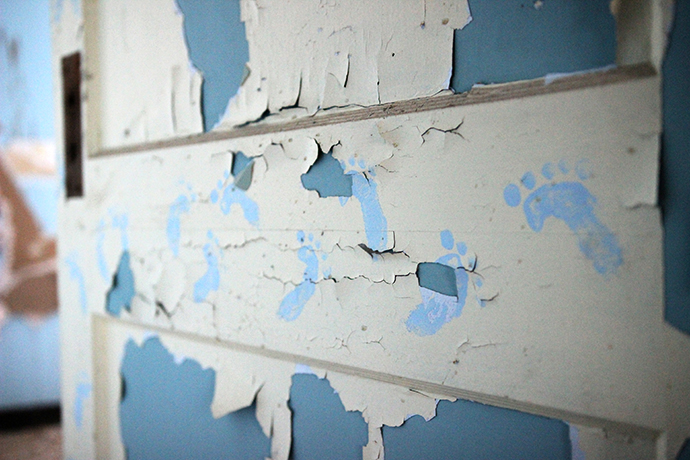

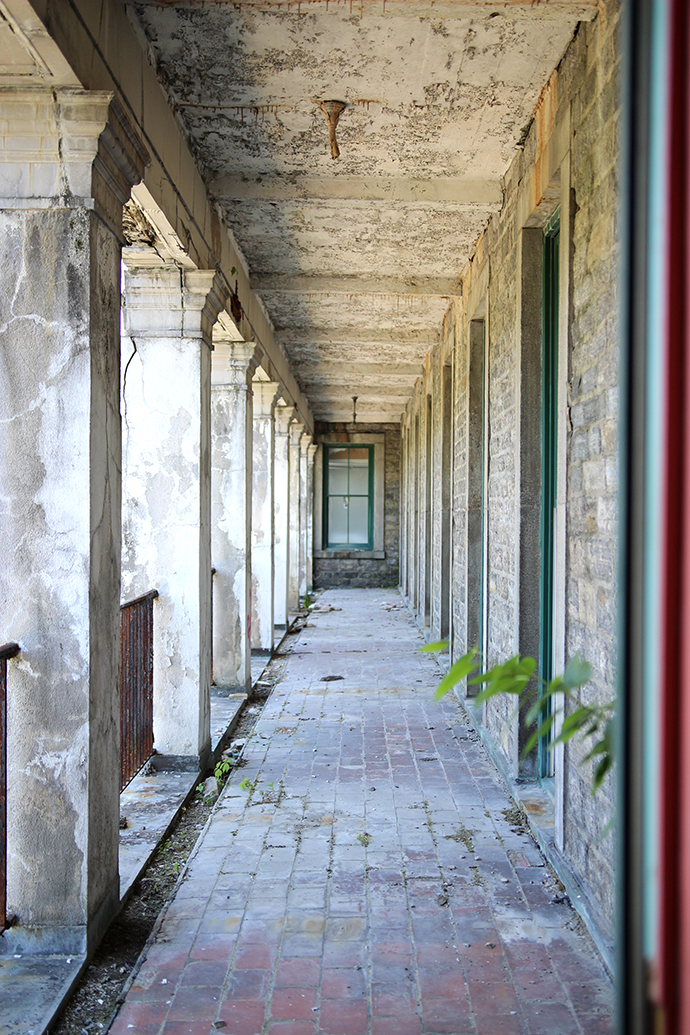
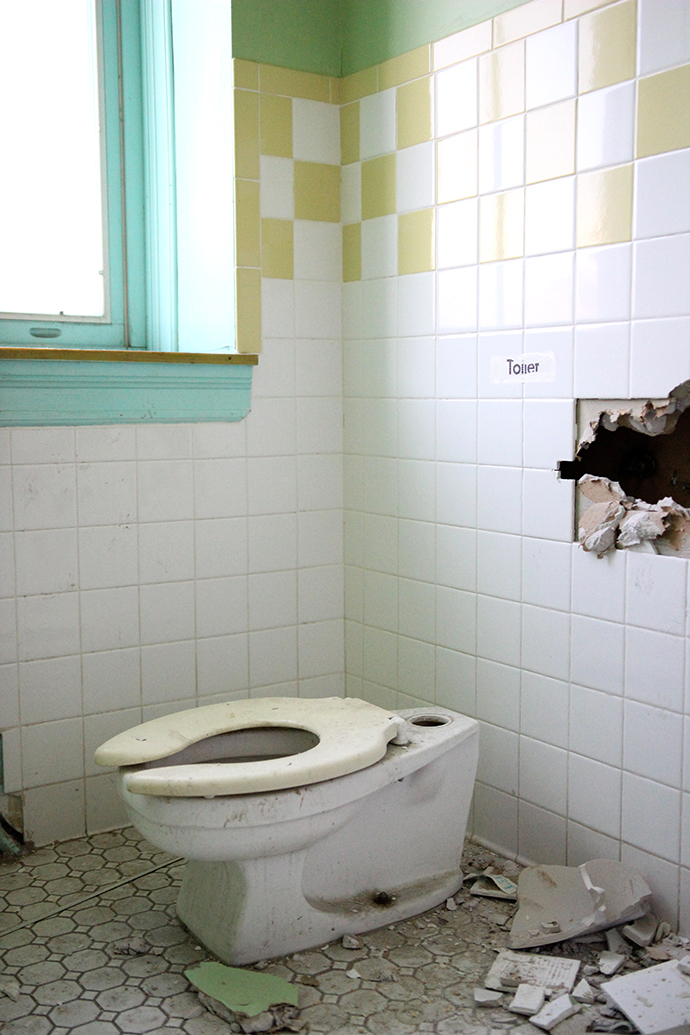
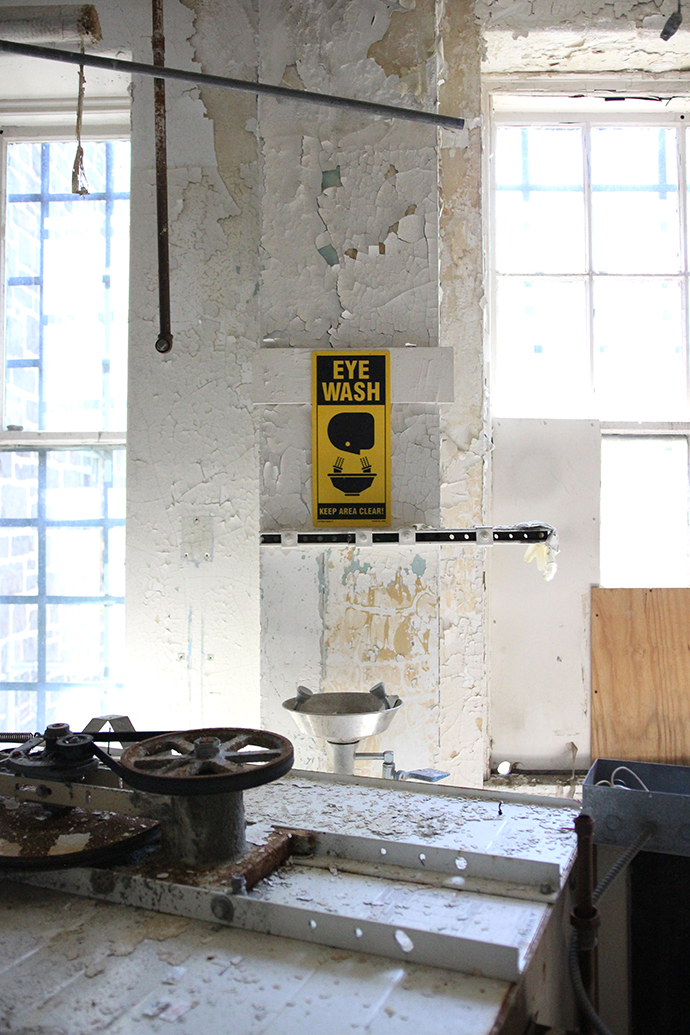
The layers upon layers of peeling paint (so much institutional green and pink!) reminded me of Eastern State Penitentiary or the abandoned hospital complex on Ellis Island. It's fascinating to me how places become abandoned, and what gets left behind when they do. A lot of the windows were open or broken, and a few of the doors were left wide open, so I'm sure nature helps things along, but the decay process is so interesting to see. A lot of the building had been raided, presumably by scrappers, but it overall felt very structurally intact and in pretty good shape, considering the neglect.
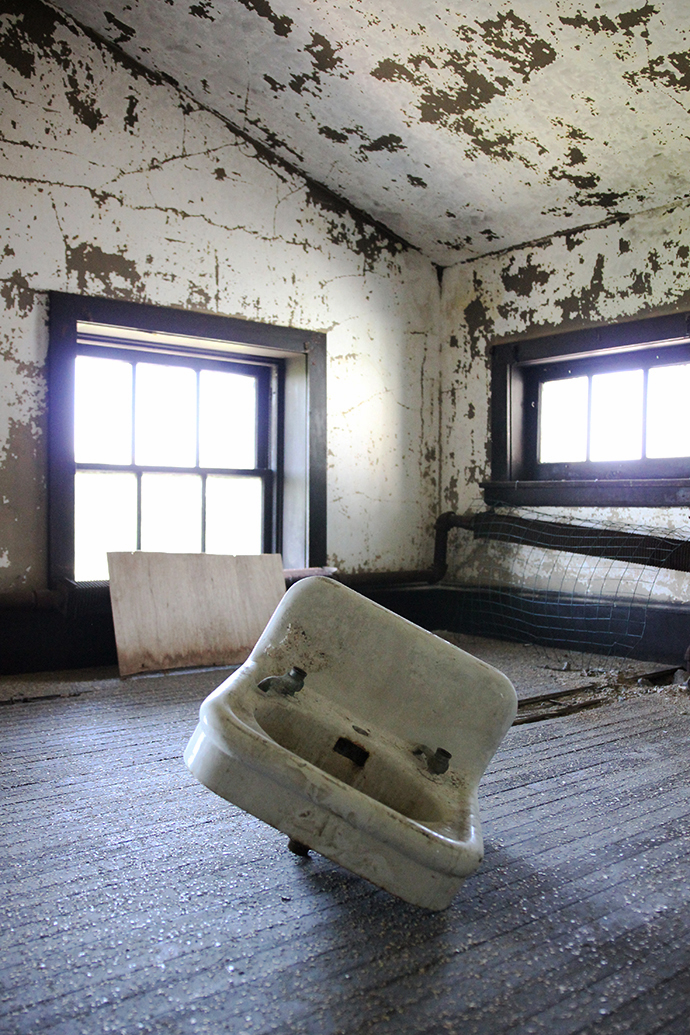
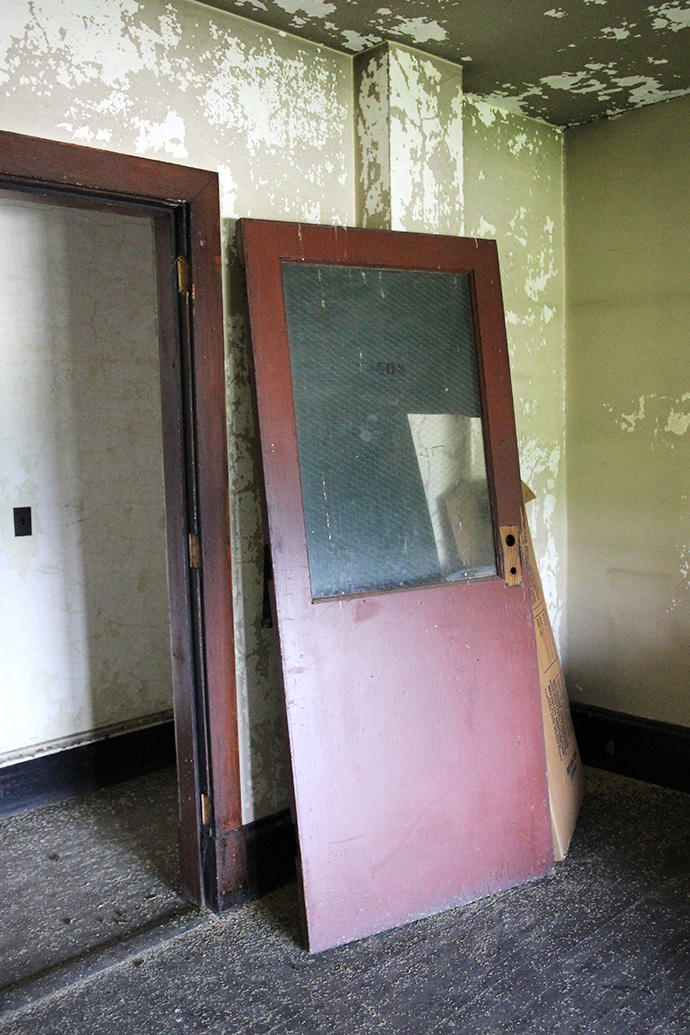

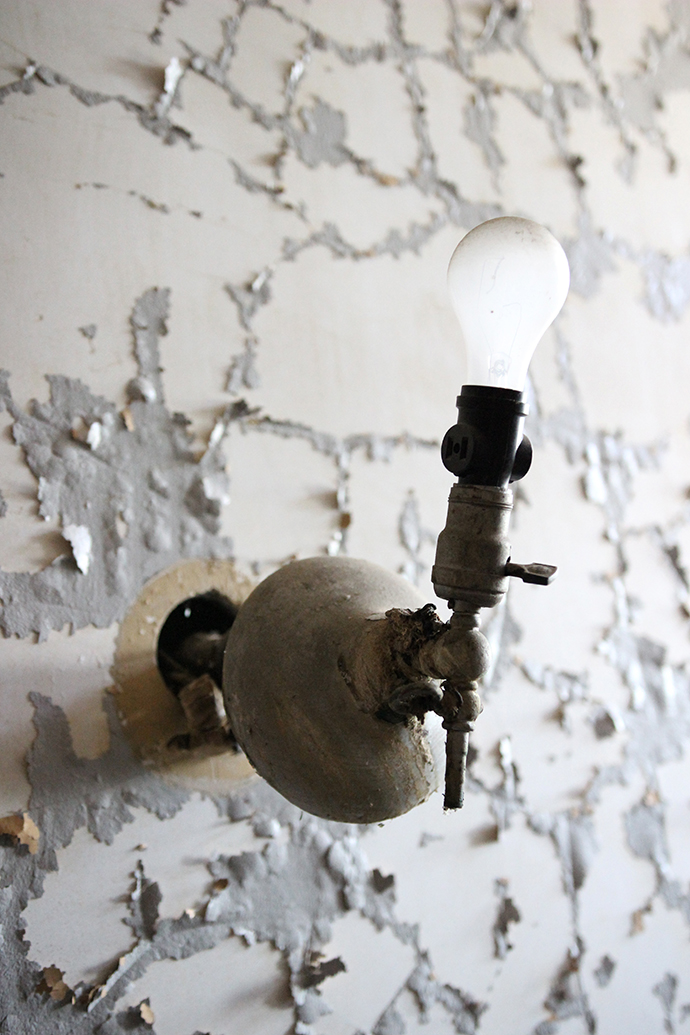
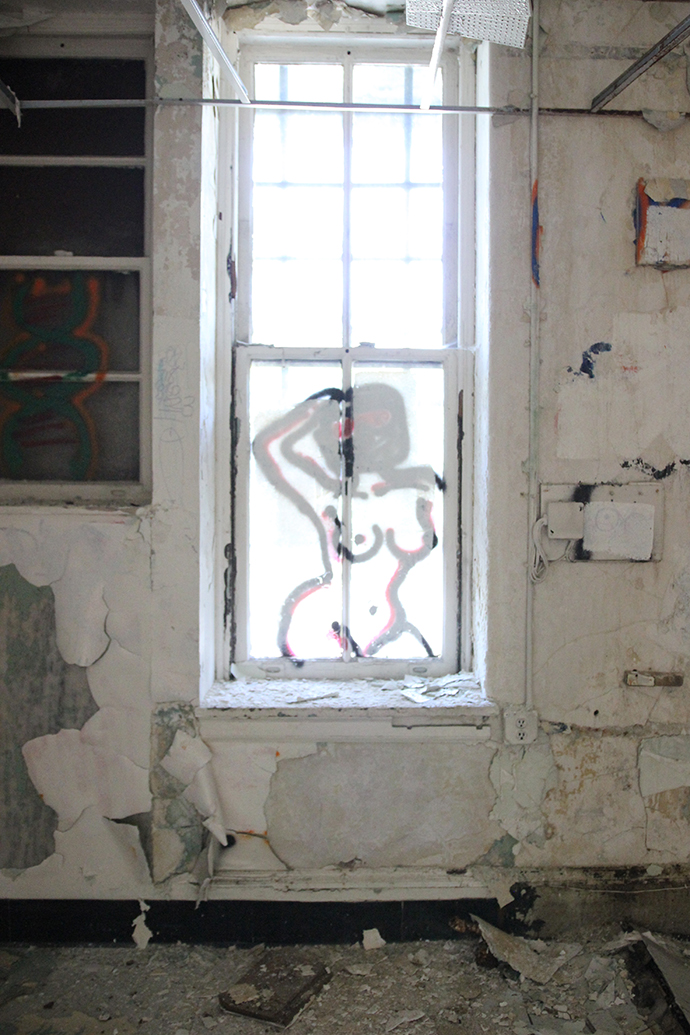

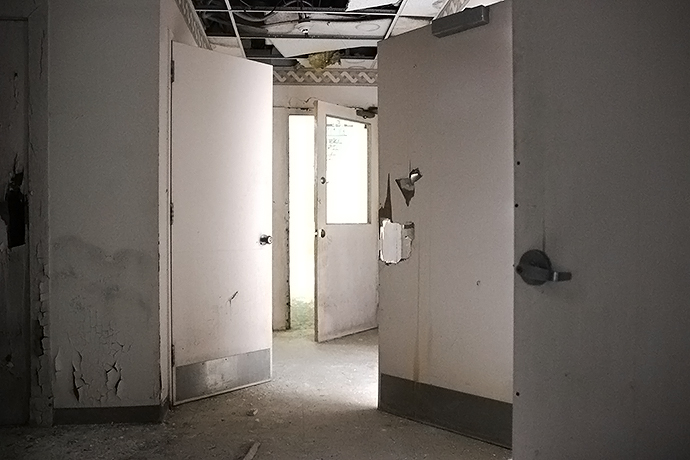
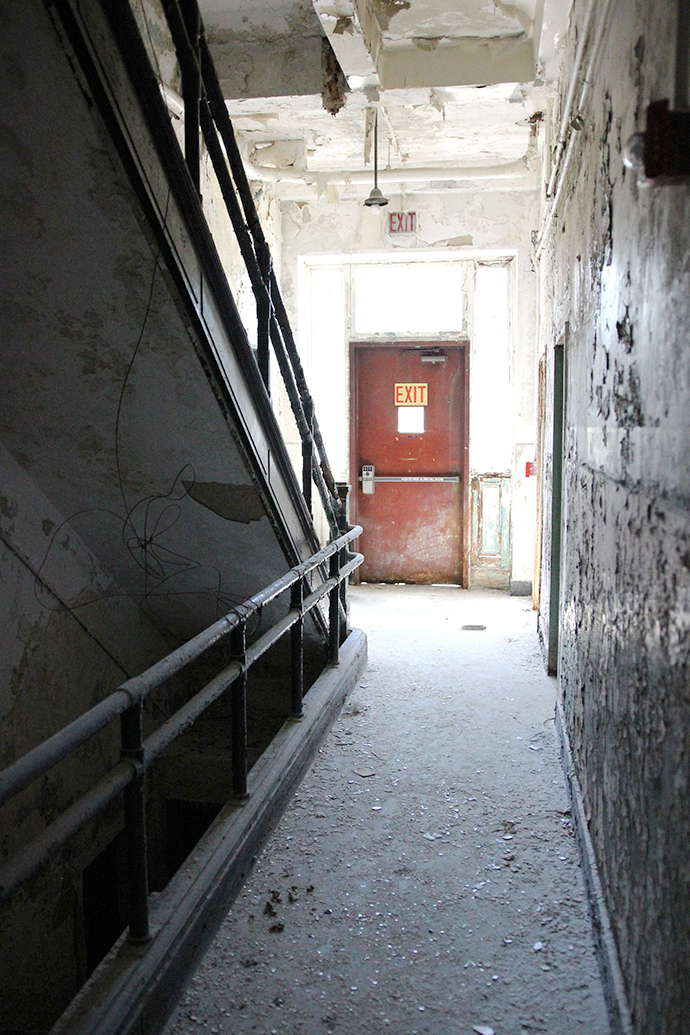
We spent about 3.5 hours exploring every single room, and it ended up being the absolute perfect abandoned place for novices like us. We did briefly see a cat, which was slightly unnerving, but otherwise we had the place to ourselves. I love trying to figure out the history and imagining the different lives that the building has lived. We were very glad to find that most of the interior hadn't been ruined by graffiti, although we did see some on the first floor. I'm not sure what the future holds for this place, but I'll never forget how kind it was to us on our first abandoned adventure.
The Bushwick Collective
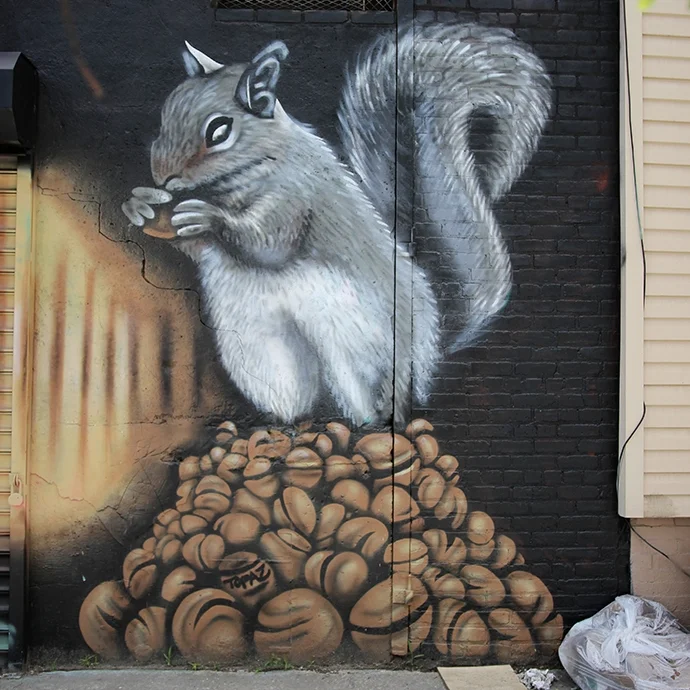
I'm not sure I've ever really mentioned it here, but my mom also lives in New York—in fact, we moved here at about the same time. We were roommates for our first two years as New Yorkers, and then I decamped to Brooklyn while she stayed in Harlem. Since we no longer see each other every single day (a healthy thing when you're in your 30s, I think), I make sure we still get together often to catch up. Usually we meet for diner breakfast once every week or two, sometimes followed by a mini city adventure. Recently, she mentioned that she wanted to go to Bushwick to see the street art—she had read somewhere that the area near the Jefferson L subway stop was being called the "new 5 Pointz," and I was intrigued.
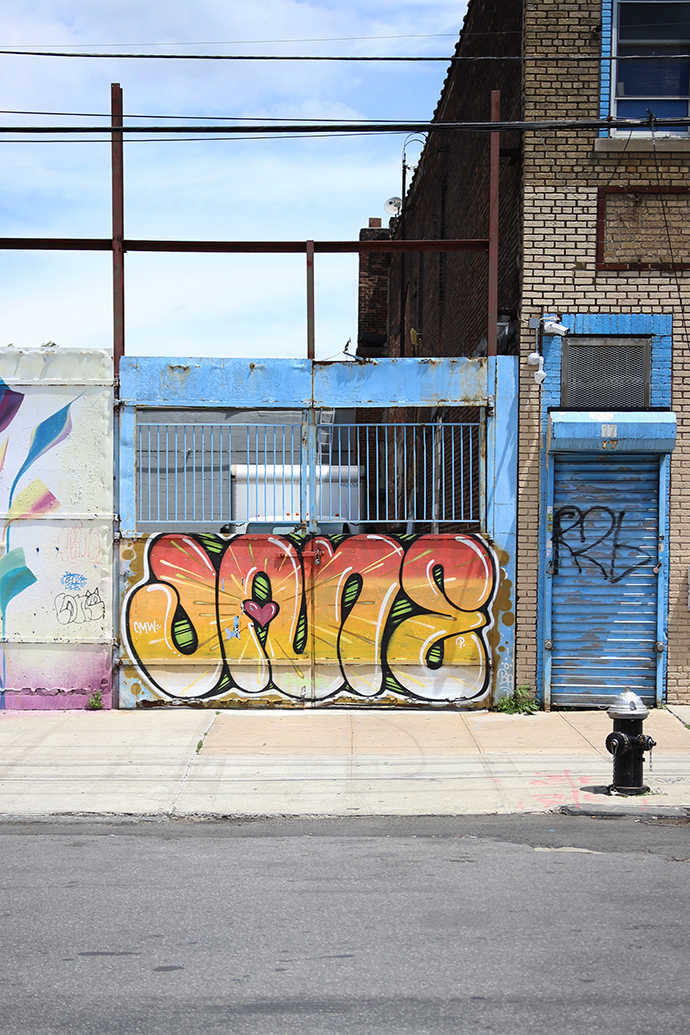
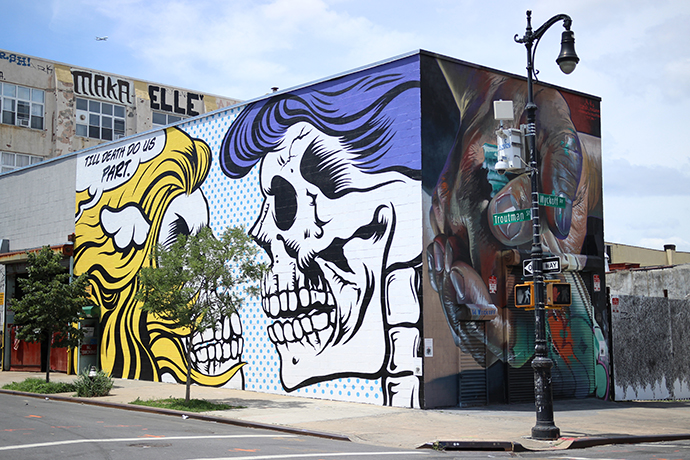
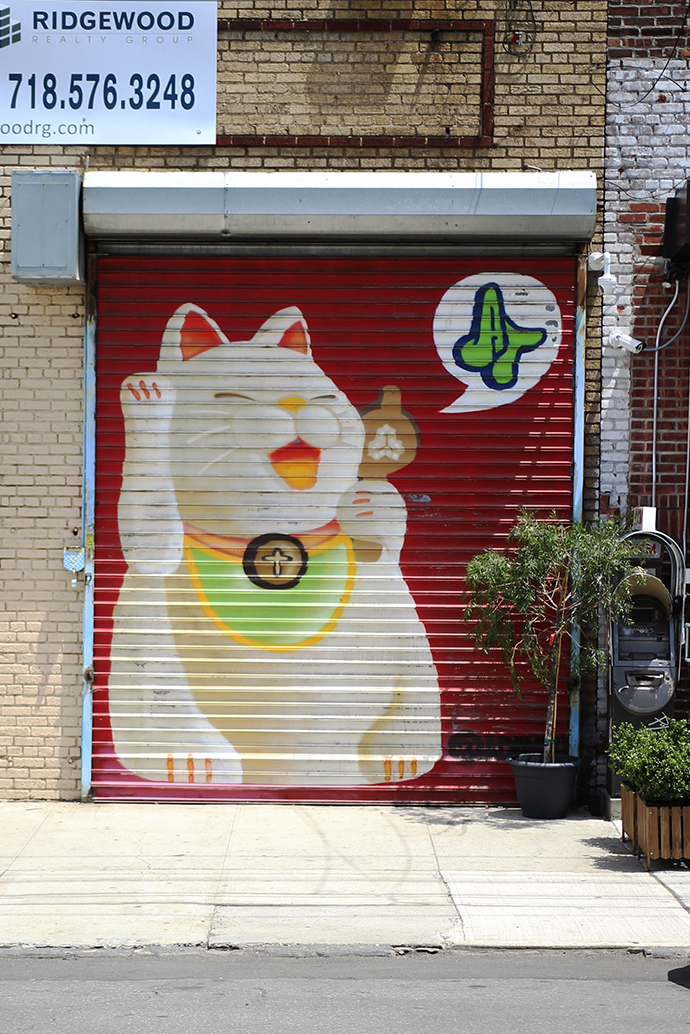
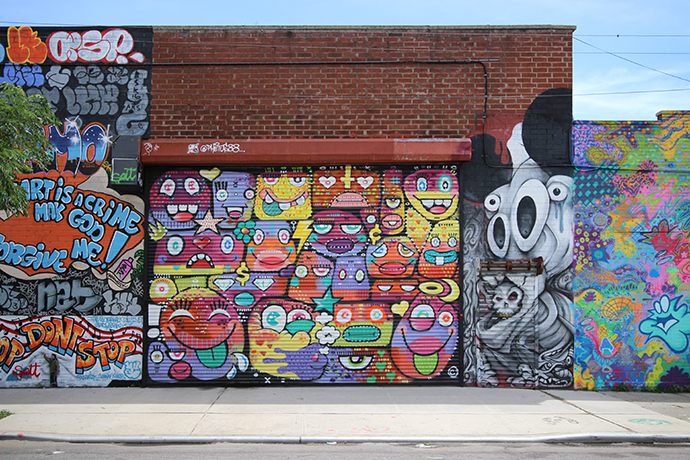

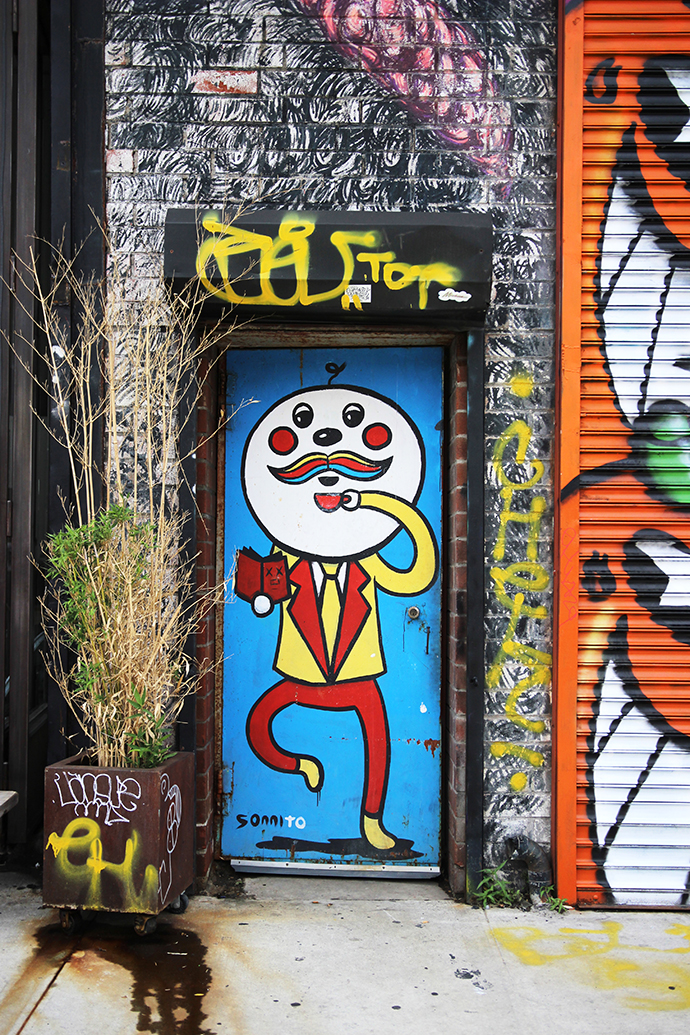
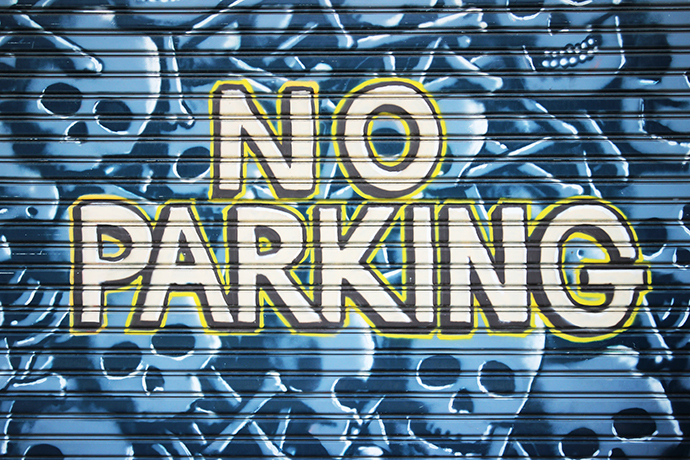
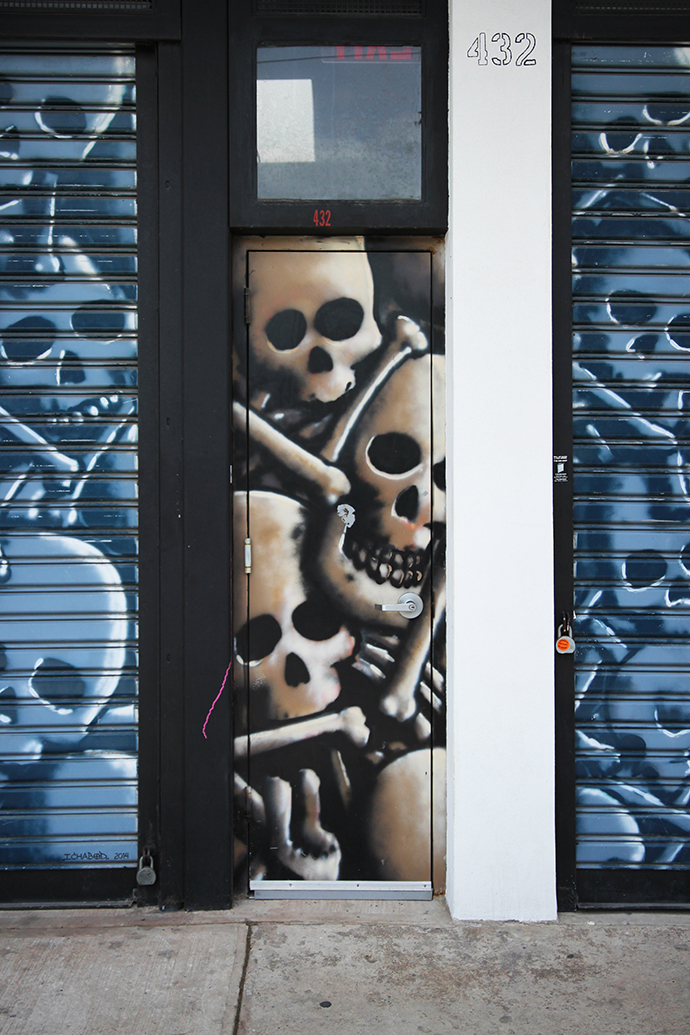

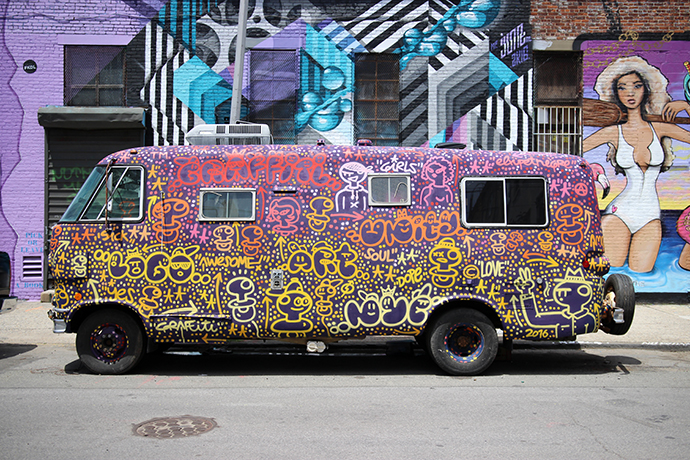
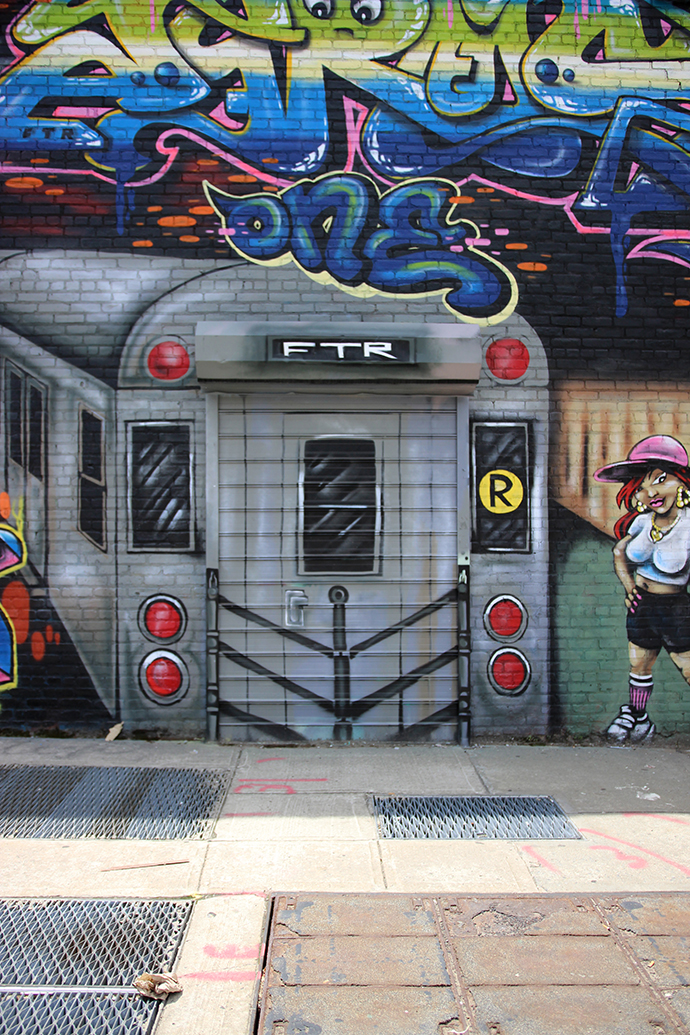
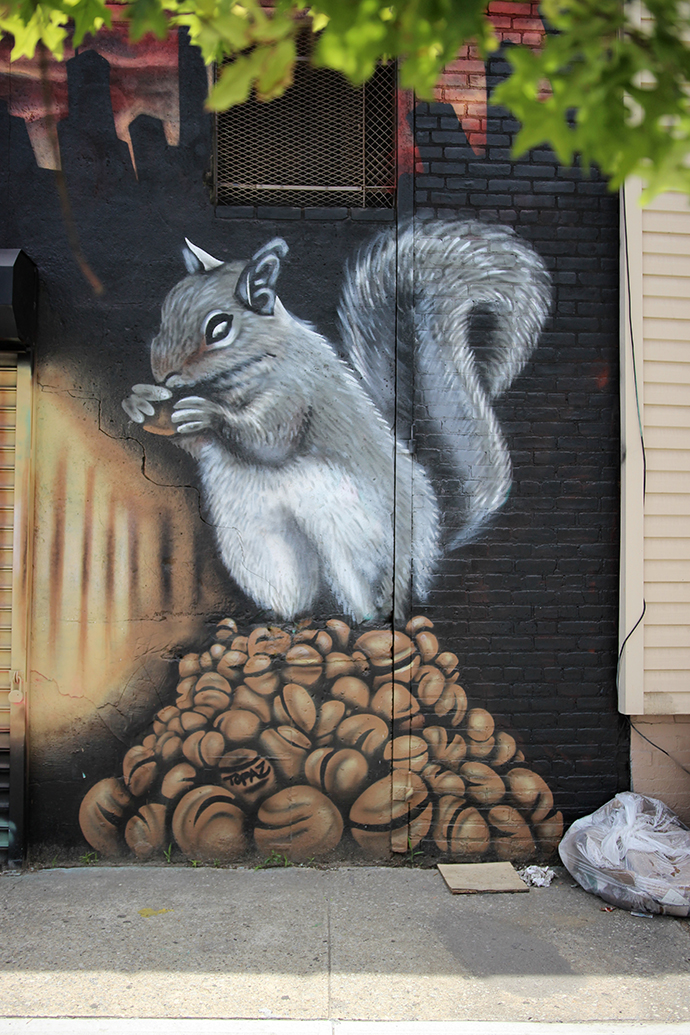
It turns out that she was referring to artwork by the Bushwick Collective, a non-profit, outdoor street gallery with works by artists from all over the world. Founded in 2012 by Joe Ficalora to combat the sadness he felt after both of his parents died in Bushwick, the Collective used the walls of buildings Ficalora owned, and added others as he obtained permission from building owners. The artists, chosen by the Collective, donate their supplies and time, and the building owners donate their wall space.
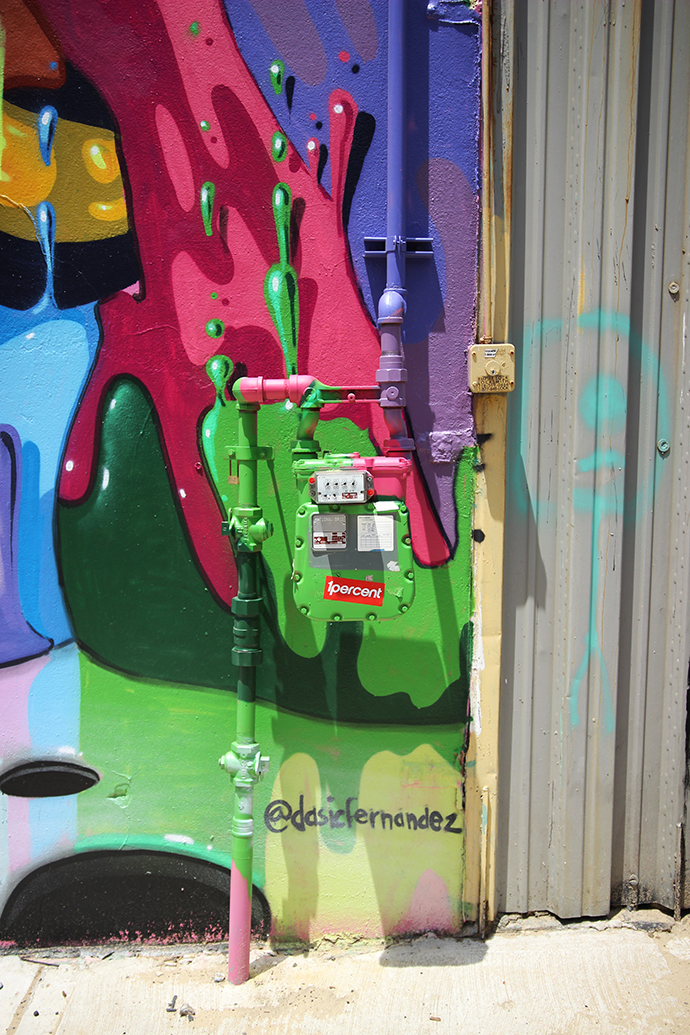
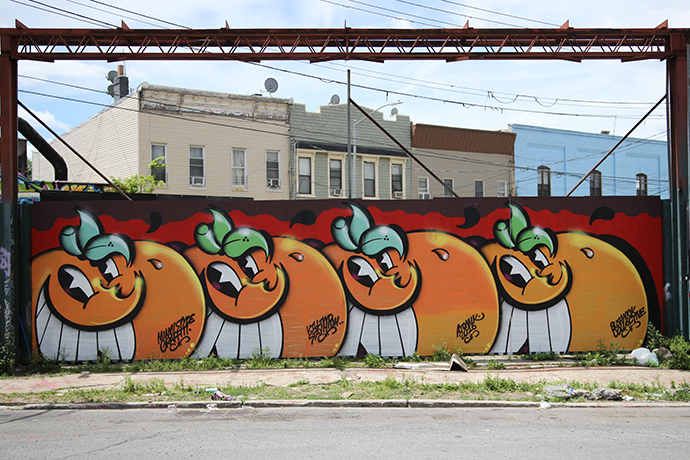


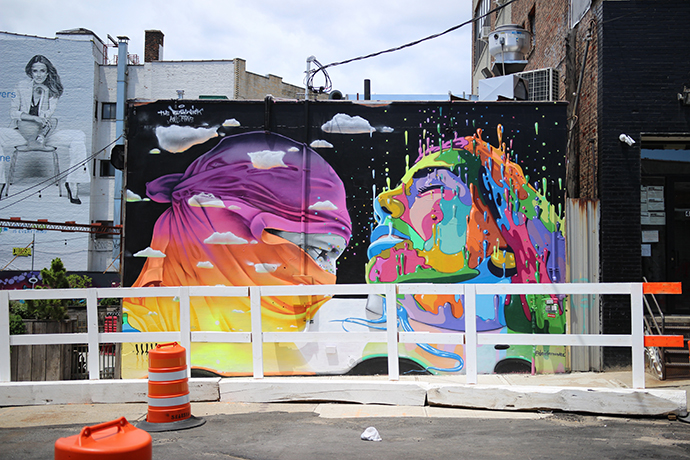
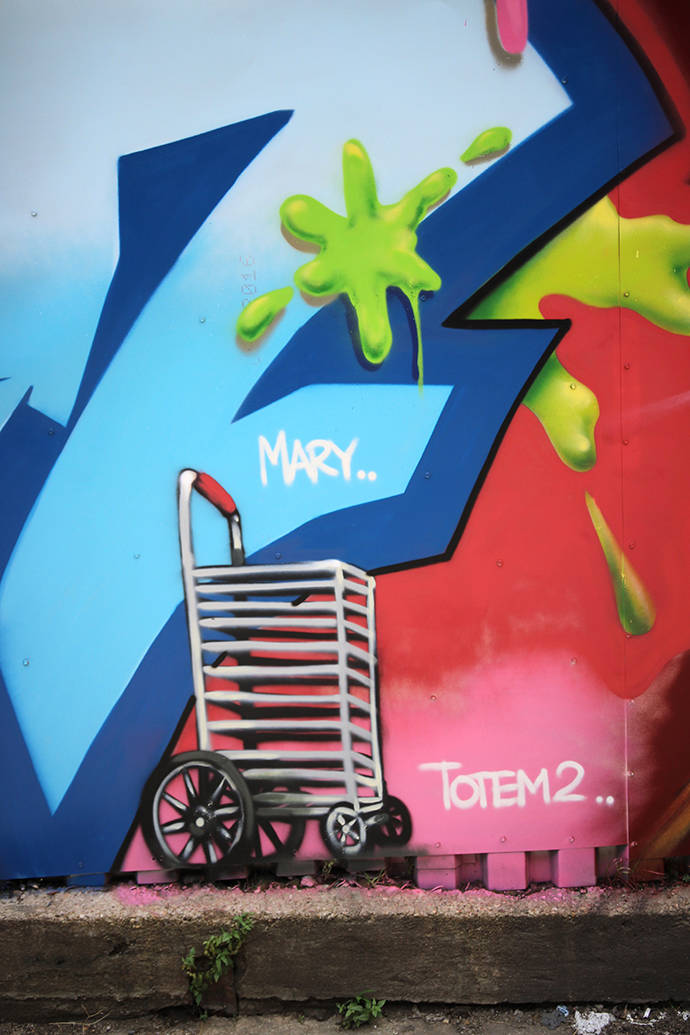


Both my mom and I were in awe at the range of extraordinary talent exhibited on the walls. I am a graphic designer, so I have always gravitated towards creative expression, but the ability to create art just using my hands and eyes has always alluded me. From hyper-realism to silly cartoon figures, the artists chose by the Collective vary widely in style but all of them are the real deal. When you factor in the uneven surfaces, unpredictable outdoor conditions and a material as volatile as spray paint, it makes their creations even more remarkable.
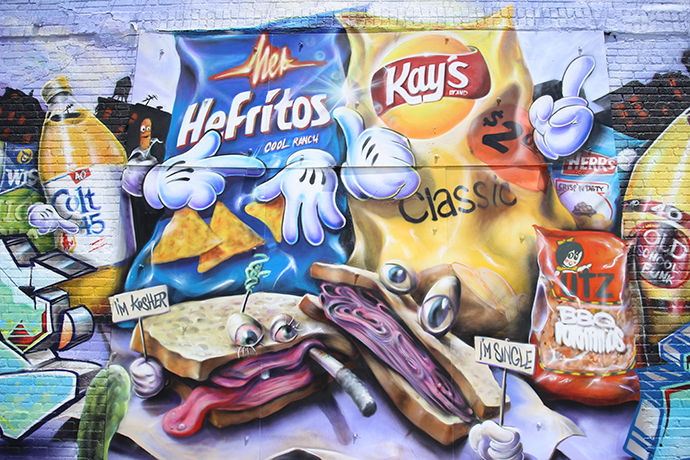
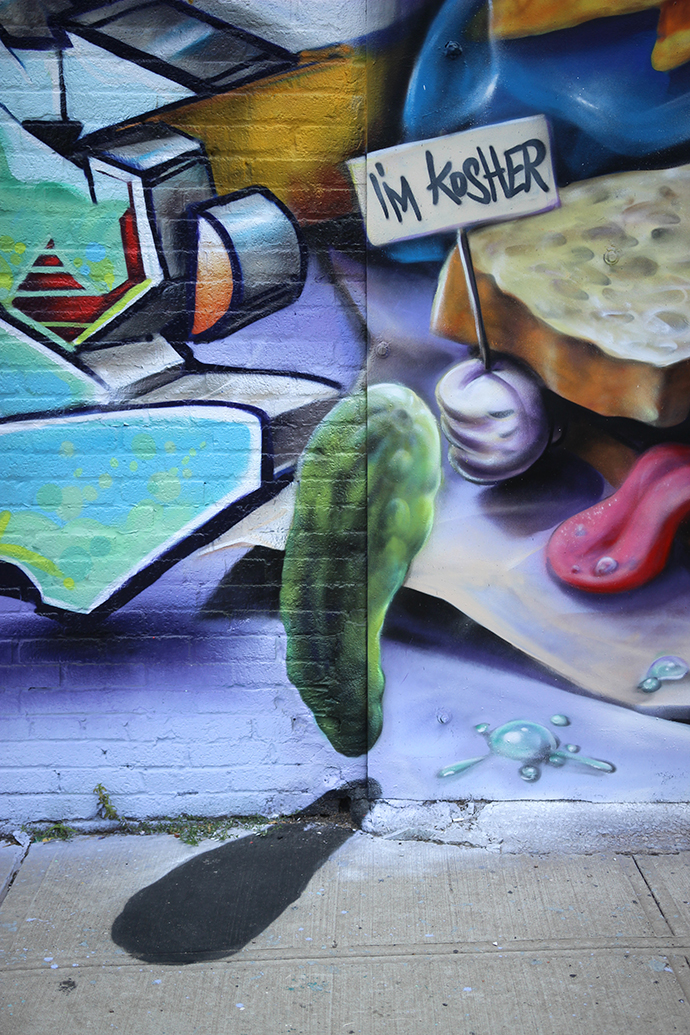
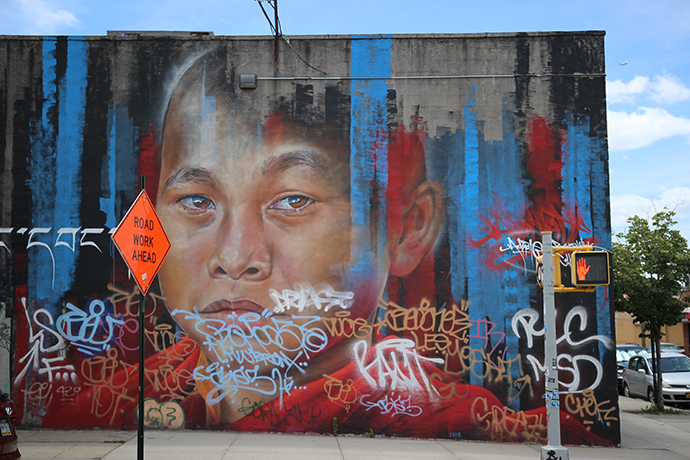

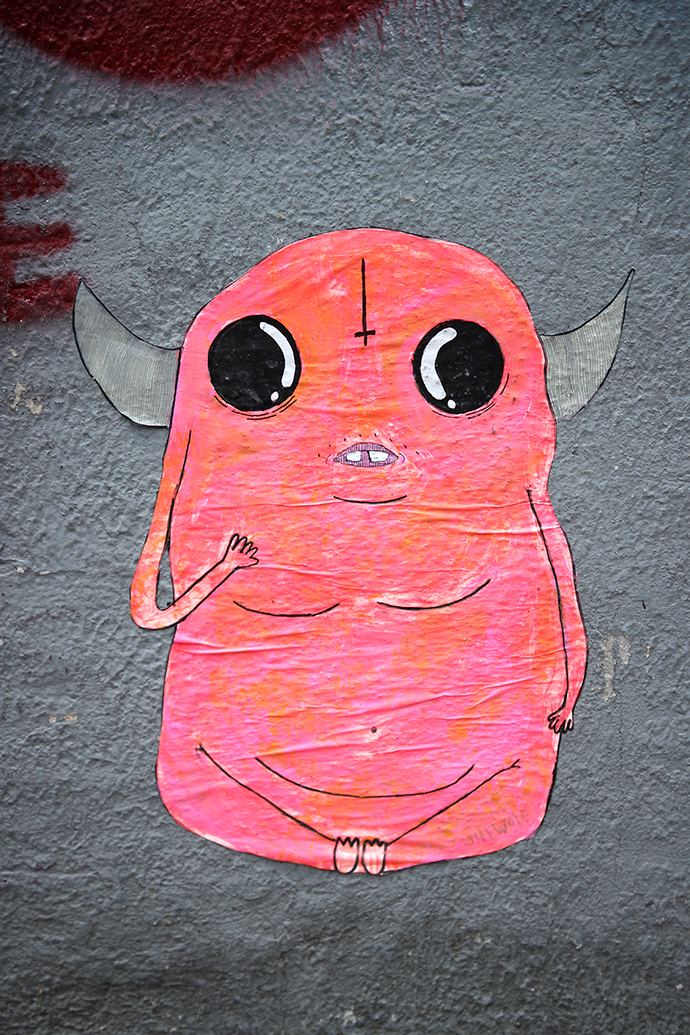
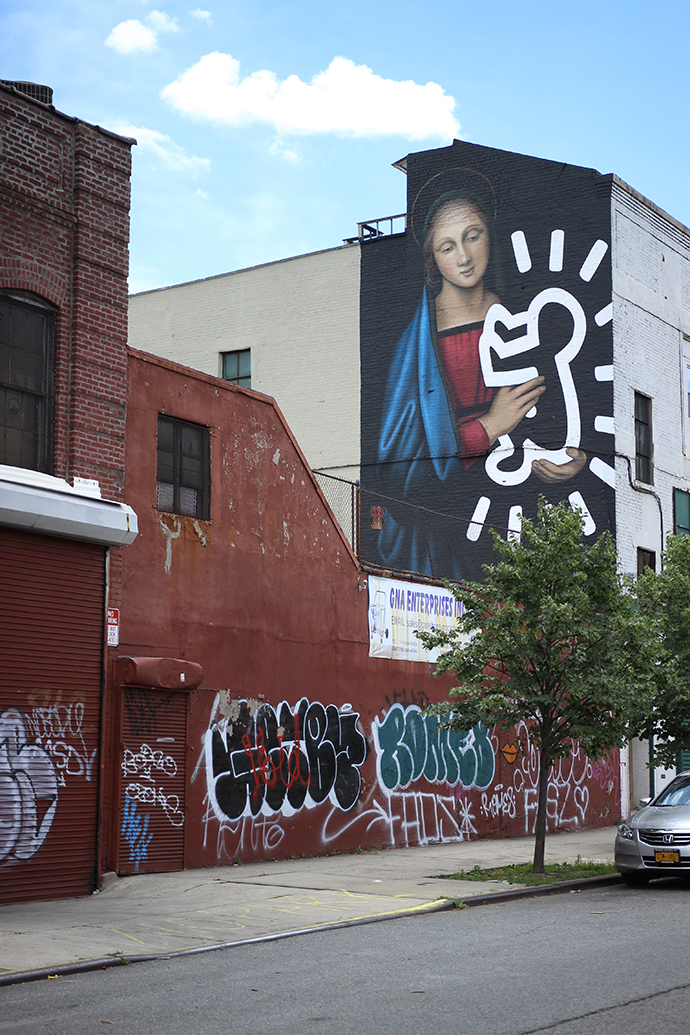
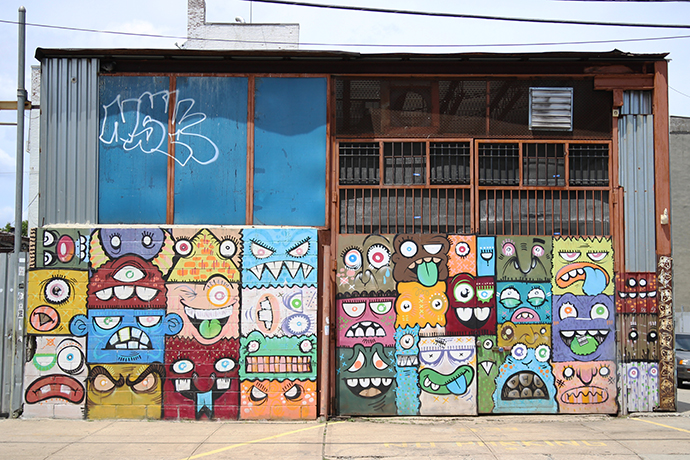
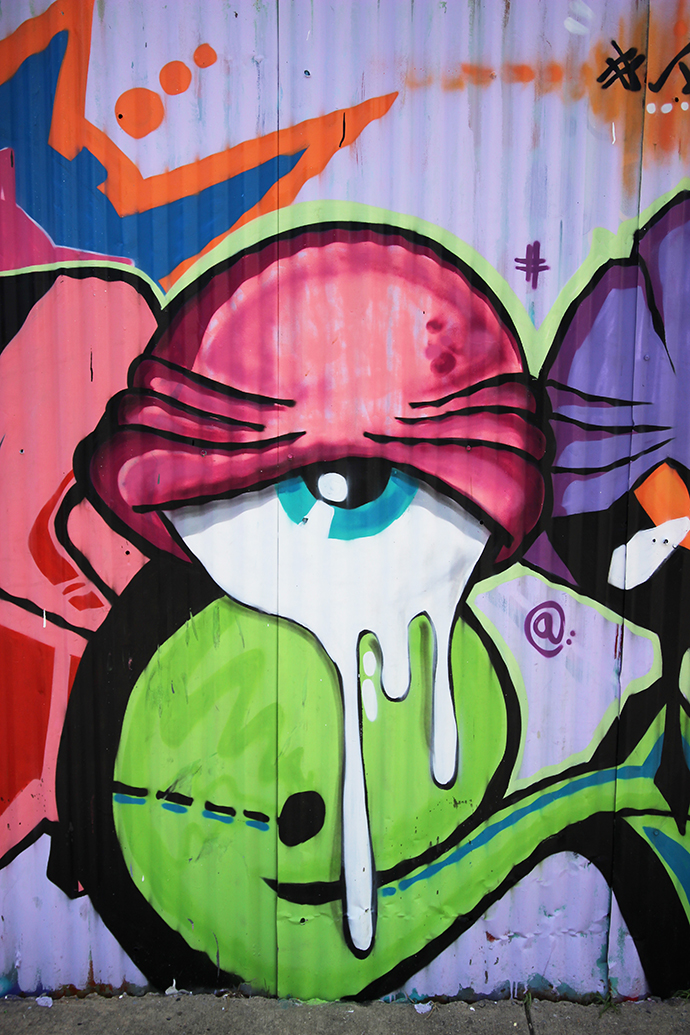
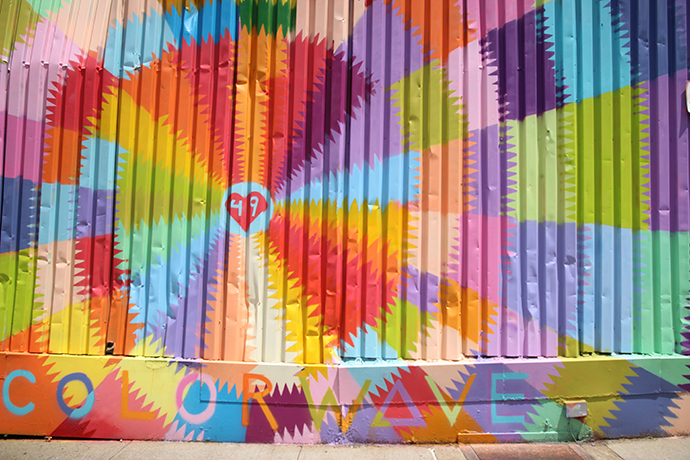
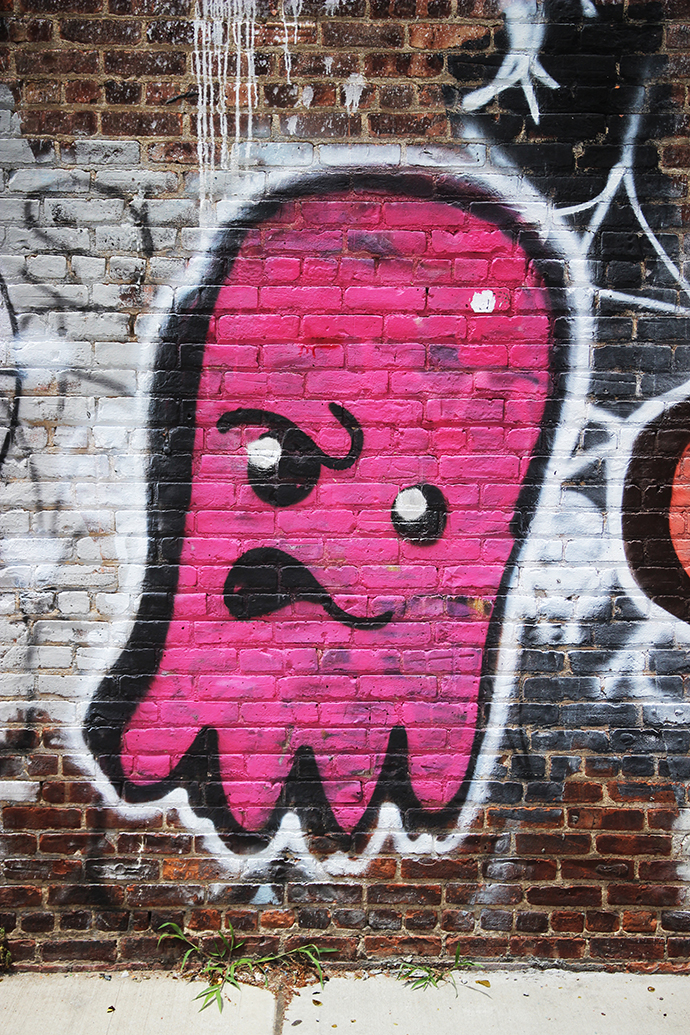
I was fortunate enough to see 5 Pointz before the buildings got whitewashed and then demolished, and while I understand the comparison, the Bushwick Collective feels more organized than 5 Pointz. It covers a greater area and is more like an art gallery—each large-scale piece can be viewed individually or you can step back to take in an entire block of varying styles and messages. It's a great way to spend an afternoon, wandering from piece to piece, discovering new things around every corner—all for the price of a subway ride to Bushwick.

BBG: Roses
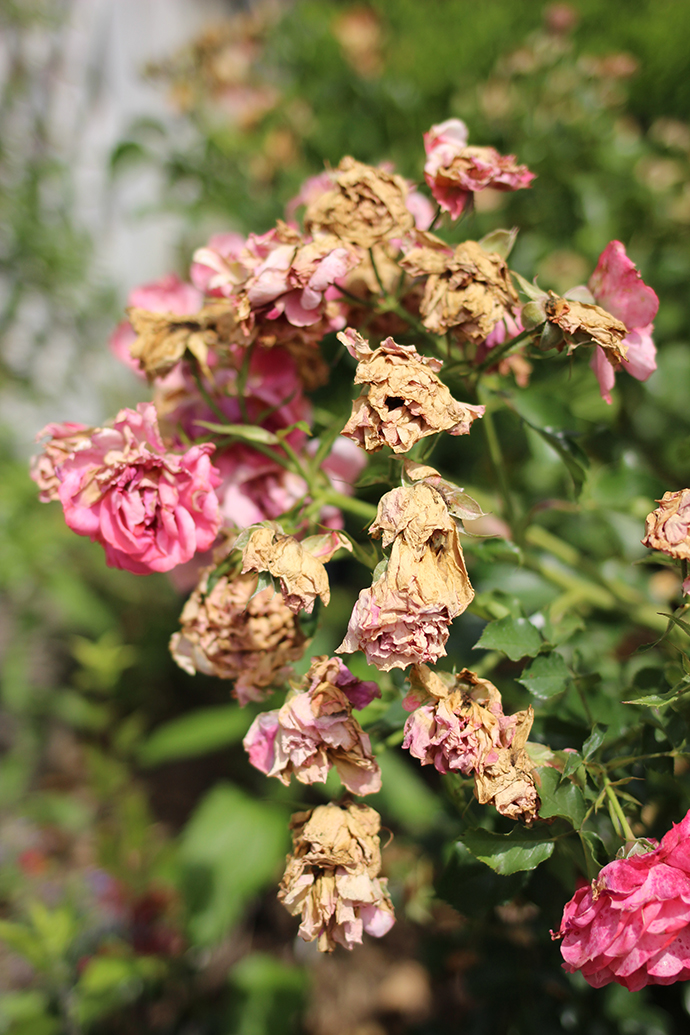
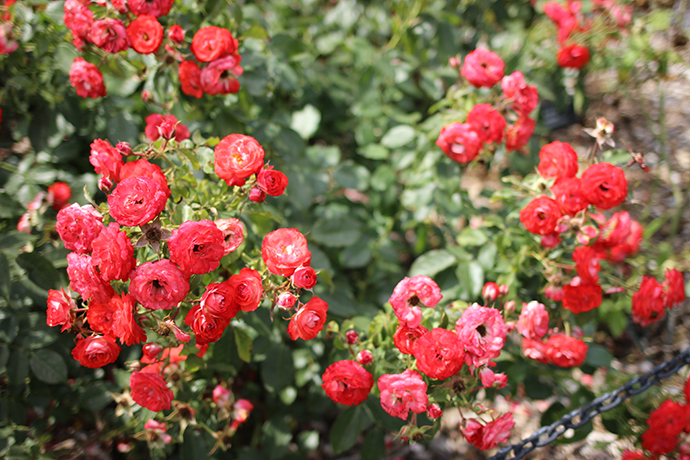
Before going to Coney Island for fireworks, we spent most of the Fourth hanging around Prospect Park, including a walk through the Brooklyn Botanic Garden. I hadn't been to the BBG since the very beginning of spring, and it's always a nice place to spend a sunny afternoon. We planned on checking out the rose garden, specifically, and found it to be past its peak but still worth the trip.
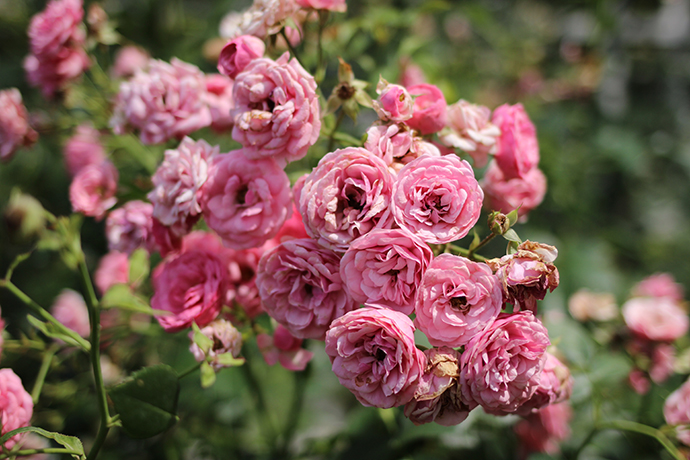
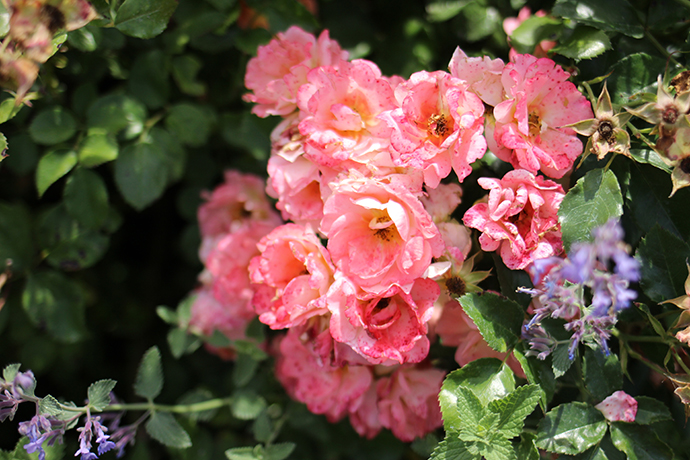
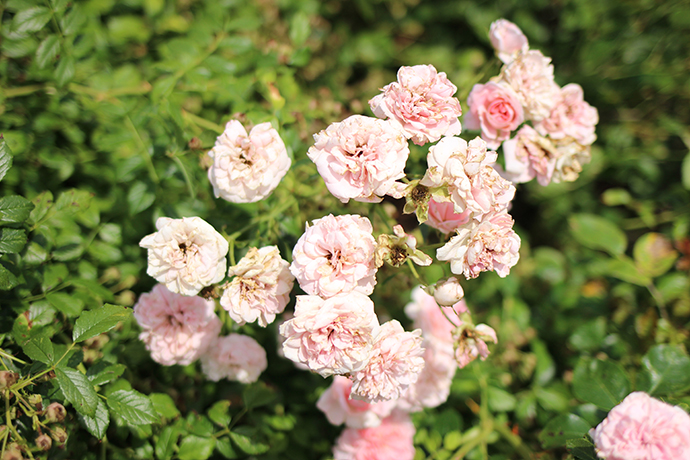
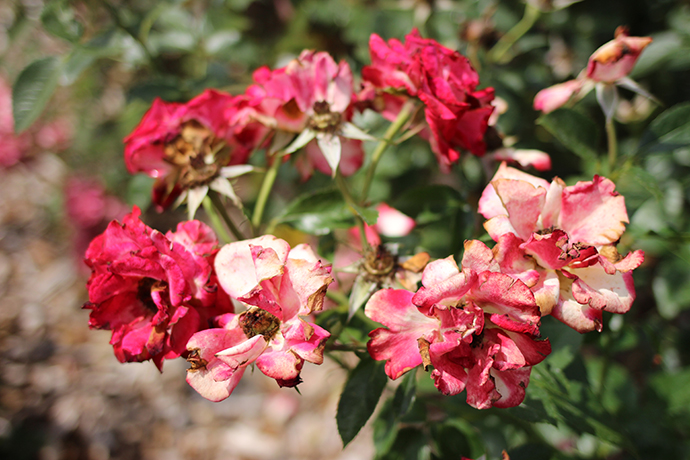
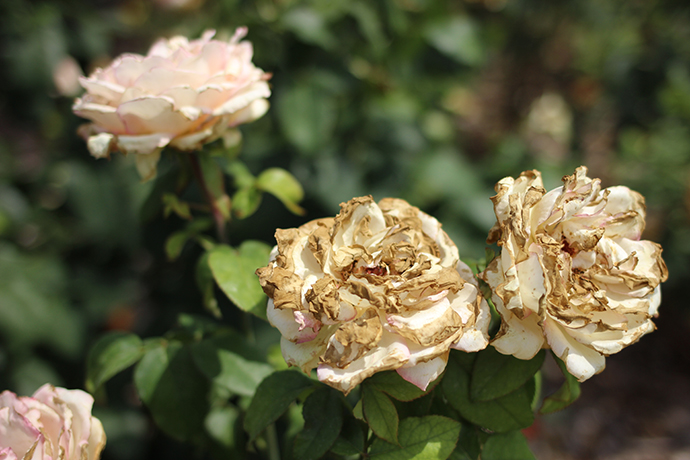
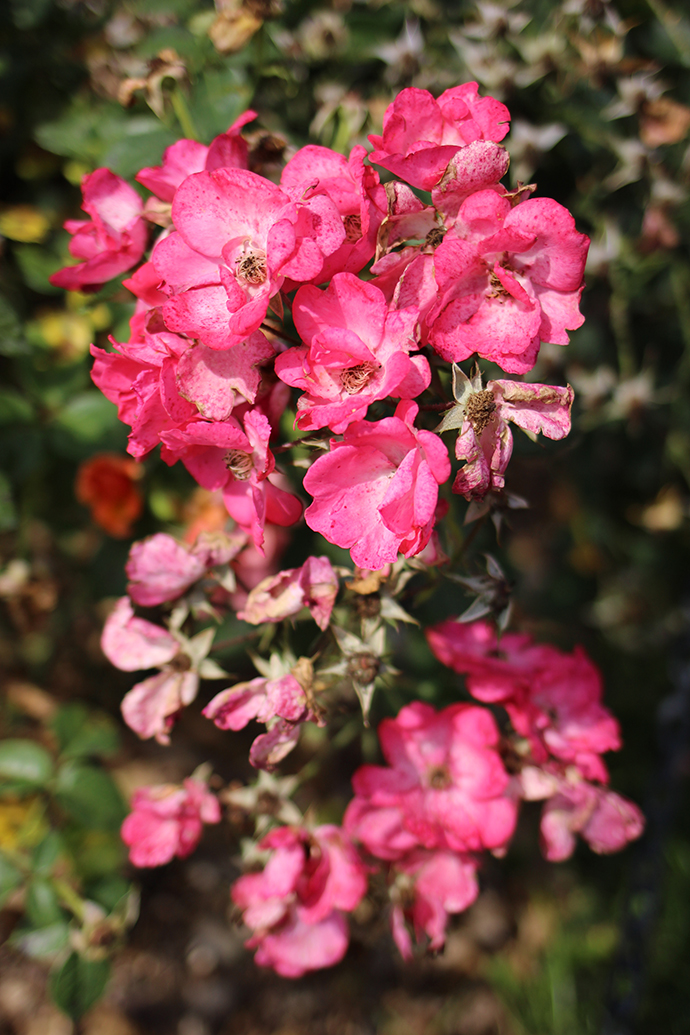
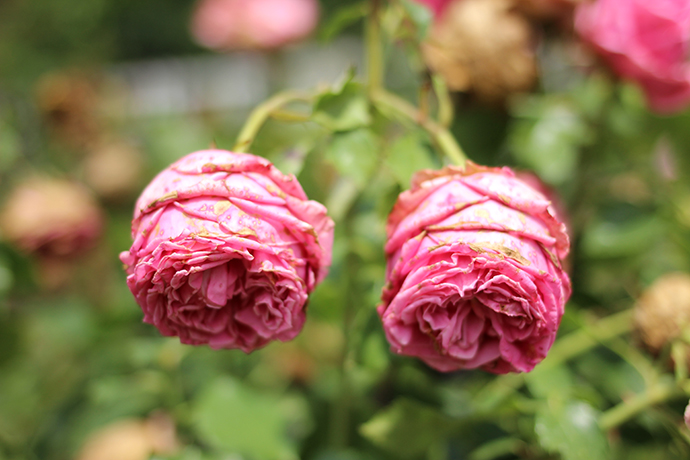
I was initially disappointed to have missed out on peak bloom, but quickly became enamored with the garden in its current state—roses that were still amazingly fragrant and beautiful despite the fact that they were mostly dying or already dead. It wouldn't have done anyone any good to be sad that we had missed out on this season's most beautiful blooms, and it was nice to instead shift my focus to appreciating the imperfectness of nature and the elusiveness of perfect timing.
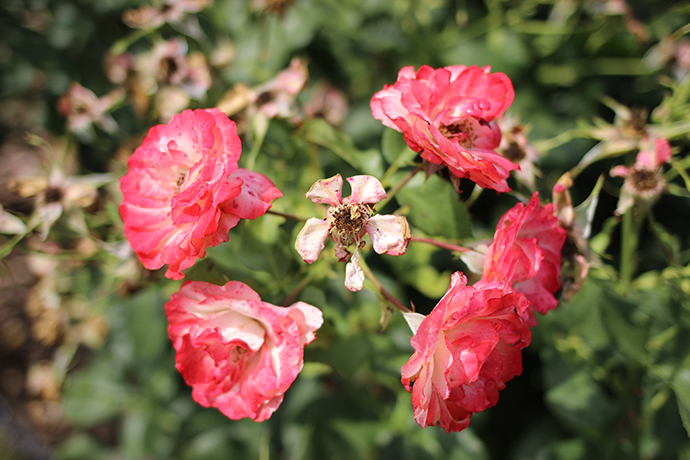
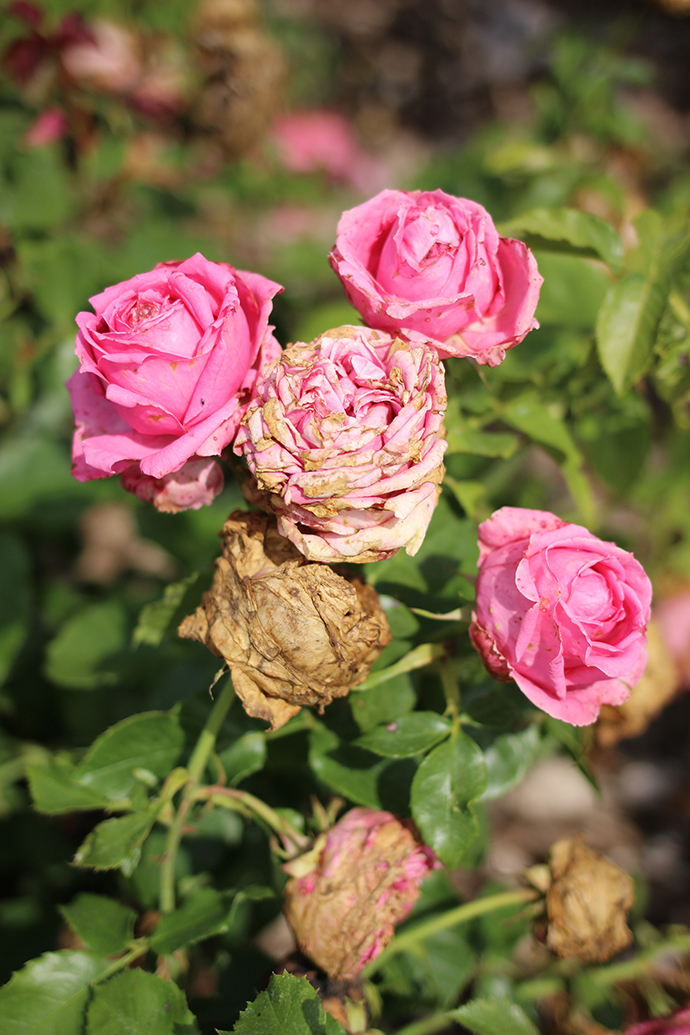
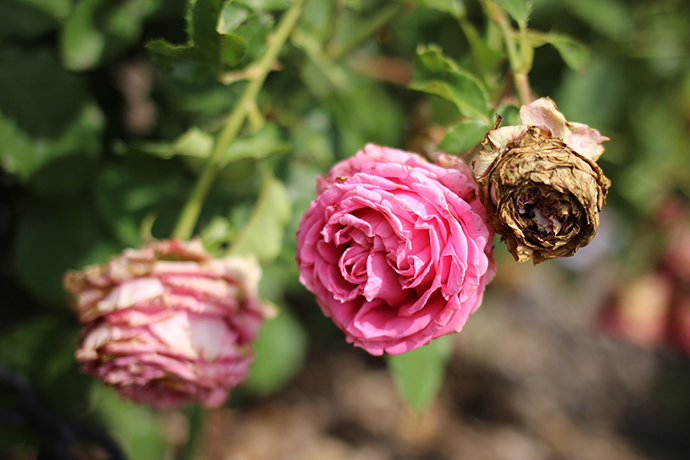
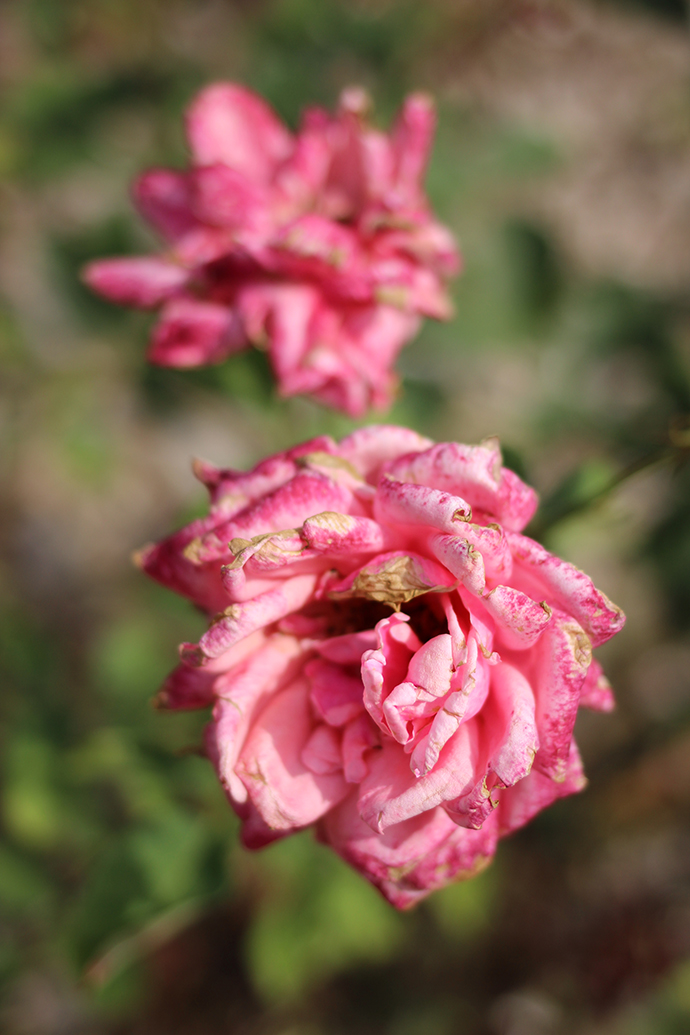
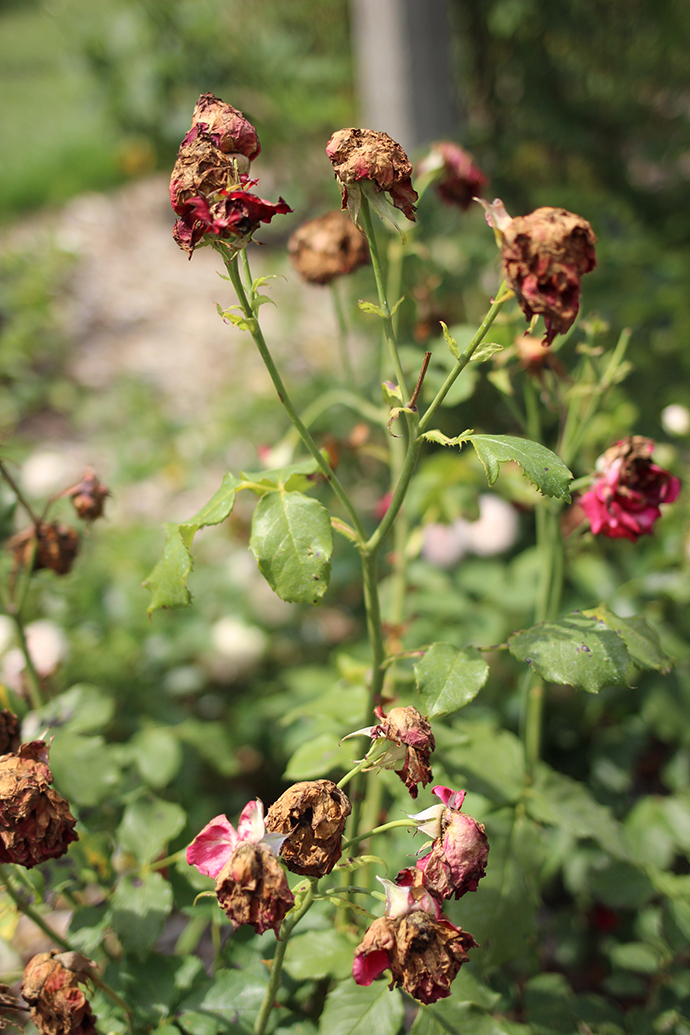
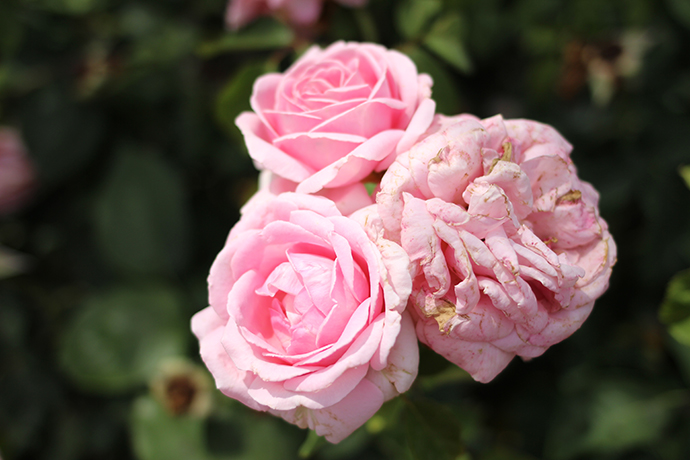
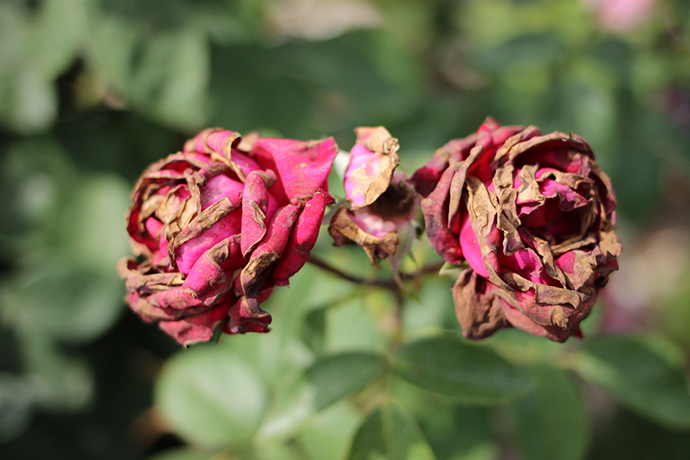
I'm forever impressed by gardens—and the fact that plants can not only grow and survive, but can sometimes produce extraordinary flowers. Plants are such a mystery to me that I think I probably marvel at them more than a seasoned gardener probably would, but I'm just grateful that I can visit such beautiful gardens without having to actually figure out how to keep plants alive on my own.
Most Holy Trinity Cemetery: Statues
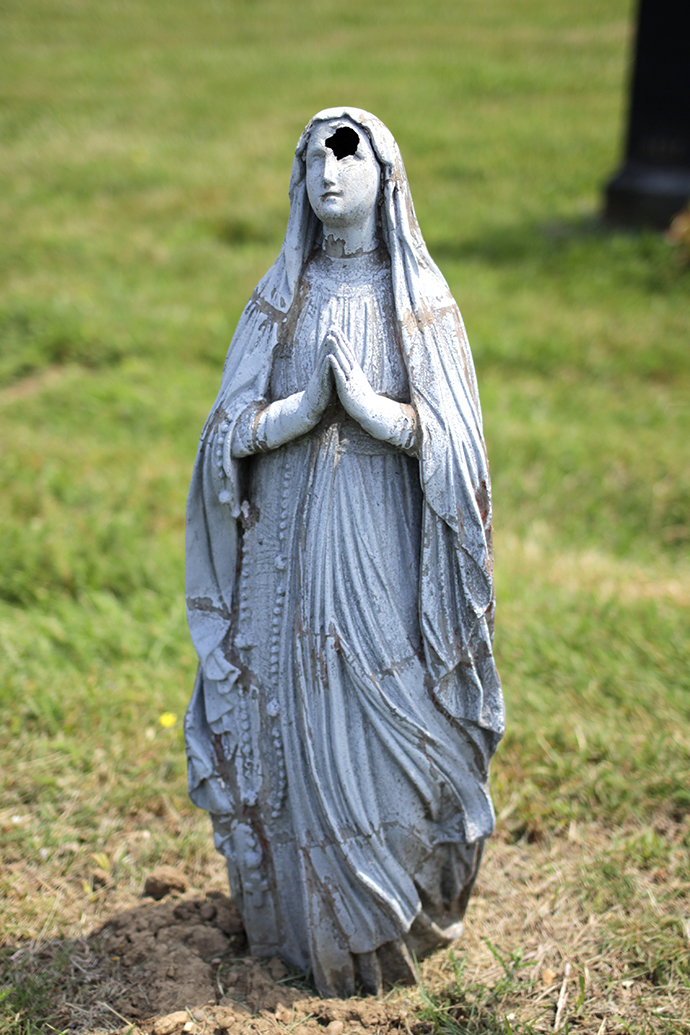
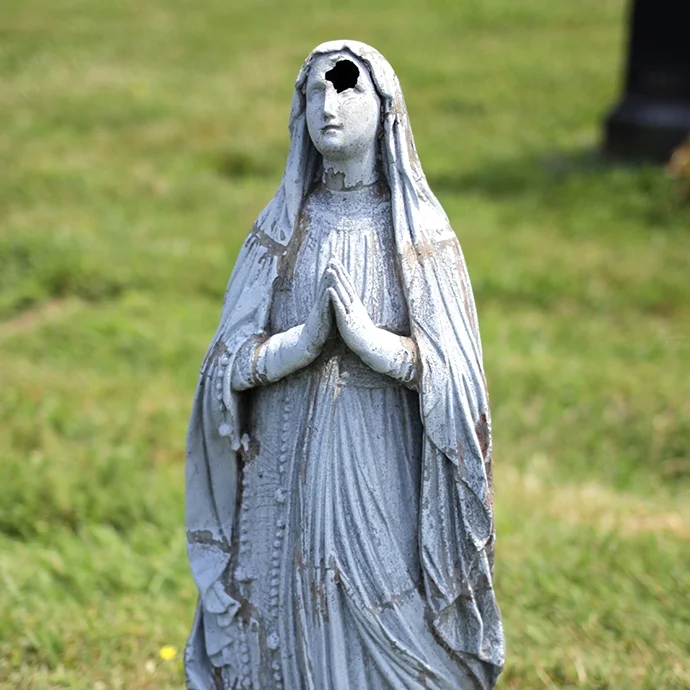
In addition to the completely wonderful tin and wood markers that fill Most Holy Trinity Cemetery in Brooklyn, there are some really excellent metal statues scattered about the grounds. It was a photo of a woman statue, half submerged in the ground that initially drew me to visit the cemetery, but I was surprised at how many I found.
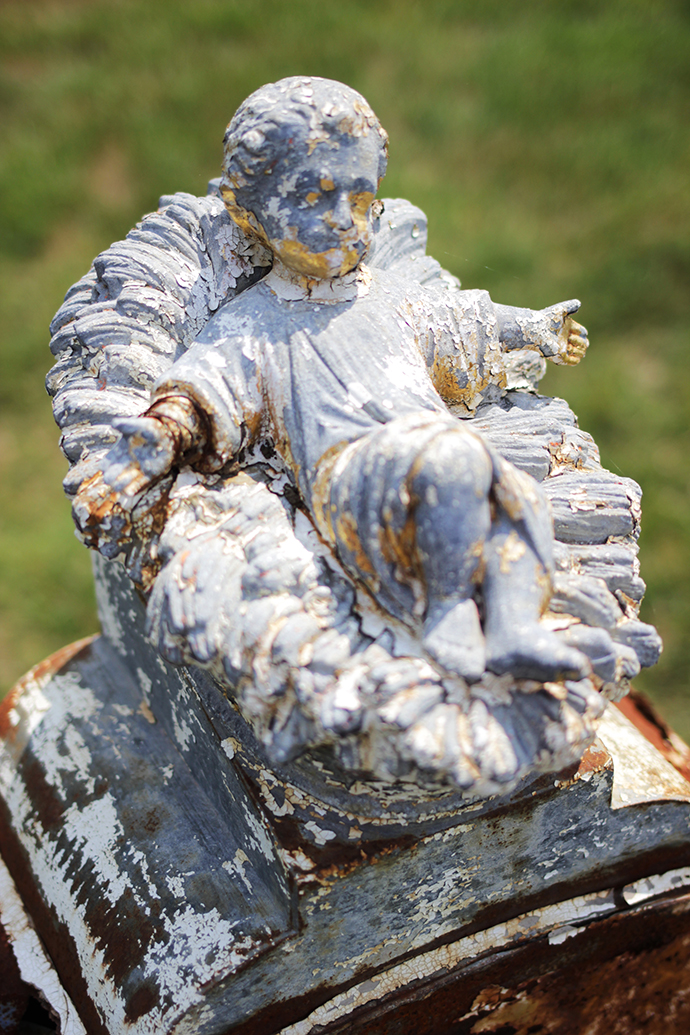
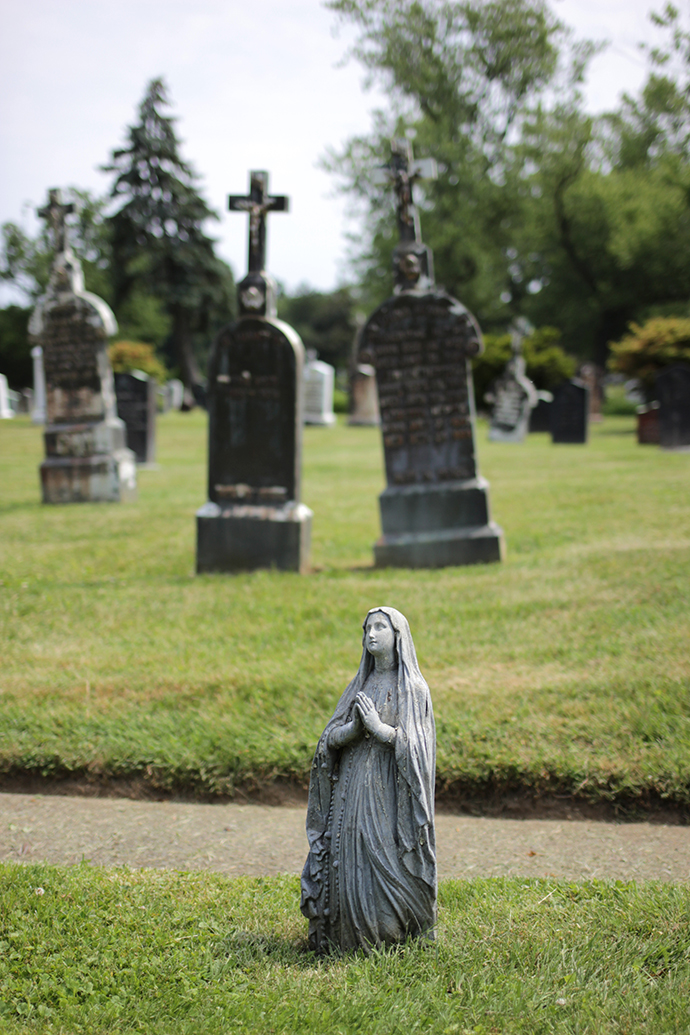
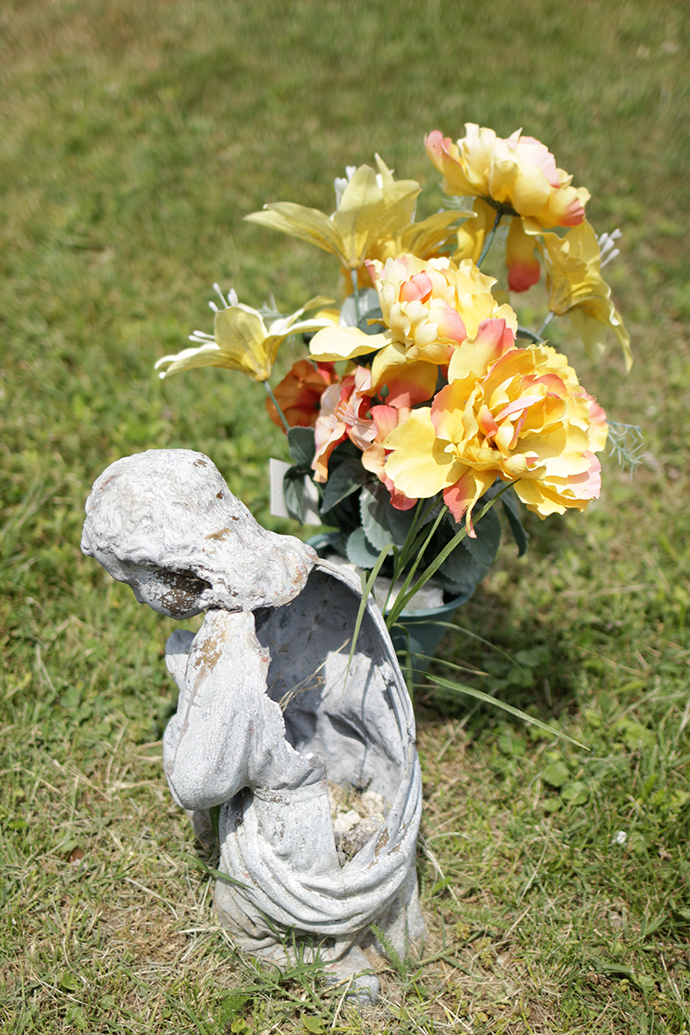
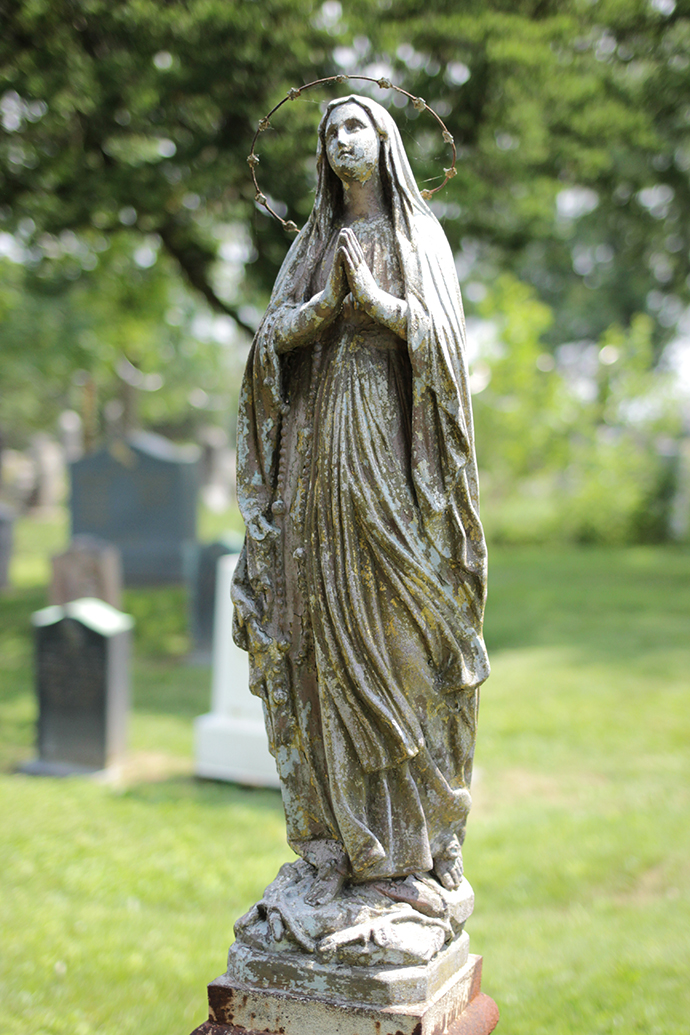
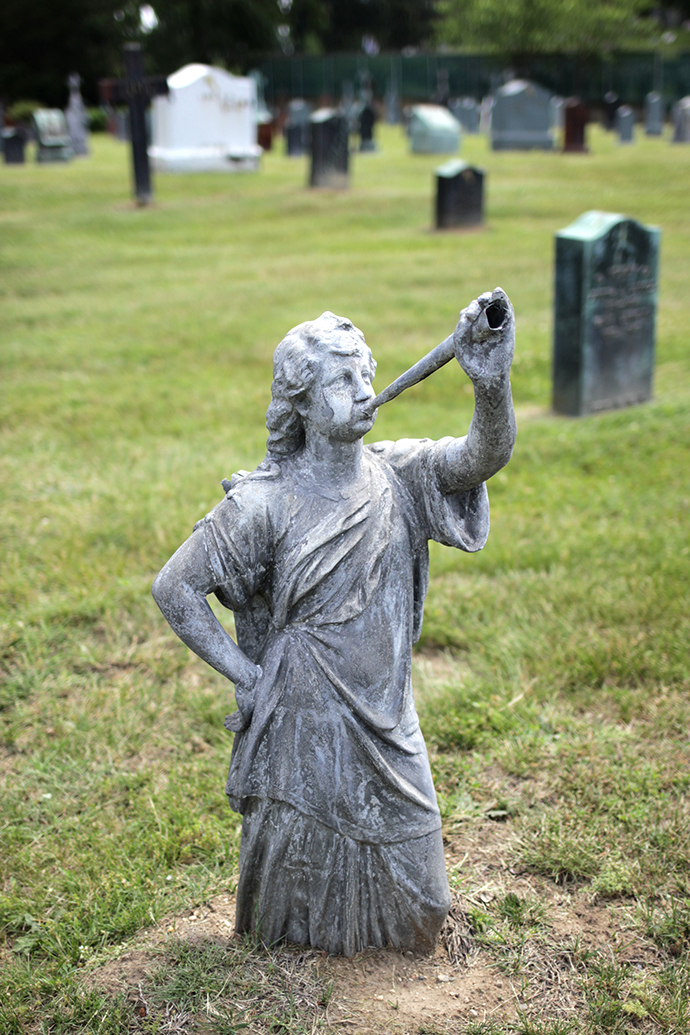
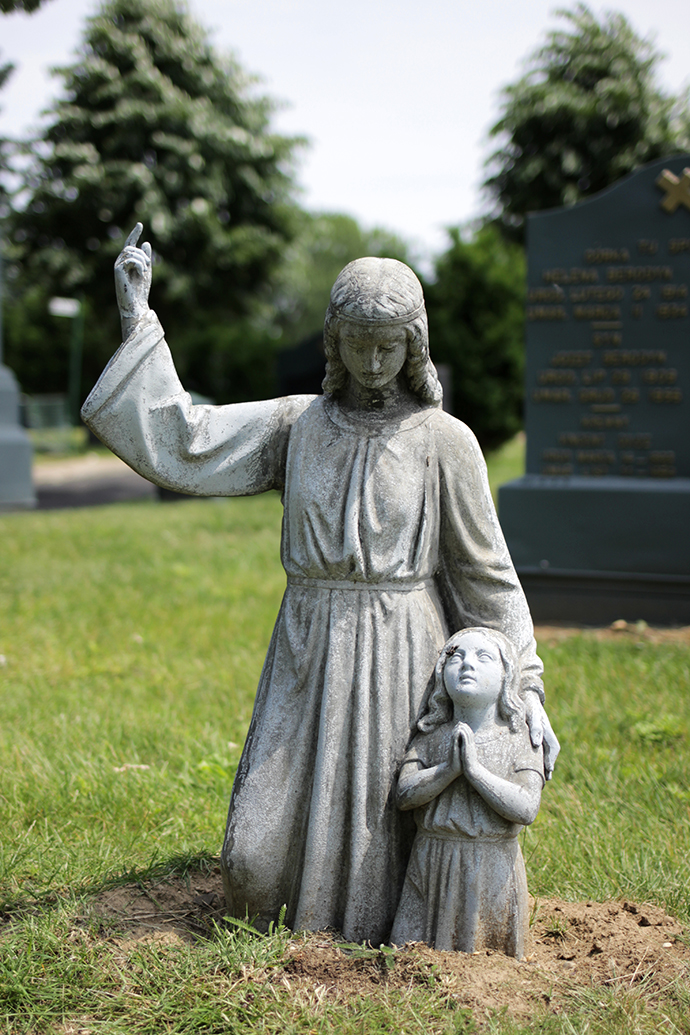
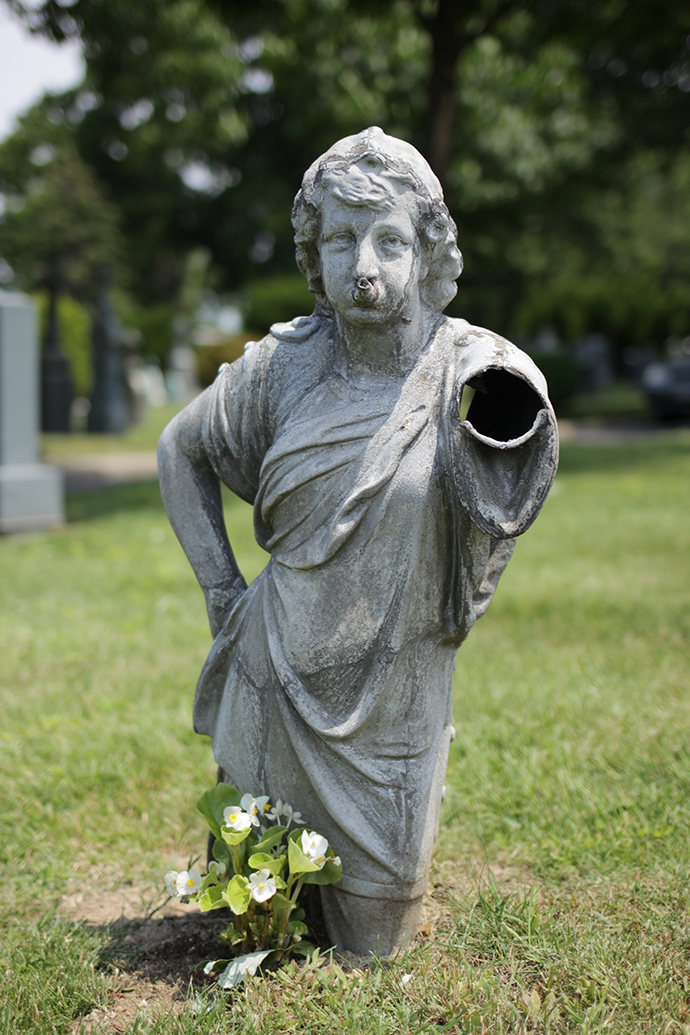
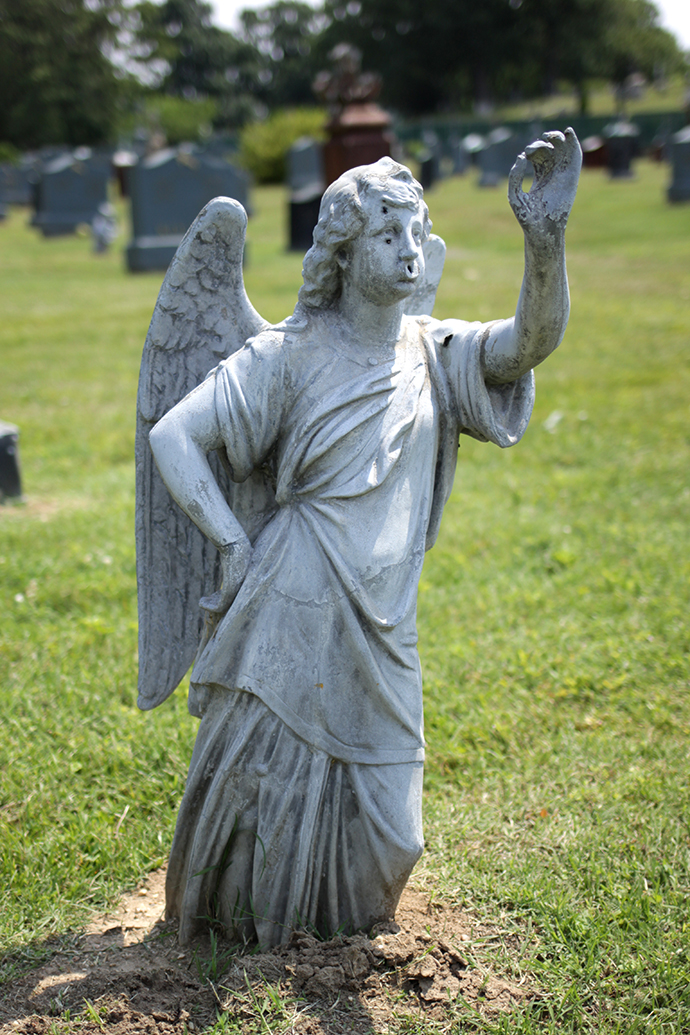
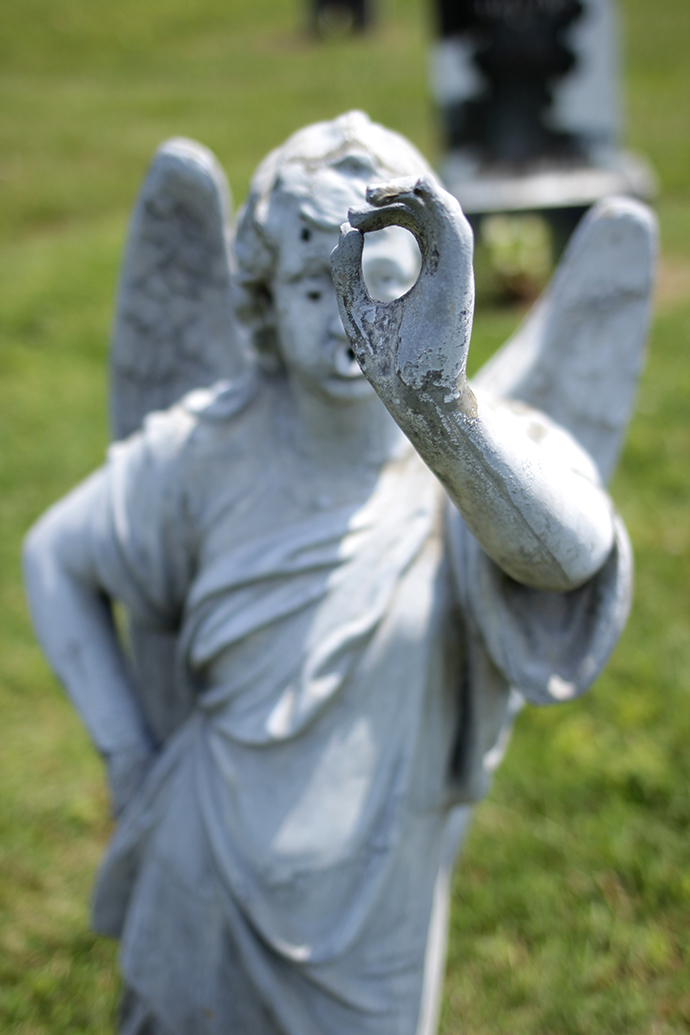
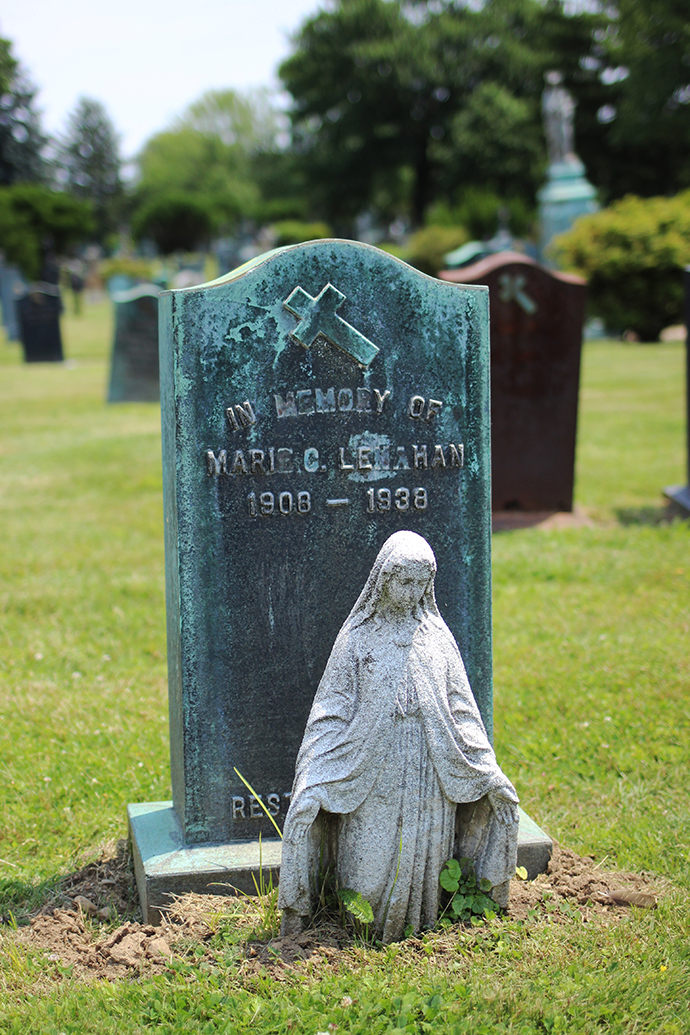

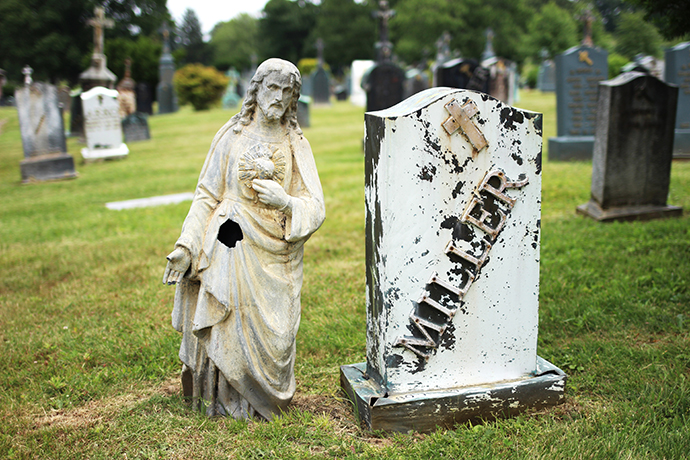
Because the statues are all made of metal, like most of the markers, they have weathered and become damaged in some very interesting ways. Instead of crumbling or being worn away by rain like stone statues, the metal figures developed holes or had entire limbs or accessories that appear to have fallen off at some point. I'm not exactly sure why most of the statues were unconnected with a marker of any kind—most were just sinking into the ground without any indication as to whom they belonged.
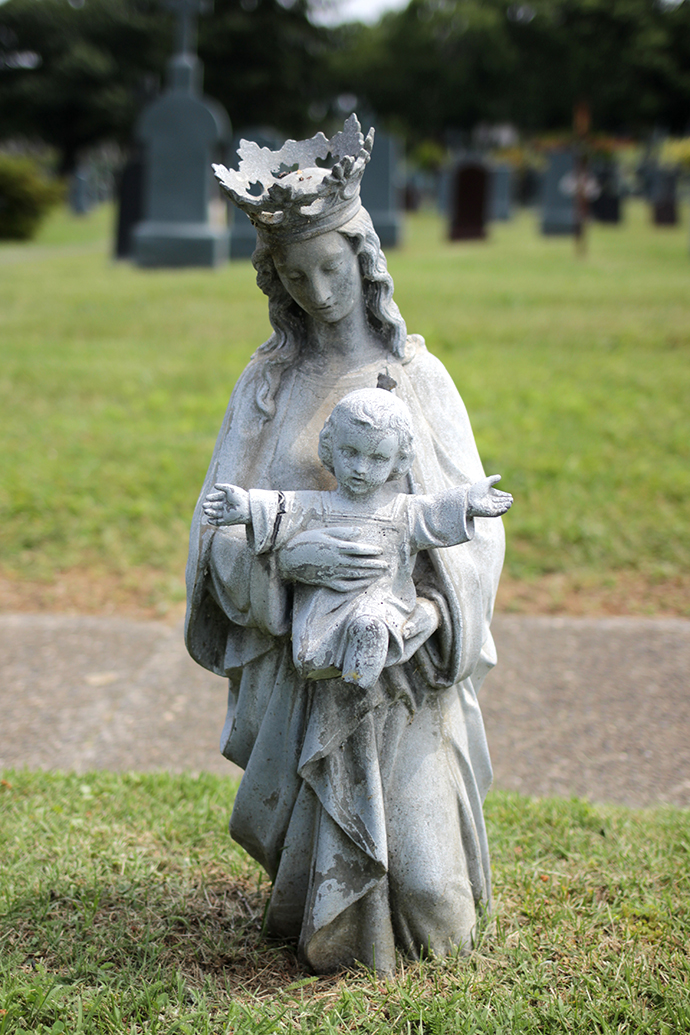
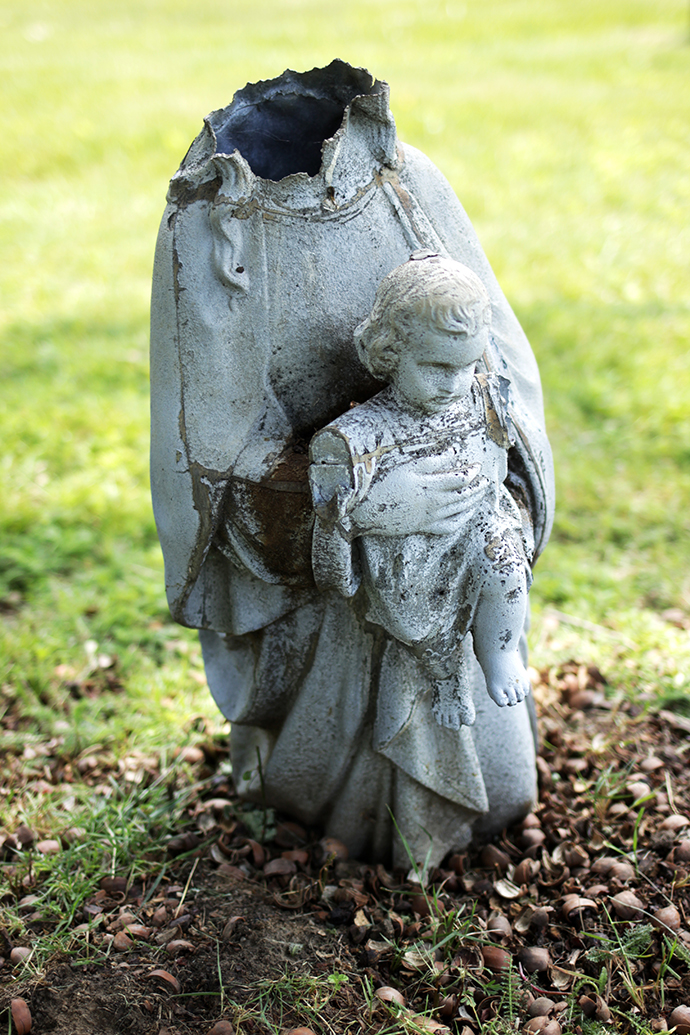
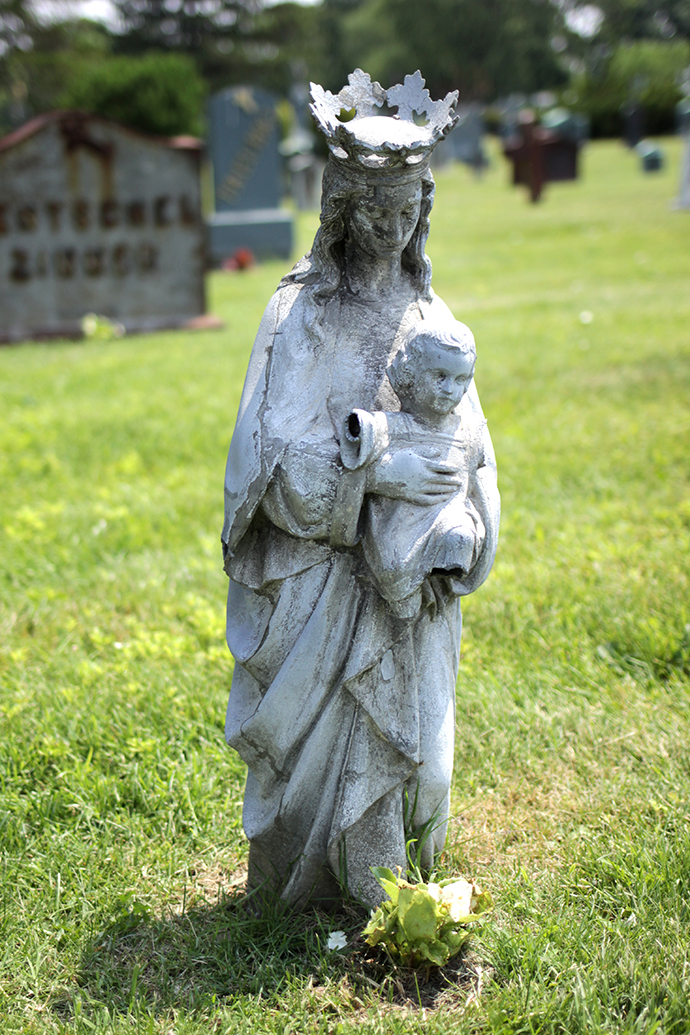
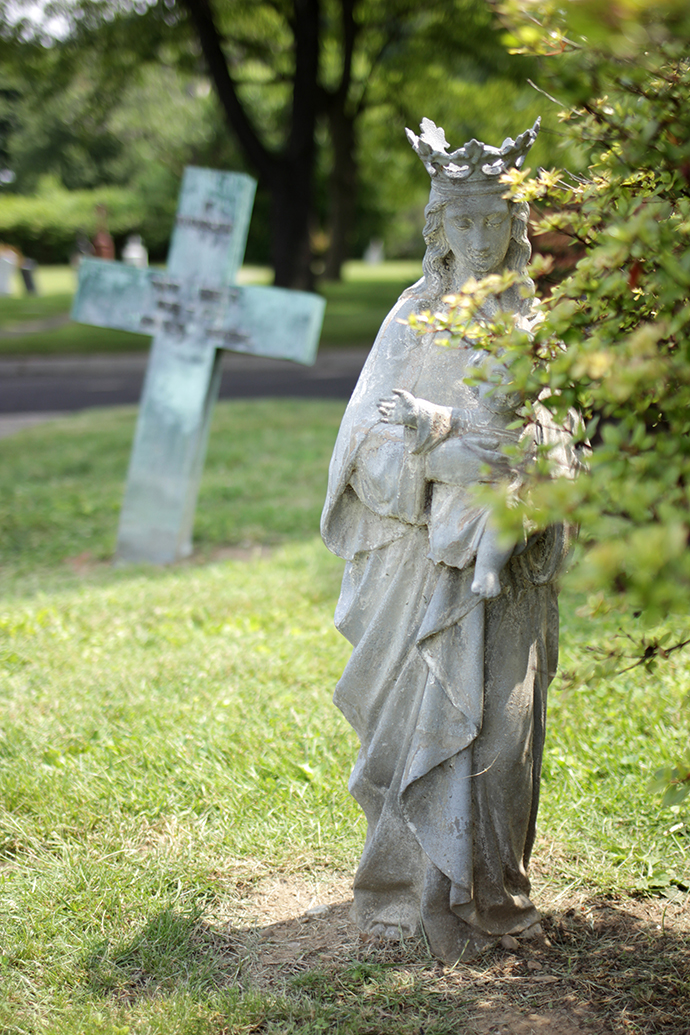
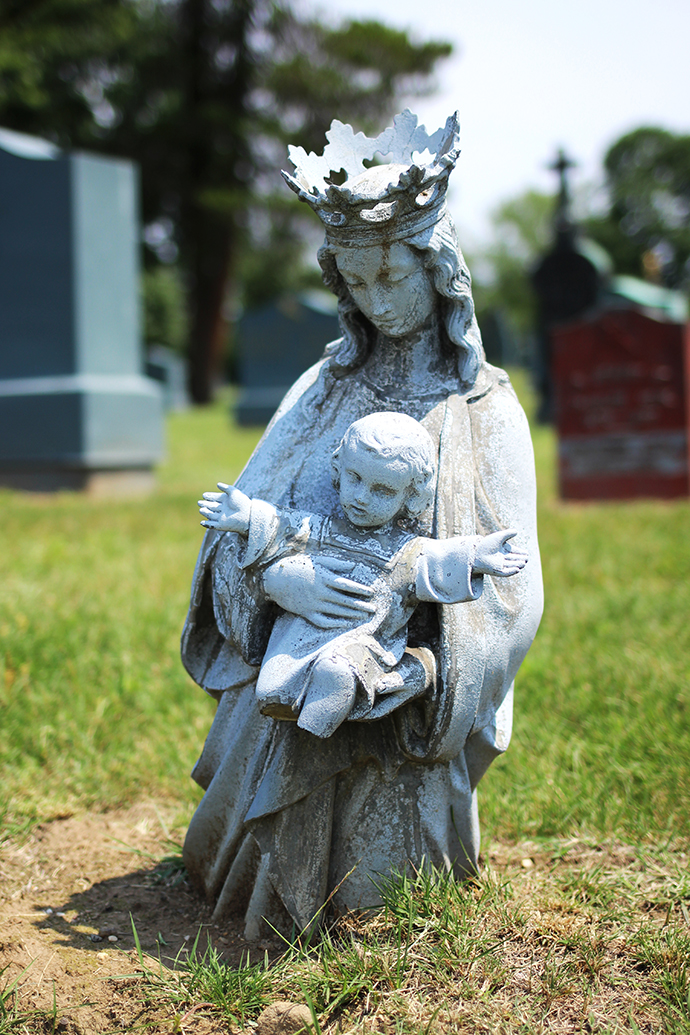
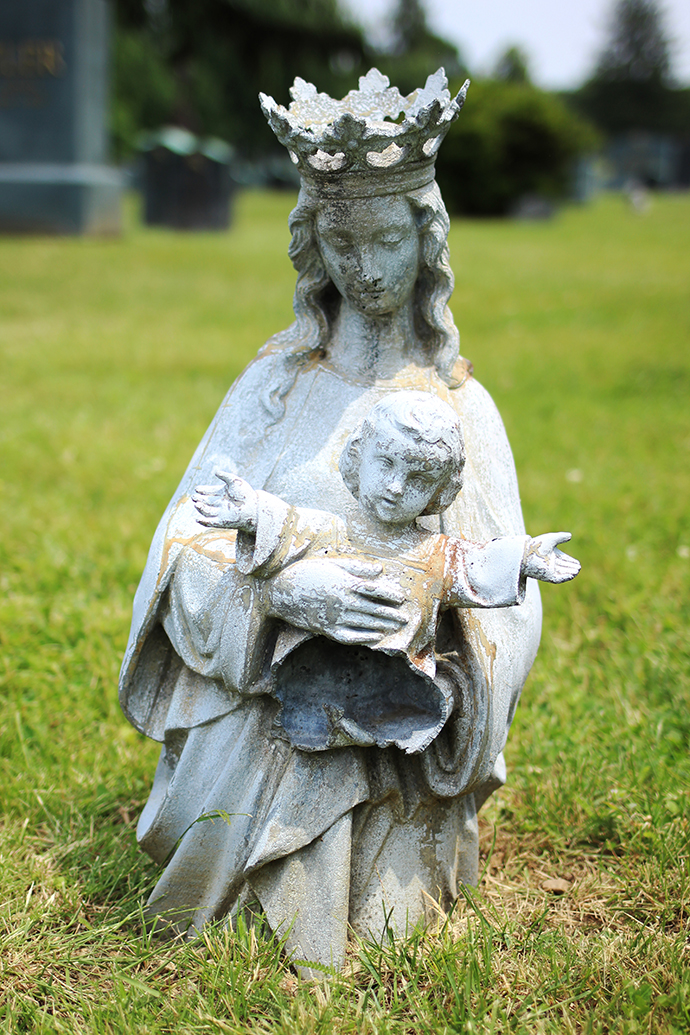
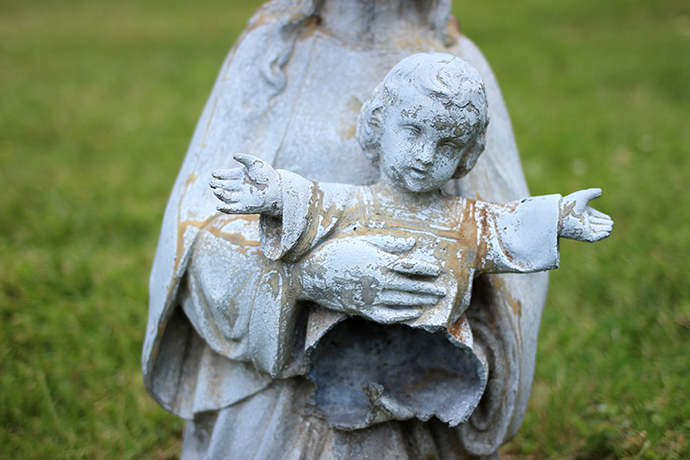
I love the intricate nature of metal casting vs. stone carving—from delicate crowns to feathery wings to the undulating folds of the cloth—everything is rendered in fine detail. There are various religious figures represented at Most Holy Trinity, but the most common one was the Madonna and Child—in fact I saw the exact same statue several different times, distinguishable only by their varying levels of decay.

Coney Island: At Night + Fireworks

I've been to Coney Island more times than I can count, but until Monday I had never been at night. I'm not a huge night person—I go to bed around 10pm most nights—so it's rare that I'm still exploring the city when it starts to get dark, especially during the summer. We decided sort of last-minute to go to Coney Island for the Fourth of July fireworks, thinking that it would be more chill than trying to squeeze ourselves into a viewing area for the Macy's fireworks over the East River. Coney Island was still packed but there is a lot of space, so it ended up being my most stress-free city fireworks yet.


Coney Island is wonderful by day, but by night it's a glittering, flashy, bright, magical wonderland. All of the neon signs are beautiful in the sunlight, but they're really made to be illuminated. It was nice to see the Wonder Wheel and the Cyclone alive again, and it's hard to imagine that just a few months ago they sat still, stripped of their cars during the off-season
.


Seeing Coney Island during a summer holiday was a nice counterpoint to the off-season or non-peak times in which I usually find myself at there, and where I'm typically annoyed by loud noises and crowds, I found myself only delighted at the energy of it all. All of the games and rides were up and running and I love that even in the days of video games and virtual reality, there is still a place in this world for balloon darts and "Feed the Clown."


The fireworks were lovely—long enough to satisfy my American need to see explosions, and short enough that I was in bed by 11pm. It might just be projection or a sign that my brain officially thinks in emoji now, but I could swear that I captured a heart-eyes smiley face in the firework above—do you see it too? Now that I know how beautiful the boardwalk can be at night, I want to go back and practice some long-exposure photography and I'm thrilled to be able to have an entirely new side of Coney Island to explore.
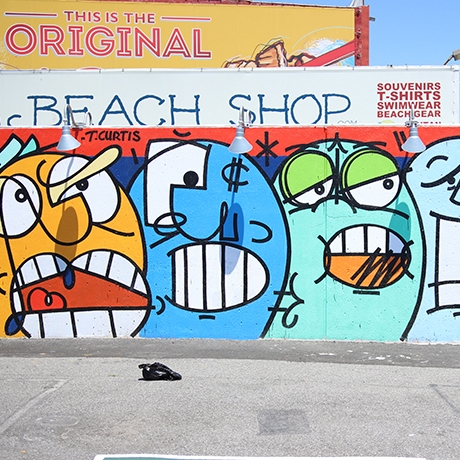
Coney Island Art Walls 2016
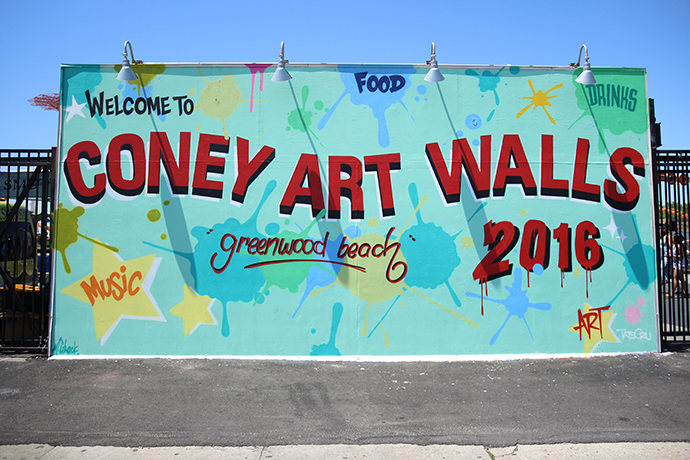
Last year was the first year for the Coney Island Art Walls and they're back this year with (mostly) new artwork. My mom and I walked around before the Mermaid Parade, and there were barely any people around, but after the parade the place was packed. In addition to the walls, there are food and drink vendors and a stage, making it a great place to hang out and drink a $13 (!!) plastic cup of sangria, if you're into that (after standing in the sun watching the parade, we sure were).
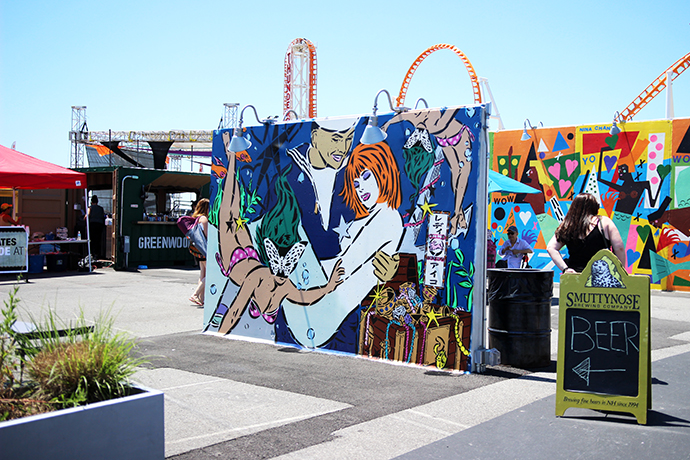
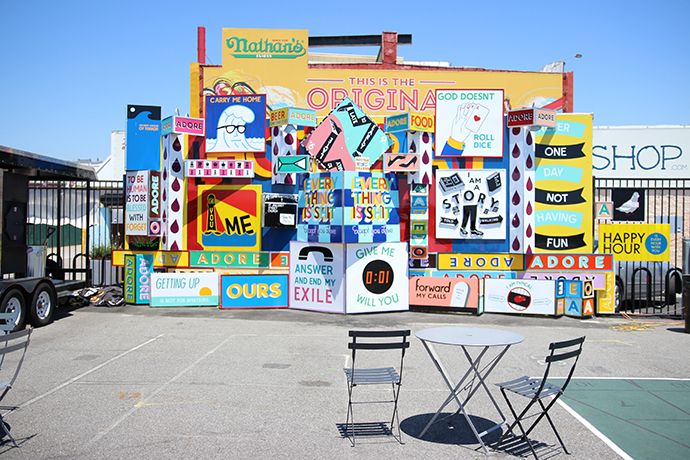
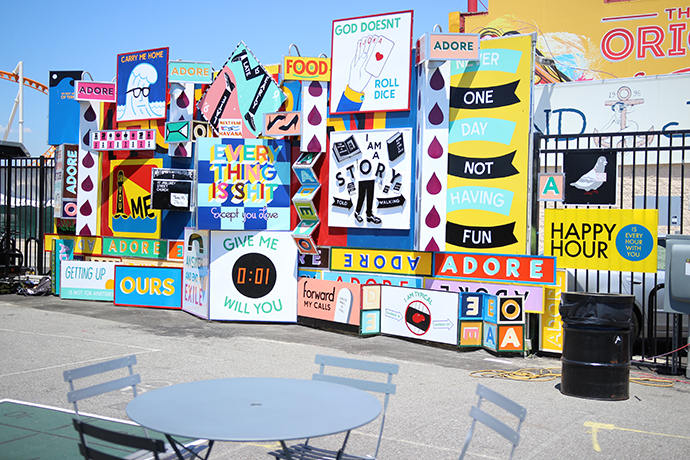
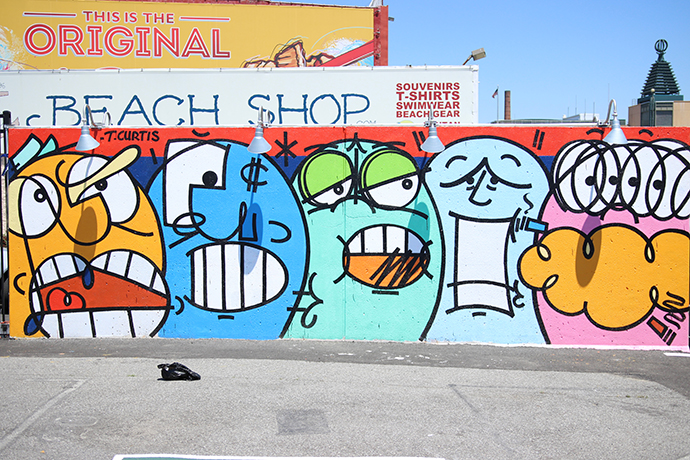
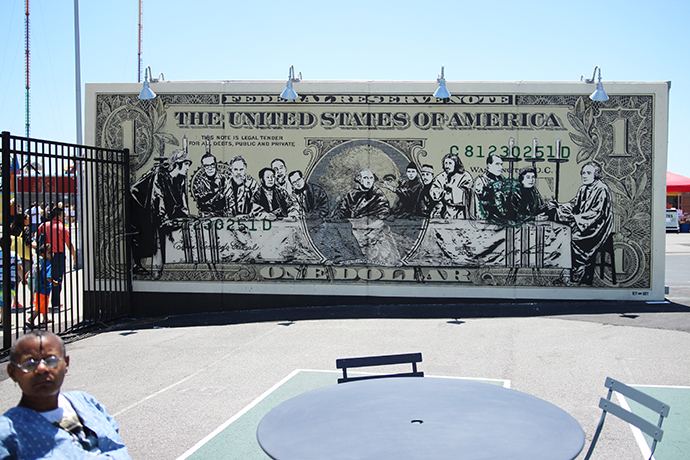
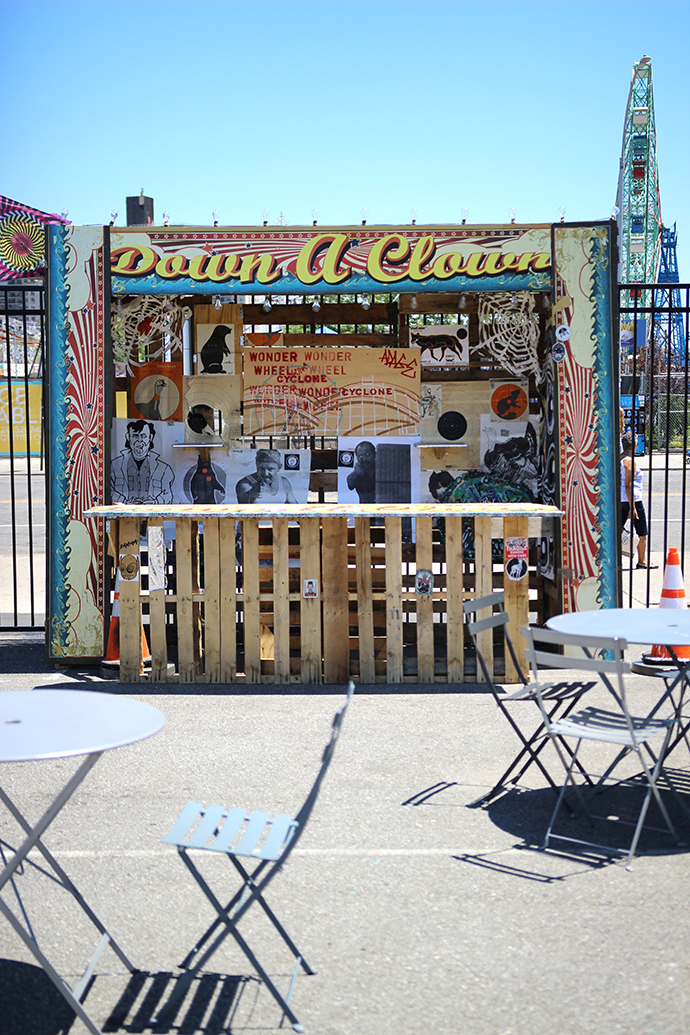
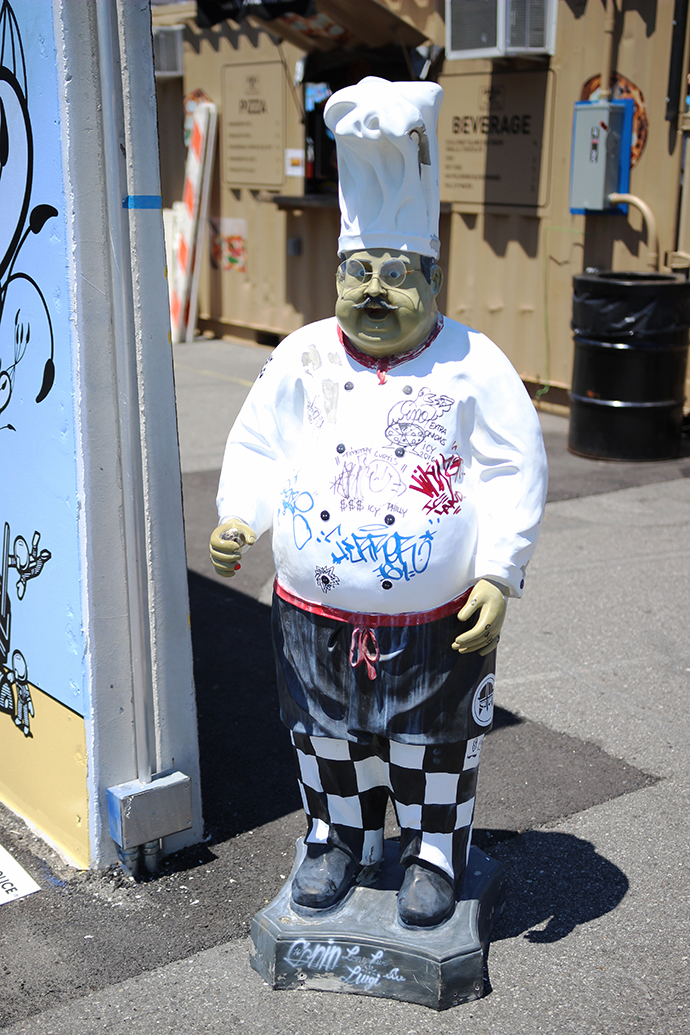
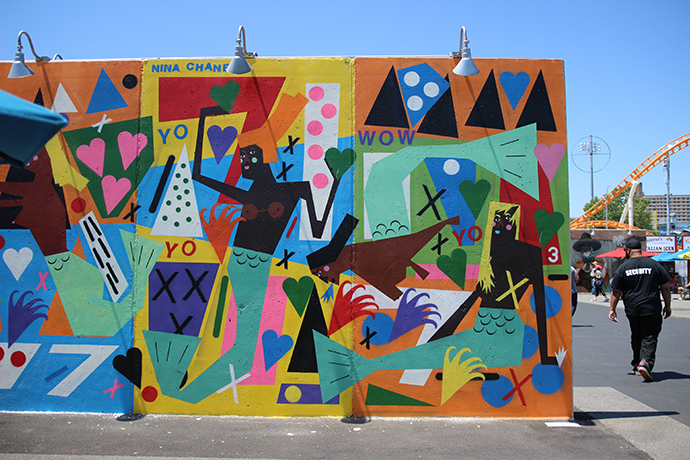
I'm always amazed at what people can do with spray paint, although some of the walls this year were a bit more dimensional. I love the one that reminded me of a more elaborate Wall of Stuff from the classic Marc Summers Nickelodeon show, "What Would You Do," although I'm sure that's not what they were going for, or if anyone but me would ever get/agree with that reference.
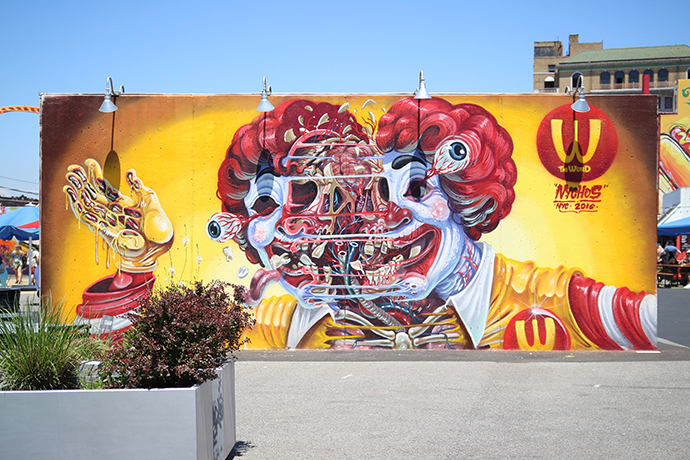
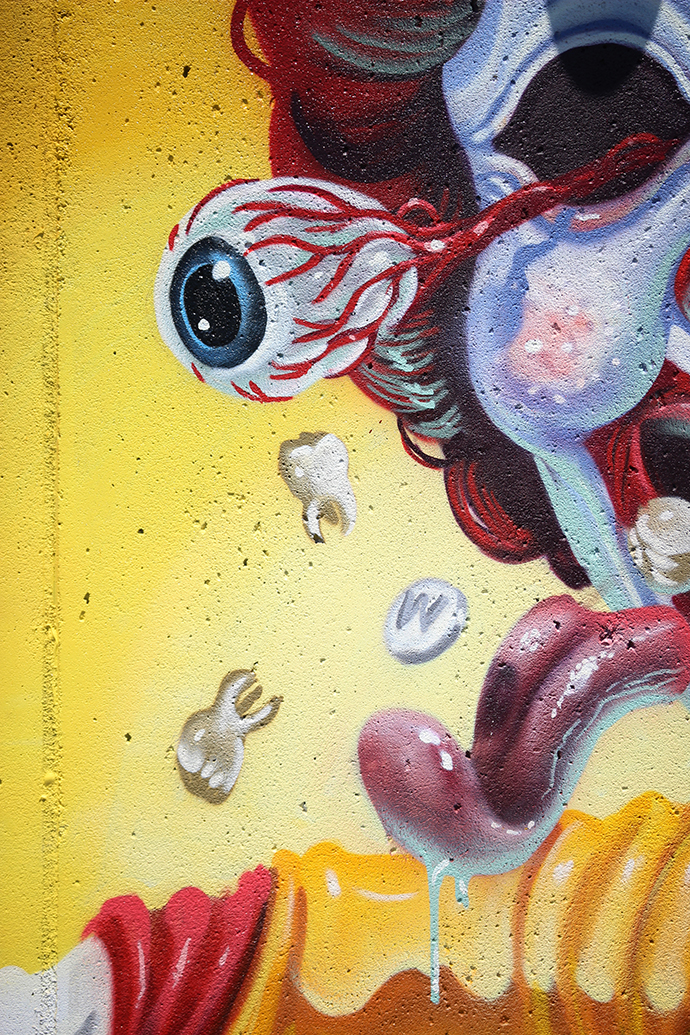
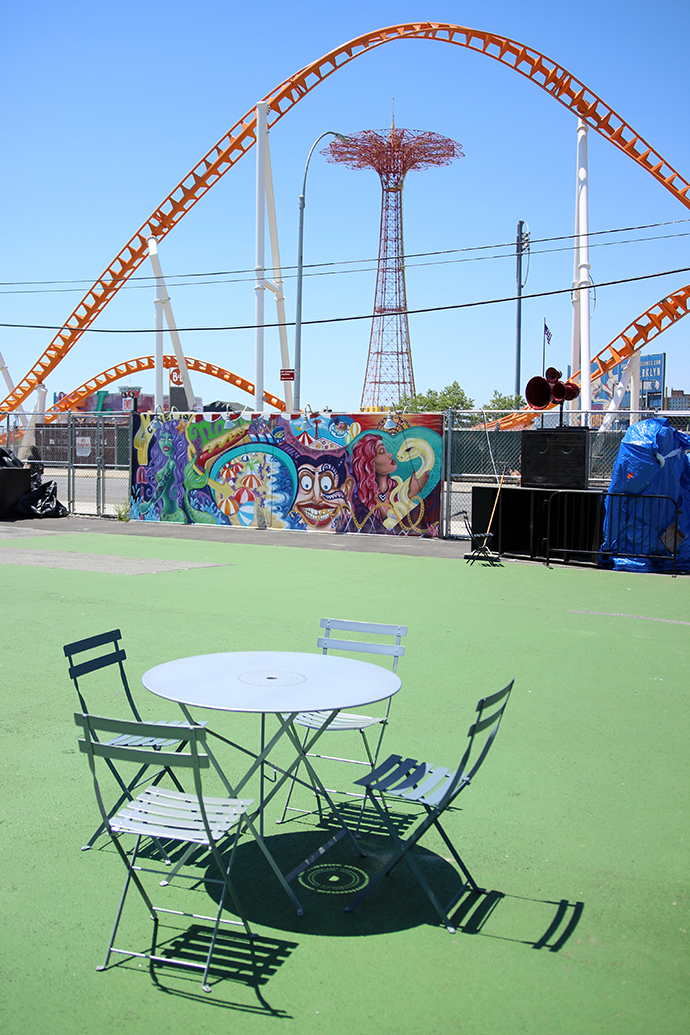
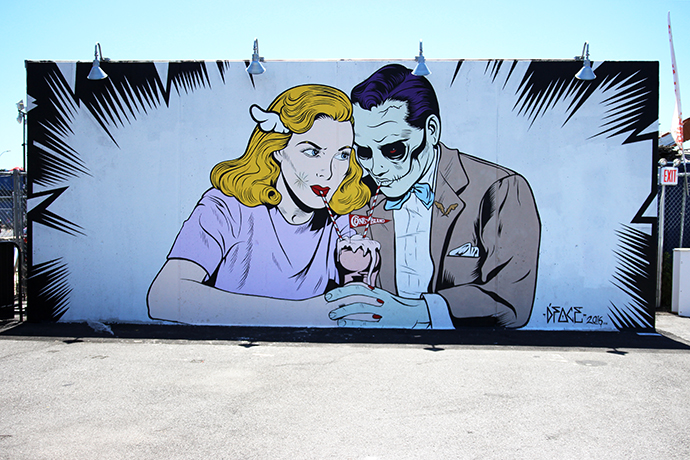
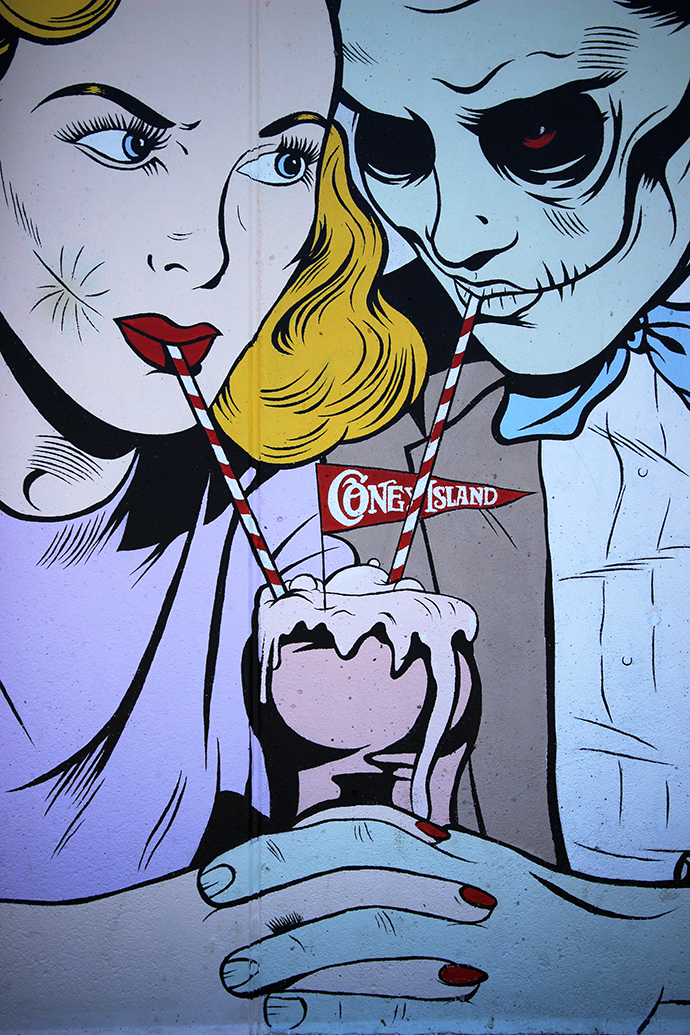
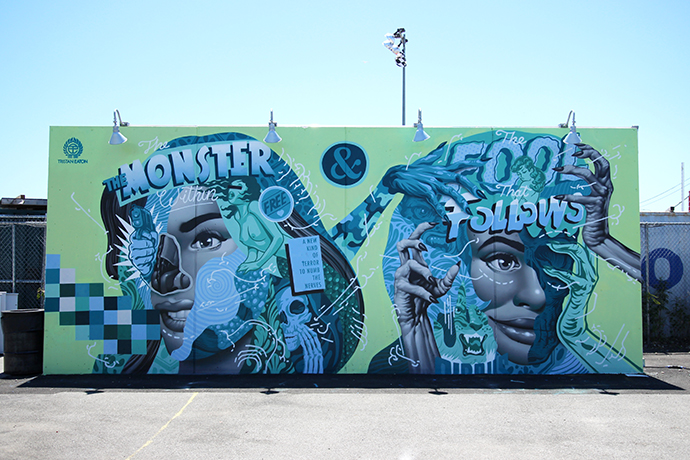
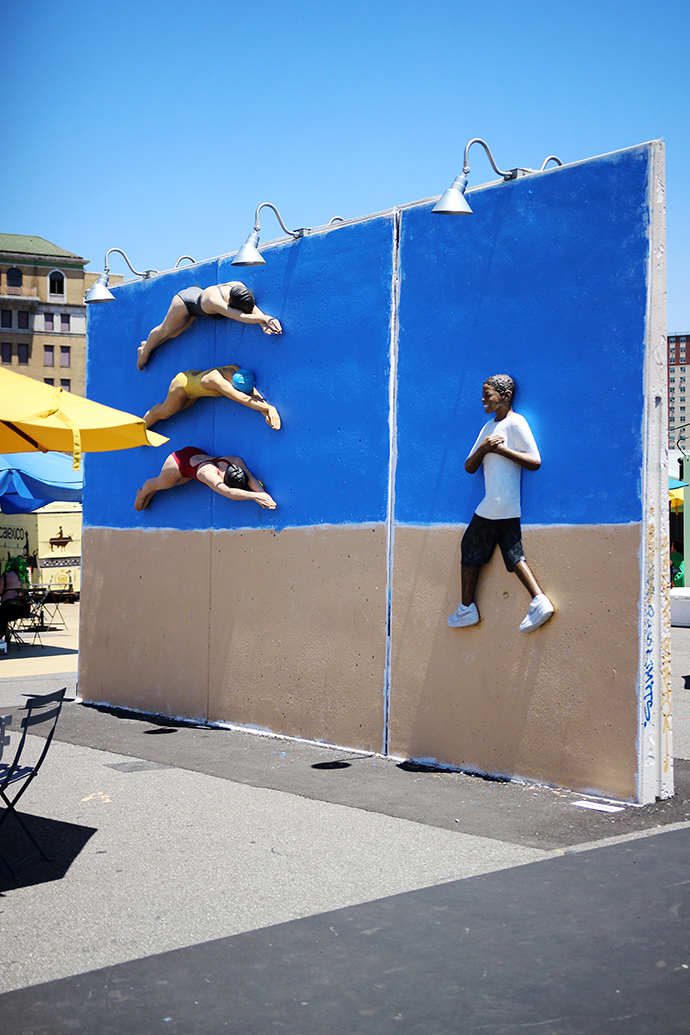
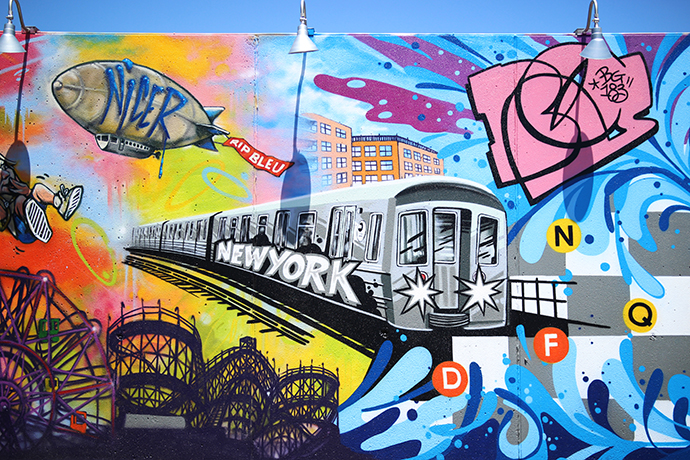
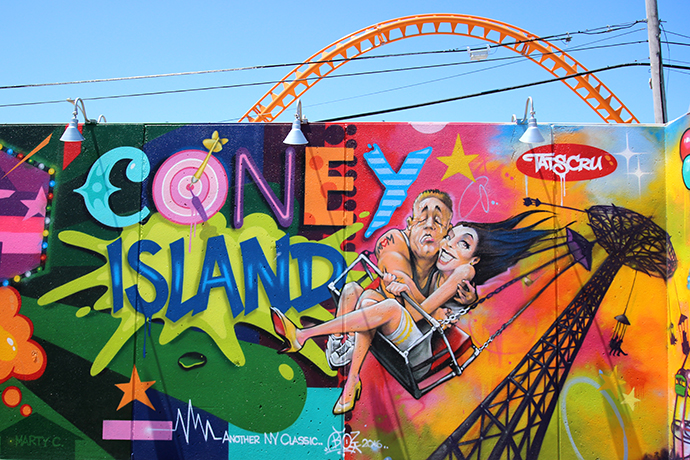
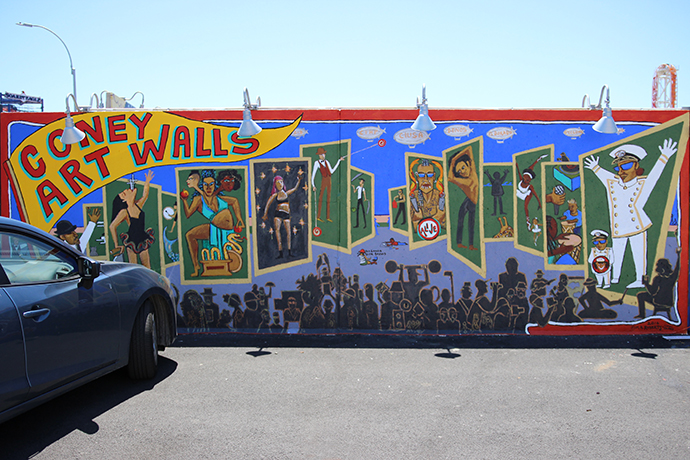
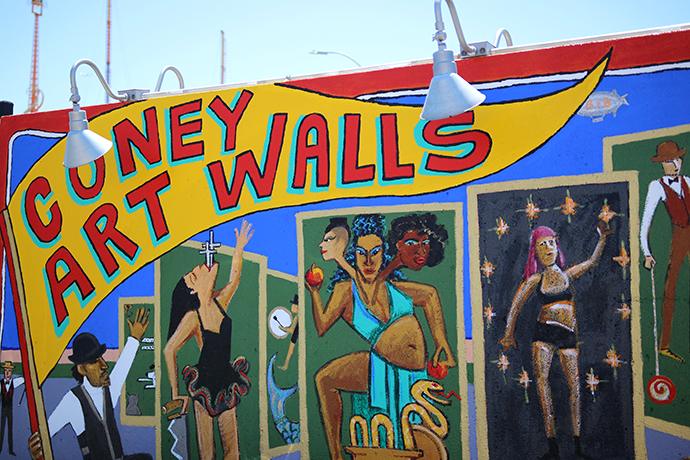
I loved the grotesque Ronald McDonald and all of the classic Coney Island imagery, but as always my favorite was the new one by Marie Roberts, who paints all of the classic sideshow banners for the Coney Island museum and the current-day freakshow. Her paintings are the perfect representation of what I love most about Coney Island—it's a little old, a little scrappy, a little weird and so unlike anything else.
Kane's Diner
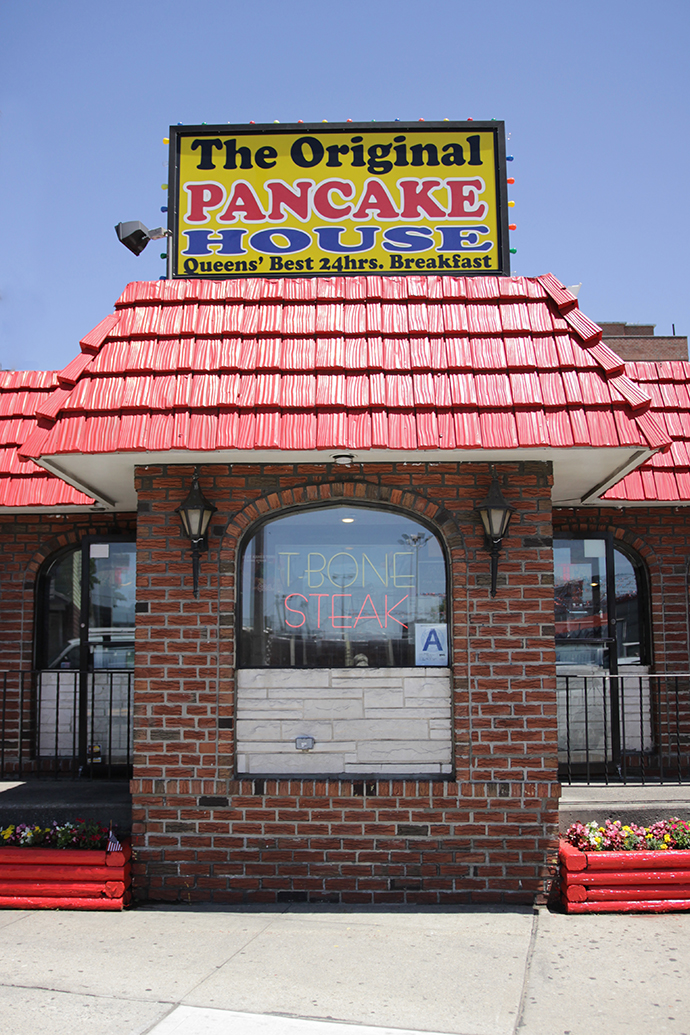
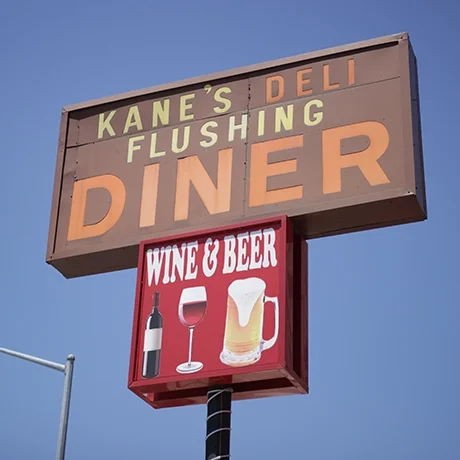
Before creeping on abandoned buildings in Fort Totten, I knew I wanted to get breakfast at a new (to me) diner. It doesn't really matter what is on my agenda for any given day—diner breakfast is always the preferred starting point. Usually I'll pick an adventure destination and work backward to a diner from there, but sometimes I do the opposite. Since I knew I needed to catch a bus to Fort Totten from Flushing, I concentrated my diner search there.
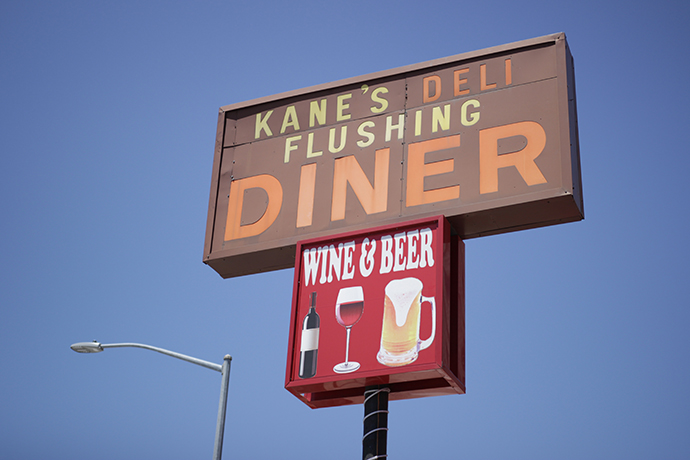
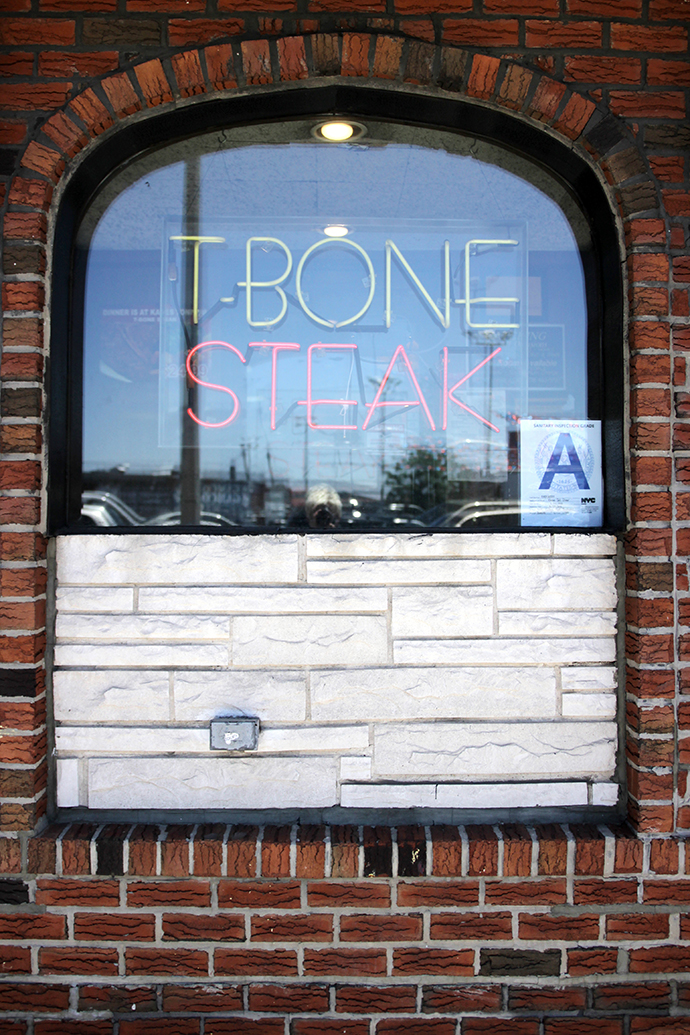
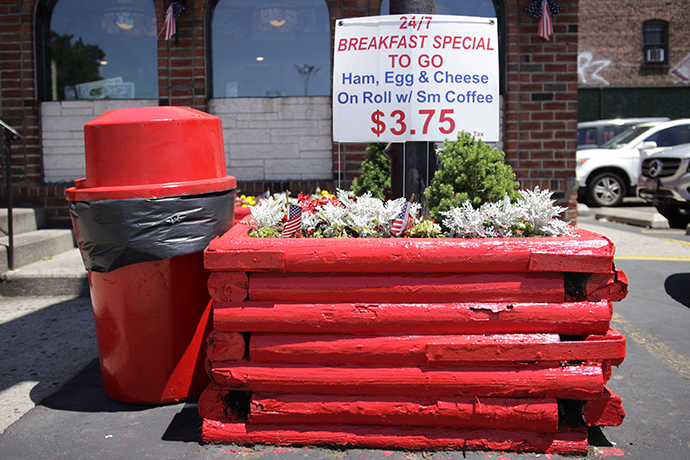
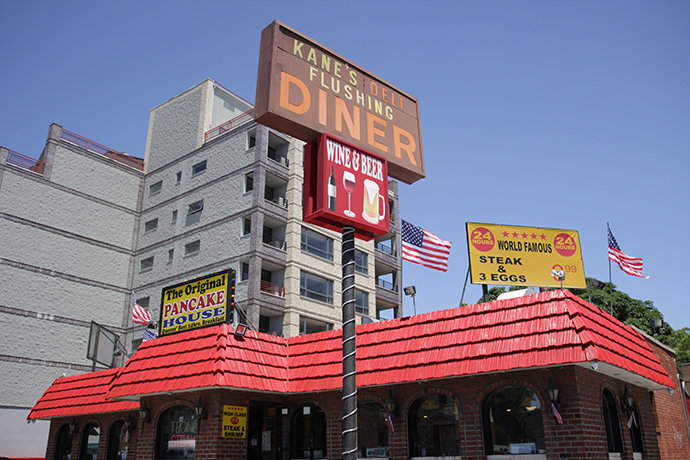
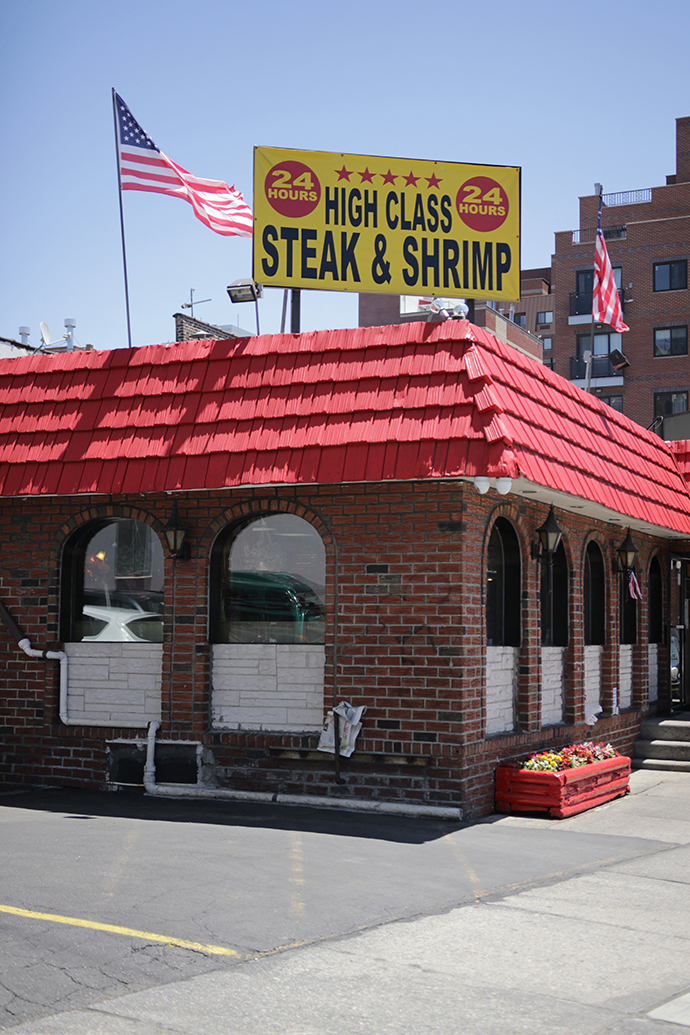
Kane's had been on my radar for a while, ever since my dude and I walked by it on our first date more than a year-and-a-half ago. It was cold and snowy, but we took a walk through Flushing Meadows Corona Park on our way to eat dumplings in Flushing, and passed by Kane's. I was immediately enamored with their "High Class Steak & Shrimp" sign, and intrigued by their claim on having "Queens' Best 24-hr Breakfast" and "World Famous Steak & 3 Eggs".

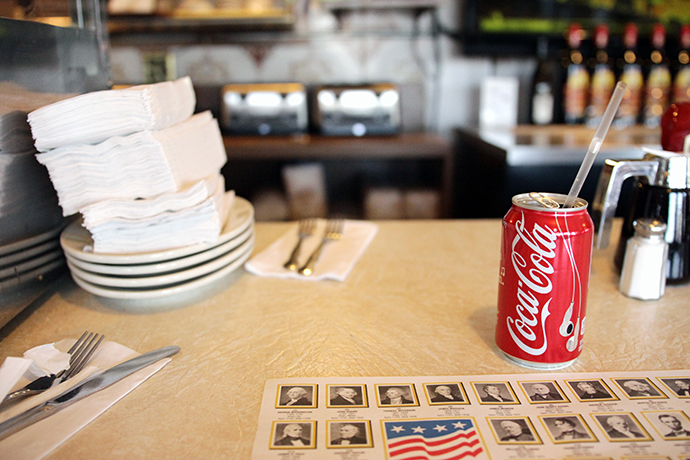
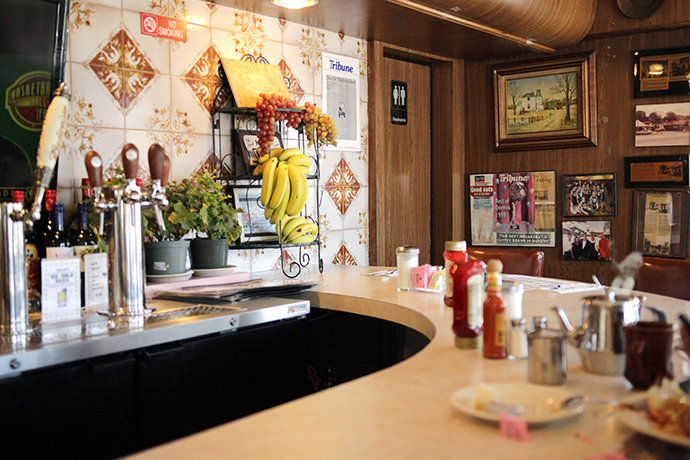
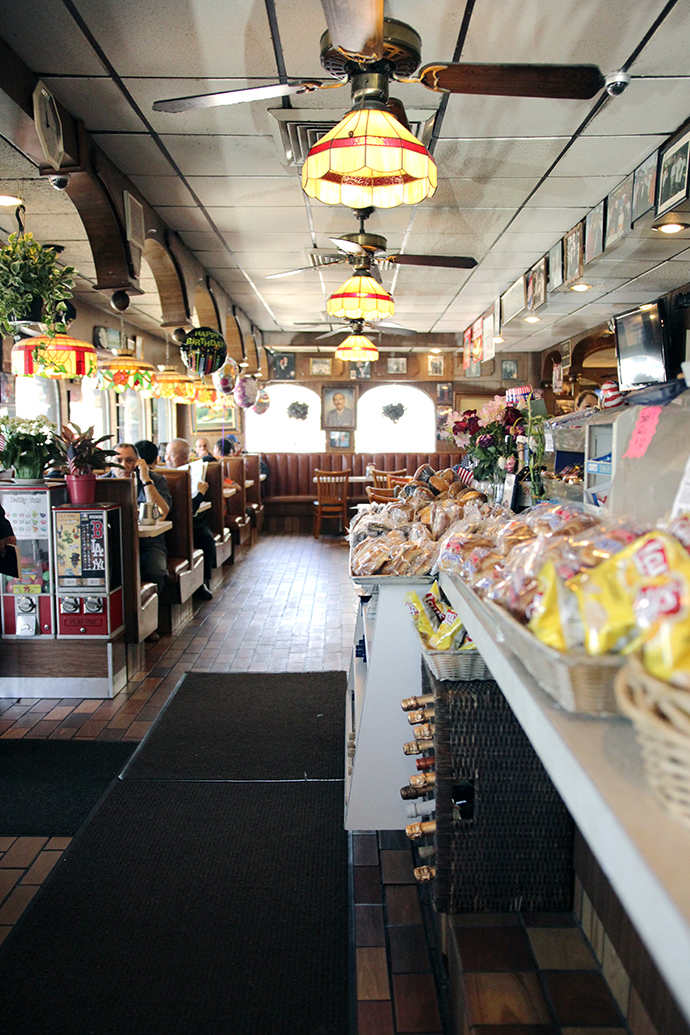
When I finally made it inside a few weeks ago, it more than exceeded all of my diner expectations. I was actually bummed that I was dining alone (not a usual feeling for me) simply because the place was so wonderful that I felt the need to share its beauty and my excitement with someone else. I settled for surreptitiously taking tons of photos with my new (and very conspicuous) camera lens, and being extra nice to the waitstaff, all of whom were equally nice back to me.
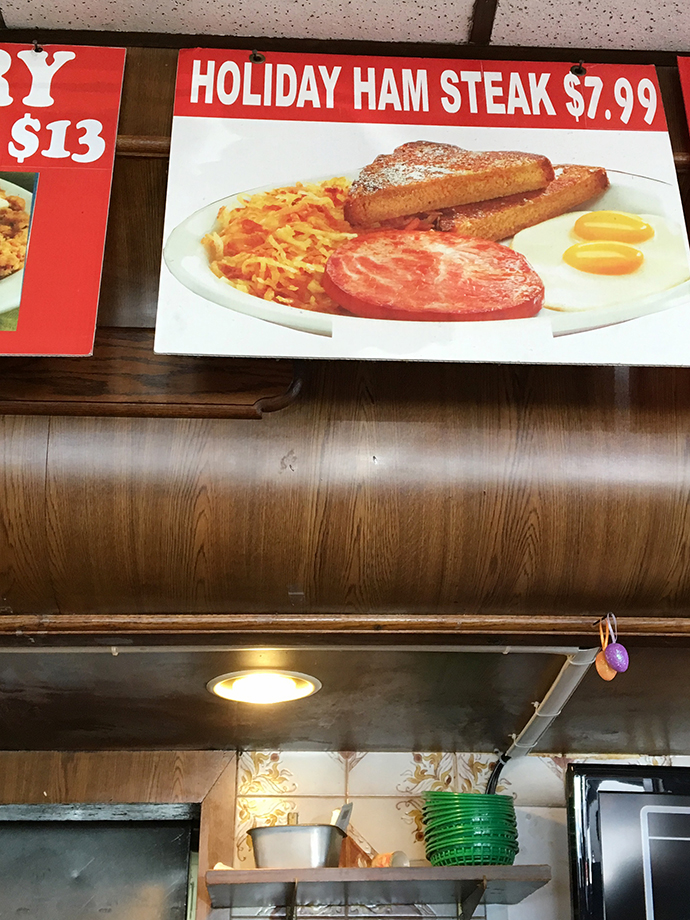
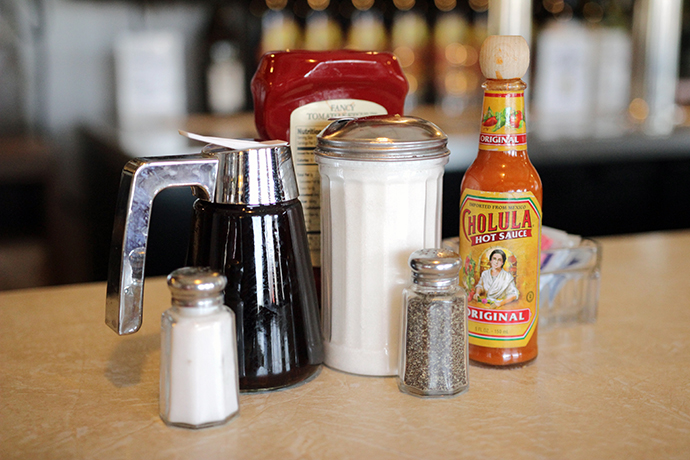
Kane's opened in 1970 and has been owned by the same family ever since. Their menu is an absolute masterpiece, and I barely got time to take in the glorious scrapbook/tabloid nature of the entire (enormous) thing before they took my order. I had a ham and swiss omelette with an industrial-size English muffin and a Coke, which was all very good. They also have Cholula hot sauce as part of their classic diner-table-condiment grouping, which is definitely the best hot sauce and just GTFO right now if you prefer Tabasco.
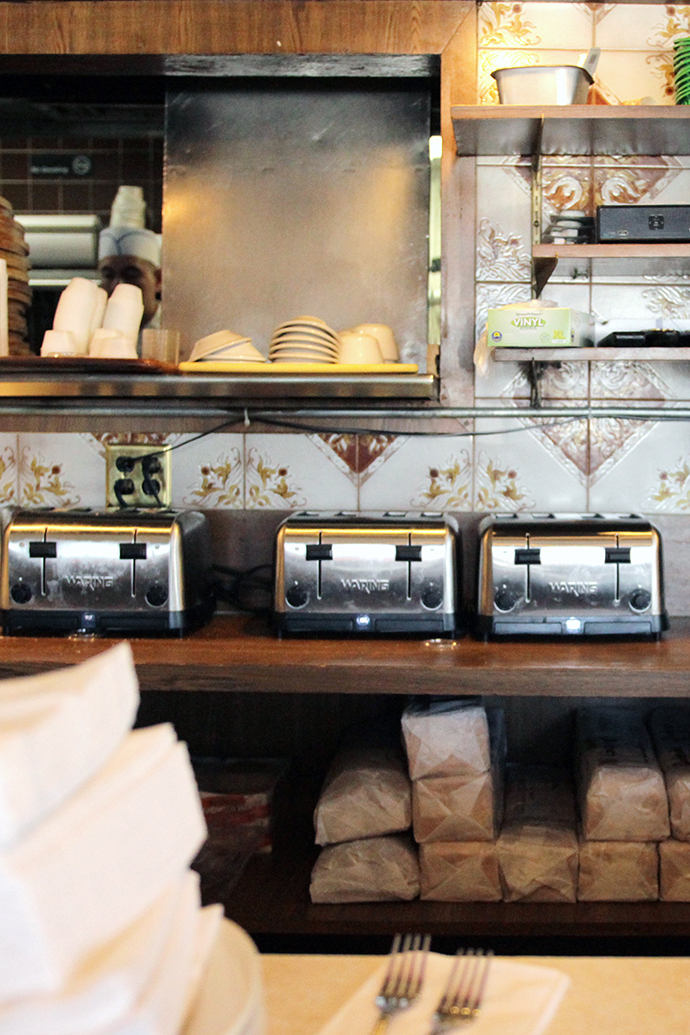
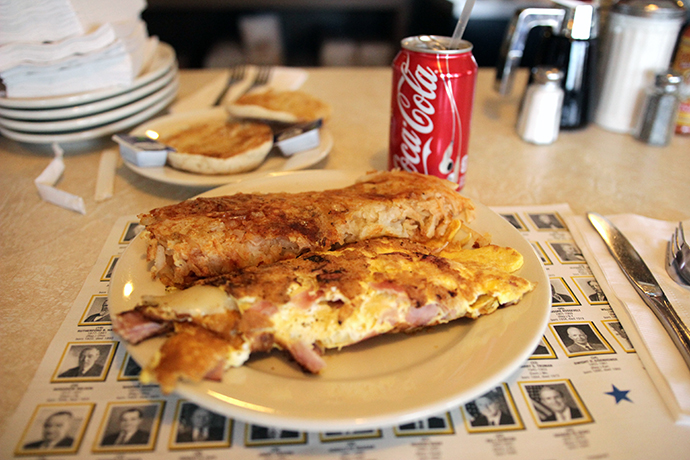
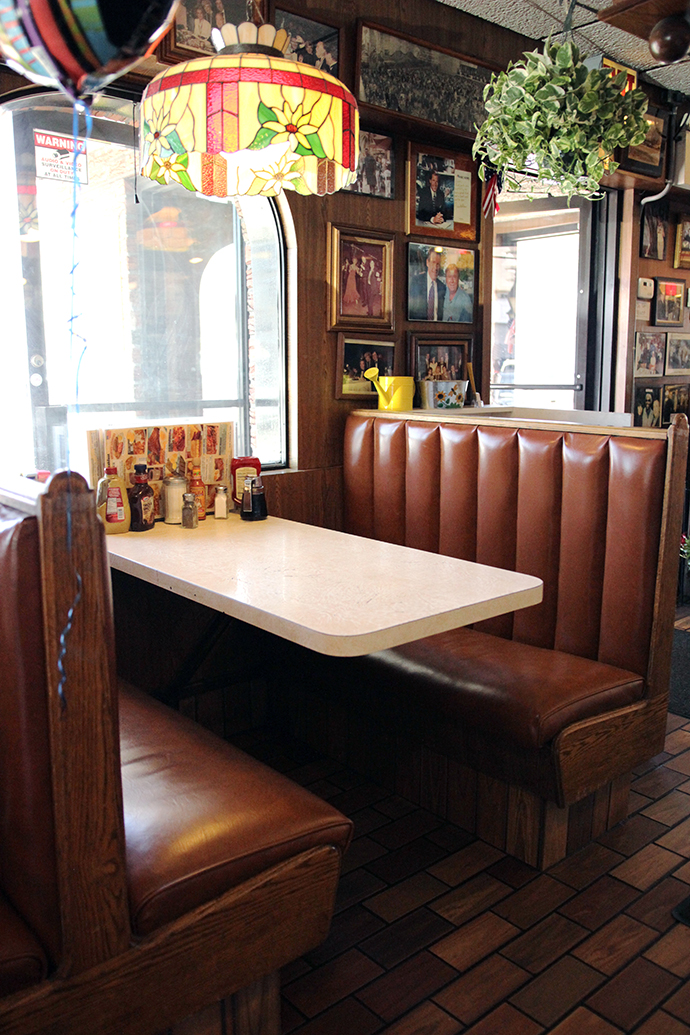
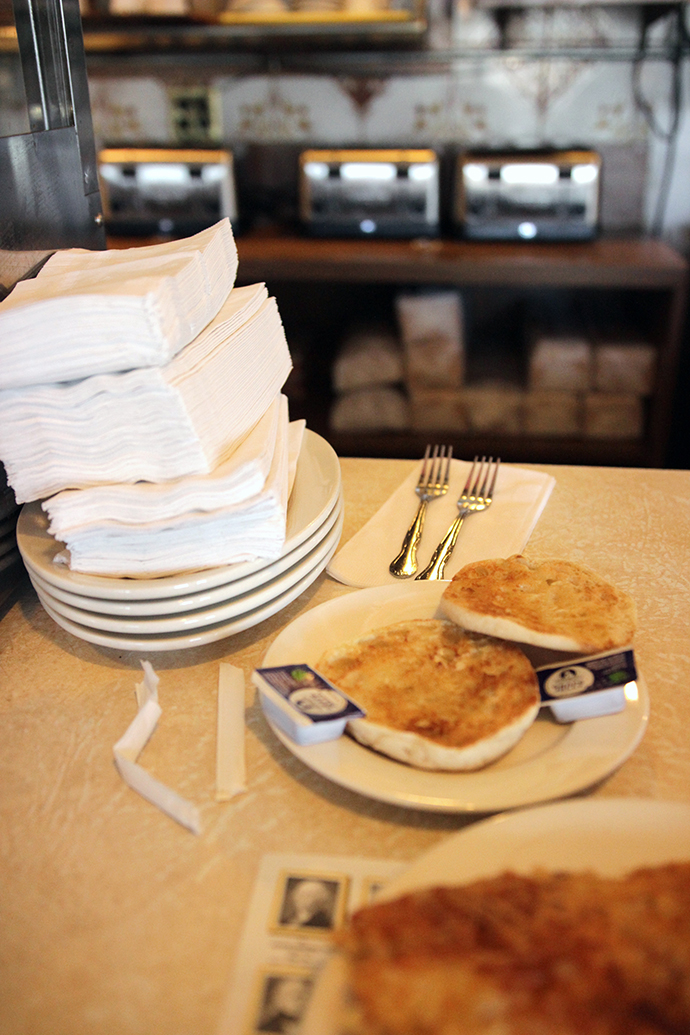
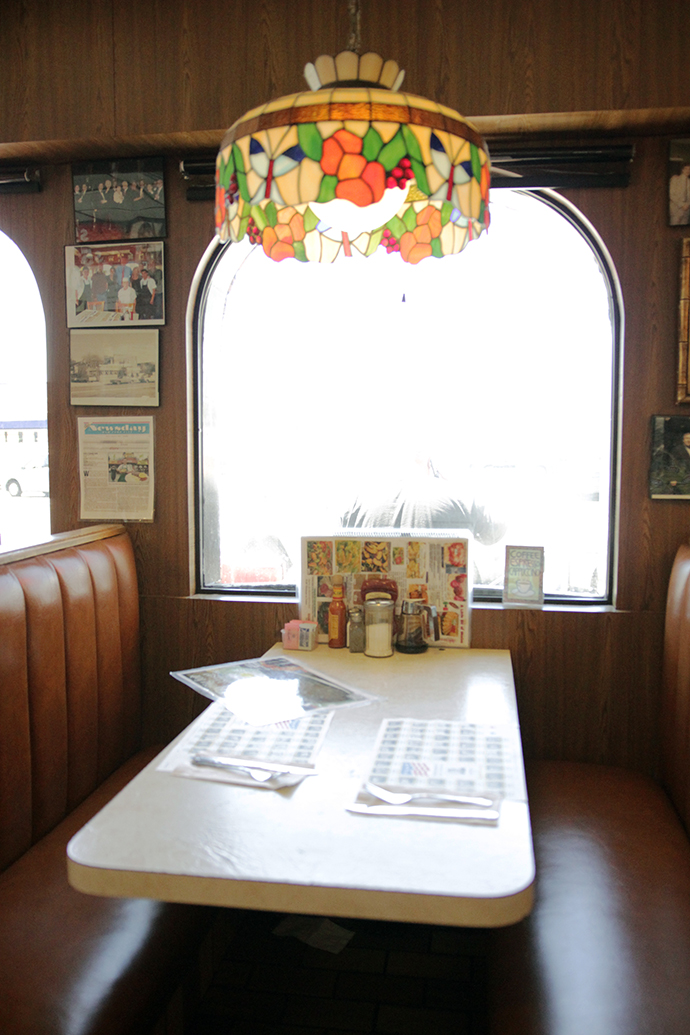
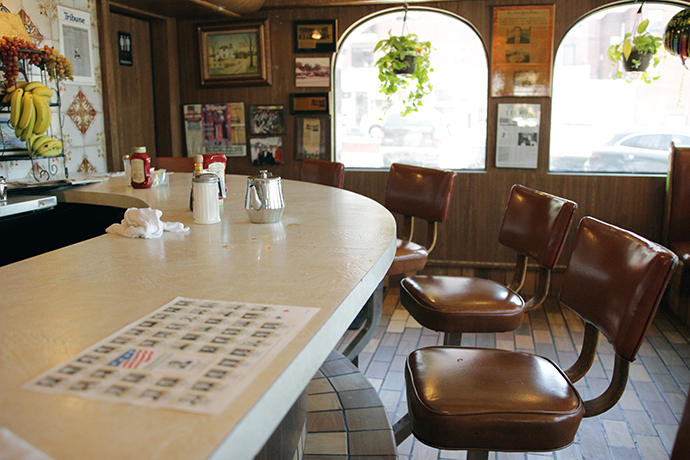
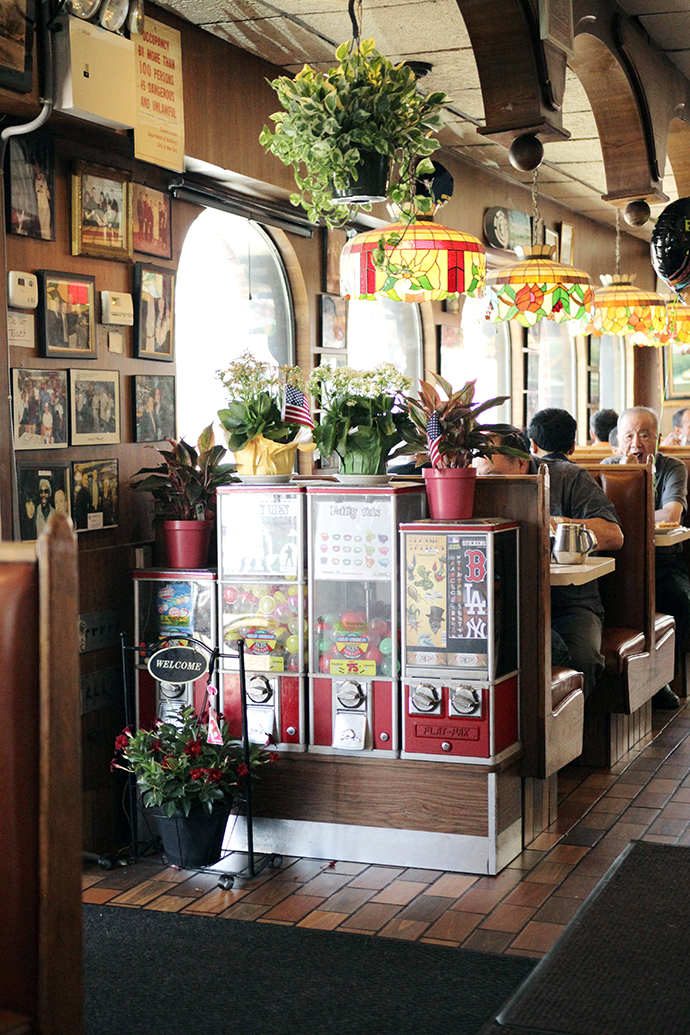
The décor certainly looks as if nothing has changed since they opened in 1970, and by that I mean it's absolutely perfect. The Floridian Diner is stuck in the 80s and the Goodfellas in the 60s, so I'm thrilled to be able to add a bonafide 70s diner to my repertoire. Everything is covered in curving, dark wood paneling and I may never have seen so many shades of brown and tan in one space before. The tiled backsplash, decorative glass lampshades and even the hanging plants all look like they haven't been updated in their 40+ years in business, and I don't think they ever should be. The Presidential placemats, however, were up-to-date but soon won't be—I couldn't help but think how cool it would (will) be to see a woman added to that list when I return.
Fort Totten: Abandoned
Recently I had a personal day that I had to either use or lose, so I took a weekday off for a little solo adventure. I started my day at a great new (to me) diner in Queens—a spot wonderful enough for its own post—and then headed out to Fort Totten. Fort Totten was built by the US Army in 1862 to defend the East River approach to the New York Harbor. Most of the fort is now a public park, owned by the city of New York and other parts are used by the NYPD and FDNY for training purposes.
I had heard that Fort Totten was lousy with abandoned buildings so I was eager to go check it out, and it seemed perfect for a solo adventure since it's far enough away that I knew I'd have a hard time convincing anyone to come with me. It took about an hour to get to there on a bus from the end of the 7 train line in Flushing, Queens. I was immediately surprised by how busy and not abandoned everything seemed—I was disappointed only because I had been expecting the park to be much more desolate and overgrown. I think I actually made a mistake going on a weekday (when the park was teeming with NYPD, FDNY and Army reservists). I imagine it's much quieter on weekends, but with most places in the city, the opposite is true.
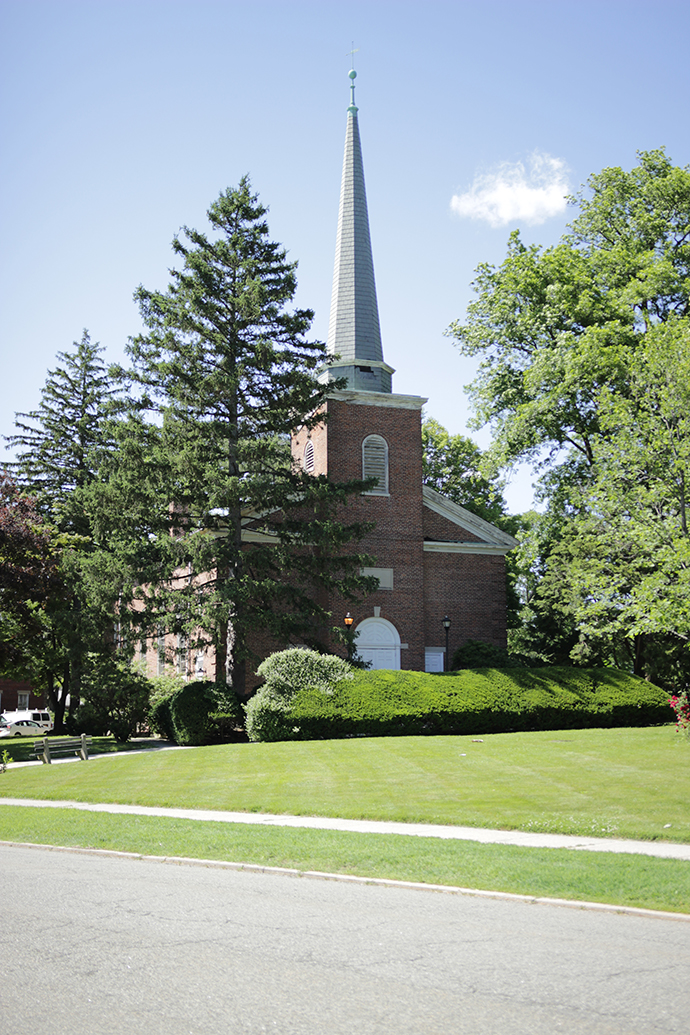
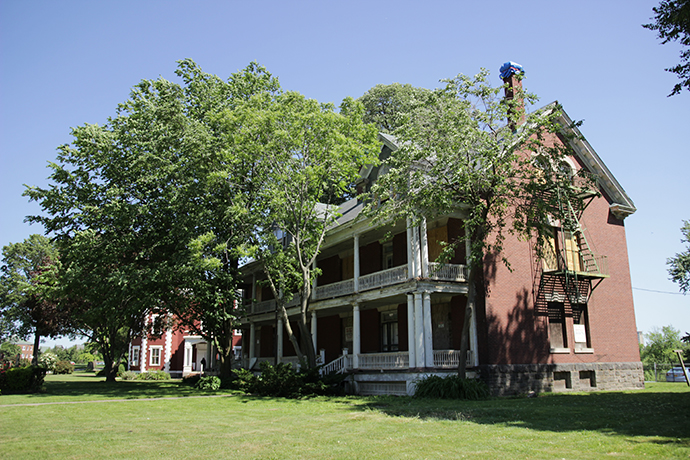
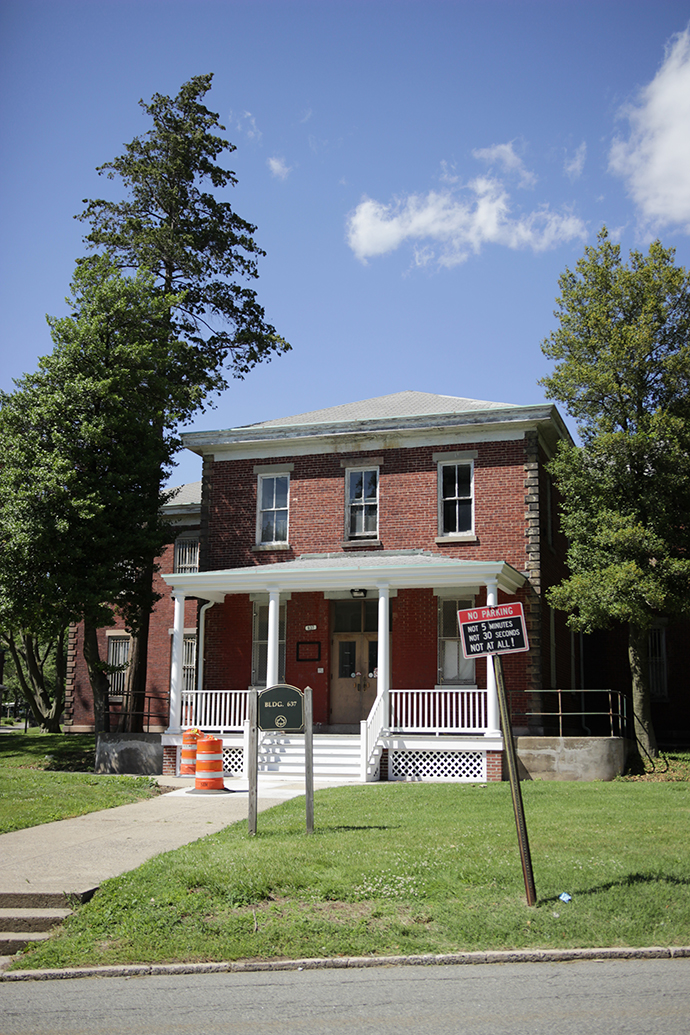
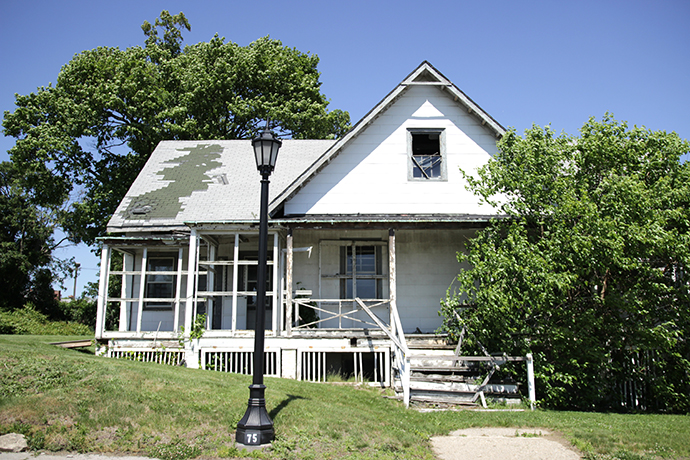
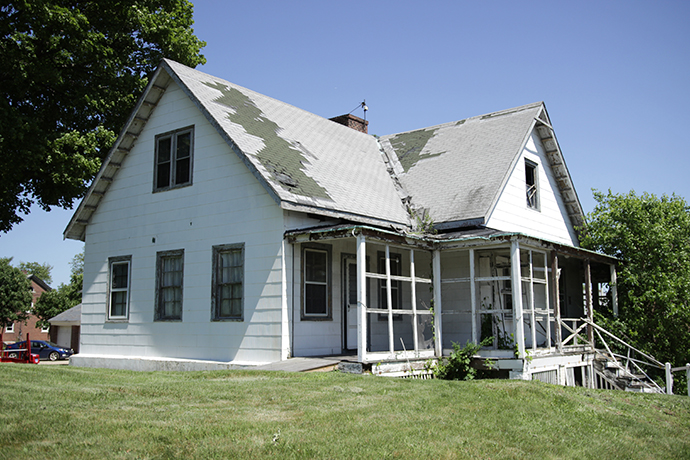
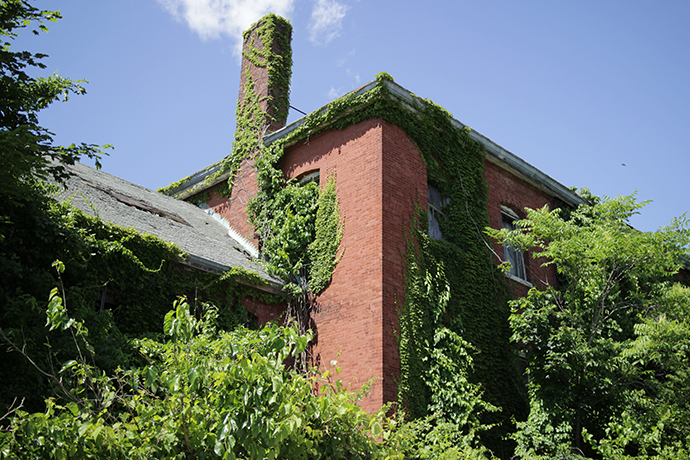
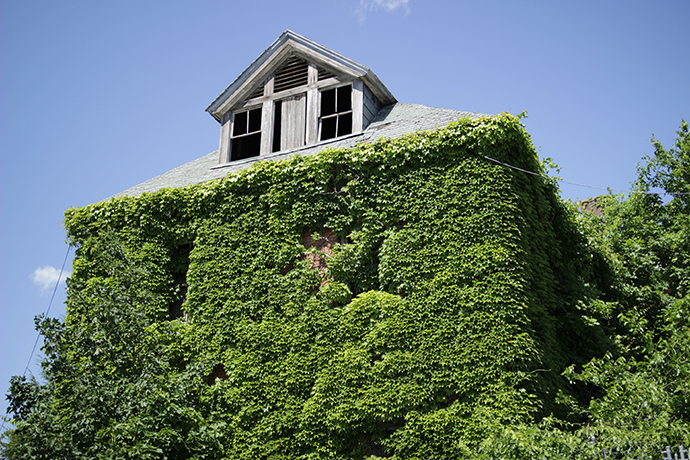
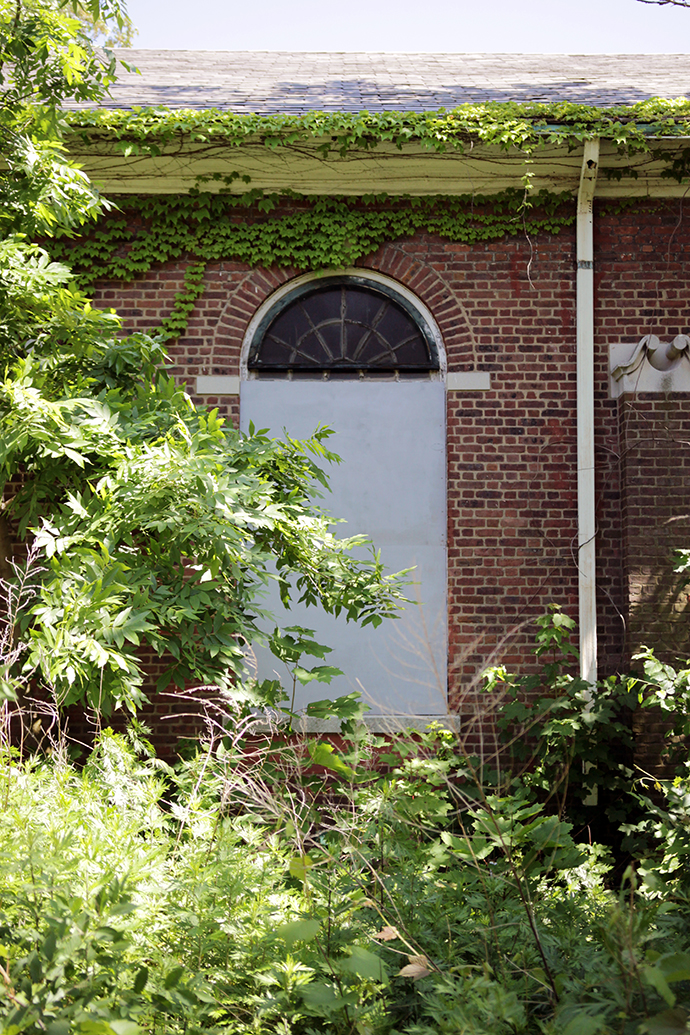

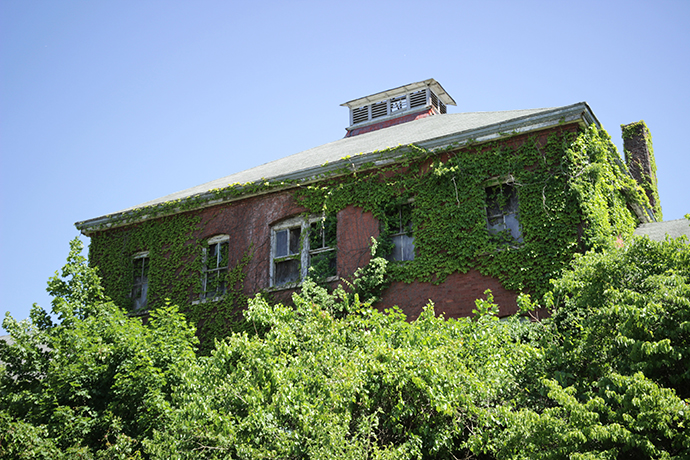
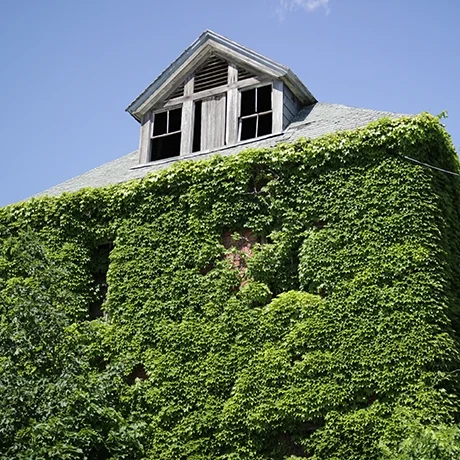
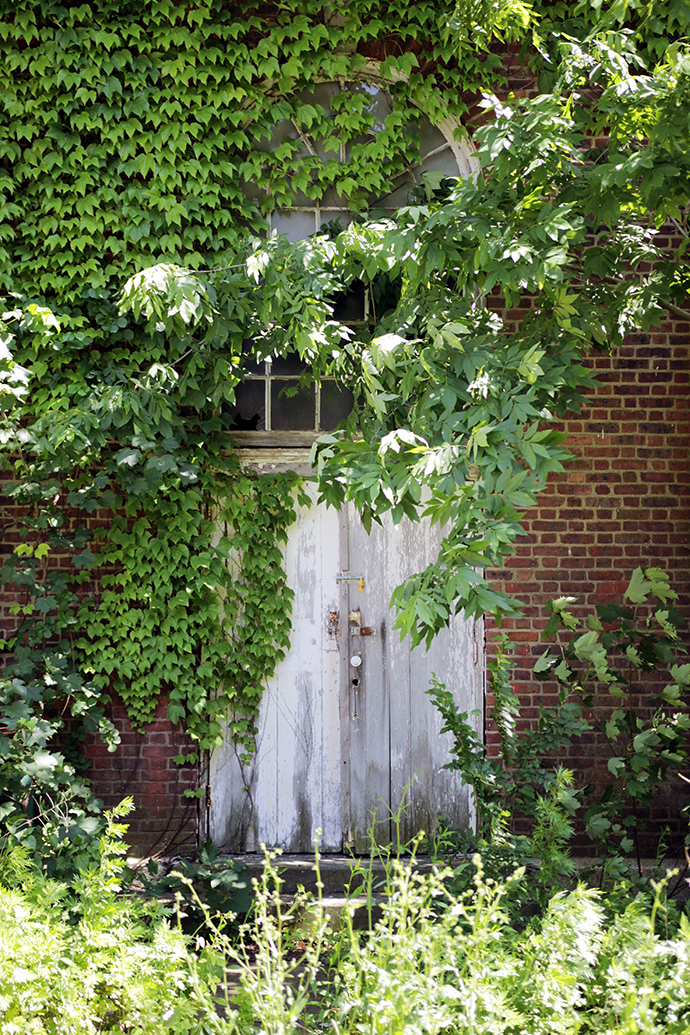
Once I adjusted my expectations and began to explore, I did end up finding a bit of the abandoned element I had been seeking. A lot of the buildings are crumbling and barely visible through the ivy and other thick vegetation, but others are in various states of restoration. The Willet Farmhouse was built in 1829 and has a sign out front that proclaims "Please Pardon My Appearance, I am a Candidate for Historical Preservation,' but the entire house looks as if it's been swallowed by vines.
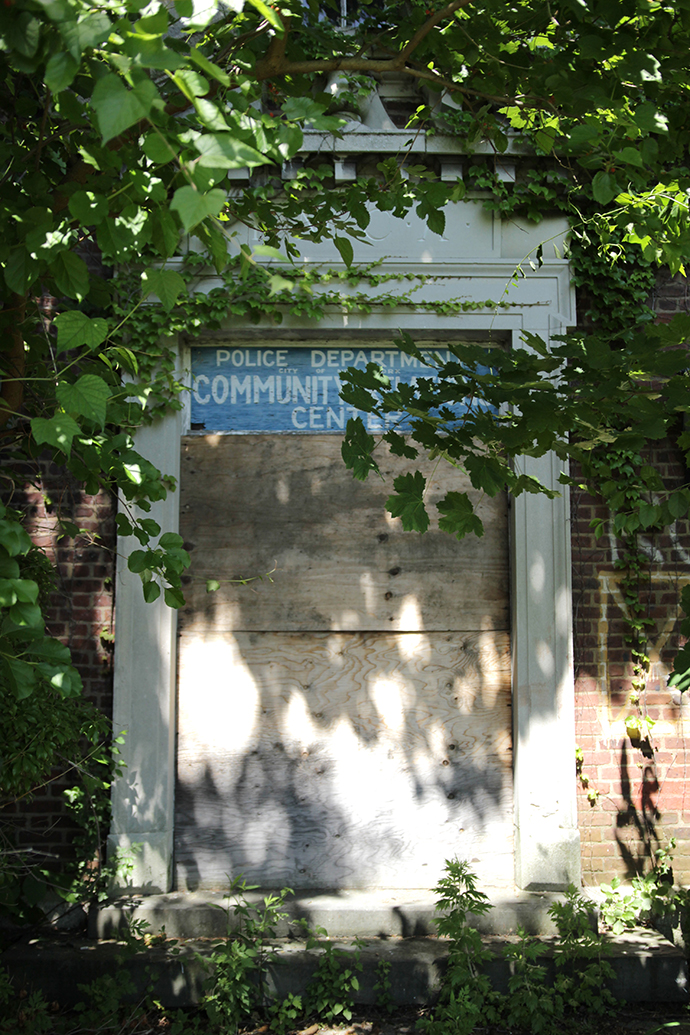
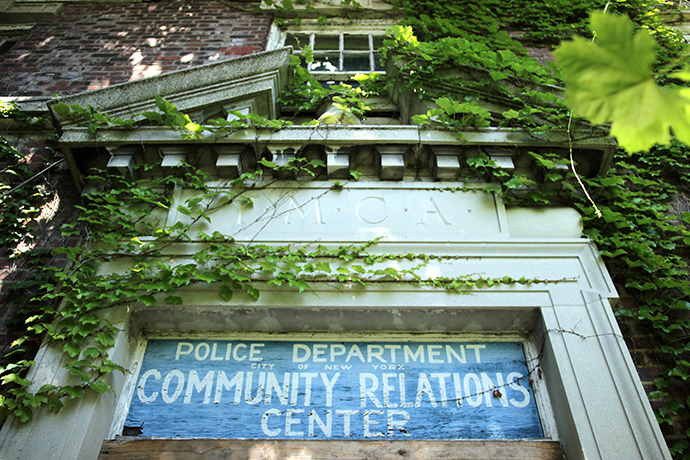
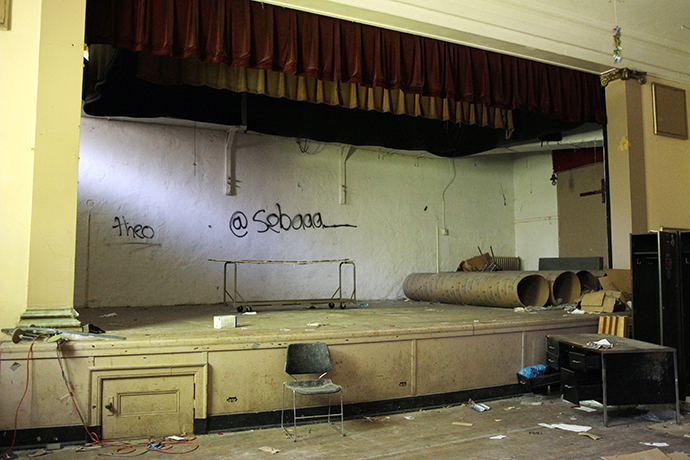
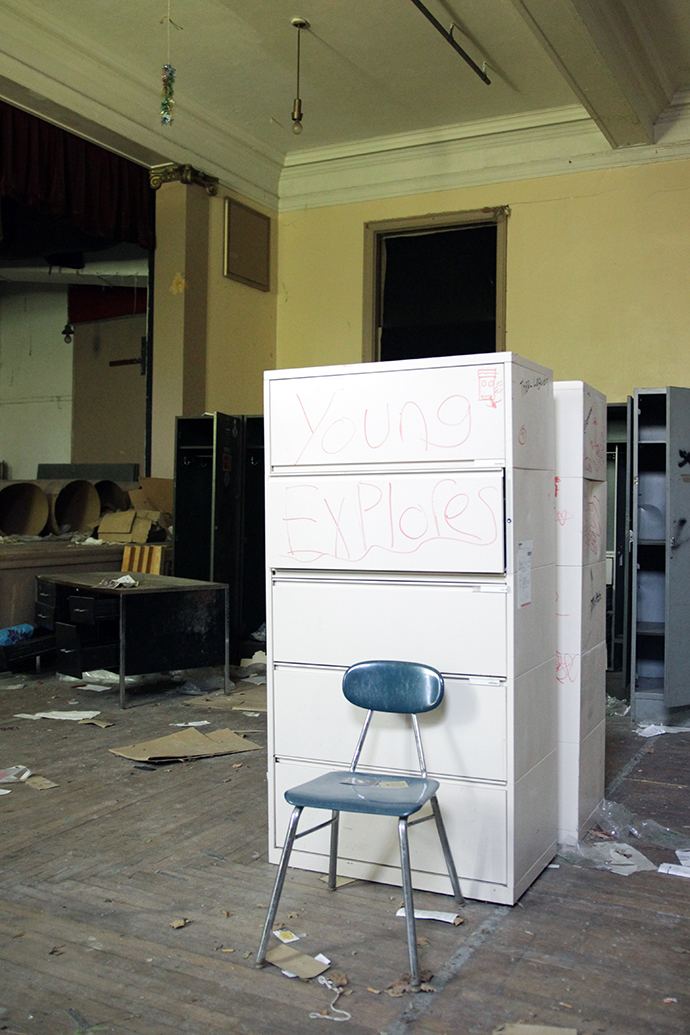
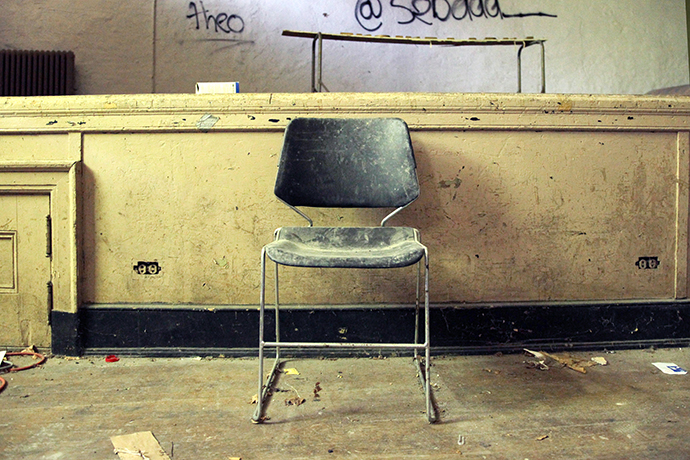
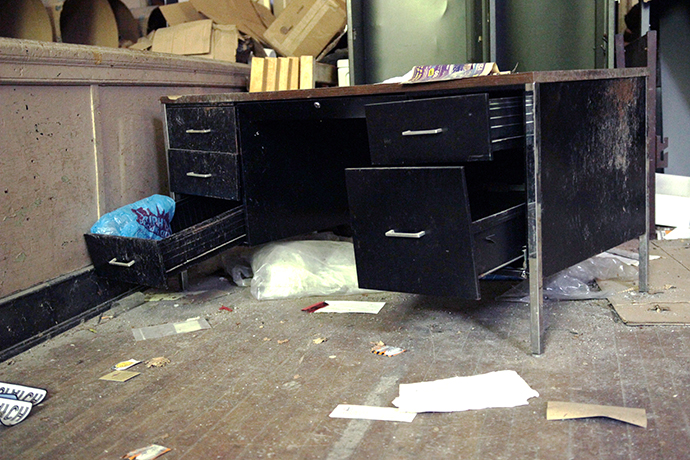
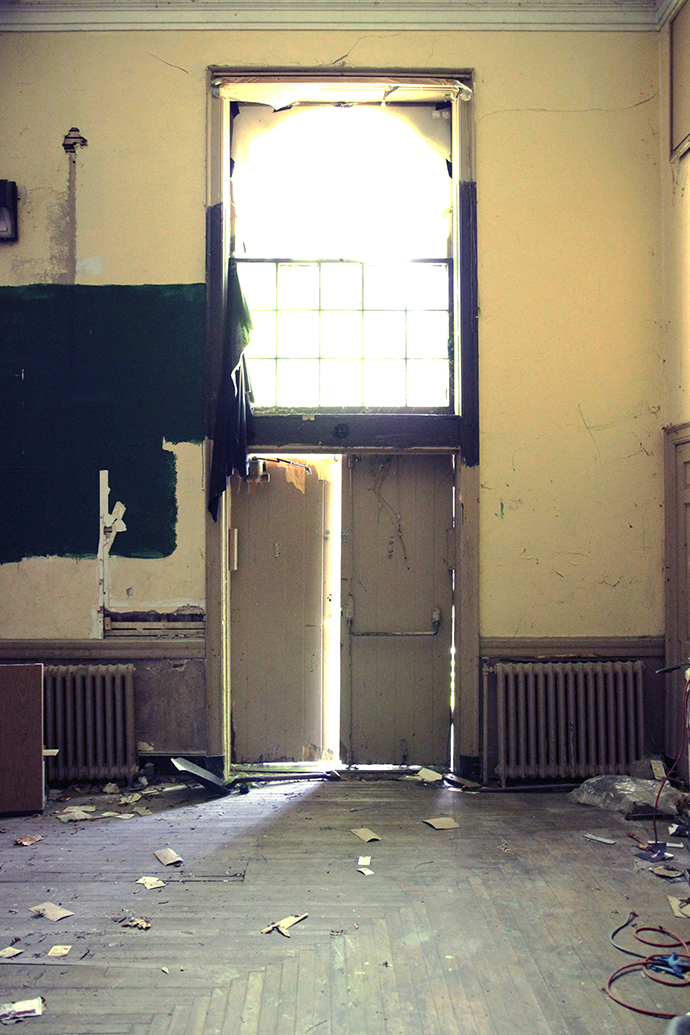
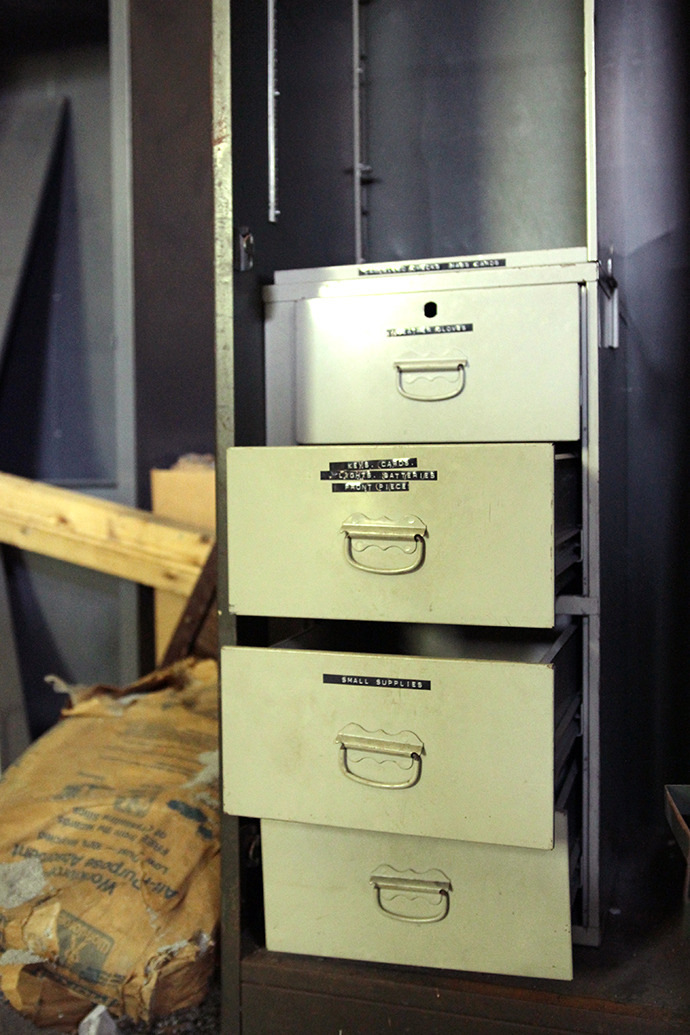
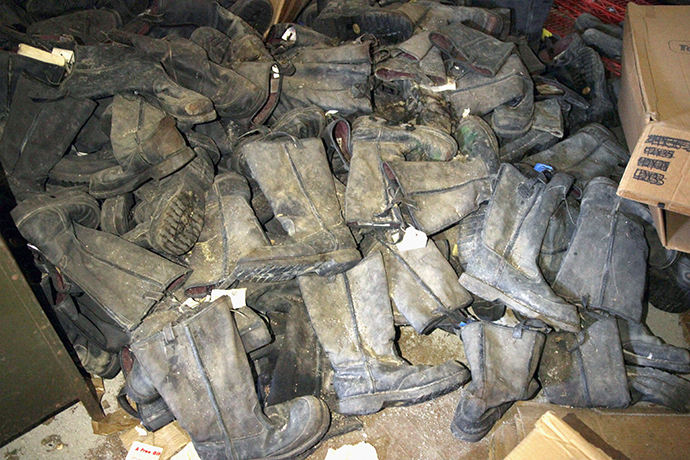
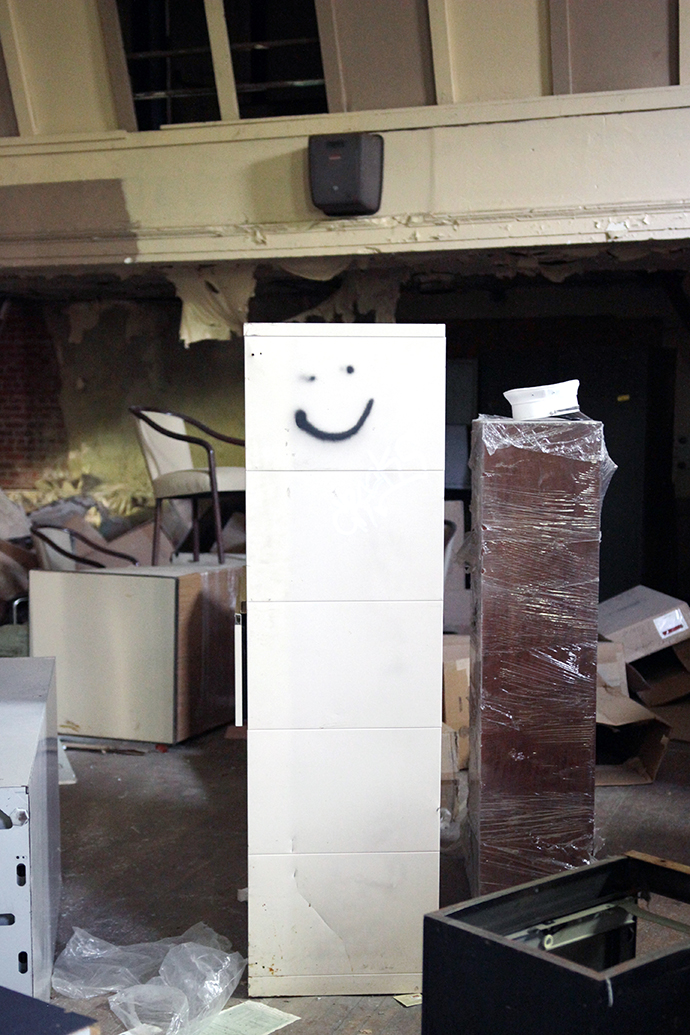
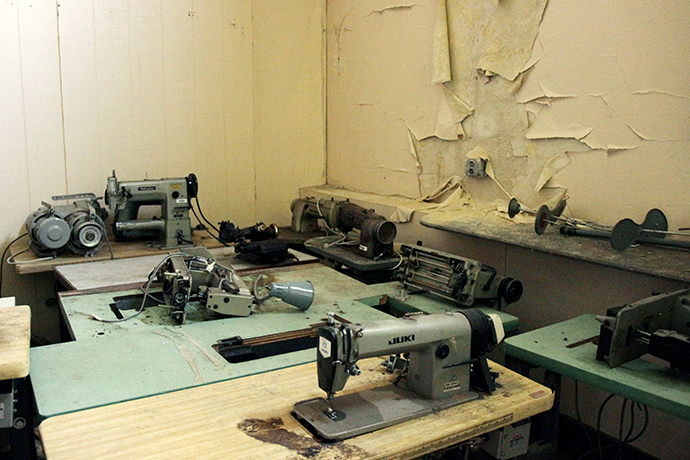
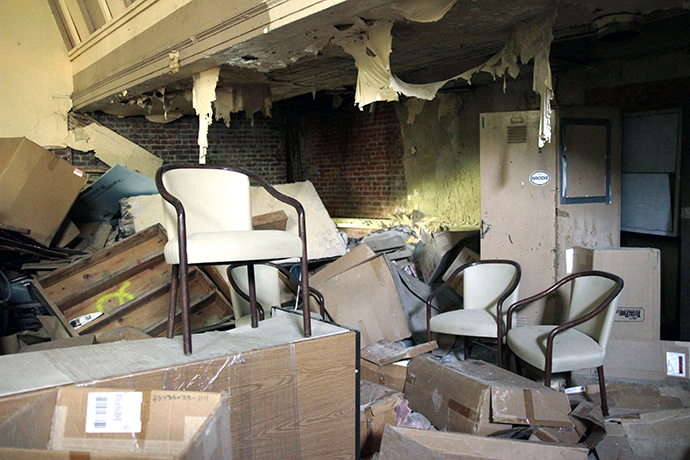
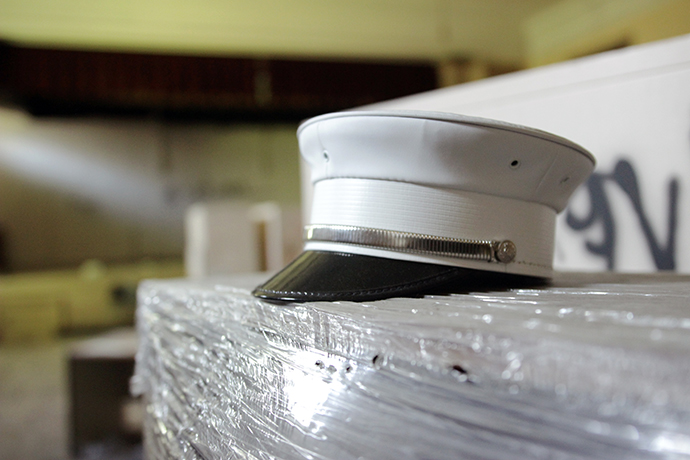
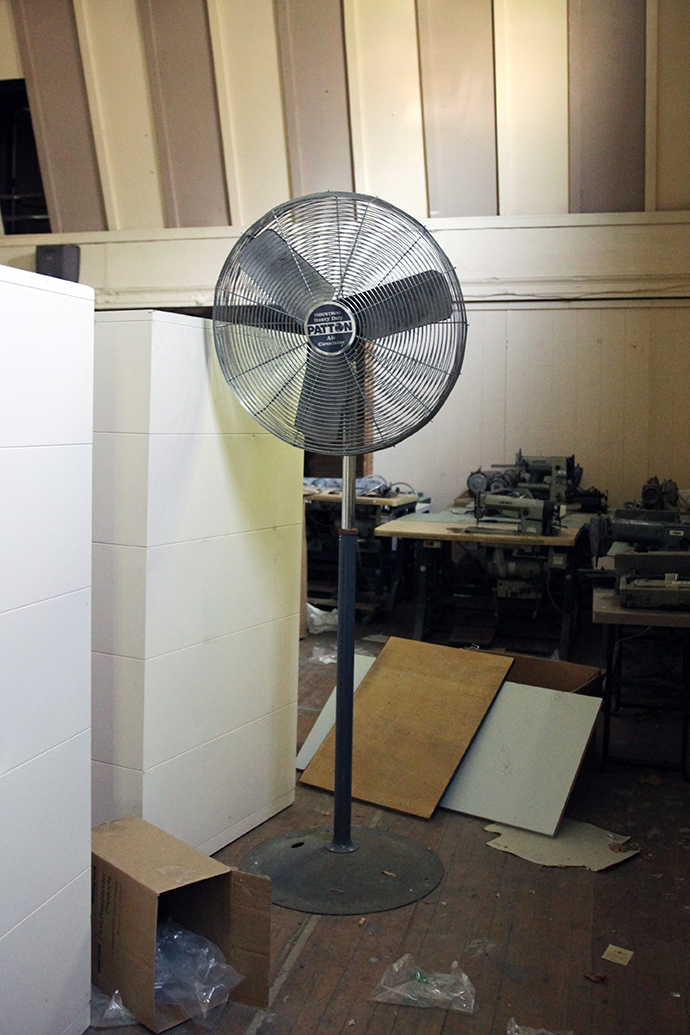
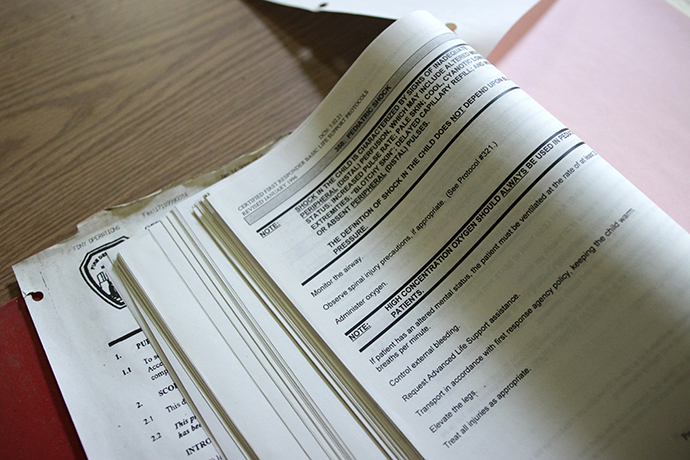
The YMCA building was built in 1929, and now stands abandoned. It appears to be a dumping ground for filing cabinets, office supplies, industrial sewing machines, boxes of papers and boots. I didn't go further than the first room I came to, but I'm fascinated by abandoned spaces especially concerning what gets left behind. I would love to go back and explore the building further, and the more I think about it, the more I feel like Fort Totten is definitely worth a return trip.
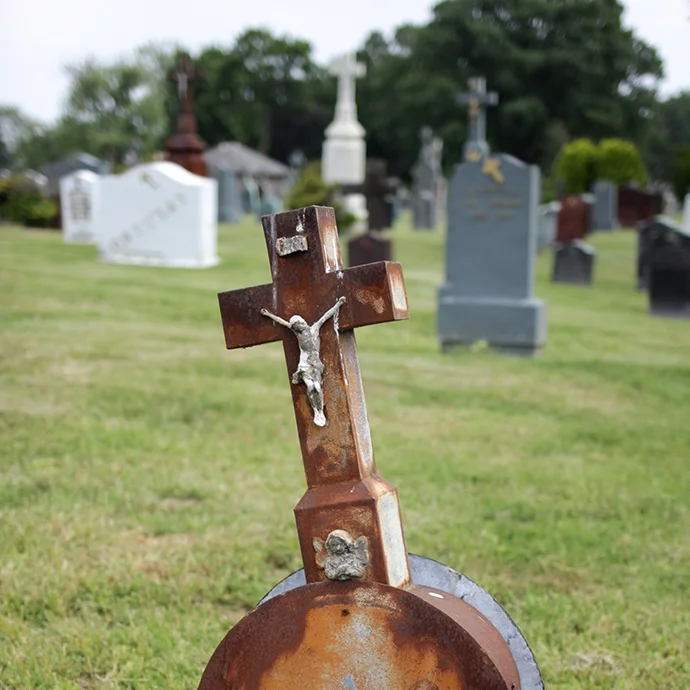
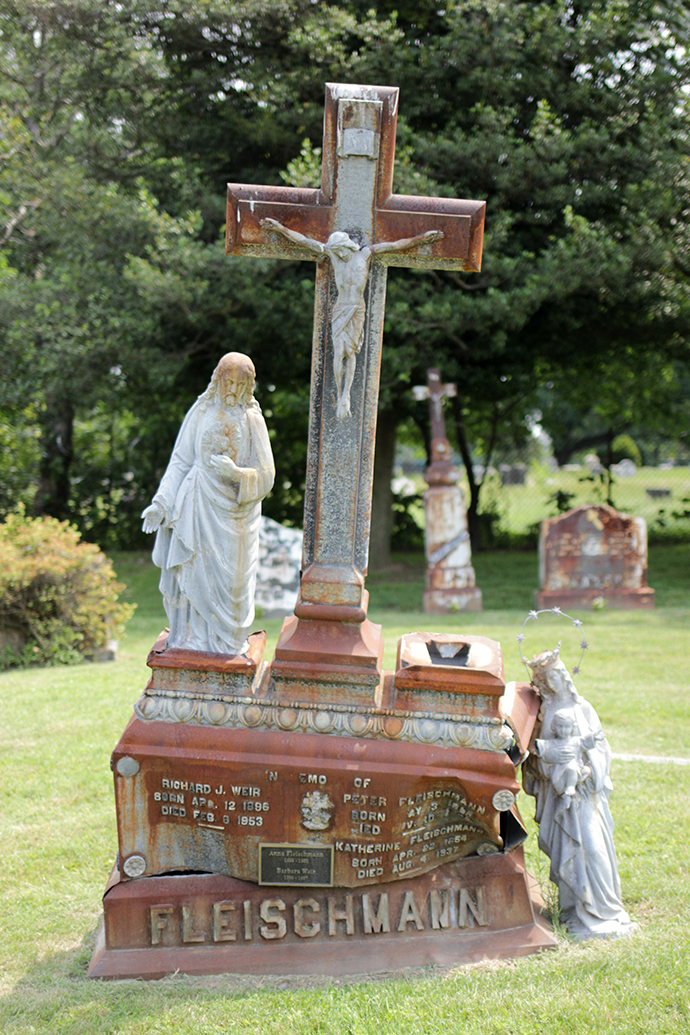
Most Holy Trinity Cemetery
It's not so ridiculous to think that I'd still be finding new-to-me cemeteries in New York—a lot of people have lived, and died, here for ages and they all had to end up somewhere. It is surprising to me, however, that I'm still finding completely unique cemeteries that have somehow alluded me despite my immersion in all things funereal.
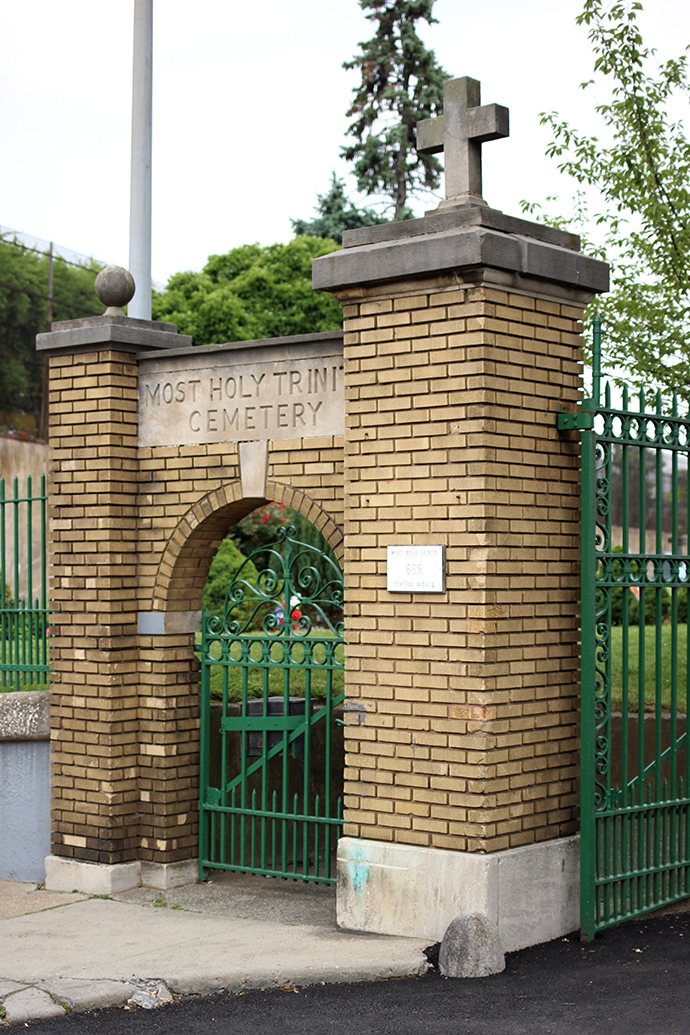
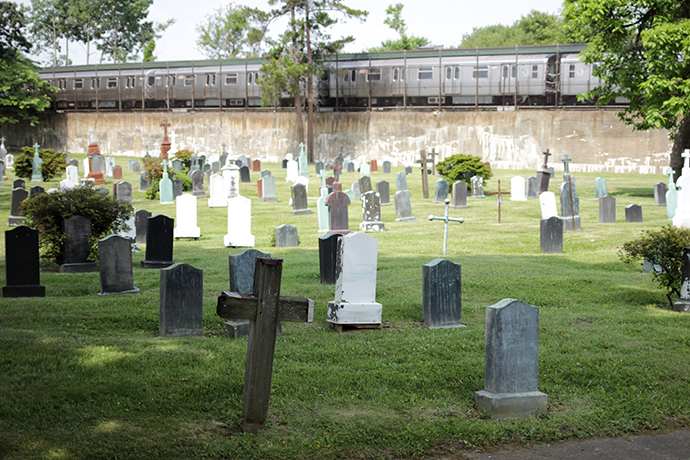
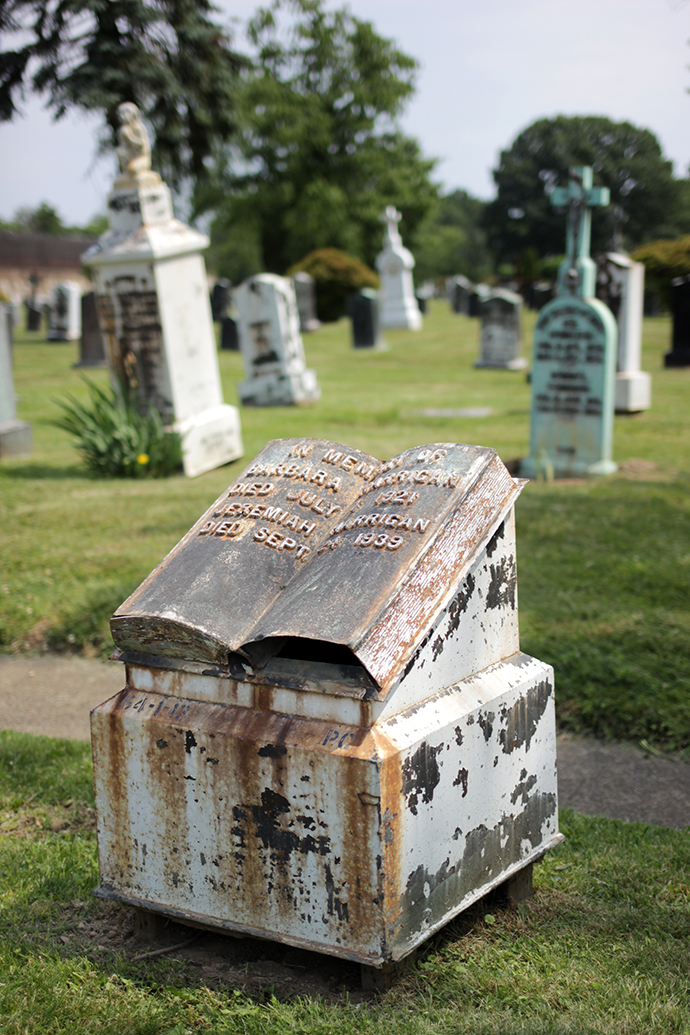
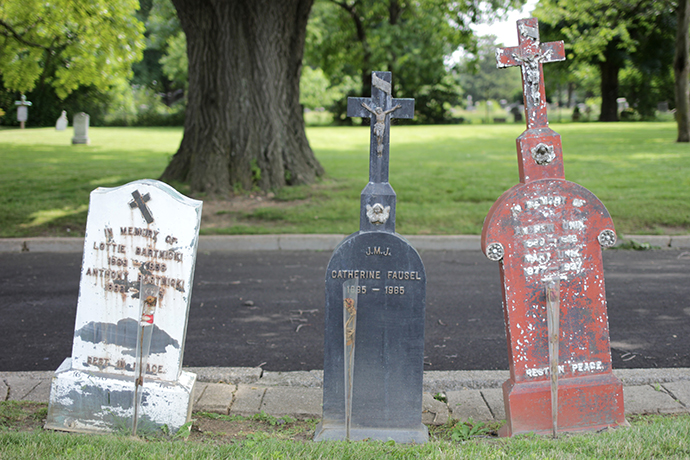
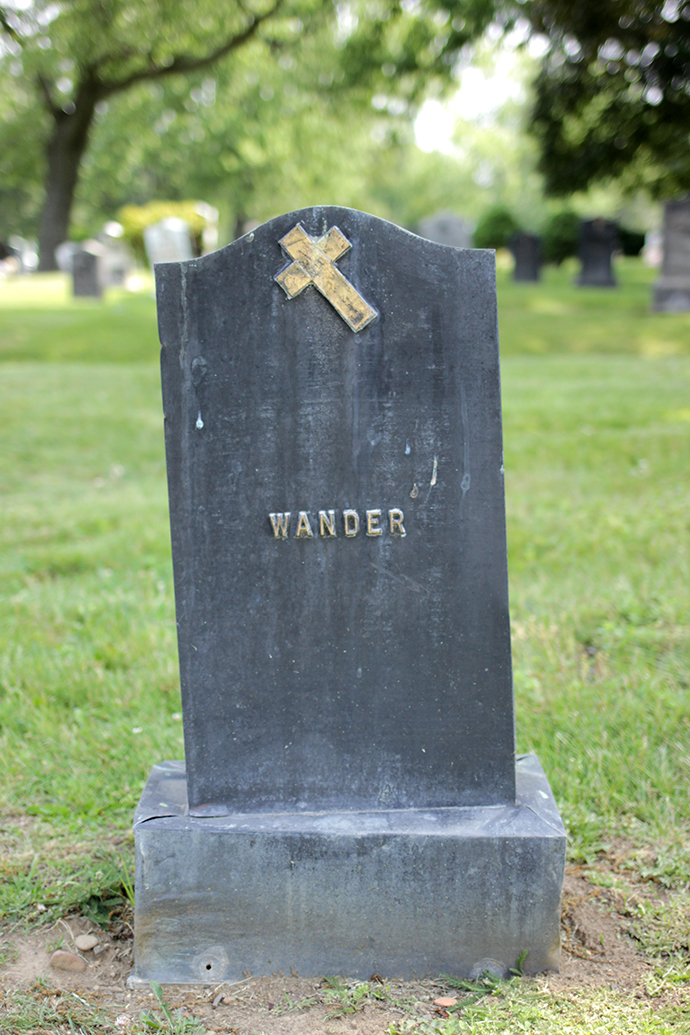
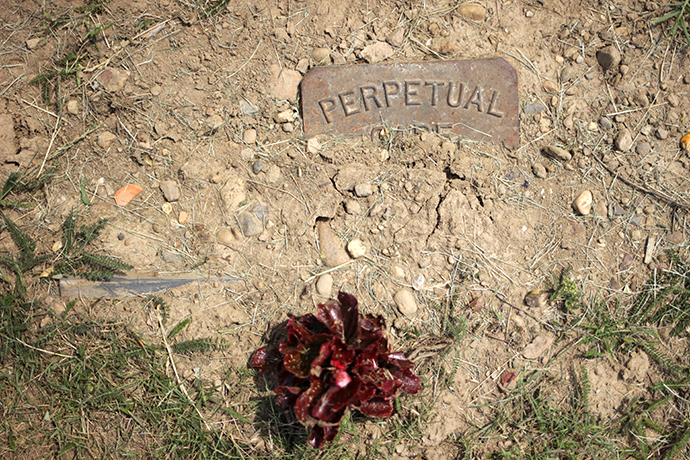
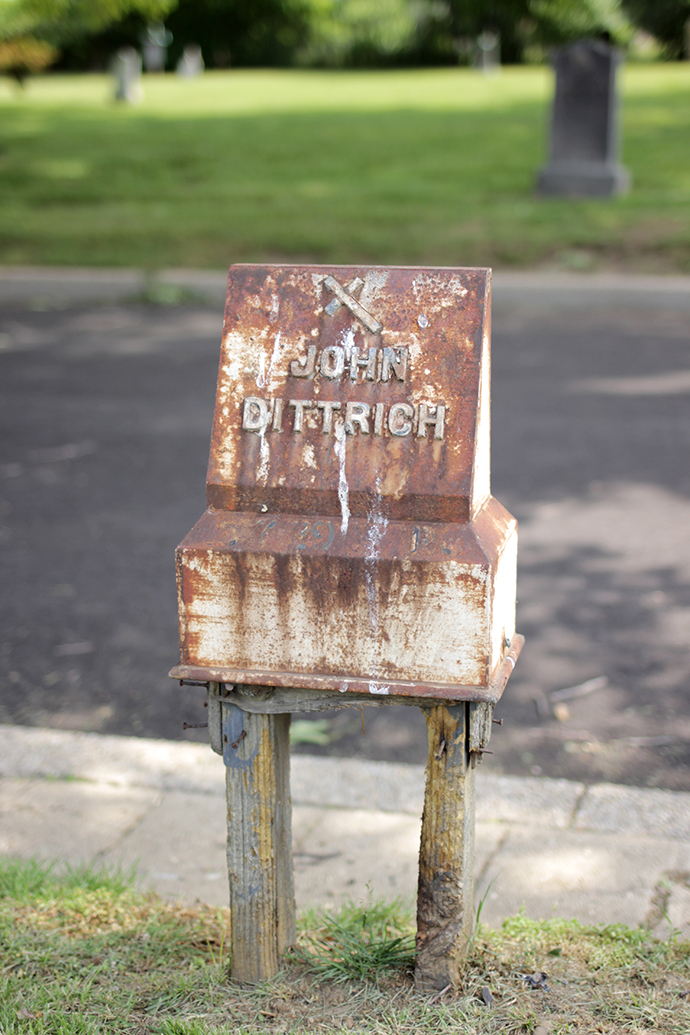
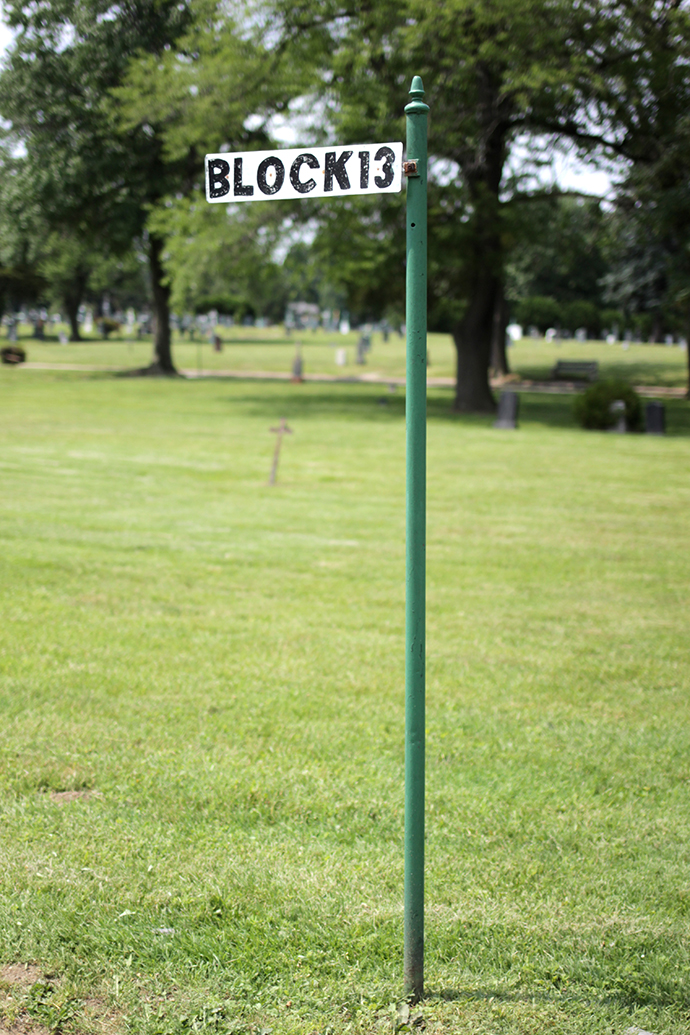
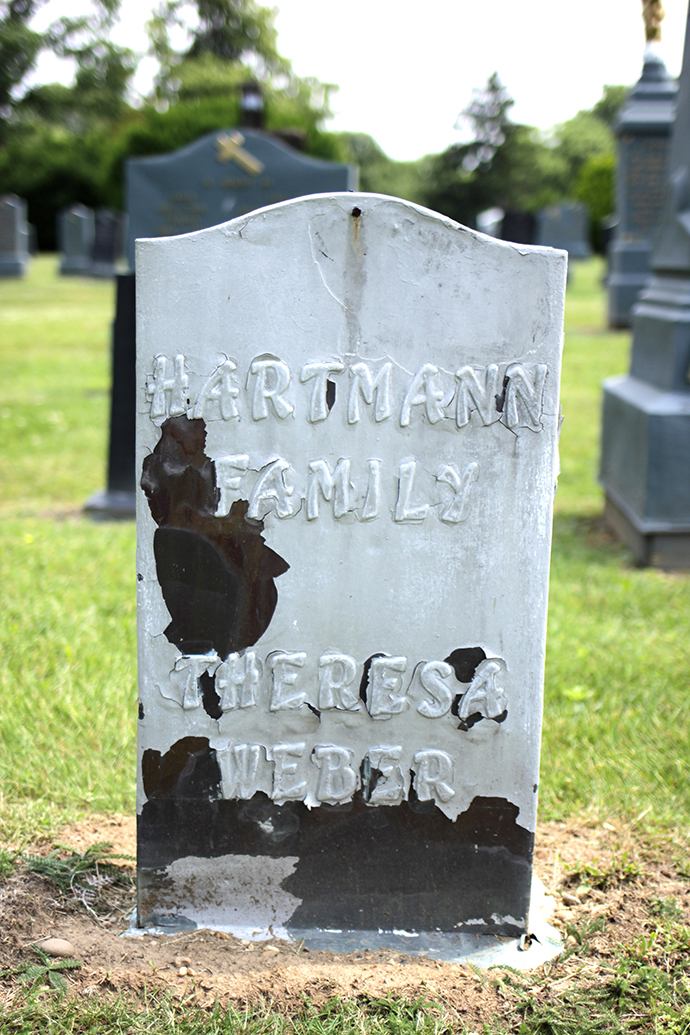
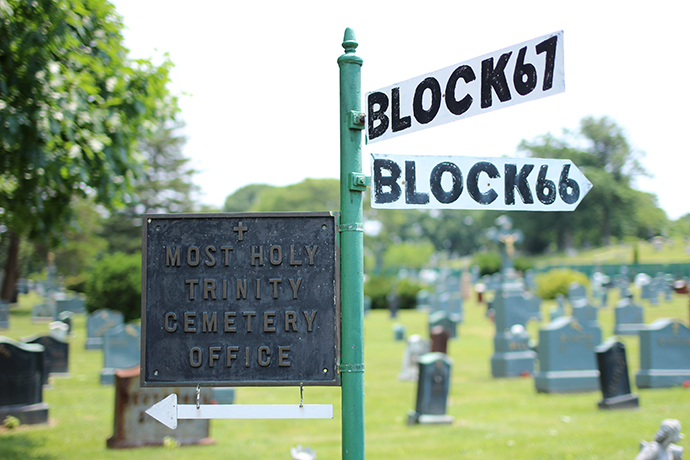
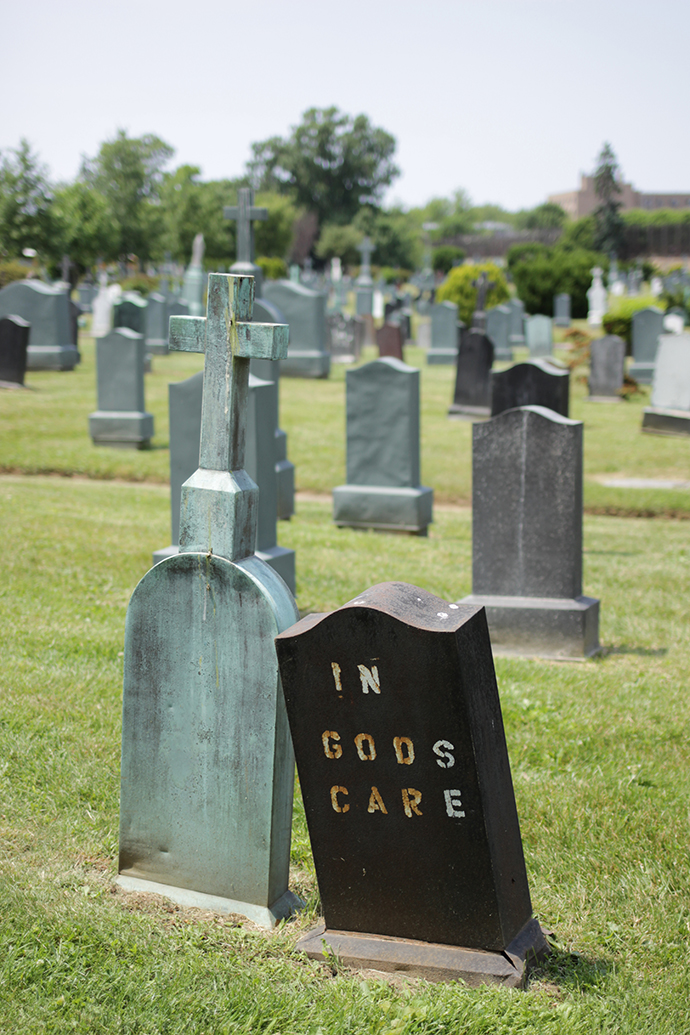
Most Holy Trinity Cemetery was founded in 1851 by the German Catholic Most Holy Trinity Church. It's located in Bushwick, Brooklyn and the L train runs right alongside (and looms over) the grounds. Almost all of the graves (except for a few modern ones) are marked with wood or metal markers to make no posthumous distinction between the rich and the poor. I knew this before I went to explore, but immediately upon entering the gates, I knew that I had found a cemetery unlike any I'd ever seen before.

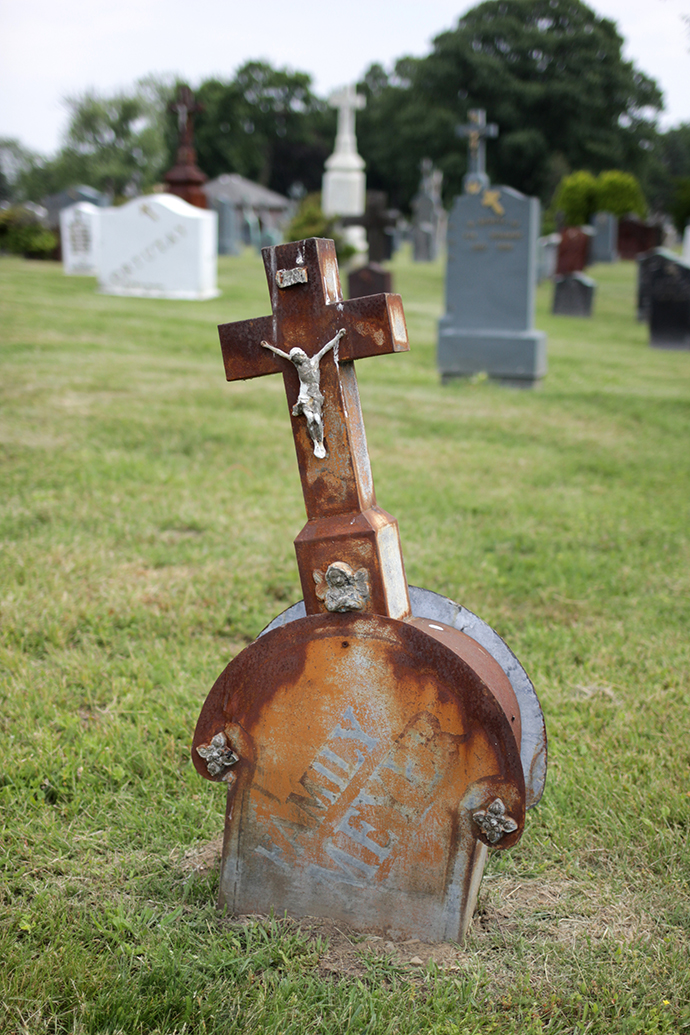
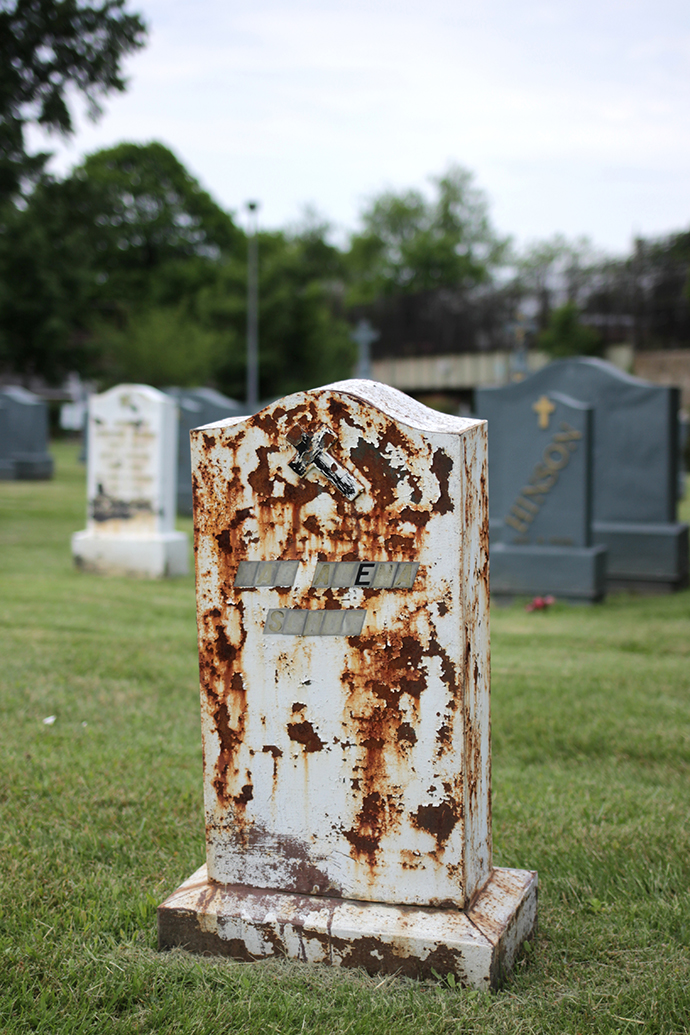
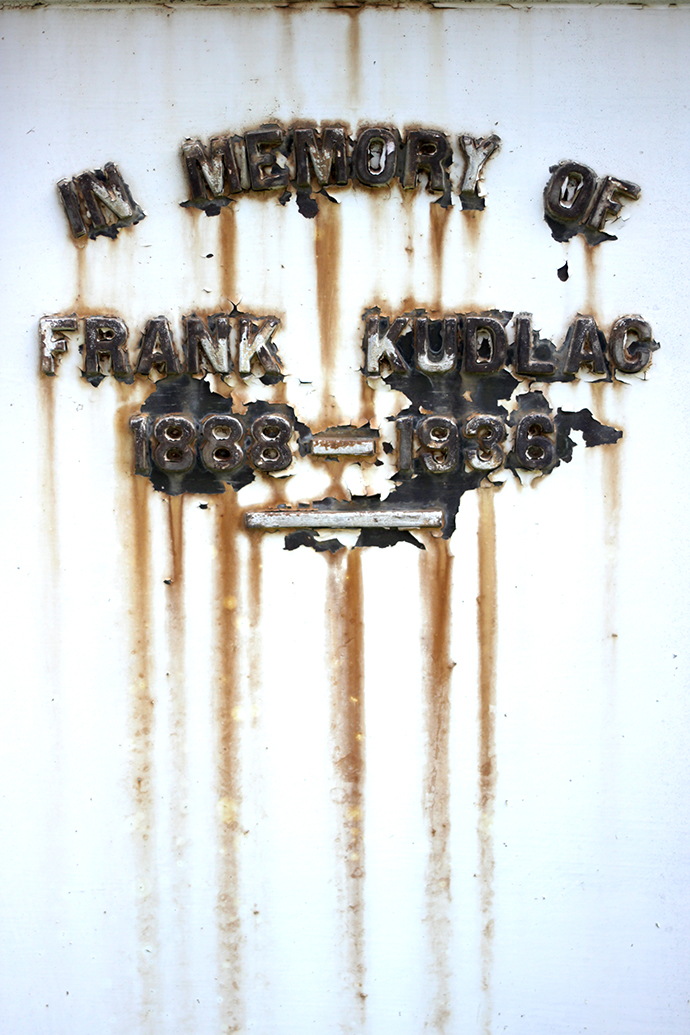
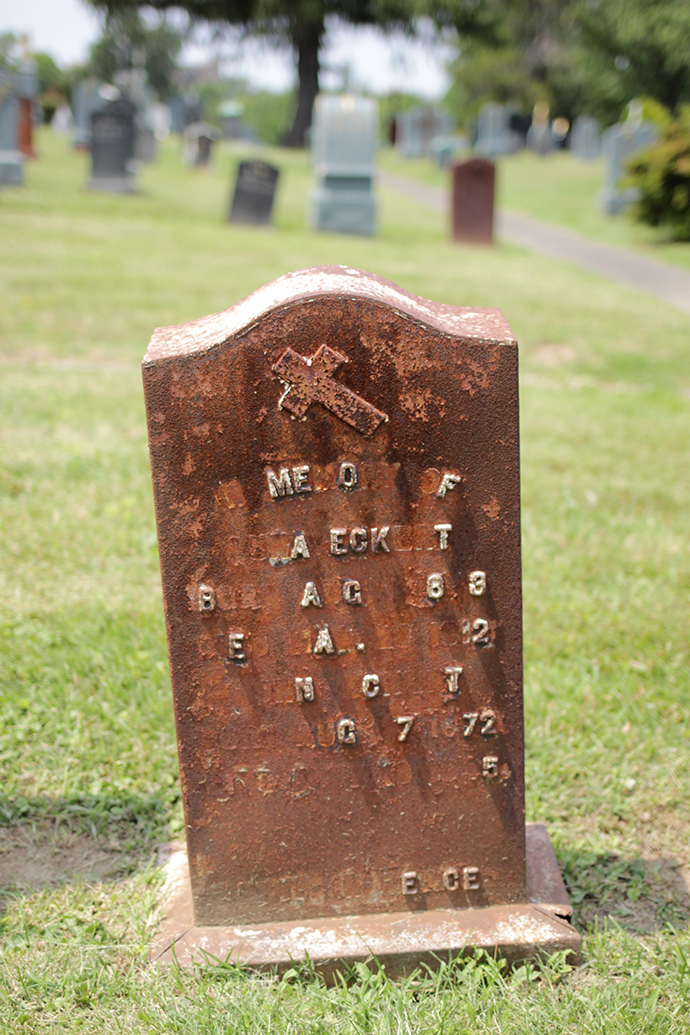
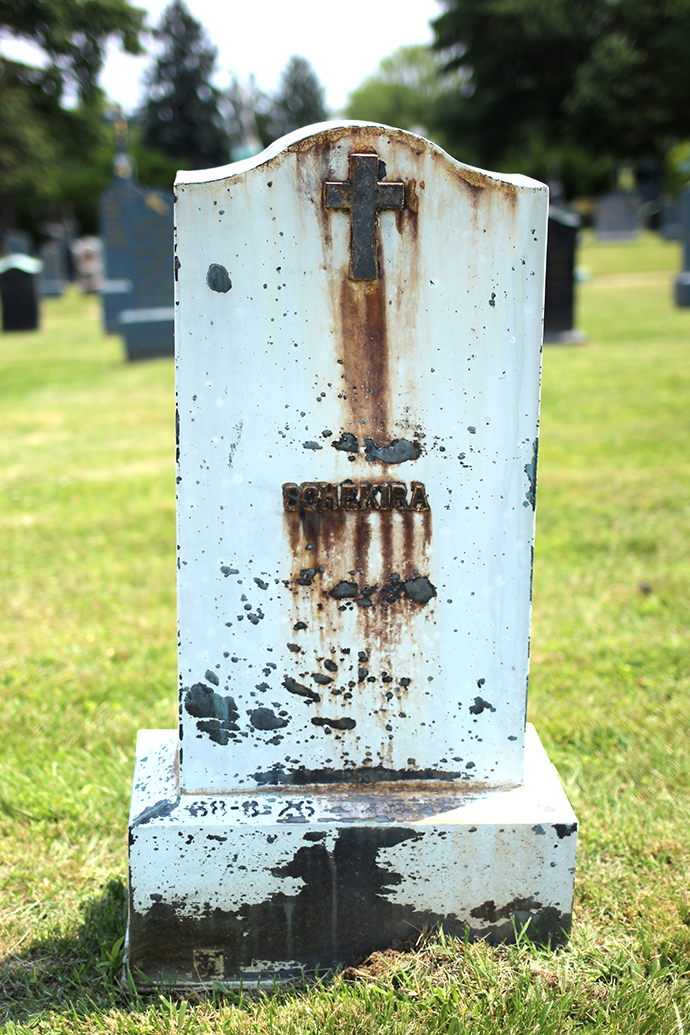
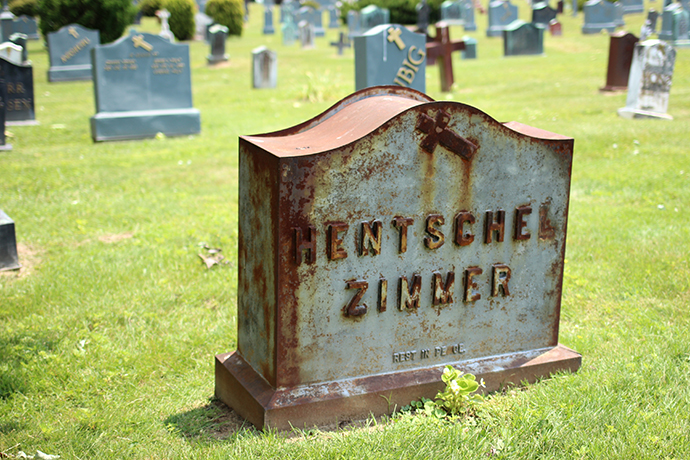
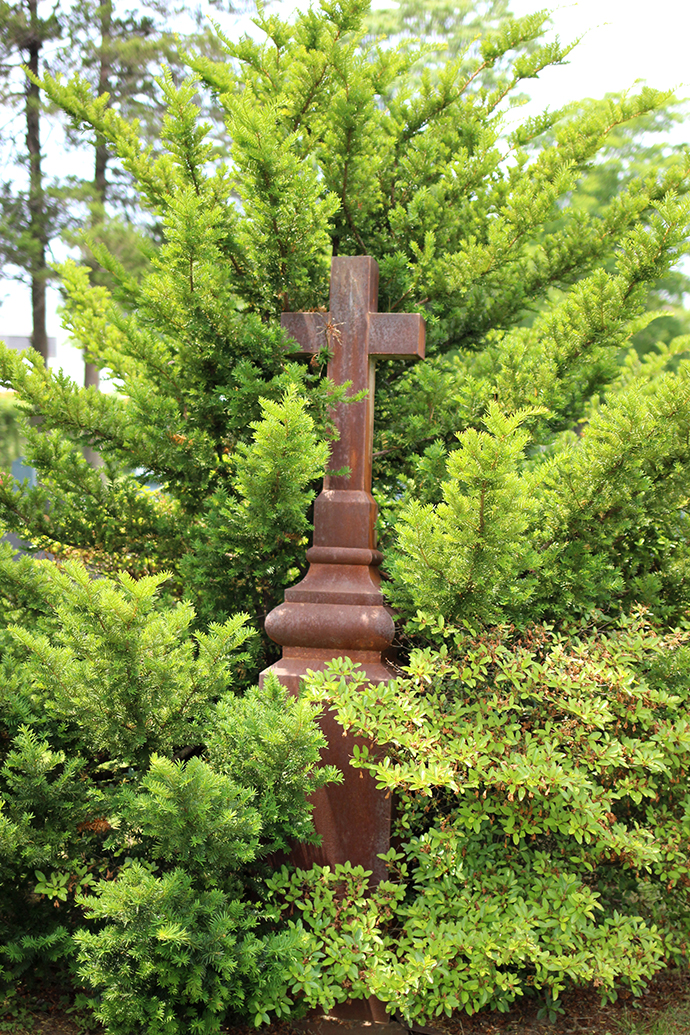
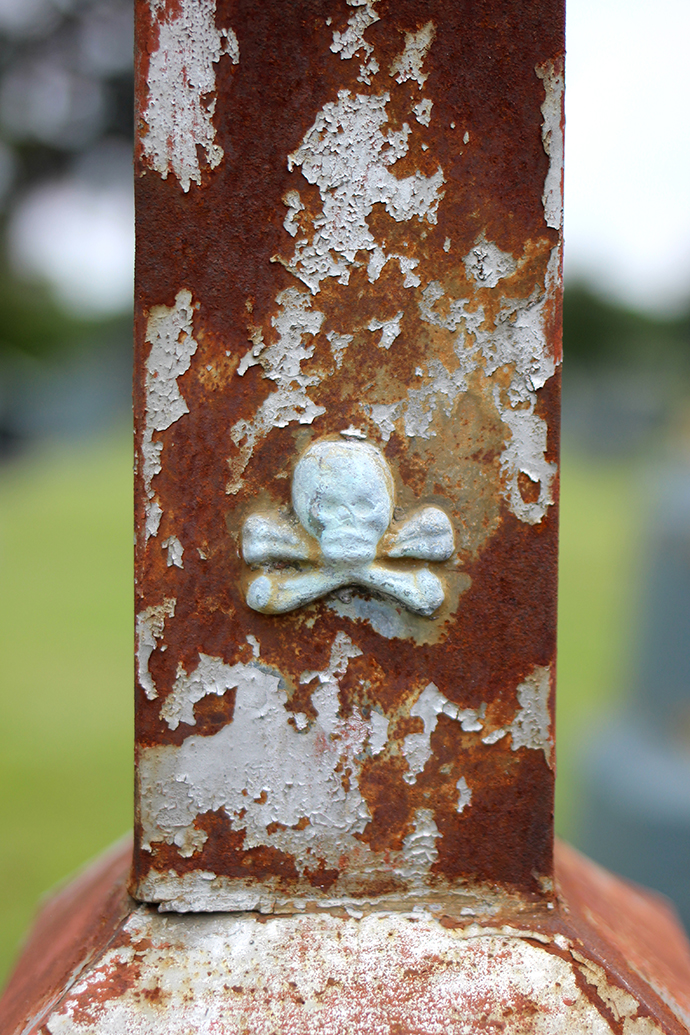
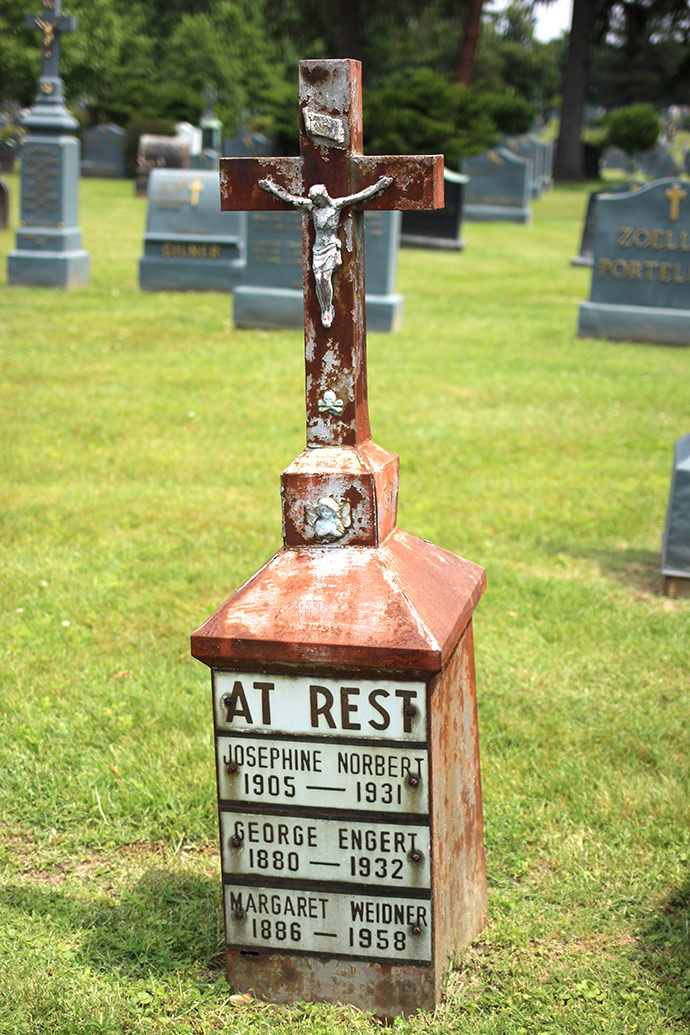
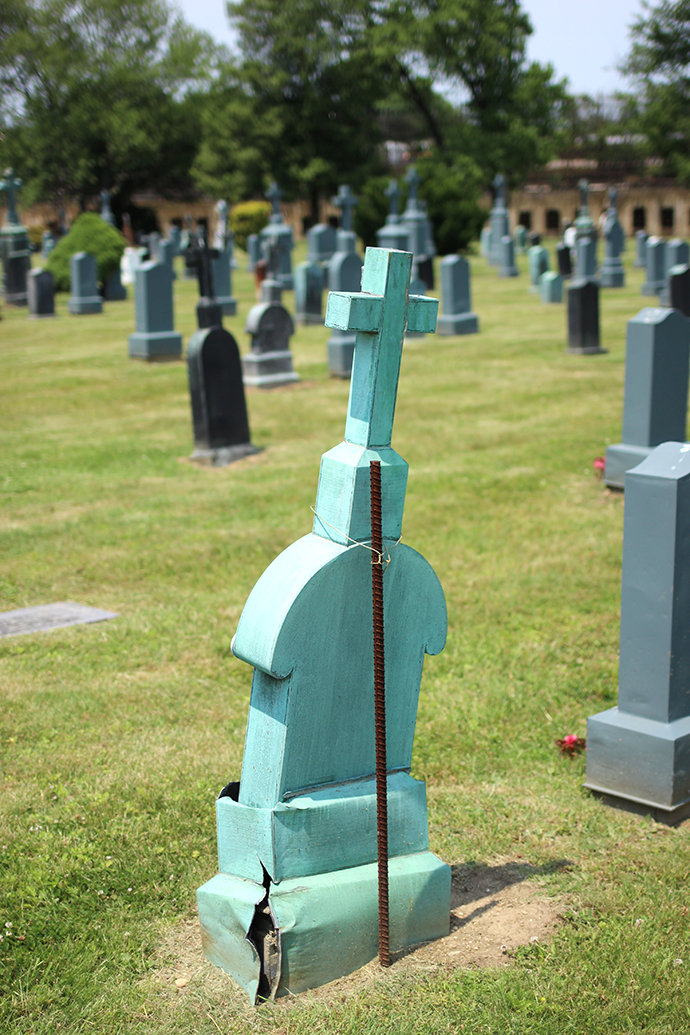
The hollow tin markers outnumber other materials such as wood, stainless steel or copper, and the effect is visually incredible. There are approximately 25,000 graves in Most Holy Trinity, and while some have been freshly painted and well-maintained, a majority are rusting in the most beautiful ways. Layers of peeling paint and dripping rust have always been my jam, but when combined with my love of tombstones and cemeteries the end result is perfect. I said (to myself) several times as I walked around "I am so,
so
happy."
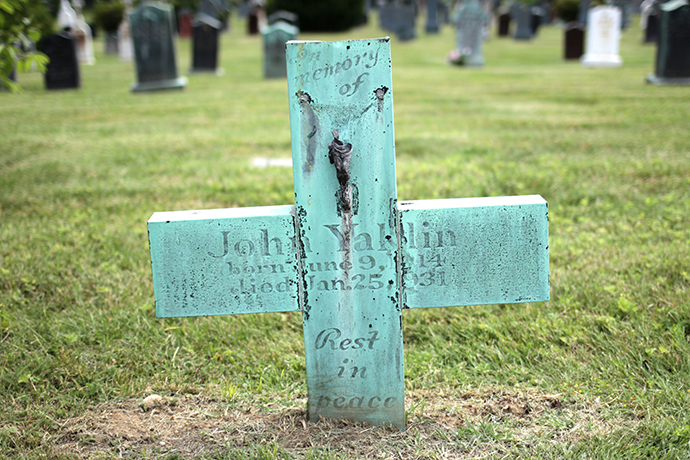
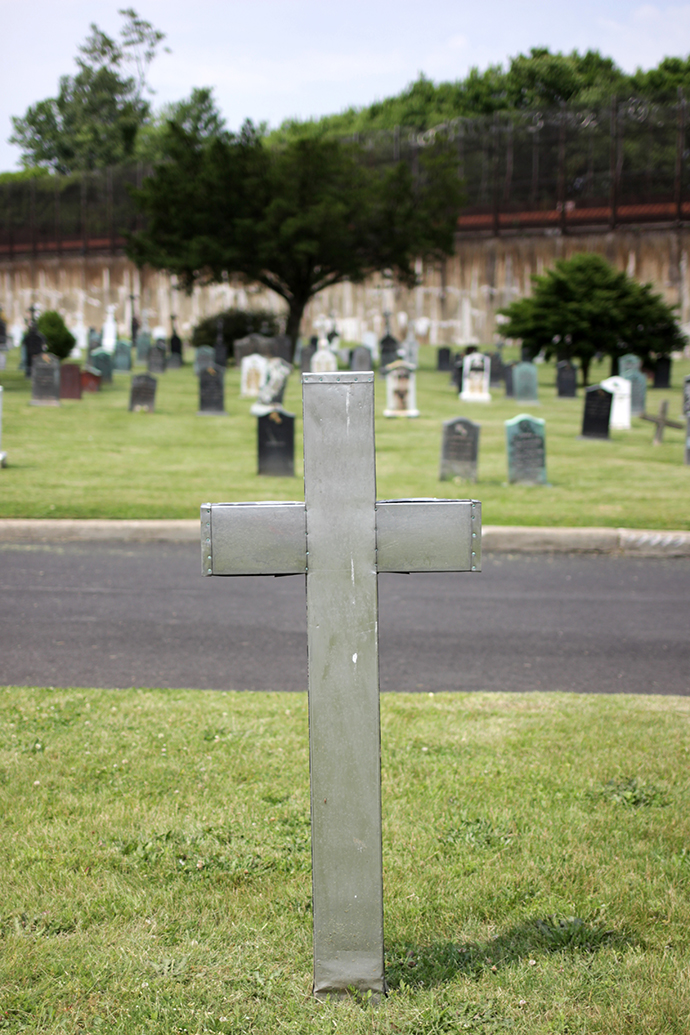
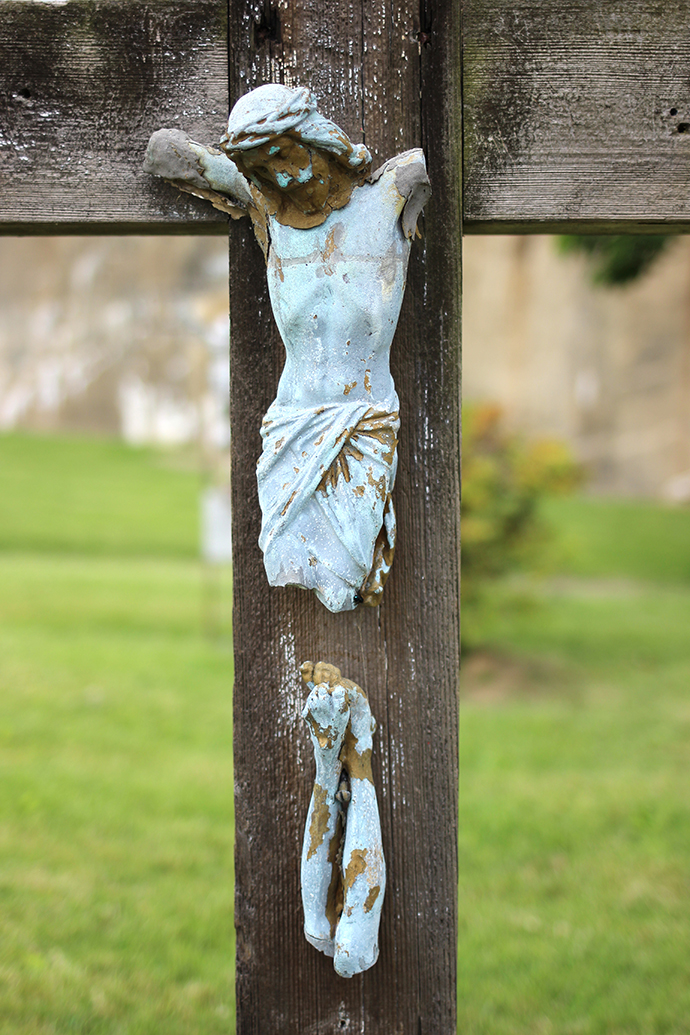
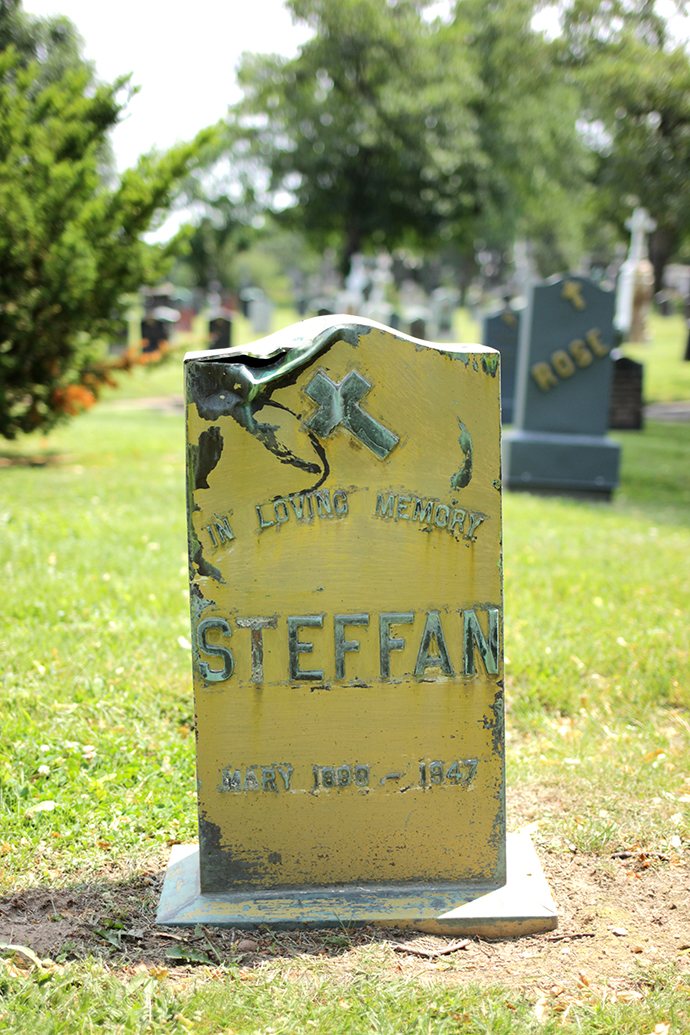
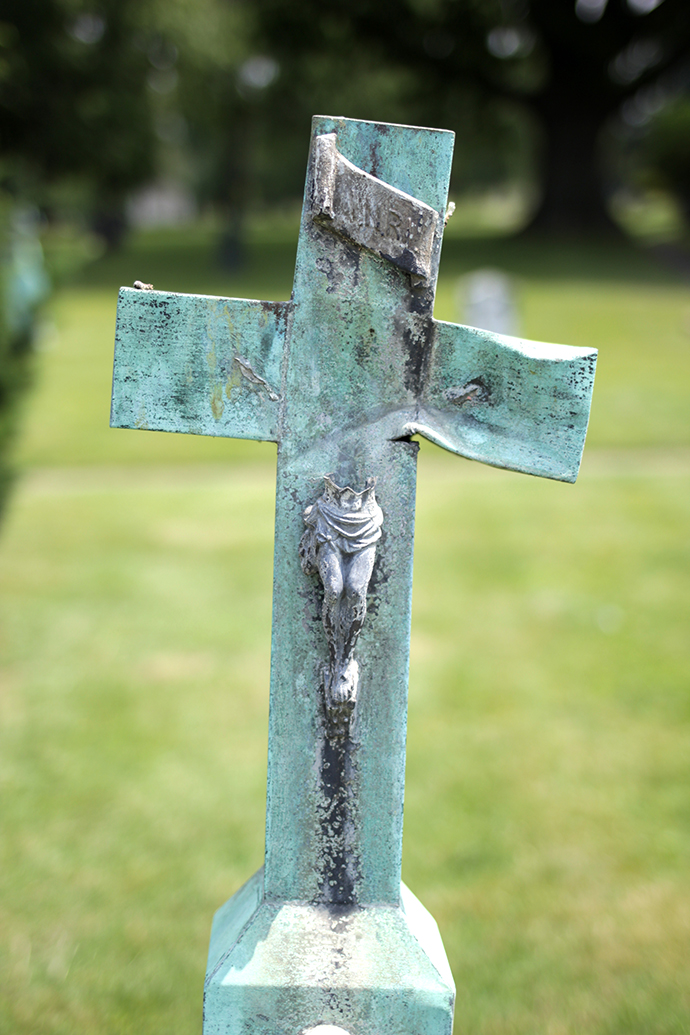
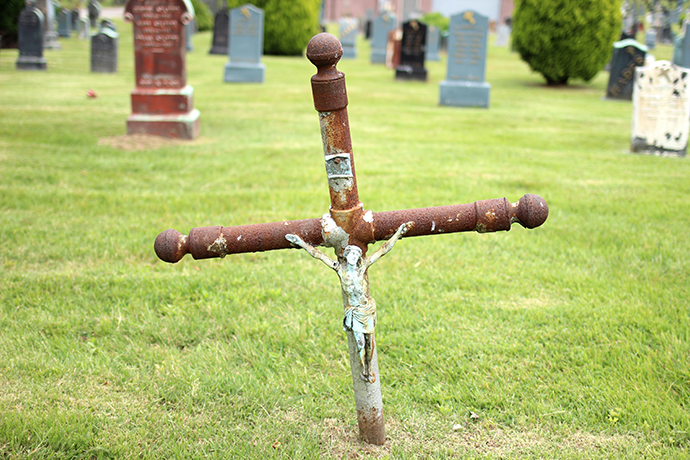
There used to be more copper monuments, but they've been stolen over the years for their scrap value. I did see a few remaining, all of which are sporting a beautiful Statue-of-Liberty green patina. There were crosses on almost everything, made from weathered wood, shiny steel and even what looked like plain (now rusty) pipe.
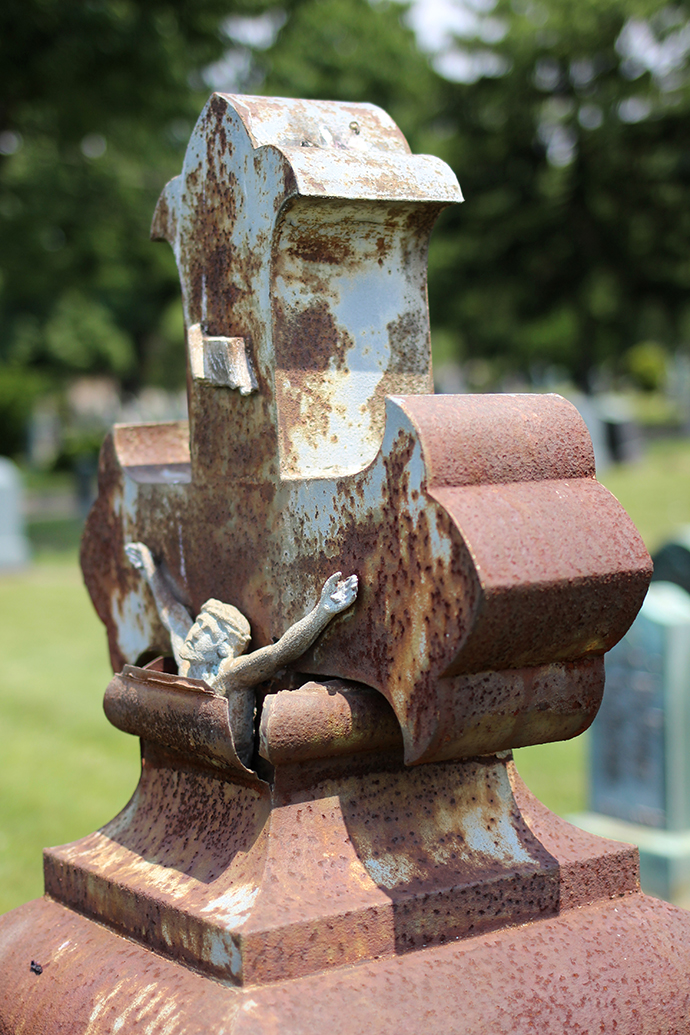
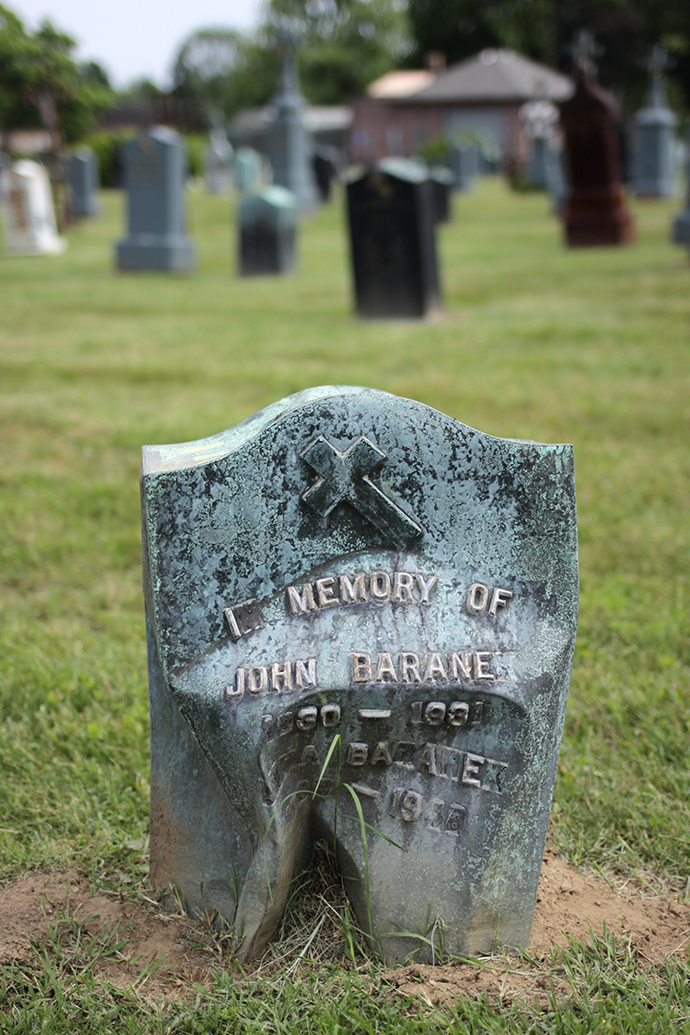
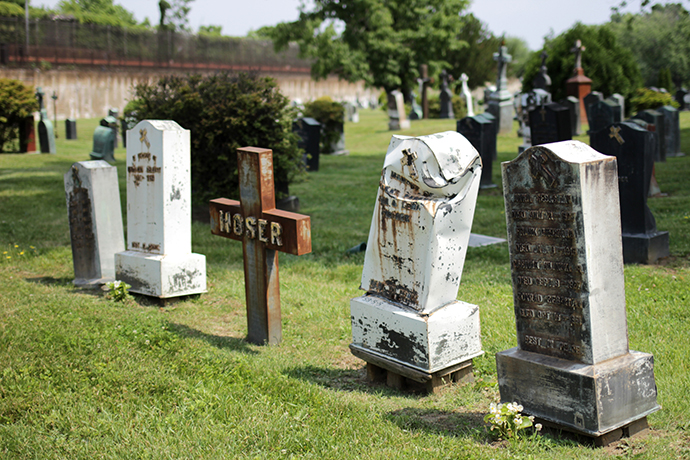
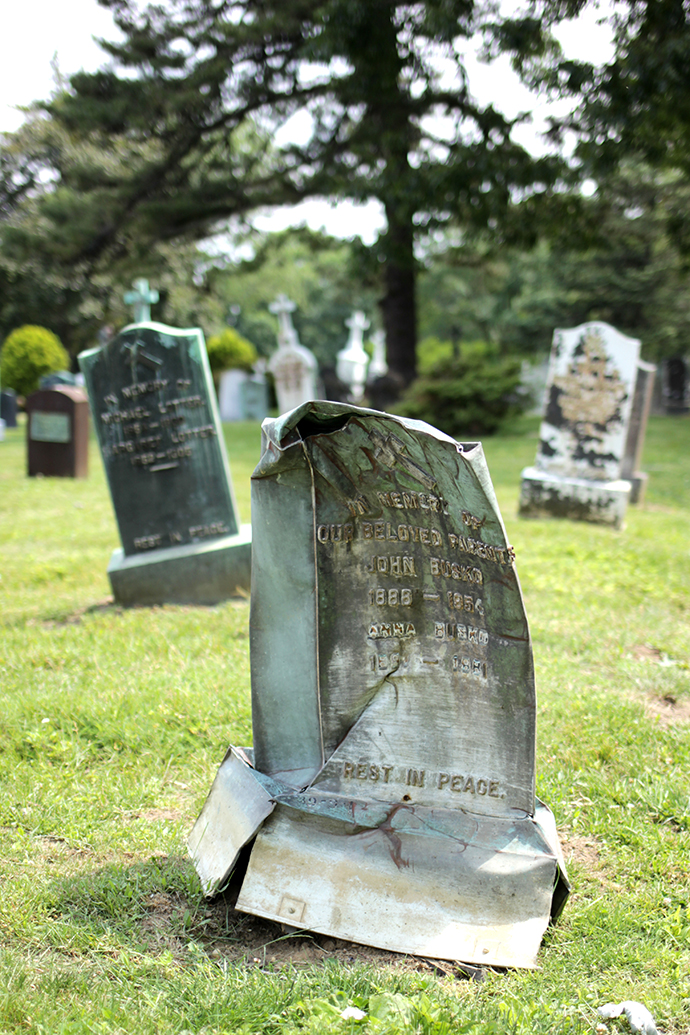
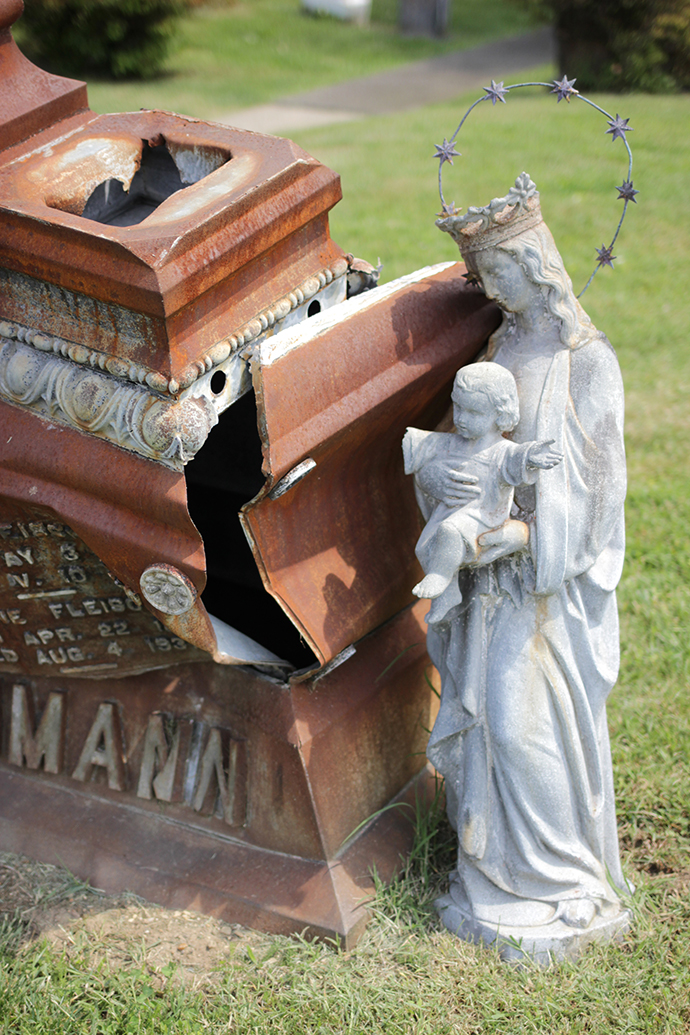
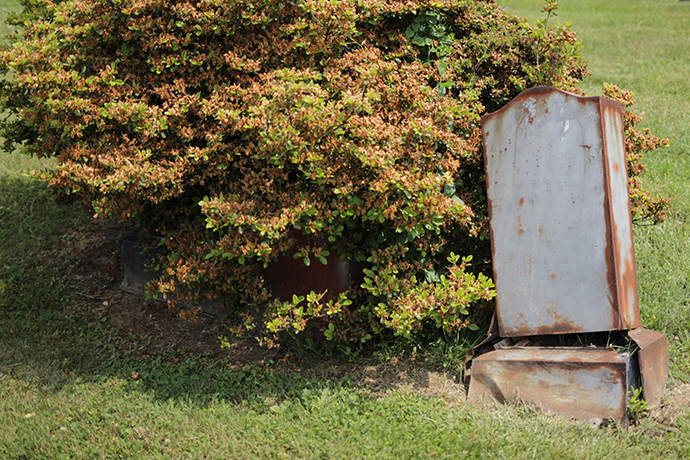
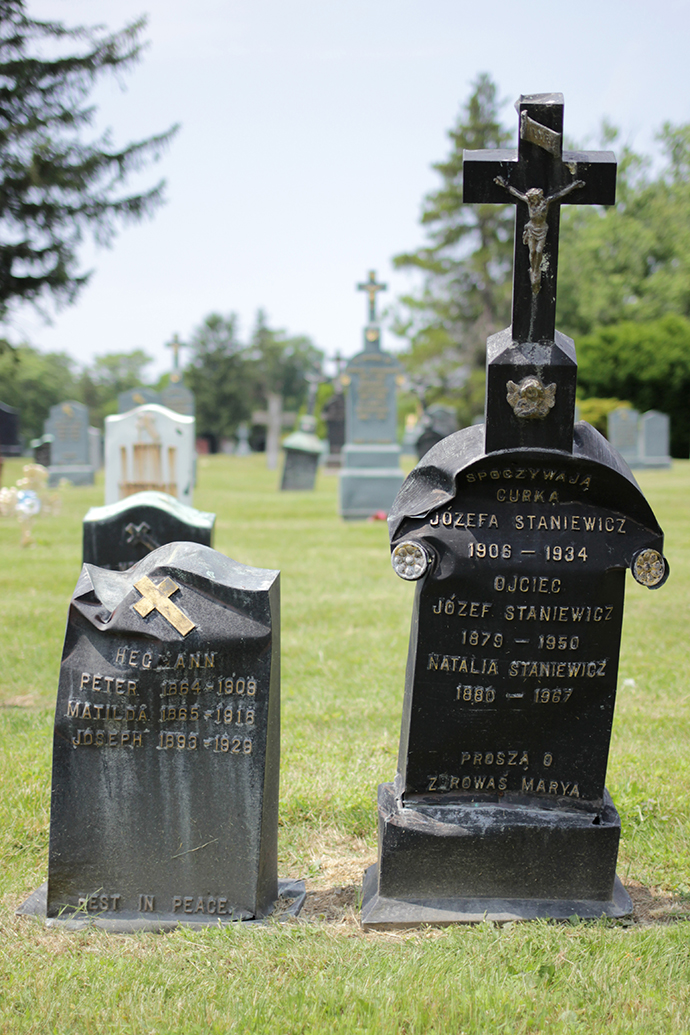
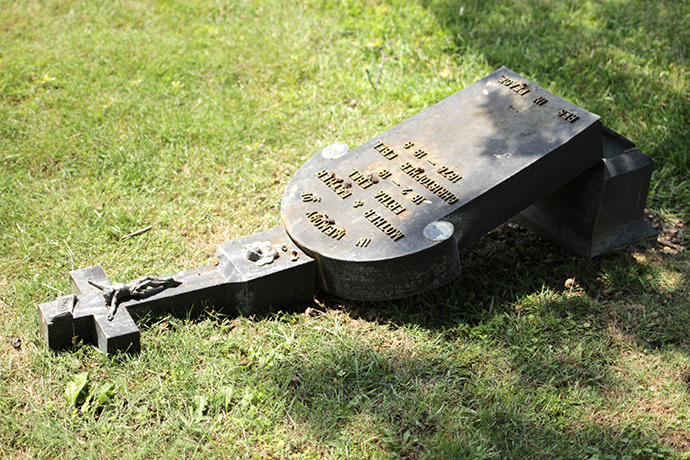

A lot of the hollow tin markers have become damaged in some way aside from the natural beating you'd expect from the elements. Some of them were so twisted and dented that it's hard to imagine what could have caused such intense damage. I'm used to crumbling stone or tree roots swallowing headstones over time, but I just couldn't get enough of the undulating folds and crumpled crosses. I've been arbitrarily giving "top five" status to a lot of places I've visited lately and it is a bit of a Sophie's Choice for me as far as cemeteries are concerned, but Most Holy Trinity has definitely earned a spot as one of my top-five favorite New York cemeteries.

Coney Island Mermaid Parade 2016

Last year, crappy weather prevented me from going to the Mermaid Parade in Coney Island, but I've been eager to go back since I first went in 2014. Started in 1983, the Mermaid Parade is so uniquely New York that I can't really imagine it taking place anywhere else but Coney Island. It marks the unofficial start of summer, featuring more than 3,000 artists from all over paying homage to mermaids, Neptune and all things of-the-sea—and because this is New York, pretty much anything else.
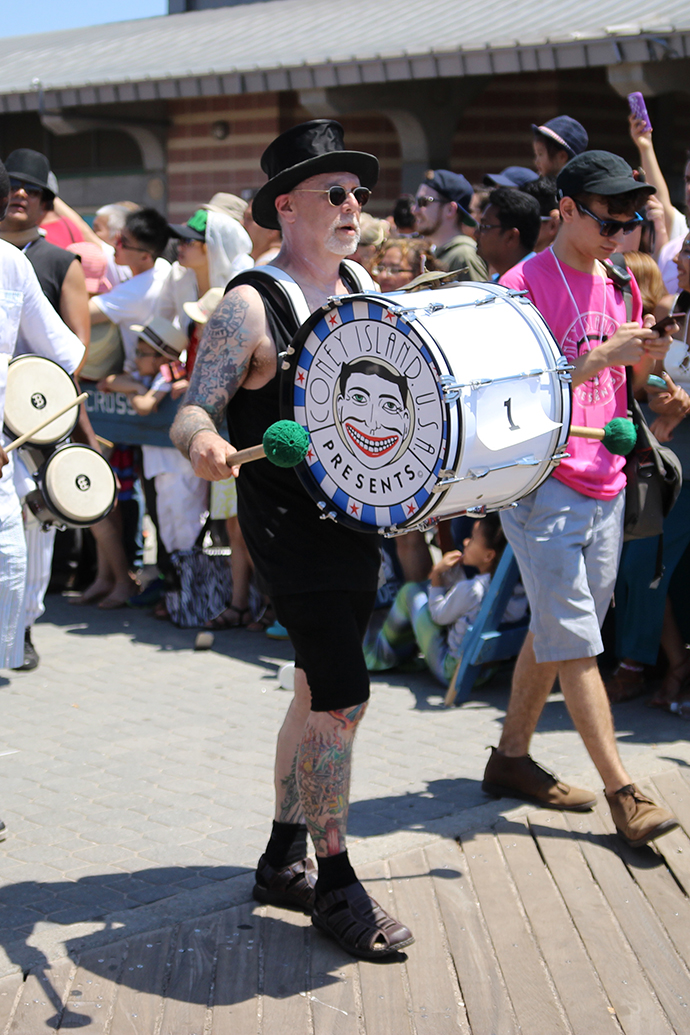

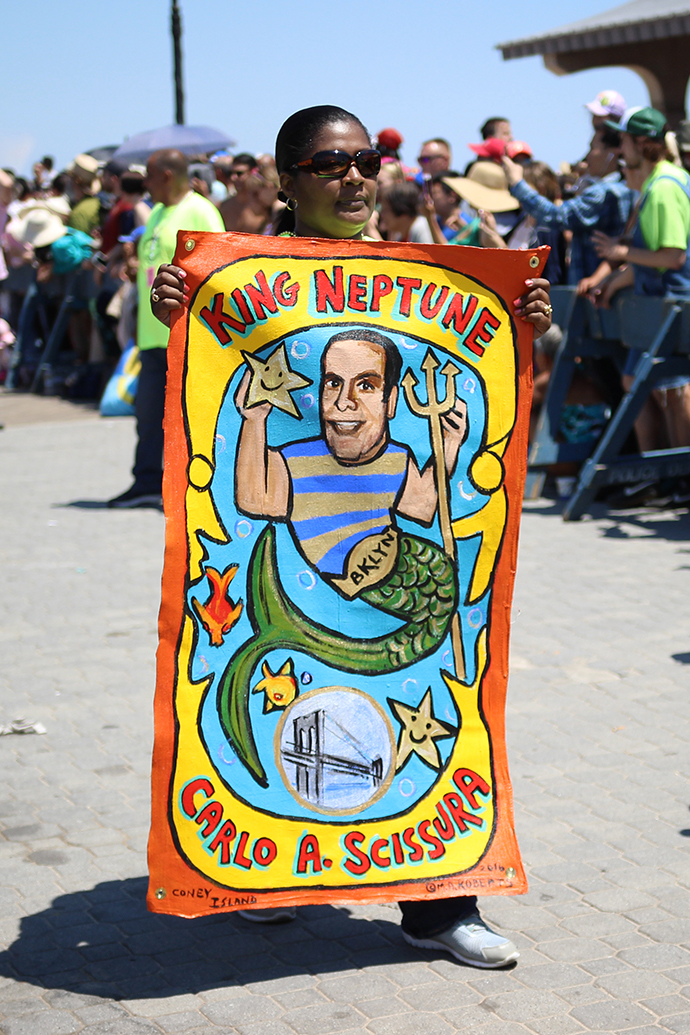

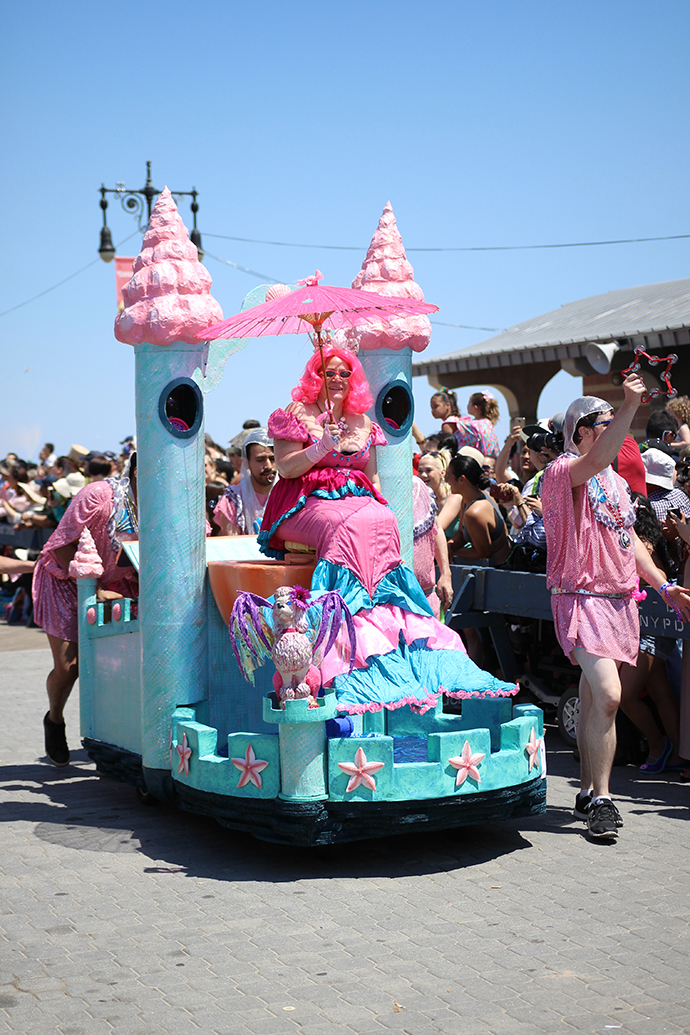


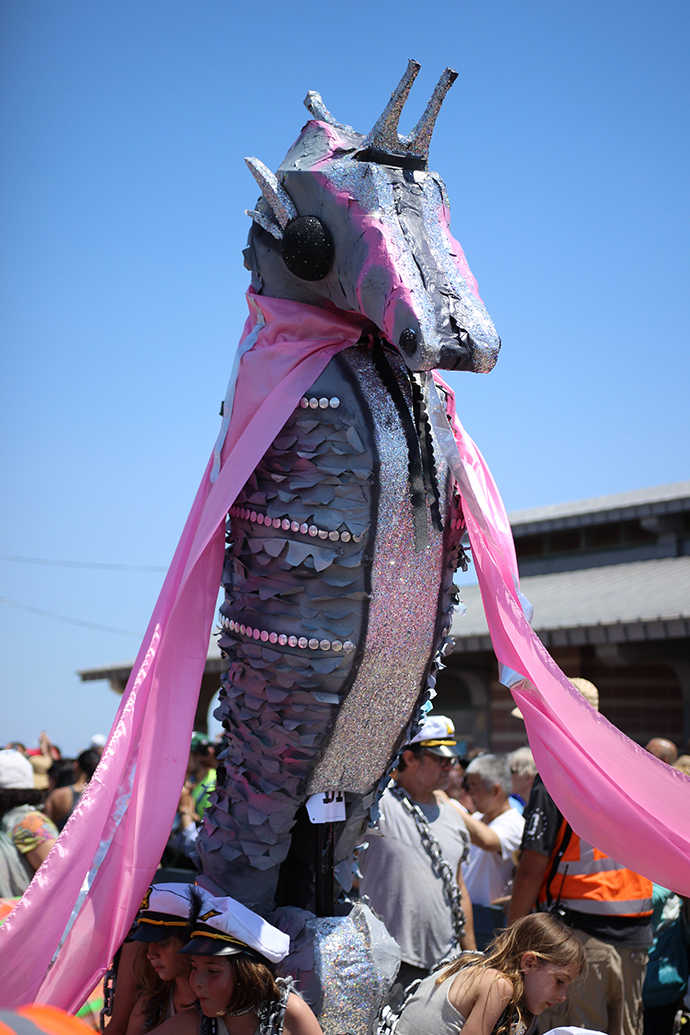


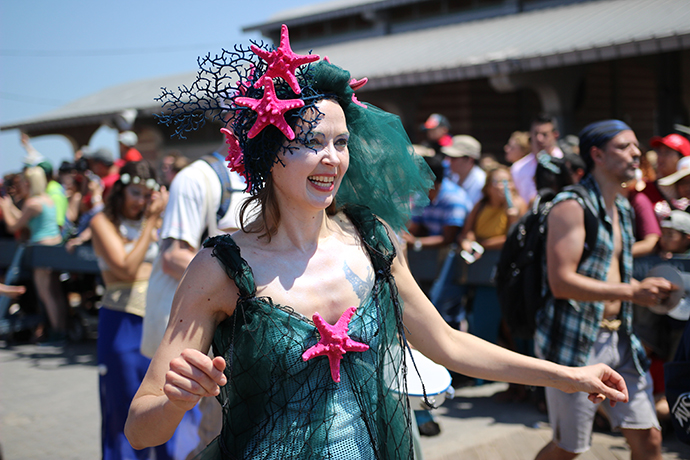
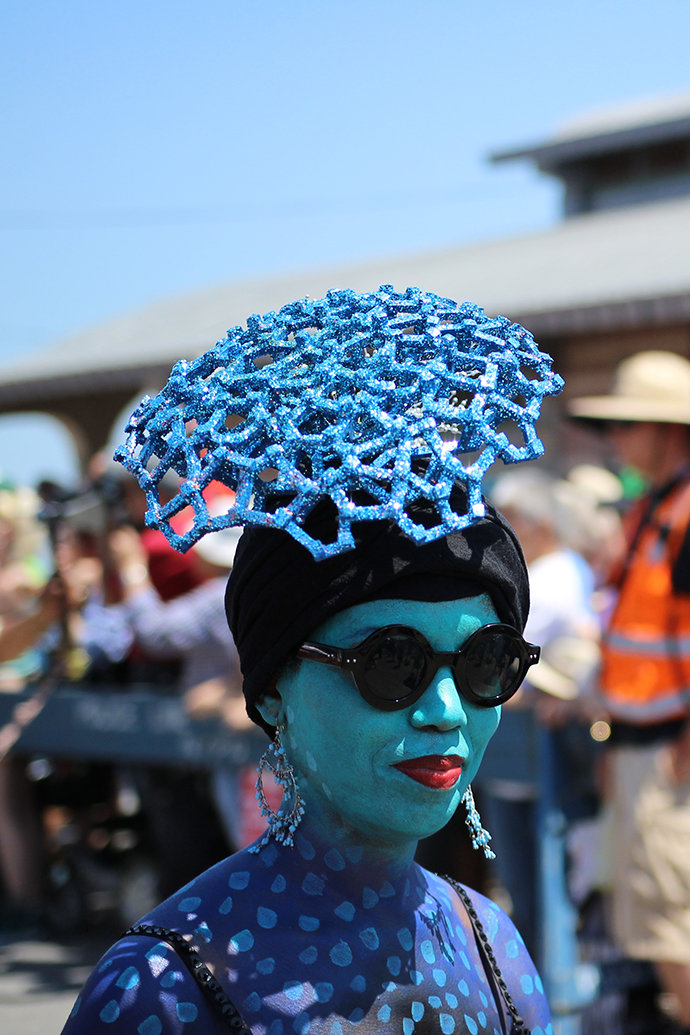
Every year a new Queen Mermaid and King Neptune are crowned. In 2014 it was Mayor deBlasio's children, Dante and Chiara, and this year model Hailey Clauson and President and CEO of the Brooklyn Chamber of Commerce, Carlo A. Scissura, took the reins. The best part about the Mermaid Parade, however, is how very unlike every other parade it is—there are no corporate floats, no one passing out flyers, no one soliciting votes. I suppose it does feel a little like the Halloween Parade, but more organized, joyful and well-lit.
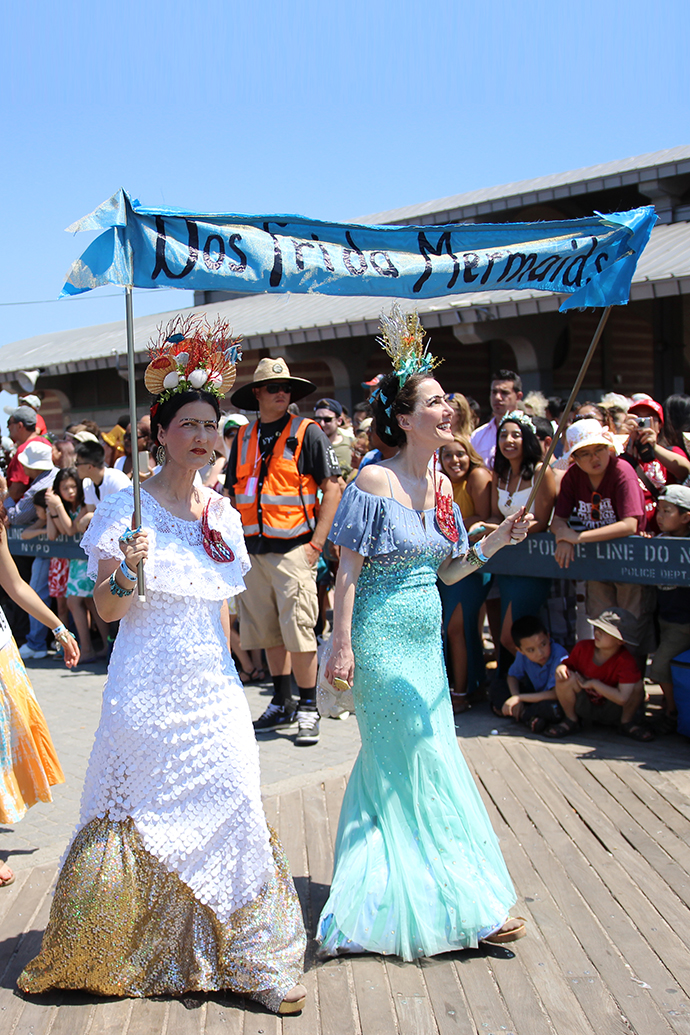


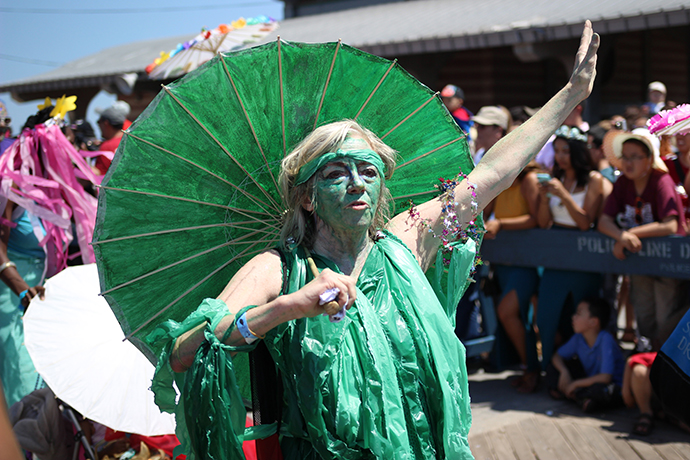


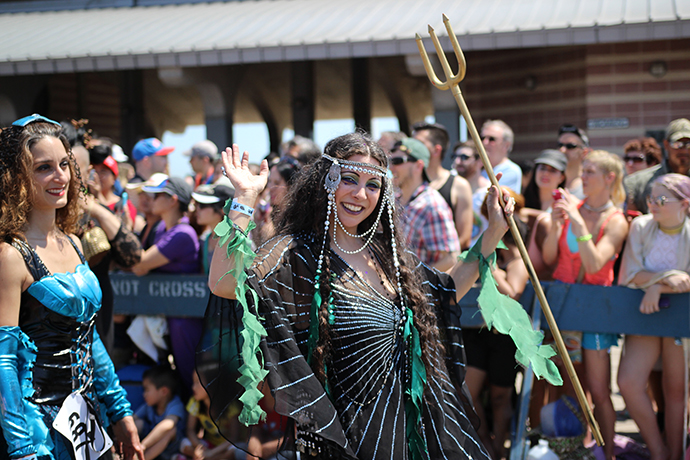

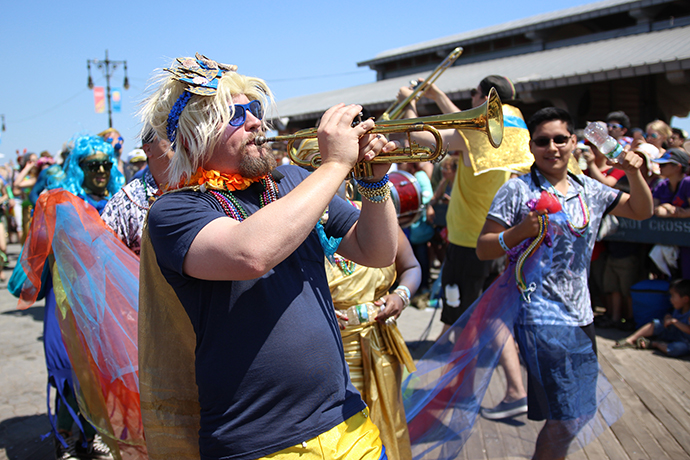

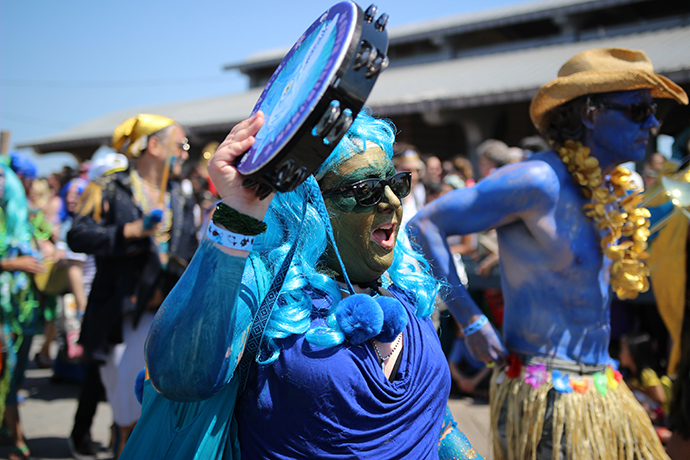
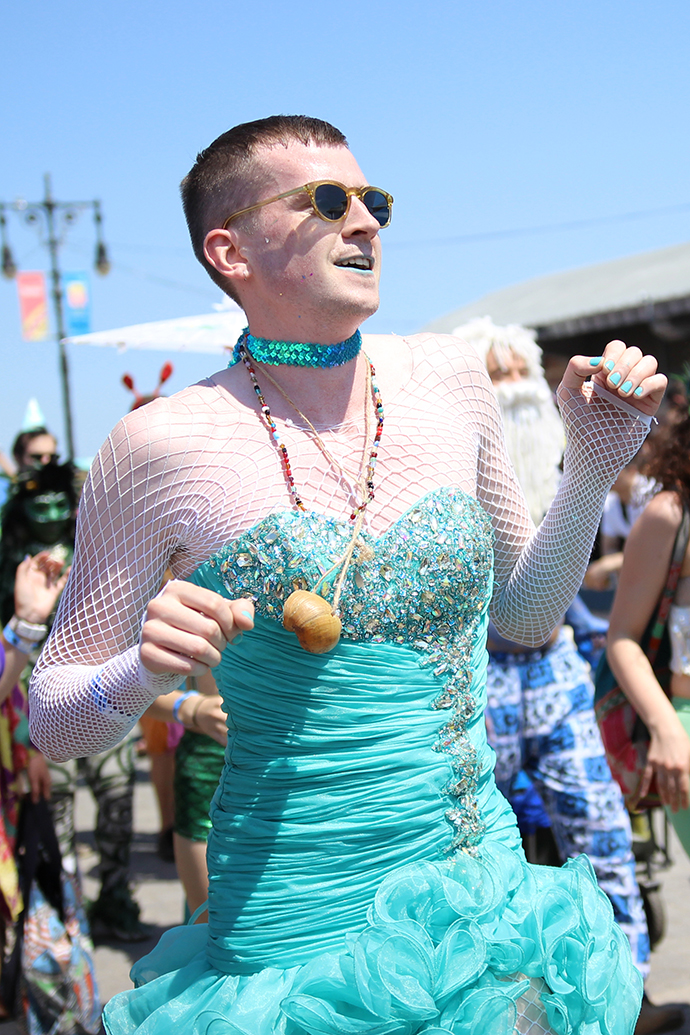


As expected, there were a lot of pasties, boobs and painted bodies on display, and I really love seeing a variety of shapes, sizes and ages being their beautiful selves. If you ever need a healthy dose of body positivity, look no further than the Mermaid Parade. Mermaids are not inherently feminist in nature—those tails look awfully binding and never forget that the Prince falls in love with Ariel once she can no longer speak—but I love how inclusive and celebratory the parade feels.

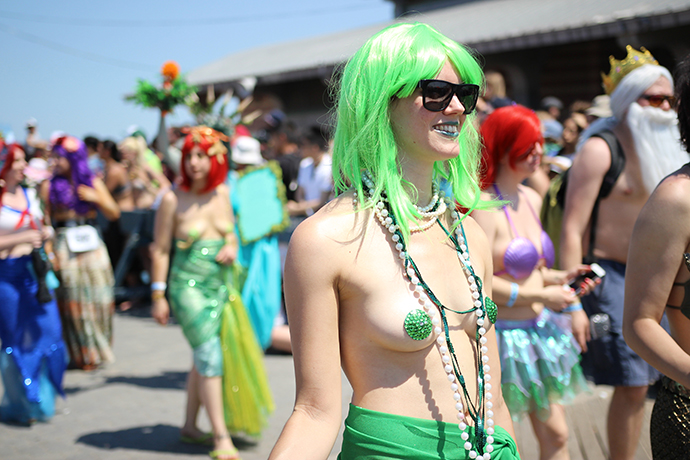
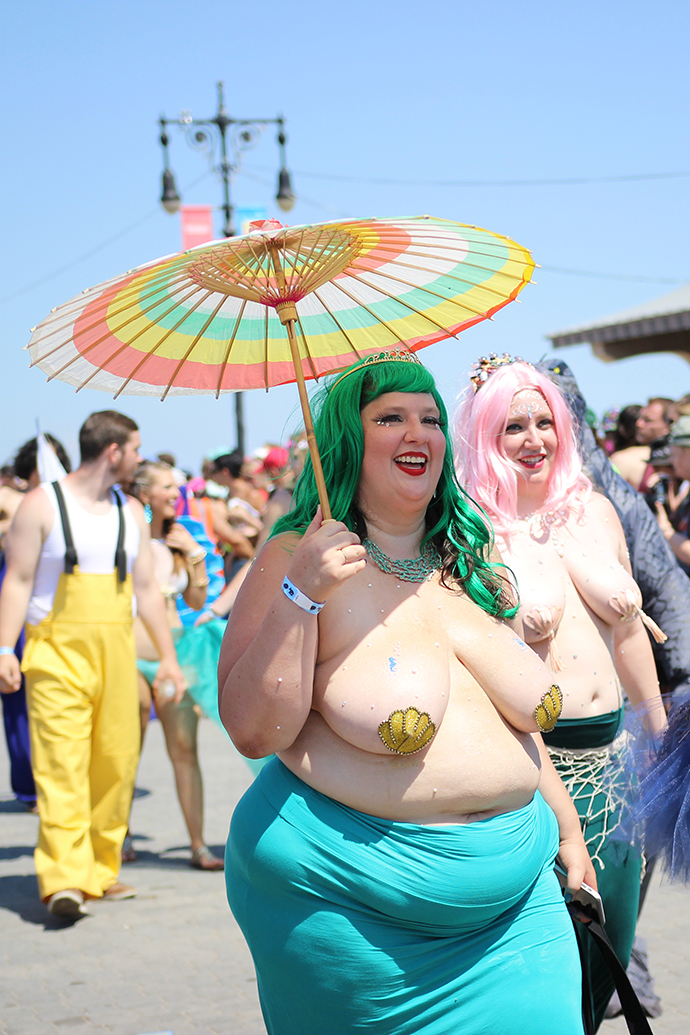

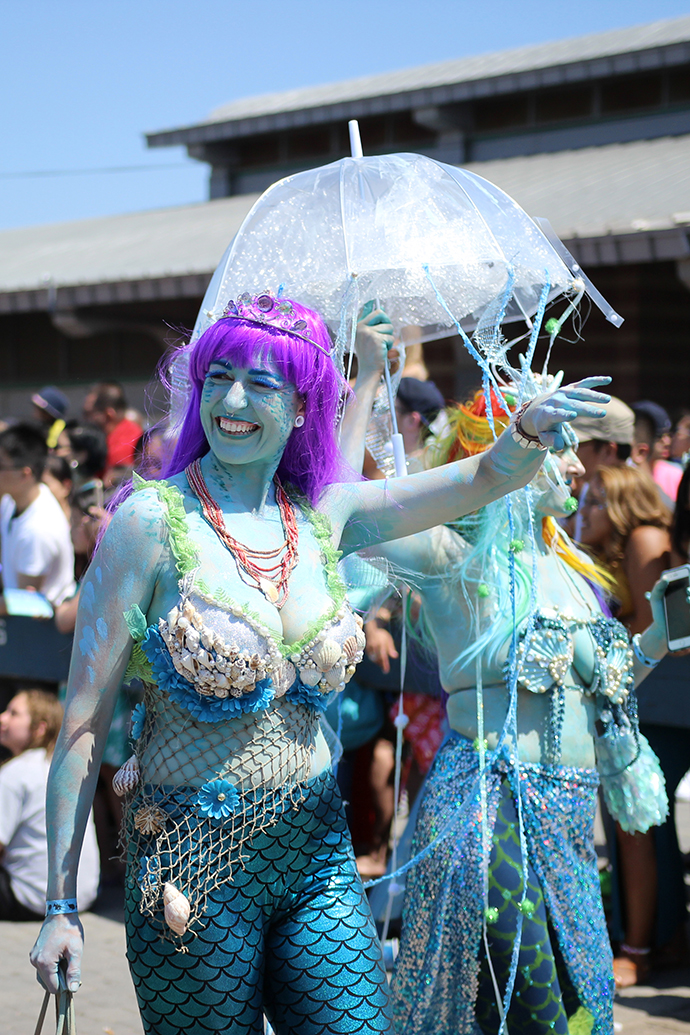


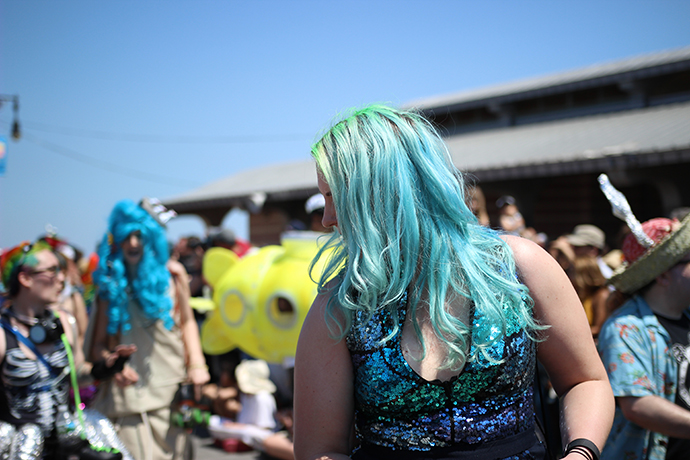

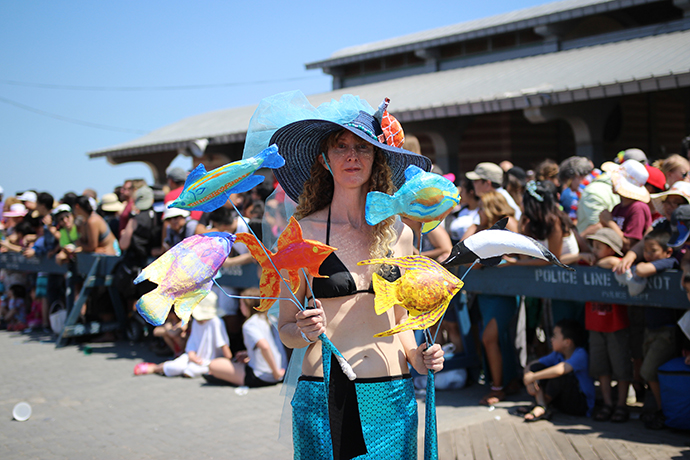
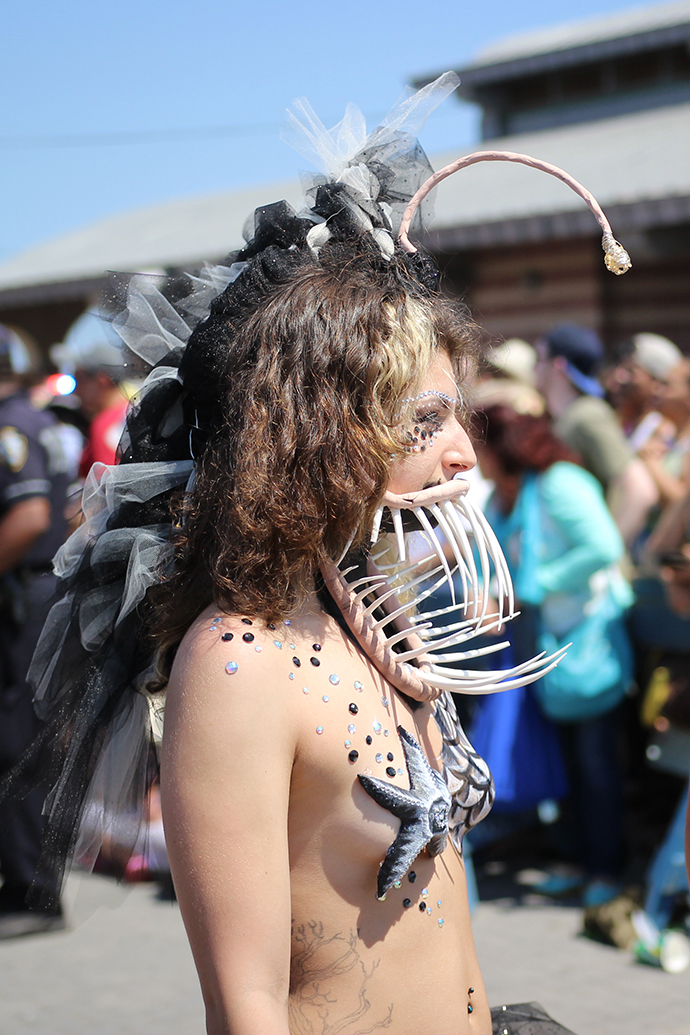

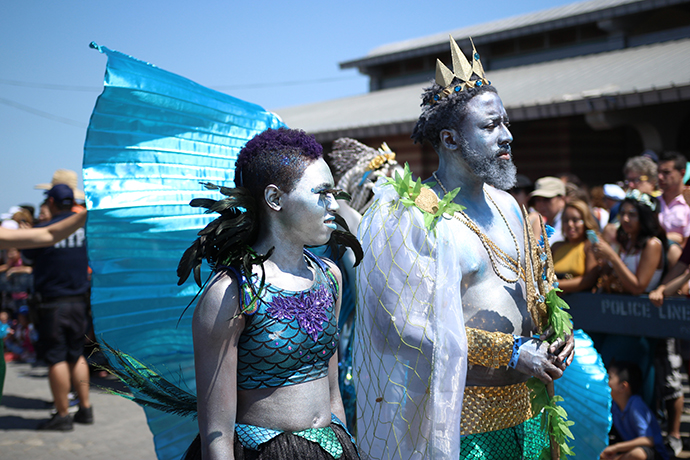
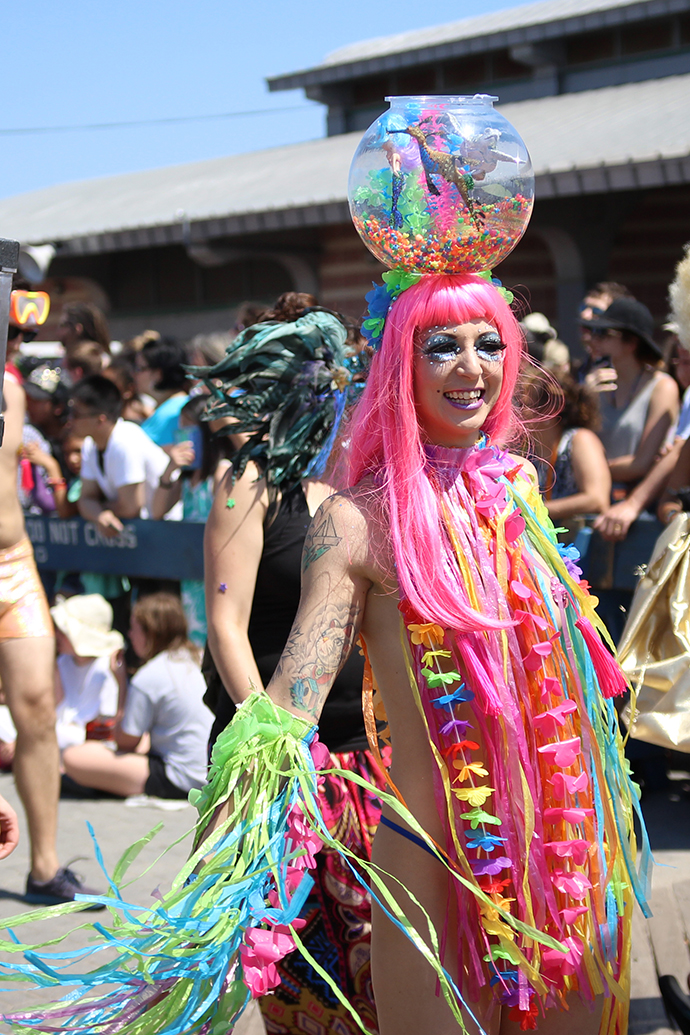


Coney Island has always been the perfect place for people to get weird, and in any parade there are always people that go slightly off-topic. I saw a few parade regulars, a few people who obviously just wanted to be basically naked in public and a few people who tried their best to stretch the theme to meet their personal agenda. There were a few topical costumes too, including "Mermaids for Orlando," a David Bowie tribute group, Mr. and Miss Seaweed (who somehow scored number 420) and "Sea Change 2016" featuring Hillary, Bernie and Trump stand-ins.

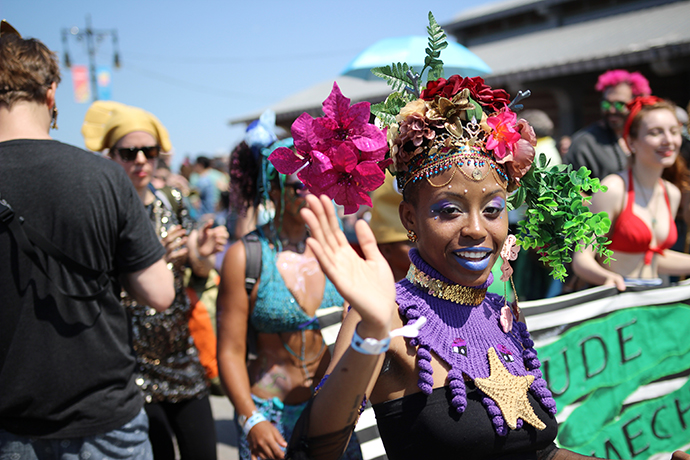


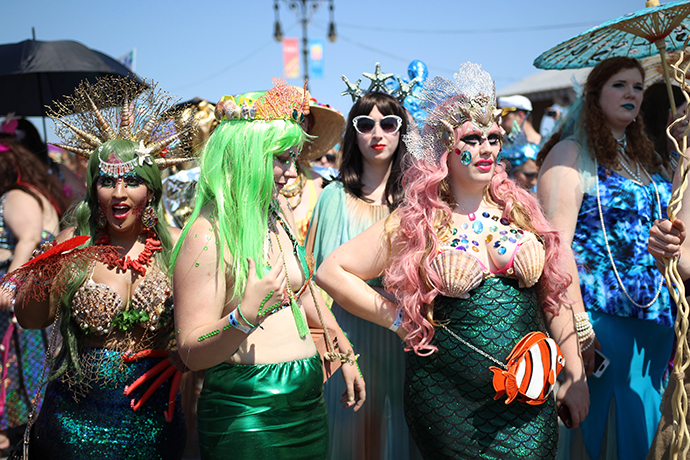


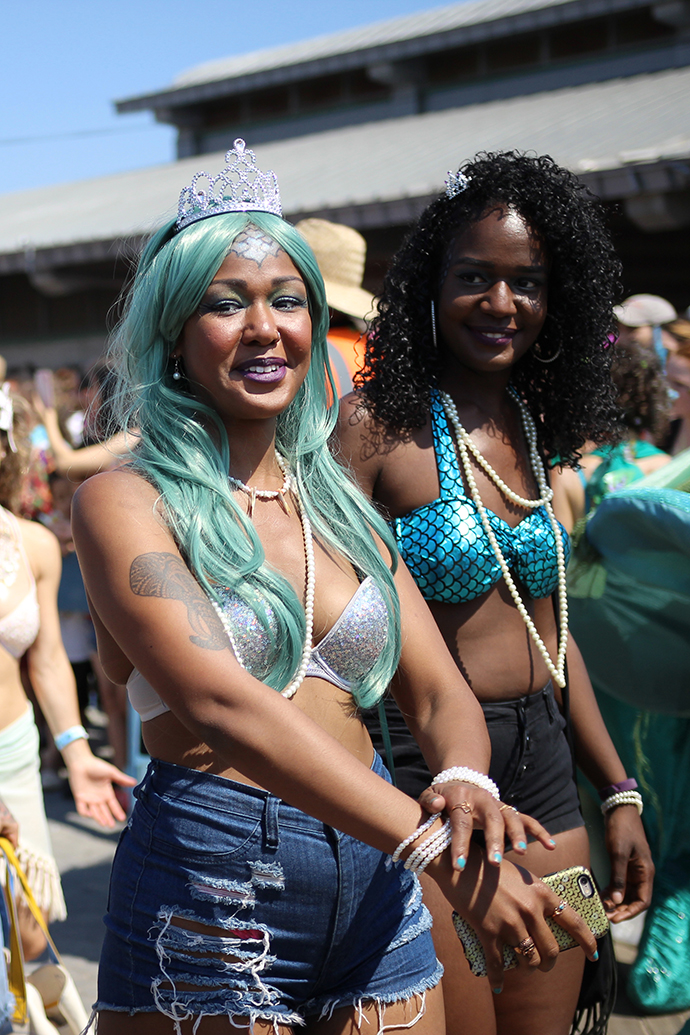
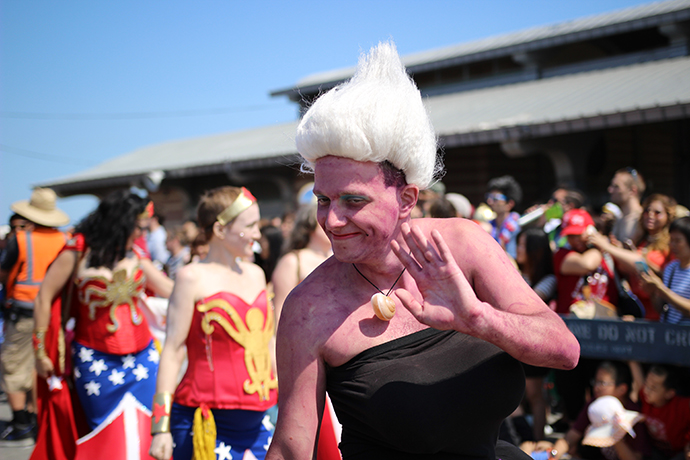


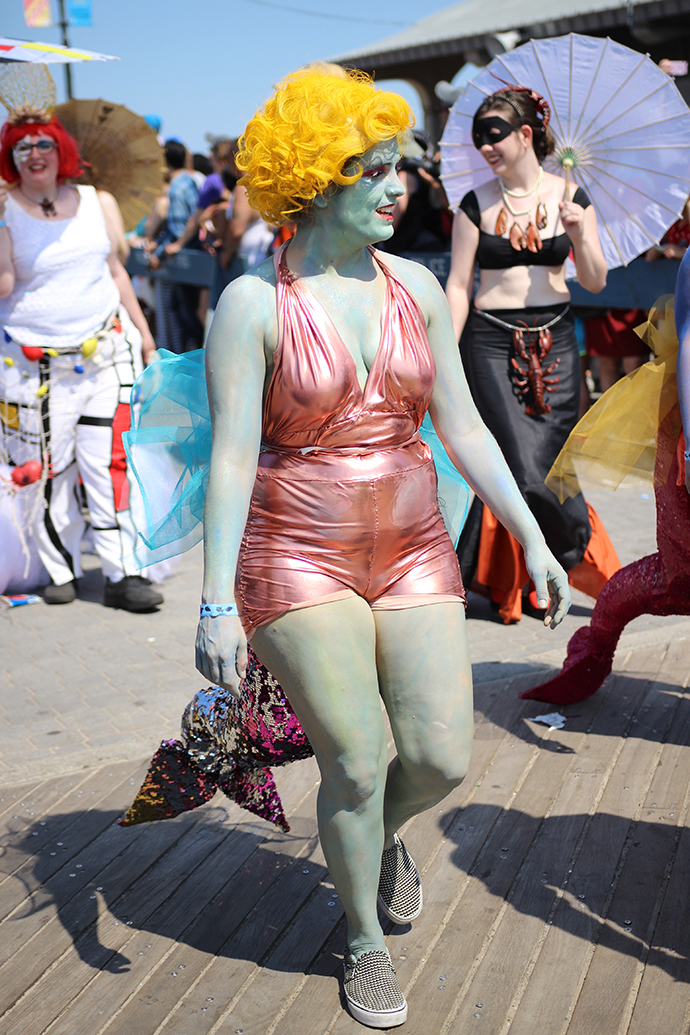
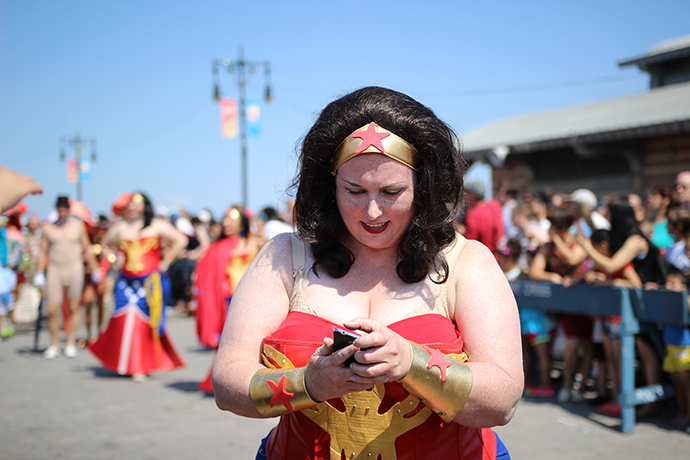

I wonder how long it will take before I decide that I should start actually participating in these parades instead of merely attending them. The Thanksgiving Day Parade will always feel nostalgic to me, I love all of the dogs at the Easter Parade and the Chinese Lunar New Year Parade is a great way to feel as if you've traveled halfway across the world without leaving New York—but you'd be hard pressed to find a parade as creative, vibrant and joyful as the Mermaid Parade.
More Mermaids: 2014 Mermaid Parade
First Avenue: 92nd - 34th Streets
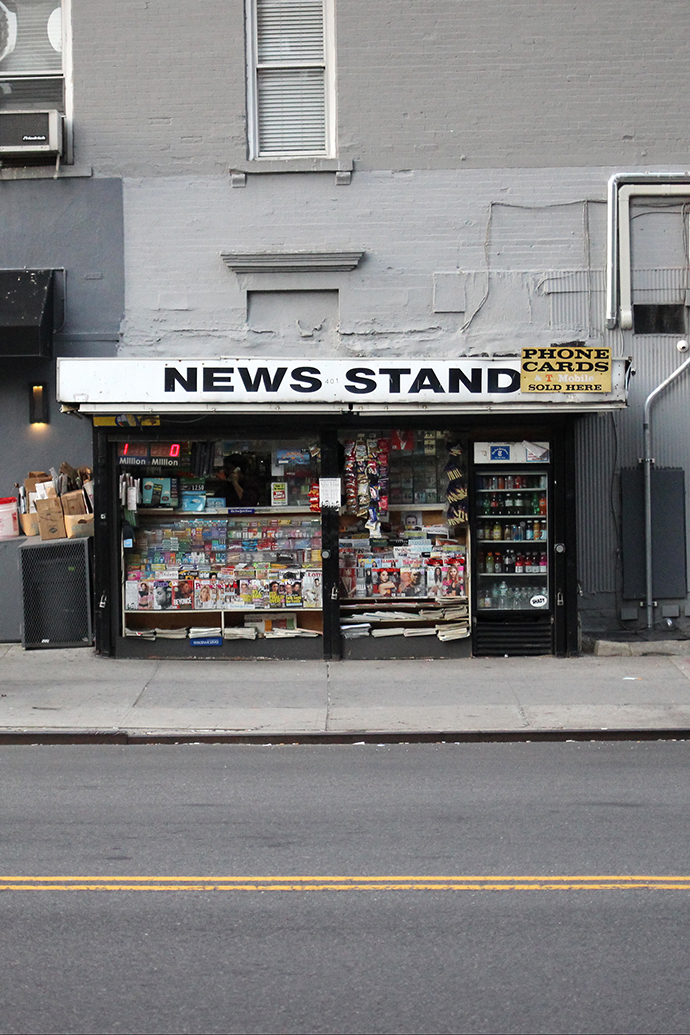
I didn't intend to only focus on First Avenue for my mini adventures / neighborhood walks, but I had a doctor's appointment recently that took me south down First from 92nd to 34th Street. I had walked north on First between 1st and 34th only a few weeks before, so it appealed to my organized nature to check out another large portion of the avenue.
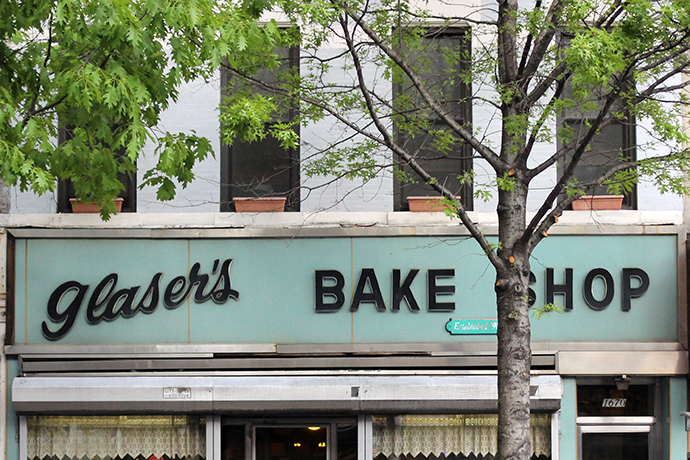

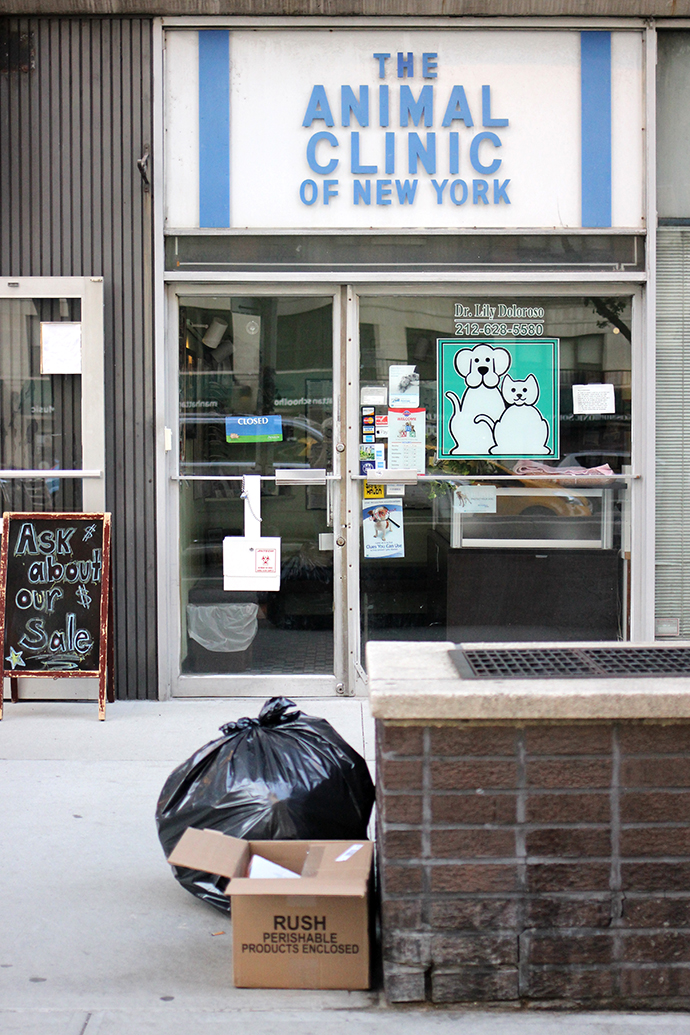
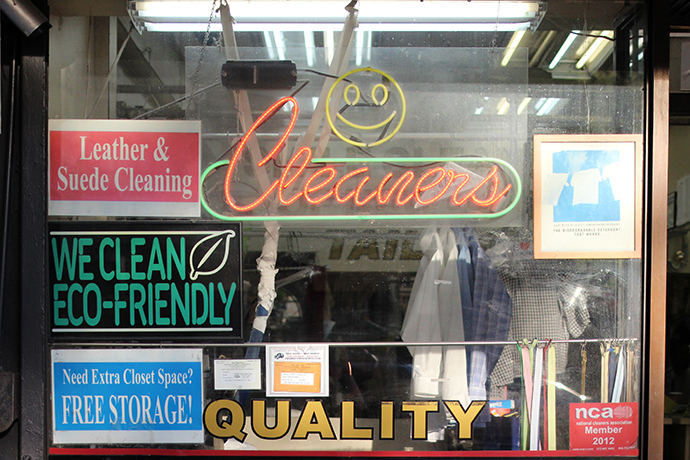
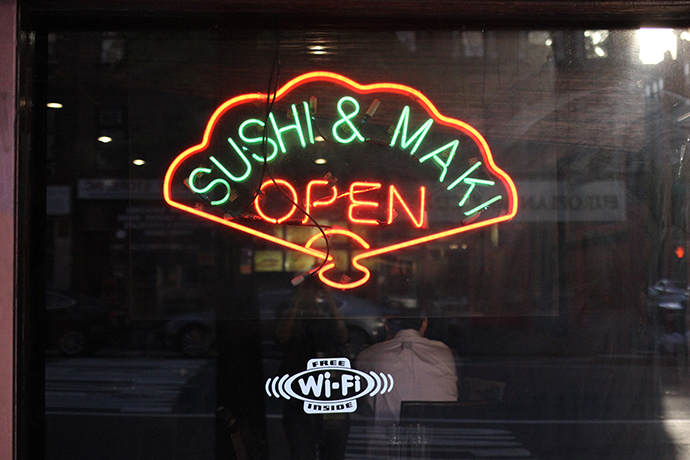
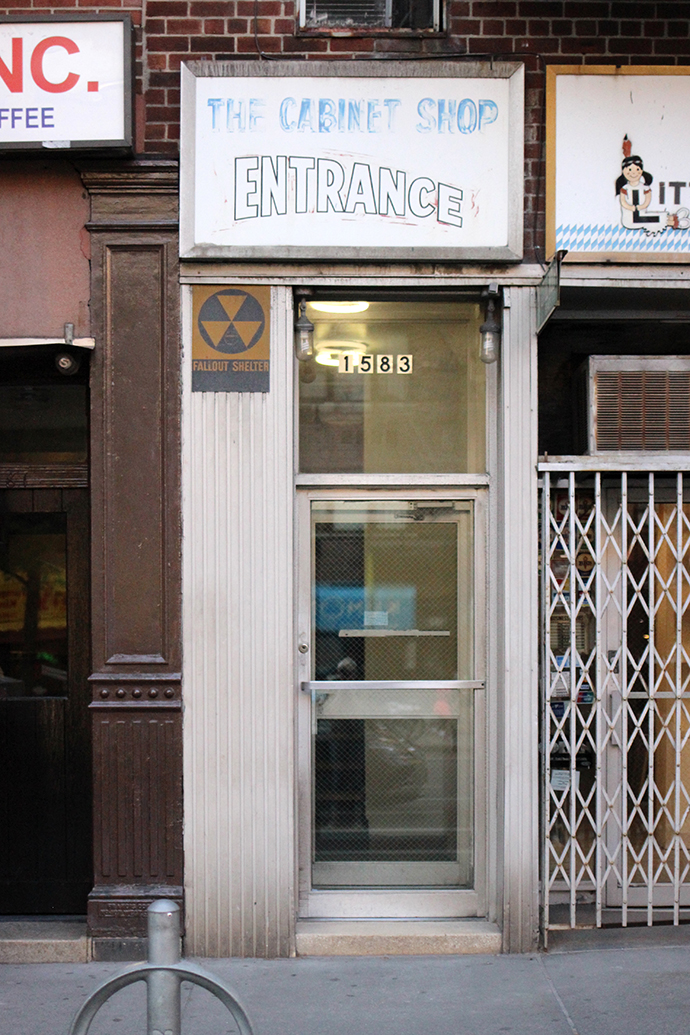
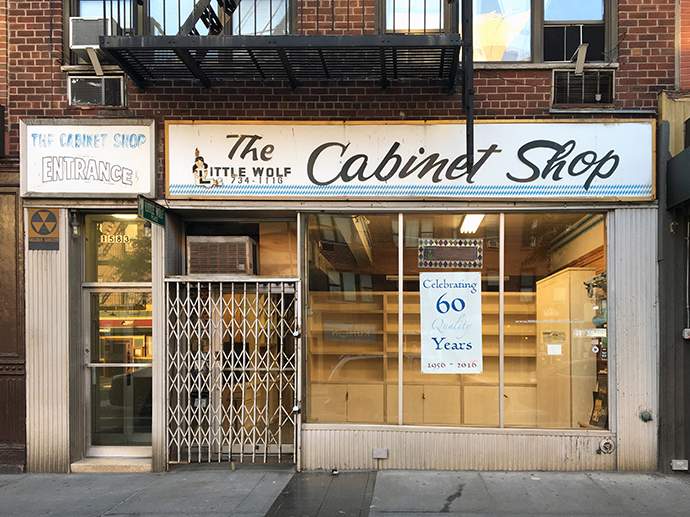
Even though I work on the Upper East Side, a lot of the east side still feels largely unexplored to me. Every time I spend any time on York, First, Second and Third Avenues, I make a note to myself to get over there more often. Maybe it's partly due to the lack of subway lines (c'mon Second Avenue Subway!), but the east side feels more preserved and a little more old New York than the west side (at least UES vs UWS).
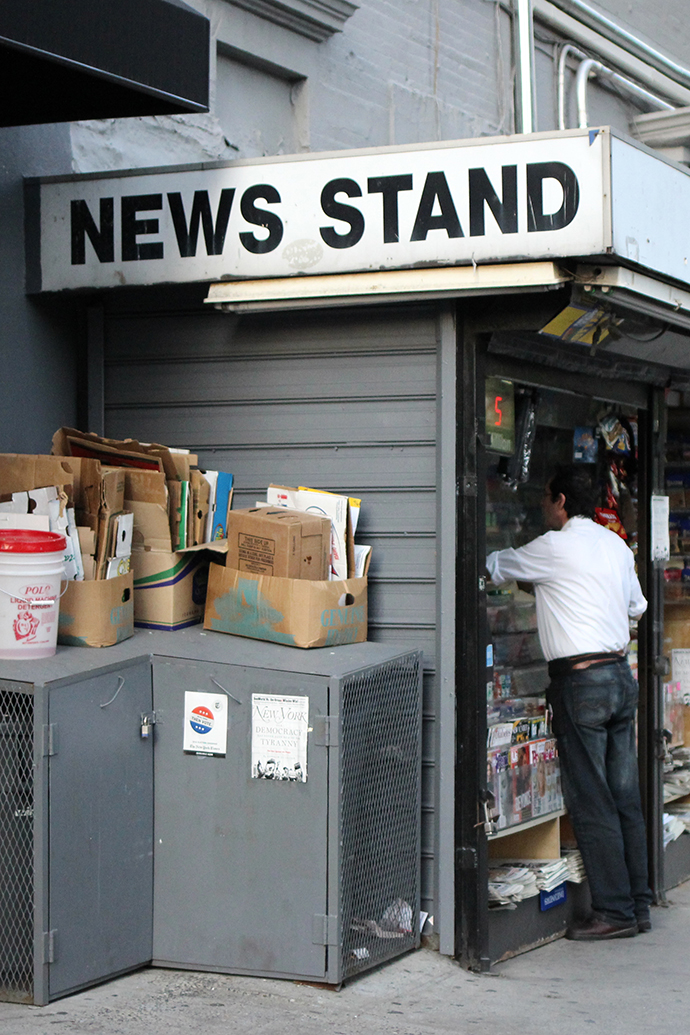
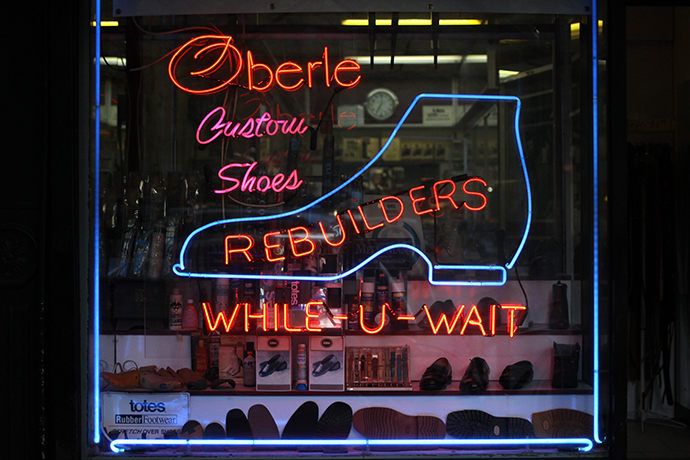
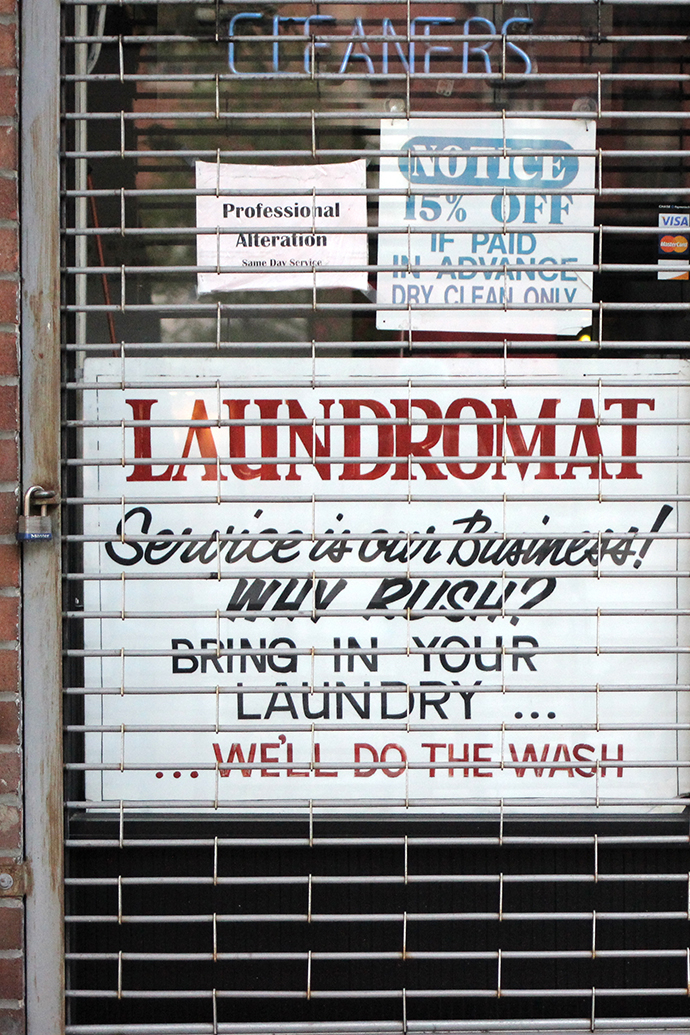

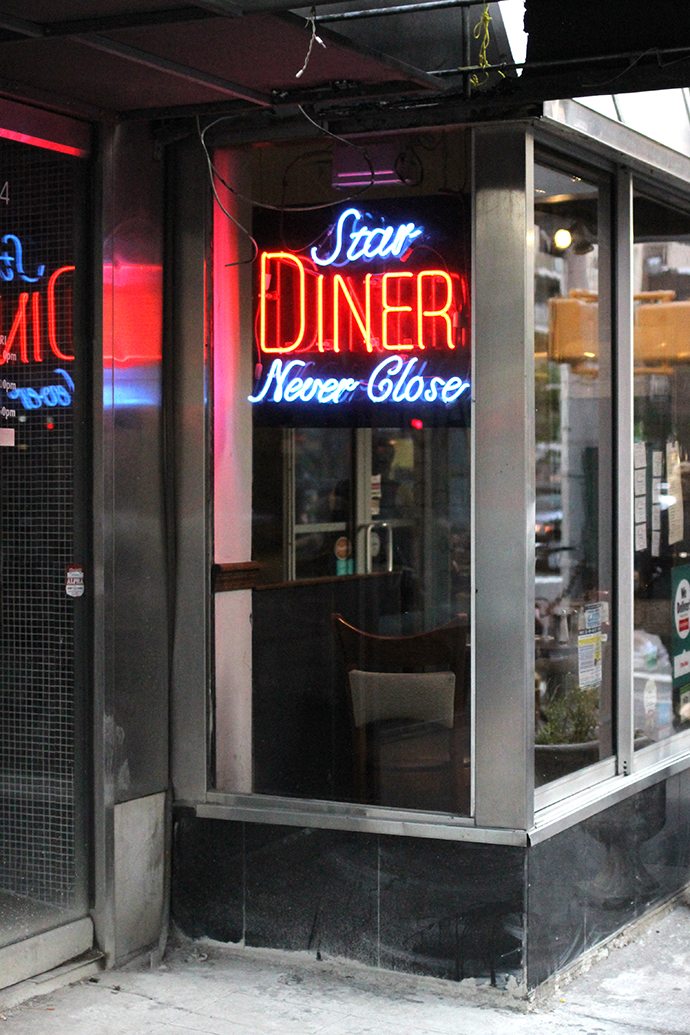
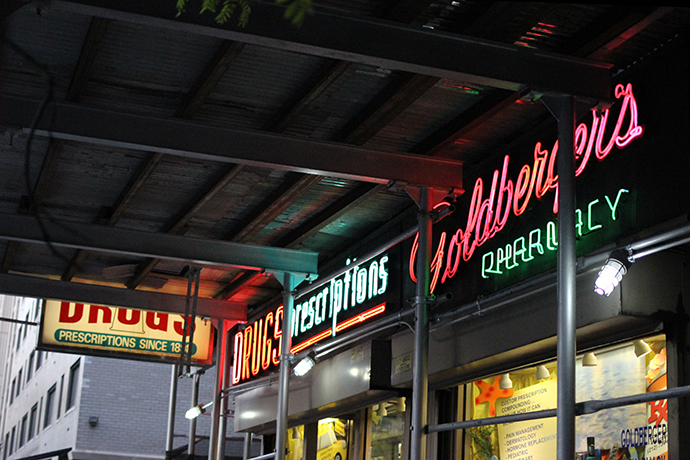
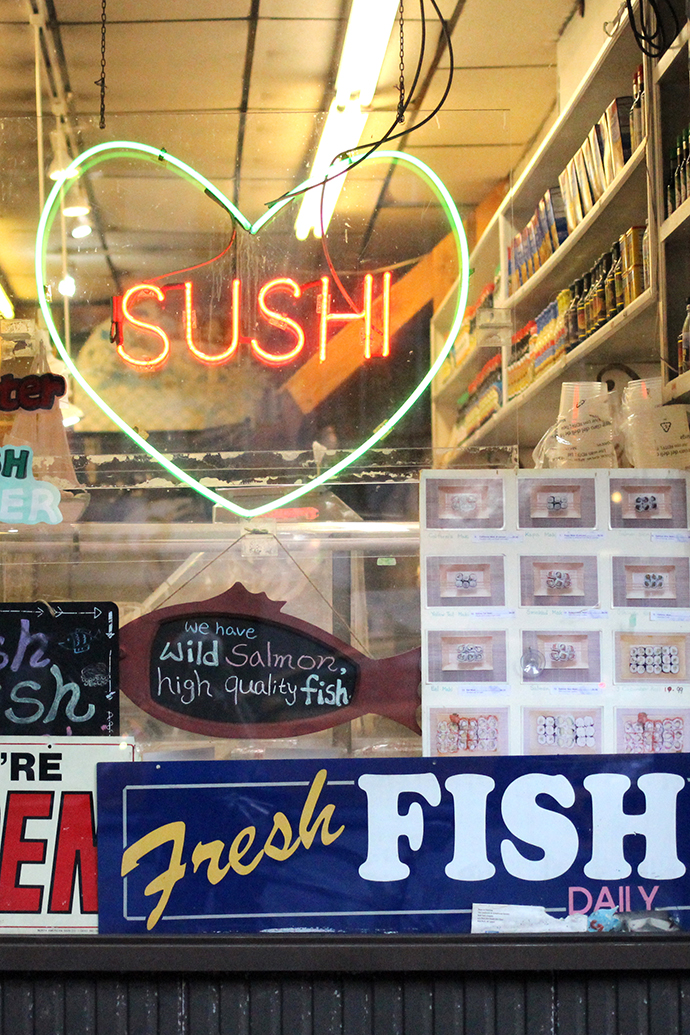
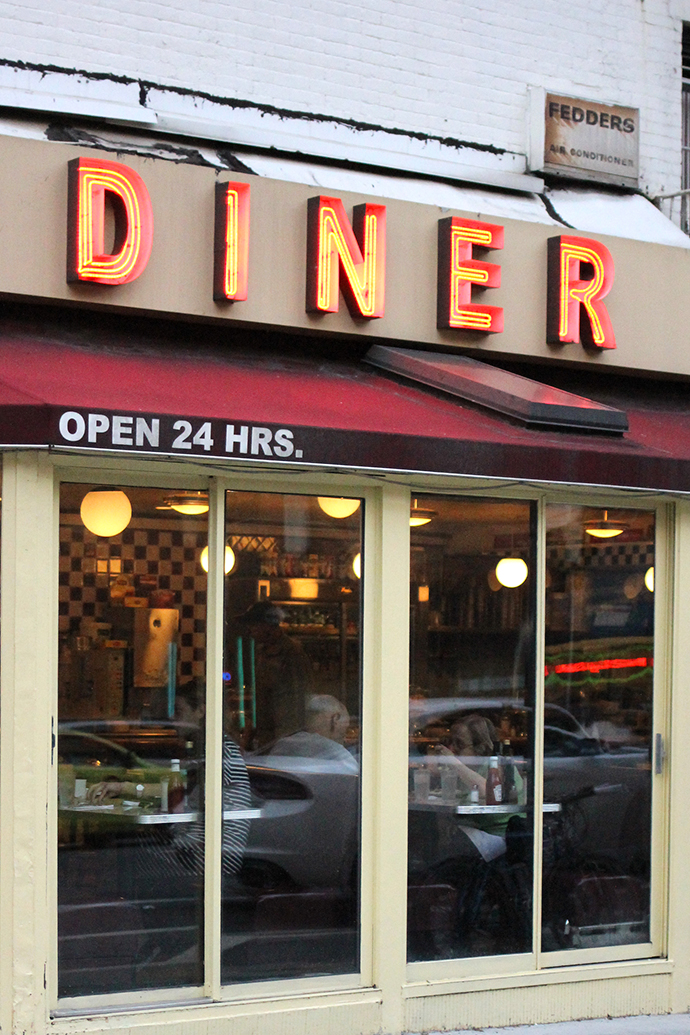

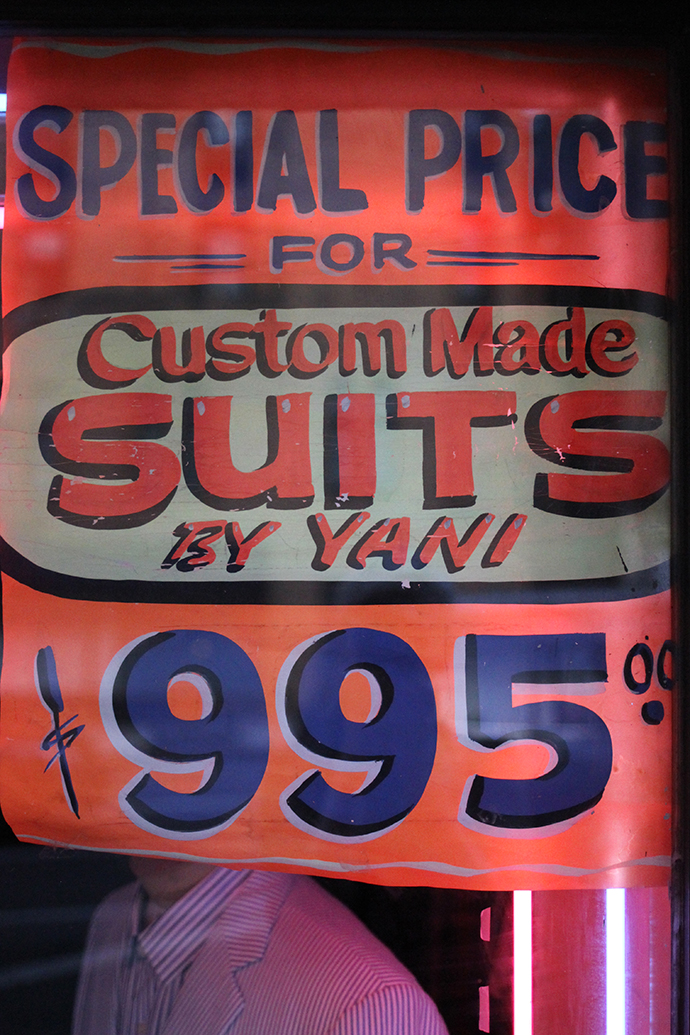
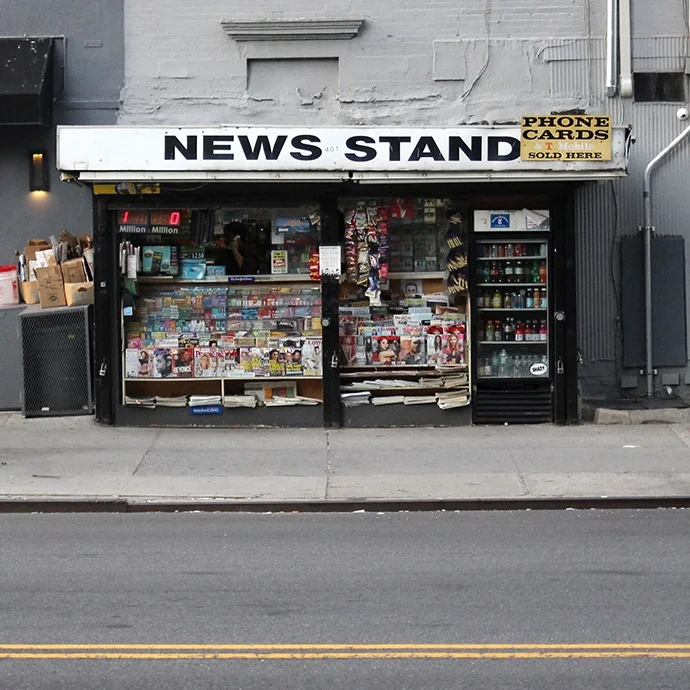
I am always drawn to neon—novelty shapes and scripts make me swoon—and anything handpainted, and luckily I saw a lot of both on my walk. My heart skipped a beat when I came across a standalone news stand that looked so authentically New York and wonderfully generic that it felt like it was made for a movie set. I made note of a few diners to revisit (the Star Diner is never close!) and mourned the relocation of Gracie's Corner Diner to Second Ave—a move that unfortunately forced them to abandon their First Ave location and its perfect neon sign.
The Players Club
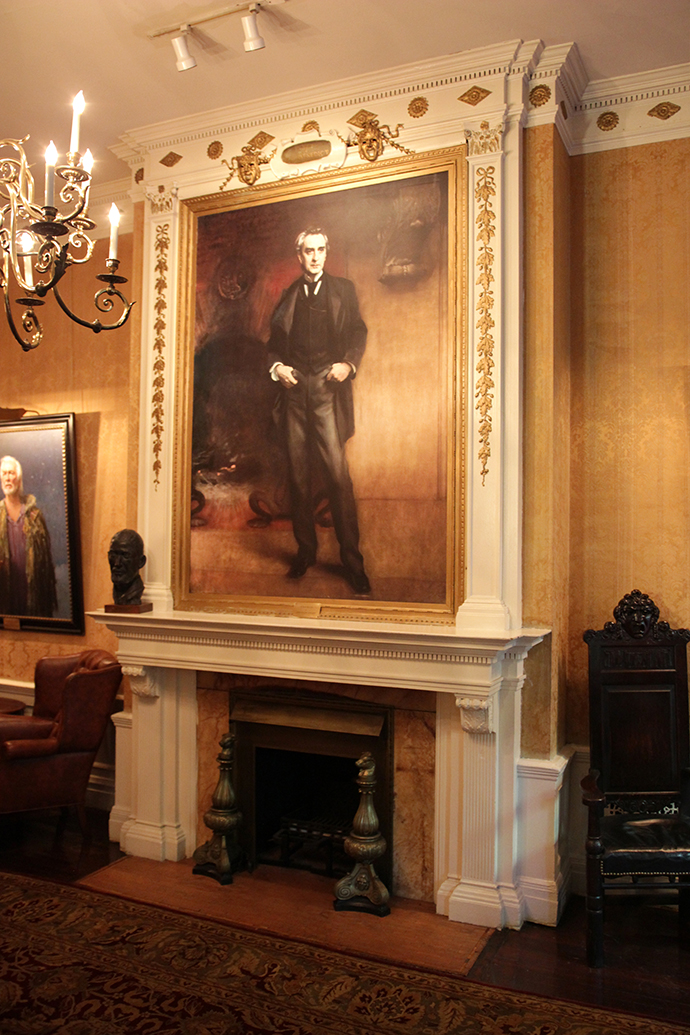
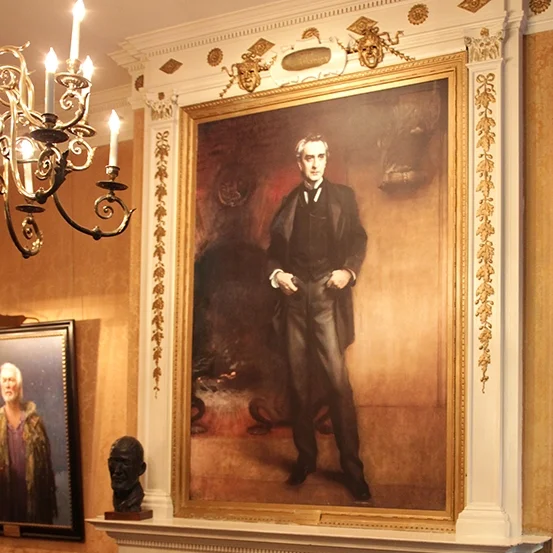
We recently took an Untapped Cities-sponsored tour of the Players Club, a members-only social club founded in 1888 by famed Shakespearean actor Edwin Booth. Booth had the unfortunate distinction of also being the brother of John Wilkes Booth, who was also an actor—one whose career was overshadowed when he became Abraham Lincoln's assassin in 1865.
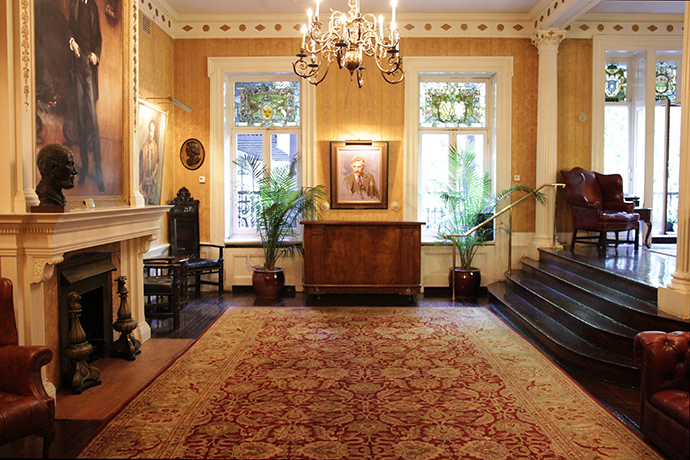
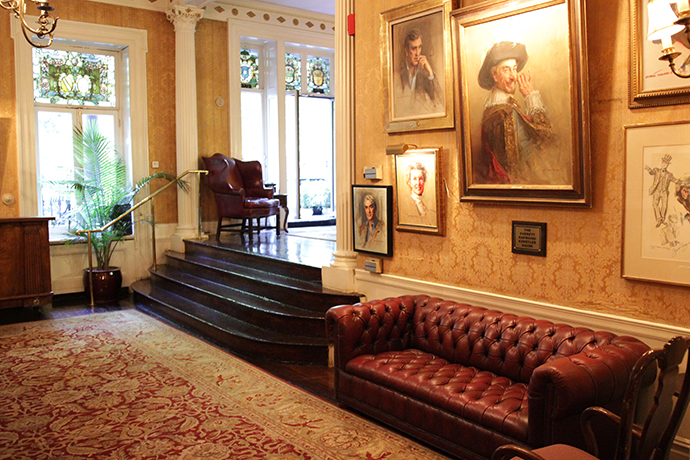
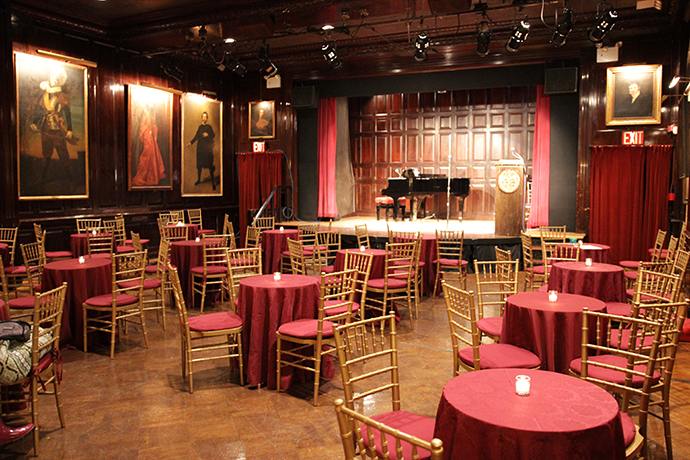
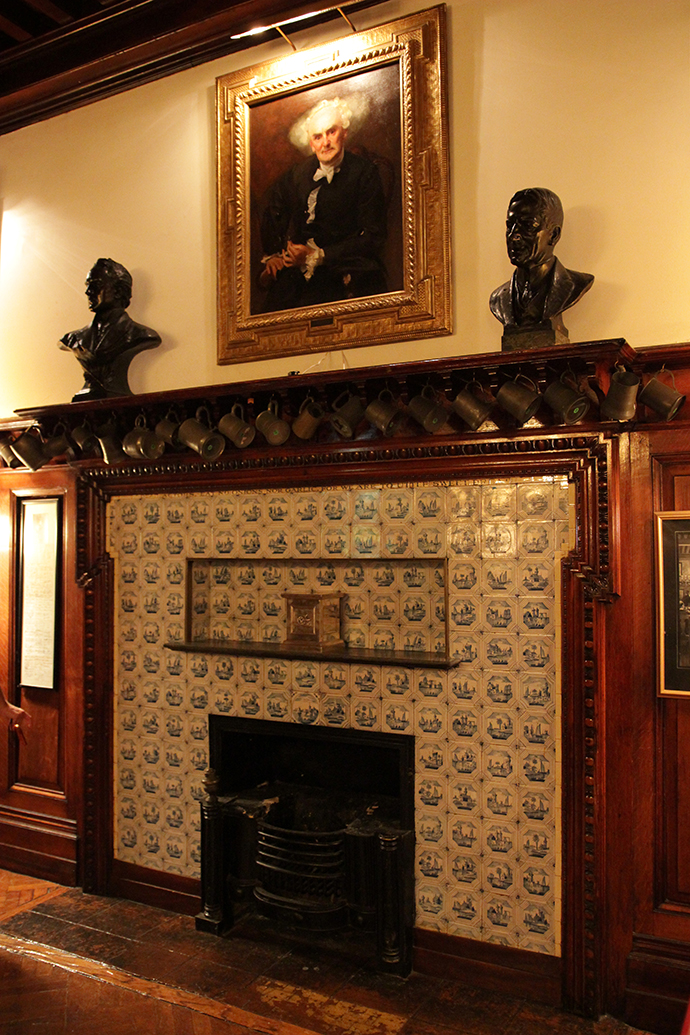
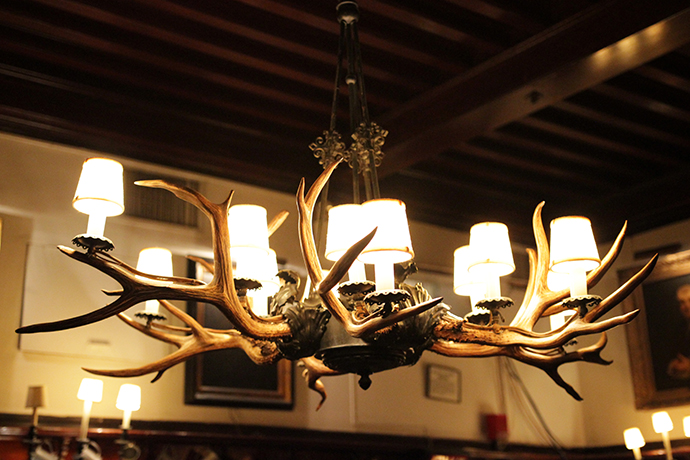
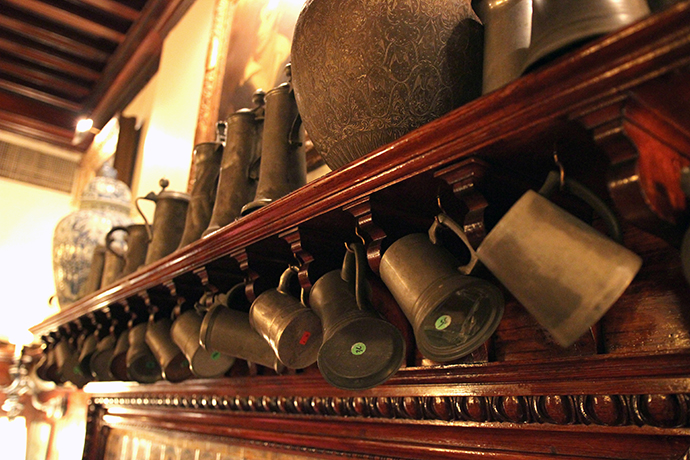
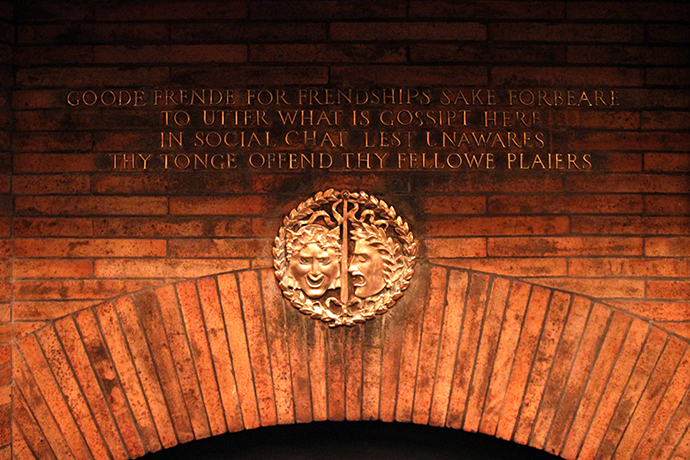
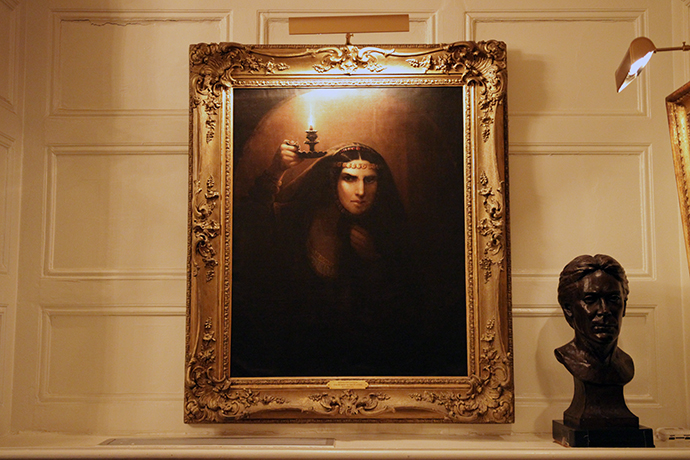
The Players Club doesn't just admit actors, in fact the entire idea of the club is to allow actors to socialize with people from other professions including prominent businessmen, writers, artists and many others in art- and non-art-related fields. The long list of famous current and past residents includes Mark Twain, Kevin Spacey, Rue McClanahan, Carol Burnett, Liza Minnelli, Walter Cronkite, Ethan Hawke and Jimmy Fallon. The Players Club didn't allow women to be fully participating members until 1989.
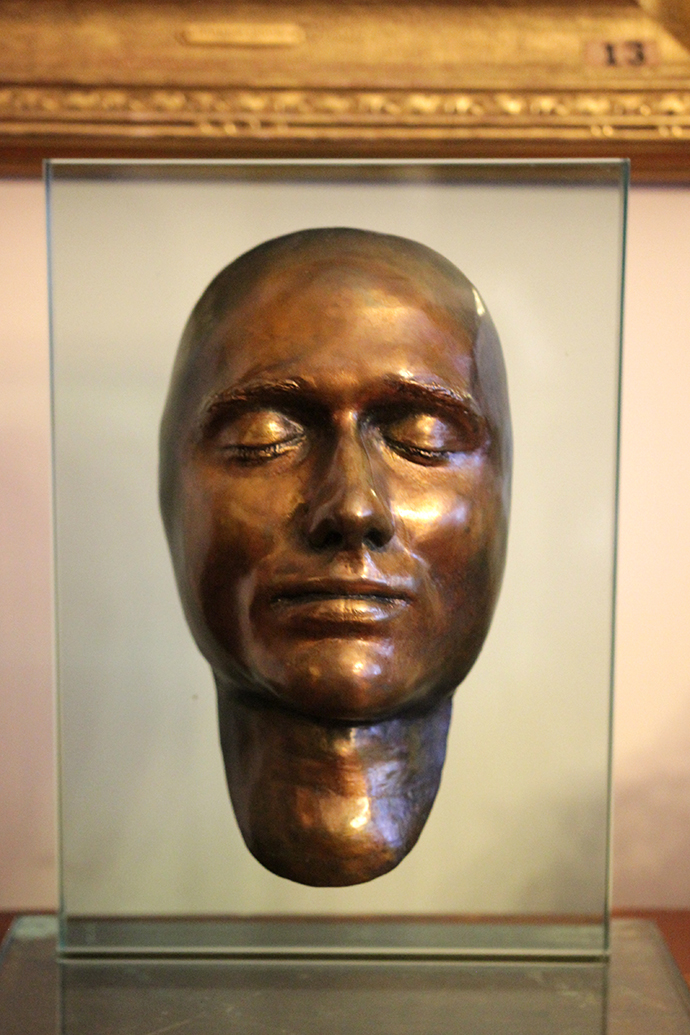
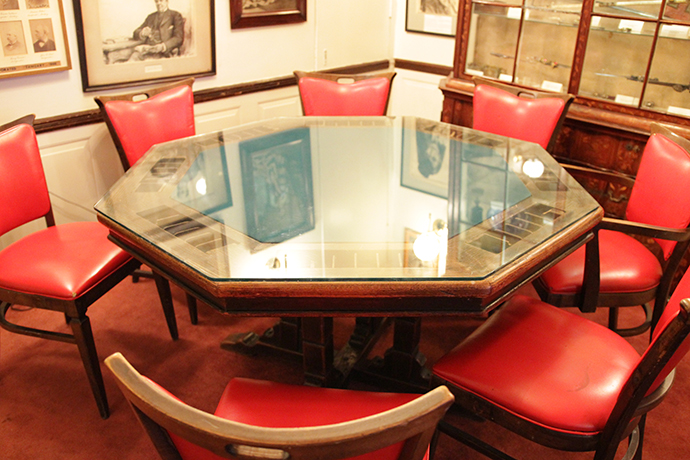
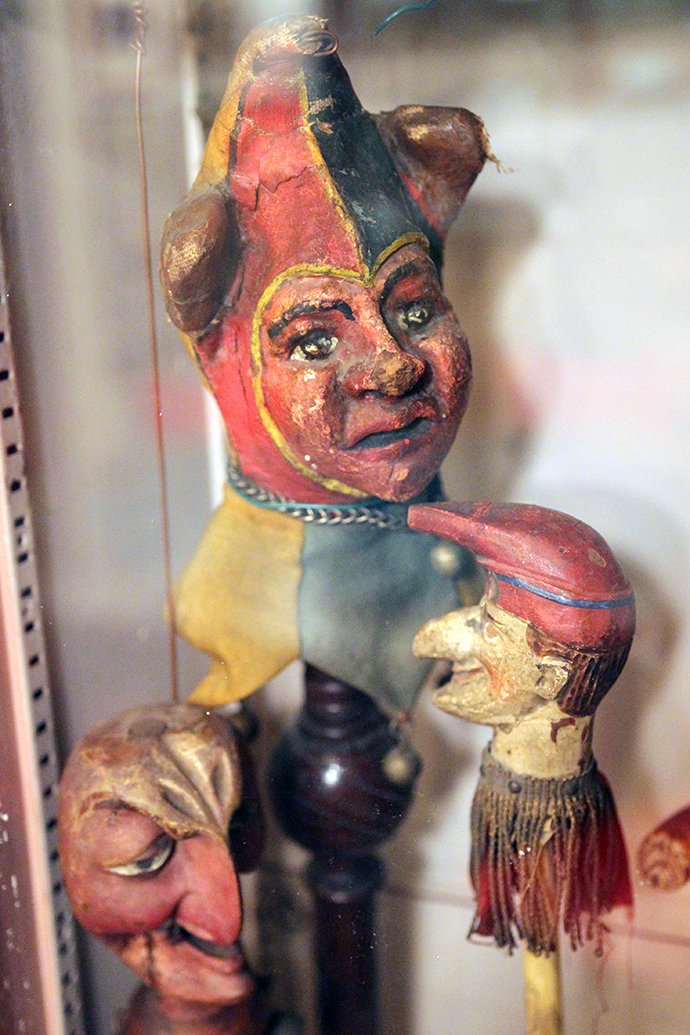
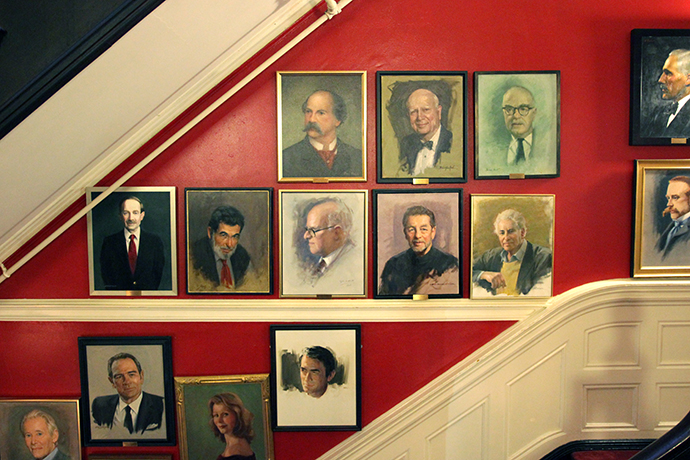
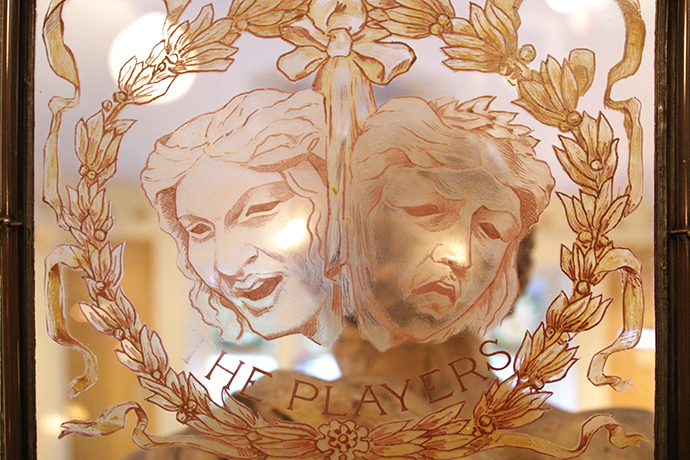
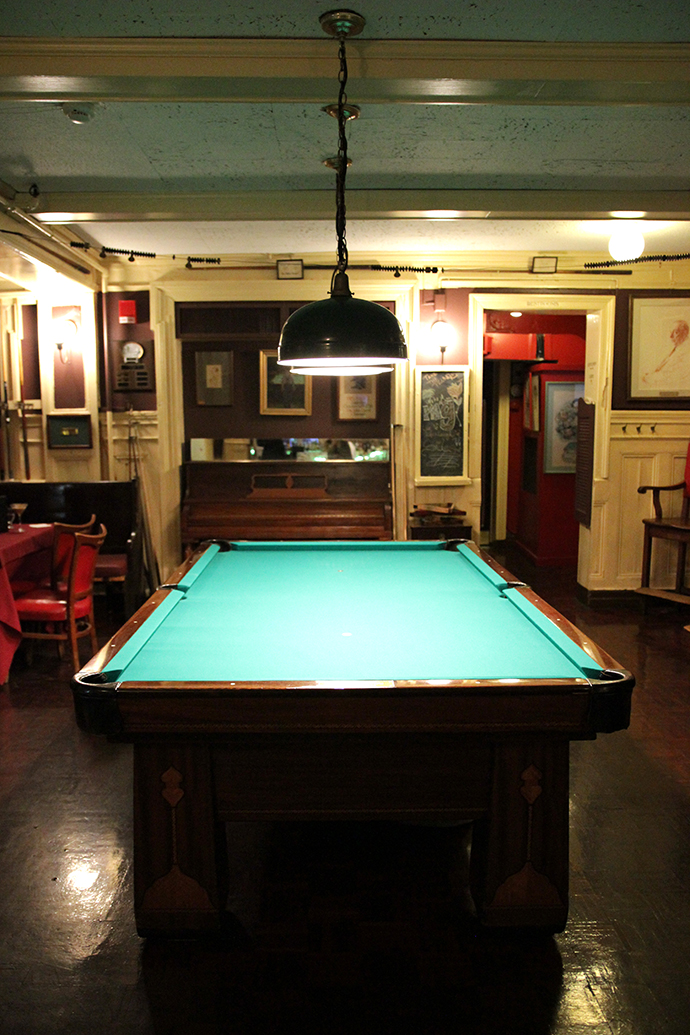
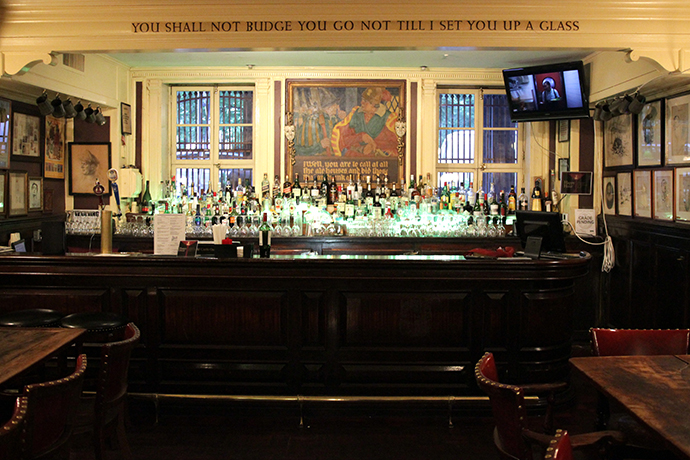
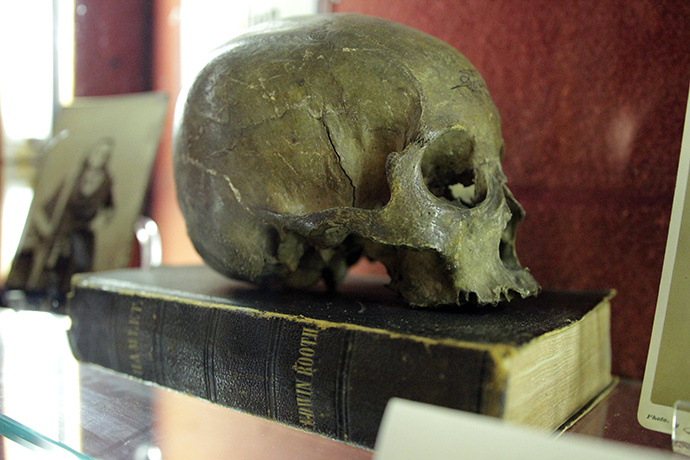
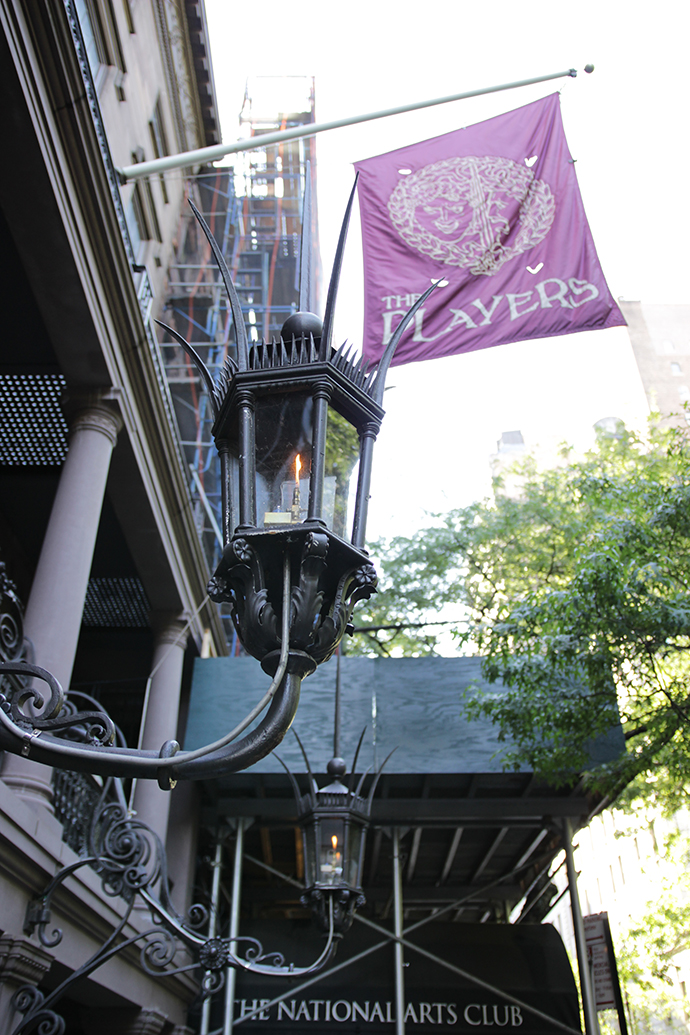
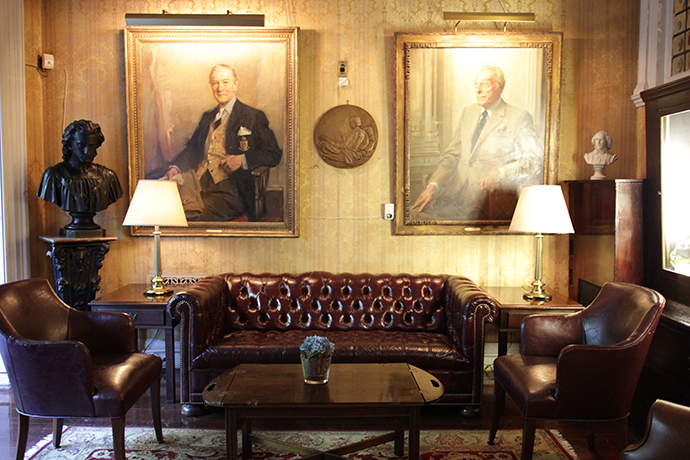
The building is located at 16 Gramercy Park, and its interior and part of its exterior were designed by Stanford White. The Club maintains some of the last remaining gaslights in the city and is neighbors with the National Arts Club. The interior is just as fancy as you'd imagine a private arts club to be, filled with portraits of past members and stocked with treasures from the acting world, including a real human skull used by Booth in his portrayal of Hamlet and various costumes and other props.
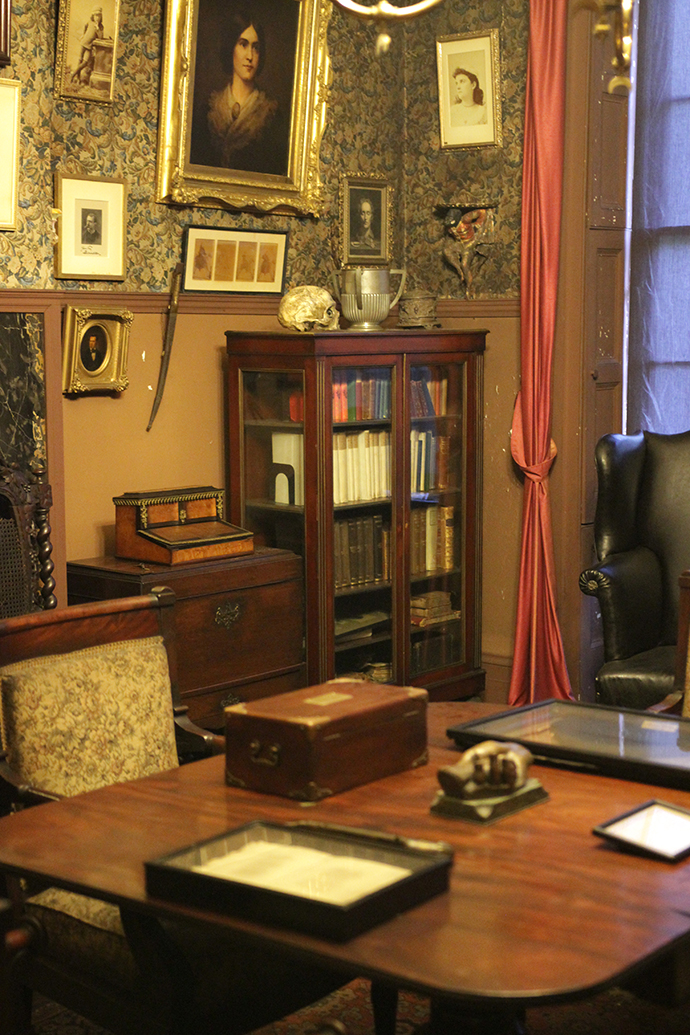
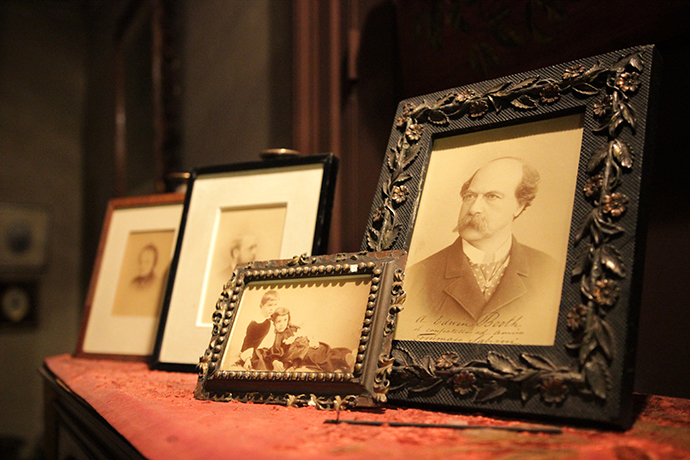
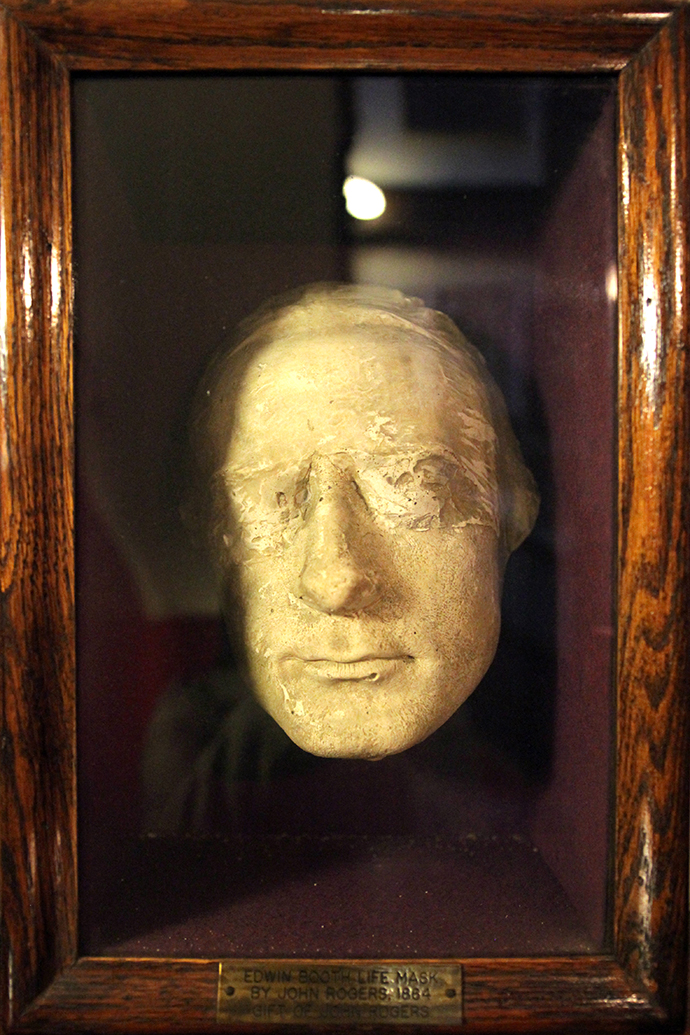
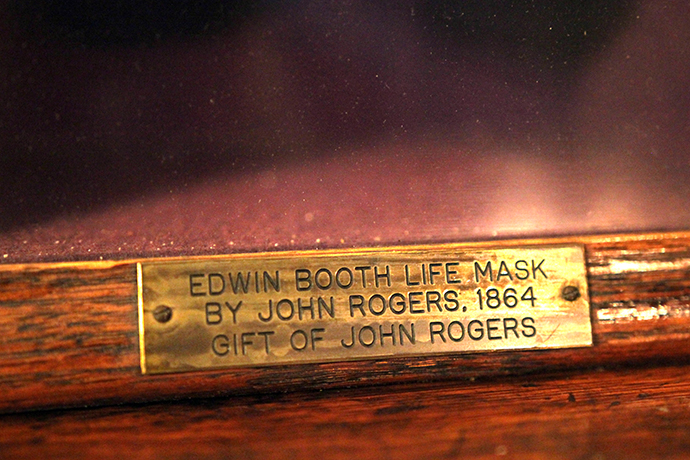
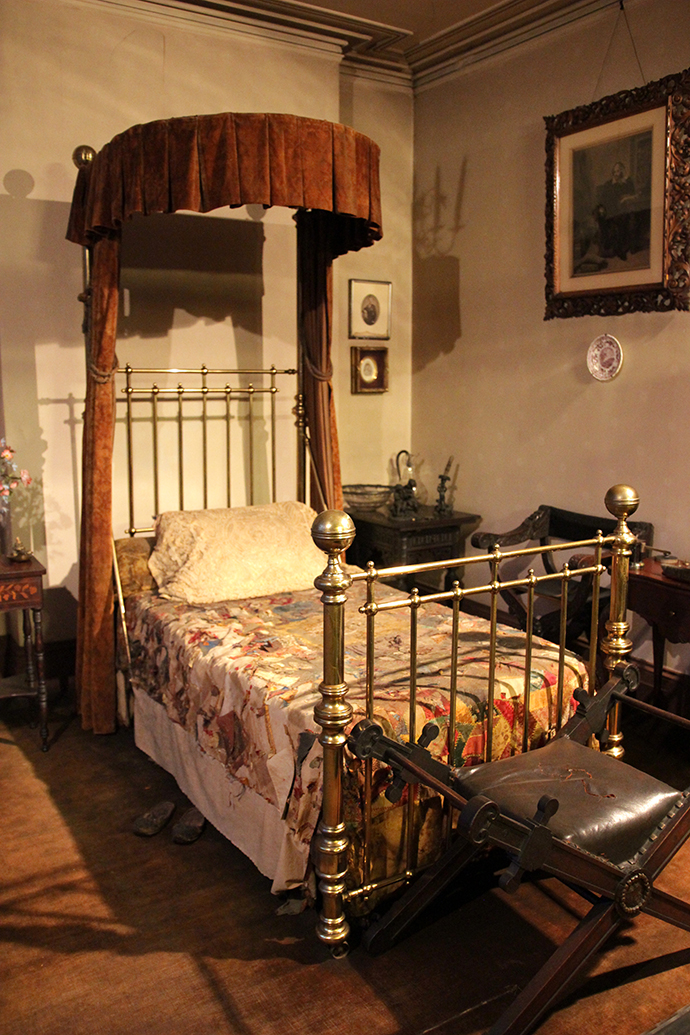
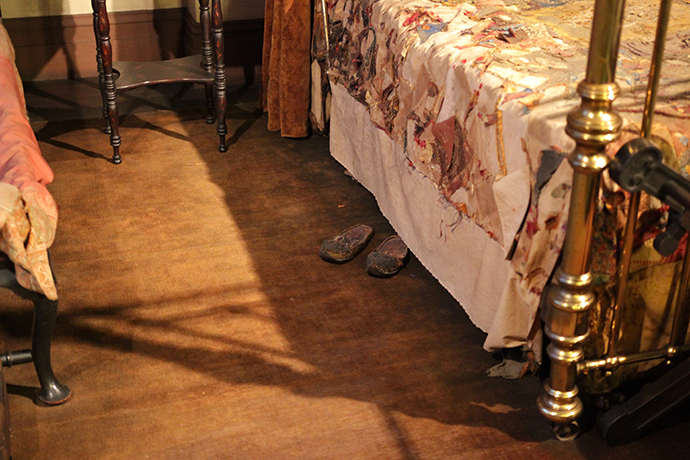
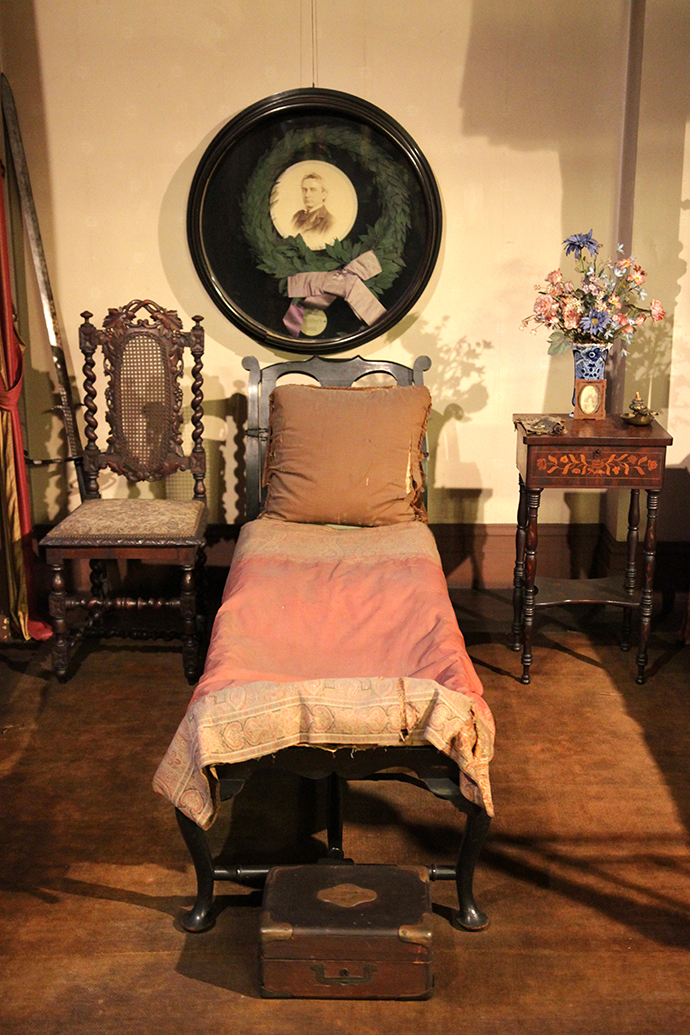
From the beginning, Booth retained an upper floor of the club as his private residence. He lived there until his death in 1893, and the room has remained just as he left it ever since. Our tour guide was really lovely, although two people were not allowed on our tour because they were wearing shorts—apparently a violation of the strict dress code. While I do have issues with the snooty exclusivity, I do appreciate a chance to peek into a world usually so foreign to me—especially one filled with interesting people, world-class art and even a few life/death masks.

Floridian Diner
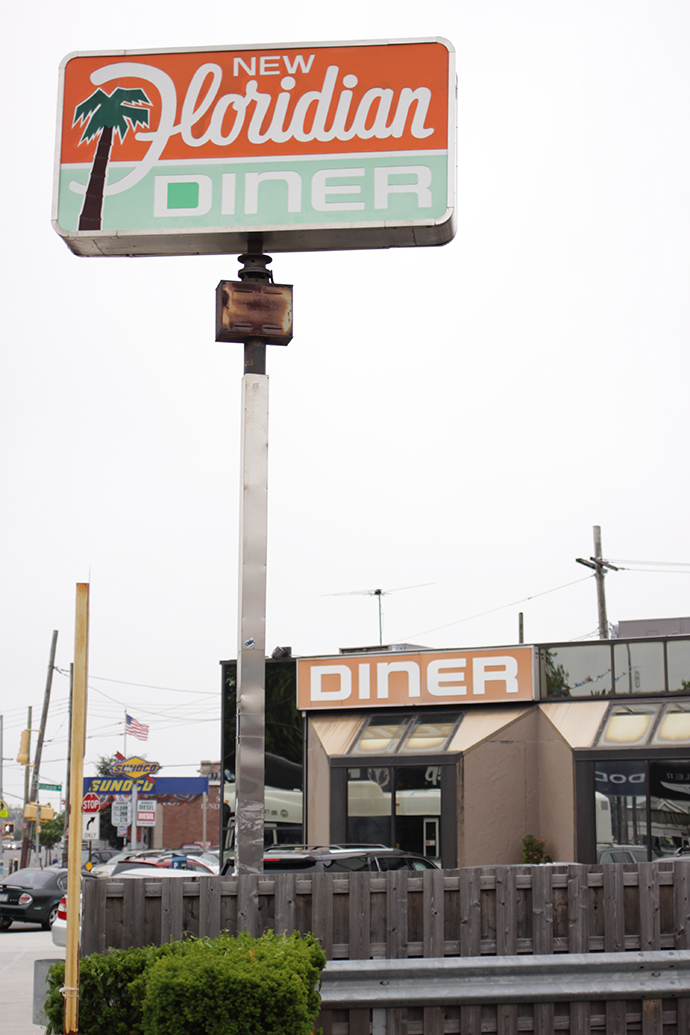
I'm frequently bemoaning the loss of the city diner—two of the six last standalone diners in Manhattan have closed/been razed in the three years I've lived here—but I manage to keep finding new-to-me diners that are complete gems. My newest obsession is the Floridian Diner, located on Flatbush Avenue in the Marine Park / Mill Basin area of Brooklyn. The funny thing is that I also live on Flatbush—6.2 miles northeast and what feels like a world away.
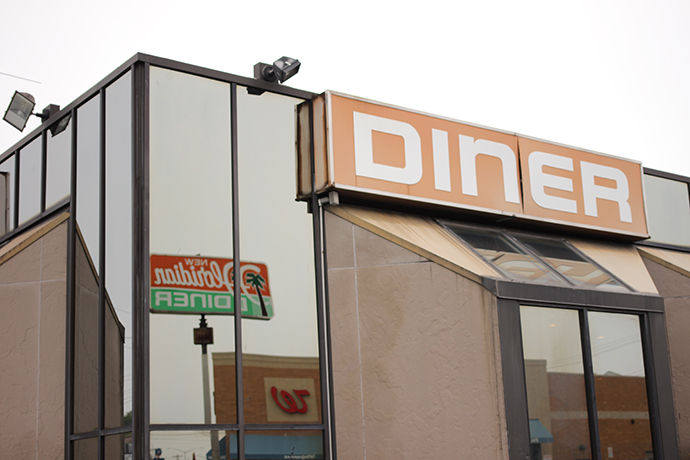
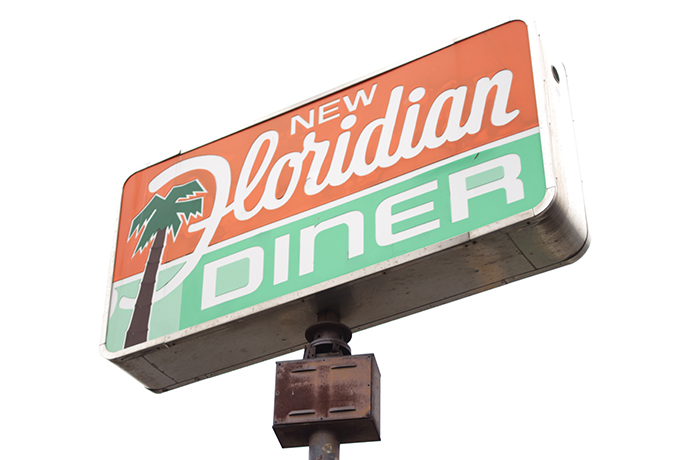
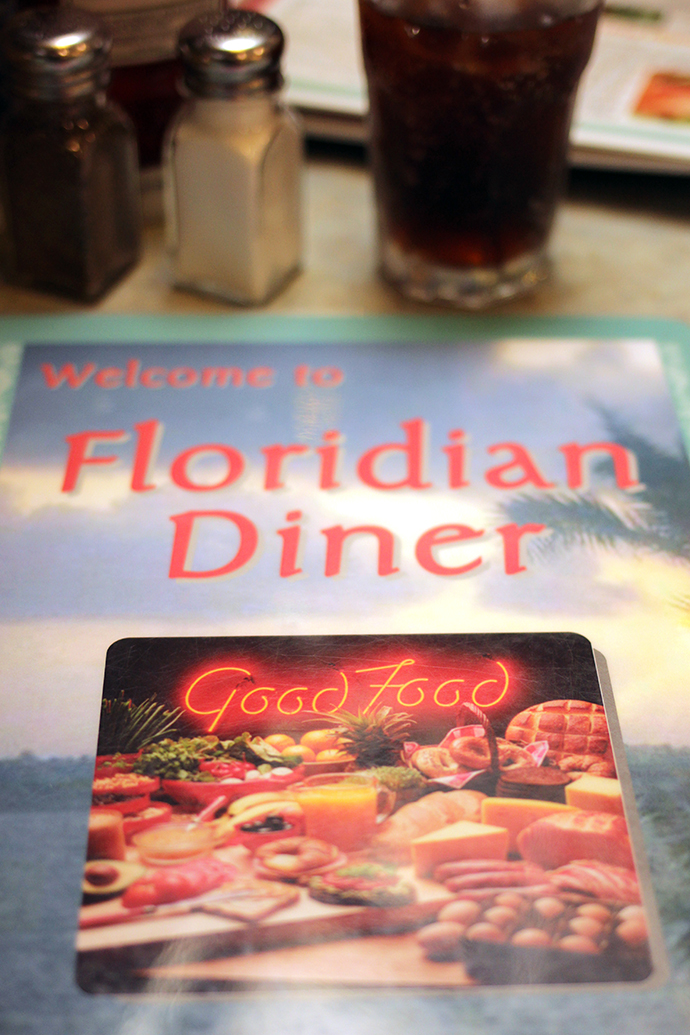
The Floridian Diner is almost two miles from the nearest subway station, so it feels like a place for locals (like the Goodfellas Diner). Everyone was very pleasant, but our waitress didn't quite know what to make of three people who immediately started taking a million pictures as soon as we sat down. I told her that we just really loved diners, but I don't think she believed us when we said we lived in Brooklyn.
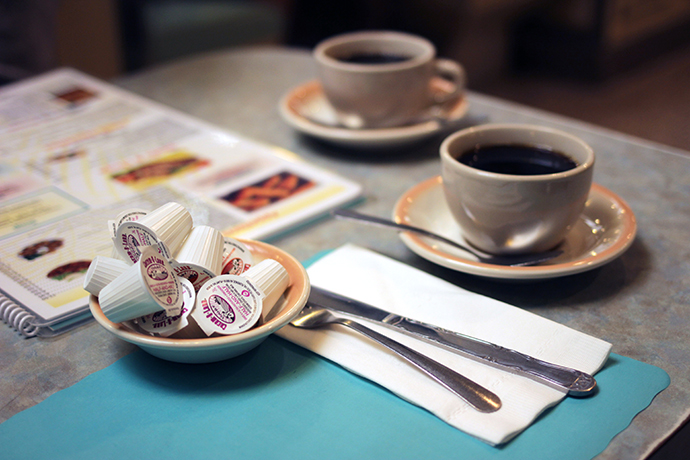
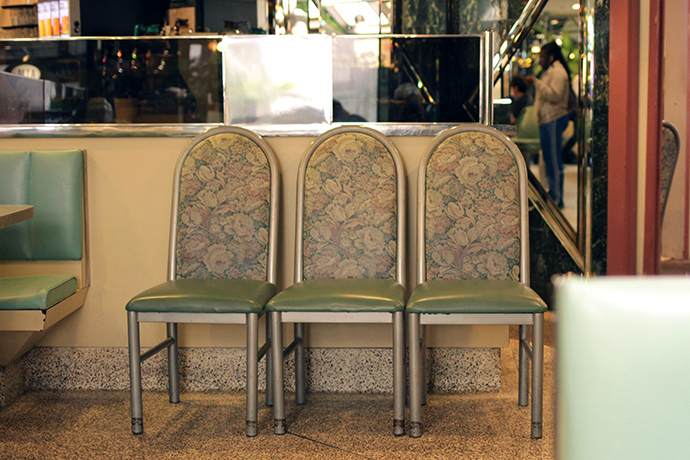
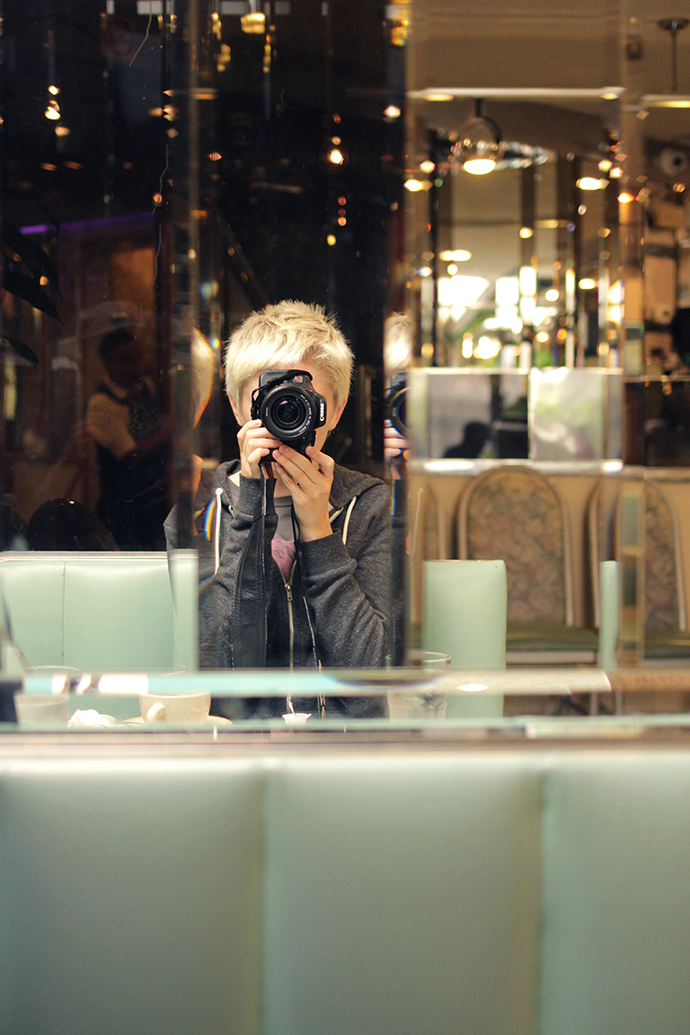
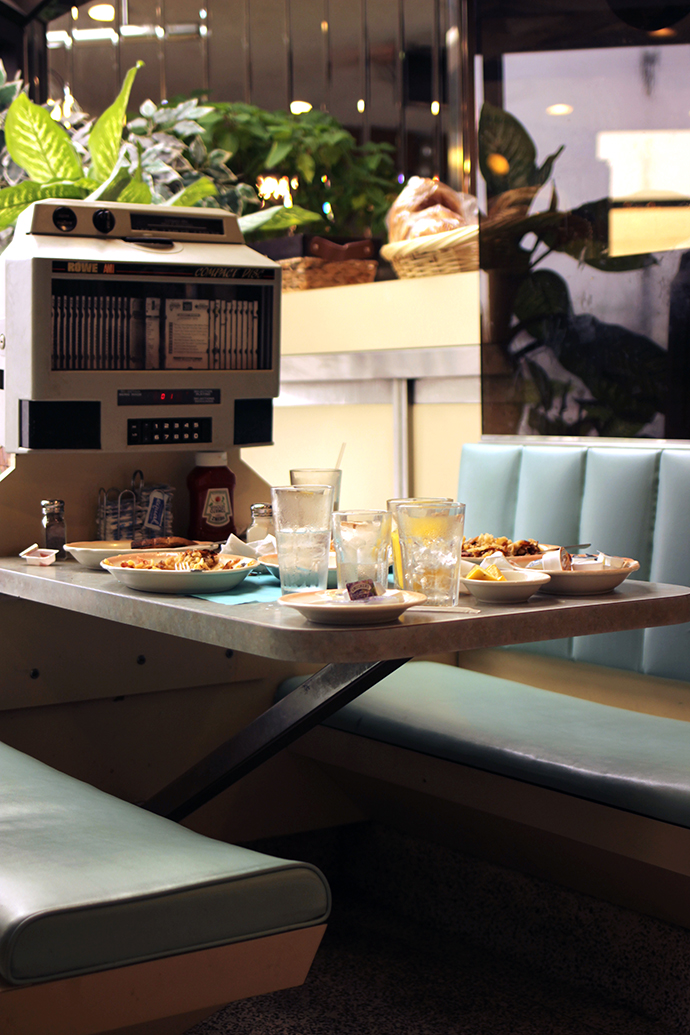
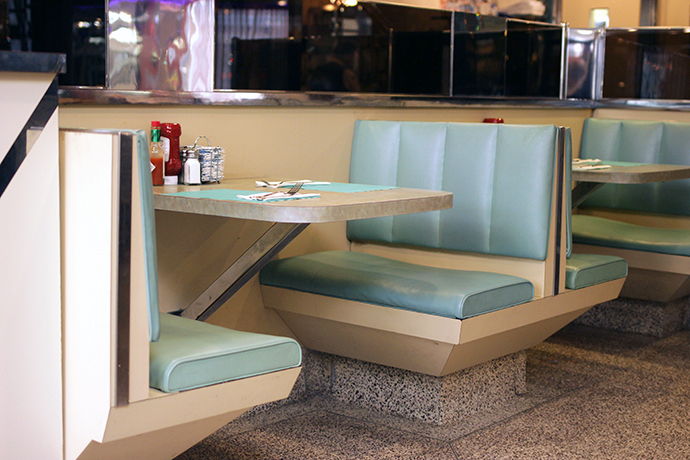
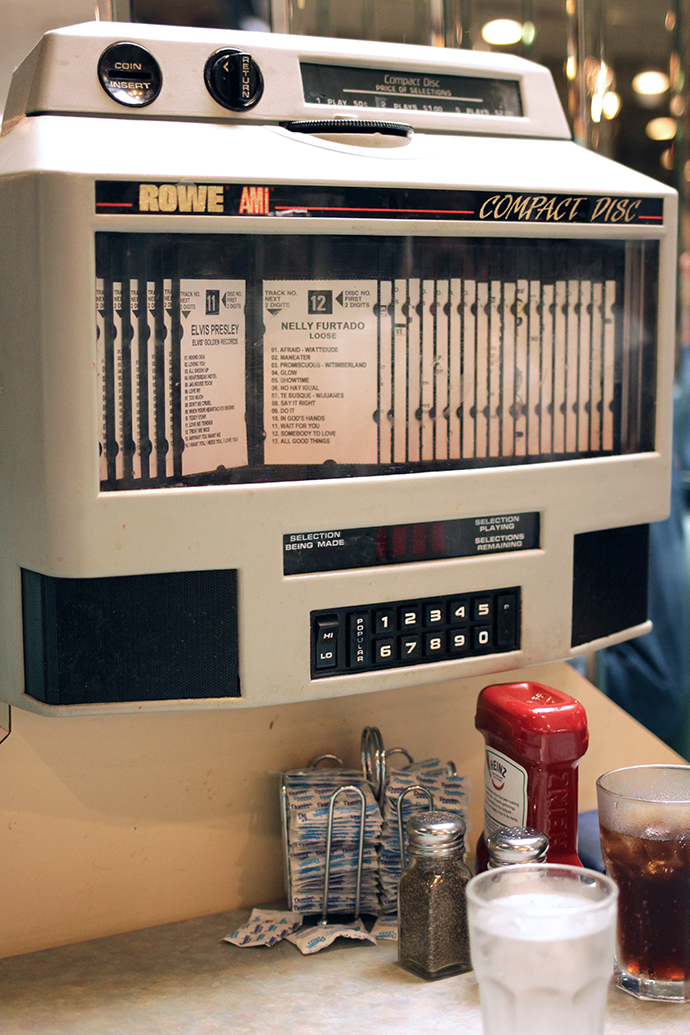
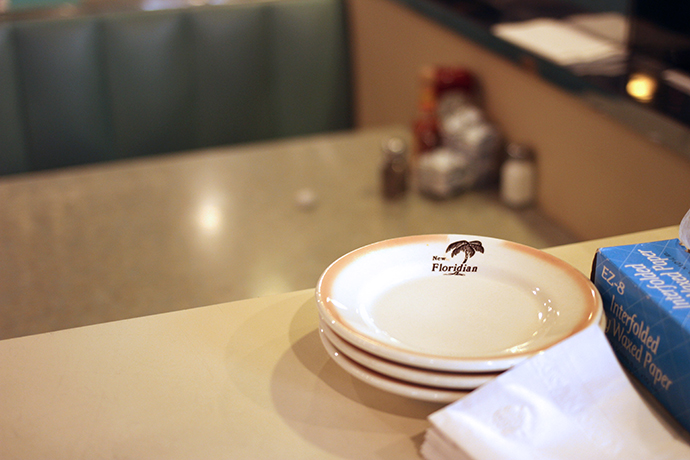
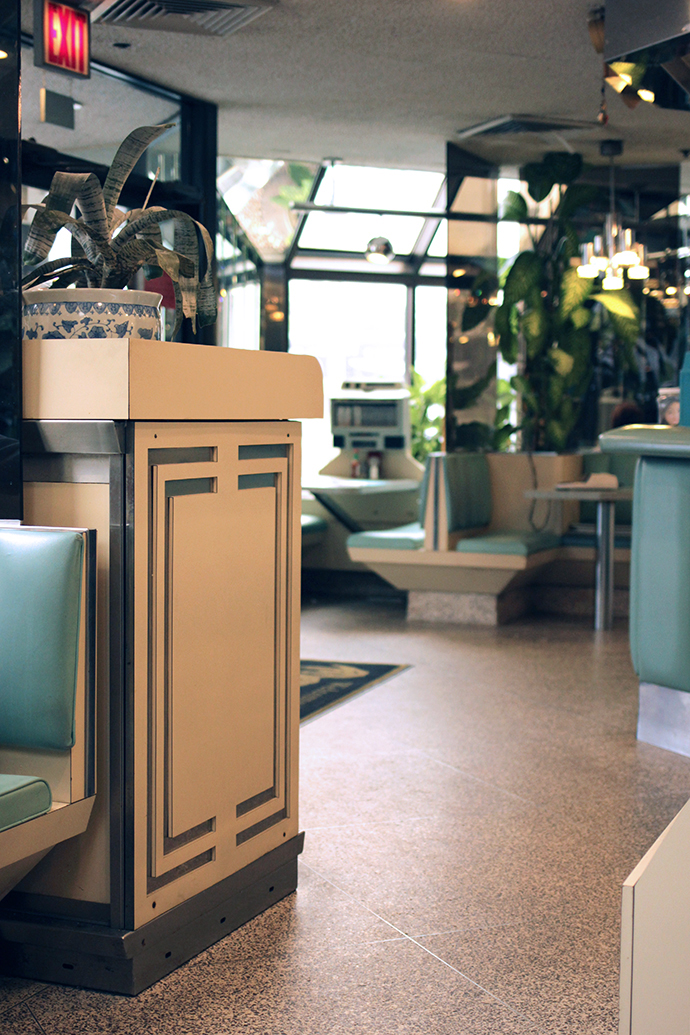
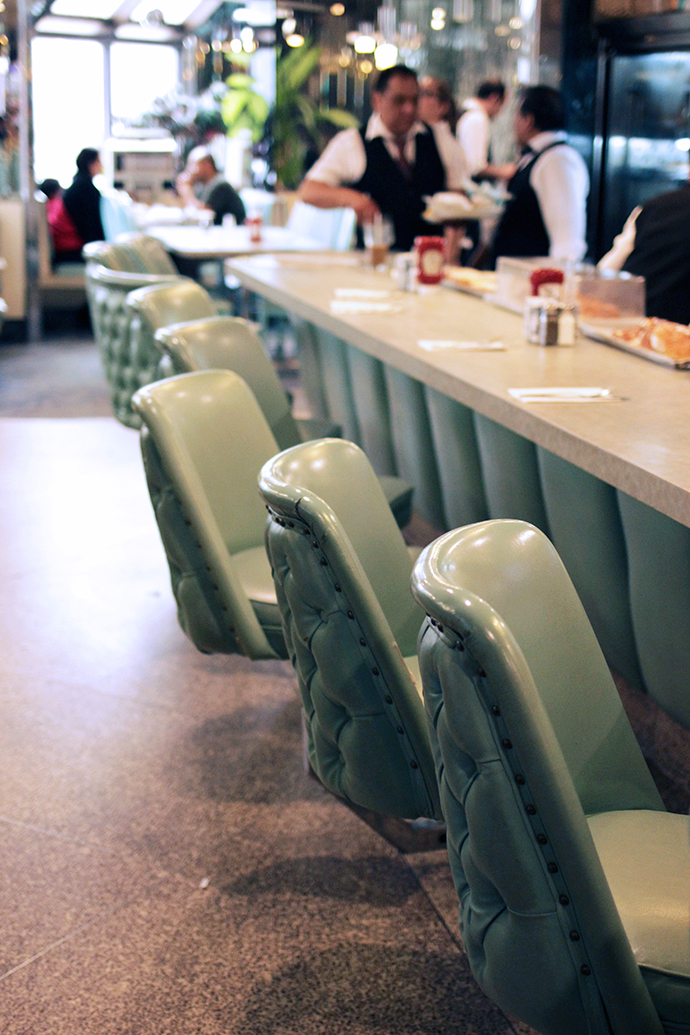
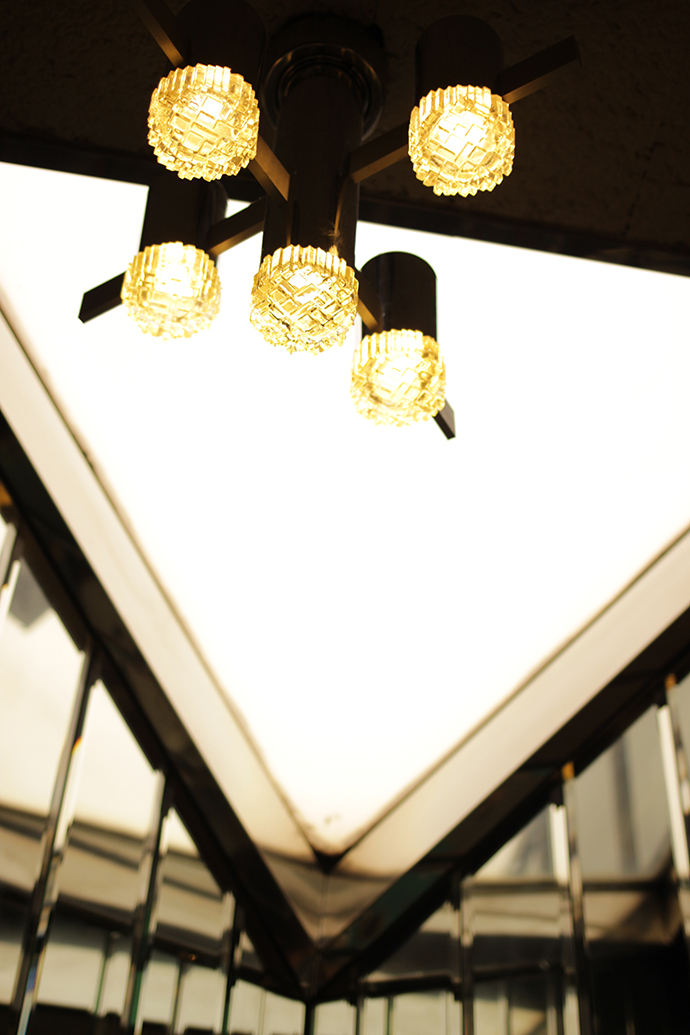
Vintage diners tend to skew more 50s/60s in their decor, but the Floridian has a late 70s, early 80s, Golden Girls feel to it that feels different, yet works perfectly with the classic diner aesthetic. Everything is padded in teal vinyl and the dishes are rimmed in the perfect shade of salmon pink, marked with a palm tree. There were COMPACT DISC jukeboxes on every table (ours worked), and all the mirrors and planters made me feel as if we were eating in some strange version of an 80s mall.
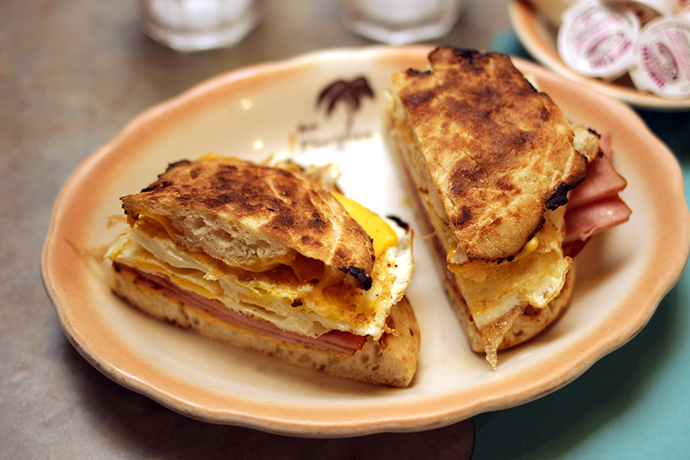
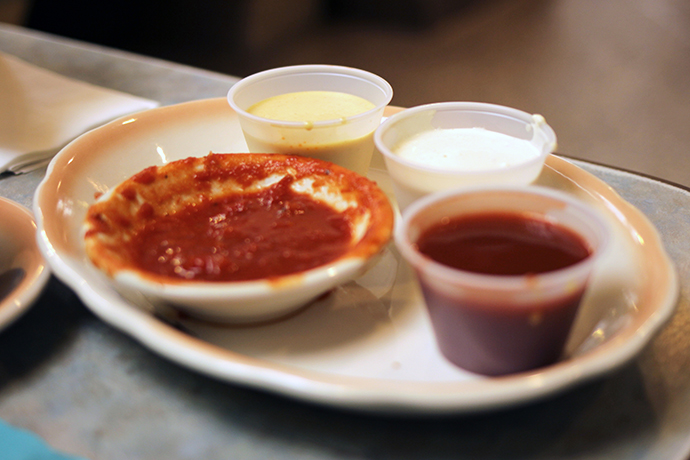
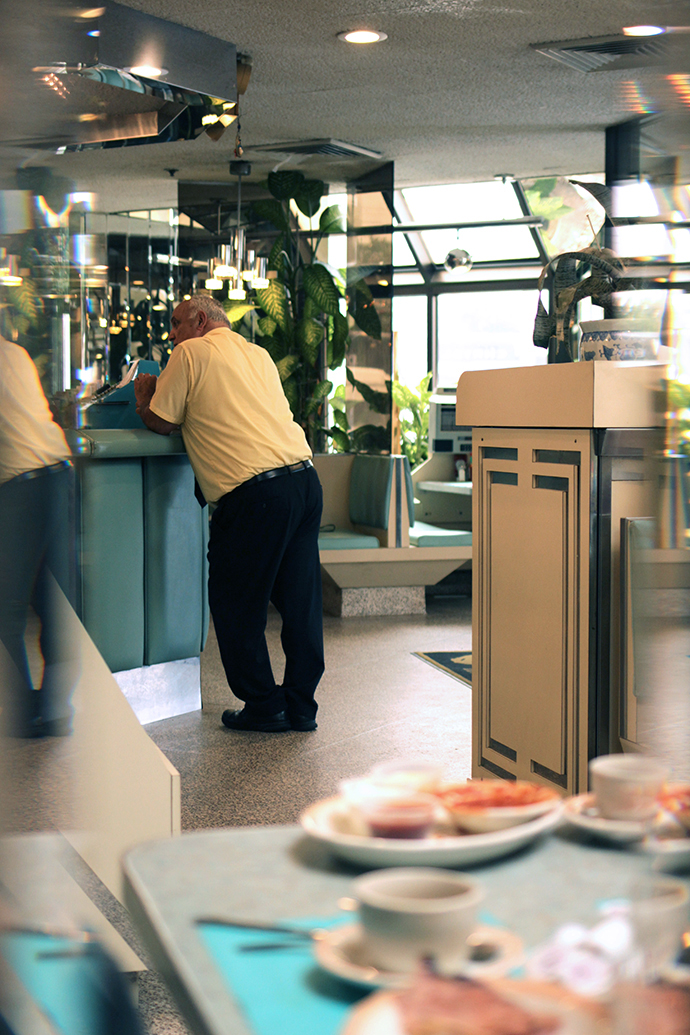
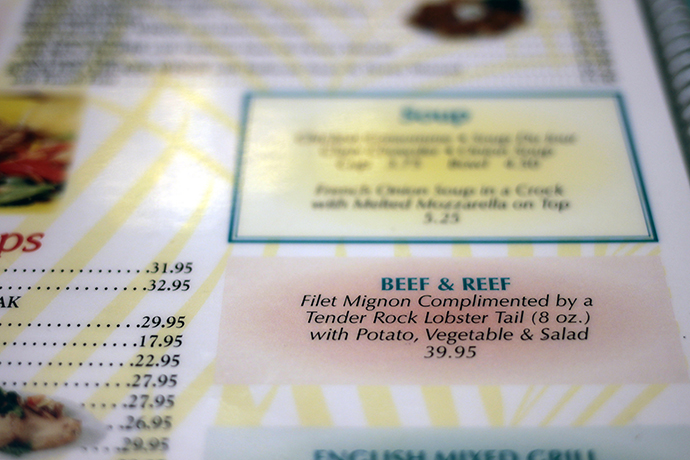
The portions we received were huge—my egg sandwich came with four slices of thick ham and the sauces that came with the Floridian Finger Platter were comically large (that bowl of marinara was for two mozzarella sticks). Of course nothing in our diner dining future will ever compare with the moment that we discovered that the Floridian has a filet and lobster combo called"Beef & Reef," with which it solidly cemented itself as one of my very favorite New York diners.

Buffalo: Frank Lloyd Wright
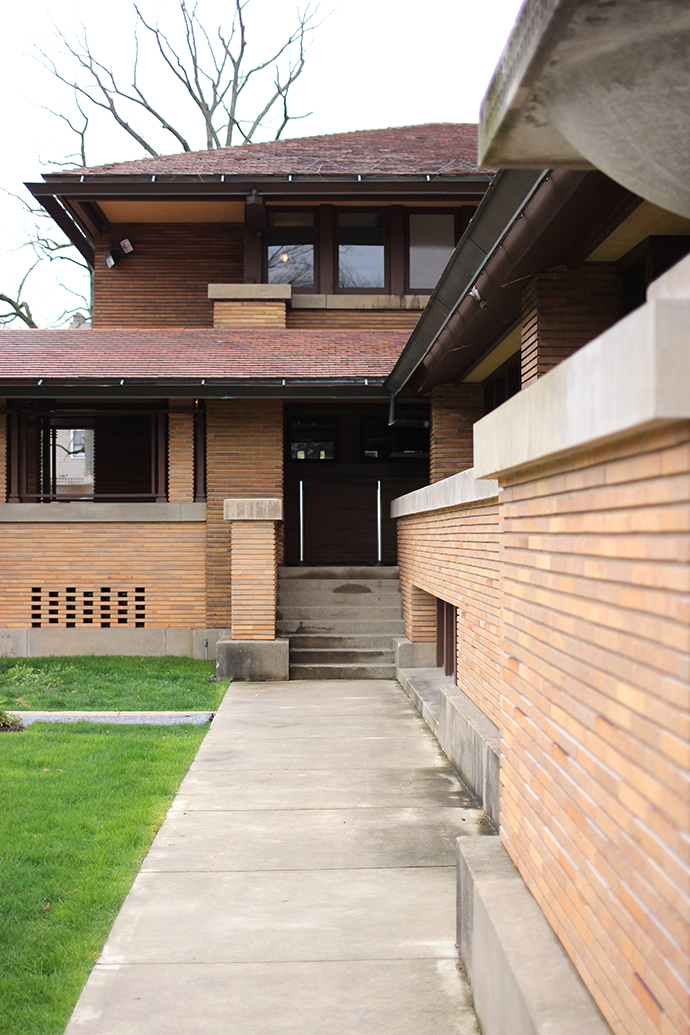
I was surprised on our recent trip to Buffalo to learn that the city has the highest concentration of Frank Lloyd Wright buildings outside of Oak Park in Chicago. A few of them have sadly been demolished over the years—including one of his first commercial commissions, the Larkin Administration Building. Darwin Martin was an executive at the Larkin Soap company, and in addition to the administration building, he commissioned Wright to build two houses in Buffalo—a primary residence, and a vacation home on Lake Erie.
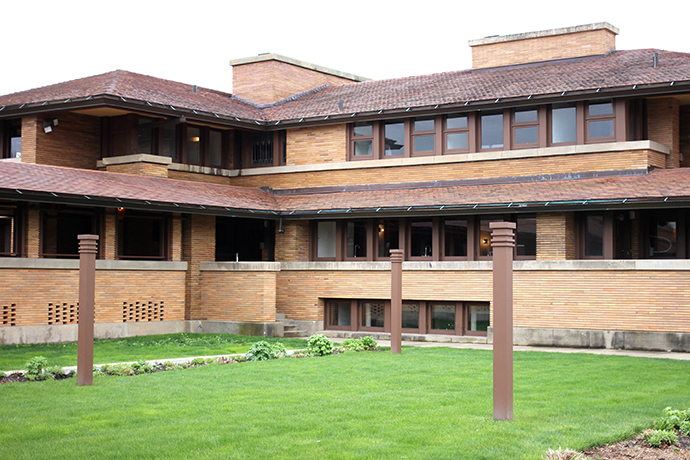
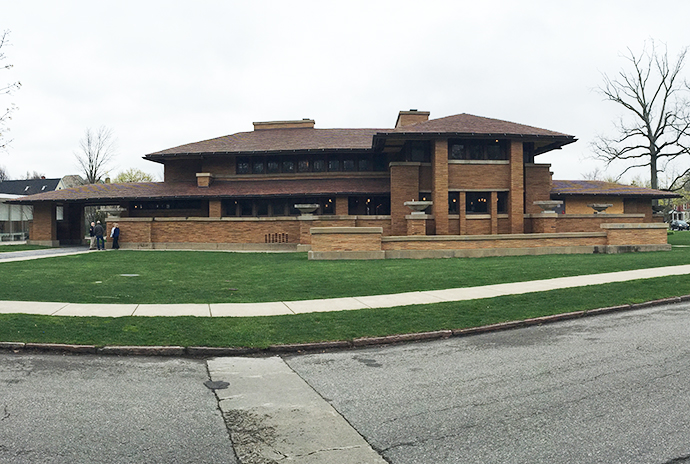
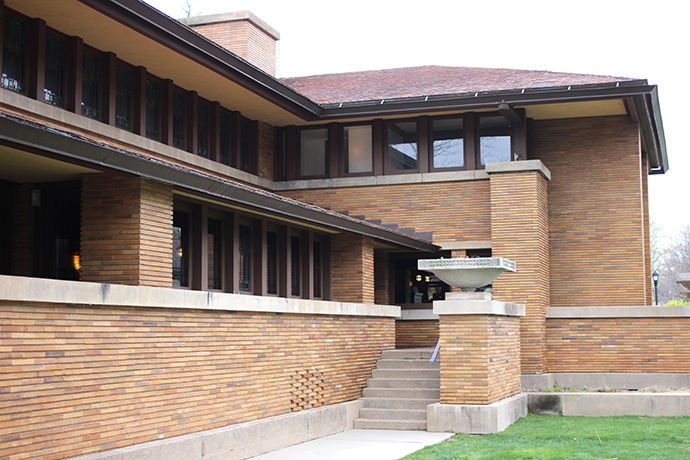


The Martin House complex comprises multiple structures, including a main house connected via pergola to a conservatory, carriage house with chauffeur's quarters and stables, gardener's cottage and the Barton House, which was built for Martin's sister. All of these are done in Wright's Prairie style of architecture and are considered to be some of his best examples of this style.
Before the house was designated as a landmark in 1986, it was in a sorry state of disrepair, and three of the original buildings were demolished (they have since been expertly rebuilt). There is still ongoing restoration work, especially in some of the interiors, but it's a beautiful, sprawling complex that seems just as visionary and modern today as it must have felt when it was built in the early 1900s.
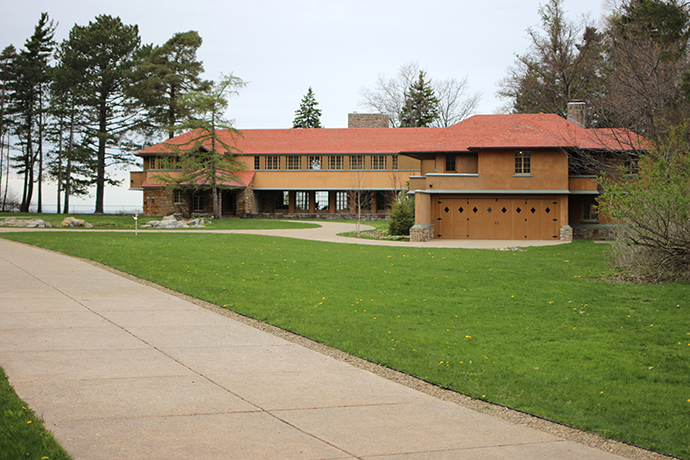
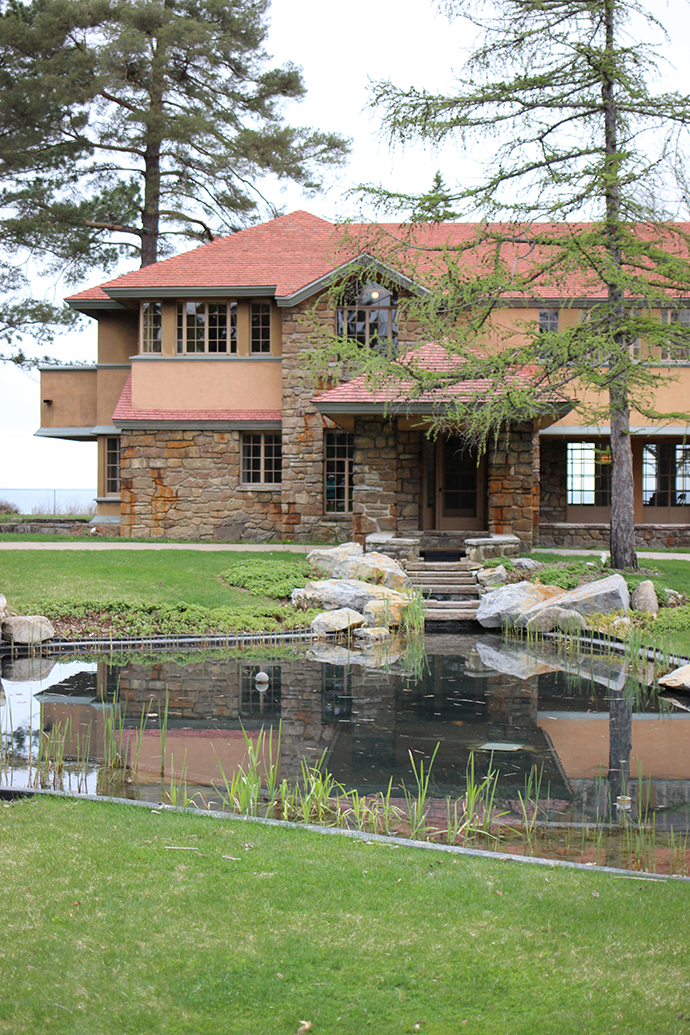
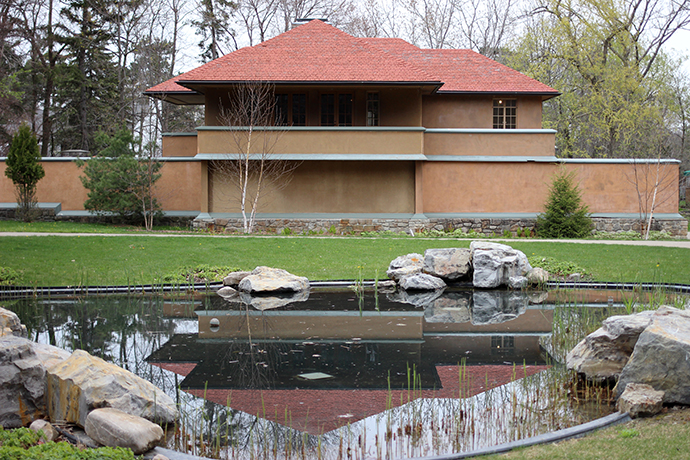
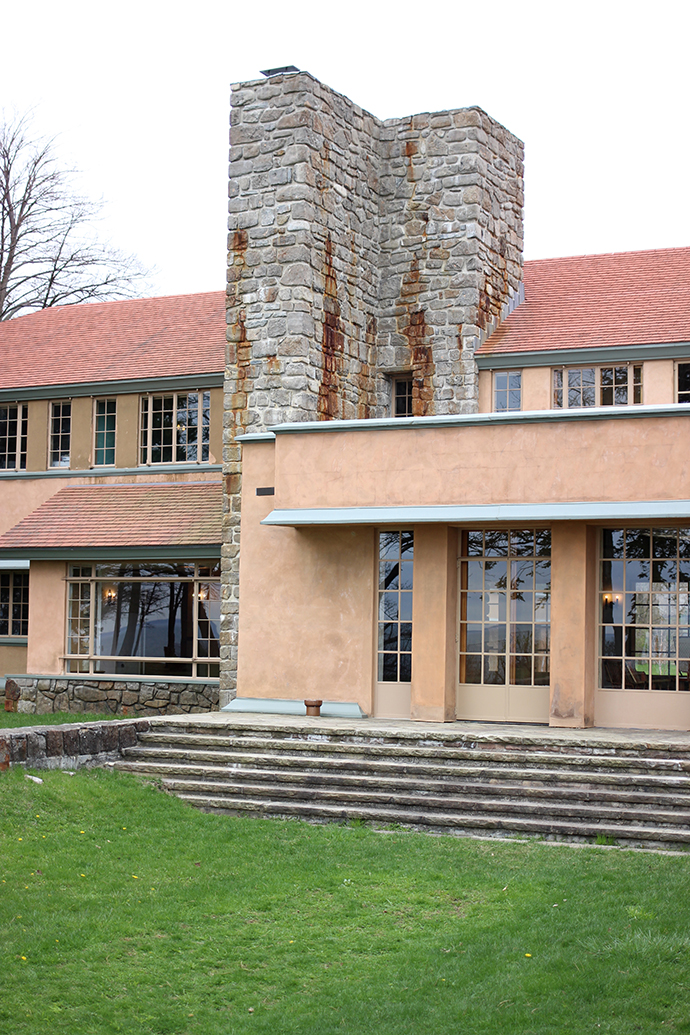
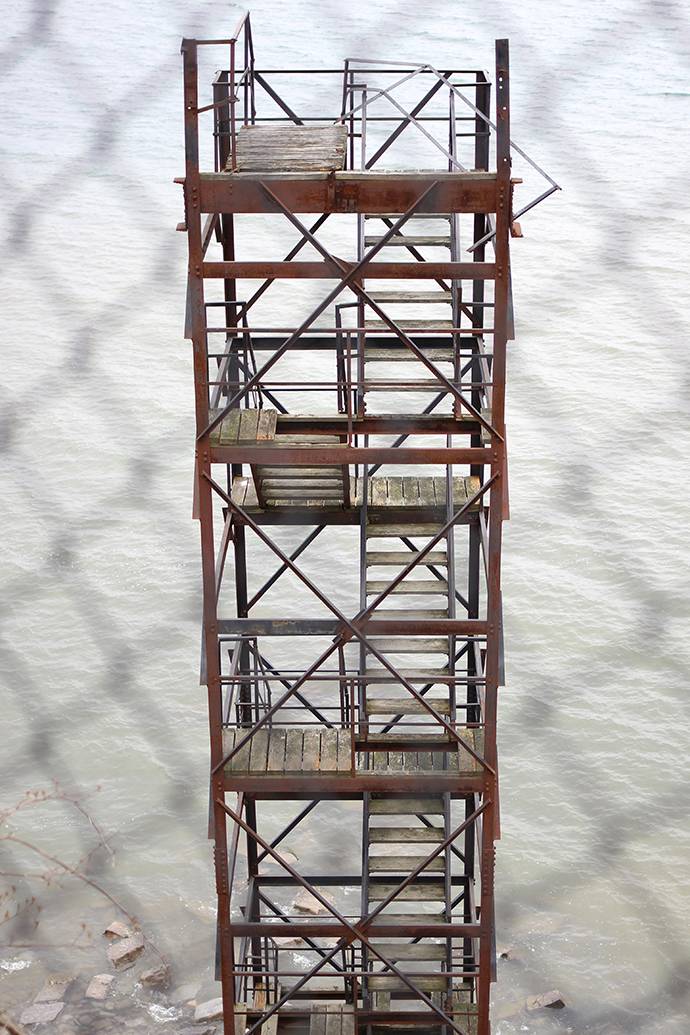
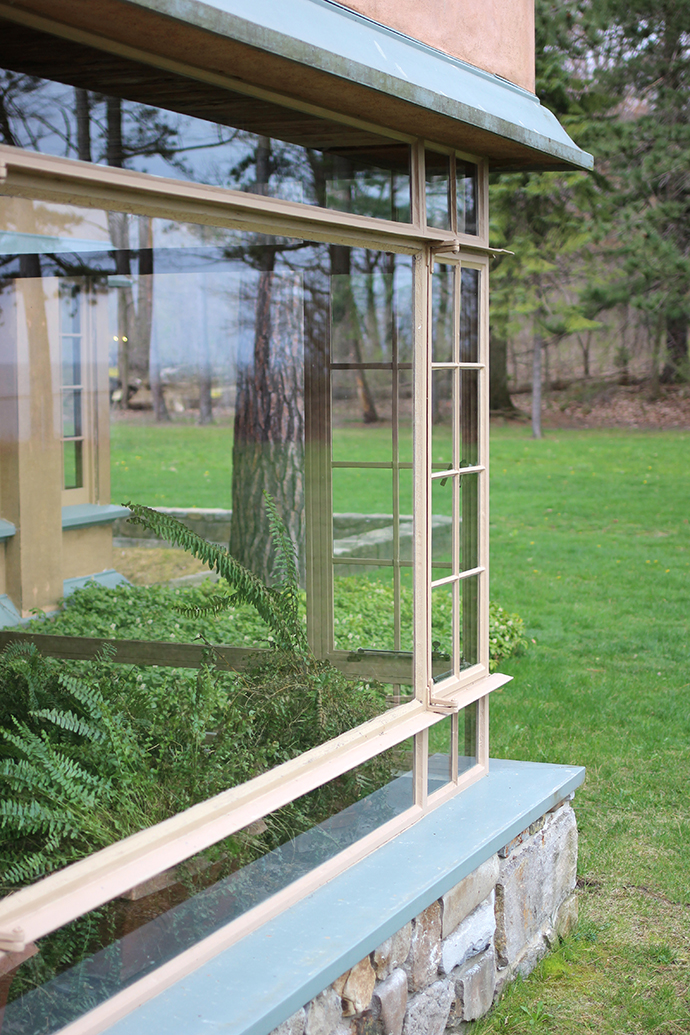

The Greycliff Estate was the Martins' summer home, and is in an earlier state of the restoration process than the Martin House. Most of the interior is gutted, and after the Martins died their family sold the house to the Piarist Fathers, an order of Roman Catholic Priests from Hungary. The lakefront backyard has fallen victim to a receding shoreline, but it's not hard to see why the Martins were smitten with the view.
Greycliff reminded me somewhat of Falling Water and Kentuck Knob in its connection and consideration of the surrounding landscape. You can see that even in the 1920s Wright had begun to experiment with his corners of glass that he would perfect for Falling Water.
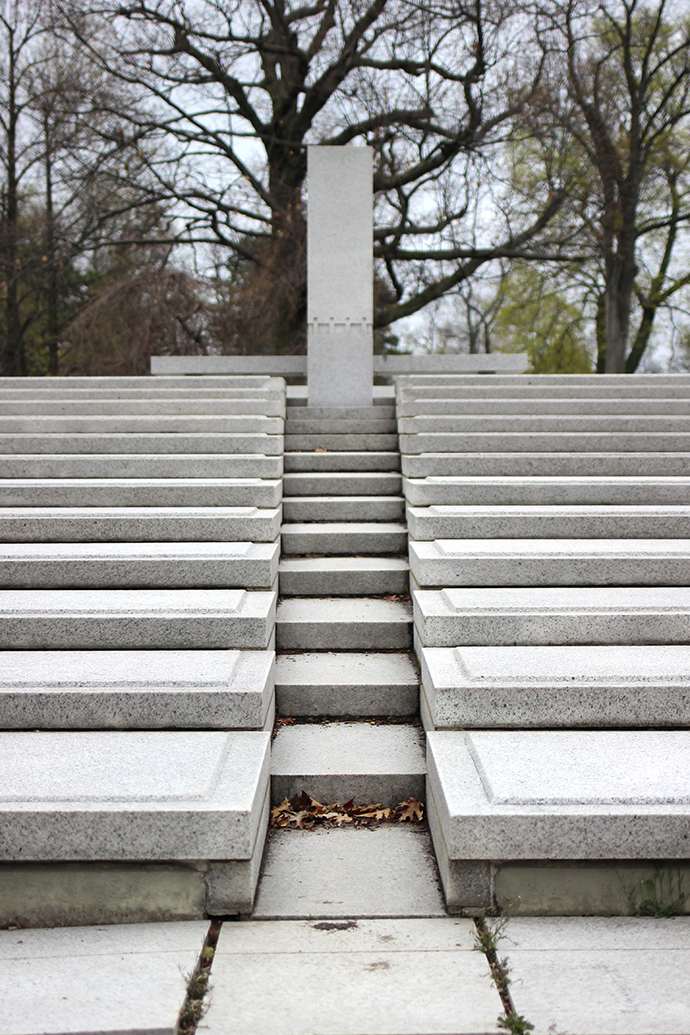
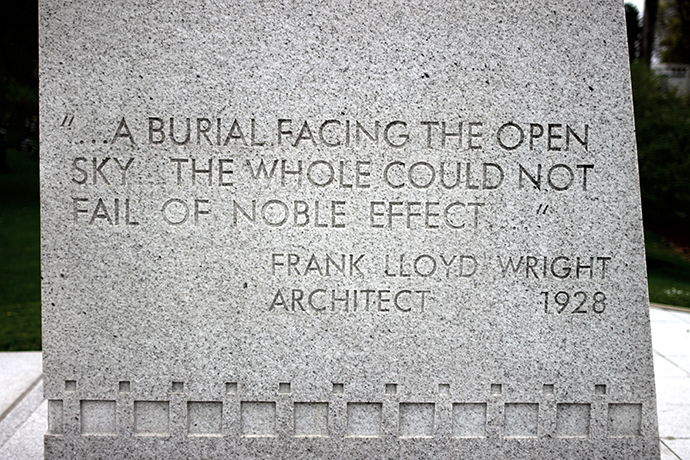
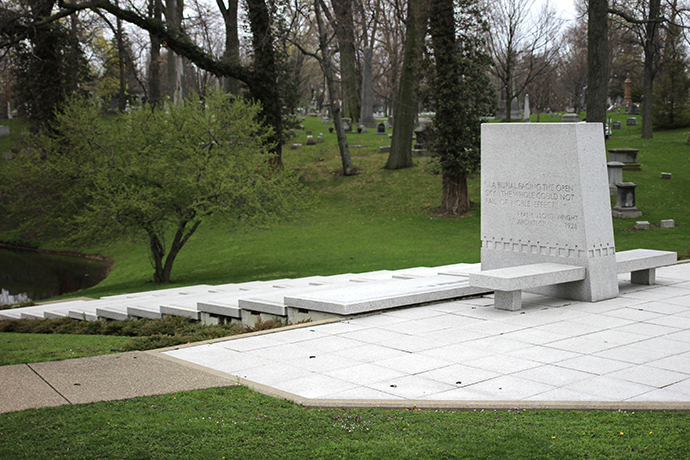
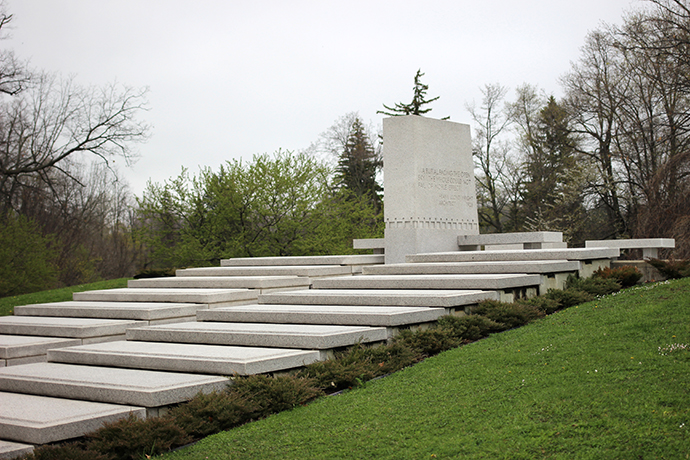
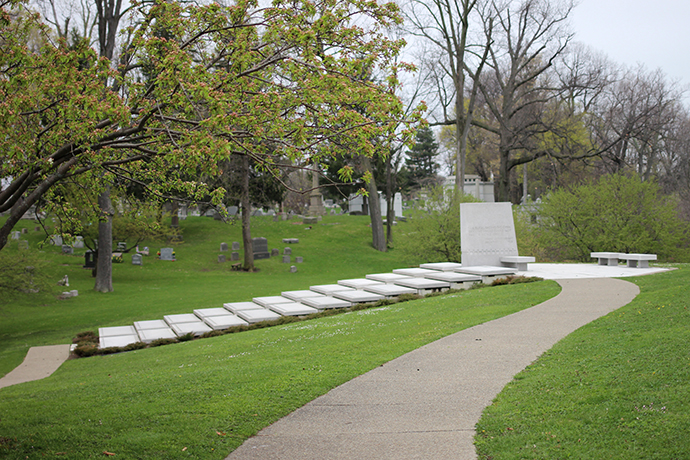
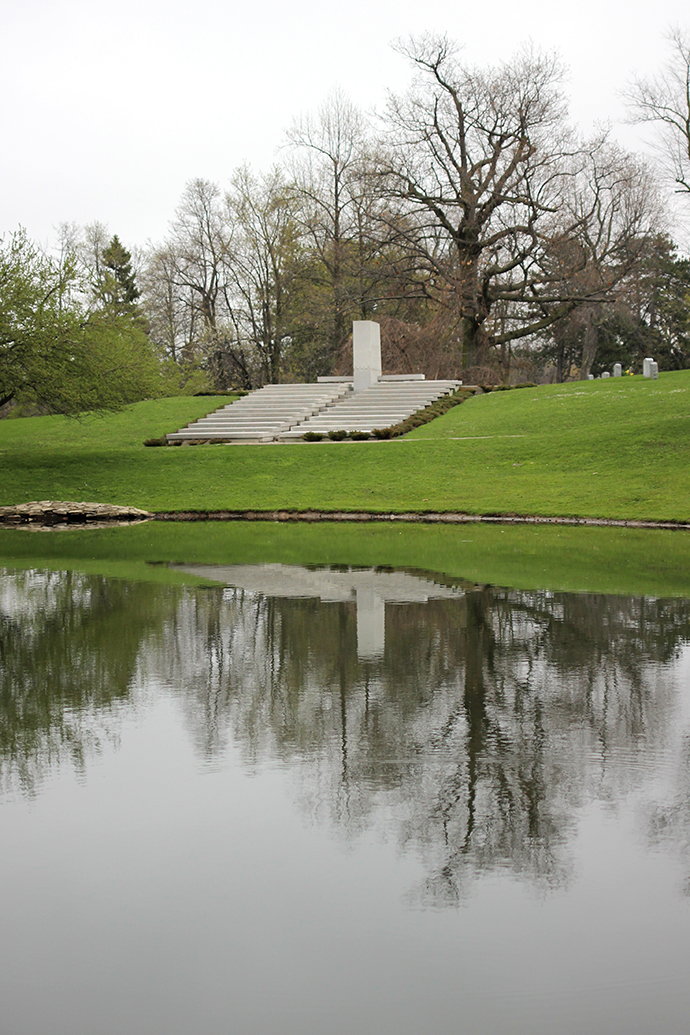
Of course everyone knows FLW for his houses and commercial structures, but I had no idea until our trip that he also designed a mausoleum. The Blue Sky Mausoleum was the last of four Martin commissions. It was conceived between 1925-1928, but wasn't built when Darwin Martin died in 1935. In 2004, Forest Lawn Cemetery finally realized Wright's vision with help from his notes, drawings and a Wright-trained architect.
Like most things Wright designed, the mausoleum is not a traditional "box" structure, but instead is integrated into the sloping landscape. It appears as if only two people are currently housed in the mausoleum, which includes twenty-four, double-tier crypts. After having a transformative experience at Falling Water, I wasn't sure it was possible to respect FLW's portfolio any more, but finding out that he dipped his toe into the world of cemetery architecture definitely makes me even more of a fan.*
EDIT* I had no idea when I posted this that today is FLW's 149th birthday - HBD FLW!

Fort Tilden: Abandoned
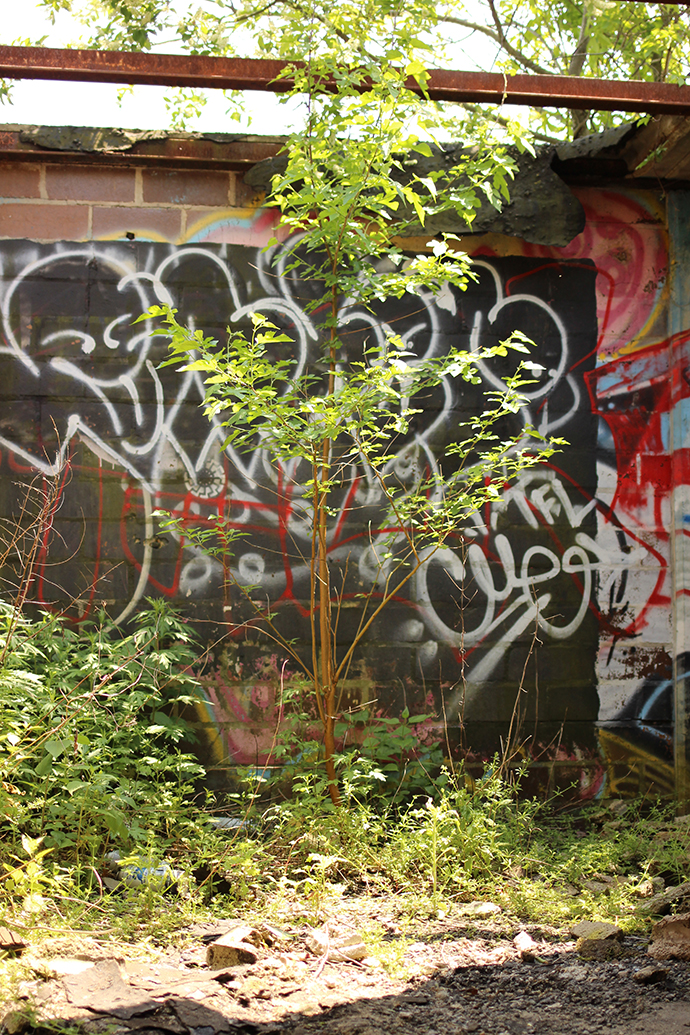
On Memorial Day weekend, my dude and I decided to (mostly) stay in the city, which ended up being a wonderful decision. I hate the word "staycation" so I won't call it that, but I love that I can usually satisfy even the severest case of wanderlust without ever leaving the five boroughs. We chose to go to Fort Tilden because it satisfied our holiday weekend beach requirement, in addition to providing some wonderful history and an excellent crop of abandoned structures.
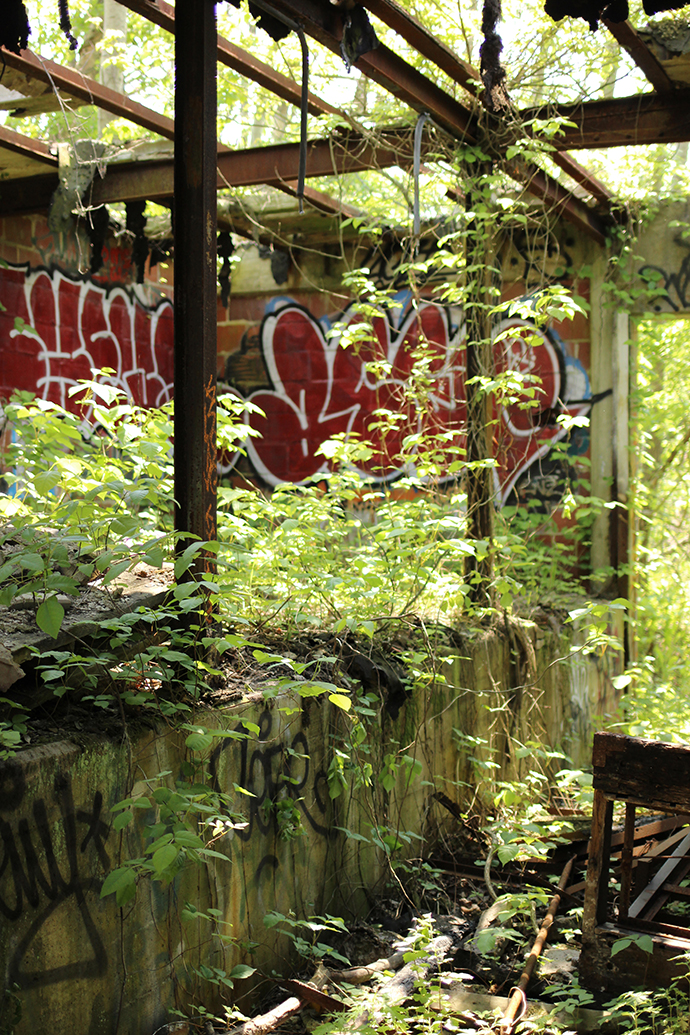
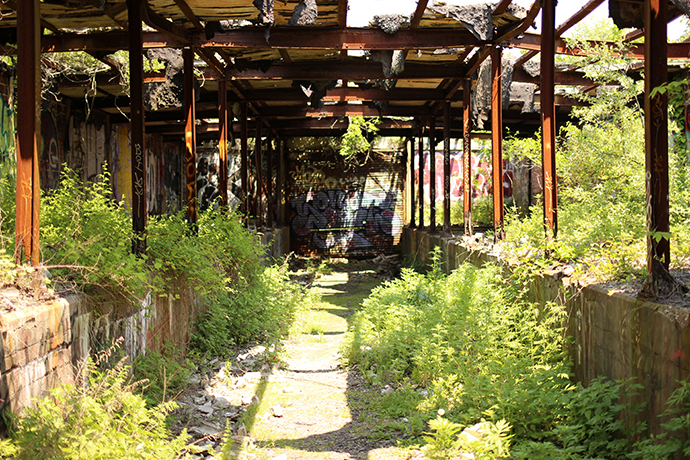

Fort Tilden is a former US Army post, located on the Rockaway Peninsula in Queens. We biked there once before, but this time we took a bus, which took about an hour from Brooklyn. Like Floyd Bennett, Fort Tilden is now a part of the Gateway National Recreation Area, controlled by the National Park Service.
Before we even got to the beach I declared it my "favorite beach excursion ever" because we spent the first half of our day exploring the various abandoned military structures that line the pathway to the beach. We couldn't quite figure out what the structures were originally used for, but we guess that they might have been storage facilities for ammunition and supplies. We saw several of the same type of building, each with garage doors at either end, raised sides and wooden rails that probably held racks of some sort.
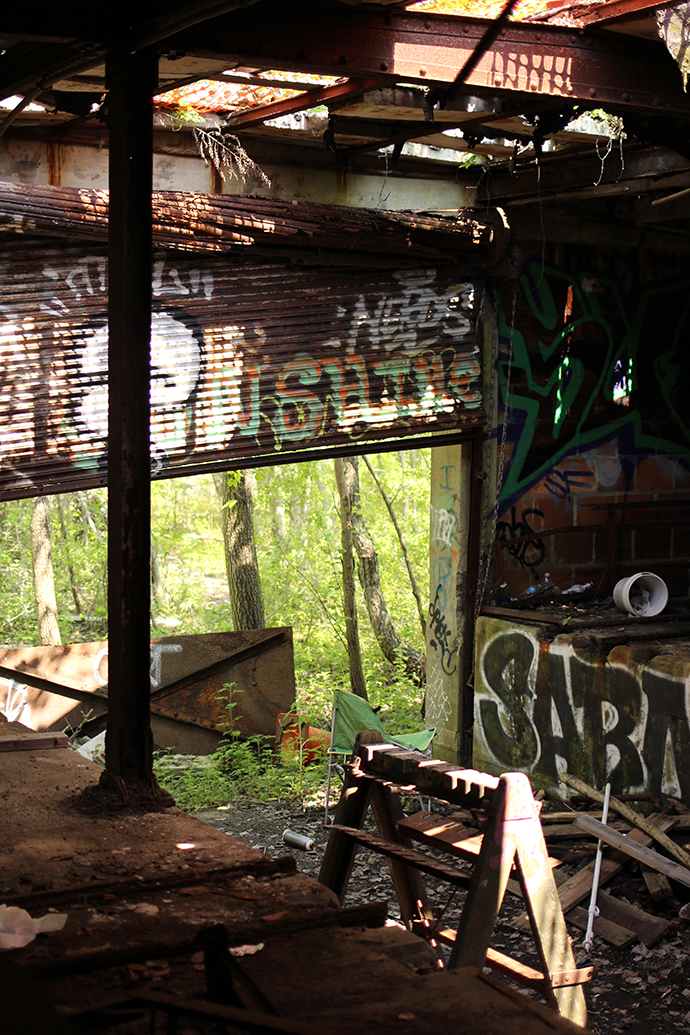
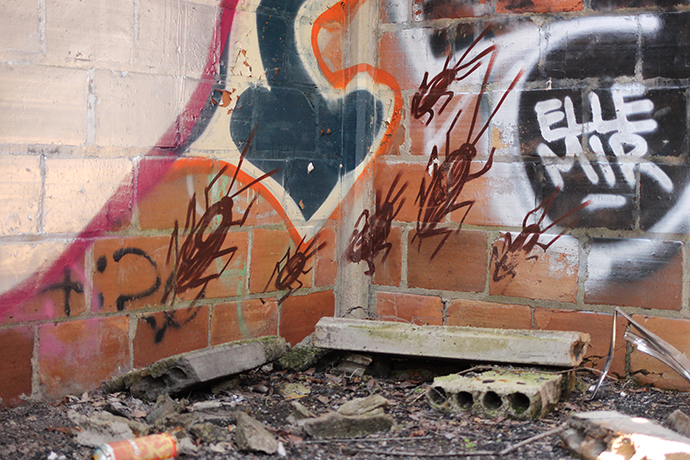
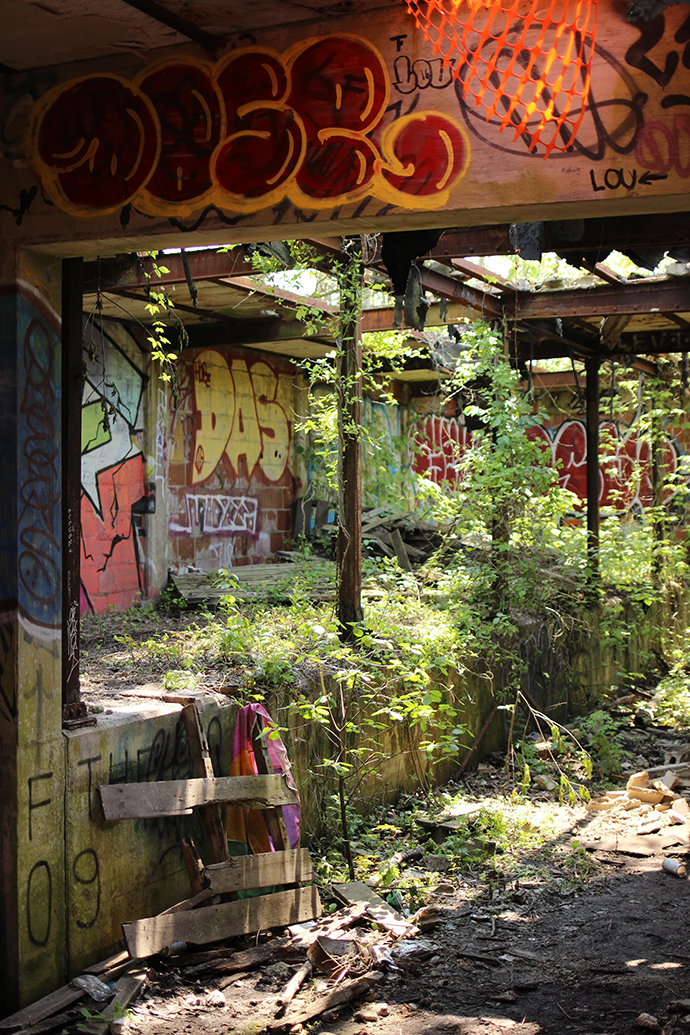
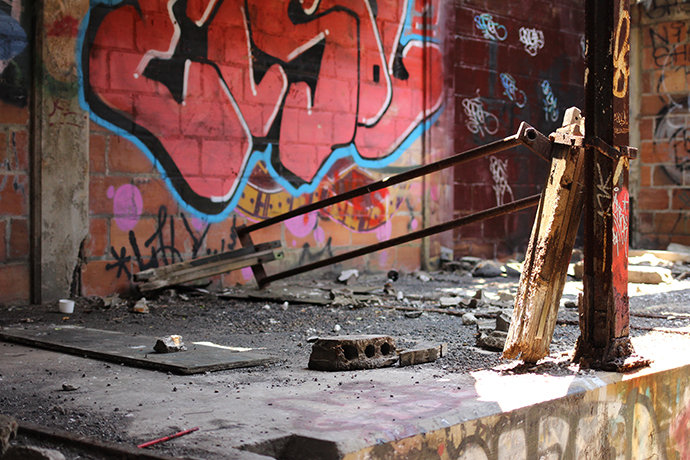

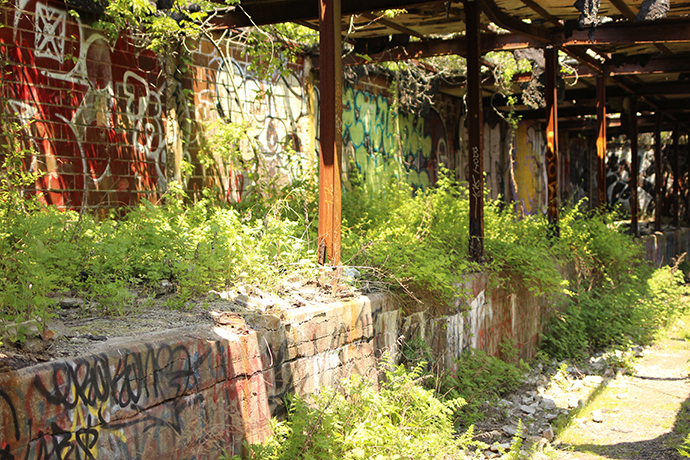
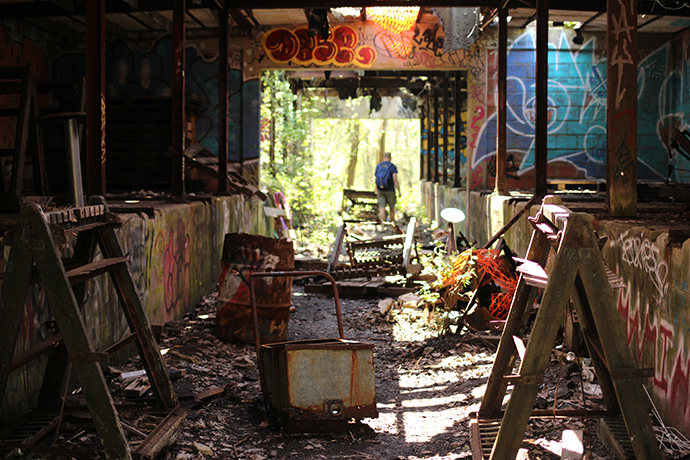
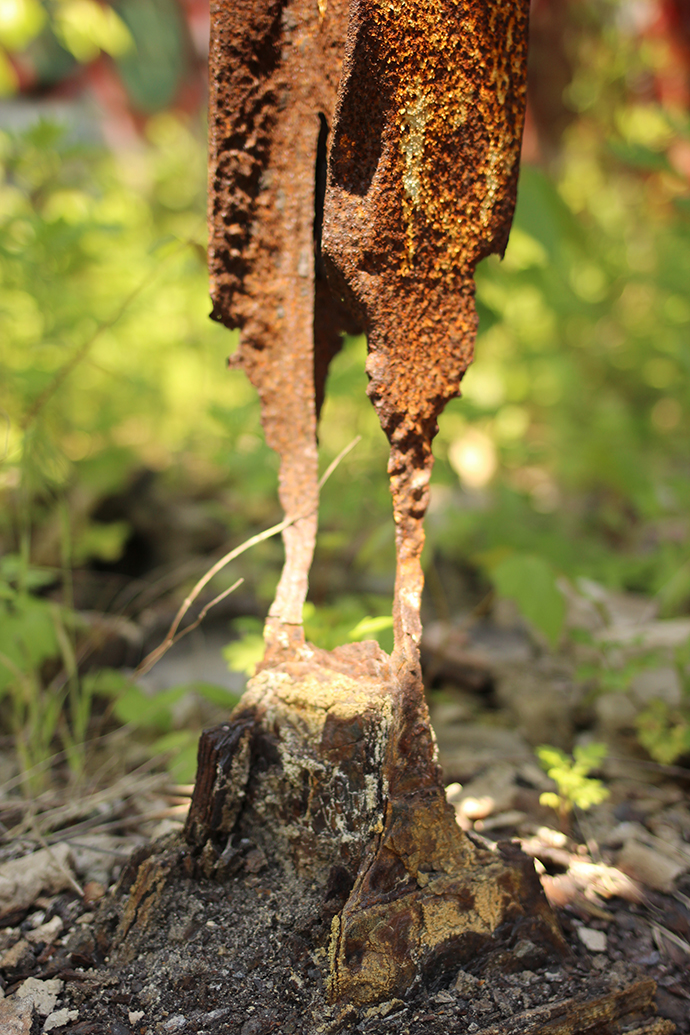
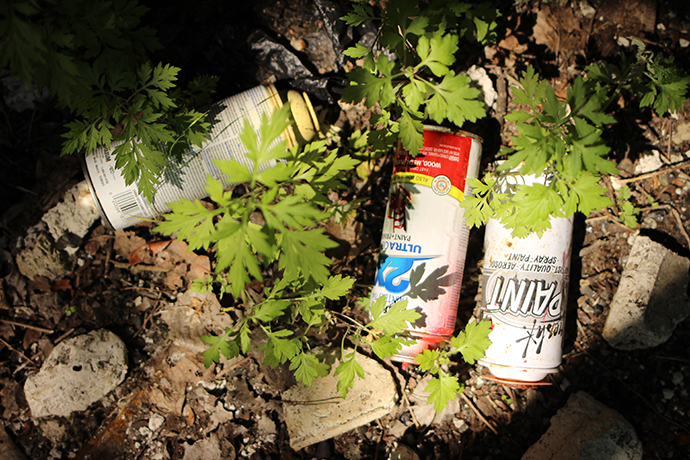
The buildings are in such a lovely state of decay, with trees growing up through cracks in the cement, creeping vines creeping every which way, and rusty beams that look as if they're going to snap at any moment. There was some evidence that these structures might be popular places to hang out—chairs, beer cans, a package of honey buns—but we barely saw anyone the entire time we were exploring.
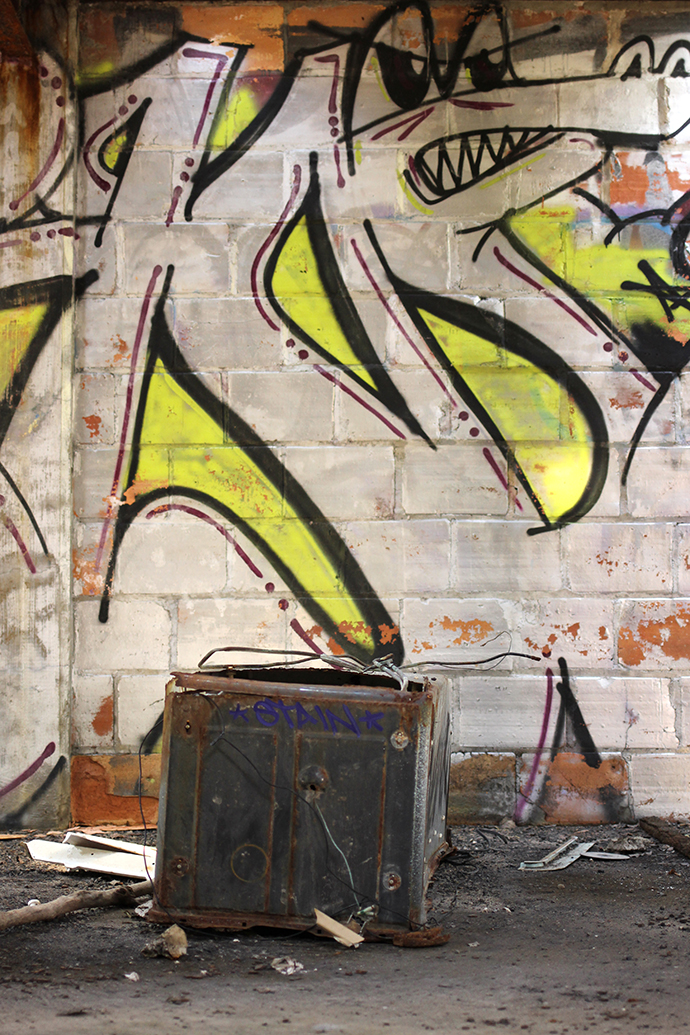
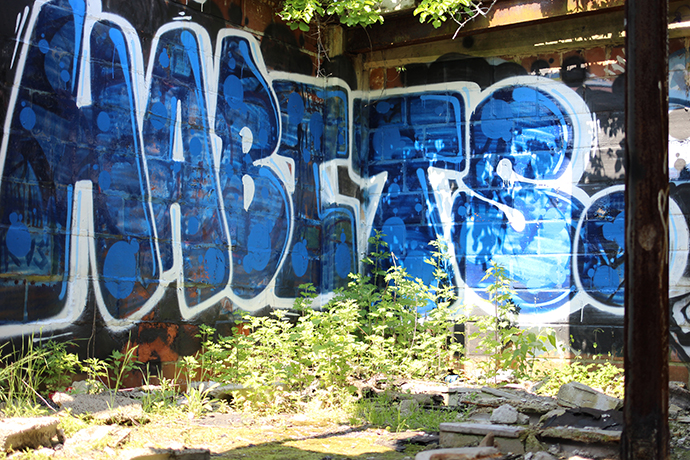
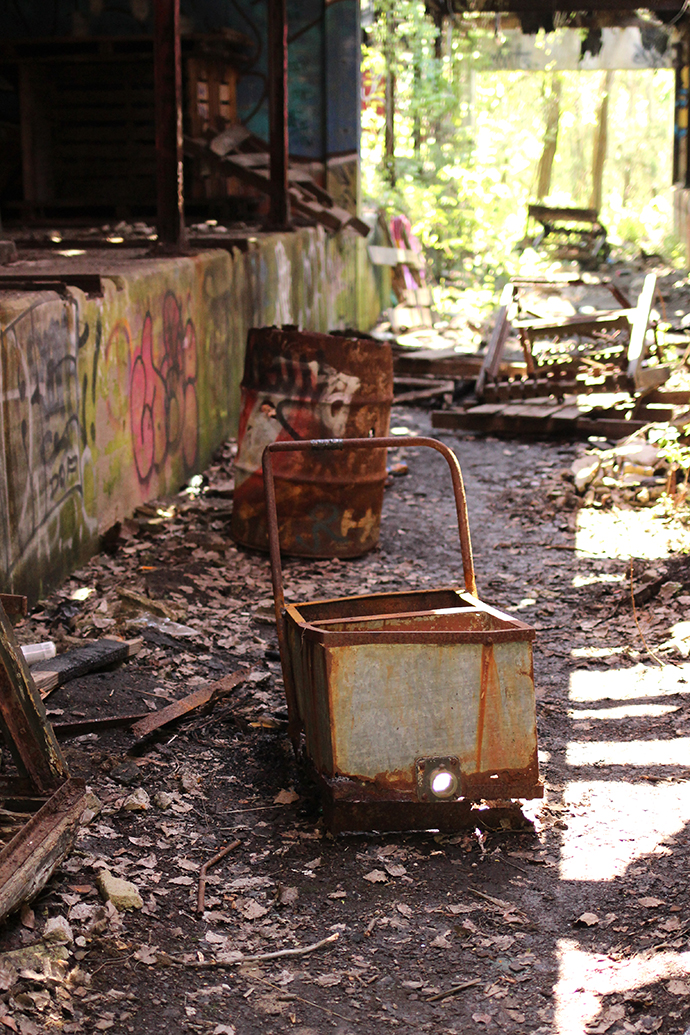
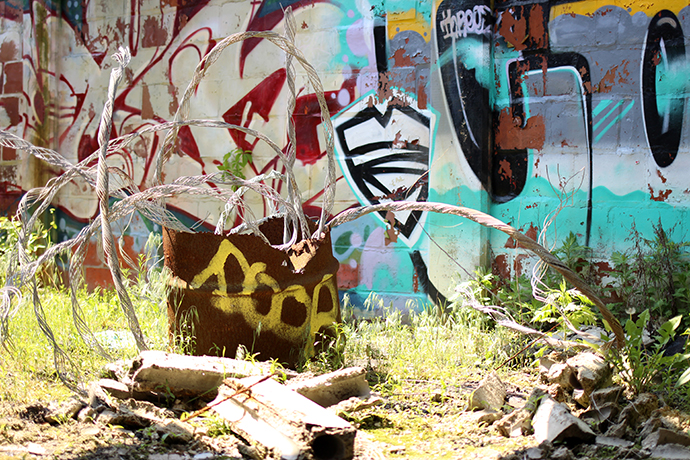
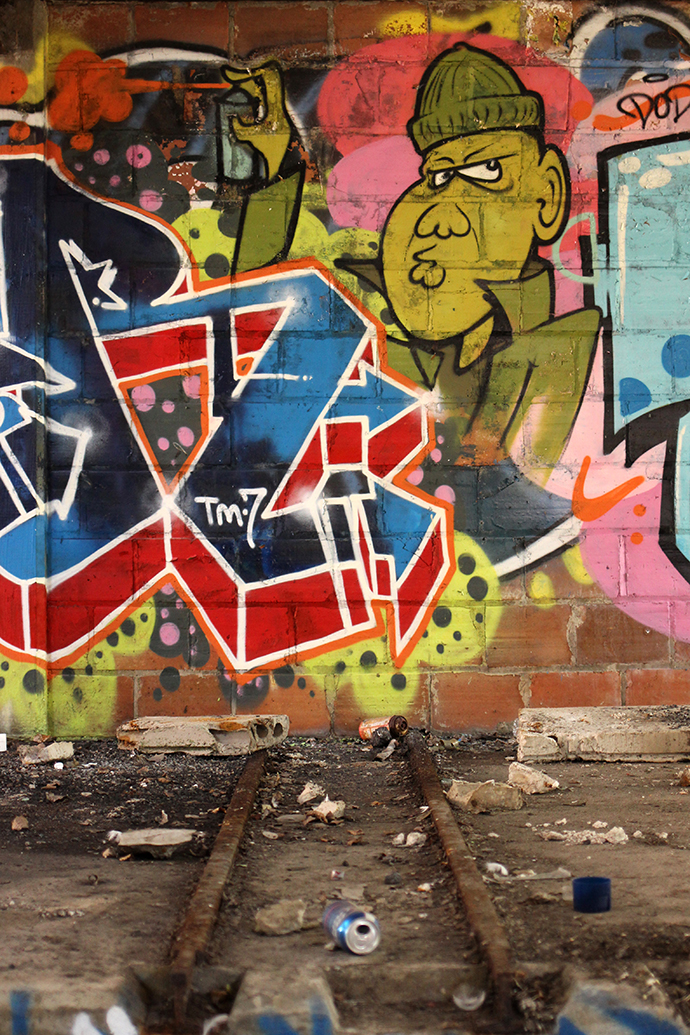
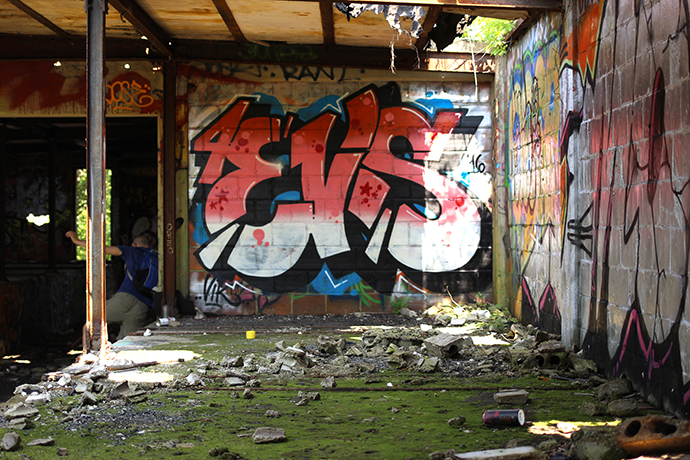
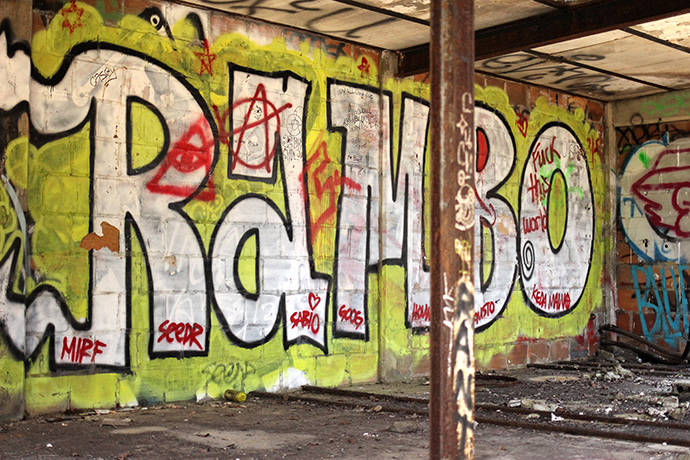
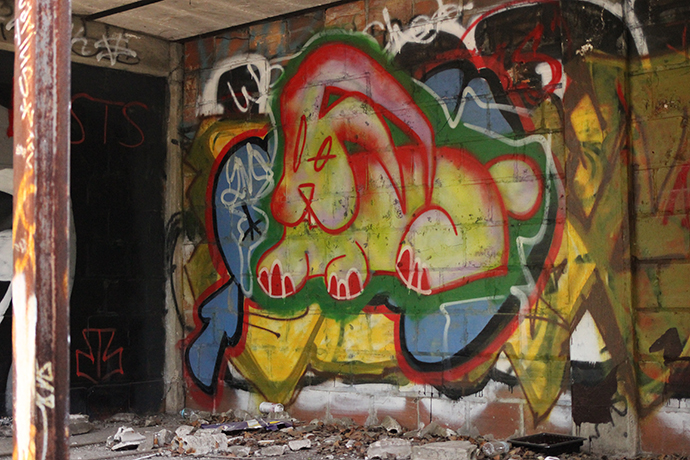
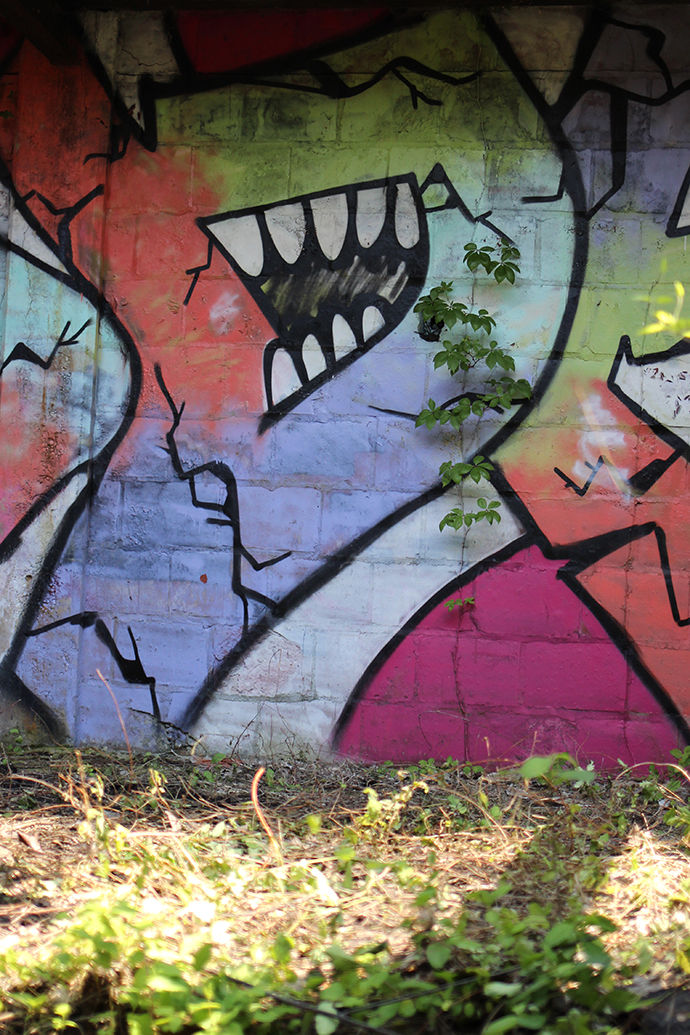
The structures basically function now as open-air graffiti galleries, and it seemed the closer we got to the beach, the better the art became. There were some really wonderful pieces and the contrast between the colorful murals, rusty metals, crumbling ceilings and lush greenery was everything my nascent, urban-explorer heart desired. I knew there were ruins at Fort Tilden, but the few buildings that we explored really exceeded all of my expectations—and quickly made Fort Tilden one of my very favorite places.

Floyd Bennett Field: Abandoned
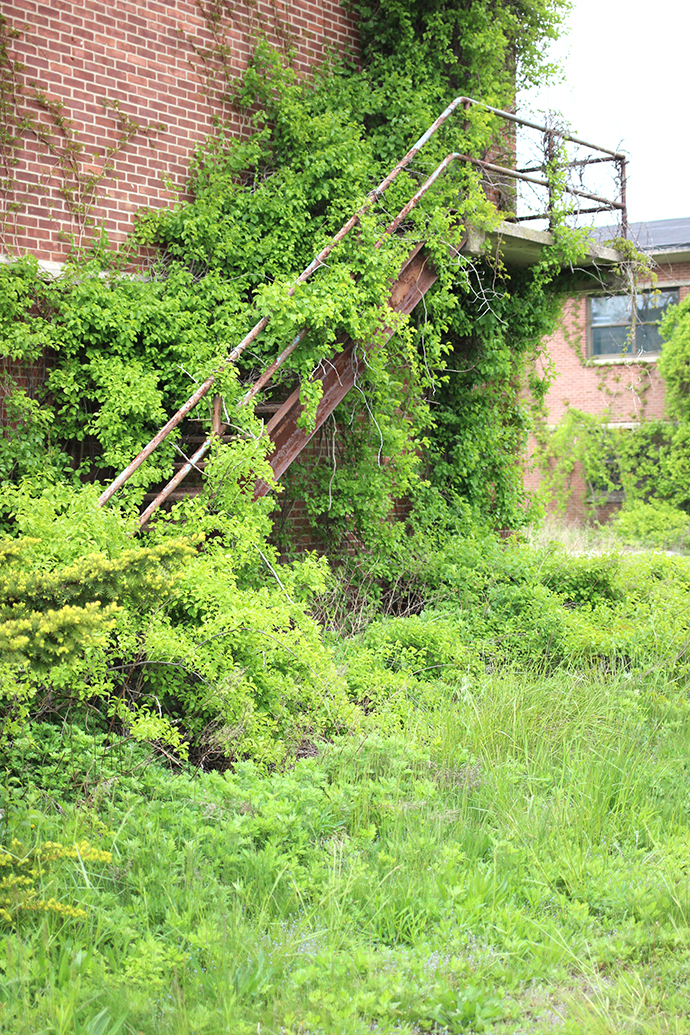
My dude and I recently biked out to Floyd Bennett Field in Brooklyn. I had visited FBF once before, but we were walking and exhausted after exploring Dead Horse Bay, so we didn't get too far. Floyd Bennett was New York City's first municipal airport. Before JFK and third-world-country LaGuardia came into existence, Amelia Earhart and Howard Hughes were using Floyd Bennett's runways to break records.
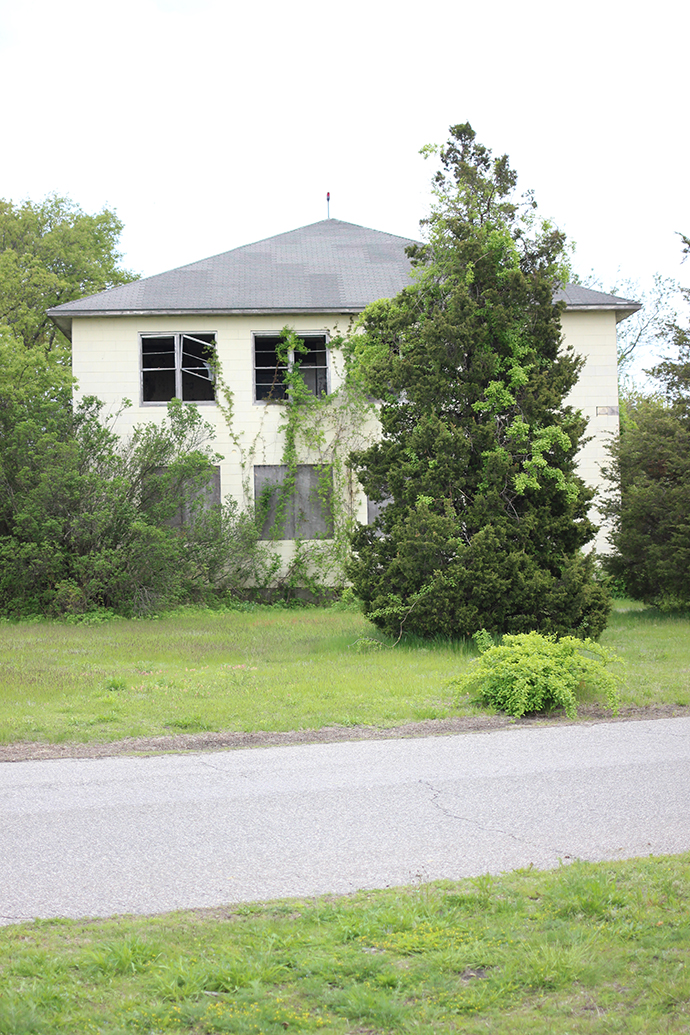
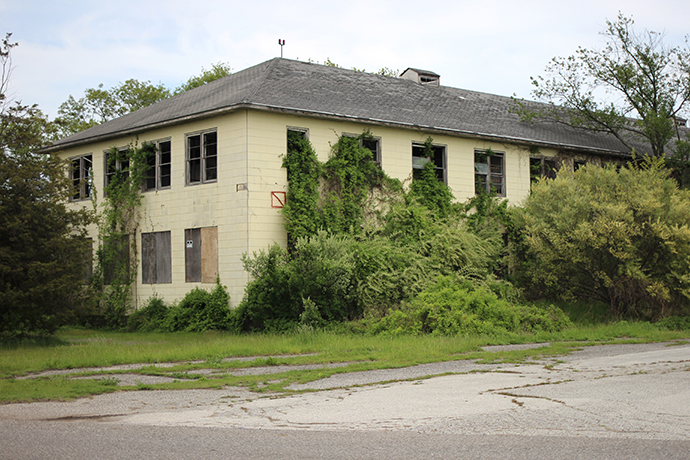

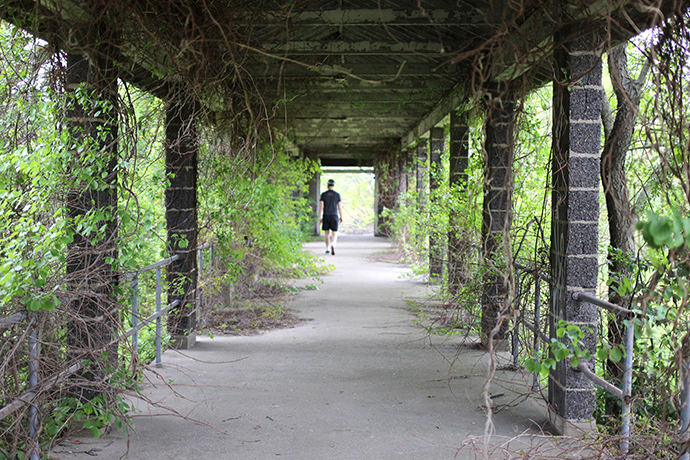
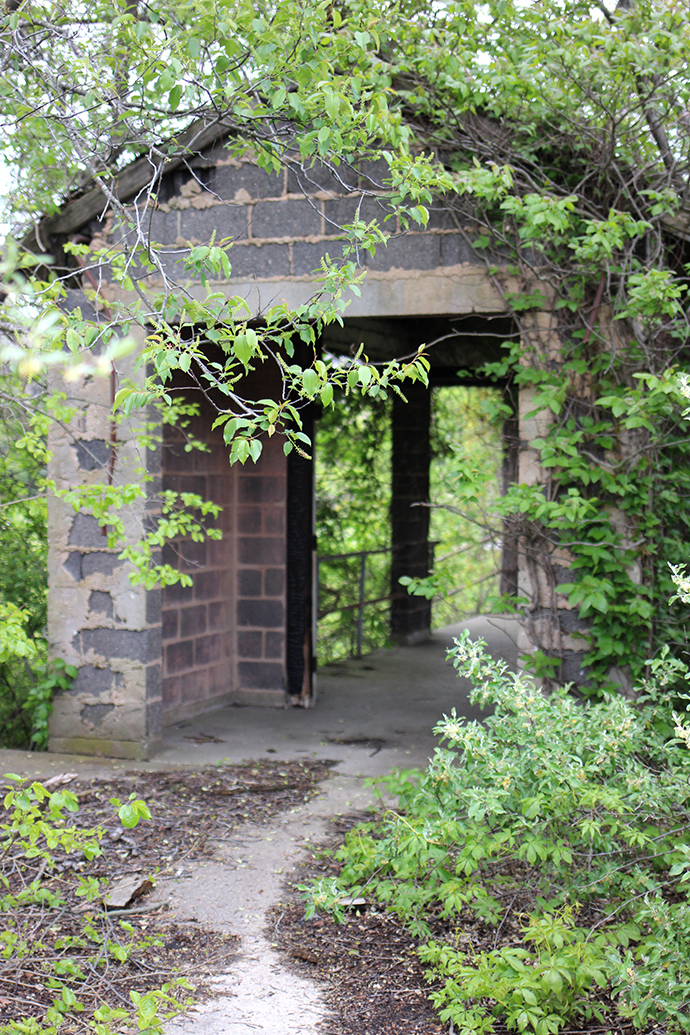

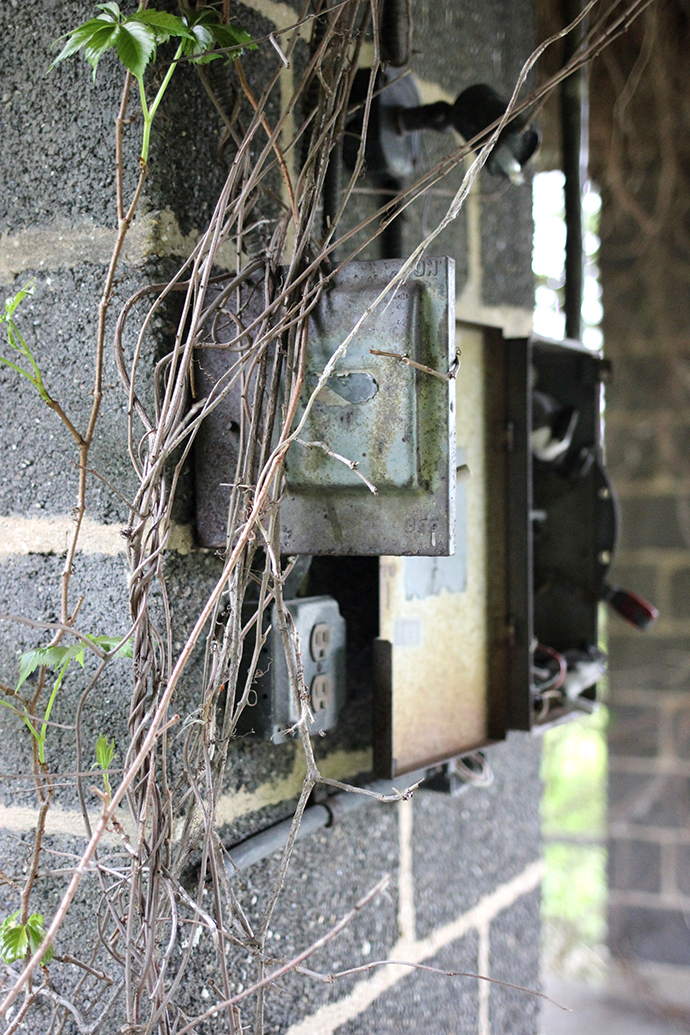
FBF is sprawling, as you'd expect an airport to be, and is much better suited to biking than it is to walking. I was already tired and grumpy from our 12-mile ride by the time we arrived, but nothing gives me life like a good abandoned building—luckily, Floyd Bennett has its fair share of good ones. In addition to its life as a airfield, FBF has been home to the Coast Guard and a naval station—today it's controlled by the National Parks Service, as part of the Gateway National Recreation Area.
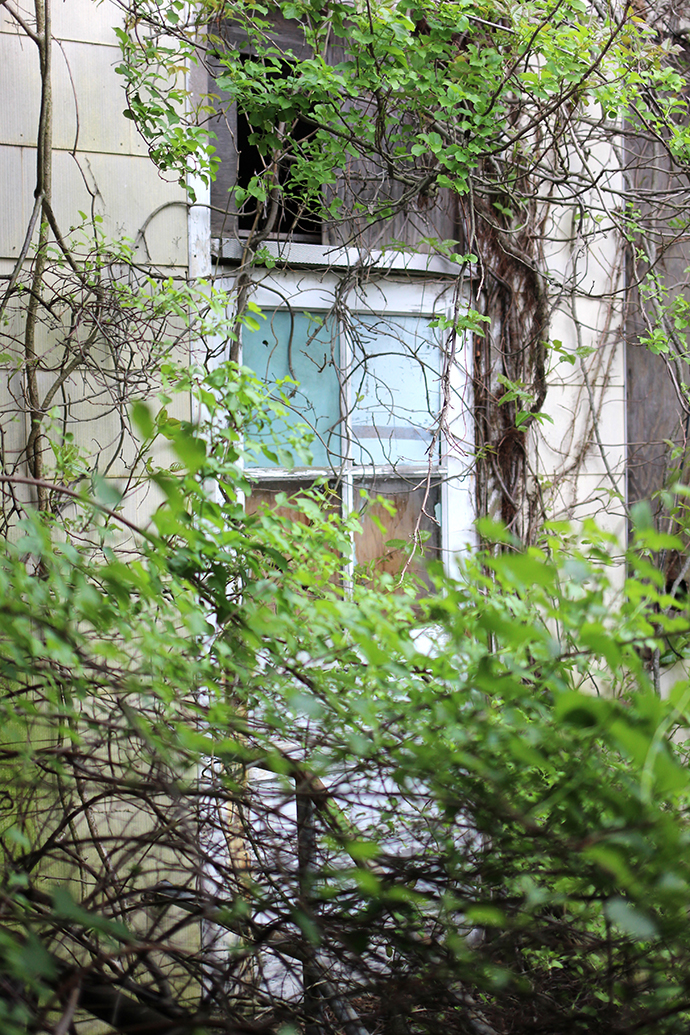


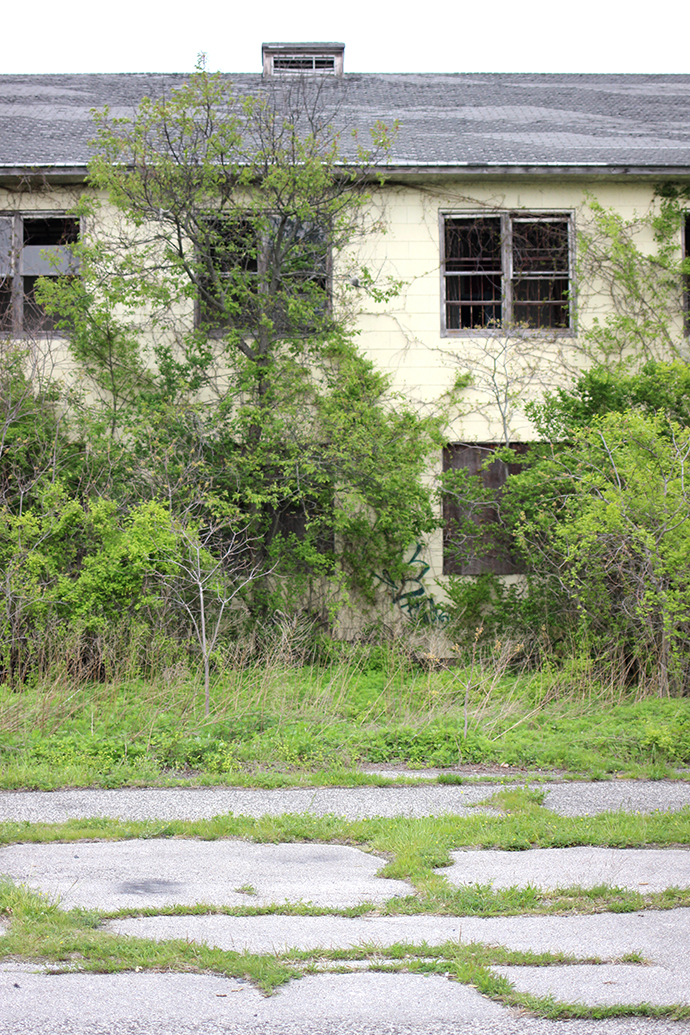
We came across several abandoned buildings as we rode further into the complex, but I only had the energy to really creep on a few. We didn't go inside of any, and some looked structurally unsafe, but just seeing all of these crumbling structures being overtaken by crawling vines and trees was a thrill. The fact that we couldn't exactly figure out what the buildings had been used for—military dorm housing maybe?—only added to the mystery.

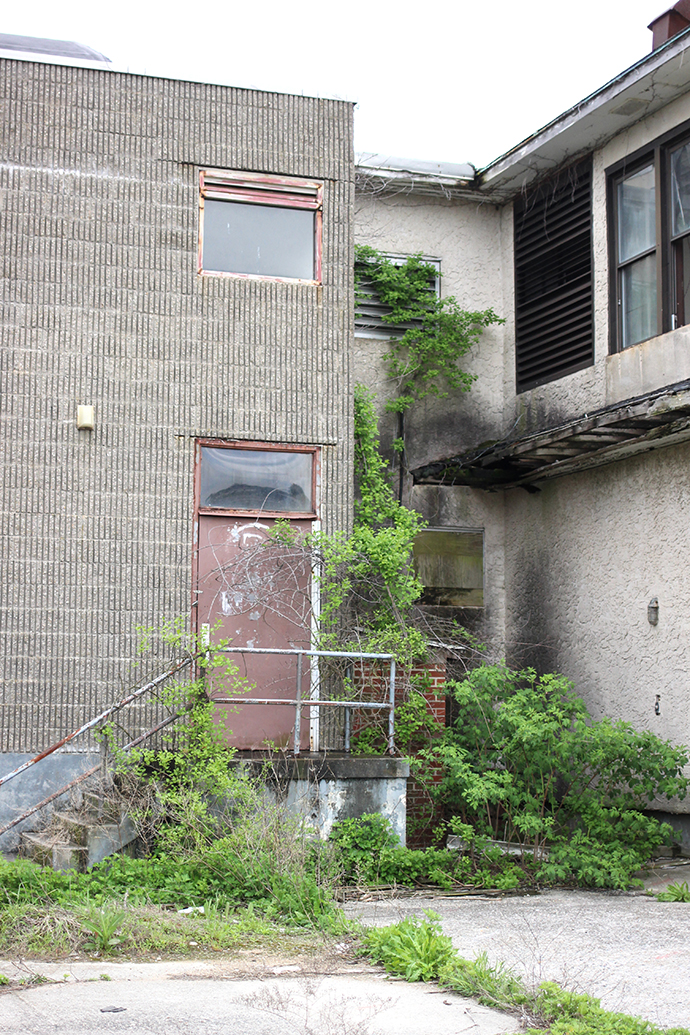
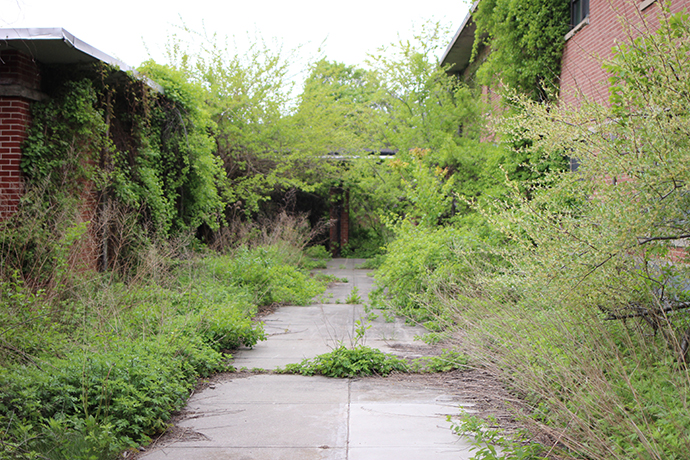
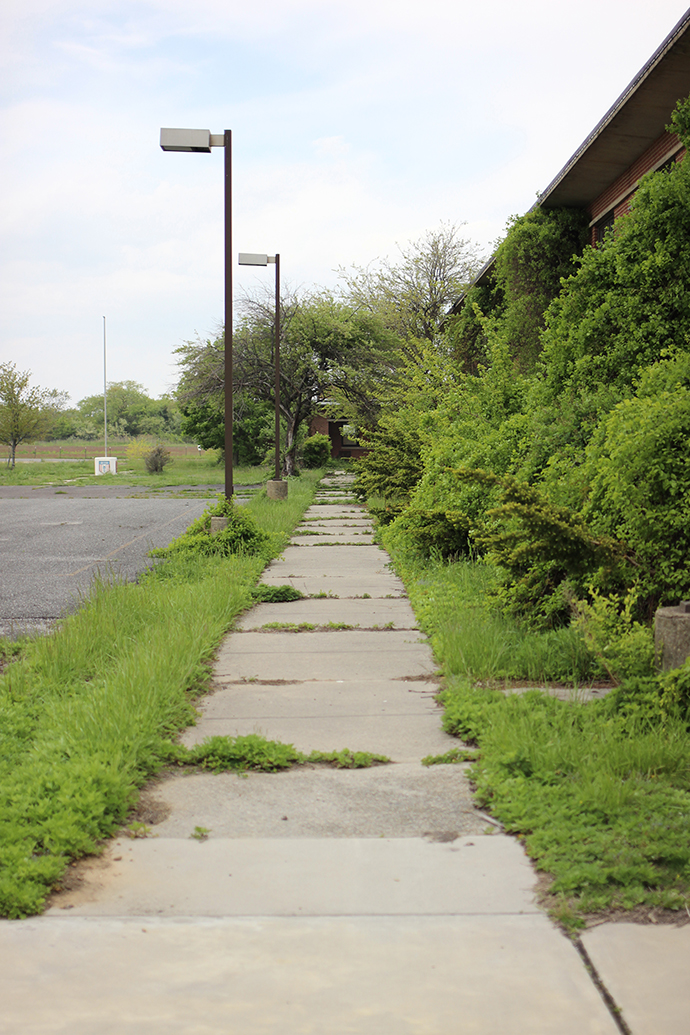

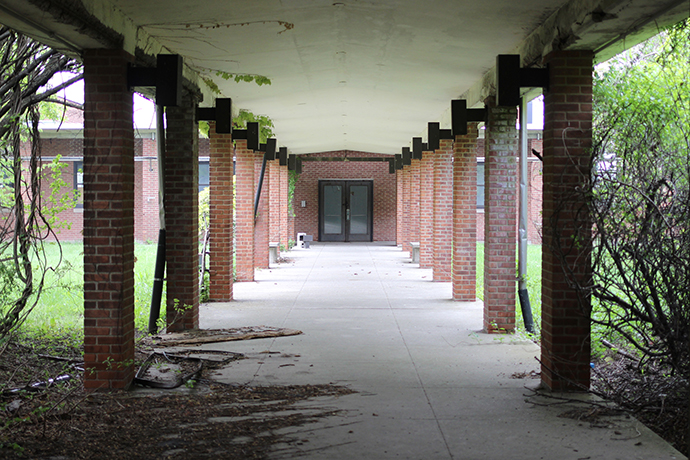

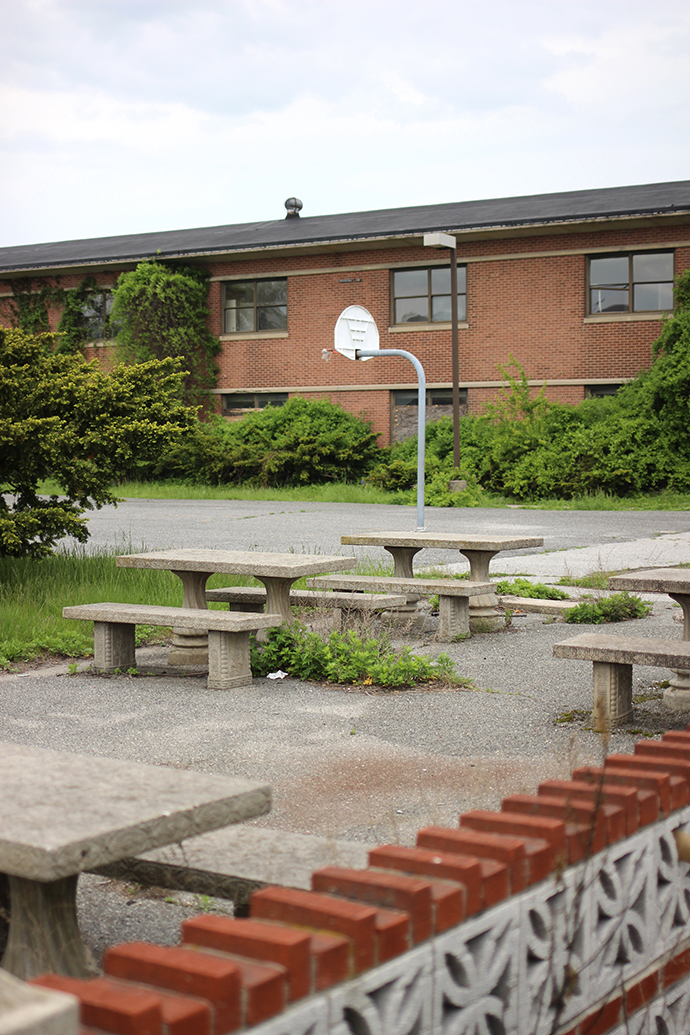
One of the complexes included a picnic area and basketball courts, which made it seem as if we'd wandered into a post-apocalyptic neighborhood where all the inhabitants have suddenly and mysteriously disappeared. Sidewalks were cracked, windows were shattered, doors boarded up, stairs led to nowhere and it was hard to believe that we were still in present-day Brooklyn.
The most fantastic thing about the New York Botanical Garden’s annual Orchid Show is the orchids themselves