

Archive
- Abandoned
- Alabama
- Arizona
- Bahamas
- Books
- California
- Cemetery
- Climate
- Colombia
- Connecticut
- Diner
- Egypt
- Feature
- Florida
- Friday Fun
- Georgia
- Holidays
- Illinois
- Iowa
- Italy
- Kentucky
- Louisiana
- Maryland
- Massachusetts
- Mississippi
- New Jersey
- New Mexico
- New York
- North Carolina
- Novelty Architecture
- Ohio
- Pennsylvania
- Personal
- Peru
- Project 365
- Protest
- Rhode Island
- Roadside Attraction
- South Carolina
- Tennessee
- Texas
- Travel Guide
- Virginia
- Walks
- Washington DC
- West Virginia
- Wisconsin

World's (third) Largest Garden Gnome

This weekend my dude and I rented a little cottage in Kerhonkson, New York on the western side of the Hudson River Valley in the foothills of the Catskills. As I do before I go anywhere, I consulted the Roadside America app before we left, and discovered that the world's third largest garden gnome currently stands in Kerhonkson.


Thankfully my dude was down for a quick visit, and on Saturday we met Gnome Chomsky— once the World's Largest garden gnome before others in Iowa and Poland edged him out. Mr. Chomsky stands by the road, near the entrance to Kelder's Farm. Note: if you're following the Roadside America app, the address provided is wrong—just Google "Kelder's Farm" and you can't miss him.


The only thing mildly disappointing about our visit was the lack of souvenirs featuring Gnome. I did buy a wooden nickel, but would have totally bought postcards or a magnet if they'd had some. The frisbees were sort of an odd choice, but I did laugh at the "(Not) The World's Largest Garden Gnome," regulation size gnome.
I know it might seem totally silly, but seeing Gnome was a total highlight in a weekend filled with wonderful things. I love that things like this exist and I hope there are a lot more similarly ridiculous stops included in my future adventures.

Bartow-Pell Mansion
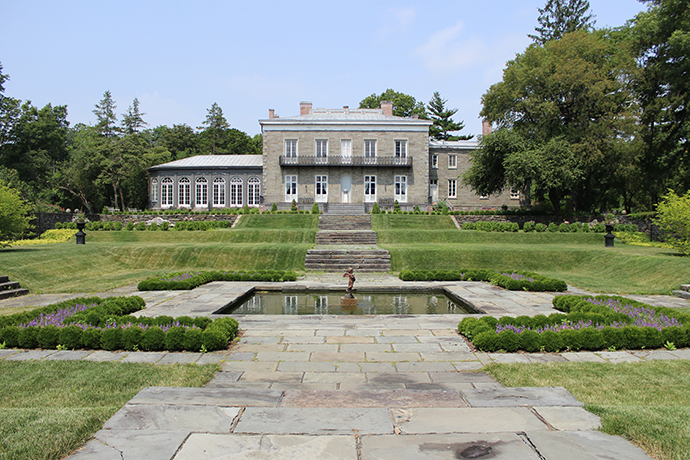
I've been sorting through all of my photos recently and realizing there are places I meant to write about, but never did. The Bartow-Pell Mansion is one of those things—Trent, Alisha and I toured it almost a year ago, before continuing on to explore City Island.
The mansion is located in Pelham Bay Park in the Bronx, and is (sort of) on the way to City Island. The estate dates back to 1654, but the current house was built between 1836-1842, sold to the city in 1888 and opened as a museum in 1946. To get there, you take a bus from the end of the 6 line, which is the same bus that, if you stay on it, will take you out to City Island.
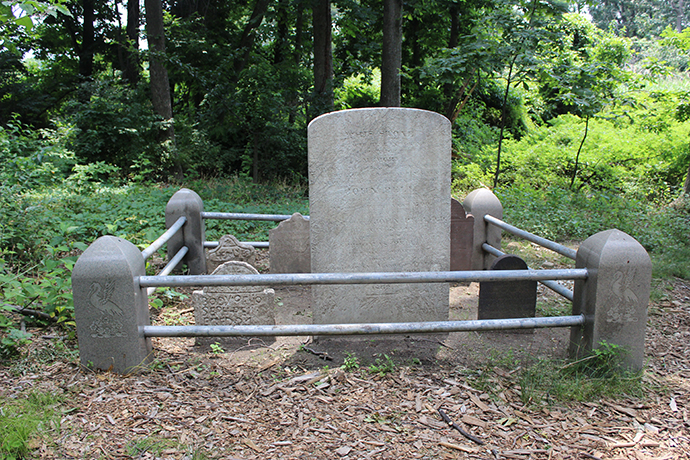

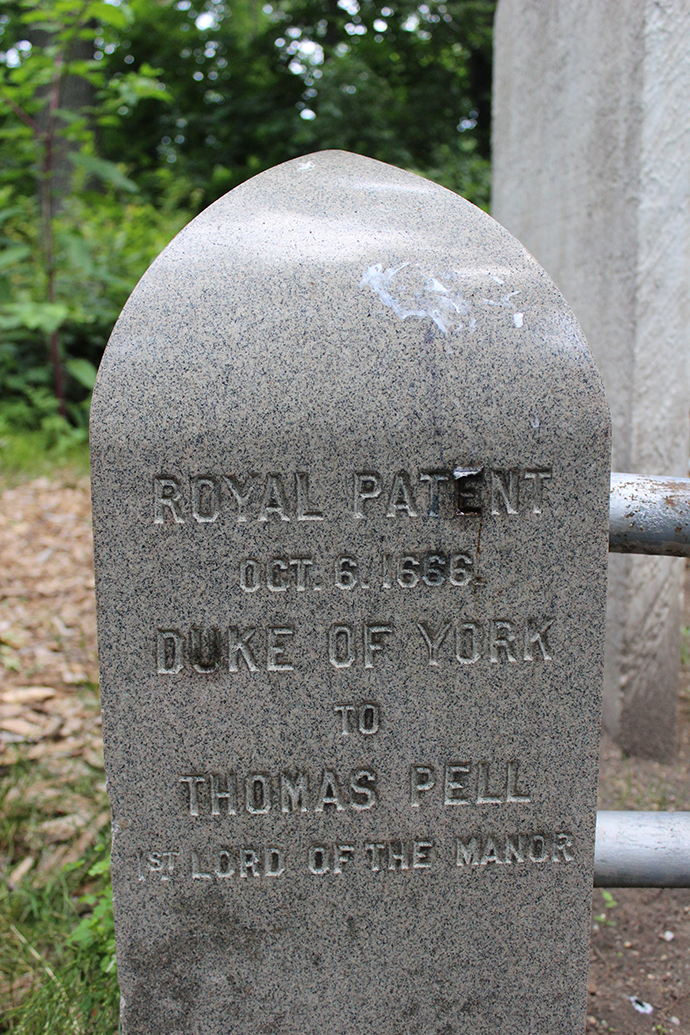

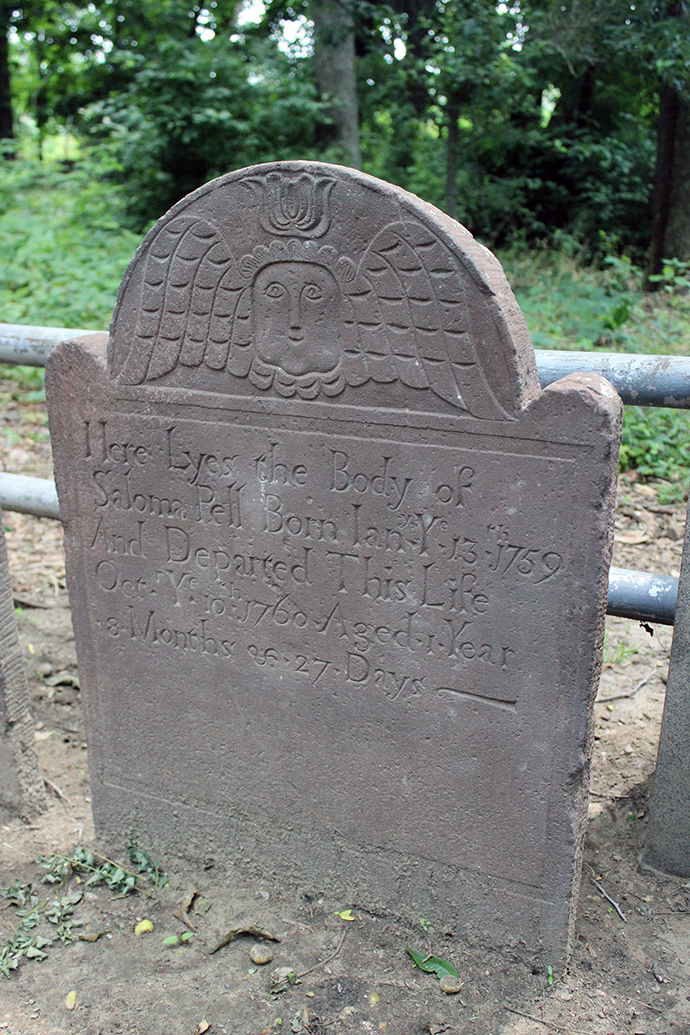
When we arrived, we were a little early for the first tour, so the tour guide asked us if we liked cemeteries. Of course Trent and Alisha's heads whipped around to look at me, and I was already saying something resembling "YASSSSS." Turns out there's a Pelham family cemetery down a little path in the back of the house, so we spent some time there before our tour started.

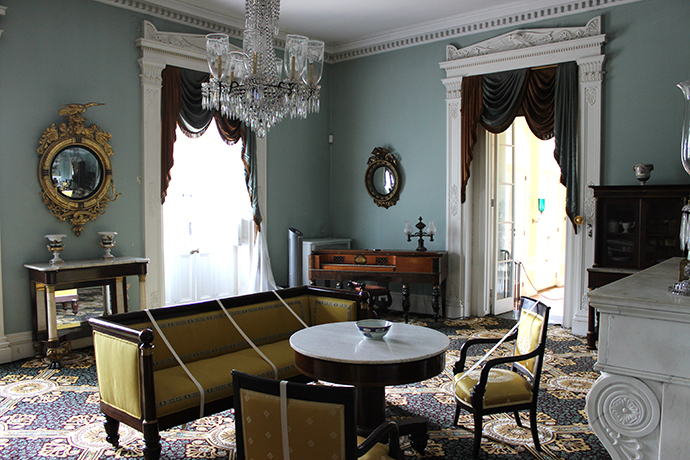
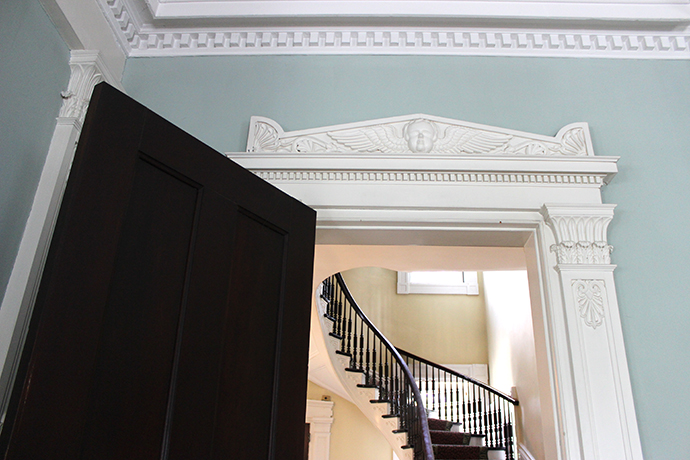
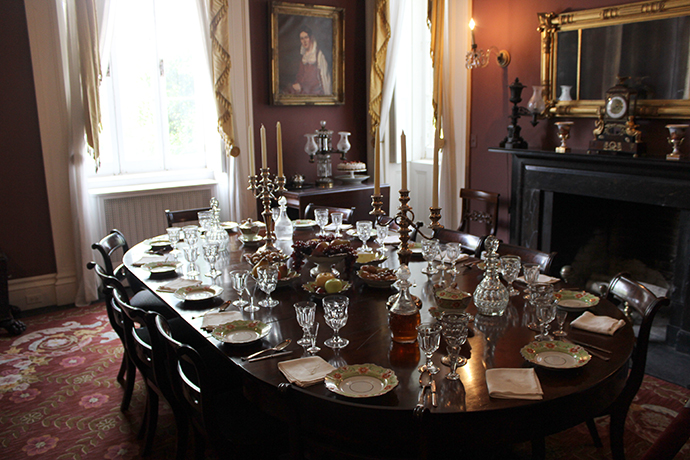


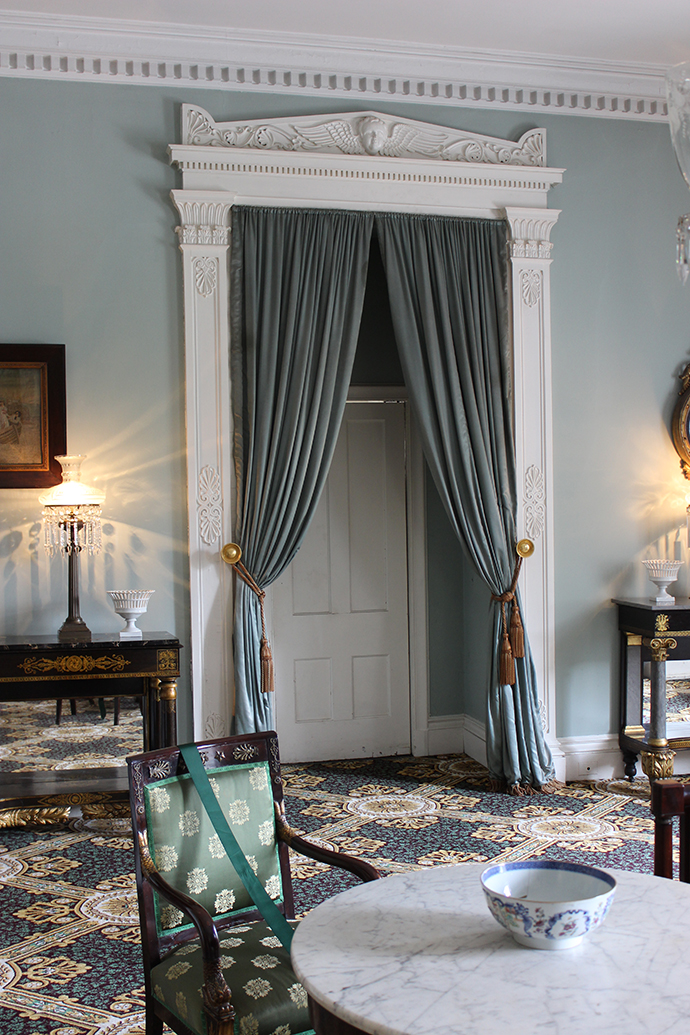
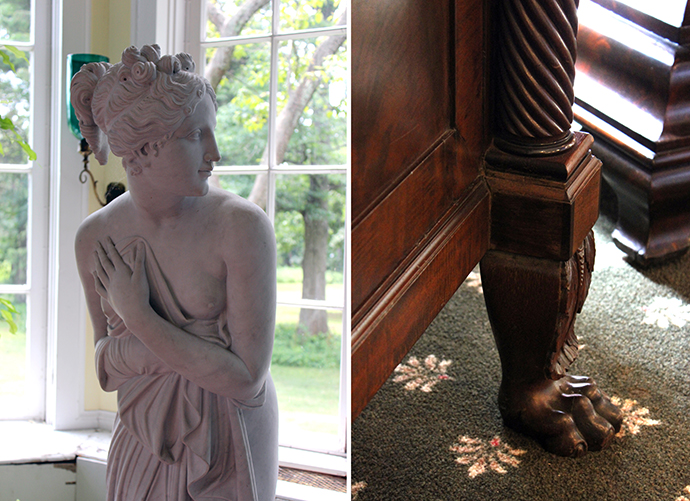
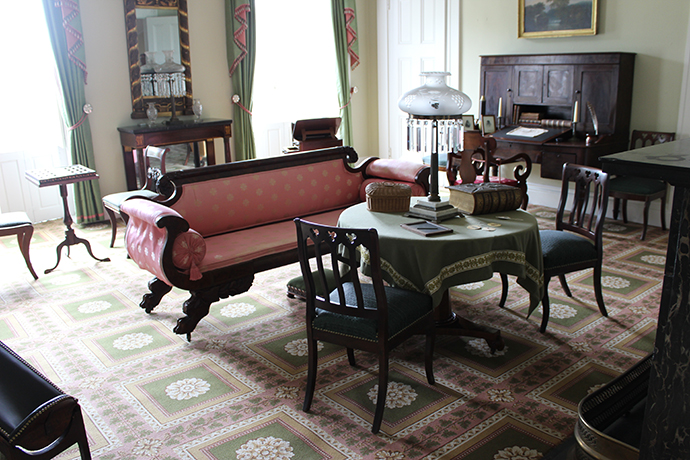

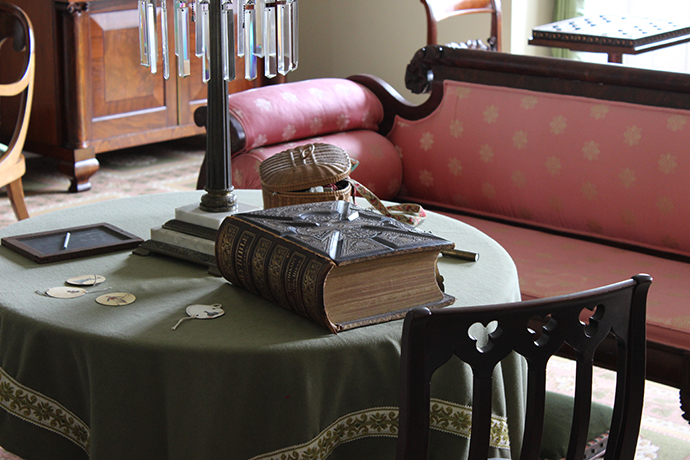

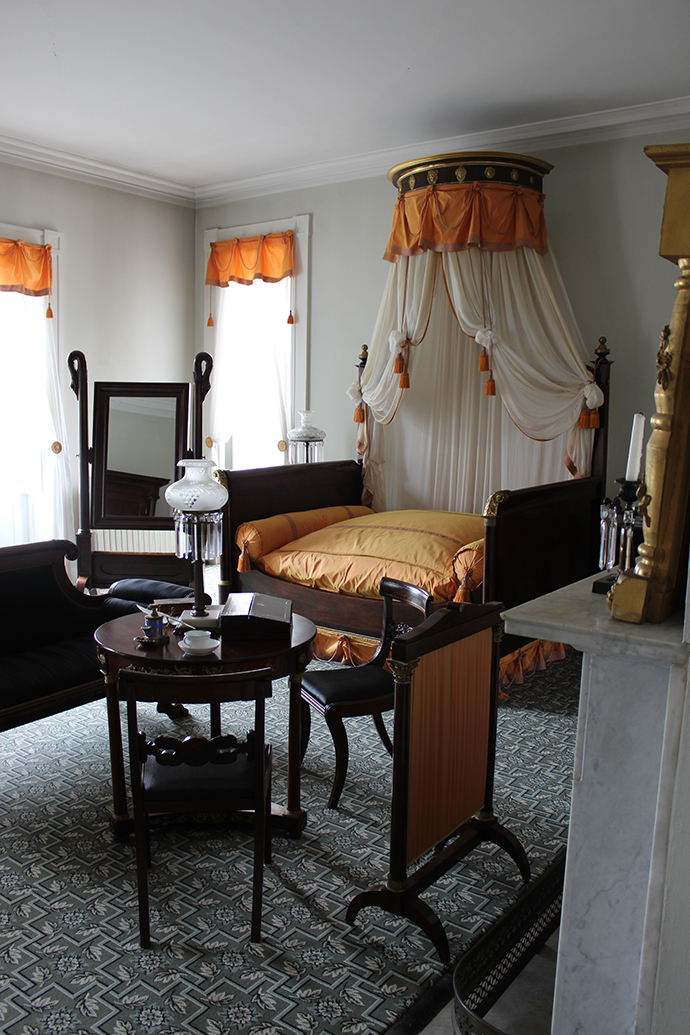

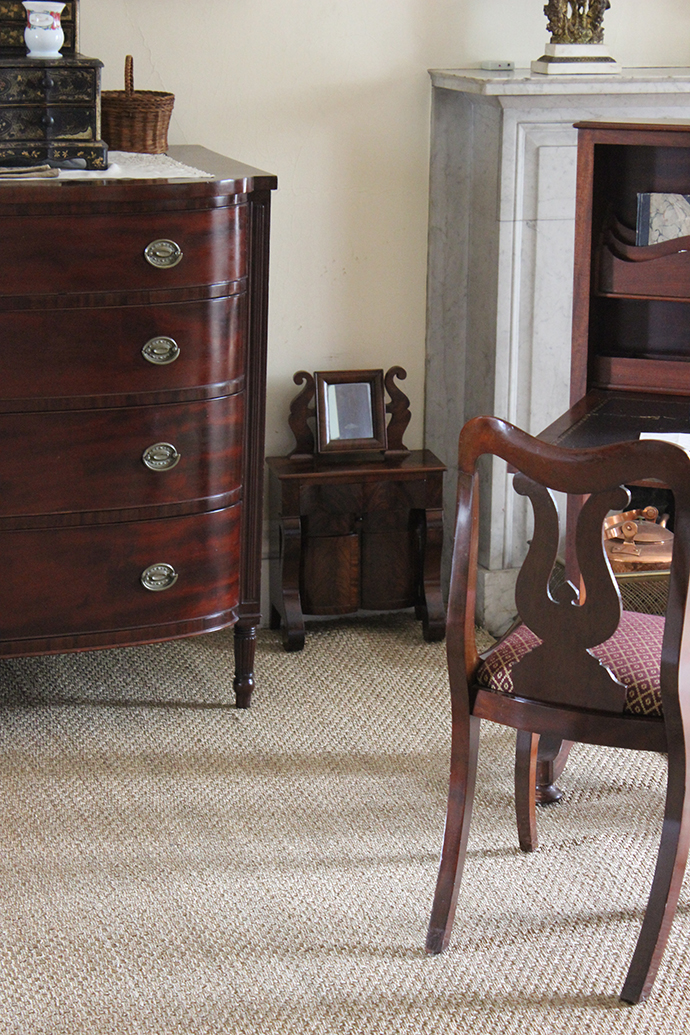
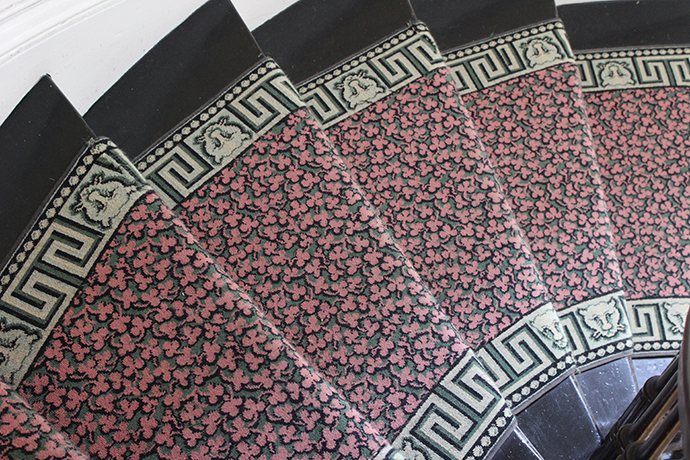
Once we were back in the house, we basically had a private tour (
pro-tip: always be early
) and free reign to ask questions and take photos. I loved the clover-and-lion head carpeting that covered the beautiful spiral staircase, and most of the gorgeous furniture pieces had claw feet, which I want on everything I own.

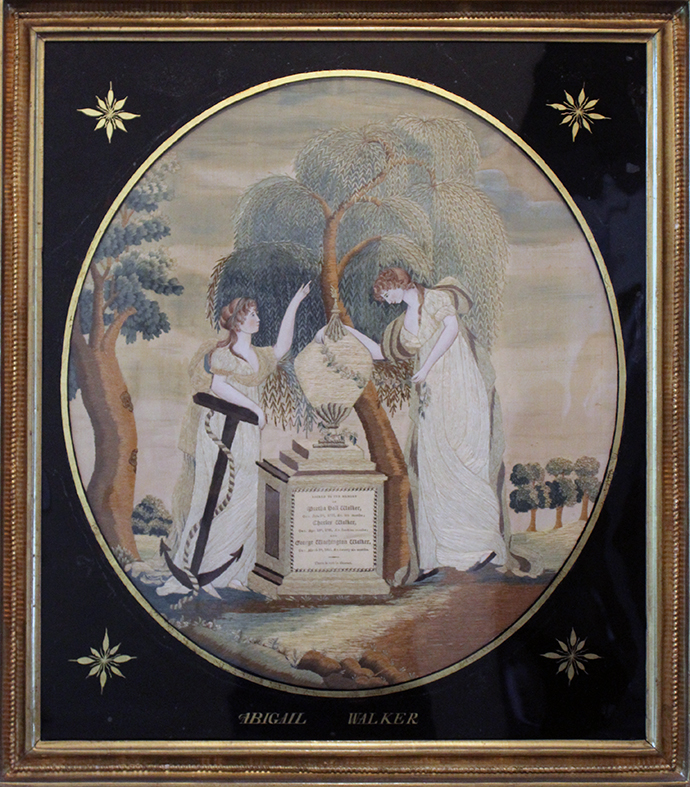
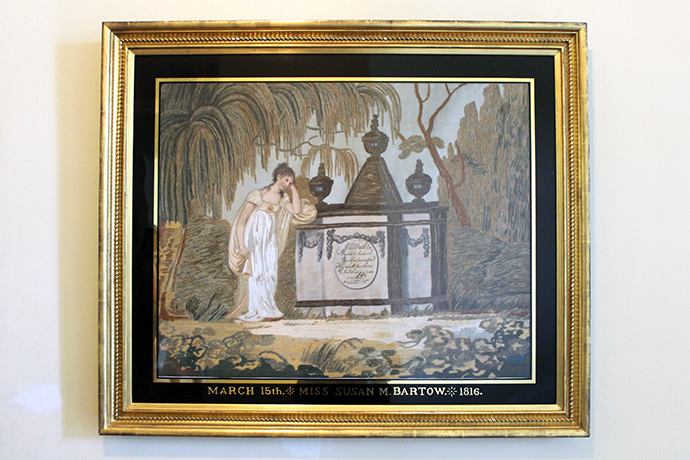
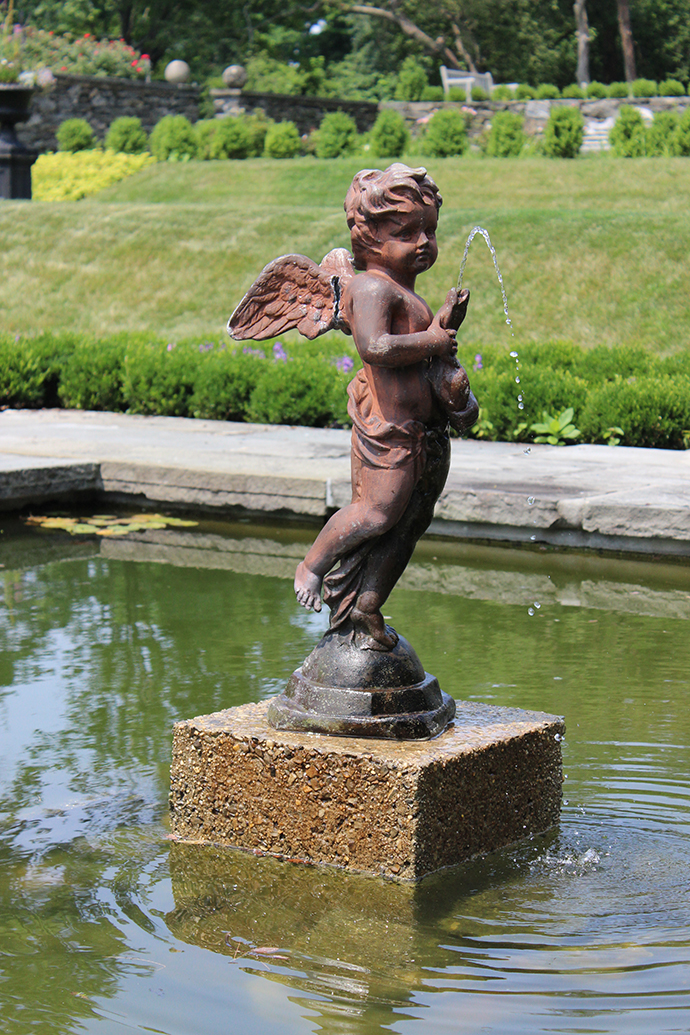

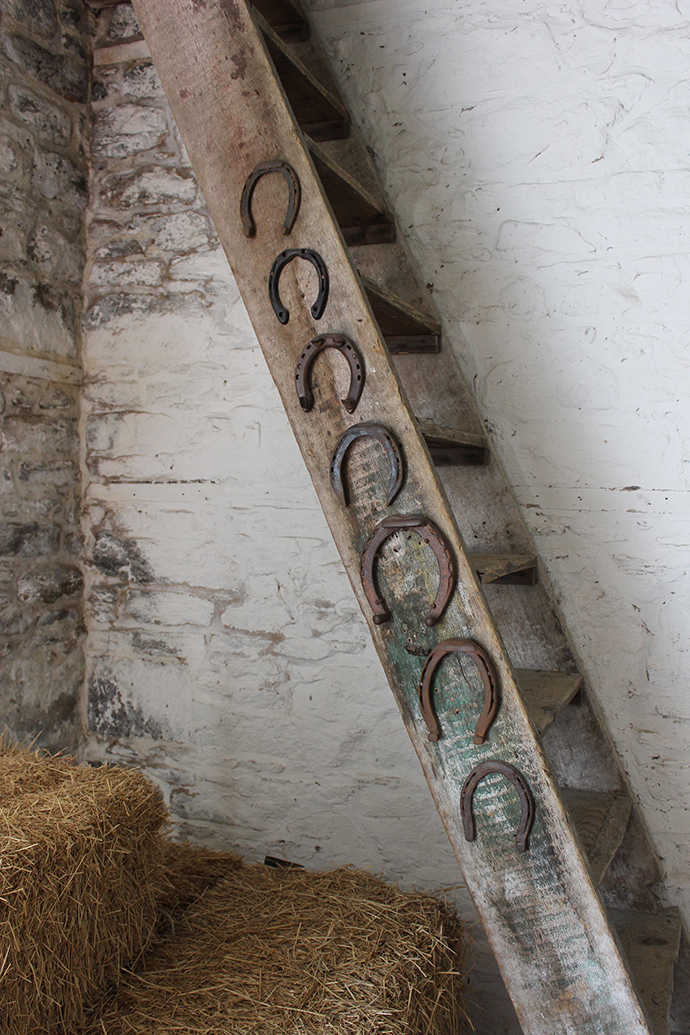
As if a surprise cemetery wasn't enough, there were also two really wonderful pieces of embroidered mourning art hanging in the house that I fell in love with. The grounds were lovely and peaceful, with fountains, large iron gates and a stable house with carriages and (faux) horses. I love places like the Bartow-Pell mansion—far enough from the city to make you feel like you're in another world, but close enough to get to with just a little bit of effort.

City Island: Part Two
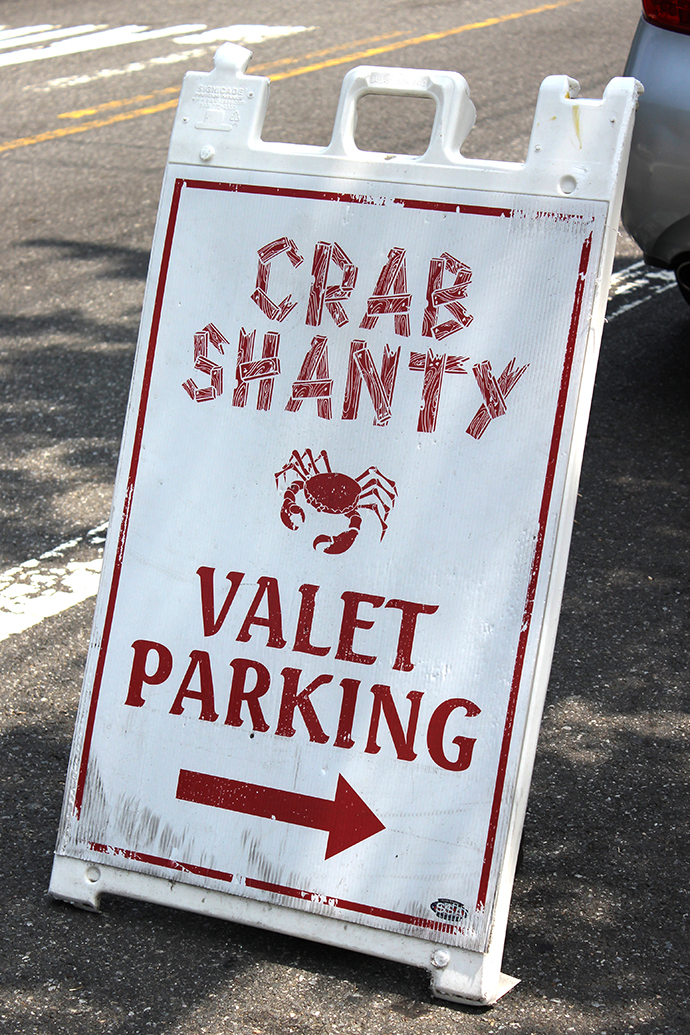
Lately I've been thinking a lot about our trip to City Island nearly a year ago. I recently revisited the photos I took and have since brought it up multiple times in conversation—I can't seem to get it out of my mind. I posted about the wonderful signage on the island last year, but never followed up with a full recap. Before I go again—real soon, hopefully—I wanted to make sure I fully documented my first trip.


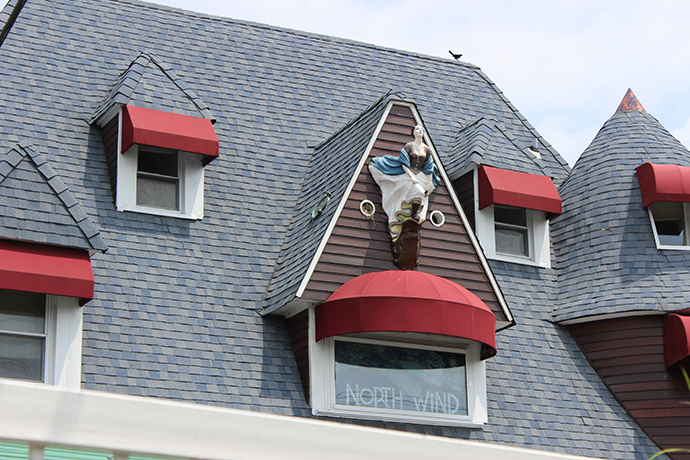

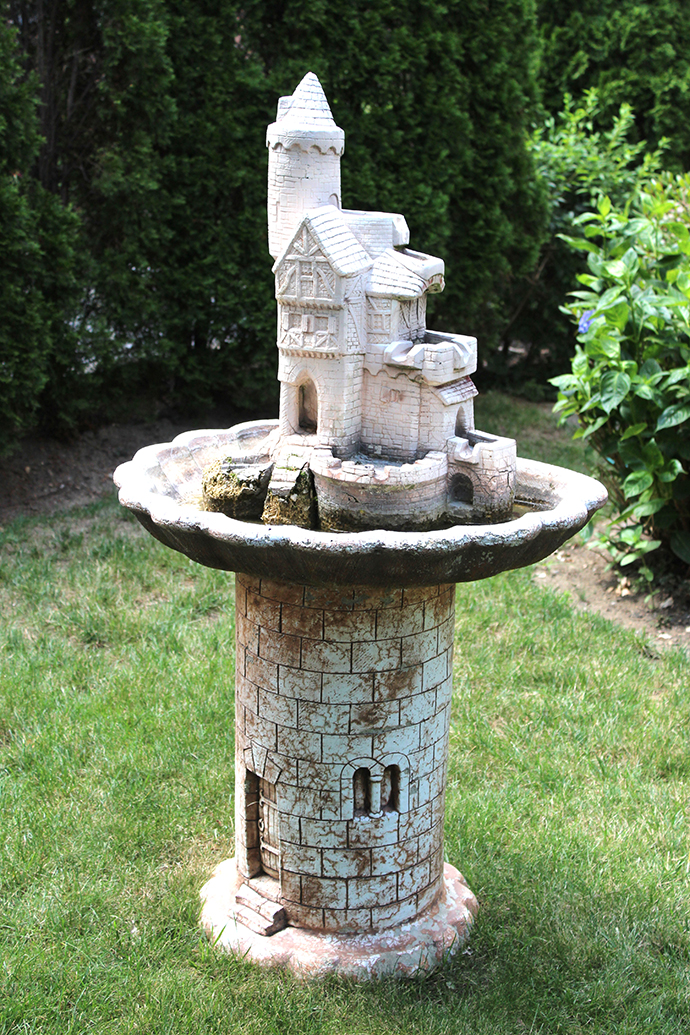
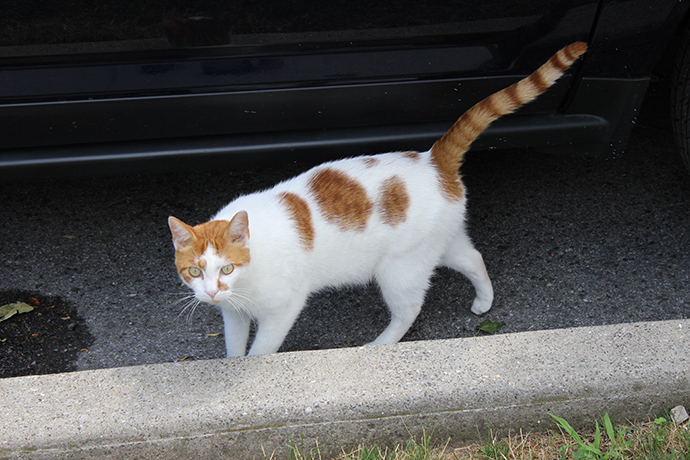
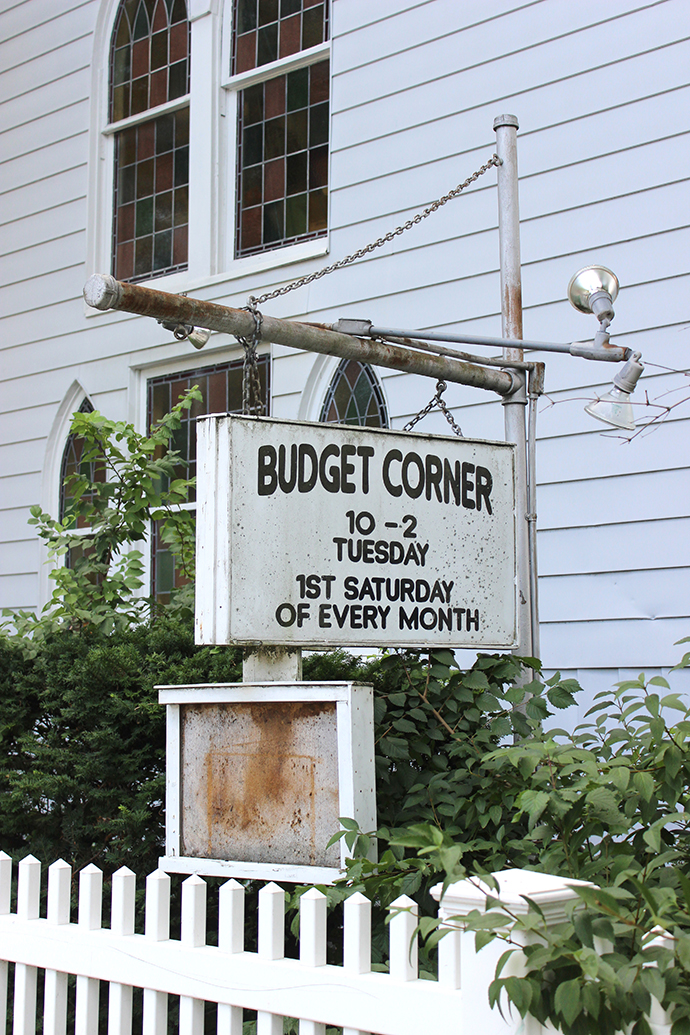
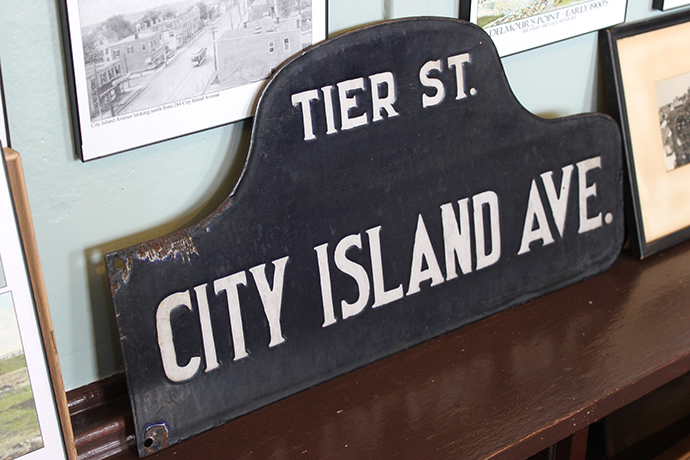
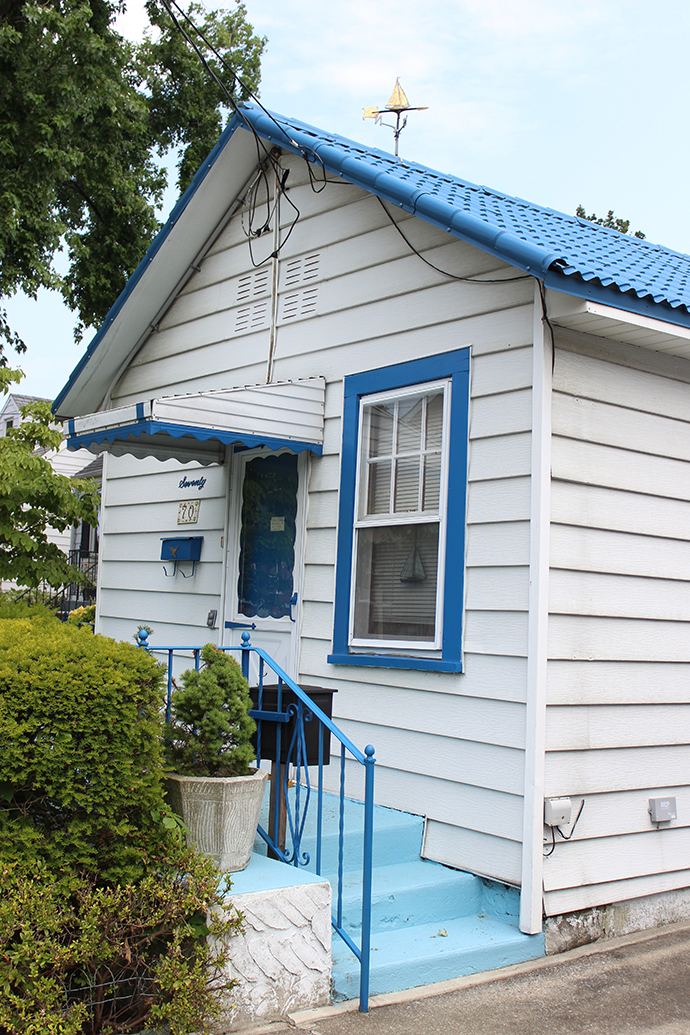
City Island is an island on the western edge of the Long Island Sound, and is part of the Bronx. It's a weird and wonderful place that feels part New England seaside village, part New York City and part like nowhere I had ever been or have been since. The main industry on City Island used to be sail-making, but now its probably tourism, and most of the operating businesses we came across were seafood restaurants. There's also a diner, several bars, a Nautical museum, seaside cemetery and adorable New England-style houses alongside a lot of run-down, abandoned-looking places.
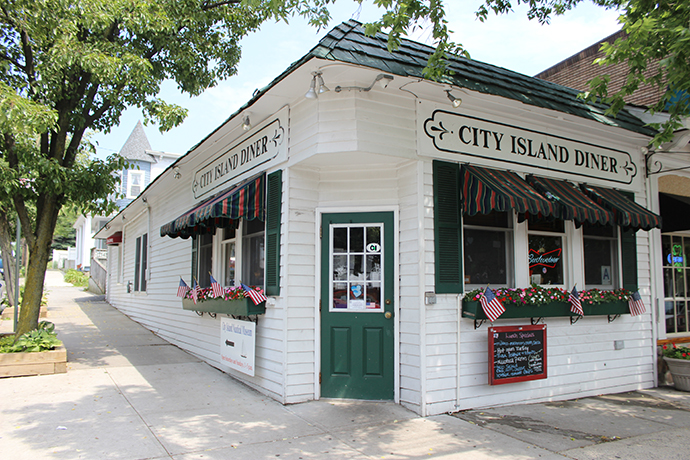
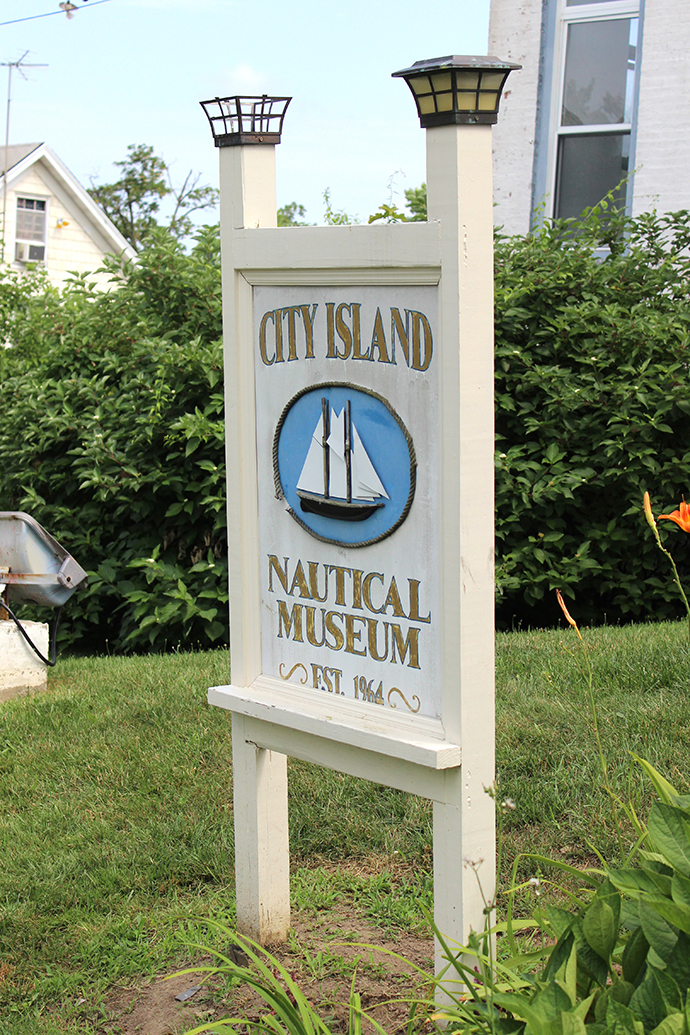

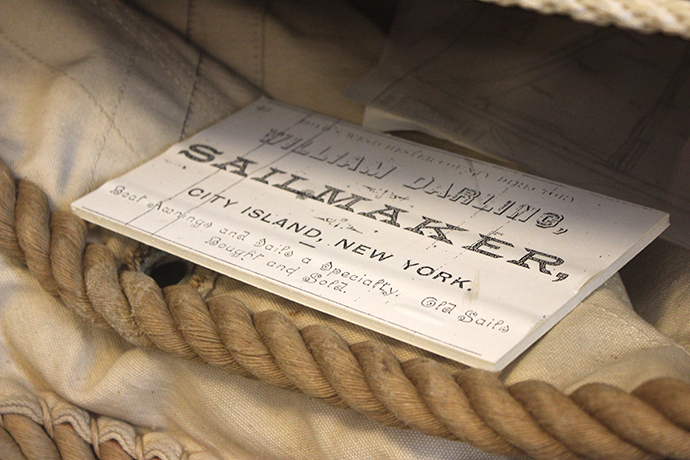
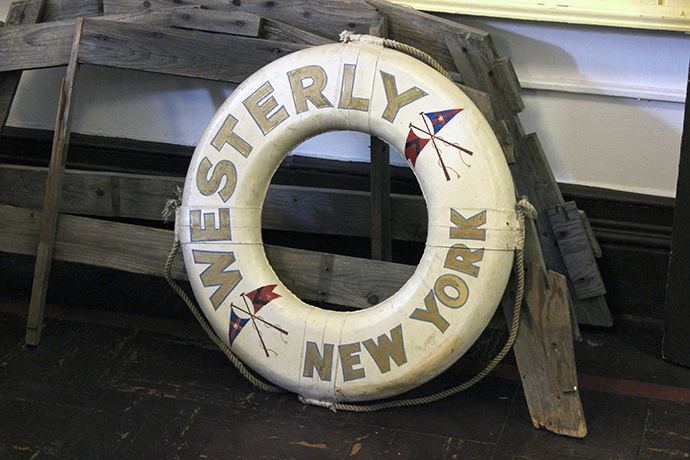
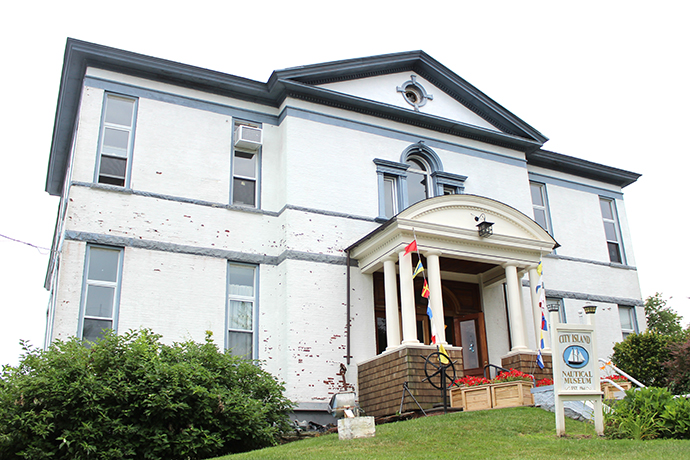

The City Island Diner is completely adorable, and was our first real destination after walking from the northern tip of the island. The food was excellent, although they do close in the middle of the day so go early. Right down the street from the diner is the Nautical Museum, which was a complete delight. The museum guides were all incredibly friendly and adorable—and if I'm remembering correctly, three out of the four people we encountered were named Barbara.
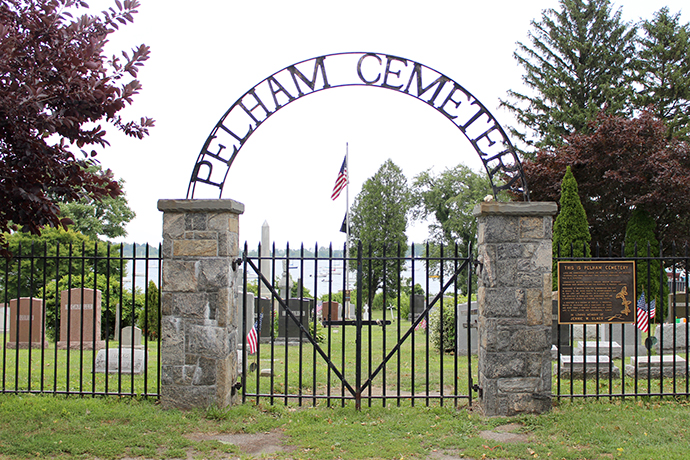
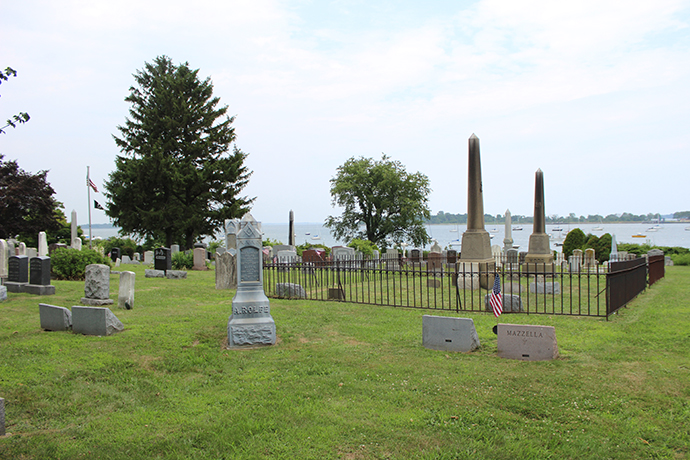
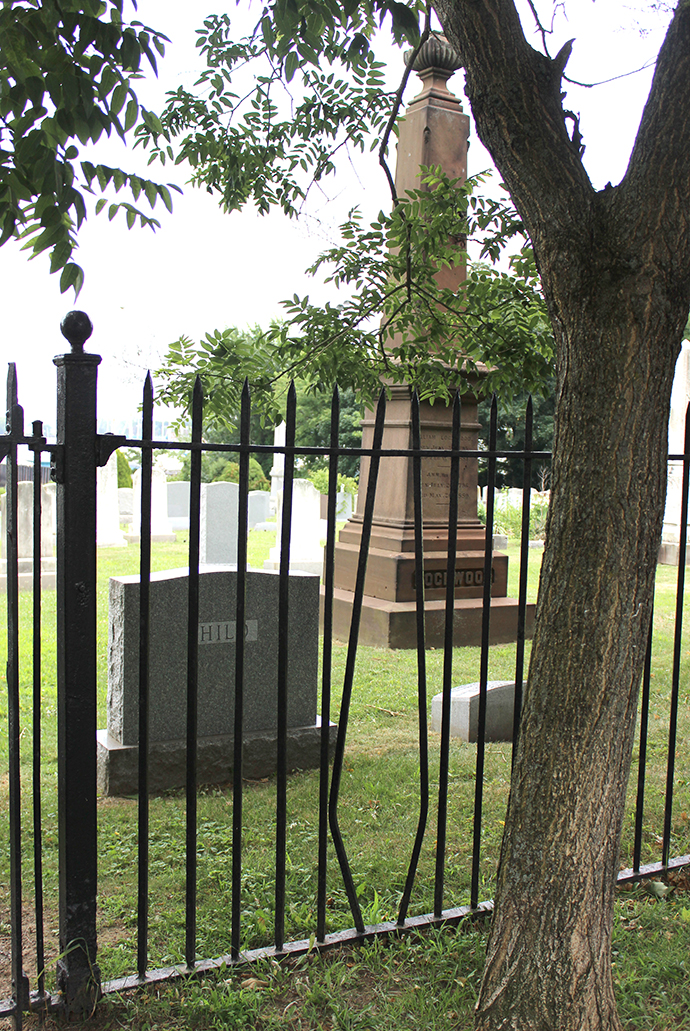
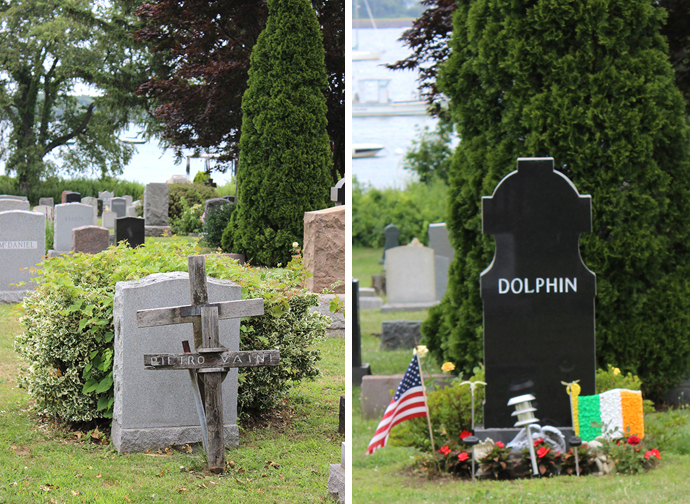
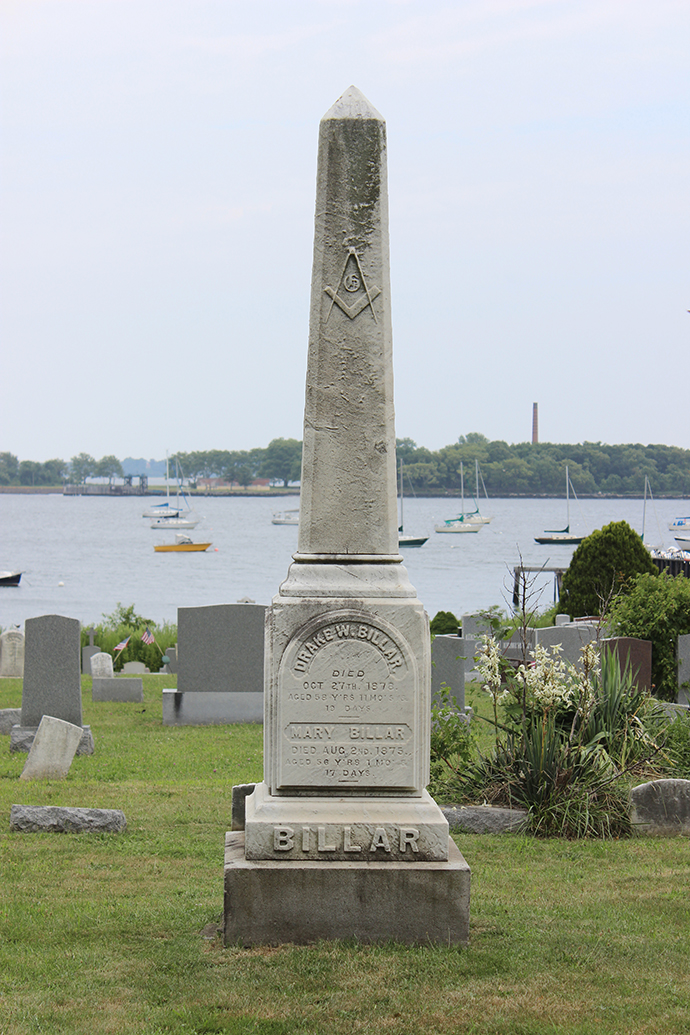
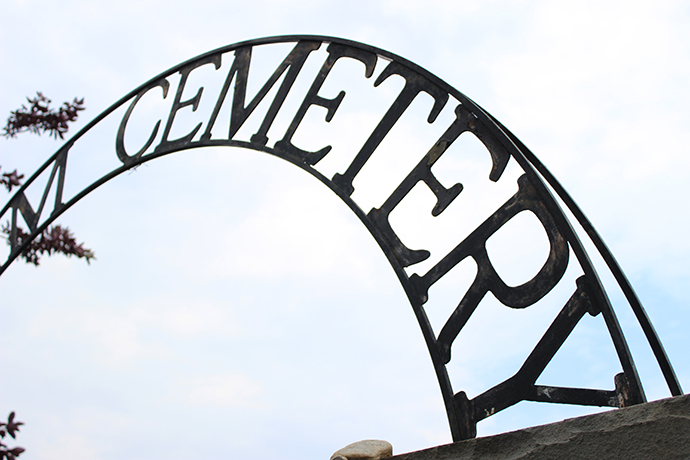

Down the street and around the corner from the museum is the Pelham Cemetery, which has a wonderful, arching iron gate that was—much to my disappointment—closed and locked. The cemetery is pretty small, though, so you can see a lot just by walking the perimeter. It looked very well-maintained and has beautiful views of the water.
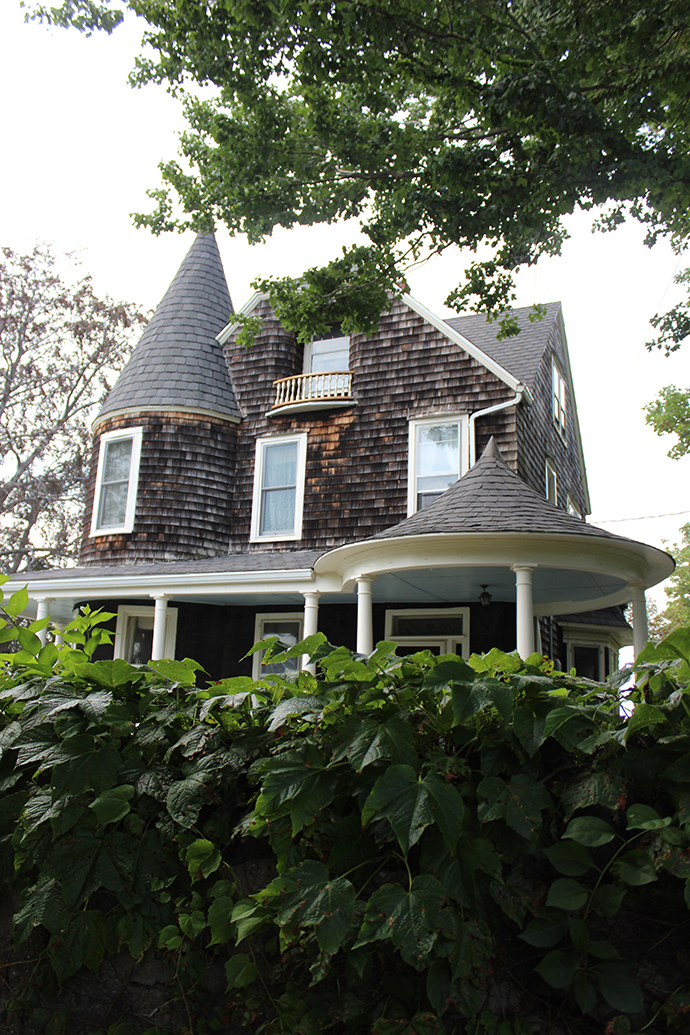
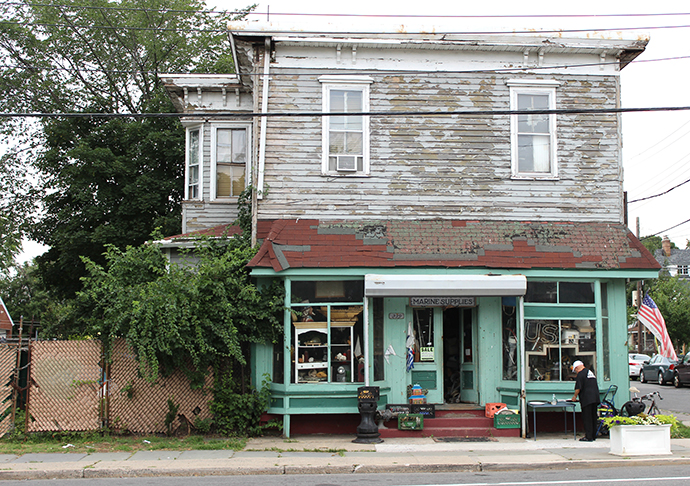
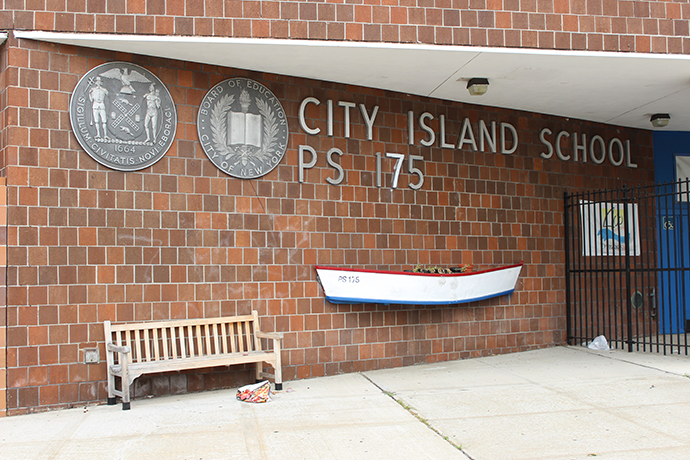

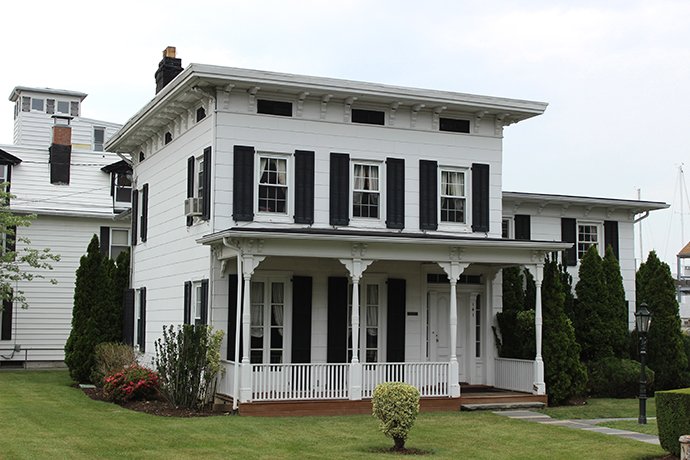


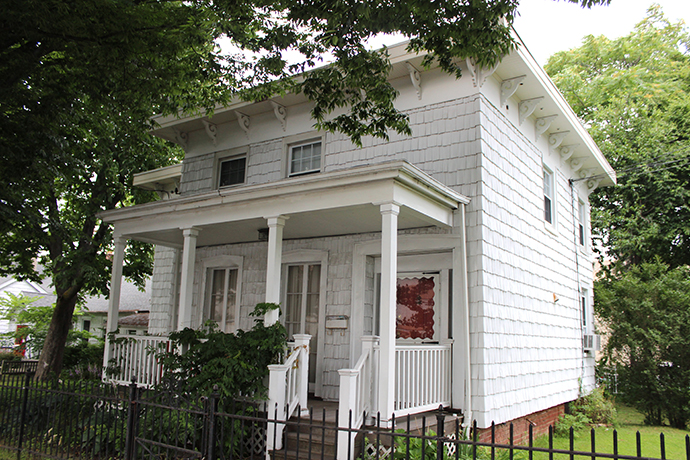


We spent the rest of the day exploring the island—dreaming of owning a cedar-shingled home, drooling over vintage signage, trying to catch a glimpse of the water over the fences that line the shore and peeking into cluttered junk shops. We creeped on a house that appeared in the Royal Tenenbaums, and found out that City Island is a pretty popular filming location for television and movies (A Bronx Tale, Butterfield 8, Margot at the Wedding, Law & Order).
I saw a few adorable (stray?) cats wandering around, ate fried shrimp for the first time at Johnny's Reef, drank at a bar for free with true City Island locals, visited a diner, museum and a cemetery (the holy trinity)—it's no wonder that I want to go back so badly.

Prospect Park

All week long the weather forecast for Sunday called for "torrential" rain, so we didn't really make any outdoor plans. That forecast turned out to be nearly 100% wrong, however, so we ended up spending a large portion of the day in Prospect Park. It was muggy and hot but brilliantly sunny—something this Ohio girl has learned to cherish—and we made our way through the park slowly, without any real agenda.


Something I noticed right away was how green everything was, especially since it had rained the night before.
, Prospect Park is filled with every imaginable shade of green—from the lightest mint to the darkest emerald, you can see the entire spectrum in just one scene.


I think I was most surprised/delighted, however, to find the portion of the lake by the Boathouse entirely covered in duckweed. The whole surface was moving ever-so-slightly, but mostly looked like a solid, bright green plane on which various bottles, sticks and one juice container had come to rest. It was a surreal scene and I had to poke the surface with a stick just to mentally confirm that the lake still existed underneath all that green.


The Boathouse is such a beautiful building—nearly torn down in 1964—and the adjacent bridge is my favorite in the entire park. We saw some really awesome-looking birds, one of which appeared to be, somewhat impossibly, standing on the surface of the lake, but as we got closer we realized it was actually just standing on a log that had obscured by the duckweed. It also seems impossible to me that I took very similar photos just a few months ago during our snow day—when the surface of the lake was similarly obscured, but by several inches of ice and snow.
Cypress Hill Cemetery
Two weekends ago, JMP and I decided to meet for diner breakfast (as we do) and I suggested that we explore a cemetery afterwards (as we also do). I had evening plans in Brooklyn and I'd been wanting to see more of the Queens/Brooklyn cemetery belt ever since I saw Houdini's grave almost a year ago. A quick look at the map shows more than 11 separate named cemeteries in the stretch between Bushwick and Kew Gardens.
I've always been easily overwhelmed by choice, but recently I found out that two of the Fox sisters are buried in Cypress Hills. There were actually three Fox sisters—the younger two convinced the older one that they were able to communicate with spirits and thus became instrumental in creating the Spritualism movement. Although they eventually confessed to making it all up, Spritualism had caught on and all modern-day psychics (and those that love them) have the Fox sisters to thank.


Margaret and Kate Fox are buried in section 3 of Cypress Hills and, along with a photo of their indistinctive headstone, that's all the information we had. Cypress Hills is a beautiful cemetery, but their signage is a bit lacking and we wandered for some time searching for section 3 before we broke down and asked a security guard for a map. The sections are pretty large, but JMP spotted the Fox sisters' grave with barely any trouble at all, like a total rockstar. The headstone is really difficult to read, and even harder to photograph but it says "Fox Sisters, Mediums of the Advent of Modern Spiritualism," followed by their names and dates of death.




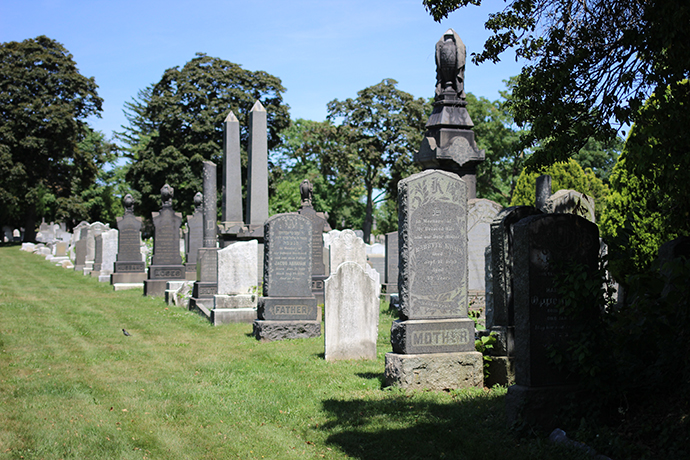

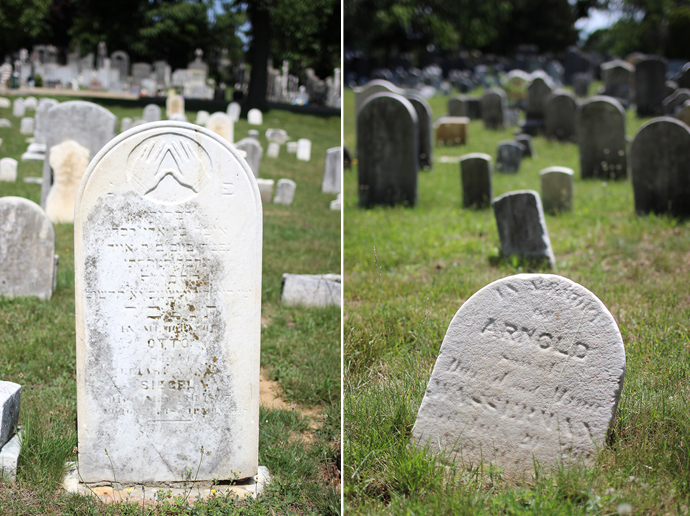


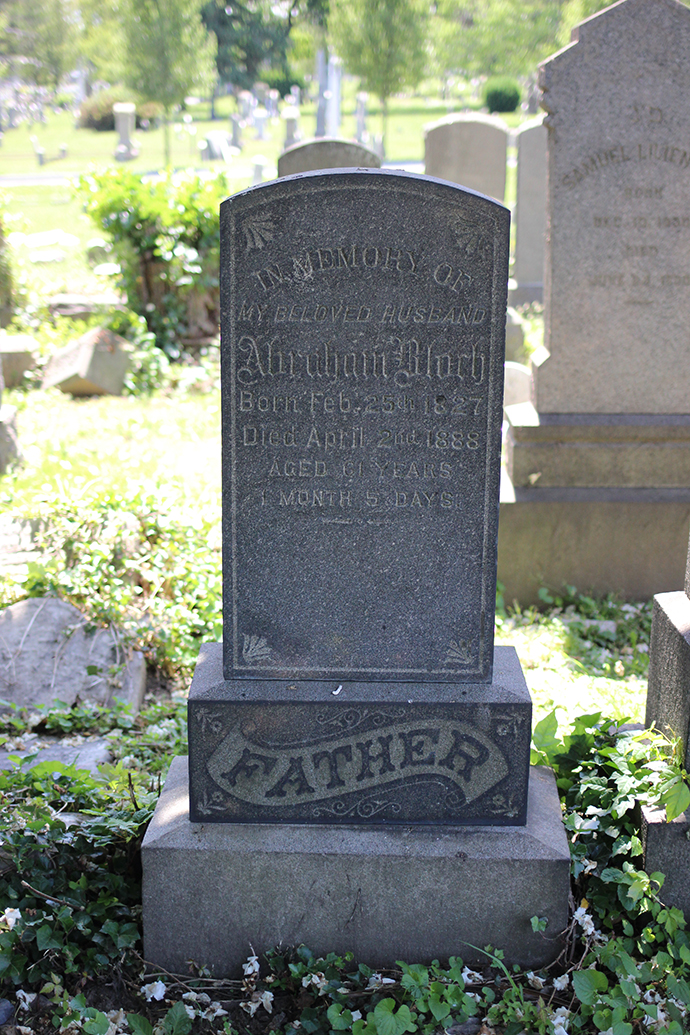
Cypress Hills is very large—we only covered about a fourth of it before it was closing time. It's a really beautiful place and is very well-maintained. There are a lot of new plots mixed in with the old and a lot of people were tending to graves while we were there.
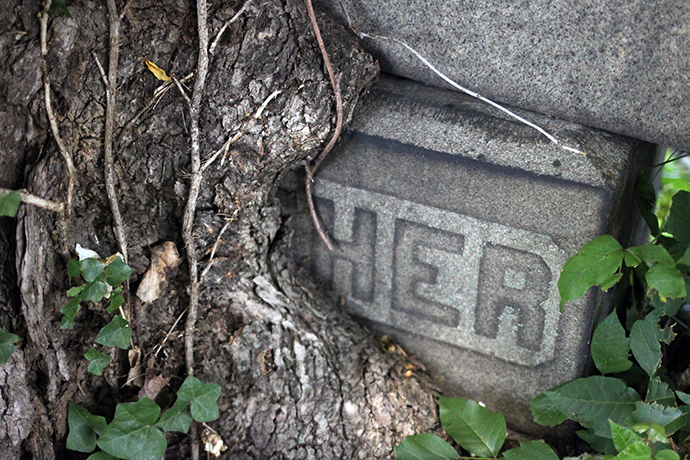
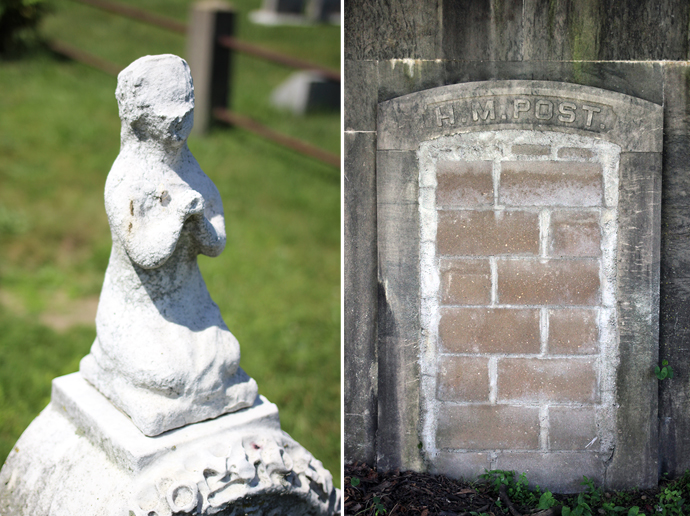

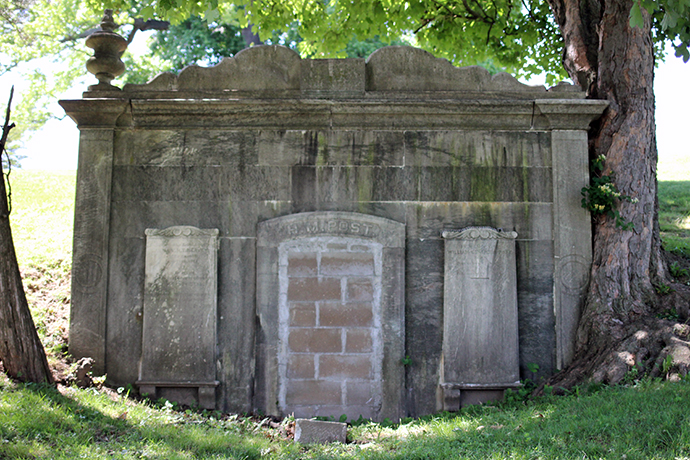
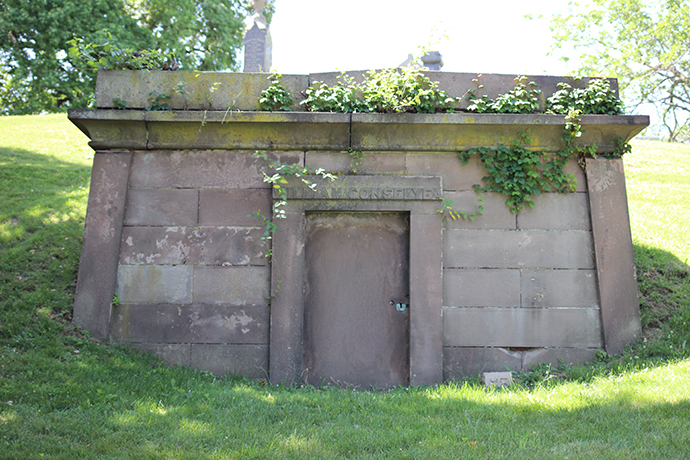


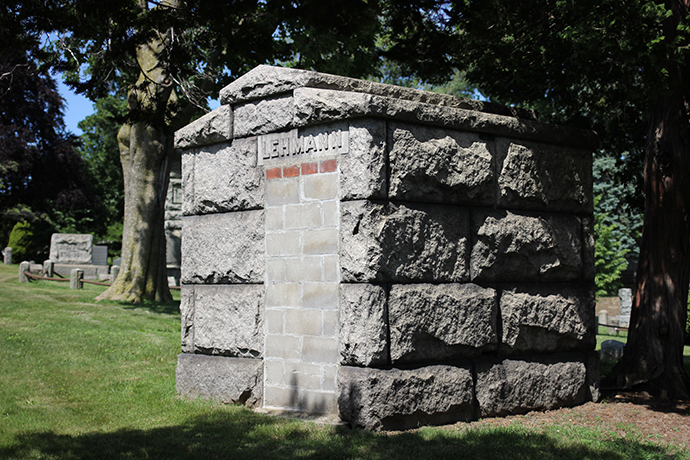
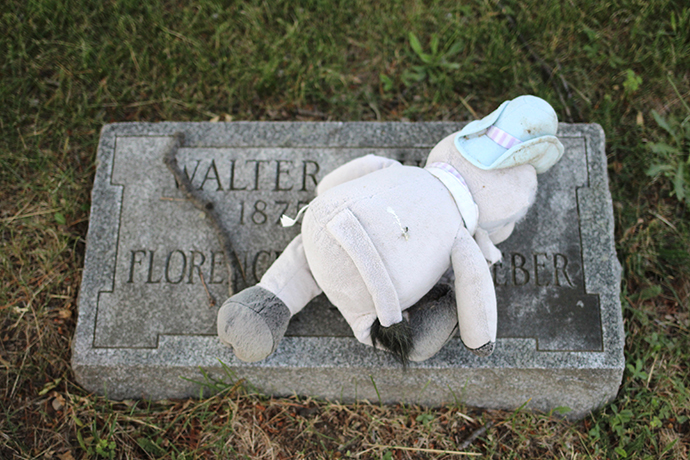
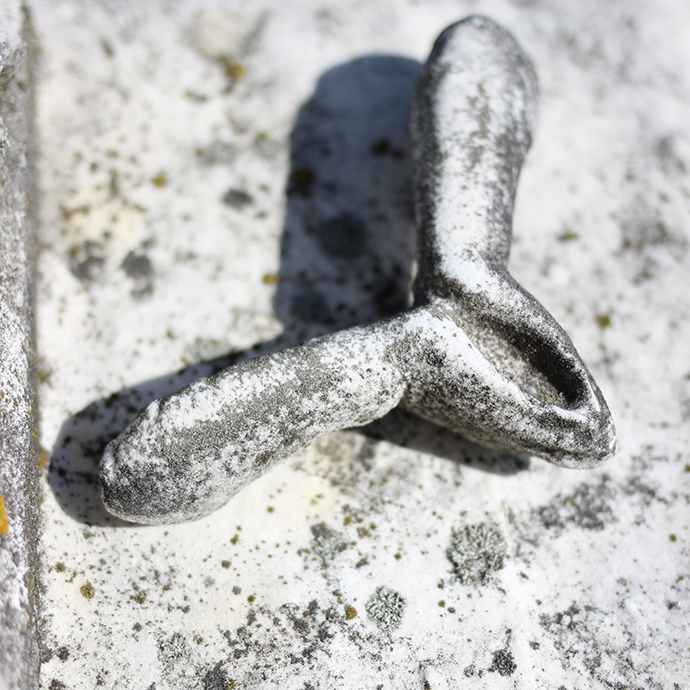

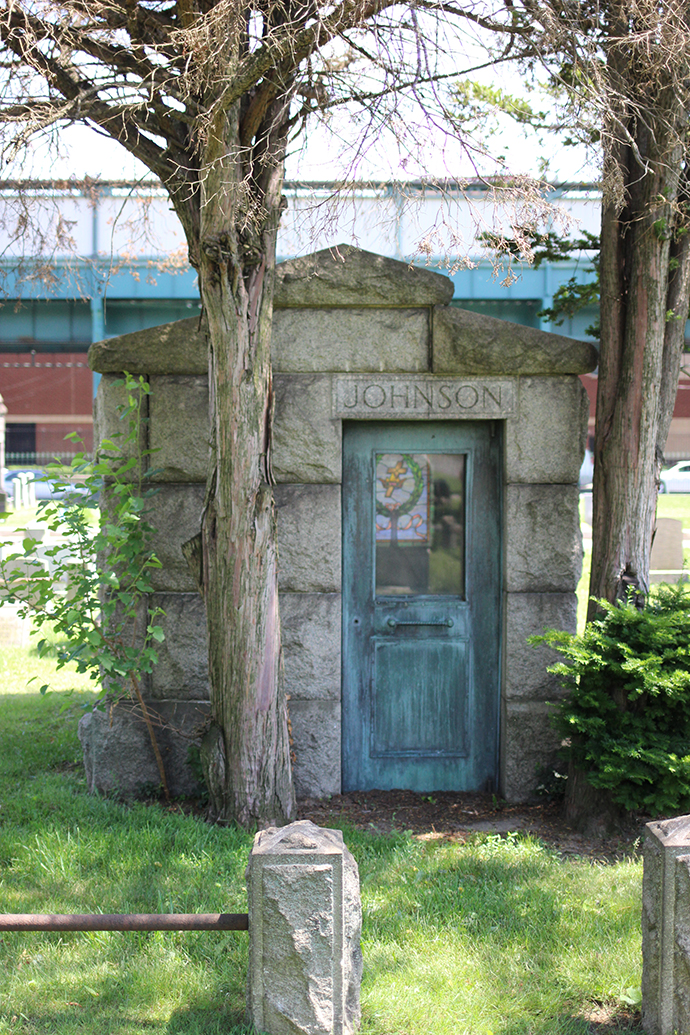
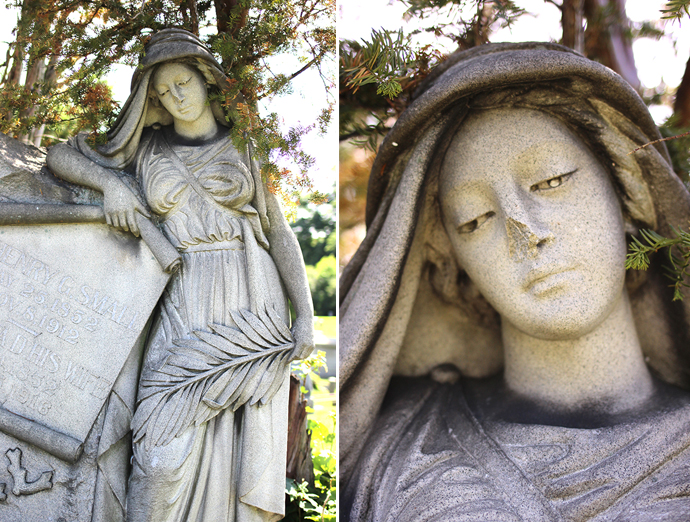
Although we felt perfectly safe, we got the impression that Cypress Hills might not have always been in such good shape. A lot of the mausoleums had been bricked- or cinder blocked-shut, which I don't think I've really seen before. One of my favorite parts of any cemetery is finding headless/limbless statues, and there were some great ones at Cypress Hills. At one point I spotted one and ran over to it as I exclaimed "OooOoh! Something headless!" which if you know me, probably doesn't seem odd at all.
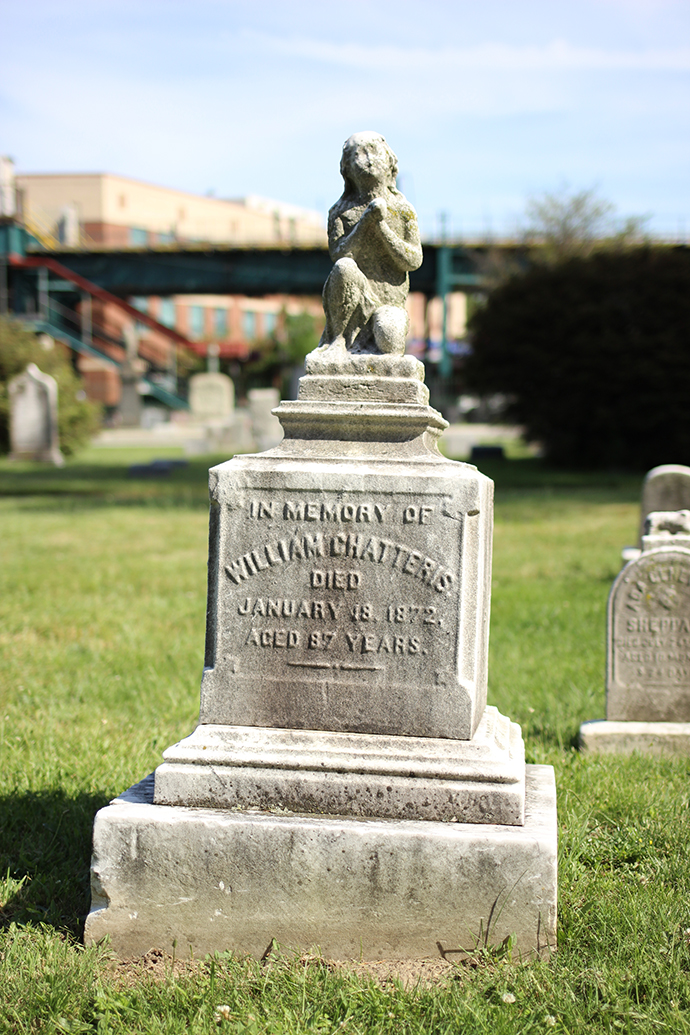

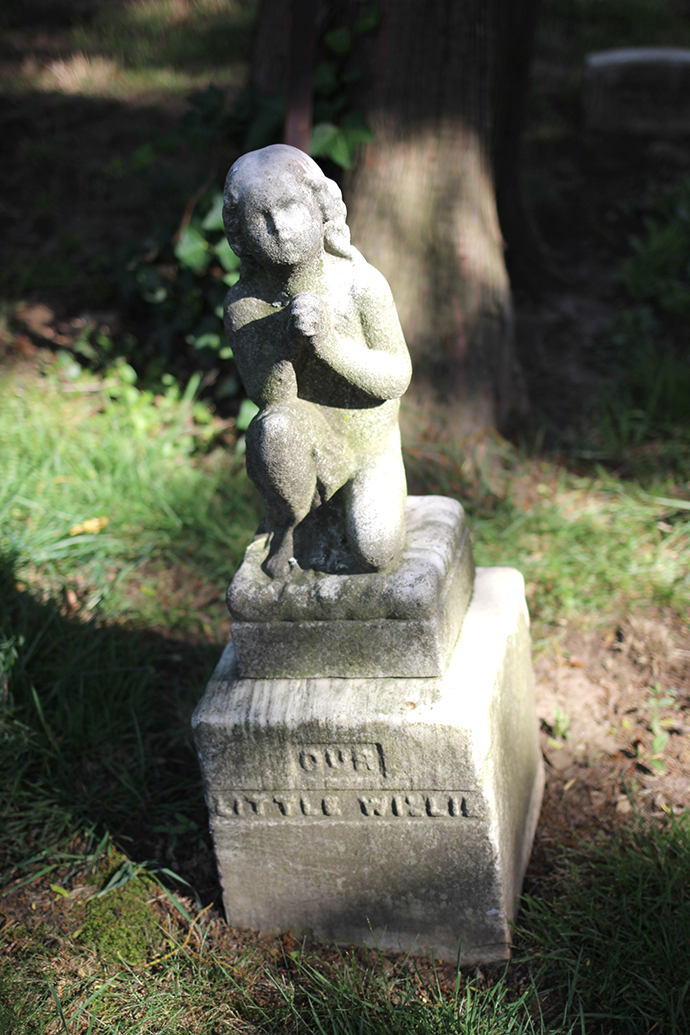
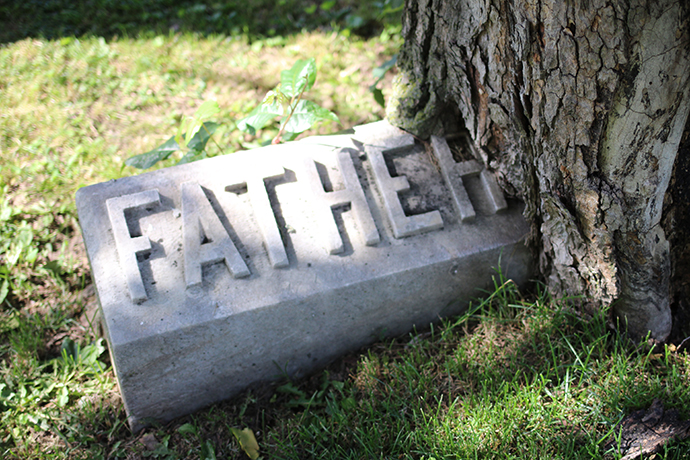


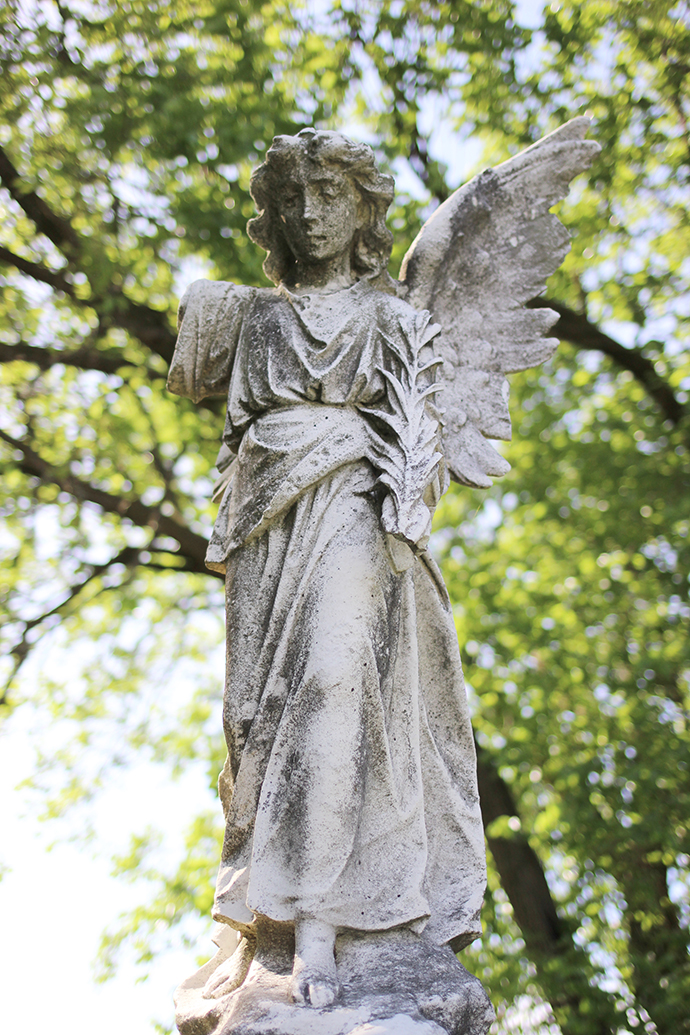
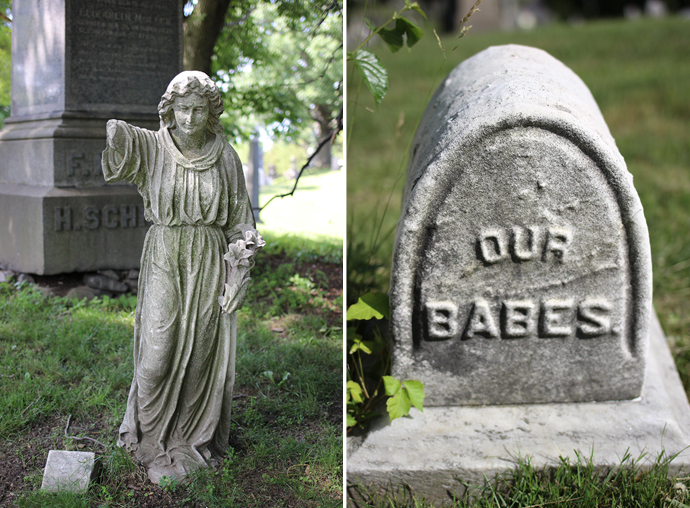
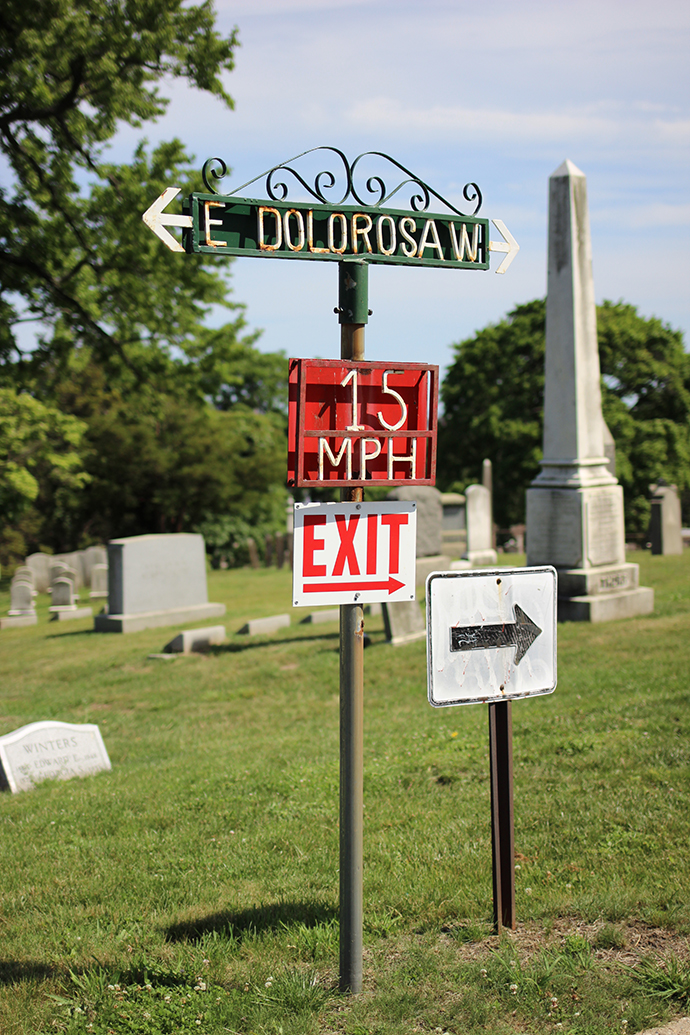


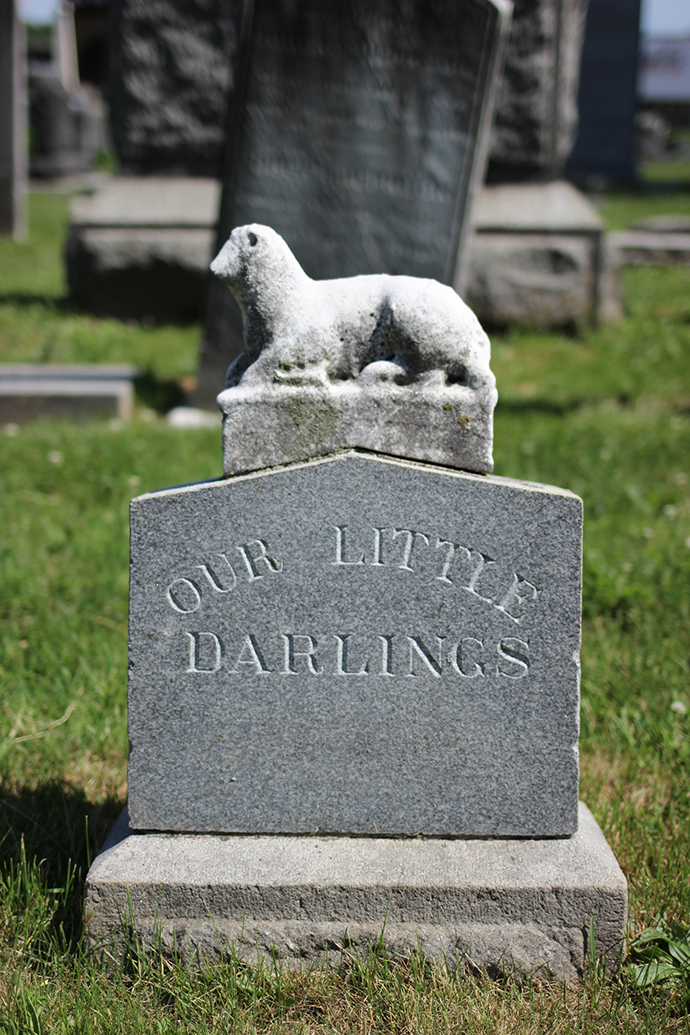
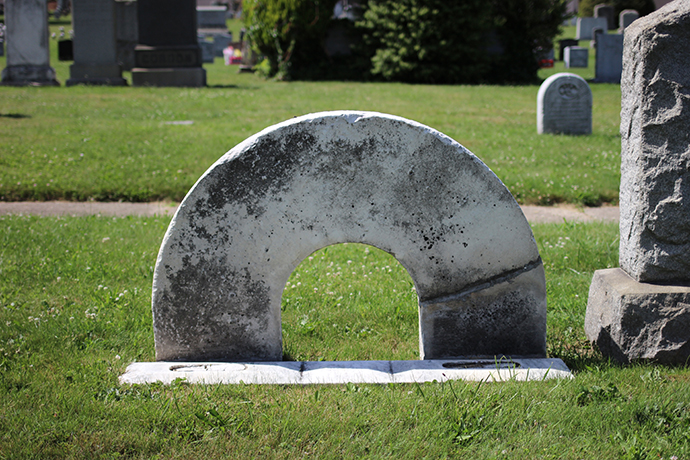


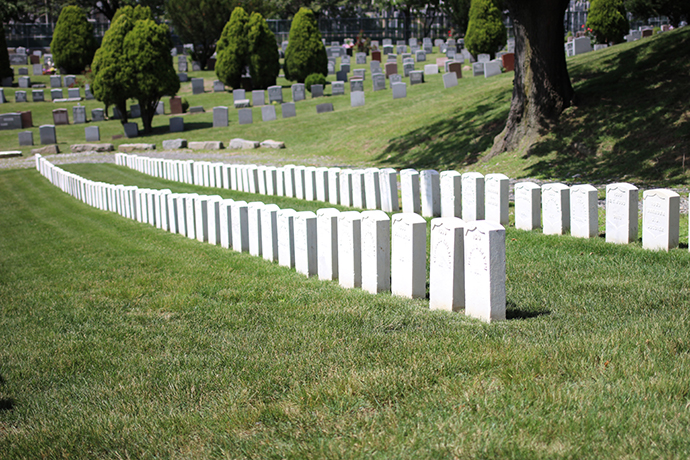


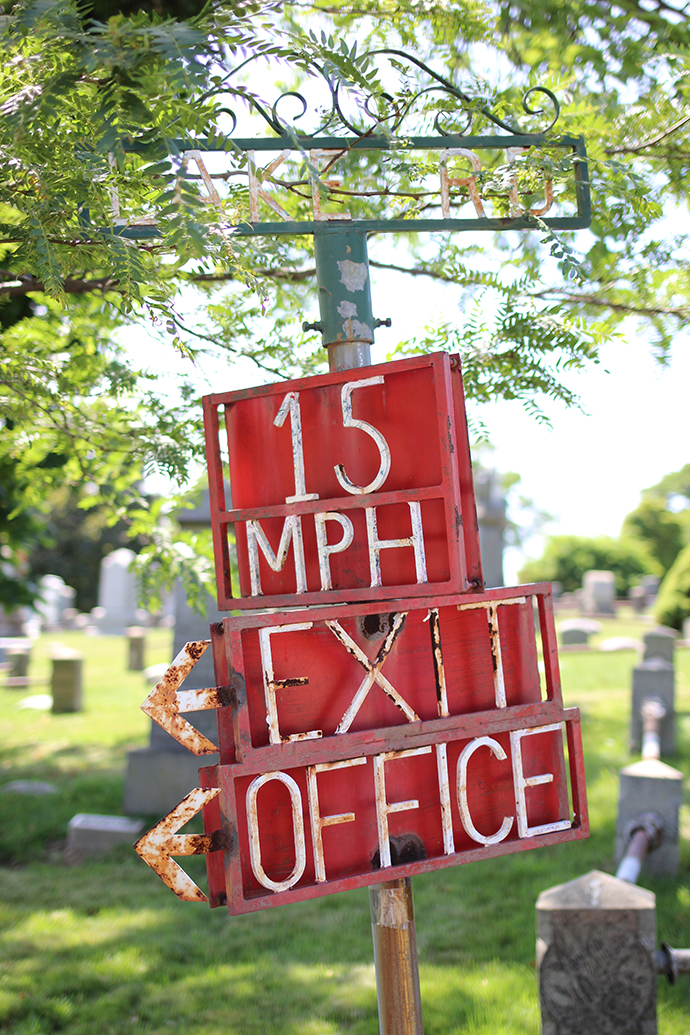
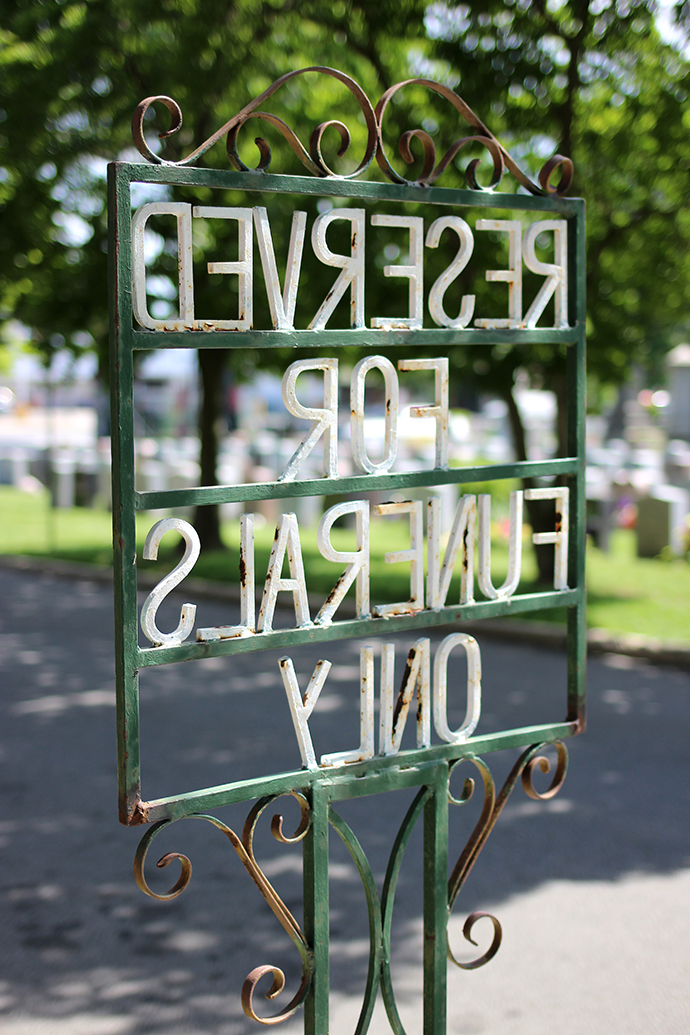
Cypress Hills has some really excellent directional signage (excellent in design, not necessarily usefulness), as well as some really great examples of tombstone typography. There were so many great examples of "Rest in Peace" stones that I lost count, which stood out to me since I've often wondered how that phrase became so synonymous with tombstones when I rarely see it used. A part of Cypress Hills is also a National Cemetery that looks like a little Arlington—rows and rows of identical white stones laid out like dominoes.
I would definitely go back and explore more of Cypress Hills, and the rest of the cemetery belt. It was fun searching for a specific stone, and even more rewarding that we found it—maybe we had a little bit of help from Margaret and Kate Fox.
Outdoor Art

Sometimes I don't really "get" large-scale installation art, and sometimes I find it downright annoying—but there's something about actually living in New York that has softened my view on public art installations. Maybe it's the novelty of seeing a familiar space in a different way, or maybe it's just fun for me to have new things to photograph. I still think Kolonihavehus is still my favorite piece that I've seen this year, but I've found myself enjoying similar exhibits around the city more and more.


Recently I had some time to kill so I walked around Madison Square Park, where the new Teresita Fernández installation, Fata Morgana had just opened. Described as "the Conservancy’s largest and most ambitious outdoor sculpture to date," the sculpture consists "of 500 running feet of golden, mirror-polished discs that create canopies above the pathways around the Park’s central Oval Lawn."


At first glance they are deceptively simple and kind of underwhelming. Taken individually, they're just oddly-shaped, overhead mirrors. The joy comes in taking in the installation as a whole—when layered and stacked, they're quite beautiful and surprisingly mesmerizing. I recommend walking the entire oval—the effect changes dramatically with every angle, and I would imagine, time of day.


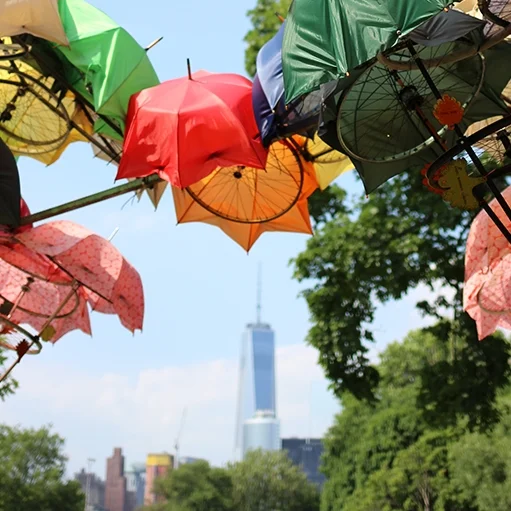
Every summer, Governors Island has different art pieces scattered throughout the lawns. My first time on the island there was a hut made from milk jugs and I'll always be sad I missed out on the Planet of the Apes-like Statue of Liberty sculpture. However, this year's umbrella-and-hubcap-and-bicycle-wheel piece might be my favorite one yet. The bright colors were really incredible with the midday sun shining through and I love anything that grants me a perfectly-framed peek of skyline—just don't ask me what its all supposed to mean.

Governors Island

When it looked as if this past weekend's weather was going to be very pleasant and summery, I knew I wanted to do something worthy of the sunshine. We decided to go to Governors Island, which is just about the most summery thing you can do in New York that doesn't include laying on a beach.


I feel as if I say this about everything—but it's true about most places—no matter how many times I go to Governors Island, I see something new. I love laying on the lawn, checking out the new art pieces and soaking in the view of lower Manhattan that somehow never gets old.


My very favorite part of the island, however, is the history. Once used for military and defense purposes, the island is littered with remnants of its past, all in various states of decay or restoration. We spent a great deal of time walking the perimeter of the island, peeking into any window we could. Most of the buildings are closed to the public and most windows and doors are locked, but you can see a lot just by snooping a bit.


From what we could see, the interiors reminded me a lot of the Ellis Island hospital complex, and even Eastern State Penitentiary. I love the multiple layers of peeling paint, institutional paint colors, exit signs, old radiators, elaborate moldings and decorative fixtures. One of the buildings even had a few large trees growing entirely indoors—the leaves pressed up against the window, struggling to get light but yet so green they barely looked real.
Central Park: Reflections

It finally stopped raining yesterday after three very wet days and warmed up a bit so I was happy to be able to walk through Central Park on my way to work. I walk home much more frequently than I walk to work, but there's something so magical about mornings in the park that I love so much.


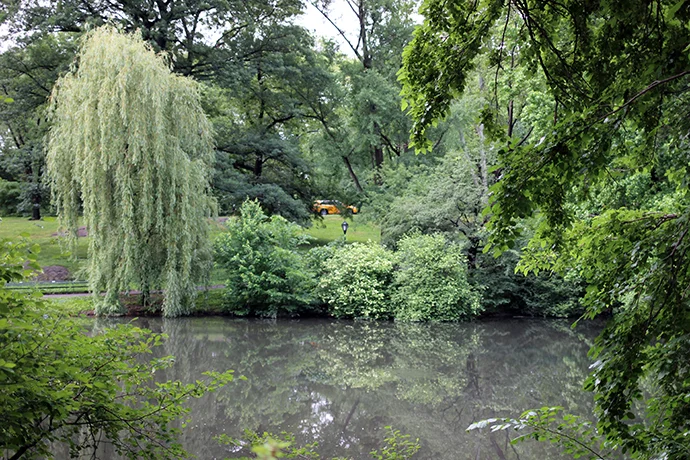
Yesterday morning there was still a chill in the air so it felt like fall, but it very much looks like summer. Everything was still damp and green—so, so green. I don't think I've ever seen so many different shades of green in one place, it was so beautiful.
I entered the park at 103rd street and Central Park West and the reflections in the Pool were particularly wonderful. I've always loved the reflective views off the Pool, but it was incredibly still yesterday and mirrored the trees and surrounding buildings in a near-perfect way.

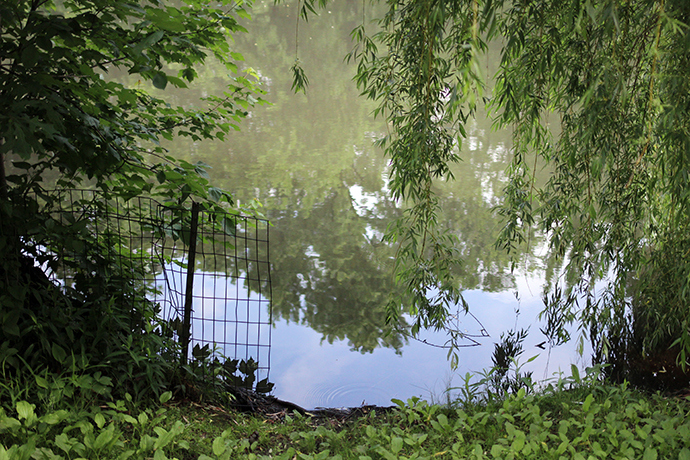

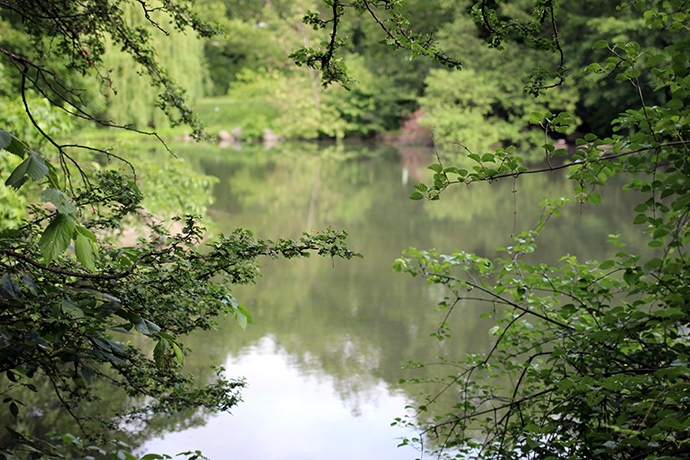

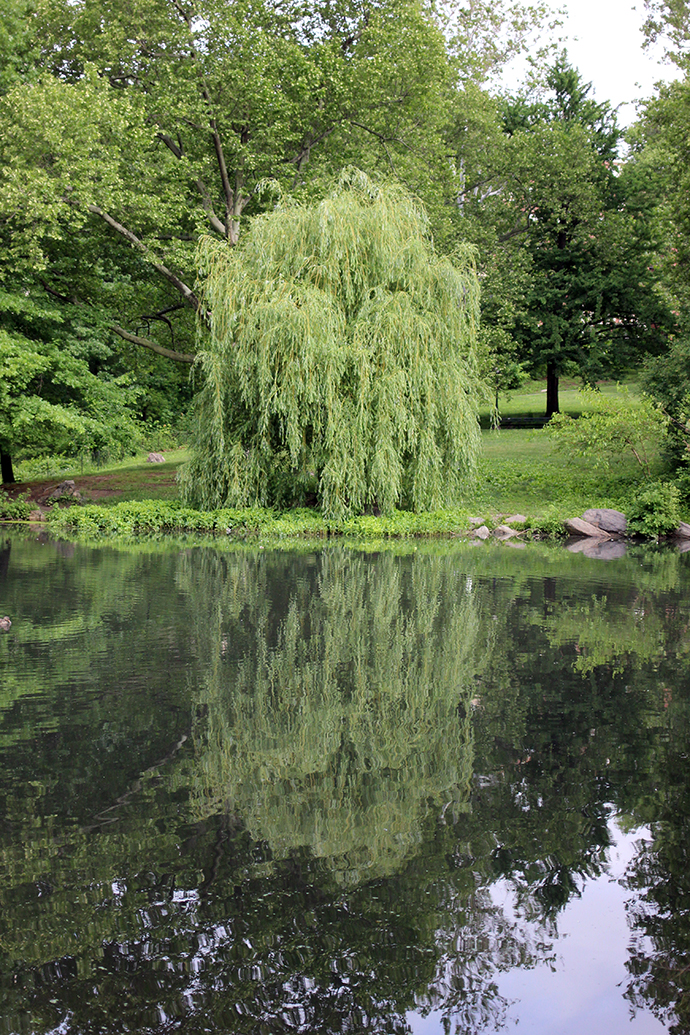
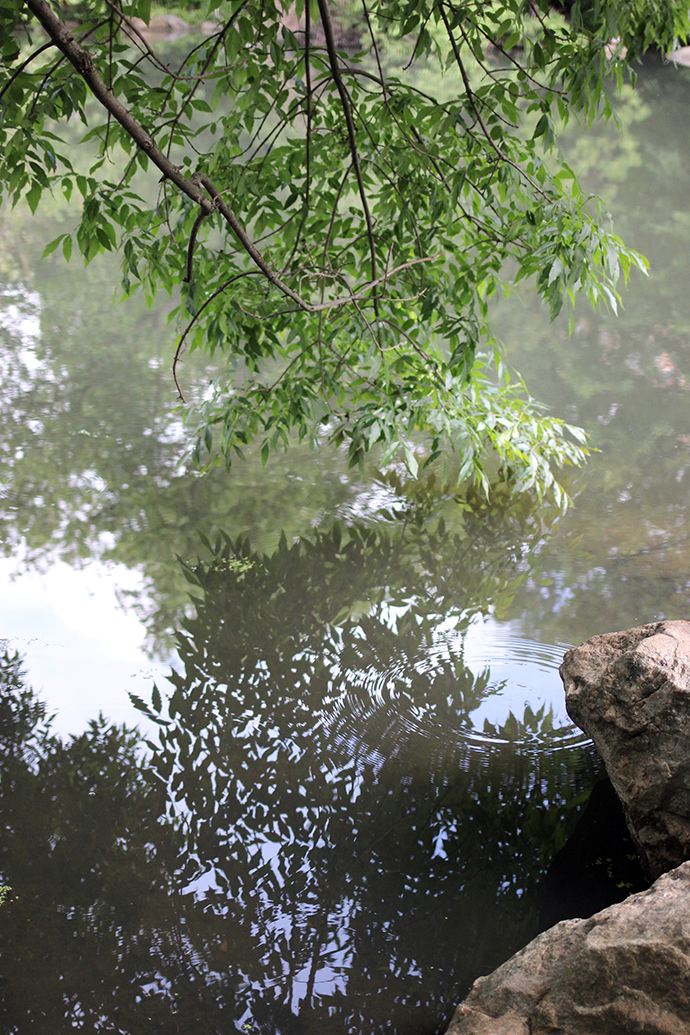


One of my favorite things about living in New York (instead of visiting) is seeing the city slowly come alive in the spring/summer and change with each new season. I've walked this same route through the park for over a year now and it always feels different.

Green-Wood Cemetery

I just recently became a member of Green-Wood Cemetery, which is very much something that I would do. Everyone I've told is initially confused as to the benefits of being a member of a cemetery ("Do you get to be buried there?"), but it's something I've considered doing for a while. It ultimately just made sense financially—there's a tour I want to take that is essentially the same price as a membership, which includes one free tour pass—but I also just feel good supporting a place I love so much.


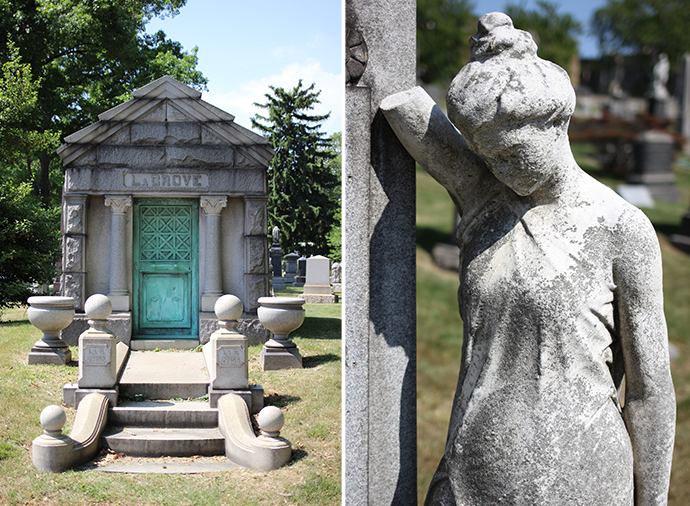

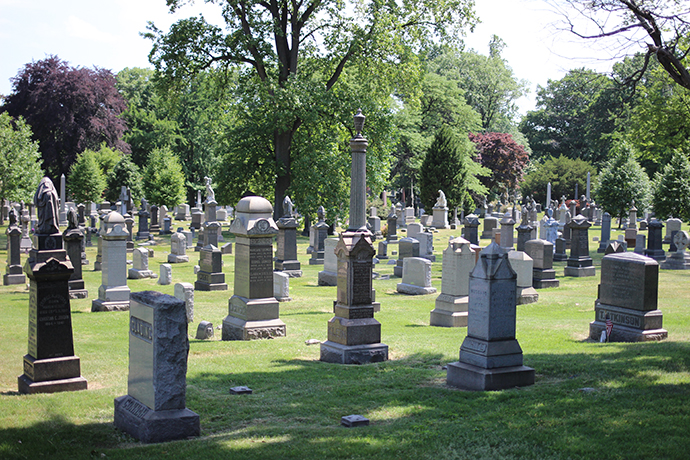

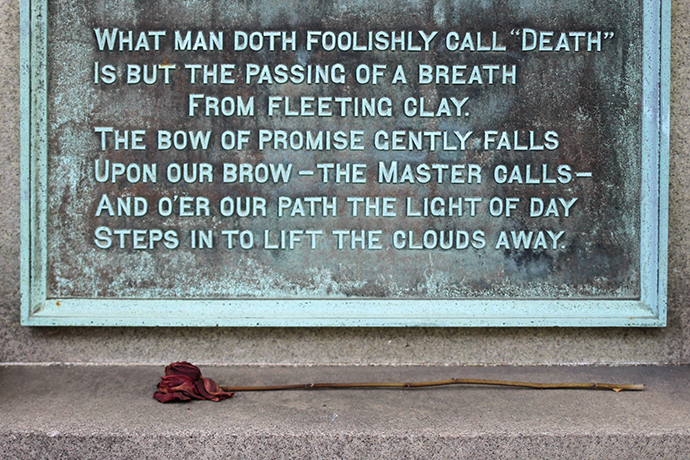
My dude actually lives about a block from Green-Wood (major pro) and on our way to Prospect Park on Saturday he mentioned that we could walk through Green-Wood "if I wanted," and of course the answer was "yes!" It was my first visit as an official member, which of course means nothing but it still makes me happy that I'm supporting the cemetery, even if it's in a very small way.


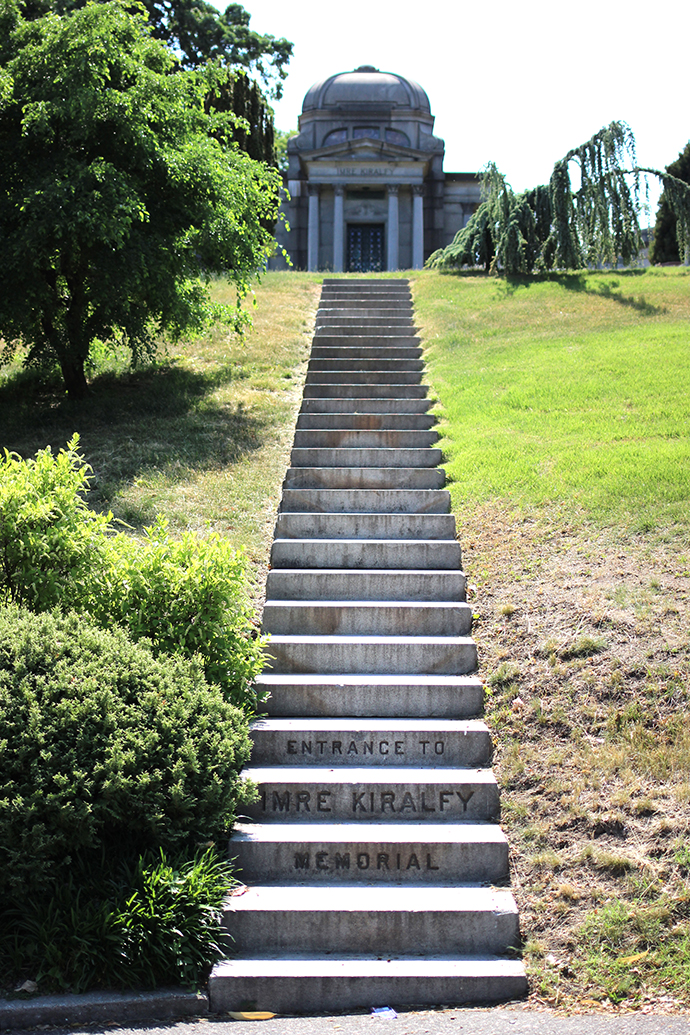
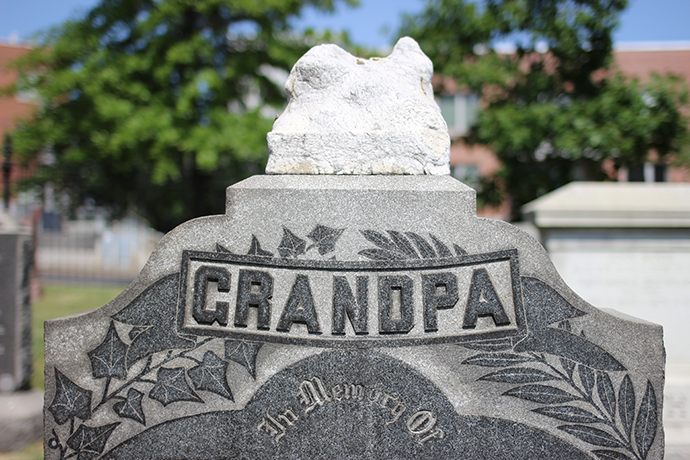


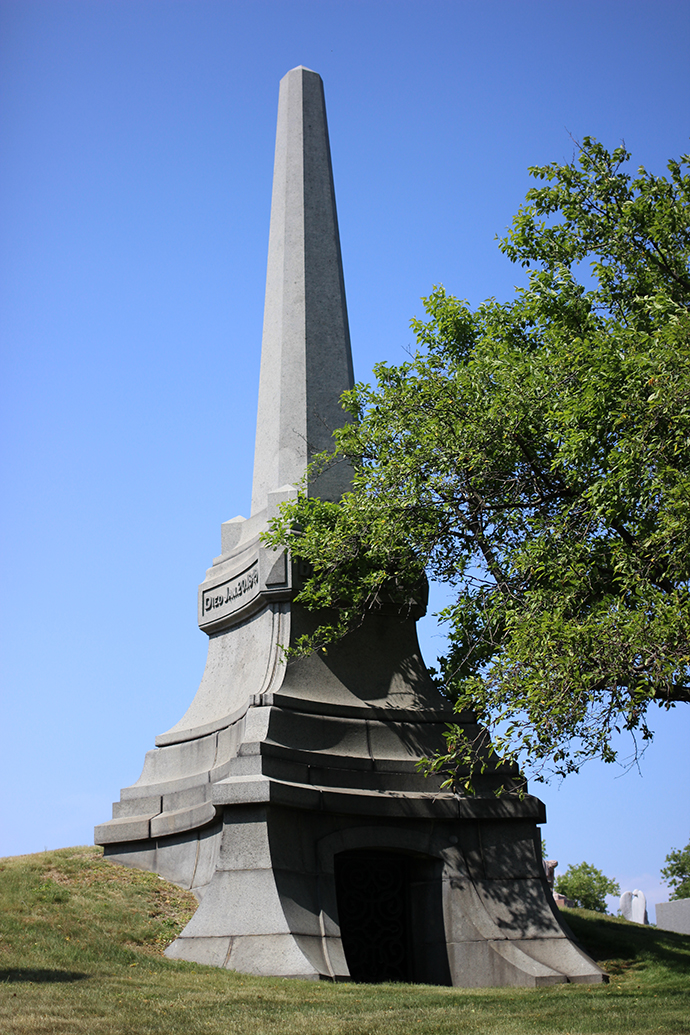


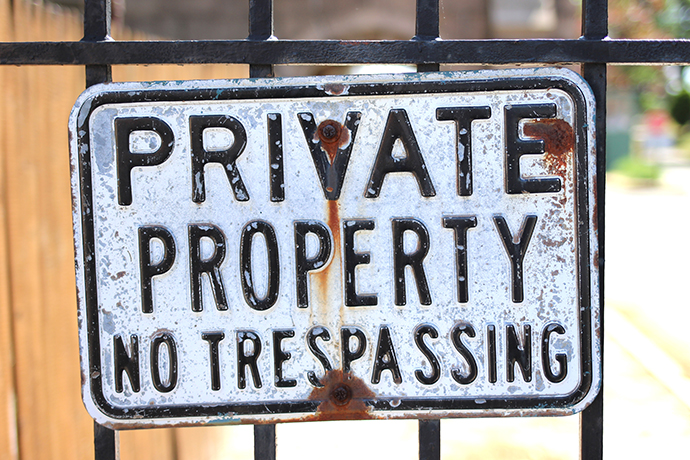
We walked through a part of the cemetery that I had never explored before—as much as I've been to Green-Wood, it's so big that I still haven't seen it all. Green-Wood is just so incredibly beautiful and picturesque, especially on a bright, sunny day like Saturday. We saw some wonderful statues (that dead-eyed girl will probably haunt me for the rest of my life), peeked into the mausoleums (added another Egyptian-style one to my favorites list and saw a great monument/mausoleum combo), and found some awesome headstones (Coffin!).
I can't really wrap my head around the fact that I was walking through a snow-covered Green-Wood just a few months ago, and that before I know it I'll be crunching through the fall leaves as I peek inside the mausoleums on the annual open house tour.

Cold Spring, NY
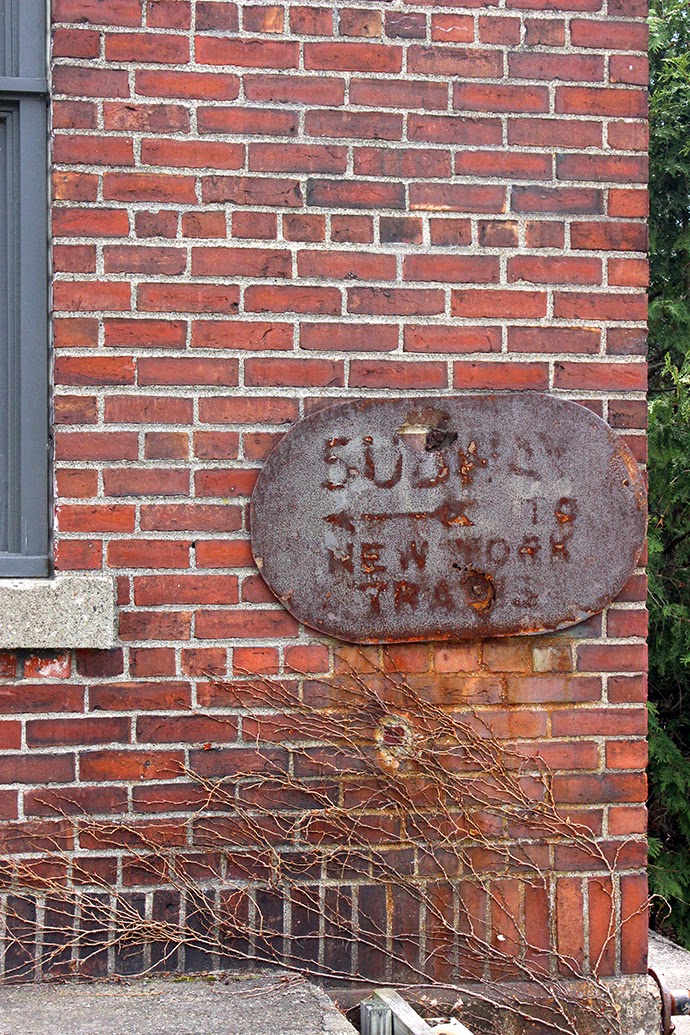
A few weeks ago—before we explored the cemetery or hiked through the Cornish Estate ruins—we explored a bit of the town of Cold Spring, New York. Cold Spring is a stop on the Hudson line of the Metro North Railroad, about 1.5 hrs north of the city, on the banks of the Hudson River.
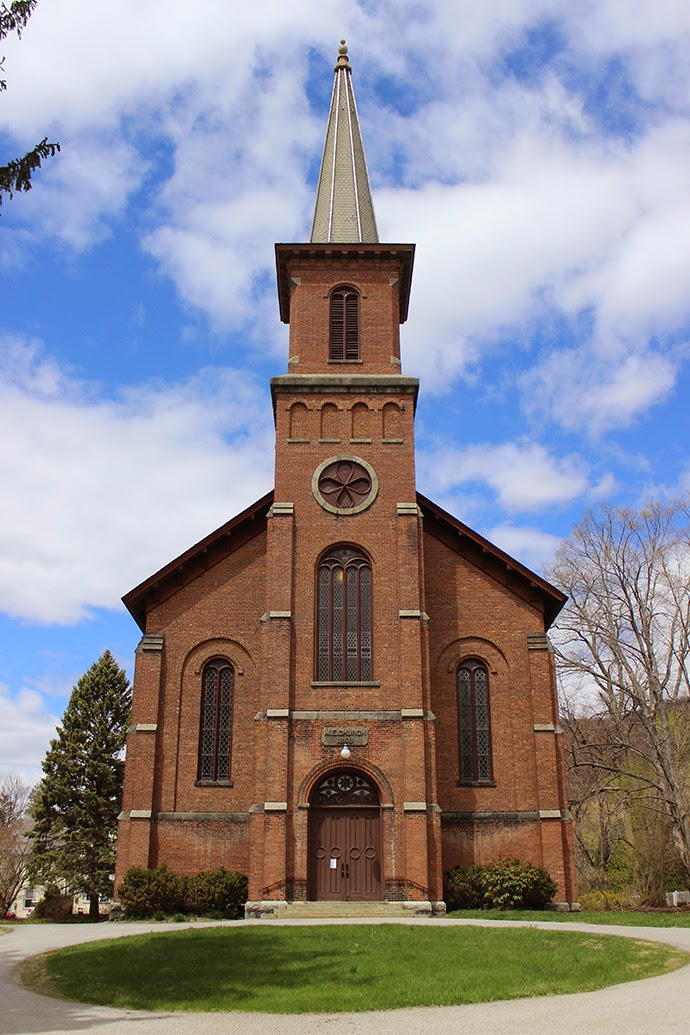
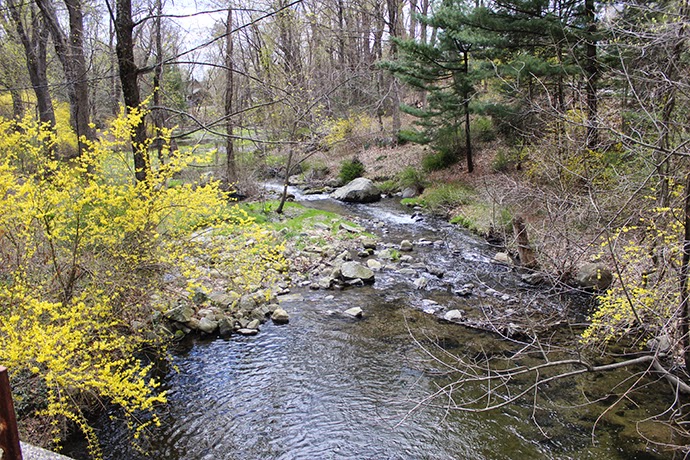
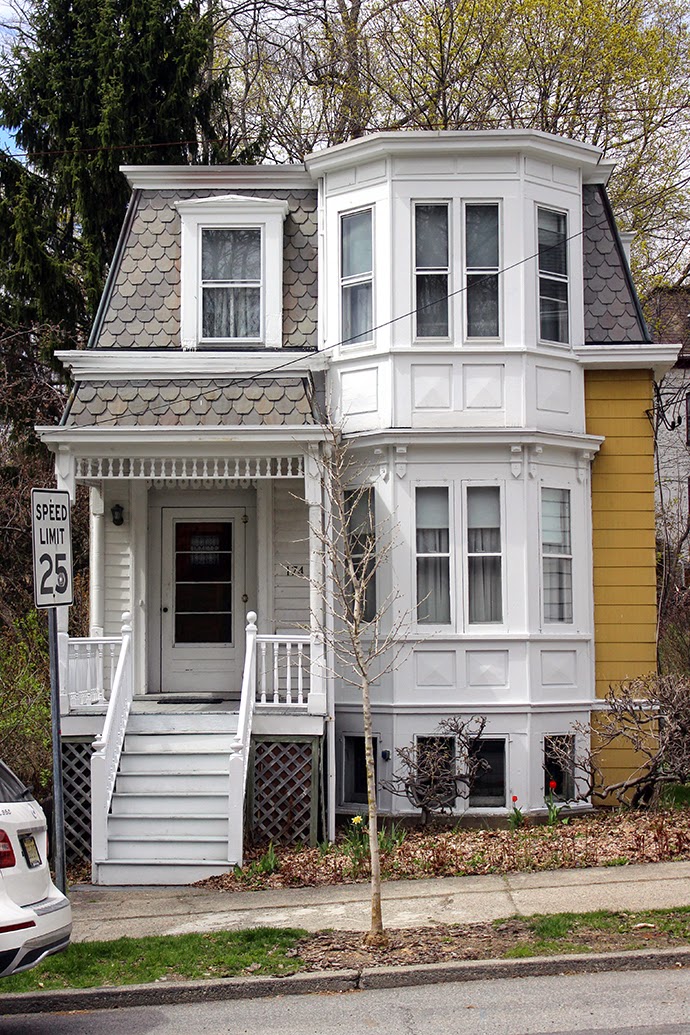
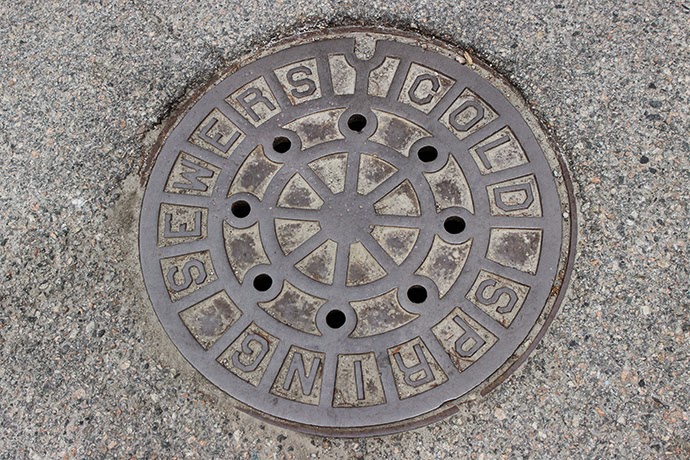
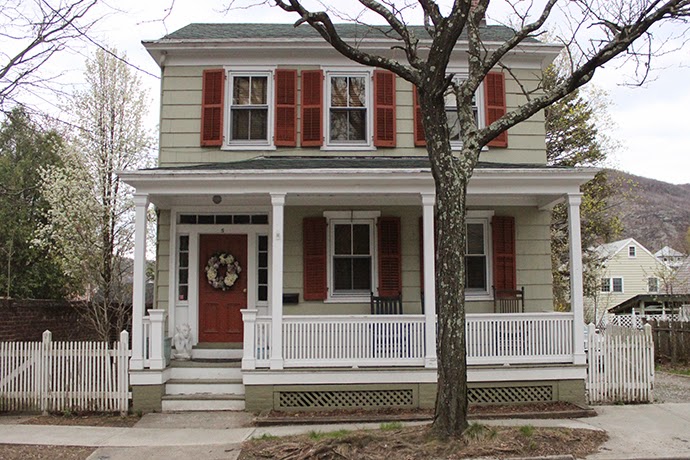
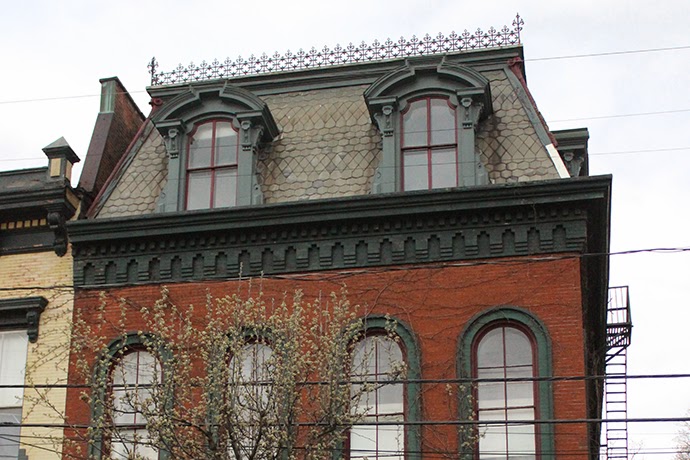
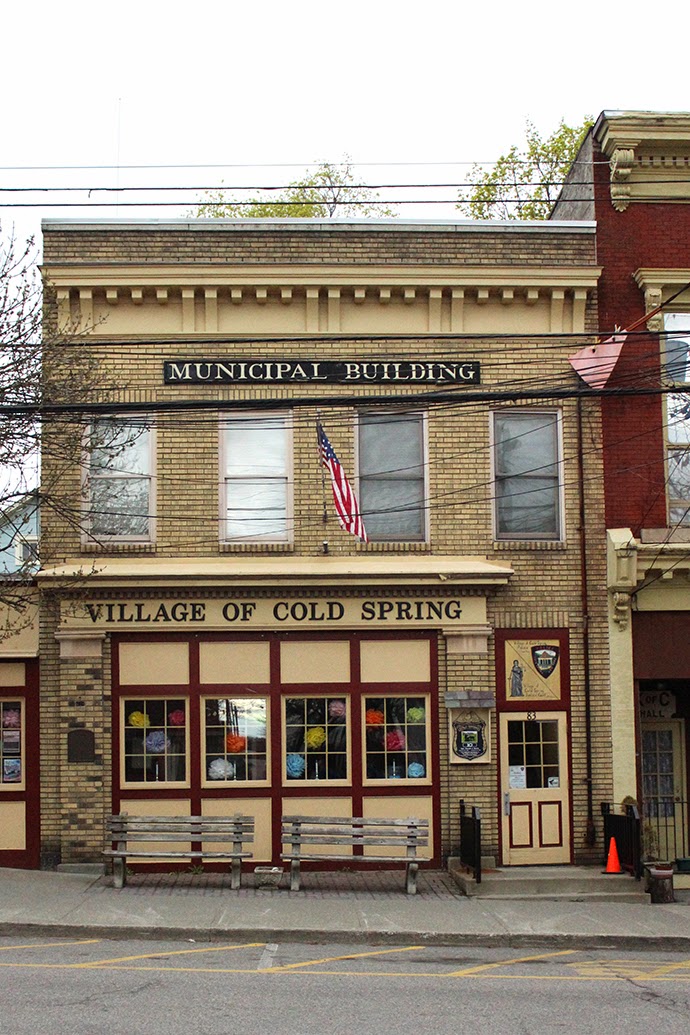
It's an adorable small town, filled with antiques shops, an actual Main Street, a few restaurants, bars and coffee shops. The houses and brick buildings were almost all absurdly cute, with mansard roofs, porches, porthole windows and red doors. Cold Spring reminded me of other Hudson Valley towns I've been to or through—Tarrytown, Irvington, Ossining—but slightly less expensive.
I would have loved to explore the antique shops, but we had a full agenda and couldn't carry anything with us, which means I would have 100% found tons of things I couldn't live without.
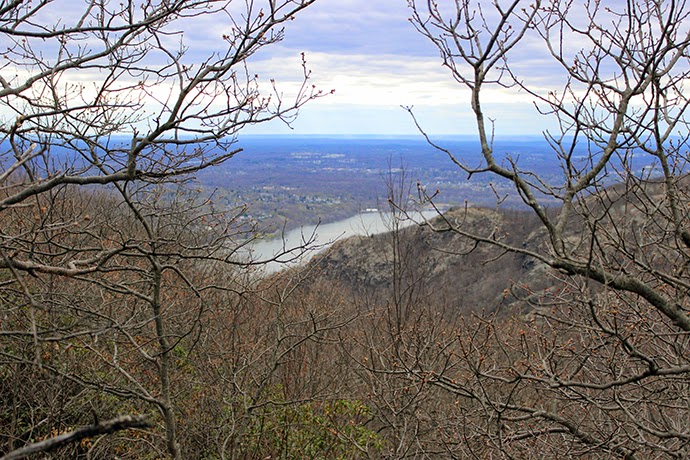
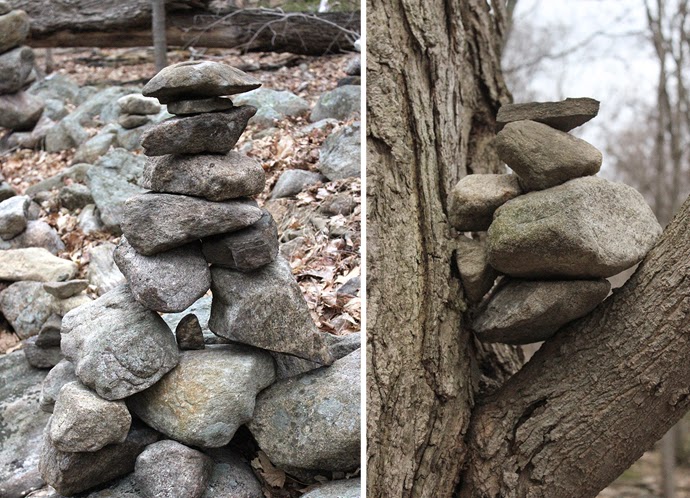
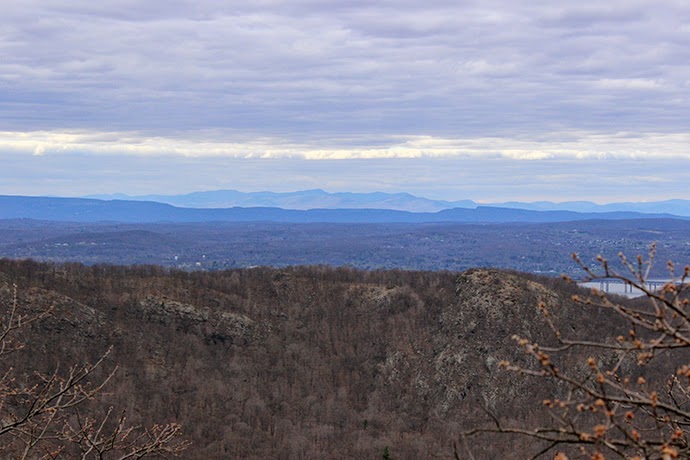

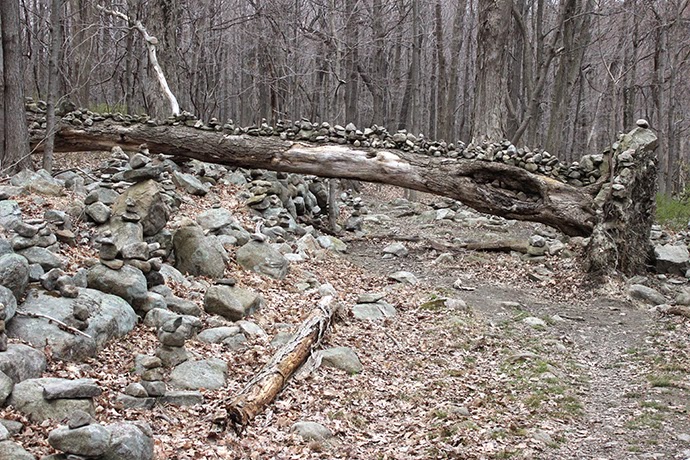
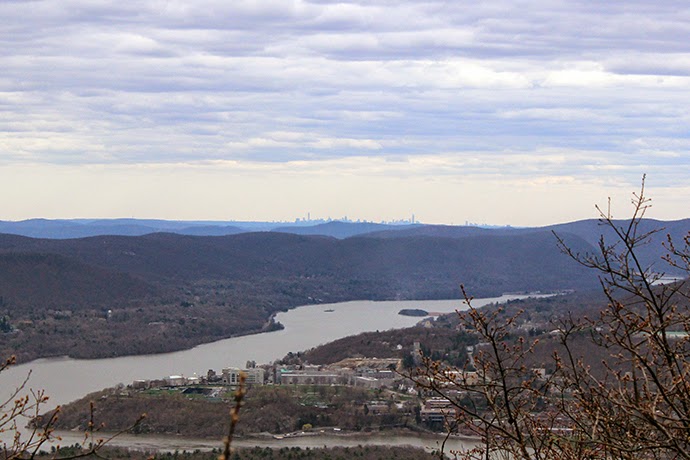
The hiking trails are located really close to the center of town, and our hike through the highlands was incredible. Aside from the ruins, we saw so many rock sculptures that they began to look like little cities (or little people) and the views from the top are breathtaking. I might have complained (mostly in my head) about being tired on the trek up, or almost died of thirst (dramatic exaggeration) but the views of the Hudson Valley and beyond were totally worth it.
At one point we could even see the city—looking like a tiny, toy Emerald City—which is the best part about the Hudson Valley. You feel light years away from New York, but you're only a short train ride from home.
New York City Marble Cemetery

I recently posted photos from my visit to the New York Marble Cemetery, and mentioned that there is an un-affiliated New York City Marble Cemetery a few blocks away. The NYCMC is slightly more accessible than the hidden NYMC, and although the gate is normally locked, you can see it all from the sidewalk.


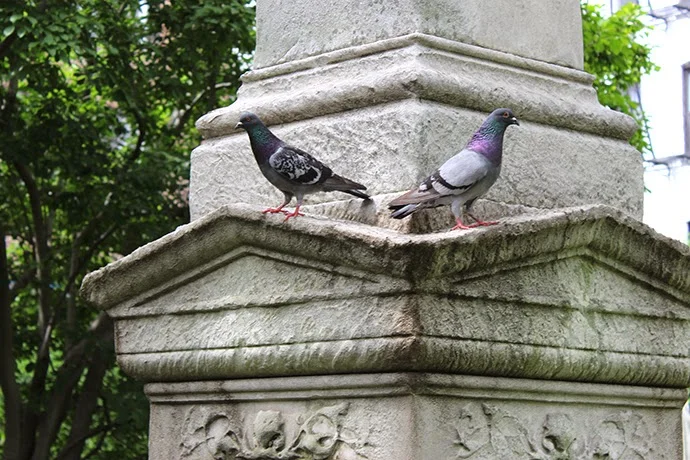
It's open once a month from May-October and it's a beautiful space to spend the afternoon. When I was there it was pretty crowded and in addition to people, the cemetery was filled with pigeons—in the trees, on the wires and on the headstones.


The NYCMC has headstones like a traditional cemetery in addition to underground vaults designated with flat marble markers. It also has a fantastic iron fence and gate, with a wonderful tombstone-shaped sign and arching letters. It's not as secluded as the New York Marble Cemetery, but it's a great place to spend the afternoon and have a picnic amongst hundreds of circa-1800s graves.

New York Marble Cemetery
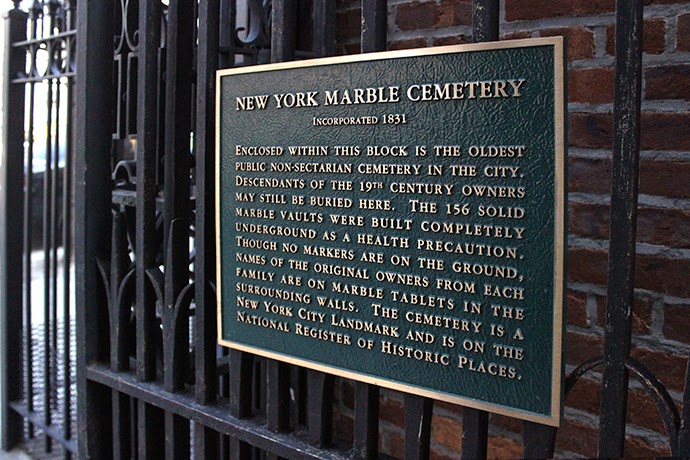
It's been more than a year since I went to the New York Marble Cemetery but I remembered recently that I'd never shared my photos. The "the oldest public non-sectarian cemetery in New York City" is open at least one day a month during warmer months and I happened to catch it on an open day last April.
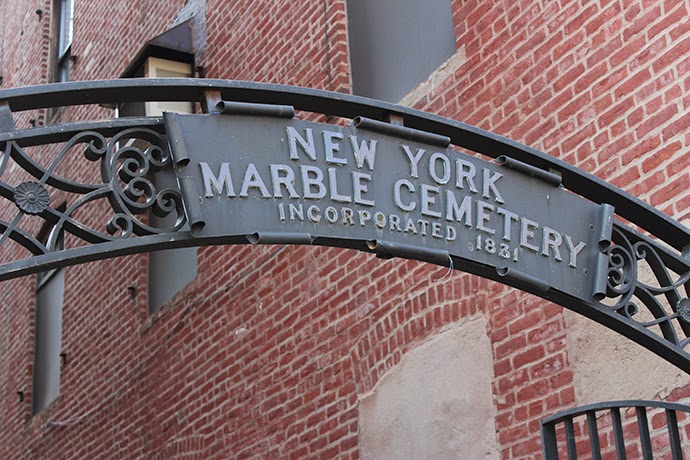
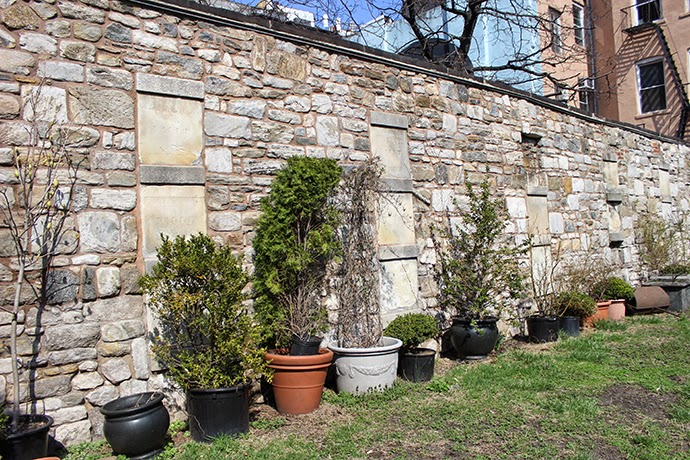
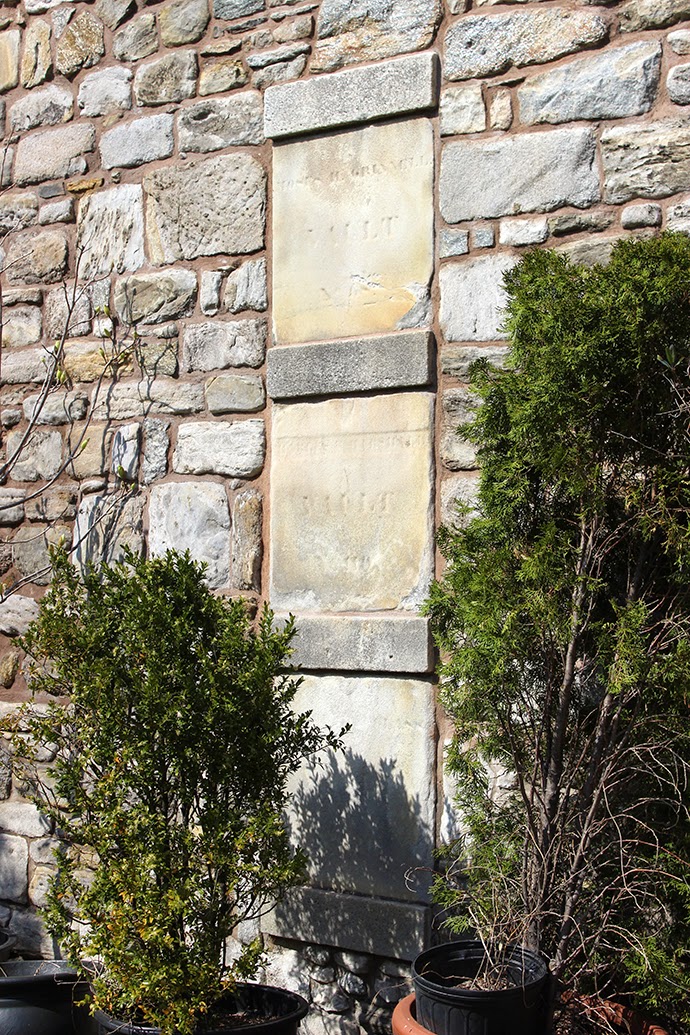
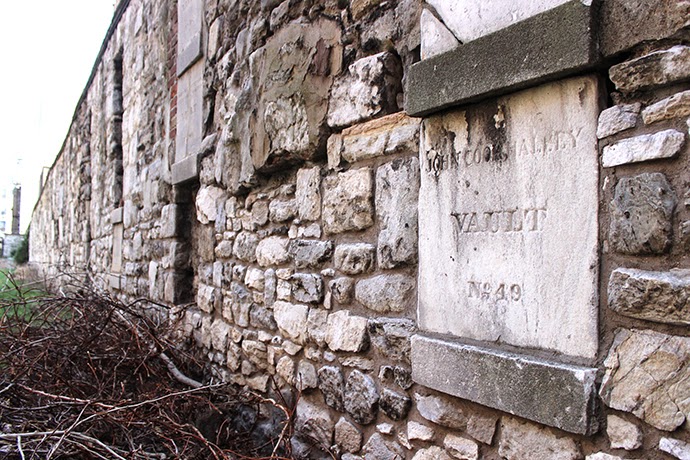
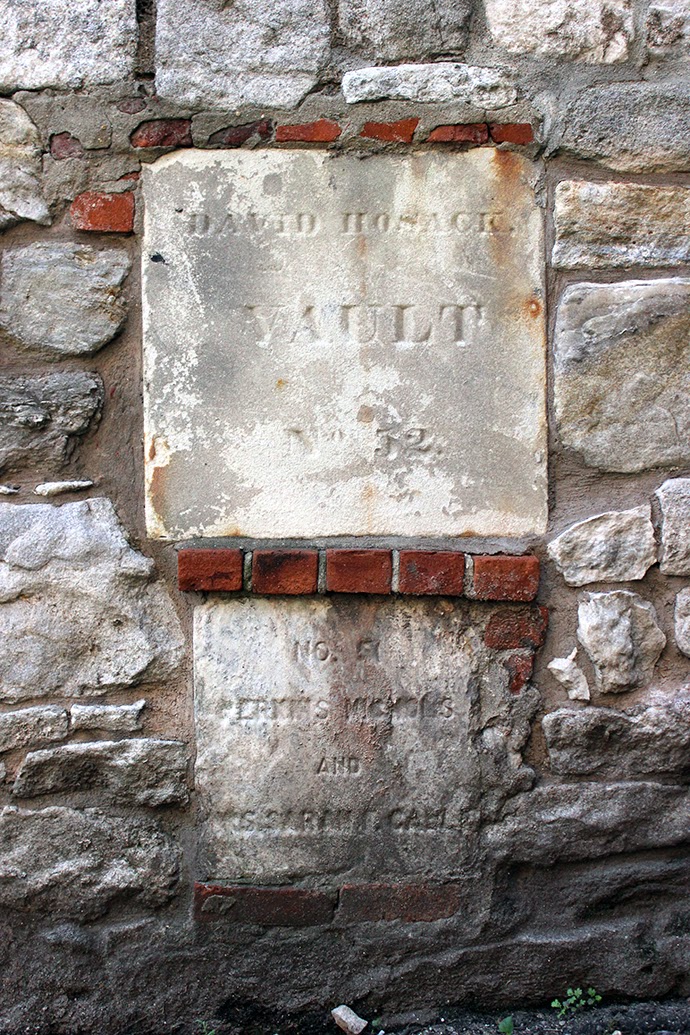
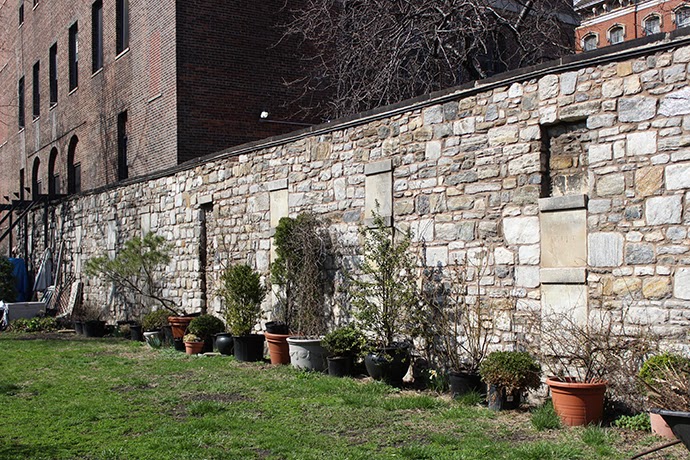
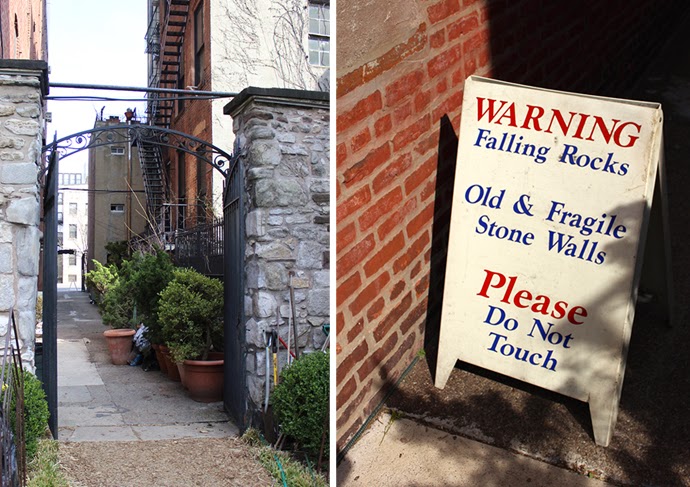
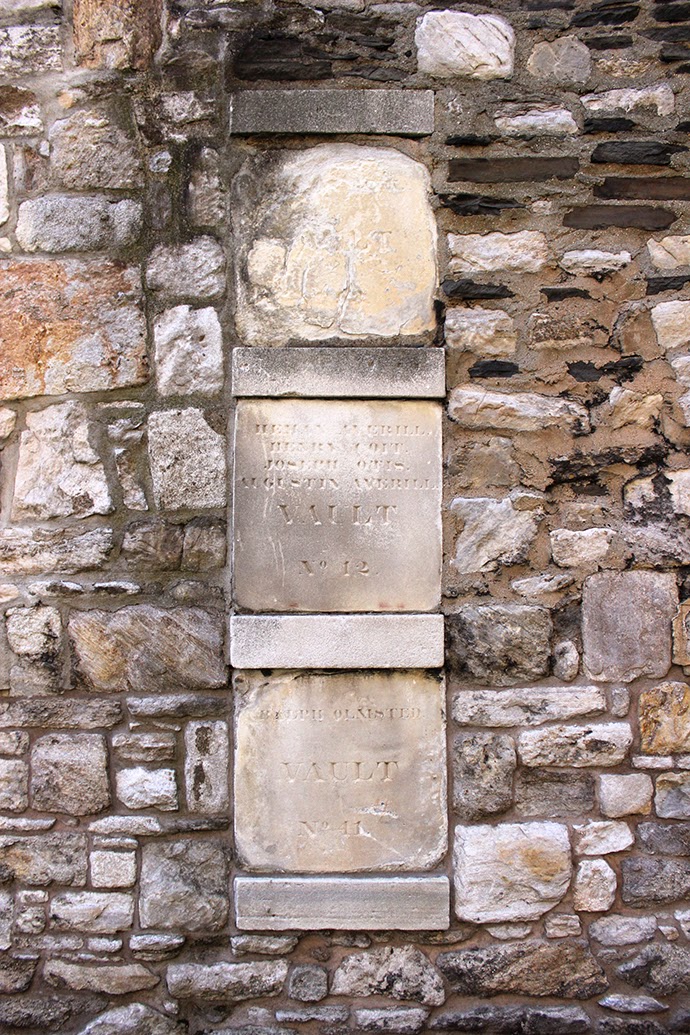
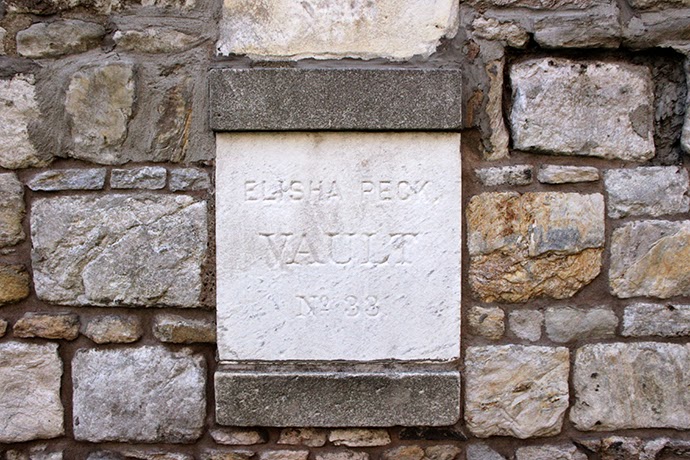
The NYMC is hidden away down a little alleyway (marked by an incredible arched gate) and opens up into a courtyard surrounded by apartment buildings. There are no headstones—instead there are 156 below-ground burial vaults with the names of the interred carved in plaques embedded in the surrounding stone wall. Underground vaults were popular at the time due to health concerns over burying people who suffered from infectious diseases like tuberculosis.
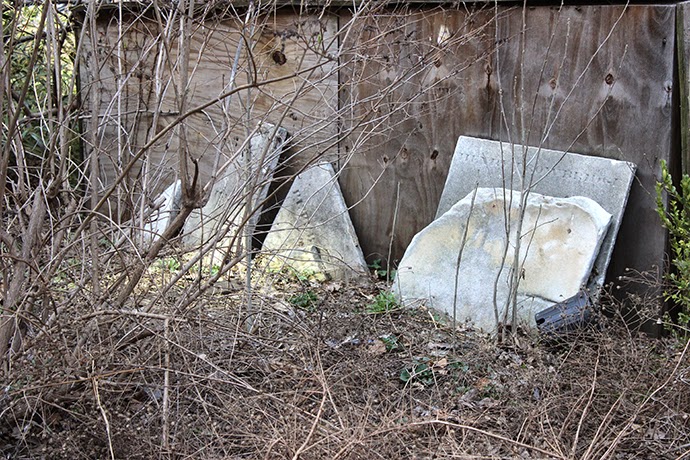
There is also a New York City Marble Cemetery a few blocks away—which can get confusing—but despite basically sharing a name, the two are otherwise unrelated. The New York Marble Cemetery is available to rent out for parties and weddings (get married and buried!). There are a few benches, small statues, patches of flowers, potted plants and not much more—it's a really beautiful, open and peaceful place. It's almost easy to forget that you're in the middle of the Lower East Side.

Dead Horse Bay: Shoes + Bones

Like my first-ever visit to Dead Horse Bay, I returned home from my most recent trip with a backpack full of horse bones. Because I collect bones, I now consider this the mark of a very successful day. I mentioned in my first post that we found a lot of pieces that we considered keeping, but in the end we came back with only a few things. It's just as rewarding for me to take photographs of the treasures without needing to keep every cool thing we find, which my small apartment definitely appreciates.
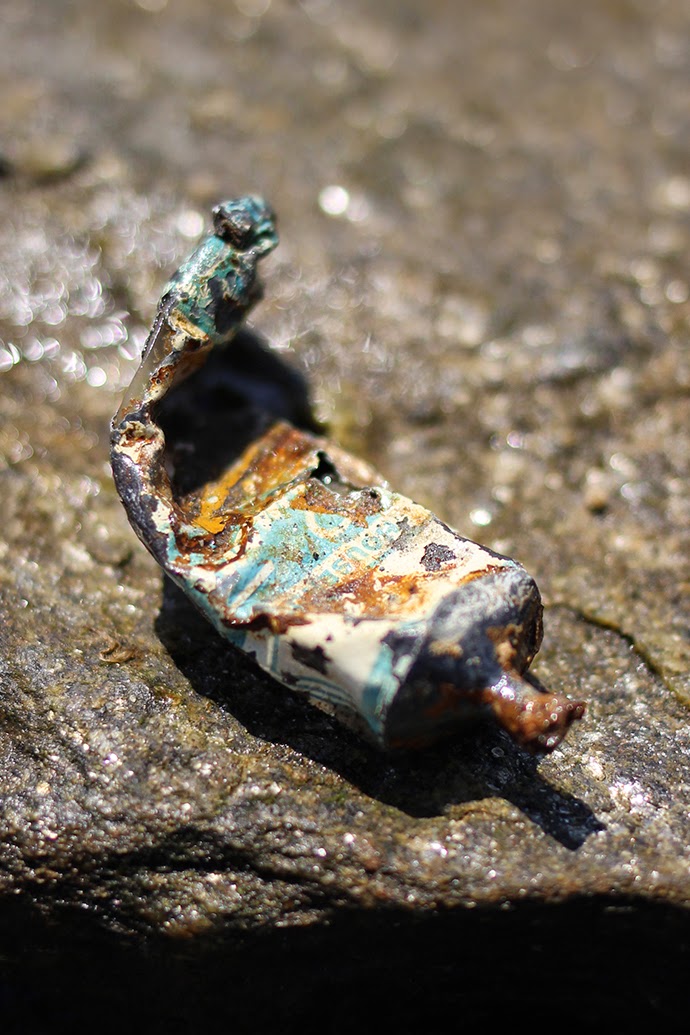


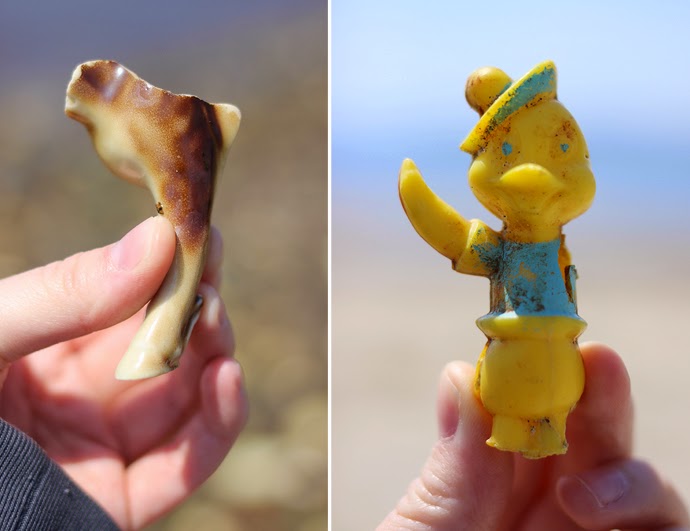


My favorite part about Dead Horse Bay is the variety of things that you find. Everything is constantly getting churned up and spit out in different places, so it's a new experience every time you visit. In addition to the bottles, we saw tubes of paint, an iron, a record, bits of printed china, tires, a ceramic cow foot, a plastic duck toy, a bathroom scale, a tube of toothpaste, rusty keys (inside of a wallet), a cash register, roll of film, can opener, toilet seat and of course, a kitchen (or bathroom) sink.


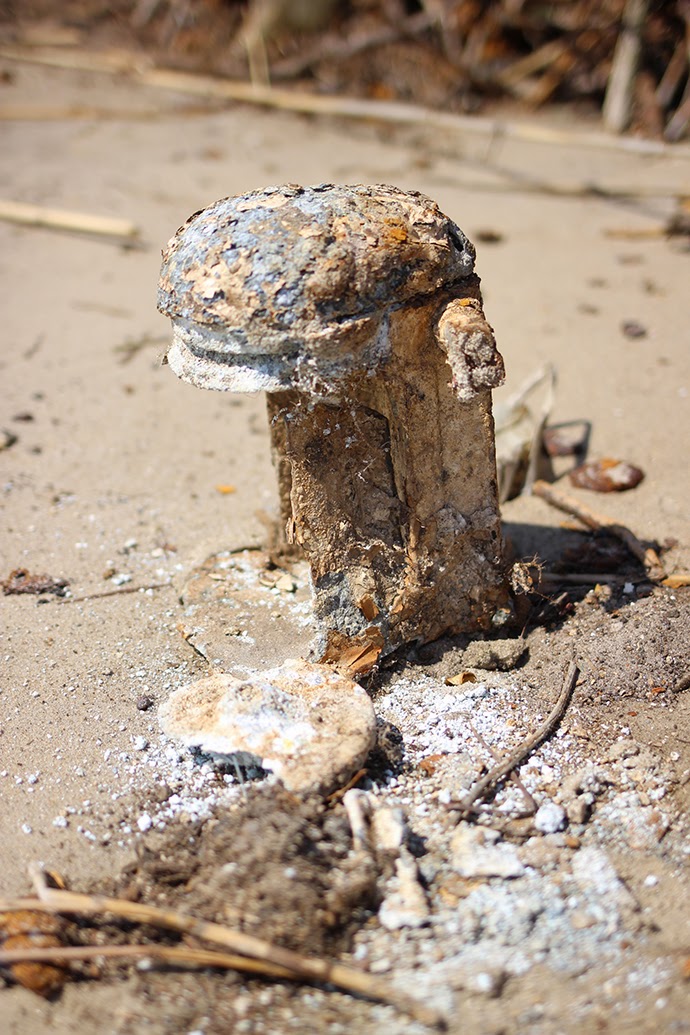

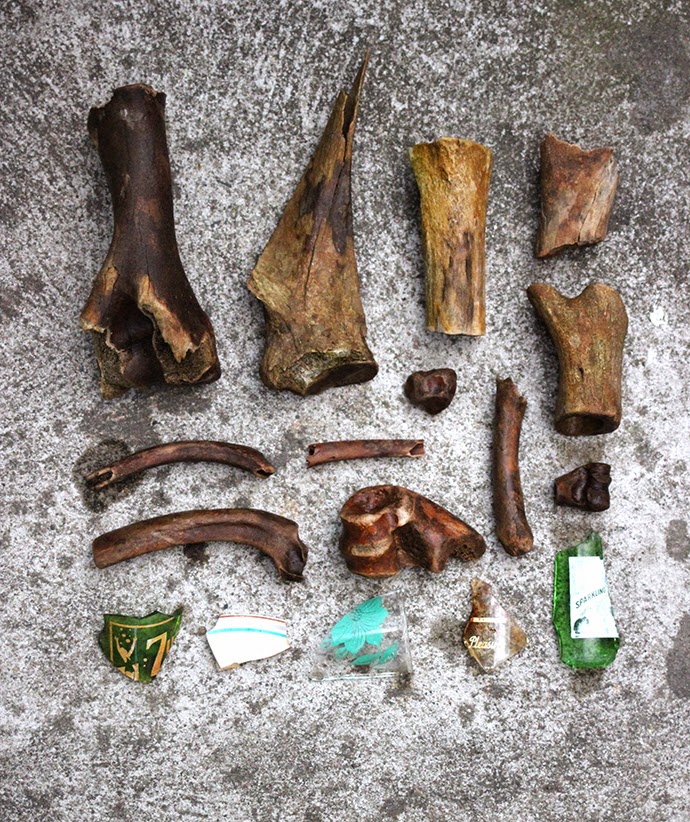
At a place like DHB you start to notice similar types of items when you start seeing them over and over, and this time it was forks. I guess I didn't really see that many of them, in comparison to bottles, bones or shoes, but for some reason they really stuck out to me.

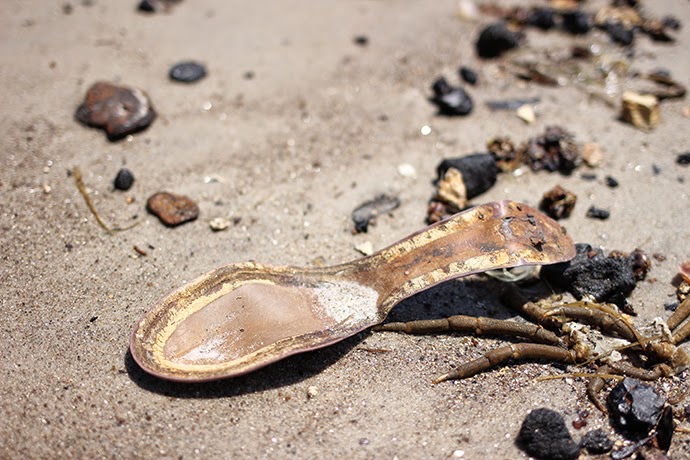


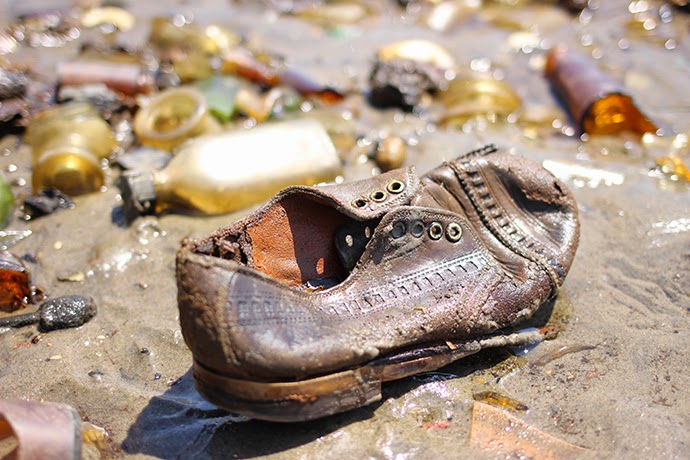
The second most prevalent type of trash at DHB (after bottles, before bones) is shoes. I haven't been able to find a good explanation as to why there are so many—maybe shoes take a particularly long time to decompose? There's something so sad about the shoes—the "old soles"—strewn about without their mates. They make me obsessively wonder who once wore them and what stories they would tell if they could.


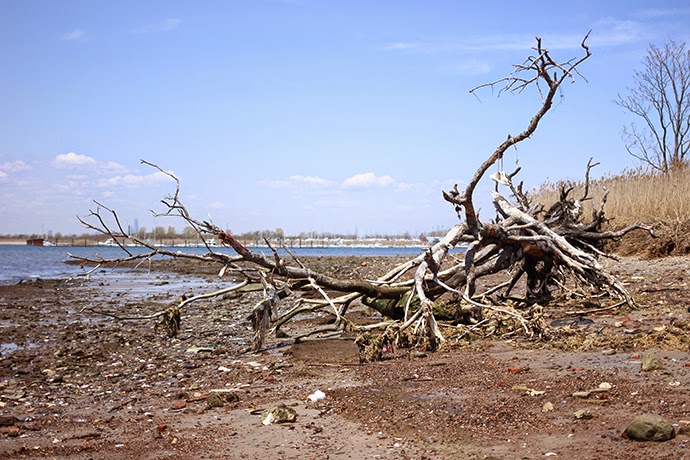


The only things that came home with me (in addition to the bones and one jar) was the plastic duck toy and a few broken bottle bits. We talked about the duck ("Look at his jaunty little hat") while we ate our picnic lunch and I couldn't bear to throw him back. Now he sits in my pencil cup at work, where I can look at him daily and daydream about my next trip to Dead Horse Bay.

The Northgate Ruins

When we went on our hike through the Hudson Highlands upstate in Cold Spring, New York, it was mentioned that there were ruins scattered throughout the trails. I wasn't really sure what to expect, but as soon as we came upon the site of Northgate (aka the Cornish Estate) I was entirely delighted.


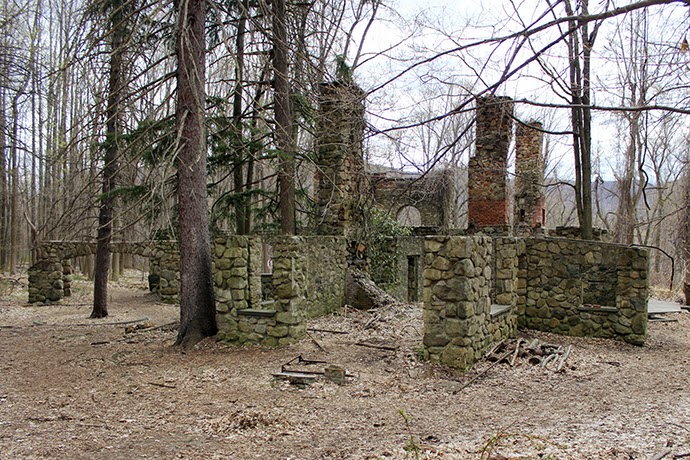


A fire destroyed most of the mansion that stood on the site in 1956 and the property later became a part of the park in the 1960s. Although a majority of the house is gone, you can still get a feel for how it used to look—there are fireplaces, doorways, windows, tiles, a porch and a few outbuildings including what looks like it used to be a greenhouse. It's especially creepy seeing so many fireplaces, knowing that the place eventually burned down, and it's disorienting to see them stacked on one another without discernible floors in between.


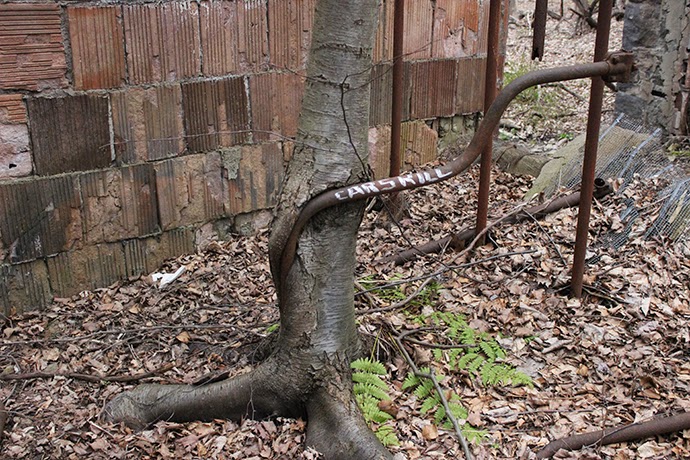
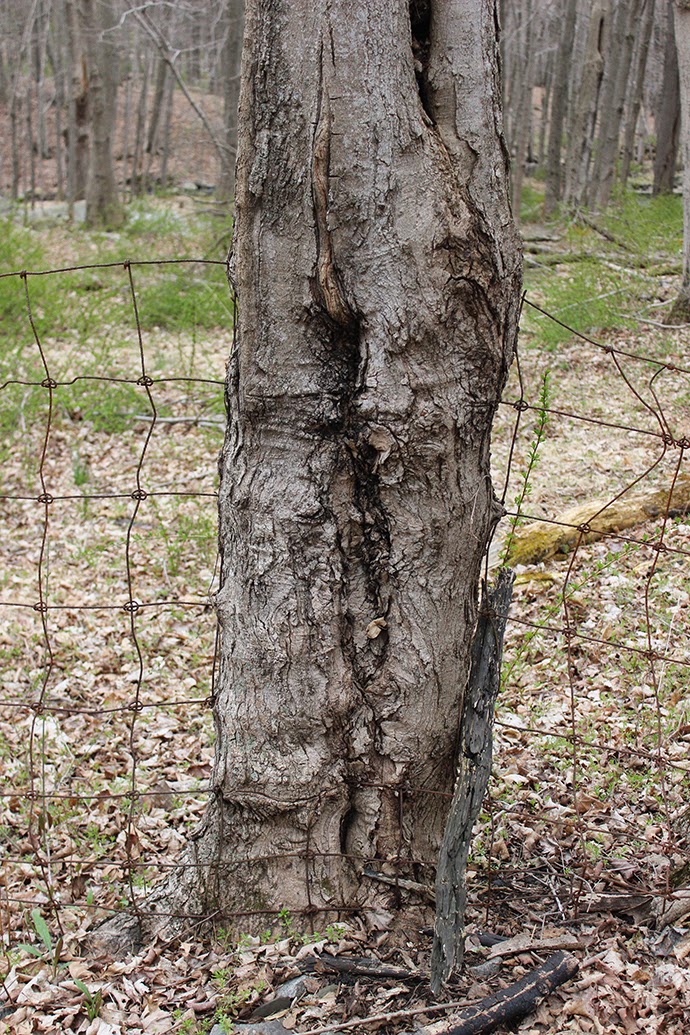


After a few more miles, we came across the Dairy—also part of the Cornish Estate—which includes a few buildings that used to house prize-winning Jersey cows. Now the buildings are crumbling, with trees growing through things that trees don't normally grow through. There's a rusty fence, some old pipe and an iron gate, all in various stages of being swallowed up by tree trunks.


We saw a particularly busted raccoon shuffling around the ruins which only added to the creep factor, and some NSFW graffiti. There was an old wood-paneled silo, some rusted antique farm machinery, a milk bucket and a lot of unidentifiable rusty pieces of metal strewn about.
It was fascinating to walk through the open, arched doorways and to squint and imagine the dairy in operation. The hike was pretty long and strenuous, but there were enough things along the way to keep me interested and looking for more. I love how open and accessible the ruins are and I would love to go back and explore them even more.
BBG: Tulips 2015
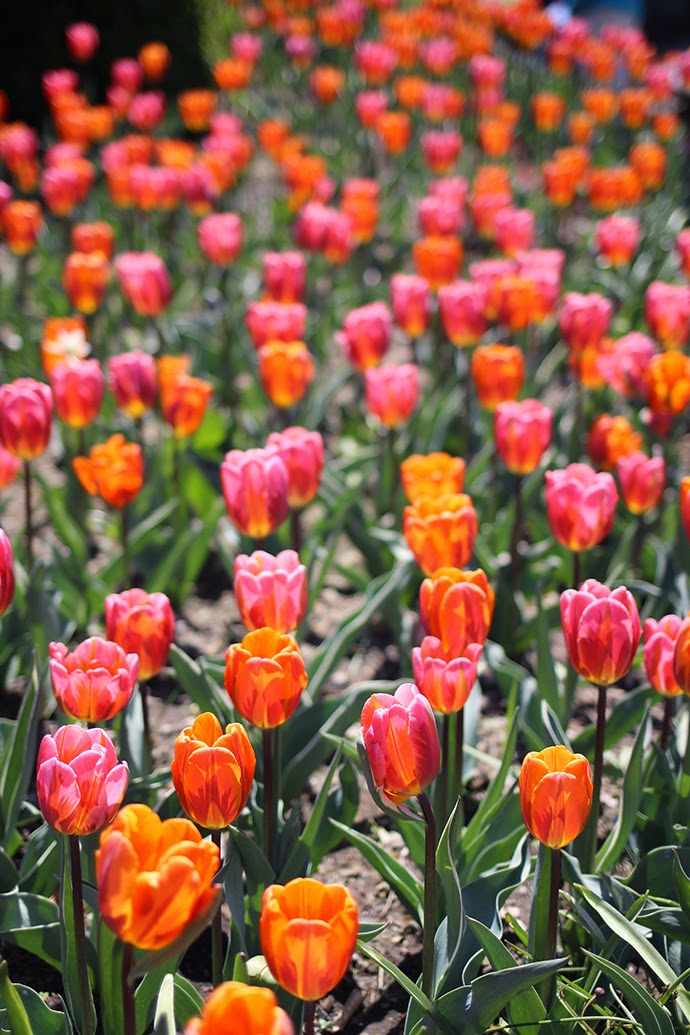
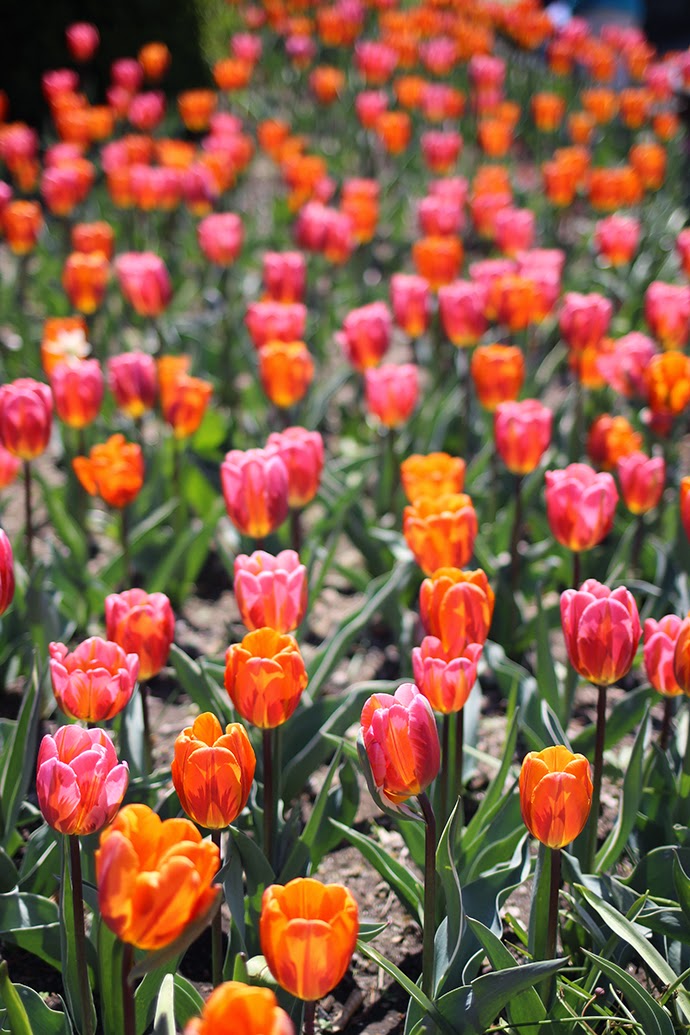
When I went to check on the cherry blossoms at the Brooklyn Botanic Garden recently, I was surprised by the incredible tulips that were in bloom all around the garden. I had seen them last year, but this year's seemed even more spectacular and numerous.
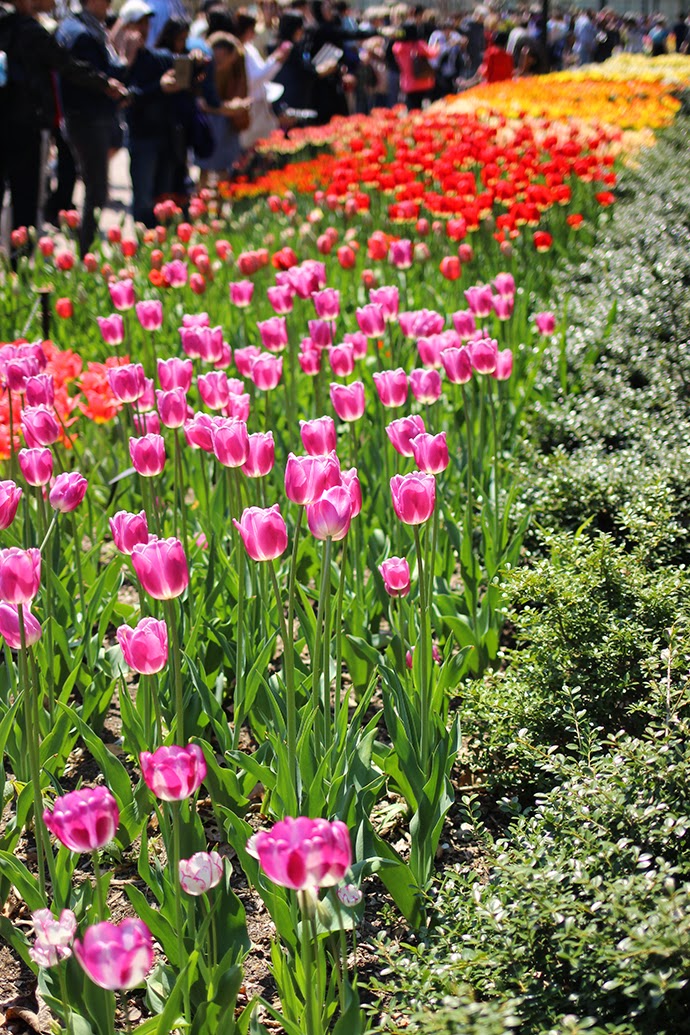
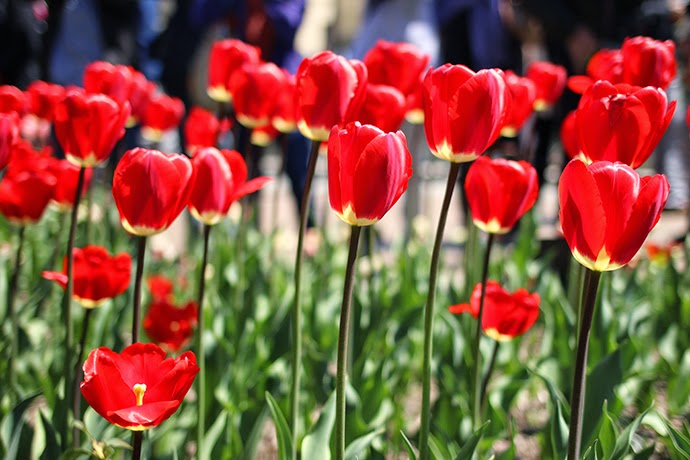

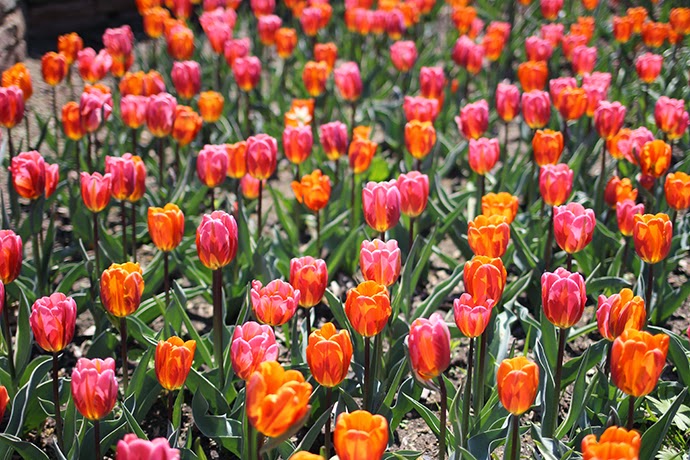
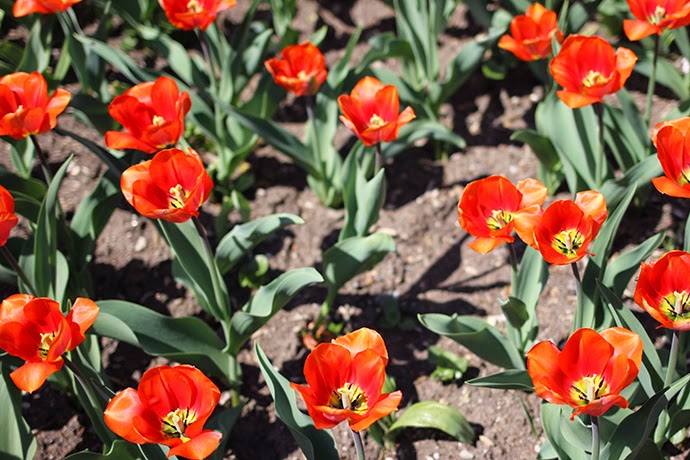
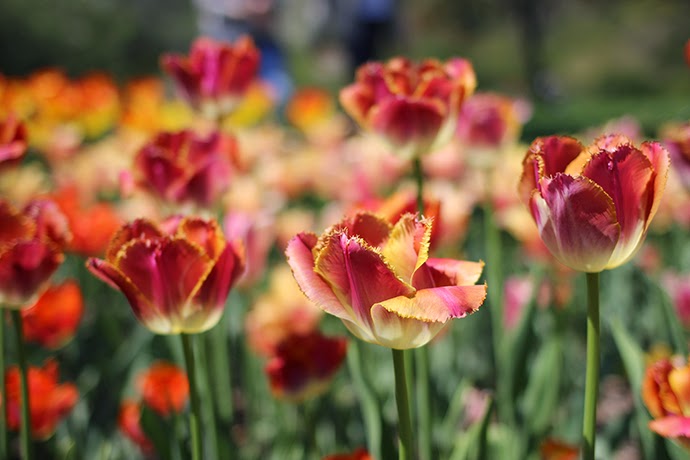
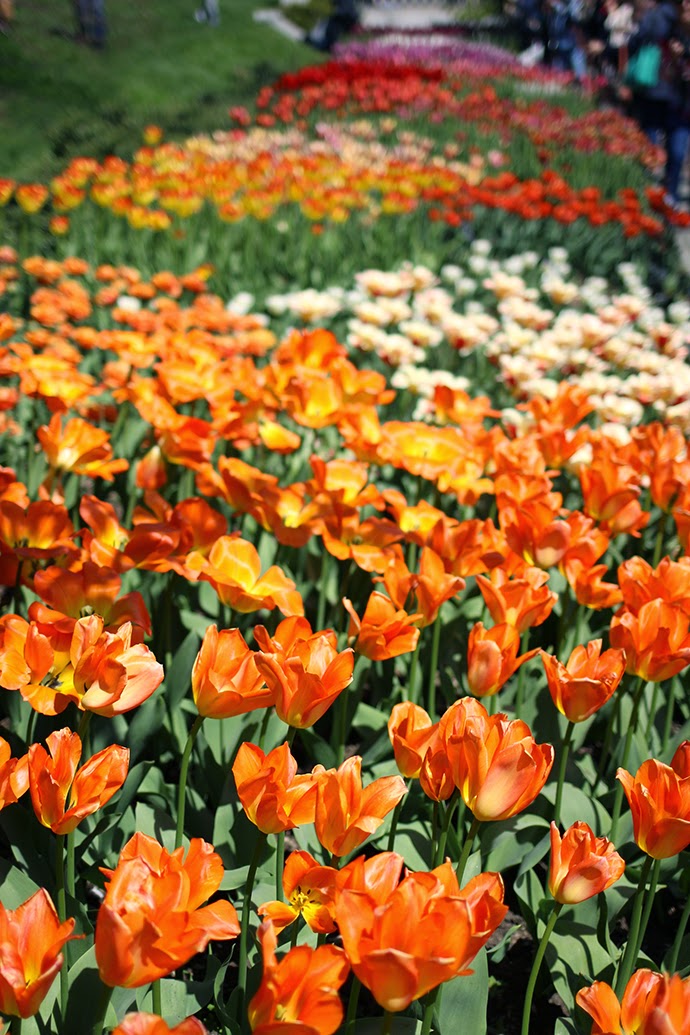
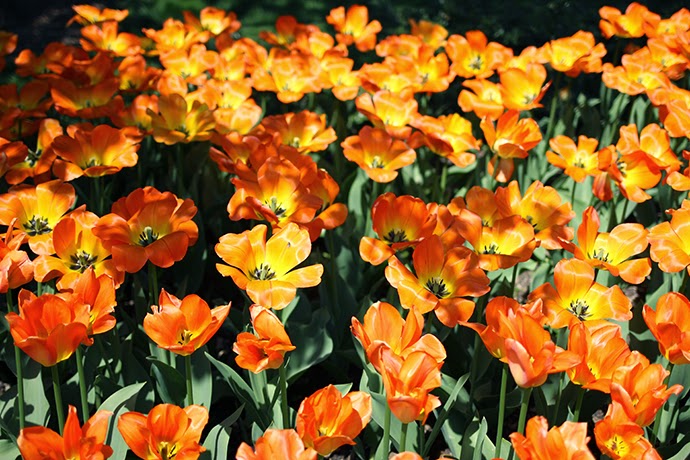
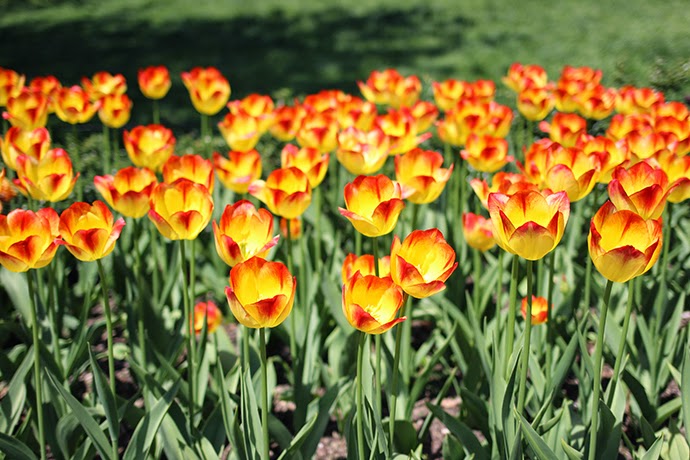
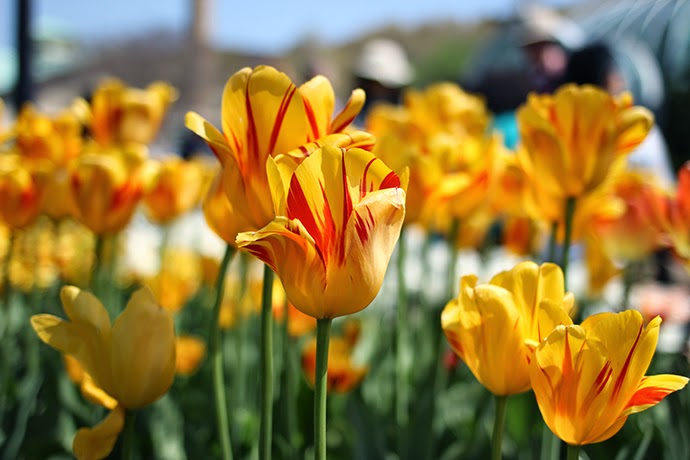
They were planted in long rows, mimicking the stripey effect of a mini-flower field. There were classic colors and shapes along with some strikingly somber colors and tulips with sharp-looking jagged edges. Like in the Conservatory Garden, there were a ton of varieties that I had never seen before and it would be hard to pick a favorite.
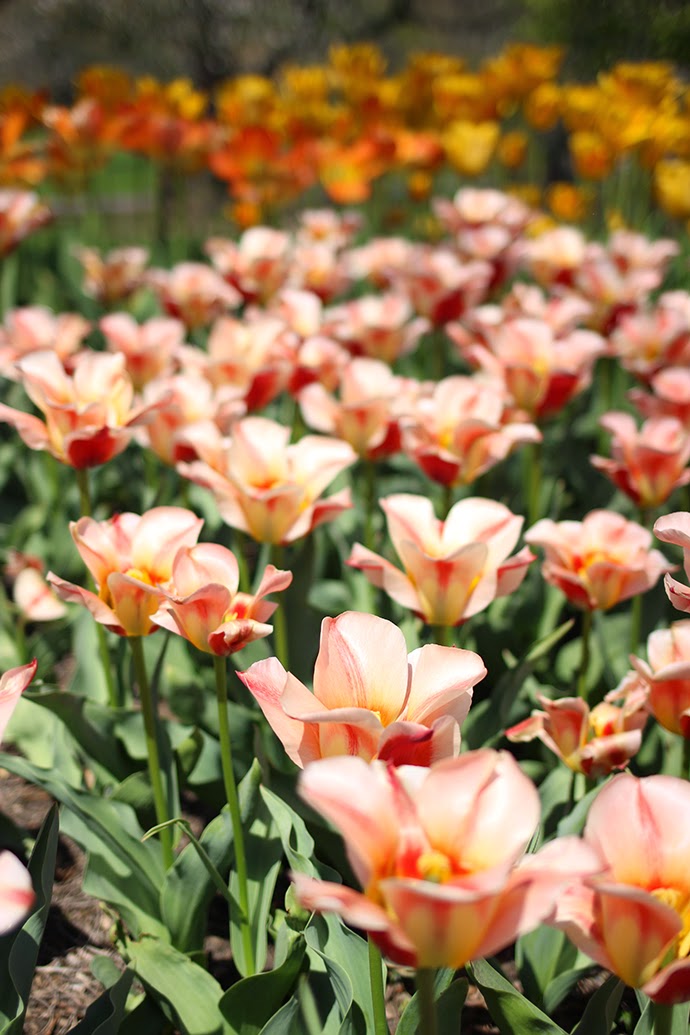
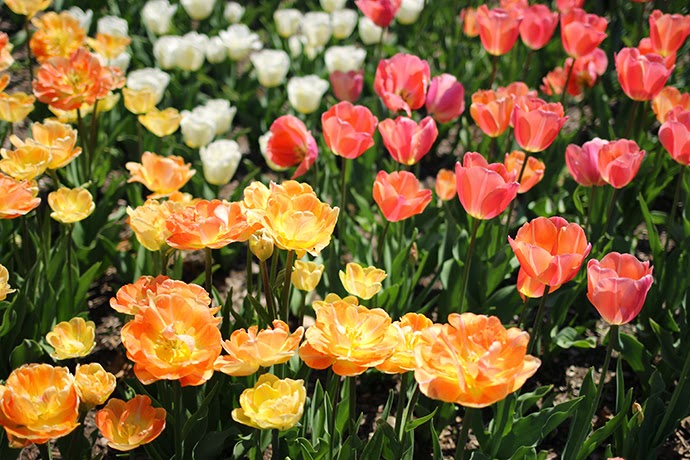
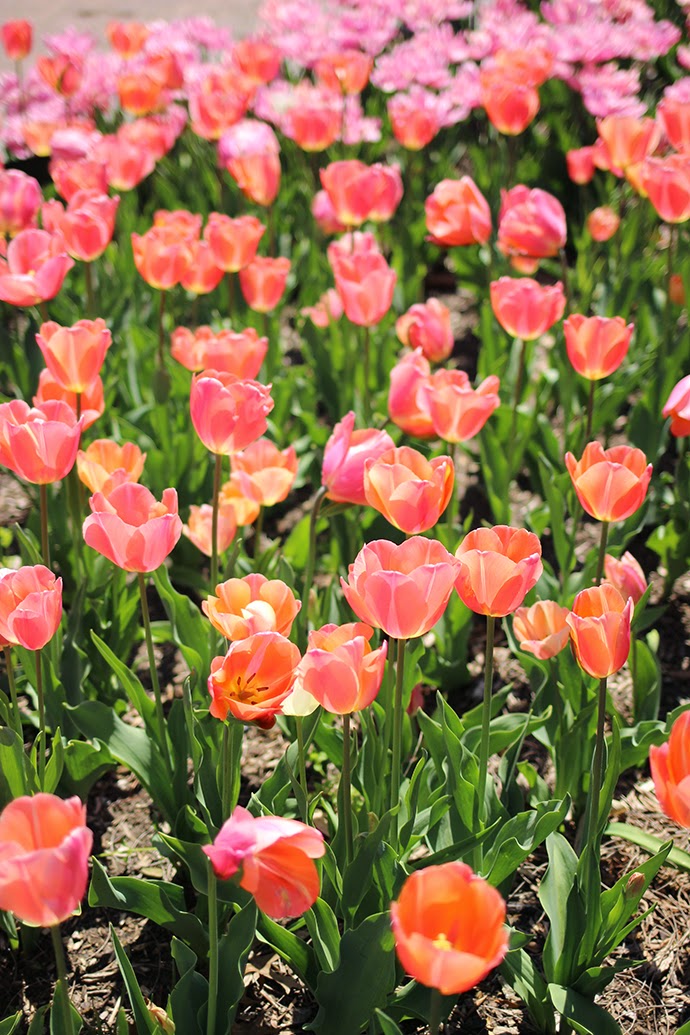
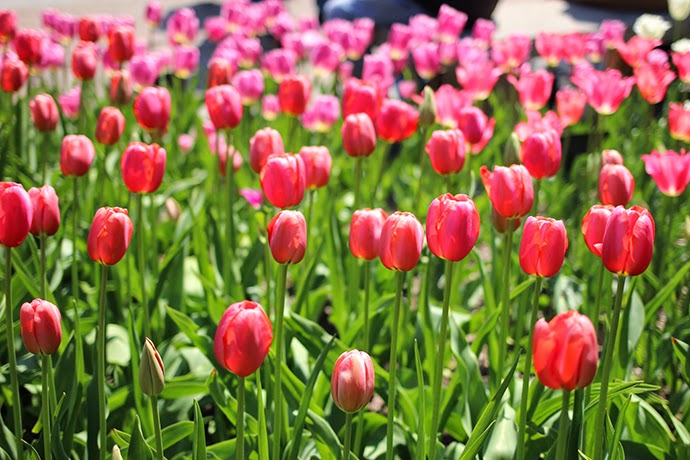
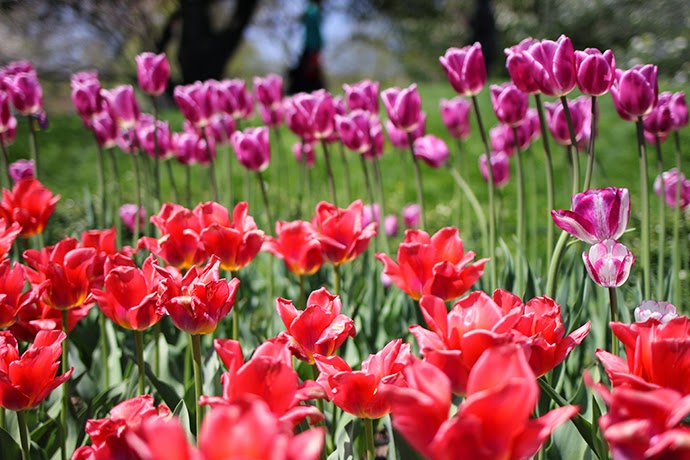
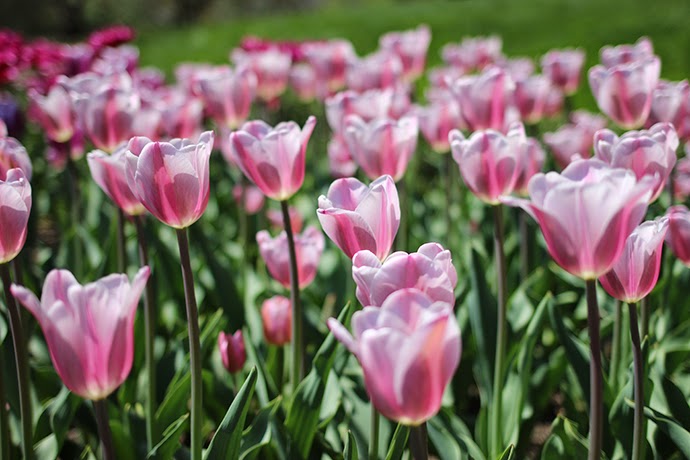
It's been on my dream list for a while now to visit a legitimate flower field, although I've heard that they are notoriously hard to catch at peak bloom. Until I manage to pull that off, however, I'm so grateful that I get to experience spring in all parts of the city. I'm outside so much more in New York than I ever was when I lived in Ohio, so even small changes to the weather or landscape make a huge difference.
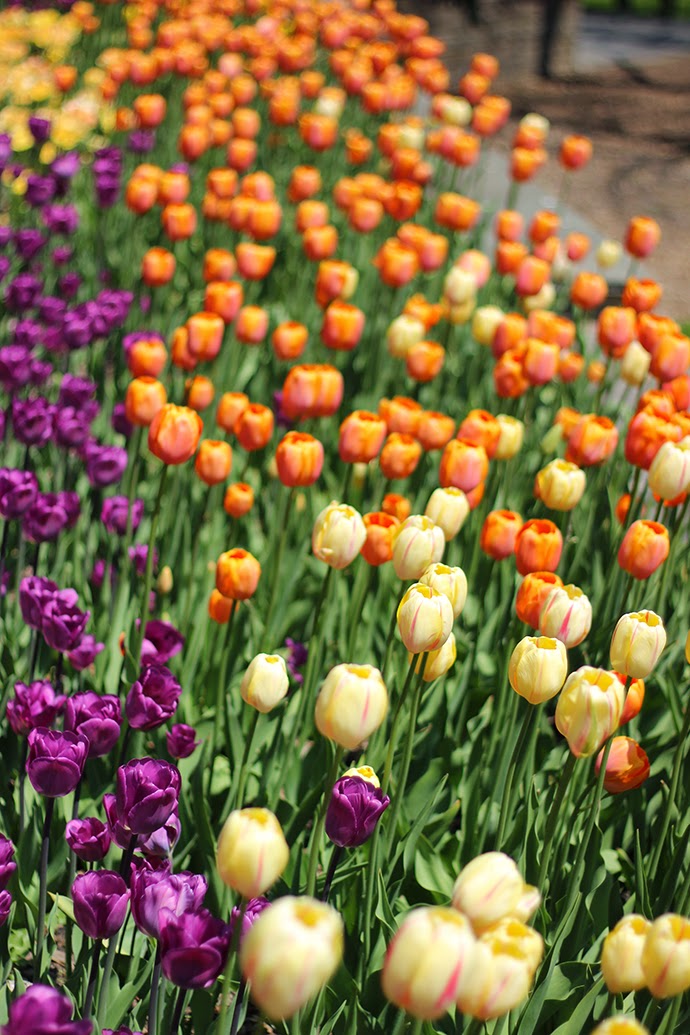
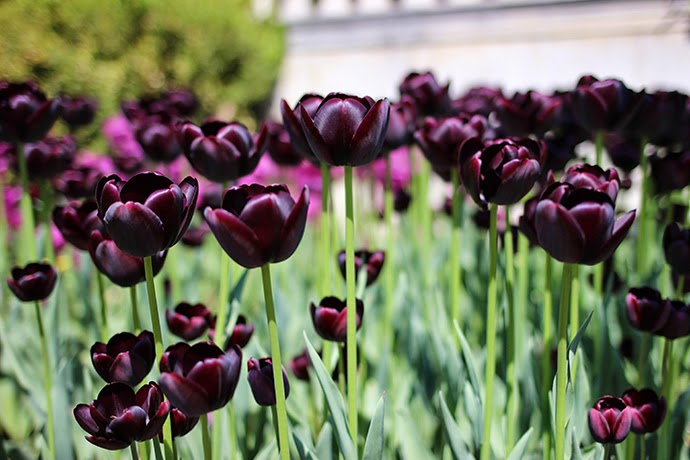

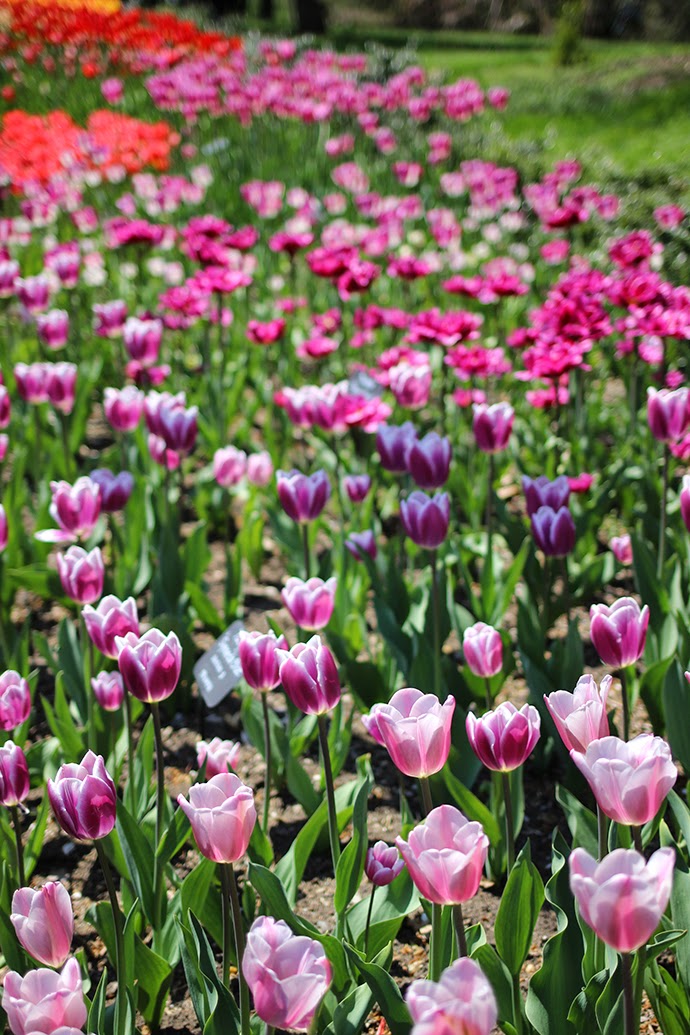
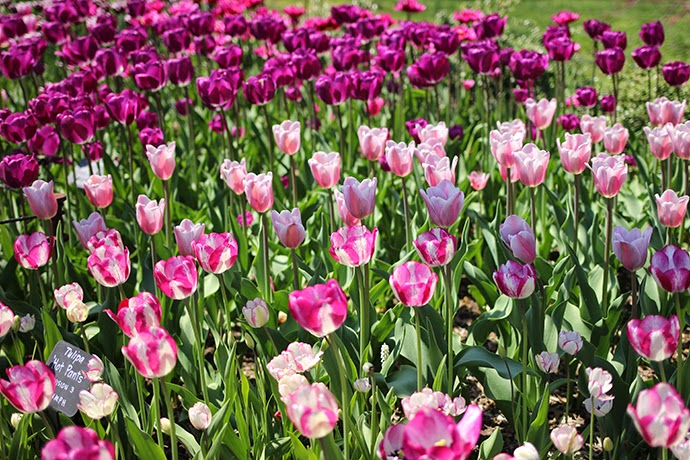
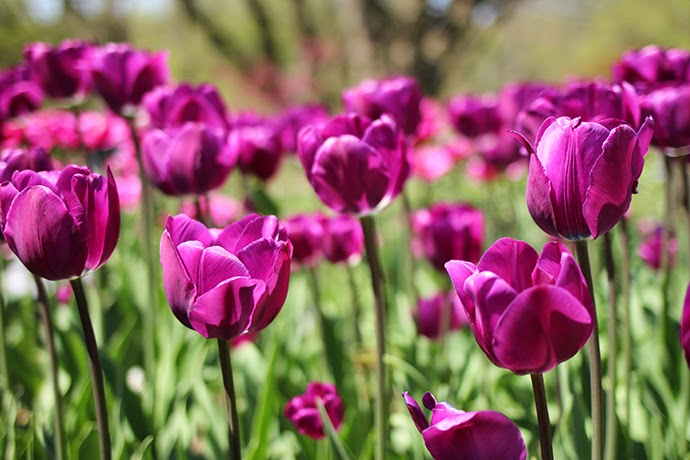

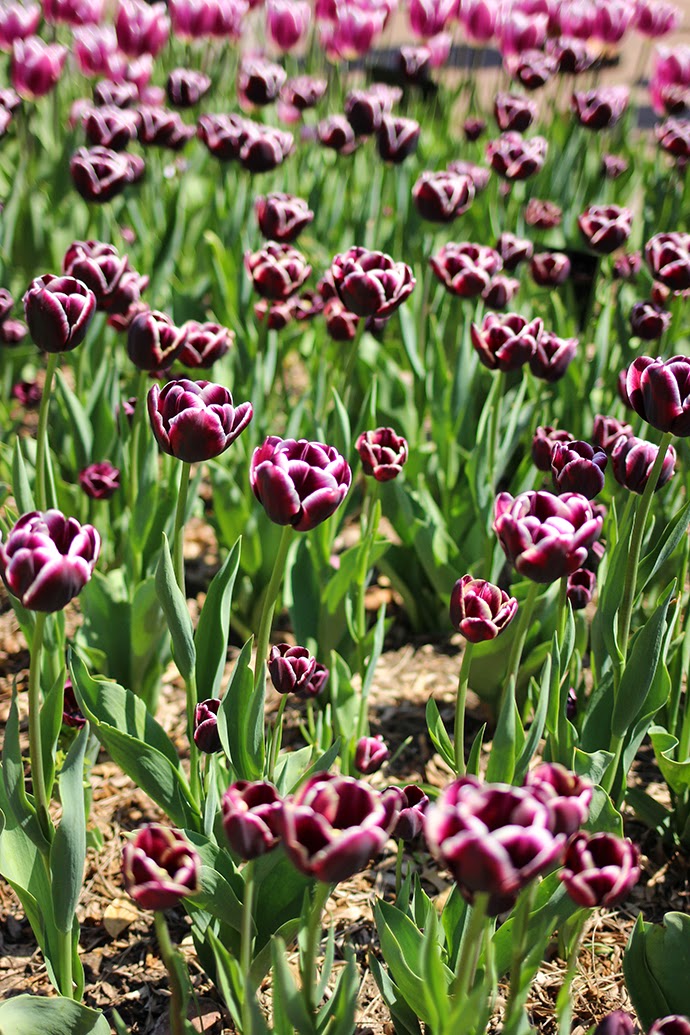
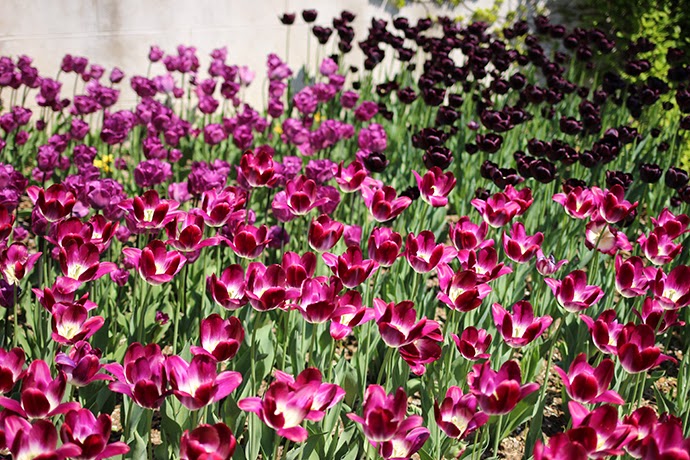
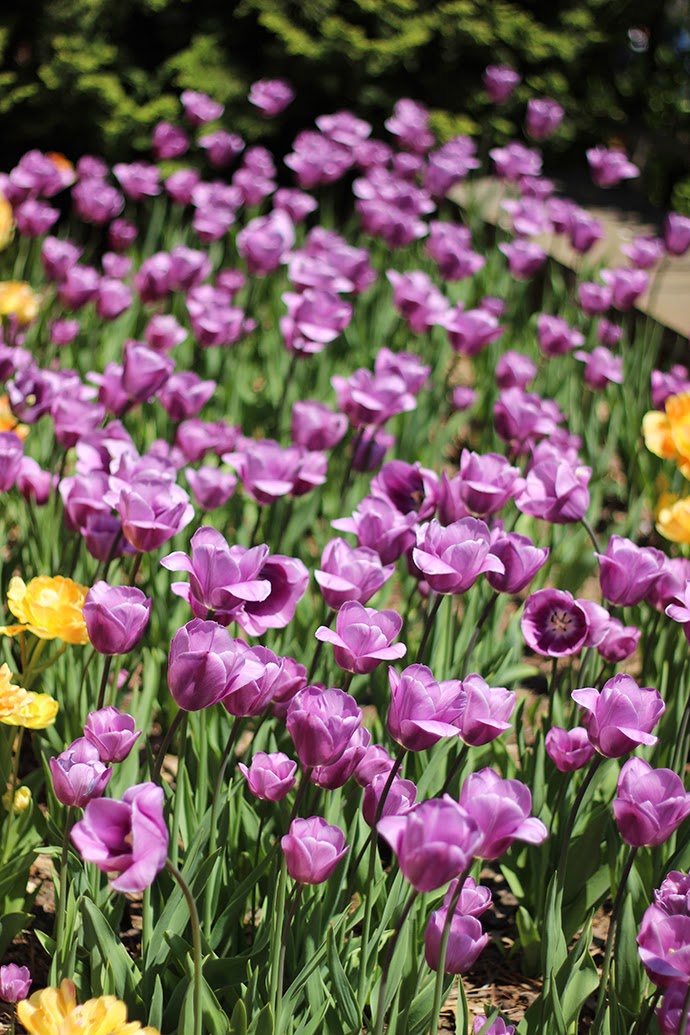
I actually tried to order these photos by color, but I kind of failed. I did realize just now that there weren't any blue or green tulips, which I know are kind of rare colors to see in flowers but if orchids and hydrangeas have it figured out, tulips should be able to get on board.

Dead Horse Bay: Bottles + Boats
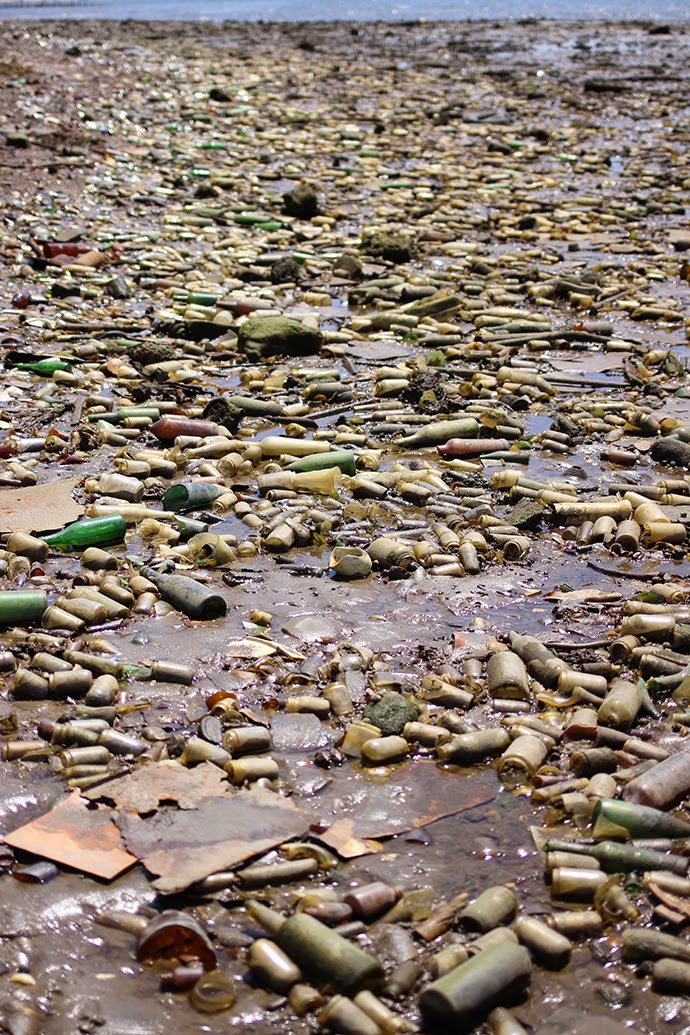
Last weekend my dude and I biked 24 miles—my first time on a bike in a looooong time, and my first-ever experience with city biking. We had planned to go to Fort Tilden, but when he mentioned that we could stop at Dead Horse Bay on the way I immediately agreed.
Trent and I had gone to DHB last year for the first time (read about that visit here and here) and I haven't stopped thinking about how amazing it was and wondering when I would get to go back. This time we spent nearly four hours combing through trash, treasure and everything in between, during which I said "this place is SO cool" so many times that I lost count.


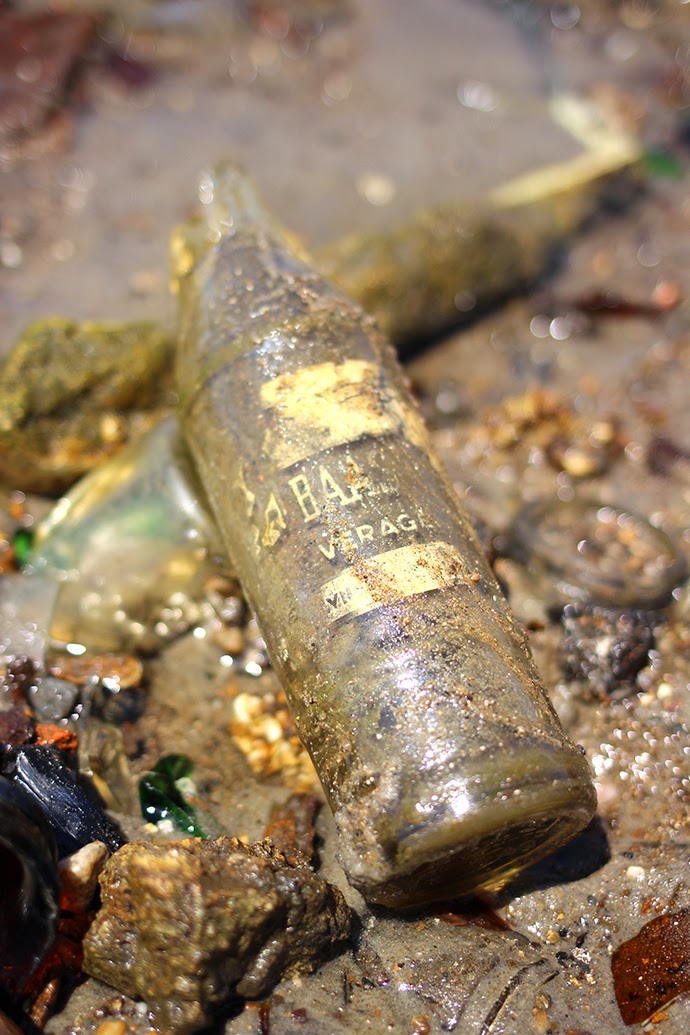


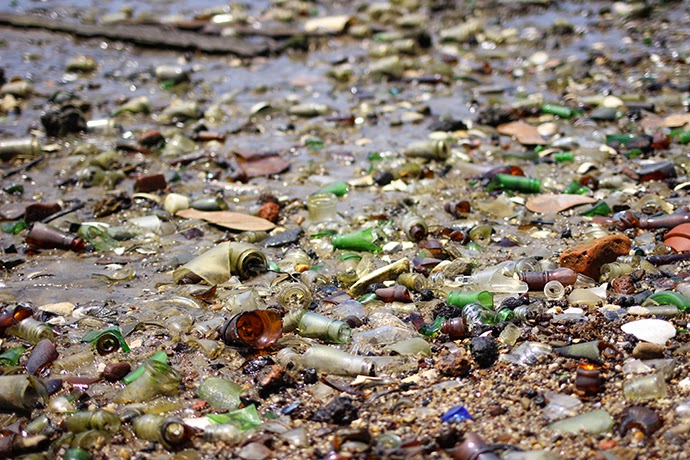
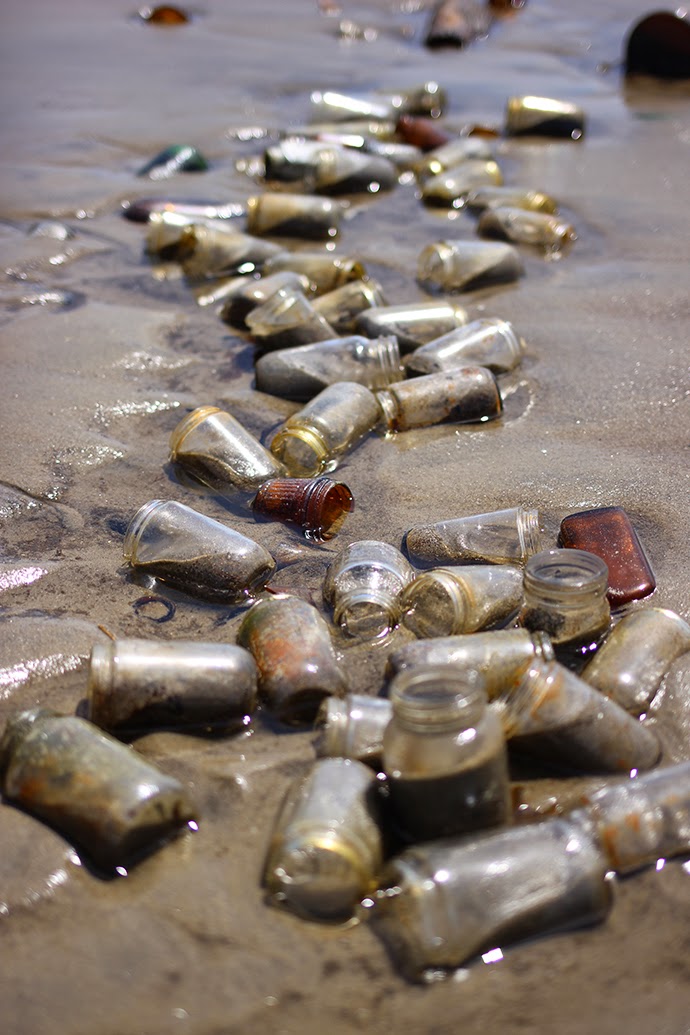
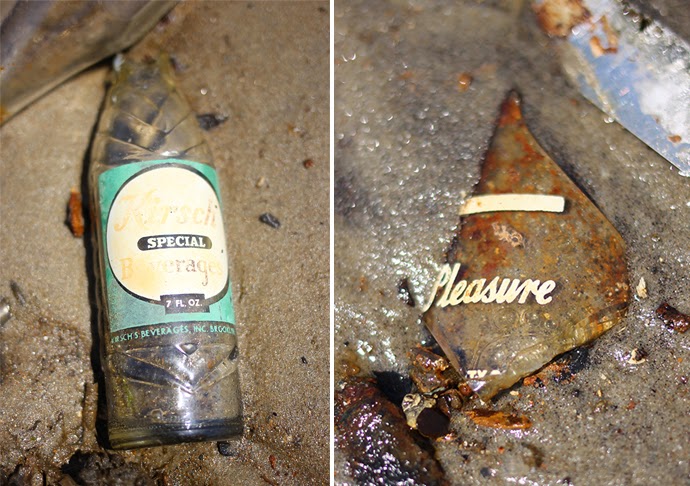
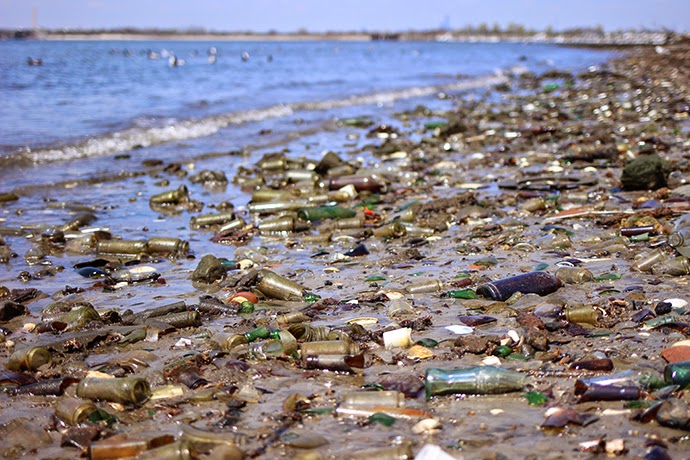
With places like DHB—places so amazing that I wonder how they even exist at all—I'm constantly terrified that they'll disappear, and wary of them becoming too "popular." A major appeal of DHB is its abandoned, other-worldly feel, which is always a precarious thing to maintain—especially in a city as crowded and visible as New York. Luckily, DHB hasn't seemed to change much in the year since I first went, although we did see a lot more people this time.
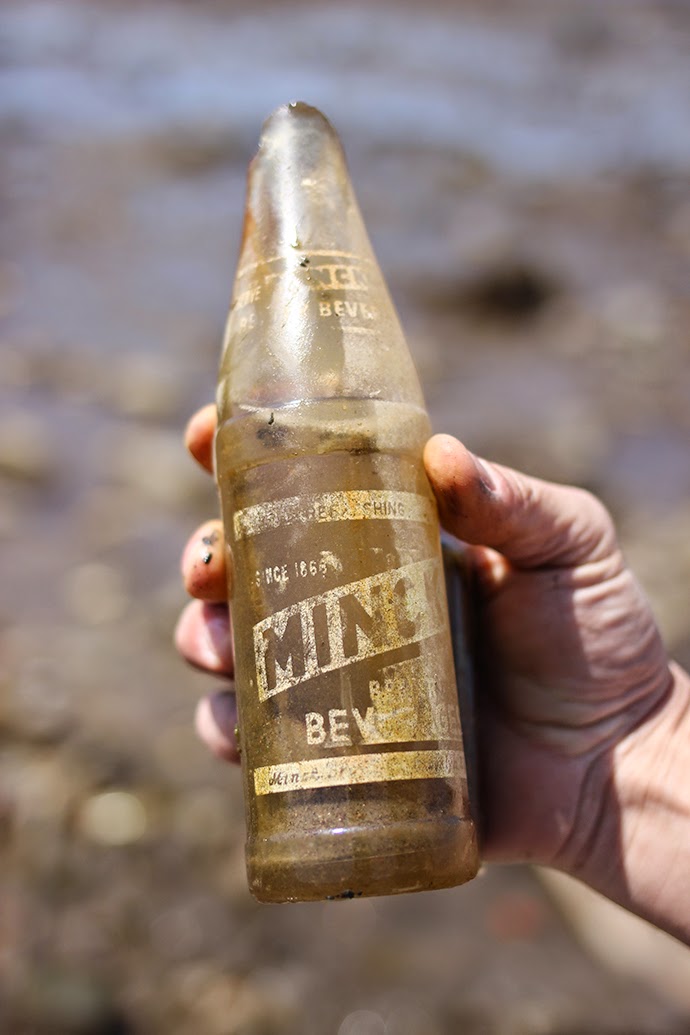
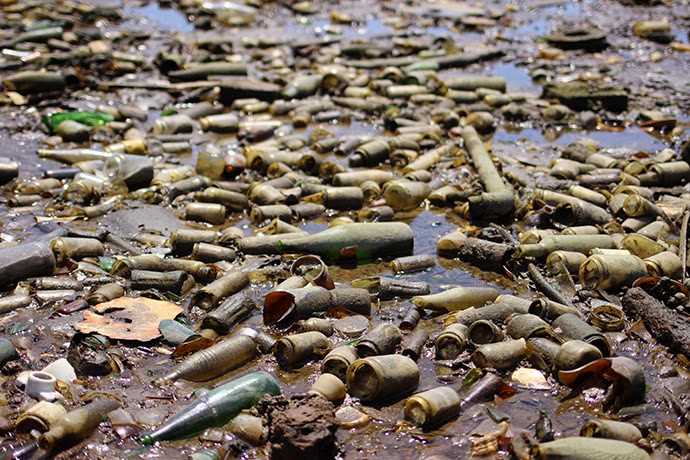
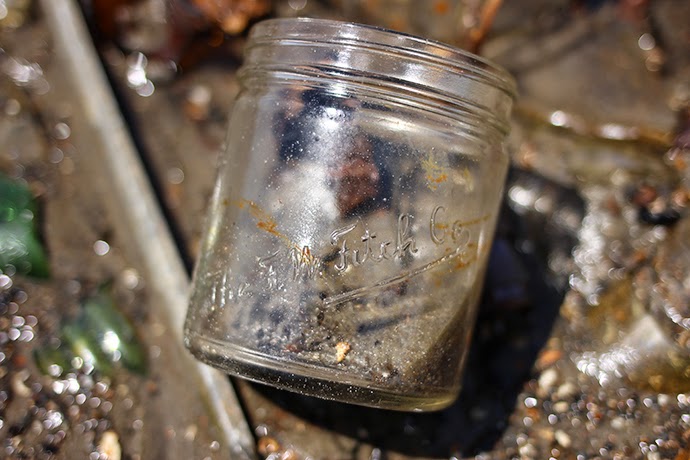
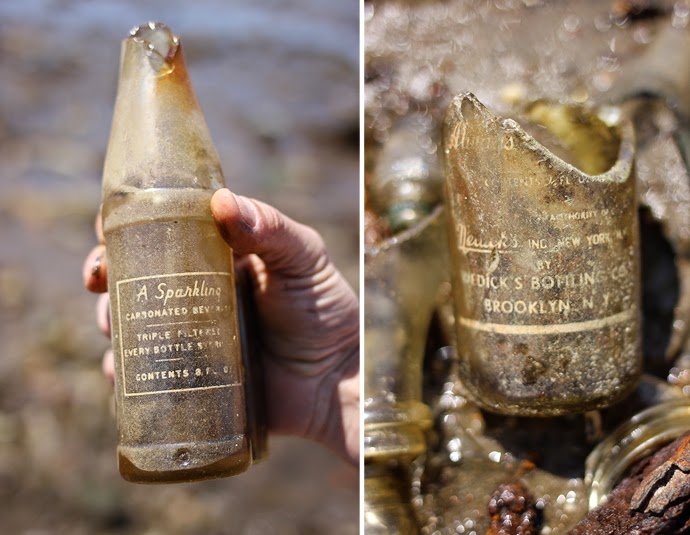
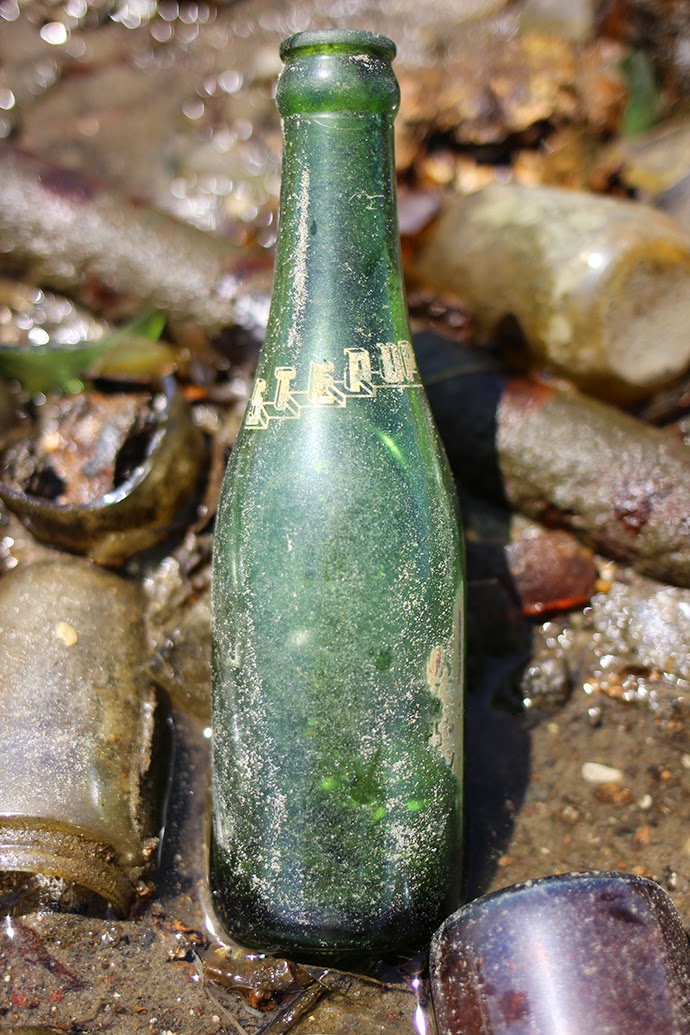
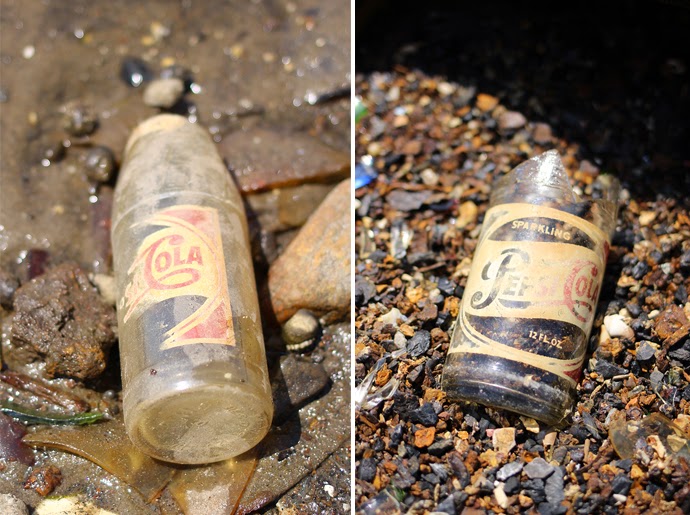

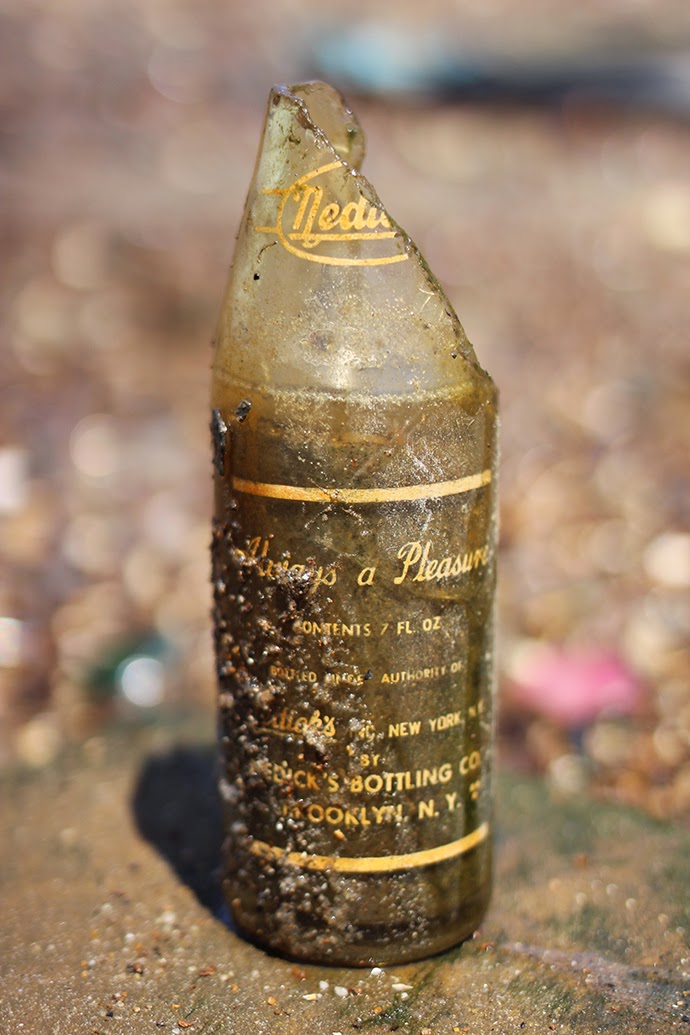
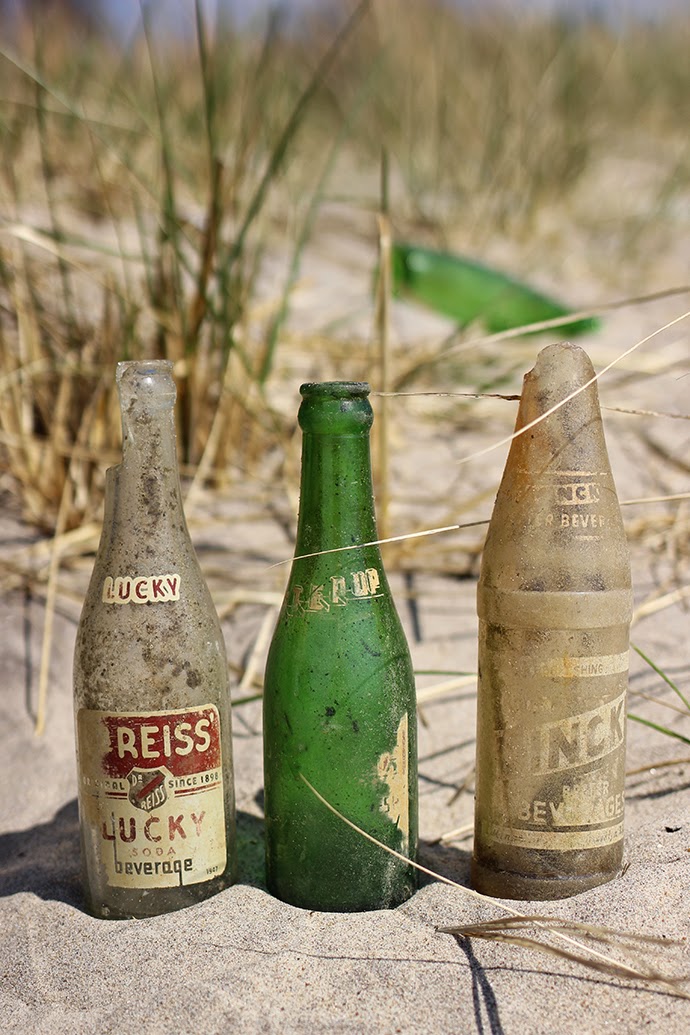
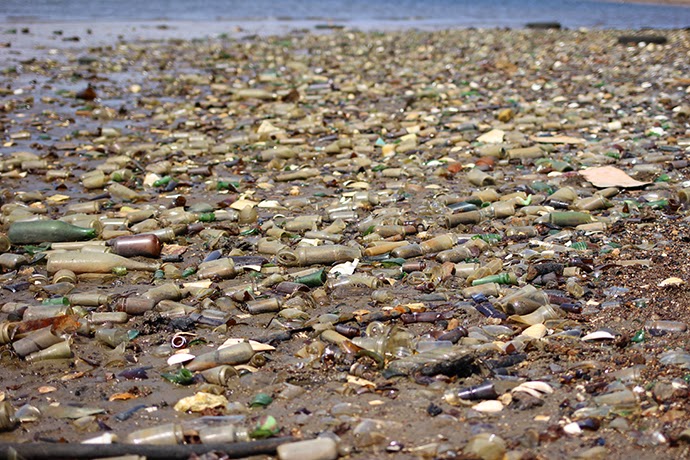
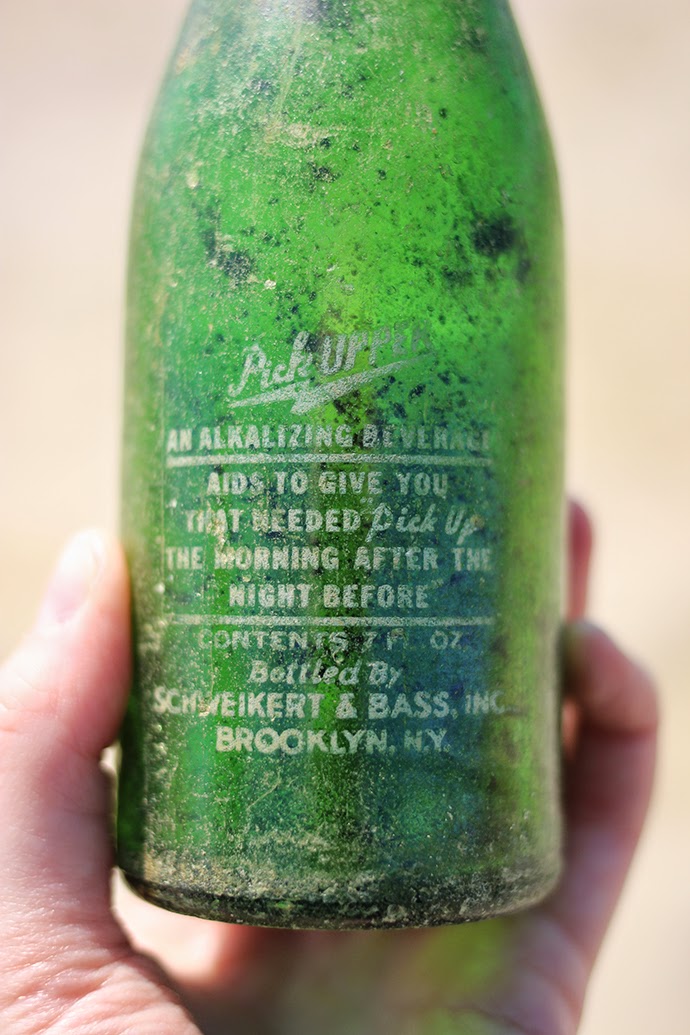
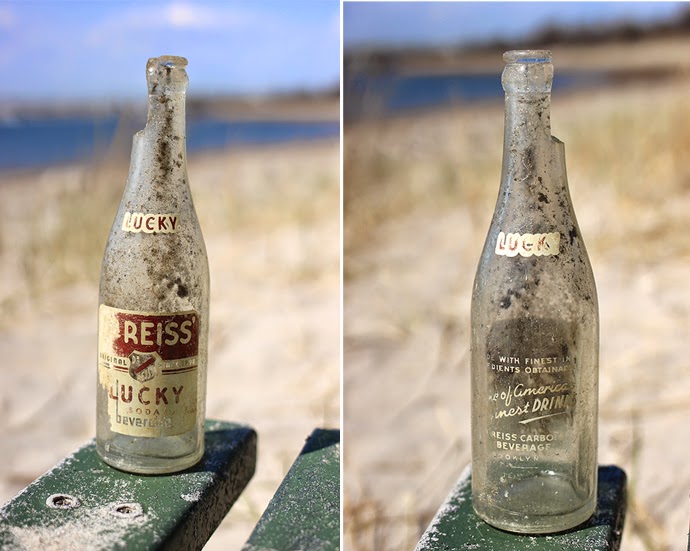
Dead Horse Bay is alternatively referred to as "Bottle Beach," and it should be immediately obvious why. It's so fun sifting through the bottles to find remnants of sodas I've never heard of, pieces of beautiful typography and colorful graphics. Not wishing to go full-on Collyer Brothers, we did end up sifting through what we had picked up and made some Sophie's Choices before we left—unfortunately none of the bottles made the cut, but I did keep the jar from The F.W. Fitch Co.


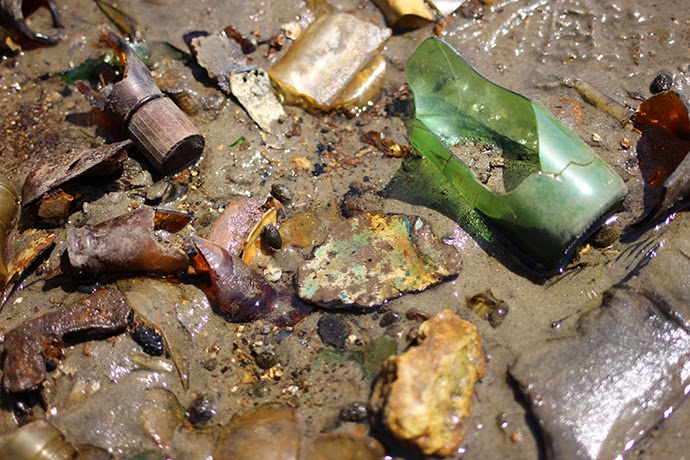
One difference that I did take note of was the amount of beached boats we saw—there were at least four new ones from the last time I was at DHB. It's kind of a mystery to me how or why the boats get abandoned, but they are fascinating to look at and really add to the abandoned, post-apocalyptic beach feel.

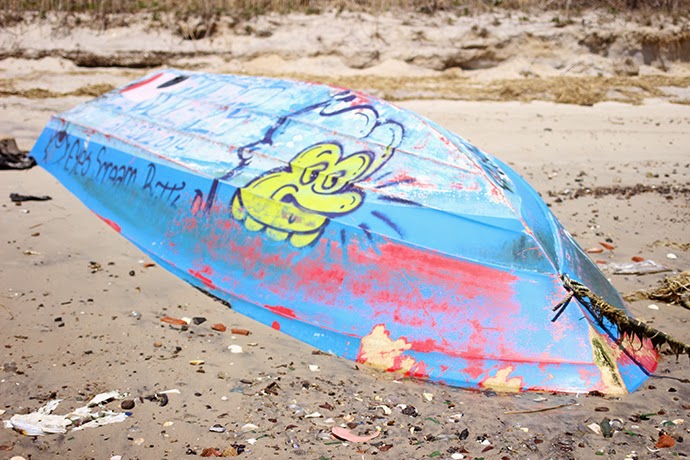
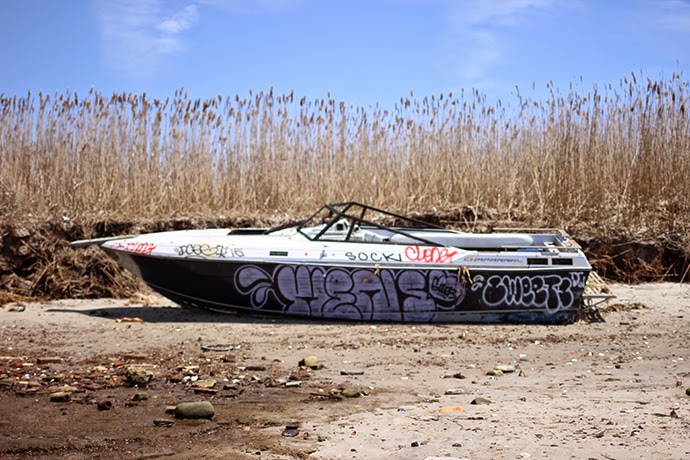

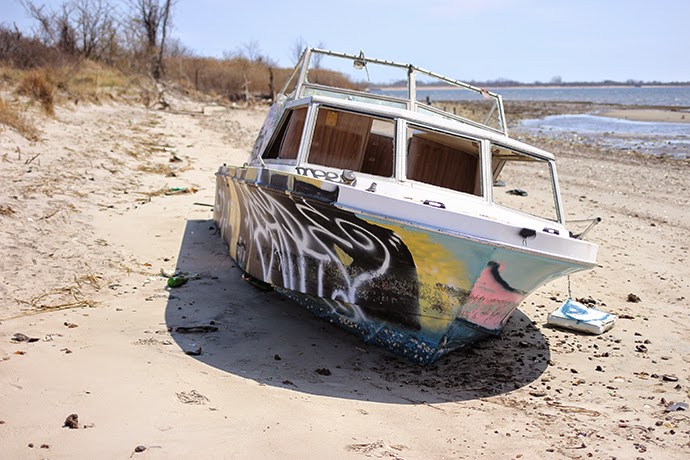
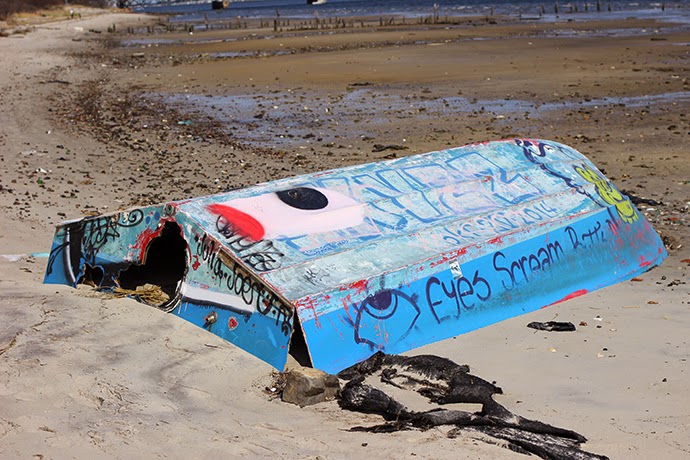
Dead Horse Bay is definitely in my top five favorite New York places and I still can't believe that it is so accessible and consistently awesome. Knowing how easily (and quickly) I can bike there just makes me want to go more frequently—I'm sure I could go to DHB once a day for the rest of my life and still find something new every time.
The Knick

Two weeks ago as I was walking home from work, I passed signs on east 92nd and 93rd streets announcing that The Knick would be filming in the area. Francesca and I went to check it out on our lunch break and as we hoped the Upper East Side was being transformed into early 1900s New York.
I don't usually pay much attention to things filming around New York, mostly because I feel weird about gawking, but I am pretty much obsessed with The Knick. I have been going through withdrawal ever since I finished the first season and just knowing that they're currently filming the second is making me even more impatient.


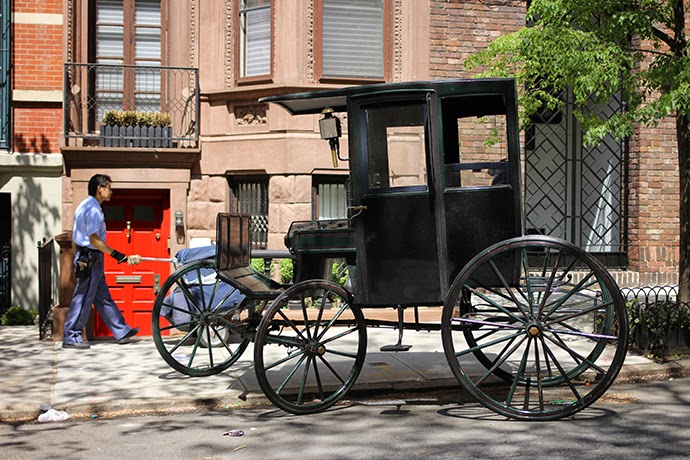

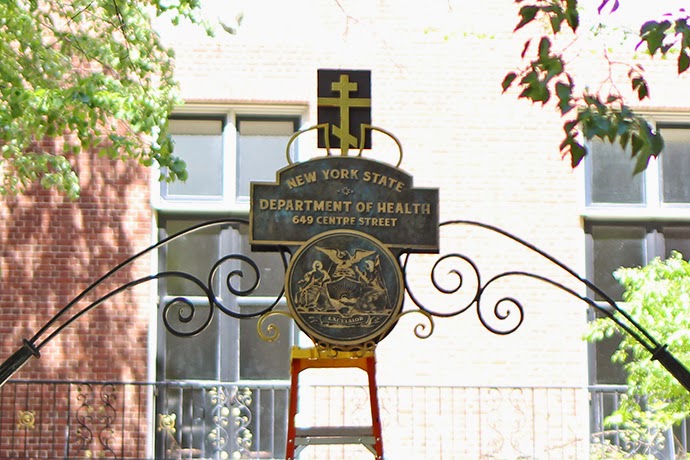
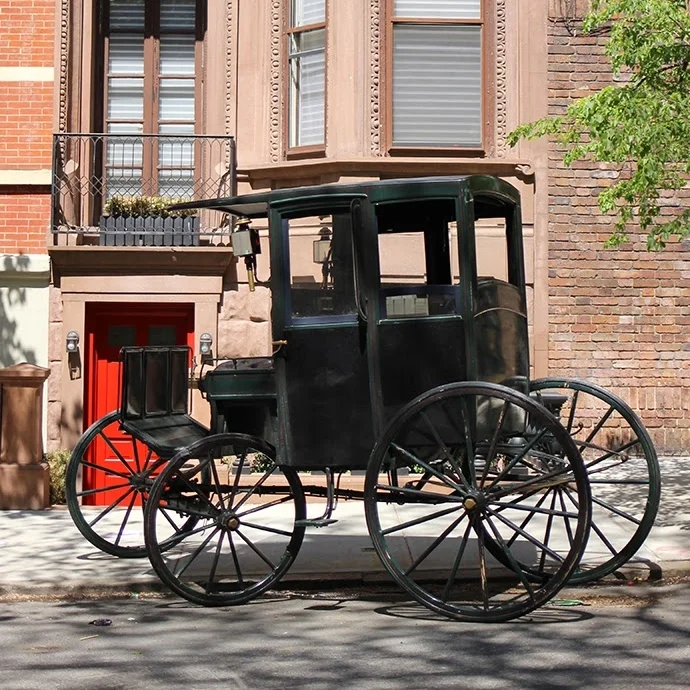
The first thing we came upon was a row of trailers, labeled with some names I recognized—Cleary, Dorothy Walcott—and others like "rough female prisoner." The next street over was cleared of cars and four horse-drawn carriages were parked outside of the Synod of Bishops Russian Church, which was being transformed in the New York State Department of Health.


The horses for the carriages were down the next block, accompanied by handlers in period costume. Another set location was also being set up in a beautiful ivy-covered brownstone and gas lamps were being added down the street.


We circled back to the Dept of Health set and watched them for a while—it's fascinating to see how much work goes into filming what will probably end up being fairly quick scenes. My favorite part was when they started laying the "brick" street, which was made of sections of interlocking rubber mat. I also loved watching the people standing around in full period costume as they talked on cellphones or listened to music. It was fun to be able to walk out of my office and spend an hour in 1900s New York and now I'm even more excited for the second season.

BBG: Cherry Blossoms 2015
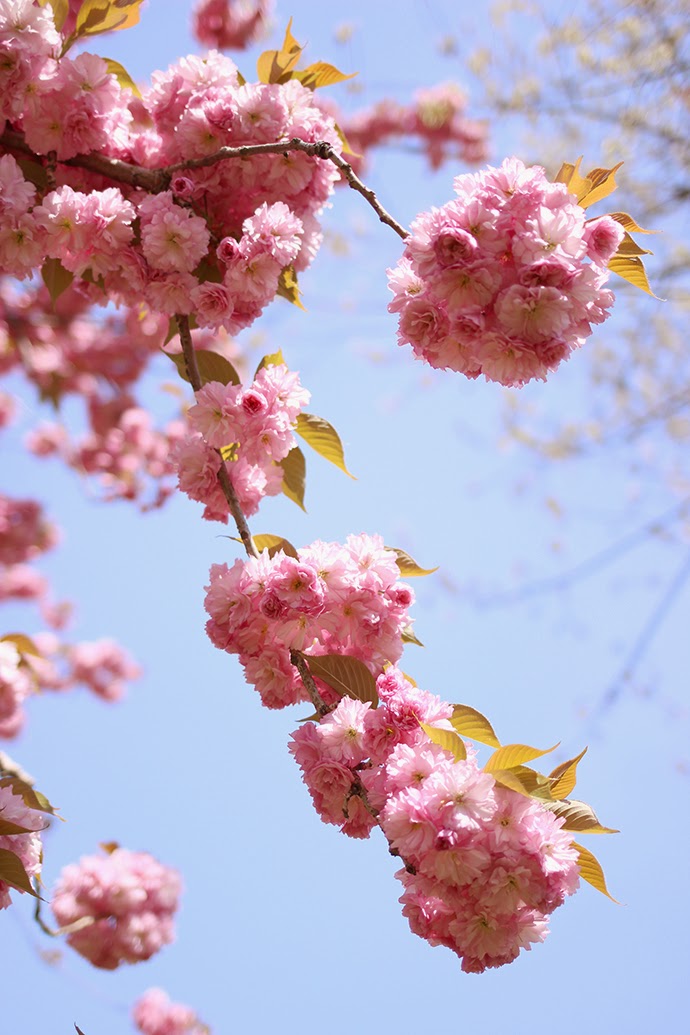
This is my third time being in the city for the blooming of the cherry blossoms and I still can't get enough. Although I'm a member of the New York Botanical Gardens, I've never really seen their cherry blossoms. By now I already feel as if I have a nostalgic attachment to Brooklyn's cherry grove—it was under these trees that I really cemented my resolve to become a New York resident—and now I can't imagine a spring without them.
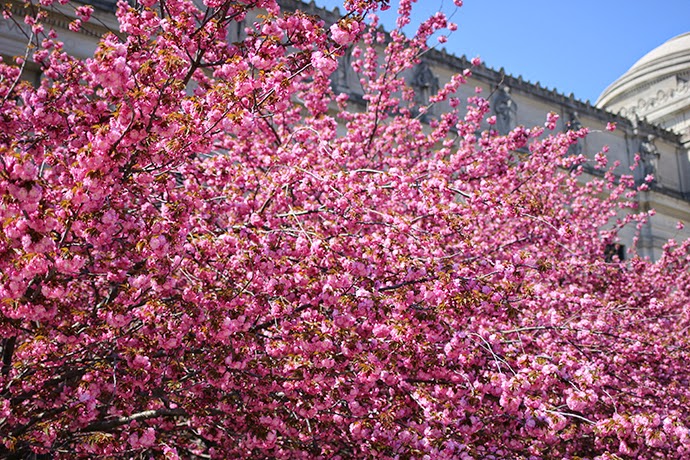
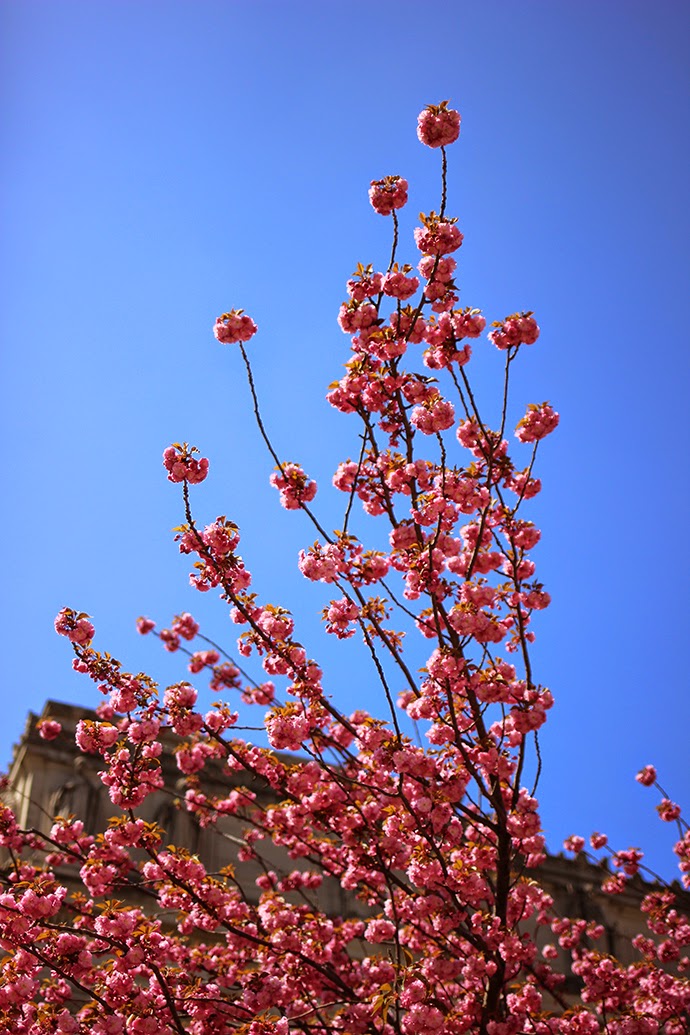
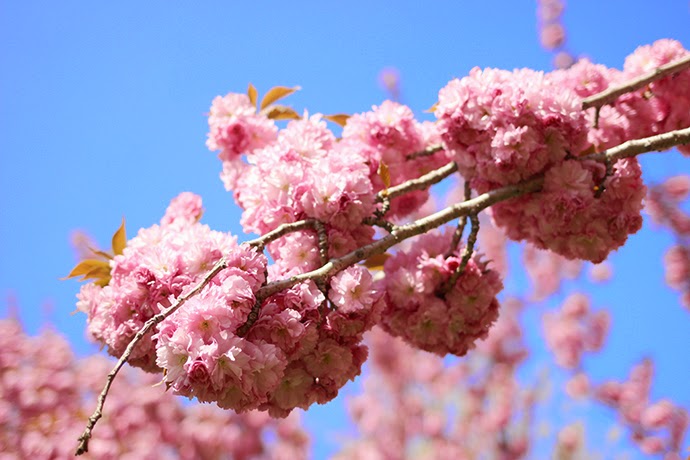
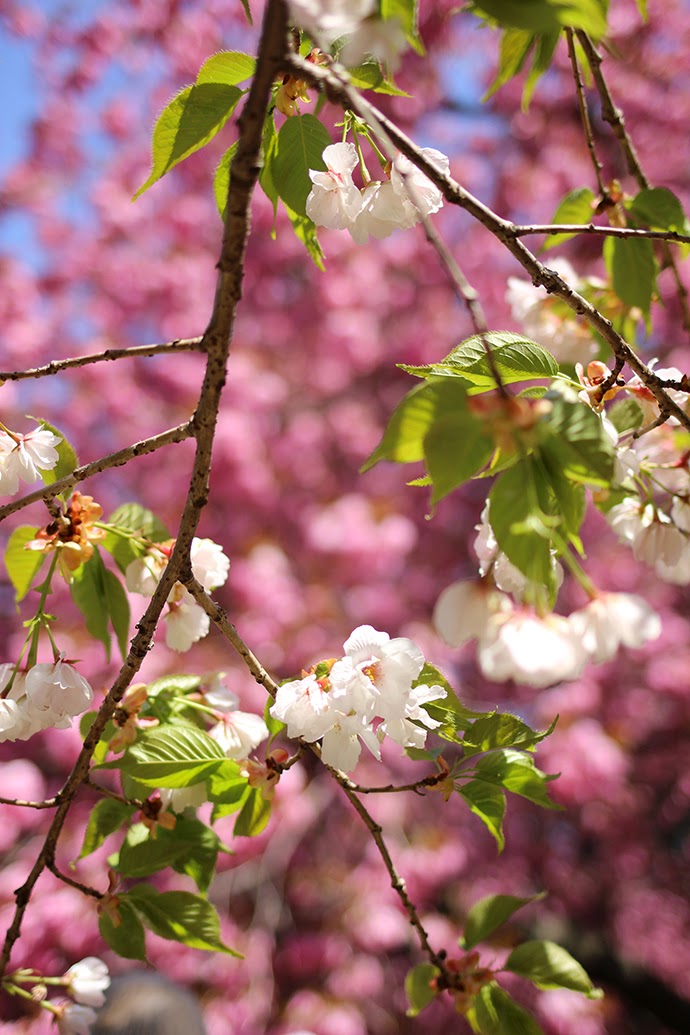
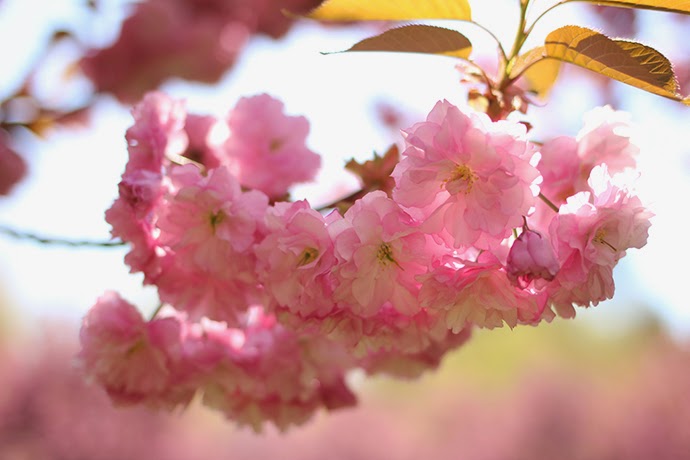
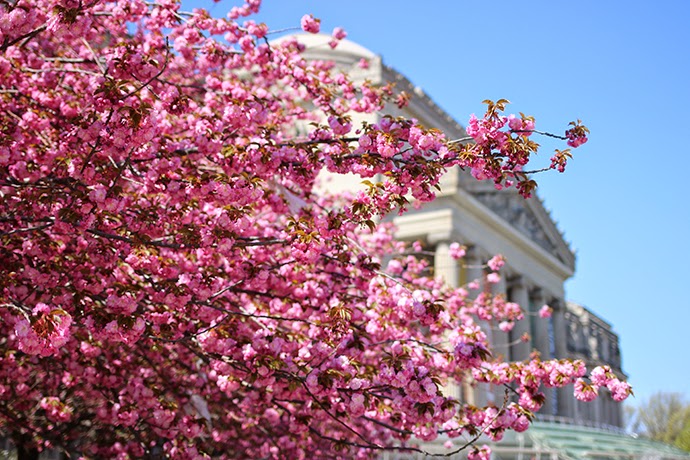
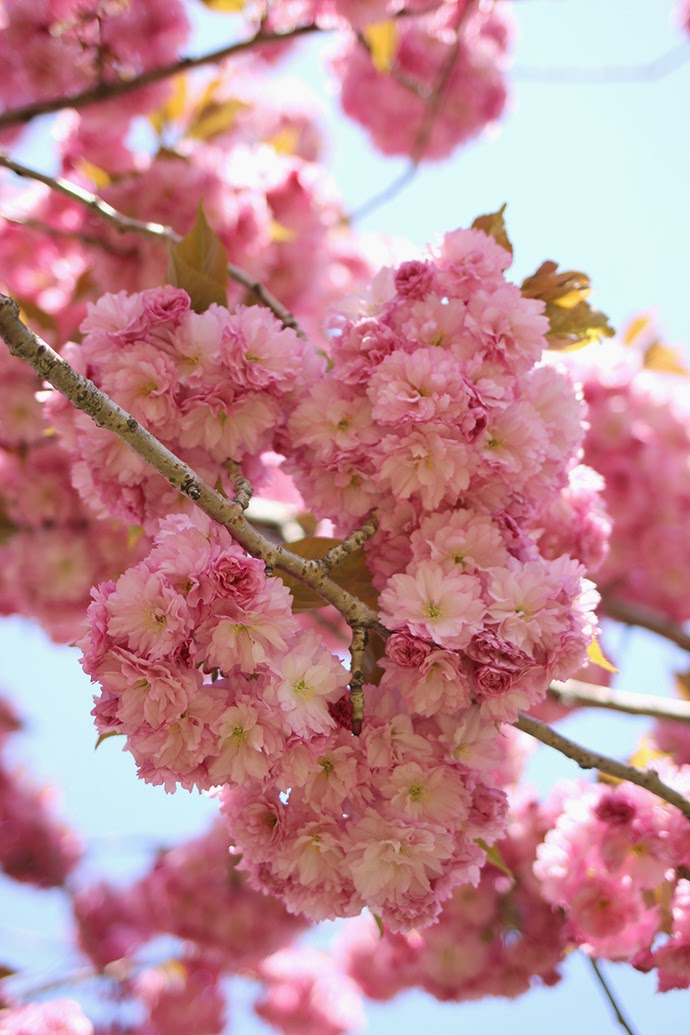
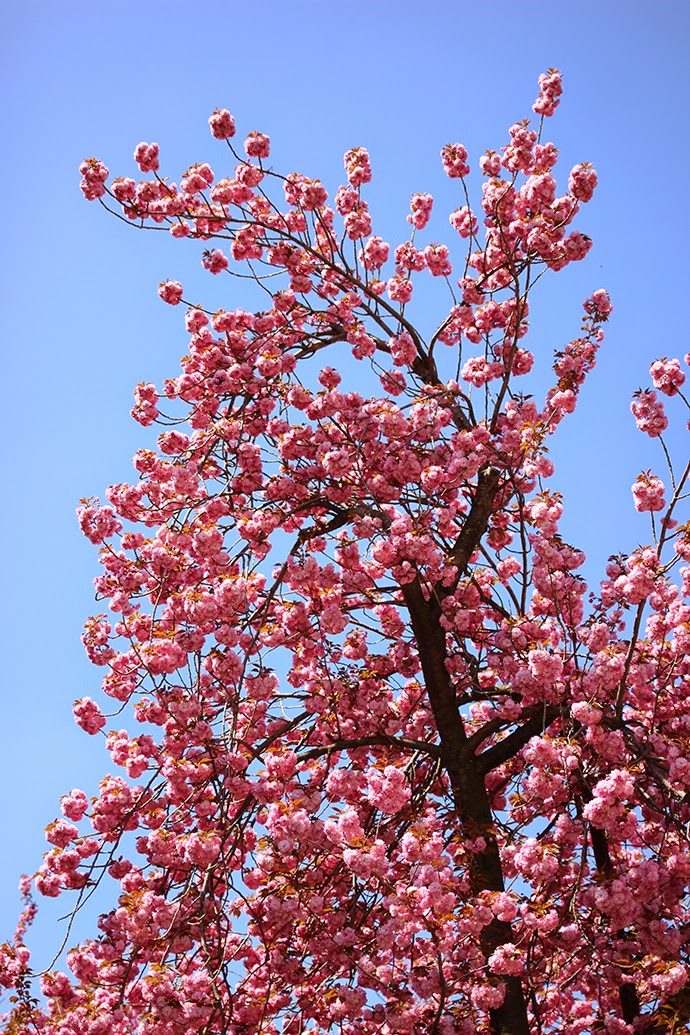
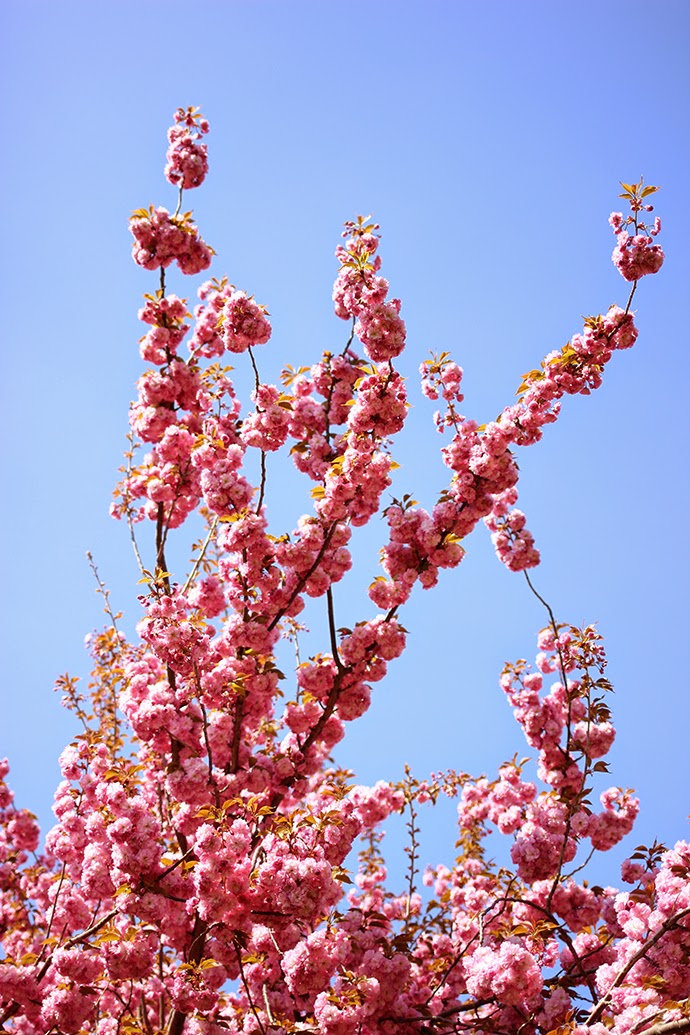
I also haven't ever actually been to the Sakura Cherry Blossom festival, but I seem to be able to catch the blooms at their peak without paying the $25 ticket price. The garden is free on Saturday mornings, and is never as crowded as I think it should be—especially when the weather is as perfect as it was last Saturday.
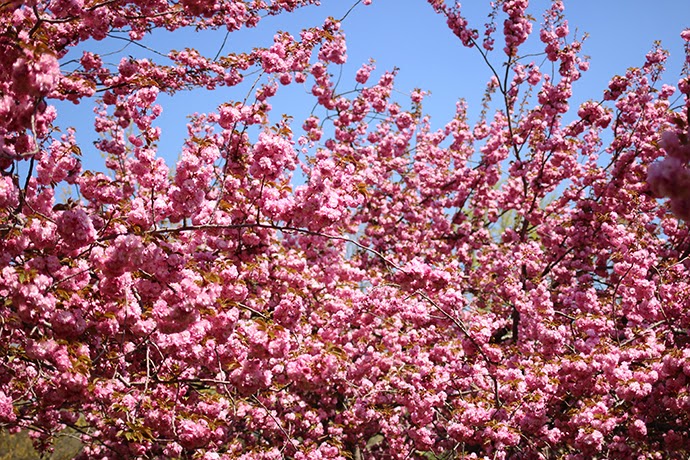
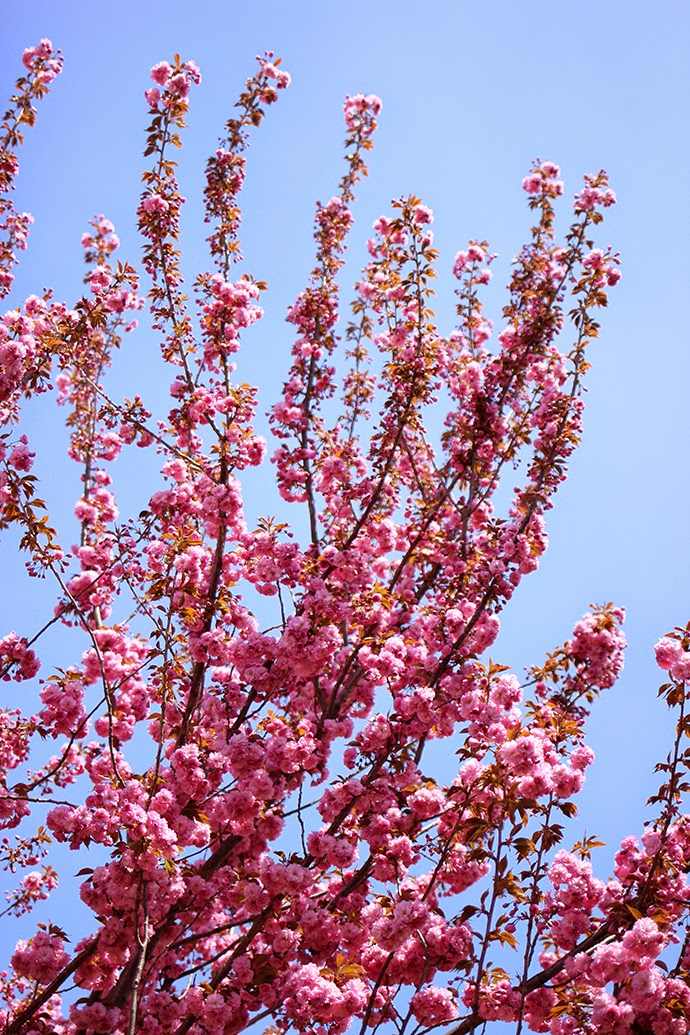
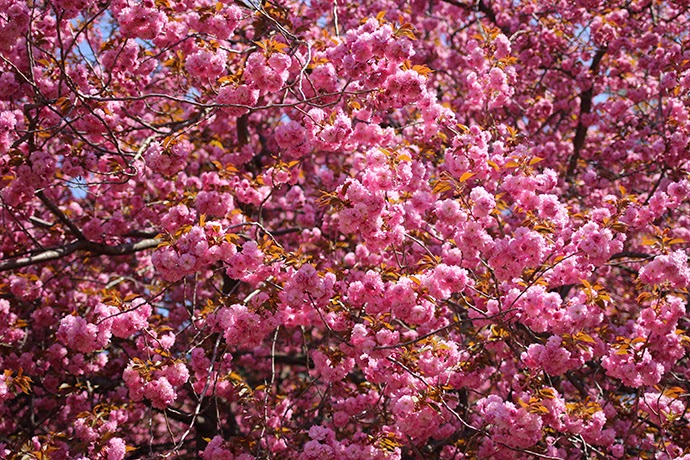
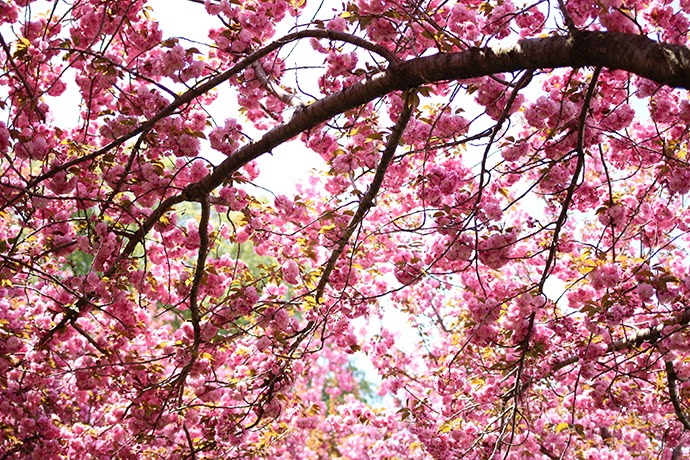
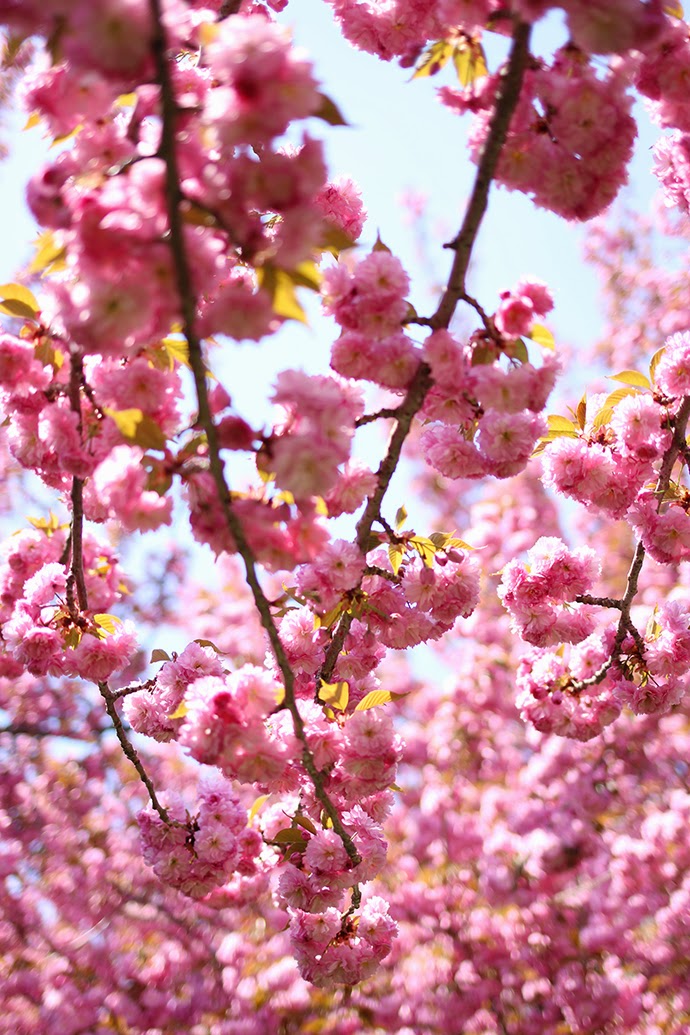
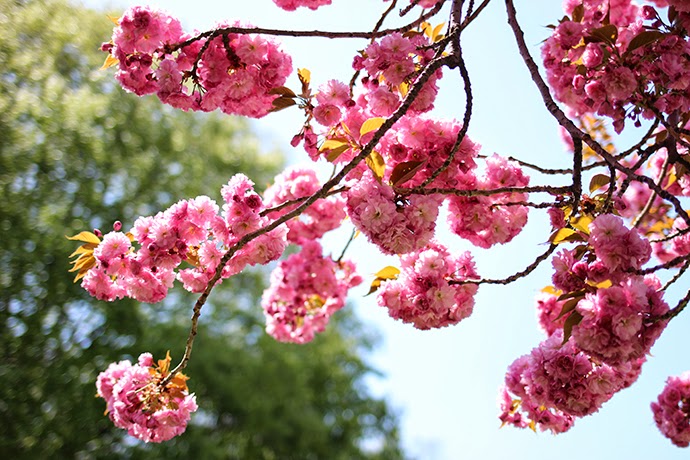
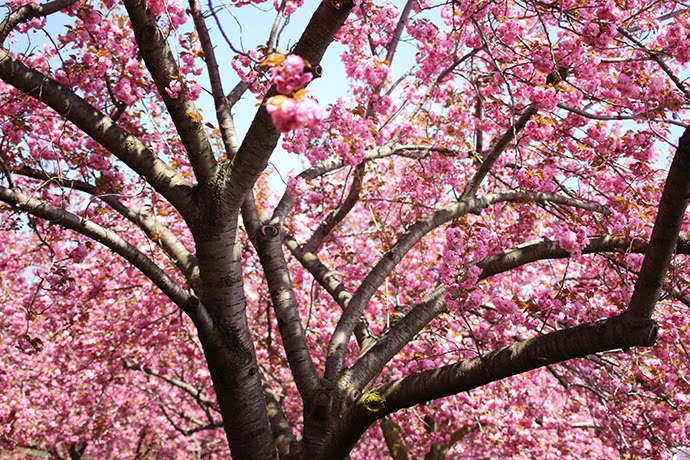
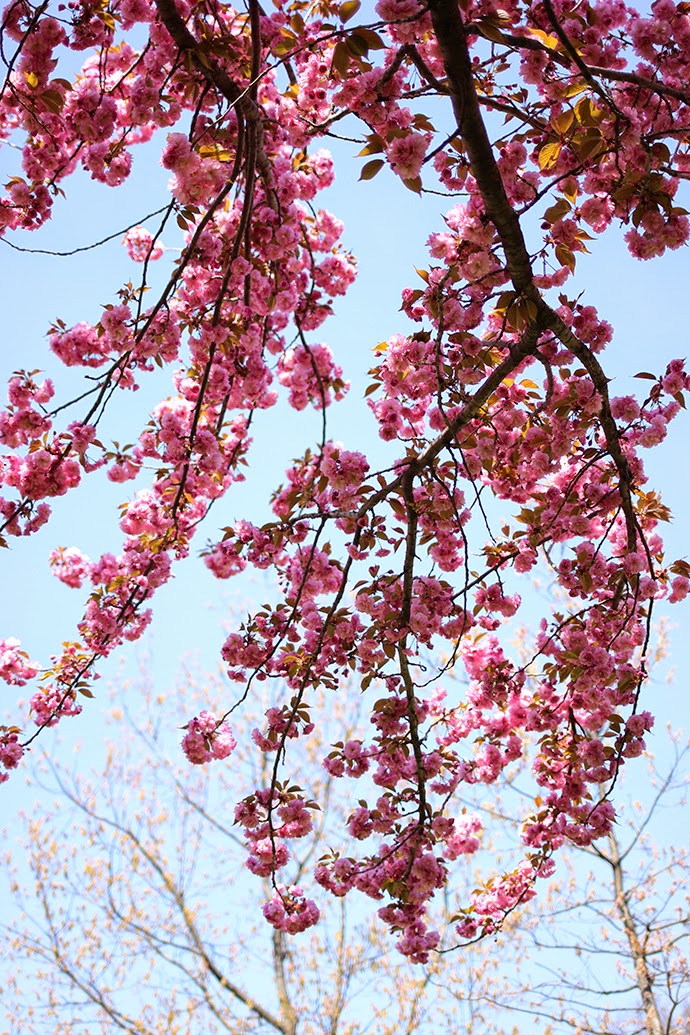
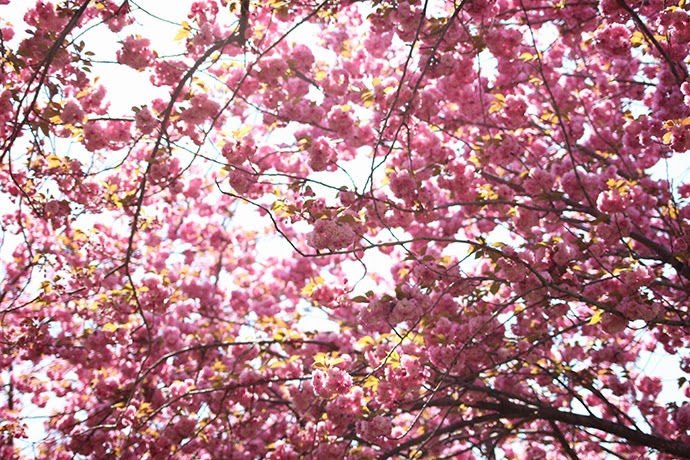
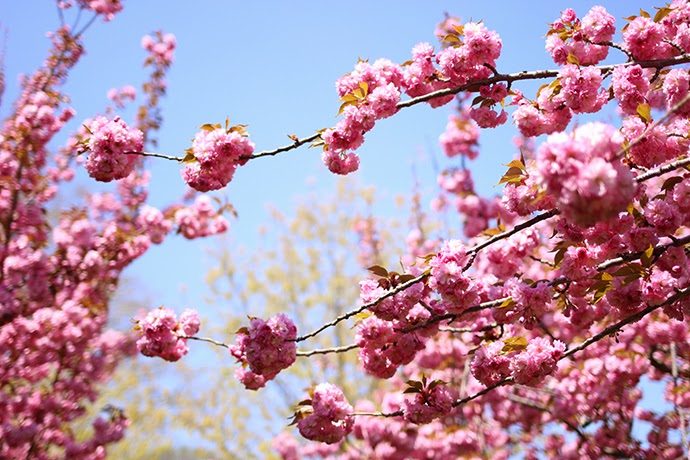
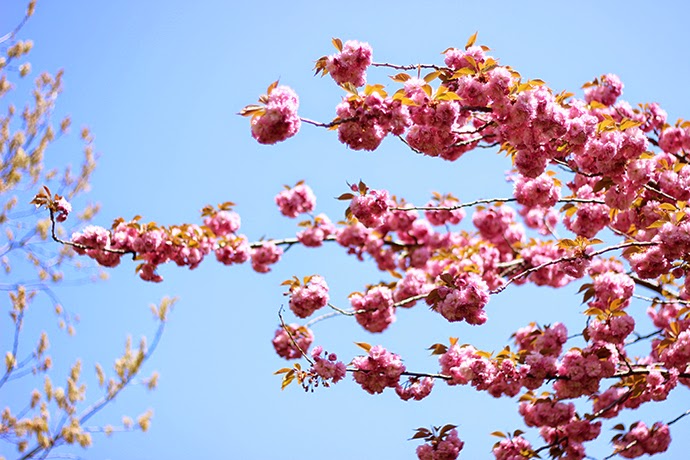
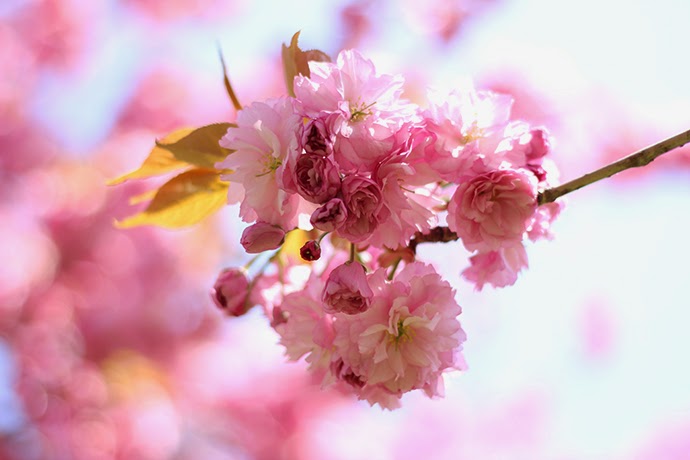
No matter how many times I see the cherry blossoms, I still marvel at their insane beauty and intricate blooms. They seem completely unreal and as perfect as if they were crafted from tissue paper. The only downside to cherry blossoms, if you can call it that, is that they don't have a scent. It's almost disorienting to see such beautiful blooms and have zero fragrance attached to the visual, but no scent is definitely preferable to those white cat-piss-scented trees that sneak up on me every year.