

Archive
- Abandoned
- Alabama
- Arizona
- Bahamas
- Books
- California
- Cemetery
- Climate
- Colombia
- Connecticut
- Diner
- Egypt
- Feature
- Florida
- Friday Fun
- Georgia
- Holidays
- Illinois
- Iowa
- Italy
- Kentucky
- Louisiana
- Maryland
- Massachusetts
- Mississippi
- New Jersey
- New Mexico
- New York
- North Carolina
- Novelty Architecture
- Ohio
- Pennsylvania
- Personal
- Peru
- Project 365
- Protest
- Rhode Island
- Roadside Attraction
- South Carolina
- Tennessee
- Texas
- Travel Guide
- Virginia
- Walks
- Washington DC
- West Virginia
- Wisconsin

New Orleans: St. Louis Cemetery No.1
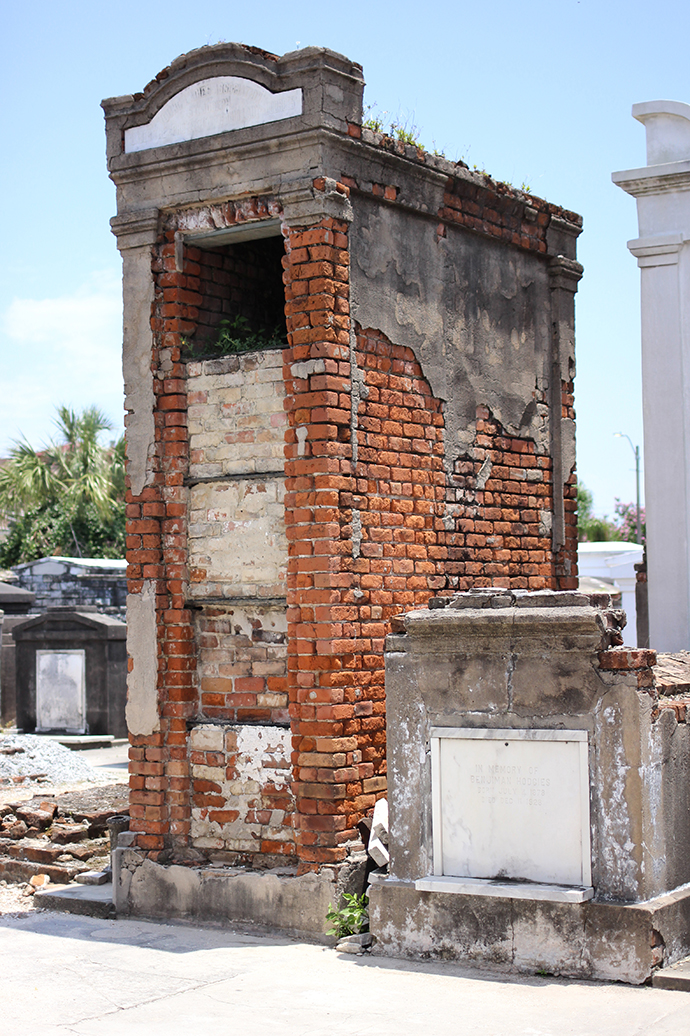
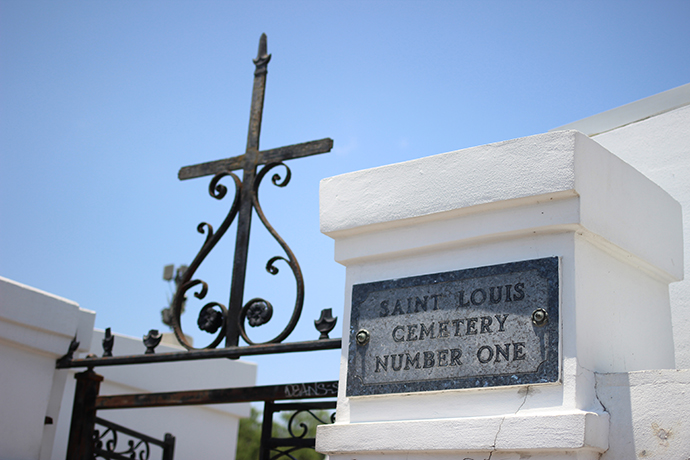
St. Louis Cemetery No.1 is the oldest and most famous of the three St. Louis Roman Catholic cemeteries in New Orleans. It opened in 1798, also making it one of the oldest cemeteries I've ever toured. The cemetery is small and very compact, housing thousands of permanent residents in just one square block.

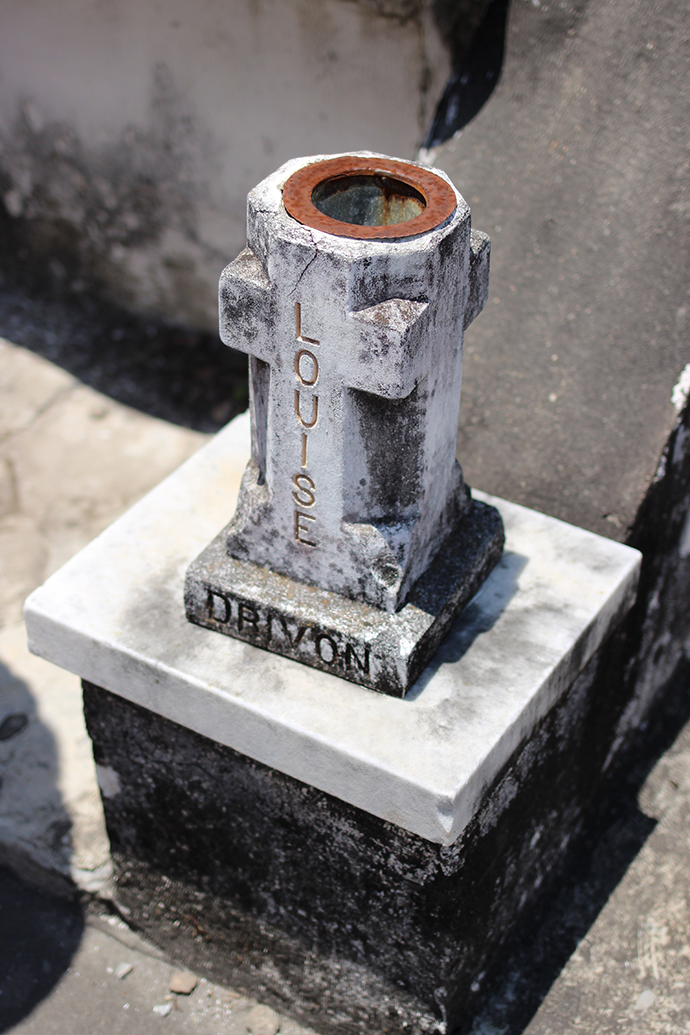
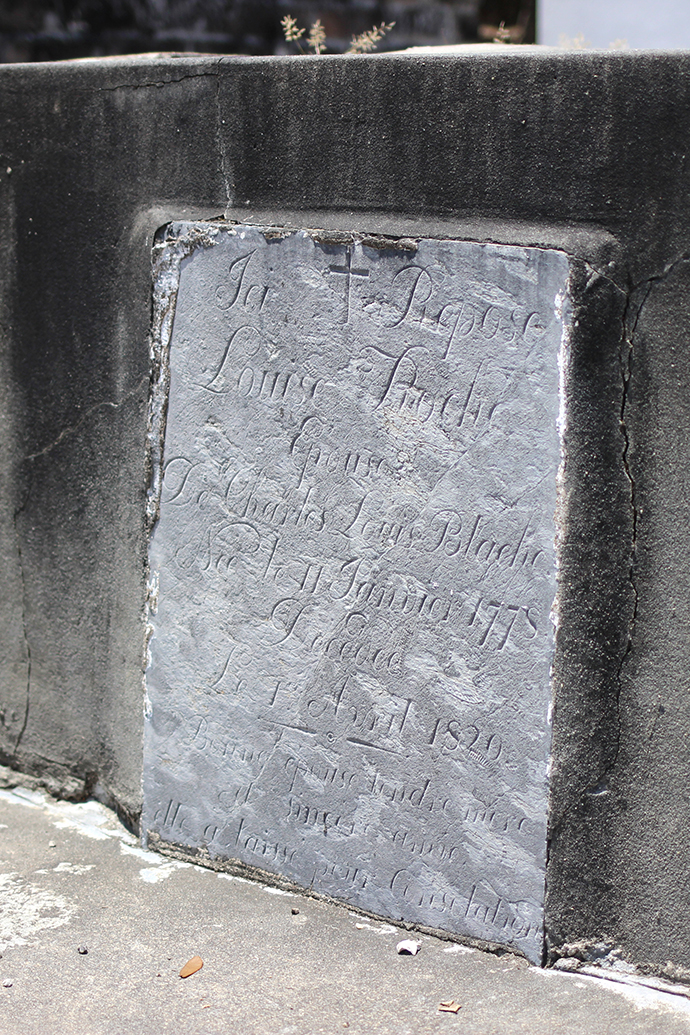


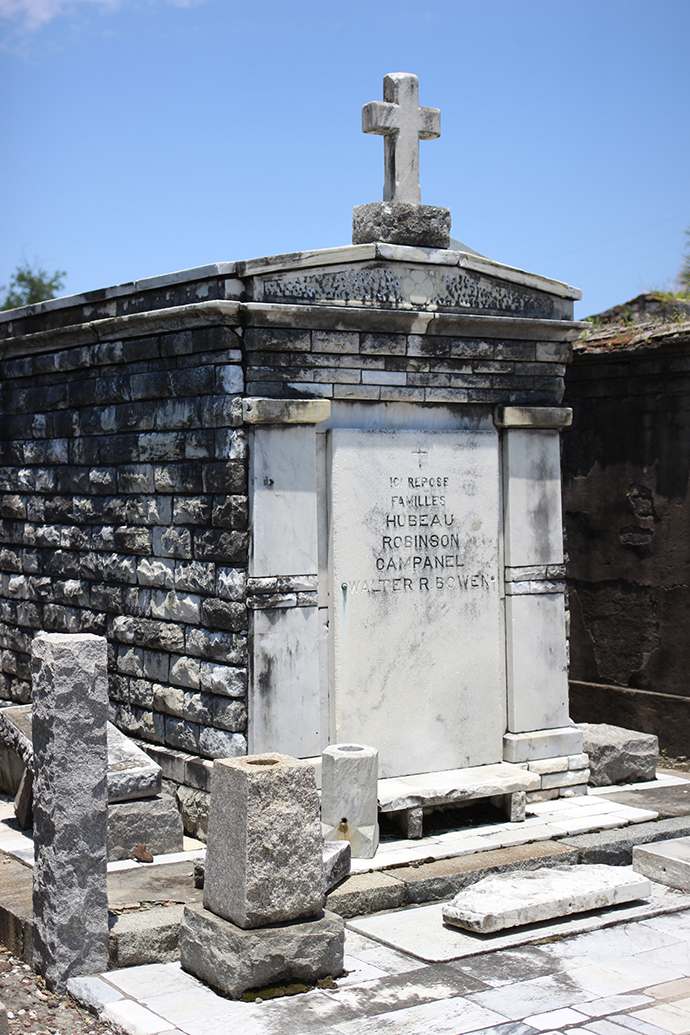
New Orleans is famous for its above-ground burials, and all of the Catholic tombs in St. Louis are above-ground. Most people think it's because of the high water table, which is only partially true. Vault and tomb burials are most likely traditions brought over from Spain, and most modern-day burials in New Orleans are done below ground.


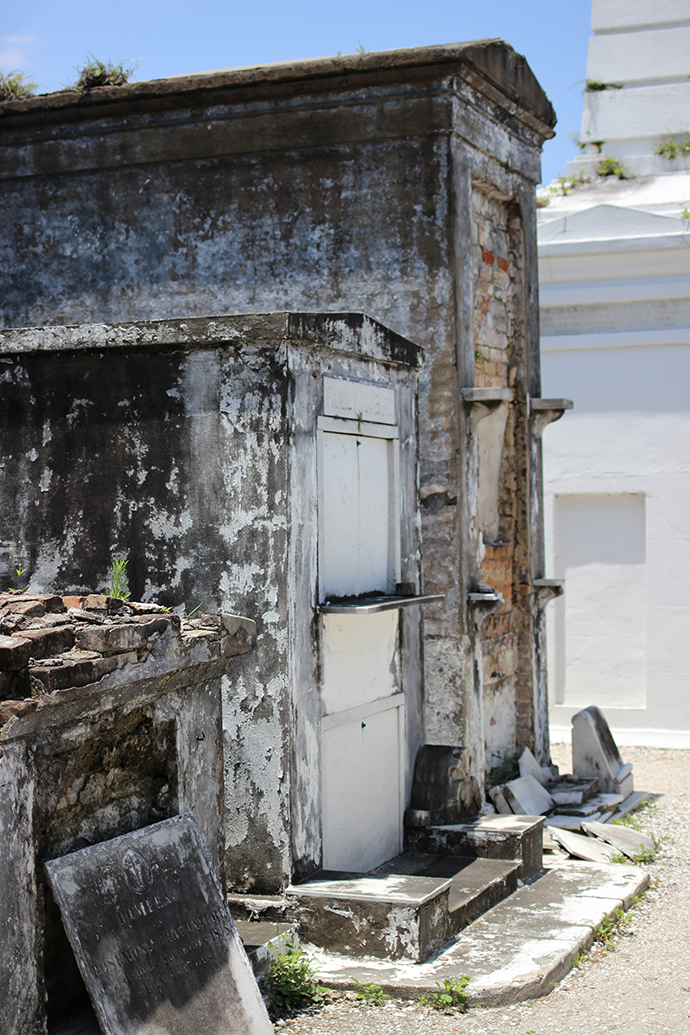
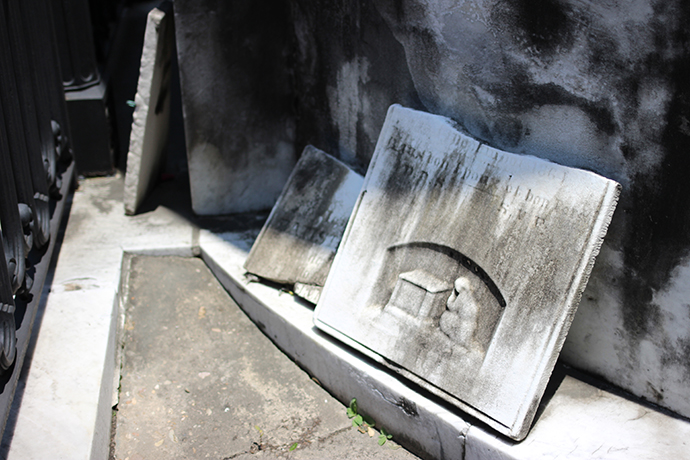

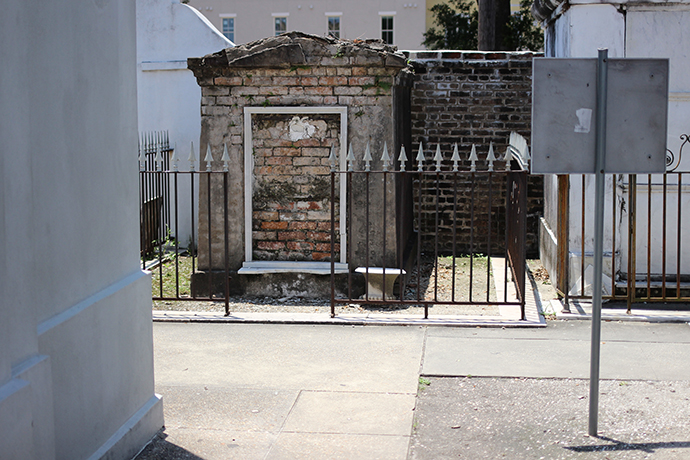

In 2015, St. Louis Cemetery No. 1 was closed to visitors not accompanied by a tour guide, due to alleged vandalism. This means that you now have to pay to take a tour, which is kind of a bummer. We took a wonderful 3+ hour general tour of the French Quarter that included the cemetery, but no tour will never spend as much time in a cemetery as I would if I was on my own. I'm all for preserving the place, but I do wish I had been able to spend more time poking around.

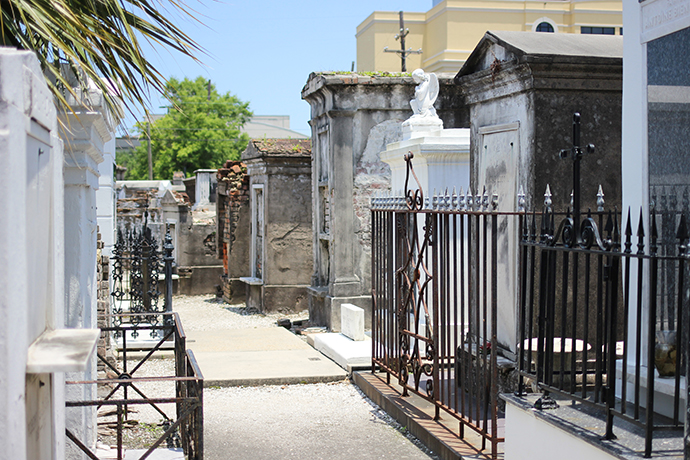


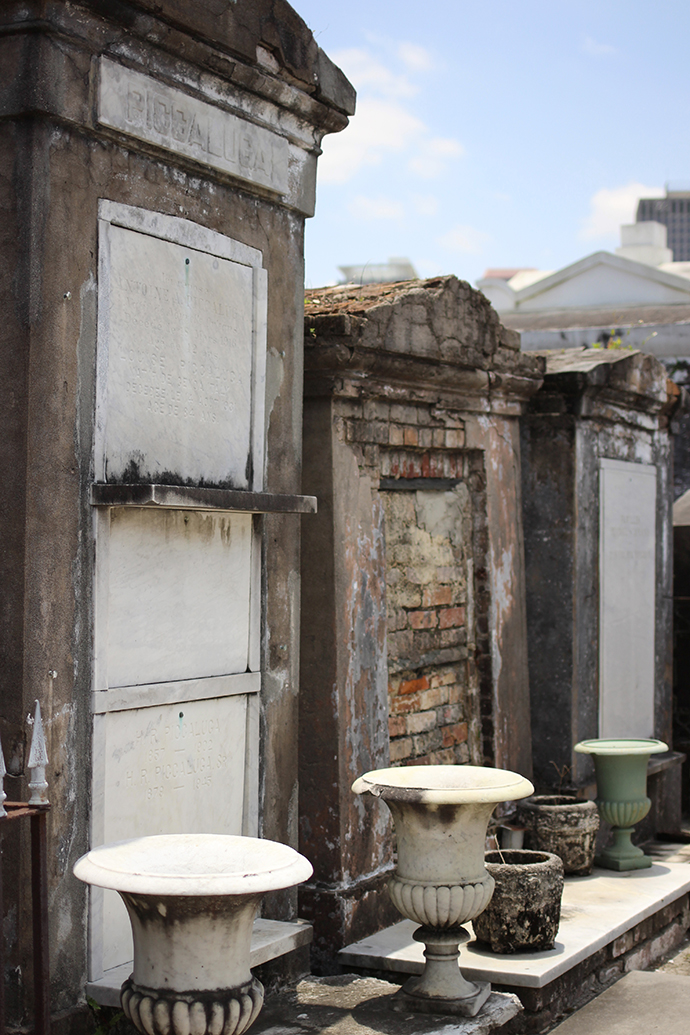
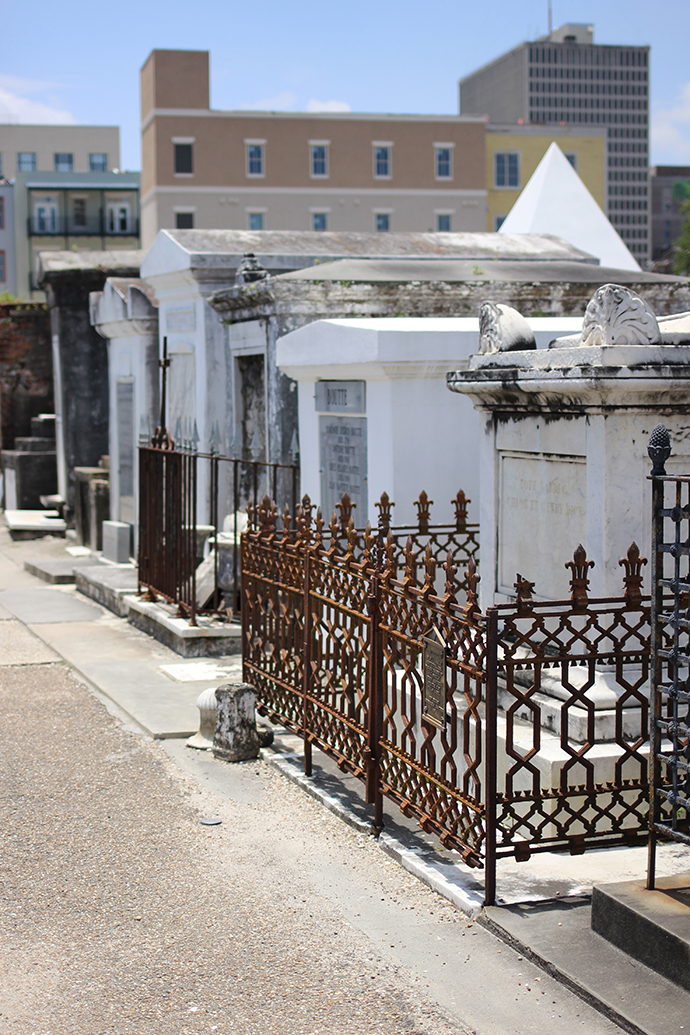
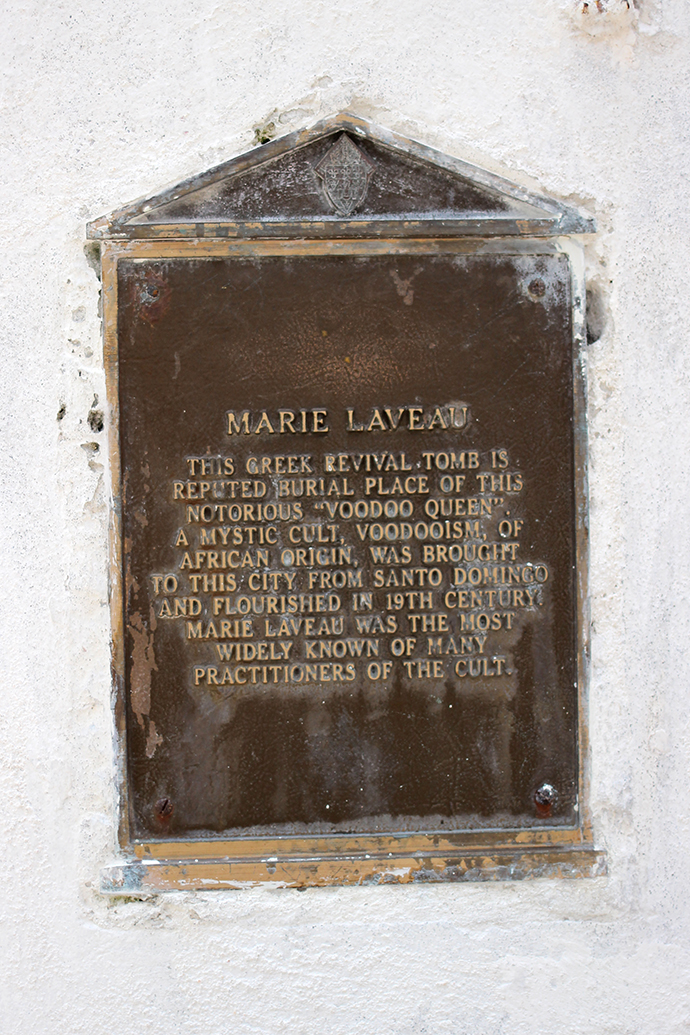
Notable (alleged) residents include voodoo priestess Marie Laveau and notorious slave-torturer (and former resident of the now-haunted LaLaurie Mansion) Delphine LaLaurie. When the cemetery was open to the public, Marie Laveau's tomb used to be covered in offerings—which I would have loved to see—but when we went it was scrubbed clean.
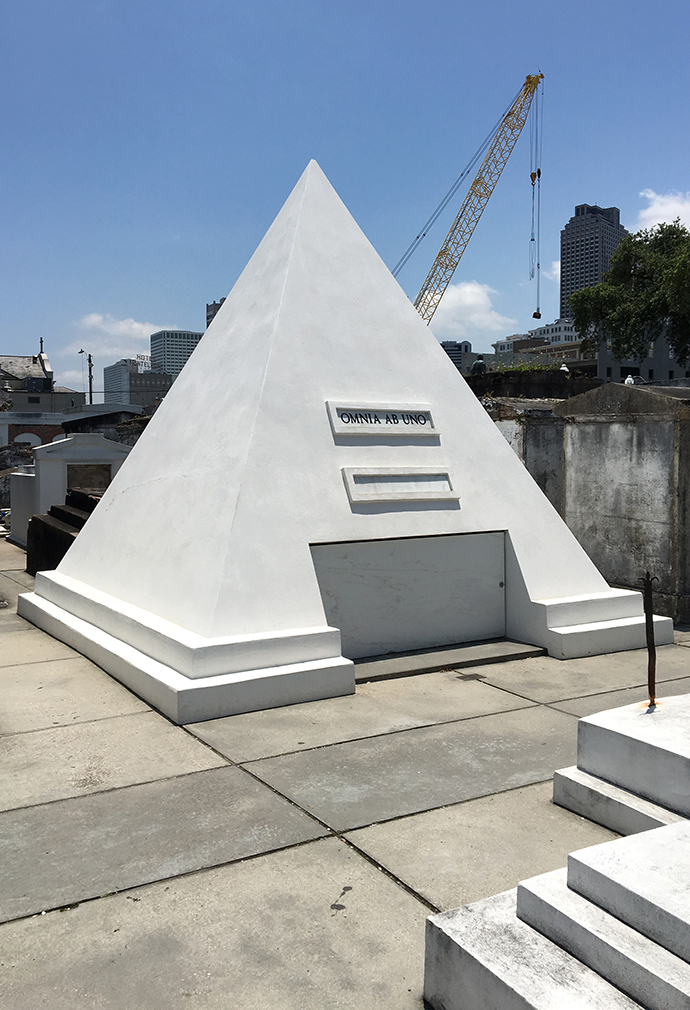
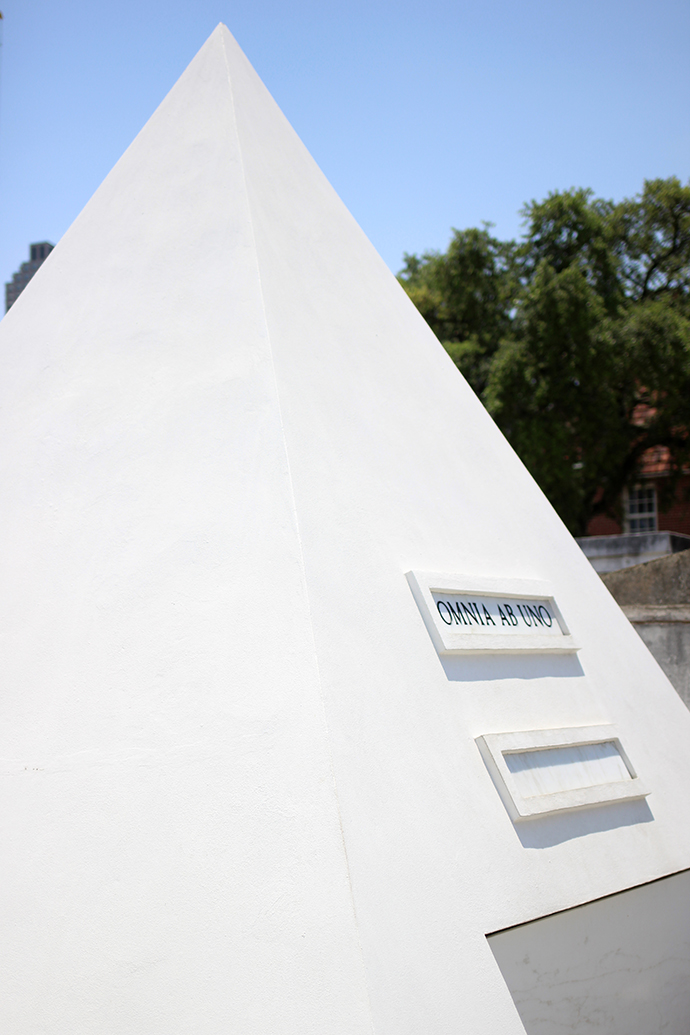
Of course fact is always stranger than fiction, and it's hard not to love the fact that Nicholas Cage has already purchased a mausoleum for himself—a stark, white pyramid, that our tour guide said was frequently covered in lipstick kisses, but unfortunately it too had been recently cleaned.

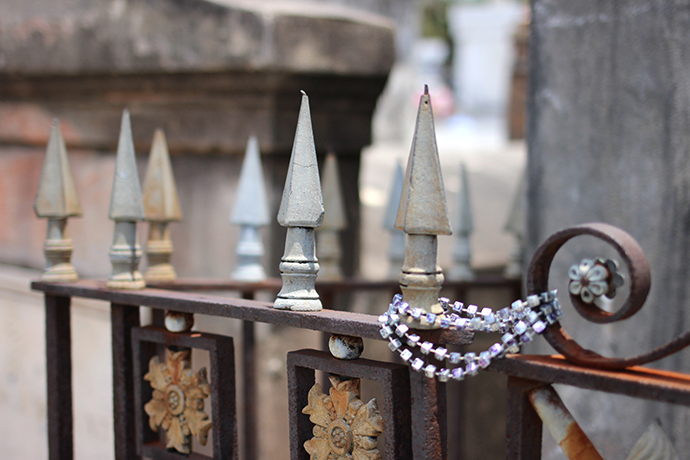

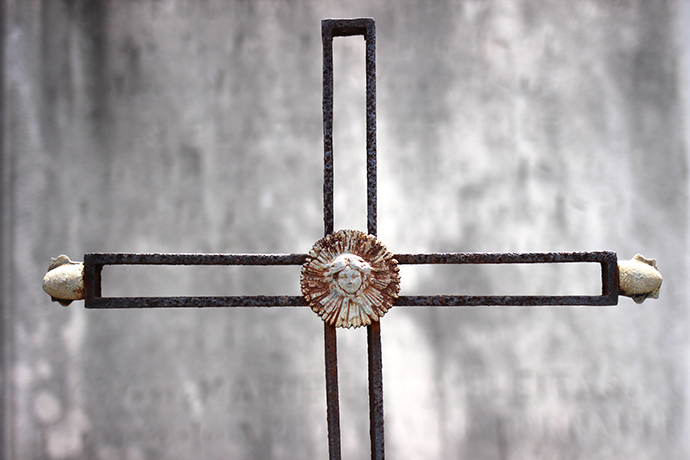
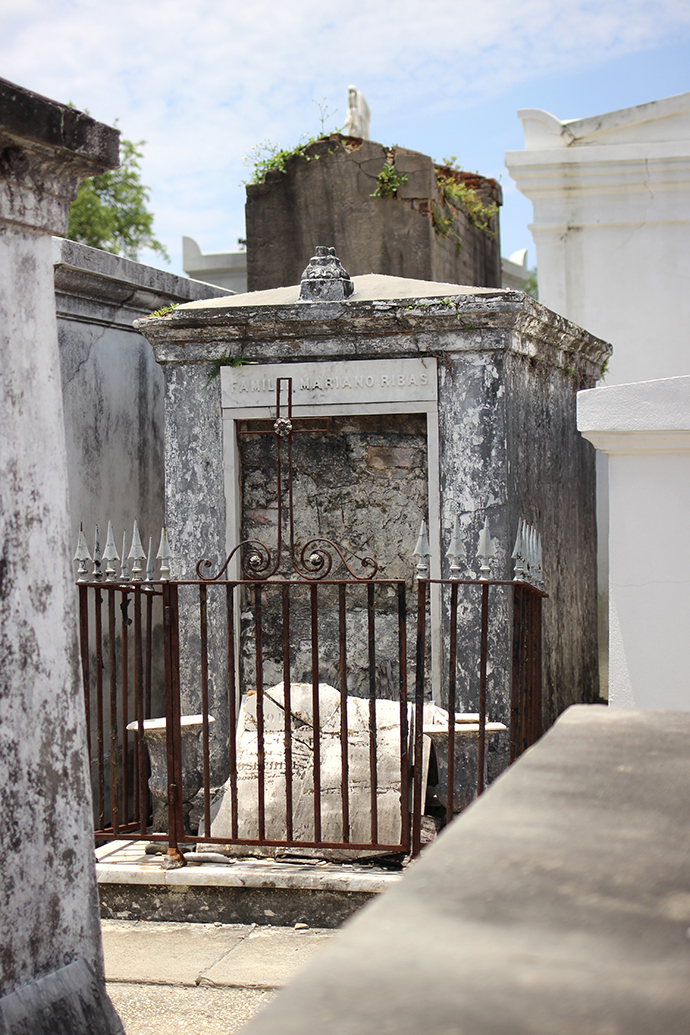
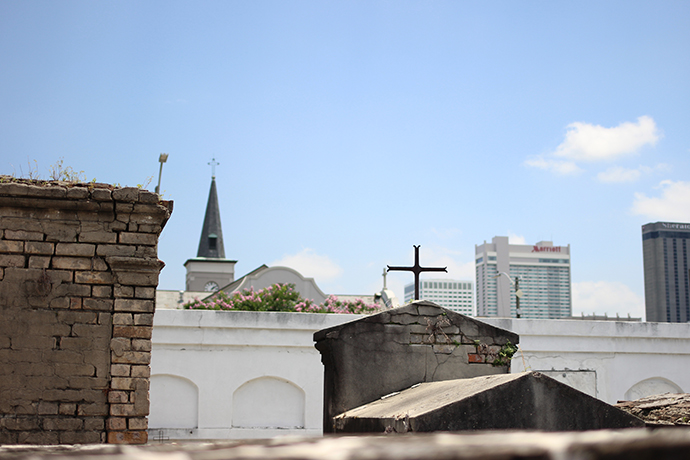

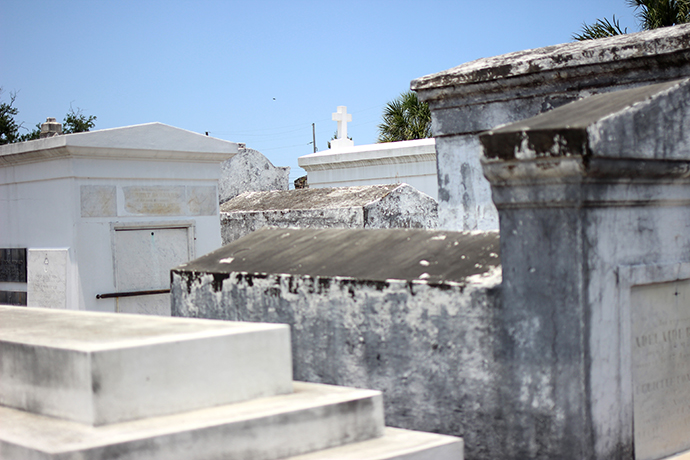

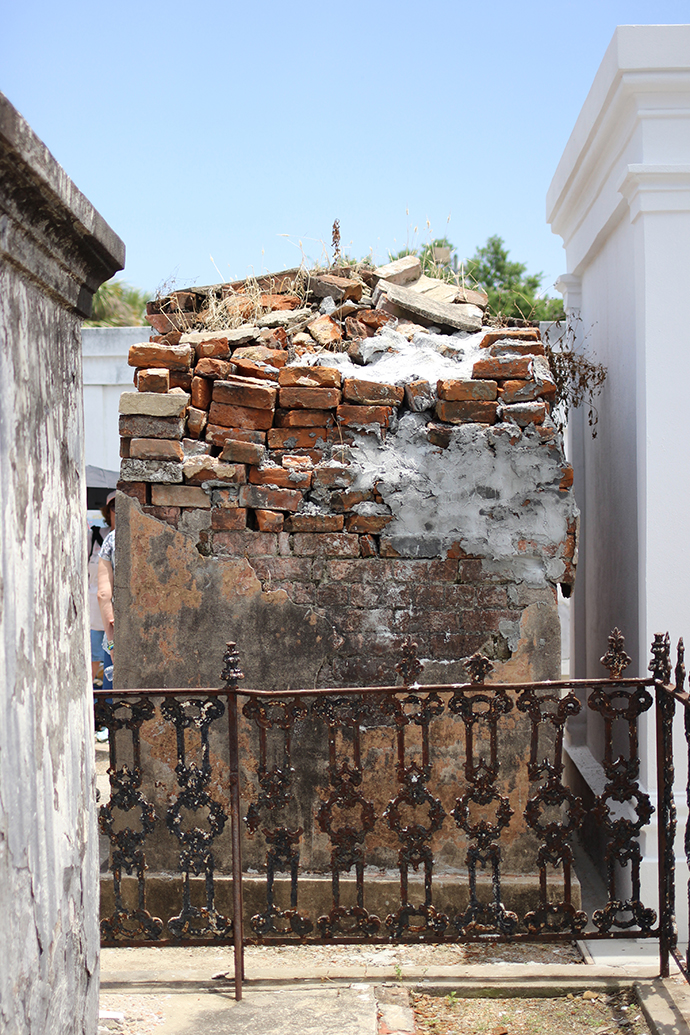

I was really overwhelmed with my first foray into the New Orleans cemetery scene, and like I said, I just wish we had spent more time exploring. I had been looking forward to seeing the cemeteries and I knew they would be so unlike the ones we have up north, but they still managed to exceed my expectations. Later in the trip we stumbled upon another cemetery that we were free to roam and that satiated my cemetery obsession a bit better, but I'm hoping I have a chance to go back soon and explore them even further.

Bayside Cemetery

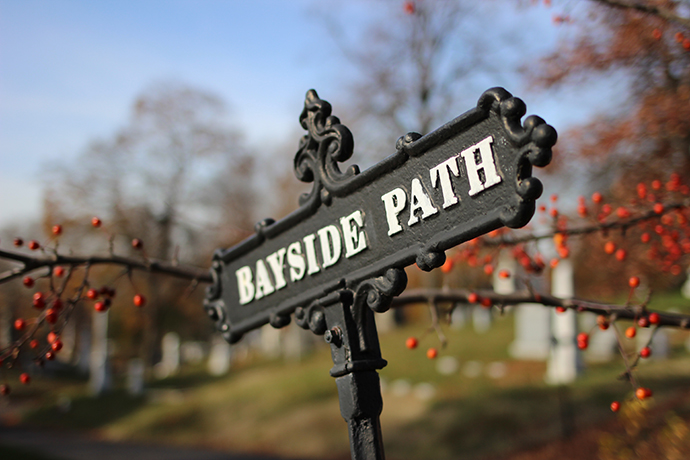
I came across Bayside Cemetery recently in some corner of the Internet, where it was mentioned that the Queens cemetery had fallen into disrepair to the point where people were complaining about exposed human remains. This information was somewhat outdated, and the cemetery has since been cleaned up a bit, but I still thought it was worth visiting so my friend Tag and I went to check it out recently on a partly gloomy Sunday morning.

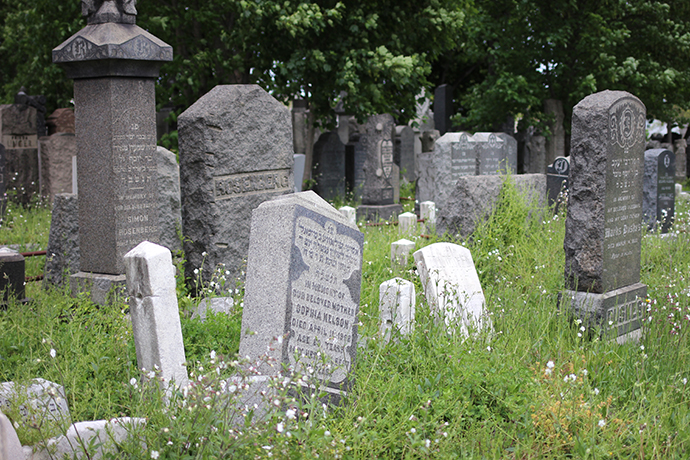
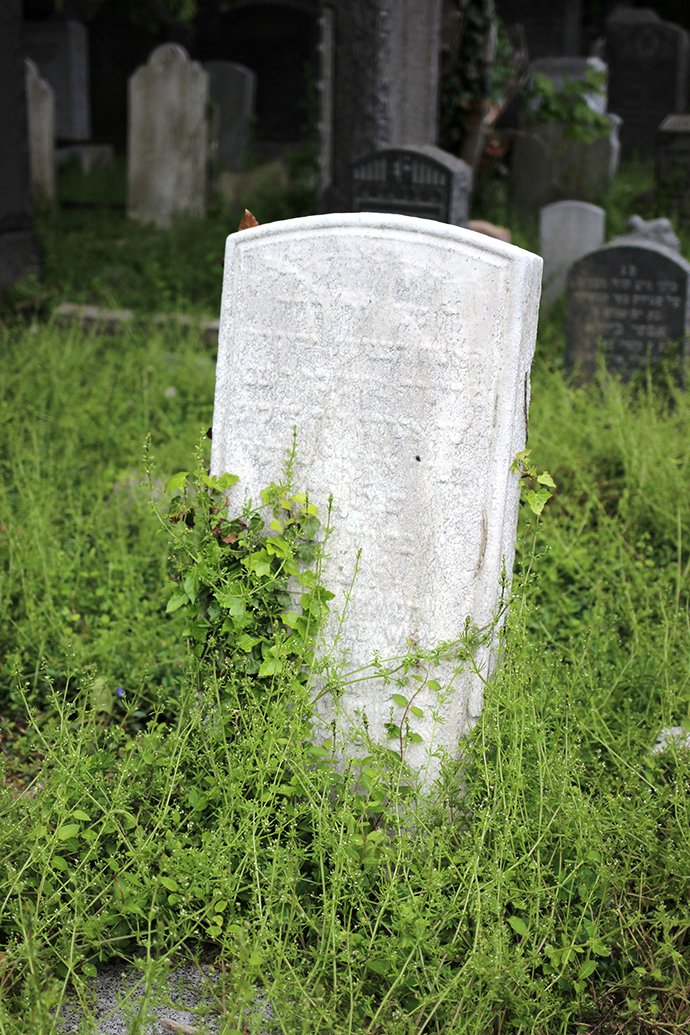
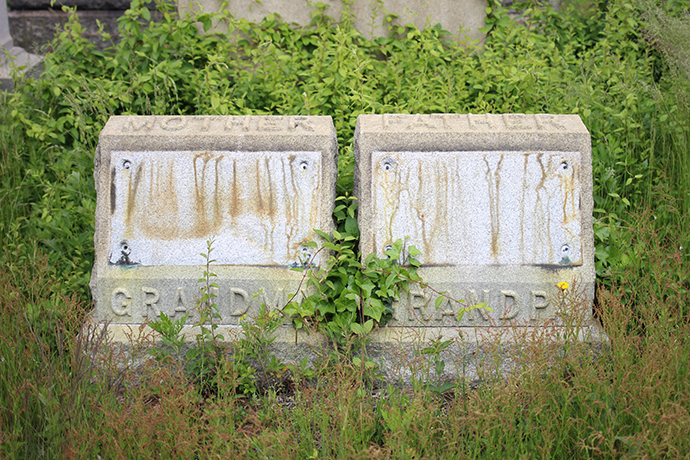
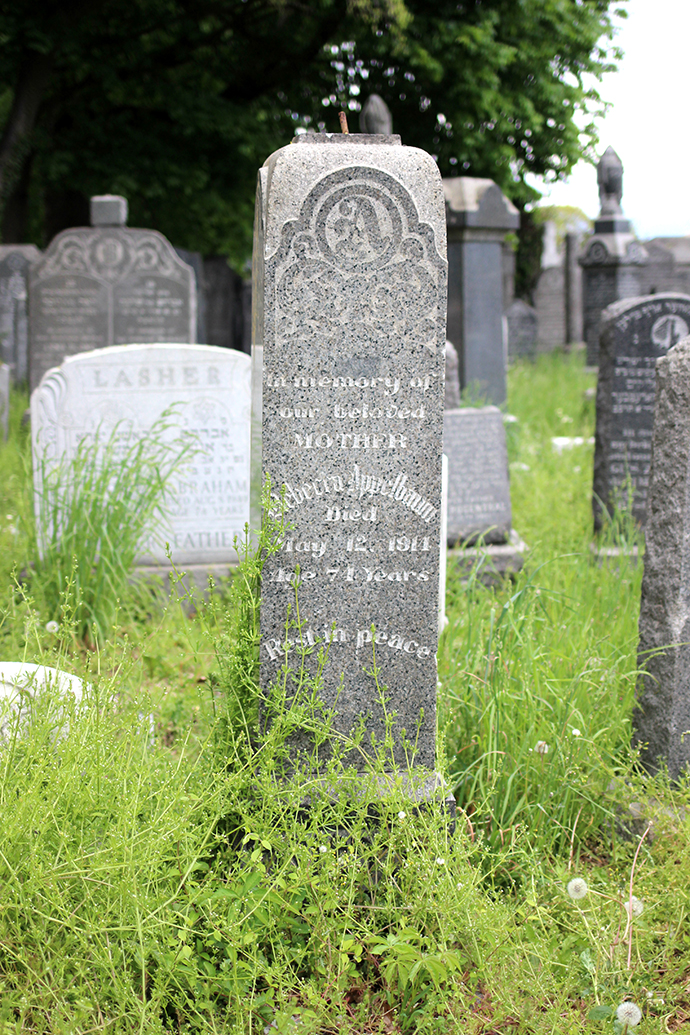
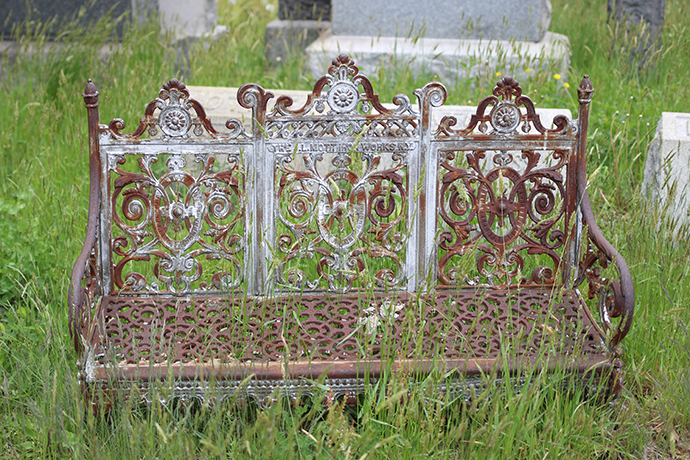
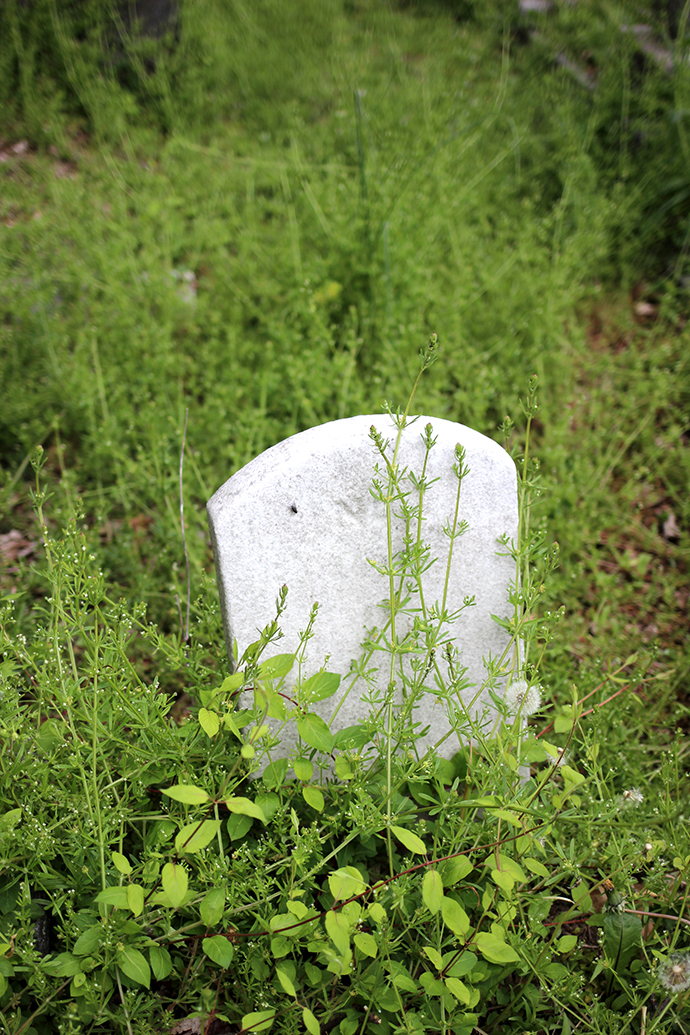

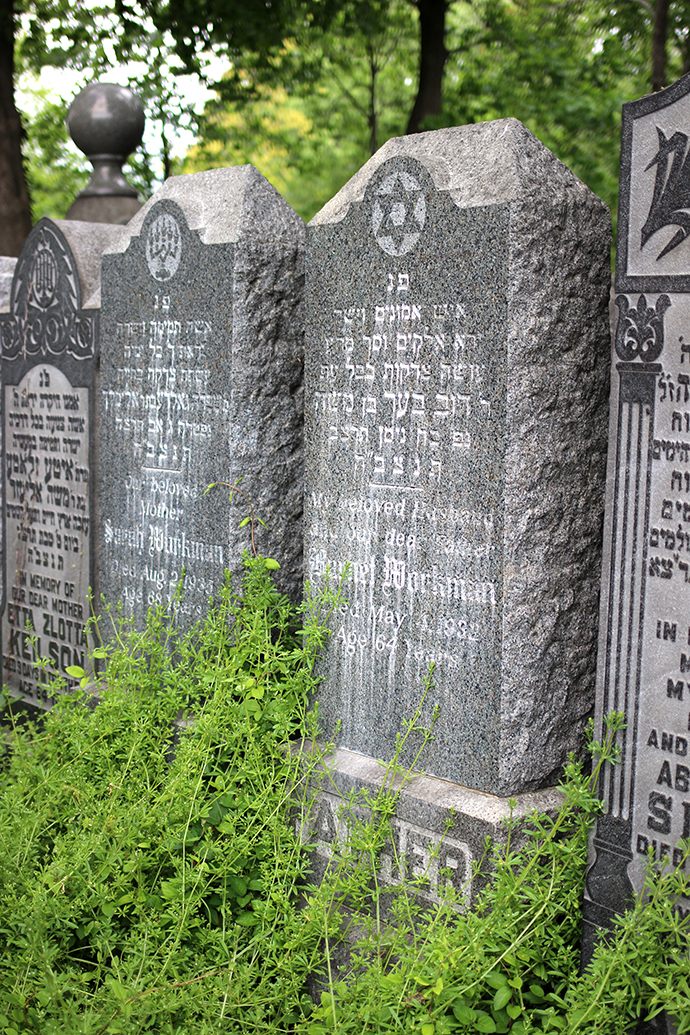
Abandoned (or abandoned-ish) cemeteries are touchy things—on the one hand, I love anything creepy, crumbling and overgrown, but on the other hand I can understand why family members would be upset to see the final resting places of their loved ones fall into disrepair. I think everyone deserves a dignified end (and eternal resting place, if that's your thing), but I haven't come across many cemeteries that aren't very well tended to, so the minute we stepped into Bayside it felt special.
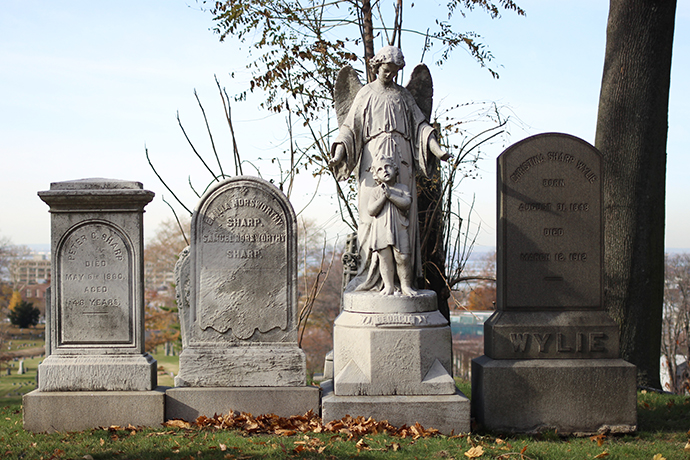
Bayside—along with neighboring Acacia and Mokom Sholom cemeteries—was founded in Queens in 1865, and is one of the oldest still-active Jewish cemeteries in the city. Cemetery residents include multiple Civil War veterans and one victim from the Titanic. Most of the graves are quite old, but we did eventually find some from the 90s and 2000s.
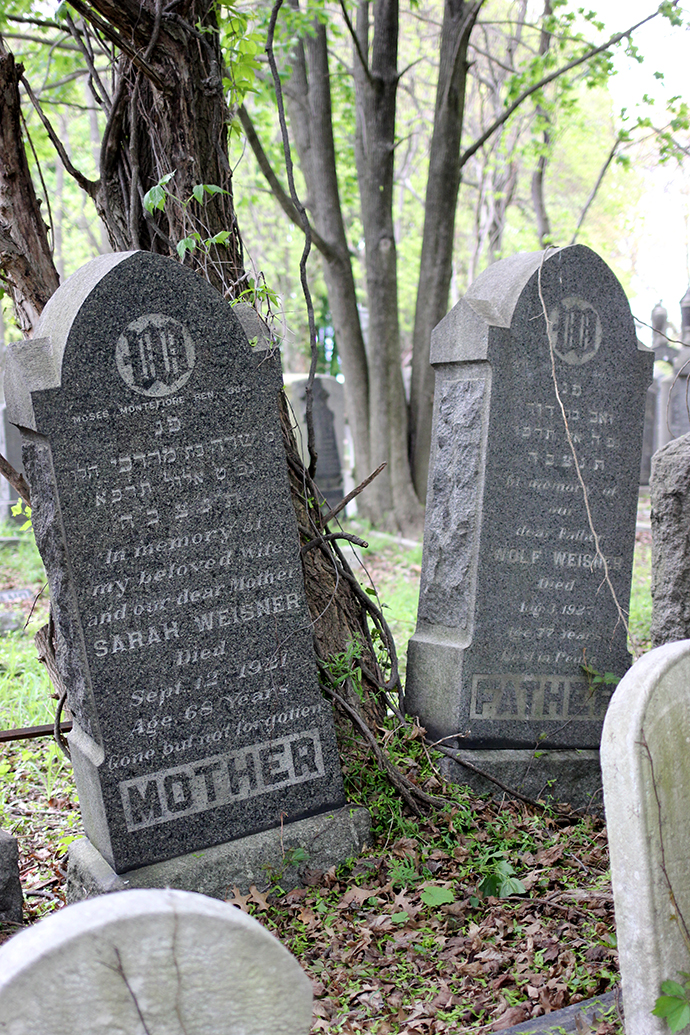
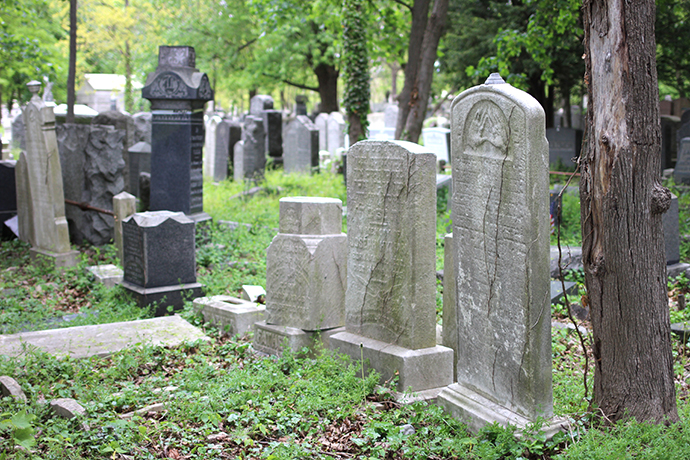
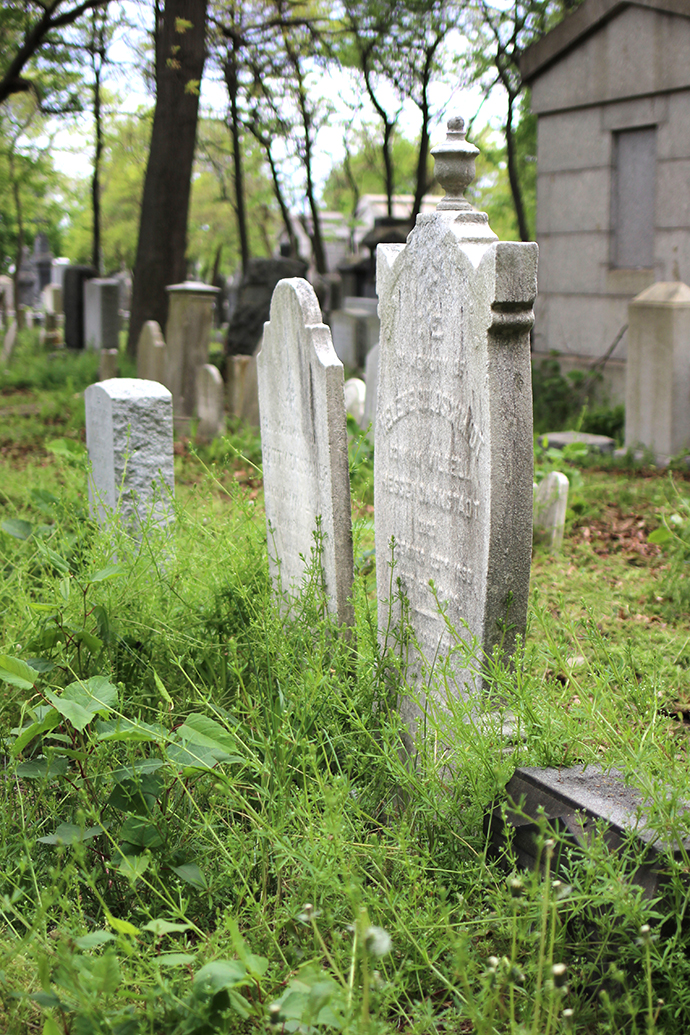


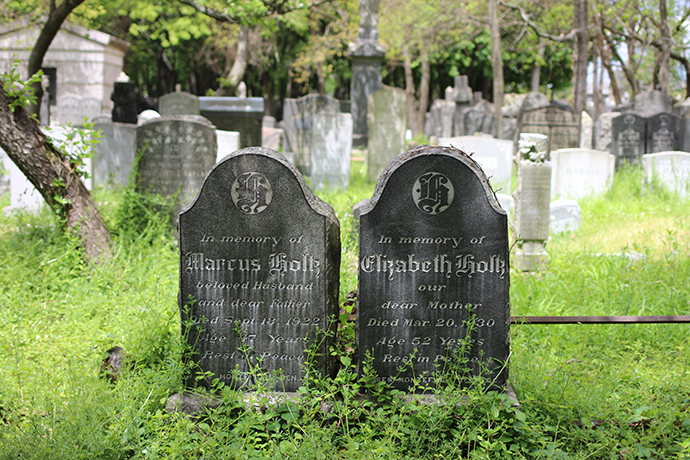
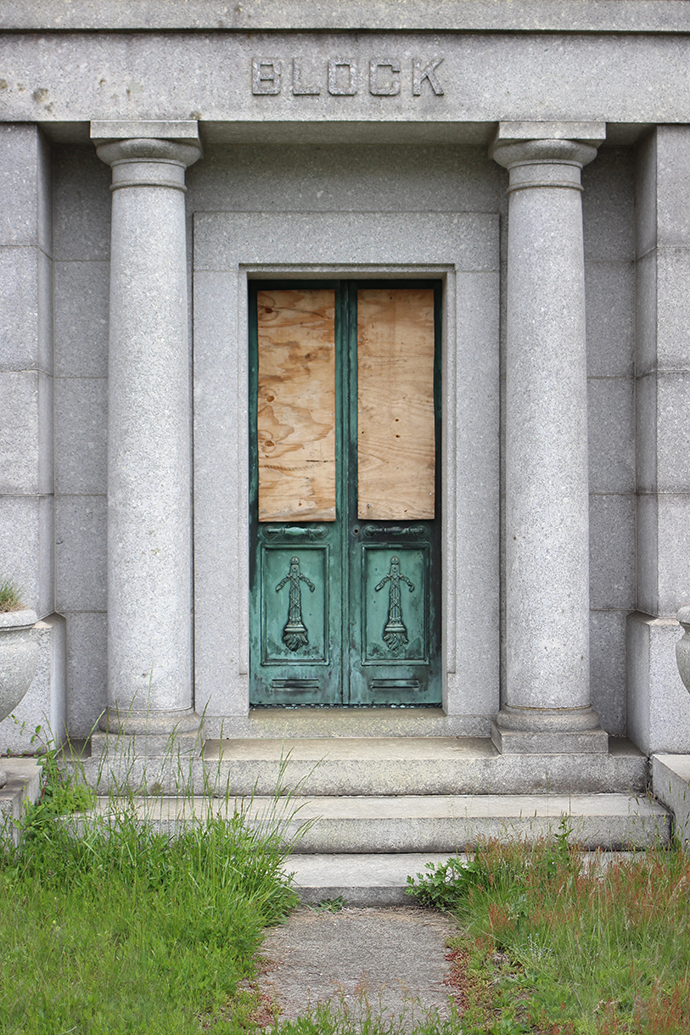
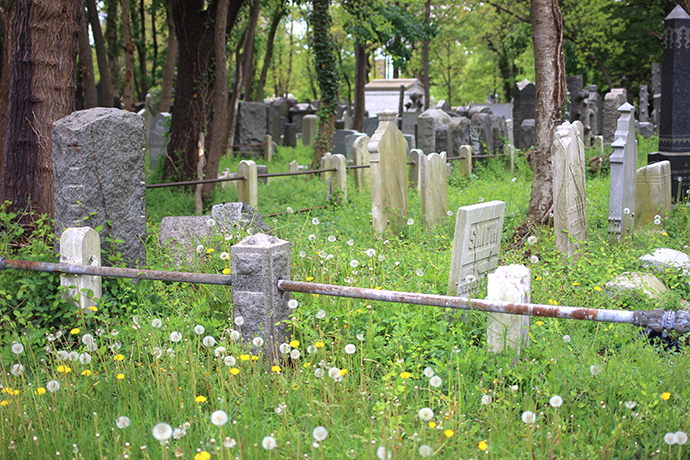
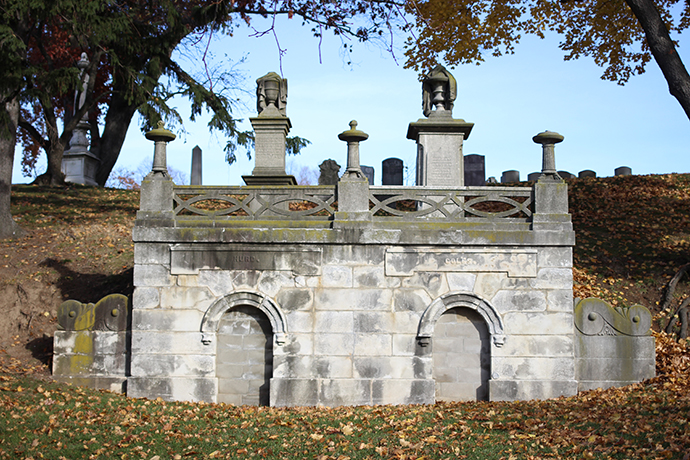
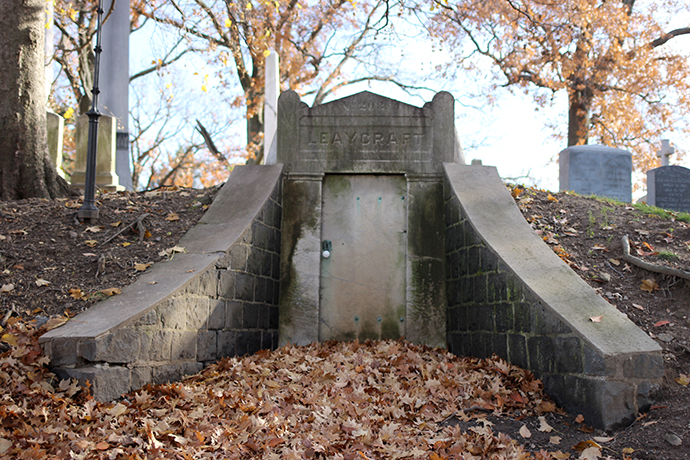
Some areas of the cemetery were more tended to than others, and I can see how it probably used to be a lot worse. A lot of the mausoleums were boarded, bricked or cemented shut, while some had doors that swung open freely. We didn't come across any graffiti or noticeable vandalism, but a lot of stones had fallen off their pedestals or had been broken by trees and covered with leaves, fallen branches and ivy. The main office was boarded up and obviously hadn't been in use for a while, but we did see two men tending to the grounds as we were leaving, and the gate was open for visitors.
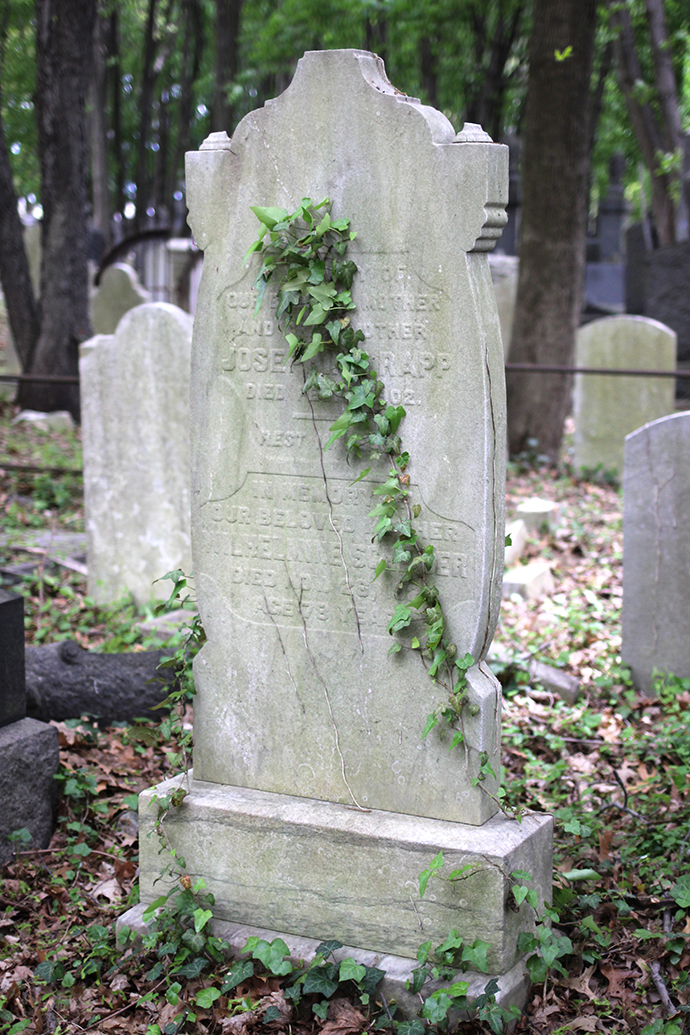

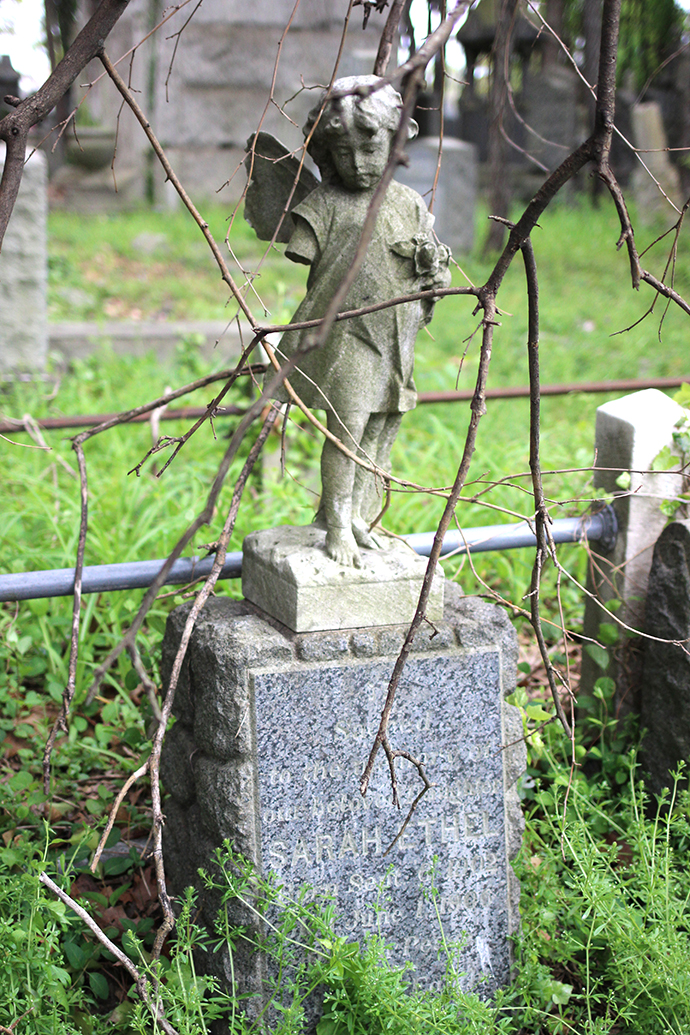
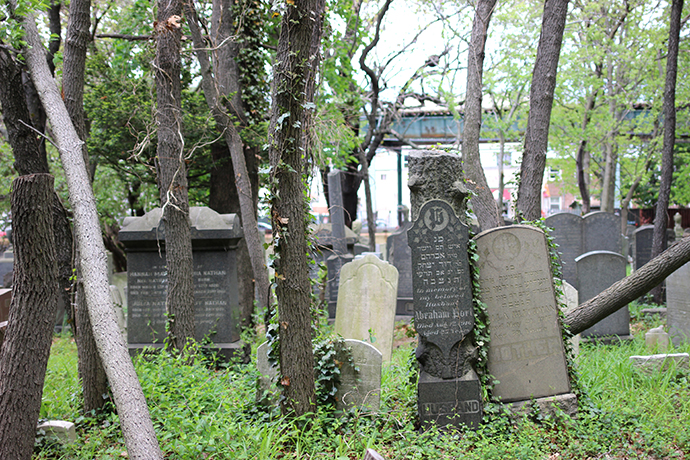
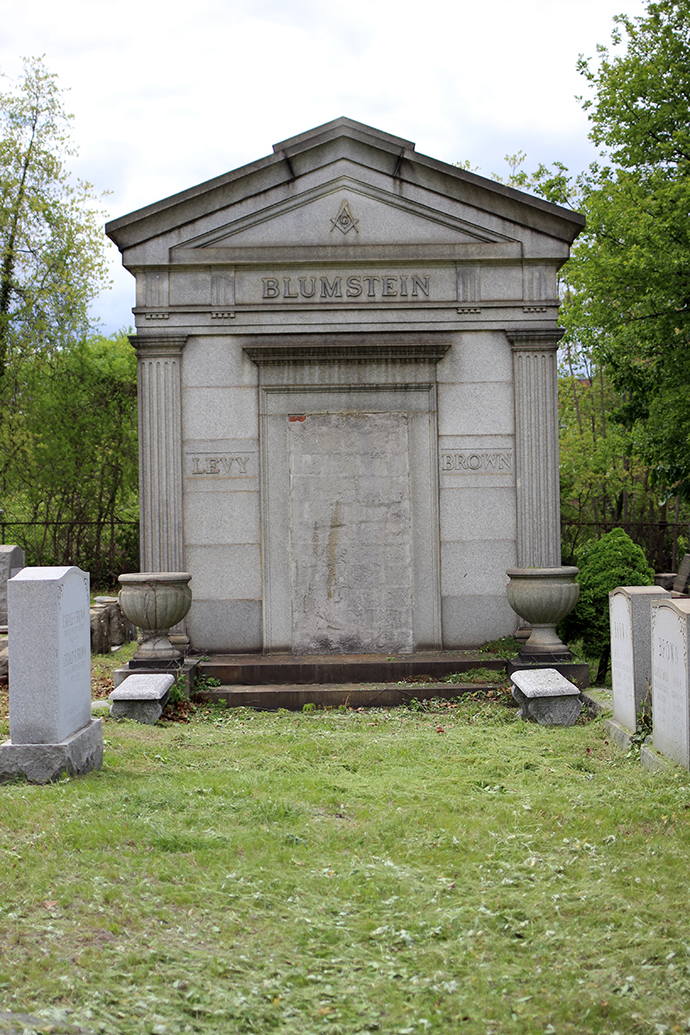


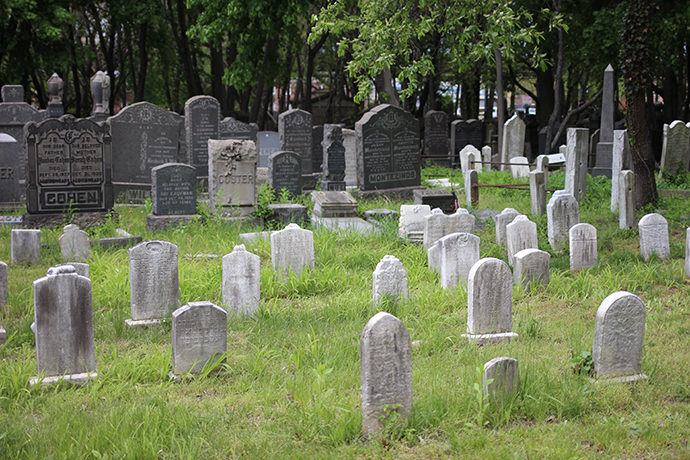
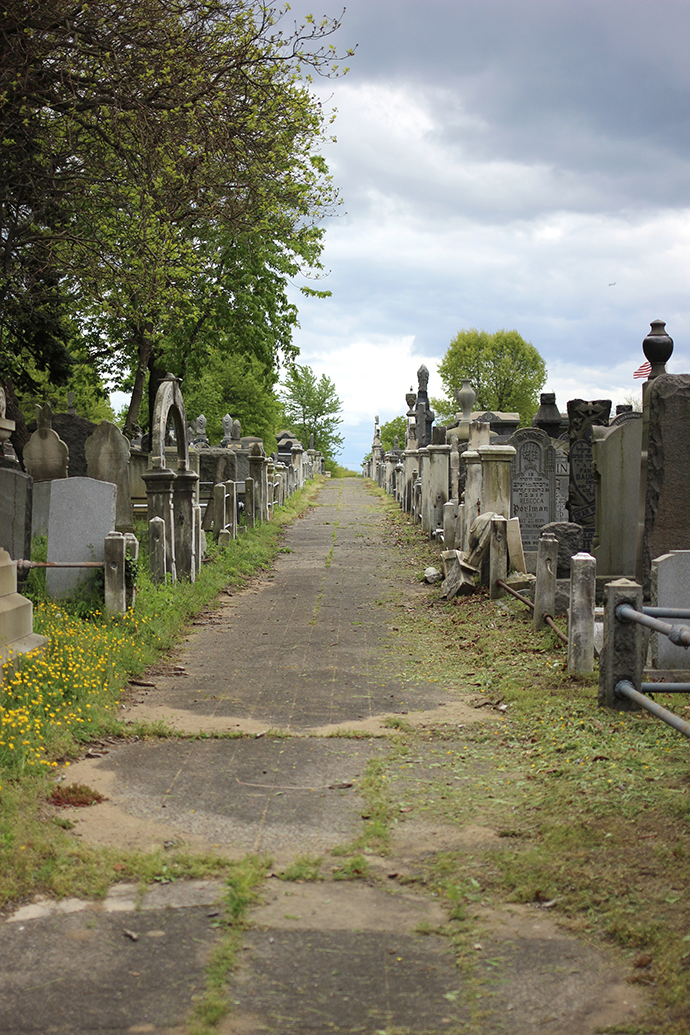

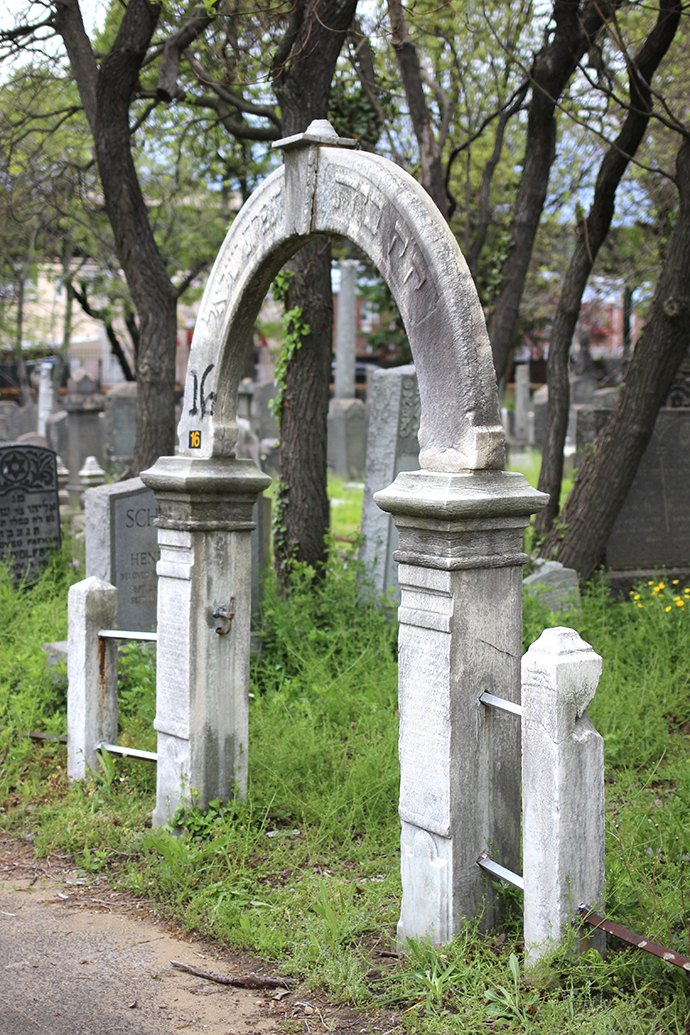

I lost count of how many times I exclaimed how much I loved Bayside during our time walking through the overgrown weeds, and I wouldn't hesitate to declare it one of my very favorite places in the city. I bet it's incredible in the snow or in the fall and I already started dreaming about my return before we had even left.

Green-Wood Cemetery: Azaleas

I've walked through Green-Wood Cemetery more times than I can count—I think it's safe to say it's my most frequented cemetery by a long shot. I've even been a member of Green-Wood for almost a year, which may seem weird but they put on some very excellent programs and I can't think of any membership that suits me more than one to a cemetery.


I've so far explored Green-Wood in summer, fall and winter but I hadn't fully experienced spring in the cemetery until recently. The cherries and other flowering trees are currently past their peak, but the azaleas are out-of-this-world beautiful. The pinks, purples, reds and oranges are so blindingly bright and colorful, it's hard to even believe that they're real.


I'm pretty hopeless when it comes to identifying plants, so I never would have imagined that there were so many azalea shrubs on the grounds. It's hard to believe that in a short time these thousands of incredible flowers will all be gone, replaced by inconspicuous green leaves. Spring blooms are so fleeting, but they make such a huge impact in such a short time and I'm trying not to take them for granted during their brief appearance.


Being able to see Green-Wood (and other places I love) in all seasons is really such a treat. It's fascinating to me how different the exact same place can look whether it's covered in snow, falling leaves, lush greenery or bright blooms. The crazy saturated colors of the azaleas perfectly contrast with the somber gray and black headstones in the best way. Now that I've officially explored Green-Wood in all seasons it's impossible to pick a favorite one—and luckily I live so close that I don't have to choose.

Buffalo: Forest Lawn Cemetery
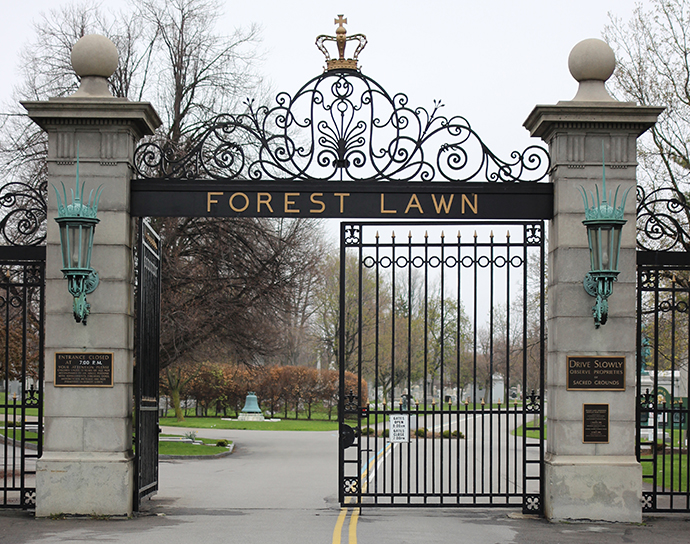
Forest Lawn Cemetery in Buffalo, NY was founded in 1849, 11 years after Brooklyn's Green-Wood Cemetery. The two are very similar—designed during the rural cemetery movement—which is why it was suggested that I should definitely see Forest Lawn during our recent trip to Buffalo.
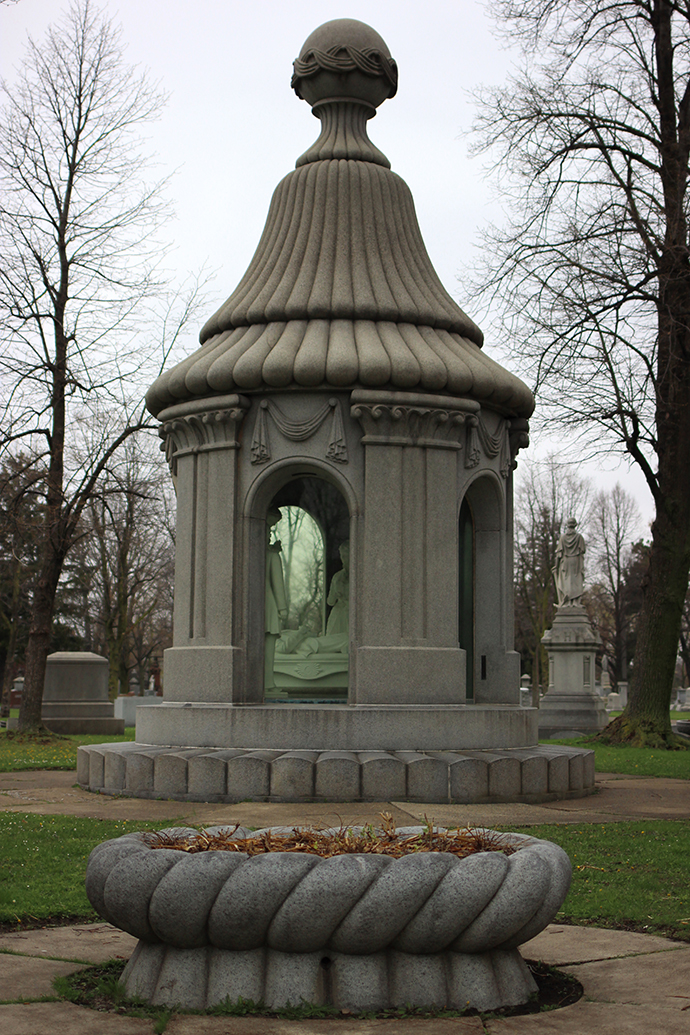
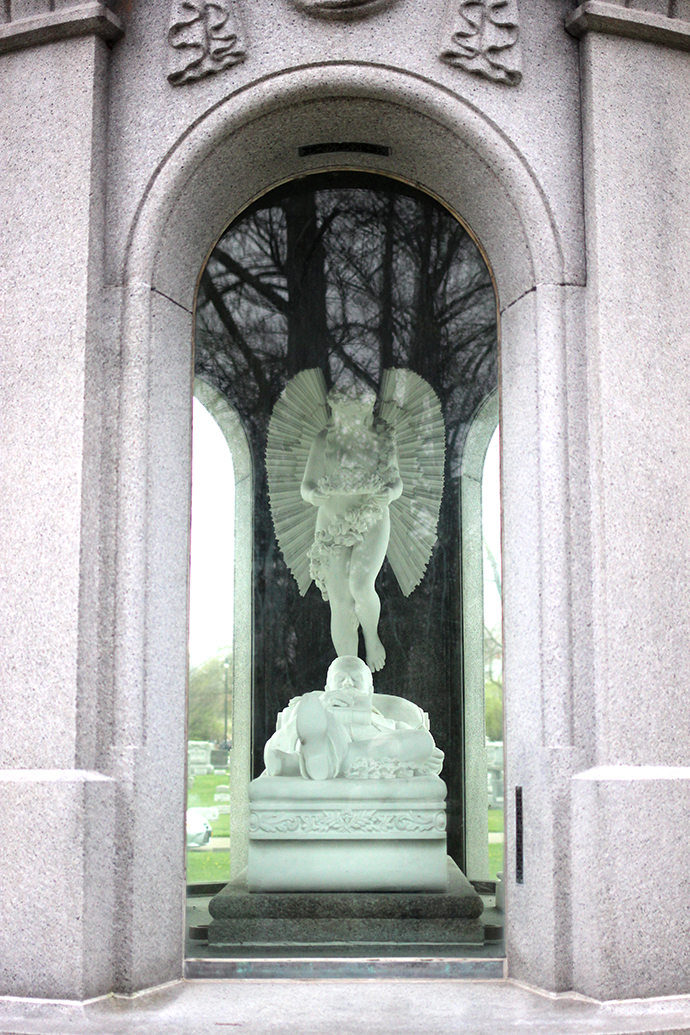
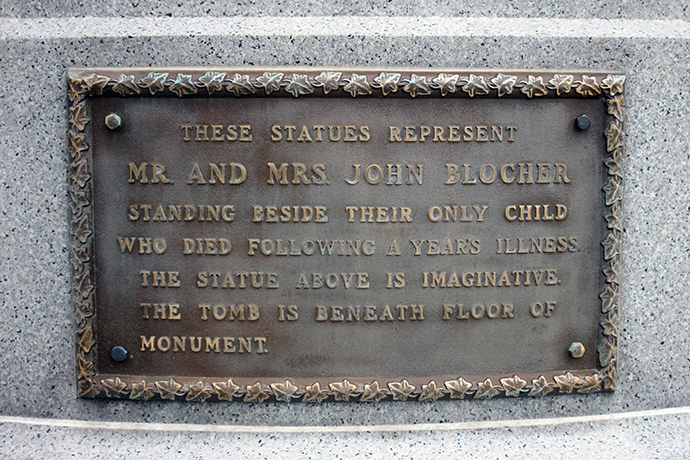
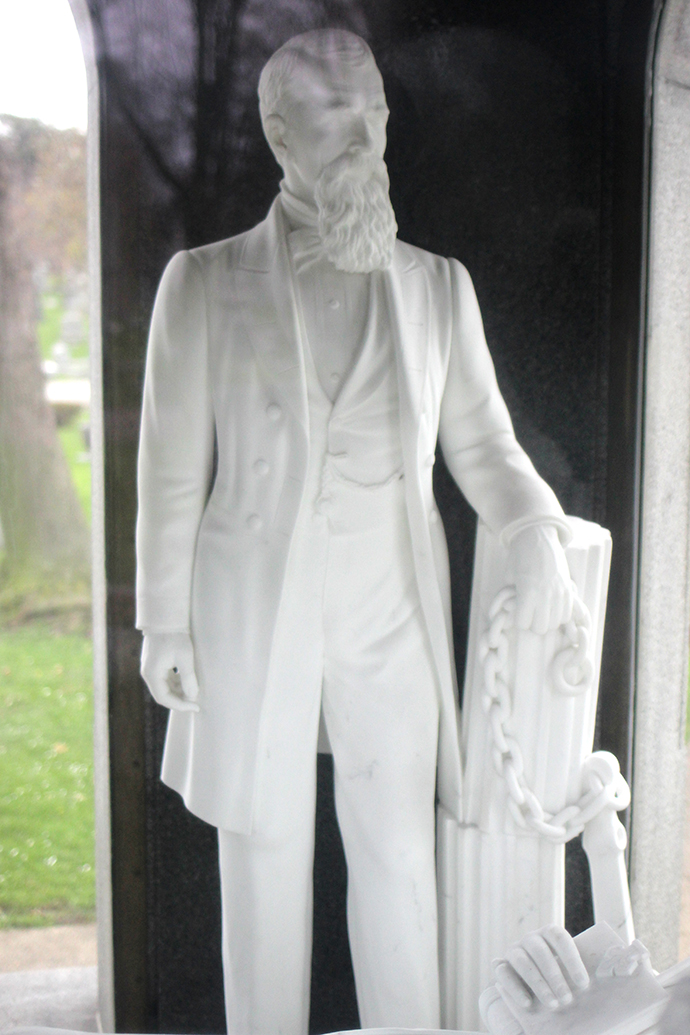
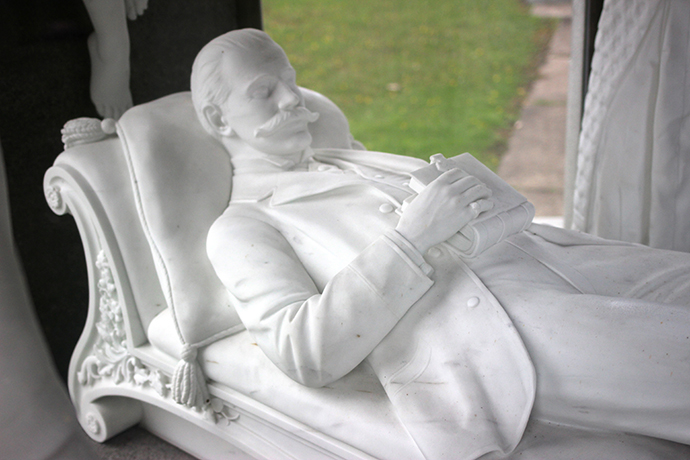
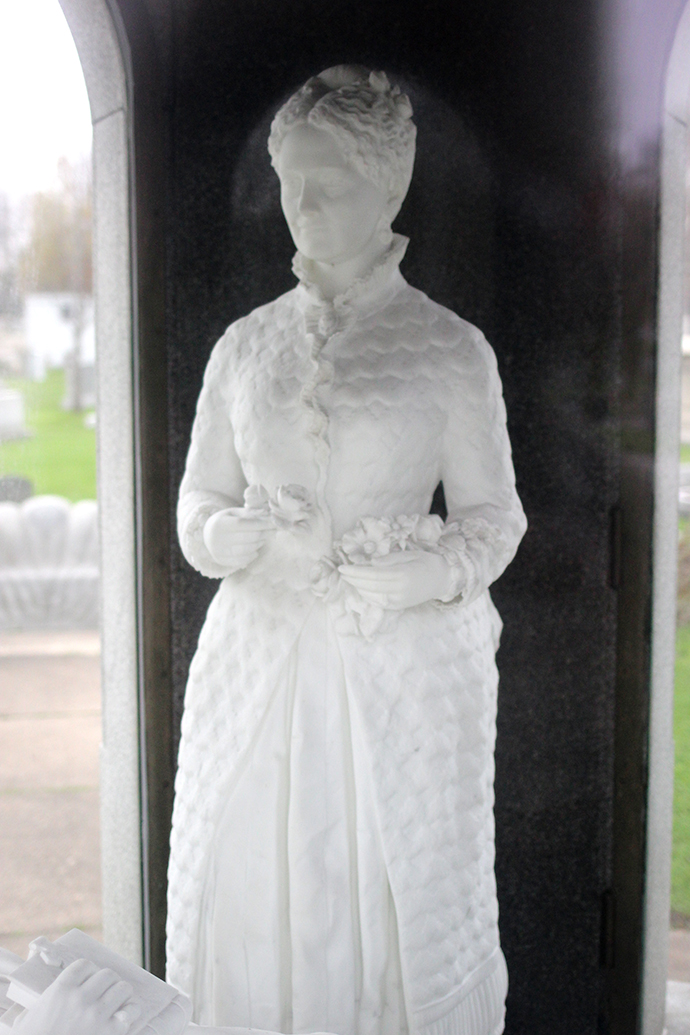
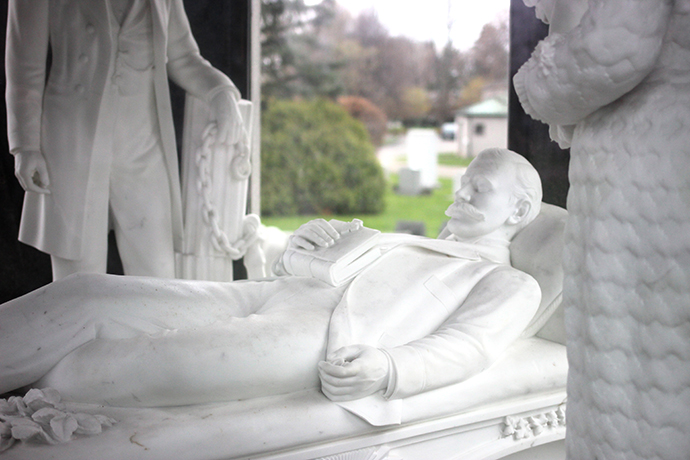
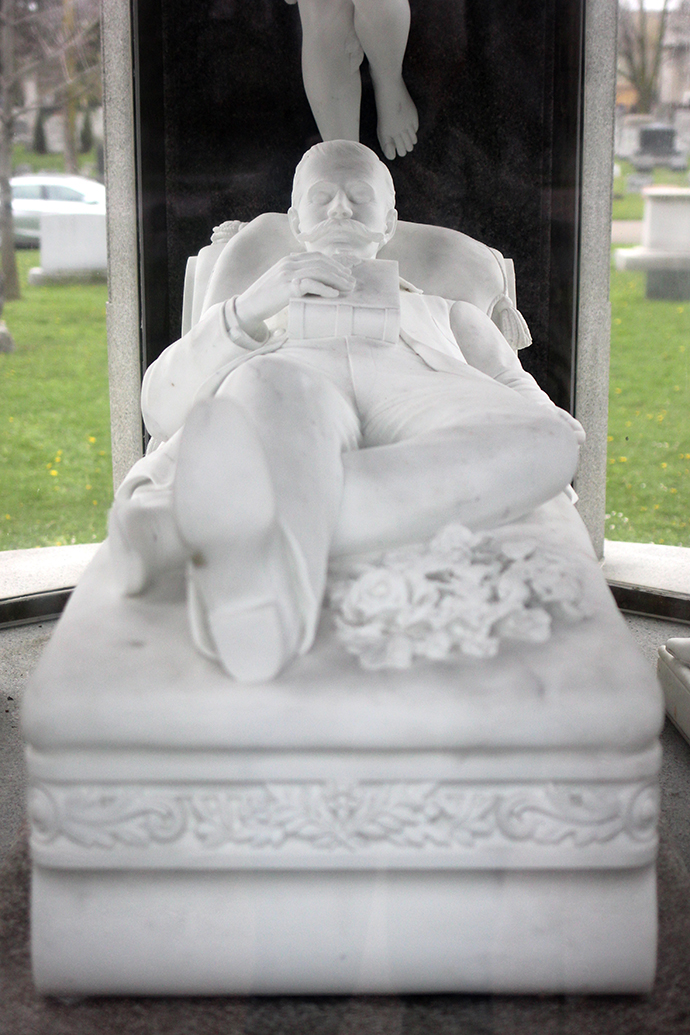
One of the first monuments you encounter upon entering through the main gates is dedicated to the only child of Mr. and Mrs. John Blocher, who died after a year's illness. The elaborate, glass-enclosed memorial features the Blochers dressed in their Victorian best, standing watch over their son, who looks as if he's just fallen asleep while reading. An angel hovers above, and although it's all rendered in beautifully white stone and everyone looks serene, the cumulative effect is still unnerving.
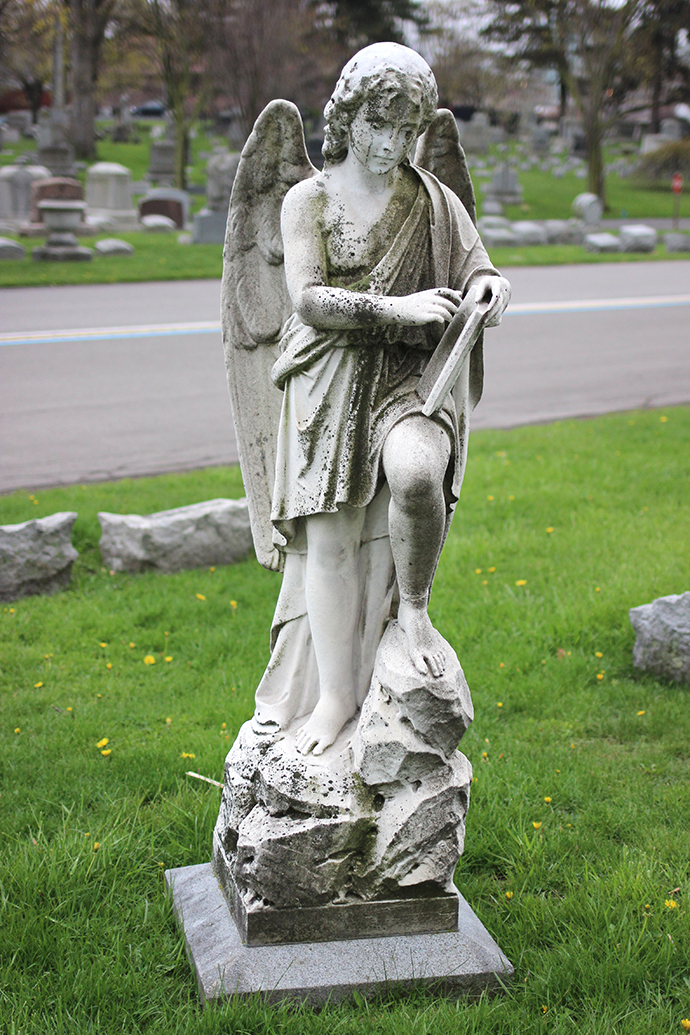
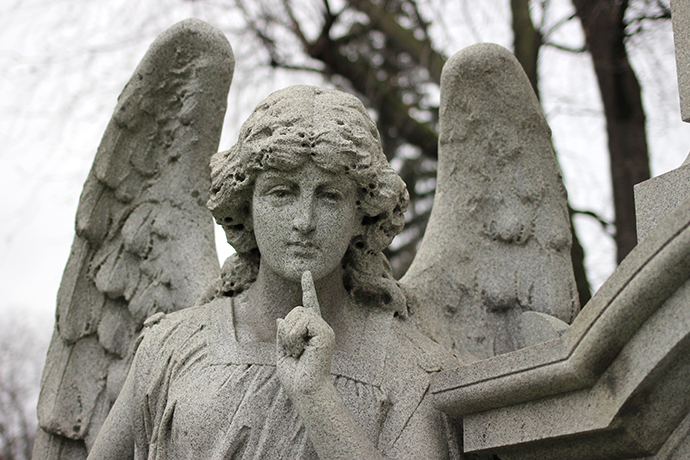
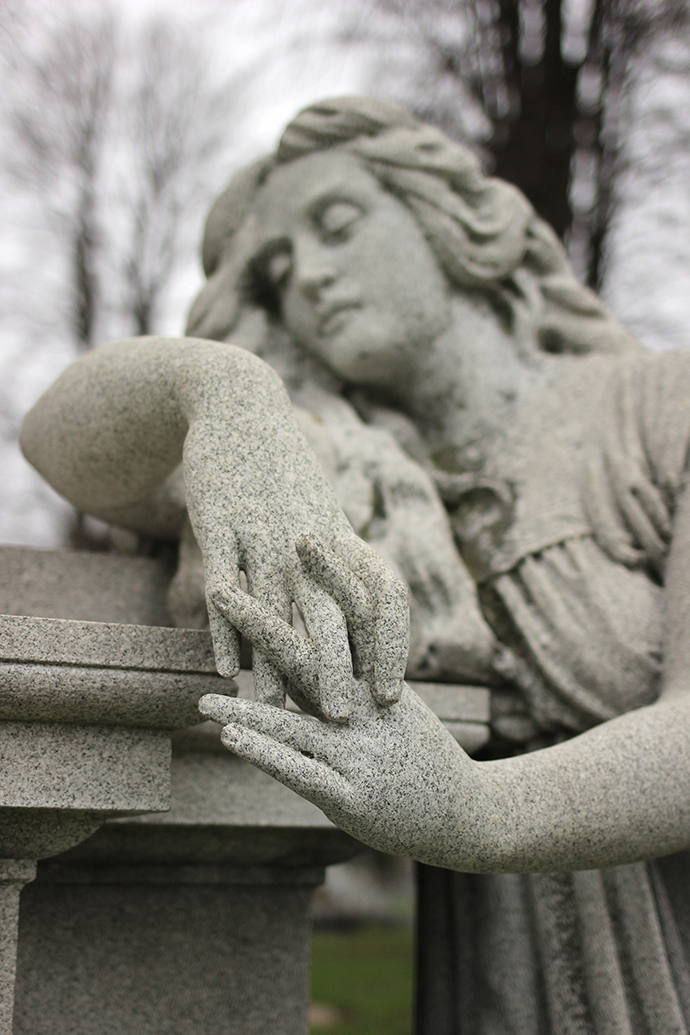
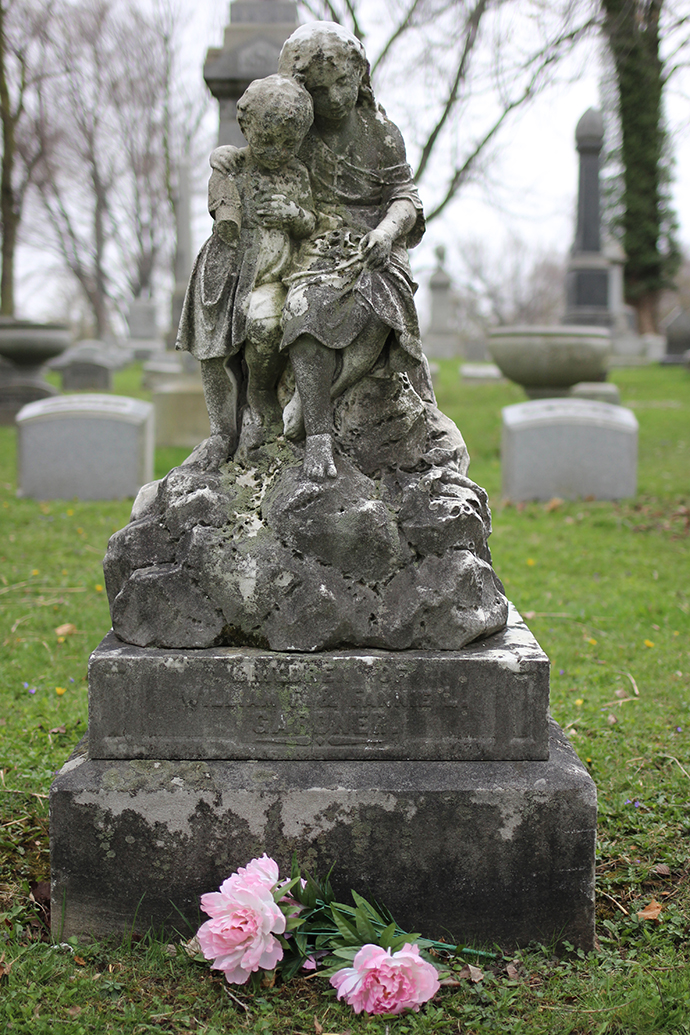
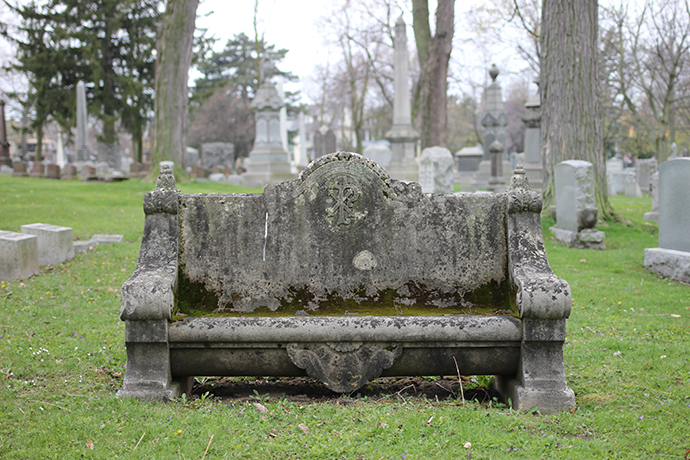
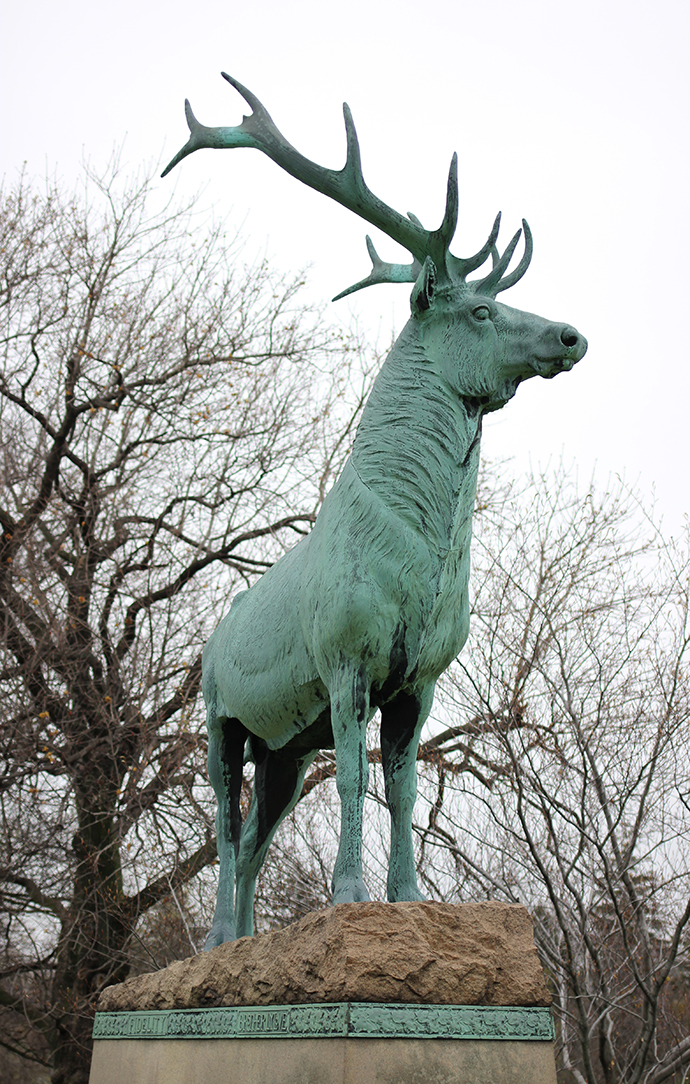
Like Green-Wood, Forest Lawn is very large—269 acres—and I feel like I could go back several times and barely scratch the surface of all there is to see. It's still an active cemetery, and a lot of what we saw looked like newer burials, with ample space to continue accepting new residents for years to come.
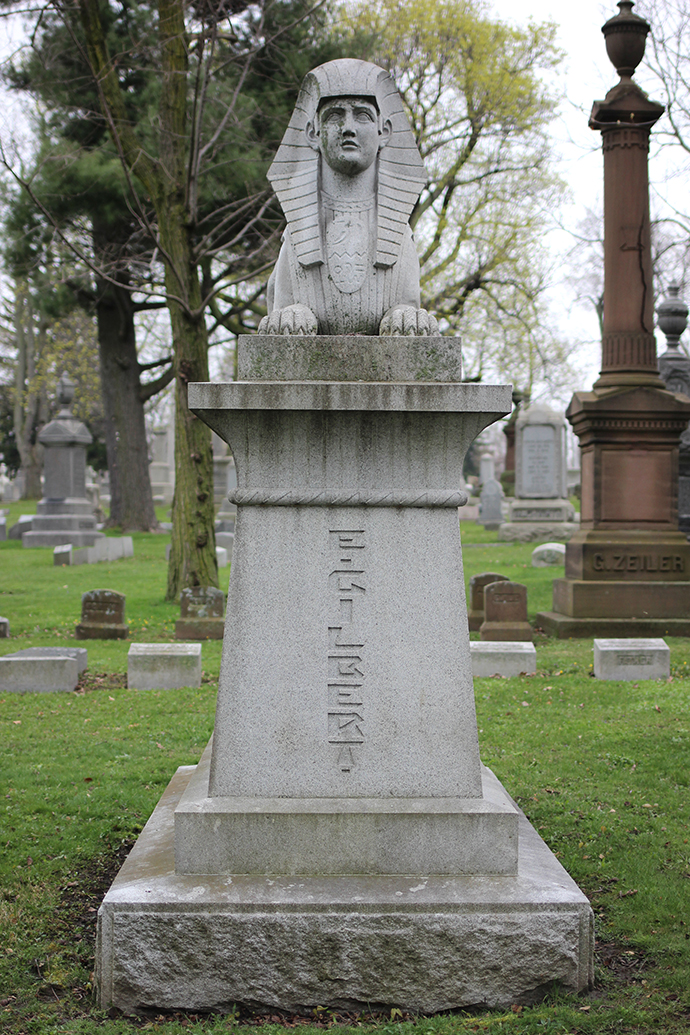
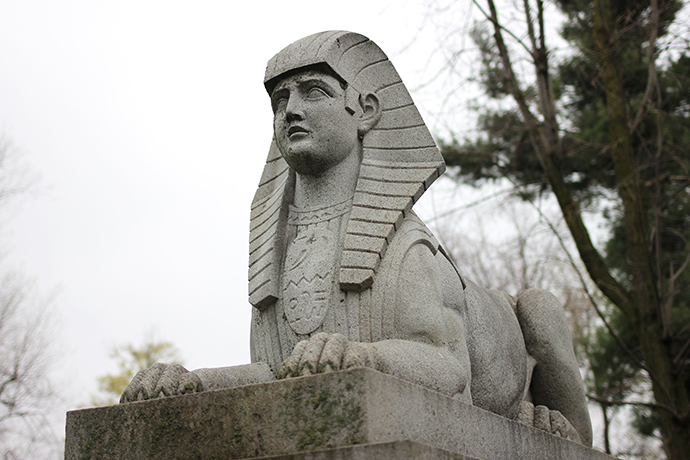
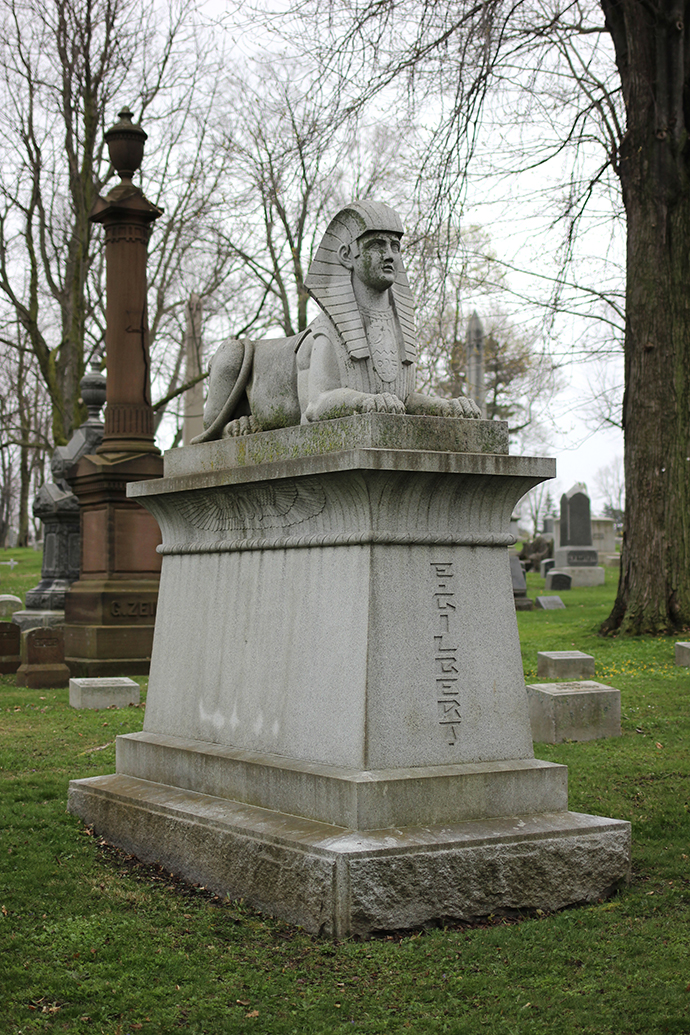
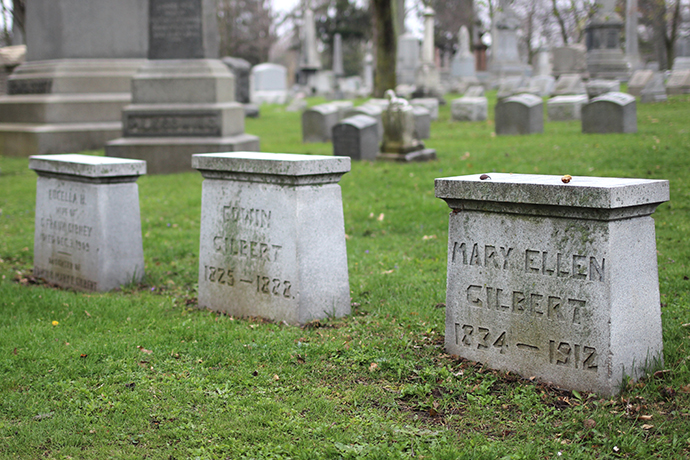
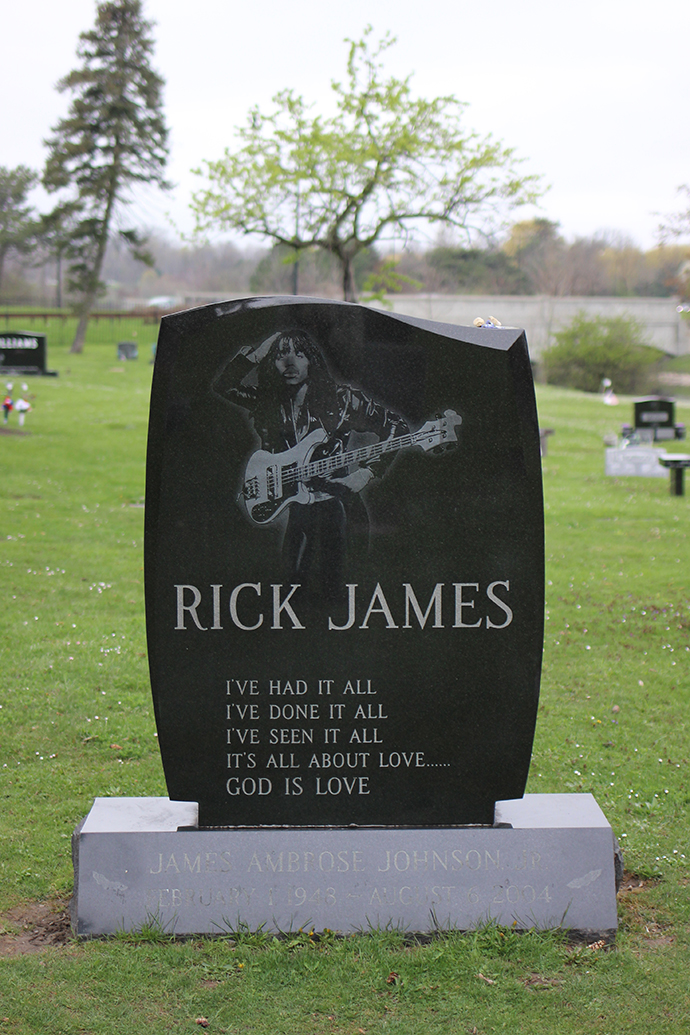
Forest Lawn has it's share of famous (and "famous") inhabitants, including 13th president (and Buffalo resident) Millard Fillmore; Louise Blanchard Bethune, the first female architect; Aretha Franklin's mother; Irving Berlin's wife; many former Buffalo mayors; Civil War generals, and Rick James (
bitch
).
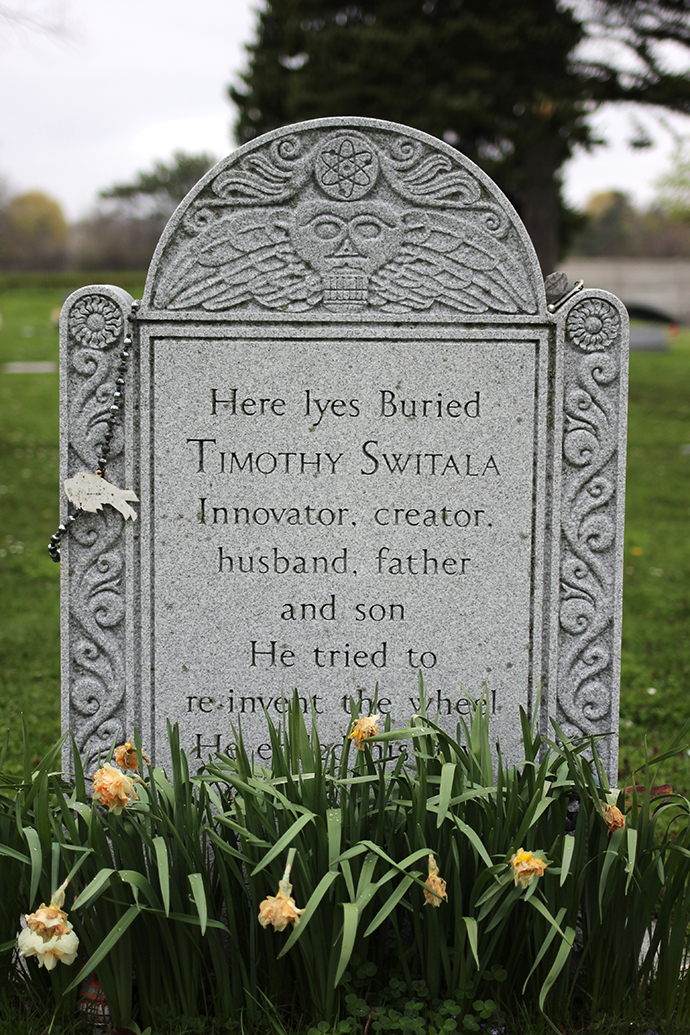
But the best find of all is definitely this tombstone, belonging to Timothy Switala, who died in 2002. It's the only one I've found so far in all of my cemetery exploration that is a modern stone, carved in the style of the 1700s stones that I love so much. I can forgive the modern depiction of the atom because that winged skull is so very wonderful. I've long wondered why designs like this went out of favor and wished that they would make a comeback. I'm sorry for the Switala's family loss, but I'm so grateful to have found his incredible stone and to know it's entirely possible to render the classic designs with modern materials—here's hoping I see more of these in my future cemetery travels.

Rock Creek Cemetery: Part Two

In addition to all of the wonderful bronze sculptures at Rock Creek Cemetery, there were many wonderful old headstones, mausoleums and other treasures. I love that no matter how famous or unknown a cemetery may be, I can always find interesting, historical or strange things to delight in.

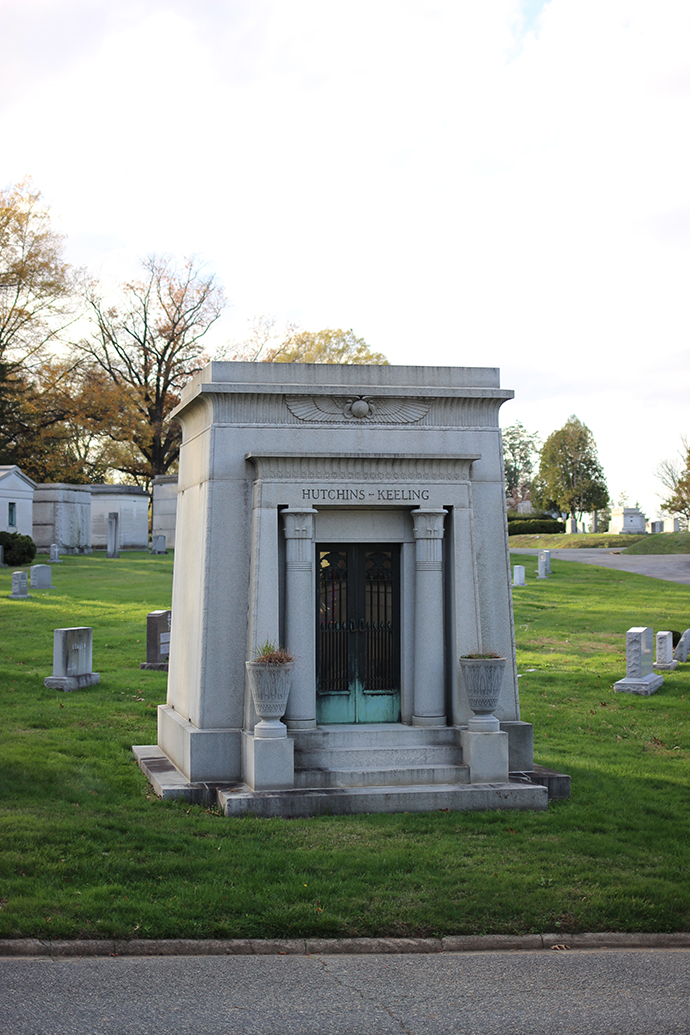
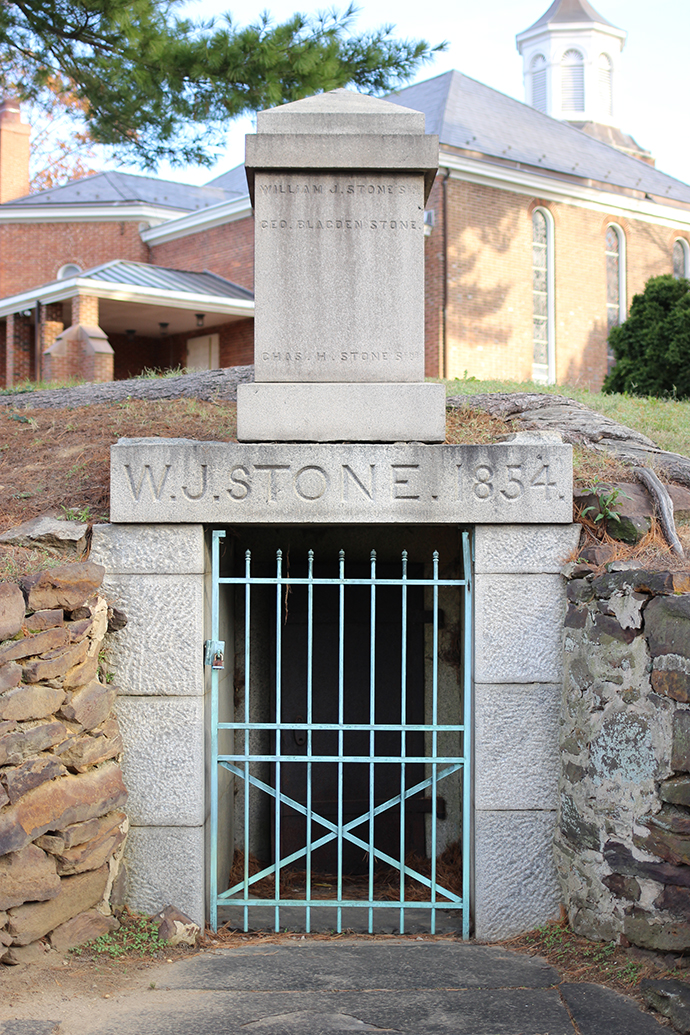

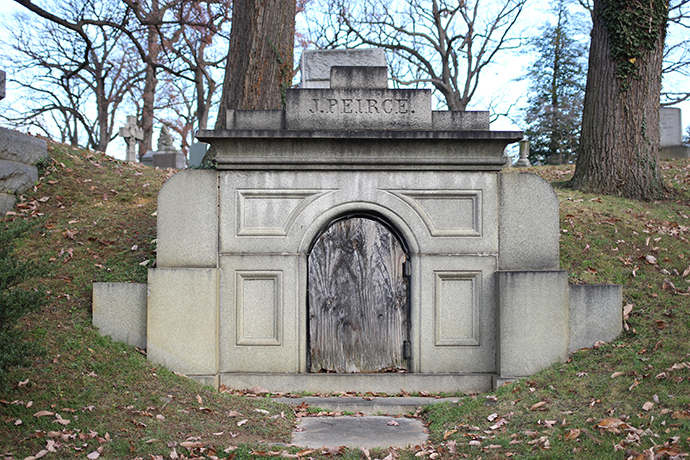
I'm always surprised when I come across mausoleums that only have gates, instead of heavy stone doors. Rock Creek is close to Washington DC, but not right in the city—I think I'm so used to places like Green-Wood, which are very well-kept and buttoned-up, that it throws me to be able to freely see inside of any mausoleum.


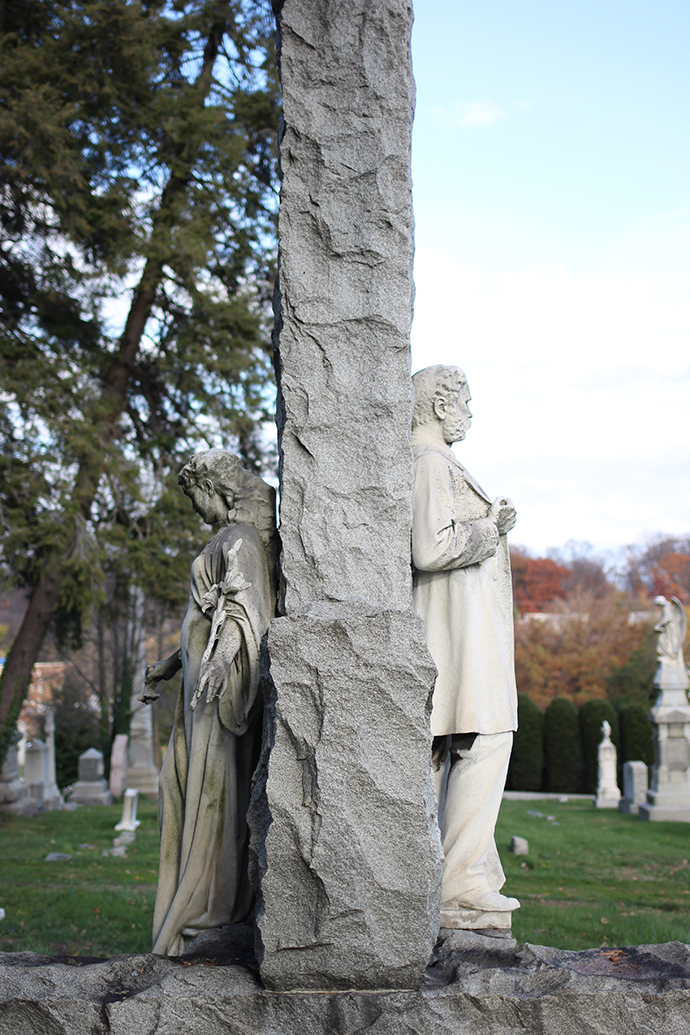

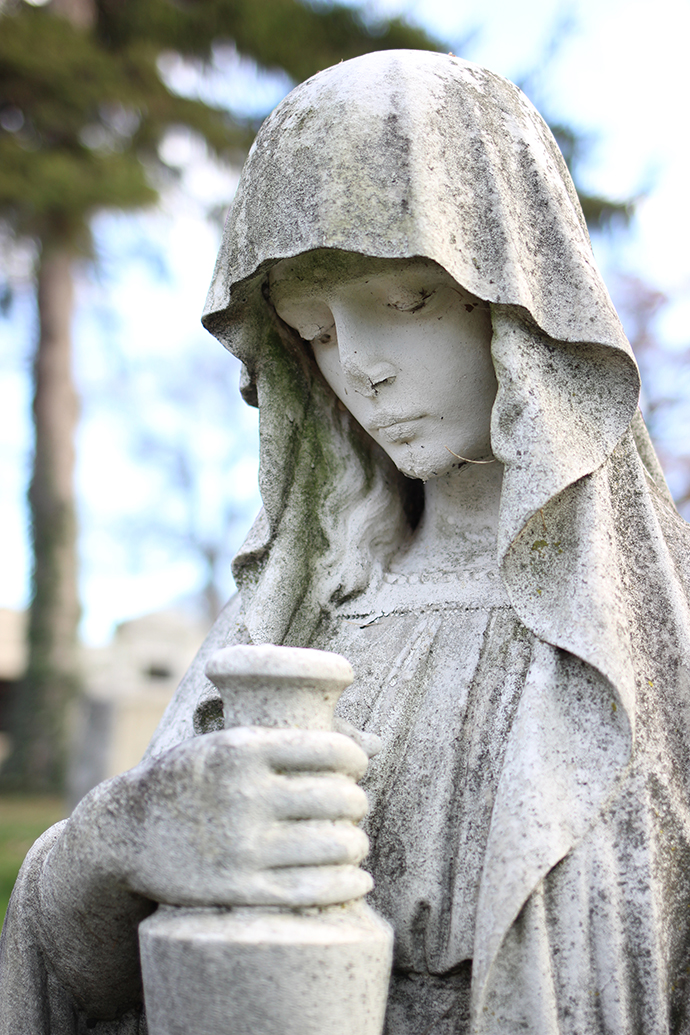

We found a lot of wonderful stone sculptures to complement the bronzes, including a few men and a lot of really unique representations of specific people. The creepy nun was definitely a favorite of ours, and we ended up circling back to her a few times.
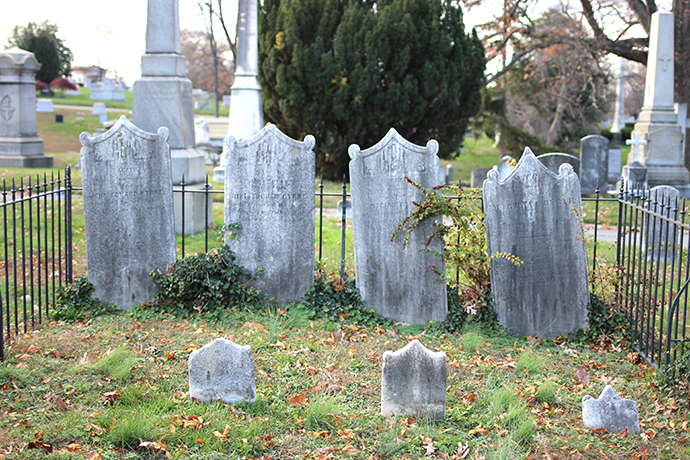

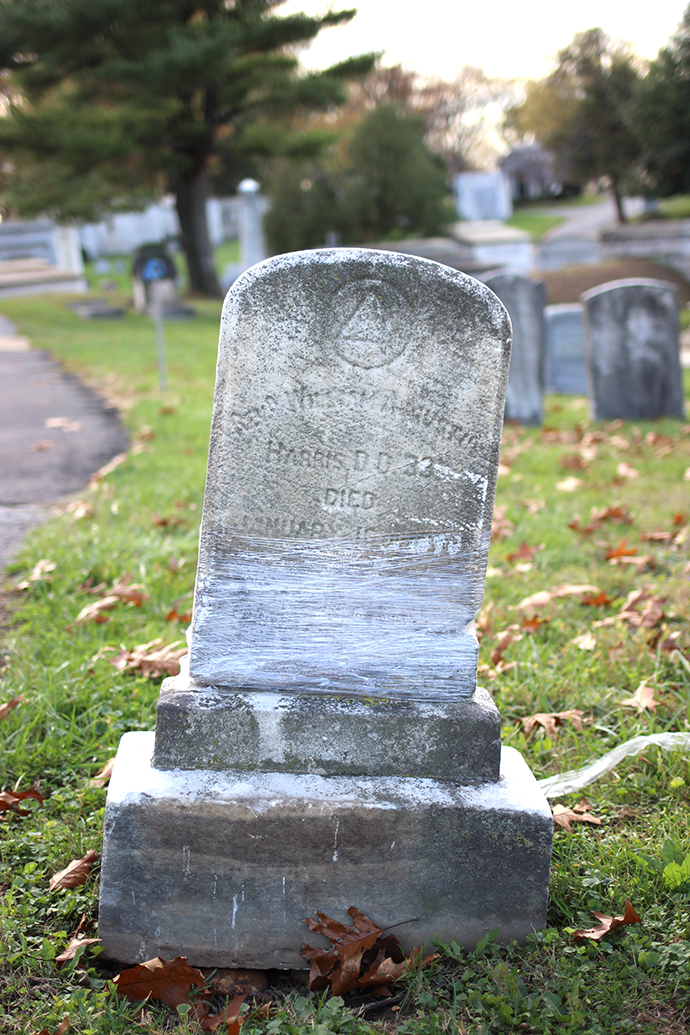

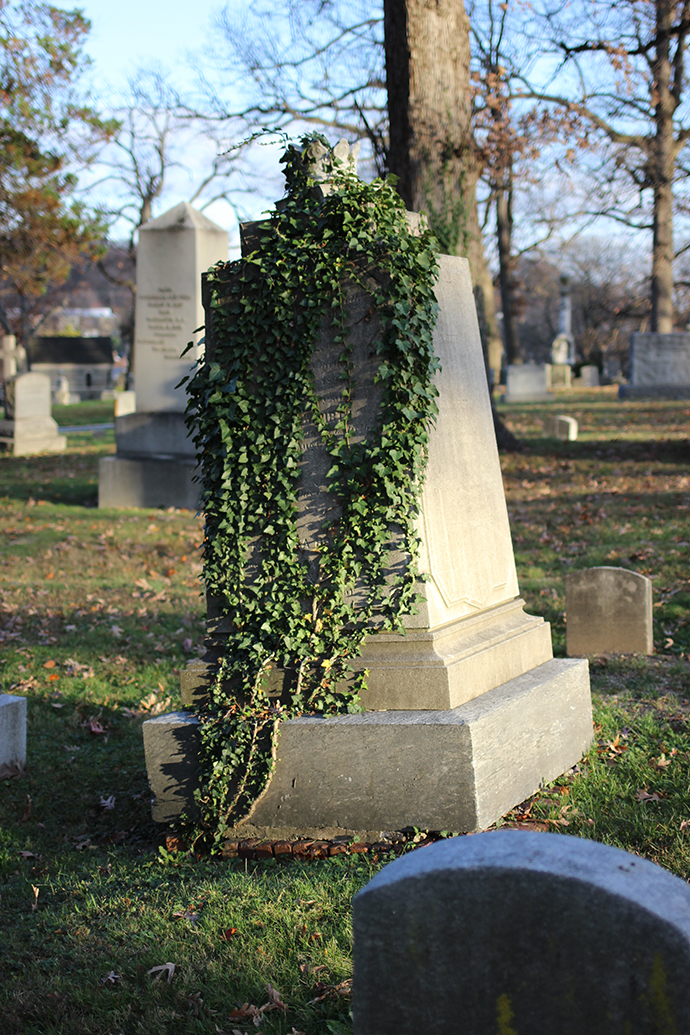


We visited Rock Creek in November, and luckily there were still a few leaves in their full fall glory. Of course I love cemeteries in all seasons, but nothing really beats the fall. The late afternoon light was just perfect, and I've never met an ivy-covered headstone that I didn't love.
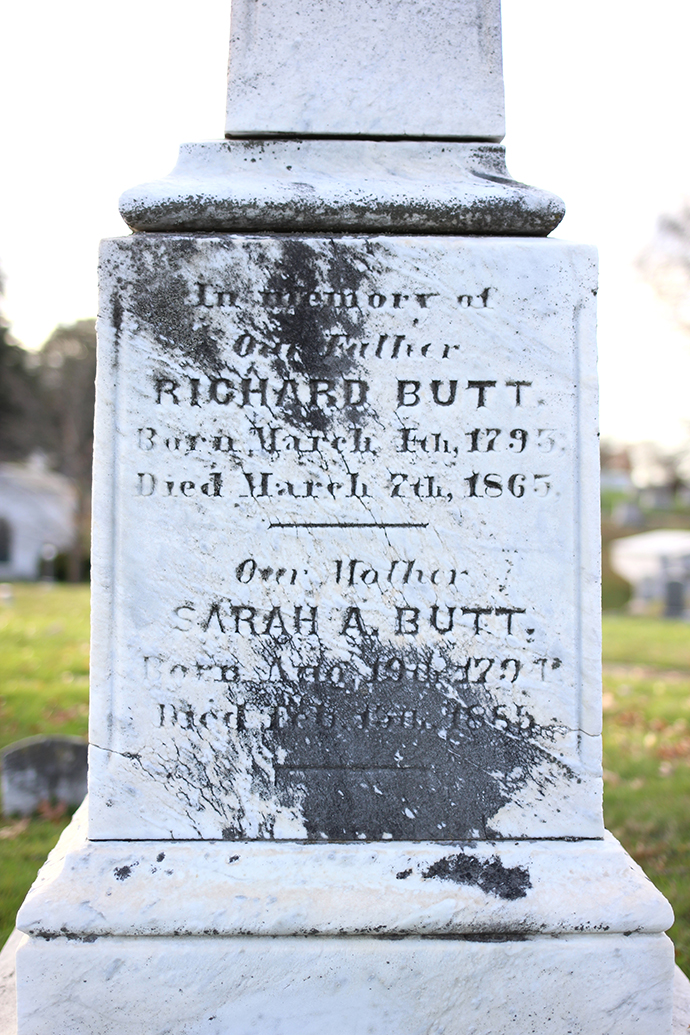
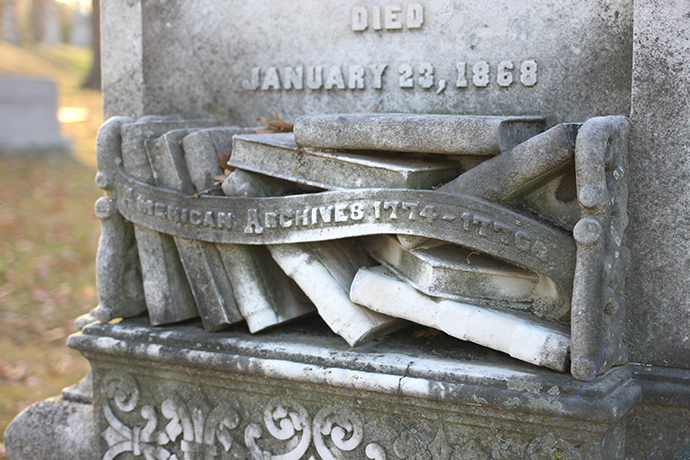
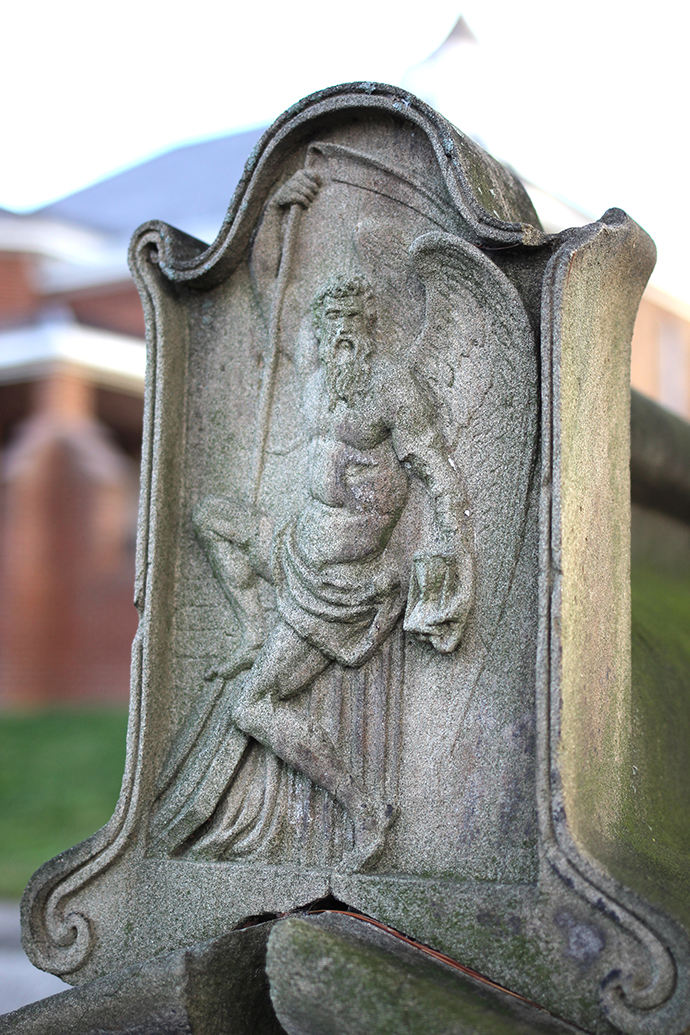
In every cemetery I visit, I usually find a few things that really stand out and stick with me long after I've gone. I hope we're forgiven, but we cannot be the first people to visit Rock Creek and laugh upon seeing Richard Butt's headstone. I very much identified with the bookshelf stone, and I loved the scythe-and-hourglass-carrying angel that managed to be both ominous and beautiful at the same time.
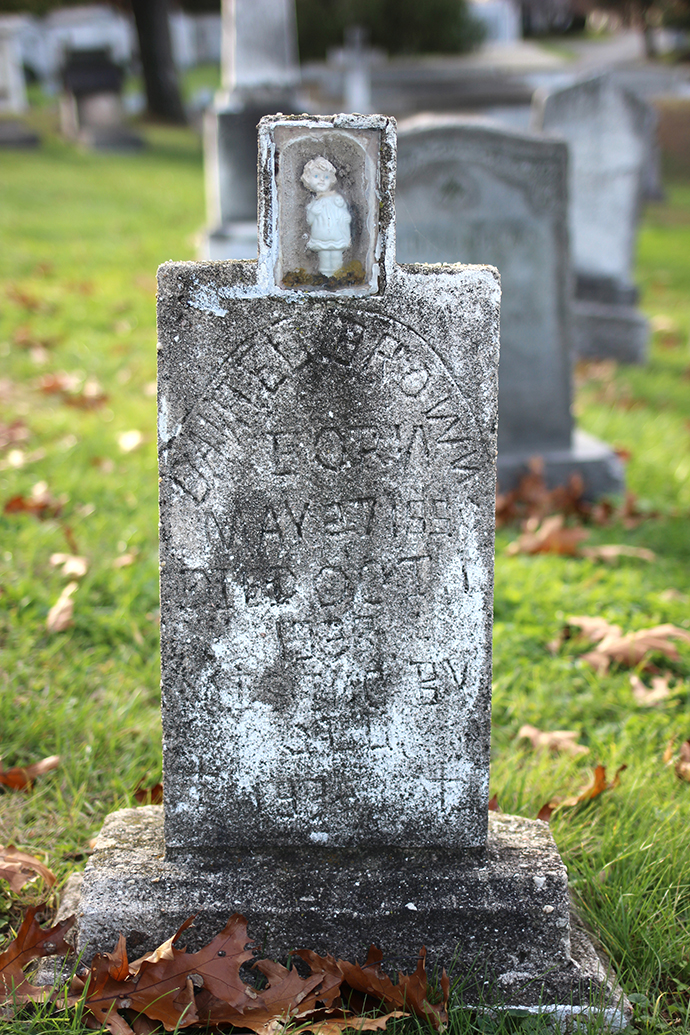
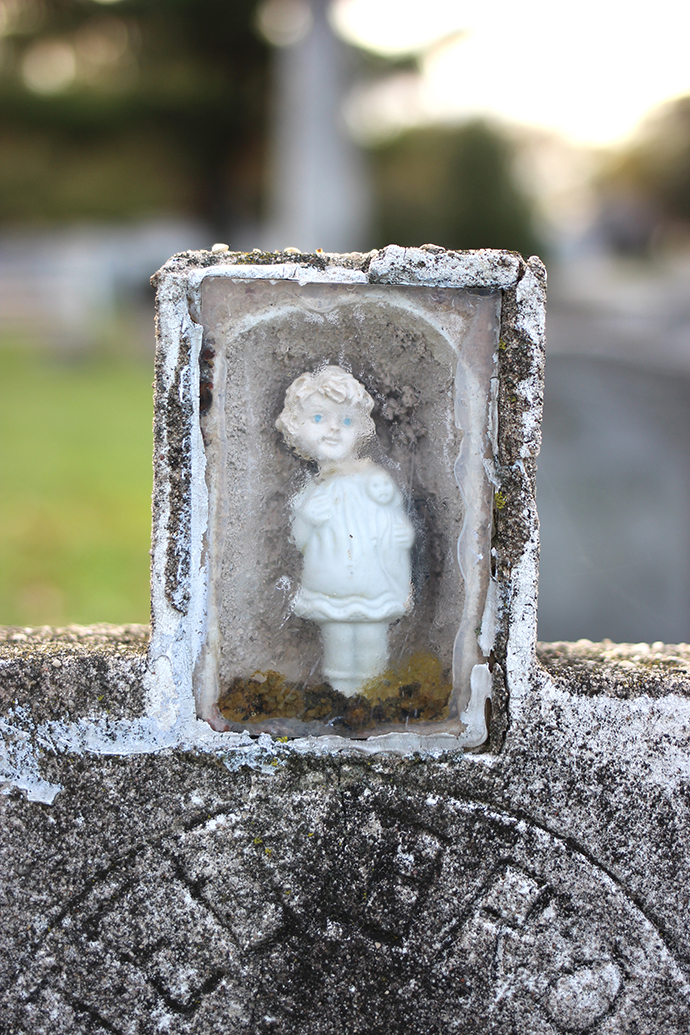
But in between all of the wonderful sculptures and symbolism we found in Rock Creek, nothing will stay with me quite as long as the blue-eyed, plastic doll entombed atop a crudely carved stone, and forever in my nightmares.

Rock Creek Cemetery: Part One, Bronzes
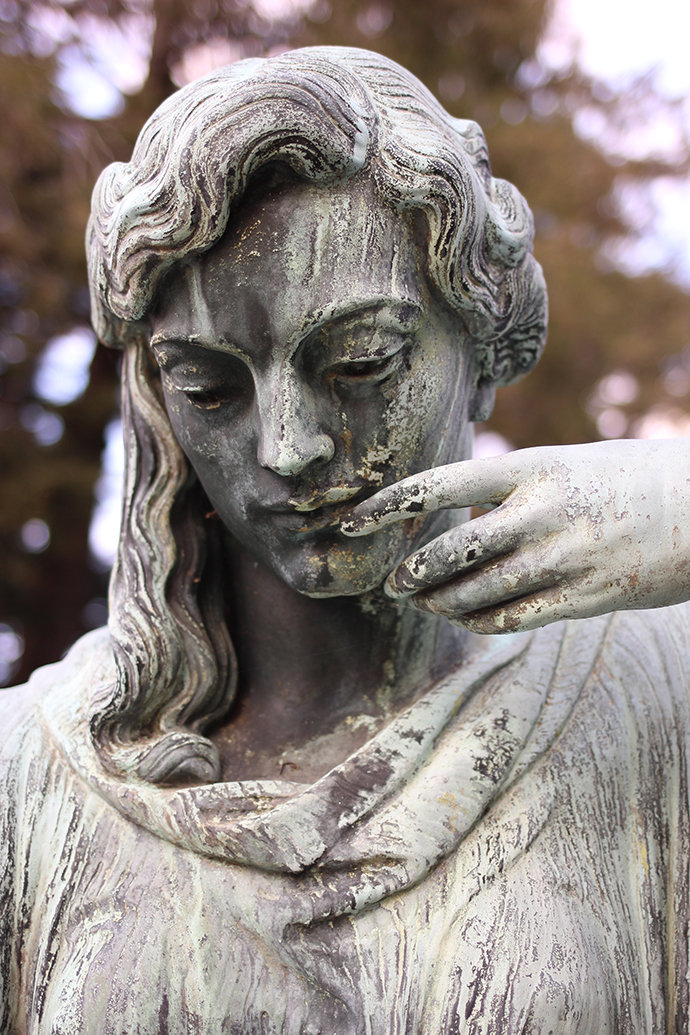
Back in November, I met my uncle in Washington DC for a long weekend of historical and operatic delights. He had a car, so he suggested a few things that lay outside of city limits, like Rock Creek Cemetery. I had never heard of Rock Creek before but it was first established in 1719 and has been listed on the National Register of Historic Places since 1977.


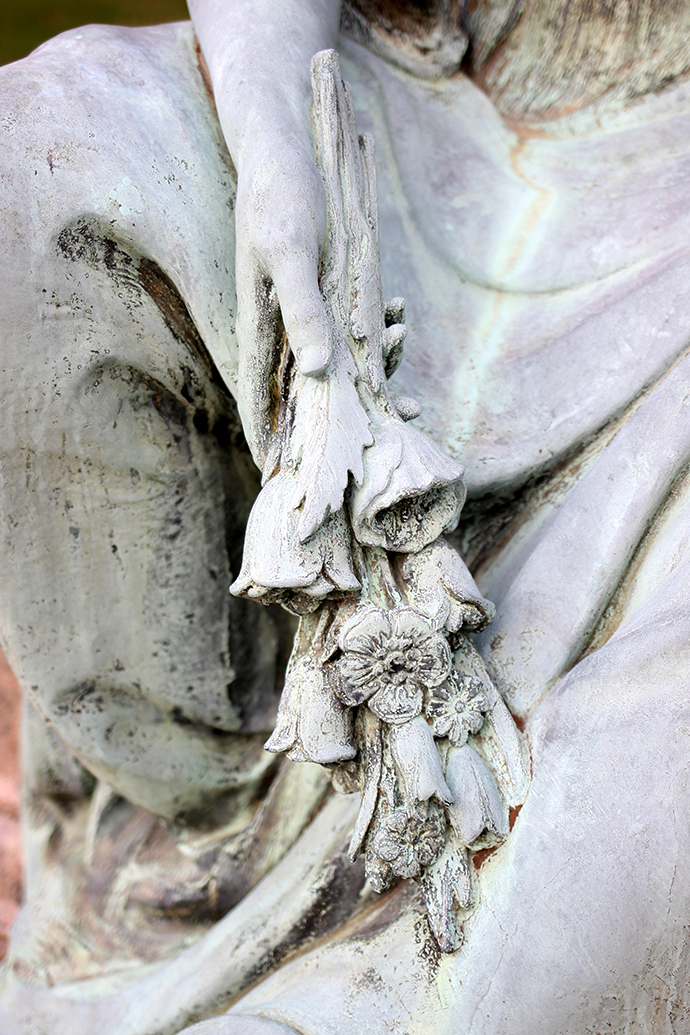
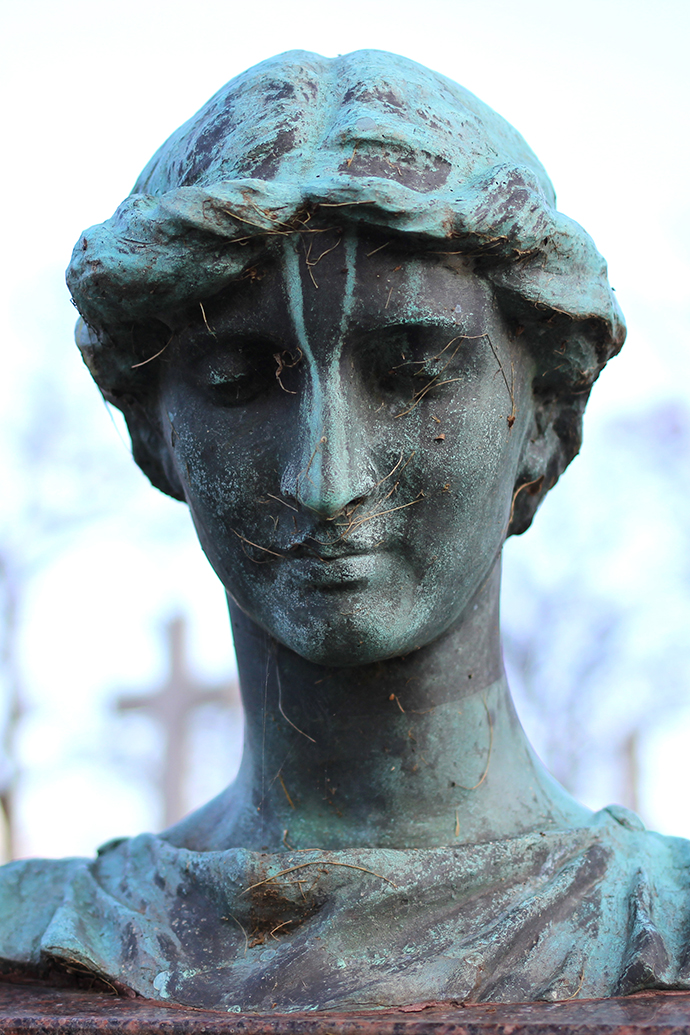
My uncle had printed out a list of notable sculptures at Rock Creek, of which there are many. We managed to find almost every one on his list, along with a few more along the way. I was surprised at how many large bronzes there were in the relatively small cemetery, including a few men which I don't see nearly as often as the mourning woman.
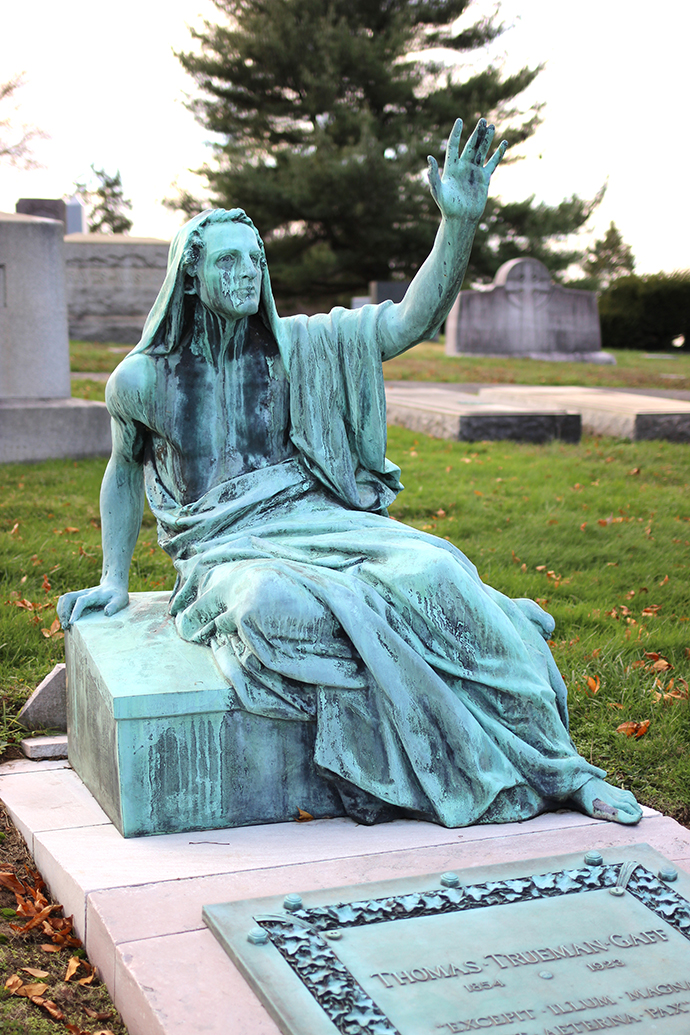


The Thomas Trueman Gaff monument was sculpted by Jules Dechin and caught our eye immediately. The figure's raised hand and haunting upward gaze is really unnerving. Like most of the sculptures we saw, rain had streaked the face so he looked as if he'd been crying.
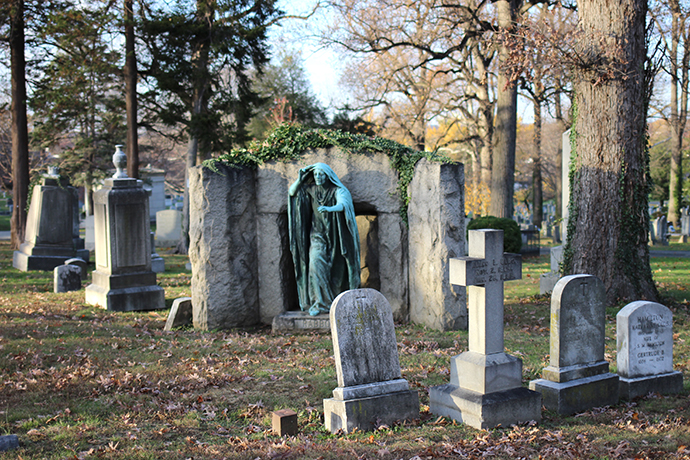
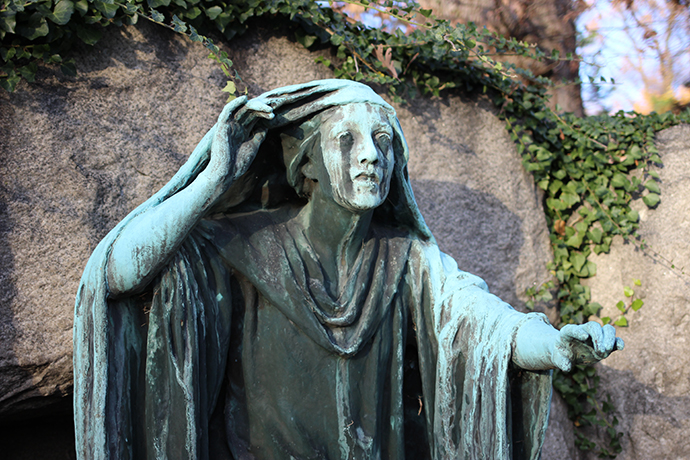
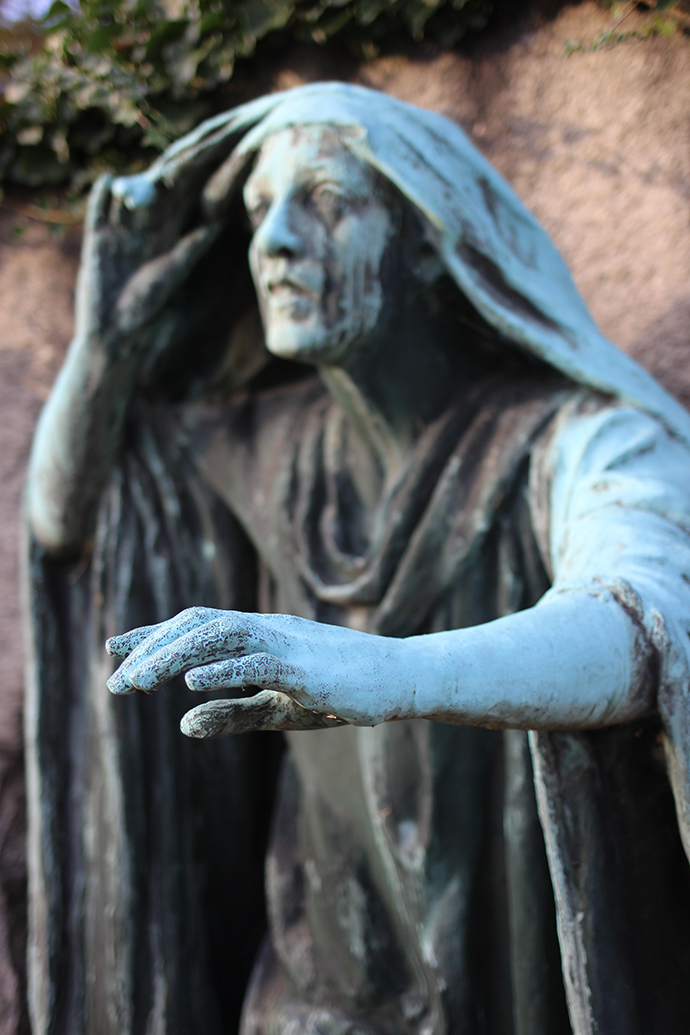

At first glance I assumed the Rabboni sculpture was a man, when it's actually a depiction of Mary Magdelene. It was sculpted in 1909 by Gutzon Borglum in tribute to a prominent Washington banker and tapestry collector.

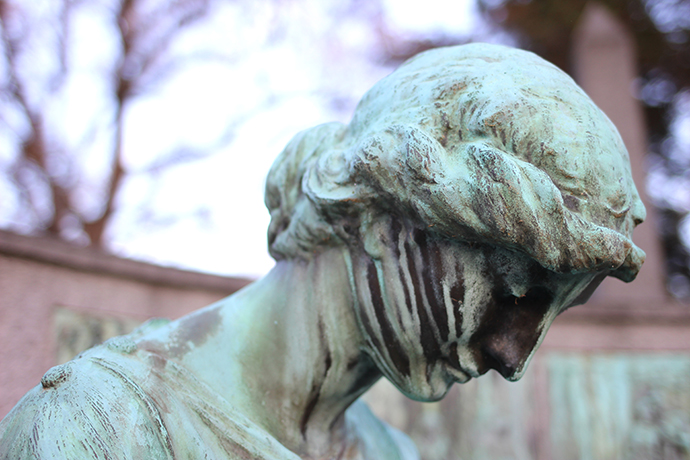
The Kauffmann Memorial is probably my favorite in the cemetery and features a "classically-draped" woman in the process of making a wreath. She is surrounded by bronze panels featuring scenes from Shakespeare's "Seven Ages of Men," from As You Like It. She has such a wonderful, rain-stained face and manages to be incredibly beautiful and haunting-yet-serene all at the same time.
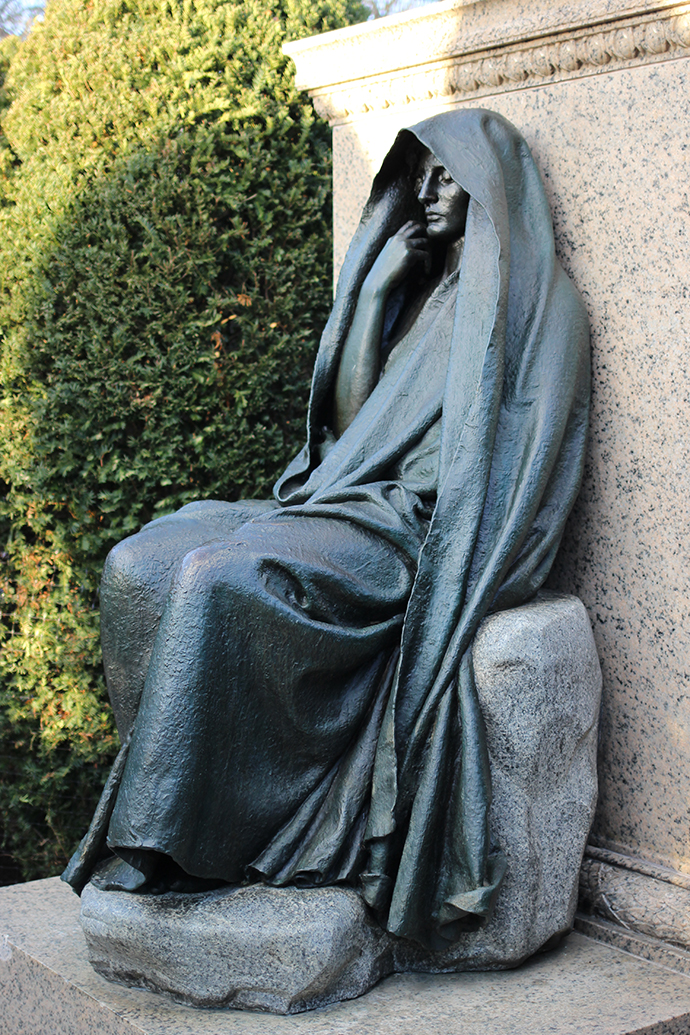
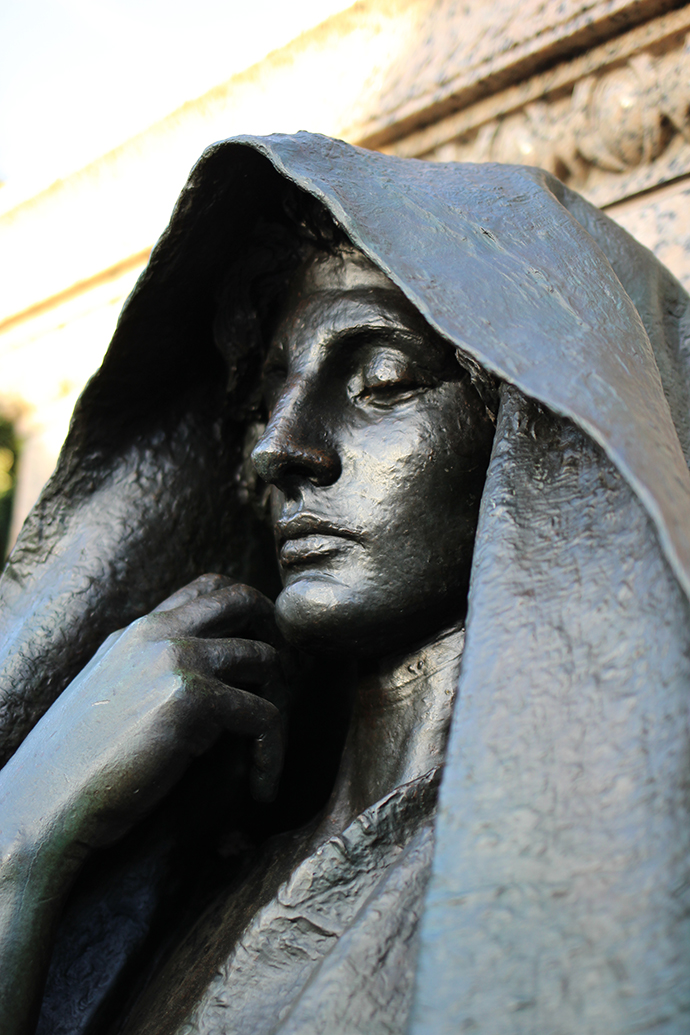
But the most famous of all of the Rock Creek sculptures is undoubtedly the Adams Memorial featuring a seated bronze by Augustus Saint-Gaudens anchoring a plot designed by notorious architect Stanford White. It was erected in 1891 by Henry Adams as a tribute to his wife, who had committed suicide. The plot is encircled by shrubs, keeping the sculpture hidden from view. There is a bench where you can sit, face the figure and contemplate Grief—which has been the title commonly given to the sculpture, apparently much to Henry's chagrin. He wrote to Saint-Gaudens's son, saying:
"Do not allow the world to tag my figure with a name! Every magazine writer wants to label it as some American patent medicine for popular consumption—Grief, Despair, Pear's Soap, or Macy's Mens' Suits Made to Measure. Your father meant it to ask a question, not to give an answer; and the man who answers will be damned to eternity like the men who answered the Sphinx."
Maple Grove Cemetery

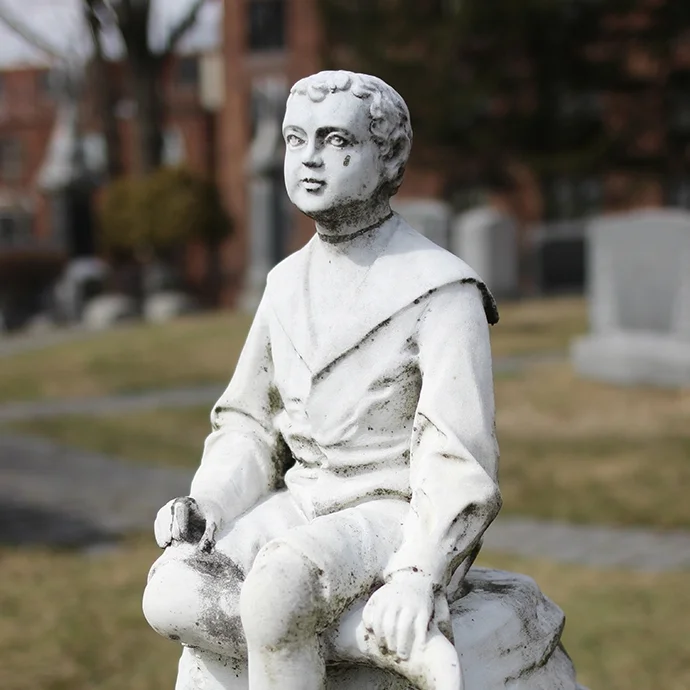
Maple Grove is a cemetery in the Kew Gardens neighborhood of Queens. Organized in 1875 and listed on the National Register of Historic Places, Maple Grove is still an active cemetery. It's pretty small, and a large portion of the cemetery appeared to be from 1950-present, but there were still plenty of wonderful old stones to keep me interested.


Almost immediately I came across what ended up being my favorites in the whole cemetery. I was excited to spot a marker for the "Methodist Episcopal Church Home in the City of New York"—in all of my cemetery explorations I don't see many markers for groups of people (orphanages, asylums, large disasters, etc.), so I always feel lucky to find one. Then I was happy to find (my favorite) an Egyptian-syle marker, but I was pulled away from it when I spotted Tom across from it—is it just me or does he look like he's crying a single tear?


Almost right next to Tom was Baby Gladys in her ruffly dress, and across from her my favorite stone in the whole cemetery: "The Place of Rest of the Patients Dying in the Hospital of the New York Society for the Relief of the Ruptured and Crippled An Institution Originated and Organized by James Knight MD Its Surgeon in Chief."


There were some other stones that stood out for their unusual shapes, like Chipman's triangle marker, Zeiterlund's very uncomfortable pillow-shaped stone and the baby clinging to what I thought was a beehive from far away, but might be a pile of something (books?). The blank headstone is not something I can ever remember seeing anywhere else—did they run out of money or leave it purposefully blank?


There are some wonderful angels and other sculptures at Maple Grove, and the administration building and receiving tomb were both built by the architect James Ware (buried in the cemetery) in the Victorian style. There aren't any big names buried here, but according to a walking tour brochure I picked up, "famous" residents include: the self-proclaimed King of Swan Island, America's Puzzle King and Chess Master, a friend of Cole Porter, the freemason who laid the cornerstone for the Statue of Liberty, a friend of John Wilkes Booth, an assistant to Nikola Tesla and the creator of pink lemonade.

I was intrigued by the description of Ruth Wheeler as "young stenographer and murder victim," so I looked her up when I got home. According to Maple Grove, 15-year-old Ruth received a post card from 20-year-old Albert Wolter soliciting her for her stenography skills. After she was hired, Wolter strangled her, set her on fire while still she was still alive and then finally dismembered her. Although he never confessed, he had recorded Ruth's age, height and weight on a piece of paper later found by the police. Wolter was sentenced to death by electric chair, which was carried out at Sing-Sing in 1912.
But Wheeler's death wasn't entirely in vain: that same year a new law was enacted, called “The White Slave Act”, which held employment agencies responsible for verifying the credentials of their clients. I would have never paid much attention to her headstone without the brochure description which makes me wonder how many other unassuming stones have intriguing tales to tell.

Green-Wood Cemetery: Fall
Moving to Brooklyn has been wonderful for me in many ways, but one of the most unexpected joys has been my proximity to Green-Wood Cemetery. I've been there countless times since I moved in August, and it's frequently becoming one of my most-visited spots in the city.
We went on a short walk through Green-Wood on Black Friday, when the weather was unseasonably warm and sunny. I can't think of a better anecdote to the $10 flatscreen brawls at Wal-Mart than a walk through a beautiful, historic cemetery and you don't get any better in that department than Green-Wood. I've still yet to cover all of its sprawling grounds, and I discover new delights each time I go even in the sections that I've frequented.
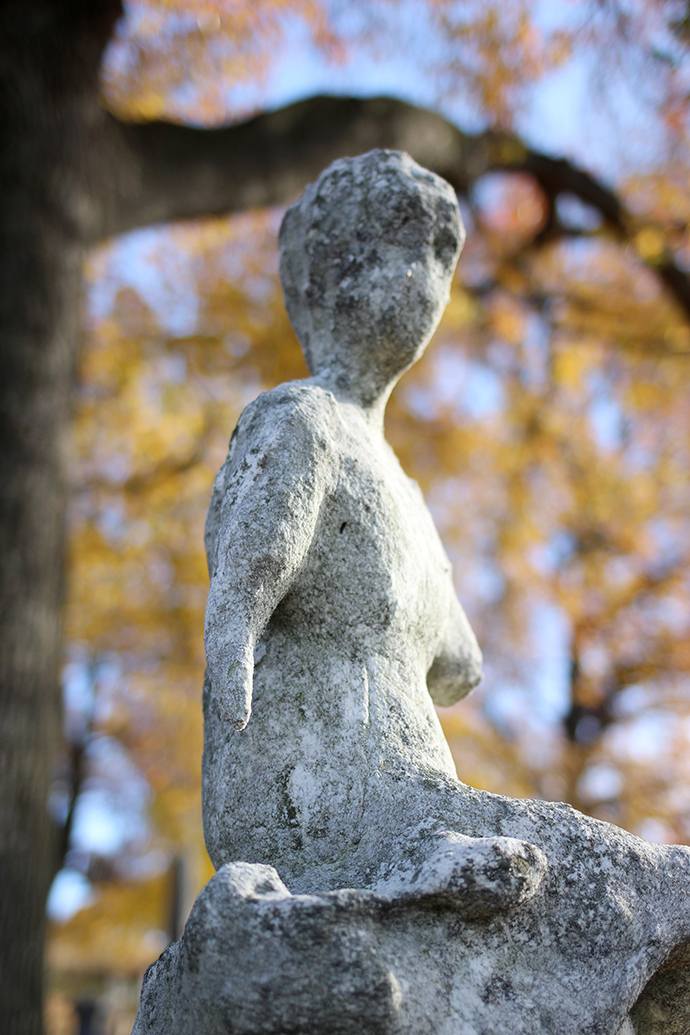


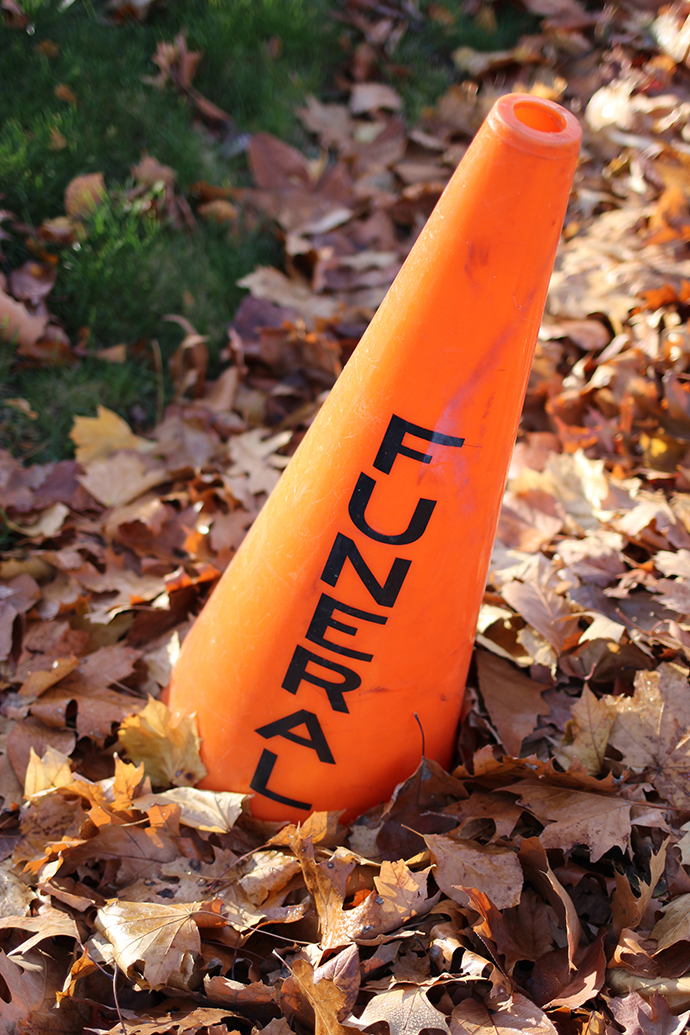
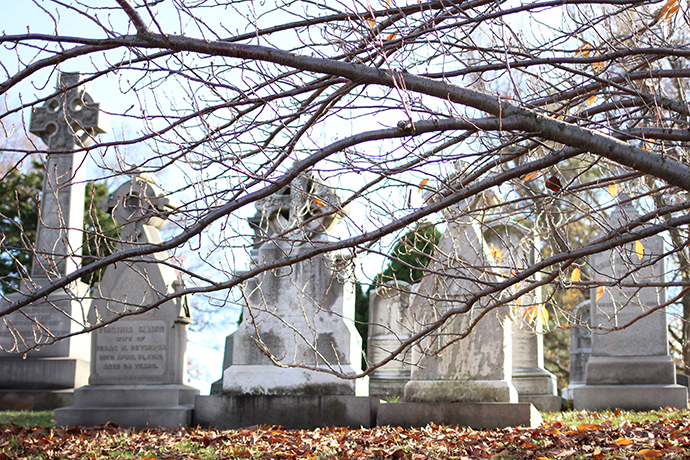
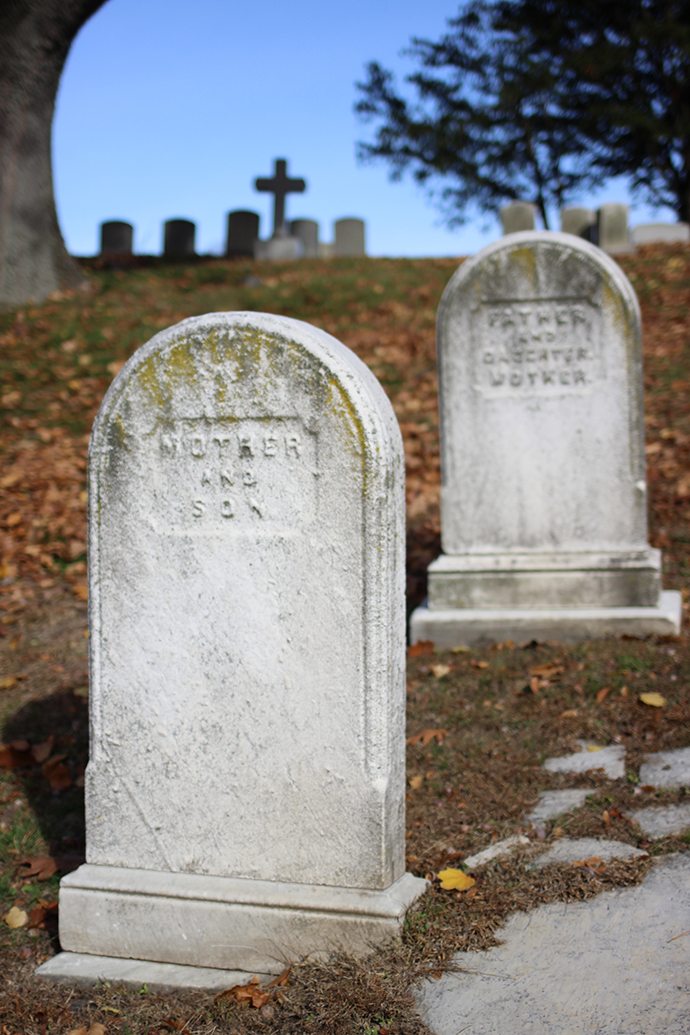
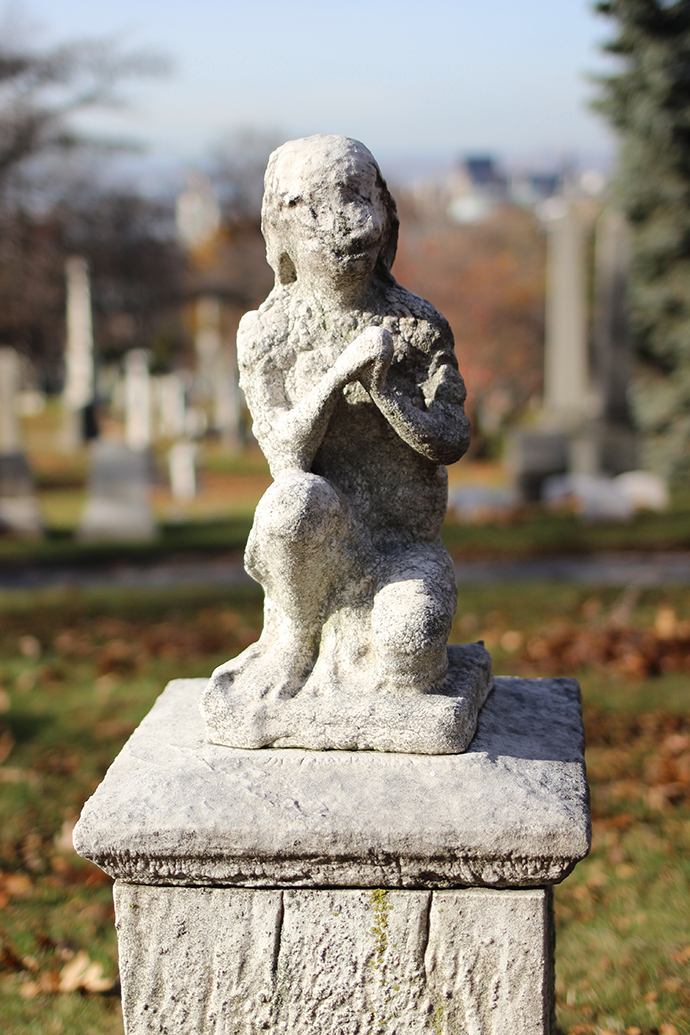
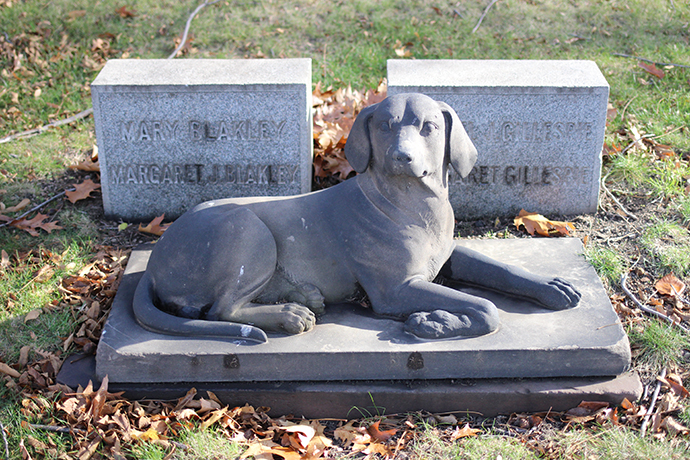
Some of the highlights included some interesting stone inscriptions—"Mother and Sister," "Mother and Son," "Father and Daughter," and the heartbreakingly sweet "They Made Home Happy." I also found a funeral traffic cone, some wonderful worn faces, bricked up mausoleums and one very vigilant dog, guarding his owners graves for all of eternity.
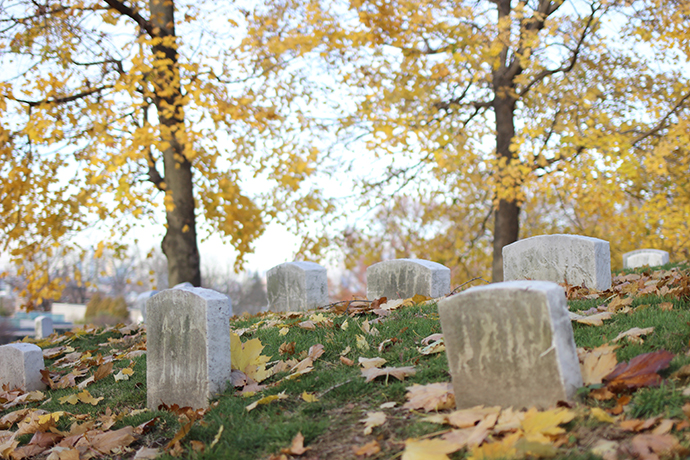
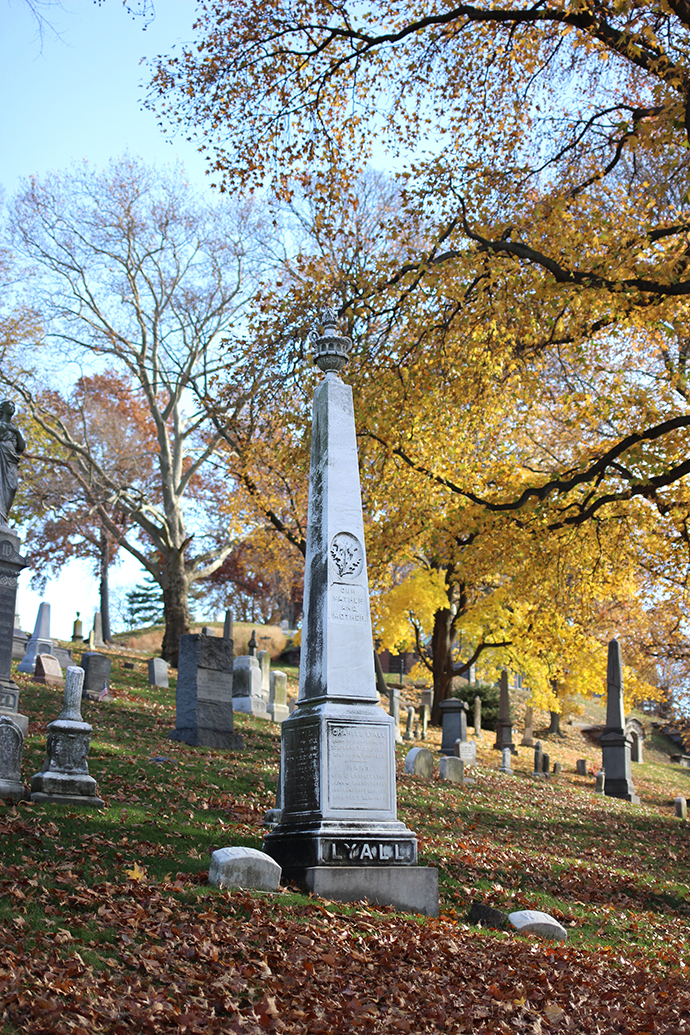
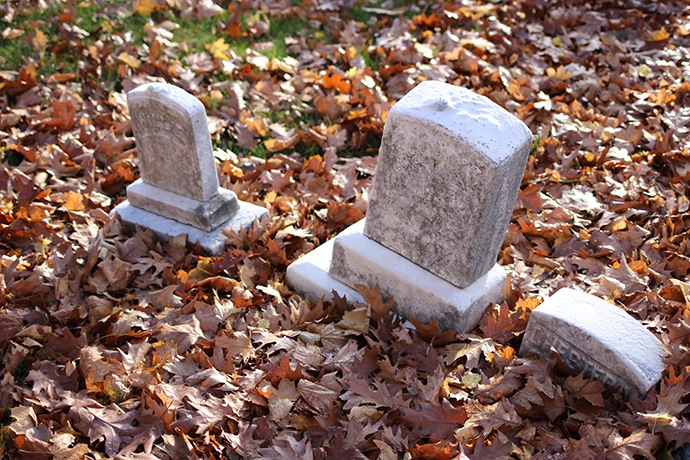
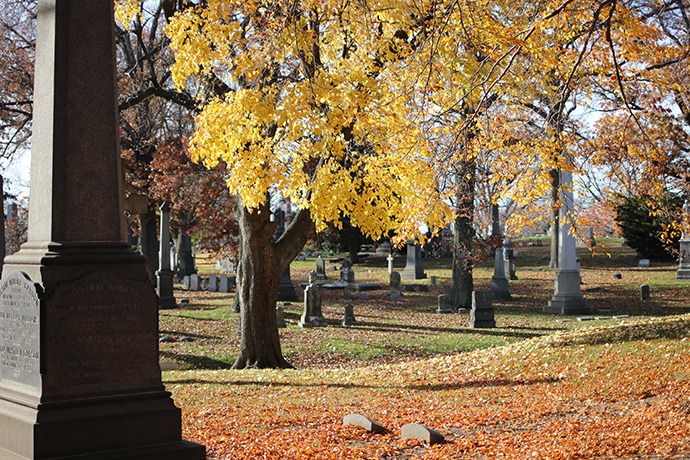
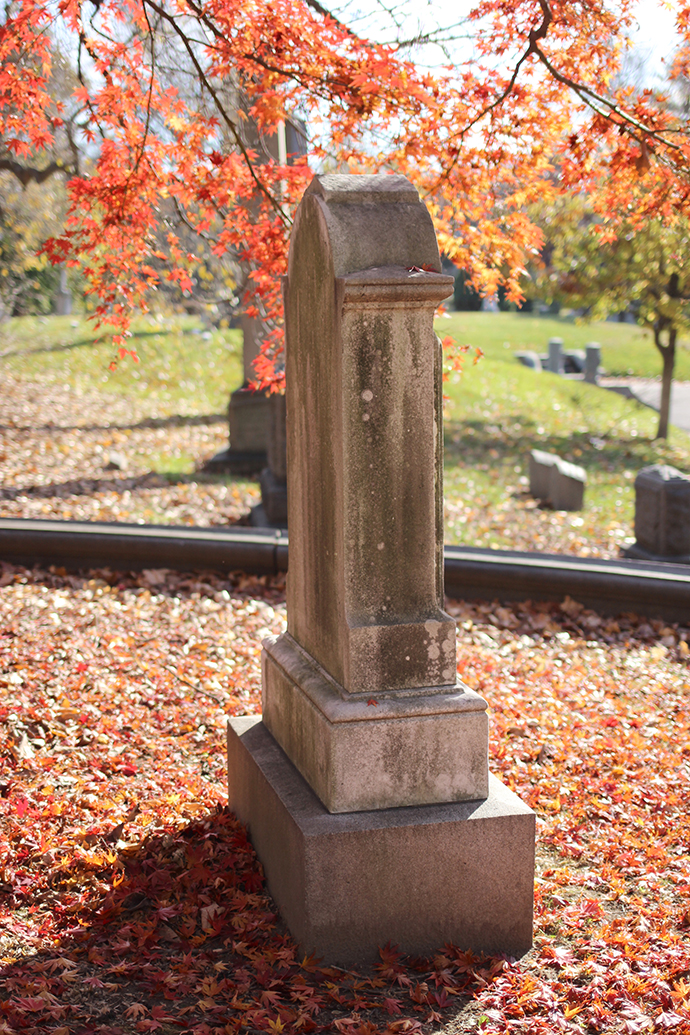
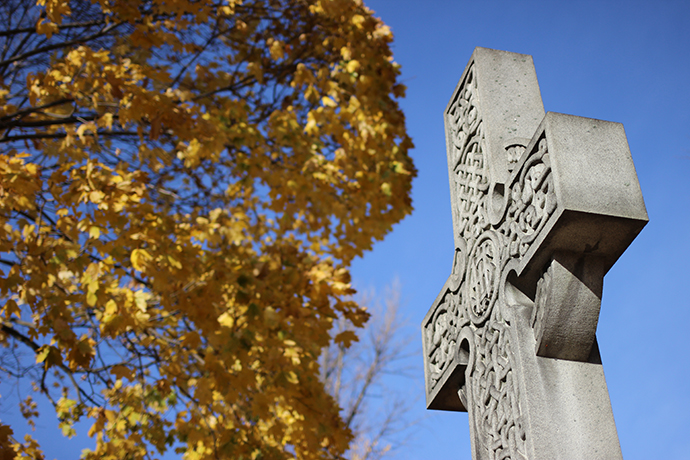
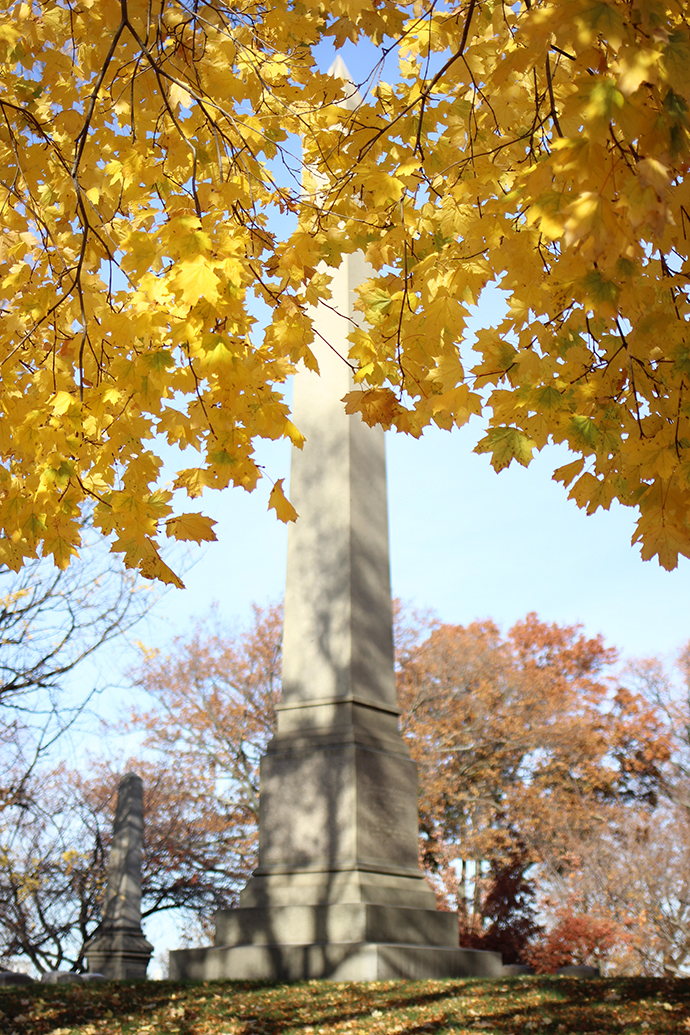
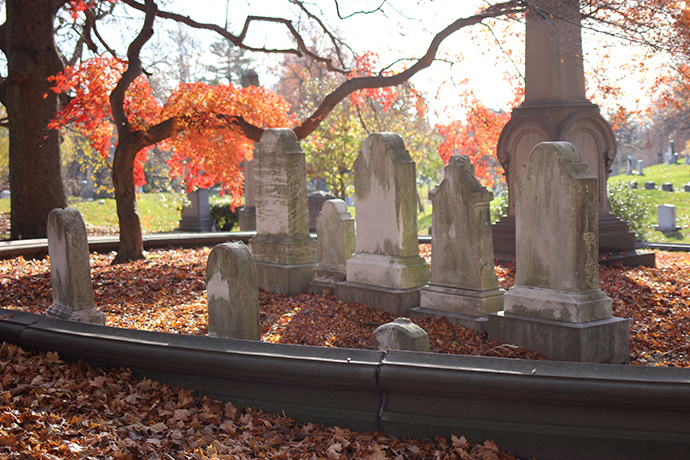
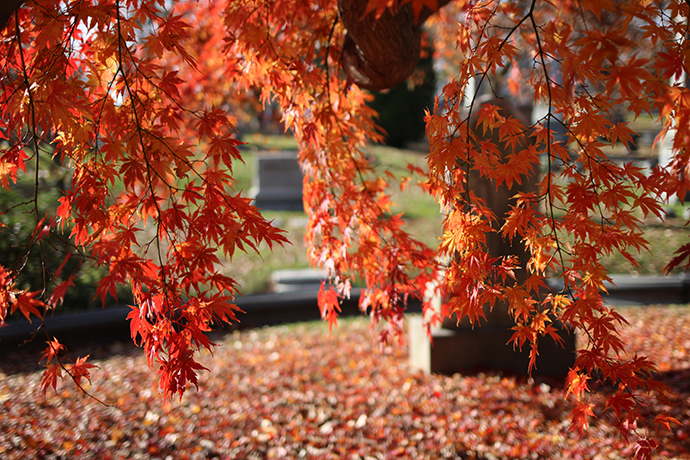
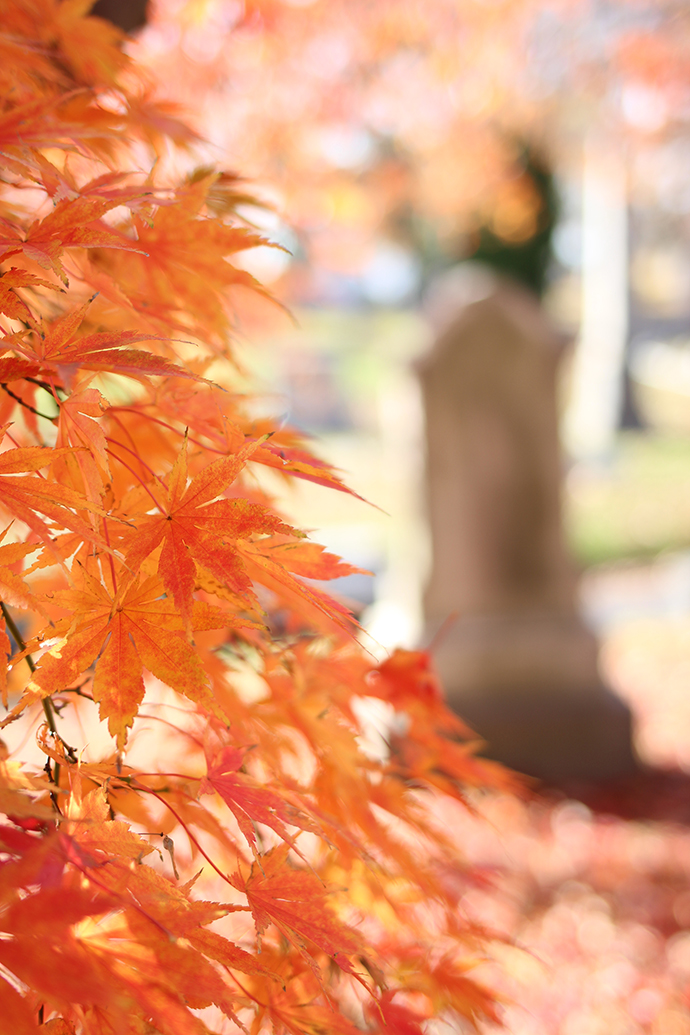
I had a hard time finding any truly spectacular leaf displays this fall, but the best foliage I did find was in cemeteries, specifically Woodlawn and of course Green-Wood. The Japanese maples really came to work this year, and the yellows (never my favorite leaf color) were striking and seemed to hold out a little longer than everything else, which mostly just turned brown and then fell off.
Trinity Church Cemetery

I recently revisited one of my favorite New York cemeteries, the churchyard of Trinity Church on Wall Street in Lower Manhattan. The cemetery opened in 1697 and is one of three separate burial grounds associated with the church. The other two are at St. Paul's Chapel (also downtown) and uptown at Trinity Church Cemetery and Mausoleum, the only active cemetery remaining on the island of Manhattan. The churchyard is one of my favorite retreats from the crowds of tourists that overwhelm downtown on the weekends and I rarely run into more than a handful of people the whole time I'm there.


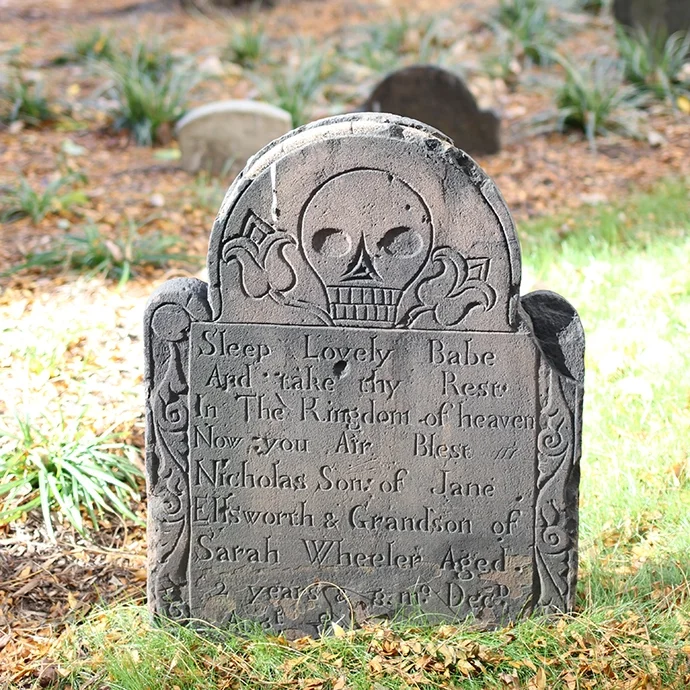
Trinity has its fair share of famous residents, including (the very in right now) Alexander Hamilton, but my favorite epitaph belongs to David Ogden, "who on the 27th of September 1798 in the 29th year of his age fell a victim to the prevailing epidemic." I'm not exactly sure which epidemic it was that took Ogden, but a yellow fever outbreak centered around Philadelphia in that year is a likely candidate.


It's a fairly small cemetery, but its collection of old, classic tombstones is hard to beat. My absolute favorite type of tombstone iconography is the skull—with wings, or better yet, crossbones—and Trinity churchyard has the highest concentration of this design that I've seen. I'm not sure when or why this motif went out of favor, but I think it's long overdue to make a comeback.

Woodlawn Cemetery

On Sunday Jim and I made the trek up to Woodlawn Cemetery in the Bronx. Woodlawn is the very last stop on the 4 train, which is now significantly farther for me living in Brooklyn than it was when I lived in Harlem. We had tried to go once this past winter, only to be told the cemetery wasn't allowing walk-ins "due to hazardous conditions," (it was snowing, but come on).
A few weeks after we were rebuffed, I tried again on my own—there was snow on the ground but it was sunny and in the 40s—only to be denied entry for the same reason as before. I had successfully been to Woodlawn once (in the fall), but after two failed attempts I was slightly hesitant to go back. It's hard for me, however, to resist the allure of a cemetery—especially on a beautiful, sunny fall day.

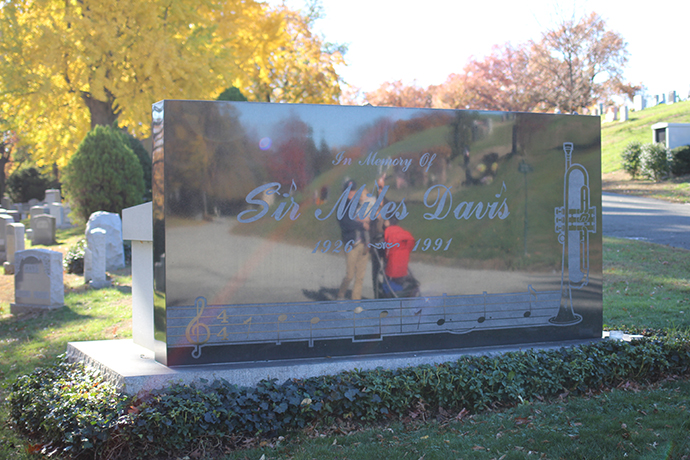
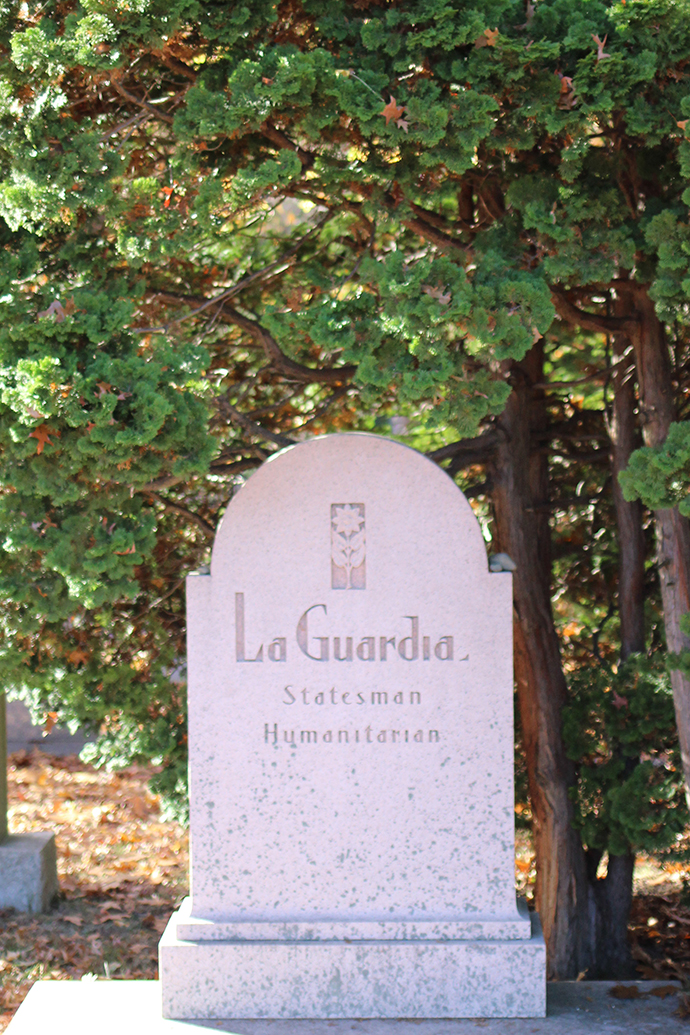
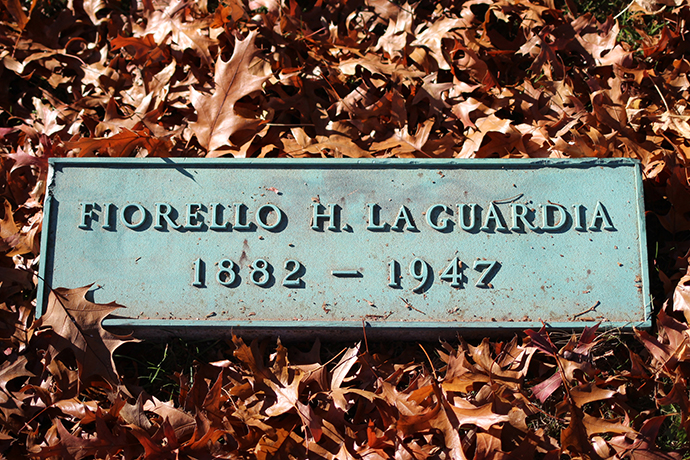


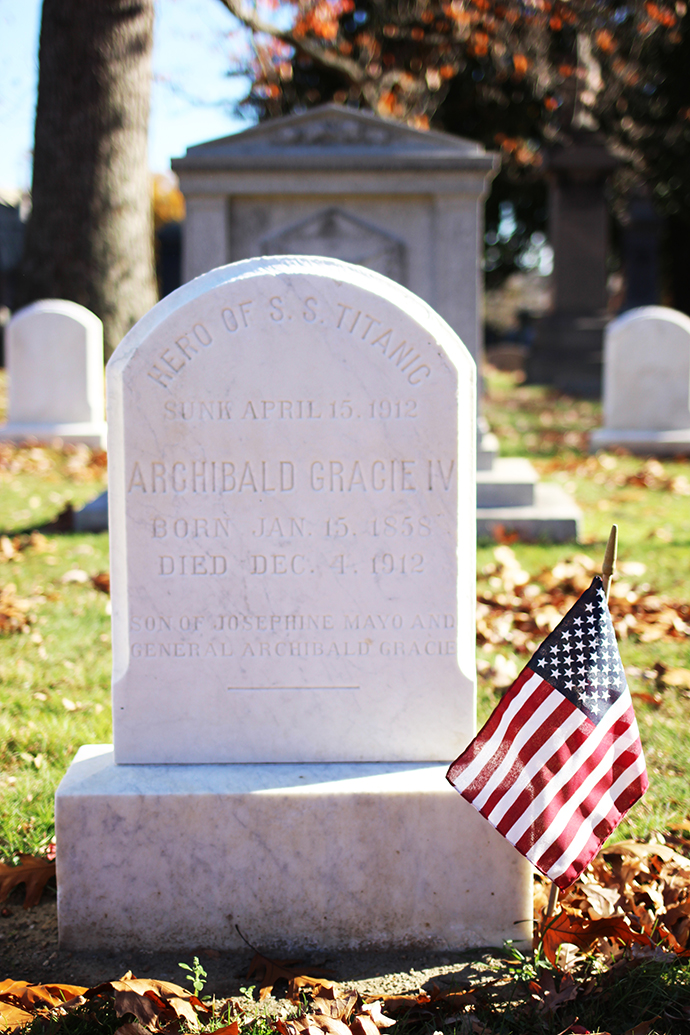
One of the first mausoleums you see as you walk along the central drive belongs to the Woolworth family. I remembered it from my first trip because I've never met an Egyptian-style tomb that I haven't loved, and theirs is spectacular. Woodlawn opened in 1863 and is one of the largest cemeteries in the city. Like Green-Wood, it's a designated National Historic Landmark and is the final resting place of many famous people. We grabbed a map from the office and visited the graves of Miles Davis, Fiorello La Guardia, Duke Ellington, Irving Berlin, Herman Melville, Robert Moses (by the highway, of course), Montana "Copper King" W. A. Clark and Archibald Gracie, a survivor of the Titanic.
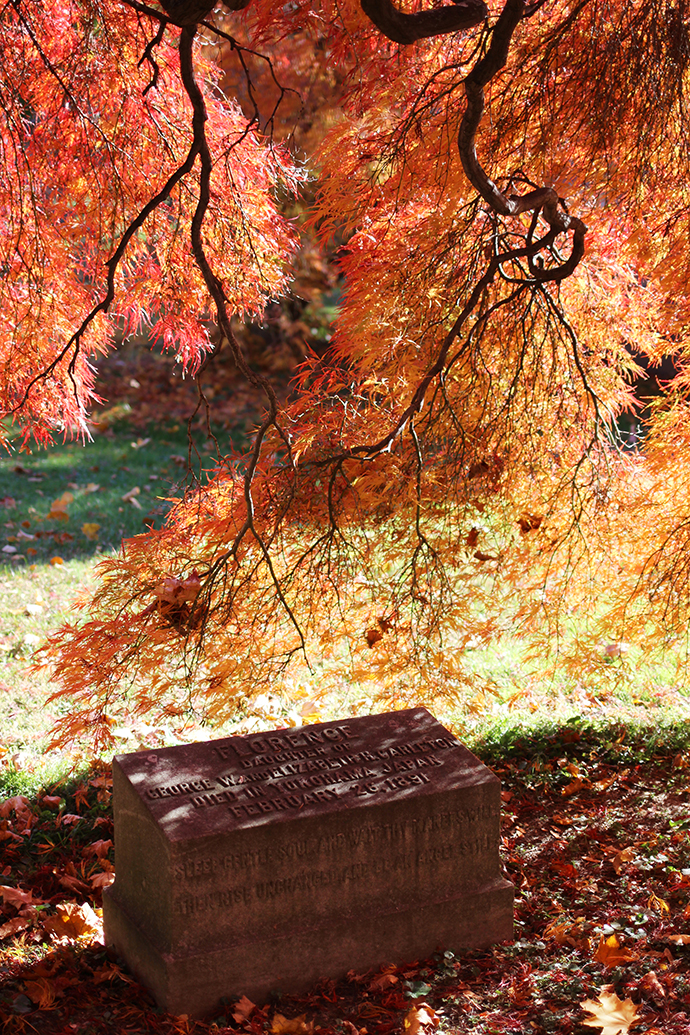
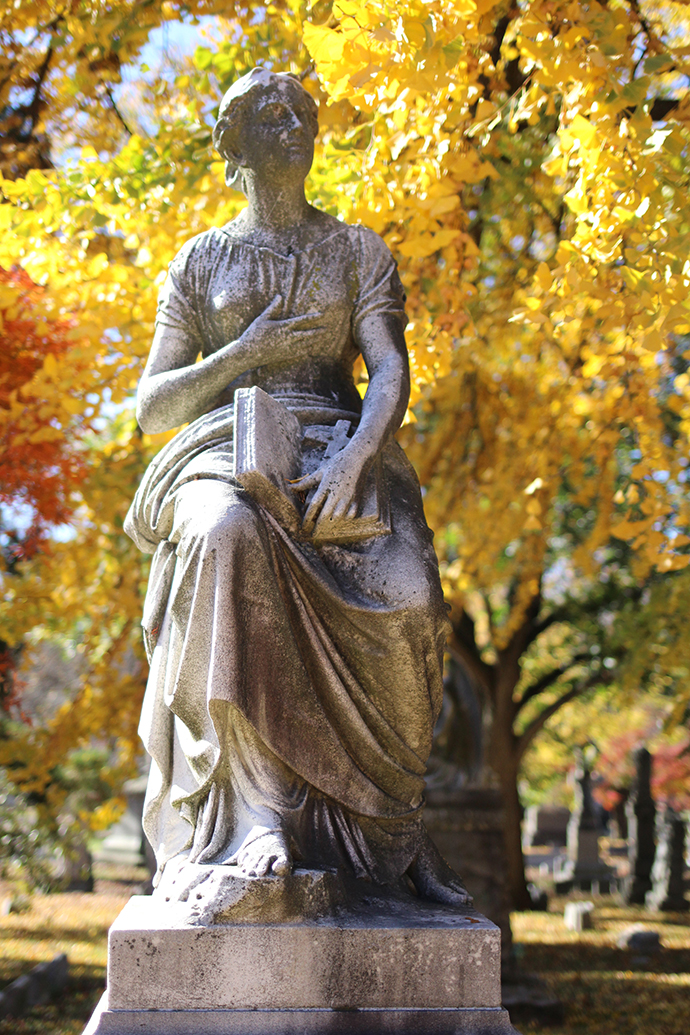

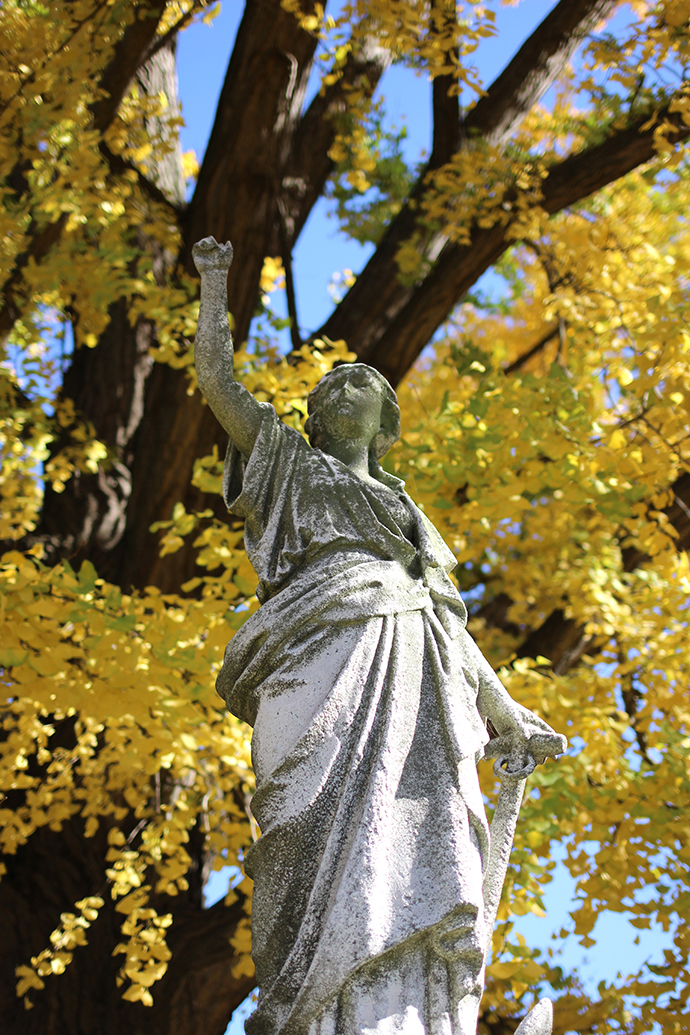
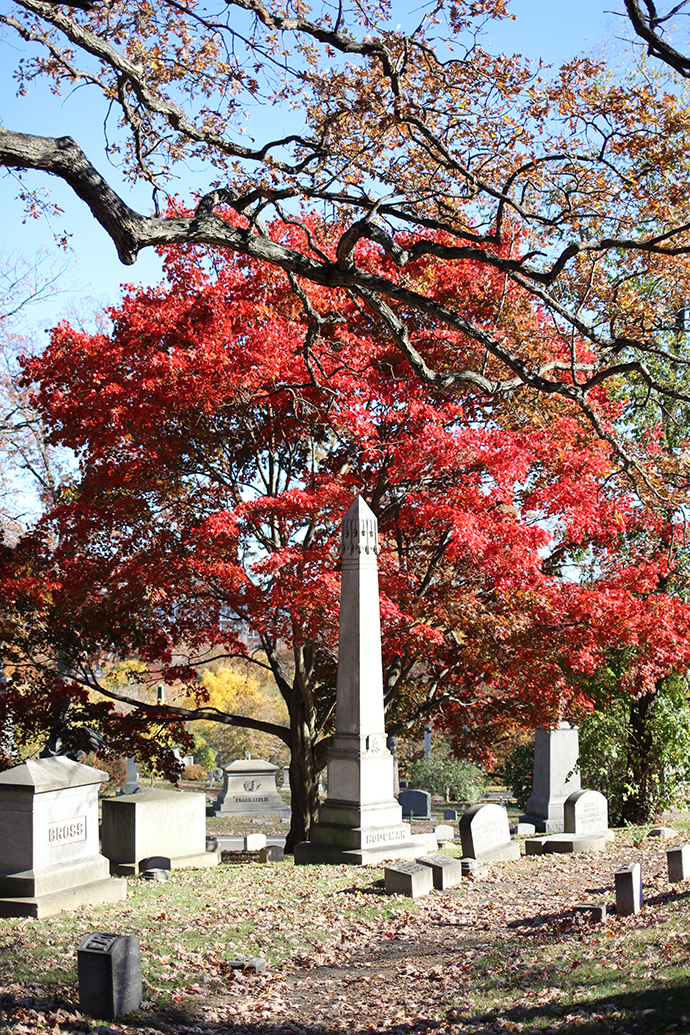
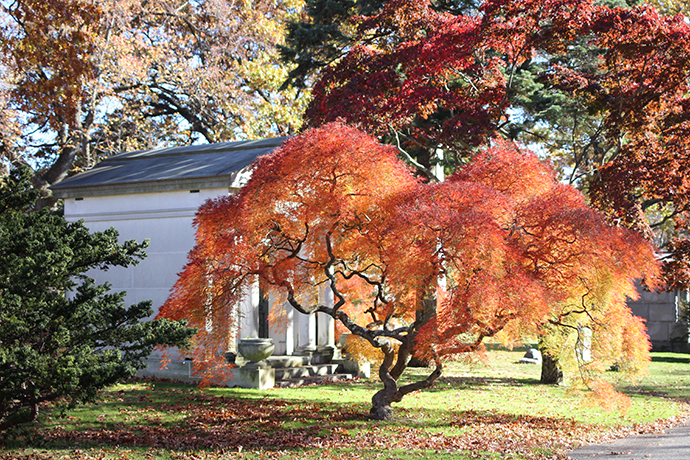
I've complained about the lackluster leaves this fall, but the trees in Woodlawn were really beautiful. The sunny, cloudless sky and midday sun combined with the bright oranges, yellows and reds to make the most wonderful backdrop for viewing headstones and monuments.


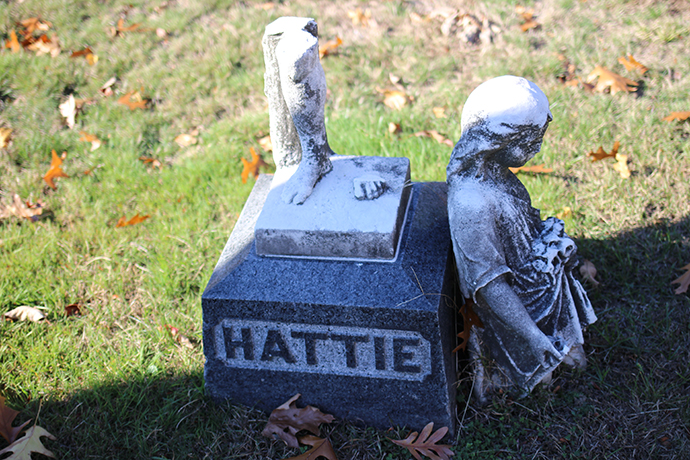


Woodlawn feels a little newer and a bit more grand than Green-Wood and there are certainly more mausoleums (up to $1.5 million to build one today). There were still some wonderfully spooky sights to be found in between the grandeur—an ornate, rusty chair, mourning girls and cherubs with their faces chiseled away by acid rain. My favorite though is Hattie, forever separated from her legs but still standing guard. We even found a mausoleum that was topped with a clock, which is not something that seems very necessary when most of your neighbors are no longer very concerned about keeping the time.
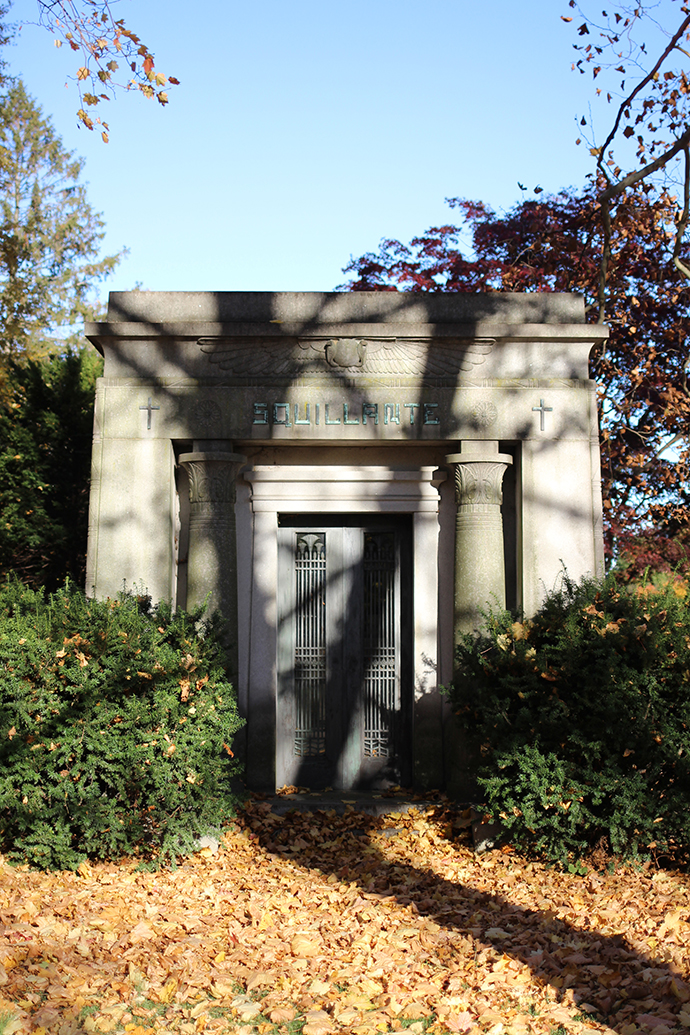
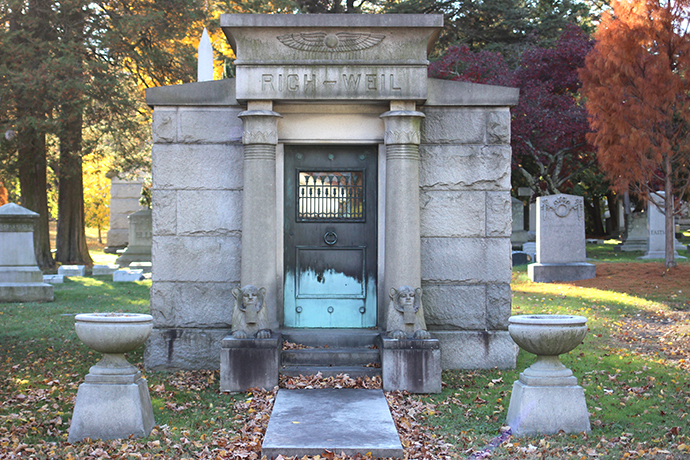


And speaking of those Egyptian monuments I love so much, Woodlawn is lousy with them. It seemed as if everywhere we looked we saw this wonderful style—slightly triangular, flanked by sphinxes, adorned with winged suns—probably a case of people "keeping up with the Joneses," or perhaps just the Woolworths.

Green-Wood Cemetery

I feel as if I'm forever explaining and defending my love of cemeteries. I insist that I don't find them sad or creepy, but instead consider them peaceful, lovely places to spend a leisurely afternoon. I'm fascinated by their history and the histories of their residents; by the design of the stones and by the symbolism and trends that dictate those designs. And this is true the majority of the time, but every once in a while I do see things in cemeteries that creep me out or make me sad. I guess I sort of even like those things, and I definitely do seek them out even if I'm not entirely sure why.
I've been to Green-Wood cemetery more frequently than any other cemetery, and while I've still not managed to see it all, I've tried to explore parts of the cemetery that aren't as frequented by visitors and tours. Since it is Halloween week, I thought I'd share some of the things I've found on recent visits that have made me happy to have found something a little different, and creeped me out a little at the same time.


Statues and figures are always my favorite things to look at in cemeteries, and Green-Wood has some incredible ones. The more disfigured they've become due to age and weather the better. There's pretty much nothing creepier than a mourner or creepy child topping a headstone that's missing a face, or fingers or hands (or all of the above). Except of course the hooded mourner that I came across recently, which earns the distinction of being the single creepiest/scariest grave marker I've seen yet.


Then of course there are mausoleums and vaults, most of which are kept in impeccable condition at Green-Wood. I was surprised recently to find myself in an area of the cemetery that was more run-down than I'm used to seeing, with a handful of mausoleums that were bricked-up, over-grown and generally felt forgotten.

And because I always have Sleepy Hollow on the mind around this time of year, I was thrilled to stumble upon a plot for a Van Tassel—no indication that they're related to the real family that inspired Washington Irving, but a girl can dream.
Savannah: Colonial Park Cemetery

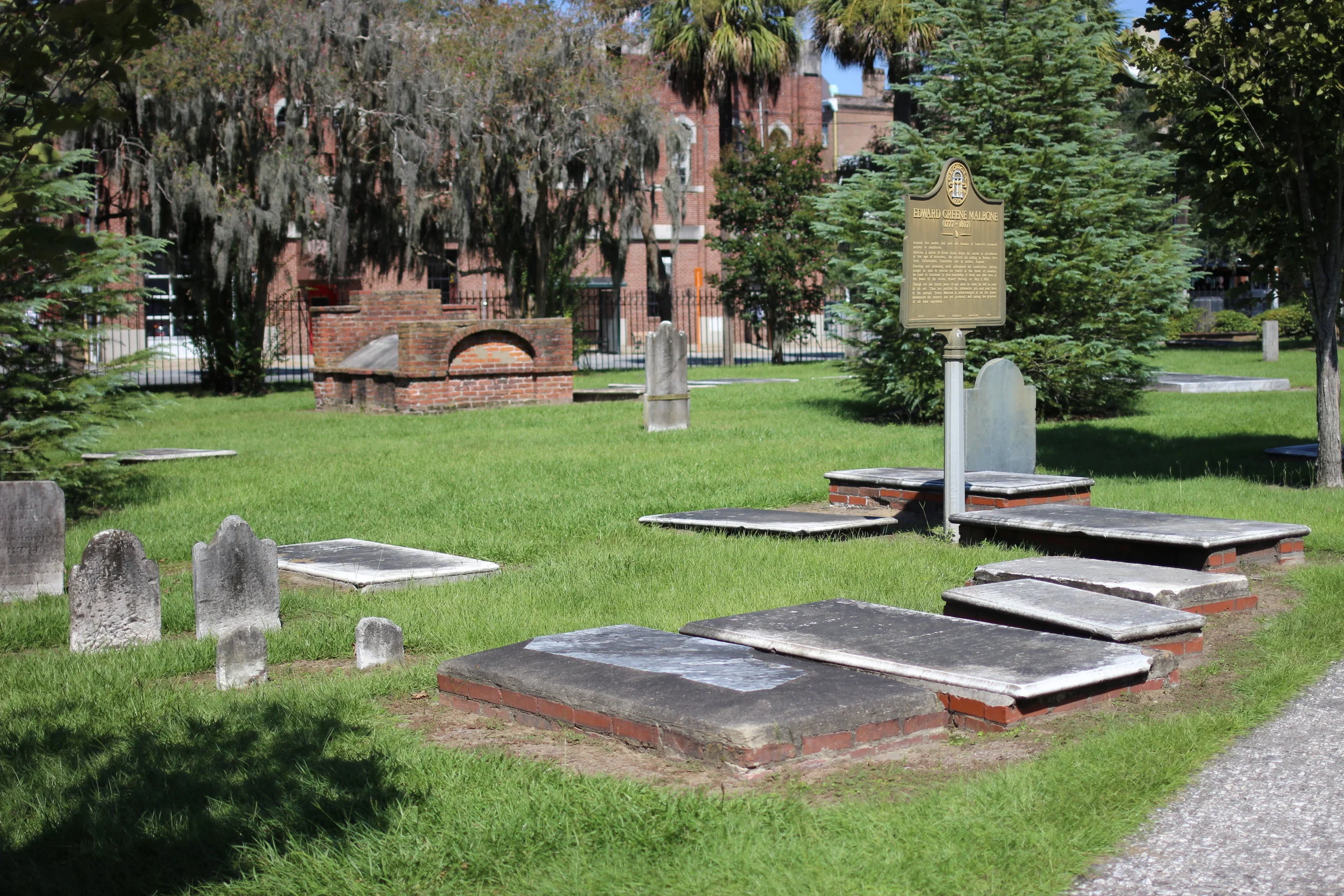
Our last stop in Savannah was Colonial Park Cemetery, the second of two cemeteries we saw on our trip (the first was Bonaventure) and the oldest intact municipal cemetery in Savannah. Colonial Park opened around 1750 and closed to burials in 1853, before the start of the Civil War.


Colonial Park is located right in the heart of the historic downtown and it's open until 8pm on most days which is really convenient. It's smaller, more orderly and less picturesque than Bonaventure, but it's older and filled with the classic stones I love. I particularly love the historical markers—themselves now historic, since being placed around the city in the 50s—detailing the lives of some of the Colonial Park residents.


My favorite feature of the cemetery is the wall of broken headstones. Stones that have been broken or relocated over time are lined up and affixed to one of the brick walls surrounding the cemetery, creating a sort of art gallery where tombstones take the place of paintings. I've seen this before in cemeteries, but never with so many stones or with such a beautiful backdrop.


We saw a few flying cherubs, one skull and crossbones and loads of beautiful typography. We even saw another lizard—different than the one we spotted crawling on a tombstone in Bonaventure—which is not something you see to often up north.

Savannah: Bonaventure Cemetery
This is the best time of the year to work at a Jewish organization—we get five days off work in September, and two more in October for Rosh Hashanah, Yom Kippur and a few other holidays. Francesca and I took advantage of the Monday/Tuesday we had off last week and went to Savannah, Georgia. We got a ridiculously good flight deal ($150/roundtrip) and we're both big fans of Midnight in the Garden of Good and Evil (the book more so than the movie).
Savannah is a beautiful town, and I reread the book a few weeks ago so I'd be up to speed on all the spots we needed to see. I'd been to Savannah a few times before when my sister lived there, but never without my family or as an adult. I have a much greater appreciation for travel and all things creepy now that I'm older and Savannah is lousy with history, ghost stories and beautiful old things.

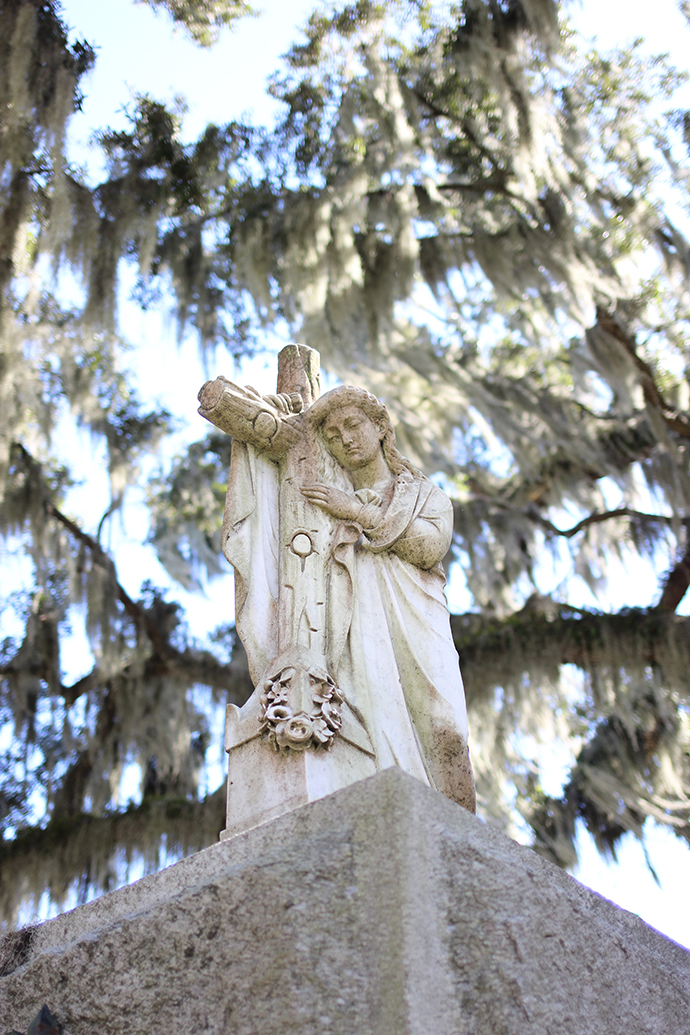
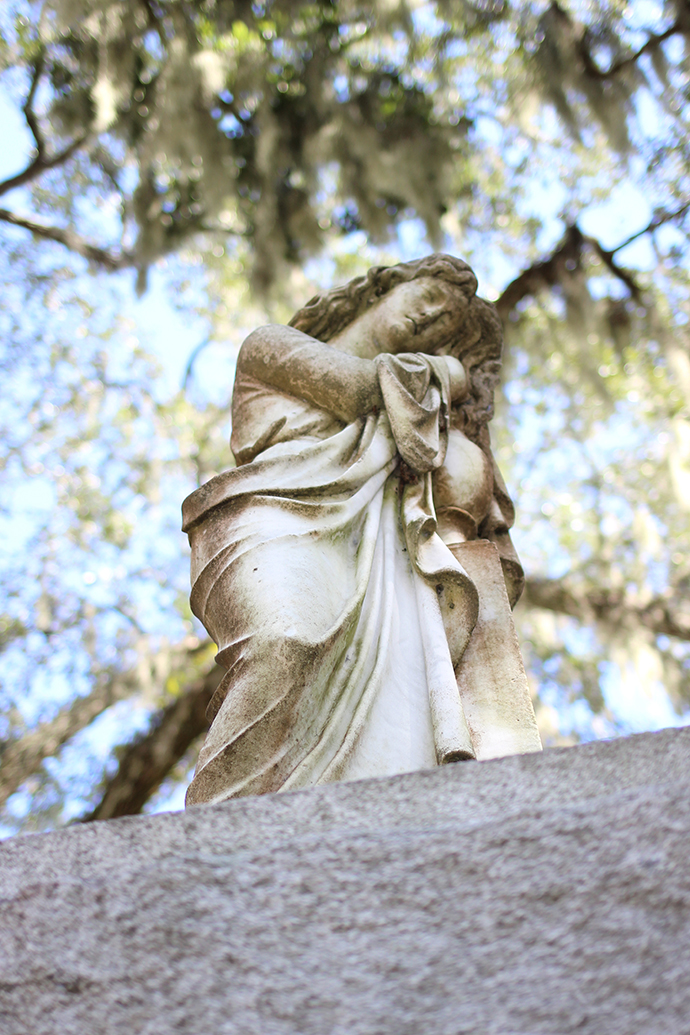
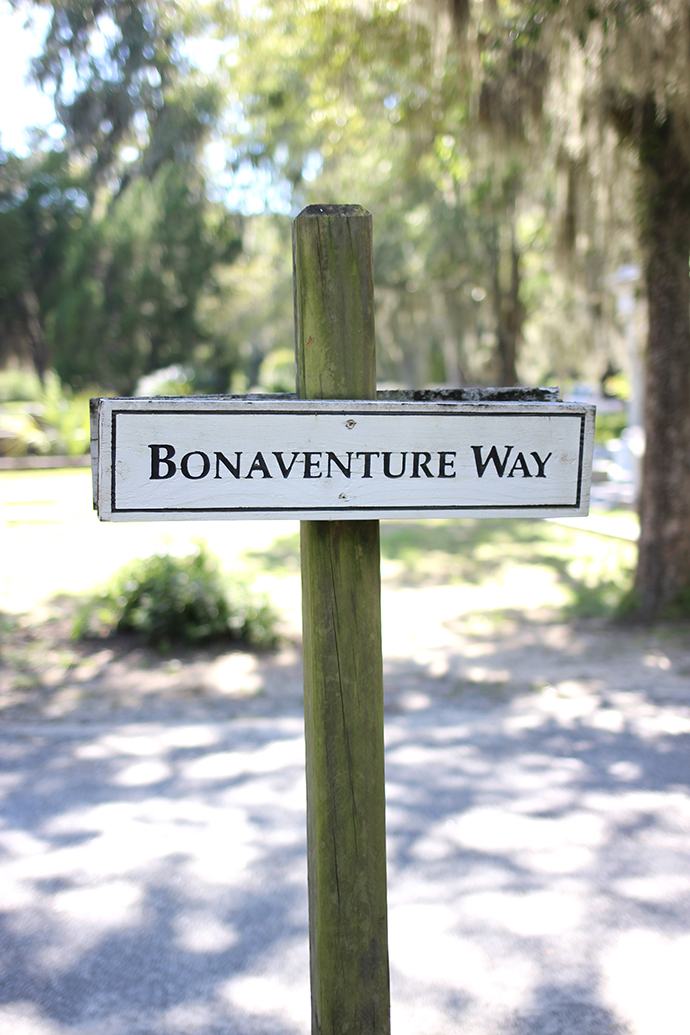
One stop I knew we had to make was Bonaventure Cemetery. I had never been, and it features prominently in the book. Even if it hadn't, it's a historical cemetery built on the site of an old plantation and is consistently referred to as one of the most beautiful cemeteries in the country.
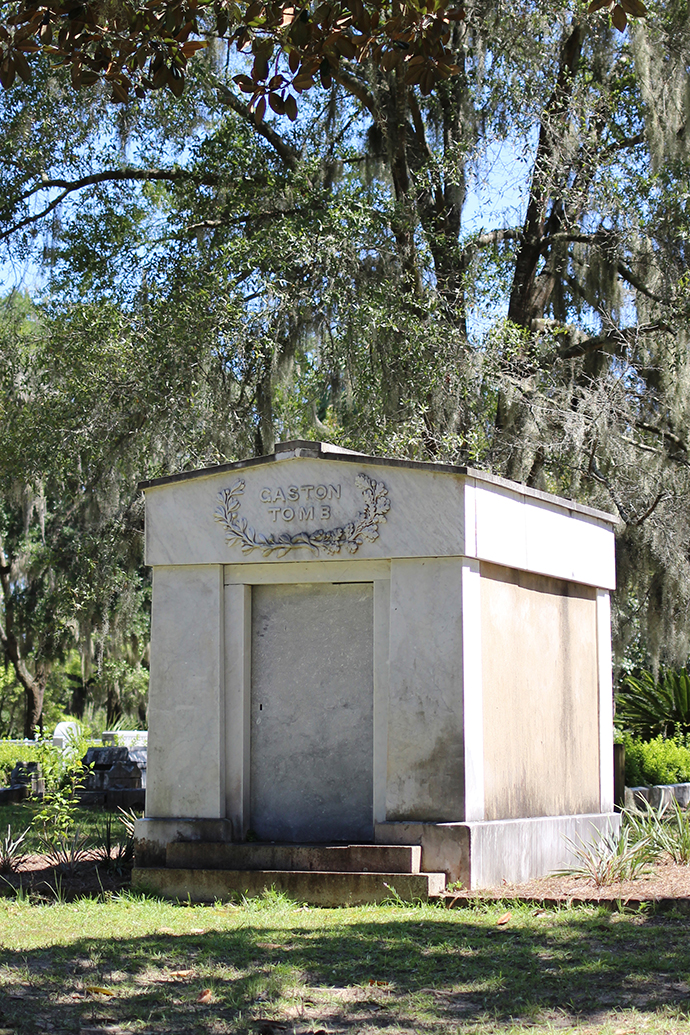


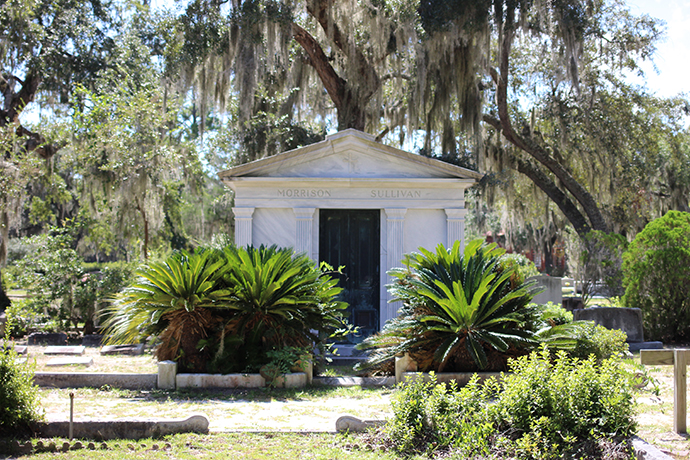
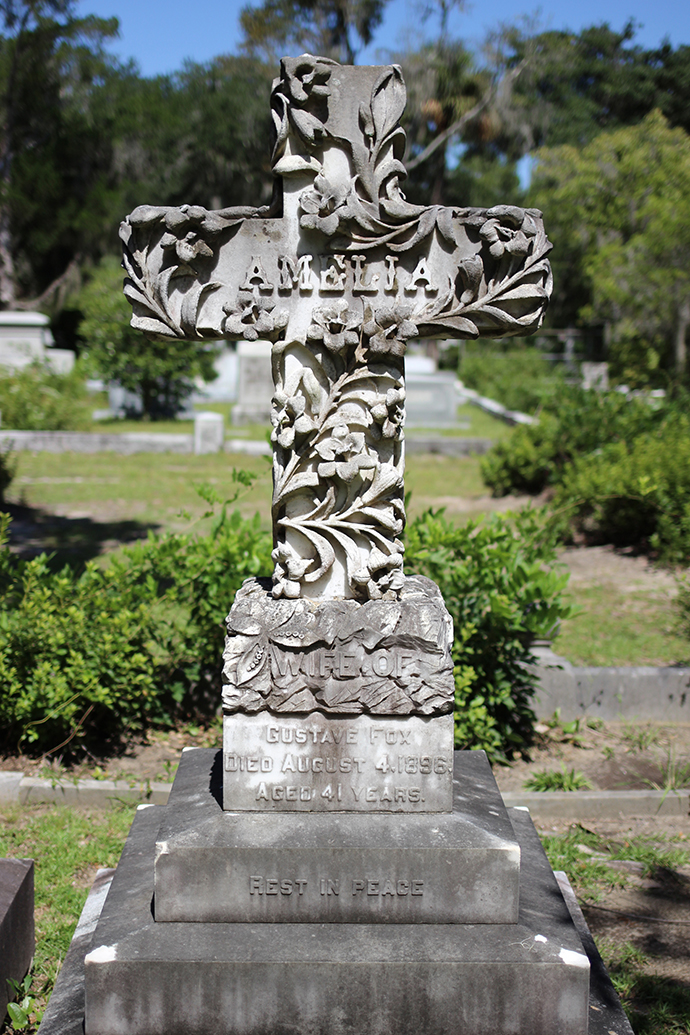
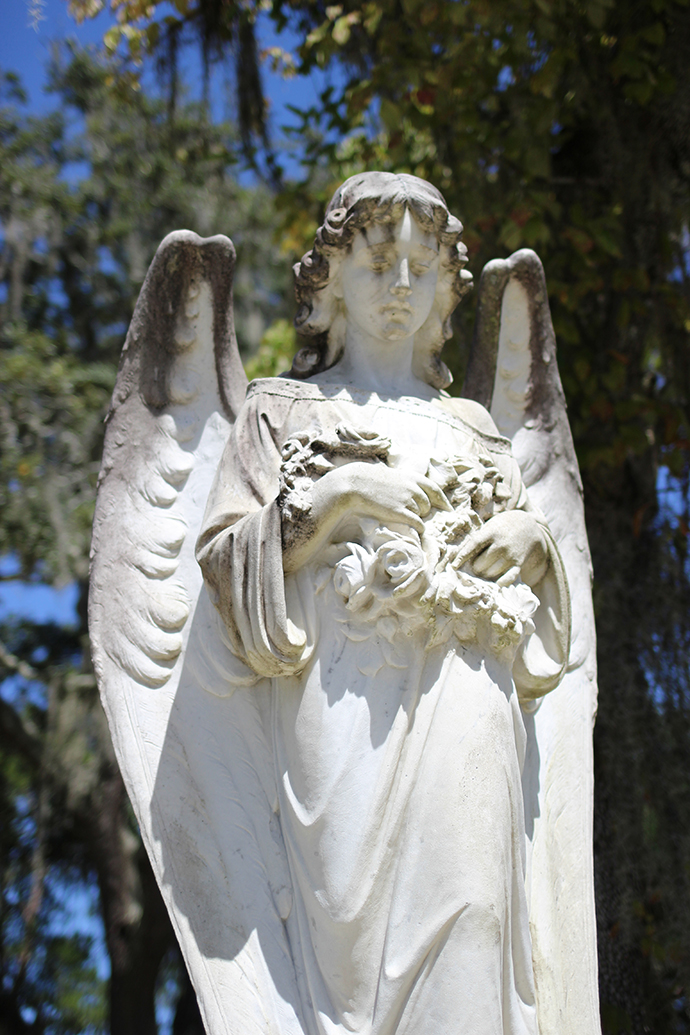
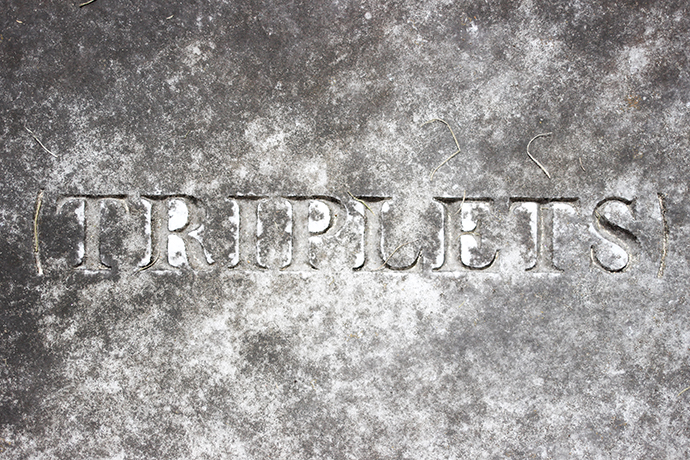
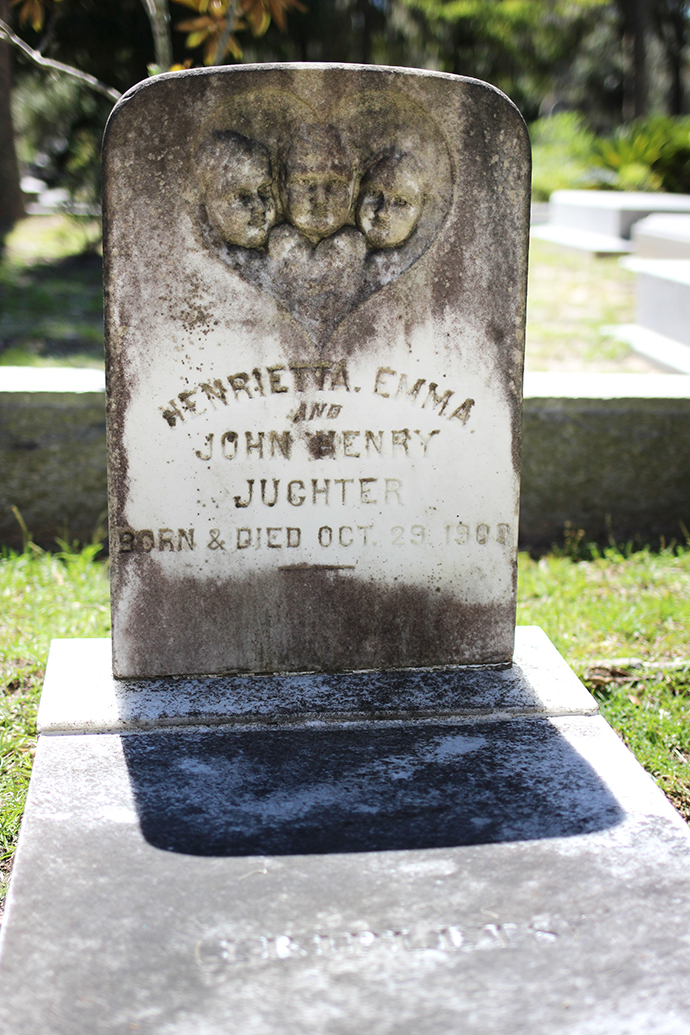
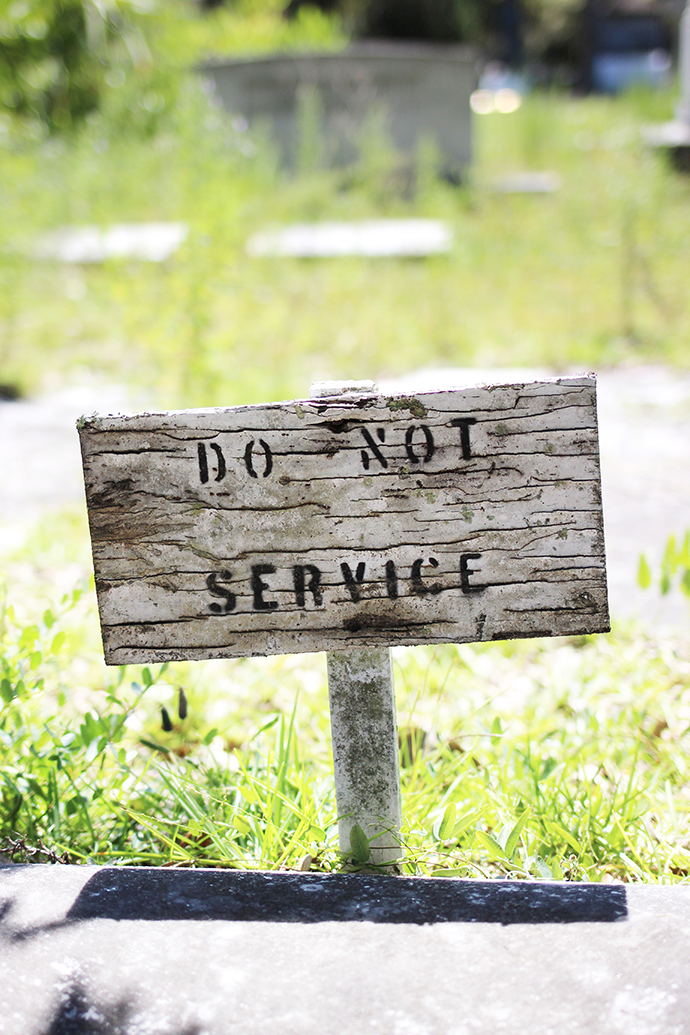
There is no obvious way to get to Bonaventure—located about 3.5 miles from the historical downtown—without having a car, and everyone we spoke to made it sound like it would be a very difficult trip unless we booked a tour. We didn't want to take a guided tour, so we decided to try Uber and it worked perfectly. Our cars to and from the cemetery didn't take longer than 5 minutes to arrive and the trip was about $11 each way—cheaper than a tour and we had complete freedom to wander as long as and wherever we liked.
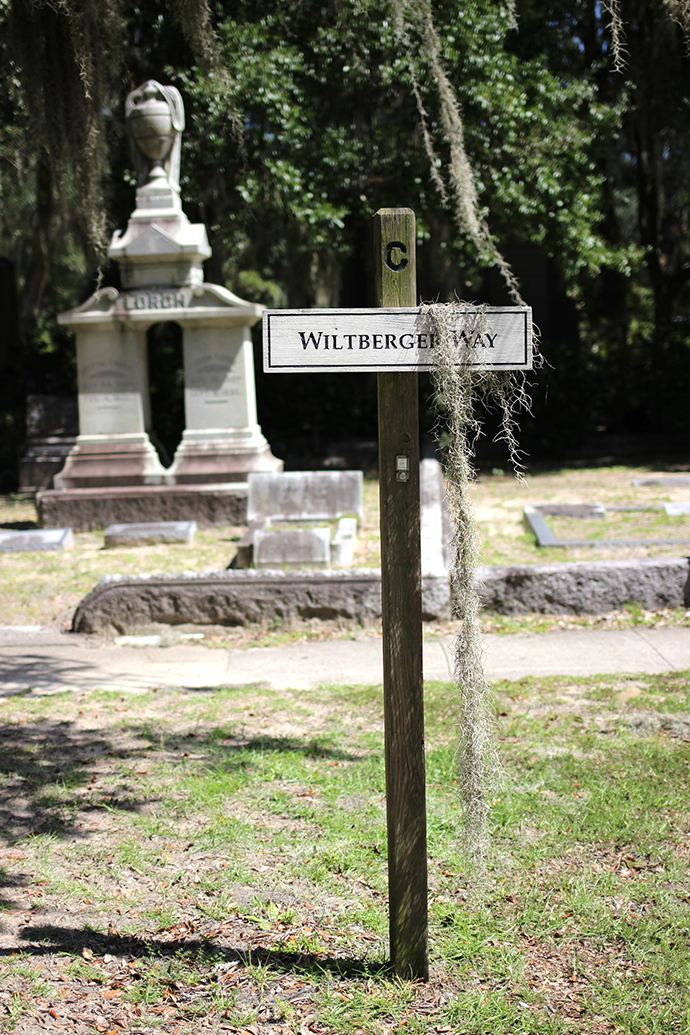

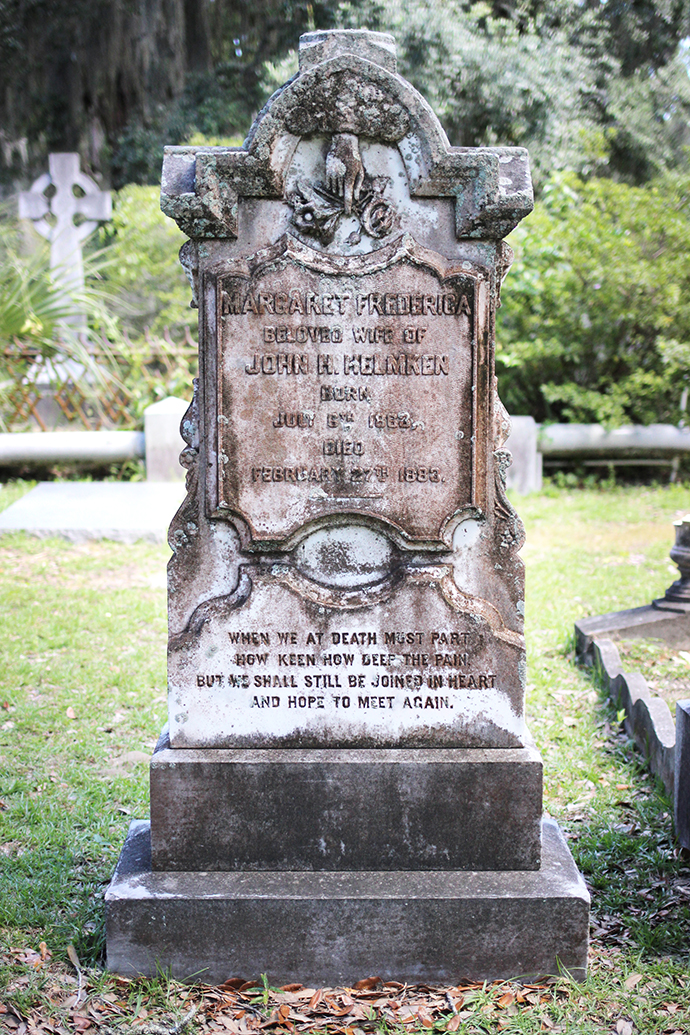


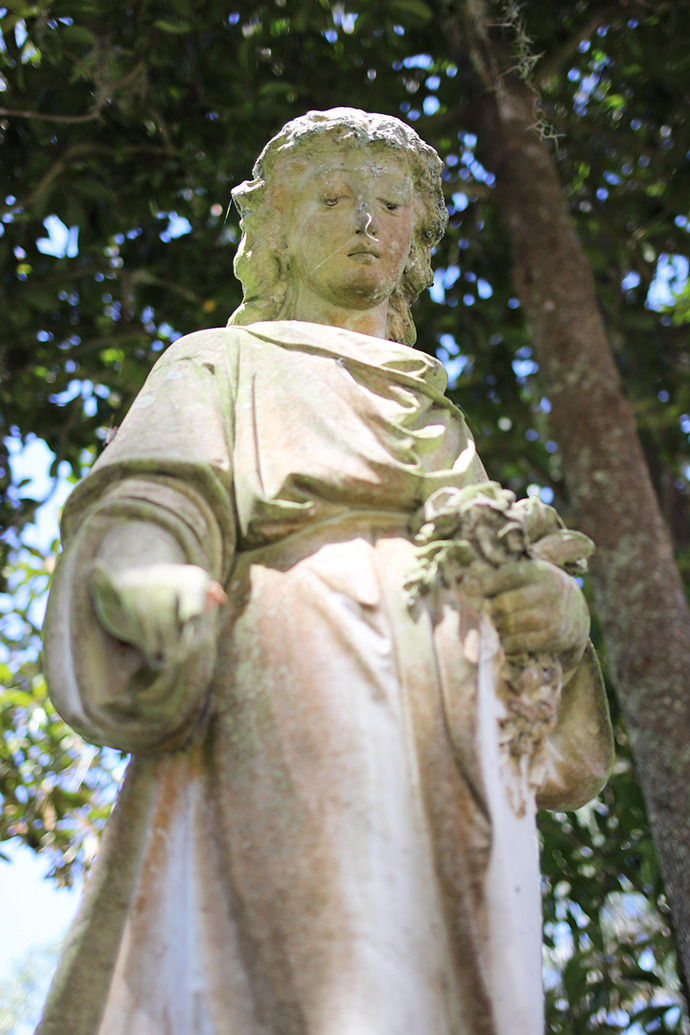
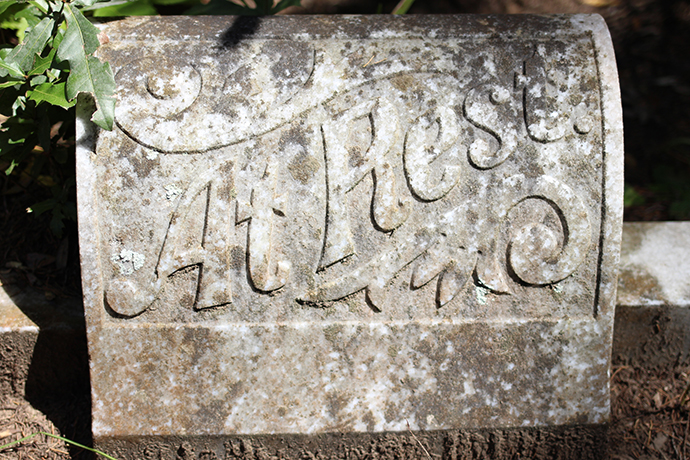
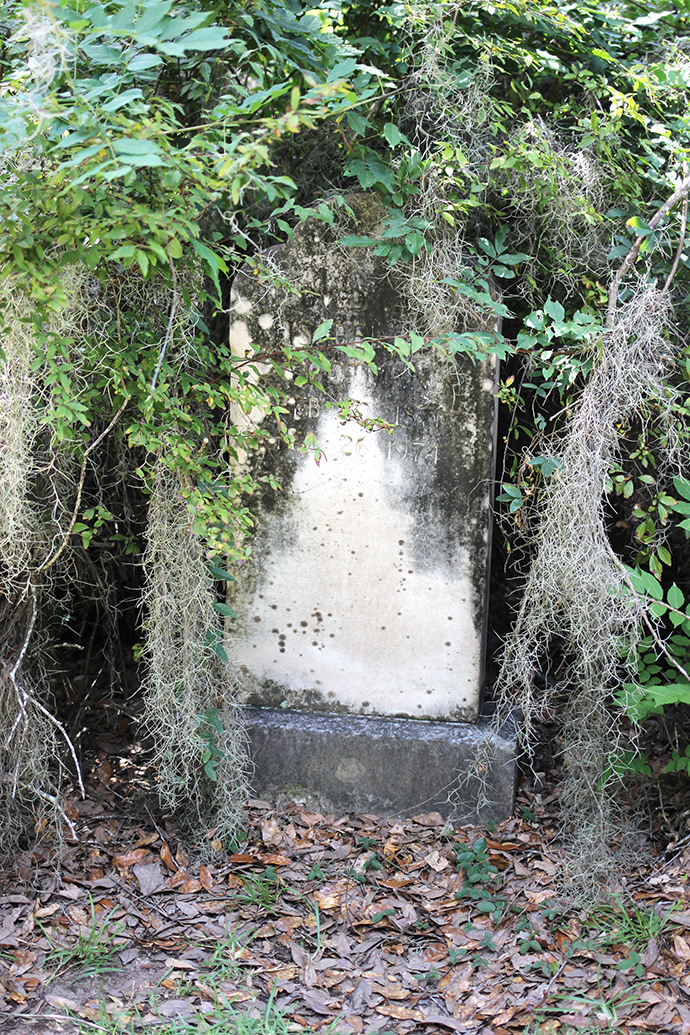
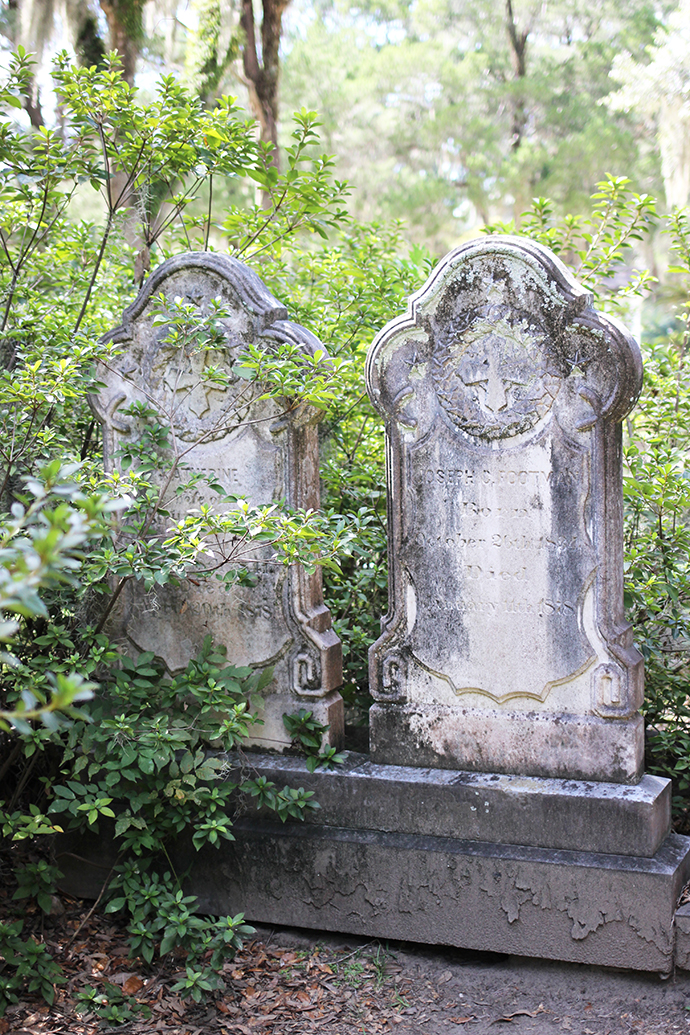
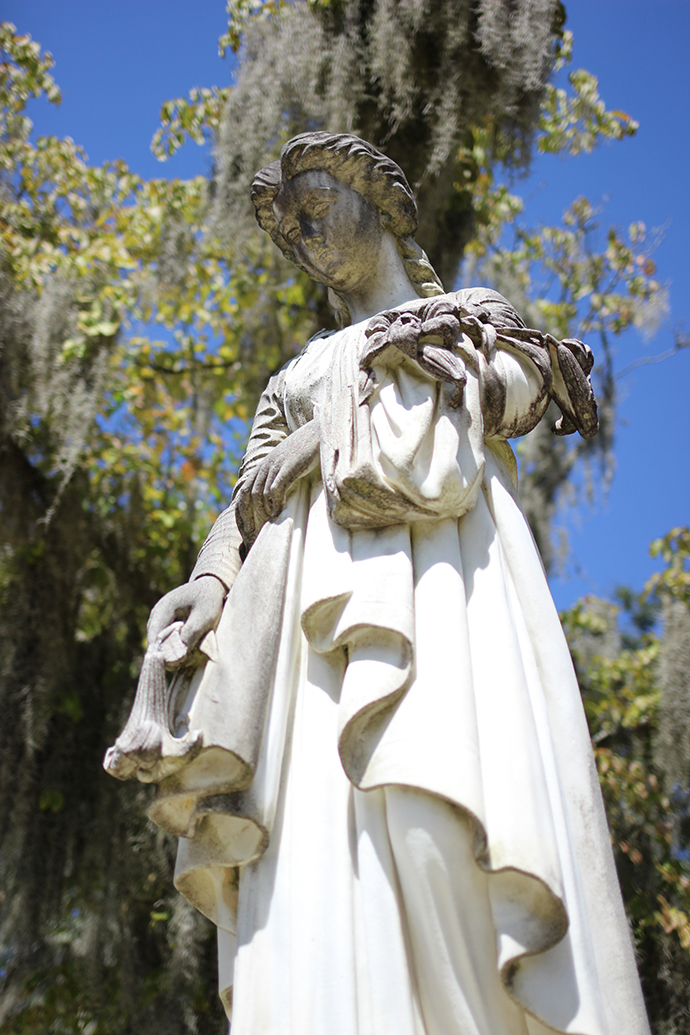
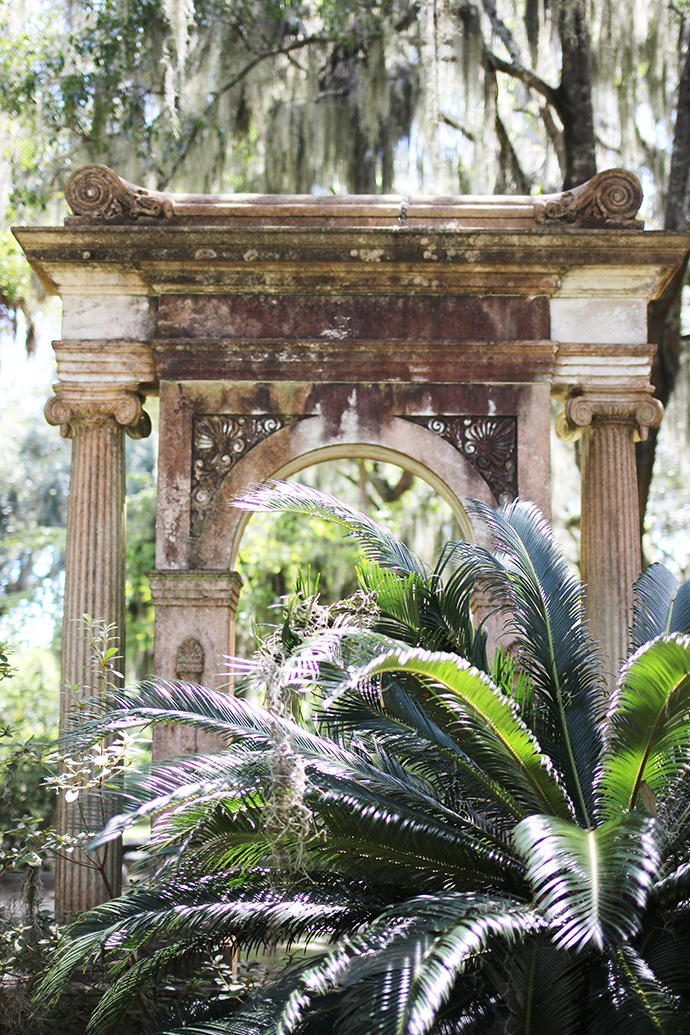
The cemetery was incredibly beautiful and very peaceful. We hardly saw anyone else while we were there, which is something I love about cemeteries in general. The spanish moss dripping from the huge trees manages to look both beautiful and sinister at the same time, and the cemetery was well-kept but just the right amount of overgrown. It was also relayed to us that Bonaventure was enormous, which we didn't really find to be true—it's big, for sure, but we spent a few hours walking at a leisurely pace and saw most everything.
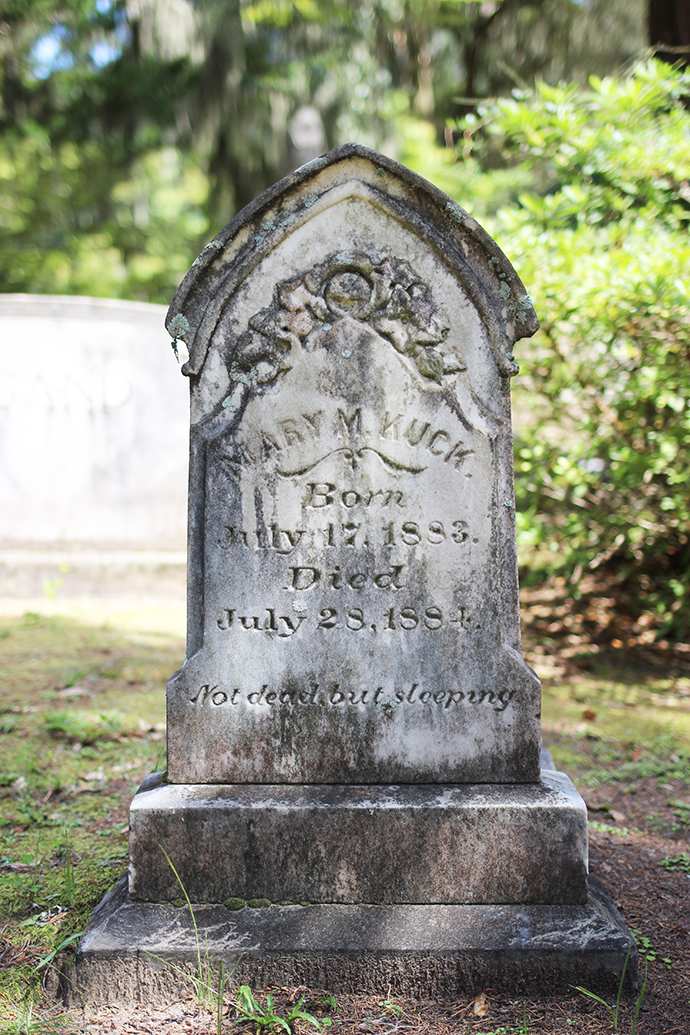

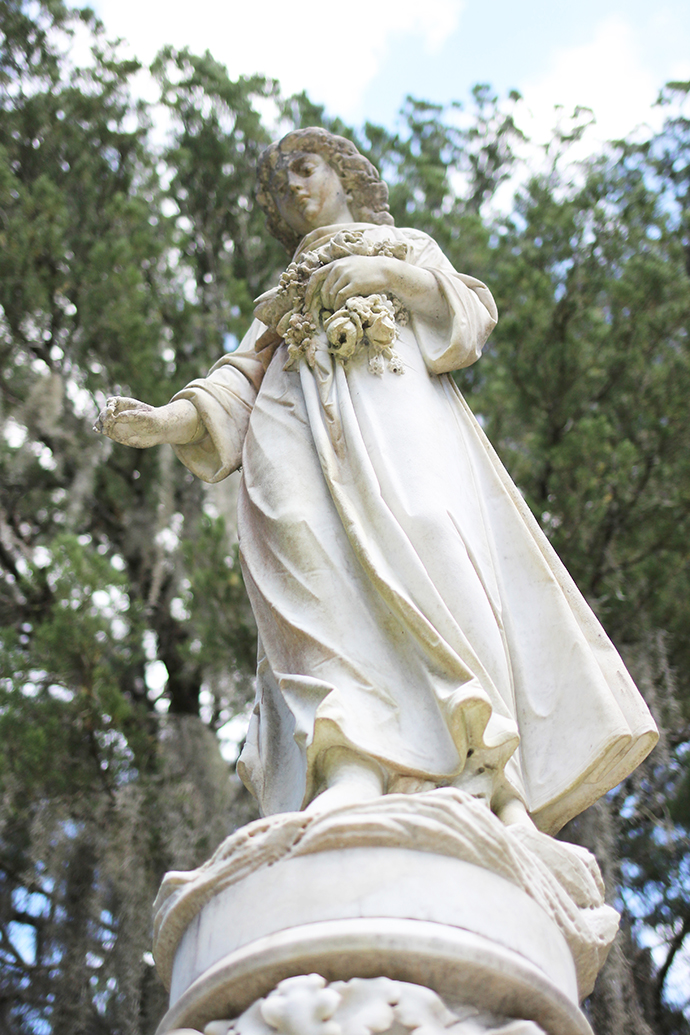


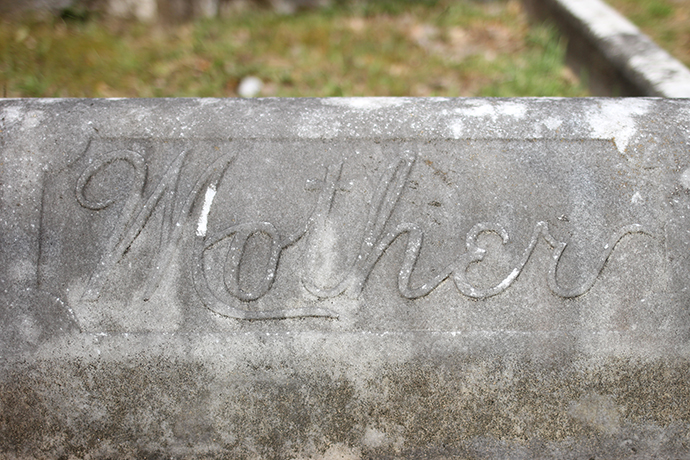
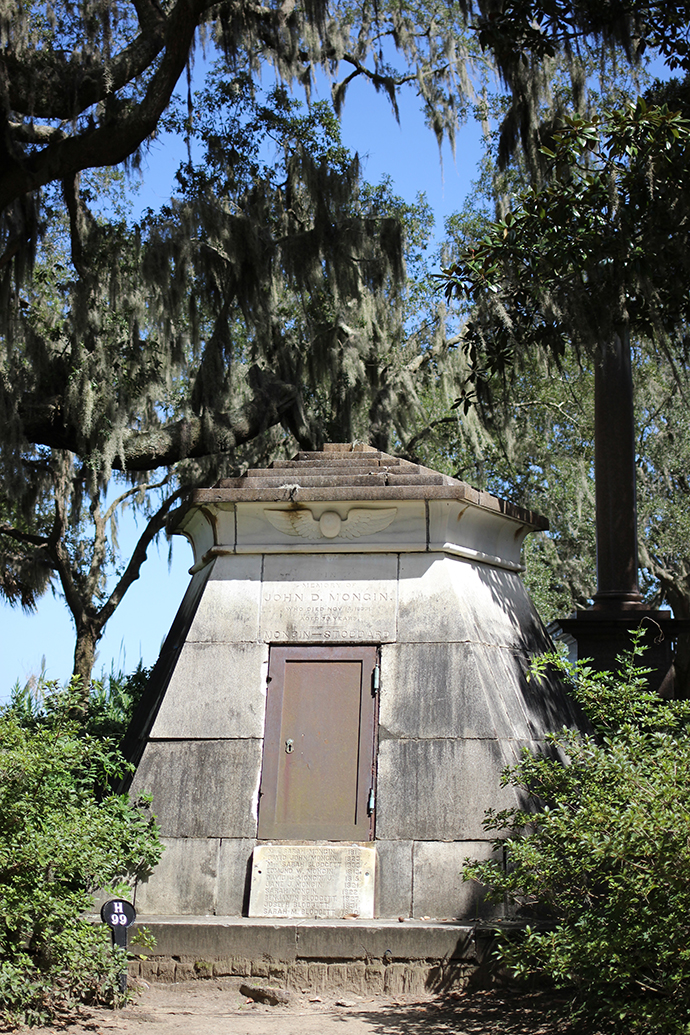

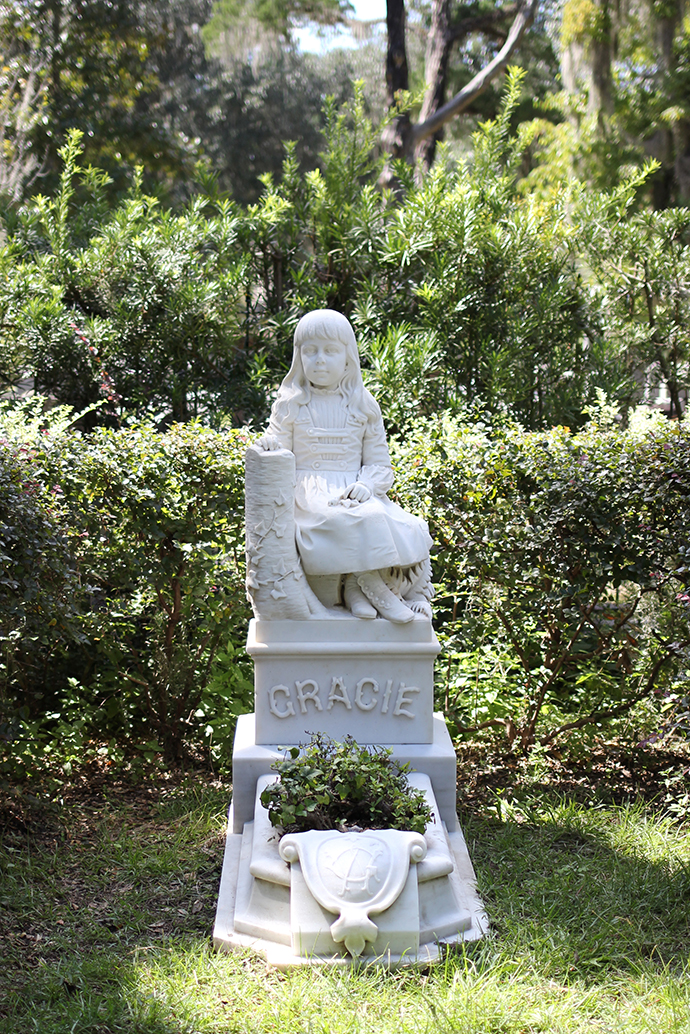
There are a few famous Savannah residents interred at Bonaventure, including the novelist and poet Conrad Aiken, military generals, governors, songwriter Johnny Mercer and Gracie Watson. Gracie Watson has a particularly haunting grave marker, set off behind a locked gate on a well-manicured plot of land with an inscription that reads:
"Little Gracie Watson was born in 1883, the only child of her parents. Her father was manager of the Pulaski House, one of Savannah’s leading hotels, where the beautiful and charming little girl was a favorite with the guests. Two days before Easter, in April 1889, Gracie died of pneumonia at the age of six. In 1890, when the rising sculptor, John Walz, moved to Savannah, he carved from a photograph this life-sized, delicately detailed marble statue, which for almost a century has captured the interest of all passersby."
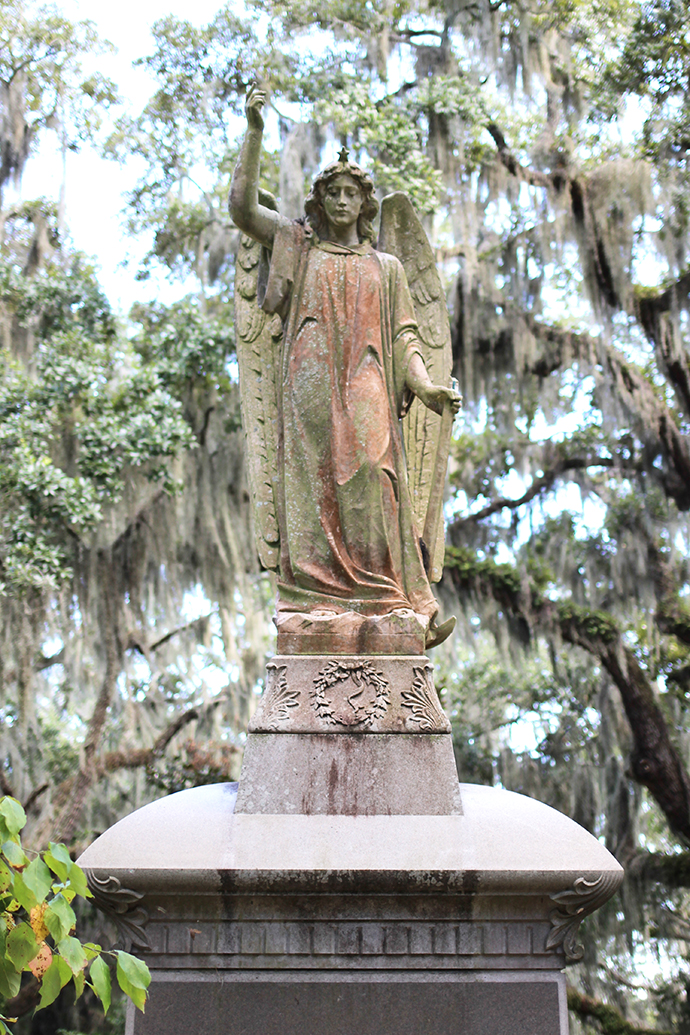


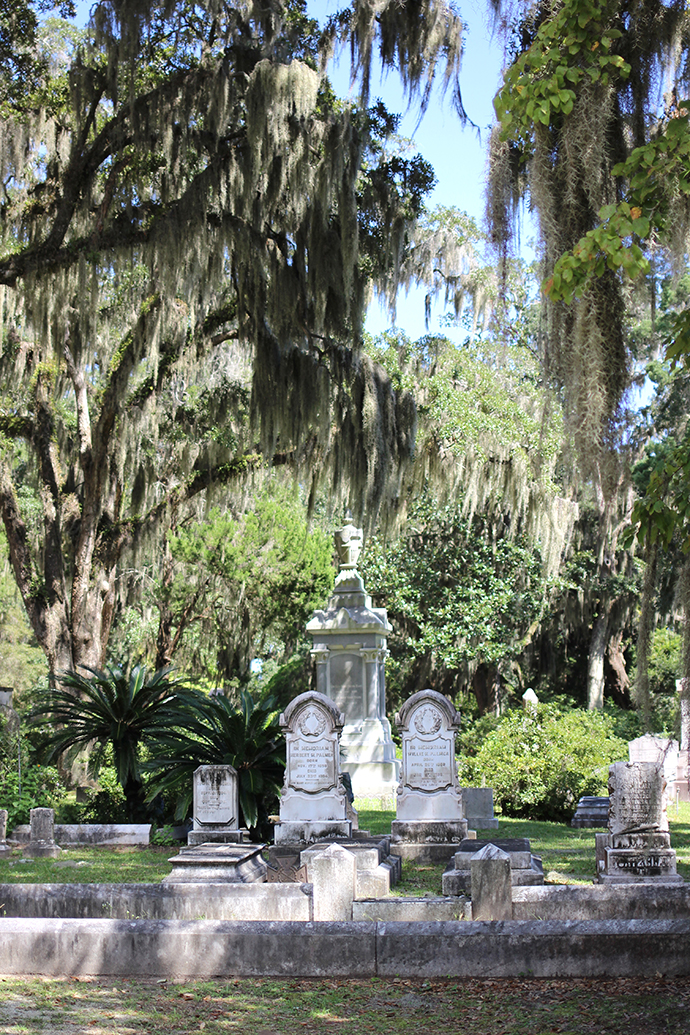
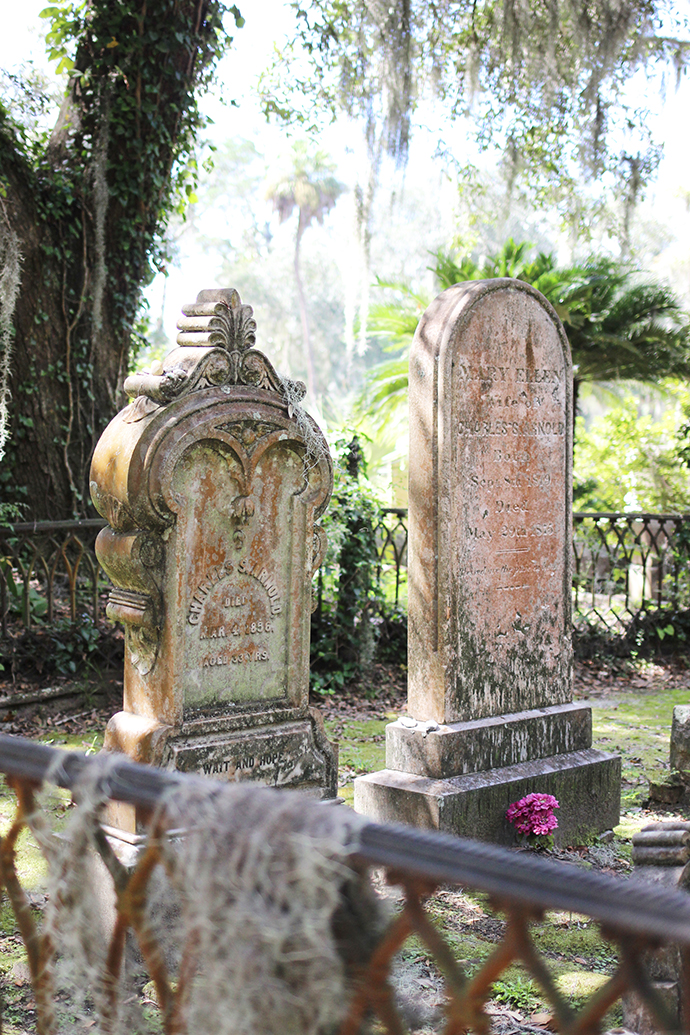
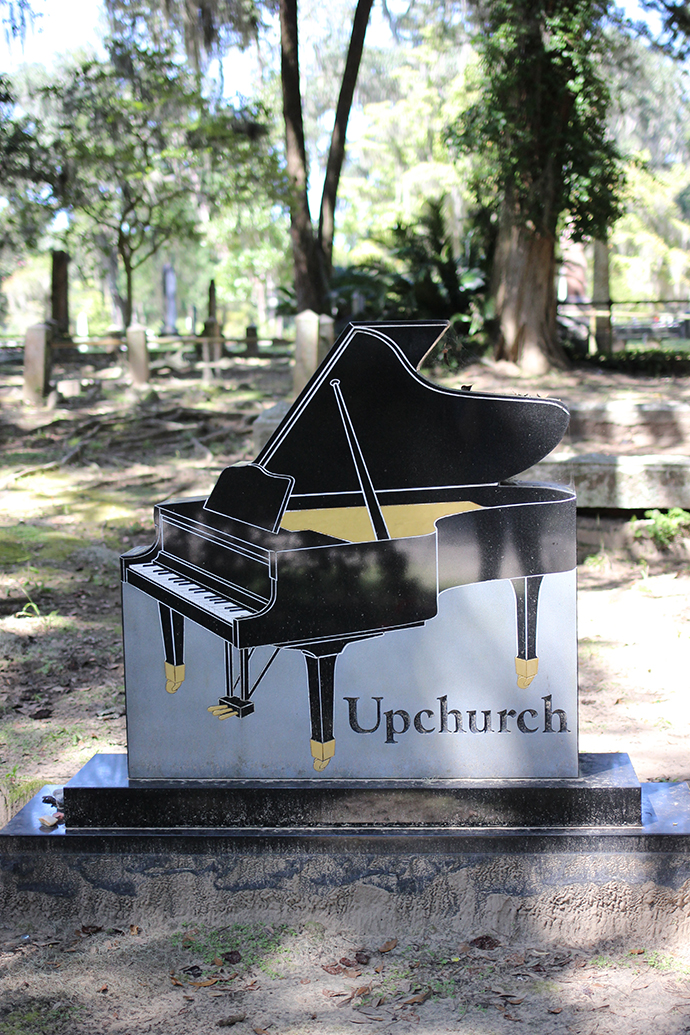
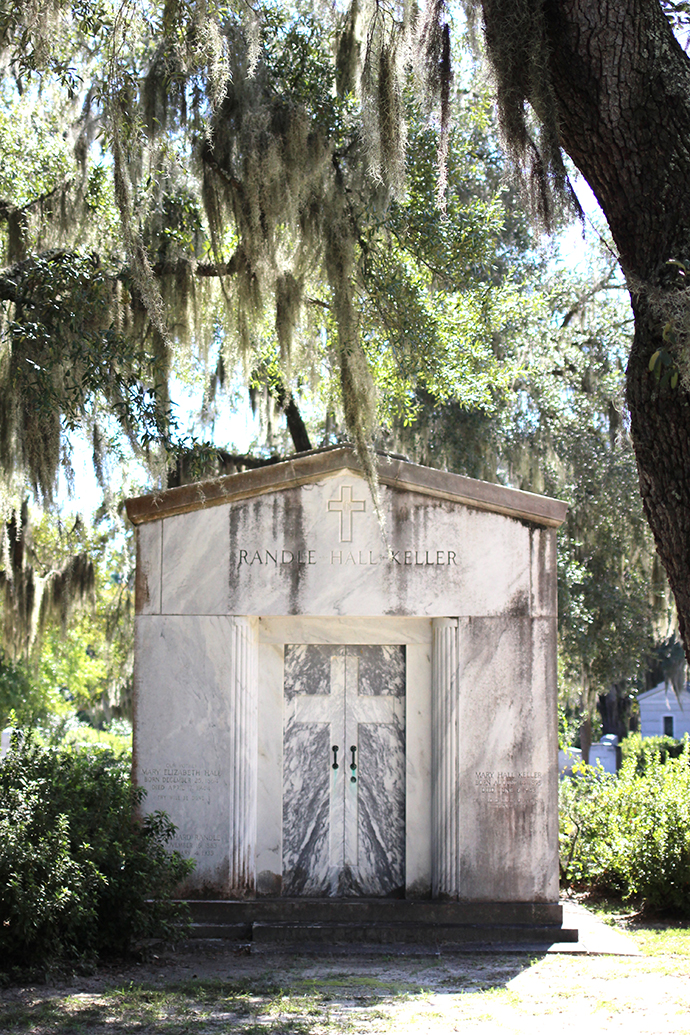
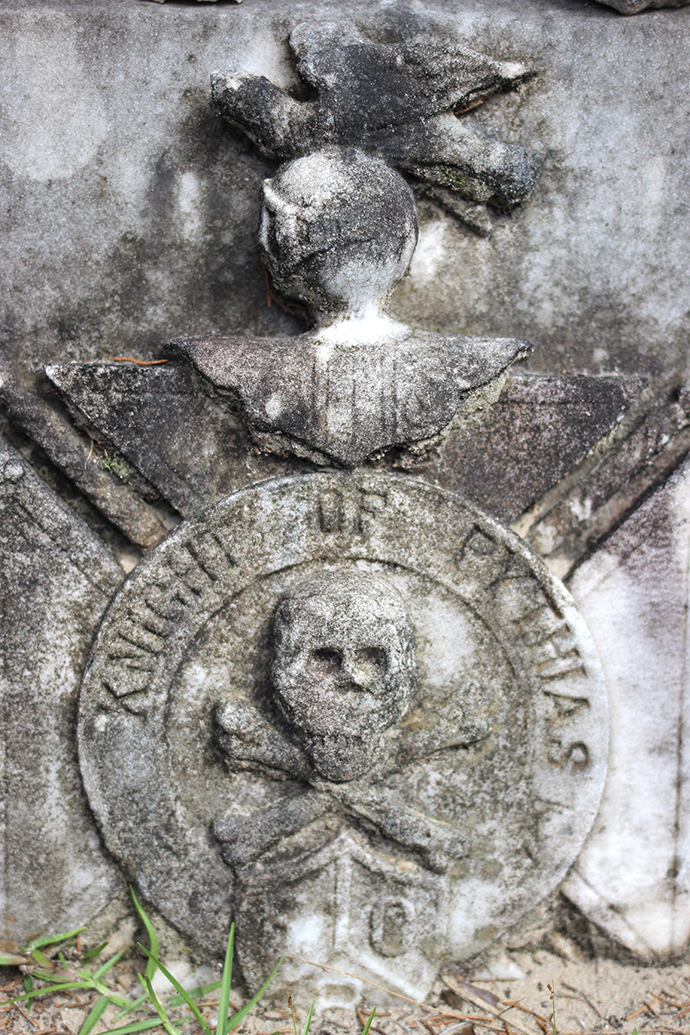
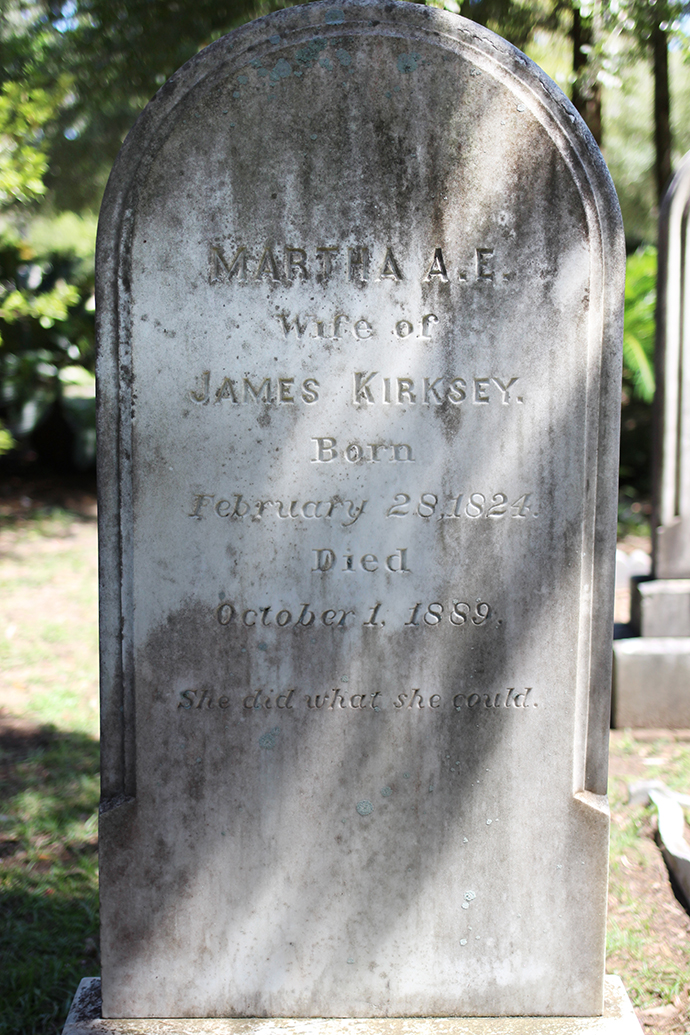
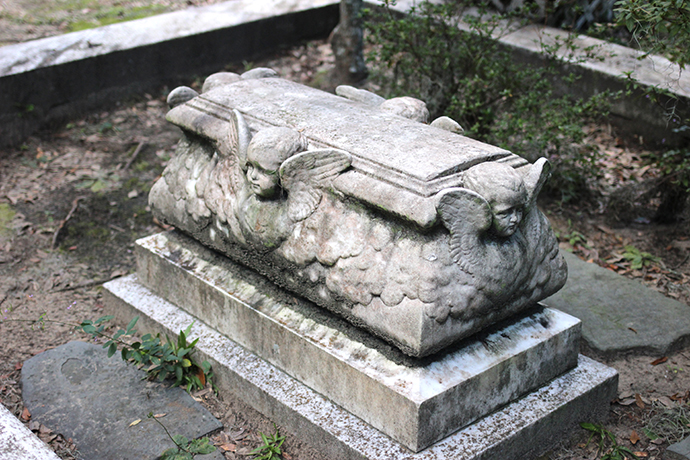
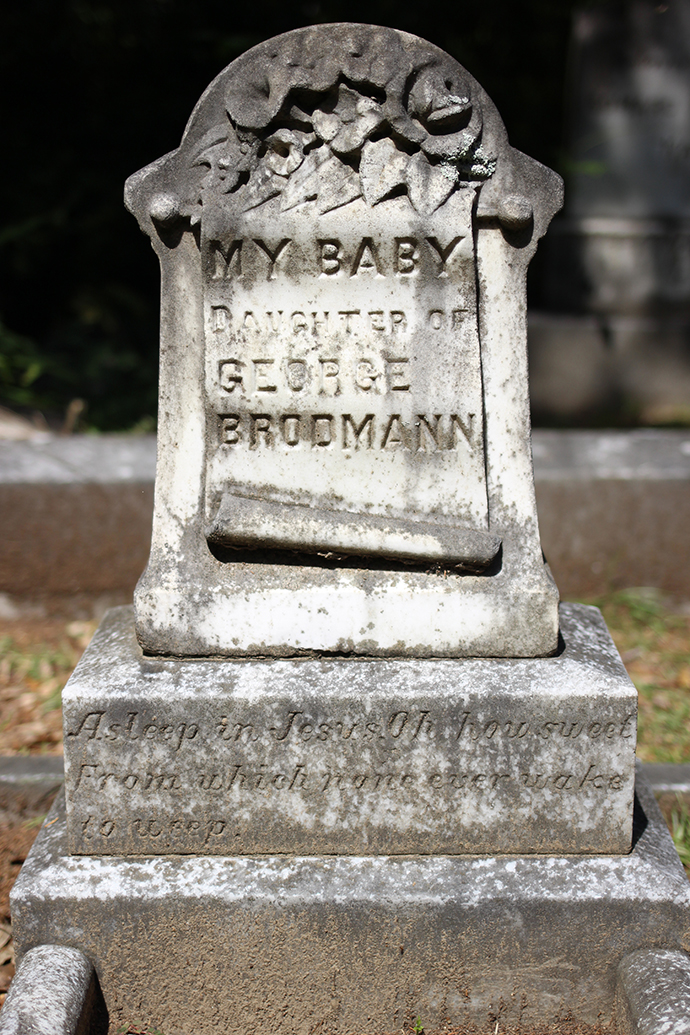
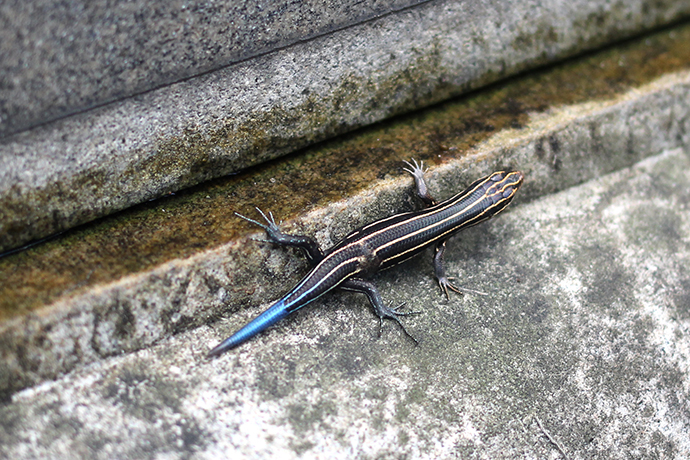
We saw a very sad tombstone for a set of triplets (Henrietta, Emma and John Henry), met an adorable (and fast) little lizard darting around the stones, saw one of the tackiest stones I've ever seen (sorry to the Upchurch family, but your piano just doesn't belong in Bonaventure) and saw some really wonderful typography. Without Francesca I would have never spotted the most excellent skull-and-crossbones emblem for the Knights of Pythias, but it was Martha Kirksey's epitaph that will stay will me for a long time—She did what she could.

Pelham Cemetery

Last year when I went to City Island for the first time, I visited Pelham Cemetery and lamented that the gate was locked. JMP and I went to City Island yesterday, and to our delight found that the cemetery gate was actually open. In hindsight, the gate was probably unlocked the first time I was there too. They all appeared to be locked yesterday, but when I saw a highly faded sign declaring that the cemetery was open until 5pm every day, I investigated further and found that it was latched, but opened easily.


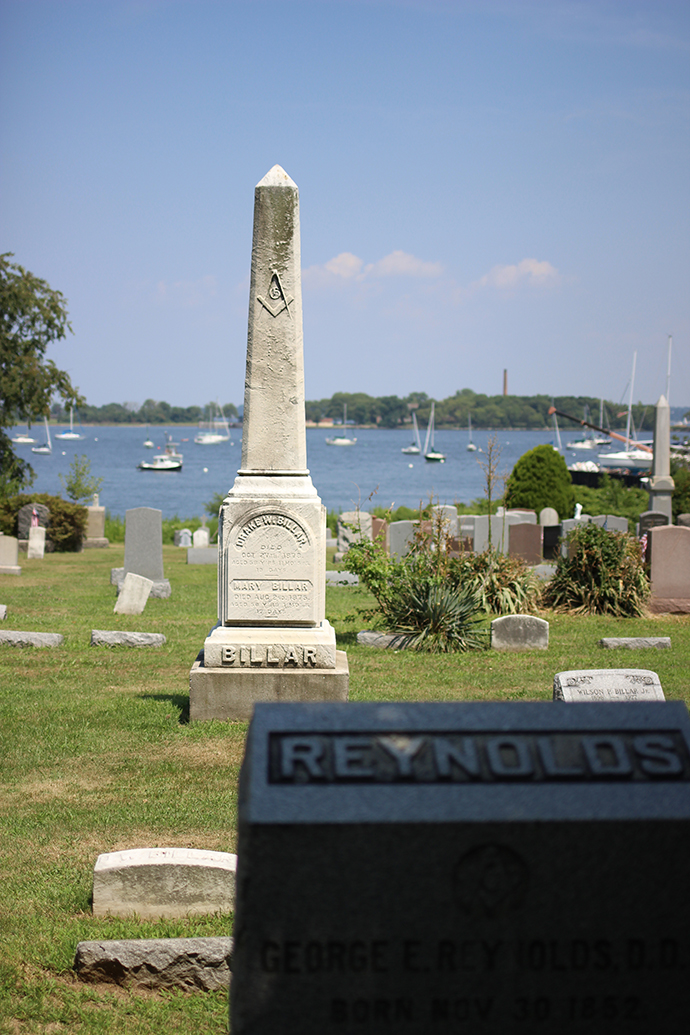
I've had my share of disappointment encountering locked cemeteries, so I felt very fortunate to be able to explore Pelham Cemetery a little further. It's not the most interesting cemetery, headstone-wise, but its location is definitely a selling point.


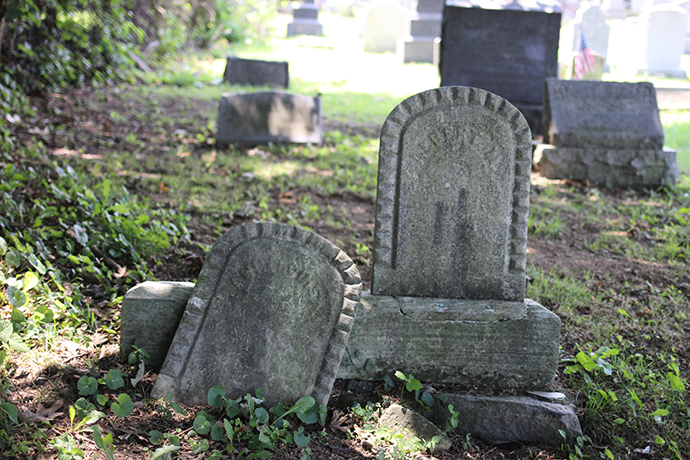
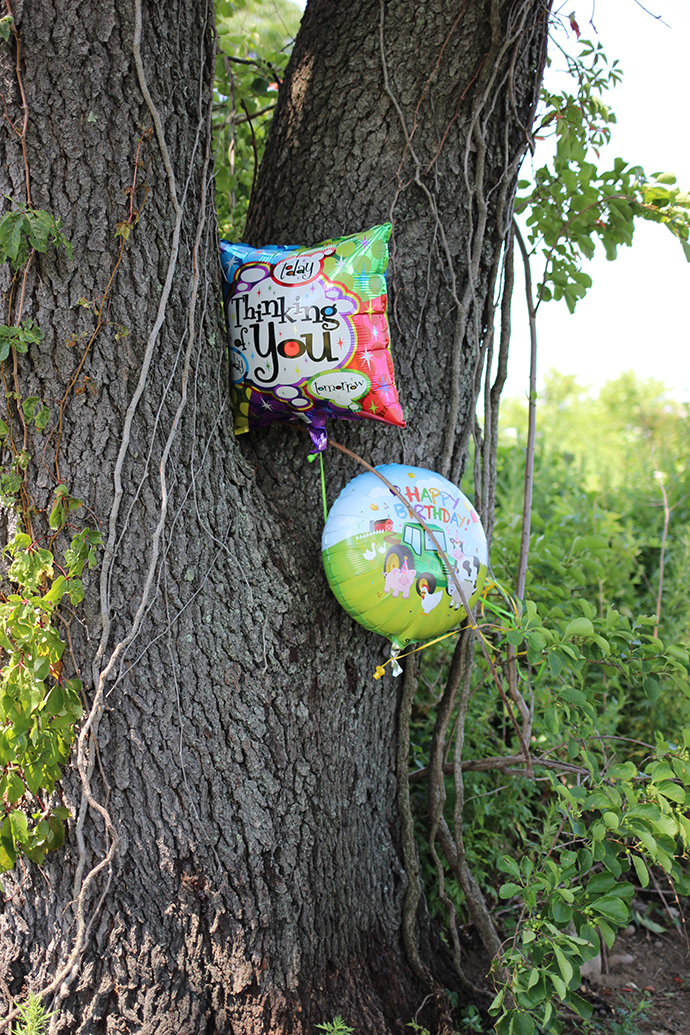

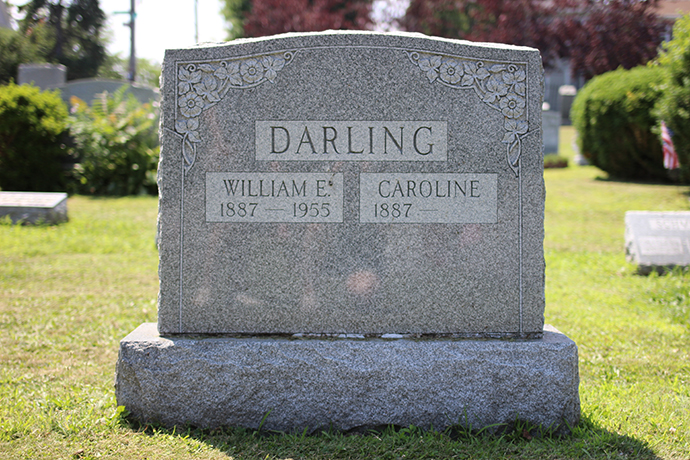

We found a few interesting headstones, like the graves for the Graves family and a few non-traditional markers made from metal or wood. JMP also pointed out that it would be quite extraordinary if Caroline Darling (b. 1887) was still alive, and then later I found Constance Wolff (b. 1882) who appears to have been blessed with similar longevity.
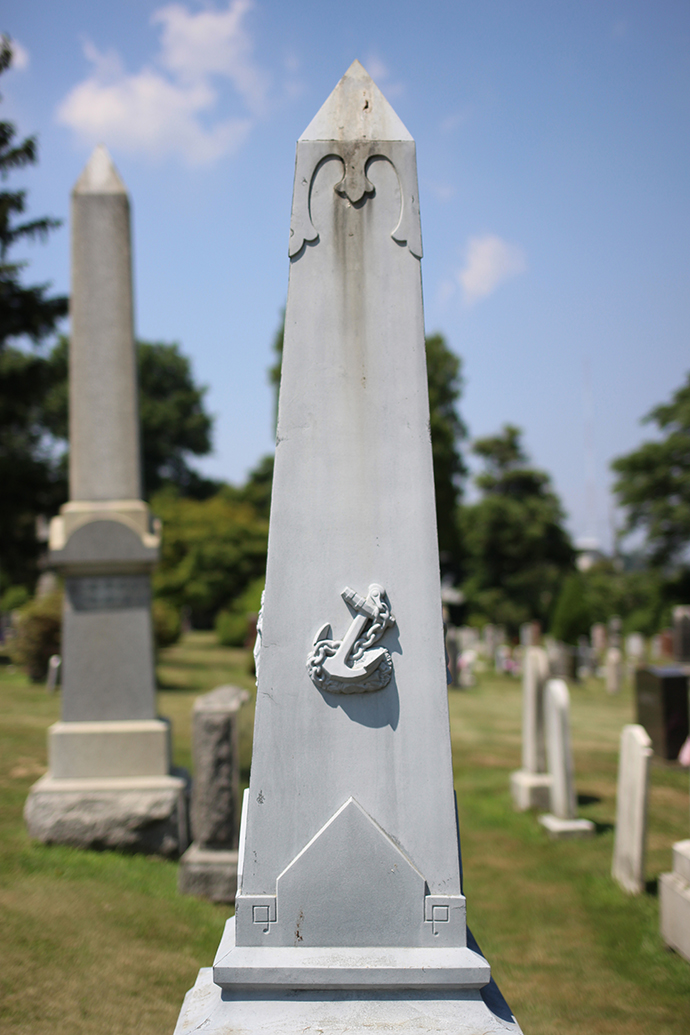

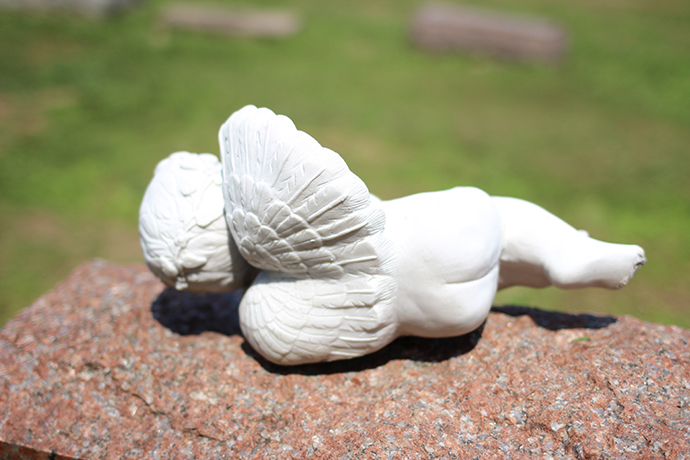
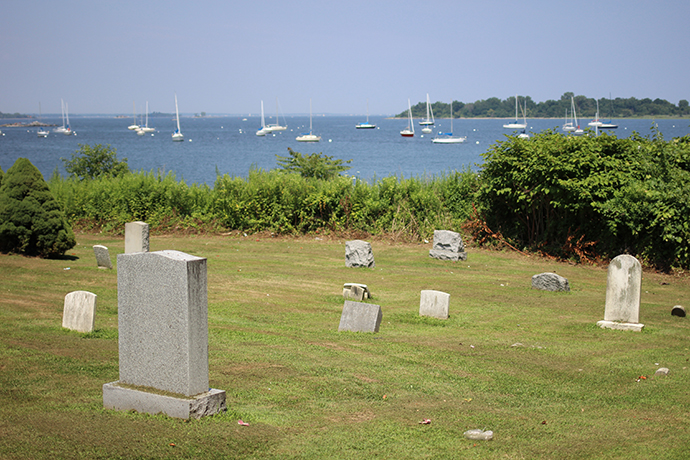


It felt like such a triumph to just be able to get inside of the cemetery that everything else was really just a bonus. Pelham is very small so we were able to see all of it in a short amount of time. I kept remarking on the amount of stones we saw that included some sort of sea reference, which makes sense for City Island, aka the Seaport of the Bronx.
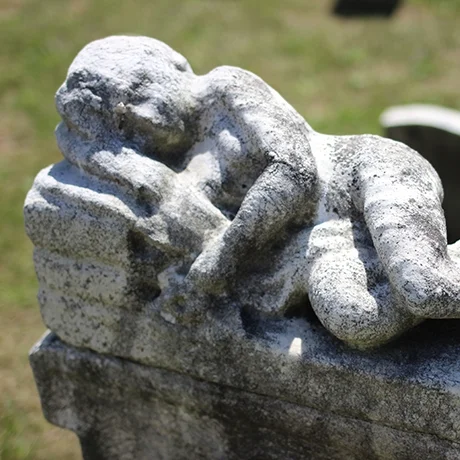
Cypress Hill Cemetery
Two weekends ago, JMP and I decided to meet for diner breakfast (as we do) and I suggested that we explore a cemetery afterwards (as we also do). I had evening plans in Brooklyn and I'd been wanting to see more of the Queens/Brooklyn cemetery belt ever since I saw Houdini's grave almost a year ago. A quick look at the map shows more than 11 separate named cemeteries in the stretch between Bushwick and Kew Gardens.
I've always been easily overwhelmed by choice, but recently I found out that two of the Fox sisters are buried in Cypress Hills. There were actually three Fox sisters—the younger two convinced the older one that they were able to communicate with spirits and thus became instrumental in creating the Spritualism movement. Although they eventually confessed to making it all up, Spritualism had caught on and all modern-day psychics (and those that love them) have the Fox sisters to thank.


Margaret and Kate Fox are buried in section 3 of Cypress Hills and, along with a photo of their indistinctive headstone, that's all the information we had. Cypress Hills is a beautiful cemetery, but their signage is a bit lacking and we wandered for some time searching for section 3 before we broke down and asked a security guard for a map. The sections are pretty large, but JMP spotted the Fox sisters' grave with barely any trouble at all, like a total rockstar. The headstone is really difficult to read, and even harder to photograph but it says "Fox Sisters, Mediums of the Advent of Modern Spiritualism," followed by their names and dates of death.




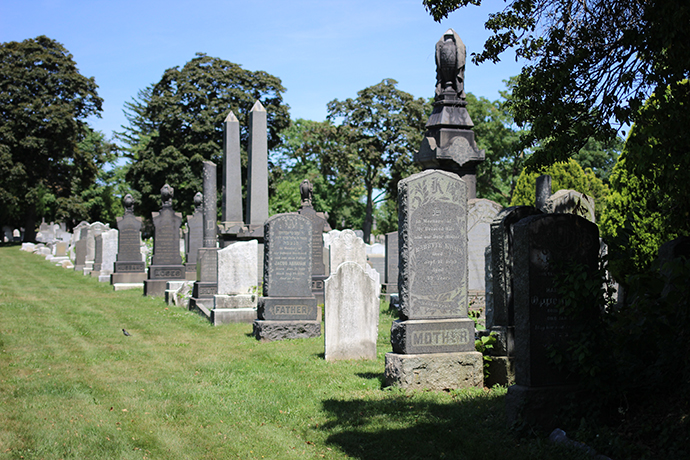

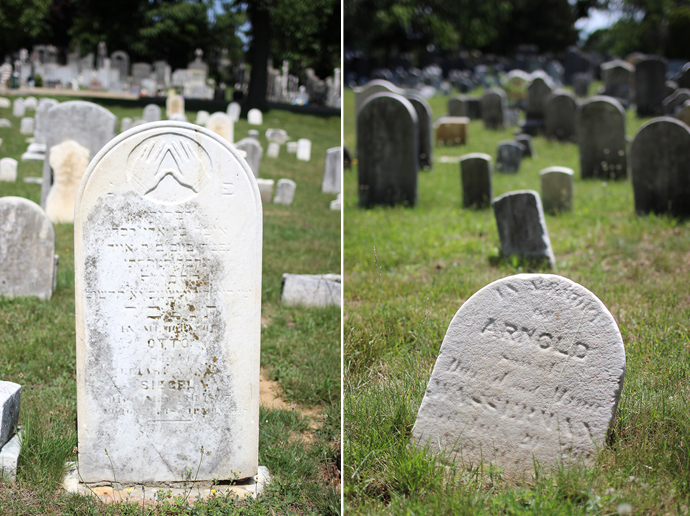


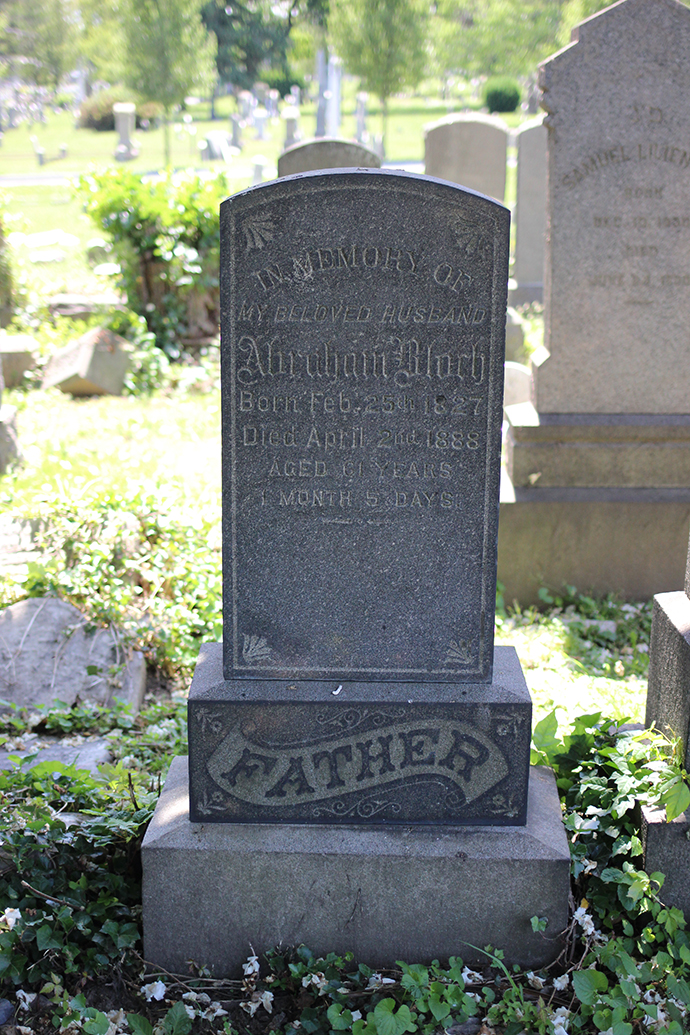
Cypress Hills is very large—we only covered about a fourth of it before it was closing time. It's a really beautiful place and is very well-maintained. There are a lot of new plots mixed in with the old and a lot of people were tending to graves while we were there.
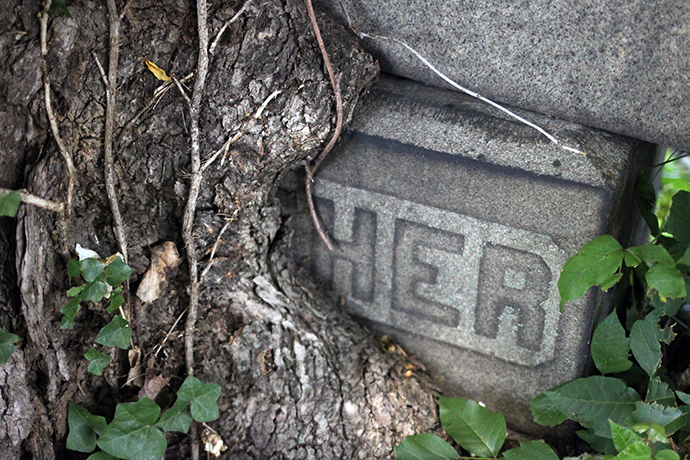
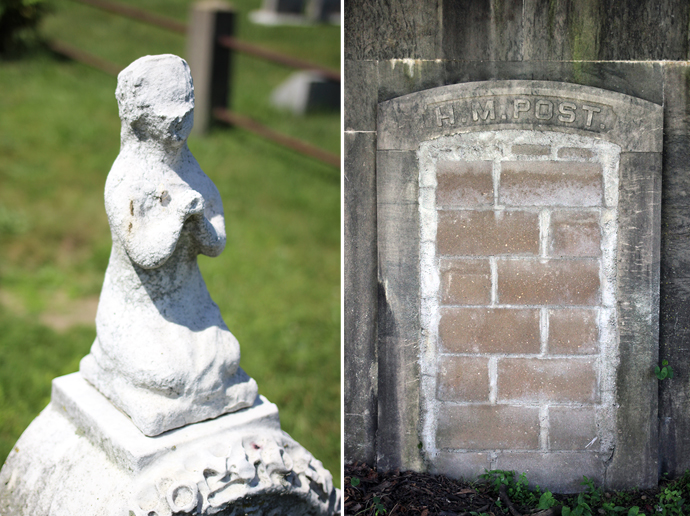

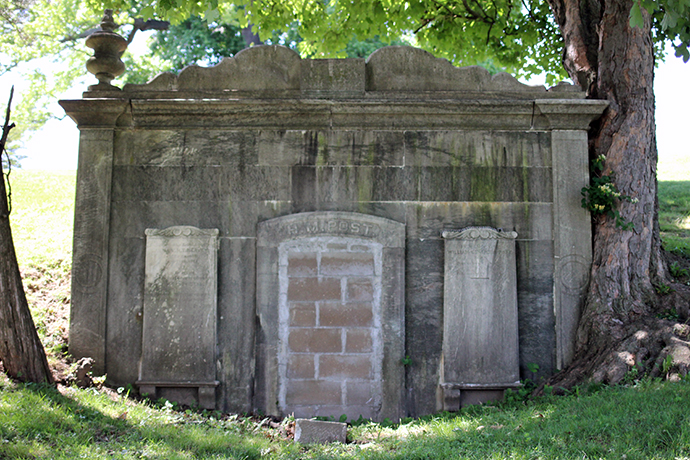
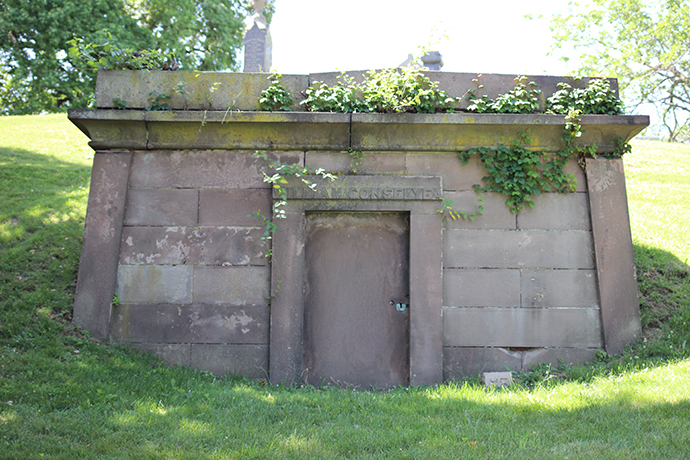


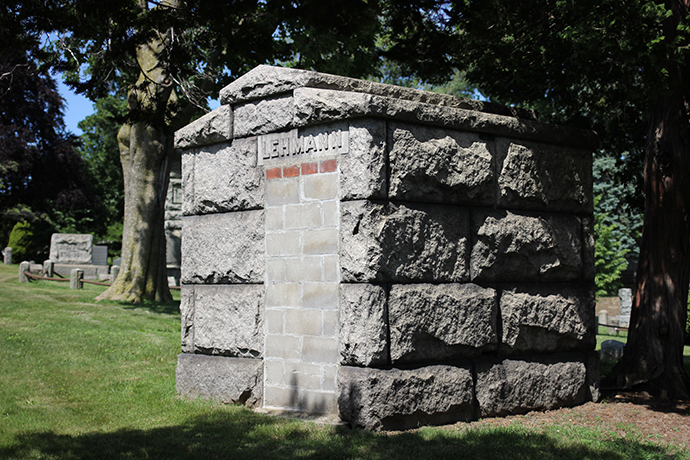
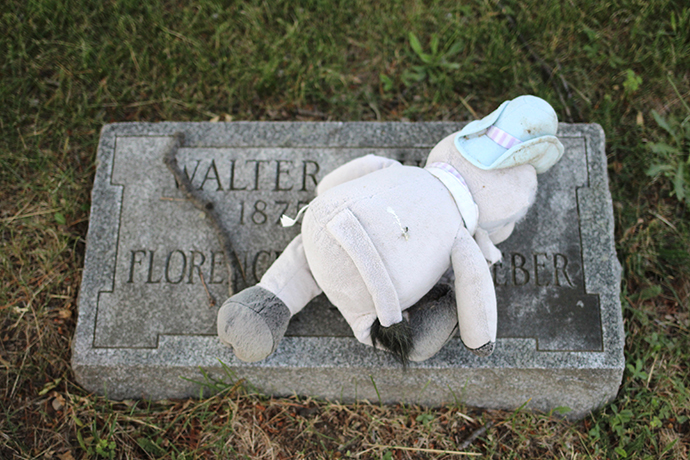
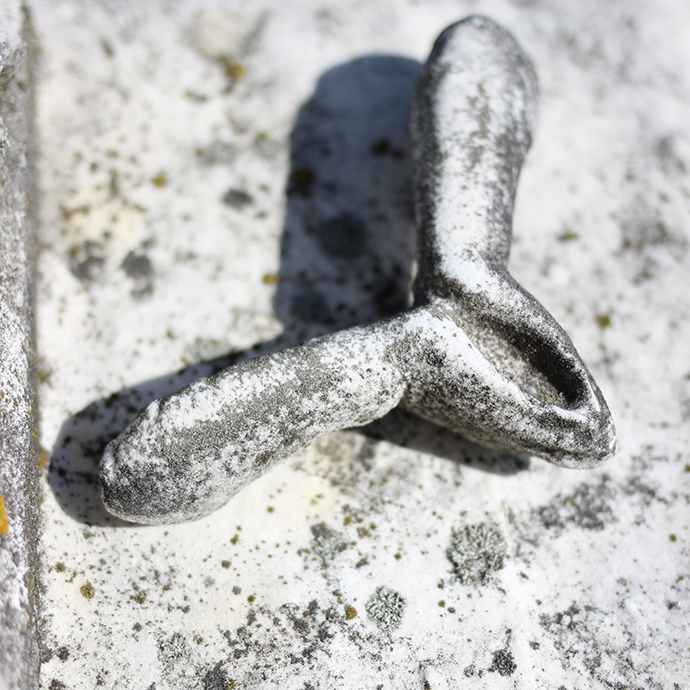

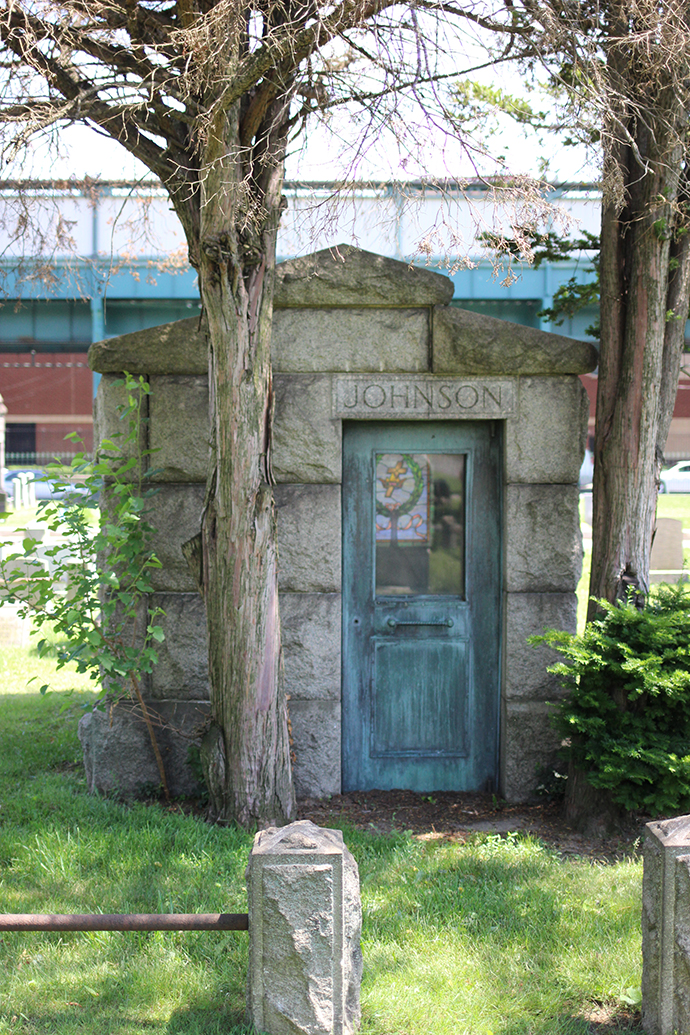
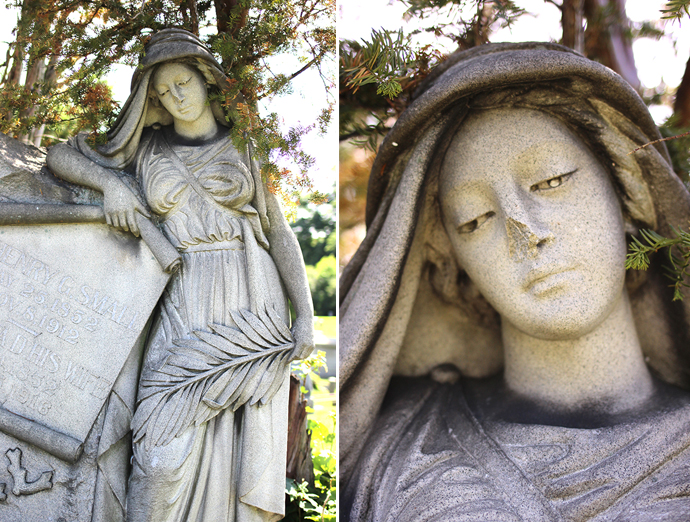
Although we felt perfectly safe, we got the impression that Cypress Hills might not have always been in such good shape. A lot of the mausoleums had been bricked- or cinder blocked-shut, which I don't think I've really seen before. One of my favorite parts of any cemetery is finding headless/limbless statues, and there were some great ones at Cypress Hills. At one point I spotted one and ran over to it as I exclaimed "OooOoh! Something headless!" which if you know me, probably doesn't seem odd at all.
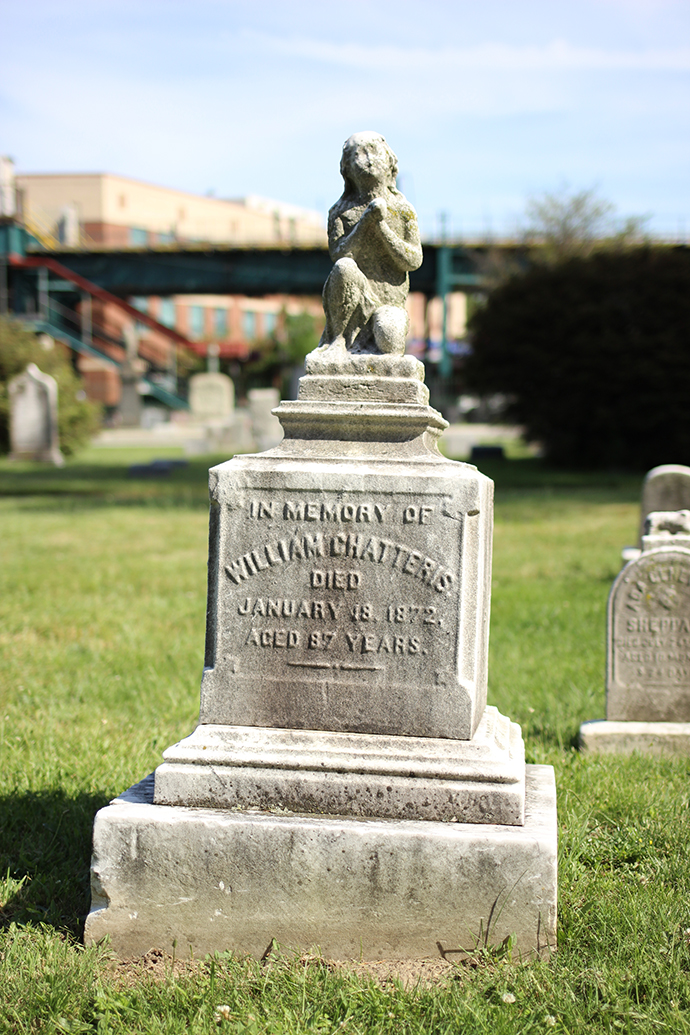

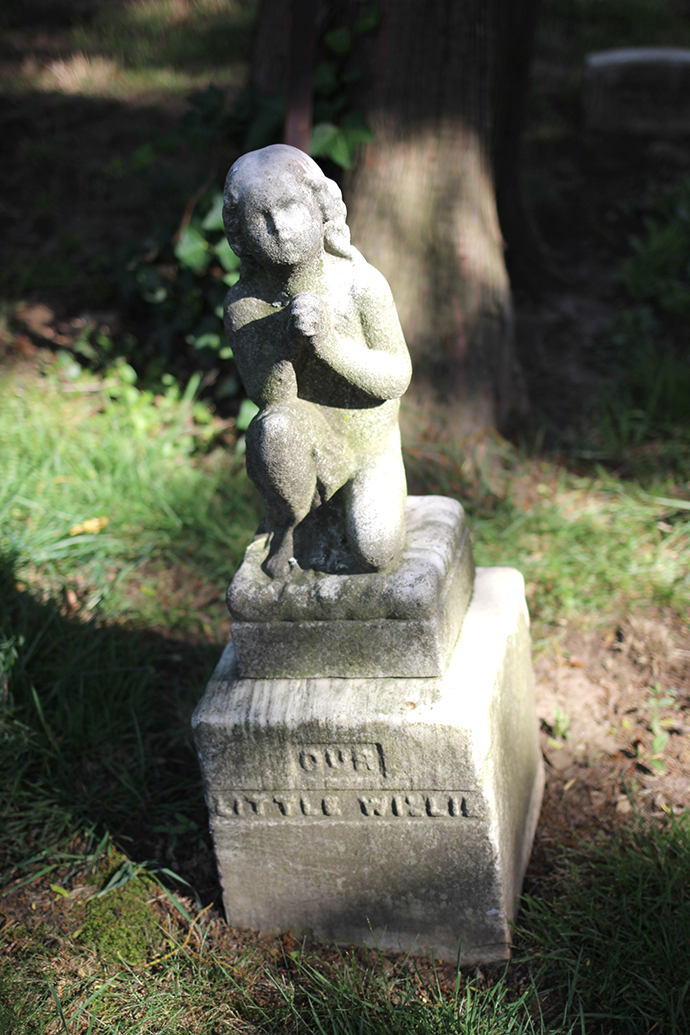
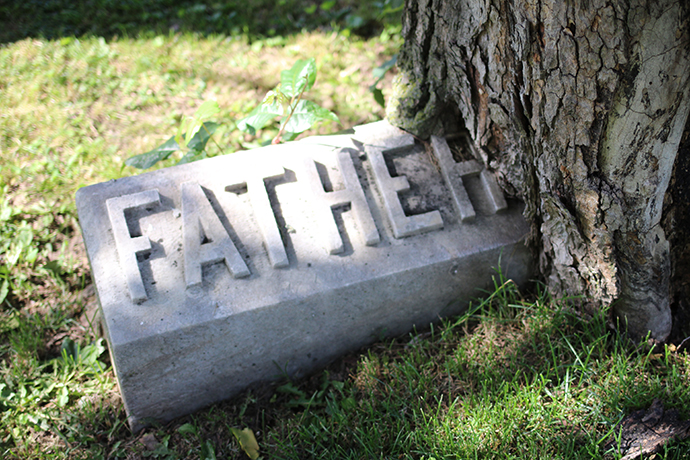


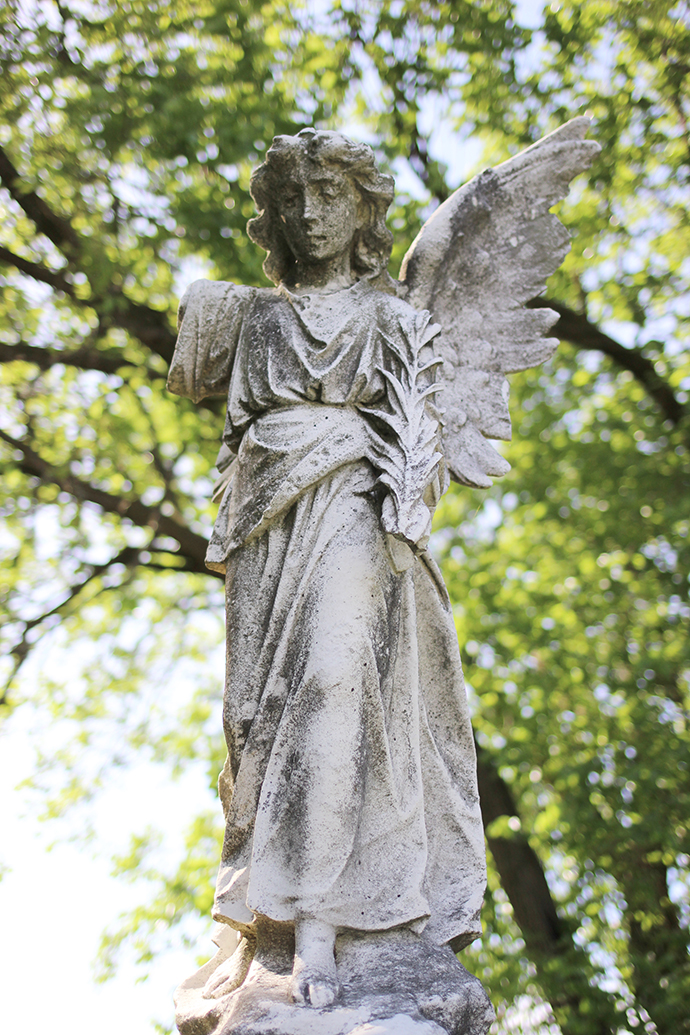
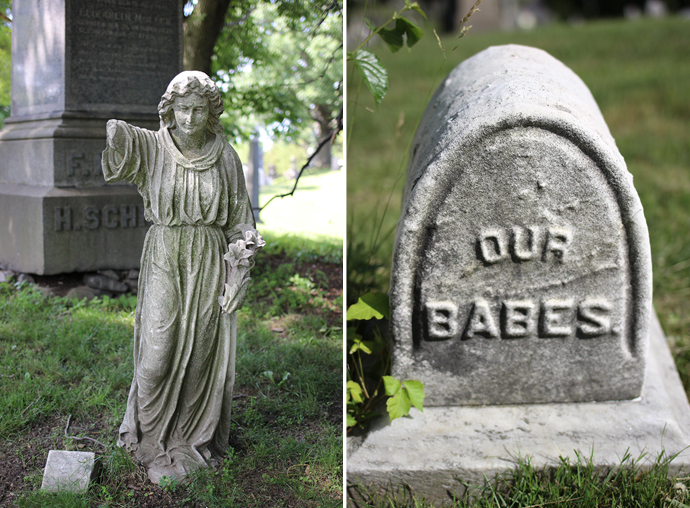
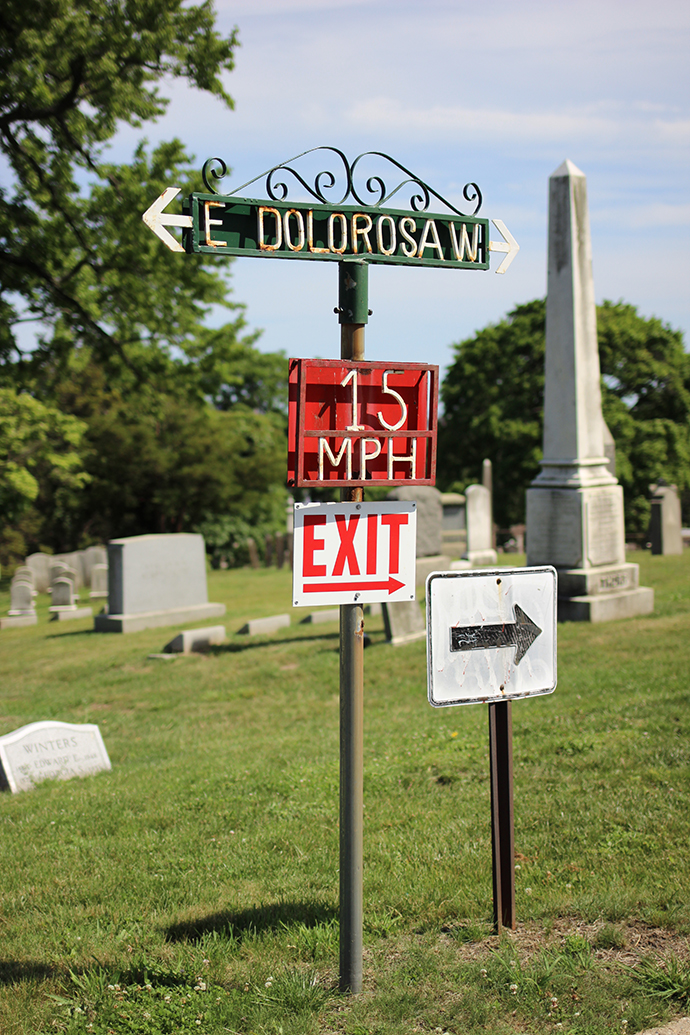


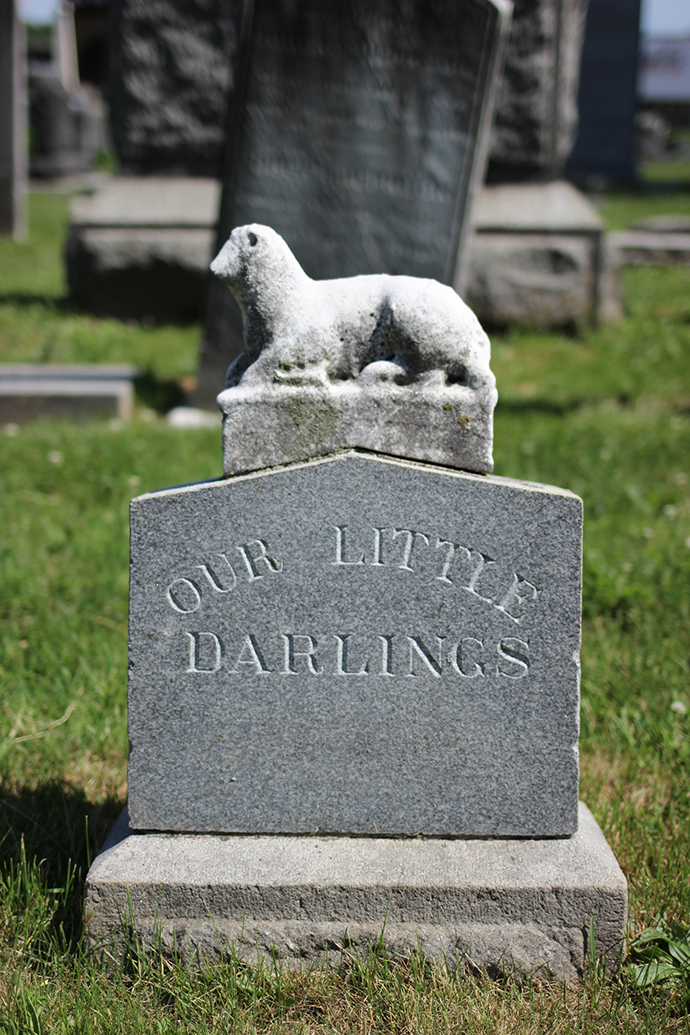
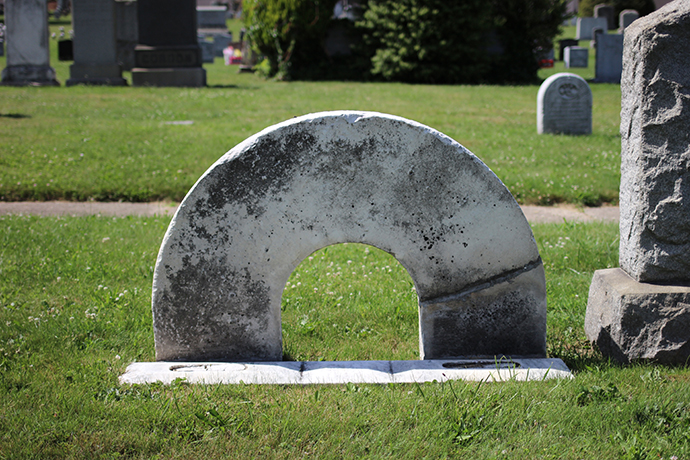


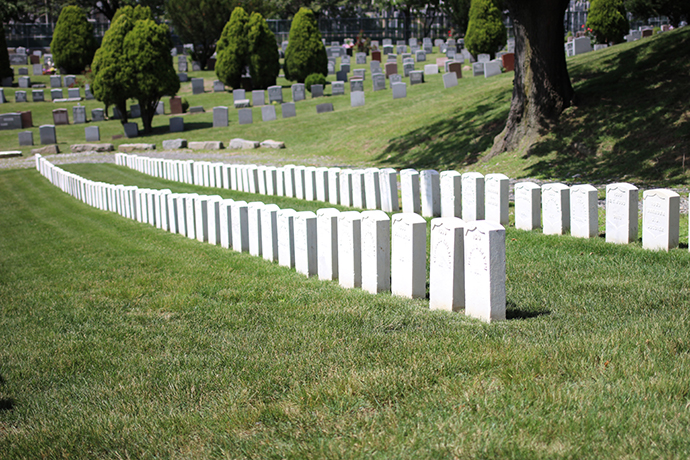


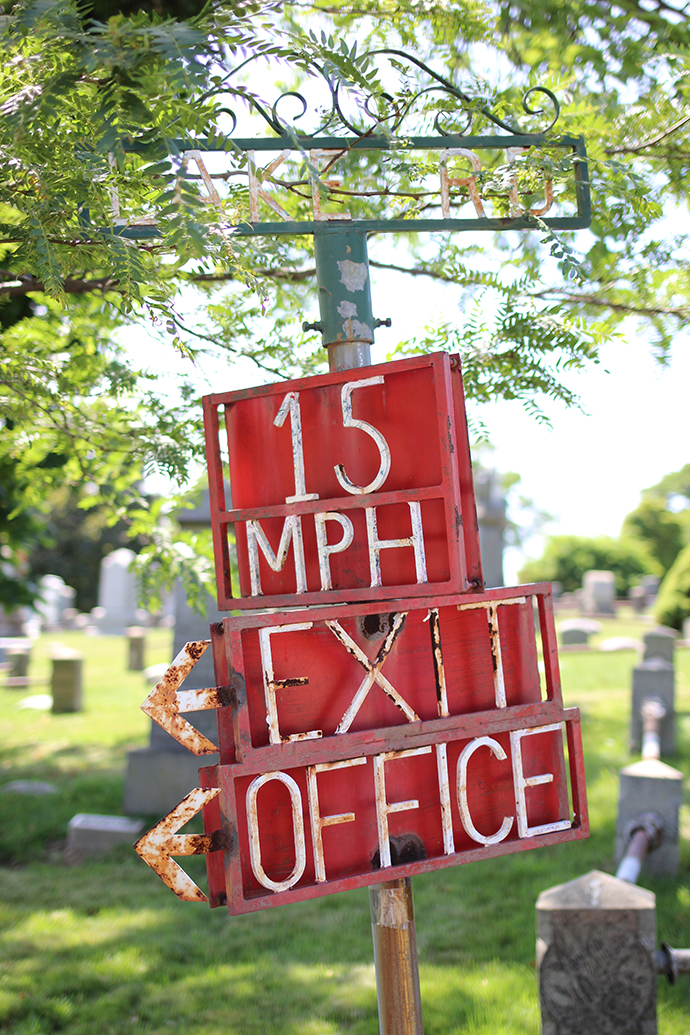
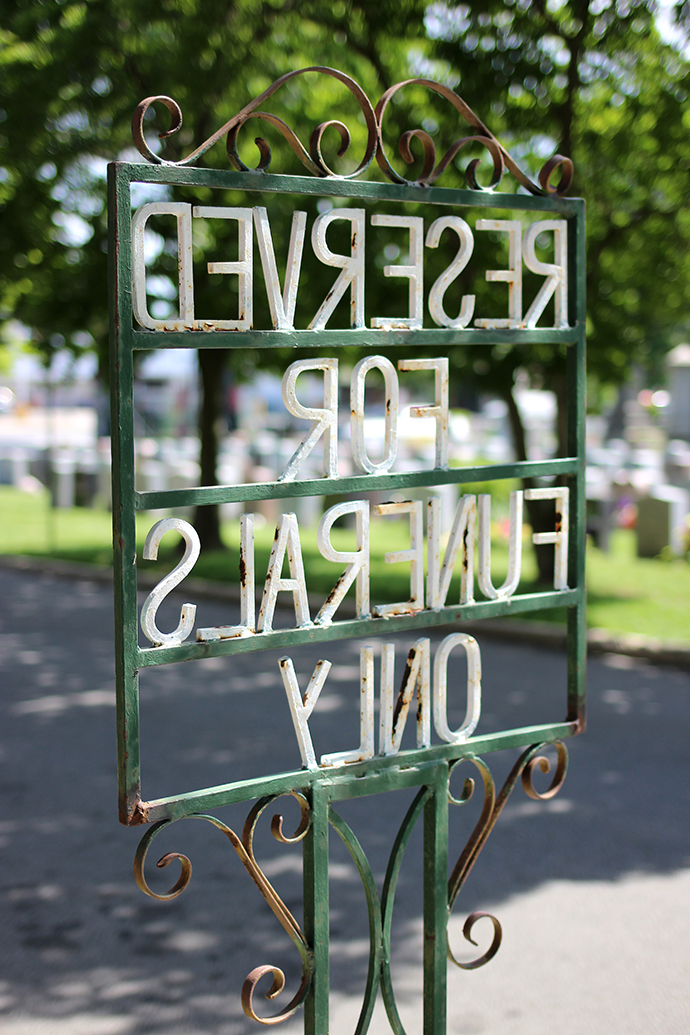
Cypress Hills has some really excellent directional signage (excellent in design, not necessarily usefulness), as well as some really great examples of tombstone typography. There were so many great examples of "Rest in Peace" stones that I lost count, which stood out to me since I've often wondered how that phrase became so synonymous with tombstones when I rarely see it used. A part of Cypress Hills is also a National Cemetery that looks like a little Arlington—rows and rows of identical white stones laid out like dominoes.
I would definitely go back and explore more of Cypress Hills, and the rest of the cemetery belt. It was fun searching for a specific stone, and even more rewarding that we found it—maybe we had a little bit of help from Margaret and Kate Fox.

Green-Wood Cemetery

I just recently became a member of Green-Wood Cemetery, which is very much something that I would do. Everyone I've told is initially confused as to the benefits of being a member of a cemetery ("Do you get to be buried there?"), but it's something I've considered doing for a while. It ultimately just made sense financially—there's a tour I want to take that is essentially the same price as a membership, which includes one free tour pass—but I also just feel good supporting a place I love so much.


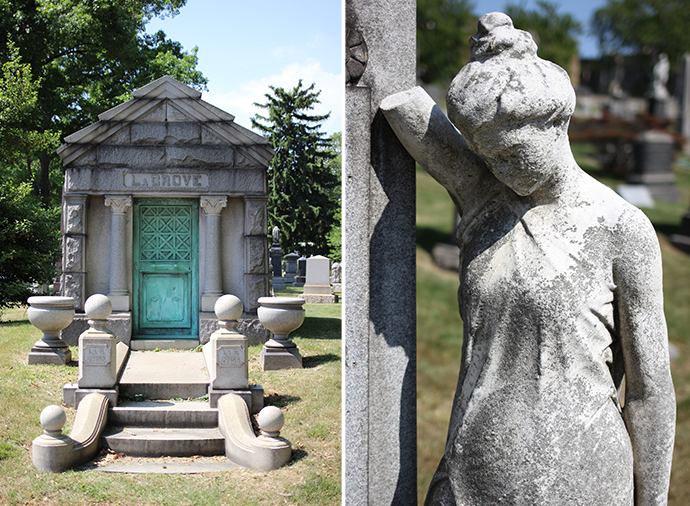

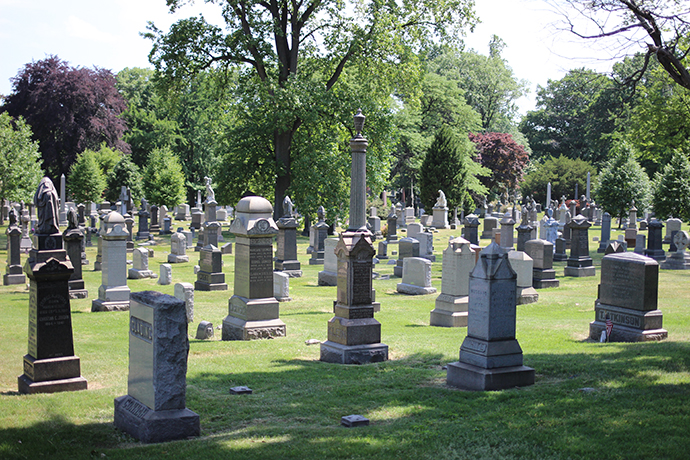

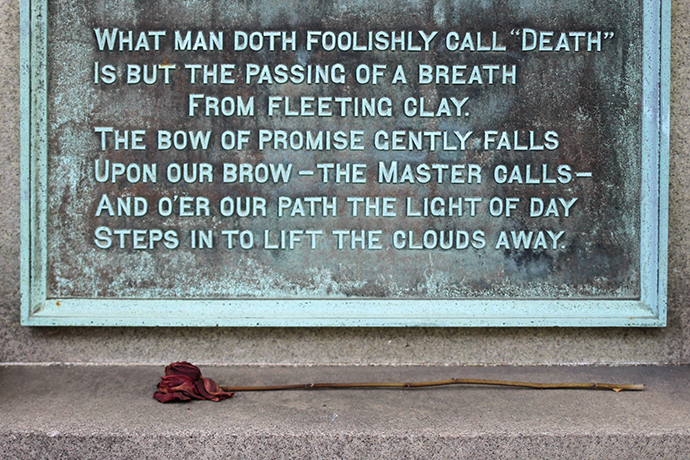
My dude actually lives about a block from Green-Wood (major pro) and on our way to Prospect Park on Saturday he mentioned that we could walk through Green-Wood "if I wanted," and of course the answer was "yes!" It was my first visit as an official member, which of course means nothing but it still makes me happy that I'm supporting the cemetery, even if it's in a very small way.


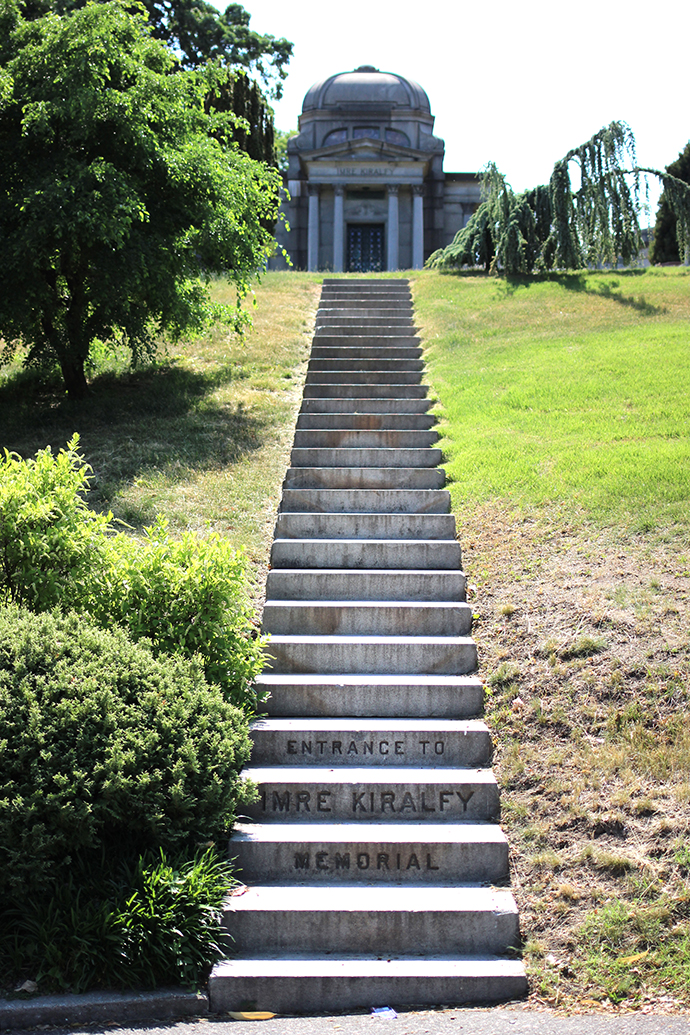
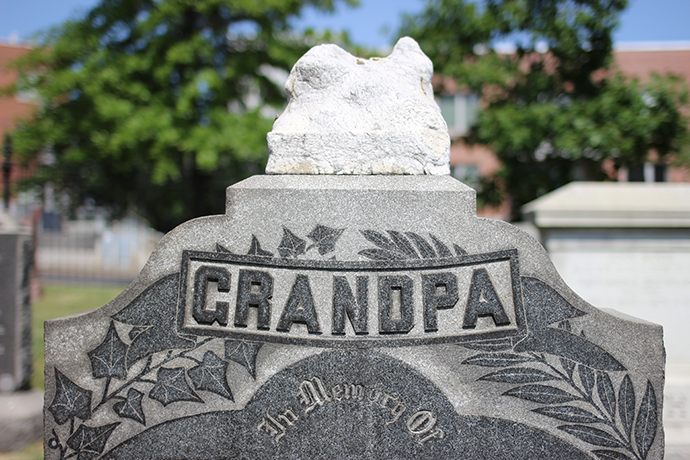


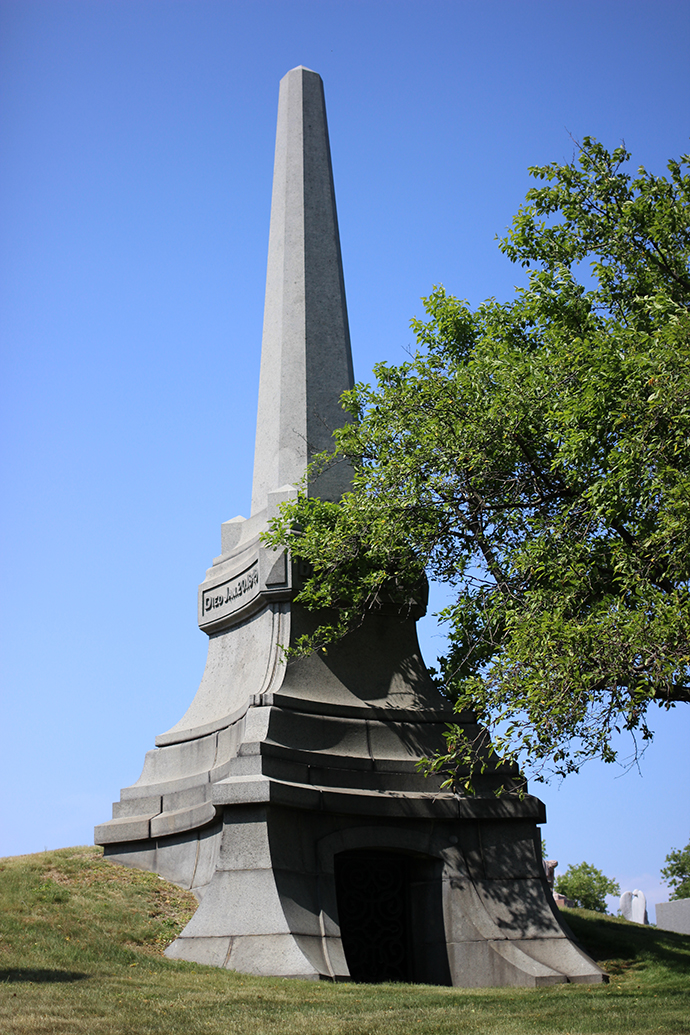


We walked through a part of the cemetery that I had never explored before—as much as I've been to Green-Wood, it's so big that I still haven't seen it all. Green-Wood is just so incredibly beautiful and picturesque, especially on a bright, sunny day like Saturday. We saw some wonderful statues (that dead-eyed girl will probably haunt me for the rest of my life), peeked into the mausoleums (added another Egyptian-style one to my favorites list and saw a great monument/mausoleum combo), and found some awesome headstones (Coffin!).
I can't really wrap my head around the fact that I was walking through a snow-covered Green-Wood just a few months ago, and that before I know it I'll be crunching through the fall leaves as I peek inside the mausoleums on the annual open house tour.
New York City Marble Cemetery

I recently posted photos from my visit to the New York Marble Cemetery, and mentioned that there is an un-affiliated New York City Marble Cemetery a few blocks away. The NYCMC is slightly more accessible than the hidden NYMC, and although the gate is normally locked, you can see it all from the sidewalk.


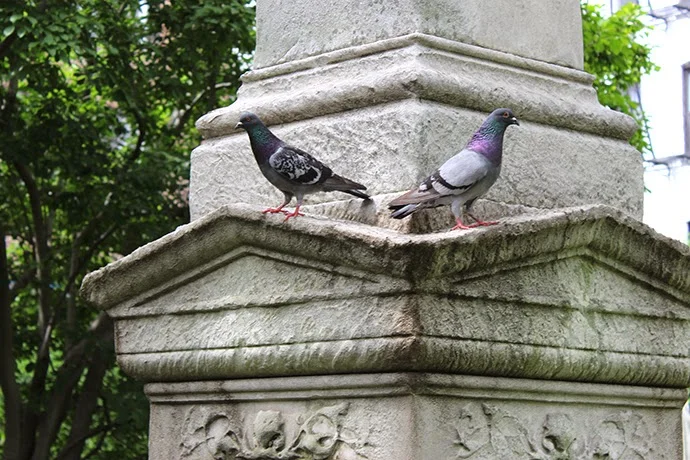
It's open once a month from May-October and it's a beautiful space to spend the afternoon. When I was there it was pretty crowded and in addition to people, the cemetery was filled with pigeons—in the trees, on the wires and on the headstones.


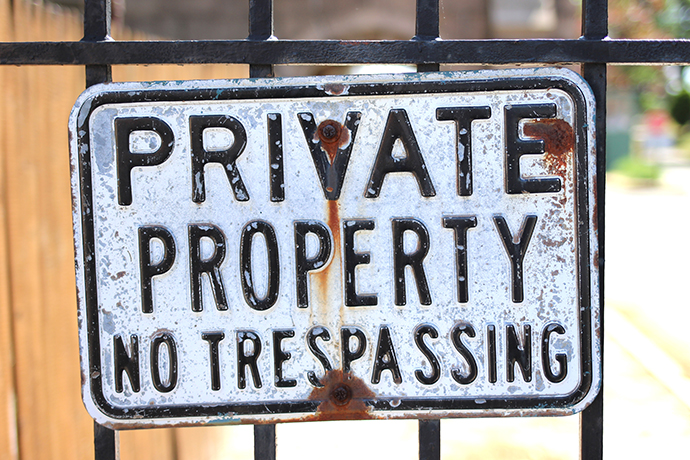
The NYCMC has headstones like a traditional cemetery in addition to underground vaults designated with flat marble markers. It also has a fantastic iron fence and gate, with a wonderful tombstone-shaped sign and arching letters. It's not as secluded as the New York Marble Cemetery, but it's a great place to spend the afternoon and have a picnic amongst hundreds of circa-1800s graves.

New York Marble Cemetery
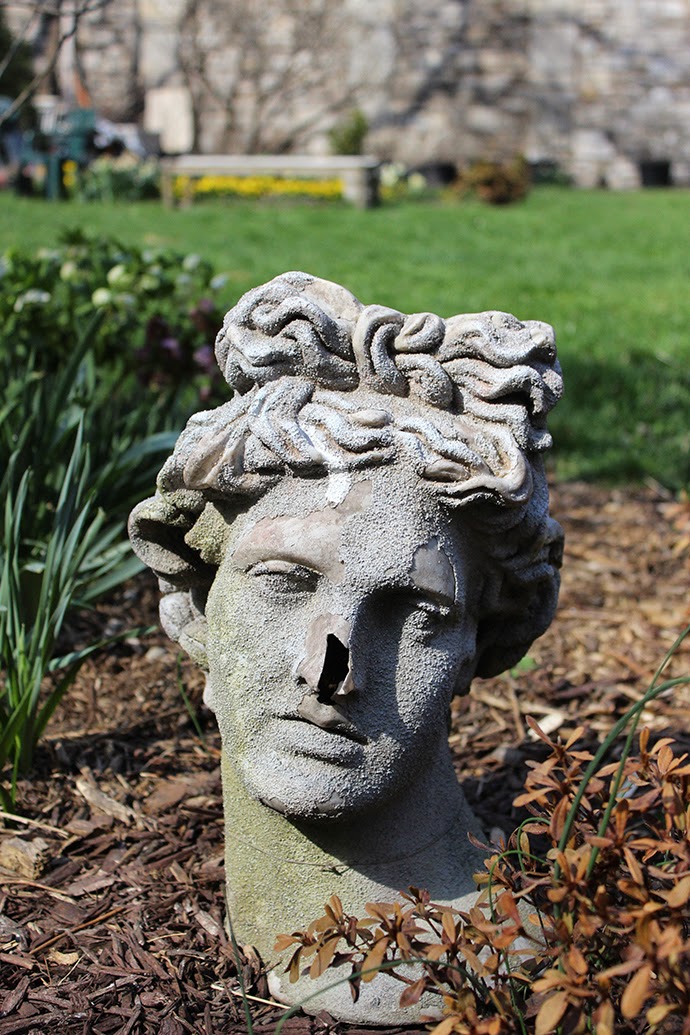
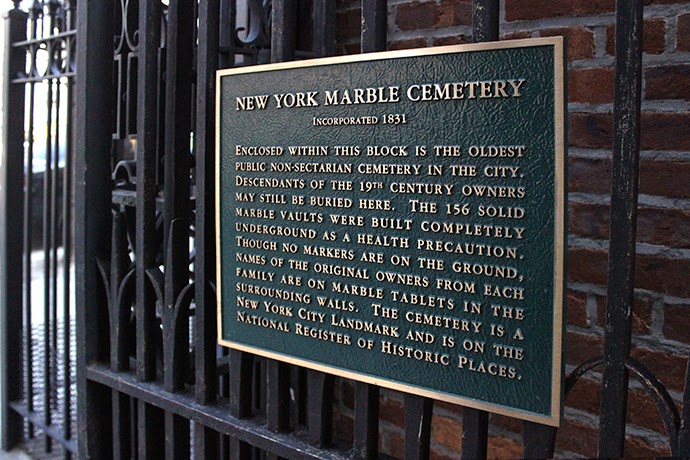
It's been more than a year since I went to the New York Marble Cemetery but I remembered recently that I'd never shared my photos. The "the oldest public non-sectarian cemetery in New York City" is open at least one day a month during warmer months and I happened to catch it on an open day last April.
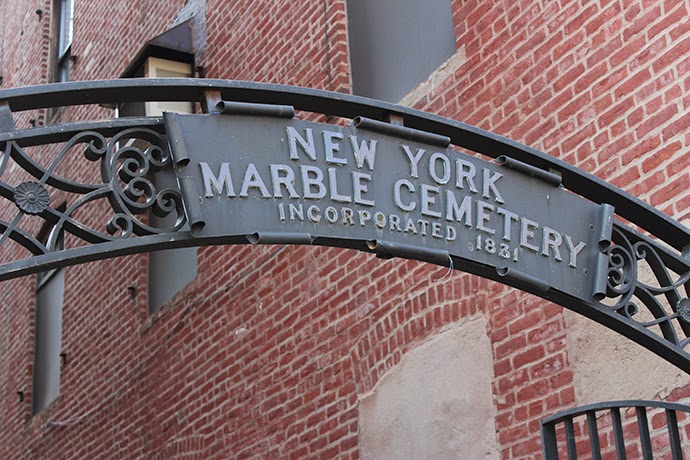
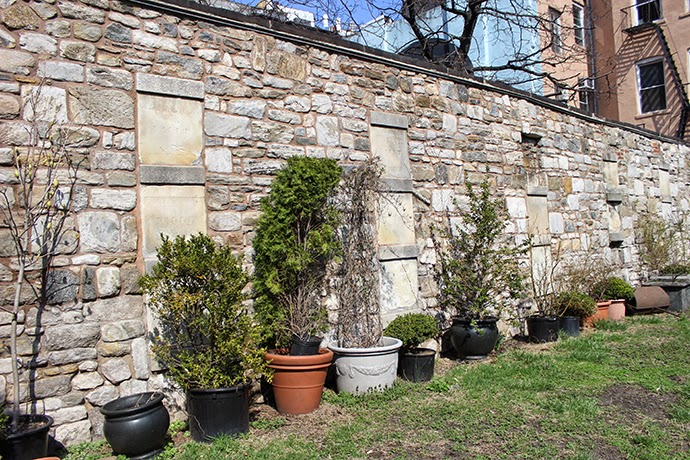
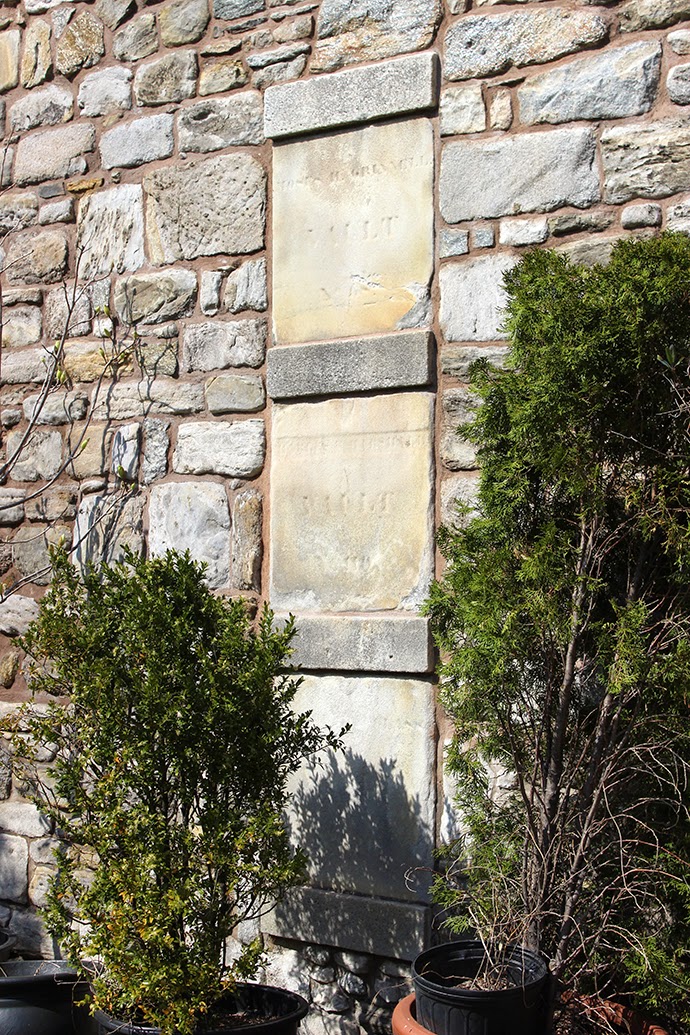
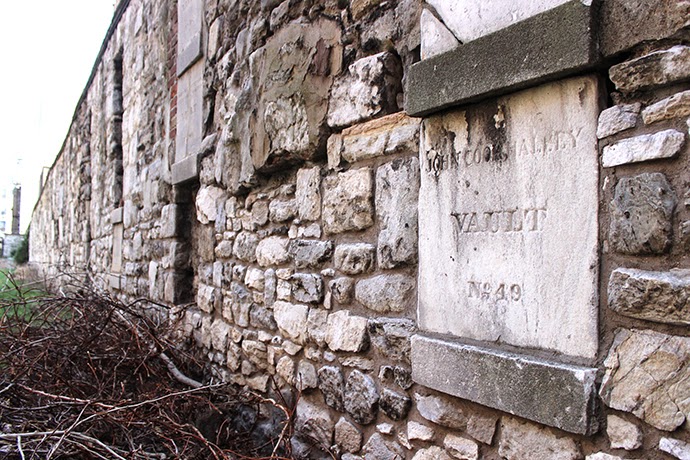
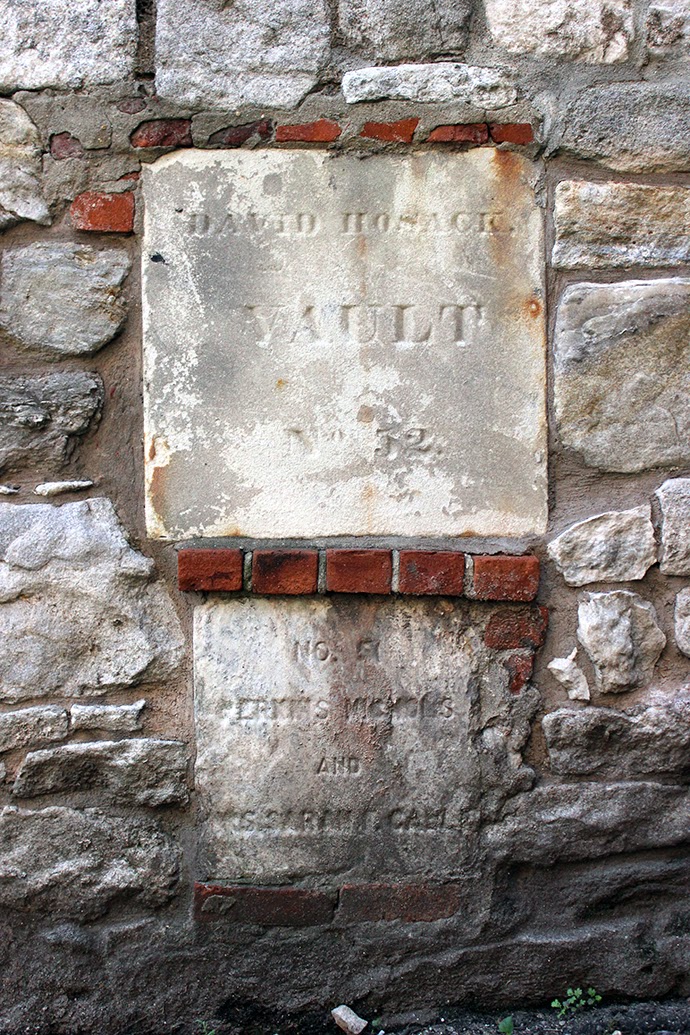
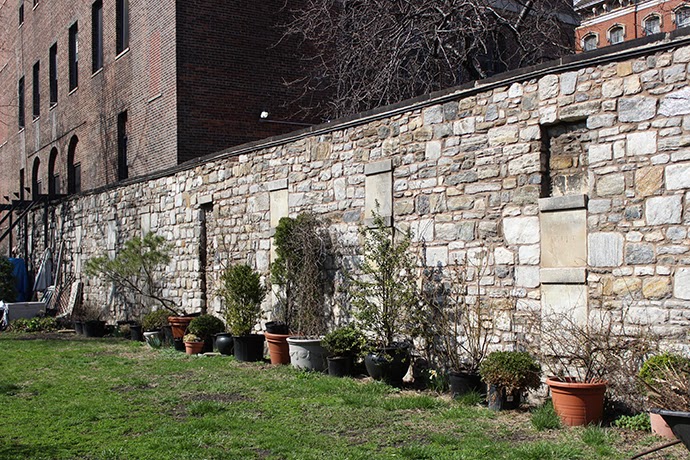
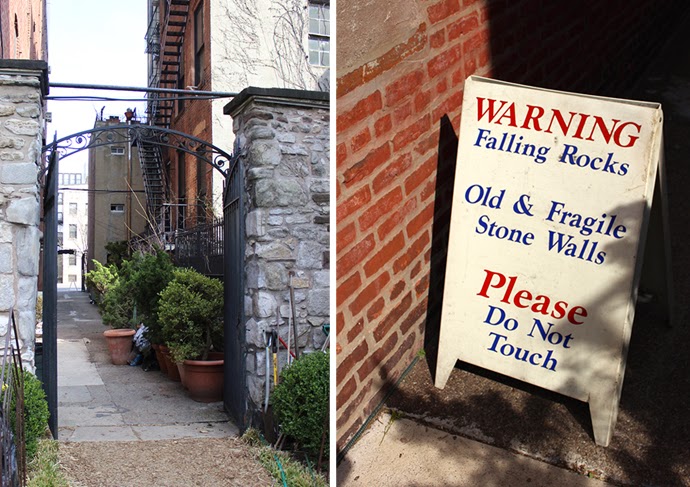
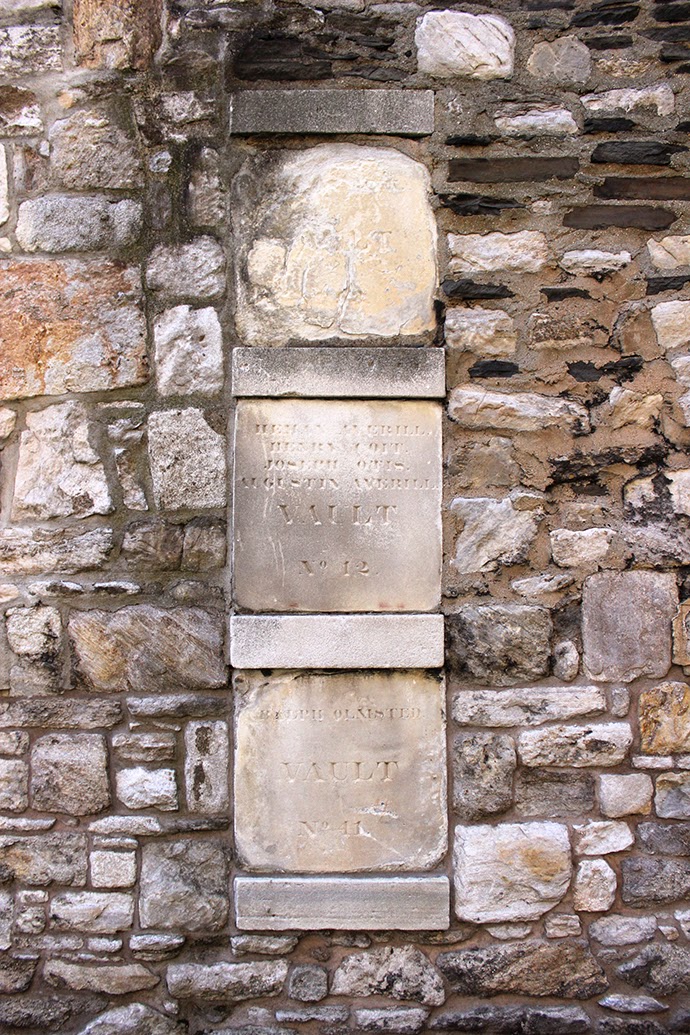
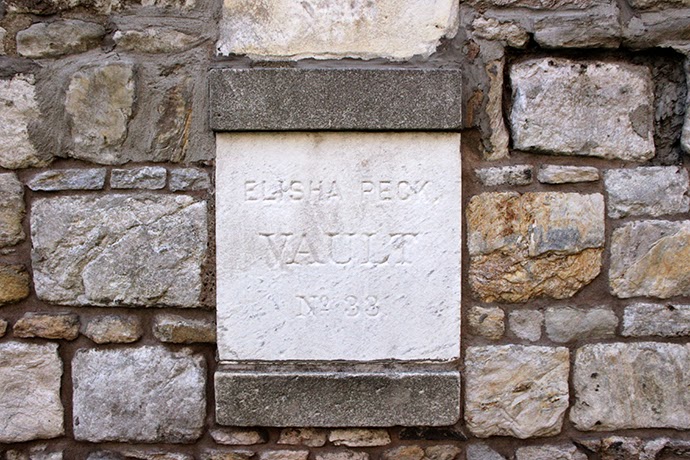
The NYMC is hidden away down a little alleyway (marked by an incredible arched gate) and opens up into a courtyard surrounded by apartment buildings. There are no headstones—instead there are 156 below-ground burial vaults with the names of the interred carved in plaques embedded in the surrounding stone wall. Underground vaults were popular at the time due to health concerns over burying people who suffered from infectious diseases like tuberculosis.
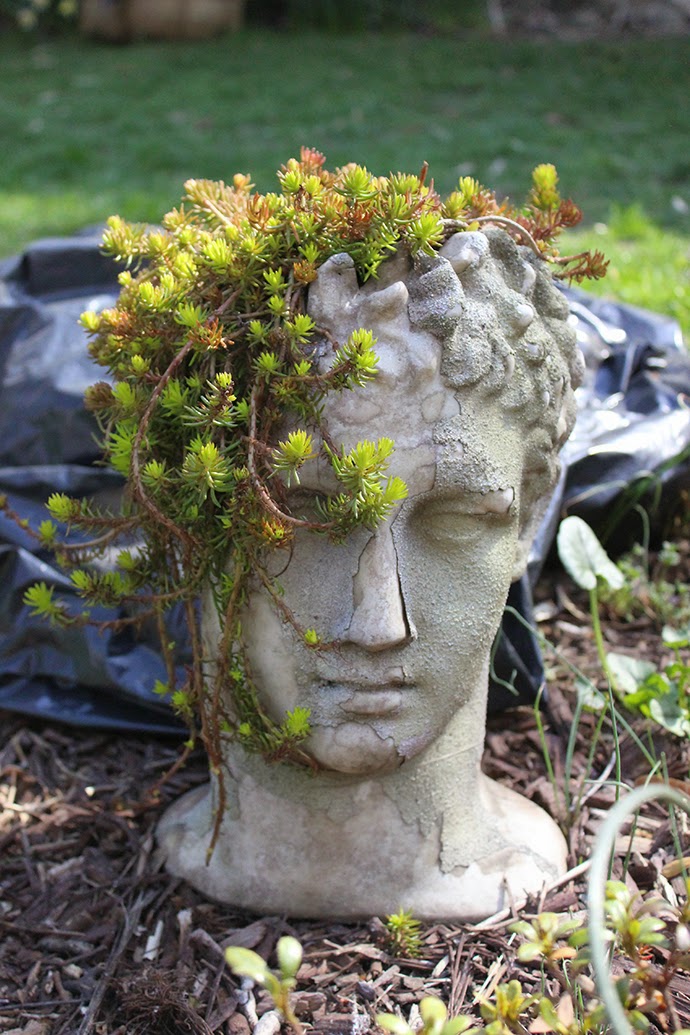
There is also a New York City Marble Cemetery a few blocks away—which can get confusing—but despite basically sharing a name, the two are otherwise unrelated. The New York Marble Cemetery is available to rent out for parties and weddings (get married and buried!). There are a few benches, small statues, patches of flowers, potted plants and not much more—it's a really beautiful, open and peaceful place. It's almost easy to forget that you're in the middle of the Lower East Side.