

Archive
- Abandoned
- Alabama
- Arizona
- Bahamas
- Books
- California
- Cemetery
- Climate
- Colombia
- Connecticut
- Diner
- Egypt
- Feature
- Florida
- Friday Fun
- Georgia
- Holidays
- Illinois
- Iowa
- Italy
- Kentucky
- Louisiana
- Maryland
- Massachusetts
- Mississippi
- New Jersey
- New Mexico
- New York
- North Carolina
- Novelty Architecture
- Ohio
- Pennsylvania
- Personal
- Peru
- Project 365
- Protest
- Rhode Island
- Roadside Attraction
- South Carolina
- Tennessee
- Texas
- Travel Guide
- Virginia
- Walks
- Washington DC
- West Virginia
- Wisconsin

Staten Island Boat Graveyard

The Staten Island Boat Graveyard—also called the Witte Marine Scrap Yard, the Arthur Kill Boat Yard or the Tugboat Graveyard—is located in the Arthur Kill waterway near the Rossville neighborhood in Staten Island. The scrapyard was founded in the 1930s by John J. Witte and today it is still managed by his son.


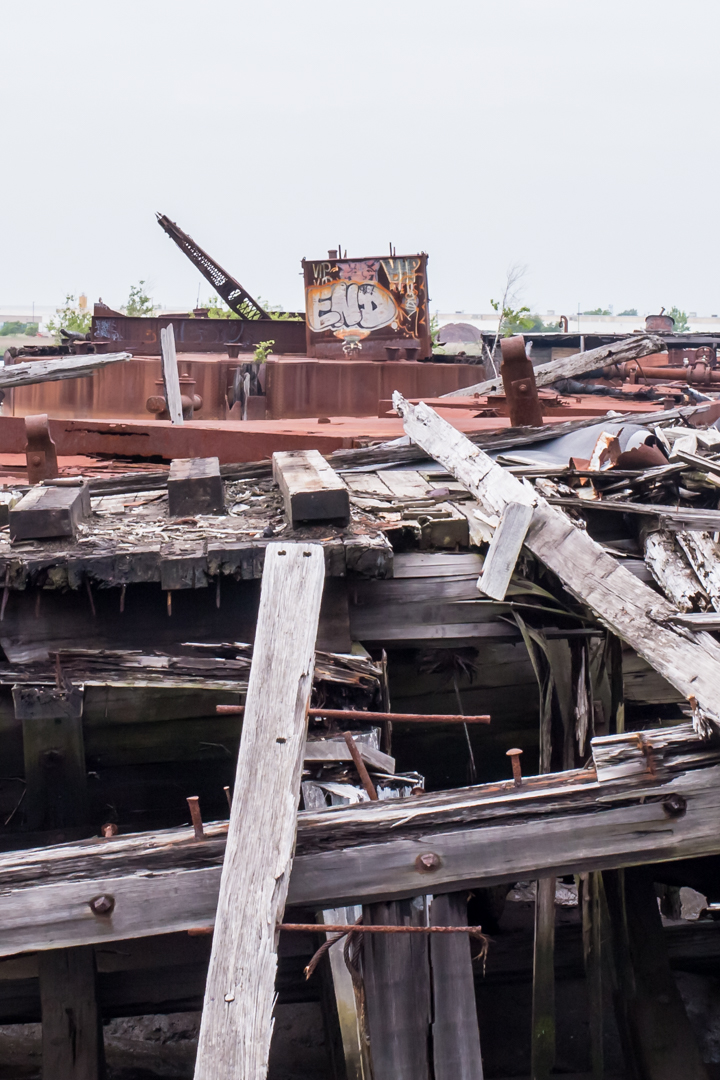
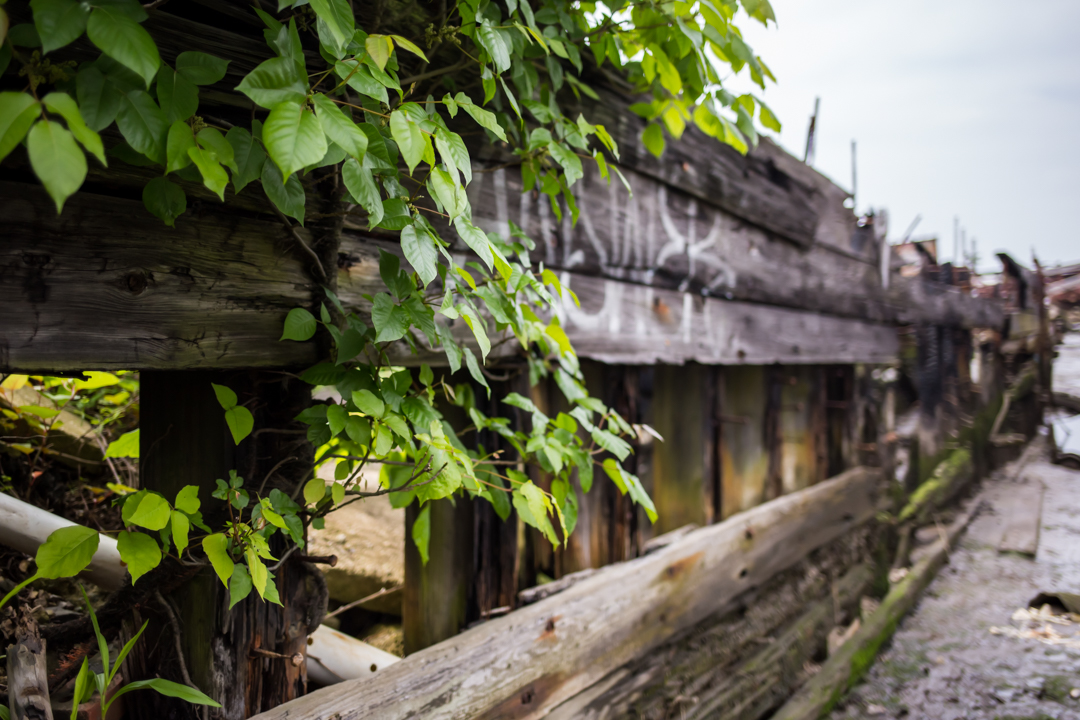

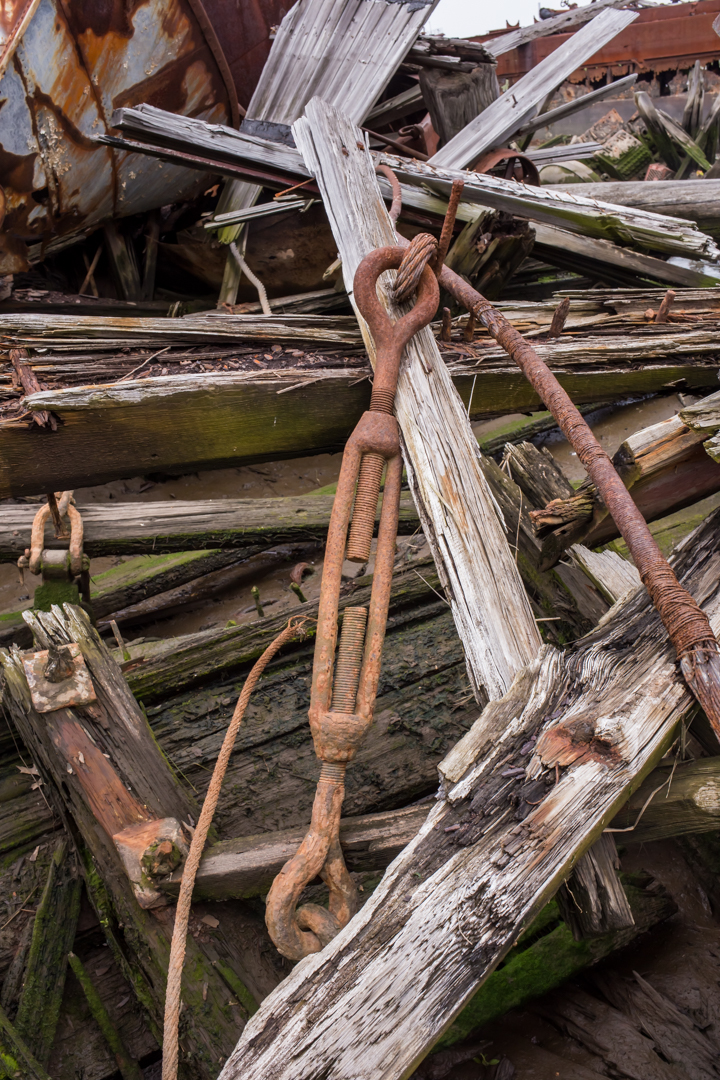
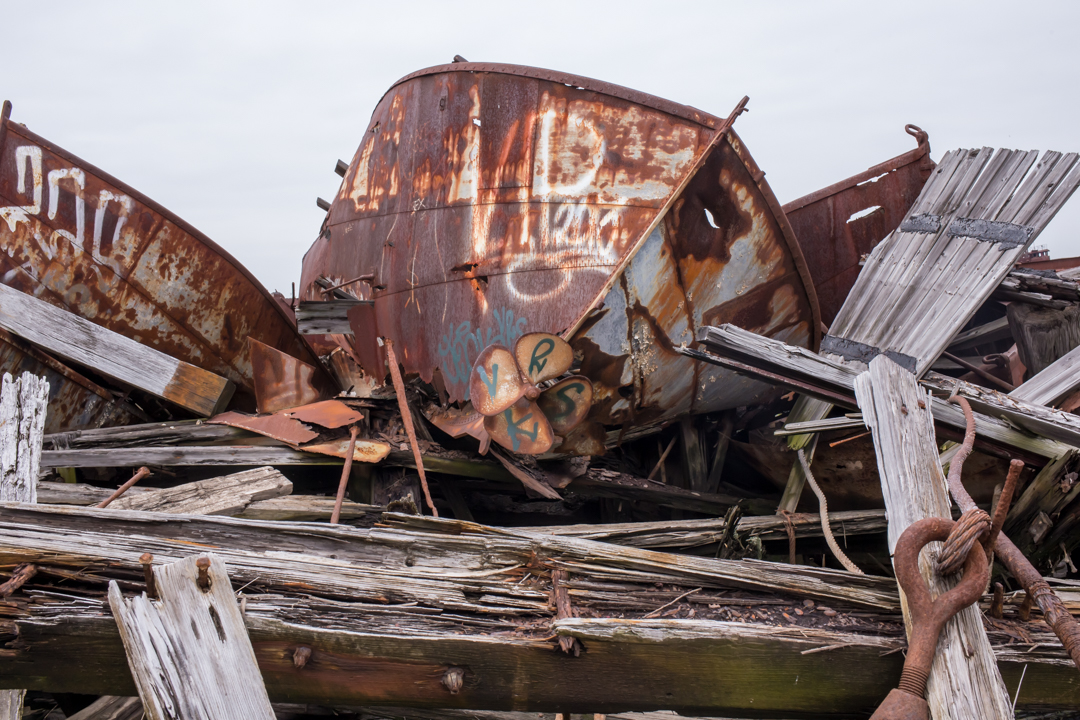

To really see the remains of nearly 100 cargo ships and tugboats, you technically have to do a little trespassing. There is no public access to the graveyard and probably for good reason—I've explored some rickety buildings, but nothing compares to the twisted, slippery piles of rusty metal and wood that you'll find here surrounded by quicksand-like muck and mud. I put my faith in the tetanus shot I had less than ten years ago (when I passed out on a pile of rusty antiques ... in my own bathroom) and luckily the only causalities were my sneakers, which will forever be caked in stinky mud.


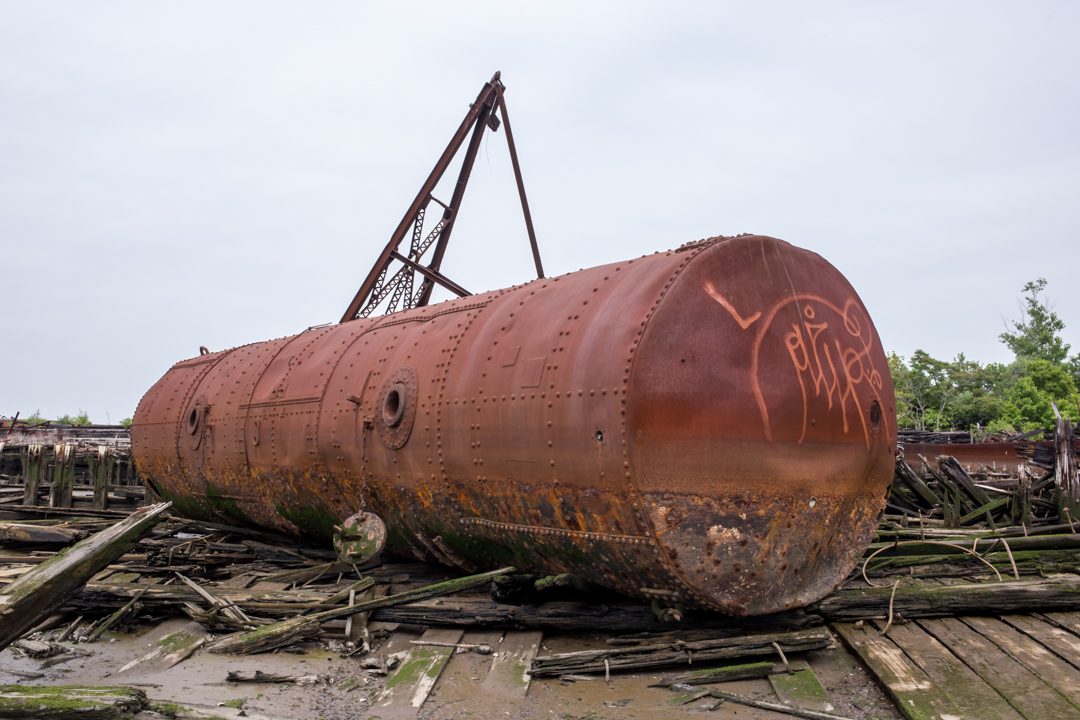


Although it's still privately owned, the boat graveyard has accidentally evolved into an outdoor boat museum over the years. Notable ships include the first WWII US Navy ship to have a predominantly African-American crew and a New York fireboat present at the 1904 sinking of the General Slocum, the worst disaster in the city's history until 9/11.


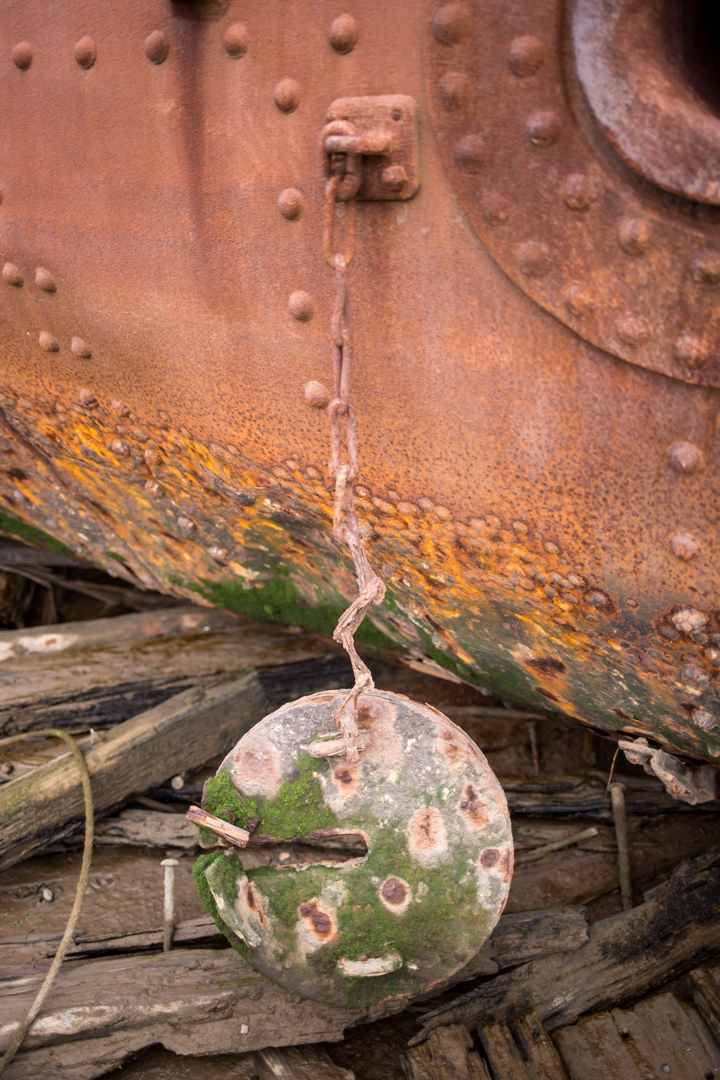


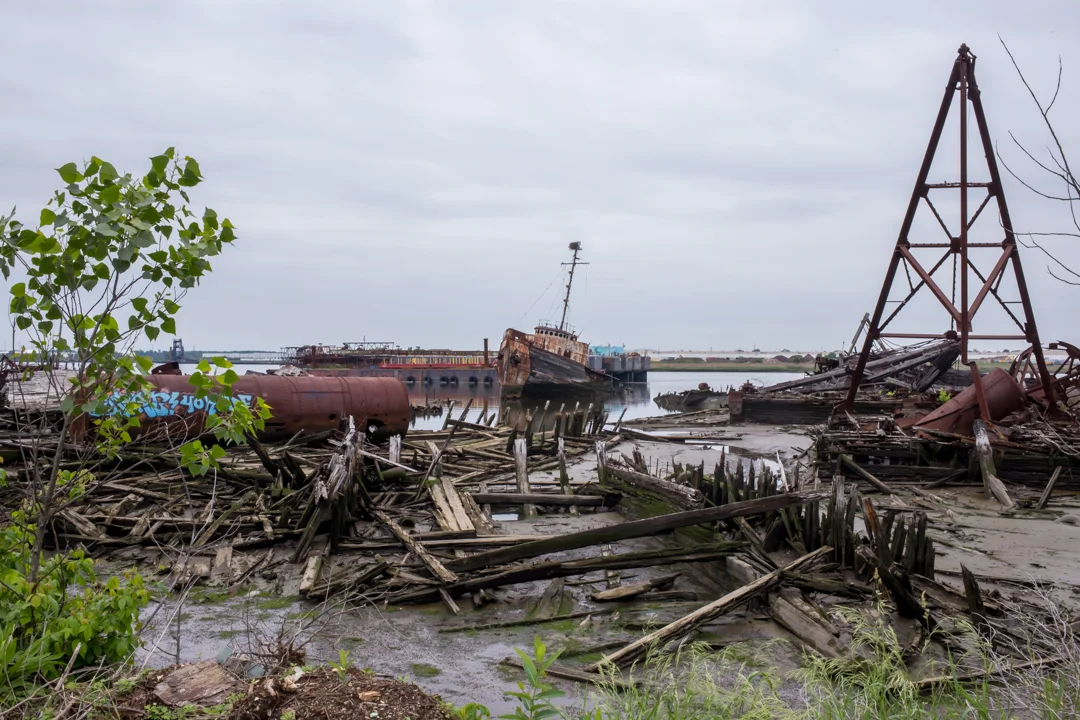
You'll see the most at low tide—or if you're really brave, a kayak (or at the very least, rubber boots) would be the ideal accessory. We mostly scrambled along the shore and carefully ventured out onto slimy planks when they were available. In addition to climbing on rusty, unstable piles of scrap, you'll have to do a bit of bushwacking through the tall weeds and brush, but the views are definitely worth the effort (and risk). There was so much more in the scrapyard than I expected, and my only regret is that we couldn't get closer to, or even inside of the ships.

Abandoned School
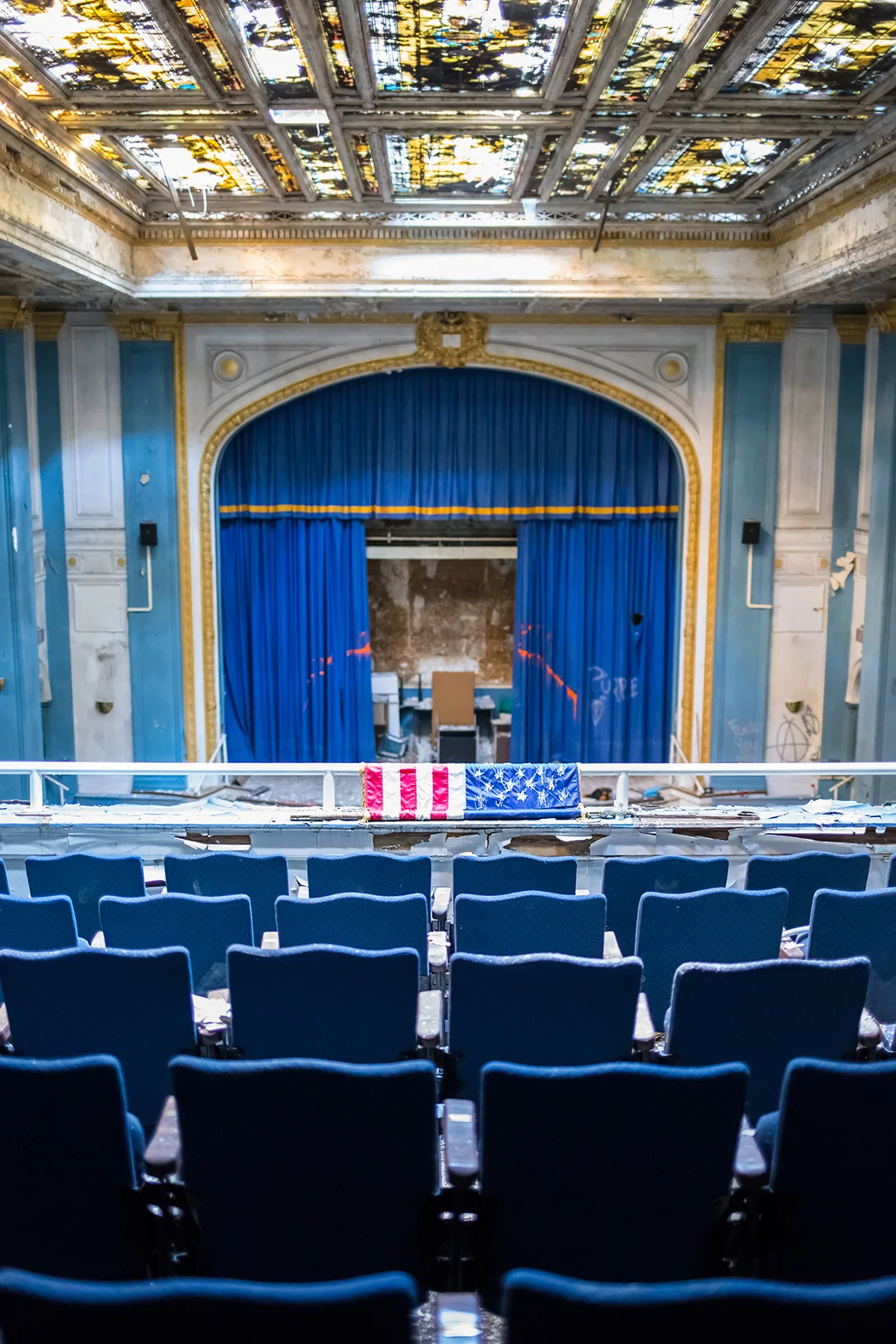
Last weekend David and I—somewhat spontaneously—decided to rent a Zipcar and drive to New Jersey to explore an abandoned school. We didn't have a lot of information about the school except for an address and with abandoned buildings you never know what—if anything—you're going to find. That's part of the appeal, but also part of what makes this hobby nerve-wracking for an anxious person like me, and I was super nervous about this one, in part because I knew it had the potential to be great.


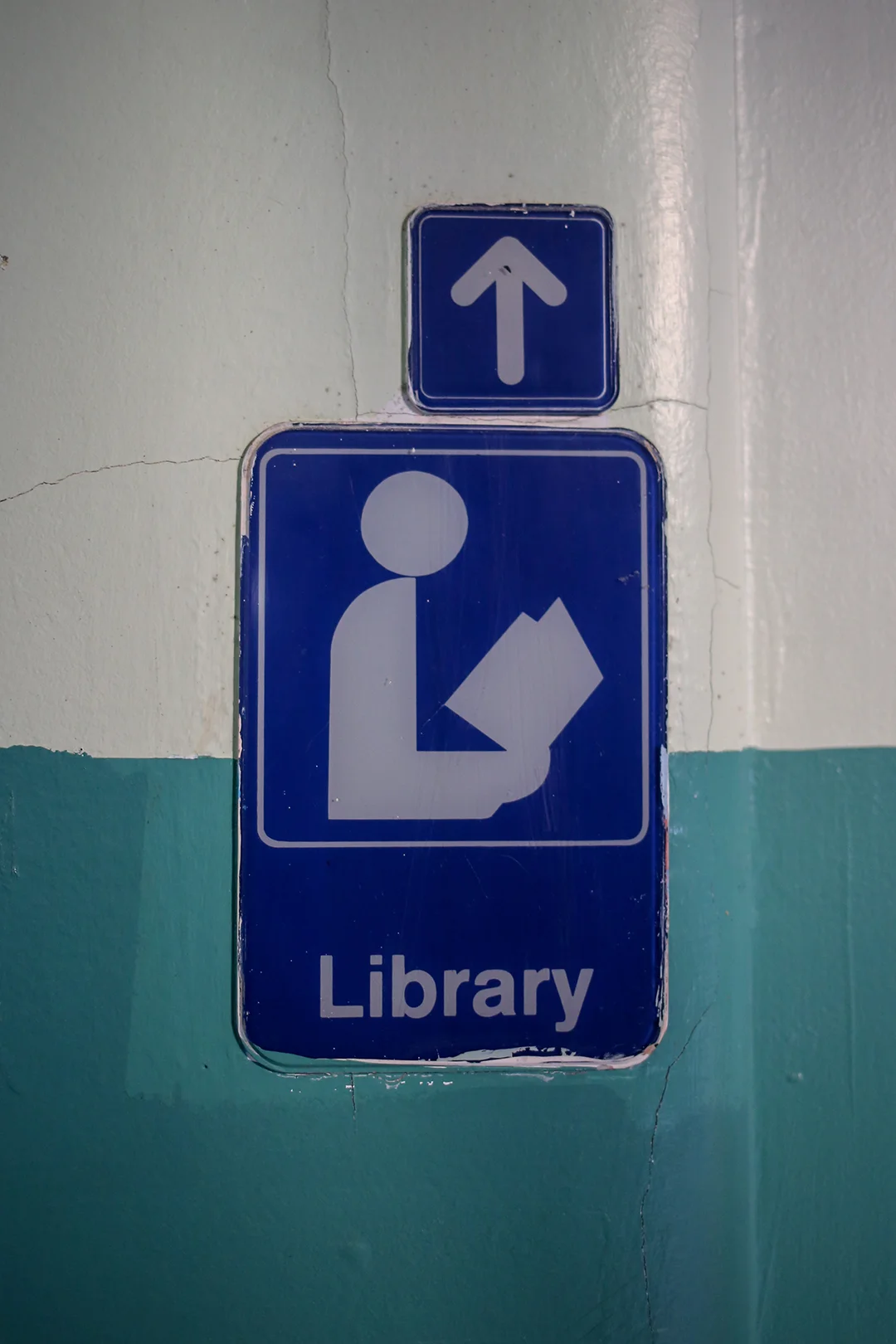


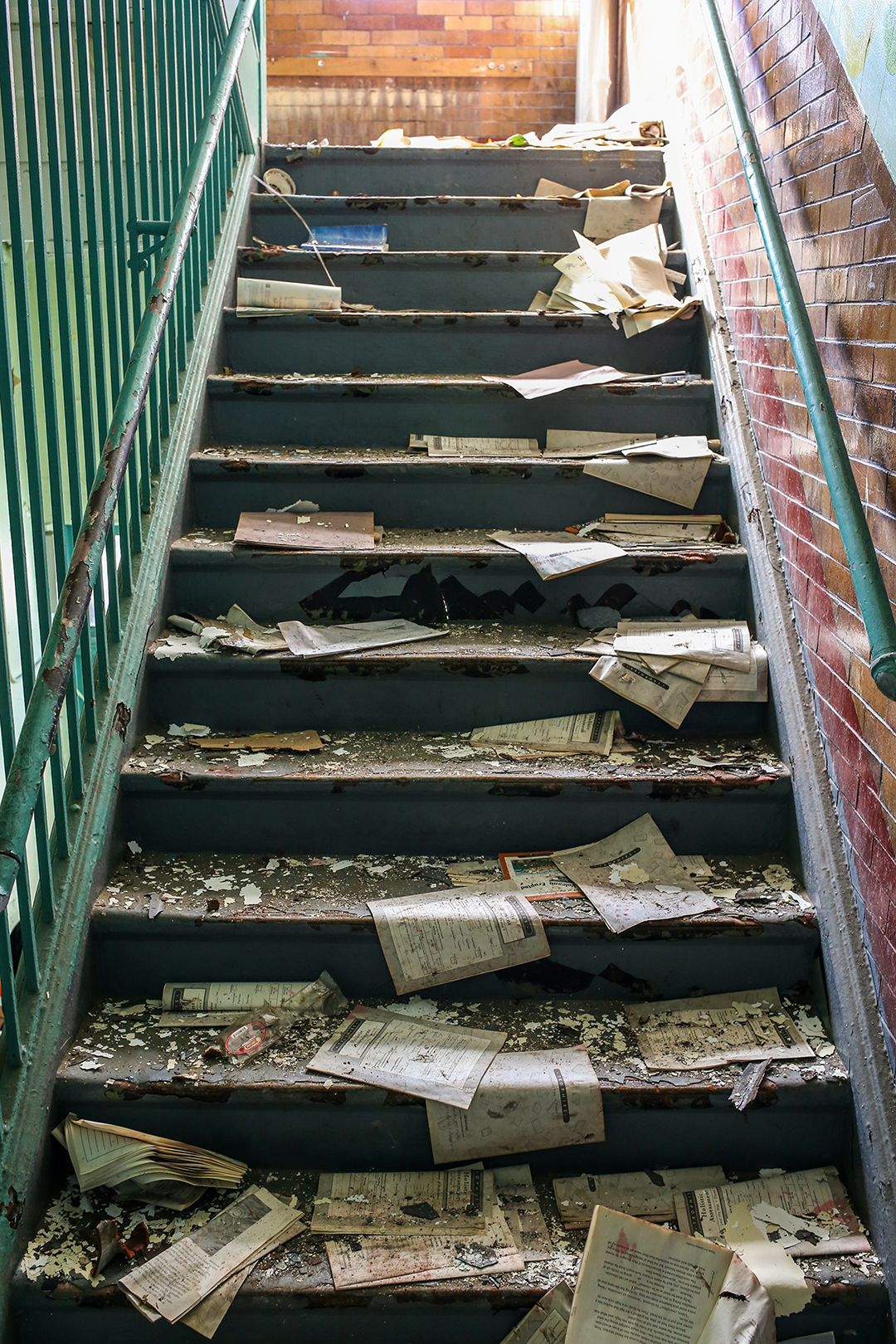


This school was definitely the most difficult place we've explored, only because the building was relatively secure. But after a bit of physical maneuvering we were inside and immediately struck at how much stuff was piled in the lower floors. Built in the 1850s, this school was added to repeatedly through the years and it's a grand building—five floors of classrooms, including a basement and roof access.


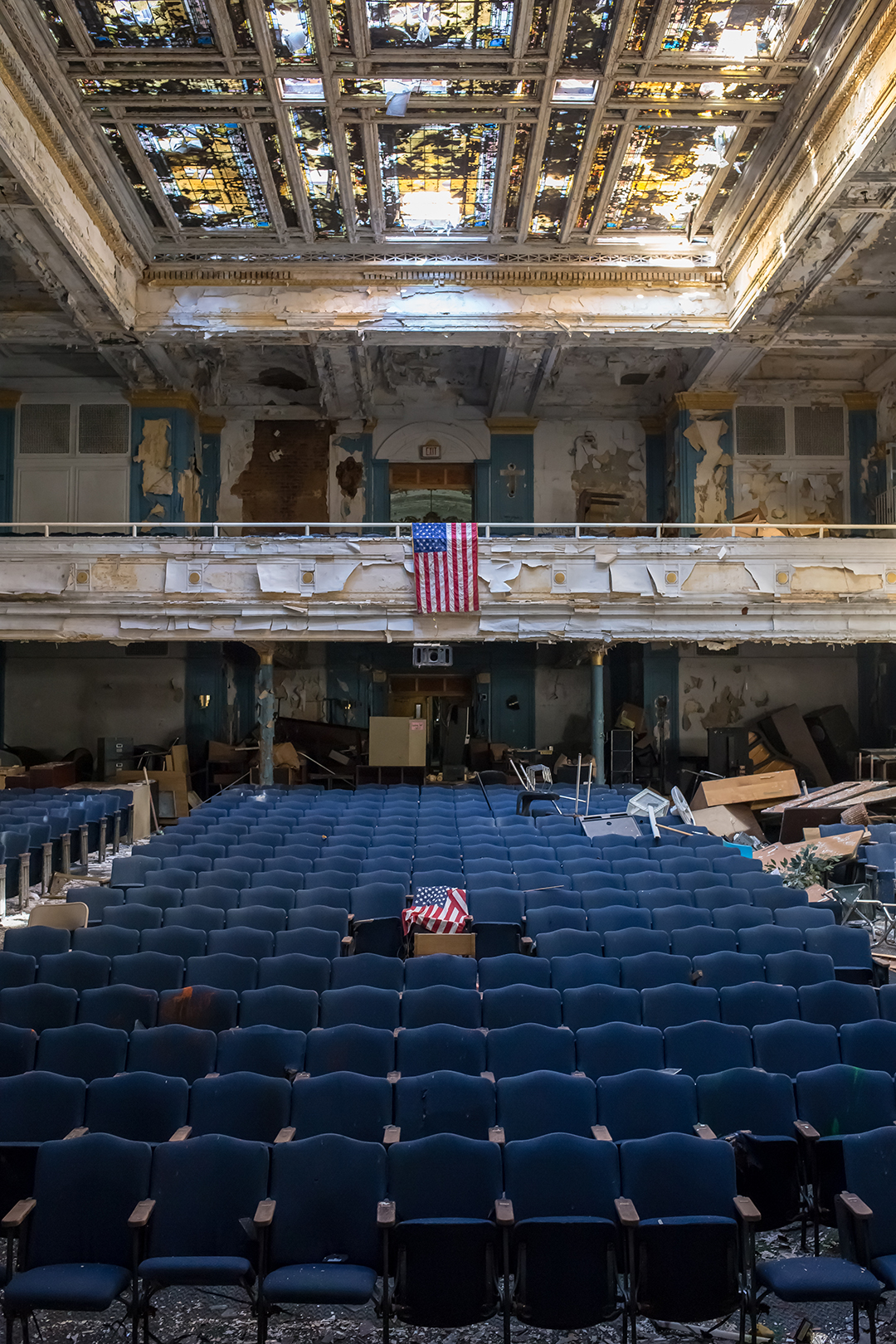


The crown jewel of this school is its auditorium. added in 1909. Casement windows open off of a corridor circling the upper portion of the auditorium, adding additional viewpoints—reminiscent of the balconies at a grand opera house. Most of the nearly 800 seats are still intact, and I wish I could say the same for the incredible stained glass ceiling, which is unfortunately mostly shattered, seemingly beyond repair.

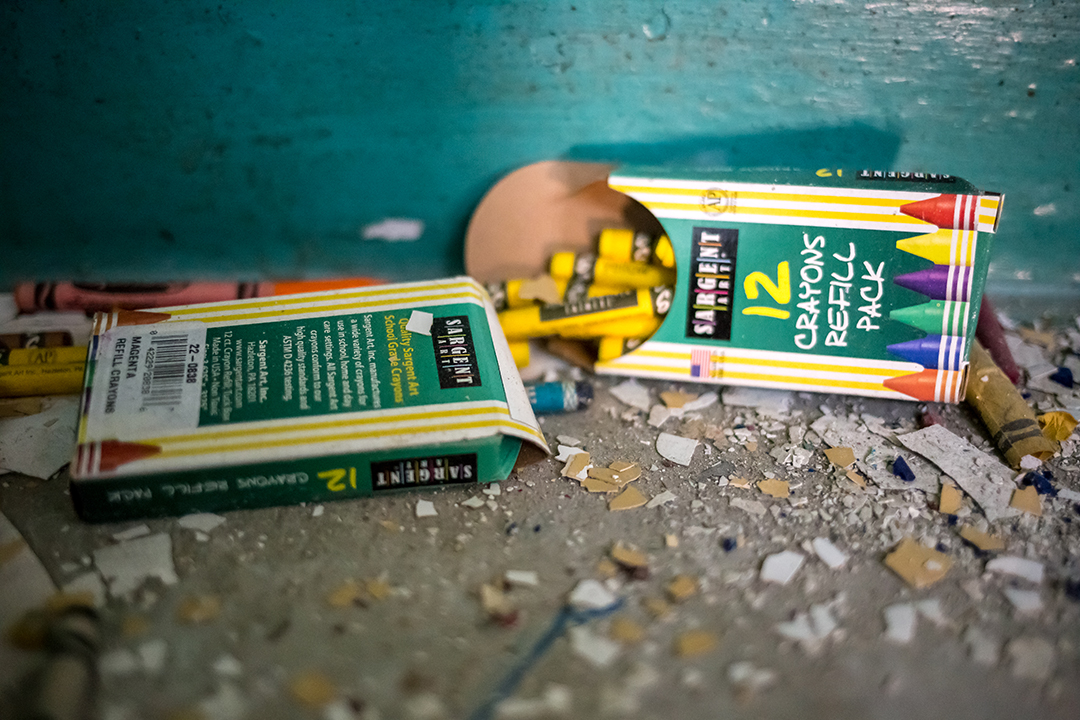

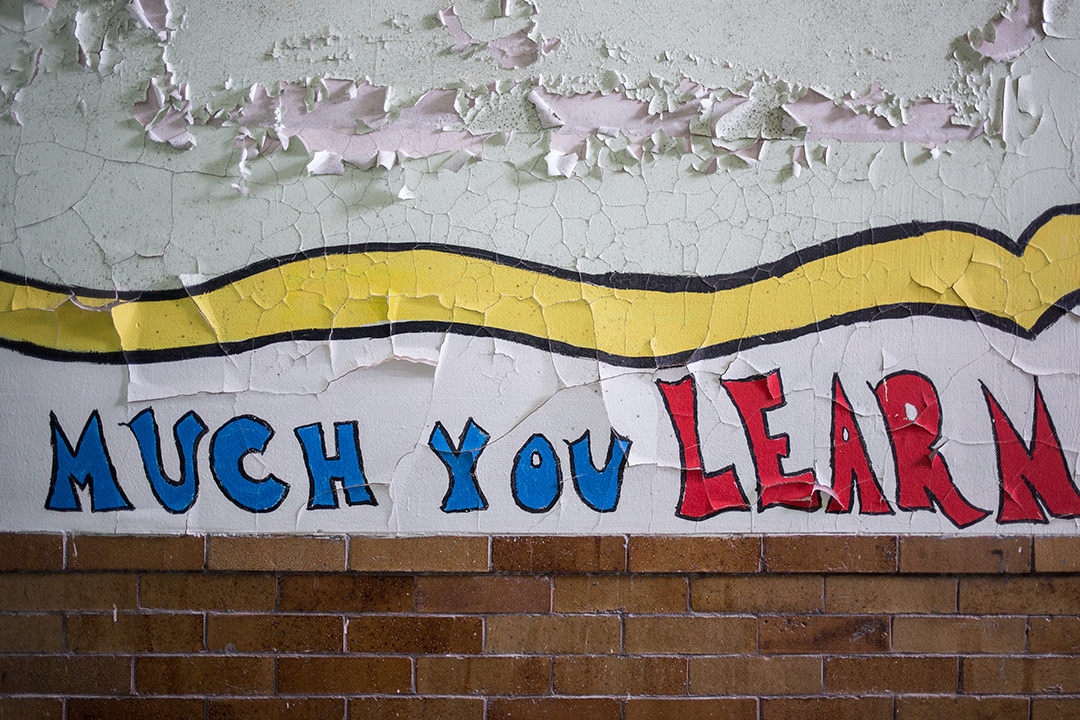


In an newspaper announcement that I found online about the opening of this auditorium, it says that "The city will be compensated many times over for the outlay that this auditorium will entail through the refining and elevating influences that will proceed from it, disseminated among a people who are hungry for the educational advantages which for centuries have been denied their race in the old world."


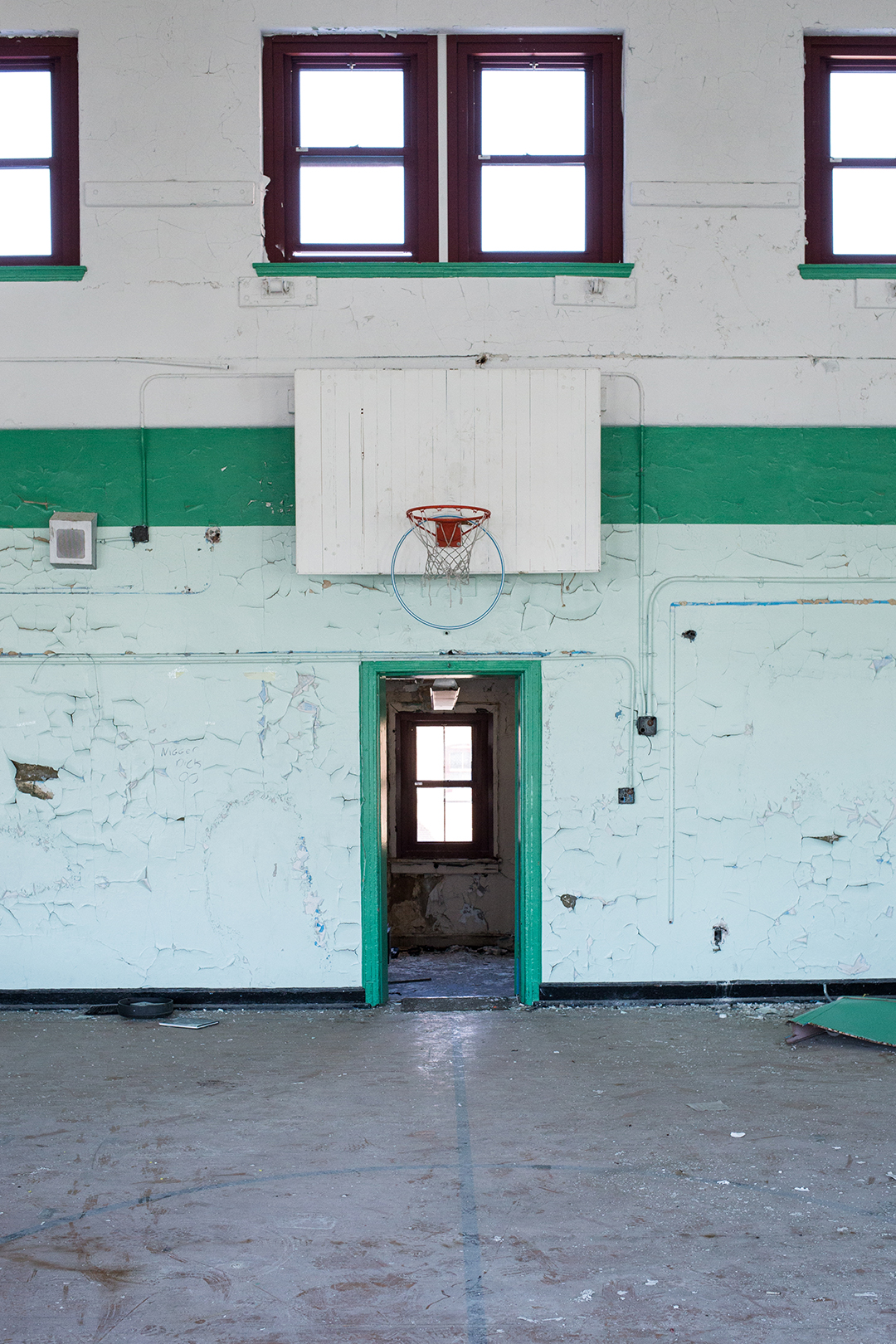


This school broke my heart in a lot of ways, in the normal ways that all abandoned places do, and in some new ones as well. This building was so grand and beautiful and—at the risk of sounding a thousand years old—they just don't build things like this anymore, especially schools. Buildings like this say something important about the activities contained within—that they matter. As my friend Jim, an architect, said: it's the difference between wearing sweatpants or a suit.


I'm not exactly sure what forced this school to close, but judging by the declining student population I would speculate that the upkeep was just too expensive for the struggling school district. The remaining students were moved to another school, and the school closed in 2007. There's no way of knowing if the city was ever "compensated many times over" for its investment in this beautiful building, but it breaks my heart to see it slowly crumbling.

The Pines

If you're interested in abandoned places, chances are you've seen photos of the abandoned Borscht Belt resorts in the Poconos and the Catskills. David and I had the use of a car recently (not a Zipcar, which has mileage restrictions) and his first suggestion was that we go explore some of the abandoned resorts that I hadn't been able to stop thinking about since I first saw photos of them years ago.
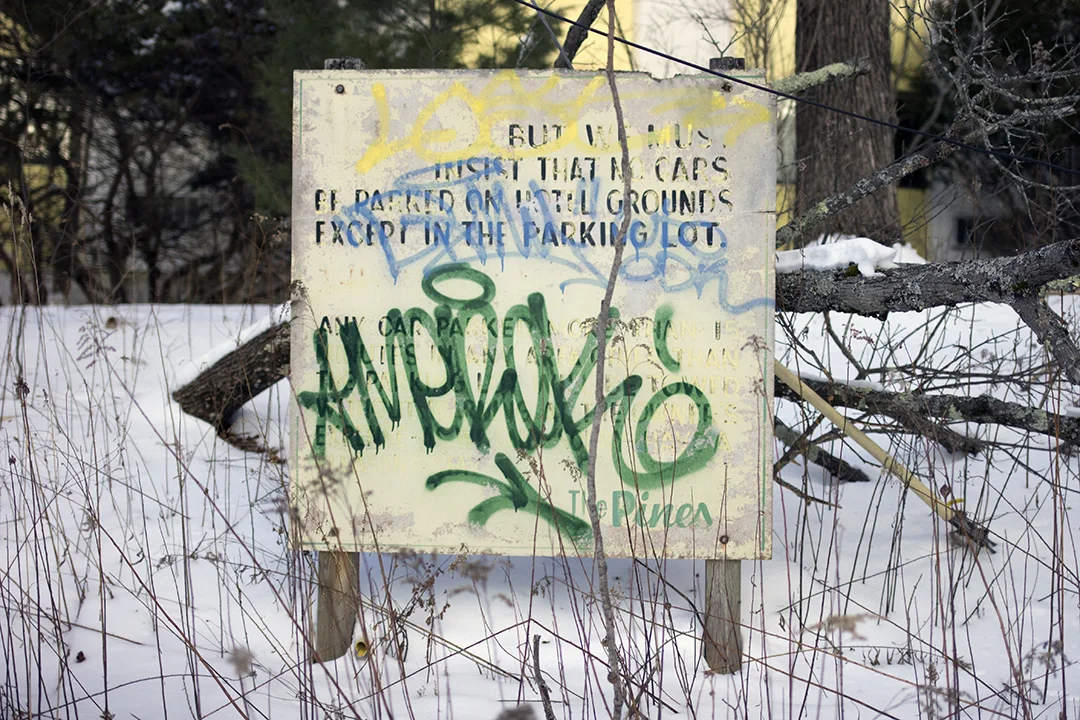
Our first stop was the Summit Resort in the Poconos, but the area was very crowded and appears to be slated for redevelopment. I didn't feel comfortable creeping on a place where people had been known to get arrested, so we moved onto my backup plan, The Buck Hill Inn ... only to find that it has been completely demolished. It was getting late but I still had hopes that we could salvage our day by visiting my third choice, The Pines Resort.
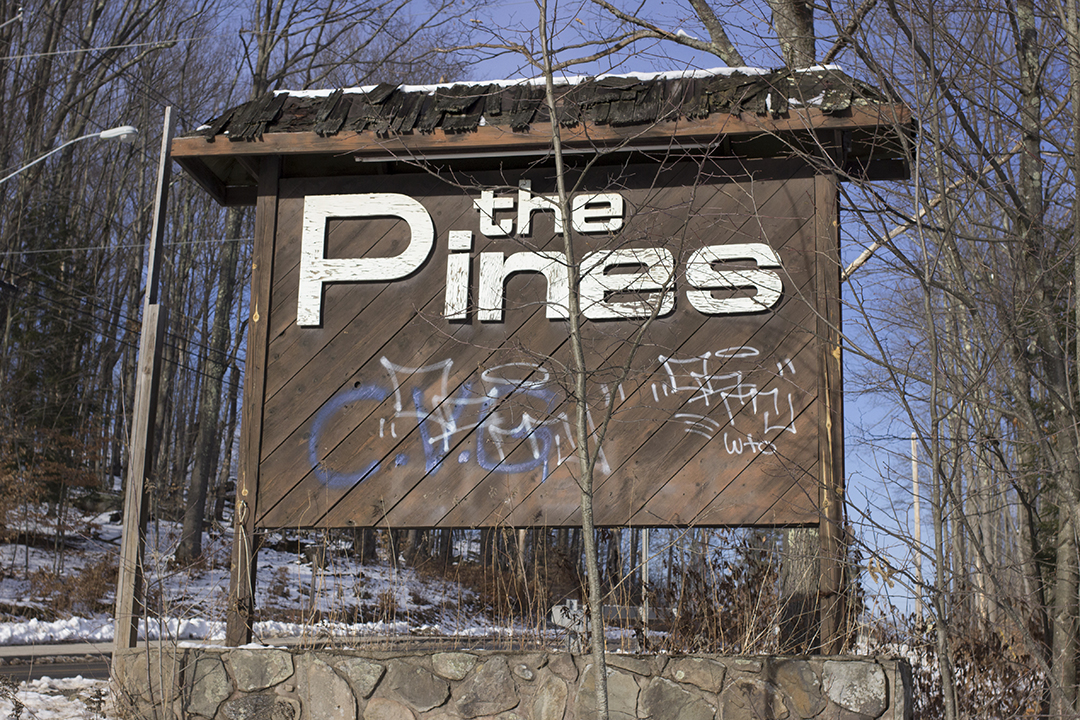


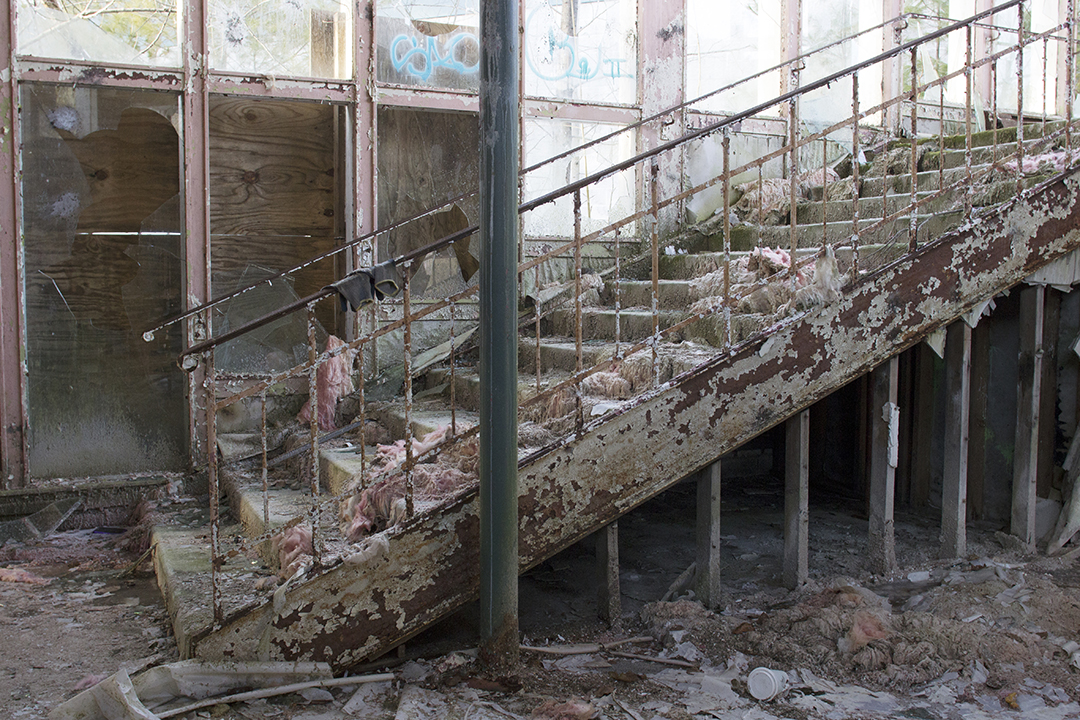
The Pines Resort, located in South Fallsburg, NY, opened in 1933. It's about an hour and a half drive from New York City, in the Catskills region of Upstate New York. The once-popular resort had indoor and outdoor swimming pools, a golf course, ski slopes, an ice skating rink, a theater, a 400-room hotel, tennis courts and card rooms.




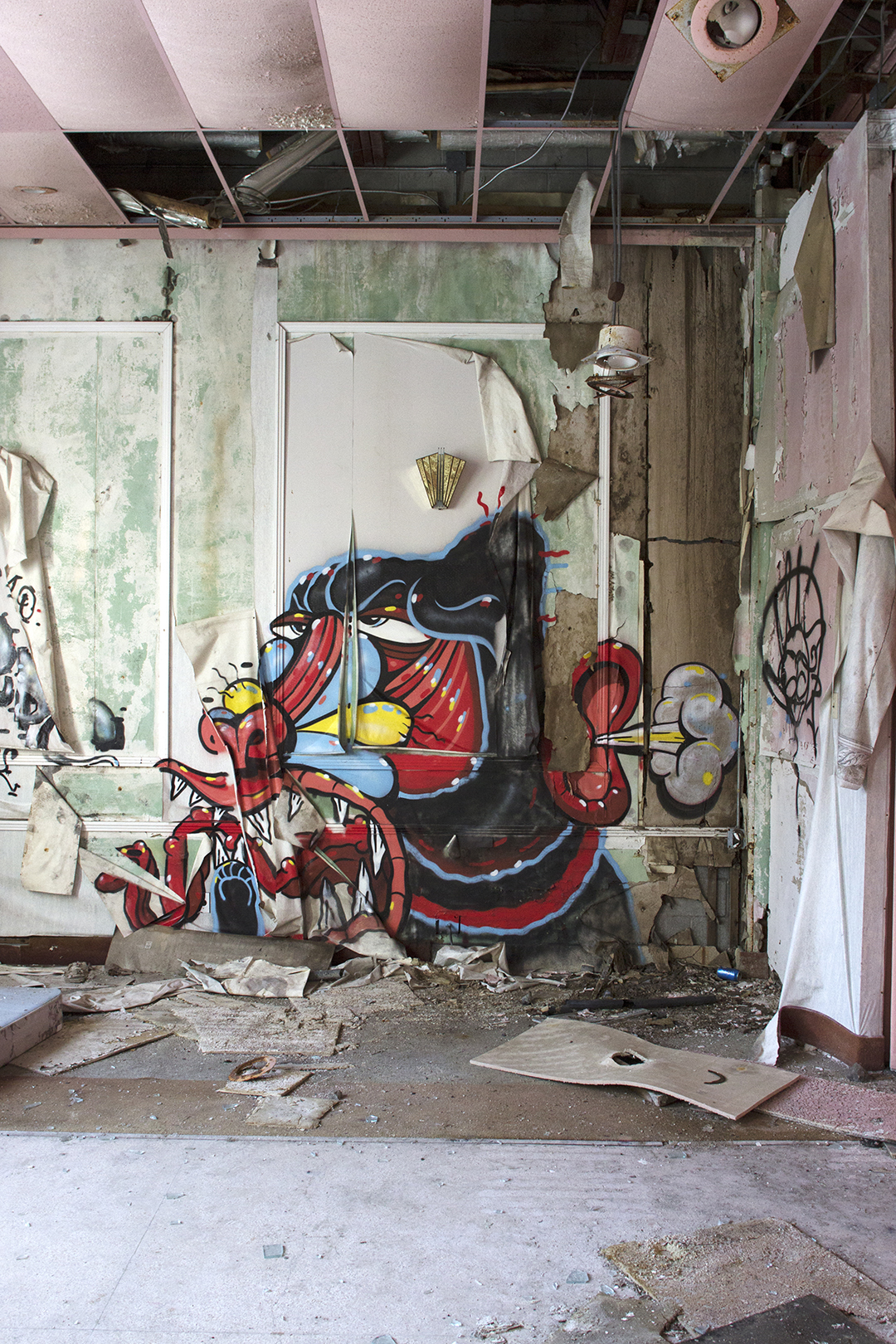


Due in part to changing tastes and access to cheaper airfares, the resort business suffered and The Pines closed in 1998. The current owner, The Fallsburg Estates LLC filed for bankruptcy in 2002 and has done little to maintain the property. A lot of the buildings have collapsed roofs or have been reduced to piles of debris. The indoor pool is now an outdoor pool, the staff building burned in 2003 and the day care and staff quarters suffered a similar fate in 2007.


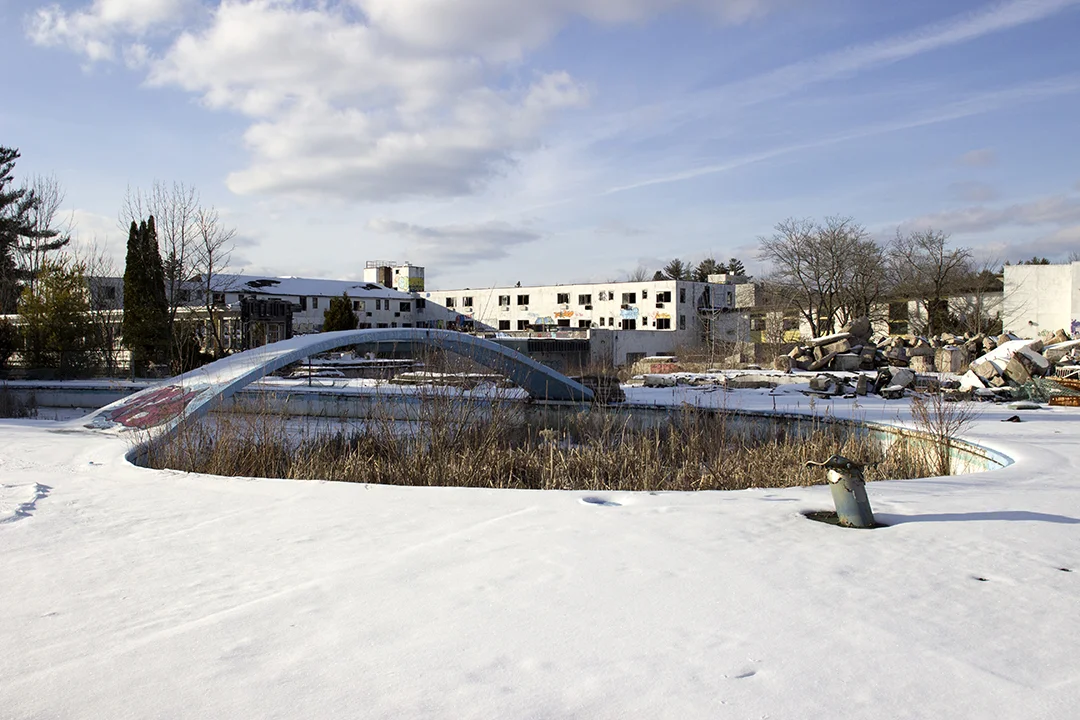


The most distinctive attraction at The Pines (today, as well as in its heyday) is its kidney-shaped pool. It has a futuristic, swooping cement walkway over the middle and was filled with snow, ice and cattails when we visited. If you love before/afters, Pablo Maurer did a fantastic study of these abandoned resorts with side-by-side comparisons of postcards, matchbooks and archival photos.

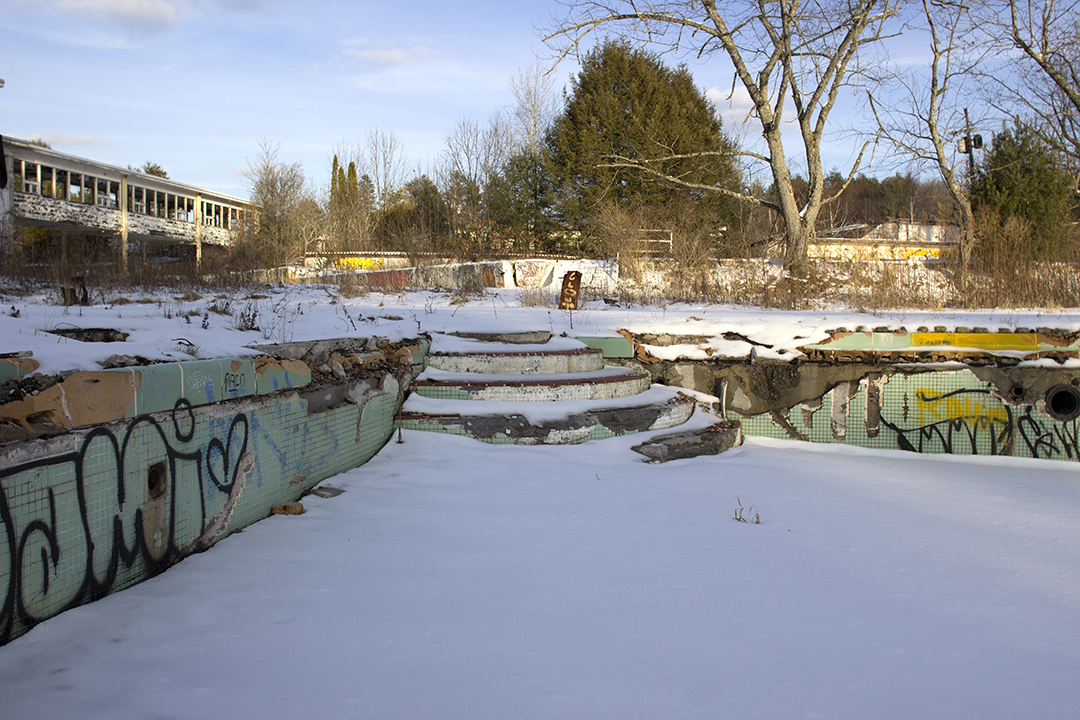


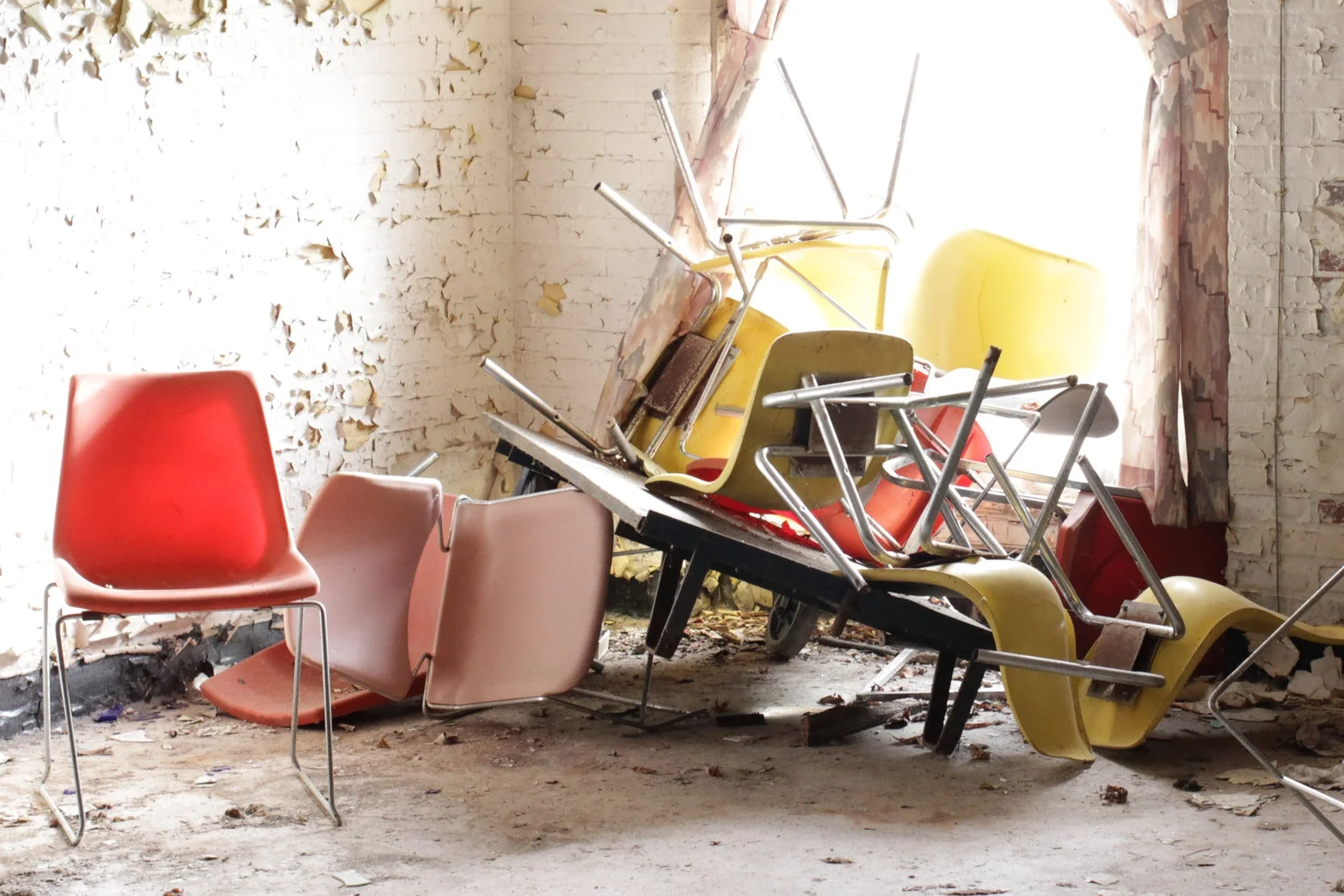
Because The Pines is so easily accessible, there isn't much stuff left inside of the buildings to hint at its former glory days. But the one thing The Pines has in spades is chairs. Of course, #theresalwaysachair, but the former dining hall is still filled with tables and piles and piles of chairs—so many that people have turned them into a de facto art installation by poking them into the walls and ceilings.


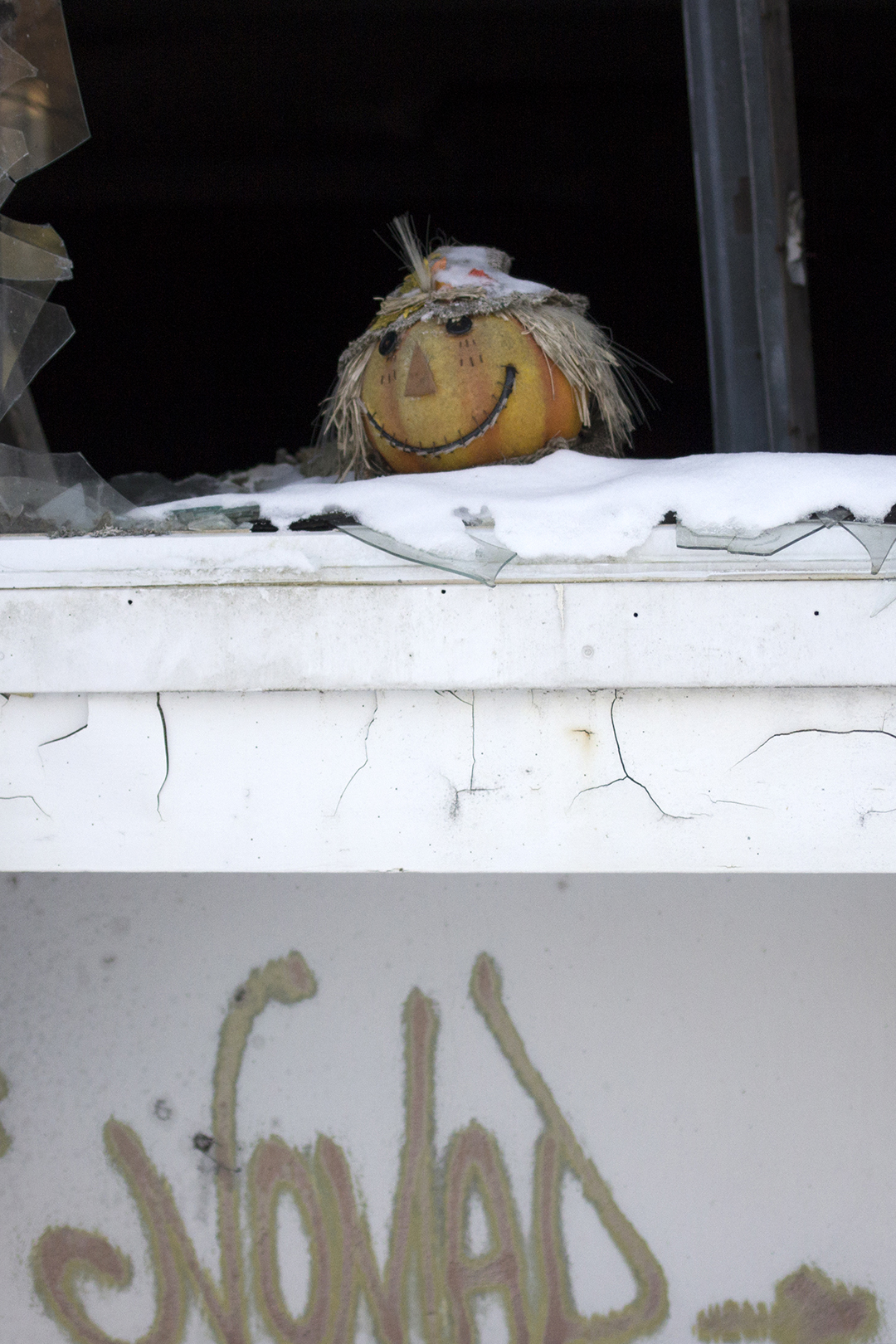
The days of exploring these abandoned resorts seem to be coming to an end. Most of them are being actively redeveloped, and I would imagine that The Pines will one day crumble completely. I was surprised to discover that it had been built in the '30s—most of the buildings that we explored seemed stuck in the '70s. I have seen much older buildings in much better condition than the soggy, moldy piles that we found at The Pines, but if you look hard enough you can almost imagine a time when this was the place to be.
Letchworth Village 2018

I've been itching for an "adventure" day lately, so last week, despite the cold, we bundled up and headed upstate. We had initially planned on exploring remnants of the Borscht Belt resorts, but realized that the trip would put us over our ZipCar mile limit (ugh) so we decided to check out the abandoned parts of Rockland County Psychiatric. I'd been dreaming about exploring RCP for years, ever since I learned that it had a bowling alley, but unfortunately (for us, at least) the buildings look as if they're in the process of being demolished. They were all circled by construction fences and workers were milling about, proving that when you're dealing with abandoned places, you can never be sure of what you're going to find (or not find).


After it became clear that Rockland County Psych was a bust, we implemented the back-up plan to the back-up plan: Letchworth Village. We'd partially explored Letchworth in July, but there was still so much left to explore. Letchworth's campus once consisted of more than 130 buildings, and although there aren't that many left, it's still full of fascinating, slowly crumbling structures.


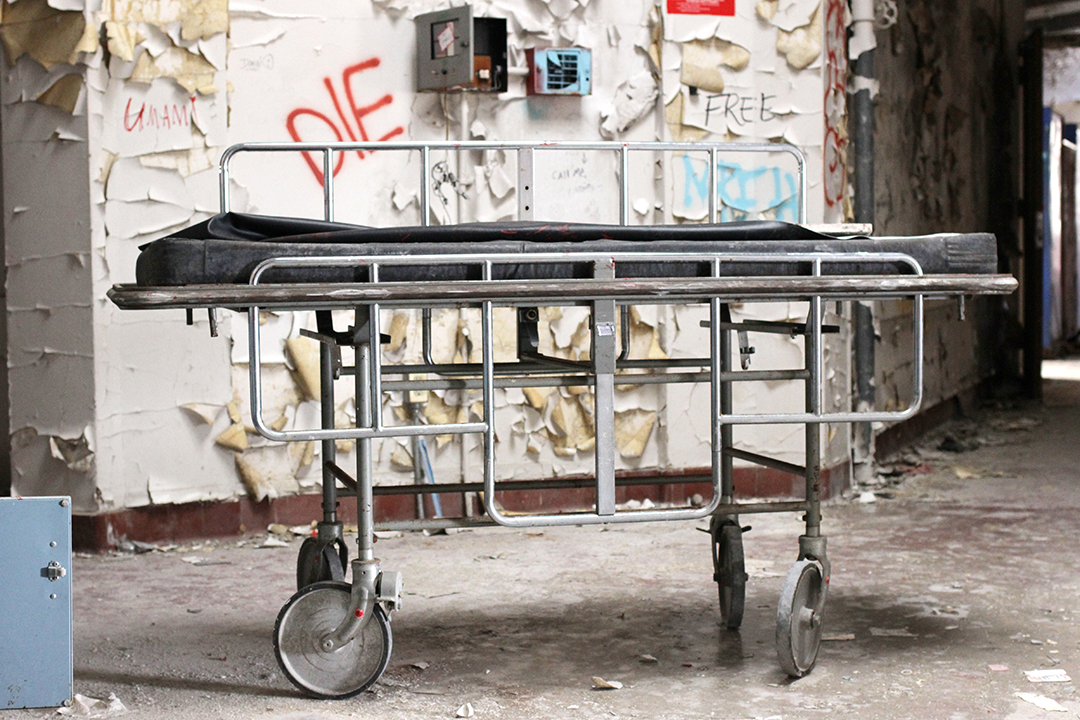
Letchworth Village was built as a home for the mentally and physically disabled—you can read more about its sordid history in my first post—and it's been abandoned since 1996. The buildings are covered in graffiti but there is still a surprising amount of stuff left inside—hospital beds, tubs, dental equipment, papers, dishes, cups and chairs (so many chairs!).



This time we explored mostly dormitories—all of which had the same general layout and began to blend together after a while—but my main goal for the day was to find the "morgue." I'd seen photos of it and was upset that we had missed it on our first visit. I didn't have much information on where to find it, but I had read that the hospital building was located north of the boys' dormitories, so I knew we were in the right general vicinity.


We knew we were close when we entered a large building and saw what appeared to be dental equipment, and soon enough David rounded the corner and said "here's something." I think calling it a morgue may be inaccurate, but these four cold storage slots were obviously for storing bodies. Medical testing took place at Letchworth—willingly or not—and in 1950, the first trial case of the polio vaccine was administered to an 8-year-old patient. Luckily, the patient suffered no side effects and the vaccine was administered to 19 more children, none of which developed complications.


When I got home, I looked up Geraldo's award-winning 1972 documentary, Willowbrook: The Last Great Disgrace, in which Geraldo likens the conditions at Letchworth to the abuse and neglect that he found at the Willowbrook State School in Staten Island. The documentary even includes brief footage of the squalid conditions that he and his camera crew discovered during a surprise visit to Letchworth. It was incredibly sad to watch, and it exacerbated my already complicated feelings about exploring places like this. I find the decay process of buildings to be fascinating and I'm interested in the history and lives contained within the leftovers—but knowing about the horrors that occurred here doesn't make me sad that nature is slowly reclaiming these buildings.
New York State Pavilion

I've been obsessed with all things related to the two New York World's Fairs ever since I first laid eyes on the Unisphere four years ago. At first glance it may seem as if there is very little left from either fair—most buildings were designed to be temporary—but there are still quite a few remnants if you know where to look. Of course you don't have to look to hard to find the Unisphere—you may have even seen it as you flew into or out of LaGuardia—or its neighbor, the New York State Pavilion.


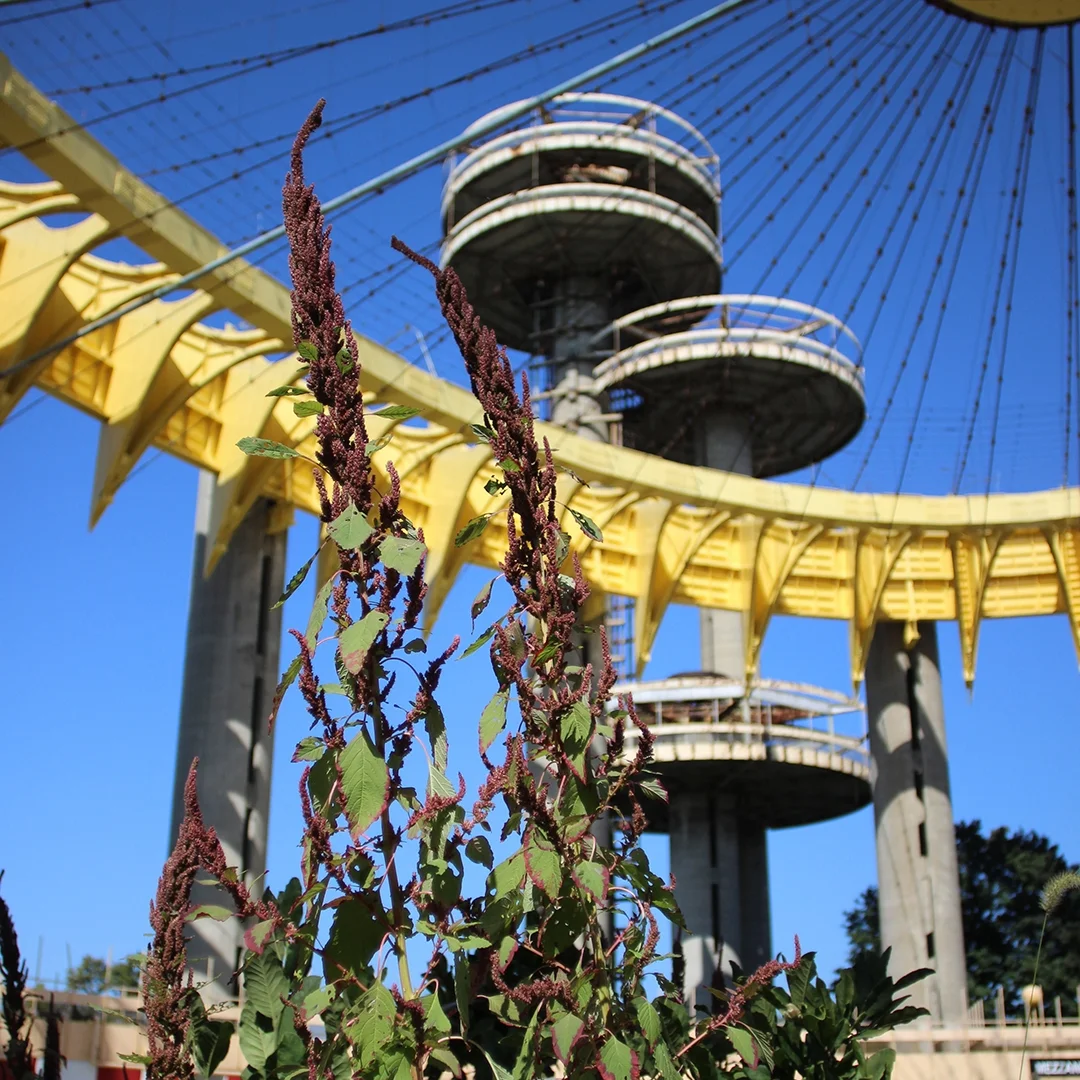
Designed by Philip Johnson in 1962, the NY State Pavilion comprises three separate parts: the Tent of Tomorrow, Theaterama and three observation towers. The Tent of Tomorrow and observation towers are technically in ruin (the Theaterama is home to the Queens Theatre) , but their fate isn't too dire (yet). Thanks to the New York State Pavilion Paint Project, it has received a new coat of paint, and I recently took an Untapped Cities tour of the usually-off-limits inside, led by Mitch Silverstein, co-founder of the Project. I'd been inside once before, during a World's Fair anniversary festival, but this tour was much more comprehensive.


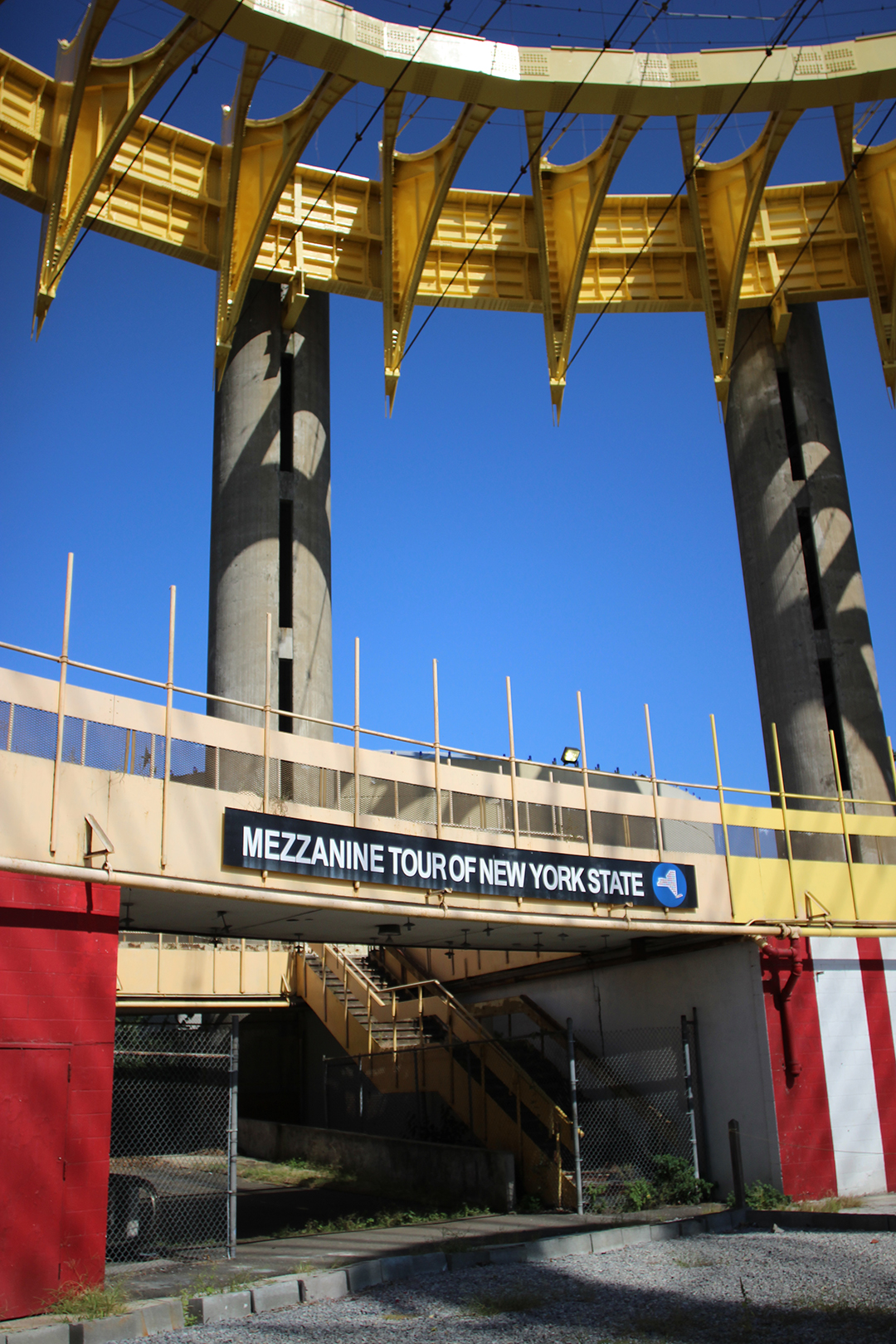

When it was built, the elliptical Tent of Tomorrow had the largest cable suspension roof in the world, a ceiling made of colorful tiles, and the floor was covered in a terrazzo map of New York State. The tiles are long gone and the terrazzo map is in bad shape —it's been covered for some time to prevent further damage, but they have a few sections on display.

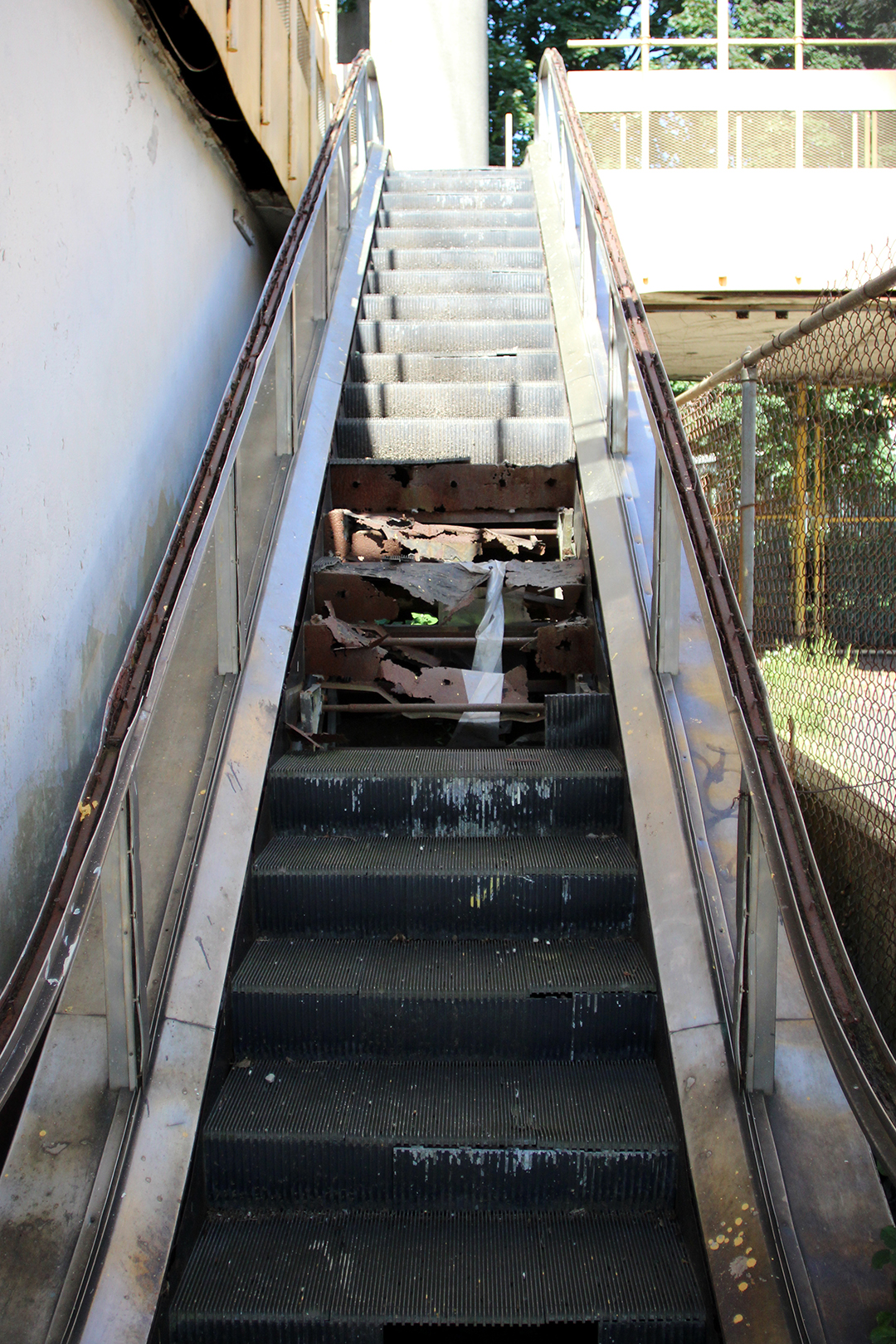

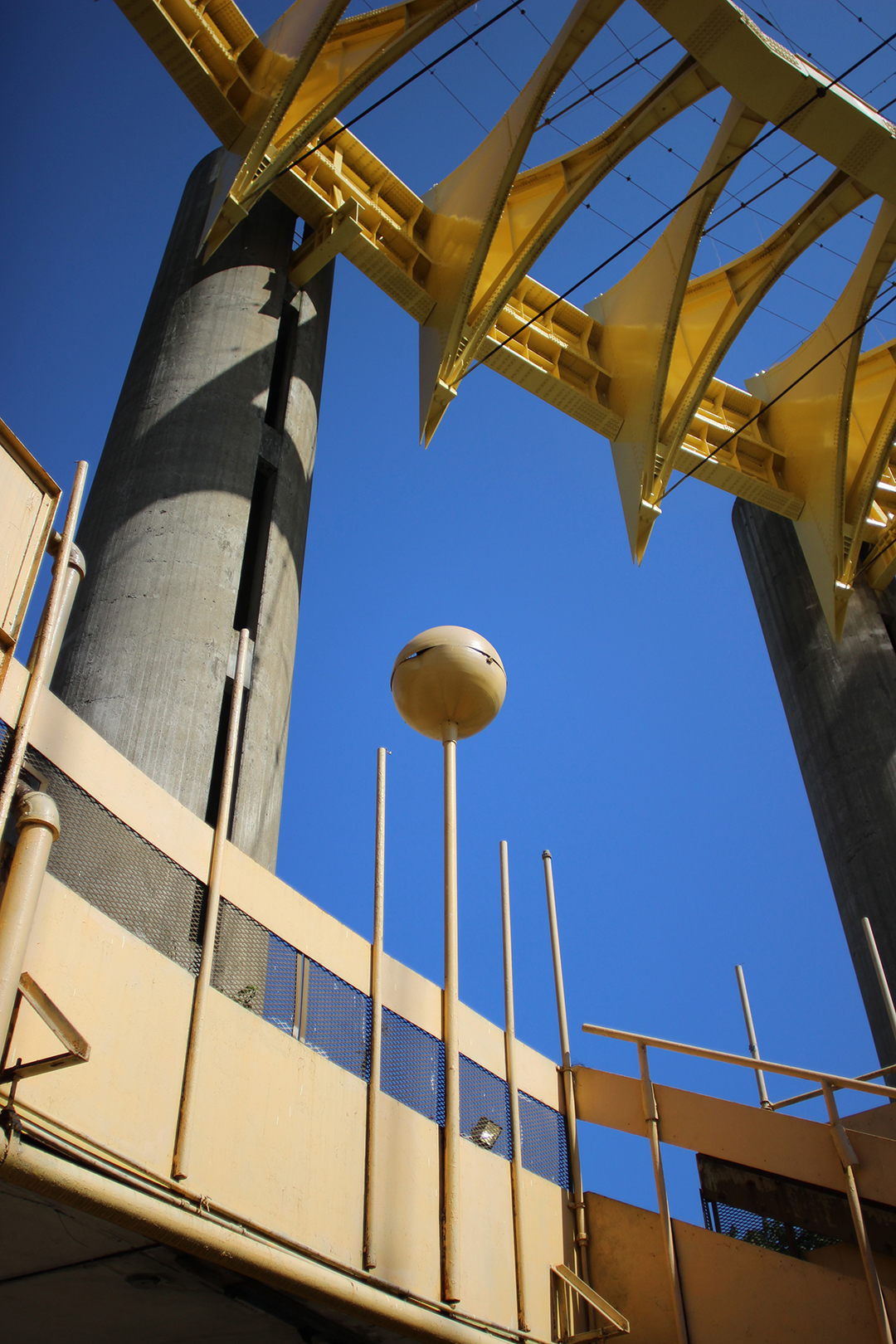

The Pavilion had another life in the 70s as a roller rink, but it closed when the structure started deteriorating. They filmed scenes for The Wiz inside of the Pavilion, and fairgoers were wowed by new technologies such as the microwave. I would give ANYthing to have been able to see the pavilion in all of its fair glory but it's pretty dreamy as a ruin—a state of being that apparently even Philip Johnson appreciated. He once wrote, "The New York State Pavilion at the 1964-65 World's Fair is now a ruin. In a way, the ruin is even more haunting than the original structure. There ought to be a university course in the pleasure of ruins."
Achor Valley Cemetery

Like most cool destinations in Ohio, I discovered Achor Valley Cemetery when Kaylah (aka The Dainty Squid) posted her amazing photos of the graveyard and abandoned church. I often lament that I never fully took advantage of all that Ohio has to offer in the 27 years that I lived there, but I'm trying to make up for lost time during my visits home.

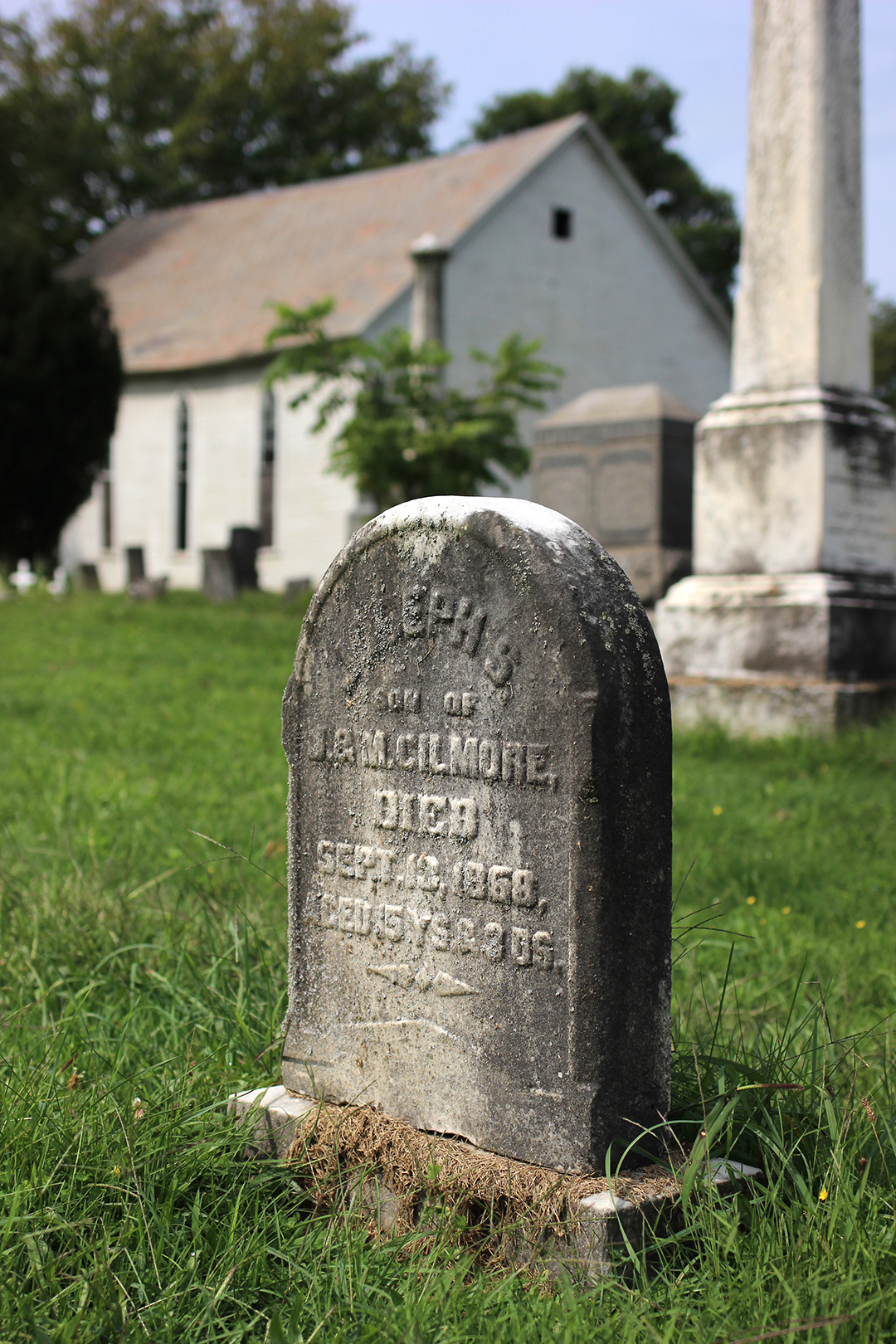


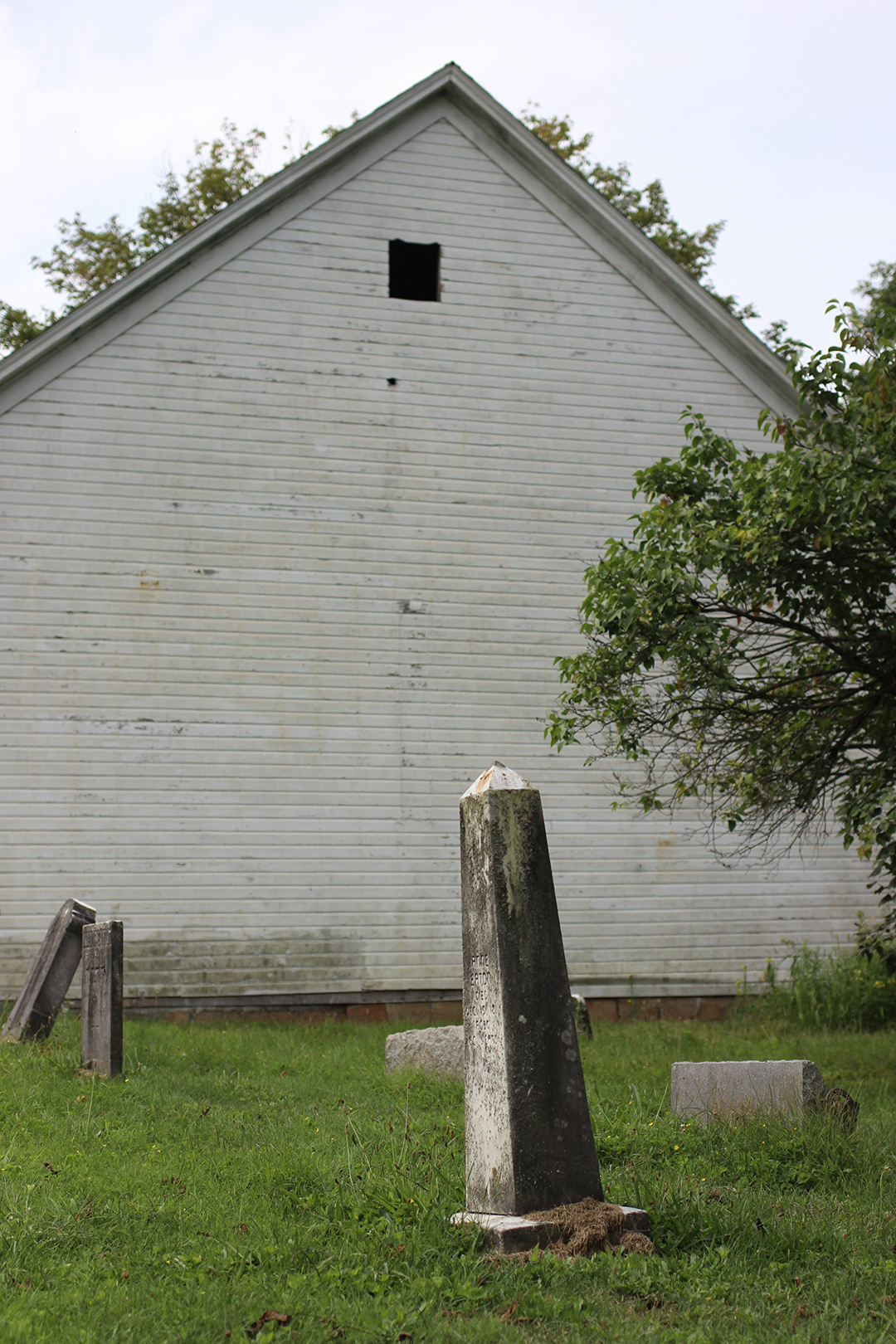

On my most recent trip back, I borrowed my dad's car (my grandpa's beige, Buick Oldsmobile) and took a solo, mini-road trip through central and eastern Ohio. My first stop was Achor Valley Cemetery in Columbiana County, near the Ohio/Pennsylvania border. I can't find much information about the cemetery or the church, but it was definitely worth the hour-and-a-half drive through mostly rural back roads (at one point I crossed a one-lane bridge - eek).


The small church on the property sits abandoned and most of the windows are boarded up—except one. There was a cinder block and a brick underneath as a makeshift step, and I was amazed at how easy it was to get into and also how relatively nice it was inside. There was no graffiti, very little trash and all of the wooden pews are still there, dusty and covered in spiderwebs.


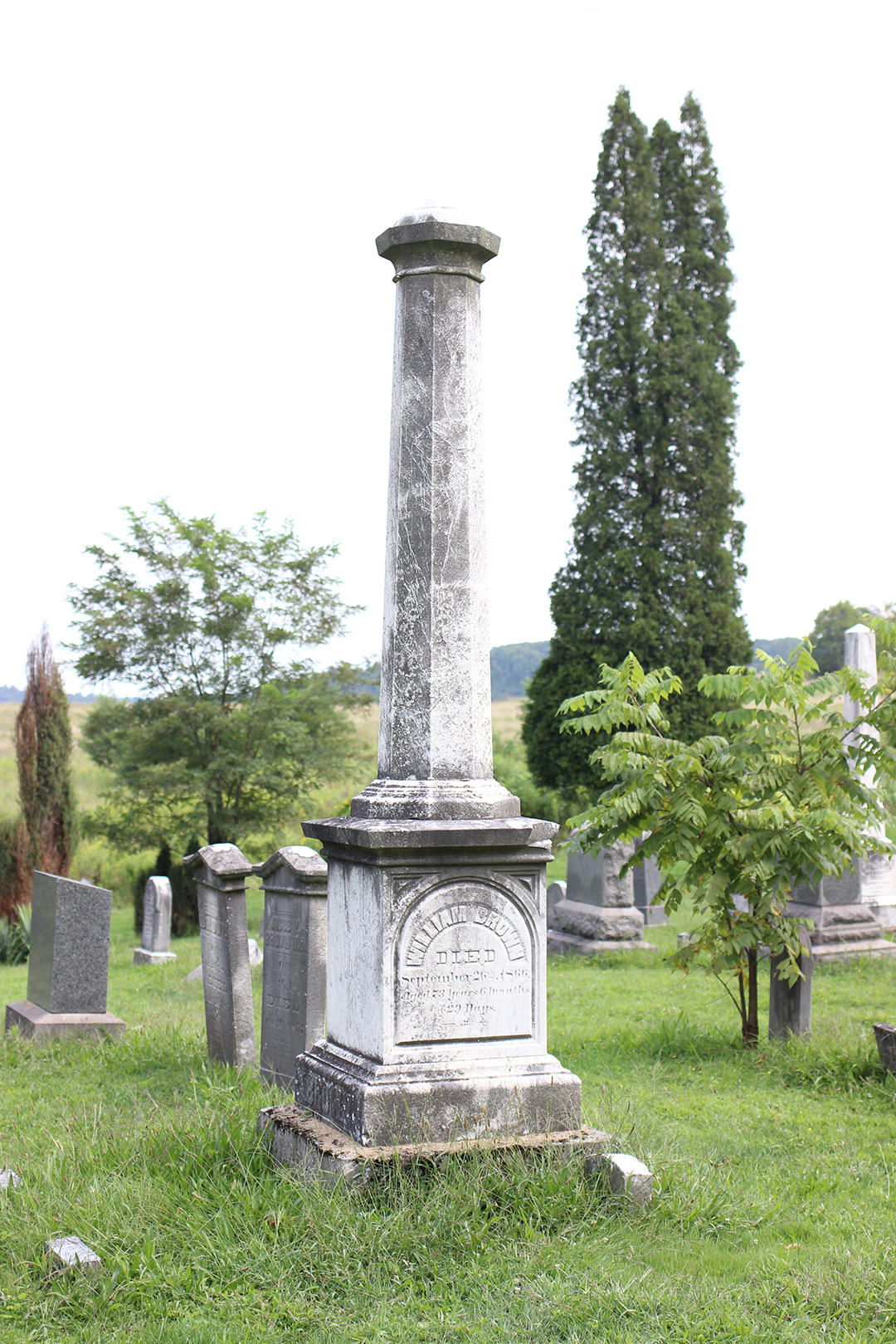

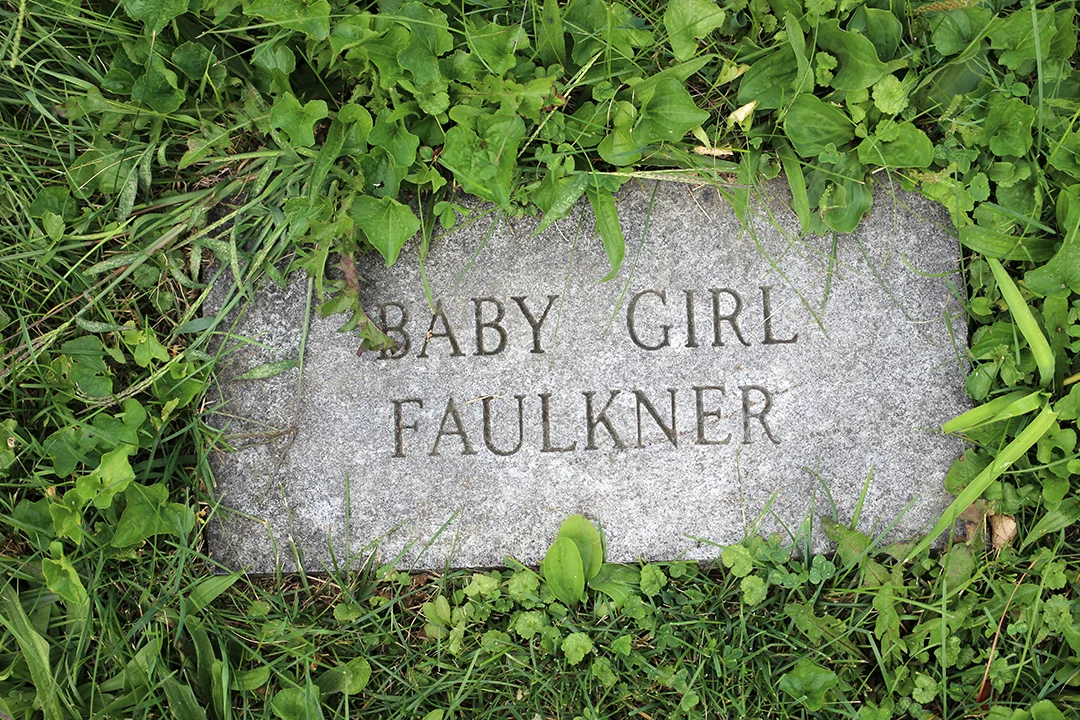
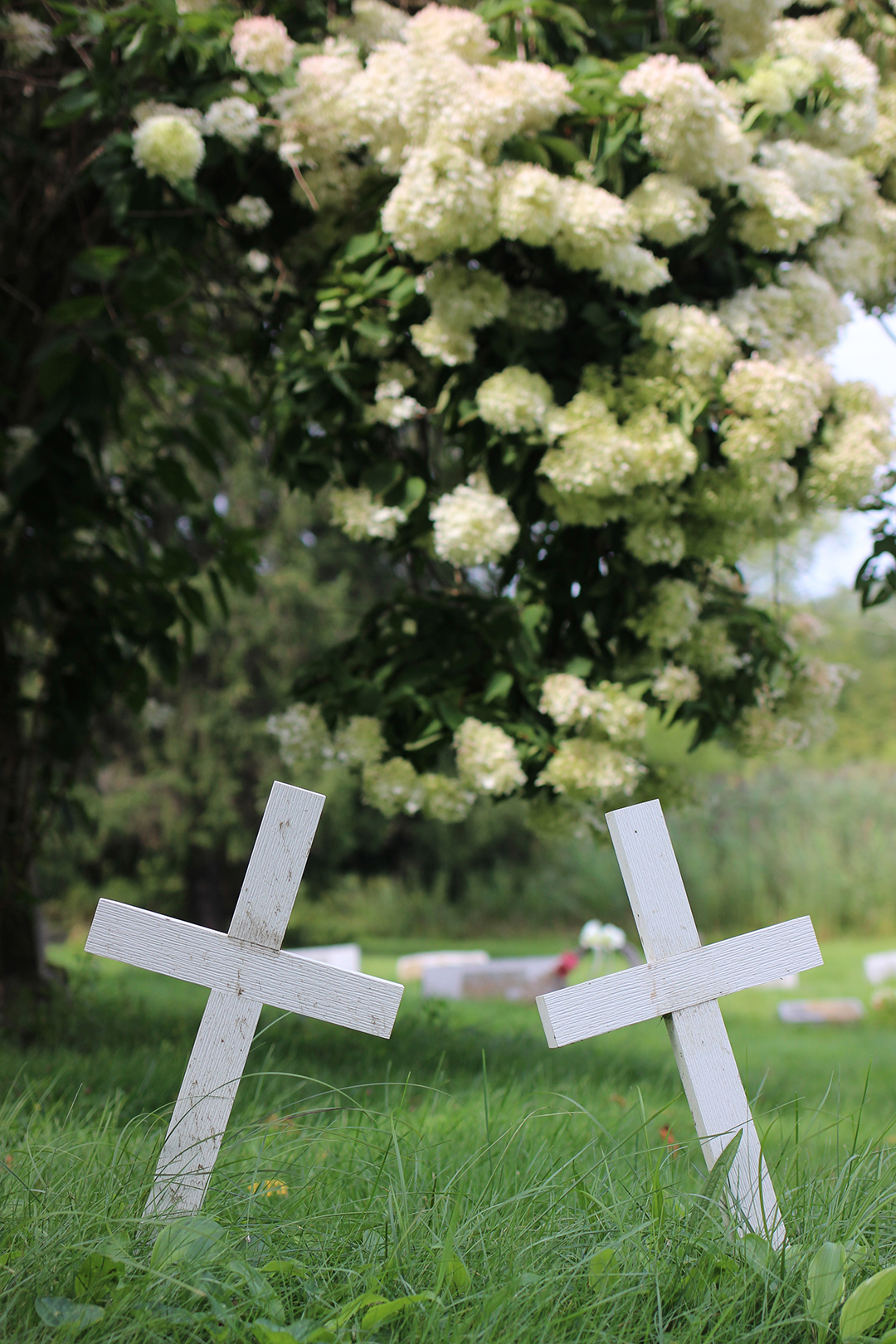
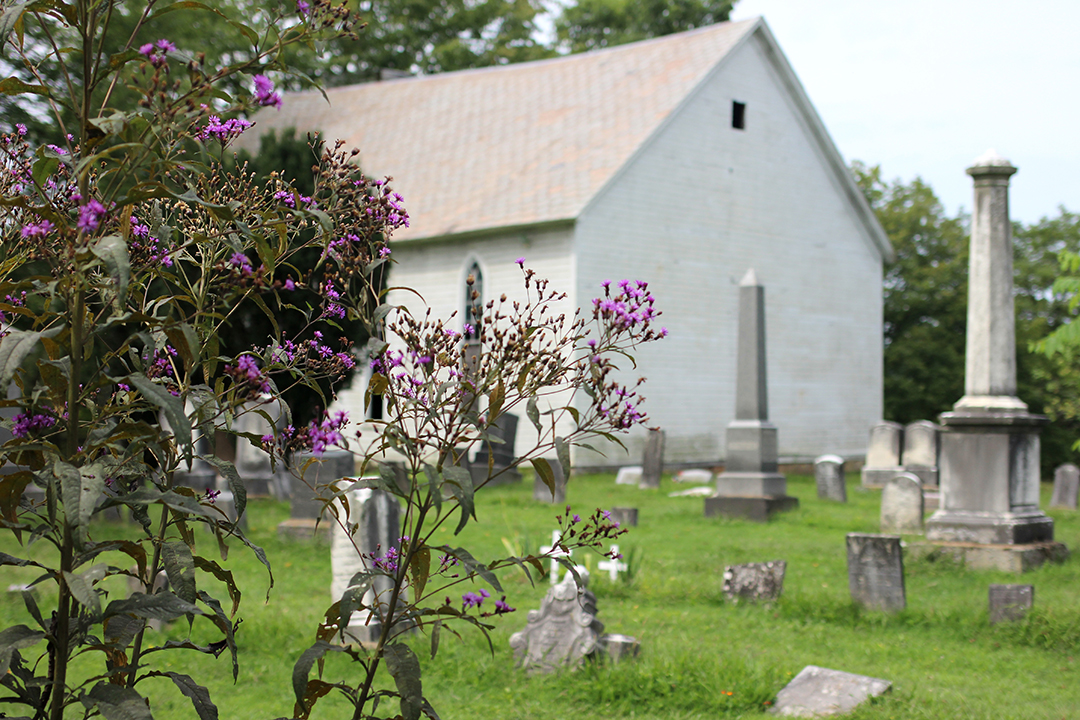
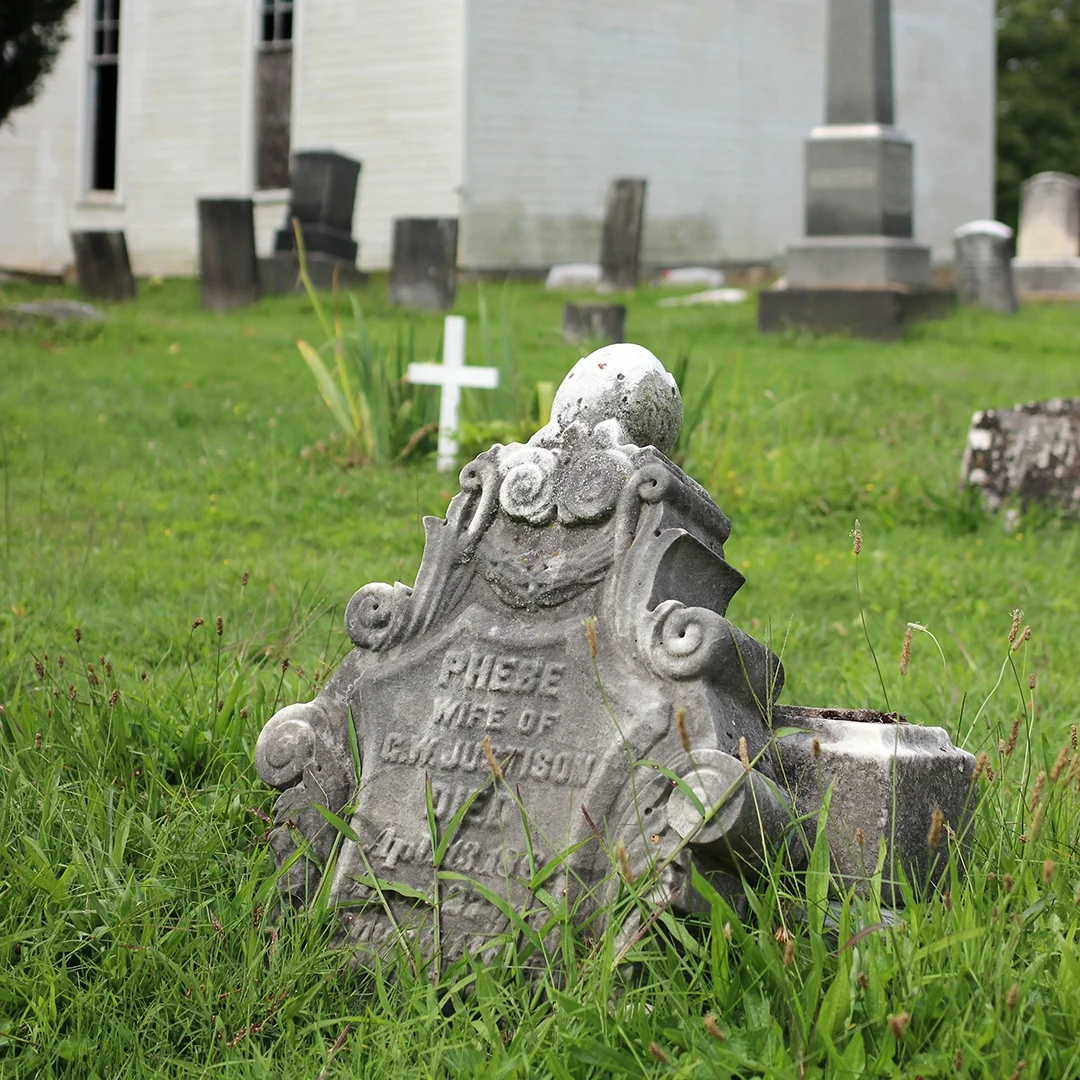
The graveyard was larger than I expected, and had some really lovely old stones. The property is right near an active country club and golf course, but I was the only one visiting in the middle of the day and it was very peaceful. I would love to know more about the cemetery and when/why the church was abandoned, but there's something nice to the mystery of not knowing as well.
Eastern State Penitentiary

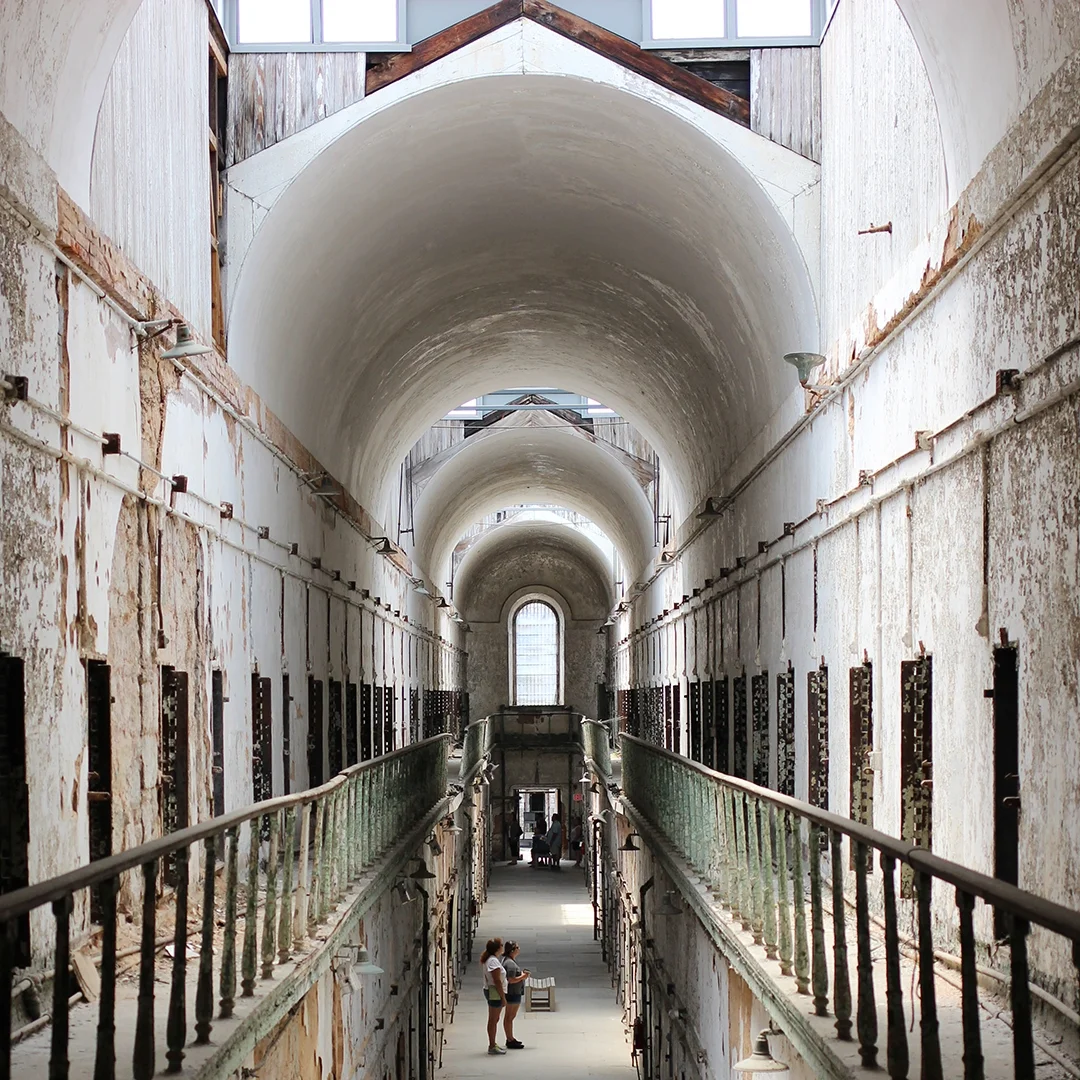
I went back to Eastern State Penitentiary recently specifically to visit the hospital wing, but a return visit to ESP was never far from my mind. ESP is a former prison, operational from 1829 until 1971. The prison was one of the first examples of what would become known as the "Pennsylvania System" of incarceration, a system that encouraged separate confinement of prisoners. In contrast, the "New York System"—enforced at Sing Sing—forced inmates to work together.
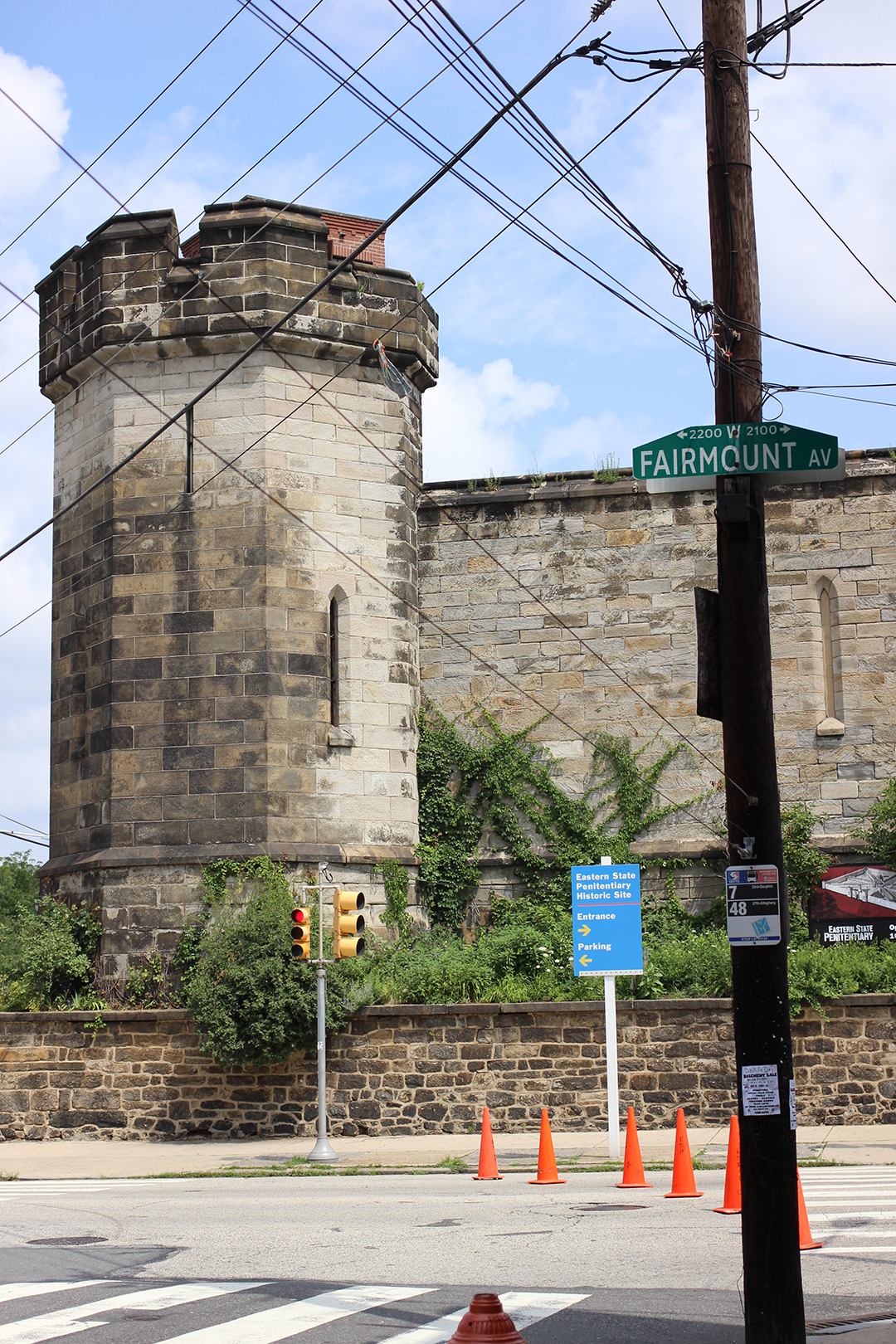


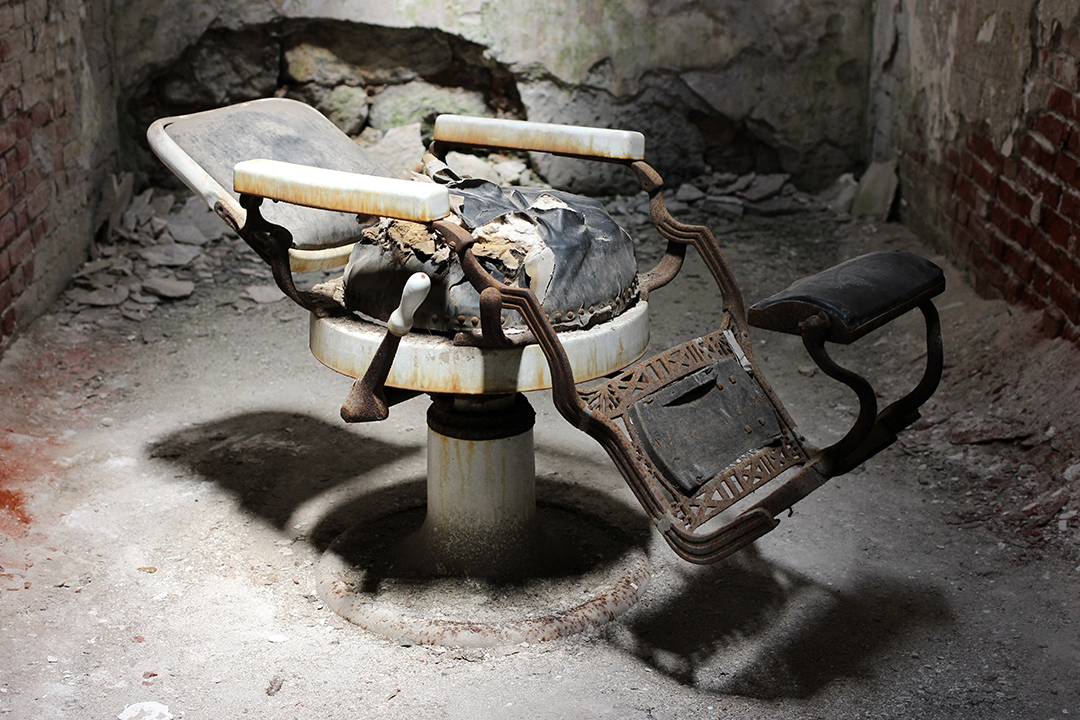
By 1913, however, ESP abandoned its solitary system due to overcrowding. Even in the 19th century it was a tourist destination—once hosting Charles Dickens—and Al Capone was one of its most infamous residents. Al Capone's richly decorated cell is one of the main attractions here, although I overheard a guide explaining that tales of his lavish prison life and special treatment may have been greatly exaggerated.


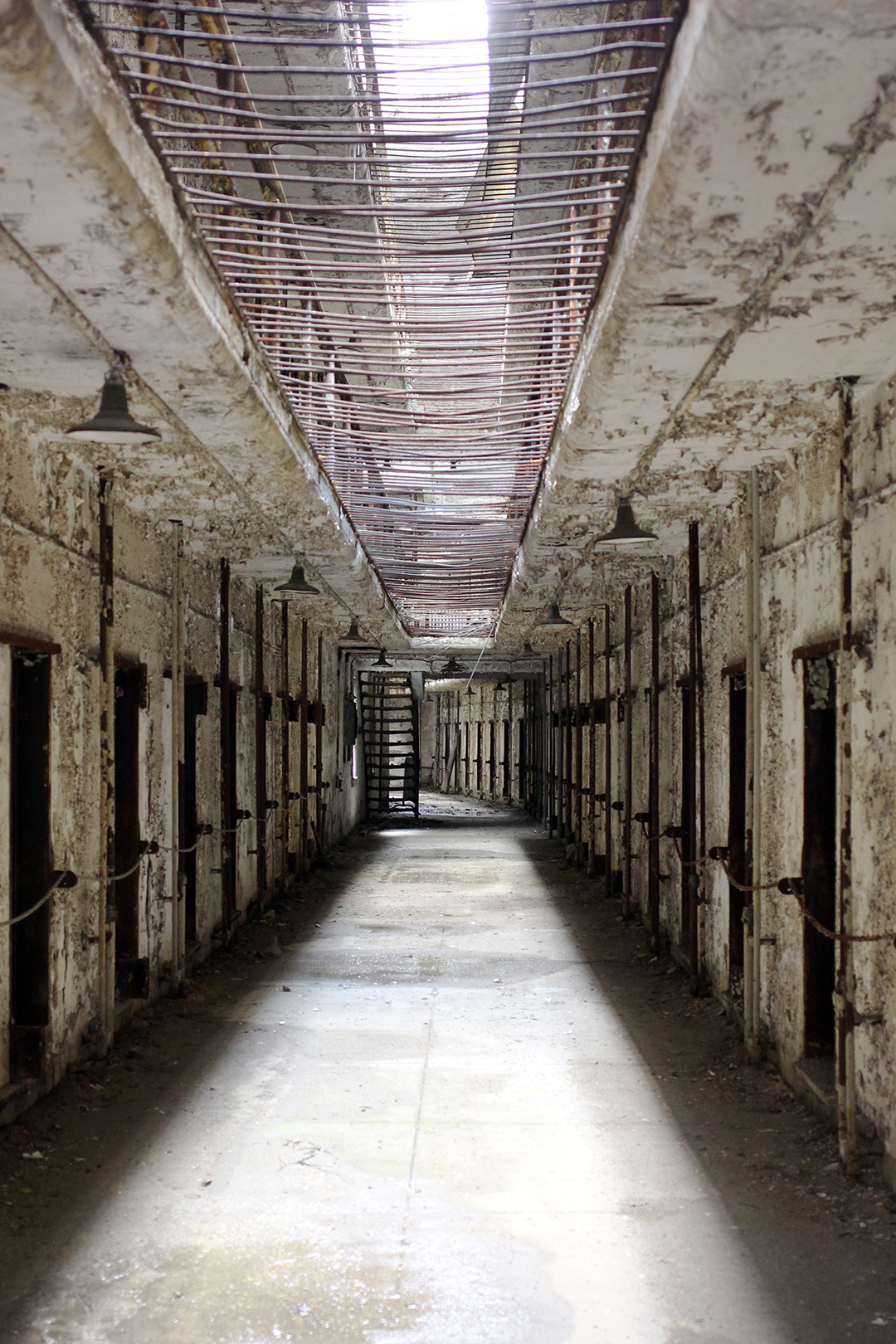


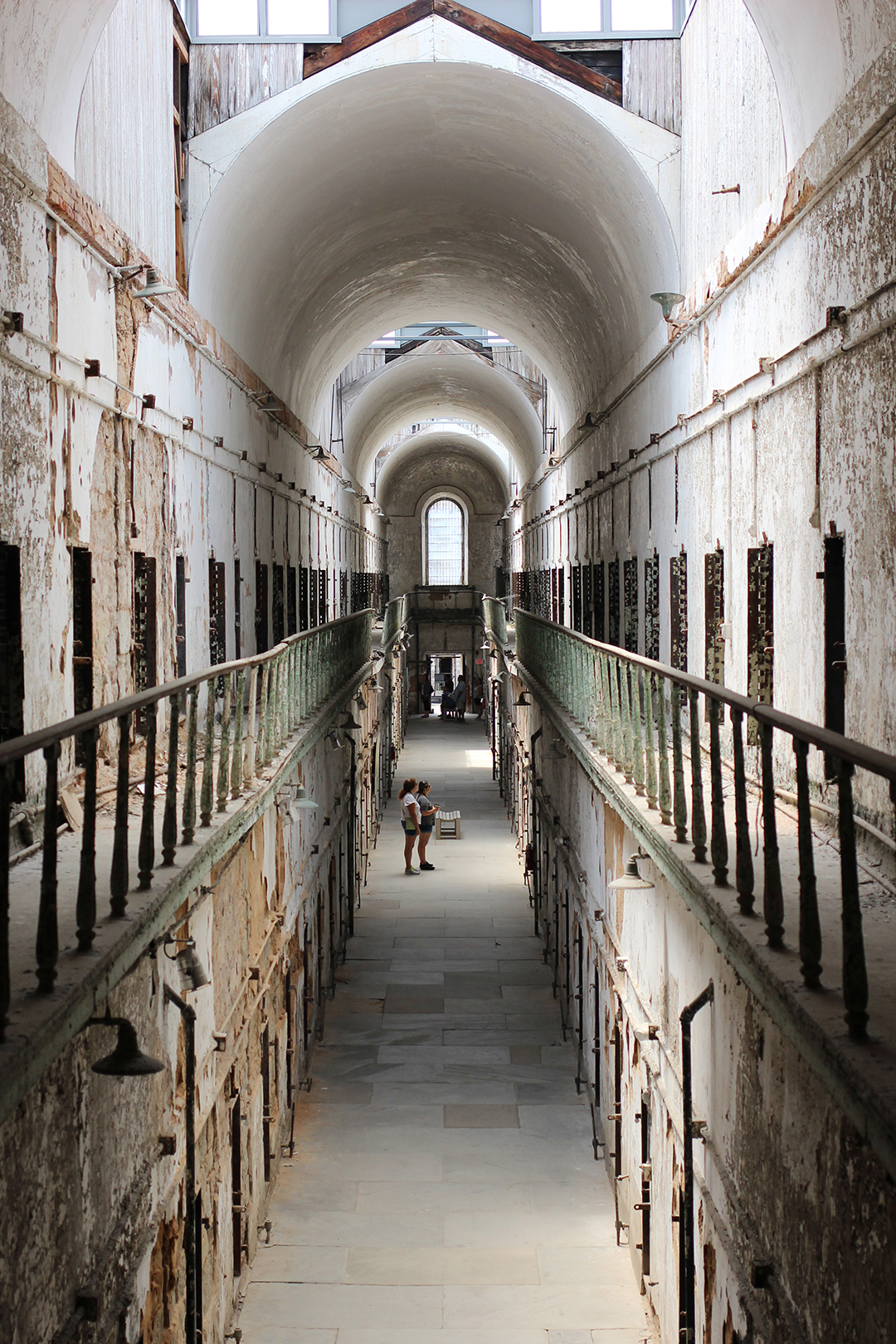
ESP is one of my favorite places to take photos. It has all the appeal of an abandoned space—peeling paint, leftover objects, rusty metal—but without the stress of trespassing. Because they offer self-guided audio tours, I never felt rushed (except in guided-tour-only spaces like the hospital wing). It was significantly more crowded this time than the first time I visited, but that was probably just the difference between November and July. I was afraid that I would take exactly the same the photos this time around, but I was surprised to find that a lot of the object arrangements had changed—and even if they hadn't there's just so much here to see that I'm sure I still haven't seen everything.

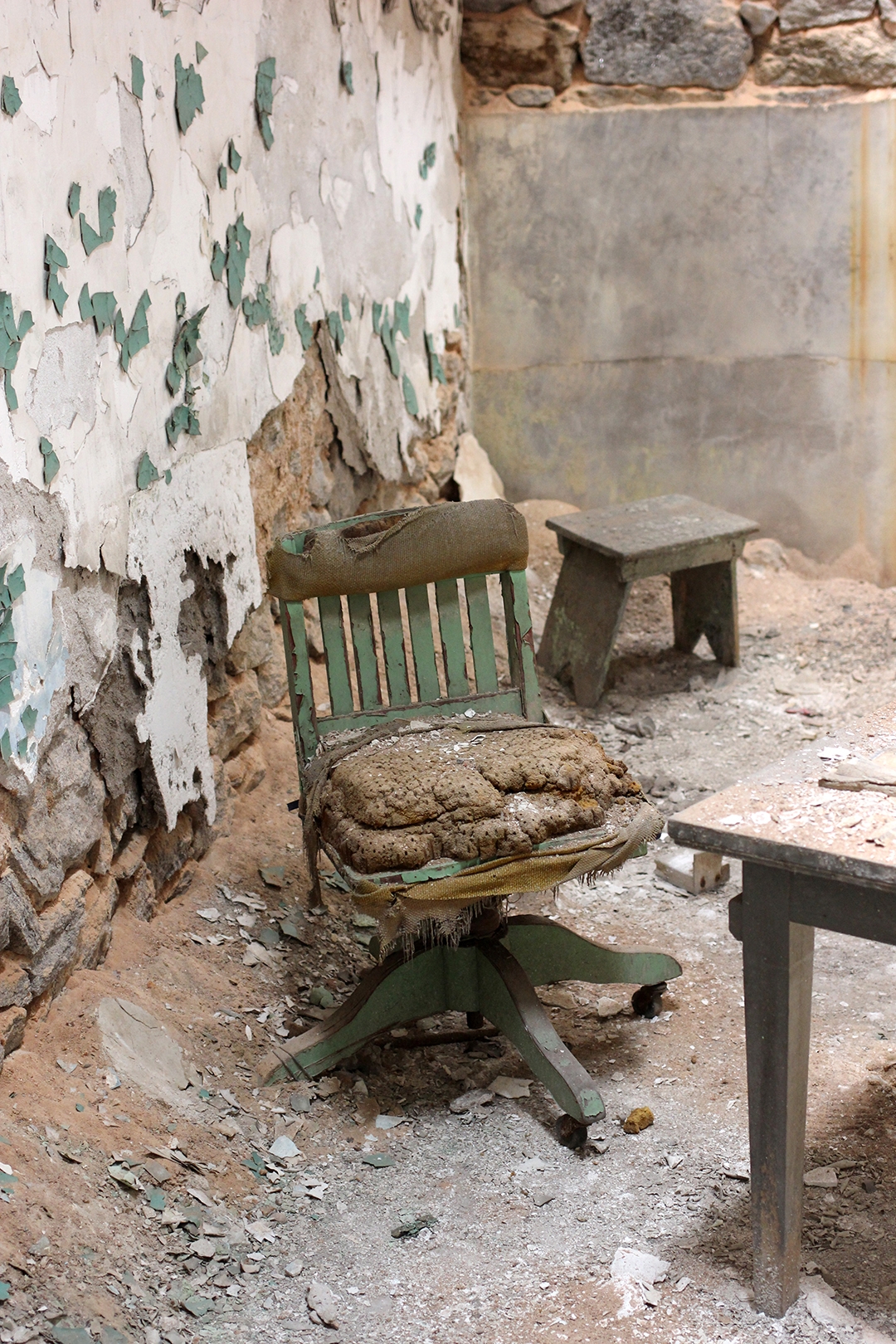
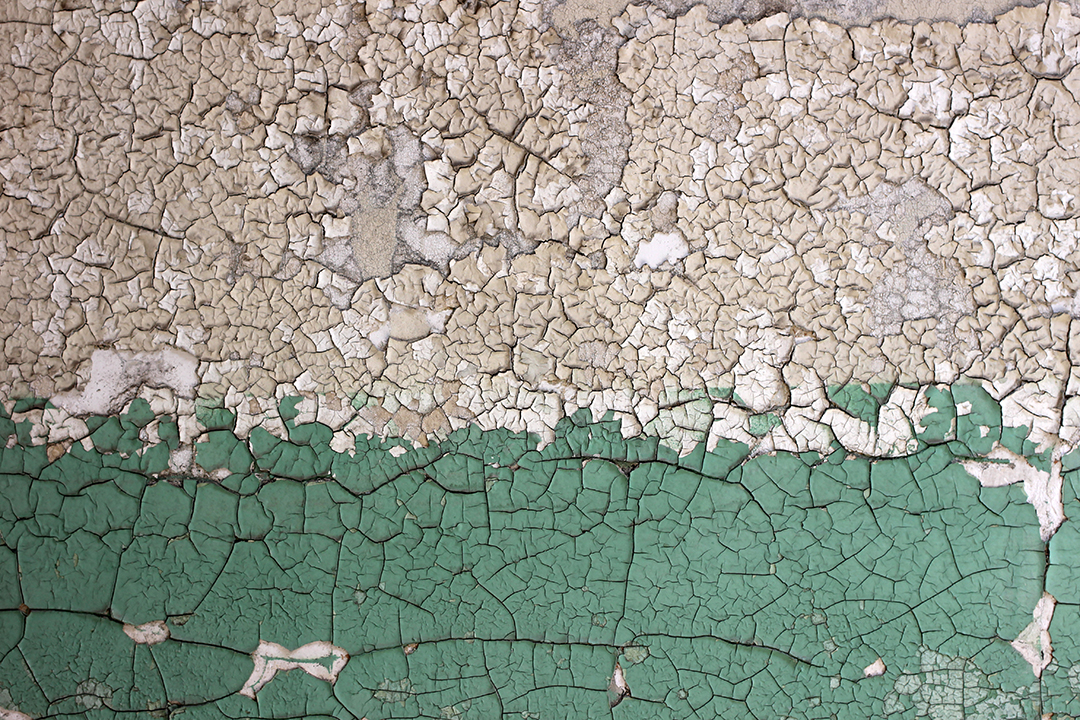


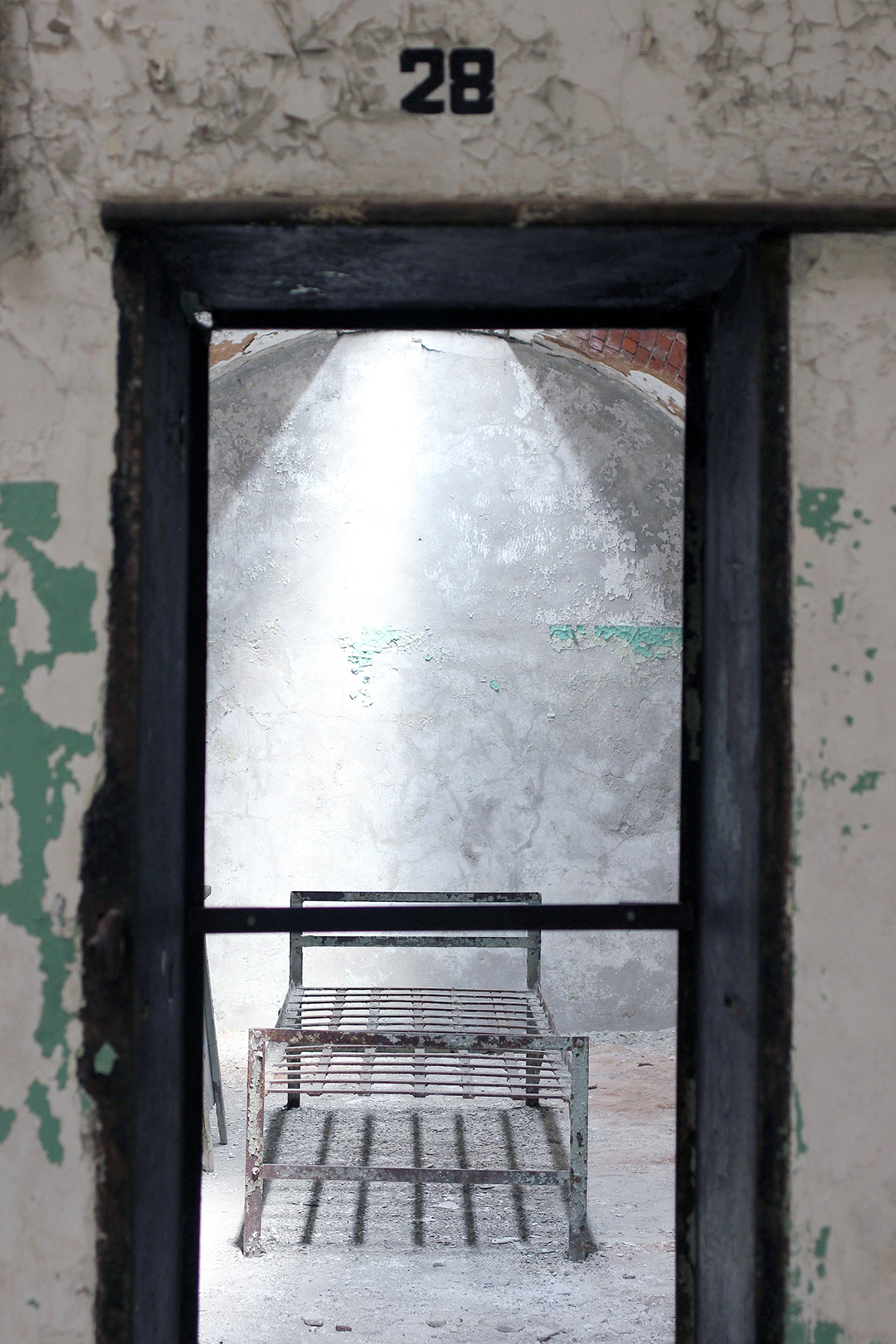
I didn't know before I went that it was Bastille Day—ESP throws a big celebration later in the day, including a reinterpretation of the storming of the Bastille. They were still setting up for the festival as I was leaving, but if I had known that they would be throwing thousands of Tastykakes from the penitentiary towers, I definitely would have stayed longer.
Eastern State Penitentiary
2027 Fairmount Avenue
Philadelphia, PA 19130
Open daily, 10am-5pm
Eastern State Penitentiary: Hospital
After a few months of thinking that I needed to check out the newly-opened hospital wing of Eastern State Penitentiary, I finally headed to Philadelphia for the day to do just that. I had been to Eastern State only once, but it's been high on my list of places to revisit ever since.
When David and I visited Philly last year, we took Amtrak. I've returned on two solo trips since (including my visit to Mount Moriah in the spring), and both times I've taken regional transit which is about twice as long but one-third as expensive as Amtrak. To get from NY to Philly via regional rail I took a NJ transit train from Penn Station (ugh) to Trenton, and then a SEPTA train from Trenton to the 30th Street Philadelphia station (which is basically Philly's version of Grand Central and 10,00000000 x better than the current Penn Station). Once in Philly I just walked to Eastern State, although I've used Uber a few times and it was cheaper than it is here in New York—my 30 minute ride back to the train station was under $4 (tip included).

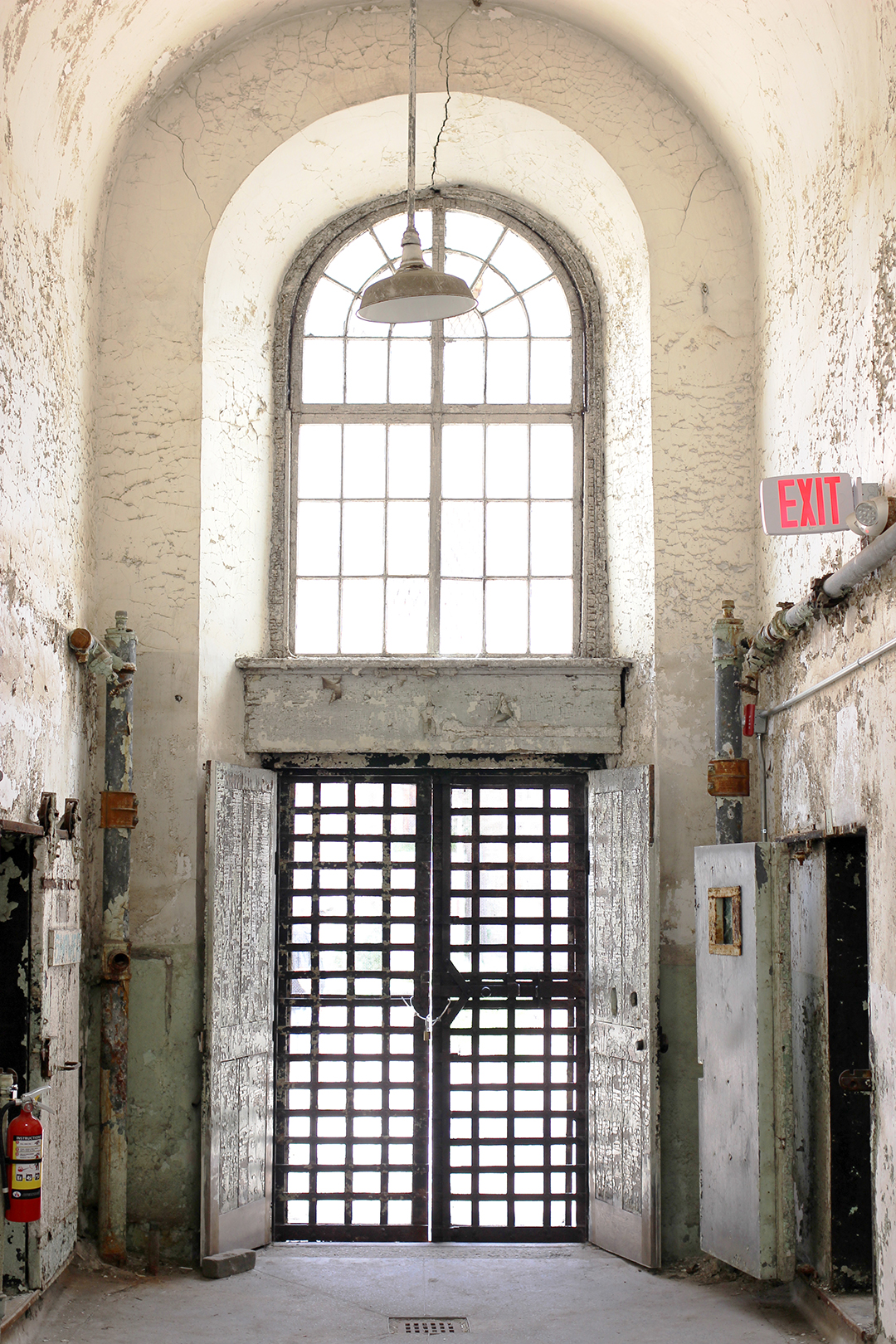
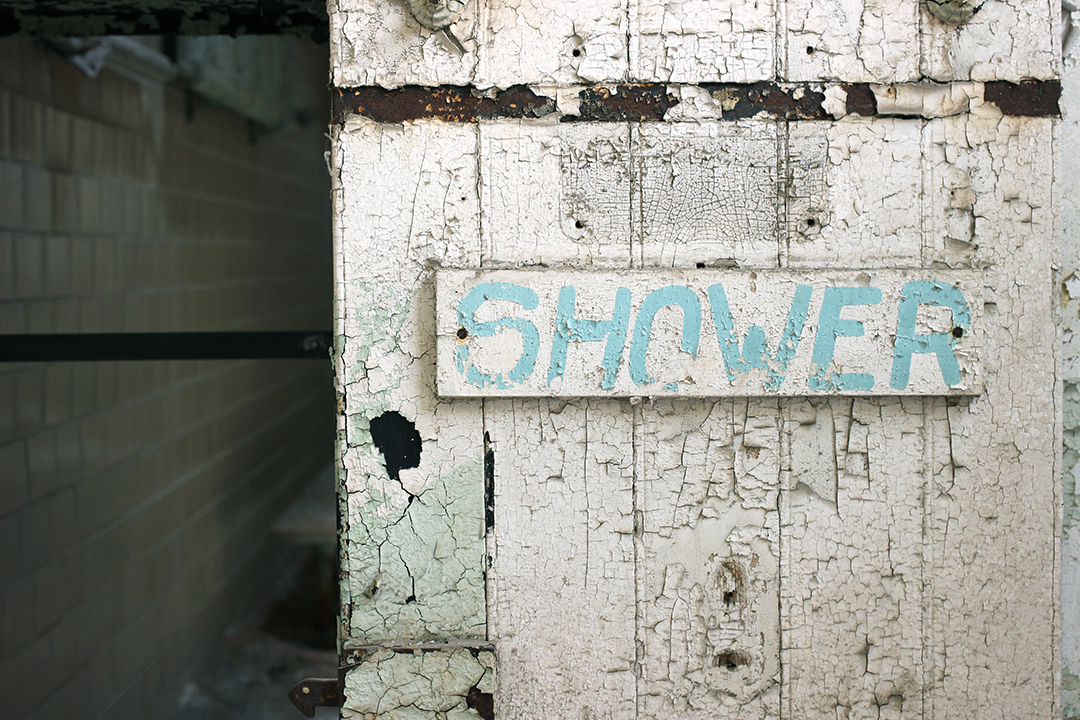

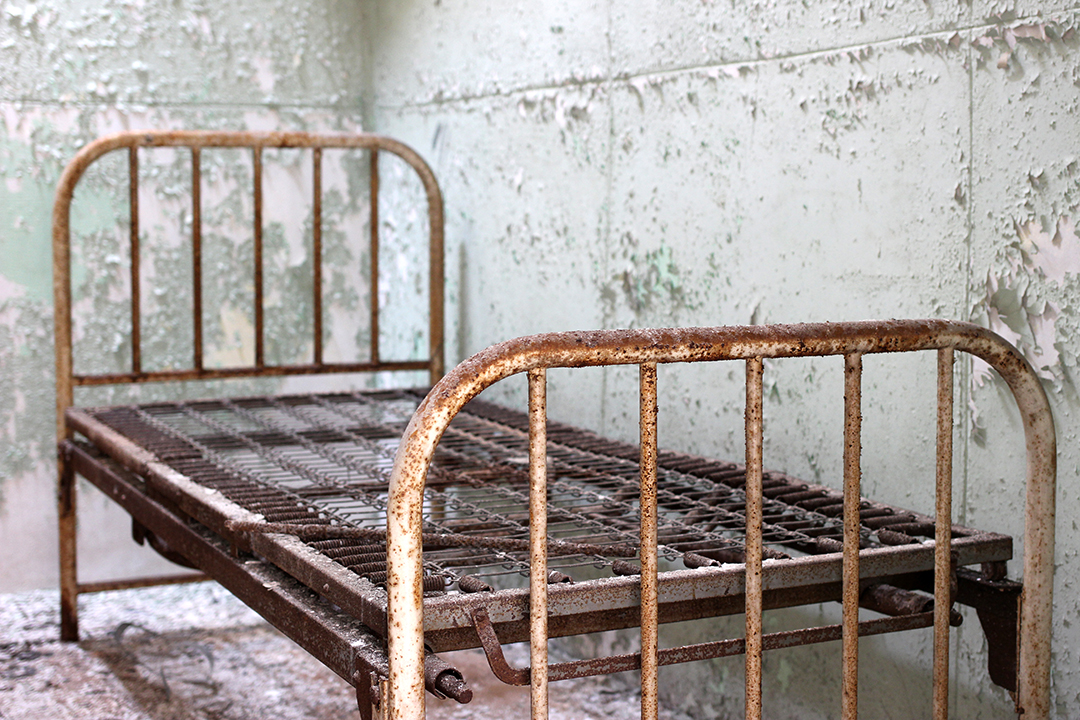
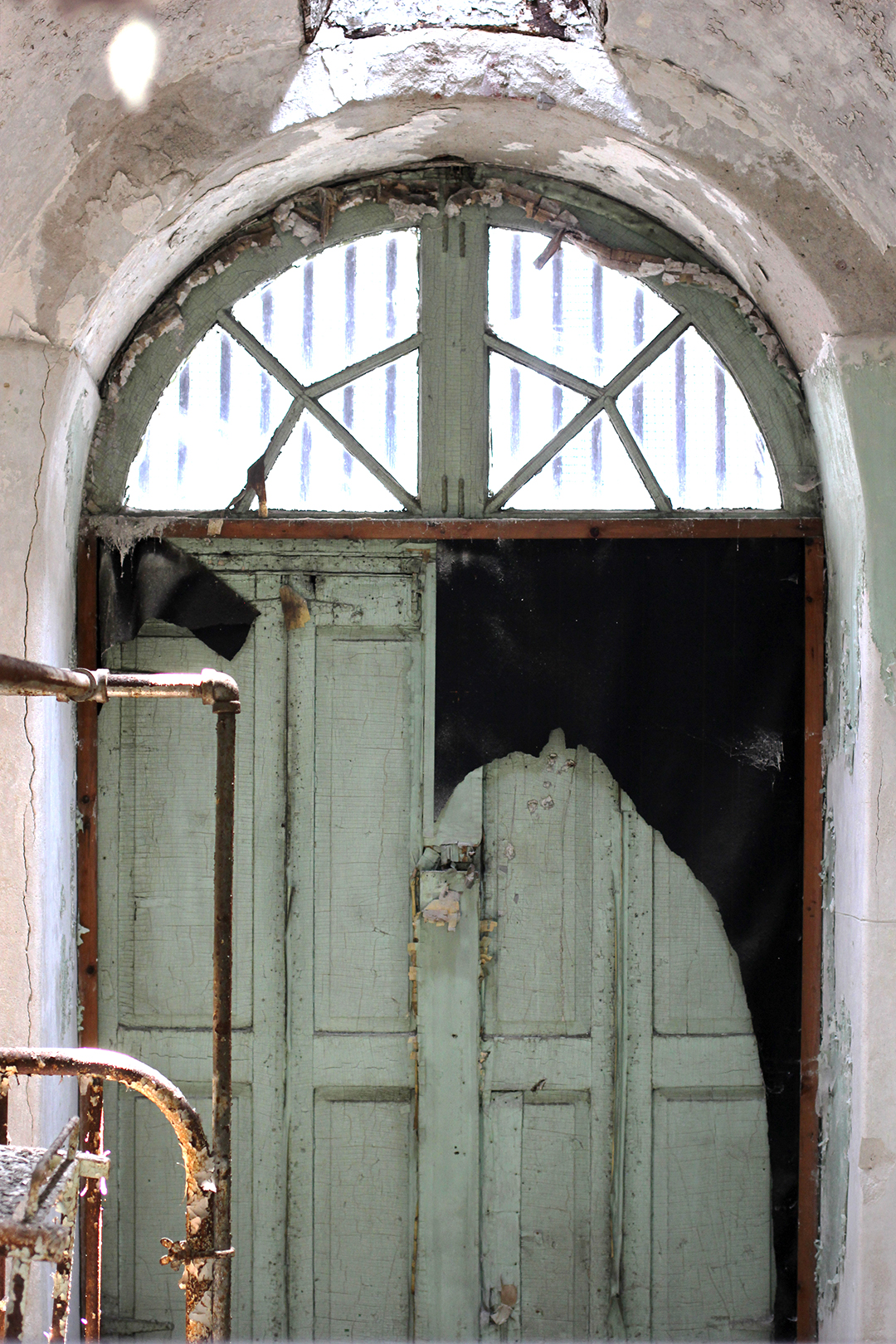
One of the things I love most about ESP is that you can wander throughout the grounds on your own—I prefer to go at my own (snail's) pace and always feel rushed on guided tours. I had a mini-freak out when I arrived at ESP to find that the hospital wing appeared closed, and when I inquired about it I was told that it was open by tour only. Luckily, the short "Hand on History" tours are included in your admission price and occur frequently throughout the day, so I didn't have to wait long to (finally!) get inside of cellblock 3.

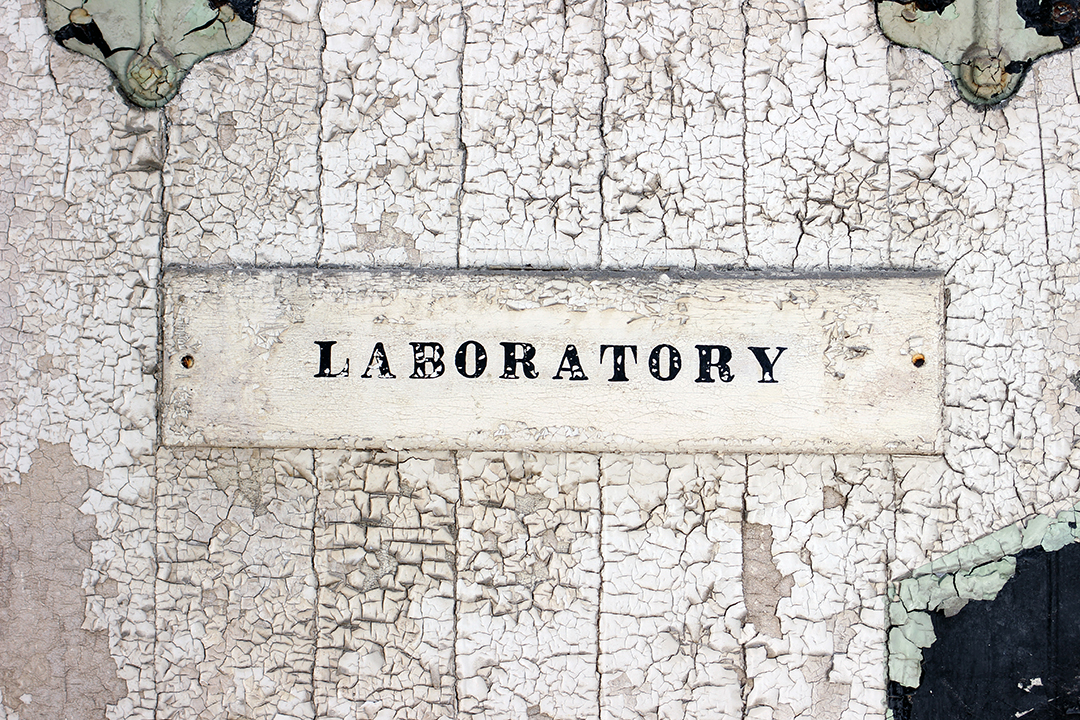


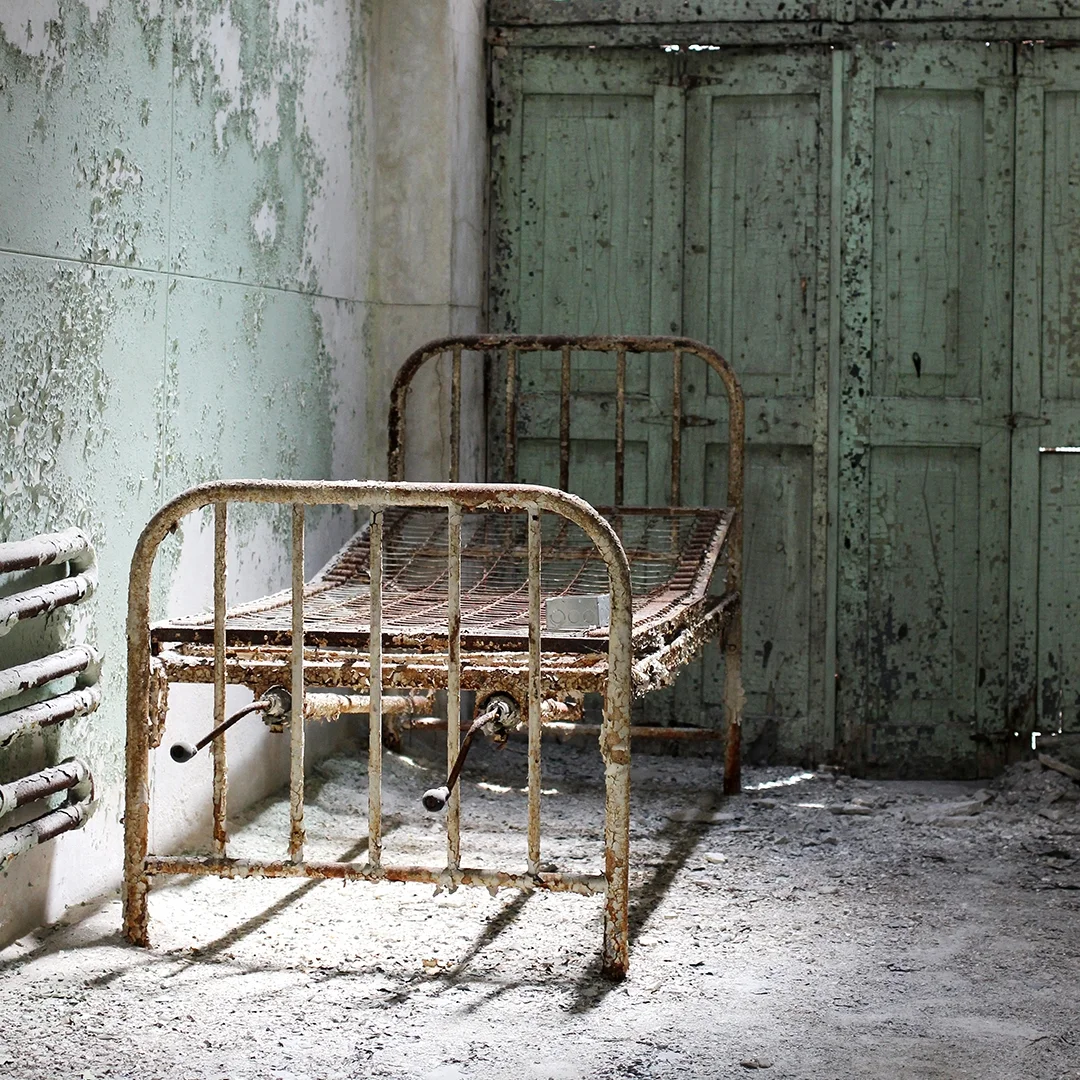
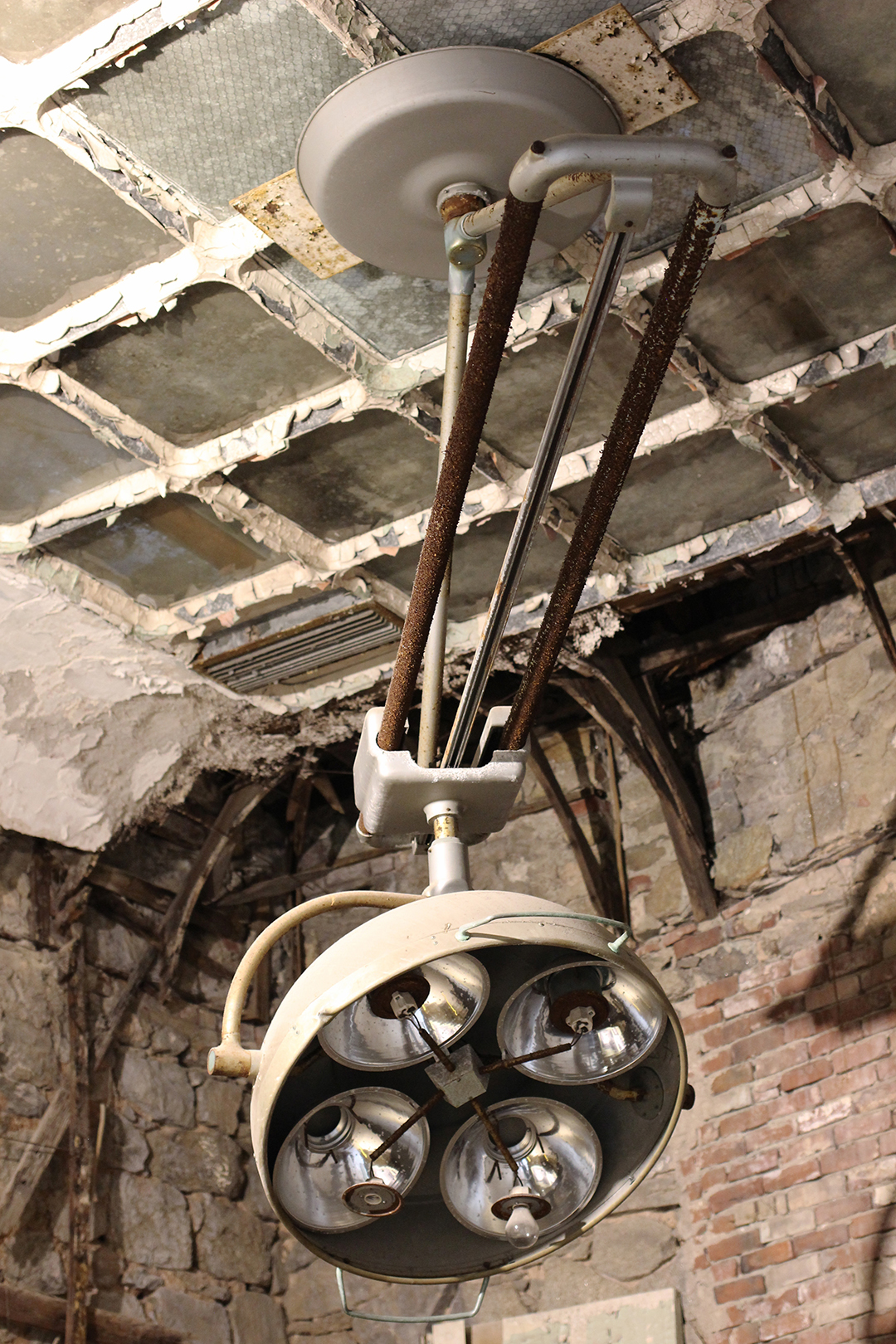
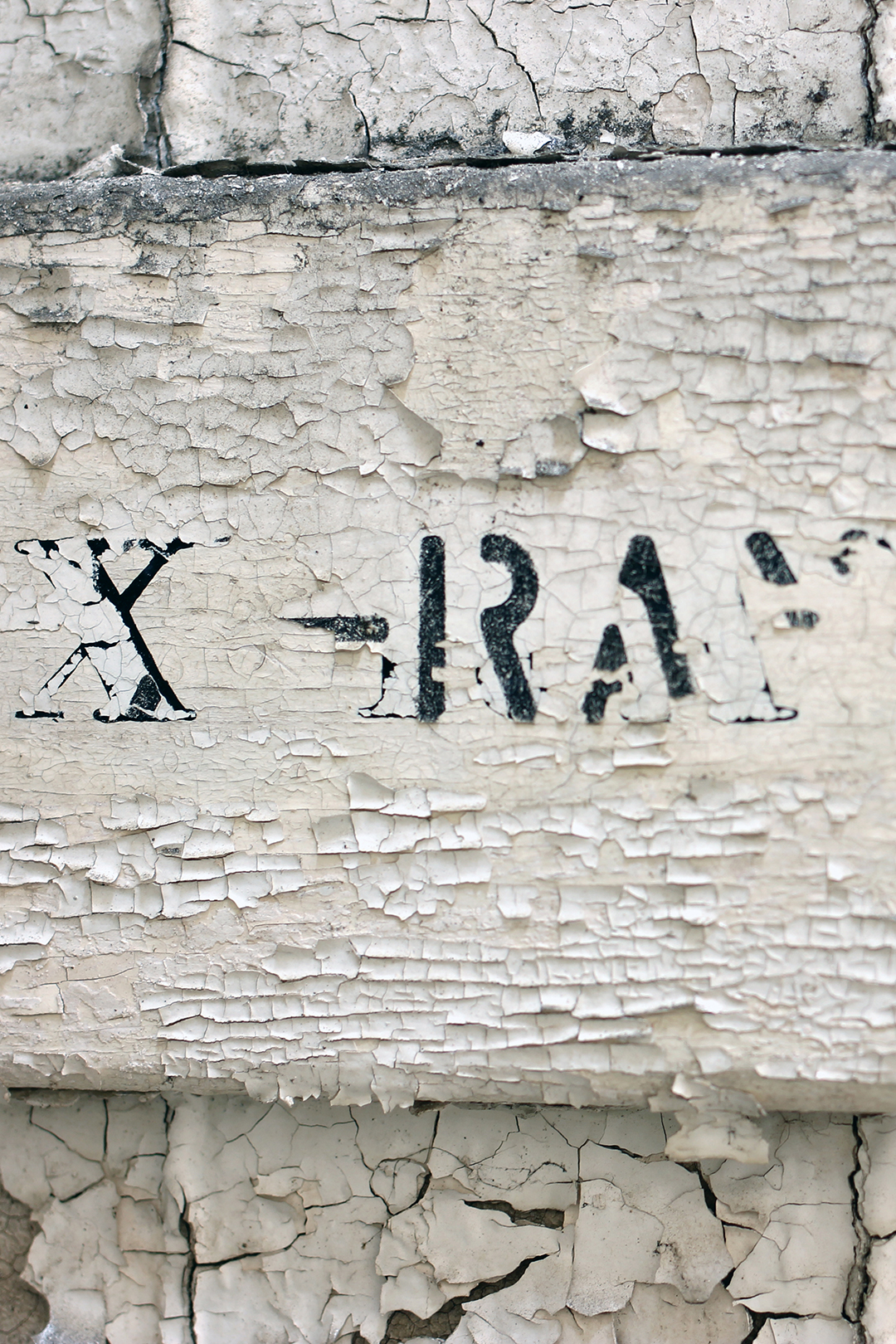
Eastern State Penitentiary opened in 1829, and cellblock 3 was part of the original plan. The hospital wing transformed throughout the years to keep up with disease and changing therapies, and included an "operating room, laboratories, pharmacy, X-ray lab, hydrotherapy rooms, psychiatric department and a solarium for treating tuberculosis patients."

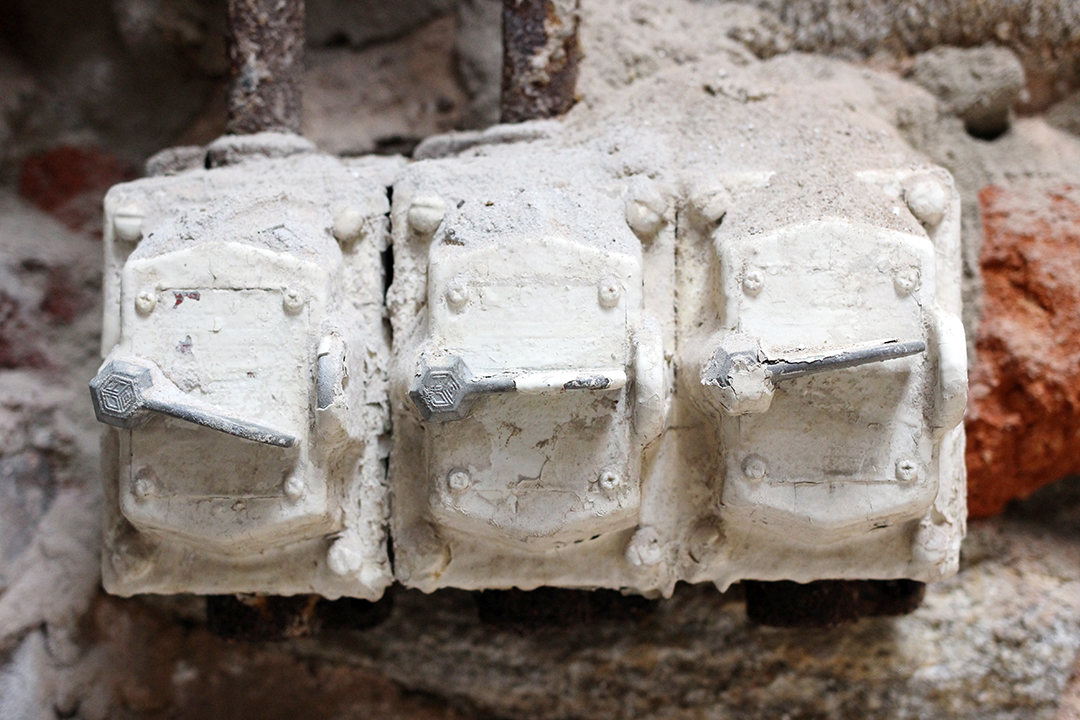


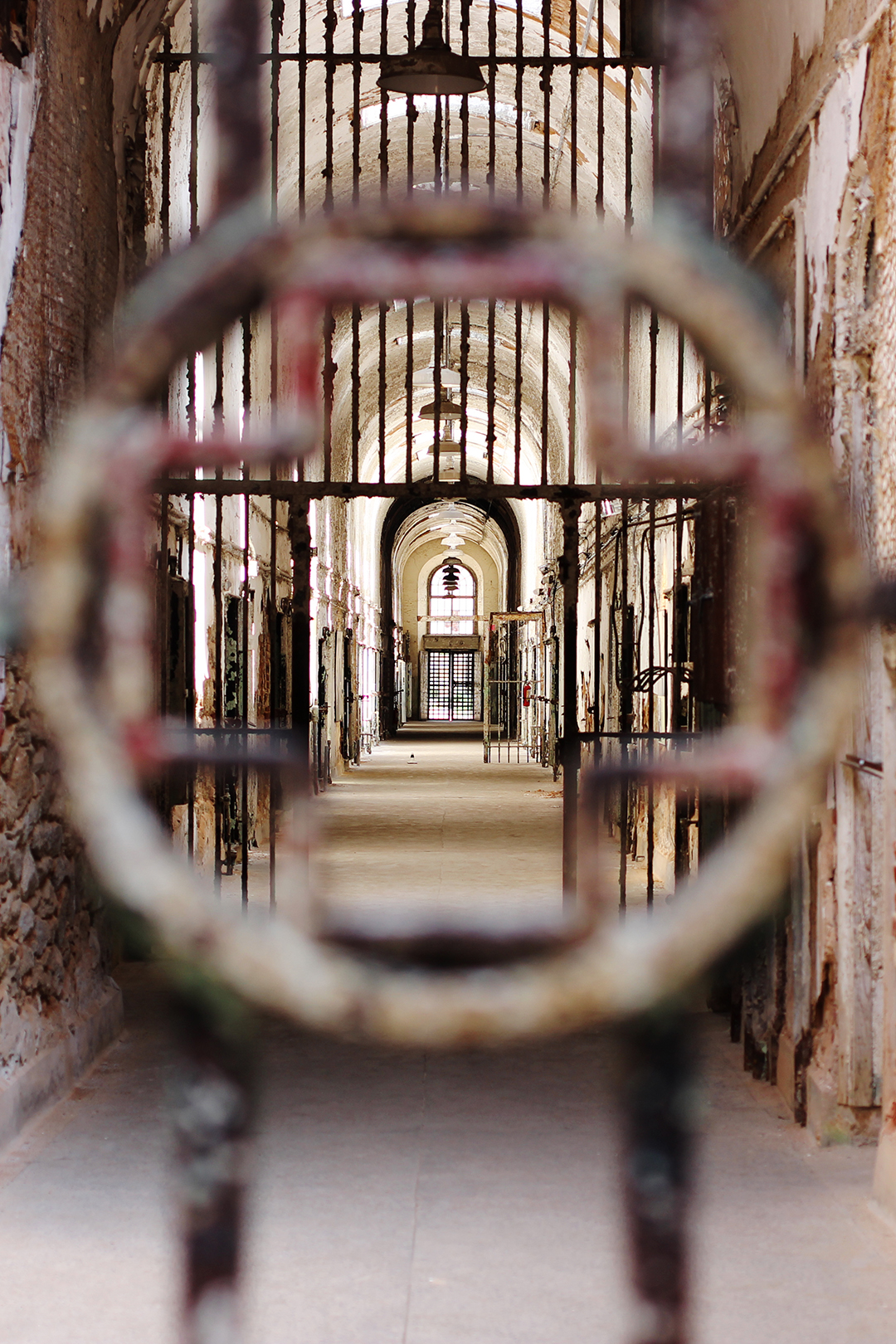
I did feel a bit rushed during the tour—which lasted about 20 minutes—but only because I'm a slow creep who travelled three hours by train just to see a long-abandoned hospital wing and I could've spent much longer just soaking it all in.
Eastern State Penitentiary
2027 Fairmount Avenue
Philadelphia, PA 19130
Open daily, 10am-5pm, Tours of the hospital wing every half-hour or so.
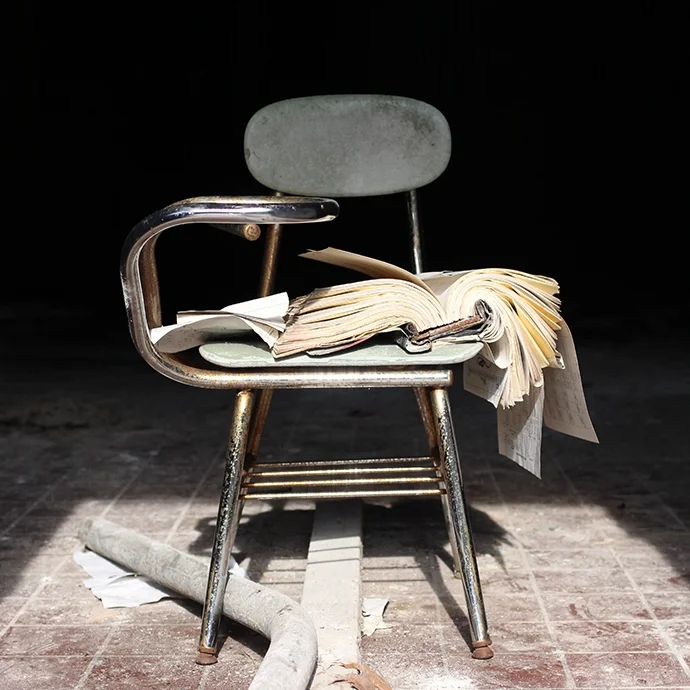
Letchworth Village: Chairs

I've seen the hashtag #theresalways a chair on Instagram and it's mostly used with photos from abandoned places where there does always seem to be a chair. This is something I noticed in my real life explorations way before I noticed the hashtag, but that's a nice perk of the Internet—finding out that other people notice the same weird things that you do.

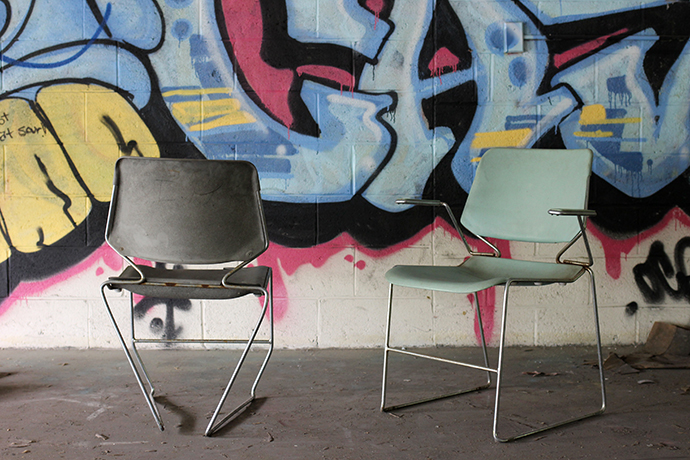


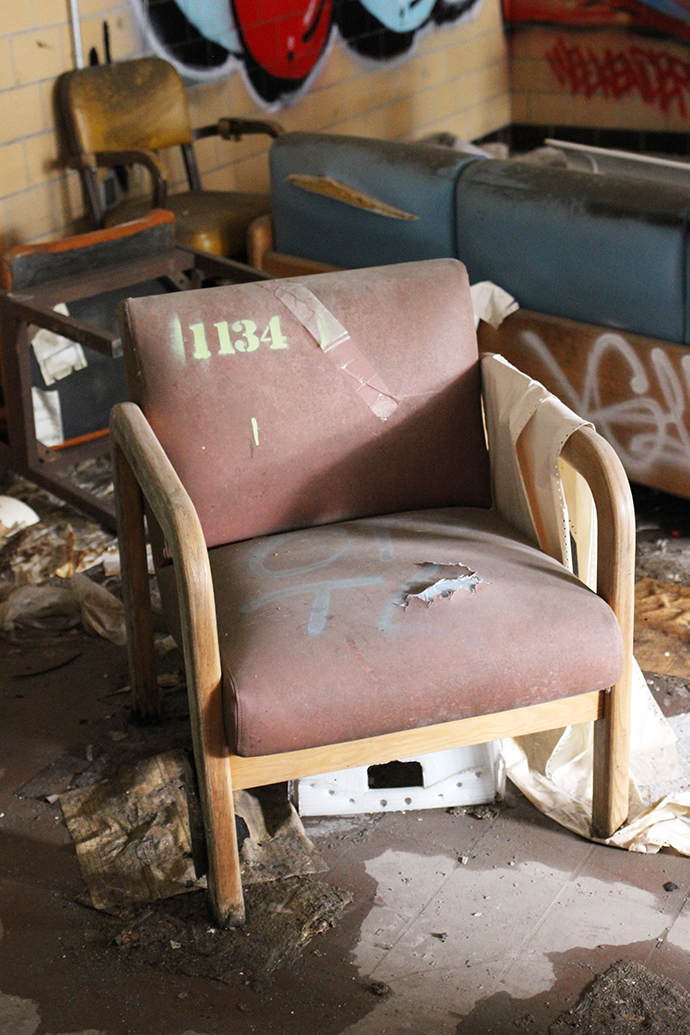
Even before I started creeping on actual abandoned buildings I was noticing the chair phenomenon in once-abandoned places that I took sanctioned tours of, like the Ellis Island Hospital complex or the Ohio State Reformatory. Obviously these places are well-maintained for tours but I'm not sure to what degree that they are "decorated." But once I started actually exploring truly abandoned spaces, I noticed that even when a place has been nearly stripped clean of things, you can still find at least one chair.
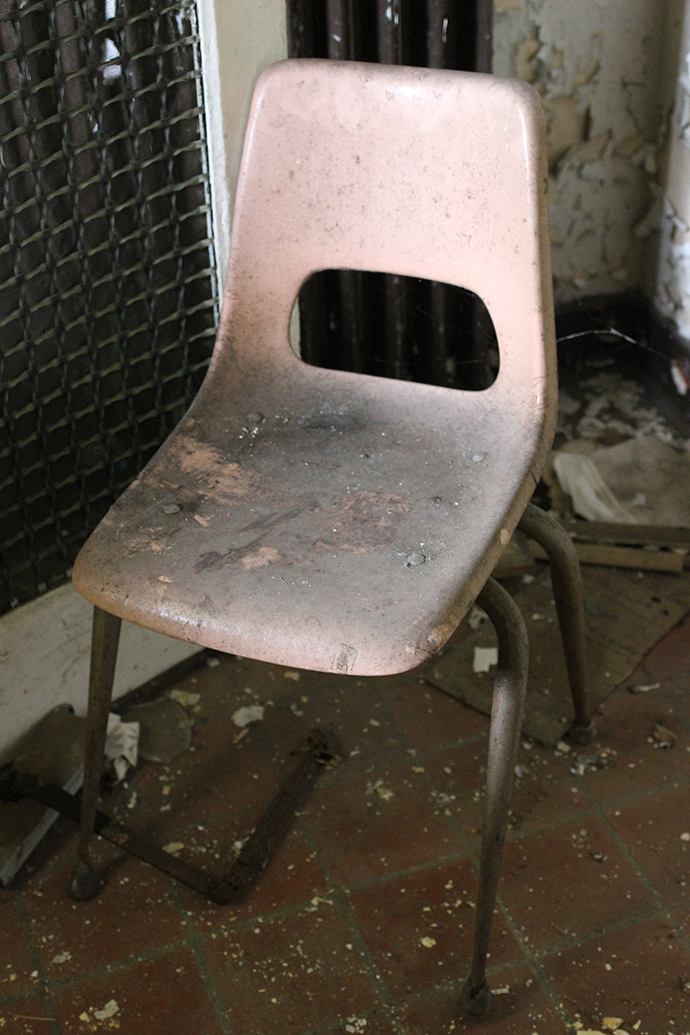
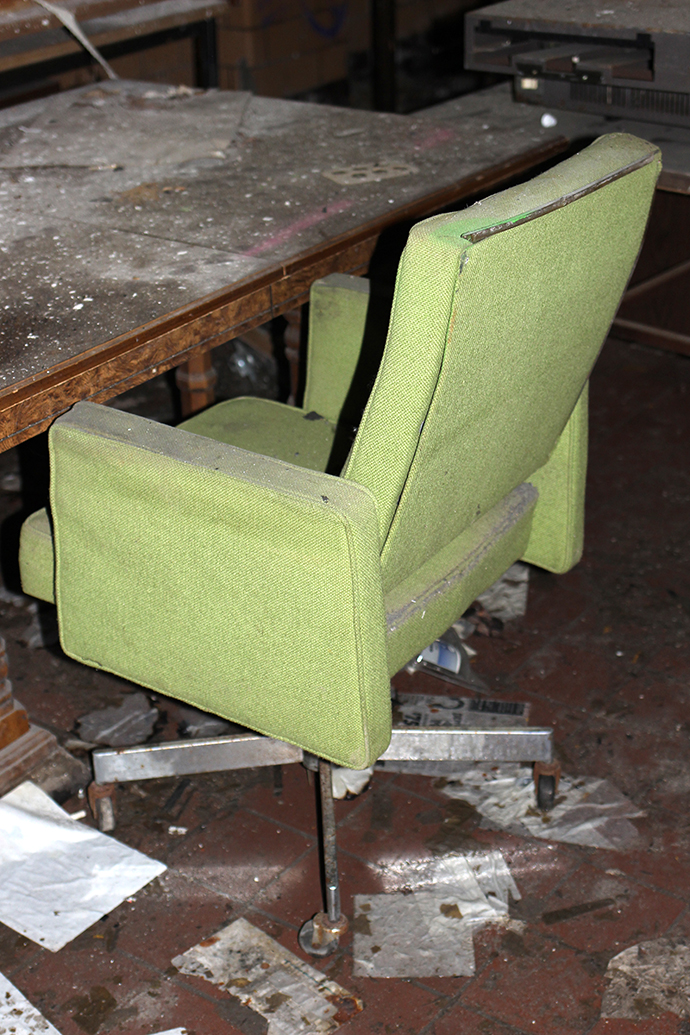


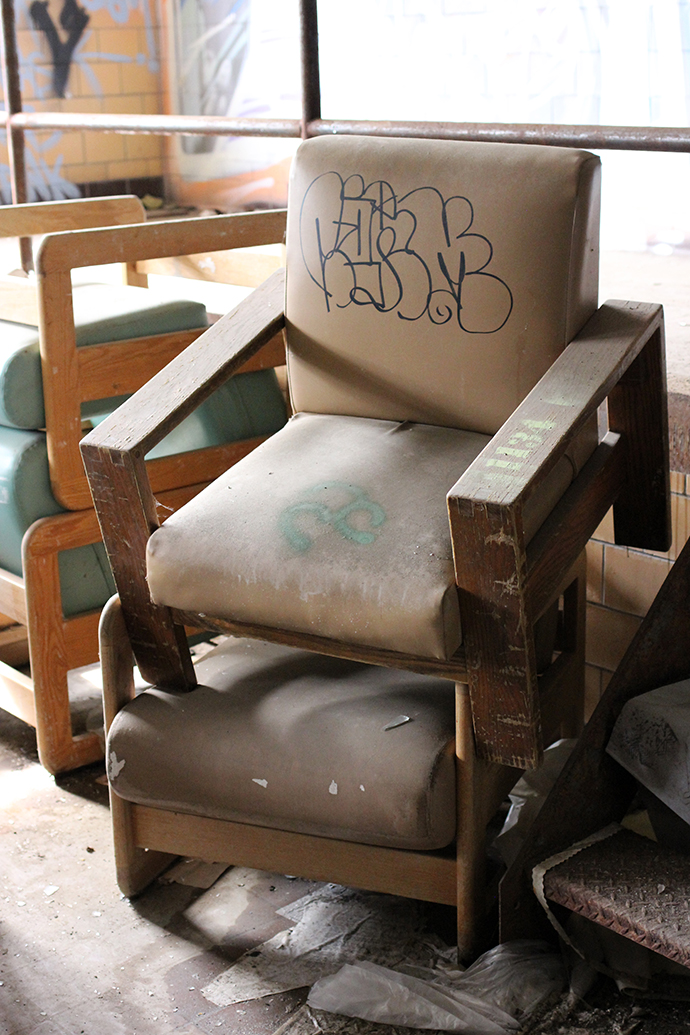


The buildings we explored in Letchworth Village were full of stuff, and so I wasn't surprised to find a ton of chairs. It makes sense that institutions or hospitals would naturally be full of chairs, and maybe they remain because they don't have any obvious value to people that typically strip abandoned buildings of things like scrap metals.
However (like Kings Park) there were some really great vintage chairs left at Letchworth that my mom likes to chastise me for not dragging home—even if the moldy, asbestos-covered fabric chairs are long past their functional prime. I do think it's a shame that the plastic and metal institutional varieties are just left to rust or are covered in uninspired graffiti, but with all the uncertainty that comes with exploring abandoned places, it's somehow comforting to know that there is always a chair.
Letchworth Village 2017
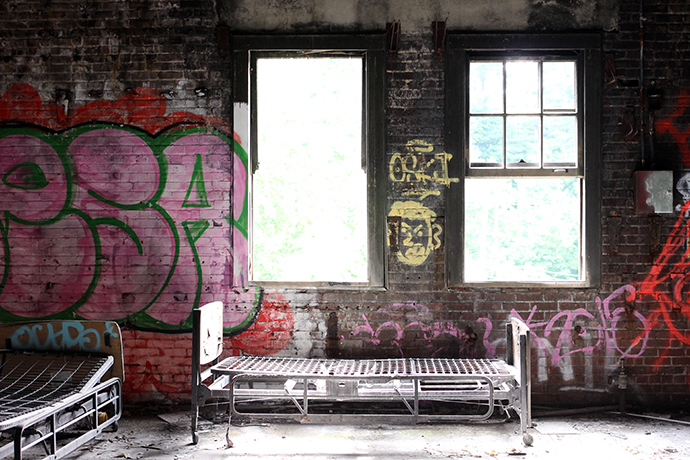
It had been a while since I creeped around an abandoned building, so on Saturday I proposed that we spend the day exploring Letchworth Village. Letchworth Village is a complex located in Rockland County in upstate New York—at one time comprising 130 buildings—built to house and care for the mentally and physically disabled. Letchworth was conceived as a self-sustaining village, with residences, medical facilities and a working farm. The first patients were admitted in 1911 and the 2,000-acre complex was designed to care for 3,000 patients, although by the 1950s it had more than 5,000.
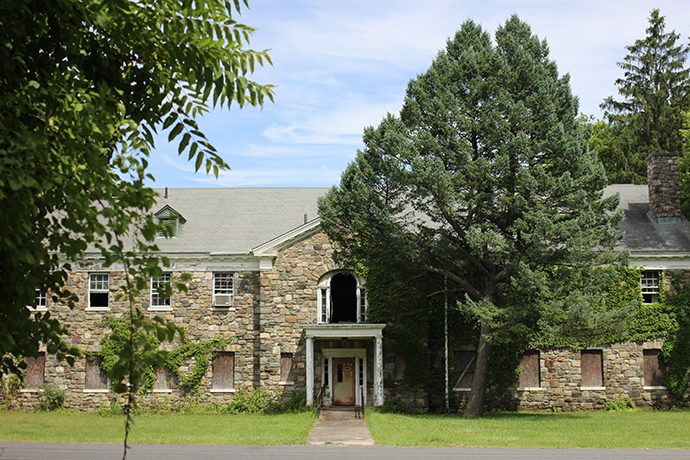
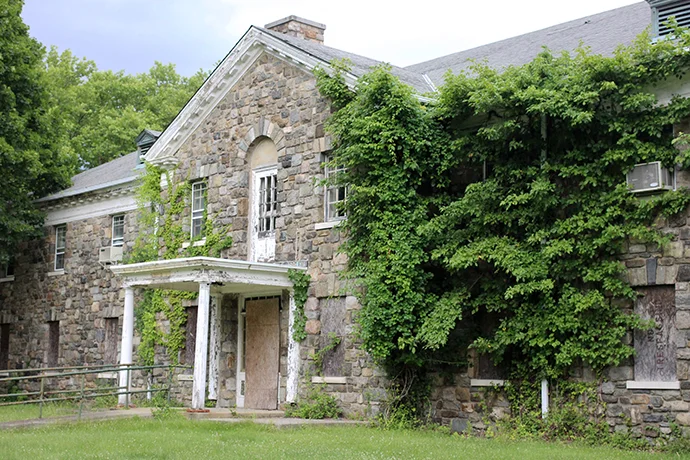
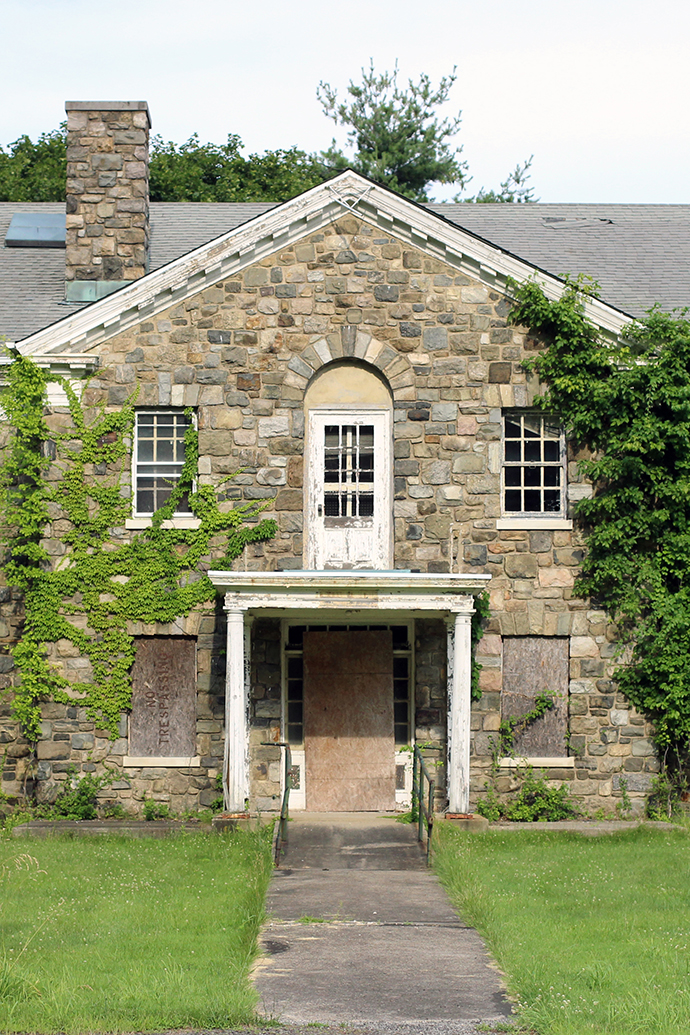


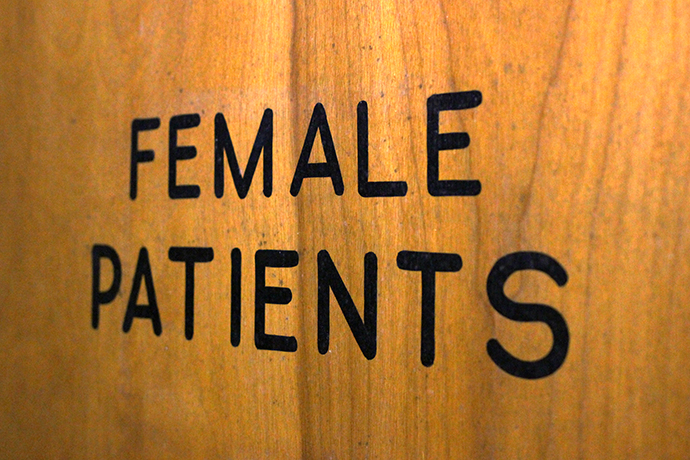
Almost from the beginning, Letchworth was plagued by accusations of overcrowding, abuse and neglect. It was even mentioned in a famous 1972 investigative documentary about similarly horrific conditions at the Willowbrook State School in Staten Island (the piece won Geraldo Rivera a Peabody Award) and after years of slowly being emptied of patients, Letchworth closed for good in 1996.
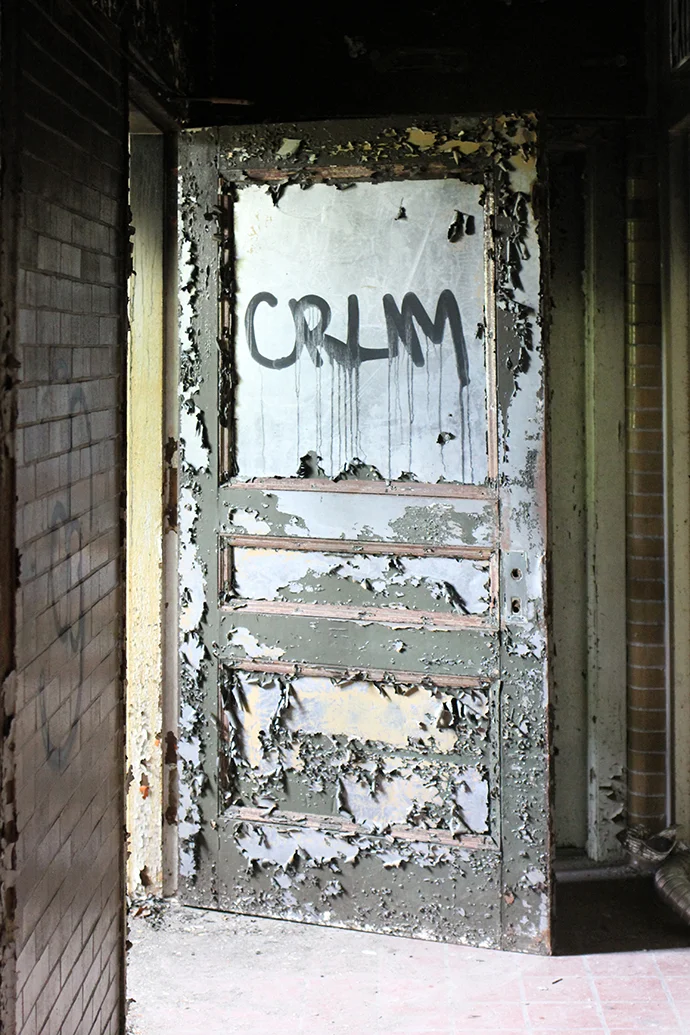


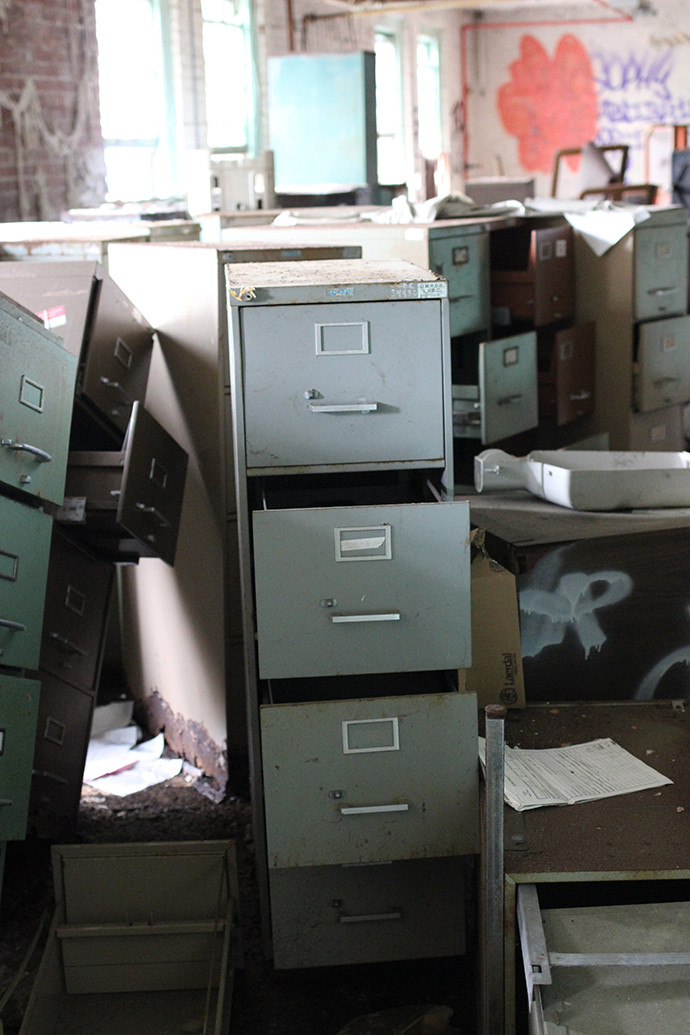
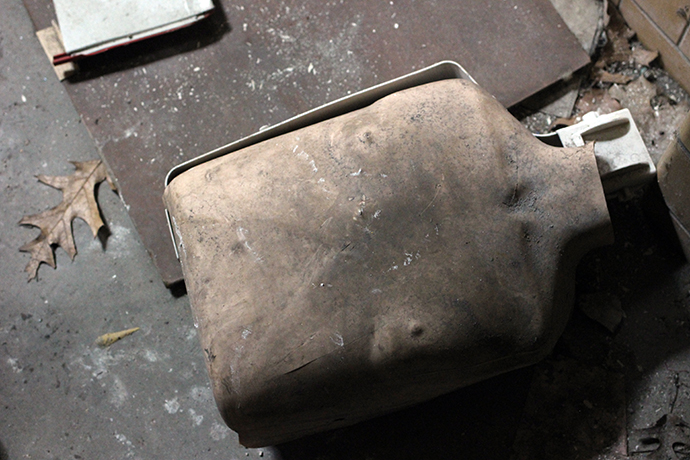
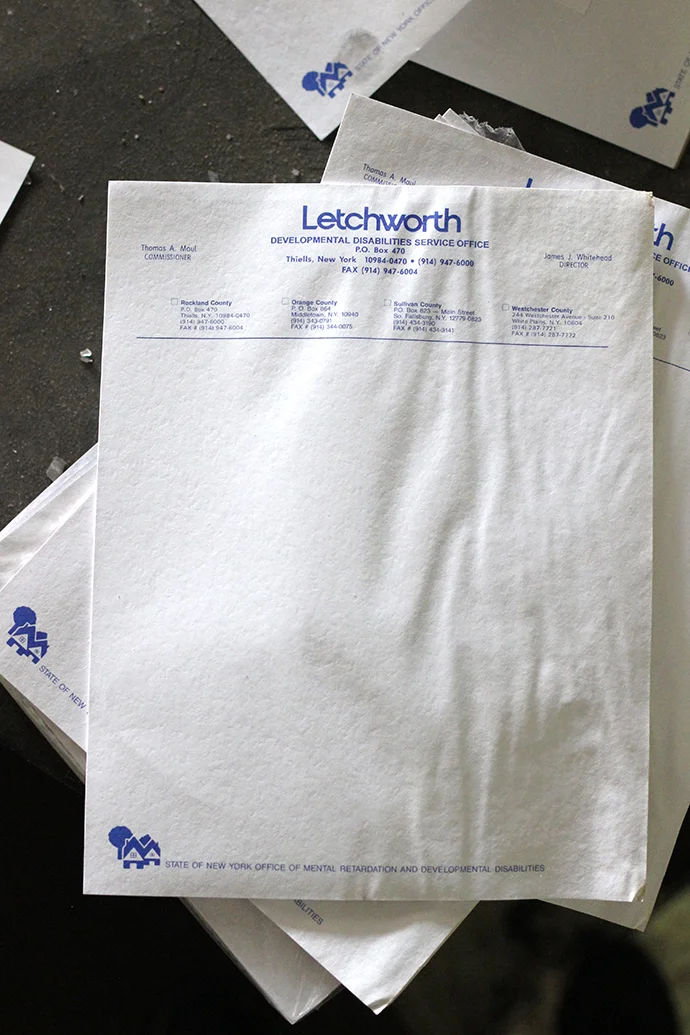
The area is now a park in the same vain as the Kings Park Psychiatric complex—you can park your car and walk your dog but entering the boarded-up, crumbling buildings is "not allowed." I didn't really have high expectations for the day, but knew that at the very least we'd be able to walk past the buildings and explore the grounds. I've mentioned it before, but I'm learning to lower my expectations when it comes to exploring abandoned places—the less I expect, the better the outcome usually, and that was definitely true of Saturday.


We ended up slipping into one of the buildings very easily, and spent quite a bit of time going from room to room. The lower floor was very dark, but I was immediately surprised at how much stuff was still inside. One of the very first things we came across was an old, rusty letterpress, surrounded by a huge pile made up of thousands of tiny, metal, moveable type letters. I'm not sure if the Letchworth residents ran a printing press for outside clients or just for themselves (one tray was labeled "Certificates"), but the graphic designer in me was going nuts. Personally this is one of the coolest things I could have come across, and I couldn't resist taking three tiny A's and one ampersand home with me.


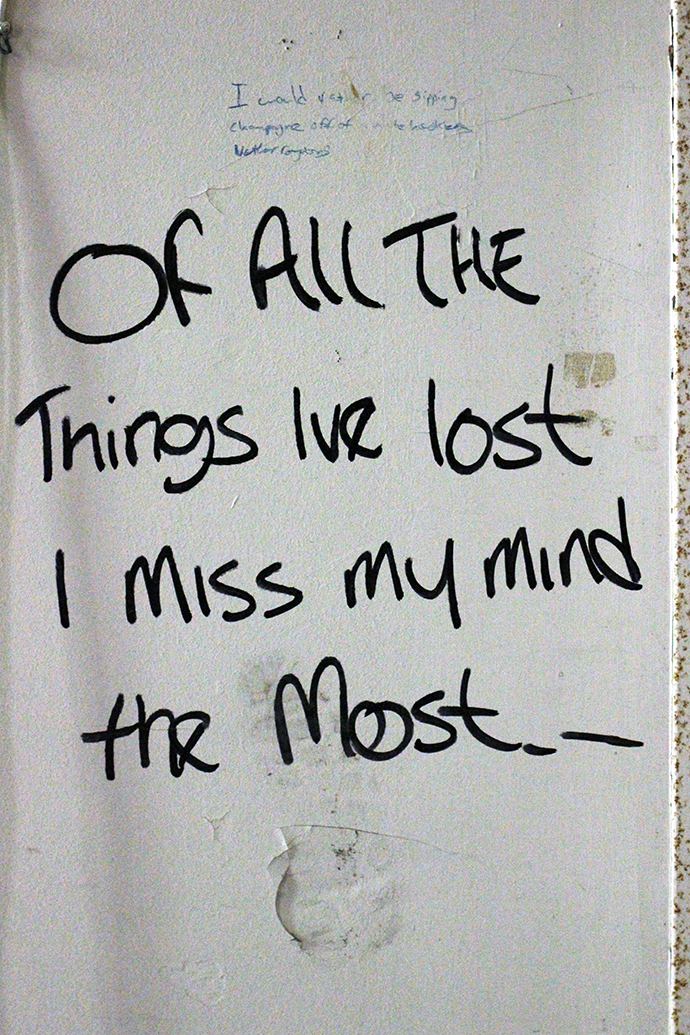
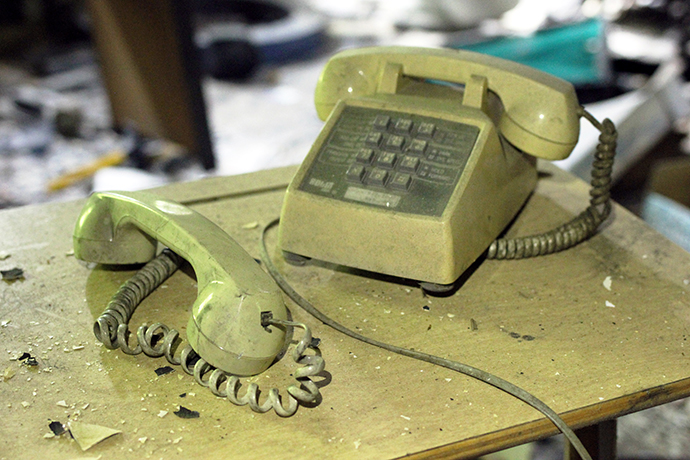


We next explored some structures that seemed to be dedicated more to the inner workings of the village than to patient care—a huge power plant and some other buildings that were probably storage or for maintenance staff. These buildings were more open and thus more covered in graffiti, but most it was far better than the quick dicks and profanity that you usually find covering abandoned spots. Despite the signs warning that the premises was constantly under police surveillance, people have clearly spent time inside of these buildings. We did see a cop car sitting near the entrance when we were leaving, but it seems as if you could spend days lost in the wooded grounds without ever being spotted.


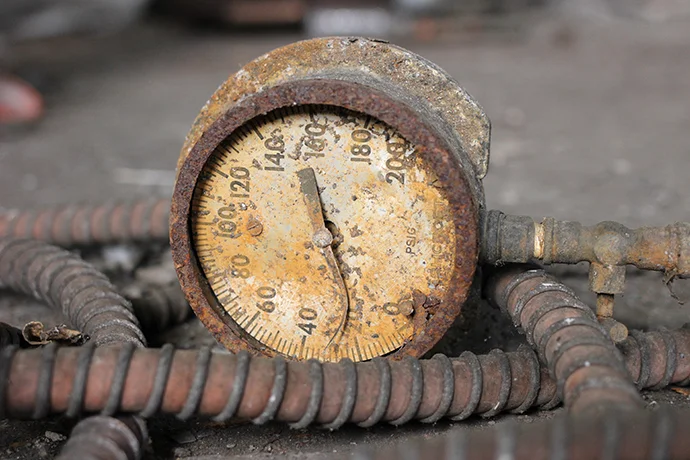

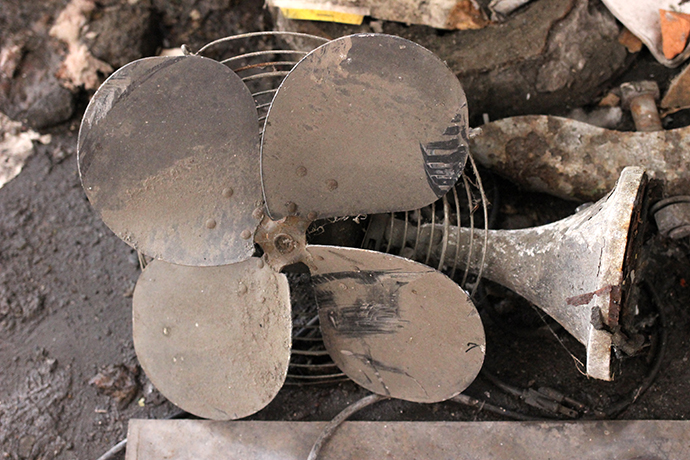
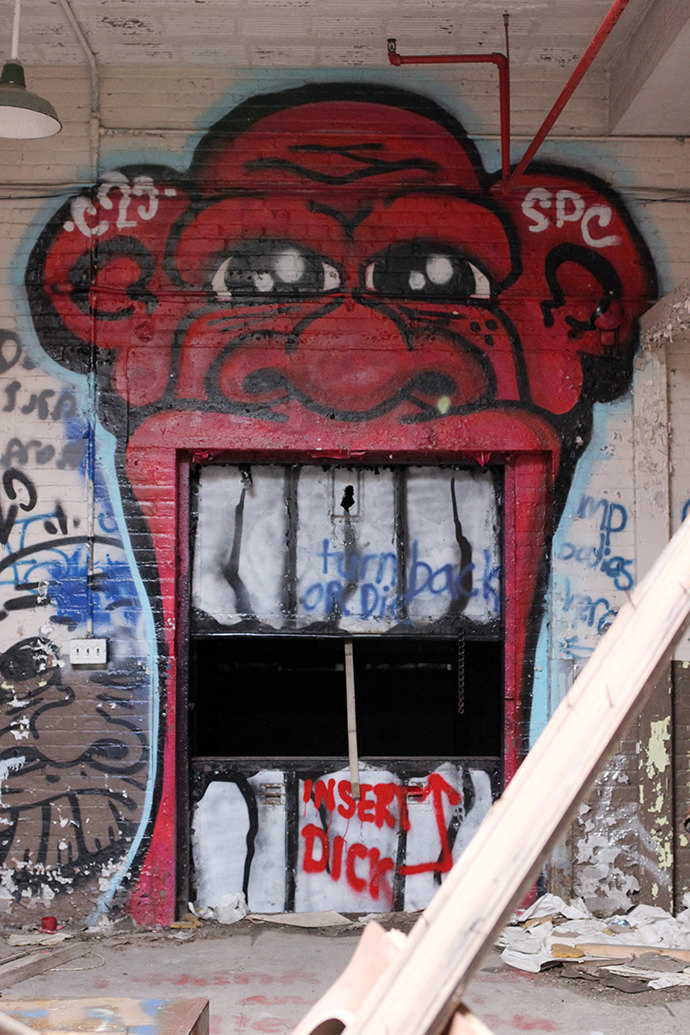

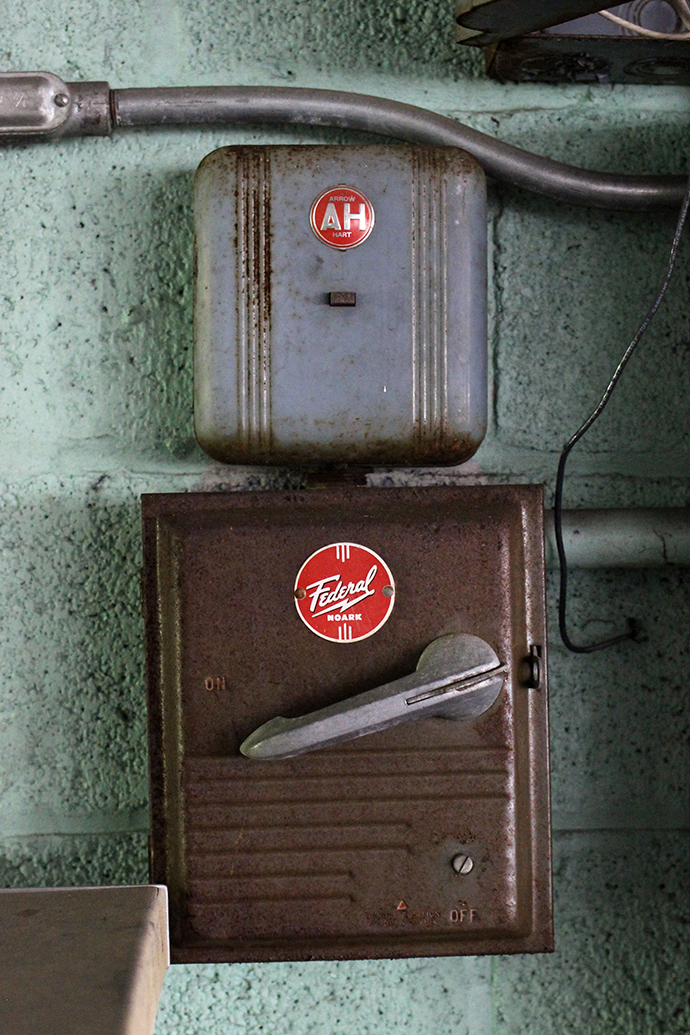
Like almost every abandoned spot I've explored, I started dreaming about my return to Letchworth before we even left. The complex is so much larger than I anticipated, and we only explored a small fraction of the buildings. I've seen photos of the area in the fall—when the ivy covering the buildings turns brilliant shades of red and orange—and I can't think of a better time to return to (what is allegedly) one of New York State's most haunted spots.
Dead Horse Bay
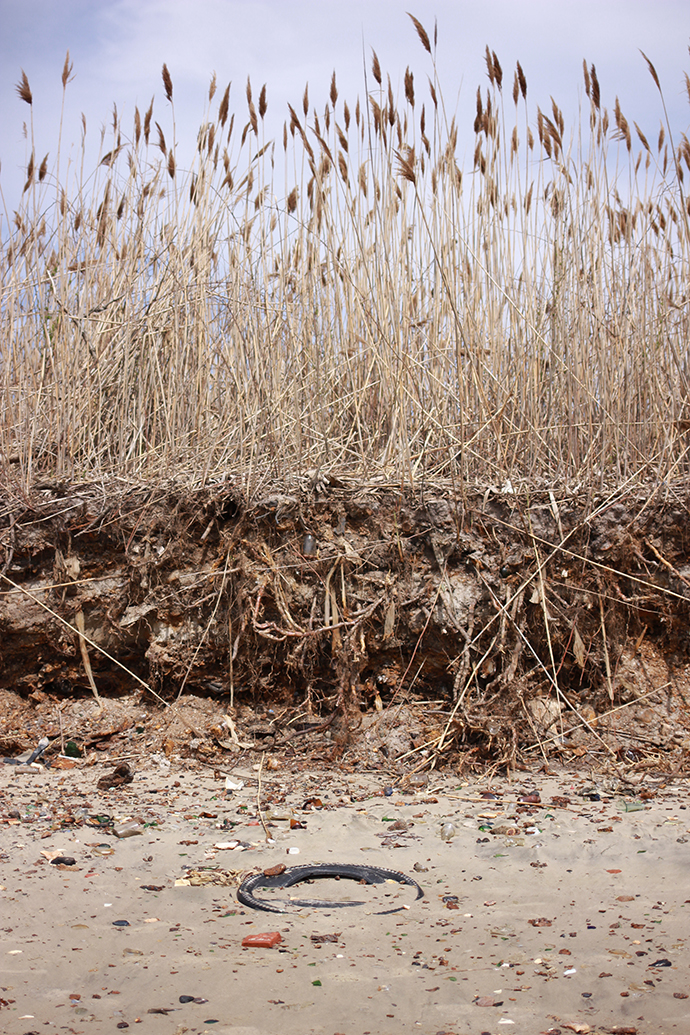
Sometimes I actively worry that I will or already have run out of things to see in New York. This is ridiculous for many reasons, and just as often I'm reminded that this city is infinite in its possibilities. Even if I did somehow run out of things to see, one of my greatest joys is revisiting places I've been—in different seasons, times of day or just to observe how time has passed. Recently we biked to one of my very favorite spots, Dead Horse Bay, which is located in Brooklyn near Floyd Bennett Field and Fort Tilden.
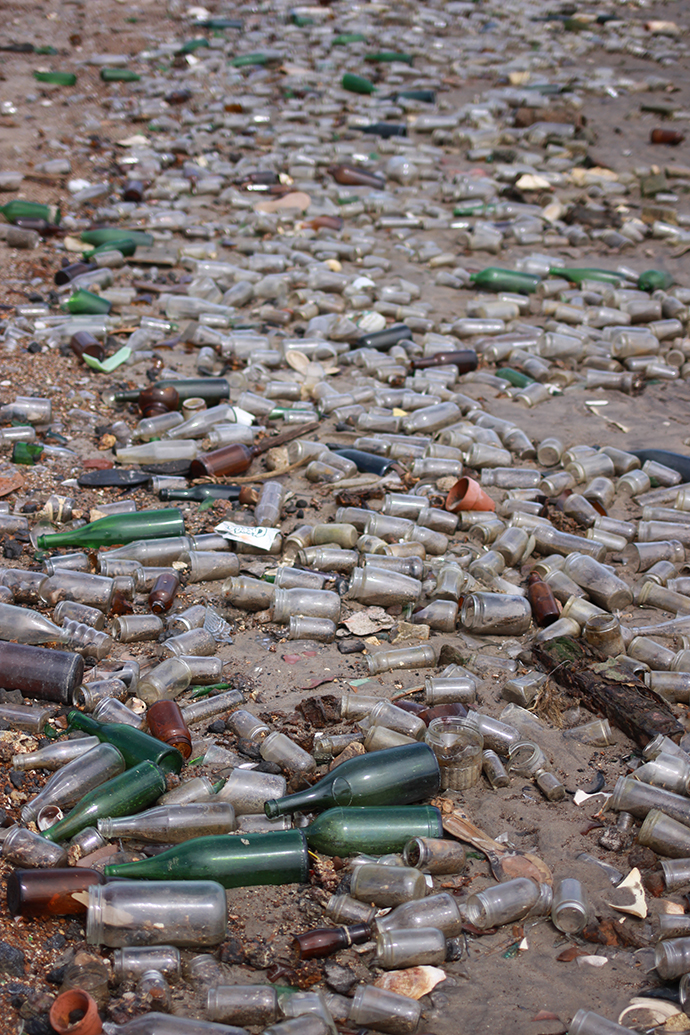
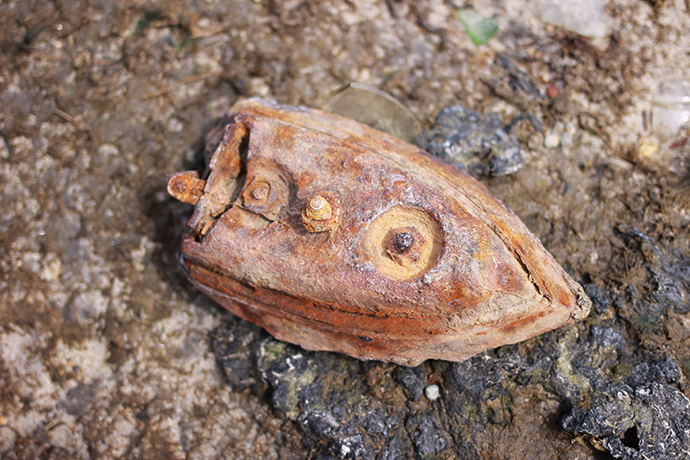
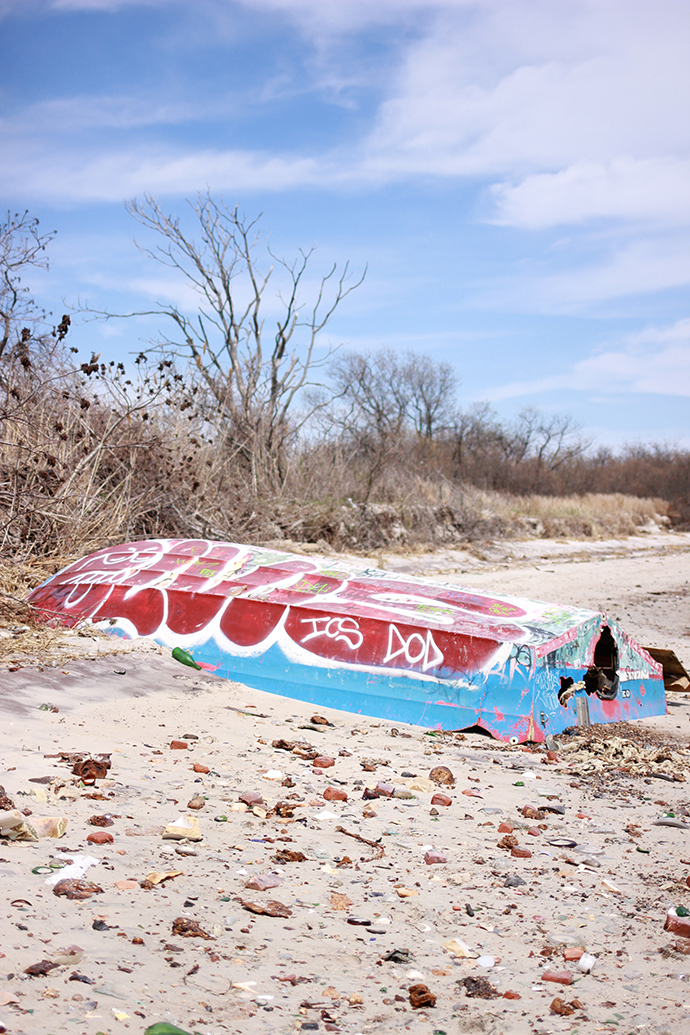
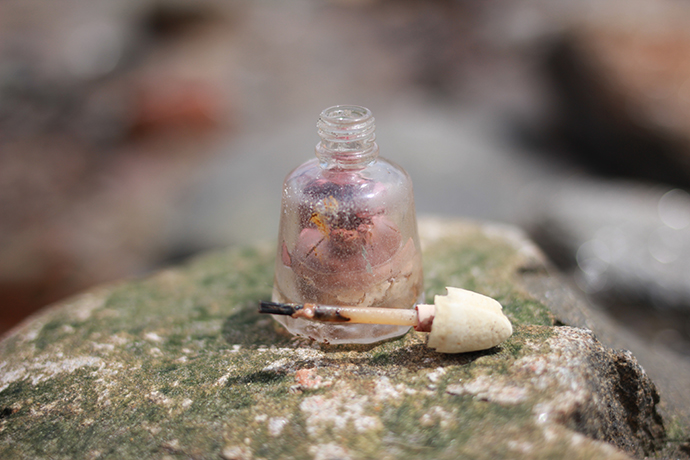


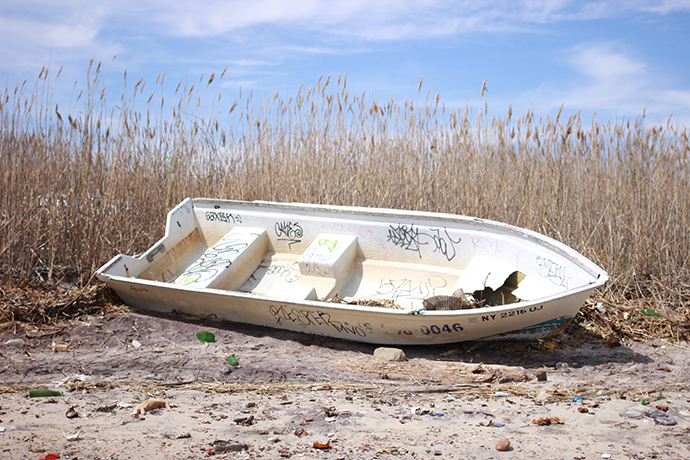
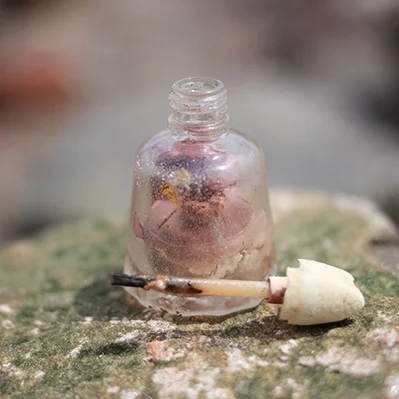
This was my third time at Dead Horse Bay and you can see photos from my first two visits here, here, here and here. I hadn't been since April of 2015, but I bet you could go back every day and find completely different things. Dead Horse Bay is basically a beach full of 19th-century trash and horse bones, formed when a cap on a landfill burst in the 50s. The name and the bones are from the horse-rendering plants that once lined the shore.


The hardest part about each visit to Dead Horse Bay is not taking home every cool thing I find. This time we forgot to bring plastic bags with us, which I was initially upset about but we just had to be more thoughtful about our souvenirs. It's especially hard for me not to take all of the horse bones I find, but I already have two large jars full of bones in my curiosity cabinet, so I only took a few that were interesting shapes and in good condition.

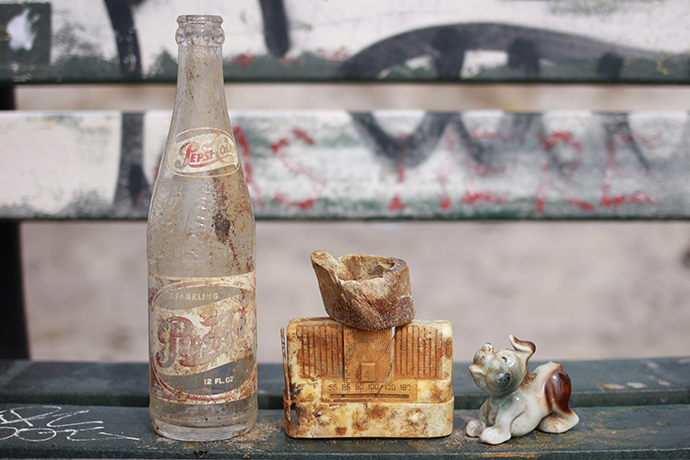

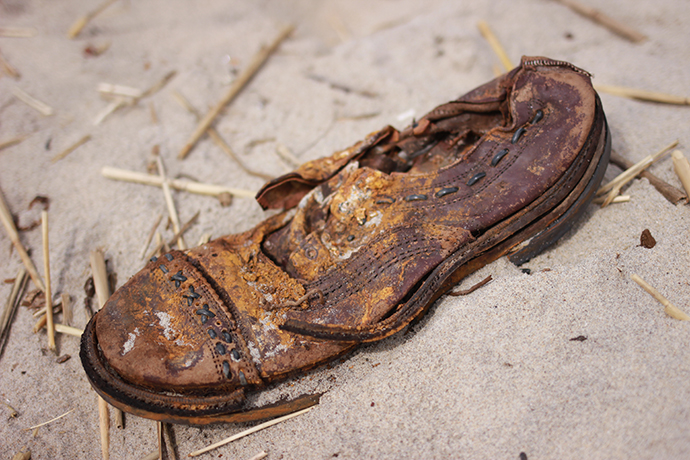


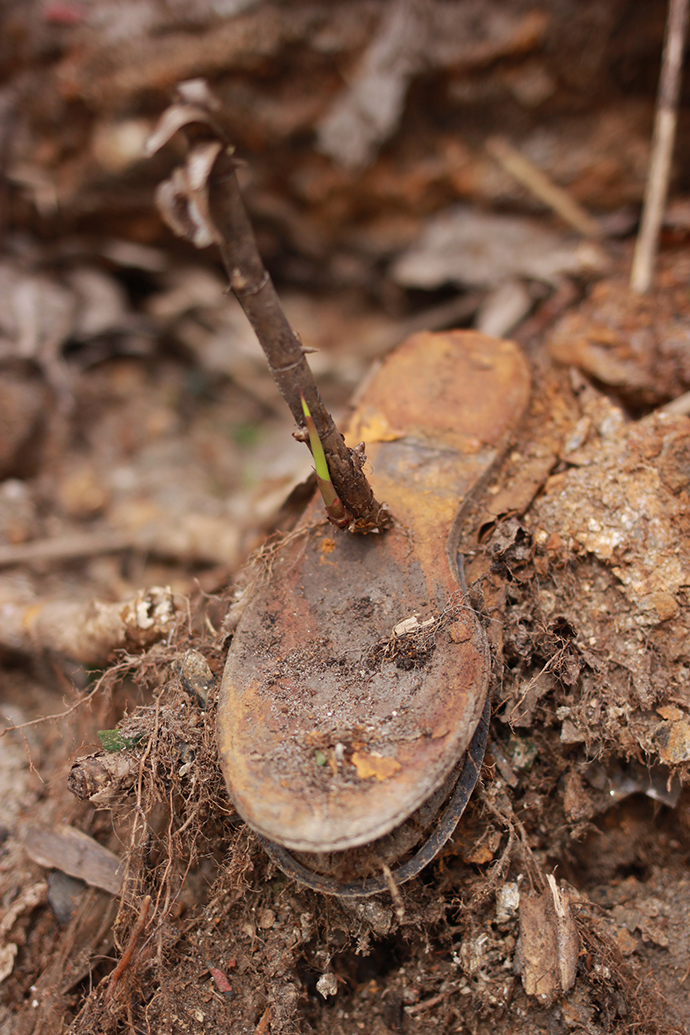
The biggest thing to remember when visiting Dead Horse Bay is to check the tide times—we didn't this time, but got lucky and arrived at low(ish) tide. We spent hours combing through everything and much of the stuff was submerged by the time we left.


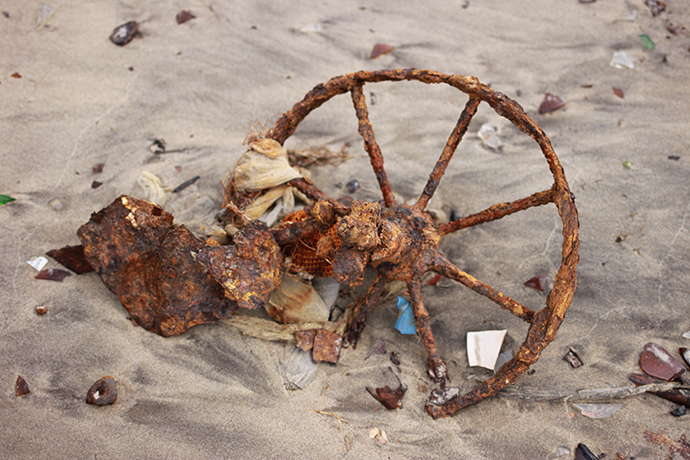


I'm slightly concerned that Dead Horse Bay may becoming popular—not that I discovered it by any means—mostly because there was an art exhibit in Brooklyn recently featuring pieces made with DHB finds. This is probably a silly thought considering how much stuff is still left, but the seclusion and post-apocalyptic feel of the beach is what makes it such a fascinating place to visit. I've seen other people gathering treasures each time I've been there, but this time there was a film shoot happening. I understand that Dead Horse Bay is a great setting, but there are so many people in this city and sometimes I just want to feel like I have something special, and to myself—if even just for a moment.
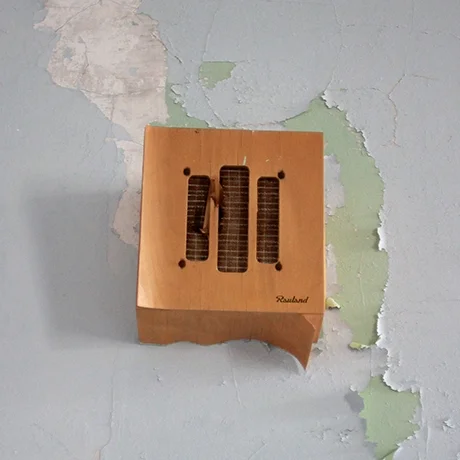
Abandoned School
After exploring an abandoned amusement park and motel on my recent trip back to Ohio, JMP and I drove to an abandoned greenhouse only to find that it had recently been demolished. As we sat in her car, soothing our disappointment with cupcakes, I told her that there was an abandoned school on our way back—with the caveat being that I knew next-to-nothing about it, other than its location.
The greenhouse had been my only "sure thing" of the day, and I had only been able to confirm that the school, 1. once existed and 2. had been abandoned—there was no guarantee that we could get in or that it would still be standing when we arrived. Luck was on our sides on both fronts, however, and not only was it still there, but we were able to get inside relatively easily.
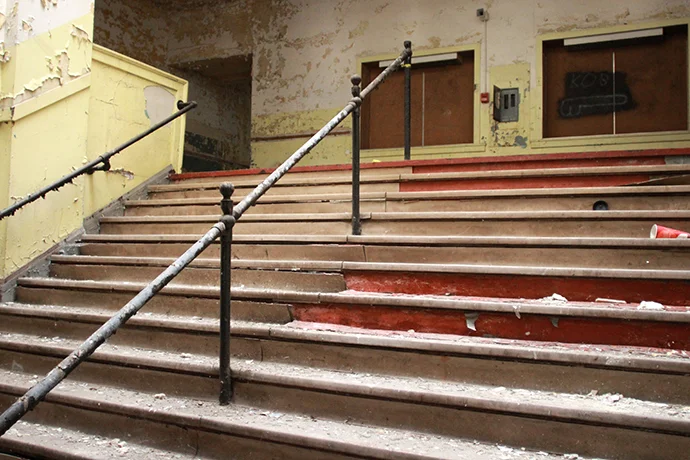
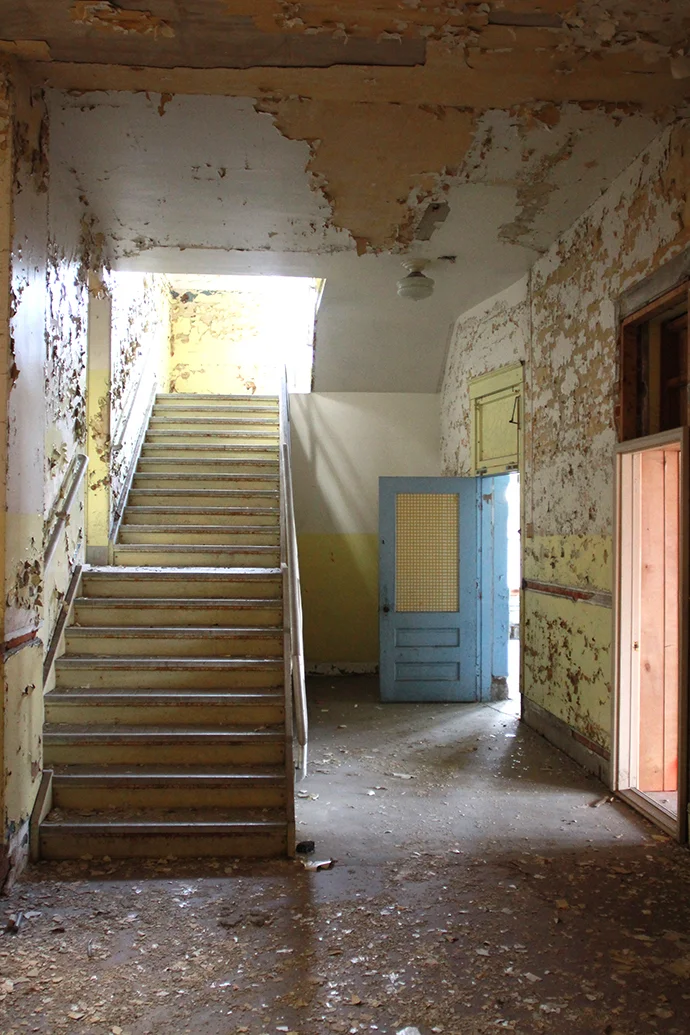
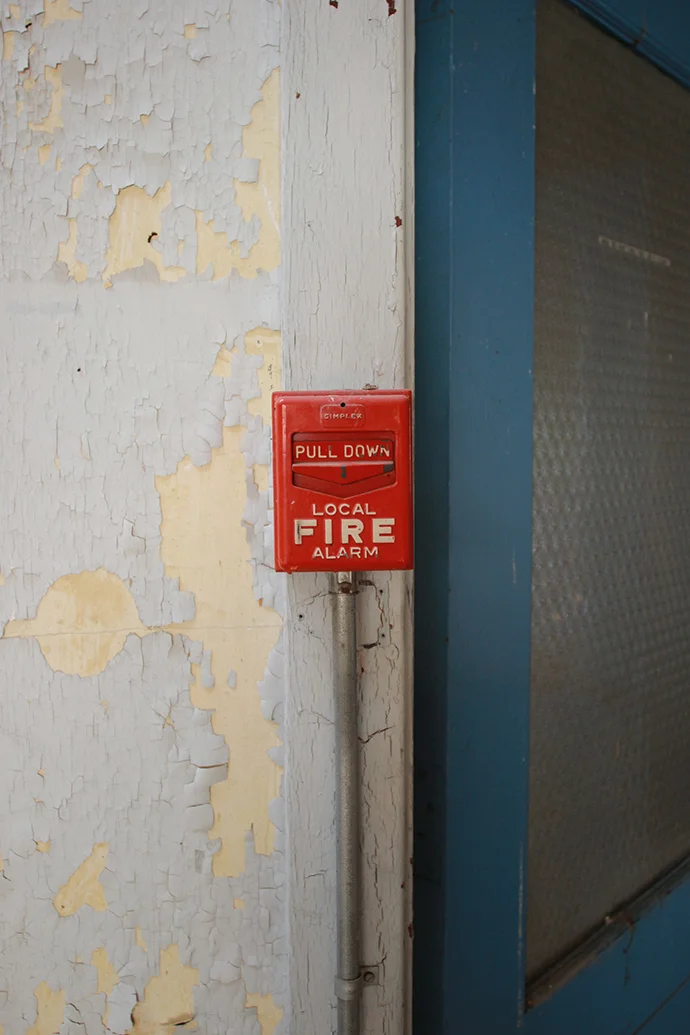
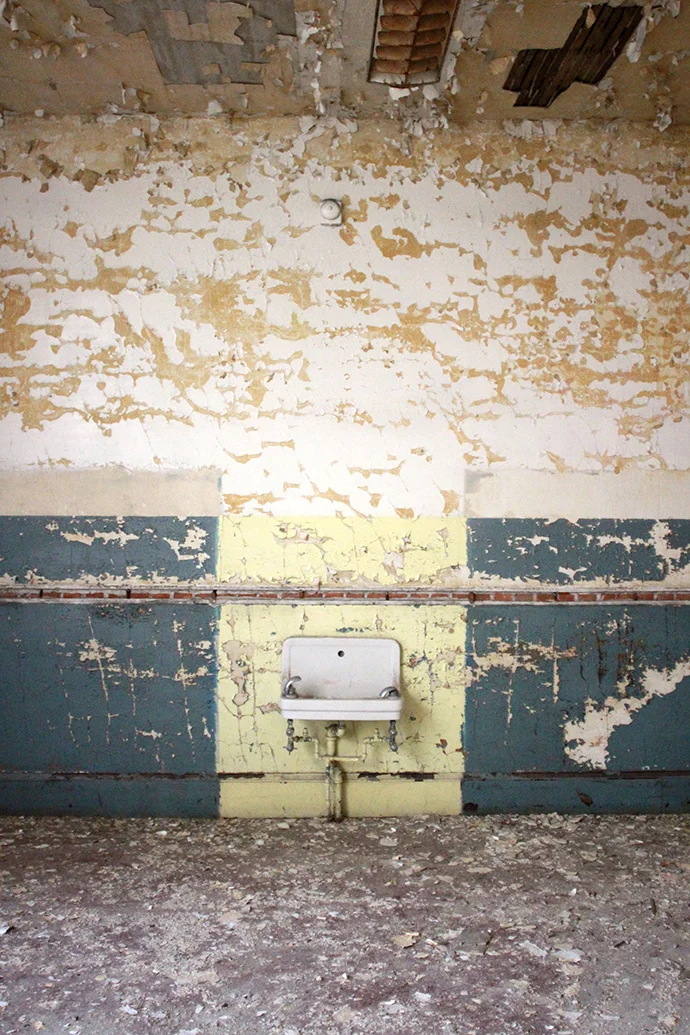
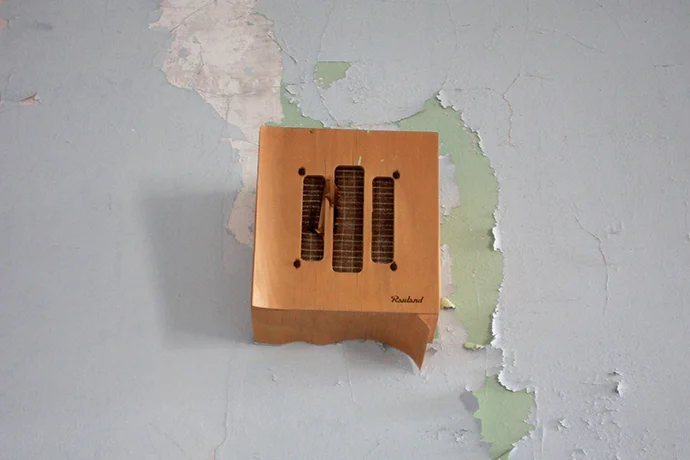
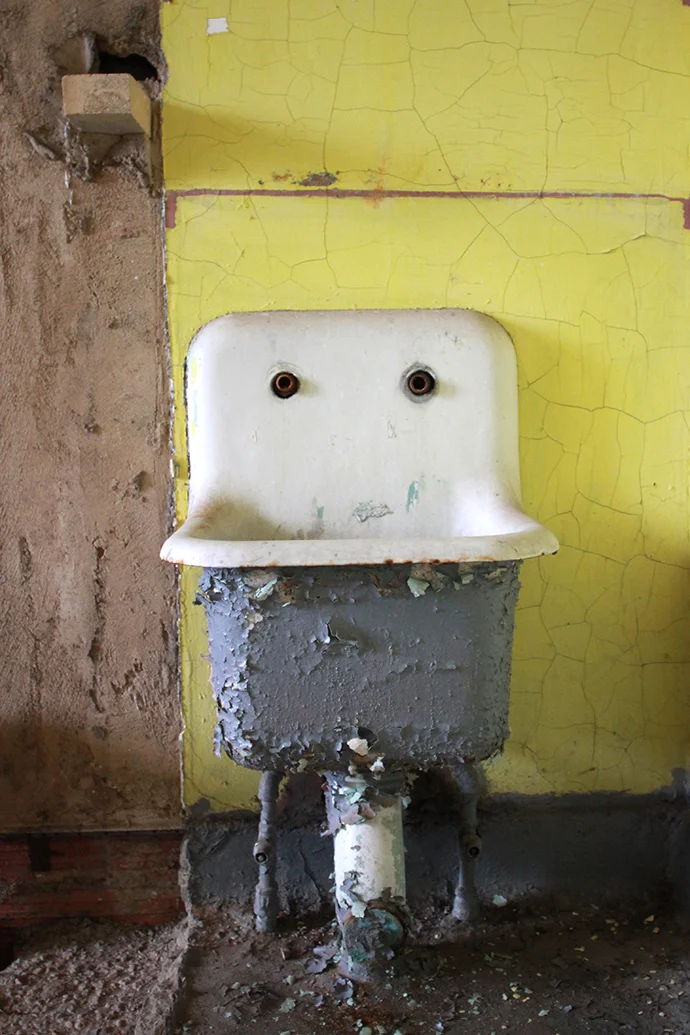
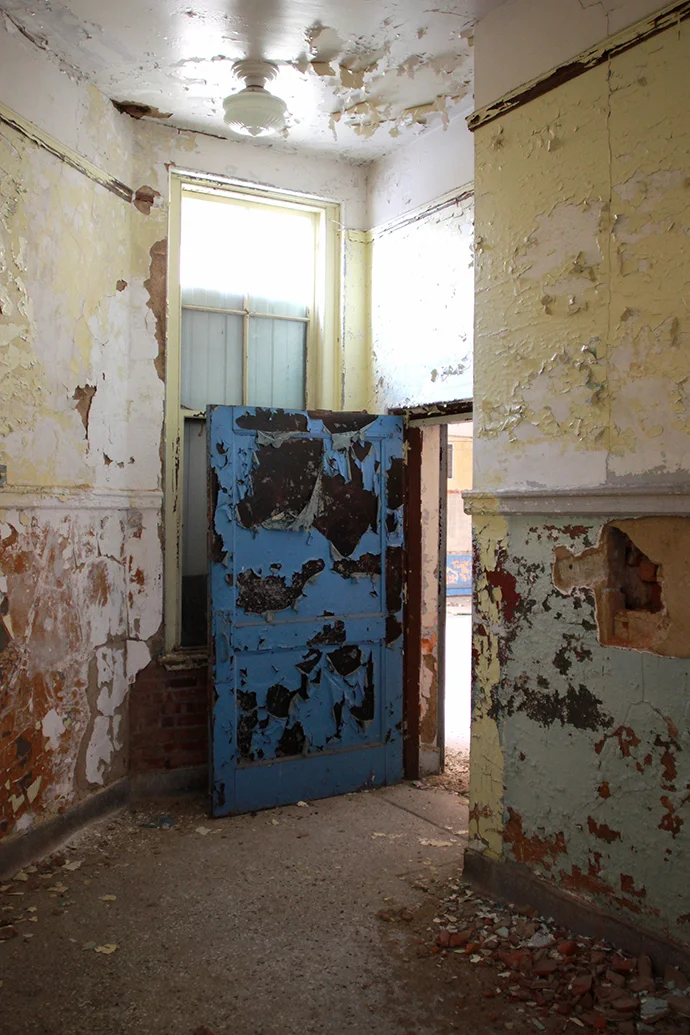
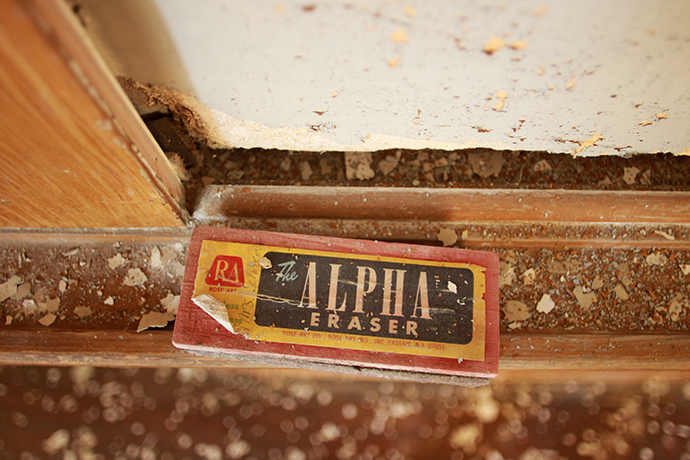
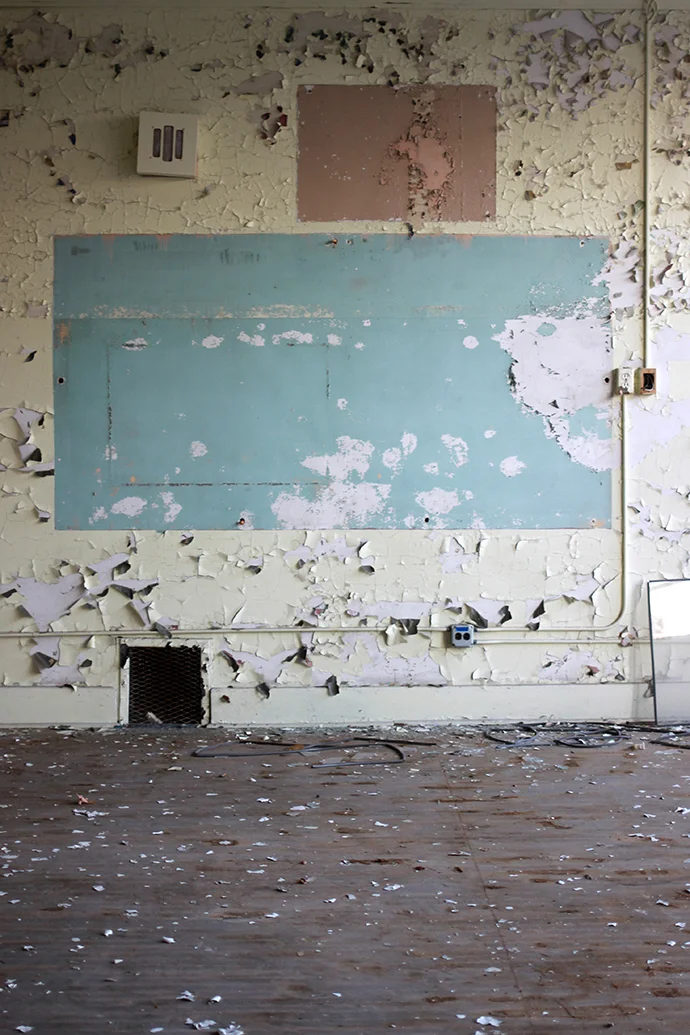
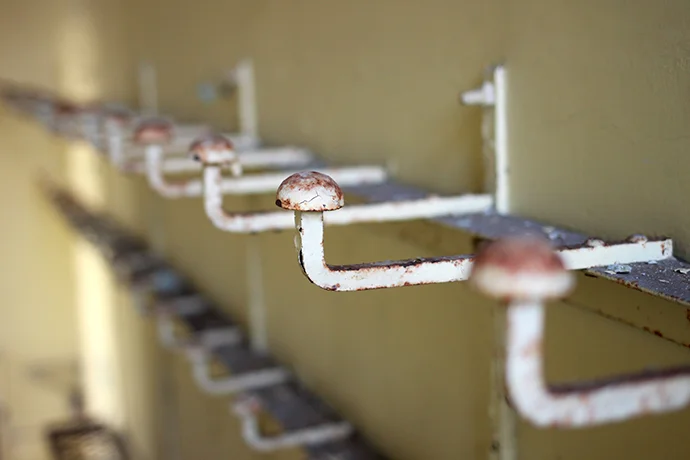
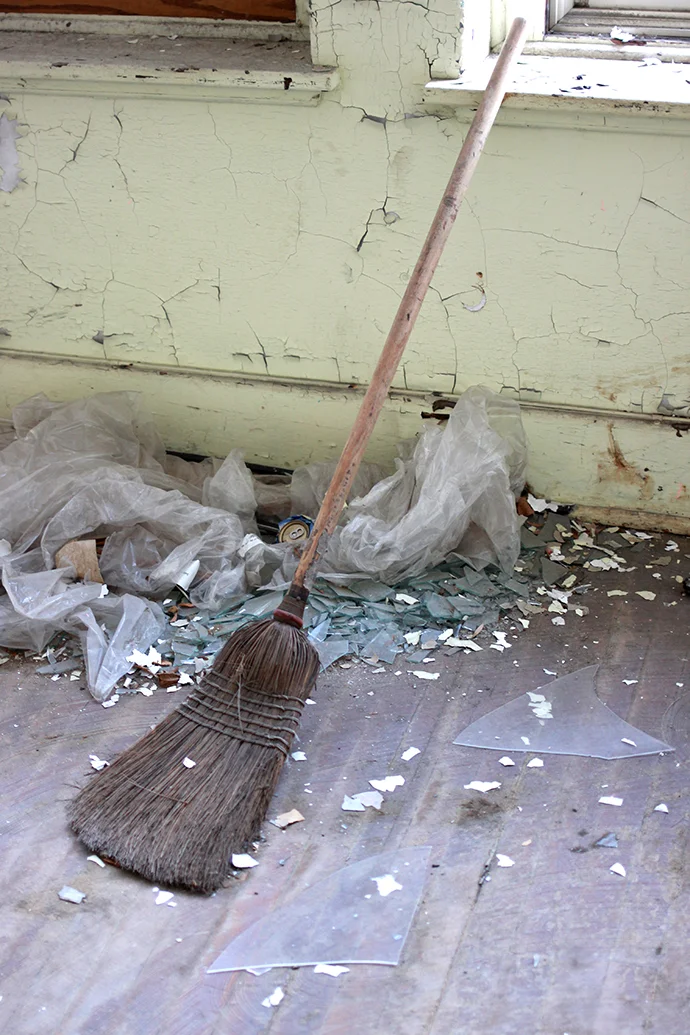
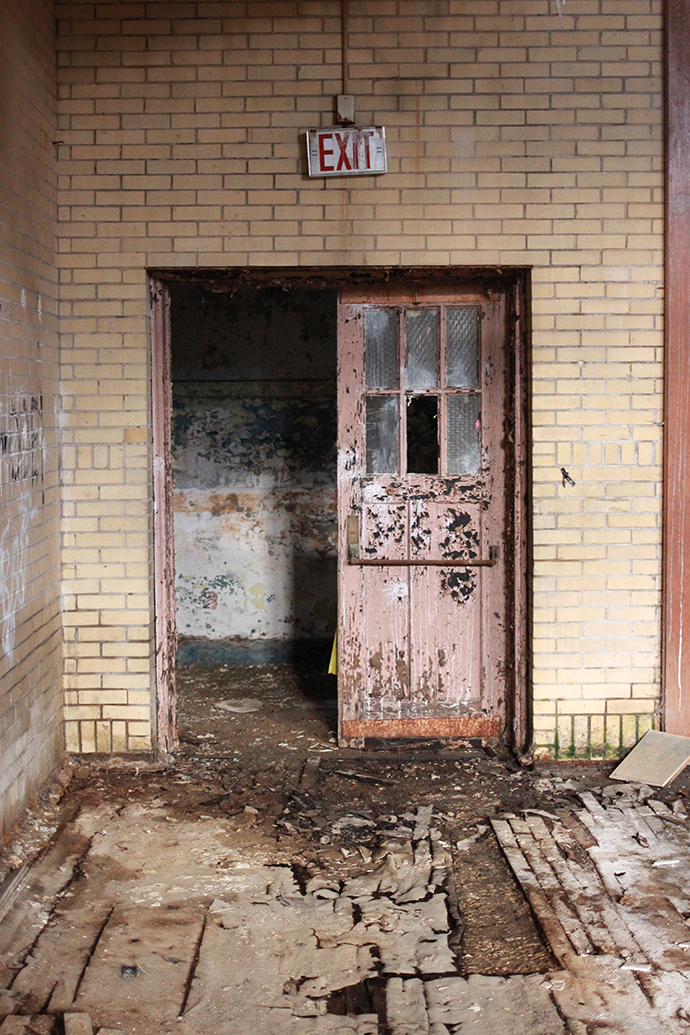
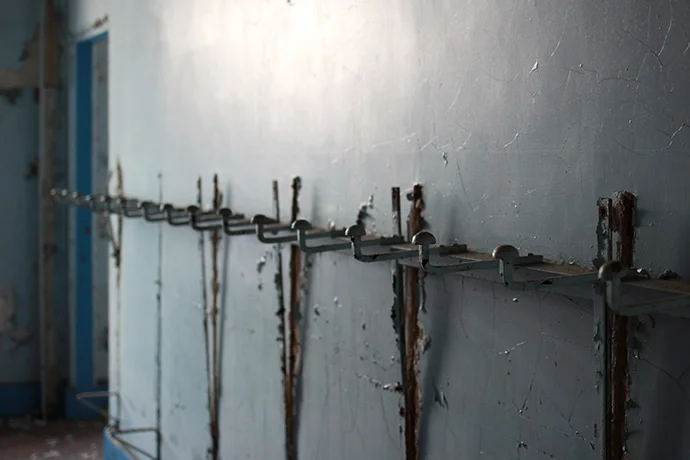
This was my first school, and despite looking as if it had just recently been abandoned and well-secured, it was pretty empty (we freaked out when we found one eraser)—even the chalk boards had been removed. I'm not sure exactly when the school closed, but a stone on the front of the building marks the build date as 1907 (an addition was added in 1922).
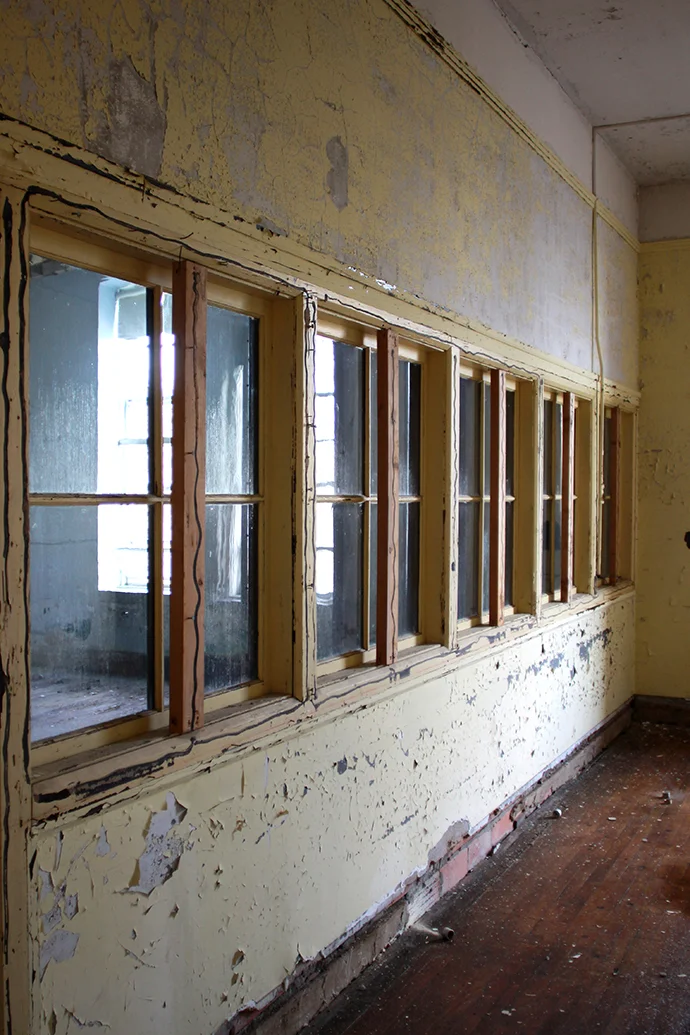
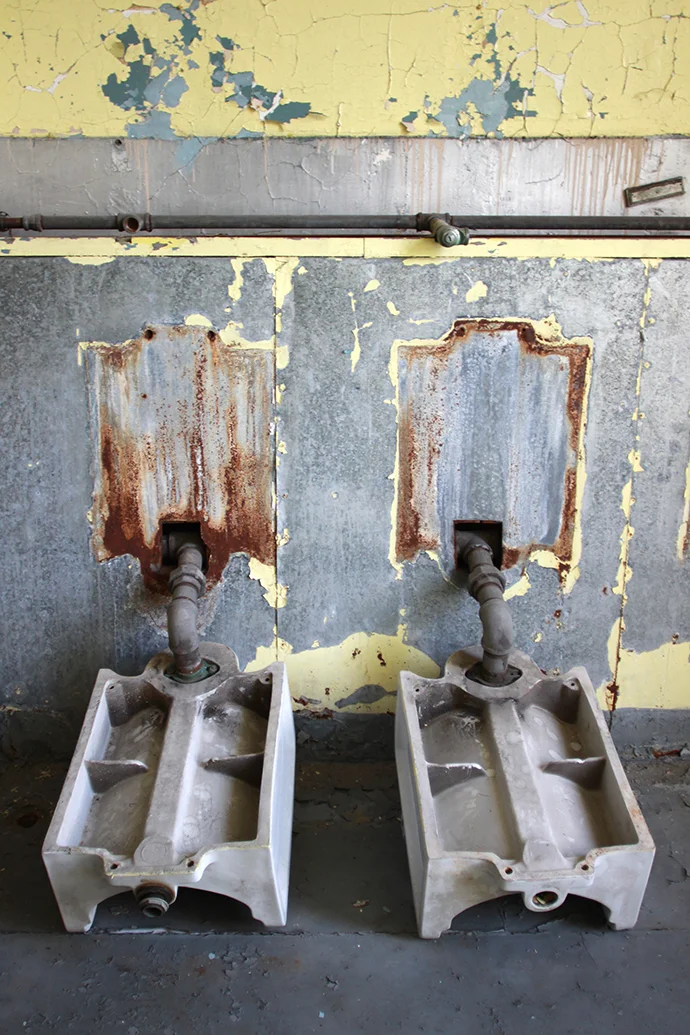
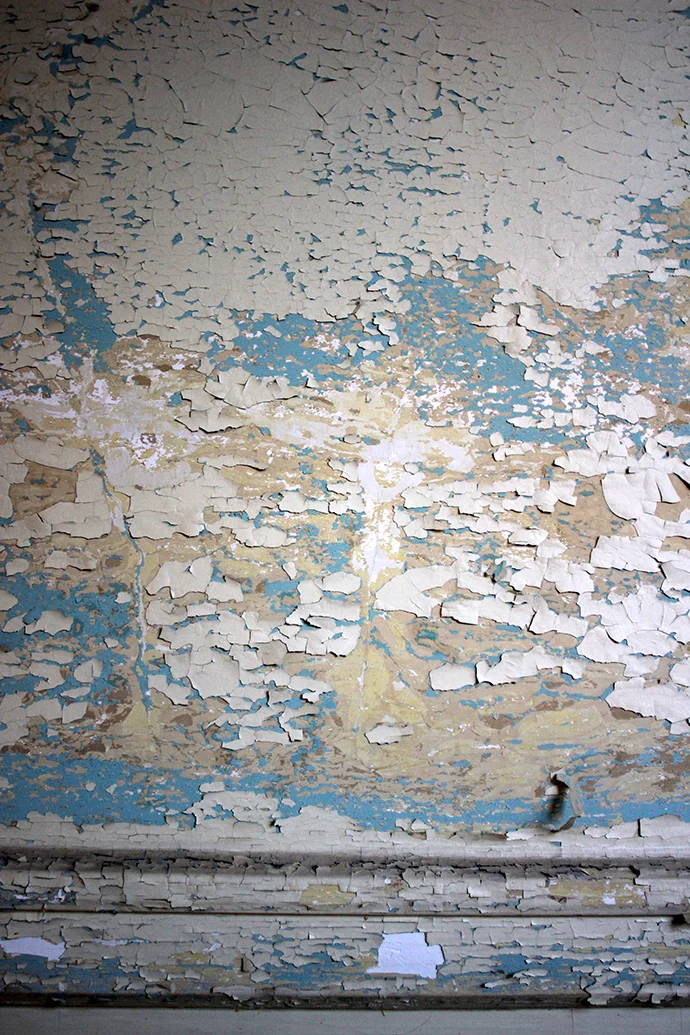
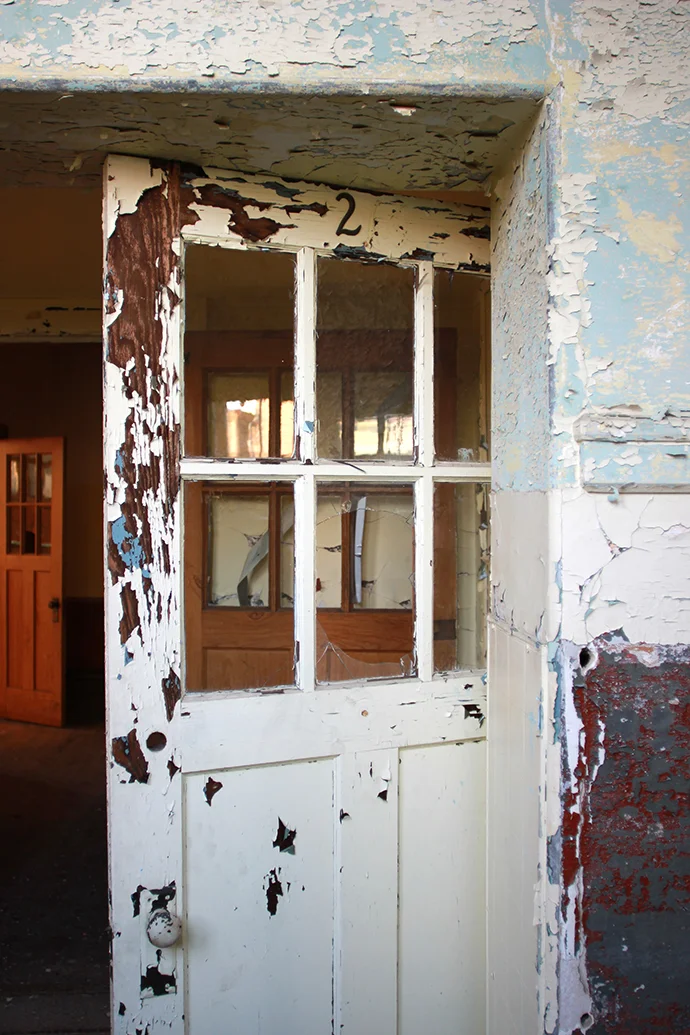
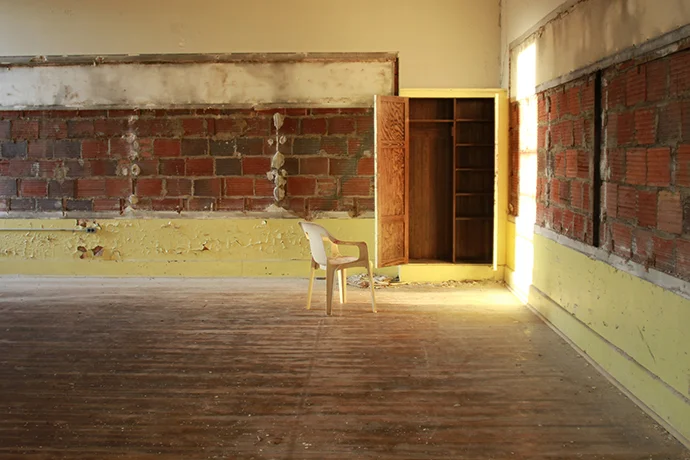
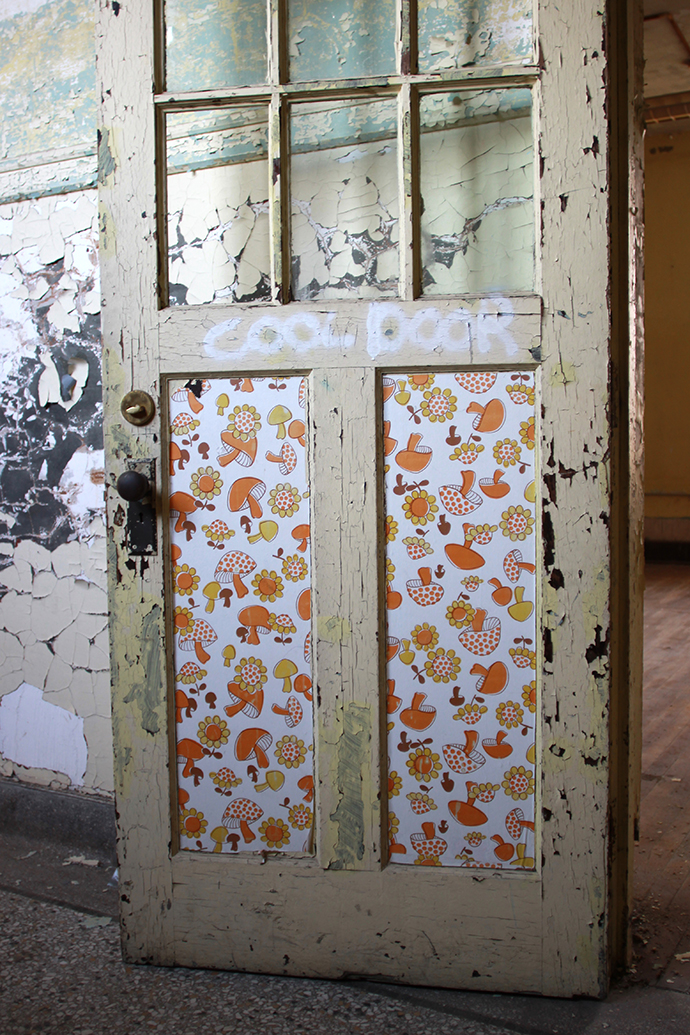
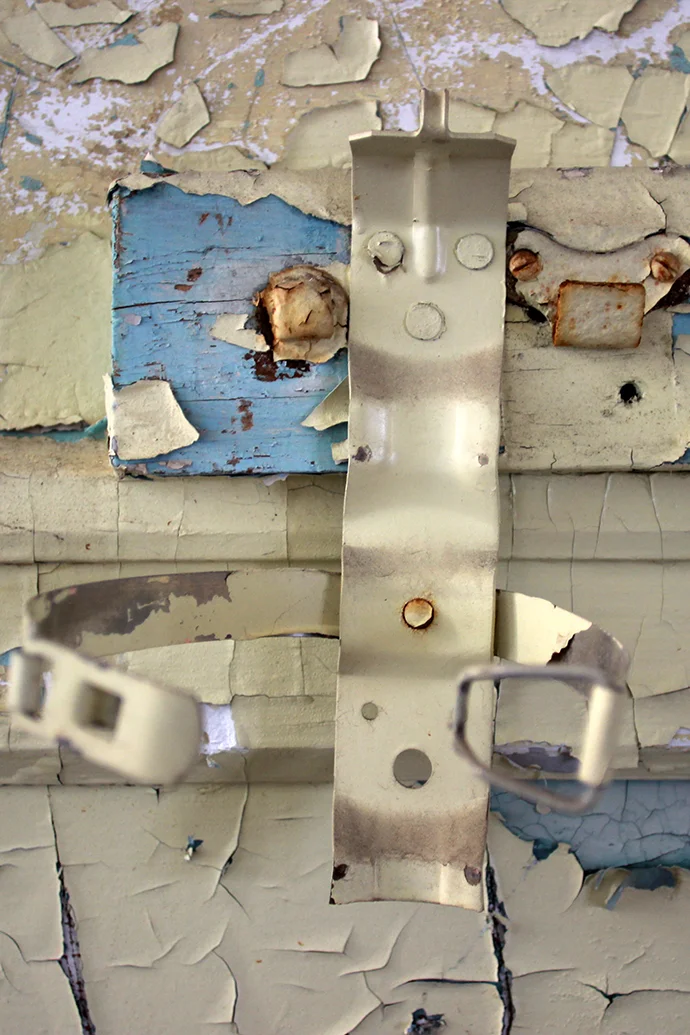
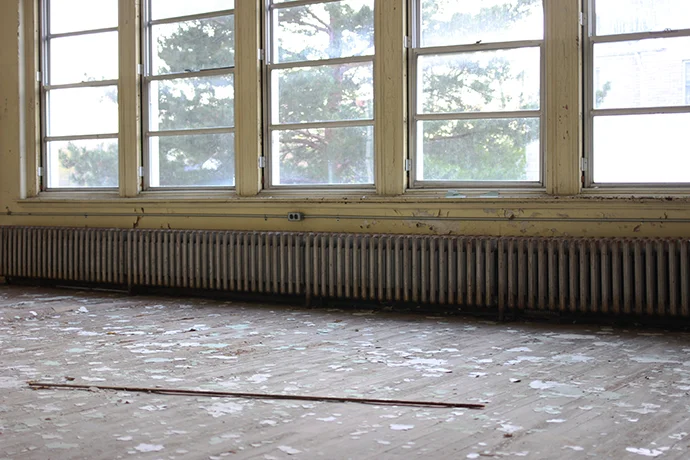
The building was boarded up on the lower level, but the upper floors were so bright I actually thought the lights were on when we first entered. This was a real treat for us since we like exploring abandoned places to take photos and actually see things—it's no fun to creep around in the dark. The multiple layers of pale, peeling paint made for the most wonderful colors and textures, and despite being mostly devoid of stuff it was still a really visually interesting place.
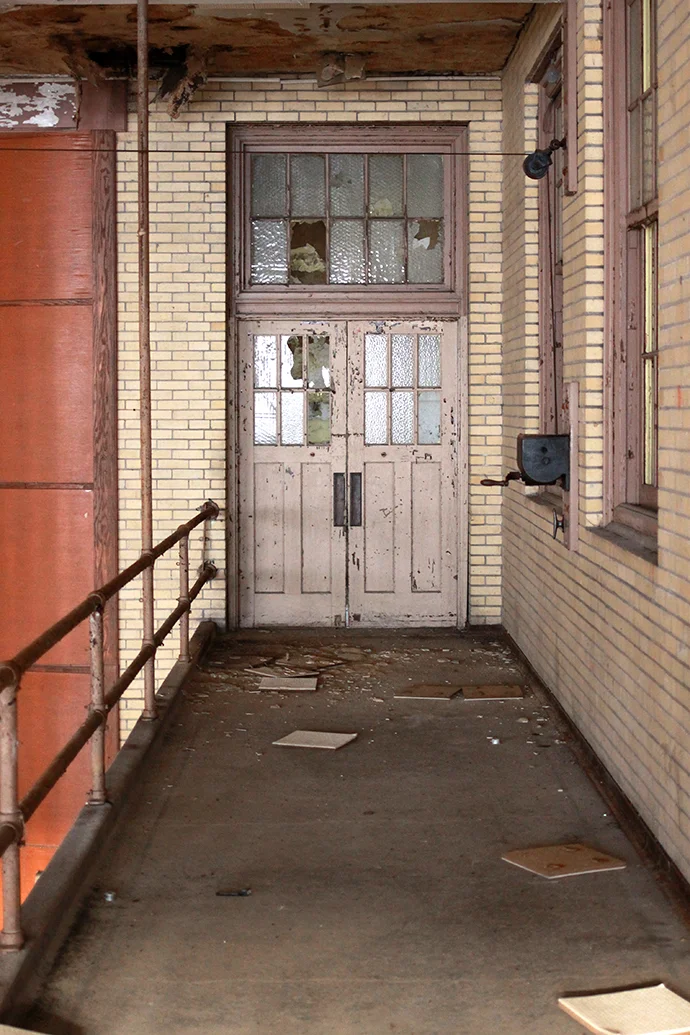
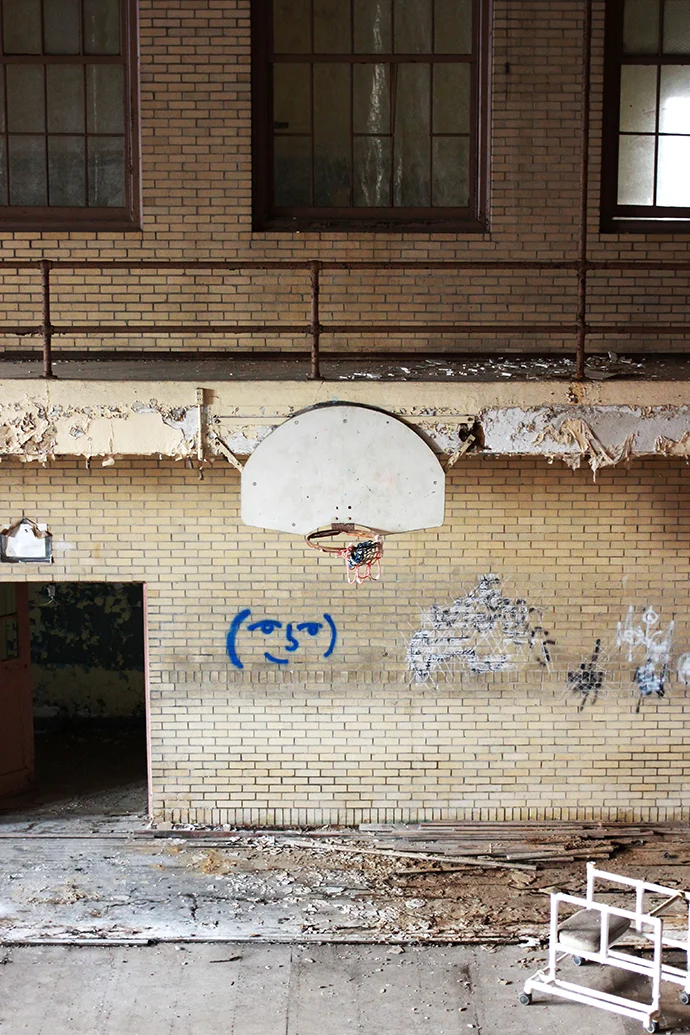
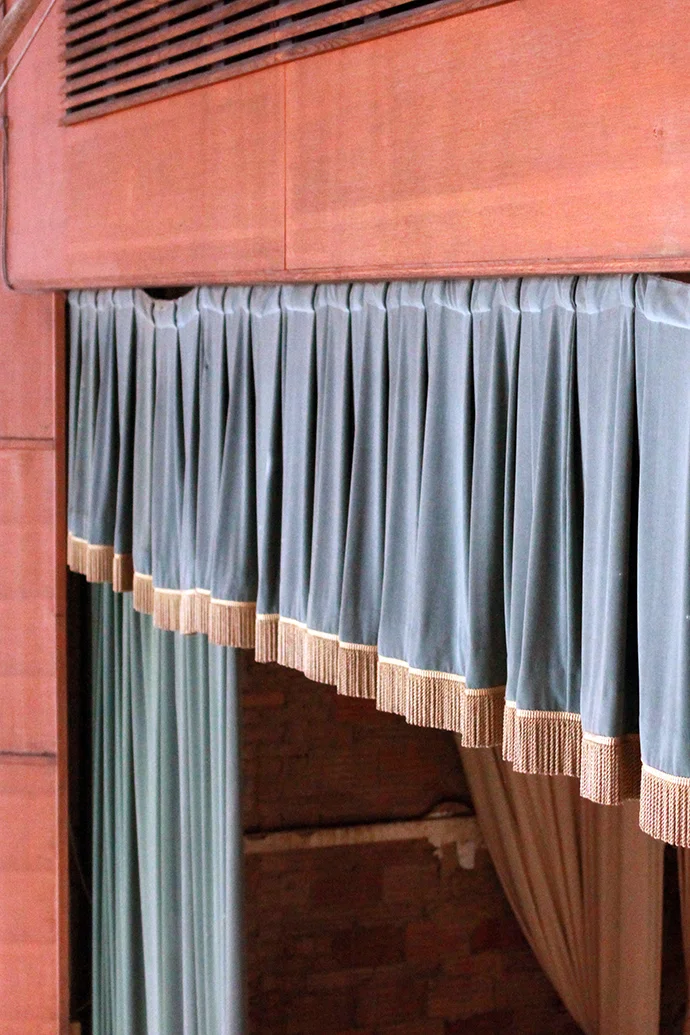
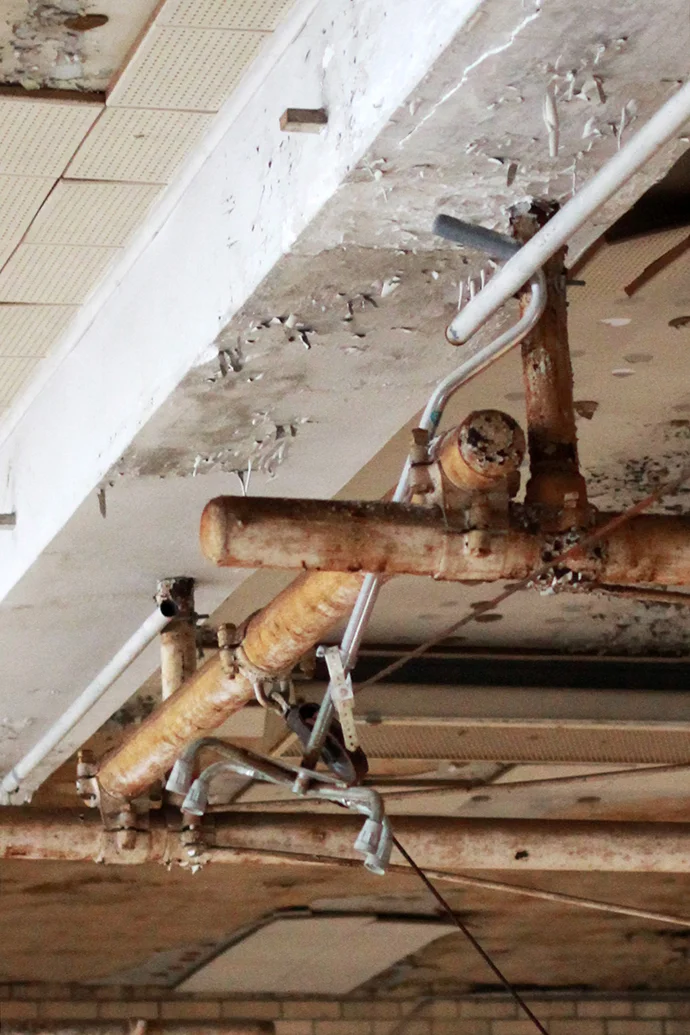
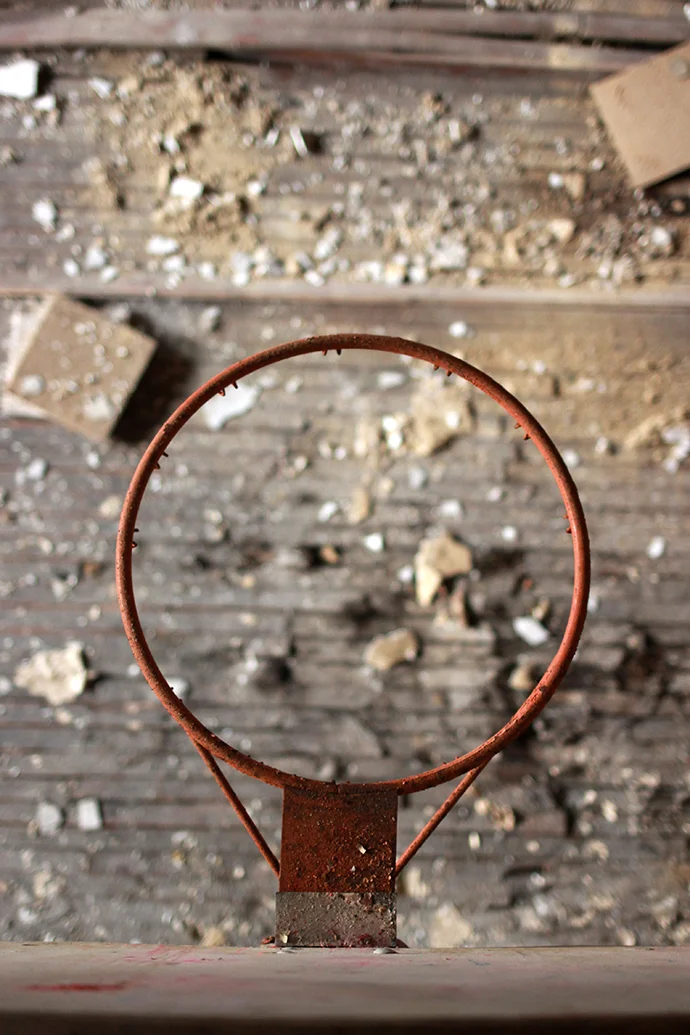
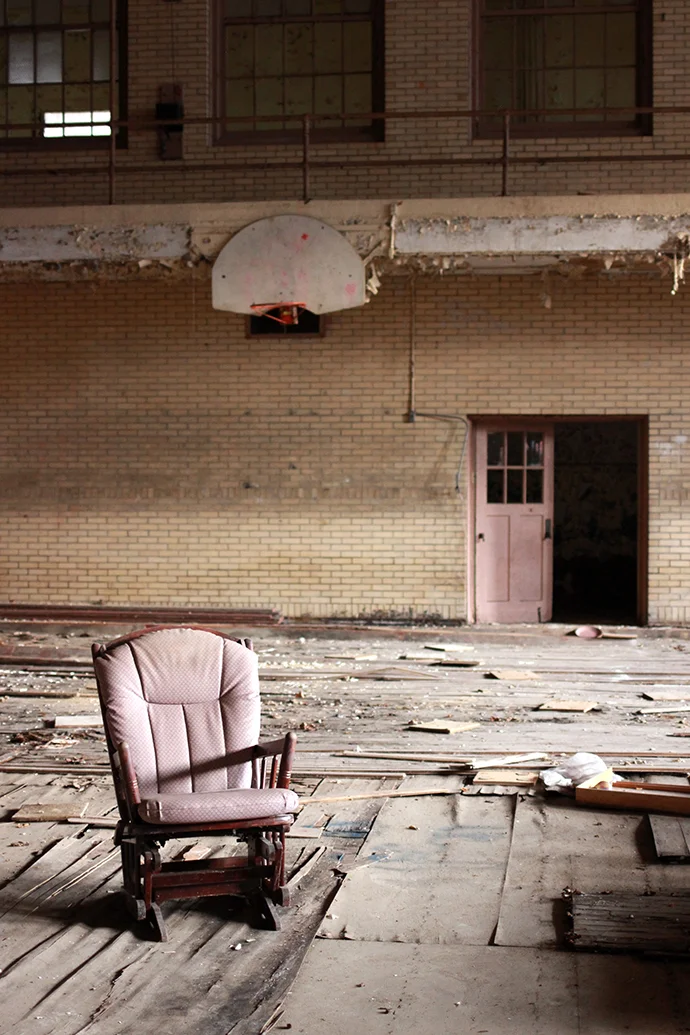
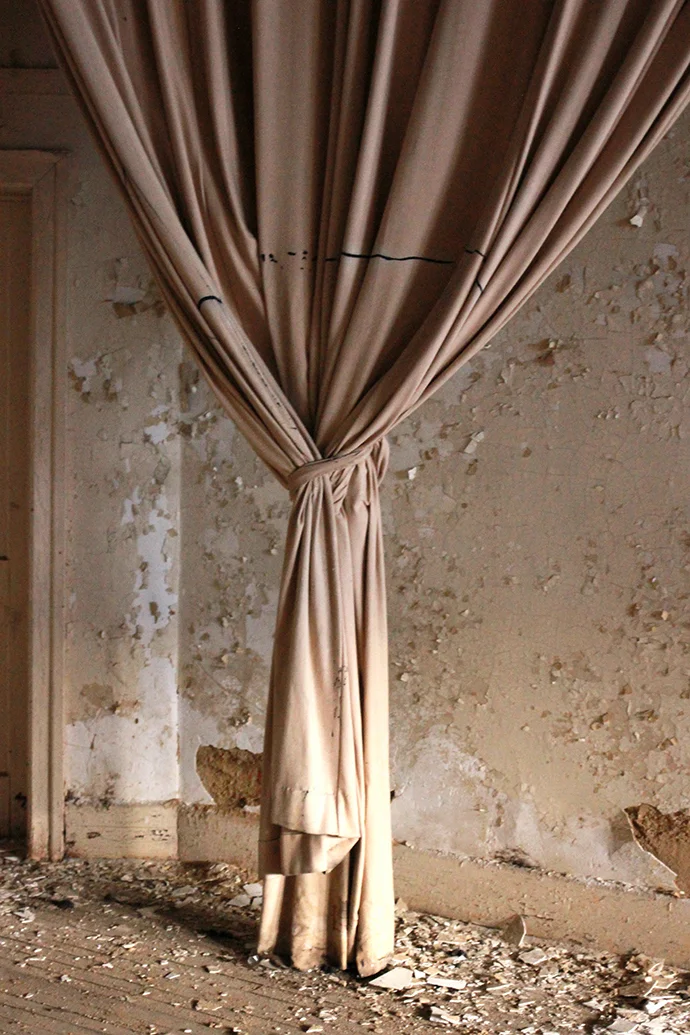
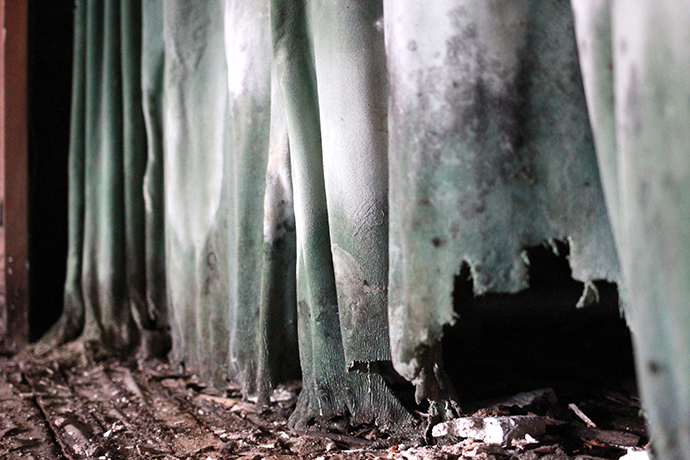
Despite being an older, solid-looking building, the floors were surprisingly unstable. We were very careful, but it was still a bit unnerving. One good surprise, however, was the discovery of the gym/auditorium, with basketball hoops, a stage (creepy velvet curtain ✓ ) and a wrap-around walkway—from which someone presumably threw a cane that now dangles precariously on rusty stage rigging ¯\_(ツ)_/¯
We explored the school until it started to get dark, and it was a wonderful bonus on a day that was full of (mostly) successful creeps. I lament often that I didn't explore Ohio more while I actually lived there, but maybe I needed to leave to truly appreciate its virtues. New York City may have my heart, but it has nothing on Ohio in the abandoned building department.
Denning's Point Brickworks

After exploring the abandoned Reformed Church cemetery on a recent day trip to Beacon, NY, we decided to take a little hike. The weather had cleared up and we weren't ready to drive back to the city just yet, so we headed over to Denning's Point, a NSFW-shaped peninsula that juts out west of Beacon into the Hudson River. The scenery is so beautiful in the Hudson Valley, and the trail (basically a large loop) ended up being longer and more secluded than I had expected. The area is a protected winter habitat for bald eagles, and is closed from December 1st through March 31st.


Earlier in the day (when our plans to spend hours at Dia: Beacon fell through) I had been searching for attractions near Beacon and had briefly read about the ruins of the Denning's Point Brickworks factory. I didn't expect to see it, let alone run right into it on our hike, but I probably squealed with delight, which is my default reaction to unexpectedly stumbling upon things I love.


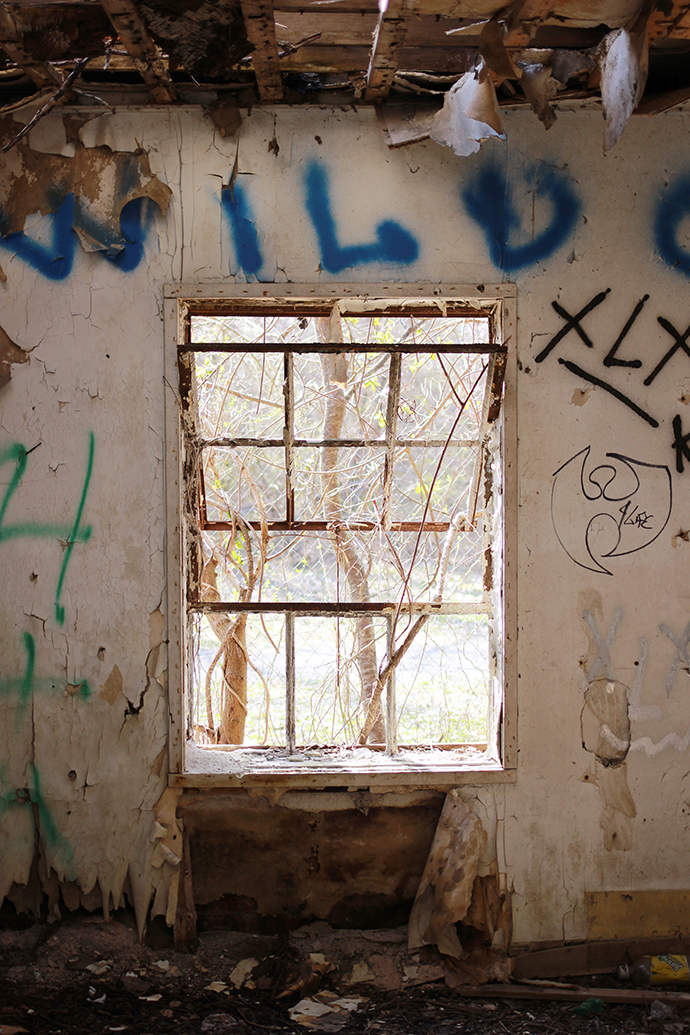


Denning's Point Brickworks started operating from the Hudson Valley in 1885, but by 1939 they had exhausted the local clay reserves and the factory closed. The buildings continued to house factories, one that made composite wood/concrete construction panels and another that made paper clips. Manufacturing declined in the area and stopped for good in the 80s—in 1988 New York incorporated the area into the Hudson Highlands State Park.


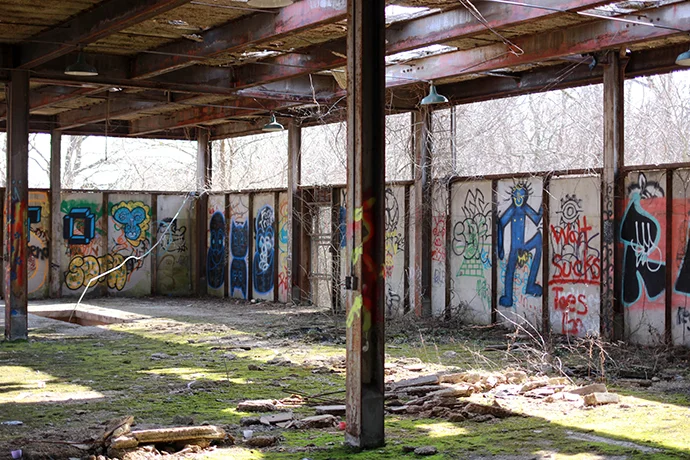

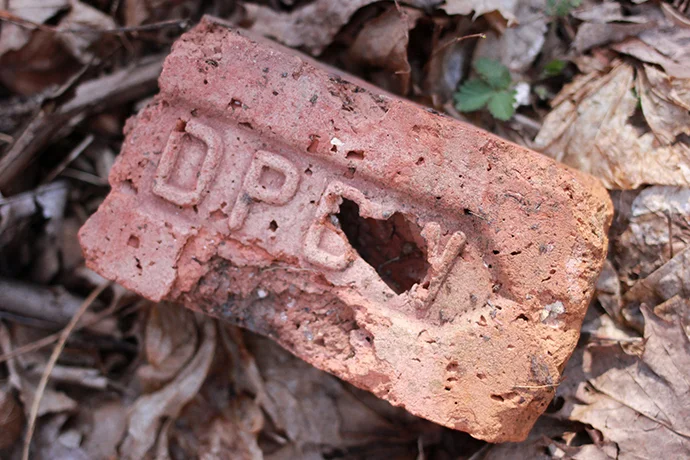
In its heyday, Denning's Point Brickworks fired a million bricks a week. DPBW bricks were used in the construction of both the Empire State Building and Rockefeller Center, and you can still find them scattered throughout the trail and along the riverbank. The building isn't too much more than a shell at this point but it was a great surprise and a reminder that some of the best days happen after my original plans fall through.
Denning's Point Trail: Open April 1st - Nov 30th
Where we parked:
23 Long Dock Rd
Beacon, NY 12508
The trail is also just a short walk from the Beacon Metro North train station.

Abandoned Trailer Park

When I was back in Ohio recently, I got an Instagram message from Kaylah (of The Dainty Squid) asking how long I was in town and if I would like her to show me some abandoned spots in the Cleveland area. Luckily, JMP and I had set aside an entire day devoted to exploring abandoned Cleveland delights, so I replied to her a very enthusiastic (and exclamation-laden) yes, please!!
We had breakfast at a great (and cheap!) diner in Ohio City, where my ham had a face so I knew it was going to be a good day. It was actually a great day—despite running into just about every obstacle you can run into when trying to explore abandoned spots—and I'm so grateful that she reached out.


Kaylah posted about our (mis)adventures last week, and mentioned that she was initially mad when she discovered that I was in town and hadn't contacted her—which is exactly how I felt when I found out she had been in New York and hadn't reached out. Turns out that we're both just equally shy and didn't want to impose on each other, which we quickly decided was seriously misguided. I am forever worrying about what people think of me and I know I let my dumb insecurities rule in far too many situations so I'm glad that we were able to both kick aside our awkwardness for a minute and make a plan (a huge thank you to her boyfriend, Jeff, for being the voice of reason, and for the pizza!).


After failing—pretty hilariously—at getting into most of the spots, we made a last-ditch effort to salvage the day by driving to an abandoned trailer park that Kaylah has visited multiple times. The park is a bit of a mystery as to why and when it was abandoned, but it looks like it was maybe a part-time or vacation community. There is a row of tiny one-room cabins on one side of a gravel road, and a row of colorful trailers on the other.


The cabins had more interesting stuff inside of them—piles of books, dishes, couches, chairs, tables, beds, clothes—but the exteriors of the trailers are painted the most wonderful colors. They're sun-bleached, rusty, covered in crawling vines and brush, and the paint is peeling off in sheets, but each one is different and together they just look so damn cool.


Jean-Marie and I had had such fantastic luck when we had gone exploring two days prior (if you don't count the Great Greenhouse letdown), that I guess the first part of this day was just the universe balancing things out a bit. I'm eternally grateful to Kaylah for reaching out and being such a good adventure companion, to JMP for driving us all over Ohio and to the burgers and curly fries that saved us all and gave us the energy to make it to this magic place.
Reformed Church Cemetery

On one of our days off from work for Passover, we decided to take a day trip up to Beacon, NY. I've been to a few Hudson Valley towns—Cold Spring, Tarrytown, Sleepy Hollow and Beacon once, but just for a hike—but the actual town of Beacon had been on my list for a while. It's easily accessible by Metro North, although we opted to take a Zipcar to have more flexibility.
Our first stop was Dia: Beacon, an art museum that, as we found out the hard way, is closed on Wednesdays (and Tuesdays). After quickly moving through the stages of bewilderment, disbelief, annoyance, light anger (mostly at ourselves for not checking the hours in advance) and then acceptance, we found a diner on Main Street to get lunch and discuss an alternate plan for the day. It was raining pretty heavily, but I was intent on checking out an abandoned cemetery nearby. Luckily I am the world's slowest eater, so the rain had pretty much stopped by the time we left the diner and the sun came out as we arrived at the Reformed Church of Beacon.
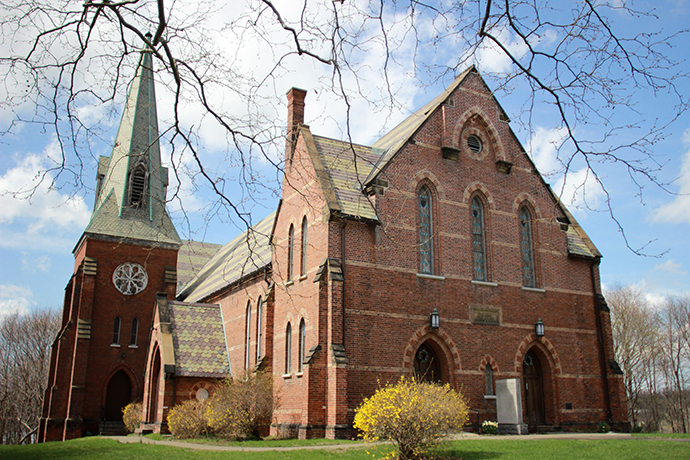


The Victorian Gothic church—the oldest in Beacon—was built in 1859 but graves in the cemetery date from 1813 into the 20th century. Both the cemetery and church were listed on the National Register of Historic Places in 1988, and while the church is still in use, the cemetery has definitely seen better days. In fact, everything that I read mentioned that the cemetery had exposed human remains in a few of the crumbling vaults, which turned out to be 100% true.


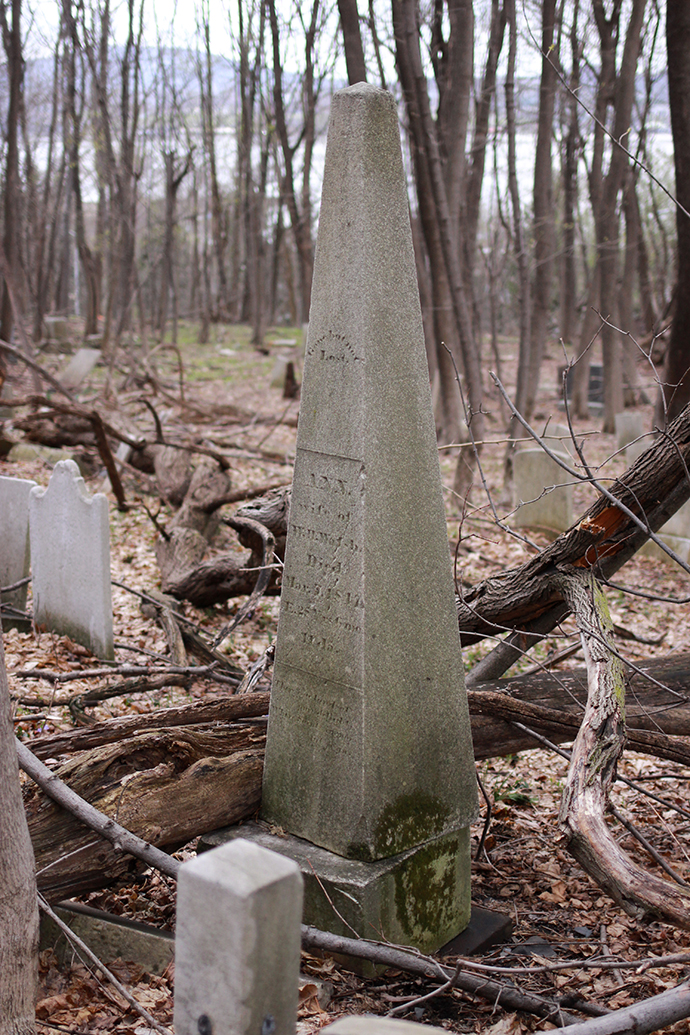
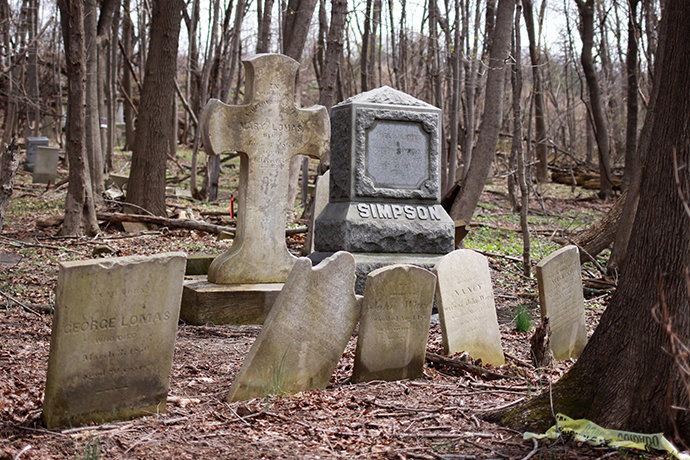
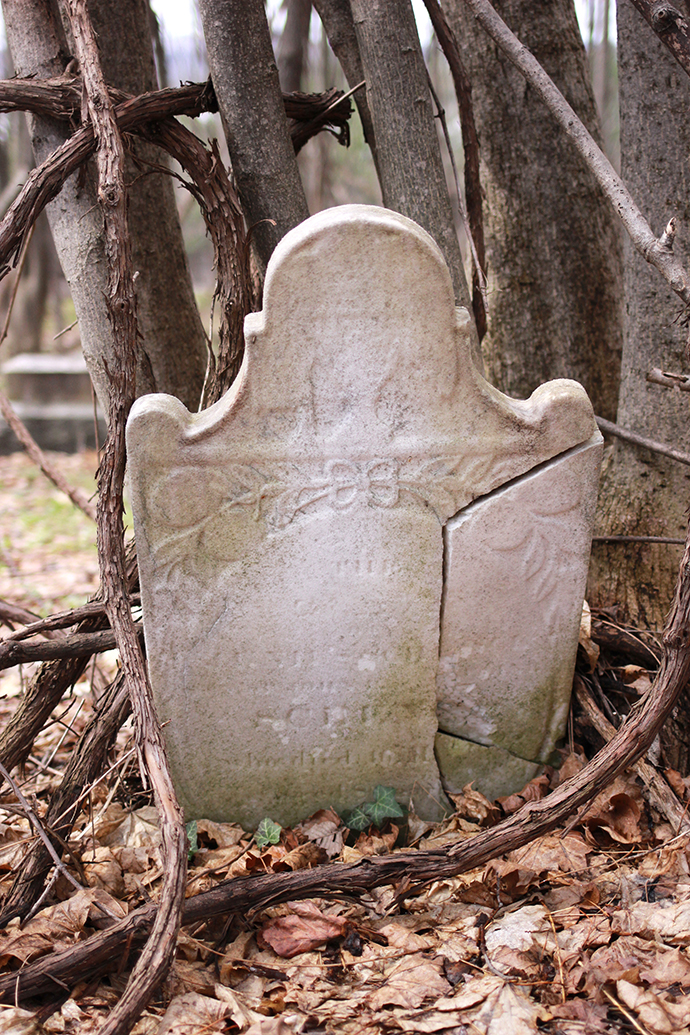
The cemetery doesn't look like it's been vandalized, so much as it has just been left to decay without proper maintenance and care. Several brick vaults are sitting wide open, as are the burial spaces inside of them. One article I read mentioned full skeletons, which were obviously there at some point, but now there are only a few bones in a few small piles scattered between the vaults. I was actually more scared of the tiny snake than I was of the bones, although the tiki idol that someone left behind added a nice extra layer of spookiness to the whole scene.


I always have mixed feelings about abandoned spots. I'm excited to explore weird and decaying places, but cemeteries—especially ones with mishandled remains—are often sad. The state of this cemetery is even more perplexing considering the location (Beacon is a nice, popular town) and the fact that the church is still in use. The property isn't overwhelmingly large or overgrown—like Mount Moriah—so a future restoration at least seems plausible, if not hopefully inevitable.
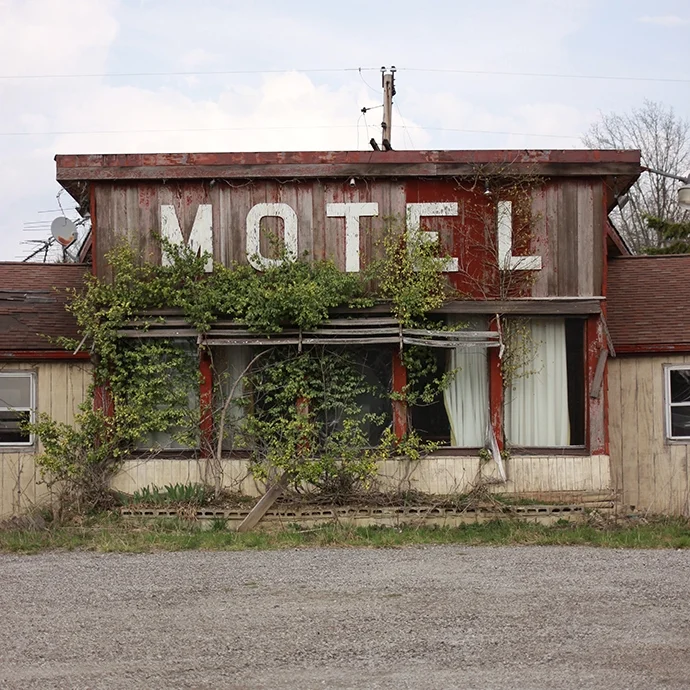
Abandoned Motel
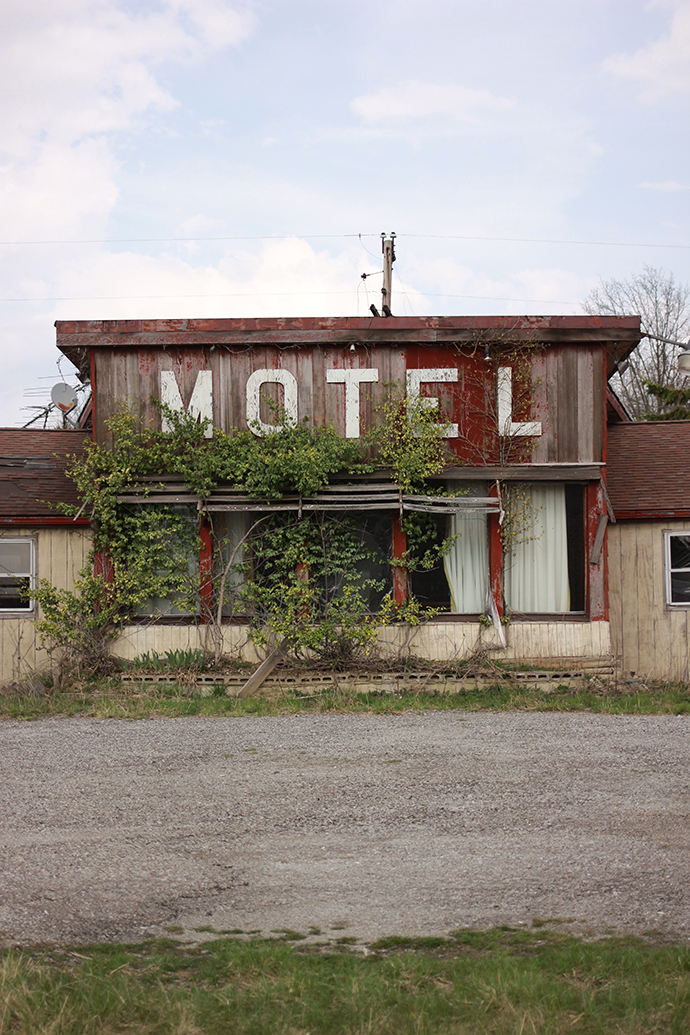
After exploring the abandoned amusement park, JMP and I decided to take a gamble on an abandoned motel I knew almost nothing about. I had an address and the vague memory of a cool photo that had sparked my interest, but I suppose the uncertainty is part of the excitement of exploring abandoned things. We were both driving separately, but I wish I could've seen JMP's face when we finally pulled up to the motel—if she had seen mine, it would've looked something like this.

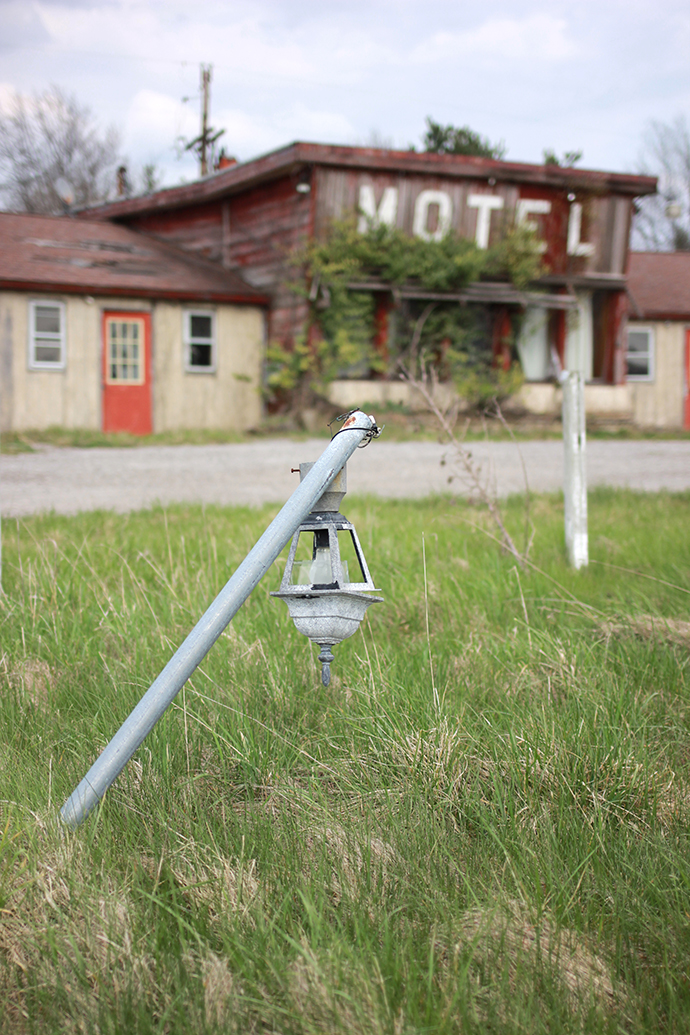

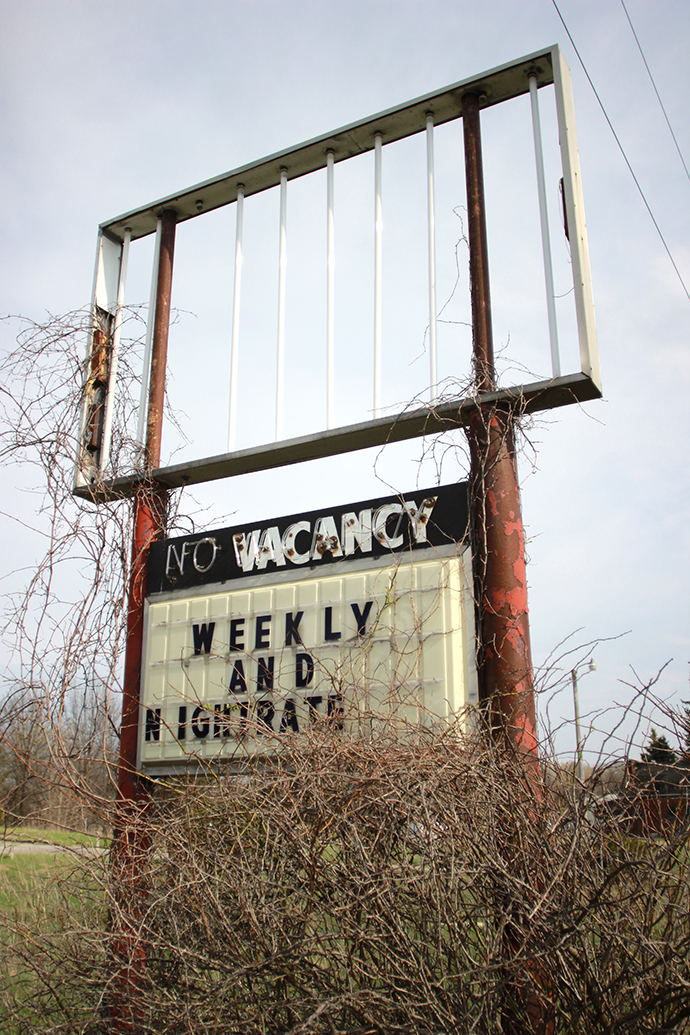
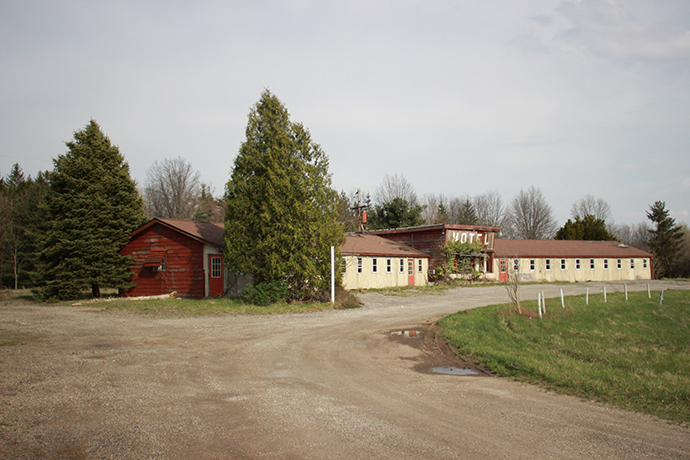
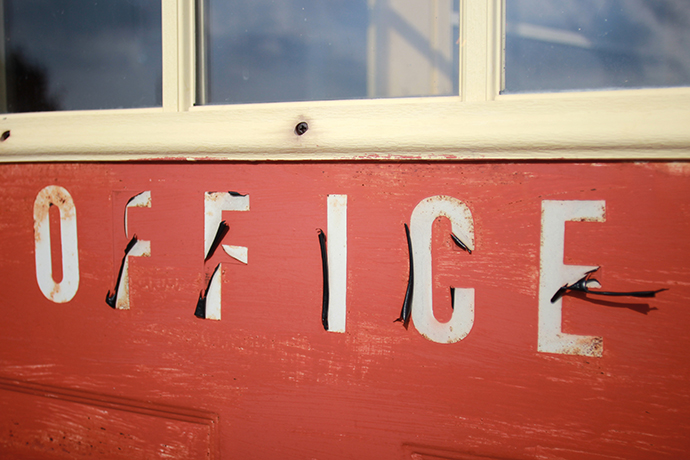
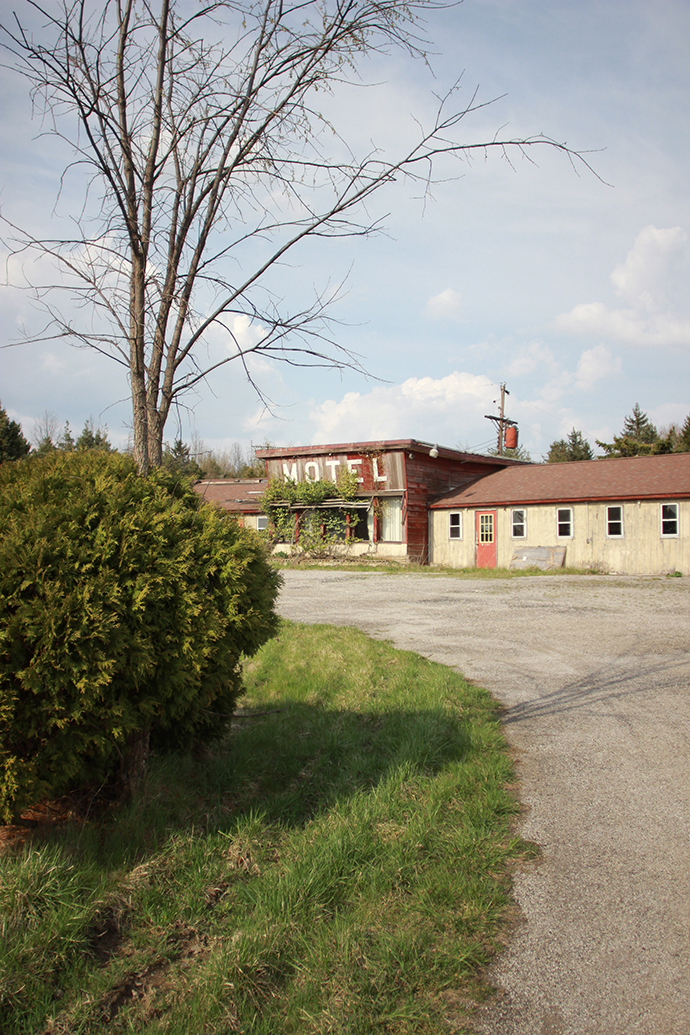
The motel owners—a husband and wife who died in 2012 and 2009, respectively— also owned the furniture store across the street, which appeared to be open when we went but Yelp lists it as closed. I'm not sure exactly when the motel became abandoned, but we just walked in the doors as if it was still open for business.

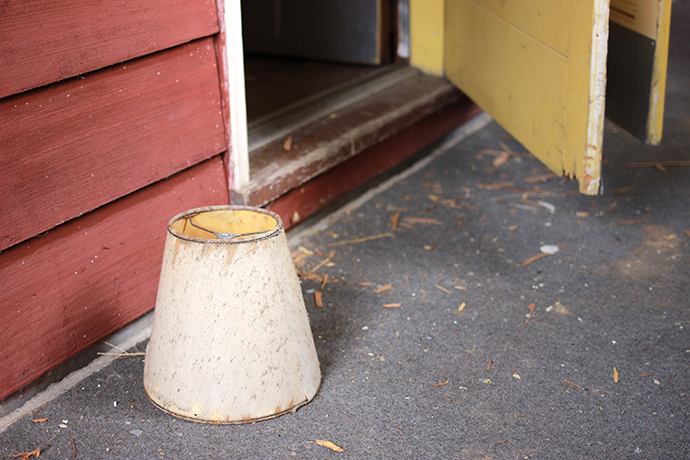

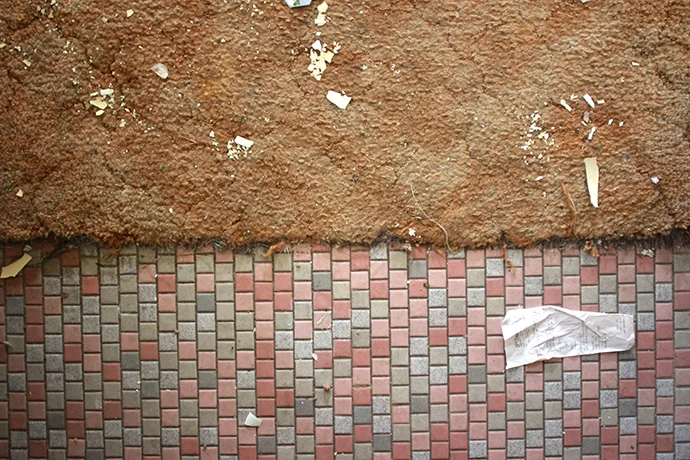


There isn't much left inside of the rooms besides fixtures—lamps, curtains, toilets—but it was still thrilling to be able to explore an abandoned motel (a first for both JMP and me). Even if we hadn't gone inside, it would have still been worth the drive just for the exterior, which is pretty much perfect in every single way. From the huge, wooden M O T E L letters to the artfully placed creeping foliage, to the open doors slowly creaking in the wind—I couldn't have designed it better if I was trying to recreate a classic "abandoned motel" for a movie set.


I think the most important lesson I learned on this trip was to keep my expectations low when scouting abandoned spots. You can research for hours and hours on Google street view and Instagram, but you can't truly know about a place until you see it in person. After the motel, we drove to check out an abandoned greenhouse—one that I had read extensively about online—to find ... a pile of greenhouse materials. I'm not sure how recently it had been demolished, but it was a good reminder to appreciate these places while they're still standing.
Mount Moriah Cemetery

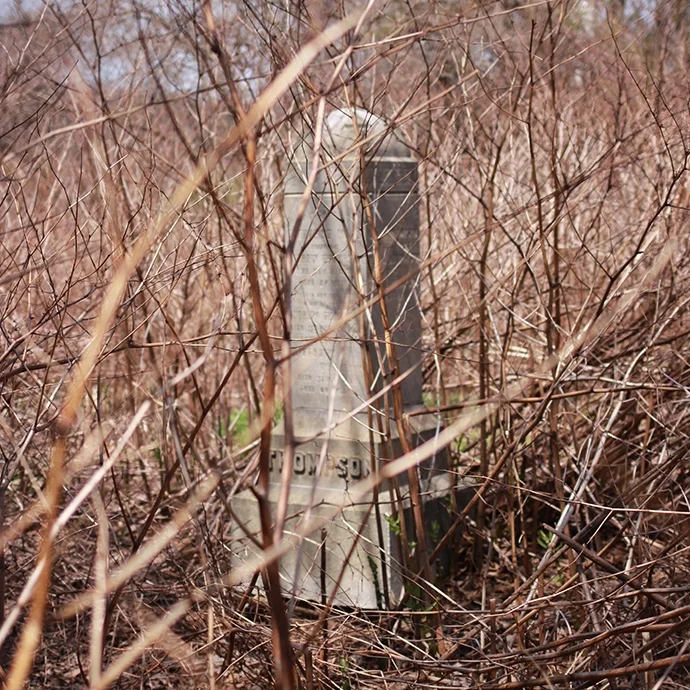
I finally made it to Mount Moriah Cemetery recently, an "abandoned" cemetery located in southwest Philadelphia. I put abandoned in quotes, because like Eastern Cemetery in Kentucky and the Historic Jersey City Cemetery, Mount Moriah was once abandoned but is slowly being cleaned up and maintained by a group of volunteers.
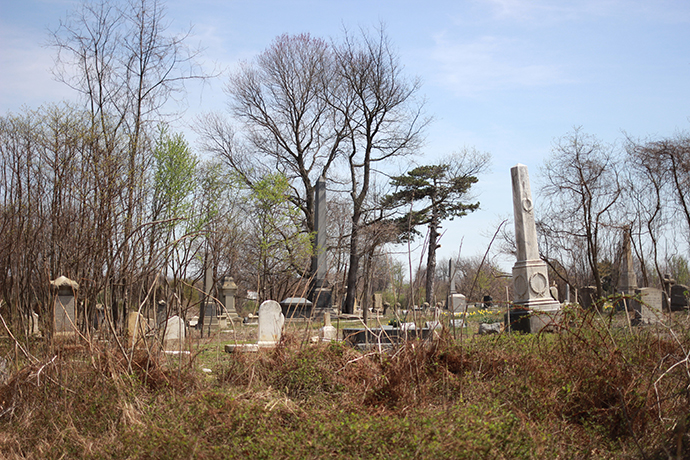


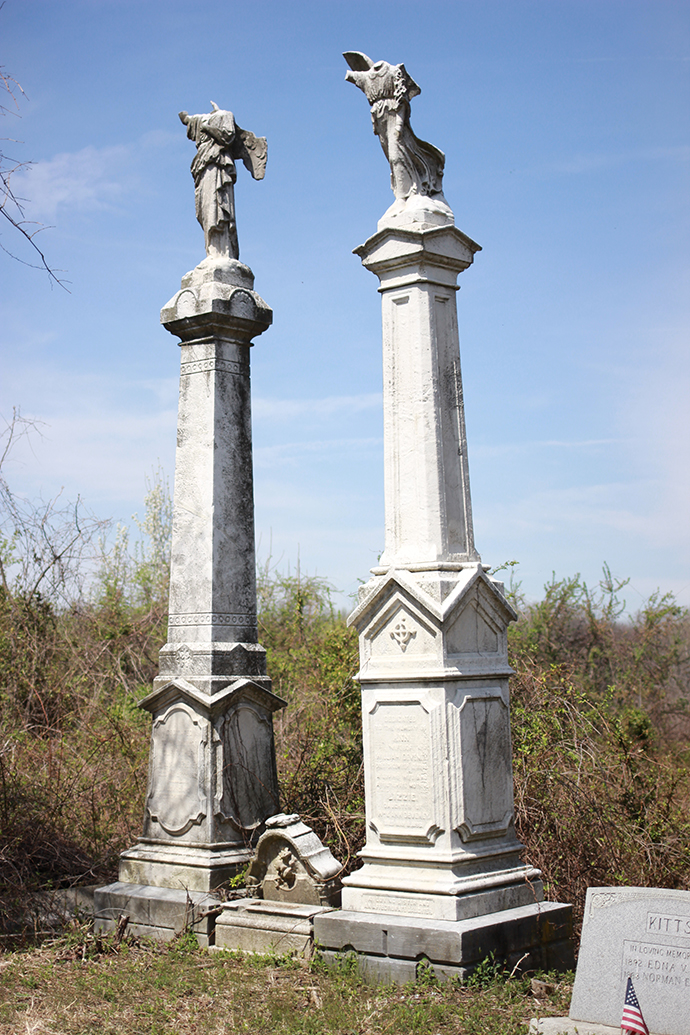

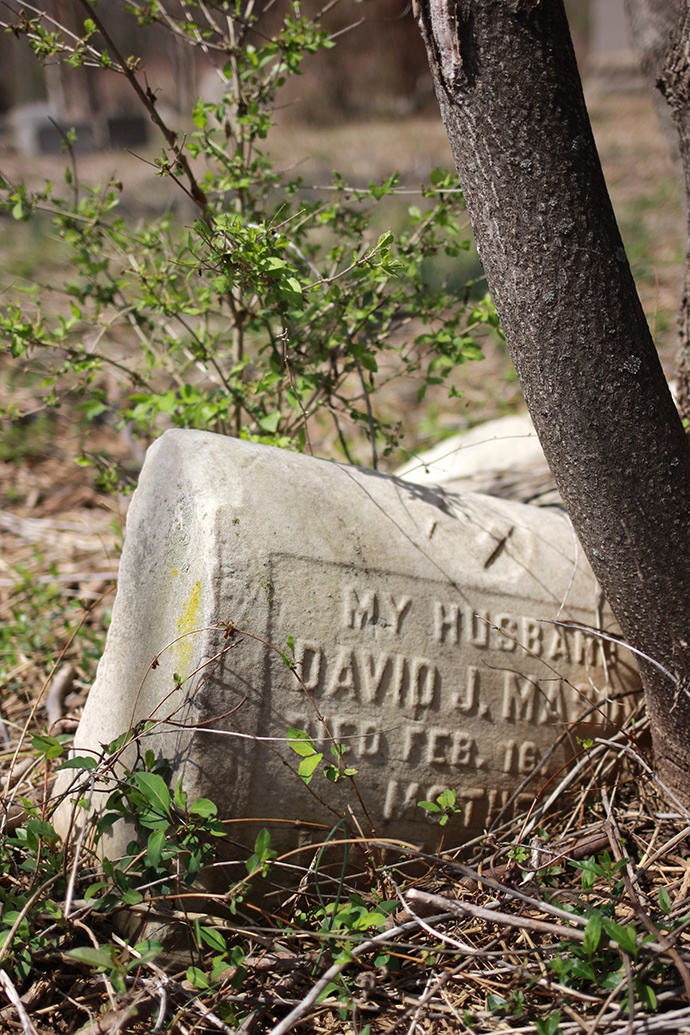

Mount Moriah was established in 1855 and encompasses 380 acres, making it the largest cemetery in Pennsylvania. The cemetery is separated into two sections by Cobbs Creek, and sits in two different counties. It was privately owned until the last known member of the Mount Moriah Cemetery Association died, and there has been confusion about who actually owns the cemetery since—it officially closed its gates in 2011.
At first glance, Mount Moriah doesn't even appear abandoned. A large portion of it has been cleared and mowed, and it looks like any other sprawling cemetery. But bordering the cleared sections are pockets of overgrown brush and weeds, studded with headstones—I'm guessing the whole cemetery looked like this before the volunteers stepped in.


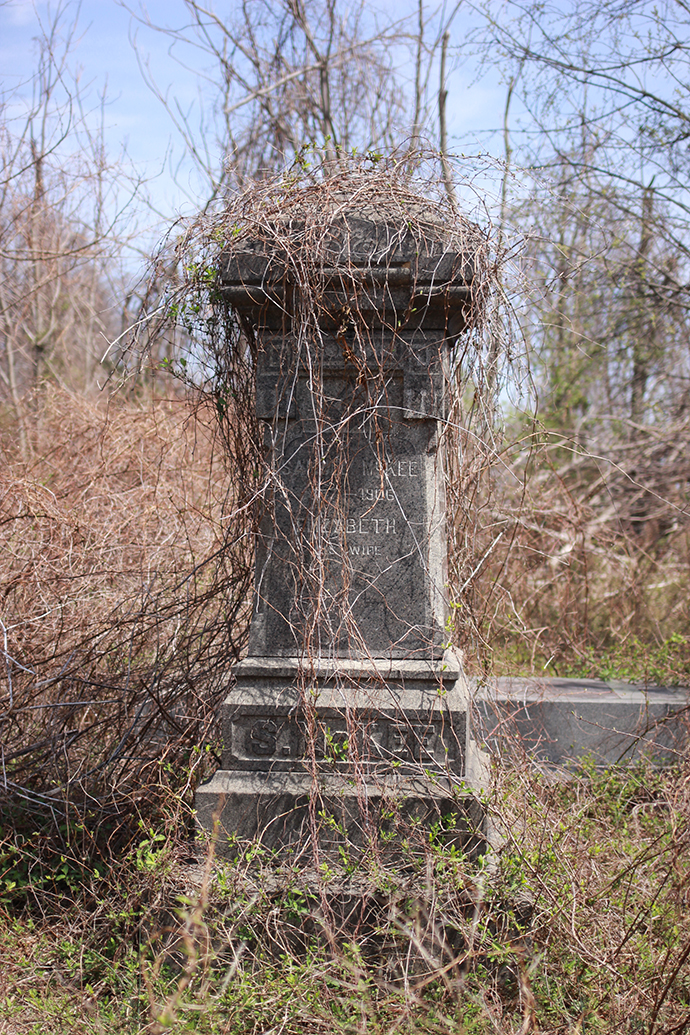
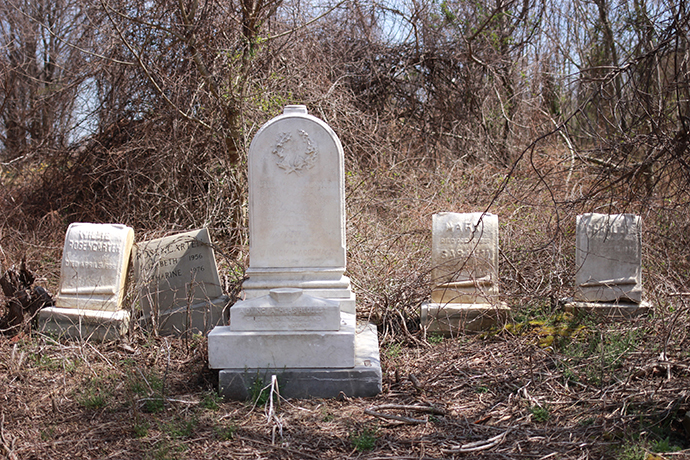

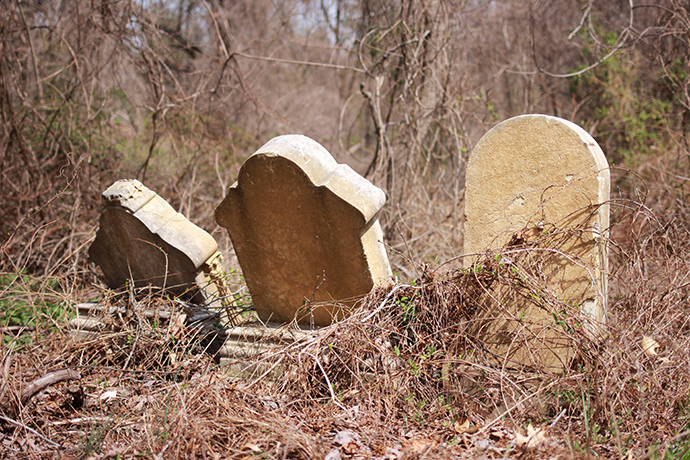
I have been trying to get to Mount Moriah ever since my soul-sister-in-creep, Kaylah of The Dainty Squid, posted about it, but I could never get someone to go with me. I had heard that it was in a not-so-great neighborhood (not uncommon for an abandoned place), and I wasn't thrilled to have to go alone. But I recently had a weekday off for Passover and the weather was beautiful, so I hopped on a train (and then another train) headed for Philadelphia. This is where I apologize to my dad, for assuring him recently that I never go into sketchy, abandoned places by myself—I amend that statement to almost never.
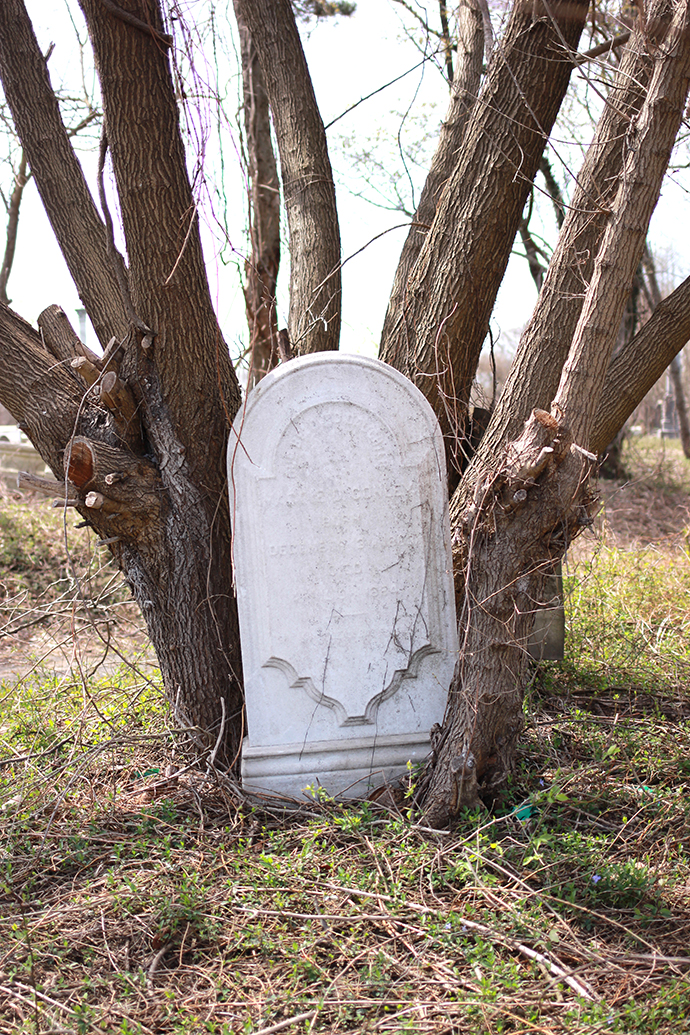
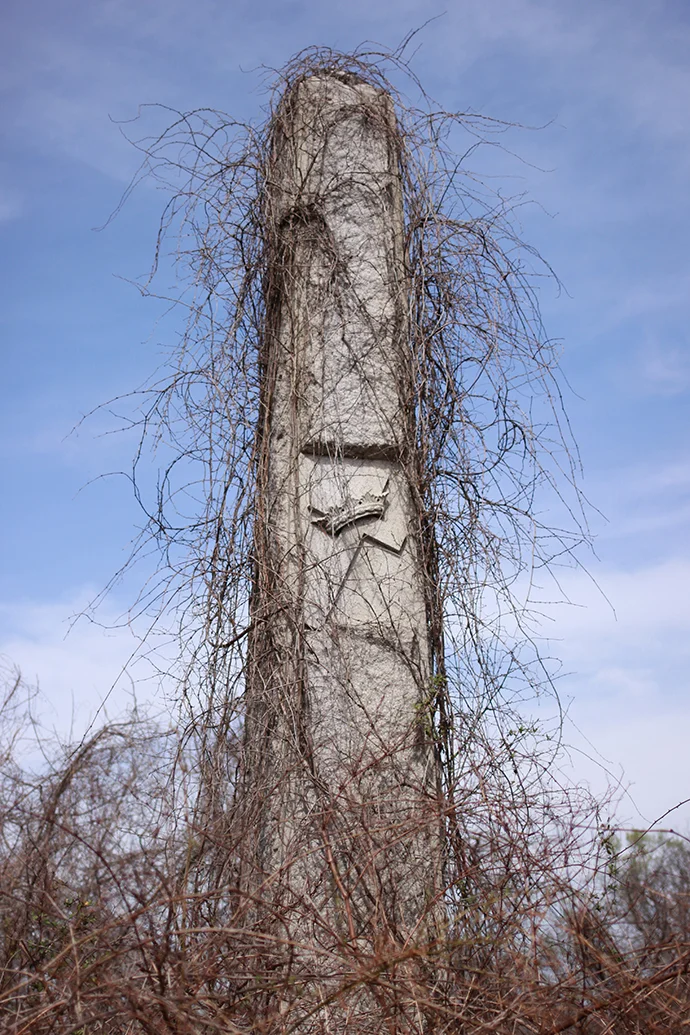


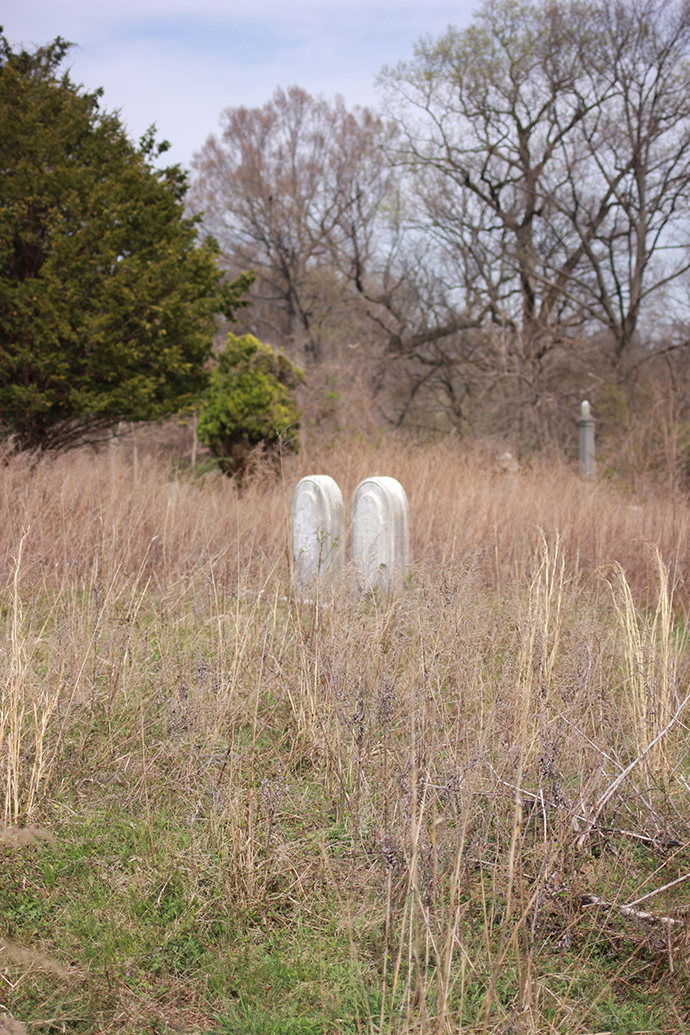

I opted to take regional trains (Penn Staion > Trenton, Trenton > Philly) instead of a more direct (and more expensive) Amtrak train. Mount Moriah is located about four miles from the 30th Street train station, and because I didn't have a car I had to figure out how to actually get to Mount Moriah after I arrived in Philly.
I generally have no problems taking solo adventures—and sometimes I actually prefer to be alone—but my anxieties and indecisive tendencies seem to flourish when left unchecked by another person. My first instinct was to take Uber to the cemetery, but then I began to worry about where to get dropped off and even the judgement of my driver when he/she realized that my destination was an abandoned cemetery (which feels so dumb to admit). Then I decided to take the light rail, but couldn't find the station. Then I thought I'd take the streetcar—which is sort of an underground bus?—but I couldn't figure out how to pay, and I knew I didn't have exact change. So, after way too much time sort of wandering in circles, arguing with myself and wondering why I was so strange, I ended up taking Uber.
I do want to mention that as we were driving, the neighborhood kept getting sketchier and sketchier, to the point where I considered asking my driver to take me back to Philly proper. As we approached the cemetery, I noticed that the front gates were unlocked and open, and asked my driver to drop me out front. I basically ran into the cemetery, and instantly felt better—I'm so glad that I didn't prematurely bail.


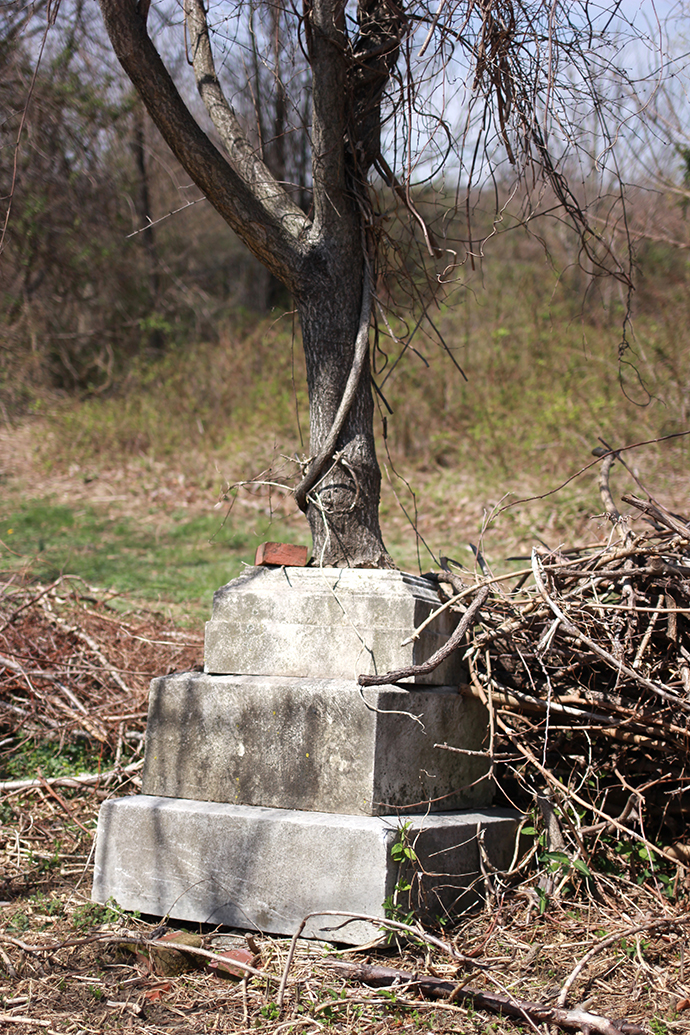

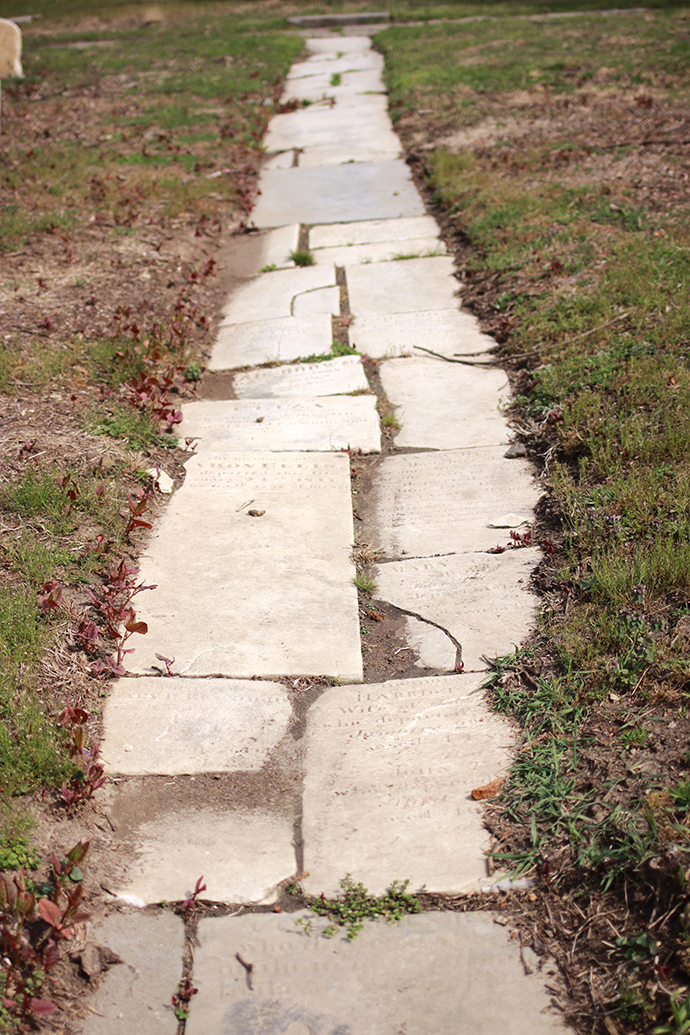
There are a few military sections that have been meticulously maintained, and seeing row after row of identical stones (including several just marked "Unknown") like a mini-Arlington is really sobering. Mount Moriah was unlike any other cemetery I've visited, but there were still a few things that stood out: a full-sized tree growing out of the base of a broken monument, the marker that just said "orphanage," and a path that was made entirely out of broken headstones.
Friends of Mount Moriah Cemetery is a "nonprofit organization dedicated to the preservation and promotion of Mount Moriah Cemetery by honoring the memory of those interred here through community engagement, education, historic research, and restoration." I'm definitely appreciative of these volunteer groups that have stepped in to care for their neglected neighborhood cemeteries—a largely thankless and monumental task—but I'm also glad that I got see Mount Moriah before it was entirely restored to its former glory.
Mount Moriah Cemetery
The main gate is at Kingsessing Ave and S 62nd Street.
No regular hours posted, but I visited at noon on a Tuesday and the gates were open.

Abandoned Amusement Park
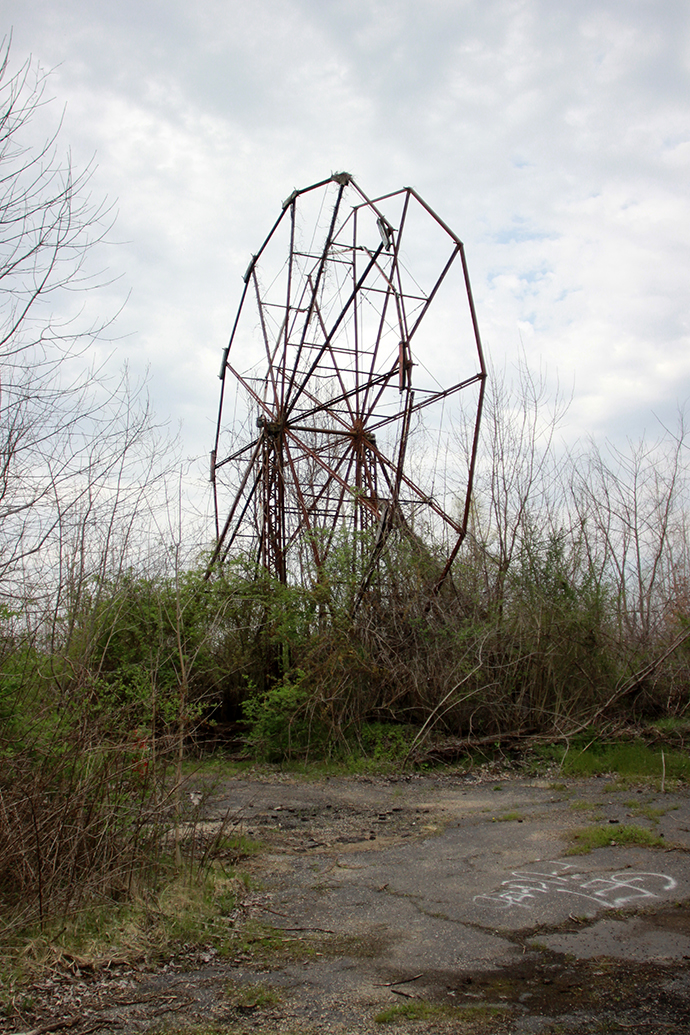
I recently took advantage of a four-day weekend (thank you, Passover!) to fly back to Ohio to see my family and friends.Two of the four days were set aside for friends and exploration, and as soon as I landed my friend JMP and I hit the road in search of an abandoned amusement park. The park was open for 100 years—from 1878 through 1978—and currently sits abandoned and overgrown, surrounded by small houses. Apparently the rides remained salvageable well into the 90s, but the 2000s weren't kind to the park and several of the buildings and rides have since been demolished or have burned down.
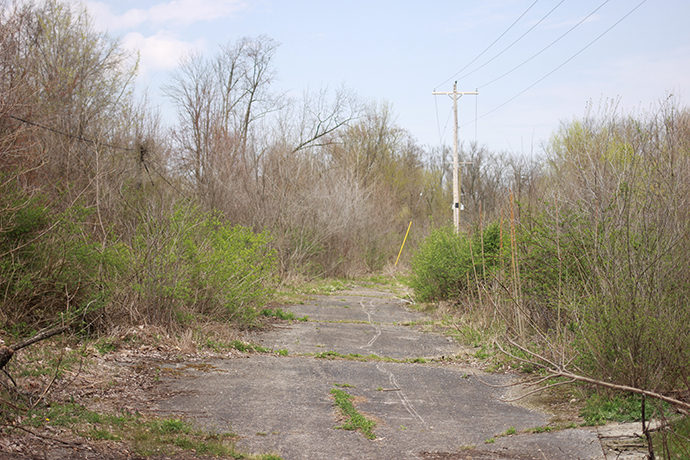


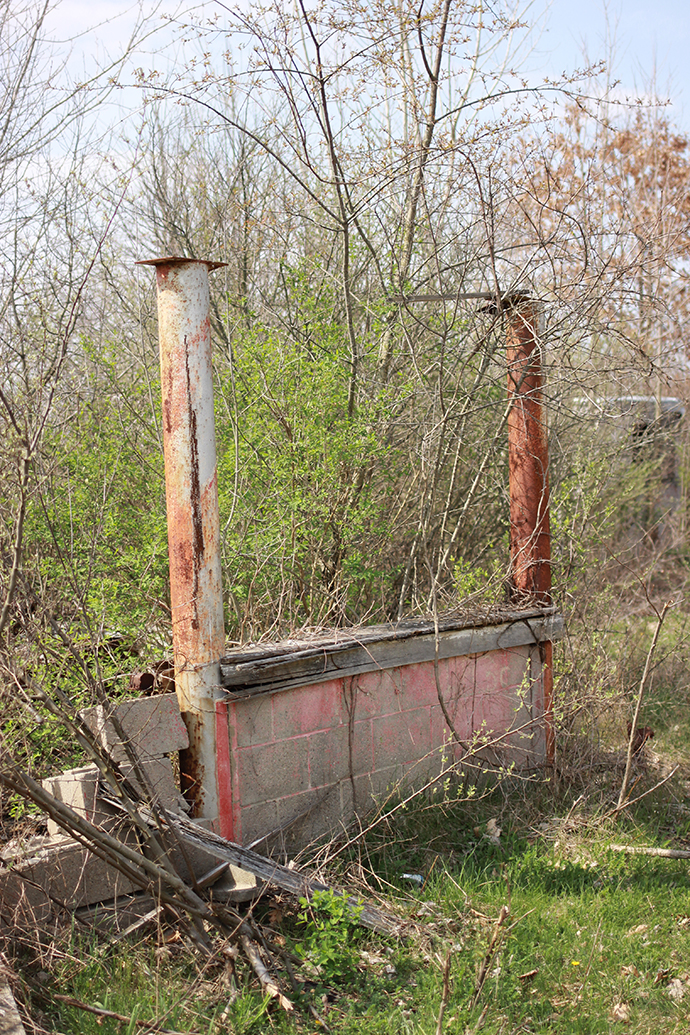

Despite its current state of ruin, I was actually pleasantly surprised by how many rides are still there—I had done some research and was only really expecting to see the Ferris wheel, so everything else felt like a bonus. The park originally had nearly 20 rides, in addition to bathrooms, snack bars, a ballroom, a hotel, ticket booths, souvenir shops and an outdoor theater.

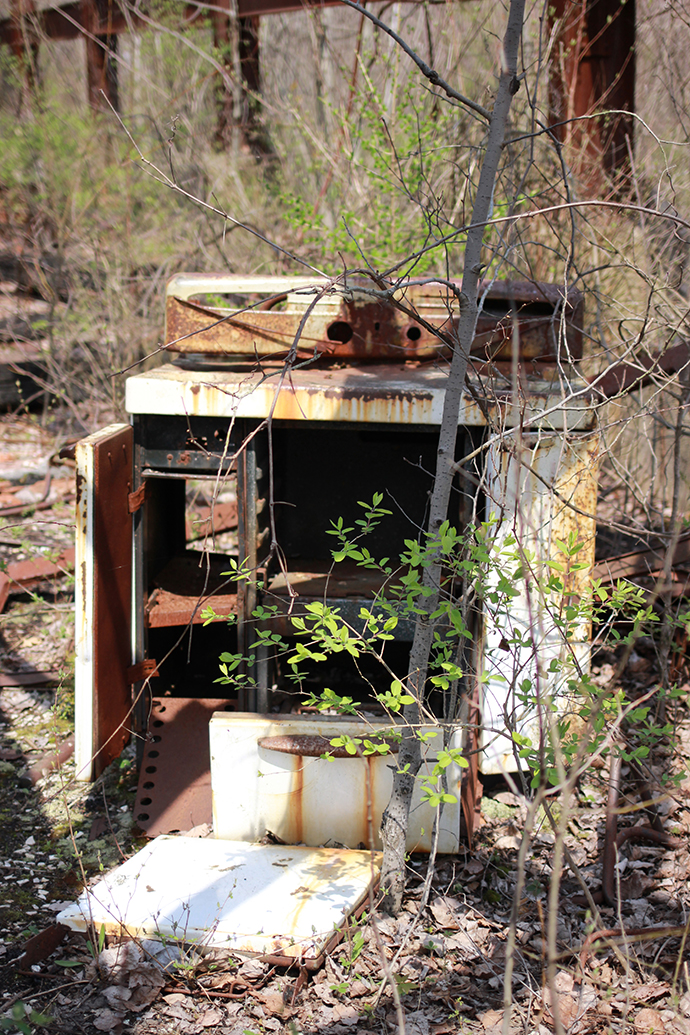


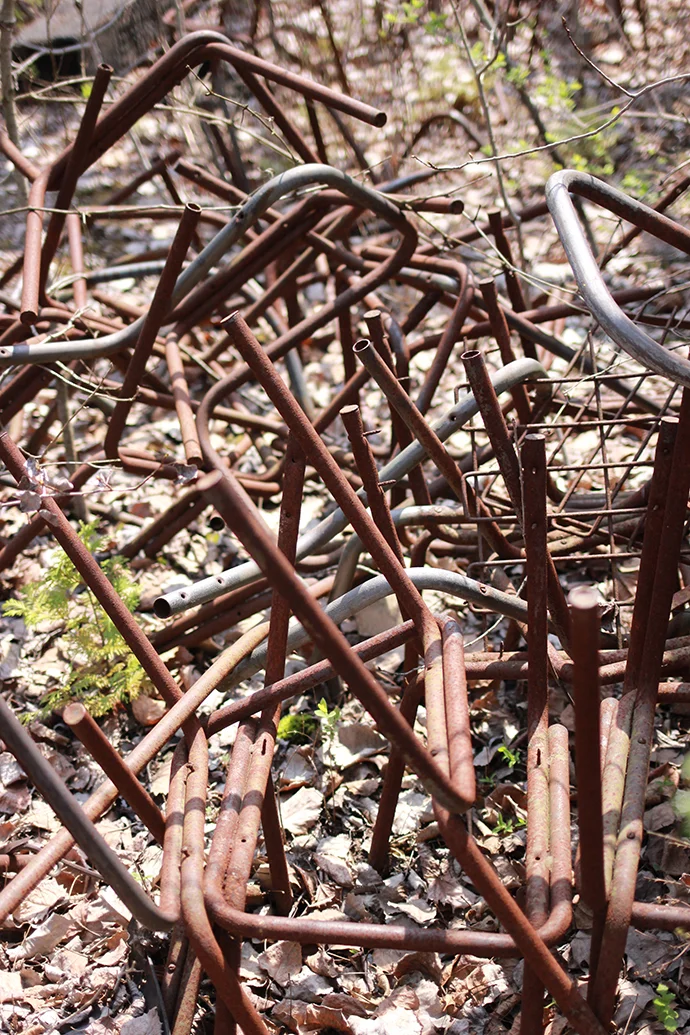
One of the first piles we came across was what remains of the old ballroom. We spent some time wondering what the twisted metal could have once been—it looks an awful lot like a roller coaster track—but the bathroom remnants, chairs and appliances below the beams were puzzling. The ballroom is one of the buildings that was destroyed by a fire—one that must have been quite intense judging by the warped and undulating beams.
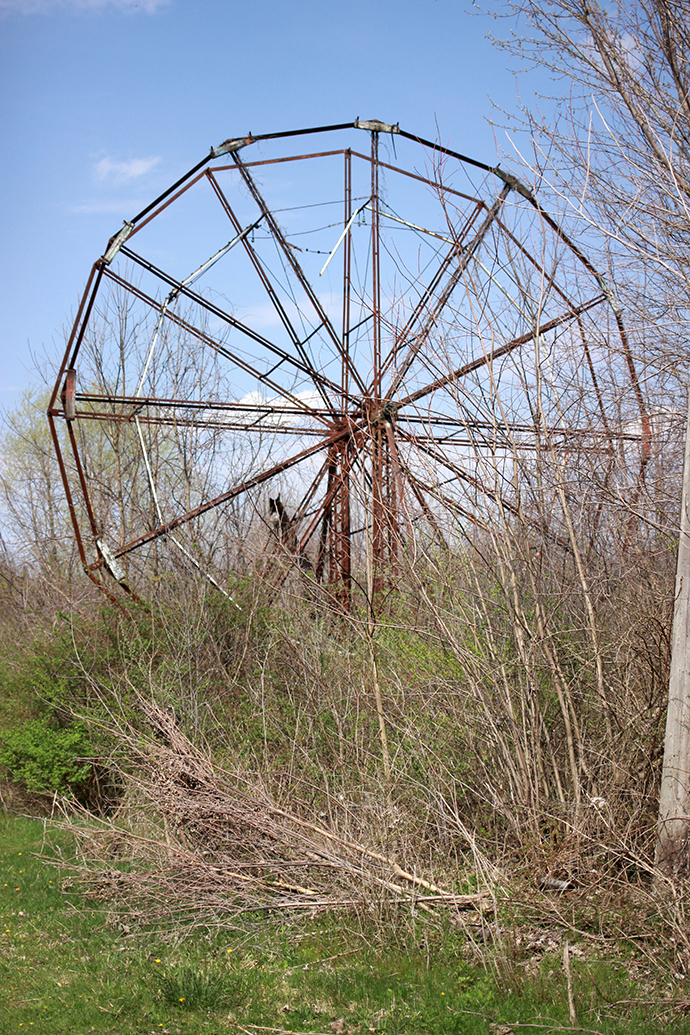


The Ferris wheel was a definite highlight, and just as spooky-looking in person as I imagined it would be. Even without its cars it's still such an instantly recognizable shape that just screams "amusement park." It was a bit smaller than I expected and we thought at first we might not even find it, but seeing it rise out from the weeds was a major thrill.
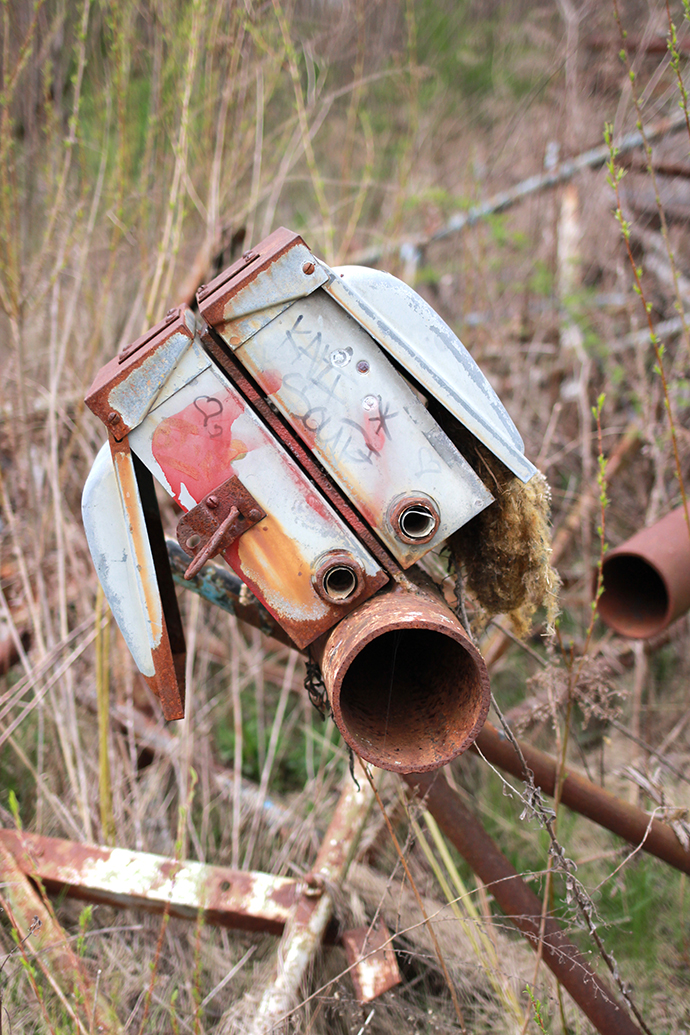
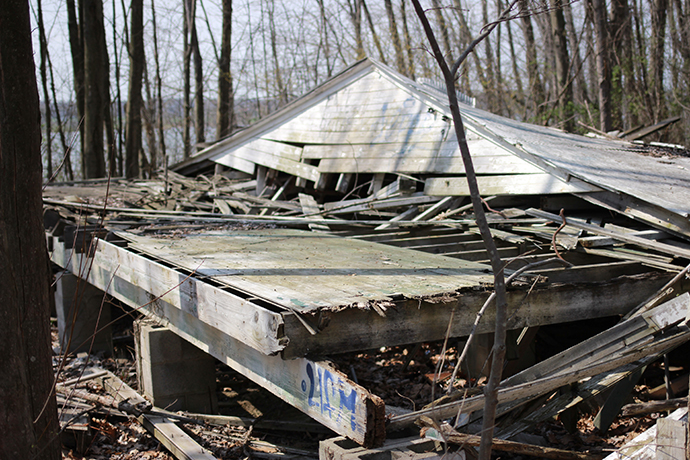
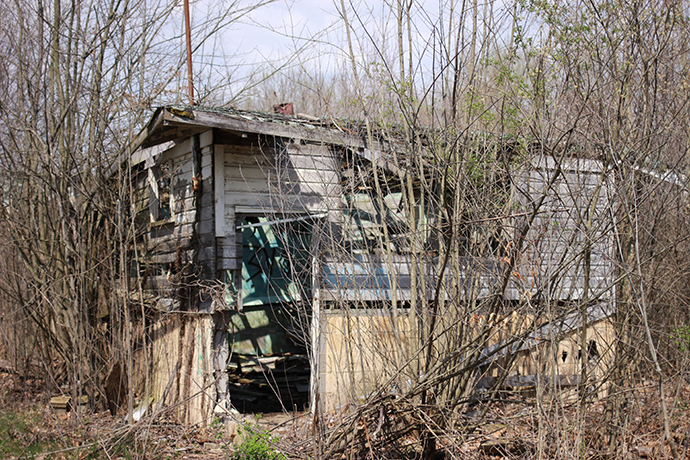

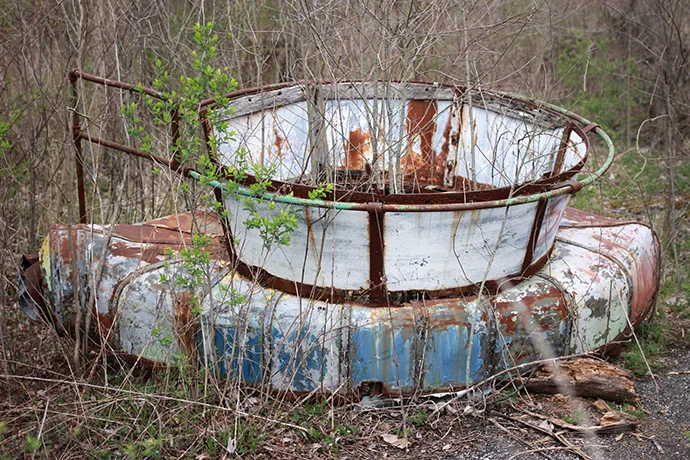
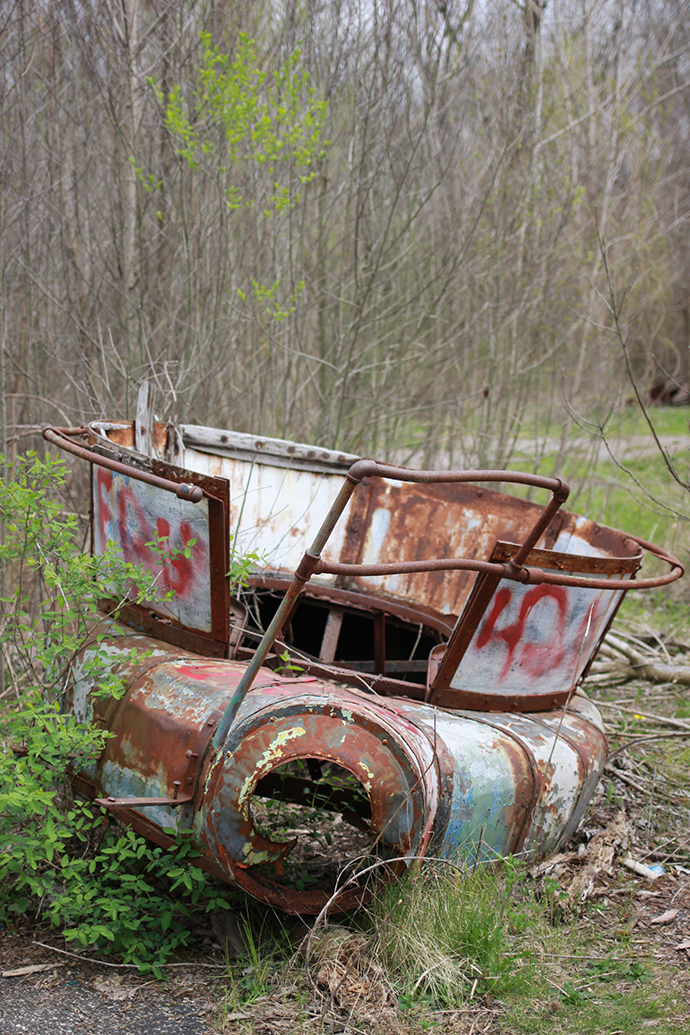
Next to the wheel is a collection of three Tumble Bug cars, and we saw another one nearby in a neighboring yard. Only two Tumble Bug rides remain in operation today, both of which are in Pennsylvania. The buildings that remain, if you can even really call them buildings anymore, are all collapsing in on themselves, and others have long been reduced to piles. One building was recognizable as bathrooms, and one was probably a snack stand but they were all in pretty bad shape.


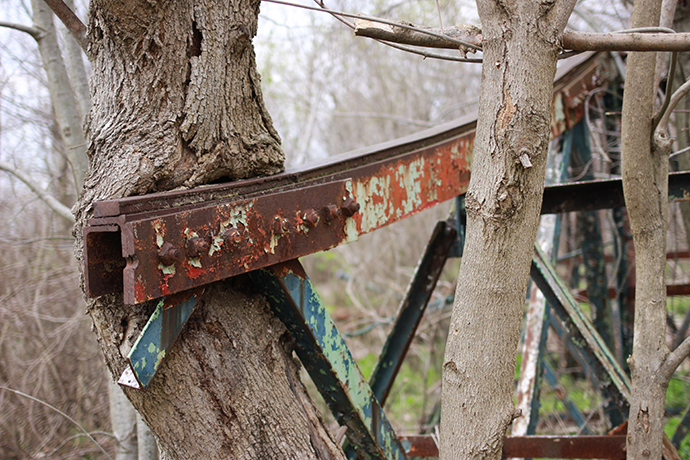
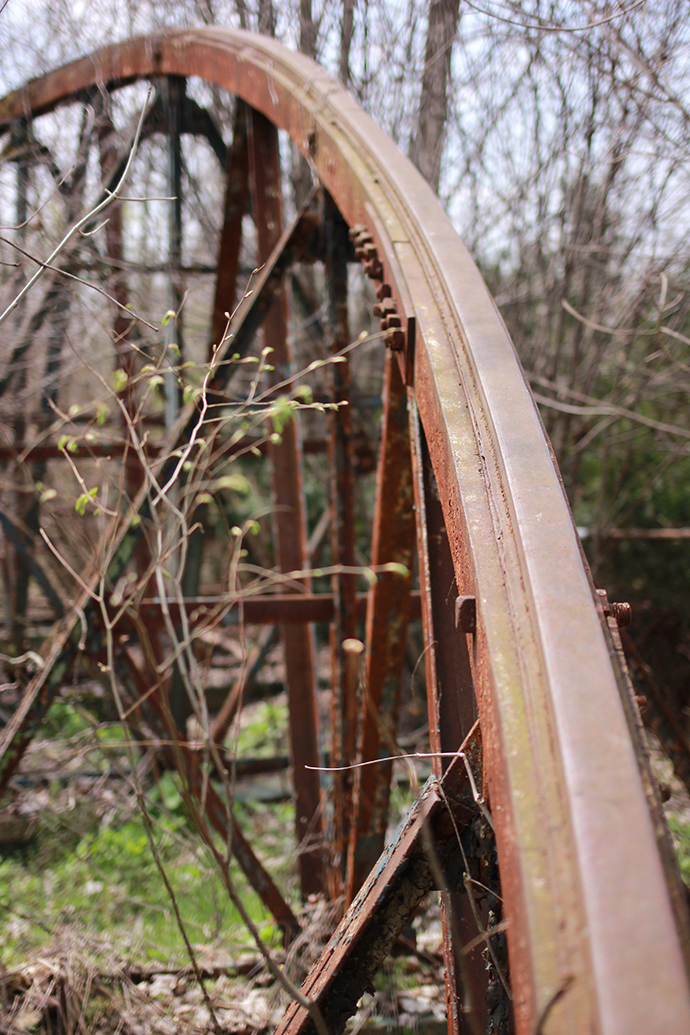
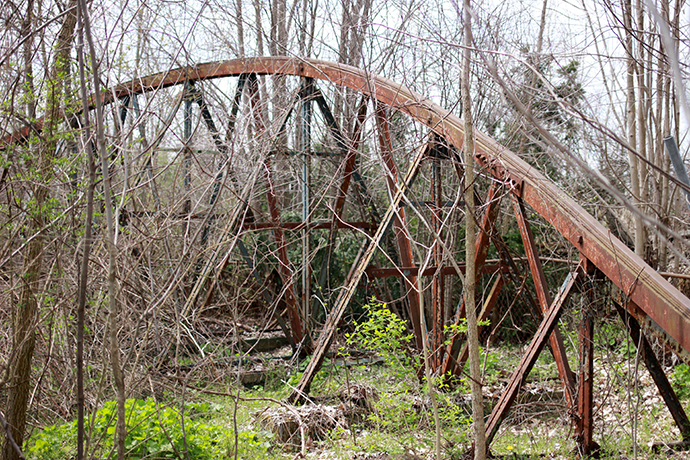
The other iconic amusement park silhouette is the coaster track, and I was so happy to find two. The first one had the most wonderful, colorful peeling layers of paint and its curves rising through overgrown vines reminded me of a dinosaur (specifically the Sinclair Oil Apatosaurus).
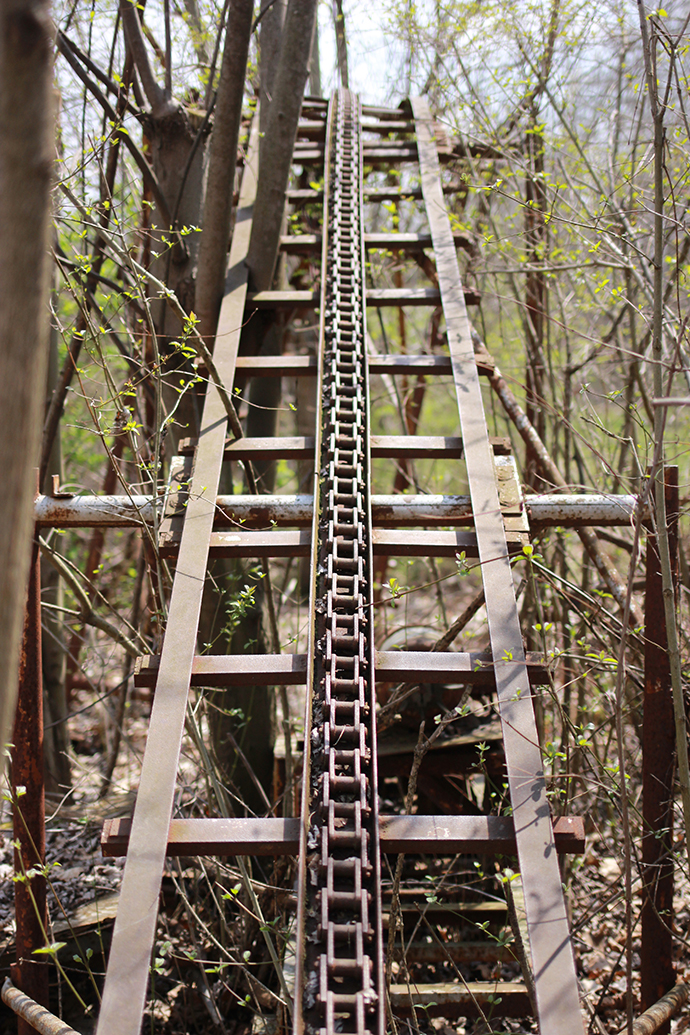


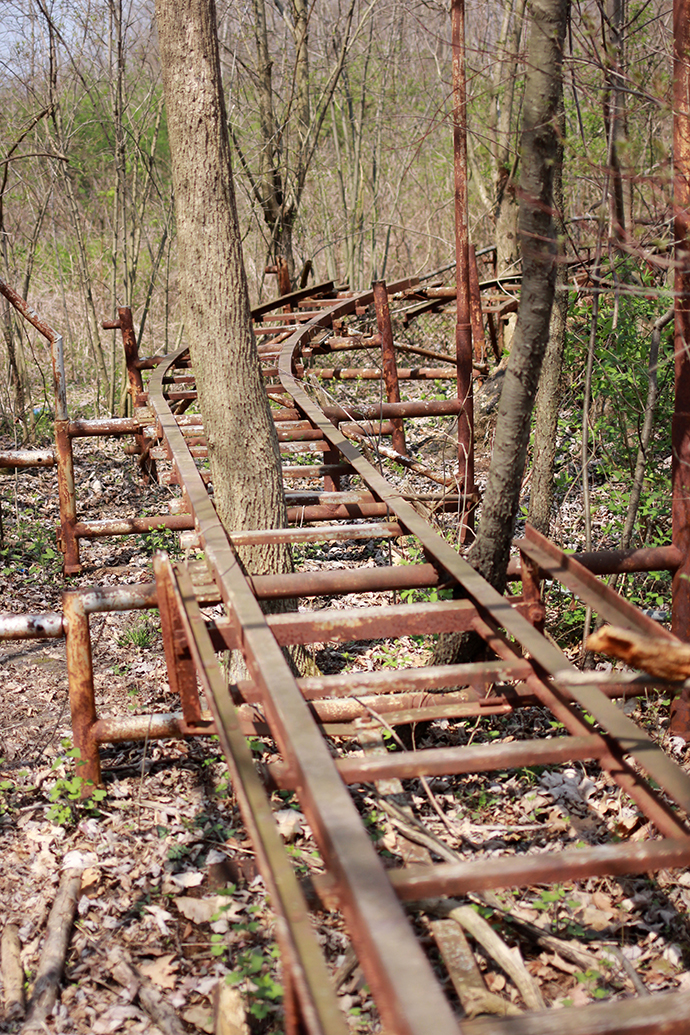

I loved the trees that were growing right through the coaster tracks—in some places trunks and branches even seemed to be slowly consuming the rusty rails. I'm glad we went before the trees really start getting their leaves. Many of the rides are so overgrown that they're easy to miss, and I can imagine that they disappear almost completely in the dense summer foliage.